




-
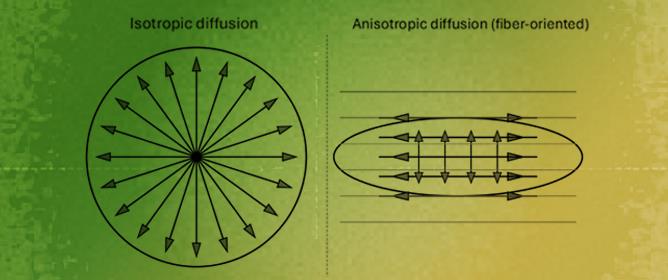
Diffusion Basis Restricted Fraction as a Putative Magnetic Resonance Imaging Marker of Neuroinflammation: Histological Evidence, Diagnostic Accuracy, and Translational Potential -
Is a Bacteriophage Approach for Musculoskeletal Infection Management an Alternative to Conventional Therapy? -
Short-Term In Vitro Culture of Human Ovarian Tissue: A Comparative Study of Serum Supplementation for Primordial Follicle Survival -
Assessment of Hypertension in Hemodialysis Patients with the Concomitant Use of Peridialytic and Interdialytic Ambulatory Blood Pressure Measurements
Journal Description
Life
Life
is an international, peer-reviewed, open access journal related to fundamental themes in life sciences from basic to applied research, published monthly online by MDPI. The Spanish Association for Cancer Research (ASEICA) is affiliated with Life and its members receive a discount on the article processing charges.
- Open Access— free for readers, with article processing charges (APC) paid by authors or their institutions.
- High Visibility: indexed within Scopus, SCIE (Web of Science), PubMed, PMC, CAPlus / SciFinder, and other databases.
- Journal Rank: JCR - Q1 (Biology) / CiteScore - Q1 (Paleontology)
- Rapid Publication: manuscripts are peer-reviewed and a first decision is provided to authors approximately 19.3 days after submission; acceptance to publication is undertaken in 2.6 days (median values for papers published in this journal in the first half of 2025).
- Recognition of Reviewers: reviewers who provide timely, thorough peer-review reports receive vouchers entitling them to a discount on the APC of their next publication in any MDPI journal, in appreciation of the work done.
- Testimonials: See what our editors and authors say about Life.
- Companion journals for Life include: Physiologia and Hydrobiology.
Impact Factor:
3.4 (2024);
5-Year Impact Factor:
3.4 (2024)
Latest Articles
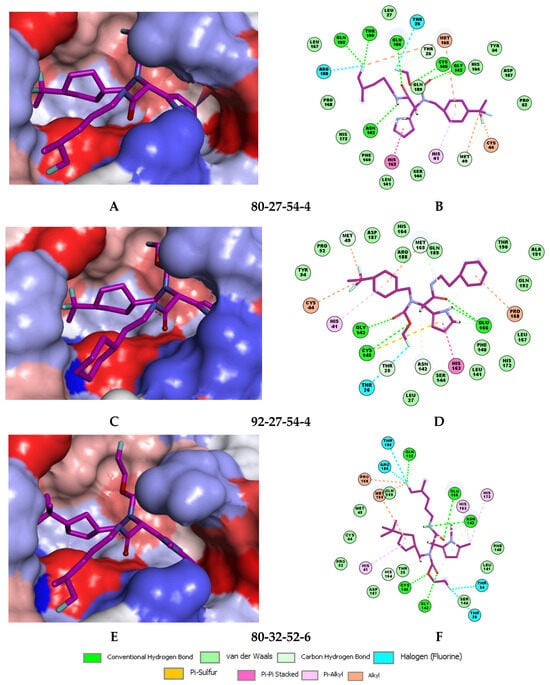
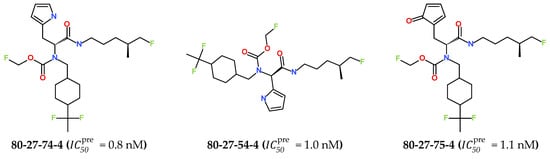
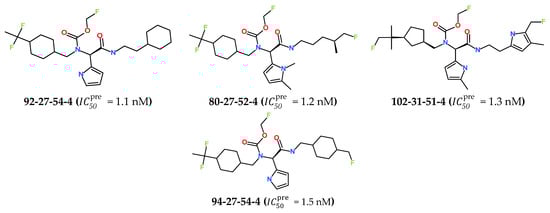
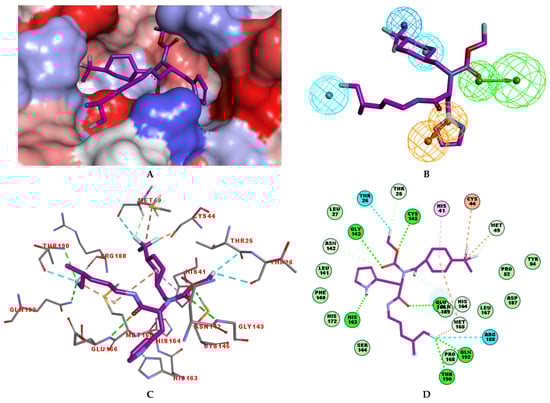
In Silico Optimization of Inhibitors of the 3-Chymotrypsin-like Protease of SARS-CoV-2
Life 2026, 16(1), 6; https://doi.org/10.3390/life16010006 - 19 Dec 2025
Abstract
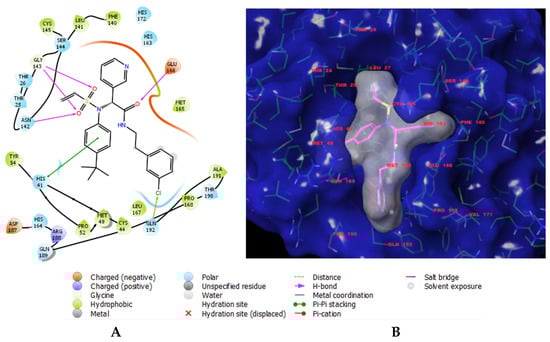
In this study, new improved inhibitors of the viral enzyme 3-chymotrypsin-like protease (3CLpro) were designed using structure-based drug design techniques in an effort to discover more effective treatment of coronavirus disease 2019 (COVID-19). Three-dimensional models of 3CLpro–inhibitor complexes were
[...] Read more.
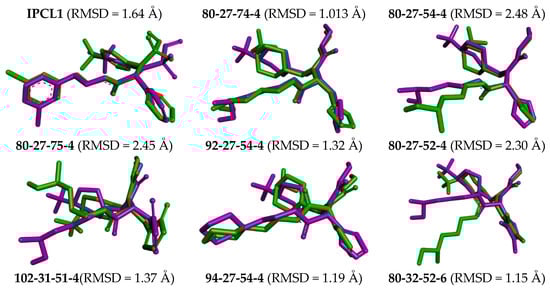
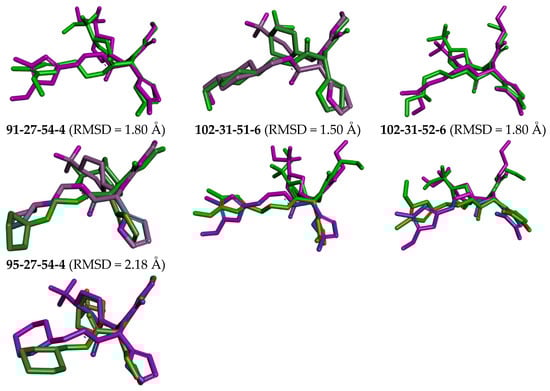
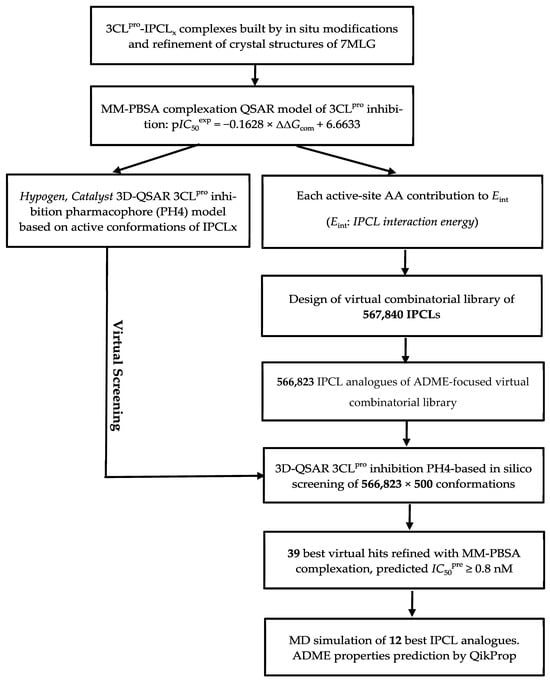
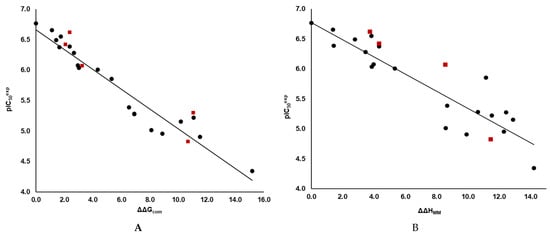
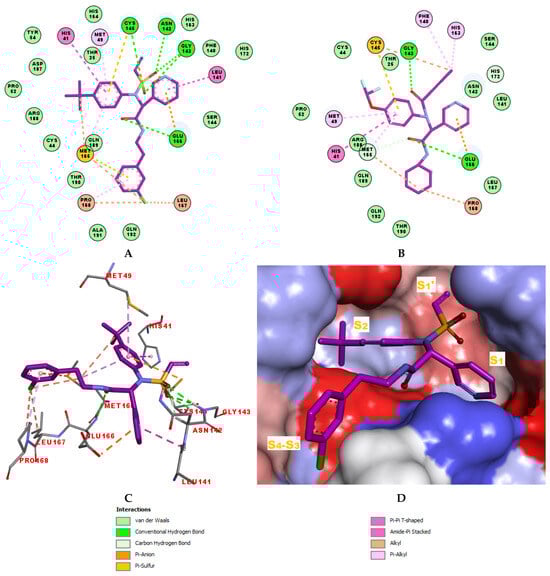
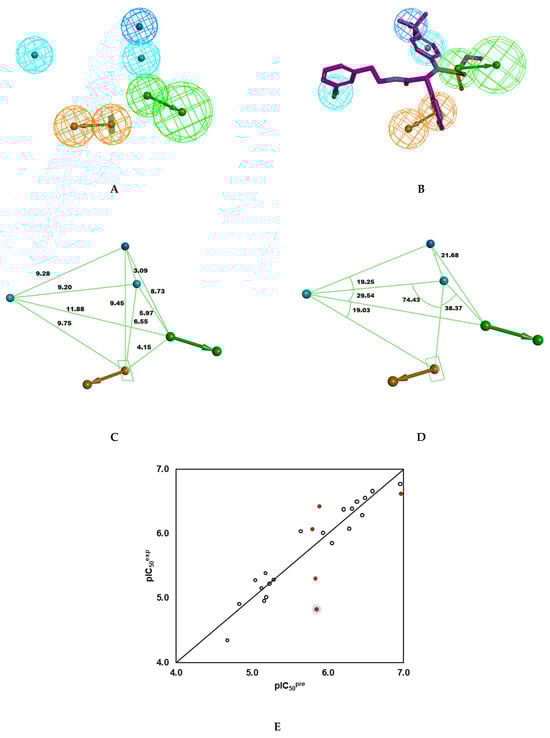
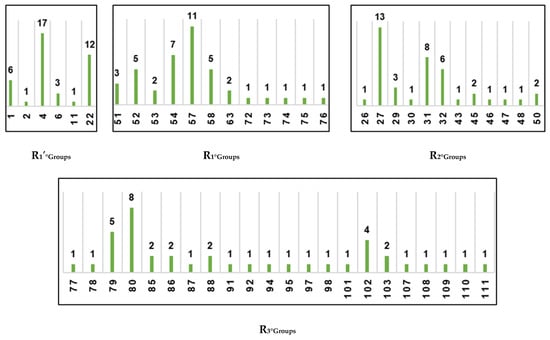
In this study, new improved inhibitors of the viral enzyme 3-chymotrypsin-like protease (3CLpro) were designed using structure-based drug design techniques in an effort to discover more effective treatment of coronavirus disease 2019 (COVID-19). Three-dimensional models of 3CLpro–inhibitor complexes were prepared by in situ modification of the crystal structure of the submicromolar covalent inhibitor IPCL6 for a set of 25 known inhibitors with published inhibitory potencies ( ). The QSAR model was prepared with a reasonable correlation between the calculated free energies of formation of the 3CLpro-IPCL complex (∆∆Gcom) and the experimentally determined activities , which explained approximately 92% of the variation in the 3CLpro inhibition data. A similar agreement was achieved for the QSAR pharmacophore model (PH4) built on the basis of the active conformations of the IPCL inhibitors bound at the active site of the 3CLpro. The virtual combinatorial library of more than 567,000 IPCL analogues was screened in silico using the PH4 model and resulted in the identification of 39 promising analogues. The best inhibitors designed in this study show high predicted affinity for the 3CLpro protease, as well as favourable predicted ADME properties. For the best new virtual inhibitor candidate IPCL 80-27-74-4, the inhibitory concentration was predicted equal to 0.8 nM, which represents a significant improvement in the inhibitory potency of known IPCLs. Ultimately, molecular dynamics simulations of the 12 newly designed top-scoring IPCL inhibitors demonstrated that the 3CLpro–inhibitor complexes exhibited good structural stability, confirming the potential for further development of the designed IPCL analogues.
Full article
(This article belongs to the Section Biochemistry, Biophysics and Computational Biology)
►
Show Figures
Open AccessArticle
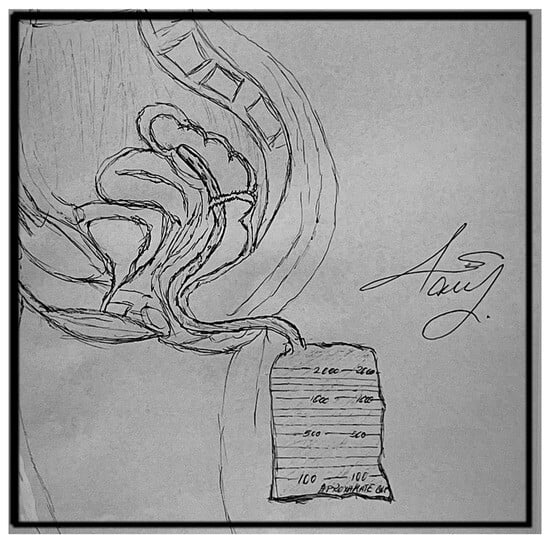
Impact of Transanal Drainage Tube Placement on Anastomosis Leakage Incidence After Rectal Cancer Surgery
by
Maria-Manuela Răvaș, Marian Marincaș, Eugen Brătucu, Vrgiliu Prunoiu, Laurentiu Simion, Laura-Maria Manea and Mircea-Nicolae Brătucu
Life 2026, 16(1), 5; https://doi.org/10.3390/life16010005 - 19 Dec 2025
Abstract
Background: Anastomotic leakage (AL) following rectal cancer surgery is a significant cause of mortality and morbidity. Although transanal drainage tubes are expected to reduce the rate of AL, their preventive effect remains controversial. Aim: To evaluate whether transanal drainage tube (TAD)
[...] Read more.
Background: Anastomotic leakage (AL) following rectal cancer surgery is a significant cause of mortality and morbidity. Although transanal drainage tubes are expected to reduce the rate of AL, their preventive effect remains controversial. Aim: To evaluate whether transanal drainage tube (TAD) provides protection against AL in patients without other protective methods after low anterior resection (LAR). Methods: A retrospective cohort study was performed in patients undergoing LAR for rectal cancer between 2018 and 2023. Based on postoperative management, patients were divided into four distinct groups as follows: in TAD group, after colorectal anastomosis, a 32F silicone tube was inserted through the anus by more than 5 cm above the anastomosis. The tube was secured around the anus with a skin suture and a drainage bag was attached. The tube was removed after 3–5 days after surgery. In the non-TAD group, no transanal drainage tube and no diverting stomas, respectively, were used after the anastomosis. In the ileostomy and colostomy group a stoma was often performed as a primary measure in preventing anastomotic leakage. Clinical characteristics and postoperative complications were compared among the groups. Complications were categorized as general (eventration, seroma) or septic (fistula, abscess) and further classified as early (<7 days after surgery) or tardive (between 7 and 30 days after surgery). Statistical significance was defined as a p-value < 0.05. Results: A total of 171 patients were included: 47 (27.5%) in the TAD group, 54 (32.2%) in the non-TAD group, 25 (14.6%) in colostomy group, and 45 (26.3%) in ileostomy group. Overall, eight patients (4.7%) developed anastomotic leakage (AL). In the non-TAD group, 3 patients experienced AL (all early); in the ileostomy group, 2 patients (1 early, 1 tardive); and in the colostomy group, 2 patients (both tardive). The TAD group had one patient with AL as a tardive complication. The incidence of early general complications was significant lower in TAD group compared with the non-TAD group (OR 0.23, 95% CI [0.06–0.85]; p = 0.004), while there was no significant difference in early septic complications between TAD and ileostomy group (p = 0.71). The incidence of tardive general complications was significantly more frequent in the ileostomy group (OR 0.10, 95% CI [0.02–0.44]; p = 0.0008) compared with TAD group. Overall, total complications were significantly lower in TAD group compared to non-TAD (OR 0.15, 95% CI [0.05–0.44]; p < 0.001), ileostomy (OR 0.20, 95% CI [0.07–0.56]; p = 0.003), and colostomy ((OR 0.46 CI [0.21–0.99]; p = 0.049) groups. Furthermore, the TAD group showed a reduction rate of AL compared to the ileostomy, colostomy, and non-TAD groups (2.12% vs. 4.4%, 8%, and 5.5%) but the incidence of AL was almost similar (p = 0.65). Conclusions: The elective use of TAD is a simple and effective protective method for the prevention of overall postoperative complications, also helping to reduce the rate of AL in patients. Nevertheless, there is limited information in the literature regarding the optimal size and material of TAD, despite these factors playing an important role in the viability and effectiveness of the method.
Full article
(This article belongs to the Section Medical Research)
►▼
Show Figures

Figure 1
Open AccessArticle
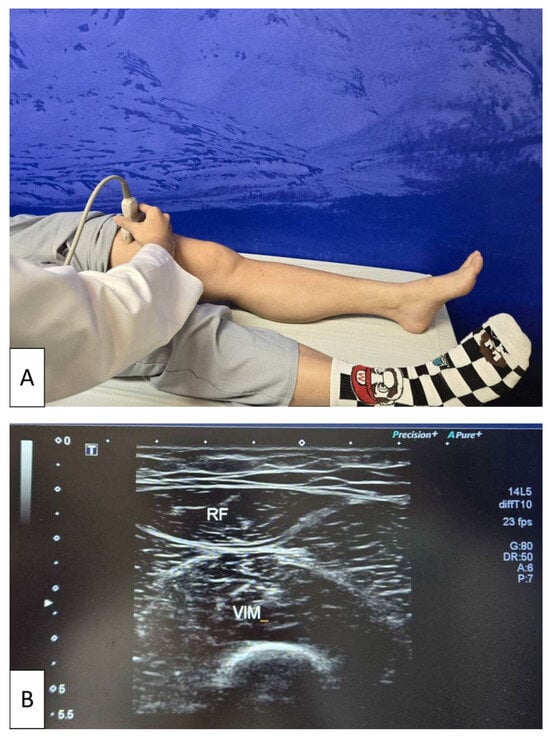
Higher Prevalence of Sarcopenia in Knee Osteoarthritis and Its Association with Femoral Intercondylar Cartilage Thickness and Functional Outcomes
by
Guan-Bo Chen, Chien-Hui Li, Ya-Chun Hu, Yi-Ju Tsai, Ya-Hui Chen and Sheng-Hui Tuan
Life 2026, 16(1), 4; https://doi.org/10.3390/life16010004 - 19 Dec 2025
Abstract
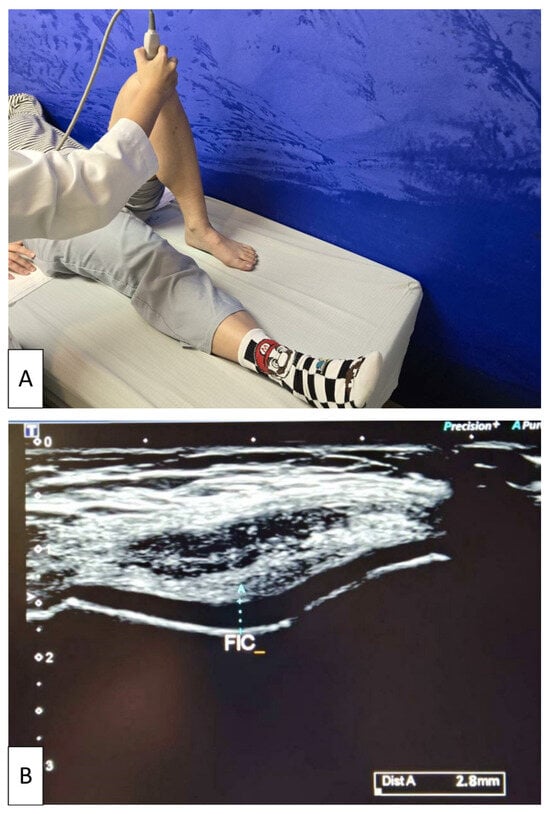
Knee osteoarthritis (KOA) and sarcopenia are prevalent age-related disorders that share common pathophysiological mechanisms such as aging, chronic inflammation, and physical inactivity. Their coexistence may aggravate functional decline and disability. This cross-sectional study aimed to compare the prevalence of sarcopenia between individuals with
[...] Read more.
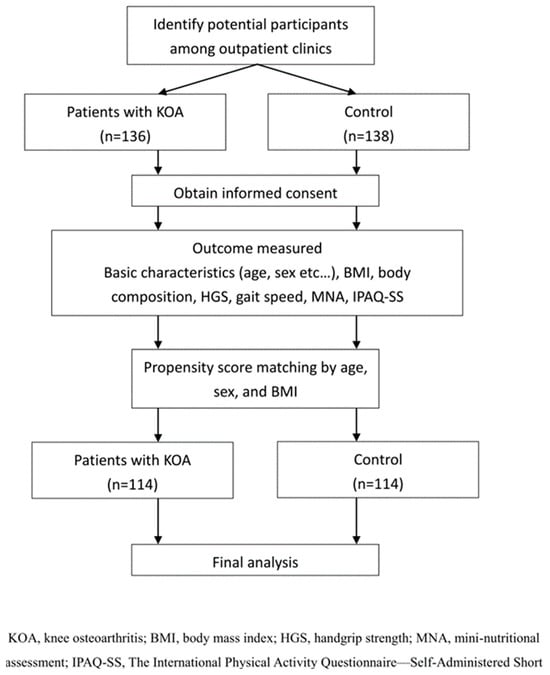
Knee osteoarthritis (KOA) and sarcopenia are prevalent age-related disorders that share common pathophysiological mechanisms such as aging, chronic inflammation, and physical inactivity. Their coexistence may aggravate functional decline and disability. This cross-sectional study aimed to compare the prevalence of sarcopenia between individuals with KOA and matched controls and to explore the relationship between femoral intercondylar cartilage (FIC) thickness and muscle-related parameters. A total of 228 participants (114 KOA, 114 controls) matched by age, sex, and body mass index were enrolled. Assessments included appendicular skeletal muscle mass index (ASMMI), handgrip strength, walking speed, and physical activity. In KOA patients, ultrasound measurements of FIC and quadriceps thickness and the Western Ontario and McMaster Universities Osteoarthritis Index (WOMAC) were additionally obtained. Sarcopenia prevalence was higher in the KOA group than in controls (41.2% vs. 26.3%, p = 0.017). Greater FIC thickness was associated with higher ASMMI, stronger handgrip strength, faster walking speed, and lower WOMAC pain and total scores. These findings indicate that FIC thickness may serve as a potential structural biomarker linking cartilage integrity with muscle function in KOA.
Full article
(This article belongs to the Section Medical Research)
►▼
Show Figures

Figure 1
Open AccessCase Report
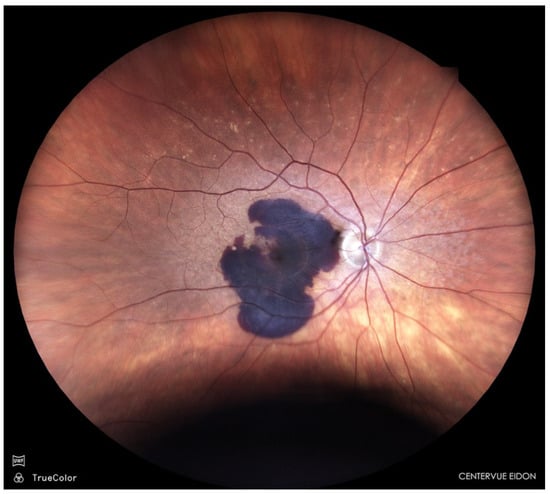
Combined Pharmacological and Pneumatic Displacement Therapy for Sub-Macular Haemorrhage Secondary to Age-Related Macular Degeneration: A Case Series and Review of the Literature
by
Agnieszka Kudasiewicz-Kardaszewska, Małgorzata Anna Ozimek, Tomasz Urbański, Kinga Jamontt, Aleksander Tkaczenko, Karolina Bonińska and Sławomir Cisiecki
Life 2026, 16(1), 3; https://doi.org/10.3390/life16010003 - 19 Dec 2025
Abstract
Purpose: We aimed to present the clinical outcomes of a combined pharmacological and gas-assisted treatment for sub-macular haemorrhage secondary to neovascular age-related macular degeneration (nAMD). Methods: This retrospective case series included ten eyes with sub-macular haemorrhage (SMH) treated between January 2024 and September
[...] Read more.
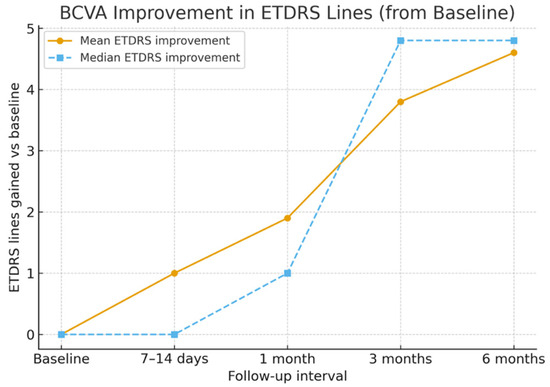
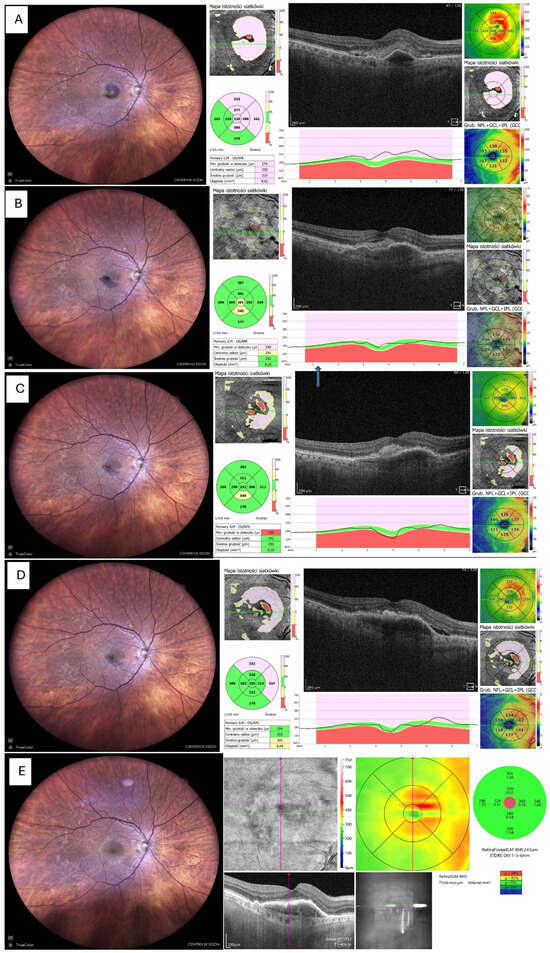
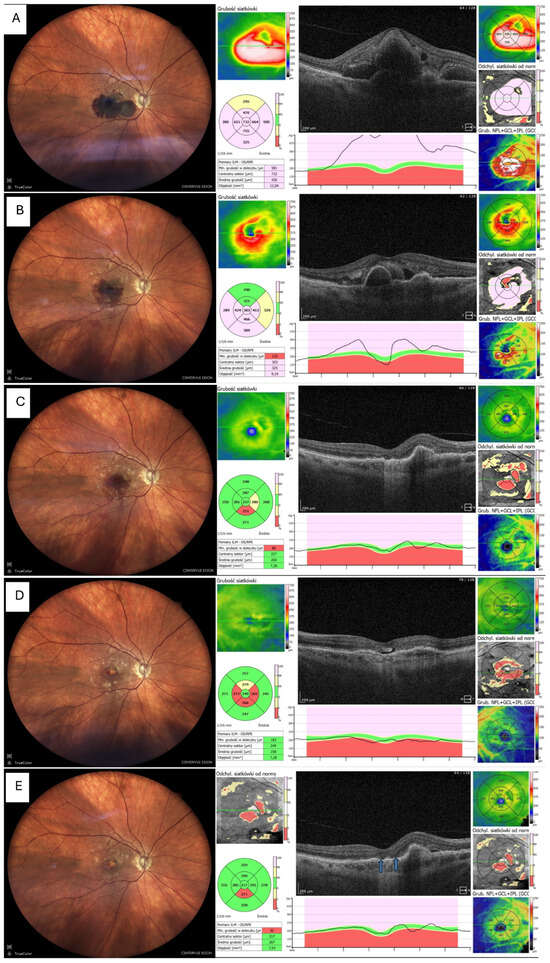
Purpose: We aimed to present the clinical outcomes of a combined pharmacological and gas-assisted treatment for sub-macular haemorrhage secondary to neovascular age-related macular degeneration (nAMD). Methods: This retrospective case series included ten eyes with sub-macular haemorrhage (SMH) treated between January 2024 and September 2025. All patients received intravitreal alteplase (100 µg) and C3F8 gas, followed by aflibercept (2 mg or 8 mg) within a treat-and-extend regimen. BCVA- and OCT-based anatomical changes were recorded at baseline, 7–14 days, 1 month, 3 months, and 6 months. BCVA changes were analysed using repeated-measures testing. Results: Mean BCVA improved from 0.99 ± 0.21 logMAR at baseline to 0.89 ± 0.20 at 7–14 days, 0.80 ± 0.20 at 1 month, 0.60 ± 0.18 at 3 months, and 0.53 ± 0.20 at 6 months (p < 0.05 for overall change). Eight eyes (80 percent) showed restoration of foveal contour, while two developed foveal atrophy. No major adverse events occurred. Conclusion: Combined intravitreal alteplase and C3F8, followed by aflibercept, may provide favourable short-term visual and anatomical improvement in SMH secondary to nAMD. Early intervention appears beneficial, but larger controlled studies are needed to confirm these findings.
Full article
(This article belongs to the Special Issue Eye Diseases: Diagnosis and Treatment, 3rd Edition)
►▼
Show Figures

Figure 1

Open AccessArticle
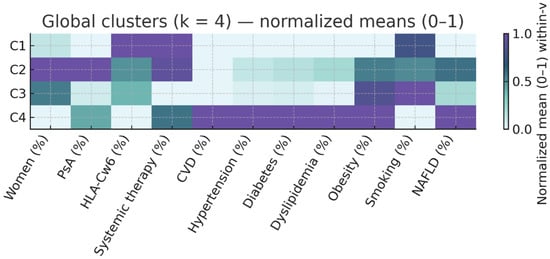
Cardiometabolic Candidate Endotypes in Psoriatic Disease: Integration of Clinical, Metabolic, and Immunogenetic Data Across Psoriasis and Psoriatic Arthritis
by
Rubén Queiro, Paula Alvarez, Ignacio Braña, Marta Loredo, Estefanía Pardo, Stefanie Burger, Norma Callejas, Sara Alonso and Mercedes Alperi
Life 2026, 16(1), 2; https://doi.org/10.3390/life16010002 - 19 Dec 2025
Abstract
Background/objectives: Psoriatic disease (PsD) encompasses psoriasis (PsO) and psoriatic arthritis (PsA) and is associated with heterogeneous cardiometabolic risk. Integrating immunogenetic markers such as HLA-Cw6 into data-driven analyses may refine phenotyping and uncover clinically meaningful endotypes. We aimed to identify cardiometabolic phenotypes across PsD,
[...] Read more.
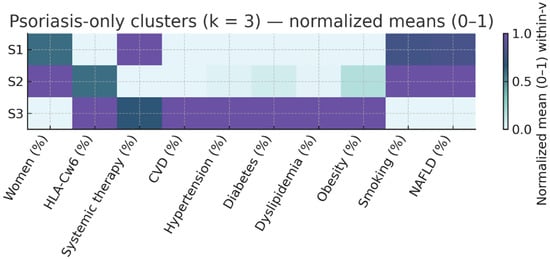
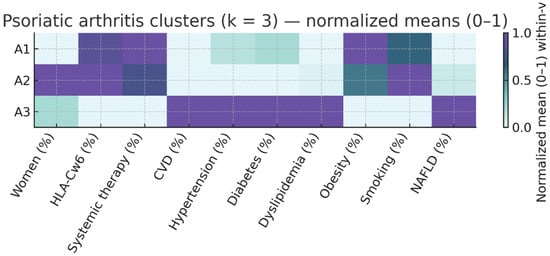
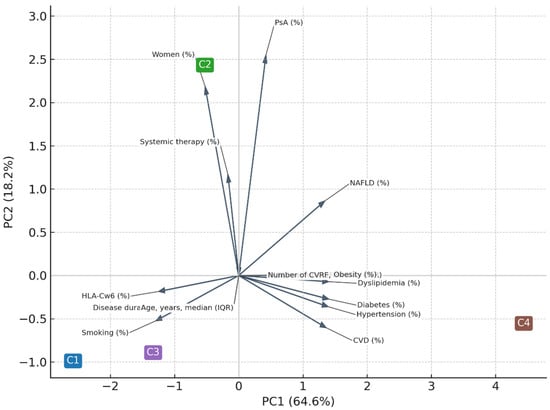
Background/objectives: Psoriatic disease (PsD) encompasses psoriasis (PsO) and psoriatic arthritis (PsA) and is associated with heterogeneous cardiometabolic risk. Integrating immunogenetic markers such as HLA-Cw6 into data-driven analyses may refine phenotyping and uncover clinically meaningful endotypes. We aimed to identify cardiometabolic phenotypes across PsD, integrating HLA-Cw6 and exploring disease-specific heterogeneity and predictors of high-risk profiles. Methods: In a cross-sectional study of 572 PsD patients (401 PsO, 171 PsA), eight demographic and clinical variables, including HLA-Cw6, were entered into k-means clustering (k = 4). Cardiometabolic risk factors were profiled post hoc. Cluster validity was assessed by Gaussian Mixture Models and principal component analysis (PCA). Stratified analyses (k = 3) were conducted separately for PsO and PsA. Predictors of the high-risk phenotype were examined using bootstrap-resampled logistic regression. Results: Four cardiometabolic phenotypes were identified, ranging from younger patients with active PsO and low cardiometabolic burden to a small, high-risk subgroup (~6%) combining older age, universal cardiovascular disease, and a clustering of hypertension, diabetes, and dyslipidemia. Disease-stratified analyses showed that high-risk phenotypes were present in both PsO and PsA. In stratified analyses, HLA-Cw6 showed opposite associations—enriched in high-risk PsO (OR 2.0, 95% CI 1.3–3.1) but depleted in high-risk PsA (OR 0.24, 95% CI 0.11–0.52). Conclusions: Incorporating HLA-Cw6 into clustering identified reproducible cardiometabolic phenotypes with distinct genetic signatures. The inverse HLA-Cw6 risk patterns in PsO and PsA suggest disease-specific patterns that may have differing cardiometabolic implications, which should be tested in longitudinal studies.
Full article
(This article belongs to the Section Physiology and Pathology)
►▼
Show Figures

Figure 1
Open AccessArticle
Temporal Expression of NLRP3 Inflammasome Components in Patients with Acute Coronary Syndrome
by
Paraskevi Papanikolaou, Andreas Aggelopoulos, Alexios S. Antonopoulos, Panagiotis Theofilis, Maria Gazouli, Konstantinos Tsioufis and Dimitris Tousoulis
Life 2026, 16(1), 1; https://doi.org/10.3390/life16010001 - 19 Dec 2025
Abstract
Background: Inflammation is a central driver of atherothrombosis, yet the temporal behavior of key inflammasome mediators following acute coronary syndrome (ACS) is not well characterized. The NLRP3 inflammasome, a major regulator of interleukin (IL)-1β activation, has been implicated in plaque destabilization and recurrent
[...] Read more.
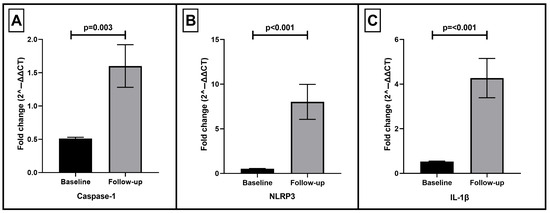
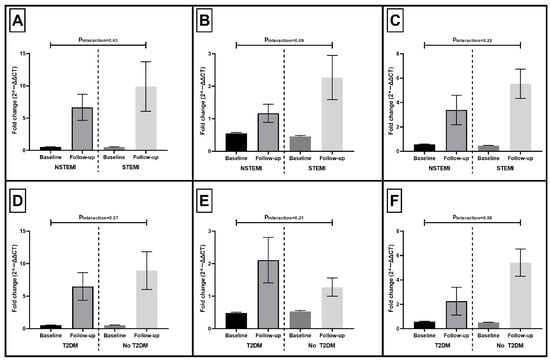
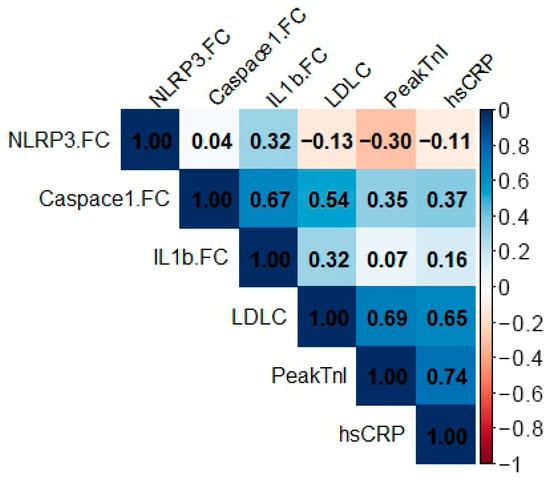
Background: Inflammation is a central driver of atherothrombosis, yet the temporal behavior of key inflammasome mediators following acute coronary syndrome (ACS) is not well characterized. The NLRP3 inflammasome, a major regulator of interleukin (IL)-1β activation, has been implicated in plaque destabilization and recurrent cardiovascular risk. This study aims to investigate the temporal expression of NLRP3 inflammasome components in peripheral blood mononuclear cells (PBMCs) of patients with ACS. Methods: In this prospective observational study, PBMCs were collected from 73 patients with ACS during the early in-hospital phase and at 8–12 weeks follow-up. Gene expression of NLRP3, caspase-1, and IL-1β was quantified by qRT-PCR, and fold-change was calculated using the 2−ΔΔCT method. Associations with clinical and biochemical variables were evaluated using multivariable linear regression. Results: Expression of all measured inflammasome-related genes increased significantly at follow-up compared with baseline: caspase-1 (≈2-fold, p = 0.003), NLRP3 (>10-fold, p < 0.001), and IL-1β (≈4-fold, p < 0.001). Subgroup analyses showed that the post-ACS upregulation of NLRP3, caspase-1, and IL-1β was consistent across STEMI and NSTEMI presentations and was not significantly modified by diabetes status. Caspase-1 fold-change correlated positively with IL-1β, LDL-cholesterol, peak troponin I, and high sensitivity C reactive protein, whereas NLRP3 showed minimal correlations with clinical variables. In multivariable analysis, caspase-1 upregulation was independently associated with STEMI presentation and low-density lipoprotein-cholesterol, and IL-1β with type 2 diabetes. Conclusions: Patients with ACS exhibit significant and persistent upregulation of NLRP3 inflammasome components weeks after the acute event, indicating sustained immune cell priming during recovery. These findings highlight a potential molecular substrate for residual inflammatory risk and support further exploration of inflammasome-targeted therapies in the post-ACS period.
Full article
(This article belongs to the Special Issue Cardiovascular Diseases: From Basic Research to Clinical Application—3rd Edition)
►▼
Show Figures

Figure 1

Open AccessArticle
Longitudinal Fecal Short-Chain Fatty Acid Trajectories in Preterm Infants with Early-Onset Neonatal Sepsis: A Pilot Study
by
Evgenii Kukaev, Olga Krogh-Jensen, Natalia Starodubtseva, Alisa Tokareva, Irina Nikitina, Anna Lenyushkina, Vladimir Frankevich and Gennady Sukhikh
Life 2025, 15(12), 1943; https://doi.org/10.3390/life15121943 - 18 Dec 2025
Abstract
Background: Early-onset neonatal sepsis (EONS), defined as systemic infection occurring within the first 72 hours of life, remains a major cause of morbidity and mortality in preterm infants. Increasing evidence indicates that the gut may play an active role in systemic inflammation, yet
[...] Read more.
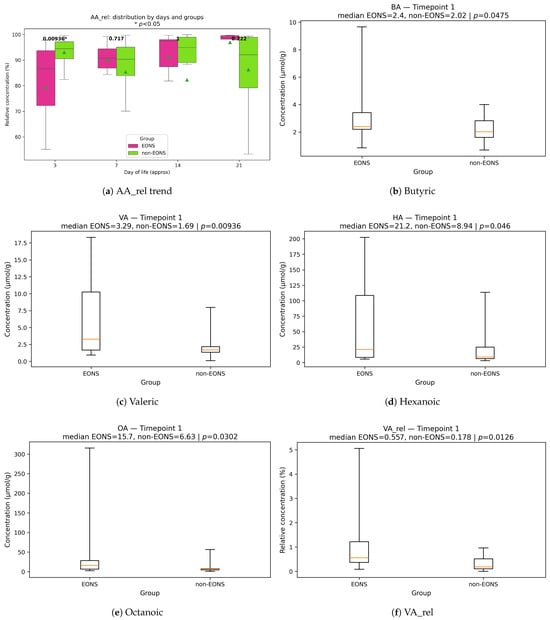
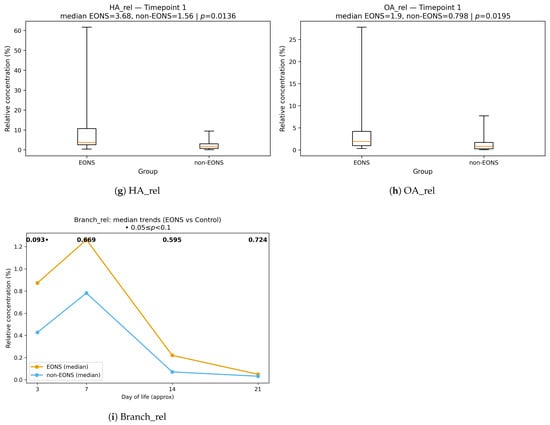
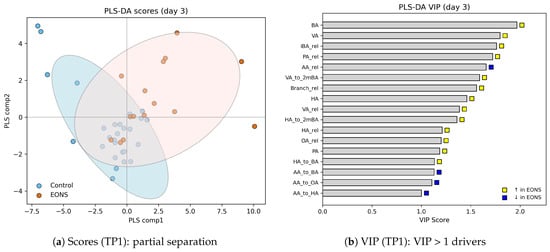
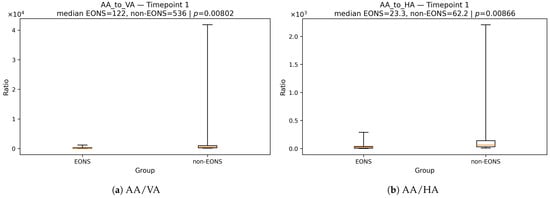
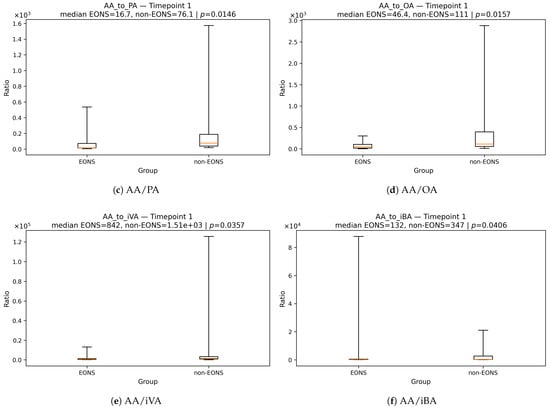
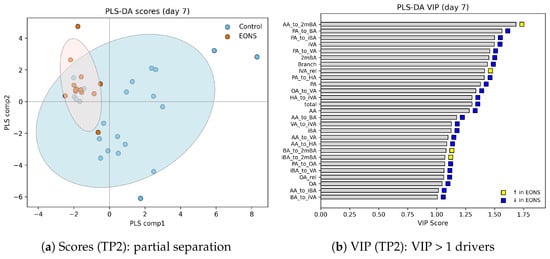
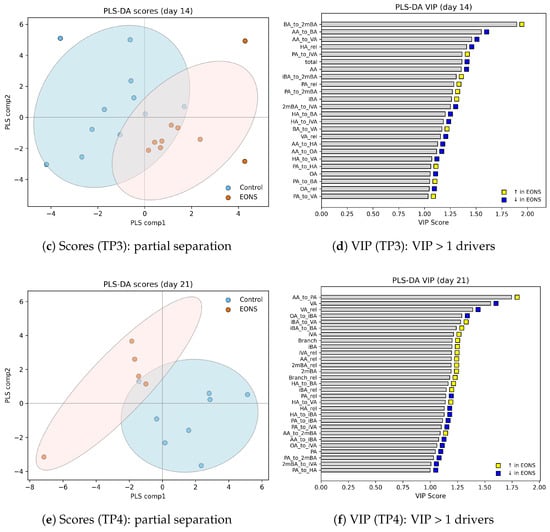
Background: Early-onset neonatal sepsis (EONS), defined as systemic infection occurring within the first 72 hours of life, remains a major cause of morbidity and mortality in preterm infants. Increasing evidence indicates that the gut may play an active role in systemic inflammation, yet the temporal behavior of fecal short-chain fatty acids (SCFAs) during EONS has not been characterized. SCFAs and branched-chain fatty acids (BCFAs) are key microbial metabolites involved in epithelial maturation and immune regulation and may provide a non-invasive window into early inflammatory vulnerability. Methods: This pilot prospective longitudinal cohort study enrolled 49 preterm infants (≤32 weeks’ gestation) originally identified as at high risk for necrotizing enterocolitis (NEC) and subsequently stratified into EONS and non-sepsis groups. Serial stool samples were collected at predefined timepoints (TPs; TP1 ≈ 3 days of life [DoL], TP2 ≈ 7 DoL, TP3 ≈ 14 DoL, TP4 ≈ 21 DoL, and TP5 ≈ 28 DoL). Samples were analyzed using gas chromatography–mass spectrometry (GC–MS) to quantify a panel of 12 SCFAs, including BCFAs and medium-chain fatty acids (MCFAs). Both absolute concentrations and relative fractions were evaluated, with emphasis on ratio-based metrics (e.g., acetic/propionic acid ratio) and timepoint-specific group contrasts, complemented by partial least squares discriminant analysis (PLS–DA). Results: At the earliest sampling window (TP1), infants with EONS exhibited distinct early changes in SCFA composition, including a significantly lower median relative fraction of acetic acid (86.6% vs. 94.5% in non-sepsis), while several non-acetate components—including propionic, valeric, and branched-chain acids—were relatively enriched. Acetate-to-non-acetate ratios were markedly reduced in EONS (e.g., acetic/propionic and acetic/isobutyric ratios), indicating an early shift away from acetate dominance. PLS–DA at TP1 demonstrated partial separation between groups, with acetic-acid depletion and non-acetate enrichment among the strongest contributors to discrimination. By later TPs, these early differences narrowed to a small subset of BCFA-related ratios and largely attenuated by the end of the first month. Conclusions: In this pilot cohort of preterm infants, EONS was associated with early, structured alterations in fecal SCFA profiles, characterized by reduced acetic-acid dominance and relative enrichment of non-acetate acids. Dynamic, ratio-based assessment proved more informative than absolute concentrations alone, revealing transient intestinal metabolic signatures accompanying systemic infection. These findings provide the first longitudinal evidence of gut metabolic involvement in EONS and lay the groundwork for larger, multi-center studies integrating SCFA trajectories with microbiome and immune profiling to refine early risk stratification for systemic infection in high-risk neonatal populations.
Full article
(This article belongs to the Special Issue Microbiome Dynamics: Advancing Therapeutic Development in Health and Disease)
►▼
Show Figures

Figure 1

Open AccessArticle
Long-Term Effects of Elexacaftor/Tezacaftor/Ivacaftor on Nocturnal Cardiorespiratory Polygraphy Parameters in Patients with Cystic Fibrosis: A Prospective Study
by
Monica Tosto, Giuseppe Fabio Parisi, Santiago Presti, Maria Papale, Giulia Pecora, Enza Mulè, Vittorio Ornato, Donatella Aloisio, Sara Manti and Salvatore Leonardi
Life 2025, 15(12), 1942; https://doi.org/10.3390/life15121942 - 18 Dec 2025
Abstract
Cystic fibrosis (CF) is a genetic disorder caused by mutations in the CFTR gene, leading to multi-system impairment. Sleep respiratory disorders (SRDs) are frequent in individuals with CF—even in those with normal or mildly impaired lung function—and may adversely affect overall health. The
[...] Read more.
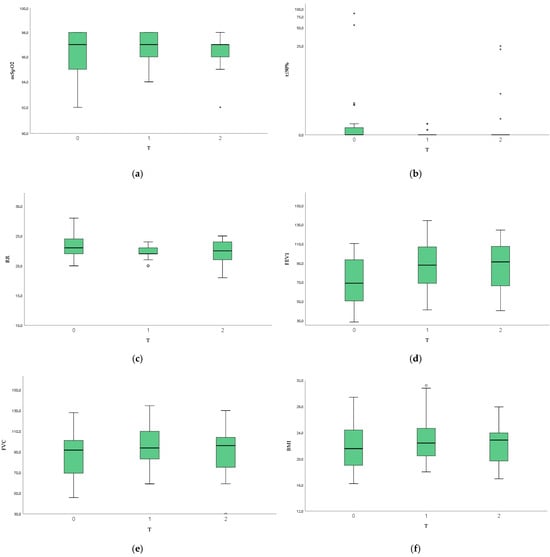
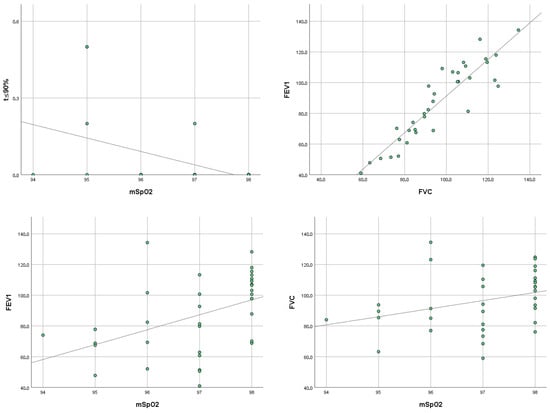
Cystic fibrosis (CF) is a genetic disorder caused by mutations in the CFTR gene, leading to multi-system impairment. Sleep respiratory disorders (SRDs) are frequent in individuals with CF—even in those with normal or mildly impaired lung function—and may adversely affect overall health. The triple combination of elexacaftor, tezacaftor, and ivacaftor (ETI) has markedly improved clinical outcomes in CF; however, its long-term impact on SRDs remains unclear. This study aimed to assess the effects of ETI on nocturnal cardiorespiratory parameters in individuals with CF over a two-year period. Thirty-five clinically stable patients aged ≥13 years, eligible for ETI therapy, were enrolled. Nocturnal cardiorespiratory polygraphy and spirometry were performed at baseline (T0), one year (T1), and two years (T2) after ETI initiation. After one year, significant improvements were observed in mean oxygen saturation (mSpO2), time with SpO2 ≤ 90% (t ≤ 90%), and respiratory rate. Spirometric indices (FEV1, FVC, FEF) also significantly increased (p < 0.05). Correlation analysis revealed positive associations between mSpO2 and FEV1 (ρ = 0.515, p = 0.002) and between FEV1 and FVC (ρ = 0.894, p < 0.001), while t ≤ 90% negatively correlated with FEV1 (ρ = −0.404, p = 0.016). No additional significant changes were found at T2. ETI therapy resulted in sustained improvements in nocturnal oxygenation and lung function, supporting the importance of nocturnal respiratory monitoring during follow-up.
Full article
(This article belongs to the Special Issue Cystic Fibrosis: A Disease with a New Face)
►▼
Show Figures

Figure 1

Open AccessArticle
The Influence of Demographic Characteristics, Pre-Existing Conditions and Laboratory Parameters on Postoperative Hemorrhage After Brain Tumor Surgery
by
Anatoli Pinchuk, Nikolay Tonchev, Anna Schaufler, Claudia A. Dumitru, Klaus-Peter Stein, Belal Neyazi, I. Erol Sandalcioglu and Ali Rashidi
Life 2025, 15(12), 1941; https://doi.org/10.3390/life15121941 - 18 Dec 2025
Abstract
Background: Postoperative hemorrhage (POH) is a rare yet serious complication of cranial surgery, potentially resulting in extended hospitalization, neurological impairment, or death. Existing predictive models often encompass diverse cranial pathologies, despite differing mechanisms of POH depending on the underlying condition. There is a
[...] Read more.
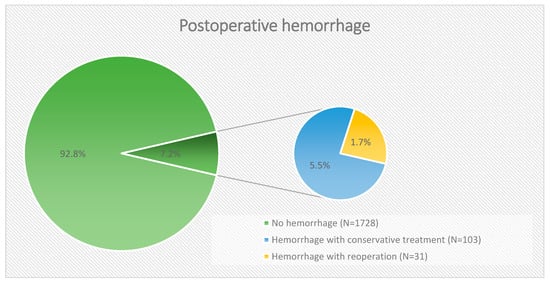
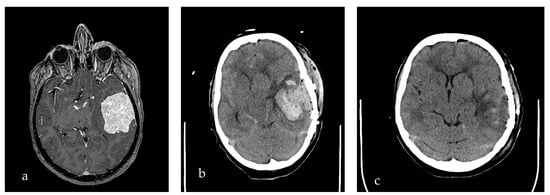
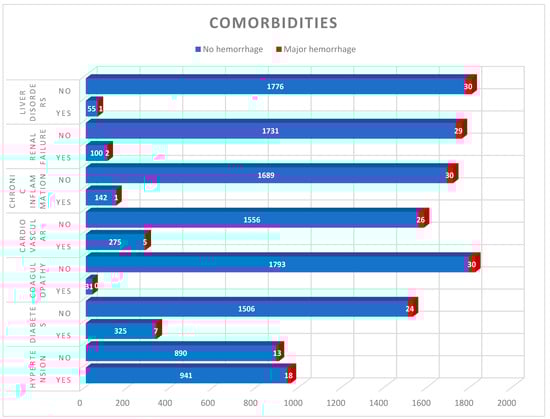
Background: Postoperative hemorrhage (POH) is a rare yet serious complication of cranial surgery, potentially resulting in extended hospitalization, neurological impairment, or death. Existing predictive models often encompass diverse cranial pathologies, despite differing mechanisms of POH depending on the underlying condition. There is a lack of large-scale investigations focusing exclusively on POH following surgery for intracranial tumors. This study aimed to assess demographic variables—age, sex, and blood type—and pre-existing medical conditions as potential risk factors for POH in this specific context. Methods: A retrospective review was conducted on medical records of 1862 adult patients who underwent primary surgical resection of intracranial tumors. Univariate and multivariate analyses were applied to identify associations between POH and demographic or clinical characteristics. Results: POH, defined as postoperative hematoma necessitating surgical evacuation, was observed in 31 patients (1.7%). Univariate analysis revealed no statistically significant correlation between POH and demographic factors (age, sex) or pre-existing conditions such as hypertension, diabetes mellitus, cardiac disease, or liver dysfunction. Conclusions: The study found no evidence that demographic variables or pre-existing medical conditions independently contribute to the risk of POH following intracranial tumor resection in adults.
Full article
(This article belongs to the Special Issue Advancements in Postoperative Management of Patients After Surgery)
►▼
Show Figures

Figure 1
Open AccessArticle
Bat Cave Vulnerability to Anthropogenic Factors: Status and Priorities for Conservation Within the Mount Elgon Region, Uganda
by
Aggrey Siya, Benard Matovu, Lillian Nalukenge, Micheal Mutebi, Betty Nalikka, Kevin Castle, Tanya Dewey, Kalani M. Williams, Natalie R. Wickenkamp, Emma K. Harris, Innocent B. Rwego, Eric Sande, Charles Masembe, Rebekah C. Kading and Robert M. Kityo
Life 2025, 15(12), 1940; https://doi.org/10.3390/life15121940 - 18 Dec 2025
Abstract
Uganda is home to a rich diversity of bats, which carry high ecological and socioeconomic value through the ecosystem services that they provide. However, critical bat habitats, including caves, are facing increasing anthropogenic pressures, and the types and frequencies of disturbances to cave-roosting
[...] Read more.
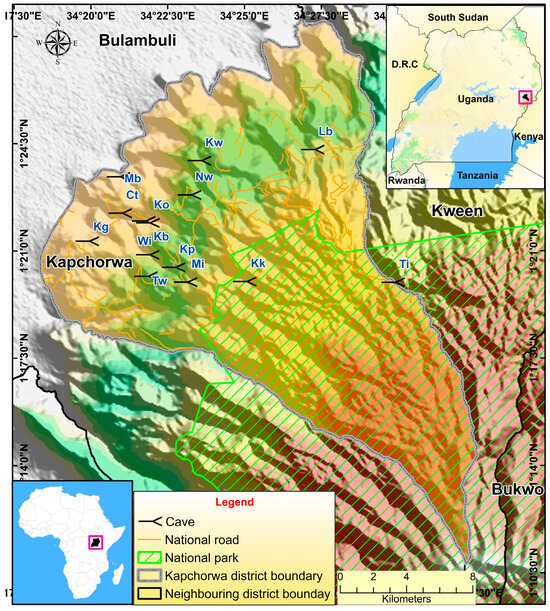
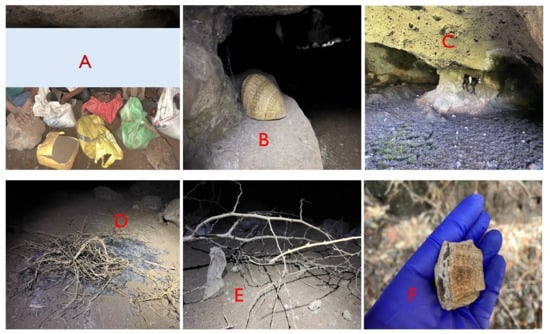
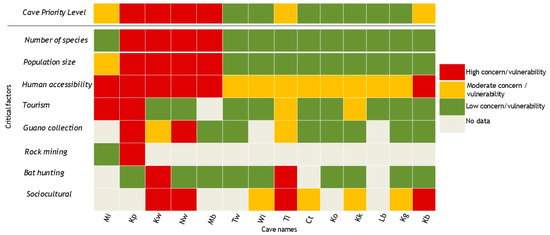
Uganda is home to a rich diversity of bats, which carry high ecological and socioeconomic value through the ecosystem services that they provide. However, critical bat habitats, including caves, are facing increasing anthropogenic pressures, and the types and frequencies of disturbances to cave-roosting bats are not well understood in Uganda. Therefore, we examined the role of anthropogenic disturbances in caves to assess the threats posed to bat populations. We used the Bat Cave Vulnerability Index (BCVI) framework to score 14 caves inhabited by bats within the study region. We included qualitative surveys with human communities to better understand various aspects within the BCVI. All bat species recorded were of the IUCN category “Least Concern”. The BCVI indicated 50% of the caves (with insectivorous and frugivorous bats) require urgent conservation interventions due to high bat diversity and anthropogenic disturbances (e.g., guano collection). Most of the caves studied were highly vulnerable to anthropogenic disturbances, as assessed in the study. All the caves we studied (except two) are outside the protected area, and due to their imputed vulnerabilities, interventions ought to be implemented to balance cave conservation and human use in the Mt. Elgon area. Such interventions should integrate human factors.
Full article
(This article belongs to the Section Animal Science)
►▼
Show Figures

Figure 1

Open AccessArticle
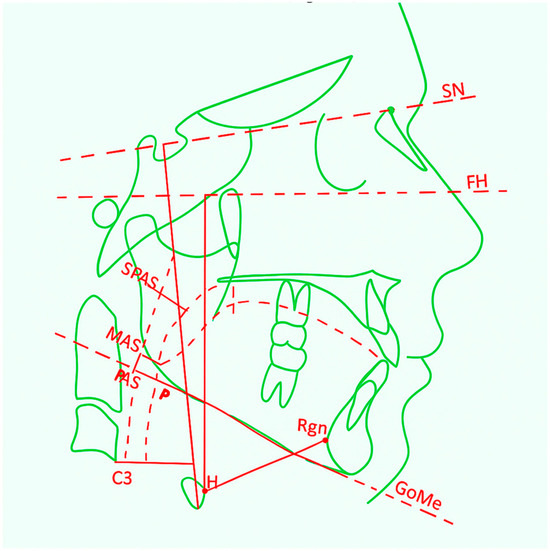
Pharyngeal Airway Changes After Functional Orthodontic Treatment in Growing Class II Patients: A Retrospective Cephalometric Comparison of Twin Block, RPE and AMCOP®
by
Alessio Danilo Inchingolo, Angelo Michele Inchingolo, Irene Palumbo, Daniela Di Venere, Cinzia Maspero, Francesco Inchingolo, Filippo Cardarelli, Grazia Marinelli and Gianna Dipalma
Life 2025, 15(12), 1939; https://doi.org/10.3390/life15121939 - 18 Dec 2025
Abstract
Pharyngeal airway morphology is closely linked to craniofacial development, and children with Class II malocclusion—often characterized by mandibular retrusion—may present reduced airway dimensions and a higher risk of obstructive sleep apnea. This retrospective single-center study evaluated whether functional orthodontic appliances can improve pharyngeal
[...] Read more.
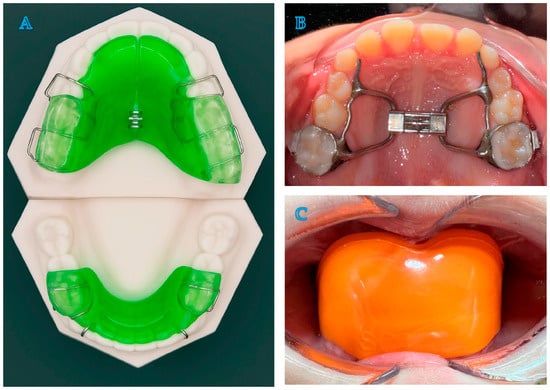
Pharyngeal airway morphology is closely linked to craniofacial development, and children with Class II malocclusion—often characterized by mandibular retrusion—may present reduced airway dimensions and a higher risk of obstructive sleep apnea. This retrospective single-center study evaluated whether functional orthodontic appliances can improve pharyngeal airway space by promoting mandibular advancement during growth. Fifty patients aged 6–12 years with skeletal Class II malocclusion (ANB > 4°) were treated with a Twin Block appliance (n = 18), Rapid Palatal Expander (RPE; n = 16), or AMCOP® elastodontic device (n = 16). Pre- and post-treatment lateral cephalograms were analyzed to assess skeletal (SNA, SNB, ANB, Co–Gn), dentoalveolar (overjet, overbite, IMPA), and pharyngeal airway variables (SPAS, MAS, PAS). Intra-group changes were tested with paired t-tests and inter-group differences with one-way ANOVA and Tukey post hoc tests (α = 0.05). All appliances produced statistically significant increases in pharyngeal airway dimensions. The Twin Block group showed the greatest improvements, with mean increases of 2.1 mm in SPAS (p < 0.001), 1.8 mm in MAS (p < 0.001), and 1.5 mm in PAS (p < 0.001), together with a significant mandibular advancement (ΔSNB = +1.7°; ΔANB = −1.5°) and elongation of mandibular length (ΔCo–Gn = +3.3 mm). RPE and AMCOP® induced more moderate, yet significant, skeletal and airway changes (RPE: SPAS +1.4 mm, p = 0.006; MAS +0.9 mm, p = 0.009; PAS +0.8 mm, p = 0.022; AMCOP®: SPAS +0.9 mm, p = 0.034; MAS +0.9 mm, p = 0.041; PAS +0.6 mm, p = 0.037). Within the limitations of this small, retrospective single-center sample, the findings indicate that functional orthodontic treatment during growth may be associated with increases in pharyngeal airway dimensions in Class II patients. Among the appliances evaluated, the Twin Block showed the most pronounced skeletal and morphological airway changes.
Full article
(This article belongs to the Special Issue New Restorative Technologies in the Management and Characterization Techniques of the Hard and Soft Tissues of Oral Cavity)
►▼
Show Figures

Figure 1

Open AccessArticle
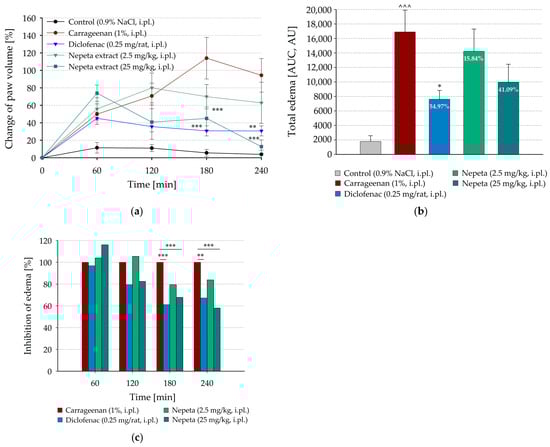
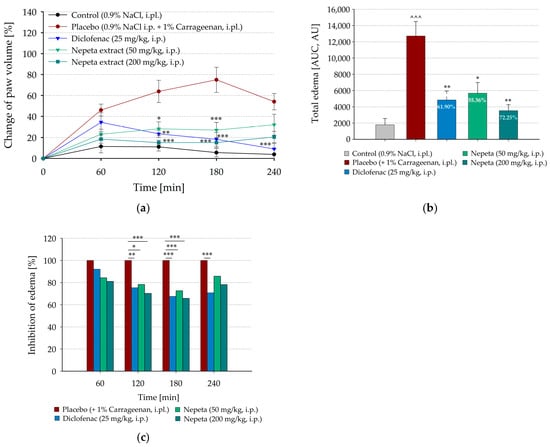
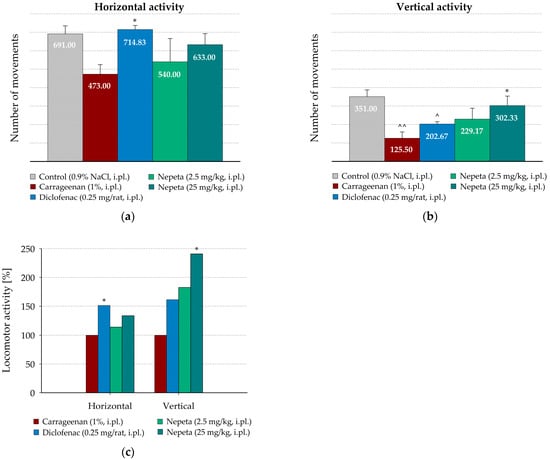
In Vivo Assessment of Anti-Inflammatory Effects of Aqueous Extracts of Nepeta nuda ssp. nuda L. in Experimental Model of Peripheral Inflammation in Male Long Evans Rats
by
Milena Keremidarska-Markova, Veneta Evtimova-Koeva, Tsvetozar Penchev, Dilyana Doncheva-Stoimenova, Miroslava Zhiponova, Mariela Chichova and Bilyana Ilieva
Life 2025, 15(12), 1938; https://doi.org/10.3390/life15121938 - 18 Dec 2025
Abstract
Background: Recently various plants have attracted considerable scientific interest as potential therapeutic alternatives to known drugs used in anti-inflammatory therapy. Therefore, we have investigated the possible anti-inflammatory and analgesic effects of aqueous extracts from flowers of the medical plant Nepeta nuda ssp.
[...] Read more.
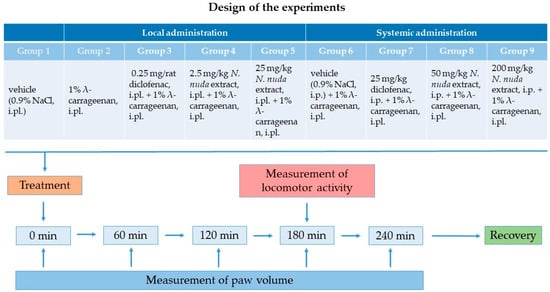
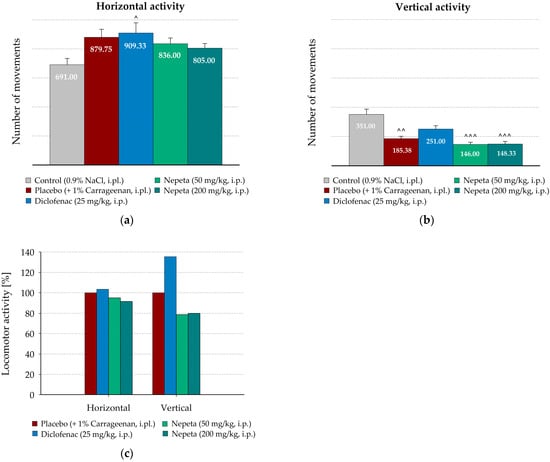
Background: Recently various plants have attracted considerable scientific interest as potential therapeutic alternatives to known drugs used in anti-inflammatory therapy. Therefore, we have investigated the possible anti-inflammatory and analgesic effects of aqueous extracts from flowers of the medical plant Nepeta nuda ssp. nuda L. (naked catmint) in a model of acute peripheral inflammation induced by intraplantar injection of λ-carrageenan in the hind paw of Long Evans rats. Methods: Two routes of N. nuda extract application were used: locally by intraplantar injections at dosages of 2.5 mg/kg and 25 mg/kg and systemically by intraperitoneal administration at dosages of 50 mg/kg and 200 mg/kg, respectively. Paw volume was measured prior to the carrageenan application and 1, 2, 3, and 4 h after carrageenan injection. Spontaneous locomotor activity of the rats was assessed 3 h after carrageenan injection, corresponding to the peak of acute paw inflammation. Results: Local application of the higher N. nuda dose led to a marked reduction in inflammatory paw edema at the 4th hour after carrageenan injection, comparable to the effect of the positive control diclofenac sodium. Interestingly, a similar anti-inflammatory effect was observed at the 1st hour when both extract doses were administered intraperitoneally. Only the higher intraplantar dose of N. nuda extract significantly enhanced the vertical activity in comparison to the group treated with carrageenan alone. Conclusions: Our data indicate that the aqueous N. nuda extract possesses potent anti-inflammatory effects following both local and systemic administration in rats. Furthermore, when administered locally the extract exerts significant analgesic activity in inflammatory pain.
Full article
(This article belongs to the Special Issue Plant-Derived Natural Products and Their Biomedical Properties: 2nd Edition)
►▼
Show Figures

Figure 1

Open AccessArticle
Assessment of Genotoxicity and Cytotoxicity of Tepary Bean (Phaseolus acutifolius) Seed Protein Extract
by
Carmen Valadez-Vega, Lizbeth Ortigoza-Fonseca, Gabriel Betanzos-Cabrera, Raúl Velasco-Azorsa, Víctor Manuel Muñoz-Pérez, José A. Morales-González, Belinda Patricia Velázquez-Morales, Aurea Bernardino-Nicanor, Leopoldo González-Cruz, Diego Estrada-Luna and Olivia Lugo-Magaña
Life 2025, 15(12), 1937; https://doi.org/10.3390/life15121937 - 18 Dec 2025
Abstract
Beans are widely consumed worldwide and are a good source of amino acids and micronutrients; however, they contain anti-nutrients, such as lectins, tannins, protein inhibitors, saponins, and phytic acid, among others, which can reduce the food’s quality and cause adverse health effects. In
[...] Read more.
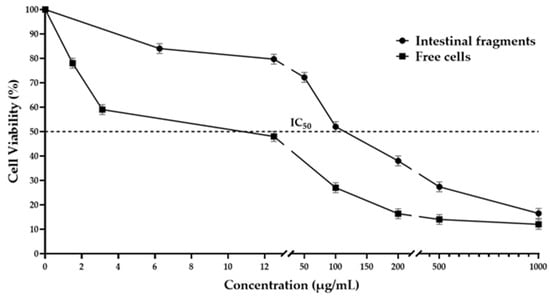
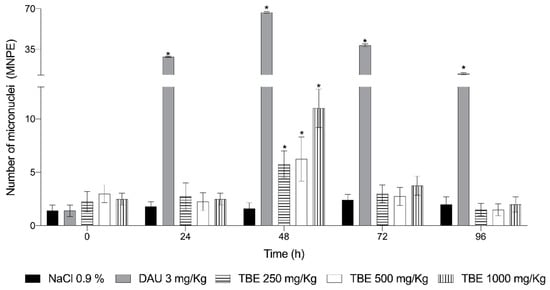
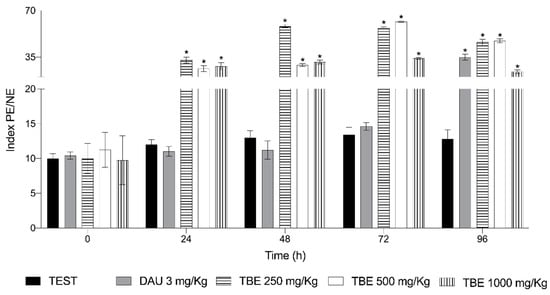
Beans are widely consumed worldwide and are a good source of amino acids and micronutrients; however, they contain anti-nutrients, such as lectins, tannins, protein inhibitors, saponins, and phytic acid, among others, which can reduce the food’s quality and cause adverse health effects. In this study, we analyzed the genotoxic and cytotoxic effects of a protein extract from Phaseolus acutifolius (TBE) seeds. The extract contained some antinutritional compounds, with a higher lectin content and an activity of 2701.85 HU. The acute toxicity test in mice showed that the extract was not lethal at the concentrations tested, as it did not cause any mortality. The in vitro cytotoxicity study on small intestinal epithelial cells indicated that the lectin-rich extract was cytotoxic in both assays, with IC50 values of 10.08 µg/mL and 108.91 µg/mL for the free cell and intestinal fragment assays, respectively. In the in vivo study, an erythropoiesis-stimulatory effect was observed, with significant genotoxic damage noted at 48 h, evidenced by 11 micronucleated erythrocytes at 1000 mg/kg TBE. However, no genotoxicity was detected with prolonged treatment times. These results indicate that TBE is cytotoxic within the tested concentration range, and genotoxic damage is influenced by both concentration and exposure time.
Full article
(This article belongs to the Topic Advancing Sustainable Proteins: Alternative Sources, Novel Processing, and Food Applications for Global Challenges)
►▼
Show Figures

Figure 1
Open AccessArticle
Outpatient Management of Aural Fullness: A Retrospective Case Series of 100 Patients with Cerumen Impaction, Keratosis Obturans, and External Auditory Canal Cholesteatoma
by
Giovanni Motta, Domenico Testa, Giuseppe Barba, Rosa Grassia, Francesco Chiari, Arianna Di Stadio and Giuseppe Tortoriello
Life 2025, 15(12), 1936; https://doi.org/10.3390/life15121936 - 18 Dec 2025
Abstract
Background: Aural fullness is a common symptom in routine otolaryngological practice. Although it is most commonly attributed to cerumen impaction, other, less frequent conditions may present similar symptoms and are often initially misdiagnosed as cerumen. These include keratosis obturans (KO) and external auditory
[...] Read more.
Background: Aural fullness is a common symptom in routine otolaryngological practice. Although it is most commonly attributed to cerumen impaction, other, less frequent conditions may present similar symptoms and are often initially misdiagnosed as cerumen. These include keratosis obturans (KO) and external auditory canal cholesteatoma (EACC). Accurate differentiation among these entities is crucial for appropriate management. These distinctions are crucial for appropriate management. Methods: We retrospectively reviewed 100 patients who presented with a chief complaint of aural fullness from 2021 to 2025. All patients underwent microscopic and/or micro/endoscopic otologic evaluation and were subsequently treated with outpatient otologic procedures. These procedures ranged from simple cerumen removal for CI cases to aural toilettage of the external auditory canal for KO and initial debridement attempts for EACC. Results: Among 100 patients, 87 were diagnosed with CI, 10 were diagnosed with KO, and 3 were diagnosed with EACC. In 97 patients, outpatient microscopic management was effective and successful, leading to the complete removal of the underlying condition and resolution of the ear fullness. In the remaining 3 cases—all diagnosed with EACC—microscopic outpatient debridement was not sufficient. These patients were subsequently scheduled for surgical intervention following audiological and temporal bone CT evaluations. Conclusions: Our findings confirm that CI is the most frequent cause of aural fullness and that microscopic outpatient removal represents an excellent standard of care. However, clinicians should remain aware that KO and EACC may present similar symptoms. Their management is often more complex, potentially requiring multiple sessions and, in the case of EACC, can necessitate surgical intervention. Accurate diagnosis is, therefore, essential to ensure effective and appropriate treatment.
Full article
(This article belongs to the Special Issue New Trends in Otorhinolaryngology)
Open AccessArticle
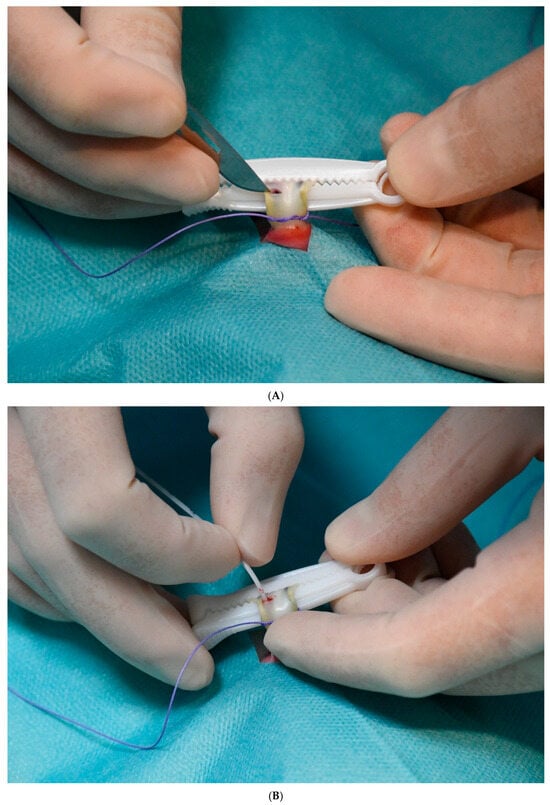
The Umbilical Cord Clamp Method—Procedural Description and Safety Assessment of a Novel Method of Umbilical Catheter Fixation After Side Entry Insertion
by
Anna Tomaszkiewicz, Piotr Kruczek, Piotr Szymański, Piotr Teplicki, Rita Abu Faraj-Batko, Alina Sobczak, Sonia Kahtan, Boris W. Kramer and Jan Mazela
Life 2025, 15(12), 1935; https://doi.org/10.3390/life15121935 - 18 Dec 2025
Abstract
Background: Umbilical venous catheter (UVC) placement is common in neonates but carries risks of migration and infection. This study evaluates safety of a novel fixation technique using the umbilical cord clamp after a side-entry insertion. Methods: A retrospective analysis of 264 neonates was
[...] Read more.
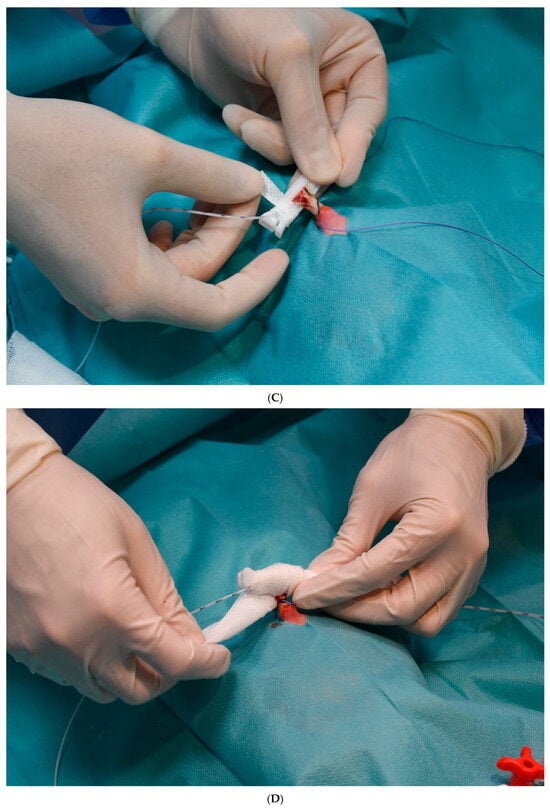
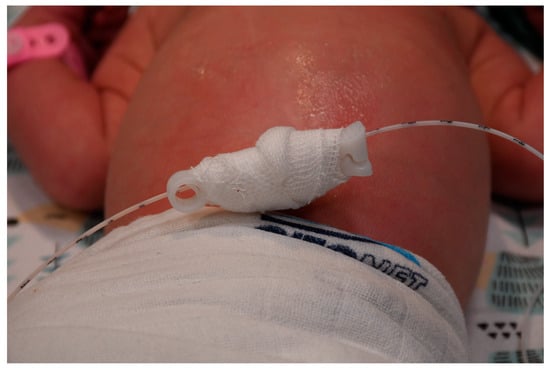
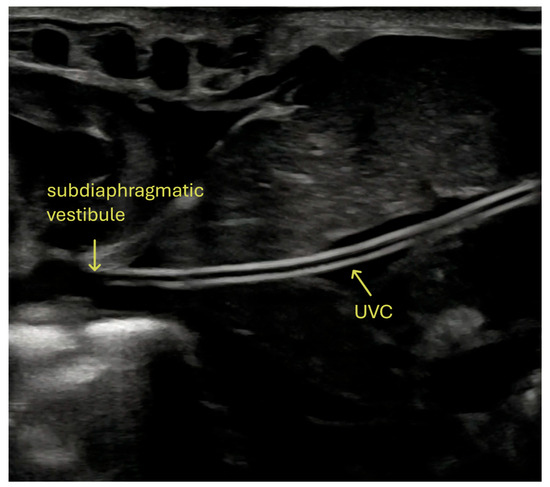
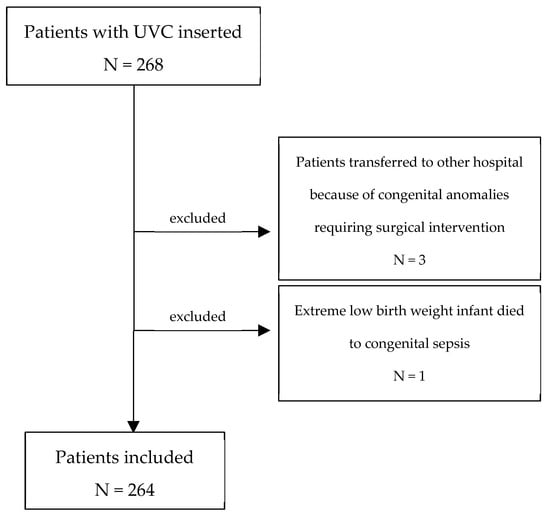
Background: Umbilical venous catheter (UVC) placement is common in neonates but carries risks of migration and infection. This study evaluates safety of a novel fixation technique using the umbilical cord clamp after a side-entry insertion. Methods: A retrospective analysis of 264 neonates was conducted at a tertiary center in order to assess safety of the novel UVC fixation method. The new technique involved side-entry catheter insertion without severing the cord, secured to the clamp with a sterile patch. Catheter tip position was confirmed and monitored every 24 h via ultrasound. Results: Catheter migration occurred in 18.9% of cases, mostly inward into the right atrium which was managed by repositioning. Migration into the ductus venosus requiring removal occurred in 0.7% of cases and unscheduled removal due to stump detachment in 1.5%. No central line-associated bloodstream infections (CLABSIs) were observed. Conclusions: The umbilical cord clamp method is a safe, single-operator alternative for UVC fixation. This technique had a low rate of catheter migration, did not increase the risk of infection, and was cost-effective and simple.
Full article
(This article belongs to the Special Issue Advances in Fetal Medicine: From Prenatal Diagnosis to Fetal and Neonatal Therapy)
►▼
Show Figures

Figure 1
Open AccessArticle
Chlorogenic Acid from Peucedanum japonicum Attenuates TNF-α-Induced Oxidative Stress and Inflammatory Damage in Human Dermal Fibroblasts
by
Neil Patrick Uy, Minseo Kang, Jang Hoon Kim, Young Ho Hoon, Sanghyun Lee and Sullim Lee
Life 2025, 15(12), 1934; https://doi.org/10.3390/life15121934 - 18 Dec 2025
Abstract
Intrinsic aging and external stimuli such as UV exposure contribute to heightened MMP-1 expression, leading to collagen deterioration and weakening of the skin’s structural framework, hallmarks of aging tissue. Peucedanum japonicum, a plant consumed in East Asia, contains antioxidant and anti-inflammatory compounds,
[...] Read more.
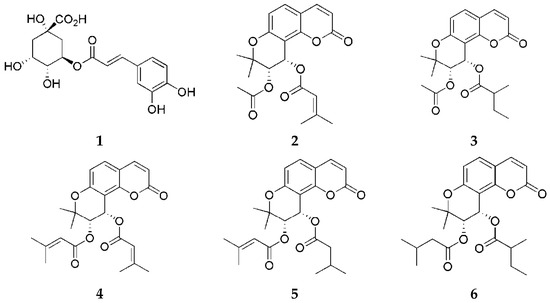
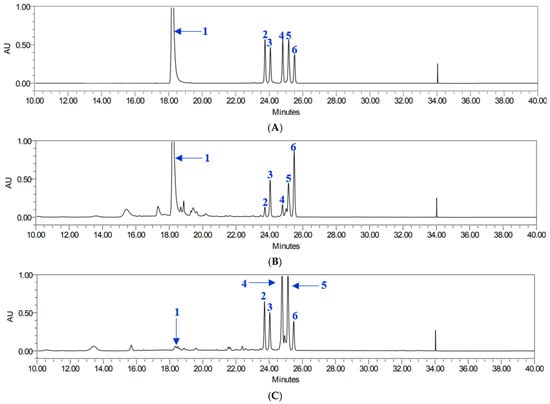
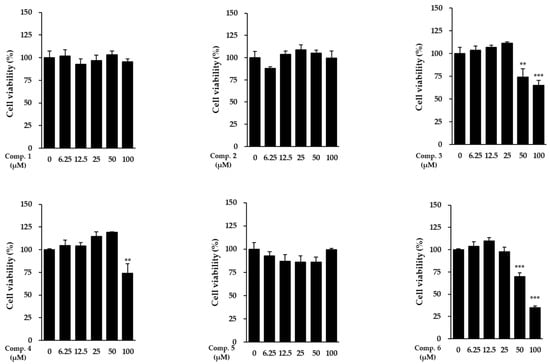
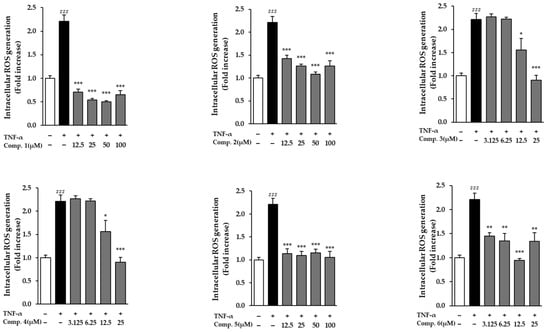
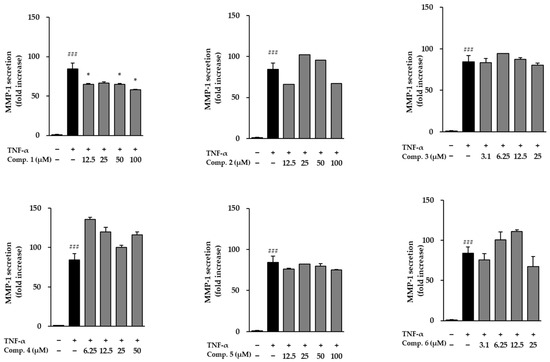
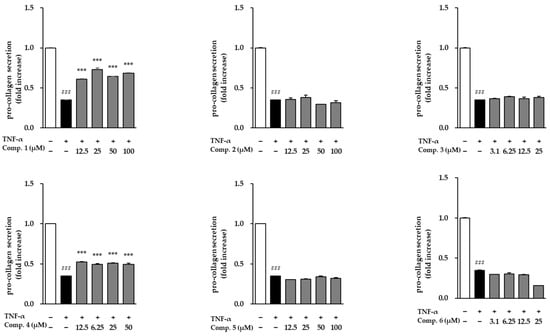
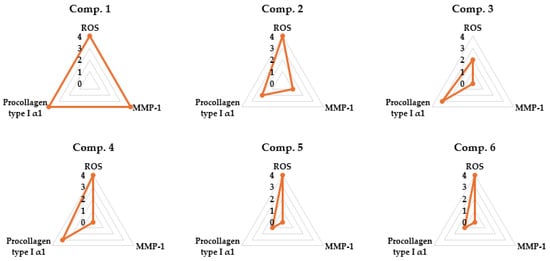
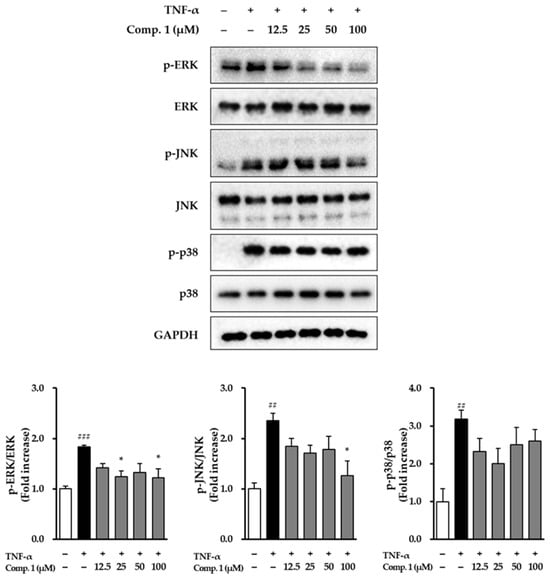
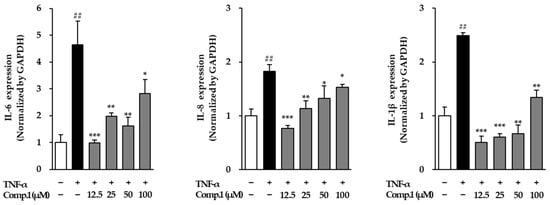
Intrinsic aging and external stimuli such as UV exposure contribute to heightened MMP-1 expression, leading to collagen deterioration and weakening of the skin’s structural framework, hallmarks of aging tissue. Peucedanum japonicum, a plant consumed in East Asia, contains antioxidant and anti-inflammatory compounds, but its effects on skin aging remain unclear. This study profiled six major bioactive compounds in P. japonicum leaves and roots and evaluated their protective effects in TNF-α-stimulated human dermal fibroblasts (NHDFs). Phytochemical profiles were determined, and biological activity was evaluated by measuring intracellular ROS, MMP-1 secretion, and COL1A1 expression. Both leaf and root extracts exhibited antioxidant and anti-inflammatory activity, with leaves generally showing stronger effects. Among the six compounds, chlorogenic acid (1) demonstrated the most potent activity. It markedly decreased intracellular ROS, suppressed MMP-1 secretion, and enhanced COL1A1 expression in TNF-α-stimulated NHDFs, indicating protection against inflammation-induced collagen degradation. These findings suggest that P. japonicum, particularly its chlorogenic acid (1) content, may be a promising natural resource for anti-aging skincare and therapies targeting inflammation-associated skin damage.
Full article
(This article belongs to the Special Issue Innovative Approaches in Dermatological Therapies and Diagnostics)
►▼
Show Figures

Figure 1
Open AccessArticle
Temperature-Dependent Regulation of Co-Occurring Toxins, Odor Compounds, and Disinfection By-Product Precursors in Two Bloom-Forming Species
by
Lixia Shang, Yunyan Deng, Xiang Bai and Muhua Feng
Life 2025, 15(12), 1933; https://doi.org/10.3390/life15121933 - 17 Dec 2025
Abstract
Cyanobacterial blooms pose significant threats to aquatic ecosystems and drinking water safety, primarily through the release of diverse secondary metabolites. This study systematically explored the dynamics of secondary metabolites in Microcystis aeruginosa and Anabaena sp. under controlled conditions, focusing on the effects of
[...] Read more.
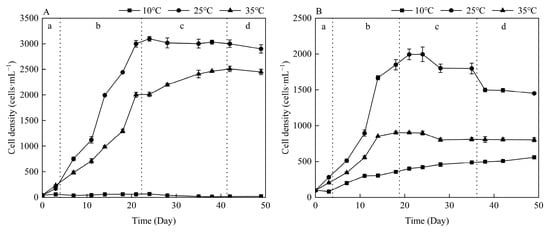
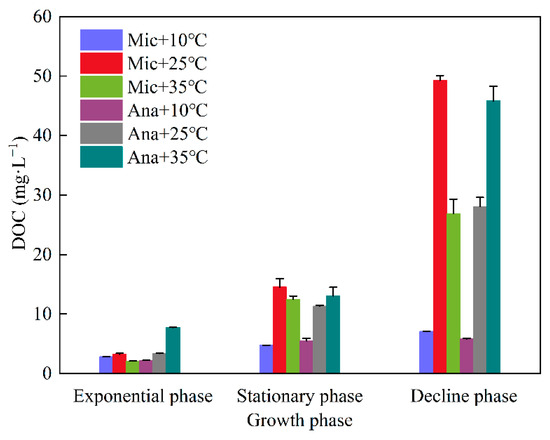
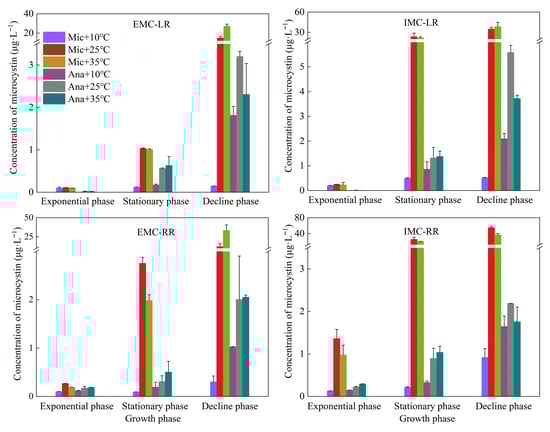
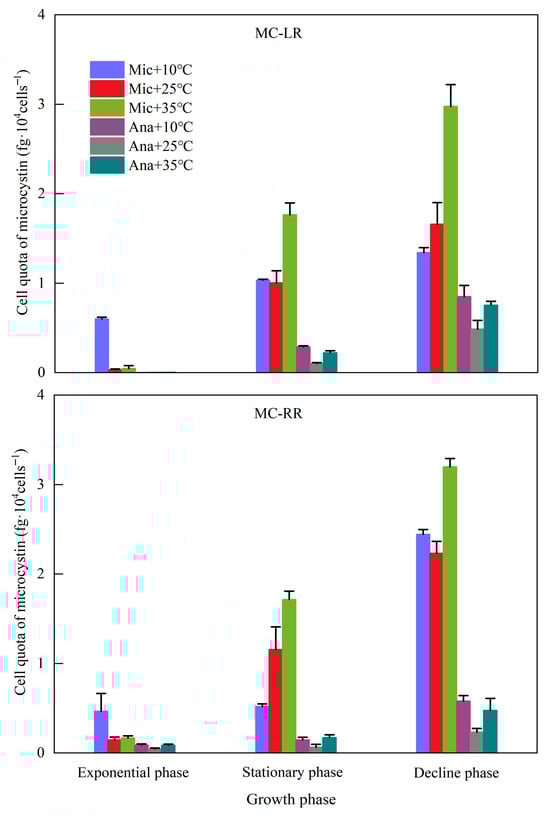
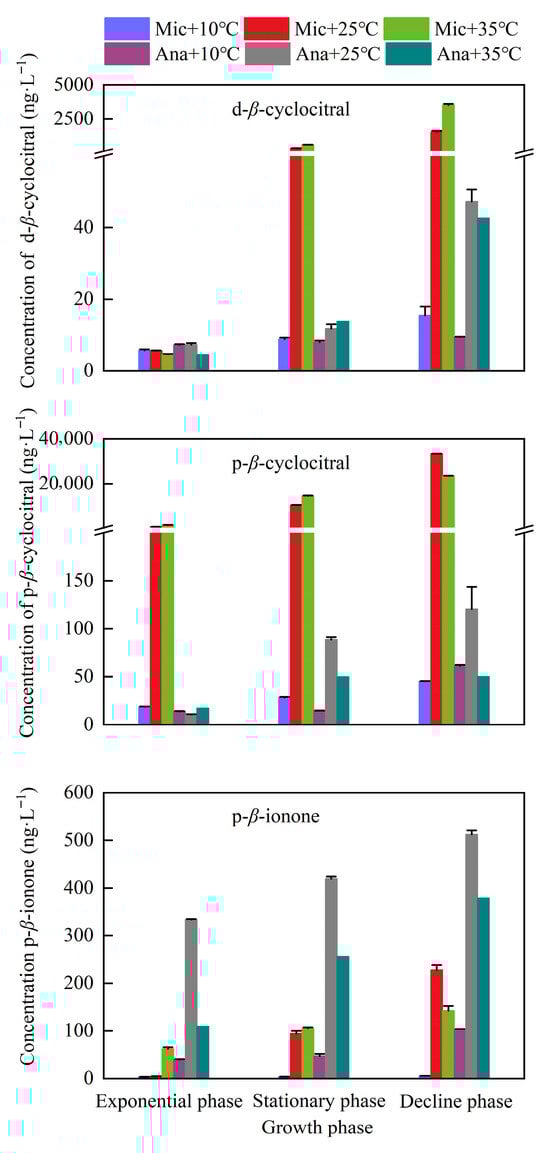
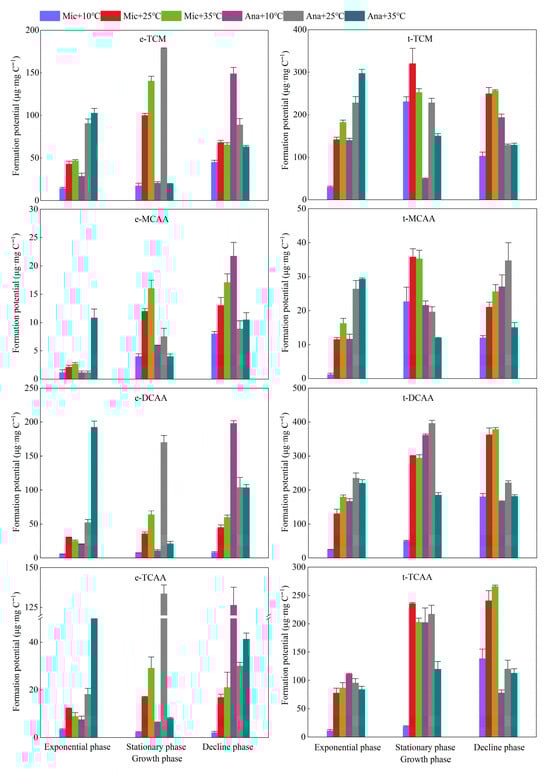
Cyanobacterial blooms pose significant threats to aquatic ecosystems and drinking water safety, primarily through the release of diverse secondary metabolites. This study systematically explored the dynamics of secondary metabolites in Microcystis aeruginosa and Anabaena sp. under controlled conditions, focusing on the effects of temperature (10 °C, 25 °C, 35 °C) and growth phases (exponential, stationary, decline). Key parameters measured included cell density, dissolved organic carbon (DOC), microcystins (MC-LR, MC-RR), taste and odor compounds (β-cyclocitral, β-ionone), and disinfection by-product formation potentials (trihalomethanes (THMs) and haloacetic acids (HAAs)). Results revealed striking interspecific differences: M. aeruginosa exhibited significantly higher metabolite production, with peak DOC, extracellular MC-LR, and particulate β-cyclocitral observed in the decline phase at 25–35 °C. In contrast, Anabaena sp. showed an “early accumulation advantage” for THM precursors and “residual release” in the decline phase. Temperature played a critical regulatory role, with 25 °C as the optimal for most metabolites, while 35 °C enhanced extracellular release of dissolved β-cyclocitral in M. aeruginosa. Growth phase dynamics were consistent across species, with stationary and decline phases marked by elevated metabolite concentrations due to intensified synthesis and cell lysis, particularly for HAAs. These findings highlight species-specific metabolic strategies and their environmental drivers, providing critical insights for assessing and managing cyanobacterial bloom risks in aquatic ecosystems.
Full article
(This article belongs to the Section Diversity and Ecology)
►▼
Show Figures

Figure 1
Open AccessSystematic Review
Inter-Individual Heterogeneity in Aerobic Training Adaptations: Systematic Review of the Evidence Base for Personalized Exercise Prescription
by
Haili Xiao and Jianchang Ren
Life 2025, 15(12), 1932; https://doi.org/10.3390/life15121932 - 17 Dec 2025
Abstract
Personalized exercise prescriptions require identifying inter-individual differences in exercise intervention effects. This review examined whether true inter-individual differences exist after accounting for measurement error. PubMed, Web of Science, and EMBASE databases were systematically searched. Inclusion criteria included: (1) original randomized controlled trials or
[...] Read more.
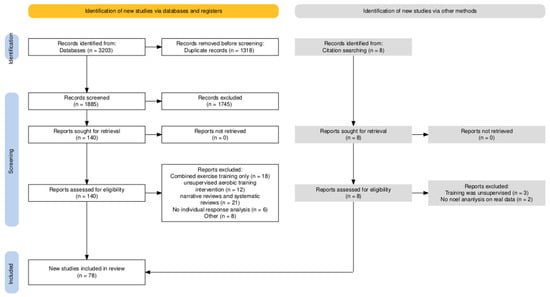
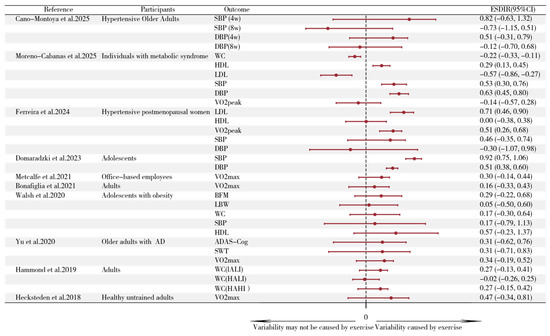
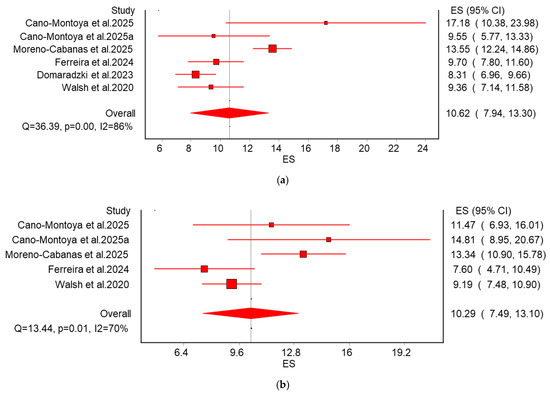
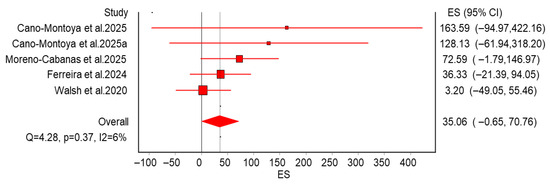
Personalized exercise prescriptions require identifying inter-individual differences in exercise intervention effects. This review examined whether true inter-individual differences exist after accounting for measurement error. PubMed, Web of Science, and EMBASE databases were systematically searched. Inclusion criteria included: (1) original randomized controlled trials or controlled trials using standardized, supervised aerobic exercise interventions, or meta-analyses examining inter-individual differences in aerobic training adaptations; (2) explicitly identifying the assessment of inter-individual response variability as a research objective; (3) Reporting sufficient statistical information to quantify inter-individual variability. The search yielded a total of 3203 studies, and ultimately 78 studies were included for systematic review. Main findings included: (1) Few studies appropriately considered random measurement error and within-individual variability when quantifying inter-individual differences. (2) Analysis of both primary studies and existing meta-analyses revealed a consistent lack of statistical evidence for true inter-individual differences. (3) Observed inter-individual variability was primarily attributed to uncontrolled measurement error or within-individual variability, not true individual response differences. The evidence analyzed in this systematic review indicates that there is insufficient support for true inter-individual differences in the effects of aerobic exercise training intervention. Given physiological complexity and methodological limitations, any conclusions on exercise intervention heterogeneity or individual responsiveness require caution.
Full article
(This article belongs to the Special Issue Physiological, Pathological, and Clinical Effects of Exercise Training and Physical Activity)
►▼
Show Figures

Figure 1
Open AccessArticle
Meta-Analysis and Experimental Studies Reveal Mitotic Network Activity Index (MNAI) as Breast Cancer Metastasis and Treatment Biomarker
by
Yimeng Cai, Chun Fung Kwok, Hang Chang and Jian-Hua Mao
Life 2025, 15(12), 1931; https://doi.org/10.3390/life15121931 - 17 Dec 2025
Abstract
Objective: Identifying biomarkers that predict metastatic potential or guide treatment selection is critical for improving breast cancer (BC) management. Previously, we established the Mitotic Network Activity Index (MNAI) as a prognostic marker in BC. Here, we bioinformatically and experimentally evaluated MNAI as a
[...] Read more.
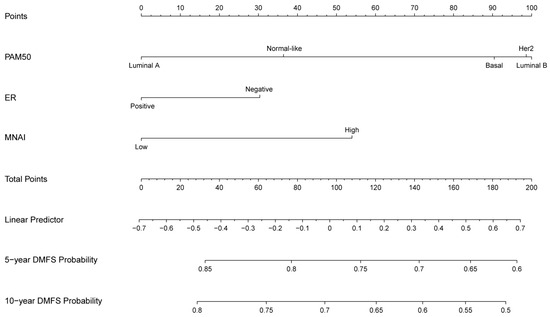
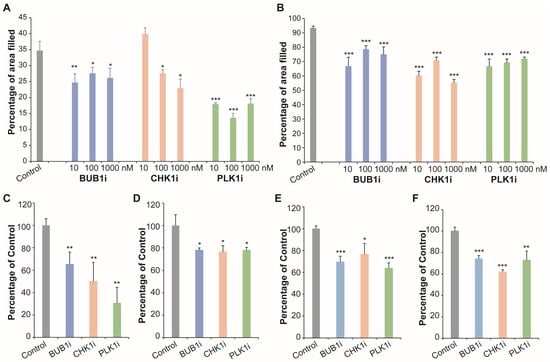
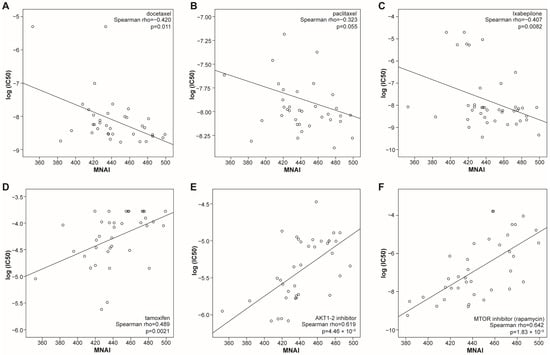
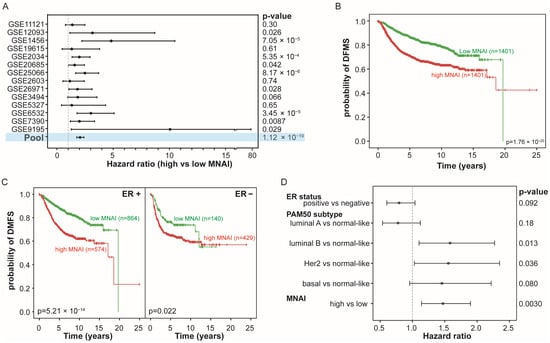
Objective: Identifying biomarkers that predict metastatic potential or guide treatment selection is critical for improving breast cancer (BC) management. Previously, we established the Mitotic Network Activity Index (MNAI) as a prognostic marker in BC. Here, we bioinformatically and experimentally evaluated MNAI as a biomarker for metastasis risk and therapeutic response. Methods: We used Kaplan–Meier and Cox proportional hazard regression analyses to assess the association between MNAI and distant metastasis-free survival (DMFS) across 14 published BC datasets. A total of 16 publicly available clinical trial datasets, including the I-SPY trials, were used to evaluate the predictive value of MNAI for treatment response. Additionally, wound-healing and transmembrane assays were conducted to determine the effects of PLK1, CHEK1, and BUB1 inhibition on BC cell migration and invasion. Results: High MNAI levels were strongly associated with shorter DMFS. Multivariate analysis further confirmed MNAI as an independent risk factor for DMFS, beyond estrogen receptor status and PAM50-based molecular subtypes. Functionally, pharmacologic disruption of the mitotic network using PLK1, CHEK1, or BUB1 inhibitors significantly reduced cell migration and invasion in MDA-MB-231 and BT-549 BC cell lines. Moreover, BC cells with high MNAI increased sensitivity to microtubule-targeting agents such as docetaxel, paclitaxel, and ixabepilone but increased resistance to tamoxifen, AKT1/2 inhibitors, and mTOR inhibitors. Consistent with these findings, analysis of 16 clinical trial cohorts revealed that patients with high MNAI achieved higher pathological complete response rates to taxane-containing and ixabepilone-based therapies. Conclusions: Our findings demonstrate the MNAI as a clinically actionable biomarker that can refine risk stratification and guide the selection of targeted or chemotherapy regimens, advancing precision medicine in BC management.
Full article
(This article belongs to the Special Issue Advances in Integrative Omics Data Analysis for Cancer Research)
►▼
Show Figures

Figure 1
Open AccessArticle
Adjuvant Tegafur-Uracil Improves Survival in Low-Risk, Mismatch Repair Proficient Stage IIA Colon Cancer: A Propensity Score-Matched Analysis
by
Min-Chi Cheng, Hsu-Lin Lee, Shiue-Wei Lai, Jia-Hong Chen and Po-Huang Chen
Life 2025, 15(12), 1930; https://doi.org/10.3390/life15121930 - 17 Dec 2025
Abstract
Background: The benefit of adjuvant chemotherapy for low-risk, mismatch repair proficient (pMMR) stage IIA colon cancer is uncertain. Surveillance is standard, but some patients relapse. Tegafur-uracil (UFT) is a low-toxicity oral option that may offer benefit; Methods: This retrospective study included
[...] Read more.
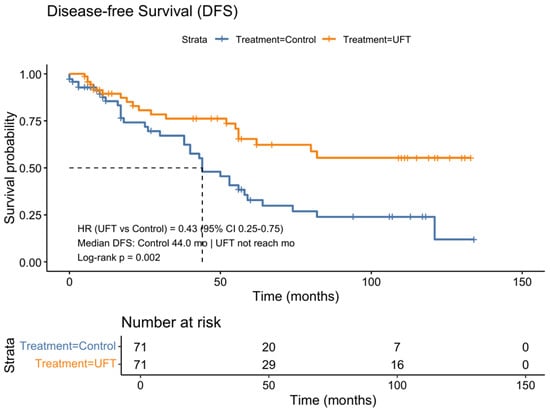
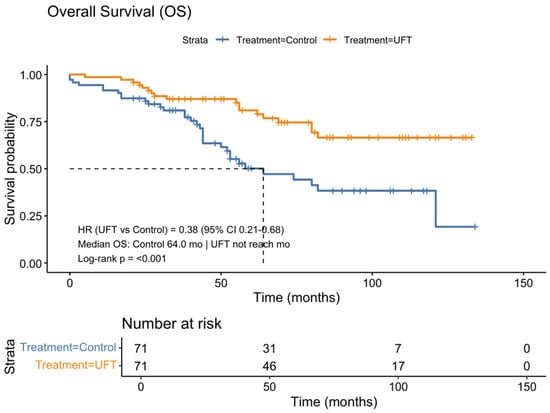
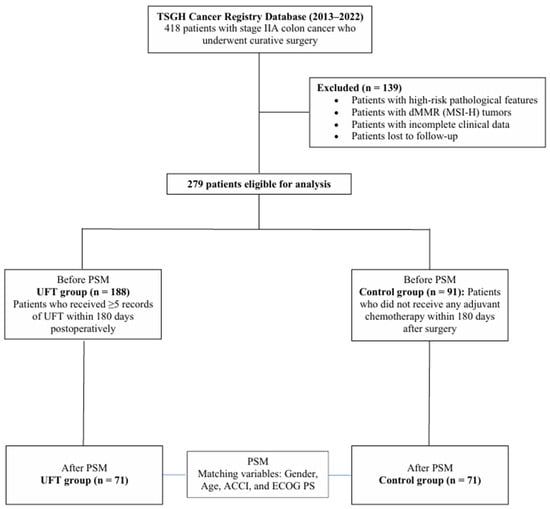
Background: The benefit of adjuvant chemotherapy for low-risk, mismatch repair proficient (pMMR) stage IIA colon cancer is uncertain. Surveillance is standard, but some patients relapse. Tegafur-uracil (UFT) is a low-toxicity oral option that may offer benefit; Methods: This retrospective study included patients with resected low-risk, pMMR stage IIA colon cancer (2013–2022). Patients receiving ≥5 postoperative UFT prescriptions were compared with those under surveillance. Propensity score matching (1:1) was applied, and disease-free survival (DFS) and overall survival (OS) were analyzed using Kaplan–Meier and Cox models with sensitivity analyses.; Results: Among 279 eligible patients, 71 matched pairs were analyzed. UFT reduced the risk of recurrence or death by 57% (DFS HR = 0.43, 95% CI 0.25–0.75, p = 0.002) and mortality by 62% (OS HR = 0.38, 95% CI 0.21–0.68, p < 0.001); Conclusions: UFT improved DFS and OS in low-risk pMMR stage IIA colon cancer, suggesting surveillance alone may undertreat some patients. Prospective trials are warranted.
Full article
(This article belongs to the Special Issue Contemporary Therapeutic Strategies for Solid Tumors)
►▼
Show Figures

Figure 1
Journal Menu
► ▼ Journal Menu-
- Life Home
- Aims & Scope
- Editorial Board
- Reviewer Board
- Topical Advisory Panel
- Instructions for Authors
- Special Issues
- Topics
- Sections & Collections
- Article Processing Charge
- Indexing & Archiving
- Editor’s Choice Articles
- Most Cited & Viewed
- Journal Statistics
- Journal History
- Journal Awards
- Society Collaborations
- Conferences
- Editorial Office
Journal Browser
► ▼ Journal BrowserHighly Accessed Articles
Latest Books
E-Mail Alert
News
Topics
Topic in
Animals, Cells, Life, Veterinary Sciences
Application of Animal Models: From Physiology to Pathology
Topic Editors: Juan Carlos Illera del Portal, Sara Cáceres Ramos, Felisbina Luisa QueirogaDeadline: 20 December 2025
Topic in
Dentistry Journal, JCM, Materials, Biomedicines, Life
Medical and Dental Care, Photobiomodulation and Photomedicine
Topic Editors: Samir Nammour, Chukuka Samuel Enwemeka, Aldo Brugnera JuniorDeadline: 31 December 2025
Topic in
Animals, Arthropoda, Diversity, Insects, Life, Pathogens
Arthropod Biodiversity: Ecological and Functional Aspects, 2nd Edition
Topic Editors: Paolo Solari, Roberto M. Crnjar, Anita Giglio, Gianluca TettamantiDeadline: 31 January 2026
Topic in
Antioxidants, Cancers, Gastroenterology Insights, Life, Nutrients
Oxidative Stress and Diet: The Health Implications of Advanced Glycation and Lipid Oxidation End-Products
Topic Editors: Joseph Kanner, Ron KohenDeadline: 31 March 2026
Conferences
Special Issues
Special Issue in
Life
Innovative Approaches in Dermatological Therapies and Diagnostics
Guest Editors: Federica Li Pomi, Francesco BorgiaDeadline: 26 December 2025
Special Issue in
Life
Recent Advances in Shockwave Therapy for Musculoskeletal and Soft-Tissue Disorders
Guest Editors: Marco Gesi, Mario Vetrano, Maria Chiara Vulpiani, Maria Cristina D'Agostino, Larisa Ryskalin, Federica FulceriDeadline: 26 December 2025
Special Issue in
Life
Advances in Diagnostic Imaging for Systemic Disorders
Guest Editor: Christoph StrolzDeadline: 29 December 2025
Special Issue in
Life
Advances in Neural Stem Cell Medicine
Guest Editor: Kiminobu SugayaDeadline: 30 December 2025
Topical Collections
Topical Collection in
Life
New Diagnostic and Therapeutic Developments in Eye Diseases
Collection Editors: Claudio Iovino, Michele Lanza, Jay Chhablani
Topical Collection in
Life
State of the Art in Plant Science
Collection Editors: Kousuke Hanada, Yoshiteru Noutoshi