
Journal Description
Kidney and Dialysis
Kidney and Dialysis
is an international, peer-reviewed, open access journal on nephrology and dialysis published quarterly online by MDPI. The Japanese Society for Renal Transplantation and Vascular Surgery (RTVS) and Osaka Society for Dialysis Therapy (OSDT) are affiliated with Kidney and Dialysis and their members receive discounts on the article processing charges.
- Open Access— free for readers, with article processing charges (APC) paid by authors or their institutions.
- High Visibility: indexed within ESCI (Web of Science), Scopus and other databases.
- Journal Rank: CiteScore - Q2 (Medicine (miscellaneous))
- Rapid Publication: manuscripts are peer-reviewed and a first decision is provided to authors approximately 32.2 days after submission; acceptance to publication is undertaken in 4.8 days (median values for papers published in this journal in the first half of 2026).
- Recognition of Reviewers: APC discount vouchers, optional signed peer review, and reviewer names published annually in the journal.
- Journal Cluster of Cardiology and Cardiovascular Medicine: Journal of Cardiovascular Development and Disease, Cardiogenetics, Hearts, Journal of Vascular Diseases, Cardiovascular Medicine, Kidney and Dialysis and Journal of CardioRenal Medicine.
Impact Factor:
1.3 (2025);
5-Year Impact Factor:
2.0 (2025)
Latest Articles
Evaluation of Serum Galectin-3 Levels Across Chronic Kidney Disease Stages and Its Association with Cardiovascular Complications in Maintenance Hemodialysis Patients
Kidney Dial. 2026, 6(3), 56; https://doi.org/10.3390/kidneydial6030056 - 13 Aug 2026
Abstract
►
Show Figures
Background: Cardiovascular complications majorly drive mortality across the spectrum of chronic kidney disease (CKD). This study evaluated serum Galectin-3 levels across chronic kidney disease (CKD) stages and their association with microinflammation and cardiac dysfunction in MHD patients. Methods: This cross-sectional study included 206
[...] Read more.
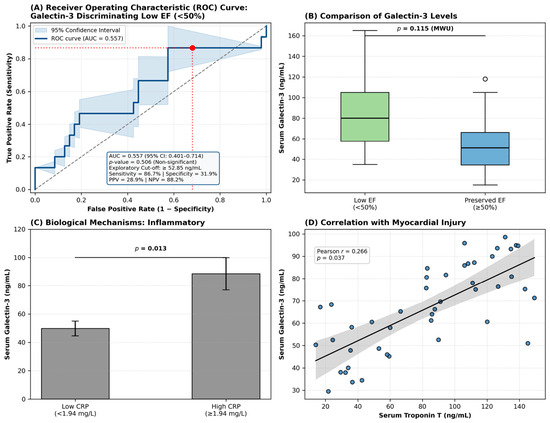
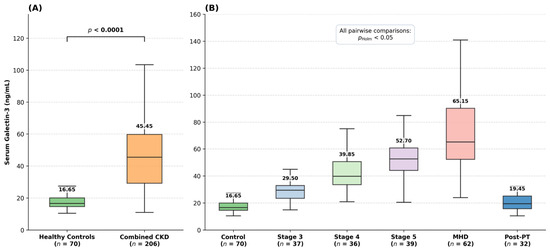
Background: Cardiovascular complications majorly drive mortality across the spectrum of chronic kidney disease (CKD). This study evaluated serum Galectin-3 levels across chronic kidney disease (CKD) stages and their association with microinflammation and cardiac dysfunction in MHD patients. Methods: This cross-sectional study included 206 patients (CKD stages 3–5 non-dialysis [ND], MHD, and post-kidney transplantation) and 70 healthy controls. Serum Galectin-3 was measured using a Chemiluminescent Microparticle Immunoassay. Results: Median Galectin-3 levels increased progressively from stage 3 (29.50 ng/mL) to stage 4 (39.85 ng/mL), reached the highest levels in stage 5ND (52.70 ng/mL) and MHD (65.15 ng/mL), but plunged post-transplantation (19.45 ng/mL). In the MHD group, patients with high Galectin-3 ( 65.15 ng/mL) exhibited significantly higher CRP levels compared to those with low Galectin-3 (2.39 vs. 1.22 mg/L, p = 0.013). Galectin-3 correlated positively with troponin T (r = 0.266, p = 0.037). ROC analysis showed that Galectin-3 discriminated left ventricular systolic dysfunction (EF < 50%) with an AUC of 0.557 (95% CI: 0.401–0.714), yielding an optimal cut-off of ≥52.85 ng/mL (sensitivity: 86.7%, specificity: 31.9%). Conclusions: Serum Galectin-3 is elevated in MHD patients and correlates with systemic microinflammation (CRP), but its association with myocardial injury lost statistical significance after multivariable adjustment (p = 0.057). Furthermore, an exploratory cut-off of 52.85 ng/mL did not demonstrate statistically significant discrimination for left ventricular systolic dysfunction (p = 0.506), highlighting the complex, multifactorial nature of uremic cardiomyopathy.
Full article
Open AccessArticle
A Pilot Study of a Video Cognitive Behavioral Intervention in Spanish and English for Chronic Kidney Disease Patients
by
Olivia B. Friedman, Jairo N. Fuertes, Michael T. Moore, Sofia Rubinstein and Theudia Chambers
Kidney Dial. 2026, 6(3), 55; https://doi.org/10.3390/kidneydial6030055 - 13 Aug 2026
Abstract
►▼
Show Figures
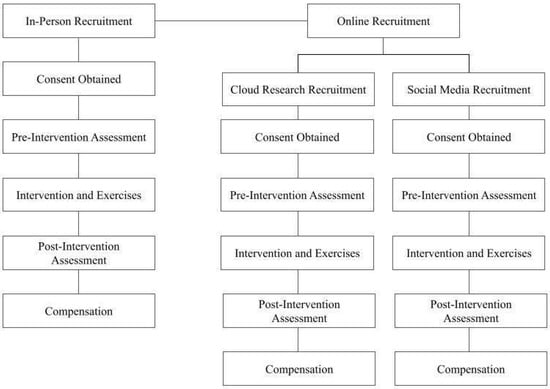
This study presents a slide-based video cognitive behavioral therapy (CBT)-informed psychoeducational intervention for chronic kidney disease (CKD) and end-stage kidney disease (ESKD) patients. The intervention addresses the lack of mental healthcare interventions for CKD patients, who experience disproportionate mental health challenges. The intervention
[...] Read more.
This study presents a slide-based video cognitive behavioral therapy (CBT)-informed psychoeducational intervention for chronic kidney disease (CKD) and end-stage kidney disease (ESKD) patients. The intervention addresses the lack of mental healthcare interventions for CKD patients, who experience disproportionate mental health challenges. The intervention is available in English and Spanish. The intervention includes four modules on the following: 1. depression; 2. anxiety; 3. locus of control and social support; and 4. treatment adherence, each with exercises. The intervention was tested with a sample of 45 CKD and ESKD patients, including individuals with CKD not receiving hemodialysis (HD) and individuals with ESKD receiving HD. Results showed a statistically significant within-participant reduction in PHQ-9 scores from pre- to post-intervention. The intervention did not yield significant pre- to post- changes in patients’ anxiety or locus of control. Associations between treatment adherence and depression, anxiety, locus of control, social support, and resilient coping were not statistically significant after applying the Bonferroni correction. Participant feedback was positive; they identified breathing exercises as the most helpful component, followed by medication adherence strategies, and referenced family members as supports. These preliminary results show that this CBT-informed intervention may have the potential to address depression in CKD/ESKD patients.
Full article

Figure 1
Open AccessReview
Contrast Media-Associated Nephrotoxicity: A Narrative Review of Pathophysiology, Risk Factors, Prevention, and Clinical Management
by
Esteban Zavaleta-Monestel, Jeaustin Mora-Jiménez, Kevin Cruz-Mora, Sebastián Arguedas-Chacón, Luis Guillermo Herrera-Jiménez, José Andrés Castro-Gamboa and José Miguel Chaverri-Fernández
Kidney Dial. 2026, 6(3), 54; https://doi.org/10.3390/kidneydial6030054 - 12 Aug 2026
Abstract
►▼
Show Figures
Background: Contrast media are essential tools in diagnostic and interventional imaging, but their relationship with acute kidney injury remains clinically relevant and conceptually debated. This narrative review aimed to synthesize current evidence on contrast media-associated nephrotoxicity, including terminology, epidemiology, pathophysiology, risk stratification, prevention,
[...] Read more.
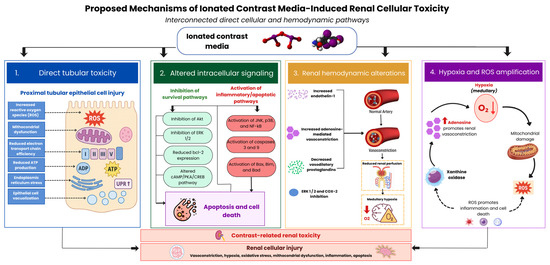
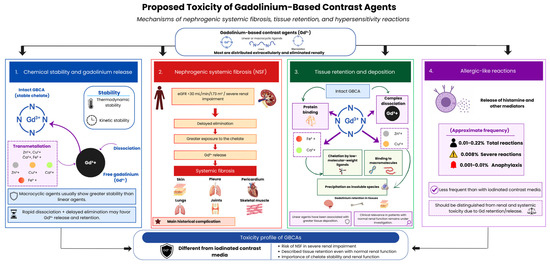
Background: Contrast media are essential tools in diagnostic and interventional imaging, but their relationship with acute kidney injury remains clinically relevant and conceptually debated. This narrative review aimed to synthesize current evidence on contrast media-associated nephrotoxicity, including terminology, epidemiology, pathophysiology, risk stratification, prevention, pharmacotherapeutic management, and clinical decision-making. Methods: A structured literature search was conducted in major biomedical databases and complemented by international guidelines and consensus statements addressing contrast-associated and contrast-induced acute kidney injury in adults exposed to intravascular contrast media. Discussion: Contemporary evidence emphasizes the distinction between contrast-associated acute kidney injury, which reflects a temporal association after exposure, and contrast-induced acute kidney injury, which implies causality. The renal risk directly attributable to modern intravenous iodinated contrast media appears to have been historically overestimated, although clinically relevant risk persists in vulnerable patients. Proposed mechanisms include renal vasoconstriction, medullary hypoxia, oxidative stress, mitochondrial dysfunction, tubular epithelial injury, endothelial dysfunction, and inflammatory or apoptotic pathways. Preventive strategies should be individualized, with isotonic saline remaining the main intervention when indicated, whereas routine pharmacologic prophylaxis is not supported by consistent clinically meaningful benefit. Conclusions: Renal safety in contrast-enhanced imaging requires a balanced approach that minimizes avoidable kidney injury in high-risk patients without unnecessarily delaying clinically indicated diagnostic or therapeutic procedures.
Full article

Figure 1
Open AccessReview
Integrating Vadadustat into Pharmaceutical Care for CKD-Related Anemia: Evidence-Based and Pharmacovigilance Perspectives
by
Iryna Dudar, Iurii Rudyk, Patrick Biggar and Kateryna Zupanets
Kidney Dial. 2026, 6(3), 53; https://doi.org/10.3390/kidneydial6030053 - 1 Aug 2026
Abstract
Anemia management in chronic kidney disease patients is a significant challenge for modern healthcare professionals. Anemia in chronic kidney disease patients has multiple causes, which include erythropoietin deficiency, abnormal iron metabolism, resistance to erythropoietin signaling, bone marrow suppression, blood loss, inflammation, nutrition deficiencies,
[...] Read more.
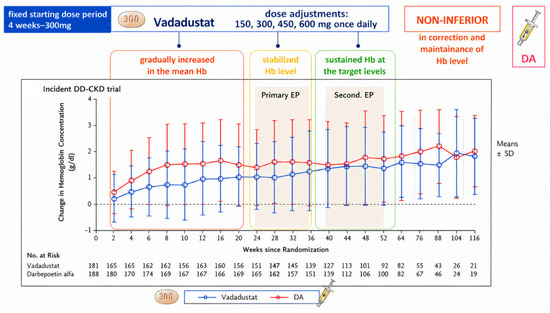
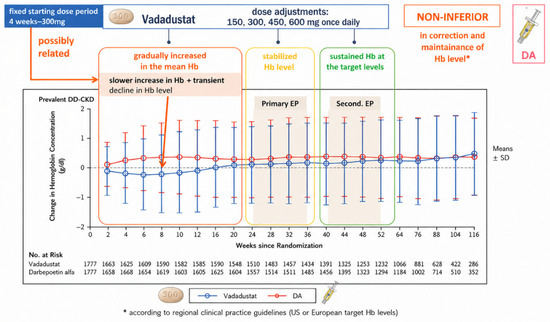
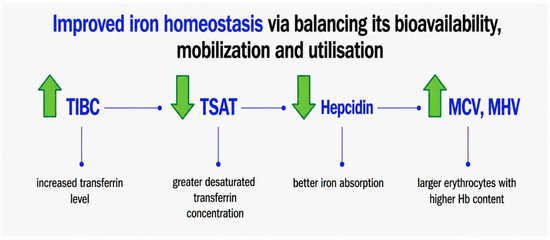
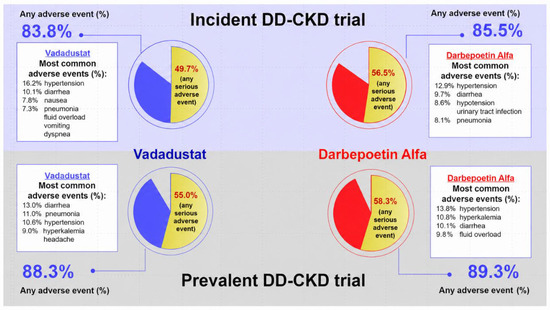
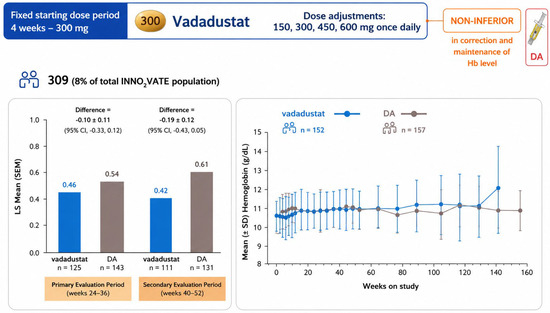
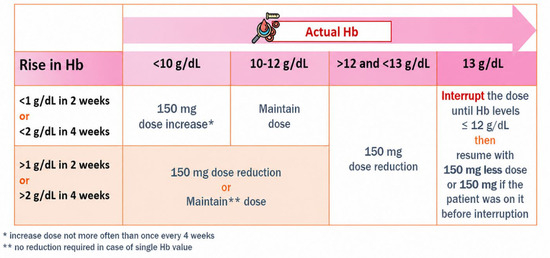
Anemia management in chronic kidney disease patients is a significant challenge for modern healthcare professionals. Anemia in chronic kidney disease patients has multiple causes, which include erythropoietin deficiency, abnormal iron metabolism, resistance to erythropoietin signaling, bone marrow suppression, blood loss, inflammation, nutrition deficiencies, and oxidative stress. Vadadustat, a stabilizer of hypoxia-inducible factor (HIF), is indicated for the treatment of symptomatic anemia associated with chronic kidney disease (CKD) in adults on chronic maintenance dialysis. Evidence-based pharmaceutical care services are of great importance for chronic kidney disease patients because they provide safe and cost-effective care for patients. In the present article, we outline the most important pharmaceutical aspects that may affect the efficacy and safety of drug therapy with vadadustat and other HIF stabilizers. We conclude that evidence-based pharmaceutical care is one of the criteria that promotes management of vadadustat therapeutic efficacy and safety. Such an approach will contribute to improving patient adherence to treatment and, consequently, quality of life. Special attention is paid to structure-derived side effects of widely used HIF stabilizers, including their advantages and disadvantages. Based on all available safety and efficacy data for vadadustat, the overall risk–benefit profile remains positive for the approved indications for use.
Full article
(This article belongs to the Collection Teaching Cases in Nephrology, Dialysis and Transplantation)
►▼
Show Figures

Figure 1
Open AccessArticle
Early Post-Transplant Glycemic Variability and Its Association with Post-Transplant Dysglycemia After Kidney Transplantation
by
Karol Graňák, Matej Vnučák, Patrícia Kleinová, Tímea Blichová, Andrej Kollár, Katarína Ševčíková, Margaréta Graňák Pytliaková and Ivana Dedinská
Kidney Dial. 2026, 6(3), 52; https://doi.org/10.3390/kidneydial6030052 - 1 Aug 2026
Abstract
►▼
Show Figures
Background: Glycemic variability (GV) may play an important role in metabolic outcomes after kidney transplantation (KT). This study aimed to evaluate the association between early post-transplant GV, assessed by continuous glucose monitoring (CGM), and the subsequent development of post-transplant dysglycemia. Methods: This prospective
[...] Read more.
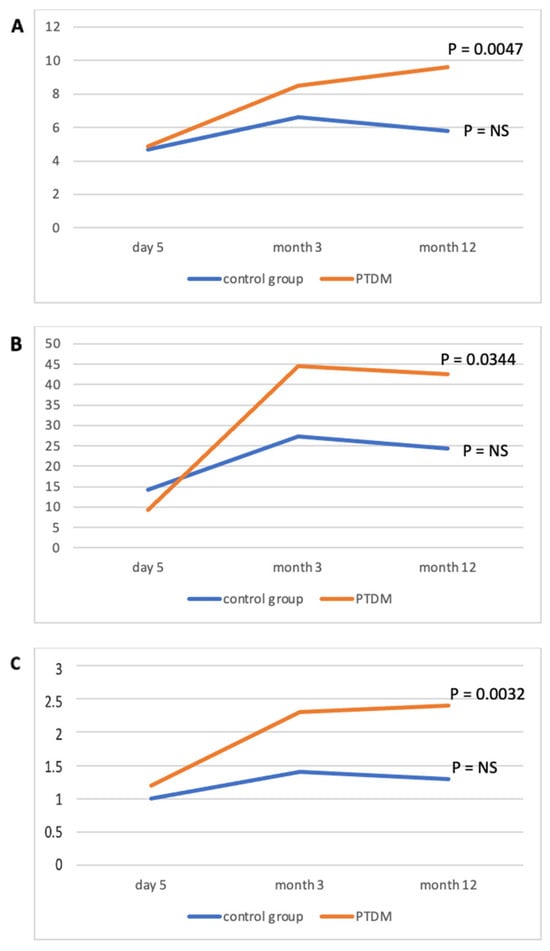
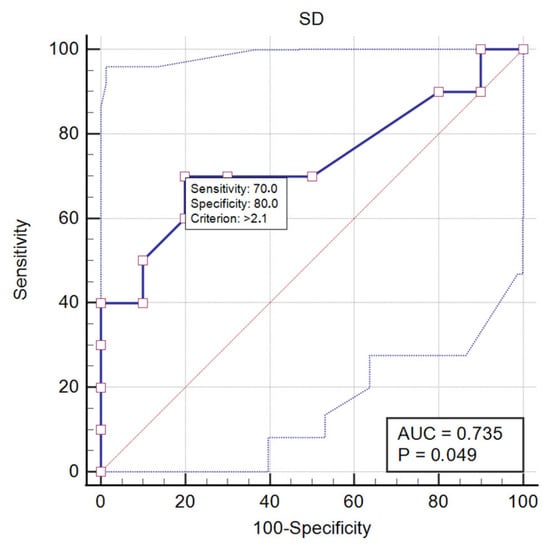
Background: Glycemic variability (GV) may play an important role in metabolic outcomes after kidney transplantation (KT). This study aimed to evaluate the association between early post-transplant GV, assessed by continuous glucose monitoring (CGM), and the subsequent development of post-transplant dysglycemia. Methods: This prospective exploratory pilot study included adult recipients of primary deceased-donor KT at Martin University Hospital, Slovakia. The Dexcom G6 CGM system was applied immediately before KT and continuously measured interstitial glucose for seven days after KT. Demographic, clinical, and biochemical data were collected on day 0, and 7, and at months 3, 12. Results: Twenty patients completed the 12-month follow-up. PTDM/prediabetes developed in 10 (50%) and had higher HbA1c on day 7 (p = 0.038) and lower postprandial insulin (p = 0.042). At 3 and 12 months, HbA1c (p = 0.006), fasting insulin (p = 0.0219), and HOMA-IR (p = 0.006) were significantly elevated in this group. CGM demonstrated higher mean glucose (p = 0.021), SD (p = 0.001), and estimated HbA1c (p = 0.017), with longer time above range (p = 0.042) and shorter time in range (p = 0.037). In exploratory regression analyses, CV ≥ 36% (aOR 7.31, p = 0.049) and TAR (aOR 1.35, p = 0.045) were associated with subsequent PTDM/prediabetes. Conclusions: In this prospective exploratory pilot study, higher early postoperative GV was associated with subsequent post-transplant dysglycemia. These findings suggest that CGM-derived metrics may help identify patients at higher metabolic risk after KT; however, given the small sample size and exploratory design, the results should be interpreted as hypothesis-generating.
Full article

Figure 1
Open AccessReview
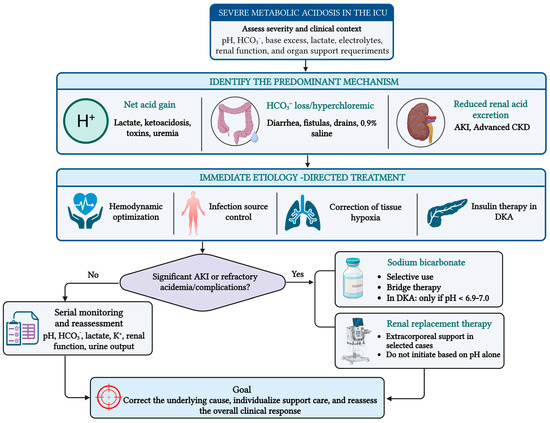
Severe Metabolic Acidosis in Intensive Care: Implications for Acute Kidney Injury, Bicarbonate, and Renal Replacement Therapy
by
Carlos Rebolledo-Maldonado, Juan Solano-Ropero, Elber Osorio-Rodríguez, Aleyda Parra-Castillo, Carlos Beltran-Sánchez, Neil Martínez-Fontalvo, Diego González-Betancur, Dairo Rodelo-Barrios, Manuel Cueto-Chaparro, José Correa-Guerrero, Alberto Polo-Barranco and Carmelo Dueñas-Castell
Kidney Dial. 2026, 6(3), 51; https://doi.org/10.3390/kidneydial6030051 - 20 Jul 2026
Abstract
►▼
Show Figures
Severe metabolic acidosis is a frequent finding in the intensive care unit (ICU) and a critical marker of clinical severity and organ dysfunction, closely linked to acute kidney injury (AKI) due to shared physiological mechanisms and the loss of the kidney’s ability to
[...] Read more.
Severe metabolic acidosis is a frequent finding in the intensive care unit (ICU) and a critical marker of clinical severity and organ dysfunction, closely linked to acute kidney injury (AKI) due to shared physiological mechanisms and the loss of the kidney’s ability to maintain acid-base homeostasis. Therefore, it represents the biochemical expression of heterogeneous pathophysiological mechanisms related to acid-base balance. These include tissue hypoperfusion, sepsis, mitochondrial dysfunction, accumulation of unmeasured anions, bicarbonate loss, and reduced renal excretion of the acid load. Its presence is associated with increased mortality, greater vasopressor and mechanical ventilation requirements, prolonged ICU stay, and a higher likelihood of renal replacement therapy (RRT). However, pH correction alone does not guarantee clinical improvement. Therefore, contemporary management prioritizes the etiology, severity of the acidemia, and hemodynamic status. In this context, sodium bicarbonate plays a limited and selective role, particularly in severe acidemia with advanced AKI or hyperkalemia, or as temporary supportive therapy while the underlying cause is corrected or extracorporeal support is arranged. Similarly, RRT should be reserved for refractory cases and should not be initiated based solely on isolated pH thresholds. This review analyzes the definition, epidemiology, clinical implications, pathophysiology, and therapeutic strategies for severe metabolic acidosis in critically ill patients, with emphasis on its interaction with AKI, the rational use of bicarbonate, and the timing of RRT initiation.
Full article

Figure 1
Open AccessArticle
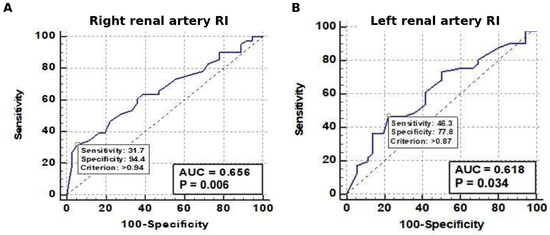
Renal Artery Resistive Index as an Early Cardiovascular–Renal Biomarker in Preterm Neonates: Differential Associations with Hypertension and Acute Kidney Injury
by
Dwi Oktari Erfanti, Tetty Yuniati, Fiva Aprilia Kadi, Aris Primadi, Ahmedz Widiasta, Dwi Prasetyo, Harry Galuh Nugraha and Johanes Edy Siswanto
Kidney Dial. 2026, 6(3), 50; https://doi.org/10.3390/kidneydial6030050 - 20 Jul 2026
Abstract
►▼
Show Figures
Background: Renal artery resistive index (RI) may reflect renal–vascular adaptation in preterm neonates, but its ability to distinguish early hypertension from acute kidney injury (AKI) remains uncertain. Methods: This prospective cohort study enrolled preterm neonates born at 28–34 weeks’ gestation at Dr. Hasan
[...] Read more.
Background: Renal artery resistive index (RI) may reflect renal–vascular adaptation in preterm neonates, but its ability to distinguish early hypertension from acute kidney injury (AKI) remains uncertain. Methods: This prospective cohort study enrolled preterm neonates born at 28–34 weeks’ gestation at Dr. Hasan Sadikin Hospital, Indonesia. Renal Doppler ultrasonography was performed at 72 h of life to measure the RI of the right and left renal arteries. Blood pressure was assessed during the first postnatal week using repeated non-invasive oscillometric measurements. AKI was defined according to neonatal Kidney Disease: Improving Global Outcomes criteria. Associations between RI, early-onset hypertension, and AKI were evaluated using bivariate analyses, receiver operating characteristic curves, and exploratory adjusted logistic regression. Results: Of 113 eligible infants, 77 completed follow-up evaluation. Higher RI values were associated with early-onset hypertension in univariable analyses for both the right (p = 0.010) and left (p = 0.038) RI. RI thresholds > 0.94 for the right renal artery and >0.87 for the left renal artery were associated with increased risk of hypertension. RI values did not differ significantly between infants with and without AKI. Exploratory adjusted analyses showed attenuation of side-specific associations, whereas the higher bilateral RI value suggested a modest hypertension-related signal. Conclusions: In this cohort of clinically stable surviving preterm neonates, renal artery RI showed a clearer association with early-onset hypertension than with AKI classified using the study’s operational KDIGO approach. RI may provide adjunctive physiological information regarding vascular impedance and early cardiovascular–renal adaptation, but it should not be interpreted as a specific or stand-alone biomarker of hypertension or kidney injury. These findings are hypothesis-generating and require validation in larger multicenter cohorts using serial renal and hemodynamic assessments.
Full article

Figure 1
Open AccessArticle
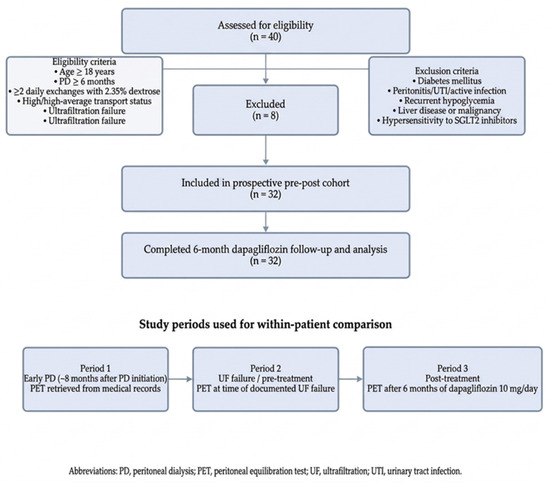
Evaluation of Peritoneal Membrane Function After Dapagliflozin Treatment in a Patient Who Had Undergone Peritoneal Dialysis
by
Mahdi Tarabeih, Jamal Qaddumi, Osama Sawalmeh and Sajeda Hamadi
Kidney Dial. 2026, 6(3), 49; https://doi.org/10.3390/kidneydial6030049 - 17 Jul 2026
Abstract
►▼
Show Figures
Peritoneal ultrafiltration failure is a major complication of peritoneal dialysis and a common cause of technique failure often leading to hemodialysis. Chronic exposure to glucose-based dialysate contributes to inflammation, fibrosis, and peritoneal membrane dysfunction. This study evaluated the effects of dapagliflozin on peritoneal
[...] Read more.
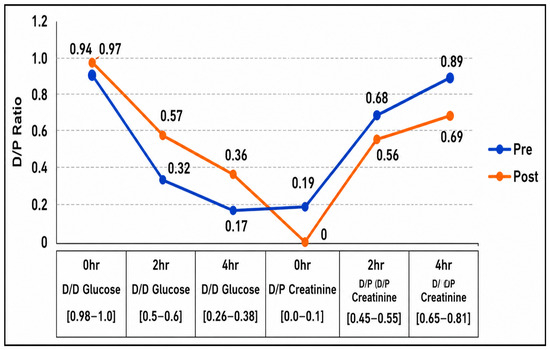
Peritoneal ultrafiltration failure is a major complication of peritoneal dialysis and a common cause of technique failure often leading to hemodialysis. Chronic exposure to glucose-based dialysate contributes to inflammation, fibrosis, and peritoneal membrane dysfunction. This study evaluated the effects of dapagliflozin on peritoneal membrane function in patients with ultrafiltration failure undergoing continuous ambulatory peritoneal dialysis. In our pre–post observational study, 32 patients with high/high–average peritoneal transport status and ultrafiltration failure received dapagliflozin 10 mg daily for six months. Peritoneal equilibration tests using a 4.25% dextrose solution were performed during early peritoneal dialysis, at ultrafiltration failure, and after treatment. Ultrafiltration volume, dialysate-to-plasma creatinine ratio, dialysate glucose ratio, sodium dip, and clinical/biochemical parameters were assessed. Dapagliflozin treatment was found to be associated with higher ultrafiltration volume (480 mL vs. 90 mL at ultrafiltration failure, p < 0.001), preservation of the intraperitoneal glucose gradient, changes in the dialysate-to-plasma creatinine ratio, and altered sodium dip parameters. Favorable changes were also observed in blood pressure, body mass index, inflammatory markers, hemoglobin, albumin, sodium, bicarbonate, and glycemic indices. No serious adverse events were reported. These findings suggest that dapagliflozin may improve ultrafiltration efficiency and peritoneal membrane function in peritoneal dialysis patients with ultrafiltration failure. Further randomized controlled trials are warranted.
Full article

Figure 1
Open AccessArticle
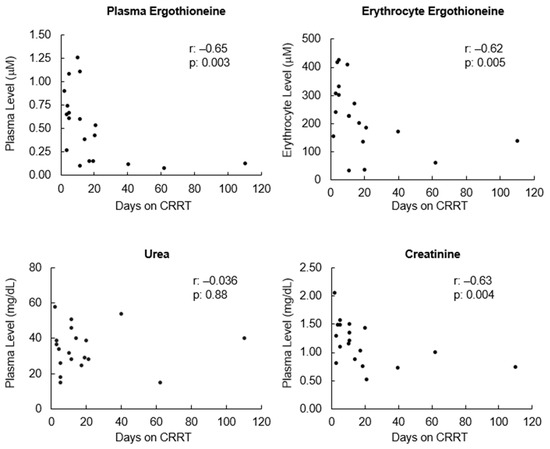
Depletion of the Antioxidant Ergothioneine by Critical Illness and Continuous Renal Replacement Therapy
by
William A. Vasquez Espinosa, Seolhyun Lee, Josef K. Suba, Lindsey S. Keo, Timothy W. Meyer and Tammy L. Sirich
Kidney Dial. 2026, 6(3), 48; https://doi.org/10.3390/kidneydial6030048 - 14 Jul 2026
Abstract
►▼
Show Figures
Background: Ergothioneine is a diet-derived antioxidant with a specific membrane transporter that uptakes it into tissues susceptible to oxidative stress. We previously found that efficient dialytic clearance leads to marked ergothioneine depletion in patients on hemodialysis. Continuous renal replacement therapy (CRRT) provides higher
[...] Read more.
Background: Ergothioneine is a diet-derived antioxidant with a specific membrane transporter that uptakes it into tissues susceptible to oxidative stress. We previously found that efficient dialytic clearance leads to marked ergothioneine depletion in patients on hemodialysis. Continuous renal replacement therapy (CRRT) provides higher time-averaged clearances of small solutes than hemodialysis. We therefore examined whether ergothioneine is depleted in patients receiving CRRT. Methods: We first compared erythrocyte and plasma ergothioneine levels in 19 critically ill subjects maintained on CRRT for ≥2 days (CRRT), 18 critically ill subjects without kidney impairment (CI), and 15 healthy subjects (control). We then examined the degree to which initiation of CRRT reduced ergothioneine levels in a separate group of 11 subjects after ≥2 days on CRRT and measured ergothioneine in the effluent fluid to calculate its CRRT clearance. Results: Compared to controls, erythrocyte and plasma ergothioneine levels were depleted in both critically ill subjects maintained on CRRT for 20 ± 26 days and critically ill subjects not on CRRT (erythrocyte: CRRT 226 ± 121 μM, CI 208 ± 132 μM, control 593 ± 568 μM; plasma: CRRT 0.52 ± 0.37 μM, CI 0.86 ± 0.83 μM, control 2.3 ± 1.7 μM). Initiation of CRRT in a separate group of 11 subjects significantly reduced the plasma level but not the erythrocyte level of ergothioneine after 3.4 ± 1.0 days. CRRT provided similar efficient clearances of ergothioneine, urea, and creatinine (31 ± 8, 38 ± 8, and 36 ± 10 mL/min). Conclusions: Ergothioneine is significantly depleted in critically illness, and prolonged CRRT may worsen the depletion. Our findings motivate further investigation of the impact of ergothioneine depletion in critical illness.
Full article

Figure 1
Open AccessArticle
Predictors of Acceptable Dialysis-Specific Nutrition Literacy in Omani Adults with End-Stage Kidney Disease Receiving Hemodialysis
by
Eilean R. Lazarus, Hana Al Balushi, Maryam Al-Riyami, Wafa Al Aadi, Qaterunada Al Hinai, Houda Al Bahluli, Muna Al Hinai, Zainab Al Kindi and Nasser Al-Salmi
Kidney Dial. 2026, 6(3), 47; https://doi.org/10.3390/kidneydial6030047 - 6 Jul 2026
Abstract
►▼
Show Figures
End-stage kidney disease (ESKD) is a growing public health concern in Oman, with an increasing number of adults requiring hemodialysis and facing complex dietary restrictions. Adequate nutrition knowledge and nutrition literacy are essential for effective dietary self-management, yet their relationship with dietary adherence
[...] Read more.
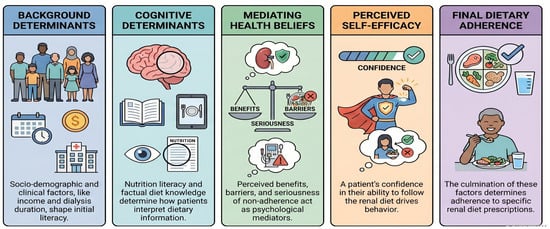
End-stage kidney disease (ESKD) is a growing public health concern in Oman, with an increasing number of adults requiring hemodialysis and facing complex dietary restrictions. Adequate nutrition knowledge and nutrition literacy are essential for effective dietary self-management, yet their relationship with dietary adherence in the Omani hemodialysis population remains underexplored. To determine the level of dialysis-specific nutrition literacy among Omani adults with end-stage kidney disease undergoing hemodialysis and to identify socio-demographic and clinical factors that predict acceptable nutrition literacy in this population. A cross-sectional study was conducted among 140 adults with ESKD receiving hemodialysis in Oman. Data were collected using a structured, self-administered questionnaire comprising socio-demographic and clinical items, the Dialysis-Specific Nutrition Literacy Scale (DSNLS), the Dialysis-Related Diet Knowledge Questionnaire (DDKQ), and adherence/health-belief subscales (perceived benefits, barriers, seriousness, susceptibility, and self-efficacy). Descriptive statistics summarized sample characteristics and scale scores. Correlation analyses assessed relationships between nutrition literacy, diet knowledge, and adherence-related perceptions. Multiple logistic regression identified independent predictors of acceptable nutrition literacy. Participants had a mean age of 48.19 years and a mean dialysis duration of 5.46 years. Overall, 60.7% had acceptable dialysis-specific nutrition literacy and 39.3% had limited literacy. Dialysis-related diet knowledge was low in 10.7%, moderate in 46.4%, and high in 42.9% of participants. Perceived benefits of dietary adherence were high, whereas perceived barriers, seriousness, and susceptibility were moderate and self-efficacy was relatively low. Nutrition literacy was positively correlated with perceived benefits, seriousness, susceptibility, and self-efficacy, while diet knowledge showed weaker associations with these beliefs. In the logistic regression model, living in the city (OR = 0.17, p = 0.01) and having diabetes mellitus as a comorbidity (OR = 0.17, p = 0.01) were associated with lower odds of acceptable nutrition literacy, whereas higher hemoglobin levels (OR = 1.51, p = 0.04) and self-rated “very good” overall health (OR = 5.80, p = 0.03) were associated with higher odds. Most Omani adults on hemodialysis demonstrated acceptable nutrition literacy and at least moderate renal-diet knowledge, but a substantial subgroup had limited literacy and low self-efficacy for dietary adherence. Nutrition literacy was more strongly linked to adherence-related beliefs than factual knowledge alone and was influenced by place of residence, comorbid diabetes, hemoglobin level, and perceived health. These findings highlight the need for culturally tailored, literacy-sensitive nutrition education in Omani dialysis units, with particular attention to urban patients and those with diabetes, to strengthen self-efficacy, address perceived barriers, and ultimately improve dietary adherence and clinical outcomes.
Full article

Figure 1
Open AccessCase Report
Successful Dialysis Weaning in Refractory Membranous Nephropathy Through Long-Term Multi-Disciplinary Management: A Case Report
by
Reina Suetsugu-Ishizawa, Megumi Matsumoto, Hirofumi Sakuma, Motoki Matsuki, Mitsuru Yanai, Yayoi Ogawa and Naoki Nakagawa
Kidney Dial. 2026, 6(3), 46; https://doi.org/10.3390/kidneydial6030046 - 3 Jul 2026
Abstract
►▼
Show Figures
Membranous nephropathy (MN) is a leading cause of nephrotic syndrome (NS). The remission rate of MN remains limited, and effective strategies for refractory MN are not established. We present the case of a 49-year-old Japanese woman with severe NS caused by MN. Kidney
[...] Read more.
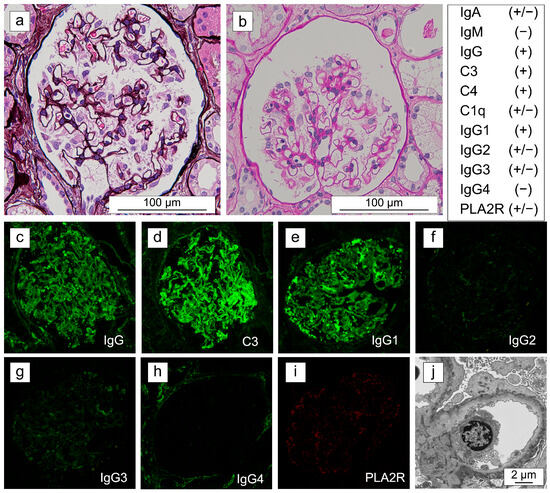
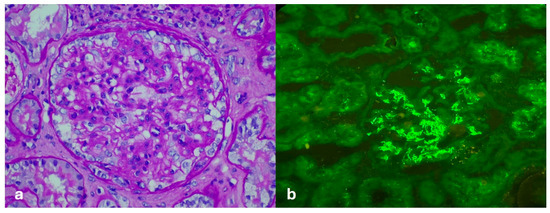
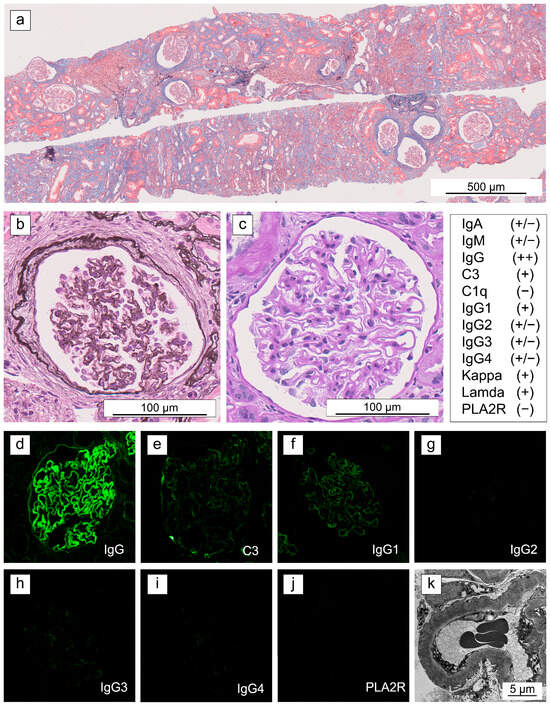
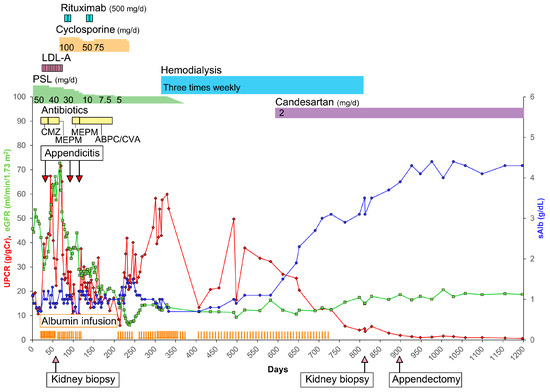
Membranous nephropathy (MN) is a leading cause of nephrotic syndrome (NS). The remission rate of MN remains limited, and effective strategies for refractory MN are not established. We present the case of a 49-year-old Japanese woman with severe NS caused by MN. Kidney biopsy revealed glomerular basement membrane thickening with granular deposition of immunoglobulin G (IgG) and complement component 3. IgG subclass analysis showed predominant IgG1 deposition, with weak IgG2 and IgG3 deposition. Phospholipase A2 receptor (PLA2R) deposition was equivocal in the first kidney biopsy and negative in the second. Serum anti-PLA2R antibody was not detected. Electron microscopy revealed subepithelial, subendothelial, and mesangial electron-dense deposits. Detailed screening revealed no significant abnormalities other than appendiceal findings, suggesting secondary MN associated with appendiceal infection. Although combined therapy with prednisolone, cyclosporine, rituximab, and low-density lipoprotein apheresis was administered during the first 6 months, remission of MN was not achieved. During dialysis, initiated because of kidney failure, long-term multidisciplinary management, including control of appendiceal infection and inflammation and initiation of angiotensin II receptor blocker therapy, ultimately led to remission of MN and discontinuation of dialysis. Overall, even refractory MN requiring dialysis may have a reversible clinical course with careful conservative management and long-term follow-up.
Full article

Figure 1
Open AccessReview
Social Relationships and Frailty in Community-Dwelling Older Adults on Hemodialysis: A Scoping Review
by
Naomi Yoshida, Hitomi Matsuda, Akihiko Araki, Naoki Maki, Sayuri Osanai and Thomas Mayers
Kidney Dial. 2026, 6(3), 45; https://doi.org/10.3390/kidneydial6030045 - 1 Jul 2026
Abstract
►▼
Show Figures
Life expectancy among older adults undergoing hemodialysis (HD) has increased, yet more than 70% experience physical frailty or pre-frailty before progressing to severe disability. Declines in social functioning in this population have also been associated with higher mortality risk and poorer quality of
[...] Read more.
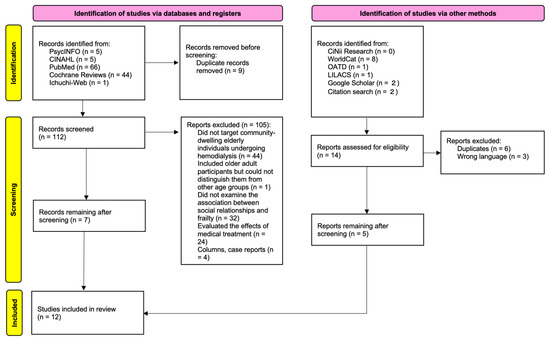
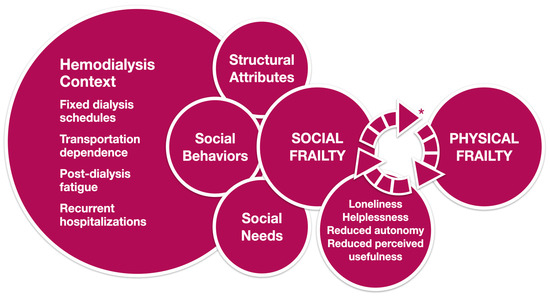
Life expectancy among older adults undergoing hemodialysis (HD) has increased, yet more than 70% experience physical frailty or pre-frailty before progressing to severe disability. Declines in social functioning in this population have also been associated with higher mortality risk and poorer quality of life. Despite this, relatively few studies have explored methods for evaluating social relationships and frailty among older adults receiving HD. This scoping review aimed to identify how previous studies have evaluated social relationships in this population, examine factors associated with frailty, and clarify potential research gaps. Inclusion and exclusion criteria were defined according to the Preferred Reporting Items for Systematic Reviews and Meta-Analyses Extension for Scoping Reviews guidelines. Participants were community-dwelling adults aged 60 years and older receiving HD. Using predefined keywords and search terms, literature searches were conducted across Cochrane Reviews, Cumulative Index to Nursing and Allied Health Literature (CINAHL), PubMed, PsycINFO, and gray literature sources (e.g., WorldCat). This review was registered in the University Hospital Medical Information Network (UMIN) Clinical Trials Registry database (UMIN000055770). Twelve studies met the inclusion criteria. Frailty was assessed using physical (7 studies), multidimensional (3 studies), cognitive (1 study), and social measures (1 study). Nineteen social relationship factors were identified and categorized into three dimensions: social attributes, social activities, and social needs. However, none of the studies evaluated the appropriateness or validity of these elements for assessing social relationships among older HD patients. The findings indicate a need to validate assessment tools that integrate physical frailty and social relationship dimensions in older adults undergoing HD, which may allow earlier identification of individuals at risk of adverse outcomes.
Full article

Figure 1
Open AccessReview
Gut–Kidney Crosstalk in Acute Kidney Injury: Gut as a Modifier of AKI
by
Jihyun Yang and Sang Kyung Jo
Kidney Dial. 2026, 6(3), 44; https://doi.org/10.3390/kidneydial6030044 - 1 Jul 2026
Abstract
►▼
Show Figures
Growing recognition of the gut–kidney axis has revealed that gut dysbiosis and altered mucosal immunity are intimately intertwined with acute kidney injury (AKI). Gut changes following AKI, including dysbiosis and associated altered metabolites, barrier disruption, and maladaptive immune responses, affect post-AKI outcomes in
[...] Read more.
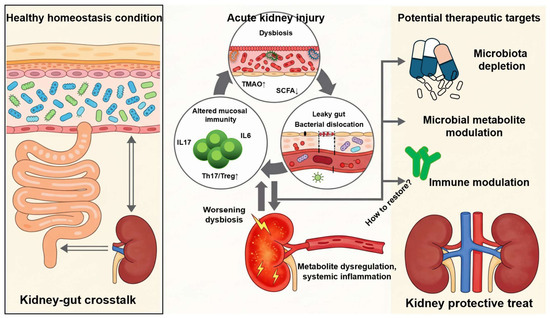
Growing recognition of the gut–kidney axis has revealed that gut dysbiosis and altered mucosal immunity are intimately intertwined with acute kidney injury (AKI). Gut changes following AKI, including dysbiosis and associated altered metabolites, barrier disruption, and maladaptive immune responses, affect post-AKI outcomes in a bidirectional manner. Therefore, the gut is increasingly recognized as a previously underappreciated modifier of AKI, and recent research is beginning to dissect the causal relationships between microbial perturbations and AKI, as well as the mechanisms underlying these complex interactions. However, relevant data remain limited, underscoring the need for further mechanistic and translational studies to fully elucidate key pathways for the development of novel, gut-targeted therapeutics. In this review, we summarize the mechanisms by which gut dysbiosis contributes to AKI outcomes and discuss gut-based therapeutic options based on experimental and clinical studies as well as future perspectives.
Full article

Figure 1
Open AccessReview
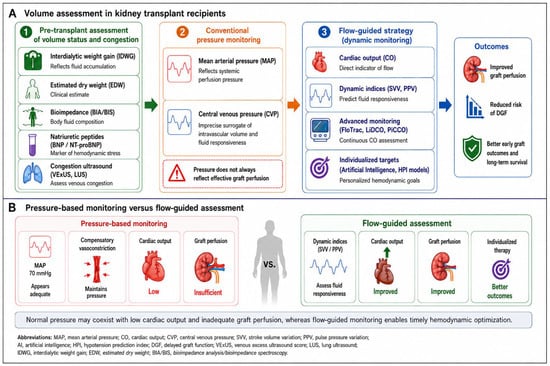
From Volume Assessment to Flow-Guided Therapy in Kidney Transplantation: A Multimodal Approach
by
Teodor Cãluși, Alexandru Iordache, Lucas-Gabriel Discălicău, Oana Moldoveanu and Bogdan Sorohan
Kidney Dial. 2026, 6(2), 43; https://doi.org/10.3390/kidneydial6020043 - 16 Jun 2026
Abstract
►▼
Show Figures
Kidney transplantation is the treatment of choice for end-stage renal disease, although delayed graft function remains a frequent early complication with important clinical implications. Because early graft recovery depends on adequate perfusion, careful perioperative volume assessment and hemodynamic optimization are essential. Conventional markers
[...] Read more.
Kidney transplantation is the treatment of choice for end-stage renal disease, although delayed graft function remains a frequent early complication with important clinical implications. Because early graft recovery depends on adequate perfusion, careful perioperative volume assessment and hemodynamic optimization are essential. Conventional markers such as interdialytic weight gain and estimated dry weight provide only indirect information on intravascular volume and may lead to pre-transplant misclassification of volume status. Complementary tools, including bioimpedance, natriuretic peptides, and congestion-focused ultrasound, may improve characterization of fluid distribution and hemodynamic stress, but none reliably define effective graft perfusion. Pressure-based parameters remain central to perioperative management; however, mean arterial pressure reflects systemic perfusion pressure and may be preserved despite reduced renal blood flow. Central venous pressure is an imprecise surrogate of intravascular volume and fluid responsiveness, with inconsistent associations with clinical outcomes across studies. In this context, flow-guided strategies based on dynamic indices of fluid responsiveness provide a more direct assessment of circulatory adequacy and have been associated, in selected studies, with improved early graft outcomes. Overall, the evidence supports a multimodal approach integrating volume assessment tools with pressure- and flow-oriented monitoring to optimize graft perfusion and early transplant outcomes.
Full article

Figure 1
Open AccessArticle
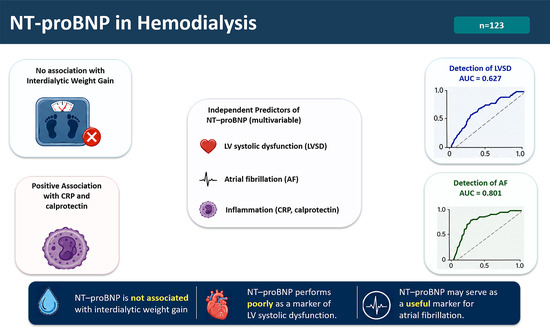
NT-proBNP Levels in Hemodialysis Patients: Unrelated to Interdialytic Weight Gain, Limited in Detecting Left Ventricular Systolic Dysfunction, but May Identify Atrial Fibrillation
by
Maria Divani, Katerina Katsanaki, Maria Tziastoudi, Panagiota Makri, Christina Poulianiti, Evangelos Lykotsetas, Andriani Balatsouka, Ioannis Stefanidis and Theodoros Eleftheriadis
Kidney Dial. 2026, 6(2), 42; https://doi.org/10.3390/kidneydial6020042 - 9 Jun 2026
Abstract
►▼
Show Figures
Background: N-terminal pro-B-type natriuretic peptide (NT-proBNP) is released in response to increased cardiac wall stress and is used as a biomarker for volume overload and heart failure (HF). It is also elevated in atrial fibrillation (AF) and inflammation. However, in hemodialysis (HD) patients,
[...] Read more.
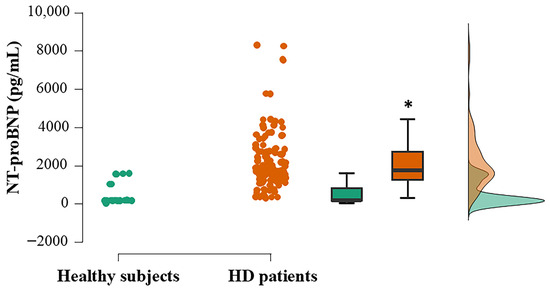
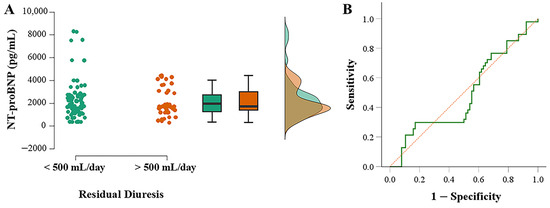
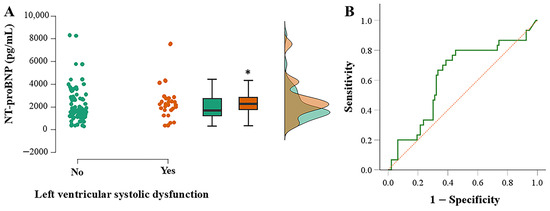
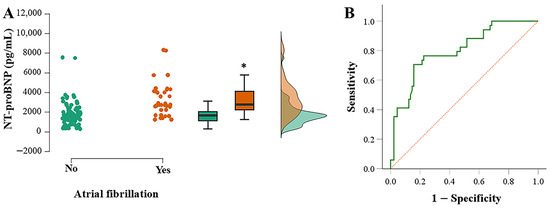
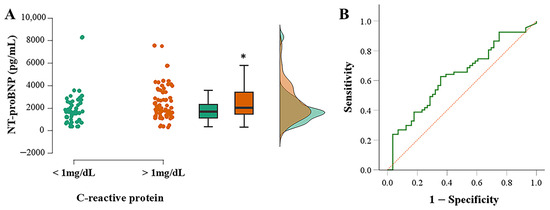
Background: N-terminal pro-B-type natriuretic peptide (NT-proBNP) is released in response to increased cardiac wall stress and is used as a biomarker for volume overload and heart failure (HF). It is also elevated in atrial fibrillation (AF) and inflammation. However, in hemodialysis (HD) patients, its interpretation is complicated by reduced renal clearance, large fluid shifts between dialysis sessions, and chronic inflammation. Methods: In 123 HD patients, we examined the relationship between NT-proBNP and interdialytic weight gain, HF with preserved ejection fraction (HFpEF), left ventricular systolic dysfunction (LVSD), and AF, as well as the impact of inflammation. Clinical characteristics, laboratory data, and echocardiography (within three months) were evaluated, while serum NT-proBNP and calprotectin levels were measured by ELISA. Results: NT-proBNP showed no association with interdialytic weight gain and did not identify HFpEF. Inflammatory markers (C-reactive protein and calprotectin) correlated positively with NT-proBNP. Multivariable analysis demonstrated that LVSD, AF, and inflammation remained independent predictors of NT-proBNP levels. Although NT-proBNP levels were higher in LVSD, its diagnostic performance was poor (AUC 0.627). In contrast, NT-proBNP was significantly elevated in patients with AF and showed good diagnostic performance (AUC 0.801). Conclusions: In HD patients, NT-proBNP is not correlated with interdialytic weight gain, performs poorly as a marker of LVSD, but may serve as a useful marker of AF.
Full article

Graphical abstract
Open AccessArticle
Predicting Hungry Bone Syndrome: Risk Stratification After Parathyroidectomy in CKD-Related Hyperparathyroidism
by
Joaquín Rodelo-Ceballos, Víctor De La Espriella-Palmett, Mauricio Restrepo-Escobar, Ligia Lorena Calderón and Alejandro Román-González
Kidney Dial. 2026, 6(2), 41; https://doi.org/10.3390/kidneydial6020041 - 5 Jun 2026
Abstract
►▼
Show Figures
Background: Hungry bone syndrome (HBS) is a frequent and potentially severe complication following parathyroidectomy in patients with chronic kidney disease (CKD) and secondary (SHPT) or tertiary hyperparathyroidism (THPT). We aimed to identify preoperative risk factors associated with the development of HBS in this
[...] Read more.
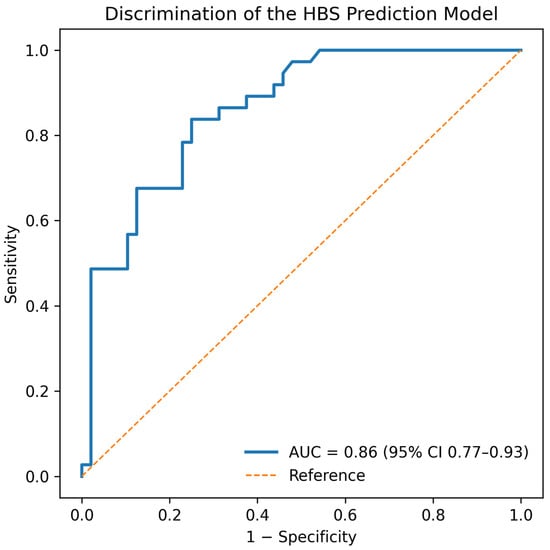
Background: Hungry bone syndrome (HBS) is a frequent and potentially severe complication following parathyroidectomy in patients with chronic kidney disease (CKD) and secondary (SHPT) or tertiary hyperparathyroidism (THPT). We aimed to identify preoperative risk factors associated with the development of HBS in this population. Methods: We conducted a retrospective cohort study including 99 adult patients with CKD-associated SHPT or THPT who underwent parathyroidectomy at Hospital San Vicente Fundación between 2018 and 2024. HBS was defined as corrected serum calcium <8.5 mg/dL requiring intravenous calcium supplementation for at least 72 h postoperatively. Clinical, biochemical, and histopathological variables were evaluated. Multivariable logistic regression analysis was performed to identify independent predictors of HBS, and model discrimination was assessed using the area under the receiver operating characteristic curve (AUC). Results: Overall, 40.4% of patients developed HBS after parathyroidectomy. Compared with patients without HBS, those with HBS more frequently had preoperative musculoskeletal symptoms (82.5% vs. 32.2%), higher preoperative intact parathyroid hormone levels (2135 vs. 1561 pg/mL), and parathyroid adenoma on histology (57.5% vs. 25.4%). In multivariable analysis, preoperative musculoskeletal symptoms (OR 10.92; 95% CI 2.32–51.43) and parathyroid adenoma (OR 6.16; 95% CI 1.38–27.54) were independently associated with increased risk of HBS. Conversely, higher preoperative calcium levels (OR 0.36; 95% CI 0.16–0.85) and the use of calcitriol or vitamin D receptor activators (OR 0.24; 95% CI 0.07–0.81) were protective factors. The final model demonstrated good discrimination (AUC = 0.86; 95% CI 0.77–0.93). Conclusions: HBS is a common complication after parathyroidectomy in patients with CKD-associated SHPT or THPT. Preoperative musculoskeletal symptoms and parathyroid adenoma were associated with increased risk, whereas higher calcium levels and calcitriol/vitamin D receptor activator use appeared protective. Early identification of high-risk patients may facilitate perioperative risk stratification and targeted management strategies.
Full article

Figure 1
Open AccessArticle
Association Between IL-27 and IL-6 Serum Levels and IgA Nephropathy Alterations
by
Julian Ananiev, Elina Aleksandrova, Nedelina Terzieva, Iskui Erkanyan, Eduard Tilkiyan and Milena Nikolova-Vlahova
Kidney Dial. 2026, 6(2), 40; https://doi.org/10.3390/kidneydial6020040 - 3 Jun 2026
Abstract
►▼
Show Figures
Background: IgA nephropathy (IgAN) is the most common primary glomerulonephritis, characterized by immune dysregulation and progressive renal injury. Among immunoregulatory mediators, interleukin-6 (IL-6) and interleukin-27 (IL-27) have been implicated in inflammatory and immune processes; however, their combined role in IgAN remains poorly
[...] Read more.
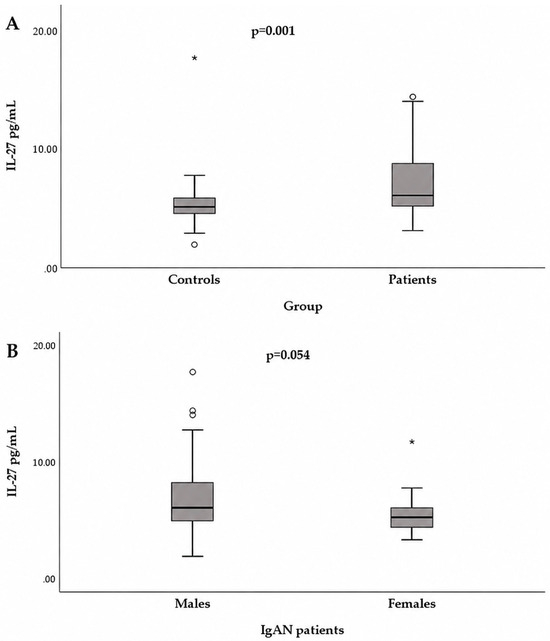
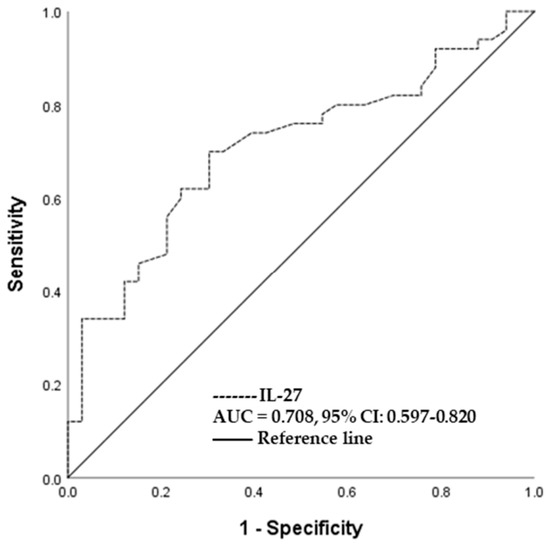
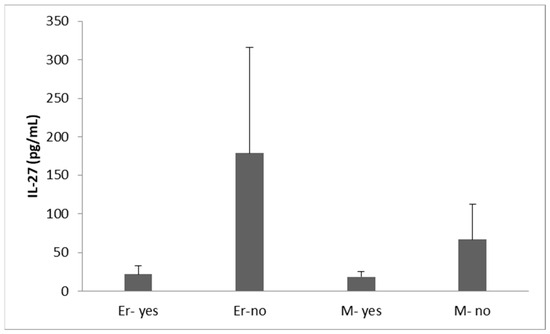
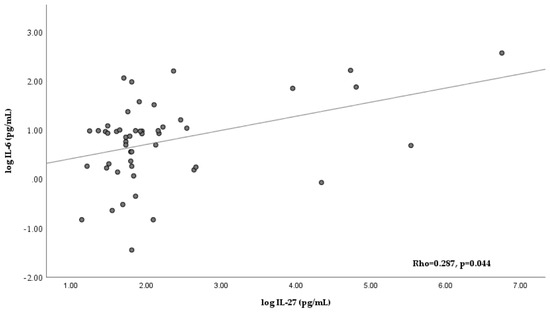
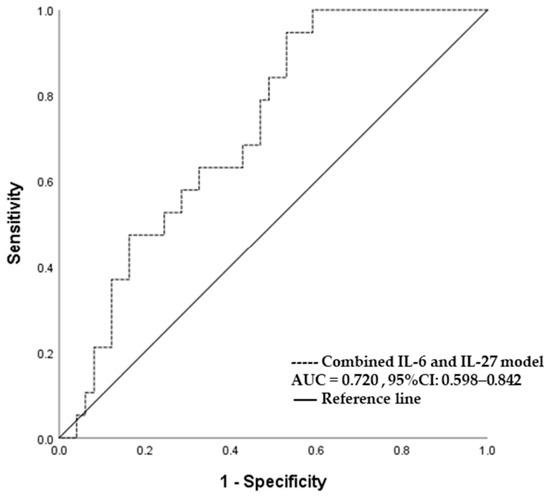
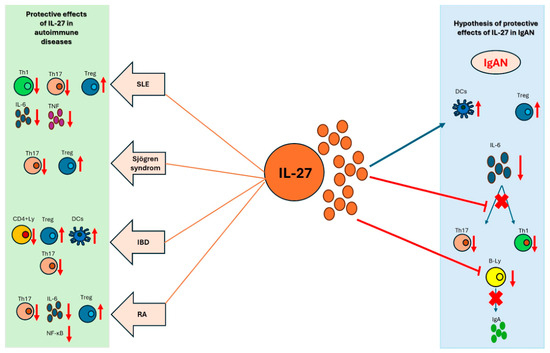
Background: IgA nephropathy (IgAN) is the most common primary glomerulonephritis, characterized by immune dysregulation and progressive renal injury. Among immunoregulatory mediators, interleukin-6 (IL-6) and interleukin-27 (IL-27) have been implicated in inflammatory and immune processes; however, their combined role in IgAN remains poorly understood. Methods: In this study, serum levels of IL-6 and IL-27 were measured in 51 patients with biopsy-proven IgAN and 62 healthy controls using enzyme-linked immunosorbent assay (ELISA). Associations with clinical and histopathological parameters, including the Oxford MEST-C classification, were evaluated. Results: Serum IL-27 levels were significantly higher in patients with IgAN compared to controls (p = 0.001), while IL-6 levels did not differ significantly between groups (p = 0.820). A positive correlation between IL-27 and IL-6 levels was observed in the patient group (Spearman’s rho = 0.287, p = 0.044). Higher IL-27 concentrations were associated with the absence of mesangial proliferation (p = 0.021) and erythrocyturia (p < 0.001), and showed a trend toward lower proportions of global and segmental glomerulosclerosis. ROC analysis demonstrated moderate discriminatory ability for IL-27 (AUC = 0.708), while the combined IL-6/IL-27 model showed only modest improvement (AUC = 0.661). Conclusions: Our findings suggest that IL-27 may play a modulatory and potentially protective role in IgAN, possibly through attenuation of IL-6–mediated inflammatory pathways.
Full article

Figure 1
Open AccessSystematic Review
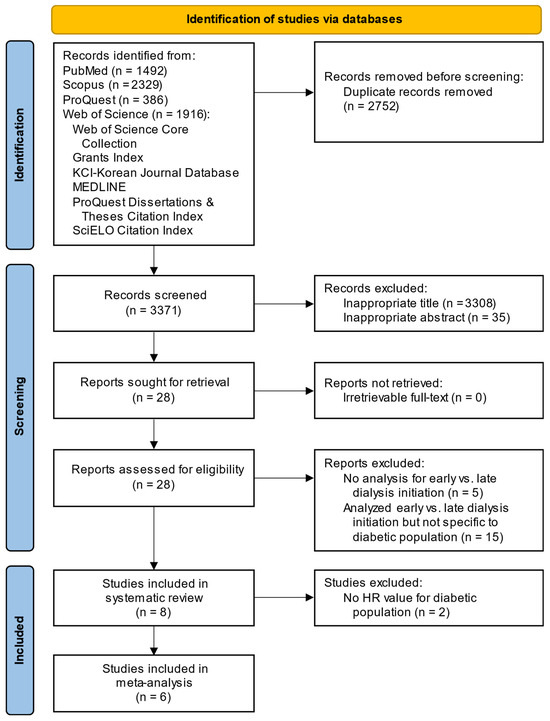
Early Versus Late Initiation of Dialysis in End-Stage Kidney Disease Patients with Diabetes Mellitus: A Systematic Review, Meta-Analysis, and Meta-Regression on Mortality Risk
by
Prettysun Ang Mellow, Bendix Samarta Witarto, Andro Pramana Witarto, I Ketut Adi Suryana, Artaria Tjempakasari, Widodo Basoeki and Djoko Santoso
Kidney Dial. 2026, 6(2), 39; https://doi.org/10.3390/kidneydial6020039 - 3 Jun 2026
Abstract
►▼
Show Figures
Introduction: Chronic kidney disease represents a significant global health burden, with dialysis as the most prevalent modality for end-stage kidney disease (ESKD) treatment. One of the major causes of ESKD is diabetes mellitus. Diabetic patients undergoing dialysis have higher mortality risk so optimal
[...] Read more.
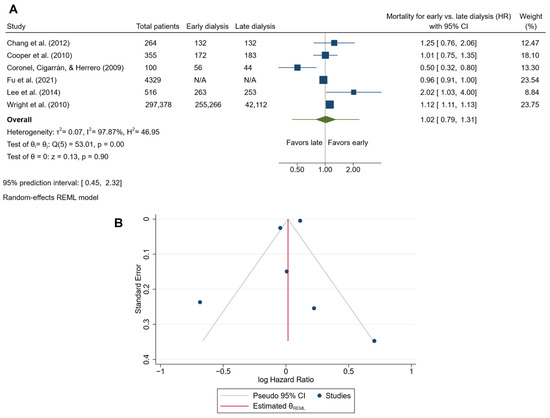
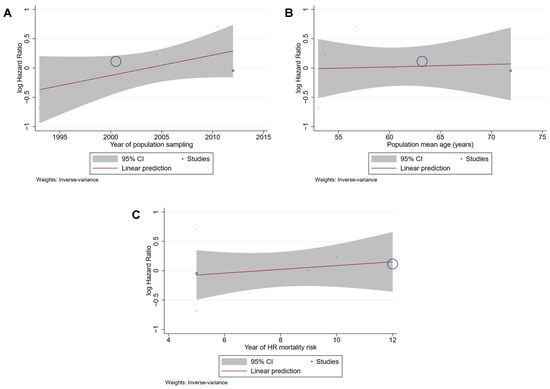
Introduction: Chronic kidney disease represents a significant global health burden, with dialysis as the most prevalent modality for end-stage kidney disease (ESKD) treatment. One of the major causes of ESKD is diabetes mellitus. Diabetic patients undergoing dialysis have higher mortality risk so optimal timing for its initiation is critical in maximizing survival and quality of life. This study aimed to explore the mortality risk of early versus late dialysis initiation in ESKD patients with diabetes. Methods: Systematic searches were conducted according to the PRISMA 2020 guidelines on PubMed, Scopus, ProQuest, and several databases through Web of Science up to 20 May 2025 (PROSPERO CRD420251074686). Effect sizes were presented as hazard ratios (HRs) with 95% confidence intervals (CIs) and 95% prediction intervals (PIs), pooled using a restricted maximum likelihood random-effects model. Subgroup and meta-regression analyses were also performed to search for potential confounding variables. Results: Eight studies involving 303,116 patients were included. Two studies defined early and late dialysis initiation using an estimated glomerular filtration rate (eGFR) cut-off of 5.0 mL/min/1.73 m2, while the remaining studies used cut-offs ranging from 7.0 to 7.7 mL/min/1.73 m2. The pooled hazard ratio (HR) showed no significant difference in the mortality risk between early and late initiation of dialysis in ESKD patients with diabetes mellitus (HR 1.02, 95% CI 0.79–1.31, p = 0.90, I2 = 97.87%, 95% PI 0.45–2.32). Sensitivity analysis showed that the pooled HR was robust. Subgroup analysis demonstrated no significant difference in the pooled HR according to different study designs. Meta-regressions also showed that the year of population sampling, mean age, and follow-up duration of mortality risk did not have significant associations with the pooled HR. Conclusions: Early dialysis initiation does not appear to confer a survival benefit in ESKD patients with diabetes mellitus. However, given the limited and heterogeneous evidence, further high-quality studies are needed. We suggest that dialysis initiation in this specific population should be guided by clinical indications.
Full article

Figure 1
Open AccessReview
Acute Kidney Injury in Severe Dengue: Current Evidence and Knowledge Gaps in Latin America
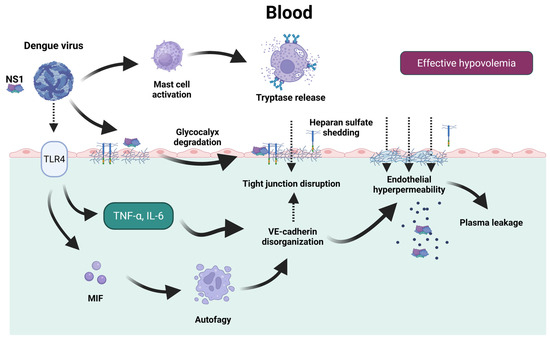
by
Carlos Rebolledo-Maldonado, Alberto Polo-Barranco, Mary Ramos-Rincón, Carlos Martínez-Castillo, Ana Barraza-Peña, Luz Ceballos-Madrid, Dairo Rodelo-Barrios, Helman Diaz-Ramírez, Valeria Blanchar-Martínez, Carlos Beltran-Sánchez, José Correa-Guerrero, Luis Ariza-Miranda and Elber Osorio-Rodríguez
Kidney Dial. 2026, 6(2), 38; https://doi.org/10.3390/kidneydial6020038 - 1 Jun 2026
Abstract
►▼
Show Figures
Dengue remains a major public health problem in tropical and subtropical regions, particularly in Latin America. Acute kidney injury (AKI) is one of the severe complications associated with dengue and has been linked to worse clinical outcomes, including prolonged hospitalization, need for renal
[...] Read more.
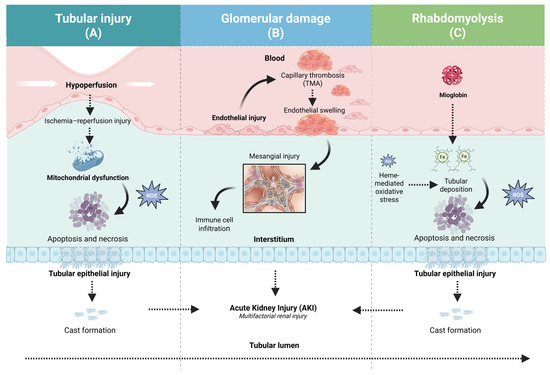
Dengue remains a major public health problem in tropical and subtropical regions, particularly in Latin America. Acute kidney injury (AKI) is one of the severe complications associated with dengue and has been linked to worse clinical outcomes, including prolonged hospitalization, need for renal replacement therapy, and increased mortality. This review aimed to summarize the available evidence on the epidemiology, pathophysiology, clinical manifestations, diagnosis, management, and prognosis of dengue-associated AKI, while also providing an overview of the literature from Latin America. This manuscript was developed as a narrative review. For the Latin America-specific overview, a focused structured search was conducted in PubMed, ScienceDirect, Cochrane Library, LILACS, and Web of Science, including studies published up to December 2025. The available data suggest that AKI in dengue is multifactorial, involving plasma leakage, renal hypoperfusion, endothelial dysfunction, tubular injury, rhabdomyolysis, thrombotic microangiopathy, and inflammatory renal damage. Clinically, AKI has been associated with oliguria, proteinuria, elevated serum creatinine, renal replacement therapy, and higher mortality. Only four eligible indexed studies from Latin America were identified in our search, all from Brazil, with small sample sizes and incomplete reporting of renal outcomes; however, additional unpublished or non-indexed local data may exist. In summary, dengue-associated AKI is a relevant complication of severe dengue, but the evidence available from Latin America remains limited. These findings highlight the need for improved renal surveillance and standardized reporting in dengue-endemic settings across Latin America.
Full article

Figure 1
Open AccessCase Report
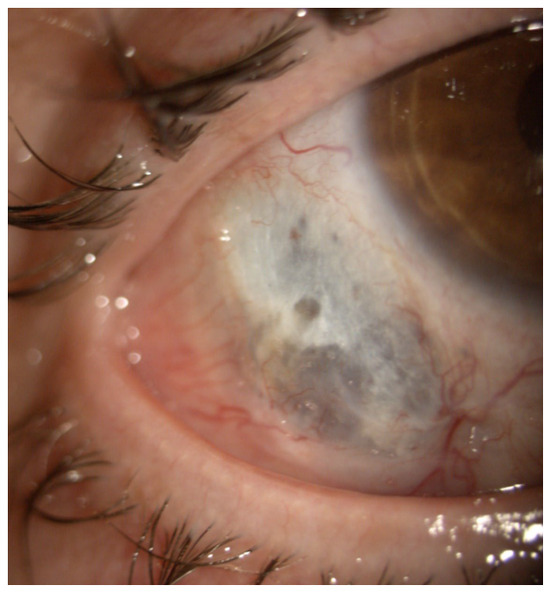
High Serum Levels of Anti-Proteinase 3, Low Clues: Detecting Occult Granulomatosis with Polyangiitis Activity Beyond Clinical Remission
by
Micaela Gentile, Valentina Blanco, Marta D’Angelo, Teresa Valsania, Chiara Rocca and Roberto Scarpioni
Kidney Dial. 2026, 6(2), 37; https://doi.org/10.3390/kidneydial6020037 - 1 Jun 2026
Abstract
►▼
Show Figures
Granulomatosis with polyangiitis (GPA) is a systemic vasculitis frequently associated with serum anti-neutrophil cytoplasmic antibodies (ANCAs), particularly anti-proteinase 3 (PR3). Multisystem involvement is typical, although disease onset with simultaneous manifestations affecting both the ocular and otorhinolaryngologic systems is rare and poorly reported in
[...] Read more.
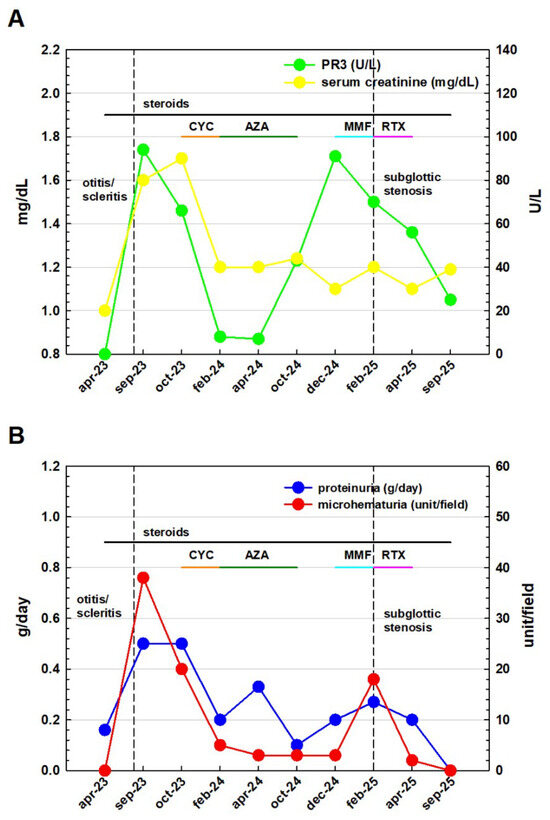
Granulomatosis with polyangiitis (GPA) is a systemic vasculitis frequently associated with serum anti-neutrophil cytoplasmic antibodies (ANCAs), particularly anti-proteinase 3 (PR3). Multisystem involvement is typical, although disease onset with simultaneous manifestations affecting both the ocular and otorhinolaryngologic systems is rare and poorly reported in the literature. We describe a 65-year-old woman with renal impairment with microscopic hematuria and proteinuria and PR3-positive who developed bilateral otitis leading to sensorineural hearing loss and severe anterior scleritis, with a high suspicion of ANCA-associated vasculitis. Despite immunosuppression therapy, persistently elevated serum anti-PR3 levels in the absence of overt clinical activity prompted further diagnostic evaluation, which revealed previously unrecognized subglottic stenosis (SGS), confirmed by MRI, and fully resolved after anti-CD20 therapy. Concurrent involvement of the upper airways and ocular district as the initial presentation of GPA is unusual and may precede renal involvement by several months. Persistent elevation of PR3 levels in an apparent state of clinical remission may indicate ongoing active disease in other anatomical sites. The integration of laboratory tests, imaging studies, and multidisciplinary assessment is essential for early diagnosis and effective therapeutic management.
Full article

Figure 1
Journal Menu
► ▼ Journal Menu-
- Kidney and Dialysis Home
- Aims & Scope
- Editorial Board
- Instructions for Authors
- Special Issues
- Topical Collections
- Article Processing Charge
- Indexing & Archiving
- Editor’s Choice Articles
- Most Cited & Viewed
- Journal Statistics
- Journal History
- Journal Awards
- Society Collaborations
- Conferences
- Editorial Office
Journal Browser
► ▼ Journal BrowserHighly Accessed Articles
Latest Books
E-Mail Alert
News
Topics
Conferences
Special Issues
Special Issue in
Kidney and Dialysis
A Nephrological Spring in the Development of Important Therapeutic Innovations in CKD
Guest Editor: Francesco LocatelliDeadline: 20 January 2027
Special Issue in
Kidney and Dialysis
Home Dialysis: Clinical Practice and Advances
Guest Editors: Jaime Uribarri, Shuchita SharmaDeadline: 15 April 2027
Topical Collections
Topical Collection in
Kidney and Dialysis
Teaching Cases in Nephrology, Dialysis and Transplantation
Collection Editors: Giorgina Barbara Piccoli, Elena Zakharova