
Journal Description
IoT
IoT
is an international, peer-reviewed, open access journal on Internet of Things (IoT) published quarterly online by MDPI.
- Open Access— free for readers, with article processing charges (APC) paid by authors or their institutions
- High Visibility: indexed within ESCI (Web of Science), Scopus, EBSCO, and other databases.
- Rapid Publication: manuscripts are peer-reviewed and a first decision is provided to authors approximately 24.2 days after submission; acceptance to publication is undertaken in 3.8 days (median values for papers published in this journal in the first half of 2026).
- Journal Rank: JCR - Q2 (Telecommunications) / CiteScore - Q1 (Engineering (miscellaneous))
- Recognition of Reviewers: APC discount vouchers, optional signed peer review, and reviewer names published annually in the journal.
- Journal Clusters of Network and Communications Technology: Future Internet, IoT, Telecom, Journal of Sensor and Actuator Networks, Network, Signals.
Impact Factor:
4.3 (2025);
5-Year Impact Factor:
3.8 (2025)
Latest Articles
A Metadata-Driven Execution Model for Unified Integration and Management of Heterogeneous IoT Data Sources
IoT 2026, 7(3), 58; https://doi.org/10.3390/iot7030058 (registering DOI) - 17 Jul 2026
Abstract
Mining operations generate continuous sensor data across heterogeneous repositories with no unified access layer. Existing integration platforms either require centralizing data into new infrastructure or demand extensive pipeline reconfiguration when sources change. We present a metadata-driven execution model in which integration behavior is
[...] Read more.
Mining operations generate continuous sensor data across heterogeneous repositories with no unified access layer. Existing integration platforms either require centralizing data into new infrastructure or demand extensive pipeline reconfiguration when sources change. We present a metadata-driven execution model in which integration behavior is resolved at runtime from executable metadata rather than encoded in static workflows, preserving existing infrastructure while enabling unified access across heterogeneous repositories. An Asset Cataloging registry stores executable specifications, including connector identifiers, connection parameters, and routing rules, which select and invoke the appropriate connector at runtime without workflow coding or redeployment. Evaluation on large-scale real mining sensor datasets spanning heterogeneous formats (JSON, CSV, Parquet) and repositories (Kafka, MongoDB, external REST APIs) confirmed zero message loss and bit-exact binary reconstruction across all scenarios under at-least-once delivery with idempotent writes. Connector dispatch overhead fell below the 1 ms measurement resolution, confirming that integration latency is dominated by storage I/O rather than orchestration cost. Following evaluation, four pilot sites deployed the platform in production, spanning from active underground operations to post-mining waste management, under the EU Horizon Europe MINE.IO project, demonstrating viability at industrial scale.
Full article
Open AccessArticle
Resource-Efficient Continual Learning for Medicinal Plant Identification: A Periodic Retraining Approach for Edge-Deployed Agricultural IoT Applications
by
Trien Phat Tran, Fareed Ud Din, Ljiljana Brankovic, Cesar Sanin and Susan M. Hester
IoT 2026, 7(3), 57; https://doi.org/10.3390/iot7030057 - 14 Jul 2026
Abstract
►▼
Show Figures
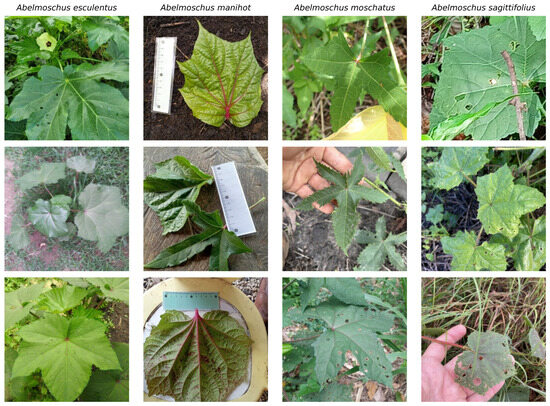
Smartphone-based plant identification increasingly serves as the edge tier of agricultural Internet of Things (IoT) systems, where models must adapt to crowdsourced data under bandwidth, memory, and energy constraints. No prior work, to our knowledge, has systematically investigated continual learning at the scale
[...] Read more.
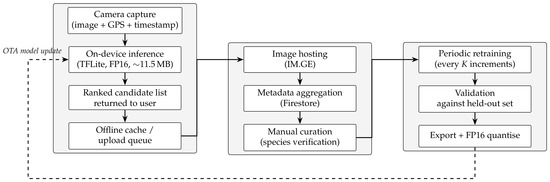
Smartphone-based plant identification increasingly serves as the edge tier of agricultural Internet of Things (IoT) systems, where models must adapt to crowdsourced data under bandwidth, memory, and energy constraints. No prior work, to our knowledge, has systematically investigated continual learning at the scale of thousands of fine-grained medicinal plant species from crowdsourced images, nor how retraining frequency affects the cost–performance trade-off in an IoT model-lifecycle setting. We evaluate three continual learning strategies, naïve fine-tuning, experience replay, and Learning without Forgetting, under periodic retraining schedules (updating every K increments), tested on 2719 species (≥25 images each) from the Viet Medi Species 2026 dataset (310,647 images; 4799 species total). All three strategies exhibit negative forgetting (performance improvement rather than degradation) in the instance-incremental setting, with naïve fine-tuning and LwF showing the strongest gains. Periodic retraining with halves retraining operations while maintaining comparable performance. A baseline MobileNetV2 model achieves 54.07% top-10 accuracy across 2719 species and has been deployed via TensorFlow Lite (FP16, ∼11.5 MB) in the Med Herb Lens Android application. In this regime, naïve fine-tuning offers a favourable cost–performance trade-off and is a reasonable default for instance-incremental agricultural IoT deployments.
Full article

Figure 1
Open AccessArticle
A Blockchain and Federated Learning Framework for Image-Based IoT Malware Detection and Prevention
by
Najem N. Sirhan, Riyad Alrousan and Hussam N. Fakhouri
IoT 2026, 7(3), 56; https://doi.org/10.3390/iot7030056 - 9 Jul 2026
Abstract
►▼
Show Figures
Internet of Things (IoT) devices are increasingly targeted by rapidly evolving malware, yet collaborative detection remains challenged by privacy leakage, noisy and imbalanced training data, and weak integrity guarantees when sharing model updates. This paper presents Mal-Fedchain, a secure and privacy-preserving framework
[...] Read more.
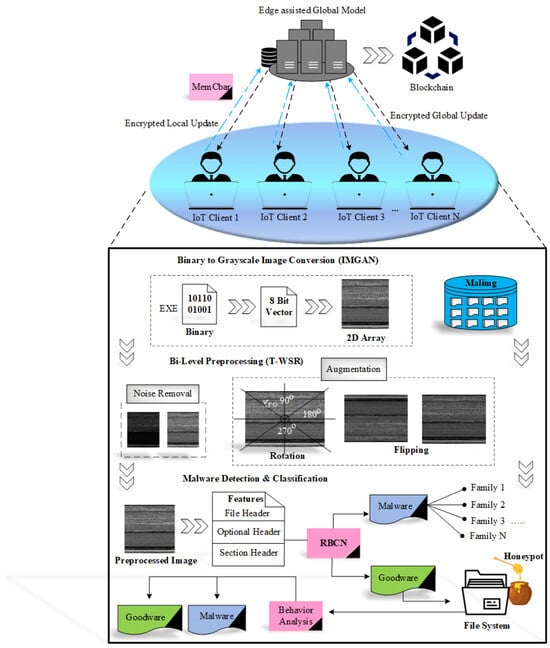
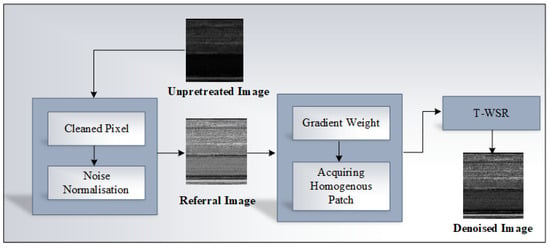
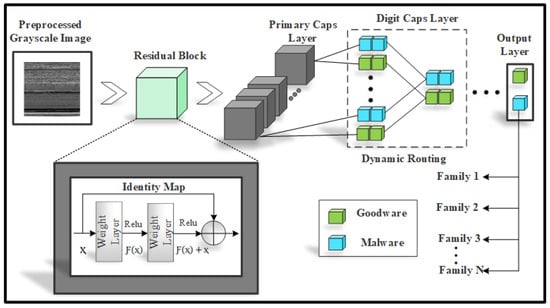
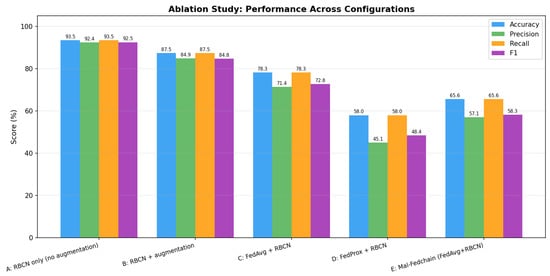
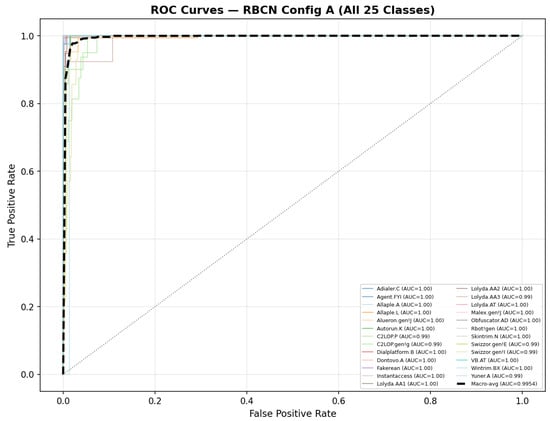
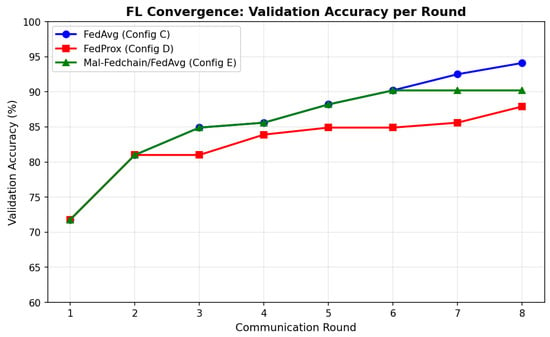
Internet of Things (IoT) devices are increasingly targeted by rapidly evolving malware, yet collaborative detection remains challenged by privacy leakage, noisy and imbalanced training data, and weak integrity guarantees when sharing model updates. This paper presents Mal-Fedchain, a secure and privacy-preserving framework for image-based IoT malware detection and prevention that couples federated learning with blockchain and honeypot-assisted behavioral monitoring, targeting Linux-capable IoT gateway devices. Portable Executable (PE) binaries are transformed into grayscale images using a corrected fixed-width byte-mapping pipeline stabilized by an information-maximizing GAN (IMGAN). A bi-level preprocessing pipeline applies two-sided weighted sparse representation (T-WSR) denoising—designed to selectively suppress zero-padding artifacts, high-entropy packed regions, and sparse opcode noise while preserving discriminative section-boundary texture—followed by geometric augmentation to mitigate class imbalance. Malware detection and family attribution are performed using a residual capsule-based network (RBCN) that fuses discriminative visual representations with PE-header features via concatenation, improving robustness against polymorphism and obfuscation. A formal threat model governs three adversary classes: a semi-honest aggregation server, a bounded fraction of malicious clients (up to 30%), and a passive eavesdropper. To enable collaboration without exposing raw data, clients train locally and share only MemCbar-encrypted updates; a permissioned Hyperledger Fabric blockchain ledger records hashed updates and security events to provide integrity, traceability, and tamper resistance. A file-system-integrated honeypot captures evasive behaviors and logs auditable evidence to strengthen prevention. Experiments on the Malimg dataset across five ablation configurations demonstrate that the corrected RBCN pipeline achieves accuracy, precision, recall, F-measure, MCC of , and AUC of in its centralized configuration, and accuracy with AUC of in the full federated configuration with five clients and eight communication rounds, substantially outperforming all baselines across all reported metrics.
Full article

Figure 1
Open AccessArticle
Mean/Std: Lightweight Distribution-Aware Aggregation for Federated IoT Botnet Detection
by
Yassine El Yamani, Youssef Baddi and Najib El Kamoun
IoT 2026, 7(3), 55; https://doi.org/10.3390/iot7030055 - 7 Jul 2026
Abstract
►▼
Show Figures
Federated learning (FL) is a promising paradigm for privacy-preserving IoT intrusion detection, but its effectiveness can be substantially degraded by the combination of heterogeneous non-IID client distributions and severe multi-class imbalance. Under such conditions, conventional size-based aggregation may overemphasize large yet highly skewed
[...] Read more.
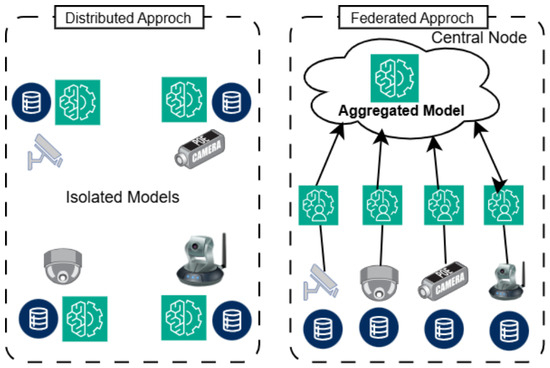
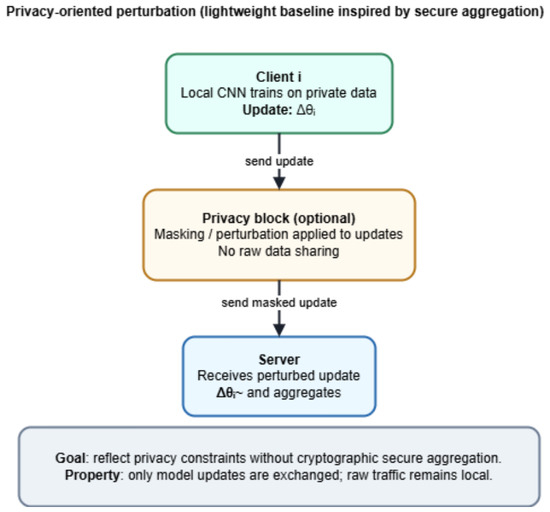
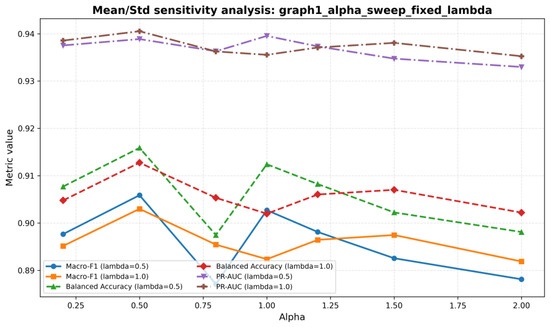
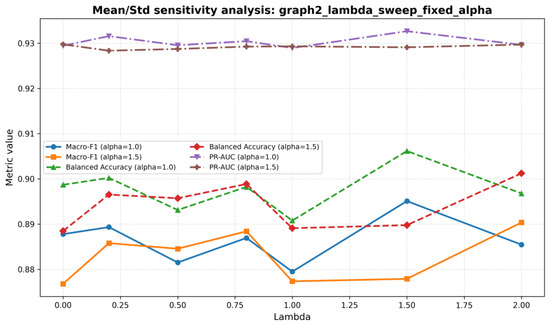
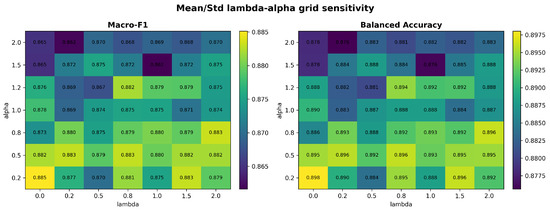
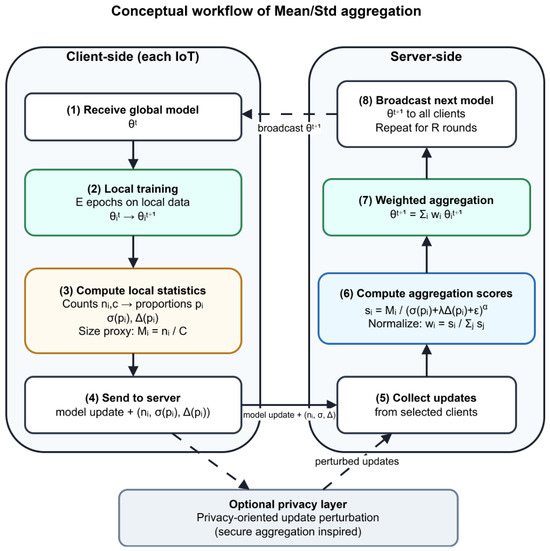
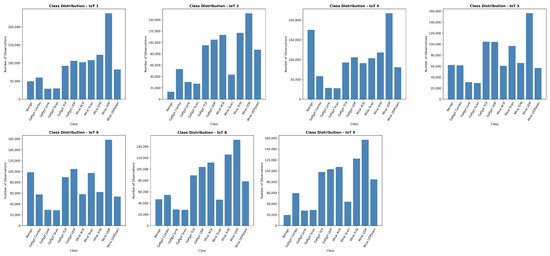
Federated learning (FL) is a promising paradigm for privacy-preserving IoT intrusion detection, but its effectiveness can be substantially degraded by the combination of heterogeneous non-IID client distributions and severe multi-class imbalance. Under such conditions, conventional size-based aggregation may overemphasize large yet highly skewed clients, limiting the representation of minority attack classes in the global model. To address this issue, we propose Mean/Std, a lightweight distribution-aware aggregation strategy that combines a client-size proxy with two complementary statistics of local label distributions, namely the standard deviation and the dominance gap of class proportions, while preserving a communication footprint comparable to FedAvg. Experiments on the N-BaIoT benchmark, comprising seven heterogeneous IoT clients and eleven traffic classes, are conducted under a privacy-oriented update-perturbation setting inspired by secure aggregation workflows. The results show that Mean/Std consistently provides the strongest imbalance-aware performance among the evaluated FL baselines, achieving a Macro-F1 score of 0.8418 and a Balanced Accuracy of 0.8722 while improving the representation of minority attack classes. Additional experiments across five independent random seeds and a comprehensive hyperparameter sensitivity analysis further confirm the robustness and stability of the proposed aggregation mechanism. Overall, the results demonstrate that lightweight distribution-aware aggregation offers an effective, robust, and practically deployable solution for mitigating aggregation bias under simultaneous non-IID heterogeneity and severe multi-class imbalance in FL-based IoT botnet detection.
Full article
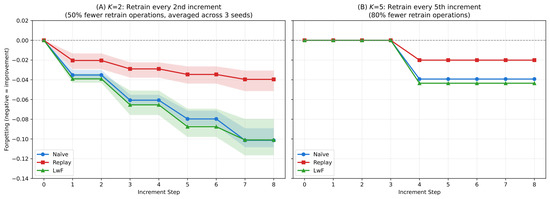
Figure 1
Open AccessArticle
Narrowband IoT Channel Characterisation Across Multiple Environments in Thailand
by
Kittiwat Srivilas and Chaiyod Pirak
IoT 2026, 7(3), 54; https://doi.org/10.3390/iot7030054 - 5 Jul 2026
Abstract
►▼
Show Figures
Narrowband Internet of Things (NB-IoT) is a 3GPP-standardised low-power wide-area network (LPWAN) technology designed for massive machine-type communications in challenging propagation environments. Despite its growing deployment, empirical channel data for Thailand’s diverse terrain—urban dense, urban outdoor, suburban, rural, and forest/mountain—remains limited in the
[...] Read more.
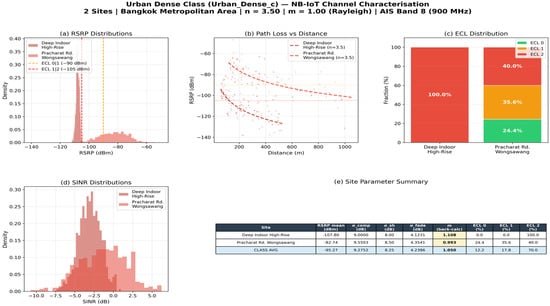
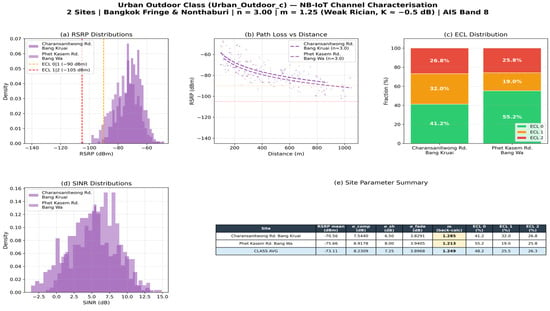
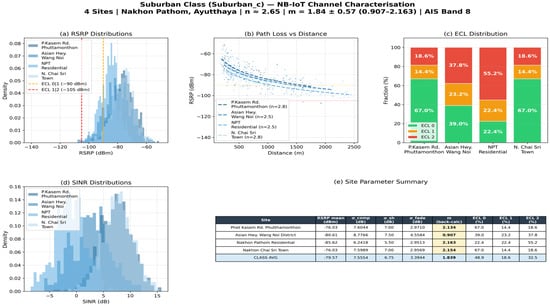
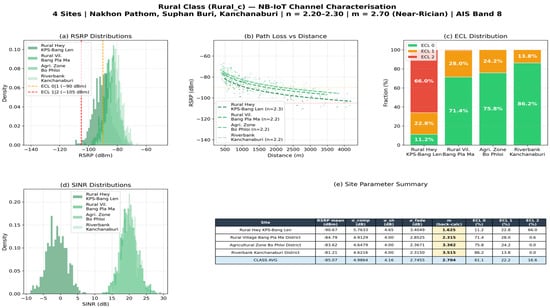
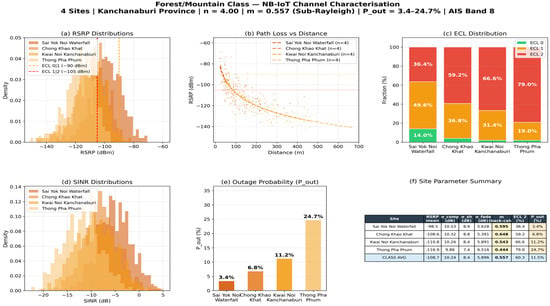
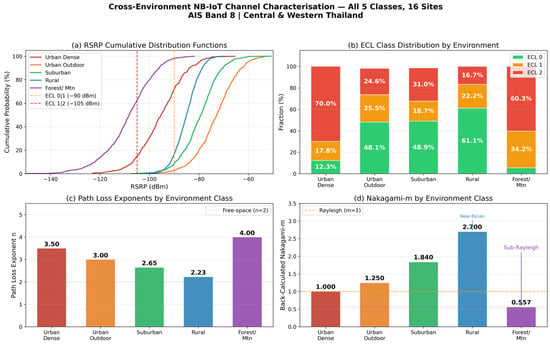
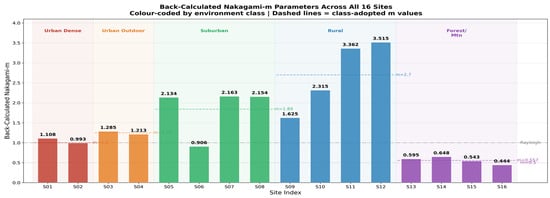
Narrowband Internet of Things (NB-IoT) is a 3GPP-standardised low-power wide-area network (LPWAN) technology designed for massive machine-type communications in challenging propagation environments. Despite its growing deployment, empirical channel data for Thailand’s diverse terrain—urban dense, urban outdoor, suburban, rural, and forest/mountain—remains limited in the open literature. This paper presents a composite channel characterisation study encompassing sixteen measurement sites across five environment classes in central and western Thailand. A composite channel model combining log-distance path loss, log-normal shadowing, and Nakagami-m fast fading is applied across all sites, yielding 8000 reference signal received power (RSRP) samples. Path loss exponents range from n = 2.2 (rural) to n = 4.0 (forest/mountain), back-calculated Nakagami-m parameters from m = 0.44 to m = 3.51, and shadowing standard deviations from σsh = 4.16 to 8.38 dB; ECL distributions are derived for all five environment classes. The back-calculated Nakagami-m parameters reveal a coherence gradient from sub-Rayleigh forest terrain (m < 1) through urban Rayleigh (m = 1.00) to near-Rician rural conditions (m > 2)—a fading hierarchy not previously reported for NB-IoT in Thailand. Results confirm that the composite channel model accurately characterises RSRP distributions and provides actionable network planning parameters for NB-IoT deployment in varied Thai terrain.
Full article
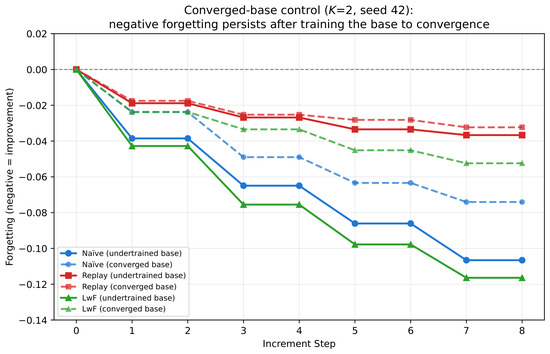
Figure 1
Open AccessArticle
SEMIWARE: A Smart City Middleware Empowering Semantic Interoperability via Social IoT Integration
by
Christos Goumopoulos and Antonios Pliatsios
IoT 2026, 7(3), 53; https://doi.org/10.3390/iot7030053 - 2 Jul 2026
Abstract
The Social Internet of Things (SIoT) has emerged as a promising paradigm for addressing interoperability, adaptability, and intelligent collaboration challenges in smart city environments. However, existing solutions often provide only partial support for semantic interoperability, dynamic social relationships, and context-aware service coordination across
[...] Read more.
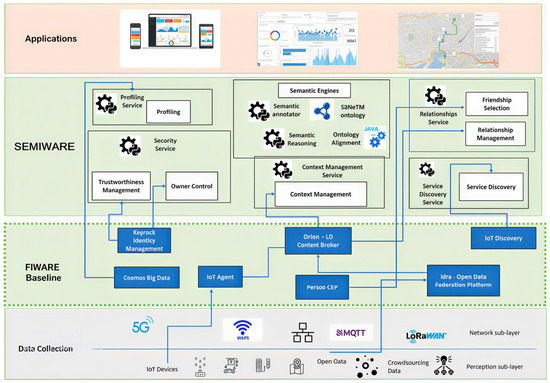
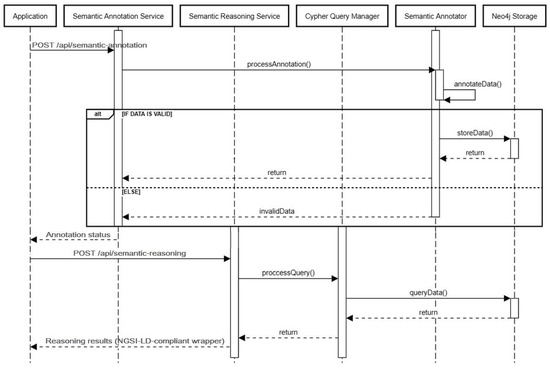
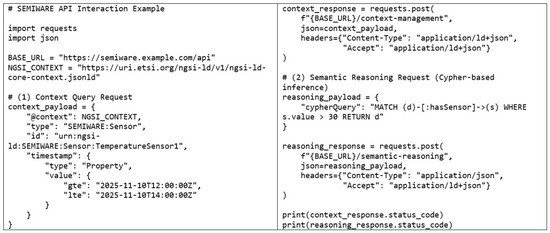
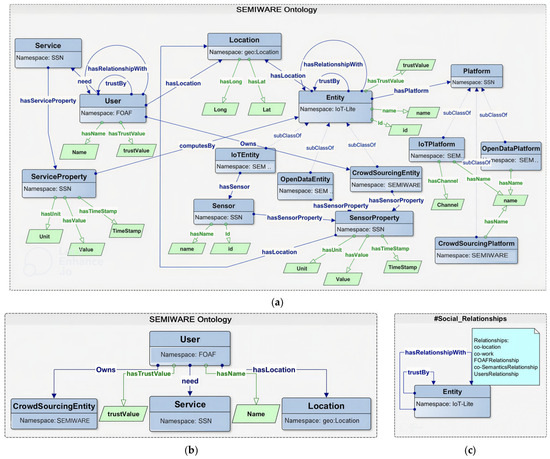
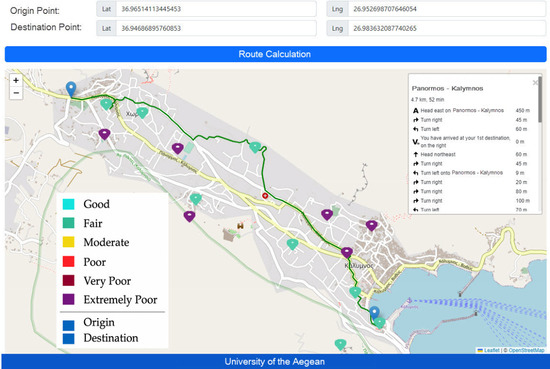
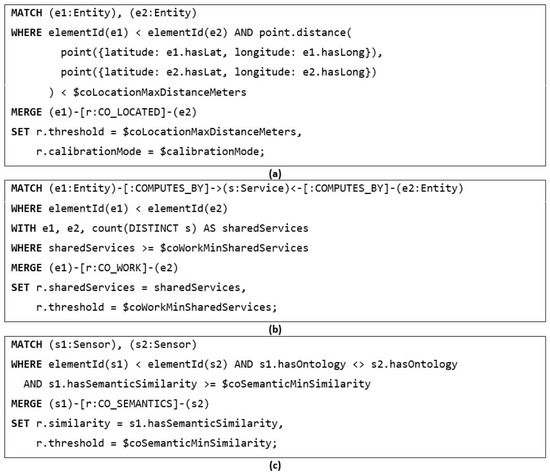
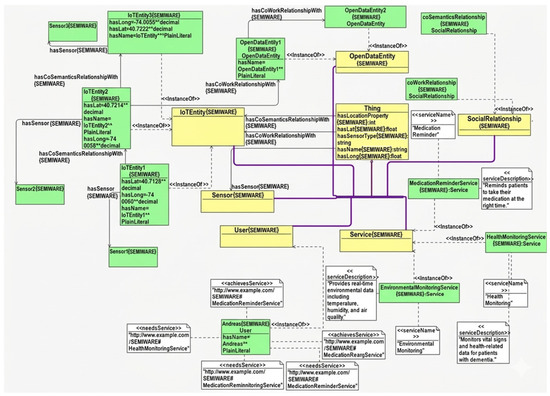
The Social Internet of Things (SIoT) has emerged as a promising paradigm for addressing interoperability, adaptability, and intelligent collaboration challenges in smart city environments. However, existing solutions often provide only partial support for semantic interoperability, dynamic social relationships, and context-aware service coordination across heterogeneous IoT ecosystems. This paper presents SEMIWARE, a semantic social network-oriented middleware designed to support collaborative, interoperable, and context-aware SIoT applications. SEMIWARE adopts a layered architecture that combines a FIWARE-based middleware backbone with modular services for context management, semantic annotation, semantic reasoning, service discovery, social relationship management, profiling, security, and ontology alignment. Its semantic backbone is provided by an OWL2 ontology that models IoT entities, users, services, contextual information, and trust-aware social relationships. The middleware is validated through two representative applications in distinct domains: smart mobility, where semantic reasoning supports adaptive eco-friendly route computation, and healthcare, where semantically integrated wearable and environmental data support health-event detection for people with dementia. Experimental evaluation further examines the performance of semantic annotation, semantic reasoning, and context management services under increasing workloads. The results provide prototype-level evidence that SEMIWARE supports semantic interoperability, cross-domain adaptability, and graph-based processing under controlled workloads, indicating its potential suitability for complex, data-intensive SIoT applications.
Full article
(This article belongs to the Special Issue IoT-Driven Smart Cities)
►▼
Show Figures

Figure 1
Open AccessArticle
Deep Reinforcement Learning-Based Adaptive Protocol Optimization for Heterogeneous IoT Networks in 5G-Enabled Smart Cities
by
Saddam K. Alwane, Shereen S. Jumaa, Muna H. Saleh, Aymen D. Salman, Ayad Q. Al-Dujaili and Amjad J. Humaidi
IoT 2026, 7(3), 52; https://doi.org/10.3390/iot7030052 - 1 Jul 2026
Abstract
The rapid proliferation of Internet of Things (IoT) devices within 5G-enabled smart city environments has introduced unprecedented challenges in communication protocol management across heterogeneous network architectures. With connected IoT devices projected to reach 21.1 billion by the end of 2025 and approximately 39
[...] Read more.
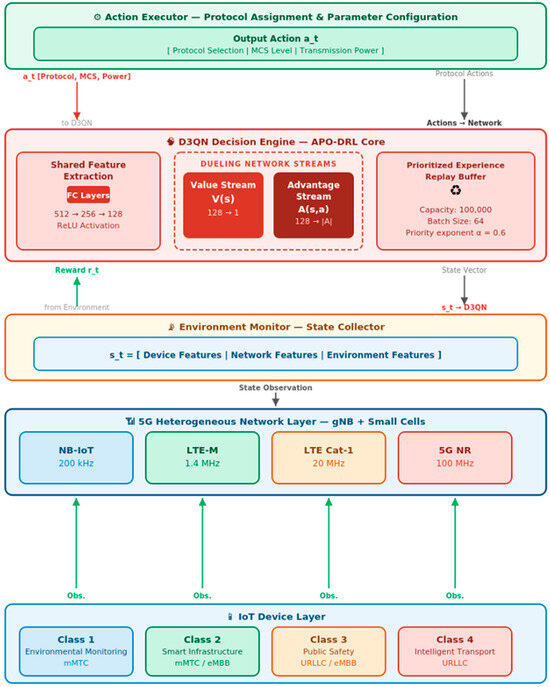
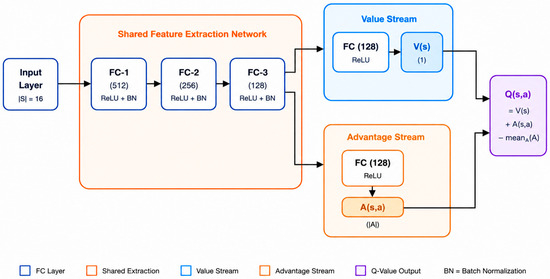
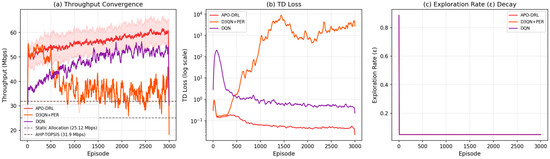
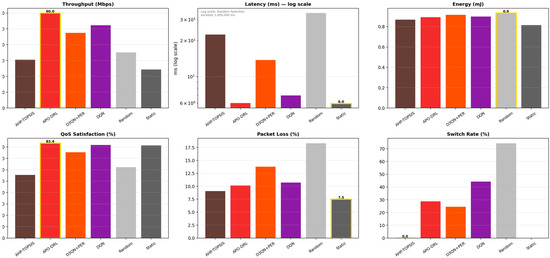
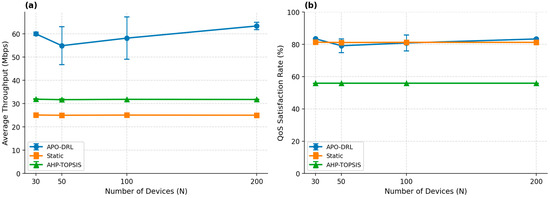
The rapid proliferation of Internet of Things (IoT) devices within 5G-enabled smart city environments has introduced unprecedented challenges in communication protocol management across heterogeneous network architectures. With connected IoT devices projected to reach 21.1 billion by the end of 2025 and approximately 39 billion by 2030, existing static protocol selection mechanisms are unable to accommodate the dynamic Quality of Service (QoS) requirements of different smart city applications, such as enhanced Mobile Broadband (eMBB), Ultra-Reliable Low-Latency Communication (URLLC), and massive Machine-Type Communication (mMTC). This paper presents APO-DRL (Adaptive Protocol Optimization using Deep Reinforcement Learning), a framework that utilizes a Dueling Double Deep Q-Network (D3QN) combined with a Prioritized Experience Replay mechanism for intelligent, real-time communication protocol selection and parameter optimization in heterogeneous IoT networks. The proposed framework formulates the protocol optimization problem as a Markov Decision Process (MDP), wherein the DRL agent dynamically selects the optimal communication protocol (NB-IoT, LTE-M, LTE Cat-1, or 5G NR) and adaptively tunes transmission parameters based on real-time network conditions. Experimental evaluation in a 3GPP TR 38.901 Urban Macro simulation environment with N = 30 devices demonstrates that APO-DRL achieves a 138.9% improvement in average throughput compared to Static Allocation (60.00 vs. 25.12 Mbps), while simultaneously achieving the highest QoS satisfaction (83.38%) across all methods, albeit with higher energy consumption and packet loss than Static Allocation. Relative to D3QN+PER, APO-DRL exhibits substantially lower cross-seed throughput variance (±0.88 vs. ±11.03 Mbps), confirming that QA-PER produces a more stable and reproducible learned policy.
Full article
(This article belongs to the Special Issue Advances in Wireless Communication Technologies for IoT Devices)
►▼
Show Figures

Figure 1
Open AccessReview
Systematic Analysis on the Use of AI Techniques in Industrial IoT DDoS Attack Detection, Mitigation, and Prevention
by
Mikiyas Alemayehu, Mohamed Chahine Ghanem, Hamza Kheddar, Dipo Dunsin and Marcio J. Lacerda
IoT 2026, 7(3), 51; https://doi.org/10.3390/iot7030051 - 30 Jun 2026
Abstract
Distributed Denial of Service (DDoS) attacks pose significant threats to Industrial Internet of Things (IIoT) environments, exacerbated by the resource constraints of IoT devices and the disruptive impact of such attacks. Conventional detection and prevention methods fall short of ensuring the availability and
[...] Read more.
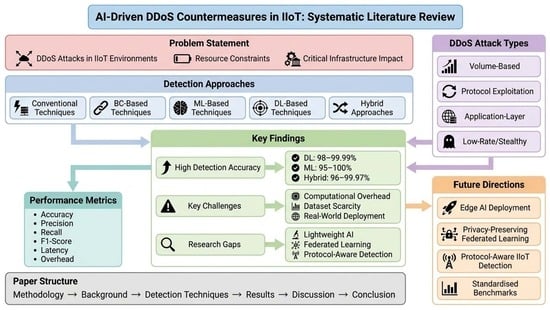
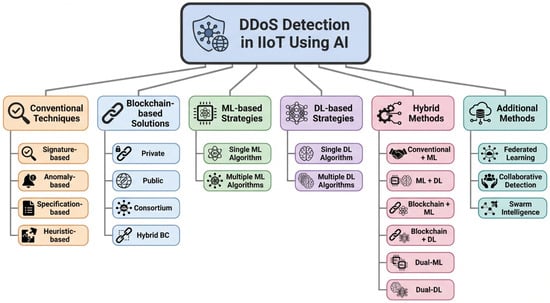
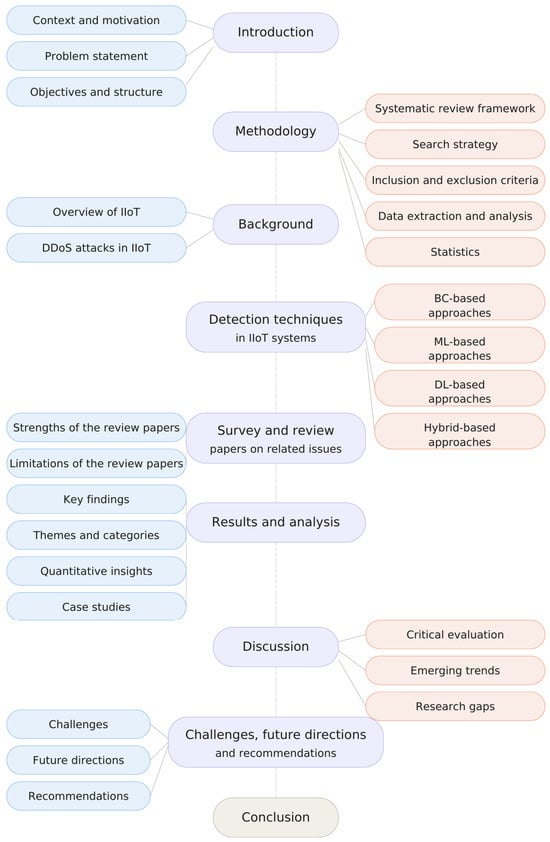
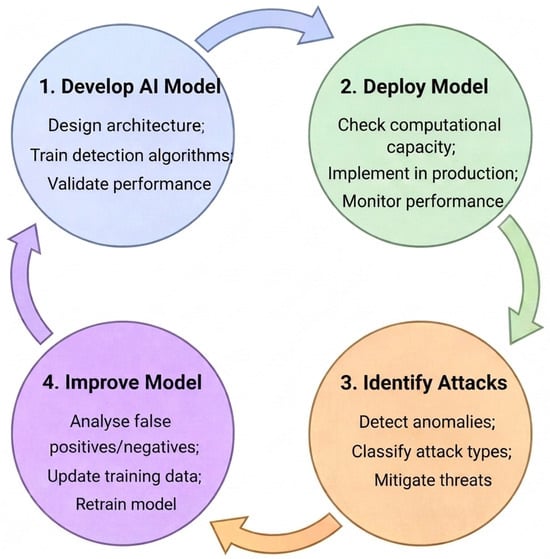
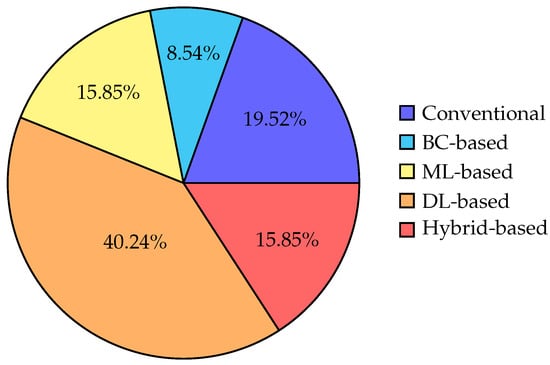
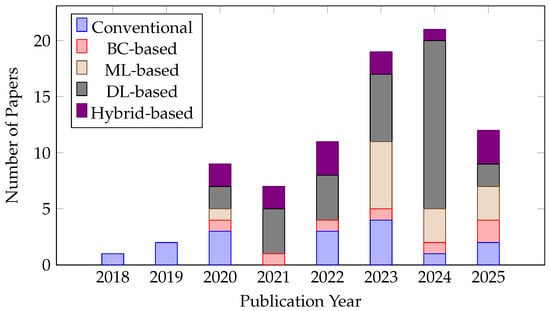
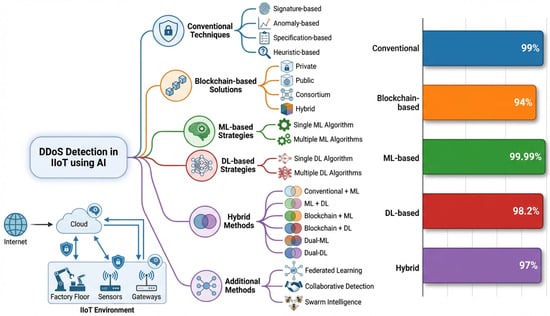
Distributed Denial of Service (DDoS) attacks pose significant threats to Industrial Internet of Things (IIoT) environments, exacerbated by the resource constraints of IoT devices and the disruptive impact of such attacks. Conventional detection and prevention methods fall short of ensuring the availability and operational continuity required in industrial deployments. This article systematically analyses artificial intelligence (AI) techniques for detecting, preventing, and mitigating DDoS attacks in IIoT systems. We examine diverse AI-driven solutions, including machine learning (ML) and deep learning (DL) models, alongside hybrid approaches that enhance real-time threat identification, adaptive defence mechanisms, and decentralised trust management, addressing the evolving sophistication of DDoS attacks. This study highlights AI’s potential to strengthen IIoT security and resilience, particularly in critical national infrastructure (CNI), where uninterrupted operations are paramount. However, challenges such as computational overhead, model interpretability, and dataset scarcity in industrial settings remain critical barriers. Additionally, the dynamic IIoT topology and heterogeneous device ecosystems necessitate context-aware AI solutions. This analysis underscores the need for lightweight, explainable AI frameworks and collaborative defence strategies tailored to the IIoT’s unique constraints. It emphasises the integration of AI with emerging technologies like edge computing and federated learning to advance proactive, scalable DDoS defence mechanisms in industrial ecosystems.
Full article
(This article belongs to the Special Issue IoT and Distributed Computing)
►▼
Show Figures

Graphical abstract
Open AccessArticle
Unlocking 5G Potential: AI-Assisted Analysis of NOMA for Improved Spectral and Energy Efficiency
by
Yahia Hasan Jazyah and Luai Al-Shalabi
IoT 2026, 7(3), 50; https://doi.org/10.3390/iot7030050 - 25 Jun 2026
Abstract
►▼
Show Figures
A new era in wireless communication has been witnessed by the emergence of fifth generation (5G) technology, characterized by high data rates, ultra-low latency, and massive device connectivity. To address the growing demand for efficient spectrum utilization, Non-Orthogonal Multiple Access (NOMA) has been
[...] Read more.
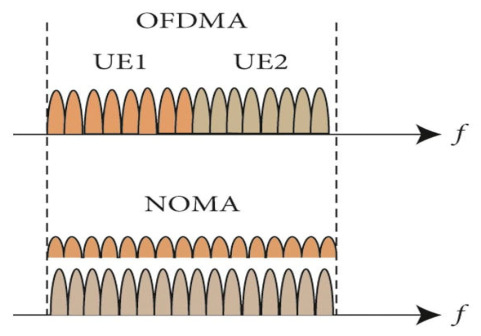
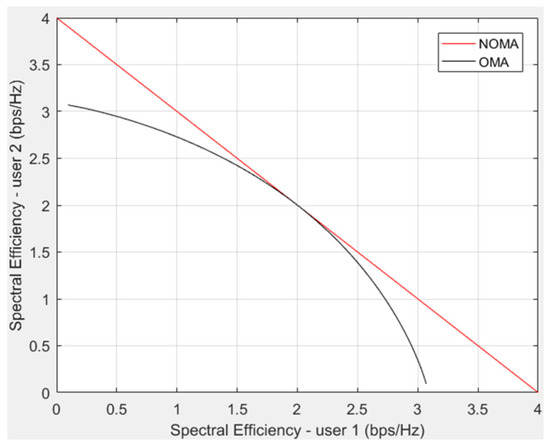
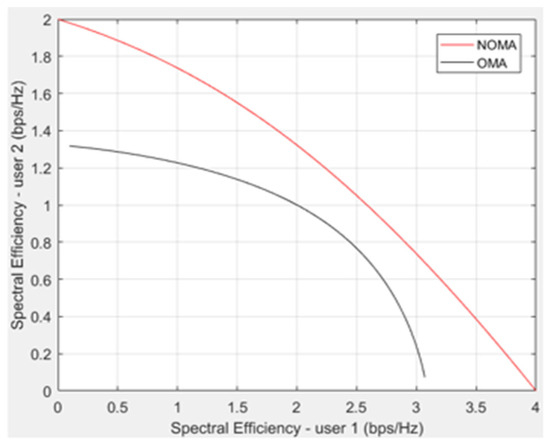
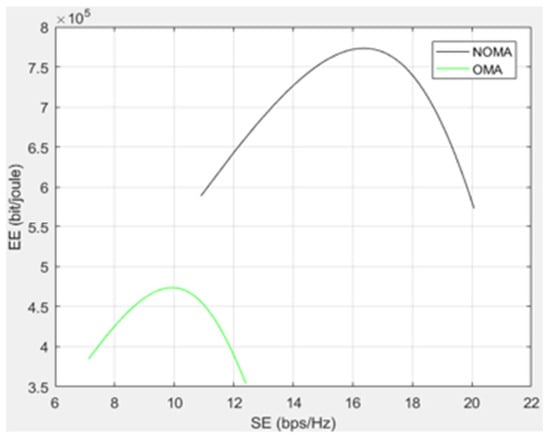
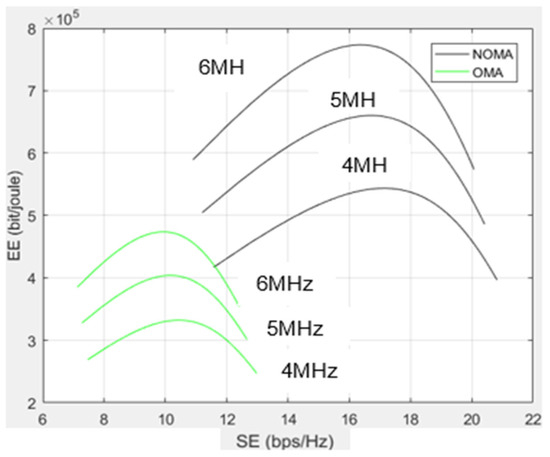
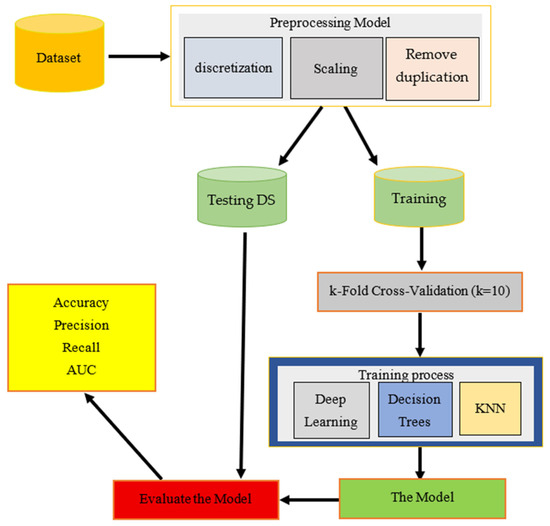
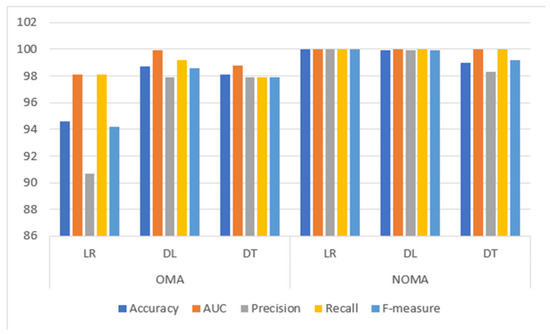
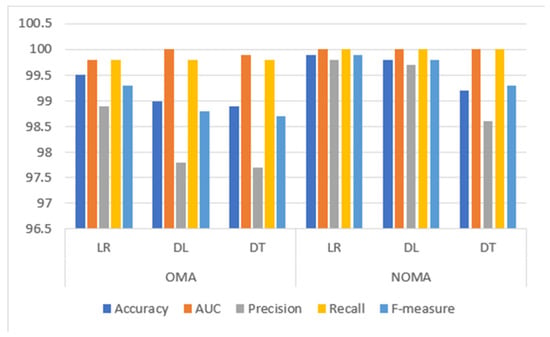
A new era in wireless communication has been witnessed by the emergence of fifth generation (5G) technology, characterized by high data rates, ultra-low latency, and massive device connectivity. To address the growing demand for efficient spectrum utilization, Non-Orthogonal Multiple Access (NOMA) has been introduced as a promising multiple access scheme. This study investigates the energy efficiency (EE) and spectral efficiency (SE) performance of NOMA in comparison with Orthogonal Multiple Access (OMA) under varying bandwidth conditions. In addition to conventional analytical and simulation-based evaluations, artificial intelligence (AI) techniques, including Deep Learning (DL), Decision Tree (DT), K-Nearest Neighbours (KNN), and Logistic Regression (LR), are employed to model and predict system performance. The AI models are trained using simulation-generated datasets to capture complex relationships between bandwidth, transmit power, and user distribution. Simulation results demonstrate improvement in SE and EE of NOMA across different bandwidth scenarios. Furthermore, DL and DT models achieve higher prediction accuracy. The consistency between AI predictions and simulation outcomes confirms the robustness of the proposed framework. These findings highlight the superiority of NOMA over OMA and demonstrate the effectiveness of integrating AI techniques for performance optimization in 5G and beyond wireless networks.
Full article
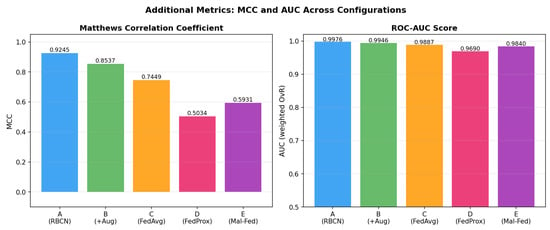
Figure 1
Open AccessArticle
CID: A Compact Deep Learning Framework for Intrusion Detection Based on Binary Greylag Goose Optimization
by
Sudeshna Das, Abhishek Majumder and Sudipta Roy
IoT 2026, 7(3), 49; https://doi.org/10.3390/iot7030049 - 25 Jun 2026
Abstract
►▼
Show Figures
The application of Internet of Things-based ecosystems is growing rapidly. Cyber attacks are also increasing at a similar pace. Intrusion detection using deep learning is getting harder as these devices lack enough resources for a large Intrusion Detection System. A compact deep learning-based
[...] Read more.
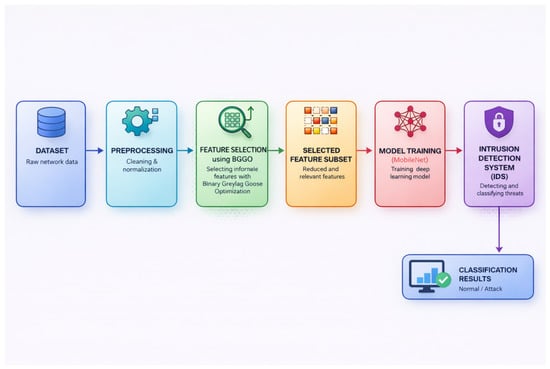
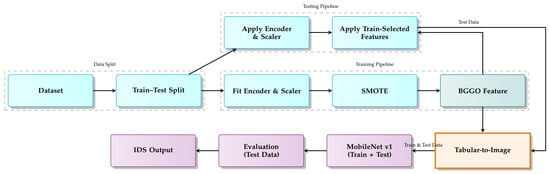
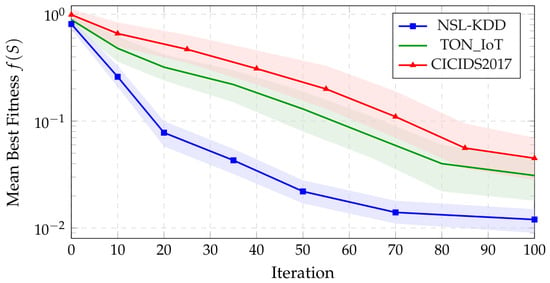
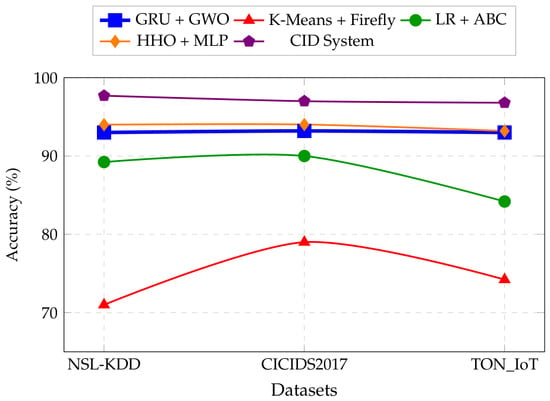
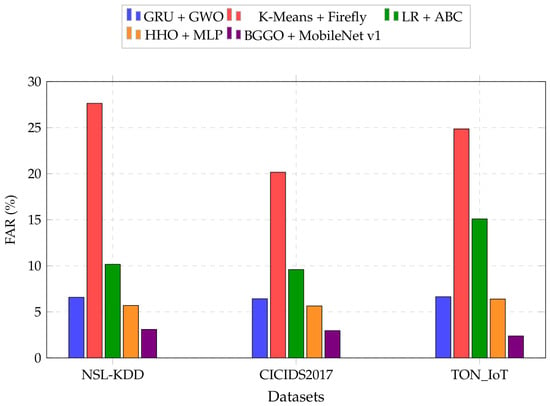
The application of Internet of Things-based ecosystems is growing rapidly. Cyber attacks are also increasing at a similar pace. Intrusion detection using deep learning is getting harder as these devices lack enough resources for a large Intrusion Detection System. A compact deep learning-based Intrusion Detection System for IoT, called CID, has been proposed to reduce computational complexity. The proposed CID framework uses MobileNet v1 as the main classification model, and the Binary Greylag Goose Optimization technique is used for feature selection to improve detection while minimizing processing time. On comparing the experimental results, it has been found that the proposed method works better than the baseline methods.
Full article
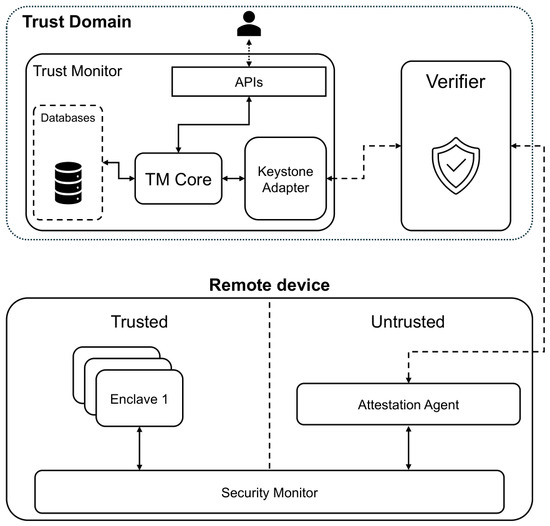
Figure 1
Open AccessArticle
Run-Time Enclave Measurement in the Keystone Framework
by
Flavio Ciravegna, Enrico Bravi, Silvia Sisinni and Antonio Lioy
IoT 2026, 7(2), 48; https://doi.org/10.3390/iot7020048 - 12 Jun 2026
Abstract
In recent years, organisations have increasingly transitioned their workloads from on-premise infrastructures to cloud environments, while leveraging edge computing to meet the rising demand for scalable and distributed applications. This shift has accelerated the adoption of IoT devices, which play a key role
[...] Read more.
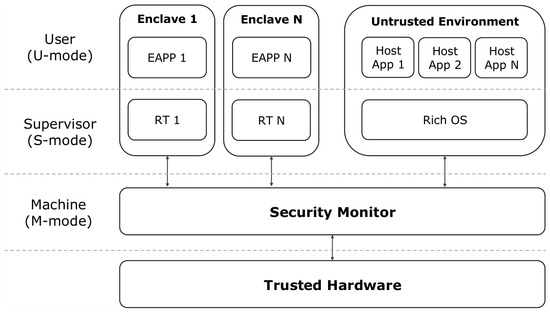
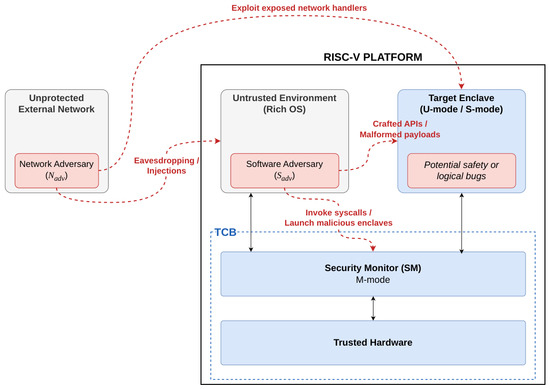
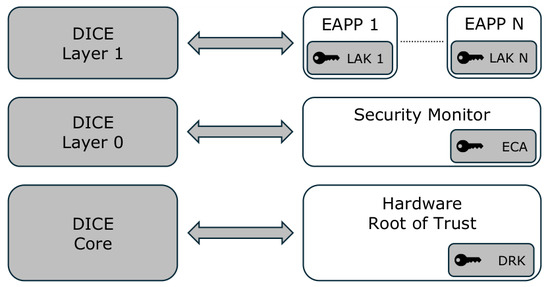
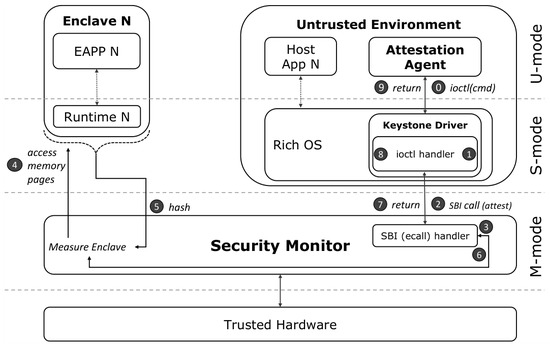
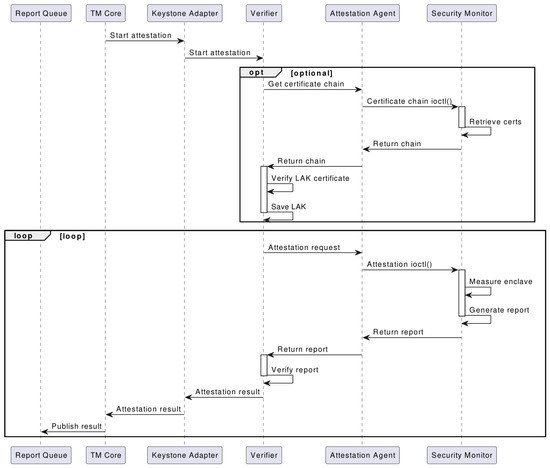
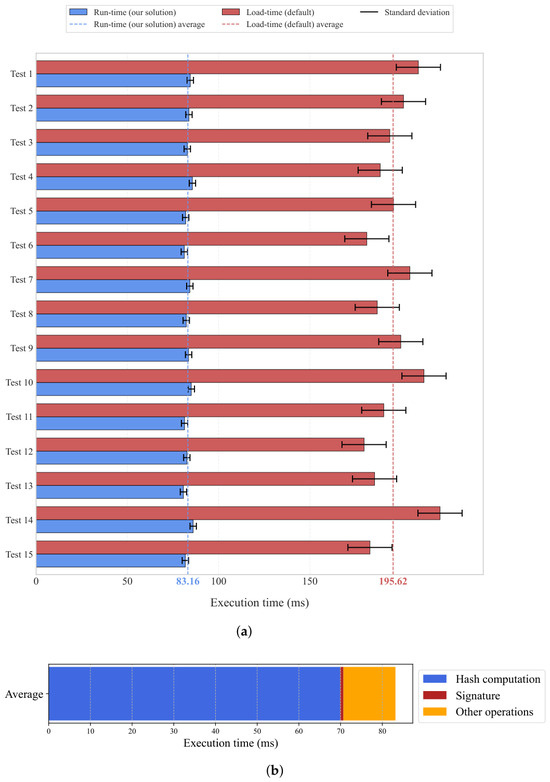
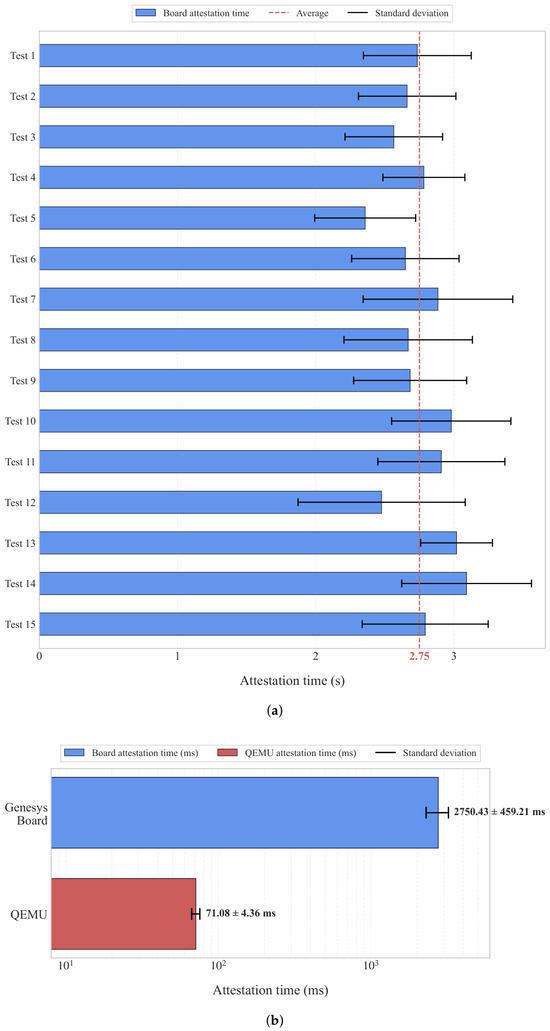
In recent years, organisations have increasingly transitioned their workloads from on-premise infrastructures to cloud environments, while leveraging edge computing to meet the rising demand for scalable and distributed applications. This shift has accelerated the adoption of IoT devices, which play a key role in enabling these systems. As a result, ensuring the security of sensitive IoT applications has become critical, motivating the use of Trusted Execution Environments (TEEs) to provide isolated execution even in the presence of potentially compromised operating systems. This work focuses on the IoT-oriented Keystone Enclave framework, an open-source TEE built on the RISC-V Instruction Set Architecture. Among its security features, Keystone implements a binary measurement mechanism during the enclave-loading phase. However, this approach guarantees application integrity only at load time, leaving the TEE’s confidentiality and integrity vulnerable to runtime exploitation of software vulnerabilities. To address this limitation, we propose an integrity verification mechanism that provides evidence about the state of sensitive memory regions throughout enclave execution. Compared to traditional load-time measurement techniques, our approach reduces per-execution measurement overhead by 57.5%, while requiring minimal extensions to the Trusted Computing Base. Furthermore, it overcomes key limitations of the existing framework by decoupling enclave applications from the attestation logic.
Full article
(This article belongs to the Special Issue Cybersecurity in the Age of the Internet of Things)
►▼
Show Figures

Figure 1
Open AccessArticle
Intelligent Edge Computing Architecture: Low-Latency Transmission in an Intelligent Transport System for IoT Applications
by
Edna Iliana Tamariz-Flores, Richard Torrealba-Meléndez, Jesús Manuel Muñoz-Pacheco, Mario López-López and César Augusto Arriaga-Arriaga
IoT 2026, 7(2), 47; https://doi.org/10.3390/iot7020047 - 11 Jun 2026
Abstract
Latency is a determining factor in an IoT-enabled Intelligent Transportation System. To solve the latency issue in an edge computing system connected to the cloud, where the primary challenge is the distance between the end device and the cloud server, an implementation in
[...] Read more.
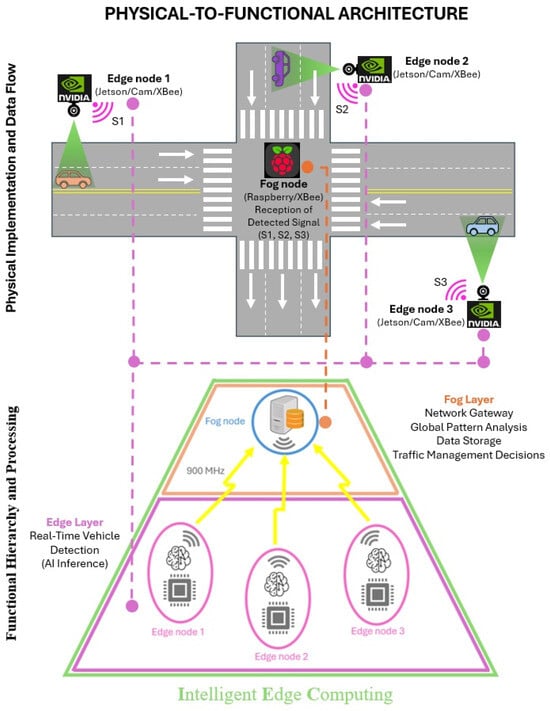
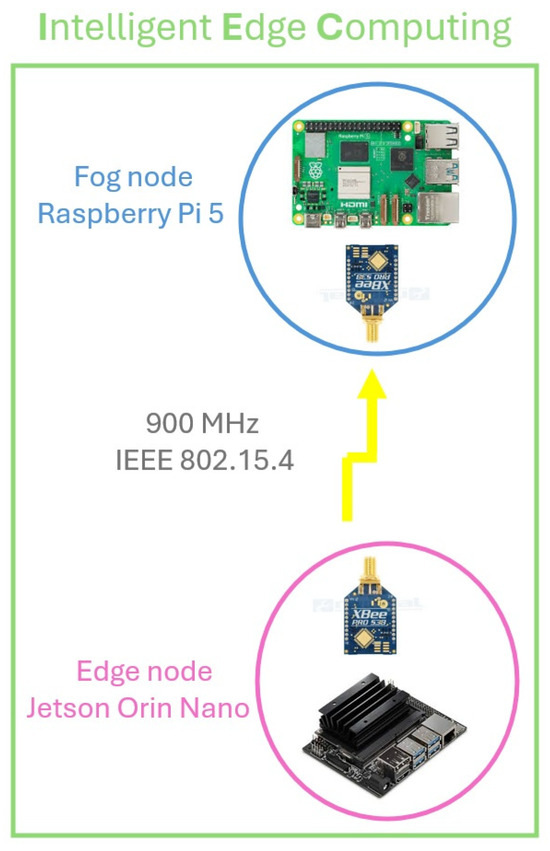
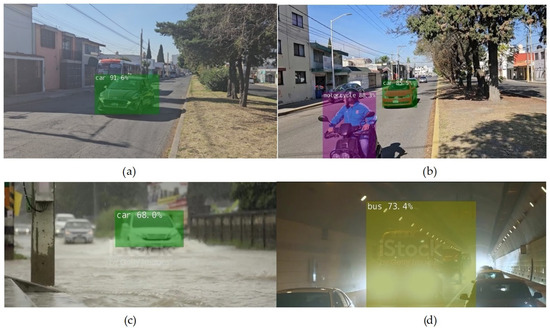
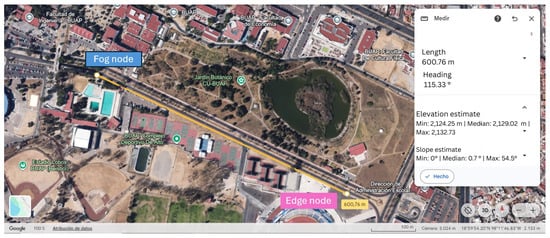
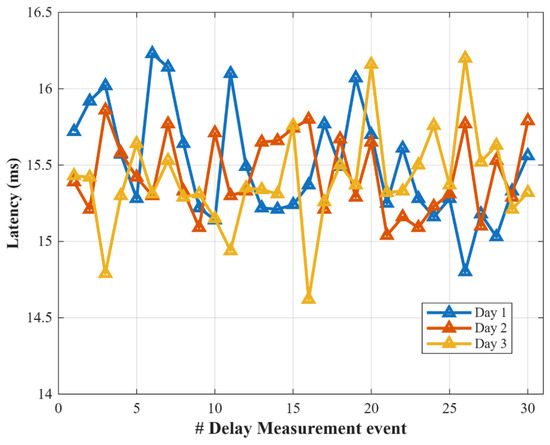
Latency is a determining factor in an IoT-enabled Intelligent Transportation System. To solve the latency issue in an edge computing system connected to the cloud, where the primary challenge is the distance between the end device and the cloud server, an implementation in a real urban environment is presented to illustrate the architecture of Intelligent Edge Computing. The IEC design is scalable through a communication system that incorporates latency and distance measurements in the transmission of a detection signal using deep learning at the edge node. This enabled the transmission of 2-byte detection signals to the fog node, where the received information was processed to count vehicles on up to three streets near the intersection. The vehicle detection signal is transmitted between two different embedded platforms. This architecture enabled an average transmission latency of 15.45 ms and a total end-to-end latency of 47.9087 ms over a distance of 600 m in a real-world urban environment. The IEC system leverages this low latency and offers intelligent processing closer to the data source and, therefore, to the user.
Full article
(This article belongs to the Special Issue IoT-Driven Smart Cities)
►▼
Show Figures

Figure 1
Open AccessSystematic Review
Internet of Things for Industry 4.0: A Systematic Literature Review of Technologies, Architectures, Applications, and Challenges
by
Nasreddine Haqiq, Mounia Zaim, Abdelhay Haqiq, Mohamed Sbihi and Aziza El Ouaazizi
IoT 2026, 7(2), 46; https://doi.org/10.3390/iot7020046 - 11 Jun 2026
Abstract
Industry 4.0 is speeding up the move to connected, data-driven, and automated production, where the Internet of Things (IoT) enables sensing, communication, and real-time support for decisions. At the same time, rapid growth in industrial IoT studies has led to scattered technologies, architectures,
[...] Read more.
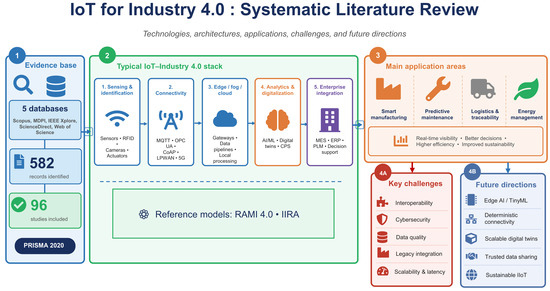
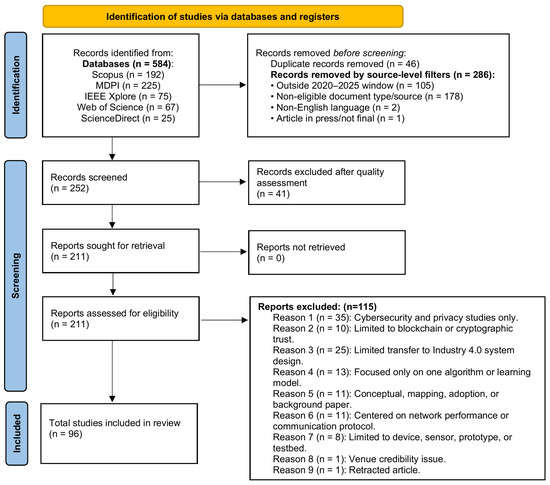
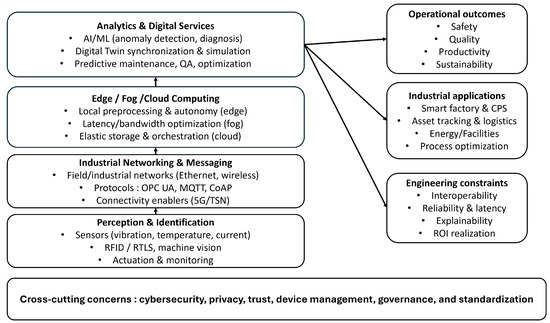
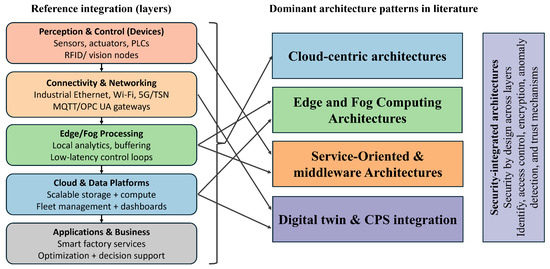
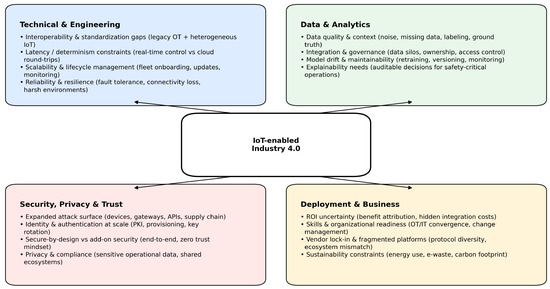
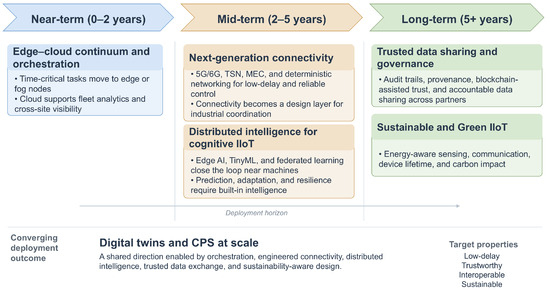
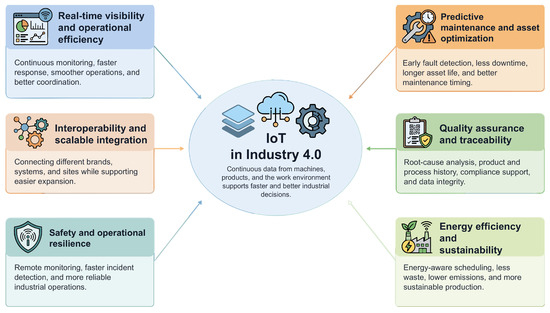
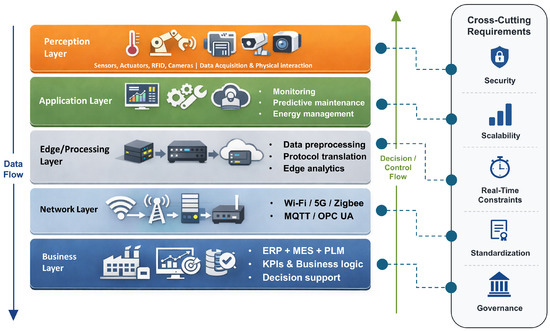
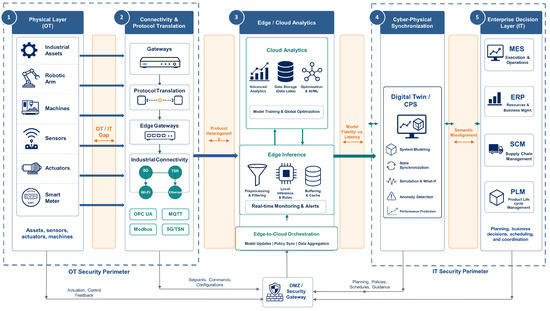
Industry 4.0 is speeding up the move to connected, data-driven, and automated production, where the Internet of Things (IoT) enables sensing, communication, and real-time support for decisions. At the same time, rapid growth in industrial IoT studies has led to scattered technologies, architectures, and results. This paper fills this gap through a systematic literature review on IoT for Industry 4.0. It also helps readers compare methods and choose suitable building blocks for real deployments today. We focus on key technologies, integration architectures, application areas, challenges, trends, and reported benefits. Using PRISMA 2020, we searched five major databases (Scopus, MDPI, IEEE Xplore, ScienceDirect, and Web of Science) for 2020–2025 and found 584 records. After removing duplicates and screening, we kept 96 peer-reviewed studies for detailed analysis. Results show that most studies use a layered stack that combines sensing/actuation, industrial networking, data collection pipelines, and analytics across edge, fog, and cloud resources. MQTT, OPC UA, CoAP, LPWAN, and 5G connectivity are often used for communication, while RAMI 4.0, IIRA, and similar layered models guide system design. Many architectures follow an edge–cloud pattern, with growing focus on digital twin/CPS links and security-by-design. Applications are mainly smart manufacturing, predictive maintenance, and logistics, with added work in energy management, Construction 4.0, and agri-food monitoring. The key barriers remain interoperability, data quality and evaluation gaps, cybersecurity risks, legacy integration, and deployment limits. The review points to future work on edge AI/TinyML, deterministic connectivity, scalable digital twins, trusted data sharing, and sustainable industrial IoT.
Full article
(This article belongs to the Topic Smart Production in Terms of Industry 4.0 and 5.0)
►▼
Show Figures

Graphical abstract
Open AccessArticle
A Decision Support Framework for Consensus Protocol Selection for Blockchain-Based IoT Networks
by
Nurlan Tashatov, Ruslan Ospanov, Dina Satybaldina, Yerzhan Seitkulov, Banu Yergaliyeva and Kuat Utebayev
IoT 2026, 7(2), 45; https://doi.org/10.3390/iot7020045 - 2 Jun 2026
Abstract
►▼
Show Figures
One area of application for distributed ledger technologies is the Internet of Things. These technologies can provide an effective solution to many problems in this field. The consensus layer is a crucial architectural component of distributed ledger systems. Modern IoT networks place increased
[...] Read more.
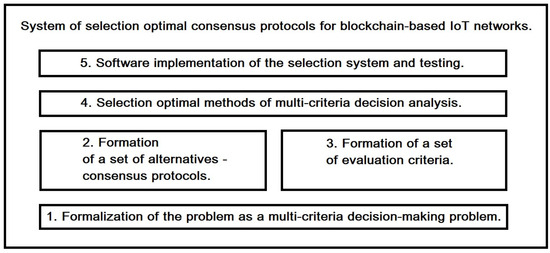
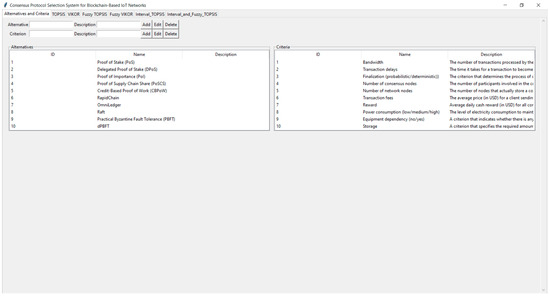
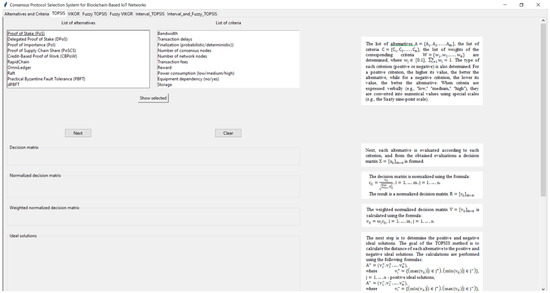
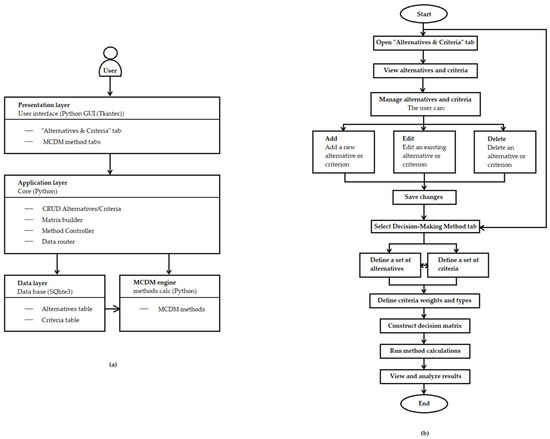
One area of application for distributed ledger technologies is the Internet of Things. These technologies can provide an effective solution to many problems in this field. The consensus layer is a crucial architectural component of distributed ledger systems. Modern IoT networks place increased demands on the consensus mechanisms used in blockchain systems. There are many consensus protocols with different properties and purposes, including those for IoT blockchain networks. Selecting an appropriate consensus protocol for a specific IoT blockchain system is an important and complex task. Multi-criteria decision analysis methods are widely used in such problems, as they allow for the consideration of multiple conflicting criteria and provide a balanced approach to evaluating alternatives. Given the variability of network parameters and requirements of consensus mechanisms, multi-criteria decision-making methods can support more informed protocol selection. This paper presents a decision support framework for selecting a consensus protocol for blockchain-based Internet of Things networks. The system is an implementation of a previously developed conceptual model for a consensus protocol selection framework. A case study is also provided to demonstrate the application of the system.
Full article
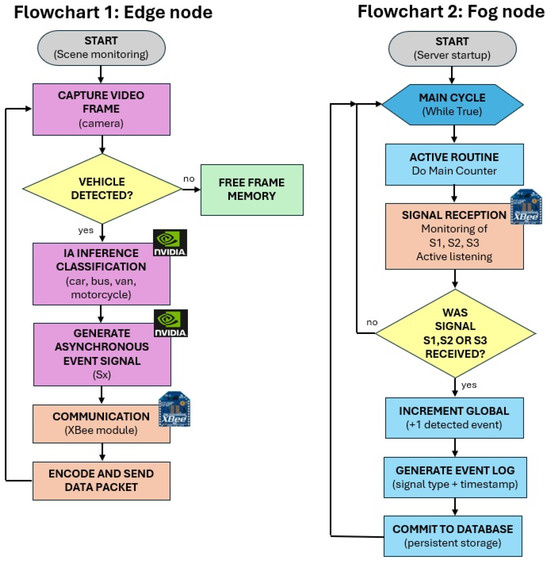
Figure 1
Open AccessArticle
Randomness-Driven Evaluation of SPN-Based Lightweight Ciphers for IoT Applications
by
Raad S. Al-Qassas and Malik Qasaimeh
IoT 2026, 7(2), 44; https://doi.org/10.3390/iot7020044 - 1 Jun 2026
Abstract
►▼
Show Figures
Lightweight devices are becoming a crucial part of networked systems, including Internet of Things environments. These devices usually have constraints, such as limited computational power, which have directed researchers to develop lightweight crypto algorithms to secure the data generated by these devices. Therefore,
[...] Read more.
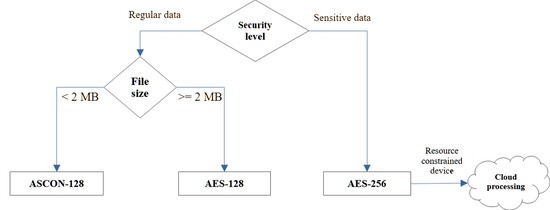
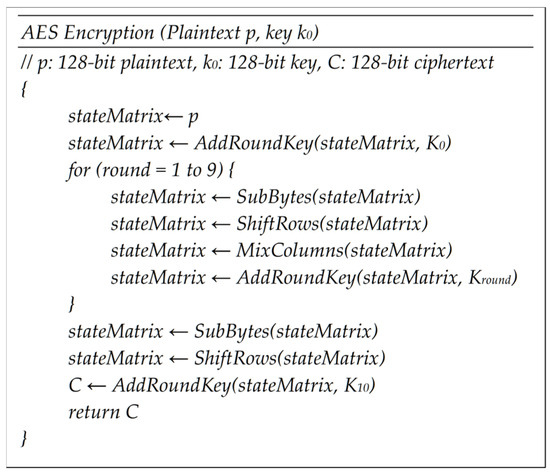
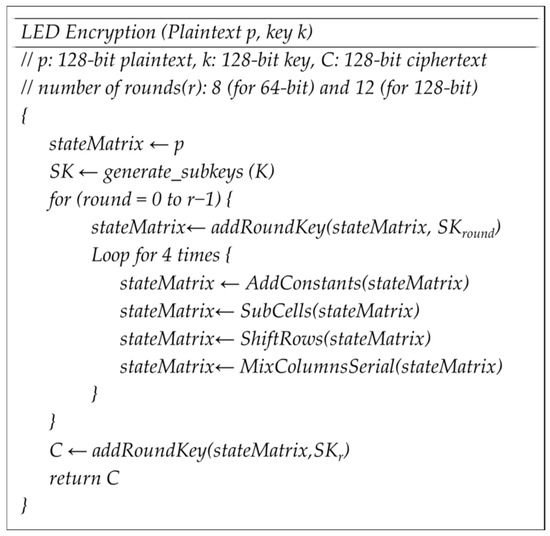
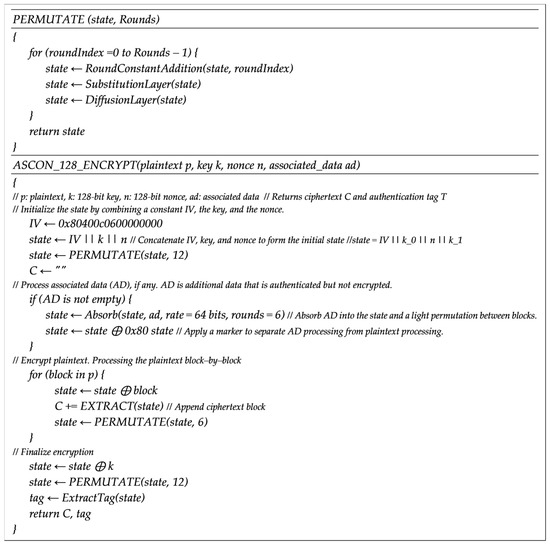
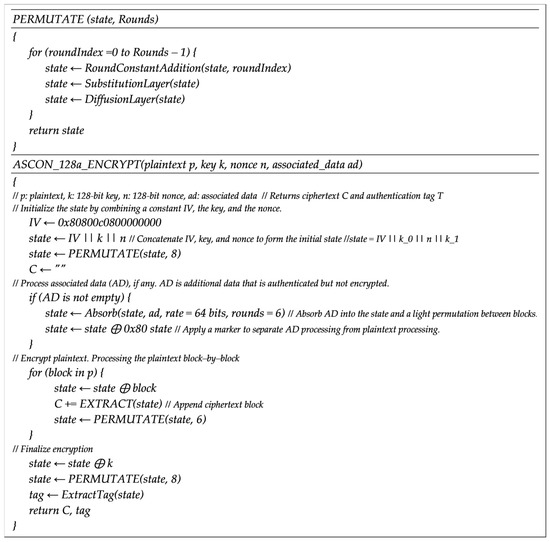
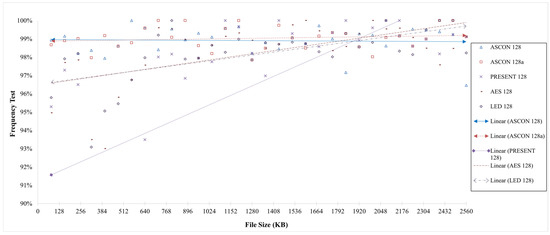
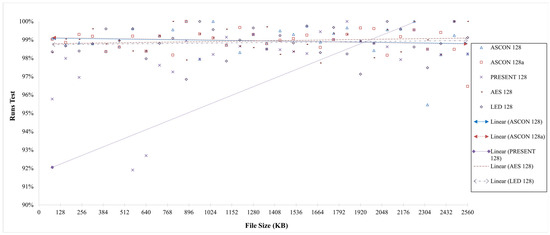
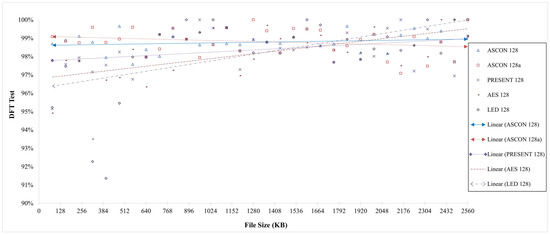
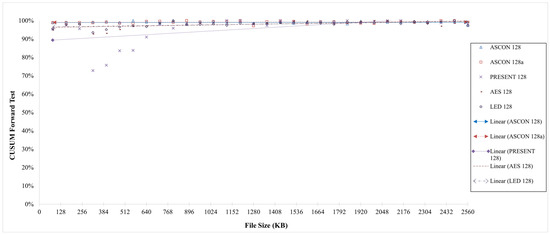
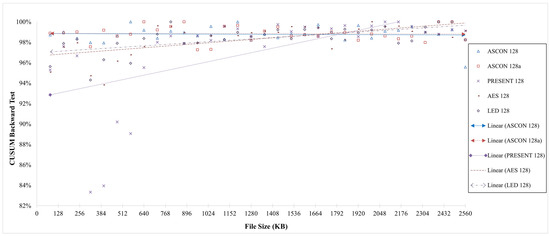
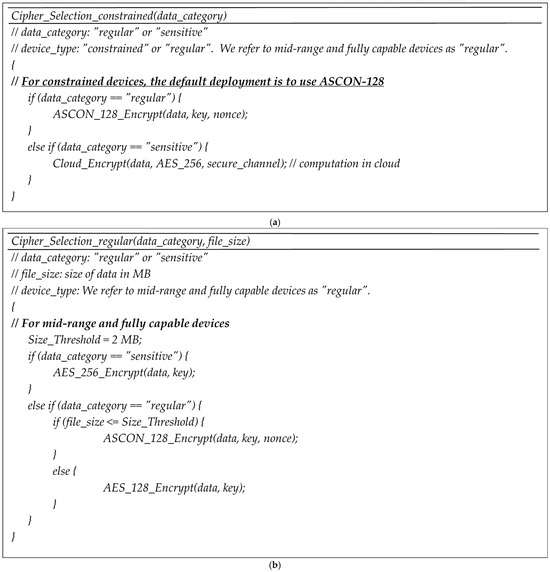
Lightweight devices are becoming a crucial part of networked systems, including Internet of Things environments. These devices usually have constraints, such as limited computational power, which have directed researchers to develop lightweight crypto algorithms to secure the data generated by these devices. Therefore, an efficient but secure crypto algorithm for these devices is required. In this paper, we thoroughly evaluate well-known SPN-based algorithms, namely AES, LED, PRESENT, ASCON-128, and ASCON-128a, based on the success rates of statistical randomness tests, including the Frequency, Runs, Discrete Fourier Transform, and Cumulative Sum tests. With these tests, the assessment measures the algorithms’ ability to produce unpredictable text. To ensure thorough evaluation, the experiments included approximately 19,000 image files of varying sizes up to 2560 KB. The extensive experimental results show that the ASCON family achieved high success rates above 98% in all tests, particularly for small file sizes, while AES achieved higher success rates for larger file sizes, and LED showed limited performance for the varied file sizes. The results confirm that ASCON-128 and ASCON-128a offer the needed trade-off between computation and randomness validation. Based on this evaluation, we propose an adaptive encryption framework based on file size, data classification, and device computational power.
Full article
Graphical abstract
Open AccessArticle
BLE RSSI-Based Detection of Freight Wagon Passages at Railway Control Points
by
Shokhrukh Kamaletdinov, Dauren Ilesaliyev, Ma’sud Masharipov, Aleksandr Svetashev, Sherzod Jumaev, Nargiza Svetasheva, Timur Sultanov, Islom Abdumalikov, Fayzulla Xabibullayev and Utkir Khusenov
IoT 2026, 7(2), 43; https://doi.org/10.3390/iot7020043 - 25 May 2026
Abstract
►▼
Show Figures
Accurate per-wagon occupancy accounting at freight stations—knowing which wagon entered or exited which track and when—is a prerequisite for automated shunting management, yet existing technologies—axle counters, RFID, computer vision, and LPWAN IoT—each provide only a subset of the required information and depend on
[...] Read more.
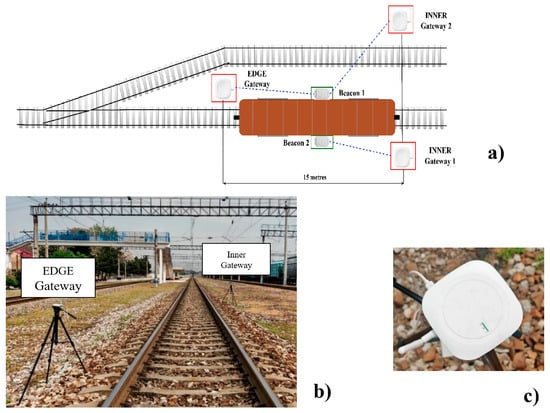
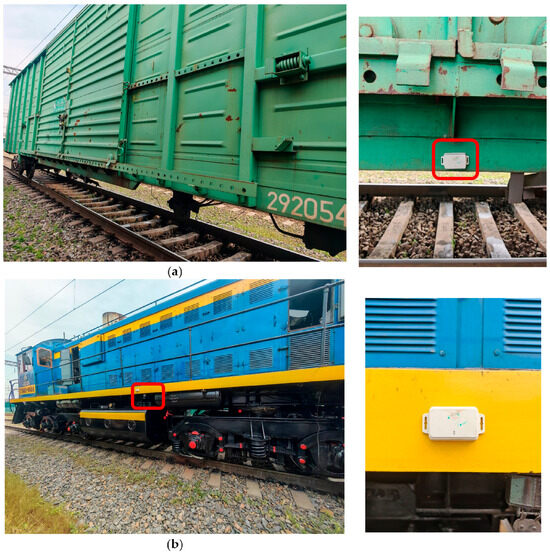
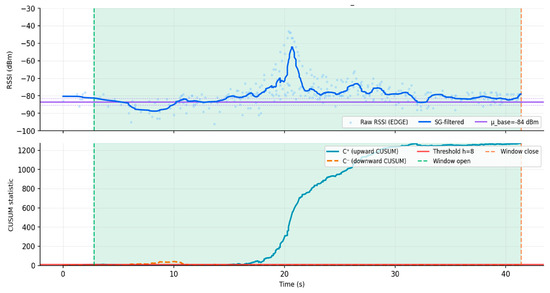
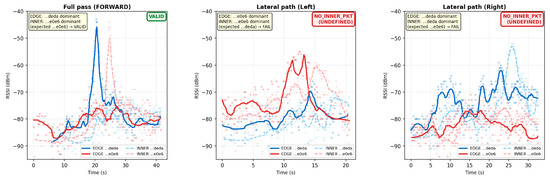
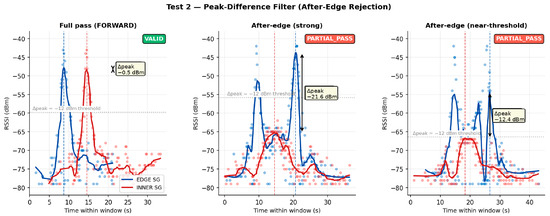
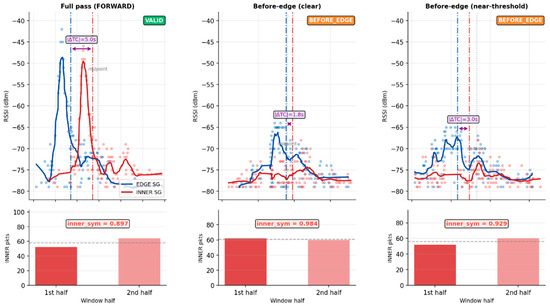
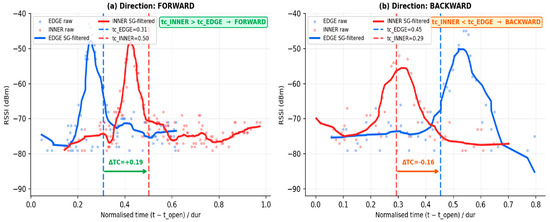
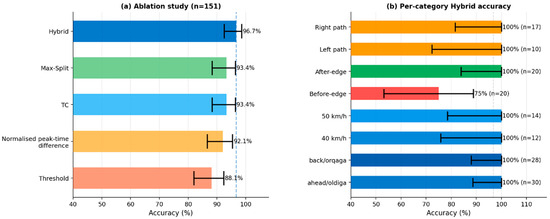
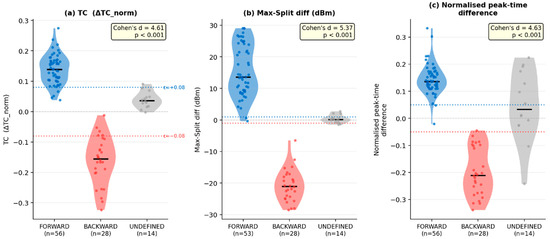
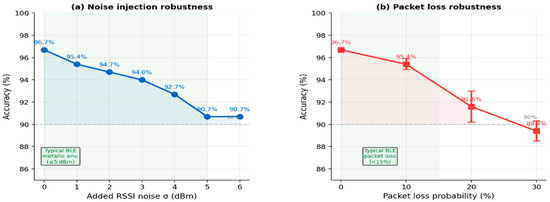
Accurate per-wagon occupancy accounting at freight stations—knowing which wagon entered or exited which track and when—is a prerequisite for automated shunting management, yet existing technologies—axle counters, RFID, computer vision, and LPWAN IoT—each provide only a subset of the required information and depend on dedicated infrastructure or favourable conditions. This paper investigates whether two fixed BLE gateways, combined with Eddystone-TLM beacon nodes proposed for mounting on freight wagon bodies, can classify passage direction from RSSI signals without supervised model training or labelled training data, site-specific measurement campaigns, or track modification. The enabling mechanism is wagon-body attenuation: as a wagon passes between the receivers, its metallic body creates a temporal asymmetry in the RSSI envelopes that encodes travel direction. We present a five-stage online pipeline at O (1) memory per packet: a two-sided CUSUM detector with adaptive per-event baseline estimation segments the RSSI stream; a three-stage validation filter rejects partial passes, lateral paths, and near-gateway reversals; and direction is classified by the normalised Temporal Centroid shift—a speed-invariant feature requiring no training data—with a cascade fallback for ambiguous short windows. Combined with the beacon MAC address as a wagon identifier, the system generates structured occupancy events directly consumable by station management systems. Validated on 151 labelled events across eight scenario categories at Urtaul freight station and the TSTU test polygon, the pipeline achieves 96.7% accuracy (95% Wilson CI: [92.5%, 98.6%]) and zero wrong-direction predictions across all 84 directional events (exact Clopper-Pearson 95% CI for the wrong-direction rate: [0%, 3.5%]); a Random Forest baseline on the same features confirms supervised learning adds no measurable benefit over the training-free approach within this feature space. The validation was conducted on 151 isolated single-wagon events collected under dry-weather conditions at two sites using a fixed 15 m gateway spacing; multi-wagon scenarios and adverse environmental conditions remain topics for future work.
Full article

Figure 1
Open AccessArticle
IoT-Based System for Real-Time Water Quality Monitoring and Advanced Turbidity and pH Sensor Calibration to Improve Accuracy and Reliability Using ThingSpeak
by
Mulhim Al Drees, Abbas E. Rahma, Samah Daffalla, Rawabi Alsudais, Naser Fathi Alsubaie, Mohammed Albrahim, Hassan Abdullah Alghanim and Mustafa I. Almaghasla
IoT 2026, 7(2), 42; https://doi.org/10.3390/iot7020042 - 12 May 2026
Abstract
►▼
Show Figures
Water quality has become a major concern for public health, agriculture, and industry, necessitating reliable and continuous monitoring. Conventional monitoring methods are often time-consuming, rely on manual sampling, and involve complex equipment or procedures, making them unsuitable for real-time applications. This study presents
[...] Read more.
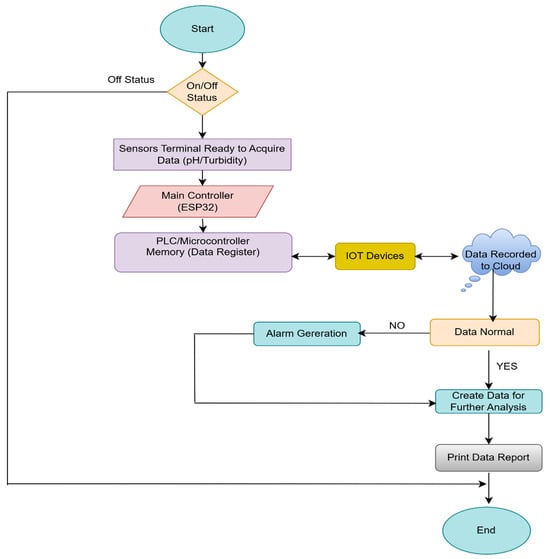
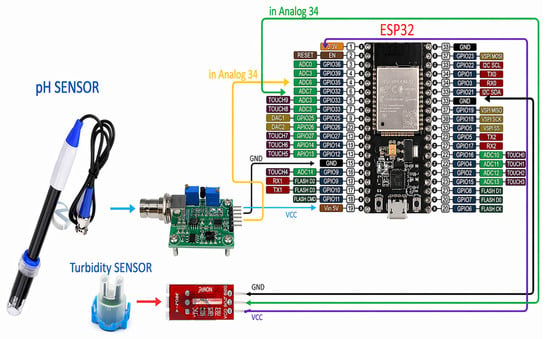
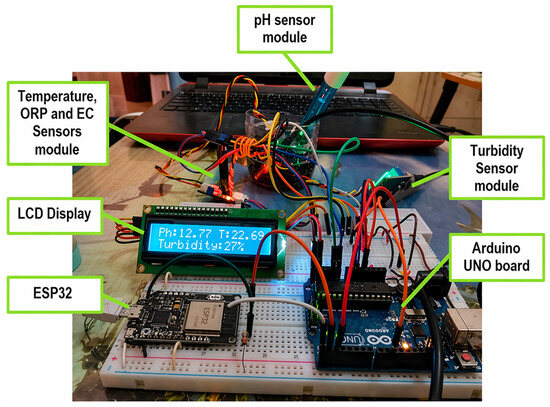
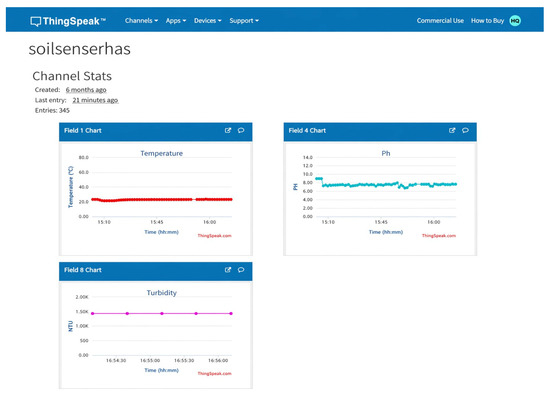
Water quality has become a major concern for public health, agriculture, and industry, necessitating reliable and continuous monitoring. Conventional monitoring methods are often time-consuming, rely on manual sampling, and involve complex equipment or procedures, making them unsuitable for real-time applications. This study presents an Internet of Things (IoT)-based system for real-time water quality monitoring using ESP32 hardware integrated with the ThingSpeak platform. The system enhances the accuracy of turbidity and pH measurements using advanced sensor calibration techniques. Nephelometric methods and glass electrodes are employed for turbidity detection and pH sensing, respectively, across various water types—including tap water, groundwater, wastewater, saline water, and treated water—to address issues such as environmental drift and measurement inaccuracies. The turbidity sensor was calibrated using a standard six-point method with formazin solutions (0–1064 NTU), whereas pH calibration utilized a three-point approach with NIST-traceable buffer solutions (pH 4, 7, and 10). The results indicate that turbidity measurement errors, initially ranging from 15.75% to 422%, were reduced to below 10% after calibration. Similarly, pH accuracy was significantly improved across all tested water matrices. The system enables real-time data visualization via ThingSpeak, and the implementation of multi-point calibration ensures high data reliability for continuous monitoring. Overall, this approach offers an accurate, efficient, and practical solution for real-time water quality management.
Full article
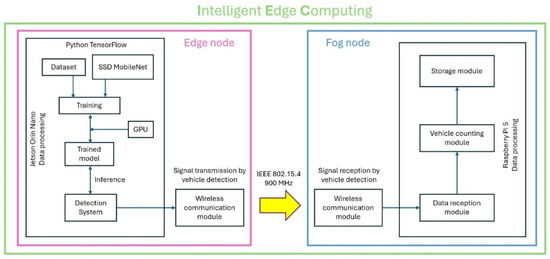
Figure 1
Open AccessArticle
Hybrid Deep Architectures in Contrastive Latent Space: Performance Analysis of VAE-MLP, VAE-MoTE, and VAE-GAT for IoT Botnet Detection
by
Hassan Wasswa and Timothy Lynar
IoT 2026, 7(2), 41; https://doi.org/10.3390/iot7020041 - 12 May 2026
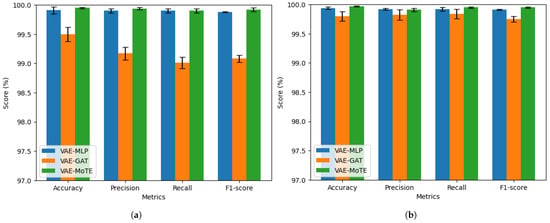
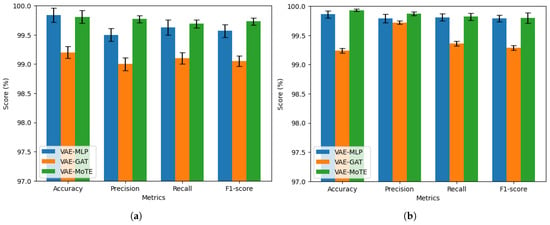
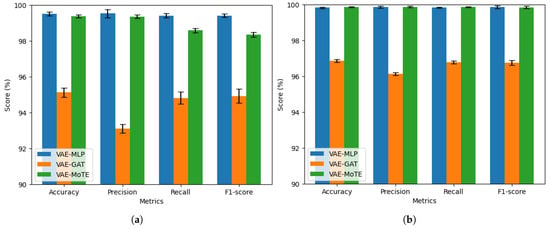
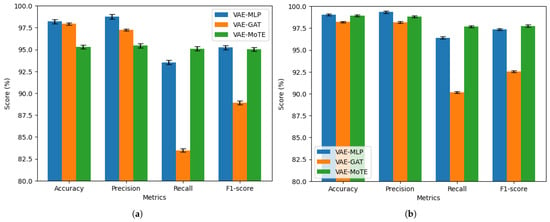
Abstract
The rapid proliferation of Internet of Things (IoT) devices has significantly expanded the attack surface of modern networks leading to a surge in IoT-based botnet attacks. Detecting such attacks remains challenging due to the high dimensionality and heterogeneity of IoT network traffic. This
[...] Read more.
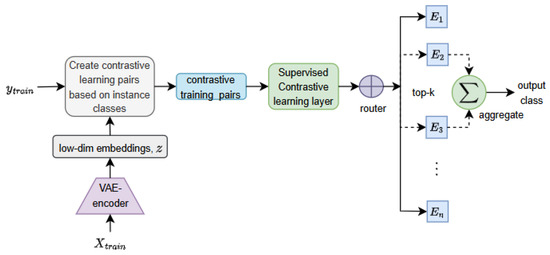
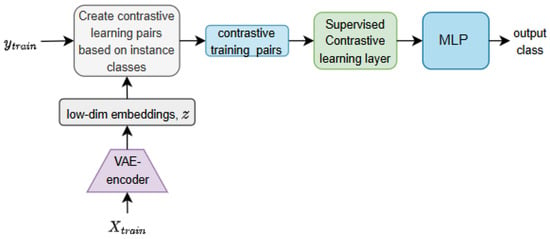
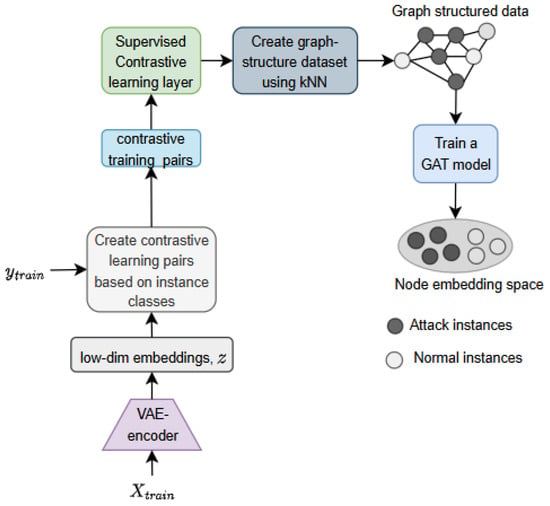
The rapid proliferation of Internet of Things (IoT) devices has significantly expanded the attack surface of modern networks leading to a surge in IoT-based botnet attacks. Detecting such attacks remains challenging due to the high dimensionality and heterogeneity of IoT network traffic. This study proposes and evaluates three hybrid deep learning architectures for IoT botnet detection that combine representation learning with supervised classification: VAE-encoder-MLP, VAE-encoder-GAT, and VAE-encoder-MoTE. A Variational Autoencoder is initially trained to learn a compact latent representation of the high-dimensional traffic features. Subsequently, the pretrained VAE-encoder component is employed to project the data into a lower-dimensional embedding space. These embeddings are then used to train three different downstream classifiers: a multilayer perceptron (MLP), a graph attention network (GAT), and a mixture of tiny experts (MoTE) model. To further enhance representation discriminability, supervised contrastive learning is incorporated to encourage intra-class compactness and inter-class separability. The proposed architectures are evaluated on two widely studied benchmark datasets—the CICIoT2022 and N-BaIoT dataset—under both binary and multiclass classification settings. Experimental results demonstrate that all three models achieve near-perfect performance in binary attack detection, with accuracy exceeding 99.8%. In the more challenging multiclass scenario, the VAE-encoder-MLP model achieves the best overall performance, reaching accuracies of 98.55% on CICIoT2022 and 99.75% on N-BaIoT. These findings provide insights into the design of efficient and scalable deep learning architectures for IoT intrusion detection.
Full article
(This article belongs to the Special Issue Cybersecurity in the Age of the Internet of Things)
►▼
Show Figures

Figure 1
Open AccessArticle
An IoT-Aware Certificateless Signature Scheme for Protection Against Type-I and Type-II Super Adversaries
by
Parichehr Dadkhah, Parvin Rastegari, Mohammad Dakhilalian, Phil Yeoh, Mingzhong Wang, Shahrzad Saremi and Rania Shibl
IoT 2026, 7(2), 40; https://doi.org/10.3390/iot7020040 - 7 May 2026
Abstract
Internet of Things (IoT) assists in efficient connectivity and automation of various applications by making use of wireless communication technology. Ensuring secure authentication and data integrity are the main challenges in this open wireless platform. Although existing cryptographic methods can address these security
[...] Read more.
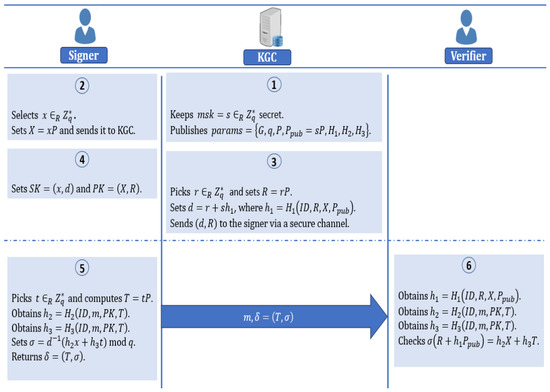
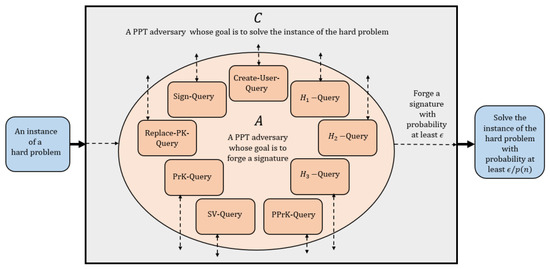
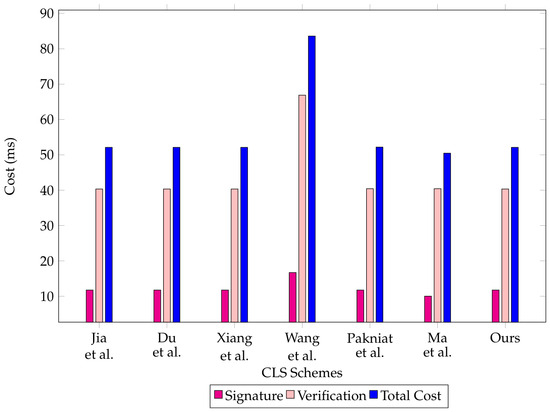
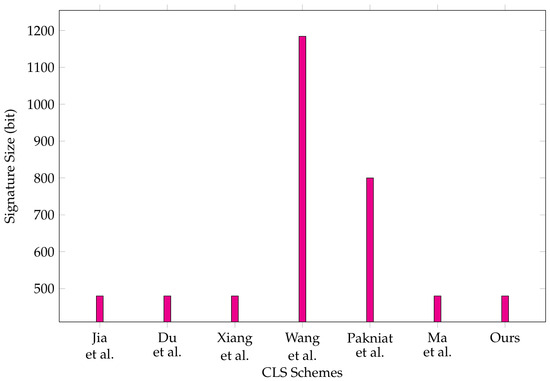
Internet of Things (IoT) assists in efficient connectivity and automation of various applications by making use of wireless communication technology. Ensuring secure authentication and data integrity are the main challenges in this open wireless platform. Although existing cryptographic methods can address these security challenges, most of them incur additional computational and communication overhead, which is unsuitable for resource-constrained IoT devices. Nowadays, researchers have focused on proposing efficient schemes to satisfy security requirements in open wireless IoT frameworks. Recently, a Certificateless Signature (CLS) scheme was developed for the IoT environment. However, in this paper, we show that this CLS scheme is vulnerable to attacks by super Type-II adversaries. To strengthen this scheme, we propose a novel and efficient CLS scheme with existential unforgeability against super adversaries in the Random Oracle Model (ROM). The proposed CLS scheme achieves reduced computational complexity and communication cost. As such, it is suitable for wireless IoT networks to provide secure message authentication and data integrity.
Full article
(This article belongs to the Special Issue Advances in Wireless Communication Technologies for IoT Devices)
►▼
Show Figures

Figure 1
Open AccessArticle
Assessing Internet of Things Readiness on University Campuses: A Smart Campus-Oriented Approach
by
Dejan Arsenijević, Jasmina Arsenijević, Srđan Tegeltija, Xiaoshuan Zhang, Gordana Ostojić and Stevan Stankovski
IoT 2026, 7(2), 39; https://doi.org/10.3390/iot7020039 - 27 Apr 2026
Abstract
►▼
Show Figures
The Internet of Things (IoT) is increasingly recognized as a core digital infrastructure supporting digital transformation, particularly in complex environments such as university campuses, which can be conceptualized as smart campus ecosystems. However, many organizations encounter difficulties when implementing IoT due to insufficient
[...] Read more.
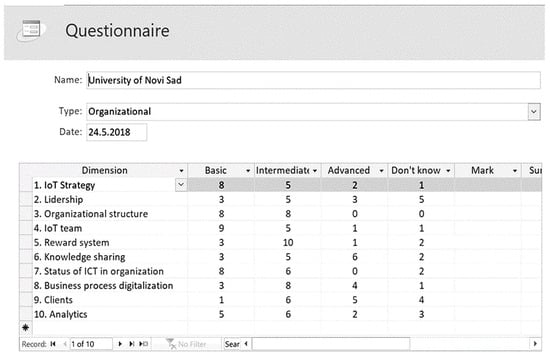
The Internet of Things (IoT) is increasingly recognized as a core digital infrastructure supporting digital transformation, particularly in complex environments such as university campuses, which can be conceptualized as smart campus ecosystems. However, many organizations encounter difficulties when implementing IoT due to insufficient organizational and technological readiness. This paper presents the University Campus IoT (UCIoT) readiness assessment model, which conceptualizes IoT readiness as a manifestation of organizational digital transformation readiness within the smart campus context. The model consists of 24 dimensions grouped into organizational and technological categories and is implemented through structured questionnaires and a supporting software tool. The model was developed using the design science research methodology and evaluated through a case study conducted at the University Campus of Novi Sad, Serbia. The results demonstrate that the model provides a structured and realistic assessment of IoT readiness and helps identify organizational and technological bottlenecks relevant to IoT implementation. The main contribution of this research is a context-specific readiness assessment framework tailored to university campuses that integrates organizational, technological, and client readiness dimensions.
Full article

Figure 1
Highly Accessed Articles
Latest Books
E-Mail Alert
News
Topics
Topic in
Applied Sciences, Electronics, IoT, Materials, Robotics, Sensors, Machines, Automation
Smart Production in Terms of Industry 4.0 and 5.0
Topic Editors: Iwona Paprocka, Cezary Grabowik, Jozef HusarDeadline: 29 July 2026
Topic in
Computers, Electronics, Future Internet, IoT, Network, Sensors, JSAN, Technologies, BDCC
Challenges and Future Trends of Wireless Networks
Topic Editors: Stefano Scanzio, Ramez Daoud, Jetmir Haxhibeqiri, Pedro SantosDeadline: 30 September 2026
Topic in
AI, Applied Sciences, Computers, Electronics, Entropy, Future Internet, Information, IoT, Sensors, Telecom
Advances in Sixth Generation and Beyond (6G&B)
Topic Editors: Luis Javier García Villalba, Ana Lucila Sandoval OrozcoDeadline: 31 October 2026
Topic in
Applied Sciences, Electronics, Future Internet, IoT, Technologies, Inventions, Sensors, Vehicles
Next-Generation IoT and Smart Systems for Communication and Sensing
Topic Editors: Dinh-Thuan Do, Vitor Fialho, Luis Pires, Francisco Rego, Ricardo Santos, Vasco VelezDeadline: 31 December 2026
Conferences
Special Issues
Special Issue in
IoT
IoT and Distributed Computing
Guest Editors: Xianzhong Ding, Kang YangDeadline: 31 July 2026
Special Issue in
IoT
IoT-Driven Smart Cities
Guest Editors: Hakilo Sabit, Peter Han Joo ChongDeadline: 31 August 2026
Special Issue in
IoT
IoT Meets AI: Driving the Next Generation of Technology
Guest Editor: Grigorios E. KoulourasDeadline: 31 August 2026
Special Issue in
IoT
Towards IoT in Space–Air–Ground–Sea Integrated Networks: Recent Advances and Challenges
Guest Editors: Lei Yan, Jie Li, Jiajie Xu, Mohammad ShehabDeadline: 31 August 2026