



-
Distance-Aware Attenuation Modeling of a Helmet-Mounted Edge Thermal System Using MLX90640 and Raspberry Pi 5 for Industrial Safety Applications: Linear Regression Approach -
Run-Time Enclave Measurement in the Keystone Framework -
Assessing Internet of Things Readiness on University Campuses: A Smart Campus-Oriented Approach
Journal Description
IoT
IoT
is an international, peer-reviewed, open access journal on Internet of Things (IoT) published quarterly online by MDPI.
- Open Access— free for readers, with article processing charges (APC) paid by authors or their institutions
- High Visibility: indexed within ESCI (Web of Science), Scopus, EBSCO, and other databases.
- Rapid Publication: manuscripts are peer-reviewed and a first decision is provided to authors approximately 24.2 days after submission; acceptance to publication is undertaken in 3.8 days (median values for papers published in this journal in the first half of 2026).
- Journal Rank: JCR - Q2 (Telecommunications) / CiteScore - Q1 (Engineering (miscellaneous))
- Recognition of Reviewers: APC discount vouchers, optional signed peer review, and reviewer names published annually in the journal.
- Journal Clusters of Network and Communications Technology: Future Internet, IoT, Telecom, Journal of Sensor and Actuator Networks, Network, Signals.
Impact Factor:
4.3 (2025);
5-Year Impact Factor:
3.8 (2025)
Latest Articles
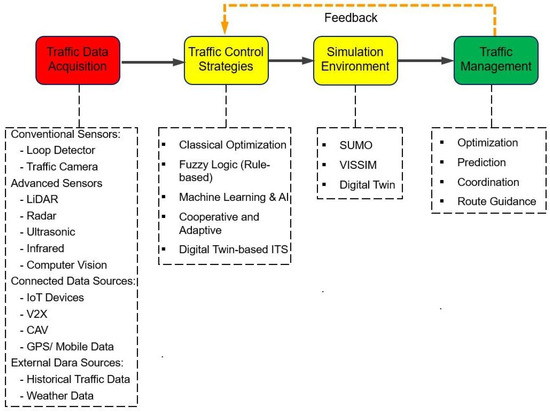
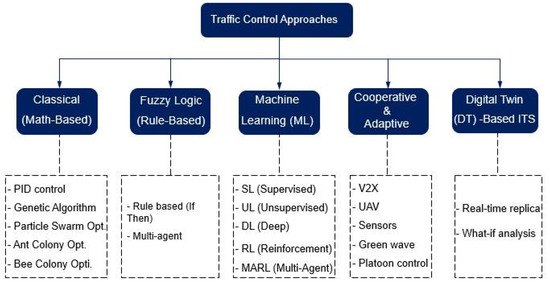
Intelligent Transportation Systems: A Review of Integration of Digital Twin and Machine Learning Control
IoT 2026, 7(3), 69; https://doi.org/10.3390/iot7030069 - 27 Aug 2026
Abstract
This paper presents a comprehensive review of the integration of Intelligent Transportation Systems (ITS) and Digital Twin (DT) technologies for intelligent traffic management. It examines the role of key enabling technologies, including the Internet of Things (IoT), machine learning (ML), deep learning (DL),
[...] Read more.
This paper presents a comprehensive review of the integration of Intelligent Transportation Systems (ITS) and Digital Twin (DT) technologies for intelligent traffic management. It examines the role of key enabling technologies, including the Internet of Things (IoT), machine learning (ML), deep learning (DL), reinforcement learning (RL), Graph Neural Networks (GNNs), vehicle-to-everything (V2X) communication, and edge computing. These technologies support real-time traffic monitoring, traffic prediction, and adaptive control in ITS. The review synthesizes recent research on conventional traffic control methods, optimization-based approaches, learning-based techniques, and DT-enabled traffic management solutions. Particular attention is given to the integration of DTs with intelligent traffic signal control, real-time synchronization, multi-intersection coordination, communication latency, sensing uncertainty, and scalability. The reviewed literature demonstrates the potential of DT-enabled ITS to improve traffic efficiency, reduce congestion, enhance transportation safety, and support sustainable mobility through data-driven decision-making. However, significant challenges remain regarding communication delays, sensor and data uncertainty, computational complexity, scalability, and validation under realistic urban conditions. Based on the reviewed literature, this paper identifies key research gaps and outlines future research directions toward scalable, reliable, adaptive, and real-time DT-enabled ITS architectures for next-generation smart cities.
Full article
(This article belongs to the Special Issue IoT-Driven Smart Cities)
►
Show Figures
Open AccessArticle
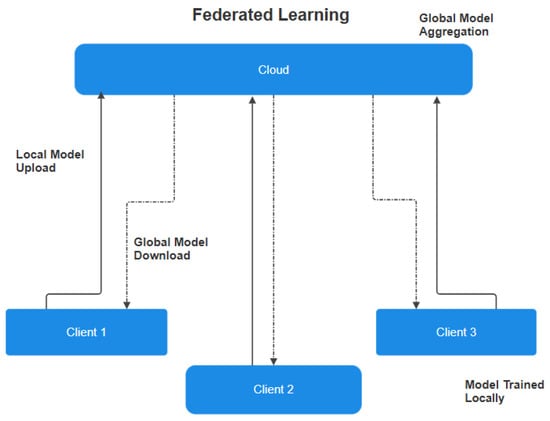
Defense Against Information Integrity Attacks in Federated IoT Systems Using Inertial Momentum-Aware IALM-RPCA
by
Oudarja Barman Tanmoy, Sakib Hasan, Adnan Anwar, Md. Al Mamun, A B M Mehedi Hasan and Akhlaqur Rahman
IoT 2026, 7(3), 68; https://doi.org/10.3390/iot7030068 - 26 Aug 2026
Abstract
►▼
Show Figures
While federated learning offers a decentralized approach to model training, ensuring the integrity of the information from each IoT client remains a challenge. This work delves into the dynamics of multi-stage federated learning, its susceptibility to information integrity attacks, and how to defend
[...] Read more.
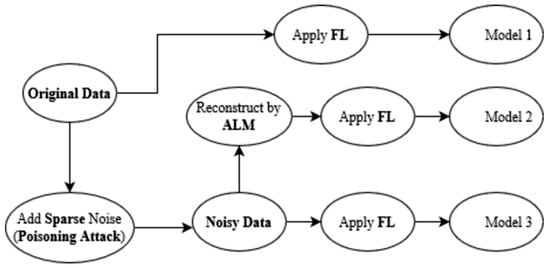
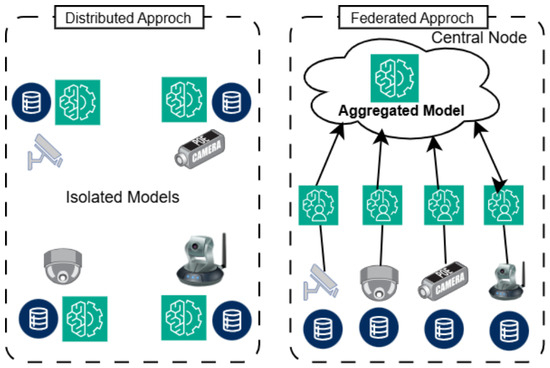
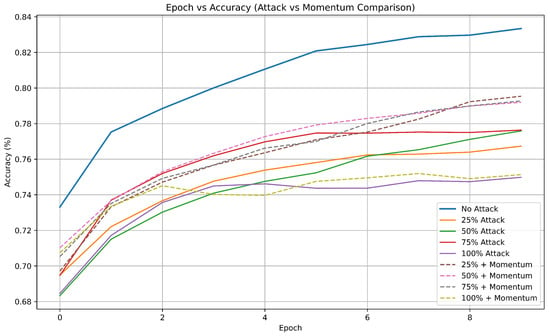
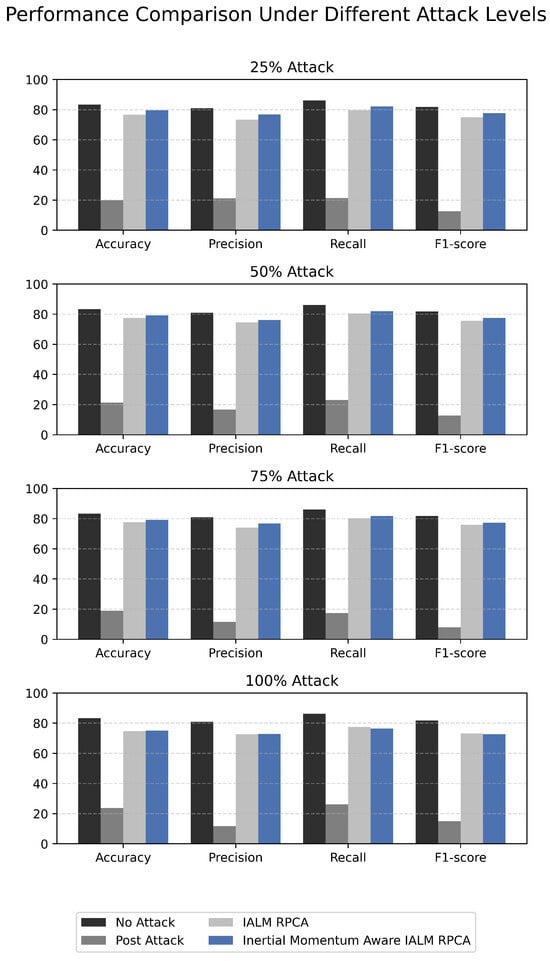
While federated learning offers a decentralized approach to model training, ensuring the integrity of the information from each IoT client remains a challenge. This work delves into the dynamics of multi-stage federated learning, its susceptibility to information integrity attacks, and how to defend against such threats. A comprehensive understanding of data uncertainty and the challenges of poisoning attacks is discussed, laying a solid groundwork for the proposed defense mechanisms. At its core, this paper introduces a novel multi-stage federated learning model that segments the federated learning process into distinct phases with a novel approach of inertial momentum-aware Inexact Augmented Lagrange Multiplier Robust PCA with constant momentum factor and unaltered norm of the traditional one, each tailored to optimize for both efficiency and security. This robust framework is then tested against data injection-based poisoning attacks, using sparse noise, and demonstrates the effectiveness of the proposed recovery techniques like Robust PCA. Performance results highlight the resilience and efficiency of the introduced model with novel reconstruction algorithm, emphasizing the importance of this approach in real-world IoT settings. Data analysis, model summaries, and impacts of adversarial attacks further reinforce the findings, which are evaluated using rigorous statistical metrics and machine learning algorithms. The paper concludes by acknowledging its efficiency in detection and recovery from data poisoning attacks, improving robustness and data reconstruction in IoT environments while highlighting opportunities for further security enhancements.
Full article

Figure 1
Open AccessArticle
Adaptive Federated Baseline K-Means for Lightweight IoT Intrusion Detection: Auto-Thresholding and Robust Statistics Aggregation
by
Mohammed Al Saleh and Joseph Azar
IoT 2026, 7(3), 67; https://doi.org/10.3390/iot7030067 - 21 Aug 2026
Abstract
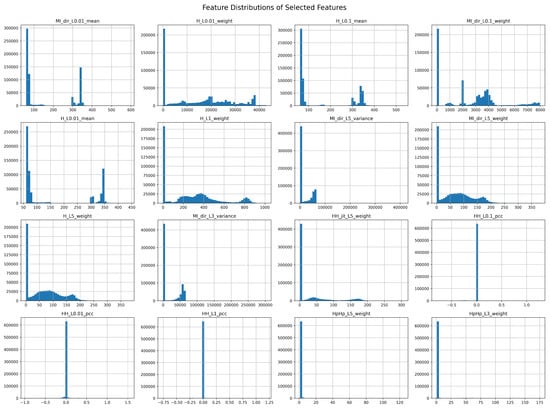
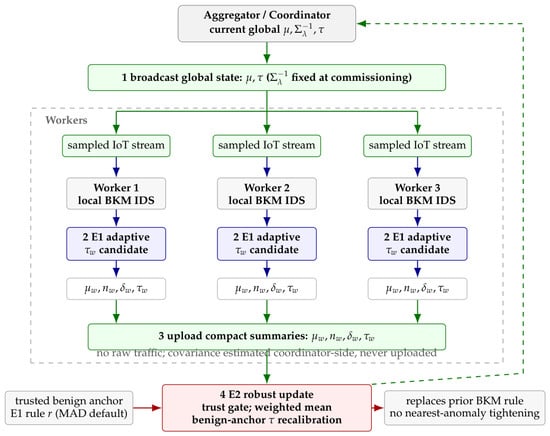
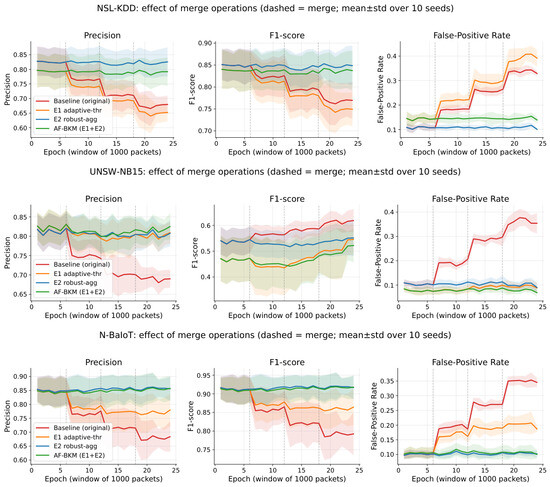
Federated, semi-supervised novelty detection is well suited for intrusion detection on resource-constrained Internet of Things (IoT) nodes: each device learns a model of benign traffic, shares only summary statistics, and does not transmit raw traffic samples. A previously published cross-layer federated detector, Baseline
[...] Read more.
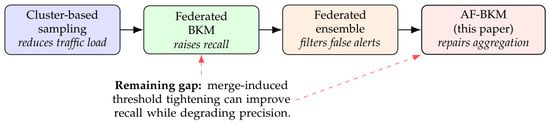
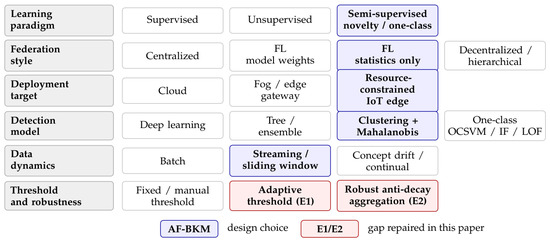
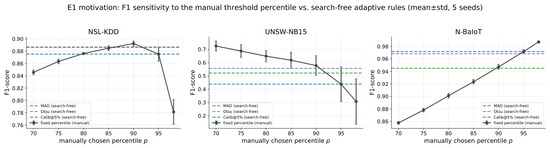
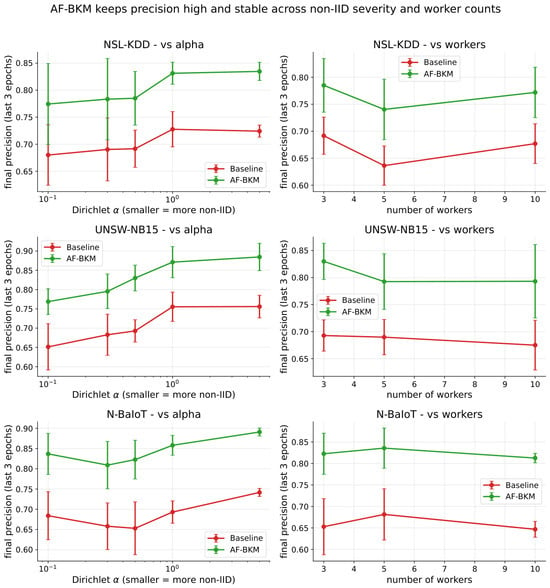
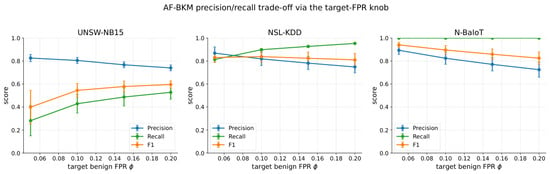
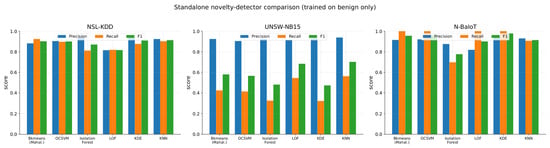
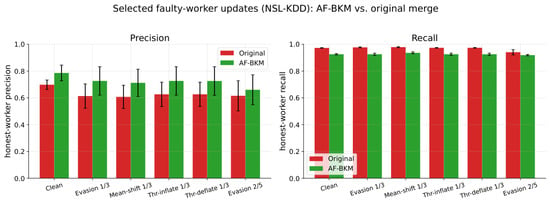
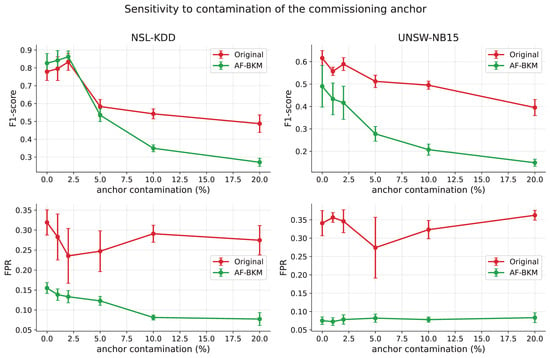
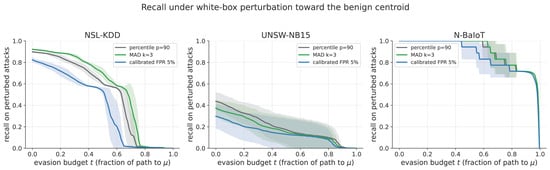
Federated, semi-supervised novelty detection is well suited for intrusion detection on resource-constrained Internet of Things (IoT) nodes: each device learns a model of benign traffic, shares only summary statistics, and does not transmit raw traffic samples. A previously published cross-layer federated detector, Baseline K-Means, showed that periodically merging worker statistics through a coordinator raises the detection rate, but it also exhibited a systematic side effect: after every merge, the precision decays, and the false-positive rate (FPR) climbs because the coordinator recomputes its threshold from streaming distances filtered by the closest observed anomaly, so tightens after every merge, flagging progressively more benign traffic; the threshold was also hand-tuned. We present AF-BKM, an Adaptive Federated Baseline K-Means that repairs the federated mechanism with two label-free, statistics-only enhancements, denoted as E1 and E2: (i) an adaptive decision threshold read from the benign Mahalanobis-distance distribution, requiring no manual percentile search and no attack labels (E1), and (ii) a robust, benignly anchored aggregation that blends worker means under quality weighting and outlier-worker filtering and recalibrates the threshold on a trusted benign anchor to a stable, anchor-referenced false-positive level, which a target-FPR rule can make operator-selectable instead of tightening it toward the nearest anomaly (E2). With MinMax scaling fit only on benign baseline data and non-IID federated streams on NSL-KDD, UNSW-NB15 and the N-BaIoT corpus of real traffic from commercial IoT devices, AF-BKM removes the merge-induced precision decay (the first-to-last-epoch precision change improves from to on NSL-KDD, from to on UNSW-NB15, and from to on N-BaIoT) and reduces the mean FPR by 30– , depending on the dataset; all central improvements are significant across 10 seeds (Wilcoxon , large effect sizes). AF-BKM preserves recall on NSL-KDD and N-BaIoT and, on the harder UNSW-NB15, exposes an explicit precision–recall trade-off through a benign target-FPR knob. In fp32, the deployed model serializes to –52 KB, a packet is classified in 11–27 µs on a desktop CPU, and each merge round uploads a -value summary (160–472 B) – smaller than the same summary extended with the covariance upper triangle. A robustness study covering selected faulty-worker updates, contamination of the commissioning anchor, and detector-level white-box evasion reports the measured degradation patterns: fabricated threshold candidates have no direct path to the threshold, although a fabricated mean still reaches it indirectly through the blended centroid, and the anchor-referenced false-positive level remains stable under percent-level anchor contamination, while recall sensitivity is dataset-dependent and the evasion budget tracks the benign–attack margin of each dataset. We frame the contribution with a focused taxonomy that identifies merge-induced precision decay under non-IID workers as an open gap. Code is released for reproducibility.
Full article
(This article belongs to the Special Issue Advances in Intelligent Wireless Sensing and IoT)
►▼
Show Figures

Figure 1
Open AccessArticle
Heuristic and Metaheuristic Approaches for the Multi-Node Allocation Problem in Large-Scale IoT Networks
by
Murilo Táparo, Jonatas Galvão, Luiz Xavier, Paulo Zimpel, Bianca Dantas and Ricardo Santos
IoT 2026, 7(3), 66; https://doi.org/10.3390/iot7030066 - 20 Aug 2026
Abstract
►▼
Show Figures
The Multi-Node Allocation (MNA) problem in Internet of Things (IoT) networks arises when application requirements exceed the capacity of a single node, requiring job distribution across multiple devices. This problem is challenging in large-scale heterogeneous environments once it involves optimizing resource utilization, bandwidth
[...] Read more.
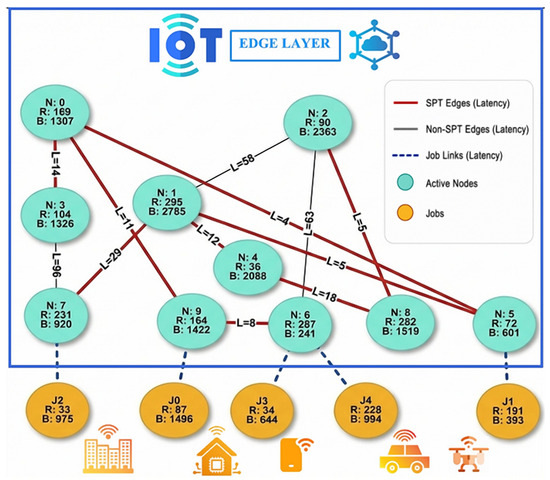
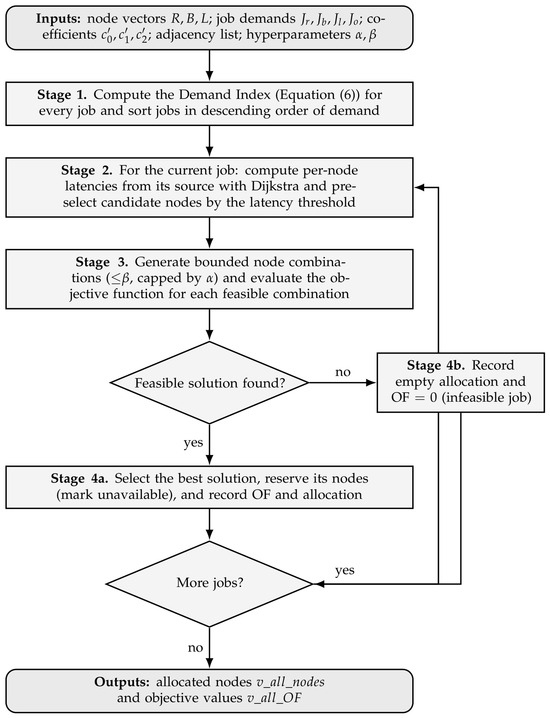
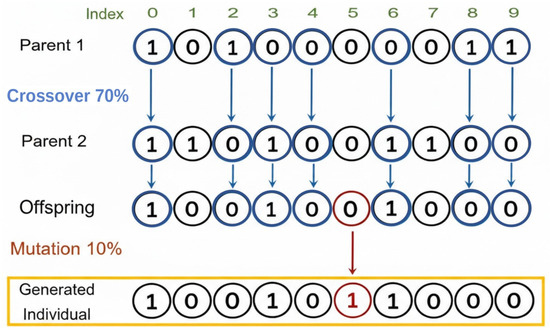
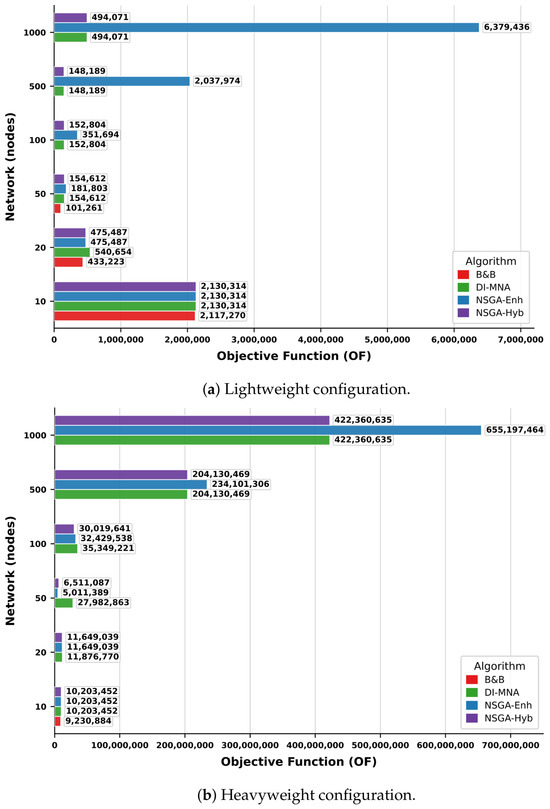
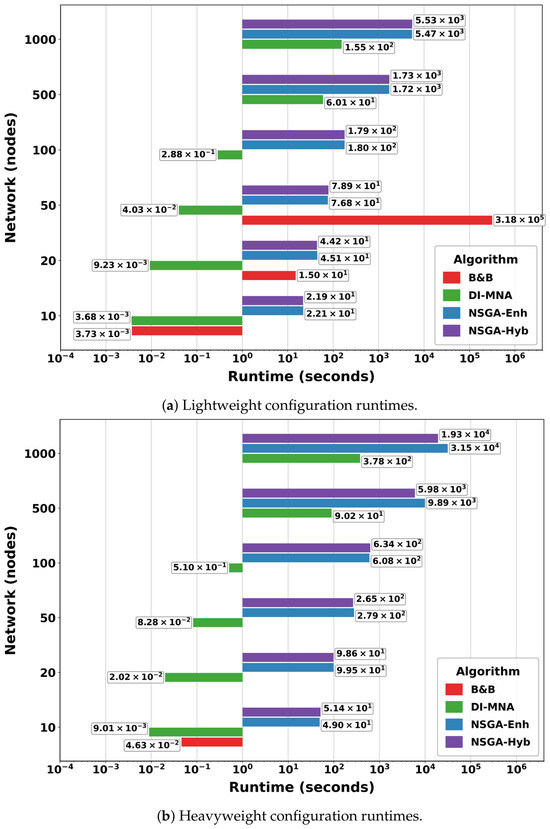
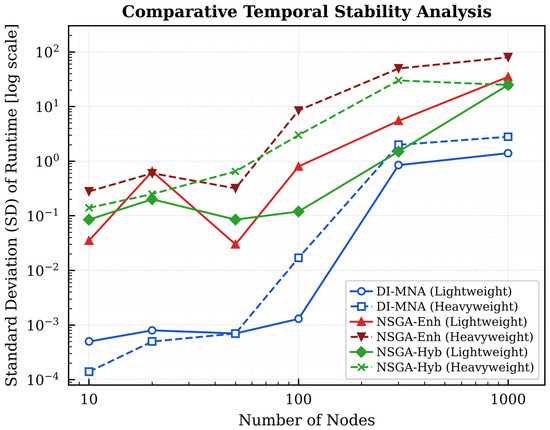
The Multi-Node Allocation (MNA) problem in Internet of Things (IoT) networks arises when application requirements exceed the capacity of a single node, requiring job distribution across multiple devices. This problem is challenging in large-scale heterogeneous environments once it involves optimizing resource utilization, bandwidth consumption, and latency within a rapidly expanding search space. This paper proposes two scalable approaches: a greedy heuristic called Demand Index Multi-Node Allocation (DI-MNA) and a hybrid evolutionary algorithm (NSGA-Hyb) that combines DI-MNA with NSGA-III. Both methods use bounded combinatorial exploration and a normalized demand index to guide the search efficiently. The approaches are evaluated on IoT networks ranging from 10 to 1000 nodes under different workload conditions and compared with an optimal Branch and Bound (B&B) algorithm for small instances. Results show that DI-MNA achieves near-optimal solutions in small networks while maintaining low computational cost as network size grows. In large-scale scenarios, DI-MNA consistently matches or outperforms the evolutionary methods and sustains runtime speedups of up to over NSGA-Hyb and more than over B&B. These findings demonstrate that DI-MNA provides an effective balance between solution quality, scalability, and computational efficiency for resource allocation in large-scale IoT networks.
Full article

Figure 1
Open AccessArticle
IoTHolter: An IoT Platform for Continuous Three-Lead ECG Monitoring Using Cellular Connectivity
by
Ruth Escobedo-Carranza, Juan Aguilera-Alvarez, Adriana Guzmán-López, Sergio Olmos-Temois, Micael Bravo-Sánchez and Víctor Sámano-Ortega
IoT 2026, 7(3), 65; https://doi.org/10.3390/iot7030065 - 11 Aug 2026
Abstract
Cardiovascular diseases are among the leading causes of mortality worldwide, making continuous electrocardiographic (ECG) monitoring essential for the early detection and follow-up of cardiac abnormalities. This study presents an Internet of Things (IoT) platform for continuous remote monitoring of three-lead ECG signals using
[...] Read more.
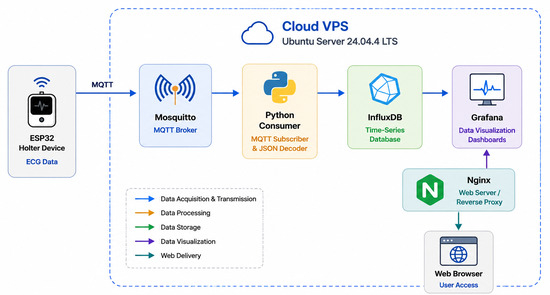
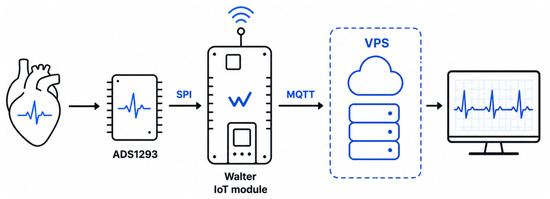
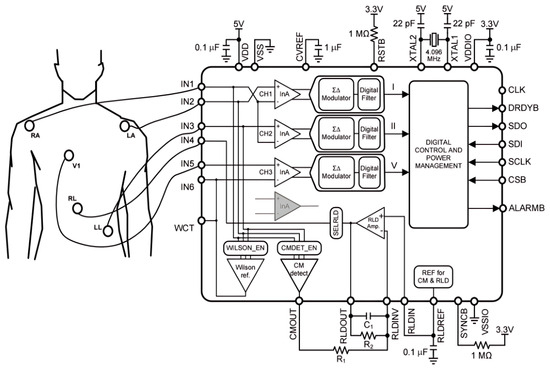
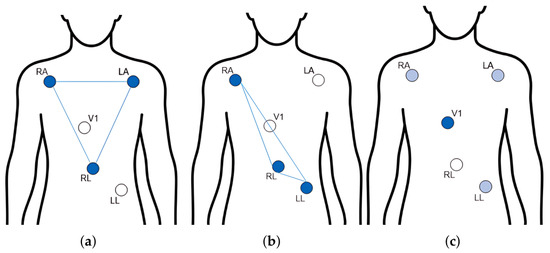
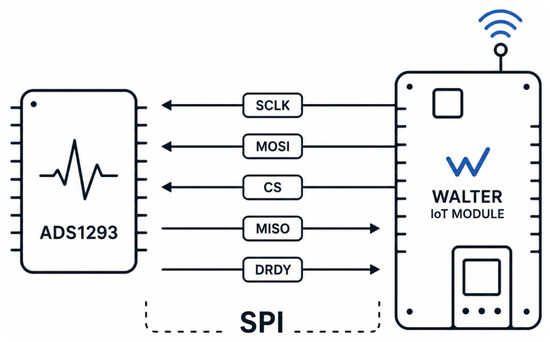
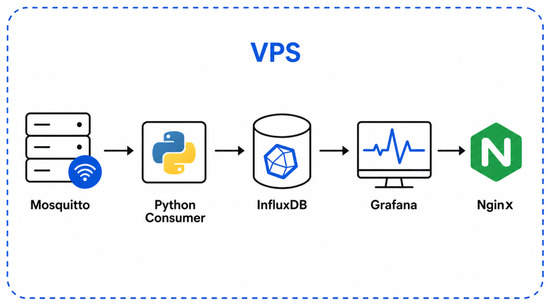
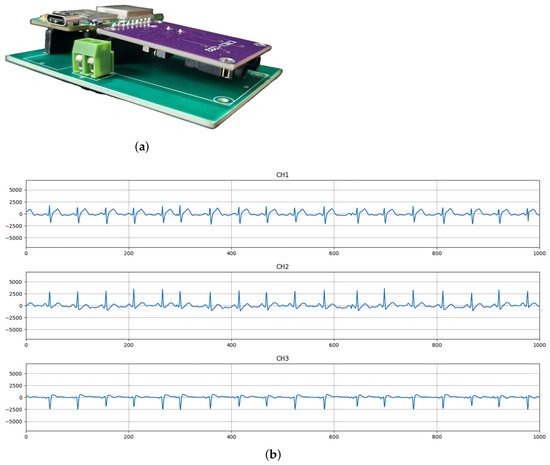
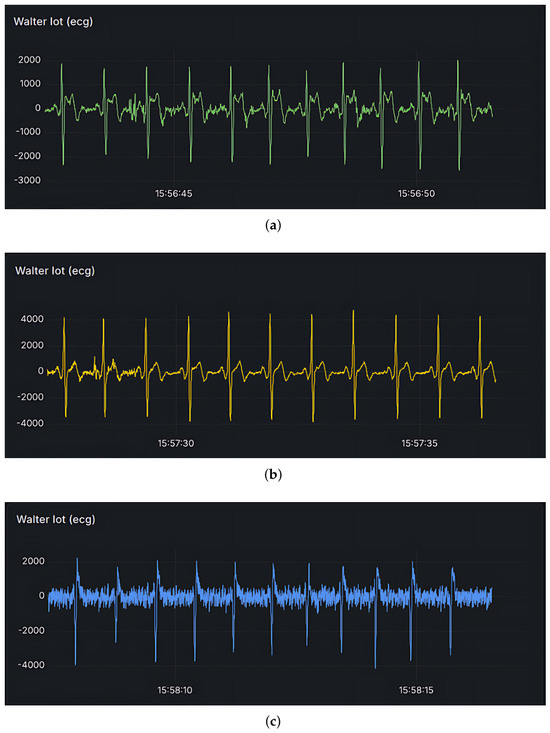
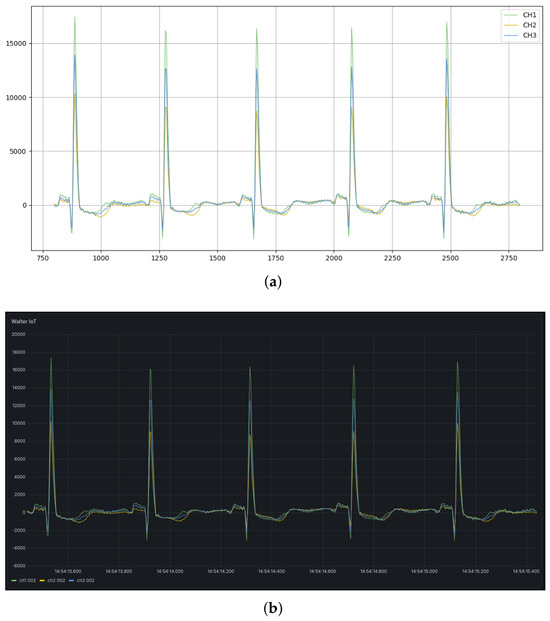
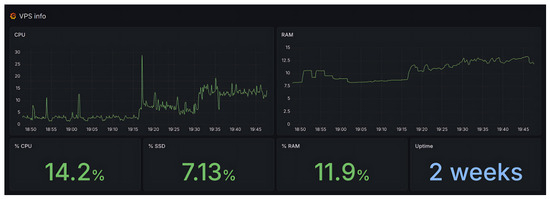
Cardiovascular diseases are among the leading causes of mortality worldwide, making continuous electrocardiographic (ECG) monitoring essential for the early detection and follow-up of cardiac abnormalities. This study presents an Internet of Things (IoT) platform for continuous remote monitoring of three-lead ECG signals using LTE-M cellular connectivity. The proposed system integrates an ADS1293 analog front-end for ECG acquisition, a Walter IoT Module for MQTT-based data transmission, and a cloud infrastructure for secure data reception, storage, and visualization. A dual-core implementation on the ESP32 separates ECG acquisition from MQTT communication, preventing sample loss during continuous monitoring. Experimental results demonstrated reliable transmission of raw three-lead ECG signals, with no packet loss observed during a continuous 12 h LTE-M transmission test involving approximately 250,000 packets. The monitoring mechanism also automatically detected packet losses and device restarts. At the same time, server performance evaluation showed low CPU and memory utilization during simultaneous communication with five data sources under the evaluated conditions. These results validate the proposed IoT communication platform and establish a foundation for future work, including intelligent ECG analysis, improvements in signal acquisition and conditioning, and the continued development of the portable Holter device.
Full article
(This article belongs to the Special Issue IoT in Healthcare and Digital Health: IoT Solutions for Real-Time Health Monitoring)
►▼
Show Figures

Graphical abstract
Open AccessArticle
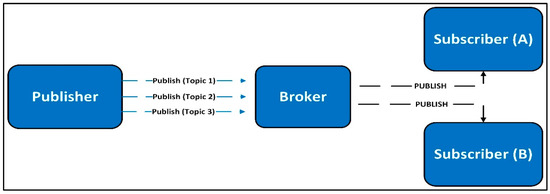
M_PUBLISH: A Multi-Topic Publishing Protocol Extension for MQTT-Based IoT Systems
by
Mostafa Kamel Abdelrahman, Ahmed Yahya and Mahmoud Hussein
IoT 2026, 7(3), 64; https://doi.org/10.3390/iot7030064 - 9 Aug 2026
Abstract
►▼
Show Figures
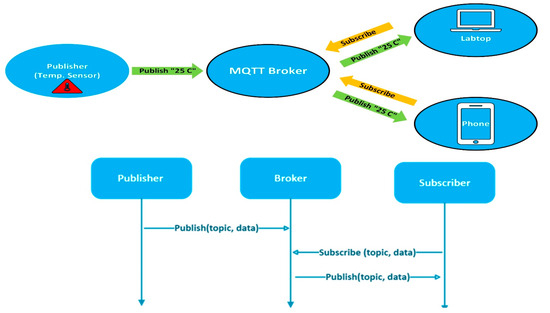
The Message Queuing Telemetry Transport (MQTT) protocol has become one of the most widely used messaging protocols for IoT and Industrial Internet of Things (IIoT) applications because of its lightweight publish–subscribe architecture. However, the standard MQTT PUBLISH message supports only a single topic–payload
[...] Read more.
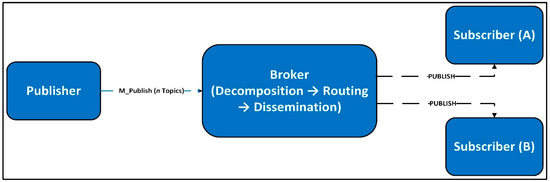
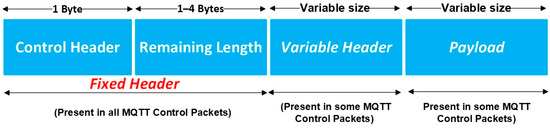
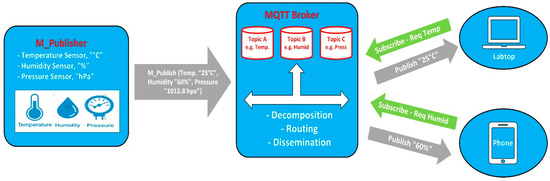
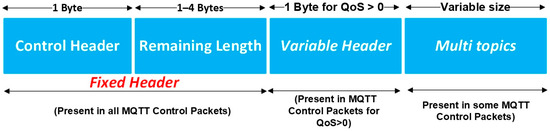
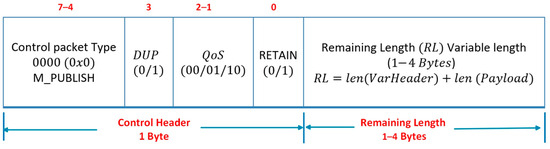
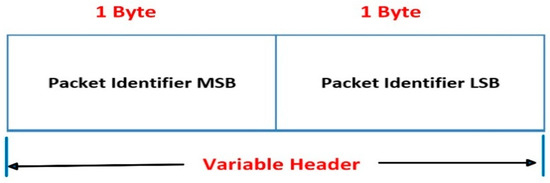
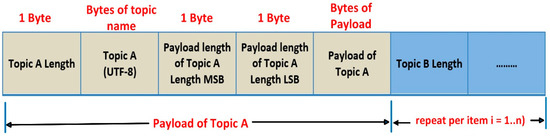
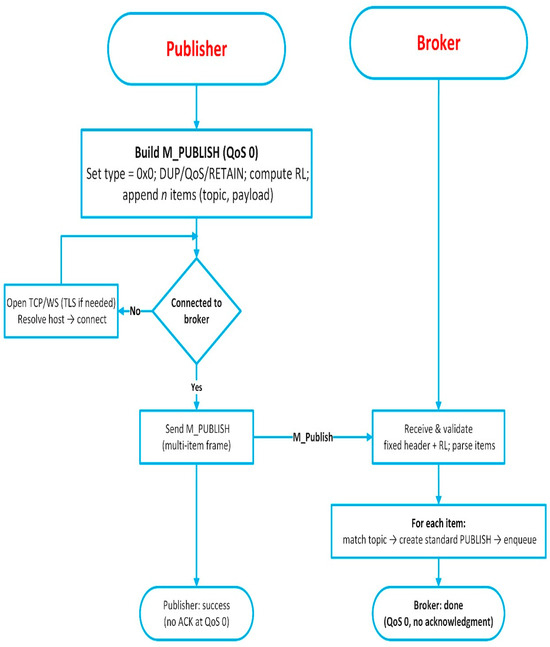
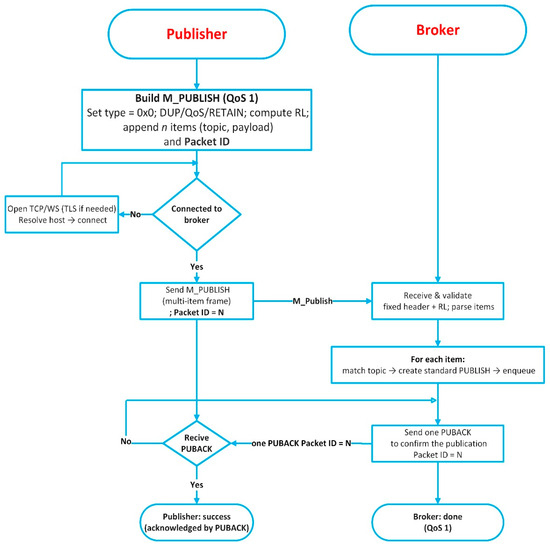
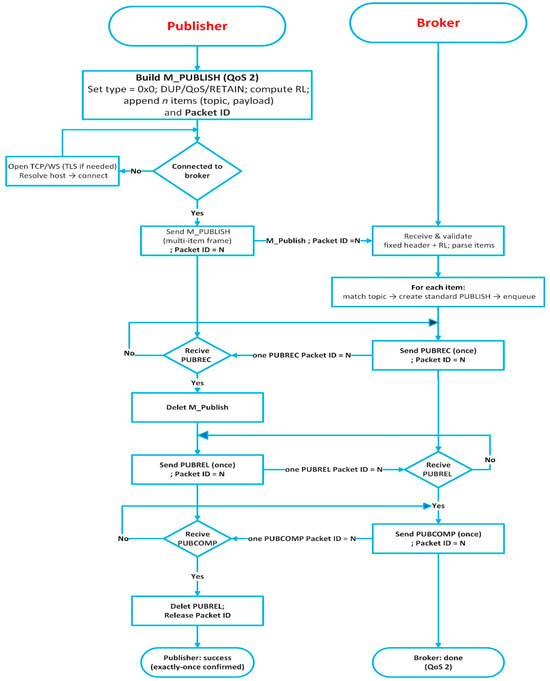
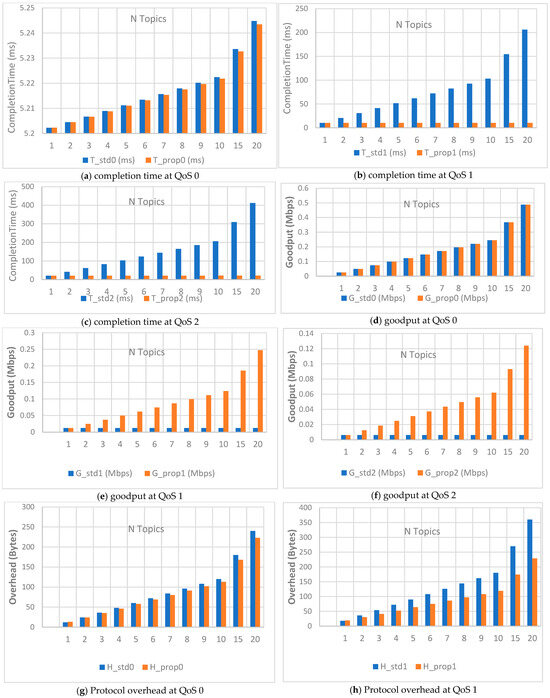
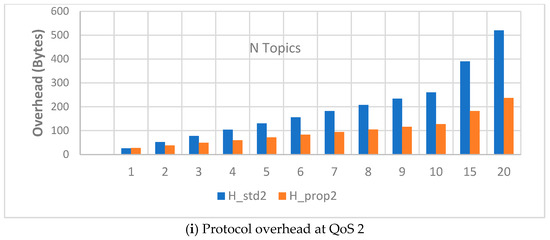
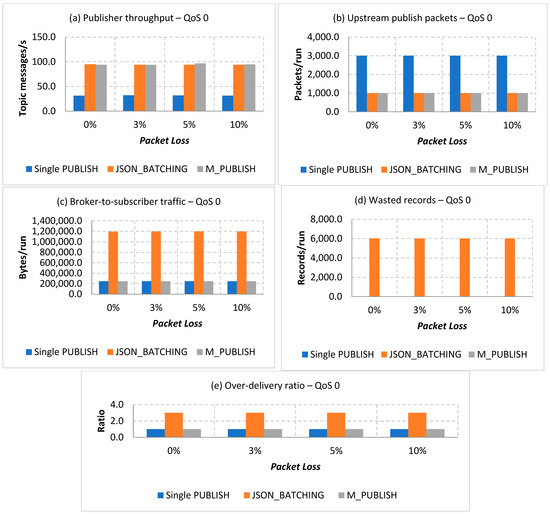
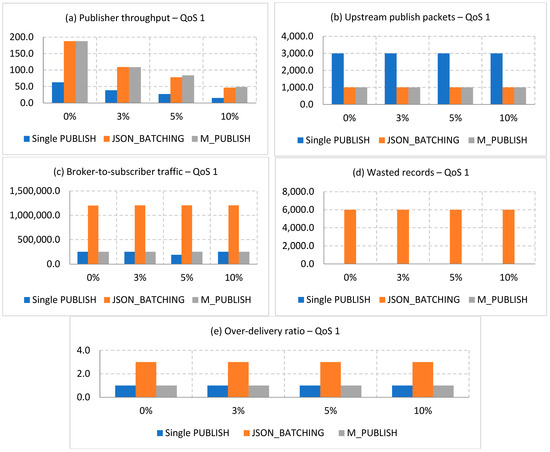
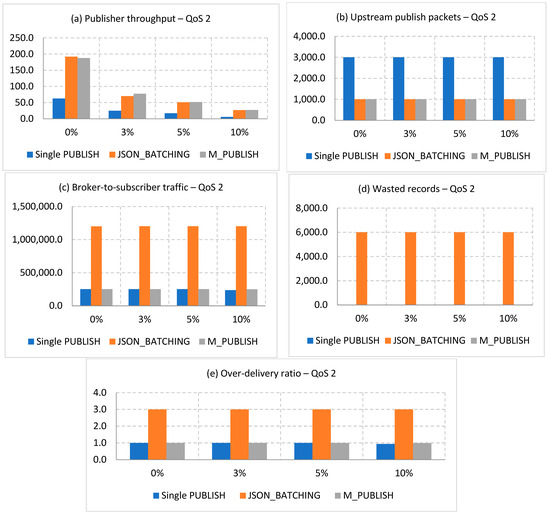
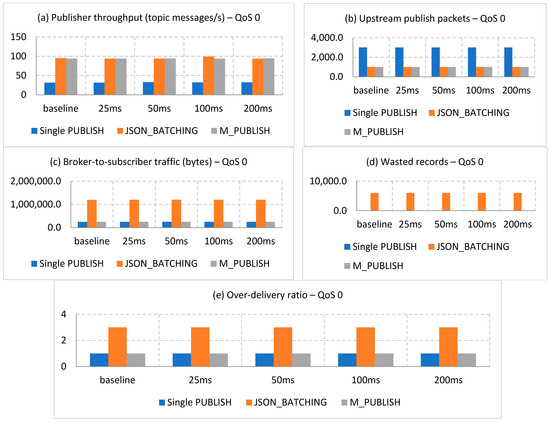
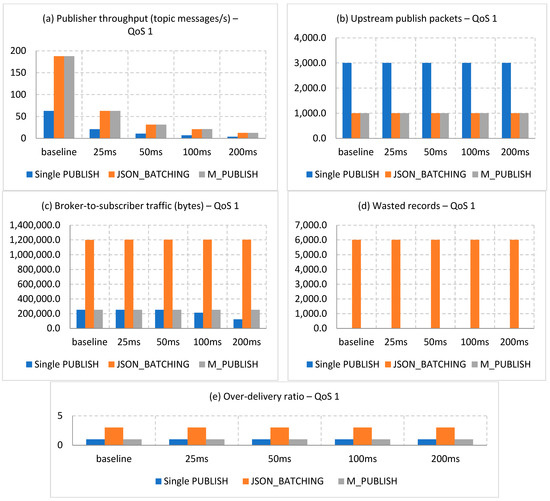
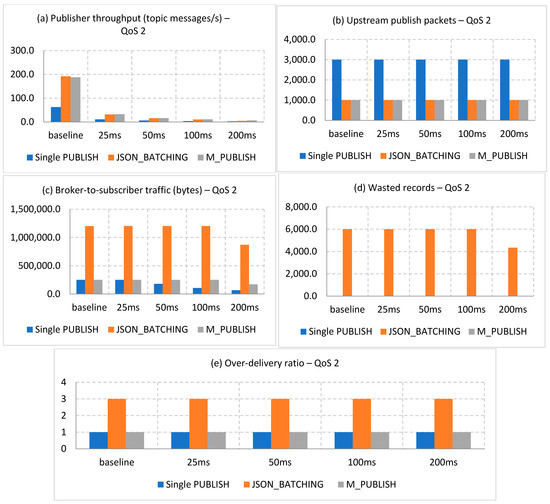
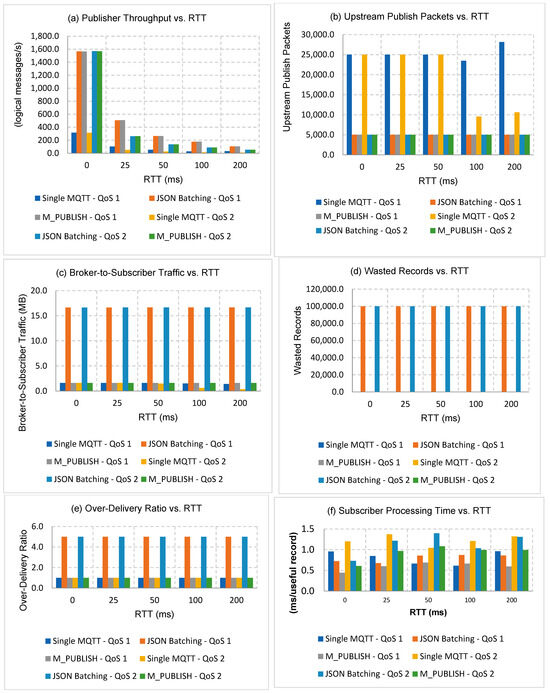
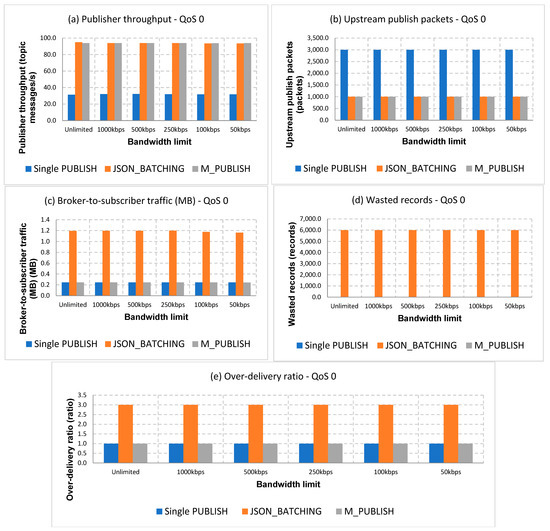
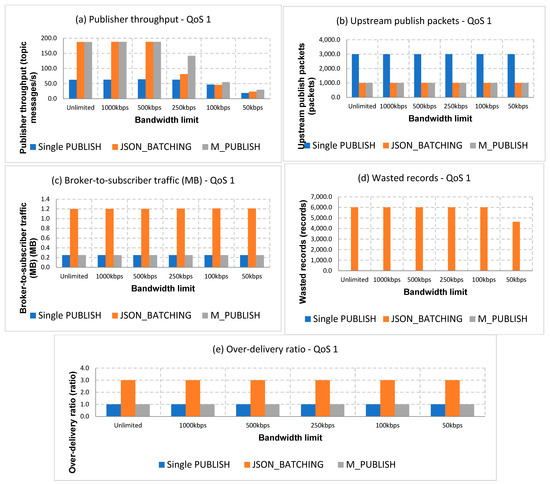
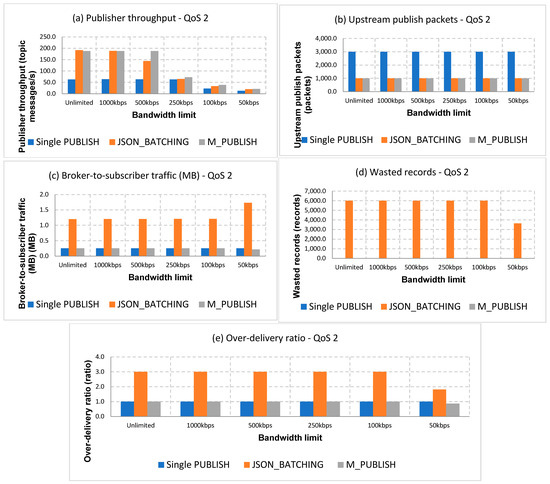
The Message Queuing Telemetry Transport (MQTT) protocol has become one of the most widely used messaging protocols for IoT and Industrial Internet of Things (IIoT) applications because of its lightweight publish–subscribe architecture. However, the standard MQTT PUBLISH message supports only a single topic–payload pair, requiring multiple protocol transactions and acknowledgment exchanges when several related measurements need to be transmitted together. This limitation increases communication overhead and latency, particularly in data-intensive IoT and IIoT environments. To address this limitation, this paper proposes M_PUBLISH, a protocol-level extension that aggregates multiple topic–payload pairs into a single MQTT control packet. At the broker, the aggregated packet is transparently decomposed into standard MQTT PUBLISH messages before being forwarded to subscribers, preserving native topic-based routing and compatibility with existing MQTT subscribers. The proposed protocol is analytically and experimentally evaluated in terms of latency, protocol overhead, frame size, and goodput across all MQTT QoS levels. The protocol is implemented in the aMQTT broker and validated under representative IoT/IIoT scenarios, including packet loss, network latency, bandwidth limitation, and selective subscribers. The results show up to 95% lower end-to-end latency, up to 20× higher goodput, and significantly lower protocol overhead while remaining compatible with existing MQTT subscribers and require modifications to publishers and brokers.
Full article

Figure 1
Open AccessArticle
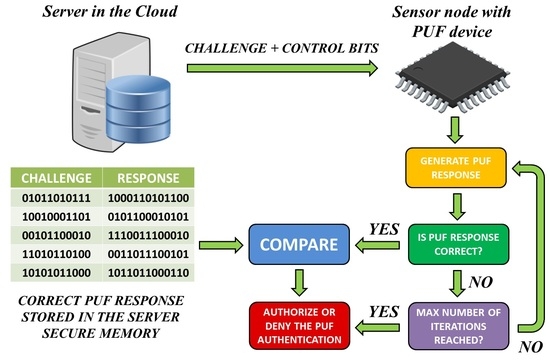
Lightweight Strategies for Reliability Improvement of PUF-Based Authentication in Resource-Constrained Devices
by
Marco Grossi and Martin Omaña
IoT 2026, 7(3), 63; https://doi.org/10.3390/iot7030063 - 9 Aug 2026
Abstract
►▼
Show Figures
Cyberattacks represent a serious threat for the security of network-based systems and are responsible for large economic losses every year. In this context, physical unclonable function (PUF)-based authentication can provide access to the network resources to legitimate users only, thus preventing unauthorized accesses.
[...] Read more.
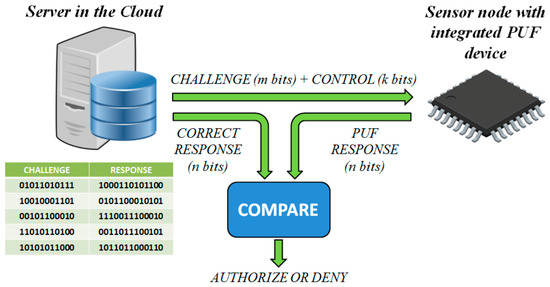
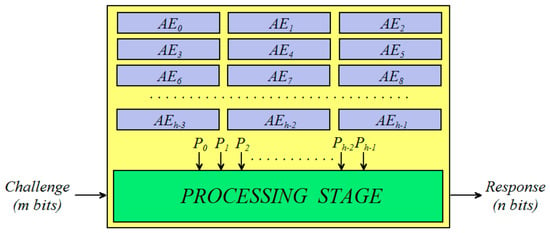
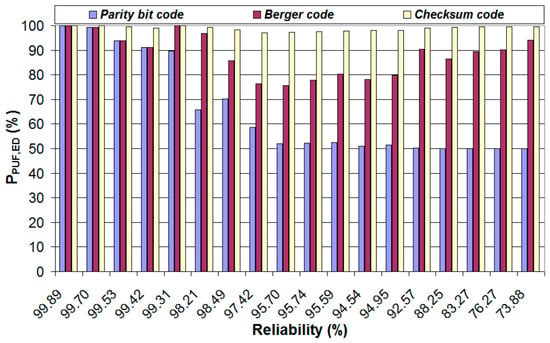
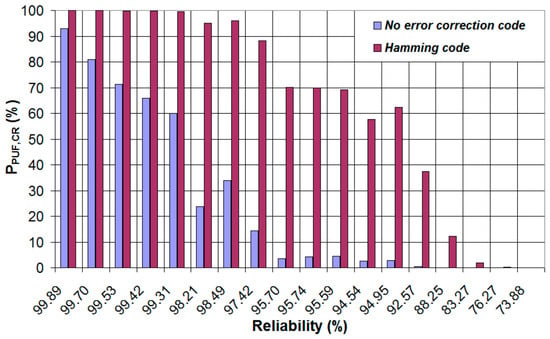
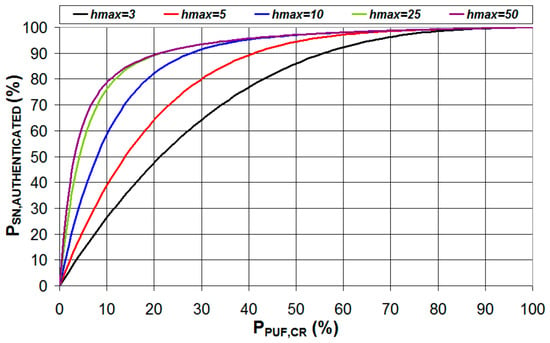
Cyberattacks represent a serious threat for the security of network-based systems and are responsible for large economic losses every year. In this context, physical unclonable function (PUF)-based authentication can provide access to the network resources to legitimate users only, thus preventing unauthorized accesses. On the other hand, transient disturbances (e.g., noise, temperature and power supply variations) and permanent faults can lead to erroneous PUF responses, resulting in failed authentication and reduced network availability for legitimate users. Error-correcting codes have been proposed in the literature to improve PUF reliability. However, they typically require significant costs in terms of processing power and area overhead, meaning they are often unsuitable for resource-constrained devices, such as low-cost microcontrollers and FPGAs. In this paper, we have investigated strategies based on the use of different kinds of error-detecting and error-correcting codes, as well as their possible combination, with limited requirements in terms of processing power and no need for helper data. These strategies have been evaluated using both a synthetic PUF dataset and a real PUF dataset. The results show that the strategy based on a checksum error-detecting code achieves a good performance in terms of network availability, i.e., an error probability in the order of 10−3 (3.69 × 10⁻²) when the error on the PUF response (without any ECC) is 12.89% (55.04%), with a low data overhead (1.56% of the PUF challenge size), but it is effective only in the presence of transient disturbances. Instead, the strategy combining the checksum and the Hamming codes provides even higher network availability, i.e., an error probability in the order of 10−4 (1.6 × 10⁻³) when the error on the PUF response (without any ECC) is 12.89% (55.04%), at the cost of a slightly higher data overhead (7.81% of the PUF challenge size), while also enabling the capability to correct erroneous PUF responses caused by both disturbances and permanent faults.
Full article

Graphical abstract
Open AccessArticle
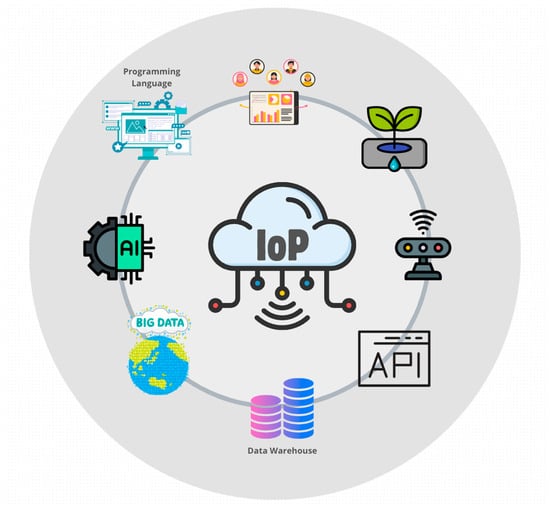
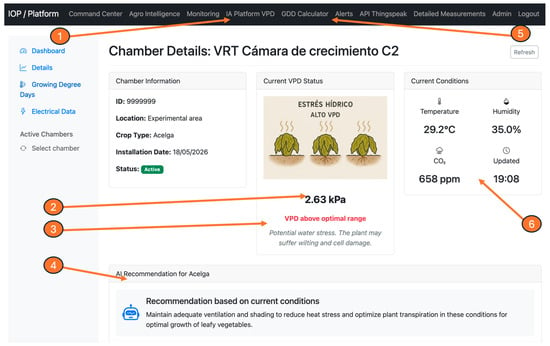
Internet of Plants (IoP): An IoT-Based Platform for Environmental Monitoring and Phenological Analysis
by
Luis Alberto López-González, Juan José Martínez-Nolasco, Mauro Santoyo-Mora, Mauricio Erazo-Barradas, Víctor Sámano-Ortega and Coral Martínez-Nolasco
IoT 2026, 7(3), 62; https://doi.org/10.3390/iot7030062 - 6 Aug 2026
Abstract
The Internet of Plants (IoP) represents the convergence of Artificial Intelligence (AI), Big Data analytics, and the Internet of Things (IoT) within protected agricultural systems. This study presents an IoP platform designed to collect, process, and analyze real-time environmental data using specialized IoT
[...] Read more.
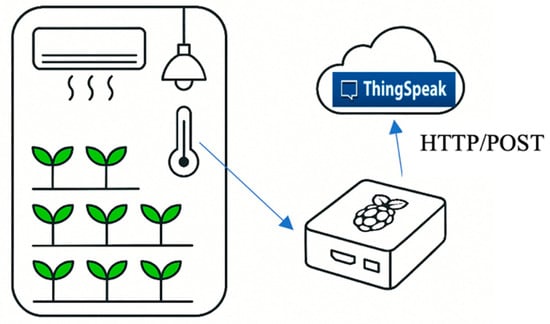
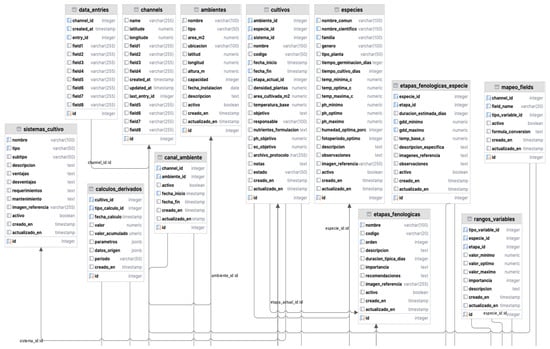
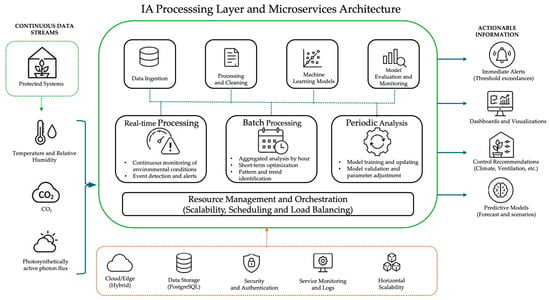
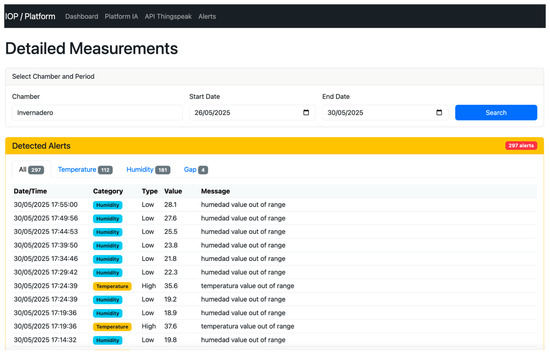
The Internet of Plants (IoP) represents the convergence of Artificial Intelligence (AI), Big Data analytics, and the Internet of Things (IoT) within protected agricultural systems. This study presents an IoP platform designed to collect, process, and analyze real-time environmental data using specialized IoT sensors capable of monitoring critical variables, including carbon dioxide concentration (CO2), pH, air temperature, and relative humidity in hydroponic production systems. The proposed framework integrates advanced machine-learning algorithms, including Random Forest Regressor and Long Short-Term Memory (LSTM) neural networks, to process large volumes of environmental data and support crop management. In addition, the platform incorporates Vapor Pressure Deficit (VPD) and Growing Degree Days (GDD) analyses to provide crop-specific recommendations and support informed decision-making. This platform establishes a benchmark for smart agriculture in Mexico’s Laja–Bajío region, facilitating informed decision-making and maximizing the sustainability of food systems. Experimental validation was conducted under both controlled and semi-controlled environments using Swiss chard (Beta vulgaris subsp. cicla L.) and lettuce (Lactuca sativa L.) cultivated in hydroponic systems. These environments represented contrasting climatic conditions, allowing evaluation of platform stability and forecasting performance under varying thermal regimes. The Random Forest Regressor model, trained using growth chamber data consisting of 19,836 valid observations, reproduced the deterministic VPD relationship with a coefficient of determination (R2) of 0.90 and a root mean square error (RMSE) of 0.08 kPa, confirming internal consistency and identifying temperature as the dominant contributing variable rather than predicting an independent outcome. The dynamic alarm system, integrated with crop phenological stages, demonstrated greater effectiveness than conventional static-threshold approaches by generating alerts according to crop developmental requirements. Furthermore, the web-based visualization platform enabled users to interpret environmental conditions through intuitive graphical representations, facilitating decision-making without requiring specialized technical expertise. The results demonstrate the feasibility of the IoP platform as a comprehensive environmental management tool for protected agricultural systems. The proposed framework provides a scalable solution for precision agriculture applications in the Laja–Bajío region of Mexico and in other regions with similar production systems.
Full article
(This article belongs to the Special Issue Intelligent Spectrum Sensing, Data Fusion and Cybersecurity for Next-Generation IoT)
►▼
Show Figures

Figure 1
Open AccessArticle
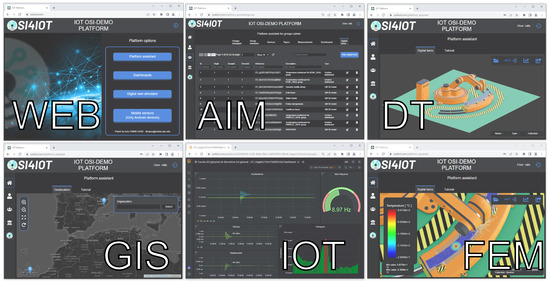
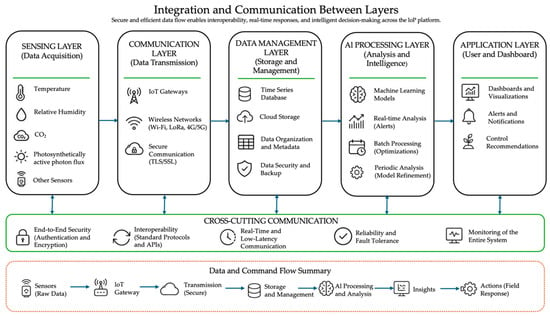
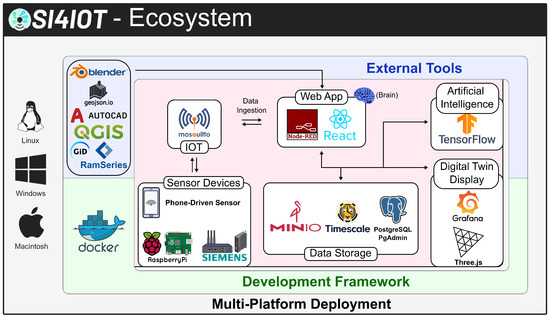
OSI4IOT: An Advanced Open-Source Platform for Sensor-Driven IoT and Digital Twins Deployment
by
D. Di Capua, R. Pacheco-Blazquez, J. García-Espinosa and A. Pastor
IoT 2026, 7(3), 61; https://doi.org/10.3390/iot7030061 - 31 Jul 2026
Abstract
►▼
Show Figures
This paper presents Open Source Integration for Internet of Things (OSI4IOT), an open-source software platform designed to support the integration of sensor-driven Internet of Things (IoT), Asset Information Modelling (AIM), Geographical Information Systems (GIS), and data-driven analysis within a Digital Twin (DT) framework.
[...] Read more.
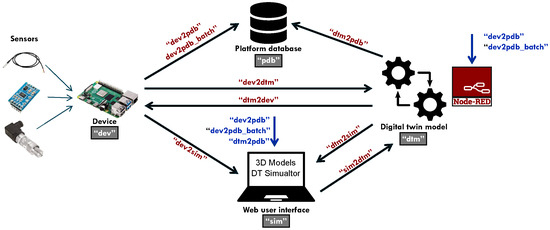
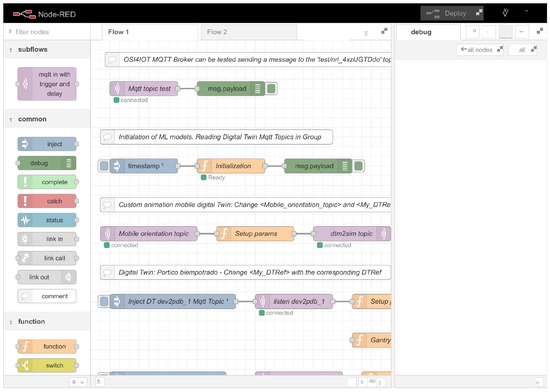
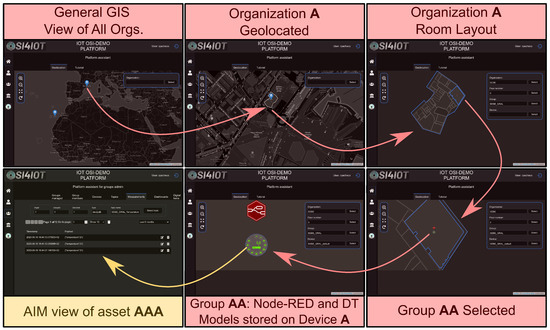
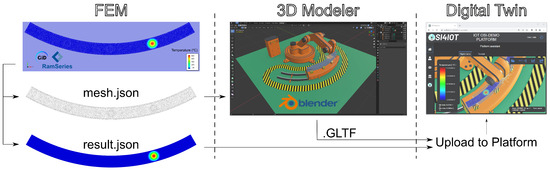
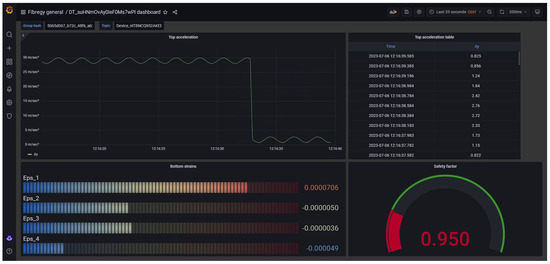
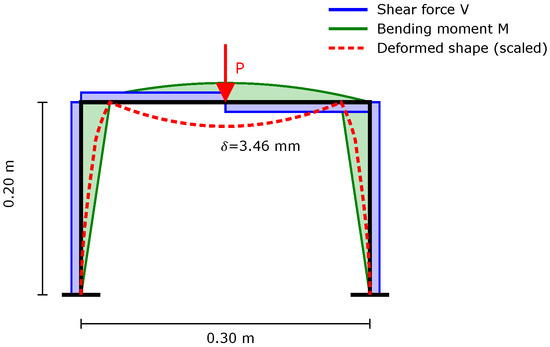
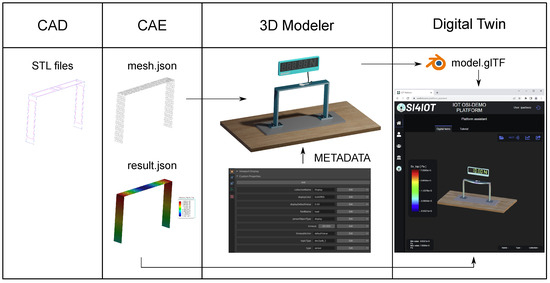
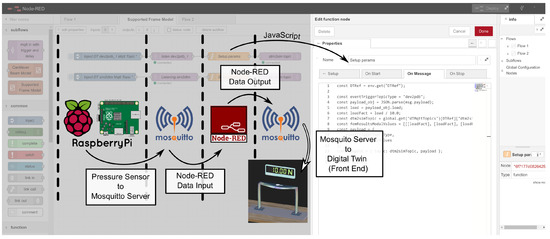
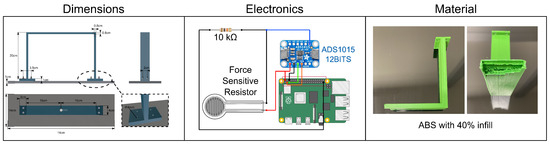
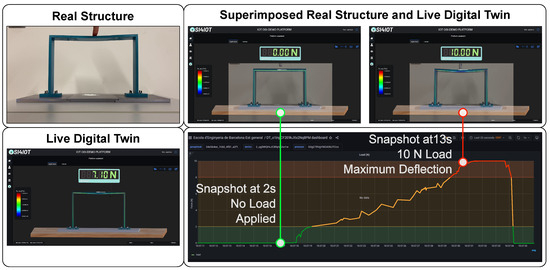
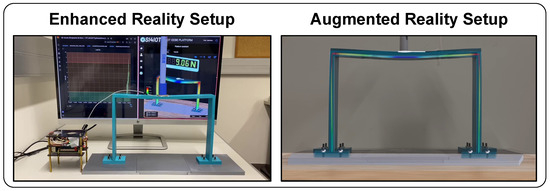
This paper presents Open Source Integration for Internet of Things (OSI4IOT), an open-source software platform designed to support the integration of sensor-driven Internet of Things (IoT), Asset Information Modelling (AIM), Geographical Information Systems (GIS), and data-driven analysis within a Digital Twin (DT) framework. The platform provides a modular architecture for connecting heterogeneous data sources and enabling the coupling between physical assets and numerical models. In particular, it supports the integration of Finite Element Method (FEM)-based structural models for simulation and comparison with monitored responses. A case study involving a structural frame is used to demonstrate the platform workflow, including data acquisition, model execution, and result visualisation. The results are used to assess the consistency between analytical, numerical, and monitored responses under varying loading conditions. The paper focuses on the system architecture and the coupling strategy between data acquisition and simulation components within an open-source environment.
Full article

Figure 1
Open AccessArticle
Reliability-Aware Admission Threshold Selection for IoT Gateway–Cloud Systems: Trade-Off-Driven and Constraint-Based Approaches
by
Shensheng Tang
IoT 2026, 7(3), 60; https://doi.org/10.3390/iot7030060 - 31 Jul 2026
Abstract
►▼
Show Figures
IoT gateway–cloud systems support large-scale sensing, monitoring, and control applications, but must operate under finite buffering, dynamic traffic demands, and service interruptions caused by gateway and cloud failures. These challenges can lead to backlog accumulation, congestion, and degraded service performance, making admission-threshold selection
[...] Read more.
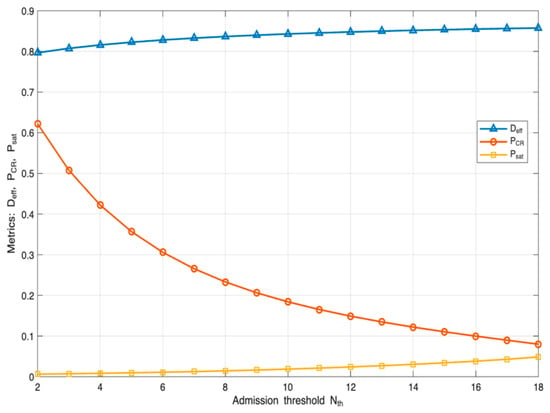
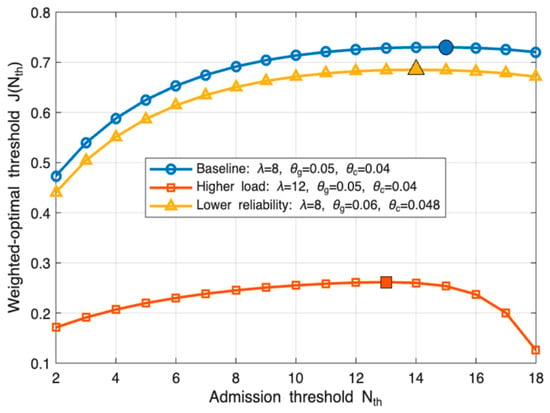
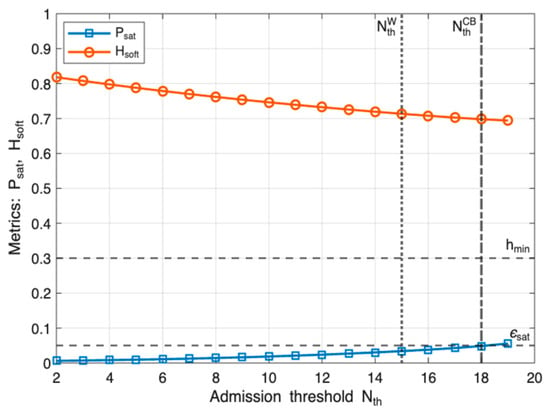
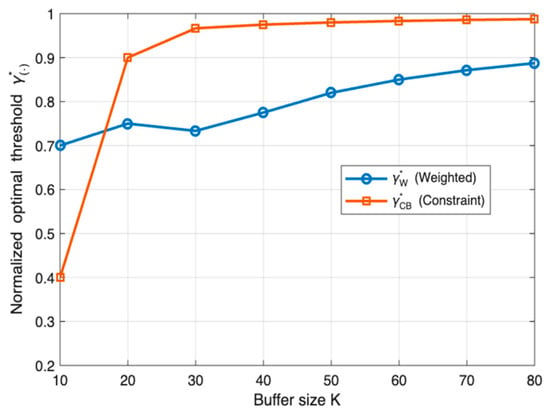
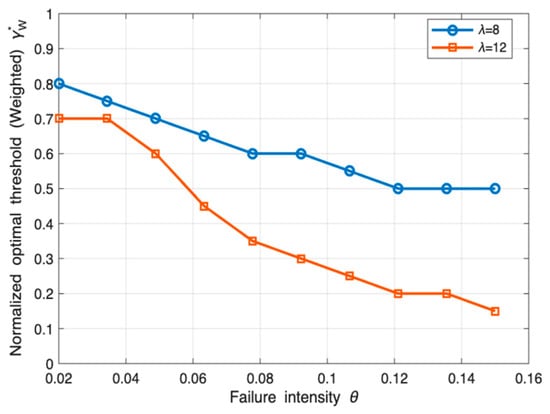
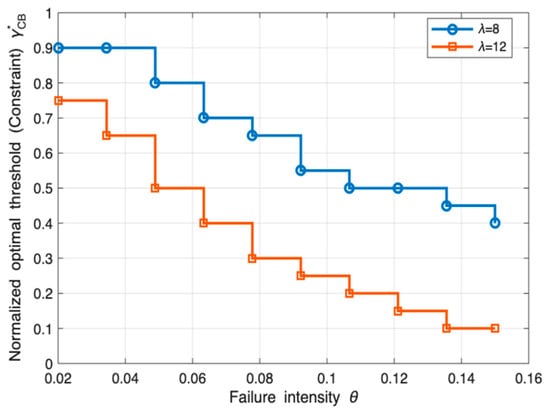
IoT gateway–cloud systems support large-scale sensing, monitoring, and control applications, but must operate under finite buffering, dynamic traffic demands, and service interruptions caused by gateway and cloud failures. These challenges can lead to backlog accumulation, congestion, and degraded service performance, making admission-threshold selection an important reliability-management problem. This paper investigates reliability-aware admission-threshold selection for finite-buffer systems with service interruptions, motivated by IoT gateway–cloud architectures. A finite level-dependent quasi-birth-and-death (LD-QBD) model is developed to jointly capture probabilistic admission control, finite buffering, and gateway–cloud failures. Exact stationary analysis yields a multidimensional performance-characterization framework based on effective service deliverability, congestion-regime probability, saturation probability, and soft normalized headroom. The admission threshold is shown to govern the trade-off between service deliverability and congestion protection under failure-induced backlog dynamics. To address this trade-off, two complementary threshold-selection paradigms are developed: a trade-off-driven weighted optimization approach and a constraint-based feasibility-enforcement approach. Numerical results show that the weighted formulation exhibits a well-defined knee point, whereas the constraint-based method produces reliability-aware threshold adjustments when operational constraints become active. The results further indicate that increasing traffic load or failure intensity generally requires more conservative admission policies. Although motivated by IoT gateway–cloud systems, the proposed framework is applicable to a broader class of finite-buffer service systems with unreliable resources.
Full article

Figure 1
Open AccessArticle
Design and Experimental Validation of a Low-Power IoT-Based Smart Irrigation System Using LoRa, ET0, and Crop Water Stress Index for Precision Agriculture
by
Yassine Ayat, Ali El Moussati, Oumayma Rachdi, Maryem Dinar, Abdelaziz El Aouni, Hajar Karkri, Mohammed Benzaouia, Wiame Benzekri, Ismail Mir, Aumeur El Amrani and Abdelmalek Mimouni
IoT 2026, 7(3), 59; https://doi.org/10.3390/iot7030059 - 27 Jul 2026
Abstract
Efficient irrigation management requires complementary information on atmospheric demand, soil conditions, and crop water stress. This study presents a low-power Internet of Things (IoT)-based irrigation system that integrates these components within a unified monitoring and control framework. The system combines LoRa communication, ESP32-based
[...] Read more.
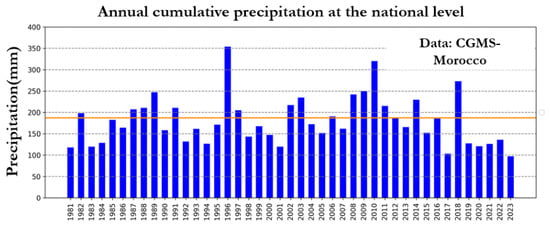
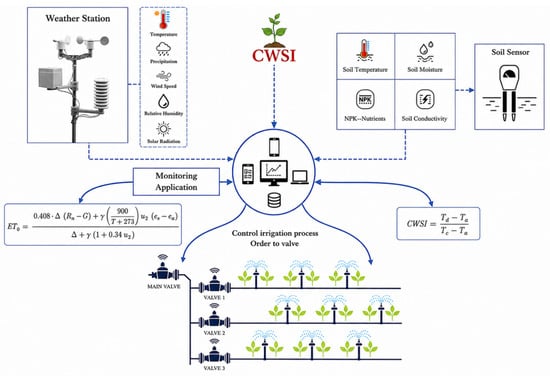
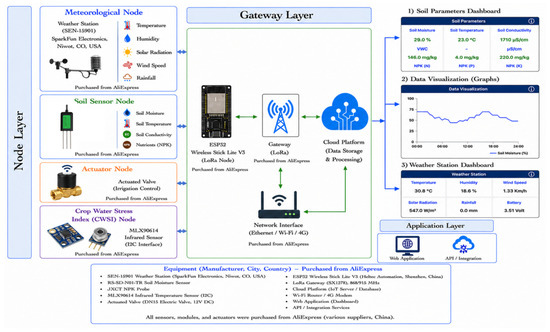
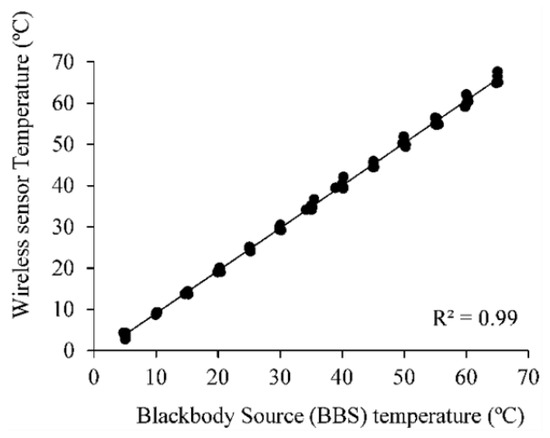
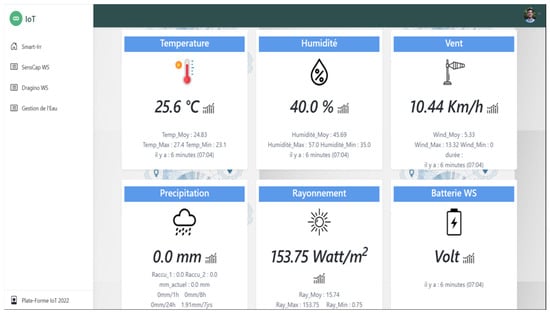
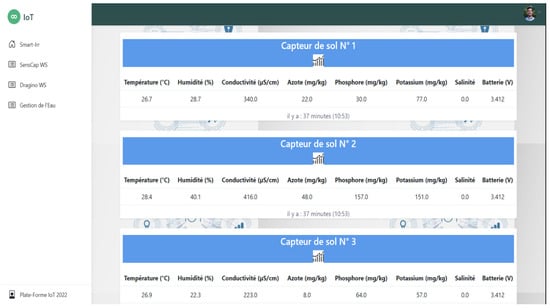
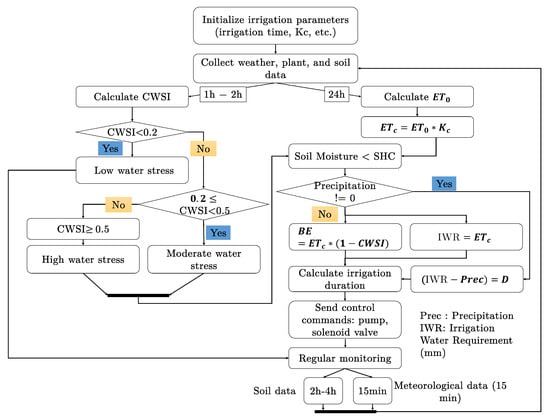
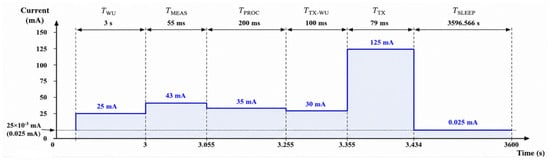
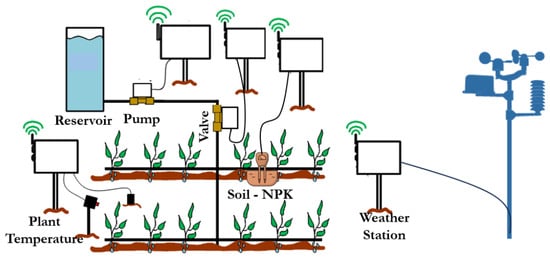
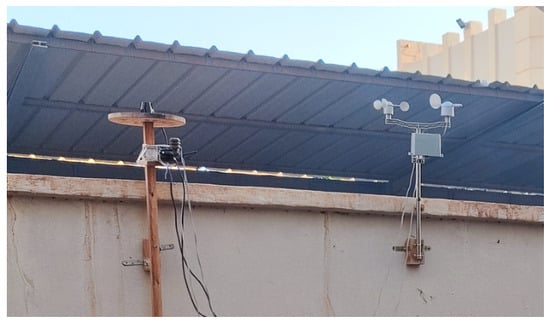
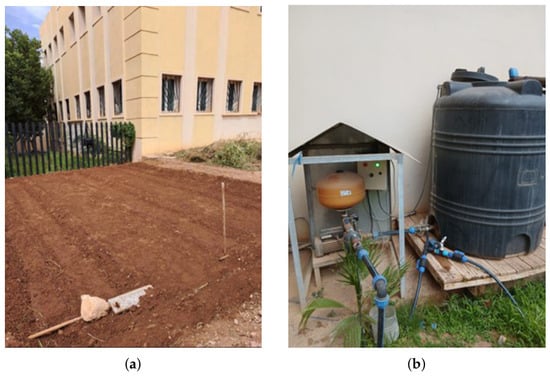
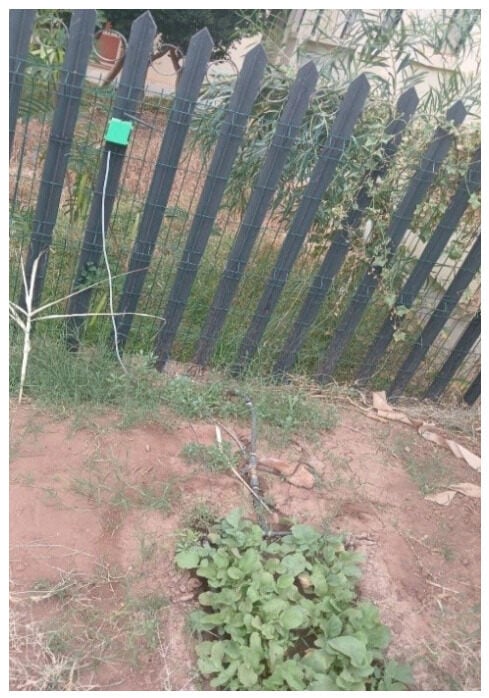
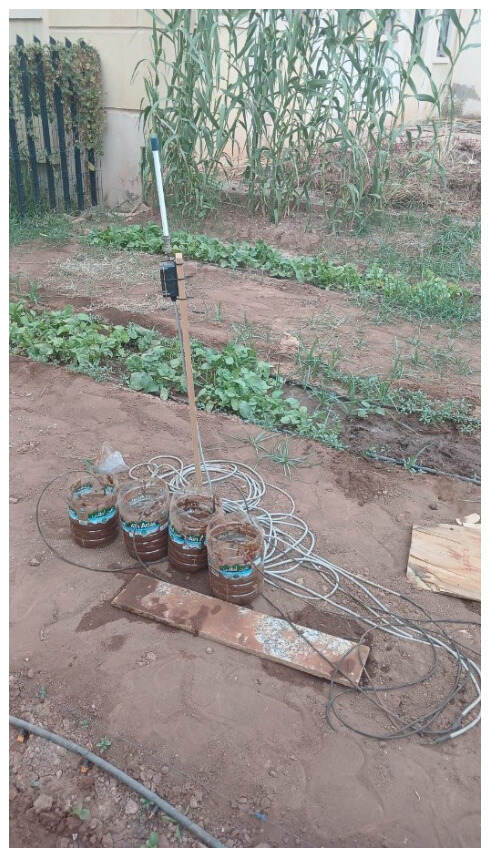
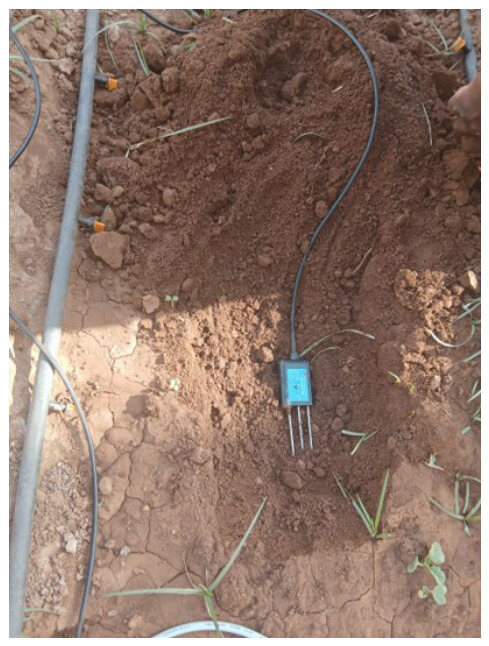
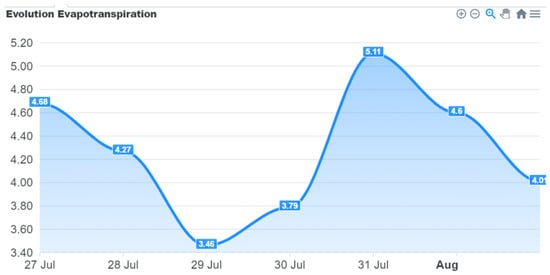
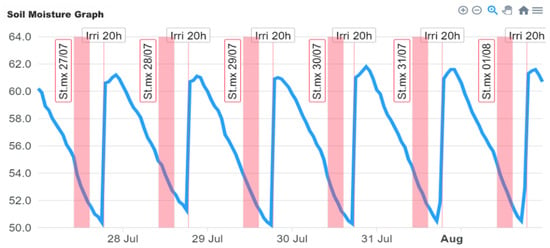
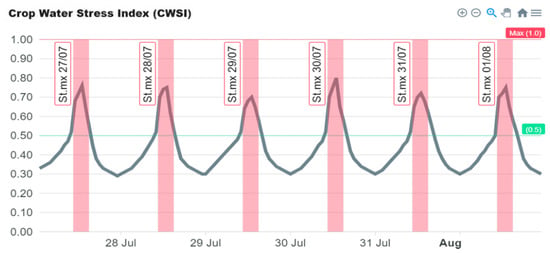
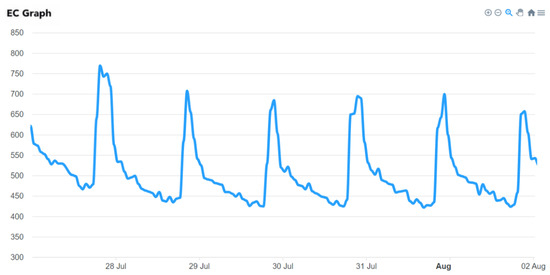
Efficient irrigation management requires complementary information on atmospheric demand, soil conditions, and crop water stress. This study presents a low-power Internet of Things (IoT)-based irrigation system that integrates these components within a unified monitoring and control framework. The system combines LoRa communication, ESP32-based sensor nodes, soil and meteorological sensing, FAO-56 reference evapotranspiration ( ), and canopy-temperature-based Crop Water Stress Index (CWSI). Irrigation decisions rely on the complementary use of , in situ soil measurements, and CWSI rather than on a single indicator. A hybrid time-, event-, and query-driven acquisition strategy was implemented to adapt node activity and limit communication overhead. The system was deployed under outdoor conditions in Oujda, Morocco, demonstrating integrated sensing, wireless data transmission, crop-stress monitoring, and automated irrigation control. Energy characterization further showed distinct consumption profiles across sensing, communication, actuation, and low-power operating states, supporting the use of duty cycling to limit active node operation. The results demonstrate the feasibility of integrating environmental, soil, and crop-level information within a low-power IoT framework for adaptive irrigation management.
Full article
(This article belongs to the Special Issue Advances in Intelligent Wireless Sensing and IoT)
►▼
Show Figures

Figure 1
Open AccessArticle
A Metadata-Driven Execution Model for Unified Integration and Management of Heterogeneous IoT Data Sources
by
Marios Koniaris, Danae Spentzou, Max Friedemann, Helmut Mischo, John Soldatos and Georgios Kouzas
IoT 2026, 7(3), 58; https://doi.org/10.3390/iot7030058 - 17 Jul 2026
Abstract
►▼
Show Figures
Mining operations generate continuous sensor data across heterogeneous repositories with no unified access layer. Existing integration platforms either require centralizing data into new infrastructure or demand extensive pipeline reconfiguration when sources change. We present a metadata-driven execution model in which integration behavior is
[...] Read more.
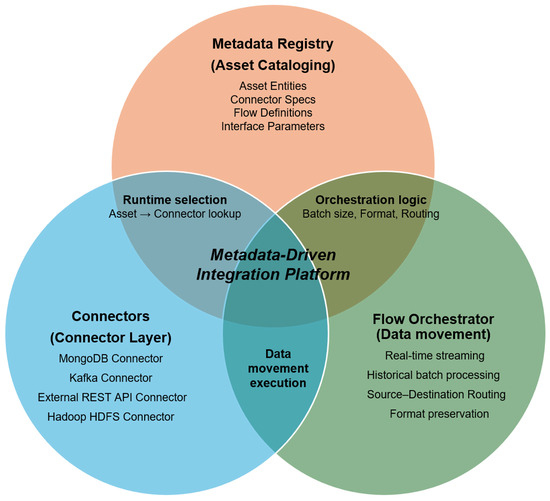
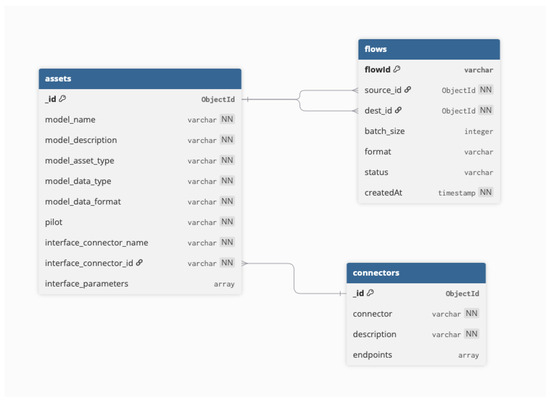
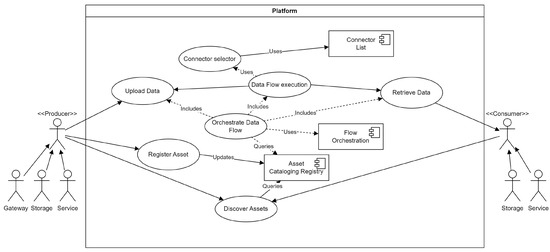
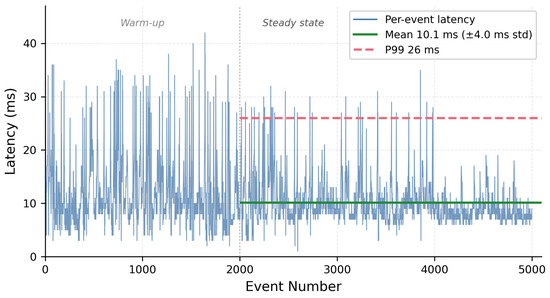
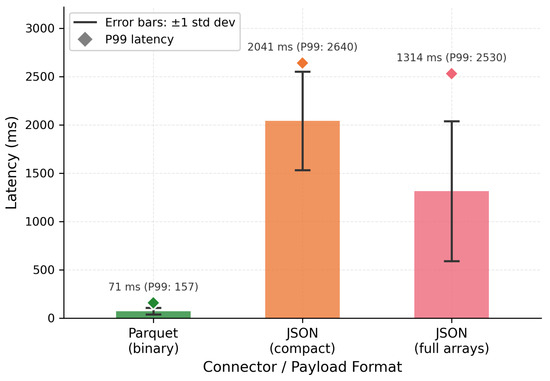
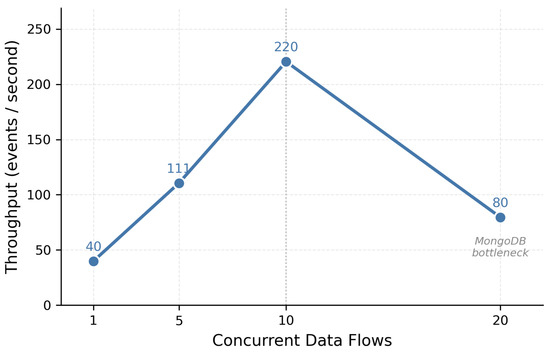
Mining operations generate continuous sensor data across heterogeneous repositories with no unified access layer. Existing integration platforms either require centralizing data into new infrastructure or demand extensive pipeline reconfiguration when sources change. We present a metadata-driven execution model in which integration behavior is resolved at runtime from executable metadata rather than encoded in static workflows, preserving existing infrastructure while enabling unified access across heterogeneous repositories. An Asset Cataloging registry stores executable specifications, including connector identifiers, connection parameters, and routing rules, which select and invoke the appropriate connector at runtime without workflow coding or redeployment. Evaluation on large-scale real mining sensor datasets spanning heterogeneous formats (JSON, CSV, Parquet) and repositories (Kafka, MongoDB, external REST APIs) confirmed zero message loss and bit-exact binary reconstruction across all scenarios under at-least-once delivery with idempotent writes. Connector dispatch overhead fell below the 1 ms measurement resolution, confirming that integration latency is dominated by storage I/O rather than orchestration cost. Following evaluation, four pilot sites deployed the platform in production, spanning from active underground operations to post-mining waste management, under the EU Horizon Europe MINE.IO project, demonstrating viability at industrial scale.
Full article

Figure 1
Open AccessArticle
Resource-Efficient Continual Learning for Medicinal Plant Identification: A Periodic Retraining Approach for Edge-Deployed Agricultural IoT Applications
by
Trien Phat Tran, Fareed Ud Din, Ljiljana Brankovic, Cesar Sanin and Susan M. Hester
IoT 2026, 7(3), 57; https://doi.org/10.3390/iot7030057 - 14 Jul 2026
Abstract
►▼
Show Figures
Smartphone-based plant identification increasingly serves as the edge tier of agricultural Internet of Things (IoT) systems, where models must adapt to crowdsourced data under bandwidth, memory, and energy constraints. No prior work, to our knowledge, has systematically investigated continual learning at the scale
[...] Read more.
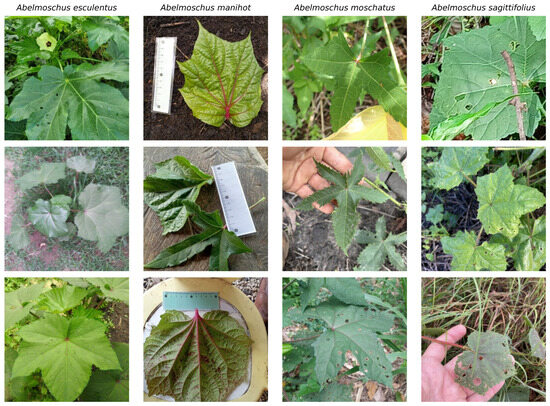
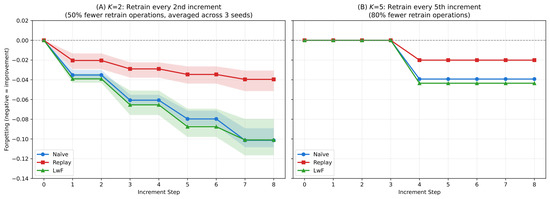
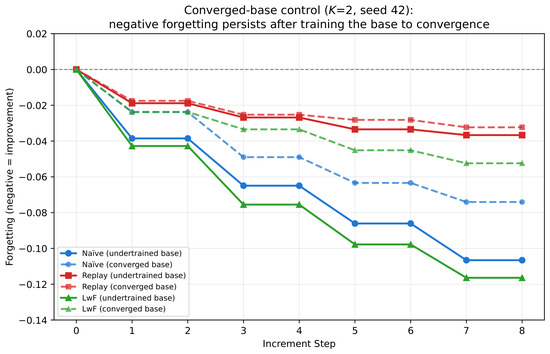
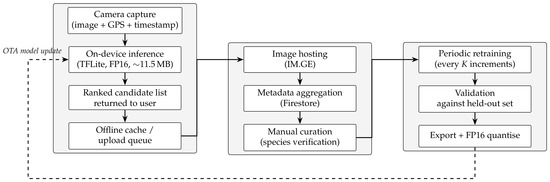
Smartphone-based plant identification increasingly serves as the edge tier of agricultural Internet of Things (IoT) systems, where models must adapt to crowdsourced data under bandwidth, memory, and energy constraints. No prior work, to our knowledge, has systematically investigated continual learning at the scale of thousands of fine-grained medicinal plant species from crowdsourced images, nor how retraining frequency affects the cost–performance trade-off in an IoT model-lifecycle setting. We evaluate three continual learning strategies, naïve fine-tuning, experience replay, and Learning without Forgetting, under periodic retraining schedules (updating every K increments), tested on 2719 species (≥25 images each) from the Viet Medi Species 2026 dataset (310,647 images; 4799 species total). All three strategies exhibit negative forgetting (performance improvement rather than degradation) in the instance-incremental setting, with naïve fine-tuning and LwF showing the strongest gains. Periodic retraining with halves retraining operations while maintaining comparable performance. A baseline MobileNetV2 model achieves 54.07% top-10 accuracy across 2719 species and has been deployed via TensorFlow Lite (FP16, ∼11.5 MB) in the Med Herb Lens Android application. In this regime, naïve fine-tuning offers a favourable cost–performance trade-off and is a reasonable default for instance-incremental agricultural IoT deployments.
Full article

Figure 1
Open AccessArticle
A Blockchain and Federated Learning Framework for Image-Based IoT Malware Detection and Prevention
by
Najem N. Sirhan, Riyad Alrousan and Hussam N. Fakhouri
IoT 2026, 7(3), 56; https://doi.org/10.3390/iot7030056 - 9 Jul 2026
Abstract
►▼
Show Figures
Internet of Things (IoT) devices are increasingly targeted by rapidly evolving malware, yet collaborative detection remains challenged by privacy leakage, noisy and imbalanced training data, and weak integrity guarantees when sharing model updates. This paper presents Mal-Fedchain, a secure and privacy-preserving framework
[...] Read more.
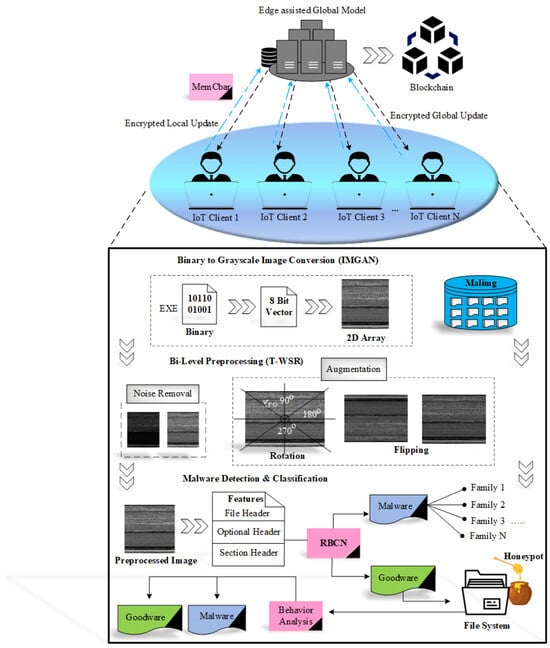
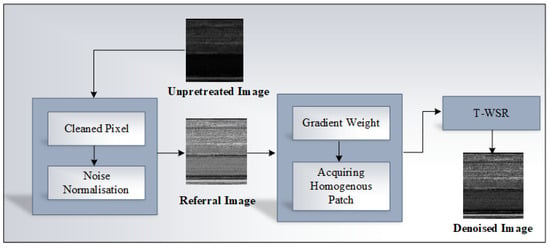
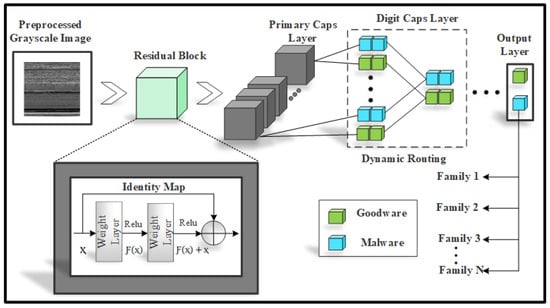
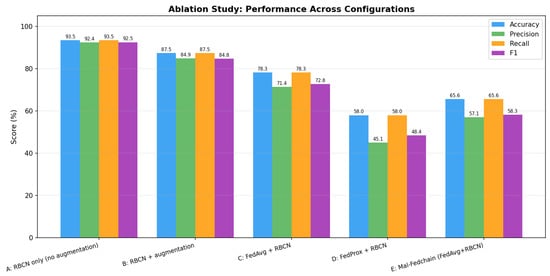
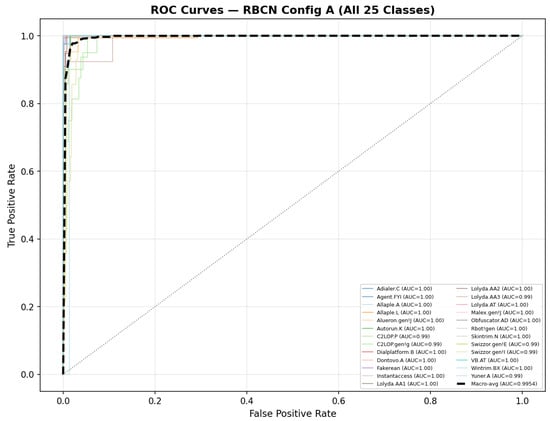
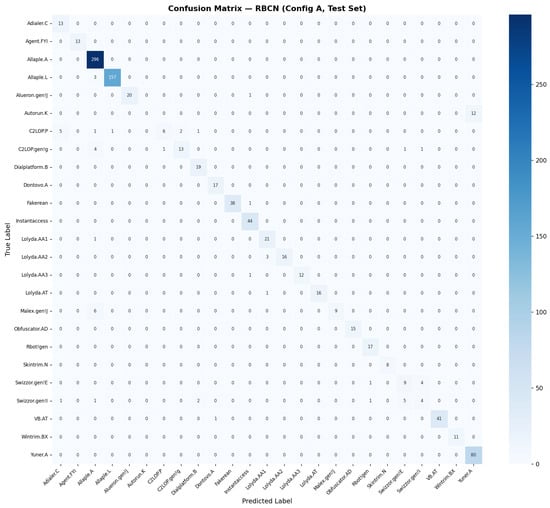
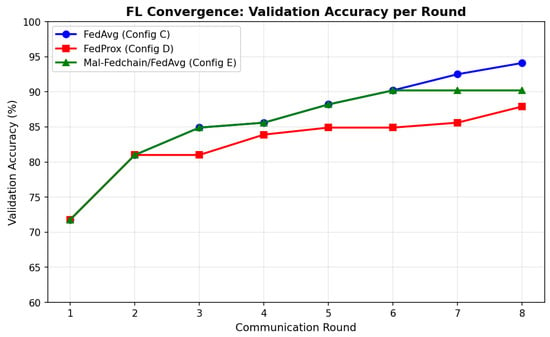
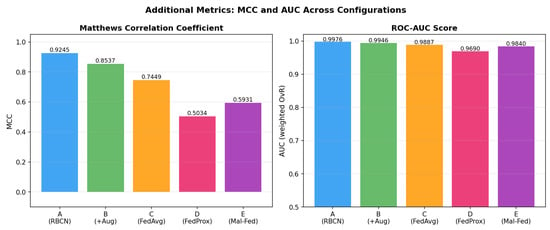
Internet of Things (IoT) devices are increasingly targeted by rapidly evolving malware, yet collaborative detection remains challenged by privacy leakage, noisy and imbalanced training data, and weak integrity guarantees when sharing model updates. This paper presents Mal-Fedchain, a secure and privacy-preserving framework for image-based IoT malware detection and prevention that couples federated learning with blockchain and honeypot-assisted behavioral monitoring, targeting Linux-capable IoT gateway devices. Portable Executable (PE) binaries are transformed into grayscale images using a corrected fixed-width byte-mapping pipeline stabilized by an information-maximizing GAN (IMGAN). A bi-level preprocessing pipeline applies two-sided weighted sparse representation (T-WSR) denoising—designed to selectively suppress zero-padding artifacts, high-entropy packed regions, and sparse opcode noise while preserving discriminative section-boundary texture—followed by geometric augmentation to mitigate class imbalance. Malware detection and family attribution are performed using a residual capsule-based network (RBCN) that fuses discriminative visual representations with PE-header features via concatenation, improving robustness against polymorphism and obfuscation. A formal threat model governs three adversary classes: a semi-honest aggregation server, a bounded fraction of malicious clients (up to 30%), and a passive eavesdropper. To enable collaboration without exposing raw data, clients train locally and share only MemCbar-encrypted updates; a permissioned Hyperledger Fabric blockchain ledger records hashed updates and security events to provide integrity, traceability, and tamper resistance. A file-system-integrated honeypot captures evasive behaviors and logs auditable evidence to strengthen prevention. Experiments on the Malimg dataset across five ablation configurations demonstrate that the corrected RBCN pipeline achieves accuracy, precision, recall, F-measure, MCC of , and AUC of in its centralized configuration, and accuracy with AUC of in the full federated configuration with five clients and eight communication rounds, substantially outperforming all baselines across all reported metrics.
Full article

Figure 1
Open AccessArticle
Mean/Std: Lightweight Distribution-Aware Aggregation for Federated IoT Botnet Detection
by
Yassine El Yamani, Youssef Baddi and Najib El Kamoun
IoT 2026, 7(3), 55; https://doi.org/10.3390/iot7030055 - 7 Jul 2026
Abstract
►▼
Show Figures
Federated learning (FL) is a promising paradigm for privacy-preserving IoT intrusion detection, but its effectiveness can be substantially degraded by the combination of heterogeneous non-IID client distributions and severe multi-class imbalance. Under such conditions, conventional size-based aggregation may overemphasize large yet highly skewed
[...] Read more.
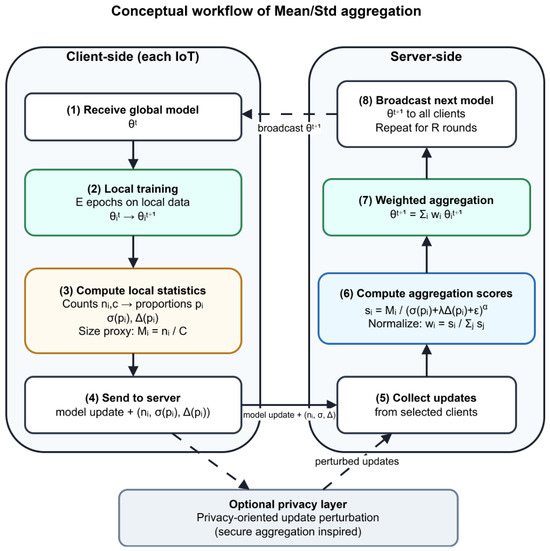
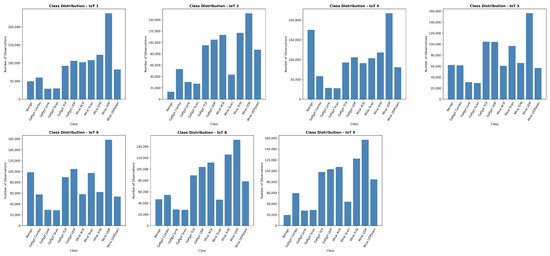
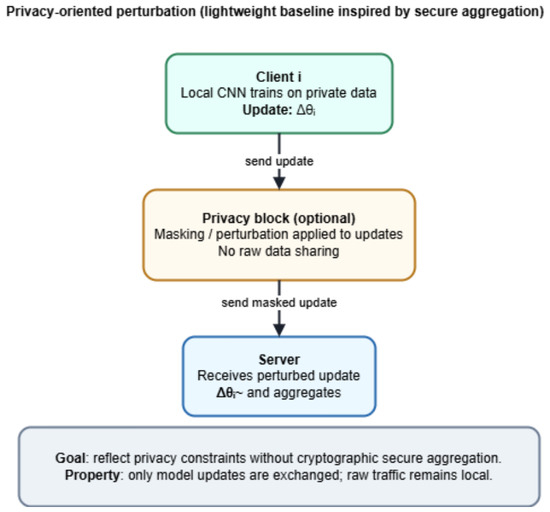
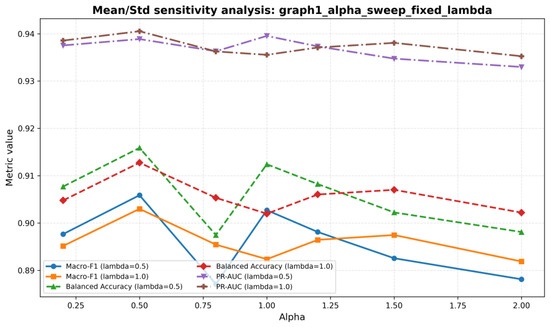
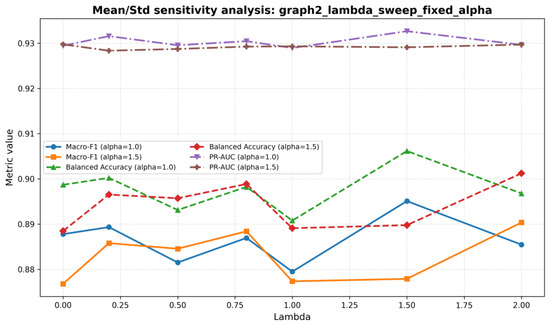
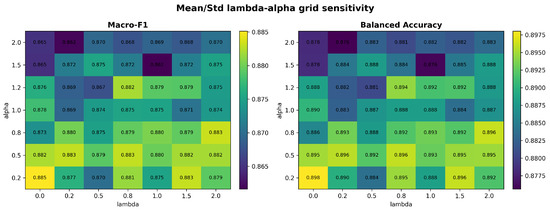
Federated learning (FL) is a promising paradigm for privacy-preserving IoT intrusion detection, but its effectiveness can be substantially degraded by the combination of heterogeneous non-IID client distributions and severe multi-class imbalance. Under such conditions, conventional size-based aggregation may overemphasize large yet highly skewed clients, limiting the representation of minority attack classes in the global model. To address this issue, we propose Mean/Std, a lightweight distribution-aware aggregation strategy that combines a client-size proxy with two complementary statistics of local label distributions, namely the standard deviation and the dominance gap of class proportions, while preserving a communication footprint comparable to FedAvg. Experiments on the N-BaIoT benchmark, comprising seven heterogeneous IoT clients and eleven traffic classes, are conducted under a privacy-oriented update-perturbation setting inspired by secure aggregation workflows. The results show that Mean/Std consistently provides the strongest imbalance-aware performance among the evaluated FL baselines, achieving a Macro-F1 score of 0.8418 and a Balanced Accuracy of 0.8722 while improving the representation of minority attack classes. Additional experiments across five independent random seeds and a comprehensive hyperparameter sensitivity analysis further confirm the robustness and stability of the proposed aggregation mechanism. Overall, the results demonstrate that lightweight distribution-aware aggregation offers an effective, robust, and practically deployable solution for mitigating aggregation bias under simultaneous non-IID heterogeneity and severe multi-class imbalance in FL-based IoT botnet detection.
Full article

Figure 1
Open AccessArticle
Narrowband IoT Channel Characterisation Across Multiple Environments in Thailand
by
Kittiwat Srivilas and Chaiyod Pirak
IoT 2026, 7(3), 54; https://doi.org/10.3390/iot7030054 - 5 Jul 2026
Abstract
►▼
Show Figures
Narrowband Internet of Things (NB-IoT) is a 3GPP-standardised low-power wide-area network (LPWAN) technology designed for massive machine-type communications in challenging propagation environments. Despite its growing deployment, empirical channel data for Thailand’s diverse terrain—urban dense, urban outdoor, suburban, rural, and forest/mountain—remains limited in the
[...] Read more.
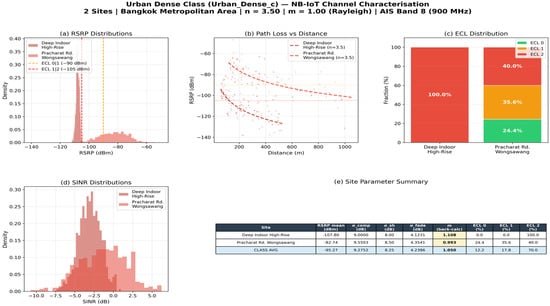
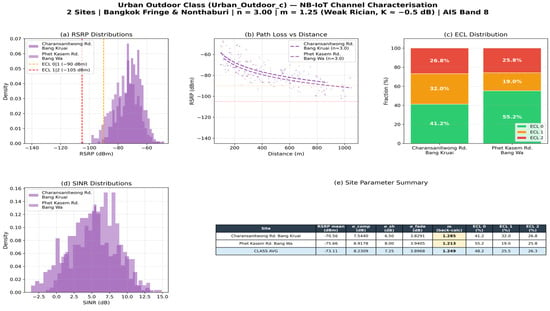
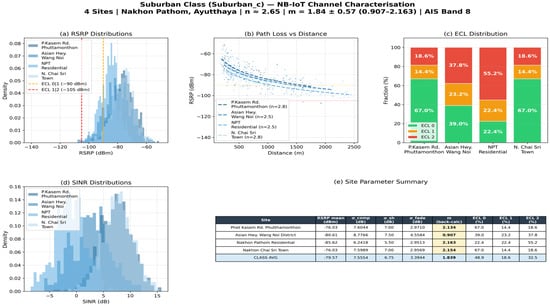
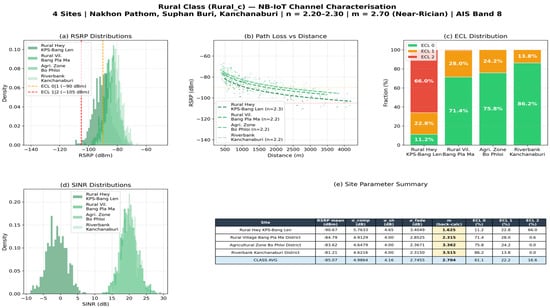
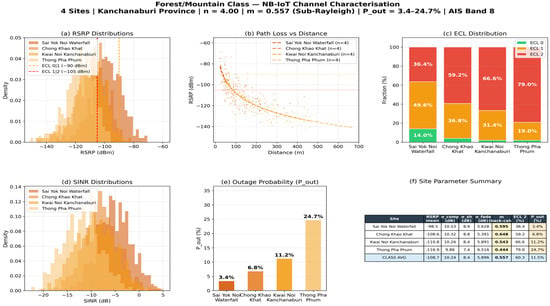
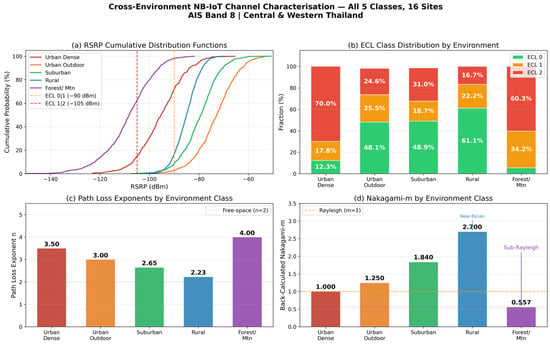
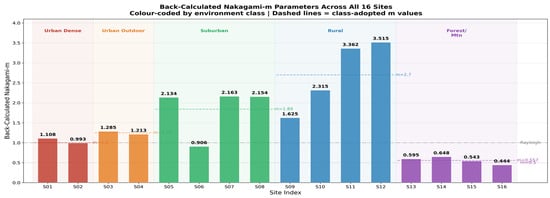
Narrowband Internet of Things (NB-IoT) is a 3GPP-standardised low-power wide-area network (LPWAN) technology designed for massive machine-type communications in challenging propagation environments. Despite its growing deployment, empirical channel data for Thailand’s diverse terrain—urban dense, urban outdoor, suburban, rural, and forest/mountain—remains limited in the open literature. This paper presents a composite channel characterisation study encompassing sixteen measurement sites across five environment classes in central and western Thailand. A composite channel model combining log-distance path loss, log-normal shadowing, and Nakagami-m fast fading is applied across all sites, yielding 8000 reference signal received power (RSRP) samples. Path loss exponents range from n = 2.2 (rural) to n = 4.0 (forest/mountain), back-calculated Nakagami-m parameters from m = 0.44 to m = 3.51, and shadowing standard deviations from σsh = 4.16 to 8.38 dB; ECL distributions are derived for all five environment classes. The back-calculated Nakagami-m parameters reveal a coherence gradient from sub-Rayleigh forest terrain (m < 1) through urban Rayleigh (m = 1.00) to near-Rician rural conditions (m > 2)—a fading hierarchy not previously reported for NB-IoT in Thailand. Results confirm that the composite channel model accurately characterises RSRP distributions and provides actionable network planning parameters for NB-IoT deployment in varied Thai terrain.
Full article

Figure 1
Open AccessArticle
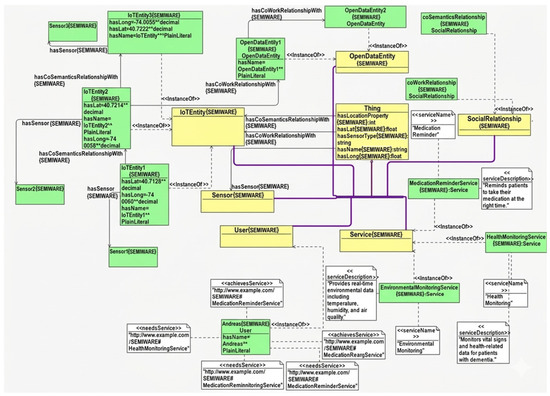
SEMIWARE: A Smart City Middleware Empowering Semantic Interoperability via Social IoT Integration
by
Christos Goumopoulos and Antonios Pliatsios
IoT 2026, 7(3), 53; https://doi.org/10.3390/iot7030053 - 2 Jul 2026
Abstract
The Social Internet of Things (SIoT) has emerged as a promising paradigm for addressing interoperability, adaptability, and intelligent collaboration challenges in smart city environments. However, existing solutions often provide only partial support for semantic interoperability, dynamic social relationships, and context-aware service coordination across
[...] Read more.
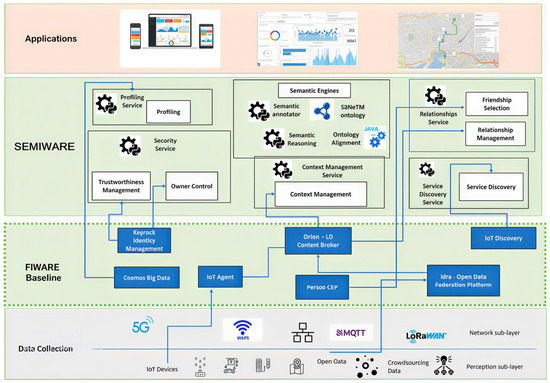
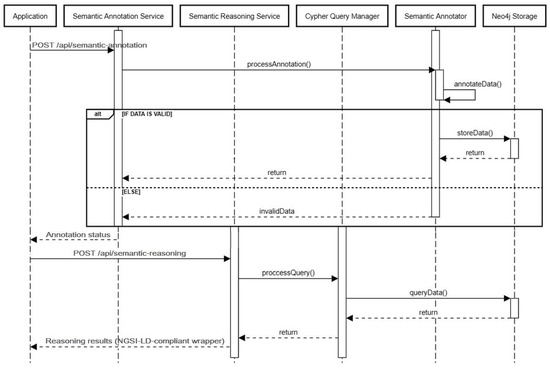
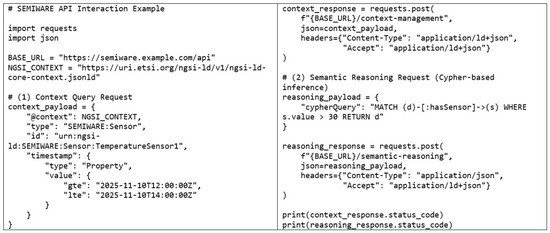
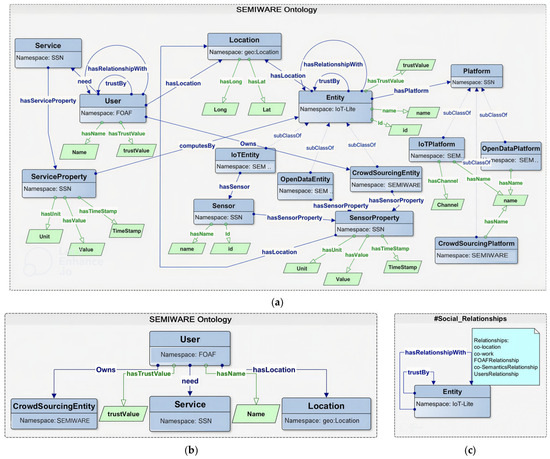
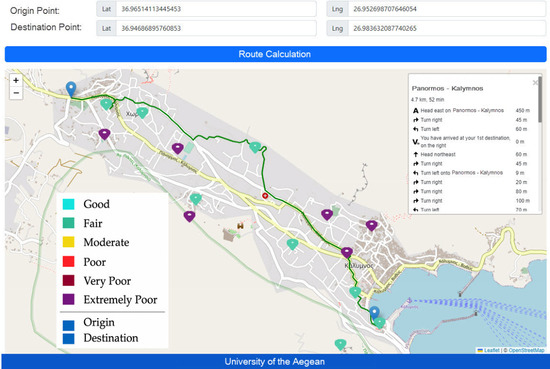
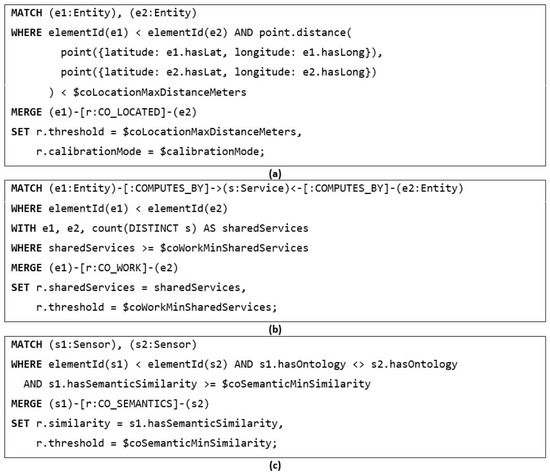
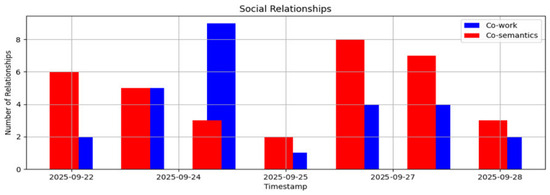
The Social Internet of Things (SIoT) has emerged as a promising paradigm for addressing interoperability, adaptability, and intelligent collaboration challenges in smart city environments. However, existing solutions often provide only partial support for semantic interoperability, dynamic social relationships, and context-aware service coordination across heterogeneous IoT ecosystems. This paper presents SEMIWARE, a semantic social network-oriented middleware designed to support collaborative, interoperable, and context-aware SIoT applications. SEMIWARE adopts a layered architecture that combines a FIWARE-based middleware backbone with modular services for context management, semantic annotation, semantic reasoning, service discovery, social relationship management, profiling, security, and ontology alignment. Its semantic backbone is provided by an OWL2 ontology that models IoT entities, users, services, contextual information, and trust-aware social relationships. The middleware is validated through two representative applications in distinct domains: smart mobility, where semantic reasoning supports adaptive eco-friendly route computation, and healthcare, where semantically integrated wearable and environmental data support health-event detection for people with dementia. Experimental evaluation further examines the performance of semantic annotation, semantic reasoning, and context management services under increasing workloads. The results provide prototype-level evidence that SEMIWARE supports semantic interoperability, cross-domain adaptability, and graph-based processing under controlled workloads, indicating its potential suitability for complex, data-intensive SIoT applications.
Full article
(This article belongs to the Special Issue IoT-Driven Smart Cities)
►▼
Show Figures

Figure 1

Open AccessArticle
Deep Reinforcement Learning-Based Adaptive Protocol Optimization for Heterogeneous IoT Networks in 5G-Enabled Smart Cities
by
Saddam K. Alwane, Shereen S. Jumaa, Muna H. Saleh, Aymen D. Salman, Ayad Q. Al-Dujaili and Amjad J. Humaidi
IoT 2026, 7(3), 52; https://doi.org/10.3390/iot7030052 - 1 Jul 2026
Abstract
The rapid proliferation of Internet of Things (IoT) devices within 5G-enabled smart city environments has introduced unprecedented challenges in communication protocol management across heterogeneous network architectures. With connected IoT devices projected to reach 21.1 billion by the end of 2025 and approximately 39
[...] Read more.
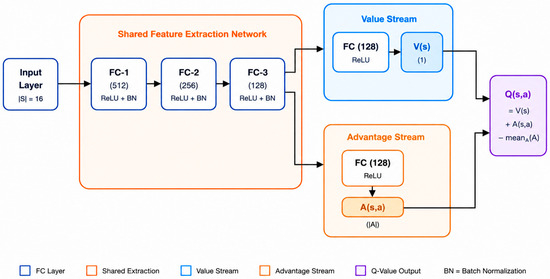
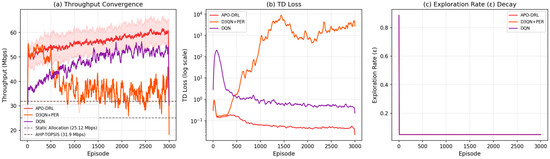
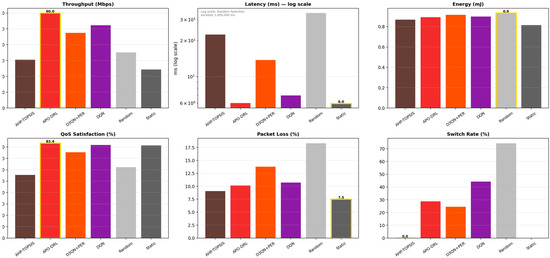
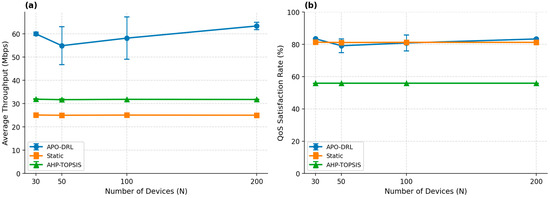
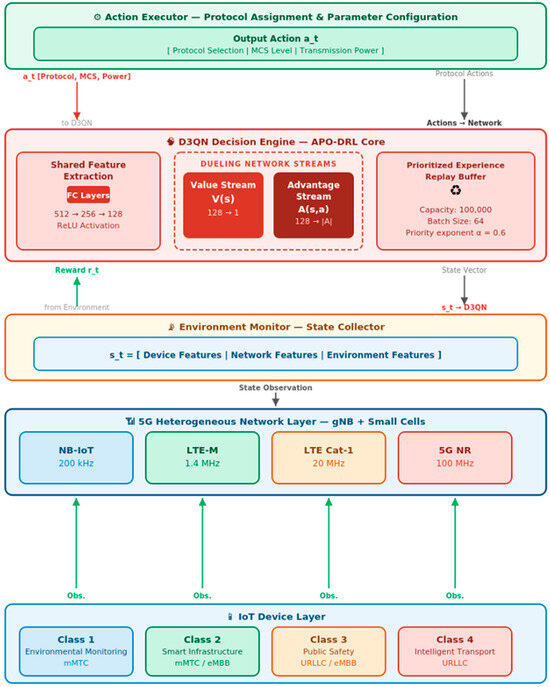
The rapid proliferation of Internet of Things (IoT) devices within 5G-enabled smart city environments has introduced unprecedented challenges in communication protocol management across heterogeneous network architectures. With connected IoT devices projected to reach 21.1 billion by the end of 2025 and approximately 39 billion by 2030, existing static protocol selection mechanisms are unable to accommodate the dynamic Quality of Service (QoS) requirements of different smart city applications, such as enhanced Mobile Broadband (eMBB), Ultra-Reliable Low-Latency Communication (URLLC), and massive Machine-Type Communication (mMTC). This paper presents APO-DRL (Adaptive Protocol Optimization using Deep Reinforcement Learning), a framework that utilizes a Dueling Double Deep Q-Network (D3QN) combined with a Prioritized Experience Replay mechanism for intelligent, real-time communication protocol selection and parameter optimization in heterogeneous IoT networks. The proposed framework formulates the protocol optimization problem as a Markov Decision Process (MDP), wherein the DRL agent dynamically selects the optimal communication protocol (NB-IoT, LTE-M, LTE Cat-1, or 5G NR) and adaptively tunes transmission parameters based on real-time network conditions. Experimental evaluation in a 3GPP TR 38.901 Urban Macro simulation environment with N = 30 devices demonstrates that APO-DRL achieves a 138.9% improvement in average throughput compared to Static Allocation (60.00 vs. 25.12 Mbps), while simultaneously achieving the highest QoS satisfaction (83.38%) across all methods, albeit with higher energy consumption and packet loss than Static Allocation. Relative to D3QN+PER, APO-DRL exhibits substantially lower cross-seed throughput variance (±0.88 vs. ±11.03 Mbps), confirming that QA-PER produces a more stable and reproducible learned policy.
Full article
(This article belongs to the Special Issue Advances in Wireless Communication Technologies for IoT Devices)
►▼
Show Figures

Figure 1
Open AccessReview
Systematic Analysis on the Use of AI Techniques in Industrial IoT DDoS Attack Detection, Mitigation, and Prevention
by
Mikiyas Alemayehu, Mohamed Chahine Ghanem, Hamza Kheddar, Dipo Dunsin and Marcio J. Lacerda
IoT 2026, 7(3), 51; https://doi.org/10.3390/iot7030051 - 30 Jun 2026
Abstract
Distributed Denial of Service (DDoS) attacks pose significant threats to Industrial Internet of Things (IIoT) environments, exacerbated by the resource constraints of IoT devices and the disruptive impact of such attacks. Conventional detection and prevention methods fall short of ensuring the availability and
[...] Read more.
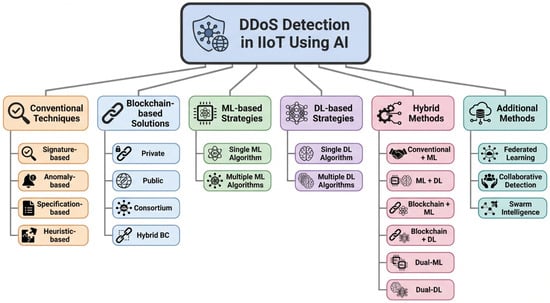
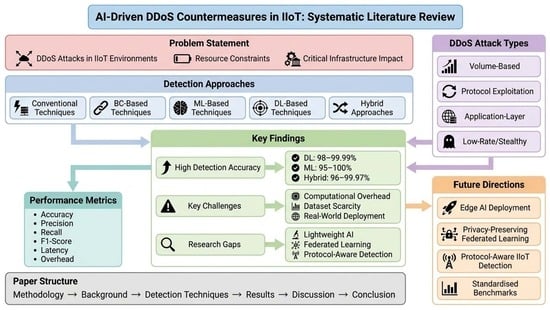
Distributed Denial of Service (DDoS) attacks pose significant threats to Industrial Internet of Things (IIoT) environments, exacerbated by the resource constraints of IoT devices and the disruptive impact of such attacks. Conventional detection and prevention methods fall short of ensuring the availability and operational continuity required in industrial deployments. This article systematically analyses artificial intelligence (AI) techniques for detecting, preventing, and mitigating DDoS attacks in IIoT systems. We examine diverse AI-driven solutions, including machine learning (ML) and deep learning (DL) models, alongside hybrid approaches that enhance real-time threat identification, adaptive defence mechanisms, and decentralised trust management, addressing the evolving sophistication of DDoS attacks. This study highlights AI’s potential to strengthen IIoT security and resilience, particularly in critical national infrastructure (CNI), where uninterrupted operations are paramount. However, challenges such as computational overhead, model interpretability, and dataset scarcity in industrial settings remain critical barriers. Additionally, the dynamic IIoT topology and heterogeneous device ecosystems necessitate context-aware AI solutions. This analysis underscores the need for lightweight, explainable AI frameworks and collaborative defence strategies tailored to the IIoT’s unique constraints. It emphasises the integration of AI with emerging technologies like edge computing and federated learning to advance proactive, scalable DDoS defence mechanisms in industrial ecosystems.
Full article
(This article belongs to the Special Issue IoT and Distributed Computing)
►▼
Show Figures

Graphical abstract
Open AccessArticle
Unlocking 5G Potential: AI-Assisted Analysis of NOMA for Improved Spectral and Energy Efficiency
by
Yahia Hasan Jazyah and Luai Al-Shalabi
IoT 2026, 7(3), 50; https://doi.org/10.3390/iot7030050 - 25 Jun 2026
Abstract
►▼
Show Figures
A new era in wireless communication has been witnessed by the emergence of fifth generation (5G) technology, characterized by high data rates, ultra-low latency, and massive device connectivity. To address the growing demand for efficient spectrum utilization, Non-Orthogonal Multiple Access (NOMA) has been
[...] Read more.
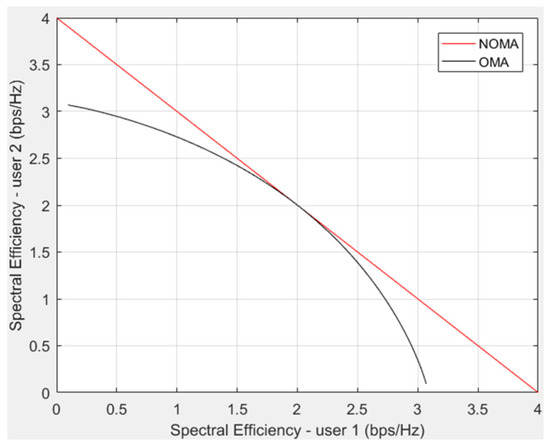
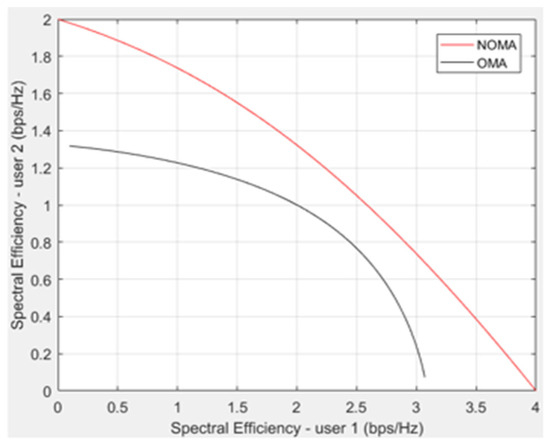
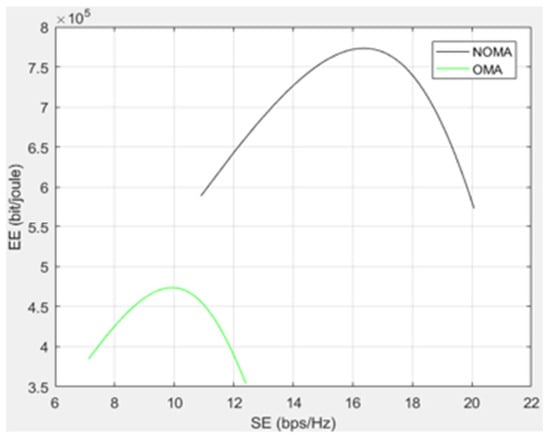
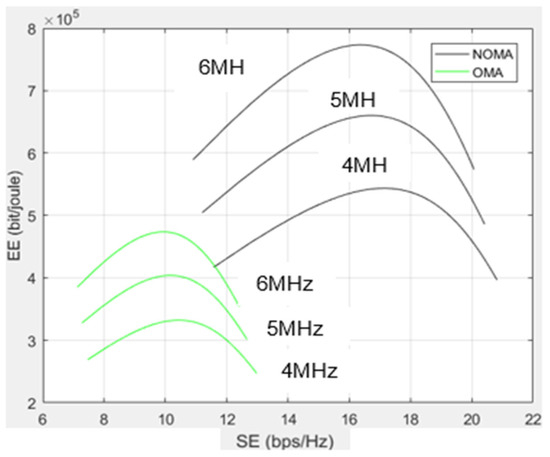
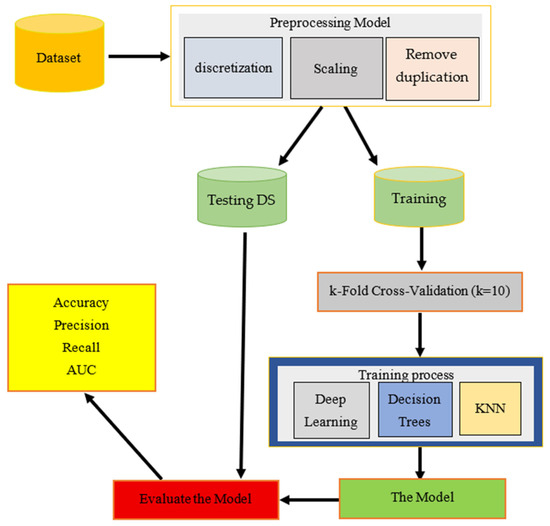
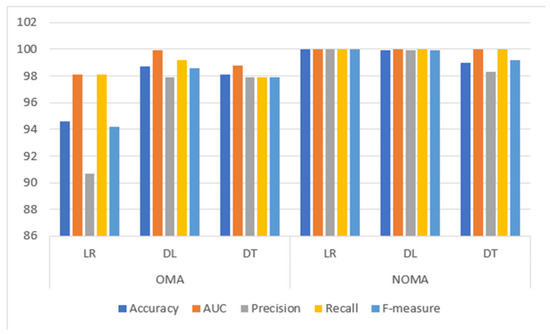
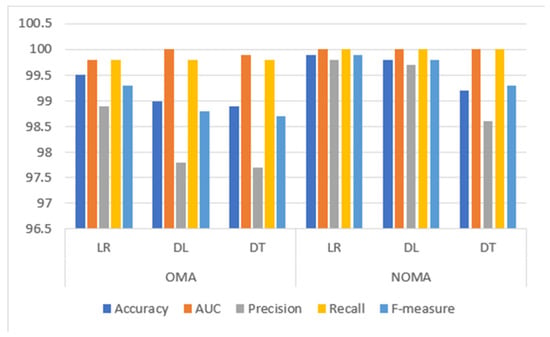
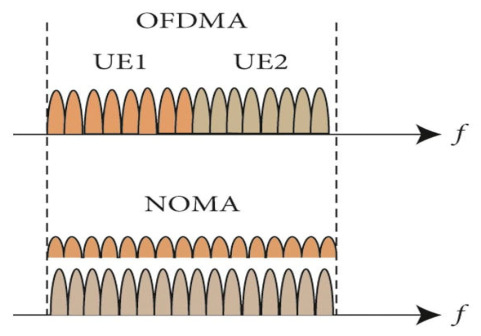
A new era in wireless communication has been witnessed by the emergence of fifth generation (5G) technology, characterized by high data rates, ultra-low latency, and massive device connectivity. To address the growing demand for efficient spectrum utilization, Non-Orthogonal Multiple Access (NOMA) has been introduced as a promising multiple access scheme. This study investigates the energy efficiency (EE) and spectral efficiency (SE) performance of NOMA in comparison with Orthogonal Multiple Access (OMA) under varying bandwidth conditions. In addition to conventional analytical and simulation-based evaluations, artificial intelligence (AI) techniques, including Deep Learning (DL), Decision Tree (DT), K-Nearest Neighbours (KNN), and Logistic Regression (LR), are employed to model and predict system performance. The AI models are trained using simulation-generated datasets to capture complex relationships between bandwidth, transmit power, and user distribution. Simulation results demonstrate improvement in SE and EE of NOMA across different bandwidth scenarios. Furthermore, DL and DT models achieve higher prediction accuracy. The consistency between AI predictions and simulation outcomes confirms the robustness of the proposed framework. These findings highlight the superiority of NOMA over OMA and demonstrate the effectiveness of integrating AI techniques for performance optimization in 5G and beyond wireless networks.
Full article

Figure 1
Highly Accessed Articles
Latest Books
E-Mail Alert
News
Topics
Topic in
Computers, Electronics, Future Internet, IoT, Network, Sensors, JSAN, Technologies, BDCC
Challenges and Future Trends of Wireless Networks
Topic Editors: Stefano Scanzio, Ramez Daoud, Jetmir Haxhibeqiri, Pedro SantosDeadline: 30 September 2026
Topic in
AI, Applied Sciences, Computers, Electronics, Entropy, Future Internet, Information, IoT, Sensors, Telecom
Advances in Sixth Generation and Beyond (6G&B)
Topic Editors: Luis Javier García Villalba, Ana Lucila Sandoval OrozcoDeadline: 31 October 2026
Topic in
Applied Sciences, Electronics, Future Internet, IoT, Technologies, Inventions, Sensors, Vehicles
Next-Generation IoT and Smart Systems for Communication and Sensing
Topic Editors: Dinh-Thuan Do, Vitor Fialho, Luis Pires, Francisco Rego, Ricardo Santos, Vasco VelezDeadline: 31 December 2026
Topic in
AI, Applied Sciences, Computers, Electronics, IoT, ASI, Sensors, AI Sensors
Federated Edge Intelligence for Next Generation AI Systems
Topic Editors: Chunjiong Zhang, Weiwei Jiang, Tao XieDeadline: 31 January 2027
Special Issues
Special Issue in
IoT
IoT-Driven Smart Cities
Guest Editors: Hakilo Sabit, Peter Han Joo ChongDeadline: 31 August 2026
Special Issue in
IoT
IoT Meets AI: Driving the Next Generation of Technology
Guest Editor: Grigorios E. KoulourasDeadline: 31 August 2026
Special Issue in
IoT
Towards IoT in Space–Air–Ground–Sea Integrated Networks: Recent Advances and Challenges
Guest Editors: Lei Yan, Jie Li, Jiajie Xu, Mohammad ShehabDeadline: 31 August 2026
Special Issue in
IoT
Advances in Intelligent Wireless Sensing and IoT
Guest Editors: Jingyi He, Jiabao Wen, Meng XiDeadline: 31 August 2026