

Journal Description
Hematology Reports
Hematology Reports
- formerly Hematology Reviews - is an international, peer-reviewed, open access journal on all aspects of prevention, diagnosis and management of disorders of the blood, and is published bimonthly online by MDPI (from Volume 14, Issue 1 - 2022).
- Open Access— free for readers, with article processing charges (APC) paid by authors or their institutions.
- High Visibility: indexed within Scopus, ESCI (Web of Science), PMC, PubMed, Embase, and other databases.
- Rapid Publication: manuscripts are peer-reviewed and a first decision is provided to authors approximately 29.4 days after submission; acceptance to publication is undertaken in 4.6 days (median values for papers published in this journal in the second half of 2025).
- Recognition of Reviewers: APC discount vouchers, optional signed peer review, and reviewer names published annually in the journal.
- Journal Clusters of Hematology: Hemato, Hematology Reports, Thalassemia Reports and Journal of Clinical Medicine.
Impact Factor:
1.2 (2024);
5-Year Impact Factor:
1.2 (2024)
Latest Articles
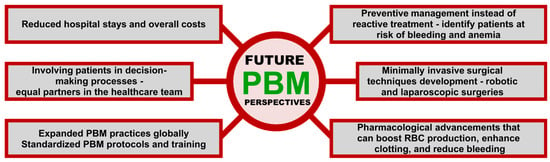
Perioperative Anemia, Transfusion Practices, and Patient Blood Management: Lessons from the COVID-19 Pandemic
Hematol. Rep. 2026, 18(3), 37; https://doi.org/10.3390/hematolrep18030037 - 30 May 2026
Abstract
The COVID-19 pandemic exposed vulnerabilities in global blood supply systems and accelerated the adoption of patient blood management (PBM) strategies aimed at optimizing transfusion practices in surgical care. Perioperative anemia is a key contributor to adverse outcomes and is frequently treated with allogeneic
[...] Read more.
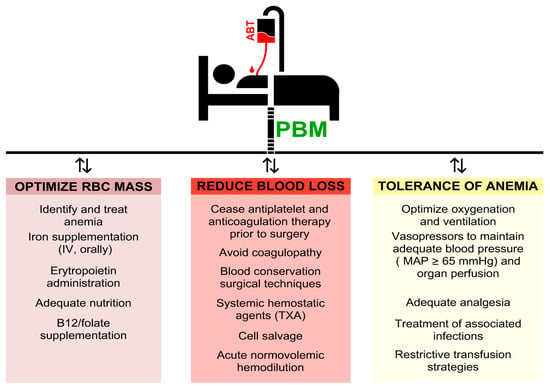
The COVID-19 pandemic exposed vulnerabilities in global blood supply systems and accelerated the adoption of patient blood management (PBM) strategies aimed at optimizing transfusion practices in surgical care. Perioperative anemia is a key contributor to adverse outcomes and is frequently treated with allogeneic blood transfusion (ABT), which carries infectious and immunologic risks. Iron deficiency remains the most common and potentially correctable cause of perioperative anemia. This narrative review examines various approaches to perioperative anemia, strategies to minimize reliance on ABT, and alternatives within the PBM paradigm. Evidence supports the use of iron therapy, erythropoiesis-stimulating agents, antifibrinolytic strategies, and blood conservation techniques to reduce transfusion requirements and improve clinical outcomes. Lessons from the COVID-19 pandemic highlight PBM as a framework to enhance transfusion safety and sustainability. Broader implementation of PBM may improve patient outcomes, reduce unnecessary transfusions, and preserve scarce blood resources.
Full article
(This article belongs to the Special Issue Anaemia in Focus: Challenges and Solutions in Haematology)
►
Show Figures
Open AccessBrief Report
Bortezomib in Patients Who Fail BTKi in Waldenström Macroglobulinaemia
by
Jahanzaib Khwaja, Nicole Japzon, Simona Gatto, Jindriska Lindsay, Charalampia Kyriakou and Shirley D’Sa
Hematol. Rep. 2026, 18(3), 36; https://doi.org/10.3390/hematolrep18030036 - 30 May 2026
Abstract
►▼
Show Figures
Background: Treatment options after Bruton’s tyrosine kinase inhibitors (BTKi) failure in Waldenstrom macroglobulinaemia are limited. Methods: We retrospectively analysed the use of bortezomib after BTKi failure in 17 patients who were heavily pre-treated and chemotherapy-exposed at our centre between 2018 and 2025. Results:
[...] Read more.
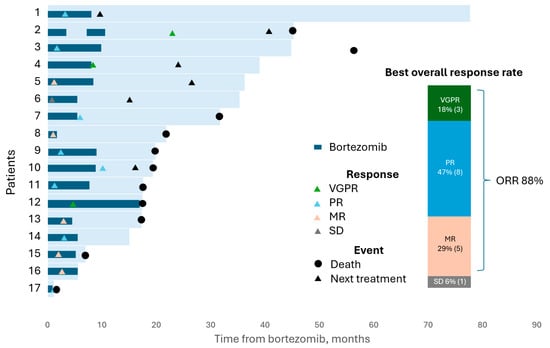
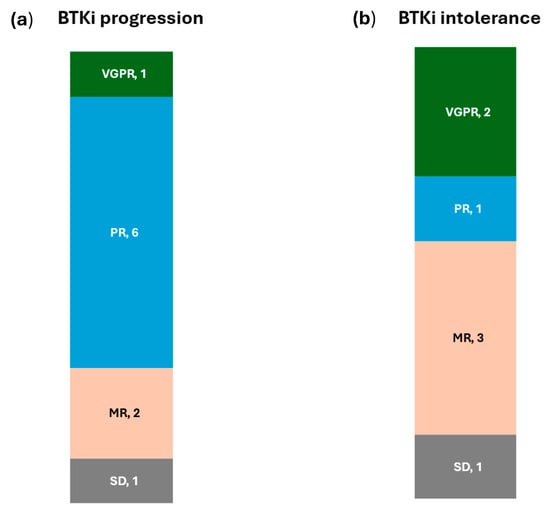
Background: Treatment options after Bruton’s tyrosine kinase inhibitors (BTKi) failure in Waldenstrom macroglobulinaemia are limited. Methods: We retrospectively analysed the use of bortezomib after BTKi failure in 17 patients who were heavily pre-treated and chemotherapy-exposed at our centre between 2018 and 2025. Results: Reasons for BTKi failure were disease progression (59%) and intolerance (41%). At bortezomib initiation, the median age was 73 years and two patients experienced grade 1–2 neuropathy. The best overall response rate (ORR) was 88%. At a median follow up of 39 months (interquartile range 35–78), median treatment-free survival and overall survival were 18 (95% confidence interval [CI] 13–22) and 22 (95% CI 17–45) months, respectively. Conclusion: Bortezomib may be efficacious in patients who experience BTKi failure.
Full article

Figure 1
Open AccessReview
Delayed Rewarming Thrombocytopenia (DRT): A Temperature-Dependent Platelet Aggregation Disorder
by
Ian Joseph Cohen
Hematol. Rep. 2026, 18(3), 35; https://doi.org/10.3390/hematolrep18030035 - 27 May 2026
Abstract
►▼
Show Figures
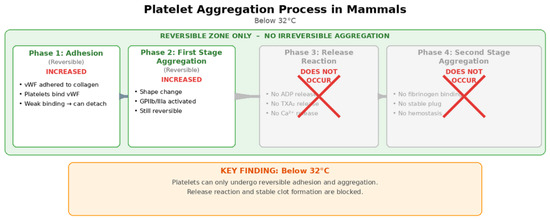
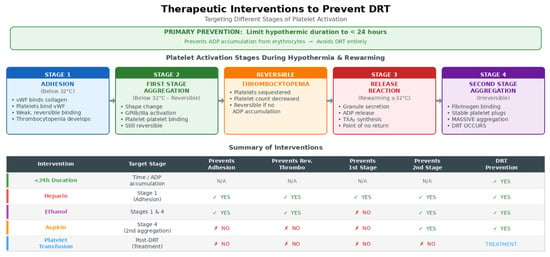
Below 32 °C, the second irreversible stage of platelet aggregation is absent, causing augmentation of the first reversible stage of platelet aggregation and adhesion. During rewarming, de-aggregation occurs; however, in the presence of adequate ADP (adenosine diphosphate), the second stage of aggregation occurs,
[...] Read more.
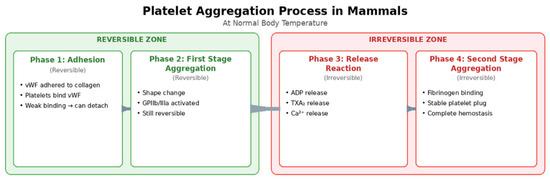
Below 32 °C, the second irreversible stage of platelet aggregation is absent, causing augmentation of the first reversible stage of platelet aggregation and adhesion. During rewarming, de-aggregation occurs; however, in the presence of adequate ADP (adenosine diphosphate), the second stage of aggregation occurs, leading to delayed rewarming thrombocytopenia (DRT). Erythrocytes leak ADP in sufficient amounts by 24 h to cause DRT. This is prevented by rewarming within 24 h. Heparin before hypothermia prevents platelet adhesion, as does alcohol, which also blocks the second phase of aggregation. Aspirin blocks the second phase of aggregation, and platelet infusions, stored without erythrocytes, are an effective therapy. DRT explains rewarming deaths in NCI (neonatal cold injury).
Full article

Figure 1
Open AccessArticle
Sociodemographic, Clinical, and Therapeutic Characterization of Multiple Myeloma Patients (CharisMMa Study) with Symptomatic Relapse and/or Refractory Disease: An Observational, Multicenter Study in Portugal
by
Rui Bergantim, José Guilherme Freitas, Cristina Gonçalves, Helena Martins, Herlander Marques, Henrique Coelho, Patrícia Seabra, Adriana Roque, Márcio Tavares, Pedro Pinto, Ana Rita Francisco, Joana Tato and Catarina Geraldes
Hematol. Rep. 2026, 18(3), 34; https://doi.org/10.3390/hematolrep18030034 - 19 May 2026
Abstract
►▼
Show Figures
Objectives: Real-world information on relapsed and/or refractory multiple myeloma (rrMM) clinical management in Portugal is scarce. The CharisMMa Portugal study aimed to characterize rrMM patients through socio-demographic and clinical parameters and describe treatment patterns. Methods: This was an observational, cross-sectional, multicenter study with
[...] Read more.
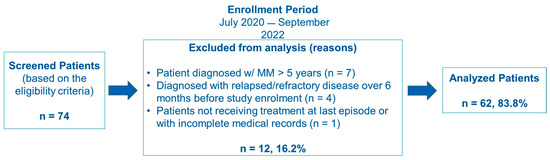
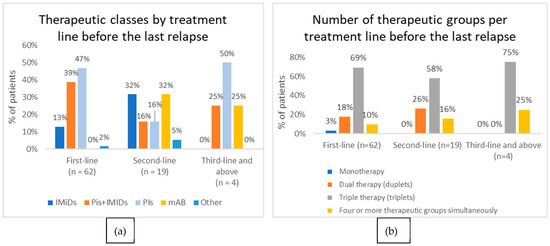
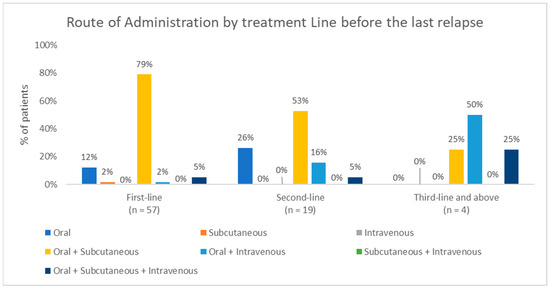
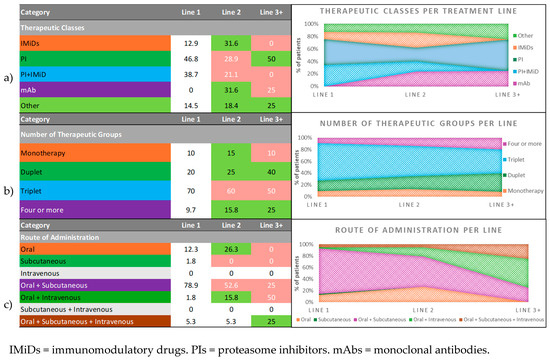
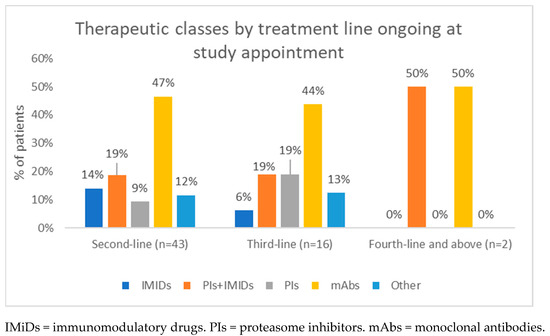
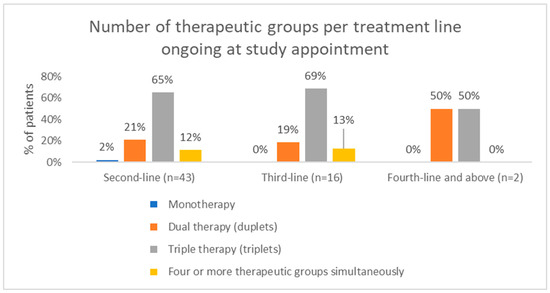
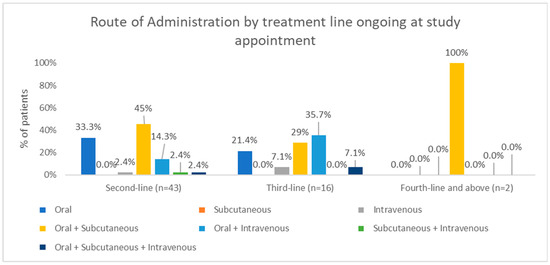
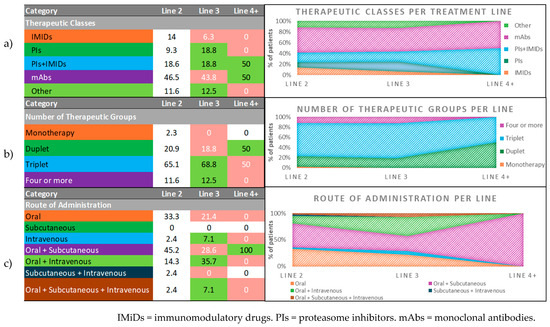
Objectives: Real-world information on relapsed and/or refractory multiple myeloma (rrMM) clinical management in Portugal is scarce. The CharisMMa Portugal study aimed to characterize rrMM patients through socio-demographic and clinical parameters and describe treatment patterns. Methods: This was an observational, cross-sectional, multicenter study with 62 rrMM patients routinely treated at seven hospitals in Portugal. Data were collected from medical records during clinical appointments (2020–2022) after written informed consent was obtained (ClincialTrials.gov ID-NCT04135963). Patients who were diagnosed with a symptomatic MM episode in the 6 months prior to study initiation and who received treatment before their last relapse episode were enrolled. Results: Most patients were male (54.8%) and living with relatives (90.3%), and almost 50% were independent. Roughly 70% of patients were classified as Revised MM International Staging System (R-ISS) Stage II at diagnosis, with a mean age of 65.76 (±9.24) years old. Most common SliM-CRAB (SLIM: sixty percent or more clonal plasma cells in the bone marrow (S), light chain ratio ≥100 (Li), and MRI-detected focal lesions (M); CRAB: hypercalcemia (C), renal insufficiency (R), anemia (A), and bone lesions (B)) signs were bone lesions (59%), and 62.9% of the patients had at least one comorbidity. At study initiation, 70.5% of patients were on second-line treatment, with monoclonal antibodies and proteasome inhibitors (PIs) + immunomodulators (IMiDs) as leading agents. Triplet regimens were the most common across all lines, while oral and oral + subcutaneous were the most prevalent routes of administration. Conclusions: Triple treatment combinations are common in rrMM management, with PIs and IMiDs frequently used, especially in first-line settings. The use of oral formulation is substantial, suggesting a step toward more patient-centric options. This characterization underscores the complexity of rrMM management and should inform stakeholders of strategies to standardize patient care across reference centers in Portugal.
Full article

Figure 1
Open AccessReview
Novel Approaches to the Management of Myelodysplastic Syndromes: The Roles of Artificial Intelligence and Oxidative Stress Biomarkers
by
Ioannis Tsamesidis, Georgios Drillis, Sotirios Varlamis, Niki Smaragdaki, Philippos Klonizakis, Maria Dimou, Konstantinos Liapis, Georgios Vrahiolias, Eleni Andreadou, Stella Mitka, Maria Chatzidimitriou, Ioannis Kotsianidis, Petros Skepastianos, Anastasios G. Kriebardis and Ilias Pessach
Hematol. Rep. 2026, 18(3), 33; https://doi.org/10.3390/hematolrep18030033 - 15 May 2026
Abstract
Objectives: Myelodysplastic syndromes (MDSs) are a heterogeneous group of clonal hematopoietic disorders characterized by ineffective hematopoiesis, genomic instability, and a high risk of progression to acute myeloid leukemia. Oxidative stress (OS) has emerged as a central factor in MDS pathophysiology, contributing to
[...] Read more.
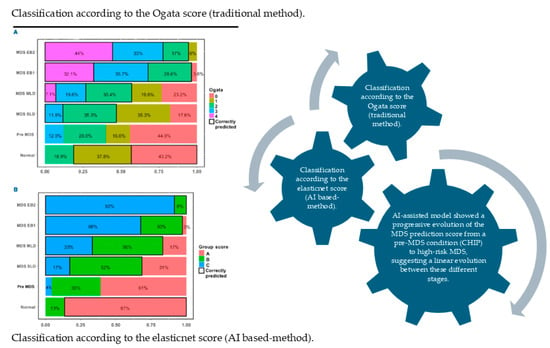
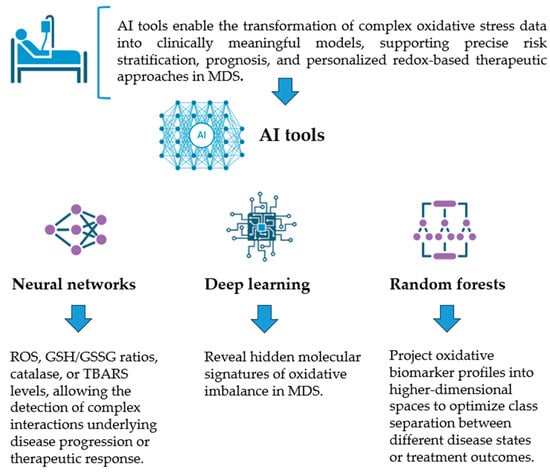
Objectives: Myelodysplastic syndromes (MDSs) are a heterogeneous group of clonal hematopoietic disorders characterized by ineffective hematopoiesis, genomic instability, and a high risk of progression to acute myeloid leukemia. Oxidative stress (OS) has emerged as a central factor in MDS pathophysiology, contributing to DNA damage, altered cellular signaling, and disease progression. Recent advances in artificial intelligence (AI) and machine learning (ML) offer a transformative approach for integrating multidimensional datasets including oxidative stress markers, hematologic parameters, and molecular profiles to enhance diagnosis, prognostication, and therapeutic monitoring in MDS. Methods: A comprehensive literature search was conducted in PubMed and Scopus, using the keywords “OS biomarkers,” “AI,” and “MDS’’. Results: Modified redox biomarkers can be correlated with oxidative imbalance and disease progression. ML models such as neural networks, decision trees, and support vector machines effectively capture complex relationships among redox biomarkers, enhancing risk stratification and prediction of treatment response. AI-driven proteomic analyses further revealed OS-related protein signatures linked to MDS pathophysiology. Overall, AI and ML enable the transformation of multidimensional OS data into clinically actionable tools for personalized management in MDS. Conclusions: Integrating biomarker research with AI-based analytics holds promise for advancing personalized diagnostics, prognostication, and therapeutic strategies in MDS, paving the way toward precision medicine.
Full article
(This article belongs to the Special Issue Next-Generation Hematology: Artificial Intelligence and Biomarker-Driven Innovations in Diagnosis and Therapy)
►▼
Show Figures

Figure 1
Open AccessCase Report
Leukemic Non-Nodal Mantle Cell Lymphoma Presenting with Traumatic Splenic Rupture
by
Moinul Haque, Razie Amraei and Krasimira A. Rozenova
Hematol. Rep. 2026, 18(3), 32; https://doi.org/10.3390/hematolrep18030032 - 13 May 2026
Abstract
Background: Leukemic non-nodal variant mantle cell lymphoma (nnMCL) is an uncommon subtype of mantle cell lymphoma that lacks lymphadenopathy and generally follows an indolent clinical course. Adverse genetic alterations such as TP53 inactivation and del(13q) may have prognostic significance. Clinical findings such as
[...] Read more.
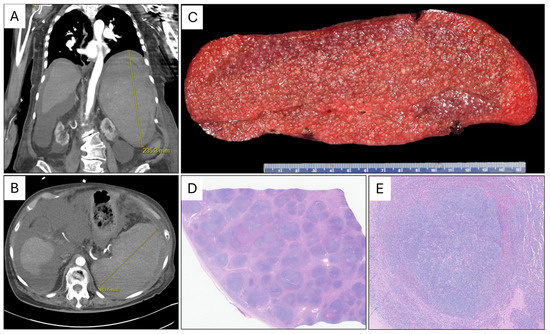
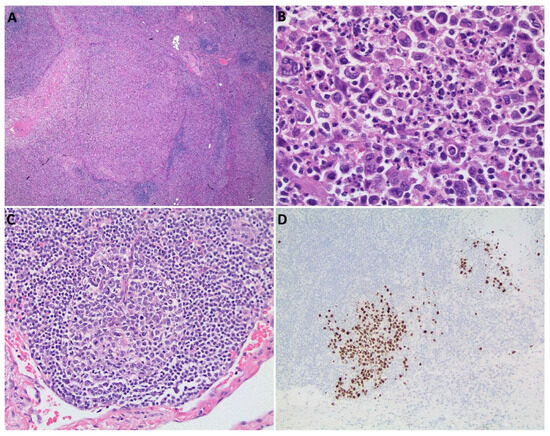
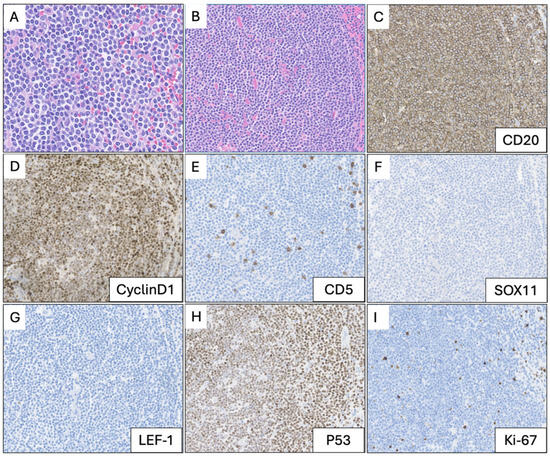
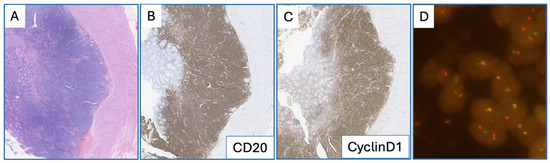
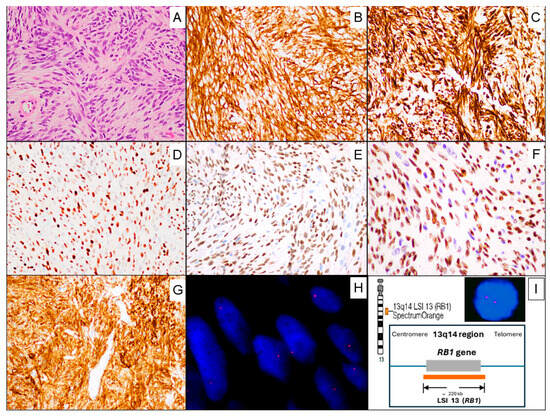
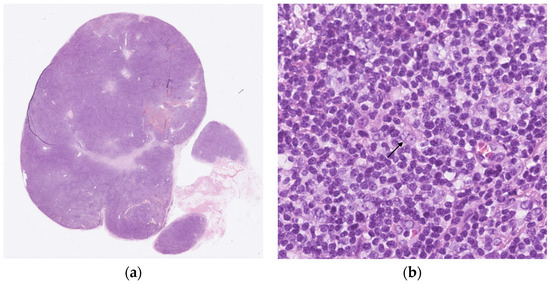
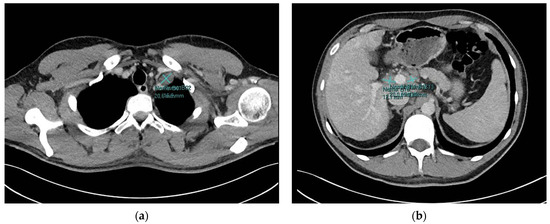
Background: Leukemic non-nodal variant mantle cell lymphoma (nnMCL) is an uncommon subtype of mantle cell lymphoma that lacks lymphadenopathy and generally follows an indolent clinical course. Adverse genetic alterations such as TP53 inactivation and del(13q) may have prognostic significance. Clinical findings such as splenomegaly may serve as a clue to the diagnosis and should prompt further evaluation. Case Presentation: We describe a 91-year-old woman who presented with a one-month history of anemia (hemoglobin 12.3 g/dL), mild thrombocytopenia (platelets 136 × 109/L), isolated splenomegaly and no palpable lymphadenopathy. Despite a normal total white blood cell count, intermittent relative lymphocytosis with atypical lymphocytes (4%) and smudge cells was detected on the complete blood count. Peripheral blood flow cytometry demonstrated a monoclonal kappa-restricted B-cell population negative for CD5 and CD10, comprising approximately 20% of lymphocytes. Conventional karyotyping and fluorescent in situ hybridization (FISH) analysis identified del(13q), del(17p)/TP53, and IGH-CCND1 rearrangement in 8–19.5% of peripheral blood leukocytes. A month after the initial assessment, the patient presented following a fall. CT imaging of the abdomen revealed marked splenomegaly, a large subcapsular/perisplenic hematoma, and moderate-to-large hemoperitoneum. Emergent laparotomy showed an enlarged spleen (1490 g, 23 × 16 × 7.5 cm) with laceration. Histologic evaluation showed atypical lymphoid cells positive for CD20 and cyclin D1, with strong p53 expression, negative for CD5 and SOX11, and a low Ki-67 index. Similar involvement was identified in the small bowel and appendix. Targeted sequencing of splenic tissue, performed as part of a retrospective molecular characterization, identified a pathogenic TP53 variant (p.His179Gln). Conclusions: This case provides a rare opportunity to evaluate splenic and small intestinal involvement by nnMCL at both the gross and histologic levels. It highlights the importance of integrating clinical findings with flow cytometry, imaging, cytogenetic, and molecular data in establishing the diagnosis. Even when peripheral blood findings suggest a low disease burden, imaging may better define the extent of disease and support appropriate clinical assessment, particularly in elderly patients at risk for complications related to splenomegaly.
Full article
(This article belongs to the Special Issue Treatment and Prognosis of Hematological Malignancies)
►▼
Show Figures

Figure 1

Open AccessEditor’s ChoiceArticle
Comparative Analysis of Anticoagulation Stability in Critically Ill Patients Receiving Argatroban for Suspected or Confirmed Heparin-Induced Thrombocytopenia Compared with Unfractionated Heparin: A Retrospective Cohort Study
by
Imran Khan, Elizabeth Lamarche, Bernadett Kovacs, Ariel Hendin, Andy Pan, Caitlin Richler, Christine Landry, Sydney Morin, Kaouther Derouiche and Pierre Thabet
Hematol. Rep. 2026, 18(3), 31; https://doi.org/10.3390/hematolrep18030031 - 30 Apr 2026
Abstract
►▼
Show Figures
Background: Achieving and maintaining therapeutic anticoagulation with unfractionated heparin in critically ill patients is challenging due to biologic variability, heparin resistance, and limitations of activated partial thromboplastin time (aPTT) monitoring. Argatroban, a direct thrombin inhibitor, provides antithrombin-independent anticoagulation with more predictable pharmacokinetics, but
[...] Read more.
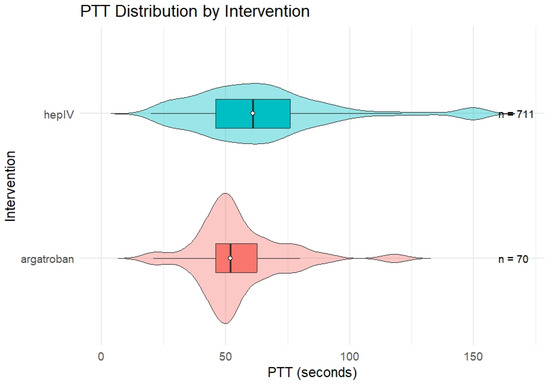
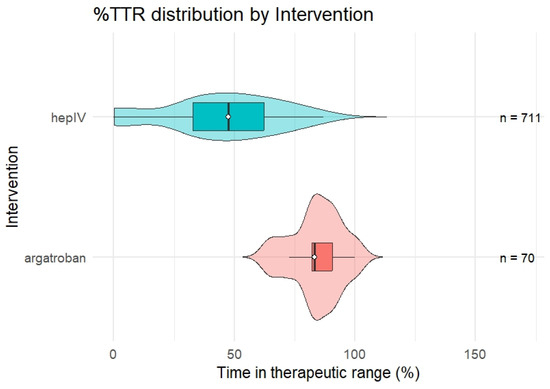
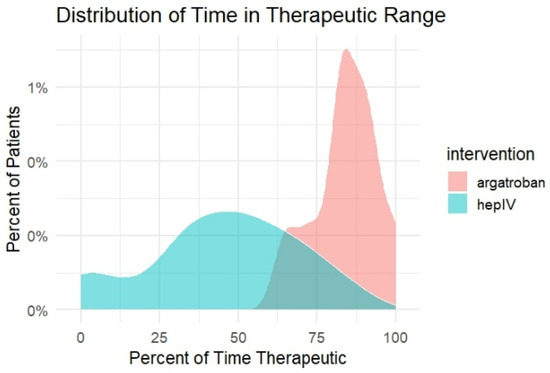
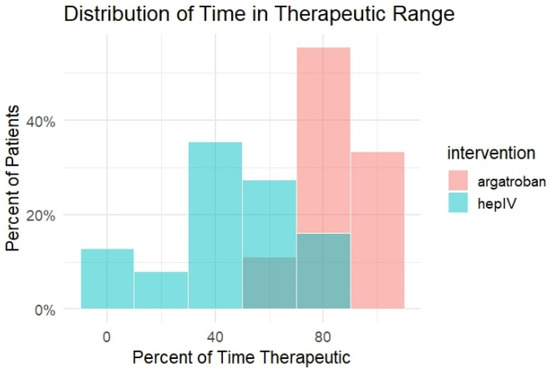
Background: Achieving and maintaining therapeutic anticoagulation with unfractionated heparin in critically ill patients is challenging due to biologic variability, heparin resistance, and limitations of activated partial thromboplastin time (aPTT) monitoring. Argatroban, a direct thrombin inhibitor, provides antithrombin-independent anticoagulation with more predictable pharmacokinetics, but real-world data describing its anticoagulation stability in the intensive care unit (ICU) remain limited. Objective: This study aimed to compare anticoagulation stability between continuous intravenous argatroban and unfractionated heparin in critically ill patients using time in therapeutic range (TTR) based on aPTT as the primary performance metric. Methods: A retrospective cohort study was conducted in the ICU and step-down unit of Hôpital Montfort (Ottawa, ON, Canada) between January 2016 and December 2024. Adult patients receiving continuous intravenous argatroban or unfractionated heparin for systemic anticoagulation were included. All aPTT values obtained during active infusion were extracted, and TTR was calculated using linear interpolation between consecutive measurements. Continuous variables were summarized as medians with interquartile ranges and compared using the Wilcoxon rank-sum test; categorical TTR strata were compared using Fisher’s exact test. Results: Sixty-eight patients met the inclusion criteria, contributing 9 argatroban and 61 heparin infusion courses. Argatroban demonstrated a higher median TTR than heparin (83.3% [IQR 82.0–90.7] vs. 47.5% [32.9–62.4]; p < 0.001), with a moderate-to-large effect size (r = 0.51). Median aPTT values were similar between groups, but argatroban showed narrower dispersion and fewer prolonged subtherapeutic periods. A majority of heparin courses (56.5%) spent <50% of time within range, whereas no argatroban courses fell into this category. Conversely, 33.3% of argatroban courses achieved ≥90% TTR compared with none in the heparin group. Conclusions: In this real-world ICU cohort where argatroban was used for suspected or confirmed HIT, argatroban was associated with higher TTR than unfractionated heparin. These findings support the use of time-dependent metrics to evaluate anticoagulation quality and warrant prospective studies in more homogeneous populations.
Full article

Figure 1
Open AccessEditor’s ChoiceReview
VEXAS Syndrome: Clinical Features, Hematologic Involvement, and Clinical Outcomes of Current and Emerging Therapies
by
Chanika Assavarittirong, Christopher Grant, Sandeep S. Nayak and Anthony L. Nguyen
Hematol. Rep. 2026, 18(3), 30; https://doi.org/10.3390/hematolrep18030030 - 23 Apr 2026
Abstract
►▼
Show Figures
Background/Objectives: VEXAS (Vacuoles, E1-Enzyme, X-linked, Autoinflammatory, and Somatic) syndrome is a recently described adult-onset autoinflammatory disorder. It is characterized by somatic mutations in the UBA1 gene, systemic inflammation, macrocytic anemia, cytopenias, and bone marrow vacuolization and frequently overlaps with Sweet’s syndrome, relapsing
[...] Read more.
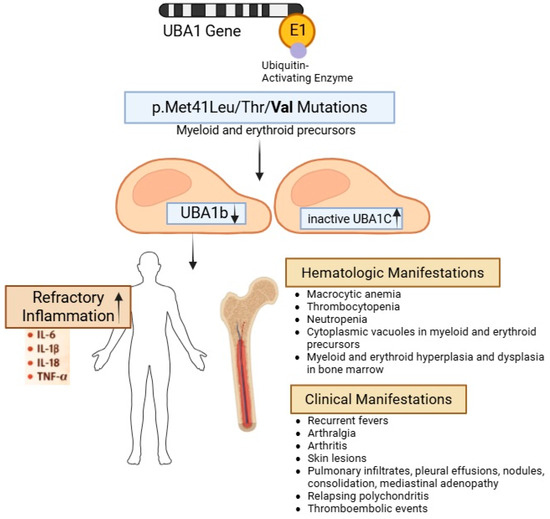
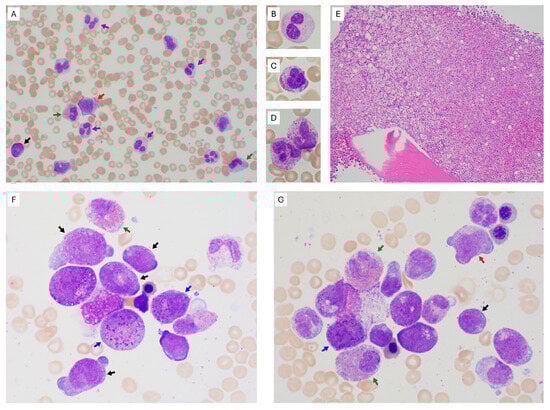
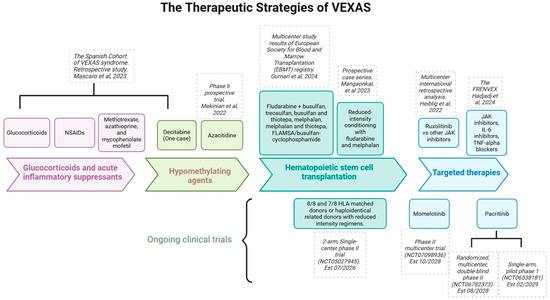
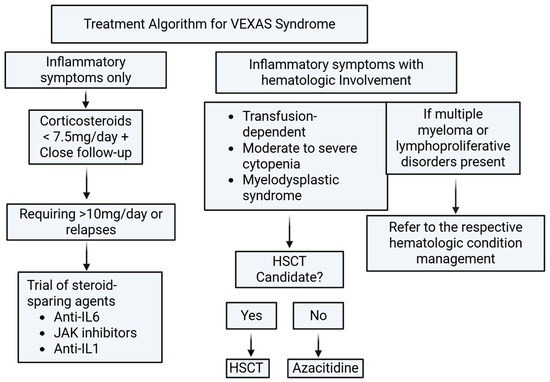
Background/Objectives: VEXAS (Vacuoles, E1-Enzyme, X-linked, Autoinflammatory, and Somatic) syndrome is a recently described adult-onset autoinflammatory disorder. It is characterized by somatic mutations in the UBA1 gene, systemic inflammation, macrocytic anemia, cytopenias, and bone marrow vacuolization and frequently overlaps with Sweet’s syndrome, relapsing polychondritis, and myelodysplastic syndrome (MDS). Because treatment options are evolving, we reviewed the current and latest evidence of clinical features and therapeutic methods. Methods: A comprehensive literature review was conducted using PubMed and MEDLINE for studies published between 1 January 2020 and 1 July 2025. Search terms included “VEXAS” and “treatment.” Eligible publications comprised clinical trials, multicenter and observational studies, and case reports containing therapeutic data. Findings were analyzed narratively with emphasis on treatment response, steroid-sparing effects, survival outcomes, and molecular responses. Results: Glucocorticoids remain the first-line therapy for acute management; however, this comes with near-universal steroid dependence. DMARDs and TNF-α inhibitors showed limited benefits. IL-6 inhibitors and JAK inhibitors showed improvement in overall response, with JAK inhibitors demonstrating a superior effect. Ruxolitinib showed a higher complete response rate and transfusion independence compared to other JAK inhibitors. Hypomethylating agents, particularly azacitidine, improved hematologic responses in patients with co-existing MDS and reduced UBA1 variant allele burden. Allogeneic hematopoietic stem cell transplantation may be the only current curative method, though with notable transplant-related mortality. Conclusions: JAK inhibitors and hypomethylating agents offer promising disease-modifying potential, while transplant may provide curative intent in selected patients. Ongoing clinical trials are taking place to dictate the treatment direction of VEXAS syndrome.
Full article

Figure 1
Open AccessEditor’s ChoiceArticle
The Prognostic Value of the CD8+PD-1+/CD4+PD-1+ (PERLS) Ratio for Leukemic Transformation in MDS
by
Panagiotis Panagiotidis, Emmanuel Karavanis, Konstantinos Neanidis, Eleftherios Panteris and Maria Moysidou
Hematol. Rep. 2026, 18(2), 29; https://doi.org/10.3390/hematolrep18020029 - 15 Apr 2026
Abstract
►▼
Show Figures
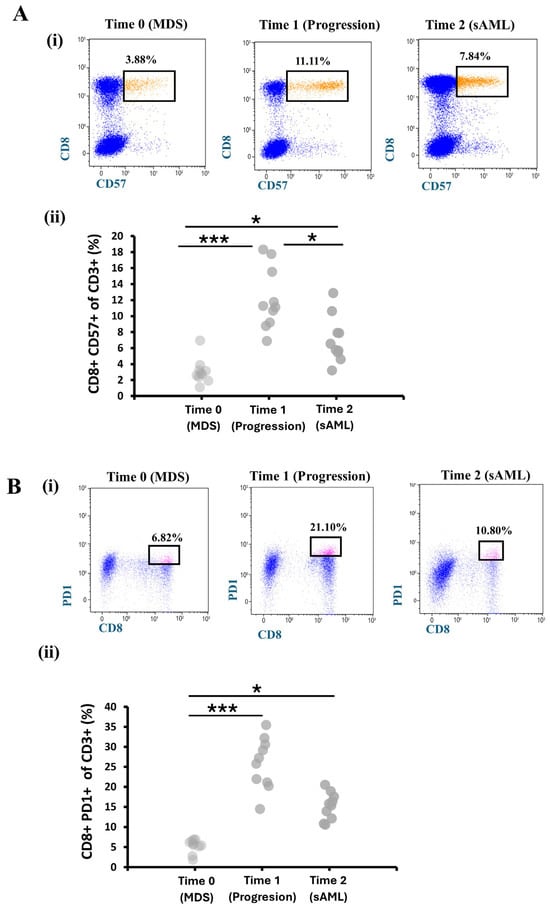
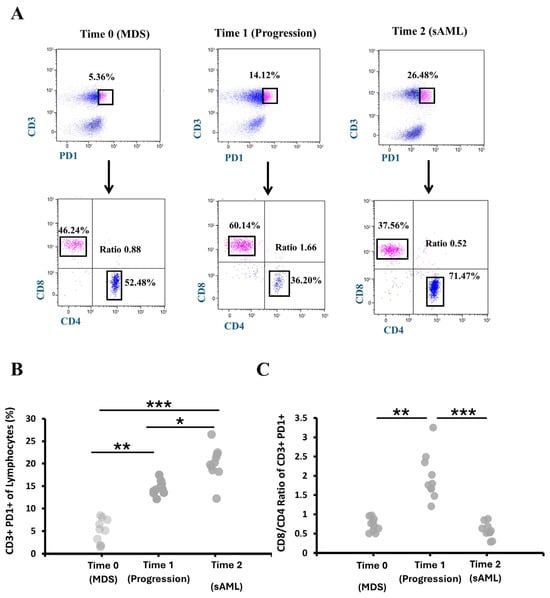
Background/Objectives: Myelodysplastic syndromes (MDS) are associated with a significant risk of progression to acute myeloid leukemia (AML), affecting approximately 30% of patients. In high-risk MDS, leukemic transformation may occur within a short time frame, highlighting the need for early and reliable biomarkers of
[...] Read more.
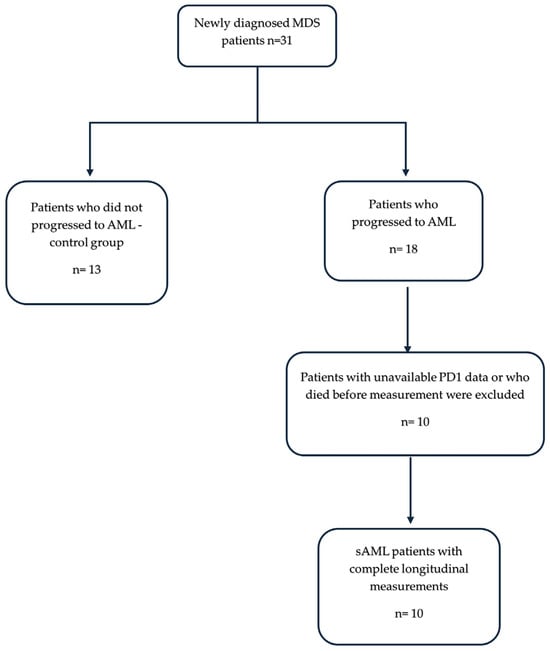
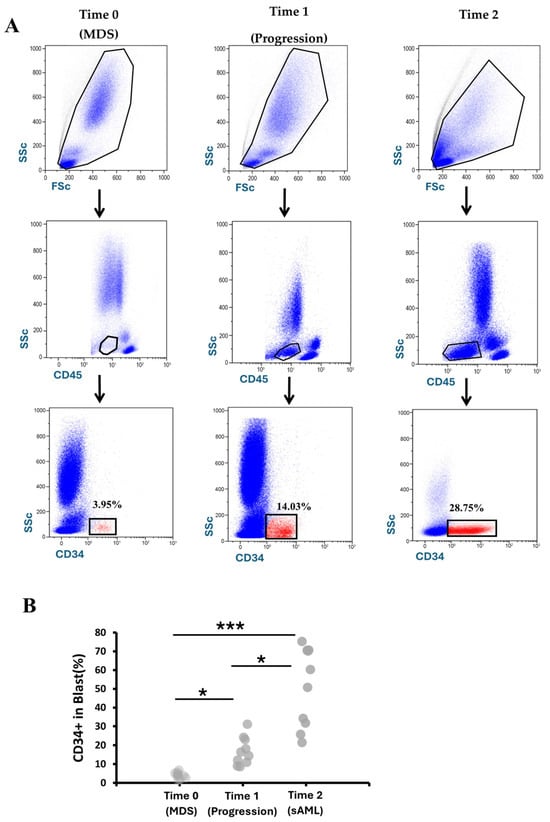
Background/Objectives: Myelodysplastic syndromes (MDS) are associated with a significant risk of progression to acute myeloid leukemia (AML), affecting approximately 30% of patients. In high-risk MDS, leukemic transformation may occur within a short time frame, highlighting the need for early and reliable biomarkers of disease progression. Increasing evidence suggests that immune dysregulation and cytotoxic T-cell dysfunction contribute to disease evolution. This study aimed to evaluate PD-1 and CD57 expressions on CD8+ T cells and to investigate the CD8+PD-1+/CD4+PD-1+ ratio (PERLS) as a potential immunological marker predictive of leukemic transformation. Methods: Thirty-one patients with MDS were prospectively followed over a 12-month period. At baseline, patients underwent routine clinical and laboratory evaluation, including multiparameter flow cytometric assessment of bone marrow blasts. An extended immunophenotypic analysis of bone marrow samples was performed at study entry to assess PD-1 and CD57 expression on CD8+ T cells. Cytogenetic and molecular analyses were conducted when clinical findings suggested disease progression. Patients who developed signs of progression were re-evaluated approximately one month later, during the progression phase, to assess dynamic immunological changes. Results: Of the thirty-one patients included, eighteen progressed to AML, whereas thirteen remained clinically stable. Patients who progressed demonstrated a significant increase in PD-1 and CD57 expression on CD8+ T cells compared with stable patients. Moreover, a markedly higher CD8+PD-1+/CD4+PD-1+ (PERLS) ratio was observed in patients who subsequently developed AML, particularly during the progression phase. Conclusions: Dynamic immunophenotypic monitoring reveals that increased PD-1 on CD8+ T cells and an elevated PERLS ratio are associated with imminent leukemic transformation in MDS. These findings support the incorporation of immune-based biomarkers, particularly the CD8+PD-1+/CD4+PD-1+ ratio, into routine risk assessment to enable earlier identification of disease progression and timely therapeutic intervention.
Full article

Figure 1
Open AccessCase Report
Asciminib in Philadelphia Chromosome-Positive Acute Lymphoblastic Leukemia: A Case Series and Review of Emerging Evidence
by
Mostafa F. Mohammed Saleh, Abdulrahman Nasiri, Ahmed Kotb Abdrabou, Hadeel Samarkandi, Ayman Saad, Mahmoud Aljurf, Amr Hanbali and Ali Alahmari
Hematol. Rep. 2026, 18(2), 28; https://doi.org/10.3390/hematolrep18020028 - 13 Apr 2026
Abstract
Philadelphia chromosome-positive acute lymphoblastic leukemia (Ph+ ALL) remains a high-risk entity despite advances in tyrosine kinase inhibitors (TKIs), immunotherapy, and cellular therapies. Relapse driven by clonal evolution, central nervous system (CNS) sanctuary disease, and TKI resistance, particularly T315I mutations, continues to limit durable
[...] Read more.
Philadelphia chromosome-positive acute lymphoblastic leukemia (Ph+ ALL) remains a high-risk entity despite advances in tyrosine kinase inhibitors (TKIs), immunotherapy, and cellular therapies. Relapse driven by clonal evolution, central nervous system (CNS) sanctuary disease, and TKI resistance, particularly T315I mutations, continues to limit durable disease control. Asciminib, a first-in-class allosteric BCR::ABL1 (STAMP) inhibitor, has demonstrated efficacy and favorable tolerability in chronic myeloid leukemia, but its optimal role in Ph+ ALL remains to be defined. We report a three-patient case series of Ph+ acute leukemia treated with asciminib across diverse high-risk clinical settings, including multiply relapsed disease, CNS involvement, T315I-mutated leukemia, post-CAR-T-cell relapses, and transplant bridging. Clinical outcomes are contextualized through a comprehensive review of emerging clinical trial data, real-world cohorts, and mechanistic studies evaluating asciminib in Ph+ ALL. Across all cases, asciminib was incorporated as part of combination or consolidation strategies rather than as monotherapy in active disease. Asciminib contributed to molecular disease control, CNS leukemia clearance, and successful bridging to allogeneic transplantation or cellular therapy, with acceptable tolerability and no major vascular toxicity. Integration of published evidence demonstrates that asciminib exhibits consistent biological activity in Ph+ ALL, with improved durability when used in rational combinations, particularly with immunotherapy or ATP-competitive TKIs. Preclinical data further support asciminib’s compatibility with antibody-based and cellular therapies through preservation of immune effector function. Asciminib represents a versatile but context-dependent therapeutic option in Ph+ ALL. Its greatest clinical value appears to lie in rational combination regimens, maintenance strategies, and bridging to definitive therapies rather than single-agent salvage. Emerging structural biomarkers and ongoing clinical trials are expected to further refine patient selection, sequencing, and optimal integration of asciminib, particularly in CNS-involved disease and post-CAR-T cell relapse.
Full article
Open AccessFeature PaperEditor’s ChoiceArticle
Metabolomic Signatures of Relapse and Survival in AML Patients Receiving Allogeneic Hematopoietic Stem Cell Transplantation
by
Igor Novitzky-Basso, Changjiang Xu, Caden Chiarello, Julie A. Reisz, Angelo D’Alessandro, Gary D. Bader, Jonas Mattsson and Courtney Jones
Hematol. Rep. 2026, 18(2), 27; https://doi.org/10.3390/hematolrep18020027 - 7 Apr 2026
Abstract
Objectives: Allogeneic stem cell transplantation (HSCT) is curative in acute myeloid leukemia (AML) but is limited by relapse and non-relapse mortality (NRM). Metabolomic prognostic value is unclear. We assessed whether plasma metabolite profiles at diagnosis, pre-transplant, and post-transplant are associated with overall
[...] Read more.
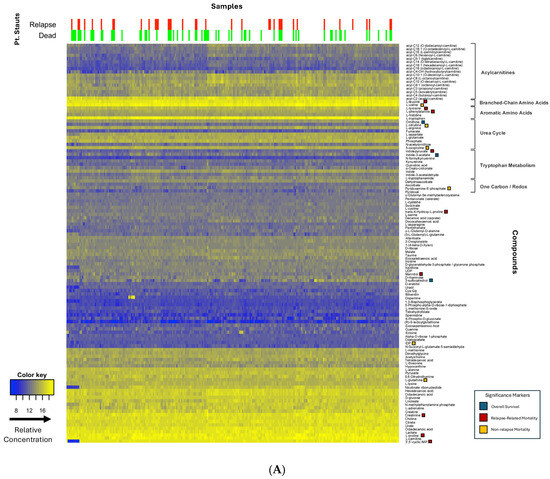
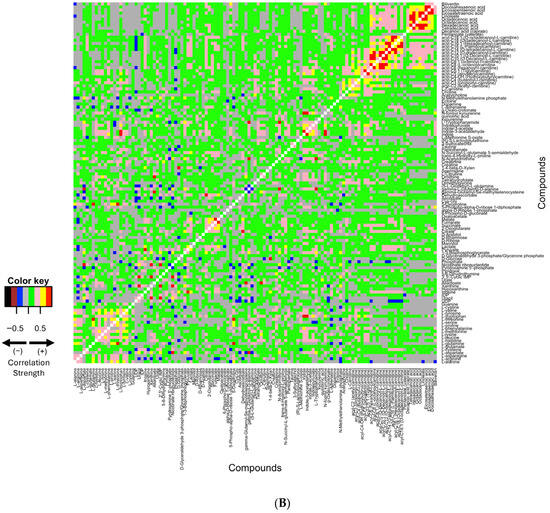
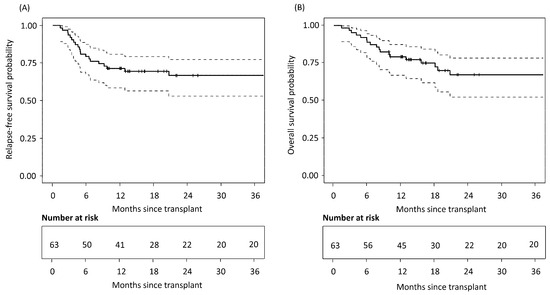
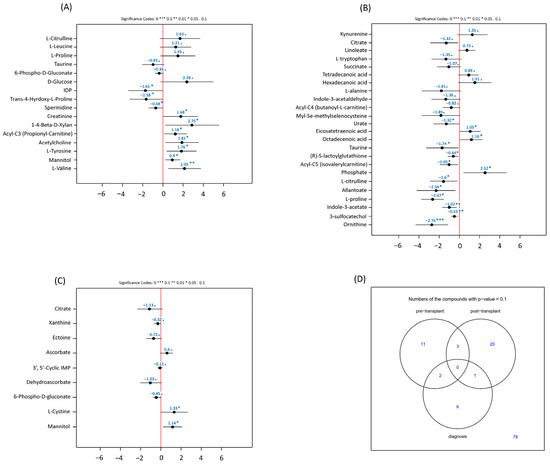
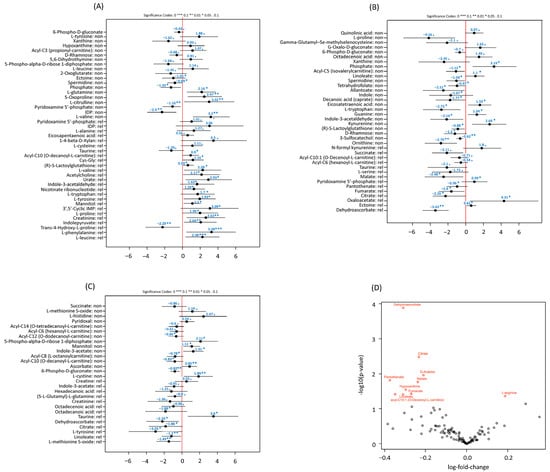
Objectives: Allogeneic stem cell transplantation (HSCT) is curative in acute myeloid leukemia (AML) but is limited by relapse and non-relapse mortality (NRM). Metabolomic prognostic value is unclear. We assessed whether plasma metabolite profiles at diagnosis, pre-transplant, and post-transplant are associated with overall survival (OS) and cause-specific mortality. Methods: We retrospectively analyzed plasma metabolites from 63 AML patients undergoing HSCT (263 samples). Results: Higher levels of valine (hazard ratio [HR] 24.454), citrulline (HR 20.478), 5-oxoproline (HR 11.766), and glutamine (HR 8.701) associated with higher NRM, while inosine diphosphate (HR 0.091) and pyridoxamine-5′-phosphate (HR 0.313) associated with lower NRM. For relapse-related mortality (RRM), higher levels of phenylalanine (HR 26.585), leucine/isoleucine (HR 10.755), indolepyruvate (HR 7.676), and creatinine (HR 13.874) were associated with higher RRM, while trans-4-hydroxy-L-proline (HR 0.101) was associated with lower RRM. Higher post-transplant ornithine (HR 0.063), 3-sulfocatechol (HR 0.590), and indole-3-acetate (HR 0.359) were associated with improved OS. Mixed-effects modelling identified lower dehydroascorbate and citrate in relapsed patients, with dehydroascorbate remaining significant after false discovery rate adjustment. Conclusions: Metabolomic profiling nominated candidate metabolites for validation in larger prospective studies and elucidated mechanistic pathways, potentially informing novel interventions or risk-adapted monitoring strategies in HSCT.
Full article
(This article belongs to the Special Issue Outcomes and Complications Post-Allogeneic Hematopoietic Cell Transplantation)
►▼
Show Figures

Figure 1
Open AccessCase Report
The Utility of IgG4/IgG Ratio in the Diagnosis of Multicentric Castleman Disease: A Case Report of HHV8+ Castleman Disease in a Patient with Classical Hodgkin’s Lymphoma
by
Adam Hagele, Philip Kay, Kevin Nishino, Akhil Mehta, Yan Liu, Anthony L. Nguyen and Eric Lau
Hematol. Rep. 2026, 18(2), 26; https://doi.org/10.3390/hematolrep18020026 - 3 Apr 2026
Abstract
►▼
Show Figures
Background/Objectives: Multicentric Castleman Disease (MCD) is a rare lymphoproliferative disorder that can mimic IgG4-related disease (IgG4-RD), particularly in patients presenting with elevated serum IgG4. Accurate diagnosis is crucial given differing treatments and prognoses. Case Presentation: We describe a 76-year-old male with fever,
[...] Read more.
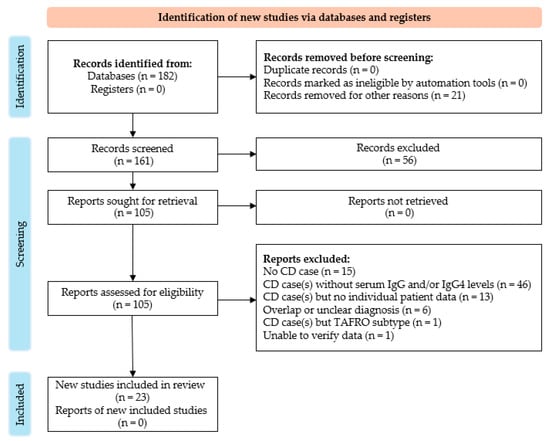
Background/Objectives: Multicentric Castleman Disease (MCD) is a rare lymphoproliferative disorder that can mimic IgG4-related disease (IgG4-RD), particularly in patients presenting with elevated serum IgG4. Accurate diagnosis is crucial given differing treatments and prognoses. Case Presentation: We describe a 76-year-old male with fever, lymphadenopathy, and elevated inflammatory markers. Labs revealed an elevated IgG4 of 133 mg/dL and total IgG of 1410 mg/dL, yielding an IgG4/IgG ratio of 9.43%. Lymph node biopsy showed nodular sclerosing classical Hodgkin lymphoma, for which he received five cycles of A + AVD. Persistent symptoms, elevated IL-6, and HHV8 viremia prompted repeat biopsy, which demonstrated HHV8-positive MCD. Rituximab was initiated, which resulted in clinical and radiographic resolution. Methods: We performed a systematic review of the English-language literature from 2000 to 2025, identifying 23 studies that contained MCD cases with individual-level serum IgG4 and IgG data. A total of 36 unique cases were included. Results: The mean IgG4/IgG ratio was 14.61%, which is substantially lower than ratios typically seen in IgG4-RD. To our knowledge, our case is the only reported instance of HHV8-associated MCD with elevated IgG4. Conclusions: A mildly elevated IgG4/IgG ratio may favor the diagnosis of MCD over IgG4-RD. Serum IgG4 and total IgG should be considered when suspecting Castleman Disease.
Full article

Figure 1
Open AccessArticle
Evaluation of mTOR, NFκB and BCL-2 Inhibitor Activity In Vitro in Karpas 1106P, a Primary Mediastinal B-Cell Lymphoma Cell Line
by
Agata Majchrzak, Sylwia Mańka, Barbara Cebula-Obrzut, Paweł Robak, Damian Mikulski and Magdalena Witkowska
Hematol. Rep. 2026, 18(2), 25; https://doi.org/10.3390/hematolrep18020025 - 24 Mar 2026
Abstract
Introduction: PMBCL is an aggressive type of lymphoma characterized by high heterogeneity in clinical, molecular, and genetic features. In PMBCL, disturbances in the NFkB pathway and deregulation of BCL-2 and mTOR family proteins are observed, which may contribute to impaired apoptosis. Therefore,
[...] Read more.
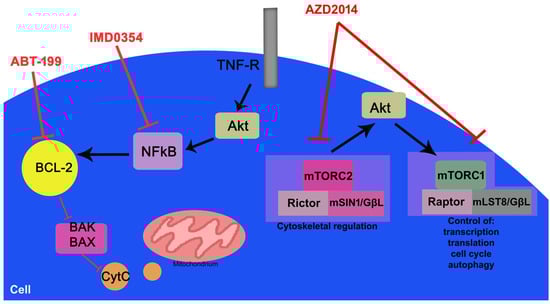
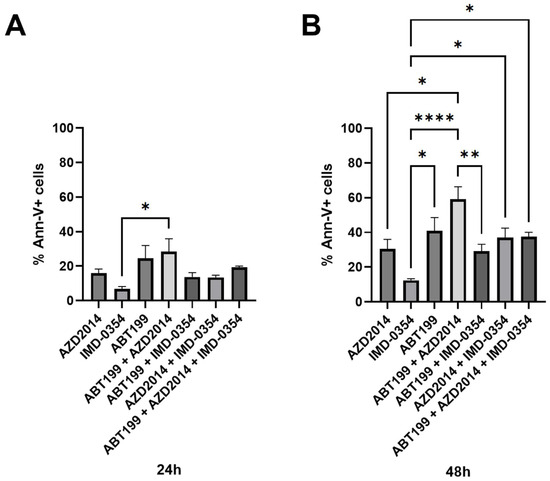
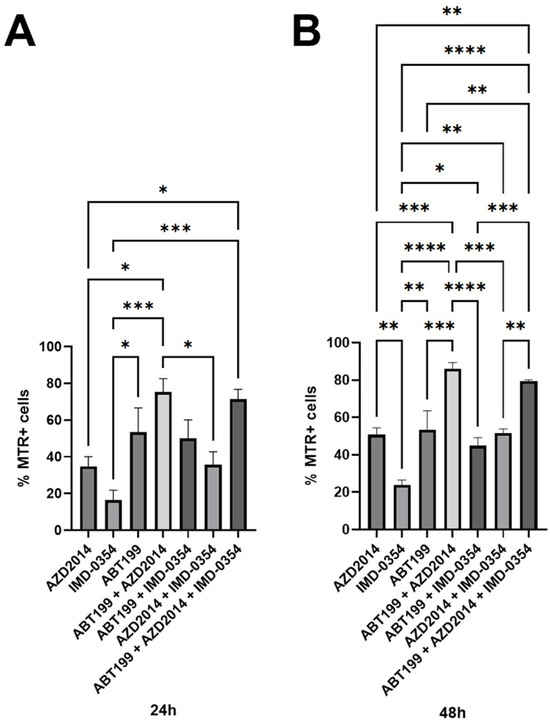
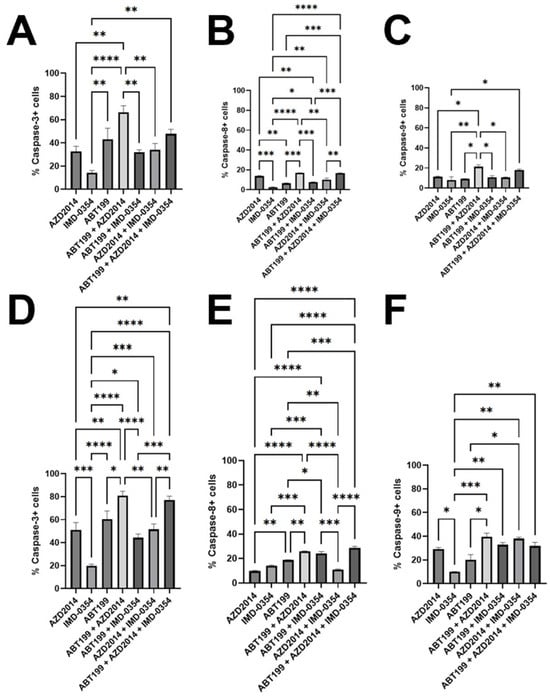
Introduction: PMBCL is an aggressive type of lymphoma characterized by high heterogeneity in clinical, molecular, and genetic features. In PMBCL, disturbances in the NFkB pathway and deregulation of BCL-2 and mTOR family proteins are observed, which may contribute to impaired apoptosis. Therefore, many strategies have been established to target the functioning of these pathways. Early clinical trials of mTOR, NFkB and Bcl-2 inhibitors suggest their activity in many hematological cancers, but their activity as monotherapy agents may still be insufficient; therefore, combinations of these compounds with other molecules acting on those active in a given cancer subtype are being sought. Materials and Methods: In vitro studies were conducted on a single PMBCL cell line, Karpas 1106P. We administered three novel drugs: AZD2014 (vistusertib), an inhibitor of the serine-threonine kinase mTOR; IMD-0354, an NFκB inhibitor; and ABT-199 (venetoclax), a highly selective inhibitor for BCL-2. Drugs were administered alone, in pairs and in combination of all three agents. Results: Based on the results of our own research, for the Karpas cell line individually, ABT-199 had the strongest pro-apoptotic effect on cancer cells, while in pairs the most potent induction of apoptosis occurred following treatment with AZD2014+ABT-199. The combination of three drugs did not have a stronger effect than either a single drug used alone or any two-drug combination. Conclusions: These results provide preliminary in vitro evidence that targeting the BCL-2 and mTOR pathways may enhance pro-apoptotic activity in a PMBCL cell model; however, further validation in additional cell lines and in vivo models is needed before translational implications can be considered.
Full article
(This article belongs to the Special Issue Treatment and Prognosis of Hematological Malignancies)
►▼
Show Figures

Figure 1

Open AccessCase Report
Concomitant Clonal CBFB::MYH11 and PDGFRB Fusions in a Case of De Novo Acute Myeloid Leukemia
by
Qiliang Ding, Natasha E. Lewis, Cody J. Artymiuk, Renee M. Olson, Rong He, Rhett P. Ketterling, David S. Viswanatha, Patricia T. Greipp and Cinthya J. Zepeda Mendoza
Hematol. Rep. 2026, 18(2), 24; https://doi.org/10.3390/hematolrep18020024 - 23 Mar 2026
Abstract
►▼
Show Figures
Background: Acute myeloid leukemia (AML) with CBFB::MYH11 fusion and myeloid/lymphoid neoplasms with eosinophilia and tyrosine kinase gene fusions (MLN-TK) are genetically defined and typically mutually exclusive entities. Case Presentation: We report a unique case of de novo AML harboring two clonal,
[...] Read more.
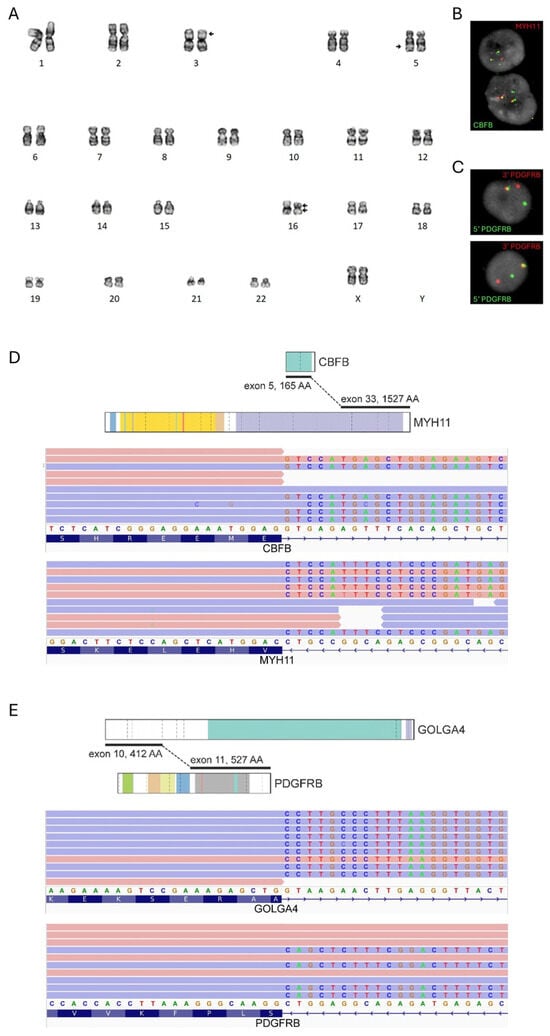
Background: Acute myeloid leukemia (AML) with CBFB::MYH11 fusion and myeloid/lymphoid neoplasms with eosinophilia and tyrosine kinase gene fusions (MLN-TK) are genetically defined and typically mutually exclusive entities. Case Presentation: We report a unique case of de novo AML harboring two clonal, transcriptionally active class-defining fusions: CBFB::MYH11 and GOLGA4::PDGFRB. A 61-year-old woman presented with leukocytosis with neutrophilia, eosinophilia, and monocytosis; circulating blasts; and a markedly hypercellular marrow. Cytogenetic analysis revealed inv(16)(p13.1q22) and t(3;5)(p21;q32) in all 20 metaphases, and RNA sequencing confirmed expression of both CBFB::MYH11 and GOLGA4::PDGFRB fusions. In addition, an oncogenic WT1 frameshift variant was identified. Hematopathologic findings were largely consistent with AML with CBFB::MYH11 fusion but exhibited features reminiscent of PDGFRB-rearranged MLN-TK. The patient achieved complete remission following the standard 7 + 3 induction chemotherapy regimen for AML with gemtuzumab ozogamicin. Conclusions: This case illustrates the diagnostic challenges posed by concomitant class-defining alterations in hematologic neoplasms and underscores the importance of integrated genomic assessment.
Full article

Figure 1
Open AccessCase Report
A Multidisciplinary Approach to the Diagnosis and Management of a Mammary Myofibroblastoma in a Male with a History of Diffuse Large B-Cell Lymphoma: A Case Report
by
Carmen Montes Fernández, Norma C. Gutiérrez, Elena Alejo Alonso, Susana Gallego García, Luis Gonzaga Díaz-González, José Luis Revilla Hernández, María Ángeles Hernández García, Idalia González Morais, Miguel Ángel Cruz Sánchez, José María Sayagués and Luis Miguel Chinchilla-Tábora
Hematol. Rep. 2026, 18(2), 23; https://doi.org/10.3390/hematolrep18020023 - 17 Mar 2026
Abstract
►▼
Show Figures
Background and Clinical Significance: Diffuse Large B-Cell Lymphoma (DLBCL) is a morphologically and molecularly heterogeneous lymphoproliferative disorder that originates from a clonal B-cell ancestor. Patients usually present with rapidly enlarging lymph nodes or mass(es) at single or multiple sites. Generally, 18F-Fluorodeoxyglucose (18F-FDG)
[...] Read more.
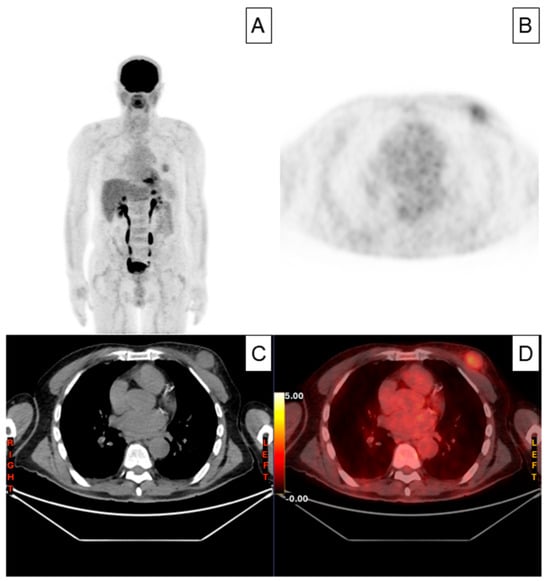
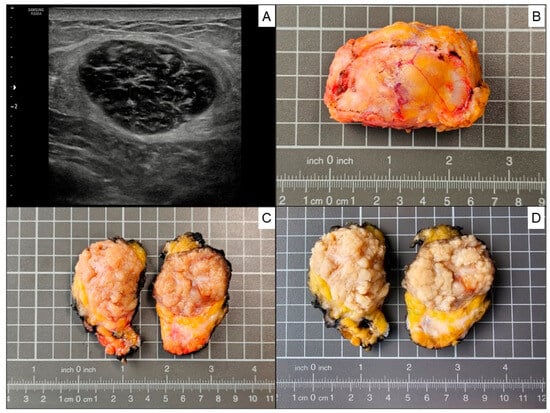
Background and Clinical Significance: Diffuse Large B-Cell Lymphoma (DLBCL) is a morphologically and molecularly heterogeneous lymphoproliferative disorder that originates from a clonal B-cell ancestor. Patients usually present with rapidly enlarging lymph nodes or mass(es) at single or multiple sites. Generally, 18F-Fluorodeoxyglucose (18F-FDG) positron emission tomography with computed tomography (PET-CT) is performed post-treatment to evaluate remission status, especially in radiologically residual tumors. Myofibroblastoma (MFB) is a benign mesenchymal tumor of the mammary stroma composed of fibroblasts and myofibroblasts. These entities do not often present concurrently. Case presentation: The patient was an 80-year-old man with a history of stage IV-BS Diffuse Large B-Cell Lymphoma (DLBCL) with a high-risk International Prognostic Index (IPI). The patient underwent treatment with a six-cycle R-CHOP regimen. Immediately after the last cycle, an 18F-Fluorodeoxyglucose (18F-FDG) positron emission tomography with computed tomography (PET-CT) scan revealed a nodular solid lesion with a faintly increased metabolic standardized uptake value (SUVmax) of 3 in the upper outer quadrant of his left breast. A biopsy of the breast lesion was performed, and it revealed a benign mesenchymal tumor, specifically a Myofibroblastoma. The patient has not presented any symptoms or complications since surgery (12 months) and remains in complete remission (CR). Conclusions: Given the potential diagnostic pitfalls and therapeutic implications of residual tumors in the context of DLBCL, a conscientious evaluation by a multidisciplinary team (MDT) is highly recommended.
Full article

Figure 1
Open AccessCase Report
Plasma Cell Granuloma Mimicking Plasmacytoma Illustrated by 18F-Fluorodeoxyglucose Positron Emission Tomography
by
Osamu Imataki, Hiroaki Ide, Akihiro Takeuchi and Makiko Uemura
Hematol. Rep. 2026, 18(2), 22; https://doi.org/10.3390/hematolrep18020022 - 17 Mar 2026
Abstract
►▼
Show Figures
Background: Plasma cell granuloma is generally considered a pseudotumor formed by reactive, polyclonal plasma cells. Although most cases can show polyclonal gammaglobulin production, quite a minority may exhibit monoclonal gammopathy, which mimics plasma cell neoplasms such as multiple myeloma or plasmacytoma. Because of
[...] Read more.
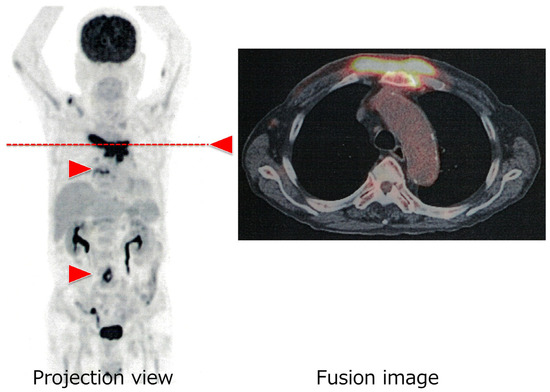
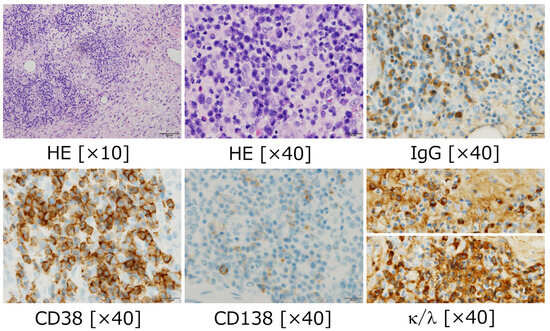
Background: Plasma cell granuloma is generally considered a pseudotumor formed by reactive, polyclonal plasma cells. Although most cases can show polyclonal gammaglobulin production, quite a minority may exhibit monoclonal gammopathy, which mimics plasma cell neoplasms such as multiple myeloma or plasmacytoma. Because of this overlap, distinguishing reactive monoclonal proliferation from true malignancy is clinically essential. Case report: A 79-year-old man was presented with an anterior chest wall mass that had grown during investigation for fever of unknown origin. 18F-fluorodeoxyglucose positron emission tomography (FDG-PET) revealed a sternal bone mass (SUVmax 9.04), aortic uptake of bifurcation (SUVmax 7.08), and Th7/8 soft tissue mass (SUVmax 5.32). Results from the FDG-PET revealed infectious reactions. A chest wall biopsy revealed high degree proliferation of plasma cells. Hematologists suspected plasmacytoma. The pathologist did not diagnose plasmacytoma; thus, there remains a possibility of reactive granuloma lesion. Lastly, the patient’s vertebral soft tissue mass culture yielded Staphylococcus aureus. The patient was treated with antimicrobials and responded well. Discussion: In the presented case, FDG-PET revealed an aortic mass with an aortic aneurysm, a sternal mass, and a vertebral mass, as multiple lesions. The abscess lesions that initially resembled multiple plasmacytomas were identified as plasma cell granuloma. The final diagnosis required demonstrating biopsy and definitive monoclonality. Light-chain restriction or monoclonal protein should be considered in the clinical context. Ultimately, this case highlights the diagnostic value of FDG-PET and the importance of differentiating reactive plasma cell granuloma from true plasma cell neoplasm to guide appropriate management. In conclusion, a reactive plasma cell granuloma associated with infectious aortitis can exhibit monoclonal gammopathy, mimicking plasma cell neoplasm. Careful pathological and clinical evaluation is essential to avoid misdiagnosis and ensure proper treatment.
Full article

Figure 1
Open AccessArticle
Do Patients with Antiphospholipid Syndrome Present with More Significant Venous Thromboembolic Clot Burden? A Retrospective Single-Center Study
by
Joseph Liput, Rahim Jiwani, Rachel DiLeo, Ryan Moll, Abigail Arrigo, Yazan Samhouri and Deep Shah
Hematol. Rep. 2026, 18(2), 21; https://doi.org/10.3390/hematolrep18020021 - 10 Mar 2026
Abstract
►▼
Show Figures
Background/Objectives: Venous thromboembolic disease (VTE) is the most common initial manifestation of antiphospholipid syndrome (APS). Determining which patients with VTE to test for APS can be a challenging clinical decision. We aimed to determine if patients with APS present with more significant
[...] Read more.
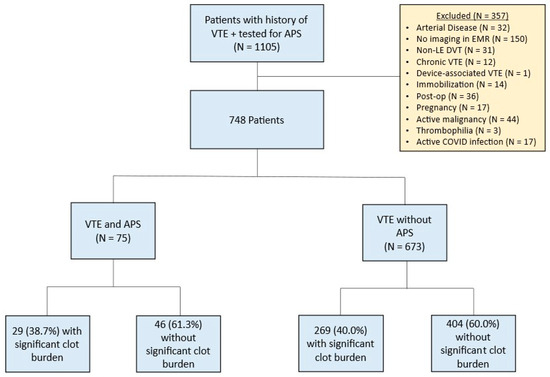
Background/Objectives: Venous thromboembolic disease (VTE) is the most common initial manifestation of antiphospholipid syndrome (APS). Determining which patients with VTE to test for APS can be a challenging clinical decision. We aimed to determine if patients with APS present with more significant venous thromboembolic clot burden, as compared to patients with VTE without a diagnosis of APS. Methods: A multi-hospital single-institution retrospective cohort study was designed. Patients with a diagnosis of VTE who had been tested for APS from 1 December 2019 to 31 January 2022 were included. Patients were stratified based on the presence of APS (APS versus non-APS). Significant venous thromboembolic clot burden was defined as PE involving the main and/or lobar pulmonary arteries or DVT involving the iliofemoral veins. Assessment of clot burden was performed by review of radiology reports of the index clotting event. Results: We included 748 patients with a history of VTE who had been tested for APS; 75 patients (10%) were positive for APS. Significant clot burden was present in 29 (38.7%) APS patients and 269 (40.0%) non-APS patients (OR 0.95, 95% CI 0.58–1.56; p = 0.85). No predictors for significant clot burden were found on multivariable analysis. Triple-positive APS (OR 0.83, 95% CI 0.16–4.21; p = 0.82) and primary APS (OR 0.72, 95% CI 0.15–3.45; p = 0.68) were not associated with more significant clot burden. Conclusions: This retrospective single-institution analysis suggests that patients with APS may not present with more significant venous thromboembolic clot burden than patients with VTE without APS.
Full article

Figure 1
Open AccessEditor’s ChoiceReview
Pediatric Oral Iron Therapy: Choosing the Right Product for Your Patient
by
Sonia Alexiadou, Emmanouela Tsouvala and Elpis Mantadakis
Hematol. Rep. 2026, 18(2), 20; https://doi.org/10.3390/hematolrep18020020 - 5 Mar 2026
Abstract
In this narrative review, we address the prevention and therapy of iron deficiency anemia (IDA) with oral iron products in pediatric patients. Fortification of complementary foods with iron-containing micronutrient powders is the preferred method for the prevention of IDA in resource-limited settings. In
[...] Read more.
In this narrative review, we address the prevention and therapy of iron deficiency anemia (IDA) with oral iron products in pediatric patients. Fortification of complementary foods with iron-containing micronutrient powders is the preferred method for the prevention of IDA in resource-limited settings. In developed countries, the prevention of sideropenia is through the consumption of iron-rich foods of animal origin. Regarding oral iron therapy, ferrous sulfate is the most widely used and cheapest product, but it is less well tolerated due to gastrointestinal side effects compared to complexes of ferric iron with polysaccharides, and complexes of iron with amino acids in casein, such as iron protein succinylate and iron acetyl aspartylate. These latter products are expensive and available only as single-dose vials with a fixed amount of elemental iron. Intermittent administration of ferrous sulfate, once or twice a week, is equally effective to daily therapy, with fewer side effects, and can be used in selected patients. Oral carbonyl iron has excellent bioavailability and the additional advantage of a high safety margin in cases of accidental overdose compared to iron salts, an important consideration given the potentially lethal consequences of iron overdose. Newer liposomal and sucrosomial iron products appear to have better intestinal tolerance and similar efficacy in the treatment of IDA, but limited pediatric data exist. In conclusion, all oral medicinal iron products are effective when prescribed for the treatment of IDA, if well-absorbed and taken consistently for 3 to 6 months. Physicians should be prepared to use alternative oral agents with better tolerance in case of gastrointestinal side effects.
Full article
(This article belongs to the Special Issue Anaemia in Focus: Challenges and Solutions in Haematology)
Open AccessCase Report
Clinical Experience with Emicizumab and Rituximab as First-Line Treatment in a Case Series of Acquired Hemophilia A
by
Hikari Ota, Kyohei Yasuda, Namie Toyota and Kazuhiro Masuoka
Hematol. Rep. 2026, 18(2), 19; https://doi.org/10.3390/hematolrep18020019 - 5 Mar 2026
Abstract
Background: Acquired hemophilia A (AHA) is a bleeding disorder caused by autoantibodies against coagulation factor VIII. Treatment includes controlling bleeding and eliminating the inhibitor. Emicizumab has been increasingly used to prevent bleeding in patients with AHA. Rituximab is used as a first-line immunosuppressive
[...] Read more.
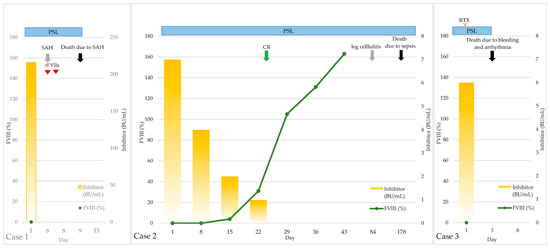
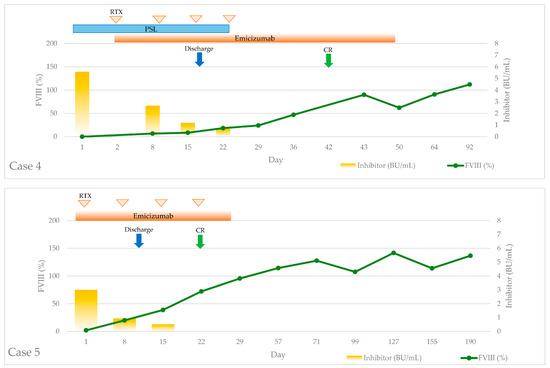
Background: Acquired hemophilia A (AHA) is a bleeding disorder caused by autoantibodies against coagulation factor VIII. Treatment includes controlling bleeding and eliminating the inhibitor. Emicizumab has been increasingly used to prevent bleeding in patients with AHA. Rituximab is used as a first-line immunosuppressive therapy (IST) for AHA, either in combination with corticosteroids in high-risk patients or as monotherapy in low-risk patients who cannot tolerate corticosteroids. However, evidence regarding concomitant emicizumab and rituximab as first-line treatment for AHA is limited. Case presentations: We present five cases of AHA diagnosed at a single institution. The first three high-risk AHA cases in the era before emicizumab resulted in poor outcomes due to bleeding (Cases 1 and 3) or infection (Case 2). The recent cases (Cases 4 and 5) were successfully treated with emicizumab and rituximab-containing IST without severe bleeding and infections. Since emicizumab effectively relieved pain in these patients, rehabilitation could be initiated promptly, resulting in earlier hospital discharge. Complete remission was achieved on Day 42 in Case 4 and on Day 22 in Case 5, respectively, and emicizumab was subsequently discontinued in both cases. Conclusions: Our case series suggests that early initiation of emicizumab for patients with AHA is effective in preventing severe bleeding and subsequent immobility, and it can be combined with rituximab-containing IST to achieve remission, potentially with fewer adverse effects than standard IST. Further studies are warranted to establish the optimal treatment protocol involving emicizumab and IST for AHA.
Full article
(This article belongs to the Special Issue Hemophilia: The Paradigm Shift and the Unresolved Challenges)
►▼
Show Figures

Figure 1

Open AccessCase Report
Paraneoplastic Hepatitis Associated with Relapsed Nodular Lymphocyte-Predominant Hodgkin Lymphoma
by
Jasmin Nelissen, Sandra Coenen, King Lam, Michael Doukas, Harry L. A. Janssen and Yasmina Serroukh
Hematol. Rep. 2026, 18(2), 18; https://doi.org/10.3390/hematolrep18020018 - 28 Feb 2026
Abstract
Background: Nodular lymphocyte-predominant Hodgkin lymphoma (NLPHL) is an indolent B-cell lymphoma with long-term survival and a tendency for late relapse. Hepatic manifestations of varying etiologies have been described in lymphoproliferative disorders. However, paraneoplastic hepatitis is rare, and reports typically describe acute presentations.
[...] Read more.
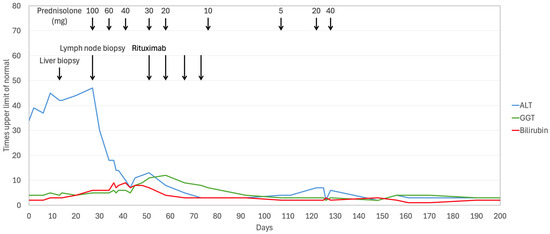
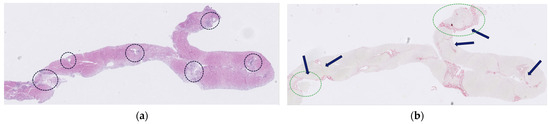
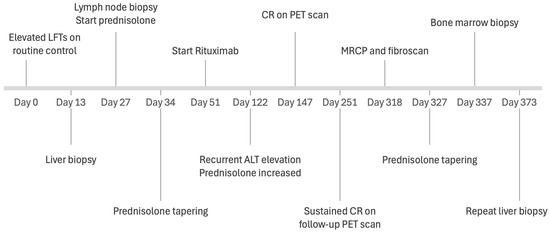
Background: Nodular lymphocyte-predominant Hodgkin lymphoma (NLPHL) is an indolent B-cell lymphoma with long-term survival and a tendency for late relapse. Hepatic manifestations of varying etiologies have been described in lymphoproliferative disorders. However, paraneoplastic hepatitis is rare, and reports typically describe acute presentations. We describe an unusual case of paraneoplastic hepatitis with an indolent and progressive clinical course occurring in the setting of relapsed NLPHL. Case Presentation: A 32-year-old man with a history of NLPHL was found to have marked transaminase elevation with preserved liver function during routine follow-up. Extensive evaluation excluded viral, autoimmune, and metabolic causes of liver disease. Liver biopsy demonstrated confluent and bridging necrosis with lymphoplasmacytic infiltrates, without evidence of direct lymphoma involvement. Excisional biopsy of a cervical lymph node revealed relapse of NLPHL without histologic transformation. Treatment with corticosteroids resulted in partial biochemical improvement, and subsequent rituximab monotherapy achieved lymphoma remission. Despite this, low-grade transaminase elevation persisted, and follow-up imaging and liver biopsy demonstrated progression to fibrosis, suggesting a tendency towards chronicity. Conclusions: Paraneoplastic hepatitis should be considered in patients with NLPHL who present with unexplained liver abnormalities. This report illustrates a fibrosing form of paraneoplastic hepatitis associated with NLPHL and broadens the clinical spectrum of paraneoplastic hepatic injury. Early recognition, histological confirmation, and tailored immunosuppressive management are critical to optimizing hepatic and lymphoma-related outcomes.
Full article
(This article belongs to the Special Issue Treatment and Prognosis of Hematological Malignancies)
►▼
Show Figures

Figure 1
Highly Accessed Articles
Latest Books
E-Mail Alert
News
Topics
Topic in
Biomedicines, Biomolecules, Cancers, Cells, Hematology Reports, IJMS
Advances in Molecular Pathogenesis and Targeted Therapies for Multiple Myeloma
Topic Editors: Chung Hoow Kok, Cindy H. S. Lee, Claudio CerchioneDeadline: 3 August 2026
Topic in
BioMedInformatics, Cancers, Hemato, Hematology Reports
Myeloma and Leukemia—Challenges and Current Treatment Options: 2nd Edition
Topic Editors: Giovanni Martinelli, Claudio CerchioneDeadline: 18 September 2026
Conferences
Special Issues
Special Issue in
Hematology Reports
Bleeding and Thrombotic Complications in Patients with Premalignant Hematologic Conditions: Diagnostic and Therapeutic Challenges
Guest Editors: Vasiliki Gkalea, Despina FotiouDeadline: 20 August 2026
Special Issue in
Hematology Reports
Advancements in Blood Sample Analysis: Innovative Technologies for Hematology
Guest Editor: Ashish RajputDeadline: 31 August 2026
Special Issue in
Hematology Reports
Aging and Hematology: Biology, Therapies, and Patient-Centered Care
Guest Editor: Yamasaki SatoshiDeadline: 30 September 2026
Special Issue in
Hematology Reports
Hemophilia: The Paradigm Shift and the Unresolved Challenges
Guest Editor: Felipe QuerolDeadline: 30 September 2026