
Skip to Content

Current Oncology

Current Oncology is an international, peer-reviewed, open access journal that since 1994 represents a multidisciplinary medium for clinical oncologists to report and review progress in the management of this disease, and published monthly online by MDPI (from Volume 28, Issue 1 - 2021). The Canadian Association of Medical Oncologists (CAMO), Canadian Association of Psychosocial Oncology (CAPO), Canadian Association of General Practitioners in Oncology (CAGPO), Cell Therapy Transplant Canada (CTTC) and others are affiliated with Current Oncology and their members receive discounts on the article processing charges.
Get Alerted

Add your email address to receive forthcoming issues of this journal.

All Articles (5,697)

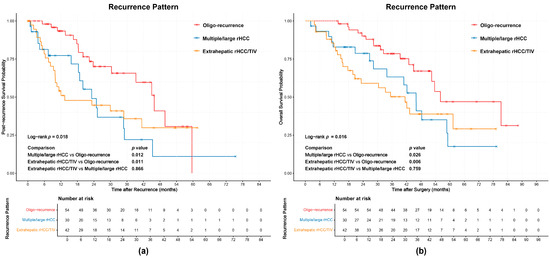
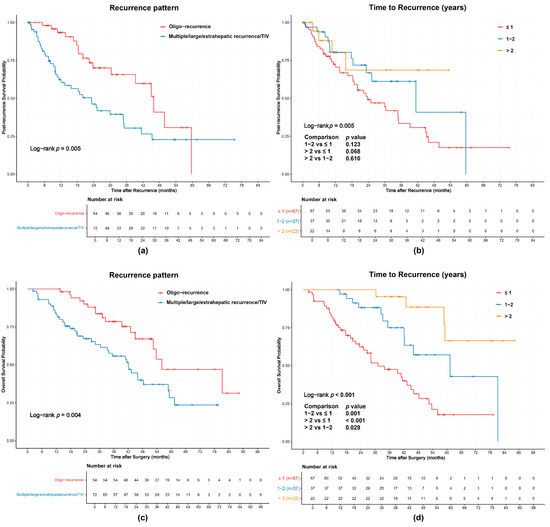
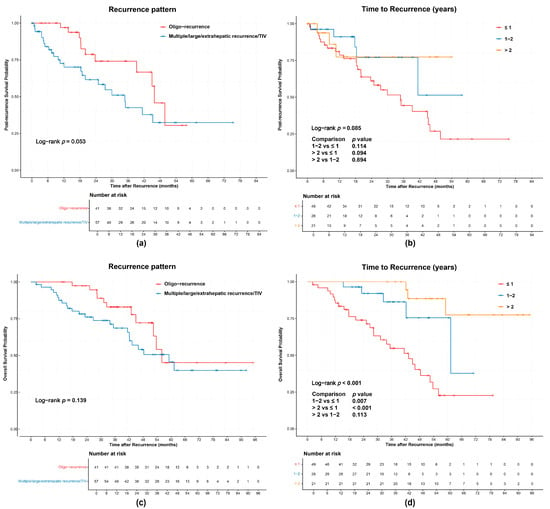
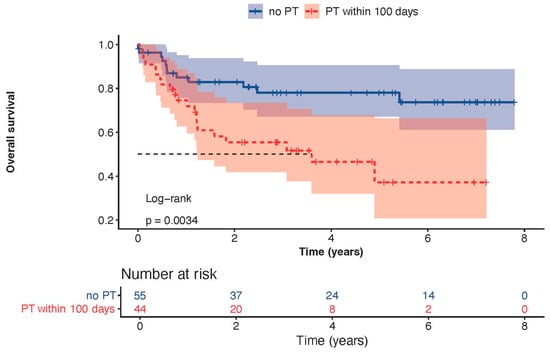
Post-recurrence survival (PRS) after hepatectomy for hepatocellular carcinoma (HCC) varies widely, yet the prognostic significance of the recurrence pattern and time to recurrence (TTR) for PRS remains incompletely defined. This single-center retrospective study included 126 patients with first HCC recurrence after curative hepatectomy (2018–2024) and aimed to explore the prognostic role of recurrence pattern, classified as low-risk (oligo-recurrence: ≤3 intrahepatic nodules, each ≤3 cm) or high-risk (multiple/large intrahepatic, tumor in vein, or extrahepatic), for PRS. In the overall cohort, the recurrence pattern independently predicted PRS (hazard ratio 2.13, p = 0.015); the preoperative Barcelona Clinic Liver Cancer (BCLC) stage, gamma-glutamyl transferase, and total bilirubin were also independent predictors. A sensitivity analysis, including post-recurrence treatment, attenuated the hazard ratio for high-risk pattern to 1.82 (95% CI 0.93–3.55, p = 0.079), consistent with partial mediation. Kaplan–Meier analyses suggested an association between shorter TTR and worse overall survival (OS), but this finding is descriptive because OS measured from surgery is mathematically coupled with TTR. In an exploratory subgroup analysis of patients with early-stage primary HCC (BCLC 0/A, n = 98), the recurrence pattern showed a borderline association with PRS (p = 0.053). Late detection was associated with high-risk recurrence but did not independently affect survival. These findings highlight the prognostic value of the recurrence pattern for PRS and support the consideration of TTR as a descriptive prognostic indicator, which together may inform risk-adapted follow-up and treatment strategies.

Curr. Oncol.

12 September 2026

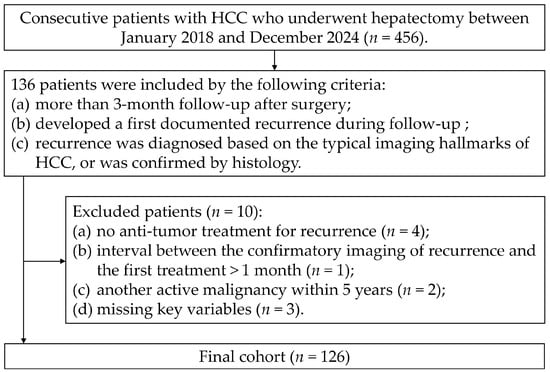
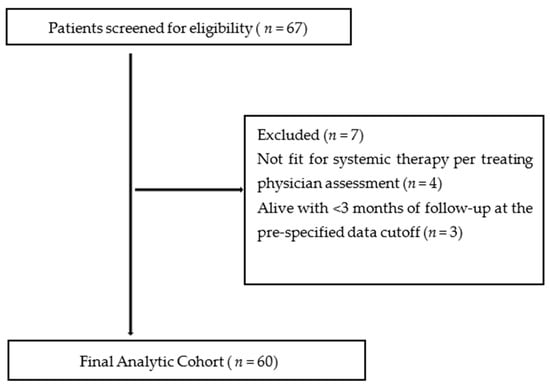
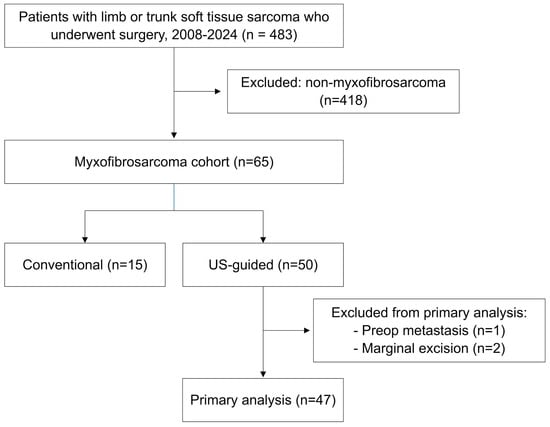
Study flow diagram.

Background: Cancer remains a growing public health challenge globally, with increasing demand for oncology services, particularly in resource-limited settings. In South Africa’s Eastern Cape Province, tertiary hospitals face rising patient loads amid constrained infrastructure and late-stage presentation. This study assessed temporal trends, gender differences, and cancer-type distribution in oncology service utilisation at Nelson Mandela Academic Hospital (NMAH) from April 2023 to February 2025. Methods: A retrospective quantitative observational time-series design was used. Monthly aggregated oncology service data were extracted from hospital records, including total cancer attendances, gender distribution, cancer types, and service utilisation indicators (new cases, follow-ups, chemotherapy, hormone therapy, palliative care, admissions, referrals, and mortality). Descriptive statistics, Pearson correlation, and simple linear regression were applied to assess temporal trends. Time (months) was the independent variable. Results: A total of 16,368 cancer-related encounters were recorded, with a mean of 706.4 cases per month. Females accounted for 11,816 cases, significantly exceeding males (4552). Breast cancer was the most prevalent malignancy (5763 cases), followed by other cancers (4316) and cervical cancer (3616). Cervical cancer demonstrated a strong and statistically significant increasing trend (r = 0.619, p = 0.002), while lung cancer also showed a significant upward trend (r = 0.549, p = 0.007). Breast cancer showed a positive but non-significant trend (p = 0.163), whereas prostate and oesophageal cancers showed no significant temporal changes. Service utilisation was dominated by follow-up visits (14,761) and palliative care (16,911), indicating a high burden of advanced disease. Overall attendance showed an increasing trend, peaking at 1039 cases in April 2024, with seasonal declines in December–January. Conclusions: Oncology service utilisation at NMAH is increasing, with marked gender disparities and rising trends in cervical and lung cancers. The high reliance on palliative and follow-up care highlights late presentation and advanced disease burden. Strengthening early detection, screening programmes, and decentralised oncology service capacity is essential to address the growing cancer burden in this setting.

Curr. Oncol.

11 September 2026
All graphs were generated using Microsoft Excel based on the same dataset presented in the corresponding tables. The figures visually represent the tabulated results for ease of interpretation and comparison. The left Y-axis represents the primary scale for the number of cancer cases and service utilization counts, while the right Y-axis represents secondary scaled variables where applicable (e.g., comparative trends or rate-based indicators). The X-axis represents the study period (April 2023 to February 2025), showing monthly distribution and trends in oncology service utilization.

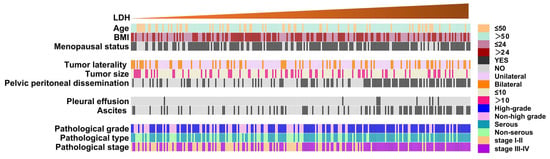
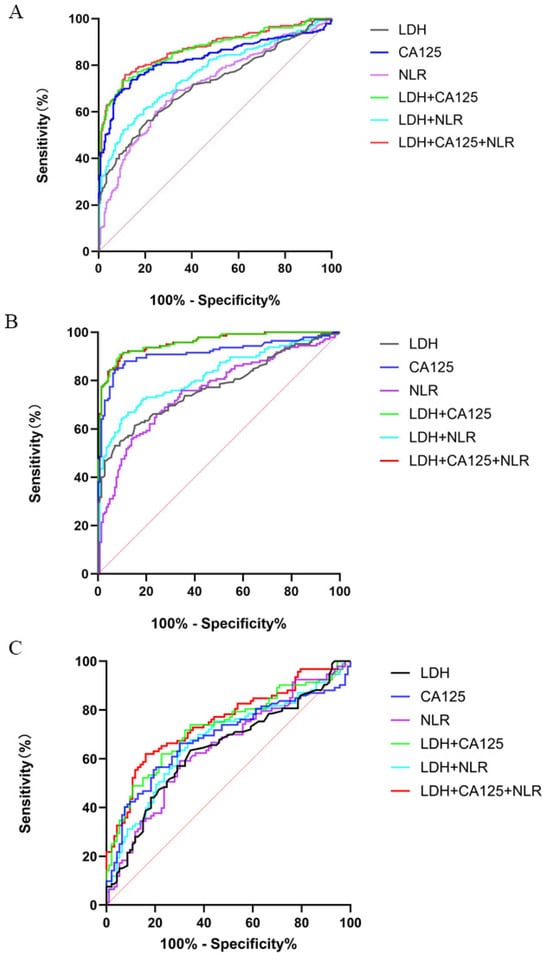
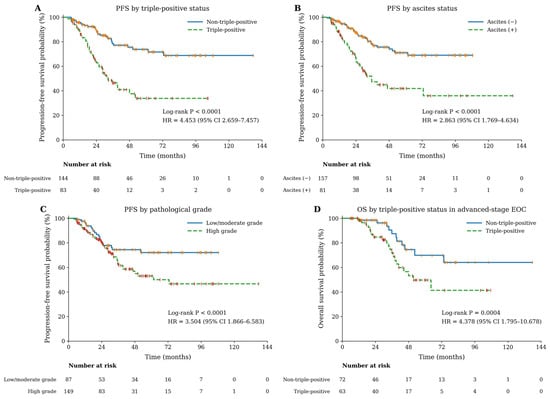
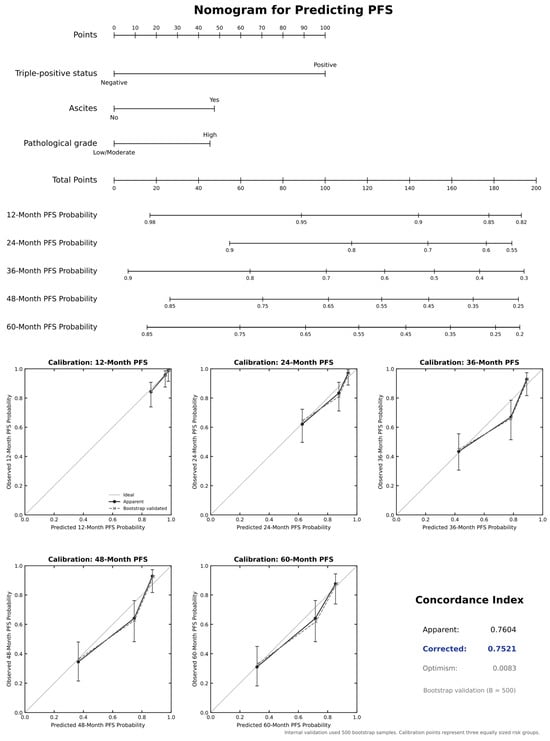
(1) Background/Objective: Routine blood tests may provide useful information at different stages of epithelial ovarian cancer (EOC) management. This study evaluated continuous lactate dehydrogenase (LDH), carbohydrate antigen 125 (CA125), and neutrophil-to-lymphocyte ratio (NLR) values for diagnostic discrimination in epithelial ovarian cancer (EOC) and, separately, triple-positive status in relation to platinum resistance and survival. (2) Methods: This retrospective study included 238 patients with EOC and 238 individually matched patients with benign ovarian lesions. Continuous biomarkers were entered into logistic regression models for diagnosis. Triple-positive status was defined as LDH > 195.5 U/L, CA125 > 35.37 U/mL, and NLR > 2.63. Logistic regression was used for platinum resistance and Cox regression for progression-free survival (PFS) and overall survival (OS). Bootstrap internal validation was performed for the diagnostic models and PFS nomogram. (3) Results: The continuous LDH + CA125 + NLR model yielded an AUC of 0.873, with 75.97% sensitivity and 88.66% specificity; AUCs were 0.751 in early-stage and 0.958 in advanced-stage EOC. Adding NLR to LDH + CA125 did not significantly improve the AUC overall or within stage groups. Triple-positive status was associated with platinum resistance (adjusted OR = 3.488, 95% CI 1.504–8.087; p = 0.004), shorter PFS (adjusted HR = 3.109, 95% CI 1.772–5.456; p < 0.001), and shorter OS in advanced-stage EOC (adjusted HR = 3.538, 95% CI 1.385–9.038; p = 0.008). The PFS nomogram had a bootstrap-corrected C-index of 0.7521. (4) Conclusions: The continuous three-marker model showed diagnostic discrimination in this selected surgical cohort, while triple-positive status was associated with platinum resistance and adverse survival outcomes. External validation is needed.

Curr. Oncol.

10 September 2026

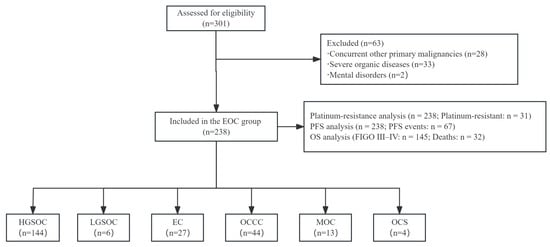
Flowchart of EOC patient selection, histological distribution, and analytic cohorts. EOC, epithelial ovarian cancer; PFS, progression-free survival; OS, overall survival; FIGO, International Federation of Gynecology and Obstetrics. HGSOC, high-grade serous ovarian carcinoma; LGSOC, low-grade serous ovarian carcinoma; EC, endometrioid carcinoma; OCCC, ovarian clear cell carcinoma; MOC, mucinous ovarian carcinoma; OCS, ovarian carcinosarcoma.

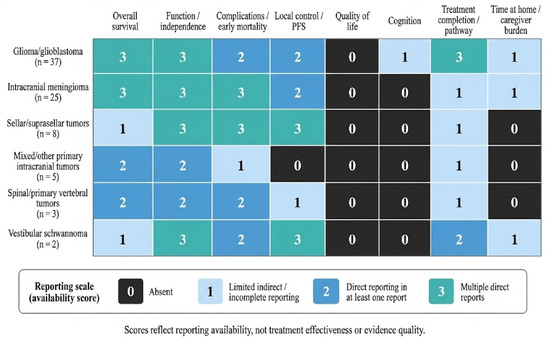
Adults aged 75 years or older are increasingly considered for neurosurgical treatment of primary central nervous system tumors, yet the evidence guiding treatment selection remains fragmented. We conducted a scoping review of PubMed/MEDLINE, Ovid Embase, Scopus, and Web of Science from database inception through July 2026. Original clinical reports were eligible when they included separately extractable data for adults aged 75 years or older undergoing or being evaluated for tumor-directed neurosurgical intervention for primary intracranial, skull-base, cranial-nerve, spinal cord, meningeal, or primary vertebral tumors. Data were charted using a standardized framework and synthesized descriptively by tumor type, treatment intent, patient-selection factors, and reported outcomes. Eighty reports were included, of which 37 addressed glioma or glioblastoma and 25 addressed intracranial meningioma; 75 were retrospective. In glioma, greater resection was frequently associated with longer survival, although findings for subtotal resection were inconsistent and postoperative treatment completion was an important prognostic factor. In meningioma, functional preservation and independence were prominent considerations, while sellar, spinal, and vestibular schwannoma studies emphasized vision, neurologic function, and cranial-nerve outcomes. Quality of life, cognition, caregiver burden, and time at home were rarely reported. Surgical benefit in very elderly patients is tumor-specific, and future studies should prioritize prospective, patient-centered outcomes rather than relying primarily on survival or chronological age.

Curr. Oncol.

10 September 2026

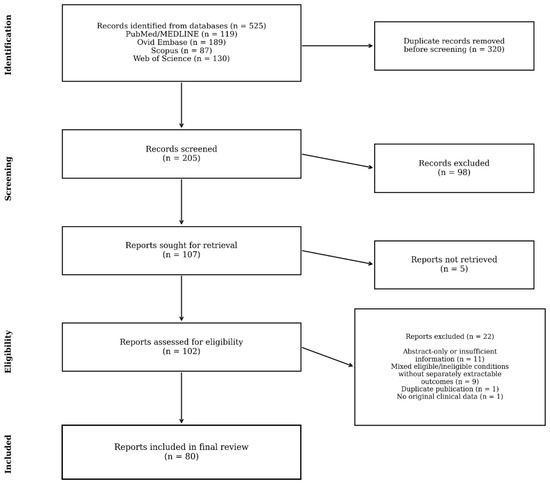
PRISMA flow diagram of study selection.

Highly Accessed Articles

News & Conferences

Latest Issues

Open for Submission

Journal Sections

Evolution of Treatments of Prostate Cancer
Reprint

Evolution of Treatments of Prostate Cancer

From Biology to Current Advanced Technologies
Editors: Fernando Munoz
Recent Advances in Anticancer Strategies
Reprint

Recent Advances in Anticancer Strategies

Editors: Hassan Bousbaa, Zhiwei Hu
XFacebookLinkedIn
Curr. Oncol. - ISSN 1718-7729