19 pages, 14791 KB  
Article
Homotaurine and Curcumin Analogues as Potential Anti-Amyloidogenic Agents
by Jose Paredes Quiroz, Andi Zeng, Michelle Young, Patrick Gordon, Aadya Jaipuria, Kristi J. Reed, Greg M. Landry, Suhui Yang, Shreya Asher, Sabrina Ruoyao Chen Zhang and Ronny Priefer
Chemistry 2023, 5(1), 223-241; https://doi.org/10.3390/chemistry5010018 - 7 Feb 2023
Cited by 2 | Viewed by 2938
Abstract
Currently, there is neither a cure for Alzheimer’s disease (AD) nor a way to stop the progressive death of neuronal cells associated with this devastating aliment. To date, there are only medications that temporarily slow its progression, and do not interfere with its [...] Read more.
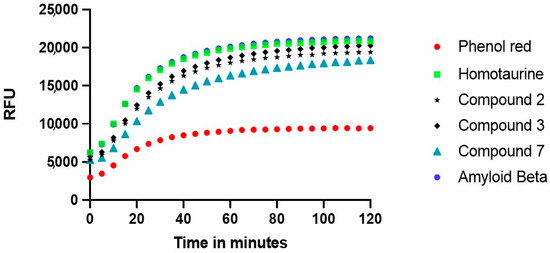
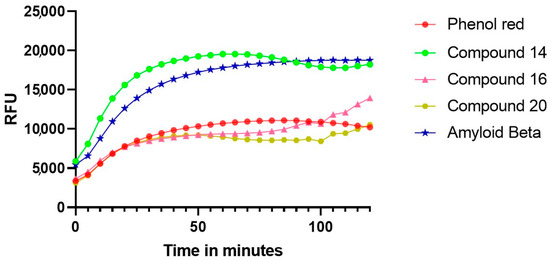
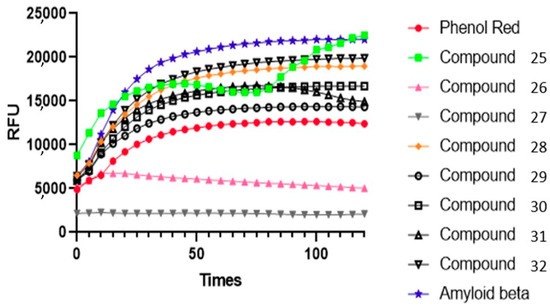
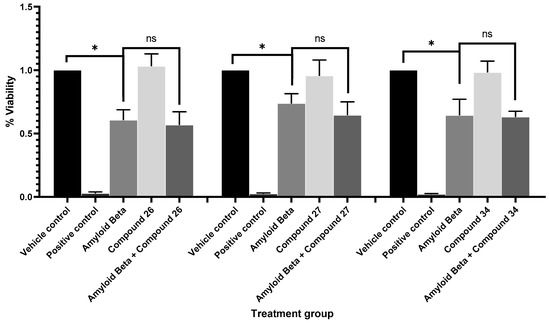
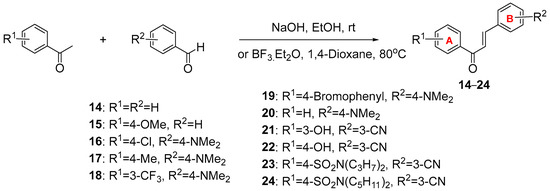
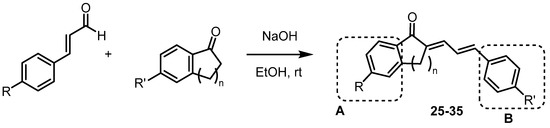
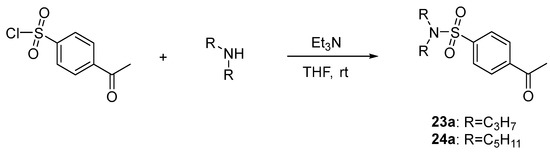
Currently, there is neither a cure for Alzheimer’s disease (AD) nor a way to stop the progressive death of neuronal cells associated with this devastating aliment. To date, there are only medications that temporarily slow its progression, and do not interfere with its pathogenesis. One of the hallmarks of AD is the presence of amyloid-beta plaques derived from the metabolism of the amyloid precursor protein, via the cleavage by beta followed by gamma secretase. Homotaurine, a naturally occurring small molecule found in some seaweeds, and curcumin, a phenolic antioxidant found in Curcuma longa, have been extensively studied as potential compounds to prevent/reverse plaque formation. In this study, libraries of chalcones and extended chalcones based on curcumin, as well as aminopropylsulfonamides inspired by homotaurine, were synthesized. Using fluorescence spectroscopic analysis with Thioflavin T, the anti-aggregation effect on Aβ42 was determined. A select number of newly synthesized chalcones and extended chalcone analogs were revealed to be potential anti-amyloidogenic agents. These were further evaluated with regard to their neurotoxicity/neuroprotection. The extended chalcone analogs that displayed the most anti-aggregation effect on Aβ42 were further analyzed in an MTT assay. Although none of the compounds alone displayed any neurotoxicity, none were able to provide neuroprotection against Aβ42. Full article
Show Figures

Figure 1
22 pages, 2993 KB  
Review
An Update on Phytochemicals in Redox Homeostasis: “Virtuous or Evil” in Cancer Chemoprevention?
by Homa Fatma, Mohd Jameel and Hifzur R. Siddique
Chemistry 2023, 5(1), 201-222; https://doi.org/10.3390/chemistry5010017 - 4 Feb 2023
Cited by 12 | Viewed by 3341
Abstract
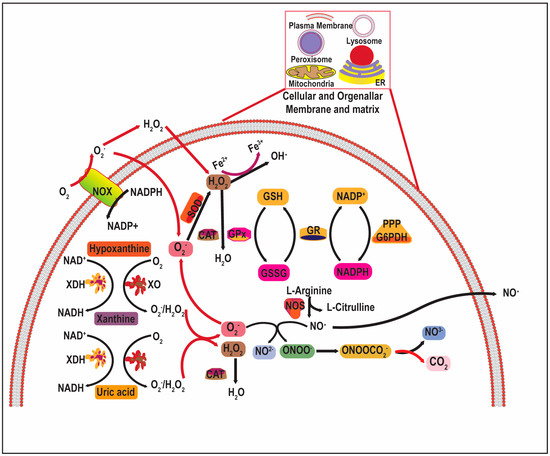
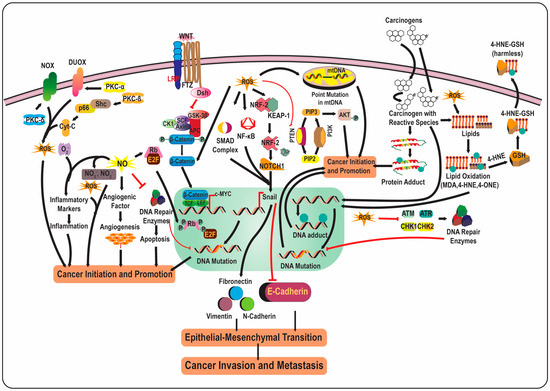
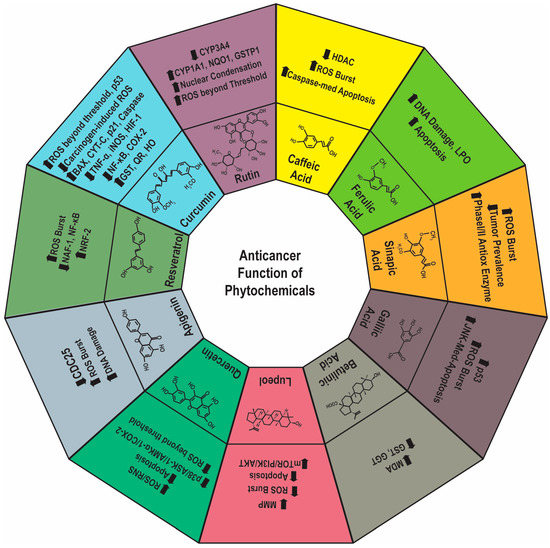
Redox homeostasis, a dynamic process ensuring a balance between cellular oxidizing and reducing reactions, is crucial for maintaining healthy cellular physiology and regulating many biological processes, requiring continuous monitoring and fine-tuning. Reactive species play a critical role in intra/intercellular signaling, and each cell [...] Read more.
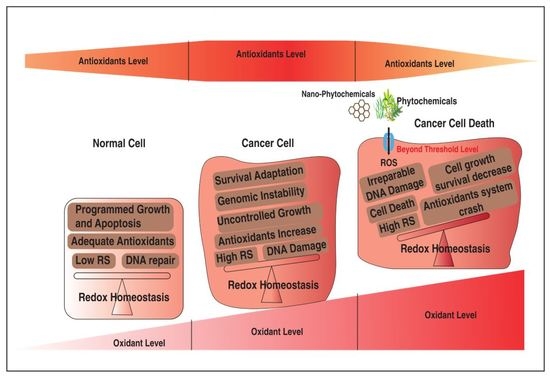
Redox homeostasis, a dynamic process ensuring a balance between cellular oxidizing and reducing reactions, is crucial for maintaining healthy cellular physiology and regulating many biological processes, requiring continuous monitoring and fine-tuning. Reactive species play a critical role in intra/intercellular signaling, and each cell has a specific system guarding cellular redox homeostasis. ROS signaling and oxidative stress are involved in cancer initiation and progression. However, the generation of reactive species beyond the threshold level inside the tumor microenvironment is considered one of the therapeutic approaches. Various studies have shown that some phytochemicals can target the redox homeostasis of the tumor microenvironment. Recent advances have focused on developing and introducing phytochemical interventions as favorable therapeutic options against cancer. However, studies have also suggested the “virtuous” and “evil” impacts of phytochemicals. Some phytochemicals enhance therapeutic efficacy by promoting intracellular oxidant accumulation. However, under certain conditions, some phytochemicals may harm the cellular microenvironment to promote cancer and tend to target different pathways for cancer initiation and development instead of targeting redox homeostasis. In this context, this review is focused on providing an overall understanding of redox homeostasis and intends to highlight the potential positive and negative impacts of phytochemicals in redox homeostasis and disease development. We also discuss the recent nanotechnology-based advancements in combating cancer development. Full article
Show Figures

Graphical abstract

14 pages, 5811 KB  
Article
Trinuclear and Cyclometallated Organometallic Dinuclear Pt-Pyrazolato Complexes: A Combined Experimental and Theoretical Study
by Zhichun Shi, Fengyu Li, Hong Zhao, Indranil Chakraborty, Zhongfang Chen and Raphael G. Raptis
Chemistry 2023, 5(1), 187-200; https://doi.org/10.3390/chemistry5010016 - 29 Jan 2023
Cited by 2 | Viewed by 3286
Abstract
Two differently substituted pyrazole ligands have been investigated with regard to the topology of their Pt complexes: upon deprotonation, two mononuclear 1:2 PtII-pyrazole complexes—one of the sterically unhindered 4-Me-pzH and one of the bulky 3,5-tBu-pzH (pzH = pyrazole)—yield the [...] Read more.
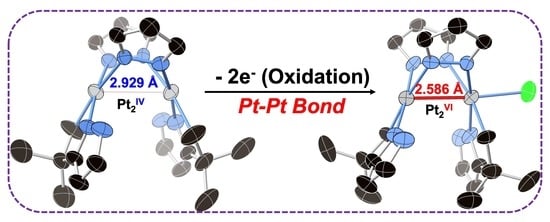
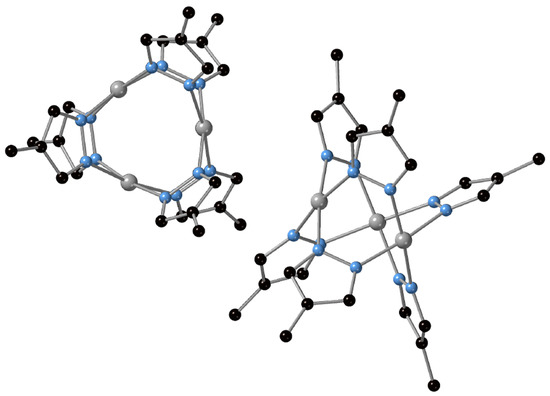
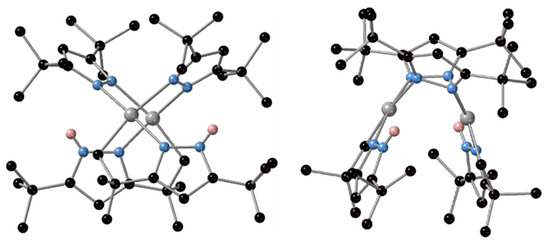
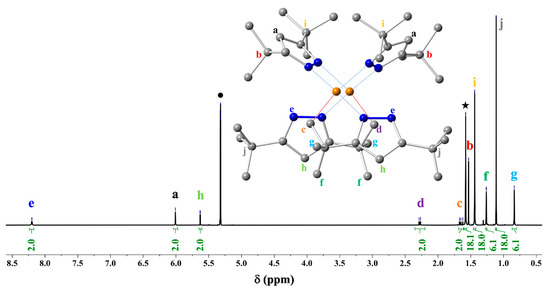
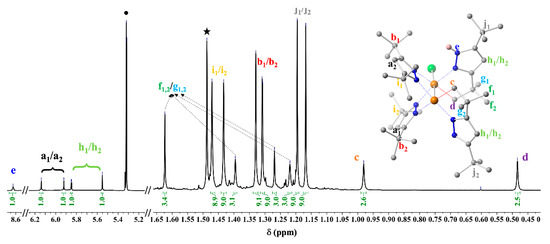
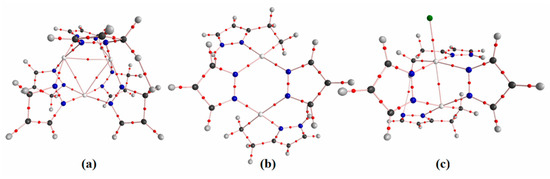
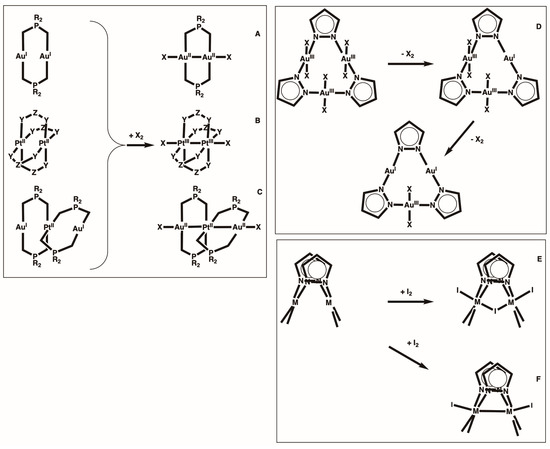
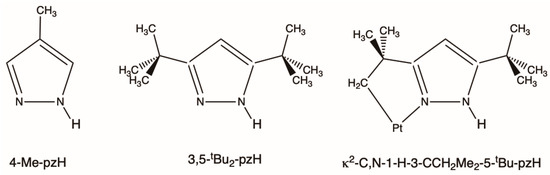
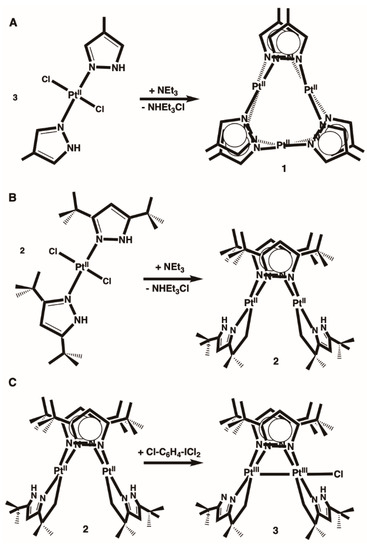
Two differently substituted pyrazole ligands have been investigated with regard to the topology of their Pt complexes: upon deprotonation, two mononuclear 1:2 PtII-pyrazole complexes—one of the sterically unhindered 4-Me-pzH and one of the bulky 3,5-tBu-pzH (pzH = pyrazole)—yield the corresponding 1:2 PtII-pyrazolato species; the former a triangular, trinuclear metallacycle (1), and the latter a dinuclear, half-lantern species (2) formed via the unprecedented cyclometallation of a butyl group. Stoichiometric oxidation of the colorless PtII2 complex produces the deep-blue, metal–metal bonded PtIII2 analog (3) with a rarely encountered unsymmetrical coordination across the Pt-Pt bond. All three complexes have been characterized by single crystal X-ray structure determination, 1H-NMR, IR, and UV-vis-NIR spectroscopic methods. The XPS spectra of the PtII2 and PtIII2 species are also reported. Density functional theory calculations were carried out to investigate the electronic structure, spectroscopic properties, and chemical bonding of the new complexes. The calculated natural population analysis charges and Wiberg bonding indices indicate a weak σ-interaction in the case of 2 and a formal Pt-Pt single bond in 3. Full article
Show Figures

Graphical abstract

8 pages, 1706 KB  
Communication
Noncentrosymmetric Supramolecular Hydrogen-Bonded Assemblies Based on Achiral Pyrazine-Bridged Zinc(II) Coordination Polymers with Pyrazinedione Derivatives
by Ko Yoneda, Ken Kanazashi, Hitoshi Kumagai, Ryuta Ishikawa and Satoshi Kawata
Chemistry 2023, 5(1), 179-186; https://doi.org/10.3390/chemistry5010015 - 26 Jan 2023
Viewed by 2079
Abstract
Reaction of M(OAc)2·xH2O (M, x = Zn, 2 and Co, 4), 1,4-dihydro-5,6-dicyano-2,3-pyrazinedione (H2CN2pyzdione), and pyrazine (pyz) affords two compounds of the same molecular formula {[M(H2O)6][M(CN2pyzdione)2(pyz)]·6H [...] Read more.
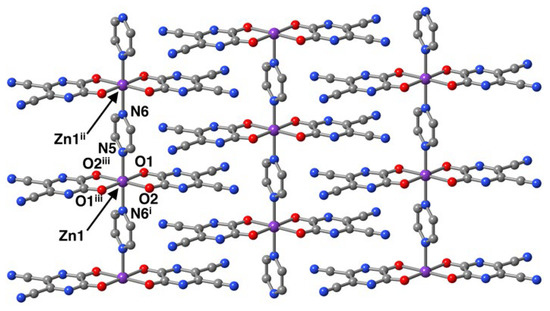
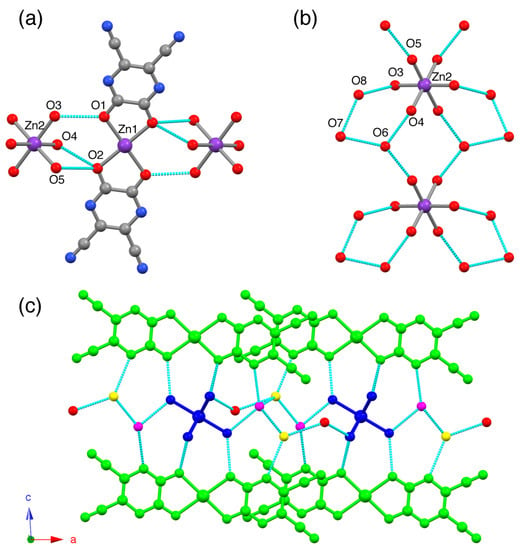
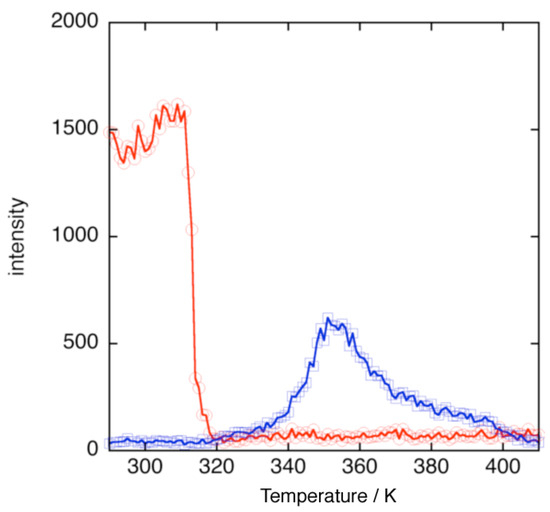
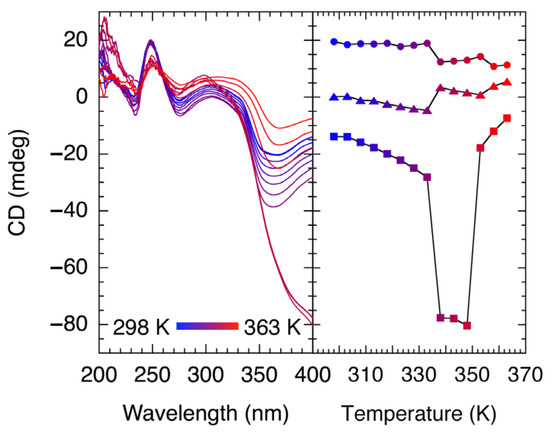
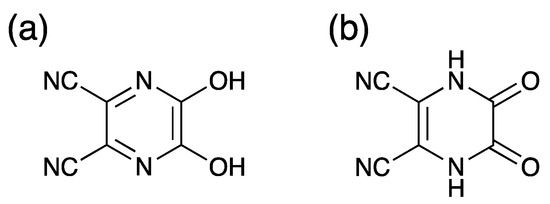
Reaction of M(OAc)2·xH2O (M, x = Zn, 2 and Co, 4), 1,4-dihydro-5,6-dicyano-2,3-pyrazinedione (H2CN2pyzdione), and pyrazine (pyz) affords two compounds of the same molecular formula {[M(H2O)6][M(CN2pyzdione)2(pyz)]·6H2O}n (M = Zn for 1 and Co for 2) in which discrete units of [M(H2O)6]2+ are linked to one-dimensional chains of [M(CN2pyzdione)2(pyz)]2– via multiple O–H···O hydrogen-bonding interactions and M2+-bound H2O molecules in [M(H2O)6]2+ also serve as linkers of hydrogen-bonded interstitial H2O molecules. Remarkably, 1 crystallizes in the monoclinic crystal system, the similar crystal system and unit cell parameters as 2, but with a space group distinct from 1 and 2, i.e., 1 is the noncentrosymmetric space group C2, whereas 2 is the centrosymmetric space group C2/m. This polar structure for 1 is induced by the presence of alternating arrangements of distinguishable two axial Zn–N bonds within [Zn(CN2pyzdione)2(pyz)]2– chains. Indeed, solid-state circular dichroism spectra of 1 exhibit significant Cotton effects, as evidenced by the polar space group C2. Moreover, these Cotton effects show clear temperature-dependence depending on contents of H2O molecules of 1. Full article
Show Figures

Figure 1

11 pages, 3305 KB  
Article
Total Synthesis of Floyocidin B: 4,5-Regioselective Functionalization of 2-Chloropyridines
by Yolanda Kleiner, Armin Bauer, Peter Hammann, Sören M. M. Schuler and Christoph Pöverlein
Chemistry 2023, 5(1), 168-178; https://doi.org/10.3390/chemistry5010014 - 16 Jan 2023
Viewed by 4100
Abstract
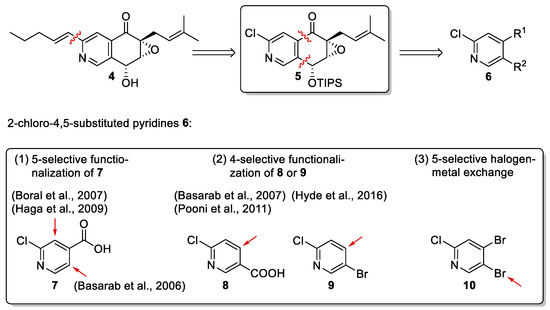
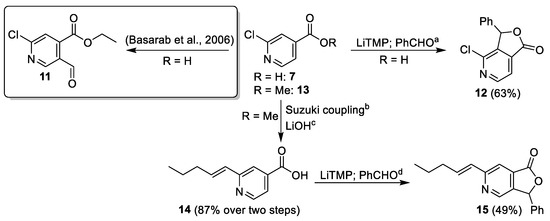
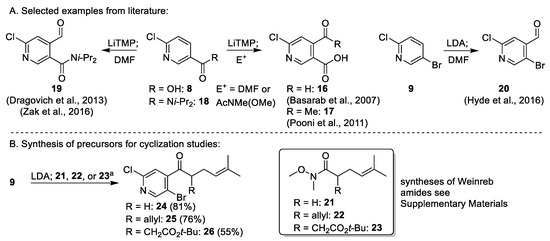
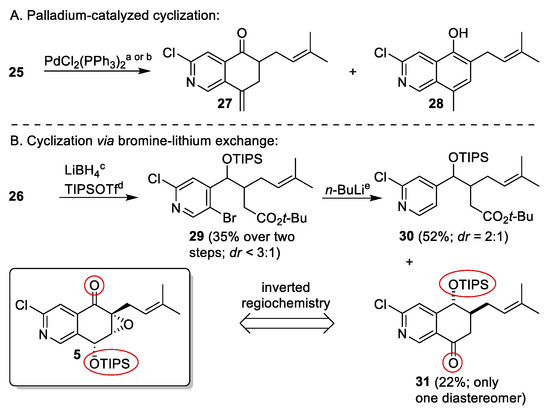
The recently discovered natural product (NP) (+)-floyocidin B with antimicrobial activity against Mycobacterium tuberculosis displays a hitherto unknown dihydroisoquinolinone scaffold in the class of the epoxyquinone NPs. The 4,5-regioselective functionalization of 2-chloropyridines was identified as a suitable strategy leading to the total syntheses [...] Read more.
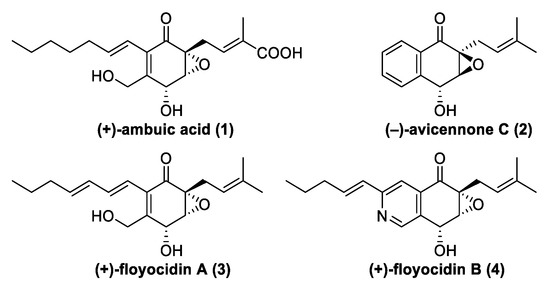
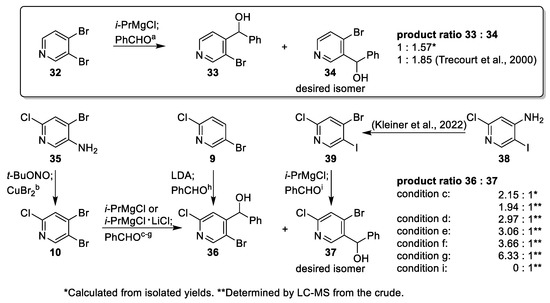
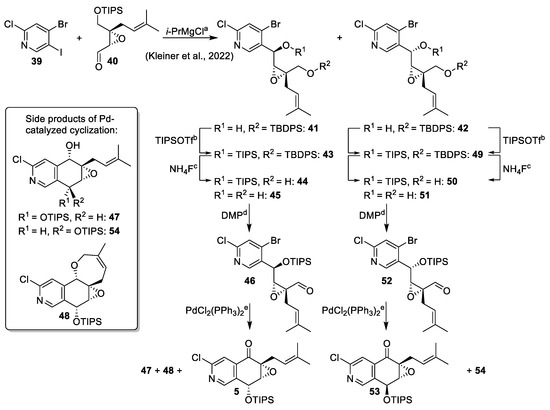
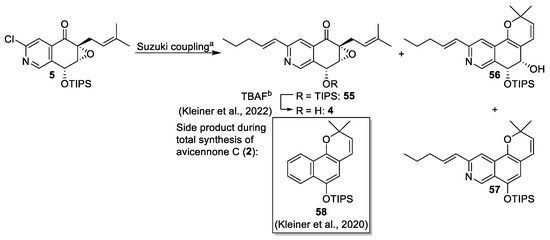
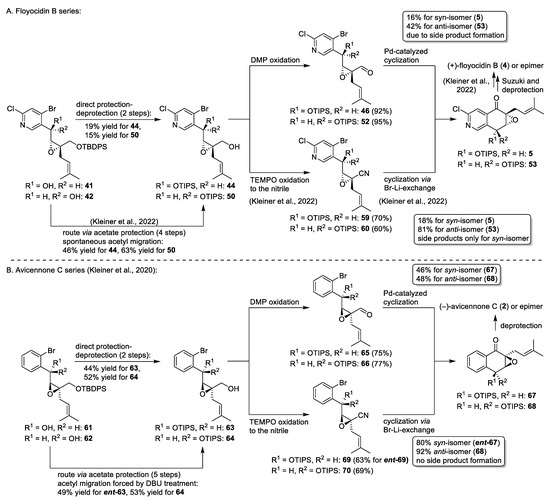
The recently discovered natural product (NP) (+)-floyocidin B with antimicrobial activity against Mycobacterium tuberculosis displays a hitherto unknown dihydroisoquinolinone scaffold in the class of the epoxyquinone NPs. The 4,5-regioselective functionalization of 2-chloropyridines was identified as a suitable strategy leading to the total syntheses of (+)-floyocidin B and analogs. In this paper, we present the long and winding evolution process to the final synthetic pathway, including model systems for route scouting and elucidation of side products, which enabled us to understand the unique reactivity of this unprecedented scaffold. A special focus was laid on method studies with different 2-chloropyridines, disclosing an unexpected effect of the 2-chloro substituent on the regioselectivity compared to 2-unsubstituted or carbon-substituted pyridines. Finally, a head-to-head comparison with the previously described synthesis of all four stereoisomers of the NP (−)-avicennone C revealed significant differences in the reactivity of these structurally closely related scaffolds. Full article
(This article belongs to the Section Medicinal Chemistry)
Show Figures

Figure 1
4 pages, 173 KB  
Editorial
Acknowledgment to the Reviewers of Chemistry in 2022
by Chemistry Editorial Office
Chemistry 2023, 5(1), 164-167; https://doi.org/10.3390/chemistry5010013 - 16 Jan 2023
Cited by 1 | Viewed by 1640
Abstract
High-quality academic publishing is built on rigorous peer review [...] Full article
13 pages, 2498 KB  
Article
A New Unnatural Amino Acid Derived from the Modification of 4′-(p-tolyl)-2,2′:6′,2″-terpyridine and Its Mixed-Ligand Complexes with Ruthenium: Synthesis, Characterization, and Photophysical Properties
by Konstantinos Ypsilantis, Antonia Garypidou, Andreas Gikas, Alexandros Kiapekos, John C. Plakatouras and Achilleas Garoufis
Chemistry 2023, 5(1), 151-163; https://doi.org/10.3390/chemistry5010012 - 15 Jan 2023
Viewed by 2915
Abstract
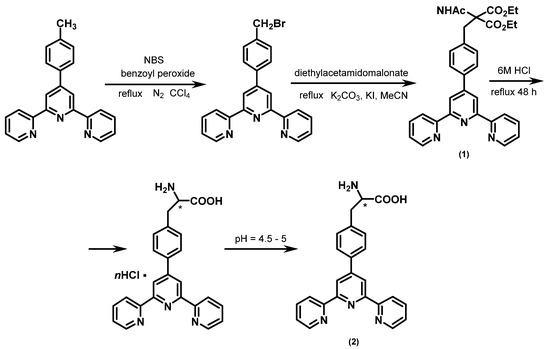
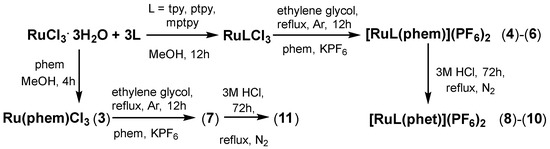
The modification of the methyl group of 4′-(p-tolyl)-2,2′:6′,2″-terpyridine produced the novel unnatural amino acid 3-(4-([2,2′:6′,2″-terpyridin]-4′-yl)phenyl)-2-aminopropanoic acid (phet). Mononuclear heteroleptic ruthenium complexes of the general formulae [Ru(L1)(L2)](PF6)2 (L1 = 2-acetylamino-2-(4-[2,2′:6′,2″]terpyridine-4′-yl-benzyl)-malonic acid diethyl ester, (phem), 3-(4-([2,2′:6′,2″-terpyridin]-4′-yl)phenyl)-2-aminopropanoic acid, [...] Read more.
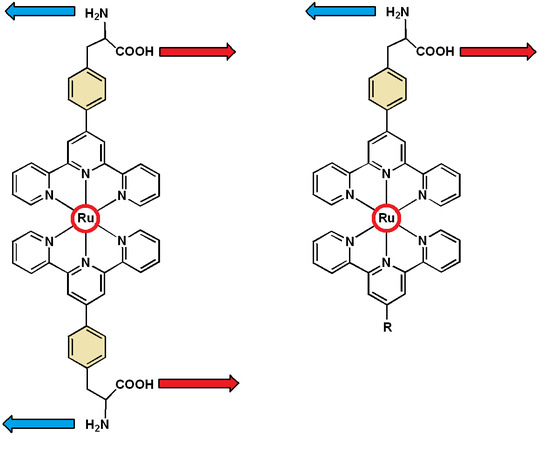
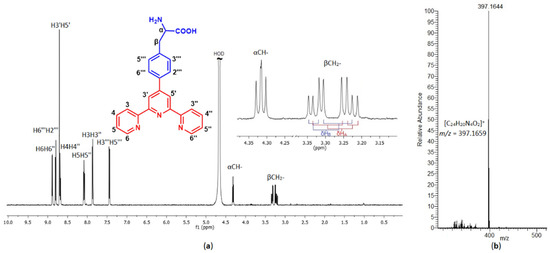
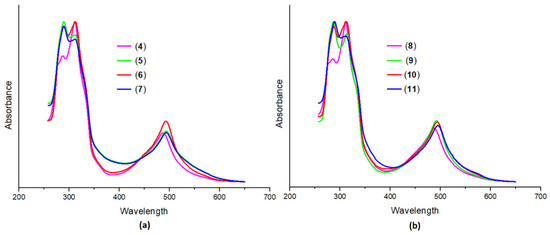
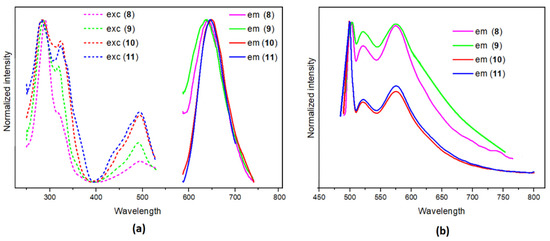
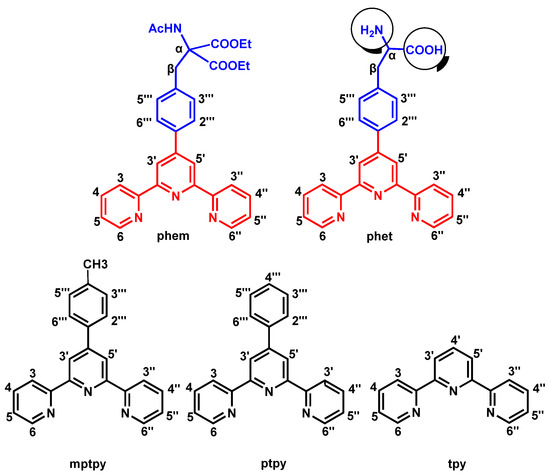
The modification of the methyl group of 4′-(p-tolyl)-2,2′:6′,2″-terpyridine produced the novel unnatural amino acid 3-(4-([2,2′:6′,2″-terpyridin]-4′-yl)phenyl)-2-aminopropanoic acid (phet). Mononuclear heteroleptic ruthenium complexes of the general formulae [Ru(L1)(L2)](PF6)2 (L1 = 2-acetylamino-2-(4-[2,2′:6′,2″]terpyridine-4′-yl-benzyl)-malonic acid diethyl ester, (phem), 3-(4-([2,2′:6′,2″-terpyridin]-4′-yl)phenyl)-2-aminopropanoic acid, (phet), and L2 = 2,2′:6′,2″-terpyridine (tpy), 4′-phenyl-2,2′:6′,2″-terpyridine (ptpy), 4′-(p-tolyl)-2,2′:6′,2″-terpyridine (mptpy)), as well as the homoleptic [Ru(phem)2](PF6)2 and [Ru(phet)2](PF6)2, were synthesized and characterized by means of NMR spectroscopic techniques, elemental analysis, and high-resolution mass spectrometry. The photophysical properties of the synthesized complexes were also studied. Full article
Show Figures

Graphical abstract

13 pages, 5946 KB  
Article
Towards a Better Understanding of the Interaction of Fe66Cr10Nb5B19 Metallic Glass with Aluminum: Growth of Intermetallics and Formation of Kirkendall Porosity during Sintering
by Dina V. Dudina, Vyacheslav I. Kvashnin, Alexander A. Matvienko, Anatoly A. Sidelnikov, Alexander I. Gavrilov, Arina V. Ukhina, Alberto Moreira Jorge, Jr. and Konstantinos Georgarakis
Chemistry 2023, 5(1), 138-150; https://doi.org/10.3390/chemistry5010011 - 15 Jan 2023
Cited by 4 | Viewed by 3077
Abstract
Metallic-glass-reinforced metal matrix composites are a novel class of composite materials, in which particles of alloys with an amorphous structure play the role of reinforcement. During the fabrication of these composites, a crystalline metal is in contact with a multicomponent alloy of an [...] Read more.
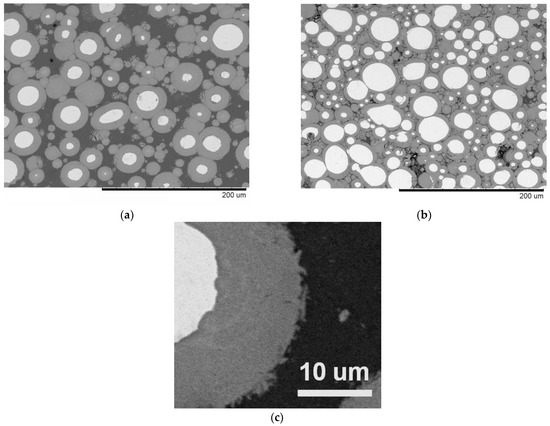
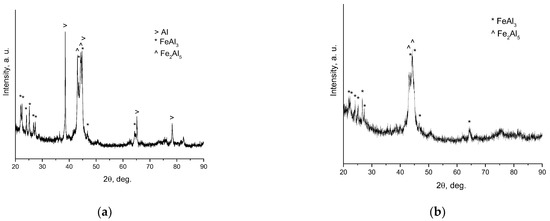
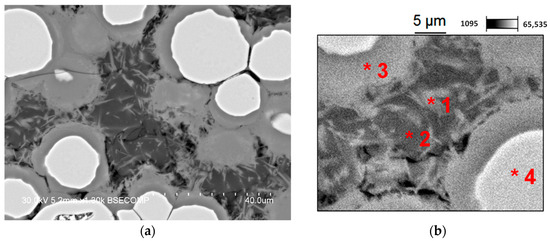
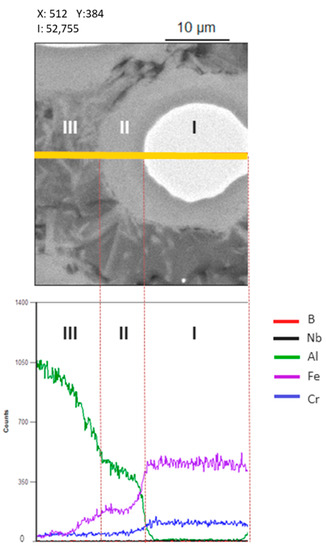
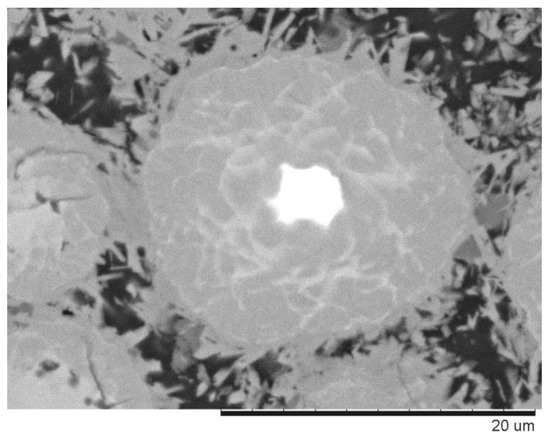
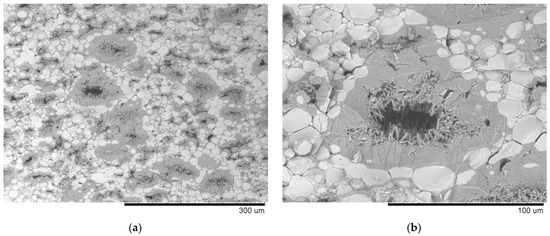
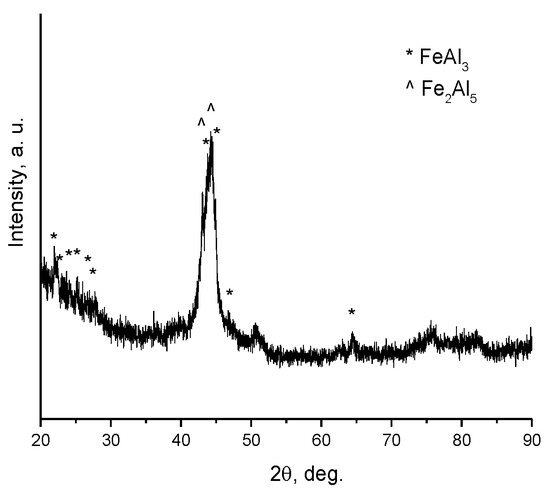
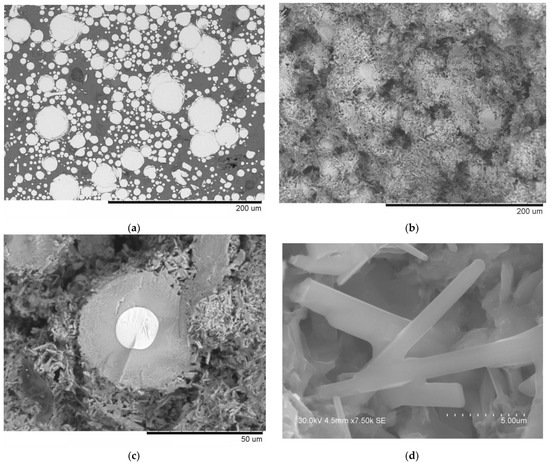
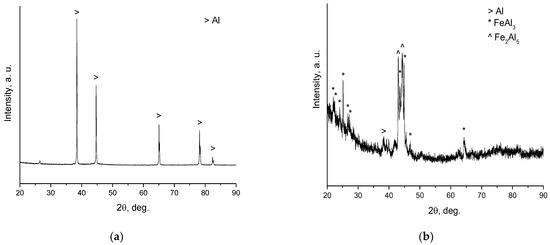
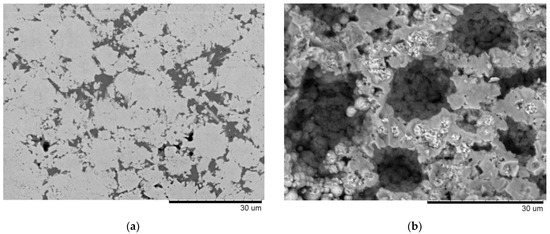
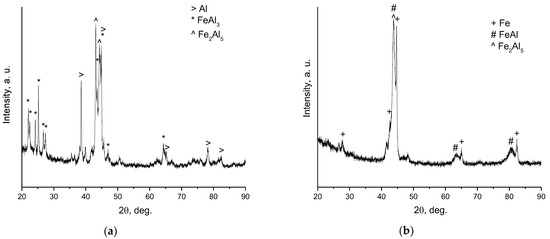
Metallic-glass-reinforced metal matrix composites are a novel class of composite materials, in which particles of alloys with an amorphous structure play the role of reinforcement. During the fabrication of these composites, a crystalline metal is in contact with a multicomponent alloy of an amorphous structure. In the present work, the morphological features of the reaction products formed upon the interaction of Fe66Cr10Nb5B19 metallic glass particles with aluminum were studied. The composites were processed via spark plasma sintering (SPS), hot pressing or a combination of SPS and furnace annealing. The reaction products in composites with different concentrations of the metallic glass and different transformation degrees were examined. The products of the interaction of the Fe66Cr10Nb5B19 metallic glass with Al were observed as dense layers covering the residual alloy cores, needles of FeAl3 protruding from the dense shells as well as needles and platelets of FeAl3 distributed in the residual Al matrix. The possible role of the liquid phase in the structure formation of the reaction products is discussed. The formation of needle- and platelet-shaped particles presumably occurred via crystallization from the Al-Fe-based melt, which formed locally due to the occurrence of the exothermic reactions between aluminum and iron. At the same time, aluminum atoms diffused into the solid Fe-based alloy particles, forming an intermetallic layer, which could grow until the alloy was fully transformed. When aluminum melted throughout the volume of the composite during heating of the sample above 660 °C, a similar microstructure developed. In both Al–Fe66Cr10Nb5B19 and Al–Fe systems, upon the reactive transformation, pores persistently formed in locations occupied by aluminum owing to the occurrence of the Kirkendall effect. Full article
(This article belongs to the Section Chemistry of Materials)
Show Figures

Figure 1
19 pages, 5039 KB  
Review
Lewis Acidic Zinc(II) Complexes of Tetradentate Ligands as Building Blocks for Responsive Assembled Supramolecular Structures
by Ivan Pietro Oliveri and Santo Di Bella
Chemistry 2023, 5(1), 119-137; https://doi.org/10.3390/chemistry5010010 - 13 Jan 2023
Cited by 19 | Viewed by 6521
Abstract
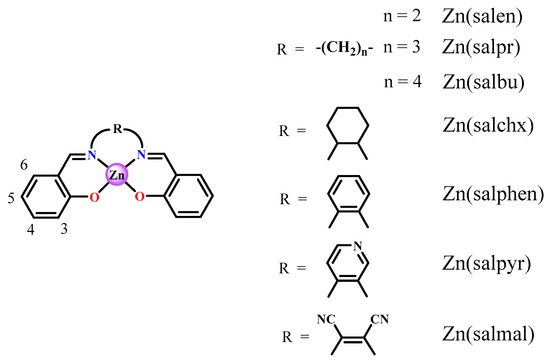
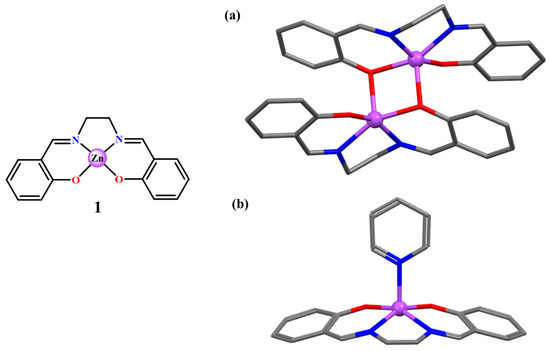
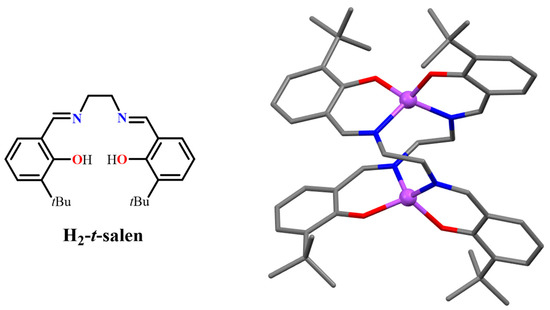
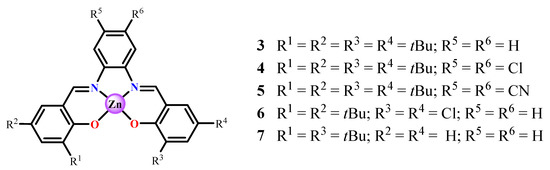
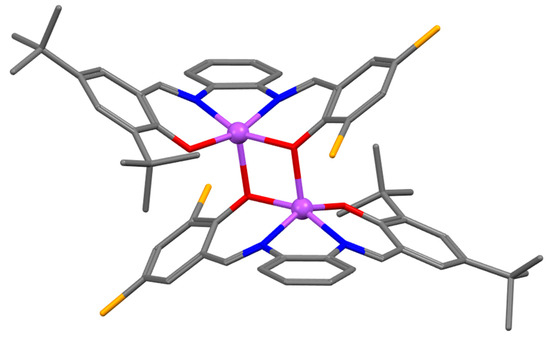
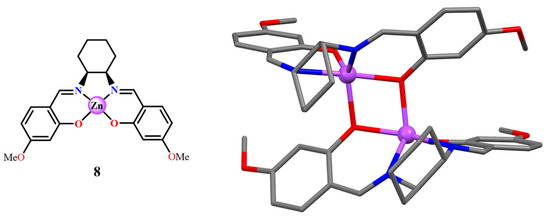
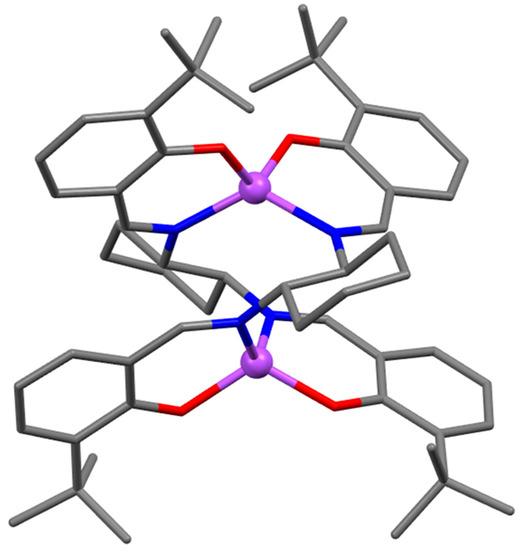
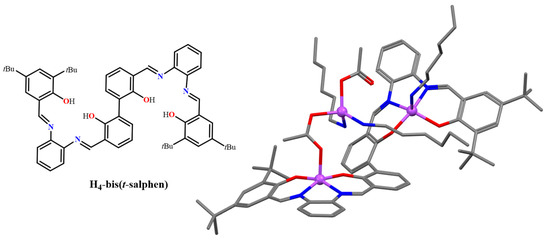
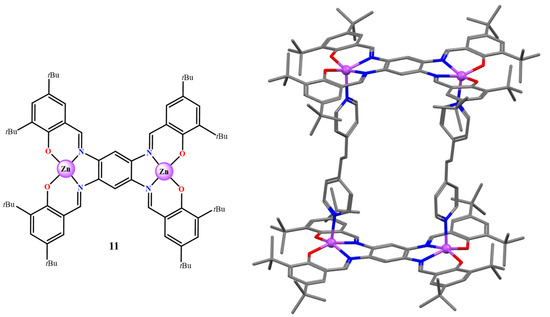
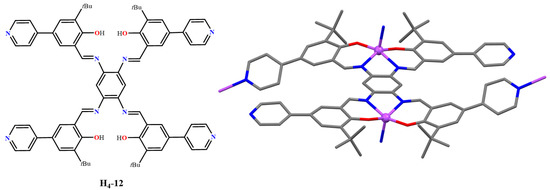
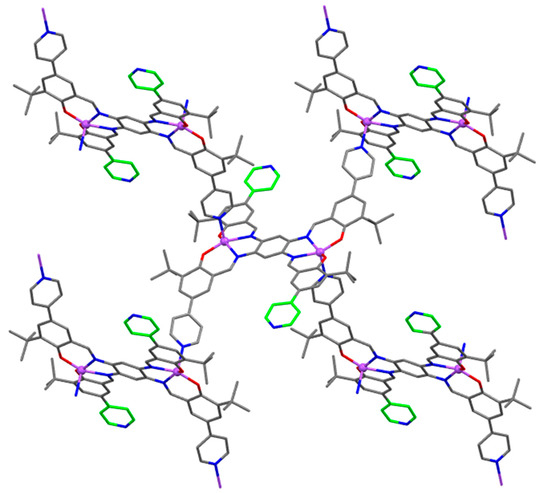
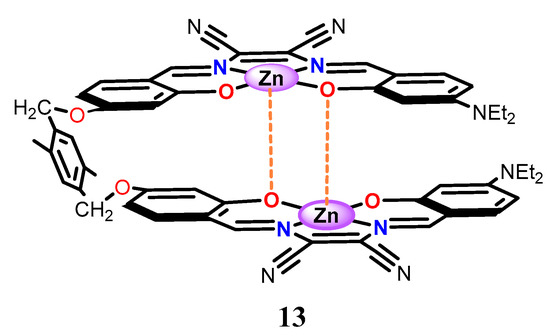
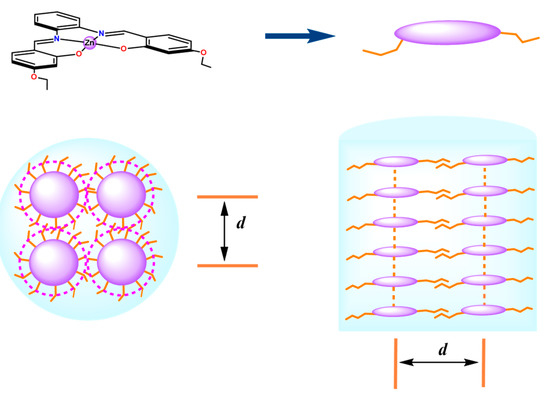
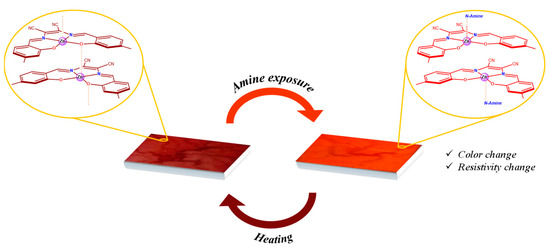
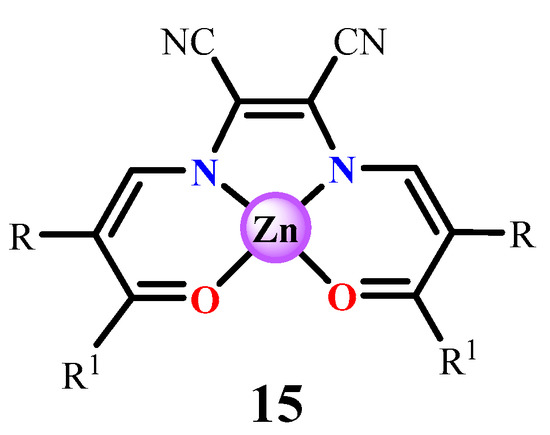
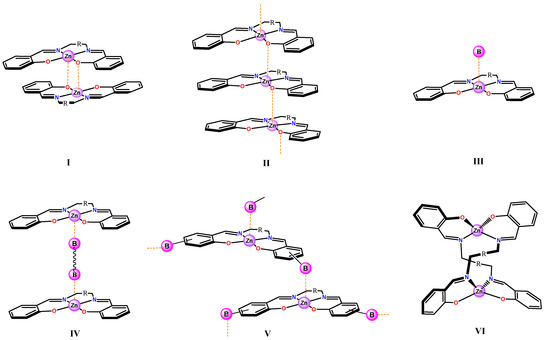
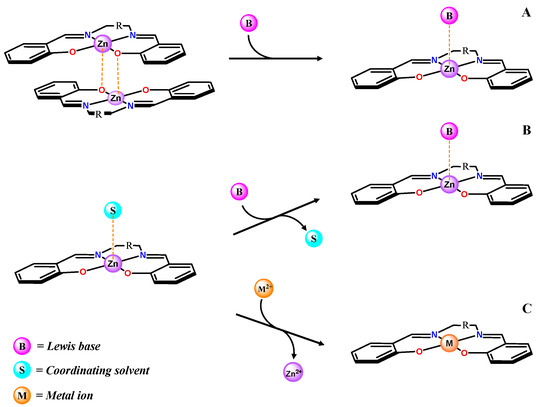
This review presents representative examples illustrating how the Lewis acidic character of the Zn(II) metal center in Zn(salen)-type complexes, as well as in complexes of other tetradentate ligands, and the nature of the medium govern their supramolecular aggregation, leading to the formation of [...] Read more.
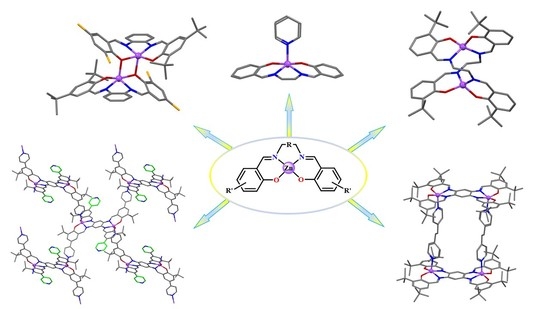
This review presents representative examples illustrating how the Lewis acidic character of the Zn(II) metal center in Zn(salen)-type complexes, as well as in complexes of other tetradentate ligands, and the nature of the medium govern their supramolecular aggregation, leading to the formation of a variety of supramolecular structures, either in solution or in the solid state. Stabilization of these Lewis acidic complexes is almost always reached through an axial coordination of a Lewis base, leading to a penta-coordinated square-pyramidal geometry around the metal center. The coverage is not exhaustive, mainly focused on their crystallographic structures, but also on their aggregation and sensing properties in solution, and on their self-assembled and responsive nanostructures, summarizing their salient aspects. The axial ligands can easily be displaced, either in solution or in the solid state, with suitable Lewis bases, thus being responsive supramolecular structures useful for sensing. This contribution represents the first attempt to relate some common features of the chemistry of different families of Zn(II) complexes of tetradentate ligands to their intrinsic Lewis acidic character. Full article
(This article belongs to the Special Issue Programmable and Stimulus-Responsive Supramolecular Assemblies)
Show Figures

Graphical abstract

13 pages, 3816 KB  
Review
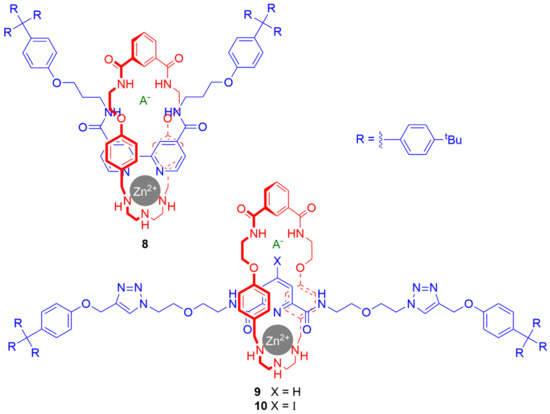
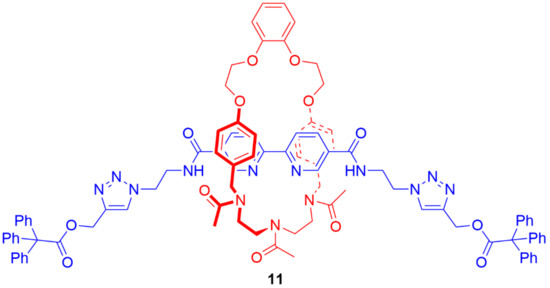
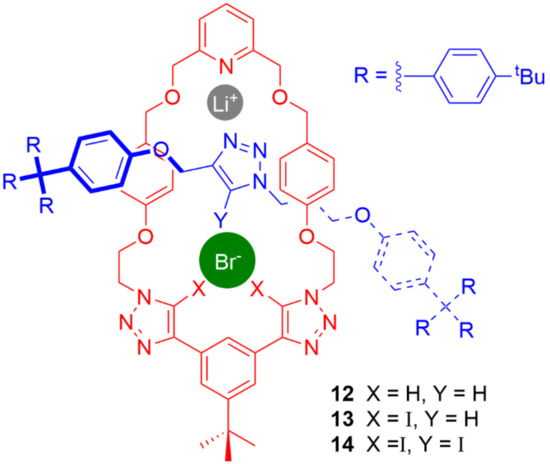
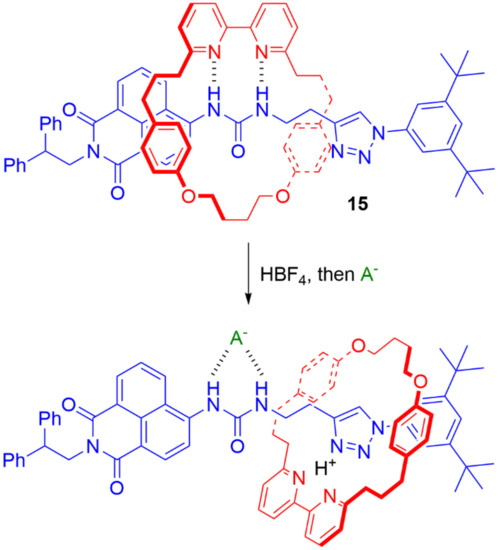
Heteroditopic Rotaxanes and Catenanes for Ion Pair Recognition
by Steven J. Nicholson, Sean R. Barlow and Nicholas H. Evans
Chemistry 2023, 5(1), 106-118; https://doi.org/10.3390/chemistry5010009 - 12 Jan 2023
Cited by 6 | Viewed by 3455
Abstract
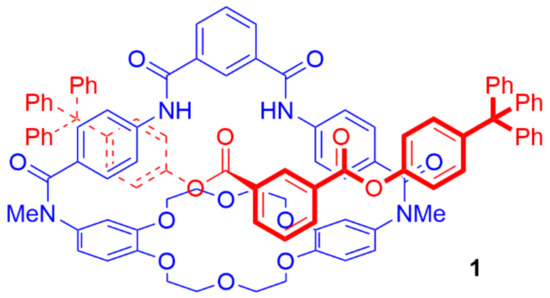
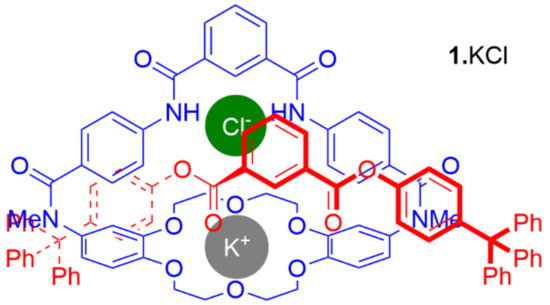
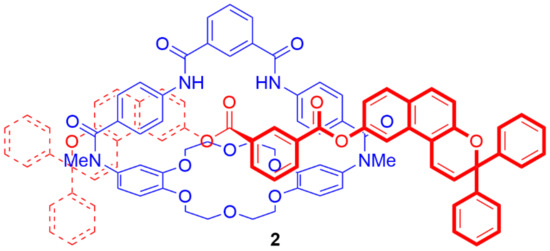
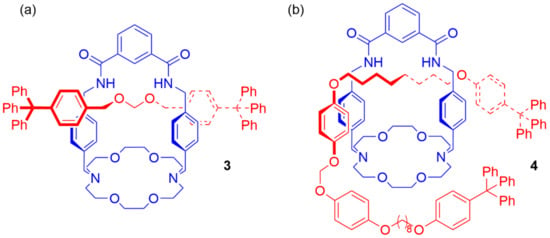
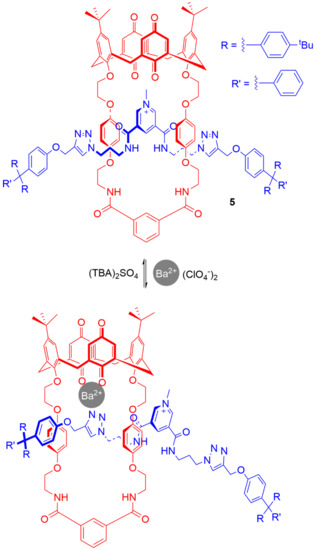
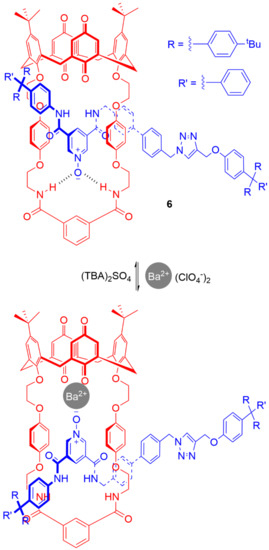
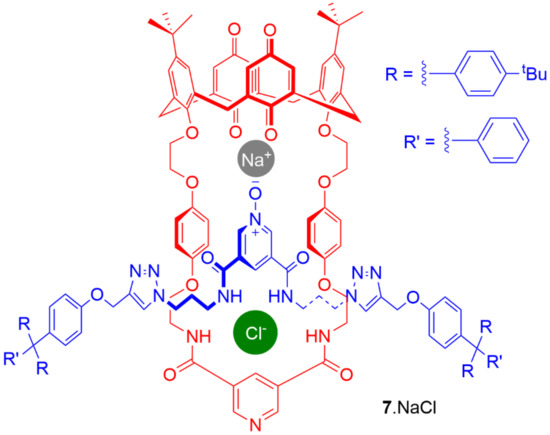
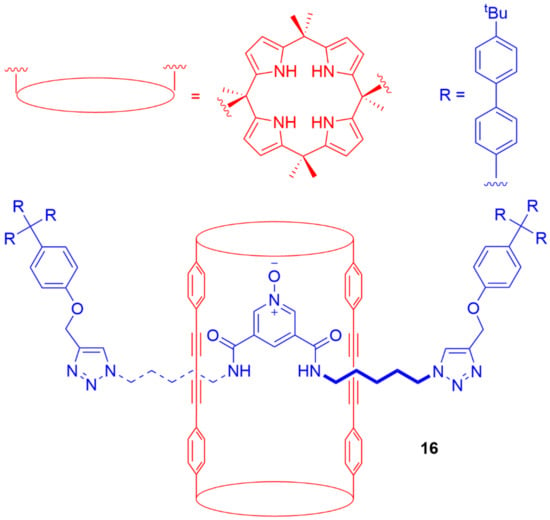
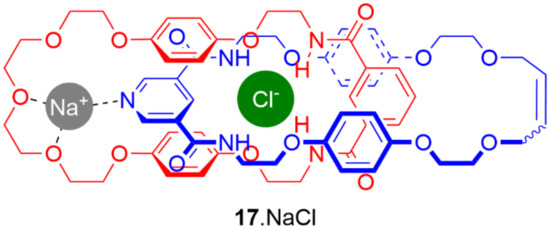
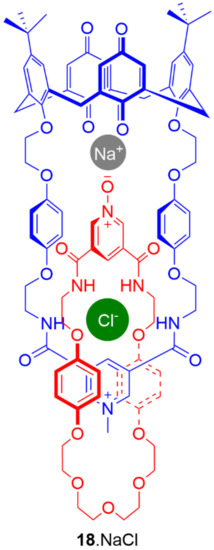
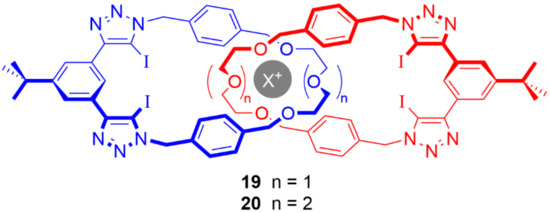
A review of heteroditopic interlocked molecules and their application as receptors for simple inorganic ion pair species. The review details the design and ion recognition properties of the rotaxane and catenane receptors, as well as highlighting some of the experimental challenges; hence, it [...] Read more.
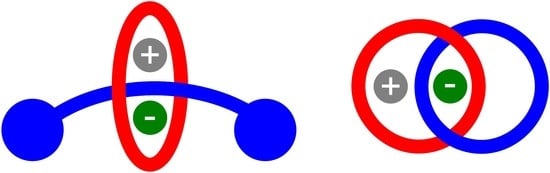
A review of heteroditopic interlocked molecules and their application as receptors for simple inorganic ion pair species. The review details the design and ion recognition properties of the rotaxane and catenane receptors, as well as highlighting some of the experimental challenges; hence, it provides insight into possible future avenues of research in this youthful field. Full article
(This article belongs to the Special Issue Supramolecular Anion Recognition: Principles and Applications)
Show Figures

Graphical abstract

9 pages, 1024 KB  
Article
Electron Transfer Rates in Solution: Toward a Predictive First Principle Approach
by Anna Leo, Francesco Ambrosio, Alessandro Landi and Andrea Peluso
Chemistry 2023, 5(1), 97-105; https://doi.org/10.3390/chemistry5010008 - 12 Jan 2023
Cited by 5 | Viewed by 2786
Abstract
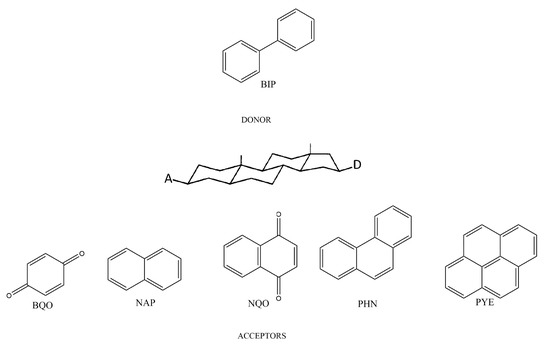
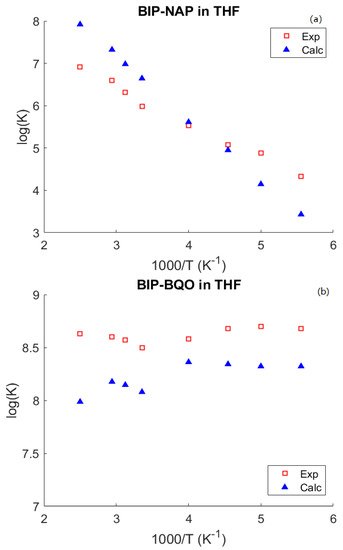
Using a very recently proposed theoretical model, electron transfer rates in solution are calculated from first principles for different donor-acceptor pairs in tetrahydrofuran. We show that this approach, which integrates tunneling effects into a classical treatment of solvent motion, is able to provide [...] Read more.
Using a very recently proposed theoretical model, electron transfer rates in solution are calculated from first principles for different donor-acceptor pairs in tetrahydrofuran. We show that this approach, which integrates tunneling effects into a classical treatment of solvent motion, is able to provide reliable rate constants and their temperature dependence, even in the case of highly exergonic reactions, where Marcus’ theory usually fails. Full article
(This article belongs to the Section Theoretical and Computational Chemistry)
Show Figures

Figure 1
12 pages, 1497 KB  
Article
Synthesis, Structural, Magnetic and Computational Studies of a One-Dimensional Ferromagnetic Cu(II) Chain Assembled from a New Schiff Base Ligand
by Anne Worrell, Gabriele Delle Monache, Mark M. Turnbull, Jeremy M. Rawson, Theocharis C. Stamatatos and Melanie Pilkington
Chemistry 2023, 5(1), 85-96; https://doi.org/10.3390/chemistry5010007 - 7 Jan 2023
Cited by 2 | Viewed by 3241
Abstract
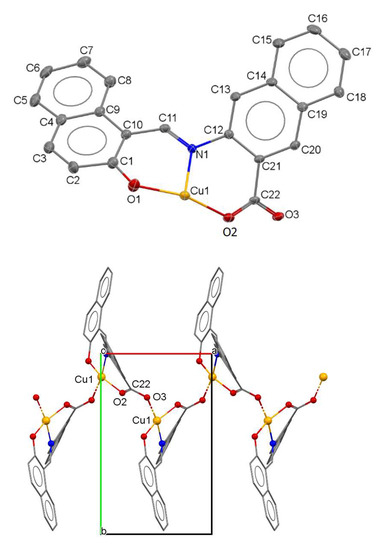
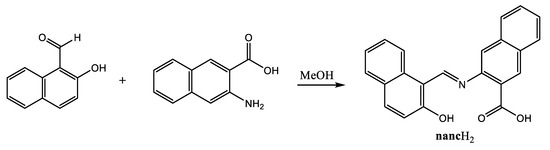
A new asymmetrically substituted ONOO Schiff base ligand N-(2′-hydroxy-1′-naphthylidene)-3-amino-2-naphthoic acid (nancH2) was prepared from the condensation of 2–hydroxy–1–naphthaldehyde and 3–amino–2–naphthoic acid. nancH2 reacts with Cu2(O2CMe)4·2H2O in the presence of [...] Read more.
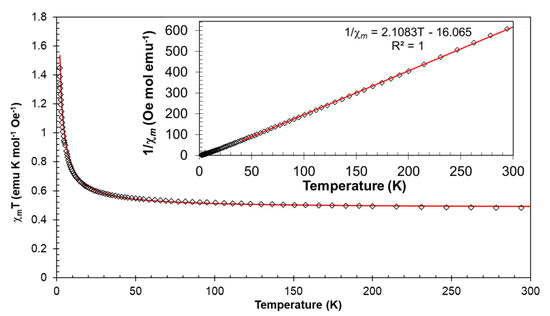
A new asymmetrically substituted ONOO Schiff base ligand N-(2′-hydroxy-1′-naphthylidene)-3-amino-2-naphthoic acid (nancH2) was prepared from the condensation of 2–hydroxy–1–naphthaldehyde and 3–amino–2–naphthoic acid. nancH2 reacts with Cu2(O2CMe)4·2H2O in the presence of Gd(O2CMe)3·6H2O to afford a uniform one-dimensional homometallic chain, [CuII(nanc)]n (1). The structure of 1 was elucidated via single crystal X-ray diffraction studies, which revealed that the Cu(II) ions adopt distorted square planar geometries and are coordinated in a tridentate manner by an [ONO] donor set from one nanc2− ligand and an O of a bridging carboxylate group from a second ligand. The bridging carboxylato group of the nanc2− ligand adopts a syn, anti-η11:μ conformation linking neighboring Cu(II) ions, forming a 1D chain. The magnetic susceptibility of 1 follows Curie–Weiss law in the range 45–300 K (C = 0.474(1) emu K mol-1, θ = +7.9(3) K), consistent with ferromagnetic interactions between S = ½ Cu(II) ions with g = 2.248. Subsequently, the data fit well to the 1D quantum Heisenberg ferromagnetic (QHFM) chain model with g = 2.271, and J = +12.3 K. DFT calculations, implementing the broken symmetry approach, were also carried out on a model dimeric unit extracted from the polymeric chain structure. The calculated exchange coupling via the carboxylate bridge (J = +13.8 K) is consistent with the observed ferromagnetic exchange between neighbouring Cu(II) centres. Full article
Show Figures

Figure 1
20 pages, 2184 KB  
Review
New Materials and Phenomena in Membrane Distillation
by Francesca Alessandro, Francesca Macedonio and Enrico Drioli
Chemistry 2023, 5(1), 65-84; https://doi.org/10.3390/chemistry5010006 - 2 Jan 2023
Cited by 16 | Viewed by 5832
Abstract
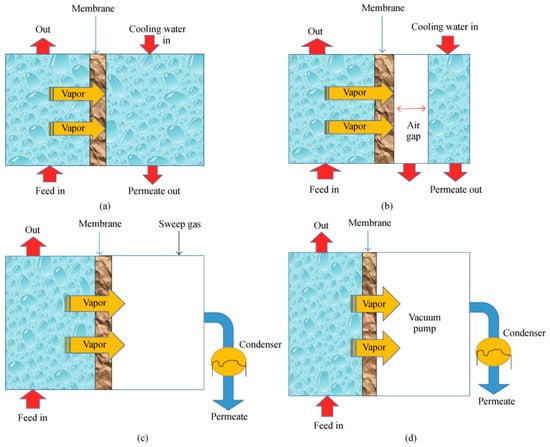
In recent decades, membrane-based processes have been extensively applied to a wide range of industrial processes, including gas separation, food industry, drug purification, and wastewater treatment. Membrane distillation is a thermally driven separation process, in which only vapour molecules transfer through a microporous [...] Read more.
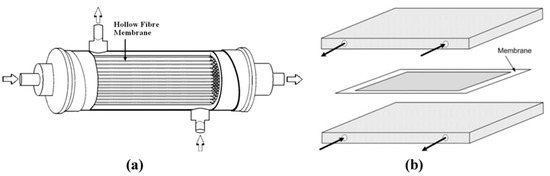
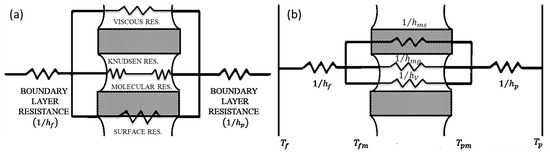
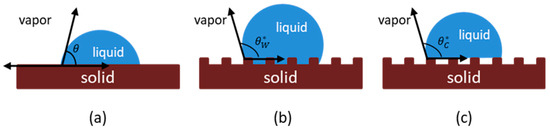
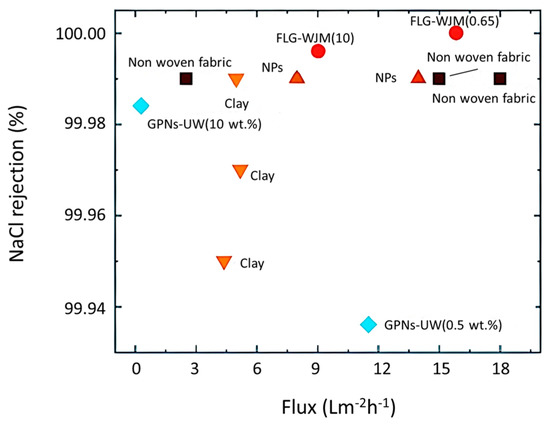
In recent decades, membrane-based processes have been extensively applied to a wide range of industrial processes, including gas separation, food industry, drug purification, and wastewater treatment. Membrane distillation is a thermally driven separation process, in which only vapour molecules transfer through a microporous hydrophobic membrane. At the operational level, the performance of membrane distillation is negatively affected by wetting and temperature polarization phenomena. In order to overcome these issues, advanced membranes have been developed in recent years. This review, which focuses specifically on membrane distillation presents the basic concepts associated with the mass and heat transfer through hydrophobic membranes, membrane properties, and advances in membrane materials. Photothermal materials for solar-driven membrane distillation applications are also presented and discussed. Full article
(This article belongs to the Special Issue Feature Paper from Top Italian Scientist)
Show Figures

Figure 1
11 pages, 2245 KB  
Article
Biofabrication of Silver Nanoparticles Using Teucrium Apollinis Extract: Characterization, Stability, and Their Antibacterial Activities
by Wanisa Abdussalam-Mohammed, Laila Mohamed, Mohammed S. Abraheem, Mohmeed M.A Mansour and Akram Mansour Sherif
Chemistry 2023, 5(1), 54-64; https://doi.org/10.3390/chemistry5010005 - 2 Jan 2023
Cited by 14 | Viewed by 6065
Abstract
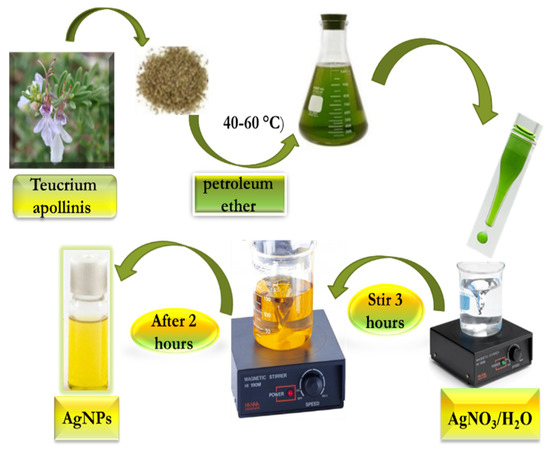
Medical science has paid a great deal of attention to green synthesis silver nanoparticles (AgNPs) because of their remarkable results with multidrug-resistant bacteria. This study was conducted on the preparation of AgNPs, using the teucrium apollinis extract as a reducing agent and a [...] Read more.
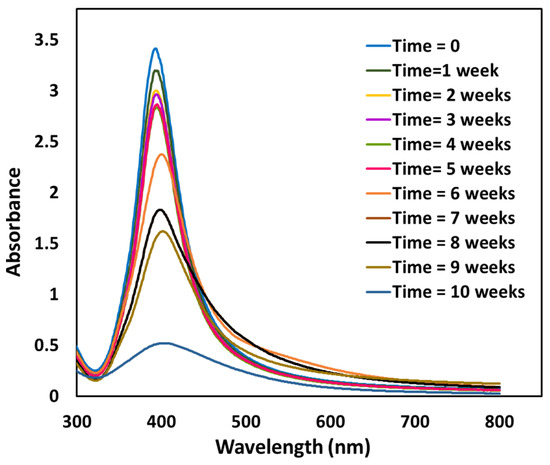
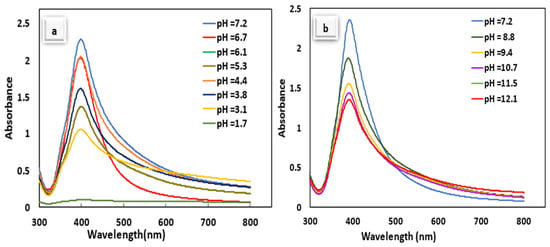
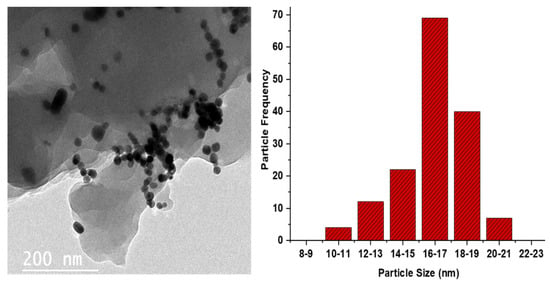
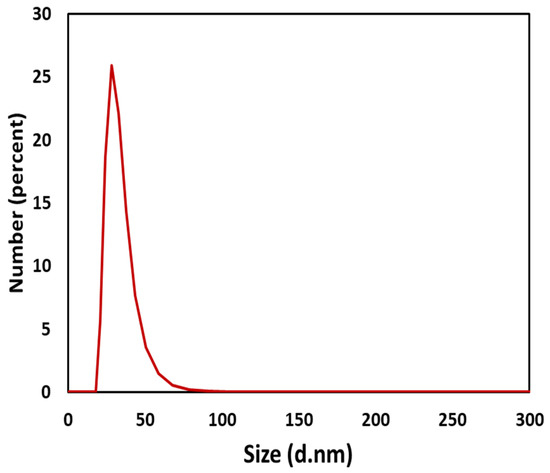
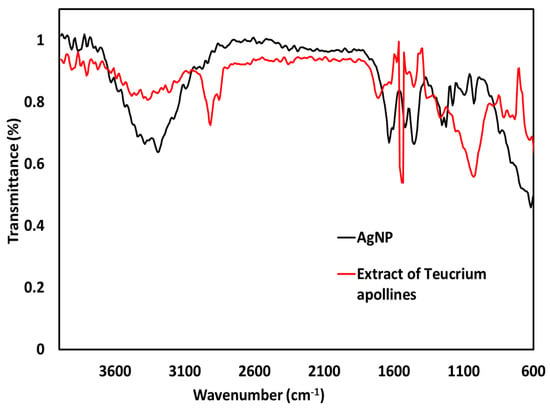
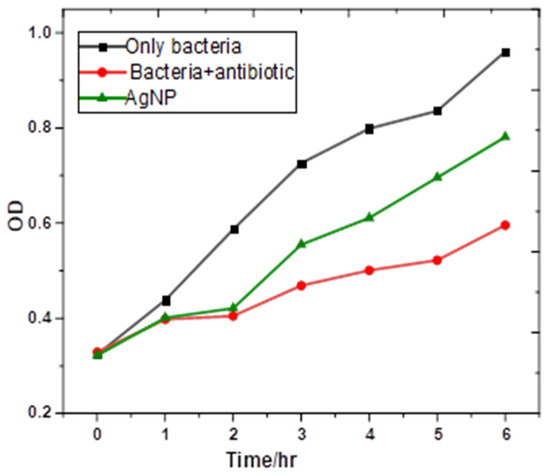
Medical science has paid a great deal of attention to green synthesis silver nanoparticles (AgNPs) because of their remarkable results with multidrug-resistant bacteria. This study was conducted on the preparation of AgNPs, using the teucrium apollinis extract as a reducing agent and a capping ligand. The AgNP produced was stable in room condition up to 10 weeks. The AgNP was characterized using UV-visible absorption spectroscopy (UV-Vis), attenuated Fourier transform infrared (ATR-FTIR), transmission electron microscopy (TEM), and dynamic light scattering (DLS). The study confirms the ability of teucrium apollinis to produce AgNPs with high stability. The influence of pH was studied over a pH range of (2–12) on the stability of synthesized AgNPs. The best value of pH was 7.2, where AgNP showed a good stability with high antibacterial activity against Pseudomonas aeruginosa. AgNP synthesis is confirmed by a strong peak in the UV-Vis due to surface plasmon resonance (SPR) at 379 nm. Based on TEM findings, monodispersed AgNP has a spherical shape with a small size of 16 ± 1.8 nm. In this study, teucrium apollinis extract was used for the first time, which could be a good environmental method for synthesizing AgNP, which offers a possible alternative to chemical AgNPs. Full article
Show Figures

Figure 1
13 pages, 4396 KB  
Article
Molecular Modeling Based on Time-Dependent Density Functional Theory (TD-DFT) Applied to the UV-Vis Spectra of Natural Compounds
by João Otávio Anhaia-Machado, Artur Caminero Gomes Soares, Claudinéia Aparecida Sales de Oliveira Pinto, Andres Ignacio Ávila Barrera, André Rolim Baby and Gustavo Henrique Goulart Trossini
Chemistry 2023, 5(1), 41-53; https://doi.org/10.3390/chemistry5010004 - 28 Dec 2022
Cited by 13 | Viewed by 8350
Abstract
As diseases caused by solar radiation have gained great prominence, several methods to prevent them have been developed. Among the most common, the use of sunscreens is customary and accessible. The application of theoretical methods has helped to design new compounds with therapeutic [...] Read more.
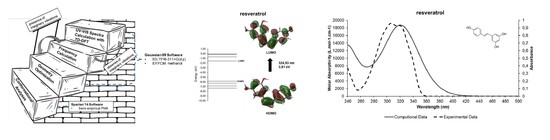
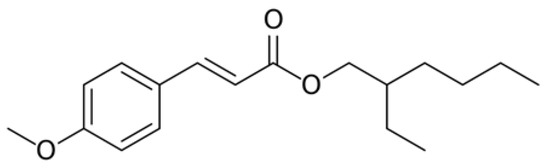
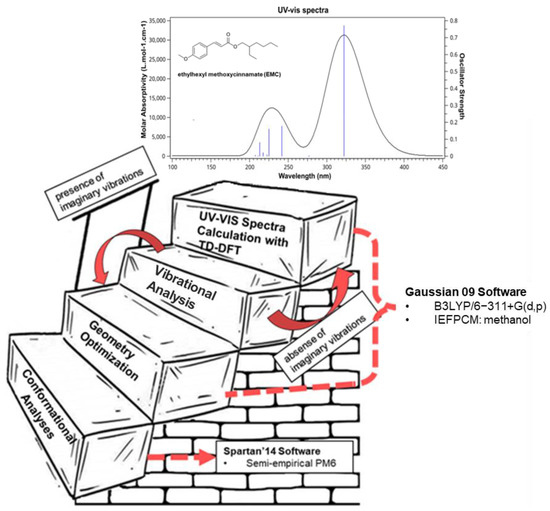
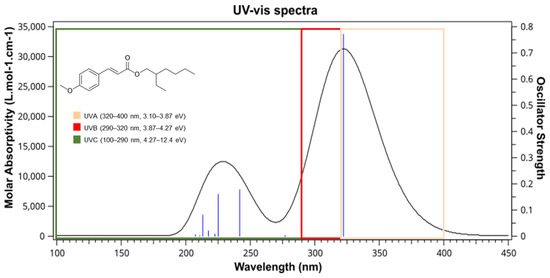
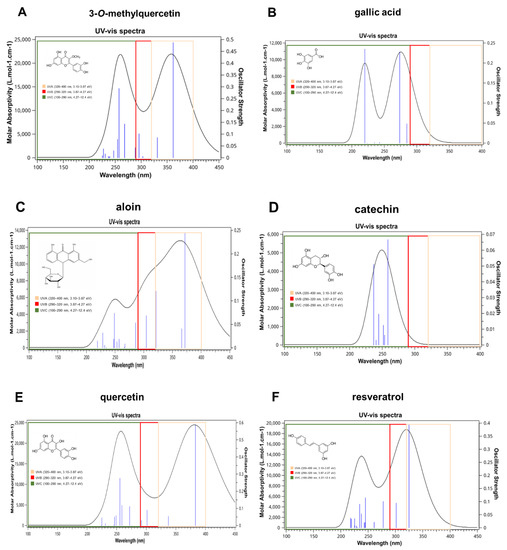
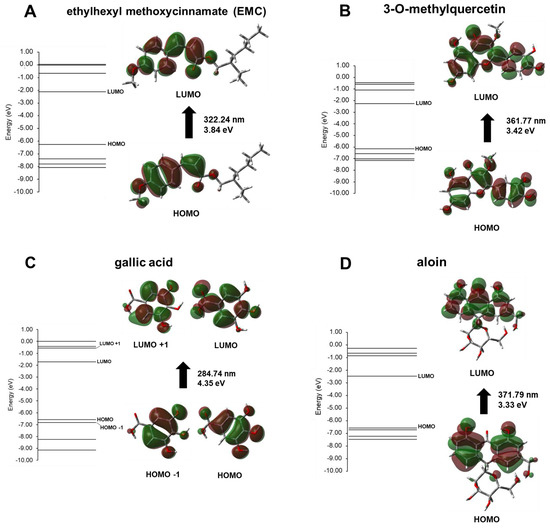
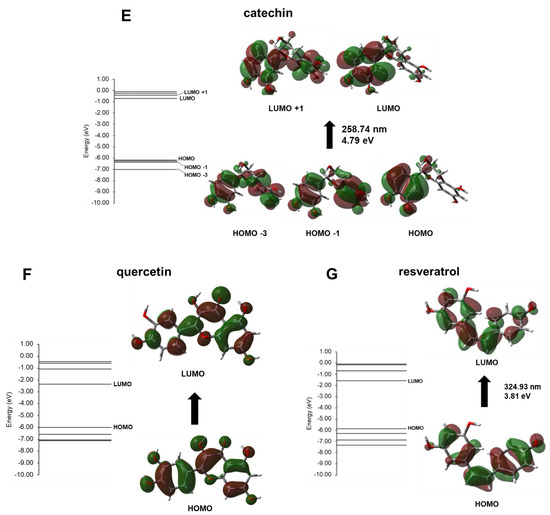
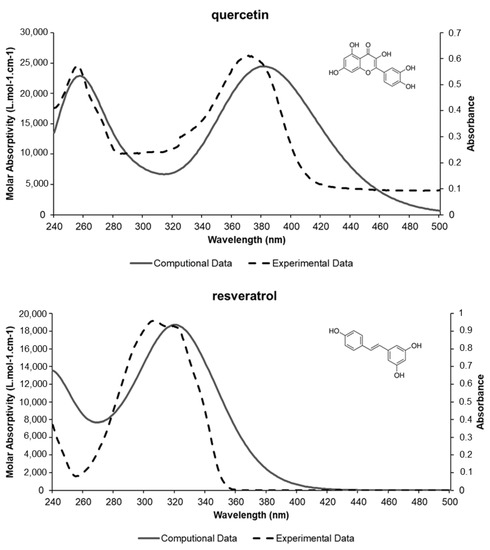
As diseases caused by solar radiation have gained great prominence, several methods to prevent them have been developed. Among the most common, the use of sunscreens is customary and accessible. The application of theoretical methods has helped to design new compounds with therapeutic and protective functions. Natural compounds with described photoprotective potential properties (3-O-methylquercetin, gallic acid, aloin, catechin, quercetin, and resveratrol) were selected to perform theoretical studies. Computational methods were applied to predict their absorption spectra, using DFT and TD-DFT methods with functional B3LYP/6−311+g(d,p) basis sets and methanol (IEFPCM) as a solvent. The main electronic transitions of the compounds were evaluated by observing whether the differences in HOMO and LUMO energies that absorb in the UV range are UVA (320–400 nm), UVB (290–320 nm), or UVC (100–290 nm). Experimental validation was carried out for EMC, quercetin, and resveratrol, demonstrating the consistency of the computational method. Results obtained suggest that resveratrol is a candidate for use in sunscreens. The study provided relevant information about the in silico predictive power of natural molecules with the potential for use as photoprotective adjuvants, which may result in fewer time and resource expenditures in the search for photoprotective compounds. Full article
Show Figures

Graphical abstract