16 pages, 5439 KB  
Article
Analyzing Visual Attention of People with Intellectual Disabilities during Virtual Reality-Based Job Training
by Sungjin Hong, Heesook Shin, Younhee Gil and Junghee Jo
Electronics 2021, 10(14), 1652; https://doi.org/10.3390/electronics10141652 - 11 Jul 2021
Cited by 13 | Viewed by 4355
Abstract
Virtual reality (VR) has proven an effective means of job training for people with intellectual disabilities who may experience difficulties in learning. However, it is unlikely for them to successfully complete a certain task using only VR-based job training contents without receiving supplemental [...] Read more.
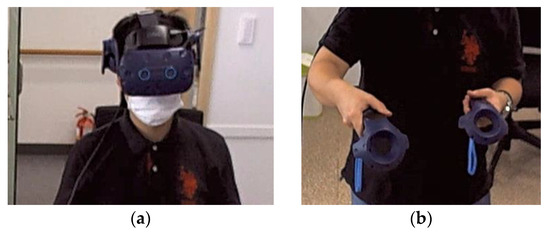
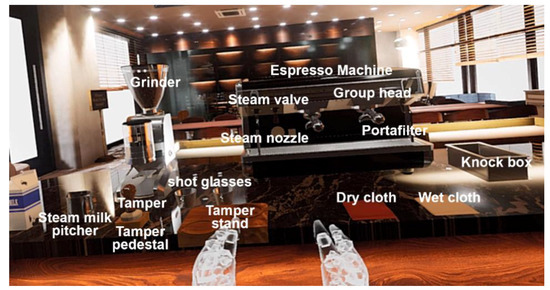
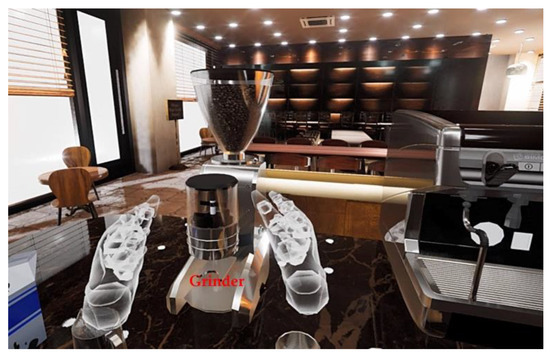
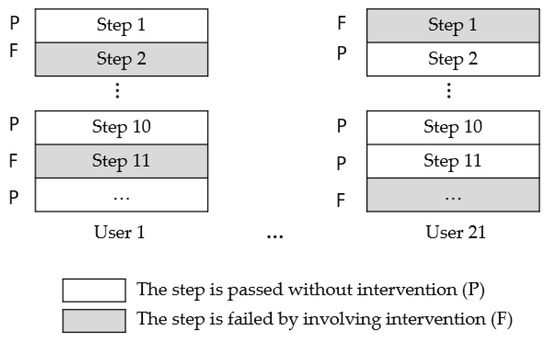
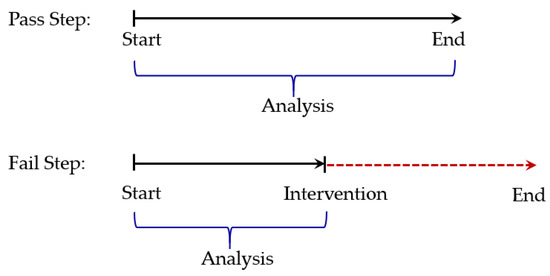
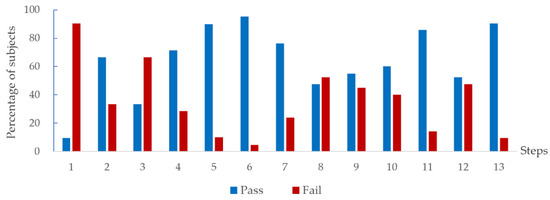
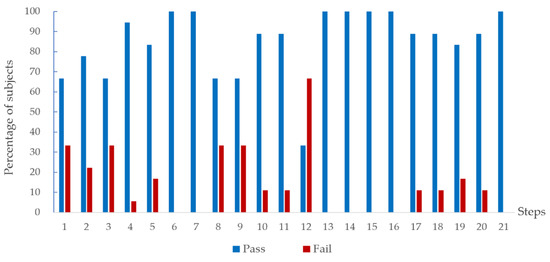
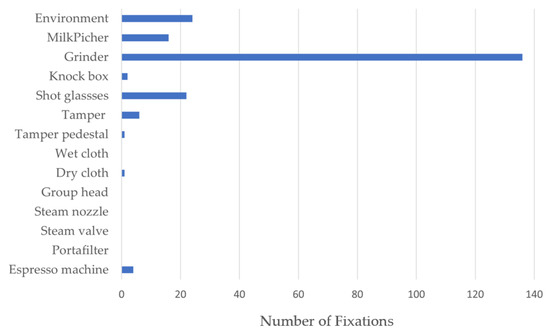
Virtual reality (VR) has proven an effective means of job training for people with intellectual disabilities who may experience difficulties in learning. However, it is unlikely for them to successfully complete a certain task using only VR-based job training contents without receiving supplemental help from others. Accordingly, to increase the effectiveness of virtual job training for people with intellectual disabilities in training situations in which they may experience difficulty and become unable to proceed further, the contents of the training program need to automatically identify such moments and provide support so that they may correctly perform the task. To identity the moment of intervention, we conducted an experiment (n = 21) to collect eye tracking data of people with intellectual disabilities while performing VR-based barista training. We measured eye scanning patterns to identify any difference between people with intellectual disabilities who complete a given step independently and those who request intervention. We found that the information about the types of fixated objects did not help to identify any difference, but the information about eye transition, eye movements between two different areas of interest, was useful in identifying the difference. Our findings provide implications for identifying the moment of intervention for people with intellectual disabilities. Full article
(This article belongs to the Special Issue Virtual Reality and Scientific Visualization)
Show Figures

Figure 1
14 pages, 3634 KB  
Article
Distance Measurement of Unmanned Aerial Vehicles Using Vision-Based Systems in Unknown Environments
by Wahyu Rahmaniar, Wen-June Wang, Wahyu Caesarendra, Adam Glowacz, Krzysztof Oprzędkiewicz, Maciej Sułowicz and Muhammad Irfan
Electronics 2021, 10(14), 1647; https://doi.org/10.3390/electronics10141647 - 10 Jul 2021
Cited by 13 | Viewed by 4554
Abstract
Localization for the indoor aerial robot remains a challenging issue because global positioning system (GPS) signals often cannot reach several buildings. In previous studies, navigation of mobile robots without the GPS required the registration of building maps beforehand. This paper proposes a novel [...] Read more.
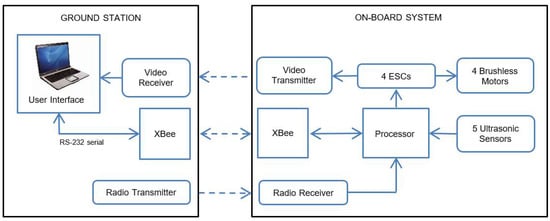
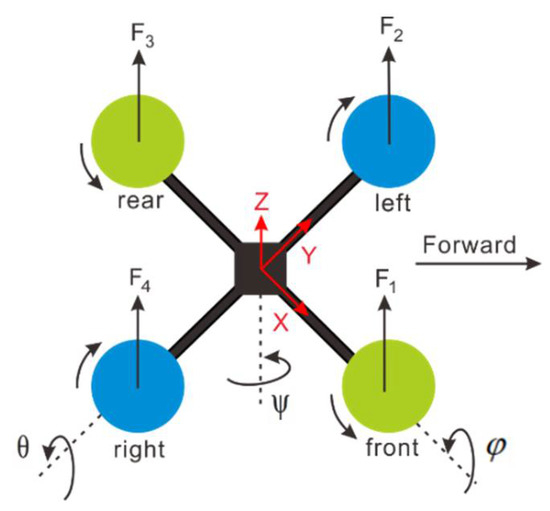
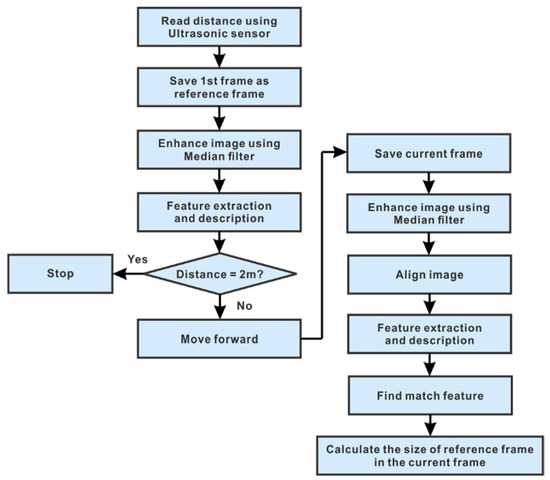
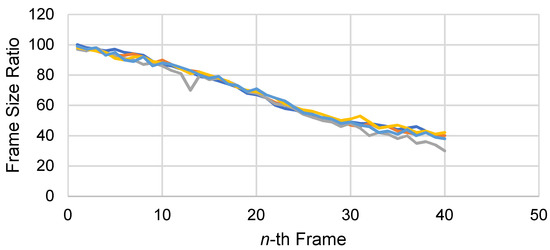
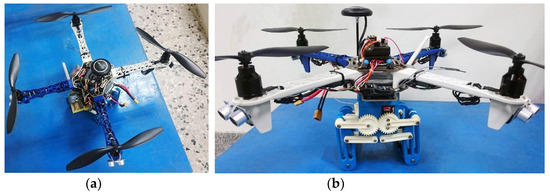
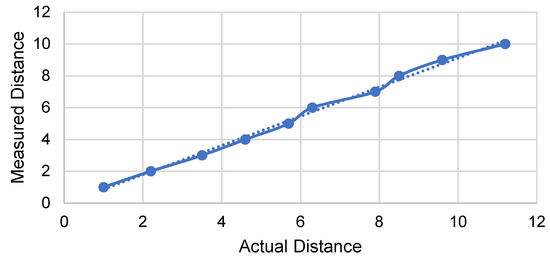
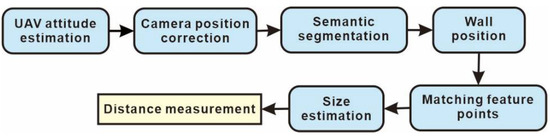
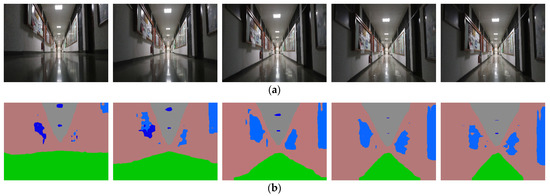
Localization for the indoor aerial robot remains a challenging issue because global positioning system (GPS) signals often cannot reach several buildings. In previous studies, navigation of mobile robots without the GPS required the registration of building maps beforehand. This paper proposes a novel framework for addressing indoor positioning for unmanned aerial vehicles (UAV) in unknown environments using a camera. First, the UAV attitude is estimated to determine whether the robot is moving forward. Then, the camera position is estimated based on optical flow and the Kalman filter. Semantic segmentation using deep learning is carried out to get the position of the wall in front of the robot. The UAV distance is measured using the comparison of the image size ratio based on the corresponding feature points between the current and the reference of the wall images. The UAV is equipped with ultrasonic sensors to measure the distance of the UAV from the surrounded wall. The ground station receives information from the UAV to show the obstacles around the UAV and its current location. The algorithm is verified by capture the images with distance information and compared with the current image and UAV position. The experimental results show that the proposed method achieves an accuracy of 91.7% and a computation time of 8 frames per second (fps). Full article
(This article belongs to the Section Microwave and Wireless Communications)
Show Figures

Figure 1
25 pages, 2962 KB  
Article
Reference Architectures, Platforms, and Pilots for European Smart and Healthy Living—Analysis and Comparison
by Andrej Grguric, Omar Khan, Ana Ortega-Gil, Evangelos K. Markakis, Konstantin Pozdniakov, Christos Kloukinas, Alejandro M. Medrano-Gil, Eugenio Gaeta, Giuseppe Fico and Konstantina Koloutsou
Electronics 2021, 10(14), 1616; https://doi.org/10.3390/electronics10141616 - 6 Jul 2021
Cited by 13 | Viewed by 6025
Abstract
Motivated by the aging trend, much effort is being invested into implementing ICT (Information and Communications Technology)-enabled systems to provide a better quality of life and support the independent living of older people. As a result, many systems, often labeled as eHealth or [...] Read more.
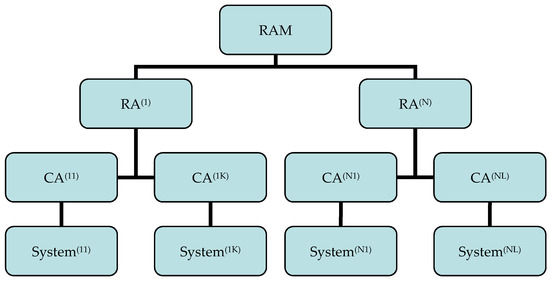
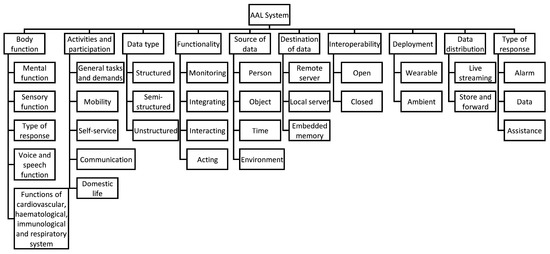
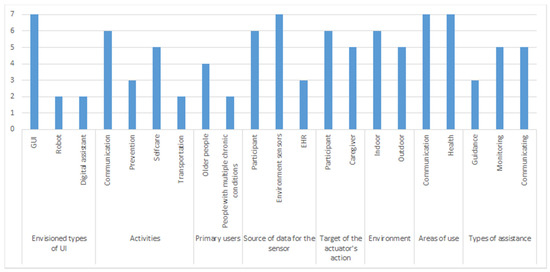
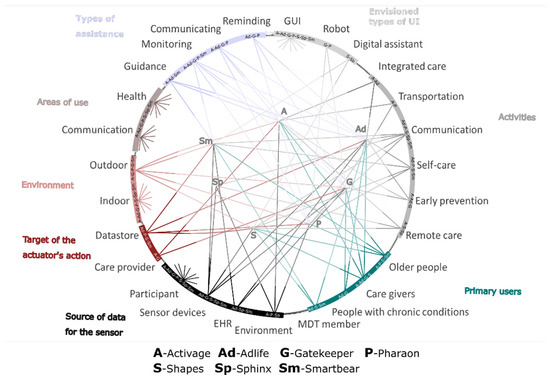
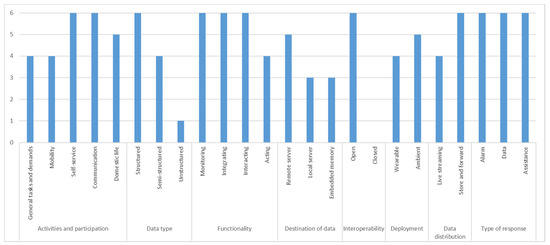
Motivated by the aging trend, much effort is being invested into implementing ICT (Information and Communications Technology)-enabled systems to provide a better quality of life and support the independent living of older people. As a result, many systems, often labeled as eHealth or AAL (Ambient/Active Assisted Living), were developed over the years. In creating such systems, which very often serve various needs, different architectures have emerged. This work focuses on analyzing and comparing the work and architectures from seven (six of which are in progress) EU-funded healthcare projects, with a total budget of 126MEUR in which we participate. After establishing the theoretical foundation by defining core concepts, we give a brief background on architectures in eHealth and AAL. We elaborate on the chosen analysis method based on three established healthcare and AAL taxonomies we identified by performing a literature survey and the selected Reference Architecture Model (RAM). Since there is no standard way of describing architectures in the eHealth and AAL domain, we conducted the online survey during August and September 2020 and identified CREATE-IoT 3D RAM as the most appropriate option. We present a classification of selected projects based on established taxonomies and map projects’ architectures to CREATE-IoT 3D RAM, which we also propose as standard RAM for future digital healthcare and AAL projects. During our analysis, we identify the most common types of assistance: communication support, reminders, monitoring, and guidance to address health and communication issues. We conclude that proper ecosystems are critical for lowering entry barriers and facilitating sustainable solutions for smart and healthy living. Full article
(This article belongs to the Special Issue Embedding Internet of Everything in New-Age Smart Environments)
Show Figures

Figure 1
11 pages, 3084 KB  
Article
Design of a 20 T Class REBCO Insert in a 15 T Low Temperature Superconducting Magnet
by Liangjun Shao, Xintao Zhang, Yufan Yan, Haoyuan Wang, Huajun Liu and Timing Qu
Electronics 2021, 10(14), 1741; https://doi.org/10.3390/electronics10141741 - 20 Jul 2021
Cited by 12 | Viewed by 4533
Abstract
A 20 T REBCO insert magnet has been designed considering a 15 T/150 mm background field generated by an LTS magnet. A two-nested-coil structure was chosen. The target of this project is to generate a 20 T/80 mm user field by inserting the [...] Read more.
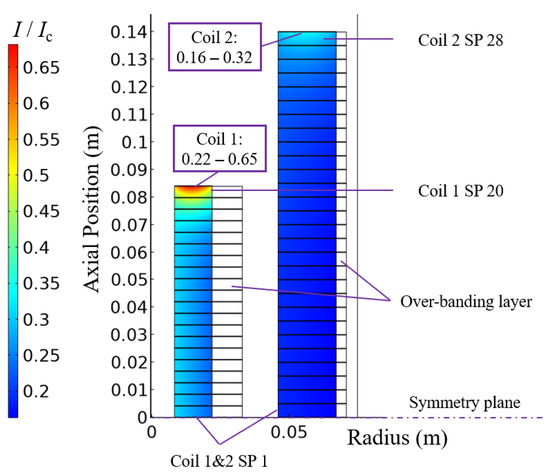
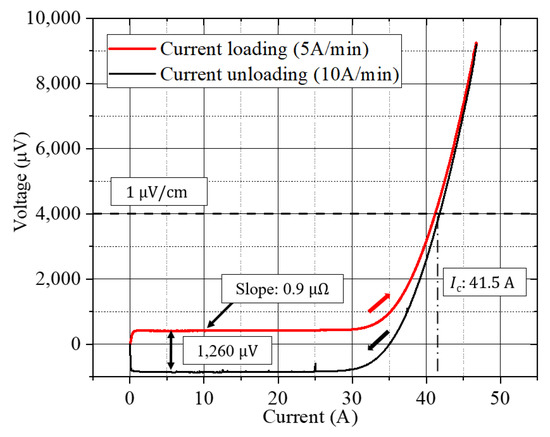
A 20 T REBCO insert magnet has been designed considering a 15 T/150 mm background field generated by an LTS magnet. A two-nested-coil structure was chosen. The target of this project is to generate a 20 T/80 mm user field by inserting the outer MI-REBCO coil (Coil 2) first, then try to reach 35 T by inserting the inner NI-REBCO test coil (Coil 1). Coil 2 will be wound by copper packed, 185-μm thick REBCO tapes co-wound with 50-μm thick Hastelloy tapes. Coil 1 will be no-insulated wound by 65-μm thick REBCO tapes. Two mechanical models were built to estimate the stress distribution inside the HTS coils during operation. The influence of the screening current distribution on stress was discussed. The unbalanced force caused by the coil misalignment was also simulated. The 20 T HTS insert magnet is planned to be built and tested in 2021. The progress of coil winding and preliminary test results at 77 K were presented. Full article
(This article belongs to the Section Quantum Electronics)
Show Figures

Figure 1
15 pages, 4234 KB  
Article
Hierarchical Temporal Memory Theory Approach to Stock Market Time Series Forecasting
by Regina Sousa, Tiago Lima, António Abelha and José Machado
Electronics 2021, 10(14), 1630; https://doi.org/10.3390/electronics10141630 - 8 Jul 2021
Cited by 12 | Viewed by 4944
Abstract
Over the years, and with the emergence of various technological innovations, the relevance of automatic learning methods has increased exponentially, and they now play a key role in society. More specifically, Deep Learning (DL), with the ability to recognize audio, image, and time [...] Read more.
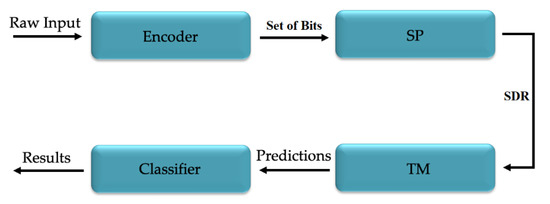
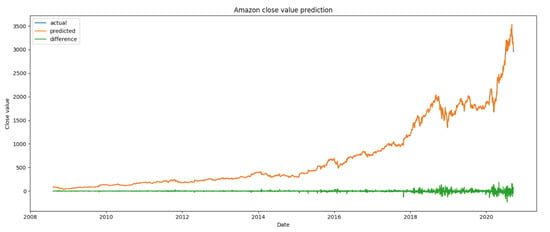
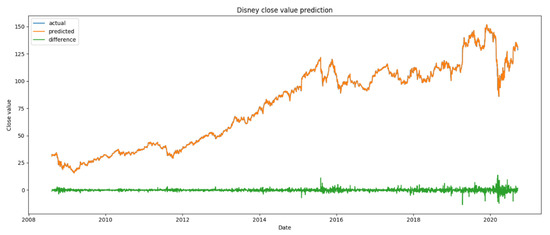
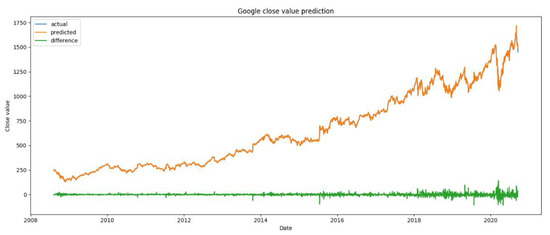
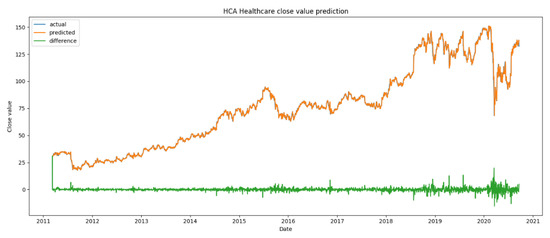
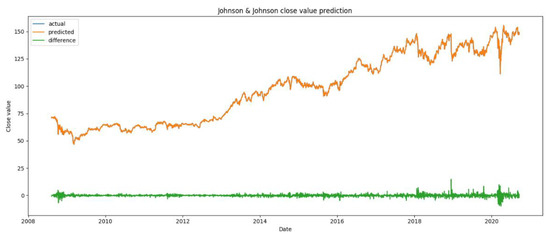
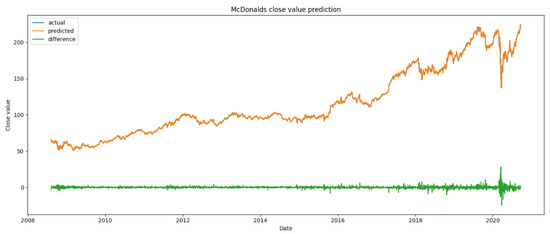
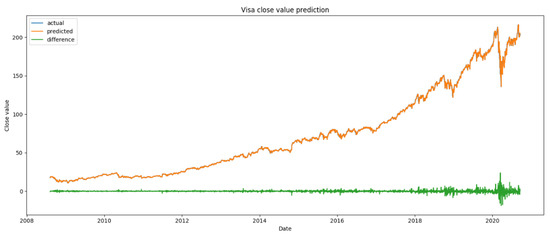
Over the years, and with the emergence of various technological innovations, the relevance of automatic learning methods has increased exponentially, and they now play a key role in society. More specifically, Deep Learning (DL), with the ability to recognize audio, image, and time series predictions, has helped to solve various types of problems. This paper aims to introduce a new theory, Hierarchical Temporal Memory (HTM), that applies to stock market prediction. HTM is based on the biological functions of the brain as well as its learning mechanism. The results are of significant relevance and show a low percentage of errors in the predictions made over time. It can be noted that the learning curve of the algorithm is fast, identifying trends in the stock market for all seven data universes using the same network. Although the algorithm suffered at the time a pandemic was declared, it was able to adapt and return to good predictions. HTM proved to be a good continuous learning method for predicting time series datasets. Full article
Show Figures

Figure 1
27 pages, 15596 KB  
Article
Single-Shunt Three-Phase Current Measurement for a Three-Level Inverter Using a Modified Space-Vector Modulation
by Haris Kovačević, Lucijan Korošec and Miro Milanovič
Electronics 2021, 10(14), 1734; https://doi.org/10.3390/electronics10141734 - 19 Jul 2021
Cited by 11 | Viewed by 4561
Abstract
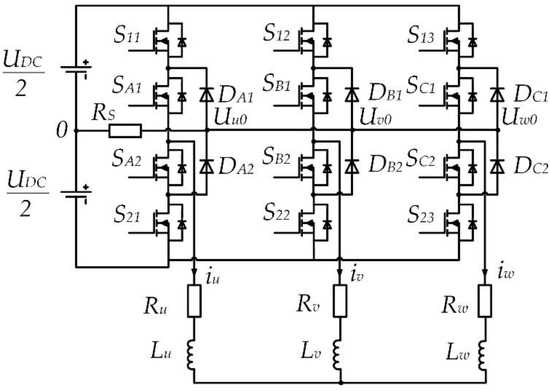
This article presents a single-shunt measurement of a three-level inverter using a modified space-vector modulation to reconstruct the three-phase load current. The proposed method was implemented on a digital signal processor (DSP), and the algorithm was verified in the laboratory experiment. Through the [...] Read more.
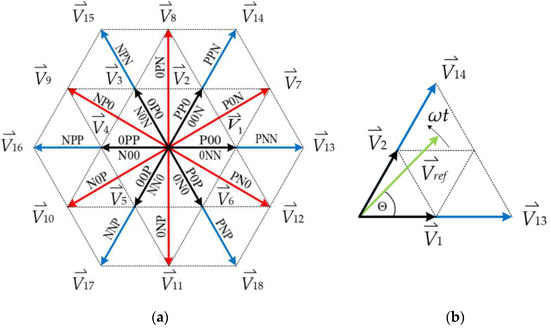
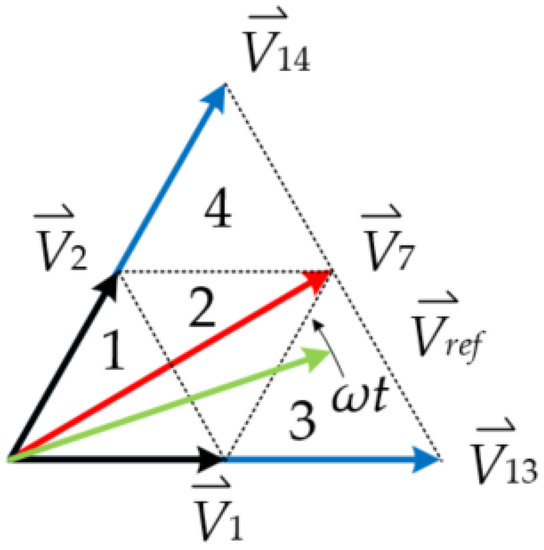
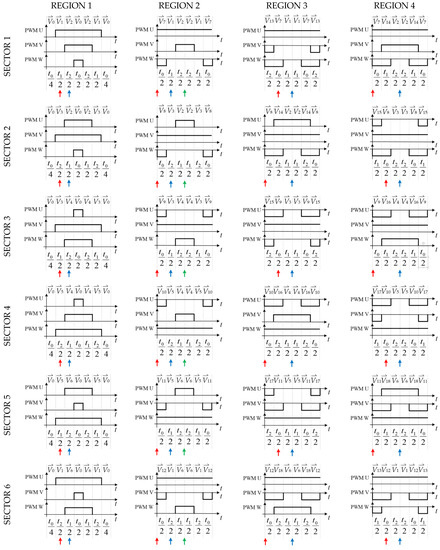
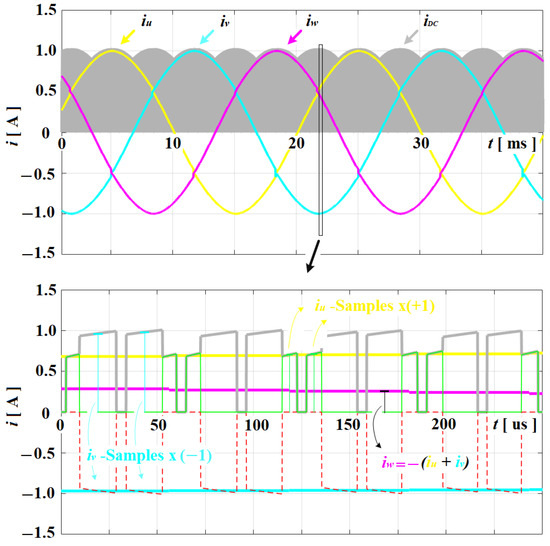
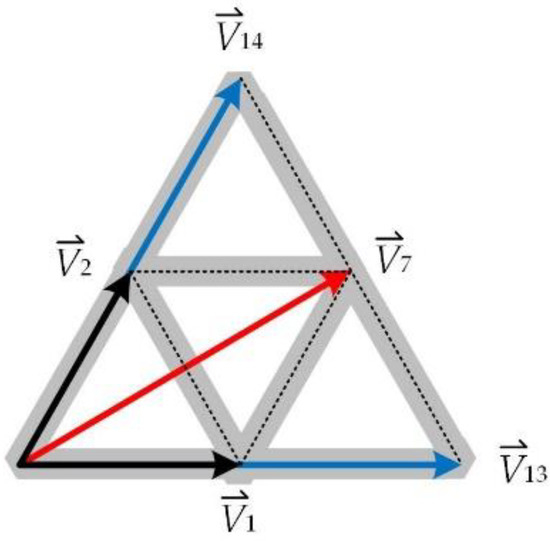
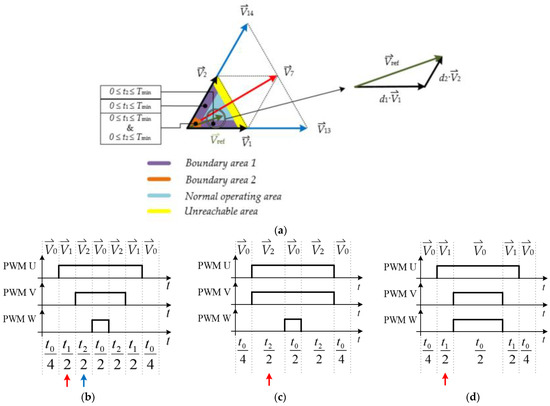
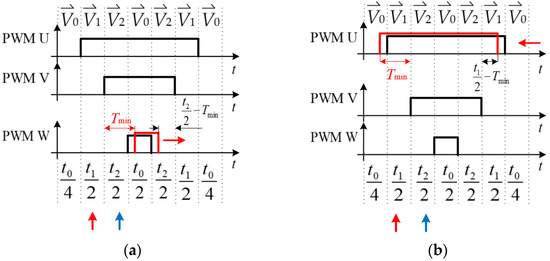
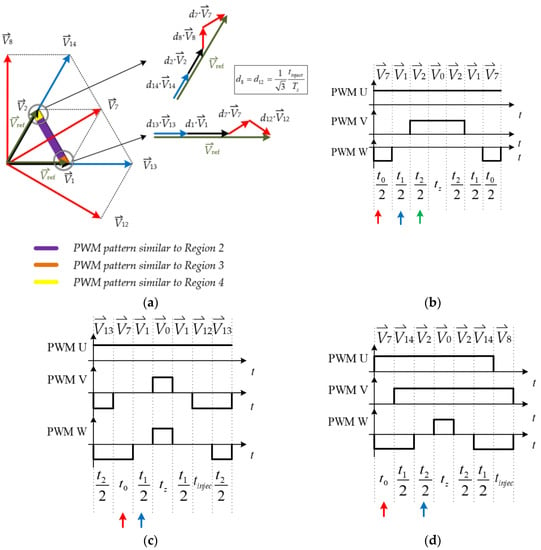
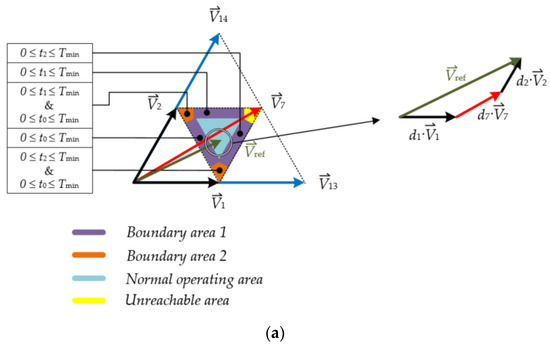
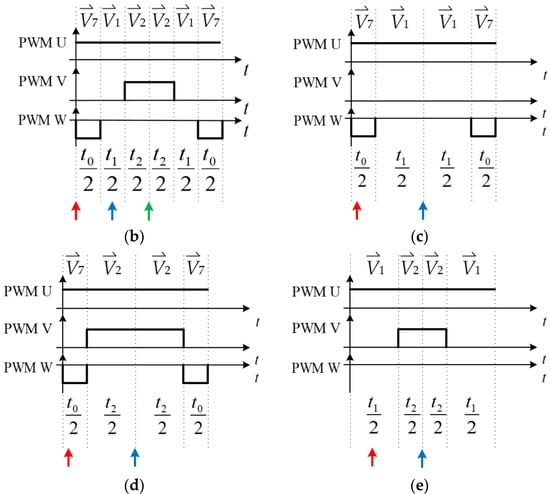
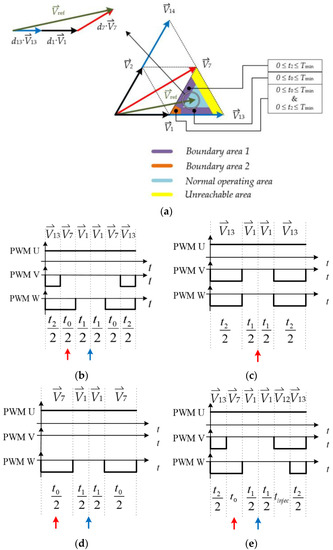
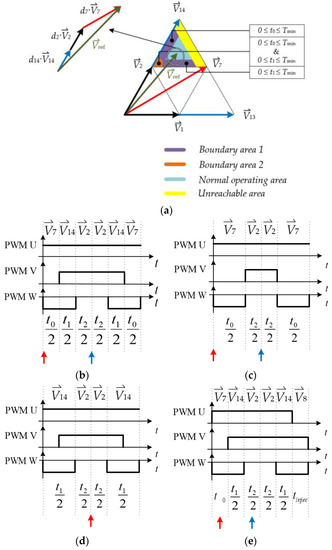
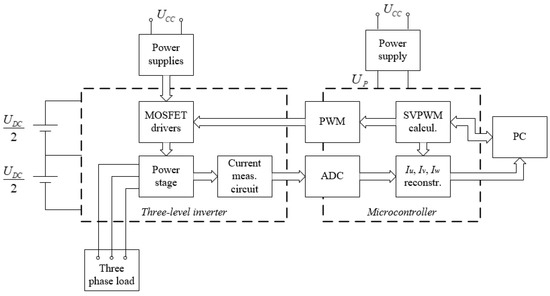
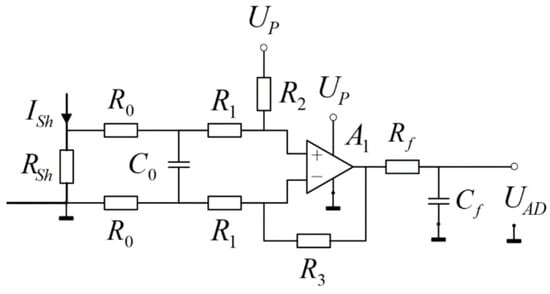
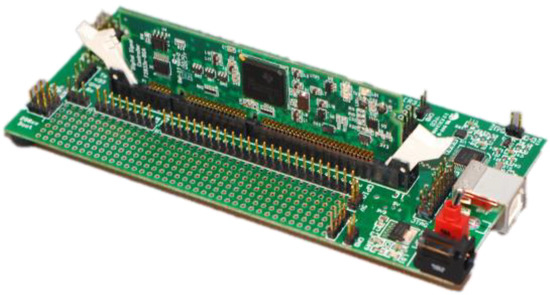
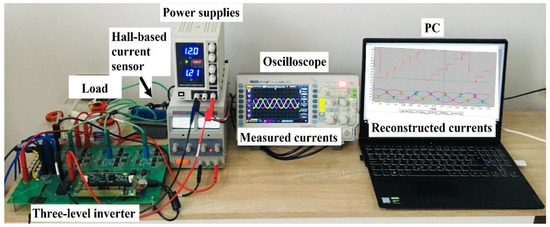
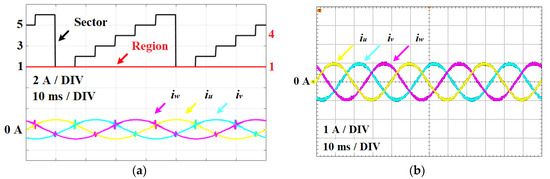
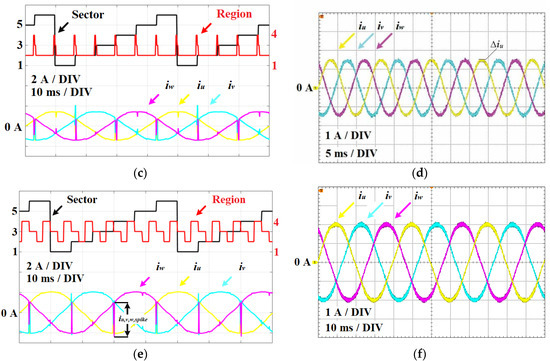
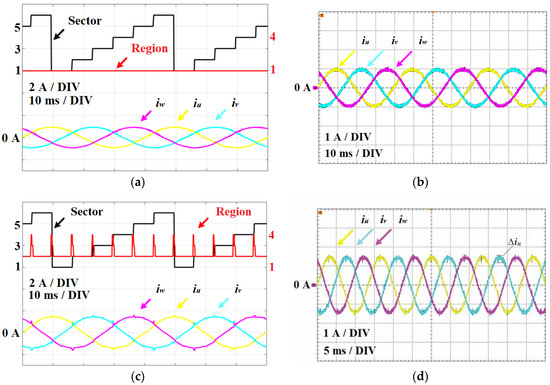
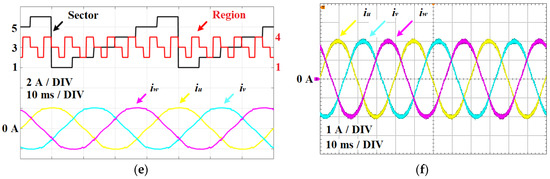
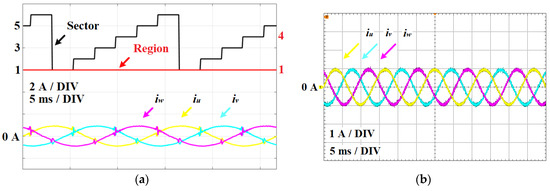
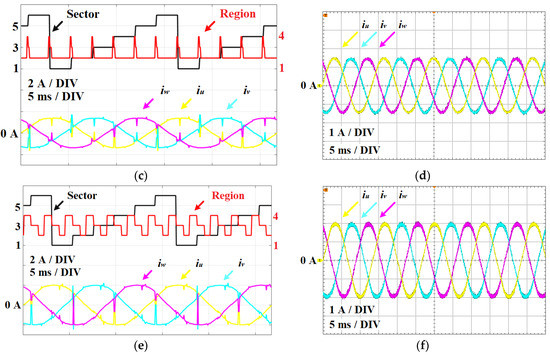
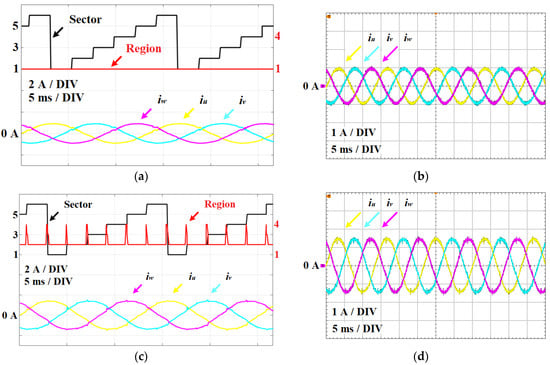
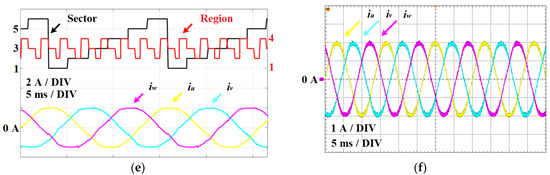
This article presents a single-shunt measurement of a three-level inverter using a modified space-vector modulation to reconstruct the three-phase load current. The proposed method was implemented on a digital signal processor (DSP), and the algorithm was verified in the laboratory experiment. Through the work, it was proven that the single-shunt three-phase current measurement could be performed using the space-vector modulation for three-level inverters in an analogous way to ordinary three-phase inverters. Three-phase current reconstruction for ordinary three-phase inverters was performed using the ordinary space-vector modulation with eight vectors, but for three-level inverters, 21 vectors were available. When the inverter was working on the edges between two vectors, the modulation disturbances appeared as current spikes. This problem was solved using the modified SVM performed by shifting the SVM signals. Carefully designed signal shifting (vector injection) demonstrated an excellent reconstruction of the three-phase load currents that were single-shunt measured. Full article
Show Figures

Figure 1
15 pages, 23201 KB  
Article
Office Room Channel Modeling and Object Attenuation at Sub-THz Frequencies
by Brecht De Beelde, Emmeric Tanghe, Claude Desset, André Bourdoux, David Plets and Wout Joseph
Electronics 2021, 10(14), 1725; https://doi.org/10.3390/electronics10141725 - 18 Jul 2021
Cited by 11 | Viewed by 2969
Abstract
Large bandwidths are needed to meet the high-throughput requirements of future wireless communication systems. These larger bandwidths are available at mmWave and sub-THz frequencies, such as the V-band ranging from 50 to 75 GHz and the D-band ranging from 110 to 170 GHz. [...] Read more.
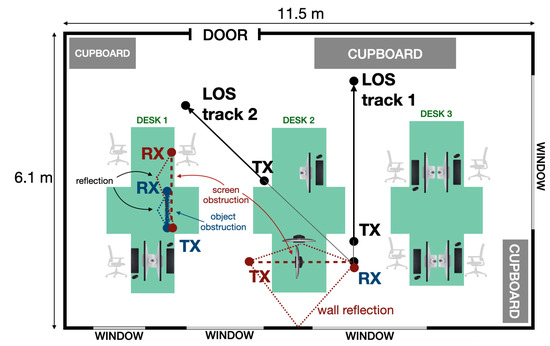
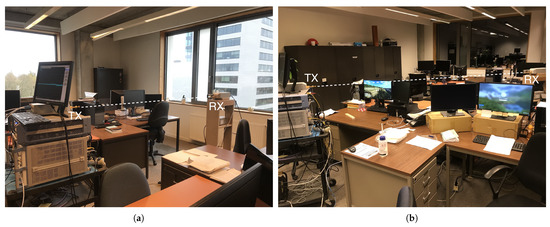
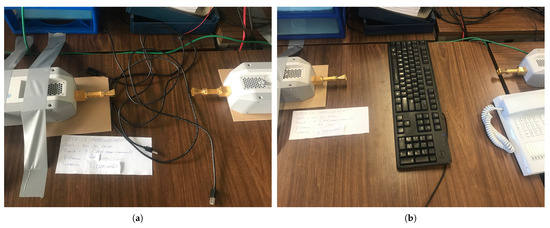
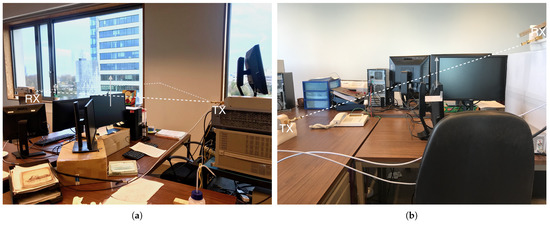
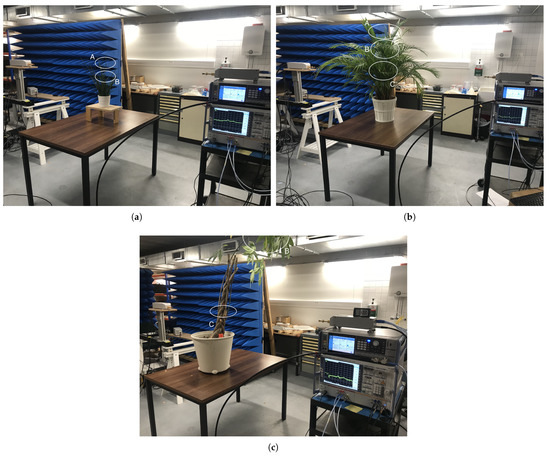
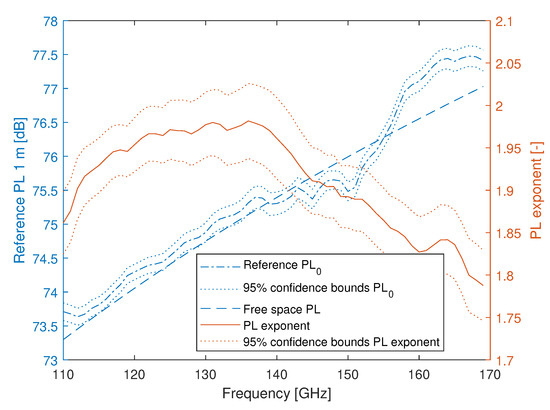
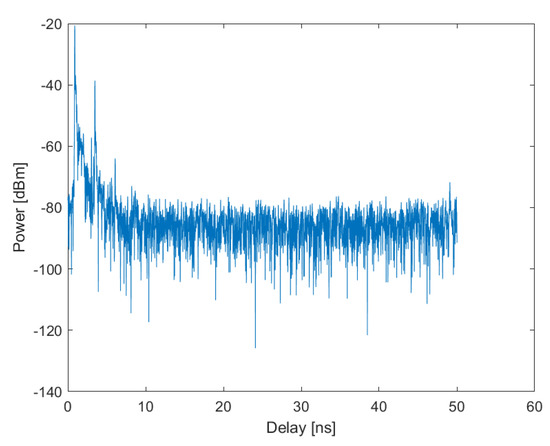
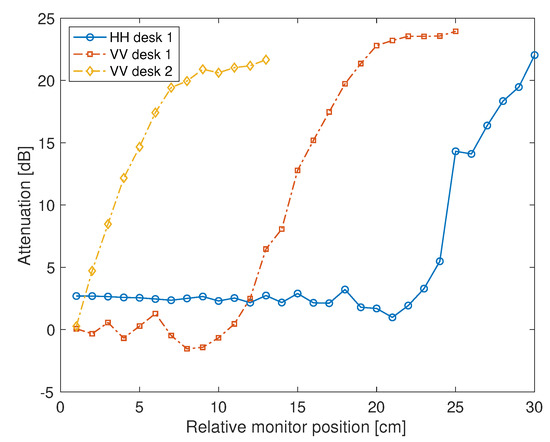
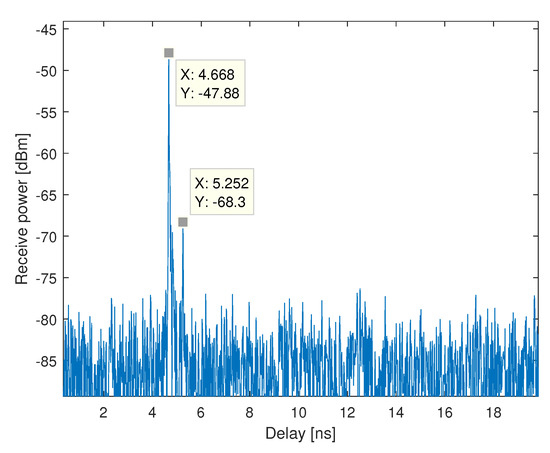
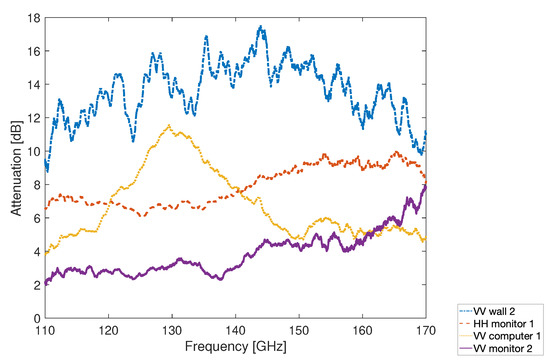
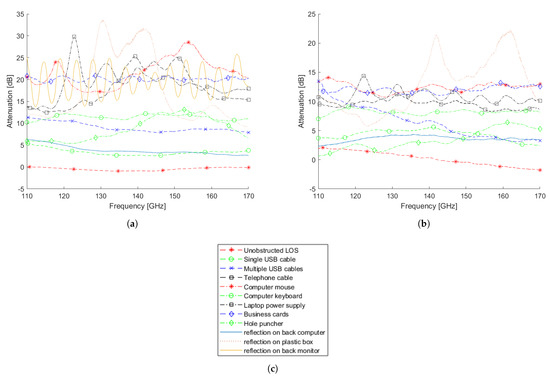
Large bandwidths are needed to meet the high-throughput requirements of future wireless communication systems. These larger bandwidths are available at mmWave and sub-THz frequencies, such as the V-band ranging from 50 to 75 GHz and the D-band ranging from 110 to 170 GHz. In this paper, we present channel measurements in an office environment, covering the full D-band. Line-of-Sight (LOS) path loss (PL) is modeled as a function of frequency and distance. Both a single-frequency floating-intercept and multi-frequency alpha-beta-gamma model provide a good fit to the measured LOS PL data. Attenuation due to blockage of the LOS path by various desk objects, such as computer peripherals and cables, is determined, as well as attenuation due to plant obstructions. Attenuation due to an obstructed LOS path ranges from 3 dB for a single universal serial bus (USB) cable, and up to 25 dB for a laptop power supply, computer mouse, computer monitor, or plant. Because of a higher diffraction angle, the measured attenuation is higher when the distance between the antennas decreases. We measure diffraction around a computer monitor for dual polarization and verify whether communication via the reflected non Line-of-Sight path makes high-throughput wireless communication possible when the LOS path is blocked. Full article
Show Figures

Figure 1
20 pages, 1012 KB  
Article
Prescribed Performance-Based Event-Driven Fault-Tolerant Robust Attitude Control of Spacecraft under Restricted Communication
by Syed Muhammad Amrr, Abdulrahman Alturki, Ankit Kumar and M. Nabi
Electronics 2021, 10(14), 1709; https://doi.org/10.3390/electronics10141709 - 16 Jul 2021
Cited by 11 | Viewed by 3733
Abstract
This paper explores the problem of attitude stabilization of spacecraft under multiple uncertainties and constrained bandwidth resources. The proposed control law is designed by combining the sliding mode control (SMC) technique with a prescribed performance control (PPC) method. Further, the control input signal [...] Read more.
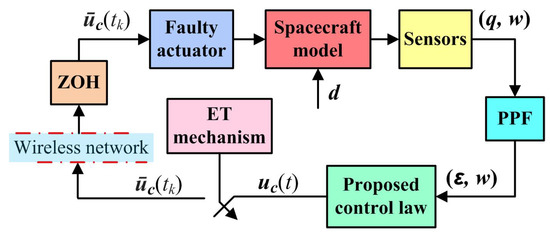
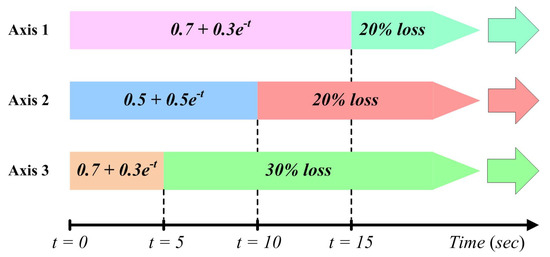
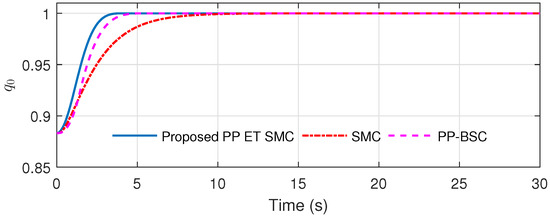
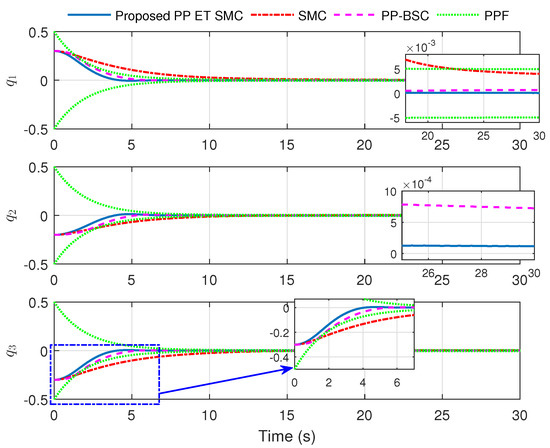
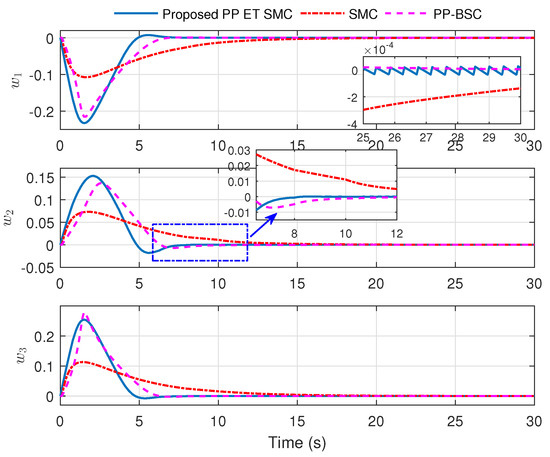
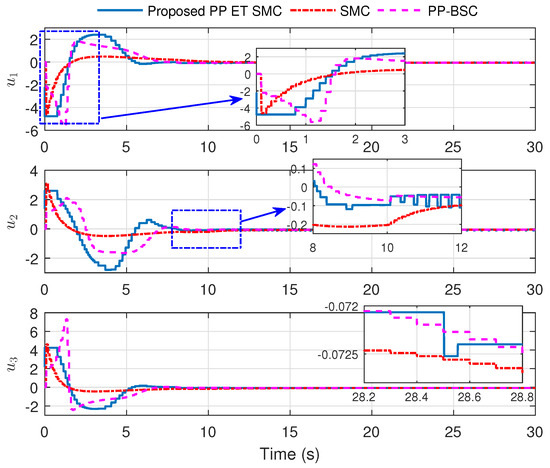
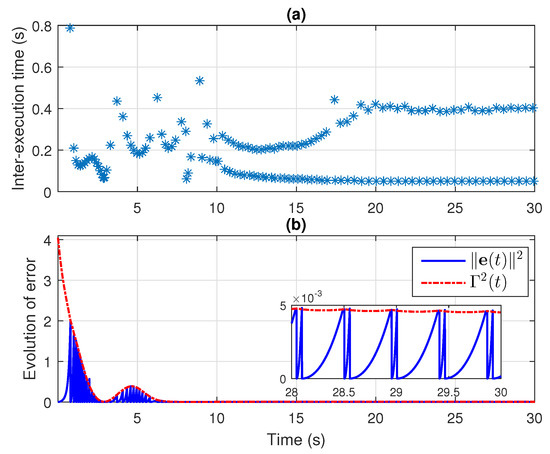
This paper explores the problem of attitude stabilization of spacecraft under multiple uncertainties and constrained bandwidth resources. The proposed control law is designed by combining the sliding mode control (SMC) technique with a prescribed performance control (PPC) method. Further, the control input signal is executed in an aperiodic time framework using the event-trigger (ET) mechanism to minimize the control data transfer through a constrained wireless network. The SMC provides robustness against inertial uncertainties, disturbances, and actuator faults, whereas the PPC strategy aims to achieve a predefined system performance. The PPC technique is developed by transforming the system attitude into a new variable using the prescribed performance function, which acts as a predefined constraint for transient and steady-state responses. In addition, the ET mechanism updates the input value to the actuator only when there is a violation of the triggering rule; otherwise, the actuator output remains at a fixed value. Moreover, the proposed triggering rule is constituted through the Lyapunov stability analysis. Thus, the proposed approach can be extended to a broader class of complex nonlinear systems. The theoretical analyses prove the uniformly ultimately bounded stability of the closed-loop system and the non-existence of the Zeno behavior. The effectiveness of the proposed methodology is also presented along with the comparative studies through simulation results. Full article
(This article belongs to the Special Issue Control of Nonlinear Systems and Industrial Processes)
Show Figures

Figure 1
18 pages, 760 KB  
Article
PUF-Based Key Generation Scheme for Secure Group Communication Using MEMS
by Mubarak Mehdi, Muhammad Taha Ajani, Hasan Tahir, Shahzaib Tahir, Zahoor Alizai, Fawad Khan, Qaiser Riaz and Mehdi Hussain
Electronics 2021, 10(14), 1691; https://doi.org/10.3390/electronics10141691 - 15 Jul 2021
Cited by 11 | Viewed by 4225
Abstract
Consumer electronics manufacturers have been incorporating support for 4G/5G communication technologies into many electronic devices. Thus, highly capable Internet of Things (IoT)-ready versions of electronic devices are being purchased which will eventually replace traditional consumer electronics. With the goal of creating a smart [...] Read more.
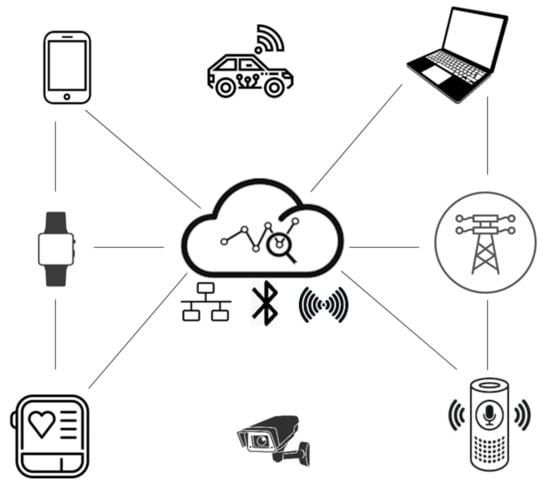
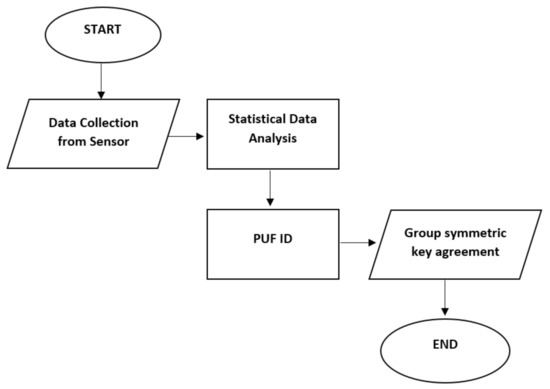
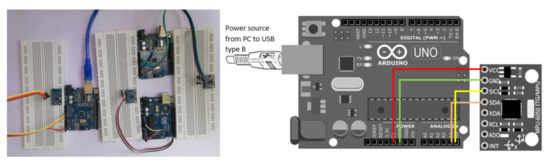
Consumer electronics manufacturers have been incorporating support for 4G/5G communication technologies into many electronic devices. Thus, highly capable Internet of Things (IoT)-ready versions of electronic devices are being purchased which will eventually replace traditional consumer electronics. With the goal of creating a smart environment, the IoT devices enable data sharing, sensing, awareness, increased control. Enabled by high-speed networks, the IoT devices function in a group setting thus compounding the attack surface leading to security and privacy concerns. This research is a study on the possibility of incorporating PUF as a basis for group key generation. The challenge here lies in identifying device features that are unique, stable, reproducible and unpredictable by an adversary. Each device generates its own identity leading to collaborative cryptographic key generation in a group setting. The research uses a comprehensive hardware testbed to demonstrate the viability of PUFs for the generation of a symmetric key through collaboration. Detailed analysis of the proposed setup and the symmetric key generation scheme has shown that the system is scalable and offers unrivalled advantages compared to conventional cryptographic implementations. Full article
(This article belongs to the Special Issue Smart Applications of 5G Network)
Show Figures

Figure 1
16 pages, 3285 KB  
Article
Managing SARS-CoV-2 Testing in Schools with an Artificial Intelligence Model and Application Developed by Simulation Data
by Svetozar Zarko Valtchev, Ali Asgary, Michael Chen, Felippe A. Cronemberger, Mahdi M. Najafabadi, Monica Gabriela Cojocaru and Jianhong Wu
Electronics 2021, 10(14), 1626; https://doi.org/10.3390/electronics10141626 - 7 Jul 2021
Cited by 11 | Viewed by 3552
Abstract
Research on SARS-CoV-2 and its social implications have become a major focus to interdisciplinary teams worldwide. As interest in more direct solutions, such as mass testing and vaccination grows, several studies appear to be dedicated to the operationalization of those solutions, leveraging both [...] Read more.
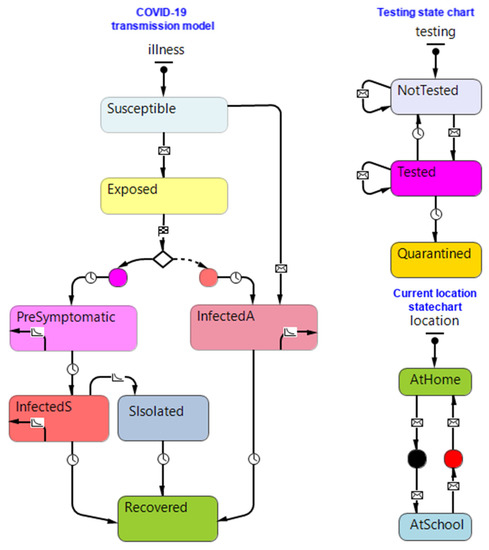
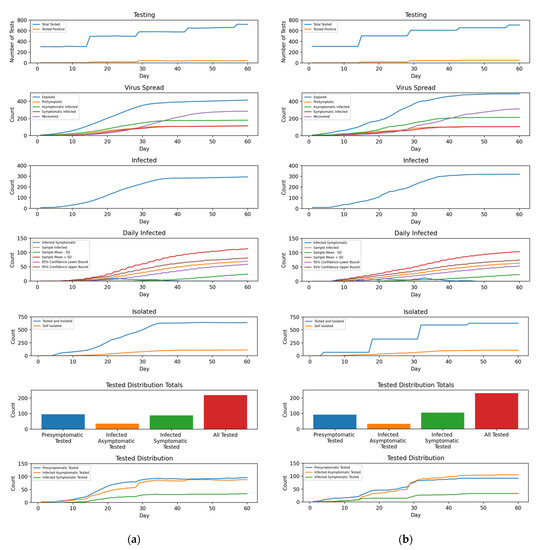
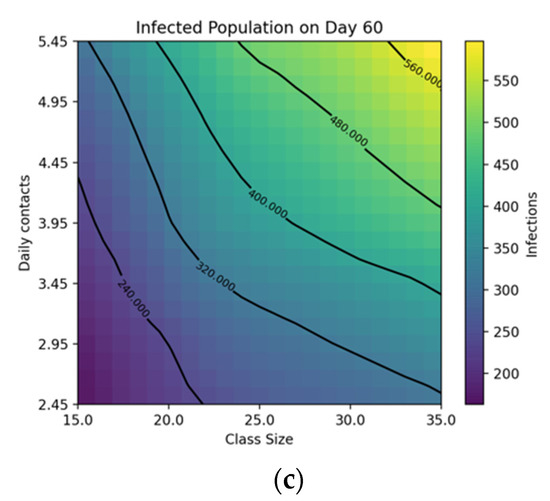
Research on SARS-CoV-2 and its social implications have become a major focus to interdisciplinary teams worldwide. As interest in more direct solutions, such as mass testing and vaccination grows, several studies appear to be dedicated to the operationalization of those solutions, leveraging both traditional and new methodologies, and, increasingly, the combination of both. This research examines the challenges anticipated for preventative testing of SARS-CoV-2 in schools and proposes an artificial intelligence (AI)-powered agent-based model crafted specifically for school scenarios. This research shows that in the absence of real data, simulation-based data can be used to develop an artificial intelligence model for the application of rapid assessment of school testing policies. Full article
Show Figures

Figure 1
18 pages, 4122 KB  
Case Report
Voltage Variations and Their Reduction in a Rural Low-Voltage Network with PV Sources of Energy
by Agata Szultka, Seweryn Szultka, Stanislaw Czapp and Ryszard Zajczyk
Electronics 2021, 10(14), 1620; https://doi.org/10.3390/electronics10141620 - 7 Jul 2021
Cited by 11 | Viewed by 3511
Abstract
Renewable sources of energy (RES), especially photovoltaic (PV) micro-sources, are very popular in many countries. This way of clean power production is applied on a wide scale in Poland as well. The Polish legal regulations and tariffs specify that every prosumer in a [...] Read more.
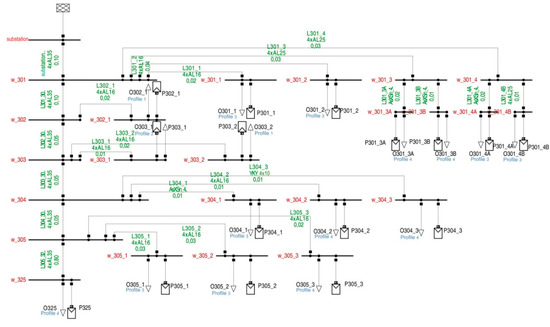
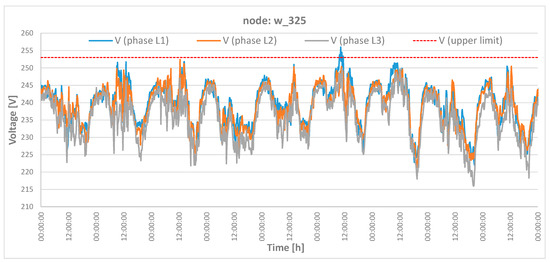
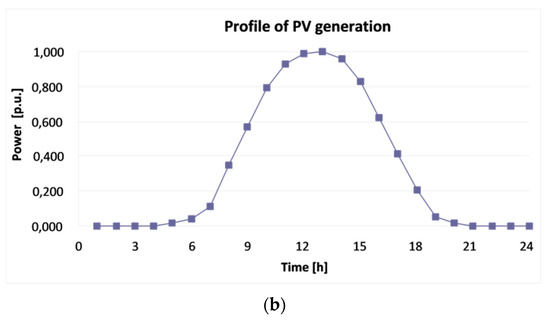
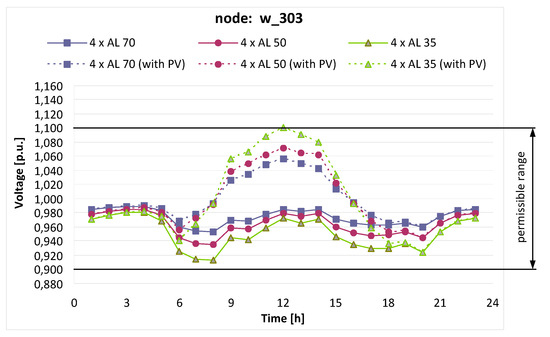
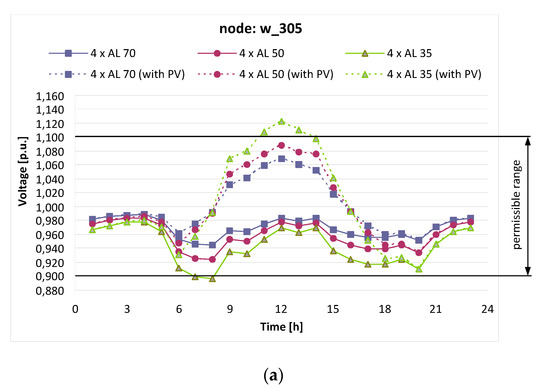
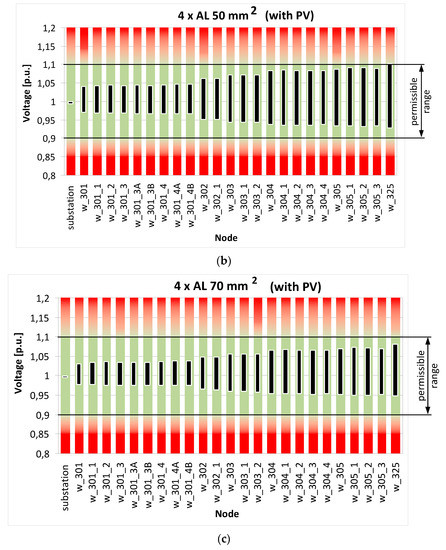
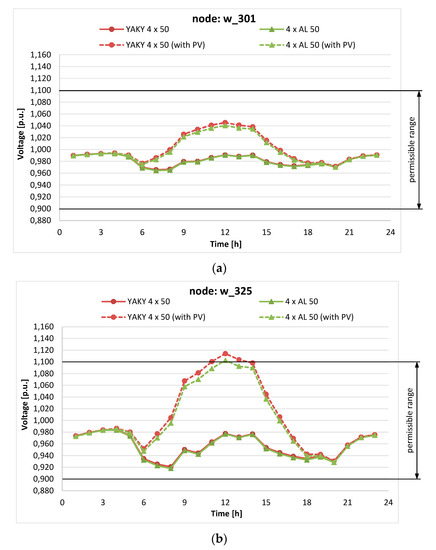
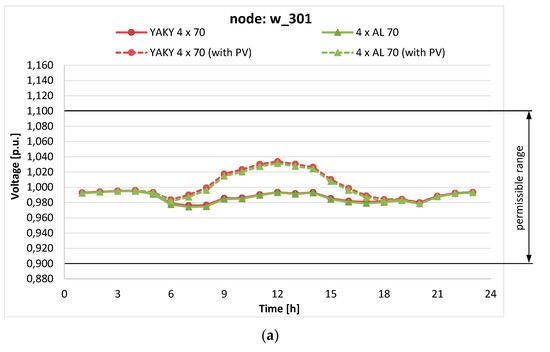
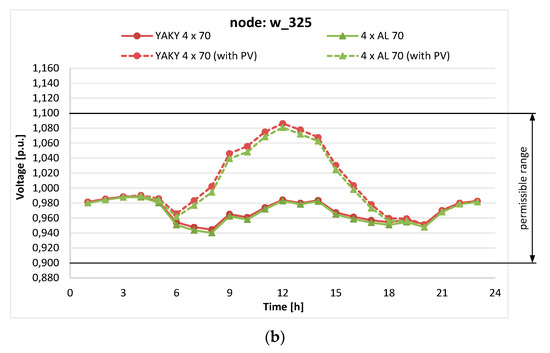
Renewable sources of energy (RES), especially photovoltaic (PV) micro-sources, are very popular in many countries. This way of clean power production is applied on a wide scale in Poland as well. The Polish legal regulations and tariffs specify that every prosumer in a low-voltage network may feed this network with a power not higher than the maximum declared consumed power. In power networks with RES, the voltage level changes significantly along the power line and depends on the actually generated as well as consumed power by particular prosumers. There are cases that prosumers connected to this line cannot produce and inject the full permissible power from PV sources due to the level of a voltage higher than the technically acceptable value. In consequence, it leads to the lack of profitability of investments in installations with PV sources. In this paper, voltage variations in a real rural low-voltage network with PV micro-sources are described. The possible two general solutions of voltage levels improvement are discussed—increase in the cross-sectional area of the bare conductors in the existing overhead line as well as the replacement of the overhead line with a cable line. The recommended solution for the analyzed network, giving the best reduction of voltage variations and acceptable cost, is underlined. Such a recommendation can also be utilized in other rural networks. Full article
(This article belongs to the Special Issue Circuit Analysis and Simulation of Modern Electric Systems)
Show Figures

Figure 1

13 pages, 36710 KB  
Article
PAPR Reduction in OFDM Signals by Self-Adjustment Gain Method
by Miin-Jong Hao and Wei-Wu Pi
Electronics 2021, 10(14), 1672; https://doi.org/10.3390/electronics10141672 - 13 Jul 2021
Cited by 10 | Viewed by 5457
Abstract
OFDM in 5G wireless communication networks has the advantages of a high transmission volume and data rate. However, the problem of a high peak-to-average power ratio (PAPR) of OFDM signals may lead to serious performance degradation and distortion in the high-power amplifier at [...] Read more.
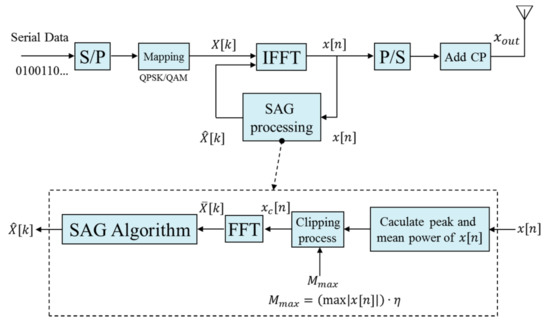
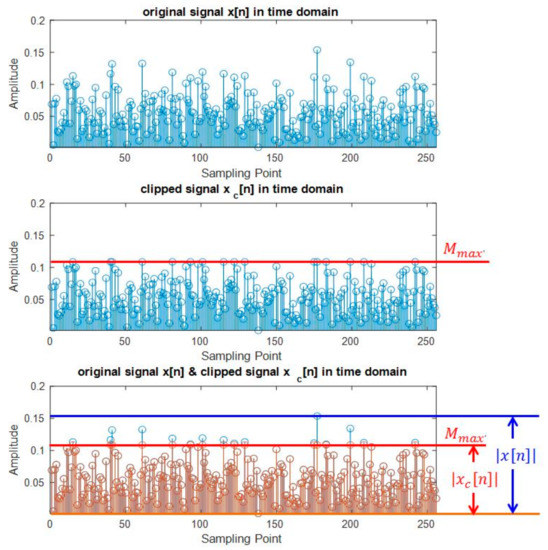
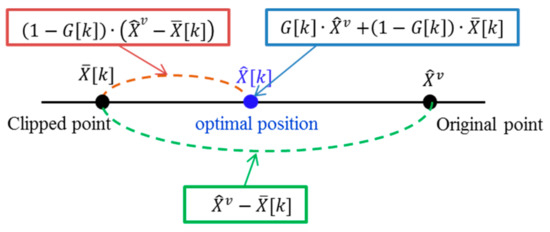
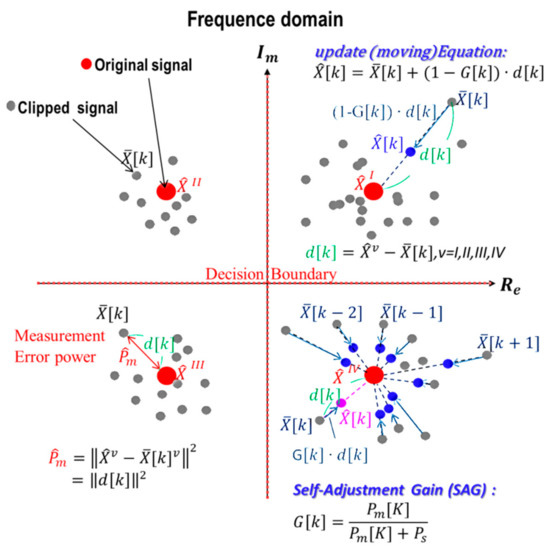
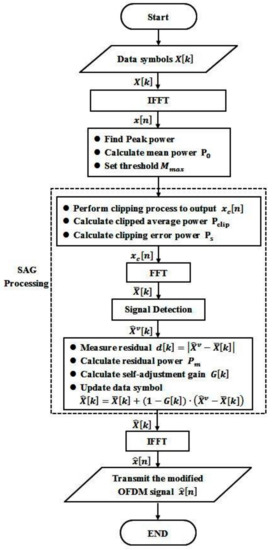
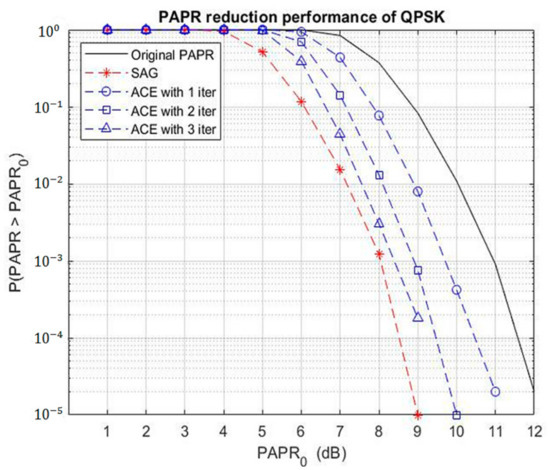
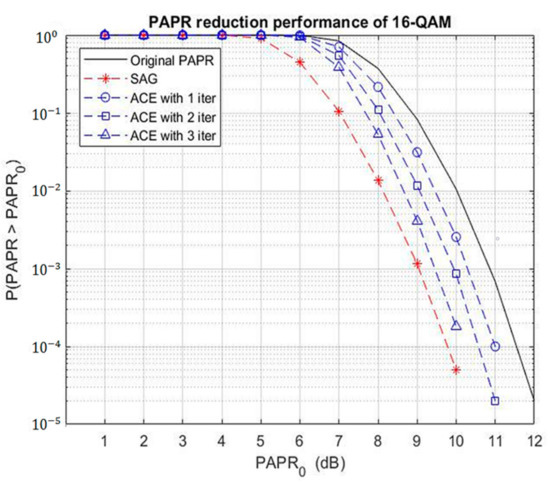
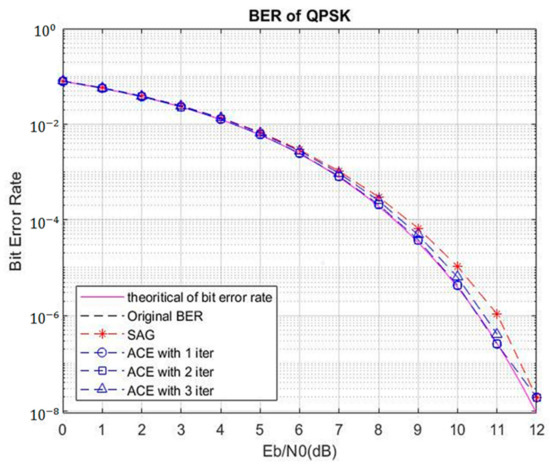
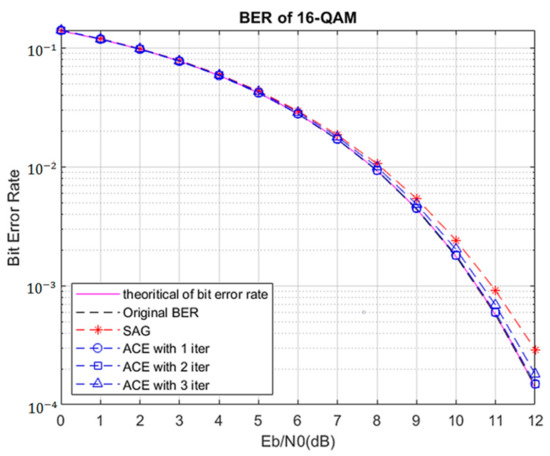
OFDM in 5G wireless communication networks has the advantages of a high transmission volume and data rate. However, the problem of a high peak-to-average power ratio (PAPR) of OFDM signals may lead to serious performance degradation and distortion in the high-power amplifier at the transmitter. In this paper, with the clipping process, the self-adjustment gain (SAG) method is proposed, to tune up the positions of the clipped signals, for reducing the PAPR of OFDM signals without increasing the error probability. The distance between the estimated and clipped signal points in the signal space is measured. An updated process is developed to produce the new signal points based on the measured distance and the self-adjustment gain that is obtained from the clipping noise power and measurement power. The simulation results show that for QPSK/OFDM, SAG reduces up to 2 dB and 0.7 dB more PAPR than ACE with one and three iterations, respectively. For 16QAM/OFDM, SAG reduces up to 1.3 dB and 0.5 dB more PAPR than ACE with one and three iterations, respectively. SAG also outperforms the active constellation extension, with the projection onto convex sets (ACE-POCS) and gradient project (SGP) methods in first two iterations. Hence, the proposed method really reduces the PAPR value more effectively, within an acceptable error probability, and its computational complexity is also much lower in comparison with those methods based on the active constellation extension (ACE) with iterations. Full article
(This article belongs to the Section Artificial Intelligence Circuits and Systems (AICAS))
Show Figures

Figure 1

9 pages, 2525 KB  
Article
Mechanism of Motion Direction Detection Based on Barlow’s Retina Inhibitory Scheme in Direction-Selective Ganglion Cells
by Mianzhe Han, Yuki Todo and Zheng Tang
Electronics 2021, 10(14), 1663; https://doi.org/10.3390/electronics10141663 - 13 Jul 2021
Cited by 10 | Viewed by 3151
Abstract
Previous studies have reported that directionally selective ganglion cells respond strongly in their preferred direction, but are only weakly excited by stimuli moving in the opposite null direction. Various studies have attempted to elucidate the mechanisms underlying direction selectivity with cellular basis. However, [...] Read more.
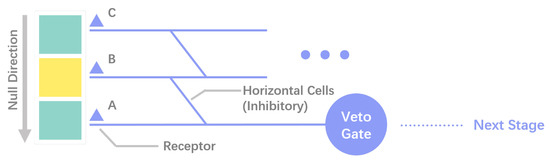
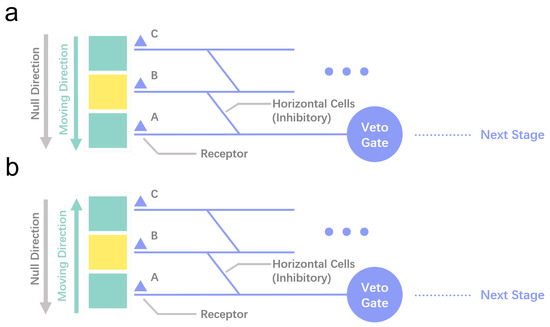
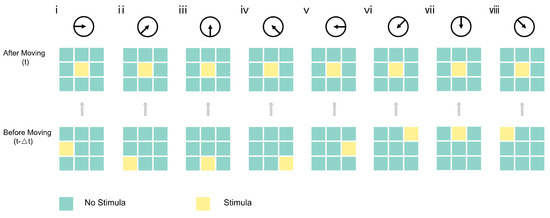
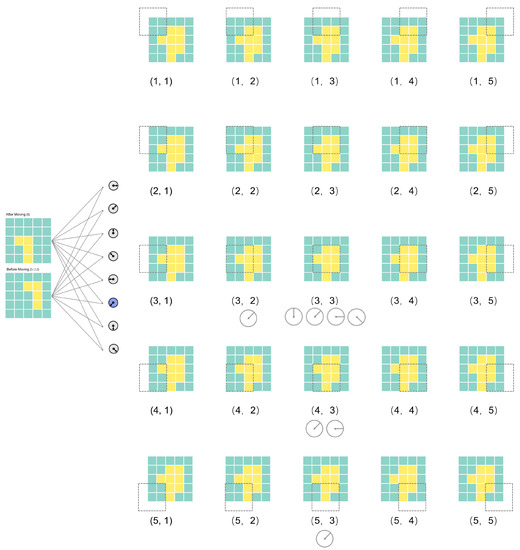
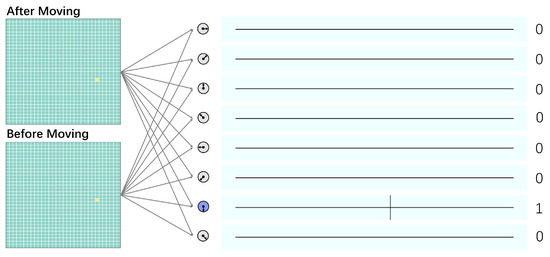
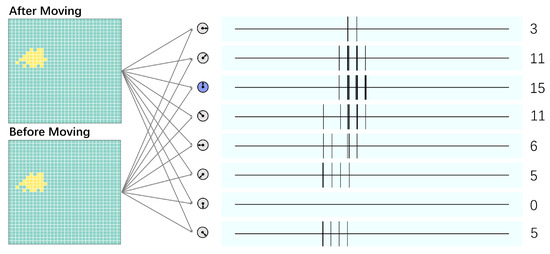
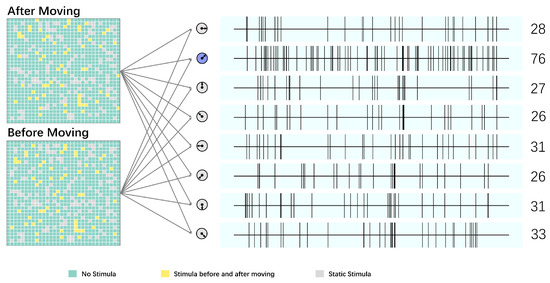
Previous studies have reported that directionally selective ganglion cells respond strongly in their preferred direction, but are only weakly excited by stimuli moving in the opposite null direction. Various studies have attempted to elucidate the mechanisms underlying direction selectivity with cellular basis. However, these studies have not elucidated the mechanism underlying motion direction detection. In this study, we propose the mechanism based on Barlow’s inhibitory scheme for motion direction detection. We described the local motion-sensing direction-selective neurons. Next, this model was used to construct the two-dimensional multi-directional detection neurons which detect the local motion directions. The information of local motion directions was finally used to infer the global motion direction. To verify the validity of the proposed mechanism, we conducted a series of experiments involving a dataset with a number of images. The proposed mechanism exhibited good performance in all experiments with high detection accuracy. Furthermore, we compare the performance of our proposed system and traditional Convolution Neural Network (CNN) on motion direction prediction. It is found that the performance of our system is much better than that of CNN in terms of accuracy, calculation speed and cost. Full article
(This article belongs to the Section Bioelectronics)
Show Figures

Figure 1

15 pages, 3896 KB  
Article
Analysis and Implementation of a Frequency Control DC–DC Converter for Light Electric Vehicle Applications
by Bor-Ren Lin
Electronics 2021, 10(14), 1623; https://doi.org/10.3390/electronics10141623 - 7 Jul 2021
Cited by 10 | Viewed by 4101
Abstract
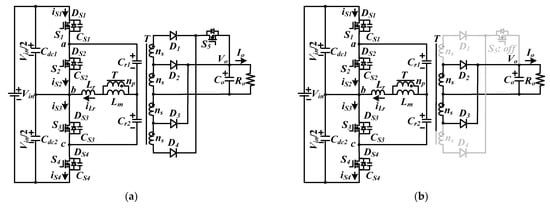
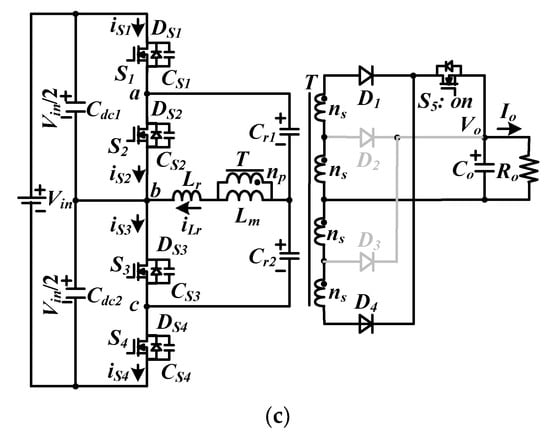
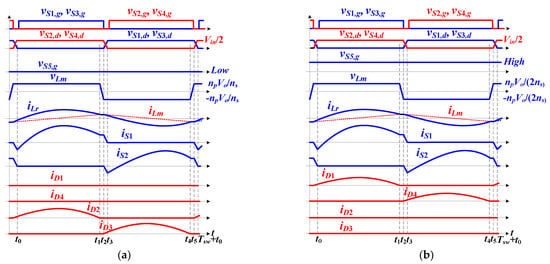
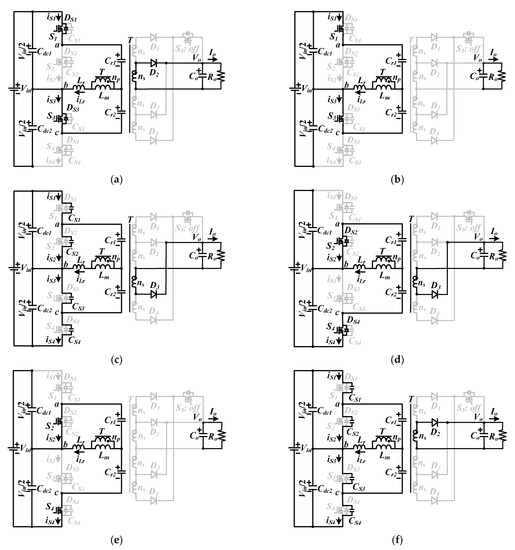
In order to realize emission-free solutions and clean transportation alternatives, this paper presents a new DC converter with pulse frequency control for a battery charger in electric vehicles (EVs) or light electric vehicles (LEVs). The circuit configuration includes a resonant tank on the [...] Read more.
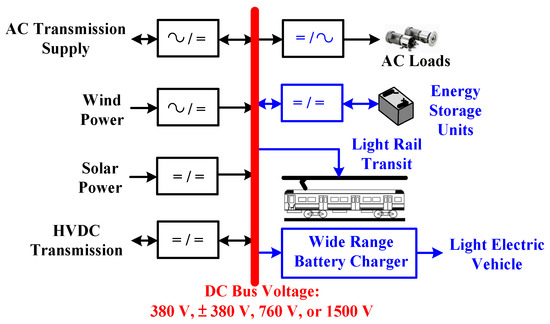
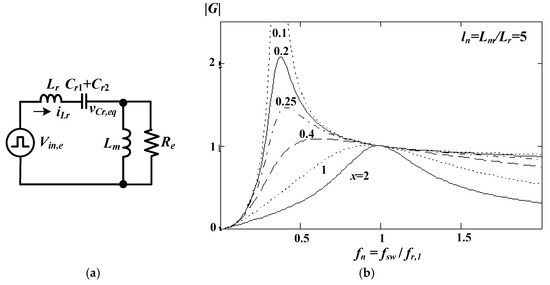
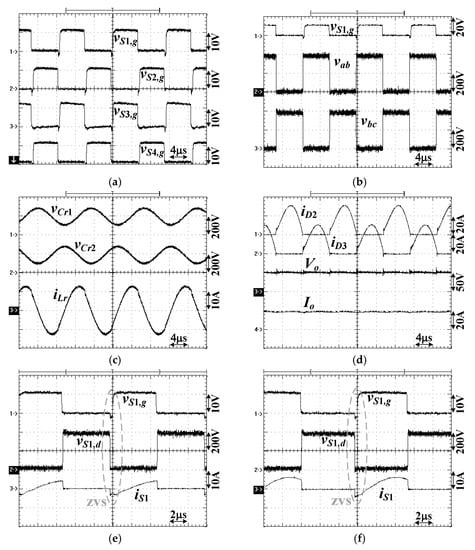
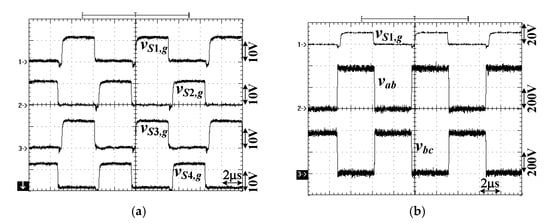
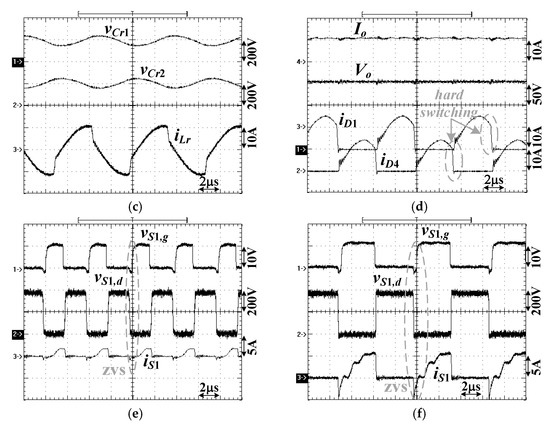
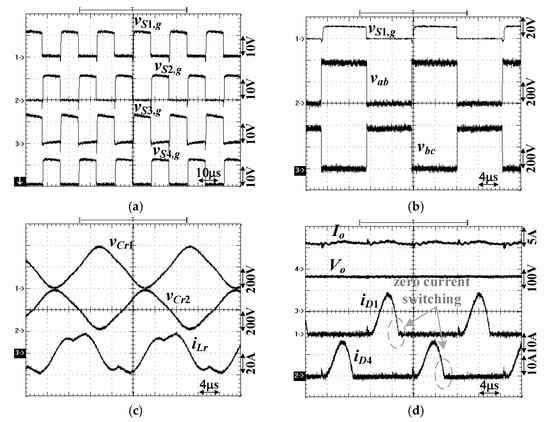
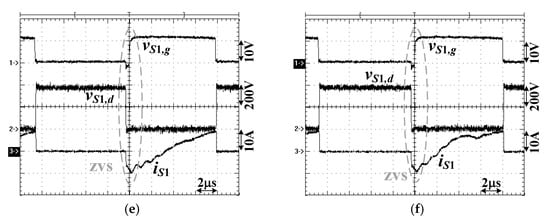
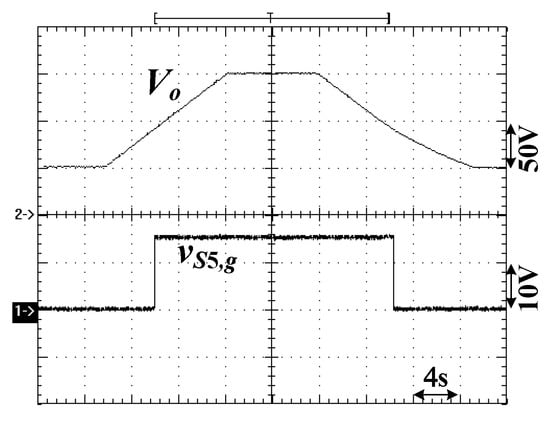
In order to realize emission-free solutions and clean transportation alternatives, this paper presents a new DC converter with pulse frequency control for a battery charger in electric vehicles (EVs) or light electric vehicles (LEVs). The circuit configuration includes a resonant tank on the high-voltage side and two variable winding sets on the output side to achieve wide output voltage operation for a universal LEV battery charger. The input terminal of the presented converter is a from DC microgrid with voltage levels of 380, 760, or 1500 V for house, industry plant, or DC transportation vehicle demands, respectively. To reduce voltage stresses on active devices, a cascade circuit structure with less voltage rating on power semiconductors is used on the primary side. Two resonant capacitors were selected on the resonant tank, not only to achieve the two input voltage balance problem but also to realize the resonant operation to control load voltage. By using the variable switching frequency approach to regulate load voltage, active switches are turned on with soft switching operation to improve converter efficiency. In order to achieve wide output voltage capability for universal battery charger demands such as scooters, electric motorbikes, Li-ion e-trikes, golf carts, luxury golf cars, and quad applications, two variable winding sets were selected to have a wide voltage output (50~160 V). Finally, experiments with a 1 kW rated prototype were demonstrated to validate the performance and benefits of presented converter. Full article
Show Figures

Figure 1
12 pages, 7739 KB  
Article
Compact 2 × 2 Circularly Polarized Aperture-Coupled Antenna Array for Ka-Band Satcom-on-the-Move Applications
by Hisham Baghdadi, Guillermo Royo, Ismael Bel, Francisco Javier Cortés and Santiago Celma
Electronics 2021, 10(14), 1621; https://doi.org/10.3390/electronics10141621 - 7 Jul 2021
Cited by 10 | Viewed by 6172
Abstract
This paper presents a novel design of a wideband circular polarization 2 × 2 microstrip antenna array working at Ka-band frequencies, from 27.5 to 31 GHz. This module is highly integrable with new silicon beamformer chips, creating a unit cell that can be [...] Read more.
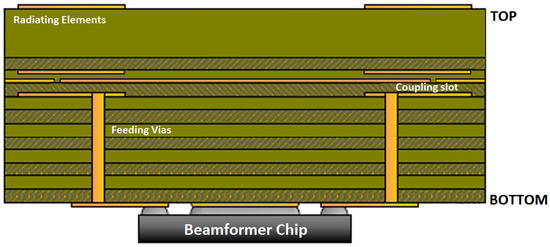
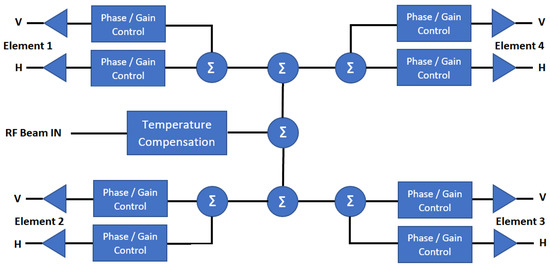
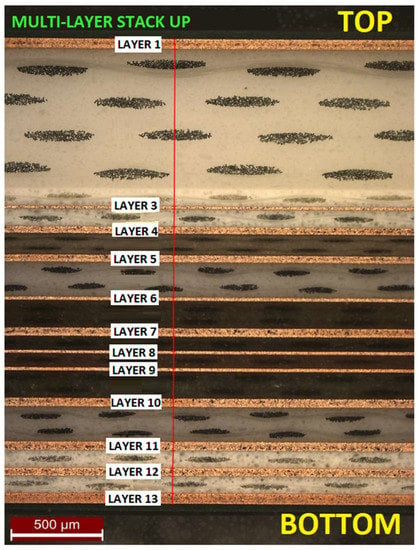
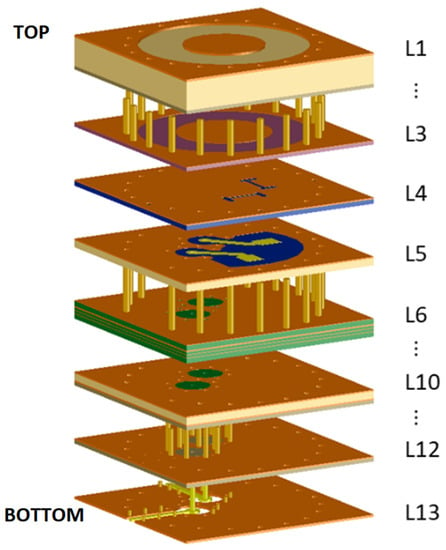
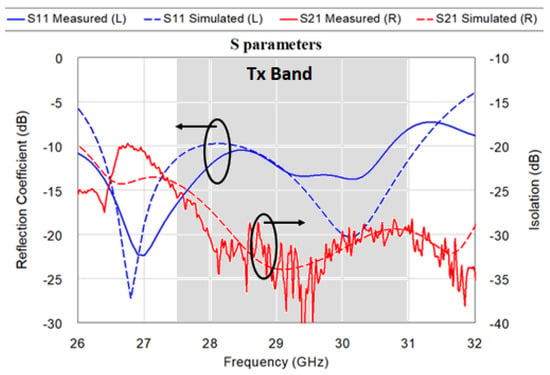
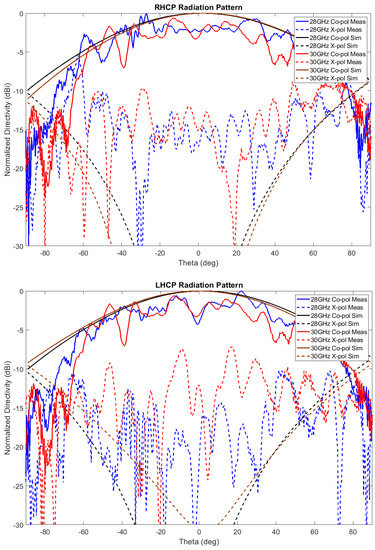
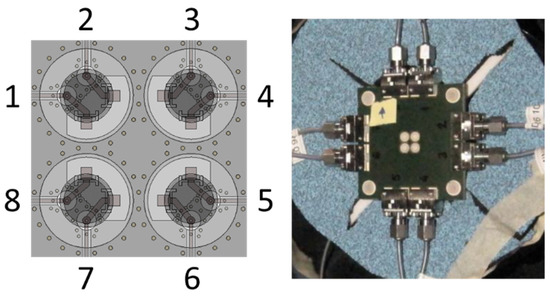
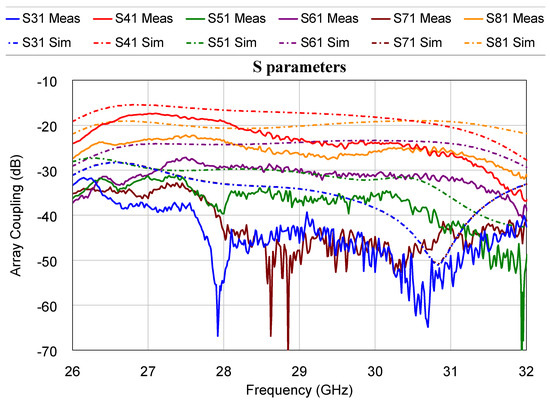
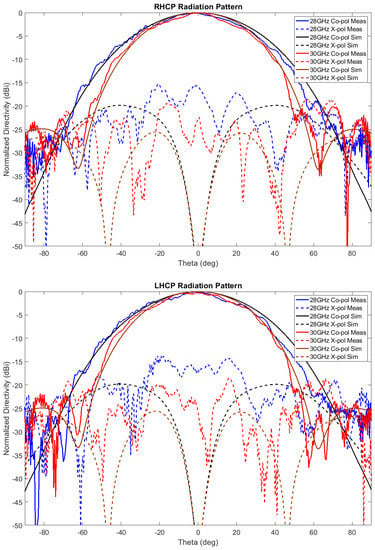
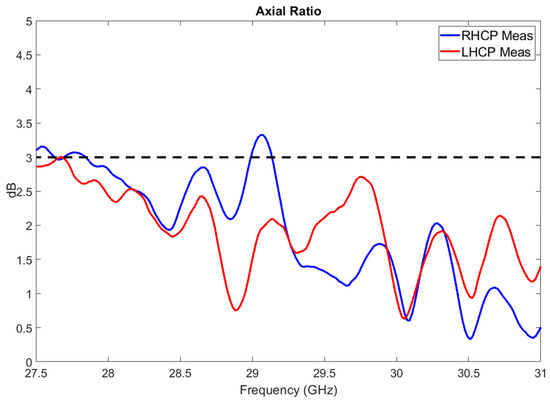
This paper presents a novel design of a wideband circular polarization 2 × 2 microstrip antenna array working at Ka-band frequencies, from 27.5 to 31 GHz. This module is highly integrable with new silicon beamformer chips, creating a unit cell that can be part of a large electronically steerable antenna for compact, ultra-low-profile, Satcom-on-the-move (SOTM) platforms. A multi-layer structure fabricated in standard printed circuit board (PCB) technology with high-yield substrates has been used. The radiating elements consist of double-stacked circular patches housed in a cavity and fed by H-shaped aperture coupling. It achieves a bandwidth of 16.5 % with a wide beam-width of 95° in the desired band, which is necessary for wide scanning angles in a large phased array. In the 2 × 2 unit cell, the antenna elements are distributed by means of a sequential rotation technique where the separation between two of them is 5.3 mm in the XY-plane. Broadside beam-widths ranging from 53.4° at 27.5 GHz to 42.1° at 31 GHz are achieved, with boresight directivities from 10.7 to 12.9 dBi, respectively, in both the RHCP and LHCP polarization. Moreover, mutual coupling levels below −20 dB and an axial ratio less than 3 dB in the whole band guarantee a good circular polarization purity. Full article
(This article belongs to the Special Issue Antenna Design and Integration in Wireless Communications)
Show Figures

Figure 1