27 pages, 16838 KB  
Article
Spatiotemporal Evolution of Drought and Its Multi-Factor Driving Mechanisms in Xinjiang During 1981–2020
by Xuchuang Yu, Siguo Liu, Anni Deng, Runsen Li, Xiaotao Hu, Ping’an Jiang and Ning Yao
Agriculture 2026, 16(6), 669; https://doi.org/10.3390/agriculture16060669 - 15 Mar 2026
Viewed by 382
Abstract
Drought is a highly destructive natural disaster that inflicts severe economic losses. Its formation mechanisms are complex, yet existing studies have often focused on single driving factors, leaving the synergistic effects of multiple factors insufficiently explored. Based on multi-source data from Xinjiang spanning [...] Read more.
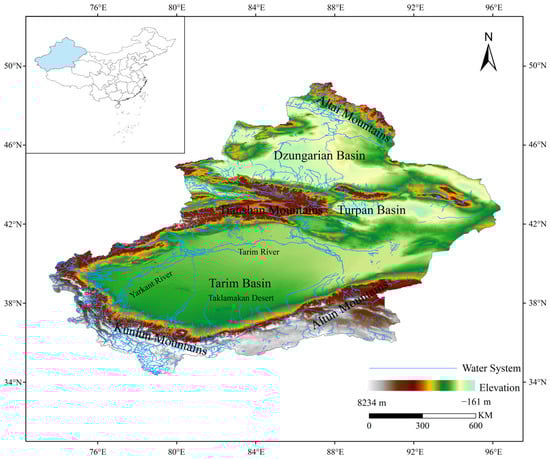
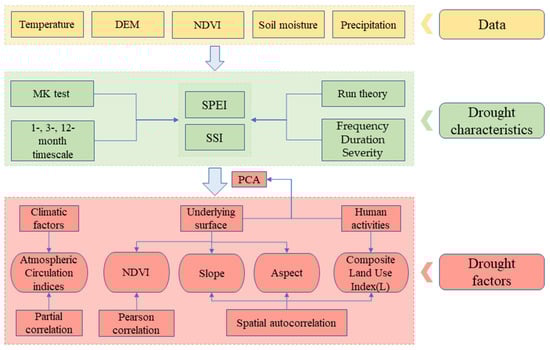
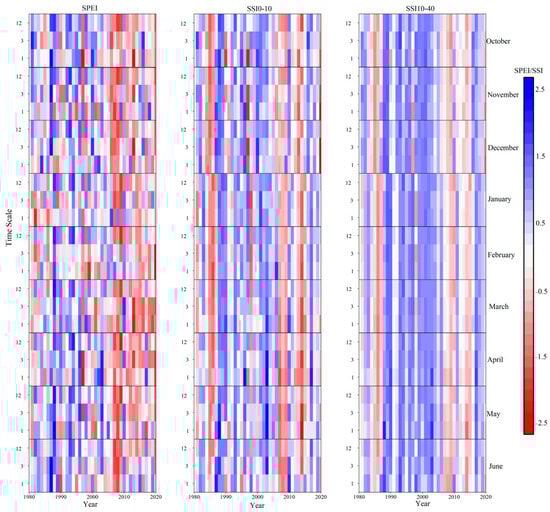
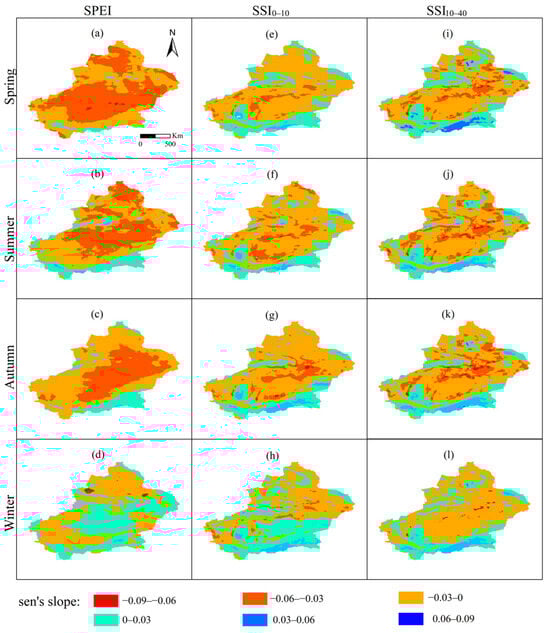
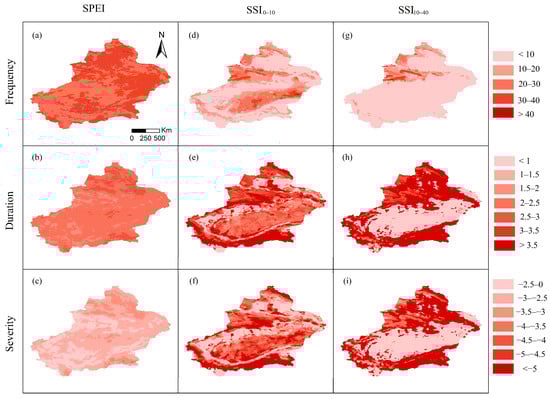
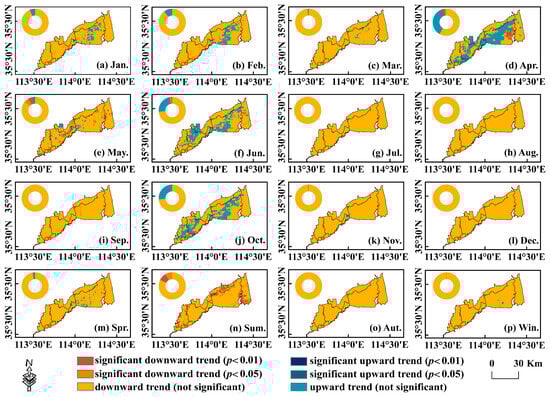
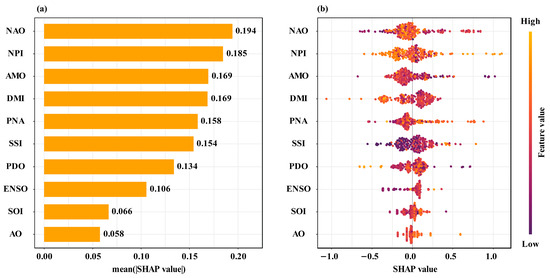
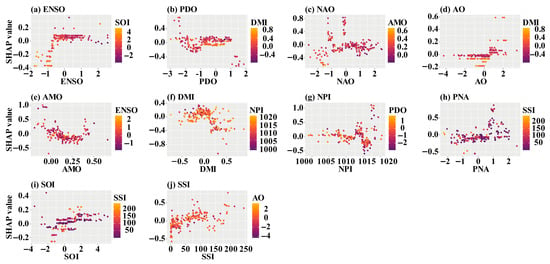
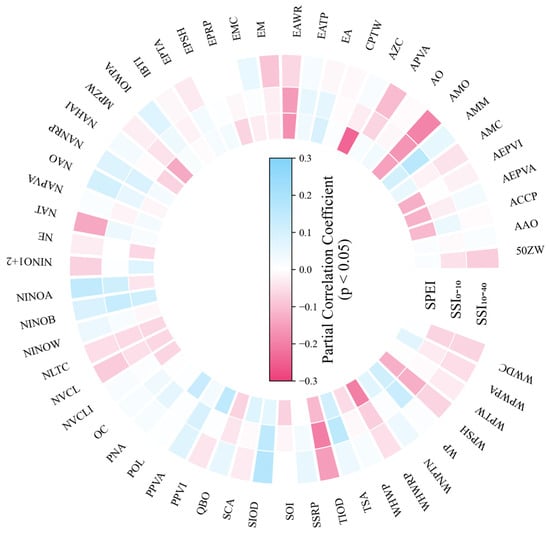
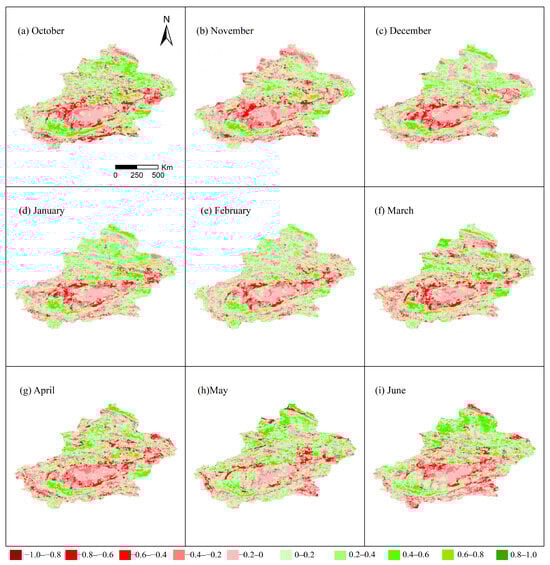
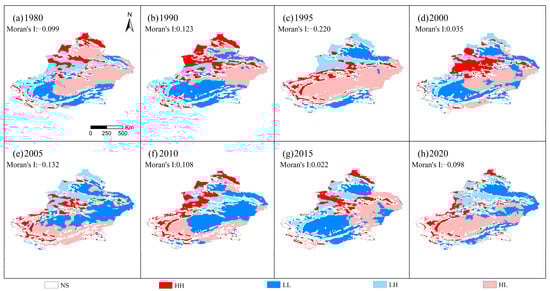
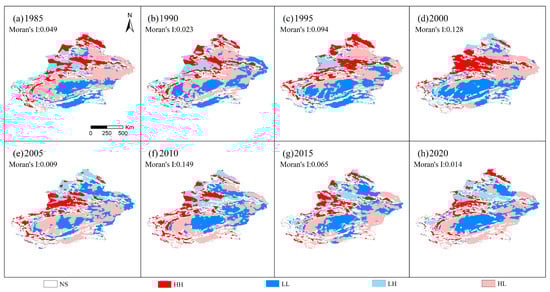
Drought is a highly destructive natural disaster that inflicts severe economic losses. Its formation mechanisms are complex, yet existing studies have often focused on single driving factors, leaving the synergistic effects of multiple factors insufficiently explored. Based on multi-source data from Xinjiang spanning 1981–2020, this study systematically examined the combined impacts of atmospheric circulation, underlying surface conditions, and human activities on drought, using the multi-temporal-scale Standardized Precipitation Evapotranspiration Index (SPEI) and Standardized Soil Moisture Index (SSI), along with partial correlation analysis, spatial autocorrelation, and principal component analysis. The results show that Xinjiang experienced a pronounced drying trend over the past 40 years, with the seasonal SPEI and SSI both exhibiting significant declines. Drought intensity was higher in northern Xinjiang than in the south. Correlations between drought indices and circulation indices, such as Atlantic Multidecadal Oscillation (AMO), were relatively weak, indicating a limited regulatory influence of large-scale circulation on regional drought under the dual constraints of topography and an inland setting. Among underlying surface factors, slope significantly influenced drought spatial patterns. Mountainous areas and basin interiors showed positive spatial correlations, characterized respectively by high–high clustering (high slope and high drought index) and low–low clustering (low slope and low drought index). In contrast, basin margins exhibited low–high clustering (low slope surrounded by high drought index), reflecting negative spatial correlation. Aspect showed no significant effect. Vegetation cover displayed clear seasonal coupling with drought, with strong negative correlations in spring due to intensified water stress. Human activities also played a prominent role. Since the mid-1990s, the expansion of built-up land and increased agricultural water use have shifted drought–land use relationships toward low–high clustering (low drought index surrounded by high land-use intensity) in southern Xinjiang oases, and toward low–low clustering (low drought index and low land-use intensity) in eastern Xinjiang. Meanwhile, ecological restoration projects promoted a transition from low–high to high–high clustering (high drought index and high land-use intensity) in some areas, alleviating local drying trends. Principal component analysis further revealed a shift in the dominant driver: land-use change was the primary factor before 2005, whereas vegetation cover became the key driver thereafter. By clarifying the mechanisms underlying multi-factor interactions in drought in Xinjiang, this study provides scientific support for integrated water resource management, ecological conservation, and climate adaptation strategies in arid regions. Full article
(This article belongs to the Section Artificial Intelligence and Digital Agriculture)
Show Figures

Figure 1
16 pages, 311 KB  
Article
Comparative Evaluation of the Quality of Turkey Meat from Organic and Commercial Production Subjected to Heat Treatment
by Jadwiga Topczewska, Anna Augustyńska-Prejsnar, Małgorzata Ormian and Joseph Ohimor
Agriculture 2026, 16(6), 668; https://doi.org/10.3390/agriculture16060668 - 15 Mar 2026
Viewed by 521
Abstract
This study comparatively assessed the quality of organically and commercially produced turkey meat roasted to internal temperatures of 72 ± 2 °C, 80 ± 2 °C, and 88 ± 2 °C. The evaluation encompassed physical characteristics (pH, WHC, and colour), nutritional value (protein, [...] Read more.
This study comparatively assessed the quality of organically and commercially produced turkey meat roasted to internal temperatures of 72 ± 2 °C, 80 ± 2 °C, and 88 ± 2 °C. The evaluation encompassed physical characteristics (pH, WHC, and colour), nutritional value (protein, ash, dry matter, fat and fatty acid profile and caloric value), and sensory characteristics. Thermal processing caused significant differences in the properties of the meat depending on the production system. After thermal processing, organic meat had a more favourable lipid profile (higher MUFA, PUFA and n-3 PUFA content and lower SFA content) compared to conventional meat, which indicates its potential nutritional advantage. The most favourable technological and sensory parameters, in this system, were obtained at an internal temperature of 80 ± 2 °C, while an increase to 88 ± 2 °C resulted in a deterioration in tenderness and juiciness. In commercially farmed meat, the best tenderness was found at 72 ± 2 °C and the highest aroma and flavour ratings at 80 ± 2 °C. The use of a temperature of 88 ± 2 °C led to an increase in cutting force, greater loss and reduced sensory quality. The results indicate the validity of differentiating the heat treatment parameters depending on the origin of the raw material. Full article
24 pages, 6619 KB  
Article
Spatial Correlation Between Invasive Plant Distribution and Land Use Dynamics in Forest-Dominated Mountain Landscapes of Southwestern China
by Zhongjian Deng, Shengyue Sun, Ende Liu, Haohua Jia and Xiangdong Feng
Agriculture 2026, 16(6), 667; https://doi.org/10.3390/agriculture16060667 - 14 Mar 2026
Viewed by 382
Abstract
Global high-mountain ecosystems are increasingly subjected to intensified anthropogenic disturbances, which facilitate the spread of invasive alien plants and threaten agricultural sustainability and ecological security. Using Laojun Mountain in Yunnan as the study area, this research investigates the relationship between the distribution patterns [...] Read more.
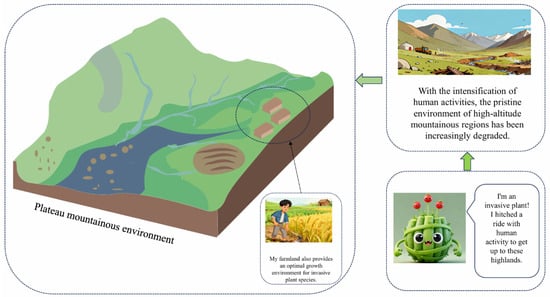
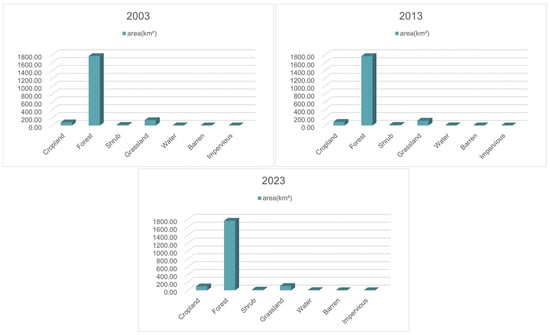
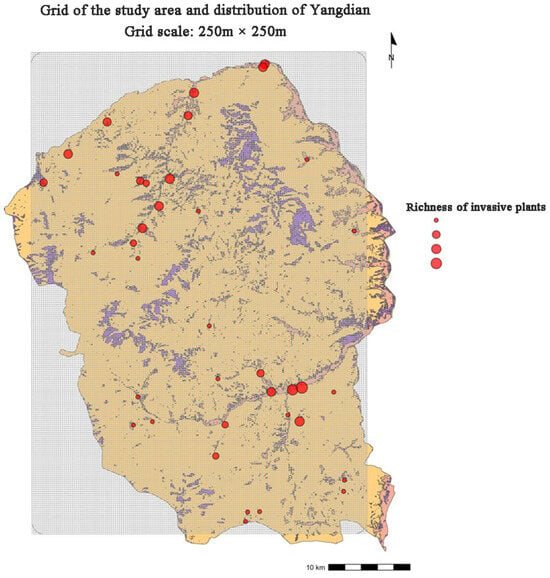
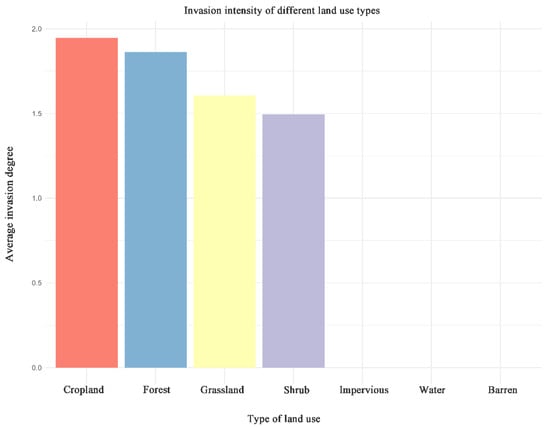
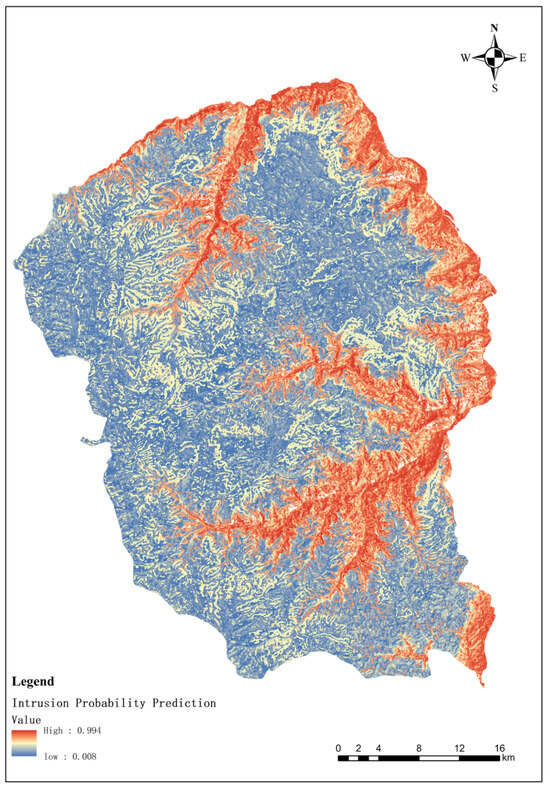
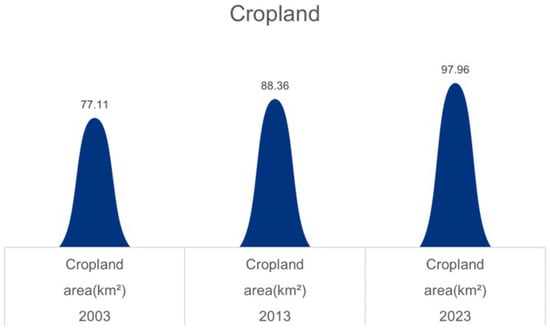
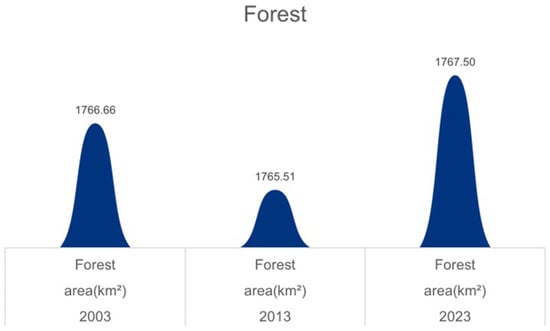
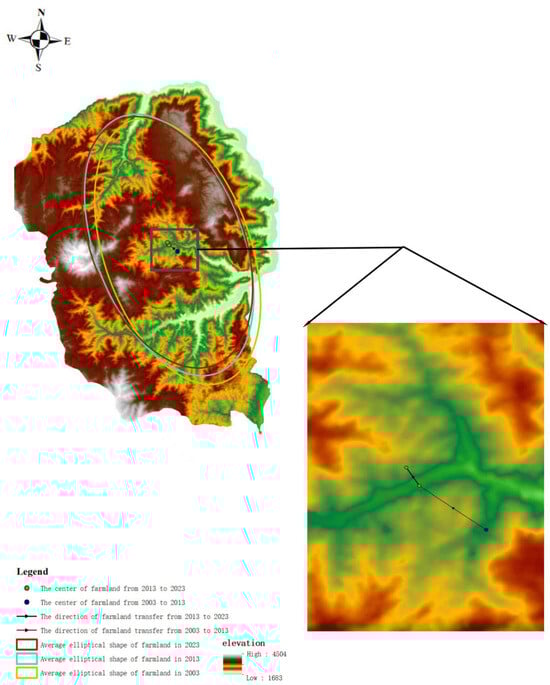
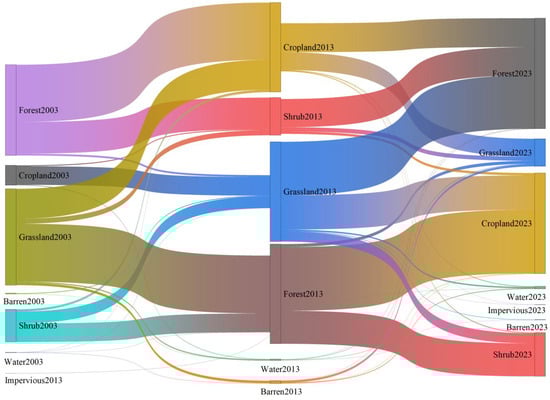
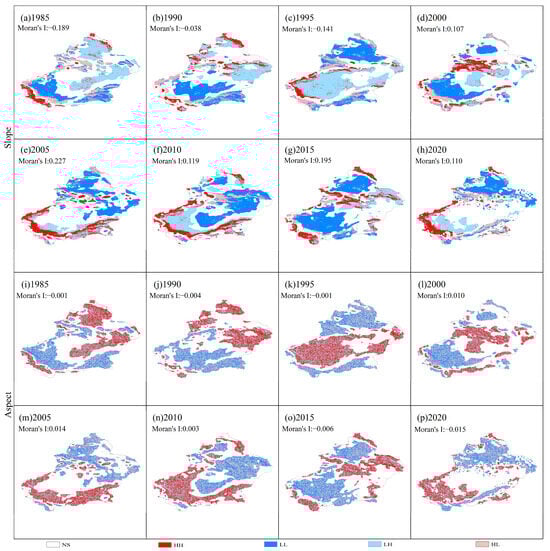
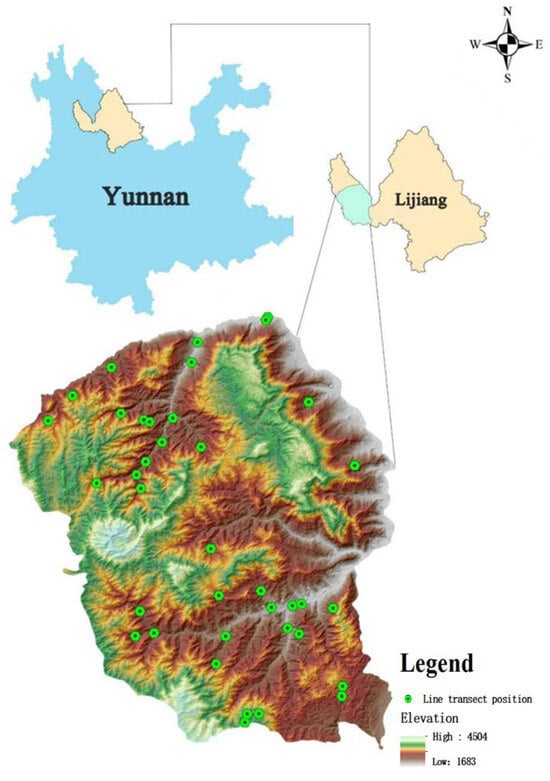
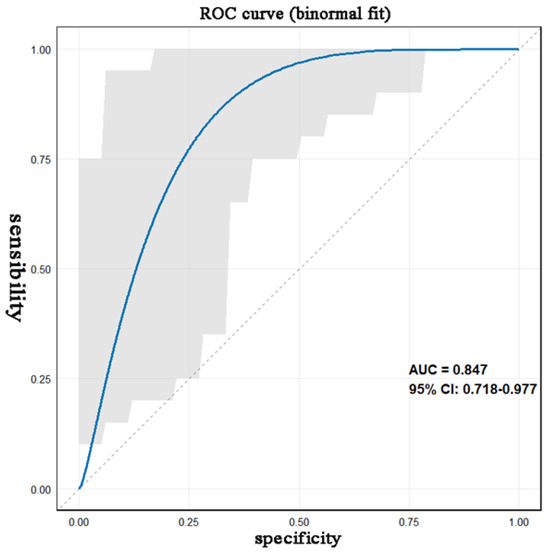
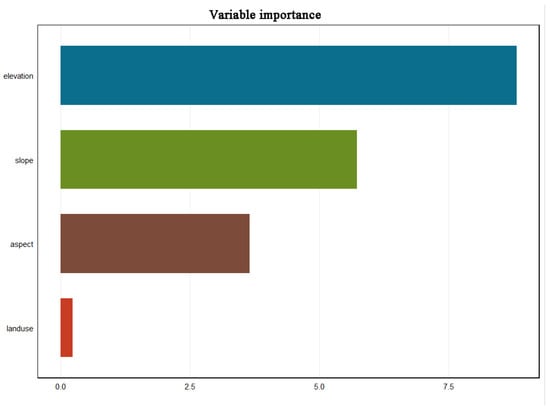
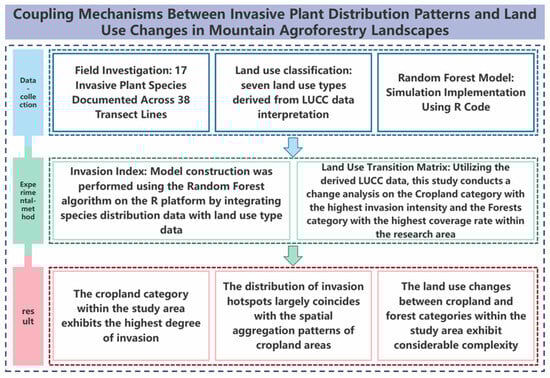
Global high-mountain ecosystems are increasingly subjected to intensified anthropogenic disturbances, which facilitate the spread of invasive alien plants and threaten agricultural sustainability and ecological security. Using Laojun Mountain in Yunnan as the study area, this research investigates the relationship between the distribution patterns of invasive plants and land-use changes, based on data from 38 transect surveys conducted in 2023 and 30-m-resolution land-use data spanning 2003–2023. The analysis incorporates a random forest model and a land-use transition matrix. The key findings are as follows: (1) Variable importance analysis revealed elevation as the most critical factor influencing invasion occurrence (mean decrease in Gini index: 8.0), followed by slope, aspect, and land-use type. (2) Cultivated land exhibited the highest probability of invasion, with high-risk areas (>0.8) concentrated in agricultural zones in the central-southern and northeastern regions. (3) From 2003 to 2023, cultivated land increased by a net area of 20.85 km2, primarily due to conversion from forests (19.57 km2) and grasslands, while grassland area decreased by 24.70 km2. This study concludes that agricultural expansion has intensified habitat fragmentation and anthropogenic disturbances, creating favorable conditions for invasive plant establishment. It is recommended that invasive species monitoring and ecological restoration efforts be strengthened in agroforestry transition zones to enhance landscape resilience against biological invasions. Full article
(This article belongs to the Section Ecosystem, Environment and Climate Change in Agriculture)
Show Figures

Figure 1
17 pages, 1342 KB  
Article
Effects of Human–Elephant Conflict and Wildlife Damage Compensation on Farm Households’ Farmland Transfer-Out and Abandonment
by Junfeng Chen, Jie Yang, Yi Xie and Yi Zheng
Agriculture 2026, 16(6), 666; https://doi.org/10.3390/agriculture16060666 - 14 Mar 2026
Viewed by 490
Abstract
In areas with frequent wildlife activity, coordinating biodiversity conservation with agricultural production is a critical issue for achieving agricultural sustainability. This study uses farm household survey data collected in 2022 from Asian elephant distribution areas in Yunnan Province, China. It systematically evaluates the [...] Read more.
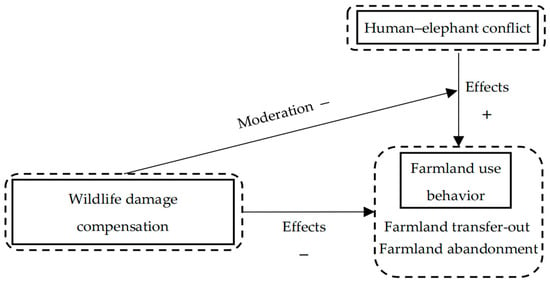
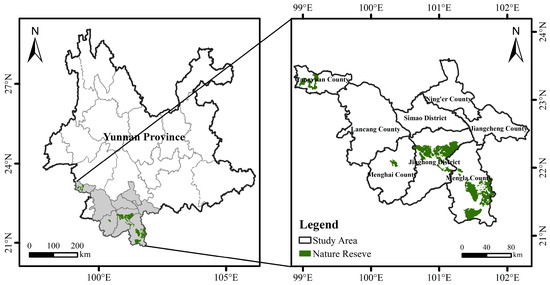
In areas with frequent wildlife activity, coordinating biodiversity conservation with agricultural production is a critical issue for achieving agricultural sustainability. This study uses farm household survey data collected in 2022 from Asian elephant distribution areas in Yunnan Province, China. It systematically evaluates the effects of Human–Elephant Conflict (HEC) and the wildlife damage compensation policy on farm households’ farmland use behavior. Focusing on farmland adjustment behavior under the context of biodiversity conservation, we develop an analytical framework of “HEC–policy intervention–farm household farmland use behavior.” Using survey data from 1276 farm households, we examine the effects of HEC on farmland transfer-out and farmland abandonment. We also analyze the moderating role of the wildlife damage compensation policy. In addition, we explore the heterogeneity between areas inside and outside nature reserves. The results show that: (1) HEC significantly increase the likelihood of farmland transfer-out and farmland abandonment among farm households; (2) the wildlife damage compensation policy partially mitigates the positive effects of HEC on farmland transfer-out and farmland abandonment; and (3) the effects of HEC on farmland transfer-out and farmland abandonment are more pronounced for farm households outside nature reserves. The wildlife damage compensation policy shows a stronger inhibitory effect on farmland transfer-out inside nature reserves. In contrast, it has a stronger inhibitory effect on farmland abandonment outside nature reserves. From the perspective of farmland use, this study reveals how HEC and policy intervention influence farm households’ farmland allocation behavior. It also provides empirical evidence for improving wildlife damage compensation mechanisms. In addition, the findings help promote synergy between agricultural sustainability and biodiversity conservation. Full article
(This article belongs to the Section Agricultural Economics, Policies and Rural Management)
Show Figures

Figure 1
24 pages, 10487 KB  
Article
Aux/IAA Transcription Factors Modulating Drought-Responsive Root System Remodeling in Potato
by Xueduo Qian, Lin Wang, Tiqian Han, Yijia Wang, Li Wang and Shoujiang Feng
Agriculture 2026, 16(6), 665; https://doi.org/10.3390/agriculture16060665 - 14 Mar 2026
Viewed by 465
Abstract
Aux/IAA proteins function as central transcriptional repressors in auxin signaling and have been implicated in coordinating developmental responses to environmental stress, particularly through modulation of root system architecture. However, the contribution of auxin signaling components to drought-associated root plasticity in improving drought resilience [...] Read more.
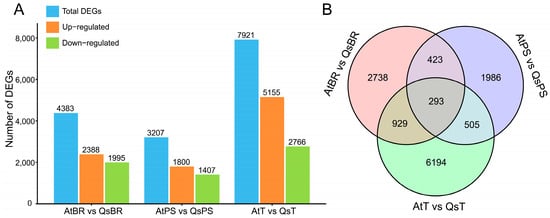
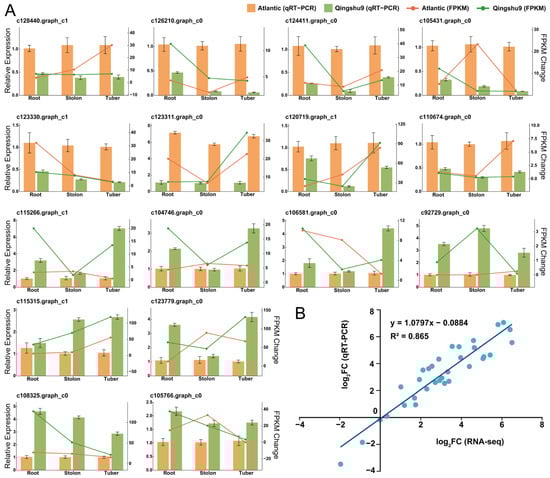
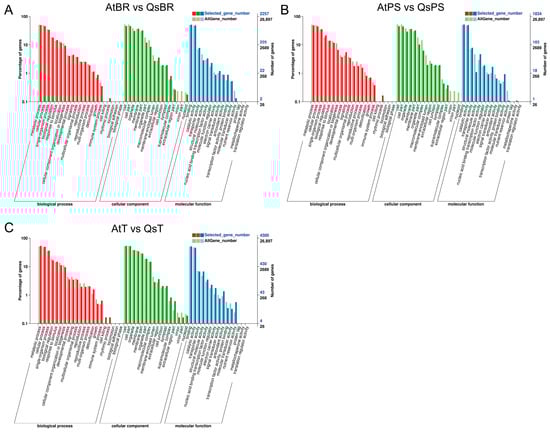
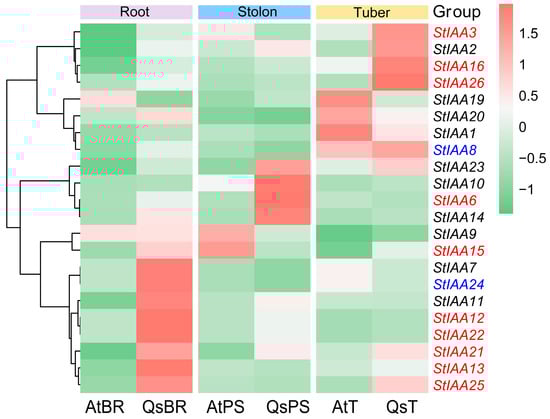
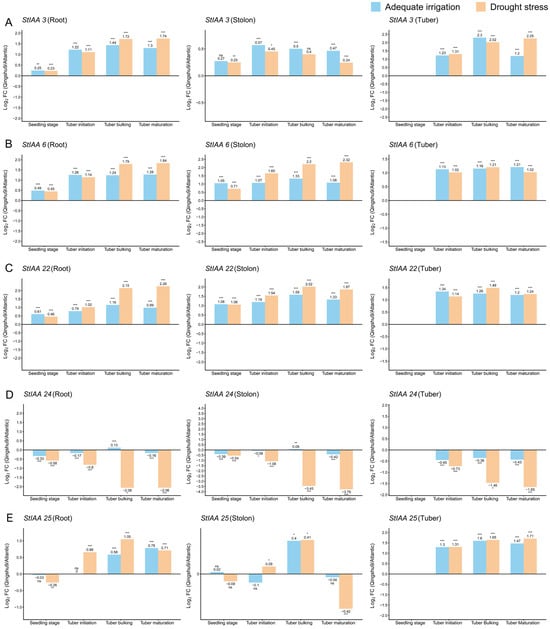
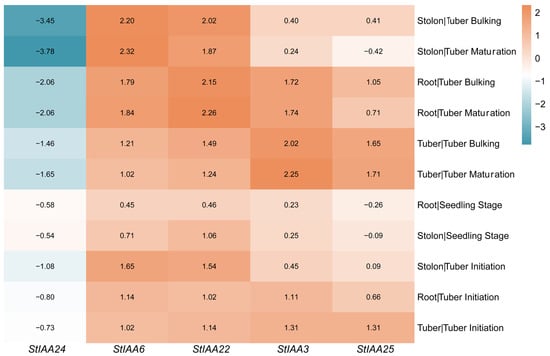
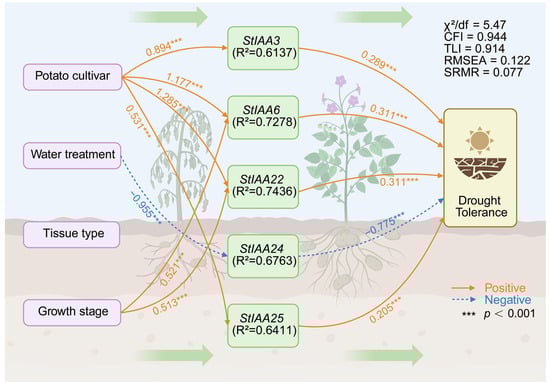
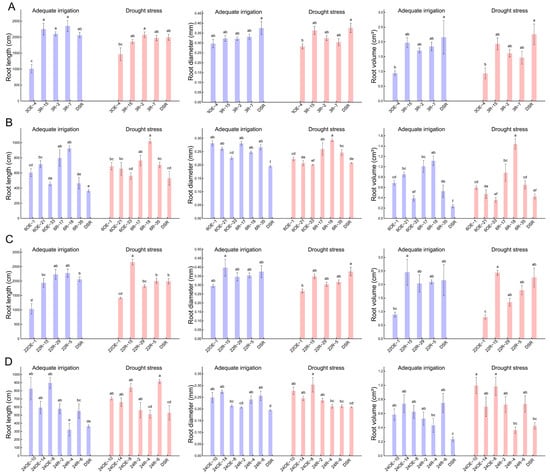
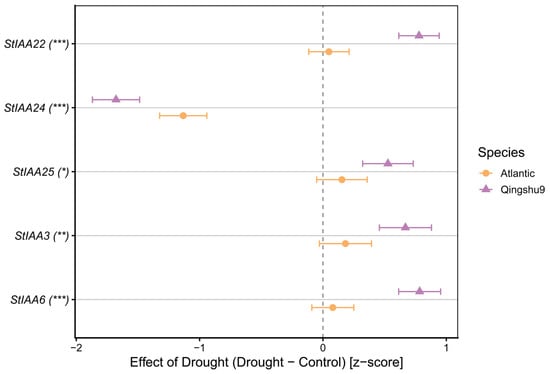
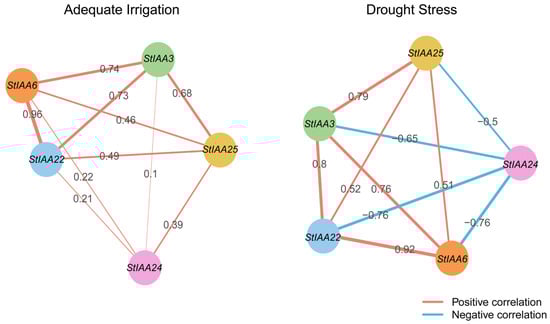
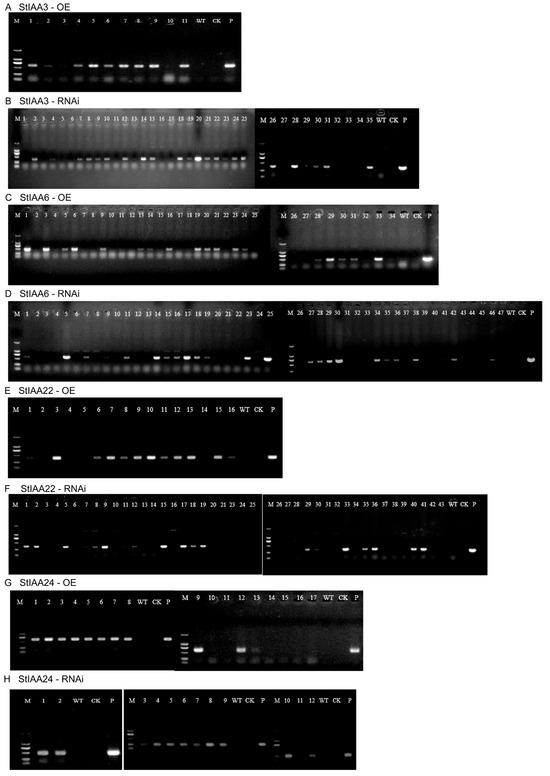
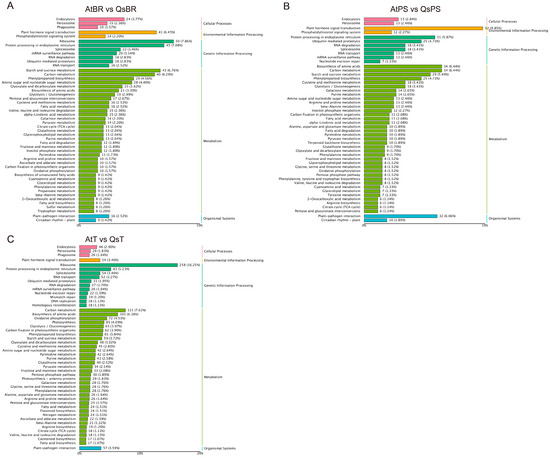
Aux/IAA proteins function as central transcriptional repressors in auxin signaling and have been implicated in coordinating developmental responses to environmental stress, particularly through modulation of root system architecture. However, the contribution of auxin signaling components to drought-associated root plasticity in improving drought resilience in potato (Solanum tuberosum L.) remains unclear. In this study, we profiled Aux/IAA responses to water deficit across underground tissues by RNA sequencing of root tips, stolon tips, and tubers from two cultivars (Qingshu 9 and Atlantic) with contrasting drought tolerance. Drought treatment induced broad transcriptional changes in the Aux/IAA family, with the majority of members showing increased expression in at least one tissue. qRT-PCR across tissues and developmental stages validated distinct spatiotemporal patterns for selected candidates. Among these, the StIAA3, StIAA6, StIAA22, and StIAA25 genes displayed drought-inducible expression, whereas StIAA24 showed an opposite trend. To probe functional relevance, we generated overexpression and knockdown lines for StIAA3, StIAA6, StIAA22, and StIAA24. Altered expression of these genes was consistently associated with measurable changes in root architecture traits, including root length, diameter, and volume, under water-deficit conditions. These findings reveal insights into the contribution of auxin signaling components to drought-associated root plasticity in potato. The identified drought-responsive Aux/IAA candidates that link root architectural remodeling provide a foundation for mechanistic dissection and underground tissue remodeling of architecture enhancement in root crops. Full article
Show Figures

Figure 1
25 pages, 3809 KB  
Article
Detection of Floricane Raspberry Shrubs from Unmanned Aerial Vehicle Imagery Using YOLO Models
by Magdalena Kapłan, Kamil Buczyński and Zbigniew Jarosz
Agriculture 2026, 16(6), 664; https://doi.org/10.3390/agriculture16060664 - 14 Mar 2026
Cited by 1 | Viewed by 558
Abstract
The present study investigated the detection performance of the YOLOv8s, YOLO11s, and YOLO12s models, implemented within convolutional neural network architectures, for identifying floricane raspberry (Rubus idaeus L.) shrubs using RGB imagery and multispectral data acquired in the near-infrared, red-edge, red, and green [...] Read more.
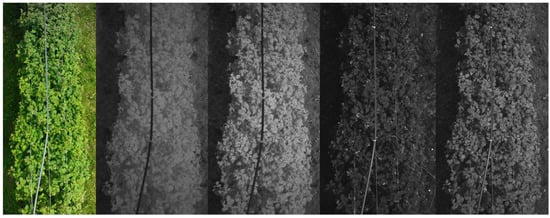
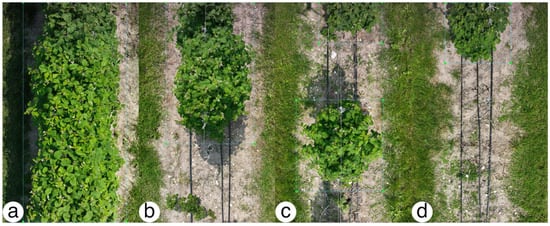
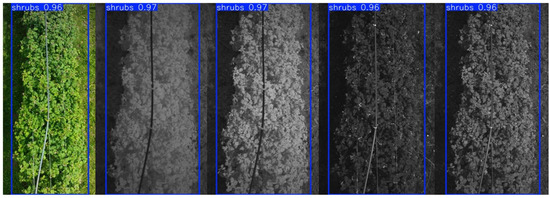
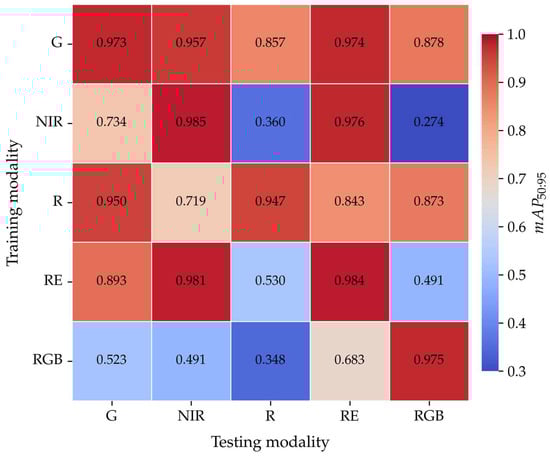
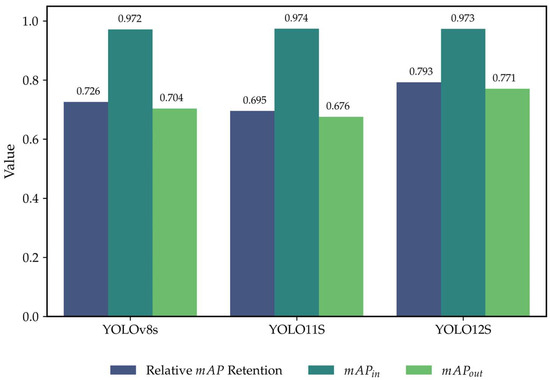
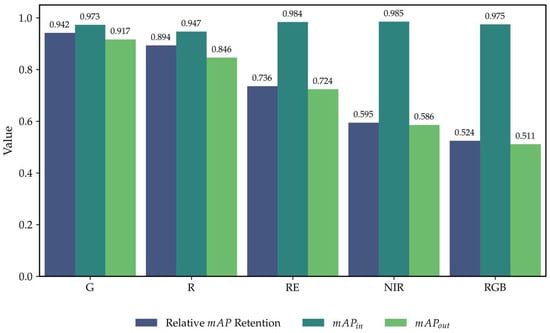
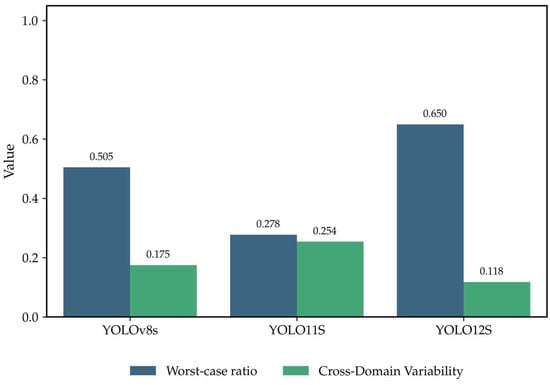
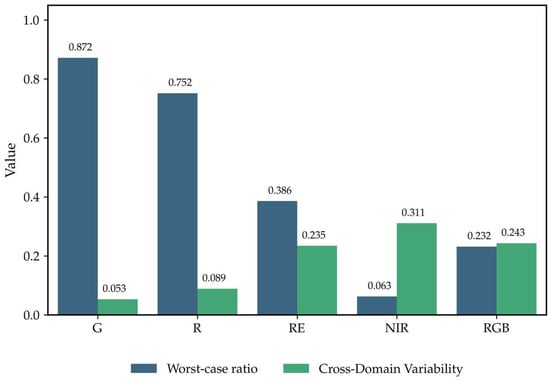
The present study investigated the detection performance of the YOLOv8s, YOLO11s, and YOLO12s models, implemented within convolutional neural network architectures, for identifying floricane raspberry (Rubus idaeus L.) shrubs using RGB imagery and multispectral data acquired in the near-infrared, red-edge, red, and green spectral bands with a DJI Mavic 3 Multispectral drone. Model training and validation were conducted to evaluate both within-modality detection performance and cross-modality transferability. Under all training scenarios, the YOLO-based detectors reached near-saturated accuracy levels. However, cross-domain assessments demonstrated substantial variability depending on the spectral configuration of the input imagery. Overall, the combination of UAV-based multispectral sensing with convolutional neural network detection frameworks establishes a technological basis for automated shrub monitoring and constitutes a meaningful advancement toward intelligent raspberry production systems. This integration further creates new prospects for the technological development of cultivation practices for this crop within the rapidly evolving landscape of artificial intelligence-driven agriculture. Full article
Show Figures

Figure 1
19 pages, 3557 KB  
Article
Effectiveness of Mechanical Precision Weed Control in Organically Grown Winter Spelt Wheat
by Józef Tyburski, Jolanta Kowalska, Kazimierz Obremski, Marcin Żurek and Paweł Wojtacha
Agriculture 2026, 16(6), 663; https://doi.org/10.3390/agriculture16060663 - 14 Mar 2026
Viewed by 368
Abstract
Weed competition restricts organic cereal production. In our study on the mechanical control of weeds, classic (tined weeder) and modern machines were used (spring-tined weeder, rotary weeder and camera-guided hoe). The study was conducted in two growing seasons, 2023–2024 and 2024–2025, on an [...] Read more.
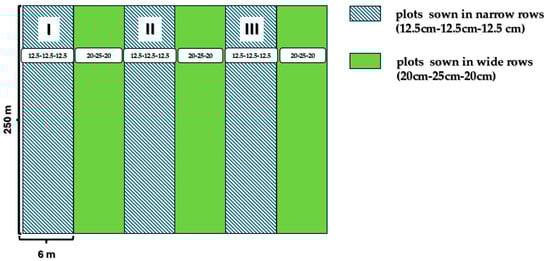
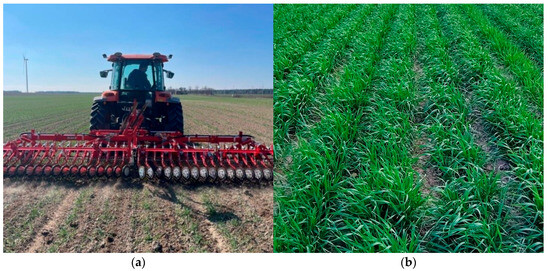
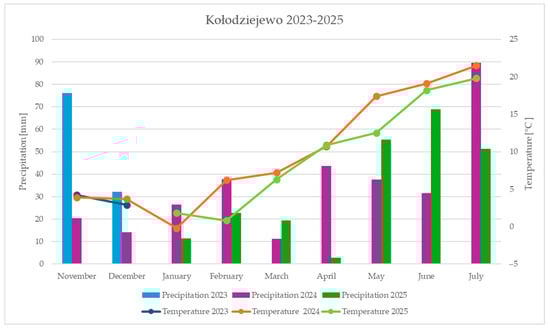
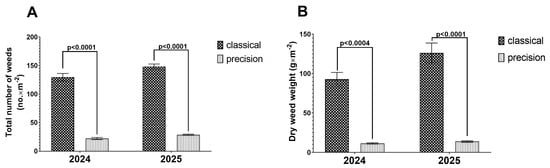
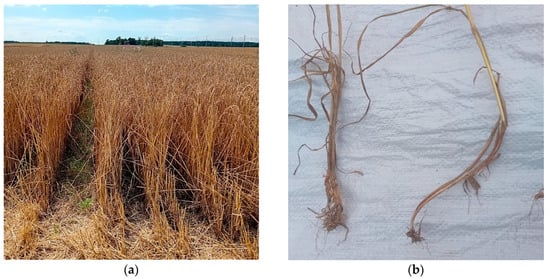
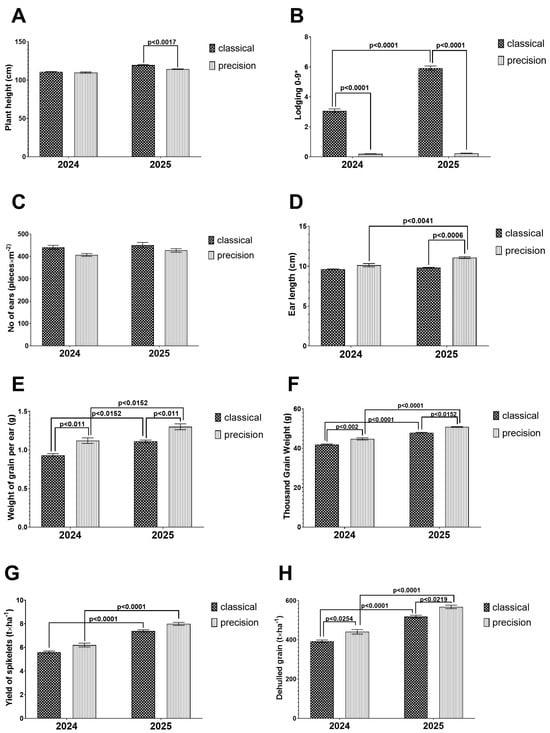
Weed competition restricts organic cereal production. In our study on the mechanical control of weeds, classic (tined weeder) and modern machines were used (spring-tined weeder, rotary weeder and camera-guided hoe). The study was conducted in two growing seasons, 2023–2024 and 2024–2025, on an organic farm, with medium-heavy soil in central Poland. Precision weed control included the following treatments: the first pass was done using a precision spring-tined weeder, the second using a rotary weeder, the third using a camera-guided precision hoe, and the fourth using the rotary weeder once more. Precision weed control compared to classic weed control resulted in a 5.5-times lower number of weeds per 1 m2 and an 8.6-times lower weed biomass. Precision weed control resulted in higher yields—in a classic weed control scheme, spelt wheat yielded almost 4.5 t of dehulled grain per ha, and in precision weed control, yields were ca. 10% higher. Grain quality was high—protein content was approximately 14%, gluten content 28.8% and the Zeleny index was 53.8 mL. Full article
(This article belongs to the Section Crop Protection, Diseases, Pests and Weeds)
Show Figures

Figure 1
19 pages, 2643 KB  
Article
Characterisation of Bacillus BacMix-Linked Metabolic Response in Strawberry and Descriptive Leaf Microbiome Signatures
by Ingrida Mažeikienė, Edvinas Misiukevičius, Darius Černauskas, Lina Trakšelė and Neringa Rasiukevičiūtė
Agriculture 2026, 16(6), 662; https://doi.org/10.3390/agriculture16060662 - 14 Mar 2026
Viewed by 476
Abstract
Sustainable indoor growing management requires biological alternatives that protect against pathogens, preserve fruit quality and minimise chemical inputs in strawberries. We compared the impacts of a four-strain Bacillus consortium (BacMix) and chemical fungicides on two cultivars (cv. Elsanta and cv. Sonsation) by evaluating [...] Read more.
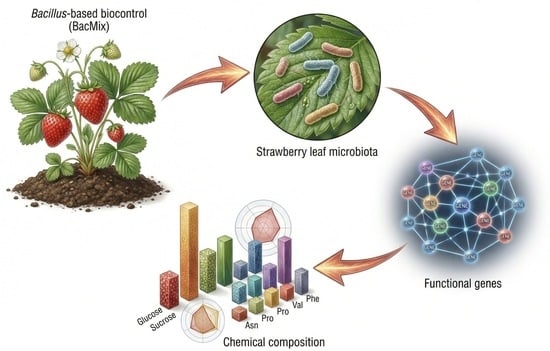
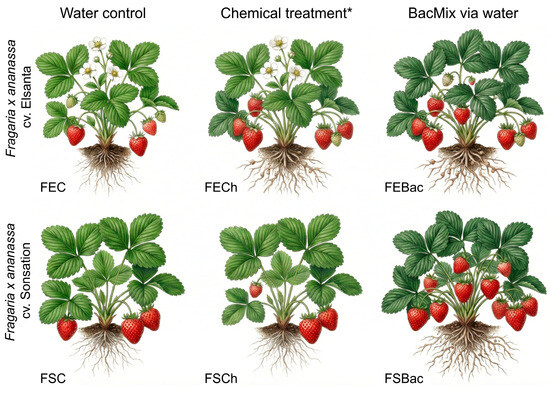
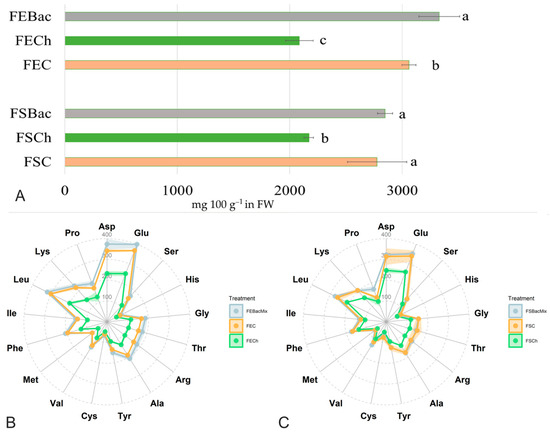
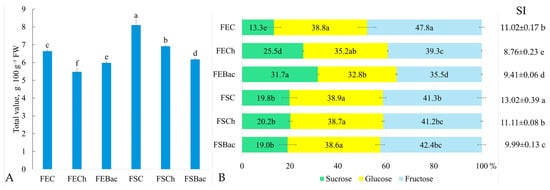
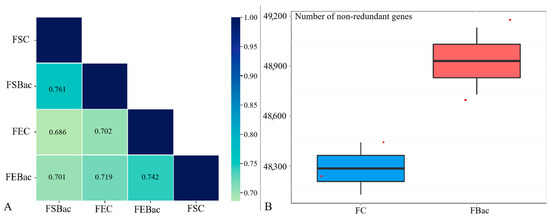
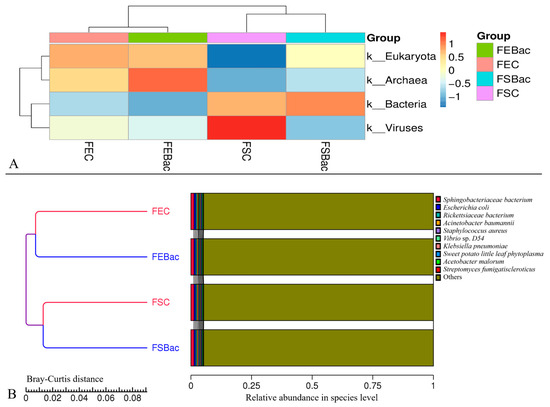
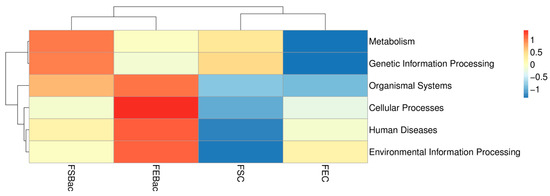
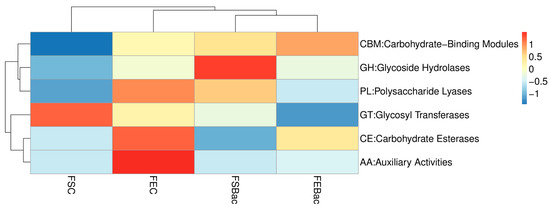
Sustainable indoor growing management requires biological alternatives that protect against pathogens, preserve fruit quality and minimise chemical inputs in strawberries. We compared the impacts of a four-strain Bacillus consortium (BacMix) and chemical fungicides on two cultivars (cv. Elsanta and cv. Sonsation) by evaluating the metabolite outcomes—the free amino acids (FAAs) in the leaves and the sugars in the fruits. Furthermore, the descriptive shotgun metagenomics provides a functional context for these biochemical traits. The BacMix increased the total FAAs in the leaves and stabilised the fruit sugar profiles, maintaining moderate–high sucrose with controlled glucose and fructose. The chemically treated plants showed significant reductions in both FAAs and sugars. The metagenomic data showed BacMix-related shifts in the microbial functional potential in the leaves, but the biological agent did not affect diversity. An increased representation of genes involved in amino acid biosynthesis (aminoacyl tRNA pathway) and secondary metabolite biosynthesis was observed, along with changes in the relative CAZy signals. The direction of these metagenomic trends aligned with the metabolite outcomes, suggesting that BacMix influences the endophytic microbiome in a way that supports nitrogen-related metabolism and carbohydrate stability during the vegetation period. The cultivar-independent metabolic improvements emphasise the benefits of BacMix and highlight microbiome-based interventions as promising tools for sustainable, chemical-reduced strawberry production. Full article
Show Figures

Graphical abstract

14 pages, 224 KB  
Review
Agriculture Under Pressure: The Economic, Environmental, and Development Drivers Transforming Florida Agriculture
by Daniel Solís, Sergio Alvarez and Ly Nguyen
Agriculture 2026, 16(6), 661; https://doi.org/10.3390/agriculture16060661 - 14 Mar 2026
Viewed by 958
Abstract
Florida (FL)’s agriculture sector is undergoing rapid transformation due to biological shocks, environmental stressors, import competition, and accelerating urbanization. Citrus greening, laurel wilt, and hurricane-related damage have sharply reduced yields and acreage, while rising imports from Mexico and Brazil erode market share and [...] Read more.
Florida (FL)’s agriculture sector is undergoing rapid transformation due to biological shocks, environmental stressors, import competition, and accelerating urbanization. Citrus greening, laurel wilt, and hurricane-related damage have sharply reduced yields and acreage, while rising imports from Mexico and Brazil erode market share and depress prices. Urban development and recreational land-use expansion are accelerating land-value increases, which in turn drives farmland loss and abandonment. This policy-oriented review synthesizes these pressures and evaluates state policy responses. Our findings highlight the need for integrated strategies that improve resilience, strengthen land conservation, and enhance the long-term competitiveness of FL’s agricultural sector. Full article
(This article belongs to the Section Agricultural Economics, Policies and Rural Management)
25 pages, 6362 KB  
Article
Dust Deposition on Solar Greenhouse Films: Mechanisms, Simulations, and Tomato Physiological Responses
by Haoda Li, Gang Wu, Yuhao Wei and Yifei Liu
Agriculture 2026, 16(6), 660; https://doi.org/10.3390/agriculture16060660 - 14 Mar 2026
Viewed by 473
Abstract
In desert regions, frequent aeolian dust events lead to rapid dust accumulation on greenhouse films, critically compromising light transmittance and inhibiting crop growth. To address this challenge, this study integrated Computational Fluid Dynamics–Discrete Phase Model (CFD-DPM) simulations with field experiments to conduct a [...] Read more.
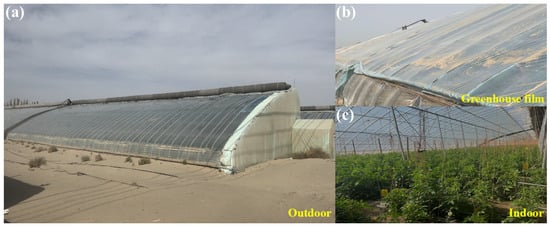
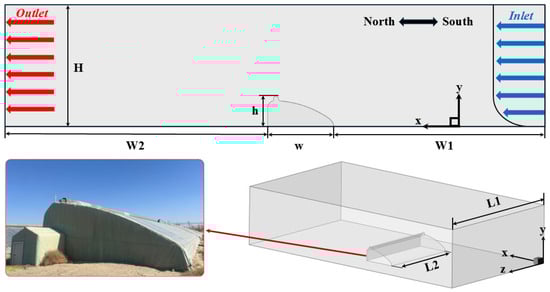
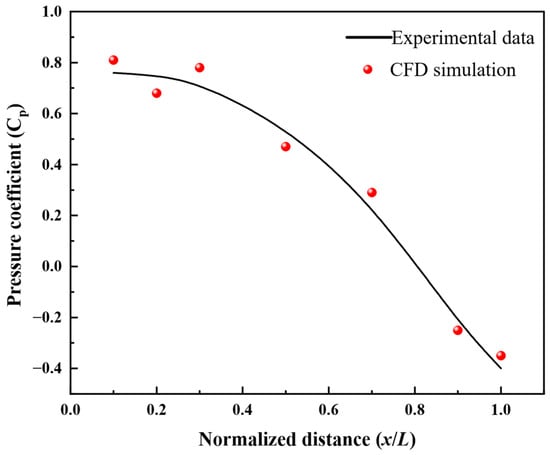
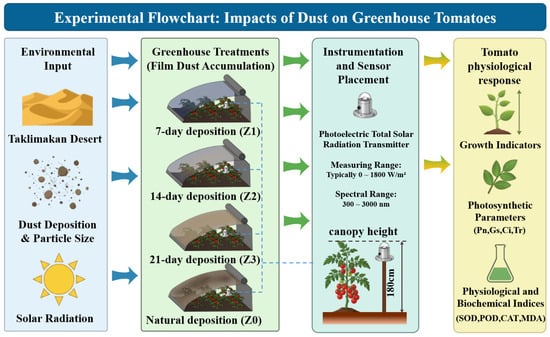
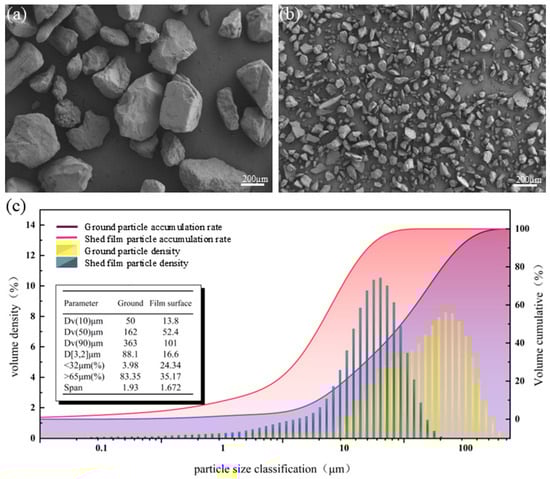
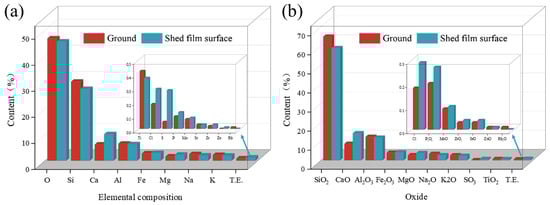
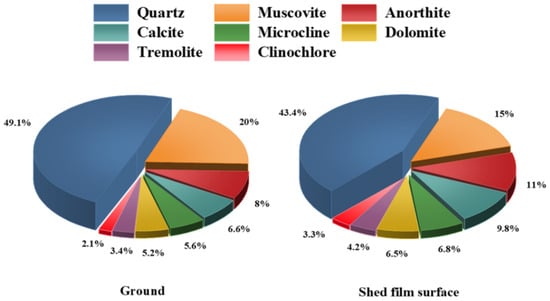
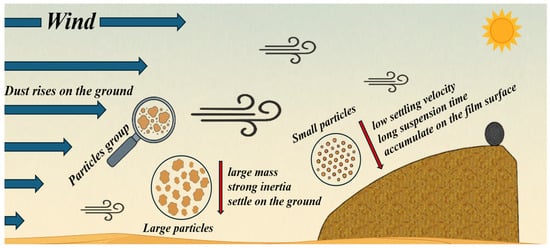
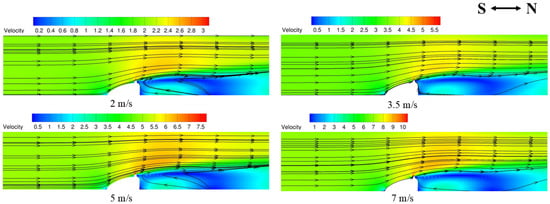
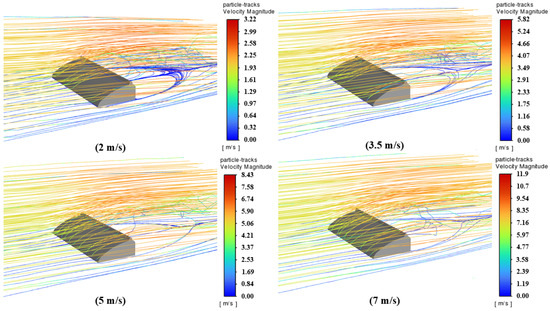
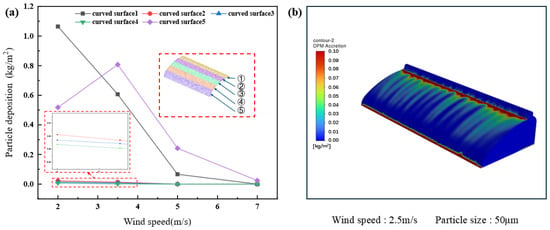
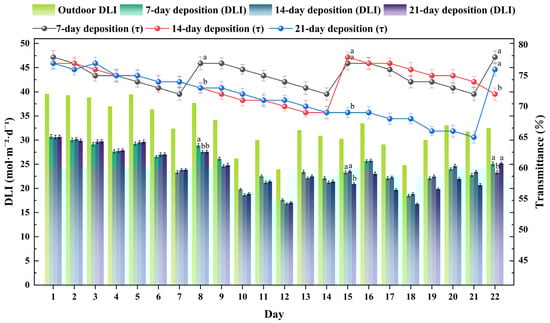
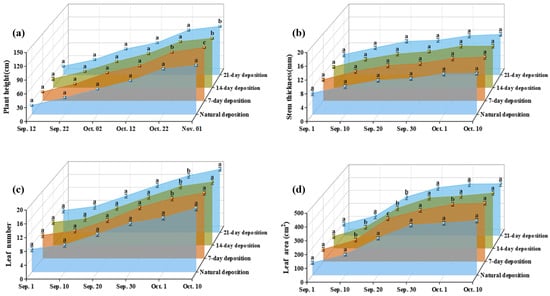
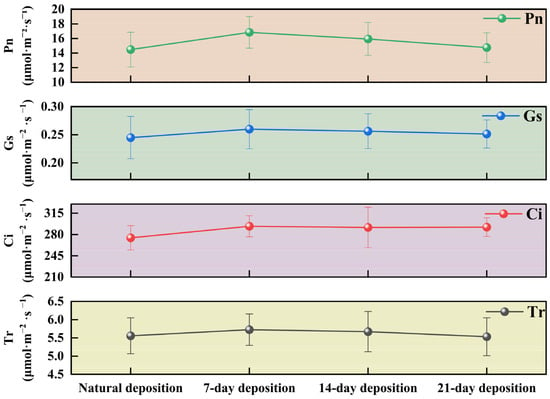
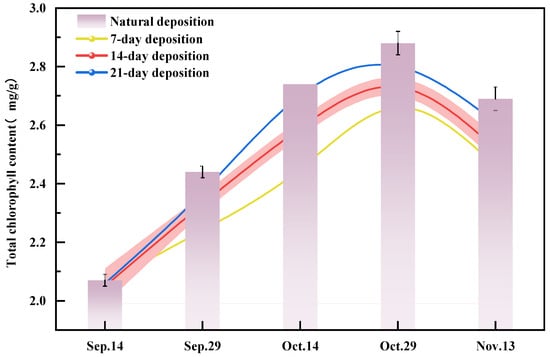
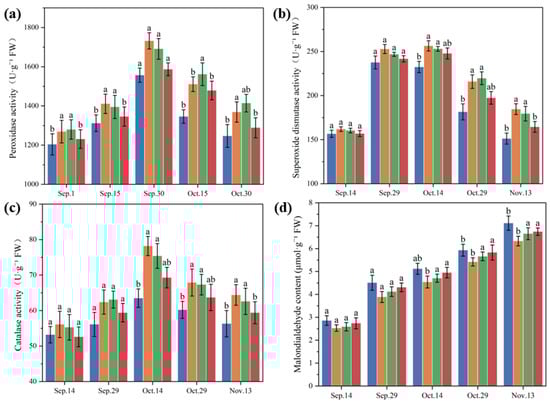
In desert regions, frequent aeolian dust events lead to rapid dust accumulation on greenhouse films, critically compromising light transmittance and inhibiting crop growth. To address this challenge, this study integrated Computational Fluid Dynamics–Discrete Phase Model (CFD-DPM) simulations with field experiments to conduct a comprehensive investigation spanning from microscopic deposition mechanisms to macroscopic physiological responses. Particle characterization revealed a distinct aerodynamic sorting effect, wherein fine particles (<65 μm) preferentially adhered to film surfaces driven by airflow, contrasting sharply with the gravitational settling of coarse ground particles. Numerical simulations further confirmed that as wind speeds increased from 2 to 7 m/s, dust deposition rates exhibited a significant exponential reduction, with accumulation predominantly concentrated in the windward and wake zones. The dust layer covering the film induced a substantial reduction in the indoor daily light integral (DLI), which leads to influence tomato growth that stunted plant height and suppressed the net photosynthetic rate. Physiologically, antioxidant enzyme activities exhibited an initial surge followed by a decline, reflecting photosynthetic constraints and oxidative stress. Consequently, a high-frequency cleaning interval of 7–14 days is recommended to significantly enhance photosynthetic capacity and stress resilience. Full article
Show Figures

Figure 1
22 pages, 2143 KB  
Article
Biochar Derived from Black Liquor as a Soil Amendment: Effects on Soil Quality, Growth Parameters, Chlorophyll and Mineral Content of Barley
by Anca Maria Zaharioiu, Oana Maria Tanislav, Marius Constantinescu, Antoaneta Roman, Felicia Bucura, Violeta-Carolina Niculescu, Simona Oancea and Florian Marin
Agriculture 2026, 16(6), 659; https://doi.org/10.3390/agriculture16060659 - 13 Mar 2026
Viewed by 459
Abstract
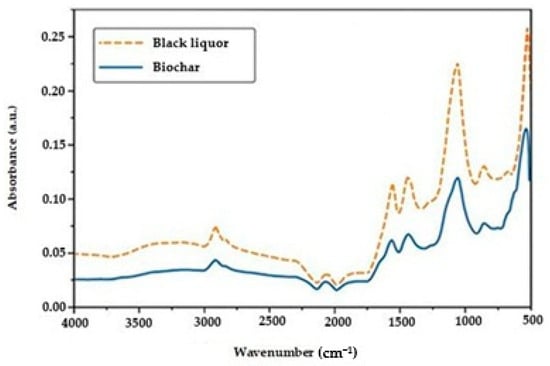
This study investigated the application of biochar obtained from black liquor, a residue generated during the Kraft pulping process in the paper industry, as a sustainable soil amendment in barley (Hordeum vulgare L.) cultivation. The biochar was produced through controlled pyrolysis at [...] Read more.
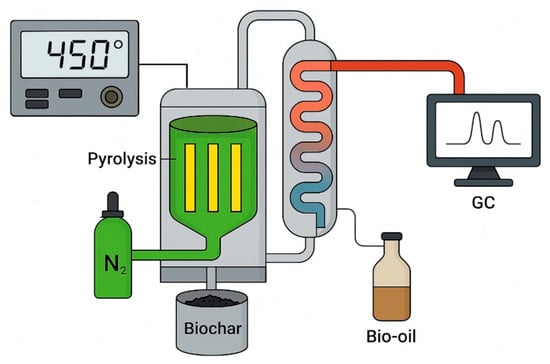
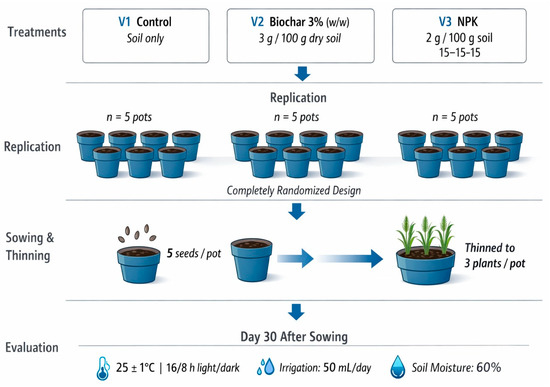
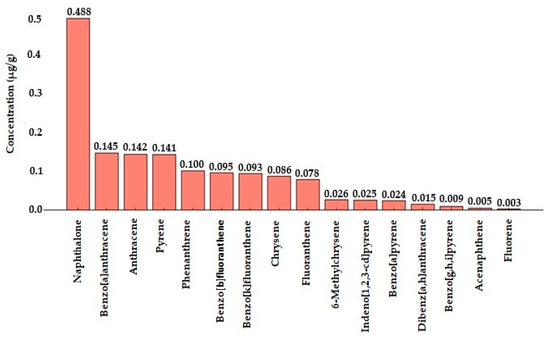
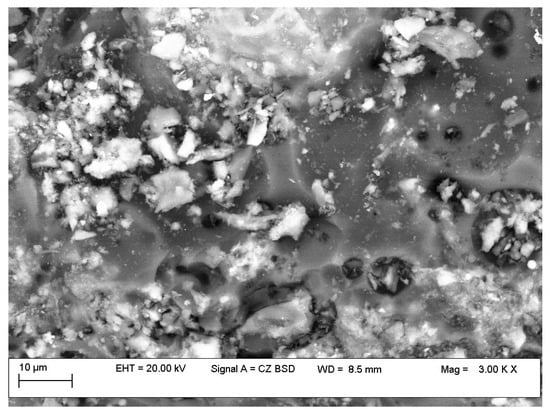
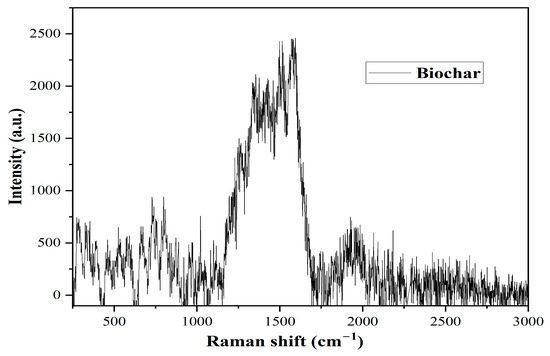
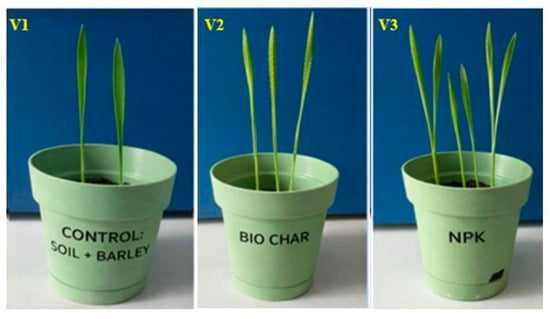
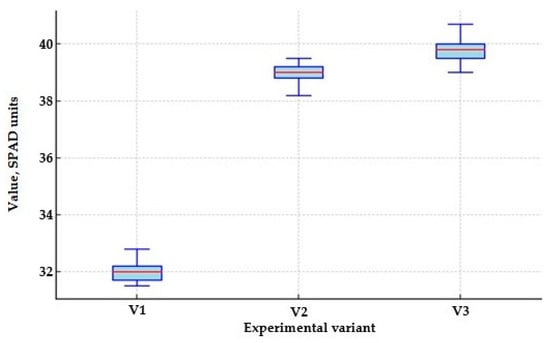
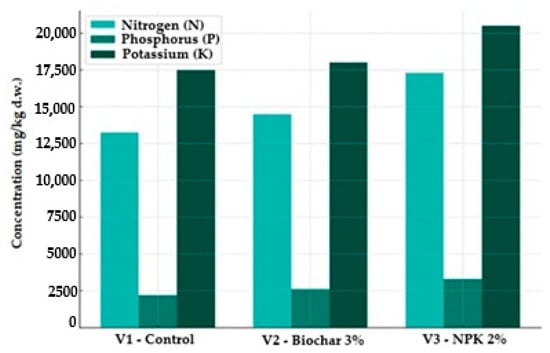
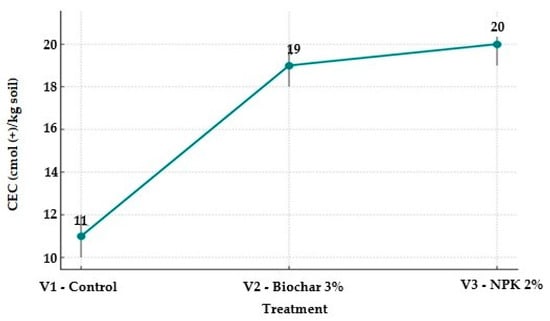
This study investigated the application of biochar obtained from black liquor, a residue generated during the Kraft pulping process in the paper industry, as a sustainable soil amendment in barley (Hordeum vulgare L.) cultivation. The biochar was produced through controlled pyrolysis at 450 °C and subsequently characterized with respect to elemental composition, porosity, specific surface area, and chemical stability, confirming its suitability for agricultural use. The experiment comprised three treatments: unamended soil (control), soil supplemented with 3% biochar, and soil fertilized with NPK, all conducted under controlled growth conditions. The results showed that biochar significantly improved key soil fertility indicators, increasing cation exchange capacity from 11 to 19 cmol(+)/kg and soil organic matter from 2.1% to 2.6%. Mineral nitrogen availability increased from 7.0 mg/kg to 10.5 mg/kg in the biochar treatment compared with the control. At the plant level, biochar enhanced early barley growth, with plant height increasing from 25 cm to 27 cm and chlorophyll content rising from 32.35 SPAD units to 39 SPAD units. Although NPK fertilization produced slightly higher immediate growth responses, biochar contributed to improved soil chemical properties and nutrient retention. Overall, the results suggest that black liquor-derived biochar shows potential as a complementary soil amendment under controlled conditions. Full article
Show Figures

Figure 1
25 pages, 12553 KB  
Article
The Detection of Soil Drought Shows an Increasing Trend in a Typical Irrigation District
by Yuanshuai Sun, Haibo Yang, Rong Li, Fei Wang, Yin Yin, Hexin Lai, Mengting Du, Qian Xu, Ruyi Men, Qingqing Tian, Caixia Li and Zuji Wang
Agriculture 2026, 16(6), 658; https://doi.org/10.3390/agriculture16060658 - 13 Mar 2026
Viewed by 405
Abstract
Soil drought impact on irrigation areas is not merely a single reduction in crop yields, but rather a chain reaction that occurs from multiple dimensions including crop growth, water resource allocation, soil environment, operation of irrigation area projects, agricultural economy and ecosystems. The [...] Read more.
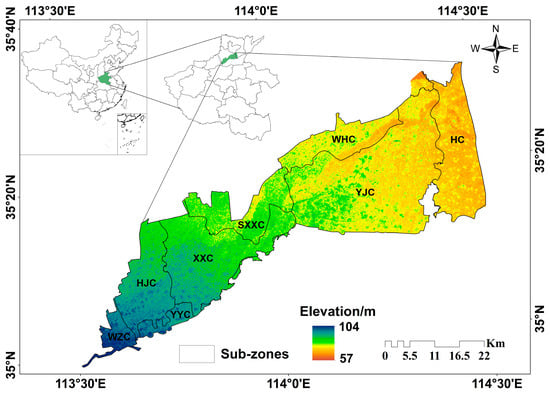
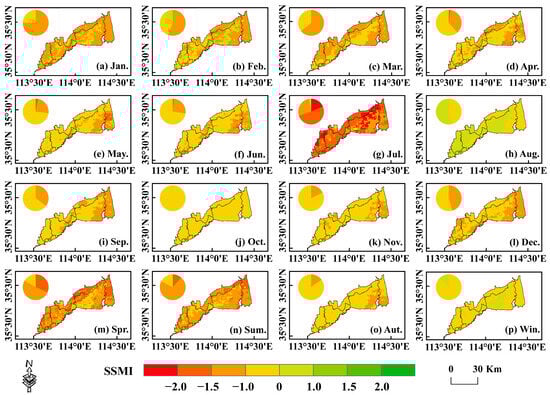
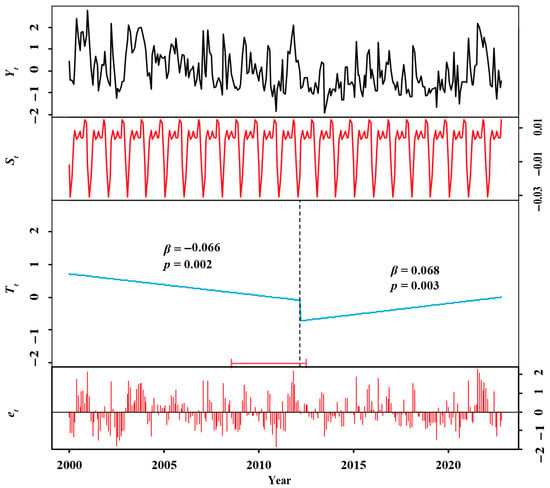
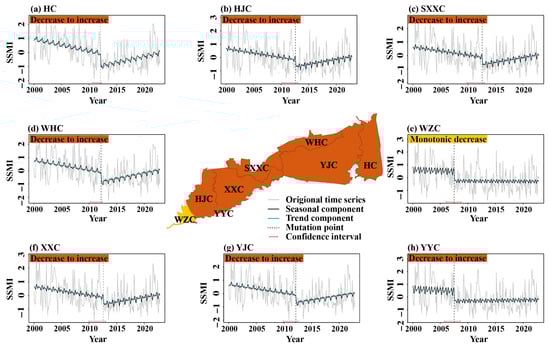
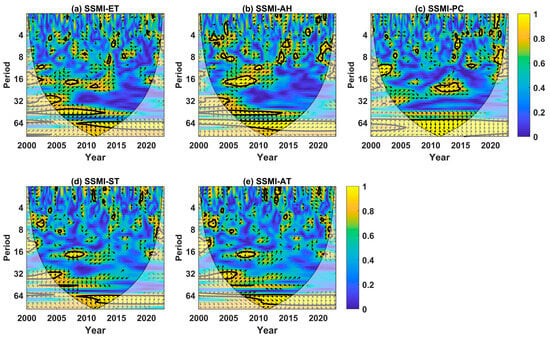
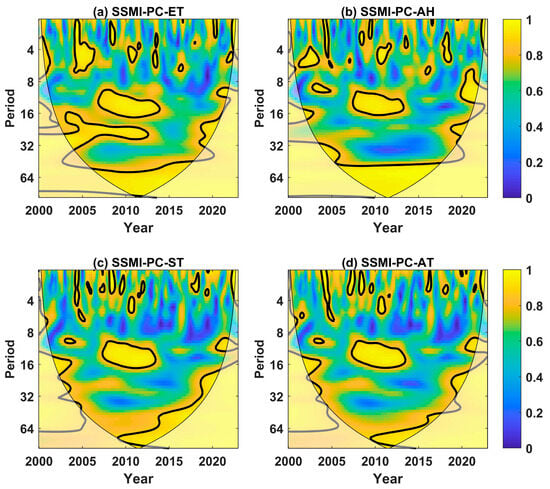
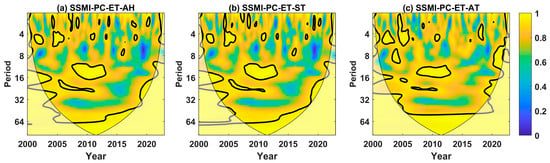
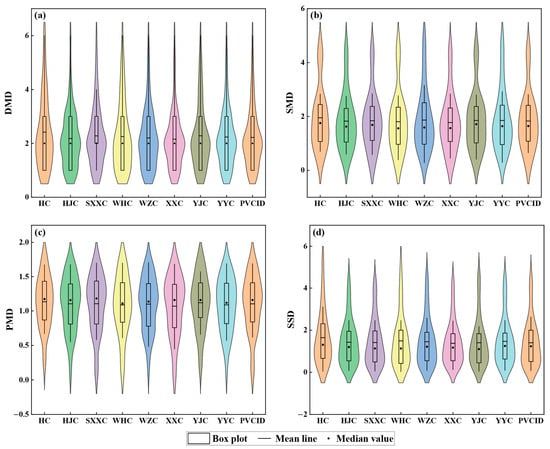
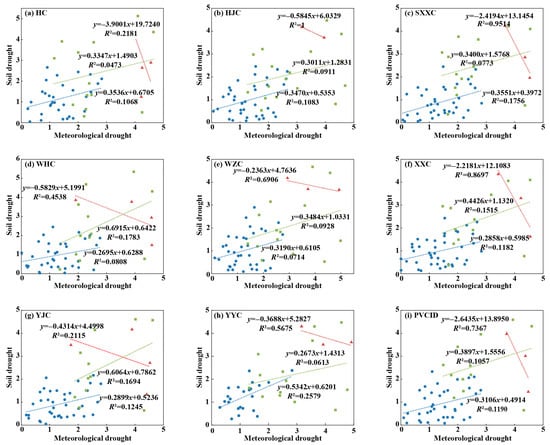
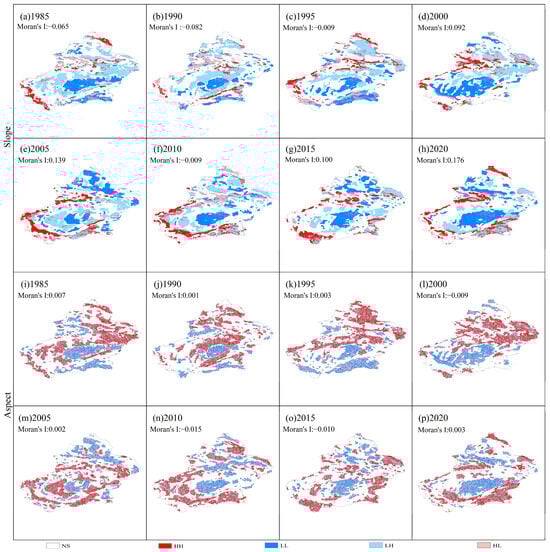
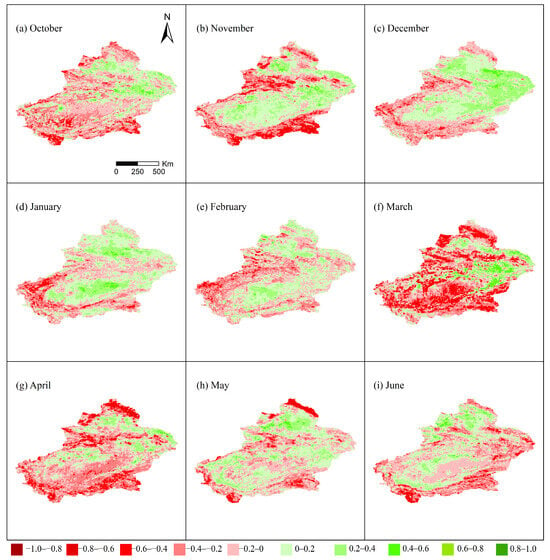
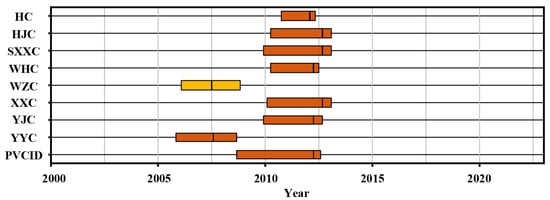
Soil drought impact on irrigation areas is not merely a single reduction in crop yields, but rather a chain reaction that occurs from multiple dimensions including crop growth, water resource allocation, soil environment, operation of irrigation area projects, agricultural economy and ecosystems. The changing trend and mutation characteristics of soil drought are unclear in the People’s Victory Canal Irrigation District (PVCID). The Standardized Soil Moisture Index (SSMI) and the breaks for additive seasons and trend (BFAST) decomposition algorithm were adopted, combined with the eXtreme Gradient Boosting (XGBoost) model, to explore spatio-temporal evolution characteristics, driving factors and response to meteorological drought of soil drought. During the research period, the area percentage of SSMI showing a downward trend was 97.30%. The most severe soil drought occurred in 2019. In addition, the optimal trivariate combination is precipitation, evapotranspiration, and air temperature. This study has clarified the spatio-temporal evolution laws and driving mechanisms of soil drought in the PVCID, providing an important theoretical basis for the early warning, prevention and control of soil drought and the adaptive management of the ecosystem. Full article
(This article belongs to the Section Agricultural Soils)
Show Figures

Figure 1
22 pages, 10555 KB  
Article
Deep Learning-Based Recognition of Arch-Back Direction in Bare-Root Strawberry Seedlings for Mechanized Transplanting
by Jinhao Zhou, Pengcheng Zhang, Menglei Wei, Wei Liu, Jiawei Shi, Youheng Tan and Jianping Hu
Agriculture 2026, 16(6), 657; https://doi.org/10.3390/agriculture16060657 - 13 Mar 2026
Viewed by 335
Abstract
Correct arch-back orientation is essential in ridge-based strawberry transplanting. Improper orientation can increase soil contact and soil-borne disease risk, leading to yield loss and reduced harvest efficiency. In current practice, arch-back orientation of bare-root seedlings is still mainly judged and corrected manually, which [...] Read more.
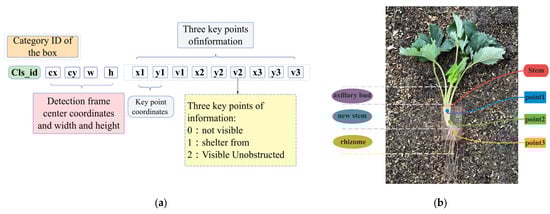
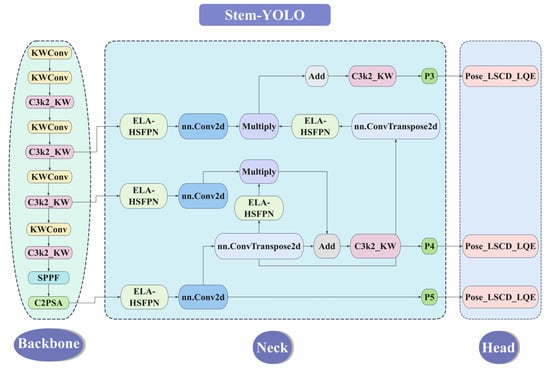
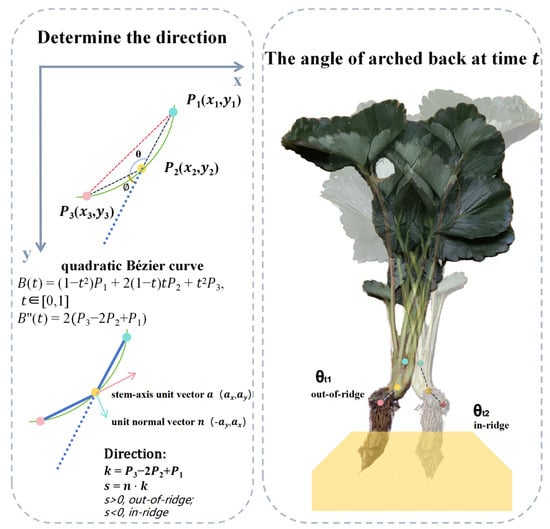
Correct arch-back orientation is essential in ridge-based strawberry transplanting. Improper orientation can increase soil contact and soil-borne disease risk, leading to yield loss and reduced harvest efficiency. In current practice, arch-back orientation of bare-root seedlings is still mainly judged and corrected manually, which is labor-intensive and not always accurate under field conditions. Although plug seedlings are easier for mechanized transplanting, they are about three times more expensive than bare-root seedlings. Therefore, bare-root seedlings remain widely used for cost-effective production. However, accurate real-time orientation perception for bare-root seedlings is still challenging because stems are thin, morphology varies widely, and leaves often occlude key curvature cues. To address this gap, we propose a lightweight machine-vision method for bare-root strawberry seedlings that detects three characteristic keypoints on the new stem. The three-keypoint design is inspired by farmers’ practical judgement: farmers often determine arch-back direction by observing the stem and using manual touch to sense curvature changes. Similarly, three keypoints provide a simple geometric representation of curvature trend, enabling real-time estimation of both arch-back direction and bending angle. Physical tests on 100 bare-root seedlings achieved a 93% agronomically compliant orientation rate, with an MAE of 5.74° and an RMSE of 7.44° for bending-angle estimation. For edge deployment, the optimized model achieved real-time performance on an embedded GPU platform, reaching 152.51 FPS (FP16) and 154.26 FPS (INT8). Overall, the proposed method provides a practical perception module that can be integrated into strawberry transplanting machines to support cost-effective, orientation-aware mechanized transplanting. Full article
(This article belongs to the Section Agricultural Technology)
Show Figures

Figure 1
24 pages, 6483 KB  
Article
Integrating Plant Height into Hyperspectral Inversion Models for Estimating Chlorophyll and Total Nitrogen in Rice Canopies
by Jing He, Yangyang Song, Dong Xie and Gang Liu
Agriculture 2026, 16(6), 656; https://doi.org/10.3390/agriculture16060656 - 13 Mar 2026
Viewed by 465
Abstract
Rice undergoes rapid growth and exhibits a high demand for nutrients during the tillering and booting stages. SPAD readings, which reflect relative leaf chlorophyll status, and leaf nitrogen content (LNC) are key indicators of plant nutritional status, directly influencing photosynthetic efficiency and biomass [...] Read more.
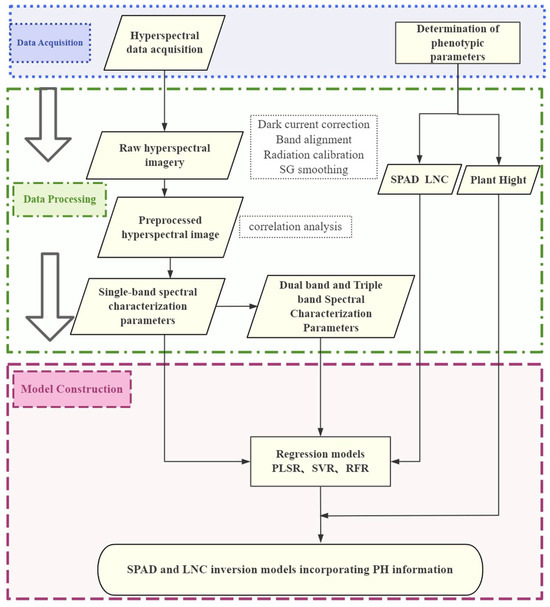
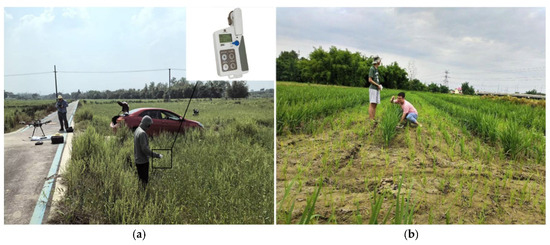
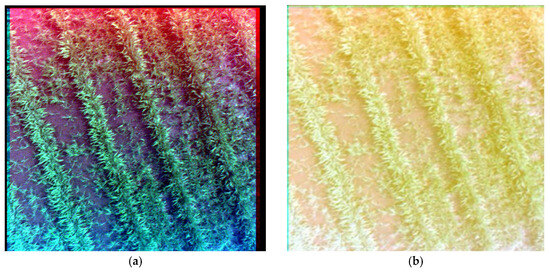
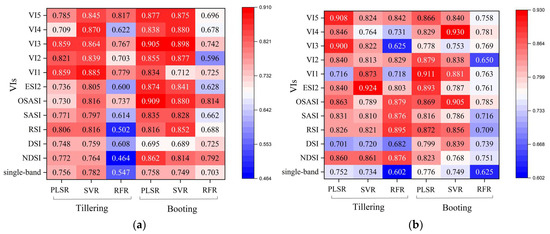
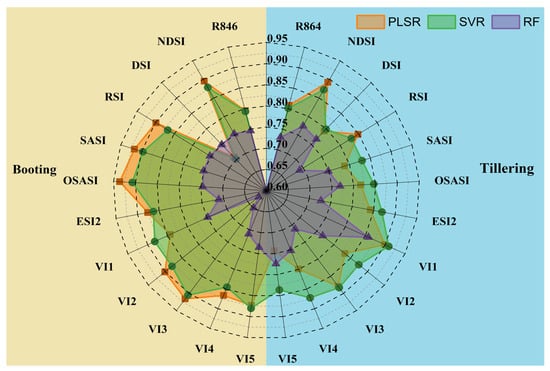
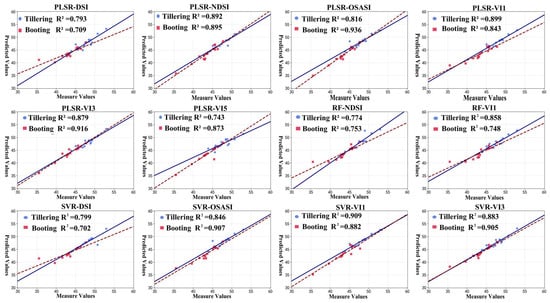
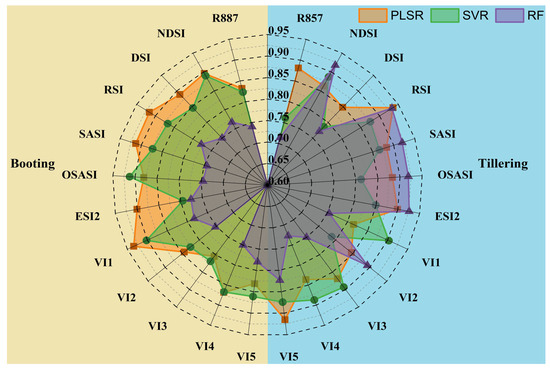
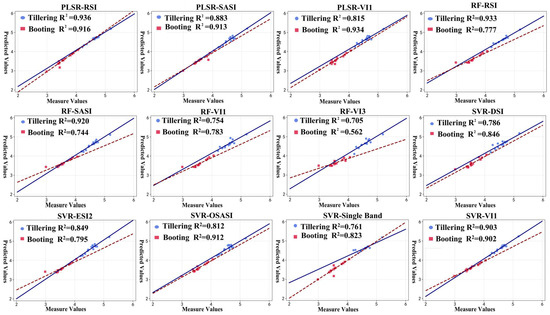
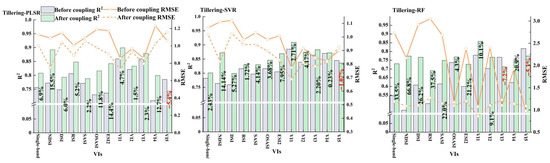
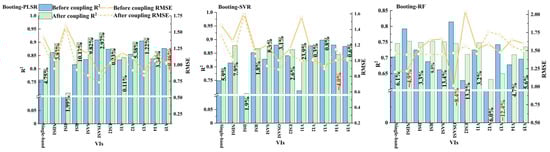
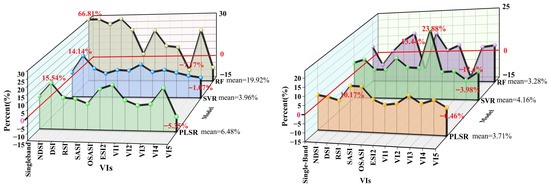
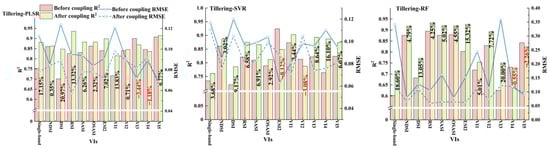
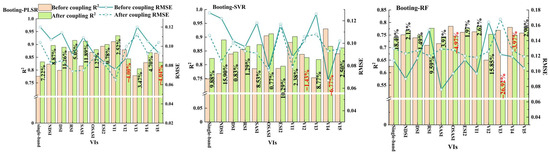
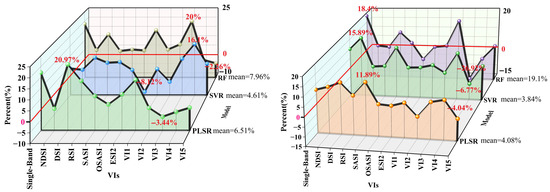
Rice undergoes rapid growth and exhibits a high demand for nutrients during the tillering and booting stages. SPAD readings, which reflect relative leaf chlorophyll status, and leaf nitrogen content (LNC) are key indicators of plant nutritional status, directly influencing photosynthetic efficiency and biomass accumulation, while plant height (PH) reflects canopy structure and nutrient availability. Establishing quantitative relationships among these traits at key growth stages is essential for stage-specific precision rice management. In this study, Unmanned Aerial Vehicle (UAV) hyperspectral imagery and ground-truth measurements of SPAD, LNC, and PH were collected from rice fields in Qingbaijiang District, Chengdu, China. Twelve vegetation indices (VIs) were calculated, and three machine learning algorithms—partial least squares regression (PLSR), support vector regression (SVR), and random forest regression (RFR)—were employed to develop stage-specific retrieval models. A stage-specific modeling framework integrating PH with hyperspectral data was developed to statistically enhance estimation accuracy at the tillering and booting stages. The optimal models for SPAD readings and LNC achieved R2 values of 0.916 and 0.936, respectively. The results indicate that integrating canopy structural information with hyperspectral features can improve the estimation accuracy of SPAD-related chlorophyll indicators and nitrogen status in rice. Under the controlled field conditions of this study, the proposed framework provides a plot-scale proof-of-concept demonstration for UAV-based stage-specific nitrogen monitoring. Full article
Show Figures

Figure 1
23 pages, 2721 KB  
Article
Maintaining Yield While Enhancing Fruit Quality and Economic Returns Through Deficit Irrigation and Potassium Optimization in Jujube (Ziziphus jujuba Mill.)
by Pengrui Ai, Wei Qiang, Yingjie Ma and Ying Zhang
Agriculture 2026, 16(6), 655; https://doi.org/10.3390/agriculture16060655 - 13 Mar 2026
Viewed by 410
Abstract
Under conditions of limited irrigation and excessive fertilizer application in the arid regions of Xinjiang, it is essential to adopt well-coordinated strategies to improve yield and crop water productivity (WP). In this study, a comparative experiment was conducted with three irrigation levels, T1 [...] Read more.
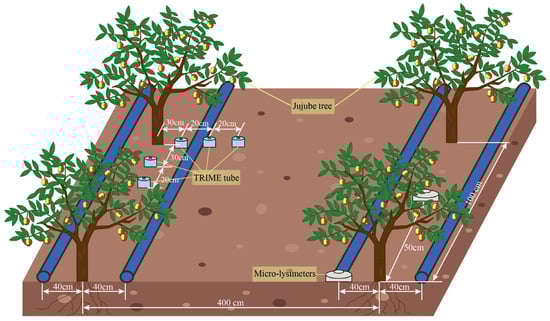
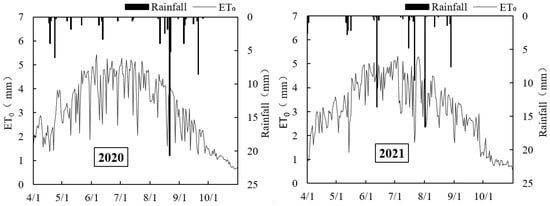
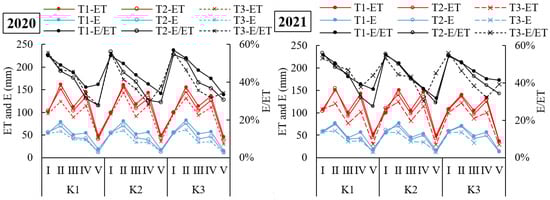
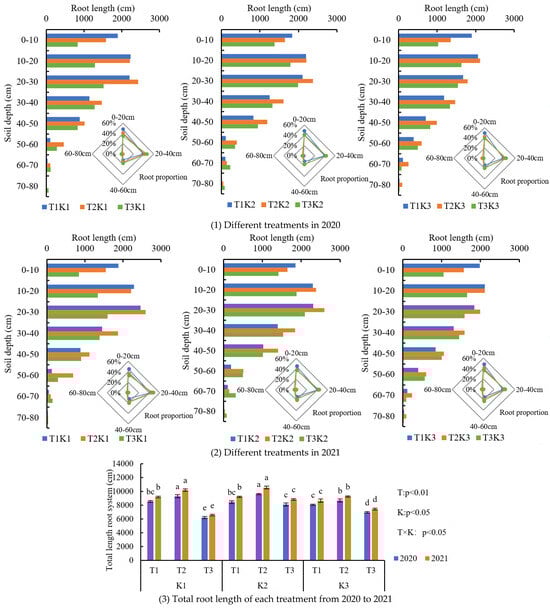
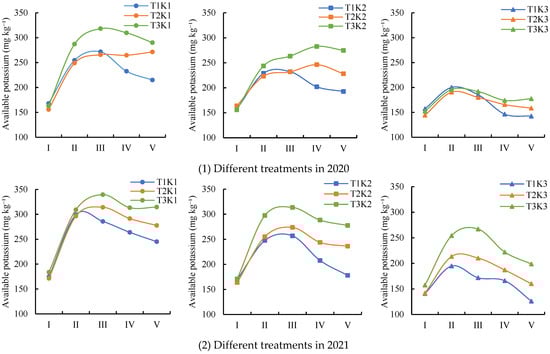
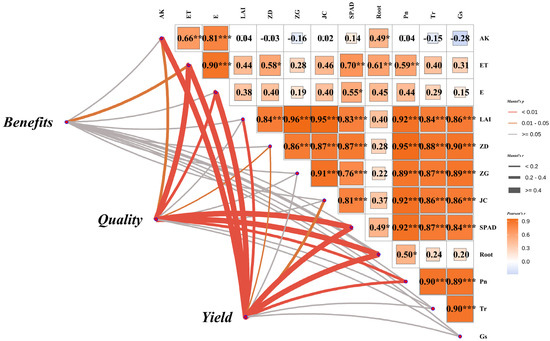
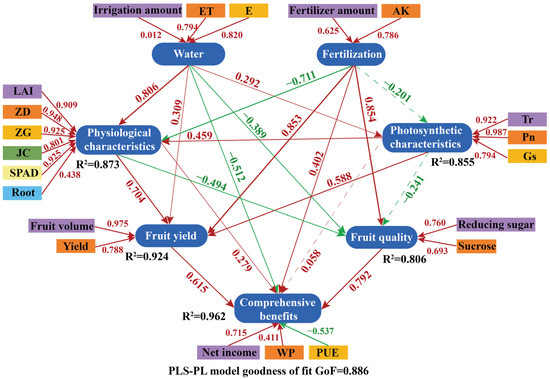
Under conditions of limited irrigation and excessive fertilizer application in the arid regions of Xinjiang, it is essential to adopt well-coordinated strategies to improve yield and crop water productivity (WP). In this study, a comparative experiment was conducted with three irrigation levels, T1 (100% crop evapotranspiration, ETc), T2 (75% ETc), and T3 (50% ETc), combined with three potassium application rates, K1 (540 kg ha−1), K2 (360 kg ha−1), and K3 (180 kg ha−1). The objective was to investigate their effects on the yield, quality, and economic benefits of jujube trees. Limited irrigation amounts significantly affected the photosynthetic characteristics, growth parameters, and ETc of jujube trees, whereas potassium fertilizer levels primarily regulated fruit development and yield formation. Compared with full irrigation, mild deficit irrigation caused a moderate yield reduction but significantly enhanced economic returns due to the improved water productivity and fruit quality. In contrast, severe water deficit led to substantial decreases in growth parameters and economic benefits by 12.87–45.70% and 81.69%, respectively. Potassium application demonstrated a significant threshold effect, with the K2 treatment showing greater improvements in fruit quality indices, including reducing sugars, vitamin C, and other key quality parameters, compared to the K3 treatment. Based on hierarchical–grey relational analysis, the combination of 75% ETc and 300 kg K ha−1 was identified as the optimal water–potassium management strategy. The net profit was 29,199 CNY. The benefit–cost ratio increased to 3.63, and the WP improved by 16.17% compared to full irrigation. Thus, this study provides an important theoretical basis and technical support for water-saving and quality-improving cultivation of jujube trees in arid regions. Full article
(This article belongs to the Section Agricultural Water Management)
Show Figures

Figure 1