11 pages, 885 KB  
Article
A Body Shape Index (ABSI) as a Variant of Conicity Index Not Affected by the Obesity Paradox: A Cross-Sectional Study Using Arterial Stiffness Parameter
by Daiji Nagayama, Kentaro Fujishiro, Yasuhiro Watanabe, Takashi Yamaguchi, Kenji Suzuki, Atsuhito Saiki and Kohji Shirai
J. Pers. Med. 2022, 12(12), 2014; https://doi.org/10.3390/jpm12122014 - 5 Dec 2022
Cited by 47 | Viewed by 4534
Abstract
A body shape index (ABSI) is an abdominal obesity index developed based on epidemiological statistics and designed to correlate minimally with body mass index (BMI). We examined the approximation between ABSI and other abdominal obesity indices based on biophysical concepts. The cross-sectional data [...] Read more.
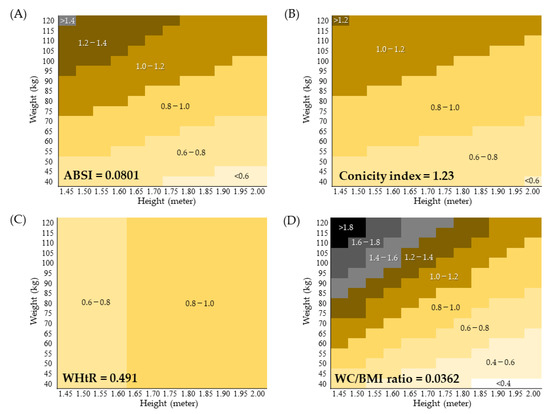
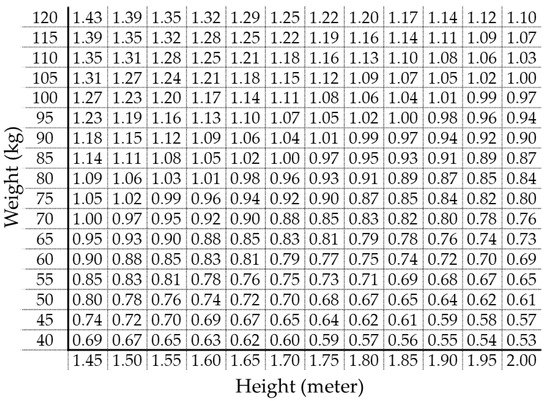
A body shape index (ABSI) is an abdominal obesity index developed based on epidemiological statistics and designed to correlate minimally with body mass index (BMI). We examined the approximation between ABSI and other abdominal obesity indices based on biophysical concepts. The cross-sectional data from 62,514 Japanese urban residents were analyzed. Body adiposity indices comprising BMI, waist circumference (WC), ABSI, conicity index (CI), waist-to-height ratio (WHtR), and WC/BMI ratio were examined. ABSI and CI more strongly correlated with age and arterial stiffness assessed by cardio-ankle vascular index (CAVI) compared to the other indices. The discriminative power for high CAVI (≥9.0) was the strongest for ABSI followed by CI and other indices, in that order. The range and distribution of WC corresponding to the cutoff of ABSI (0.0801), or CI (1.23) seemed reasonable. The correlation between ABSI and CI was the strongest compared to any other combination of indices. CI correlated moderately with BMI, whereas ABSI correlated minimally with BMI. ABSI correlates strongly and approximates closely with CI. Hence, ABSI may be considered to reflect the degree of body shape change from cylindricity to conicity and is currently the only abdominal obesity index not affected by the obesity paradox. Full article
Show Figures

Figure 1
15 pages, 6695 KB  
Article
Pharmacogenetics of CYP2A6, CYP2B6, and UGT2B7 in the Context of HIV Treatments in African Populations
by Graeme R. Ford, Antoinette Niehaus, Fourie Joubert and Michael S. Pepper
J. Pers. Med. 2022, 12(12), 2013; https://doi.org/10.3390/jpm12122013 - 5 Dec 2022
Cited by 2 | Viewed by 3238
Abstract
Objectives: This study focuses on identifying variations in selected CYP genes related to treatment responses in patients with HIV in African populations by investigating variant characteristics and effects in African cohorts. Design: Cytochrome P450 (CYP) 2A6, 2B6, and Uridine 5’-diphospho-glucuronosyltransferase (UGT) 2B7 allele [...] Read more.
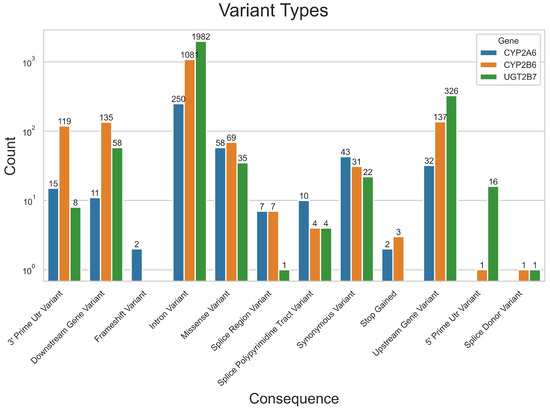
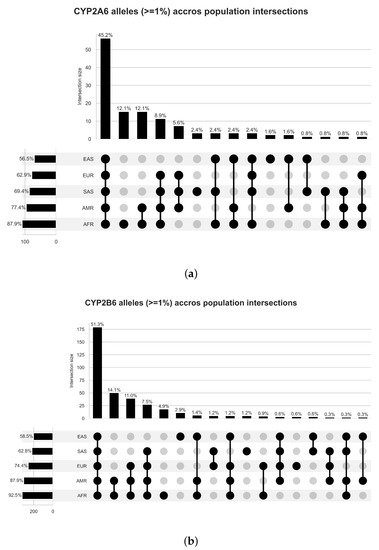
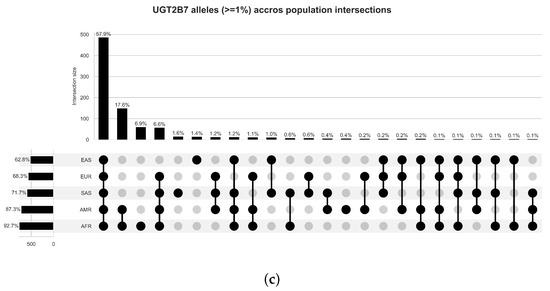
Objectives: This study focuses on identifying variations in selected CYP genes related to treatment responses in patients with HIV in African populations by investigating variant characteristics and effects in African cohorts. Design: Cytochrome P450 (CYP) 2A6, 2B6, and Uridine 5’-diphospho-glucuronosyltransferase (UGT) 2B7 allele frequencies were studied using public-domain datasets obtained from the 1000 Genomes Phase 3 project, the African Genome Variation Project (AGVP), and the South African Human Genome Programme (SAHGP). Methods: Variant annotations were performed using self-identified ethnicities to conduct allele frequency analysis in a population-stratification-sensitive manner. The NCBI DB-SNP database was used to identify documented variants and standard frequencies, and the E! Ensembl Variant Effect Predictor tool was used to perform the prediction of possible deleterious variants. Results: A total of 4468 variants were identified across 3676 individuals following pre-filtering. Seventy-one variants were identified at an allelic frequency (1% or more in at least one population), which were predicted to be linked to existing disease associations and, in some cases, linked to drug metabolisms. This list was further studied to identify 23 alleles with disease considerations found at significantly different frequencies in one or more populations. Conclusions: This study describes allele frequencies observed in African populations at significantly different frequencies relative to at least one other reference population and identifies a subset of variants of clinical interest. Despite the inclusion of mixed sequence coverage datasets, the variants identified pose notable avenues for future inquiries. A subset of variants of clinical interest with statistically significant inter-population frequency differences was identified for further inspection, which provides evidence of an African population-specific variant frequency profile. This study highlights the need for additional research and African genetics data given the presence of this unique frequency profile to better facilitate the genetic pre-screening of patients as a standard of practice in HIV care, particularly on the African continent where HIV is highly prevalent. Full article
(This article belongs to the Special Issue Precision Medicine Genomics: Pharmacogenomics)
Show Figures

Figure 1
11 pages, 1282 KB  
Article
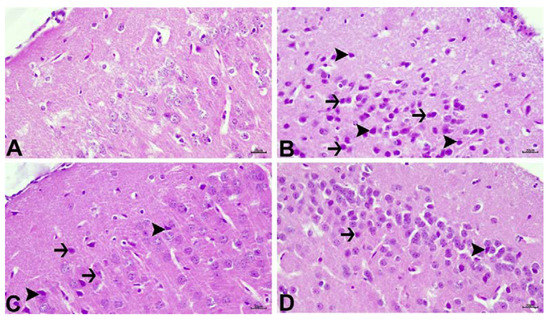
Artichoke (Cynara Scolymus) Methanolic Leaf Extract Alleviates Diethylnitrosamine-Induced Toxicity in BALB/c Mouse Brain: Involvement of Oxidative Stress and Apoptotically Related Klotho/PPARγ Signaling
by Betul Cicek, Sidika Genc, Yesim Yeni, Mehmet Kuzucu, Ahmet Cetin, Serkan Yildirim, Ismail Bolat, Mecit Kantarci, Ahmet Hacimuftuoglu, Georgios Lazopoulos, Aristidis Tsatsakis, Konstantinos Tsarouhas and Ali Taghizadehghalehjoughi
J. Pers. Med. 2022, 12(12), 2012; https://doi.org/10.3390/jpm12122012 - 4 Dec 2022
Cited by 29 | Viewed by 4767
Abstract
(1) Background: Various epidemiological studies suggest that oxidative stress and disrupted neuronal function are mechanistically linked to neurodegenerative diseases (NDs), including Parkinson’s disease (PD) and Alzheimer’s disease (AD). DNA damage, oxidative stress, lipid peroxidation, and eventually, cell death such as NDs can be [...] Read more.
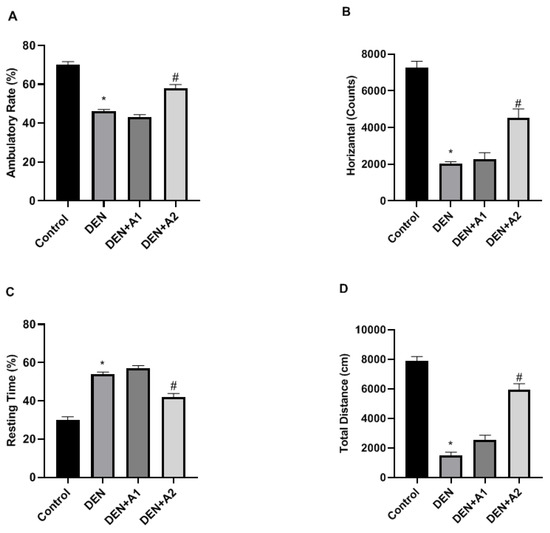
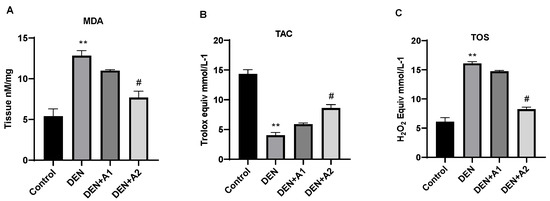
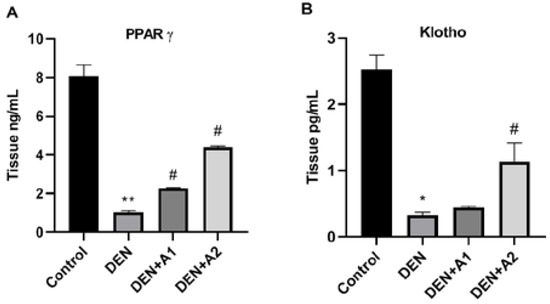
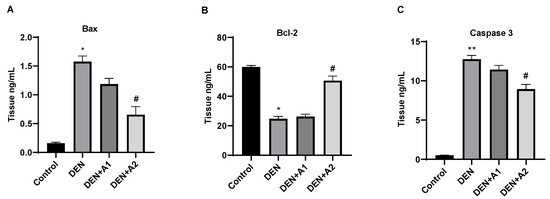
(1) Background: Various epidemiological studies suggest that oxidative stress and disrupted neuronal function are mechanistically linked to neurodegenerative diseases (NDs), including Parkinson’s disease (PD) and Alzheimer’s disease (AD). DNA damage, oxidative stress, lipid peroxidation, and eventually, cell death such as NDs can be induced by nitrosamine-related compounds, leading to neurodegeneration. A limited number of studies have reported that exposure to diethylnitrosamine (DEN), which is commonly found in processed/preserved foods, causes biochemical abnormalities in the brain. Artichoke leaves have been used in traditional medicine as a beneficial source of bioactive components such as hydroxycinnamic acids, cynarine, chlorogenic acid, and flavonoids (luteolin and apigenin). The aim of this study is to investigate the favorable effects of exogenous artichoke (Cynara scolymus) methanolic leaf extract supplementation in ameliorating DEN-induced deleterious effects in BALB/c mouse brains. (2) Methods: This study was designed to evaluate DEN (toxicity induction by 100 mg/kg) and artichoke (protective effects of 0.8 and 1.6 g/kg treatment) for 14 days. All groups underwent a locomotor activity test to evaluate motor activity. In brain tissue, oxidative stress indicators (TAC, TOS, and MDA), Klotho and PPARγ levels, and apoptotic markers (Bax, Bcl-2, and caspase-3) were measured. Brain slices were also examined histopathologically. (3) Results: Artichoke effectively ameliorated DEN-induced toxicity with increasing artichoke dose. Impaired motor function and elevated oxidative stress markers (decreasing MDA and TOS levels and increasing TAC level) induced by DEN intoxication were markedly restored by high-dose artichoke treatment. Artichoke significantly improved the levels of Klotho and PPARγ, which are neuroprotective factors, in mouse brain tissue exposed to DEN. In addition, caspase-3 and Bax levels were reduced, whereas the Bcl-2 level was elevated with artichoke treatment. Furthermore, recovery was confirmed by histopathological analysis. (4) Conclusions: Artichoke exerted neuroprotective effects against DEN-induced brain toxicity by mitigating oxidant parameters and exerting antioxidant and antiapoptotic effects. Further research is needed to fully identify the favorable impact of artichoke supplementation on all aspects of DEN brain intoxication. Full article
(This article belongs to the Special Issue New Trends in Precision Medicine)
Show Figures

Figure 1
17 pages, 5418 KB  
Article
Development of a Multi-Channel Wearable Heart Sound Visualization System
by Binbin Guo, Hong Tang, Shufeng Xia, Miao Wang, Yating Hu and Zehang Zhao
J. Pers. Med. 2022, 12(12), 2011; https://doi.org/10.3390/jpm12122011 - 4 Dec 2022
Cited by 13 | Viewed by 5730
Abstract
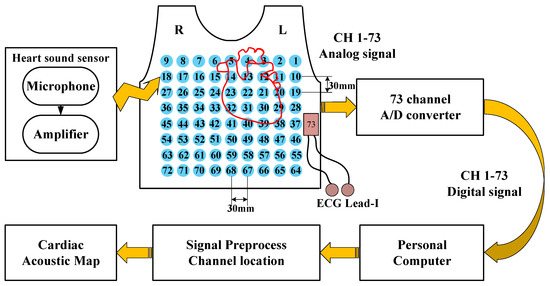
A multi-channel wearable heart sound visualization system based on novel heart sound sensors for imaging cardiac acoustic maps was developed and designed. The cardiac acoustic map could be used to detect cardiac vibration and heart sound propagation. The visualization system acquired 72 heart [...] Read more.
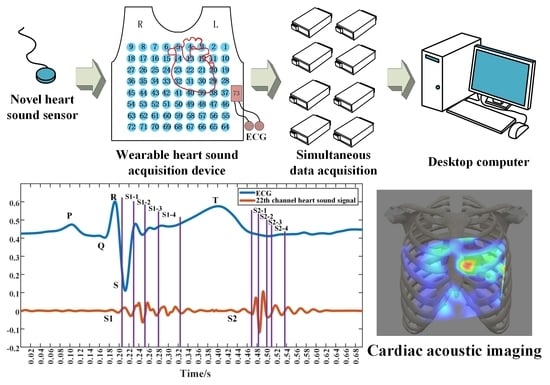
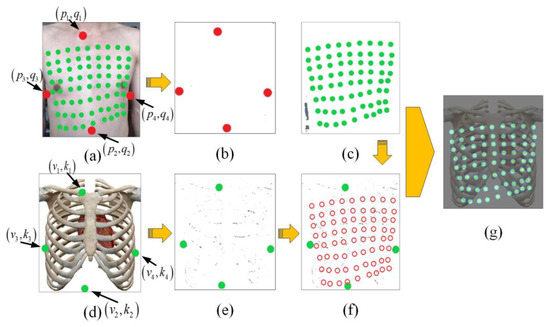
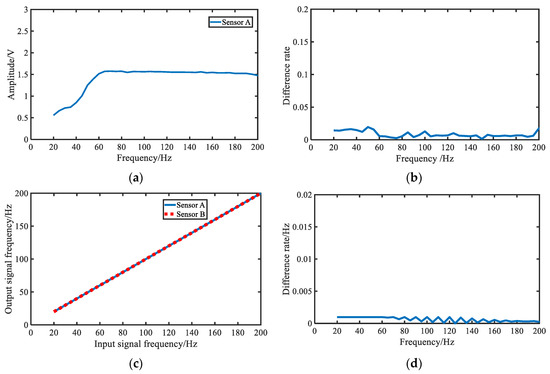
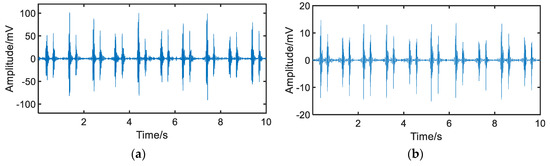
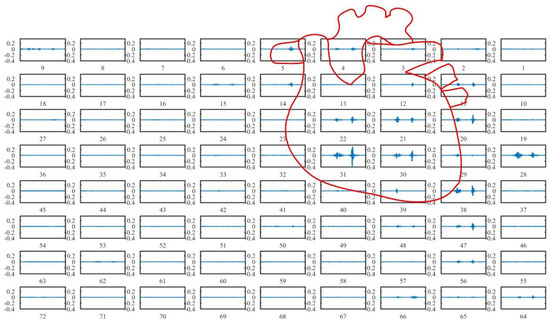
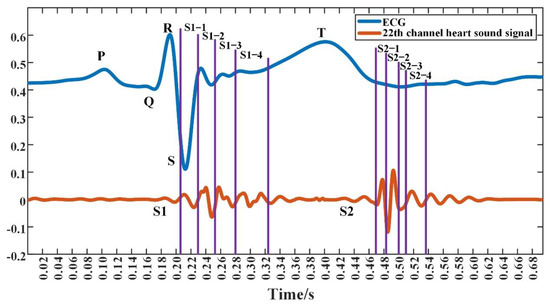
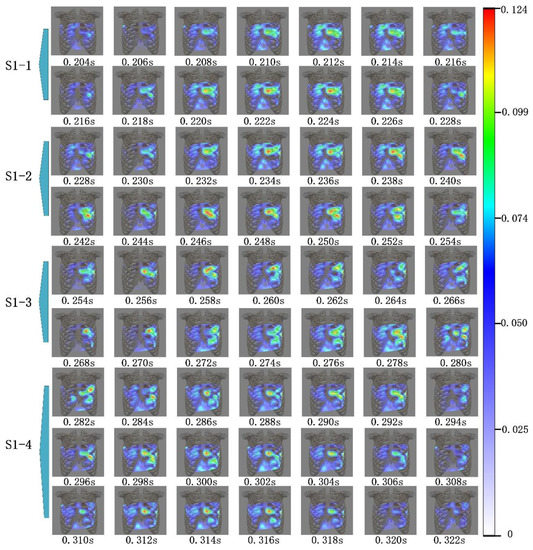
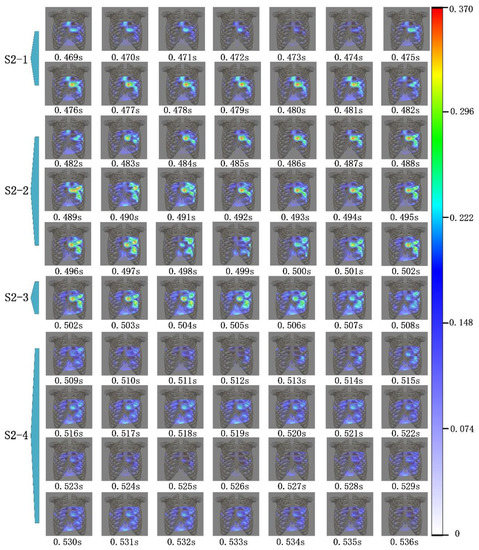
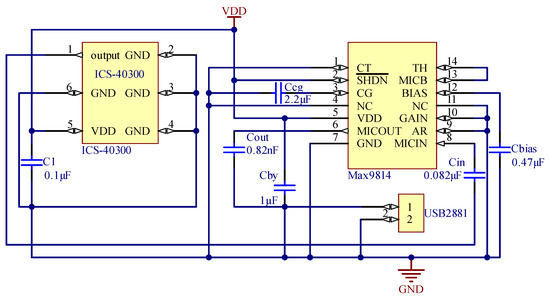
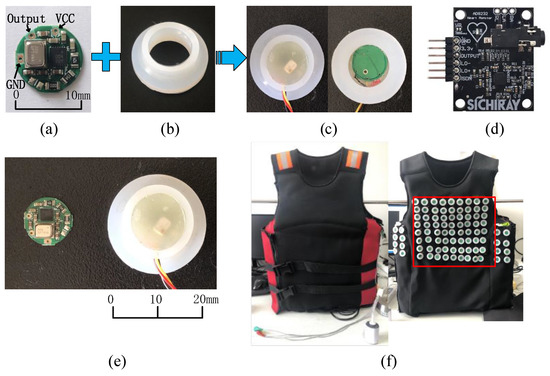
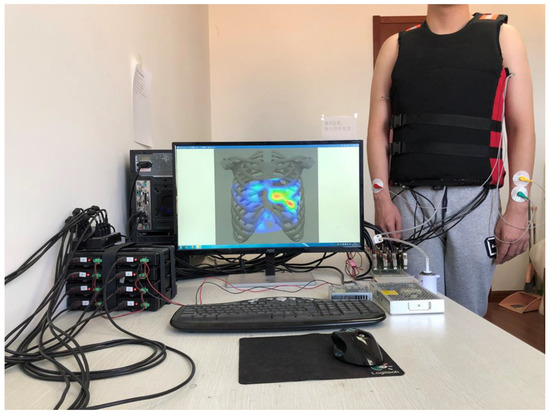
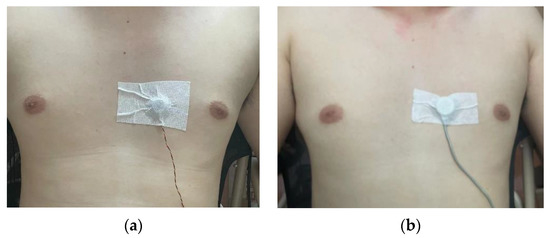
A multi-channel wearable heart sound visualization system based on novel heart sound sensors for imaging cardiac acoustic maps was developed and designed. The cardiac acoustic map could be used to detect cardiac vibration and heart sound propagation. The visualization system acquired 72 heart sound signals and one ECG signal simultaneously using 72 heart sound sensors placed on the chest surface and one ECG analog front end. The novel heart sound sensors had the advantages of high signal quality, small size, and high sensitivity. Butterworth filtering and wavelet transform were used to reduce noise in the signals. The cardiac acoustic map was obtained based on the cubic spline interpolation of the heart sound signals. The results showed the heart sound signals on the chest surface could be detected and visualized by this system. The variations of heart sounds were clearly displayed. This study provided a way to select optimal position for auscultation of heart sounds. The visualization system could provide a technology for investigating the propagation of heart sound in the thoracic cavity. Full article
(This article belongs to the Special Issue Physiological Signal Analysis Methods in Healthcare)
Show Figures

Graphical abstract

10 pages, 1555 KB  
Article
Cross-Cultural Validation of the Short Version of the Questionnaire of Olfactory Disorders—Negative Statements into Italian: Towards Personalized Patient Care
by Francesca Pirola, Francesco Giombi, Fabio Ferreli, Andrea Costantino, Giuseppe Mercante, Giovanni Paoletti, Enrico Heffler, Giorgio Walter Canonica, Stefano Settimi, Eugenio De Corso, Giuseppe Spriano and Luca Malvezzi
J. Pers. Med. 2022, 12(12), 2010; https://doi.org/10.3390/jpm12122010 - 4 Dec 2022
Cited by 8 | Viewed by 3552
Abstract
Given the high burden of olfactory dysfunction worldwide, recently increased due to the COVID-19 pandemic, it is mandatory to adopt a specific questionnaire to assess the impact of olfactory impairment on quality of life, to be used in clinical practice. The aim of [...] Read more.
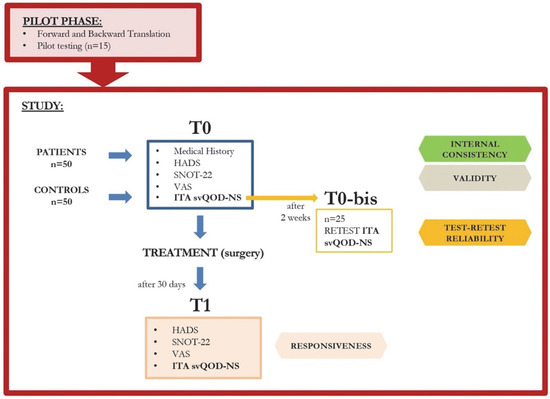
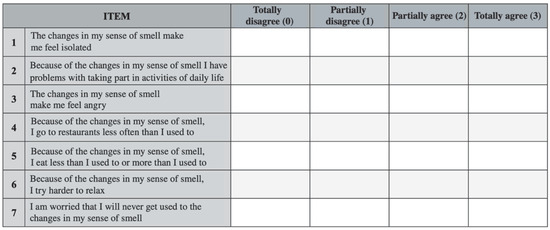
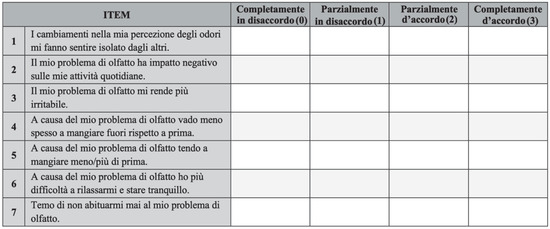
Given the high burden of olfactory dysfunction worldwide, recently increased due to the COVID-19 pandemic, it is mandatory to adopt a specific questionnaire to assess the impact of olfactory impairment on quality of life, to be used in clinical practice. The aim of this study is to adapt and validate the short version of the Questionnaire of Olfactory Disorders-Negative Statements (svQOD-NS) for Italian. In the pilot phase, the Italian version of the questionnaire (ITA-svQOD-NS) was produced following recommended guidelines. It was then given to 50 healthy subjects and 50 patients (affected by either nasal polyposis or septal deviation), and results were compared to those of other widely used questionnaires. Test-retest reliability was assessed on a sample of 25 patients. All 50 patients repeated the questionnaires at one and nine months after surgery. The internal consistency of ITA-svQOD-NS measured with Cronbach α was excellent (α = 0.92). The intraclass correlation coefficient for test-retest reliability was also optimal (0.93; 95%CI: 0.90–0.96). Concurrent validity tested with the Pearson coefficient was significant with all other tests administered; also, concerning responsiveness, statistically significant differences were obtained between pre- and post-operative conditions. ITA-svQOD-NS showed high internal consistency, test-retest reliability, and significant correlation with all most-used clinical questionnaires; thus, it can be efficiently applied to assess olfaction-related QoL in the Italian population. Full article
(This article belongs to the Section Personalized Therapy in Clinical Medicine)
Show Figures

Figure 1
13 pages, 927 KB  
Article
Serum Uric Acid but Not Ferritin Level Is Associated with Hepatic Fibrosis in Lean Subjects with Metabolic Dysfunction-Associated Fatty Liver Disease: A Community-Based Study
by Cheng-Han Xie, Li-Wei Chen, Chih-Lang Lin, Ching-Chih Hu and Cheng-Hung Chien
J. Pers. Med. 2022, 12(12), 2009; https://doi.org/10.3390/jpm12122009 - 3 Dec 2022
Cited by 6 | Viewed by 2818
Abstract
Elevated serum ferritin and uric acid levels are common in patients with fatty liver disease. This study assessed the association between serum ferritin and uric acid levels and liver fibrosis in subjects with lean metabolic dysfunction-associated fatty liver disease (MAFLD). This cross-sectional study [...] Read more.
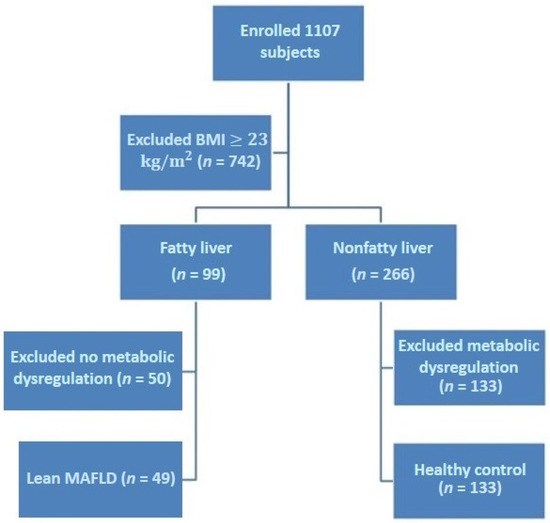
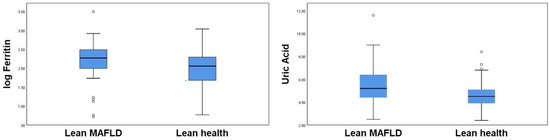
Elevated serum ferritin and uric acid levels are common in patients with fatty liver disease. This study assessed the association between serum ferritin and uric acid levels and liver fibrosis in subjects with lean metabolic dysfunction-associated fatty liver disease (MAFLD). This cross-sectional study used data from a community screening examination for metabolic syndrome from December 2018 to September 2019 at Keelung Chang Gung Memorial Hospital. Subjects with lean MAFLD were defined as those with a body mass index (BMI) < 23 kg/m2 and hepatic steatosis according to the MAFLD criteria. A total of 182 lean subjects were included and were divided into lean MAFLD and lean healthy groups. Serum ferritin and uric acid concentrations were positively correlated with liver fibrosis, regardless of whether FIB-4, APRI, or NFS were used as references. Univariate logistic regression analysis showed that age and uric acid were associated with advanced liver fibrosis. After adjusting for potential confounders, only uric acid level was statistically significant in predicting the advanced liver fibrosis (OR = 6.907 (1.111–42.94), p = 0.038) in the lean MAFLD group. We found that an elevated serum uric acid level is an independent factor associated with advanced liver fibrosis in lean MAFLD subjects by noninvasive fibrosis scores. Full article
Show Figures

Figure 1
18 pages, 2430 KB  
Article
Comparison of Maternal–Fetal Outcomes among Unvaccinated and Vaccinated Pregnant Women with COVID-19
by Alicia Martínez-Varea, Elena Satorres, Sandra Florez, Josep Domenech, Julia Desco-Blay, Sagrario Monfort-Pitarch, María Hueso, Alfredo Perales-Marín and Vicente Diago-Almela
J. Pers. Med. 2022, 12(12), 2008; https://doi.org/10.3390/jpm12122008 - 3 Dec 2022
Cited by 11 | Viewed by 4270
Abstract
Background: This study sought to elucidate whether COVID-19 vaccination, during gestation or before conception, entails a decreased incidence of severe COVID-19 disease during pregnancy. Methods: This retrospective cohort study included all pregnant women that were followed up at a tertiary University [...] Read more.
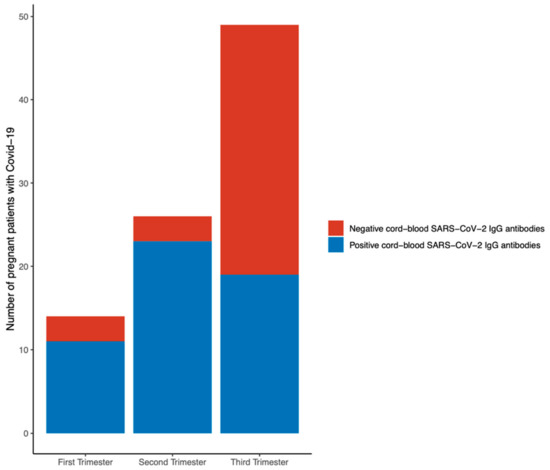
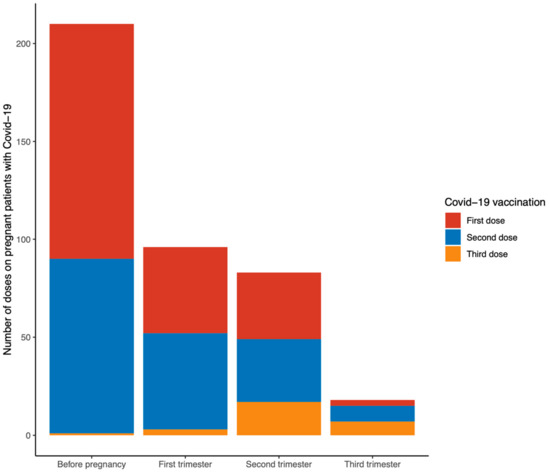
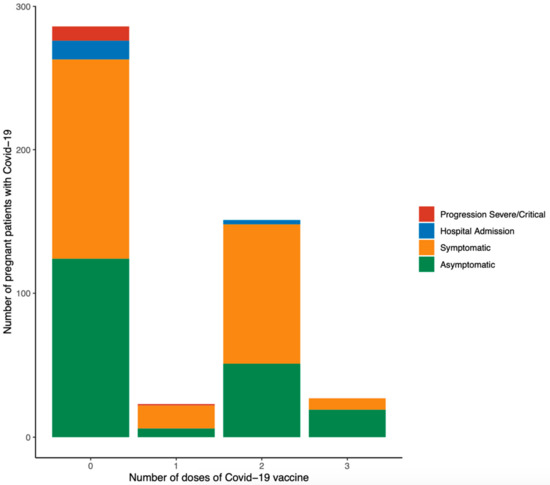
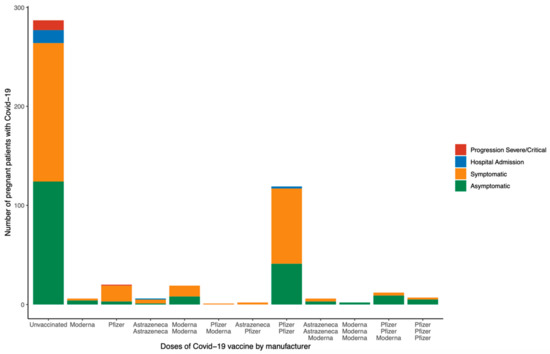
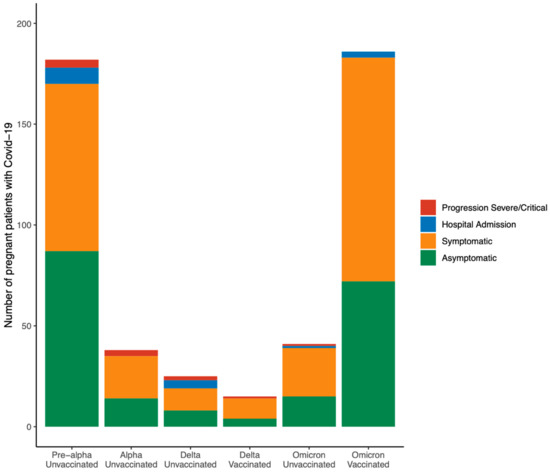
Background: This study sought to elucidate whether COVID-19 vaccination, during gestation or before conception, entails a decreased incidence of severe COVID-19 disease during pregnancy. Methods: This retrospective cohort study included all pregnant women that were followed up at a tertiary University Hospital with SARS-CoV-2 infection diagnosed between 1 March 2020 and 30 July 2022. The primary outcome of the study was to compare maternal and perinatal outcomes in unvaccinated and vaccinated pregnant patients with SARS-CoV-2 infection. Results: A total of 487 pregnant women with SARS-CoV-2 infection were included. SARS-CoV-2 infection during the third trimester of pregnancy was associated with an 89% lower probability of positive cord-blood SARS-CoV-2 IgG antibodies (OR 0.112; 95% CI 0.039–0.316), compared with infection during the first or the second trimester. Vaccinated pregnant women (201 (41.27%)) with COVID-19 had an 80% lower risk for developing pneumonia and requiring hospital admission due to COVID-19 than unvaccinated patients (aOR 0.209; 95% CI 0.044–0.985). Noticeably, pregnant patients with SARS-CoV-2 infection with at least two doses of the COVID-19 vaccine did not develop severe COVID-19. Conclusion: Vaccinated women with SARS-CoV-2 infection during pregnancy are associated with decreased hospital admission due to COVID-19 as well as reduced progression to severe COVID-19. Full article
(This article belongs to the Section Epidemiology)
Show Figures

Figure 1
10 pages, 1265 KB  
Article
Molecular Pathways of Breast Cancer in Systemic Sclerosis: Exploratory Immunohistochemical Analysis from the Sclero-Breast Study
by Chrystel Isca, Amelia Spinella, Angela Toss, Marco de Pinto, Guido Ficarra, Luca Fabbiani, Anna Iannone, Luca Magnani, Federica Lumetti, Pierluca Macripò, Caterina Vacchi, Elisa Gasparini, Simonetta Piana, Laura Cortesi, Antonino Maiorana, Carlo Salvarani, Massimo Dominici and Dilia Giuggioli
J. Pers. Med. 2022, 12(12), 2007; https://doi.org/10.3390/jpm12122007 - 3 Dec 2022
Cited by 1 | Viewed by 2427
Abstract
Several authors reported an increased risk of cancer in SSc patients, including breast cancer (BC). Nevertheless, the mechanisms underlying this association have not yet been clarified. SSc and BC share several molecular pathways, which seem to play a common etiopathogenetic role. The previously [...] Read more.
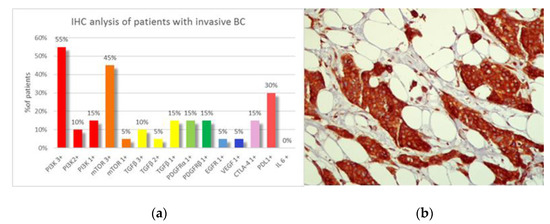
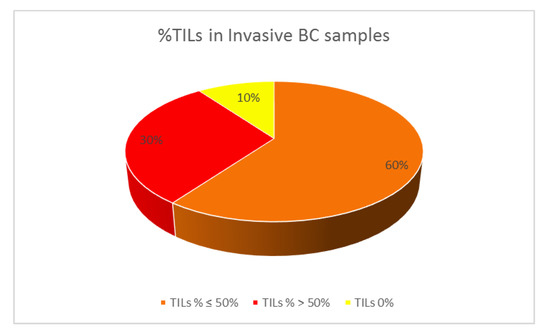
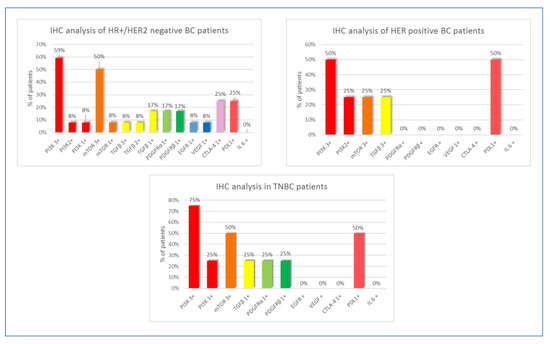
Several authors reported an increased risk of cancer in SSc patients, including breast cancer (BC). Nevertheless, the mechanisms underlying this association have not yet been clarified. SSc and BC share several molecular pathways, which seem to play a common etiopathogenetic role. The previously published Sclero-Breast study demonstrated the development of BC with a good prognosis among these patients, which could be explained by an autoimmune background as a possible mechanism for limiting tumor extension. Here, we report the results of an IHC analysis of molecular pathways known to be common drivers for both diseases, with the aim to better define the mechanisms underlying a good prognosis of BC in patients affected by SSc. The analysis demonstrated higher TILs rates in all BC subgroups, with a high rate of PD-L1 expression especially in TNBC and HER2-positive BC, suggesting a less aggressive behavior in these patients compared to the general population. These results support a possible de-escalation strategy of cancer therapies in these fragile patients. These data could represent a starting point for future prospective studies based on the clinical application of these biomarkers with a larger sample size to promote a personalized and targeted oncological treatment for this specific subset of patients. Full article
(This article belongs to the Section Personalized Therapy and Drug Delivery)
Show Figures

Figure 1

27 pages, 1026 KB  
Article
Landscape of Druggable Molecular Pathways Downstream of Genomic CDH1/Cadherin-1 Alterations in Gastric Cancer
by Giorgio Malpeli, Stefano Barbi, Giulio Innamorati, Mariella Alloggio, Federica Filippini, Ilaria Decimo, Claudia Castelli, Roberto Perris and Maria Bencivenga
J. Pers. Med. 2022, 12(12), 2006; https://doi.org/10.3390/jpm12122006 - 3 Dec 2022
Cited by 4 | Viewed by 3430
Abstract
Loss of CDH1/Cadherin-1 is a common step towards the acquisition of an abnormal epithelial phenotype. In gastric cancer (GC), mutation and/or downregulation of CDH1/Cadherin-1 is recurrent in sporadic and hereditary diffuse GC type. To approach the molecular events downstream of CDH1/Cadherin-1 alterations and [...] Read more.
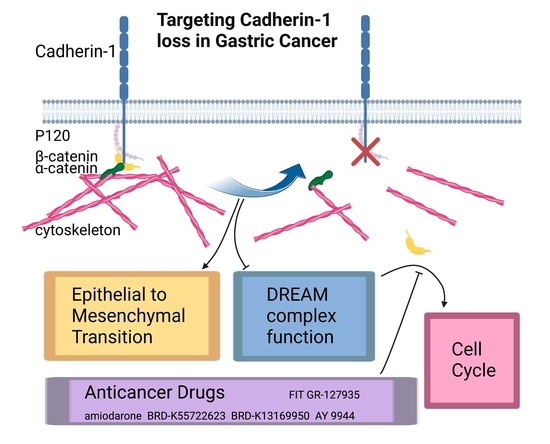
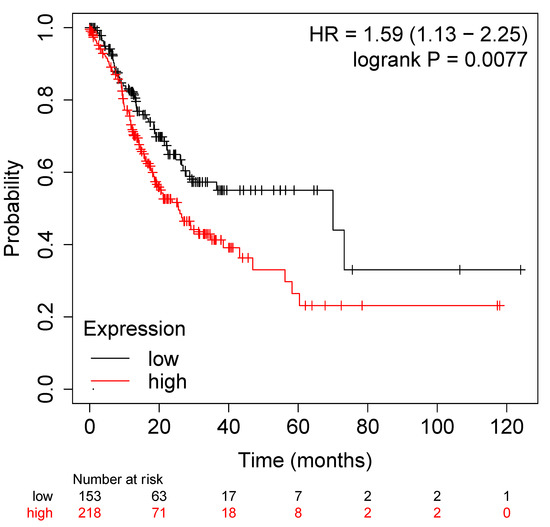
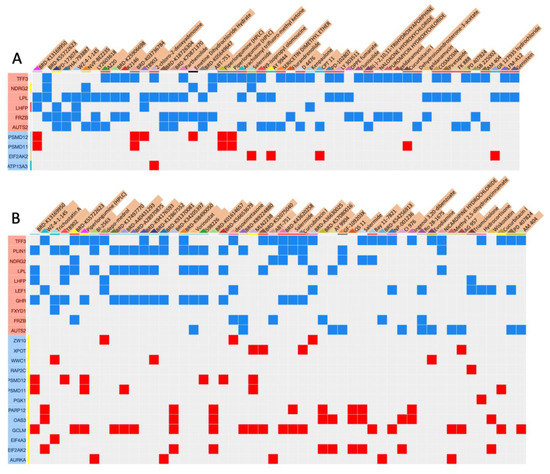
Loss of CDH1/Cadherin-1 is a common step towards the acquisition of an abnormal epithelial phenotype. In gastric cancer (GC), mutation and/or downregulation of CDH1/Cadherin-1 is recurrent in sporadic and hereditary diffuse GC type. To approach the molecular events downstream of CDH1/Cadherin-1 alterations and their relevance in gastric carcinogenesis, we queried public databases for genetic and DNA methylation data in search of molecular signatures with a still-uncertain role in the pathological mechanism of GC. In all GC subtypes, modulated genes correlating with CDH1/Cadherin-1 aberrations are associated with stem cell and epithelial-to-mesenchymal transition pathways. A higher level of genes upregulated in CDH1-mutated GC cases is associated with reduced overall survival. In the diffuse GC (DGC) subtype, genes downregulated in CDH1-mutated compared to cases with wild type CDH1/Cadherin-1 resulted in being strongly intertwined with the DREAM complex. The inverse correlation between hypermethylated CpGs and CDH1/Cadherin-1 transcription in diverse subtypes implies a common epigenetic program. We identified nonredundant protein-encoding isoforms of 22 genes among those differentially expressed in GC compared to normal stomach. These unique proteins represent potential agents involved in cell transformation and candidate therapeutic targets. Meanwhile, drug-induced and CDH1/Cadherin-1 mutation-related gene expression comparison predicts FIT, GR-127935 hydrochloride, amiodarone hydrochloride in GC and BRD-K55722623, BRD-K13169950, and AY 9944 in DGC as the most effective treatments, providing cues for the design of combined pharmacological treatments. By integrating genetic and epigenetic aspects with their expected functional outcome, we unveiled promising targets for combinatorial pharmacological treatments of GC. Full article
Show Figures

Graphical abstract

15 pages, 2491 KB  
Article
IGFBP2 Drives Regulatory T Cell Differentiation through STAT3/IDO Signaling Pathway in Pancreatic Cancer
by Longhao Sun, Yang Zhang, Tiantian Yang, Junhang Chen, Xuebin Zhang and Xiaoyu Liang
J. Pers. Med. 2022, 12(12), 2005; https://doi.org/10.3390/jpm12122005 - 3 Dec 2022
Cited by 9 | Viewed by 3062
Abstract
Pancreatic ductal adenocarcinoma (PDAC) represents one of the deadliest malignancies. Elevated regulatory T cell (Treg) infiltration has a potent immunosuppressive function in tumor biology, which contributes to low survival in PDAC. Nonetheless, the crosstalk between malignant cells and tumor-infiltrating Tregs in PDAC is [...] Read more.
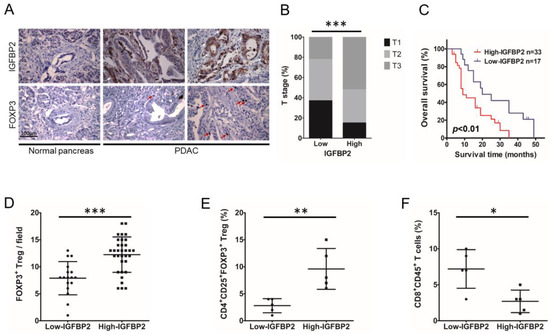
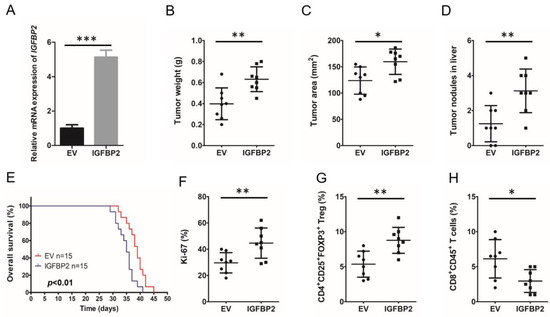
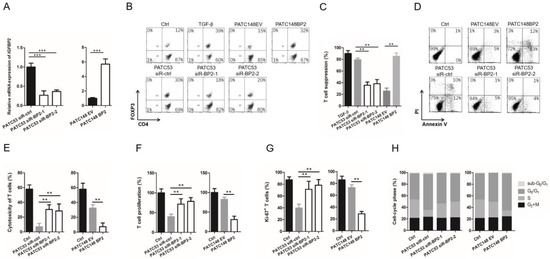
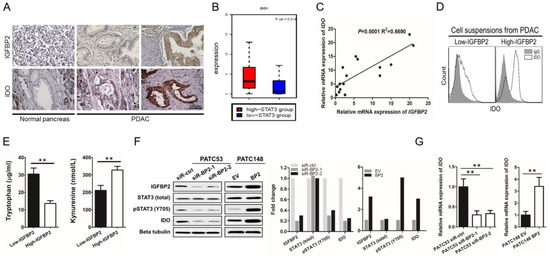
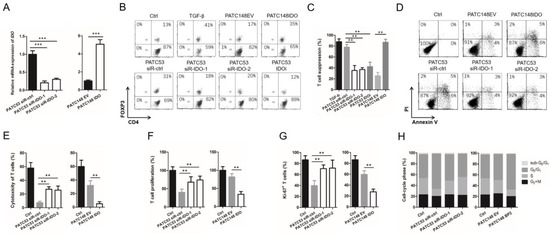
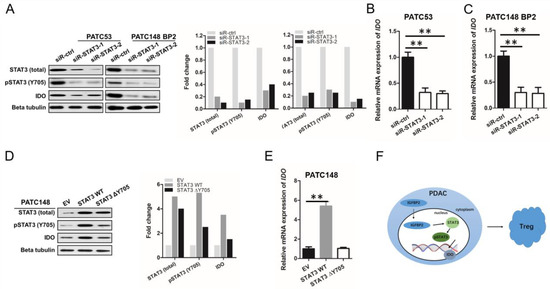
Pancreatic ductal adenocarcinoma (PDAC) represents one of the deadliest malignancies. Elevated regulatory T cell (Treg) infiltration has a potent immunosuppressive function in tumor biology, which contributes to low survival in PDAC. Nonetheless, the crosstalk between malignant cells and tumor-infiltrating Tregs in PDAC is not well understood. Here, clinical data demonstrates that the insulin-like growth factor binding protein 2 (IGFBP2) is associated with Treg accumulation in the microenvironment of PDAC in humans. Additionally, IGFBP2 increases Treg infiltration in the tumor microenvironment and promotes disease progression in mouse PDAC. Bioinformatic analysis and mechanistic assessment reveals IGFBP2 upregulated indoleamine 2, 3-dioxygenase (IDO) by activating signal transducer and activator of transcription 3 (STAT3) signaling in PDAC cells, thus inducing Treg differentiation and an immunosuppressive tumor microenvironment. These findings provide mechanistic insights into an important molecular pathway that promotes an immunosuppressive microenvironment, which suggests the IGFBP2 axis as a potential target for improved immune response in PDAC. Full article
Show Figures

Figure 1
7 pages, 871 KB  
Article
Age and Meniscal Extrusion Are Determining Factors of Osteoarthritis Progression after Conservative Treatments for Medial Meniscus Posterior Root Tear
by Young Mo Kim, Yong Bum Joo, Byung Kuk An and Ju-Ho Song
J. Pers. Med. 2022, 12(12), 2004; https://doi.org/10.3390/jpm12122004 - 3 Dec 2022
Cited by 20 | Viewed by 4123
Abstract
Background: With a growing understanding of biomechanical disadvantages following medial meniscus posterior root tear (MMPRT), recent studies have focused on surgical repair of MMPRT. Because not all tears are repairable, surgical indications can be properly established when the outcomes of conservative treatments are [...] Read more.
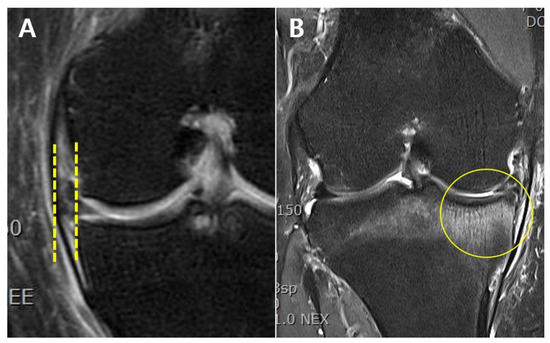
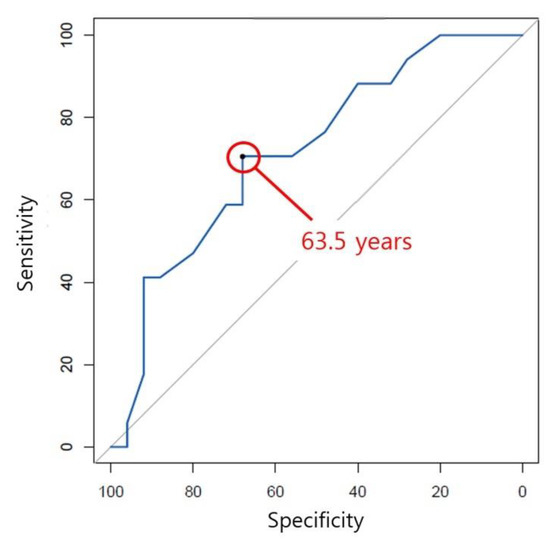
Background: With a growing understanding of biomechanical disadvantages following medial meniscus posterior root tear (MMPRT), recent studies have focused on surgical repair of MMPRT. Because not all tears are repairable, surgical indications can be properly established when the outcomes of conservative treatments are revealed. This study tried to identify risk factors for osteoarthritis progression after conservative treatments for isolated MMPRT. Materials & Methods: Patients who had conservative treatments for isolated MMPRT during 2013–2016 were retrospectively reviewed. To evaluate osteoarthritis progression, those who were followed up for ≤3 years and those who already showed advanced osteoarthritis of Kellgren--Lawrence (K-L) grade 4 at the time of diagnosis were excluded. Because patients with varus malalignment were candidates for realignment osteotomy, conservative treatments for MMPRT were applied to patients with well-aligned knees. Osteoarthritis progression was determined based on the K-L grading system, and risk factors including age, sex, body mass index, lower limb alignment, preoperative K-L grade, meniscal extrusion, and the presence of subchondral bone marrow lesion (BML) were analyzed using logistic regression analyses. Results: A total of 42 patients were followed up for 57.4 ± 26.8 months. During that period, osteoarthritis progression was noted in 17 (40.5%) patients. Based on univariate analyses for each risk factor, age, meniscal extrusion, and the presence of subchondral BML were included in the multivariate logistic regression analysis. The results showed that age (p = 0.028, odds ratio = 0.87) and meniscal extrusion (p = 0.013, odds ratio = 9.65) were significant risk factors. A receiver operating characteristic curve found that the cutoff age was 63.5 years, with the area under the curve being 0.72 (sensitivity, 68.0%; specificity, 70.6%). Conclusions: About two-fifths of patients who had conservative treatments for MMPRT underwent osteoarthritis progression in the mid to long term. Age and meniscal extrusion were determining factors of osteoarthritis progression. The risk for osteoarthritis progression was decreased when the age of patients was over 63.5 years. Full article
Show Figures

Figure 1
7 pages, 253 KB  
Article
Admissions to the Emergency Department Due to Atrial Fibrillation/Atrial Flutter Incidents during the Third Wave of COVID-19 Pandemic
by Goutam Chourasia, Dorota Zyśko, Joanna Wizowska, Paweł Wróblewski, Katarzyna Madziarska, Kacper Wróbel, Wojciech Timler, Remigiusz Kozłowski, Michał Marczak and Dariusz Timler
J. Pers. Med. 2022, 12(12), 2003; https://doi.org/10.3390/jpm12122003 - 3 Dec 2022
Cited by 4 | Viewed by 1870
Abstract
(1) Background: Severe acute respiratory syndrome coronavirus 2 (SARS-CoV-2) infection increases the risk of atrial fibrillation/flutter (AF/AFL) incident. The study aimed to present the characteristics of admissions to the emergency department (ED) due to AF/AFL incidents during the third COVID-19 pandemic wave. (2) [...] Read more.
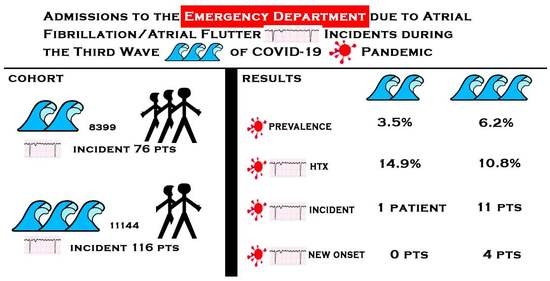
(1) Background: Severe acute respiratory syndrome coronavirus 2 (SARS-CoV-2) infection increases the risk of atrial fibrillation/flutter (AF/AFL) incident. The study aimed to present the characteristics of admissions to the emergency department (ED) due to AF/AFL incidents during the third COVID-19 pandemic wave. (2) Methods: A retrospective analysis of the medical records of the ED patients: 8399 during 3 months of the second and 11,144 during the 3 months of the third pandemic wave. (3) Results: SARS-CoV-2 positive patients there were 295 (3.5%) during the second wave and 692 (6.2%) during the third wave (p < 0.001). Among patients with SARS-CoV-2 infection, there were 44 (14.9%) patients with known AF/AFL during the second wave and 75 (10.8%) during the third wave, respectively (0.07). There were 116 visits with a diagnosis of AF/AFL incident during the third wave (study group) and 76 visits during the second wave (control group). The SARS-CoV-2 test was positive in 11 (9.5%) visits in the study group and in 1 (1.3%) visit in the control group p = 0.047. During the third wave, the patients with AF/AFL incidents with positive tests were older and more often had new-onset AF/AFL than those with negative tests: 76.3 (13.2) years vs. 71.8 (12.6) years; and 4 (36.4%) patients vs. 7 (7.6%) patients, respectively. (5) Conclusions: During the third pandemic wave, the number of patients with SARS-CoV-2 infection increased in comparison to the second wave. Additionally, among patients with AF/AFL incidents, the percentage of SARS-CoV-2-positive patients increased. During the third wave, the patients with positive tests and AF/AFL incident were older and more often had new-onset AF/AFL than those with AF/AFL incident and negative test which indicate the arrhythmogenic effect at the onset of the disease, especially in the older population. Full article
Show Figures

Graphical abstract

16 pages, 2641 KB  
Article
Treatment of Complex Wounds with NovoSorb® Biodegradable Temporising Matrix (BTM)—A Retrospective Analysis of Clinical Outcomes
by Frederik Schlottmann, Doha Obed, Alperen S. Bingöl, Vincent März, Peter M. Vogt and Nicco Krezdorn
J. Pers. Med. 2022, 12(12), 2002; https://doi.org/10.3390/jpm12122002 - 3 Dec 2022
Cited by 34 | Viewed by 8160
Abstract
Complex and chronic wounds represent a highly prevalent condition worldwide that requires a multimodal and interdisciplinary treatment approach to achieve good functional and aesthetic outcomes. Due to increasing costs of health care, an aging population and an increase in difficult-to-treat microbial colonization of [...] Read more.
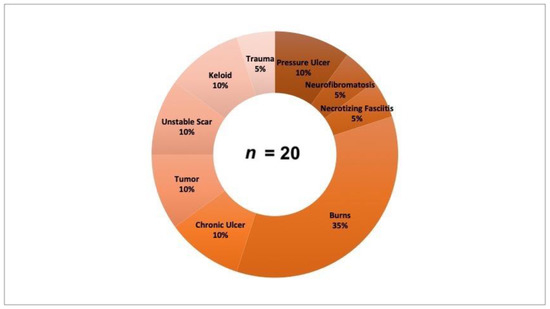
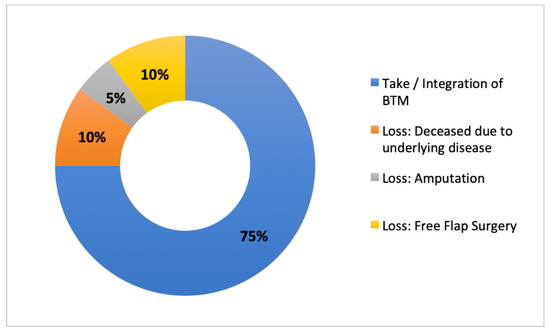
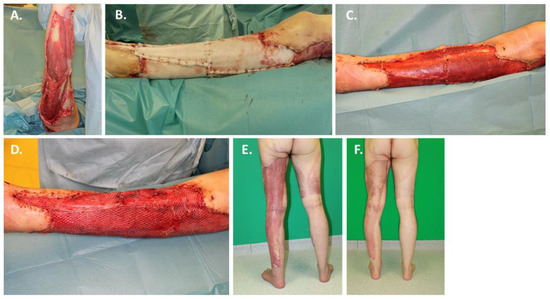
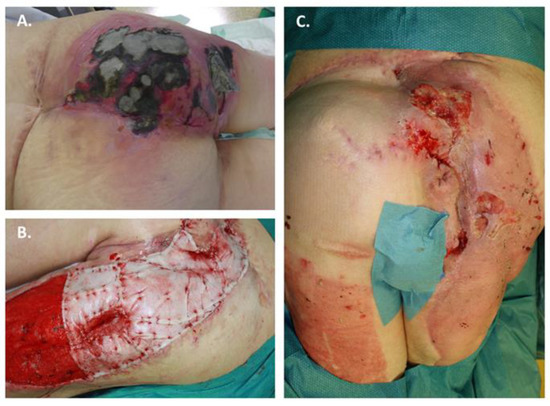
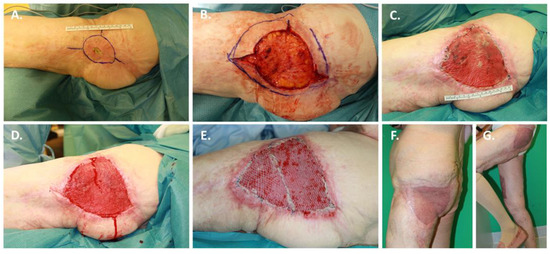
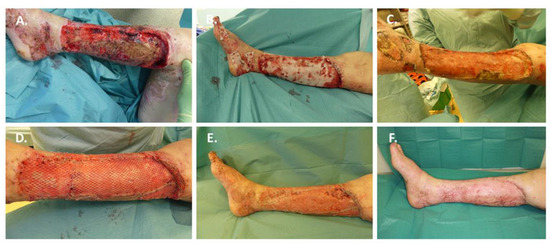
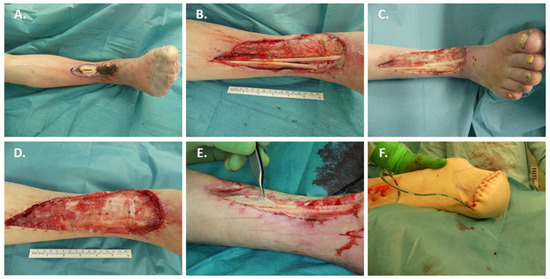
Complex and chronic wounds represent a highly prevalent condition worldwide that requires a multimodal and interdisciplinary treatment approach to achieve good functional and aesthetic outcomes. Due to increasing costs of health care, an aging population and an increase in difficult-to-treat microbial colonization of wounds, complex wounds will become a substantial clinical, social and economic challenge in the upcoming years. In plastic reconstructive surgery, a variety of dermal skin substitutes have been established for clinical use. Since its approval as a dermal skin substitute in Germany, NovoSorb® Biodegradable Temporising Matrix (BTM) has become a valuable therapeutic option for the treatment of full-thickness wound defects. The clinical data published to date are limited to case reports and small-scale case series with the main focus on single wounds. The aim of this single-center study was a retrospective analysis of our own patient collective that has received treatment with BTM for complex wounds. Overall, BTM showed to be a reliable and versatile reconstructive option, especially for patients with multiple co-morbidities and microbiologically colonized wounds. Although the preliminary findings have produced promising results, further investigation and research are warranted regarding long-term outcomes and additional clinical applications. Full article
Show Figures

Figure 1
10 pages, 827 KB  
Article
SARS-CoV-2 Variants in COVID-19 Disease: A Focus on Disease Severity and Vaccine Immunity in Patients Admitted to the Emergency Department
by Marta Fogolari, Maria Francesconi, Lucia De Florio, Marta Giovanetti, Roberta Veralli, Cecilia De Flora, Antonello Maruotti, Fabio Scarpa, Silvia Spoto, Federica Sambuco, Elisabetta Riva, Massimo Ciccozzi and Silvia Angeletti
J. Pers. Med. 2022, 12(12), 2001; https://doi.org/10.3390/jpm12122001 - 2 Dec 2022
Cited by 2 | Viewed by 2319
Abstract
Tracking SARS-CoV-2 variants along with vaccinations are fundamental for severe COVID-19 disease prevention. A study was performed that focused on 43 patients with the SARS-CoV-2 infection who were admitted to the Emergency Department. RT-PCR–positive nasopharyngeal samples were sequenced using the MiSeq II system [...] Read more.
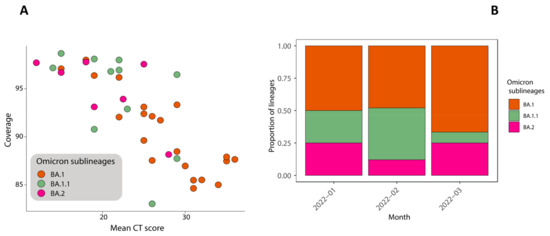
Tracking SARS-CoV-2 variants along with vaccinations are fundamental for severe COVID-19 disease prevention. A study was performed that focused on 43 patients with the SARS-CoV-2 infection who were admitted to the Emergency Department. RT-PCR–positive nasopharyngeal samples were sequenced using the MiSeq II system for variant detection. The main reason for Emergency Department admission was COVID-19 (67%), followed by other causes (33%); 51% patients were unvaccinated or vaccinated with a single dose and 49% had completed the vaccination course with two or three doses. Among the vaccinated group, 38% were admitted for COVID-19, versus 94.5% of the unvaccinated group. After admission, 50% of the vaccinated group and 36% of the unvaccinated group were discharged and allowed to go home, and 80% of the unvaccinated had no major comorbidities; 63% needed hospital admission and 5% required a stay in the Intensive Care Unit. Of these, 37% were vaccinated with 3 doses, 11% with two doses, 4% with a single dose, and 48% were unvaccinated. The 70% of the vaccinated patients who were admitted to hospital presented major comorbidities versus 38% of the unvaccinated group. Two unvaccinated patients that needed intensive care had relevant comorbidities and died. Genome sequencing showed the circulation of three omicron and two pure sub-lineages of omicron, including 22 BA.1, 12 BA.1.1, and 7 BA.2. Data showed the SARS-CoV-2 national and international migration patterns and how vaccination was useful for severe COVID-19 disease prevention. Full article
Show Figures

Figure 1
18 pages, 2084 KB  
Review
Human Monkeypox: Oral Implications and Recommendations for Oral Screening and Infection Control in Dental Practice
by Massimo Amato, Federica Di Spirito, Giovanni Boccia, Domenico Fornino, Francesco D’Ambrosio and Francesco De Caro
J. Pers. Med. 2022, 12(12), 2000; https://doi.org/10.3390/jpm12122000 - 2 Dec 2022
Cited by 9 | Viewed by 3128
Abstract
The World Health Organization declared the spread of the human monkeypox virus (MPXV) an “emerging threat of moderate health concern” on 23 June 2022. Although about 20,000 cases of Monkeypox (MPX) were recorded in Europe and more than 28,000 in the United States [...] Read more.
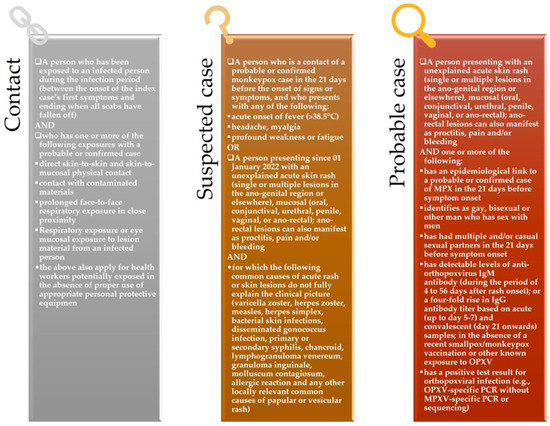
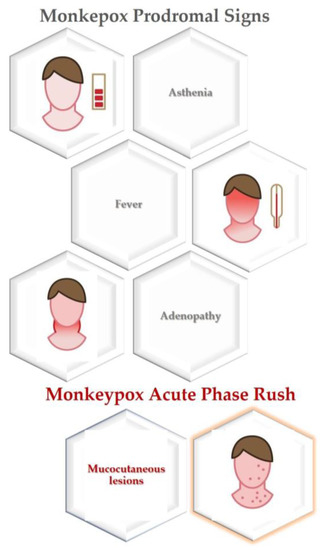
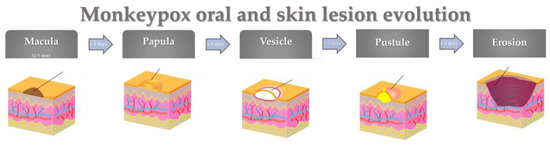
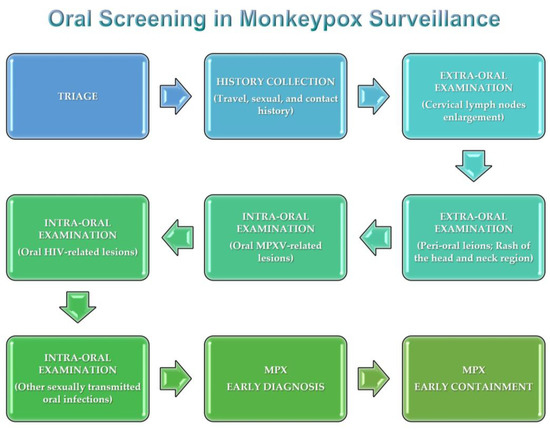
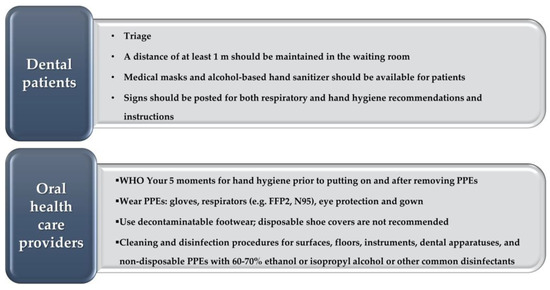
The World Health Organization declared the spread of the human monkeypox virus (MPXV) an “emerging threat of moderate health concern” on 23 June 2022. Although about 20,000 cases of Monkeypox (MPX) were recorded in Europe and more than 28,000 in the United States from May to October 2022, their number is still small compared to the number of dental patients treated annually. Therefore, the likelihood of oral healthcare workers encountering an MPX case is relatively low in not endemic regions. In addition, MPX-positive individuals are considered contagious only during the prodromal or acute phase. However, the exact shedding and transmission routes of MPX and the associated risk of transmission in the dental setting remain unclear. Moreover, infected subjects whose disease is confined to the head and neck may require oral and dental care because they complain of lymphadenopathy involving the cervical lymph nodes. Furthermore, MPX lesions may first appear in the oral cavity or perioral area. Therefore, given the recent spread of MPXV in non-endemic areas where dentists are not used to considering this disease in the differential diagnosis and taking appropriate preventive measures, all oral healthcare providers nowadays should be aware of the oral presentation of MPX for adequate oral screening and appropriate preventive measures for infection control in the dental practice. Full article
(This article belongs to the Section Mechanisms of Diseases)
Show Figures

Figure 1