9 pages, 395 KB  
Article
Comparison of Commercial ELISA Kits, a Prototype Multiplex Electrochemoluminescent Assay, and a Multiplex Bead-Based Immunoassay for Detecting a Urine-Based Bladder-Cancer-Associated Diagnostic Signature
by Hideki Furuya, Ian Pagano, Keanu Chee, Takashi Kobayashi, Regan S. Wong, Riko Lee and Charles J. Rosser
Diagnostics 2019, 9(4), 166; https://doi.org/10.3390/diagnostics9040166 - 29 Oct 2019
Cited by 20 | Viewed by 4682
Abstract
The ability to accurately measure multiple proteins simultaneously in a single assay has the potential to markedly improve the efficiency of clinical tests composed of multiple biomarkers. We investigated the diagnostic accuracy of the two multiplex protein array platforms for detecting a bladder-cancer-associated [...] Read more.
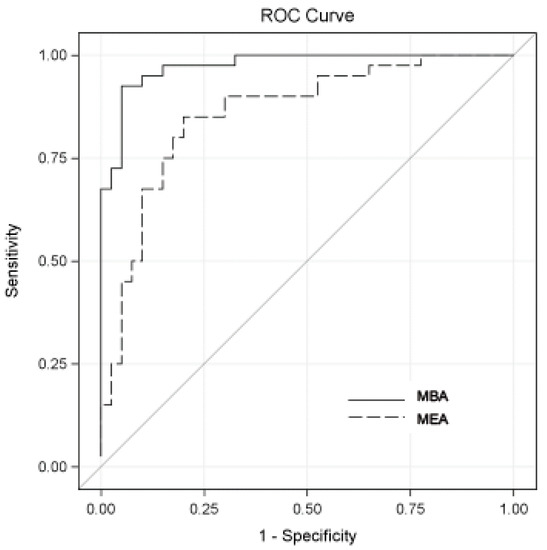
The ability to accurately measure multiple proteins simultaneously in a single assay has the potential to markedly improve the efficiency of clinical tests composed of multiple biomarkers. We investigated the diagnostic accuracy of the two multiplex protein array platforms for detecting a bladder-cancer-associated diagnostic signature in samples from a cohort of 80 subjects (40 with bladder cancer). Banked urine samples collected from Kyoto and Nara Universities were compared to histologically determined bladder cancer. The concentrations of the 10 proteins (A1AT; apolipoprotein E—APOE; angiogenin—ANG; carbonic anhydrase 9—CA9; interleukin 8—IL-8; matrix metalloproteinase 9—MMP-9; matrix metalloproteinase 10—MMP10; plasminogen activator inhibitor 1—PAI-1; syndecan—SDC1; and vascular endothelial growth factor—VEGF) were monitored using two prototype multiplex array platforms and an enzyme-linked immunosorbent assay (ELISA) according to the manufacturer’s technical specifications. The range for detecting each biomarker was improved in the multiplex assays, even though the lower limit of quantification (LLOQ) was typically lower in the commercial ELISA kits. The area under the receiver operating characteristics (AUROC) of the prototype multiplex assays was reported to be 0.97 for the multiplex bead-based immunoassay (MBA) and 0.86 for the multiplex electrochemoluminescent assay (MEA). The sensitivities and specificities for MBA were 0.93 and 0.95, respectively, and for MEA were 0.85 and 0.80, respectively. Accuracy, positive predictive values (PPV), and negative predictive values (NPV) for MBA were 0.94, 0.95, and 0.93, respectively, and for MEA were 0.83, 0.81, and 0.84, respectively. Based on these encouraging preliminary data, we believe that a multiplex protein array is a viable platform that can be utilized as an efficient and highly accurate tool to quantitate multiple proteins within biologic specimens. Full article
(This article belongs to the Special Issue Urogenital Cancers: Diagnostic, Predictive, and Prognostic Markers)
Show Figures

Figure 1
26 pages, 2397 KB  
Article
Breast Cancer Diagnosis Using an Efficient CAD System Based on Multiple Classifiers
by Dina A. Ragab, Maha Sharkas and Omneya Attallah
Diagnostics 2019, 9(4), 165; https://doi.org/10.3390/diagnostics9040165 - 26 Oct 2019
Cited by 55 | Viewed by 6328
Abstract
Breast cancer is one of the major health issues across the world. In this study, a new computer-aided detection (CAD) system is introduced. First, the mammogram images were enhanced to increase the contrast. Second, the pectoral muscle was eliminated and the breast was [...] Read more.
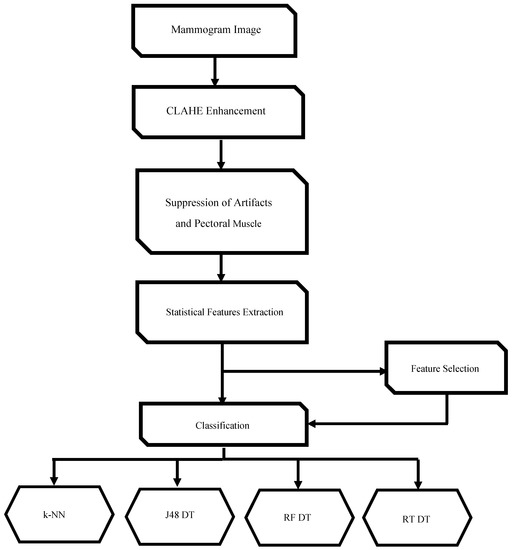
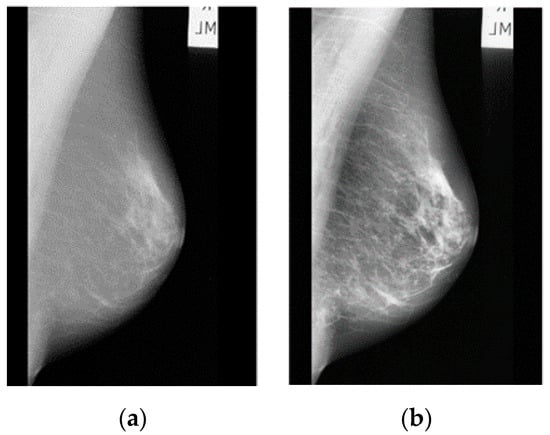
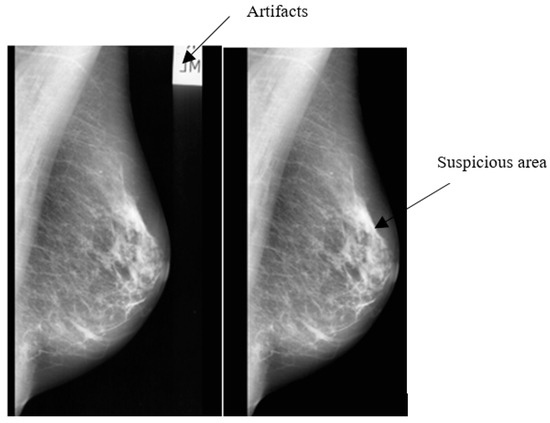
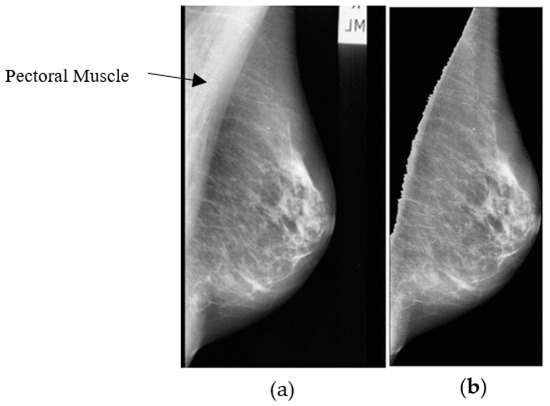
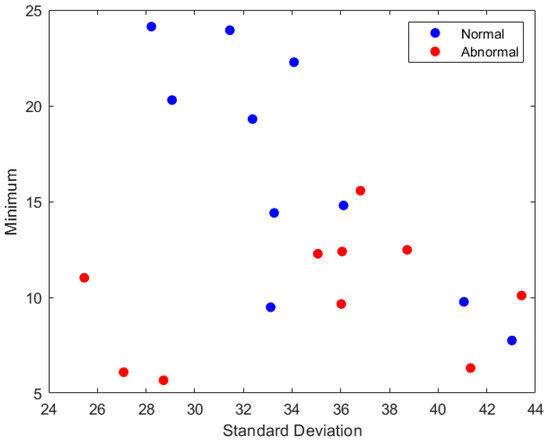
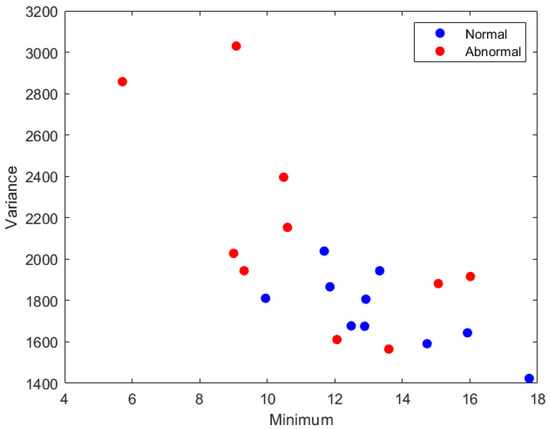
Breast cancer is one of the major health issues across the world. In this study, a new computer-aided detection (CAD) system is introduced. First, the mammogram images were enhanced to increase the contrast. Second, the pectoral muscle was eliminated and the breast was suppressed from the mammogram. Afterward, some statistical features were extracted. Next, k-nearest neighbor (k-NN) and decision trees classifiers were used to classify the normal and abnormal lesions. Moreover, multiple classifier systems (MCS) was constructed as it usually improves the classification results. The MCS has two structures, cascaded and parallel structures. Finally, two wrapper feature selection (FS) approaches were applied to identify those features, which influence classification accuracy. The two data sets (1) the mammographic image analysis society digital mammogram database (MIAS) and (2) the digital mammography dream challenge were combined together to test the CAD system proposed. The highest accuracy achieved with the proposed CAD system before FS was 99.7% using the Adaboosting of the J48 decision tree classifiers. The highest accuracy after FS was 100%, which was achieved with k-NN classifier. Moreover, the area under the curve (AUC) of the receiver operating characteristic (ROC) curve was equal to 1.0. The results showed that the proposed CAD system was able to accurately classify normal and abnormal lesions in mammogram samples. Full article
(This article belongs to the Special Issue Multimodality Breast Imaging)
Show Figures

Figure 1
18 pages, 1932 KB  
Article
Accelerated Reliability Growth Test for Magnetic Resonance Imaging System Using Time-of-Flight Three-Dimensional Pulse Sequence
by Pradeep Kumar Anand, Dong Ryeol Shin, Navrati Saxena and Mudasar Latif Memon
Diagnostics 2019, 9(4), 164; https://doi.org/10.3390/diagnostics9040164 - 25 Oct 2019
Cited by 3 | Viewed by 3018
Abstract
A magnetic resonance imaging (MRI) system is a complex, high cost, and long-life product. It is a widely known fact that performing a system reliability test of a MRI system during the development phase is a challenging task. The major challenges include sample [...] Read more.
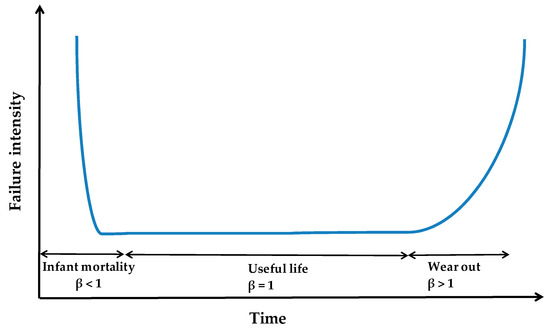
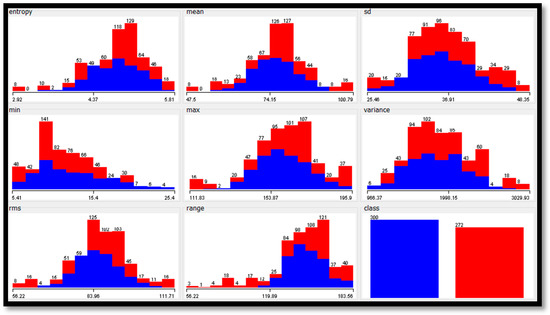
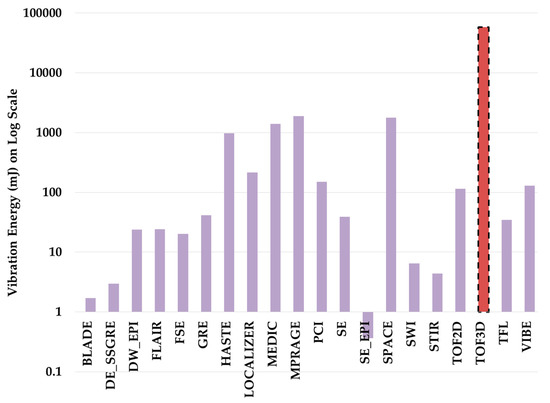
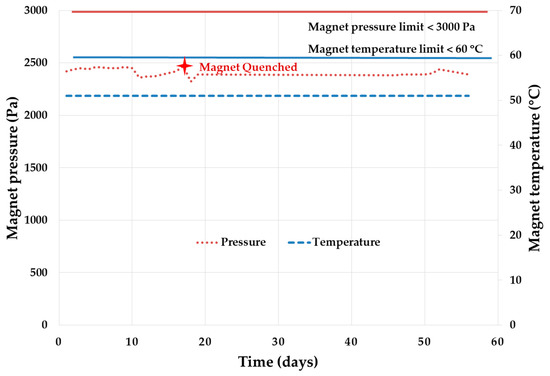
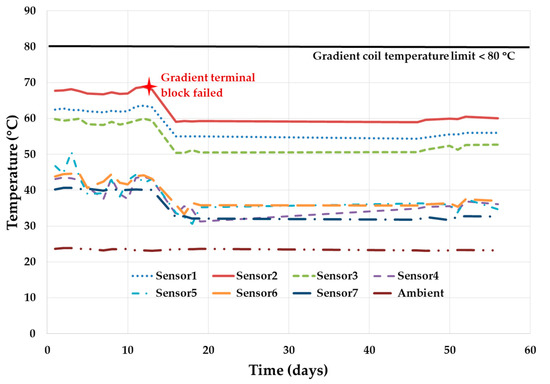
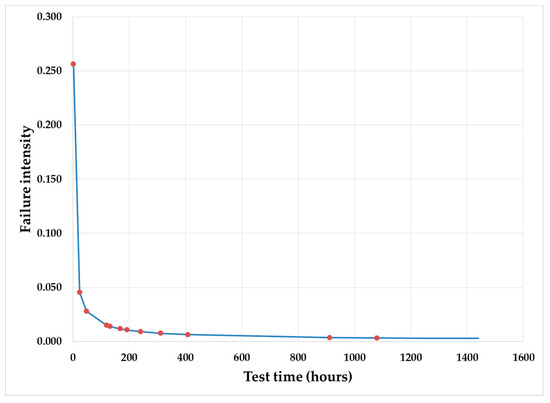
A magnetic resonance imaging (MRI) system is a complex, high cost, and long-life product. It is a widely known fact that performing a system reliability test of a MRI system during the development phase is a challenging task. The major challenges include sample size, high test cost, and long test duration. This paper introduces a novel approach to perform a MRI system reliability test in a reasonably acceptable time with one sample size. Our approach is based on an accelerated reliability growth test, which consists of test cycle made of a very high-energy time-of-flight three-dimensional (TOF3D) pulse sequence representing an actual hospital usage scenario. First, we construct a nominal day usage scenario based on actual data collected from an MRI system used inside the hospital. Then, we calculate the life-time stress based on a usage scenario. Finally, we develop an accelerated reliability growth test cycle based on a TOF3D pulse sequence that exerts highest vibration energy on the gradient coil and MRI system. We use a vibration energy model to map the life-time stress and reduce the test duration from 537 to 55 days. We use a Crow AMSAA plot to demonstrate that system design reaches its useful life after crossing the infant mortality phase. Full article
(This article belongs to the Section Medical Imaging and Theranostics)
Show Figures

Figure 1
12 pages, 769 KB  
Article
The Newly Normed SKT Reveals Differences in Neuropsychological Profiles of Patients with MCI, Mild Dementia and Depression
by Hartmut Lehfeld and Mark Stemmler
Diagnostics 2019, 9(4), 163; https://doi.org/10.3390/diagnostics9040163 - 25 Oct 2019
Cited by 4 | Viewed by 5585
Abstract
The SKT (Syndrom-Kurztest) is a short cognitive performance test assessing deficits of memory and attention in the sense of speed of information processing. The new standardization of the SKT (2015) aimed at improving its sensitivity for early cognitive decline due to dementia in [...] Read more.
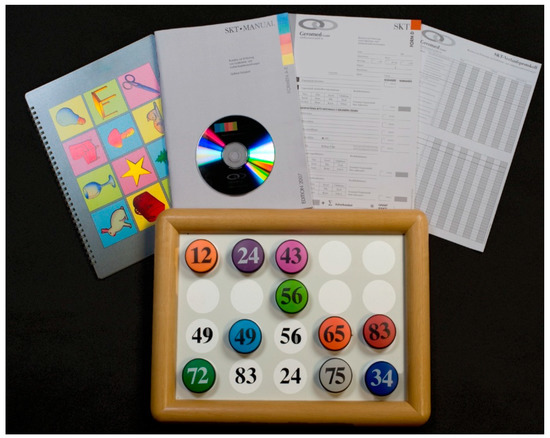
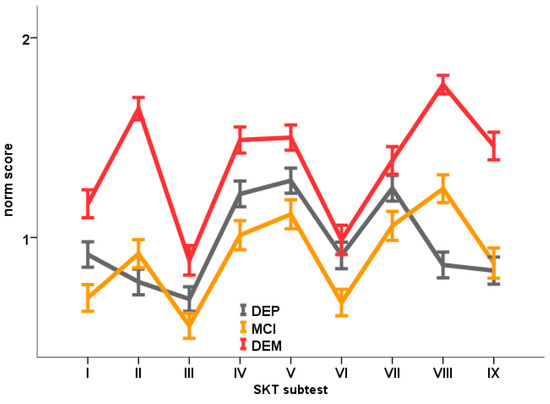
The SKT (Syndrom-Kurztest) is a short cognitive performance test assessing deficits of memory and attention in the sense of speed of information processing. The new standardization of the SKT (2015) aimed at improving its sensitivity for early cognitive decline due to dementia in subjects aged 60 or older. The goal of this article is to demonstrate how the neuropsychological test profile of the SKT can be used to provide valuable information for a differential diagnosis between MCI (mild cognitive impairment), dementia and depression. n = 549 patients attending a memory clinic (Nuremberg, Germany) were diagnosed according to ICD-10 and tested with the SKT. The SKT consists of nine subtests, three for the assessment of memory and six for measuring attention in the sense of speed of information processing. The result of the SKT test procedure is a total score, which indicates the severity of overall cognitive impairment. Besides the summary score, two subscores for memory and attention can be interpreted. Using the level of depression as a covariate, statistical comparisons of SKT test profiles between the three patient groups revealed that depressed patients showed more pronounced deficits than MCI patients in all six attention subtests. On the other hand, MCI patients displayed significantly greater mnestic impairment than the depressed group, which was indicated by significant differences in the memory subscore. MCI and dementia patients showed similar deficit patterns dominated by impairment of memory (delayed recall) with MCI patients demonstrating less overall impairment. In sum, the SKT neuropsychological test profiles provided indicators for a differential diagnosis between MCI and beginning dementia vs. depression. Full article
(This article belongs to the Special Issue Diagnosis of Dementia and Cognitive Impairment)
Show Figures

Figure 1
6 pages, 227 KB  
Article
Lower CSF Amyloid-Beta1–42 Predicts a Higher Mortality Rate in Frontotemporal Dementia
by Daniela Vieira, João Durães, Inês Baldeiras, Beatriz Santiago, Diana Duro, Marisa Lima, Maria João Leitão, Miguel Tábuas-Pereira and Isabel Santana
Diagnostics 2019, 9(4), 162; https://doi.org/10.3390/diagnostics9040162 - 25 Oct 2019
Cited by 5 | Viewed by 2846
Abstract
Frontotemporal lobar degeneration, the neuropathological substrate of frontotemporal dementia (FTD), is characterized by the deposition of protein aggregates, including tau. Evidence has shown concomitant amyloid pathology in some of these patients, which seems to contribute to a more aggressive disease. Our aim was [...] Read more.
Frontotemporal lobar degeneration, the neuropathological substrate of frontotemporal dementia (FTD), is characterized by the deposition of protein aggregates, including tau. Evidence has shown concomitant amyloid pathology in some of these patients, which seems to contribute to a more aggressive disease. Our aim was to evaluate cerebrospinal fluid (CSF) amyloid-beta as a predictor of the mortality of FTD patients. We included 99 patients diagnosed with FTD—both behavioral and language variants—with no associated motor neuron disease, from whom a CSF sample was collected. These patients were followed prospectively in our center, and demographic and clinical data were obtained. The survival analysis was carried through a Cox regression model. Patients who died during follow up had a significantly lower CSF amyloid-beta1–42 than those who did not. The survival analysis demonstrated that an increased death rate was associated with a lower CSF amyloid-beta1–42 (HR = 0.999, 95% CI = [0.997, 1.000], p = 0.049). Neither demographic nor clinical variables, nor CSF total tau or p-tau were significantly associated with this endpoint. These results suggest that amyloid deposition in FTD patients may be associated with a higher mortality. Full article
(This article belongs to the Special Issue Diagnosis of Dementia and Cognitive Impairment)
20 pages, 1533 KB  
Review
Previous, Current, and Future Pharmacotherapy and Diagnosis of Prostate Cancer—A Comprehensive Review
by Bartosz Malinowski, Michał Wiciński, Nikola Musiała, Ilona Osowska and Mateusz Szostak
Diagnostics 2019, 9(4), 161; https://doi.org/10.3390/diagnostics9040161 - 25 Oct 2019
Cited by 22 | Viewed by 6446
Abstract
Prostate cancer (PCa) is one of the most common cancers in men that usually develops slowly. Since diagnostic methods improved in the last decade and are highly precise, more cancers are diagnosed at an early stage. Active surveillance or watchful waiting are appealing [...] Read more.
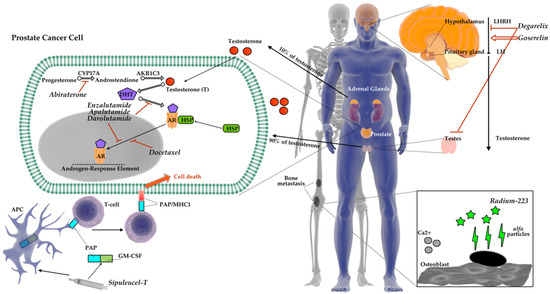
Prostate cancer (PCa) is one of the most common cancers in men that usually develops slowly. Since diagnostic methods improved in the last decade and are highly precise, more cancers are diagnosed at an early stage. Active surveillance or watchful waiting are appealing approaches for men diagnosed with low-risk prostate cancer, and they are an antidote to the overtreatment problem and unnecessary biopsies. However, treatment depends on individual circumstances of a patient. Older hormonal therapies based on first generation antiandrogens and steroids were widely used in metastatic castration-resistant prostate cancer (mCRPC) patients prior to the implementation of docetaxel. Nowadays, accordingly to randomized clinical trials, abiraterone, enzalutamide, apalutamide. and docetaxel became first line agents administrated in the treatment of mCRPC. Furthermore, radium-223 is an optional therapy for bone-only metastasis patients. Sipuleucel-T demonstrated an overall survival benefit. However, other novel immunotherapeutics showed limitations in monotherapy. Possible combinations of new vaccines or immune checkpoint blockers with enzalutamide, abiraterone, radium-223, or docetaxel are the subject of ongoing rivalry regarding optimal therapy of prostate cancer. Full article
(This article belongs to the Section Pathology and Molecular Diagnostics)
Show Figures

Figure 1
13 pages, 6067 KB  
Review
Pediatric Sarcoidosis: A Review with Emphasis on Early Onset and High-Risk Sarcoidosis and Diagnostic Challenges
by Brian Chiu, Jackie Chan, Sumit Das, Zainab Alshamma and Consolato Sergi
Diagnostics 2019, 9(4), 160; https://doi.org/10.3390/diagnostics9040160 - 25 Oct 2019
Cited by 34 | Viewed by 8490
Abstract
Sarcoidosis is a non-necrotizing granulomatous inflammatory syndrome with multisystemic manifestations. We performed a systematic review of sarcoidosis in the pediatric population with particular emphases on early onset sarcoidosis, high-risk sarcoidosis, and newly reported or unusual sarcoid-related diseases. Blau Syndrome and early onset sarcoidosis/ [...] Read more.
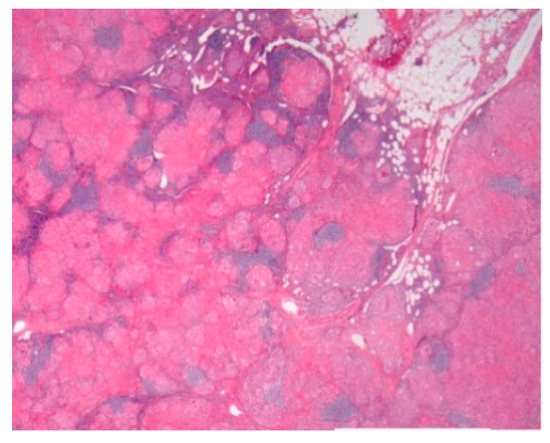
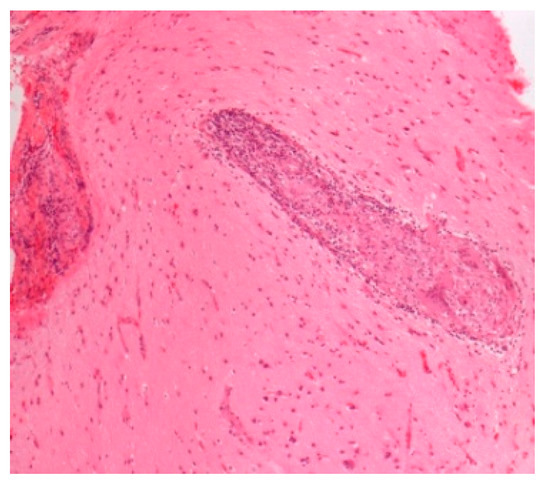
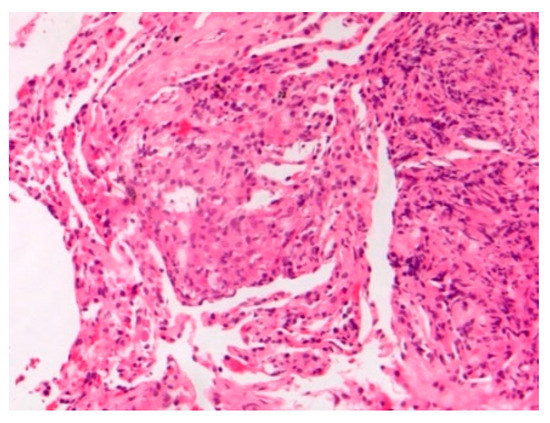
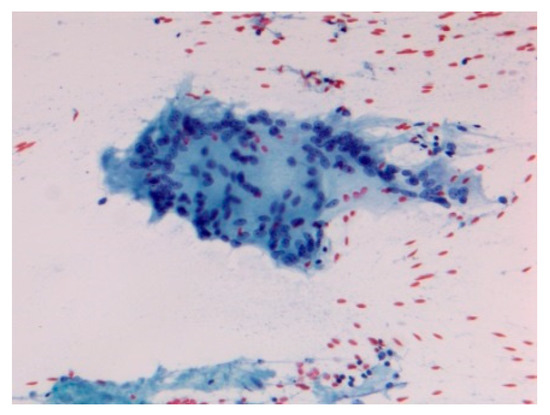
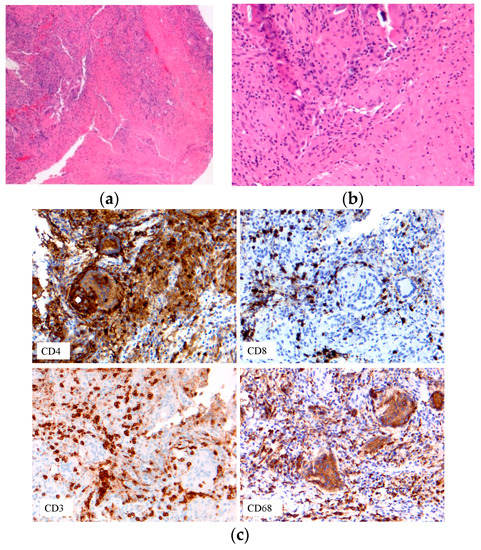
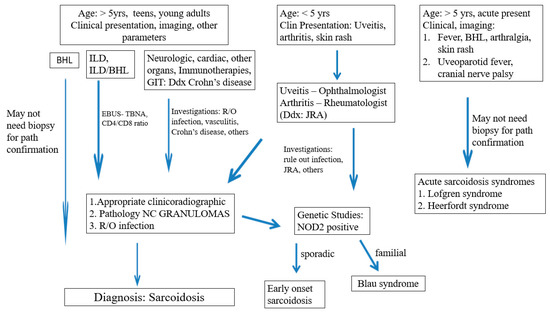
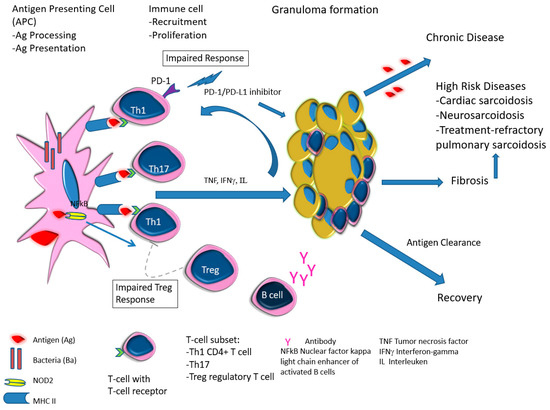
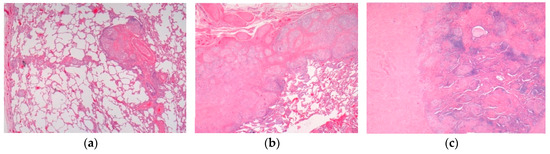
Sarcoidosis is a non-necrotizing granulomatous inflammatory syndrome with multisystemic manifestations. We performed a systematic review of sarcoidosis in the pediatric population with particular emphases on early onset sarcoidosis, high-risk sarcoidosis, and newly reported or unusual sarcoid-related diseases. Blau Syndrome and early onset sarcoidosis/ BS-EOS are seen in children younger than five years old presenting with extra-thoracic manifestations but usually without lymphadenopathy and/or pulmonary involvement. The prevalence of high-risk sarcoidosis is very low in children and is further limited by the difficulty of diagnosis in symptomatic children and underdiagnosis in subclinical or asymptomatic patients. Reports of sarcoidal syndromes in users of E-cigarette/marijuana/other flavorings and their induction in cancer immunotherapies are of interests and may be challenging to differentiate from metastatic malignancy. The diagnostic considerations in pediatric sarcoidosis are to support a compatible clinicoradiographic presentation and the pathologic findings of non-necrotizing granulomas by ruling out granulomas of infective etiology. There is no absolutely reliable diagnostic test for sarcoidosis at present. The use of endoscopic bronchial ultrasound (EBUS) and transbronchial fine needle aspiration (TBNA) sampling of intrathoracic lymph nodes and lung, and for superficially accessible lesions, with cytopathological assessment and pathological confirmations provide fair diagnostic yield and excellent patient safety profile in children. Full article
(This article belongs to the Special Issue Diagnosis and Management of Pediatric Diseases)
Show Figures

Figure 1
5 pages, 582 KB  
Case Report
Use of a Smartphone-Based Augmented Reality Video Conference App to Remotely Guide a Point of Care Ultrasound Examination
by Davinder Ramsingh, Cori Van Gorkom, Matthew Holsclaw, Scott Nelson, Martin De La Huerta, Julian Hinson and Emilie Selleck
Diagnostics 2019, 9(4), 159; https://doi.org/10.3390/diagnostics9040159 - 24 Oct 2019
Cited by 9 | Viewed by 4000
Abstract
Reports on the use of various smartphone-based video conference applications to guide point-of-care ultrasound (POCUS) examinations in resource-limited settings have been described. However, the use of an augmented reality-enabled smartphone video conference application in this same manner has not been described. Presented is [...] Read more.
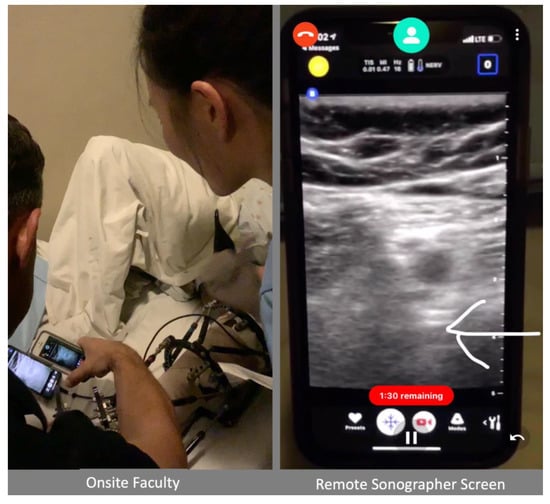
Reports on the use of various smartphone-based video conference applications to guide point-of-care ultrasound (POCUS) examinations in resource-limited settings have been described. However, the use of an augmented reality-enabled smartphone video conference application in this same manner has not been described. Presented is a case in which such as application was used to remotely guide a point of care ultrasound examination. Full article
Show Figures

Figure 1
9 pages, 1701 KB  
Article
Changes in Muscle Stiffness in Infants with Congenital Muscular Torticollis
by Dongmin Hwang, Young Ju Shin, Ja Young Choi, Soo Jin Jung and Shin-seung Yang
Diagnostics 2019, 9(4), 158; https://doi.org/10.3390/diagnostics9040158 - 23 Oct 2019
Cited by 12 | Viewed by 8338
Abstract
Congenital muscular torticollis (CMT) results from unilateral shortening of the sternocleidomastoid (SCM) muscle, usually associated with a fibrotic mass. Although CMT may resolve with physical therapy, some cases persist, resulting in long-term musculoskeletal problems. It is therefore helpful to be able to monitor [...] Read more.
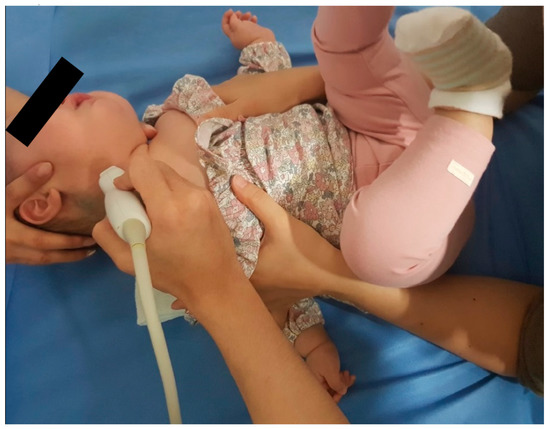
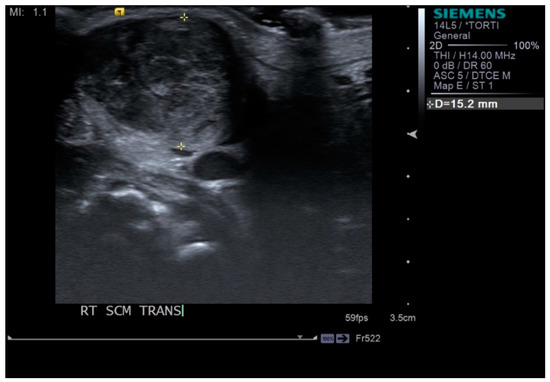
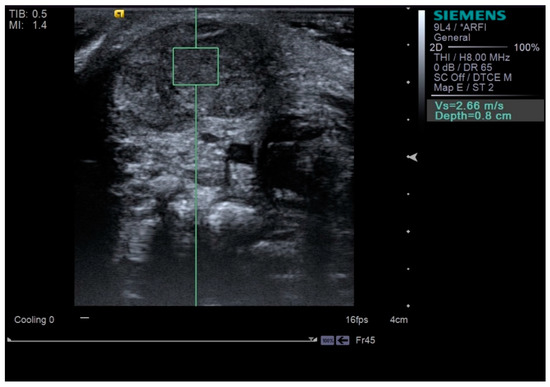
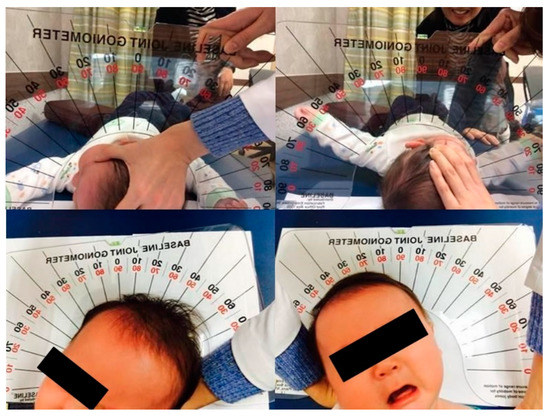
Congenital muscular torticollis (CMT) results from unilateral shortening of the sternocleidomastoid (SCM) muscle, usually associated with a fibrotic mass. Although CMT may resolve with physical therapy, some cases persist, resulting in long-term musculoskeletal problems. It is therefore helpful to be able to monitor and predict the outcomes of physical therapy. Shear-wave velocity (SWV) determined by acoustic radiation force impulse (ARFI) elastography can provide a quantitative measure of muscle stiffness. We therefore measured SCM SWV in 22 infants with unilateral CMT before and after 3 months of physical therapy and evaluated the relationships between SWV and SCM thickness and various clinical features, including cervical range of motion (ROM). SWV was initially higher and the ROM was smaller in affected muscles before physical therapy. SWV decreased significantly (2.33 ± 0.47 to 1.56 ± 0.63 m/s, p < 0.001), indicating reduced stiffness, and muscle thickness also decreased after physical therapy (15.64 ± 5.24 to 11.36 ± 5.71 mm, p < 0.001), both in line with increased neck ROM of rotation (64.77 ± 18.87 to 87.27 ± 6.31°, p < 0.001) and lateral flexion (37.50 ± 11.31 to 53.64 ± 9.41°, p < 0.001). However, the improved ROM more closely reflected the changes in SWV than in muscle thickness. These results suggest that a change in SWV detected by ARFI elastography could help to predict improvements in clinical outcomes, such as stiffness-related loss of motion, in patients with CMT undergoing physical therapy. Full article
(This article belongs to the Special Issue Ultrasound Imaging in Medicine 2019)
Show Figures

Figure 1
11 pages, 12872 KB  
Article
Rapid Gout Detection Method and Kit
by Srinivas Pentyala, Rebecca Monastero, Sai Palati, Elizabeth Varghese, Amith Anugu, Sahana Pentyala, Vamiq M. Mustahsan, David E. Komatsu, James Penna and Lawrence C. Hurst
Diagnostics 2019, 9(4), 157; https://doi.org/10.3390/diagnostics9040157 - 22 Oct 2019
Cited by 3 | Viewed by 7923
Abstract
Gout is a form of arthritis characterized by buildup of uric acid in synovial fluid, which causes severe swelling and can harm joints, tendons, and other tissues. It affects approximately 4% of the United States population, or approximately 8.3 million people nationwide and [...] Read more.
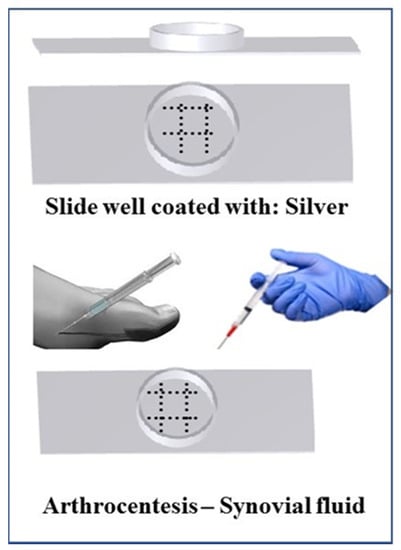
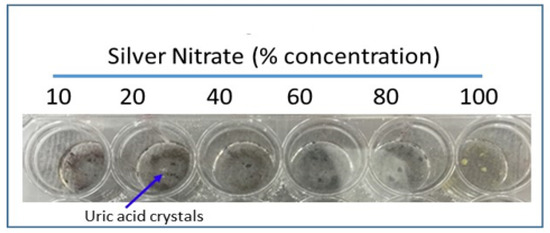
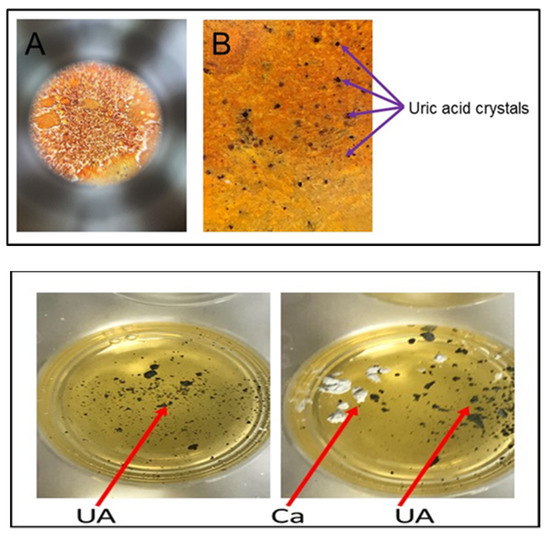
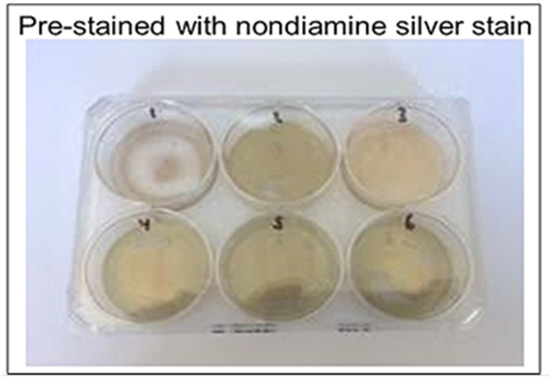
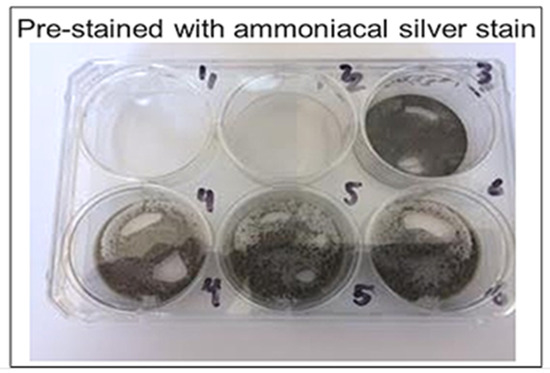
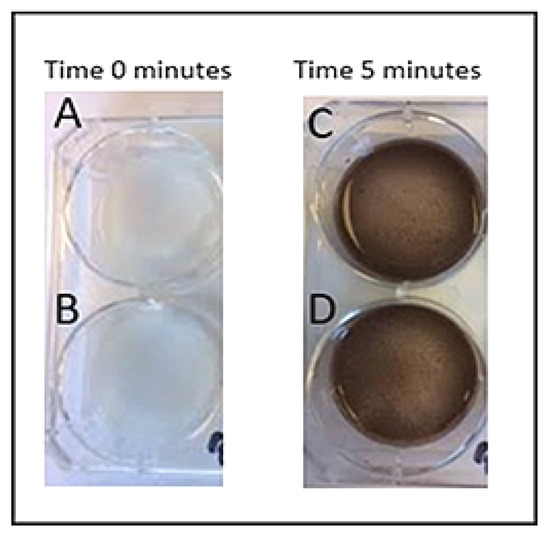
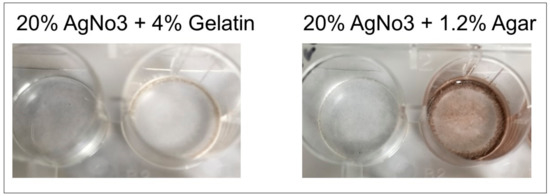
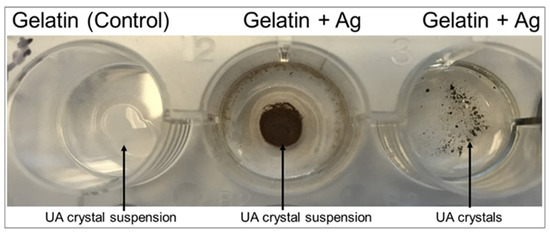
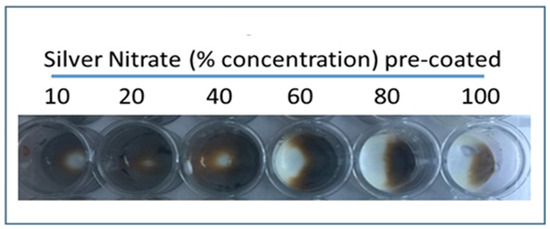
Gout is a form of arthritis characterized by buildup of uric acid in synovial fluid, which causes severe swelling and can harm joints, tendons, and other tissues. It affects approximately 4% of the United States population, or approximately 8.3 million people nationwide and is therefore a topic of epidemiologic consideration due to its prevalence. Gout is typically diagnosed via polarized microscopy of arthroscopically-aspirated synovial fluid, which is a costly, time-consuming, labor-intensive, and technically complex procedure, warranting a simpler and less complex method for diagnosis. Here, we propose and validate a colorimetric method which is based on the ability of uric acid to reduce silver nitrate. We also assessed how the colorimetric change can be accelerated by changing the concentration of silver nitrate or adding different silver catalysts, as well as develop a matrix bed for improved handling and ease of use. When translated to the clinic, this diagnostic method for gout will have the potential to increase diagnostic efficiency and accelerate patient care at the bedside. Full article
(This article belongs to the Section Point-of-Care Diagnostics and Devices)
Show Figures

Figure 1
19 pages, 1900 KB  
Review
Glycan Analysis as Biomarkers for Testicular Cancer
by Michal Hires, Eduard Jane, Michal Mego, Michal Chovanec, Peter Kasak and Jan Tkac
Diagnostics 2019, 9(4), 156; https://doi.org/10.3390/diagnostics9040156 - 22 Oct 2019
Cited by 8 | Viewed by 9381
Abstract
The U.S. Preventive Services Task Force does not recommend routine screening for testicular cancer (TC) in asymptomatic men, essentially because serological testicular cancer (TC) biomarkers are not reliable. The main reason is that two of the most important TC biomarkers, α-fetoprotein (AFP) and [...] Read more.
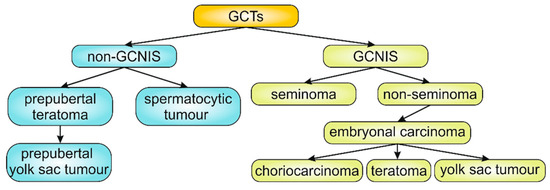
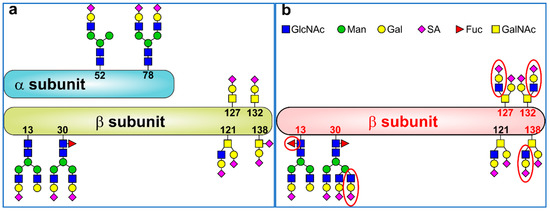
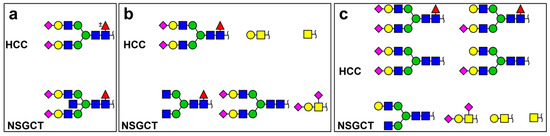
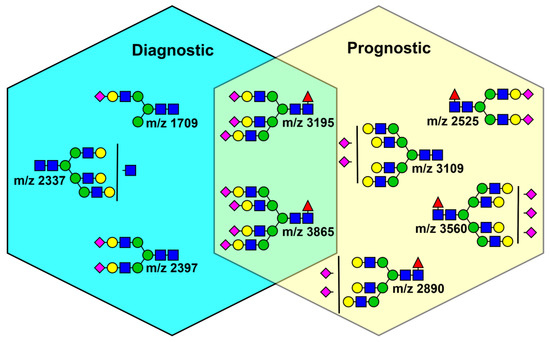
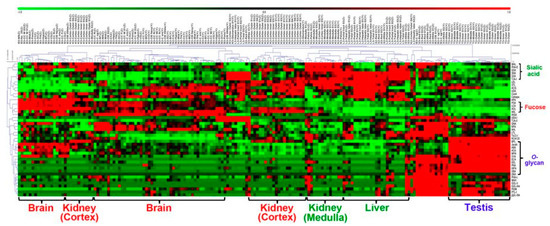
The U.S. Preventive Services Task Force does not recommend routine screening for testicular cancer (TC) in asymptomatic men, essentially because serological testicular cancer (TC) biomarkers are not reliable. The main reason is that two of the most important TC biomarkers, α-fetoprotein (AFP) and human chorionic gonadotropin (hCG), are not produced solely due to TC. Moreover, up to 40% of patients with TC do not have elevated serological biomarkers, which is why serial imaging with CT is the chief means of monitoring progress. On the other hand, exposure to radiation can lead to an increased risk of secondary malignancies. This review provides the first comprehensive account of the applicability of protein glycoprofiling as a promising biomarker for TC with applications in disease diagnostics, monitoring and recurrence evaluation. The review first deals with the description and classification of TC. Secondly, the limitations of current TC biomarkers such as hCG, AFP and lactate dehydrogenase are provided together with an extensive overview of the glycosylation of hCG and AFP related to TC. The final part of the review summarises the potential of glycan changes on either hCG and AFP as TC biomarkers for diagnostics and prognostics purposes, and for disease recurrence evaluation. Finally, an analysis of glycans in serum and tissues as TC biomarkers is also provided. Full article
(This article belongs to the Special Issue Urogenital Cancers: Diagnostic, Predictive, and Prognostic Markers)
Show Figures

Figure 1
7 pages, 2084 KB  
Case Report
Diagnosis of Conversion Disorder Using Diffusion Tensor Tractography and Transcranial Magnetic Stimulation in a Patient with Mild Traumatic Brain Injury
by Sung Ho Jang and You Sung Seo
Diagnostics 2019, 9(4), 155; https://doi.org/10.3390/diagnostics9040155 - 22 Oct 2019
Cited by 10 | Viewed by 4336
Abstract
We report on a patient with mild traumatic brain injury (TBI) who was diagnosed with conversion disorder for severe weakness of an arm, which was demonstrated using diffusion tensor tractography (DTT) and transcranial magnetic stimulation (TMS). A 23-year-old right-handed female suffered from head [...] Read more.
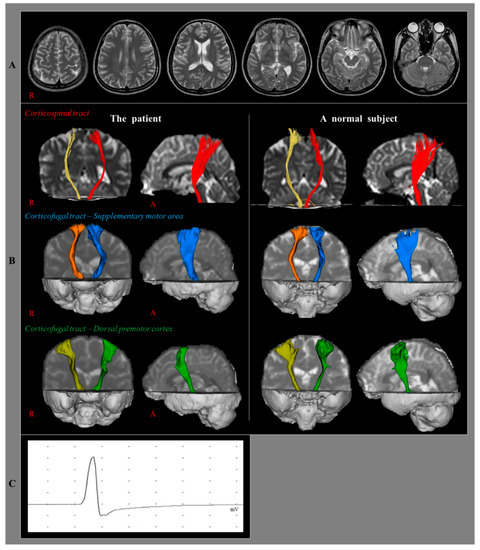
We report on a patient with mild traumatic brain injury (TBI) who was diagnosed with conversion disorder for severe weakness of an arm, which was demonstrated using diffusion tensor tractography (DTT) and transcranial magnetic stimulation (TMS). A 23-year-old right-handed female suffered from head trauma resulting from a pedestrian car accident. She underwent rehabilitative management for memory impairment and central pain. At 14 months after onset, she complained of severe weakness of her right arm, which was detected in the morning after sleeping (right shoulder abductor: 3/5, elbow flexor: 3/5, wrist extensor: 1/5, finger flexor: 1/5, and finger extensor: 1/5). Electromyography study for peripheral neuropathy performed at 2 weeks after onset of weakness showed no abnormality. On a 14-month DTT configuration, the integrities of the left corticospinal tract (CST), supplementary motor area-corticofugal tract (SMA-CFT), and dorsal premotor cortex (dPMC)-CFT were well-preserved. Significant differences were not observed for the fractional anisotropy (FA), mean diffusivity (MD), and tract volume (TV) values of the CST, SMA-CFT, and dPMC-CFT in both hemispheres between the patient and ten right-handed age- and sex-matched normal subjects (p > 0.05). On a 14-month TMS study, MEPs obtained at the right abductor pollicis brevis muscle showed no abnormality. Using DTT and TMS, conversion disorder was demonstrated in a patient with mild TBI, who showed severe weakness of an arm. Our results suggest the usefulness of an evaluation of the CST and CFTs from the secondary motor areas using DTT, and the CST using TMS for patients who complain of motor weakness due to conversion disorder. Full article
(This article belongs to the Section Medical Imaging and Theranostics)
Show Figures

Figure 1
8 pages, 12600 KB  
Case Report
Contrast Media Induced Kounis Syndrome: A Case Report
by Da-Sen Chien, Andy Po-Yi Tsai, Po-Chen Lin, Giou-Teng Yiang and Meng-Yu Wu
Diagnostics 2019, 9(4), 154; https://doi.org/10.3390/diagnostics9040154 - 18 Oct 2019
Cited by 12 | Viewed by 5827
Abstract
Kounis syndrome is a rare anaphylactic reaction leading to coronary spasm, acute plaque rupture, or intrastent stenosis. Many types of medicine or environmental factors can potentially trigger Kounis syndrome by mast cell allergic reactions. In severe Kounis syndrome, reduced blood pressure or cardiac [...] Read more.
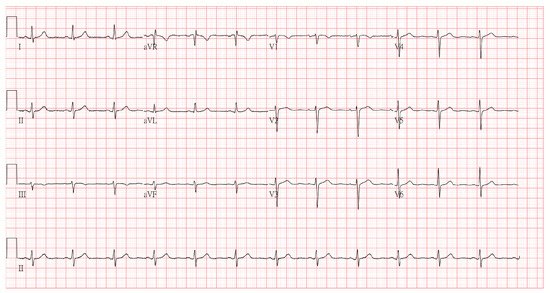
Kounis syndrome is a rare anaphylactic reaction leading to coronary spasm, acute plaque rupture, or intrastent stenosis. Many types of medicine or environmental factors can potentially trigger Kounis syndrome by mast cell allergic reactions. In severe Kounis syndrome, reduced blood pressure or cardiac arrest may be accompanying symptoms. The treatment strategy for Kounis syndrome is usually difficult due to both cardiac dysfunction and allergic reactions. The delay to intervention to break the vicious circle may cause catastrophic complications. Therefore, early diagnosis is critical for physicians to outline detailed etiology for prevention and treat the cardiac and allergic symptoms in a timely manner. Here, we describe a case presenting rare severe Kounis syndrome with cardiac arrest which occurred after the administration of a contrast media. Full article
(This article belongs to the Special Issue Atherosclerosis and Vascular Imaging)
Show Figures

Figure 1
11 pages, 224 KB  
Article
Stakeholder Perceptions of Point-of-Care Ultrasound Implementation in Resource-Limited Settings
by Anna M. Maw, Brittany Galvin, Ricardo Henri, Micheal Yao, Bruno Exame, Michelle Fleshner, Meredith P. Fort and Megan A. Morris
Diagnostics 2019, 9(4), 153; https://doi.org/10.3390/diagnostics9040153 - 18 Oct 2019
Cited by 16 | Viewed by 3902
Abstract
Background: Nearly half of the world lacks access to diagnostic imaging. Point of care ultrasound (POCUS) is a versatile and relatively affordable imaging modality that offers promise as a means of bridging the radiology gap and improving care in low resource settings. Methods: [...] Read more.
Background: Nearly half of the world lacks access to diagnostic imaging. Point of care ultrasound (POCUS) is a versatile and relatively affordable imaging modality that offers promise as a means of bridging the radiology gap and improving care in low resource settings. Methods: We performed semi-structured interviews of key stakeholders at two diverse hospitals where POCUS implementation programs had recently been conducted: one in a rural private hospital in Haiti and the other in a public referral hospital in Malawi. Questions regarding the clinical utility of POCUS, as well as barriers and facilitators of its implementation, were asked of study participants. Using the Framework Method, analysis of interview transcripts was guided by the WHO ASSURED criteria for point of care diagnostics. Results: Fifteen stakeholders with diverse roles in POCUS implementation were interviewed. Interviewees from both sites considered POCUS a valuable diagnostic tool that improved clinical decisions. They perceived barriers to adequate training as one of the most important remaining barriers to POCUS implementation. Conclusions: In spite of the increasing affordability and portability of ultrasounds devices, there are still important barriers to the implementation of POCUS in resource-limited settings. Full article
7 pages, 2697 KB  
Case Report
Spontaneous Splenic Rupture as a Rare Initial Presentation in an Acute Lymphoblastic Leukemia Patient
by Meng-Yu Wu, Woei-Yau Kao, Cheng-Yi Chan, Giou-Teng Yiang, Wan-Ting Liao and Chien-Sheng Chen
Diagnostics 2019, 9(4), 152; https://doi.org/10.3390/diagnostics9040152 - 18 Oct 2019
Cited by 5 | Viewed by 5371
Abstract
A spontaneous rupture of the spleen is a rare but critical diagnosis of an acute abdomen, which may accompany unspecific symptoms mimicking acute pancreatitis, rupture of aortic aneurism, or acute coronary syndrome, delaying diagnosis and treatment. In patients that have experienced a severe [...] Read more.
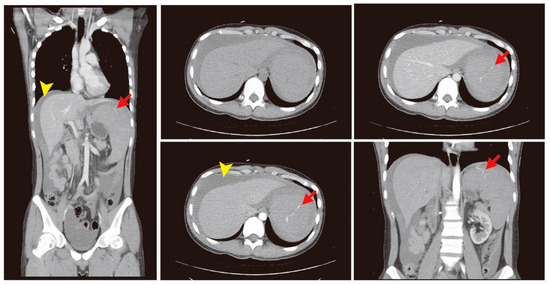
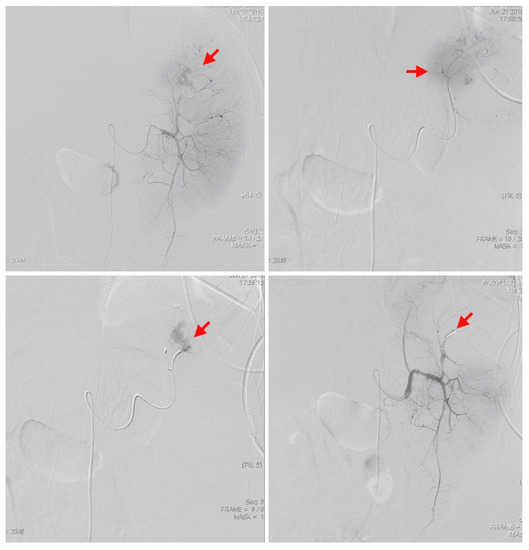
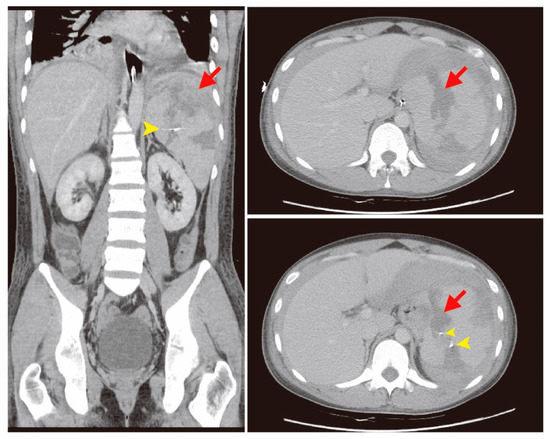
A spontaneous rupture of the spleen is a rare but critical diagnosis of an acute abdomen, which may accompany unspecific symptoms mimicking acute pancreatitis, rupture of aortic aneurism, or acute coronary syndrome, delaying diagnosis and treatment. In patients that have experienced a severe spleen rupture, hypovolemic shock may cause catastrophic clinical outcomes. Therefore, early diagnosis is very important in order for physicians to declare the etiology for prevention and timely correction of the shock status. Several causes of spontaneous splenic rupture have been reported, including infection, vasculitis, pancreatitis, or hematological malignancies. Acute lymphoblastic leukemia (ALL) remains a rare but important cause of non-traumatic splenic rupture that physicians are required to assess for. Here, we describe a case presenting an acute abdomen due to spontaneous spleen rupture as the first manifestation. The purpose of this case report was to highlight the importance of considering spontaneous ruptures of the spleen as a rare but critical differential diagnosis of an acute abdomen, especially in patients with acute lymphoblastic leukemia. Full article
(This article belongs to the Special Issue Atherosclerosis and Vascular Imaging)
Show Figures

Figure 1