21 pages, 8161 KB  
Review
The Surgical Treatment of Osteoarthritis
by Peter Brumat, Ožbej Kunšič, Samo Novak, Urban Slokar, Janez Pšenica, Matevž Topolovec, Rene Mihalič and Rihard Trebše
Life 2022, 12(7), 982; https://doi.org/10.3390/life12070982 - 30 Jun 2022
Cited by 36 | Viewed by 7852
Abstract
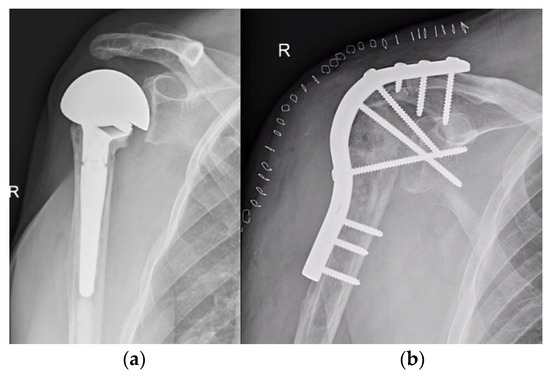
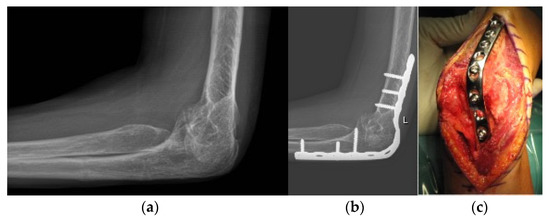
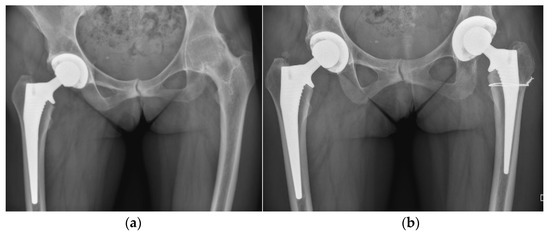
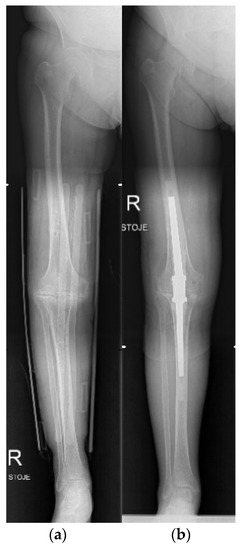
Osteoarthritis is a degenerative condition affecting the whole joint with the underlying bone, representing a major source of pain, disability, and socioeconomic cost worldwide. Age is considered the strongest risk factor, albeit abnormal biomechanics, morphology, congenital abnormality, deformity, malalignment, limb-length discrepancy, lifestyle, and [...] Read more.
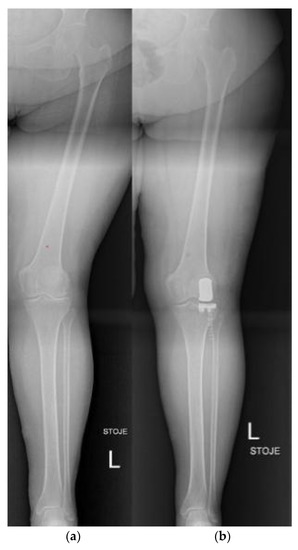
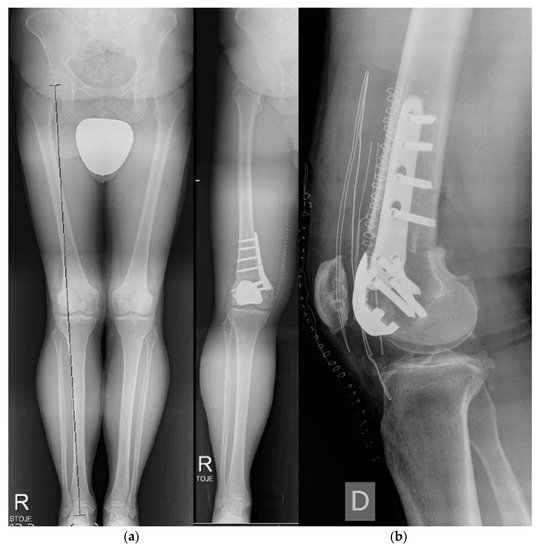
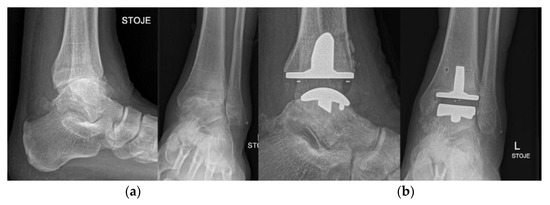
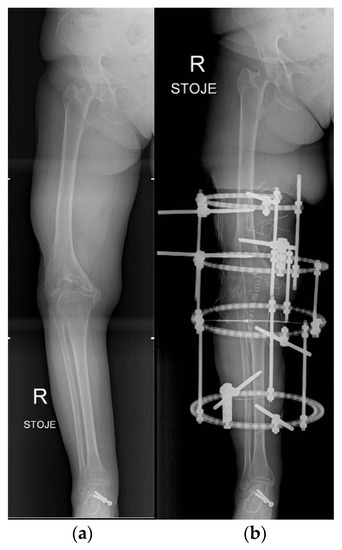
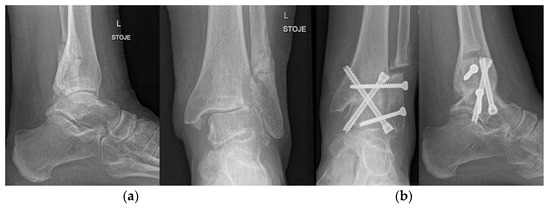
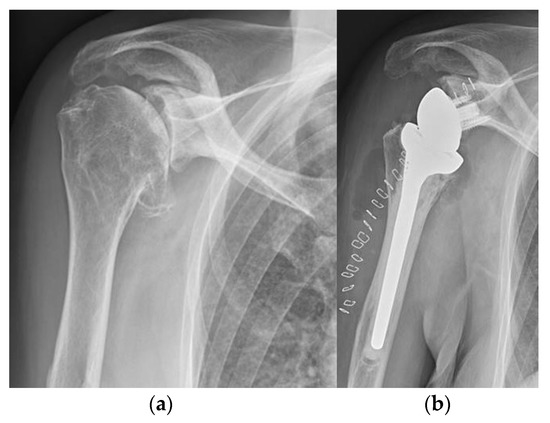
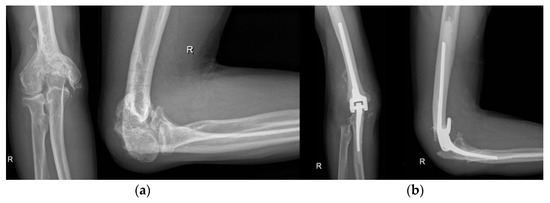
Osteoarthritis is a degenerative condition affecting the whole joint with the underlying bone, representing a major source of pain, disability, and socioeconomic cost worldwide. Age is considered the strongest risk factor, albeit abnormal biomechanics, morphology, congenital abnormality, deformity, malalignment, limb-length discrepancy, lifestyle, and injury may further increase the risk of the development and progression of osteoarthritis as well. Pain and loss of function are the main clinical features that lead to treatment. Although early manifestations of osteoarthritis are amenable to lifestyle modification, adequate pain management, and physical therapy, disease advancement frequently requires surgical treatment. The symptomatic progression of osteoarthritis with radiographical confirmation can be addressed either with arthroscopic interventions, (joint) preservation techniques, or bone fusion procedures, whereas (joint) replacement is preferentially reserved for severe and end-stage disease. The surgical treatment aims at alleviating pain and disability while restoring native biomechanics. Miscellaneous surgical techniques for addressing osteoarthritis exist. Advanced computer-integrated surgical concepts allow for patient personalization and optimization of surgical treatment. The scope of this article is to present an overview of the fundamentals of conventional surgical treatment options for osteoarthritis of the human skeleton, with emphasis on arthroscopy, preservation, arthrodesis, and replacement. Contemporary computer-assisted orthopaedic surgery concepts are further elucidated. Full article
(This article belongs to the Special Issue Osteoarthritis: How to Manage Joint Degeneration)
Show Figures

Figure 1

9 pages, 1788 KB  
Technical Note
The Supercapsular Percutaneously Assisted Total Hip (SuperPATH) Approach Revisited: Technique Improvements after the Perioperative Experience of 344 Cases
by Dimitrios A. Flevas, Georgios A. Tsakotos, Leonardos N. Benakis, Grigorios G. Sasalos and Anastasios V. Tokis
Life 2022, 12(7), 981; https://doi.org/10.3390/life12070981 - 30 Jun 2022
Cited by 4 | Viewed by 3516
Abstract
The SuperPATH approach is a direct superior portal-assisted approach for total hip arthroplasty (THA) that utilizes the interval between the gluteus minimus and the piriformis to access the hip capsule. Patients and Methods: SuperPATH arthroplasty was performed by a single surgeon between December [...] Read more.
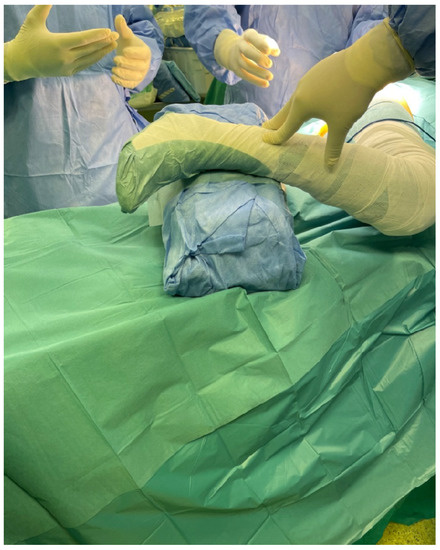
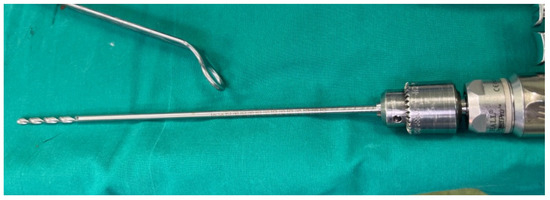
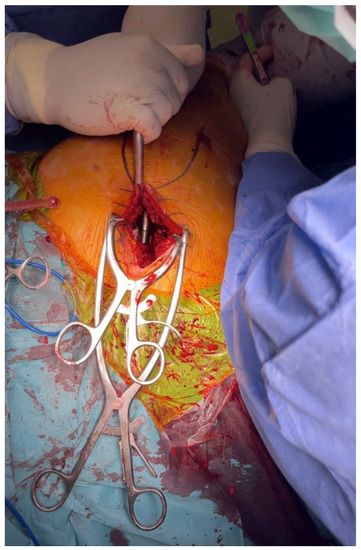
The SuperPATH approach is a direct superior portal-assisted approach for total hip arthroplasty (THA) that utilizes the interval between the gluteus minimus and the piriformis to access the hip capsule. Patients and Methods: SuperPATH arthroplasty was performed by a single surgeon between December of 2016 and December of 2021 in 344 cases. The technique described by Chow was performed in all cases. The average length of stay was 1.3 days, and all patients were discharged for home. All patients were mobilized on the day of the operation. Six cases presented complications: four intraoperative femur fractures and two peroneal nerve palsies. No infection and no hip dislocation were noticed in any case. Modifications: We recommend that the patient be placed as far from the surgeon as possible as well as the use of a sterilized standard linen pack to elevate the foot and internally rotate the hip. In addition, regarding instrumentation, we recommend the use of a 4.5 mm drill for the first guidance femur drilling and a standard corkscrew for femoral head removal. Finally, we propose a different reduction technique using a hook. The use of the SuperPATH approach allows for maximal tissue sparing through preservation of external rotators and minimizing stretching of the gluteus medius. There is no range of motion restrictions postoperatively and patients can achieve a high level of function with a very low dislocation risk and reduced inpatient stay. Furthermore, an incision extension is possible if needed in complex cases. For surgeons familiar with the standard posterolateral approach, the SuperPATH approach is a reliable and safe method with promising results for the patient. In order to improve the surgical effect and facilitate some steps in the procedure, we share our experience and recommend some modifications. Full article
(This article belongs to the Special Issue Orthopaedic Trauma and Reconstruction)
Show Figures

Figure 1
17 pages, 3863 KB  
Article
Exploring Quercetin Anti-Osteoporosis Pharmacological Mechanisms with In Silico and In Vivo Models
by Ying Hu, Wei Yuan, Na Cai, Kun Jia, Yunlong Meng, Fei Wang, Yurui Ge and Huiqiang Lu
Life 2022, 12(7), 980; https://doi.org/10.3390/life12070980 - 29 Jun 2022
Cited by 18 | Viewed by 4860
Abstract
Since osteoporosis critically influences the lives of patients with a high incidence, effective therapeutic treatments are important. Quercetin has been well recognized as a bone-sparing agent and thus the underlying mechanisms warrant further investigation. In the current study, the network pharmacology strategy and [...] Read more.
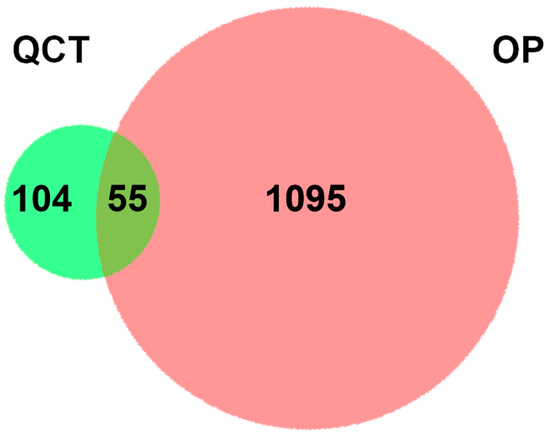
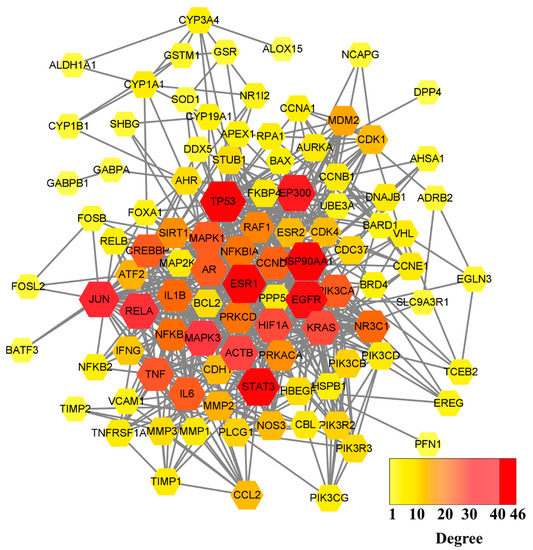
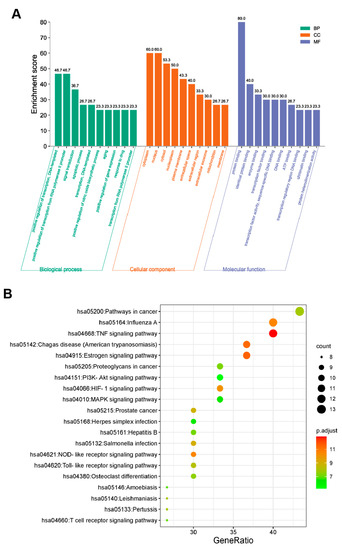
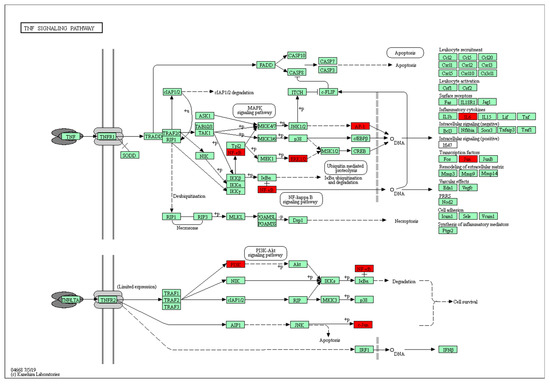
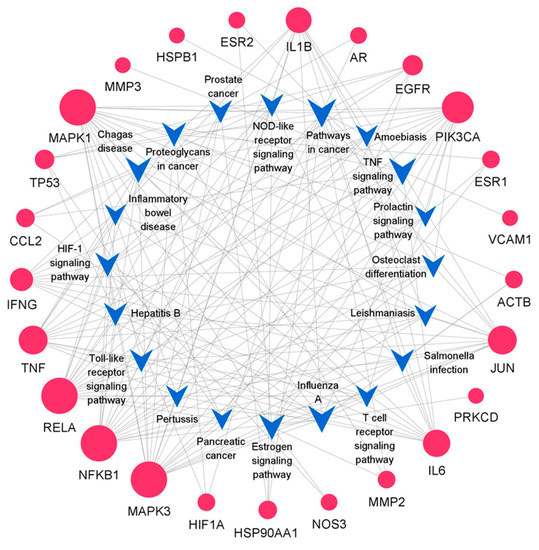
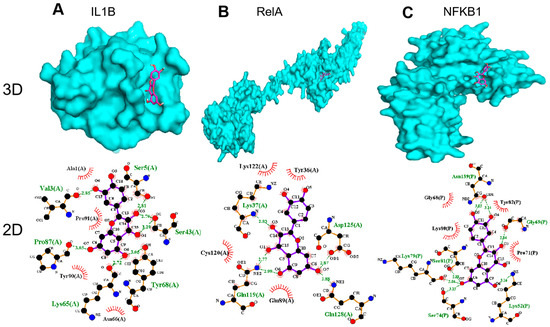
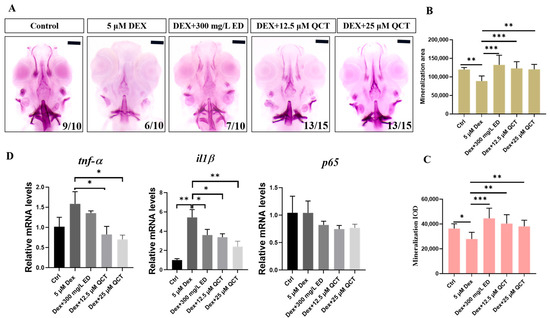
Since osteoporosis critically influences the lives of patients with a high incidence, effective therapeutic treatments are important. Quercetin has been well recognized as a bone-sparing agent and thus the underlying mechanisms warrant further investigation. In the current study, the network pharmacology strategy and zebrafish model were utilized to explain the potential pharmacological effects of quercetin on osteoporosis. The potential targets and related signaling pathways were explored through overlapping target prediction, protein–protein interaction network construction, and functional enrichment analysis. Furthermore, we performed docking studies to verify the specific interactions between quercetin and crucial targets. Consequently, 55 targets were related to osteoporosis disease among the 159 targets of quercetin obtained by three database sources. Thirty hub targets were filtered through the cytoNCA plugin. Additionally, the Gene Ontology functions in the top 10 respective biological processes, molecular functions, and cell components as well as the top 20 Kyoto Encyclopedia of Genes and Genomes (KEGG) pathways were depicted. The most significance difference in the KEGG pathways was the TNF signaling pathway, consisting of the Nuclear Factor Kappa B Subunit (NF-κB), Extracellular Regulated Protein Kinases (ERK) 1/2, Activator Protein 1 (AP-1), Interleukin 6 (IL6), Transcription factor AP-1 (Jun), and Phosphatidylinositol 3 Kinase (PI3K), which were probably involved in the pharmacological effects. Moreover, molecular docking studies revealed that the top three entries were Interleukin 1 Beta (IL1B), the Nuclear Factor NF-Kappa-B p65 Subunit (RelA), and the Nuclear Factor Kappa B Subunit 1 (NFKB1), respectively. Finally, these results were verified by alizarin red-stained mineralized bone in zebrafish and related qPCR experiments. The findings probably facilitate the mechanism elucidation related to quercetin anti-osteoporosis action. Full article
Show Figures

Figure 1
11 pages, 1523 KB  
Article
Non-Inferiority of Sutureless Aortic Valve Replacement in the TAVR Era: David versus Goliath
by Alina Zubarevich, Marcin Szczechowicz, Lukman Amanov, Arian Arjomandi Rad, Anja Osswald, Saeed Torabi, Arjang Ruhparwar and Alexander Weymann
Life 2022, 12(7), 979; https://doi.org/10.3390/life12070979 - 29 Jun 2022
Cited by 7 | Viewed by 2559
Abstract
Background: The rapid development of transcatheter treatment methods has made transcatheter aortic valve replacement (TAVR) a feasible alternative to conventional surgical aortic valve replacement (SAVR). Recently, indications for TAVR have been expanded to intermediate- and low-risk patients, although there still remains a portion [...] Read more.
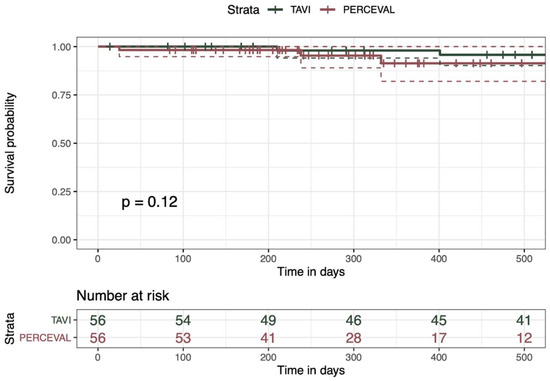
Background: The rapid development of transcatheter treatment methods has made transcatheter aortic valve replacement (TAVR) a feasible alternative to conventional surgical aortic valve replacement (SAVR). Recently, indications for TAVR have been expanded to intermediate- and low-risk patients, although there still remains a portion of ineligible patients. We sought to evaluate and compare our experience with sutureless SAVR and transapical TAVR in the “grey-area” of patients unsuitable for transfemoral access. Methods: Between April 2018 and June 2021, 248 consecutive patients underwent a sutureless SAVR (SU-SAVR) or TA-TAVR at our institution. We performed a pair-matched analysis and identified 56 patient pairs based on the EuroSCORE II. All transcatheter procedures were performed using SAPIEN XT/3™ prostheses, while all surgical procedures deployed the Perceval (LivaNova) aortic valve. Results: All patients presented with multiple comorbidities as reflected by the median EuroSCORE-II of 3.1% (IQR 1.9–5.3). Thirty-four patients from the surgical group (60.7%) underwent a concomitant myocardial revascularization. There was no significant difference in major adverse events, pacemaker implantation or postoperative mortality during follow-up. Both interventions demonstrated technical success with similar mean postoperative pressure gradients at follow-up and no cases of paravalvular leakage. Conclusions: Sutureless aortic valve replacement constitutes a feasible treatment alternative for patients with aortic valve disease who are ineligible for transfemoral access route and/or require concomitant coronary revascularization. With its excellent hemodynamic performance, similar survival compared to TA-TAVR, and high cost-efficiency without compromising the postoperative outcomes and in-hospital length of stay SU-AVR might be considered for patients in the “grey-area” between TAVR and SAVR. Full article
(This article belongs to the Section Medical Research)
Show Figures

Figure 1
12 pages, 1093 KB  
Article
Analysis of Types of Skin Lesions and Diseases in Everyday Infectious Disease Practice—How Experienced Are We?
by Tomislava Skuhala, Vladimir Trkulja, Marin Rimac, Anja Dragobratović and Boško Desnica
Life 2022, 12(7), 978; https://doi.org/10.3390/life12070978 - 29 Jun 2022
Cited by 6 | Viewed by 5589
Abstract
Rashes and skin lesions are a common reason for patient visits to emergency departments and physicians’ offices. The differential diagnosis includes a variety of infectious and non-infectious diseases, some of which can be life-threatening. The aim of this retrospective study was to evaluate [...] Read more.
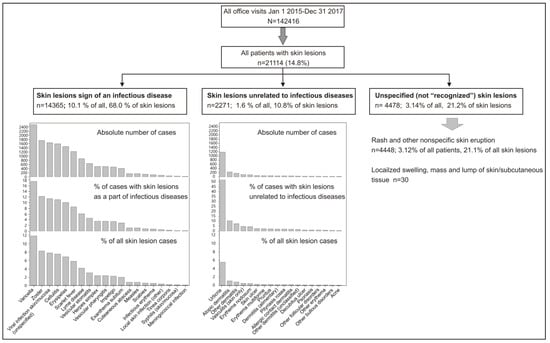
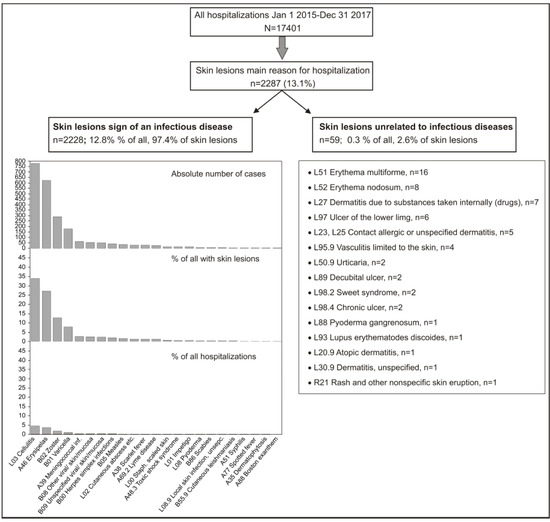
Rashes and skin lesions are a common reason for patient visits to emergency departments and physicians’ offices. The differential diagnosis includes a variety of infectious and non-infectious diseases, some of which can be life-threatening. The aim of this retrospective study was to evaluate the quantity and type of skin lesions among outpatients and inpatients at a tertiary care university-affiliated teaching hospital for infectious diseases over a three-year period to assess disease burden and physicians’ experience in diagnosing skin lesions. Diagnoses (by ICD-10 codes) were classified into three groups: infectious diseases that include skin lesions, non-infectious skin lesions and undiagnosed skin lesions. During the observed period, out of the total of 142,416 outpatients, 14.8% presented with some form of skin lesion. Among them, 68% had skin lesions inherent to infectious disease, 10.8% suffered from non-infectious skin lesions and 21.2% remained with undiagnosed skin lesions. The most common infectious diagnoses were chickenpox, herpes zoster and unspecified viral infections characterized by skin and mucous membrane lesions. The most common non-infectious diagnoses were urticaria and atopic dermatitis. Overall, the most common individual diagnosis (ICD-10 code) was “nonspecific skin eruption” (n = 4448, 21.1%), which was followed by chickenpox and herpes zoster. Among the 17,401 patients hospitalized over the observed period, 13.1% had skin lesion as the main reason for hospitalization, almost all (97.5%) of which were infectious in etiology. The most common diagnoses were cellulitis, erysipelas and herpes zoster. The presented data suggest that the burden of diseases presenting with skin lesions is significant in everyday infectious disease practice, but the overwhelming number of undiagnosed patients implies the need for further education in this area. Full article
(This article belongs to the Special Issue Microbiome, Microorganisms and Skin)
Show Figures

Figure 1
10 pages, 3500 KB  
Article
Acaricidal Potential and Ecotoxicity of Metallic Nano-Pesticides Used against the Major Life Stages of Hyalomma Ticks
by Tean Zaheer, Mahmoud Kandeel, Rao Zahid Abbas, Shanza Rauf Khan, Tauseef ur Rehman and Amjad Islam Aqib
Life 2022, 12(7), 977; https://doi.org/10.3390/life12070977 - 29 Jun 2022
Cited by 20 | Viewed by 3656 | Correction
Abstract
Ticks (Acari: Ixodidae) are blood-feeding parasites capable of transmitting diseases to animals (Piroplasmosis) and humans (Congo fever, Lyme disease). The non-judicious use of chemical acaricides has led to the development of acaricide-resistant ticks, making the control of ticks and tick-borne diseases difficult. This [...] Read more.
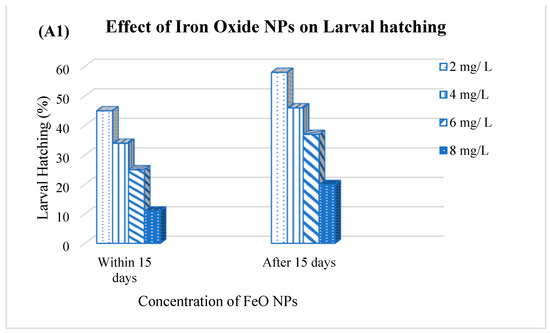
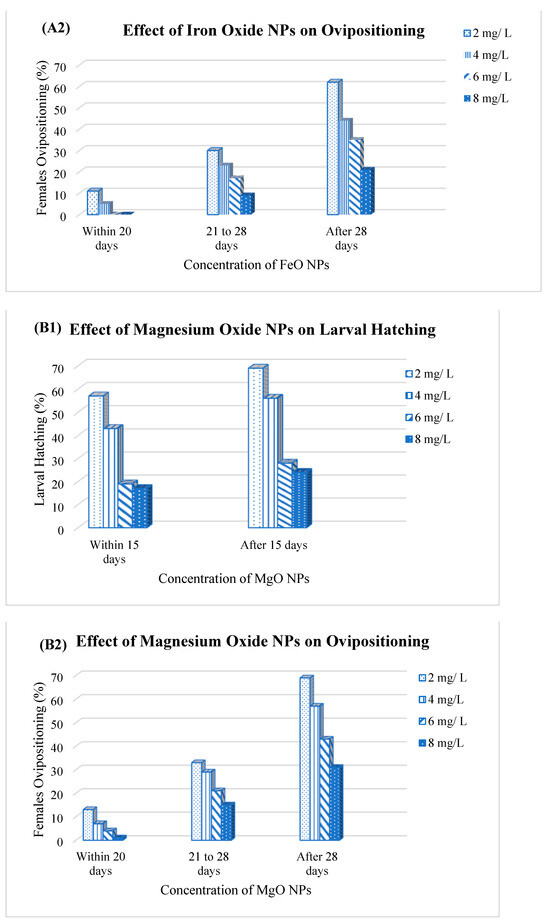
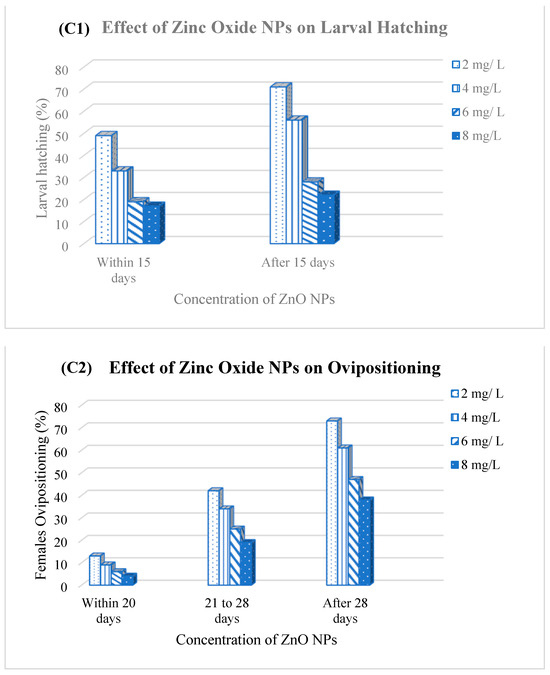
Ticks (Acari: Ixodidae) are blood-feeding parasites capable of transmitting diseases to animals (Piroplasmosis) and humans (Congo fever, Lyme disease). The non-judicious use of chemical acaricides has led to the development of acaricide-resistant ticks, making the control of ticks and tick-borne diseases difficult. This study reports the efficacy of magnesium oxide (MgO), iron oxide (Fe2O3), and zinc oxide (ZnO) nanoparticles (NPs) as alternatives to traditional acaricides/pesticides using in vitro tests against major representative stages of Hyalomma ticks. Nanopesticides were chemically synthesized as rods (Fe2O3), stars (ZnO), and spheres (MgO) and were characterized by XRD and SEM analysis. The in vitro bioassays included adult immersion, larval immersion, and larval packet tests. Non-target effects of the nanopesticides were evaluated using snails. The LC90 values of Fe2O3 NPs (4.21, 2.83, 0.89 mg/L) were lowest followed by MgO (4.27, 2.91, 0.93 mg/L) and ZnO (4.49, 3.05, 0.69 mg/L), for the tick adult, larval and egg stages, respectively. Fe2O3 NPs were capable of arresting oviposition and larval hatching in the study ticks in vitro. The snail toxicity experiments revealed minimum to mild off-target effects for all nanopesticides tested. This study is the first to report the comparative efficacy of magnesium, iron, and zinc nanomaterials for toxicity in egg, adult and larval stages of Hyalomma ticks. Further studies of NPs on establishing the efficacy against ticks and safety at host-human-environment interface could lead to promising nanopesticde applications. Full article
(This article belongs to the Special Issue Advances in Livestock and Human Parasites)
Show Figures

Figure 1
9 pages, 11713 KB  
Case Report
Trifid Mandibular Condyle: Case Report and Current Review of the Literature
by Nour Zoabi, Lazar Kats, Alon Ram and Alona Emodi-Perlman
Life 2022, 12(7), 976; https://doi.org/10.3390/life12070976 - 29 Jun 2022
Cited by 3 | Viewed by 4376
Abstract
Trifid mandibular condyle (TMC) is a rare anatomical variation characterized by the duplication of the mandibular condyle. The aim of this study is to report a new case of a 26-year-old female patient with a left TMC and to review the current existing [...] Read more.
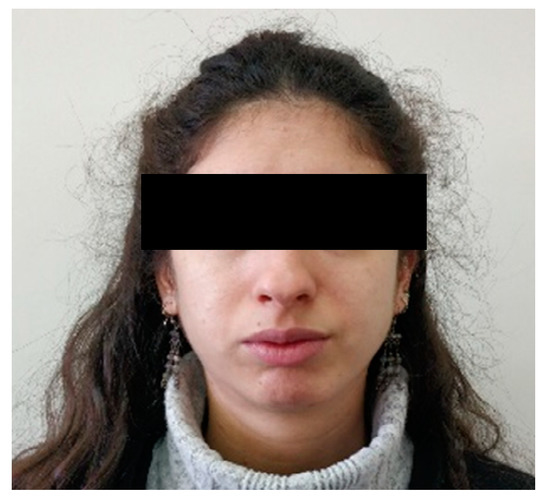
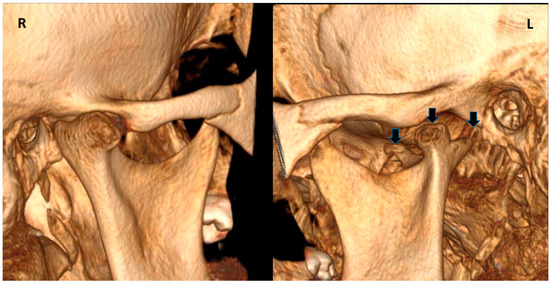
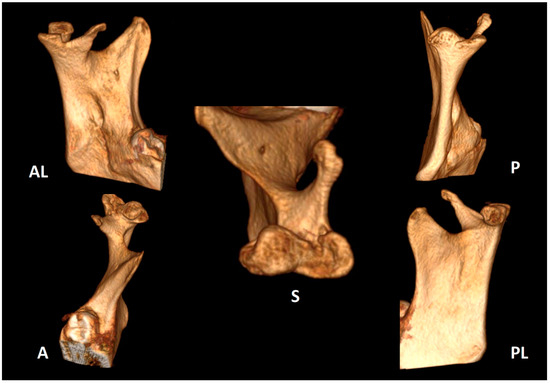
Trifid mandibular condyle (TMC) is a rare anatomical variation characterized by the duplication of the mandibular condyle. The aim of this study is to report a new case of a 26-year-old female patient with a left TMC and to review the current existing literature on TMC, the relevant cases, etiology, symptoms and different treatment modalities. The database engines PubMed, EMBASE, Scopus, Web of science, Scientific Electronic Library Online, Cochrane and CINAHL were searched for TMC cases from inception until April of 2022. Only 13 previous cases of TMC were found. Although it is a rare anatomical entity, TMC is increasingly being detected due to more advanced imaging techniques, especially computed tomography (CT), cone beam CT (CBCT) and magnetic resonance imaging (MRI) emerging in the field of dentistry. The etiology and pathogenesis of TMC and its relationship with TMD are still unclear. Further studies and follow-up may help to better understand this anatomic variant and possible interactions with local pathologies. Full article
(This article belongs to the Special Issue Temporomandibular Joint Imaging)
Show Figures

Figure 1
13 pages, 3224 KB  
Article
Sublingual Vaccination with Live Influenza Virus Induces Better Protection Than Oral Immunization in Mice
by Jie Mao, Gi-Deok Eom, Keon-Woong Yoon, Hae-Ji Kang, Ki-Back Chu and Fu-Shi Quan
Life 2022, 12(7), 975; https://doi.org/10.3390/life12070975 - 29 Jun 2022
Cited by 6 | Viewed by 2534
Abstract
Both sublingual (SL) and oral vaccine administration modalities are convenient, easy, and safe. Here, we have investigated the differences in vaccine efficacy that are induced by oral and sublingual immunization with live influenza virus (A/Hong Kong/1/1968, H3N2) in mice. Intranasally administering a lethal [...] Read more.
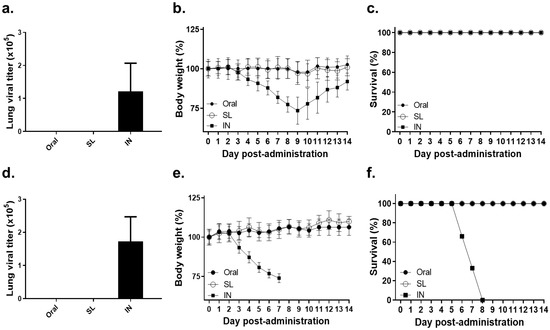
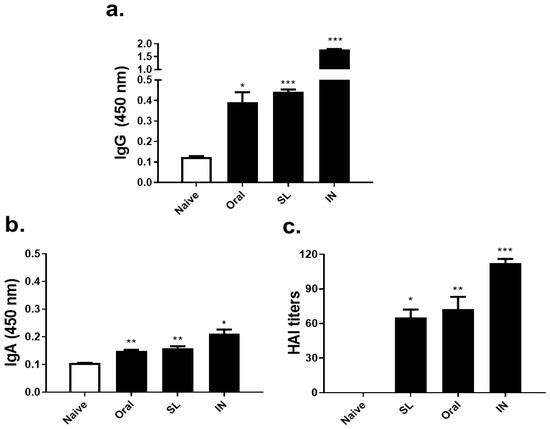
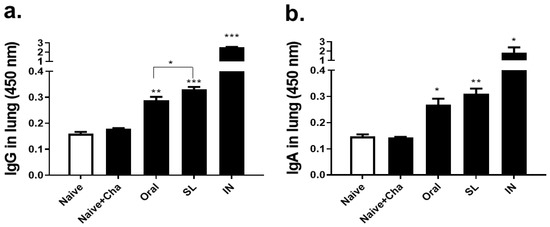
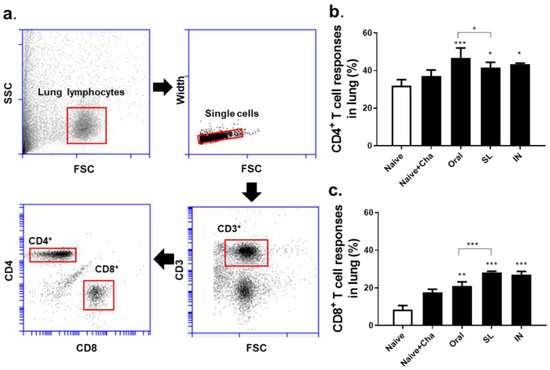
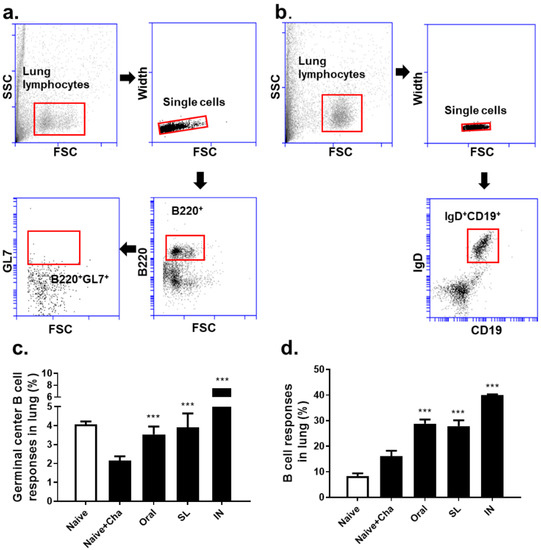
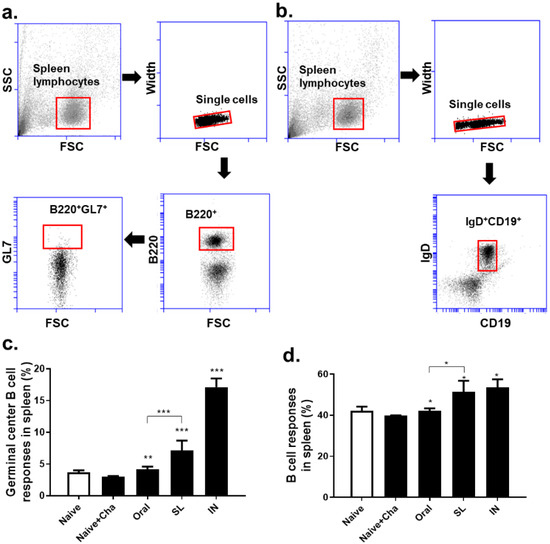
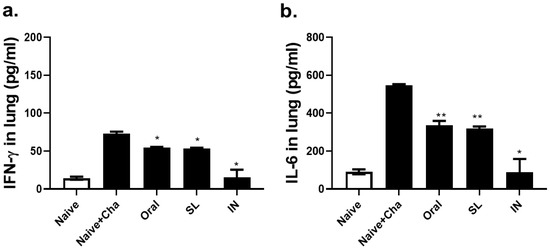
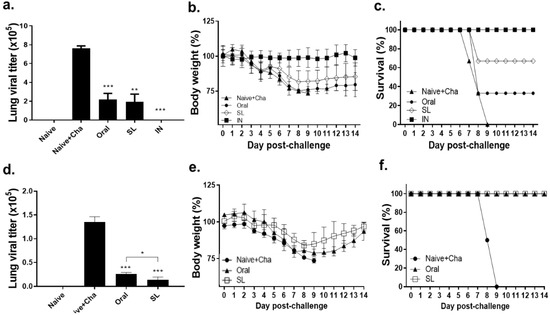
Both sublingual (SL) and oral vaccine administration modalities are convenient, easy, and safe. Here, we have investigated the differences in vaccine efficacy that are induced by oral and sublingual immunization with live influenza virus (A/Hong Kong/1/1968, H3N2) in mice. Intranasally administering a lethal dose of the influenza virus resulted in the deaths of the mice, whereas viral replication in the lungs did not occur upon SL or oral administration. At 30 days post-immunization through the SL or oral route, the mice were intranasally challenge-infected with the lethal dose of the homologous influenza virus. Both SL and oral immunizations with the influenza virus elicited significantly higher levels of virus-specific IgG and IgA antibody responses, as well as HAI titers in the sera. Upon challenge infection, the SL immunization elicited higher levels of pulmonary IgG antibody and CD8+ T cell responses than the oral immunization. Enhanced splenic germinal center B (GC B) and B cell proliferation were also detected from the SL immunization, both of which were significantly greater than those of the oral immunization. Importantly, compared to oral immunization, significantly lessened lung viral loads and bodyweight reductions were observed from the SL immunization and these parameters contributed to prolonging the survival of the immunized mice. These results indicate that both SL and oral administration could be effective routes in inducing protective immunity against influenza virus infection, with SL immunization being the better of the two delivery routes. Full article
(This article belongs to the Special Issue Influenza Vaccines and Antibody Therapies)
Show Figures

Figure 1
9 pages, 490 KB  
Article
Entomopathogenic Fungi Infecting Lepidopteran Larvae: A Case from Central Argentina
by Robin Gielen, Gerardo Robledo, Adriana Inés Zapata, Toomas Tammaru and Kadri Põldmaa
Life 2022, 12(7), 974; https://doi.org/10.3390/life12070974 - 29 Jun 2022
Cited by 5 | Viewed by 2907
Abstract
Immature stages of insects are vulnerable to various antagonists, including pathogens. While the abiotic factors affecting pathogen prevalence in insect populations are reasonably well documented, much less is known about relevant ecological interactions. We studied the probability of the larvae of three lepidopteran [...] Read more.
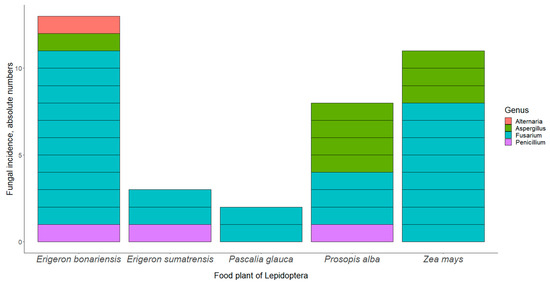
Immature stages of insects are vulnerable to various antagonists, including pathogens. While the abiotic factors affecting pathogen prevalence in insect populations are reasonably well documented, much less is known about relevant ecological interactions. We studied the probability of the larvae of three lepidopteran species to die from fungal infection as a function of insect species and food plants in central Argentina. Local free-growing food plants were used to feed the lepidopteran larvae. The prevalence of entomopathogenic fungi remained low (about 5%), which is a value well consistent with observations on similar systems in other regions. Eight fungal species recorded, primarily belonging to Fusarium and Aspergillus, add evidence to the reconsideration of the nutritional modes in these genera in distinguishing the role of some species (complexes) to cause insect infections. Food plant species were found to have a substantial effect on the prevalence of entomopathogenic fungi. This was especially clear for the most abundant fungal species, a representative of the Fusarium fujikuroi complex. Feeding on a particular plant taxon can thus have a specific fitness cost. Compared to the data collected from Northern Europe, the Argentinian assemblages from the families Aspergillaceae and Nectriaceae overlapped at the genus level but did not share species. It remains to be confirmed if this level of divergence in the composition of assemblages of entomopathogenic fungi among distant regions represents a global pattern. Full article
(This article belongs to the Special Issue The Dual Role of Fungi as Pathogens and Commensals)
Show Figures

Figure 1
38 pages, 8201 KB  
Article
Which Color Channel Is Better for Diagnosing Retinal Diseases Automatically in Color Fundus Photographs?
by Sangeeta Biswas, Md. Iqbal Aziz Khan, Md. Tanvir Hossain, Angkan Biswas, Takayoshi Nakai and Johan Rohdin
Life 2022, 12(7), 973; https://doi.org/10.3390/life12070973 - 28 Jun 2022
Cited by 27 | Viewed by 5571
Abstract
Color fundus photographs are the most common type of image used for automatic diagnosis of retinal diseases and abnormalities. As all color photographs, these images contain information about three primary colors, i.e., red, green, and blue, in three separate color channels. This work [...] Read more.
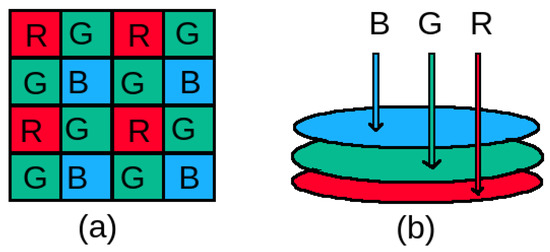
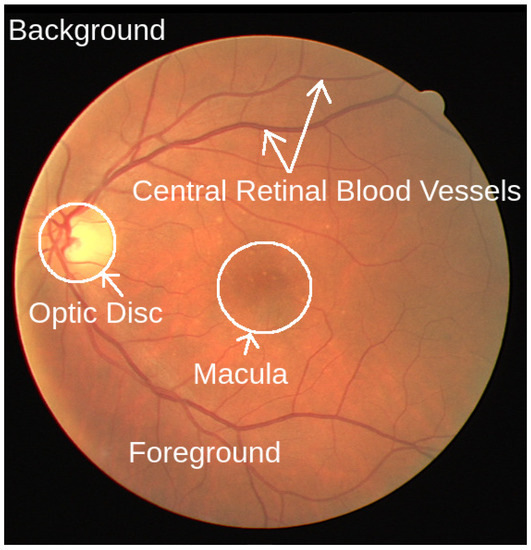
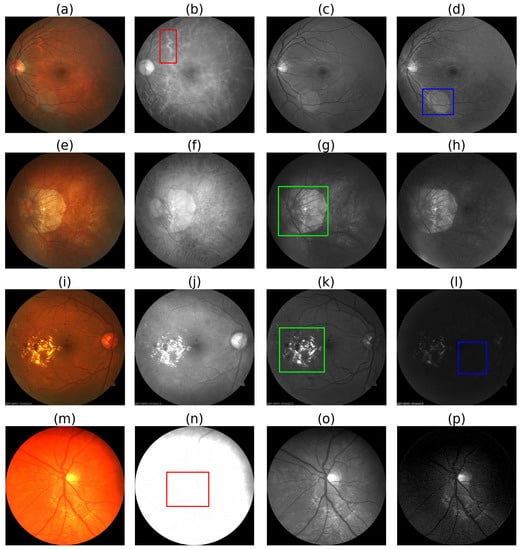
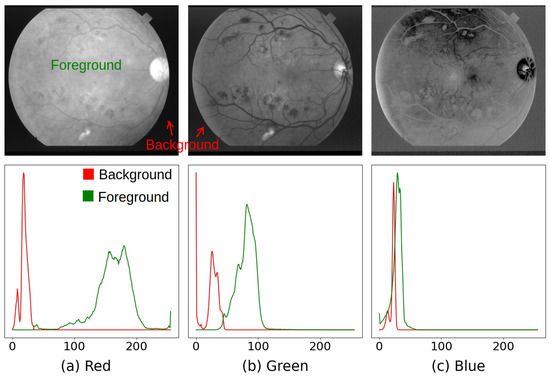
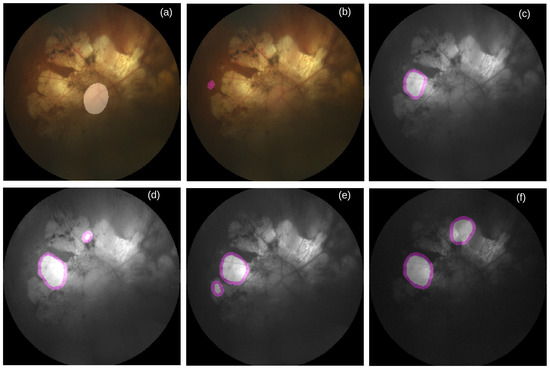
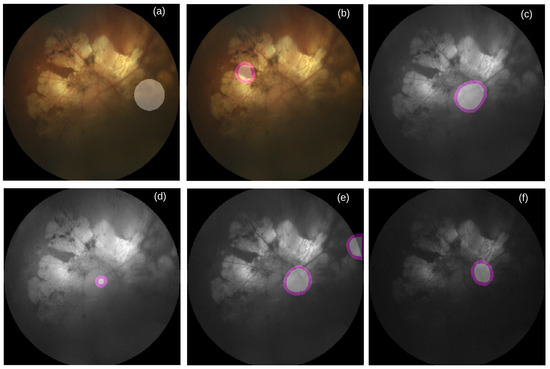
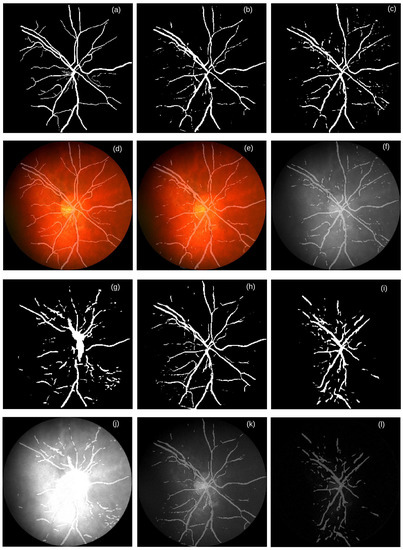
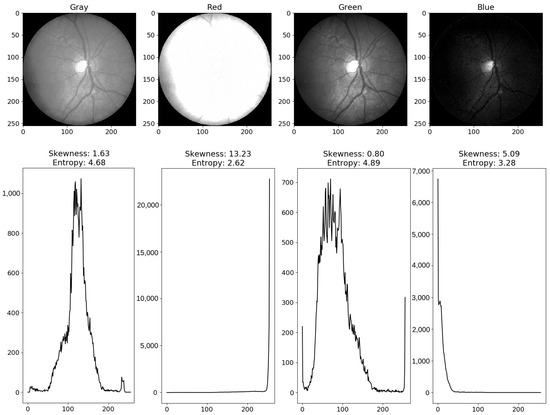
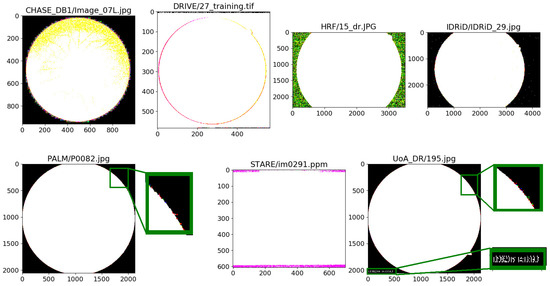
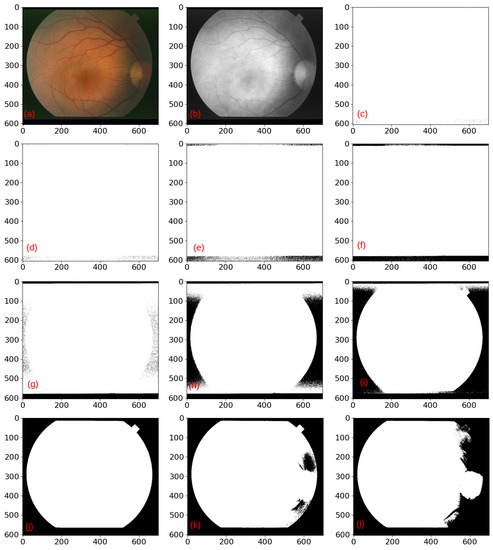
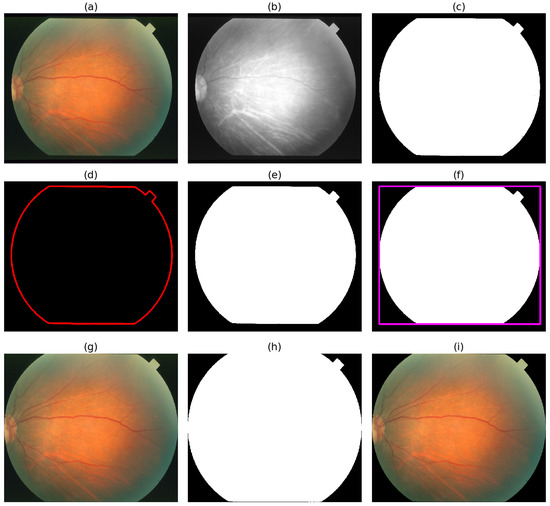
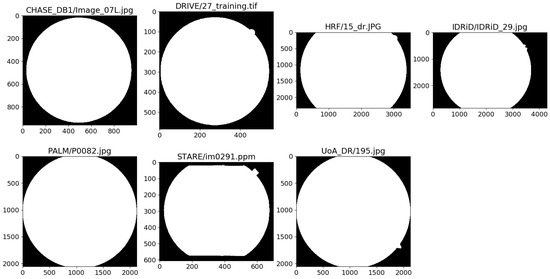
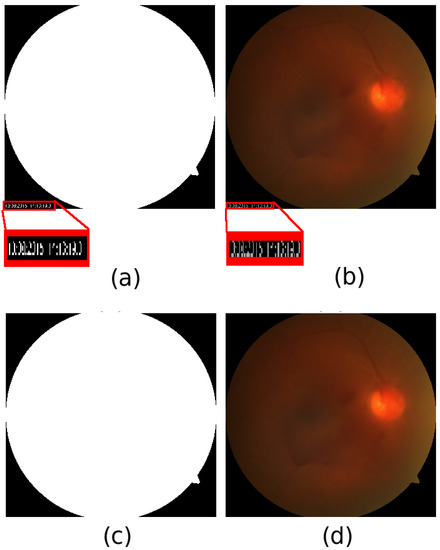
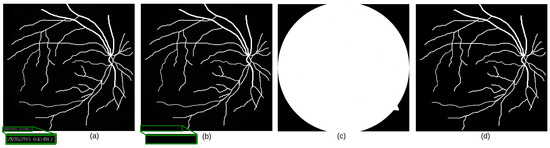
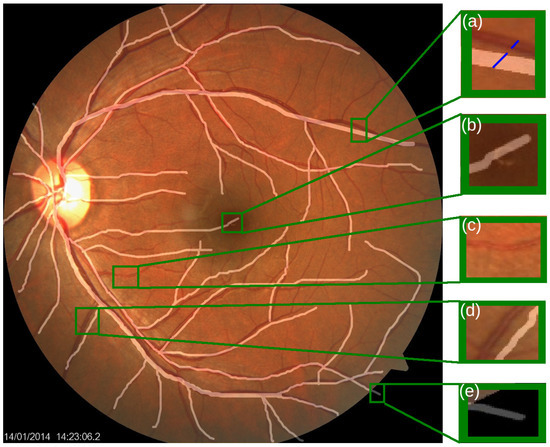
Color fundus photographs are the most common type of image used for automatic diagnosis of retinal diseases and abnormalities. As all color photographs, these images contain information about three primary colors, i.e., red, green, and blue, in three separate color channels. This work aims to understand the impact of each channel in the automatic diagnosis of retinal diseases and abnormalities. To this end, the existing works are surveyed extensively to explore which color channel is used most commonly for automatically detecting four leading causes of blindness and one retinal abnormality along with segmenting three retinal landmarks. From this survey, it is clear that all channels together are typically used for neural network-based systems, whereas for non-neural network-based systems, the green channel is most commonly used. However, from the previous works, no conclusion can be drawn regarding the importance of the different channels. Therefore, systematic experiments are conducted to analyse this. A well-known U-shaped deep neural network (U-Net) is used to investigate which color channel is best for segmenting one retinal abnormality and three retinal landmarks. Full article
(This article belongs to the Collection Retinal Disease and Metabolism)
Show Figures

Figure 1
17 pages, 2782 KB  
Article
Protective Effects of High-Fat Diet against Murine Colitis in Association with Leptin Signaling and Gut Microbiome
by Yun-Ha Lee, Hyeyoon Kim, Sorim Nam, Jae-Ryang Chu, Jung-Hwan Kim, Jong-Seok Lim, Sung-Eun Kim and Mi-Kyung Sung
Life 2022, 12(7), 972; https://doi.org/10.3390/life12070972 - 28 Jun 2022
Cited by 8 | Viewed by 3436
Abstract
Inflammatory bowel disease (IBD) is characterized by chronic intestinal-tract inflammation with dysregulated immune responses, which are partly attributable to dysbiosis. Given that diet plays a critical role in IBD pathogenesis and progression, we elucidated the effects of a high-fat diet (HFD) feeding on [...] Read more.
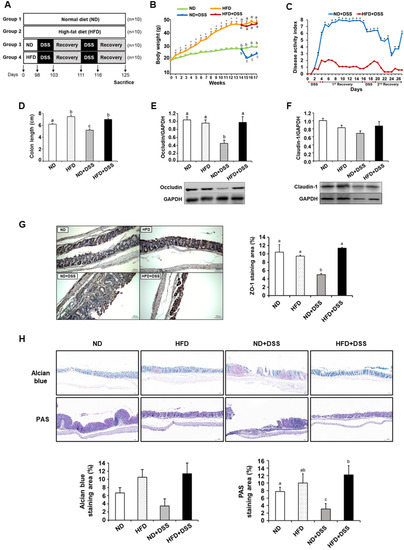
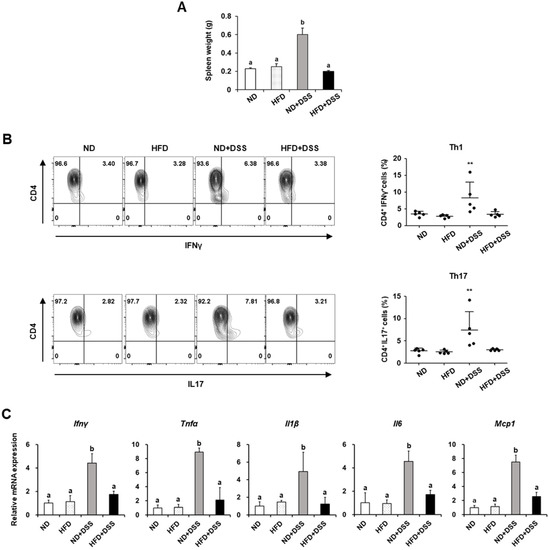
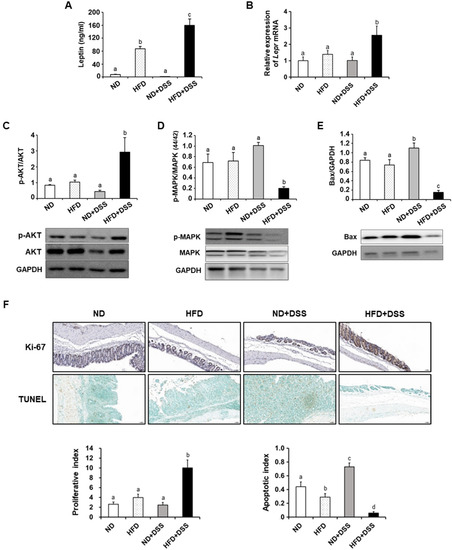
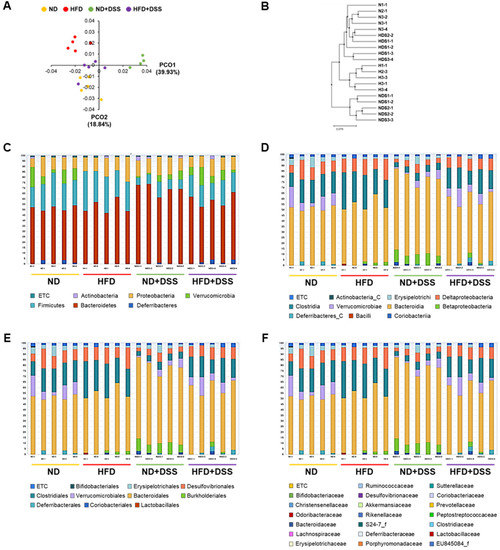
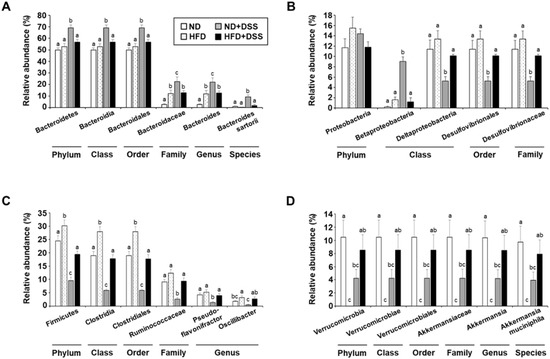
Inflammatory bowel disease (IBD) is characterized by chronic intestinal-tract inflammation with dysregulated immune responses, which are partly attributable to dysbiosis. Given that diet plays a critical role in IBD pathogenesis and progression, we elucidated the effects of a high-fat diet (HFD) feeding on IBD development in relation to immune dysfunction and the gut microbiota. Five-week-old male C57BL/6J mice were fed either a normal diet (ND) or HFD for 14 weeks. The animals were further divided into ND, ND+ dextran sulfate sodium (DSS), HFD, and HFD+DSS treatment groups. The HFD+DSS mice exhibited lower body weight loss, lower disease activity index, longer colon length, and increased tight-junction protein expression and goblet-cell proportions compared with the ND+DSS mice. The T helper (h)1 and Th17 cell populations and pro-inflammatory cytokines involved in colitis pathogenesis were significantly more reduced in the HFD+DSS mice than in the ND+DSS mice. The HFD+DSS mice showed significantly increased serum leptin concentrations, colonic leptin receptor expression, enhanced anti-apoptotic AKT expression, and reduced pro-apoptotic MAPK and Bax expression compared with the ND+DSS mice, suggesting the involvement of the leptin-mediated pathway in intestinal epithelial cell apoptosis. The alterations in the gut-microbiota composition in the HFD+DSS group were the opposite of those in the ND+DSS group and rather similar to those of the ND group, indicating that the protective effects of HFD feeding against DSS-induced colitis are associated with changes in gut-microbiota composition. Overall, HFD feeding ameliorates DSS-induced colitis and colonic mucosal damage by reinforcing colonic barrier function and regulating immune responses in association with changes in gut-microbiota composition. Full article
(This article belongs to the Section Physiology and Pathology)
Show Figures

Figure 1
14 pages, 2246 KB  
Review
Nitrous Oxide Emission from Full-Scale Anammox-Driven Wastewater Treatment Systems
by Zhiman Lin, Kayan Ma and Yuchun Yang
Life 2022, 12(7), 971; https://doi.org/10.3390/life12070971 - 28 Jun 2022
Cited by 22 | Viewed by 6363
Abstract
Wastewater treatment plants (WWTPs) are important contributors to global greenhouse gas (GHG) emissions, partly due to their huge emission of nitrous oxide (N2O), which has a global warming potential of 298 CO2 equivalents. Anaerobic ammonium-oxidizing (anammox) bacteria provide a shortcut [...] Read more.
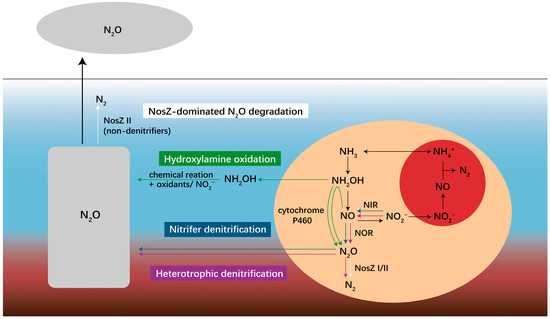
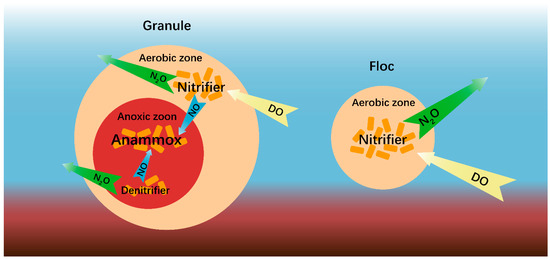
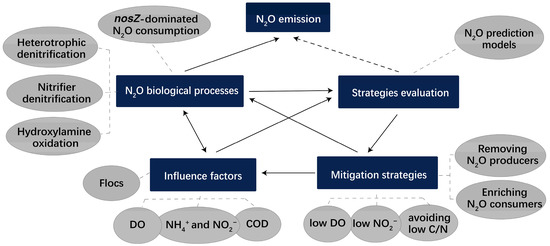
Wastewater treatment plants (WWTPs) are important contributors to global greenhouse gas (GHG) emissions, partly due to their huge emission of nitrous oxide (N2O), which has a global warming potential of 298 CO2 equivalents. Anaerobic ammonium-oxidizing (anammox) bacteria provide a shortcut in the nitrogen removal pathway by directly transforming ammonium and nitrite to nitrogen gas (N2). Due to its energy efficiency, the anammox-driven treatment has been applied worldwide for the removal of inorganic nitrogen from ammonium-rich wastewater. Although direct evidence of the metabolic production of N2O by anammox bacteria is lacking, the microorganisms coexisting in anammox-driven WWTPs could produce a considerable amount of N2O and hence affect the sustainability of wastewater treatment. Thus, N2O emission is still one of the downsides of anammox-driven wastewater treatment, and efforts are required to understand the mechanisms of N2O emission from anammox-driven WWTPs using different nitrogen removal strategies and develop effective mitigation strategies. Here, three main N2O production processes, namely, hydroxylamine oxidation, nitrifier denitrification, and heterotrophic denitrification, and the unique N2O consumption process termed nosZ-dominated N2O degradation, occurring in anammox-driven wastewater treatment systems, are summarized and discussed. The key factors influencing N2O emission and mitigation strategies are discussed in detail, and areas in which further research is urgently required are identified. Full article
(This article belongs to the Special Issue Microbes in Global Carbon, Sulfur, and Nitrogen Cycles)
Show Figures

Figure 1
9 pages, 635 KB  
Article
Dabigatran in Cerebral Sinus Vein Thrombosis and Thrombophilia
by Lukas Kellermair, Matthias W. G. Zeller, Caterina Kulyk, Josef Tomasits, Tim J. von Oertzen and Milan R. Vosko
Life 2022, 12(7), 970; https://doi.org/10.3390/life12070970 - 28 Jun 2022
Cited by 2 | Viewed by 2830
Abstract
Background and Purpose: Thrombophilic gene alterations are a major risk factor for cerebral sinus vein thrombosis (CSVT). Up to 30% of all patients with cerebral sinus vein thrombosis (CSVT) are found to have thrombophilic defects such as prothrombin mutation (PTM) or factor V [...] Read more.
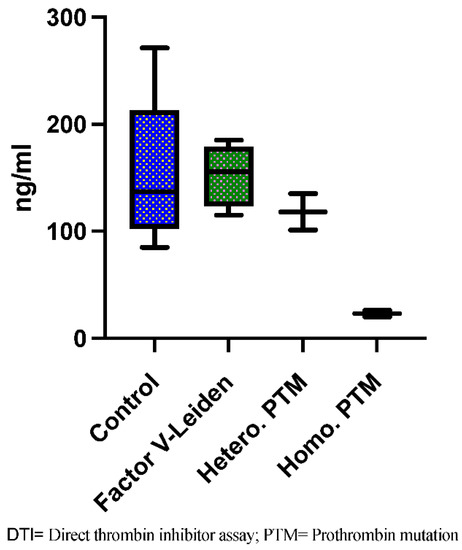
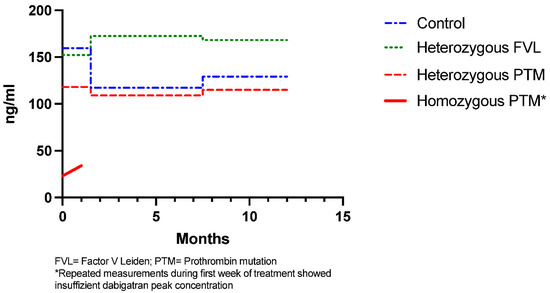
Background and Purpose: Thrombophilic gene alterations are a major risk factor for cerebral sinus vein thrombosis (CSVT). Up to 30% of all patients with cerebral sinus vein thrombosis (CSVT) are found to have thrombophilic defects such as prothrombin mutation (PTM) or factor V Leiden (FVL). Their repercussions on the plasma levels of dabigatran etexilate are unclear. In this prospective case–control study, we aimed to investigate whether thrombophilia in CSVT has an influence on dabigatran peak-plasma levels. Methods: We monitored 10 patients over 12 months with acute CSVT, genetic thrombophilia with off-label use of dabigatran etexilate 150 mg twice a day and measured dabigatran peak-plasma levels and radiological outcome. We also monitored patients without genetic thrombophilia with dabigatran etexilate 150 mg twice a day and compared the efficiency and dabigatran peak-plasma levels. Results: Patients with homozygote PTM had significantly lower dabigatran peak concentration compared to patients with FVL or the control group (23 ± 4.2 vs. 152.3 ± 27.5 and 159.6 ± 63.08; p-value ≤ 0.05) There was no significant difference in dabigatran etexilate plasma levels between the heterozygote PTM group compared to patients with FVL or the control group (p = 0.29). There was no correlation between dabigatran peak concentration and delayed thrombus dissolution. Conclusions: Dabigatran peak concentration was stable in patients with heterozygote FVL and heterozygote PTM, but not in homozygote PTM, compared to controls. Genetic screening for thrombophilia in patients after CSVT may be useful to make patient tailored therapeutic decisions regarding oral anticoagulation and may decrease thrombotic events. Full article
(This article belongs to the Special Issue Ischemic Stroke: From Pathophysiology to Novel Therapeutic Approaches)
Show Figures

Figure 1
16 pages, 927 KB  
Article
Methionine Promotes the Growth and Yield of Wheat under Water Deficit Conditions by Regulating the Antioxidant Enzymes, Reactive Oxygen Species, and Ions
by Muhammad Faisal Maqsood, Muhammad Shahbaz, Saba Kanwal, Muhammad Kaleem, Syed Mohsan Raza Shah, Muhammad Luqman, Iqra Iftikhar, Usman Zulfiqar, Arneeb Tariq, Shahzad Amir Naveed, Naila Inayat, Atta Mohi Ud Din, Muhammad Uzair, Muhammad Ramzan Khan and Fozia Farhat
Life 2022, 12(7), 969; https://doi.org/10.3390/life12070969 - 28 Jun 2022
Cited by 32 | Viewed by 4520
Abstract
The individual application of pure and active compounds such as methionine may help to address water scarcity issues without compromising the yield of wheat. As organic plant growth stimulants, amino acids are popularly used to promote the productivity of crops. However, the influence [...] Read more.
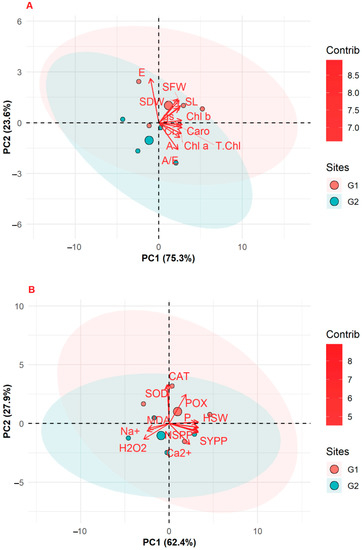
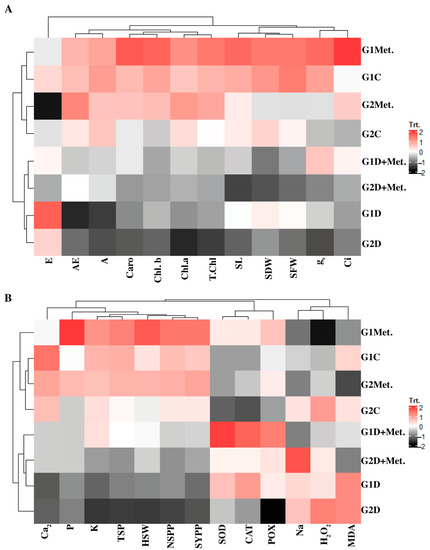
The individual application of pure and active compounds such as methionine may help to address water scarcity issues without compromising the yield of wheat. As organic plant growth stimulants, amino acids are popularly used to promote the productivity of crops. However, the influence of the exogenous application of methionine in wheat remains elusive. The present investigation was planned in order to understand the impact of methionine in wheat under drought stress. Two wheat genotypes were allowed to grow with 100% field capacity (FC) up to the three-leaf stage. Twenty-five-day-old seedlings of two wheat genotypes, Galaxy-13 and Johar-16, were subjected to 40% FC, denoted as water deficit-stress (D), along with 100% FC, called control (C), with and without L-methionine (Met; 4 mM) foliar treatment. Water deficit significantly reduced shoot length, shoot fresh and dry weights, seed yield, photosynthetic, gas exchange attributes except for transpiration rate (E), and shoot mineral ions (potassium, calcium, and phosphorus) in both genotypes. A significant increase was recorded in superoxide dismutase (SOD), catalase (CAT), hydrogen peroxide (H2O2), malondialdehyde (MDA), and sodium ions (Na+) due to water deficiency. However, foliar application of Met substantially improved the studied growth, photosynthetic, and gas exchange attributes with water deficit conditions in both genotypes. The activities of SOD, POD, and CAT were further enhanced under stress with Met application. Met improved potassium (K), calcium (Ca2+), and phosphorus (P) content. In a nutshell, the foliar application of Met effectively amended water deficit stress tolerance by reducing MDA and H2O2 content under water deficit conditions in wheat plants. Thus, we are able to deduce a positive association between Met-induced improved growth attributes and drought tolerance. Full article
(This article belongs to the Special Issue Recent Study on Growth of Wheat under Stress)
Show Figures

Figure 1
16 pages, 1473 KB  
Article
Anosmia Testing as Early Detection of SARS-CoV-2 Positivity; A Prospective Study under Screening Conditions
by Frederic Jungbauer, Catharina Gerhards, Margot Thiaucourt, Michael Behnes, Nicole Rotter, Angela Schell, Verena Haselmann, Michael Neumaier and Maximilian Kittel
Life 2022, 12(7), 968; https://doi.org/10.3390/life12070968 - 28 Jun 2022
Cited by 2 | Viewed by 2546
Abstract
Sudden onset of anosmia is a phenomenon often associated with developing COVID-19 disease and has even been described as an initial isolated symptom in individual cases. In this case-control study, we investigated the feasibility of this condition as a suitable screening test in [...] Read more.
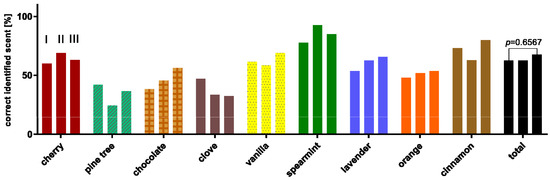
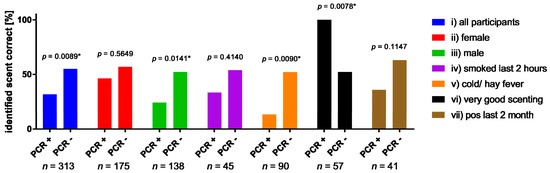
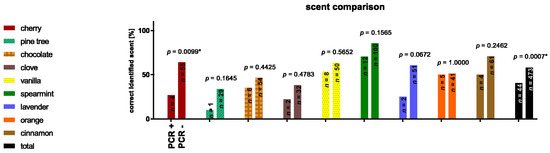
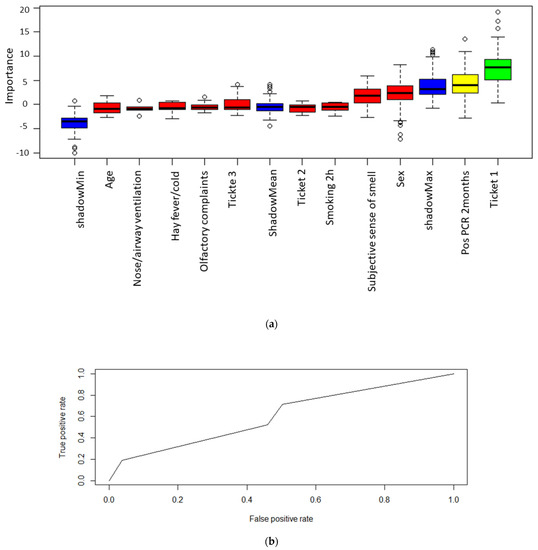
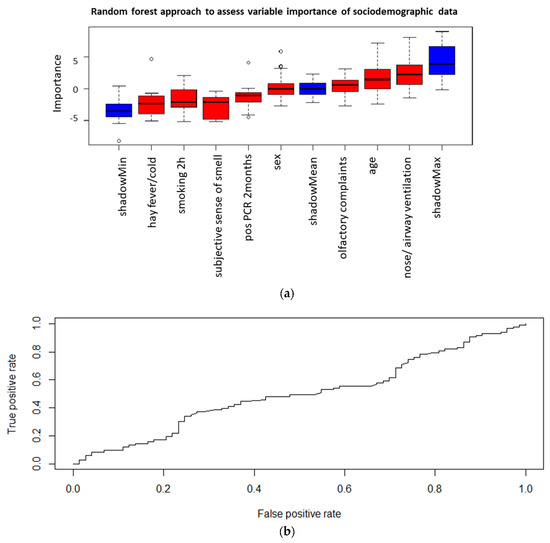
Sudden onset of anosmia is a phenomenon often associated with developing COVID-19 disease and has even been described as an initial isolated symptom in individual cases. In this case-control study, we investigated the feasibility of this condition as a suitable screening test in a population at risk. We performed a prospective study with a total of 313 subjects with suspected SARS-CoV-2 infection. In parallel to routine PCR analysis, a modified commercial scent test was performed to objectify the presence of potential anosmia as a predictor of SARS-CoV-2 positivity. Furthermore, a structured interview assessment of the participants was conducted. A total of 12.1% of the study participants had molecular genetic detection of SARS-CoV-2 infection in the nasopharyngeal swab. It could be demonstrated that these subjects had a significantly weaker olfactory identification performance of the scents. Further analysis of the collected data from the scent test and medical history via random forest (Boruta) algorithm showed that no improvement of the prediction power was achieved by this design. The assay investigated in this study may be suitable for screening general olfactory function. For the screening of COVID-19, it seems to be affected by too many external and internal biases and requires too elaborate and selective pre-test screening. Full article
(This article belongs to the Special Issue Olfactory and Gustatory Dysfunctions in COVID‐19 Patients)
Show Figures

Figure 1