18 pages, 1381 KB  
Article
Identifying Predictors for Minimum Dietary Diversity and Minimum Meal Frequency in Children Aged 6–23 Months in Uganda
by Giulia Scarpa, Lea Berrang-Ford, Maria Galazoula, Paul Kakwangire, Didacus B. Namanya, Florence Tushemerirwe, Laura Ahumuza and Janet E. Cade
Nutrients 2022, 14(24), 5208; https://doi.org/10.3390/nu14245208 - 7 Dec 2022
Cited by 12 | Viewed by 4388
Abstract
Adequate complementary foods contribute to good health and growth in young children. However, many countries are still off-track in achieving critical complementary feeding indicators, such as minimum meal frequency (MMF), minimum dietary diversity (MDD) and minimum acceptable diet (MAD). In this study, we [...] Read more.
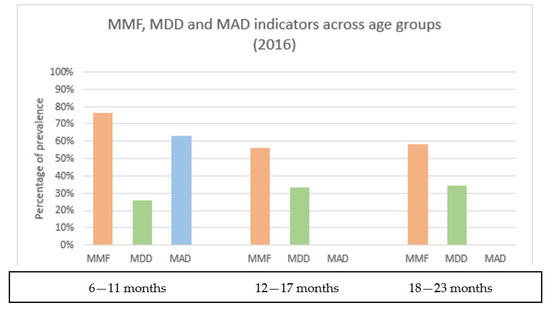
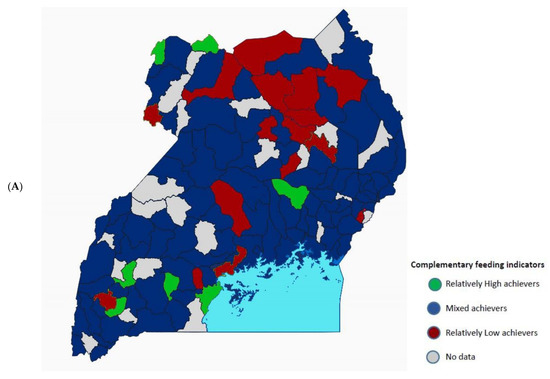
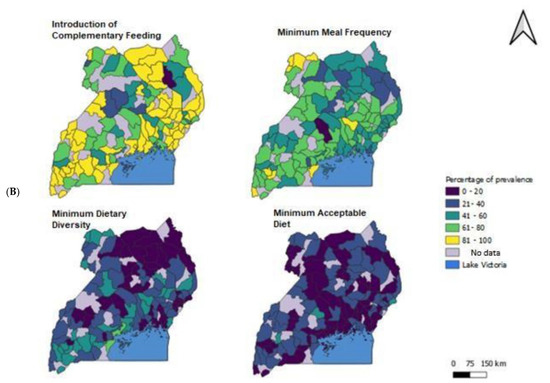
Adequate complementary foods contribute to good health and growth in young children. However, many countries are still off-track in achieving critical complementary feeding indicators, such as minimum meal frequency (MMF), minimum dietary diversity (MDD) and minimum acceptable diet (MAD). In this study, we used the 2016 Ugandan Demographic Health Survey (UDHS) data to assess child feeding practices in young children aged 6–23 months. We assess and describe complementary feeding indicators (MMF, MDD and MAD) for Uganda, considering geographic variation. We construct multivariable logistic regression models—stratified by age—to evaluate four theorized predictors of MMF and MDD: health status, vaccination status, household wealth and female empowerment. Our findings show an improvement of complementary feeding practice indicators in Uganda compared to the past, although the MAD threshold was reached by only 22% of children. Children who did not achieve 1 or more complementary feeding indicators are primarily based in the northern regions of Uganda. Cereals and roots were the foods most consumed daily by young children (80%), while eggs were rarely eaten. Consistent with our hypotheses, we found that health status, vaccination status and wealth were significantly positively associated with MDD and MMF, while female empowerment was not. Improving nutrition in infant and young children is a priority. Urgent nutritional policies and acceptable interventions are needed to guarantee nutritious and age-appropriate complementary foods to each Ugandan child in the first years of life. Full article
(This article belongs to the Special Issue Feeding Practice and Infant and Young Child Health)
Show Figures

Figure 1
12 pages, 317 KB  
Article
Increased Consumption of Ultra-Processed Food Is Associated with Poor Mental Health in a Nationally Representative Sample of Adolescent Students in Brazil
by Arthur Eumann Mesas, Alberto Durán González, Selma Maffei de Andrade, Vicente Martínez-Vizcaíno, José Francisco López-Gil and Estela Jiménez-López
Nutrients 2022, 14(24), 5207; https://doi.org/10.3390/nu14245207 - 7 Dec 2022
Cited by 29 | Viewed by 10446
Abstract
The objective of this study was to analyze the association between ultra-processed food (UPF) consumption and mental health symptoms in a nationally representative sample of the Brazilian adolescent student population. Cross-sectional analyses with data from the National School-Based Health Survey (PeNSE 2019) were [...] Read more.
The objective of this study was to analyze the association between ultra-processed food (UPF) consumption and mental health symptoms in a nationally representative sample of the Brazilian adolescent student population. Cross-sectional analyses with data from the National School-Based Health Survey (PeNSE 2019) were performed. Self-reported information was obtained for the frequency of five mental health symptoms in the last month and the consumption of thirteen UPFs in the last 24 h. Generalized linear models adjusting for the main confounders were performed for each sex. Of the 94,767 adolescent students (52.4% girls) included, 8.1% of the boys and 27.2% of the girls reported “almost always” or “always” having at least four of the five mental health symptoms. In the fully adjusted models, compared to the boys who consumed ≤3 UPF, those consuming ≥6 UPF reported more frequent symptoms of poor mental health (ß-coefficient = 0.27 [0.03, 0.51]; p-for-trend = 0.005). A similar association was observed in girls (ß-coefficient = 0.31 [0.13, 0.50]; p-for-trend = 0.001). In conclusion, in this large sample of adolescent students from an entire country, the higher the consumption of UPF was, the higher the frequency of reported symptoms of poor mental health. These findings remained significant regardless of sociodemographic and lifestyle factors, self-perceived body image, and bullying victimization. Full article
15 pages, 506 KB  
Article
The Relationships between Parenting Practices and Child Health-Related Behaviors in Children with Intellectual Disability: The Moderating Role of Child Body Weight Status
by Yan Sun, Rashmi Supriya, Yang Gao, Siyue Yu, Aiwei Wang, Xiaoting Ou, Dan Tao and Julien S. Baker
Nutrients 2022, 14(24), 5206; https://doi.org/10.3390/nu14245206 - 7 Dec 2022
Cited by 5 | Viewed by 3404
Abstract
This study aimed to examine the associations between parenting practices and child health-related behaviors, and the moderating role of child body weight status in children with intellectual disability (ID). A cross-sectional study was conducted among a sample of children with ID in Hong [...] Read more.
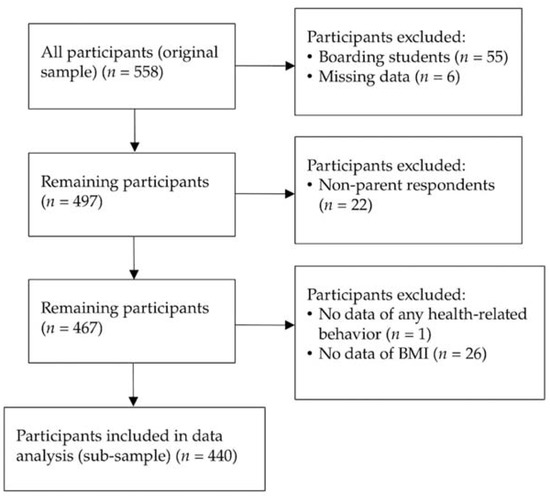
This study aimed to examine the associations between parenting practices and child health-related behaviors, and the moderating role of child body weight status in children with intellectual disability (ID). A cross-sectional study was conducted among a sample of children with ID in Hong Kong; 440 participants were included in this study. All the variables investigated were collected from questionnaires, except body weight status, which was objectively measured. Logistic regression analysis was used to examine the associations between parenting practices and children’s unhealthy behaviors. Interaction items were added to investigate the moderation effect of child body weight status, adjusting for significant background characteristics. Results showed that the parenting practices of “restricting access to unhealthy food and sedentary behaviors (RA)” (OR range: 0.63–0.64) and “using food or sedentary behaviors as rewards (UR)” (OR range: 1.28–1.60) were significantly associated with some eating behaviors, but not with sedentary behaviors. Body weight status significantly moderated these associations. Only RA showed favorable effects on some eating behaviors in children with overweight and obesity (OR range: 0.17–0.28), whereas the effects of UR differed by body weight status. Future research should focus on developing educational interventions which encourage parents to use practices that are tailored towards children’s individual characteristics. Full article
(This article belongs to the Special Issue Nutrition Environment and Children’s Eating Behavior and Health)
Show Figures

Figure 1
14 pages, 2961 KB  
Article
Soft-Shelled Turtle Peptides Extend Lifespan and Healthspan in Drosophila
by Qianqian Wang, Junhui Zhang, Jiachen Zhuang, Fei Shen, Minjie Zhao, Juan Du, Peng Yu, Hao Zhong and Fengqin Feng
Nutrients 2022, 14(24), 5205; https://doi.org/10.3390/nu14245205 - 7 Dec 2022
Cited by 5 | Viewed by 5037
Abstract
In traditional Chinese medicine, soft-shelled turtle protein and peptides serve as a nutraceutical for prolonging the lifespan. However, their effects on anti-aging have not been clarified scientifically in vivo. This study aimed to determine whether soft-shelled turtle peptides (STP) could promote the lifespan [...] Read more.
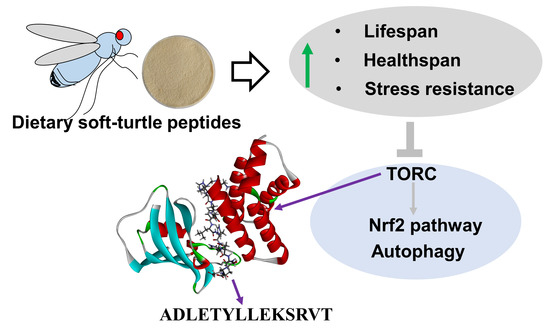
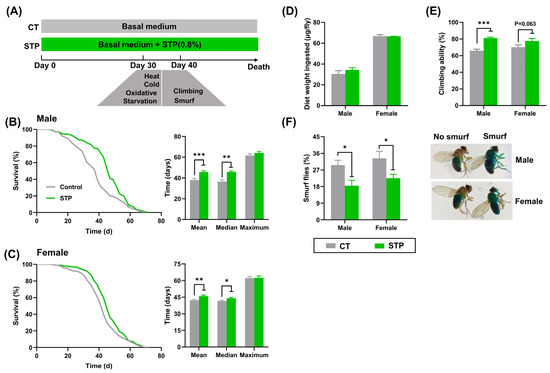
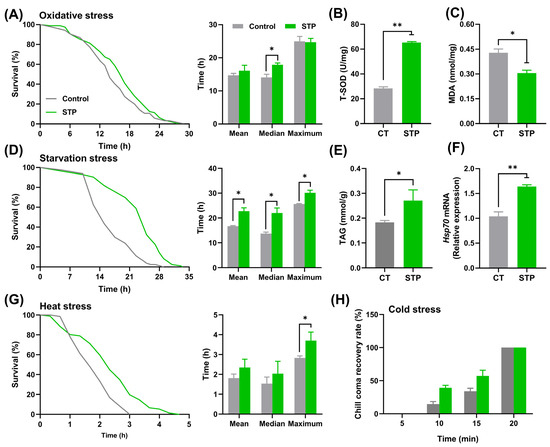
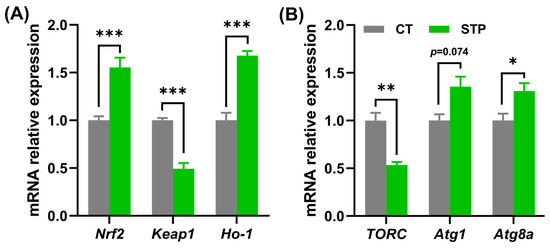
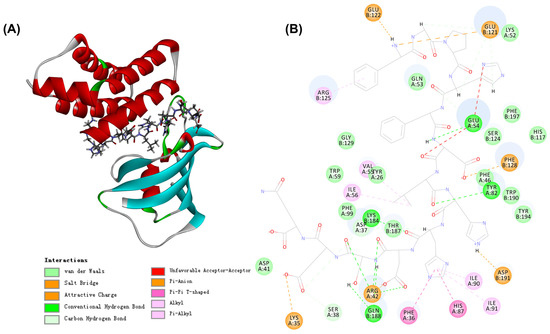
In traditional Chinese medicine, soft-shelled turtle protein and peptides serve as a nutraceutical for prolonging the lifespan. However, their effects on anti-aging have not been clarified scientifically in vivo. This study aimed to determine whether soft-shelled turtle peptides (STP) could promote the lifespan and healthspan in Drosophila melanogaster and the underlying molecular mechanisms. Herein, STP supplementation prolonged the mean lifespan by 20.23% and 9.04% in males and females, respectively, delaying the aging accompanied by climbing ability decline, enhanced gut barrier integrity, and improved anti-oxidation, starvation, and heat stress abilities, while it did not change the daily food intake. Mechanistically, STP enhanced autophagy and decreased oxidative stress by downregulating the target of rapamycin (TOR) signaling pathway. In addition, 95.18% of peptides from the identified sequences in STP could exert potential inhibitory effects on TOR through hydrogen bonds, van der Walls, hydrophobic interactions, and electrostatic interactions. The current study could provide a theoretical basis for the full exploitation of soft-shelled turtle aging prevention. Full article
Show Figures

Graphical abstract

13 pages, 1616 KB  
Article
Correlation between 25-hydroxyvitamin D/D3 Deficiency and COVID-19 Disease Severity in Adults from Northern Colorado
by Bridget A. Baxter, Michaela G. Ryan, Stephanie M. LaVergne, Sophia Stromberg, Kailey Berry, Madison Tipton, Nicole Natter, Nikiah Nudell, Kim McFann, Julie Dunn, Tracy L. Webb, Michael Armstrong, Nichole Reisdorph and Elizabeth P. Ryan
Nutrients 2022, 14(24), 5204; https://doi.org/10.3390/nu14245204 - 7 Dec 2022
Cited by 7 | Viewed by 3955
Abstract
Vitamin D deficiency is common in the United States and leads to altered immune function, including T cell and macrophage activity that may impact responses to SARS-CoV-2 infection. This study investigated 131 adults with a history of a positive SARS-CoV-2 nasopharyngeal PCR and [...] Read more.
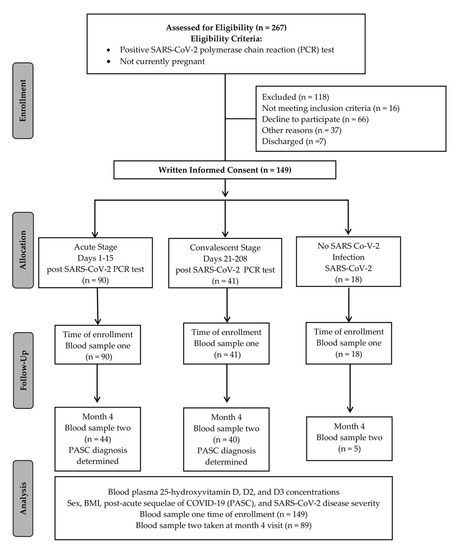
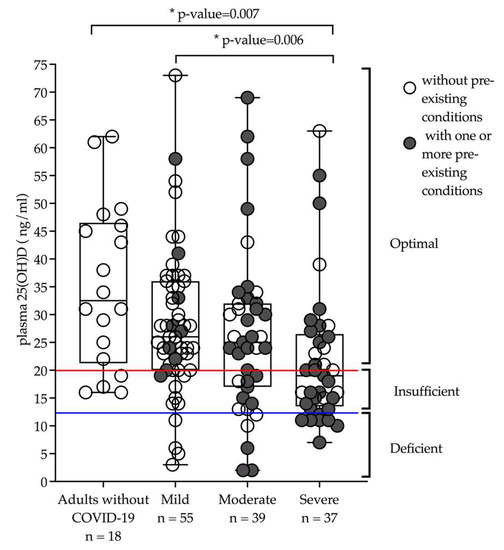
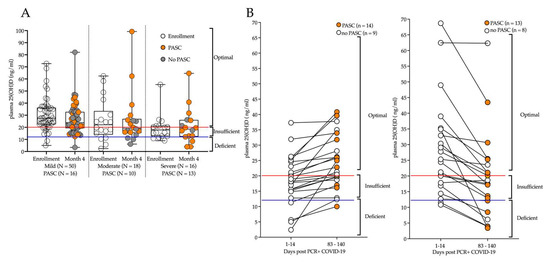
Vitamin D deficiency is common in the United States and leads to altered immune function, including T cell and macrophage activity that may impact responses to SARS-CoV-2 infection. This study investigated 131 adults with a history of a positive SARS-CoV-2 nasopharyngeal PCR and 18 adults with no COVID-19 diagnosis that were recruited from the community or hospital into the Northern Colorado Coronavirus Biorepository (NoCo-COBIO). Participants consented to enrollment for a period of 6 months and provided biospecimens at multiple visits for longitudinal analysis. Plasma 25-hydroxyvitamin D levels were quantified by LC-MS/MS at the initial visit (n = 149) and after 4 months (n = 89). Adults were classified as deficient (<30 nM or <12 ng/mL), insufficient (<30–50 nM or 12–20 ng/mL), or optimal (50–75 nM or >20 ng/mL) for 25-hydroxyvitamin D status. Fisher’s exact test demonstrated an association between disease severity, gender, and body mass index (BMI) at baseline. Mixed model analyses with Tukey-Kramer were used for longitudinal analysis according to BMI. Sixty-nine percent (n = 103) of the entire cohort had optimal levels of total 25(OH)D, 22% (n = 32) had insufficient levels, and 9% (n = 14) had deficent levels. Participants with severe disease (n = 37) had significantly lower 25-hydroxyvitamin D (total 25(OH)D) when compared to adults with mild disease (p = 0.006) or no COVID-19 diagnosis (p = 0.007). There was 44% of the cohort with post-acute sequalae of COVID-19 (PASC) as defined by experiencing at least one of the following symptoms after 60 days’ post-infection: fatigue, dyspnea, joint pain, chest pain, forgetfulness or absent-mindedness, confusion, or difficulty breathing. While significant differences were detected in 25-hydroxyvitamin D status by sex and BMI, there were no correlations between 25-hydroxyvitamin D for those without and without PASC. This longitudinal study of COVID-19 survivors demonstrates an important association between sex, BMI, and disease severity for 25-hydroxyvitamin D deficiency during acute stages of infection, yet it is not clear whether supplementation efforts would influence long term outcomes such as developing PASC. Full article
(This article belongs to the Section Micronutrients and Human Health)
Show Figures

Figure 1
11 pages, 283 KB  
Article
The Impact of a ‘Remotely-Delivered’ Sports Nutrition Education Program on Dietary Intake and Nutrition Knowledge of Junior Elite Triathletes
by Xuedan Tan, Natalie Rogers, Nancy Brown, Melanie MacDonald, Amy-Lee Bowler and Gregory R. Cox
Nutrients 2022, 14(24), 5203; https://doi.org/10.3390/nu14245203 - 7 Dec 2022
Cited by 10 | Viewed by 4508
Abstract
Triathlon is a physically demanding sport, requiring athletes to make informed decisions regarding their daily food and fluid intake to align with daily training. With an increase in uptake for online learning, remotely delivered education programs offer an opportunity to improve nutritional knowledge [...] Read more.
Triathlon is a physically demanding sport, requiring athletes to make informed decisions regarding their daily food and fluid intake to align with daily training. With an increase in uptake for online learning, remotely delivered education programs offer an opportunity to improve nutritional knowledge and subsequent dietary intake in athletes. This single-arm observational study aimed to evaluate the effectiveness of a remotely delivered nutrition education program on sports nutrition knowledge and the dietary intake of junior elite triathletes (n = 21; female n = 9; male n = 12; 18.9 ± 1.6 y). A total of 18 participants completed dietary intake assessments (4-day food diary via Easy Diet DiaryTM) and 14 participants completed an 83-question sports nutrition knowledge assessment (Sports Nutrition Knowledge Questionnaire (SNKQ)) before and after the 8-week program. Sports nutrition knowledge scores improved by 15% (p < 0.001, ES = 0.9) following the program. Male participants reported higher energy intakes before (3348 kJ, 95% CI: 117–6579; p = 0.043) and after (3644 kJ, 95% CI: 451–6836; p = 0.028) the program compared to females. Carbohydrate intake at breakfast (p = 0.022), daily intakes of fruit (p = 0.033), dairy (p = 0.01) and calcium (p = 0.029) increased following nutrition education. Irrespective of gender, participants had higher intakes of energy (p < 0.001), carbohydrate (p = 0.001), protein (p = 0.007), and fat (p = 0.007) on heavy training days compared to lighter training days before and after the program with total nutrition knowledge scores negatively correlated with discretionary food intake (r = −0.695, p = 0.001). A remotely delivered nutrition education program by an accredited sports nutrition professional improved sports nutrition knowledge and subsequent dietary intake of junior elite triathletes, suggesting remote delivery of nutrition education may prove effective when social distancing requirements prevent face-to-face opportunities. Full article
(This article belongs to the Special Issue Dietary Planning in Sports Nutrition)
13 pages, 830 KB  
Article
UK Dietary Practices for Tyrosinaemias: Time for Change
by Anne Daly, Sarah Adam, Heather Allen, Jane Ash, Clare Dale, Marjorie Dixon, Carolyn Dunlop, Charlotte Ellerton, Sharon Evans, Sarah Firman, Suzanne Ford, Francine Freedman, Joanna Gribben, Sara Howe, Farzana Khan, Joy McDonald, Nicola McStravick, Patty Nguyen, Natalia Oxley, Rachel Skeath, Emma Simpson, Allyson Terry, Alison Woodall, Lucy White and Anita MacDonaldadd Show full author list remove Hide full author list
Nutrients 2022, 14(24), 5202; https://doi.org/10.3390/nu14245202 - 7 Dec 2022
Cited by 4 | Viewed by 3797
Abstract
In the UK, different dietary systems are used to calculate protein or tyrosine/phenylalanine intake in the dietary management of hereditary tyrosinaemia, HTI, II and III (HT), with no systematic evidence comparing the merits and inadequacies of each. This study aimed to examine the [...] Read more.
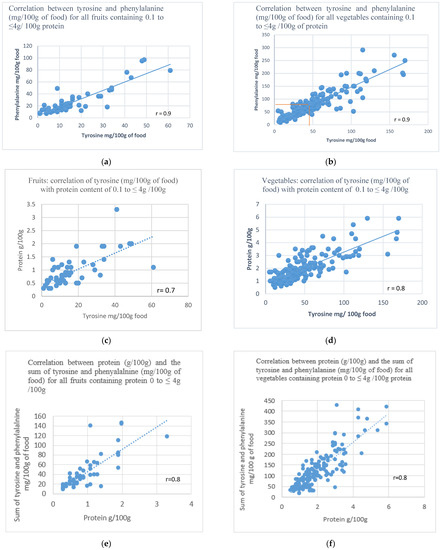
In the UK, different dietary systems are used to calculate protein or tyrosine/phenylalanine intake in the dietary management of hereditary tyrosinaemia, HTI, II and III (HT), with no systematic evidence comparing the merits and inadequacies of each. This study aimed to examine the current UK dietary practices in all HTs and, using Delphi methodology, to reach consensus agreement about the best dietary management system. Over 12 months, five meetings were held with UK paediatric and adult dietitians working in inherited metabolic disorders (IMDs) managing HTs. Eleven statements on the dietary system for calculating protein or tyrosine/phenylalanine intake were discussed. Dietitians from 12 of 14 IMD centres caring for HT patients participated, and 7/11 statements were agreed with one Delphi round. Nine centres (three abstentions) supported a 1 g protein exchange system for all foods except fruit and vegetables. The same definitions used in the UK for phenylketonuria (PKU) were adopted to define when to calculate foods as part of a protein exchange system or permit them without measurement. Fruit and vegetables contain a lower amount of tyrosine/phenylalanine per 1 g of protein than animal and cereal foods. The correlation of tyrosine vs. phenylalanine (mg/100 g) for vegetables and fruits was high (r = 0.9). In Delphi round 2, agreement was reached to use the tyrosine/phenylalanine analyses of fruits/vegetables, for their allocation within the HT diet. This allowed larger portion sizes of measured fruits and vegetables and increased the variety of fruit and vegetables that could be eaten without measurement. In HTs, a combined dietary management system will be used: 1 g protein exchanges for cereal and milk protein sources and tyrosine/phenylalanine exchanges for fruit and vegetables. Intensive, systematic communication with IMD dietitians and reappraisal of the evidence has redefined and harmonised HT dietary practice across the UK. Full article
(This article belongs to the Section Nutrition and Metabolism)
Show Figures

Figure 1
12 pages, 1449 KB  
Systematic Review
Association between Retinol-Binding Protein 4 Levels and Preeclampsia: A Systematic Review and Meta-Analysis
by Hamdan Z. Hamdan, Tasneem Ali and Ishag Adam
Nutrients 2022, 14(24), 5201; https://doi.org/10.3390/nu14245201 - 7 Dec 2022
Cited by 7 | Viewed by 3350
Abstract
Retinol-binding protein 4 (RBP4) is claimed to be associated with the development of preeclampsia, yet the reports are inconclusive. This systematic review and meta-analysis aimed to assess the association between RBP4 levels and preeclampsia. The PubMed, Google Scholar and ScienceDirect databases were searched [...] Read more.
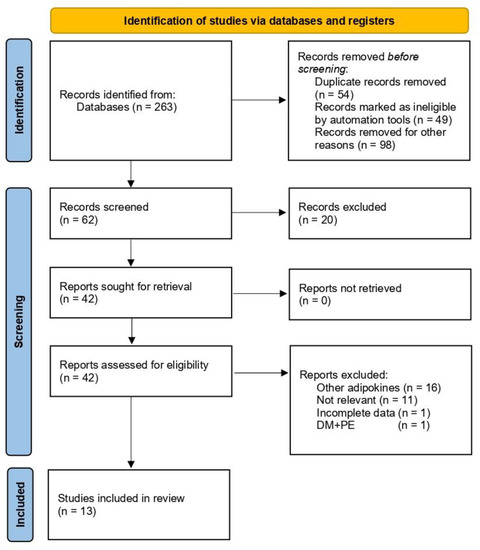
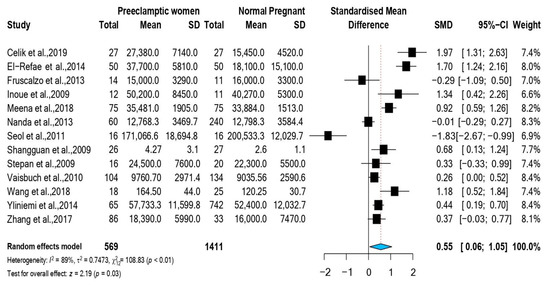
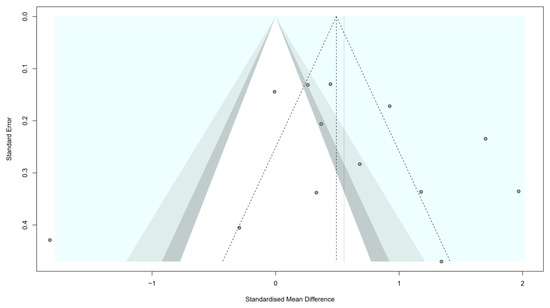
Retinol-binding protein 4 (RBP4) is claimed to be associated with the development of preeclampsia, yet the reports are inconclusive. This systematic review and meta-analysis aimed to assess the association between RBP4 levels and preeclampsia. The PubMed, Google Scholar and ScienceDirect databases were searched for studies that investigated RBP4 levels in preeclampsia patients and compared them with normal controls. The meta-analysis was conducted by calculating the standardized mean difference (SMD) of RBP4 between cases and controls. The meta package with the R software was used to perform all statistical analysis. A total of 13 studies, comprising 569 cases and 1411 controls, met the inclusion criteria and were thus included in the meta-analysis. According to the random effect model, the SMD of RBP4 was significantly higher in women with preeclampsia compared with normal controls [SMD of RBP4: 0.55 ng/mL; 95% CI (0.06; 1.05); p = 0.028; I2 = 89%]. Likewise, the stratified meta-analysis showed the same pattern in the studies which measured RBP4 levels in the third trimester, as well as in the studies that investigated severe preeclampsia. Meta-regression did not identify any factor that significantly affected the overall estimate. There was no evidence of reporting bias (Egger’s test; t = 0.43; p = 0.587). This meta-analysis with high heterogeneity showed that higher levels of RBP4 were associated with preeclampsia risk. More longitudinal studies spanning the three trimester periods are needed to clarify the association of RBP4 and its dynamics in preeclampsia cases throughout pregnancy. Full article
(This article belongs to the Section Nutrition in Women)
Show Figures

Figure 1
9 pages, 1212 KB  
Article
Impact of Fecal Microbiota Transplantation on Gut Bacterial Bile Acid Metabolism in Humans
by Jessica-Miranda Bustamante, Tyson Dawson, Caitlin Loeffler, Zara Marfori, Julian R. Marchesi, Benjamin H. Mullish, Christopher C. Thompson, Keith A. Crandall, Ali Rahnavard, Jessica R. Allegretti and Bethany P. Cummings
Nutrients 2022, 14(24), 5200; https://doi.org/10.3390/nu14245200 - 7 Dec 2022
Cited by 54 | Viewed by 9093
Abstract
Fecal microbiota transplantation (FMT) is a promising therapeutic modality for the treatment and prevention of metabolic disease. We previously conducted a double-blind, randomized, placebo-controlled pilot trial of FMT in obese metabolically healthy patients in which we found that FMT enhanced gut bacterial bile [...] Read more.
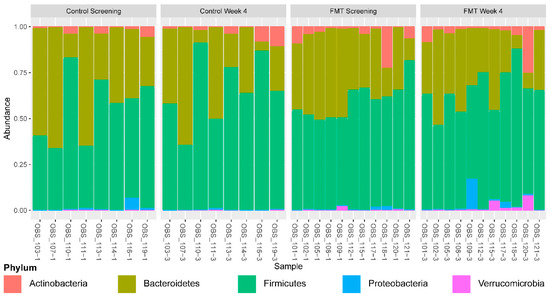
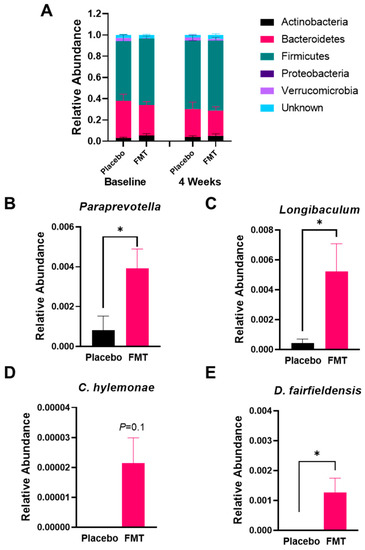
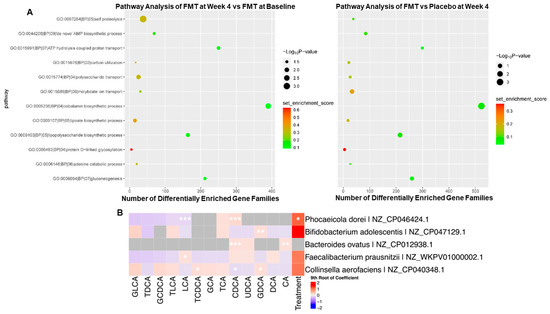
Fecal microbiota transplantation (FMT) is a promising therapeutic modality for the treatment and prevention of metabolic disease. We previously conducted a double-blind, randomized, placebo-controlled pilot trial of FMT in obese metabolically healthy patients in which we found that FMT enhanced gut bacterial bile acid metabolism and delayed the development of impaired glucose tolerance relative to the placebo control group. Therefore, we conducted a secondary analysis of fecal samples collected from these patients to assess the potential gut microbial species contributing to the effect of FMT to improve metabolic health and increase gut bacterial bile acid metabolism. Fecal samples collected at baseline and after 4 weeks of FMT or placebo treatment underwent shotgun metagenomic analysis. Ultra-high-performance liquid chromatography-mass spectrometry was used to profile fecal bile acids. FMT-enriched bacteria that have been implicated in gut bile acid metabolism included Desulfovibrio fairfieldensis and Clostridium hylemonae. To identify candidate bacteria involved in gut microbial bile acid metabolism, we assessed correlations between bacterial species abundance and bile acid profile, with a focus on bile acid products of gut bacterial metabolism. Bacteroides ovatus and Phocaeicola dorei were positively correlated with unconjugated bile acids. Bifidobacterium adolescentis, Collinsella aerofaciens, and Faecalibacterium prausnitzii were positively correlated with secondary bile acids. Together, these data identify several candidate bacteria that may contribute to the metabolic benefits of FMT and gut bacterial bile acid metabolism that requires further functional validation. Full article
Show Figures

Figure 1
11 pages, 940 KB  
Article
Wild Watermelon-Extracted Juice Ingestion Reduces Peripheral Arterial Stiffness with an Increase in Nitric Oxide Production: A Randomized Crossover Pilot Study
by Shumpei Fujie, Keiko Iemitsu, Kenichiro Inoue, Taro Ogawa, Ayaka Nakashima, Kengo Suzuki and Motoyuki Iemitsu
Nutrients 2022, 14(24), 5199; https://doi.org/10.3390/nu14245199 - 7 Dec 2022
Cited by 10 | Viewed by 7278
Abstract
Wild watermelon contains various nutrients, but the effect of its acute ingestion on arterial stiffness is unclear. This study aimed to investigate whether a single bout of acute ingestion of wild watermelon-extracted juice decreased arterial stiffness concomitant with an increase in nitric oxide [...] Read more.
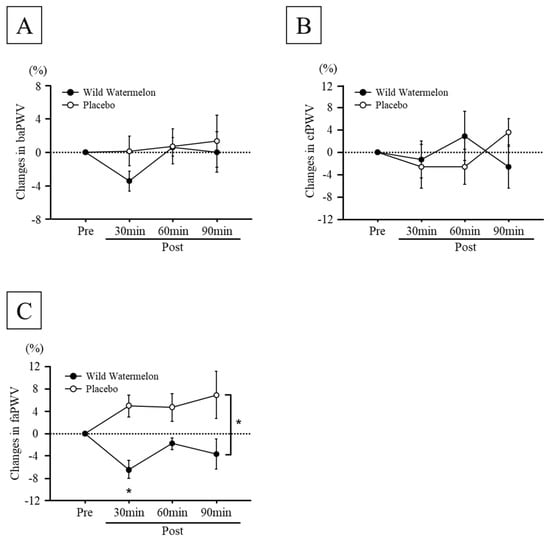
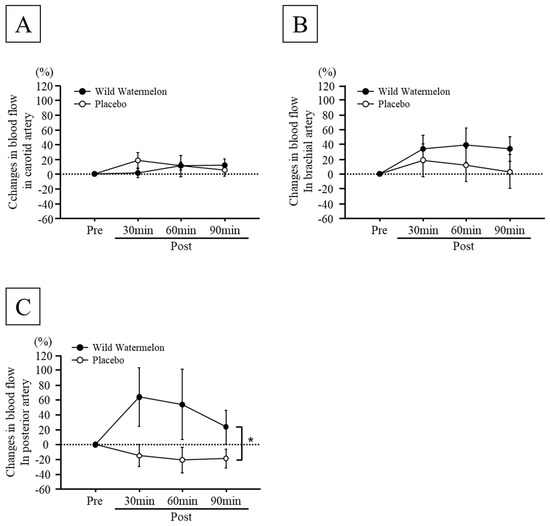
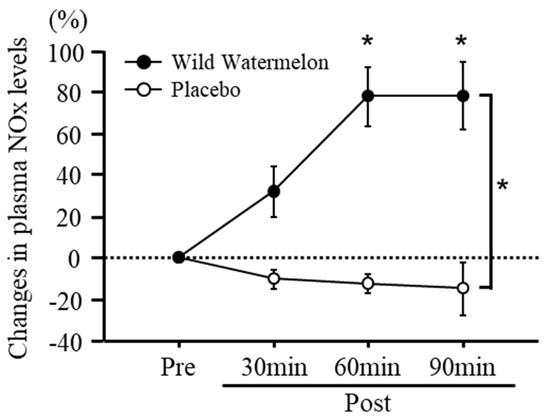
Wild watermelon contains various nutrients, but the effect of its acute ingestion on arterial stiffness is unclear. This study aimed to investigate whether a single bout of acute ingestion of wild watermelon-extracted juice decreased arterial stiffness concomitant with an increase in nitric oxide (NO) production. Twelve healthy young female participants were tested under two conditions in a randomized, double-blind crossover study: (1) a beverage containing 90 g of wild watermelon extract and (2) a control beverage: a placebo. Pulse wave velocity (PWV), an index of arterial stiffness, blood flow, and plasma nitrate/nitrite (NOx) levels were measured in the supine position at 30, 60, and 90 min after the intake of each beverage. The changes in femoral-ankle PWV were significantly reduced after wild watermelon-extracted juice intake compared to those in the placebo group. Additionally, the changes in blood flow in the posterior tibial artery and plasma NOx levels after intake of wild watermelon-extracted juice were significantly increased compared to those in the placebo group. These data show that acute ingestion of wild watermelon-extracted juice reduces peripheral (lower limb) arterial stiffness and increases NO bioavailability. To confirm these associations, more detailed investigations of the nutrients that influence these effects should be conducted. Full article
Show Figures

Figure 1
17 pages, 1181 KB  
Article
Horticultural Therapy May Reduce Psychological and Physiological Stress in Adolescents with Anorexia Nervosa: A Pilot Study
by Olivia Curzio, Lucia Billeci, Vittorio Belmonti, Sara Colantonio, Lorenzo Cotrozzi, Carlotta Francesca De Pasquale, Maria Aurora Morales, Cristina Nali, Maria Antonietta Pascali, Francesca Venturi, Alessandro Tonacci, Nicola Zannoni and Sandra Maestro
Nutrients 2022, 14(24), 5198; https://doi.org/10.3390/nu14245198 - 7 Dec 2022
Cited by 15 | Viewed by 6622
Abstract
Studies in psychiatric populations have found a positive effect of Horticultural therapy (HCT) on reductions in stress levels. The main objective of the present pilot study was to evaluate the impact of the addition of HCT to conventional clinical treatment (Treatment as Usual, [...] Read more.
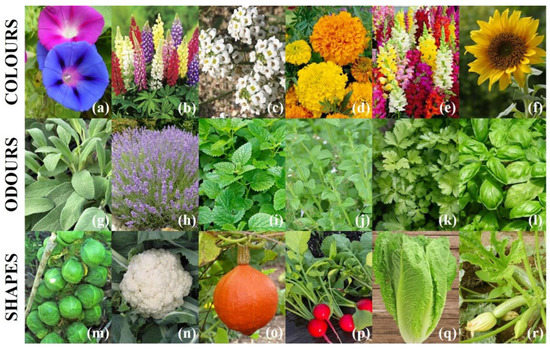
Studies in psychiatric populations have found a positive effect of Horticultural therapy (HCT) on reductions in stress levels. The main objective of the present pilot study was to evaluate the impact of the addition of HCT to conventional clinical treatment (Treatment as Usual, TaU) in a sample of six female adolescents with anorexia nervosa restricting type (AN-R), as compared to six AN-R patients, matched for sex and age, under TaU only. This is a prospective, non-profit, pilot study on patients with a previous diagnosis of AN-R and BMI < 16, recruited in 2020 in clinical settings. At enrolment (T0) and after treatment completion (TF), psychiatric assessment was performed. At T0, all the patients underwent: baseline electrocardiogram acquisition with a wearable chest strap for recording heart rate and its variability; skin conductance registration and thermal mapping of the individual’s face. An olfactory identification test was administered both to evaluate the olfactory sensoriality and to assess the induced stress. One-way analyses of variance (ANOVAs) were performed to analyze modifications in clinical and physiological variables, considering time (T0, TF) as a within-subjects factor and group (experimental vs. control) as between-subjects factors. When the ANOVA was significant, post hoc analysis was performed by Paired Sample T-tests. Only in the HCT group, stress response levels, as measured by the biological parameters, improved over time. The body uneasiness level and the affective problem measures displayed a significant improvement in the HCT subjects. HCT seems to have a positive influence on stress levels in AN-R. Full article
(This article belongs to the Section Clinical Nutrition)
Show Figures

Figure 1
15 pages, 795 KB  
Review
Vitamin D and Systems Biology
by Shahid Hussain, Clayton Yates and Moray J. Campbell
Nutrients 2022, 14(24), 5197; https://doi.org/10.3390/nu14245197 - 7 Dec 2022
Cited by 10 | Viewed by 4876
Abstract
The biological actions of the vitamin D receptor (VDR) have been investigated intensively for over 100 years and has led to the identification of significant insights into the repertoire of its biological actions. These were initially established to be centered on the regulation [...] Read more.
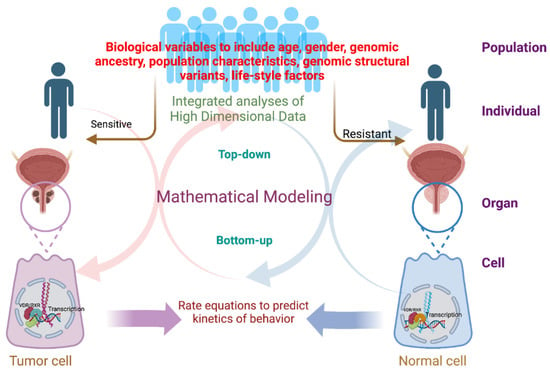
The biological actions of the vitamin D receptor (VDR) have been investigated intensively for over 100 years and has led to the identification of significant insights into the repertoire of its biological actions. These were initially established to be centered on the regulation of calcium transport in the colon and deposition in bone. Beyond these well-known calcemic roles, other roles have emerged in the regulation of cell differentiation processes and have an impact on metabolism. The purpose of the current review is to consider where applying systems biology (SB) approaches may begin to generate a more precise understanding of where the VDR is, and is not, biologically impactful. Two SB approaches have been developed and begun to reveal insight into VDR biological functions. In a top-down SB approach genome-wide scale data are statistically analyzed, and from which a role for the VDR emerges in terms of being a hub in a biological network. Such approaches have confirmed significant roles, for example, in myeloid differentiation and the control of inflammation and innate immunity. In a bottom-up SB approach, current biological understanding is built into a kinetic model which is then applied to existing biological data to explain the function and identify unknown behavior. To date, this has not been applied to the VDR, but has to the related ERα and identified previously unknown mechanisms of control. One arena where applying top-down and bottom-up SB approaches may be informative is in the setting of prostate cancer health disparities. Full article
Show Figures

Figure 1
12 pages, 976 KB  
Review
Sleep Deprivation and Central Appetite Regulation
by Shuailing Liu, Xiya Wang, Qian Zheng, Lanyue Gao and Qi Sun
Nutrients 2022, 14(24), 5196; https://doi.org/10.3390/nu14245196 - 7 Dec 2022
Cited by 76 | Viewed by 33037
Abstract
Research shows that reduced sleep duration is related to an increased risk of obesity. The relationship between sleep deprivation and obesity, type 2 diabetes, and other chronic diseases may be related to the imbalance of appetite regulation. To comprehensively illustrate the specific relationship [...] Read more.
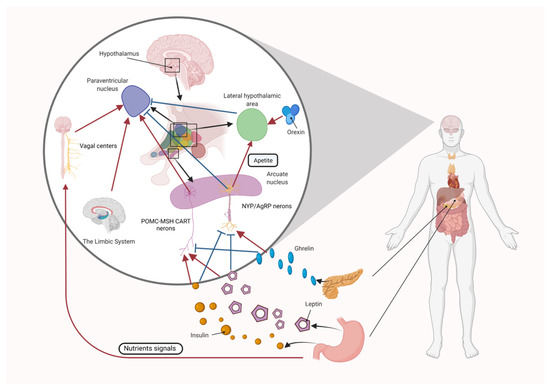
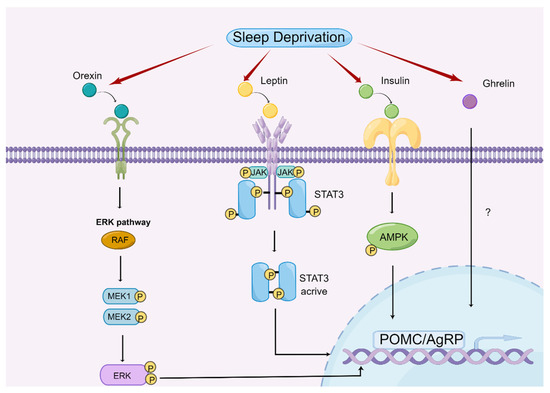
Research shows that reduced sleep duration is related to an increased risk of obesity. The relationship between sleep deprivation and obesity, type 2 diabetes, and other chronic diseases may be related to the imbalance of appetite regulation. To comprehensively illustrate the specific relationship between sleep deprivation and appetite regulation, this review introduces the pathophysiology of sleep deprivation, the research cutting edge of animal models, and the central regulatory mechanism of appetite under sleep deprivation. This paper summarizes the changes in appetite-related hormones orexin, ghrelin, leptin, and insulin secretion caused by long-term sleep deprivation based on the epidemiology data and animal studies that have established sleep deprivation models. Moreover, this review analyzes the potential mechanism of associations between appetite regulation and sleep deprivation, providing more clues on further studies and new strategies to access obesity and metabolic disease. Full article
(This article belongs to the Special Issue 2023 Collection: Dietary, Lifestyle and Children Health)
Show Figures

Figure 1