18 pages, 5215 KB  
Article
Evaluation of a Method for Calculating the Height of the Stable Boundary Layer Based on Wind Profile Lidar and Turbulent Fluxes
by Haijiong Sun, Hongrong Shi, Hongyan Chen, Guiqian Tang, Chen Sheng, Ke Che and Hongbin Chen
Remote Sens. 2021, 13(18), 3596; https://doi.org/10.3390/rs13183596 - 9 Sep 2021
Cited by 9 | Viewed by 3378
Abstract
The height of the stable boundary layer (SBL), known as the nocturnal boundary layer height, is controlled by numerous factors of different natures. The SBL height defines the state of atmospheric turbulence and describes the diffusion capacity of the atmosphere. Therefore, it is [...] Read more.
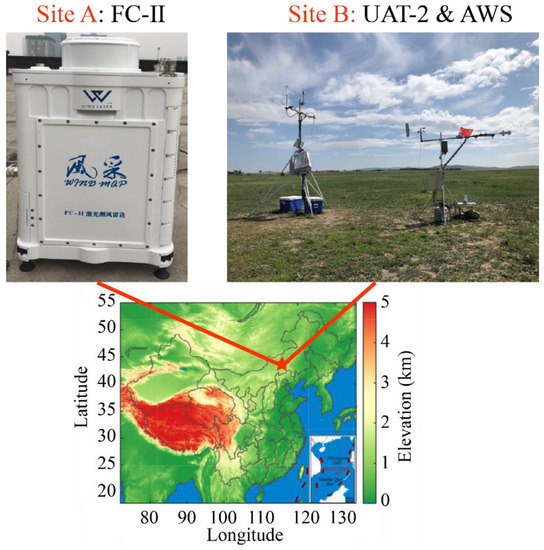
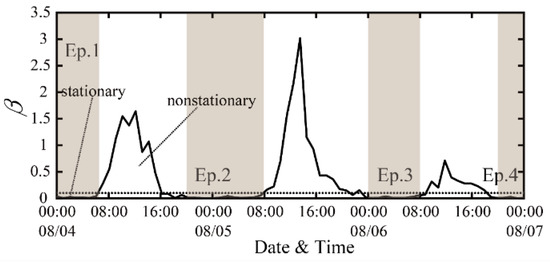
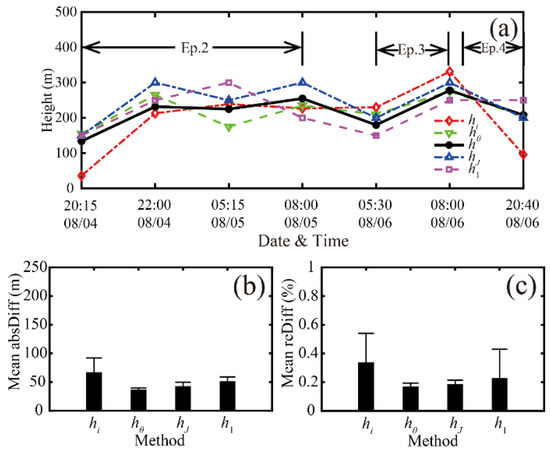
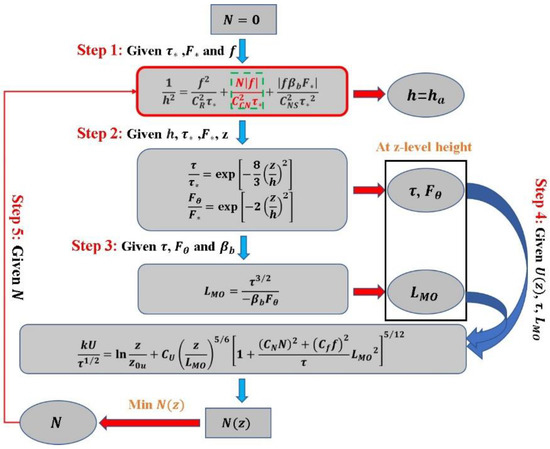
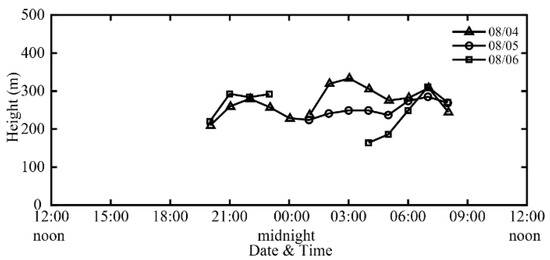
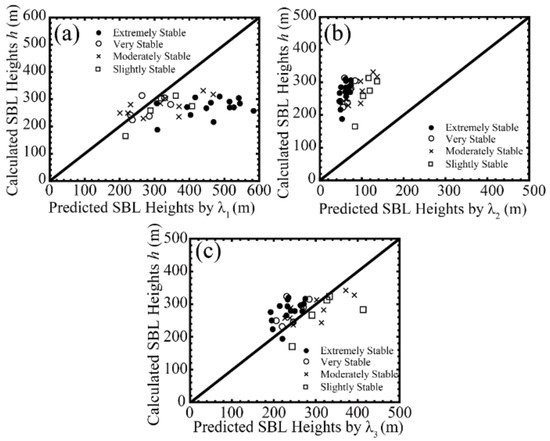
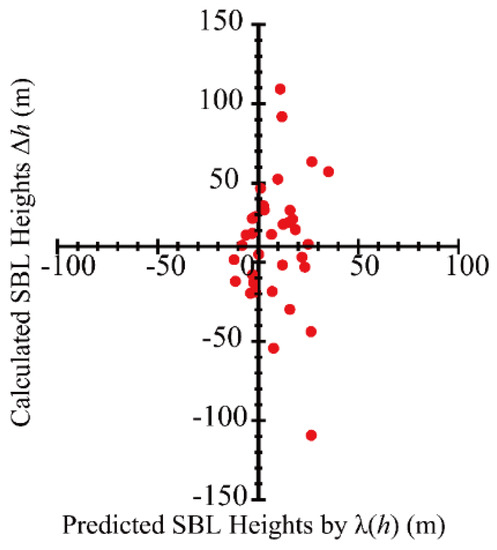
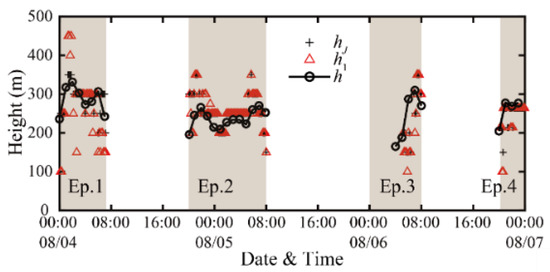
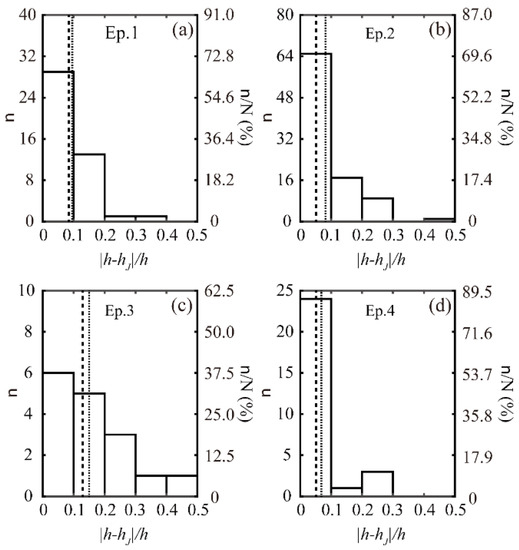
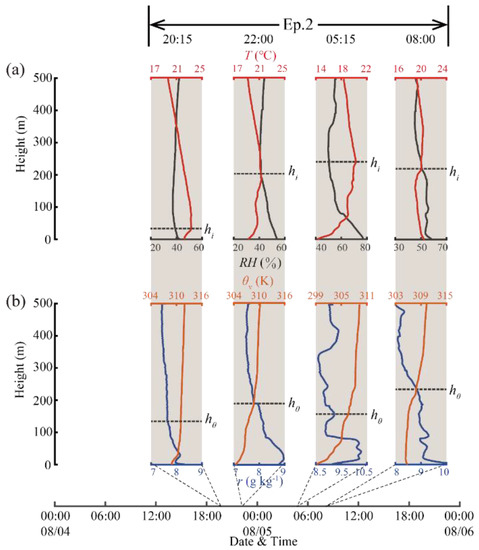
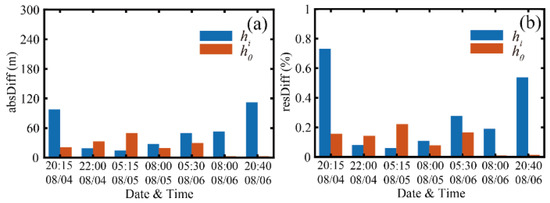
The height of the stable boundary layer (SBL), known as the nocturnal boundary layer height, is controlled by numerous factors of different natures. The SBL height defines the state of atmospheric turbulence and describes the diffusion capacity of the atmosphere. Therefore, it is unsurprising that many alternative (sometimes contradictory) formulations for the SBL height have been proposed to date, and no consensus has been achieved. In our study, we propose an iterative algorithm to determine the SBL height h based on the flux–profile relationship using wind profiles and turbulent fluxes. This iterative algorithm can obtain temporally continuous, accurate estimates of h and is widely applicable. The predicted h presents relatively good agreement with four observation-derived SBL heights, hJ, h1, hi, and hθ (hJ: maximum wind speed height, h1: zero wind shear height, hi: temperature inversion height, and hθ: height at which 0.8 times the inversion strength appears for the first time), especially with hθ, which shows the best fit. In addition, h exhibits a low absolute difference and relative difference with hJ, which presents the second-best result. The agreement with hi and h1 may be satisfactory, but small differences are observed, and the one standard deviation of the mean relative difference is large. In addition, the predicted h is compared with other SBL height estimation methods, including diagnostic, λ1, λ2 and λ3 (three typical dimensional scale height parameters) and prognostic equation-based methods, λ(h) (an equation for the growth of h developed). The diagnostic formulas are found to be appropriate, especially under extremely stable conditions. Additionally, the equation of λ3 presents the best result of all the dimensional scale height parameters. However, the prognostic equation λ(h) in our study is very unsatisfactory. Full article
(This article belongs to the Section Atmospheric Remote Sensing)
Show Figures

Figure 1
19 pages, 6572 KB  
Article
Remote Sensing-Based Quantification of the Summer Maize Yield Gap Induced by Suboptimum Sowing Dates over North China Plain
by Sha Zhang, Yun Bai and Jiahua Zhang
Remote Sens. 2021, 13(18), 3582; https://doi.org/10.3390/rs13183582 - 8 Sep 2021
Cited by 9 | Viewed by 3301
Abstract
Estimating yield potential (Yp) and quantifying the contribution of suboptimum field managements to the yield gap (Yg) of crops are important for improving crop yield effectively. However, achieving this goal on a regional scale remains difficult because of challenges in collecting field management [...] Read more.
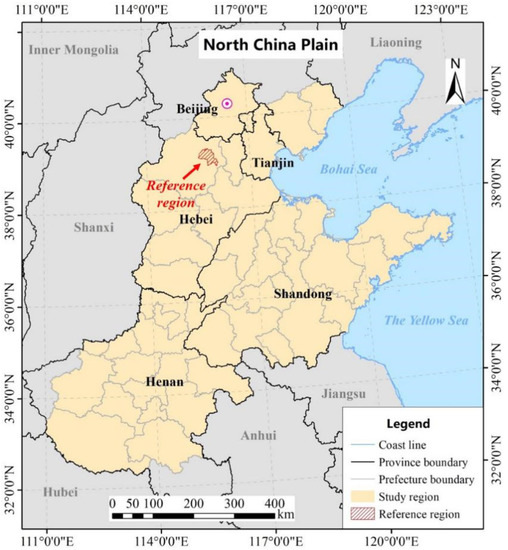
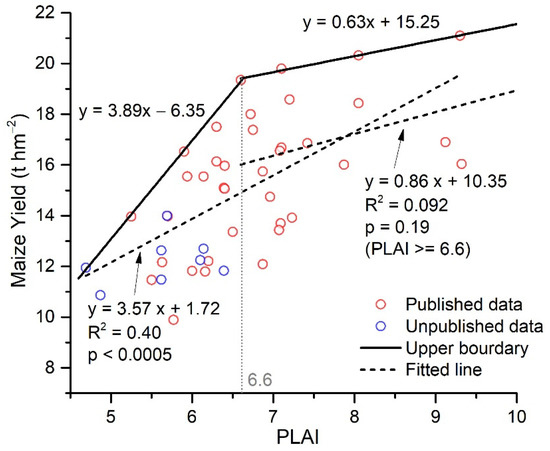
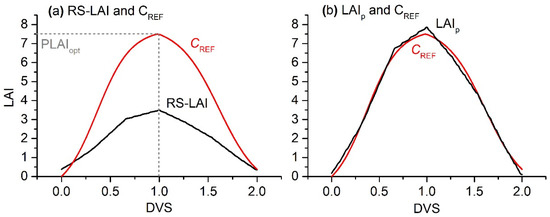
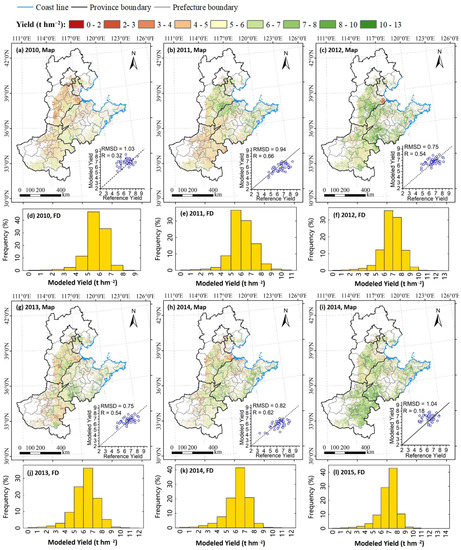
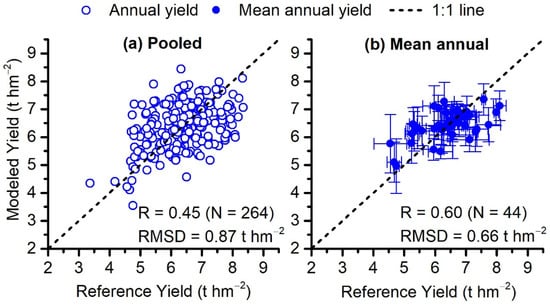
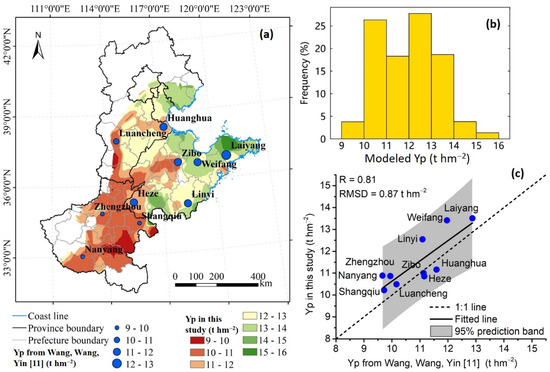
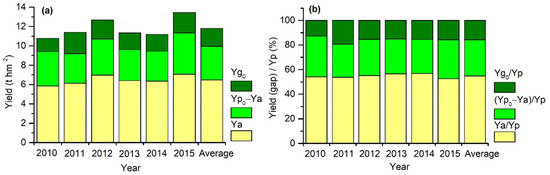
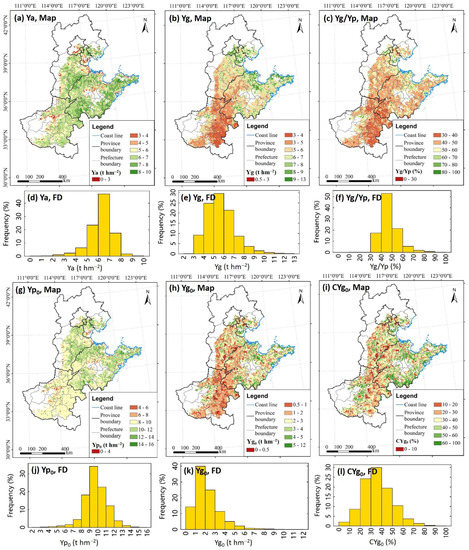
Estimating yield potential (Yp) and quantifying the contribution of suboptimum field managements to the yield gap (Yg) of crops are important for improving crop yield effectively. However, achieving this goal on a regional scale remains difficult because of challenges in collecting field management information. In this study, we retrieved crop management information (i.e., emerging stage information and a surrogate of sowing date (SDT)) from a remote sensing (RS) vegetation index time series. Then, we developed a new approach to quantify maize Yp, total Yg, and the suboptimum SDT-induced Yg (Yg0) using a process-based RS-driven crop yield model for maize (PRYM–Maize), which was developed in our previous study. PRYM–Maize and the newly developed method were used over the North China Plain (NCP) to estimate Ya, Yp, Yg, and Yg0 of summer maize. Results showed that PRYM–Maize outputs reasonable estimates for maize yield over the NCP, with correlations and root mean standard deviation of 0.49 ± 0.24 and 0.88 ± 0.14 t hm−2, respectively, for modeled annual maize yields versus the reference value for each year over the period 2010 to 2015 on a city level. Yp estimated using our new method can reasonably capture the spatial variations in site-level estimates from crop growth models in previous literature. The mean annual regional Yp of 2010–2015 was estimated to be 11.99 t hm−2, and a Yg value of 5.4 t hm−2 was found between Yp and Ya on a regional scale. An estimated 29–42% of regional Yg in each year (2010–2015) was induced by suboptimum SDT. Results also show that not all Yg0 was persistent over time. Future studies using high spatial-resolution RS images to disaggregate Yg0 into persistent and non-persistent components on a small scale are required to increase maize yield over the NCP. Full article
(This article belongs to the Special Issue Remote Sensing of Land Surface Phenology)
Show Figures

Graphical abstract

19 pages, 6600 KB  
Article
Landslide Susceptibility Assessment Based on Different MaChine Learning Methods in Zhaoping County of Eastern Guangxi
by Chunfang Kong, Yiping Tian, Xiaogang Ma, Zhengping Weng, Zhiting Zhang and Kai Xu
Remote Sens. 2021, 13(18), 3573; https://doi.org/10.3390/rs13183573 - 8 Sep 2021
Cited by 9 | Viewed by 3624
Abstract
Regarding the ever increasing and frequent occurrence of serious landslide disaster in eastern Guangxi, the current study was implemented to adopt support vector machines (SVM), particle swarm optimization support vector machines (PSO-SVM), random forest (RF), and particle swarm optimization random forest (PSO-RF) methods [...] Read more.
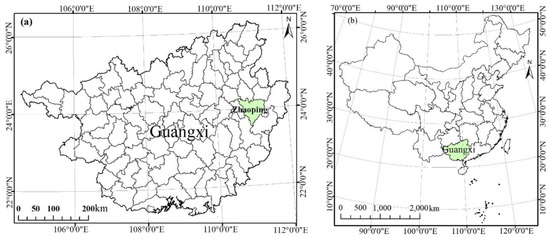
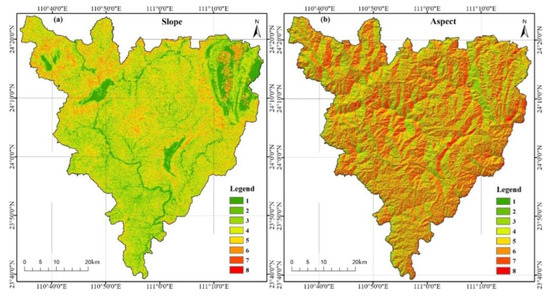
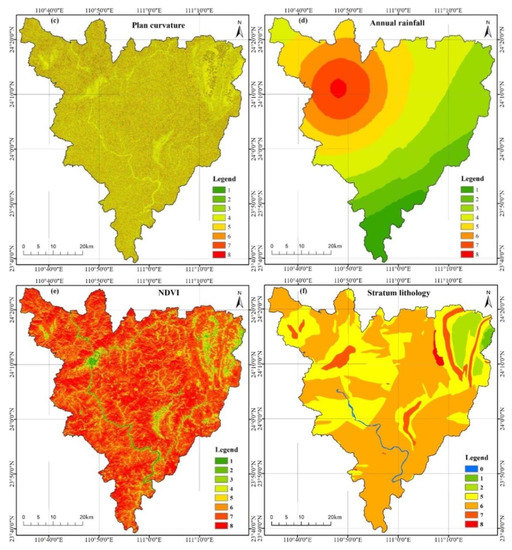
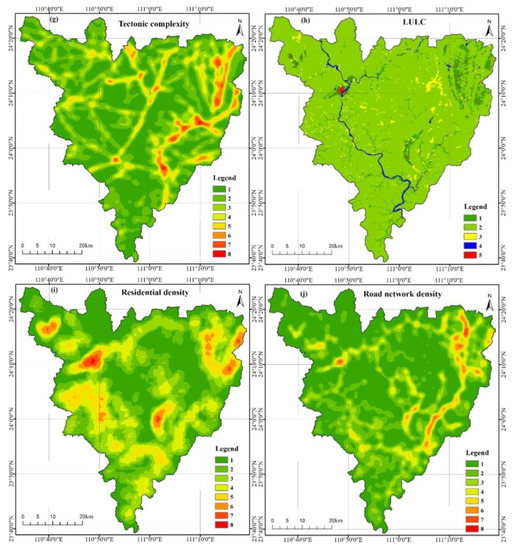
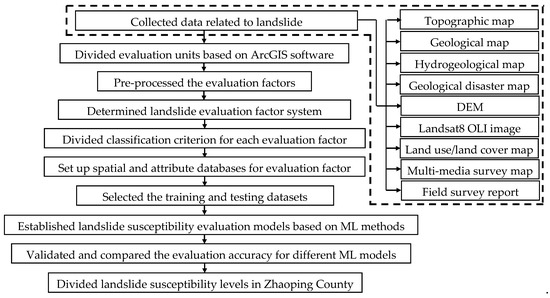
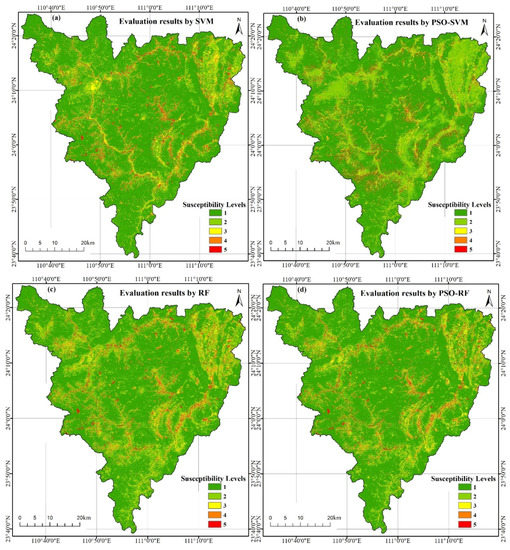
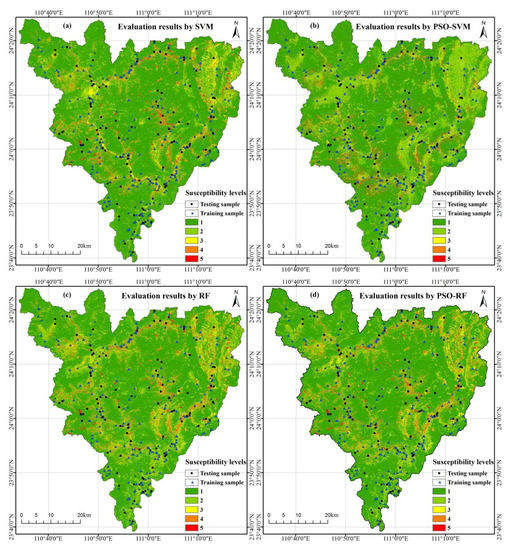
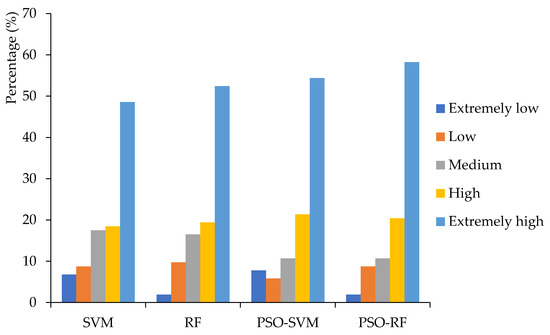
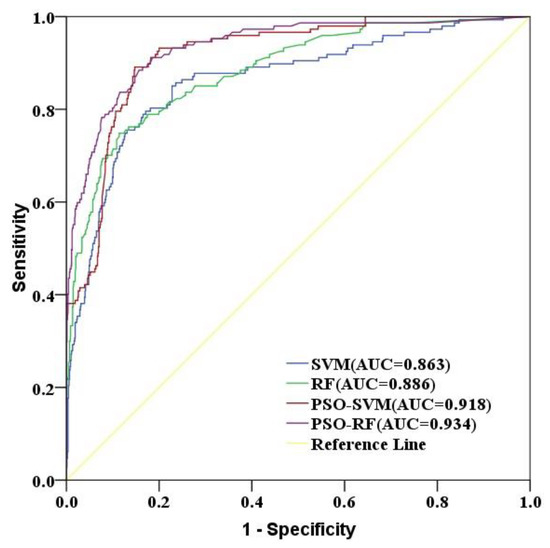
Regarding the ever increasing and frequent occurrence of serious landslide disaster in eastern Guangxi, the current study was implemented to adopt support vector machines (SVM), particle swarm optimization support vector machines (PSO-SVM), random forest (RF), and particle swarm optimization random forest (PSO-RF) methods to assess landslide susceptibility in Zhaoping County. To this end, 10 landslide disaster-related variables including digital elevation model (DEM)-derived, meteorology-derived, Landsat8-derived, geology-derived, and human activities factors were provided. Of 345 landslide disaster locations found, 70% were used to train the models, and the rest of them were performed for model verification. The aforementioned four models were run, and landslide susceptibility evaluation maps were produced. Then, receiver operating characteristics (ROC) curves, statistical analysis, and field investigation were performed to test and verify the efficiency of these models. Analysis and comparison of the results denoted that all four landslide models performed well for the landslide susceptibility evaluation as indicated by the area under curve (AUC) values of ROC curves from 0.863 to 0.934. Among them, it has been shown that the PSO-RF model has the highest accuracy in comparison to other landslide models, followed by the PSO-SVM model, the RF model, and the SVM model. Moreover, the results also showed that the PSO algorithm has a good effect on SVM and RF models. Furthermore, the landslide models devolved in the present study are promising methods that could be transferred to other regions for landslide susceptibility evaluation. In addition, the evaluation results can provide suggestions for disaster reduction and prevention in Zhaoping County of eastern Guangxi. Full article
(This article belongs to the Special Issue EO for Mapping Natural Resources and Geohazards)
Show Figures

Figure 1
21 pages, 3832 KB  
Article
Encoding Spectral-Spatial Features for Hyperspectral Image Classification in the Satellite Internet of Things System
by Ning Lv, Zhen Han, Chen Chen, Yijia Feng, Tao Su, Sotirios Goudos and Shaohua Wan
Remote Sens. 2021, 13(18), 3561; https://doi.org/10.3390/rs13183561 - 7 Sep 2021
Cited by 9 | Viewed by 3364
Abstract
Hyperspectral image classification is essential for satellite Internet of Things (IoT) to build a large scale land-cover surveillance system. After acquiring real-time land-cover information, the edge of the network transmits all the hyperspectral images by satellites with low-latency and high-efficiency to the cloud [...] Read more.
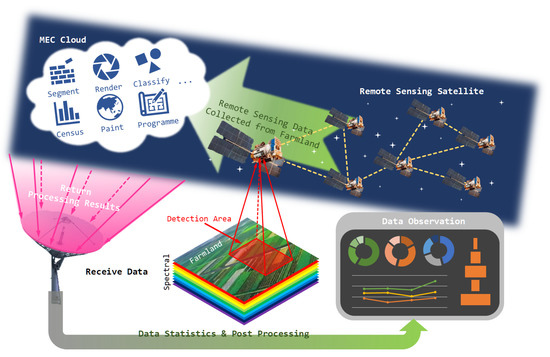
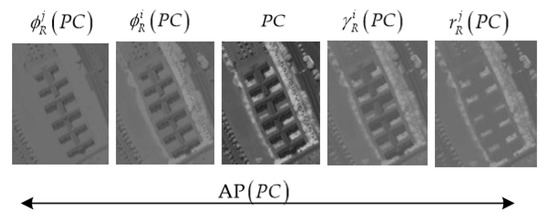
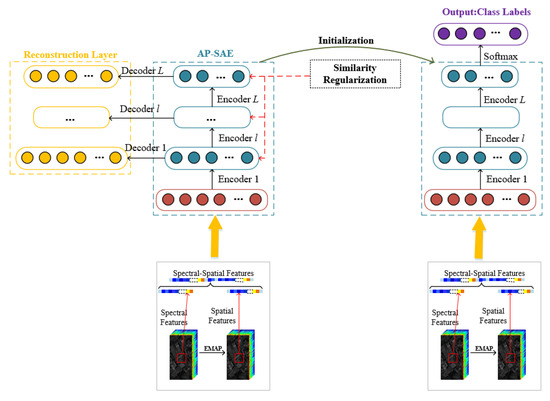
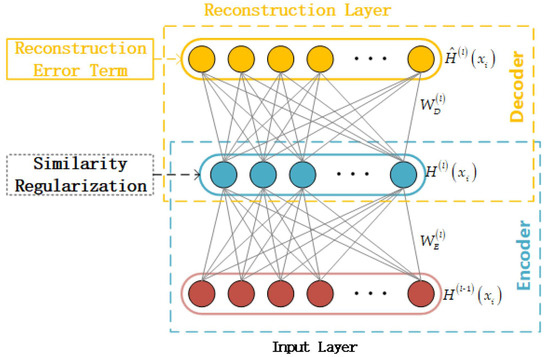
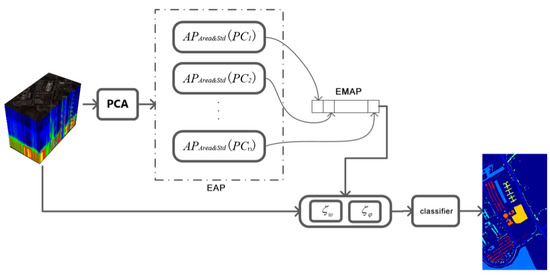
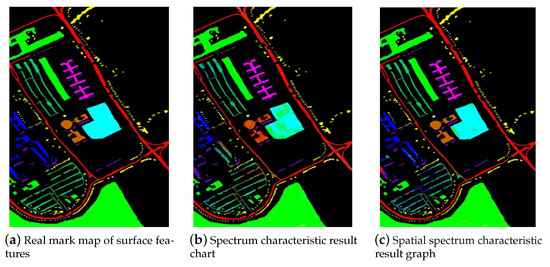
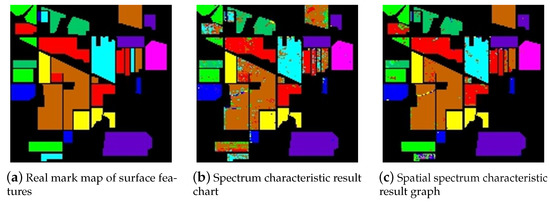
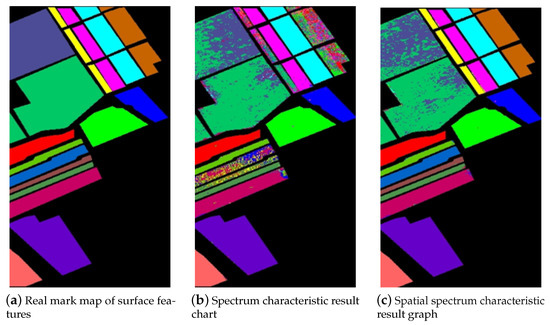
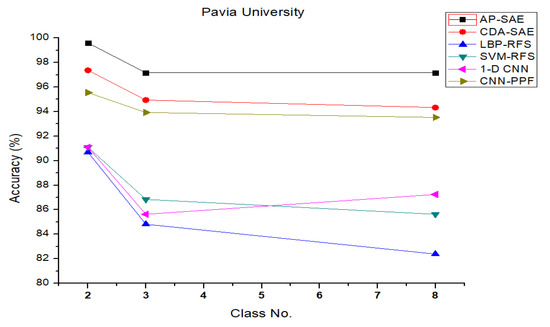
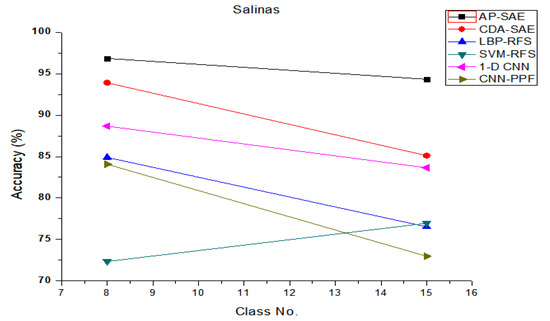
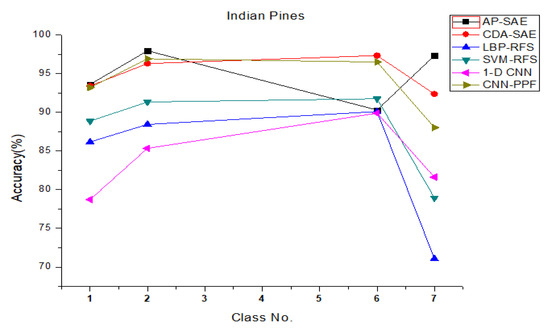
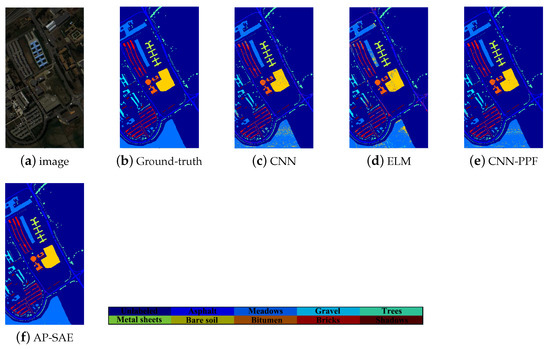
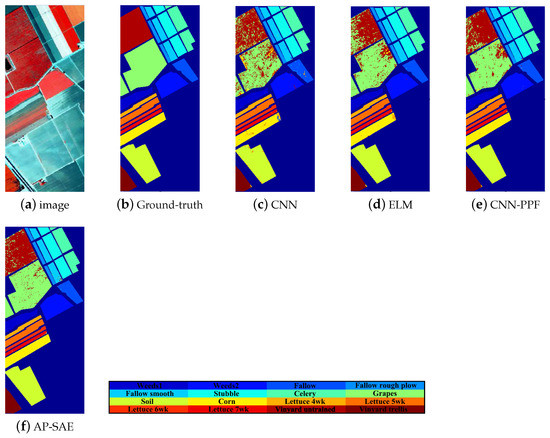
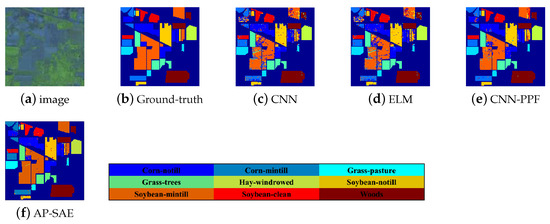
Hyperspectral image classification is essential for satellite Internet of Things (IoT) to build a large scale land-cover surveillance system. After acquiring real-time land-cover information, the edge of the network transmits all the hyperspectral images by satellites with low-latency and high-efficiency to the cloud computing center, which are provided by satellite IoT. A gigantic amount of remote sensing data bring challenges to the storage and processing capacity of traditional satellite systems. When hyperspectral images are used in annotation of land-cover application, data dimension reduction for classifier efficiency often leads to the decrease of classifier accuracy, especially the region to be annotated consists of natural landform and artificial structure. This paper proposes encoding spectral-spatial features for hyperspectral image classification in the satellite Internet of Things system to extract features effectively, namely attribute profile stacked autoencoder (AP-SAE). Firstly, extended morphology attribute profiles EMAP is used to obtain spatial features of different attribute scales. Secondly, AP-SAE is used to extract spectral features with similar spatial attributes. In this stage the program can learn feature mappings, on which the pixels from the same land-cover class are mapped as closely as possible and the pixels from different land-cover categories are separated by a large margin. Finally, the program trains an effective classifier by using the network of the AP-SAE. Experimental results on three widely-used hyperspectral image (HSI) datasets and comprehensive comparisons with existing methods demonstrate that our proposed method can be used effectively in hyperspectral image classification. Full article
Show Figures

Figure 1
18 pages, 4455 KB  
Article
Influence of Scale Effect of Canopy Projection on Understory Microclimate in Three Subtropical Urban Broad-Leaved Forests
by Xueyan Gao, Chong Li, Yue Cai, Lei Ye, Longdong Xiao, Guomo Zhou and Yufeng Zhou
Remote Sens. 2021, 13(18), 3786; https://doi.org/10.3390/rs13183786 - 21 Sep 2021
Cited by 8 | Viewed by 4905
Abstract
The canopy is the direct receiver and receptor of external environmental variations, and affects the microclimate and energy exchange between the understory and external environment. After autumn leaf fall, the canopy structure of different forests shows remarkable variation, causes changes in the microclimate [...] Read more.
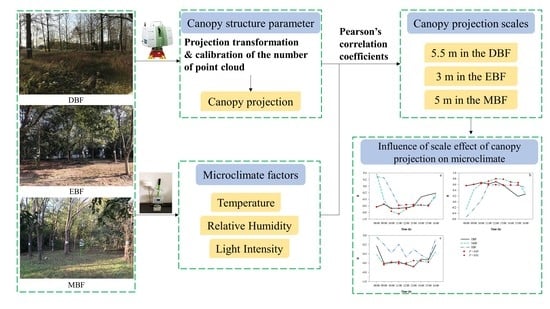
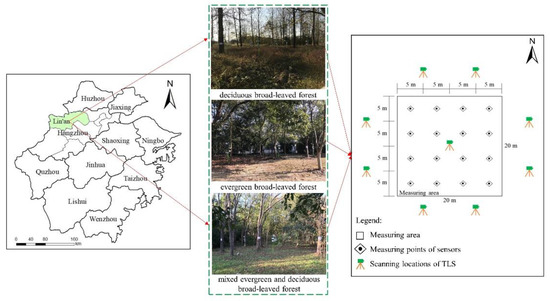
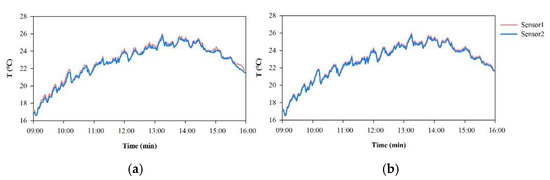
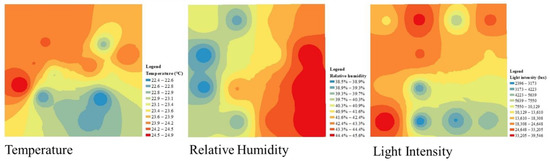
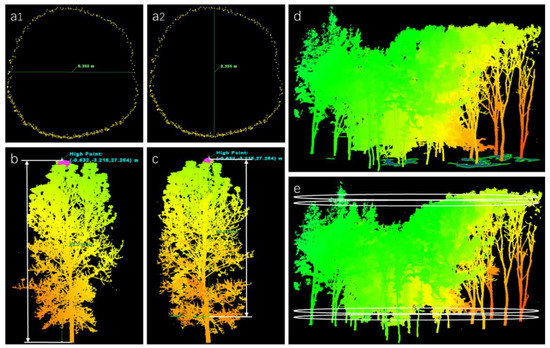
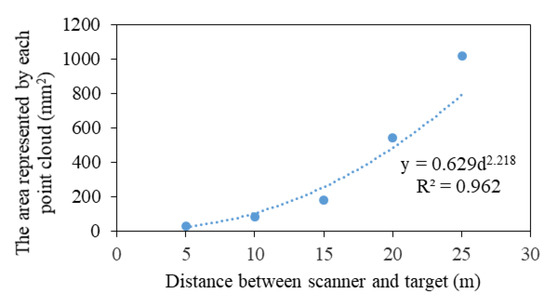
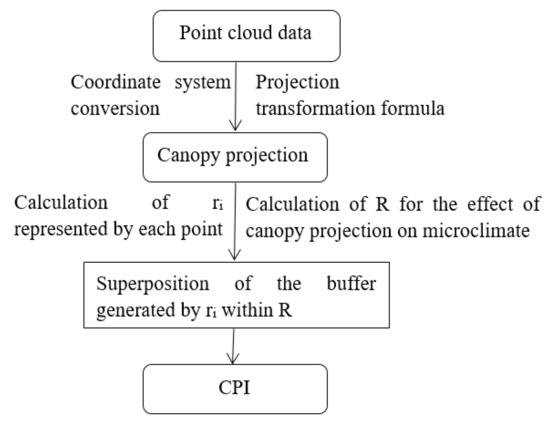
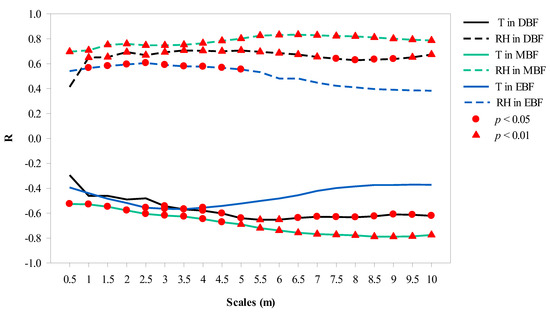
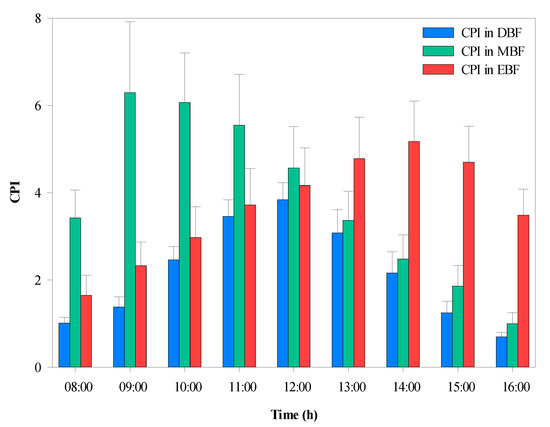
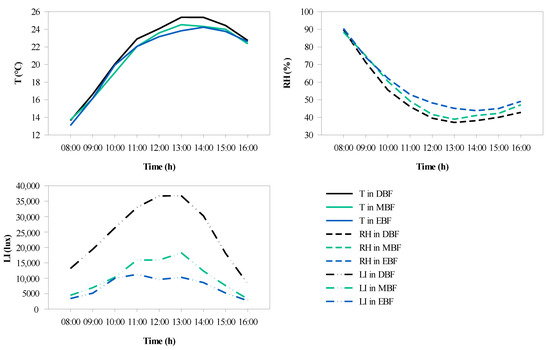
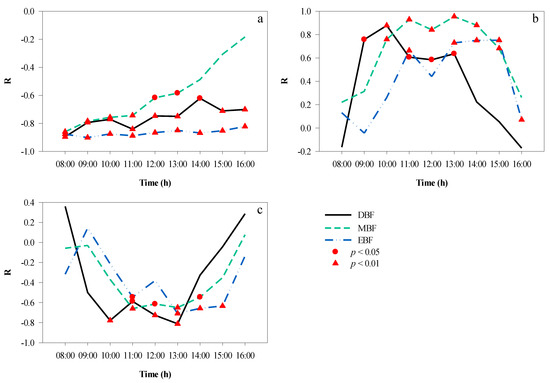
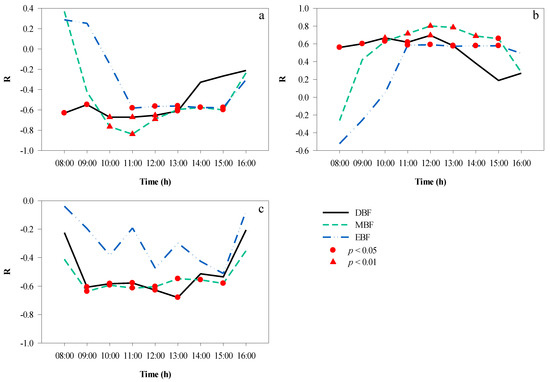
The canopy is the direct receiver and receptor of external environmental variations, and affects the microclimate and energy exchange between the understory and external environment. After autumn leaf fall, the canopy structure of different forests shows remarkable variation, causes changes in the microclimate and is essential for understory vegetation growth. Moreover, the microclimate is influenced by the scale effect of the canopy. However, the difference in influence between different forests remains unclear on a small scale. In this study, we aimed to analyze the influence of the scale effect of canopy projection on understory microclimate in three subtropical broad-leaved forests. Three urban forests: evergreen broad-leaved forest (EBF), deciduous broad-leaved forest (DBF), and mixed evergreen and deciduous broad-leaved forest (MBF) were selected for this study. Sensors for environmental monitoring were used to capture the microclimate data (temperature (T), relative humidity (RH), and light intensity (LI)) for each forest. Terrestrial laser scanning was employed to obtain the canopy projection intensity (CPI) at each sensor location. The results indicate that the influence range of canopy projection on the microclimate was different from stand to stand (5.5, 5, and 3 m). Moreover, there was a strong negative correlation between T and RH, and the time for T and LI to reach a significant correlation in different urban forests was different, as well as the time for RH and LI during the day. Finally, the correlation between CPI and the microclimate showed that canopy projection had the greatest effect on T and RH in MBF, followed by DBF and EBF. In conclusion, our findings confirm that canopy projection can significantly affect understory microclimate. This study provides a reference for the conservation of environmentally sensitive organisms for urban forest management. Full article
(This article belongs to the Special Issue Remote Sensing of Urban Forest Structure)
Show Figures

Graphical abstract

13 pages, 4655 KB  
Communication
An Application of Sea Ice Tracking Algorithm for Fast Ice and Stamukhas Detection in the Arctic
by Valeria Selyuzhenok and Denis Demchev
Remote Sens. 2021, 13(18), 3783; https://doi.org/10.3390/rs13183783 - 21 Sep 2021
Cited by 8 | Viewed by 3351
Abstract
For regional environmental studies it is important to know the location of the fast ice edge which affects the coastal processes in the Arctic. The aim of this study is to develop a new automated method for fast ice delineation from SAR imagery. [...] Read more.
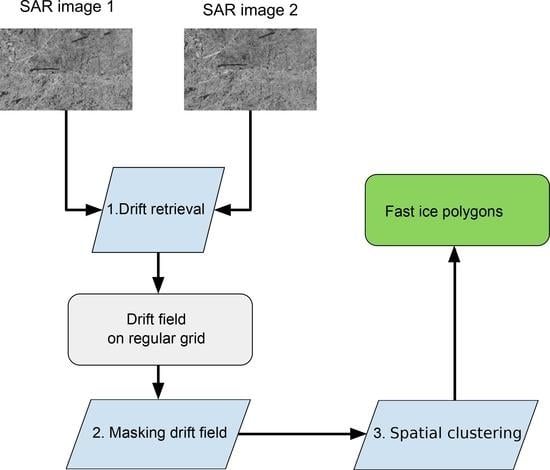
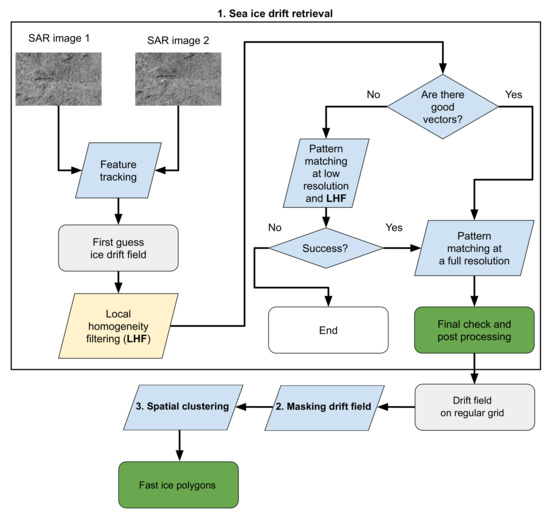
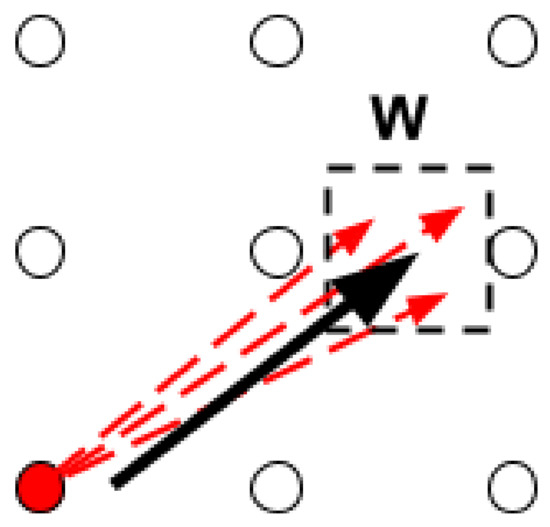
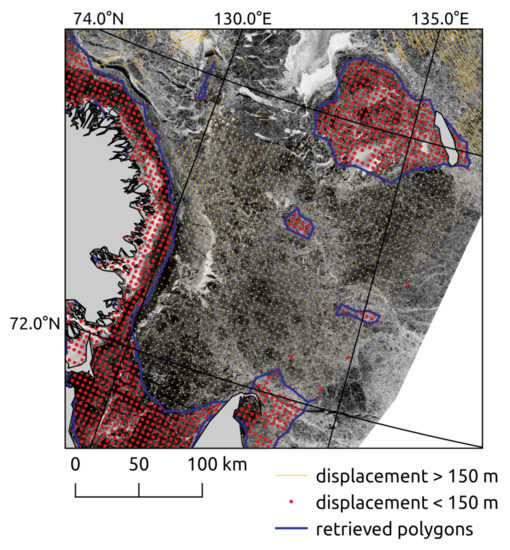
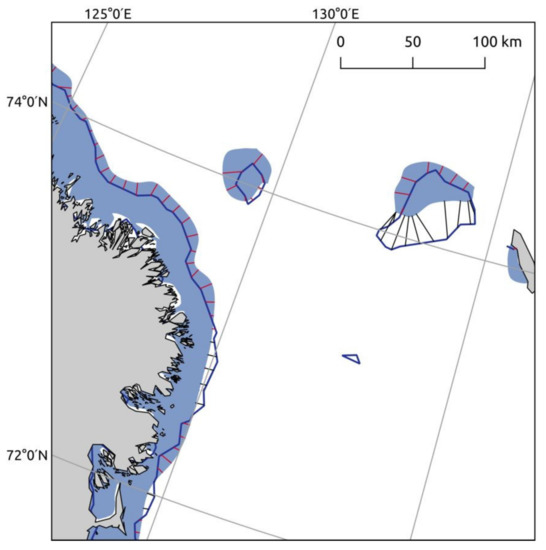
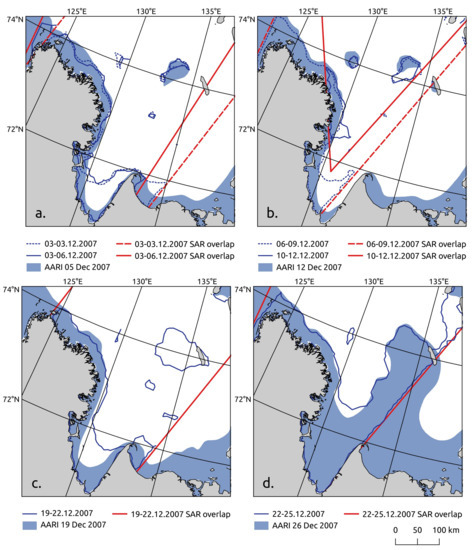
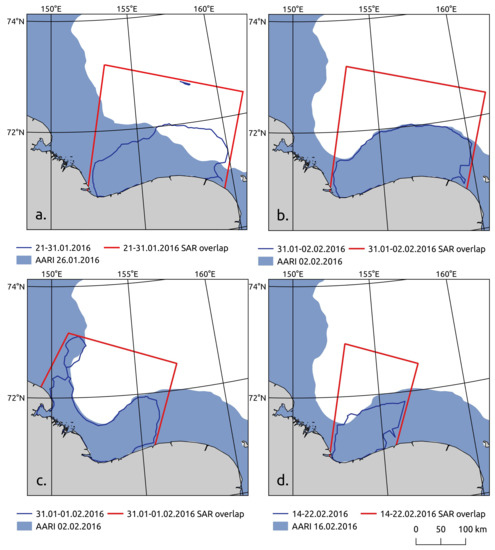
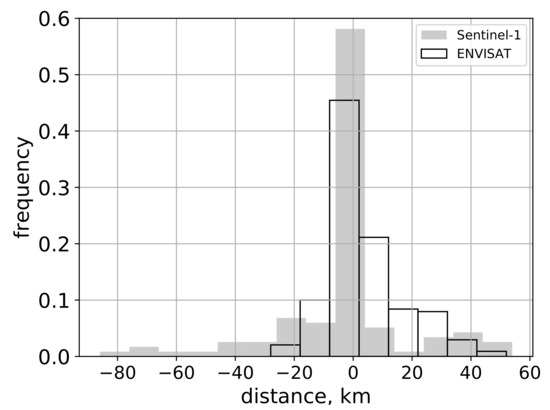
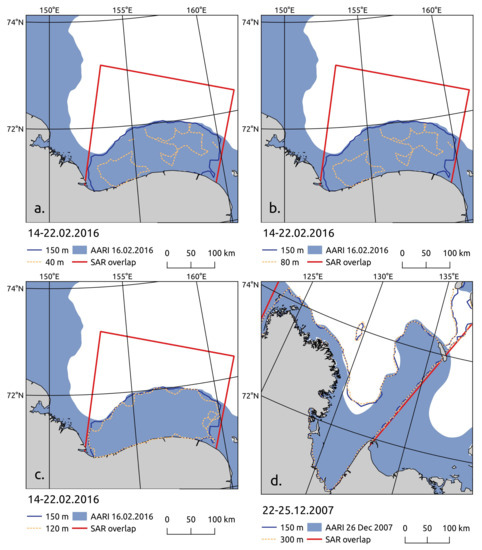
For regional environmental studies it is important to know the location of the fast ice edge which affects the coastal processes in the Arctic. The aim of this study is to develop a new automated method for fast ice delineation from SAR imagery. The method is based on a fine resolution hybrid sea ice tracking algorithm utilizing advantages of feature tracking and cross-correlation approaches. The developed method consists of three main steps: drift field retrieval at sub-kilometer scale, selection of motionless features and edge delineation. The method was tested on a time series of C-band co-polarized (HH) ENVISAT ASAR and Sentinel-1 imagery in the Laptev and East Siberian Seas. The comparison of the retrieved edges with the operational ice charts produced by the Arctic and Antarctic Research Institute (Russia) showed a good agreement between the data sets with a mean distance between the edges of <15 km. Thanks to the high density of the ice drift product, the method allows for detailed fast ice edge delineation. In addition, large stamukhas with horizontal size of tens of kilometers can be detected. The proposed method can be applied for regional fast ice mapping and large stamukhas detection to aid coastal research. Additionally, the method can serve as a tool for operational sea ice mapping. Full article
(This article belongs to the Section Remote Sensing Perspective)
Show Figures

Graphical abstract

27 pages, 13305 KB  
Article
Using Convolutional Neural Networks for Detection and Morphometric Analysis of Carolina Bays from Publicly Available Digital Elevation Models
by Mark A. Lundine and Arthur C. Trembanis
Remote Sens. 2021, 13(18), 3770; https://doi.org/10.3390/rs13183770 - 20 Sep 2021
Cited by 8 | Viewed by 5098
Abstract
Carolina Bays are oriented and sandy-rimmed depressions that are ubiquitous throughout the Atlantic Coastal Plain (ACP). Their origin has been a highly debated topic since the 1800s and remains unsolved. Past population estimates of Carolina Bays have varied vastly, ranging between as few [...] Read more.
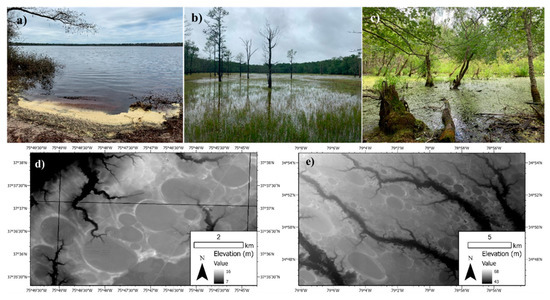
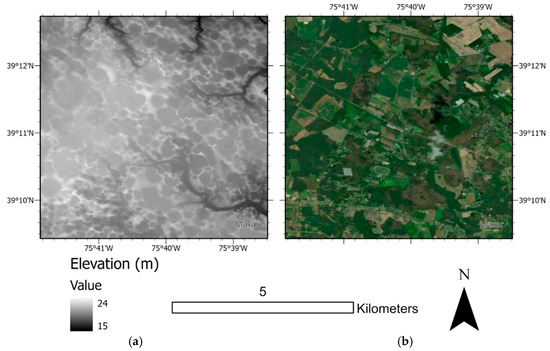
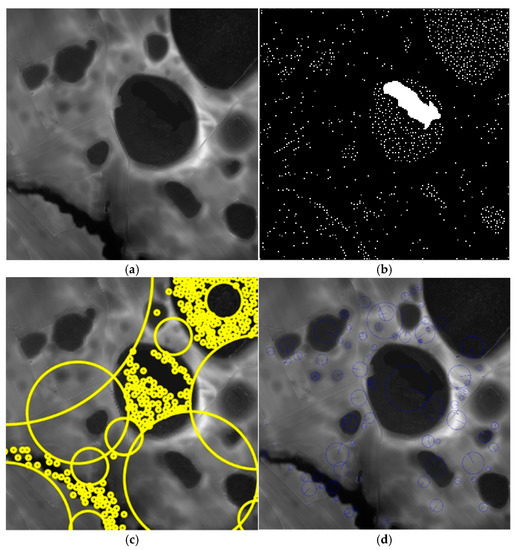
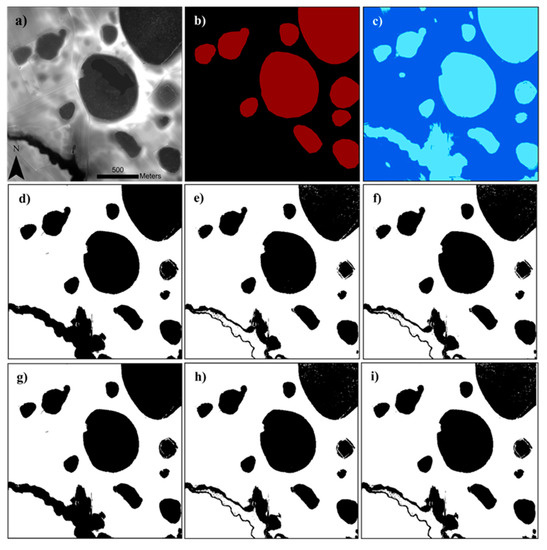
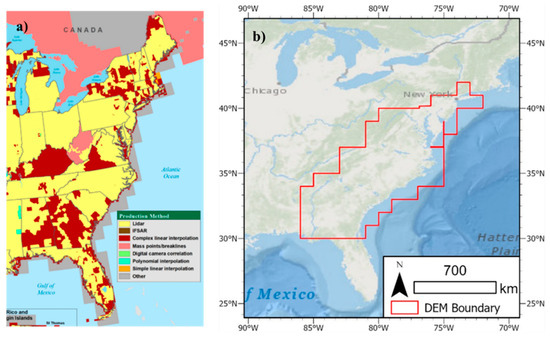
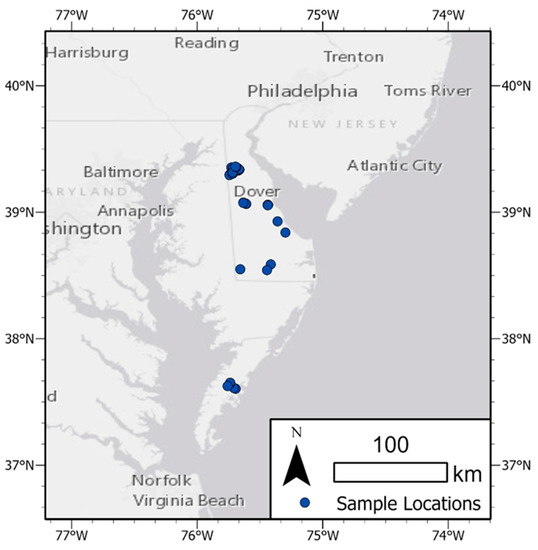
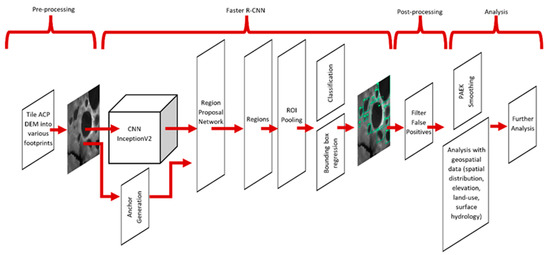
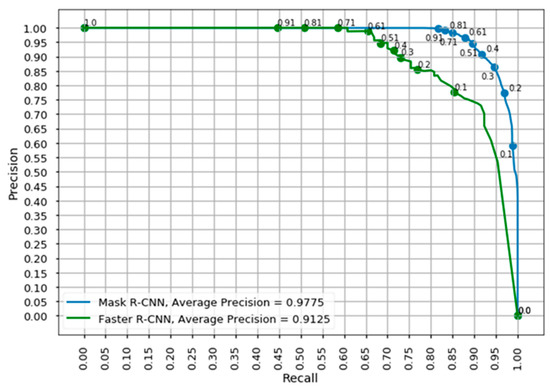
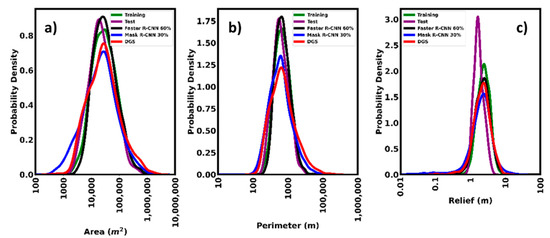
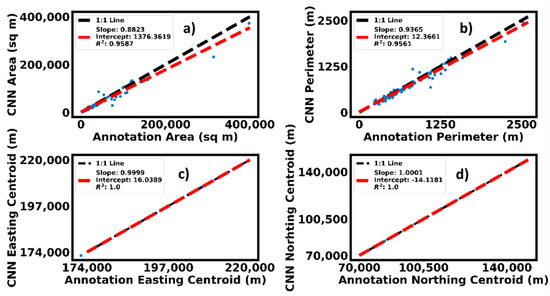
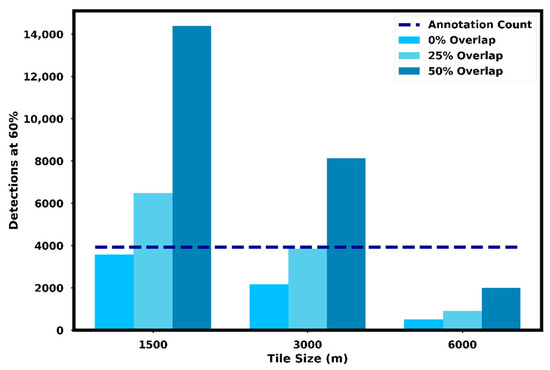
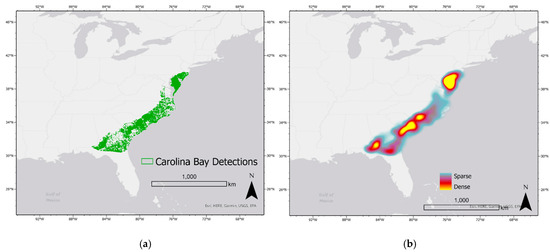
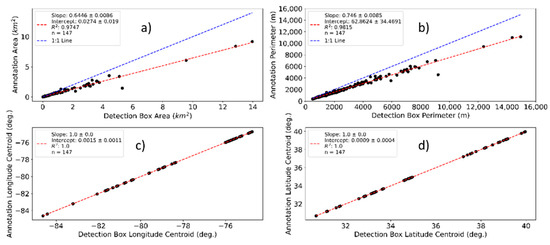
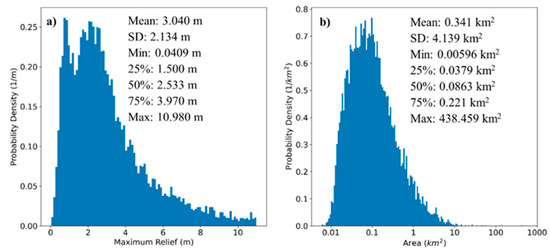
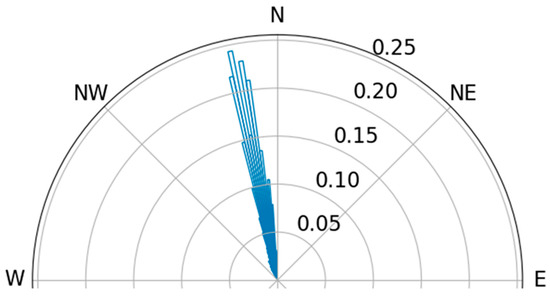
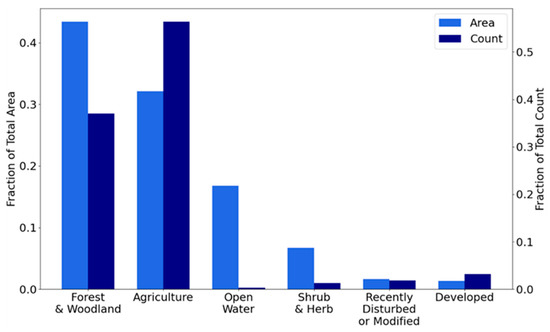
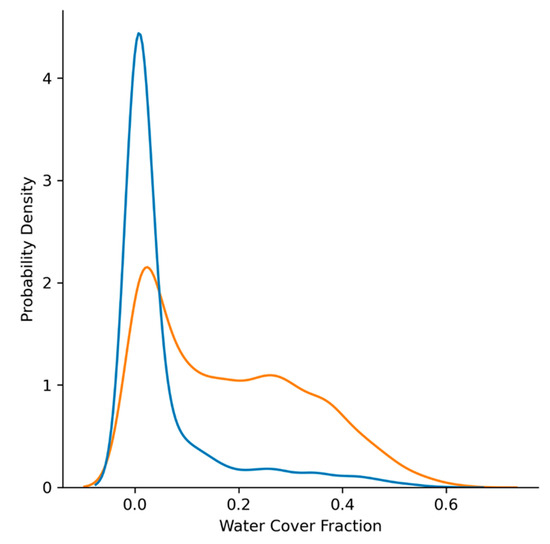
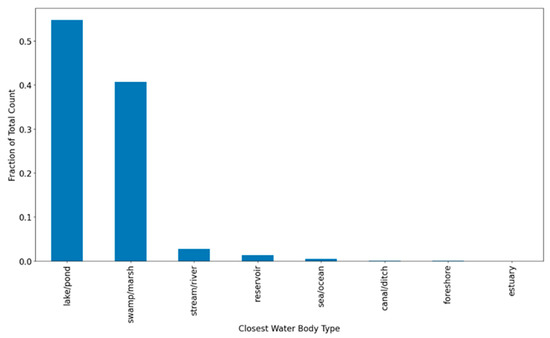
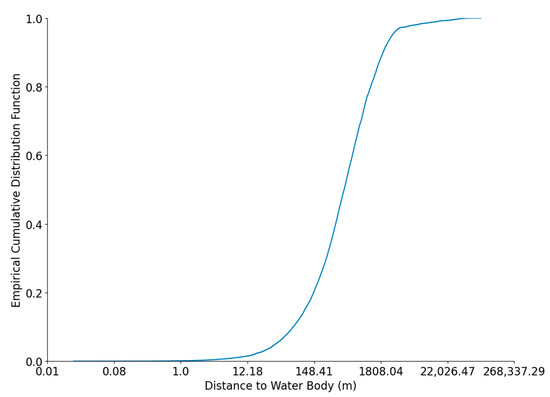
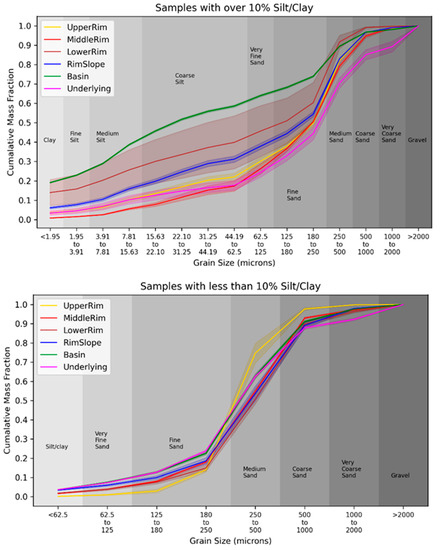
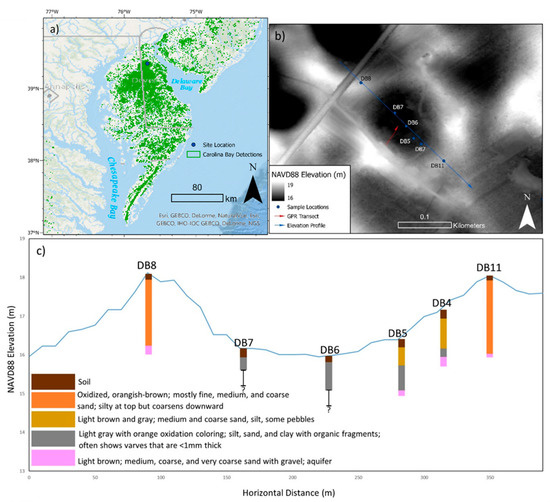
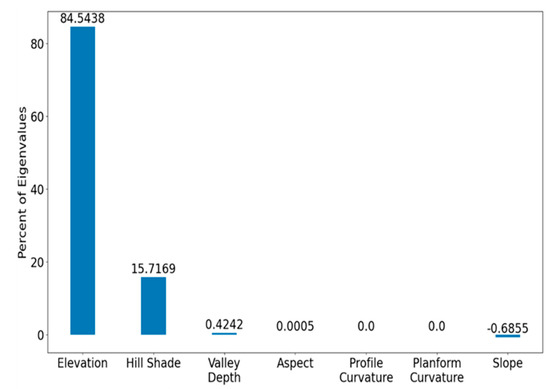
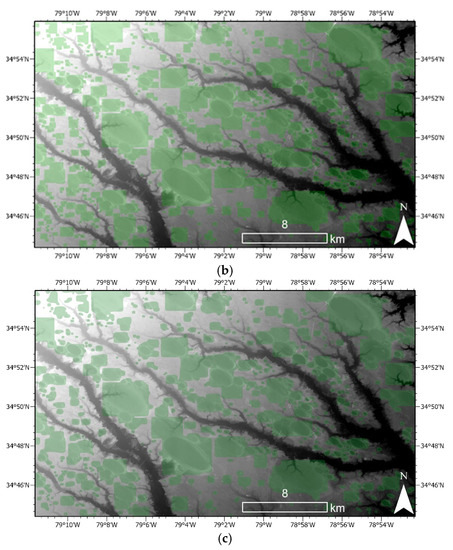
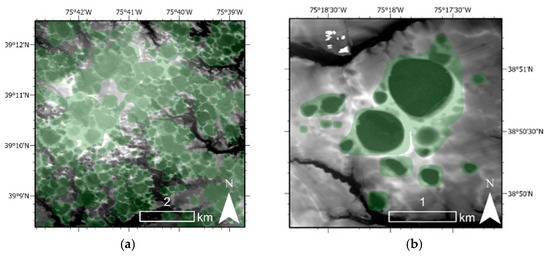
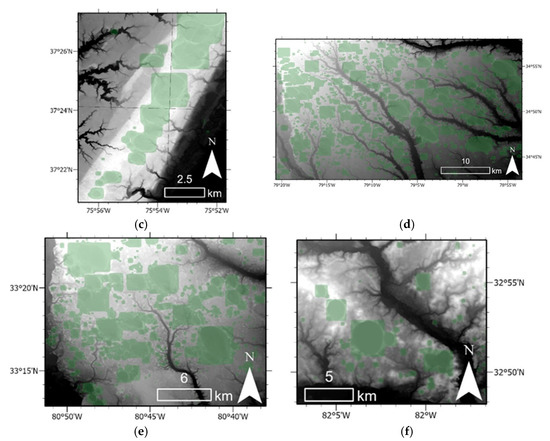
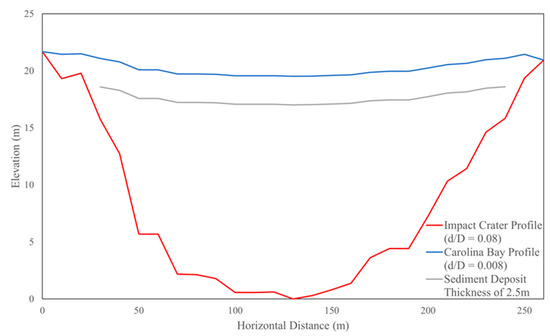
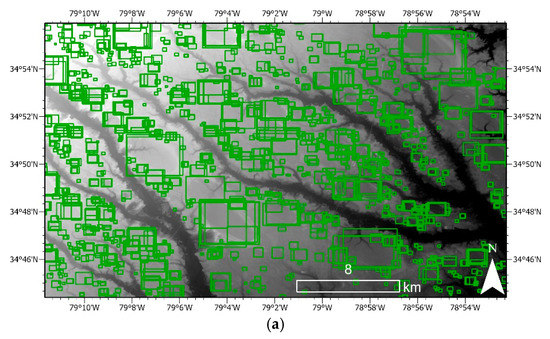
Carolina Bays are oriented and sandy-rimmed depressions that are ubiquitous throughout the Atlantic Coastal Plain (ACP). Their origin has been a highly debated topic since the 1800s and remains unsolved. Past population estimates of Carolina Bays have varied vastly, ranging between as few as 10,000 to as many as 500,000. With such a large uncertainty around the actual population size, mapping these enigmatic features is a problem that requires an automated detection scheme. Using publicly available LiDAR-derived digital elevation models (DEMs) of the ACP as training images, various types of convolutional neural networks (CNNs) were trained to detect Carolina bays. The detection results were assessed for accuracy and scalability, as well as analyzed for various morphologic, land-use and land cover, and hydrologic characteristics. Overall, the detector found over 23,000 Carolina Bays from southern New Jersey to northern Florida, with highest densities along interfluves. Carolina Bays in Delmarva were found to be smaller and shallower than Bays in the southeastern ACP. At least a third of Carolina Bays have been converted to agricultural lands and almost half of all Carolina Bays are forested. Few Carolina Bays are classified as open water basins, yet almost all of the detected Bays were within 2 km of a water body. In addition, field investigations based upon detection results were performed to describe the sedimentology of Carolina Bays. Sedimentological investigations showed that Bays typically have 1.5 m to 2.5 m thick sand rims that show a gradient in texture, with coarser sand at the bottom and finer sand and silt towards the top. Their basins were found to be 0.5 m to 2 m thick and showed a mix of clayey, silty, and sandy deposits. Last, the results compiled during this study were compared to similar depressional features (i.e., playa-lunette systems) to pinpoint any similarities in origin processes. Altogether, this study shows that CNNs are valuable tools for automated geomorphic feature detection and can lead to new insights when coupled with various forms of remotely sensed and field-based datasets. Full article
Show Figures

Figure 1
14 pages, 3050 KB  
Technical Note
Development and Validation of Machine-Learning Clear-Sky Detection Method Using 1-Min Irradiance Data and Sky Imagers at a Polluted Suburban Site, Xianghe
by Mengqi Liu, Xiangao Xia, Disong Fu and Jinqiang Zhang
Remote Sens. 2021, 13(18), 3763; https://doi.org/10.3390/rs13183763 - 20 Sep 2021
Cited by 8 | Viewed by 4134
Abstract
Clear-sky detection (CSD) is of critical importance in solar energy applications and surface radiative budget studies. Existing CSD methods are not sufficiently validated due to the lack of high-temporal resolution and long-term CSD ground observations, especially at polluted sites. Using five-year high resolution [...] Read more.
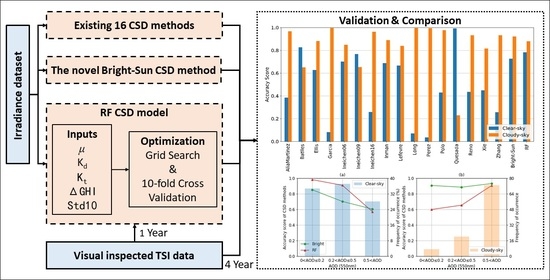
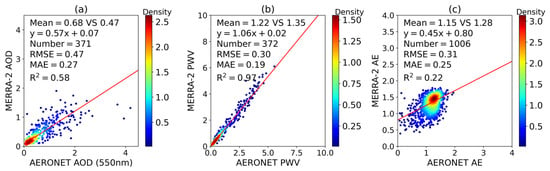
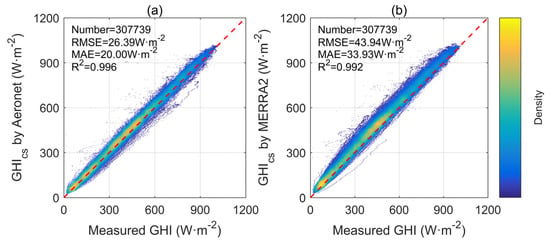
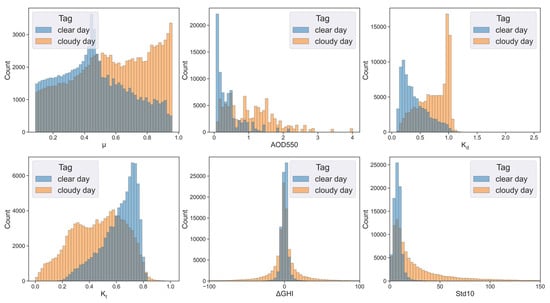
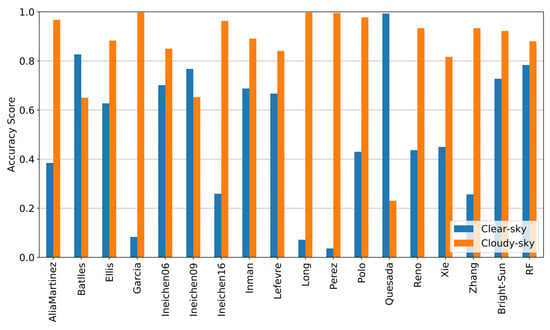
Clear-sky detection (CSD) is of critical importance in solar energy applications and surface radiative budget studies. Existing CSD methods are not sufficiently validated due to the lack of high-temporal resolution and long-term CSD ground observations, especially at polluted sites. Using five-year high resolution ground-based solar radiation data and visual inspected Total Sky Imager (TSI) measurements at polluted Xianghe, a suburban site, this study validated 17 existing CSD methods and developed a new CSD model based on a machine-learning algorithm (Random Forest: RF). The propagation of systematic errors from input data to the calculated global horizontal irradiance (GHI) is confirmed with Mean Absolute Error (MAE) increased by 99.7% (from 20.00 to 39.93 W·m−2). Through qualitative evaluation, the novel Bright-Sun method outperforms the other traditional CSD methods at Xianghe site, with high accuracy score 0.73 and 0.92 under clear and cloudy conditions, respectively. The RF CSD model developed by one-year irradiance and TSI data shows more robust performance, with clear/cloudy-sky accuracy score of 0.78/0.88. Overall, the Bright-Sun and RF CSD models perform satisfactorily at heavy polluted sites. Further analysis shows the RF CSD model built with only GHI-related parameters can still achieve a mean accuracy score of 0.81, which indicates RF CSD models have the potential in dealing with sites only providing GHI observations. Full article
(This article belongs to the Special Issue Artificial Intelligence in Remote Sensing of Atmospheric Environment)
Show Figures

Graphical abstract

23 pages, 4390 KB  
Article
ERTFM: An Effective Model to Fuse Chinese GF-1 and MODIS Reflectance Data for Terrestrial Latent Heat Flux Estimation
by Lilin Zhang, Yunjun Yao, Xiangyi Bei, Yufu Li, Ke Shang, Junming Yang, Xiaozheng Guo, Ruiyang Yu and Zijing Xie
Remote Sens. 2021, 13(18), 3703; https://doi.org/10.3390/rs13183703 - 16 Sep 2021
Cited by 8 | Viewed by 3215
Abstract
Coarse spatial resolution sensors play a major role in capturing temporal variation, as satellite images that capture fine spatial scales have a relatively long revisit cycle. The trade-off between the revisit cycle and spatial resolution hinders the access of terrestrial latent heat flux [...] Read more.
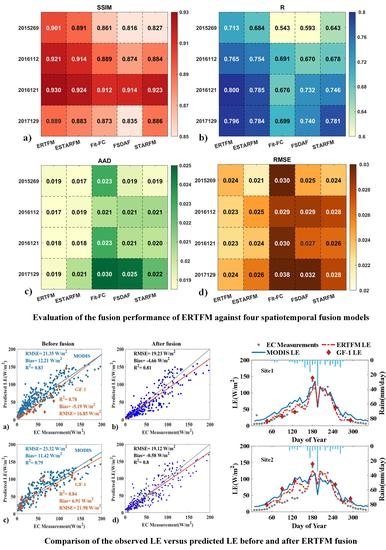
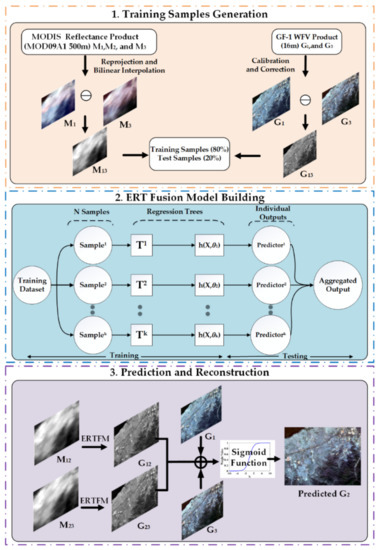
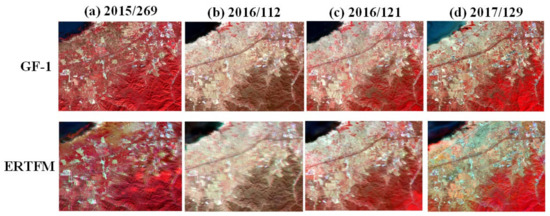
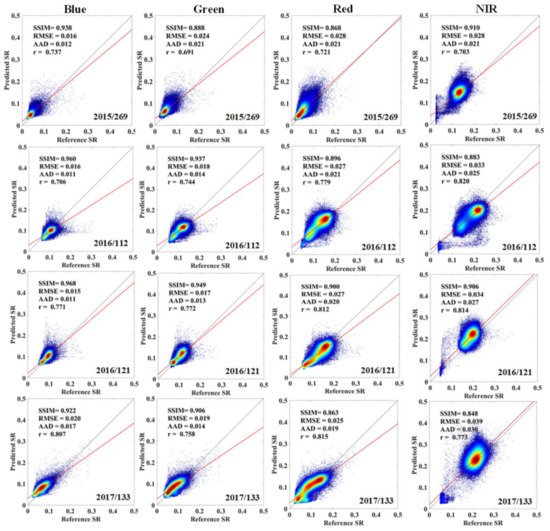
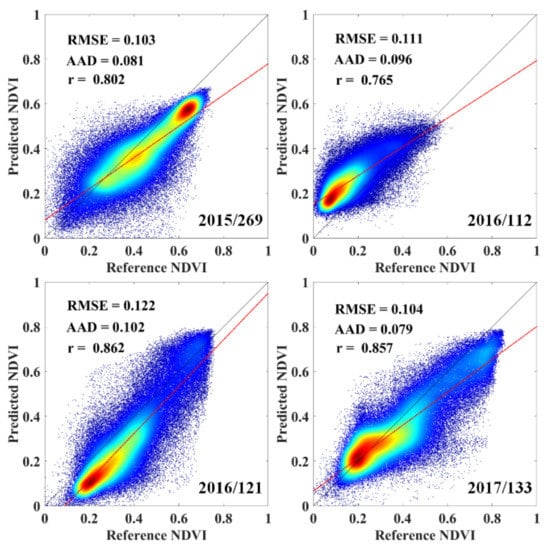
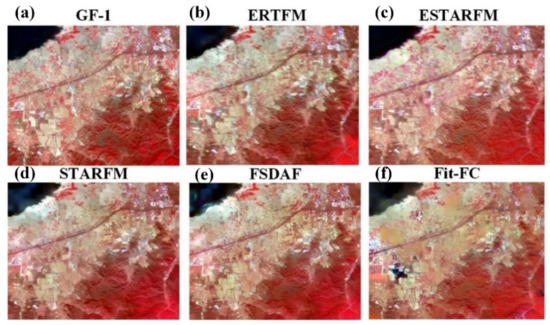
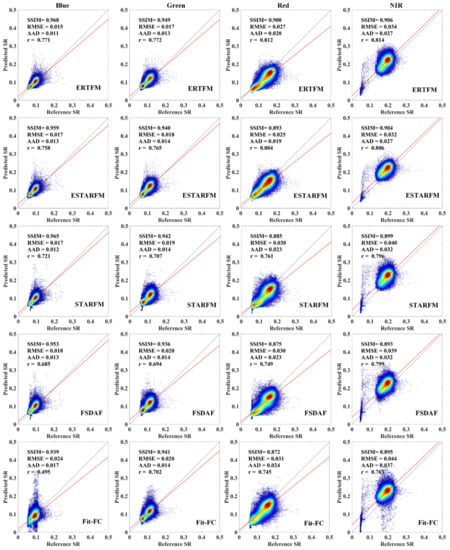
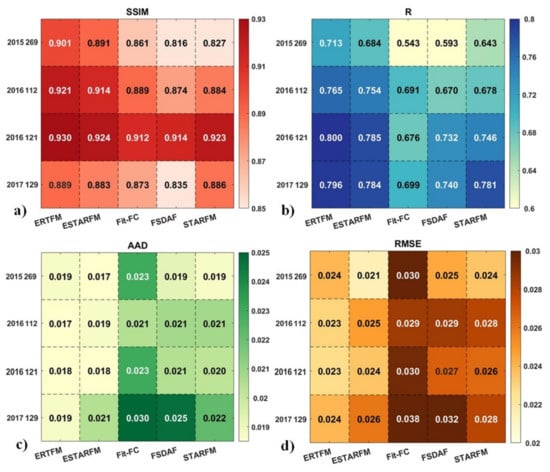
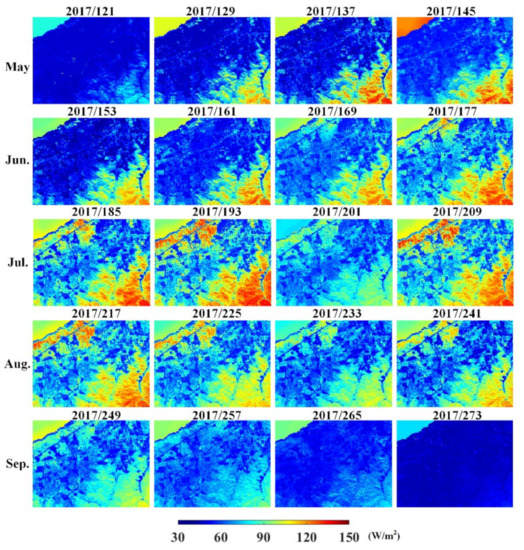
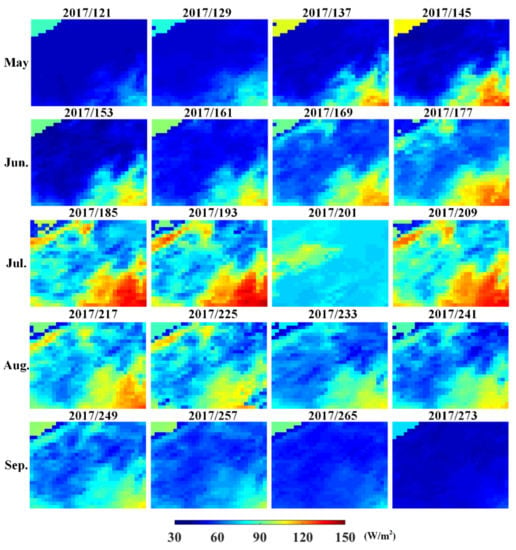
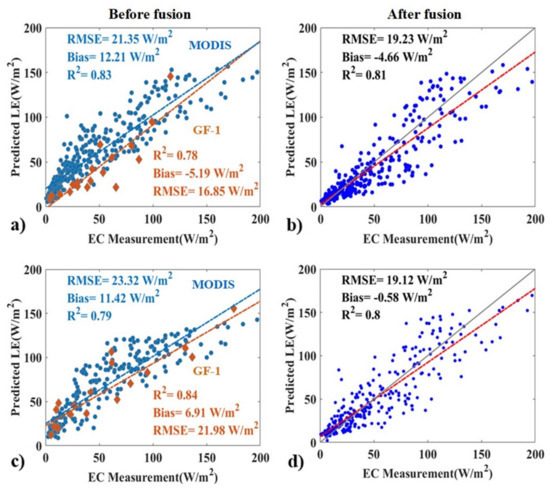
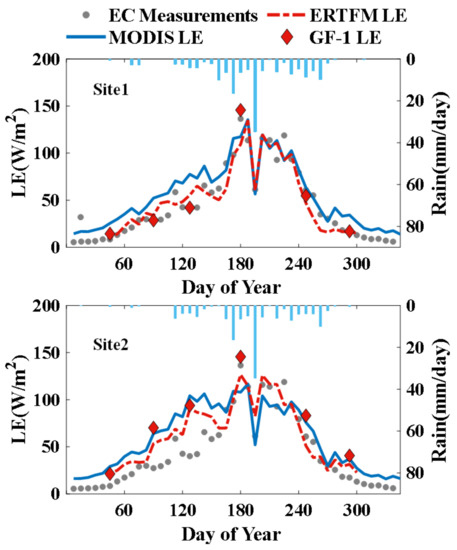
Coarse spatial resolution sensors play a major role in capturing temporal variation, as satellite images that capture fine spatial scales have a relatively long revisit cycle. The trade-off between the revisit cycle and spatial resolution hinders the access of terrestrial latent heat flux (LE) data with both fine spatial and temporal resolution. In this paper, we firstly investigated the capability of an Extremely Randomized Trees Fusion Model (ERTFM) to reconstruct high spatiotemporal resolution reflectance data from a fusion of the Chinese GaoFen-1 (GF-1) and the Moderate Resolution Imaging Spectroradiometer (MODIS) products. Then, based on the merged reflectance data, we used a Modified-Satellite Priestley–Taylor (MS–PT) algorithm to generate LE products at high spatial and temporal resolutions. Our results illustrated that the ERTFM-based reflectance estimates showed close similarity with observed GF-1 images and the predicted NDVI agreed well with observed NDVI at two corresponding dates (r = 0.76 and 0.86, respectively). In comparison with other four fusion methods, including the widely used spatial and temporal adaptive reflectance fusion model (STARFM) and the enhanced STARFM, ERTFM had the best performance in terms of predicting reflectance (SSIM = 0.91; r = 0.77). Further analysis revealed that LE estimates using ERTFM-based data presented more detailed spatiotemporal characteristics and provided close agreement with site-level LE observations, with an R2 of 0.81 and an RMSE of 19.18 W/m2. Our findings suggest that the ERTFM can be used to improve LE estimation with high frequency and high spatial resolution, meaning that it has great potential to support agricultural monitoring and irrigation management. Full article
(This article belongs to the Special Issue Advances on Land–Ocean Heat Fluxes Using Remote Sensing)
Show Figures

Graphical abstract

29 pages, 38336 KB  
Article
Change Detection of Building Objects in High-Resolution Single-Sensor and Multi-Sensor Imagery Considering the Sun and Sensor’s Elevation and Azimuth Angles
by Sejung Jung, Won Hee Lee and Youkyung Han
Remote Sens. 2021, 13(18), 3660; https://doi.org/10.3390/rs13183660 - 13 Sep 2021
Cited by 8 | Viewed by 3704
Abstract
Building change detection is a critical field for monitoring artificial structures using high-resolution multitemporal images. However, relief displacement depending on the azimuth and elevation angles of the sensor causes numerous false alarms and misdetections of building changes. Therefore, this study proposes an effective [...] Read more.
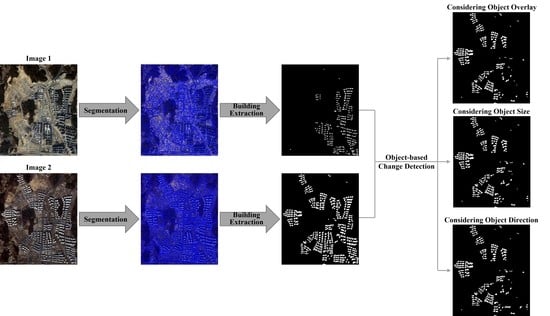
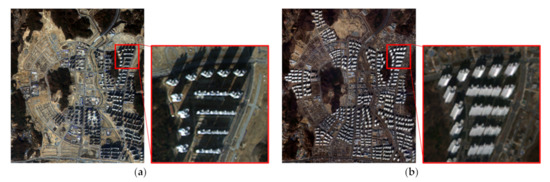
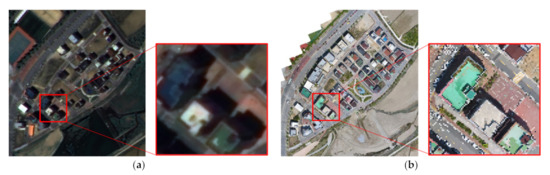
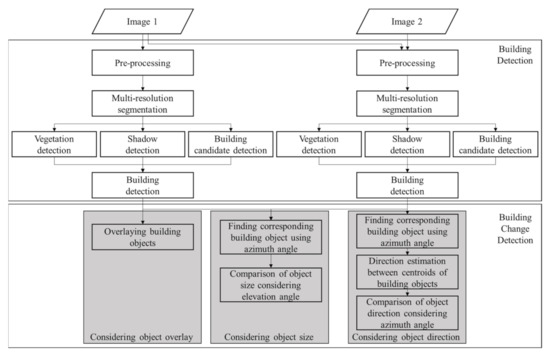
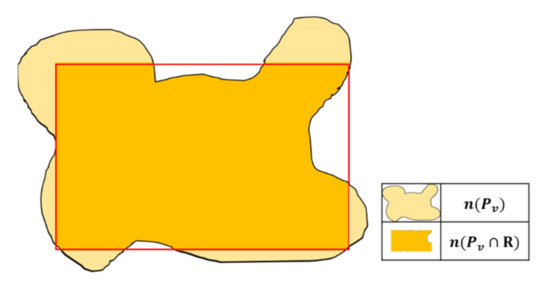
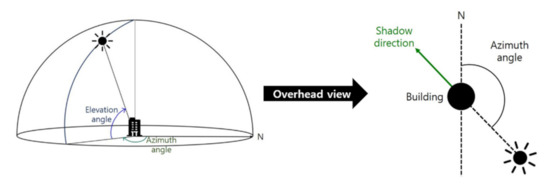
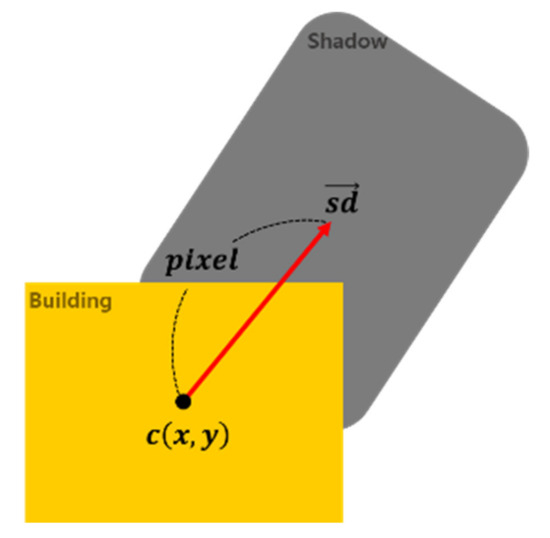
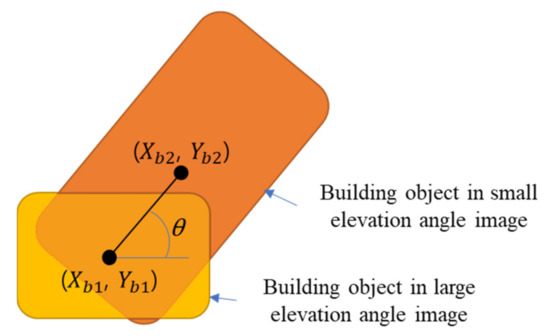
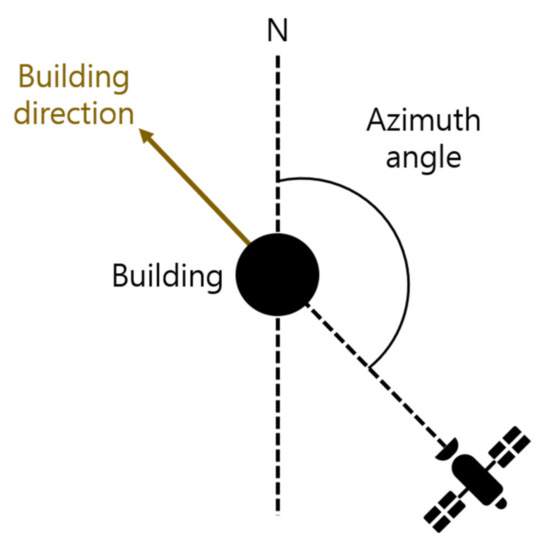
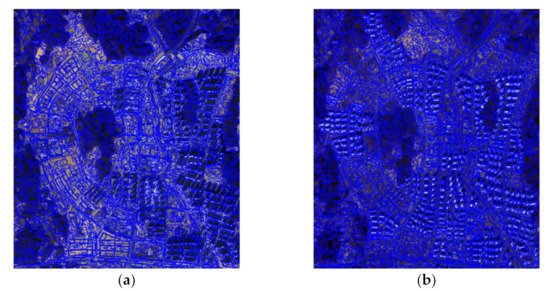
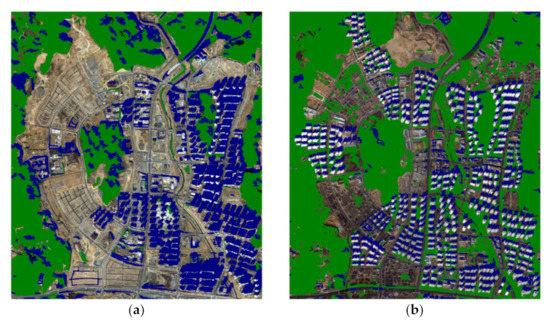
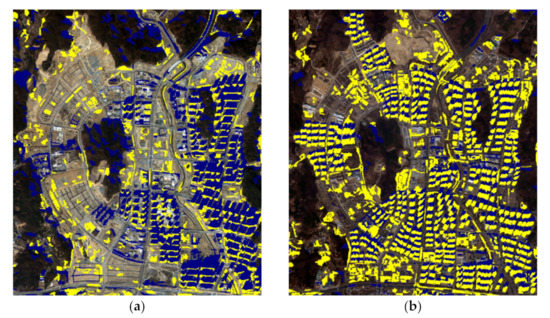
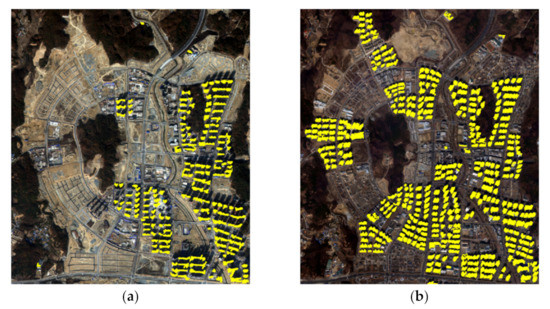
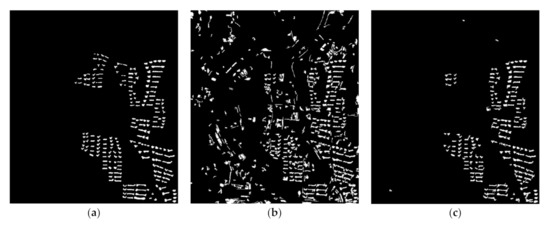
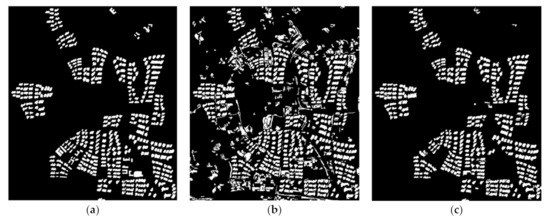
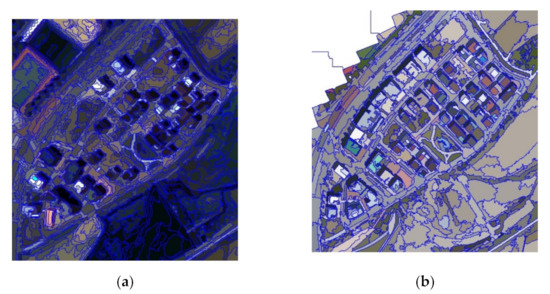
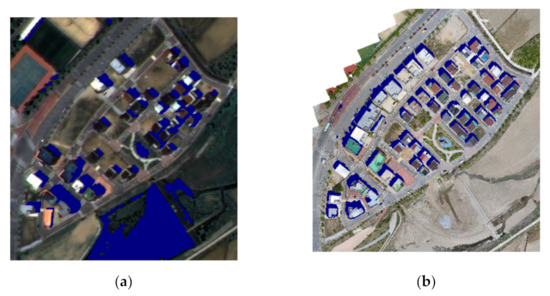
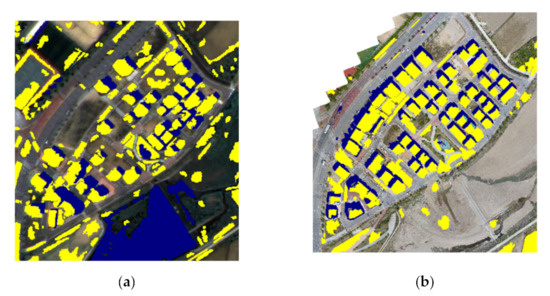
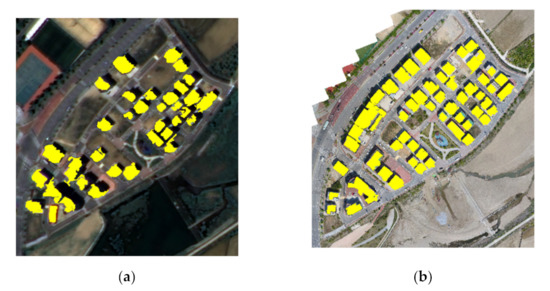
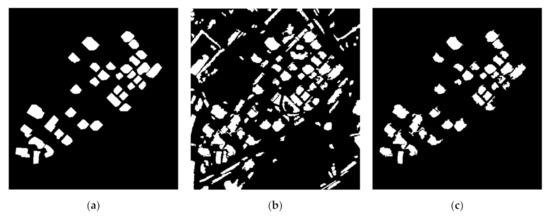
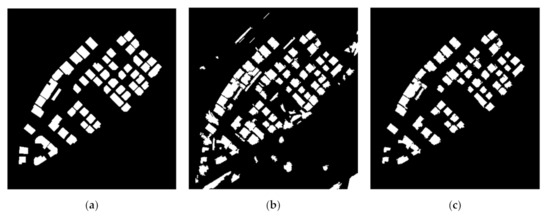
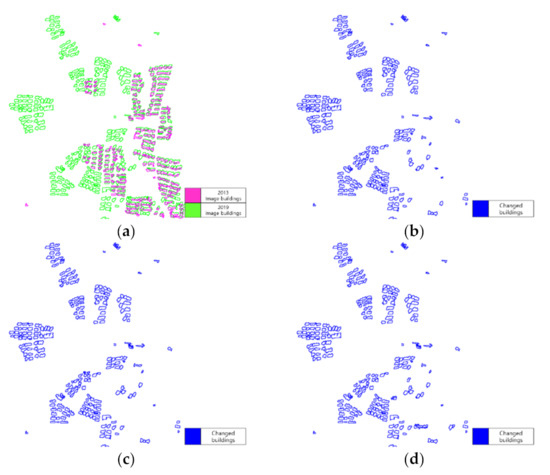
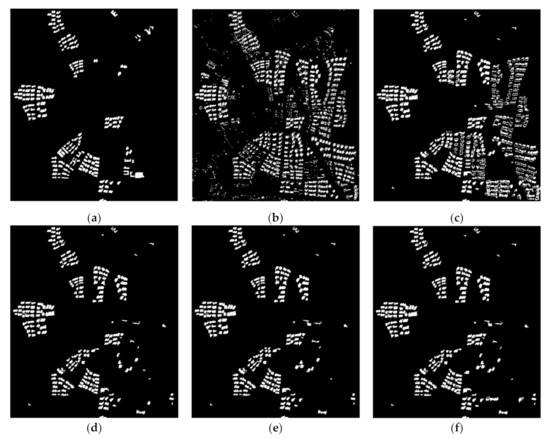
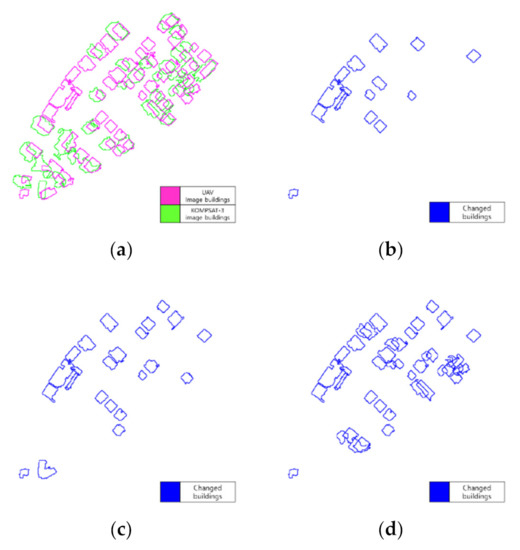
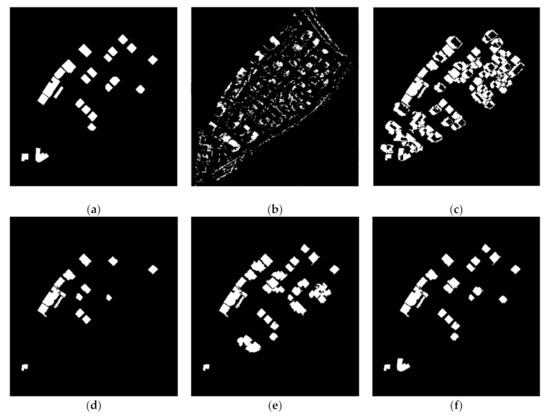
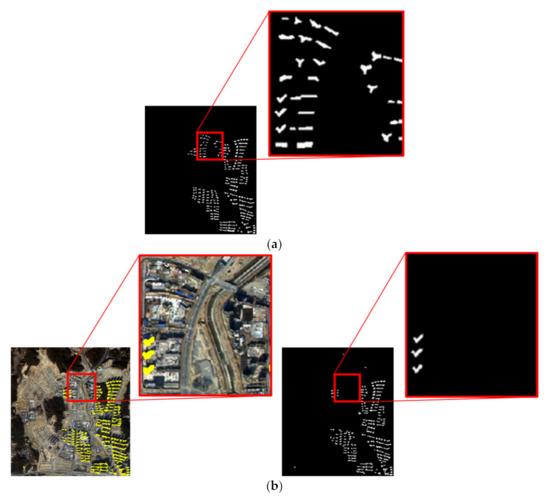
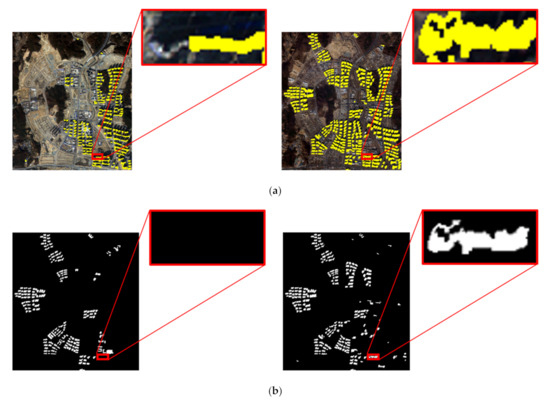
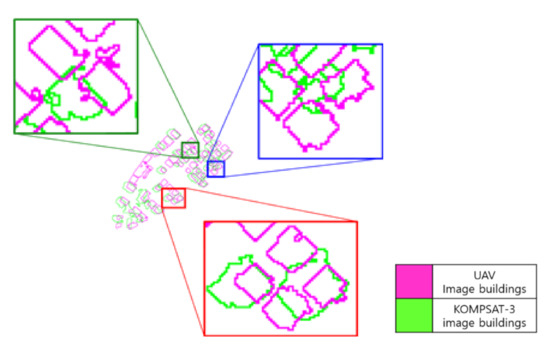
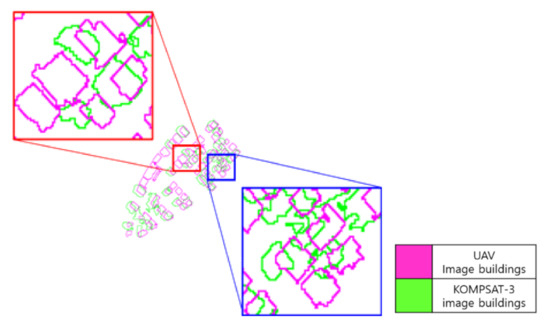
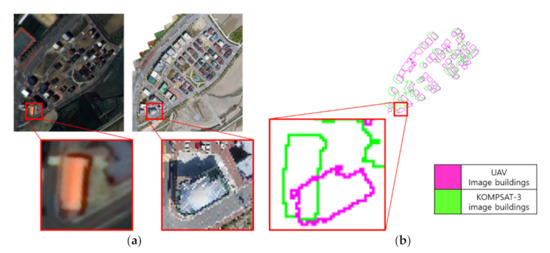
Building change detection is a critical field for monitoring artificial structures using high-resolution multitemporal images. However, relief displacement depending on the azimuth and elevation angles of the sensor causes numerous false alarms and misdetections of building changes. Therefore, this study proposes an effective object-based building change detection method that considers azimuth and elevation angles of sensors in high-resolution images. To this end, segmentation images were generated using a multiresolution technique from high-resolution images after which object-based building detection was performed. For detecting building candidates, we calculated feature information that could describe building objects, such as rectangular fit, gray-level co-occurrence matrix (GLCM) homogeneity, and area. Final building detection was then performed considering the location relationship between building objects and their shadows using the Sun’s azimuth angle. Subsequently, building change detection of final building objects was performed based on three methods considering the relationship of the building object properties between the images. First, only overlaying objects between images were considered to detect changes. Second, the size difference between objects according to the sensor’s elevation angle was considered to detect the building changes. Third, the direction between objects according to the sensor’s azimuth angle was analyzed to identify the building changes. To confirm the effectiveness of the proposed object-based building change detection performance, two building density areas were selected as study sites. Site 1 was constructed using a single sensor of KOMPSAT-3 bitemporal images, whereas Site 2 consisted of multi-sensor images of KOMPSAT-3 and unmanned aerial vehicle (UAV). The results from both sites revealed that considering additional shadow information showed more accurate building detection than using feature information only. Furthermore, the results of the three object-based change detections were compared and analyzed according to the characteristics of the study area and the sensors. Accuracy of the proposed object-based change detection results was achieved over the existing building detection methods. Full article
(This article belongs to the Special Issue Optical Remote Sensing Applications in Urban Areas)
Show Figures

Graphical abstract

20 pages, 15420 KB  
Article
Development and Evaluation of a New Method for AMSU-A Cloud Detection over Land
by Zhiwen Wu, Juan Li and Zhengkun Qin
Remote Sens. 2021, 13(18), 3646; https://doi.org/10.3390/rs13183646 - 12 Sep 2021
Cited by 8 | Viewed by 4096
Abstract
Satellite data are the main source of information for operational data assimilation systems, and Advanced Microwave Sounding Unit-A (AMSU-A) data are one of the types of satellite data that contribute most to the reduction of numerical forecast errors. However, the assimilation of AMSU-A [...] Read more.
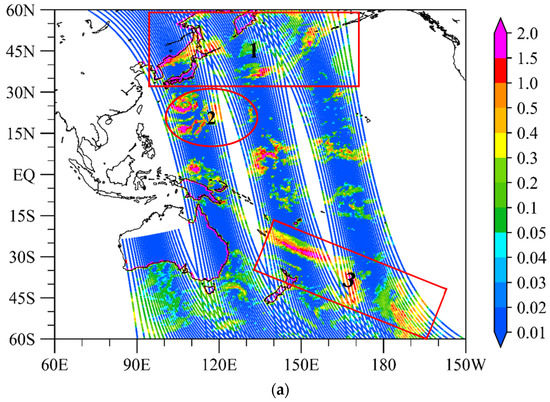
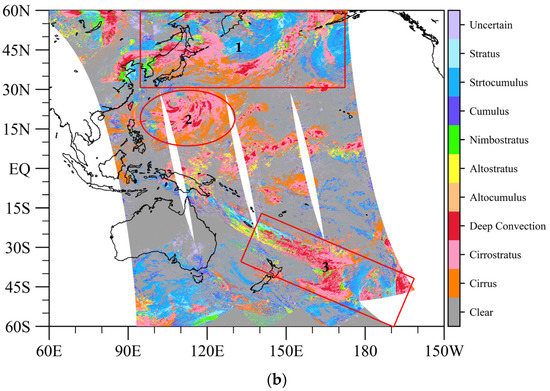
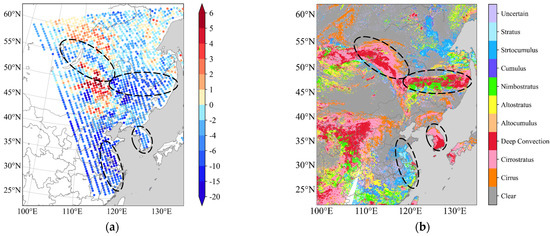
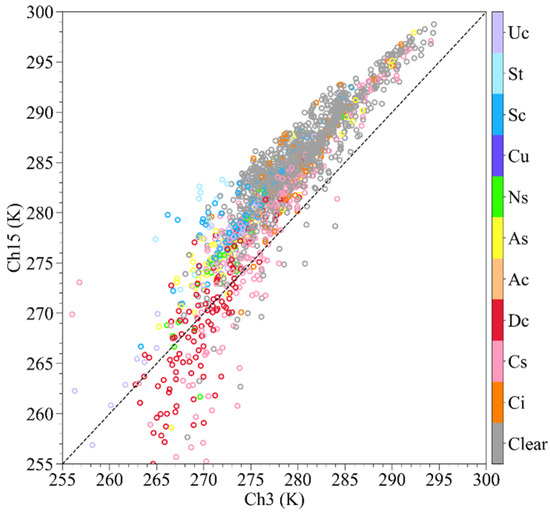
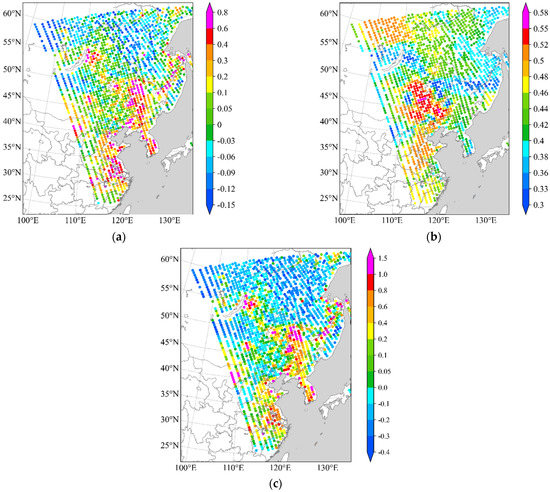
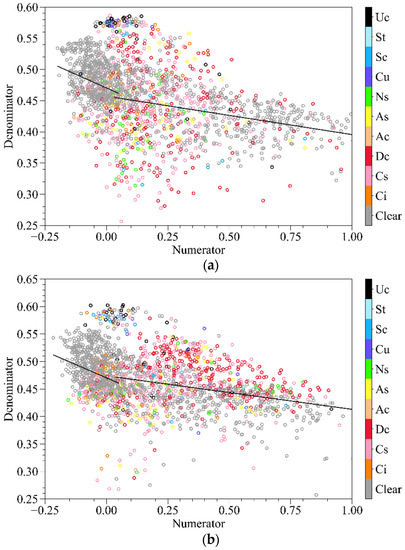
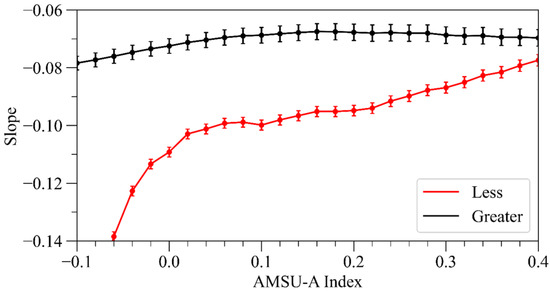
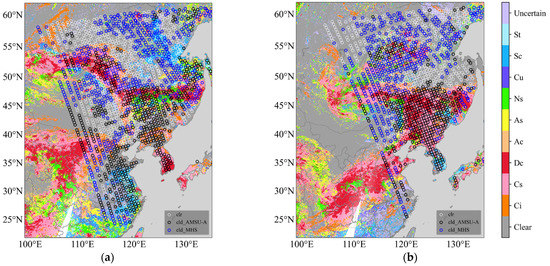
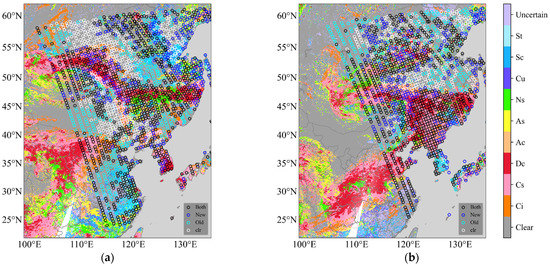
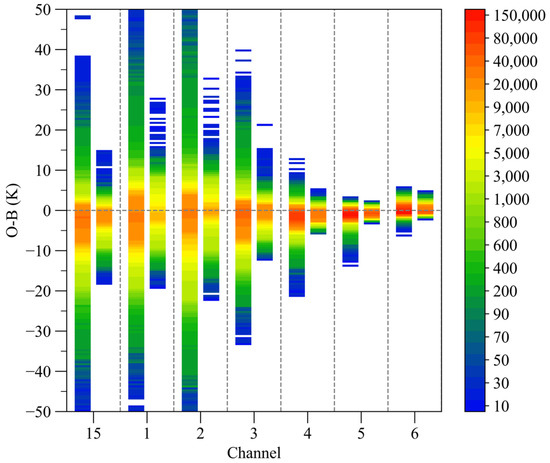
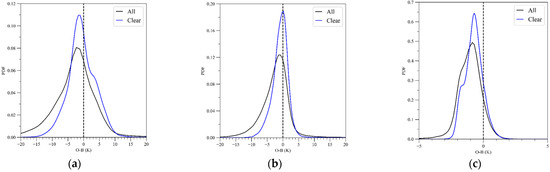
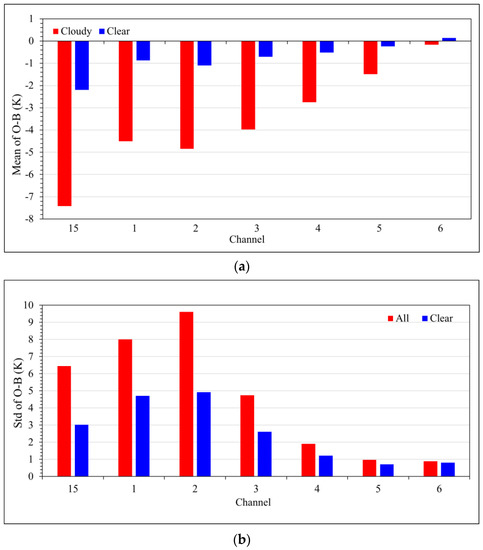
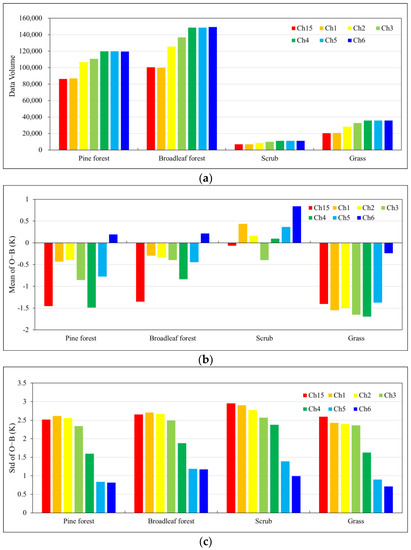
Satellite data are the main source of information for operational data assimilation systems, and Advanced Microwave Sounding Unit-A (AMSU-A) data are one of the types of satellite data that contribute most to the reduction of numerical forecast errors. However, the assimilation of AMSU-A data over land lags behind that over the ocean. In this respect, the accuracy of cloud detection over land is one of the factors affecting the assimilation of AMSU-A data, especially for the window and low-peaking channel (23–53.59 GHz and 89 GHz) data. Strong surface emissivity and high spatial and temporal variability make it difficult to distinguish between the radiative contributions of clouds and the atmosphere. Based on the differences in the response characteristics of different channels to clouds, five AMSU-A window and low-peaking channels (channels 1–4 and 15) were selected to develop a new index for cloud detection over land. Case studies showed that the AMSU-A cloud index can detect most of the convective clouds; additionally, by further matching the MHS (Microwave Humidity Sounder) cloud detection index, we can effectively distinguish between cloudy and clear-sky observations. Batch test results also verified the accuracy and stability of the new cloud detection method. By referring to the MODIS (Moderate Resolution Imaging Spectroradiometer) cloud product, the POD (probability of detection) of the cloud fields of view with the new method was nearly 84%. By using the new cloud detection method to remove the cloudy data, the bias and standard deviation of the observation-minus-simulated brightness temperature (O−B) were significantly reduced, with the bias of O−B for channels 2–4 being below 1.0 K and the standard deviation of channels 5 and 6 being nearly 1.0 K. Full article
Show Figures

Figure 1
19 pages, 3017 KB  
Article
Adaptable Convolutional Network for Hyperspectral Image Classification
by Mercedes E. Paoletti and Juan M. Haut
Remote Sens. 2021, 13(18), 3637; https://doi.org/10.3390/rs13183637 - 11 Sep 2021
Cited by 8 | Viewed by 3446
Abstract
Nowadays, a large number of remote sensing instruments are providing a massive amount of data within the frame of different Earth Observation missions. These instruments are characterized by the wide variety of data they can collect, as well as the impressive volume of [...] Read more.
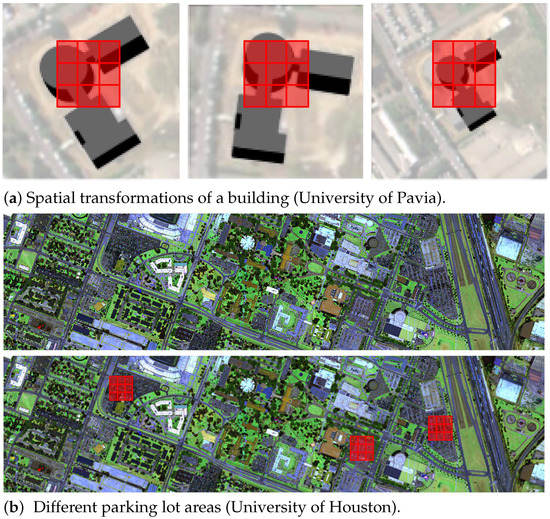
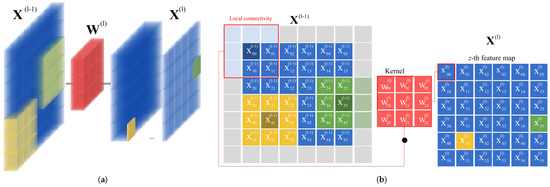
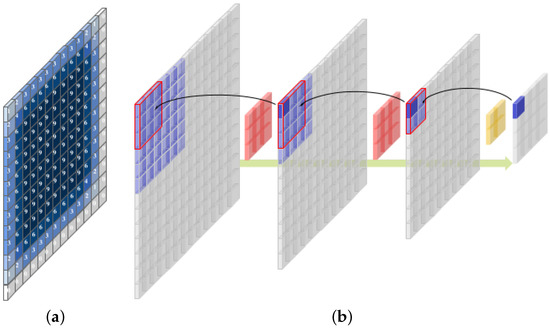
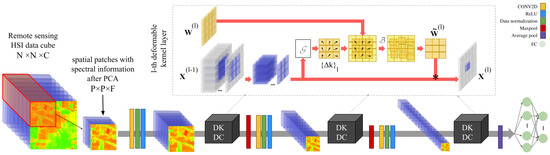
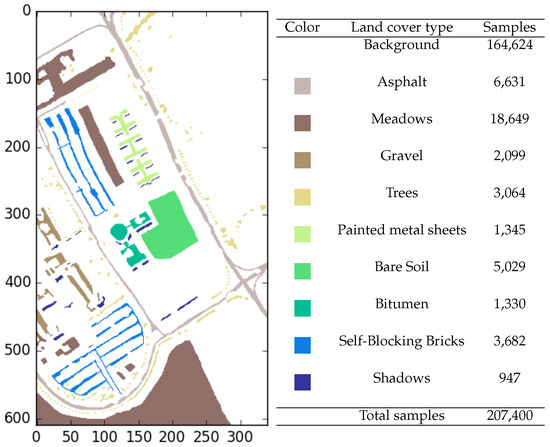
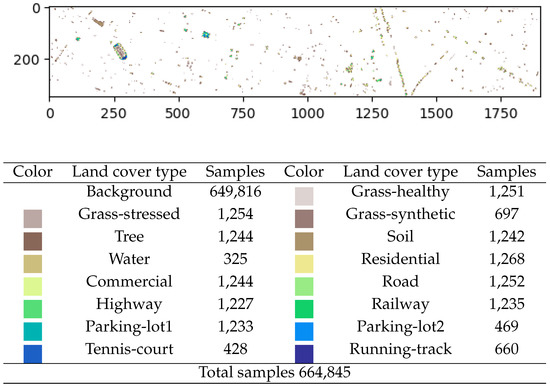
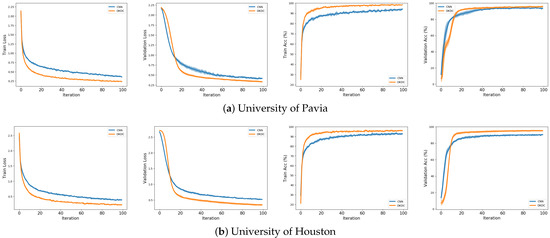
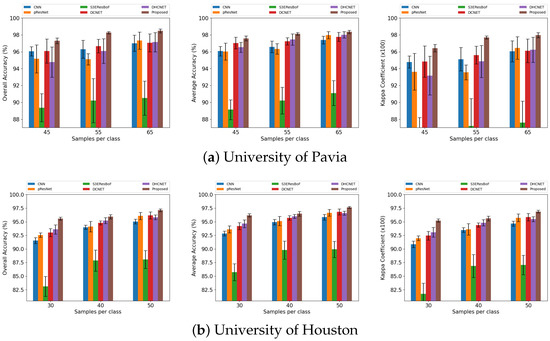
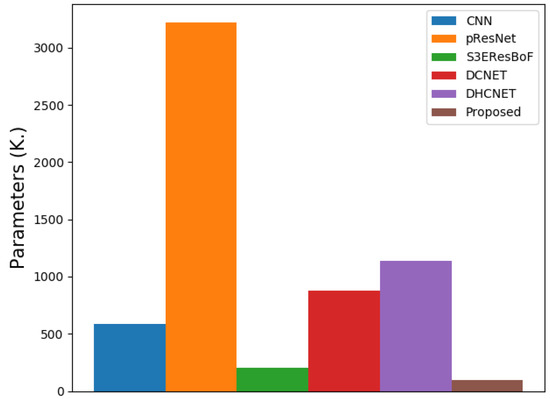
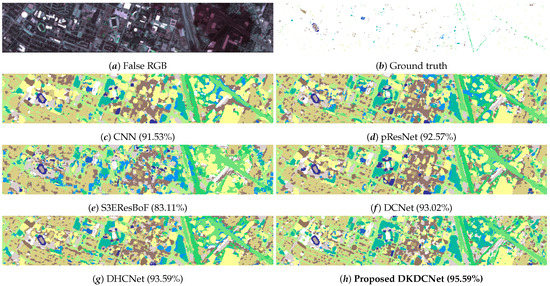
Nowadays, a large number of remote sensing instruments are providing a massive amount of data within the frame of different Earth Observation missions. These instruments are characterized by the wide variety of data they can collect, as well as the impressive volume of data and the speed at which it is acquired. In this sense, hyperspectral imaging data has certain properties that make it difficult to process, such as its large spectral dimension coupled with problematic data variability. To overcome these challenges, convolutional neural networks have been proposed as classification models because of their ability to extract relevant spectral–spatial features and learn hidden patterns, along their great architectural flexibility. Their high performance relies on the convolution kernels to exploit the spatial relationships. Thus, filter design is crucial for the correct performance of models. Nevertheless, hyperspectral data may contain objects with different shapes and orientations, preventing filters from “seeing everything possible” during the decision making. To overcome this limitation, this paper proposes a novel adaptable convolution model based on deforming kernels combined with deforming convolution layers to fit their effective receptive field to the input data. The proposed adaptable convolutional network (named DKDCNet) has been evaluated over two well-known hyperspectral scenes, demonstrating that it is able to achieve better results than traditional strategies with similar computational cost for HSI classification. Full article
Show Figures

Figure 1
17 pages, 2497 KB  
Article
Multiple Images Improve Lake CDOM Estimation: Building Better Landsat 8 Empirical Algorithms across Southern Canada
by Talia Koll-Egyed, Jeffrey A. Cardille and Eliza Deutsch
Remote Sens. 2021, 13(18), 3615; https://doi.org/10.3390/rs13183615 - 10 Sep 2021
Cited by 8 | Viewed by 3222
Abstract
Coloured dissolved organic matter (CDOM) is an important water property for lake management. Remote sensing using empirical algorithms has been used to estimate CDOM, with previous studies relying on coordinated field campaigns that coincided with satellite overpass. However, this requirement reduces the maximum [...] Read more.
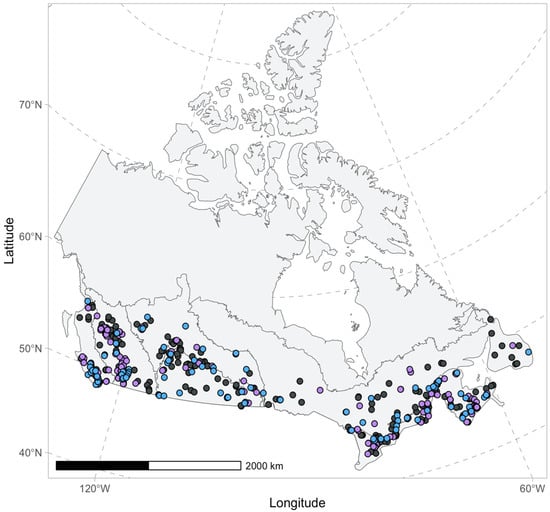
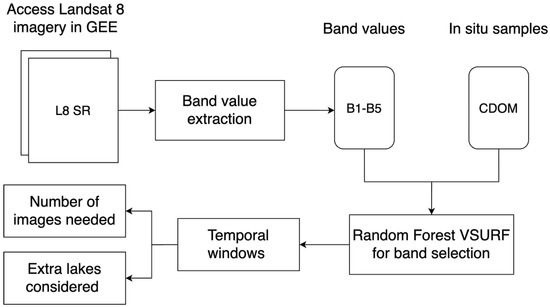
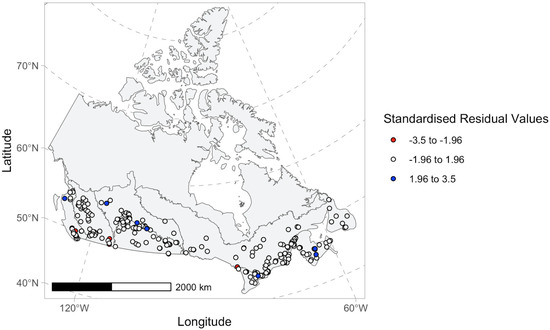
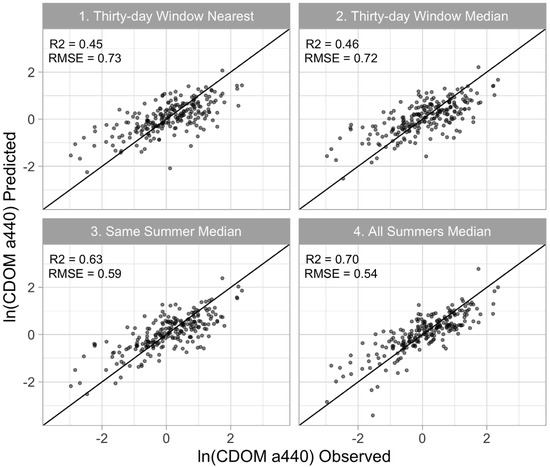
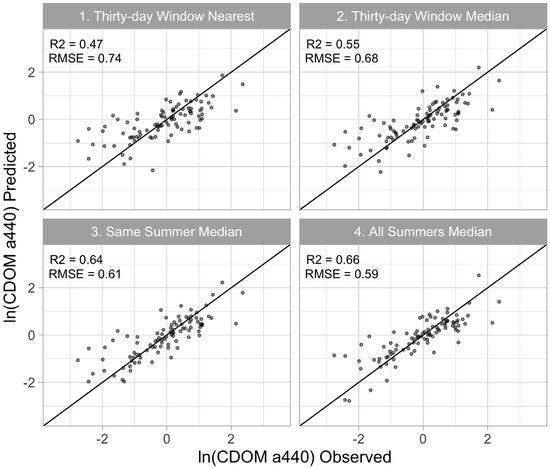
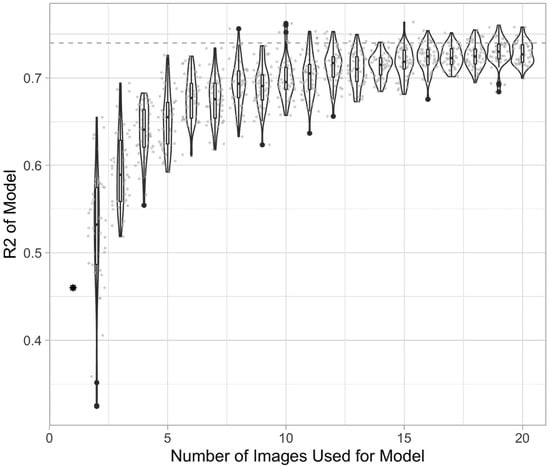
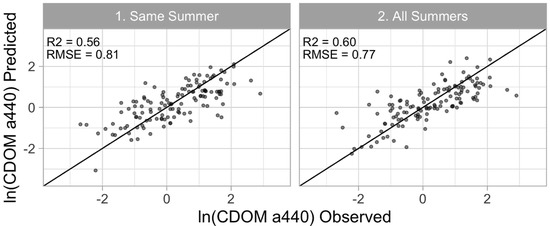
Coloured dissolved organic matter (CDOM) is an important water property for lake management. Remote sensing using empirical algorithms has been used to estimate CDOM, with previous studies relying on coordinated field campaigns that coincided with satellite overpass. However, this requirement reduces the maximum possible sample size for model calibration. New satellites and advances in cloud computing platforms offer opportunities to revisit assumptions about methods used for empirical algorithm calibration. Here, we explore the opportunities and limits of using median values of Landsat 8 satellite images across southern Canada to estimate CDOM. We compare models created using an expansive view of satellite image availability with those emphasizing a tight timing between the date of field sampling and the date of satellite overpass. Models trained on median band values from across multiple summer seasons performed better (adjusted R2 = 0.70, N = 233) than models for which imagery was constrained to a 30-day time window (adjusted R2 = 0.45). Model fit improved rapidly when incorporating more images, producing a model at a national scale that performed comparably to others found in more limited spatial extents. This research indicated that dense satellite imagery holds new promise for understanding relationships between in situ CDOM and satellite reflectance data across large areas. Full article
(This article belongs to the Special Issue Remote Sensing of Lake Properties and Dynamics)
Show Figures

Figure 1
18 pages, 33972 KB  
Article
Hyperspectral Image Classification Based on Sparse Superpixel Graph
by Yifei Zhao and Fengqin Yan
Remote Sens. 2021, 13(18), 3592; https://doi.org/10.3390/rs13183592 - 9 Sep 2021
Cited by 8 | Viewed by 3734
Abstract
Hyperspectral image (HSI) classification is one of the major problems in the field of remote sensing. Particularly, graph-based HSI classification is a promising topic and has received increasing attention in recent years. However, graphs with pixels as nodes generate large size graphs, thus [...] Read more.
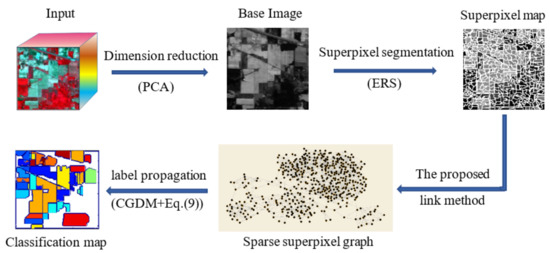
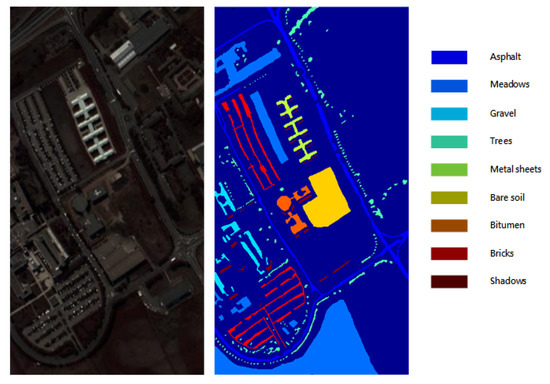
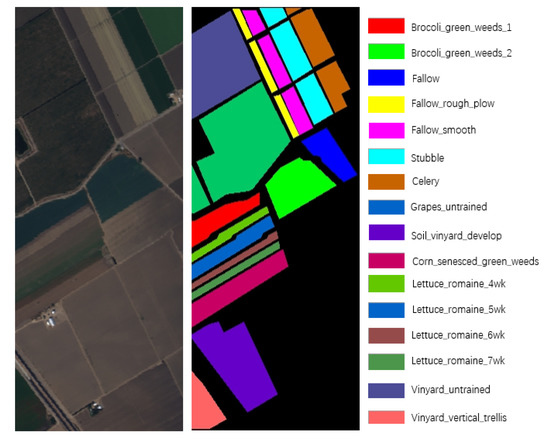
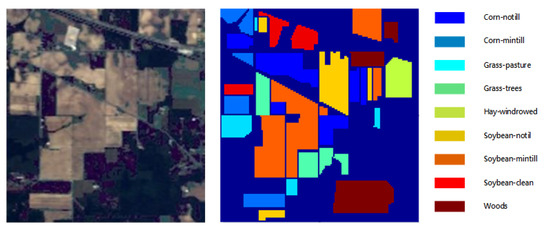
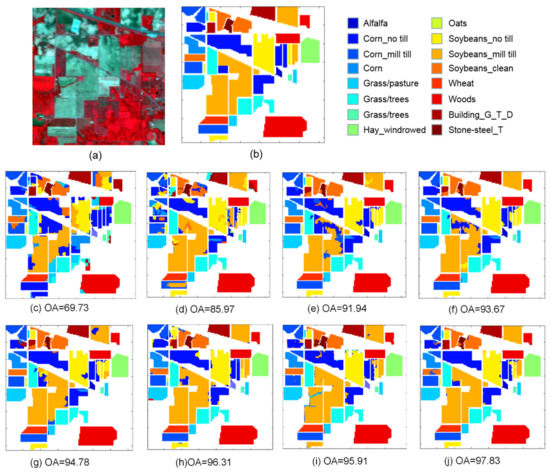
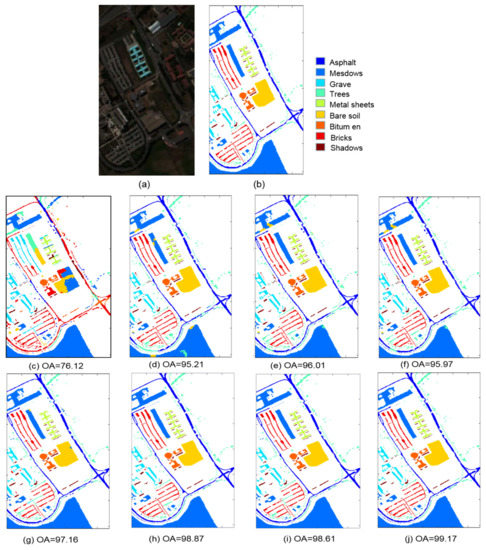
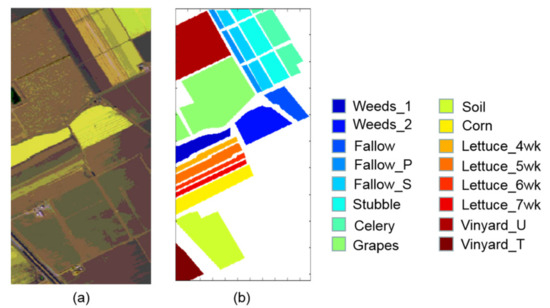
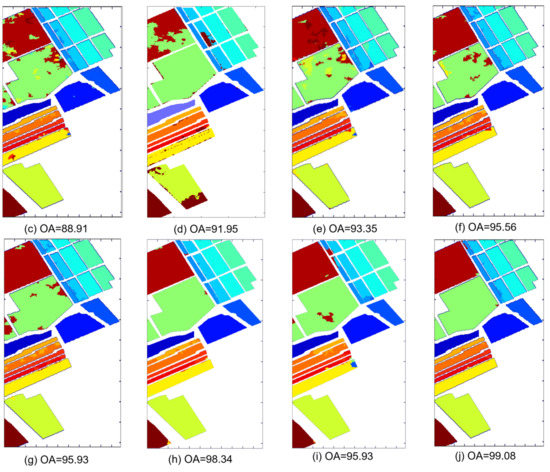
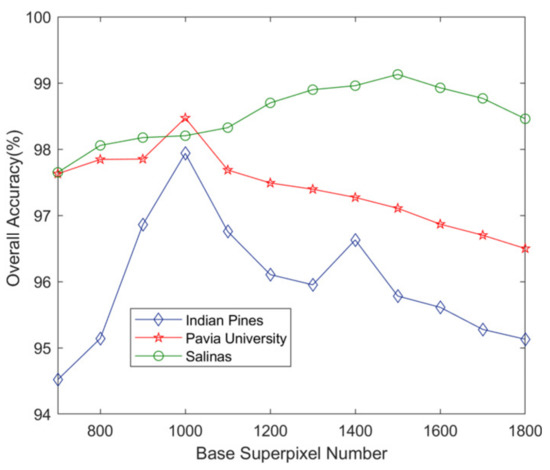
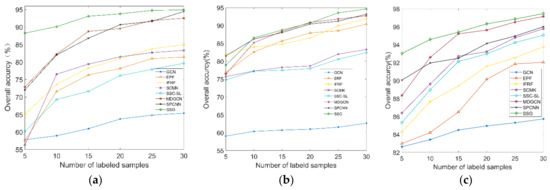
Hyperspectral image (HSI) classification is one of the major problems in the field of remote sensing. Particularly, graph-based HSI classification is a promising topic and has received increasing attention in recent years. However, graphs with pixels as nodes generate large size graphs, thus increasing the computational burden. Moreover, satisfactory classification results are often not obtained without considering spatial information in constructing graph. To address these issues, this study proposes an efficient and effective semi-supervised spectral-spatial HSI classification method based on sparse superpixel graph (SSG). In the constructed sparse superpixels graph, each vertex represents a superpixel instead of a pixel, which greatly reduces the size of graph. Meanwhile, both spectral information and spatial structure are considered by using superpixel, local spatial connection and global spectral connection. To verify the effectiveness of the proposed method, three real hyperspectral images, Indian Pines, Pavia University and Salinas, are chosen to test the performance of our proposal. Experimental results show that the proposed method has good classification completion on the three benchmarks. Compared with several competitive superpixel-based HSI classification approaches, the method has the advantages of high classification accuracy (>97.85%) and rapid implementation (<10 s). This clearly favors the application of the proposed method in practice. Full article
(This article belongs to the Section Remote Sensing Image Processing)
Show Figures

Figure 1
20 pages, 11756 KB  
Article
Can the Structure Similarity of Training Patches Affect the Sea Surface Temperature Deep Learning Super-Resolution?
by Bo Ping, Yunshan Meng, Cunjin Xue and Fenzhen Su
Remote Sens. 2021, 13(18), 3568; https://doi.org/10.3390/rs13183568 - 8 Sep 2021
Cited by 8 | Viewed by 3031
Abstract
Meso- and fine-scale sea surface temperature (SST) is an essential parameter in oceanographic research. Remote sensing is an efficient way to acquire global SST. However, single infrared-based and microwave-based satellite-derived SST cannot obtain complete coverage and high-resolution SST simultaneously. Deep learning super-resolution (SR) [...] Read more.
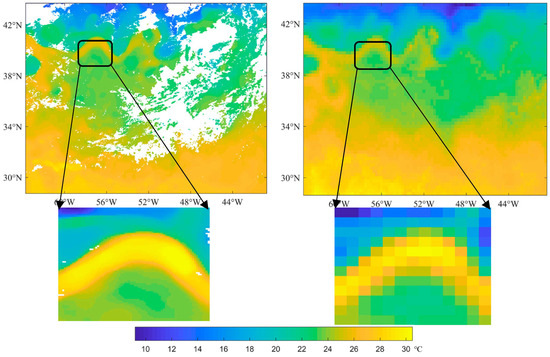
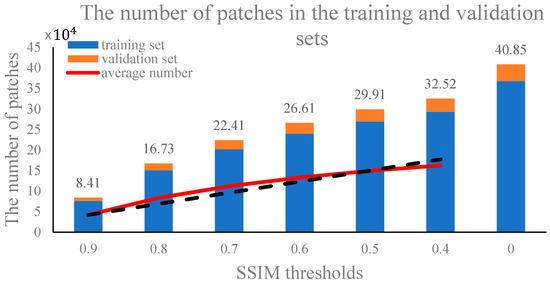
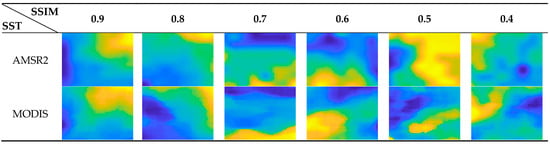
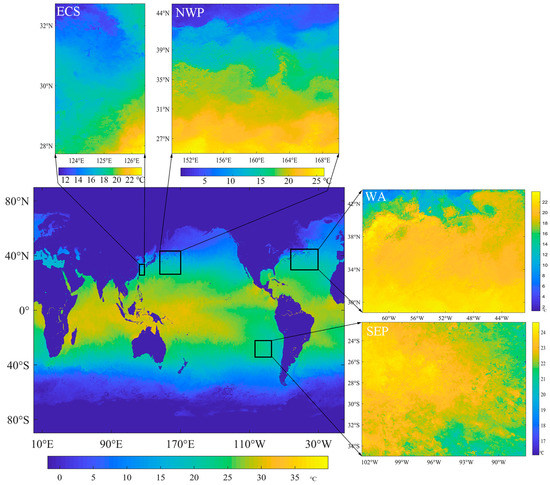
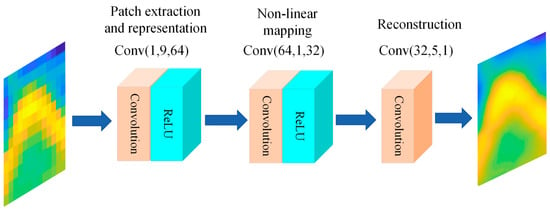
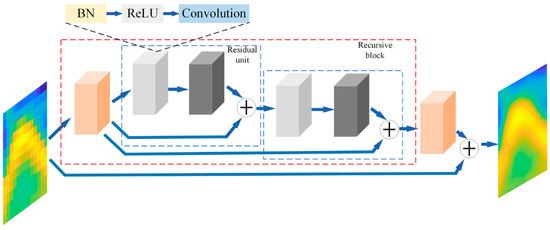
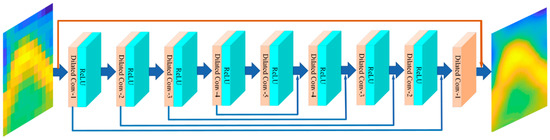
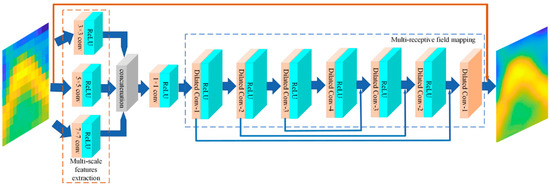
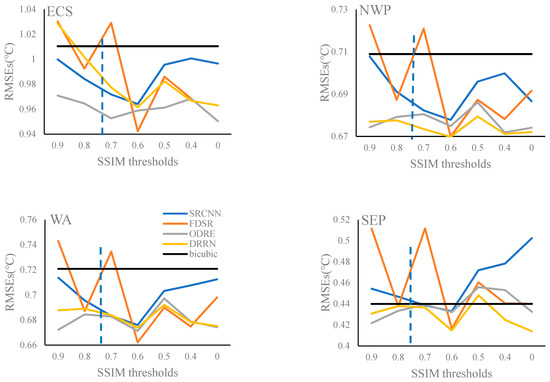
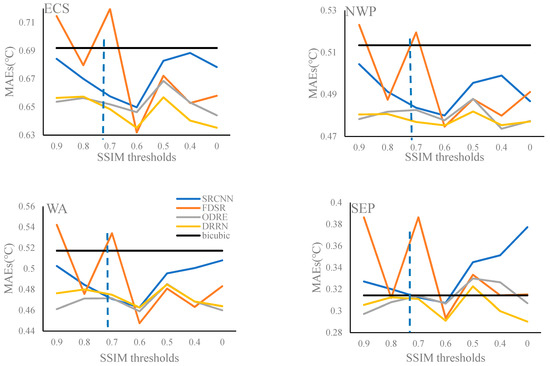
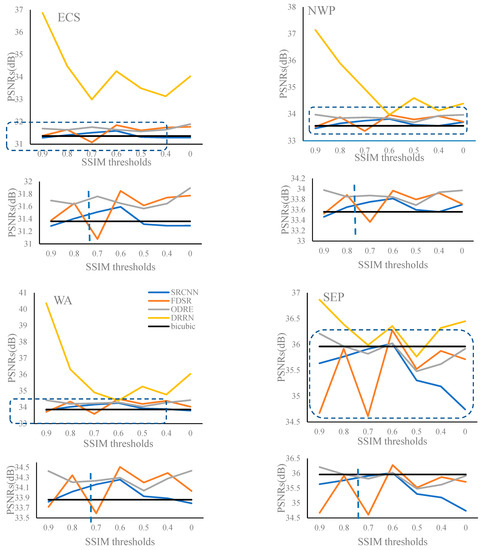
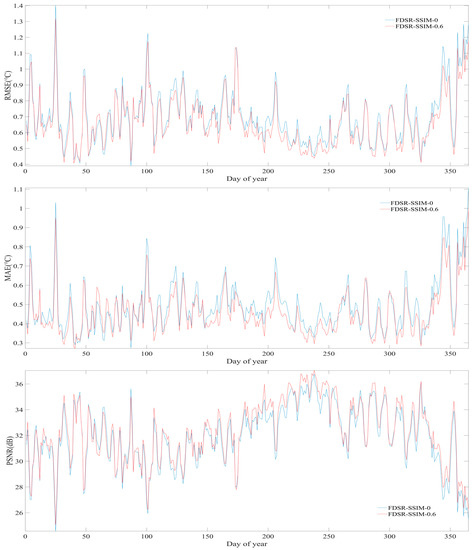
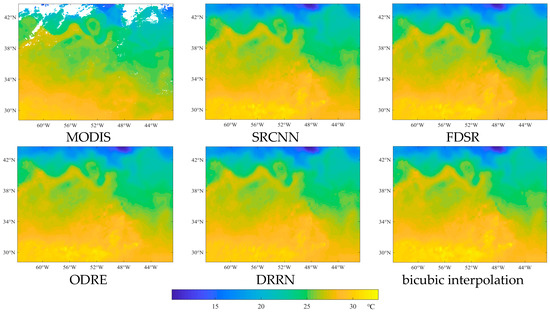
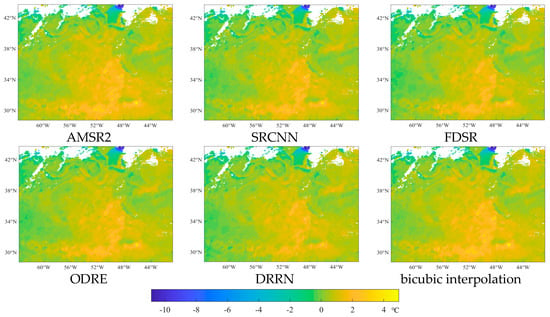
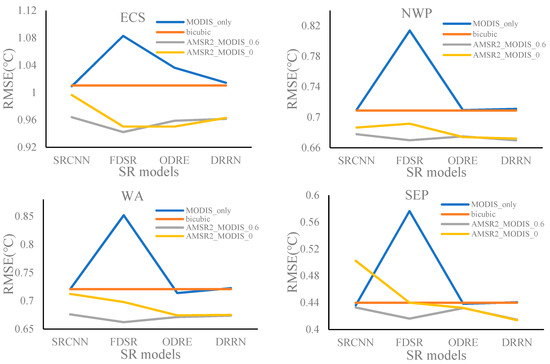
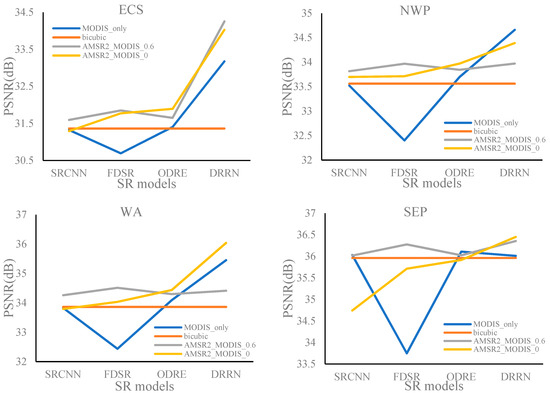
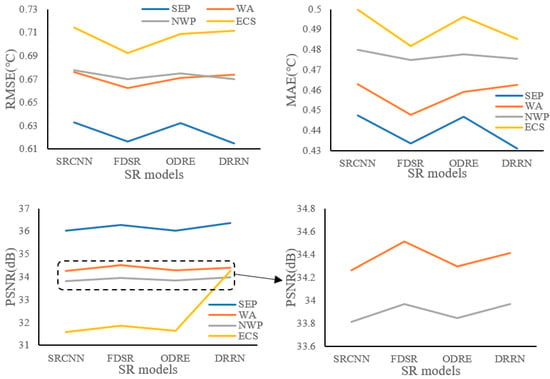
Meso- and fine-scale sea surface temperature (SST) is an essential parameter in oceanographic research. Remote sensing is an efficient way to acquire global SST. However, single infrared-based and microwave-based satellite-derived SST cannot obtain complete coverage and high-resolution SST simultaneously. Deep learning super-resolution (SR) techniques have exhibited the ability to enhance spatial resolution, offering the potential to reconstruct the details of SST fields. Current SR research focuses mainly on improving the structure of the SR model instead of training dataset selection. Different from generating the low-resolution images by downscaling the corresponding high-resolution images, the high- and low-resolution SST are derived from different sensors. Hence, the structure similarity of training patches may affect the SR model training and, consequently, the SST reconstruction. In this study, we first discuss the influence of training dataset selection on SST SR performance, showing that the training dataset determined by the structure similarity index (SSIM) of 0.6 can result in higher reconstruction accuracy and better image quality. In addition, in the practical stage, the spatial similarity between the low-resolution input and the objective high-resolution output is a key factor for SST SR. Moreover, the training dataset obtained from the actual AMSR2 and MODIS SST images is more suitable for SST SR because of the skin and sub-skin temperature difference. Finally, the SST reconstruction accuracies obtained from different SR models are relatively consistent, yet the differences in reconstructed image quality are rather significant. Full article
(This article belongs to the Special Issue GIS and RS in Ocean, Island and Coastal Zone)
Show Figures

Figure 1