22 pages, 5179 KB  
Article
Method of Changing Running Direction of Cheetah-Inspired Quadruped Robot
by Meng Ning, Jun Yang, Ziqiang Zhang, Jun Li, Zhi Wang, Longxing Wei and Pengjin Feng
Sensors 2022, 22(24), 9601; https://doi.org/10.3390/s22249601 - 7 Dec 2022
Cited by 7 | Viewed by 4367
Abstract
The rapid change of motion direction during running is beneficial to improving the movement flexibility of the quadruped robot, which is of great relevance to its research. How to make the robot change its motion direction during running and achieve good dynamic stability [...] Read more.
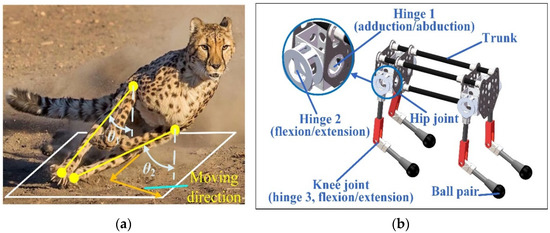
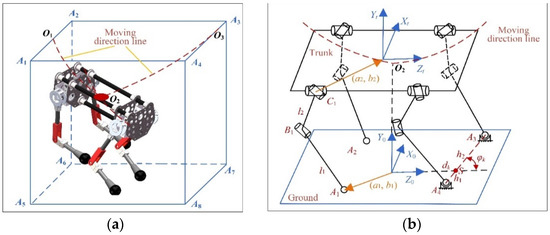
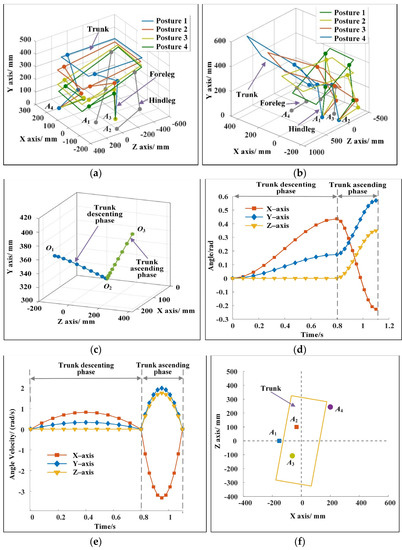
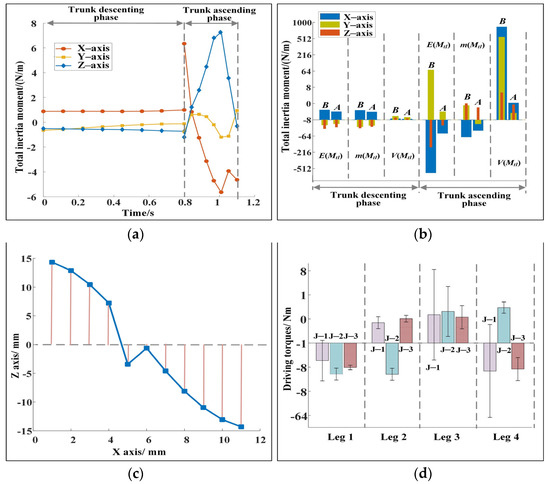
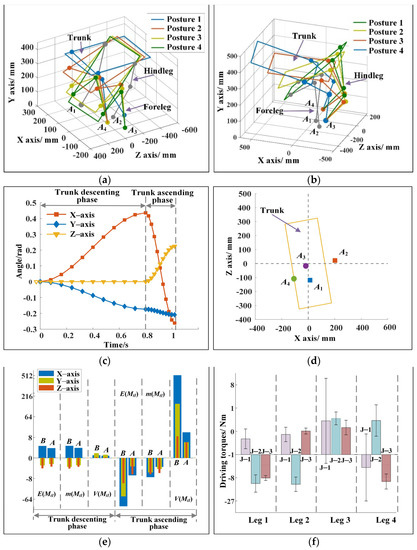
The rapid change of motion direction during running is beneficial to improving the movement flexibility of the quadruped robot, which is of great relevance to its research. How to make the robot change its motion direction during running and achieve good dynamic stability is a problem to be solved. In this paper, a method to change the running direction of the cheetah-inspired quadruped robot is proposed. Based on the analysis of the running of the cheetah, a dynamic model of the quadruped robot is established, and a two-level stability index system, including a minimum index system and a range index system, is proposed. On this basis, the objective function based on the stability index system and optimization variables, including leg landing points, trunk movement trajectory, and posture change rule, are determined. Through these constraints, the direction changes with good dynamic stability of the cheetah-inspired quadruped robot during running is realized by controlling the leg parameters. The robot will not roll over during high-speed movement. Finally, the correctness of the proposed method is proven by simulation. This paper provides a theoretical basis for the quadruped robot’s rapid change of direction in running. Full article
(This article belongs to the Special Issue Advanced Intelligent Control in Robots)
Show Figures

Figure 1
37 pages, 8490 KB  
Article
The SSTeP-KiZ System—Secure Real-Time Communication Based on Open Web Standards for Multimodal Sensor-Assisted Tele-Psychotherapy
by Jonas Primbs, Winfried Ilg, Annika Thierfelder, Björn Severitt, Carolin Sarah Hohnecker, Annika Kristin Alt, Anja Pascher, Ursula Wörz, Heinrich Lautenbacher, Karsten Hollmann, Gottfried Maria Barth, Tobias Renner and Michael Menth
Sensors 2022, 22(24), 9589; https://doi.org/10.3390/s22249589 - 7 Dec 2022
Cited by 7 | Viewed by 5130
Abstract
In this manuscript, we describe the soft- and hardware architecture as well as the implementation of a modern Internet of Medical Things (IoMT) system for sensor-assisted telepsychotherapy. It enables telepsychotherapy sessions in which the patient exercises therapy-relevant behaviors in their home environment under [...] Read more.
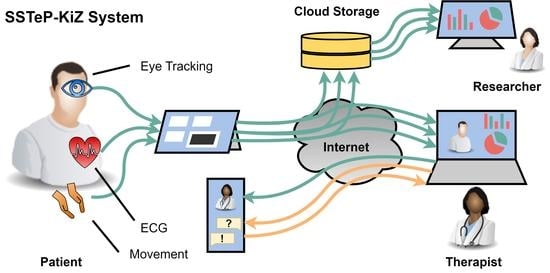
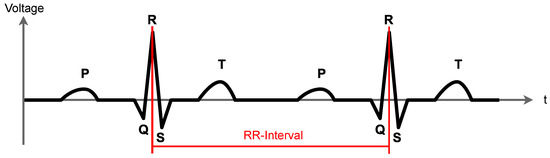
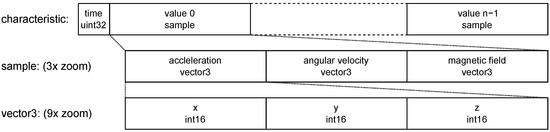
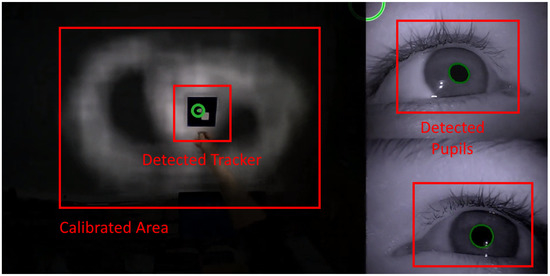
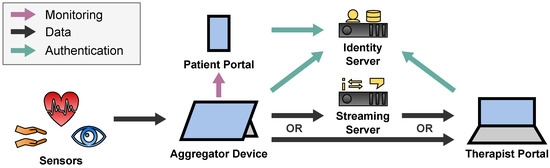
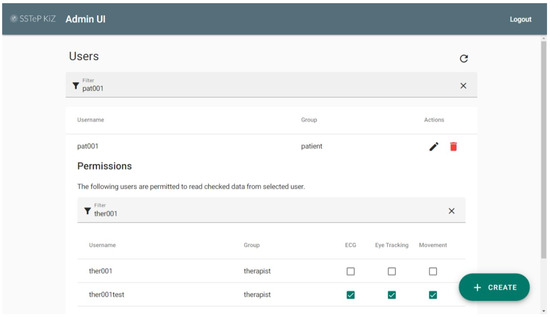
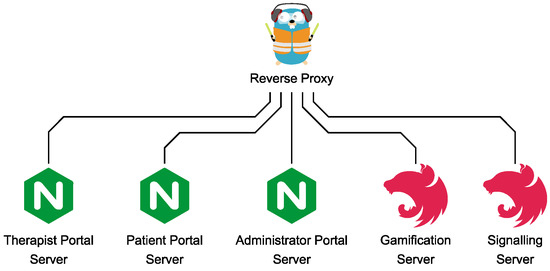
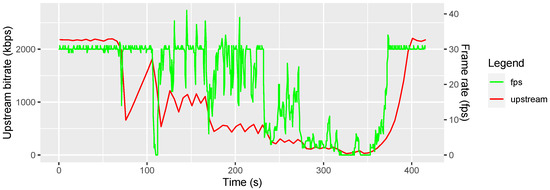
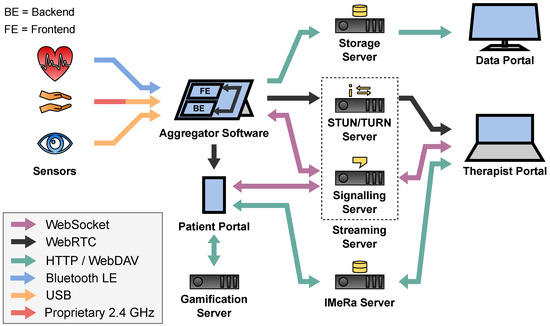
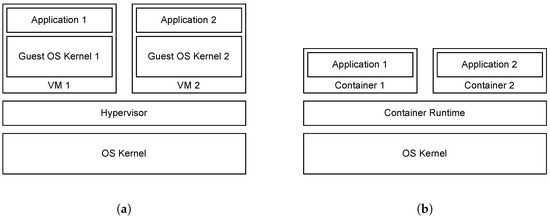
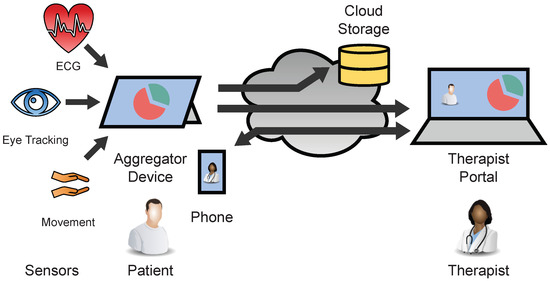
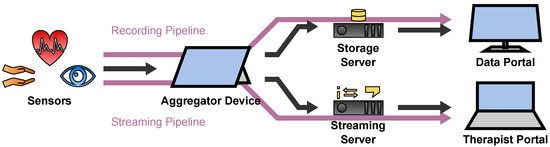
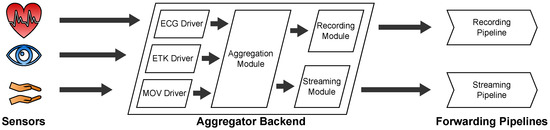
In this manuscript, we describe the soft- and hardware architecture as well as the implementation of a modern Internet of Medical Things (IoMT) system for sensor-assisted telepsychotherapy. It enables telepsychotherapy sessions in which the patient exercises therapy-relevant behaviors in their home environment under the remote supervision of the therapist. Wearable sensor information (electrocardiogram (ECG), movement sensors, and eye tracking) is streamed in real time to the therapist to deliver objective information about specific behavior-triggering situations and the stress level of the patients. We describe the IT infrastructure of the system which uses open standards such as WebRTC and OpenID Connect (OIDC). We also describe the system’s security concept, its container-based deployment, and demonstrate performance analyses. The system is used in the ongoing study SSTeP-KiZ (smart sensor technology in telepsychotherapy for children and adolescents with obsessive-compulsive disorder) and shows sufficient technical performance. Full article
(This article belongs to the Special Issue Recent Advance of IoT Healthcare Applications for E-health)
Show Figures

Graphical abstract

17 pages, 1056 KB  
Article
Could an Internet-Based Foot–Ankle Therapeutic Exercise Program Modify Clinical Outcomes and Gait Biomechanics in People with Diabetic Neuropathy? A Clinical Proof-of-Concept Study
by Ronaldo H. Cruvinel-Júnior, Jane S. S. P. Ferreira, Jady L. Veríssimo, Renan L. Monteiro, Eneida Y. Suda, Érica Q. Silva and Isabel C. N. Sacco
Sensors 2022, 22(24), 9582; https://doi.org/10.3390/s22249582 - 7 Dec 2022
Cited by 7 | Viewed by 4436
Abstract
Previous studies have shown the efficacy of foot–ankle exercises in people with diabetic peripheral neuropathy (DPN), but the quality of evidence is still low. This proof-of-concept study pursues preliminary evidence for potential clinical and gait biomechanical benefits from an internet-based foot–ankle therapeutic exercise [...] Read more.
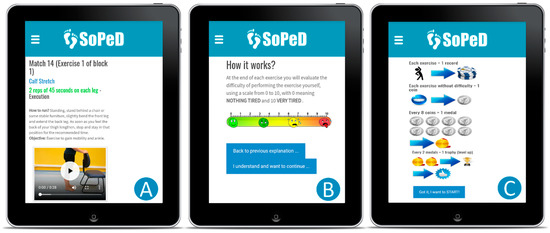
Previous studies have shown the efficacy of foot–ankle exercises in people with diabetic peripheral neuropathy (DPN), but the quality of evidence is still low. This proof-of-concept study pursues preliminary evidence for potential clinical and gait biomechanical benefits from an internet-based foot–ankle therapeutic exercise program for people with DPN. We randomized 30 individuals with DPN (IWGDF risk category 1 or 2) into either the control group (CG) receiving the usual care or the intervention group (IG) receiving the usual care plus an internet-based foot–ankle exercise program, fully guided by the Sistema de Orientação ao Pé Diabético (SOPeD; translation: Diabetic Foot Guidance System) three times per week for 12 weeks. We assessed face-to-face clinical and biomechanical outcomes at baseline, 12 weeks, and 24 weeks (follow up). Participants had good adherence to the proposed intervention and it led to only mild adverse events. The IG showed improvements in the ankle and first metatarsophalangeal joint motion after 12 and 24 weeks, changed forefoot load absorption during foot rollover during gait after 24 weeks, reduced foot pain after 12 weeks, and improved foot function after 24 weeks. A 12-week internet-based foot–ankle exercise program using the SOPeD software (version 1.0) has the potential to reduce foot pain, improve foot function, and modify some important foot–ankle kinematic outcomes in people with DPN. Full article
Show Figures

Figure 1
19 pages, 7055 KB  
Article
Research on Attitude Detection and Flight Experiment of Coaxial Twin-Rotor UAV
by Deyi You, Yongping Hao, Jiulong Xu and Liyuan Yang
Sensors 2022, 22(24), 9572; https://doi.org/10.3390/s22249572 - 7 Dec 2022
Cited by 7 | Viewed by 3360
Abstract
Aiming at the problem that the single sensor of the coaxial UAV cannot accurately measure attitude information, a pose estimation algorithm based on unscented Kalman filter information fusion is proposed. The kinematics and dynamics characteristics of coaxial folding twin-rotor UAV are studied, and [...] Read more.
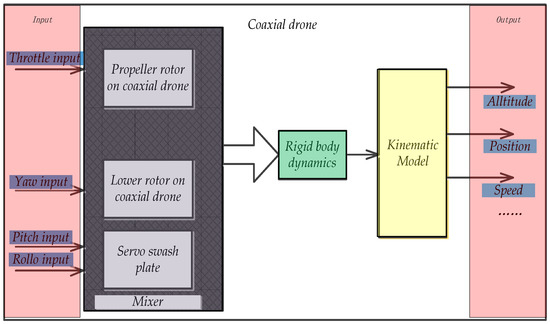
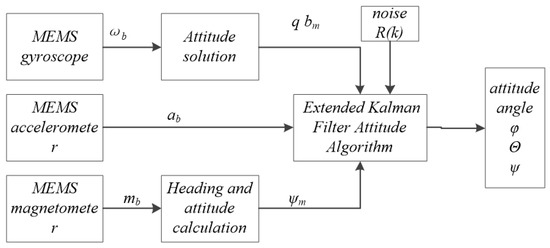
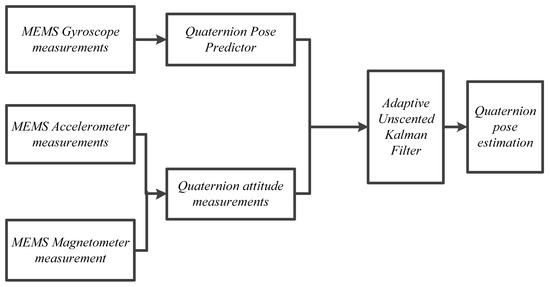
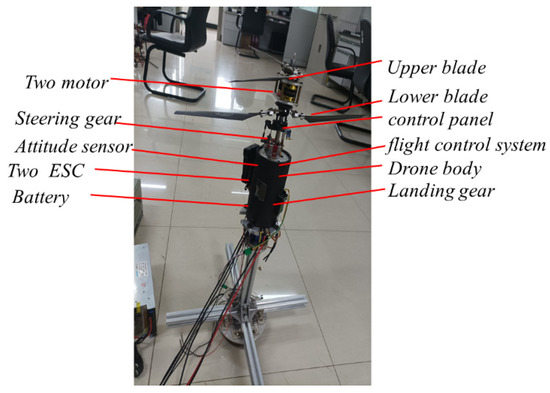
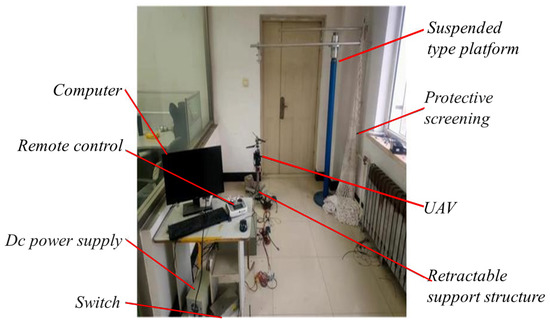
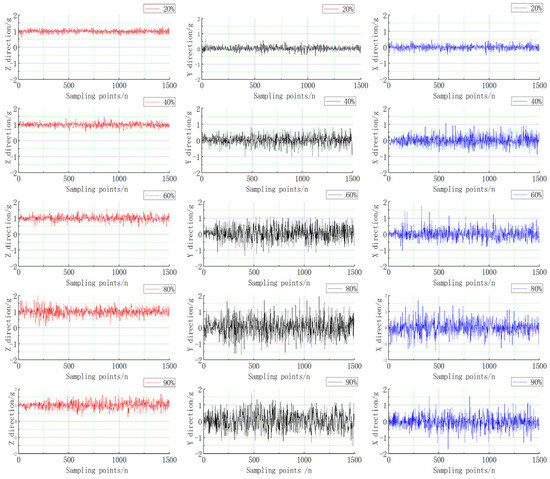
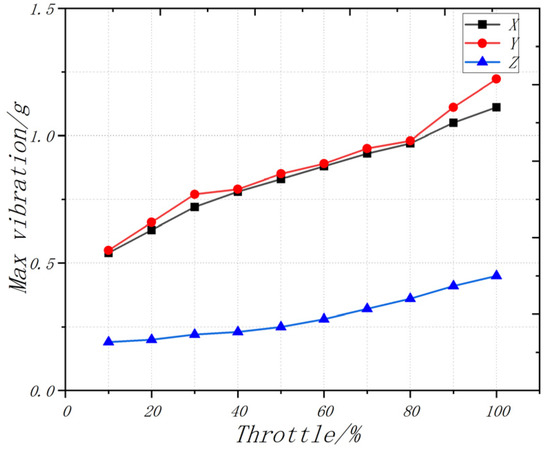
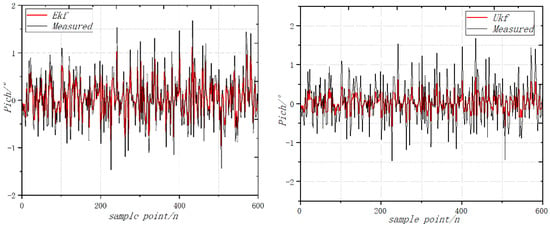
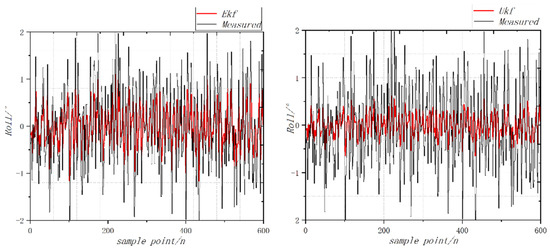
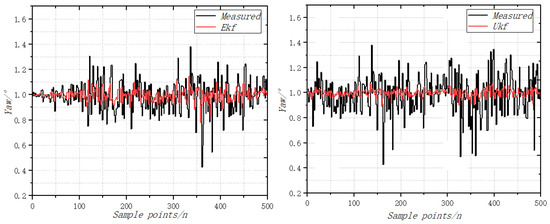
Aiming at the problem that the single sensor of the coaxial UAV cannot accurately measure attitude information, a pose estimation algorithm based on unscented Kalman filter information fusion is proposed. The kinematics and dynamics characteristics of coaxial folding twin-rotor UAV are studied, and a mathematical model is established. The common attitude estimation methods are analyzed, and the extended Kalman filter algorithm and unscented Kalman filter algorithm are established. In order to complete the test of the prototype of a small coaxial twin-rotor UAV, a test platform for the dynamic performance and attitude angle of the semi-physical flight of the UAV was established. The platform can analyze the mechanical vibration, attitude angle and noise of the aircraft. It can also test and analyze the characteristics of the mechanical vibration and noise produced by the UAV at different rotor speeds. Furthermore, the static and time-varying trends of the pitch angle and yaw angle of the Kalman filter attitude estimation algorithm is further analyzed through static and dynamic experiments. The analysis results show that the attitude estimation of the UKF is better than that of the EKF when the throttle is between 0.2σ and 0.9σ. The error of the algorithm is less than 0.6°. The experiment and analysis provide a reference for the optimization of the control parameters and flight control strategy of the coaxial folding dual-rotor aircraft. Full article
Show Figures

Figure 1
22 pages, 1696 KB  
Article
Performance Analysis of Existing ITS Technologies: Evaluation and Coexistence
by Sassi Maaloul, Hasnaa Aniss, Leo Mendiboure and Marion Berbineau
Sensors 2022, 22(24), 9570; https://doi.org/10.3390/s22249570 - 7 Dec 2022
Cited by 7 | Viewed by 2449
Abstract
The performance of vehicular communication technologies changes dynamically according to the application requirements considering data rate, communication ranges, latency, etc. These applications are evolving rapidly and should enhance intelligent transport systems (ITS) such as road safety and automated driving. However, to reach the [...] Read more.
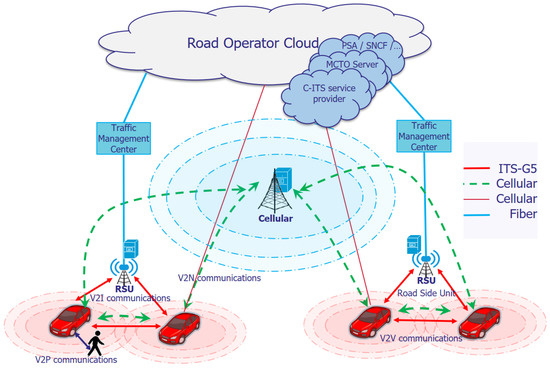
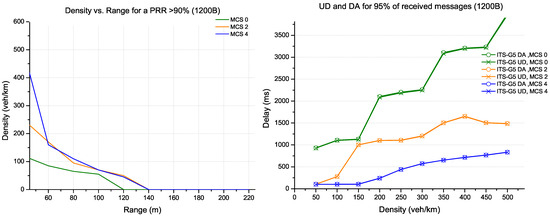
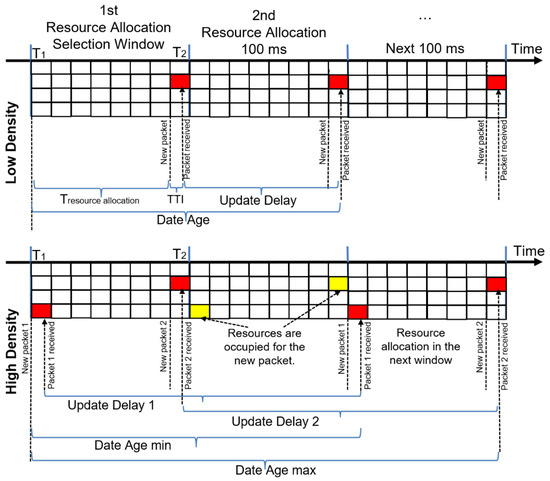
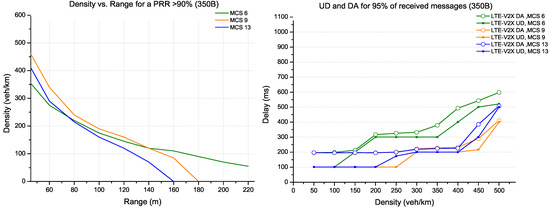
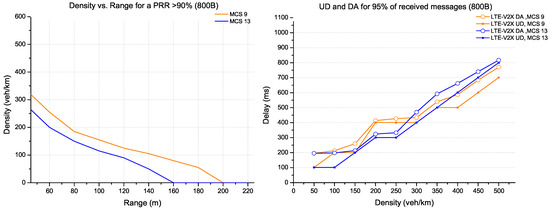
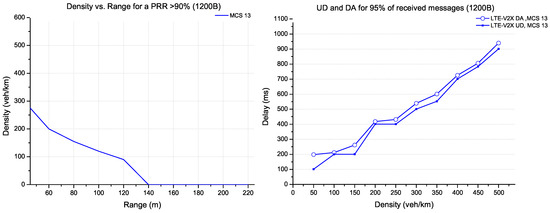
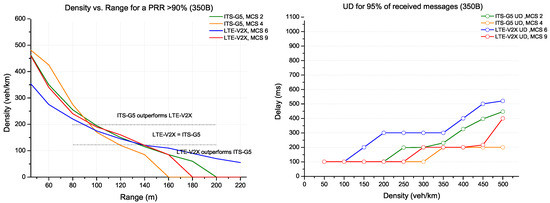
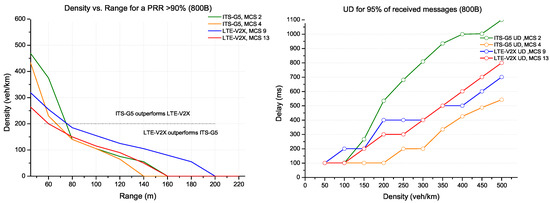
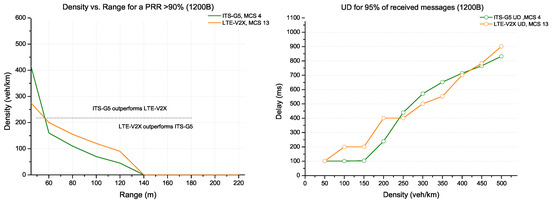
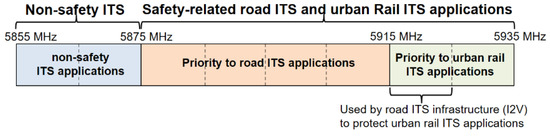
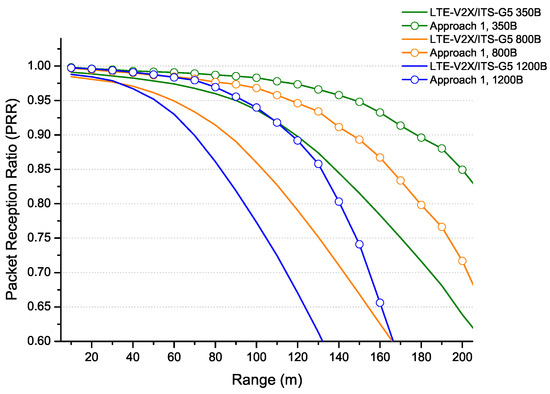
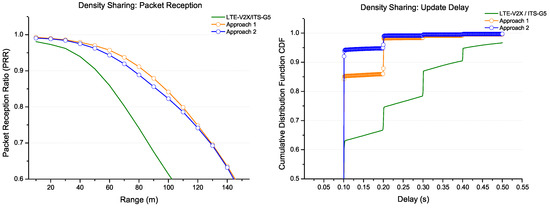
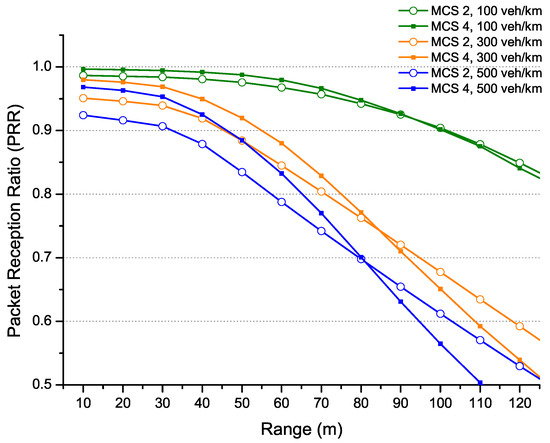
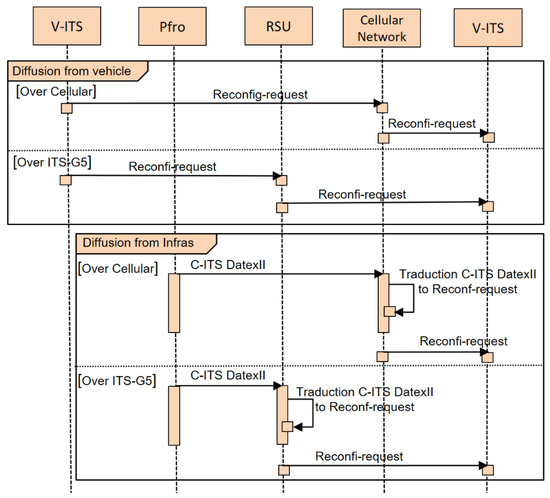
The performance of vehicular communication technologies changes dynamically according to the application requirements considering data rate, communication ranges, latency, etc. These applications are evolving rapidly and should enhance intelligent transport systems (ITS) such as road safety and automated driving. However, to reach the required quality, these applications need many radio resources to carry the potential traffic load resulting from the environmental perception and data exchanged between the different entities. Therefore, an assessment of vehicular communication technologies’ reliability and resilience under these conditions is required to address the multiple challenges of the ITS services. The paper’s main contribution is to propose a comprehensive analysis model able to evaluate and compare the performances of ITS technologies according to different constraints related to environment-changing situations. This analysis examines the channel occupancy and provides simulation results which allow the identification of the suitable configurations and the most appropriate technology for a given use case. We also propose a coexistence solution between these technologies based on density-sharing according to the use case requirements and the availability of the technology. Finally, we present the challenge of adaptive configuration in vehicular networks, which helps to provide the optimal structure through road profiles and environment variability (infrastructure, data, etc.). Results show different trade offs and limitations between the considered ITS technologies, which are essential to understand their behaviour in a realistic environment. Full article
(This article belongs to the Special Issue Advances in Future Communication System)
Show Figures

Figure 1
21 pages, 4936 KB  
Article
Versatile Confocal Raman Imaging Microscope Built from Off-the-Shelf Opto-Mechanical Components
by Deseada Diaz Barrero, Genrich Zeller, Magnus Schlösser, Beate Bornschein and Helmut H. Telle
Sensors 2022, 22(24), 10013; https://doi.org/10.3390/s222410013 - 19 Dec 2022
Cited by 7 | Viewed by 6052
Abstract
Confocal Raman microscopic (CRM) imaging has evolved to become a key tool for spatially resolved, compositional analysis and imaging, down to the μm-scale, and nowadays one may choose between numerous commercial instruments. That notwithstanding, situations may arise which exclude the use of a [...] Read more.
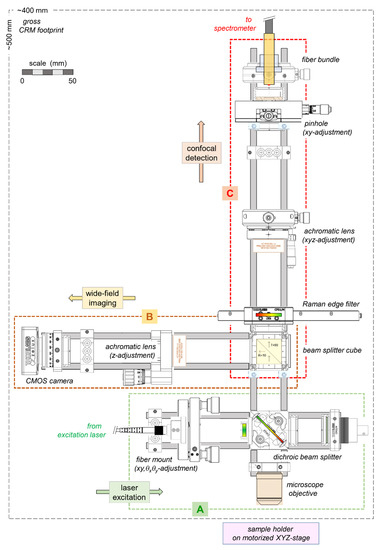
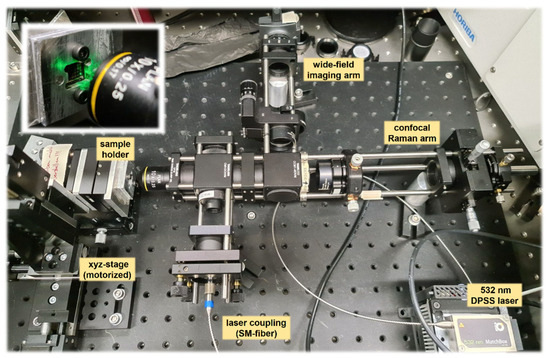
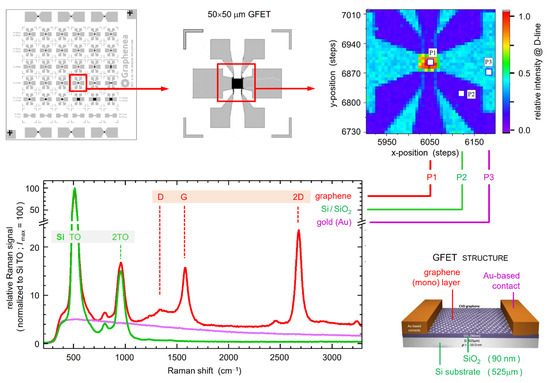
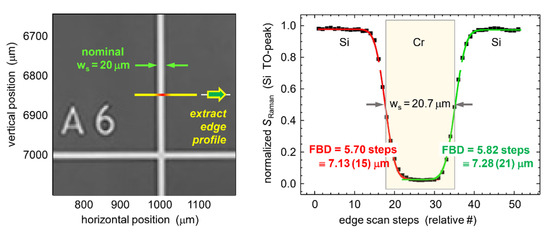
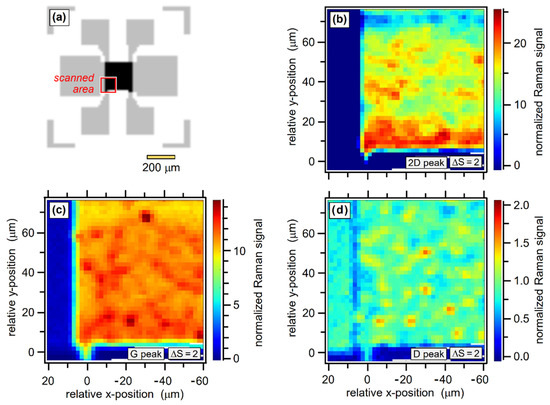
Confocal Raman microscopic (CRM) imaging has evolved to become a key tool for spatially resolved, compositional analysis and imaging, down to the μm-scale, and nowadays one may choose between numerous commercial instruments. That notwithstanding, situations may arise which exclude the use of a commercial instrument, e.g., if the analysis involves toxic or radioactive samples/environments; one may not wish to render an expensive instrument unusable for other uses, due to contamination. Therefore, custom-designed CRM instrumentation—being adaptable to hazardous conditions and providing operational flexibility—may be beneficial. Here, we describe a CRM setup, which is constructed nearly in its entirety from off-the-shelf optomechanical and optical components. The original aim was to develop a CRM suitable for the investigation of samples exposed to tritium. For increased flexibility, the CRM system incorporates optical fiber coupling to both the Raman excitation laser and the spectrometer. Lateral raster scans and axial profiling of samples are facilitated by the use of a motorized xyz-translation assembly. Besides the description of the construction and alignment of the CRM system, we also provide (i) the experimental evaluation of system performance (such as, e.g., spatial resolution) and (ii) examples of Raman raster maps and axial profiles of selected thin-film samples (such as, e.g., graphene sheets). Full article
(This article belongs to the Section Sensing and Imaging)
Show Figures

Figure 1
14 pages, 3602 KB  
Article
Generalized Scale Factor Calibration Method for an Off-Axis Digital Image Correlation-Based Video Deflectometer
by Long Tian, Tong Ding and Bing Pan
Sensors 2022, 22(24), 10010; https://doi.org/10.3390/s222410010 - 19 Dec 2022
Cited by 7 | Viewed by 2846
Abstract
When using off-axis digital image correlation (DIC) for non-contact, remote, and multipoint deflection monitoring of engineering structures, accurate calibration of the scale factor (SF), which converts image displacement to physical displacement for each measurement point, is critical to realize high-quality displacement measurement. In [...] Read more.
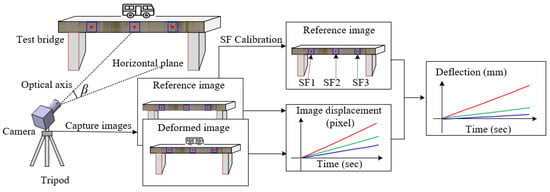
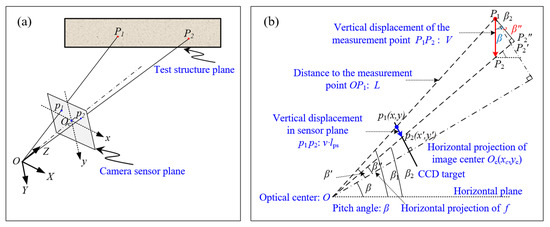
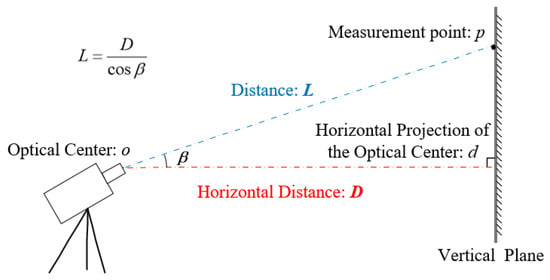
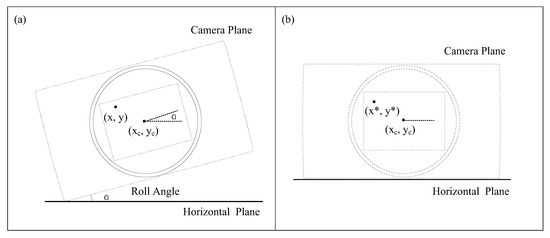
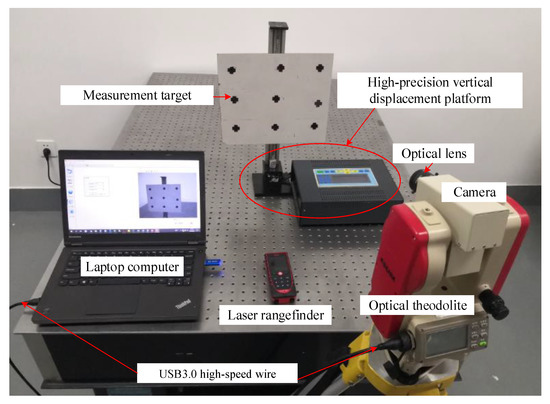
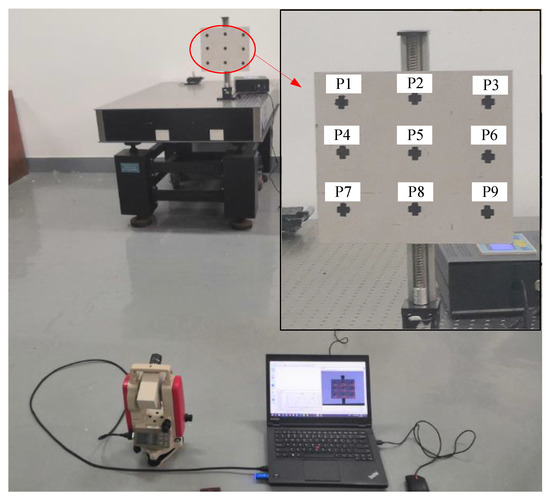
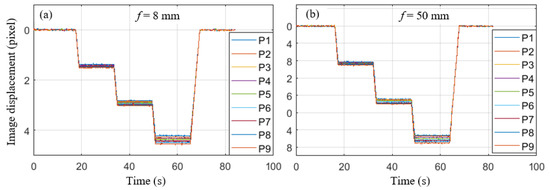
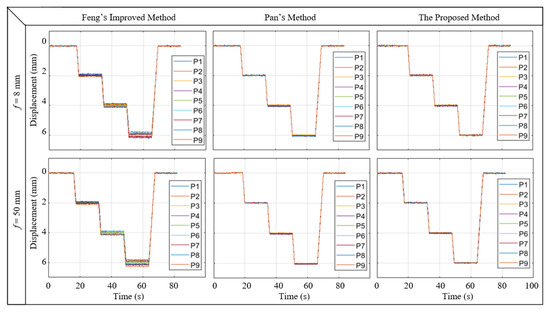
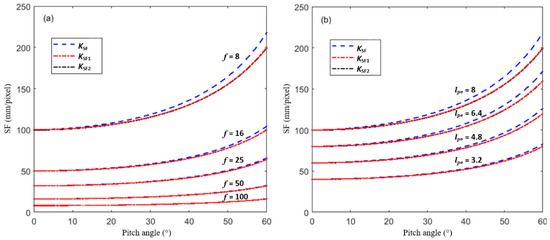
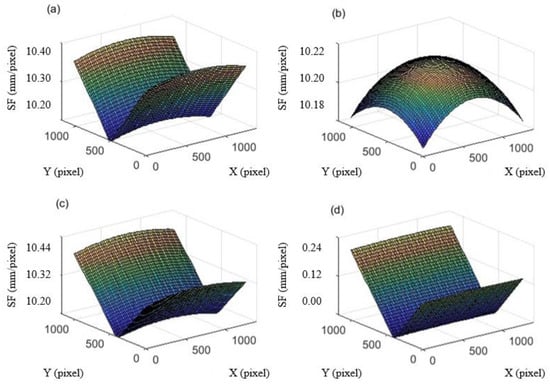
When using off-axis digital image correlation (DIC) for non-contact, remote, and multipoint deflection monitoring of engineering structures, accurate calibration of the scale factor (SF), which converts image displacement to physical displacement for each measurement point, is critical to realize high-quality displacement measurement. In this work, based on the distortion-free pinhole imaging model, a generalized SF calibration model is proposed for an off-axis DIC-based video deflectometer. Then, the transversal relationship between the proposed SF calibration method and three commonly used SF calibration methods was discussed. The accuracy of these SF calibration methods was also compared using indoor rigid body translation experiments. It is proved that the proposed method can be degraded to one of the existing calibration methods in most cases, but will provide more accurate results under the following four conditions: (1) the camera’s pitch angle is more than 20°, (2) the focal length is more than 25 mm, (3) the pixel size of the camera sensor is more than 5 um, and (4) the image y-coordinate corresponding to the measurement point after deformation is far from the image center. Full article
(This article belongs to the Collection Vision Sensors and Systems in Structural Health Monitoring)
Show Figures

Figure 1
3 pages, 165 KB  
Editorial
Advanced Fault Diagnosis and Health Monitoring Techniques for Complex Engineering Systems
by Yongbo Li, Bing Li, Jinchen Ji and Hamed Kalhori
Sensors 2022, 22(24), 10002; https://doi.org/10.3390/s222410002 - 19 Dec 2022
Cited by 7 | Viewed by 2826
Abstract
Fault diagnosis and health condition monitoring have always been critical issues in the engineering research community [...] Full article
16 pages, 8446 KB  
Article
Design of a Ultra-Stable Low-Noise Space Camera Based on a Large Target CMOS Detector and Image Data Analysis
by Chao Shen, Caiwen Ma and Wei Gao
Sensors 2022, 22(24), 9991; https://doi.org/10.3390/s22249991 - 18 Dec 2022
Cited by 6 | Viewed by 3886
Abstract
To detect faint target stars of 22nd magnitude and above, an astronomical exploration project requires its space camera’s readout noise to be less than 5e with long-time working stability. Due to the limitation of satellite, the traditional CCD detector-based camera does not [...] Read more.
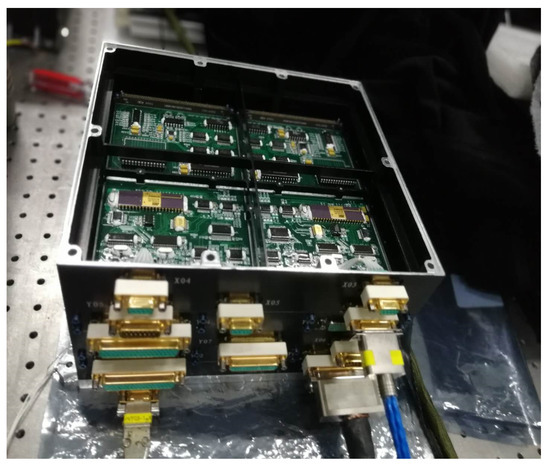
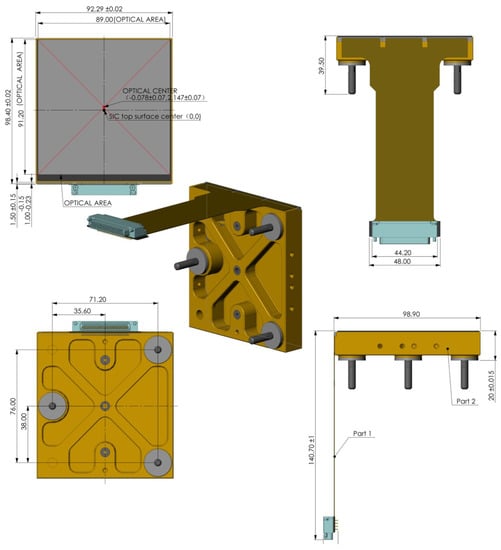
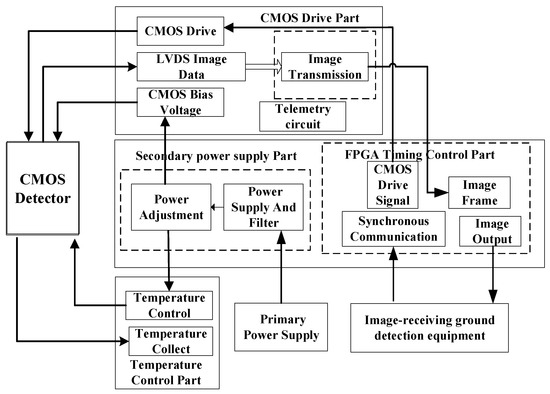
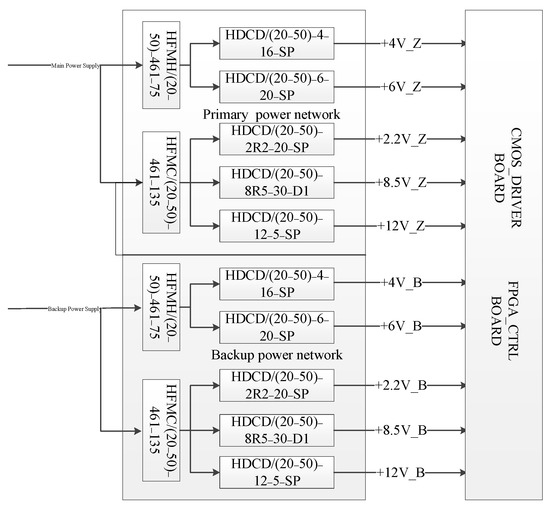
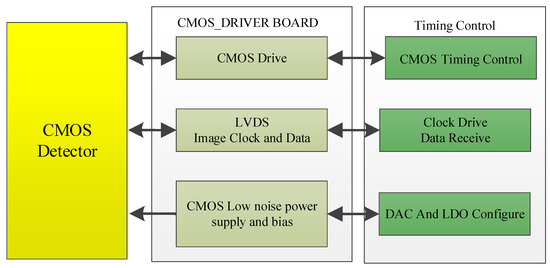
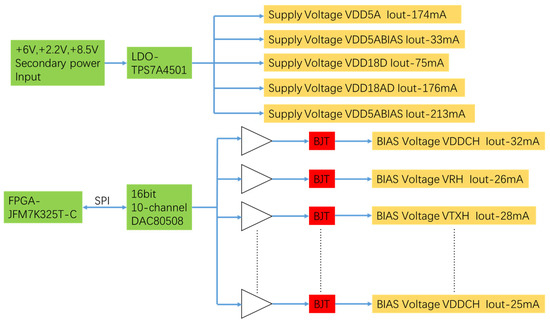
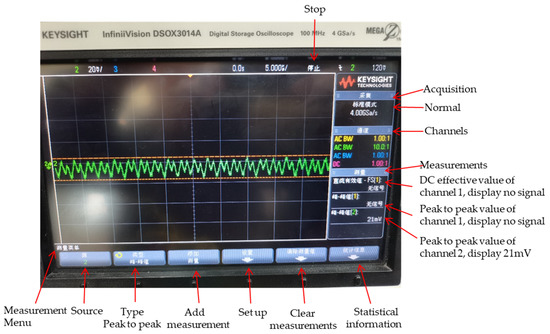
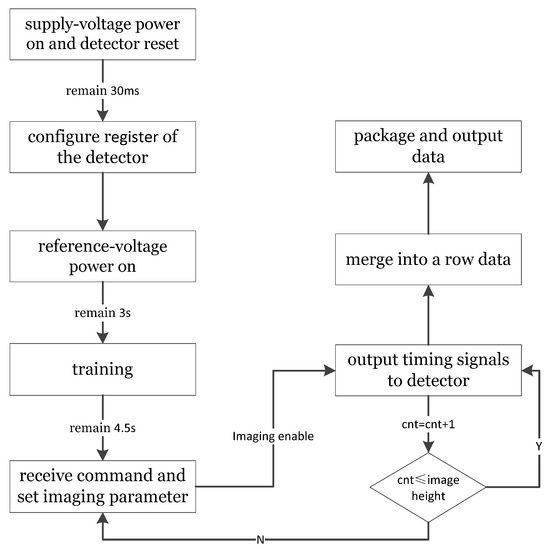
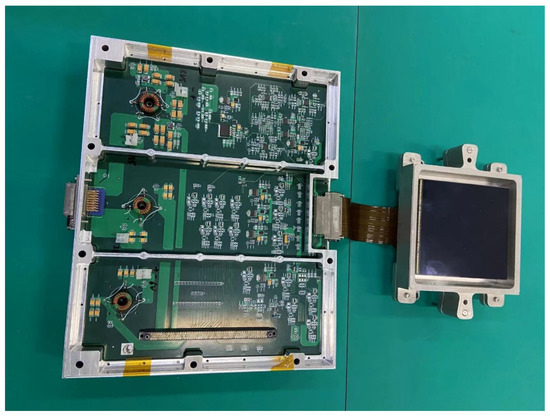
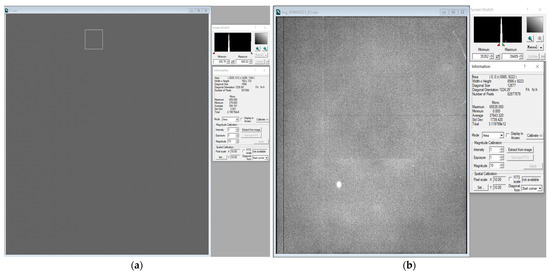
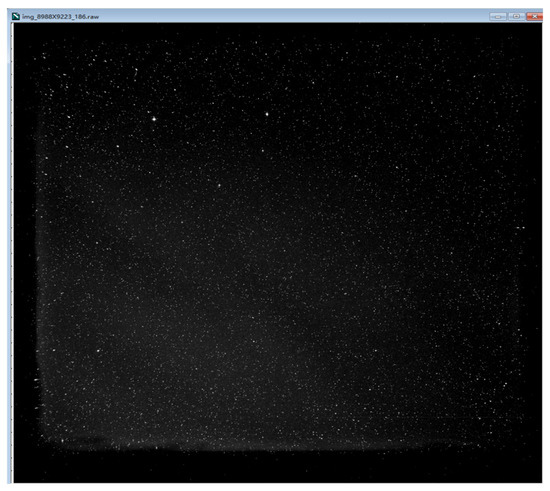
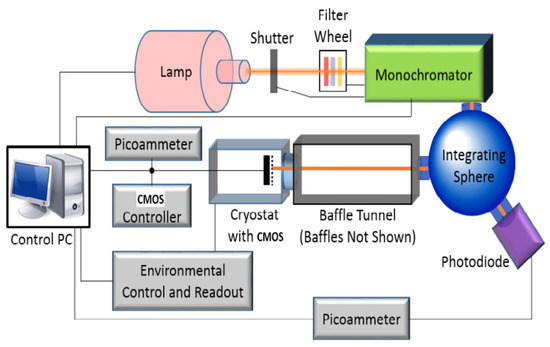
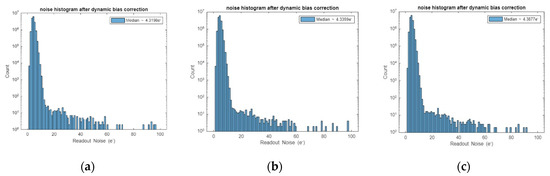
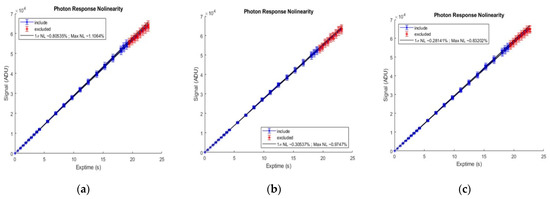
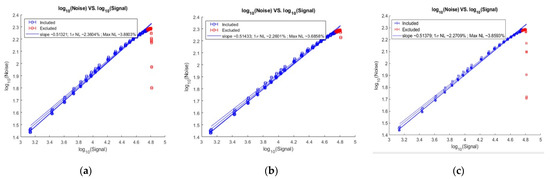
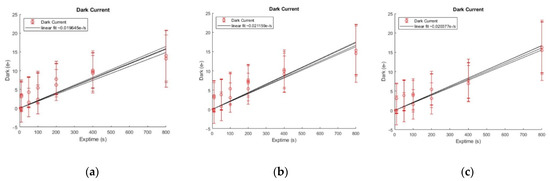
To detect faint target stars of 22nd magnitude and above, an astronomical exploration project requires its space camera’s readout noise to be less than 5e with long-time working stability. Due to the limitation of satellite, the traditional CCD detector-based camera does not meet the requirements, including volume, weight, and power consumption. Thereby, a low-noise ultra-stable camera based on 9 K × 9 K large target surface CMOS is designed to meet the needs. For the first time, the low-noise ultra-stable camera based on CMOS detector will be applied to space astronomy projects, remote sensing imaging, resource survey, atmospheric and oceanic observation and other fields. In this paper, the design of the camera is introduced in detail, and the camera is tested for several rounds at −40 °C; it also undergoes further testing and data analysis. Tests proved super stability and that the readout noise is lower than 4.5e. Dark current, nonlinearity and PTC indicators meet the requirements of the astronomical exploration project. Full article
(This article belongs to the Special Issue Sensing for Space Applications)
Show Figures

Figure 1

14 pages, 3182 KB  
Article
Potentiometric Chemical Sensors Based on Metal Halide Doped Chalcogenide Glasses for Sodium Detection
by Maria Bokova, Steven Dumortier, Christophe Poupin, Renaud Cousin, Mohammad Kassem and Eugene Bychkov
Sensors 2022, 22(24), 9986; https://doi.org/10.3390/s22249986 - 18 Dec 2022
Cited by 6 | Viewed by 4129
Abstract
Chalcogenide glasses are widely used as sensitive membranes in the chemical sensors for heavy metal ions detection. The lack of research work on sodium ion-selective electrodes (Na+-ISEs) based on chalcogenide glasses is due to the high hygroscopicity of alkali dopes chalcogenides. [...] Read more.
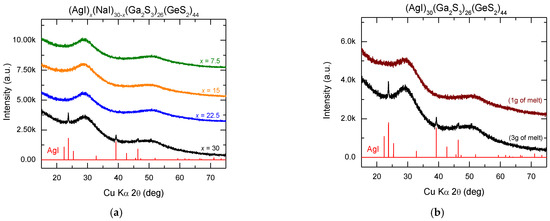
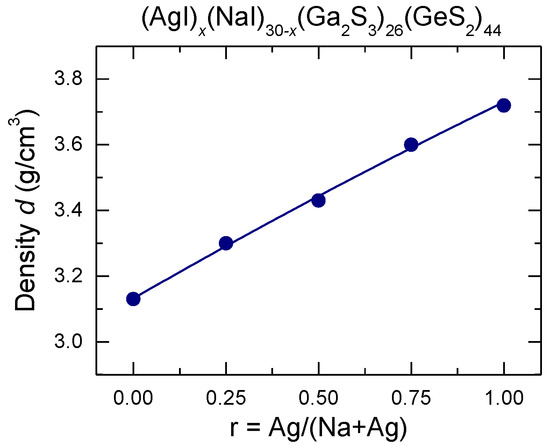
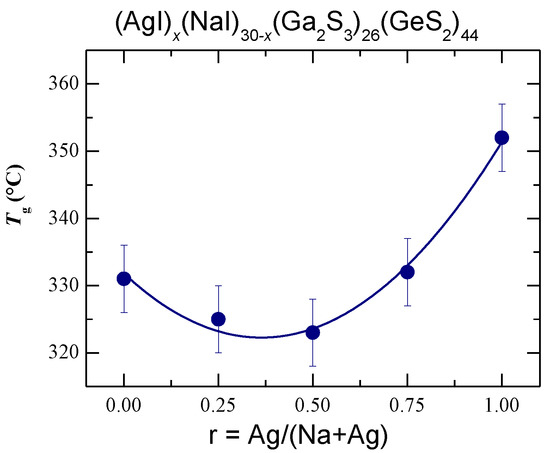
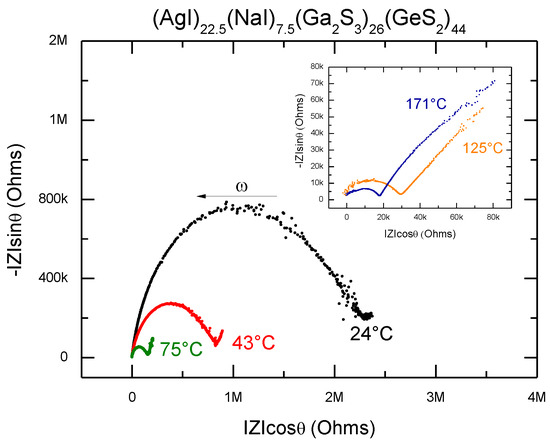
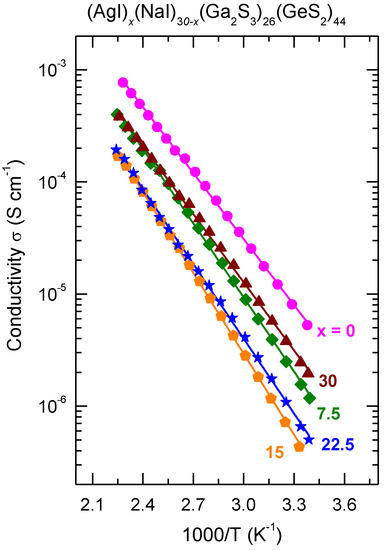
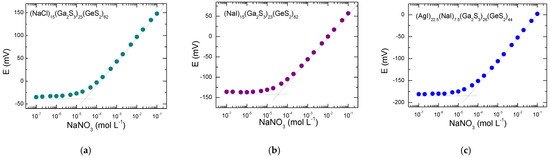
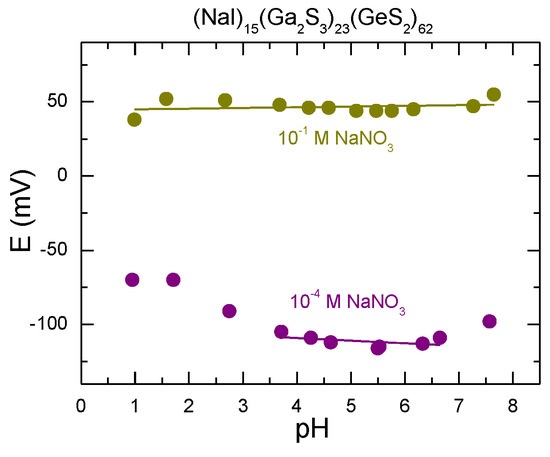
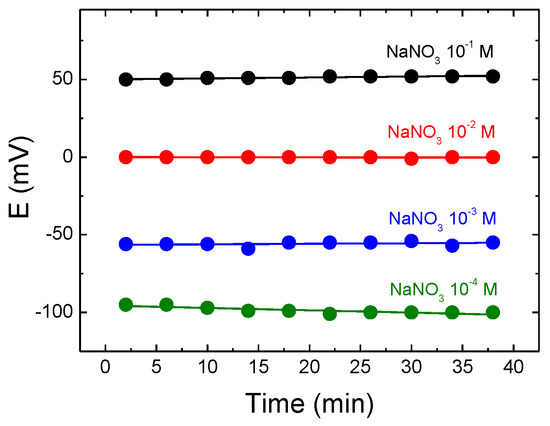
Chalcogenide glasses are widely used as sensitive membranes in the chemical sensors for heavy metal ions detection. The lack of research work on sodium ion-selective electrodes (Na+-ISEs) based on chalcogenide glasses is due to the high hygroscopicity of alkali dopes chalcogenides. However, sodium halide doped Ga2S3-GeS2 glasses are more chemically stable in water and could be used as Na+-sensitive membranes for the ISEs. In this work we have studied the physico-chemical properties of mixed cation (AgI)x(NaI)30-x(Ga2S3)26(GeS2)44 chalcogenide glasses (where x = 0, 7.5, 15, 22.5 and 30 mol.% AgI) using density, DSC, and conductivity measurements. The mixed cation effect with shallow conductivity and glass transition temperature minimum was found for silver fraction r = Ag/(Na + Ag) ≈ 0.5. Silver addition decreases the moisture resistance of the glasses. Only (AgI)22.5(NaI)7.5(Ga2S3)26(GeS2)44 composition was suitable for chemical sensors application, contrary to the single cation sodium halide doped Ga2S3-GeS2 glasses, where 15 mol.% sodium-halide-containing vitreous alloys are stable in water solutions. The analytical parameters of (NaCl)15(Ga2S3)23(GeS2)62; (NaI)15(Ga2S3)23(GeS2)62 and (AgI)22.5(NaI)7.5(Ga2S3)26(GeS2)44 glass compositions as active membranes in Na+-ISEs were investigated, including detection limit, sensitivity, linearity, ionic selectivity (in the presence of K+, Mg2+, Ca2+, Ba2+, and Zn2+ interfering cations), reproducibility and optimal pH-range. Full article
(This article belongs to the Special Issue Chalcogenide Glass Based Sensors)
Show Figures

Figure 1
14 pages, 2204 KB  
Article
A Robust Deep Learning Ensemble-Driven Model for Defect and Non-Defect Recognition and Classification Using a Weighted Averaging Sequence-Based Meta-Learning Ensembler
by Okeke Stephen, Samaneh Madanian and Minh Nguyen
Sensors 2022, 22(24), 9971; https://doi.org/10.3390/s22249971 - 17 Dec 2022
Cited by 6 | Viewed by 2993
Abstract
The need to overcome the challenges of visual inspections conducted by domain experts drives the recent surge in visual inspection research. Typical manual industrial data analysis and inspection for defects conducted by trained personnel are expensive, time-consuming, and characterized by mistakes. Thus, an [...] Read more.
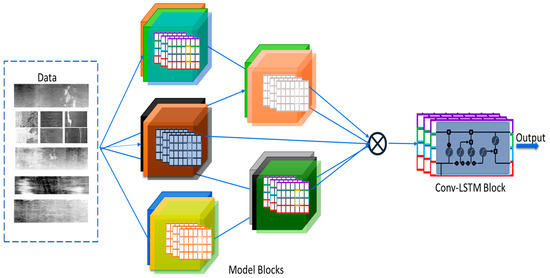
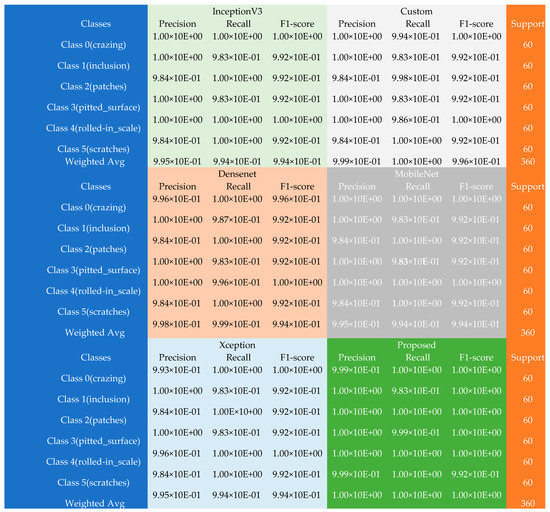
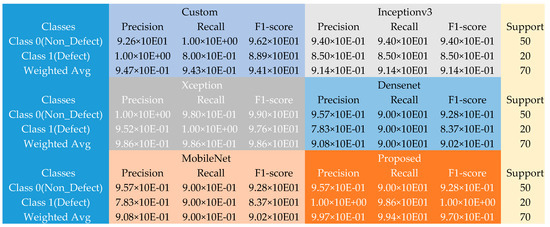
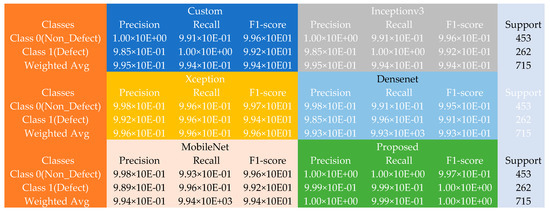
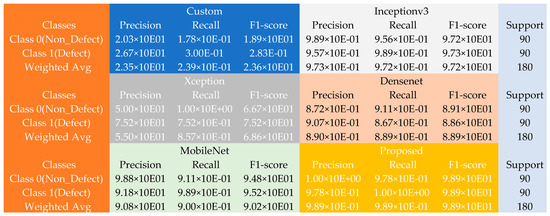
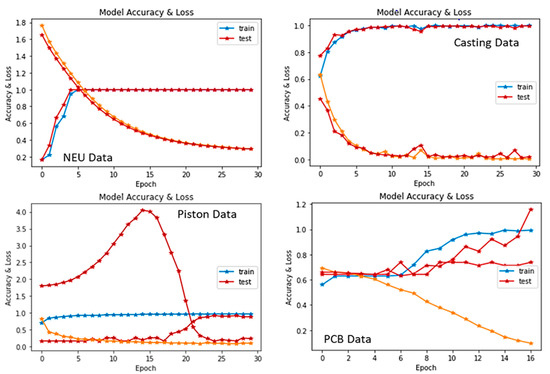
The need to overcome the challenges of visual inspections conducted by domain experts drives the recent surge in visual inspection research. Typical manual industrial data analysis and inspection for defects conducted by trained personnel are expensive, time-consuming, and characterized by mistakes. Thus, an efficient intelligent-driven model is needed to eliminate or minimize the challenges of defect identification and elimination in processes to the barest minimum. This paper presents a robust method for recognizing and classifying defects in industrial products using a deep-learning architectural ensemble approach integrated with a weighted sequence meta-learning unification framework. In the proposed method, a unique base model is constructed and fused together with other co-learning pretrained models using a sequence-driven meta-learning ensembler that aggregates the best features learned from the various contributing models for better and superior performance. During experimentation in the study, different publicly available industrial product datasets consisting of the defect and non-defect samples were used to train, validate, and test the introduced model, with remarkable results obtained that demonstrate the viability of the proposed method in tackling the challenges of the manual visual inspection approach. Full article
(This article belongs to the Section Intelligent Sensors)
Show Figures

Figure 1
18 pages, 15571 KB  
Article
Automatic Time Picking for Weak Seismic Phase in the Strong Noise and Interference Environment: An Hybrid Method Based on Array Similarity
by Haofeng Wu, Weiguo Xiao and Haoran Ren
Sensors 2022, 22(24), 9924; https://doi.org/10.3390/s22249924 - 16 Dec 2022
Cited by 6 | Viewed by 3552
Abstract
The extraction of travel-time curve of seismic phase is very important for the subsequent inference of the structural properties of underground media in seismology. In recent years, with the increase in the amount of data, manual processing is facing significant challenges, and automatic [...] Read more.
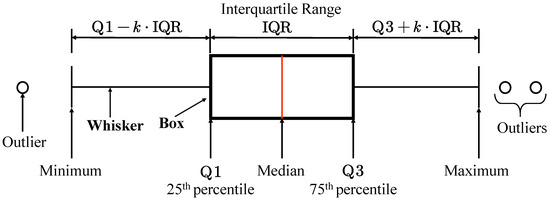
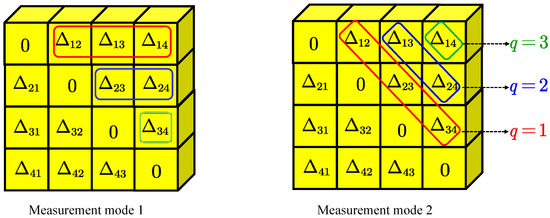
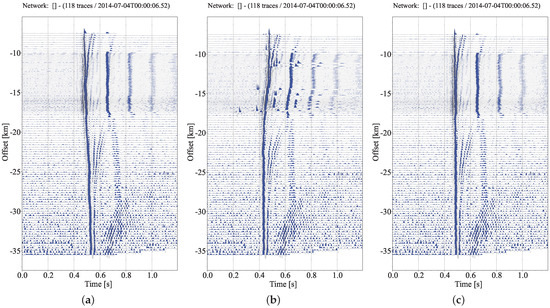
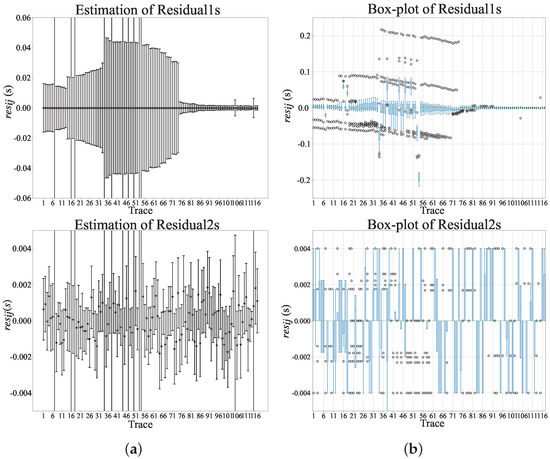
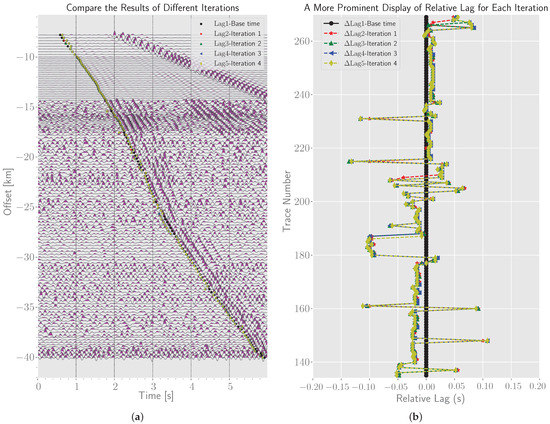
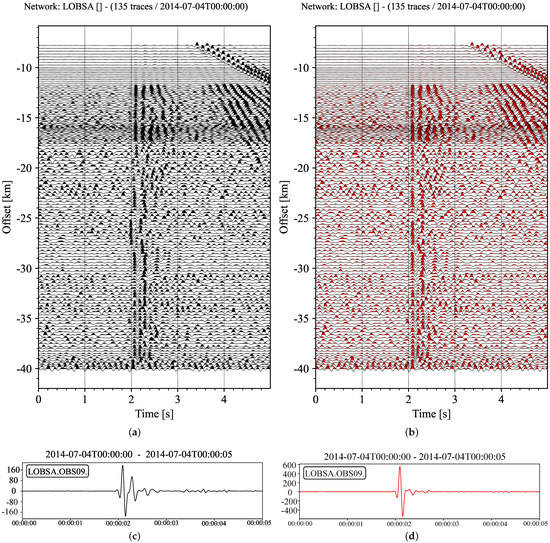
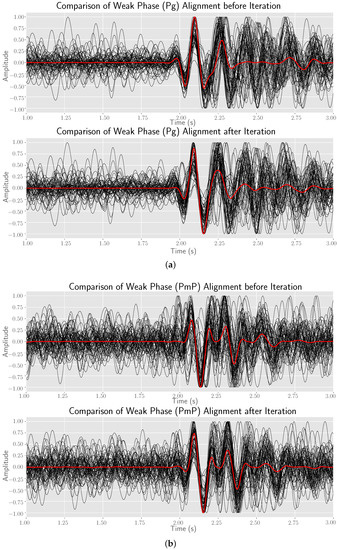
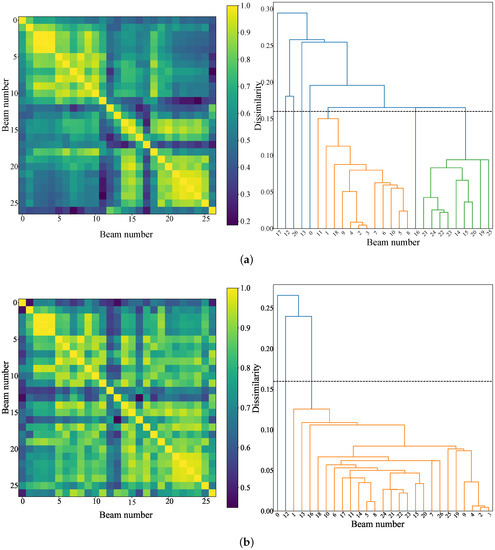
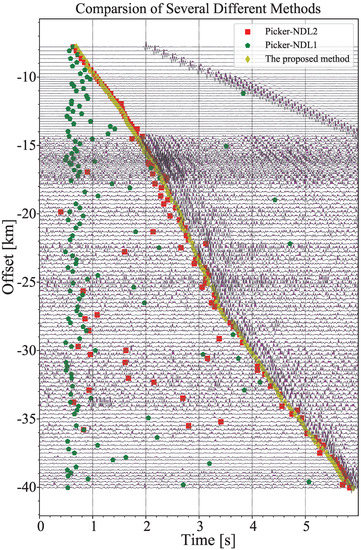
The extraction of travel-time curve of seismic phase is very important for the subsequent inference of the structural properties of underground media in seismology. In recent years, with the increase in the amount of data, manual processing is facing significant challenges, and automatic signal processing has gradually become the mainstream. According to the similarity of array signals and considering the elimination of outliers, we propose an improved multi-channel cross-correlation method using the L1 norm measure to obtain preliminary results, which builds on a new controllable measurement mode. Then, the post-correction step is carried out in combination with the signal gain property of beamforming technique. Based on these two methods, this paper proposes a new scheme of automatic arrival time picking. We apply the scheme to actual data to verify the effects of the two methods step by step. The entire scheme achieves fine results: direct water waves, seismic waves refracted by the crust and seismic waves reflected by the upper mantle are automatically detected. In addition, compared with the two traditional methods, the scheme proposed in this paper has a better overall effect and a reasonable computation cost. Full article
(This article belongs to the Section Environmental Sensing)
Show Figures

Figure 1
20 pages, 51475 KB  
Article
Modified FMCW Scheme for Improved Ultrasonic Positioning and Ranging of Unmanned Ground Vehicles at Distances < 50 mm
by Stefano Laureti, Marco Mercuri, David A. Hutchins, Felice Crupi and Marco Ricci
Sensors 2022, 22(24), 9899; https://doi.org/10.3390/s22249899 - 15 Dec 2022
Cited by 6 | Viewed by 4263
Abstract
Unmanned ground vehicles (UGVs) find extensive use in various applications, including that within industrial environments. Efforts have been made to develop cheap, portable, and light-ranging/positioning systems to accurately locate their absolute/relative position and to automatically avoid potential obstacles and/or collisions with other drones. [...] Read more.
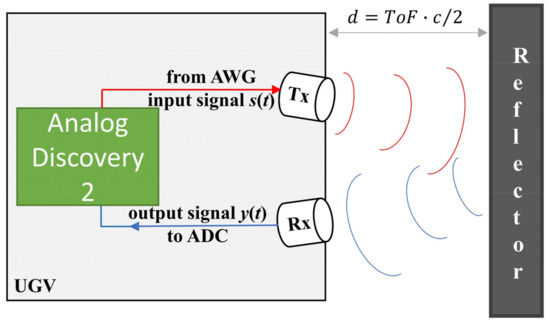
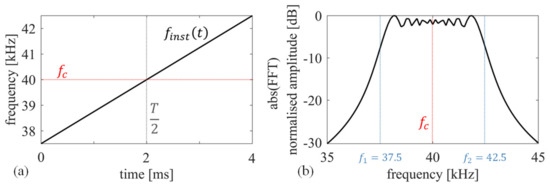
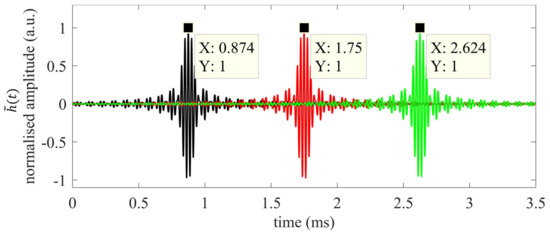
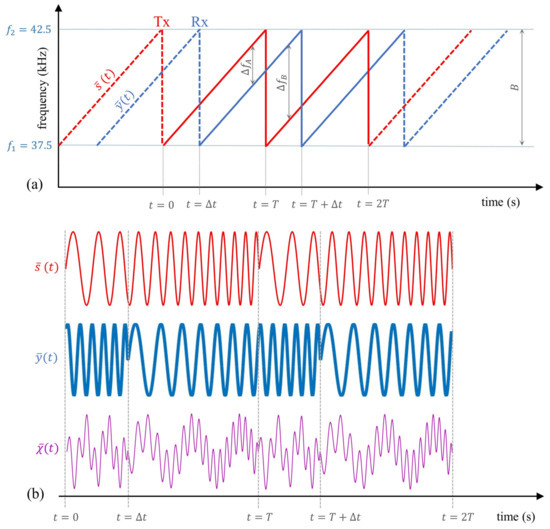
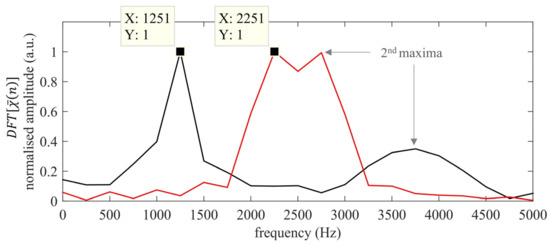
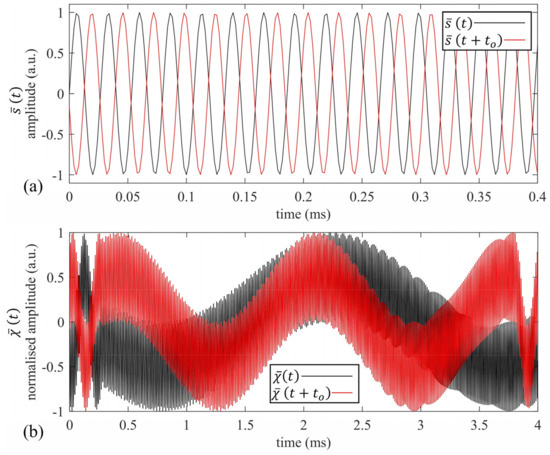
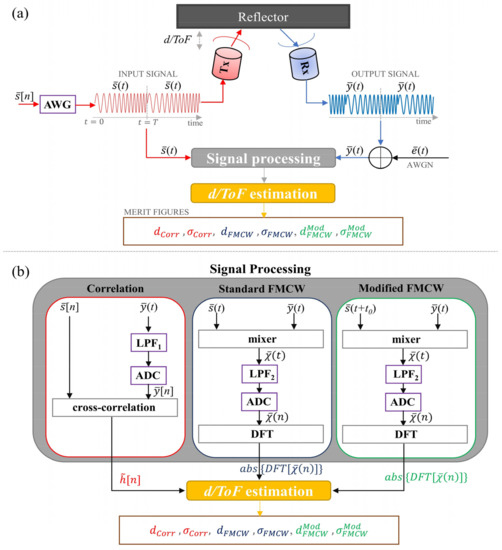
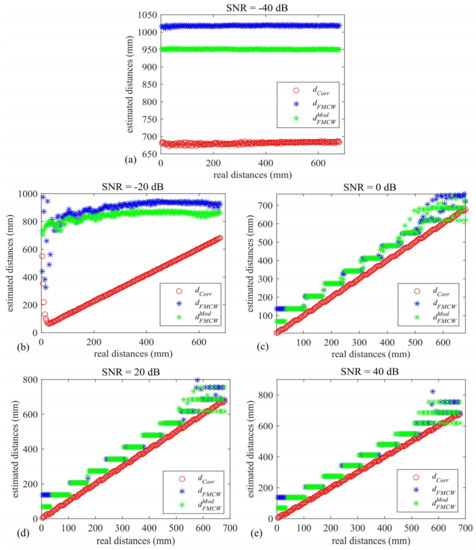
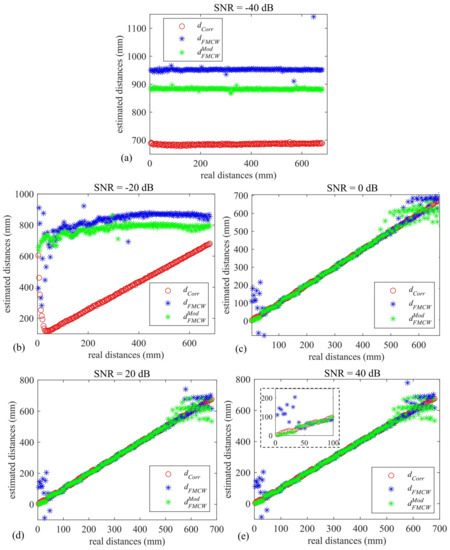
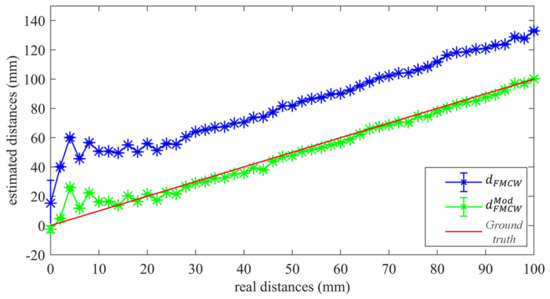
Unmanned ground vehicles (UGVs) find extensive use in various applications, including that within industrial environments. Efforts have been made to develop cheap, portable, and light-ranging/positioning systems to accurately locate their absolute/relative position and to automatically avoid potential obstacles and/or collisions with other drones. To this aim, a promising solution is the use of ultrasonic systems, which can be set up on UGVs and can potentially output a precise reconstruction of the drone’s surroundings. In this framework, a so-called frequency-modulated continuous wave (FMCW) scheme is widely employed as a distance estimator. However, this technique suffers from low repeatability and accuracy at ranges of less than 50 mm when used in combination with low-resource hardware and commercial narrowband transducers, which is a distance range of the utmost importance to avoid potential collisions and/or imaging UGV surroundings. We hereby propose a modified FMCW-based scheme using an ad hoc time-shift of the reference signal. This was shown to improve performance at ranges below 50 mm while leaving the signal unaltered at greater distances. The capabilities of the modified FMCW were evaluated numerically and experimentally. A dramatic enhancement in performance was found for the proposed FMCW with respect to its standard counterpart, which is very close to that of the correlation approach. This work paves the way for the future use of FMCWs in applications requiring high precision. Full article
(This article belongs to the Special Issue Ultrasonic Positioning and Navigation)
Show Figures

Figure 1
12 pages, 2347 KB  
Article
Analysis and Implementation of Human Mobility Behavior Using Similarity Analysis Based on Co-Occurrence Matrix
by Ambreen Memon, Jeff Kilby, Jose Breñosa, Julio César Martínez Espinosa and Imran Ashraf
Sensors 2022, 22(24), 9898; https://doi.org/10.3390/s22249898 - 15 Dec 2022
Cited by 6 | Viewed by 3218
Abstract
The fast expansion of ICT (information and communications technology) has provided rich sources of data for the analysis, modeling, and interpretation of human mobility patterns. Many researchers have already introduced behavior-aware protocols for a better understanding of architecture and realistic modeling of behavioral [...] Read more.
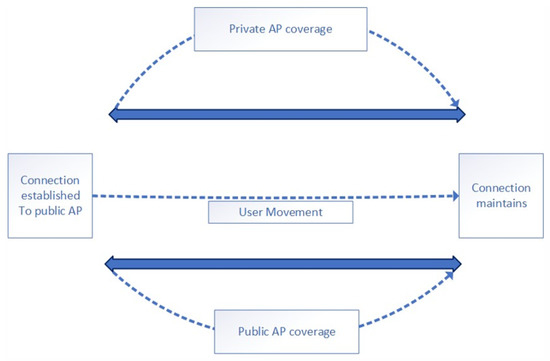
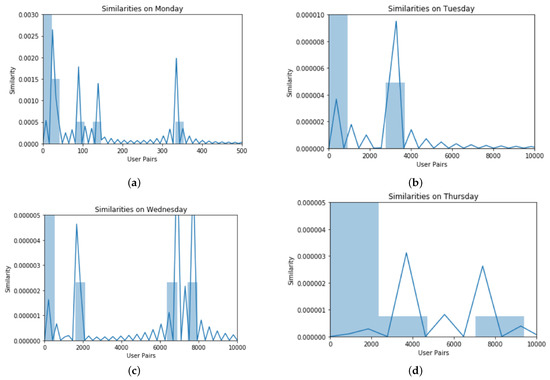
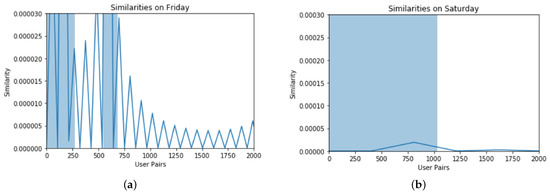
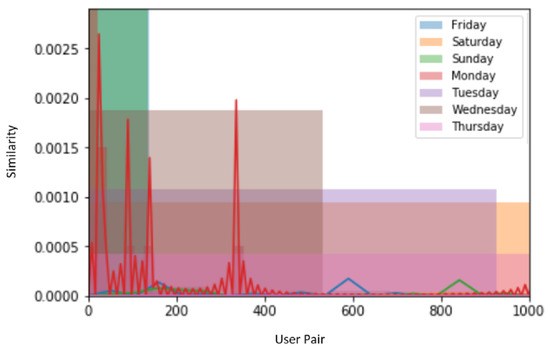
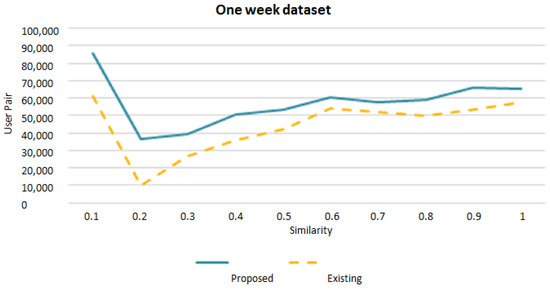
The fast expansion of ICT (information and communications technology) has provided rich sources of data for the analysis, modeling, and interpretation of human mobility patterns. Many researchers have already introduced behavior-aware protocols for a better understanding of architecture and realistic modeling of behavioral characteristics, similarities, and aggregation of mobile users. We are introducing the similarity analytical framework for the mobile encountering analysis to allow for more direct integration between the physical world and cyber-based systems. In this research, we propose a method for finding the similarity behavior of users’ mobility patterns based on location and time. This research was conducted to develop a technique for producing co-occurrence matrices of users based on their similar behaviors to determine their encounters. Our approach, named SAA (similarity analysis approach), makes use of the device info i.e., IP (internet protocol) and MAC (media access control) address, providing an in-depth analysis of similarity behaviors on a daily basis. We analyzed the similarity distributions of users on different days of the week for different locations based on their real movements. The results show similar characteristics of users with common mobility behaviors based on location and time to showcase the efficacy. The results show that the proposed SAA approach is 33% more accurate in terms of recognizing the user’s similarity as compared to the existing similarity approach. Full article
(This article belongs to the Section Intelligent Sensors)
Show Figures

Figure 1
21 pages, 5425 KB  

Article
Fluorescent Imprinted Nanoparticles for Sensing of Chlorogenic Acid in Coffee Extracts
by Anggy Lusanna Gutiérrez-Ortiz, Veronica Vida, Matjaž Peterka, Jasmina Tušar, Federico Berti, Luciano Navarini and Cristina Forzato
Sensors 2022, 22(24), 9874; https://doi.org/10.3390/s22249874 - 15 Dec 2022
Cited by 6 | Viewed by 3186
Abstract
Green coffee beans are particularly rich in chlorogenic acids (CGAs), and their identification and quantification are usually performed by HPLC, coupled with mass spectrometry (LC-MS). Although there are a few examples of molecularly imprinted polymers (MIPs) for chlorogenic acid (5-CQA) recognition present in [...] Read more.
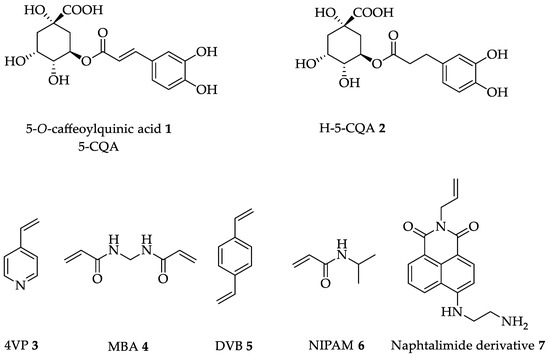
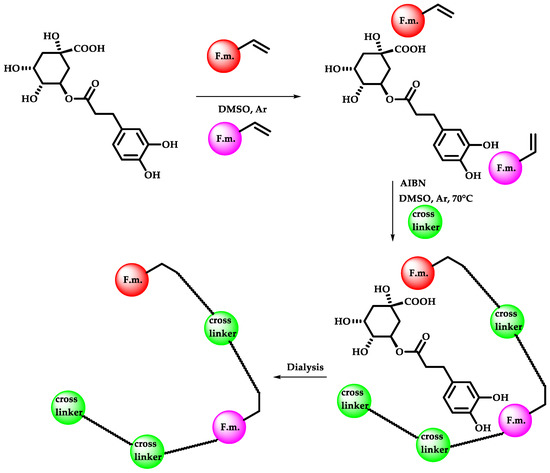
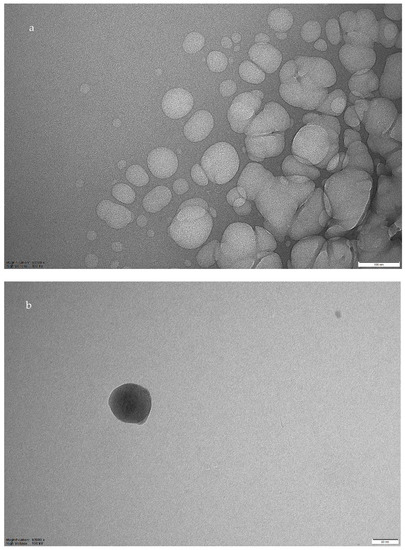
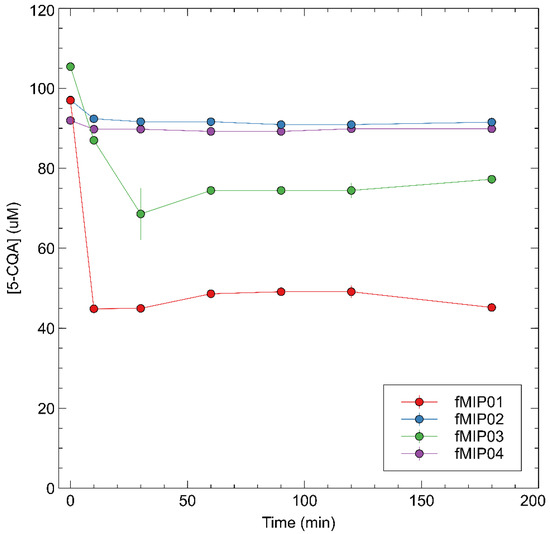
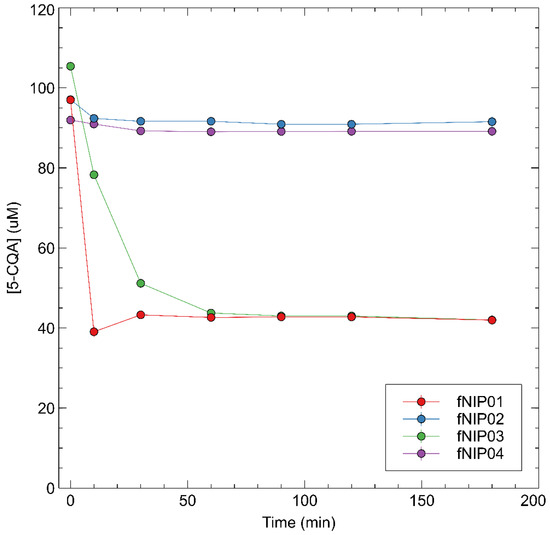
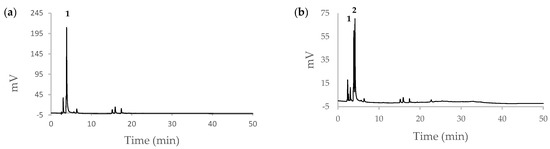
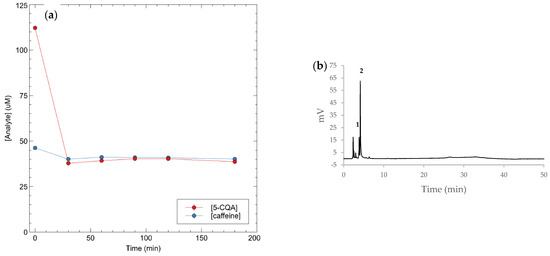
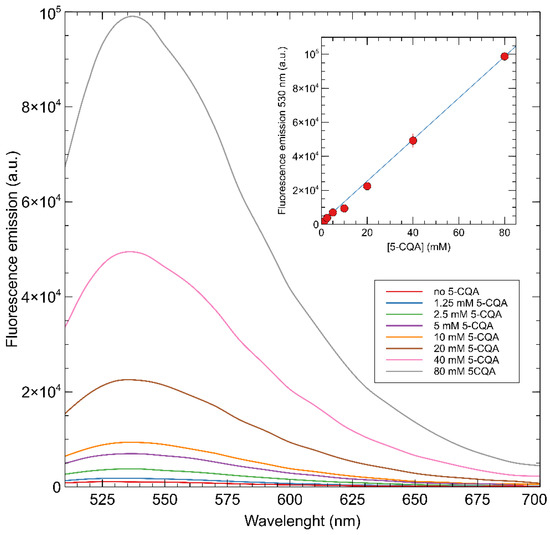
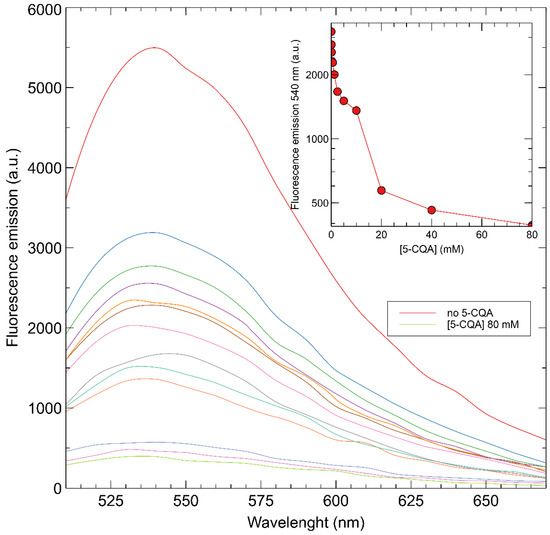
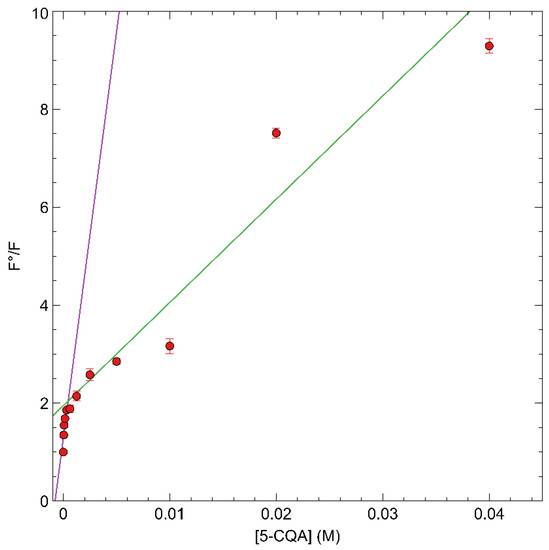
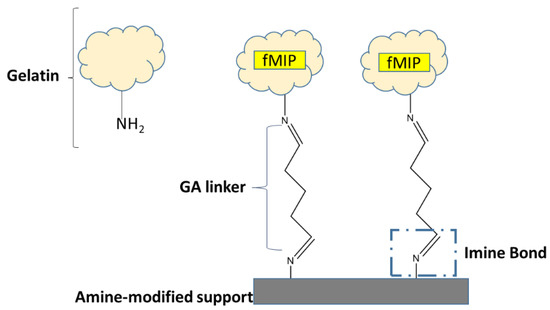
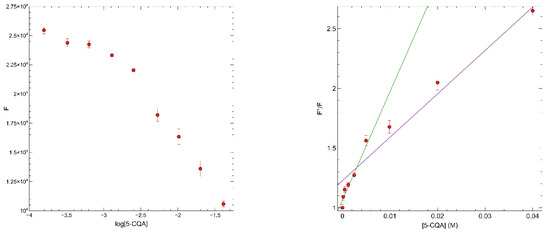
Green coffee beans are particularly rich in chlorogenic acids (CGAs), and their identification and quantification are usually performed by HPLC, coupled with mass spectrometry (LC-MS). Although there are a few examples of molecularly imprinted polymers (MIPs) for chlorogenic acid (5-CQA) recognition present in the literature, none of them are based on optical fluorescence, which is very interesting given its great sensitivity. In the present manuscript, fluorescent polymeric imprinted nanoparticles were synthetized following the non-covalent approach using hydrogenated 5-O-caffeoylquinic acid (H-5-CQA) as the template. The capability of the polymer to bind 5-CQA was evaluated by HPLC and fluorescence. A real sample of coffee extract was also analyzed to verify the selectivity of the polymer. Polymer fMIP01, containing 4-vinylpyridine and a naphtalimide derivative as monomers, showed a good response to the fluorescence quenching in the range 39 μM–80 mM. In the real sample, fMIP01 was able to selectively bind 5-CQA, while caffeine was not recognized. To demonstrate this, there is a promising system that can be exploited in the design of an optical sensor for 5-CQA detection. Polymer fMIP01 was immobilized by physical entrapment on a functionalized glass surface, showing a quenching of fluorescence with an increase of the CGA concentration between 156 μM and 40 mM. Full article
(This article belongs to the Collection Collection:Fluorescent Biosensors)
Show Figures

Figure 1