15 pages, 5240 KB  
Article
Cepharanthine Ameliorates Pulmonary Fibrosis by Inhibiting the NF-κB/NLRP3 Pathway, Fibroblast-to-Myofibroblast Transition and Inflammation
by Guangrui Chen, Jian Li, Huimeng Liu, Huiyu Zhou, Mingqiu Liu, Di Liang, Zhiyun Meng, Hui Gan, Zhuona Wu, Xiaoxia Zhu, Peng Han, Taoyun Liu, Ruolan Gu, Shuchen Liu and Guifang Dou
Molecules 2023, 28(2), 753; https://doi.org/10.3390/molecules28020753 - 11 Jan 2023
Cited by 24 | Viewed by 4386
Abstract
Pulmonary fibrosis (PF) is one of the sequelae of Corona Virus Disease 2019 (COVID-19), and currently, lung transplantation is the only viable treatment option. Hence, other effective treatments are urgently required. We investigated the therapeutic effects of an approved botanical drug, cepharanthine (CEP), [...] Read more.
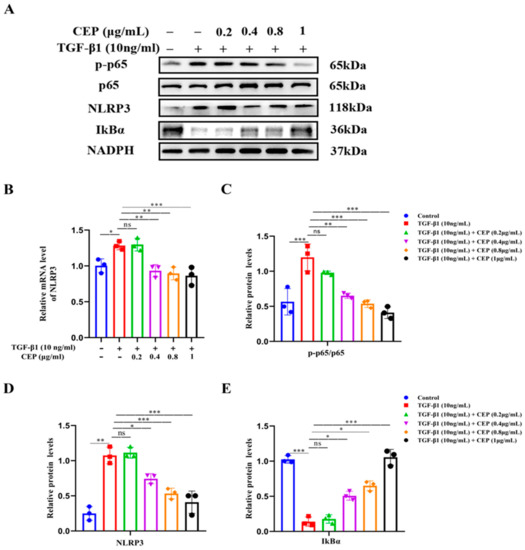
Pulmonary fibrosis (PF) is one of the sequelae of Corona Virus Disease 2019 (COVID-19), and currently, lung transplantation is the only viable treatment option. Hence, other effective treatments are urgently required. We investigated the therapeutic effects of an approved botanical drug, cepharanthine (CEP), in a cell culture model of transforming growth factor-β1 (TGF-β1) and bleomycin (BLM)-induced pulmonary fibrosis rat models both in vitro and in vivo. In this study, CEP and pirfenidone (PFD) suppressed BLM-induced lung tissue inflammation, proliferation of blue collagen fibers, and damage to lung structures in vivo. Furthermore, we also found increased collagen deposition marked by α-smooth muscle actin (α-SMA) and Collagen Type I Alpha 1 (COL1A1), which was significantly alleviated by the addition of PFD and CEP. Moreover, we elucidated the underlying mechanism of CEP against PF in vitro. Various assays confirmed that CEP reduced the viability and migration and promoted apoptosis of myofibroblasts. The expression levels of myofibroblast markers, including COL1A1, vimentin, α-SMA, and Matrix Metallopeptidase 2 (MMP2), were also suppressed by CEP. Simultaneously, CEP significantly suppressed the elevated Phospho-NF-κB p65 (p-p65)/NF-κB p65 (p65) ratio, NOD-like receptor thermal protein domain associated protein 3 (NLRP3) levels, and elevated inhibitor of NF-κB Alpha (IκBα) degradation and reversed the progression of PF. Hence, our study demonstrated that CEP prevented myofibroblast activation and treated BLM-induced pulmonary fibrosis in a dose-dependent manner by regulating nuclear factor kappa-B (NF-κB)/ NLRP3 signaling, thereby suggesting that CEP has potential clinical application in pulmonary fibrosis in the future. Full article
(This article belongs to the Special Issue Cepharanthine: Pharmacological Properties and Medical Applications)
Show Figures

Figure 1

32 pages, 3387 KB  
Article
Ultrafast Spectroscopies of Nitrophenols and Nitrophenolates in Solution: From Electronic Dynamics and Vibrational Structures to Photochemical and Environmental Implications
by Sullivan Bailey-Darland, Taylor D. Krueger and Chong Fang
Molecules 2023, 28(2), 601; https://doi.org/10.3390/molecules28020601 - 6 Jan 2023
Cited by 17 | Viewed by 4376
Abstract
Nitrophenols are a group of small organic molecules with significant environmental implications from the atmosphere to waterways. In this work, we investigate a series of nitrophenols and nitrophenolates, with the contrasting ortho-, meta-, and para-substituted nitro group to the phenolic [...] Read more.
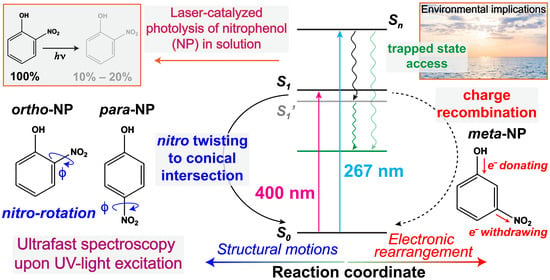
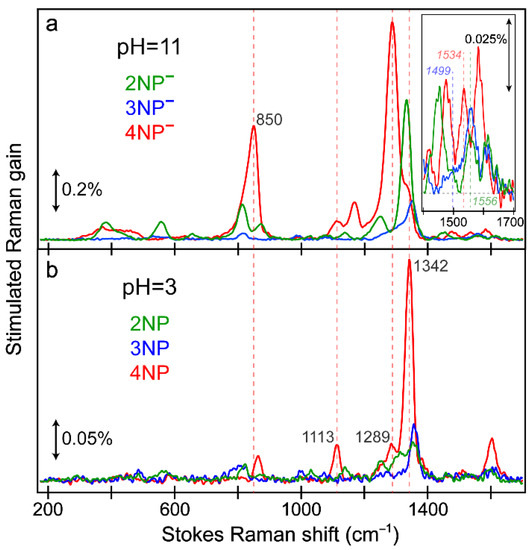
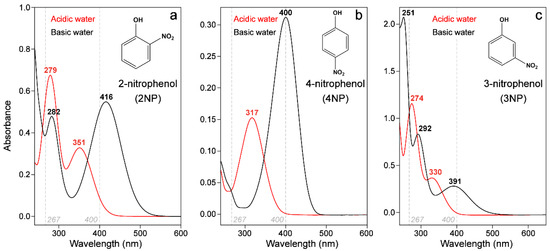
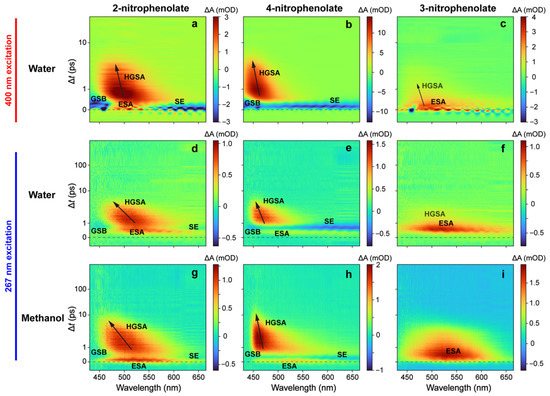
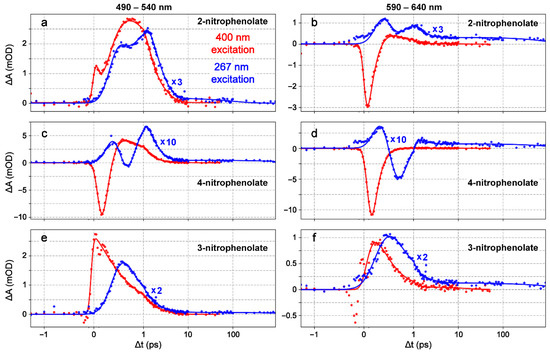
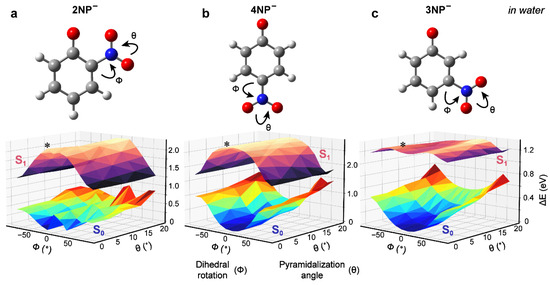
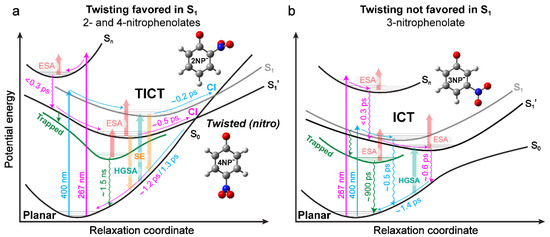
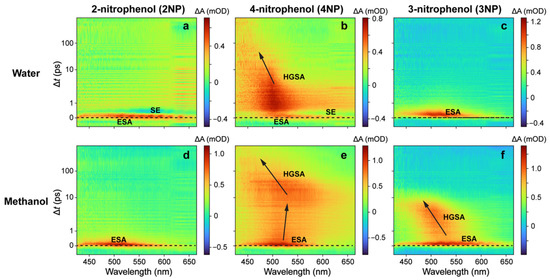
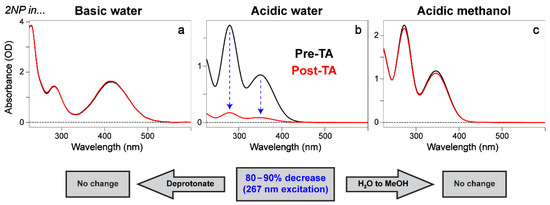
Nitrophenols are a group of small organic molecules with significant environmental implications from the atmosphere to waterways. In this work, we investigate a series of nitrophenols and nitrophenolates, with the contrasting ortho-, meta-, and para-substituted nitro group to the phenolic hydroxy or phenolate oxygen site (2/3/4NP or NP), implementing a suite of steady-state and time-resolved spectroscopic techniques that include UV/Visible spectroscopy, femtosecond transient absorption (fs-TA) spectroscopy with probe-dependent and global analysis, and femtosecond stimulated Raman spectroscopy (FSRS), aided by quantum calculations. The excitation-dependent (400 and 267 nm) electronic dynamics in water and methanol, for six protonated or deprotonated nitrophenol molecules (three regioisomers in each set), enable a systematic investigation of the excited-state dynamics of these functional “nanomachines” that can undergo nitro-group twisting (as a rotor), excited-state intramolecular or intermolecular proton transfer (donor–acceptor, ESIPT, or ESPT), solvation, and cooling (chromophore) events on molecular timescales. In particular, the meta-substituted compound 3NP or 3NP exhibits the strongest charge-transfer character with FSRS signatures (e.g., C–N peak frequency), and thus, does not favor nitroaromatic twist in the excited state, while the ortho-substituted compound 2NP can undergo ESIPT in water and likely generate nitrous acid (HONO) after 267 nm excitation. The delineated mechanistic insights into the nitro-substituent-location-, protonation-, solvent-, and excitation-wavelength-dependent effects on nitrophenols, in conjunction with the ultraviolet-light-induced degradation of 2NP in water, substantiates an appealing discovery loop to characterize and engineer functional molecules for environmental applications. Full article
Show Figures

Graphical abstract

15 pages, 4400 KB  
Article
Hepatoprotective Effect of Curcumin Nano-Lipid Carrier against Cypermethrin Toxicity by Countering the Oxidative, Inflammatory, and Apoptotic Changes in Wistar Rats
by Sohail Hussain, Mohammad Ashafaq, Saeed Alshahrani, Ibrahim A. M. Bokar, Rahimullah Siddiqui, Mohammad Intakhab Alam, Manal Mohamed Elhassan Taha, Yosif Almoshari, Saad S. Alqahtani, Rayan A. Ahmed, Abdulmajeed M. Jali and Marwa Qadri
Molecules 2023, 28(2), 881; https://doi.org/10.3390/molecules28020881 - 16 Jan 2023
Cited by 32 | Viewed by 4370
Abstract
This study investigated the potential hepatoprotective activity of curcumin-incorporated nano-lipid carrier (Cur-NLC) against cypermethrin (Cyp) toxicity in adult Wistar male rats. All animals in groups III, IV, V, and VI were subjected to Cyp (50 mg/kg) toxicity for 15 days. Three different doses [...] Read more.
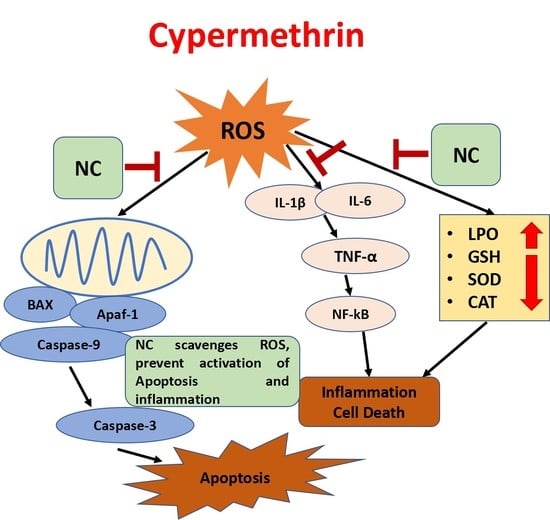
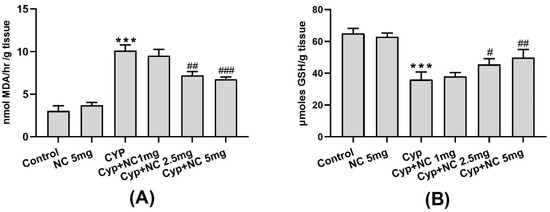
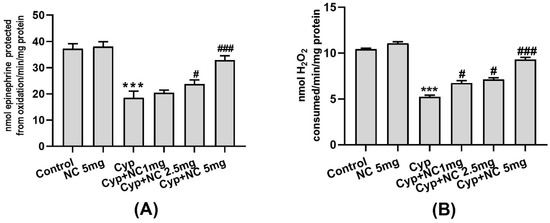
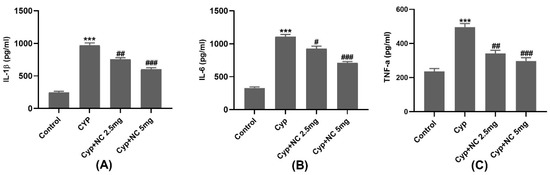
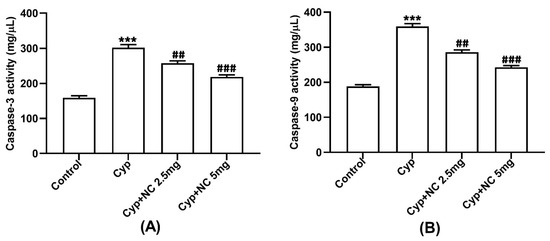
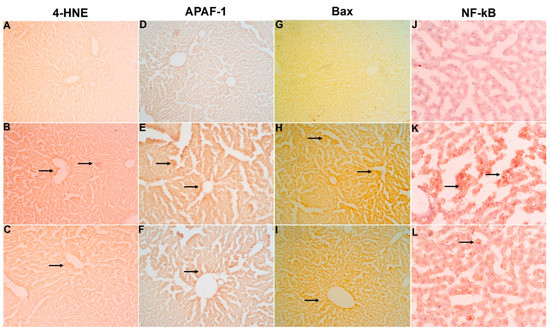
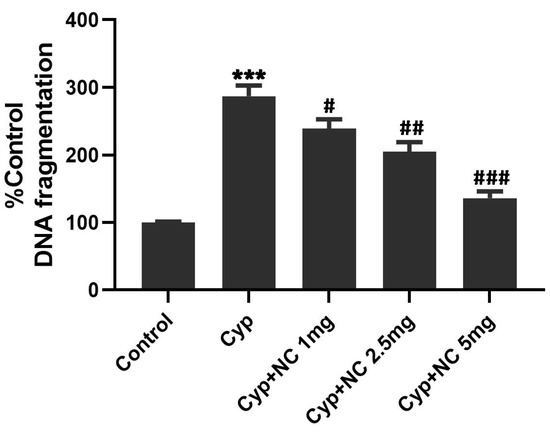
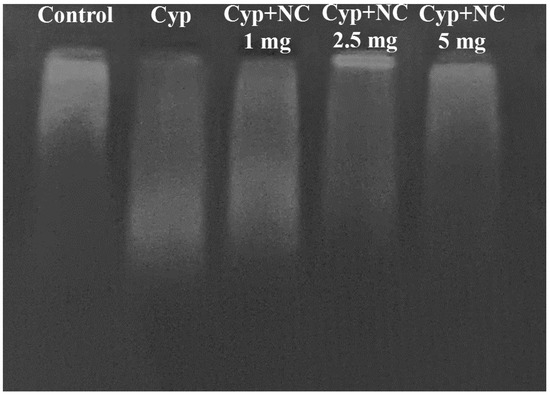
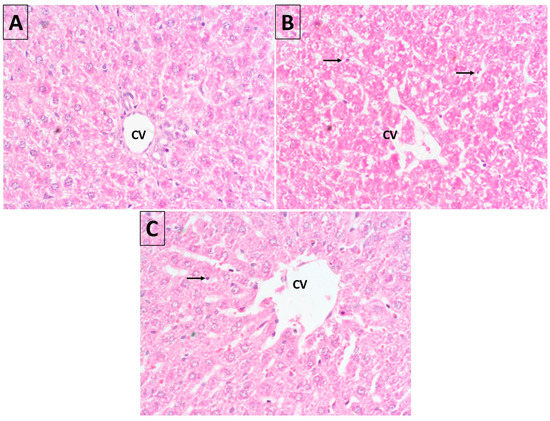
This study investigated the potential hepatoprotective activity of curcumin-incorporated nano-lipid carrier (Cur-NLC) against cypermethrin (Cyp) toxicity in adult Wistar male rats. All animals in groups III, IV, V, and VI were subjected to Cyp (50 mg/kg) toxicity for 15 days. Three different doses of Cur-NLC (1, 2.5, and 5 mg/kg/day) were administered orally for 10 days. The toxic effects were evaluated considering the increases in serum hepatic biomarkers alanine aminotransferase (ALT), aspartate aminotransferase (AST), alkaline phosphatase (ALP), total protein and albumin, and lipid peroxidation (LPO), as well as a decrease in antioxidative activity (reduced glutathione (GSH), superoxide dismutase (SOD), and catalase) and the upregulation of inflammatory cytokines (IL-1β, IL-6, and TNF-α). Immunohistochemistry studies of proteins (NF-κB, Apaf-1, 4-HNE, and Bax) showed enhanced expression, and histopathological examination revealed architectural changes in liver cells, indicating liver toxicity in animals. Toxicity was determined by quantitative and qualitative determinations of DNA fragmentation, which show massive apoptosis with Cyp treatment. The administration of Cur-NLC significantly ameliorates all changes caused by Cyp, such as a decrease in the levels of serum liver markers, an increase in antioxidative parameters, a decrease in expression of inflammatory cytokines (IL-1β, IL-6, TNF-α, and NF-κB), and apoptosis (caspases-3, 9, Apaf-1, 4-HNE, and Bax), according to calorimetric and immunohistochemistry studies. The smear-like pattern of DNA is ameliorated similarly to the control at a high dose of Cur-NLC. Furthermore, all histopathological changes were reduced to a level close to the control. In conclusion, Cur-NLC could be a potent nutraceutical that exhibits a hepatoprotective effect against Cyp-induced hepatotoxicity in rats. Full article
Show Figures

Graphical abstract

18 pages, 7001 KB  
Article
Synthesis and Molecular Docking of Some Novel 3-Thiazolyl-Coumarins as Inhibitors of VEGFR-2 Kinase
by Tariq Z. Abolibda, Maher Fathalla, Basant Farag, Magdi E. A. Zaki and Sobhi M. Gomha
Molecules 2023, 28(2), 689; https://doi.org/10.3390/molecules28020689 - 10 Jan 2023
Cited by 48 | Viewed by 4365
Abstract
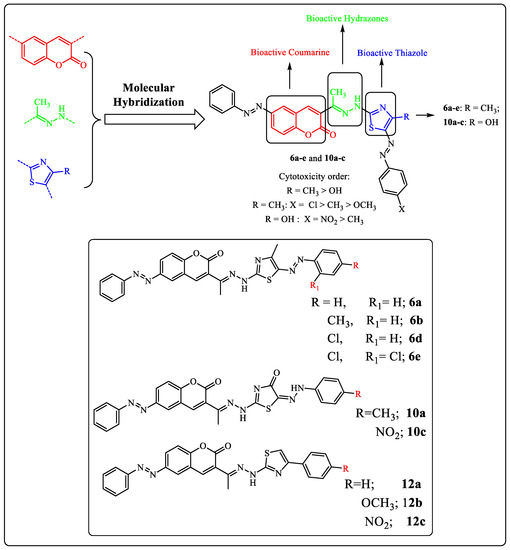
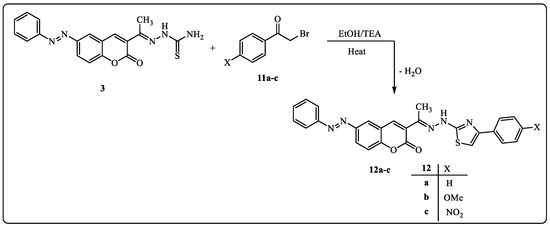
One crucial strategy for the treatment of breast cancer involves focusing on the Vascular Endothelial Growth Factor Receptor (VEGFR-2) signaling system. Consequently, the development of new (VEGFR-2) inhibitors is of the utmost importance. In this study, novel 3-thiazolhydrazinylcoumarins were designed and synthesized via [...] Read more.
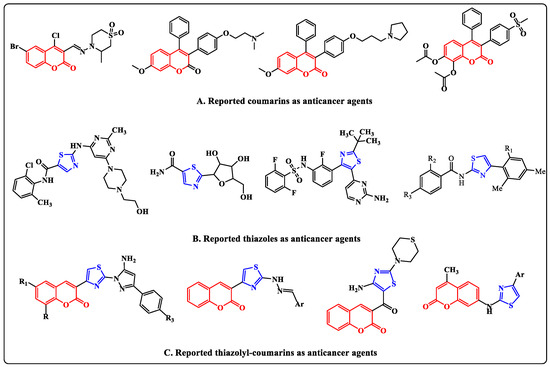
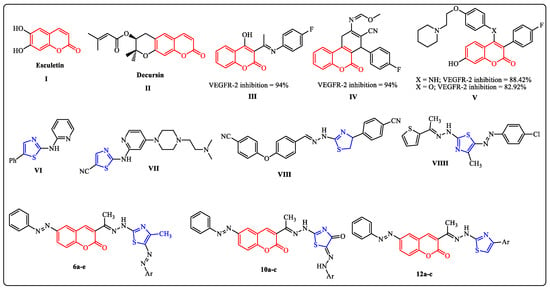
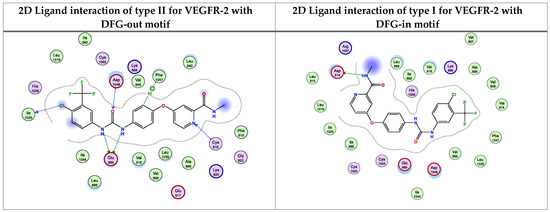
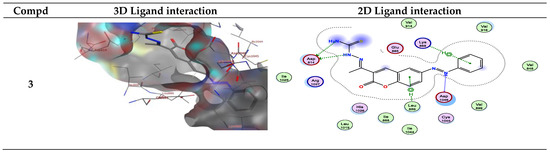
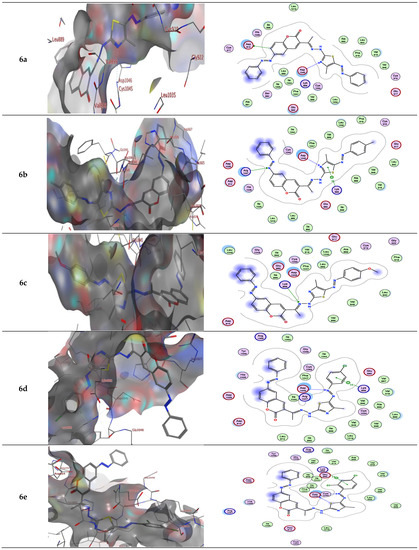
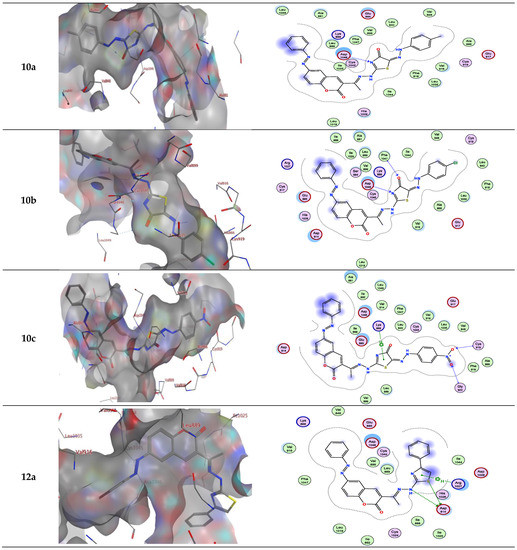
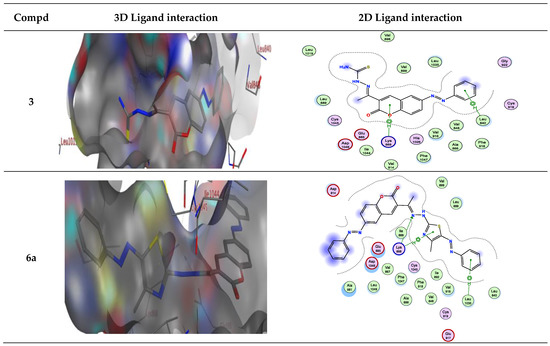
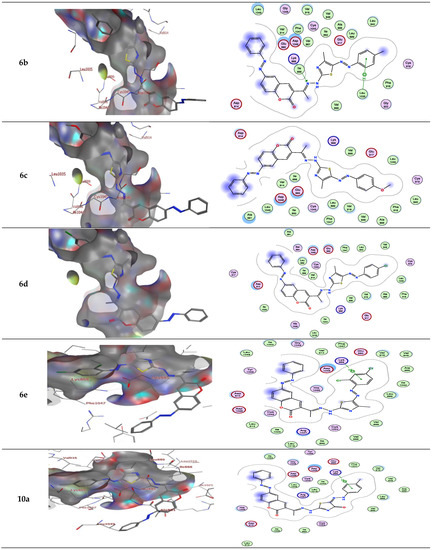
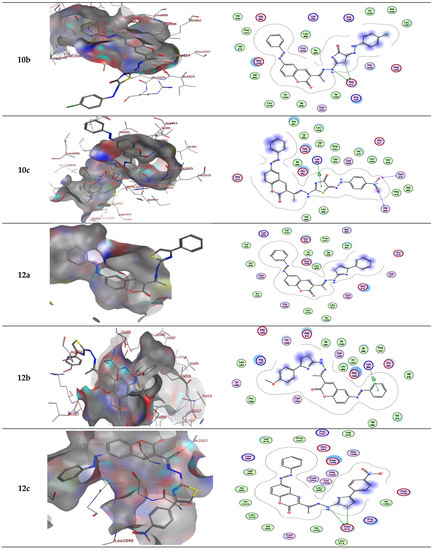
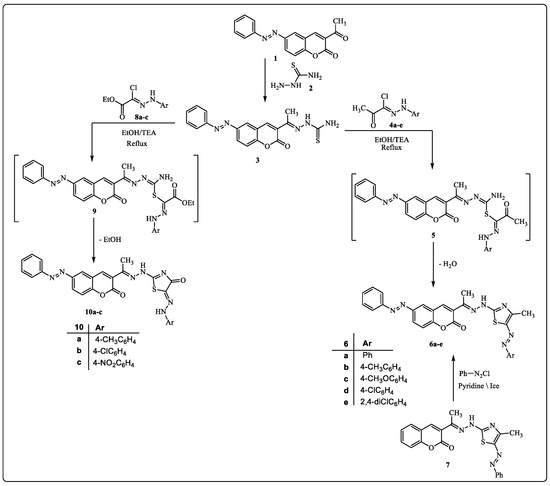
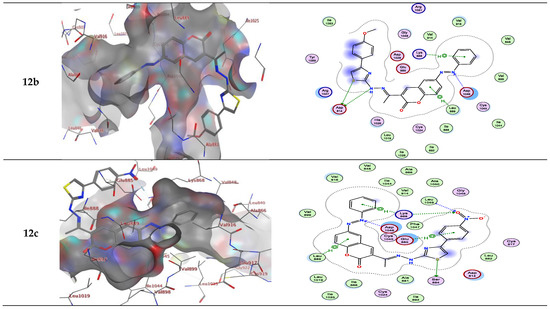
One crucial strategy for the treatment of breast cancer involves focusing on the Vascular Endothelial Growth Factor Receptor (VEGFR-2) signaling system. Consequently, the development of new (VEGFR-2) inhibitors is of the utmost importance. In this study, novel 3-thiazolhydrazinylcoumarins were designed and synthesized via the reaction of phenylazoacetylcoumarin with various hydrazonoyl halides and α-bromoketones. By using elemental and spectral analysis data (IR, 1H-NMR, 13C-NMR, and Mass), the ascribed structures for all newly synthesized compounds were clarified, and the mechanisms underlying their formation were delineated. The molecular docking studies of the resulting 6-(phenyldiazenyl)-2H-chromen-2-one (3, 6a–e, 10a–c and 12a–c) derivatives were assessed against VEGFR-2 and demonstrated comparable activities to that of Sorafenib (approved medicine) with compounds 6d and 6b showing the highest binding scores (−9.900 and −9.819 kcal/mol, respectively). The cytotoxicity of the most active thiazole derivatives 6d, 6b, 6c, 10c and 10a were investigated for their human breast cancer (MCF-7) cell line and normal cell line LLC-Mk2 using MTT assay and Sorafenib as the reference drug. The results revealed that compounds 6d and 6b exhibited greater anticancer activities (IC50 = 10.5 ± 0.71 and 11.2 ± 0.80 μM, respectively) than the Sorafenib reference drug (IC50 = 5.10 ± 0.49 μM). Therefore, the present study demonstrated that thiazolyl coumarins are potential (VEGFR-2) inhibitors and pave the way for the synthesis of additional libraries based on the reported scaffold, which could eventually lead to the development of efficient treatment for breast cancer. Full article
(This article belongs to the Special Issue Synthesis of Heteroaromatic Compounds)
Show Figures

Figure 1
12 pages, 1097 KB  
Article
Thermal and Electrochemical Properties of Ionic Liquids Bearing Allyl Group with Sulfonate-Based Anions—Application Potential in Epoxy Resin Curing Process
by Andrea Szpecht, Dawid Zielinski, Maciej Galinski and Marcin Smiglak
Molecules 2023, 28(2), 709; https://doi.org/10.3390/molecules28020709 - 10 Jan 2023
Cited by 8 | Viewed by 4333
Abstract
Sulfonate-based ionic liquids (ILs) with allyl-containing cations have been previously obtained by us, however, the present study aims to investigate the thermal, electrochemical and curing properties of these ILs. To determine the temperature range in which ionic liquid maintains a liquid state, thermal [...] Read more.
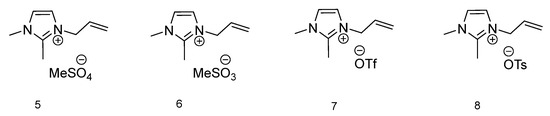
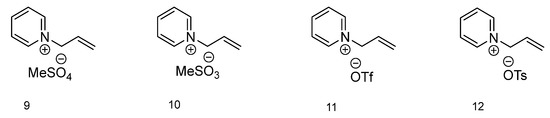
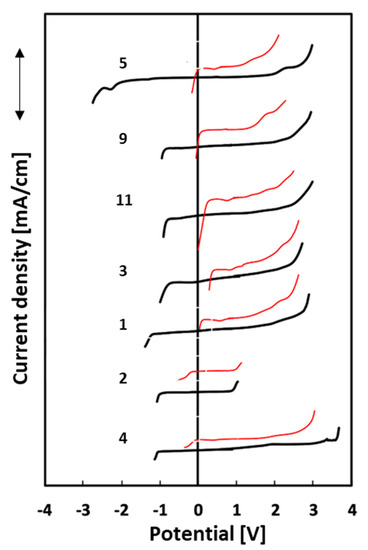
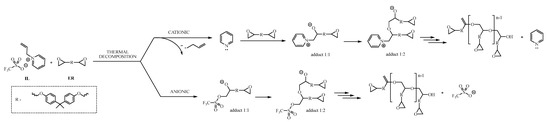
Sulfonate-based ionic liquids (ILs) with allyl-containing cations have been previously obtained by us, however, the present study aims to investigate the thermal, electrochemical and curing properties of these ILs. To determine the temperature range in which ionic liquid maintains a liquid state, thermal properties must be examined using Differential Scanning Calorimetry (DSC) and Thermogravimetric Analysis (TGA). Melting, cold crystallization and glass transition temperatures are discussed, as well as decomposition temperatures for imidazolium- and pyridinium-based ionic liquids. The conductivity and electrochemical stability ranges were studied in order to investigate their potential applicability as electrolytes. Finally, the potential of triflate-based ILs as polymerization initiators for epoxy resins was proven. Full article
(This article belongs to the Special Issue Feature Papers in Materials Chemistry)
Show Figures

Figure 1
14 pages, 5236 KB  
Article
Thin Polymer Films by Oxidative or Reductive Electropolymerization and Their Application in Electrochromic Windows and Thin-Film Sensors
by Ibeth Rendón-Enríquez, Alex Palma-Cando, Florian Körber, Felix Niebisch, Michael Forster, Michael W. Tausch and Ullrich Scherf
Molecules 2023, 28(2), 883; https://doi.org/10.3390/molecules28020883 - 16 Jan 2023
Cited by 21 | Viewed by 4332
Abstract
Electrically conducting and semiconducting polymers represent a special and still very attractive class of functional chromophores, especially due to their unique optical and electronic properties and their broad device application potential. They are potentially suitable as materials for several applications of high future [...] Read more.
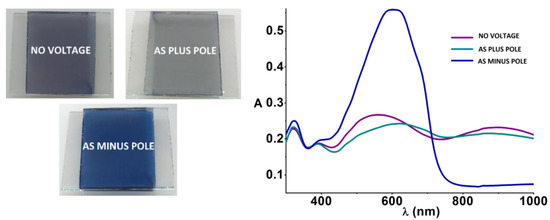
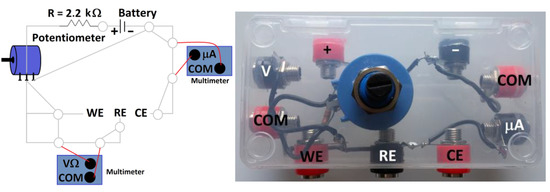
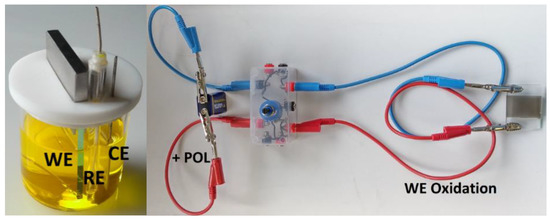
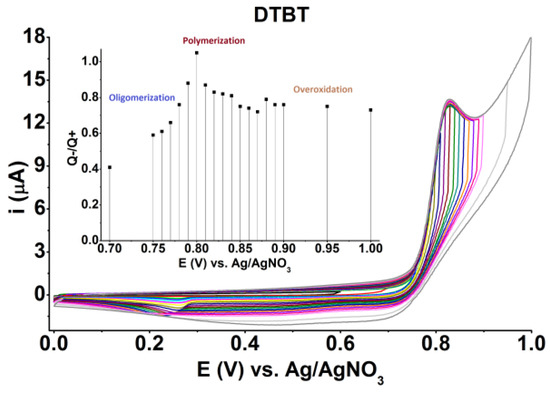
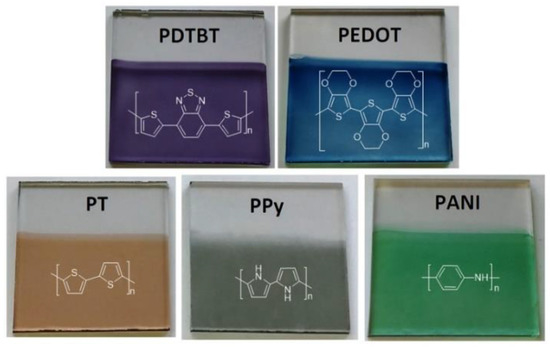
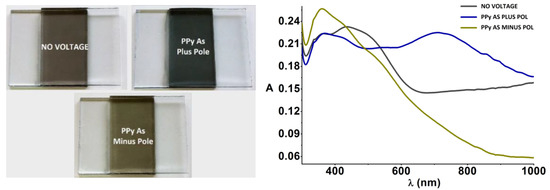
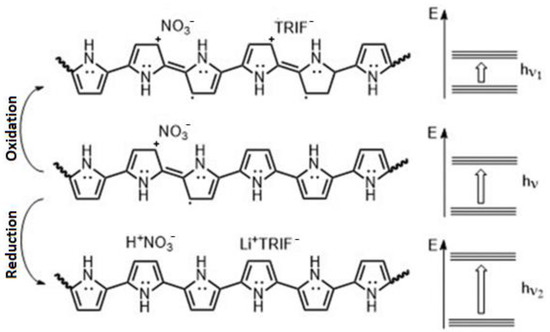
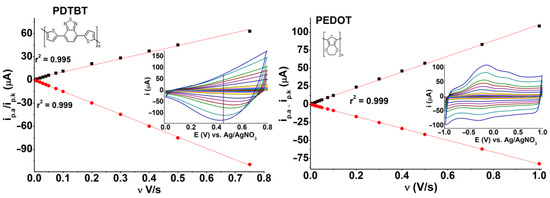
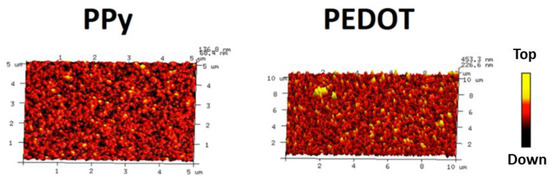
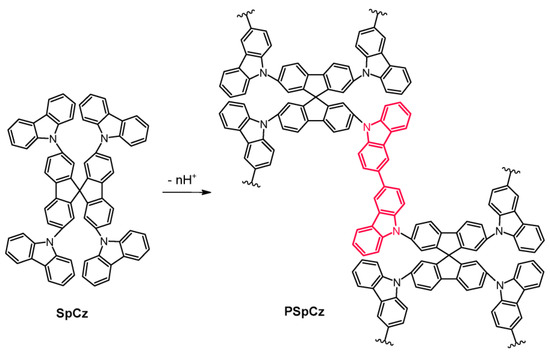
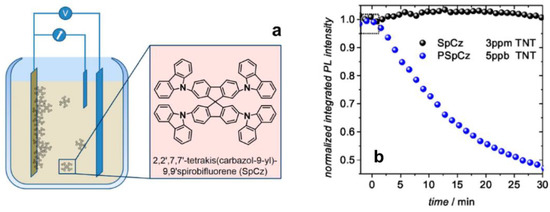
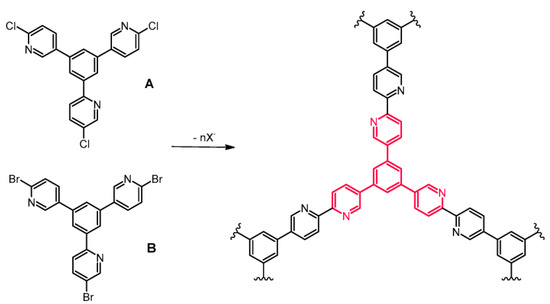
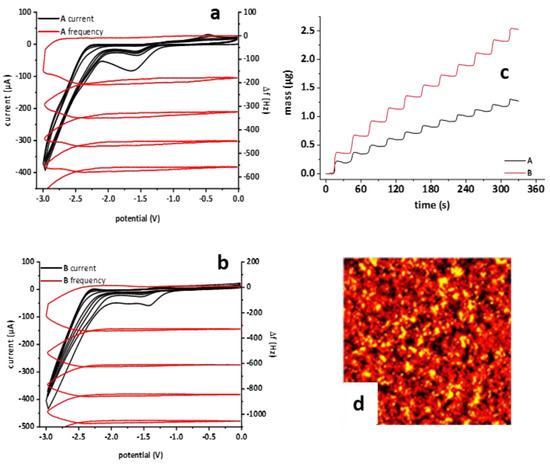
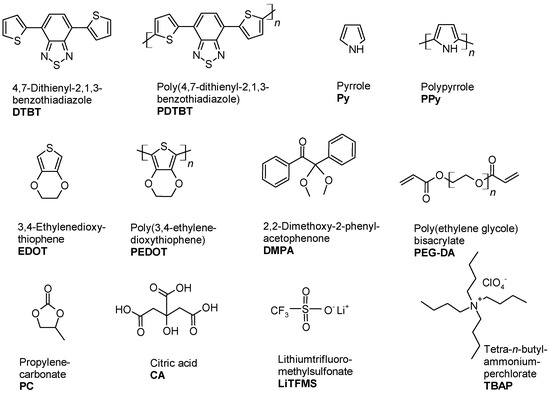
Electrically conducting and semiconducting polymers represent a special and still very attractive class of functional chromophores, especially due to their unique optical and electronic properties and their broad device application potential. They are potentially suitable as materials for several applications of high future relevance, for example flexible photovoltaic modules, components of displays/screens and batteries, electrochromic windows, or photocatalysts. Therefore, their synthesis and structure elucidation are still intensely investigated. This article will demonstrate the very fruitful interplay of current electropolymerization research and its exploitation for science education issues. Experiments involving the synthesis of conducting polymers and their assembly into functional devices can be used to teach basic chemical and physical principles as well as to motivate students for an innovative and interdisciplinary field of chemistry. Full article
(This article belongs to the Special Issue Electrochemistry of Thin Films and Nanostructured Materials)
Show Figures

Figure 1
20 pages, 5891 KB  
Article
Structural Analysis and Classification of Low-Molecular-Weight Hyaluronic Acid by Near-Infrared Spectroscopy: A Comparison between Traditional Machine Learning and Deep Learning
by Weilu Tian, Lixuan Zang, Lei Nie, Lian Li, Liang Zhong, Xueping Guo, Siling Huang and Hengchang Zang
Molecules 2023, 28(2), 809; https://doi.org/10.3390/molecules28020809 - 13 Jan 2023
Cited by 17 | Viewed by 4319
Abstract
Confusing low-molecular-weight hyaluronic acid (LMWHA) from acid degradation and enzymatic hydrolysis (named LMWHA–A and LMWHA–E, respectively) will lead to health hazards and commercial risks. The purpose of this work is to analyze the structural differences between LMWHA–A and LMWHA–E, and then achieve a [...] Read more.
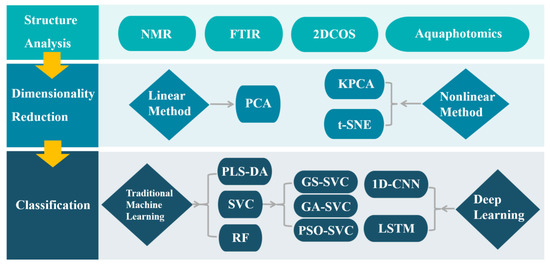
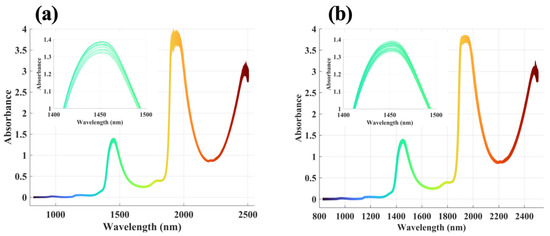
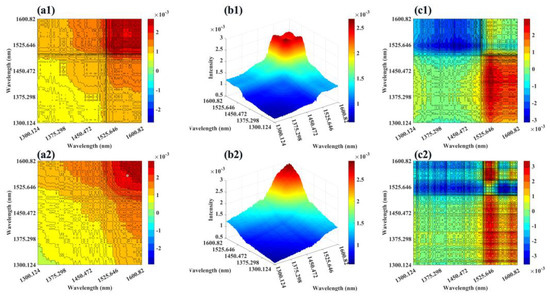
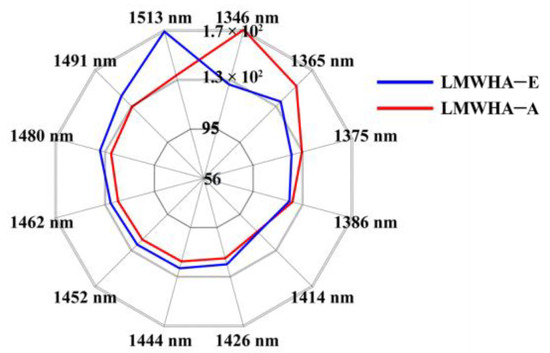
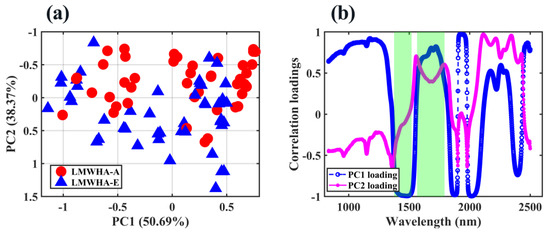
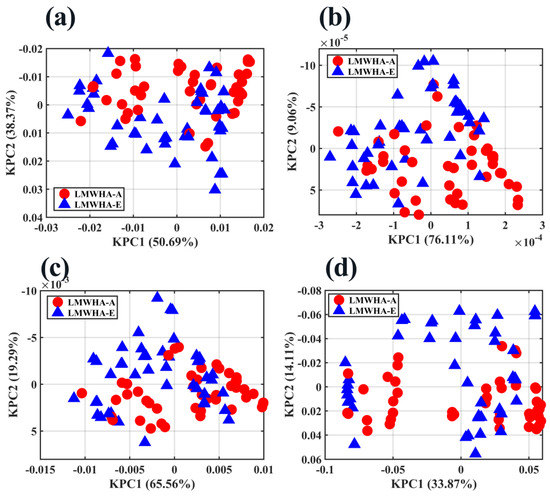
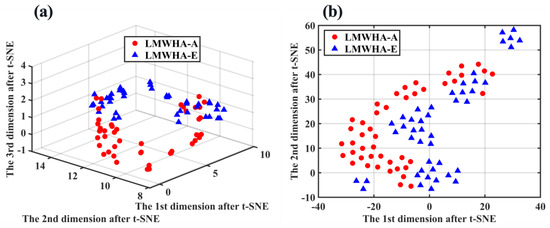
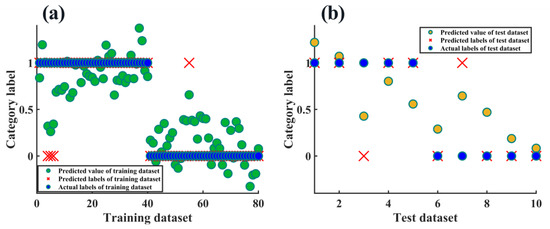
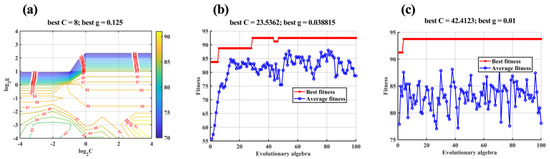
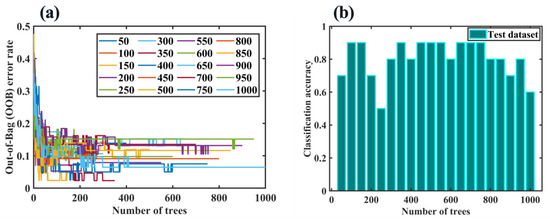
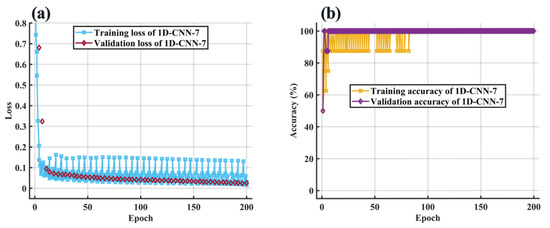
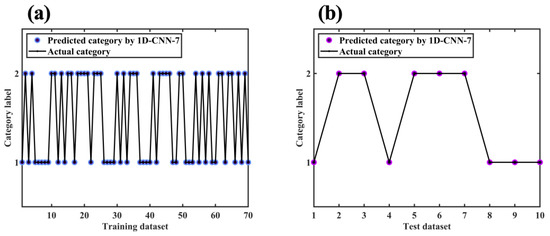
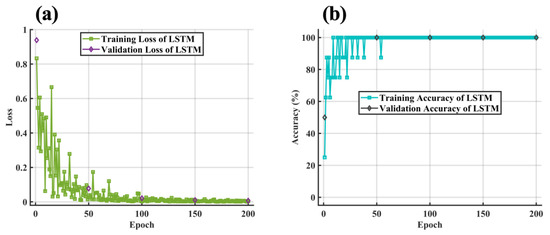
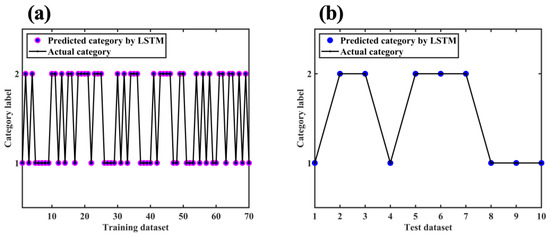
Confusing low-molecular-weight hyaluronic acid (LMWHA) from acid degradation and enzymatic hydrolysis (named LMWHA–A and LMWHA–E, respectively) will lead to health hazards and commercial risks. The purpose of this work is to analyze the structural differences between LMWHA–A and LMWHA–E, and then achieve a fast and accurate classification based on near-infrared (NIR) spectroscopy and machine learning. First, we combined nuclear magnetic resonance (NMR), Fourier transform infrared (FTIR) spectroscopy, two-dimensional correlated NIR spectroscopy (2DCOS), and aquaphotomics to analyze the structural differences between LMWHA–A and LMWHA–E. Second, we compared the dimensionality reduction methods including principal component analysis (PCA), kernel PCA (KPCA), and t-distributed stochastic neighbor embedding (t-SNE). Finally, the differences in classification effect of traditional machine learning methods including partial least squares–discriminant analysis (PLS-DA), support vector classification (SVC), and random forest (RF) as well as deep learning methods including one-dimensional convolutional neural network (1D-CNN) and long short-term memory (LSTM) were compared. The results showed that genetic algorithm (GA)–SVC and RF were the best performers in traditional machine learning, but their highest accuracy in the test dataset was 90%, while the accuracy of 1D-CNN and LSTM models in the training dataset and test dataset classification was 100%. The results of this study show that compared with traditional machine learning, the deep learning models were better for the classification of LMWHA–A and LMWHA–E. Our research provides a new methodological reference for the rapid and accurate classification of biological macromolecules. Full article
Show Figures

Figure 1
19 pages, 1460 KB  
Article
Grain Germination Changes the Profile of Phenolic Compounds and Benzoxazinoids in Wheat: A Study on Hard and Soft Cultivars
by Julia Baranzelli, Sabrina Somacal, Camila Sant’Anna Monteiro, Renius de Oliveira Mello, Eliseu Rodrigues, Osmar Damian Prestes, Rosalía López-Ruiz, Antonia Garrido Frenich, Roberto Romero-González, Martha Zavariz de Miranda and Tatiana Emanuelli
Molecules 2023, 28(2), 721; https://doi.org/10.3390/molecules28020721 - 11 Jan 2023
Cited by 20 | Viewed by 4316
Abstract
Pre-harvest sprouting is a frequent problem for wheat culture that can be simulated by laboratory-based germination. Despite reducing baking properties, wheat sprouting has been shown to increase the bioavailability of some nutrients. It was investigated whether wheat cultivars bearing distinct grain texture characteristics [...] Read more.
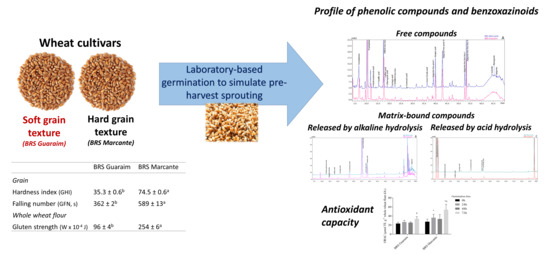
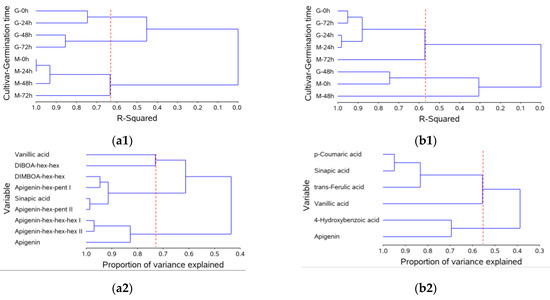
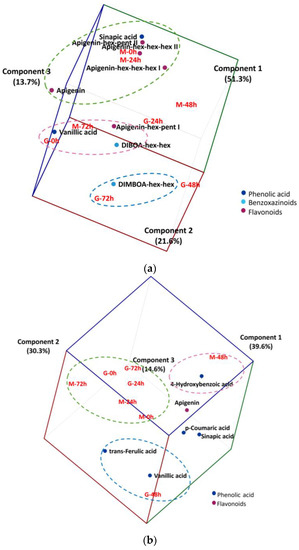
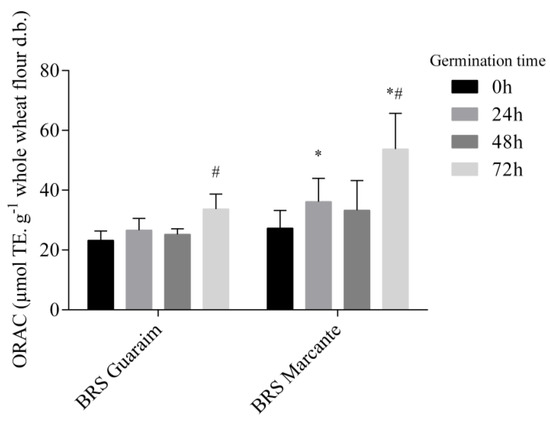
Pre-harvest sprouting is a frequent problem for wheat culture that can be simulated by laboratory-based germination. Despite reducing baking properties, wheat sprouting has been shown to increase the bioavailability of some nutrients. It was investigated whether wheat cultivars bearing distinct grain texture characteristics (BRS Guaraim, soft vs. BRS Marcante, hard texture) would have different behavior in terms of the changes in phytochemical compounds during germination. Using LC-Q-TOF-MS, higher contents of benzoxazinoids and flavonoids were found in the hard cultivar than in the soft one. Free phytochemicals, mainly benzoxazinoids, increased during germination in both cultivars. Before germination, soft and hard cultivars had a similar profile of matrix-bound phytochemicals, but during germination, these compounds have been shown to decrease only in the hard-texture cultivar, due to decreased levels of phenolic acids (trans-ferulic acid) and flavonoids (apigenin) that were bound to the cell wall through ester-type bonds. These findings confirm the hypothesis that hard and soft wheat cultivars have distinct behavior during germination concerning the changes in phytochemical compounds, namely the matrix-bound compounds. In addition, germination has been shown to remarkably increase the content of benzoxazinoids and the antioxidant capacity, which could bring a health-beneficial appeal for pre-harvested sprouted grains. Full article
(This article belongs to the Special Issue Natural Polyphenols in Human Health)
Show Figures

Graphical abstract

17 pages, 5251 KB  
Article
Synthesis and Molecular Docking Study of Novel Pyrimidine Derivatives against COVID-19
by Zahra M. Alamshany, Reham R. Khattab, Nasser A. Hassan, Ahmed A. El-Sayed, Mohamed A. Tantawy, Ahmed Mostafa and Allam A. Hassan
Molecules 2023, 28(2), 739; https://doi.org/10.3390/molecules28020739 - 11 Jan 2023
Cited by 22 | Viewed by 4297
Abstract
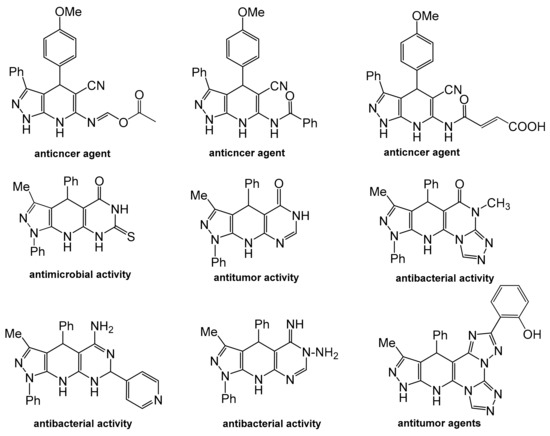
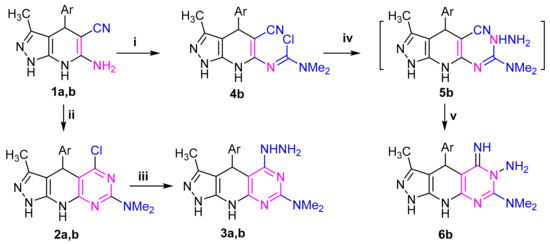
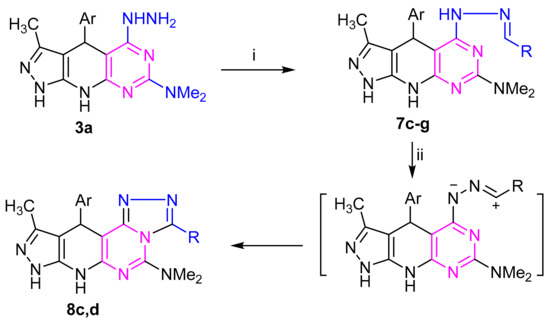
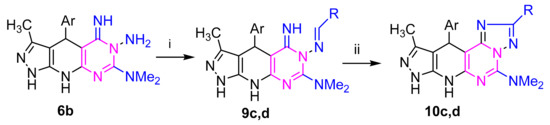
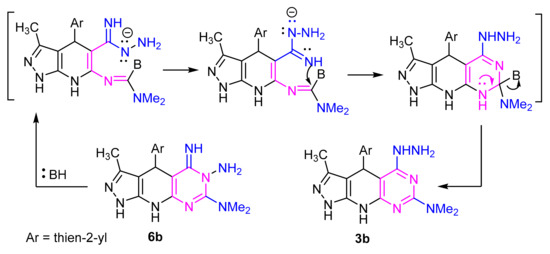
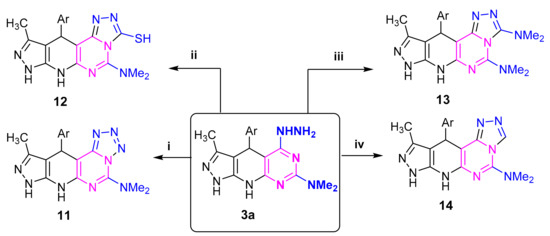
A novel series of pyrido[2,3-d]pyrimidines; pyrido[3,2-e][1,3,4]triazolo; and tetrazolo[1,5-c]pyrimidines were synthesized via different chemical transformations starting from pyrazolo[3,4-b]pyridin-6-yl)-N,N-dimethylcarbamimidic chloride 3b (prepared from the reaction of o-aminonitrile 1b and phosogen iminiumchloride). The [...] Read more.
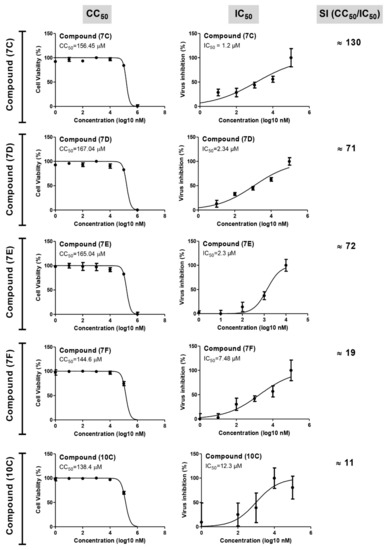
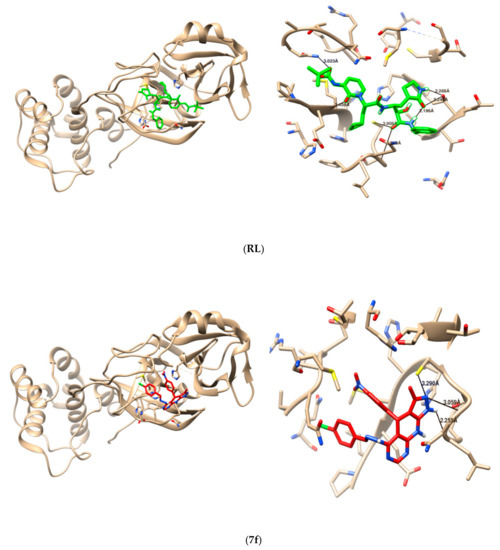
A novel series of pyrido[2,3-d]pyrimidines; pyrido[3,2-e][1,3,4]triazolo; and tetrazolo[1,5-c]pyrimidines were synthesized via different chemical transformations starting from pyrazolo[3,4-b]pyridin-6-yl)-N,N-dimethylcarbamimidic chloride 3b (prepared from the reaction of o-aminonitrile 1b and phosogen iminiumchloride). The structures of the newly synthesized compounds were elucidated based on spectroscopic data and elemental analyses. Designated compounds are subjected for molecular docking by using Auto Dock Vina software in order to evaluate the antiviral potency for the synthesized compounds against SARS-CoV-2 (2019-nCoV) main protease M pro. The antiviral activity against SARS-CoV-2 showed that tested compounds 7c, 7d, and 7e had the most promising antiviral activity with lower IC50 values compared to Lopinavir, “the commonly used protease inhibitor”. Both in silico and in vitro results are in agreement. Full article
Show Figures

Figure 1
21 pages, 2896 KB  
Article
Chemical Composition, Antioxidant Activity and Cytocompatibility of Polyphenolic Compounds Extracted from Food Industry Apple Waste: Potential in Biomedical Application
by Parinaz Hobbi, Oseweuba Valentine Okoro, Maryam Hajiabbas, Masoud Hamidi, Lei Nie, Véronique Megalizzi, Paul Musonge, Gianina Dodi and Amin Shavandi
Molecules 2023, 28(2), 675; https://doi.org/10.3390/molecules28020675 - 9 Jan 2023
Cited by 29 | Viewed by 4283
Abstract
Apple pomace (AP) from the food industry is a mixture of different fractions containing bioactive polyphenolic compounds. This study provides a systematic approach toward the recovery and evaluation of the physiochemical and biological properties of polyphenolic compounds from AP. We studied subcritical water [...] Read more.
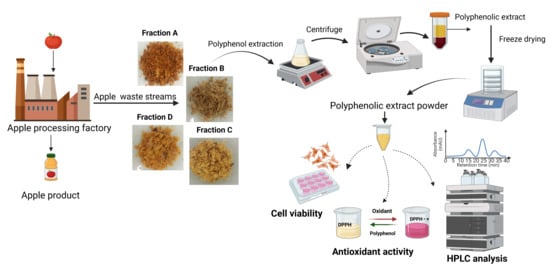
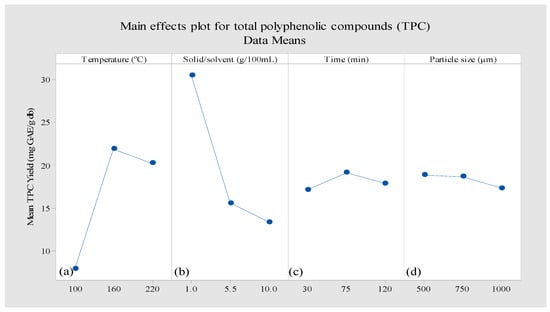
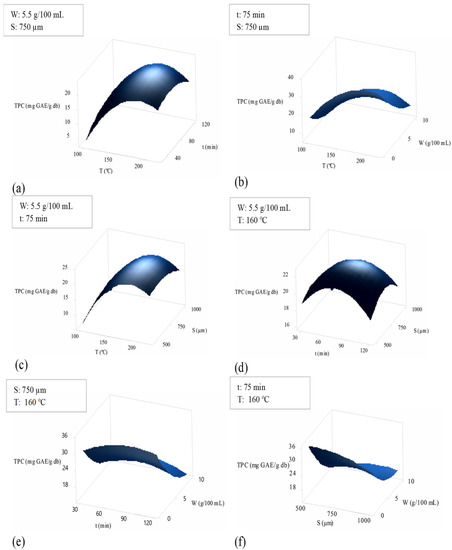
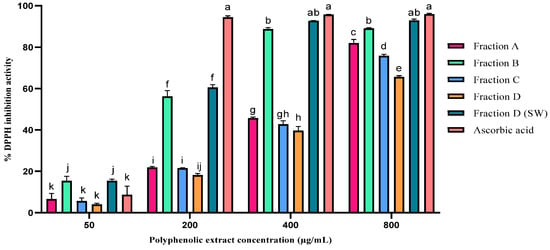
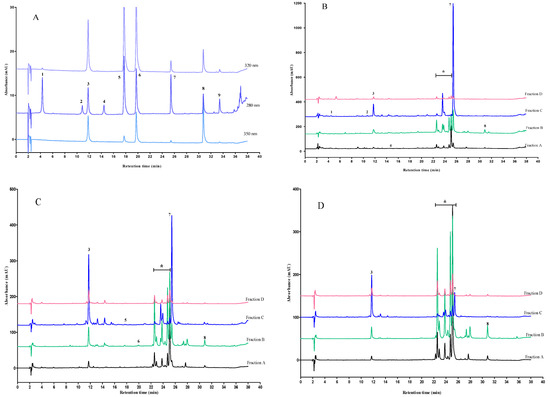
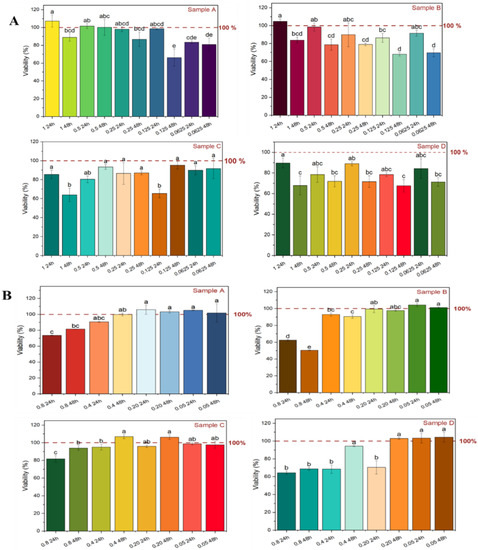
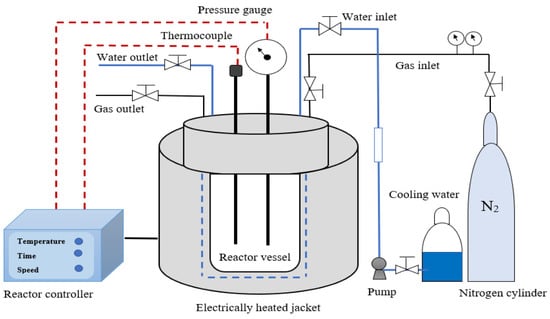
Apple pomace (AP) from the food industry is a mixture of different fractions containing bioactive polyphenolic compounds. This study provides a systematic approach toward the recovery and evaluation of the physiochemical and biological properties of polyphenolic compounds from AP. We studied subcritical water extraction (SCW) and solvent extraction with ethanol from four different AP fractions of pulp, peel, seed, core, and stem (A), peel (B), seed and core (C), and pulp and peel (D). The subcritical water method at the optimum condition resulted in total polyphenolic compounds (TPC) of 39.08 ± 1.10 mg GAE per g of AP on a dry basis compared to the ethanol extraction with TPC content of 10.78 ± 0.94 mg GAE/g db. Phloridzin, chlorogenic acid, and quercetin were the main identified polyphenolics in the AP fractions using HPLC. DPPH radical scavenging activity of fraction B and subcritical water (SW) extracts showed comparable activity to ascorbic acid while all ethanolic extracts were cytocompatible toward human fibroblast (3T3-L1) and salivary gland acinar cells (NS-SV-AC). Our results indicated that AP is a rich source of polyphenolics with the potential for biomedical applications. Full article
(This article belongs to the Special Issue Bioactive Compounds: From Extraction to Biological Evaluations)
Show Figures

Graphical abstract

3 pages, 180 KB  
Editorial
Natural Products for Cosmetic Applications
by Jongsung Lee and Chang-Gu Hyun
Molecules 2023, 28(2), 534; https://doi.org/10.3390/molecules28020534 - 5 Jan 2023
Cited by 12 | Viewed by 4277
Abstract
Natural products provide an interesting and largely unexplored source for the development of potential new cosmetic ingredients [...] Full article
(This article belongs to the Special Issue Natural Products for Cosmetic Applications)
14 pages, 2752 KB  
Article
Myrcene Salvages Rotenone-Induced Loss of Dopaminergic Neurons by Inhibiting Oxidative Stress, Inflammation, Apoptosis, and Autophagy
by Sheikh Azimullah, Richard L. Jayaraj, Mohamed Fizur. Nagoor Meeran, Fakhreya Y. Jalal, Abdu Adem, Shreesh Ojha and Rami Beiram
Molecules 2023, 28(2), 685; https://doi.org/10.3390/molecules28020685 - 10 Jan 2023
Cited by 22 | Viewed by 4262
Abstract
Parkinson’s disease (PD) is characterized by the loss of dopaminergic neurons in the substantia nigra pars compacta, resulting in motor deficits. The exact etiology of PD is currently unknown; however, the pathological hallmarks of PD include excessive production of reactive oxygen species, enhanced [...] Read more.
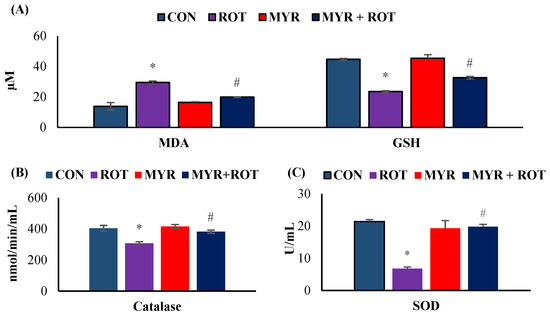
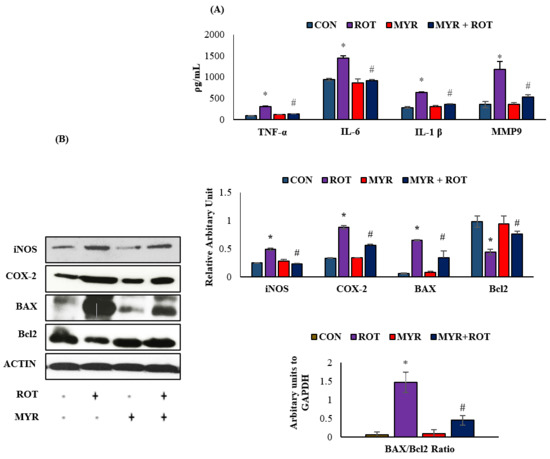
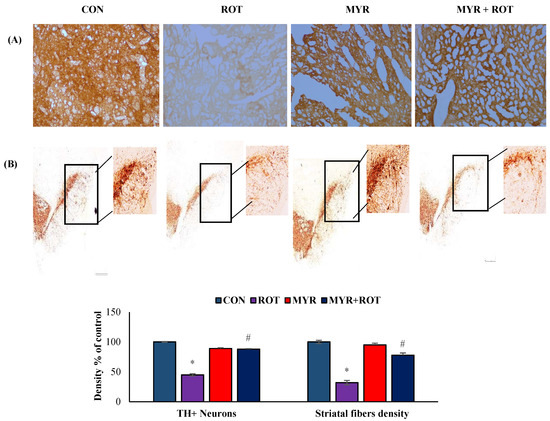
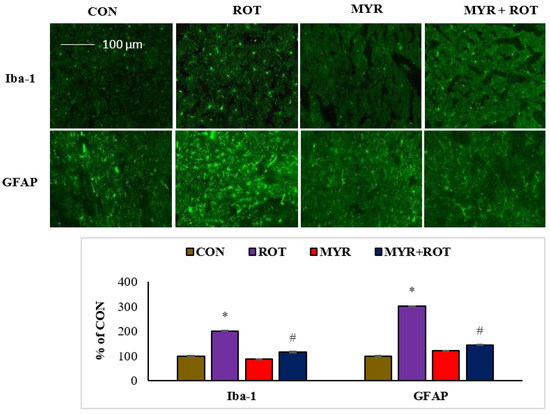
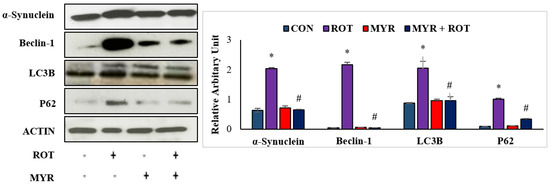
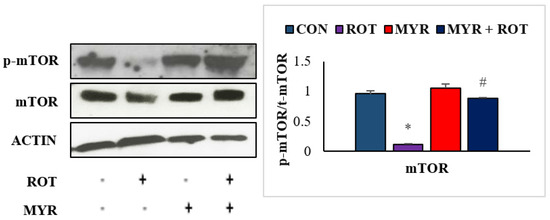
Parkinson’s disease (PD) is characterized by the loss of dopaminergic neurons in the substantia nigra pars compacta, resulting in motor deficits. The exact etiology of PD is currently unknown; however, the pathological hallmarks of PD include excessive production of reactive oxygen species, enhanced neuroinflammation, and overproduction of α-synuclein. Under normal physiological conditions, aggregated α-synuclein is degraded via the autophagy lysosomal pathway. However, impairment of the autophagy lysosomal pathway results in α-synuclein accumulation, thereby facilitating the pathogenesis of PD. Current medications only manage the symptoms, but are unable to delay, prevent, or cure the disease. Collectively, oxidative stress, inflammation, apoptosis, and autophagy play crucial roles in PD; therefore, there is an enormous interest in exploring novel bioactive agents of natural origin for their protective roles in PD. The present study evaluated the role of myrcene, a monoterpene, in preventing the loss of dopaminergic neurons in a rotenone (ROT)-induced rodent model of PD, and elucidated the underlying mechanisms. Myrcene was administered at a dose of 50 mg/kg, 30 min prior to the intraperitoneal injections of ROT (2.5 mg/kg). Administration of ROT caused a considerable loss of dopaminergic neurons, subsequent to a significant reduction in the antioxidant defense systems, increased lipid peroxidation, and activation of microglia and astrocytes, along with the production of pro-inflammatory cytokines (IL-6, TNF-α, IL-1β) and matrix metalloproteinase-9. Rotenone also resulted in impairment of the autophagy lysosomal pathway, as evidenced by increased expression of LC3, p62, and beclin-1 with decreased expression in the phosphorylation of mTOR protein. Collectively, these factors result in the loss of dopaminergic neurons. However, myrcene treatment has been observed to restore antioxidant defenses and attenuate the increase in concentrations of lipid peroxidation products, pro-inflammatory cytokines, diminished microglia, and astrocyte activation. Myrcene treatment also enhanced the phosphorylation of mTOR, reinstated neuronal homeostasis, restored autophagy-lysosomal degradation, and prevented the increased expression of α-synuclein following the rescue of dopaminergic neurons. Taken together, our study clearly revealed the mitigating effect of myrcene on dopaminergic neuronal loss, attributed to its potent antioxidant, anti-inflammatory, and anti-apoptotic properties, and favorable modulation of autophagic flux. This study suggests that myrcene may be a potential candidate for therapeutic benefits in PD. Full article
(This article belongs to the Special Issue Essential Oils II)
Show Figures

Figure 1
8 pages, 1420 KB  
Communication
Discovery of a Novel Trifluoromethyl Diazirine Inhibitor of SARS-CoV-2 Mpro
by Andrea Citarella, Davide Moi, Martina Pedrini, Helena Pérez-Peña, Stefano Pieraccini, Claudio Stagno, Nicola Micale, Tanja Schirmeister, Giulia Sibille, Giorgio Gribaudo, Alessandra Silvani, Daniele Passarella and Clelia Giannini
Molecules 2023, 28(2), 514; https://doi.org/10.3390/molecules28020514 - 4 Jan 2023
Cited by 9 | Viewed by 4260
Abstract
SARS-CoV-2 Mpro is a chymotrypsin-like cysteine protease playing a relevant role during the replication and infectivity of SARS-CoV-2, the coronavirus responsible for COVID-19. The binding site of Mpro is characterized by the presence of a catalytic Cys145 which carries out the [...] Read more.
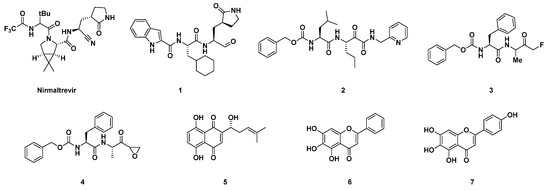
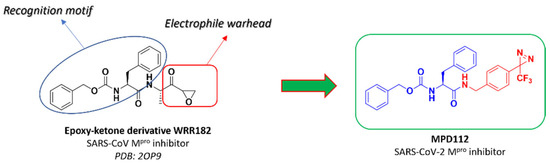
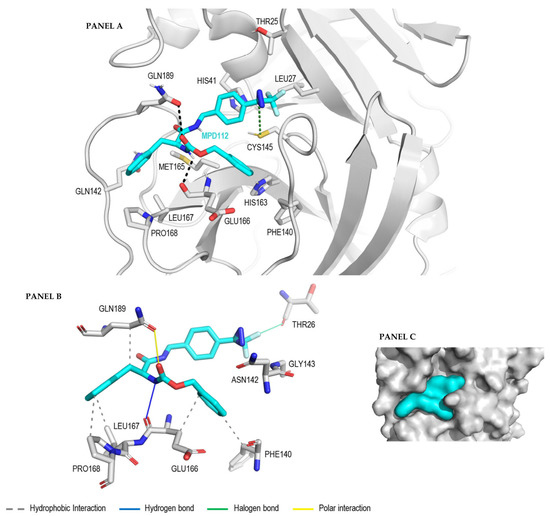
SARS-CoV-2 Mpro is a chymotrypsin-like cysteine protease playing a relevant role during the replication and infectivity of SARS-CoV-2, the coronavirus responsible for COVID-19. The binding site of Mpro is characterized by the presence of a catalytic Cys145 which carries out the hydrolytic activity of the enzyme. As a consequence, several Mpro inhibitors have been proposed to date in order to fight the COVID-19 pandemic. In our work, we designed, synthesized and biologically evaluated MPD112, a novel inhibitor of SARS-CoV-2 Mpro bearing a trifluoromethyl diazirine moiety. MPD112 displayed in vitro inhibition activity against SARS-CoV-2 Mpro at a low micromolar level (IC50 = 4.1 μM) in a FRET-based assay. Moreover, an inhibition assay against PLpro revealed lack of inhibition, assuring the selectivity of the compound for the Mpro. Furthermore, the target compound MPD112 was docked within the binding site of the enzyme to predict the established intermolecular interactions in silico. MPD112 was subsequently tested on the HCT-8 cell line to evaluate its effect on human cells’ viability, displaying good tolerability, demonstrating the promising biological compatibility and activity of a trifluoromethyl diazirine moiety in the design and development of SARS-CoV-2 Mpro binders. Full article
Show Figures

Figure 1
15 pages, 2716 KB  
Article
Incorporation of a Boron–Nitrogen Covalent Bond Improves the Charge-Transport and Charge-Transfer Characteristics of Organoboron Small-Molecule Acceptors for Organic Solar Cells
by Jie Yang, Wei-Lu Ding, Quan-Song Li and Ze-Sheng Li
Molecules 2023, 28(2), 811; https://doi.org/10.3390/molecules28020811 - 13 Jan 2023
Cited by 20 | Viewed by 4254
Abstract
An organoboron small-molecular acceptor (OSMA) MB←N containing a boron–nitrogen coordination bond (B←N) exhibits good light absorption in organic solar cells (OSCs). In this work, based on MB←N, OSMA MB-N, with the incorporation of a boron–nitrogen covalent bond (B-N), [...] Read more.
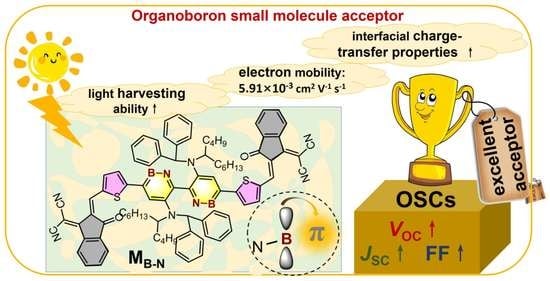
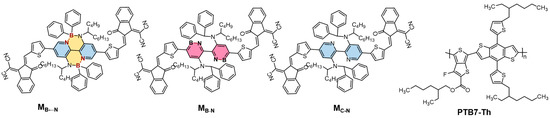
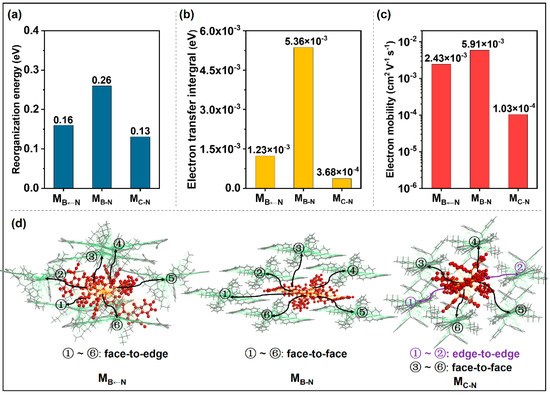
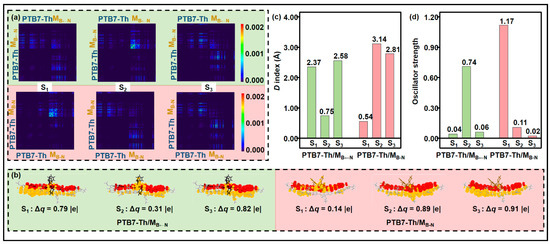
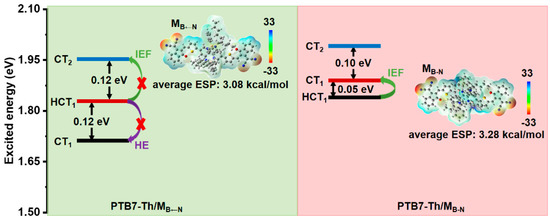
An organoboron small-molecular acceptor (OSMA) MB←N containing a boron–nitrogen coordination bond (B←N) exhibits good light absorption in organic solar cells (OSCs). In this work, based on MB←N, OSMA MB-N, with the incorporation of a boron–nitrogen covalent bond (B-N), was designed. We have systematically investigated the charge-transport properties and interfacial charge-transfer characteristics of MB-N, along with MB←N, using the density functional theory (DFT) and the time-dependent density functional theory (TD-DFT). Theoretical calculations show that MB-N can simultaneously boost the open-circuit voltage (from 0.78 V to 0.85 V) and the short-circuit current due to its high-lying lowest unoccupied molecular orbital and the reduced energy gap. Moreover, its large dipole shortens stacking and greatly enhances electron mobility by up to 5.91 × 10⁻³ cm2·V−1·s−1. Notably, the excellent interfacial properties of PTB7-Th/MB-N, owing to more charge transfer states generated through the direct excitation process and the intermolecular electric field mechanism, are expected to improve OSCs performance. Together with the excellent properties of MB-N, we demonstrate a new OSMA and develop a new organoboron building block with B-N units. The computations also shed light on the structure–property relationships and provide in-depth theoretical guidance for the application of organoboron photovoltaic materials. Full article
Show Figures

Graphical abstract

11 pages, 4694 KB  
Article
Attenuation of Skeletal Muscle Atrophy Induced by Dexamethasone in Rats by Teaghrelin Supplementation
by Cian-Fen Jhuo, Sheng-Kuo Hsieh, Wen-Ying Chen and Jason T. C. Tzen
Molecules 2023, 28(2), 688; https://doi.org/10.3390/molecules28020688 - 10 Jan 2023
Cited by 13 | Viewed by 4254
Abstract
Muscle atrophy caused by an imbalance between the synthesis and the degradation of proteins is a syndrome commonly found in the elders. Teaghrelin, a natural compound from oolong tea, has been shown to promote cell differentiation and to inhibit dexamethasone-induced muscle atrophy in [...] Read more.
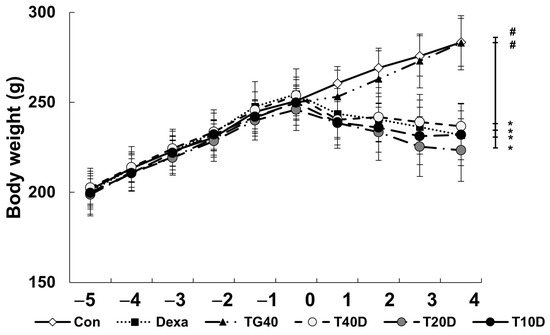
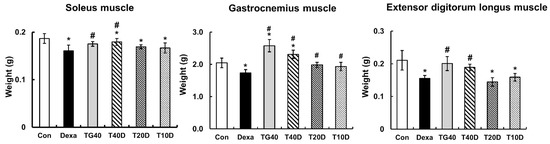
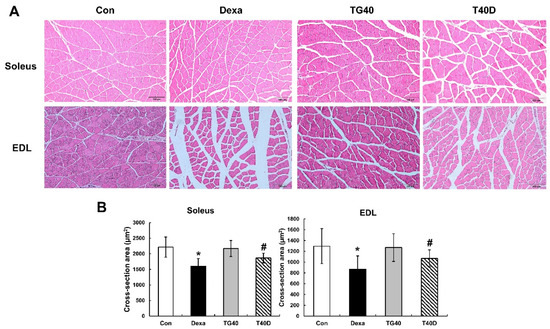
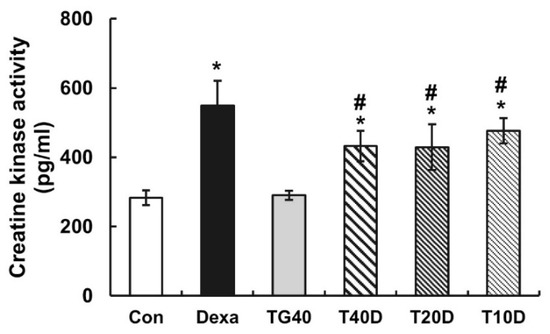
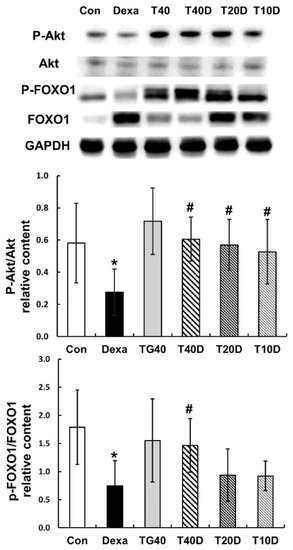
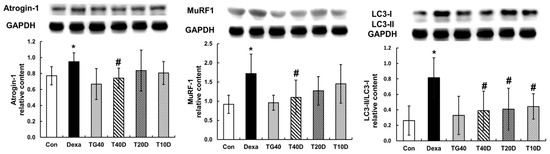
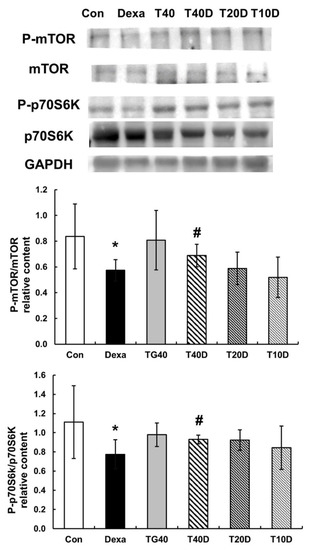
Muscle atrophy caused by an imbalance between the synthesis and the degradation of proteins is a syndrome commonly found in the elders. Teaghrelin, a natural compound from oolong tea, has been shown to promote cell differentiation and to inhibit dexamethasone-induced muscle atrophy in C2C12 cells. In this study, the therapeutic effects of teaghrelin on muscle atrophy were evaluated in Sprague Dawley rats treated with dexamethasone. The masses of the soleus, gastrocnemius and extensor digitorum longus muscles were reduced in dexamethasone-treated rats, and the reduction of these muscle masses was significantly attenuated when the rats were supplemented with teaghrelin. Accordingly, the level of serum creatine kinase, a marker enzyme of muscle proteolysis, was elevated in dexamethasone-treated rats, and the elevation was substantially reduced by teaghrelin supplementation. A decrease in Akt phosphorylation causing the activation of the ubiquitin–proteasome system and autophagy for protein degradation was detected in the gastrocnemius muscles of the dexamethasone-treated rats, and this signaling pathway for protein degradation was significantly inhibited by teaghrelin supplementation. Protein synthesis via the mTOR/p70S6K pathway was slowed down in the gastrocnemius muscles of the dexamethasone-treated rats and was significantly rescued after teaghrelin supplementation. Teaghrelin seemed to prevent muscle atrophy by reducing protein degradation and enhancing protein synthesis via Akt phosphorylation. Full article
(This article belongs to the Special Issue Bioactive Compounds in Food Chemistry and/or Drug Discovery)
Show Figures

Figure 1