14 pages, 2140 KB  
Article
Comparison of Multiple Bioactive Constituents in the Corolla and Other Parts of Abelmoschus manihot
by Shengxin Yin, Yuqi Mei, Lifang Wei, Lisi Zou, Zhichen Cai, Nan Wu, Jiahuan Yuan, Xunhong Liu, Haitao Ge, Dianguang Wang and Dandan Wang
Molecules 2021, 26(7), 1864; https://doi.org/10.3390/molecules26071864 - 25 Mar 2021
Cited by 10 | Viewed by 2917
Abstract
Abelmoschus manihot (L.) Medic (AM), called Huangshukui in Chinese, is a widely used medicinal plant. Each part of AM has medicinal value, including Abelmoschi Radix (AR), Abelmoschi Herba (AH), Abelmoschi Folium (AF), Abelmoschi Corolla (AC), and Abelmoschi Semen (AS). However, only AC is [...] Read more.
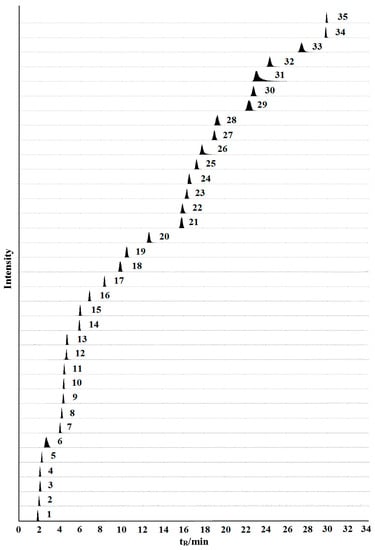
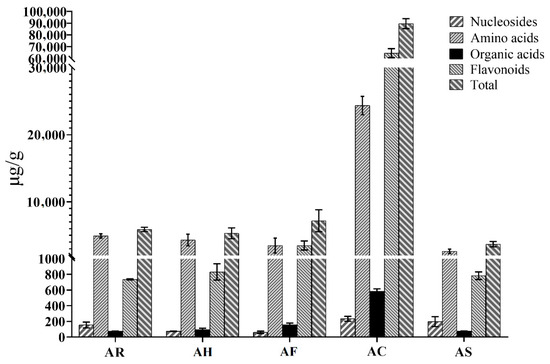
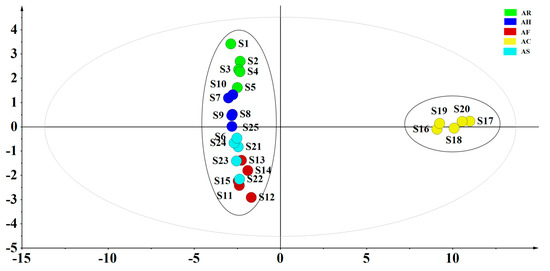
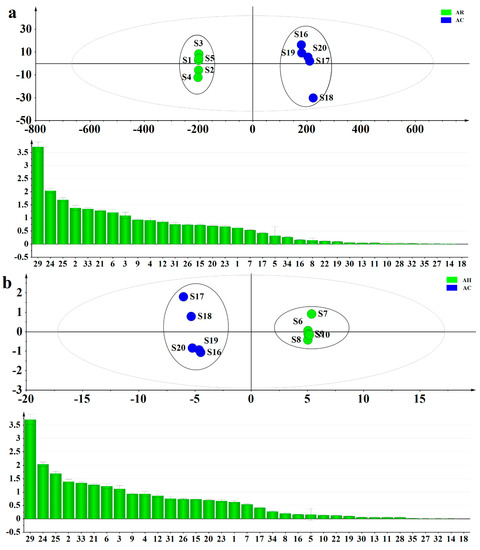
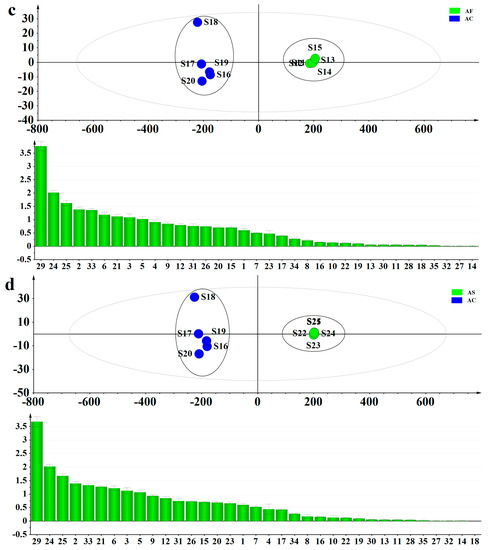
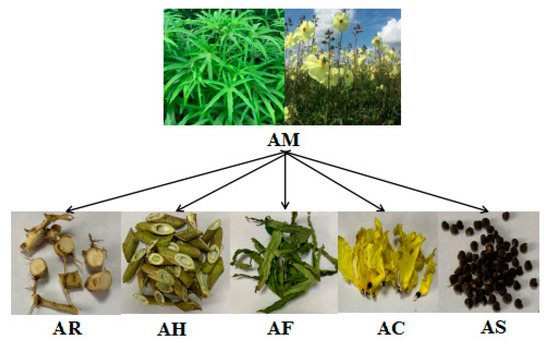
Abelmoschus manihot (L.) Medic (AM), called Huangshukui in Chinese, is a widely used medicinal plant. Each part of AM has medicinal value, including Abelmoschi Radix (AR), Abelmoschi Herba (AH), Abelmoschi Folium (AF), Abelmoschi Corolla (AC), and Abelmoschi Semen (AS). However, only AC is documented in the Chinese Pharmacopoeia. In order to investigate whether there is any difference between AC and the other parts of AM, an analytical method based on ultra-fast performance liquid chromatography coupled with triple quadrupole-linear ion trap mass spectrometry (UFLC-QTRAP-MS/MS) was established for the simultaneous determination of 35 constituents in different parts of AM. Moreover, principal components analysis (PCA) and partial least squares discriminant analysis (PLS-DA) were applied to classify and evaluate the different parts of AM based on the content of the 35 constituents. The total contents of the 35 constituents in AC were significantly higher than in the other parts of AM and the results revealed significant differences between AC and the other parts of AM. Eight constituents were remarkably related to the sample classifications. This research does not just provide the basic information for revealing the distribution patterns in different parts of AM from the same origin, but also complements some of the scientific data for the comprehensive quality evaluation of AC. Full article
(This article belongs to the Special Issue Phytochemical and Pharmacological Evaluation of Natural Products)
Show Figures

Figure 1
14 pages, 5583 KB  
Article
An Antifungal Chitosanase from Bacillus subtilis SH21
by Yuanxiang Pang, Jianjun Yang, Xinyue Chen, Yu Jia, Tong Li, Junhua Jin, Hui Liu, Linshu Jiang, Yanling Hao, Hongxing Zhang and Yuanhong Xie
Molecules 2021, 26(7), 1863; https://doi.org/10.3390/molecules26071863 - 25 Mar 2021
Cited by 23 | Viewed by 3718
Abstract
Bacillus subtilis SH21 was observed to produce an antifungal protein that inhibited the growth of F. solani. To purify this protein, ammonium sulfate precipitation, gel filtration chromatography, and ion-exchange chromatography were used. The purity of the purified product was 91.33% according to [...] Read more.
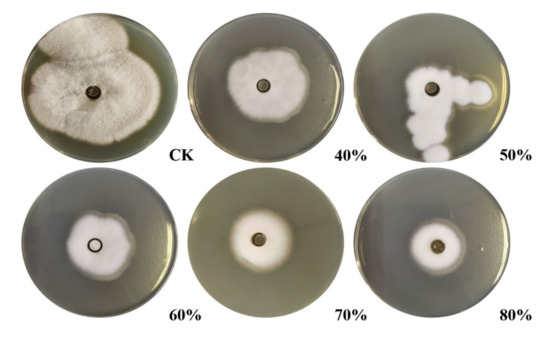
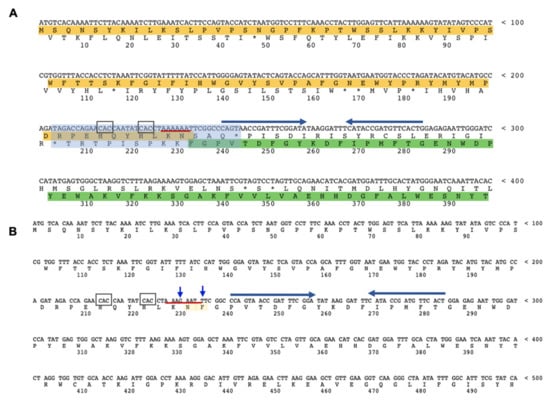
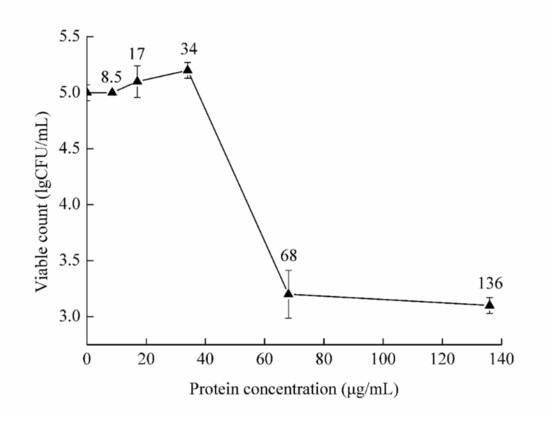
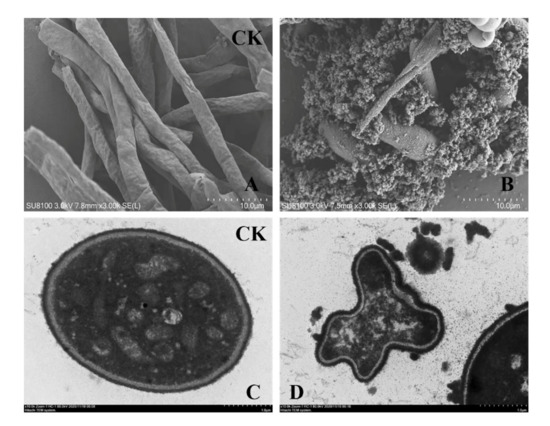
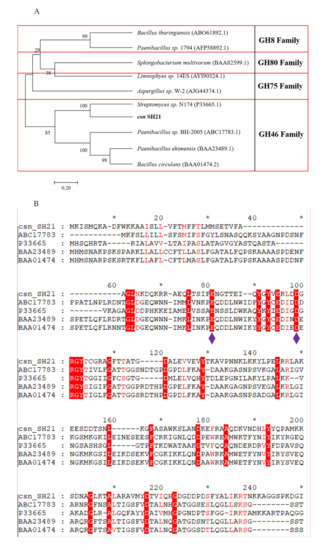
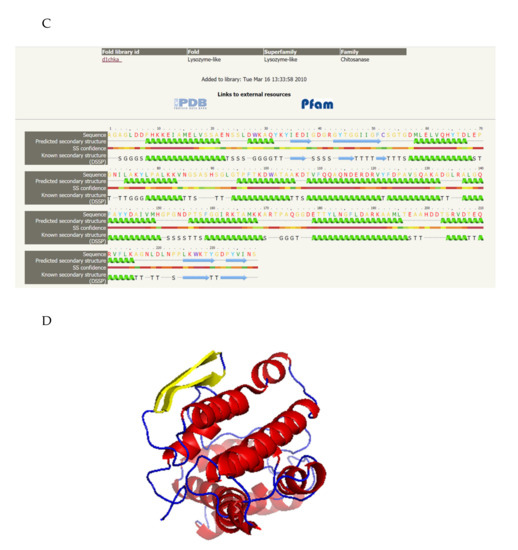
Bacillus subtilis SH21 was observed to produce an antifungal protein that inhibited the growth of F. solani. To purify this protein, ammonium sulfate precipitation, gel filtration chromatography, and ion-exchange chromatography were used. The purity of the purified product was 91.33% according to high-performance liquid chromatography results. Sodium dodecyl sulfate–polyacrylamide gel electrophoresis and liquid chromatography–tandem mass spectrometry (LC–MS/MS) analysis revealed that the molecular weight of the protein is 30.72 kDa. The results of the LC–MS/MS analysis and a subsequent sequence-database search indicated that this protein was a chitosanase, and thus, we named it chitosanase SH21. Scanning and transmission electron microscopy revealed that chitosanase SH21 appeared to inhibit the growth of F. solani by causing hyphal ablation, distortion, or abnormalities, and cell-wall depression. The minimum inhibitory concentration of chitosanase SH21 against F. solani was 68 µg/mL. Subsequently, the corresponding gene was cloned and sequenced, and sequence analysis indicated an open reading frame of 831 bp. The predicted secondary structure indicated that chitosanase SH21 has a typical a-helix from the glycoside hydrolase (GH) 46 family. The tertiary structure shared 40% similarity with that of Streptomyces sp. N174. This study provides a theoretical basis for a topical cream against fungal infections in agriculture and a selection marker on fungi. Full article
Show Figures

Figure 1
20 pages, 4017 KB  
Review
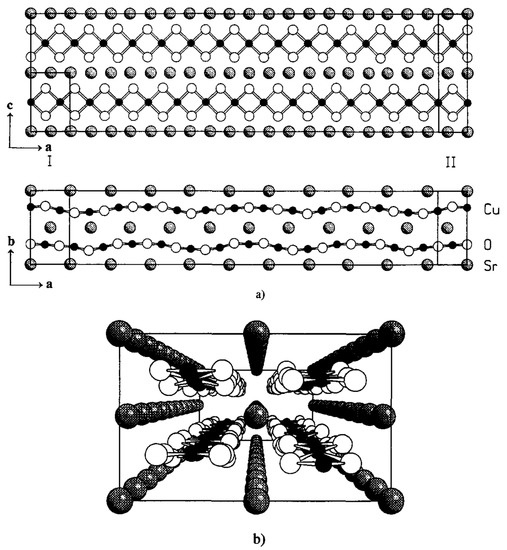
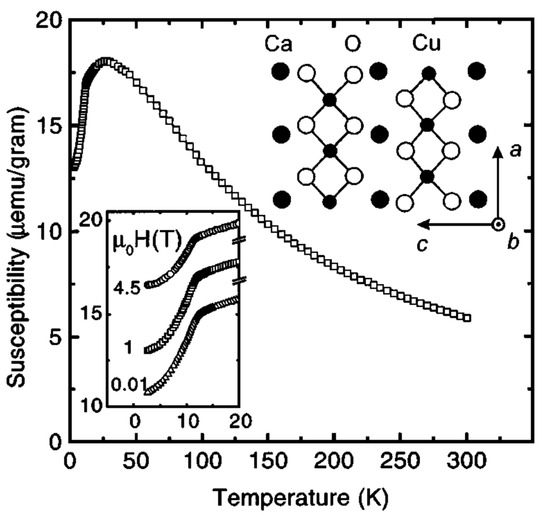
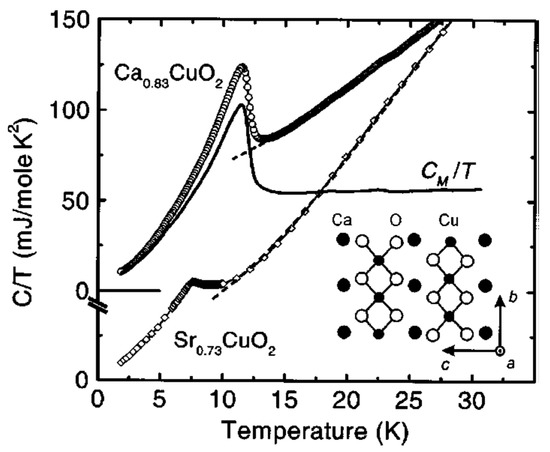
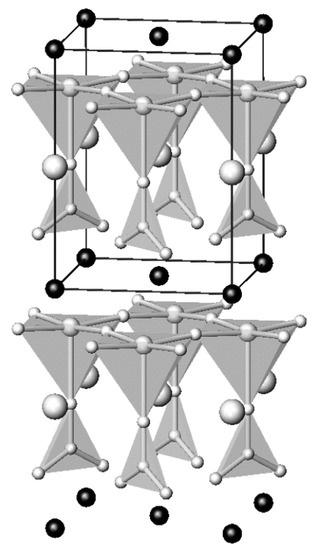
Layered Cuprates Containing Flat Fragments: High-Pressure Synthesis, Crystal Structures and Superconducting Properties
by Evgeny M. Kopnin
Molecules 2021, 26(7), 1862; https://doi.org/10.3390/molecules26071862 - 25 Mar 2021
Cited by 5 | Viewed by 4079
Abstract
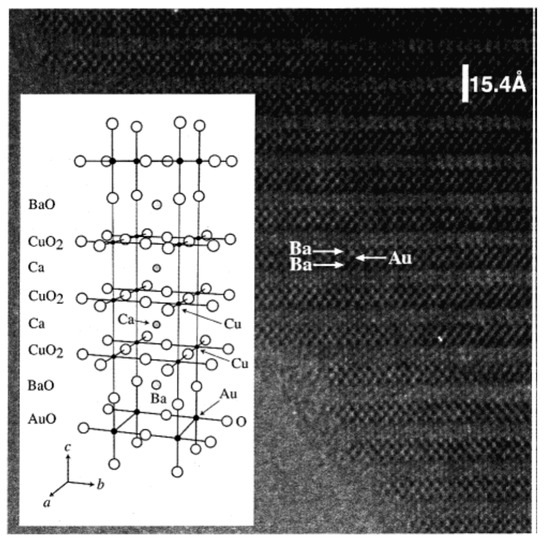
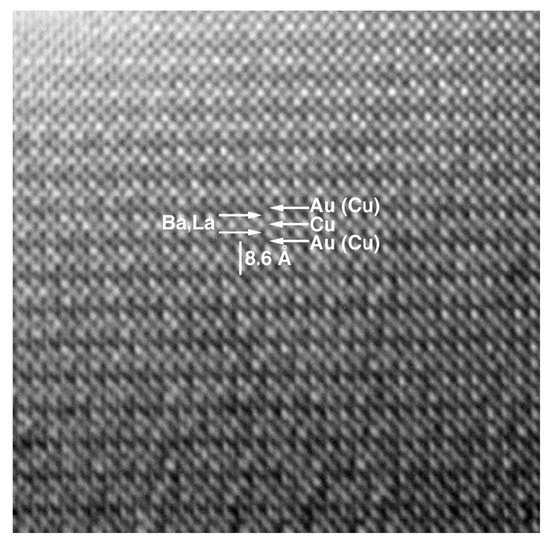
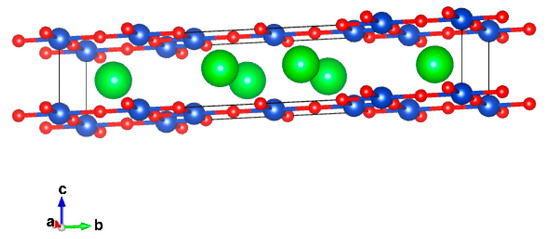
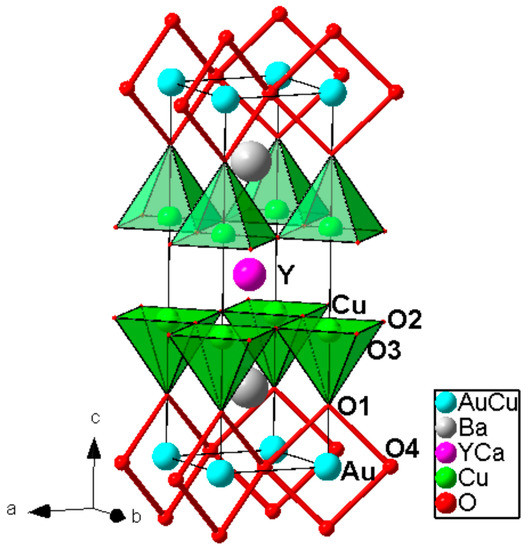
High-pressure synthesis and crystal structures of the homologous series AuBa2(Ca,Ln)n−1CunO2n+3 (n = 1–4; Ln = rare-earth cations) are described. Their crystal structures and superconducting properties are compared with the corresponding members of the Hg-homologous series. [...] Read more.
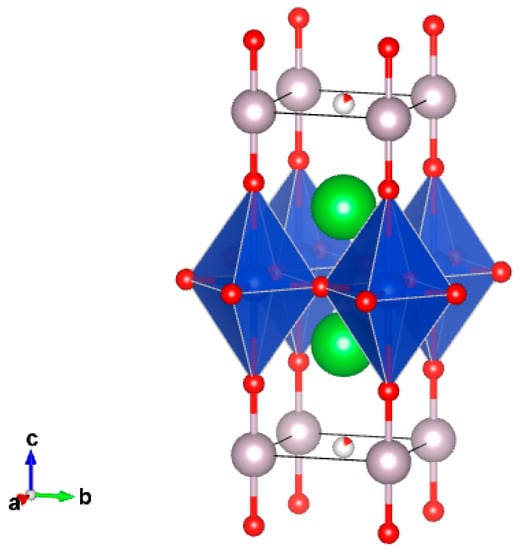
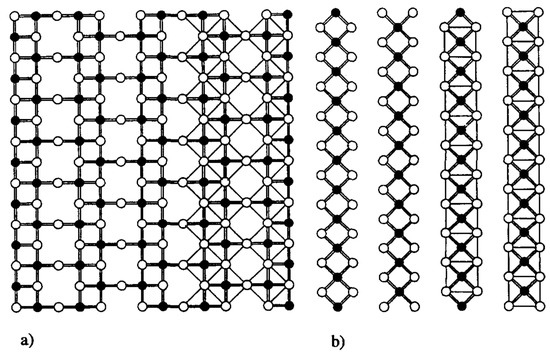
High-pressure synthesis and crystal structures of the homologous series AuBa2(Ca,Ln)n−1CunO2n+3 (n = 1–4; Ln = rare-earth cations) are described. Their crystal structures and superconducting properties are compared with the corresponding members of the Hg-homologous series. Numerous cuprates containing flat structural fragments (CuO4, CO3 and BO3) synthesized mainly at high pressure are compared in terms of structural peculiarities and superconducting properties. Importance and future prospects of high-pressure application for the preparation of new superconducting oxides are discussed. Full article
(This article belongs to the Special Issue Crystallography and Crystal Chemistry)
Show Figures

Figure 1
18 pages, 25100 KB  
Article
Transcript Regulation of the Recoded Archaeal α-l-Fucosidase In Vivo
by Federica De Lise, Roberta Iacono, Andrea Strazzulli, Rosa Giglio, Nicola Curci, Luisa Maurelli, Rosario Avino, Antonio Carandente, Stefano Caliro, Alessandra Tortora, Fabio Lorenzini, Paola Di Donato, Marco Moracci and Beatrice Cobucci-Ponzano
Molecules 2021, 26(7), 1861; https://doi.org/10.3390/molecules26071861 - 25 Mar 2021
Cited by 4 | Viewed by 3085
Abstract
Genetic decoding is flexible, due to programmed deviation of the ribosomes from standard translational rules, globally termed “recoding”. In Archaea, recoding has been unequivocally determined only for termination codon readthrough events that regulate the incorporation of the unusual amino acids selenocysteine and [...] Read more.
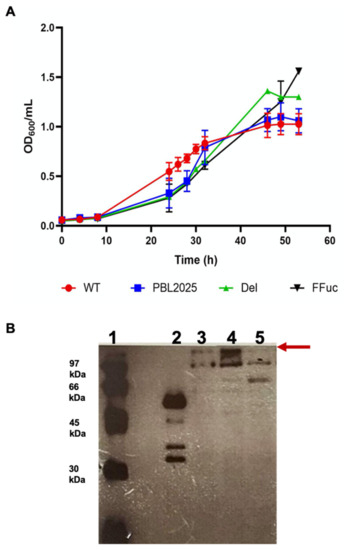
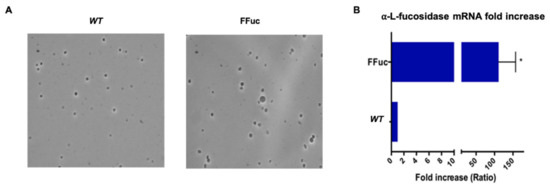
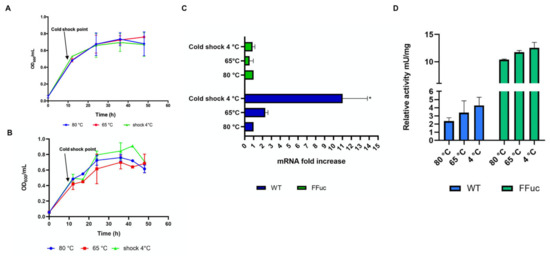
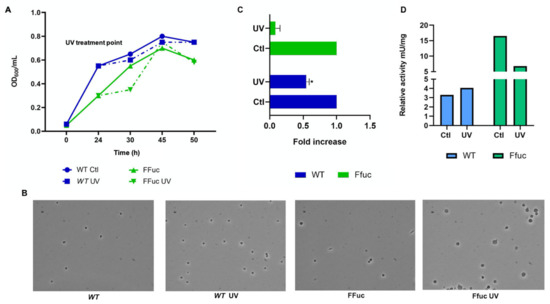
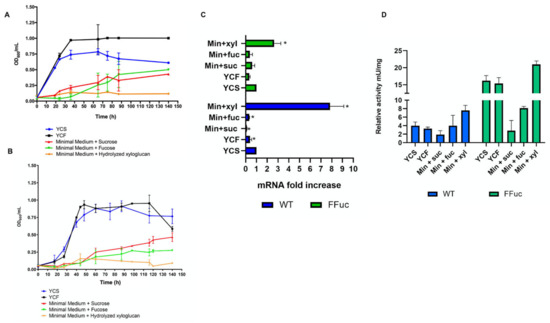
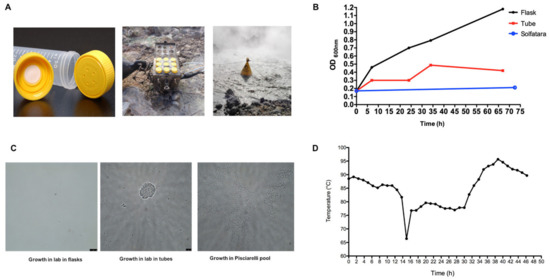
Genetic decoding is flexible, due to programmed deviation of the ribosomes from standard translational rules, globally termed “recoding”. In Archaea, recoding has been unequivocally determined only for termination codon readthrough events that regulate the incorporation of the unusual amino acids selenocysteine and pyrrolysine, and for −1 programmed frameshifting that allow the expression of a fully functional α-l-fucosidase in the crenarchaeon Saccharolobus solfataricus, in which several functional interrupted genes have been identified. Increasing evidence suggests that the flexibility of the genetic code decoding could provide an evolutionary advantage in extreme conditions, therefore, the identification and study of interrupted genes in extremophilic Archaea could be important from an astrobiological point of view, providing new information on the origin and evolution of the genetic code and on the limits of life on Earth. In order to shed some light on the mechanism of programmed −1 frameshifting in Archaea, here we report, for the first time, on the analysis of the transcription of this recoded archaeal α-l-fucosidase and of its full-length mutant in different growth conditions in vivo. We found that only the wild type mRNA significantly increased in S. solfataricus after cold shock and in cells grown in minimal medium containing hydrolyzed xyloglucan as carbon source. Our results indicated that the increased level of fucA mRNA cannot be explained by transcript up-regulation alone. A different mechanism related to translation efficiency is discussed. Full article
(This article belongs to the Special Issue From Molecules to Origin of Life: The Astrobiology Network)
Show Figures

Figure 1
15 pages, 2191 KB  
Article
Arene Ruthenium(II) Complexes Bearing the κ-P or κ-P,κ-S Ph2P(CH2)3SPh Ligand
by Sören Arlt, Vladana Petković, Gerd Ludwig, Thomas Eichhorn, Heinrich Lang, Tobias Rüffer, Sanja Mijatović, Danijela Maksimović-Ivanić and Goran N. Kaluđerović
Molecules 2021, 26(7), 1860; https://doi.org/10.3390/molecules26071860 - 25 Mar 2021
Cited by 7 | Viewed by 3931
Abstract
Neutral [Ru(η6-arene)Cl2{Ph2P(CH2)3SPh-κP}] (arene = benzene, indane, 1,2,3,4-tetrahydronaphthalene: 2a, 2c and 2d) and cationic [Ru(η6-arene)Cl(Ph2P(CH2)3SPh-κPS)]X complexes (arene = [...] Read more.
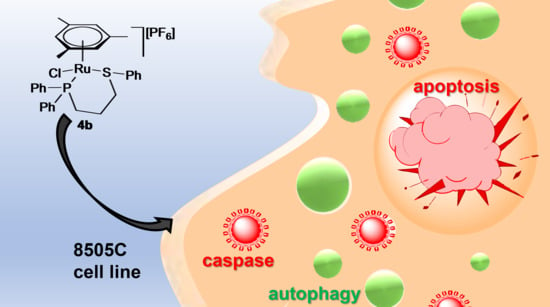
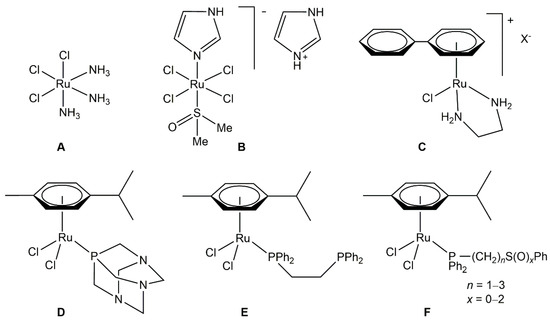
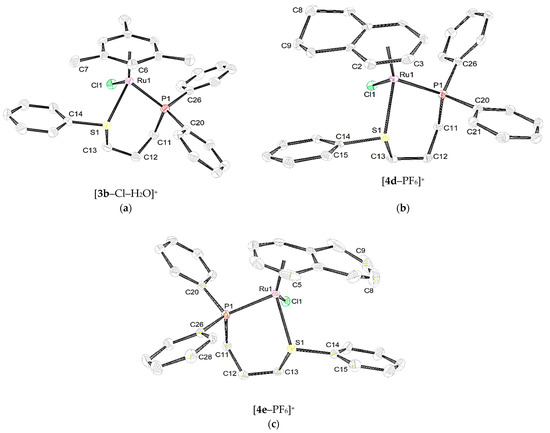
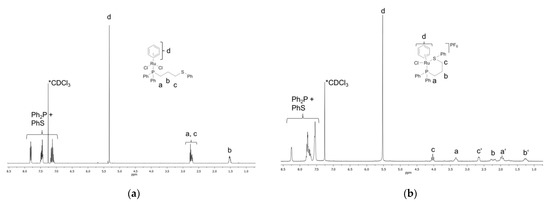
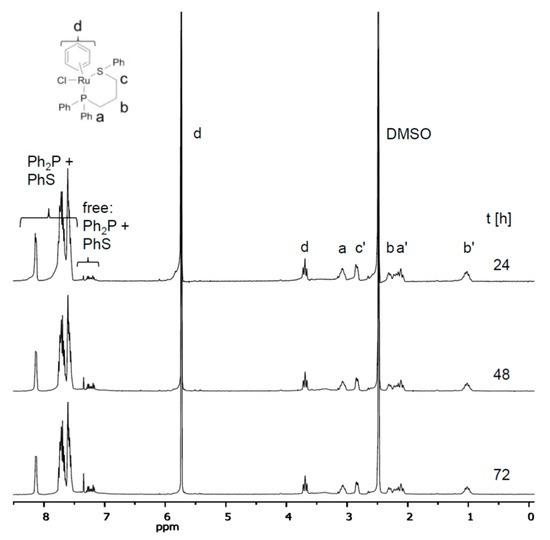
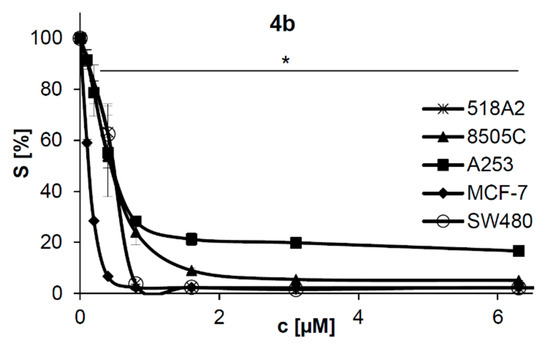
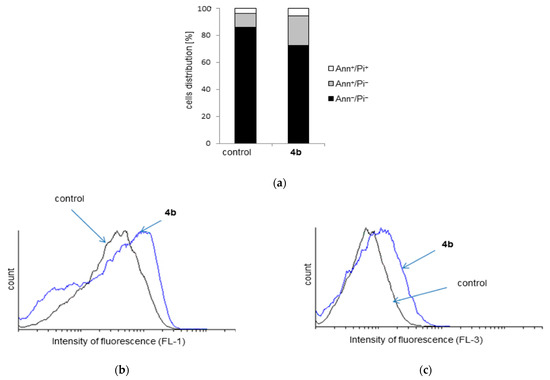
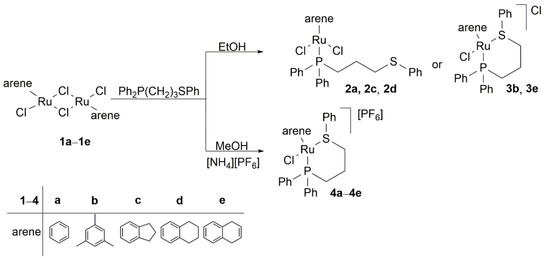
Neutral [Ru(η6-arene)Cl2{Ph2P(CH2)3SPh-κP}] (arene = benzene, indane, 1,2,3,4-tetrahydronaphthalene: 2a, 2c and 2d) and cationic [Ru(η6-arene)Cl(Ph2P(CH2)3SPh-κPS)]X complexes (arene = mesitylene, 1,4-dihydronaphthalene; X = Cl: 3b, 3e; arene = benzene, mesitylene, indane, 1,2,3,4-tetrahydronaphthalene, and 1,4-dihydronaphthalene; X = PF6: 4a4e) complexes were prepared and characterized by elemental analysis, IR, 1H, 13C and 31P NMR spectroscopy and also by single-crystal X-ray diffraction analyses. The stability of the complexes has been investigated in DMSO. Complexes have been assessed for their cytotoxic activity against 518A2, 8505C, A253, MCF-7 and SW480 cell lines. Generally, complexes exhibited activity in the lower micromolar range; moreover, they are found to be more active than cisplatin. For the most active ruthenium(II) complex, 4b, bearing mesitylene as ligand, the mechanism of action against 8505C cisplatin resistant cell line was determined. Complex 4b induced apoptosis accompanied by caspase activation. Full article
(This article belongs to the Special Issue Organometallic Compounds: Synthesis and Biological Activity)
Show Figures

Graphical abstract

13 pages, 3154 KB  
Article
Traceability and Authentication of Manila Clams from North-Western Adriatic Lagoons Using C and N Stable Isotope Analysis
by Gianluca Bianchini, Valentina Brombin, Pasquale Carlino, Enrico Mistri, Claudio Natali and Gian Marco Salani
Molecules 2021, 26(7), 1859; https://doi.org/10.3390/molecules26071859 - 25 Mar 2021
Cited by 13 | Viewed by 3373
Abstract
In the Adriatic lagoons of northern Italy, manila clam (Ruditapes philippinarum) farming provides important socio-economic returns and local clams should be registered with the Protected Designations of Origin scheme. Therefore, there is a need for the development of rapid, cost-effective tests [...] Read more.
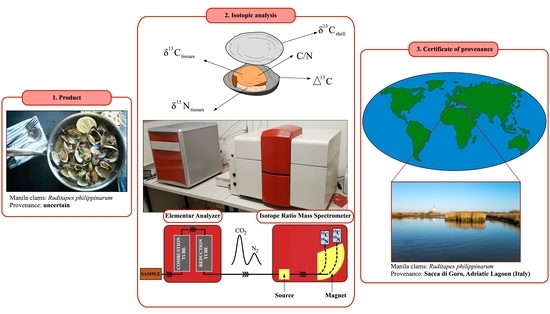
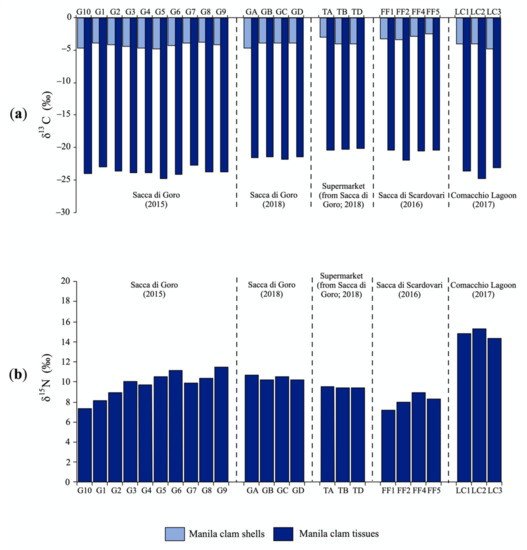
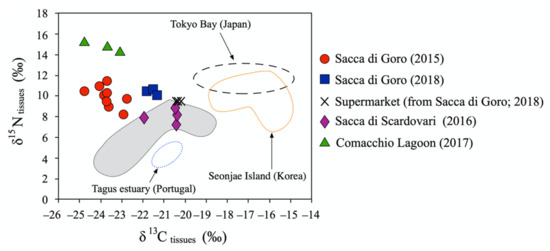
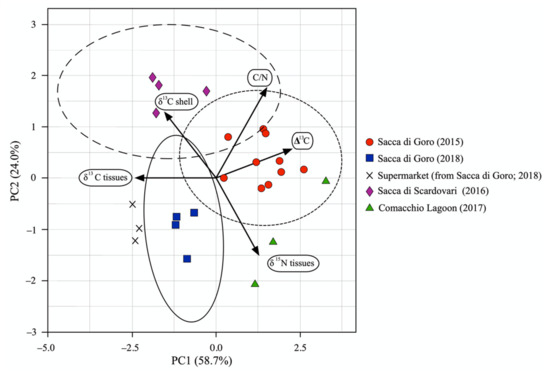
In the Adriatic lagoons of northern Italy, manila clam (Ruditapes philippinarum) farming provides important socio-economic returns and local clams should be registered with the Protected Designations of Origin scheme. Therefore, there is a need for the development of rapid, cost-effective tests to guarantee the origin of the product and to prevent potential fraud. In this work, an elemental analysis (EA) coupled with isotope ratio mass spectrometry (IRMS) was employed to identify the isotopic fingerprints of clams directly collected onsite in three Adriatic lagoons and bought at a local supermarket, where they exhibited certification. In particular, a multivariate analysis of C/N, δ13C and δ15N in manila clam tissues as well as δ13C in shells and Δ13C (calculated as δ13Cshell–δ13Ctissues) seems a promising approach for tracking the geographical origin of manila clams at the regional scale. Full article
(This article belongs to the Special Issue Applications of Stable Isotope Analysis)
Show Figures

Graphical abstract

15 pages, 958 KB  
Review
Characteristics of the Proteolytic Enzymes Produced by Lactic Acid Bacteria
by Marek Kieliszek, Katarzyna Pobiega, Kamil Piwowarek and Anna M. Kot
Molecules 2021, 26(7), 1858; https://doi.org/10.3390/molecules26071858 - 25 Mar 2021
Cited by 302 | Viewed by 21390
Abstract
Over the past several decades, we have observed a very rapid development in the biotechnological use of lactic acid bacteria (LAB) in various branches of the food industry. All such areas of activity of these bacteria are very important and promise enormous economic [...] Read more.
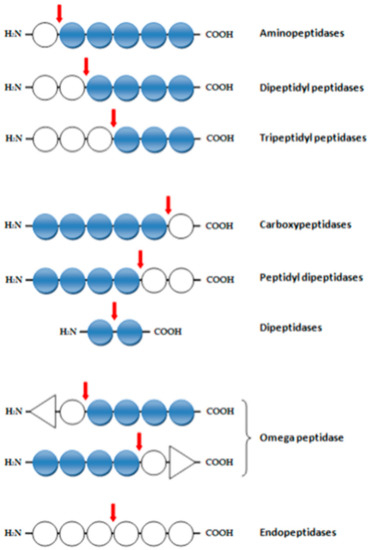
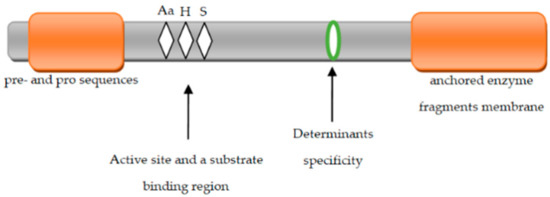
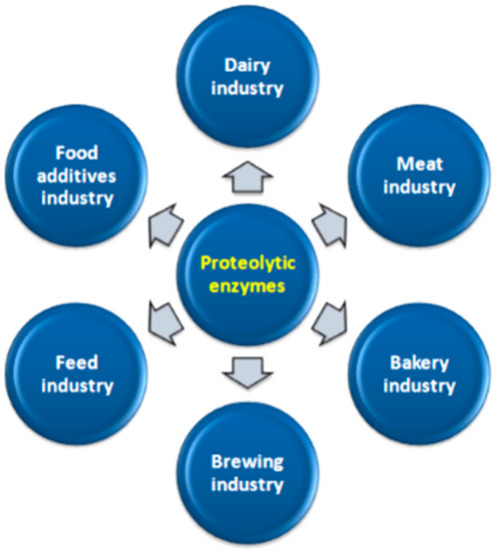
Over the past several decades, we have observed a very rapid development in the biotechnological use of lactic acid bacteria (LAB) in various branches of the food industry. All such areas of activity of these bacteria are very important and promise enormous economic and industrial successes. LAB are a numerous group of microorganisms that have the ability to ferment sugars into lactic acid and to produce proteolytic enzymes. LAB proteolytic enzymes play an important role in supplying cells with the nitrogen compounds necessary for their growth. Their nutritional requirements in this regard are very high. Lactic acid bacteria require many free amino acids to grow. The available amount of such compounds in the natural environment is usually small, hence the main function of these enzymes is the hydrolysis of proteins to components absorbed by bacterial cells. Enzymes are synthesized inside bacterial cells and are mostly secreted outside the cell. This type of proteinase remains linked to the cell wall structure by covalent bonds. Thanks to advances in enzymology, it is possible to obtain and design new enzymes and their preparations that can be widely used in various biotechnological processes. This article characterizes the proteolytic activity, describes LAB nitrogen metabolism and details the characteristics of the peptide transport system. Potential applications of proteolytic enzymes in many industries are also presented, including the food industry. Full article
(This article belongs to the Section Bioorganic Chemistry)
Show Figures

Figure 1
19 pages, 5569 KB  
Article
Direct Amination of Nitroquinoline Derivatives via Nucleophilic Displacement of Aromatic Hydrogen
by Jakub Wantulok, Daniel Swoboda, Jacek E. Nycz, Maria Książek, Joachim Kusz, Jan Grzegorz Małecki and Vladimír Kubíček
Molecules 2021, 26(7), 1857; https://doi.org/10.3390/molecules26071857 - 25 Mar 2021
Cited by 4 | Viewed by 5094
Abstract
The vicarious nucleophilic substitution of hydrogen (VNS) reaction in electron-deficient nitroquinolines was studied. Properties of all new products have been characterized by several techniques: MS, HRMS, FTIR, GC-MS, electronic absorption spectroscopy, and multinuclear NMR. The structures of 4-chloro-8-nitroquinoline, 8-(tert-butyl)-2-methyl-5-nitroquinoline, 9-(8-nitroquinolin-7-yl)-9H [...] Read more.
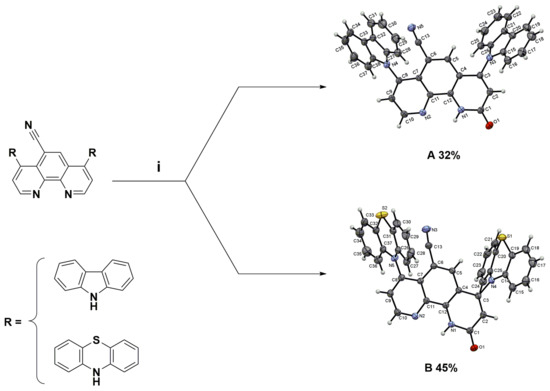
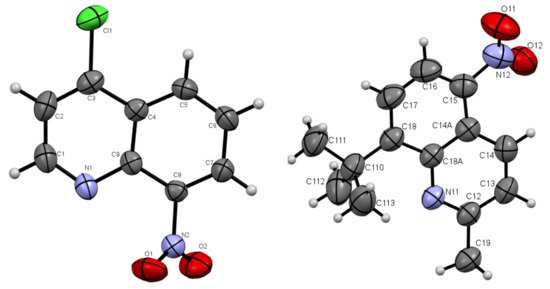
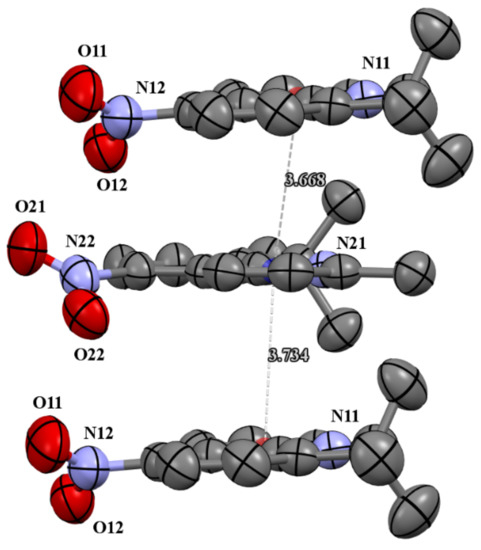
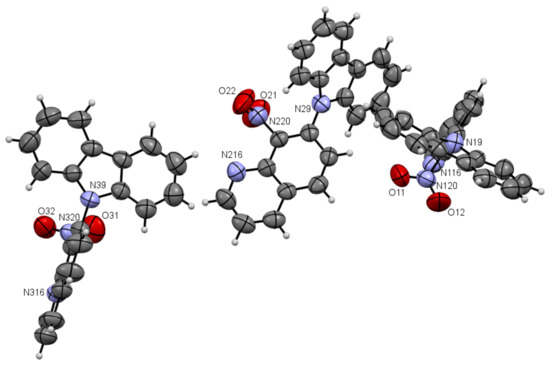
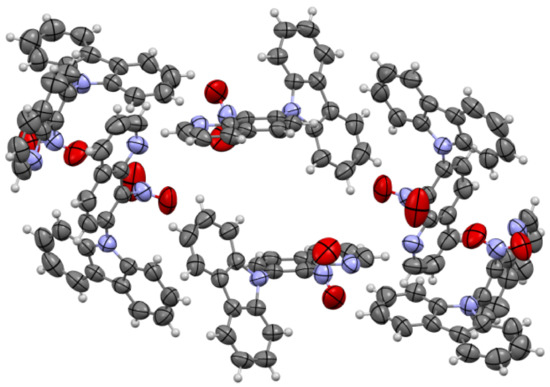
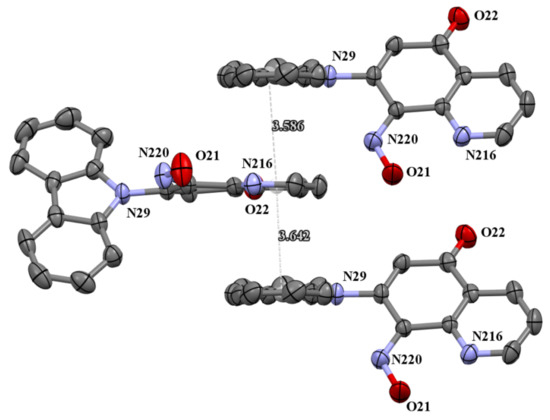
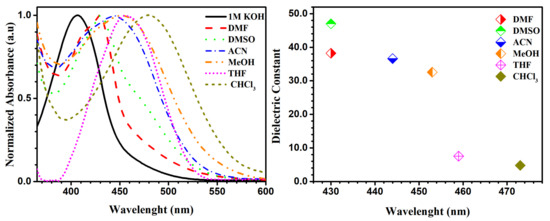
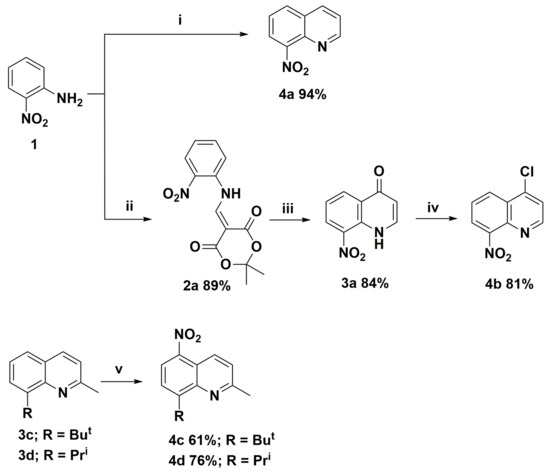
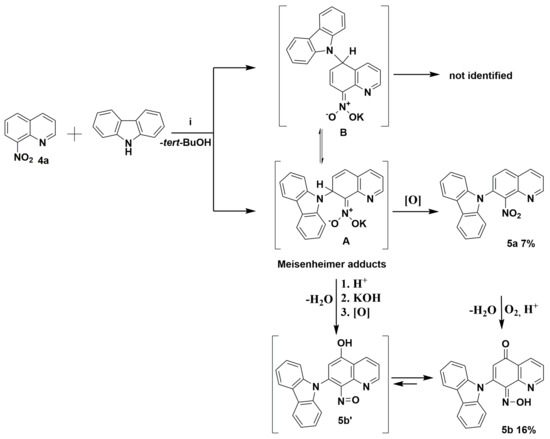
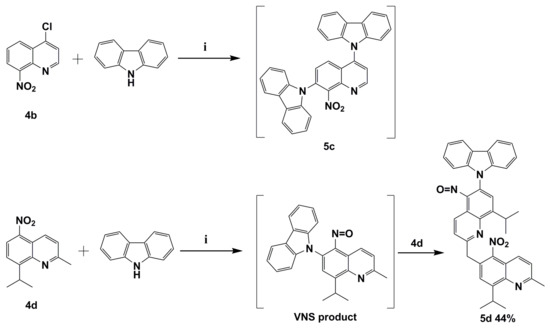
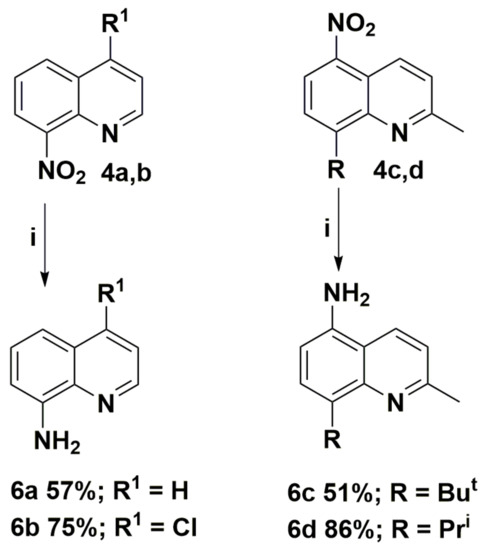
The vicarious nucleophilic substitution of hydrogen (VNS) reaction in electron-deficient nitroquinolines was studied. Properties of all new products have been characterized by several techniques: MS, HRMS, FTIR, GC-MS, electronic absorption spectroscopy, and multinuclear NMR. The structures of 4-chloro-8-nitroquinoline, 8-(tert-butyl)-2-methyl-5-nitroquinoline, 9-(8-nitroquinolin-7-yl)-9H-carbazole and (Z)-7-(9H-carbazol-9-yl)-8-(hydroxyimino)quinolin-5(8H)-one were determined by single-crystal X-ray diffraction measurements. The 9-(8-nitroquinolin-7-yl)-9H-carbazole and (Z)-7-(9H-carbazol-9-yl)-8-(hydroxyimino)quinolin-5(8H)-one illustrate the nitro/nitroso conversion within VNS reaction. Additionally, 9-(8-isopropyl-2-((8-isopropyl-2-methyl-5-nitroquinolin-6-yl)methyl)-5-nitrosoquinolin-6-yl)-9H-carbazole is presented as a double VNS product. It is postulated that the potassium counterion interacts with the oxygen on the nitro group, which could influence nucleophile attack in that way. Full article
Show Figures

Figure 1
12 pages, 3226 KB  
Article
Coptidis Rhizoma Extract Reverses 5-Fluorouracil Resistance in HCT116 Human Colorectal Cancer Cells via Modulation of Thymidylate Synthase
by Yong-Hwi Kang, Jin-Seok Lee, Nam-Hun Lee, Seung-Hyung Kim, Chang-Seob Seo and Chang-Gue Son
Molecules 2021, 26(7), 1856; https://doi.org/10.3390/molecules26071856 - 25 Mar 2021
Cited by 17 | Viewed by 3333
Abstract
Colorectal cancer (CRC) is a malignancy of the colon or rectum. It is ranked as the third most common cancer in both men and women worldwide. Early resection permitted by early detection is the best treatment, and chemotherapy is another main treatment, particularly [...] Read more.
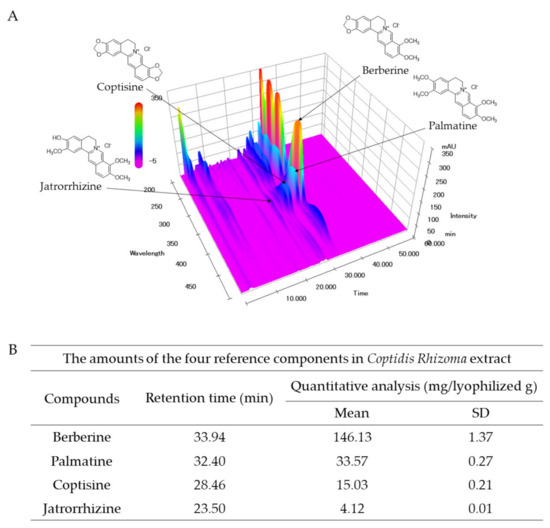
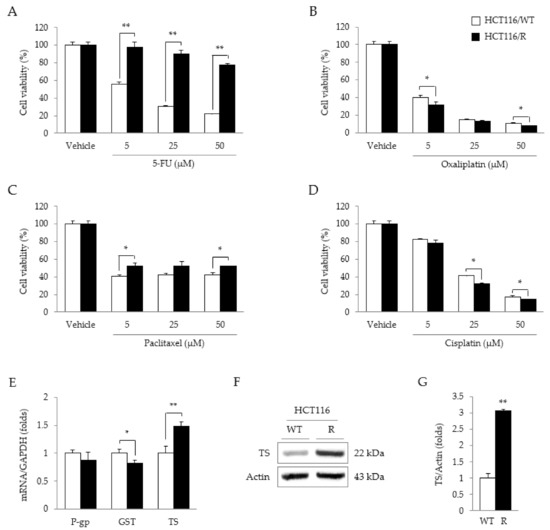
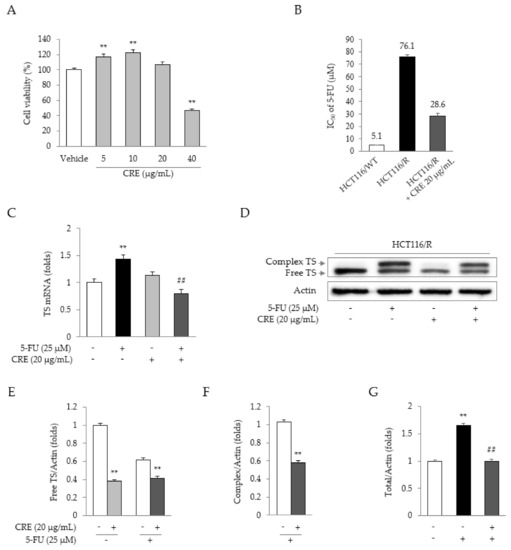
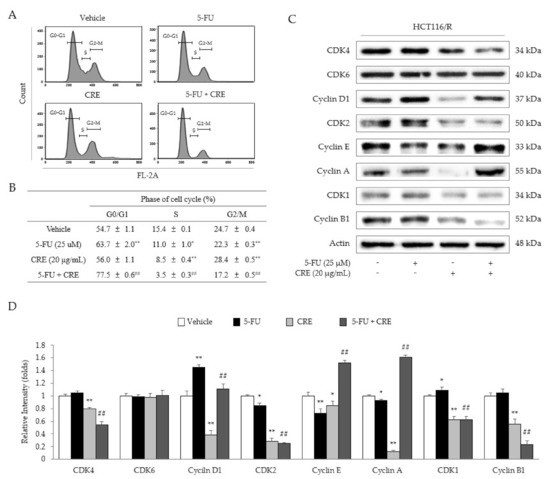
Colorectal cancer (CRC) is a malignancy of the colon or rectum. It is ranked as the third most common cancer in both men and women worldwide. Early resection permitted by early detection is the best treatment, and chemotherapy is another main treatment, particularly for patients with advanced CRC. A well-known thymidylate synthase (TS) inhibitor, 5-fluorouracil (5-FU), is frequently prescribed to CRC patients; however, drug resistance is a critical limitation of its clinical application. Based on the hypothesis that Coptidis Rhizoma extract (CRE) can abolish this 5-FU resistance, we explored the efficacy and underlying mechanisms of CRE in 5-FU-resistant (HCT116/R) and parental HCT116 (HCT116/WT) cells. Compared to treatment with 5-FU alone, combination treatment with CRE and 5-FU drastically reduced the viability of HCT116/R cells. The cell cycle distribution assay showed significant induction of the G0/G1 phase arrest by co-treatment with CRE and 5-FU. In addition, the combination of CRE and 5-FU notably suppressed the activity of TS, which was overexpressed in HCT116/R cells, as compared to HCT116/WT cells. Our findings support the potential of CRE as an adjuvant agent against 5-FU-resistant colorectal cancers and indicate that the underlying mechanisms might involve inhibition of TS expression. Full article
(This article belongs to the Special Issue Effect of Natural Products on Tumors and Tumor Microenvironments)
Show Figures

Figure 1
20 pages, 3189 KB  
Article
Comparative Analysis of Chemical Constituents in Different Parts of Lotus by UPLC and QToF-MS
by Haotian Pei, Wenyu Su, Meng Gui, Mingjie Dou, Yingxin Zhang, Cuizhu Wang and Dan Lu
Molecules 2021, 26(7), 1855; https://doi.org/10.3390/molecules26071855 - 25 Mar 2021
Cited by 30 | Viewed by 21372
Abstract
Six parts of lotus (seeds, leaves, plumule, stamens, receptacles and rhizome nodes) are herbal medicines that are listed in the Chinese Pharmacopoeia. Their indications and functions have been confirmed by a long history of clinical practice. To fully understand the material basis of [...] Read more.
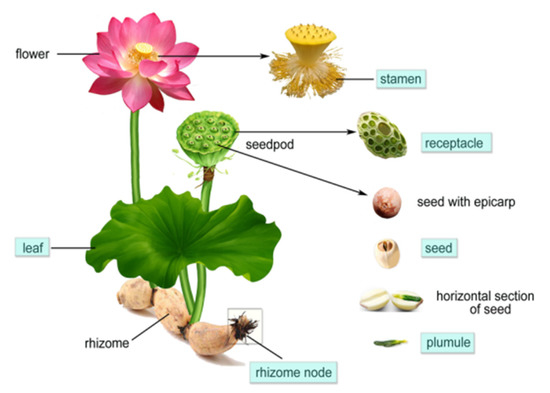
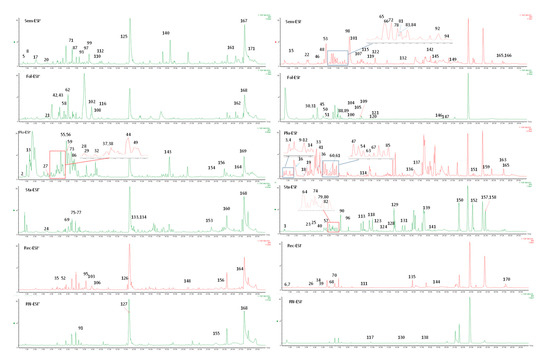
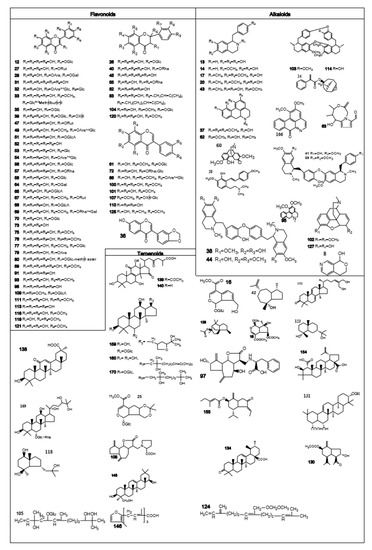
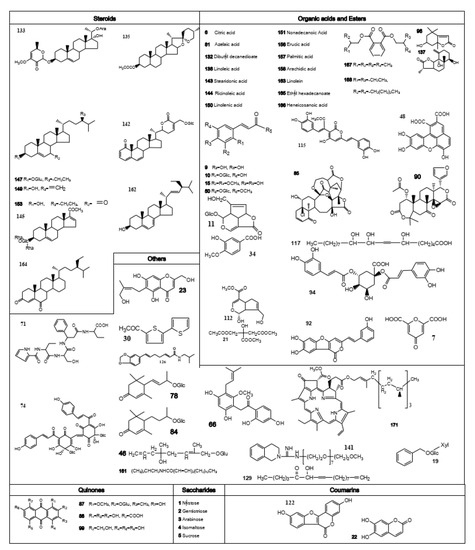
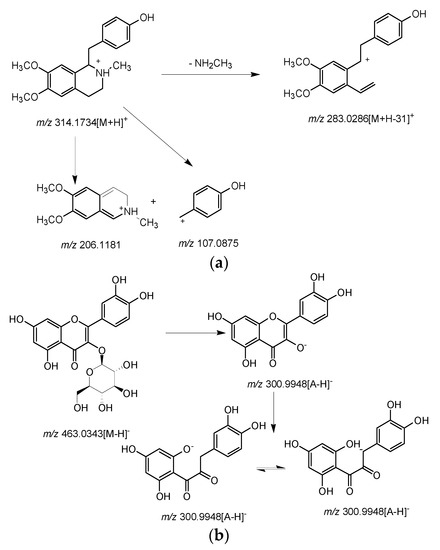
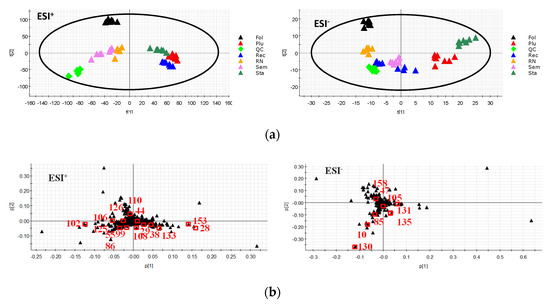
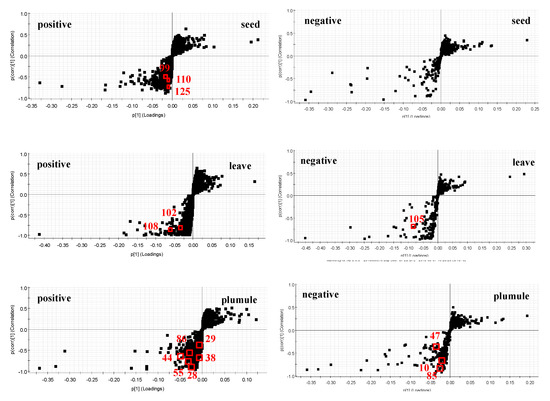
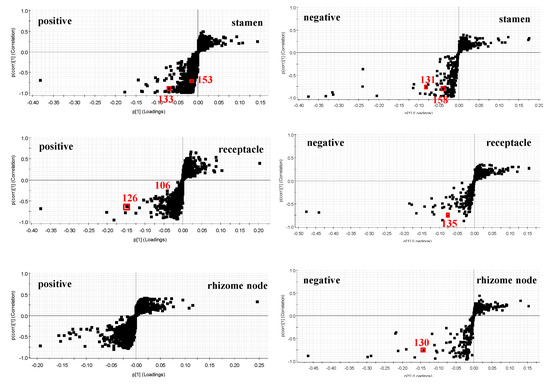
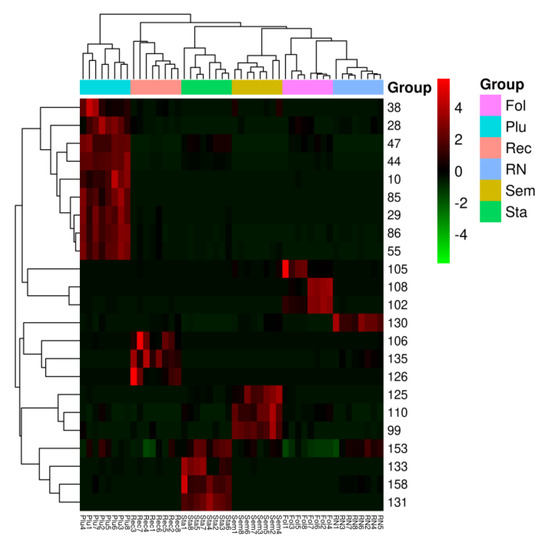
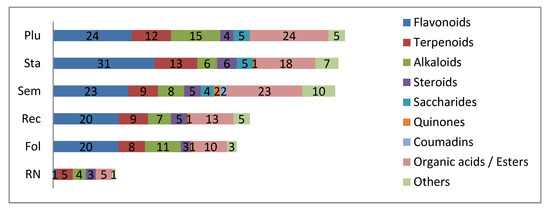
Six parts of lotus (seeds, leaves, plumule, stamens, receptacles and rhizome nodes) are herbal medicines that are listed in the Chinese Pharmacopoeia. Their indications and functions have been confirmed by a long history of clinical practice. To fully understand the material basis of clinical applications, UPLC-QToF-MS combined with the UNIFI platform and multivariate statistical analysis was used in this study. As a result, a total of 171 compounds were detected and characterized from the six parts, and 23 robust biomarkers were discovered. The method can be used as a standard protocol for the direct identification and prediction of the six parts of lotus. Meanwhile, these discoveries are valuable for improving the quality control method of herbal medicines. Most importantly, this was the first time that alkaloids were detected in the stamen, and terpenoids were detected in the cored seed. The stamen is a noteworthy part because it contains the greatest diversity of flavonoids and terpenoids, but research on the stamen is rather limited. Full article
Show Figures

Figure 1
23 pages, 13741 KB  
Article
Cryptotympana pustulata Extract and Its Main Active Component, Oleic Acid, Inhibit Ovalbumin-Induced Allergic Airway Inflammation through Inhibition of Th2/GATA-3 and Interleukin-17/RORγt Signaling Pathways in Asthmatic Mice
by Seung-Hyung Kim, Jung-Hee Hong, Won-Kyung Yang, Hyo-Jung Kim, Hyo-Jin An and Young-Cheol Lee
Molecules 2021, 26(7), 1854; https://doi.org/10.3390/molecules26071854 - 25 Mar 2021
Cited by 21 | Viewed by 3958
Abstract
Cicadae Periostracum (CP), derived from the slough of Cryptotympana pustulata, has been used as traditional medicine in Korea and China because of its diaphoretic, antipyretic, anti-inflammatory, antioxidant, and antianaphylactic activities. The major bioactive compounds include oleic acid (OA), palmitic acid, and linoleic [...] Read more.
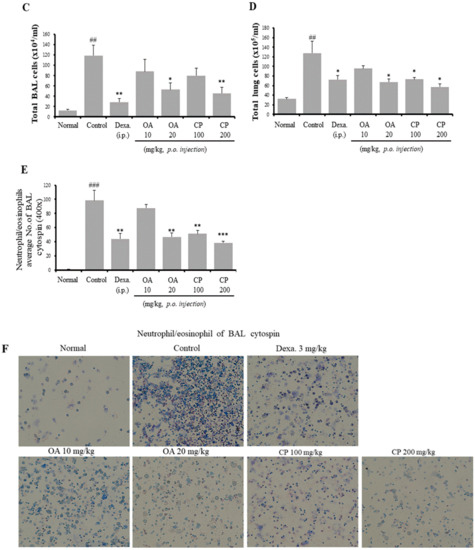
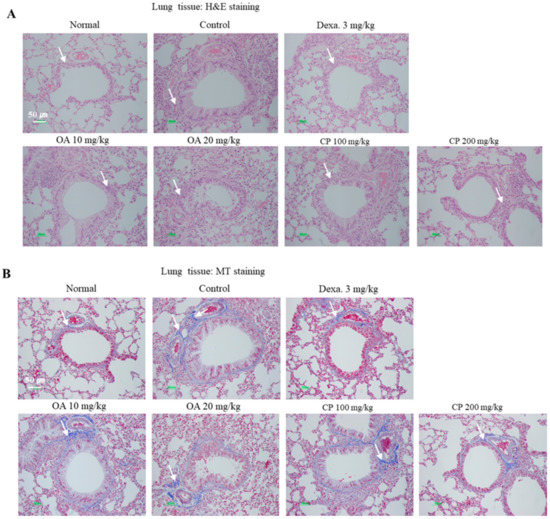
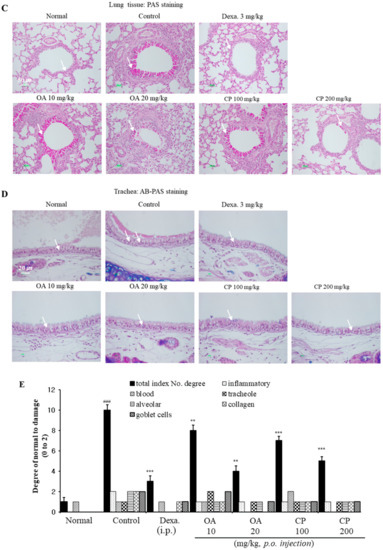
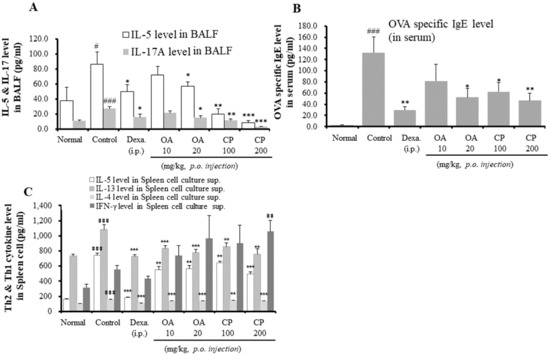
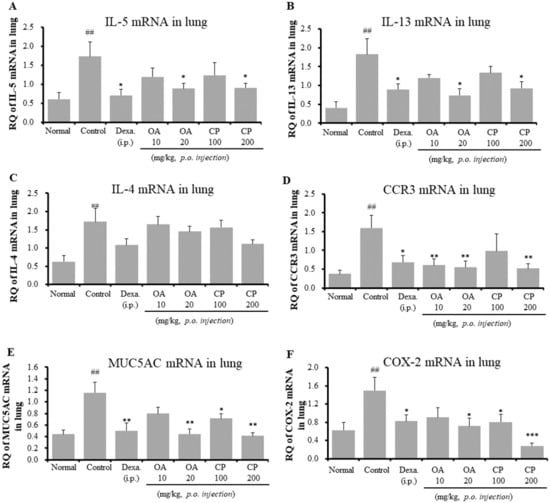
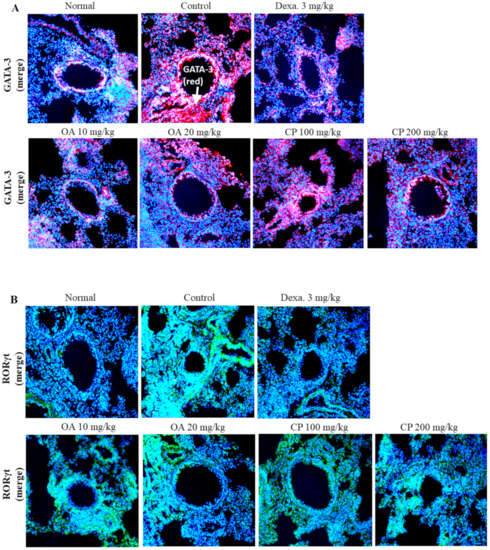
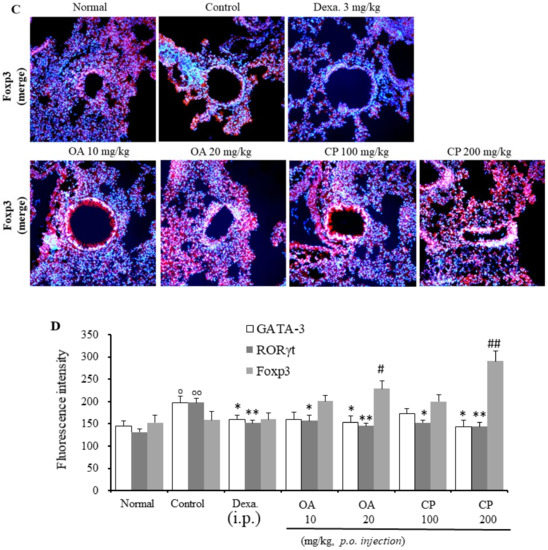
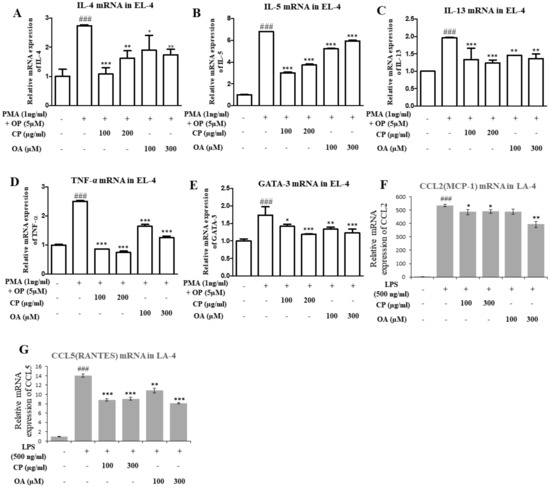
Cicadae Periostracum (CP), derived from the slough of Cryptotympana pustulata, has been used as traditional medicine in Korea and China because of its diaphoretic, antipyretic, anti-inflammatory, antioxidant, and antianaphylactic activities. The major bioactive compounds include oleic acid (OA), palmitic acid, and linoleic acid. However, the precise therapeutic mechanisms underlying its action in asthma remain unclear. The objective of this study was to determine the antiasthmatic effects of CP in an ovalbumin (OVA)-induced asthmatic mouse model. CP and OA inhibited the inflammatory cell infiltration, airway hyperresponsiveness (AHR), and production of interleukin (IL)7 and Th2 cytokines (IL-5) in the bronchoalveolar lavage fluid and OVA-specific imunoglobin E (IgE) in the serum. The gene expression of IL-5, IL-13, CCR3, MUC5AC, and COX-2 was attenuated in lung tissues. CP and OA might inhibit the nuclear translocation of GATA-binding protein 3 (GATA-3) and retinoic acid receptor-related orphan receptor γt (RORγt) via the upregulation of forkhead box p3 (Foxp3), thereby preventing the activation of GATA-3 and RORγt. In the in vitro experiment, a similar result was observed for Th2 and GATA-3. These results suggest that CP has the potential for the treatment of asthma via the inhibition of the GATA-3/Th2 and IL-17/RORγt signaling pathways. Full article
(This article belongs to the Special Issue New Insights into Anti-allergic, Anti-asthmatic Materials)
Show Figures

Figure 1
18 pages, 2546 KB  
Review
Involvement of NRF2 in Breast Cancer and Possible Therapeutical Role of Polyphenols and Melatonin
by Alev Tascioglu Aliyev, Emiliano Panieri, Višnja Stepanić, Hande Gurer-Orhan and Luciano Saso
Molecules 2021, 26(7), 1853; https://doi.org/10.3390/molecules26071853 - 25 Mar 2021
Cited by 40 | Viewed by 7300
Abstract
Oxidative stress is defined as a disturbance in the prooxidant/antioxidant balance in favor of the former and a loss of control over redox signaling processes, leading to potential biomolecular damage. It is involved in the etiology of many diseases, varying from diabetes to [...] Read more.
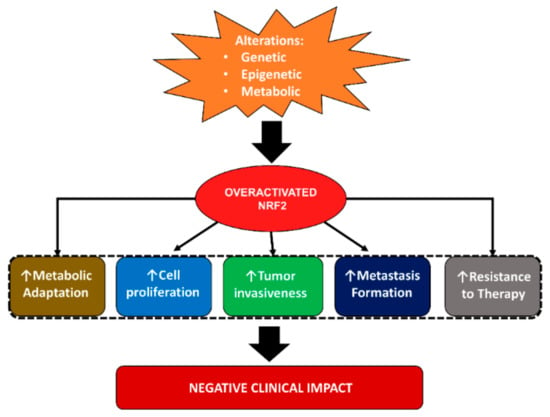
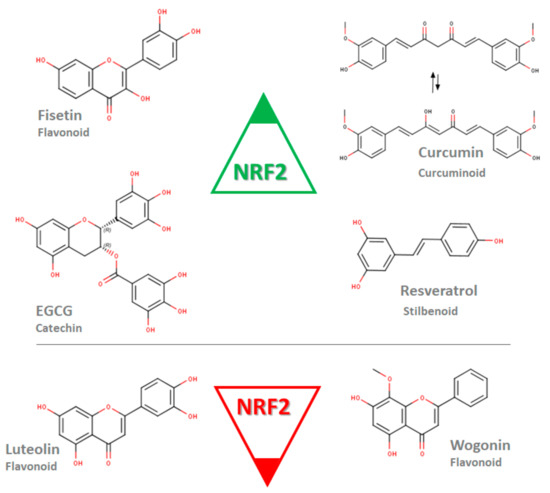
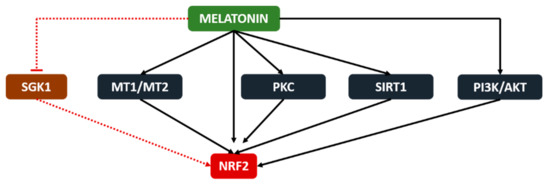
Oxidative stress is defined as a disturbance in the prooxidant/antioxidant balance in favor of the former and a loss of control over redox signaling processes, leading to potential biomolecular damage. It is involved in the etiology of many diseases, varying from diabetes to neurodegenerative diseases and cancer. Nuclear factor erythroid 2-related factor 2 (NRF2) is a transcription factor and reported as one of the most important oxidative stress regulators. Due to its regulatory role in the expression of numerous cytoprotective genes involved in the antioxidant and anti-inflammatory responses, the modulation of NRF2 seems to be a promising approach in the prevention and treatment of cancer. Breast cancer is the prevalent type of tumor in women and is the leading cause of death among female cancers. Oxidative stress-related mechanisms are known to be involved in breast cancer, and therefore, NRF2 is considered to be beneficial in its prevention. However, its overactivation may lead to a negative clinical impact on breast cancer therapy by causing chemoresistance. Some known “oxidative stress modulators”, such as melatonin and polyphenols, are suggested to play an important role in the prevention and treatment of cancer, where the activation of NRF2 is reported as a possible underlying mechanism. In the present review, the potential involvement of oxidative stress and NRF2 in breast cancer will be reviewed, and the role of the NRF2 modulators—namely, polyphenols and melatonin—in the treatment of breast cancer will be discussed. Full article
(This article belongs to the Special Issue Redox Active Molecules in Cancer Treatments)
Show Figures

Figure 1
18 pages, 2619 KB  
Article
Monitoring and Statistical Analysis of Formation of Organochlorine and Organobromine Compounds in Drinking Water of Different Water Intakes
by Margarita Yu. Vozhdaeva, Alfiya R. Kholova, Igor A. Melnitskiy, Ilya I. Beloliptsev, Yulia S. Vozhdaeva, Evgeniy A. Kantor and Albert T. Lebedev
Molecules 2021, 26(7), 1852; https://doi.org/10.3390/molecules26071852 - 25 Mar 2021
Cited by 13 | Viewed by 3213
Abstract
The main drawback of drinking water chlorination involves the formation of quite hazardous disinfection by-products (DBPs), represented mainly by halogenated species. Based on the authors’ monitoring data since 2002, the prevalence of chlorine over bromine in the composition of volatile DBPs was shown [...] Read more.
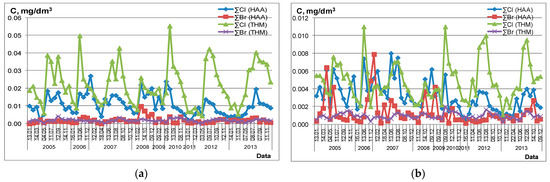
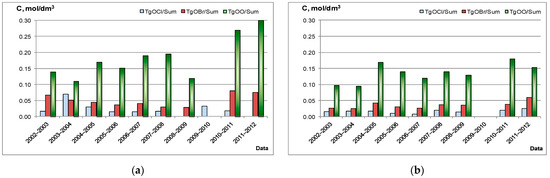
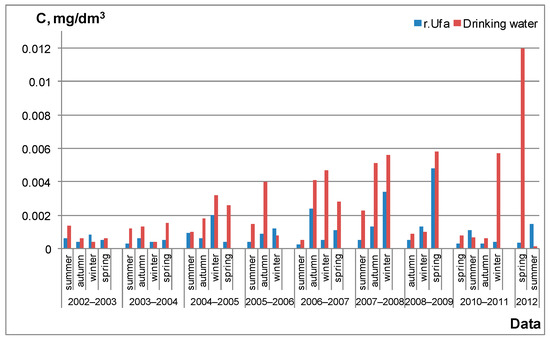
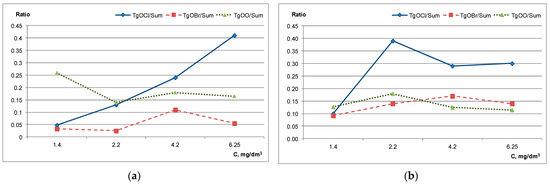
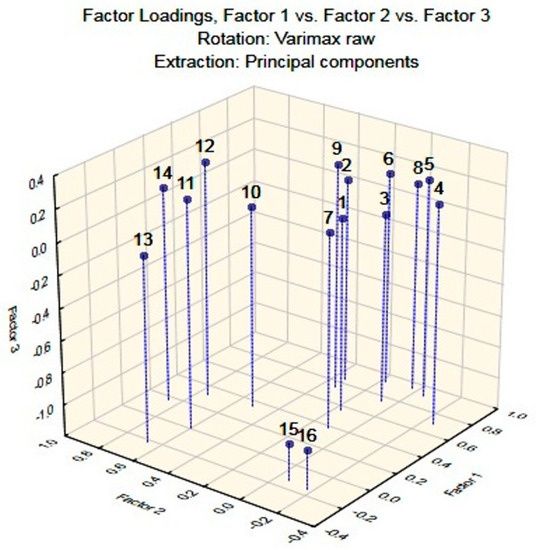
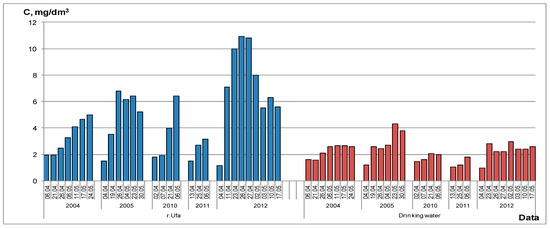
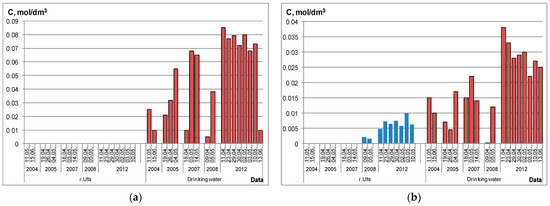
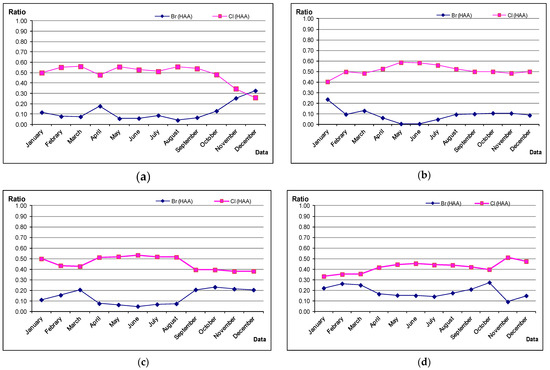
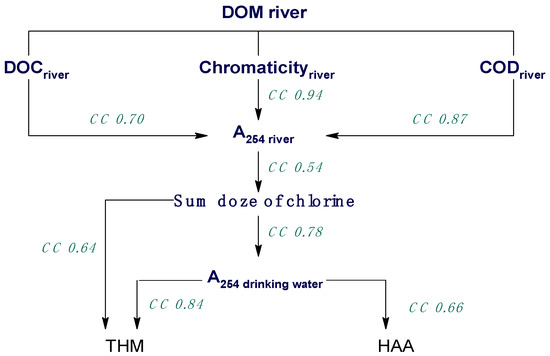
The main drawback of drinking water chlorination involves the formation of quite hazardous disinfection by-products (DBPs), represented mainly by halogenated species. Based on the authors’ monitoring data since 2002, the prevalence of chlorine over bromine in the composition of volatile DBPs was shown for the drinking water in Ufa (Russia). However, the situation was completely reversed in the case of semi-volatile DBPs. The principal goal of the present study involved rationalization of the results of the long-term monitoring. Gas chromatography–mass spectrometry (GC-MS) was used for the qualitative and quantitative analysis of volatile DBPs. Identification of semi-volatile compounds was carried out with GC-MS, while gas chromatography with an atomic emission detector (GC-AED) was used for their quantification. A significant contribution of oxygen to the composition of semi-volatile compounds proves the decisive role of the dissolved organic matter oxidative destructive processes. Statistical analysis revealed notable linear correlations for trihalomethane and haloacetic acid formation vs. chlorine dose. On the contrary, halogenated semi-volatile products do not demonstrate any correlations with the water quality parameters or chlorine dose. Principal component analysis (PCA) placed them into separate groups. The results allow for proposing that formation of the organohalogenated species involved the fast penetration of bromine into the humic matter molecules and, further, their oxidative destruction by active chlorine. Full article
(This article belongs to the Special Issue Planet Contamination with Chemical Compounds)
Show Figures

Figure 1
10 pages, 1275 KB  
Article
Four New Gallate Derivatives from Wine-Processed Corni Fructus and Their Anti-Inflammatory Activities
by Hong-Bin Li, Qing-Mei Feng, Ling-Xia Zhang, Jing Wang, Jun Chi, Sui-Qing Chen, Zhi-Min Wang, Li-Ping Dai and Er-Ping Xu
Molecules 2021, 26(7), 1851; https://doi.org/10.3390/molecules26071851 - 25 Mar 2021
Cited by 10 | Viewed by 2732
Abstract
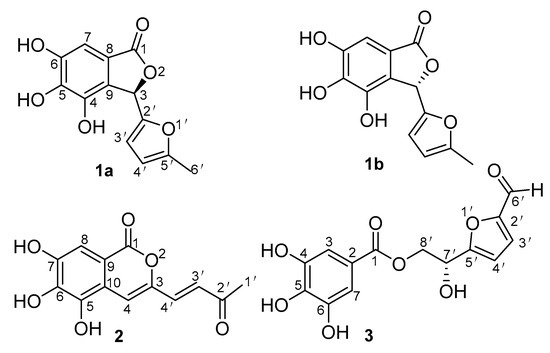
Four new gallate derivatives—ornusgallate A, ent-cornusgallate A, cornusgallate B and C (1a, 1b, 2, 3)—were isolated from the wine-processed fruit of Cornus officinalis. Among them, 1a and 1b are new natural compounds with novel skeletons. Their chemical structures were elucidated by [...] Read more.
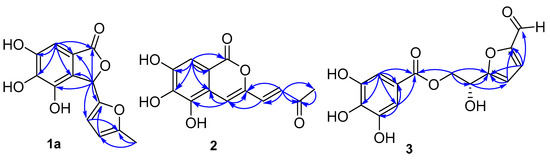
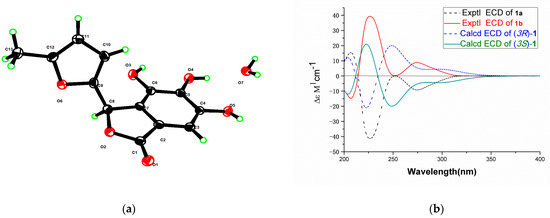
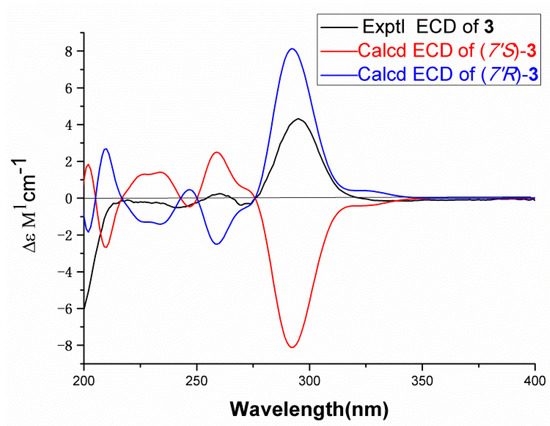
Four new gallate derivatives—ornusgallate A, ent-cornusgallate A, cornusgallate B and C (1a, 1b, 2, 3)—were isolated from the wine-processed fruit of Cornus officinalis. Among them, 1a and 1b are new natural compounds with novel skeletons. Their chemical structures were elucidated by comprehensive spectroscopy methods including NMR, IR, HRESIMS, UV, ECD spectra and single-crystal X-ray diffraction analysis. The in vitro anti-inflammatory activities of all compounds were assayed in RAW 264.7 cells by assessing LPS-induced NO production. As the result, all compounds exhibited anti-inflammatory activities at attested concentrations. Among the tested compounds, compound 2 exhibited the strongest anti- inflammatory activity. Full article
Show Figures

Figure 1
33 pages, 2280 KB  
Review
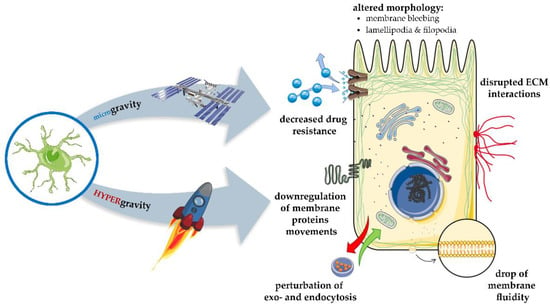
Modifications of Plasma Membrane Organization in Cancer Cells for Targeted Therapy
by Anna Choromańska, Agnieszka Chwiłkowska, Julita Kulbacka, Dagmara Baczyńska, Nina Rembiałkowska, Anna Szewczyk, Olga Michel, Agnieszka Gajewska-Naryniecka, Dawid Przystupski and Jolanta Saczko
Molecules 2021, 26(7), 1850; https://doi.org/10.3390/molecules26071850 - 25 Mar 2021
Cited by 38 | Viewed by 9507
Abstract
Modifications of the composition or organization of the cancer cell membrane seem to be a promising targeted therapy. This approach can significantly enhance drug uptake or intensify the response of cancer cells to chemotherapeutics. There are several methods enabling lipid bilayer modifications, e.g., [...] Read more.
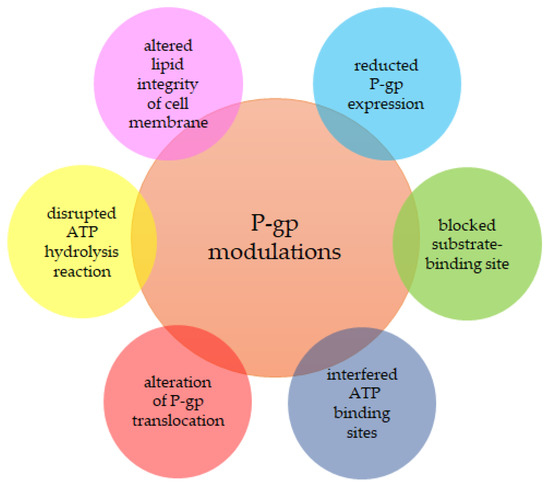
Modifications of the composition or organization of the cancer cell membrane seem to be a promising targeted therapy. This approach can significantly enhance drug uptake or intensify the response of cancer cells to chemotherapeutics. There are several methods enabling lipid bilayer modifications, e.g., pharmacological, physical, and mechanical. It is crucial to keep in mind the significance of drug resistance phenomenon, ion channel and specific receptor impact, and lipid bilayer organization in planning the cell membrane-targeted treatment. In this review, strategies based on cell membrane modulation or reorganization are presented as an alternative tool for future therapeutic protocols. Full article
(This article belongs to the Special Issue Novel Physical and Chemical Methods for Facilitated Drug Delivery)
Show Figures

Figure 1