27 pages, 826 KB  
Article
Cu-Catalyzed Arylation of Bromo-Difluoro-Acetamides by Aryl Boronic Acids, Aryl Trialkoxysilanes and Dimethyl-Aryl-Sulfonium Salts: New Entries to Aromatic Amides
by Satenik Mkrtchyan, Michał Jakubczyk, Suneel Lanka, Michael Pittelkow and Viktor O. Iaroshenko
Molecules 2021, 26(10), 2957; https://doi.org/10.3390/molecules26102957 - 16 May 2021
Cited by 9 | Viewed by 6226
Abstract
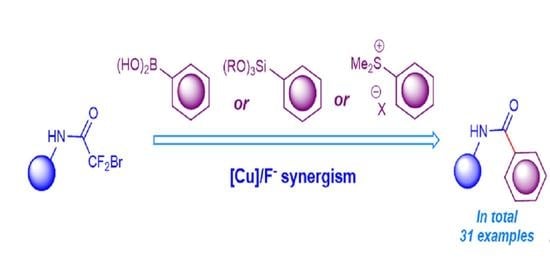
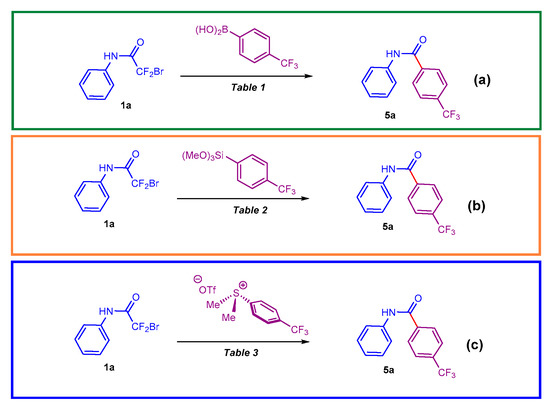
We describe a mechanism-guided discovery of a synthetic methodology that enables the preparation of aromatic amides from 2-bromo-2,2-difluoroacetamides utilizing a copper-catalyzed direct arylation. Readily available and structurally simple aryl precursors such as aryl boronic acids, aryl trialkoxysilanes and dimethyl-aryl-sulfonium salts were used as [...] Read more.
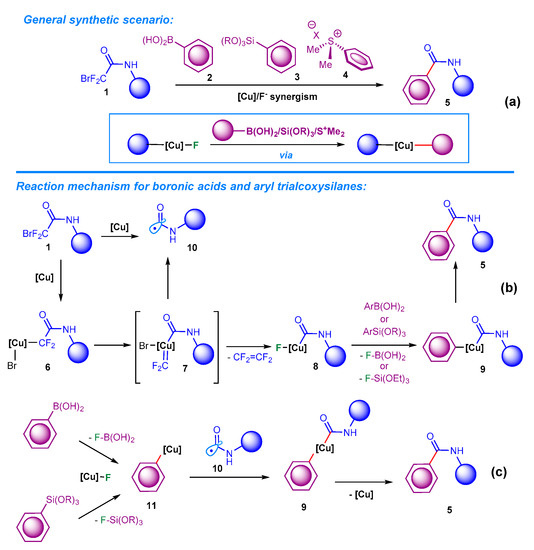
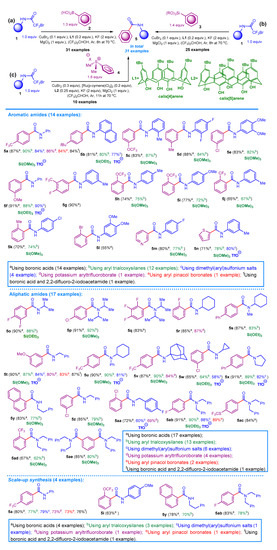
We describe a mechanism-guided discovery of a synthetic methodology that enables the preparation of aromatic amides from 2-bromo-2,2-difluoroacetamides utilizing a copper-catalyzed direct arylation. Readily available and structurally simple aryl precursors such as aryl boronic acids, aryl trialkoxysilanes and dimethyl-aryl-sulfonium salts were used as the source for the aryl substituents. The scope of the reactions was tested, and the reactions were insensitive to the electronic nature of the aryl groups, as both electron-rich and electron-deficient aryls were successfully introduced. A wide range of 2-bromo-2,2-difluoroacetamides as either aliphatic or aromatic secondary or tertiary amides were also reactive under the developed conditions. The described synthetic protocols displayed excellent efficiency and were successfully utilized for the expeditious preparation of diverse aromatic amides in good-to-excellent yields. The reactions were scaled up to gram quantities. Full article
(This article belongs to the Special Issue Organofluorine Chemistry and Beyond)
Show Figures

Graphical abstract
16 pages, 4833 KB  
Article
The Crystal Structure and Intermolecular Interactions in Fenamic Acids–Acridine Complexes
by Marta S. Krawczyk, Adam Sroka and Irena Majerz
Molecules 2021, 26(10), 2956; https://doi.org/10.3390/molecules26102956 - 16 May 2021
Cited by 9 | Viewed by 2813
Abstract
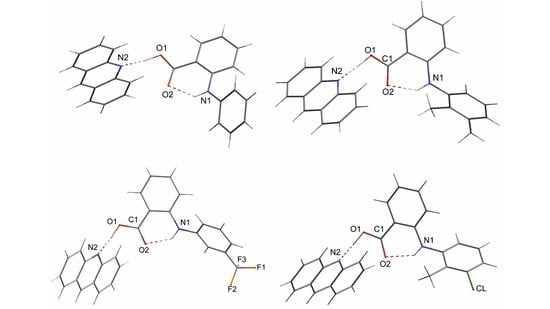
In order to improve pharmaceutical properties of drugs, complexes are synthesized as combinations with other chemical substances. The complexes of fenamic acid and its derivatives, such as mefenamic-, tolfenamic- and flufenamic acid, with acridine were obtained and the X-ray structures were discussed. Formation [...] Read more.
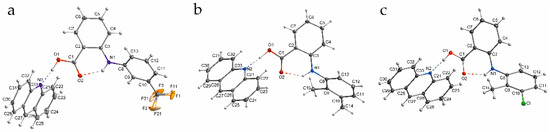
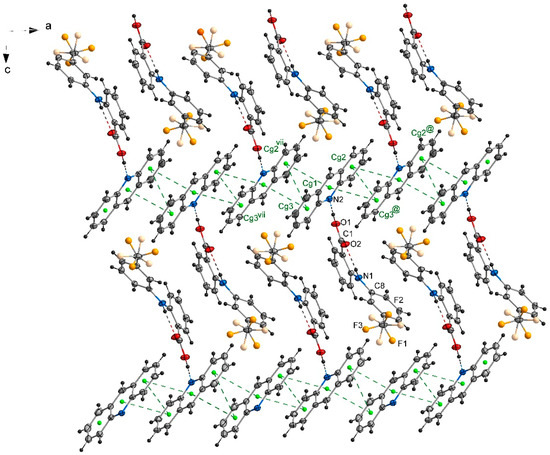
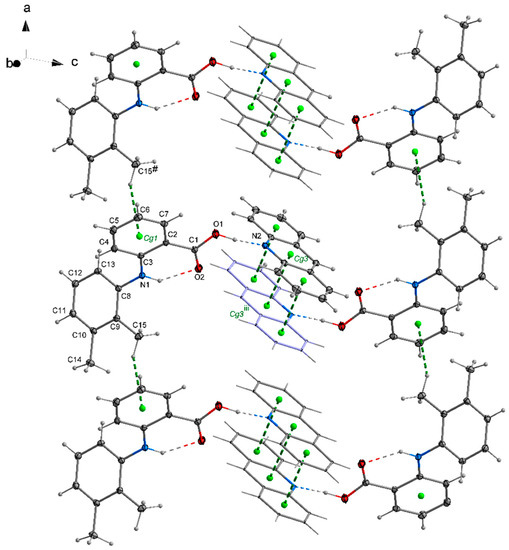
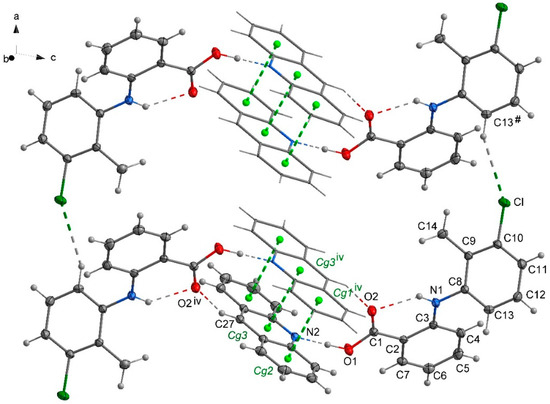
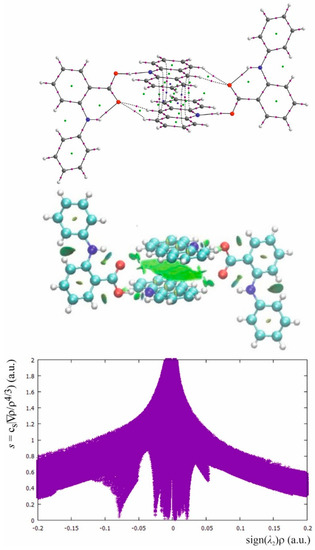
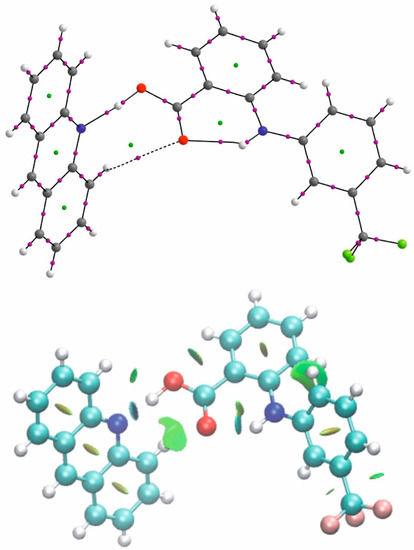
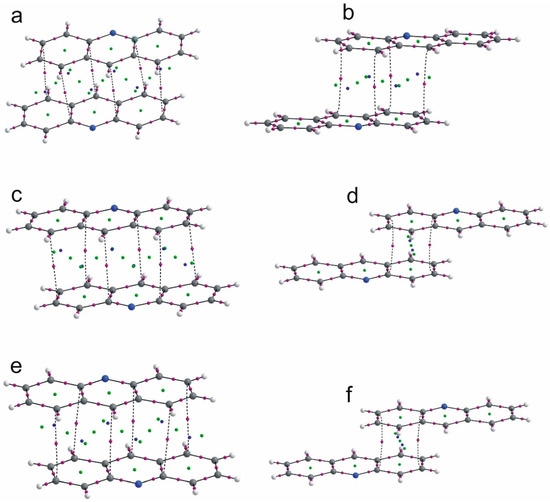
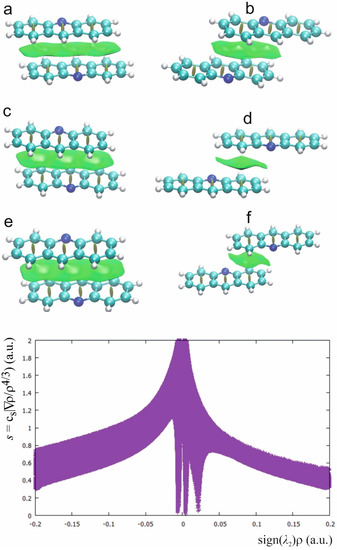
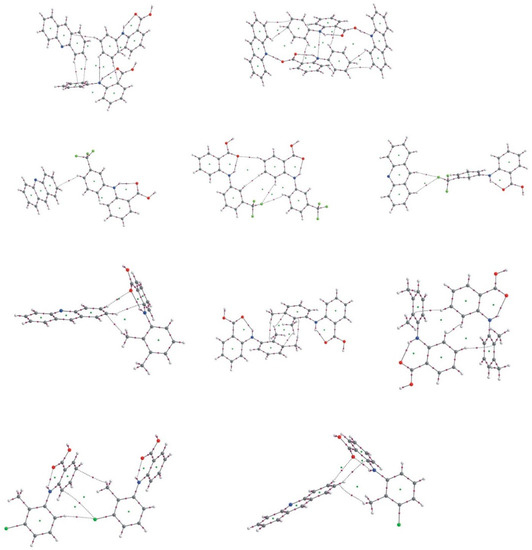
In order to improve pharmaceutical properties of drugs, complexes are synthesized as combinations with other chemical substances. The complexes of fenamic acid and its derivatives, such as mefenamic-, tolfenamic- and flufenamic acid, with acridine were obtained and the X-ray structures were discussed. Formation of the crystals is determined by the presence of the intermolecular O–HN hydrogen bond that occur between fenamic acids and acridine. Intermolecular interactions stabilizing the crystals such as ππ stacking, C–HX (X = O, Cl) intermolecular hydrogen bonds as well as C–Hπ and other dispersive interactions were analyzed by theoretical methods: the quantum theory of atoms in molecules (QTAIM) and noncovalent interaction (NCI) approaches. Full article
(This article belongs to the Section Molecular Structure)
Show Figures

Graphical abstract
16 pages, 1828 KB  
Article
2D Porphyrinic Metal-Organic Frameworks Featuring Rod-Shaped Secondary Building Units
by Rory Elliott, Aoife A. Ryan, Aviral Aggarwal, Nianyong Zhu, Friedrich W. Steuber, Mathias O. Senge and Wolfgang Schmitt
Molecules 2021, 26(10), 2955; https://doi.org/10.3390/molecules26102955 - 16 May 2021
Cited by 7 | Viewed by 6399
Abstract
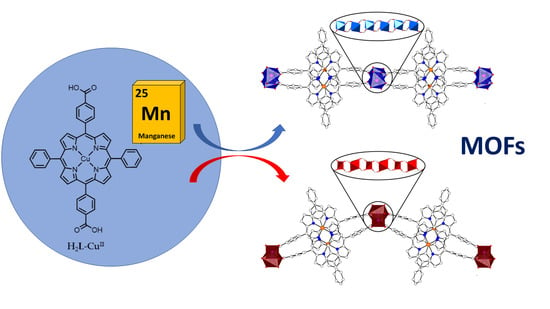
Metal-organic frameworks (MOFs) encompass a rapidly expanding class of materials with diverse potential applications including gas storage, molecular separation, sensing and catalysis. So-called ‘rod MOFs’, which comprise infinitely extended 1D secondary building units (SBUs), represent an underexplored subclass of MOF. Further, porphyrins are [...] Read more.
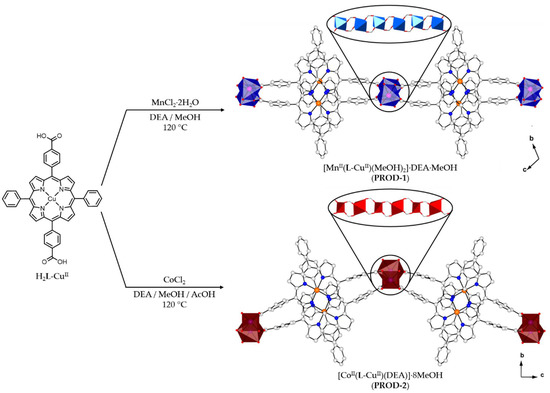
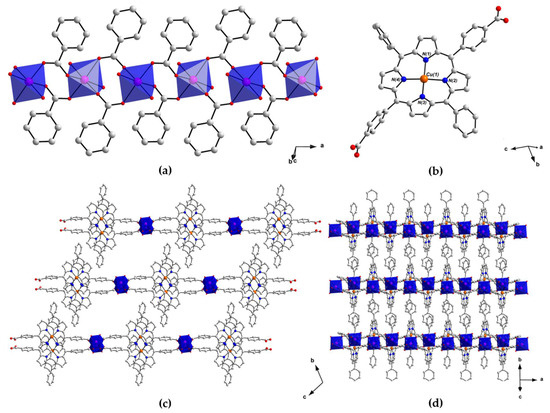
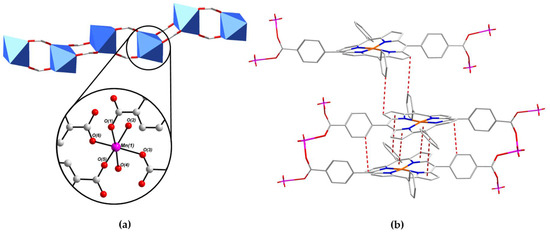
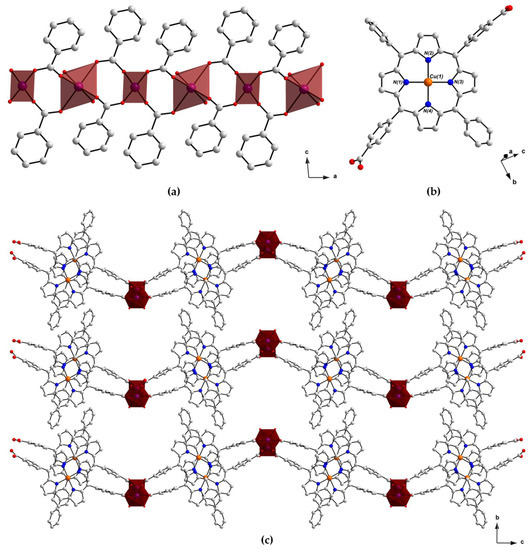
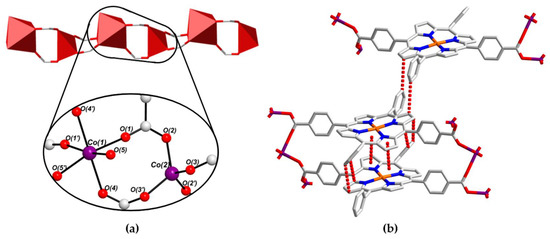
Metal-organic frameworks (MOFs) encompass a rapidly expanding class of materials with diverse potential applications including gas storage, molecular separation, sensing and catalysis. So-called ‘rod MOFs’, which comprise infinitely extended 1D secondary building units (SBUs), represent an underexplored subclass of MOF. Further, porphyrins are considered privileged ligands for MOF synthesis due to their tunable redox and photophysical properties. In this study, the CuII complex of 5,15-bis(4-carboxyphenyl)-10,20-diphenylporphyrin (H2L-CuII, where H2 refers to the ligand’s carboxyl H atoms) is used to prepare two new 2D porphyrinic rod MOFs PROD-1 and PROD-2. Single-crystal X-ray analysis reveals that these frameworks feature 1D MnII- or CoII-based rod-like SBUs that are coordinated by labile solvent molecules and photoactive porphyrin moieties. Both materials were characterised using infrared (IR) spectroscopy, powder X-ray diffraction (PXRD) spectroscopy and thermogravimetric analysis (TGA). The structural attributes of PROD-1 and PROD-2 render them promising materials for future photocatalytic investigations. Full article
Show Figures

Graphical abstract
12 pages, 547 KB  
Review
The Potential Effects of Phytoestrogens: The Role in Neuroprotection
by Justyna Gorzkiewicz, Grzegorz Bartosz and Izabela Sadowska-Bartosz
Molecules 2021, 26(10), 2954; https://doi.org/10.3390/molecules26102954 - 16 May 2021
Cited by 67 | Viewed by 10138
Abstract
Phytoestrogens are naturally occurring non-steroidal phenolic plant compounds. Their structure is similar to 17-β-estradiol, the main female sex hormone. This review offers a concise summary of the current literature on several potential health benefits of phytoestrogens, mainly their neuroprotective effect. Phytoestrogens lower the [...] Read more.
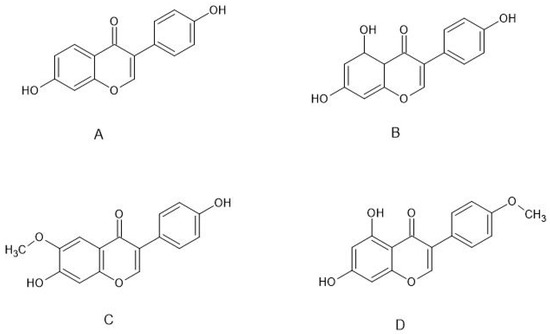
Phytoestrogens are naturally occurring non-steroidal phenolic plant compounds. Their structure is similar to 17-β-estradiol, the main female sex hormone. This review offers a concise summary of the current literature on several potential health benefits of phytoestrogens, mainly their neuroprotective effect. Phytoestrogens lower the risk of menopausal symptoms and osteoporosis, as well as cardiovascular disease. They also reduce the risk of brain disease. The effects of phytoestrogens and their derivatives on cancer are mainly due to the inhibition of estrogen synthesis and metabolism, leading to antiangiogenic, antimetastatic, and epigenetic effects. The brain controls the secretion of estrogen (hypothalamus-pituitary-gonads axis). However, it has not been unequivocally established whether estrogen therapy has a neuroprotective effect on brain function. The neuroprotective effects of phytoestrogens seem to be related to both their antioxidant properties and interaction with the estrogen receptor. The possible effects of phytoestrogens on the thyroid cause some concern; nevertheless, generally, no serious side effects have been reported, and these compounds can be recommended as health-promoting food components or supplements. Full article
(This article belongs to the Section Chemical Biology)
Show Figures

Graphical abstract
17 pages, 5632 KB  
Article
Femtosecond Laser Drilling of Cylindrical Holes for Carbon Fiber-Reinforced Polymer (CFRP) Composites
by Hao Jiang, Caiwen Ma, Ming Li and Zhiliang Cao
Molecules 2021, 26(10), 2953; https://doi.org/10.3390/molecules26102953 - 16 May 2021
Cited by 57 | Viewed by 6737
Abstract
Ultrafast laser drilling has been proven to effectively reduce the heat-affected zone (HAZ) of carbon fiber-reinforced polymer (CFRP) composites. However, previous research mainly focused on the effects of picosecond laser parameters on CFRP drilling. Compared with a picosecond laser, a femtosecond laser can [...] Read more.
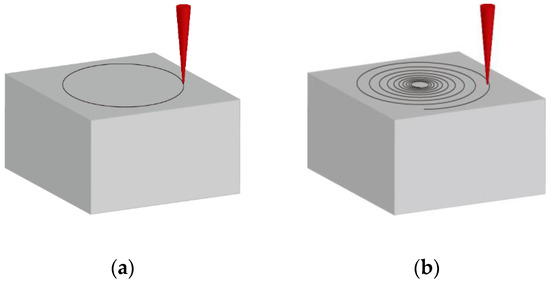
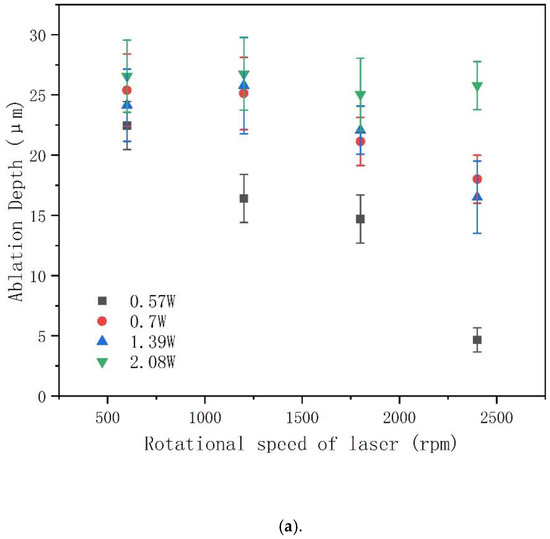
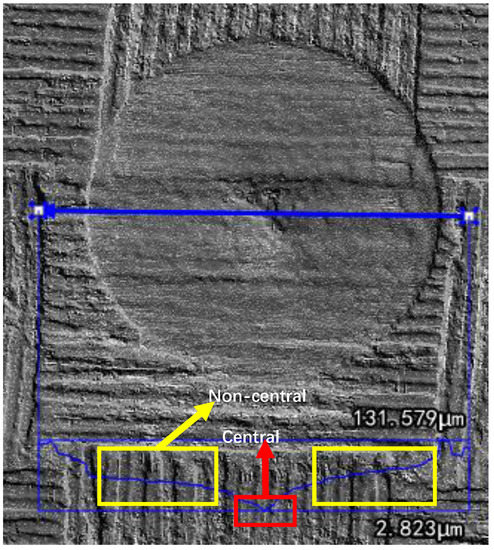
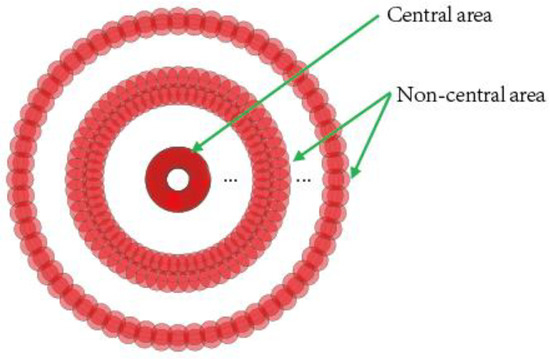
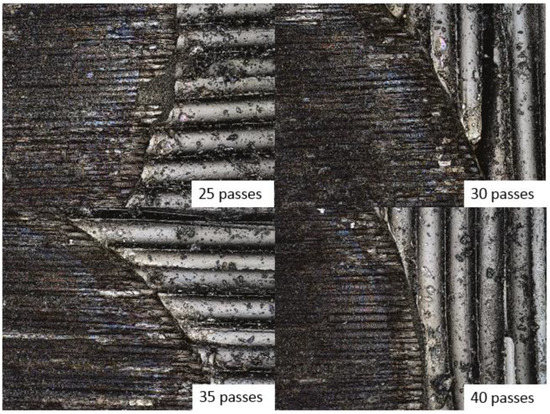
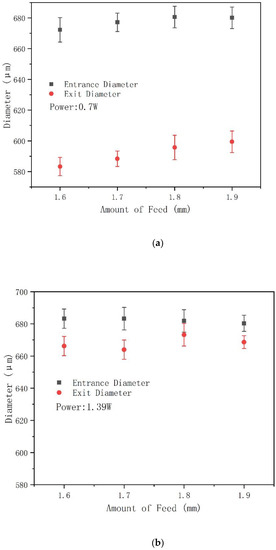
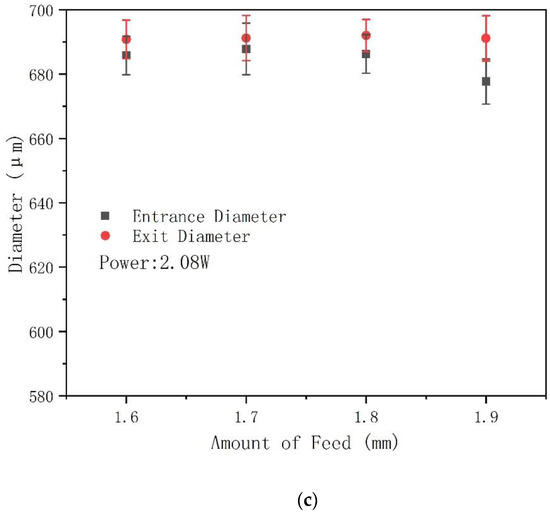
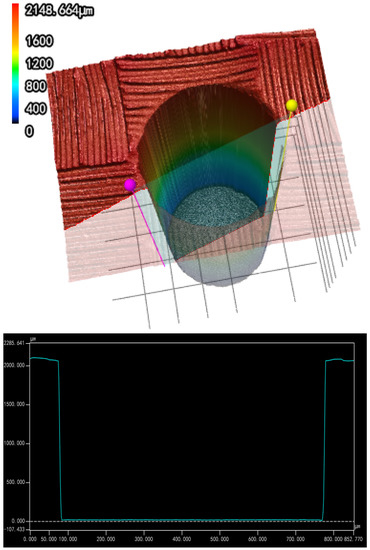
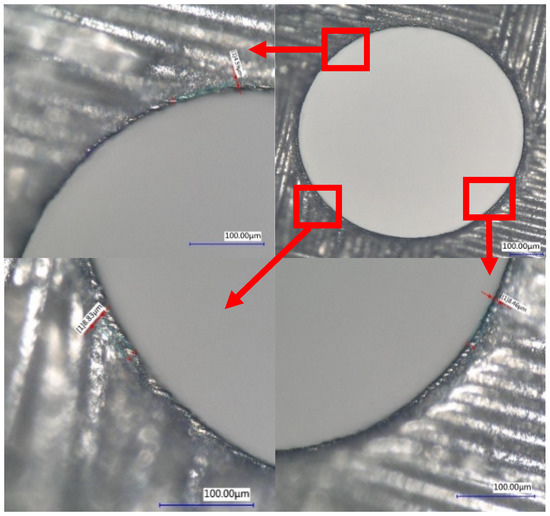
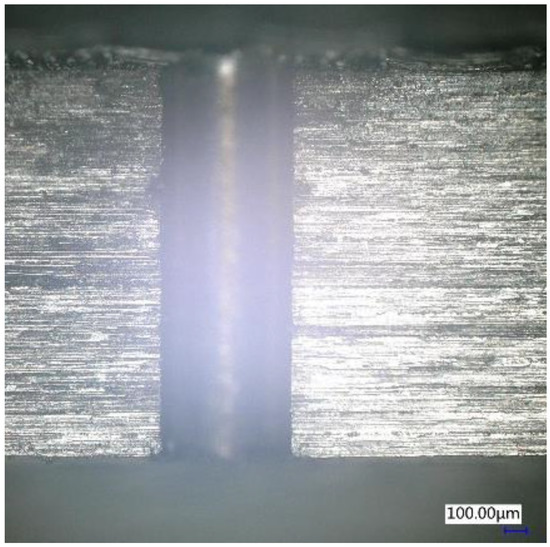
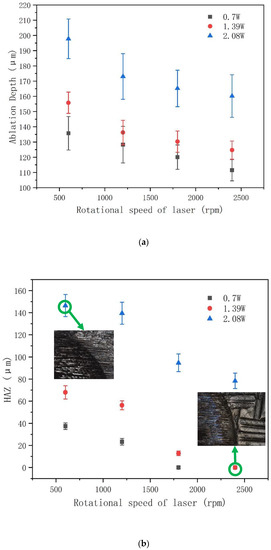
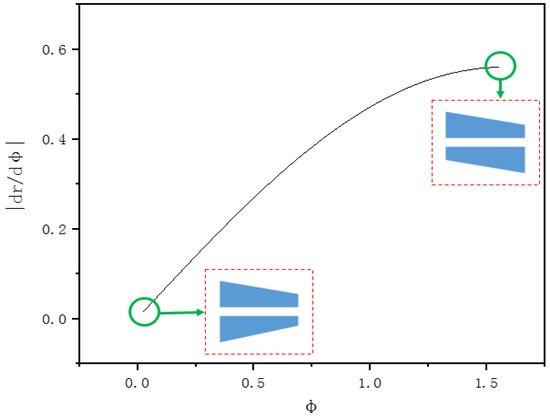
Ultrafast laser drilling has been proven to effectively reduce the heat-affected zone (HAZ) of carbon fiber-reinforced polymer (CFRP) composites. However, previous research mainly focused on the effects of picosecond laser parameters on CFRP drilling. Compared with a picosecond laser, a femtosecond laser can achieve higher quality CFRP drilling due to its smaller pulse width, but there are few studies on the effects of femtosecond laser parameters on CFRP drilling. Moreover, the cross-sectional taper of CFRP produced by laser drilling is very large. This paper introduces the use of the femtosecond laser to drill cylindrical holes in CFRP. The effect of laser power, rotational speed of the laser, and number of spiral passes on HAZ and ablation depth in circular laser drilling and spiral laser drilling mode was studied, respectively. It also analyzed the forming process of the drilling depth in the spiral drilling mode and studied the influence of laser energy and drilling feed depth on the holes’ diameters and the taper. The experimental results show that the cylindrical hole of CFRP with a depth-to-diameter ratio of about 3:1 (taper < 0.32, HAZ < 10 m) was obtained by using femtosecond laser and a spiral drilling apparatus. Full article
(This article belongs to the Special Issue Advances in Lasers and Optoelectronics)
Show Figures

Figure 1

22 pages, 1577 KB  
Review
Visual pH Sensors: From a Chemical Perspective to New Bioengineered Materials
by Luigi Di Costanzo and Barbara Panunzi
Molecules 2021, 26(10), 2952; https://doi.org/10.3390/molecules26102952 - 16 May 2021
Cited by 49 | Viewed by 9240
Abstract
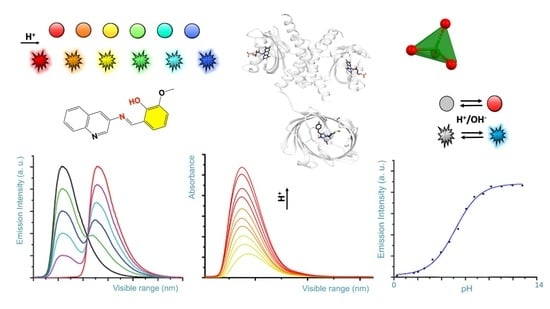
Many human activities and cellular functions depend upon precise pH values, and pH monitoring is considered a fundamental task. Colorimetric and fluorescence sensors for pH measurements are chemical and biochemical tools able to sense protons and produce a visible signal. These pH sensors [...] Read more.
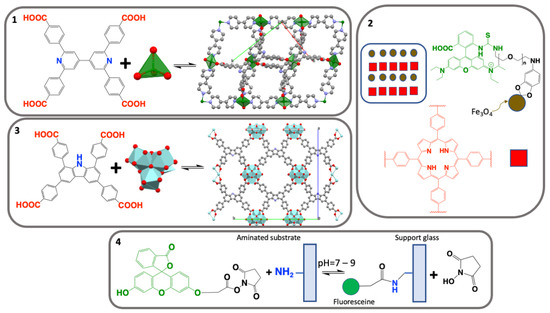
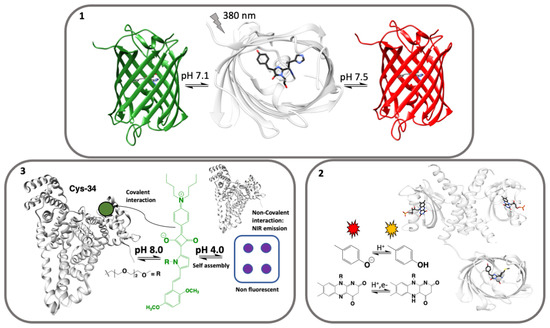
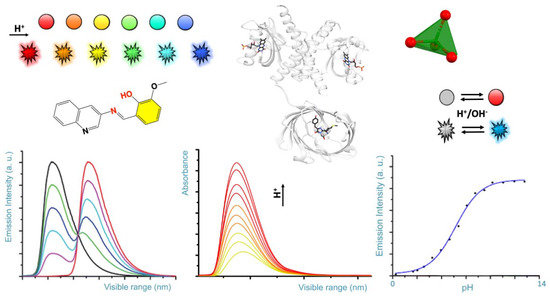
Many human activities and cellular functions depend upon precise pH values, and pH monitoring is considered a fundamental task. Colorimetric and fluorescence sensors for pH measurements are chemical and biochemical tools able to sense protons and produce a visible signal. These pH sensors are gaining widespread attention as non-destructive tools, visible to the human eye, that are capable of a real-time and in-situ response. Optical “visual” sensors are expanding researchers’ interests in many chemical contexts and are routinely used for biological, environmental, and medical applications. In this review we provide an overview of trending colorimetric, fluorescent, or dual-mode responsive visual pH sensors. These sensors include molecular synthetic organic sensors, metal organic frameworks (MOF), engineered sensing nanomaterials, and bioengineered sensors. We review different typological chemical entities of visual pH sensors, three-dimensional structures, and signaling mechanisms for pH sensing and applications; developed in the past five years. The progression of this review from simple organic molecules to biological macromolecules seeks to benefit beginners and scientists embarking on a project of pH sensing development, who needs background information and a quick update on advances in the field. Lessons learned from these tools will aid pH determination projects and provide new ways of thinking for cell bioimaging or other cutting-edge in vivo applications. Full article
(This article belongs to the Special Issue Feature Review Papers in Chemical Biology)
Show Figures

Graphical abstract
7 pages, 732 KB  
Communication
Characteristics of Dietary Fatty Acids Isolated from Historic Dental Calculus of the 17th- and 18th-Century Inhabitants of the Subcarpathian Region (Poland)
by Joanna Rogóż, Magdalena Podbielska, Ewa Szpyrka and Maciej Wnuk
Molecules 2021, 26(10), 2951; https://doi.org/10.3390/molecules26102951 - 15 May 2021
Cited by 4 | Viewed by 2840
Abstract
Dental calculus analysis can be a valuable source of archaeological knowledge, since it preserves not only microbial and host biomolecules but also dietary and environmental debris, as well as metabolic products likely originating from dietary and craft activities. Here we described GC-MS analysis [...] Read more.
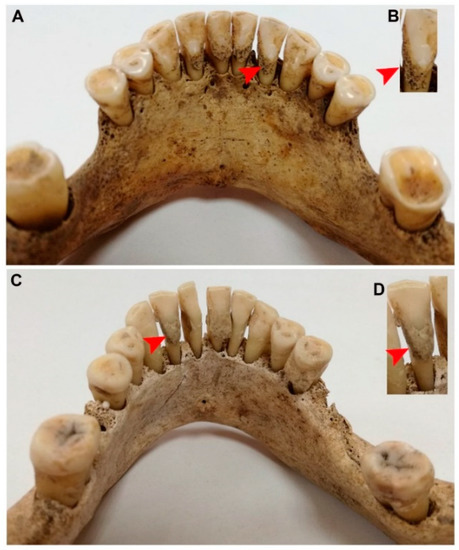
Dental calculus analysis can be a valuable source of archaeological knowledge, since it preserves not only microbial and host biomolecules but also dietary and environmental debris, as well as metabolic products likely originating from dietary and craft activities. Here we described GC-MS analysis of a set of historic dental calculus samples from the front teeth of the mandibles of seven individuals found in 17th- and 18th-century graves in the city of Rzeszow, located in South-eastern Poland. We have found that only saturated fatty acids, which are characteristic for fats of animal origin, were present in the tested samples. Our preliminary results indicate that the diet of modern-period inhabitants of Rzeszow was rich in animal products, such as meat and dairy products. Full article
Show Figures

Figure 1

18 pages, 3464 KB  
Article
Triazolyl Conjugated (Oligo)Phenothiazines Building Blocks for Hybrid Materials—Synthesis and Electronic Properties
by Hilla Khelwati, Adam W. Franz, Zhou Zhou, Werner R. Thiel and Thomas J. J. Müller
Molecules 2021, 26(10), 2950; https://doi.org/10.3390/molecules26102950 - 15 May 2021
Cited by 6 | Viewed by 2964
Abstract
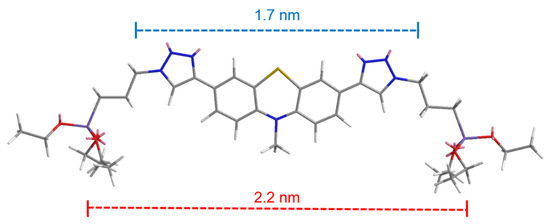
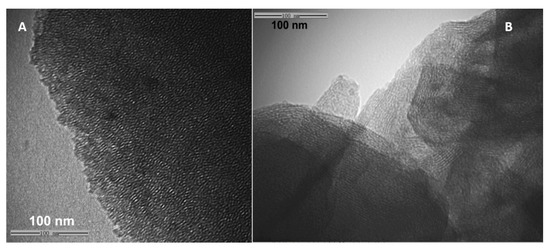
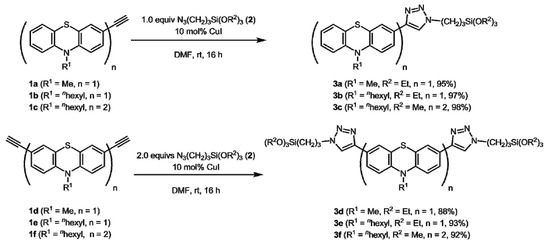
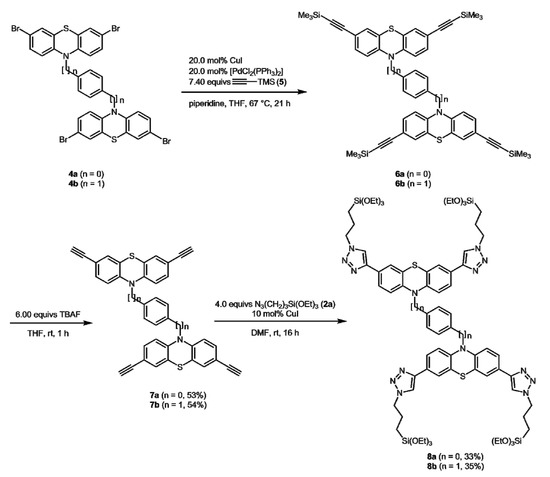
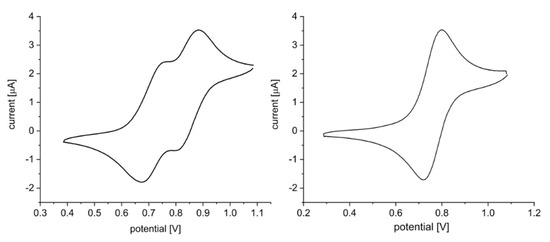
The Cu-catalyzed alkyne-azide 1,3-dipolar cycloaddition variant provides a highly efficient entry to conjugated triazolyl-substituted (oligo)phenothiazine organosilicon derivatives with luminescence and reversible redox characteristics. Furthermore, by in-situ co-condensation synthesis several representative mesoporous MCM-41 type silica hybrid materials with embedded (oligo)phenothiazines are prepared and characterized [...] Read more.
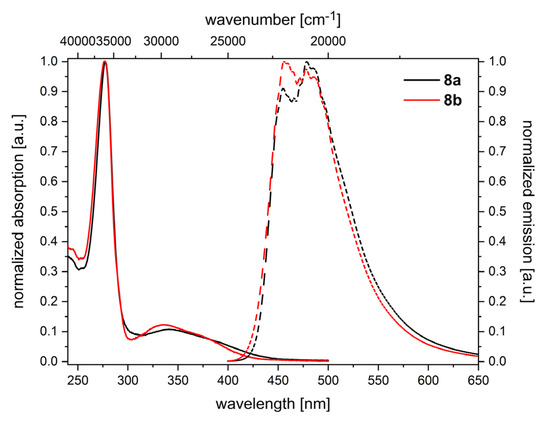
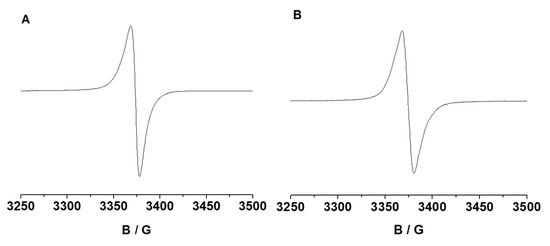
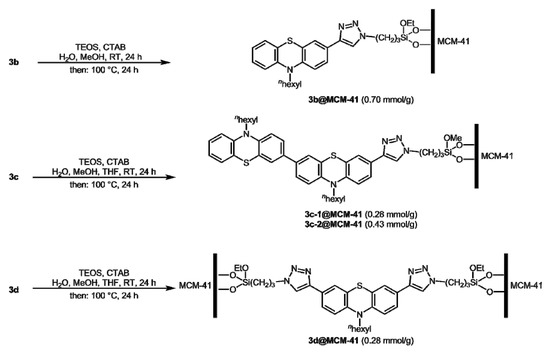
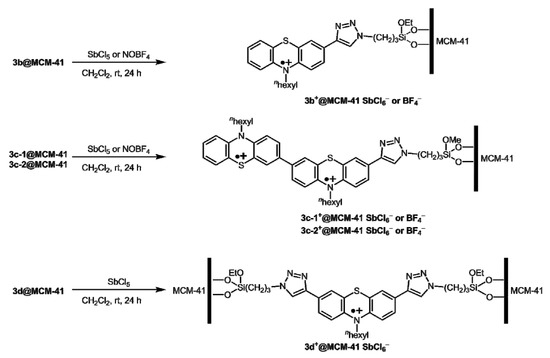
The Cu-catalyzed alkyne-azide 1,3-dipolar cycloaddition variant provides a highly efficient entry to conjugated triazolyl-substituted (oligo)phenothiazine organosilicon derivatives with luminescence and reversible redox characteristics. Furthermore, by in-situ co-condensation synthesis several representative mesoporous MCM-41 type silica hybrid materials with embedded (oligo)phenothiazines are prepared and characterized with respect to their structural and electronic properties. The hybrid materials also can be oxidized to covalently bound embedded radical cations, which are identified by their UV/Vis absorption signature and EPR signals. Full article
Show Figures

Figure 1

16 pages, 937 KB  
Article
Soil and Leaf Nutrients Drivers on the Chemical Composition of the Essential Oil of Siparuna muricata (Ruiz & Pav.) A. DC. from Ecuador
by Juan I. Burneo, Ángel Benítez, James Calva, Pablo Velastegui and Vladimir Morocho
Molecules 2021, 26(10), 2949; https://doi.org/10.3390/molecules26102949 - 15 May 2021
Cited by 11 | Viewed by 3421
Abstract
Chemical compositions of plants are affected by the initial nutrient contents in the soil and climatic conditions; thus, we analyzed for the first time the effects of soil and leaf nutrients on the compositions of the essential oils (EOs) of Siparuna muricata in [...] Read more.
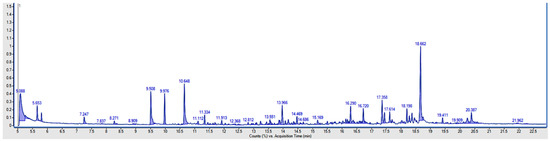
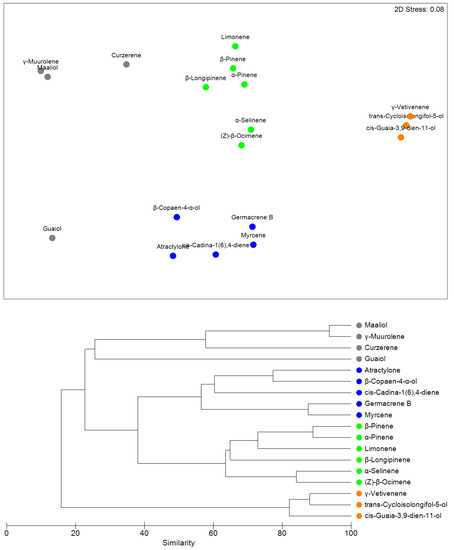
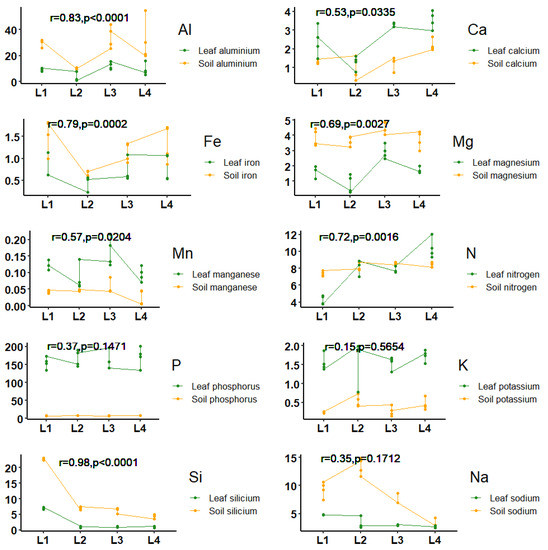
Chemical compositions of plants are affected by the initial nutrient contents in the soil and climatic conditions; thus, we analyzed for the first time the effects of soil and leaf nutrients on the compositions of the essential oils (EOs) of Siparuna muricata in four different localities in Ecuador. EOs were obtained by hydrodistillation and analyzed by gas chromatography/mass spectrometry (GC/MS) and a gas chromatography/flame ionization detector (GC/FID). Enantiomeric distribution by GC/MS was determined, modifying the enantiomeric separation of β-pinene, limonene, δ-elemene, β-bourbonene, cis-cadina-1 (6), 4-diene and atractylone. A total of 44 compounds were identified. The most representative for L1 were guaiol, atractylone and 4-diene; for L2, cis-cadina-1(6),4-diene and myrcene; for L3, atractylone, myrcene and germacrene B; and finally, L4 germacrene B, myrcene and cis-cadina-1(6),4-diene. Correlations between soil- leaf chemical elements such as Al, Ca, Fe, Mg, Mn, N and Si in the different localities were significant with chemical composition of the essential oil of Siparuna muricata; however, correlations between soil and leaf K, P, and Na were not significant. Cluster and NMDS analysis showed high dissimilarity values of secondary metabolites between four localities related with changes in soil- leaf nutrients. Thus, the SIMPER routine revealed that not all secondary metabolites contribute equally to establishing the differences in the four localities, and the largest contributions are due to differences in guaiol, cis-cadina-1(6),4-diene, atractylone and germacrene. Our investigation showed for the first time the influences of altitude and soil- leaf chemical elements in the chemical composition of the EOs of S. muricata. Full article
(This article belongs to the Collection Essential Oils)
Show Figures

Figure 1

33 pages, 5639 KB  
Review
The Therapeutic Potential of Psilocybin
by Henry Lowe, Ngeh Toyang, Blair Steele, Henkel Valentine, Justin Grant, Amza Ali, Wilfred Ngwa and Lorenzo Gordon
Molecules 2021, 26(10), 2948; https://doi.org/10.3390/molecules26102948 - 15 May 2021
Cited by 164 | Viewed by 84196
Abstract
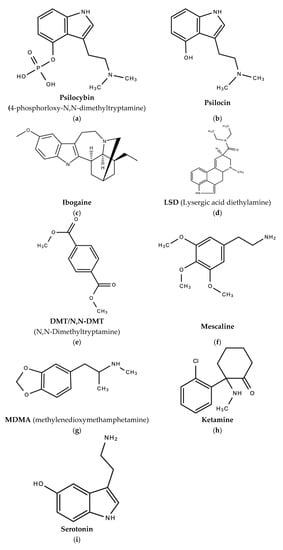
The psychedelic effects of some plants and fungi have been known and deliberately exploited by humans for thousands of years. Fungi, particularly mushrooms, are the principal source of naturally occurring psychedelics. The mushroom extract, psilocybin has historically been used as a psychedelic agent [...] Read more.
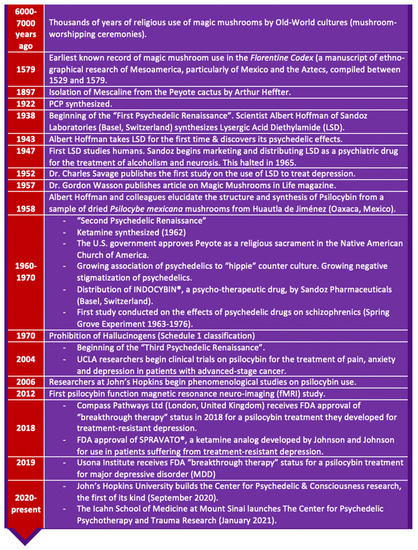
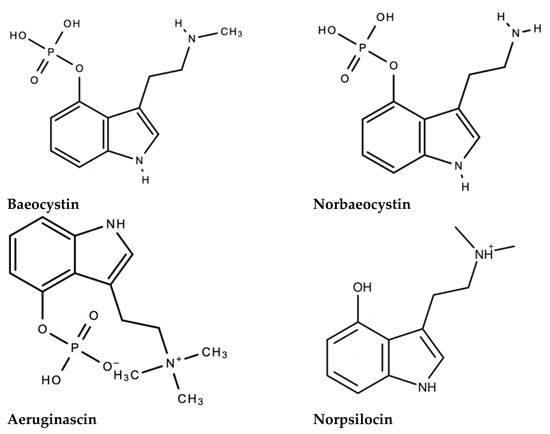
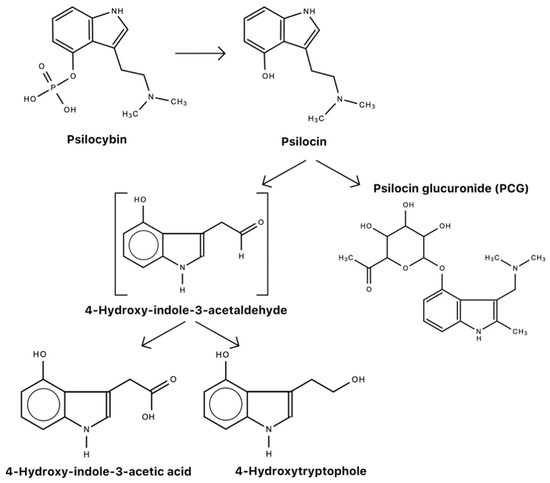
The psychedelic effects of some plants and fungi have been known and deliberately exploited by humans for thousands of years. Fungi, particularly mushrooms, are the principal source of naturally occurring psychedelics. The mushroom extract, psilocybin has historically been used as a psychedelic agent for religious and spiritual ceremonies, as well as a therapeutic option for neuropsychiatric conditions. Psychedelic use was largely associated with the “hippie” counterculture movement, which, in turn, resulted in a growing, and still lingering, negative stigmatization for psychedelics. As a result, in 1970, the U.S. government rescheduled psychedelics as Schedule 1 drugs, ultimately ending scientific research on psychedelics. This prohibition on psychedelic drug research significantly delayed advances in medical knowledge on the therapeutic uses of agents such as psilocybin. A 2004 pilot study from the University of California, Los Angeles, exploring the potential of psilocybin treatment in patients with advanced-stage cancer managed to reignite interest and significantly renewed efforts in psilocybin research, heralding a new age in exploration for psychedelic therapy. Since then, significant advances have been made in characterizing the chemical properties of psilocybin as well as its therapeutic uses. This review will explore the potential of psilocybin in the treatment of neuropsychiatry-related conditions, examining recent advances as well as current research. This is not a systematic review. Full article
Show Figures

Figure 1

7 pages, 3760 KB  
Article
Inter- and Intra-Molecular Organocatalysis of SN2 Fluorination by Crown Ether: Kinetics and Quantum Chemical Analysis
by Young-Ho Oh, Wonhyuck Yun, Chul-Hee Kim, Sung-Woo Jang, Sung-Sik Lee, Sungyul Lee and Dong-Wook Kim
Molecules 2021, 26(10), 2947; https://doi.org/10.3390/molecules26102947 - 15 May 2021
Cited by 7 | Viewed by 3444
Abstract
We present the intra- and inter-molecular organocatalysis of SN2 fluorination using CsF by crown ether to estimate the efficacy of the promoter and to elucidate the reaction mechanism. The yields of intramolecular SN2 fluorination of the veratrole substrates are [...] Read more.
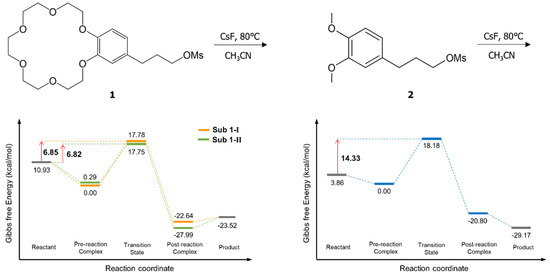
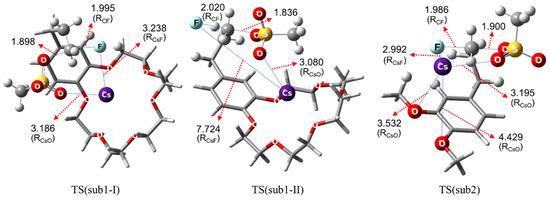
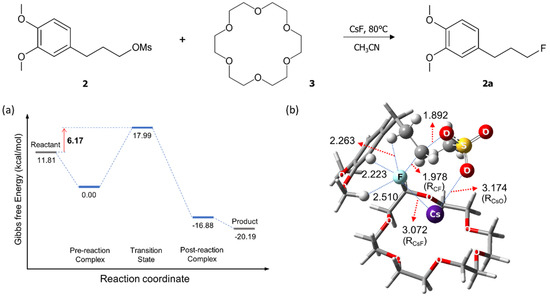
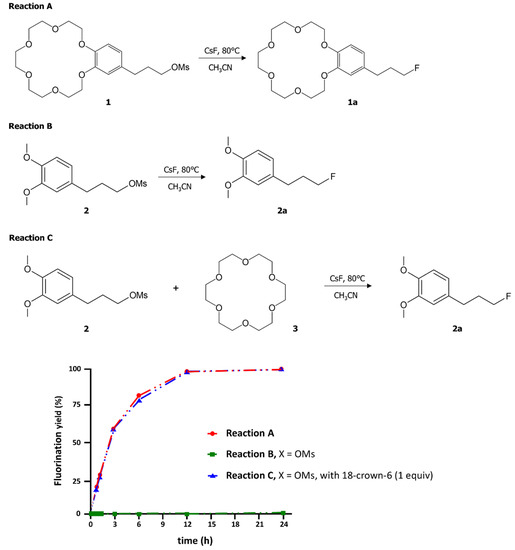
We present the intra- and inter-molecular organocatalysis of SN2 fluorination using CsF by crown ether to estimate the efficacy of the promoter and to elucidate the reaction mechanism. The yields of intramolecular SN2 fluorination of the veratrole substrates are measured to be very small (<1% in 12 h) in the absence of crown ether promoters, whereas the SN2 fluorination of the substrate possessing a crown ether unit proceeds to near completion (~99%) in 12 h. We also studied the efficacy of intermolecular rate acceleration by an independent promoter 18-crown-6 for comparison. We find that the fluorinating yield of a veratrole substrate (leaving group = −OMs) in the presence of 18-crown-6 follows the almost identical kinetic course as that of intramolecular SN2 fluorination, indicating the mechanistic similarity of intra- and inter-molecular organocatalysis of the crown ether for SN2 fluorination. The calculated relative Gibbs free energies of activation for these reactions, in which the crown ether units act as Lewis base promoters for SN2 fluorination, are in excellent agreement with the experimentally measured yields of fluorination. The role of the metal salt CsF is briefly discussed in terms of whether it reacts as a contact ion pair or as a “free” nucleophile F. Full article
(This article belongs to the Special Issue Advance in Fluorine Chemistry)
Show Figures

Figure 1

15 pages, 2794 KB  
Article
AdipoRon, an Orally Active, Synthetic Agonist of AdipoR1 and AdipoR2 Receptors Has Gastroprotective Effect in Experimentally Induced Gastric Ulcers in Mice
by Hubert Zatorski, Maciej Salaga, Marta Zielińska, Kinga Majchrzak, Agata Binienda, Radzisław Kordek, Ewa Małecka-Panas and Jakub Fichna
Molecules 2021, 26(10), 2946; https://doi.org/10.3390/molecules26102946 - 15 May 2021
Cited by 18 | Viewed by 4085
Abstract
Introduction: Adiponectin is a hormone secreted by adipocytes, which exhibits insulin-sensitizing and anti-inflammatory properties and acts through adiponectin receptors: AdipoR1 and AdipoR2. The aim of the study was to evaluate whether activation of adiponectin receptors AdipoR1 and AdipoR2 with an orally active agonist [...] Read more.
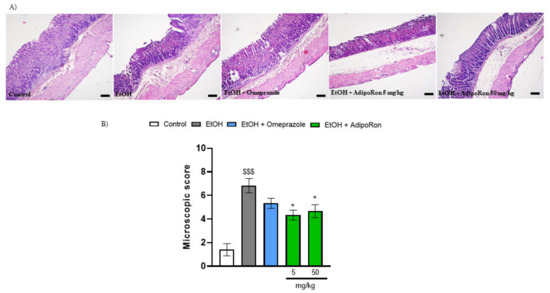
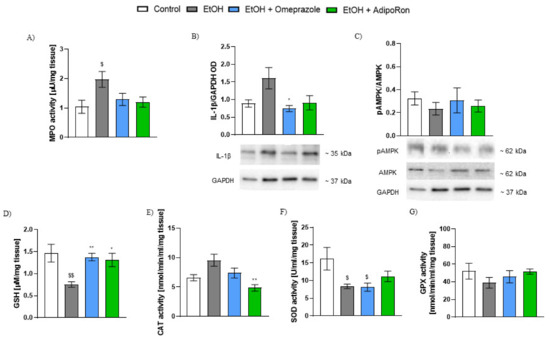
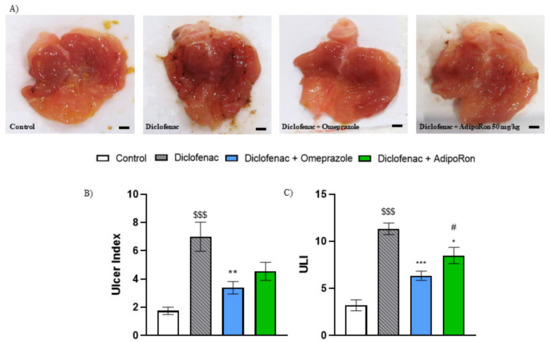
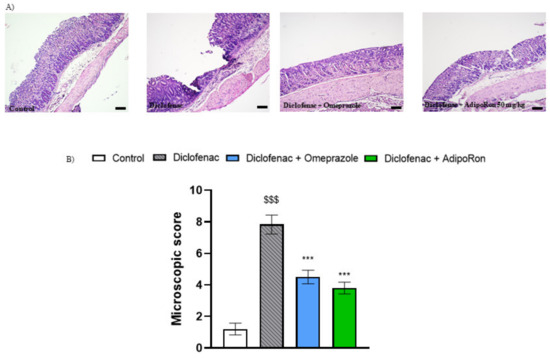
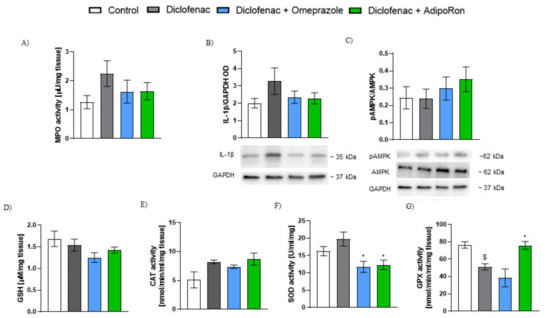
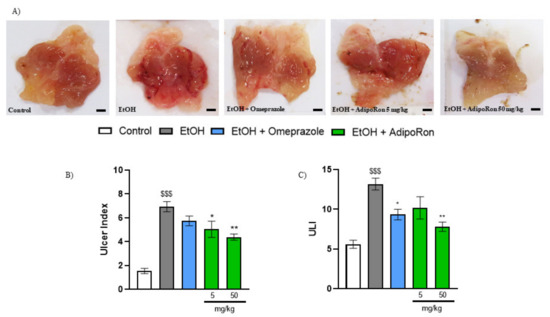
Introduction: Adiponectin is a hormone secreted by adipocytes, which exhibits insulin-sensitizing and anti-inflammatory properties and acts through adiponectin receptors: AdipoR1 and AdipoR2. The aim of the study was to evaluate whether activation of adiponectin receptors AdipoR1 and AdipoR2 with an orally active agonist AdipoRon has gastroprotective effect and to investigate the possible underlying mechanism. Methods: We used two well-established mouse models of gastric ulcer (GU) induced by oral administration of EtOH (80% solution in water) or diclofenac (30 mg/kg, p.o.). Gastroprotective effect of AdipoRon (dose 5 and 50 mg /kg p.o) was compared to omeprazole (20 mg/kg p.o.) or 5% DMSO solution (control). Clinical parameters of gastroprotection were assessed using macroscopic (gastric lesion area) and microscopic (evaluation of the gastric mucosa damage) scoring. To establish the molecular mechanism, we measured: myeloperoxidase (MPO), superoxide dismutase (SOD), catalase (CAT), and glutathione peroxidase (GPX) activities; glutathione (GSH) level; and IL-1β, adenosine monophosphate-activated protein kinase (AMPK), and phosphorylated AMPK expression in gastric tissue. Results: AdipoRon produced a gastroprotective effect in both GU mouse models as evidenced by significantly lower macroscopic and microscopic damage scores. AdipoRon exhibited anti-inflammatory effect by reduction in MPO activity and IL-1β expression in the gastric tissue. Moreover, AdipoRon induced antioxidative action, as demonstrated with higher GSH levels, and increased SOD and GPX activity. Conclusions: Activation of AdipoR1 and AdipoR2 using AdipoRon reduced gastric lesions and enhanced cell response to oxidative stress. Our data suggest that AdipoR1 and AdipoR2 activation may be an attractive therapeutic strategy to inhibit development of gastric ulcers. Full article
(This article belongs to the Special Issue Featured Papers in Medicinal Chemistry)
Show Figures

Figure 1

19 pages, 3307 KB  
Article
Molecular Structure, Thermodynamic and Spectral Characteristics of Metal-Free and Nickel Complex of Tetrakis(1,2,5-thiadiazolo)porphyrazine
by Yuriy A. Zhabanov, Alexey V. Eroshin, Igor V. Ryzhov, Ilya A. Kuzmin, Daniil N. Finogenov and Pavel A. Stuzhin
Molecules 2021, 26(10), 2945; https://doi.org/10.3390/molecules26102945 - 15 May 2021
Cited by 9 | Viewed by 2615
Abstract
The Knudsen effusion method with mass spectrometric control of the vapor composition was used to study the possibility of a congruent transition to the gas phase and to estimate the enthalpy of sublimation of metal-free tetrakis(1,2,5-thiadiazolo)porphyrazine and its nickel complex (H2TTDPz [...] Read more.
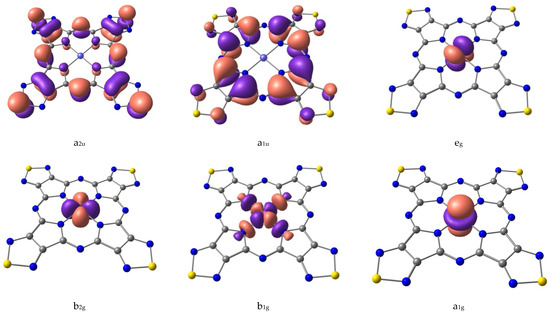
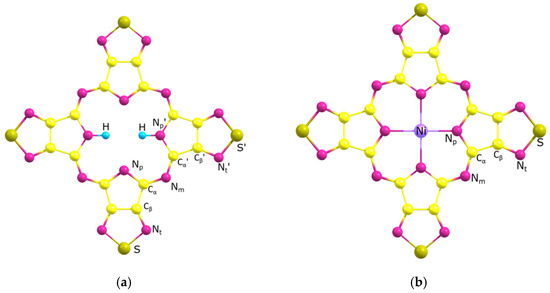
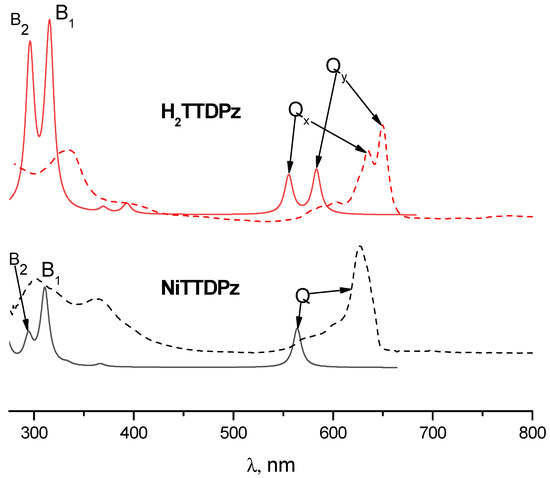
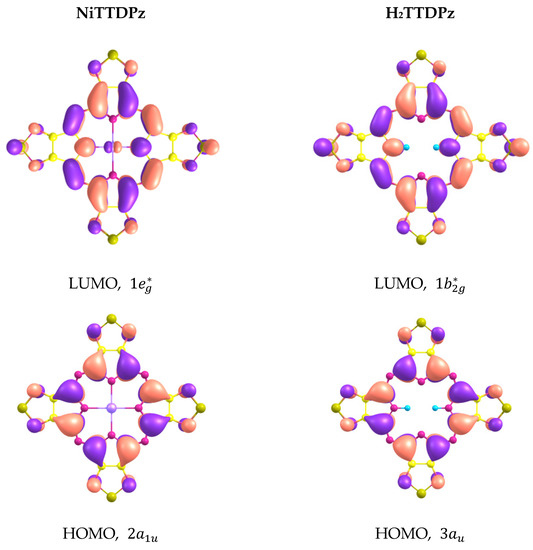
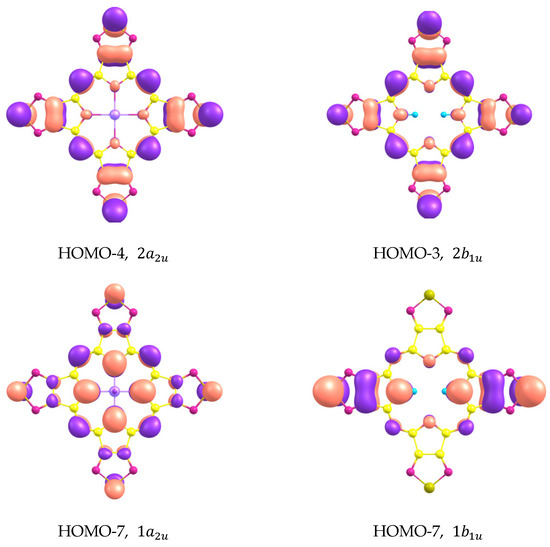
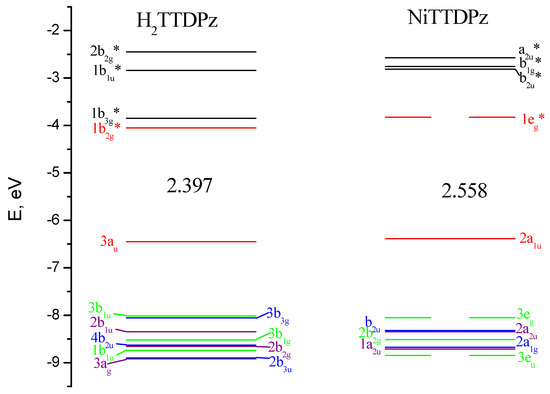
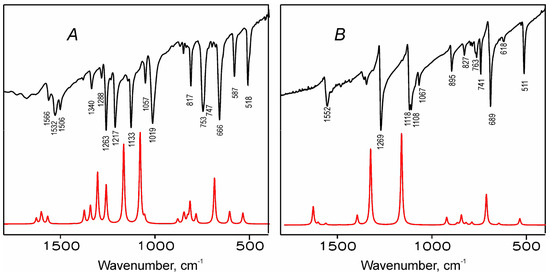
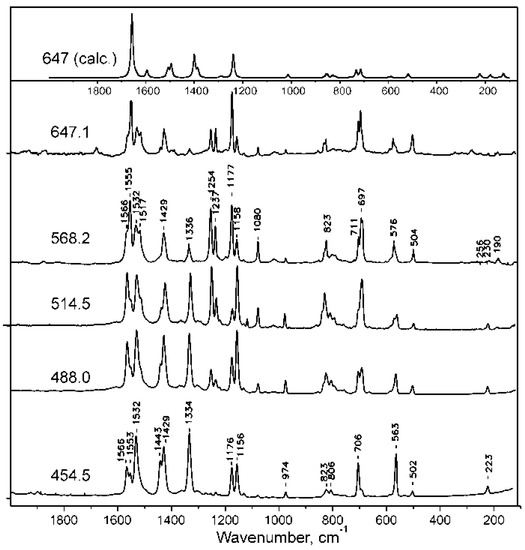
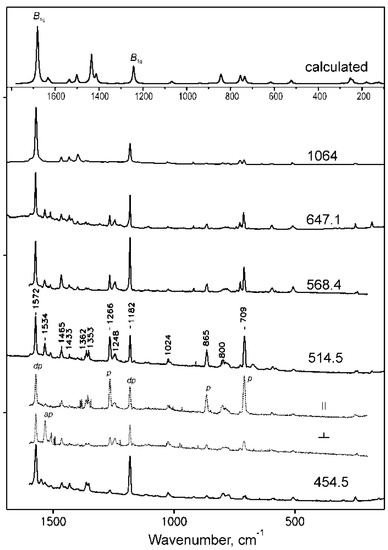
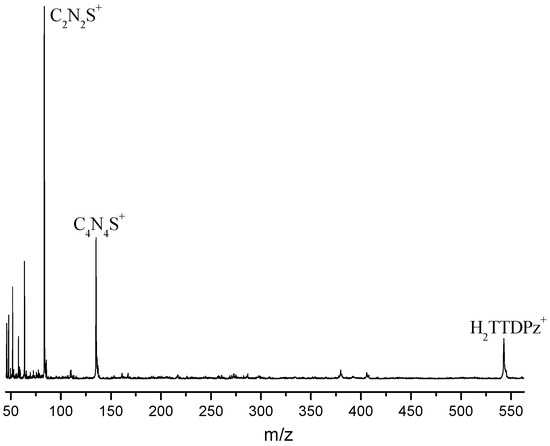
The Knudsen effusion method with mass spectrometric control of the vapor composition was used to study the possibility of a congruent transition to the gas phase and to estimate the enthalpy of sublimation of metal-free tetrakis(1,2,5-thiadiazolo)porphyrazine and its nickel complex (H2TTDPz and NiTTDPz, respectively). The geometrical and electronic structure of H2TTDPz and NiTTDPz in ground and low-lying excited electronic states were determined by DFT calculations. The electronic structure of NiTTDPz was studied by the complete active space (CASSCF) method, following accounting dynamic correlation by multiconfigurational quasi-degenerate second-order perturbation theory (MCQDPT2). A geometrical structure of D2h and D4h symmetry was obtained for H2TTDPz and NiTTDPz, respectively. According to data obtained by the MCQDPT2 method, the nickel complex possesses the ground state 1A1g, and the wave function of the ground state has the form of a single determinant. Electronic absorption and vibrational (IR and resonance Raman) spectra of H2TTDPz and NiTTDPz were studied experimentally and simulated theoretically. Full article
Show Figures

Figure 1

15 pages, 1448 KB  
Article
Characterization of Metabolites in Plasma, Urine and Feces of Healthy Participants after Taking Brahmi Essence for Twelve Weeks Using LC-ESI-QTOF-MS Metabolomic Approach
by Genet Minale, Tongchai Saesong, Prapapan Temkitthawon, Neti Waranuch, Nitra Nuengchamnong, Krongkarn Chootip, Natakorn Kamkaew, Teeraporn Kongbangkerd, Jinutda Engsuwan and Kornkanok Ingkaninan
Molecules 2021, 26(10), 2944; https://doi.org/10.3390/molecules26102944 - 15 May 2021
Cited by 9 | Viewed by 4453
Abstract
Brahmi essence, developed from Bacopa monnieri (L.) Wettst. standardized extract and mulberry juice, was proven to improve the memory speed of healthy participants aged 55–80 years old, following a 12-week dietary program. However, the metabolites have not yet been reported. Our objective was [...] Read more.
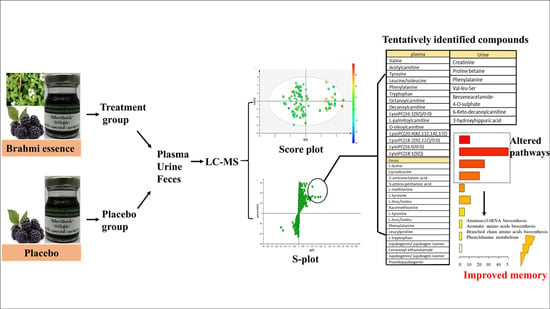
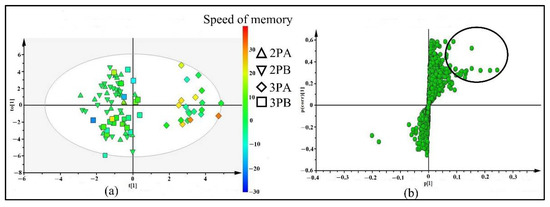
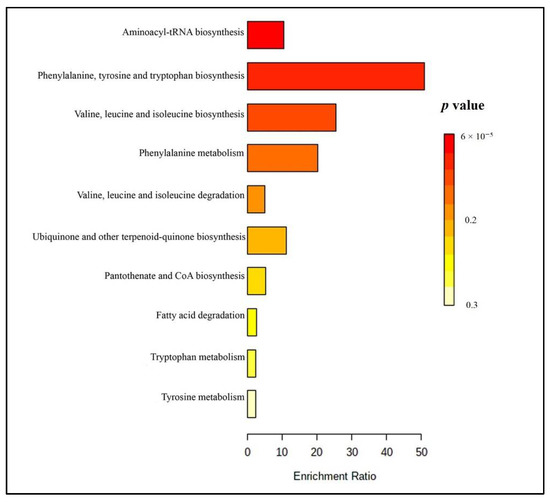
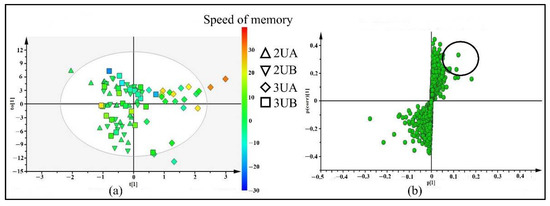
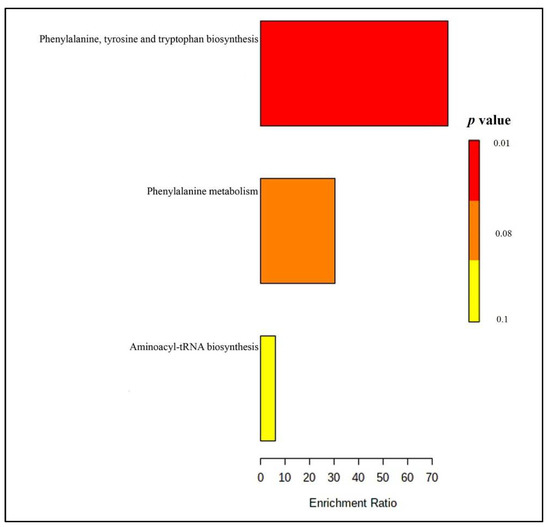
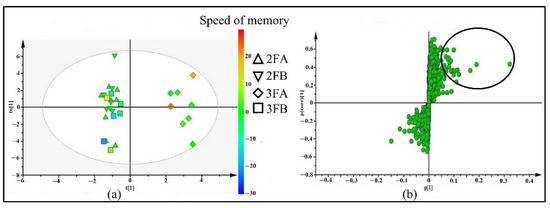
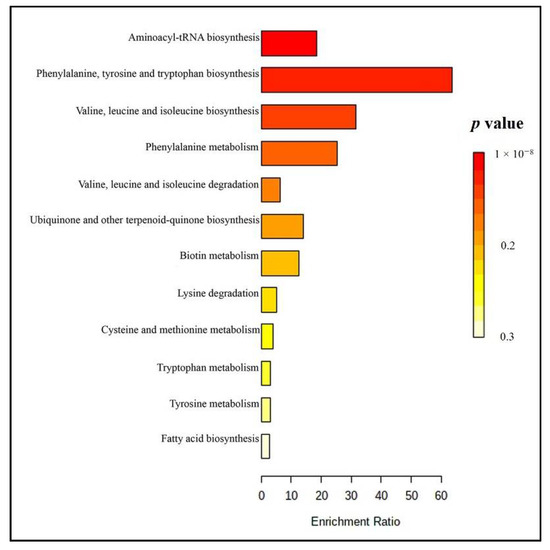
Brahmi essence, developed from Bacopa monnieri (L.) Wettst. standardized extract and mulberry juice, was proven to improve the memory speed of healthy participants aged 55–80 years old, following a 12-week dietary program. However, the metabolites have not yet been reported. Our objective was to characterize the altered metabolites in the plasma, urine, and feces of healthy volunteers after consumption of Brahmi essence for 12 weeks, using the LC-MS metabolomics approach. The altered metabolites were selected from OPLS-DA S-plots; 15 metabolites in the plasma, 7 in the urine, and 17 in the feces samples were tentatively identified by comparison with an online database and literature. The metabolites in the plasma samples were in the classes of amino acids, acylcarnitine, and phospholipids. Benzeneactamide-4-O-sulphate and 3-hydroxyhippuric acid were found in urine samples. The metabolites in the class of amino acids, together with jujubogenin and pseudojujubogenin, were identified in the fecal samples. The aminoacyl-tRNA, aromatic amino acids, and branched-chain amino acid biosynthetic pathways were mainly related to the identified metabolites in all three samples. It could be implied that those metabolites and their pathways might be linked with the effect of Brahmi essence on memory speed. Full article
(This article belongs to the Special Issue LC-MS in Bioanalysis)
Show Figures

Graphical abstract
19 pages, 2590 KB  
Review
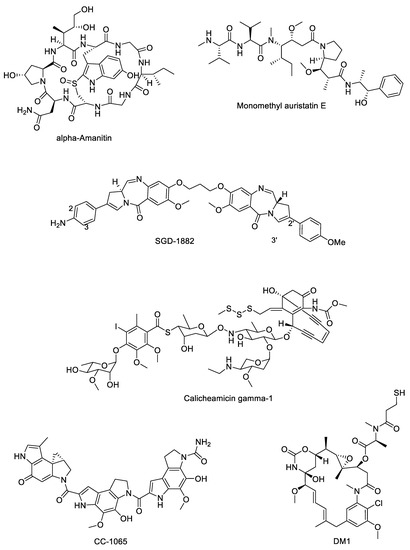
Antibody–Drug Conjugates—A Tutorial Review
by Stephanie Baah, Mark Laws and Khondaker Miraz Rahman
Molecules 2021, 26(10), 2943; https://doi.org/10.3390/molecules26102943 - 15 May 2021
Cited by 179 | Viewed by 26256
Abstract
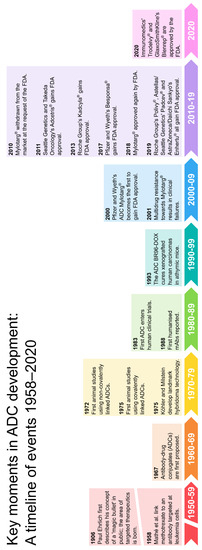
Antibody–drug conjugates (ADCs) are a family of targeted therapeutic agents for the treatment of cancer. ADC development is a rapidly expanding field of research, with over 80 ADCs currently in clinical development and eleven ADCs (nine containing small-molecule payloads and two with biological [...] Read more.
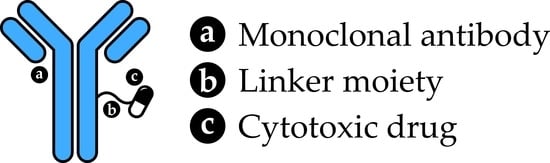
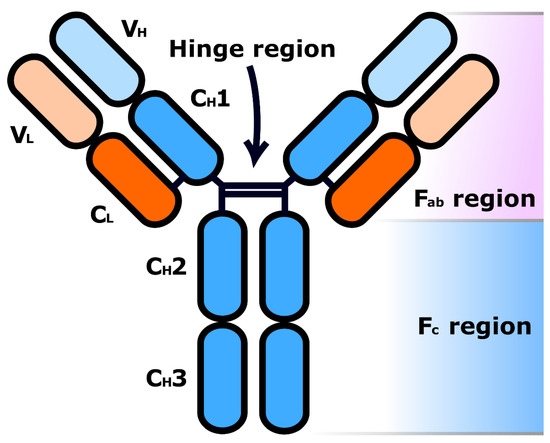
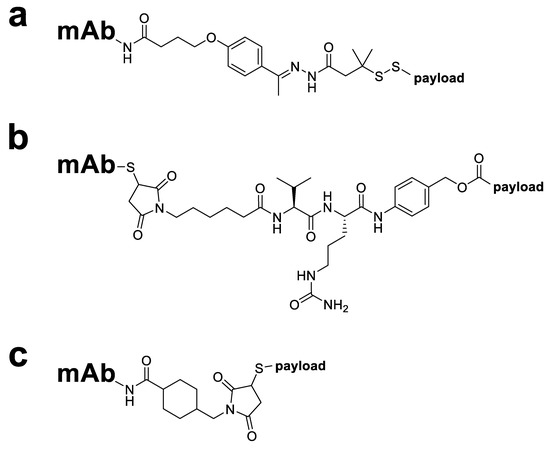
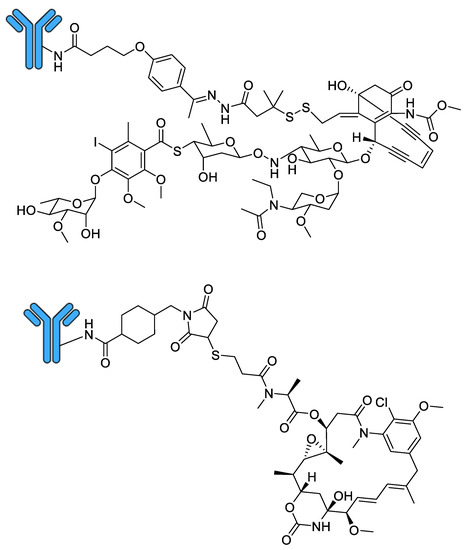
Antibody–drug conjugates (ADCs) are a family of targeted therapeutic agents for the treatment of cancer. ADC development is a rapidly expanding field of research, with over 80 ADCs currently in clinical development and eleven ADCs (nine containing small-molecule payloads and two with biological toxins) approved for use by the FDA. Compared to traditional small-molecule approaches, ADCs offer enhanced targeting of cancer cells along with reduced toxic side effects, making them an attractive prospect in the field of oncology. To this end, this tutorial review aims to serve as a reference material for ADCs and give readers a comprehensive understanding of ADCs; it explores and explains each ADC component (monoclonal antibody, linker moiety and cytotoxic payload) individually, highlights several EMA- and FDA-approved ADCs by way of case studies and offers a brief future perspective on the field of ADC research. Full article
Show Figures

Graphical abstract