16 pages, 1302 KB  
Article
Lupanine Improves Glucose Homeostasis by Influencing KATP Channels and Insulin Gene Expression
by Mats Wiedemann 1, Carmen M. Gurrola-Díaz 2, Belinda Vargas-Guerrero 2, Michael Wink 3, Pedro M. García-López 4 and Martina Düfer 1,*

1 Department of Pharmaceutical and Medicinal Chemistry, Münster University, Corrensstraße 48, 48149 Münster, Germany
2 Departamento de Biología Molecular y Genómica, Centro Universitario de Ciencias de la Salud, Universidad de Guadalajara, 44340 Guadalajara, Jalisco, Mexico
3 Institute of Pharmacy and Molecular Biotechnology, Heidelberg University, Heidelberg 69120, Germany
4 Departamento de Botánica y Zoología, Centro Universitario de Ciencias Biológicas y Agropecuarias, Universidad de Guadalajara, 45110 Guadalajara, Jalisco, Mexico
Molecules 2015, 20(10), 19085-19100; https://doi.org/10.3390/molecules201019085 - 20 Oct 2015
Cited by 42 | Viewed by 7829
Abstract
The glucose-lowering effects of lupin seeds involve the combined action of several components. The present study investigates the influence of one of the main quinolizidine alkaloids, lupanine, on pancreatic beta cells and in an animal model of type-2 diabetes mellitus. In vitro studies [...] Read more.
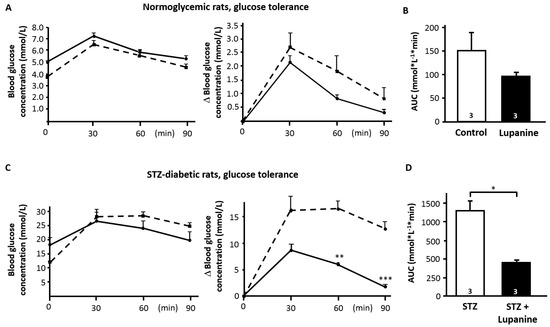
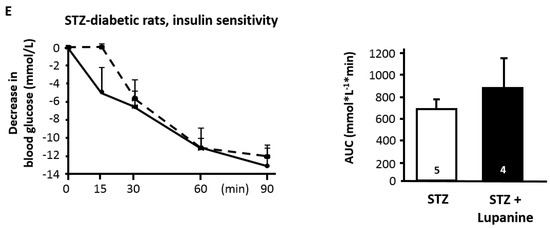
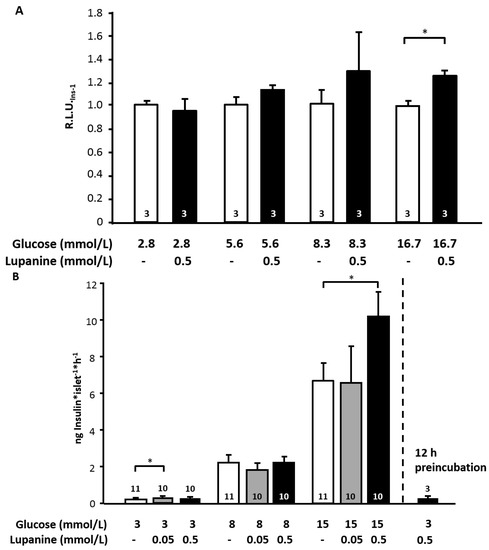
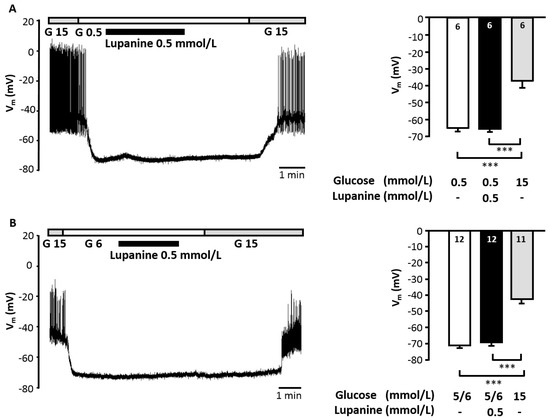
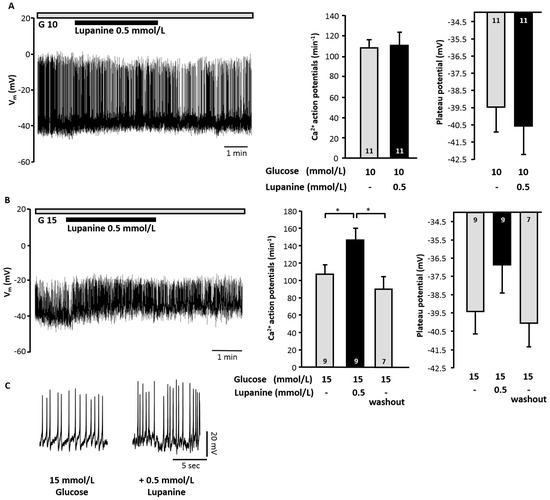
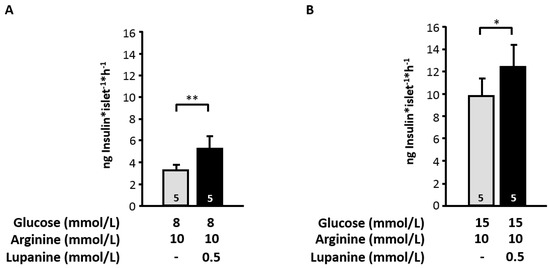
The glucose-lowering effects of lupin seeds involve the combined action of several components. The present study investigates the influence of one of the main quinolizidine alkaloids, lupanine, on pancreatic beta cells and in an animal model of type-2 diabetes mellitus. In vitro studies were performed with insulin-secreting INS-1E cells or islets of C57BL/6 mice. In the in vivo experiments, hyperglycemia was induced in rats by injecting streptozotocin (65 mg/kg body weight). In the presence of 15 mmol/L glucose, insulin secretion was significantly elevated by 0.5 mmol/L lupanine, whereas the alkaloid did not stimulate insulin release with lower glucose concentrations. In islets treated with l-arginine, the potentiating effect of lupanine already occurred at 8 mmol/L glucose. Lupanine increased the expression of the Ins-1 gene. The potentiating effect on secretion was correlated to membrane depolarization and an increase in the frequency of Ca2+ action potentials. Determination of the current through ATP-dependent K+ channels (KATP channels) revealed that lupanine directly inhibited the channel. The effect was dose-dependent but, even with a high lupanine concentration of 1 mmol/L or after a prolonged exposure time (12 h), the KATP channel block was incomplete. Oral administration of lupanine did not induce hypoglycemia. By contrast, lupanine improved glycemic control in response to an oral glucose tolerance test in streptozotocin-diabetic rats. In summary, lupanine acts as a positive modulator of insulin release obviously without a risk for hypoglycemic episodes. Full article
Show Figures

Figure 1
19 pages, 540 KB  
Article
Synthesis and Evaluation of New Pyrazoline Derivatives as Potential Anticancer Agents
by Muhammed Karabacak 1,†, Mehlika Dilek Altıntop 1,†, Halil İbrahim Çiftçi 2,†, Ryoko Koga 2, Masami Otsuka 2, Mikako Fujita 3 and Ahmet Özdemir 1,*
1 Department of Pharmaceutical Chemistry, Faculty of Pharmacy, Anadolu University, Eskişehir 26470, Turkey
2 Department of Bioorganic Medicinal Chemistry, School of Pharmacy, Kumamoto University, Kumamoto 862-0973, Japan
3 Research Institute for Drug Discovery, School of Pharmacy, Kumamoto University, Kumamoto 862-0973, Japan
These authors contributed equally to this work.
Molecules 2015, 20(10), 19066-19084; https://doi.org/10.3390/molecules201019066 - 20 Oct 2015
Cited by 98 | Viewed by 12259
Abstract
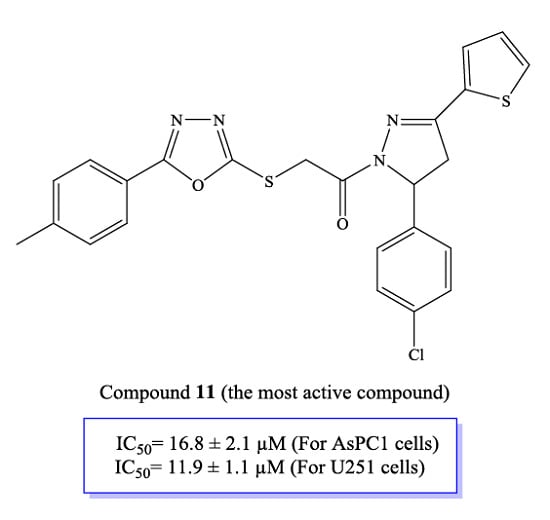
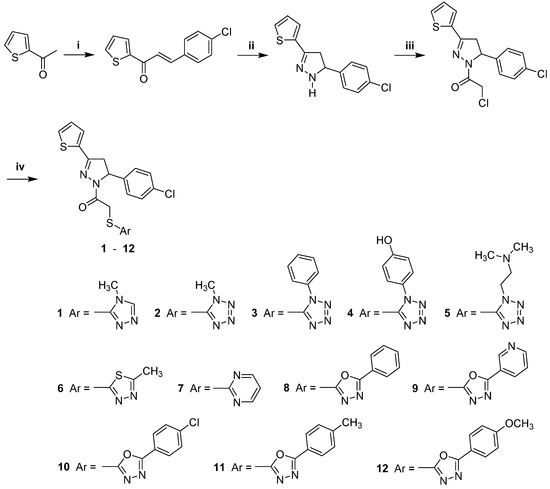
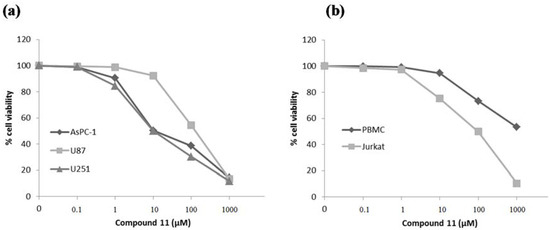
New pyrazoline derivatives were synthesized and evaluated for their cytotoxic effects on AsPC-1 human pancreatic adenocarcinoma, U87 and U251 human glioblastoma cell lines. 1-[((5-(4-Methylphenyl)-1,3,4-oxadiazol-2-yl)thio)acetyl]-3-(2-thienyl)-5-(4-chlorophenyl)-2-pyrazoline (11) was found to be the most effective anticancer agent against AsPC-1 and U251 cell lines, with [...] Read more.
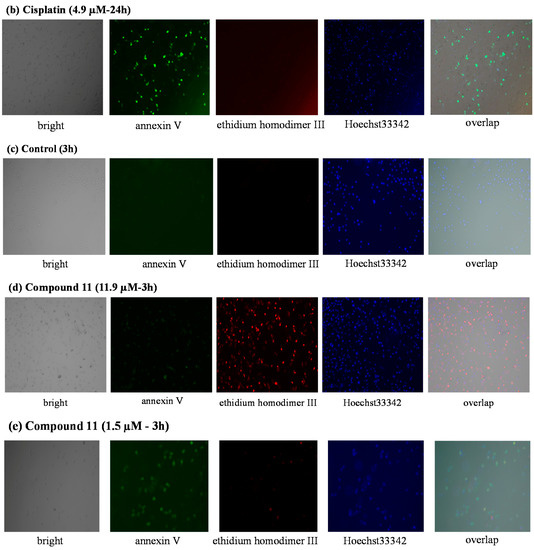
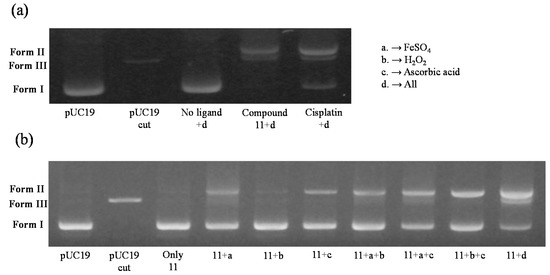
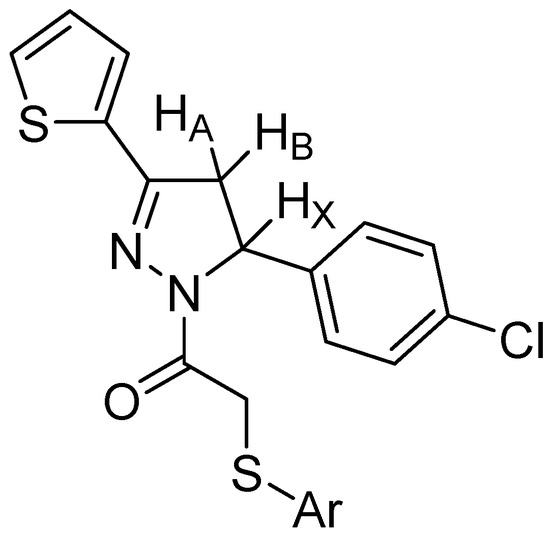
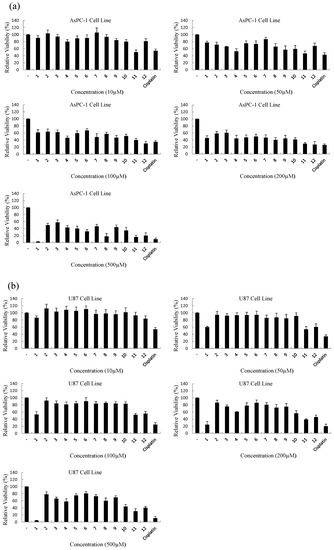
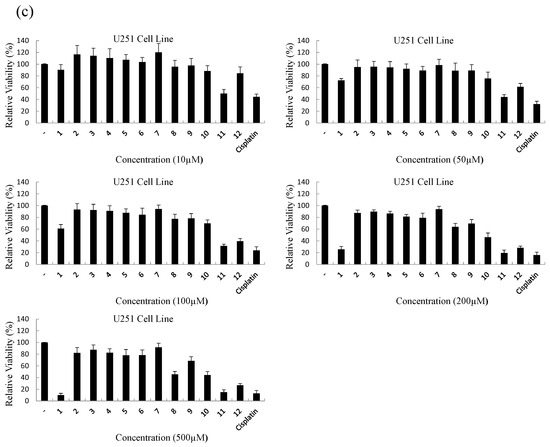
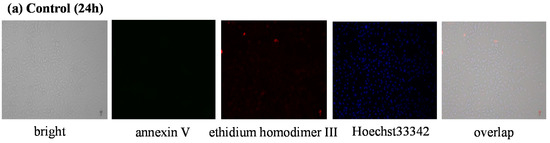
New pyrazoline derivatives were synthesized and evaluated for their cytotoxic effects on AsPC-1 human pancreatic adenocarcinoma, U87 and U251 human glioblastoma cell lines. 1-[((5-(4-Methylphenyl)-1,3,4-oxadiazol-2-yl)thio)acetyl]-3-(2-thienyl)-5-(4-chlorophenyl)-2-pyrazoline (11) was found to be the most effective anticancer agent against AsPC-1 and U251 cell lines, with IC50 values of 16.8 µM and 11.9 µM, respectively. Tumor selectivity of compound 11 was clearly seen between Jurkat human leukemic T-cell line and human peripheral blood mononuclear cells (PBMC). Due to its promising anticancer activity, compound 11 was chosen for apoptosis/necrosis evaluation and DNA-cleavage analysis in U251 cells. Compound 11-treated U251 cells exhibited apoptotic phenotype at low concentration (1.5 µM). DNA-cleaving efficiency of this ligand was more significant than cisplatin and was clearly enhanced by Fe(II)-H2O2-ascorbic acid systems. This result pointed out the relationship between the DNA cleavage and the cell death. Full article
Show Figures

Graphical abstract

15 pages, 2302 KB  
Article
Antioxidant Properties of Essential Oil Extracted from Pinus morrisonicola Hay Needles by Supercritical Fluid and Identification of Possible Active Compounds by GC/MS
by Ming-Ching Cheng 1, Wen-Hua Chang 1, Chih-Wei Chen 1, Wen-Wing Li 1, Chin-Yin Tseng 1 and Tuzz-Ying Song 2,*
1 Department of Health Food, Chung Chou University of Science and Technology, Changhua 51591, Taiwan
2 Department of Bioindustry Technology, Dayeh University, Changhua 51591, Taiwan
Molecules 2015, 20(10), 19051-19065; https://doi.org/10.3390/molecules201019051 - 20 Oct 2015
Cited by 19 | Viewed by 9098
Abstract
Pine (Pinus morrisonicola Hay, PM) needles have been used as folk medicine for their antihypertension and lipid-lowering effects. As supercritical fluid extraction (SFE) is considered an ideal technique for the extraction of essential oil from plant materials, the present work investigated the [...] Read more.
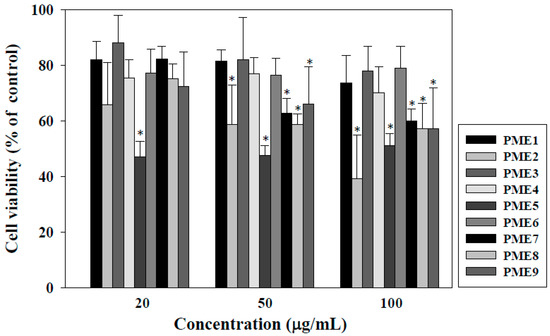
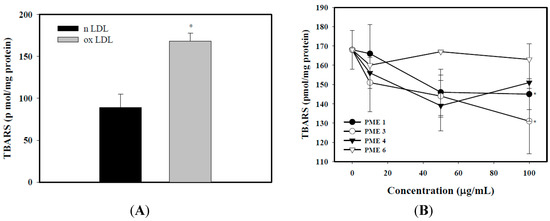
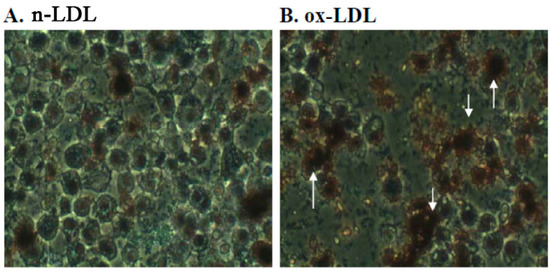
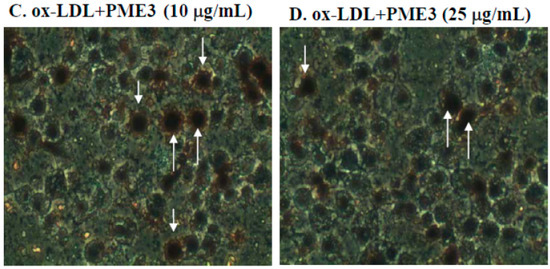
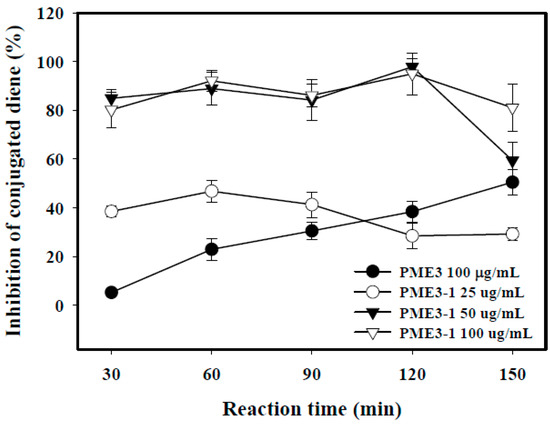
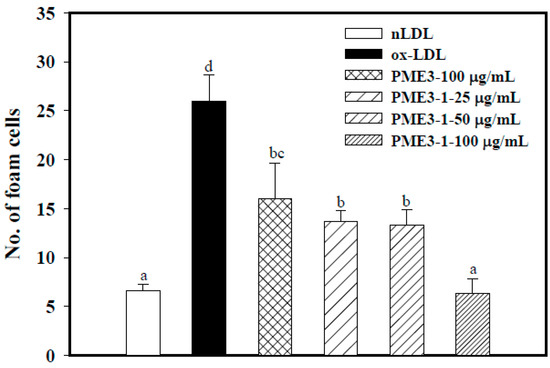
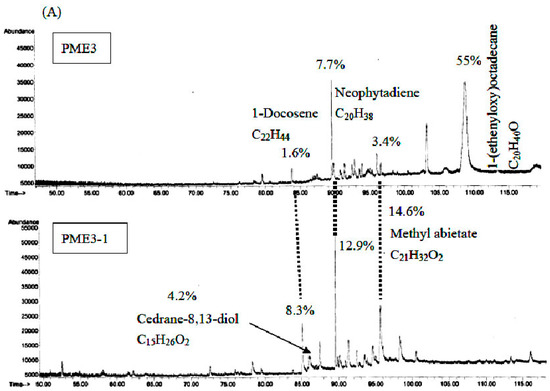
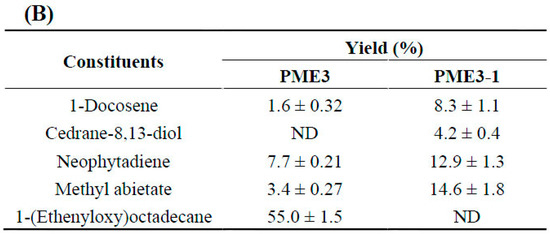
Pine (Pinus morrisonicola Hay, PM) needles have been used as folk medicine for their antihypertension and lipid-lowering effects. As supercritical fluid extraction (SFE) is considered an ideal technique for the extraction of essential oil from plant materials, the present work investigated the optimal SFE conditions and the protective effects of different resulting fractions of PM needles on lipid peroxidation and foam cell production in macrophages. Nine PM needle extracts (PME1–9) were obtained in 1%–4% yields using different SFE conditions, of which PME1 had the lowest yield (1.1%) and PME3 the highest (3.9%). PME3 exhibited lower cytotoxic effects and stronger inhibition of lipid peroxidation and formation of foam cell in RAW 264.7 macrophages than those of other PME extracts. PME3-1 purified from PME3 by column and thin layer chromatography inhibited LDL oxidation more effectively than did PME3 in a cell-free system oxidized by Cu2+. PME3-1 dose-dependently (25–100 μg/mL) decreased conjugated diene levels and foam cell formation induced by ox-LDL. GC/MS analyses revealed that 1-docosene, neophytadiene, and methyl abietate were increased 5.2-, 1.7- and 4.3-fold in PME3-1 relative to PME3. A new hydrocarbon compound, cedrane-8,13-diol, was identified in PME3-1. Overall, the present study demonstrates the optimal extraction conditions of SFE of PM and identifies the most potent antioxidant fractions and possible active compounds in PM. Full article
(This article belongs to the Collection Bioactive Compounds)
Show Figures

Figure 1
10 pages, 1551 KB  
Article
Thermal Influence of CNT on the Polyamide 12 Nanocomposite for Selective Laser Sintering
by Jiaming Bai 1,*, Ruth D. Goodridge 2, Shangqin Yuan 1,3, Kun Zhou 3, Chee Kai Chua 3 and Jun Wei 1
1 Singapore Institute of Manufacturing Technology, 71 Nanyang Drive, 638075 Singapore, Singapore
2 Additive Manufacturing and 3D-Printing Research Group, Faculty of Engineering, University of Nottingham, Nottingham NG7 2RD, UK
3 School of Mechanical and Aerospace Engineering, Nanyang Technological University, 639798 Singapore, Singapore
Molecules 2015, 20(10), 19041-19050; https://doi.org/10.3390/molecules201019041 - 20 Oct 2015
Cited by 86 | Viewed by 7876
Abstract
The thermal influence of carbon nanotubes (CNTs) on the PA12 in the laser sintering process was assessed by physical experiments and a three dimensional simulation model. It appears that, by adding the CNTs into the PA12 matrix, the thermal conductivity increased. A double [...] Read more.
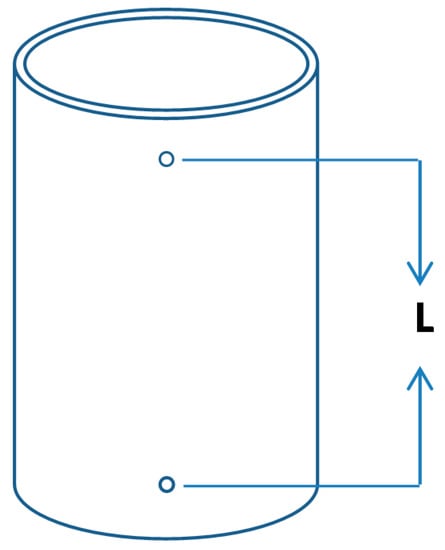
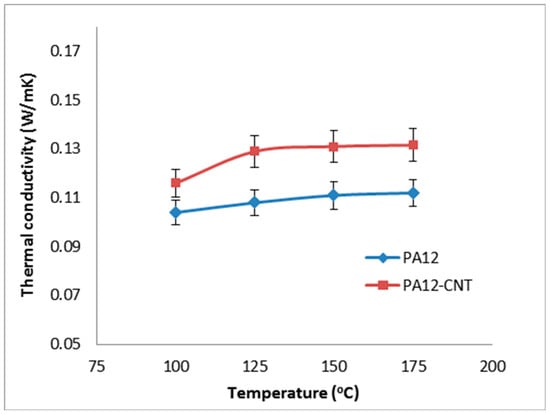
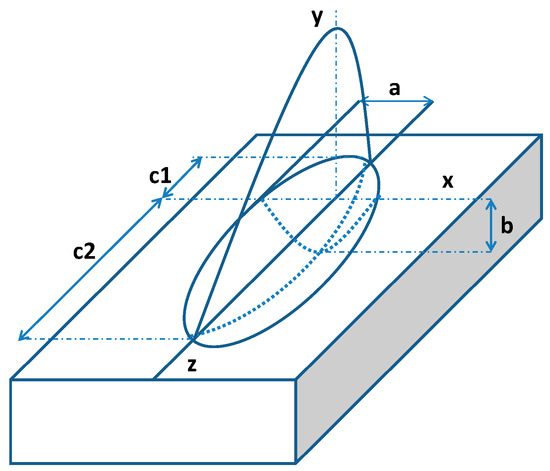
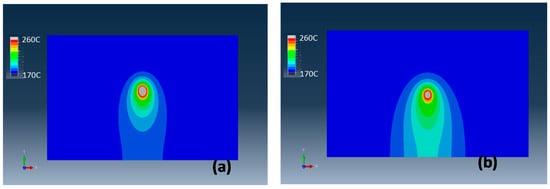
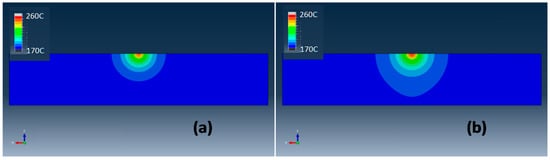
The thermal influence of carbon nanotubes (CNTs) on the PA12 in the laser sintering process was assessed by physical experiments and a three dimensional simulation model. It appears that, by adding the CNTs into the PA12 matrix, the thermal conductivity increased. A double ellipsoidal heat flux model was applied to input a three dimensional, continuous moving, volumetric laser heat source. The predicted three dimensional temperature distributions suggested that the laser heat was conducted wider and deeper in the PA12-CNT sample than PA12. Greater heat conduction can reduce the interspace between two successive layers, and result in the increase of the parts’ density and properties. Full article
Show Figures

Figure 1
11 pages, 729 KB  
Article
miRNA Stability in Frozen Plasma Samples
by Francesca Balzano 1, Marta Deiana 2, Silvia Dei Giudici 3, Annalisa Oggiano 3, Angela Baralla 1, Sara Pasella 1, Andrea Mannu 1, Mario Pescatori 1, Baingio Porcu 1, Giuseppe Fanciulli 4, Angelo Zinellu 1, Ciriaco Carru 1 and Luca Deiana 1,2,*
1 Department of Biomedical Sciences, University of Sassari, vl. San Pietro 43b, Sassari 07100, Italy
2 Associazione “L’Isola dei Centenari”, Via Milano 4, Sassari 07100, Italy
3 Istituto Zooprofilattico Sperimentale della Sardegna, Via Vienna 2, Sassari 07100, Italy
4 Department of Clinical and Experimental Medicine, University of Sassari, vl. San Pietro 8, Sassari 07100, Italy
Molecules 2015, 20(10), 19030-19040; https://doi.org/10.3390/molecules201019030 - 20 Oct 2015
Cited by 114 | Viewed by 10761
Abstract
MicroRNAs (miRNAs) represent a family of small non-coding ribonucleic acids that post-transcriptionally inhibits the expression of their target messenger RNAs (mRNAs), thereby acting as general gene repressors. In this study we examined the relative quantity and stability of miRNA subjected to a long [...] Read more.
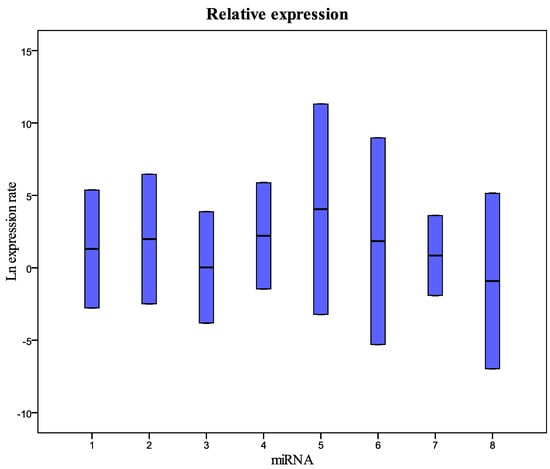
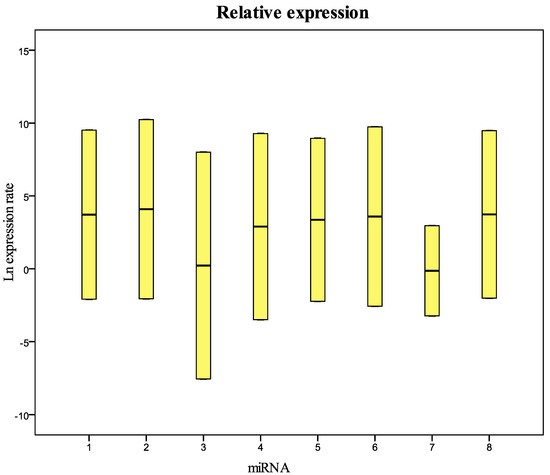
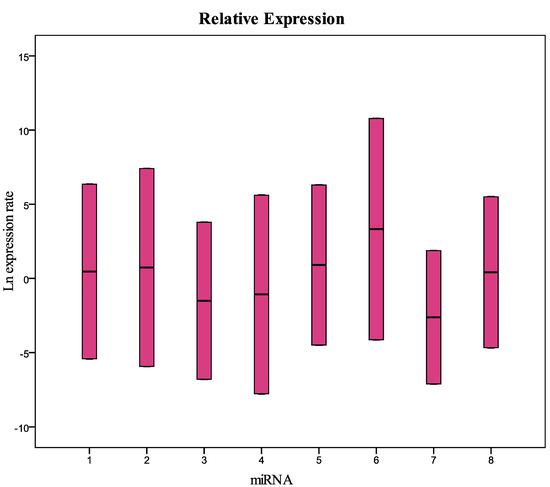
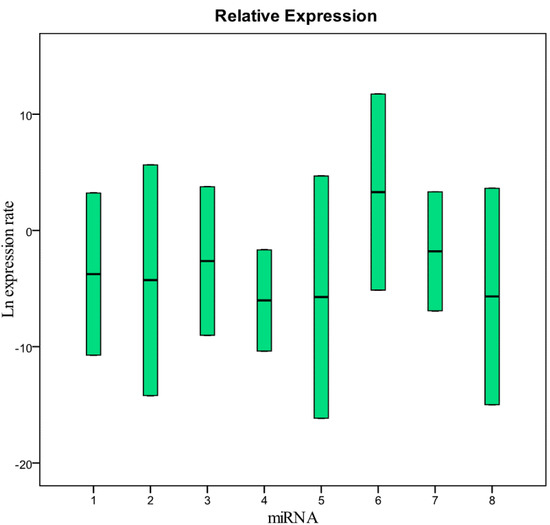
MicroRNAs (miRNAs) represent a family of small non-coding ribonucleic acids that post-transcriptionally inhibits the expression of their target messenger RNAs (mRNAs), thereby acting as general gene repressors. In this study we examined the relative quantity and stability of miRNA subjected to a long period of freezing; we compared the stability of eight miRNAs in the plasma of five human healthy controls before freezing and after six and 12 months of storage at −80 °C. In addition, we examined the plasma frozen for 14 years and the amount of miRNA still available. Using a Life Technologies protocol to amplify and quantify plasma miRNAs from EDTA (Ethylene Diamine Tetraacetic Acid)-treated blood, we analyzed the stability of eight miRNAs, (miR-125b-5p, miR-425-5p, miR-200b-5p, miR-200c-3p, miR-579-3p, miR-212-3p, miR-126-3p, and miR-21-5p). The miRNAs analyzed showed a high stability and long frozen half-life. Full article
(This article belongs to the Section Molecular Diversity)
Show Figures

Figure 1
3 pages, 606 KB  
Correction
Correction: Gomez, T., et al. Imaging the Ultrafast Photoelectron Transfer Process in Alizarin-TiO2. Molecules 2015, 20, 13830–13853
by Tatiana Gomez 1,*, Gunter Hermann 2, Ximena Zarate 1, Jhon Fredy Pérez-Torres 2 and Jean Christophe Tremblay 2,*
1 Dirección de Postgrado e Investigación, Universidad Autónoma de Chile, Llano Subercaceaux 2801, San Miguel, Santiago, Chile
2 Institut für Chemie und Biochemie, Freie Universität Berlin, Takustraße 3, 14195 Berlin, Germany
Molecules 2015, 20(10), 19027-19029; https://doi.org/10.3390/molecules201019027 - 20 Oct 2015
Viewed by 3928
Abstract
The author wishes to make the following correction to this paper [1]. Due to mislabeling, please replace: [...] Full article
13 pages, 973 KB  
Article
Oligomeric Procyanidins Interfere with Glycolysis of Activated T Cells. A Novel Mechanism for Inhibition of T Cell Function
by Masao Goto 1, Manabu Wakagi 1, Toshihiko Shoji 2 and Yuko Takano-Ishikawa 1,*
1 National Food Research Institute, National Agriculture and Food Research Organization, 2-1-12 Kannondai, Tsukuba, Ibaraki 305-8642, Japan
2 Institute of Fruit Tree Science, National Agriculture and Food Research Organization, 2-1 Fujimoto, Tsukuba, Ibaraki 305-8605, Japan
Molecules 2015, 20(10), 19014-19026; https://doi.org/10.3390/molecules201019014 - 20 Oct 2015
Cited by 8 | Viewed by 7397
Abstract
Procyanidins, which are flavonoids that are found in a variety of plant species, reduce or prevent immune disorders, such as allergy and autoimmune diseases, through an unknown mechanism. In the present study, we investigated the effects of procyanidins on the T cell receptor [...] Read more.
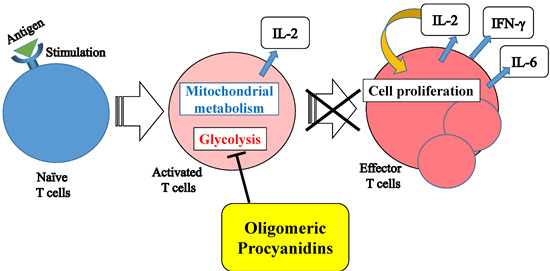
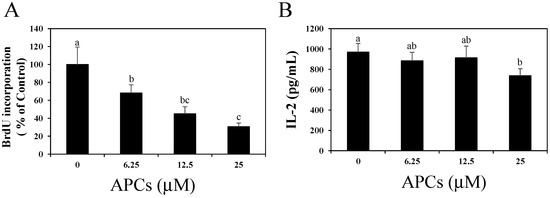
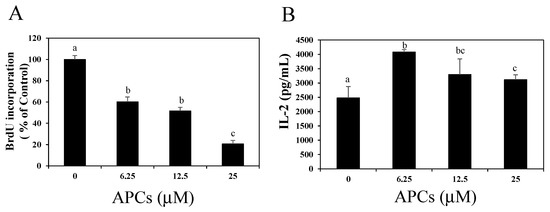
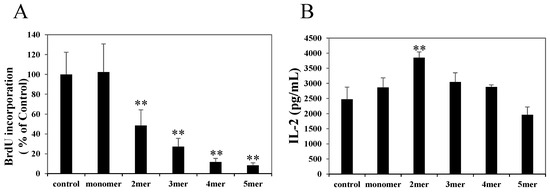
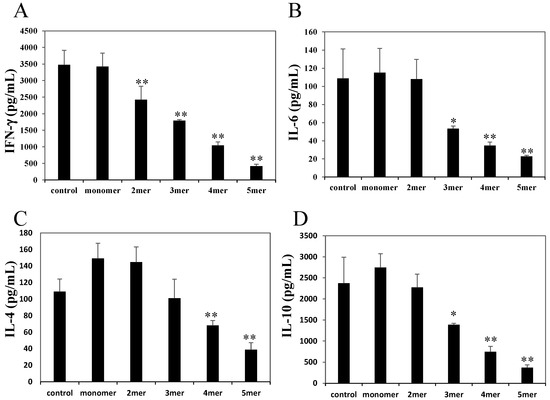
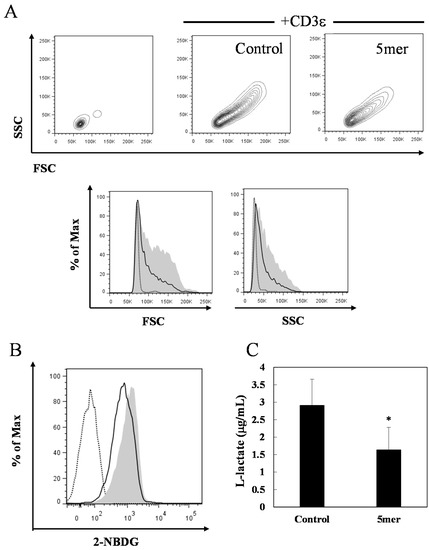
Procyanidins, which are flavonoids that are found in a variety of plant species, reduce or prevent immune disorders, such as allergy and autoimmune diseases, through an unknown mechanism. In the present study, we investigated the effects of procyanidins on the T cell receptor (TCR)-mediated responses of CD4+ T cells in vitro. Apple procyanidins strongly suppressed the proliferation of splenic CD4+ T cells that were stimulated by an anti-CD3ε antibody, as well as splenocytes stimulated by antigen, but did not alter interleukin (IL)-2 secretion from these cells. Furthermore, we found that oligomeric procyanidins strongly suppressed, in a degree of polymerization dependent manner, the proliferation of activated CD4+ T cells, as well as their production of effector cytokines, including glycolysis associated-cytokines, without affecting IL-2 secretion. Additionally, we investigated the inhibitory effects of oligomeric procyanidins on the glycolytic activity of activated CD4+ T cells. We show that pentameric procyanidin suppressed L-lactate production and glucose uptake in activated CD4+ T cells. These results suggest that oligomeric procyanidins suppress the functions of activated CD4+ T cells by interfering with glycolysis. Full article
(This article belongs to the Section Natural Products Chemistry)
Show Figures

Graphical abstract

12 pages, 1106 KB  
Article
The Occurrence of Propyl Lactate in Chinese Baijius (Chinese Liquors) Detected by Direct Injection Coupled with Gas Chromatography-Mass Spectrometry
by Jihong Wu 1,2, Yang Zheng 1,2, Baoguo Sun 1,2,3, Xiaotao Sun 1,2, Jiyuan Sun 1,2, Fuping Zheng 1,2 and Mingquan Huang 1,2,3,*
1 School of Food and Chemical Engineering, Beijing Technology and Business University, Beijing 100048, China
2 Beijing Key Laboratory of Flavor Chemistry, Beijing Technology and Business University, Beijing 100048, China
3 Beijing Innovation Centre of Food Nutrition and Human Health, Beijing 100048, China
Molecules 2015, 20(10), 19002-19013; https://doi.org/10.3390/molecules201019002 - 19 Oct 2015
Cited by 19 | Viewed by 9143
Abstract
As one of the oldest distillates in the world, flavor compounds of Chinese Baijiu (Chinese liquor) were extremely complex. Propyl lactate was firstly detected by direct injection and gas chromatography-mass spectrometry (GC-MS) in 72 Chinese Baijius. The objectives were to detect the contents [...] Read more.
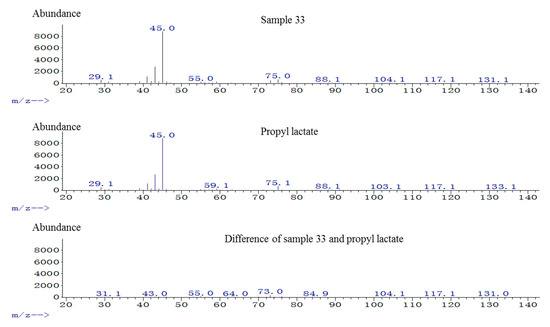
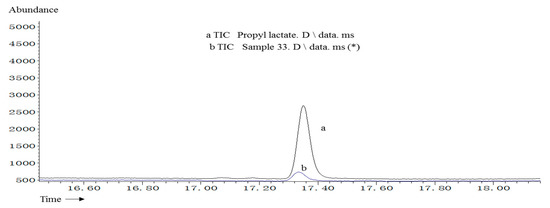
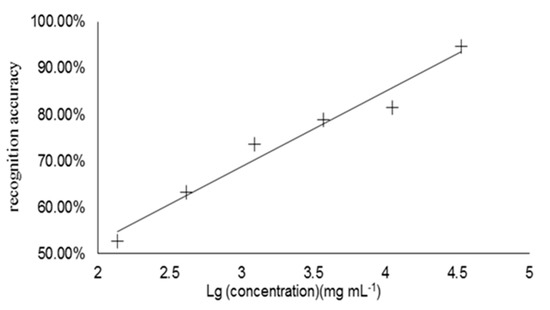
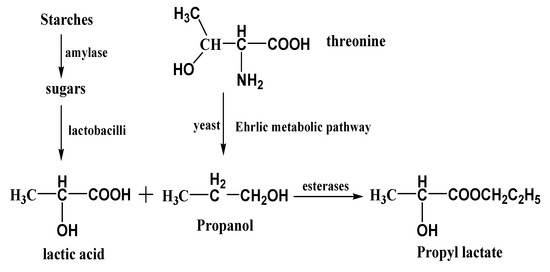
As one of the oldest distillates in the world, flavor compounds of Chinese Baijiu (Chinese liquor) were extremely complex. Propyl lactate was firstly detected by direct injection and gas chromatography-mass spectrometry (GC-MS) in 72 Chinese Baijius. The objectives were to detect the contents of propyl lactate and evaluate its contribution to the aroma of Chinese Baijiu based on odor activity values (OAVs). The levels of propyl lactate in these distillates were determined by internal standard method and selective ion monitoring (SIM), which ranged from 0.050 to 1.900 mg∙L−1 under investigation. Its detection threshold was determined by Three-Alternative Forced-Choice (3-AFC) and curve fitting (CF), which was 0.740 mg∙L−1 in 38% ethanol solution. The contribution of propyl lactate on the aroma of these distillate drinks was evaluated by their odor activity values (OAVs), which varied from 0.066 to 4.440. The OAVs of propyl lactate were found to exceed 1 in 13 Chinese Baijius, including 50° Jingzhi Guniang 5 years (4.440), 52° Jingzhi Guniang 10 years (3.024), Jingyanggang (2.568), Xianghe Ronghe Shaofang (2.313), and 1956 Laolang (1.431), which indicated that propyl lactate was one of odor-active components in these Chinese Baijius. Full article
(This article belongs to the Collection Recent Advances in Flavors and Fragrances)
Show Figures

Figure 1
14 pages, 1577 KB  
Article
Validated LC-MS/MS Method for the Determination of Scopoletin in Rat Plasma and Its Application to Pharmacokinetic Studies
by Yingchun Zeng 1, Sha Li 1, Xiaohong Wang 1, Tao Gong 1, Xun Sun 1 and Zhirong Zhang 2,*
1 Key Laboratory of Drug Targeting and Drug Delivery Systems, Ministry of Education, West China School of Pharmacy, Sichuan University, Chengdu 610041, China
2 West China School of Pharmacy, Sichuan University, No. 17, Block 3, Southern Renmin Road, Chengdu 610041, China
Molecules 2015, 20(10), 18988-19001; https://doi.org/10.3390/molecules201018988 - 19 Oct 2015
Cited by 59 | Viewed by 8545
Abstract
A rapid, sensitive and selective liquid chromatography-electrospray ionization-tandem mass spectrometric method was developed and validated for the quantification of scopoletin in rat plasma. After the addition of the internal standard xanthotoxin, plasma samples were pretreated by a simple one-step protein precipitation with acetonitrile-methanol [...] Read more.
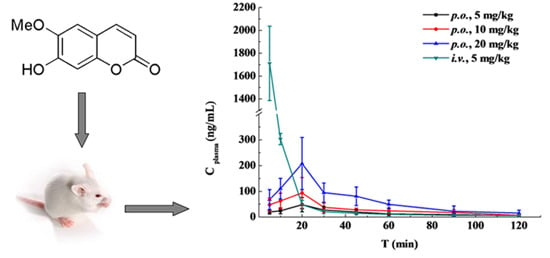
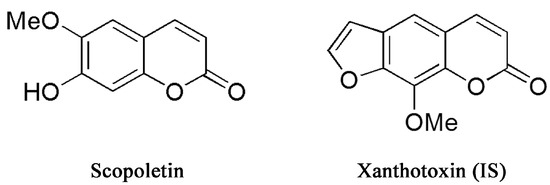
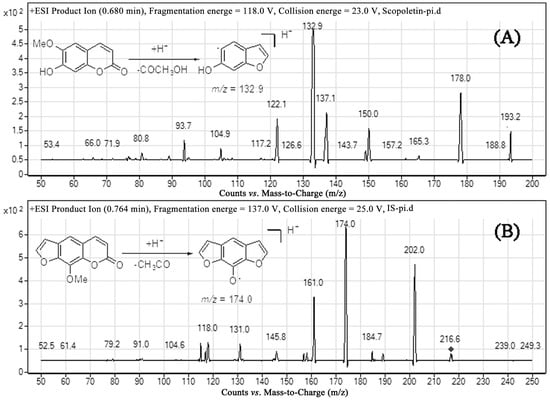
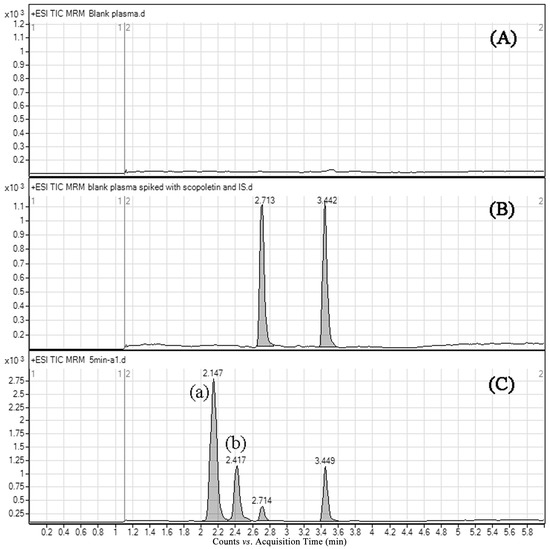
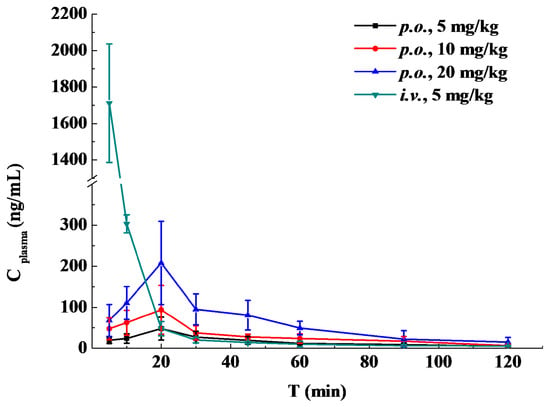
A rapid, sensitive and selective liquid chromatography-electrospray ionization-tandem mass spectrometric method was developed and validated for the quantification of scopoletin in rat plasma. After the addition of the internal standard xanthotoxin, plasma samples were pretreated by a simple one-step protein precipitation with acetonitrile-methanol (2:1, v/v). Chromatographic separation was achieved on a Diamonsil ODS chromatography column using gradient elution with the mobile phase consisting of acetonitrile and 0.1% formic acid. The determination was performed by positive ion electrospray ionization in multiple reaction monitoring mode. The calibration curve was linear over the concentration range of 5–1000 ng/mL (r = 0.9996). The intra- and inter-day precision (RSD%) was less than 6.1%, and the accuracy (RE%) was from −3.0%–2.5%. This method was successfully applied to the pharmacokinetic research of scopoletin in rats after intravenous (5 mg/kg) or oral (5, 10 and 20 mg/kg) administration. The result showed that oral bioavailability with a dose of 5 mg/kg was 6.62% ± 1.72%, 10 mg/kg, 5.59% ± 1.16%, and 20 mg/kg, 5.65% ± 0.75%. Full article
(This article belongs to the Special Issue Coumarins, Xanthones and Related Compounds)
Show Figures

Graphical abstract

21 pages, 1510 KB  
Article
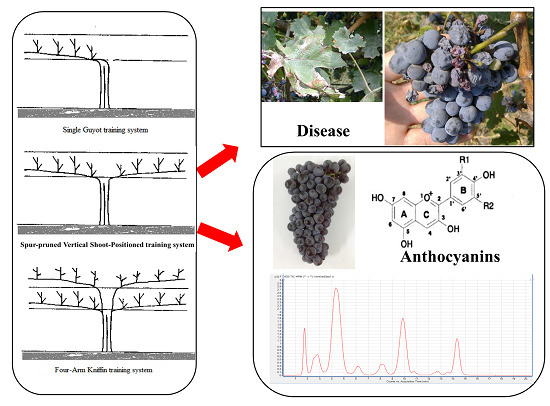
Effect of Three Training Systems on Grapes in a Wet Region of China: Yield, Incidence of Disease and Anthocyanin Compositions of Vitis vinifera cv. Cabernet Sauvignon
by Mei-Ying Liu 1, Ming Chi 1, Yong-Hong Tang 1, Chang-Zheng Song 1, Zhu-Mei Xi 1,2,* and Zhen-Wen Zhang 1,2,*
1 College of Enology, Northwest A & F University, Yangling 712100, Shannxi, China
2 Shaanxi Engineering Research Center for Viti-Viniculture, Yangling 712100, Shannxi, China
Molecules 2015, 20(10), 18967-18987; https://doi.org/10.3390/molecules201018967 - 19 Oct 2015
Cited by 20 | Viewed by 8610
Abstract
Grapevine training systems determine the suitability for grape varieties in a specific growing region. We evaluated the influence of three training systems, Single Guyot (SG), Spur-pruned Vertical Shoot-Positioned (VSP), and Four-Arm Kniffin (4AK), on the performance of grapes and vines of Vitis vinifera [...] Read more.
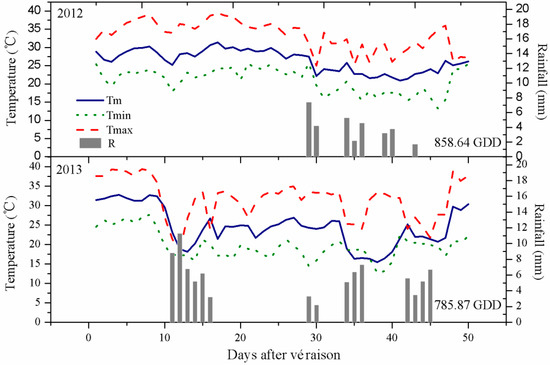
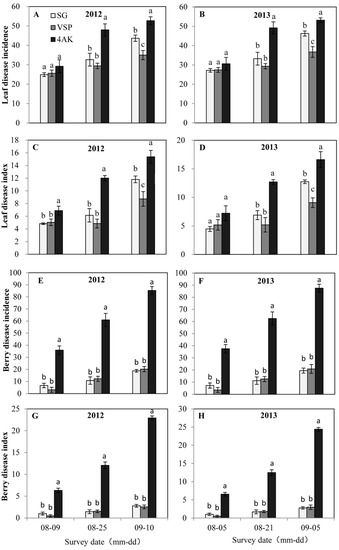
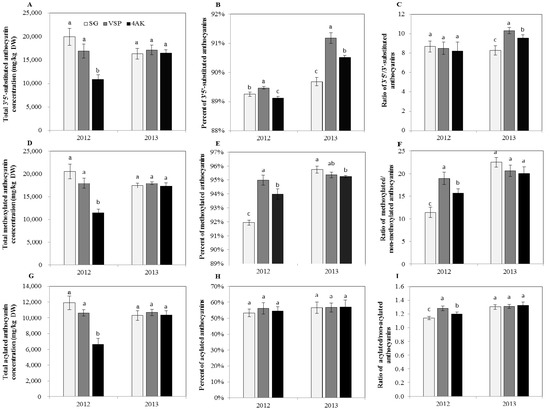
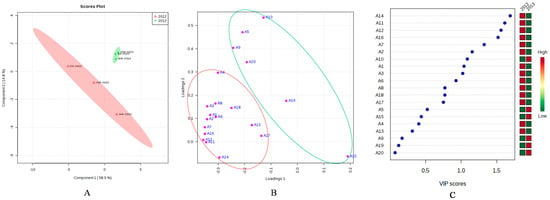
Grapevine training systems determine the suitability for grape varieties in a specific growing region. We evaluated the influence of three training systems, Single Guyot (SG), Spur-pruned Vertical Shoot-Positioned (VSP), and Four-Arm Kniffin (4AK), on the performance of grapes and vines of Vitis vinifera L. cv. Cabernet Sauvignon in the 2012 and 2013 growing seasons in a wet region of central China. 4AK was the most productive system in comparison to SG and VSP. SG and VSP had lower disease infections of leaves and berries, especially in the mid- and final stage of berry ripening. Three training systems had no impact on berry maturity. PLS-DA (Partial Least Squares-Discriminant) analysis showed that the relatively dry vintage could well discriminate three training systems, but the wet vintage was not. A wet vintage of 2013 had more accumulation of 3′5′-substituted and acylated anthocyanins, including malvidin-3-O-(6-O-acetyl)-glucoside, malvidin-3-O-glucoside, and petunidin-3-O-(cis-6-O-coumaryl)-glucoside, etc. With regard to the effect of training systems, 4AK grapes had the lowest concentrations of total anthocyanins and individual anthocyanins, SG and VSP differed according to the different vintages, and showed highest concentration of total individual anthocyanins in 2012 and 2013, respectively. Generally, VSP benefited the most, contributing to significantly highest levels of total individual anthocyanins, and major anthocyanin, including malvidin-3-O-glucoside and malvidin-3-O-(6-O-acetyl)-glucoside, and the grapes obtained from VSP presented significantly highest proportion of 3′5′-substituted anthocyanins. With regard to the ratios of 3′5′/3′-substituted, methoxylated/non-methoxylated and acylated/non-acylated anthocyanins, the significantly higher levels were also shown in VSP system. In summary, VSP was the best training system for Cabernet Sauvignon to accumulate relatively stable individual anthocyanins in this wet region of China and potentially in other rainy regions. Full article
Show Figures

Graphical abstract

44 pages, 1162 KB  
Review
Membrane Interactions of Phytochemicals as Their Molecular Mechanism Applicable to the Discovery of Drug Leads from Plants
by Hironori Tsuchiya
Department of Dental Basic Education, Asahi University School of Dentistry, 1851 Hozumi, Mizuho, Gifu 501-0296, Japan
Molecules 2015, 20(10), 18923-18966; https://doi.org/10.3390/molecules201018923 - 16 Oct 2015
Cited by 205 | Viewed by 16214
Abstract
In addition to interacting with functional proteins such as receptors, ion channels, and enzymes, a variety of drugs mechanistically act on membrane lipids to change the physicochemical properties of biomembranes as reported for anesthetic, adrenergic, cholinergic, non-steroidal anti-inflammatory, analgesic, antitumor, antiplatelet, antimicrobial, and [...] Read more.
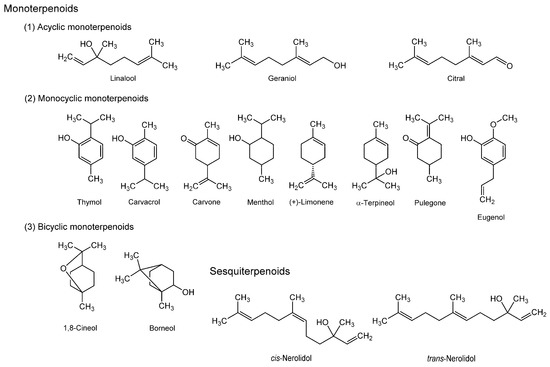
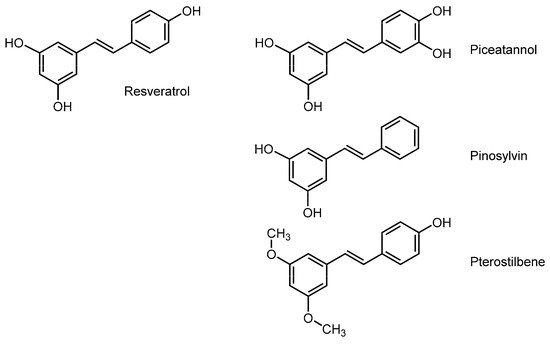
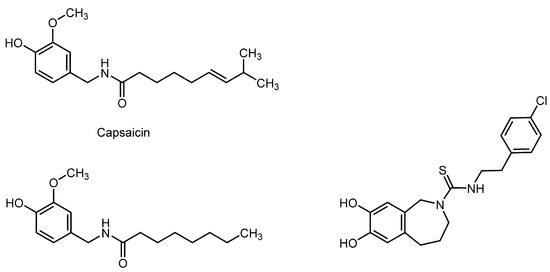
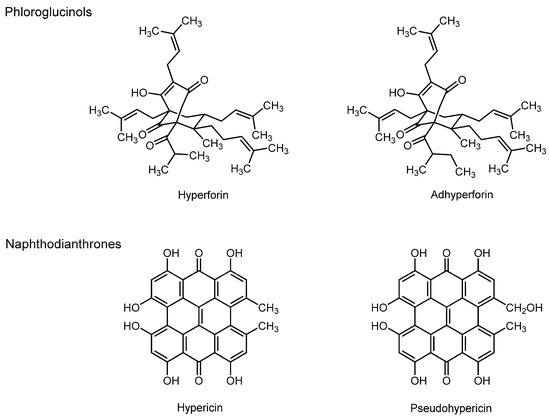
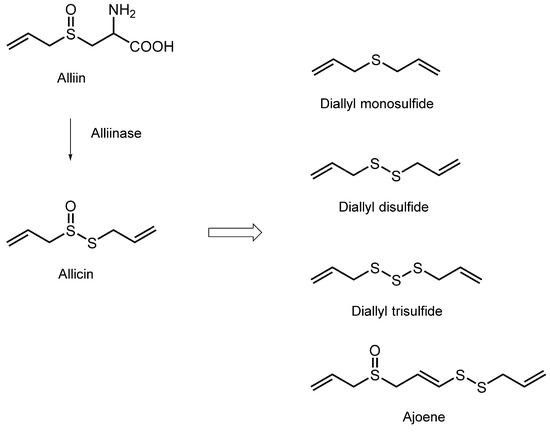
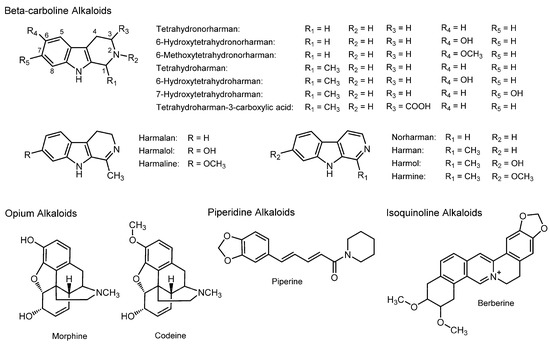
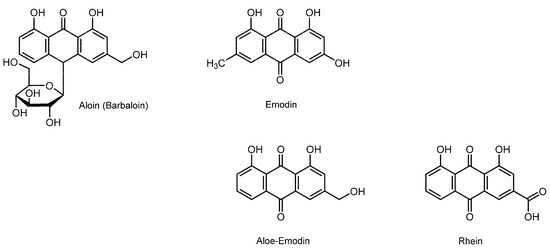
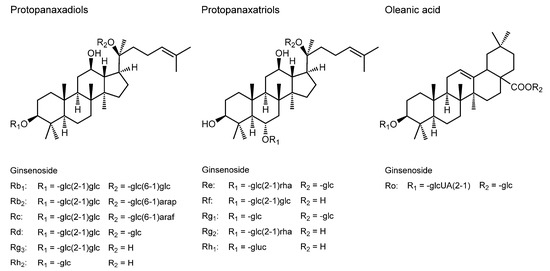
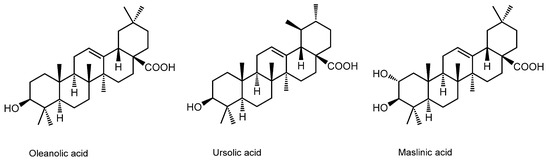
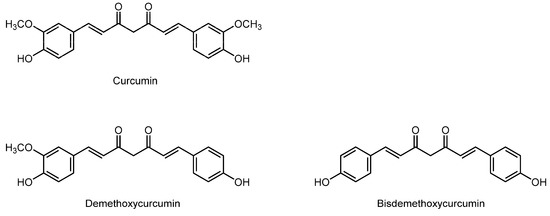
In addition to interacting with functional proteins such as receptors, ion channels, and enzymes, a variety of drugs mechanistically act on membrane lipids to change the physicochemical properties of biomembranes as reported for anesthetic, adrenergic, cholinergic, non-steroidal anti-inflammatory, analgesic, antitumor, antiplatelet, antimicrobial, and antioxidant drugs. As well as these membrane-acting drugs, bioactive plant components, phytochemicals, with amphiphilic or hydrophobic structures, are presumed to interact with biological membranes and biomimetic membranes prepared with phospholipids and cholesterol, resulting in the modification of membrane fluidity, microviscosity, order, elasticity, and permeability with the potencies being consistent with their pharmacological effects. A novel mechanistic point of view of phytochemicals would lead to a better understanding of their bioactivities, an insight into their medicinal benefits, and a strategic implication for discovering drug leads from plants. This article reviews the membrane interactions of different classes of phytochemicals by highlighting their induced changes in membrane property. The phytochemicals to be reviewed include membrane-interactive flavonoids, terpenoids, stilbenoids, capsaicinoids, phloroglucinols, naphthodianthrones, organosulfur compounds, alkaloids, anthraquinonoids, ginsenosides, pentacyclic triterpene acids, and curcuminoids. The membrane interaction’s applicability to the discovery of phytochemical drug leads is also discussed while referring to previous screening and isolating studies. Full article
(This article belongs to the Special Issue 20th Anniversary of Molecules—Recent Advances in Natural Products)
Show Figures

Figure 1
16 pages, 1262 KB  
Article
Phytochemicals from Ruta graveolens Activate TAS2R Bitter Taste Receptors and TRP Channels Involved in Gustation and Nociception
by Giuseppe Mancuso, Gigliola Borgonovo, Leonardo Scaglioni and Angela Bassoli *
DeFENS—Department of Food, Environmental and Nutritional Sciences, University of Milan, via Celoria 2, Milano I-20133, Italy
Molecules 2015, 20(10), 18907-18922; https://doi.org/10.3390/molecules201018907 - 16 Oct 2015
Cited by 44 | Viewed by 12012
Abstract
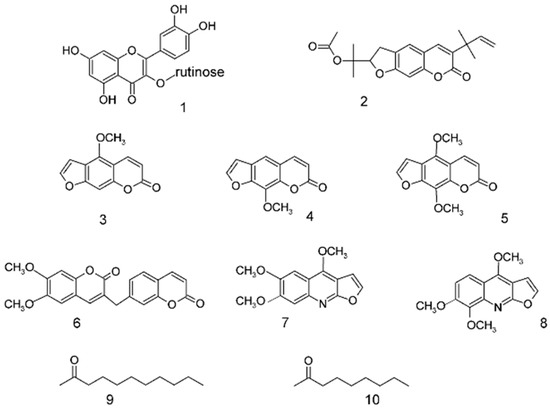
Ruta graveolens (rue) is a spontaneous plant in the Mediterranean area with a strong aroma and a very intense bitter taste, used in gastronomy and in folk medicine. From the leaves, stems and fruits of rue, we isolated rutin, rutamarin, three furanocoumarins, two [...] Read more.
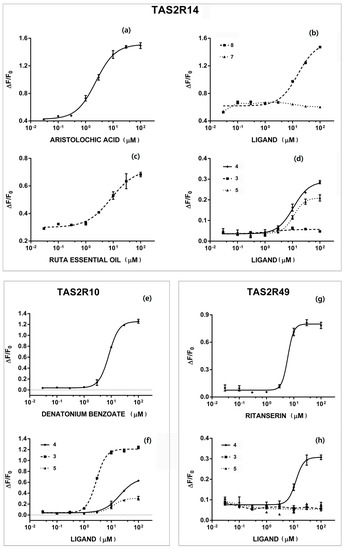
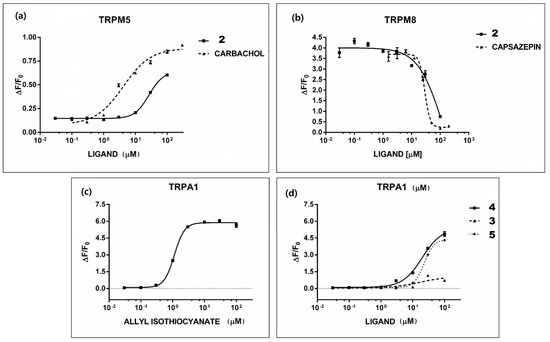
Ruta graveolens (rue) is a spontaneous plant in the Mediterranean area with a strong aroma and a very intense bitter taste, used in gastronomy and in folk medicine. From the leaves, stems and fruits of rue, we isolated rutin, rutamarin, three furanocoumarins, two quinolinic alkaloids, a dicoumarin and two long chain ketones. Bitter taste and chemesthetic properties have been evaluated by in vitro assays with twenty receptors of the TAS2R family and four TRP ion channels involved in gustation and nociception. Among the alkaloids, skimmianine was active as a specific agonist of T2R14, whereas kokusaginin did not activate any of the tested receptors. The furanocoumarins activates TAS2R10, 14, and 49 with different degrees of selectivity, as well as the TRPA1 somatosensory ion channel. Rutamarin is an agonist of TRPM5 and TRPV1 and a strong antagonist of TRPM8 ion channels. Full article
Show Figures

Figure 1
21 pages, 1285 KB  
Review
Melatonin as a Potent and Inducible Endogenous Antioxidant: Synthesis and Metabolism
by Dun-Xian Tan *, Lucien C. Manchester, Eduardo Esteban-Zubero, Zhou Zhou and Russel J. Reiter *
Department of Cellular and Structural Biology, Health Science Center, University of Texas, San Antonio, TX 78229, USA
Molecules 2015, 20(10), 18886-18906; https://doi.org/10.3390/molecules201018886 - 16 Oct 2015
Cited by 626 | Viewed by 40536
Abstract
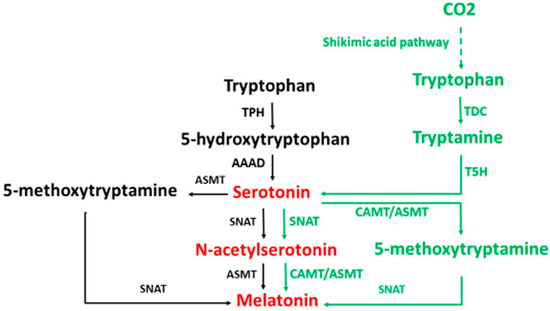
Melatonin is a tryptophan-derived molecule with pleiotropic activities. It is present in almost all or all organisms. Its synthetic pathway depends on the species in which it is measured. For example, the tryptophan to melatonin pathway differs in plants and animals. It is [...] Read more.
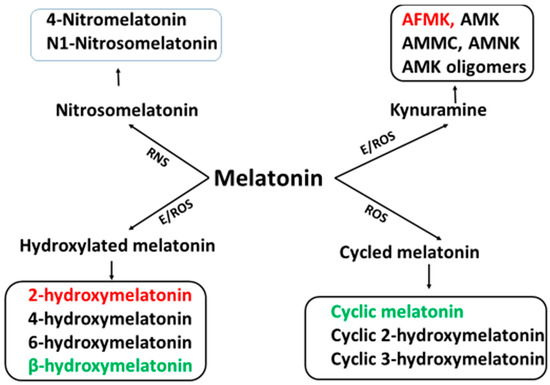
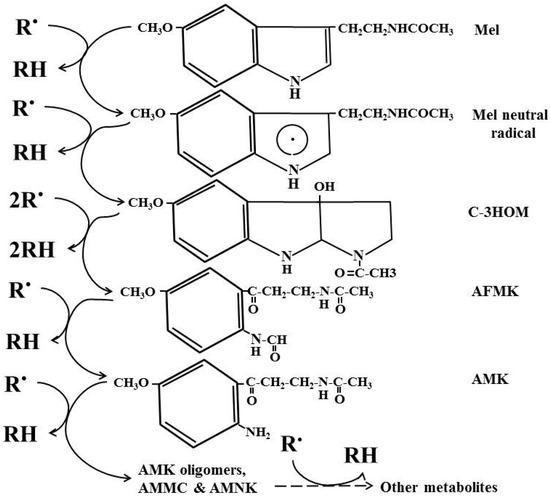
Melatonin is a tryptophan-derived molecule with pleiotropic activities. It is present in almost all or all organisms. Its synthetic pathway depends on the species in which it is measured. For example, the tryptophan to melatonin pathway differs in plants and animals. It is speculated that the melatonin synthetic machinery in eukaryotes was inherited from bacteria as a result of endosymbiosis. However, melatonin’s synthetic mechanisms in microorganisms are currently unknown. Melatonin metabolism is highly complex with these enzymatic processes having evolved from cytochrome C. In addition to its enzymatic degradation, melatonin is metabolized via pseudoenzymatic and free radical interactive processes. The metabolic products of these processes overlap and it is often difficult to determine which process is dominant. However, under oxidative stress, the free radical interactive pathway may be featured over the others. Because of the complexity of the melatonin degradative processes, it is expected that additional novel melatonin metabolites will be identified in future investigations. The original and primary function of melatonin in early life forms such as in unicellular organisms was as a free radical scavenger and antioxidant. During evolution, melatonin was selected as a signaling molecule to transduce the environmental photoperiodic information into an endocrine message in multicellular organisms and for other purposes as well. As an antioxidant, melatonin exhibits several unique features which differ from the classic antioxidants. These include its cascade reaction with free radicals and its capacity to be induced under moderate oxidative stress. These features make melatonin a potent endogenously-occurring antioxidant that protects organisms from catastrophic oxidative stress. Full article
(This article belongs to the Special Issue Antioxidants—A Risk-Benefit Analysis for Health)
Show Figures

Figure 1
16 pages, 1083 KB  
Article
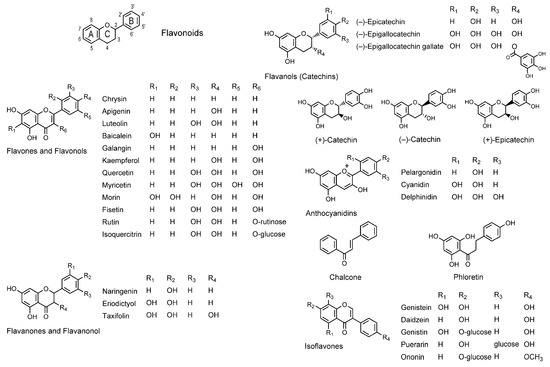
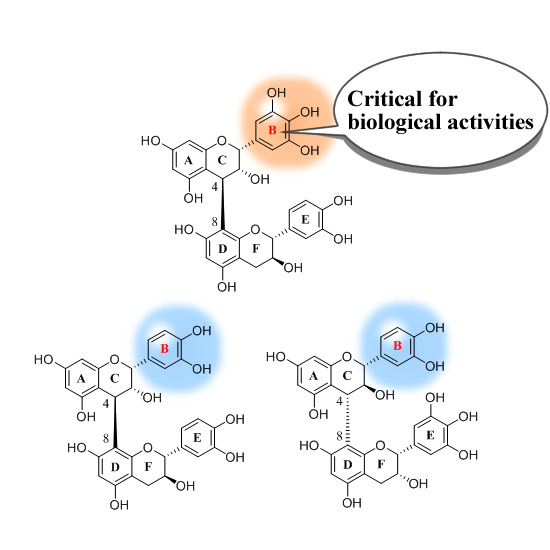
Structure–Activity Relationship of Oligomeric Flavan-3-ols: Importance of the Upper-Unit B-ring Hydroxyl Groups in the Dimeric Structure for Strong Activities
by Yoshitomo Hamada 1, Syota Takano 2, Yoshihiro Ayano 1, Masahiro Tokunaga 2, Takahiro Koashi 1, Syuhei Okamoto 1, Syoma Doi 1, Masahiko Ishida 2, Takashi Kawasaki 3, Masahiro Hamada 4, Noriyuki Nakajima 4,* and Akiko Saito 1,2,*
1 Graduate School of Engineering, Osaka Electro-Communication University (OECU), 18-8 Hatsu-cho, Neyagawa-shi, Osaka 572-8530, Japan
2 Faculty of Engineering, Osaka Electro-Communication University (OECU), 18-8 Hatsu-cho, Neyagawa-shi, Osaka 572-8530, Japan
3 Department of Pharmaceutical Sciences, Ritsumeikan University, 1-1-1 Nojihigashi, Kusatsu, Shiga 525-8577, Japan
4 Biotechnology Research Center and Department of Biotechnology, Toyama Prefectural University, 5180, Kurokawa, Imizu, Toyama 939-0398, Japan
Molecules 2015, 20(10), 18870-18885; https://doi.org/10.3390/molecules201018870 - 16 Oct 2015
Cited by 16 | Viewed by 6651
Abstract
Proanthocyanidins, which are composed of oligomeric flavan-3-ol units, are contained in various foodstuffs (e.g., fruits, vegetables, and drinks) and are strongly biologically active compounds. We investigated which element of the proanthocyanidin structure is primarily responsible for this functionality. In this study, we elucidate [...] Read more.
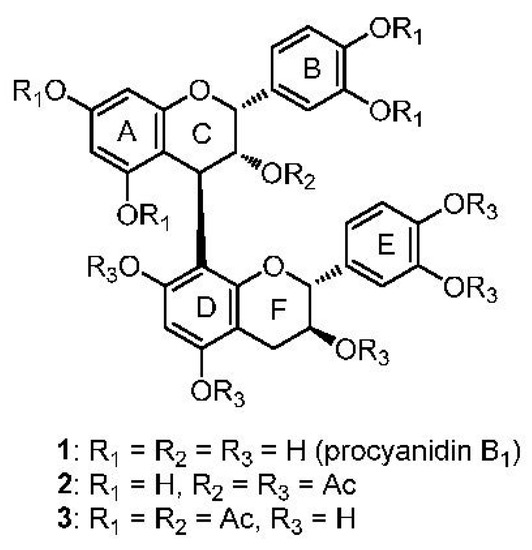
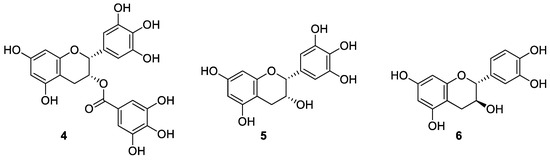
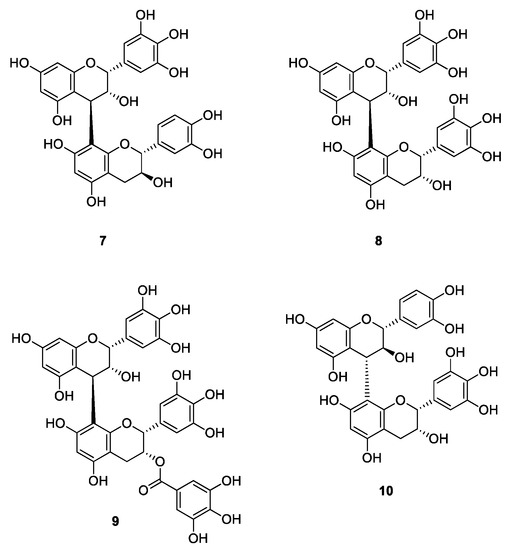
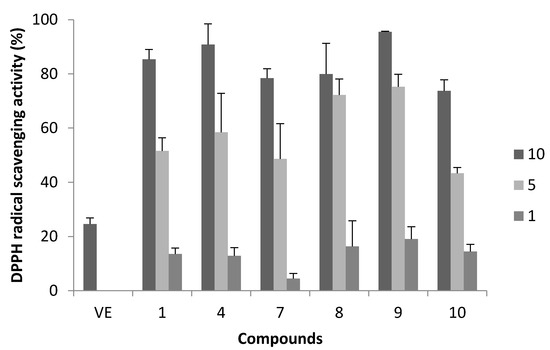
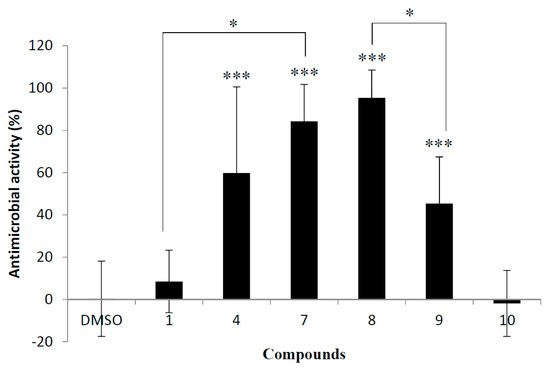
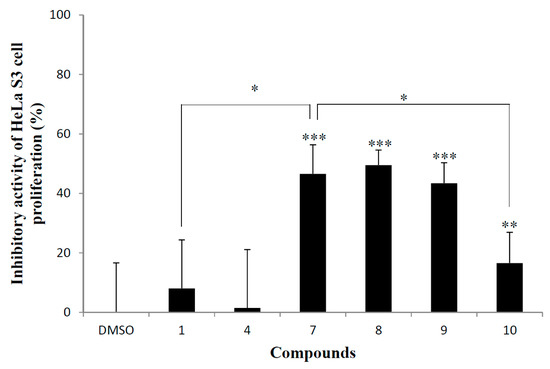
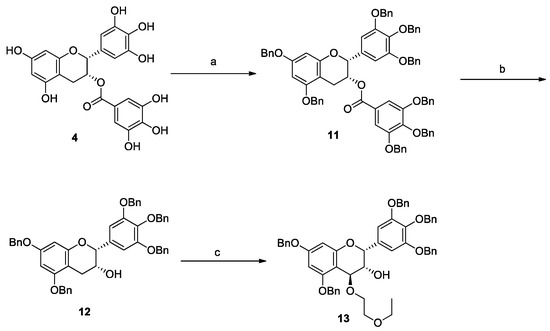
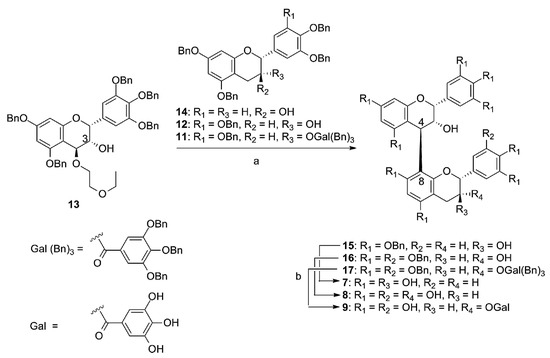
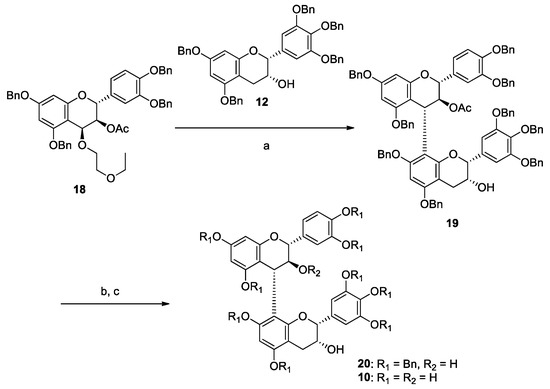
Proanthocyanidins, which are composed of oligomeric flavan-3-ol units, are contained in various foodstuffs (e.g., fruits, vegetables, and drinks) and are strongly biologically active compounds. We investigated which element of the proanthocyanidin structure is primarily responsible for this functionality. In this study, we elucidate the importance of the upper-unit of 4–8 condensed dimeric flavan-3-ols for antimicrobial activity against Saccharomyces cerevisiae (S. cerevisiae) and cervical epithelioid carcinoma cell line HeLa S3 proliferation inhibitory activity. To clarify the important constituent unit of proanthocyanidin, we synthesized four dimeric compounds, (−)-epigallocatechin-[4,8]-(+)-catechin, (−)-epigallocatechin-[4,8]-(−)-epigallocatechin, (−)-epigallocatechin-[4,8]-(−)-epigallocatechin-3-O-gallate, and (+)-catechin-[4,8]-(−)-epigallocatechin and performed structure–activity relationship (SAR) studies. In addition to antimicrobial activity against S. cerevisiae and proliferation inhibitory activity on HeLa S3 cells, the correlation of 2,2-diphenyl-l-picrylhydrazyl radical scavenging activity with the number of phenolic hydroxyl groups was low. On the basis of the results of our SAR studies, we concluded that B-ring hydroxyl groups of the upper-unit of the dimer are crucially important for strong and effective activity. Full article
(This article belongs to the Section Natural Products Chemistry)
Show Figures

Graphical abstract

14 pages, 987 KB  
Article
Maleimides Designed for Self-Assembly and Reactivity on Graphene
by Cristina Mattioli, André Gourdon *,† and NanoSciences Group
1 Centre d’Elaboration de Matériaux et d’Etudes Structurales, Centre National de la Recherche Scientifique, CEMES-CNRS, 29 rue Jeanne Marvig, BP 94347, 31055, Toulouse Cedex 4, France
These authors contributed equally to this work.
Molecules 2015, 20(10), 18856-18869; https://doi.org/10.3390/molecules201018856 - 16 Oct 2015
Cited by 1 | Viewed by 8218
Abstract
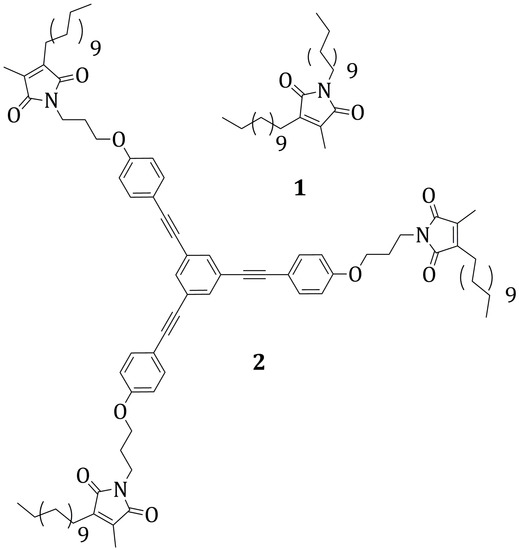
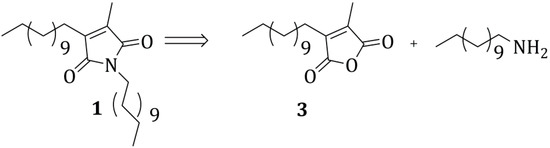
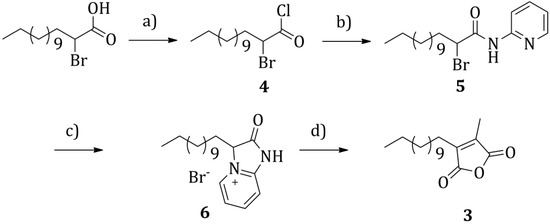
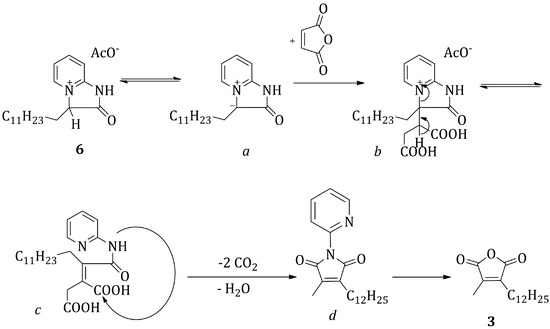
Two new maleimide derivatives have been synthesized, prone to self-assemble and react with graphene as dienophiles. Both compounds bear a long alkyl chain on the carbon-carbon double bond position 3. The maleimide 1 bears a second alkyl chain at the nitrogen, while in [...] Read more.
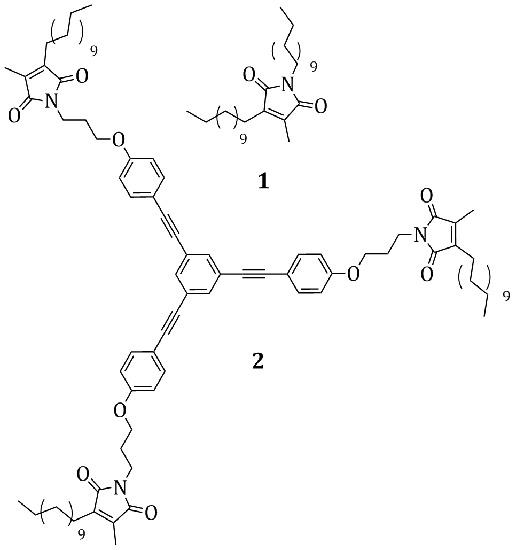
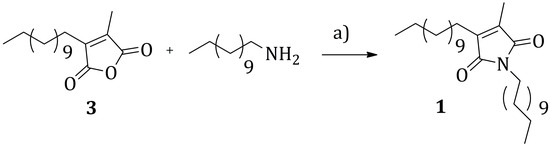
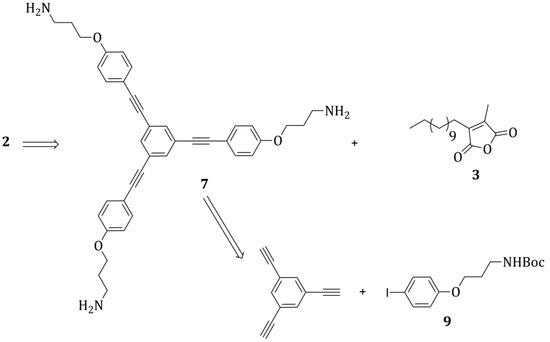
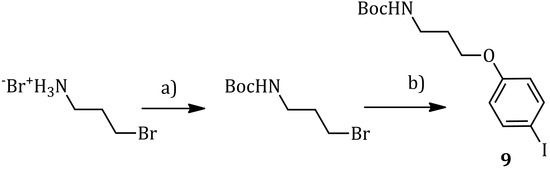
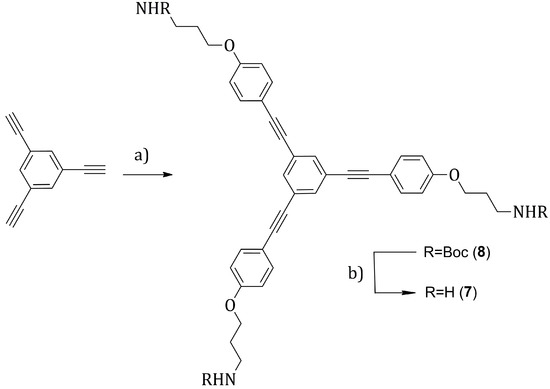
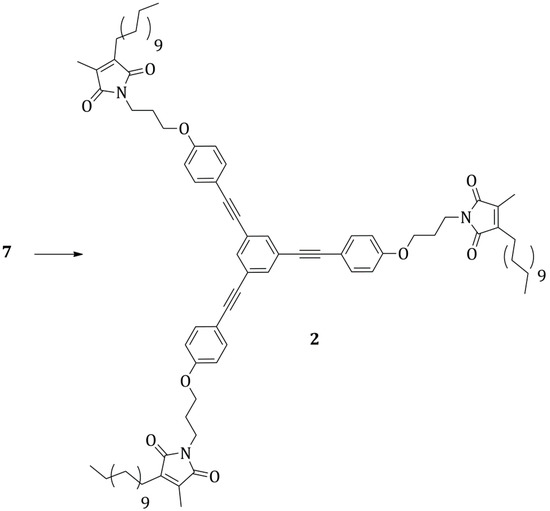
Two new maleimide derivatives have been synthesized, prone to self-assemble and react with graphene as dienophiles. Both compounds bear a long alkyl chain on the carbon-carbon double bond position 3. The maleimide 1 bears a second alkyl chain at the nitrogen, while in compound 2, three maleimide functionalities are linked to a triethynylbenzene core. Full article
(This article belongs to the Section Organic Chemistry)
Show Figures

Graphical abstract