


-
Long-Term Assessment of Soil Carbon Dynamics in Post-Fire Conditions: Evidence from Digital Soil Mapping Approaches -
Remediation of Contaminated Soils Using Organic Waste and Waste Products in Sub-Saharan Africa: A Review of Technologies, Adoption and Challenges -
Characterization of Soil Organic Matter in Agricultural Soils Under Various Tillage Practices Using Fluorescence Spectroscopy -
Spatial Patterns of Mercury and Geochemical Baseline Values in Arctic Soils
Journal Description
Soil Systems
Soil Systems
- formerly Soils - is an international, scientific, peer-reviewed, open access journal on soil science, published monthly online by MDPI. The Italian Society of Soil Science (SISS) is affiliated with Soil Systems and its members receive discounts on the article processing charges.
- Open Access— free for readers, with article processing charges (APC) paid by authors or their institutions.
- High Visibility: indexed within Scopus, ESCI (Web of Science), GEOBASE, AGRIS, PubAg, GeoRef, CAPlus / SciFinder, and other databases.
- Journal Rank: JCR - Q2 (Soil Science) / CiteScore - Q1 (Earth-Surface Processes)
- Rapid Publication: manuscripts are peer-reviewed and a first decision is provided to authors approximately 32.7 days after submission; acceptance to publication is undertaken in 4.8 days (median values for papers published in this journal in the first half of 2026).
- Recognition of Reviewers: reviewers who provide timely, thorough peer-review reports receive vouchers entitling them to a discount on the APC of their next publication in any MDPI journal, in appreciation of the work done.
- Journal Cluster of Agricultural Science: Agriculture, Agronomy, Horticulturae, Soil Systems, AgriEngineering, Crops, Seeds, Grasses, Agrochemicals and AI and Precision Agriculture.
Impact Factor:
4.1 (2025);
5-Year Impact Factor:
4.4 (2025)
Latest Articles
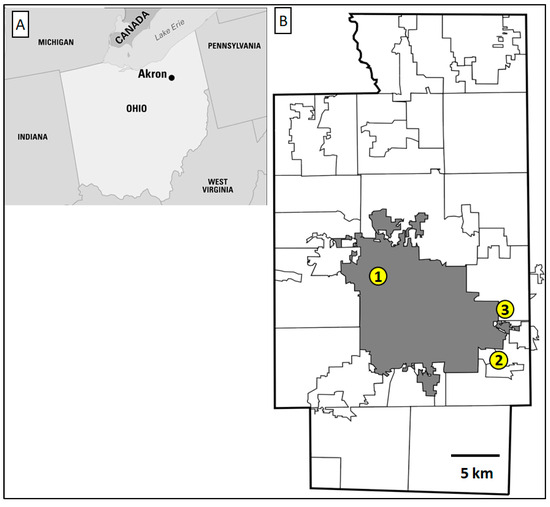
Weathering of Pb-Based Paint Chips and Other Metal Inputs in Residential Soil and Potential Bioaccessibility at the Decadal Time Scale
Soil Syst. 2026, 10(8), 86; https://doi.org/10.3390/soilsystems10080086 - 23 Jul 2026
Abstract
Lead (Pb)-based paints and other metal-bearing phases sourced from home exteriors can be added to adjacent soils, which break down over time, altering potential bioaccessibility. However, data on how particle size and morphology influence metal bioaccessibility remains limited, which was investigated in this
[...] Read more.
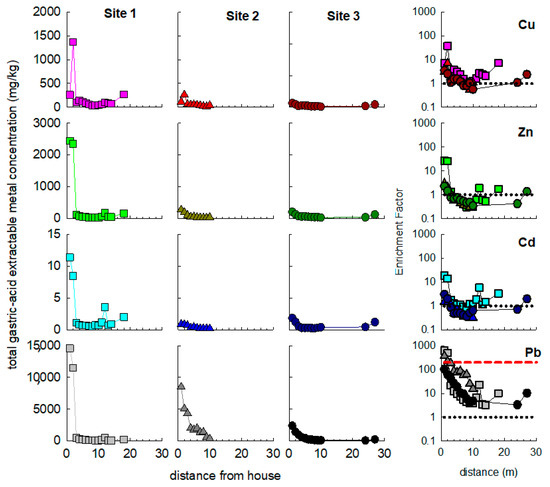
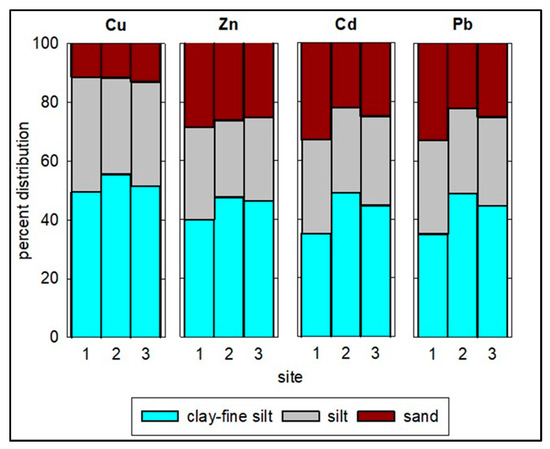
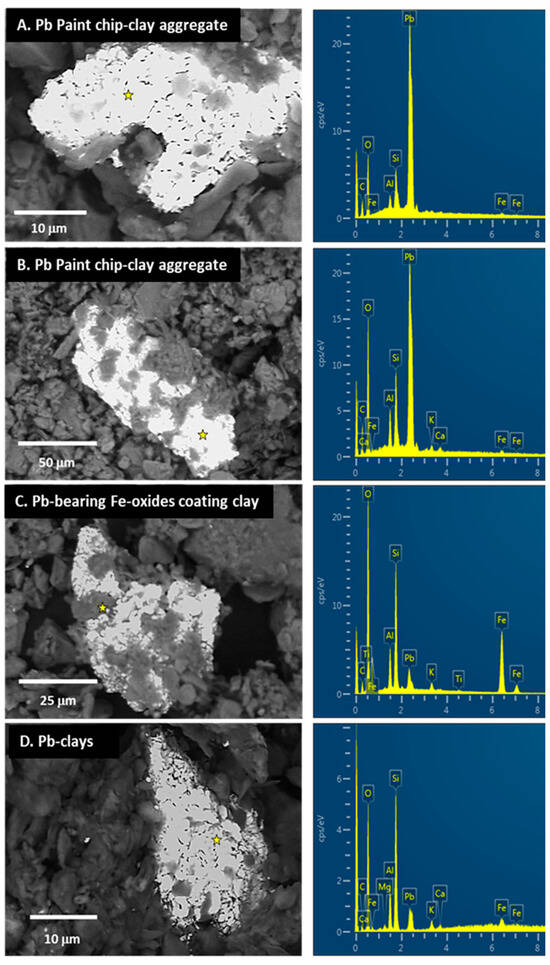
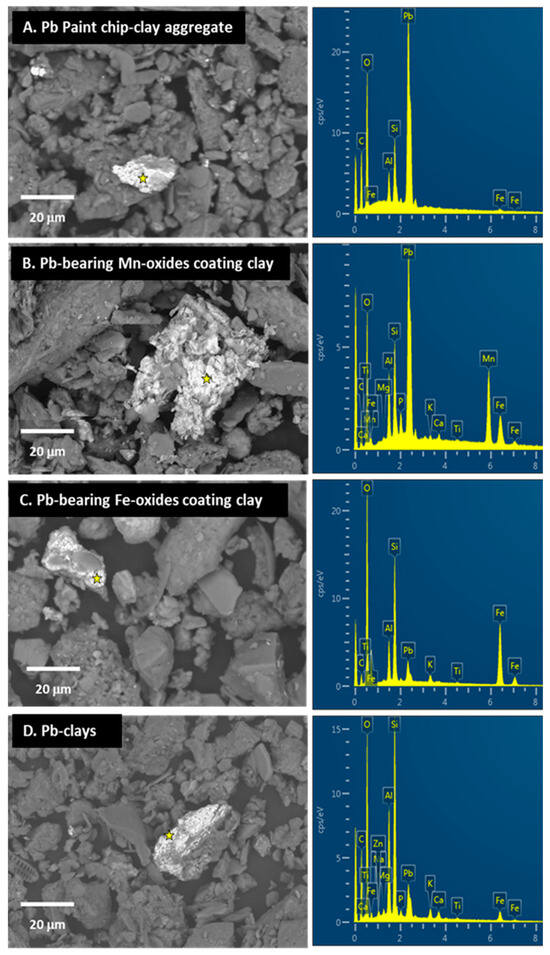
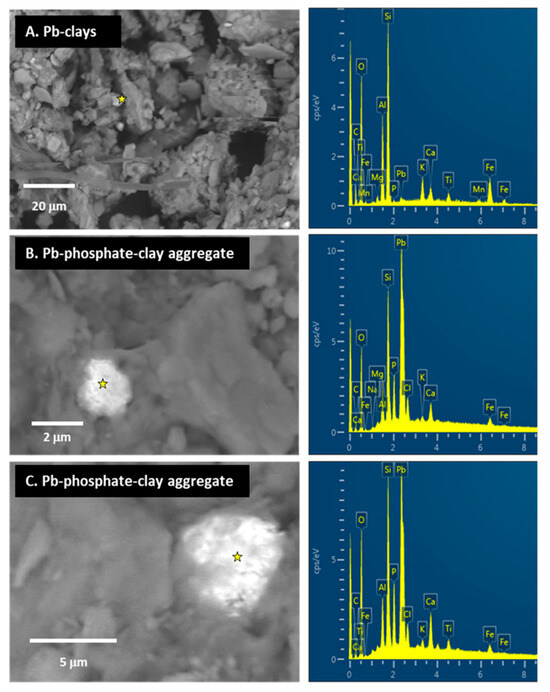
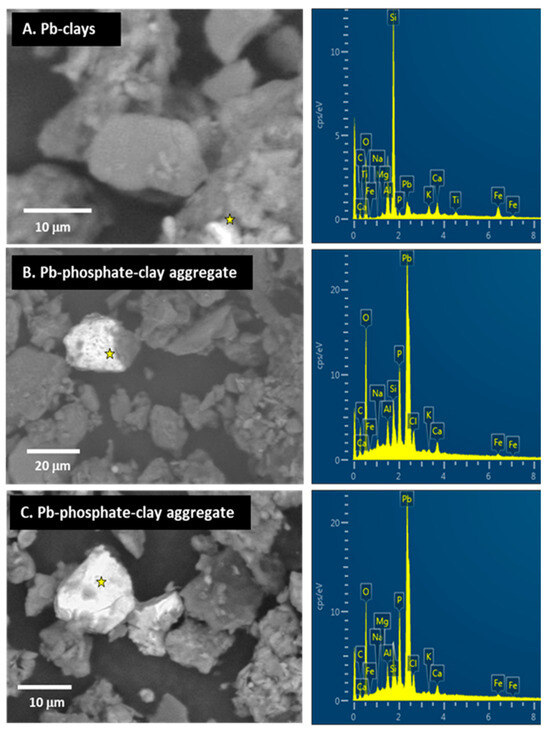
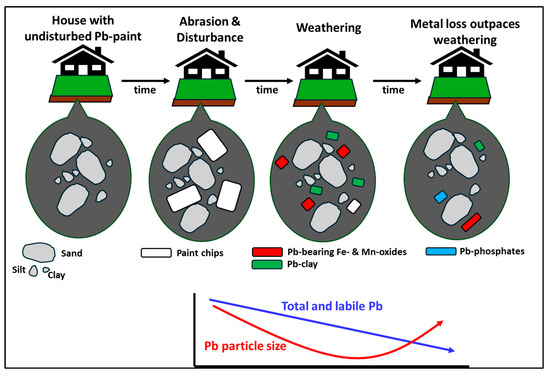
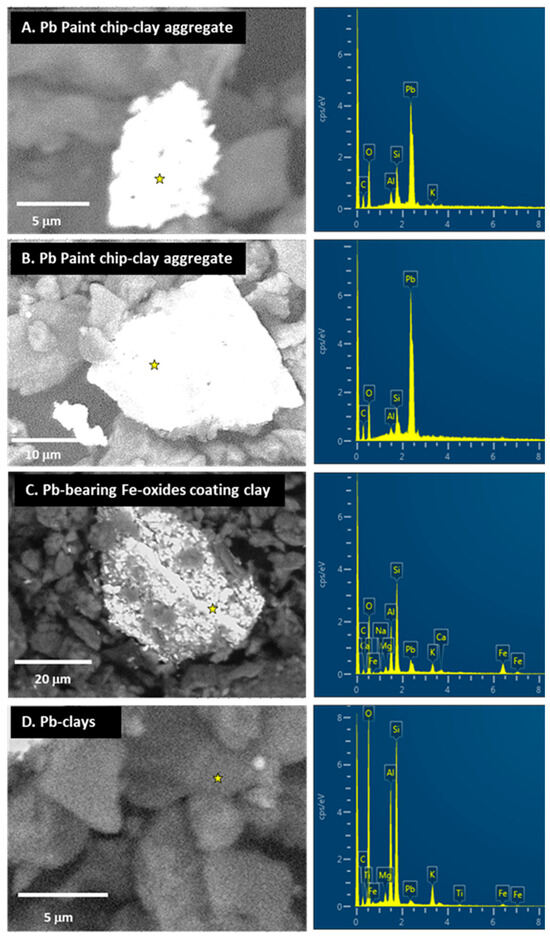
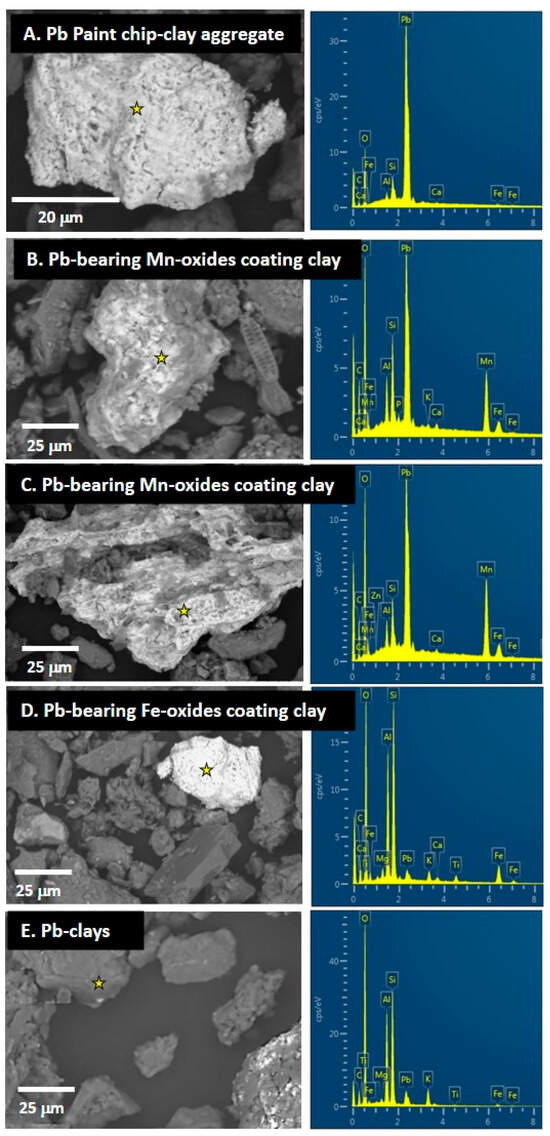
Lead (Pb)-based paints and other metal-bearing phases sourced from home exteriors can be added to adjacent soils, which break down over time, altering potential bioaccessibility. However, data on how particle size and morphology influence metal bioaccessibility remains limited, which was investigated in this study by using a simulated gastric acid (GA) extraction and characterization at the sub-grain scale. Soil samples were collected along horizontal transects at ~1 m intervals from three homes within the Akron metropolis, OH (USA). Each home had Pb-based paint on its exterior before recent renovations (2, 11, and 25 years ago, respectively). Soils were fractionated into sand, silt, and clay–fine silt using sieving, sedimentation, and laser scattering techniques, and analyzed by ICP-OES, XRD, and SEM-EDS. Lead content peaked within 0–2 m from the homes and declined with distance (maxima: 14,583 mg/kg, 8503 mg/kg, 2393 mg/kg at Sites 1–3, respectively), and primarily in the clay-fine silt fraction. Physical speciation of Pb at each site was invariant across the transect, but the percent Pb in the clay–fine silt Pb increased from Site 1 to Site 2, then declined at Site 3, suggesting the loss of fine particles at Site 3. Across sites 1 to 3, the paint chip abundance and size decreased, and secondary Pb-bearing phases appeared as discrete grains and secondary coatings. A similar trend is exhibited by Cu, Cd, and Zn, over time and space. These results highlight the ongoing breakdown of paint and re-sequestration of metals, which may elevate exposure risk from fine particles after housing renovations.
Full article
(This article belongs to the Special Issue Research on Trace and Hazardous Elements and Emerging Pollutants in Soils and Sediments)
►
Show Figures
Open AccessArticle
Elemental Mercury Contamination in Soil Leading to Vapor Intrusion Impacts on an Occupied Building: A Detailed Case Study
by
Jennifer L. Stackhouse, Amalia Kokkinaki, Danielle Cucchiara and Gregory Möller
Soil Syst. 2026, 10(8), 85; https://doi.org/10.3390/soilsystems10080085 - 23 Jul 2026
Abstract
►▼
Show Figures
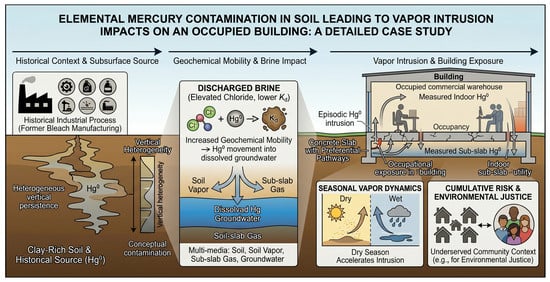
Elemental mercury has been used in the production of bleach since at least 1892 and continues to be utilized in some manufacturing processes today. This case study examines a former bleach manufacturing facility in the western United States, where elemental mercury was utilized
[...] Read more.
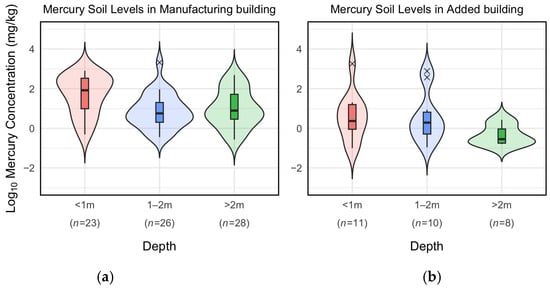
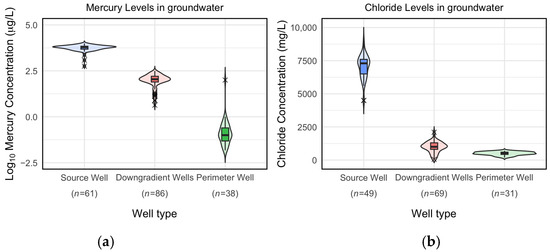
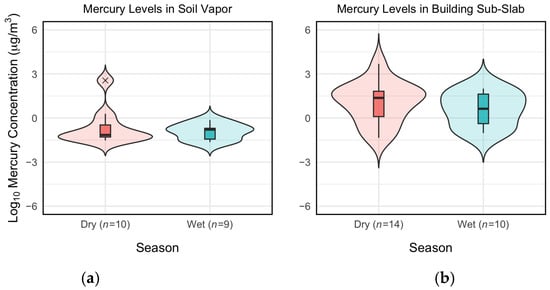
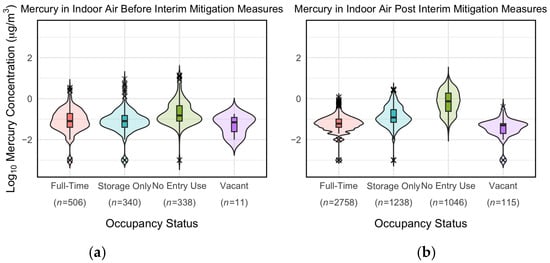
Elemental mercury has been used in the production of bleach since at least 1892 and continues to be utilized in some manufacturing processes today. This case study examines a former bleach manufacturing facility in the western United States, where elemental mercury was utilized as an electrical conductor in the chlor-alkali process to produce chlorine and sodium hydroxide, essential constituents in bleach formulation. The operational practices implemented at the facility led to the discharge of elemental mercury into both soil and groundwater. Subsequent investigations identified the presence of mercury in indoor air at levels surpassing the screening thresholds established by the California Environmental Protection Agency (CalEPA) Department of Toxic Substances Control (DTSC) and the United States Environmental Protection Agency (USEPA) for commercial exposure scenarios. Additionally, these concentrations exceeded the California Office of Environmental Health Hazard Assessment (OEHHA) acute 1 h reference exposure level (REL). The origins of mercury in indoor air have been identified as vapor intrusion associated with subsurface sources, along with a potential secondary indoor air source associated with mercury deposition and adsorption in building materials through the years. In the context of interim vapor intrusion mitigation, air purifiers and fans were deployed to enhance air exchange rates, while a comprehensive assessment led to the identification and sealing of 52 preferential pathways. Even with these interim vapor intrusion mitigation systems in place, elevated concentrations of elemental mercury are still present in the building and may represent the presence of a secondary indoor air source from accumulation of elemental mercury in building materials.
Full article

Graphical abstract
Open AccessArticle
Soil Characteristics Rather than Starter Phosphorus Control Active Carbon Pools and Enzyme Activities in High-Legacy-Phosphorus Soils
by
Aimé J. Messiga, Neem Lal Pandey, Busayo Kodaolu, Shibli Md Abedin, Sylvia Nyamaizi and Thidarat Rupngam
Soil Syst. 2026, 10(7), 84; https://doi.org/10.3390/soilsystems10070084 - 22 Jul 2026
Abstract
This study aimed to disentangle the relative influence of inherent soil properties and annual starter P fertilization on active carbon (C) pools and C-, nitrogen (N)-, and phosphorus (P)-cycling enzyme activities in silage corn production systems with high-legacy P. Six fields with Mehlich-3
[...] Read more.
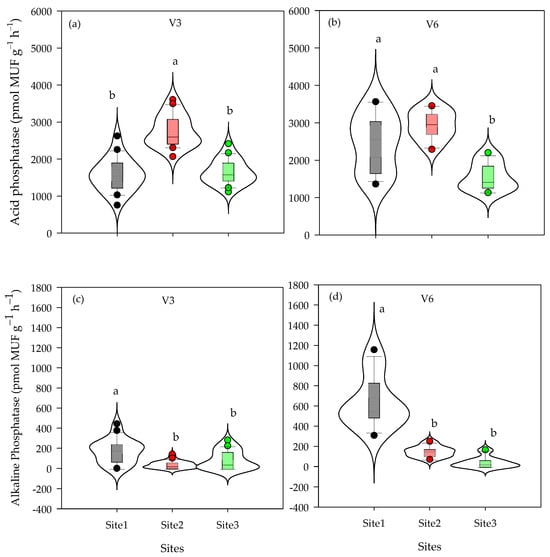
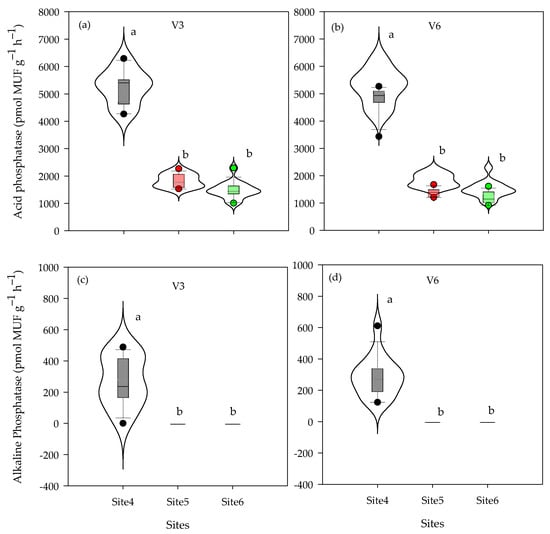
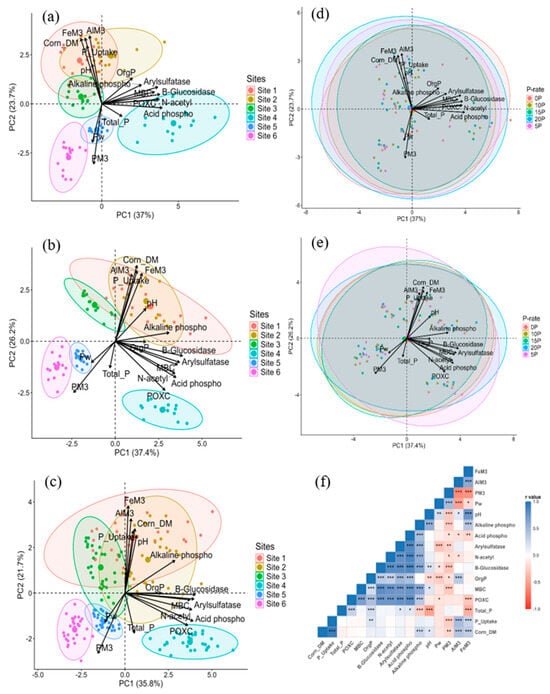
This study aimed to disentangle the relative influence of inherent soil properties and annual starter P fertilization on active carbon (C) pools and C-, nitrogen (N)-, and phosphorus (P)-cycling enzyme activities in silage corn production systems with high-legacy P. Six fields with Mehlich-3 P ranging from 53.5 to 332 mg kg−1 were investigated in 2020 and 2021 in the Fraser Valley, Canada. The experiments at each site consisted of five starter P rates (0, 5, 10, 15, and 20 kg P ha−1 as triple super phosphate) arranged in a randomized complete block design with four replicates. Soil samples were collected at the V3 and V6 stages of silage corn and analyzed for active C, soil enzyme activities, and chemical properties. N-acetyl-β-glucosaminidase varied significantly across the six sites, suggesting substantial differences in the rate of C and N cycling. For instance, in 2020, N-acetyl-β-glucosaminidase was similar at Sites 1 and 2 at V6 and was approximately three times (514.51 pmol MUF g−1 soil h−1) higher than at Site 3 (170.29 pmol MUF g−1 soil h−1). Similarly, in 2021, a 2.8-fold higher MBC observed at Site 4 at V6, compared with the averages of Sites 5 and 6, further confirms an active C pool. Meanwhile, sites with the lowest MBC concentrations were linked to acidic soils (pH 5.3), and a negative correlation between inherent site–year characteristics and enzyme activities confirm enzymes repression. Acid phosphatase at Site 4 was 3-fold higher than at Site 5 and Site 6, while alkaline phosphatase was detected only at Site 4. We conclude that long-term soil conditions are the main factors influencing biological functionality, thereby overshadowing transient fertilization. This indicates that Fraser Valley farmers can prioritize long-term soil health management and safely reduce starter P applications in these high-legacy systems.
Full article
(This article belongs to the Special Issue Land Use and Management on Soil Properties and Processes: 2nd Edition)
►▼
Show Figures

Figure 1
Open AccessArticle
Bioaccessibility-Based Human Health Exposure Assessment of Compost-Amended Heavy Metal-Contaminated Soil
by
Egondu C. Umeobi, Thomas F. Ducey, Nicholas T. Basta and James A. Ippolito
Soil Syst. 2026, 10(7), 83; https://doi.org/10.3390/soilsystems10070083 - 21 Jul 2026
Abstract
Understanding Cd and Pb in vitro bioaccessibility (IVBA) is important for evaluating human health risks in mine-impacted soils. In this field study, we assessed Cd and Pb bioaccessibility in a heavy metal contaminated mine impacted soil that received Low and High Compost applications
[...] Read more.
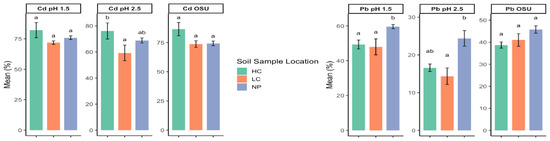
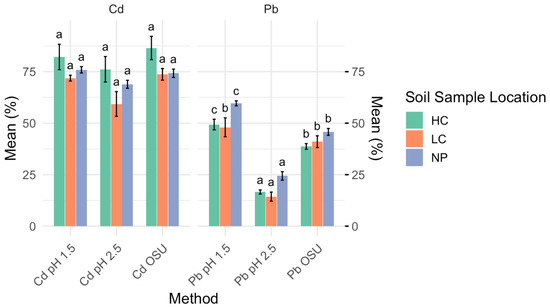
Understanding Cd and Pb in vitro bioaccessibility (IVBA) is important for evaluating human health risks in mine-impacted soils. In this field study, we assessed Cd and Pb bioaccessibility in a heavy metal contaminated mine impacted soil that received Low and High Compost applications (180 and 360 Mg ha−1, respectively), and Native Prairie soils within close proximity to the impacted soil, using three in vitro methods (Unites States Environmental Protection Agency (US EPA) pH 1.5, US EPA pH 2.5, and Ohio State University pH 1.8). Total Cd concentrations under High Compost (10.3 mg kg−1) exceeded the US EPA regional screening level (RSL)–residential soil Cd concentration for ingestion non-cancer risk in children (7.8 mg kg−1), while Low Compost and Native Prairie soils were below the RSL. Total Pb (<75 mg kg−1) in all sites was below the US EPA RSL for Pb for non-cancer risk in children (200 mg kg−1). Within each extraction method, Cd IVBA remained consistently high (>70% of total) across all three sites for at least US EPA pH 1.5 and OSU pH 1.8. In contrast, Pb IVBA varied across methods, with the pH 2.5 extraction consistently yielding lower Pb IVBA as compared to the other IVBA methods. These findings suggest that Cd poses a challenge for risk mitigation at this site, while Pb shows more promising stabilization outcomes. Findings highlight the importance of tailoring amendment strategies and selecting appropriate in vitro assays when assessing remediation effectiveness and risk within multi-metal contaminated mine-impacted sites, while emphasizing the need for long-term field validation of metal stability under real-world conditions.
Full article
(This article belongs to the Special Issue Long-Term Stability of Lead and Trace Metals in Organically Amended Urban Soils)
►▼
Show Figures

Figure 1
Open AccessArticle
Soil Quality Responses to Green Undersown Crops in Mediterranean Calcareous Persimmon Orchards
by
Carmen Orts, Ángel Marqués-Mateu, Cristina Lull, Josep V. Llinares, Desamparados Soriano and Rafael Boluda
Soil Syst. 2026, 10(7), 82; https://doi.org/10.3390/soilsystems10070082 - 20 Jul 2026
Abstract
Green undersown crops (GUCs) are increasingly promoted as a sustainable management strategy to improve soil quality and ecosystem services in Mediterranean orchards, particularly in the calcareous, low-organic-matter soils typical of Eastern Spain. In this context, soil quality is understood as the soil’s overall
[...] Read more.
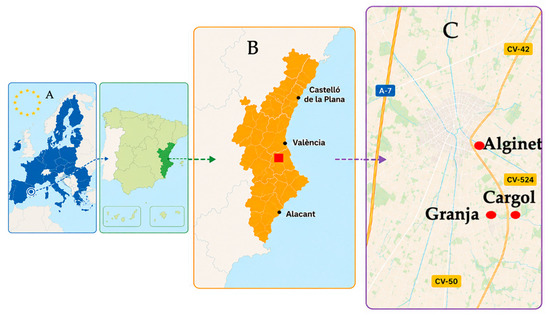
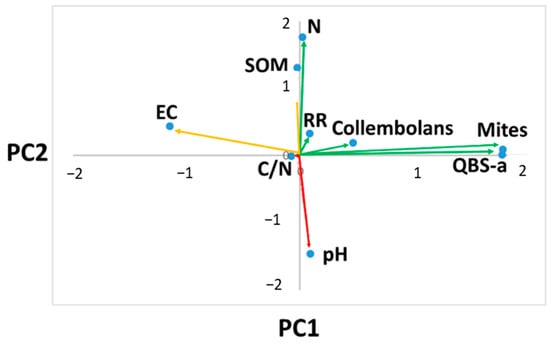
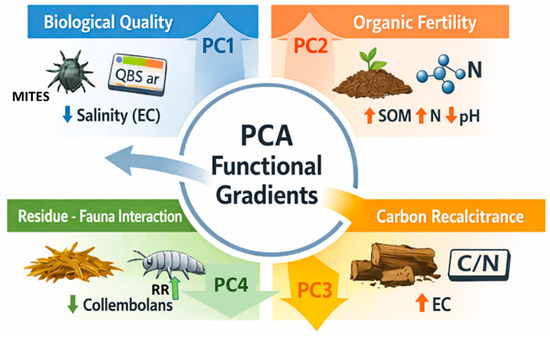
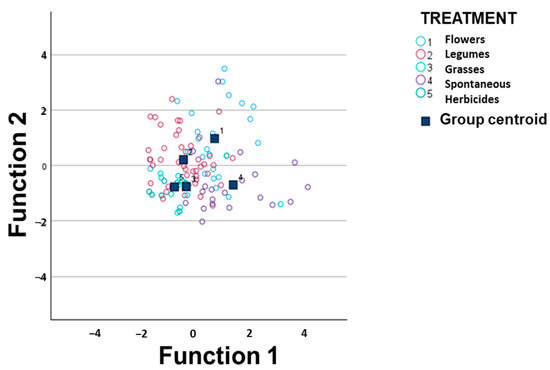
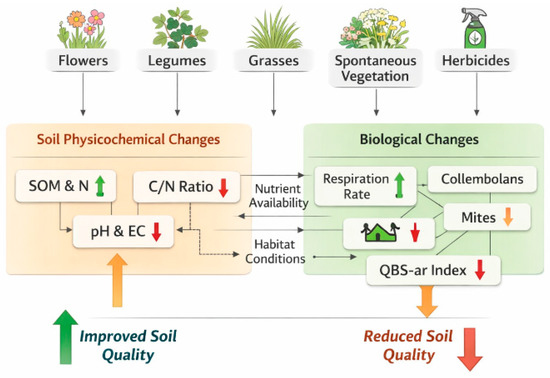
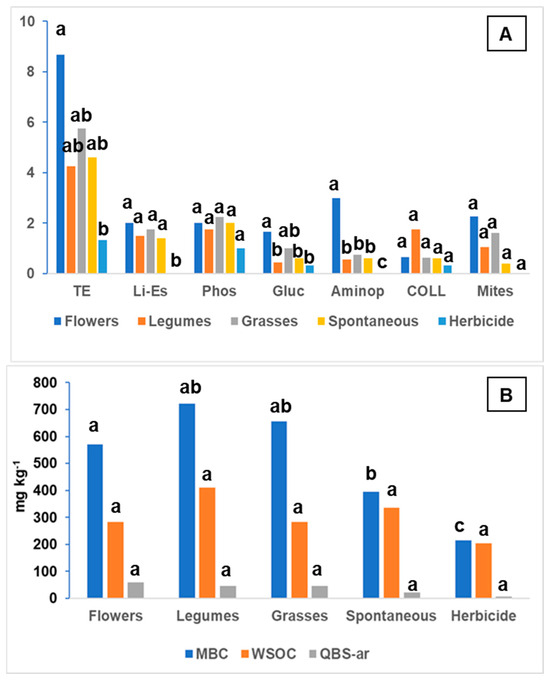
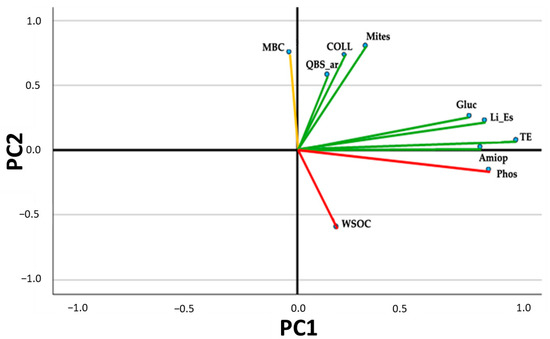
Green undersown crops (GUCs) are increasingly promoted as a sustainable management strategy to improve soil quality and ecosystem services in Mediterranean orchards, particularly in the calcareous, low-organic-matter soils typical of Eastern Spain. In this context, soil quality is understood as the soil’s overall functional capacity, integrating physical structure, chemical balance, and biological activity, whereas soil fertility refers specifically to the soil’s ability to supply nutrients to plants; soil quality therefore encompasses a broader set of ecosystem functions beyond nutrient provision. However, their effects on the calcareous, low-organic-matter soils typical of Eastern Spain remain insufficiently quantified. This study evaluates the effects of seeded undersown (grasses, legumes, and flower mixtures), spontaneous vegetation, and herbicide-managed bare soil on topsoil (0–15 cm) physicochemical and biological indicators in 54 plots across three irrigated persimmon orchard sites (Granja, Cargol, and Alginet) over 18 months of treatment in the València region (Eastern Spain). Seasonal sampling was conducted at the START (early winter) and END (late spring) of the experiment period. Soil measurements at both sampling times included soil organic matter (SOM), nitrogen (N), C/N ratio, pH, electrical conductivity (EC), soil respiration rate (RR), collembolan abundance, mite abundance, and the QBS-ar index of soil arthropods. Legumes increased SOM by +1.12%, grasses by +0.22%, whereas flower mixtures (−0.44%) and spontaneous vegetation (−1.36%) showed SOM reductions associated with rapid biomass turnover. RR increased under all GUCs (+0.06 to +0.16 g CO2 m−2 h−1), and QBS-ar improved markedly under grasses (+26.6) and spontaneous vegetation (+36.7). EC decreased across all treatments (−16 to −84 µS cm−1). These results were analysed using principal component analysis (PCA). Four PCA components explained 74% of the total variance, revealing functional gradients driven by SOM, N, EC, RR and mesofauna. After 18 months, microbial biomass carbon (MBC) increased by +45–60% under legumes, water-soluble organic carbon (WSOC) by +30–50% under legumes and flower mixtures, and the enzyme activities (EA) by +20–40% under all GUCs. Herbicide-managed soils showed reduced biological activity and detectable residues of glyphosate and oxyfluorfen. PCA and linear discriminant analysis (LDA) were used to identify functional gradients and treatment separation. GUCs significantly increased SOM, MBC, EA, and mesofauna abundance compared with herbicide treatments, which showed reduced biological activity and detectable residues of glyphosate and oxyfluorfen. Legumes and flower mixtures produced the strongest improvements in biological functioning due to higher MBC, WSOC, EA and RR. PCA and LDA confirmed clear separation between GUCs and herbicide-managed soils based on multivariate differences in SOM, N, EC, RR, MBC, WSOC and mesofauna indicators. Overall, GUCs modulated soil chemistry and biodiversity and enhanced soil functioning and biological quality, supporting their adoption as a sustainable management strategy in Mediterranean orchards. Legume-based covers are recommended for rapid biological activation, whereas grass-based covers favour longer-term SOM stabilisation. These findings highlight their role as key tools for improving soil resilience in Mediterranean persimmon orchards.
Full article
(This article belongs to the Special Issue Integrated Soil Management: Food Supply, Environmental Impacts, and Socioeconomic Functions: 2nd Edition)
►▼
Show Figures

Figure 1

Open AccessArticle
Genomic Screening of Nitrogen-Fixing Nostocales Cyanobacteria Reveals Predicted Traits for Soil Fertility and Plant Growth Promotion
by
Anna Temraleeva, Nadezhda Arefieva, Yury Bukin, Svetlana Didovich and Maxim Kulikovskiy
Soil Syst. 2026, 10(7), 81; https://doi.org/10.3390/soilsystems10070081 - 19 Jul 2026
Abstract
►▼
Show Figures
Background: The urgent need for sustainable agricultural drives the search for effective microbial biostimulants. Cyanobacteria of the order Nostocales are promising candidates due to their nitrogen-fixing capabilities and bioactive secondary metabolites. However, the genomic potential of many soil strains from microorganism collection remains
[...] Read more.
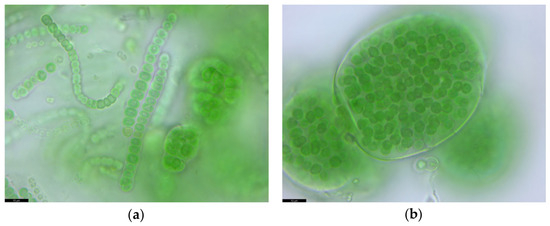
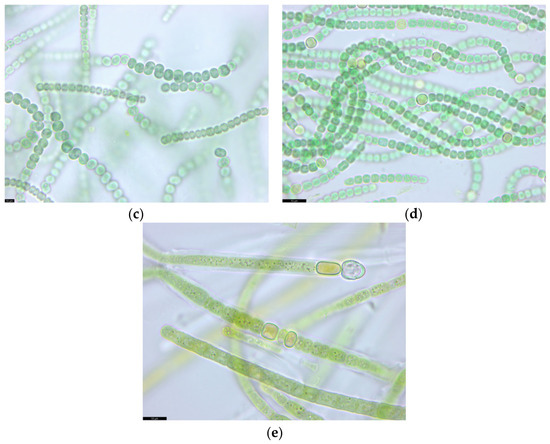
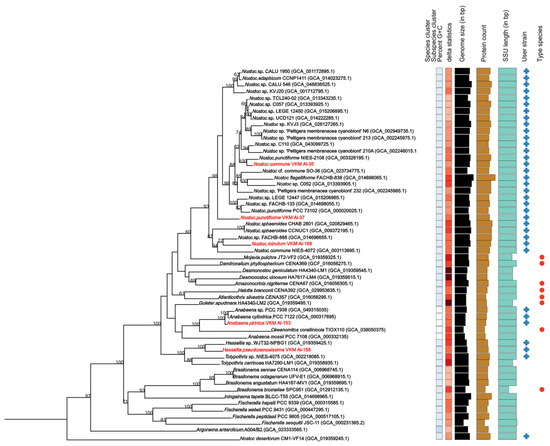
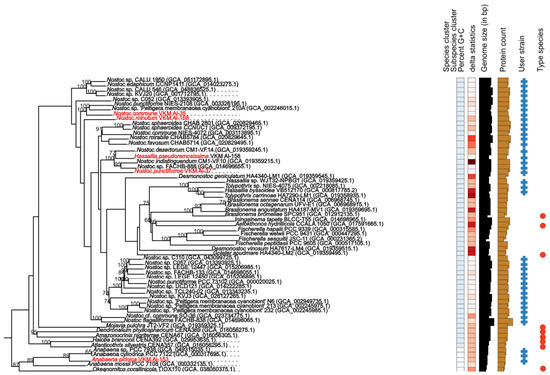
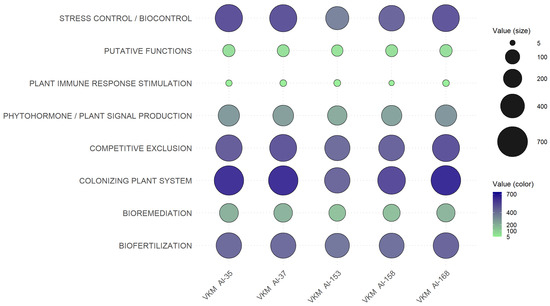
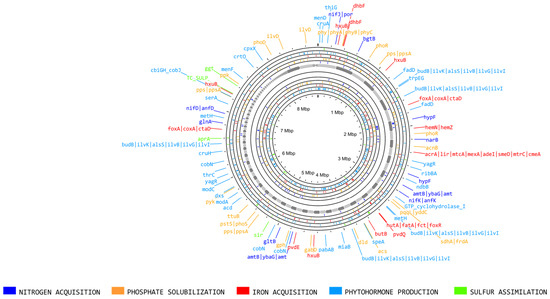
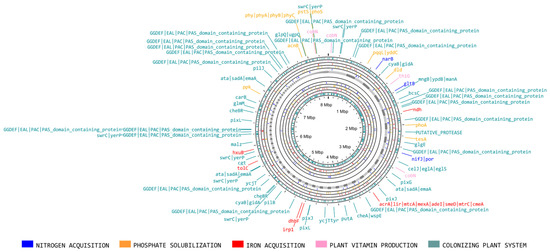
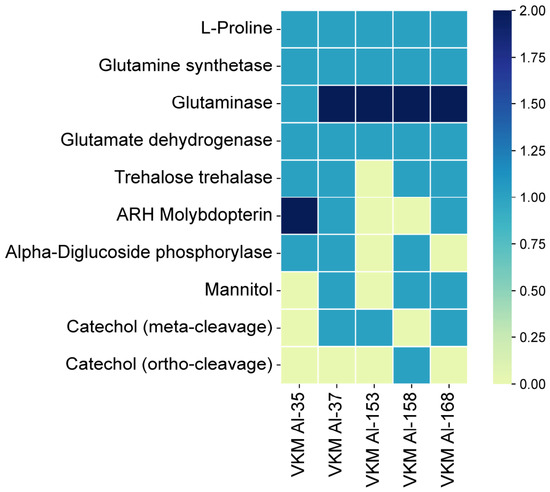
Background: The urgent need for sustainable agricultural drives the search for effective microbial biostimulants. Cyanobacteria of the order Nostocales are promising candidates due to their nitrogen-fixing capabilities and bioactive secondary metabolites. However, the genomic potential of many soil strains from microorganism collection remains largely unexplored. Methods: We performed a targeted genomic screening of five cyanobacterial strains from the All-Russian Collection of Microorganisms (VKM): Nostoc commune VKM Al-35, Nostoc punctiforme VKM Al-37, Nostoc minutum VKM Al-168, Anabaena pirinica VKM Al-153, and Hassallia pseudoramosissima VKM Al-158. The workflow involved WGS, de novo assembly, and comparative metabolic profiling using KEGG, SEED, PLaBAse, antiSMASH, and RhizoSMASH to identify predicted plant growth-promoting (PGP) traits, biosynthetic gene clusters (BGCs), and rhizosphere competence mechanisms. Biosafety was evaluated via Comprehensive Antibiotic Resistance Database (CARD) and in silico toxomics screening. Results: High-quality genome assemblies were obtained for all strains (completeness > 99%). Functional annotation uncovered complete genetic machinery for nitrogen fixation, predicted phosphate mobilization, and phytohormone biosynthesis pathways. Comparative analysis revealed two distinct genomic strategies: a versatile support profile in Nostoc strains (expanded genomes and diverse accessory pathways) and a specialized stimulation profile in Anabaena and Hassallia strains (focused phytohormone pathways). Comprehensive CARD and antiSMASH screenings demonstrated an excellent biosafety profile, confirming the complete absence of regulated cyanotoxin clusters or acquired antibiotic resistance genes of clinical concern. Conclusions: This genome-based bioprospecting serves as a cost-effective pre-selection filter, providing a strong scientific rationale for downstream experimental validation of these strains. The presence of predicted gibberellin biosynthesis pathways and T6SS/T4SS secretion systems in H. pseudoramosissima VKM Al-158 represents a notable genomic feature among soil cyanobacteria. The identified genomic prerequisites suggest that these strains possess strong predictive potential for future development as safe biological resources for sustainable agriculture.
Full article

Figure 1
Open AccessReview
Harnessing Soil Microbes to Modulate Plant-Soil Feedbacks in Saline Agricultural Systems
by
Ali Bahadur, Xian Xue, Syed Shameer, Salman Zare and Wasim Sajjad
Soil Syst. 2026, 10(7), 80; https://doi.org/10.3390/soilsystems10070080 - 15 Jul 2026
Abstract
►▼
Show Figures
Soil salinity is a major constraint to agricultural productivity, causing osmotic stress, ion toxicity, nutrient imbalance, and progressive deterioration of soil biological functions. Beyond its direct effects on plant performance, salinity also generates persistent soil legacies that influence subsequent plant growth through plant-soil
[...] Read more.
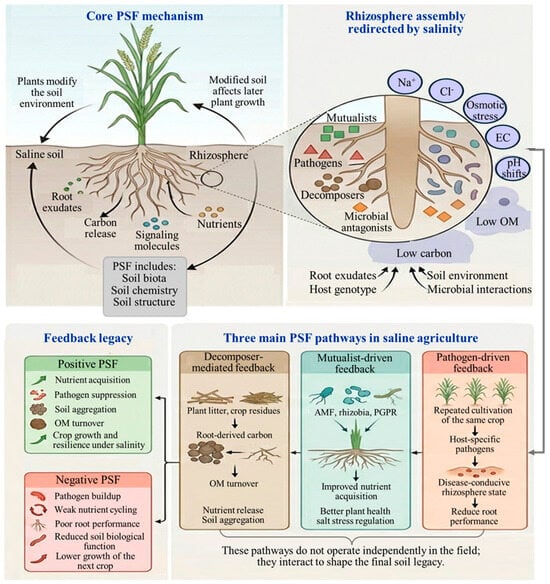
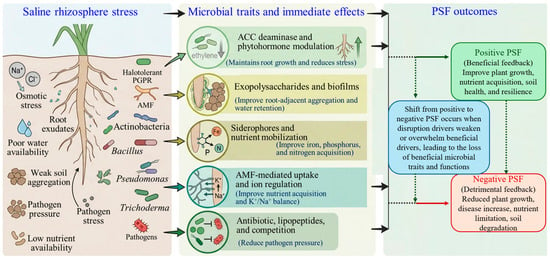
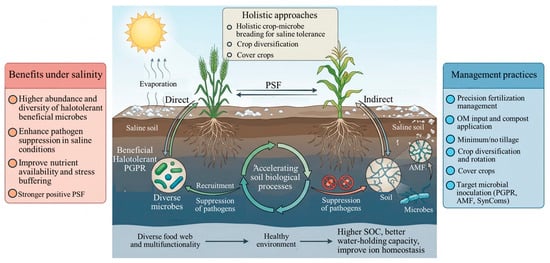
Soil salinity is a major constraint to agricultural productivity, causing osmotic stress, ion toxicity, nutrient imbalance, and progressive deterioration of soil biological functions. Beyond its direct effects on plant performance, salinity also generates persistent soil legacies that influence subsequent plant growth through plant-soil feedback (PSF) processes. PSF provides an ecological framework for understanding how plants modify the physicochemical and biological properties of soil and how these altered soil conditions subsequently affect plant growth, health, and resilience. Salinity research has predominantly emphasized soil microorganisms as promoters of plant growth, while their broader role in regulating soil legacy effects remains comparatively underexplored. This review examines whether soil microorganisms may contribute to a transition from salt-amplified negative PSF toward more favorable feedback outcomes by reshaping rhizosphere chemistry, nutrient cycling, pathogen pressure, ion homeostasis, stress signaling, and soil structural stability. However, conditioned-soil bioassays and multi-season saline field trials remain scarce, these proposed pathways are treated as potential mechanisms or testable hypotheses rather than as established evidence of PSF regulation. We first summarize the mechanisms underlying PSF in non-saline systems and then describe how salinity alters plant-, soil-, and microbe-mediated feedback pathways. We further evaluate the potential of halotolerant plant growth-promoting rhizobacteria, arbuscular mycorrhizal fungi, actinobacteria, disease-suppressive microbial communities, and synthetic microbial consortia as regulators of PSF, while distinguishing direct salt-tolerance effects from evidence of genuine feedback modulation. Specifically, improved salt tolerance in the inoculated plant is interpreted as direct stress mitigation, whereas demonstrated PSF regulation additionally requires measurable soil conditioning and an effect on a subsequent crop. The novelty of this review lies in organizing studies of salinity-microbiome interactions within an evidence-based PSF framework that differentiates immediate plant responses from rhizosphere modification, conditioned-soil effects, and subsequent-crop performance. The review concludes that microbial strategies for saline agriculture are most likely to succeed when developed as integrated PSF interventions that combine crop traits, indigenous microbiomes, optimized inoculant design, organic matter management, diversified rotations, and multi-season field validation.
Full article

Figure 1
Open AccessArticle
A Continental-Scale Framework for Harmonised Soil Monitoring in African Agricultural Lands: Design, Implementation, and Baseline Field Observations from the Soils4Africa Project
by
Samuel Ayodele Mesele, Ádám Csorba, Bas Kempen, Mary Steverink-Mosugu, Abosede B. Babatunde, Mohamed Ouessar, Andrei Rozanov, Poulouma Louis Yameogo, Mamoudou Traore, Michael Okoti, Erika Michéli and Elzo Jeroen Huising
Soil Syst. 2026, 10(7), 79; https://doi.org/10.3390/soilsystems10070079 - 14 Jul 2026
Abstract
►▼
Show Figures
Reliable and harmonised soil information remains critically limited across Africa, constraining soil monitoring, climate-resilient agriculture, and evidence-based land management. Existing soil resources are often fragmented, spatially uneven, outdated, or derived from legacy observations, limiting their usefulness for contemporary continental-scale assessment. The Soils4Africa project
[...] Read more.
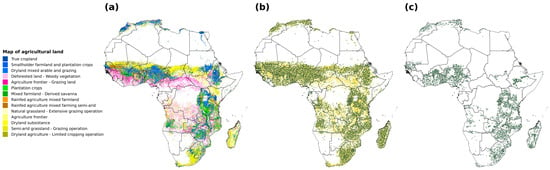
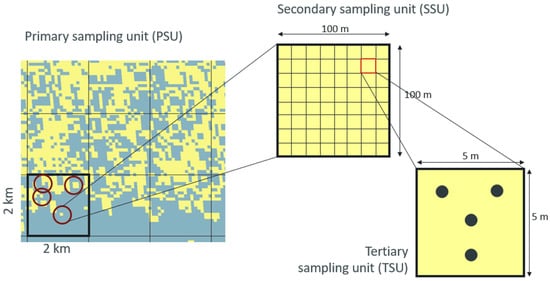
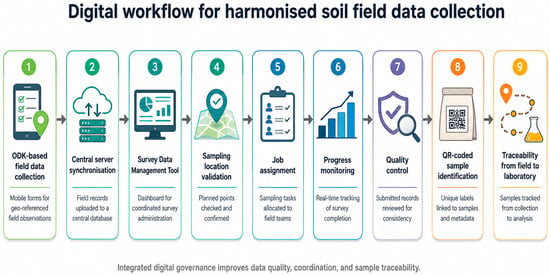
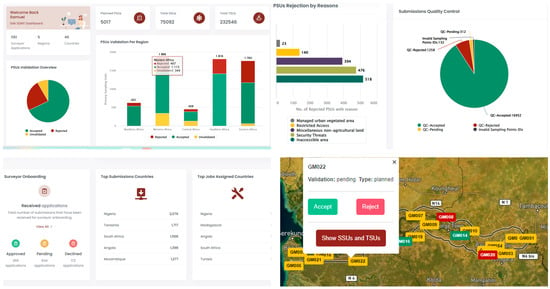
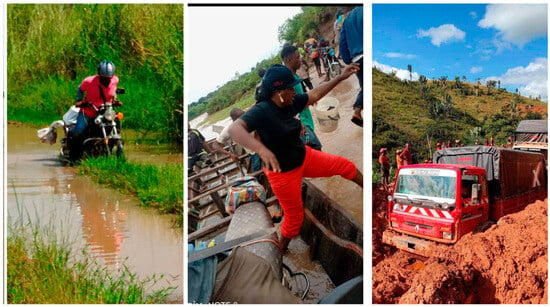
Reliable and harmonised soil information remains critically limited across Africa, constraining soil monitoring, climate-resilient agriculture, and evidence-based land management. Existing soil resources are often fragmented, spatially uneven, outdated, or derived from legacy observations, limiting their usefulness for contemporary continental-scale assessment. The Soils4Africa project implemented a coordinated field campaign across 33 African countries between 2022 and 2025 to establish a harmonised soil monitoring framework for agricultural lands. Using a hierarchical probabilistic sampling design, 24,951 soil samples were collected from 14,311 locations, supported by standardised field protocols, digital data capture, QR-based sample traceability, and centralised quality control. This paper presents the conceptual, operational, and data-management framework underpinning the survey and reports baseline field observations on farming systems, land management, vegetation structure, and soil physical constraints. The framework achieved more than 70% of planned sampling coverage despite major logistical, environmental, and security-related constraints. Baseline observations show that African agricultural landscapes remain dominated by smallholder systems, low external input use, limited soil and water conservation, and widespread dependence on rainfed production. Field indicators also reveal sparse woody vegetation cover and common physical constraints, including compaction, coarse fragments, shallow effective rooting depth, and subsoil barriers. Unlike earlier continental resources based largely on legacy profiles or site-based surveillance, Soils4Africa provides a contemporary, harmonised, spatially structured field-survey framework designed to support future laboratory-based soil assessment, digital soil mapping, land suitability analysis, and long-term soil monitoring. The study therefore provides a scalable model for coordinated soil monitoring across diverse African agroecosystems and establishes an operational baseline for subsequent analytical studies.
Full article

Figure 1
Open AccessArticle
Soil Development and Properties Under the Canopy of Calligonum aphyllum Across Different Geomorphological Conditions: A Case Study of the Balkhash Region, Kazakhstan
by
Assiya Myltykbayeva, Akmaral Nurmakhanova, Murat Toktar, Sultan Bazarbayev, Serzhan Mombekov, Aigul Akhmetova, Saule Atabayeva, Moldyr Dyusebaeva, Bagila Abdullayeva, Zhazira Zhunusbayeva, Dzhumadil Childibaev, Umit Oshakbay, Shadiiyam Turailova, Aitolkyn Muratbayeva and Ünal Murat
Soil Syst. 2026, 10(7), 78; https://doi.org/10.3390/soilsystems10070078 - 14 Jul 2026
Abstract
Sandy desert ecosystems of Central Asia are highly vulnerable to climate change, land degradation, and increasing anthropogenic pressure, yet the soil conditions supporting native desert vegetation remain insufficiently characterized. This study investigates soil development and physicochemical properties under the canopy of Calligonum aphyllum
[...] Read more.
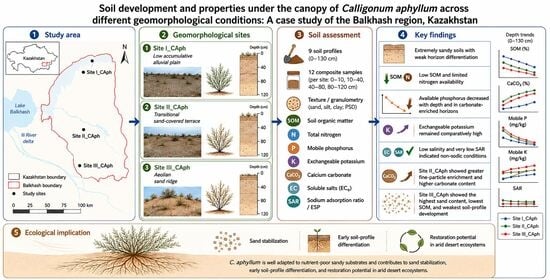
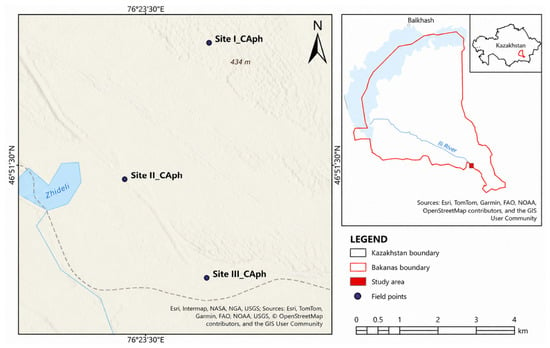
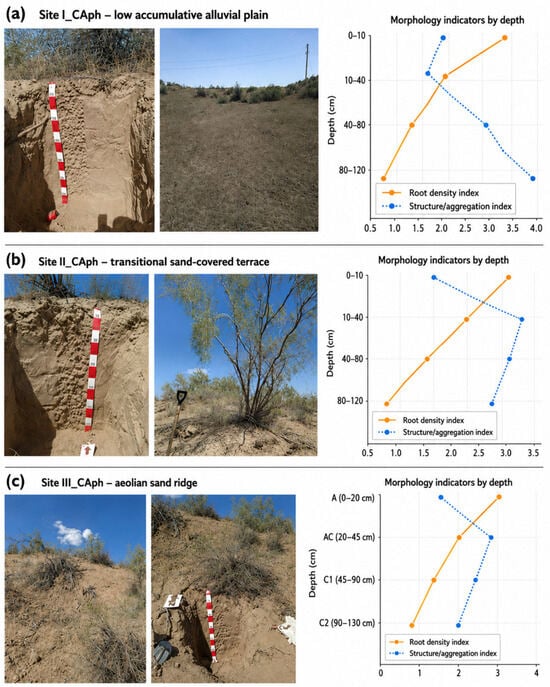
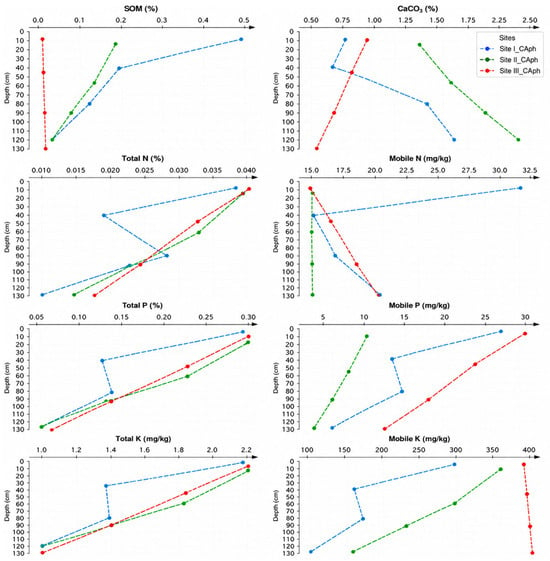
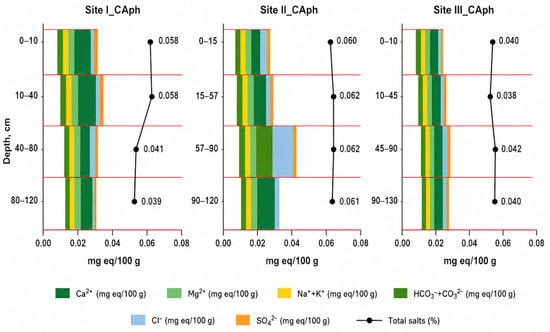
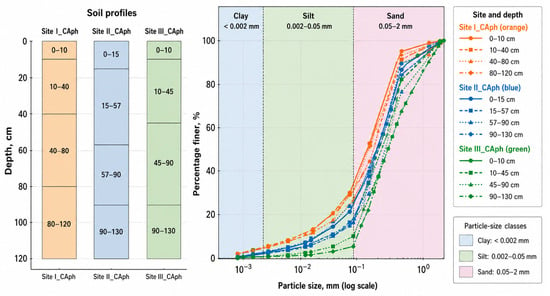
Sandy desert ecosystems of Central Asia are highly vulnerable to climate change, land degradation, and increasing anthropogenic pressure, yet the soil conditions supporting native desert vegetation remain insufficiently characterized. This study investigates soil development and physicochemical properties under the canopy of Calligonum aphyllum across different geomorphological conditions in the southern Balkhash region of Kazakhstan. Field investigations were conducted within the Ili River delta, where nine soil profiles were described across three geomorphological settings. Soil samples were analyzed using standard soil analytical methods to assess particle-size composition, soil organic matter, nutrient availability, carbonate content, salinity, and sodicity indicators. The studied soils were predominantly sandy, with sand fractions ranging from 88 to 96% and very low clay content, resulting in weak horizon differentiation, high permeability, and limited water-retention capacity. Soil organic matter and total nitrogen contents were consistently low across all sites. Available phosphorus decreased with depth, particularly in carbonate-enriched horizons, whereas exchangeable potassium remained comparatively high. Total salinity was low, with chloride–sulfate and calcium–sodium dominance, and no evidence of sodicity was observed based on SAR values. Clear differences among geomorphological settings were identified, including relatively homogeneous sandy substrates, dust-enriched semi-stabilized sands, and actively reworked aeolian ridges. The results indicate that C. aphyllum can persist under nutrient-poor, coarse-textured sandy conditions and is associated with surface root concentration, local substrate stabilization, and early soil-profile differentiation. These findings highlight the ecological importance of C. aphyllum in sandy desert habitats and provide site-specific soil information relevant to vegetation-based restoration and sustainable land management in arid regions of Central Asia.
Full article
(This article belongs to the Special Issue Soil Erosion, Mass Movements and Pedoclimatic Disequilibrium in Aggradational Landforms)
►▼
Show Figures

Graphical abstract
Open AccessArticle
Retention of Ammonia in Soils: Mechanisms and Implications for Agronomic Uses of Anhydrous Ammonia Injection
by
Pinchas Fine, Ami Gips, Yaniv Freiberg and Uri Mingelgrin
Soil Syst. 2026, 10(7), 77; https://doi.org/10.3390/soilsystems10070077 - 12 Jul 2026
Abstract
Ammonia injection into soils is used both to supply N to field crops and to reduce soil-borne pests and weeds. Ammonia efficacy depends on its persistence in the soil environment following application. Hence, the extent of ammonia binding in six thermic, xeric Mediterranean
[...] Read more.
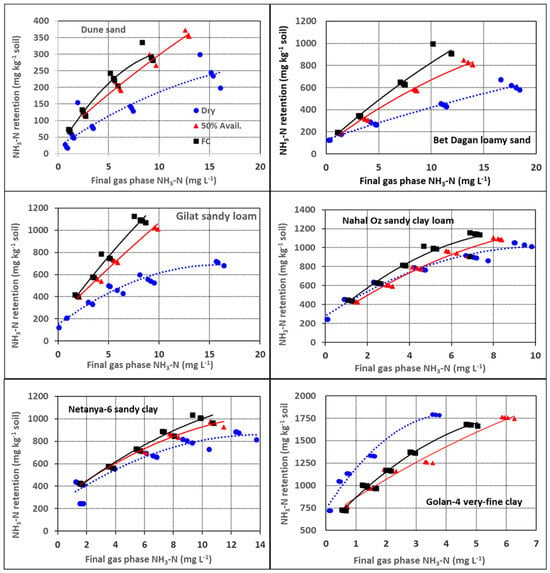
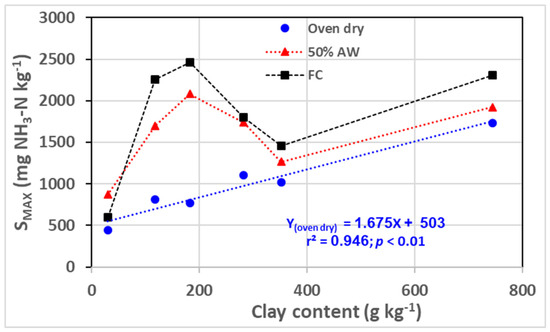
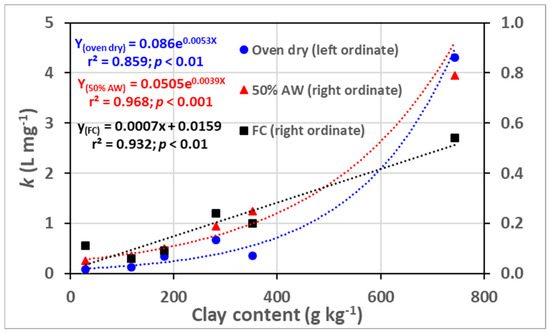
Ammonia injection into soils is used both to supply N to field crops and to reduce soil-borne pests and weeds. Ammonia efficacy depends on its persistence in the soil environment following application. Hence, the extent of ammonia binding in six thermic, xeric Mediterranean soils, varying widely in texture, was evaluated at three moisture contents. Fitting the experimental retention data for each of the six oven-dry soils to the Langmuir isotherm yielded apparent maximum retention capacities (SMAX) ranging from 440 to 1730 mg NH3-N kg−1, and Langmuir binding coefficients (k) ranging from 0.08 to 4.31 L mg−1. The SMAX correlated strongly and linearly with clay content (r2 = 0.946, p < 0.01). The SMAX of the six soils increased with moisture content, likely due to ammonia dissolution in the liquid phase and the adsorption of its cationic derivative. The expected reduction in ammonia binding to the solid phase upon wetting, due to competition with water, was reflected in a sharp, unanimous decrease in the Langmuir model coefficients. A reduction in ammonia retention (but not in SMAX) due to moistening occurred only in the very-fine clayey montmorillonitic soil. While anhydrous ammonia may act as an effective slow-release N source in heavier-textured soils, its tendency to remain in the gas phase in sandy soils is advantageous for pest control.
Full article
(This article belongs to the Special Issue Adsorption Processes in Soils and Sediments)
►▼
Show Figures

Figure 1
Open AccessArticle
Time-Evolution of Vapor Intrusion Risk from Gasoline-Derived Multiphase and Multicomponent Sources in Soil
by
Soroor Pashang and Fernando Barrio-Parra
Soil Syst. 2026, 10(7), 76; https://doi.org/10.3390/soilsystems10070076 - 9 Jul 2026
Abstract
Human health risk assessment of vapor intrusion caused by organic pollutants is commonly based on steady-state predictions of partition and vapor migration in the subsoil. This study develops a pseudo-dynamic, process-based Partition–Diffusion Risk Model (PDRM) using a one-dimensional numerical model for organic mixtures
[...] Read more.
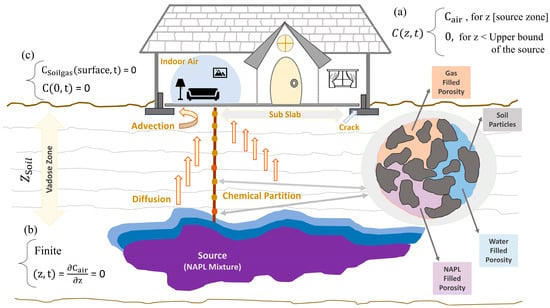
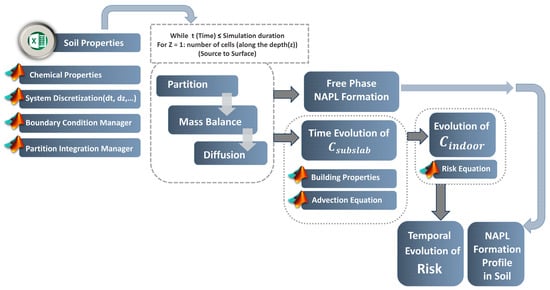
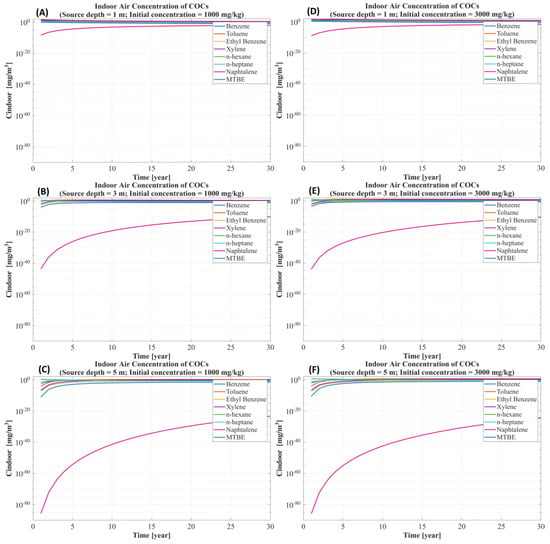
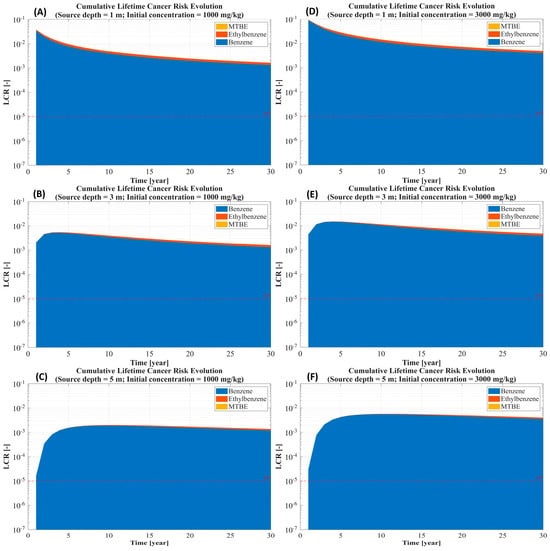
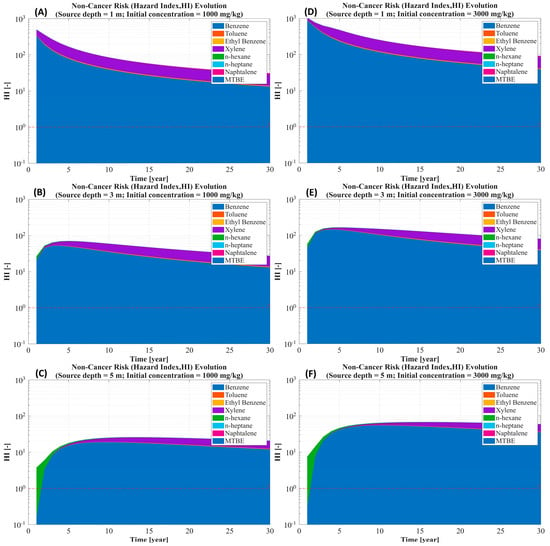
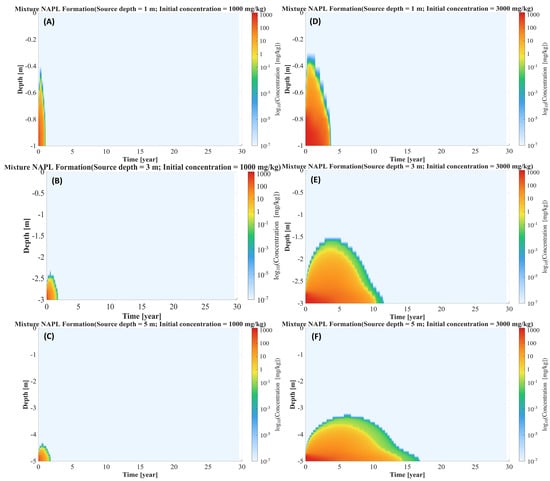
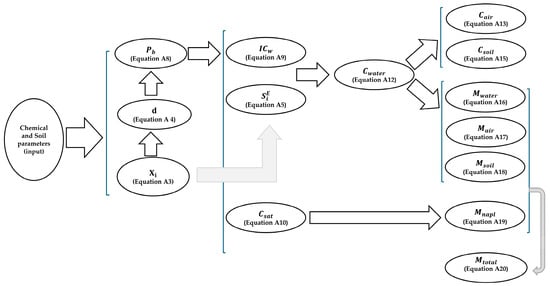
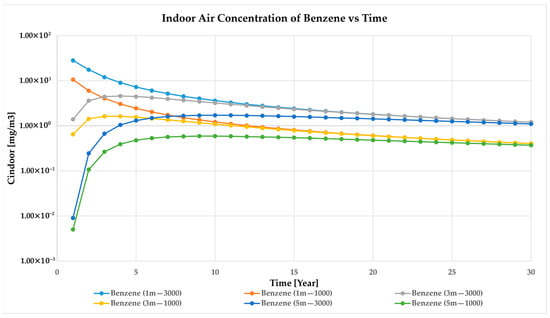
Human health risk assessment of vapor intrusion caused by organic pollutants is commonly based on steady-state predictions of partition and vapor migration in the subsoil. This study develops a pseudo-dynamic, process-based Partition–Diffusion Risk Model (PDRM) using a one-dimensional numerical model for organic mixtures to assess the time evolution of cancer and non-cancer risks, indoor air concentrations, and non-aqueous phase liquid (NAPL) formation. The model has been applied to a low-carbon sandy soil without microbial degradation, which might be a worst-case scenario. Six simulation scenarios combined two source concentrations (1000 and 3000 mg/kg) and three source depths (1, 3, and 5 m) over 30 years. Results show that source depth governs exposure dynamics: shallow contamination poses unacceptable risks rapidly but declines quickly, whereas at greater depths, unacceptable levels appear later and persist throughout the exposure period. NAPL formation may act as a secondary source, sustaining vapor release and extending indoor exposure under high-loading conditions. Multicomponent partitioning induces nonlinear, compound-specific behavior, with the first 3–5 years representing a critical period for rapid risk changes. Conventional models show that neglecting NAPL formation and time variability may lead to an underestimation of cancer risk by up to an order of magnitude. These findings highlight the importance of incorporating depth and time-dependent characterization to reduce uncertainty in vapor intrusion risk assessments.
Full article
(This article belongs to the Special Issue Research on Trace and Hazardous Elements and Emerging Pollutants in Soils and Sediments)
►▼
Show Figures

Figure 1

Open AccessArticle
Application of Ground-Penetrating Radar (GPR) for Evaluating the Amelioration of Saline–Alkali Soils in the Yellow River Delta
by
Xiong Li, Zhigang Wang, Wei Wang and Zhiling Nie
Soil Syst. 2026, 10(7), 75; https://doi.org/10.3390/soilsystems10070075 - 8 Jul 2026
Abstract
►▼
Show Figures
Ground-penetrating radar (GPR) was utilized for subsurface soil investigation in the Yellow River Delta, aiming to provide a scientific basis for the remediation performance of saline soils. The study particularly focuses on the red clay layer, a typical and characteristic soil horizon in
[...] Read more.
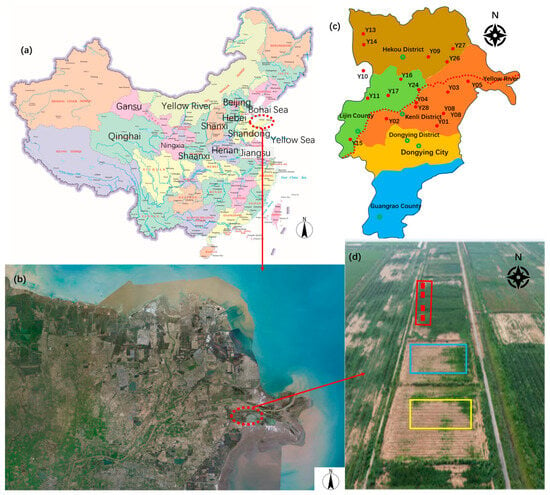
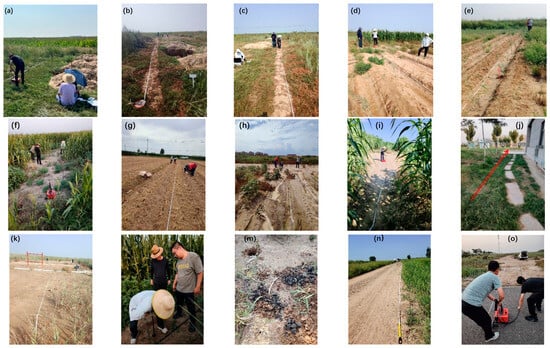
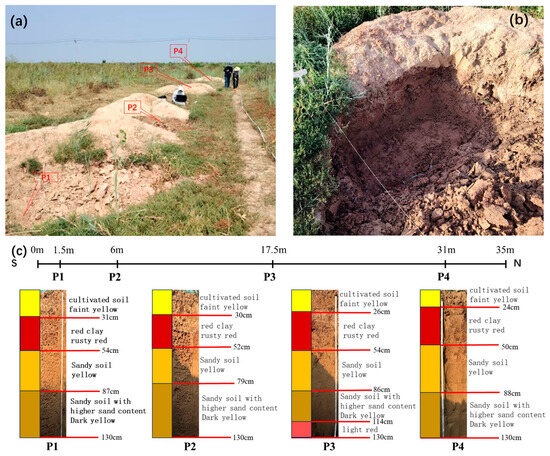
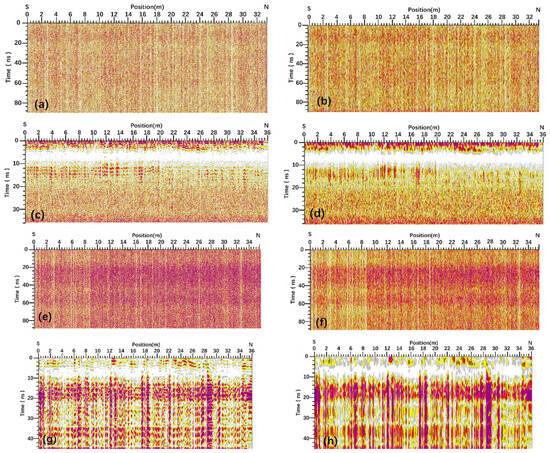
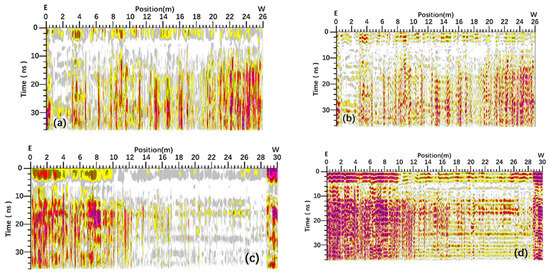
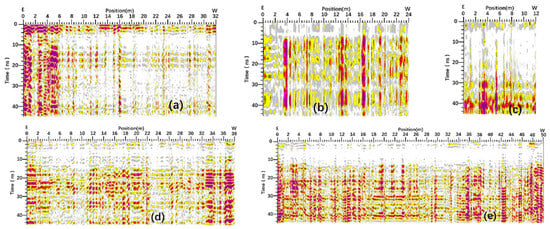
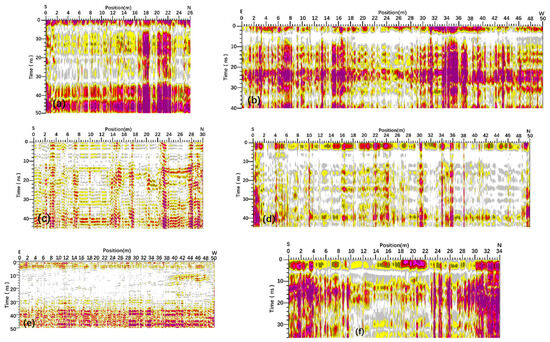
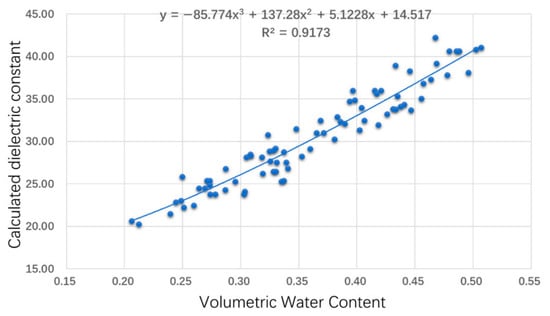
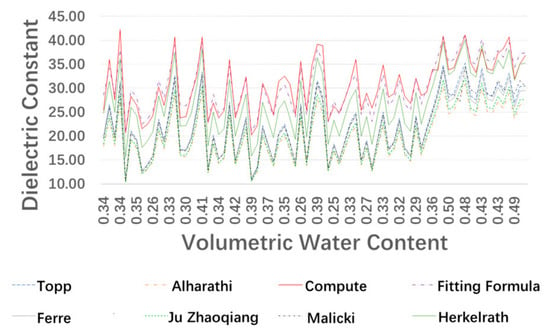
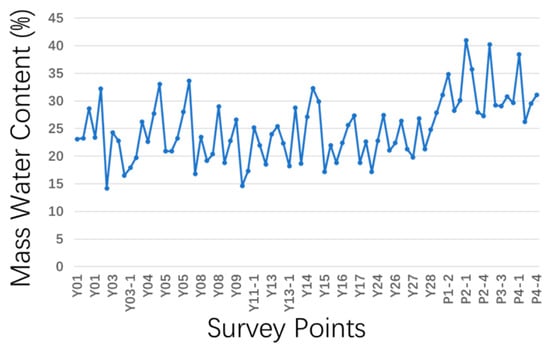
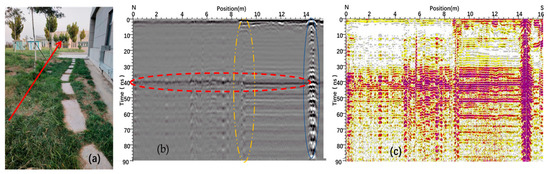
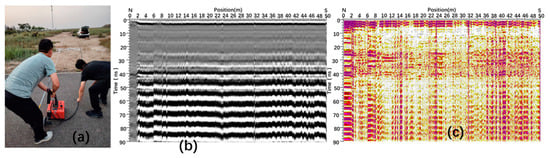
Ground-penetrating radar (GPR) was utilized for subsurface soil investigation in the Yellow River Delta, aiming to provide a scientific basis for the remediation performance of saline soils. The study particularly focuses on the red clay layer, a typical and characteristic soil horizon in this region. GPR antennas with central frequencies of 400 MHz and 900 MHz were adopted to investigate shallow soils within 1 m of the ground surface across three experimental plots (pits, undisturbed soils, and tilled soils) and 18 scattered measurement sites, followed by systematic analysis and interpretation of the acquired GPR profiles. During data acquisition, reasonable survey lines were deployed across the patchy bare areas of cultivated lands covering the experimental plots and measurement points to collect raw GPR data. Meanwhile, subsurface soil data were collected via test pits and borehole sampling along the survey lines. Raw GPR data were further preprocessed and postprocessed to characterize soil horizons and interpret subsurface stratigraphic structures. Finally, the correlations between the relative dielectric permittivity, reflection coefficient, and reflected wave amplitude of each soil layer were systematically analyzed. The results demonstrate that the 400 MHz antenna enables effective identification of soil layers within 1 m depth, while the 900 MHz antenna provides high-resolution detection for soil layers above 0.5 m. The red clay layer presents a distinct strong-amplitude reflection on GPR profiles, and the average relative dielectric permittivity of soils across the study area reaches 30.57. GPR profiles reveal that soil horizons with an absolute reflection coefficient greater than 0.01 yield detectable continuous reflection signals and allow uninterrupted stratigraphic interpretation. An empirical formula was established to calculate soil relative dielectric permittivity from soil moisture content, with a correlation coefficient of 0.9173. However, this formula ignores the influences of soil salinity and other trace soil elements. This study realizes rapid and accurate characterization of the depth and thickness of shallow soil layers, providing technical support for soil remediation of saline–alkali land in the Yellow River Delta. The findings also provide a valuable reference for evaluating the remediation effects, optimizing arable land utilization, preventing and mitigating soil salinization risks, and promoting the sustainable economic development of the study area.
Full article

Figure 1
Open AccessSystematic Review
Phosphorus Use Efficiency and Soil–Plant Responses to Organomineral Phosphate Fertilizers in Maize and Bean Crops: A Systematic Review
by
Caroline Figueiredo Oliveira Selleri, Camile Figueiredo Oliveira, Luís Reynaldo Ferracciú Alleoni, Vinícius de Melo Benites and Elcio Ferreira Santos
Soil Syst. 2026, 10(7), 74; https://doi.org/10.3390/soilsystems10070074 - 7 Jul 2026
Cited by 1
Abstract
►▼
Show Figures
Phosphorus (P) is one of the most important nutrients to plants, but its bioavailability in agricultural soils is often limited by its low mobility and strong fixation in soil colloids, thus reducing crop productivity and phosphorus use efficiency (PUE). Organomineral fertilizers (OMFs) have
[...] Read more.
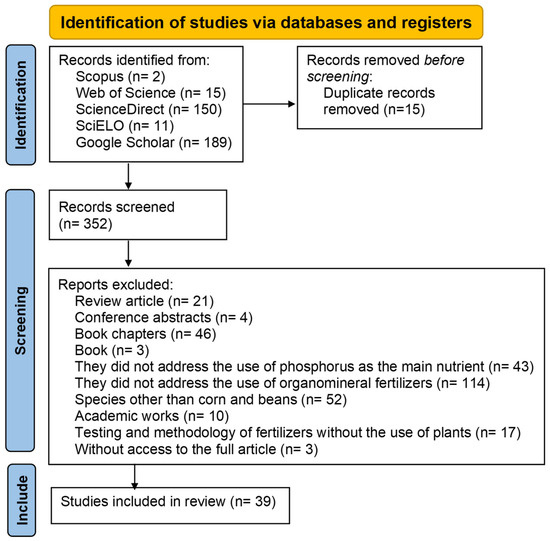
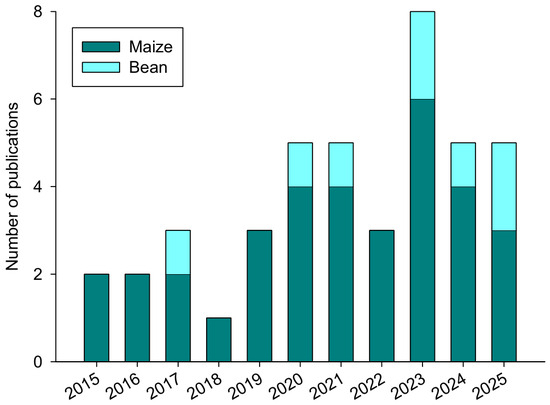
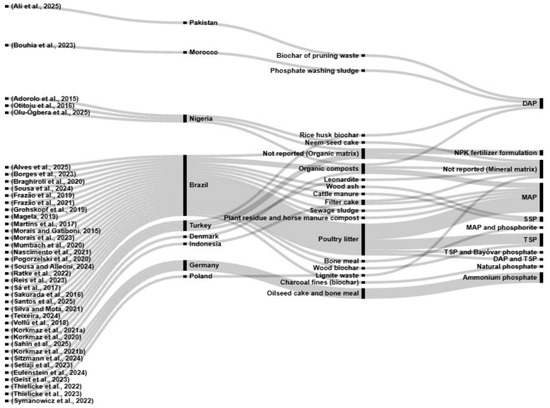
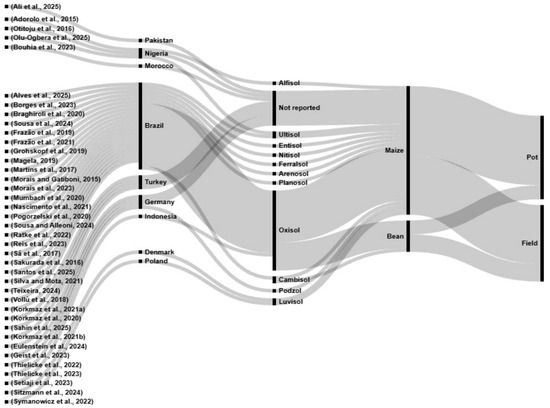
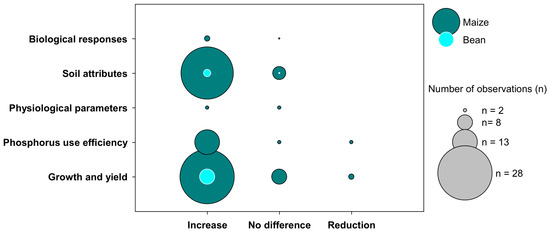
Phosphorus (P) is one of the most important nutrients to plants, but its bioavailability in agricultural soils is often limited by its low mobility and strong fixation in soil colloids, thus reducing crop productivity and phosphorus use efficiency (PUE). Organomineral fertilizers (OMFs) have been proposed as an alternative to increase the agronomic efficiency of P and promote sustainable soil–plant interactions. In this systematic review, we synthesized scientific evidence on the effects of OMFs on PUE, plant physiological responses, and soil attributes in maize and bean crops. The review followed PRISMA 2020 guidelines and included studies published between 2015 and 2025, retrieved from Scopus, Web of Science, ScienceDirect, SciELO, and Google Scholar. Selected studies compared organomineral phosphate fertilizers with conventional mineral sources and reported outcomes related to PUE, plant performance, or soil attributes. OMFs were generally associated with improved crop growth and increased soil P availability. However, despite frequent comparisons between OMFs and mineral fertilizers, few researchers quantitatively calculated PUE using robust metrics. Plant physiological responses were also poorly explored and, when assessed, were mainly restricted to chlorophyll indices. In addition, the soil microbiome was evaluated in only a few studies, highlighting a major gap in integrated soil–plant–microorganism research.
Full article

Figure 1
Open AccessArticle
Soil Nematode-Mediated Carbon and Energy Fluxes Along a Continental Gradient in Arid Ecosystems
by
Amina Braimi, Hinde Benjlil, Ilyass Filali Alaoui, Tayeb Obidari, Amine Idhmida, Mouna Belmouden, Sarhane Larbi, ElMehdi Elhadda, Hajar Issouktane, Mohamed Ait Hamza, Abdelhamid El Mousadik, Fouad Msanda, Sergio Saia and El Hassan Mayad
Soil Syst. 2026, 10(7), 73; https://doi.org/10.3390/soilsystems10070073 - 30 Jun 2026
Abstract
Environmental gradients associated with continentality shape terrestrial ecosystems by modifying biodiversity patterns, community structure, and ecosystem functioning. In arid ecosystems, where water and thermal constraints are pronounced, soil organisms represent sensitive indicators of environmental change. Soil nematodes, due to their functional diversity encompassing
[...] Read more.
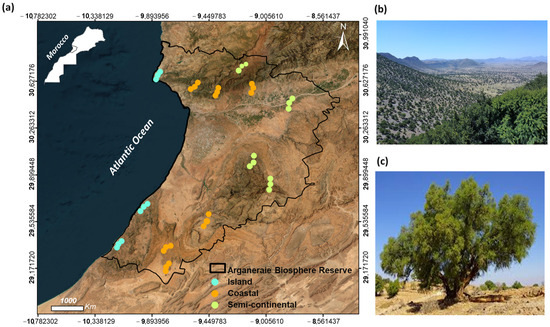
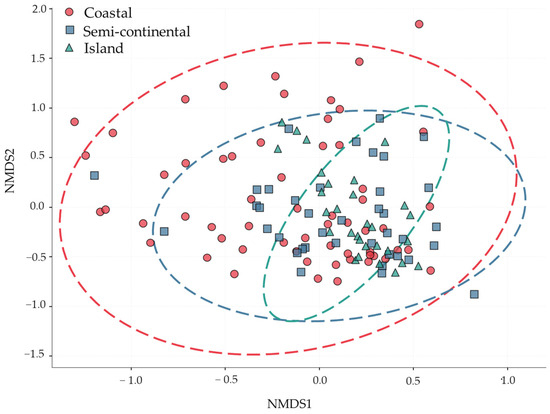
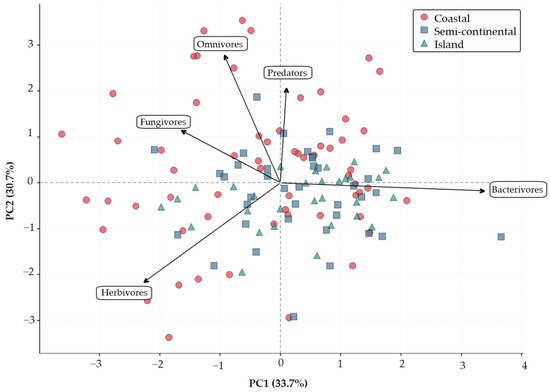
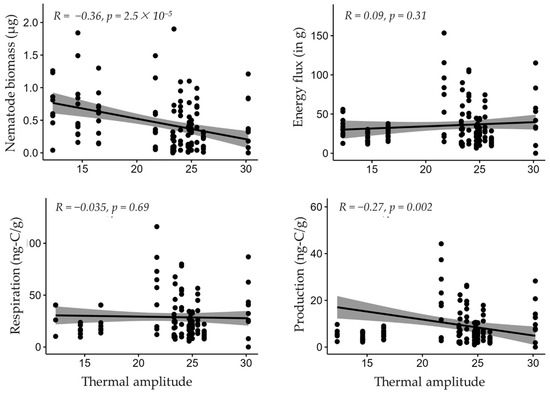
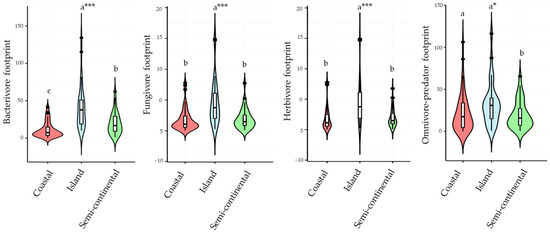
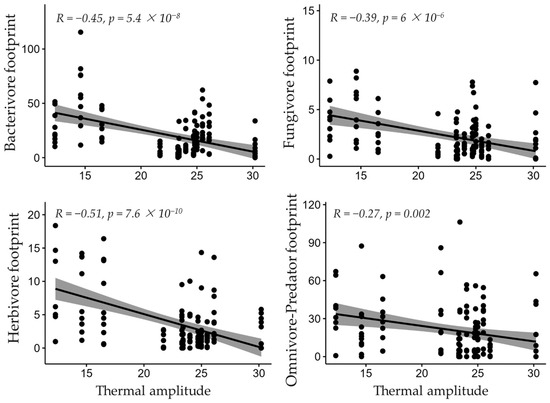
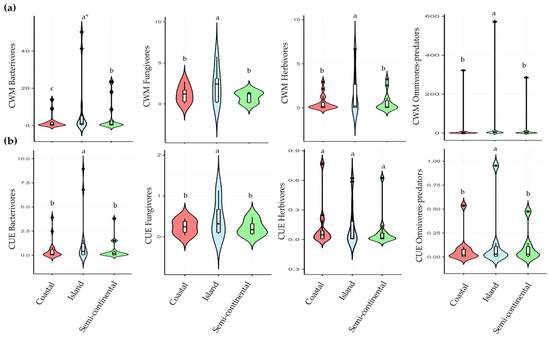
Environmental gradients associated with continentality shape terrestrial ecosystems by modifying biodiversity patterns, community structure, and ecosystem functioning. In arid ecosystems, where water and thermal constraints are pronounced, soil organisms represent sensitive indicators of environmental change. Soil nematodes, due to their functional diversity encompassing bacterivores, fungivores, herbivores, omnivores, and predators, constitute effective bioindicators of soil health. We hypothesized that increasing continentality (thermal amplitude) would progressively reduce nematode diversity and functional complexity while altering CUE and metabolic footprints through community compositional shifts. A total of 130 soil samples were collected across three bioclimatic zones (island, coastal, and semi-continental) within the Arganeraie Biosphere Reserve, Morocco, and analyzed for nematode abundance, diversity, trophic structure, ecological indices, and functional traits. Nematode abundance and richness were significantly higher in the island zone compared to the coastal and semi-continental zones, while Shannon diversity did not differ significantly. The island zone exhibited a balanced trophic structure with higher proportions of bacteribores, fungivores, herbivores, and omnivores–predators, than the coastal and semi-continental zones. CUE values were consistently low (<0.5) across all zones, with the widest distribution in the island zone. Thermal amplitude was negatively associated with nematode biomass (R = −0.36), production (R = −0.27), and all trophic footprints, with herbivores showing the steepest decline (R = −0.51). Notably, total energy flux remained relatively stable despite reductions in diversity and trophic complexity, suggesting functional redundancy within dominant bacterivore guilds. These findings support the hypothesis that increasing continentality is associated with reduced nematode diversity and functional complexity, alongside altered carbon processing efficiency. This study underscores the value of integrating trophic, metabolic, and energetic approaches for assessing soil health vulnerability in Mediterranean agroecosystems under climate change.
Full article
(This article belongs to the Special Issue Integrated Soil Management: Food Supply, Environmental Impacts, and Socioeconomic Functions: 2nd Edition)
►▼
Show Figures

Figure 1

Open AccessArticle
Optimization of Peat-Vermicompost Green Roof Substrates Through Biochar Additions
by
Kristina Osina, Korytina Maria and Anna Gunina
Soil Syst. 2026, 10(7), 72; https://doi.org/10.3390/soilsystems10070072 - 27 Jun 2026
Abstract
Replacing peat in green roof substrates with sustainable alternatives while maintaining plant performance and ecosystem services remains a critical challenge. We studied biochar-substrate interactions across four commercial green roof formulations (based on the type of organic component) in a greenhouse experiment: pure vermicompost,
[...] Read more.
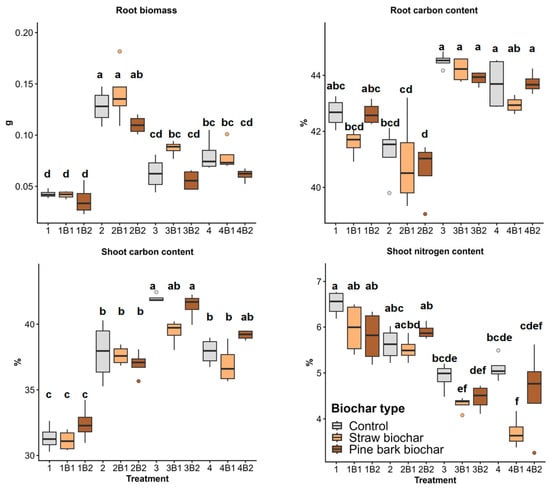
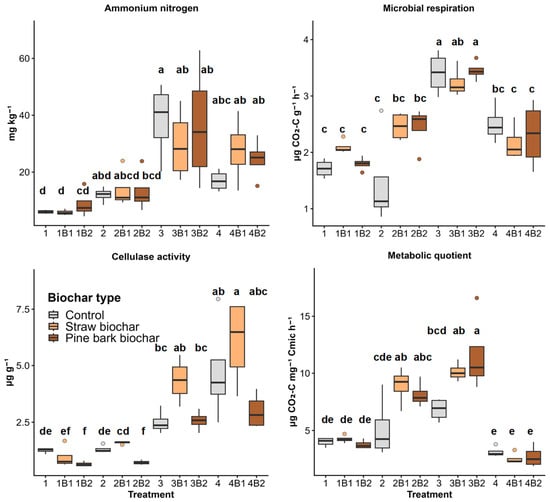
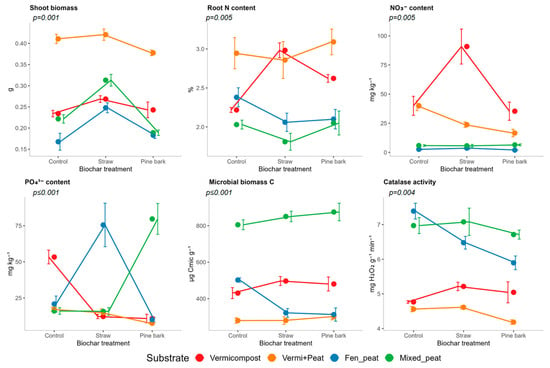
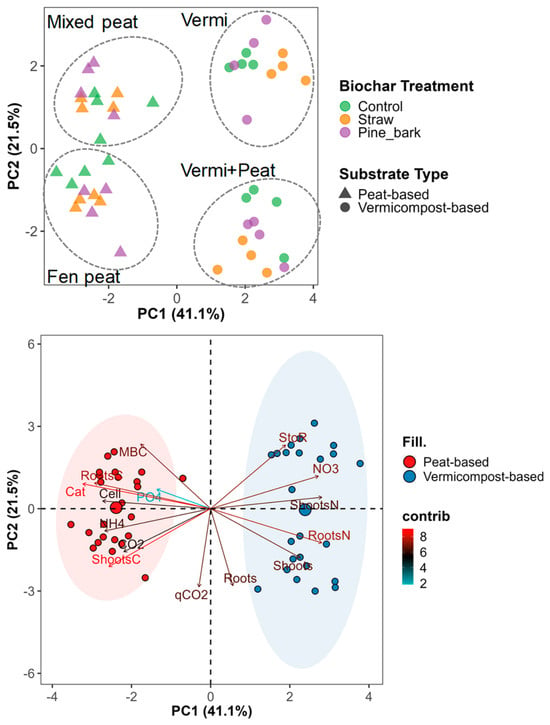
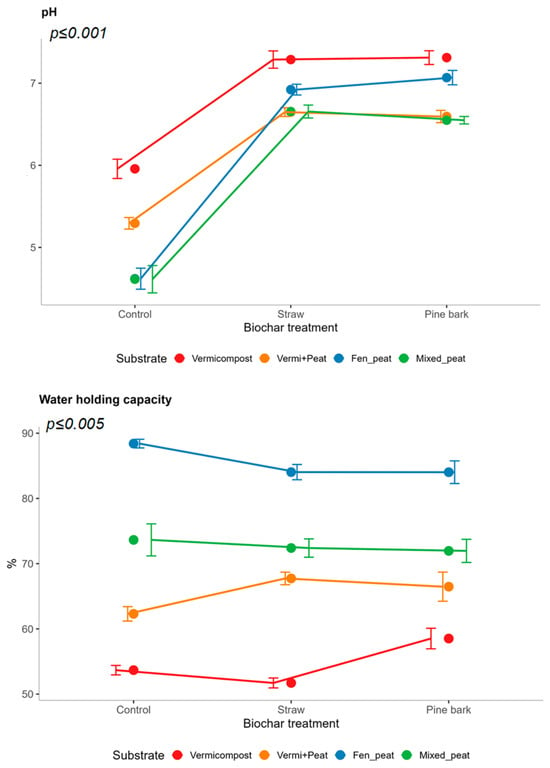
Replacing peat in green roof substrates with sustainable alternatives while maintaining plant performance and ecosystem services remains a critical challenge. We studied biochar-substrate interactions across four commercial green roof formulations (based on the type of organic component) in a greenhouse experiment: pure vermicompost, vermicompost + fen peat, fen peat, and mixed fen/high-moor peat. Substrates were amended with straw biochar, pine bark biochar, or left unamended (5% v/v, n = 4 replicates) and planted with a grass seed mixture mimicking early green roof establishment. Plant growth, nutrient contents (nitrate and phosphate contents), and microbial indicators (microbial biomass carbon (MBC), qCO2, and enzyme activities) were measured 30 days after the experiment began. Straw biochar in vermicompost boosted nitrate (90.8 mg kg−1) and root N (3.1%) compared to the control, while pine bark biochar in mixed peat released phosphate (+375%) and maximized MBC (874 µg g−1). Biochar intensified substrate effects, suppressing CO2 in peat through liming effects (pH from 4.6 to 6.5–7.1) but priming respiration in vermicompost via labile C supply. PCA explained 63% of the variance, with nitrate, plant N, and microbial parameters driving substrate separation. These short-term greenhouse results demonstrate critical biochar-substrate specificity for green roof substrate development, emphasizing formulation-specific matching over universal biochar application.
Full article
(This article belongs to the Special Issue Research on Soil Management and Conservation: 2nd Edition)
►▼
Show Figures

Figure 1

Open AccessArticle
The Structure and Functioning of the Soil Microbial Community as Indicators of Soil Organic Matter Stabilization Under Different Land Use Systems on Gray Forest Soils
by
Polina Kuryntseva, Darya Tarasova, Vyacheslav Babichuk, Natalya Danilova and Svetlana Selivanovskaya
Soil Syst. 2026, 10(7), 71; https://doi.org/10.3390/soilsystems10070071 - 26 Jun 2026
Cited by 1
Abstract
Soil organic matter (SOM) stabilization is closely linked to microbial community structure and function, yet reliable biological indicators remain insufficiently defined. This study aimed to identify microbial and biochemical markers of SOM accumulation under different land use systems (cropland, mown with phytomass removal,
[...] Read more.
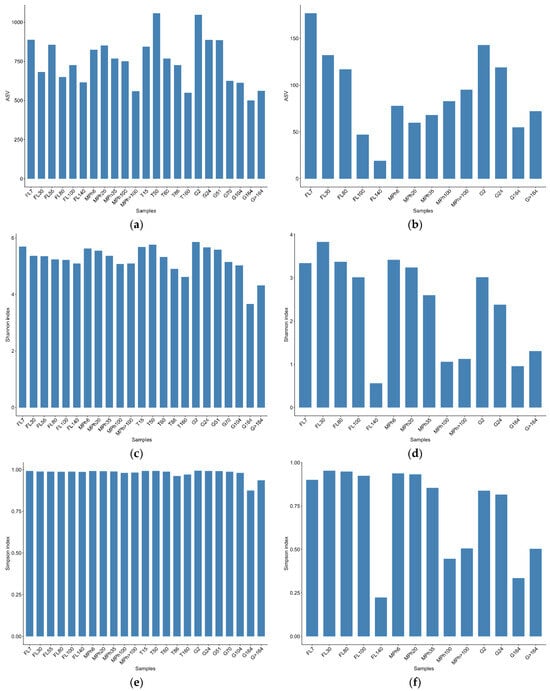
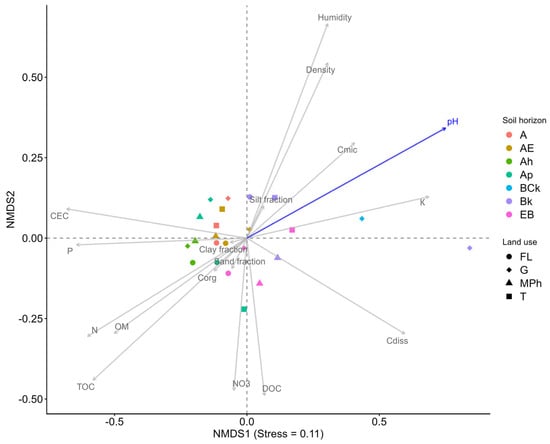
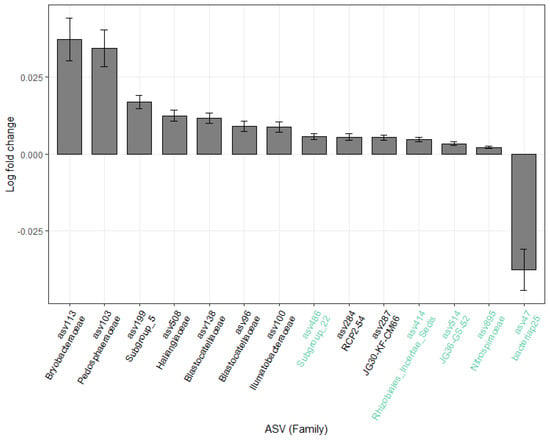
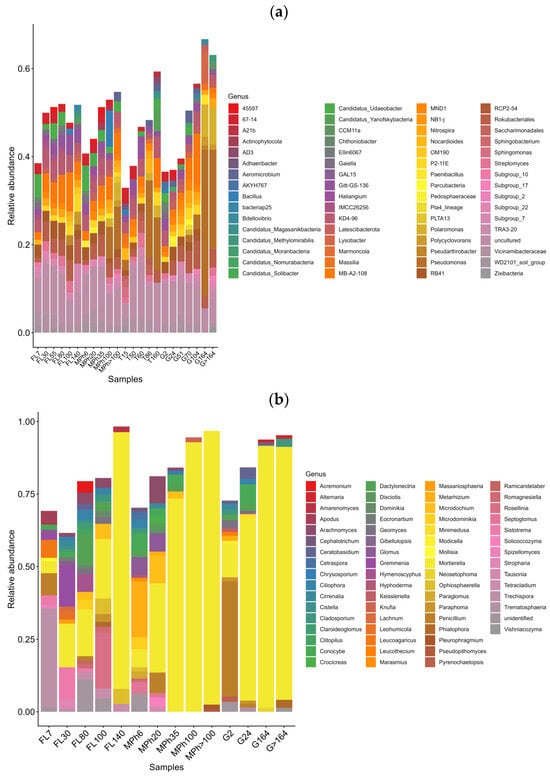
Soil organic matter (SOM) stabilization is closely linked to microbial community structure and function, yet reliable biological indicators remain insufficiently defined. This study aimed to identify microbial and biochemical markers of SOM accumulation under different land use systems (cropland, mown with phytomass removal, mown without phytomass removal, and fallow) in gray forest soils. Soil profiles were investigated in four land use types (cropland, mown with phytomass removal, mown without phytomass removal, and fallow) in the Laishevsky District (Russia). Physicochemical properties, SOM fractions, basal respiration, substrate-induced respiration, Biolog EcoPlates, quantitative PCR, and metagenomic data were used to assess microbial diversity and activity. Microbial communities differed substantially among land use systems and soil horizons, with bacterial communities in fallow soils dominated by oligotrophic taxa, such as RB41, Candidatus Udaeobacter, and KD4-96, whereas arable and managed grassland soils showed increased relative abundance of copiotrophic genera, particularly Pseudomonas and Polaromonas. Fungal communities were primarily represented by Mortierella, Penicillium, Trechispora, and Metarhizium, while both bacterial and fungal diversity decreased with soil depth, and metabolic profiling indicated preferential utilization of carbohydrates and carboxylic acids across all land use types. The highest organic matter and total organic carbon (TOC) were in soils under mowing without phytomass removal and fallow land, while arable soils showed the lowest values. Microbial diversity decreased with soil depth across all variants. Hay meadow soils exhibited elevated metabolic activity and higher metabolic quotient (qCO2), indicating intensified carbon turnover or microbial stress, whereas arable soils were characterized by reduced substrate utilization and simplified community structure. Oligotrophic bacterial taxa were associated with more stable SOM conditions, while copiotrophic dominance reflected rapid carbon turnover. The results demonstrate that microbial community composition, functional activity, and specific taxa (e.g., oligotrophic bacteria, saprotrophic fungi, arbuscular mycorrhizal fungi) can serve as sensitive indicators of SOM stabilization processes. These findings support the development of microbiome-based diagnostic tools for assessing soil carbon dynamics and guiding sustainable land management strategies.
Full article
(This article belongs to the Special Issue Microbial Community Structure and Function in Soils)
►▼
Show Figures

Figure 1
Open AccessArticle
An Innovative Framework Integrating PCA–MDS Soil Quality Index (SQI), AI and Machine Learning Prediction with Multi-Criteria Decision Analysis (MCDA) for Site-Specific Soil Management Toward Sustainability in Coastal Agroecosystems
by
Hatim Sanad, Rachid Moussadek, Latifa Mouhir, Majda Oueld Lhaj, Ahmed Ghanimi, Khadija Manhou, Houria Dakak and Abdelmjid Zouahri
Soil Syst. 2026, 10(7), 70; https://doi.org/10.3390/soilsystems10070070 - 25 Jun 2026
Abstract
Soil quality is central to agricultural sustainability and food security, yet coastal agroecosystems are increasingly threatened by degradation from intensive practices and seawater intrusion. This study aimed to integrate soil quality index (SQI), statistical modeling, machine learning (ML), and decision analysis to assess
[...] Read more.
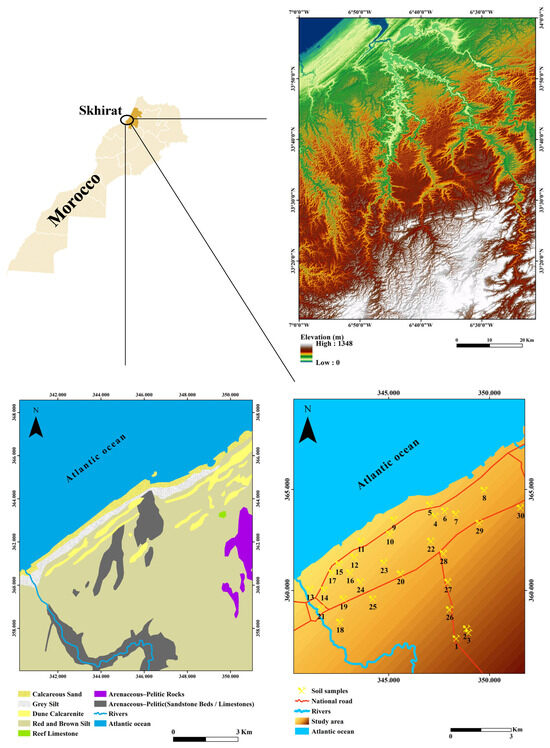
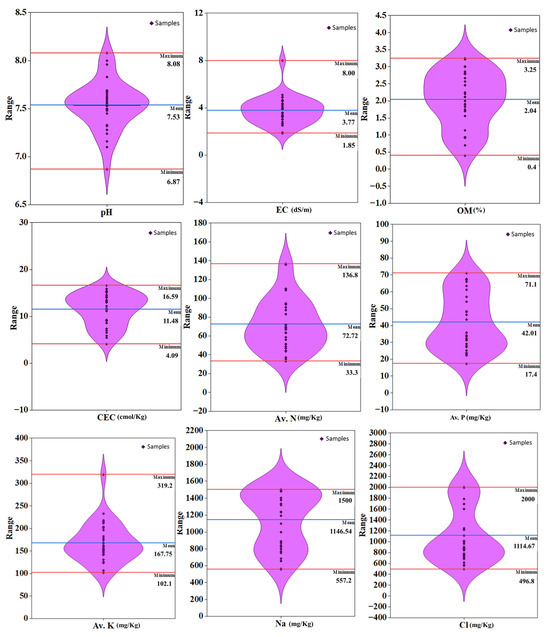
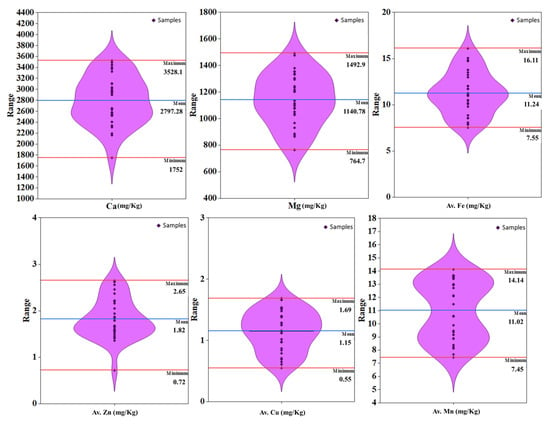
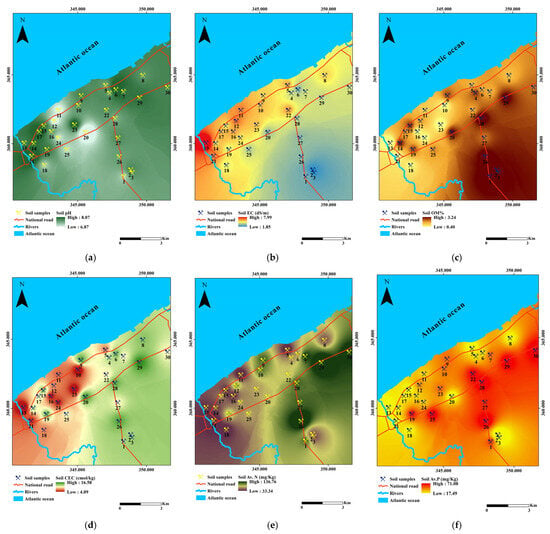
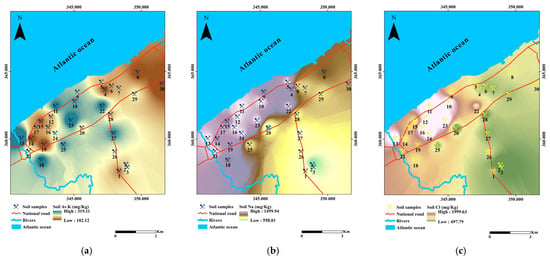
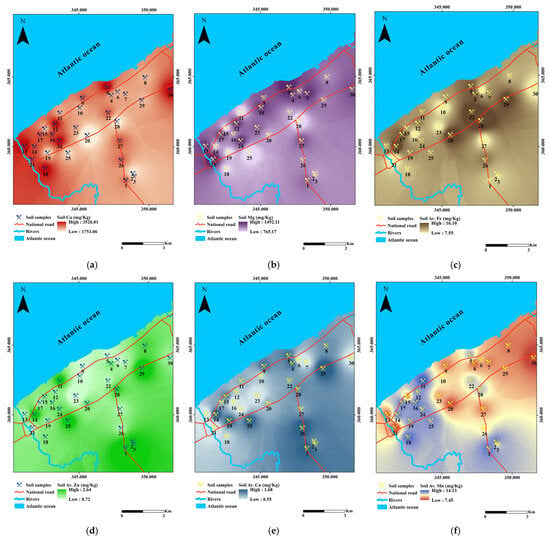
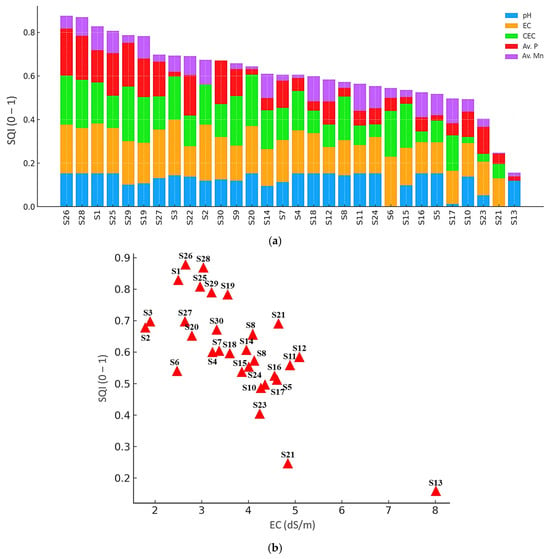
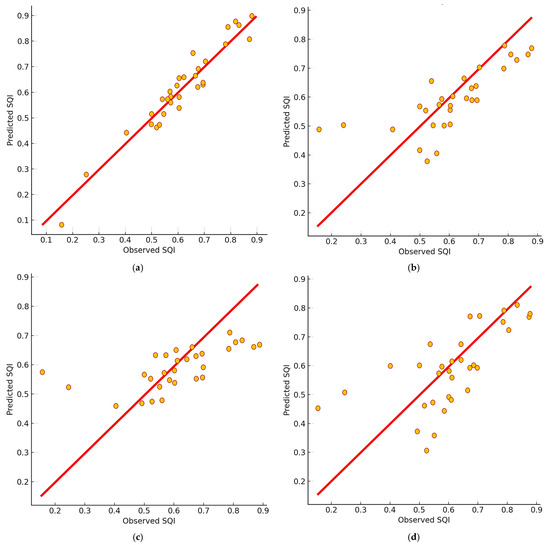
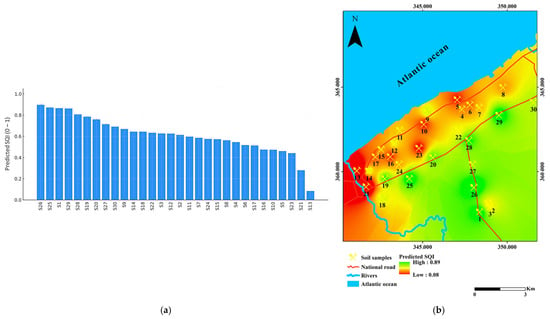
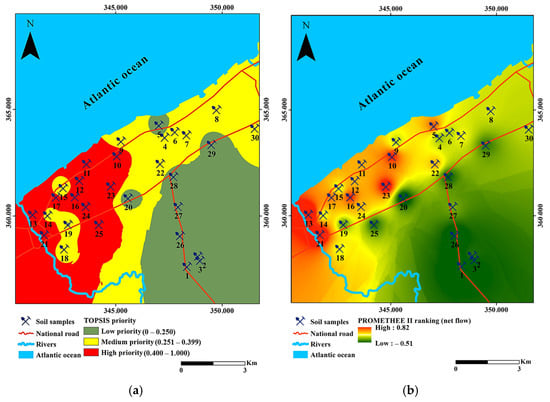
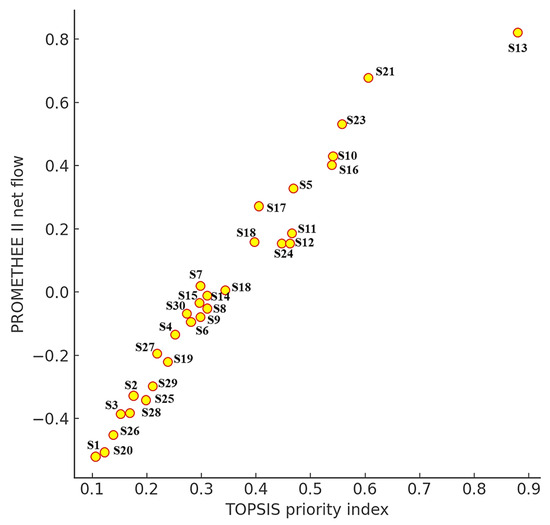
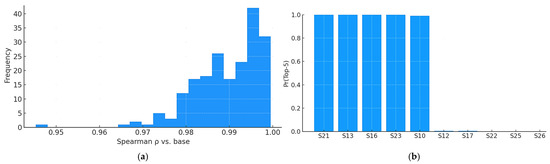
Soil quality is central to agricultural sustainability and food security, yet coastal agroecosystems are increasingly threatened by degradation from intensive practices and seawater intrusion. This study aimed to integrate soil quality index (SQI), statistical modeling, machine learning (ML), and decision analysis to assess and manage soil health in the Skhirat coastal plain of Morocco. A total of 30 topsoil samples were collected and analyzed for chemical and nutrient properties. Spatial interpolation revealed strong coast–inland gradients where EC ranged from 0.47 to 6.3 dS/m with the highest salinity in the south-western fringe, while CEC (8.4–39.7 cmol/kg) and OM (0.54–2.81%) peaked inland. Principal component analysis (PCA) explained 65.9% of total variance, with salinity drivers loading negatively against fertility indicators. Redundancy analysis (RDA) biplots highlighted antagonism between salinity and fertility axes. The PCA-minimum data set (MDS)-SQI integrated key indicators and ranged from 0.084 to 0.897 (mean 0.614), classifying 33% of sites as low quality. The ML model linear regression achieved the best performance (R2 = 0.907). Multi-criteria decision analysis (MCDA) using TOPSIS and PROMETHEE II prioritized coastal sites with indices up to 0.882, and robust underweight sensitivity (Spearman ρ = 0.992). This integrated framework demonstrates that soil chemical monitoring, AI prediction, and MCDA can jointly deliver robust, site-specific management strategies for vulnerable coastal agroecosystems.
Full article
(This article belongs to the Special Issue Research on Soil Management and Conservation: 2nd Edition)
►▼
Show Figures

Figure 1

Open AccessArticle
Morphological and Mineralogical Evidence to Understand Plinthite in Kamuli District, Uganda
by
Francis Akitwine, Rebecca A. Wokibula, Johnson G. Mtama, Amber D. Anderson, Shillah Kwikiiriza and C. Lee Burras
Soil Syst. 2026, 10(7), 69; https://doi.org/10.3390/soilsystems10070069 - 24 Jun 2026
Abstract
►▼
Show Figures
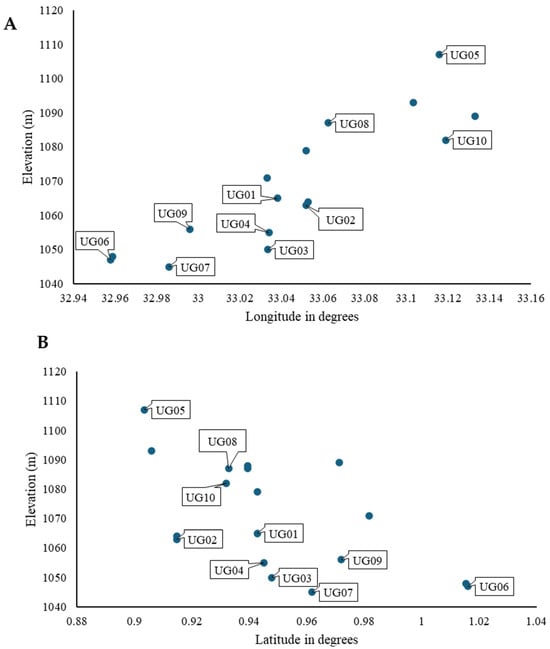
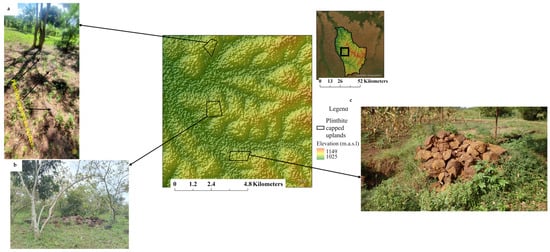
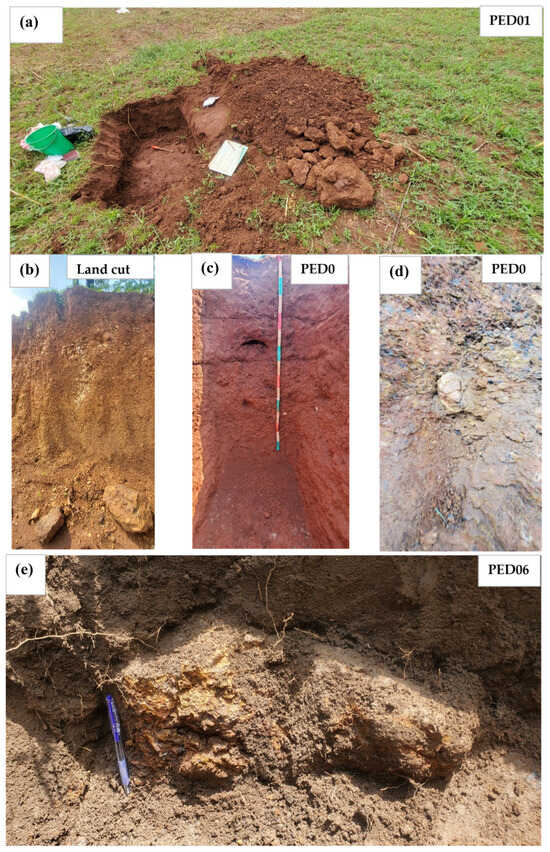
Plinthite is a major pedogenic feature in the Kamuli catena, posing significant challenges for agricultural land use. This study investigates the morphological expression and mineralogical insights into plinthite within the soil-landscape of Kamuli District. Soil characterization involved detailed field morphological descriptions along the
[...] Read more.
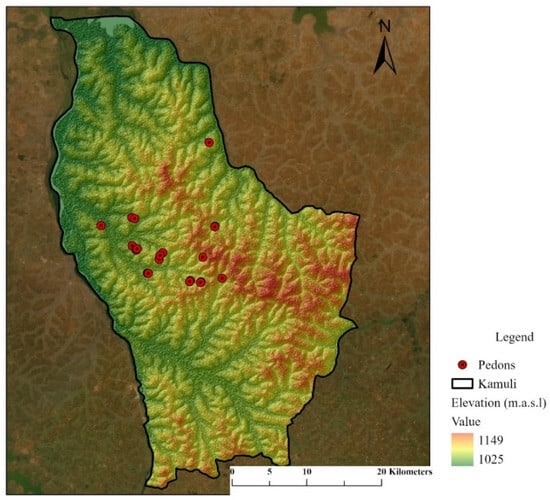
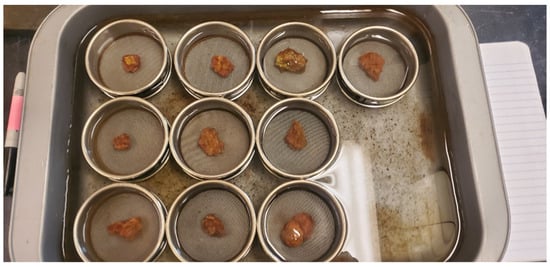
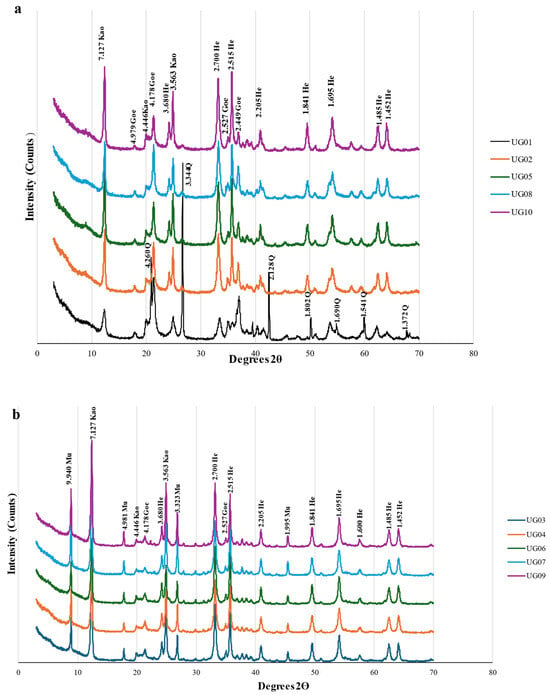
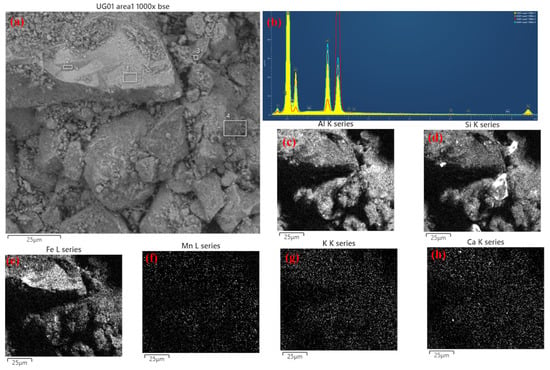
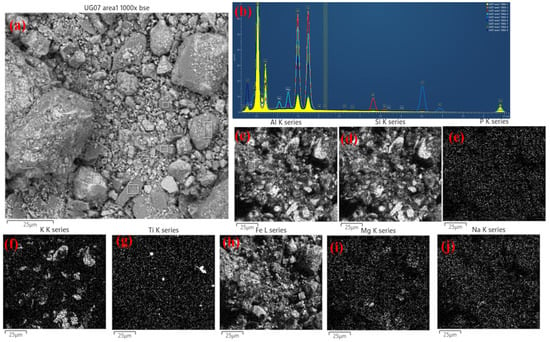
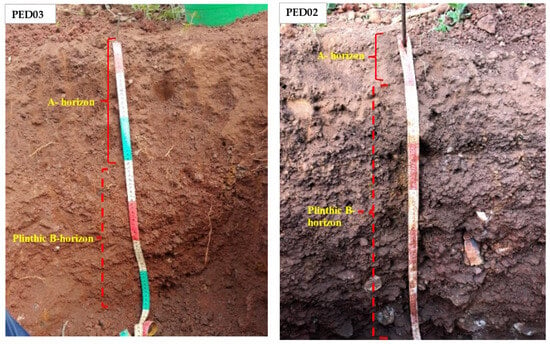
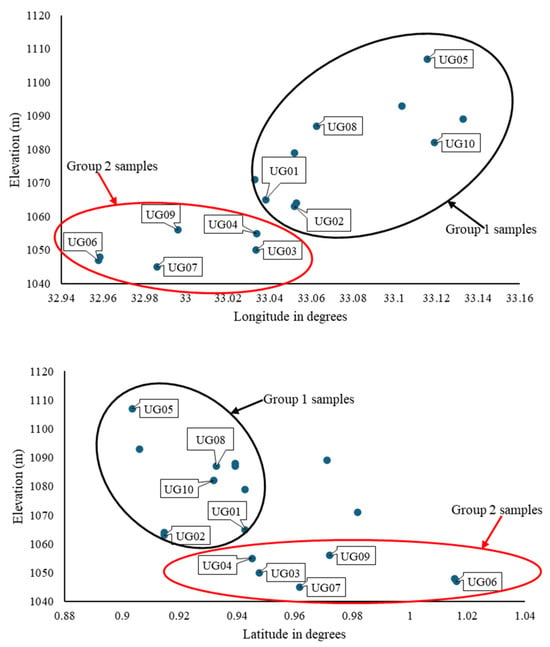
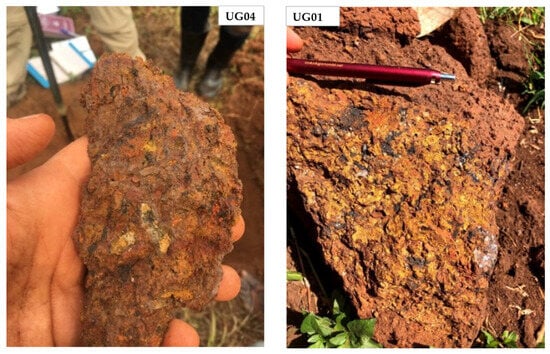
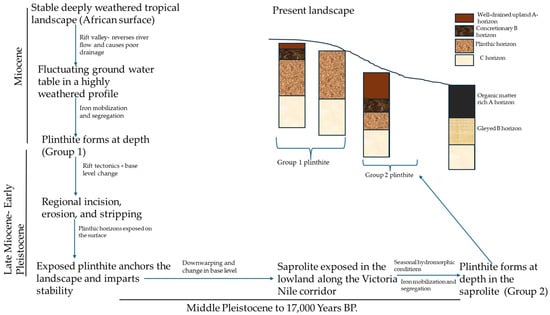
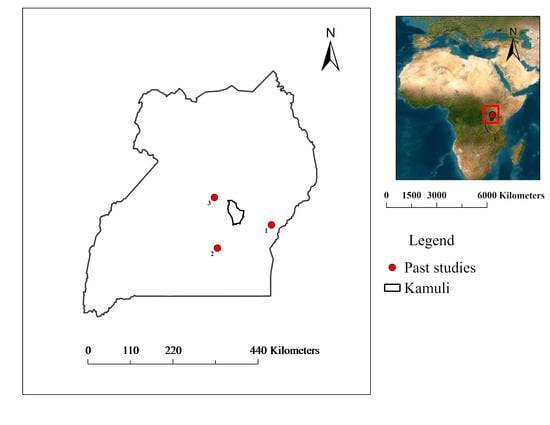
Plinthite is a major pedogenic feature in the Kamuli catena, posing significant challenges for agricultural land use. This study investigates the morphological expression and mineralogical insights into plinthite within the soil-landscape of Kamuli District. Soil characterization involved detailed field morphological descriptions along the Kamuli catena followed by laboratory characterization of major soil properties. Plinthite mineralogy was determined using X-ray diffraction (XRD) and scanning electron microscopy (SEM). Morphology of plinthic soils varied along the catena with summit pedons exhibiting shallow plinthic horizons and backslope pedons showing comparatively deeper occurrences. The lowlands underlain by alluvium of the Holocene lacked plinthite. Mineralogical analysis of ten plinthite samples identified two distinct assemblages. Group 1 (quartz, kaolinite, hematite, goethite, manganite) represents a highly weathered endmember associated with stable summits. Group 2 (muscovite, kaolinite, hematite, goethite, manganite), with elevated K, Mg, Na, and Ca in SEM-EDS, indicating they are recent compared to Group 1. This elemental composition directly reflects the signature of the parent material preserved within Group 2 samples. Plinthite in the Kamuli catena is a relict feature, whose formation is tied to past drainage regimes. Its multi-stage history is recorded in the two mineralogical groups separated by hundreds of thousands of years of landscape evolution. Group 1 represents plinthite from the deeply weathered African Surface. Group 2 is later formed on the substrate exposed by stripping along the Victoria Nile.
Full article

Figure 1
Open AccessArticle
Local Surrogate Relationships Between Soil Texture Fractions and Near-Surface Hydro-Structural Properties for Hydrological Parameterization in High-Andean Catchments
by
Christian Mera-Parra, Pablo Ochoa-Cueva, Jose Damian Ruiz Sinoga and Paola Duque Sarango
Soil Syst. 2026, 10(7), 68; https://doi.org/10.3390/soilsystems10070068 - 23 Jun 2026
Abstract
►▼
Show Figures
For hydrological parameterization in high-Andean catchments, it is necessary to understand whether near-surface hydro-structural soil properties can provide a surrogate signal of particle-size composition when direct texture information is sparse. This study evaluated the extent to which sand, silt, and clay fractions can
[...] Read more.
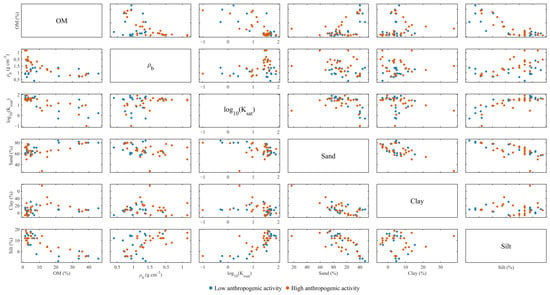
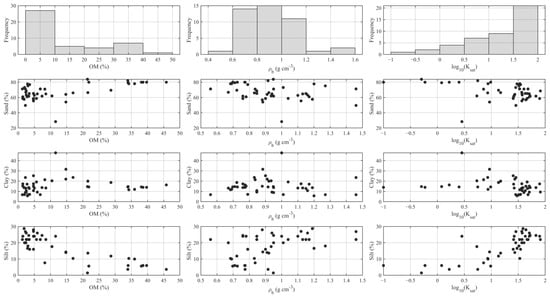
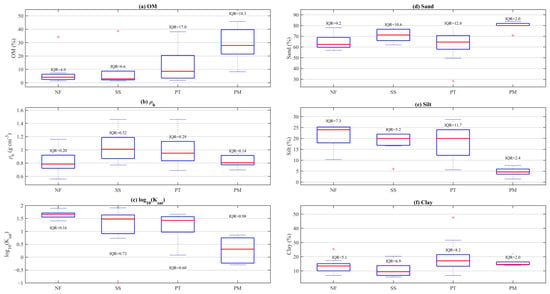
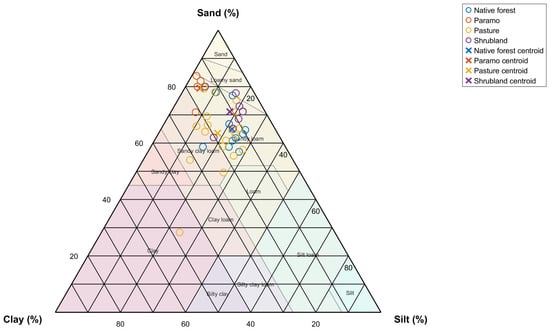
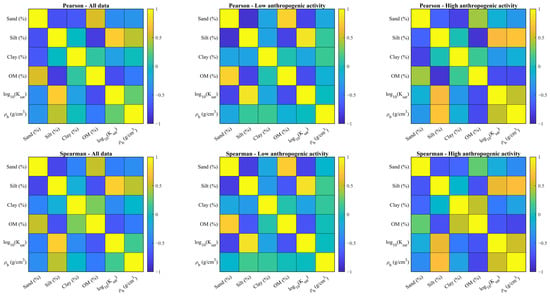
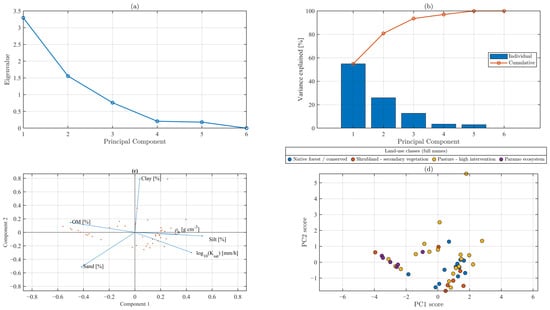
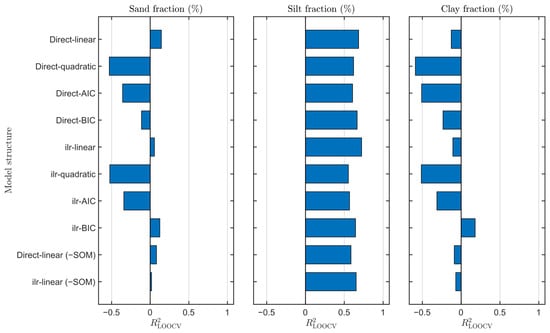
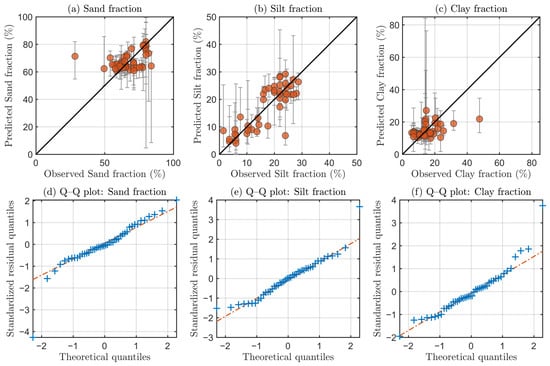
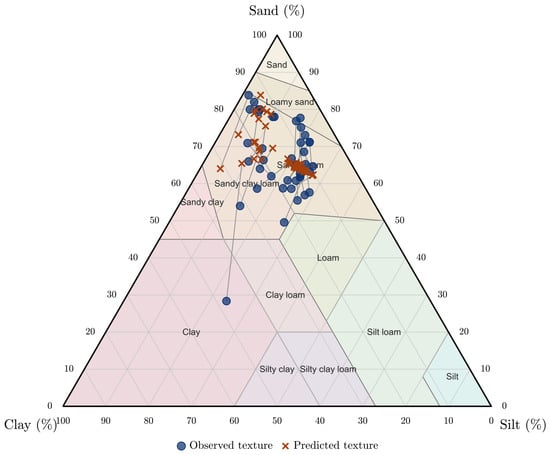
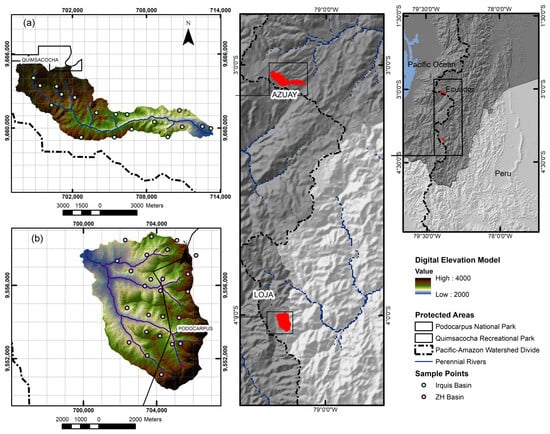
For hydrological parameterization in high-Andean catchments, it is necessary to understand whether near-surface hydro-structural soil properties can provide a surrogate signal of particle-size composition when direct texture information is sparse. This study evaluated the extent to which sand, silt, and clay fractions can be approximated from organic matter ( ), bulk density ( ), and saturated hydraulic conductivity ( ) in the Zamora Huayco (ZH) and Irquis catchments, southern Ecuador. A harmonized dataset ( ) was analyzed through exploratory statistics, compositional assessment, correlation analysis, PCA, fraction-wise regression, -based modeling, AIC/BIC term reduction, sensitivity analysis excluding , nested , and bootstrap-based uncertainty intervals. Among LULC classes, samples classified as paramo occupied a distinct high-Andean hydro-edaphic domain, characterized by a differentiated relationship between soil physical properties and hydrological behavior. PCA showed that the dominant covariance structure involved , , , and the redistribution between sand and silt. The BIC-reduced model provided the most balanced formulation, with positive nested performance for sand, silt, and clay ( , , and , respectively) and exact compositional closure after inverse transformation. Silt was the most stable predicted fraction, whereas sand and clay retained larger residual uncertainty, stronger tail departures, and partial compression of the observed variability. The proposed equations provide local hydro-pedotransfer support, although their predictive signal remains dependent on further refinement, uncertainty assessment, and external validation before regional application.
Full article

Figure 1
Open AccessReview
Classification of Fish Pond Soils in Soil Classification Systems
by
Besarion Meskhi, Dmitry Rudoy, Sergey Gorbov, Andrey Polyakov, Mary Odabashyan, Arkady Mirzoyan, Svetlana Studennikova and Denis Kozyrev
Soil Syst. 2026, 10(7), 67; https://doi.org/10.3390/soilsystems10070067 - 23 Jun 2026
Abstract
The classification position of substrates forming on the beds of aquaculture ponds remains a poorly resolved issue at the intersection of pedology, limnology, and aquaculture science. We examine how major international and national soil classification systems—the USDA Soil Taxonomy, the World Reference Base
[...] Read more.
The classification position of substrates forming on the beds of aquaculture ponds remains a poorly resolved issue at the intersection of pedology, limnology, and aquaculture science. We examine how major international and national soil classification systems—the USDA Soil Taxonomy, the World Reference Base for Soil Resources (WRB), the German Bodenkundliche Kartieranleitung, the Australian Soil Classification (ASC), the Russian Soil Classification, and the classification systems of Brazil and China—approach the systematics of subaqueous soils and their aquaculture analogues. A systematic literature search was conducted across the Web of Science, Scopus, and Google Scholar databases covering the period from 1953 to 2025. Our analysis reveals that Soil Taxonomy provides the most developed taxonomic framework through specialized suborders (Wassents and Wassists), while the WRB offers the greatest flexibility via its qualifier system (subaquatic, limnic, and gleyic). The German classification uniquely assigns subaqueous soils to the highest taxonomic level (division) with a substantive typology that is directly applicable to pond substrates. The Australian classification contributes a three-part sulfidic material typology of practical significance for pond management. The Russian and Brazilian systems currently lack formal taxa for subaqueous soils, although recent proposals (e.g., Aquazems) may address this gap. The Chinese paddy soil model offers a conceptual bridge between subaqueous pedology and aquaculture. No existing system adequately addresses the specific anthropogenic impacts of aquaculture management on pond soil formation. Permanently inundated little-disturbed ponds fall within the subaqueous soil concept, whereas intensively managed, frequently drained or dredged ponds are better treated as anthropogenic soils with a subaqueous phase. We recommend the WRB (4th edition, 2022) as the most suitable framework for current classification of aquaculture pond soils while acknowledging that a multi-system approach may ultimately prove most effective. These findings carry particular relevance for countries of the former Soviet Union (CIS), where extensive pond aquaculture is practiced but pond substrates remain outside formal pedological classification.
Full article
(This article belongs to the Special Issue Land Use and Management on Soil Properties and Processes: 2nd Edition)
Highly Accessed Articles
Latest Books
E-Mail Alert
News
Topics
Topic in
Agriculture, Agronomy, Crops, Soil Systems, Agrochemicals
Soil Health and Nutrient Management for Crop Productivity
Topic Editors: Na Li, Dorcas H. FranklinDeadline: 30 September 2026
Topic in
Agronomy, Environments, Processes, Soil Systems, Pollutants
Soil Quality: Monitoring Attributes and Productivity
Topic Editors: Antonio Fernandes, Wendel Valter Da Silveira PereiraDeadline: 31 October 2026
Topic in
Agronomy, Metabolites, Microorganisms, Plants, Soil Systems
Interactions between Plants and Soil Microbes in Natural Ecosystem
Topic Editors: Chao Zhang, Jie WangDeadline: 31 December 2026
Topic in
Agronomy, Microorganisms, Agriculture, Plants, Soil Systems, Crops, IJPB
Microbe-Induced Abiotic Stress Alleviation in Plants, 2nd Edition
Topic Editors: Ying Ma, Christopher RensingDeadline: 28 February 2027
Conferences
Special Issues
Special Issue in
Soil Systems
Use of Modern Statistical Methods in Soil Science
Guest Editor: Jarosław ZawadzkiDeadline: 31 July 2026
Special Issue in
Soil Systems
Effects of Earthworms on Soil Systems
Guest Editor: Josef H. GorresDeadline: 31 August 2026
Special Issue in
Soil Systems
Land Use and Management on Soil Properties and Processes: 2nd Edition
Guest Editors: Adilson Pacheco De Souza, Frederico Terra De AlmeidaDeadline: 31 August 2026
Special Issue in
Soil Systems
Soil Erosion, Mass Movements and Pedoclimatic Disequilibrium in Aggradational Landforms
Guest Editors: Antônio José Teixeira Guerra, Antonio Carlos de Barros CorreaDeadline: 30 September 2026