Journal Description
Medicines
Medicines
is an international, peer-reviewed, open access journal on drug discovery and clinical application published quarterly online by MDPI.
- Open Access— free for readers, with article processing charges (APC) paid by authors or their institutions.
- High Visibility: indexed within PubMed, PMC, CAPlus / SciFinder, and other databases.
- Rapid Publication: manuscripts are peer-reviewed and a first decision is provided to authors approximately 30.6 days after submission; acceptance to publication is undertaken in 5.8 days (median values for papers published in this journal in the first half of 2026).
- Recognition of Reviewers: Reviewers whose reports are timely and of high quality receive an APC discount voucher for a future publication in an MDPI journal. Become a reviewer.
- Medicines is a companion journal of Pharmaceutics and Pharmaceuticals.
Latest Articles
JAK Inhibitors, Anti-IL-6R Antagonists, Secukinumab, Abatacept, and Rituximab in Polymyalgia Rheumatica: What Insights Emerge from Phase 2 and 3 Randomized Controlled Trials?
Medicines 2026, 13(4), 29; https://doi.org/10.3390/medicines13040029 - 15 Oct 2026
Abstract
Background: Glucocorticoids (GCs) remain the cornerstone of polymyalgia rheumatica (PMR) management, but their cumulative toxicity necessitates effective GC-sparing strategies. Recent randomized controlled trials (RCTs) evaluating targeted therapies with diverse mechanisms of action have offered an unprecedented opportunity to dissect the disease’s underlying immunobiological
[...] Read more.
Background: Glucocorticoids (GCs) remain the cornerstone of polymyalgia rheumatica (PMR) management, but their cumulative toxicity necessitates effective GC-sparing strategies. Recent randomized controlled trials (RCTs) evaluating targeted therapies with diverse mechanisms of action have offered an unprecedented opportunity to dissect the disease’s underlying immunobiological architecture. Methods: A focused narrative literature search was conducted within PubMed to analyze Phase 2 and Phase 3 RCTs and long-term extension studies investigating Janus Kinase (JAK) inhibitors, secukinumab (anti-IL-17A), abatacept, anti-CD20 monoclonal antibody rituximab, and anti-IL-6 receptor (IL-6R) antagonists in PMR patients. Results: This scoping analysis highlighted how distinct molecular pathways demonstrated highly divergent efficacy profiles. Specifically, baricitinib and tofacitinib (two JAK inhibitors), along with sarilumab and tocilizumab (anti-IL-6 receptor), achieved robust short-term clinical response and acute-phase reactant normalization, though anti-IL-6 receptor extension data revealed persistent localized musculoskeletal symptoms in a patient subgroup. In chronic, relapsing, GC-dependent settings, the anti-IL-17a monoclonal antibody secukinumab significantly increased sustained GC-free remission. The placebo-controlled Phase 2 BRIDGE-PMR trial and its subsequent 1-year extension study demonstrated the efficacy of a single intravenous infusion of rituximab: a significantly higher rate of sustained, GC-free clinical remission was observed compared to the placebo group. Conversely, the T-cell co-stimulation modulator abatacept failed to demonstrate significant therapeutic efficacy. All these high-impact trials confirmed that precision cytokine and cellular targeting could provide a safe and highly tolerable alternative to conventional GC management. Methodologically, however, some of these trials had a primary limitation, and this was the reliance on short-term 24-week endpoints, which introduced a critical “temporal blind spot” that masked late relapses during advanced GC tapering. Conclusions: PMR is hypothesized to represent a complex syndrome of compartmentalized phenotypic convergence, where distinct molecular axes could drive pathology across different chronological stages (modeled as an acute/IL-6-driven phase vs. a chronic/Th17-dependent phase). While these therapeutic differences suggest a novel conceptual framework, head-to-head comparative research is strictly required to establish clear clinical hierarchies. In addition, upcoming clinical trial designs should systematically extend evaluation periods to 52 weeks to accurately assess sustained remission and differentiate between short-term suppression and long-term therapeutic efficacy.
Full article
Open AccessArticle
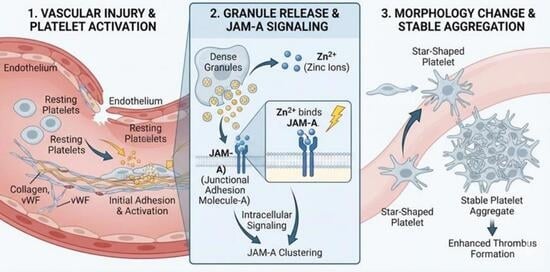
The Role of Zinc and Junctional Adhesion Molecule A Protein in Platelet Plug Formation
by
Sai Harsha Nagidi, Jonah Stringham, Ethan Firth, Brent Lisonbee, Chris Hart and Dario Mizrachi
Medicines 2026, 13(4), 28; https://doi.org/10.3390/medicines13040028 - 29 Sep 2026
Abstract
Background: The coagulation cascade depends on the active participation of several elements present in the blood as well as signals arising from the endothelial cells. A platelet plug is a temporary, fast-response seal formed by platelets at the site of a damaged
[...] Read more.
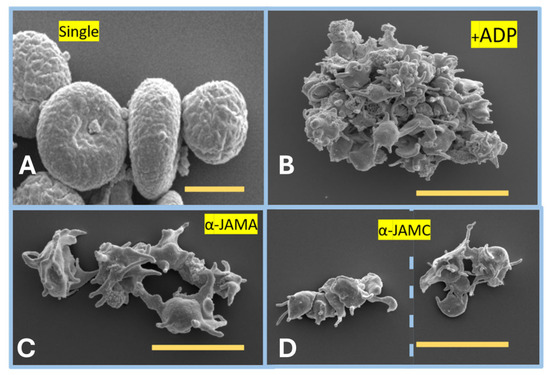
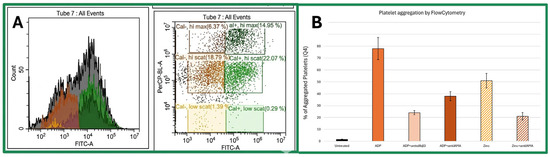
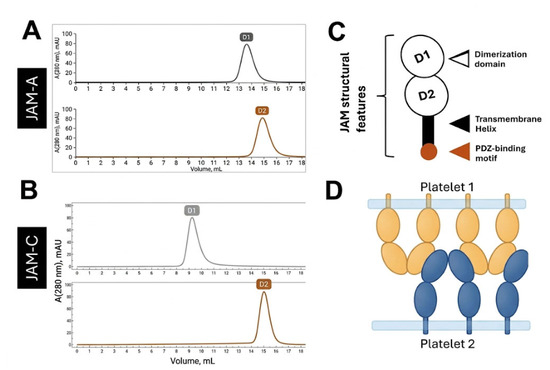
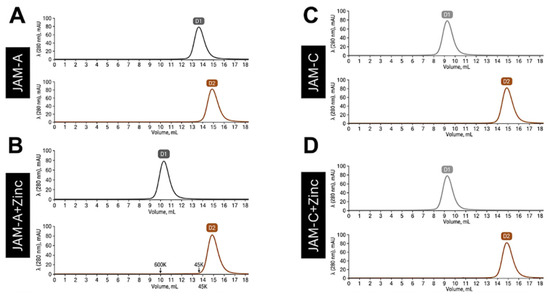
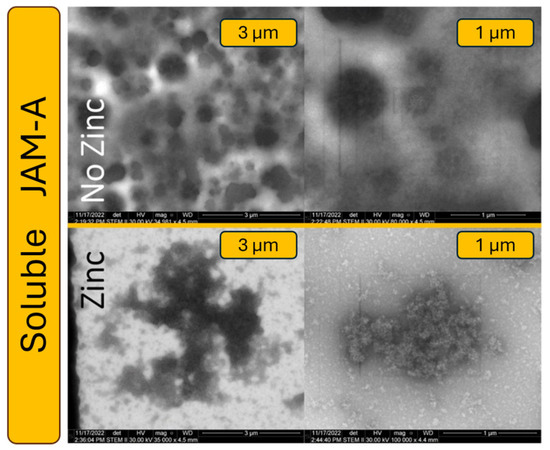
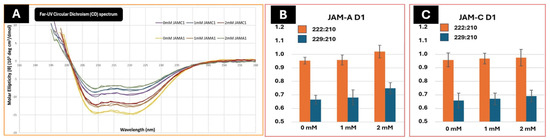
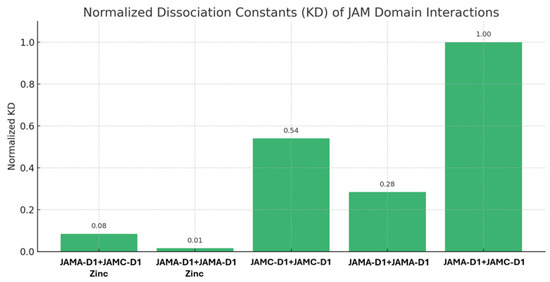
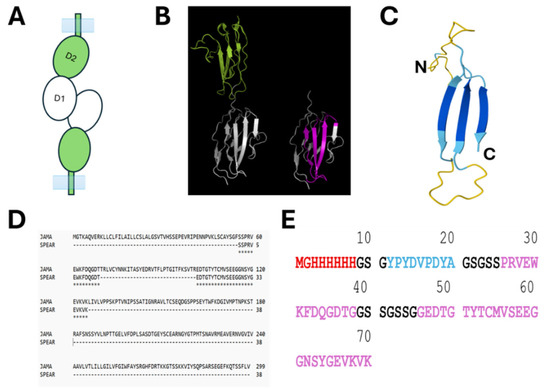
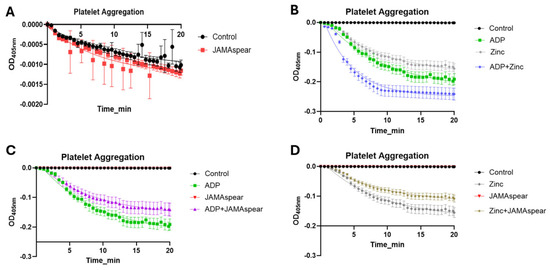
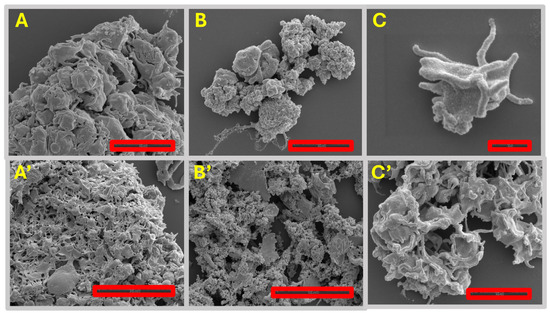
Background: The coagulation cascade depends on the active participation of several elements present in the blood as well as signals arising from the endothelial cells. A platelet plug is a temporary, fast-response seal formed by platelets at the site of a damaged blood vessel to initiate hemostasis. Among the changes platelets undergo is the degranulation step. Platelet degranulation results in the release of substances like ADP, serotonin, fibrinogen, and zinc. Currently, zinc’s targets are unknown. Methods: Platelet-to-platelet aggregation relies on specific surface receptors and plasma bridge proteins. Such mechanistic elements have been extensively studied (i.e., αIIbβ3 integrin). In this work, using platelet aggregation methods and recombinant proteins, we will expand the repertoire of proteins relevant to platelet plug formation. Particularly, size-exclusion chromatography (SEC), surface plasmon resonance (SPR), and transmission electron microscopy (TEM) were mainly used. Using 1 mM zinc and 10 µM ADP, we evaluated platelet aggregation and proteins responsible for this aggregation’s behavior in response to zinc release from platelets’ granules upon activation. SPR provided results to evaluate the affinity of our target proteins on the surface of platelets when influenced by the increase in zinc after degranulation. Results: In the present work, we provide evidence that the high local concentration of zinc is intended to target junctional adhesion molecule A (JAM-A), which remains inactive (inhibiting cell-adhesion and cytoskeleton dynamics) when coagulation is not needed, and platelets move through the bloodstream as single units. Zinc-activated JAM-A leads the platelets to aggregate. Our experimentation includes work with platelets and a synthetic biology small peptide to quench the effects of zinc. Conclusions: JAM-A interacts with zinc to aid in the formation of the platelet plug. This interaction activates the cell-adhesion and cytoskeleton dynamics functions of JAM-A. We suggest that further exploring this mechanism of zinc-activated JAM-A can be advantageous for understanding hemostasis, its role in antithrombotic therapy, coagulation inhibition, or thrombosis prevention.
Full article
(This article belongs to the Topic Research in Pharmacological Therapies, 2nd Edition)
►▼
Show Figures

Graphical abstract
Open AccessReview
Pharmacotherapy of Kienböck Disease and the Carpal Avascular Necrosis Family: A Narrative Review with a Four-Axis Translation Framework
by
Dimitar Tenev, Benedikt Hochbein, Georgi Enev, Georgi Raykov, Nikolay Cherkezov, Jakob Adolf and Nikolay Dimitrov
Medicines 2026, 13(3), 27; https://doi.org/10.3390/medicines13030027 - 1 Sep 2026
Abstract
Background/Objectives: Kienböck disease (idiopathic avascular necrosis of the lunate) is treated almost exclusively surgically; its pharmacological evidence base comprises fewer than five primary publications and ~20 patient-level observations. Femoral-head, jaw, and knee osteonecrosis have decades of evidence, including randomised trials. We ask whether
[...] Read more.
Background/Objectives: Kienböck disease (idiopathic avascular necrosis of the lunate) is treated almost exclusively surgically; its pharmacological evidence base comprises fewer than five primary publications and ~20 patient-level observations. Femoral-head, jaw, and knee osteonecrosis have decades of evidence, including randomised trials. We ask whether extra-carpal evidence can be translated to Kienböck disease and the wider Carpal Avascular Necrosis Family (lunate, scaphoid/Preiser, capitate, hamate, triquetrum). Methods: We conducted a narrative review reported per SANRA, searching PubMed, CrossRef, Google Scholar and three specialty registries from inception to 2026 across eleven drug classes and eleven skeletal sites. All references were independently verified against primary sources (PubMed/CrossRef). No Kienböck-specific randomised or controlled data exist; all conclusions therefore rest on indirect, extra-carpal evidence. Results: Three pathways (subchondral insufficiency fracture, microvascular ischaemia, hypercoagulability) predict drug-class plausibility differently by site. Iloprost is the candidate most consistently aligned across the translation axes, though no direct lunate data exist; teriparatide provides the only randomised evidence suggesting reversal of established osteonecrosis at any site (medication-related osteonecrosis of the jaw). The lunate sits within a coherent carpal AVN family sharing end-arterial supply, Lichtman-grade trajectories, and a near-identical evidence vacuum. Conclusions: A Four-Axis Translation Framework (mechanistic alignment, anatomic concordance, Lichtman-stage applicability, lunate-specific risk–benefit geometry) is proposed to evaluate which extra-carpal evidence is admissible at the lunate; with the carpal AVN family construct, these are the review’s two novel contributions.
Full article
Open AccessArticle
Does Patient-Reported Olfactory Improvement Correlate with Quality of Life and Polyp Size Reduction in Patients with CRSwNP Treated with Dupilumab?
by
Brian Hernández-Martín, Miriam del Carmen Marrero-Ramos, María Soledad Cabrera-Ramírez, Jesús Javier Benítez-Rosario, Carmen Delia Dávila-Quintana and María Sandra Domínguez-Sosa
Medicines 2026, 13(3), 26; https://doi.org/10.3390/medicines13030026 - 24 Aug 2026
Abstract
►▼
Show Figures
Background: Olfactory dysfunction (OD) is a key symptom of chronic rhinosinusitis with nasal polyps (CRSwNP). Dupilumab improves clinical outcomes, including patient-reported olfactory function. This study aimed to analyze correlations between patient-reported olfactory improvement, quality of life, and endoscopic outcomes in patients treated with
[...] Read more.
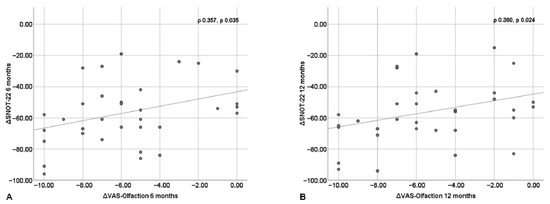
Background: Olfactory dysfunction (OD) is a key symptom of chronic rhinosinusitis with nasal polyps (CRSwNP). Dupilumab improves clinical outcomes, including patient-reported olfactory function. This study aimed to analyze correlations between patient-reported olfactory improvement, quality of life, and endoscopic outcomes in patients treated with dupilumab. Methods: A real-life, single-center retrospective study included 35 patients with severe, uncontrolled CRSwNP treated with dupilumab. Patient-reported olfactory function was assessed using a visual analog scale (VAS-olfaction), quality of life with the Sinonasal Outcome Test-22 (SNOT-22), and polyp size with the Nasal Polyp Score (NPS) at baseline, 6 months, and 12 months. Changes from baseline were analyzed using the Wilcoxon signed-rank test, whereas correlations were evaluated using Spearman’s rank correlation coefficient. Results: Dupilumab was associated with significant improvements in patient-reported olfactory function, quality of life, and polyp size at 6 and 12 months. Improvements in VAS-olfaction correlated significantly with SNOT-22 at 6 months (p = 0.035) and 12 months (p = 0.024). In a sensitivity analysis excluding the smell/taste item from the SNOT-22, these correlations were attenuated and no longer reached statistical significance. No significant correlation was observed between patient-reported olfactory improvement and NPS. Conclusions: Patient-reported olfactory improvement correlated with quality of life but not with reductions in global polyp burden. These findings suggest that this improvement may not be fully explained by changes in polyp size alone.
Full article

Figure 1
Open AccessReview
Beyond the Central Nervous System: Uncovering Memantine’s Modulatory Role in the Peripheral Nervous System
by
Kyriaki Papadopoulou, Sophia Tsokkou, Ioannis Konstantinidis, Pavlos Pavlidis, Chrysanthi Sardeli, Dimitrios Kouvelas, Soultana Meditskou-Efthymiadou, Antonia Sioga and Theodora Papamitsou
Medicines 2026, 13(3), 25; https://doi.org/10.3390/medicines13030025 - 21 Aug 2026
Abstract
►▼
Show Figures
Background: Memantine, an uncompetitive and voltage-dependent N-methyl-D-aspartate (NMDA) receptor antagonist, is clinically established for moderate-to-severe Alzheimer’s disease. Its pharmacodynamic profile, low-to-moderate affinity, rapid open-channel block, and strong voltage dependency allows selective inhibition of pathological NMDA overactivation while preserving physiological neurotransmission. Increasing evidence shows
[...] Read more.
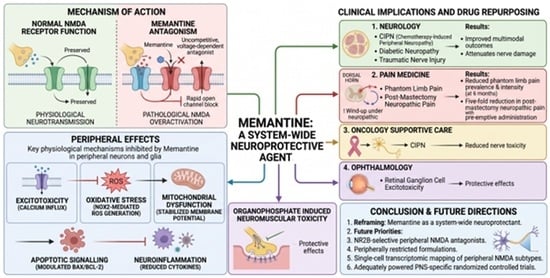
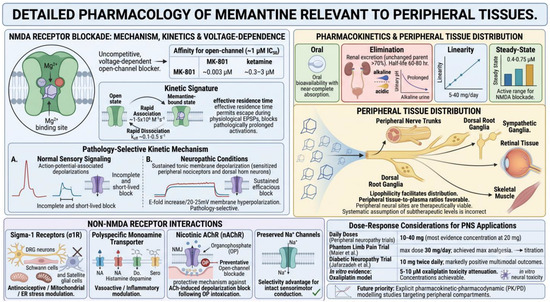
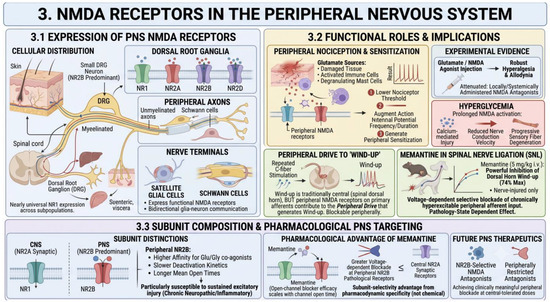
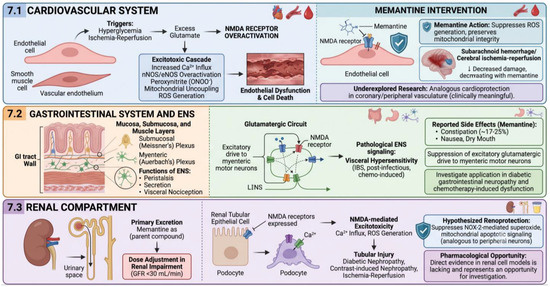
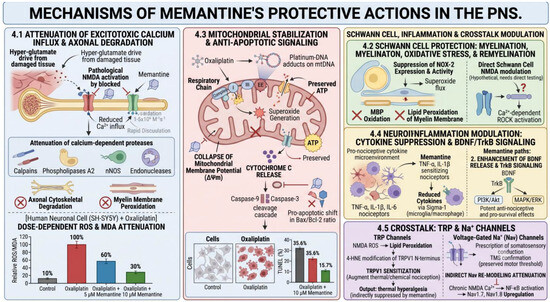
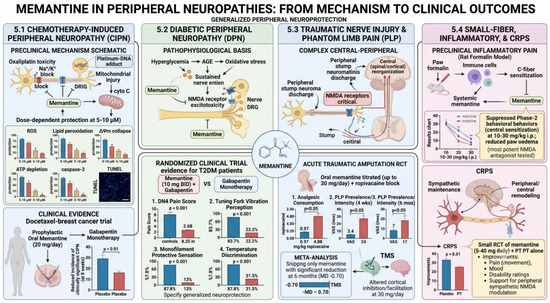
Background: Memantine, an uncompetitive and voltage-dependent N-methyl-D-aspartate (NMDA) receptor antagonist, is clinically established for moderate-to-severe Alzheimer’s disease. Its pharmacodynamic profile, low-to-moderate affinity, rapid open-channel block, and strong voltage dependency allows selective inhibition of pathological NMDA overactivation while preserving physiological neurotransmission. Increasing evidence shows that these same mechanistic principles operate in the peripheral nervous system, where NMDA receptors contribute to excitotoxicity, oxidative stress, neuroinflammation, and maladaptive nociceptive signaling. Purpose: To synthesize emerging preclinical and clinical evidence demonstrating memantine’s modulatory and neuroprotective actions in peripheral neurons and glia and to outline implications for drug repurposing across neurology, pain medicine, oncology, supportive care, and ophthalmology. Methodology: A narrative integration of mechanistic studies, in vivo preclinical models, and heterogeneous clinical trials evaluating memantine’s effects on peripheral sensory neurons, autonomic neurons, Schwann cells, retinal ganglion cells, and neuromuscular junction physiology. Evidence was examined across conditions involving excitotoxicity, oxidative injury, mitochondrial dysfunction, apoptotic signaling, neuroinflammation, and neuropathic pain amplification. Results: Memantine consistently attenuates peripheral excitotoxic calcium influx, suppresses NOX-2–mediated ROS generation, stabilizes mitochondrial membrane potential, modulates Bax/Bcl-2 signaling, and reduces neuroinflammatory cytokine activity. It also inhibits dorsal horn wind-up selectively under neuropathic conditions. These convergent mechanisms yield protective effects across chemotherapy-induced peripheral neuropathy (CIPN), diabetic neuropathy, traumatic nerve injury, phantom limb pain, retinal ganglion cell excitotoxicity, and organophosphate-induced neuromuscular toxicity. Clinical evidence includes improved multimodal neuropathy outcomes in diabetic neuropathy when combined with gabapentin, reduced phantom limb pain prevalence and intensity at six months, and a five-fold reduction in post-mastectomy neuropathic pain with pre-emptive administration. Conclusions: Memantine should be conceptually reframed as a system-wide neuroprotective agent with substantial translational potential beyond the CNS. Priorities for future development include NR2B-selective peripheral NMDA antagonists, peripherally restricted formulations, single-cell transcriptomic mapping of peripheral NMDA receptor subtypes, and adequately powered PNS-specific randomized trials.
Full article

Graphical abstract
Open AccessArticle
Paracetamol Responses Depend on Temperature, Life Stage, and Genetic Background in Drosophila melanogaster Across Generations
by
Birk N. R. G. Hundebøl and Jesper G. Sørensen
Medicines 2026, 13(3), 24; https://doi.org/10.3390/medicines13030024 - 30 Jul 2026
Abstract
►▼
Show Figures
Background: A key obstacle in toxicological research is investigating long-lasting or inherited effects and addressing the potential interaction between exposure and genetic background of the test subject. Such effects can be effectively investigated in short-lived and genetically managed model organisms. Methods: To illustrate
[...] Read more.
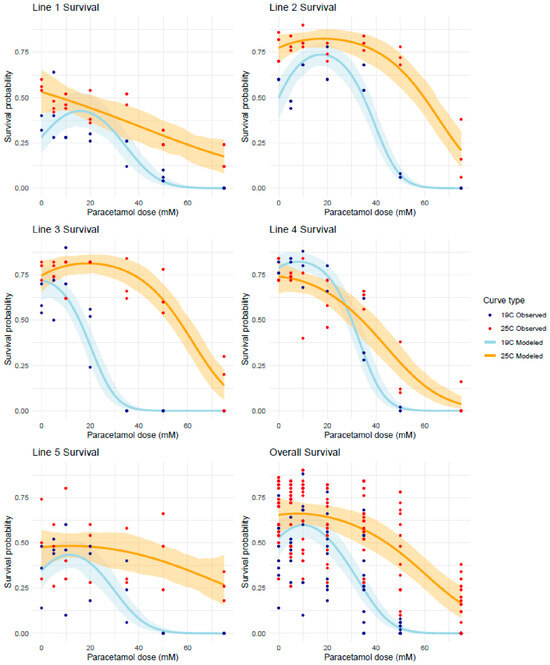
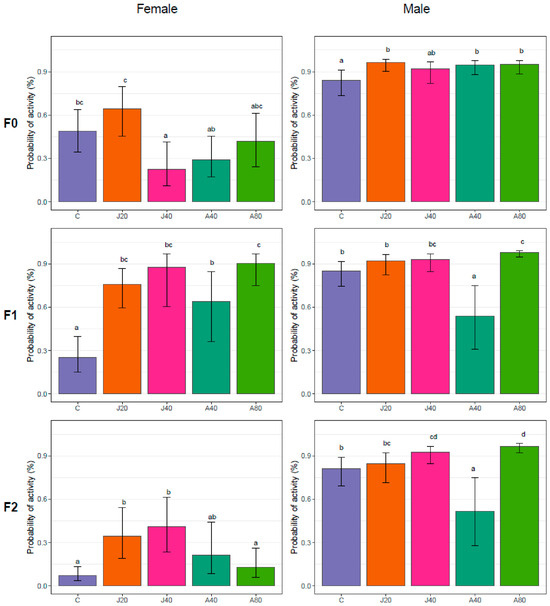
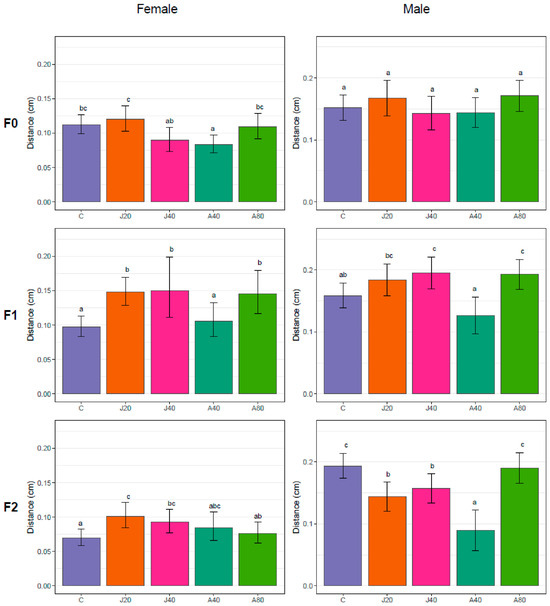
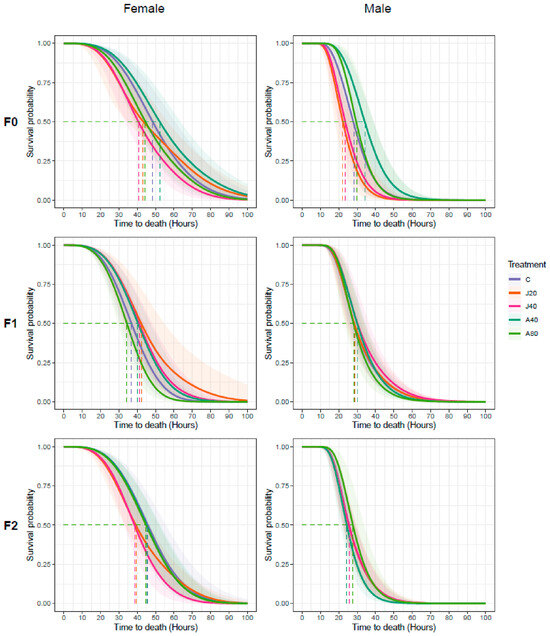
Background: A key obstacle in toxicological research is investigating long-lasting or inherited effects and addressing the potential interaction between exposure and genetic background of the test subject. Such effects can be effectively investigated in short-lived and genetically managed model organisms. Methods: To illustrate the biological complexity of the outcomes of toxicological experiments, we investigated the influence of life stages, sex, and temperatures in a generational study using paracetamol exposure as an example of drug toxicology. To also include genetic background, we used five highly inbred Drosophila melanogaster lines from the Drosophila Genetic Reference Panel (DGRP). First, we assessed acute survival to paracetamol exposure at 19 °C and 25 °C, revealing clear genotype-specific dose–response curves and increased toxicity at lower temperature. We then conducted a generational experiment across three generations, in which flies were exposed during either the larval or adult life stage, and measured starvation tolerance and spontaneous activity to capture direct, intergenerational, and transgenerational effects. Results: Results show that life stage, sex, and genotype each shaped the phenotypic outcome of paracetamol exposure. Adult exposure consistently decreased activity and increased starvation resistance, whereas juvenile exposure produced more variable and sex-dependent responses. Genotype further modulated these patterns, including markedly elevated lethality in one line at high paracetamol concentrations. Conclusions: These findings demonstrate that exposure timing and biological context critically influence toxicological outcomes, underscoring the need for methodological awareness when interpreting generational studies in model organisms and beyond.
Full article

Figure 1
Open AccessCorrection
Correction: Nasser et al. Potency of Combining Eucalyptus camaldulensis subsp. camaldulensis with Low-Dose Cisplatin in A549 Human Lung Adenocarcinomas and MCF-7 Breast Adenocarcinoma. Medicines 2020, 7, 40
by
Mohamad Nasser, Raghida Damaj, Othmane Merah, Akram Hijazi, Christine Trabolsi, Nour Wehbe, Malak Nasser, Batoul Al-Khatib and Ziad Damaj
Medicines 2026, 13(3), 23; https://doi.org/10.3390/medicines13030023 - 14 Jul 2026
Abstract
There was an error in the original publication [...]
Full article
Open AccessReview
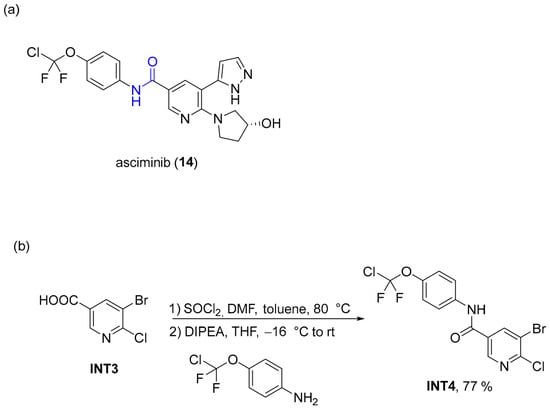
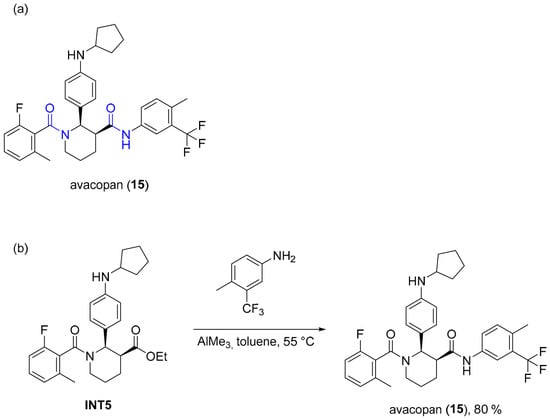
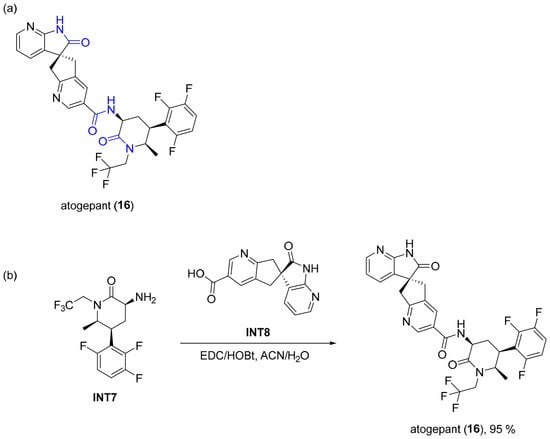
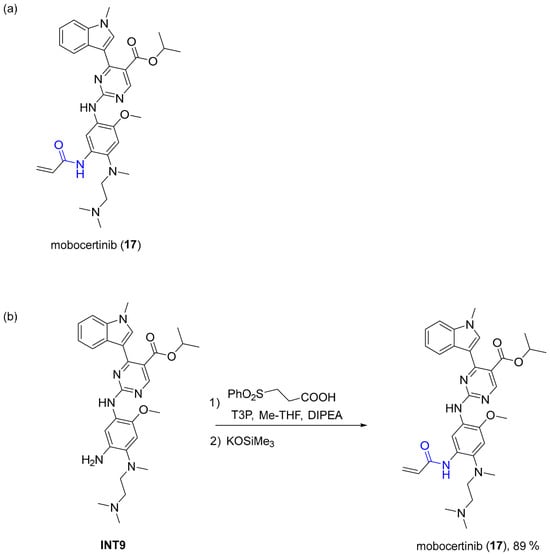
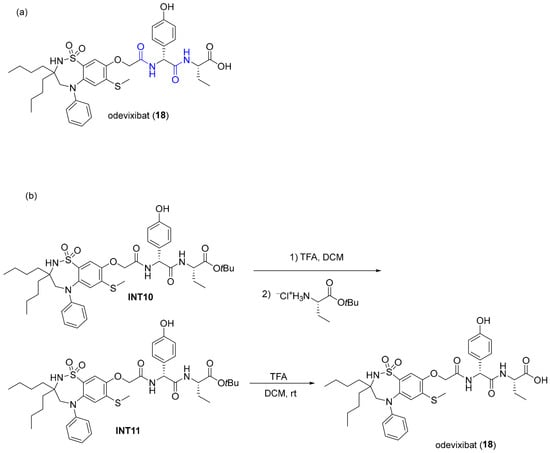
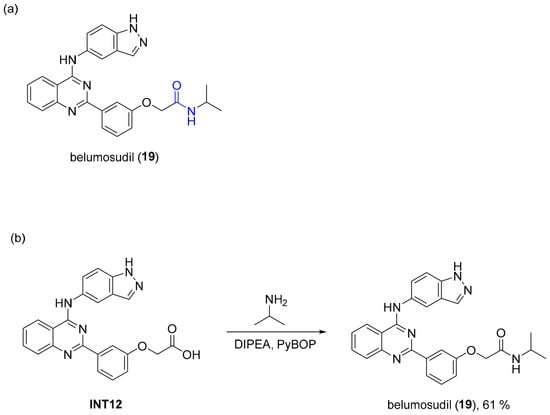
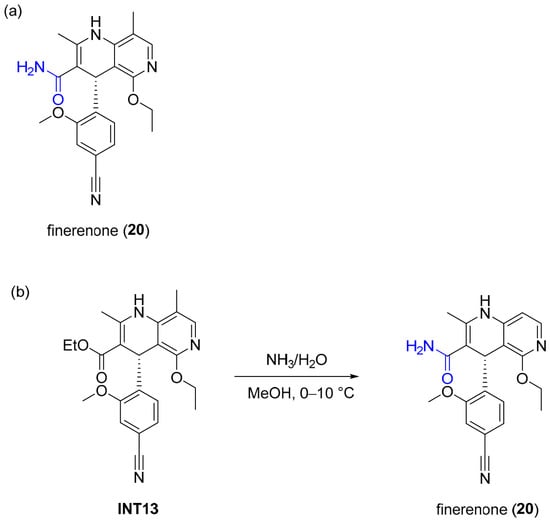
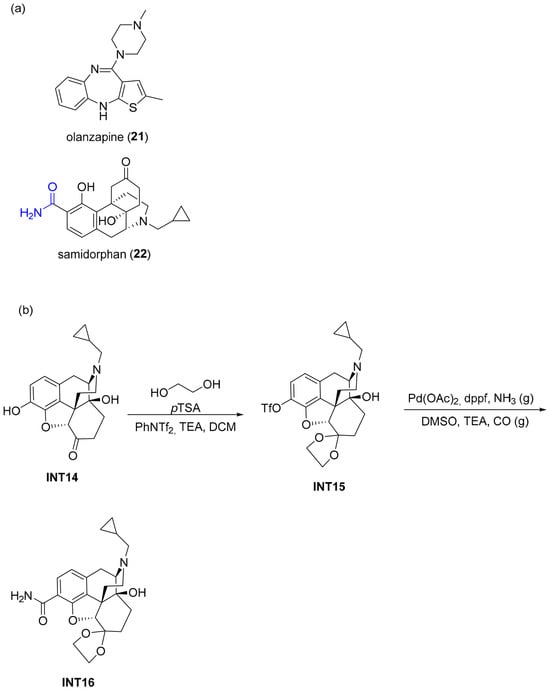
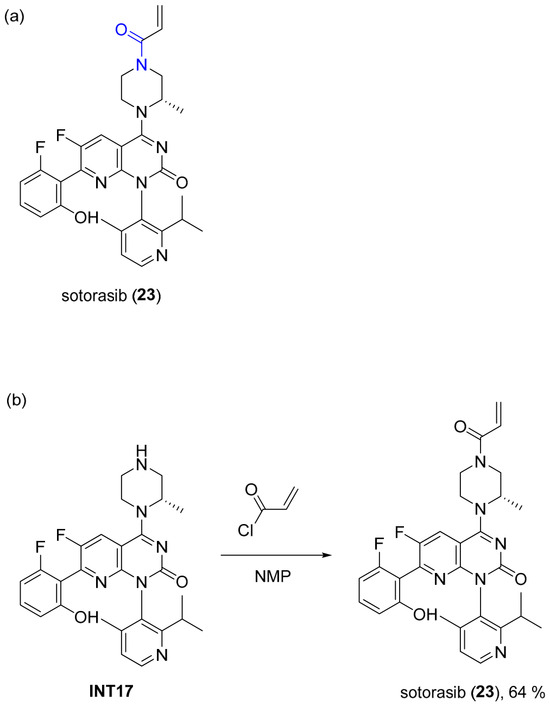
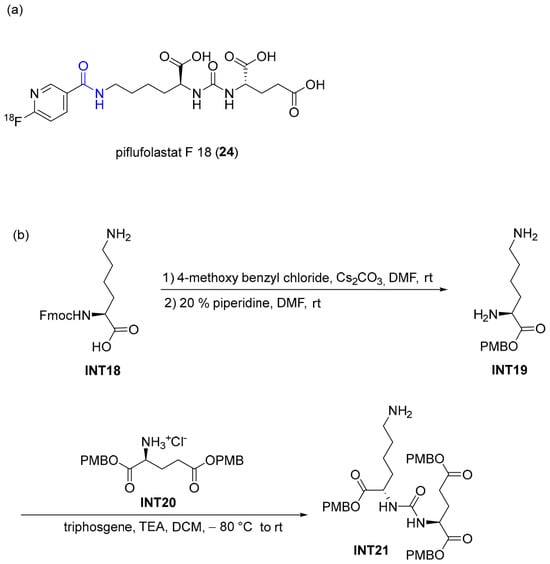
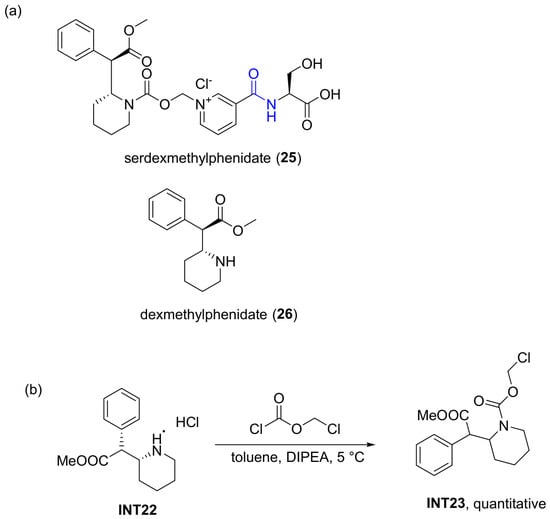
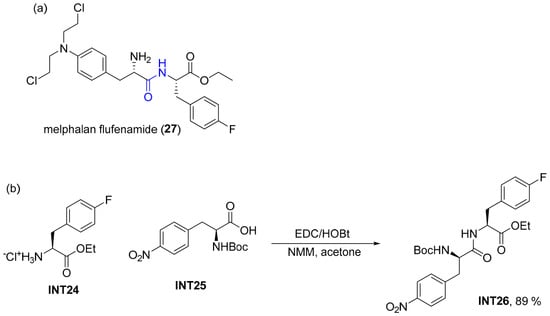
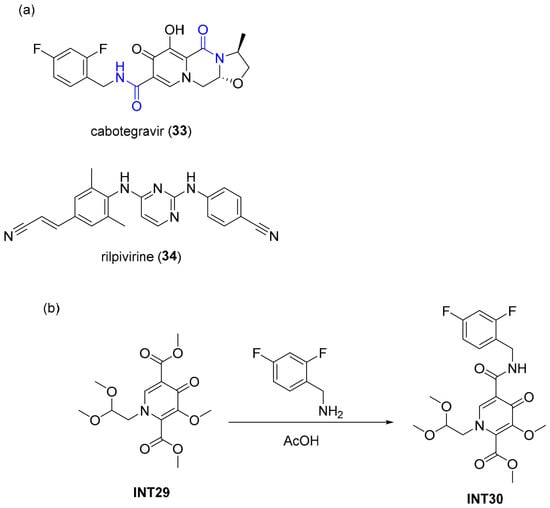
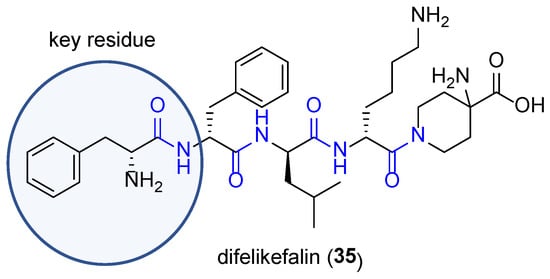
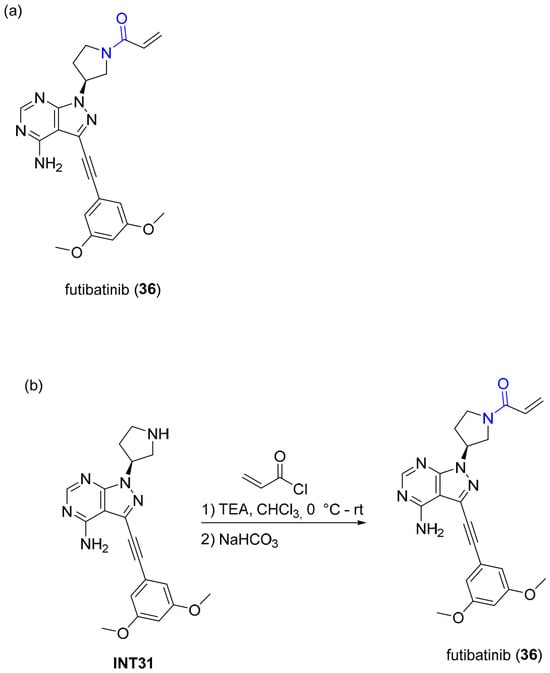
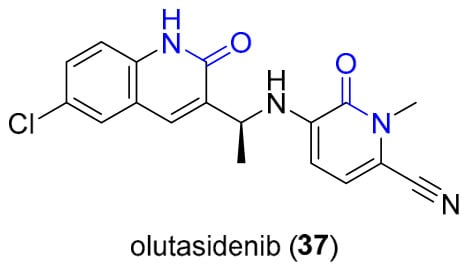
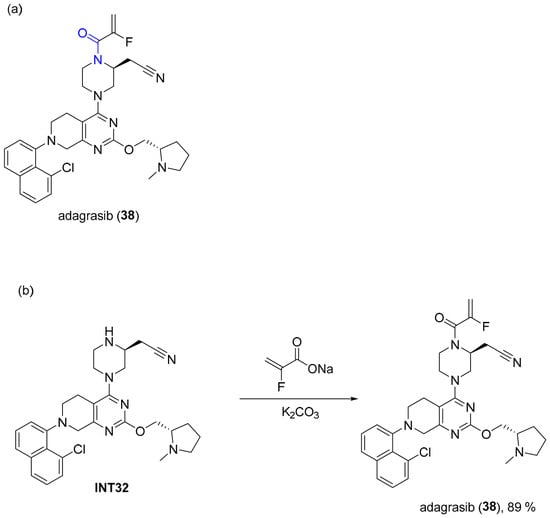
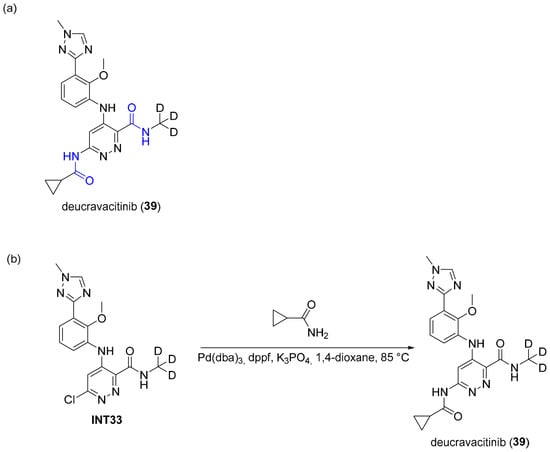
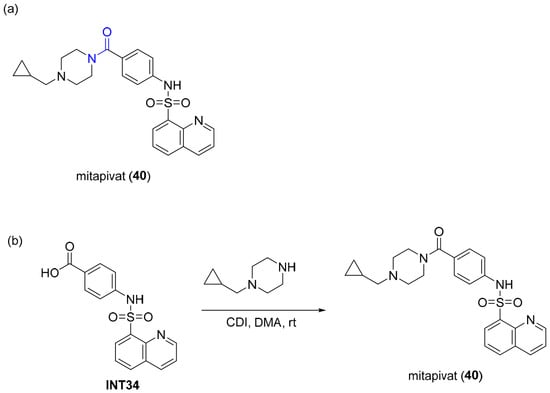
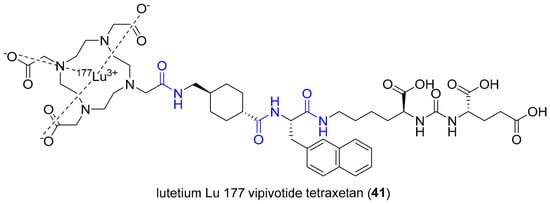
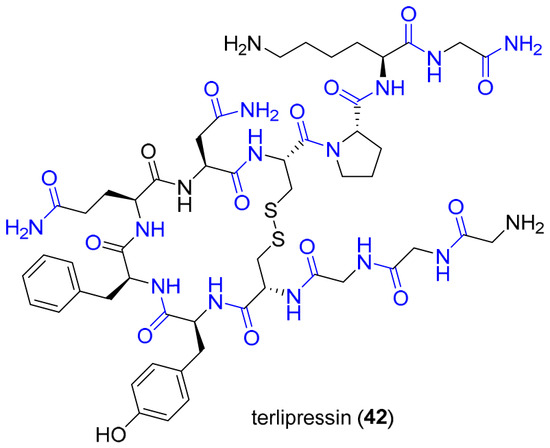
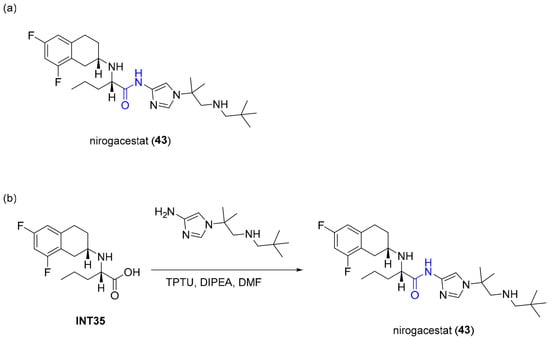
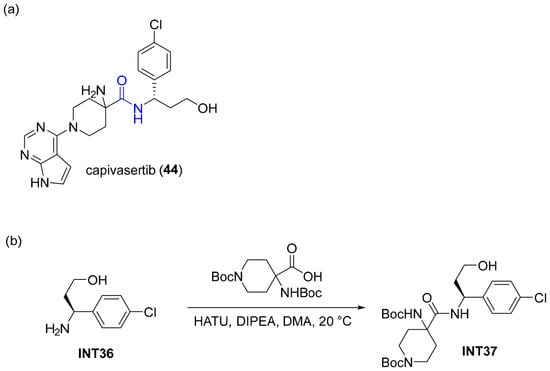
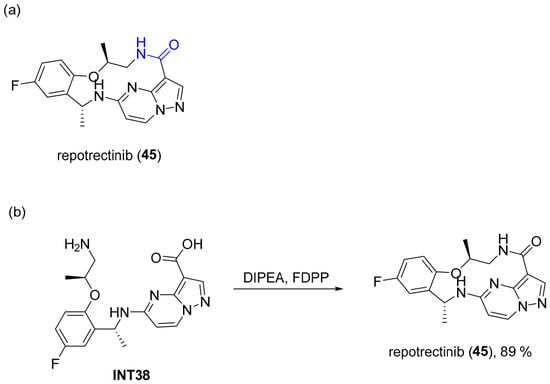
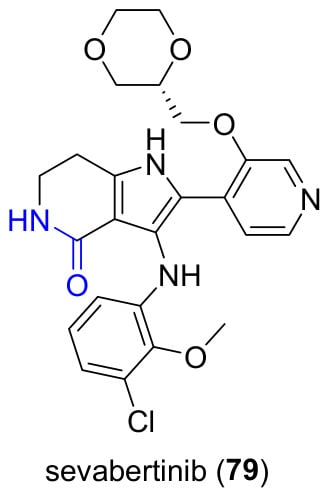
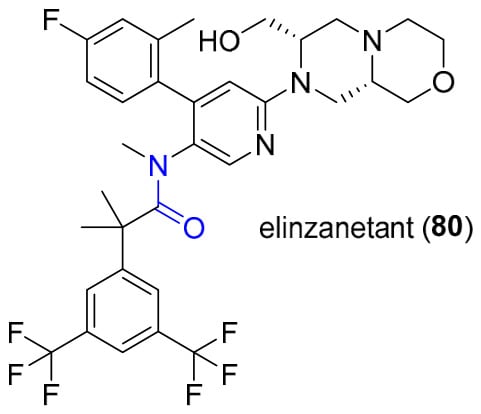
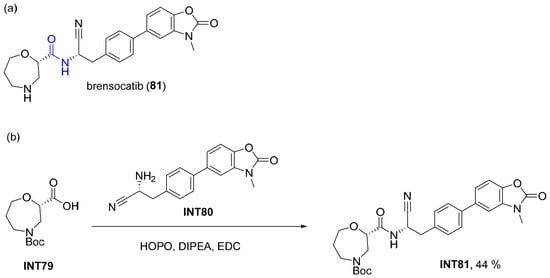
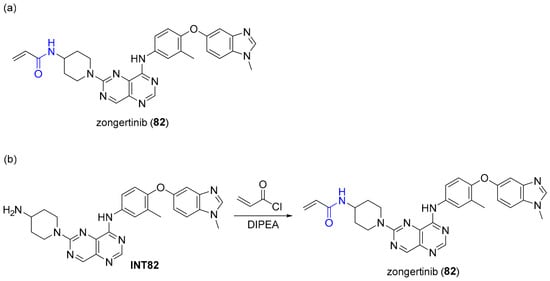
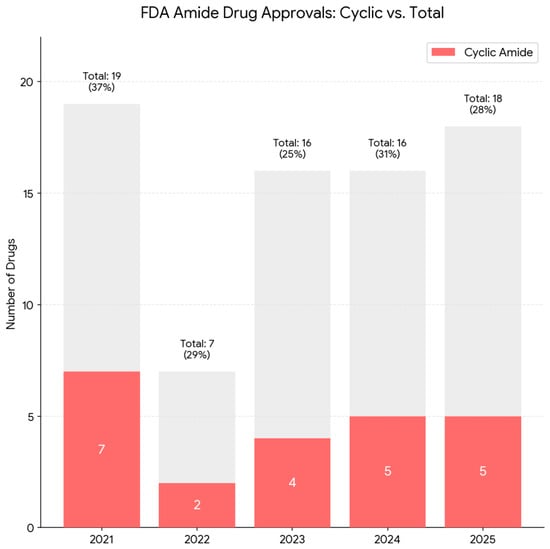
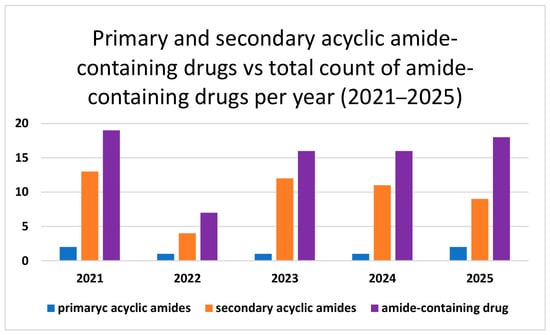
FDA-Approved Drugs Containing Amide Functionality in the Last Five Years (2021–2025): Pharmaceutical Use, Trends and Synthetic Approaches
by
Davide Benedetto Tiz
Medicines 2026, 13(3), 22; https://doi.org/10.3390/medicines13030022 - 7 Jul 2026
Cited by 3
Abstract
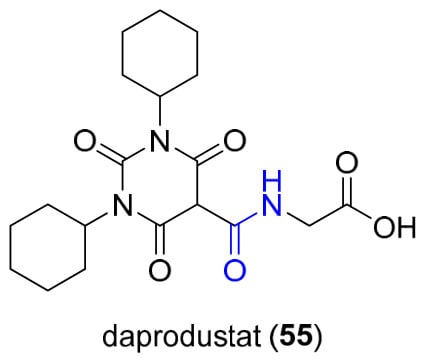
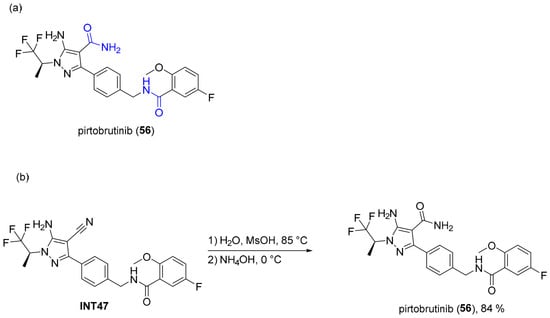
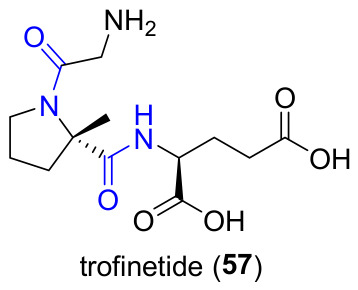
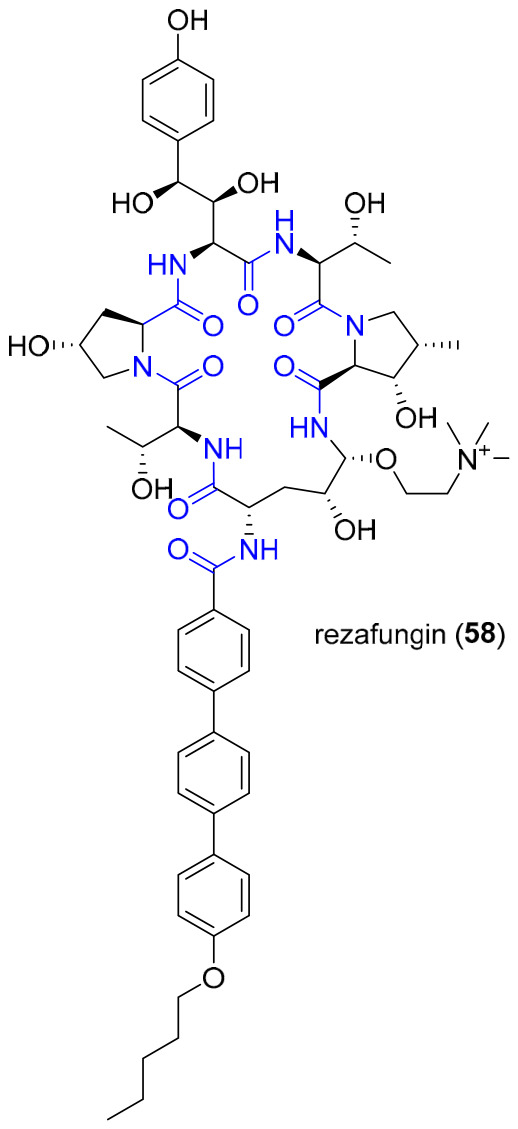
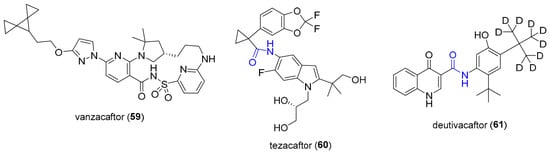
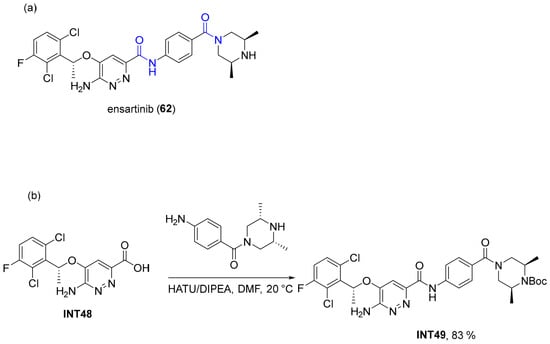
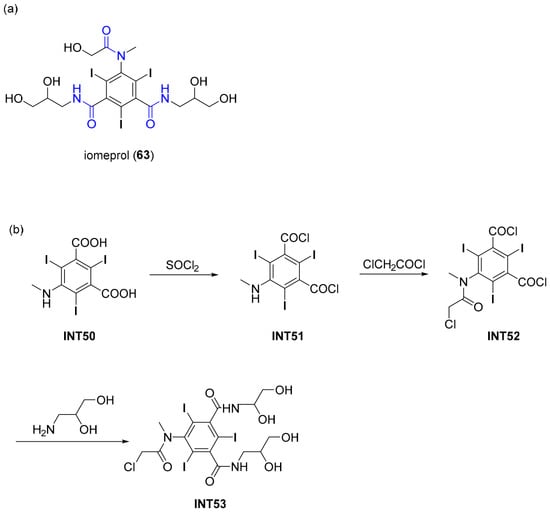
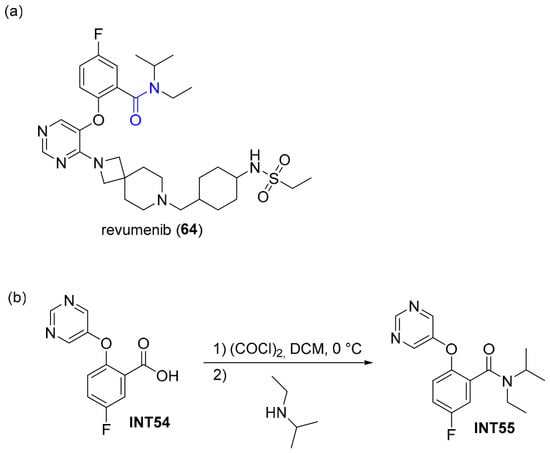
The amide functional group remains a cornerstone of medicinal chemistry, serving as an indispensable scaffold in the design of modern therapeutics. This review presents an analysis of FDA-approved drugs (small molecules and peptides with MW < 1300 Da) containing amide functionality between 2021
[...] Read more.
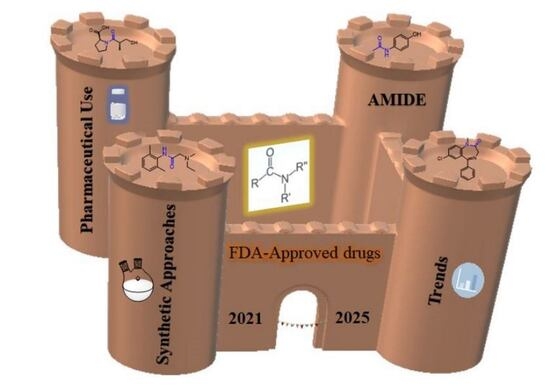
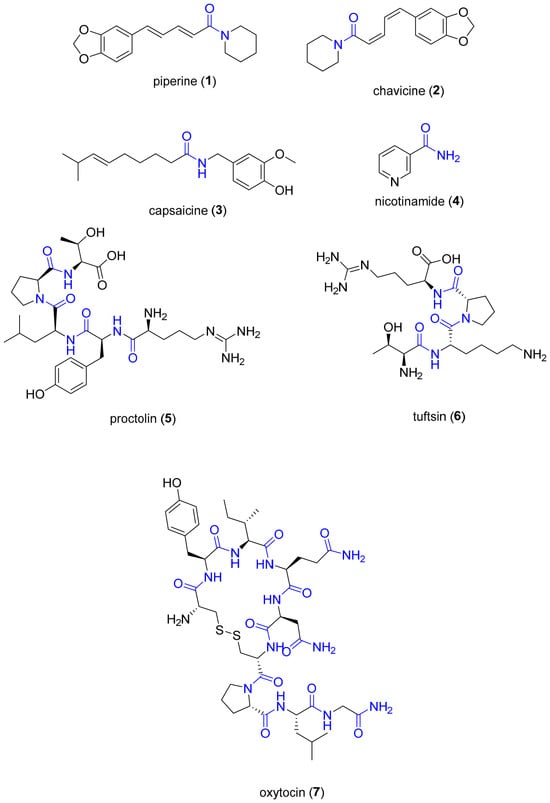
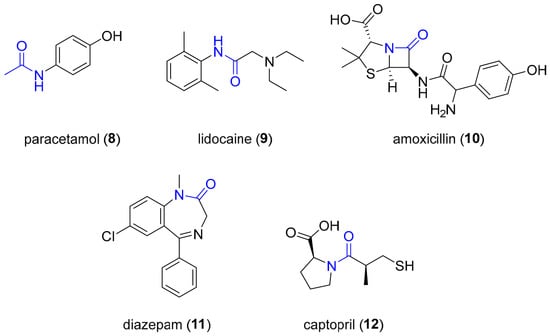
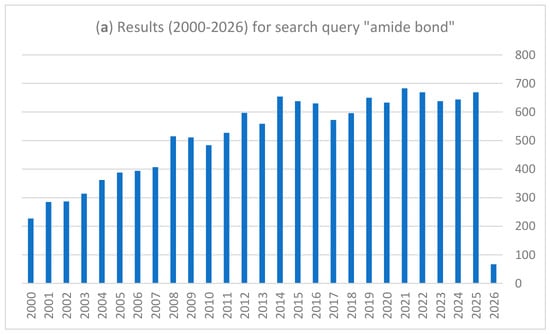
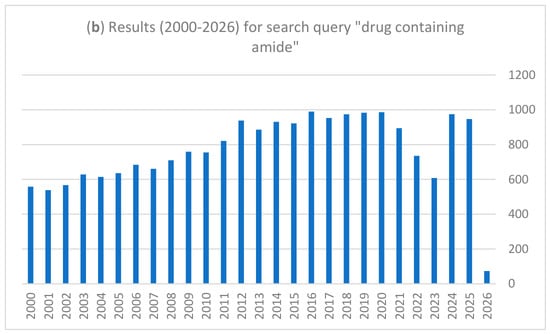
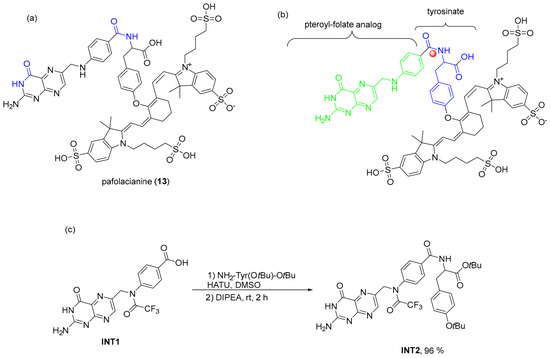
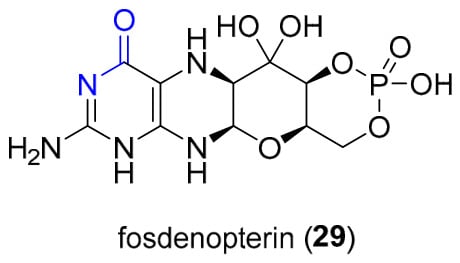
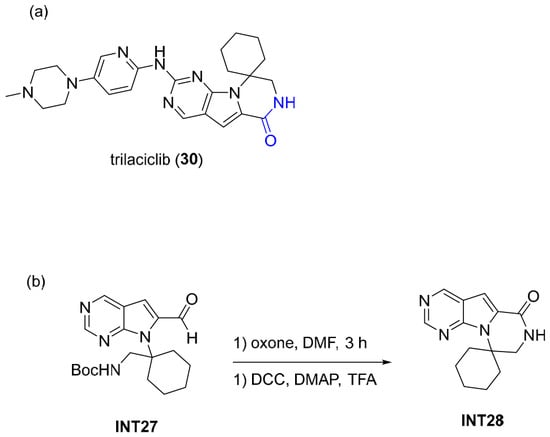
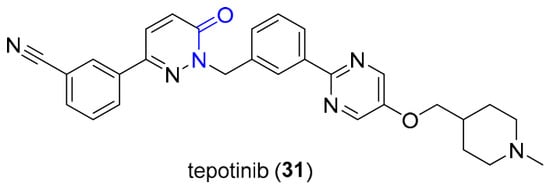
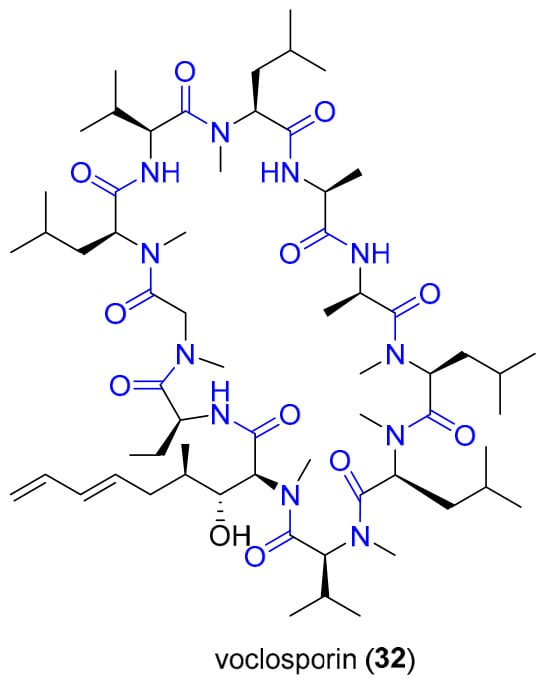
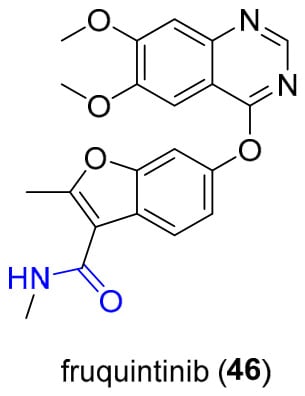
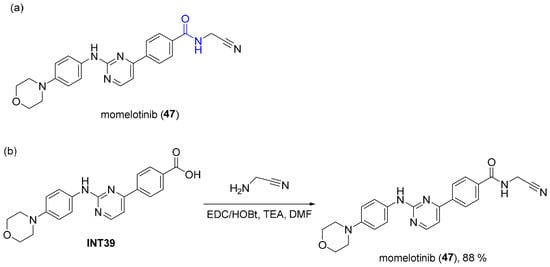
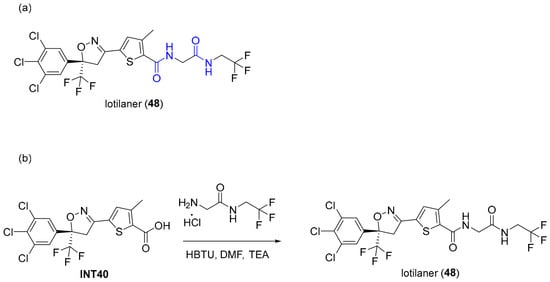
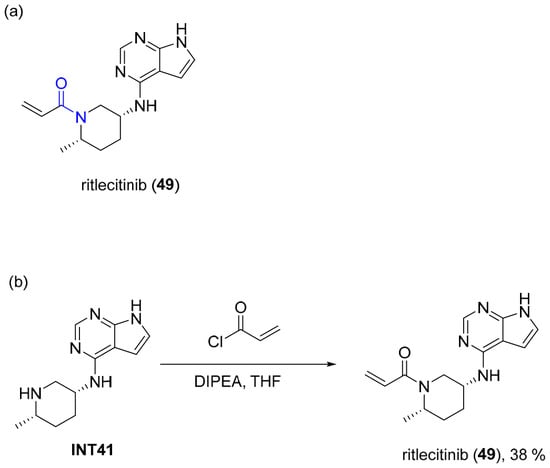
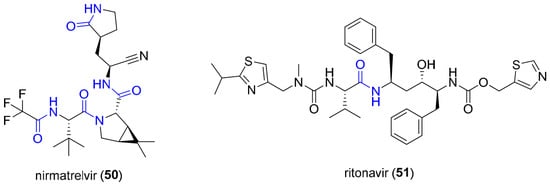
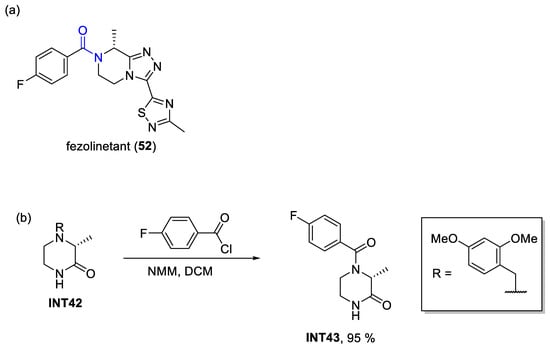
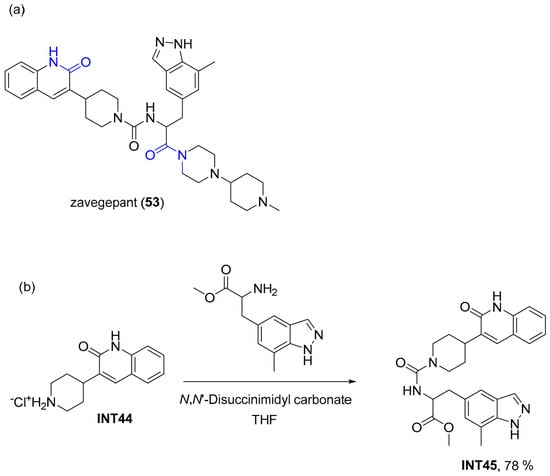
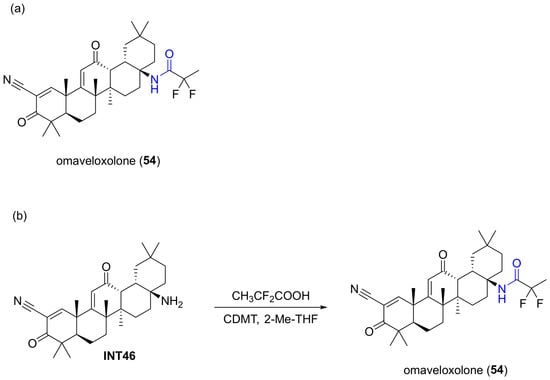
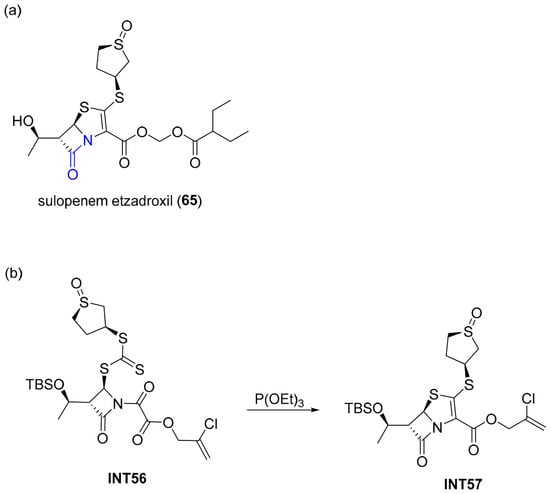
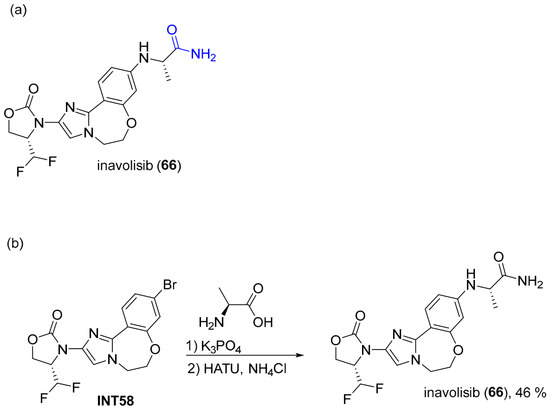
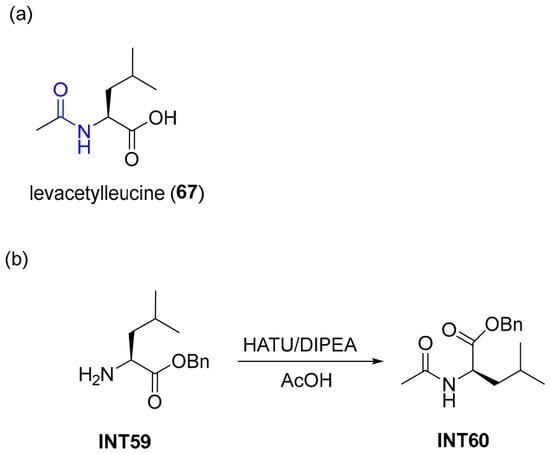
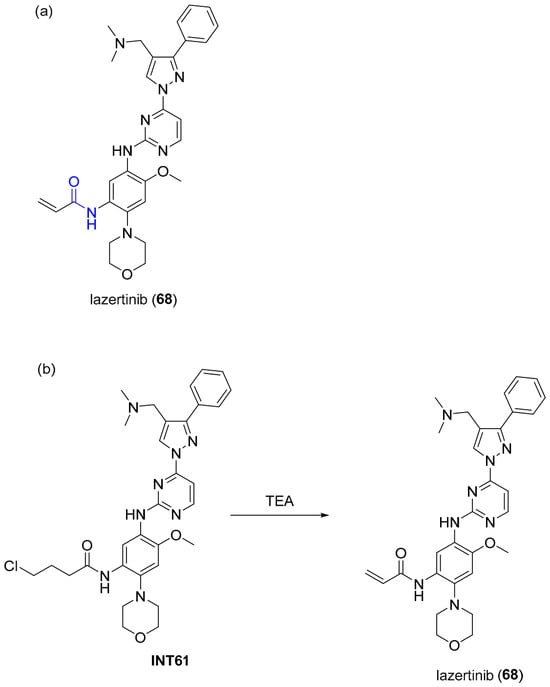
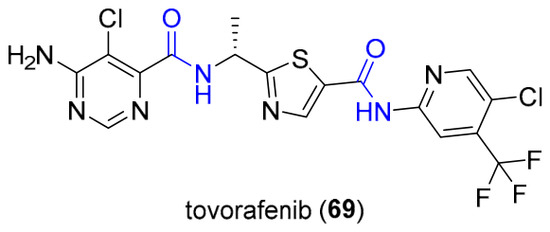
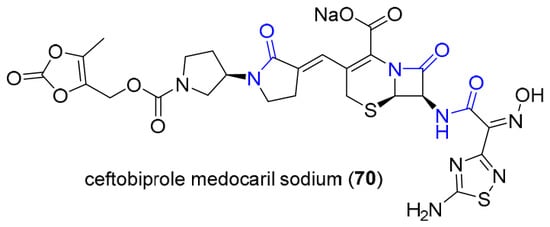
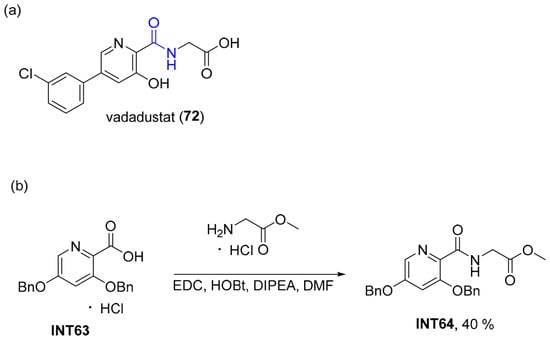
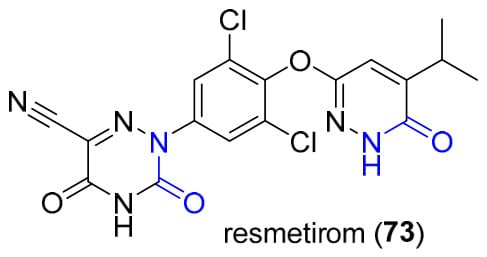
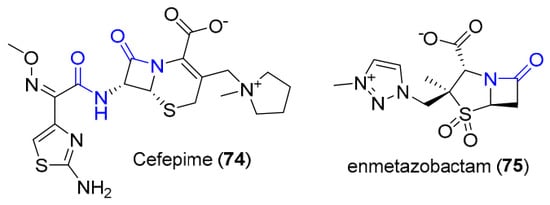
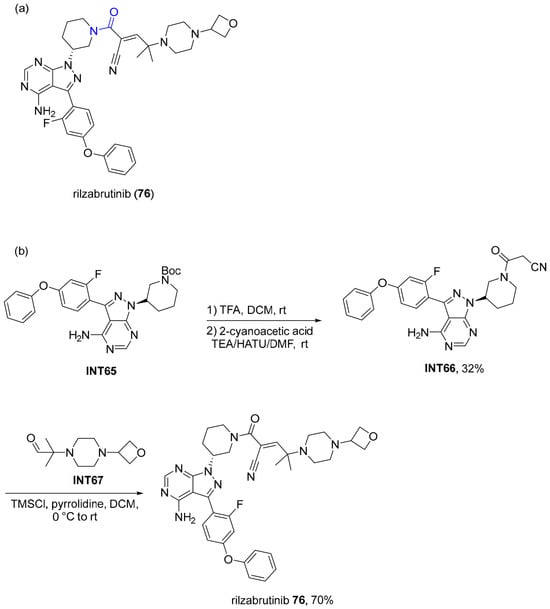
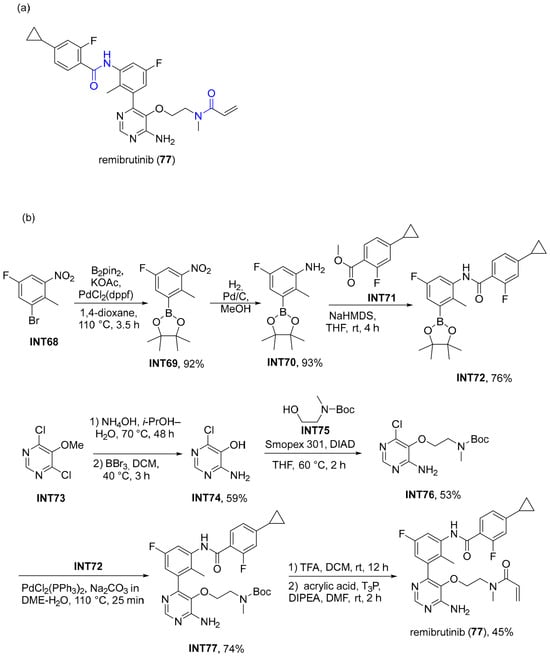
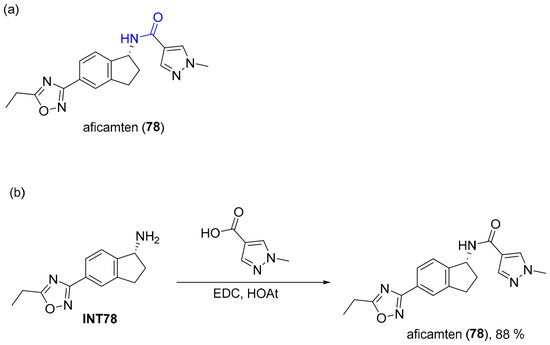
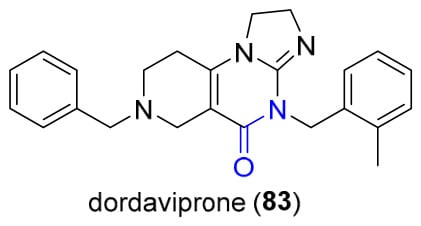
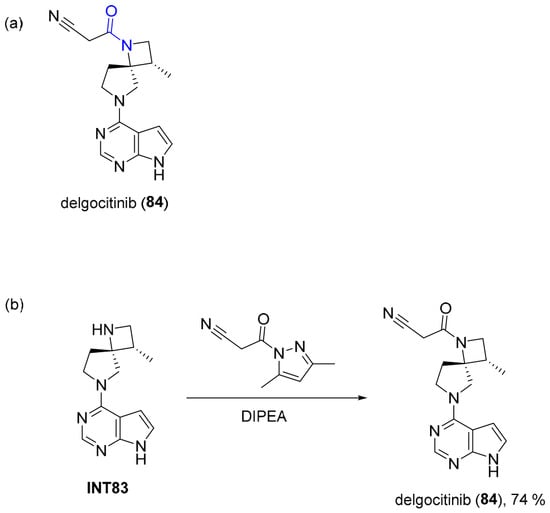
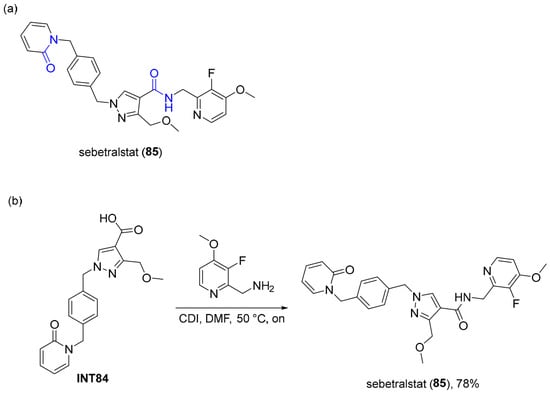
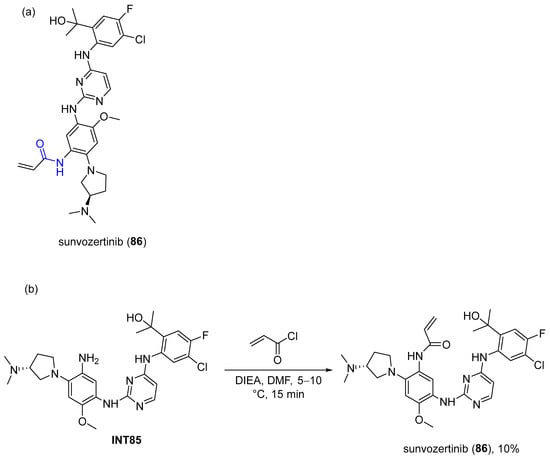
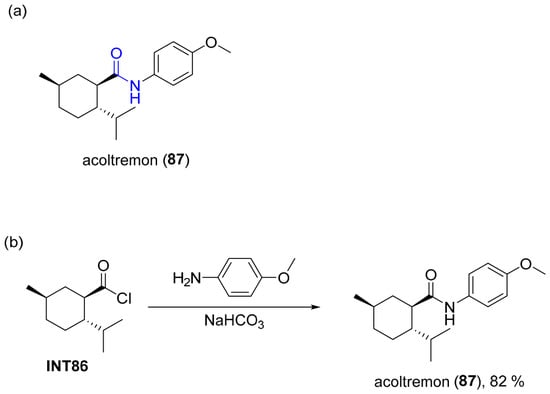
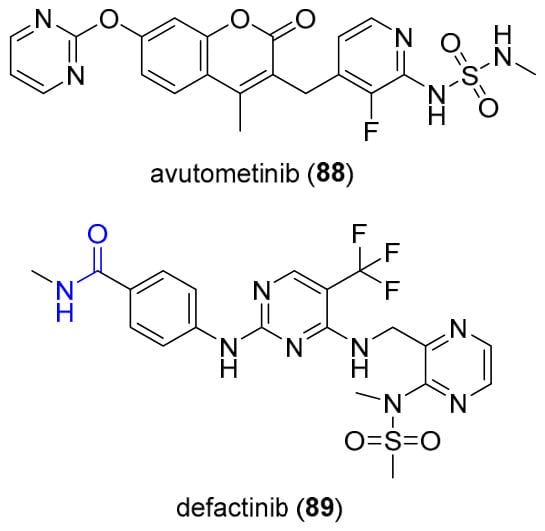
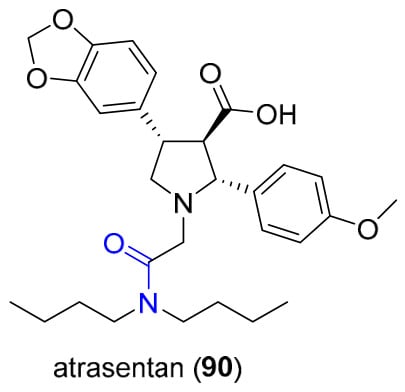
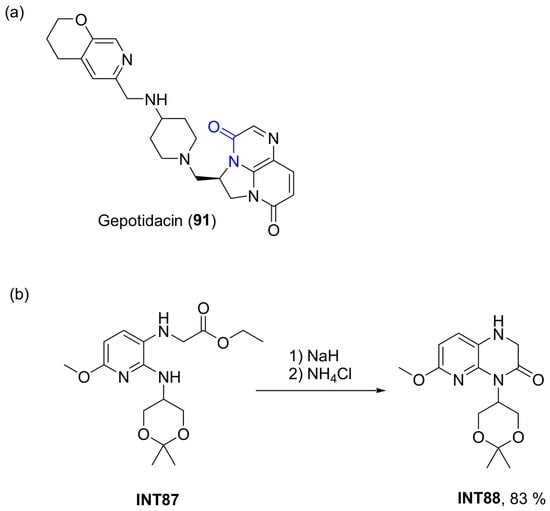
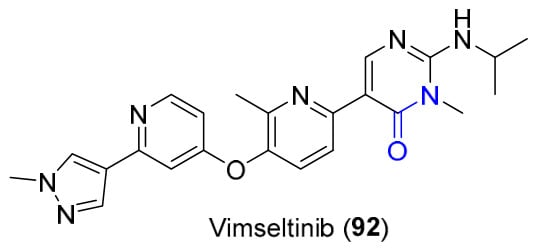
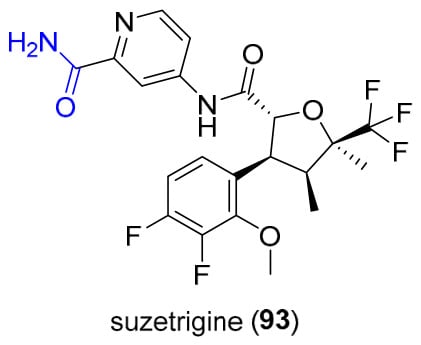
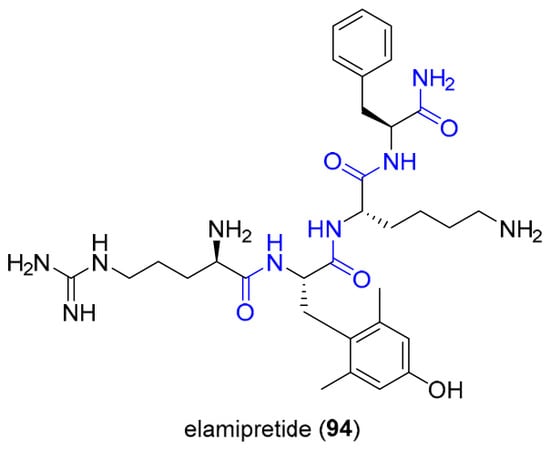
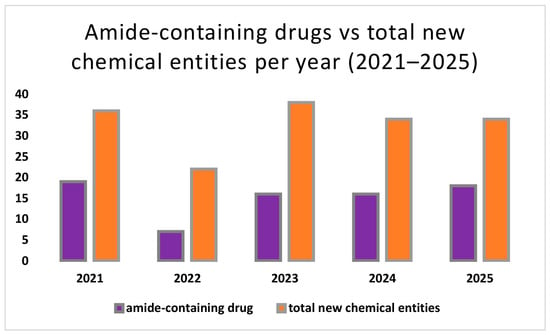
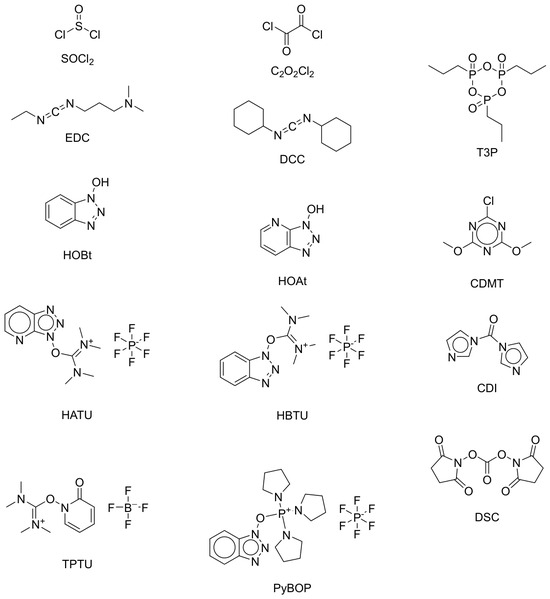
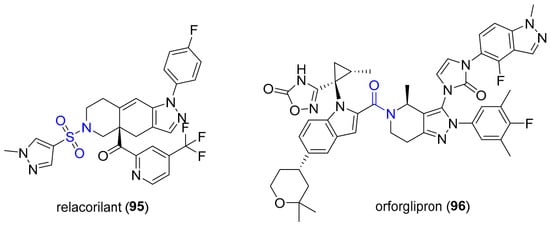
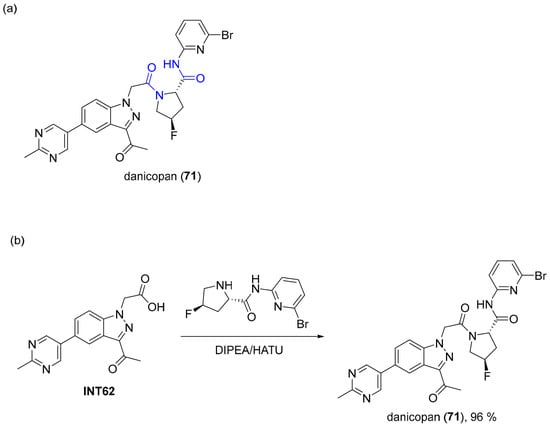
The amide functional group remains a cornerstone of medicinal chemistry, serving as an indispensable scaffold in the design of modern therapeutics. This review presents an analysis of FDA-approved drugs (small molecules and peptides with MW < 1300 Da) containing amide functionality between 2021 and 2025, highlighting its continued and evolving role in addressing contemporary medical challenges. An analysis of these novel therapeutics reveals the remarkable functional versatility of the amide bond. In antiviral agents like nirmatrelvir (Paxlovid®), amides form the structural backbone of peptidomimetics, enabling high-affinity binding to a viral protease. In precision oncology, as seen with adagrasib (Krazati®), the amide acts as a critical, metabolically stable linker that positions a covalent warhead for selective inhibition of a mutant kinase. This analysis underscores that amide’s unique combination of planarity, resonance stabilization, and capacity for robust hydrogen bonding continues to make it an essential element in the medicinal chemist’s toolkit, underpinning the development of next-generation therapeutics across oncology, infectious diseases, and neurology. To provide a practical framework for drug discovery, the synthetic routes for each drug are detailed, with particular emphasis placed on the key amide-forming strategies employed.
Full article
(This article belongs to the Topic New Compounds Discovery and Development in Medicine — Advances in Research on Potential Therapeutic Agents and Drug Candidates, 2nd Edition)
►▼
Show Figures

Graphical abstract
Open AccessArticle
Beyond Weight Loss: Early Real-World Evidence of Semaglutide in Obesity
by
Steluța Constanța Boroghină, Amalia-Ioana Arhire, Teodora Papuc, Miruna Sînziana Chiper, Diana-Andreea Meluță, Sorana Maria Pîrcălabu, Roxana Andreea Dănăilă, Mădălina Cristache and Carmen Gabriela Barbu
Medicines 2026, 13(3), 21; https://doi.org/10.3390/medicines13030021 - 28 Jun 2026
Abstract
Background: Obesity is a chronic, relapsing disease that often proves resistant to lifestyle measures alone. Glucagon-like peptide-1 receptor agonists (GLP-1 RAs), are reshaping treatment, yet prospective real-world data remain limited. Objective: To prospectively assess the effects of once-weekly Semaglutide on weight, body composition,
[...] Read more.
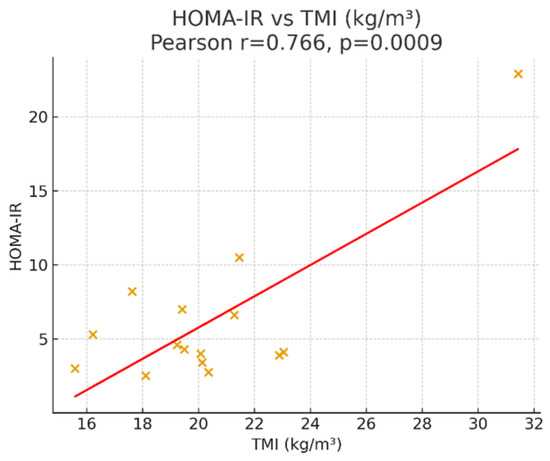
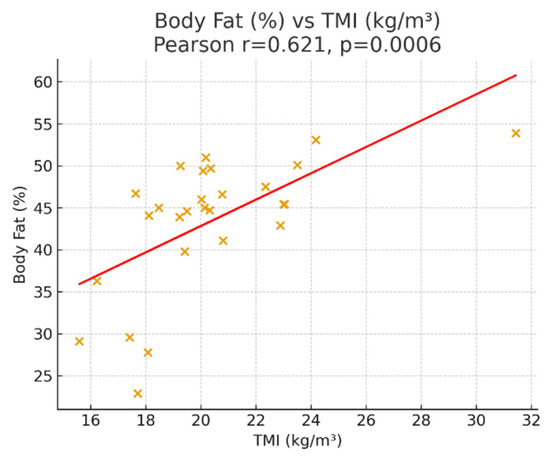
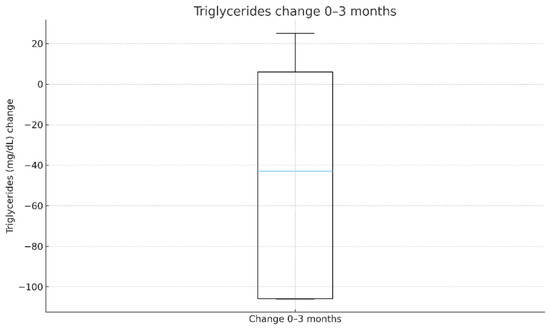
Background: Obesity is a chronic, relapsing disease that often proves resistant to lifestyle measures alone. Glucagon-like peptide-1 receptor agonists (GLP-1 RAs), are reshaping treatment, yet prospective real-world data remain limited. Objective: To prospectively assess the effects of once-weekly Semaglutide on weight, body composition, and metabolic health in obesity. Methods: An exploratory observational study of 37 patients initiating Semaglutide (mean age 31 years; 11 children and adolescents; 22 females) was conducted. All met obesity criteria (baseline BMI 34.7 kg/m2). Anthropometry, bioimpedance body composition, and fasting biochemistry were obtained at baseline and 3 months. Variables were reported as mean ± SD or median (IQR) according to normal/non-normal distribution, whether a parametric test or a Wilcoxon one was used. Parametric or non-parametric paired tests (two-sided α = 0.05) were applied. We also explored tri-ponderal mass index (TMI, kg/m3) and its correlations with metabolic markers. Results: At 3 months, body weight decreased by a median 8.0 kg (p < 0.001), BMI by 1.6 kg/m2 (p < 0.001). Body fat percentage declined: 43.4% to 42.8% (p = 0.009), with a small reduction in skeletal muscle mass (−0.6 kg; p = 0.035). Fasting glucose improved (p = 0.030) and HOMA-IR fell significantly. HbA1c changes were minimal, consistent with near-normal baseline values. Triglycerides decreased, while total cholesterol, LDL-C, HDL-C, liver enzymes, creatinine, uric acid, and 25-OH vitamin D remained stable. Baseline TMI (median 20.13 kg/m3; IQR 3.80) correlated strongly with HOMA-IR (r = 0.766, p < 0.001) and moderately-to-strongly with body fat percentage (r = 0.621, p < 0.001). Conclusions: In this real-world cohort, Semaglutide produced rapid, clinically meaningful improvements in weight, adiposity, and insulin resistance within 3 months. Findings suggest that Semaglutide may represent a promising adjunct to lifestyle therapy in obesity management.
Full article
(This article belongs to the Topic Research in Pharmacological Therapies, 2nd Edition)
►▼
Show Figures

Figure 1
Open AccessArticle
Cinnamon-Derived Compounds Reduce PD-L1 Expression in UV-Exposed Human Skin Cell Line
by
Chidambaram Ramanathan, Richard J. Bloomer and Gus Romero
Medicines 2026, 13(2), 20; https://doi.org/10.3390/medicines13020020 - 20 Jun 2026
Abstract
►▼
Show Figures
Background/Objective: Ultraviolet A and B (UVAB) radiation is a major environmental factor that induces DNA damage and upregulates programmed death-ligand 1 (PD-L1) expression in skin cells, thereby contributing to immune evasion and impaired tissue repair. This study evaluated the protective effects of two
[...] Read more.
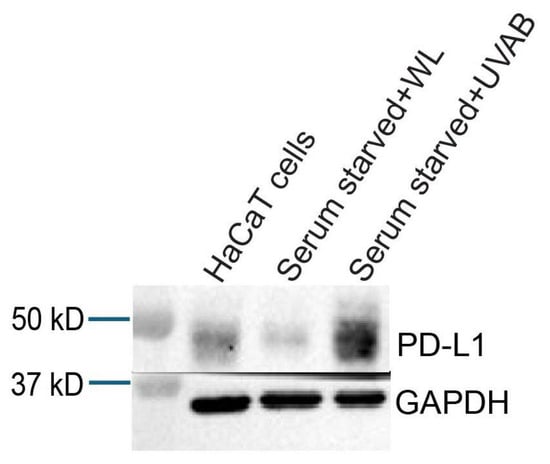
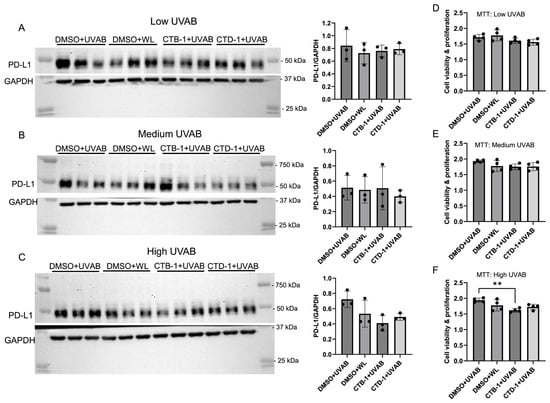
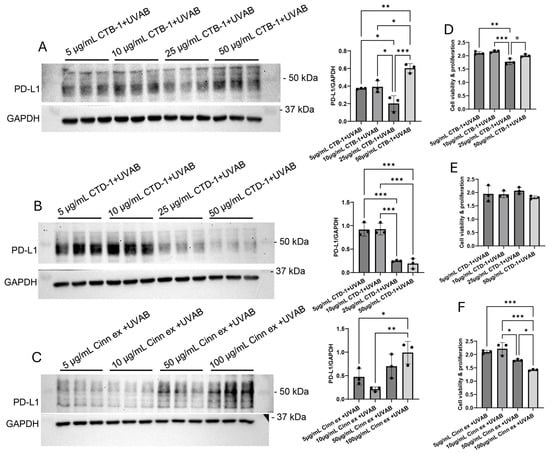
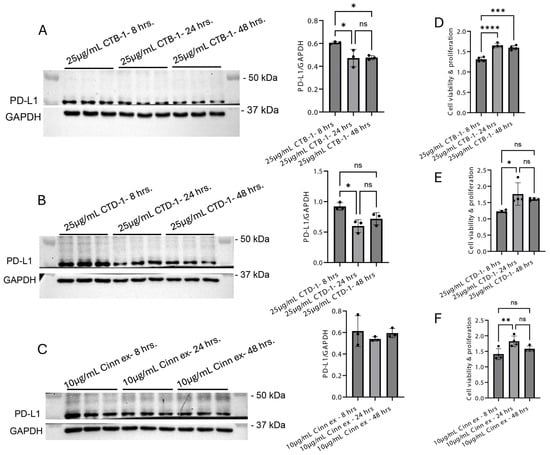
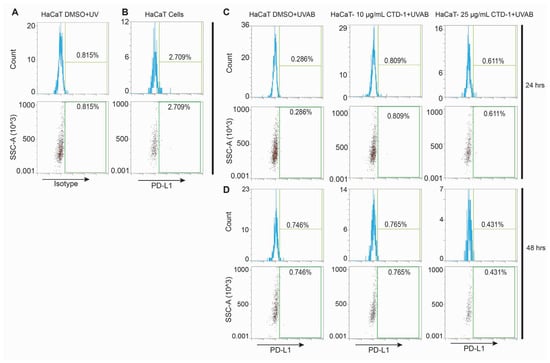
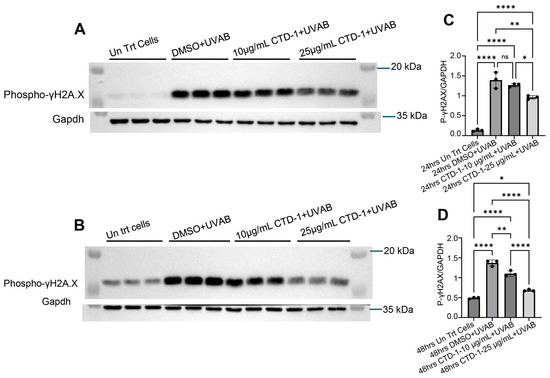
Background/Objective: Ultraviolet A and B (UVAB) radiation is a major environmental factor that induces DNA damage and upregulates programmed death-ligand 1 (PD-L1) expression in skin cells, thereby contributing to immune evasion and impaired tissue repair. This study evaluated the protective effects of two purified compounds, Cinnamtannin B1 (CTB-1) and Cinnamtannin D1 (CTD-1), as well as cinnamon extract, in UVAB-irradiated human keratinocyte HaCaT cells. Methods: HaCaT cells were exposed to low (20 kJ/m2 UVA, 1.3 kJ/m2 UVB), medium (30 kJ/m2 UVA, 2 kJ/m2 UVB), and high (40 kJ/m2 UVA, 2.7 kJ/m2 UVB) UVAB doses of UVAB radiation. Dose-dependent effects of CTB-1 and CTD-1 (0, 5, 10, 25, and 50 µg/ mL) and cinnamon extract (0, 5, 10, 50, and 100 µg/mL), as well as time-dependent effects (12, 24, and 72 h), were evaluated by measuring PD-L1 expression, cell viability, and DNA damage. Results: CTD-1 was the most effective compound, significantly reducing UVAB-induced PD-L1 expression and DNA double-strand breaks without compromising cell viability. CTB-1 also demonstrated protective effects at specific doses and time points; however, higher concentrations reduced cell viability. Cinnamon extract was protective at low concentrations but cytotoxic at higher doses. Conclusions: CTD-1, CTB-1, and cinnamon extract attenuated UVAB-induced cellular damage in HaCaT cells, with CTD-1 demonstrating the most favorable protective profile. These findings support the potential of cinnamon-derived compounds as therapeutic candidates for preventing UVAB-induced skin damage and immune dysregulation.
Full article

Figure 1
Open AccessReview
Narrative Review of Novel Nicotine-Delivery Systems and Emerging Pharmaceuticals for Tobacco Cessation
by
Srilekha Mutukula, Taylor Gagne-Hatfield and Zachary R. Dunbar
Medicines 2026, 13(2), 19; https://doi.org/10.3390/medicines13020019 - 12 Jun 2026
Abstract
►▼
Show Figures
Background: Debate continues to swirl around the effectiveness of novel nicotine-delivery products such as snus and e-cigarettes as tobacco cessation aids. The purpose of this review is to quantify the state of research on modern products, including e-products, and established or developing
[...] Read more.
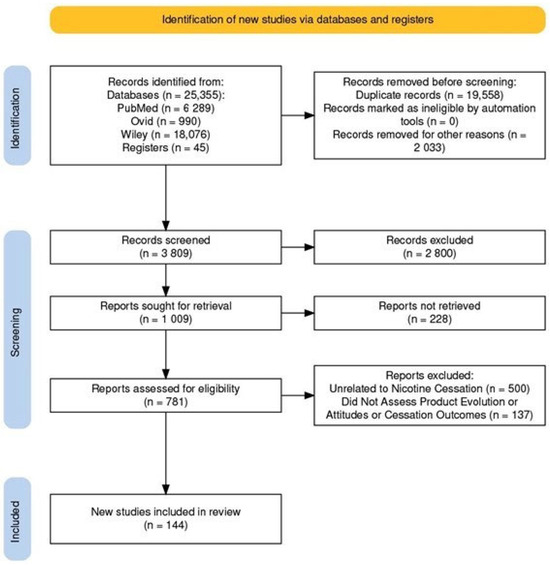
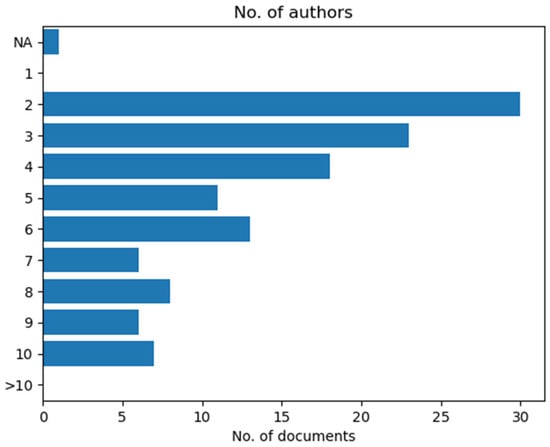
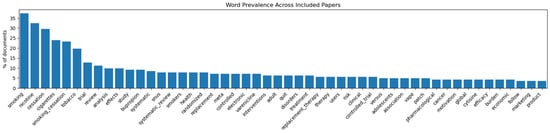
Background: Debate continues to swirl around the effectiveness of novel nicotine-delivery products such as snus and e-cigarettes as tobacco cessation aids. The purpose of this review is to quantify the state of research on modern products, including e-products, and established or developing pharmaceuticals on assisting nicotine users in achieving cessation. Methods: This study relied on a comprehensive assessment of research articles, clinical trials, drug approvals, and textbook material available via PubMed, Ovid Wolters Kluwer, and Wiley. We utilized Python 3.14.2, Anaconda3, the ShinyWeb App, and Py.Litstudy to investigate the selected literature. Our key study elements are product evolution and cessation behavior associated with e-cigarettes, snus, nicotine gum, nicotine dermal patches, bupropion, varenicline, and cytisine. Results: This manuscript assessed 144 manuscripts published between 1952 and 2025. E-cigarettes and snus, while containing some limited cessation benefit, were not identified to be effective enough at attaining cessation (when used exclusively) to be prescribed as cessation tools. Cytisine was identified as having very similar cessation outcomes to established pharmaceuticals such as varenicline. Conclusions: Since their iteration, e-cigarettes and snus products were marketed as cessation aids. This review found that there is scant evidence to support that modern snus and e-cigarette products work as cessation aids when used in exclusion of other more traditional approaches to cessative aid. Additionally, more modern pharmaceuticals such as cytisine may have benefit as solo cessation tools over novel nicotine-delivery products.
Full article

Figure 1
Open AccessReview
Treatment of Methicillin-Resistant Staphylococcus aureus (MRSA) Bacteremia—Guidelines and Recent Developments
by
Ashlesha Kaushik, Julia Fomicheva, Kimberly Zellmer, Corey Thieman and Sandeep Gupta
Medicines 2026, 13(2), 18; https://doi.org/10.3390/medicines13020018 - 30 May 2026
Abstract
Methicillin-resistant Staphylococcus aureus (MRSA) remains a major cause of serious infection and is associated with substantial morbidity and mortality. Clinical presentations range from localized disease to severe, life-threatening infections, including bacteremia and sepsis with metastatic complications such as infective endocarditis and osteoarticular involvement.
[...] Read more.
Methicillin-resistant Staphylococcus aureus (MRSA) remains a major cause of serious infection and is associated with substantial morbidity and mortality. Clinical presentations range from localized disease to severe, life-threatening infections, including bacteremia and sepsis with metastatic complications such as infective endocarditis and osteoarticular involvement. MRSA bacteremia carries a high risk of dissemination and death, underscoring the importance of early recognition and effective management. Optimal treatment requires timely initiation of appropriate antimicrobial therapy in conjunction with source control when indicated. Despite advancements in treatment, persistent MRSA bacteremia continues to pose significant clinical challenges. Given the complexity of these infections, a clear understanding of current treatment strategies is essential for clinicians. In this narrative review, we summarize contemporary guideline-based approaches to the management of MRSA bacteremia, highlight key pharmacologic considerations of available antimicrobial agents, and discuss knowledge gaps and recent developments in both established and emerging therapies aimed at improving outcomes in these challenging infections.
Full article
Open AccessSystematic Review
The Efficacy of Fixed-Dose Diclofenac and Orphenadrine for Postoperative Pain Management: A Systematic Review
by
Nikolaos Christopoulos and Karolina Akinosoglou
Medicines 2026, 13(2), 17; https://doi.org/10.3390/medicines13020017 - 8 May 2026
Abstract
►▼
Show Figures
Background/Objectives: Postoperative pain remains a significant clinical challenge, often requiring multimodal strategies to mitigate opioid-related adverse events. The fixed-dose combination (FDC) of Diclofenac, a non-steroidal anti-inflammatory drug, and Orphenadrine, a muscle relaxant, targets distinct nociceptive pathways to potentially enhance analgesia and reduce opioid
[...] Read more.
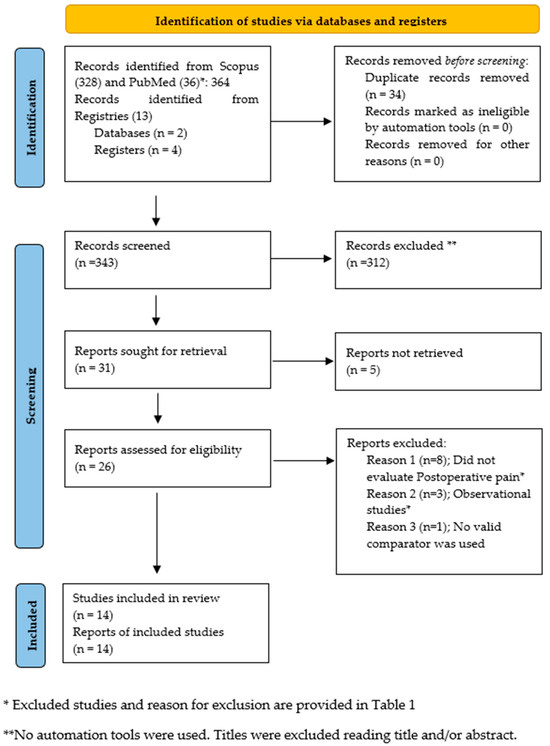
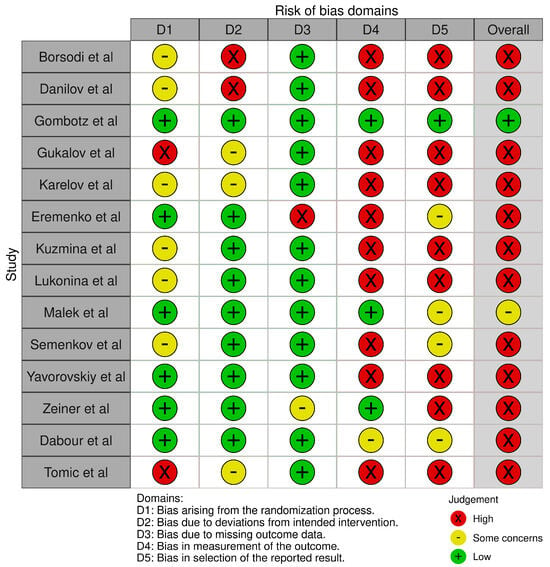
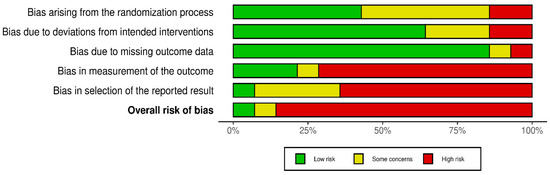
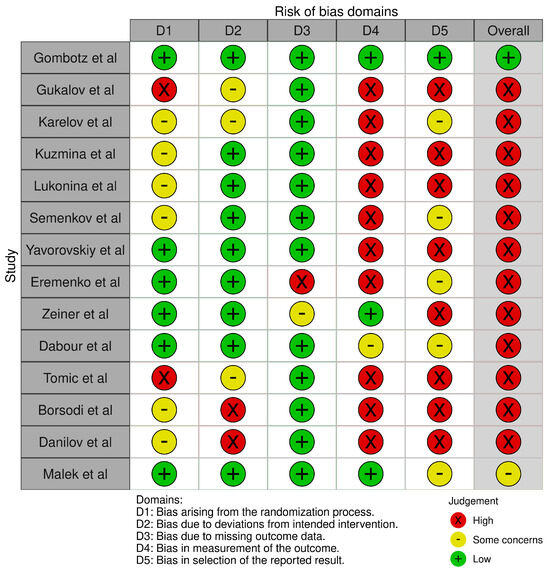
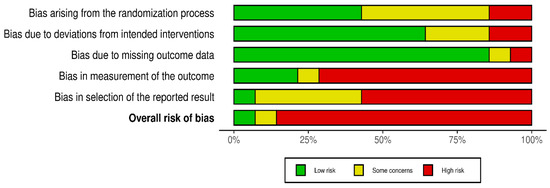
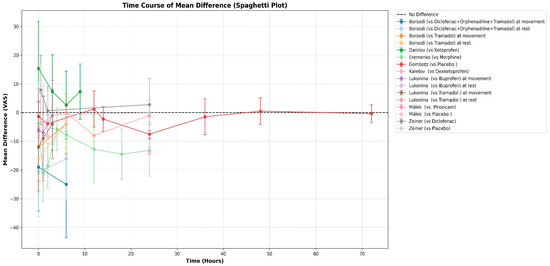
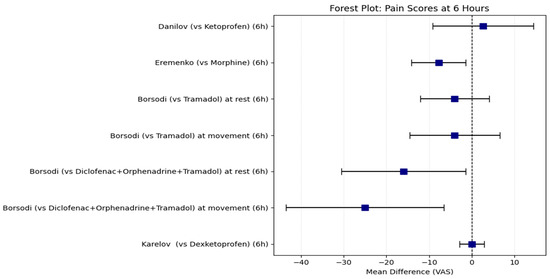
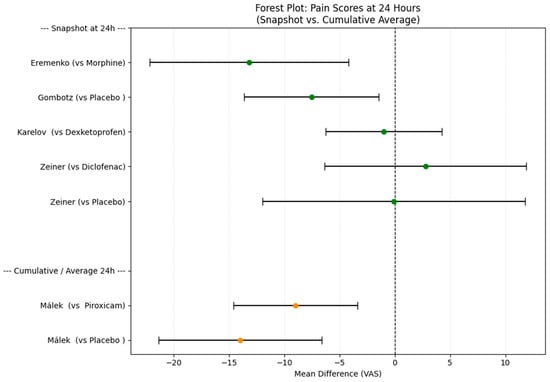
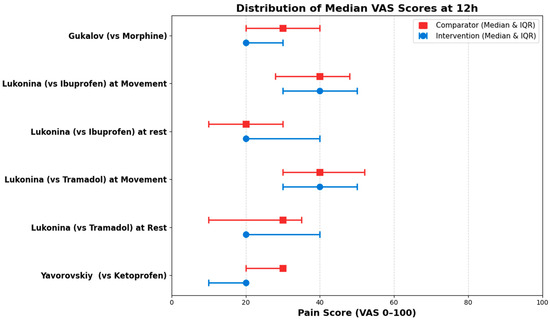
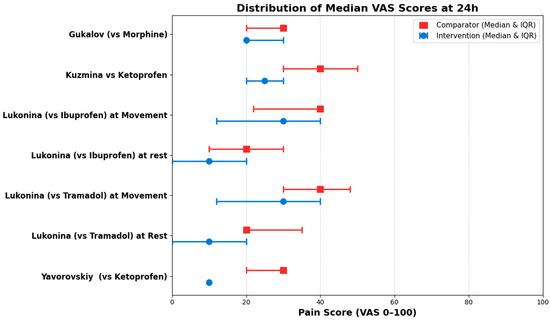
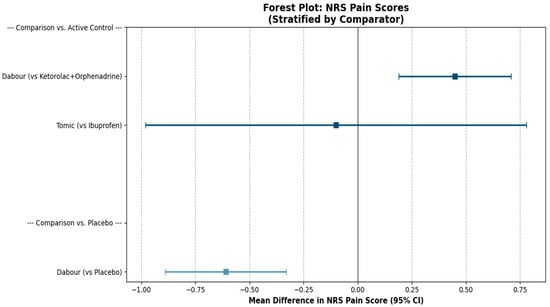
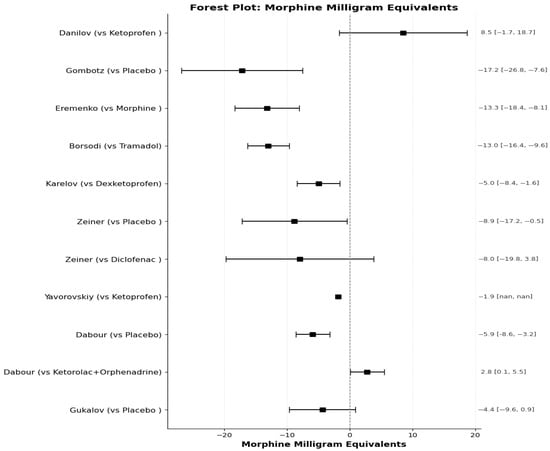
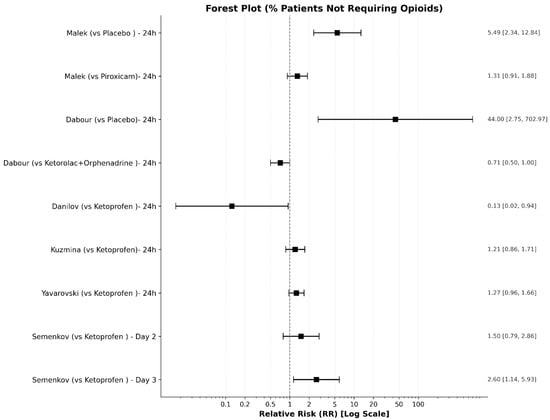
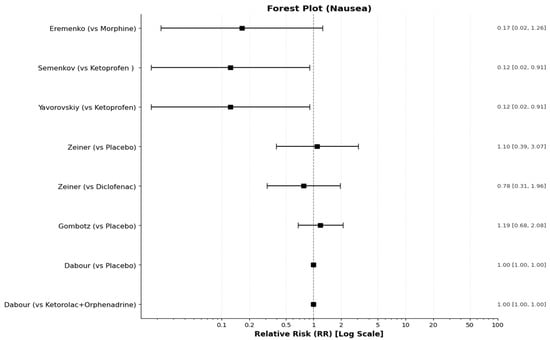
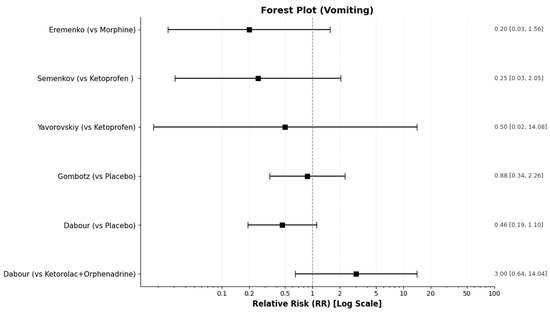
Background/Objectives: Postoperative pain remains a significant clinical challenge, often requiring multimodal strategies to mitigate opioid-related adverse events. The fixed-dose combination (FDC) of Diclofenac, a non-steroidal anti-inflammatory drug, and Orphenadrine, a muscle relaxant, targets distinct nociceptive pathways to potentially enhance analgesia and reduce opioid consumption. This systematic review aims to evaluate the analgesic efficacy and safety profile of the fixed-dose combination of Diclofenac and Orphenadrine for postoperative pain management and quantify its opioid-sparing effect compared to standard monotherapies or placebo. Methods: A systematic search of electronic databases (MEDLINE, Scopus) and clinical trial registries (including ClinicalTrials.gov and CTIS) was conducted up to 20 September 2025. Fourteen (14) randomized controlled trials (RCTs) involving 981 adult patients undergoing various surgical procedures were included. Due to high clinical and methodological heterogeneity, a Synthesis Without Meta-analysis (SWiM) approach was utilized. The certainty of evidence was assessed using the GRADE methodology. Results: The synthesis demonstrated that the FDC may improve pain relief (measured by the Visual Analog Scale and Numeric Rating Scale scores) and may reduce opioid consumption compared to active comparators and placebo. The opioid-sparing effect could be correlated with a reduced incidence of dose-dependent adverse events, particularly nausea and vomiting. However, the overall certainty of the evidence was graded as “Very Low” due to the high risk of bias and lack of transparency in the included studies. Conclusions: The FDC of Diclofenac and Orphenadrine is a rational addition to multimodal postoperative analgesic regimens, which may potentially reduce the perioperative opioid burden without compromising pain control. Nevertheless, because almost all included studies suffer from severe methodological flaws, these apparent efficacy findings must be interpreted with caution. Future high-quality, pre-registered, and low-bias randomized controlled trials are required to draw firm clinical conclusions.
Full article

Figure 1
Open AccessReview
Sulforaphane Synergies with Phytochemicals and Pharmaceuticals: Implications for Healthspan
by
Jed W. Fahey and Hua Liu
Medicines 2026, 13(2), 16; https://doi.org/10.3390/medicines13020016 - 6 May 2026
Cited by 3
Abstract
►▼
Show Figures
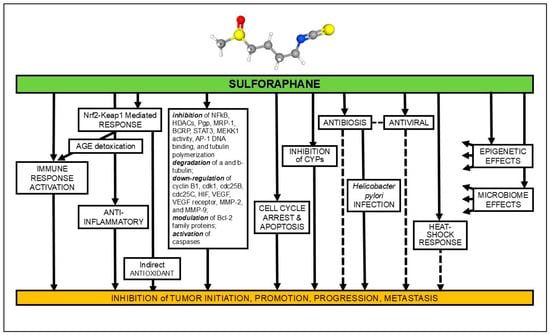
Sulforaphane, a bioactive isothiocyanate found abundantly in cruciferous vegetables, has attracted significant attention for its chemopreventive and therapeutic potential, particularly in cancer. There is now an abundance of peer-reviewed research documenting true synergies between sulforaphane and (a) cancer treatment drugs, (b) pharmaceuticals in
[...] Read more.
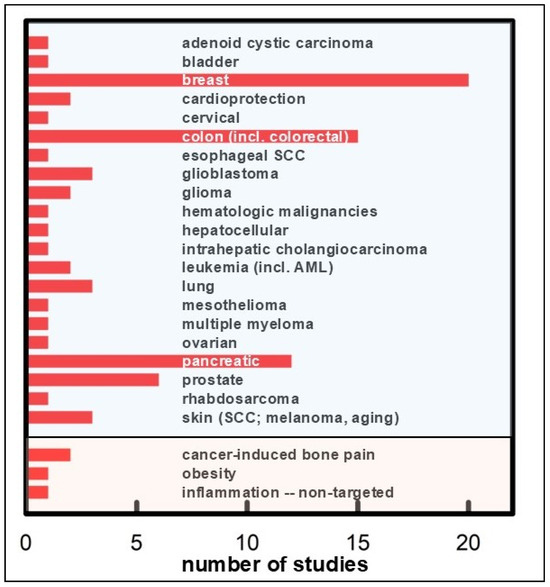
Sulforaphane, a bioactive isothiocyanate found abundantly in cruciferous vegetables, has attracted significant attention for its chemopreventive and therapeutic potential, particularly in cancer. There is now an abundance of peer-reviewed research documenting true synergies between sulforaphane and (a) cancer treatment drugs, (b) pharmaceuticals in development but not yet on the market or in the regulatory pipeline, (c) other phytochemicals, and (d) proprietary mixtures such as leaf extracts and other botanicals, as well as evidence that some cell lines resistant to various cancer drugs become more susceptible when treated with sulforaphane. Most of the published studies demonstrate evidence for synergy in cancer, including cancers of the bladder, blood, brain, breast, colon, esophagus, liver, lung, ovaries, prostate, and skin, where reducing drug dosages could yield substantial patient benefits. Importantly, non-cancer indications have also been reported, such as mitigation of cardiac toxicity, inflammation, obesity, and pain (including antihyperalgesic and antinociceptive effects). Synergistic effects are most often demonstrated in cell line models, with many studies providing robust mechanistic evidence, and some employing the gold-standard Chou–Talalay method for quantifying synergy. Current evidence on the synergistic interactions of sulforaphane with both phytochemicals and pharmaceuticals highlights underlying mechanisms such as modulation of oxidative stress, inflammation, apoptosis, and epigenetic regulation, suggesting significant clinical and therapeutic implications. By providing a comprehensive overview of sulforaphane synergies in both cancer and non-cancer contexts, we aim to inform future research and support the development of integrated therapeutic strategies.
Full article

Figure 1
Open AccessReview
Evidence and Tradition in Dialogue: Biological Sex Variability in Phytomedicine Research as a Foundation for Safety, Efficacy, and Robust Evidence Standards
by
Helen Turner, Chad Jansen, Beverly G. Rice, Tiffany Rivera, Julia Howard, Catherine Brockway, Bianca Parisi, Chaker Adra, Andrea Small-Howard and Alexander J. Stokes
Medicines 2026, 13(2), 15; https://doi.org/10.3390/medicines13020015 - 7 Apr 2026
Abstract
►▼
Show Figures
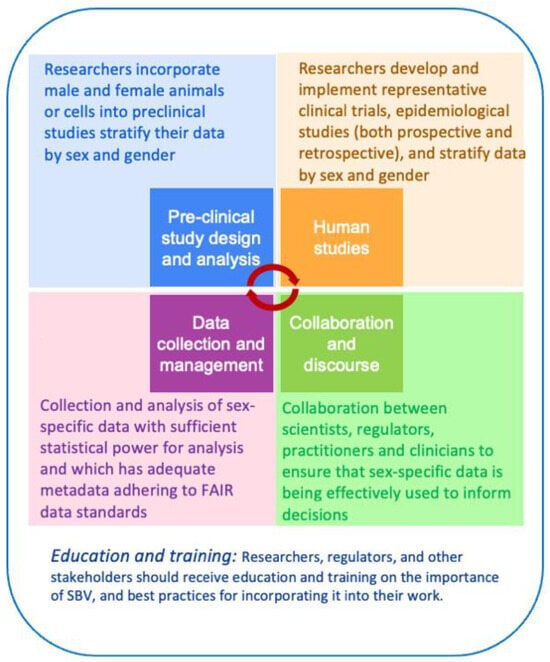
Background: Incorporating sex as a biological variable (SBV) is recognized as essential for improving the reliability, reproducibility, and generalizability of pharmacological research. This principle is codified in international policies and guidelines, yet implementation remains uneven, especially in phytomedicine. Phytomedicines are a major component
[...] Read more.
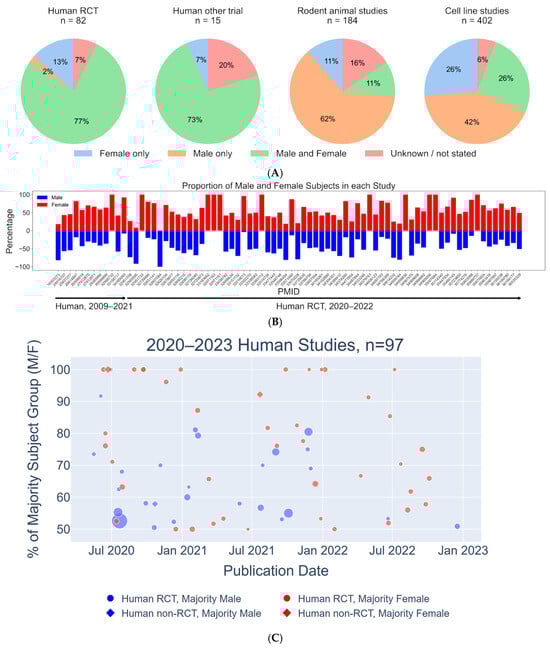
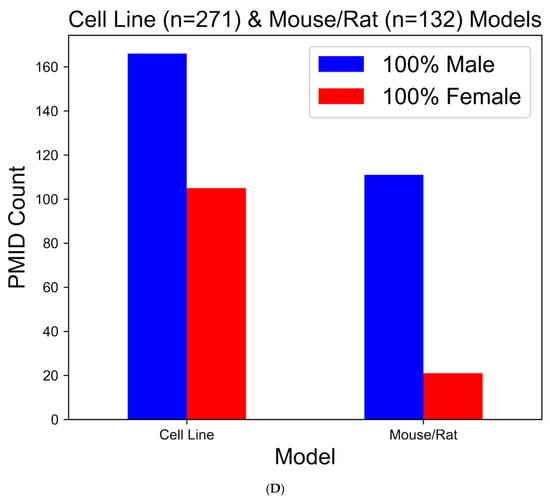
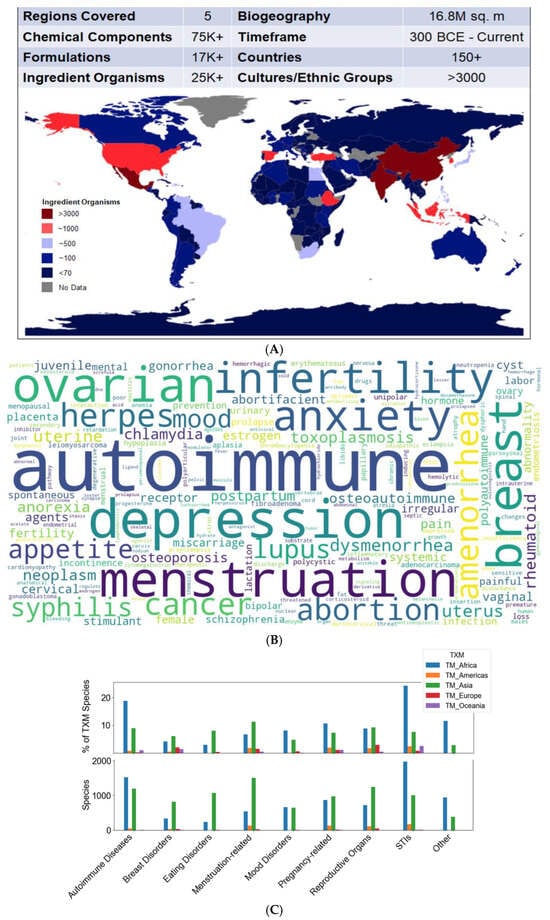
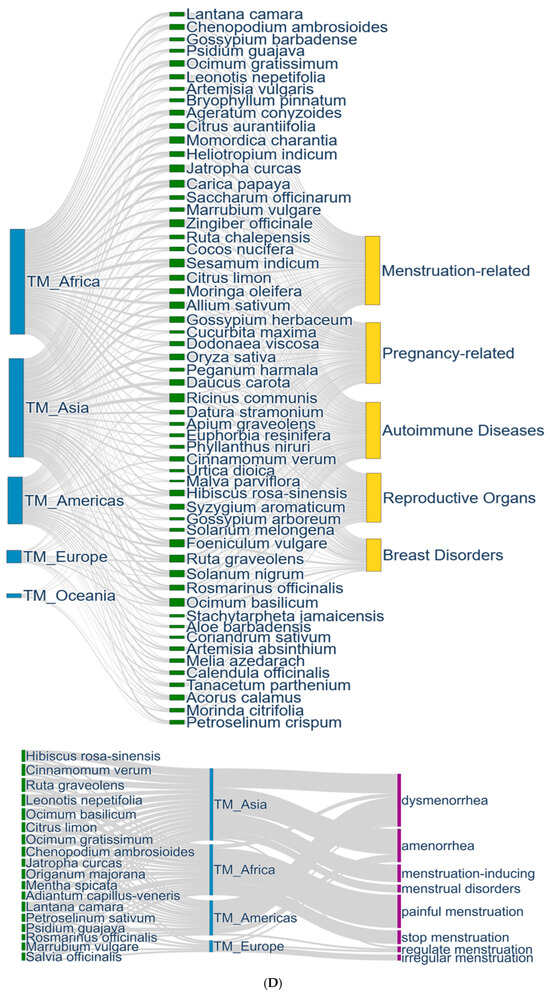
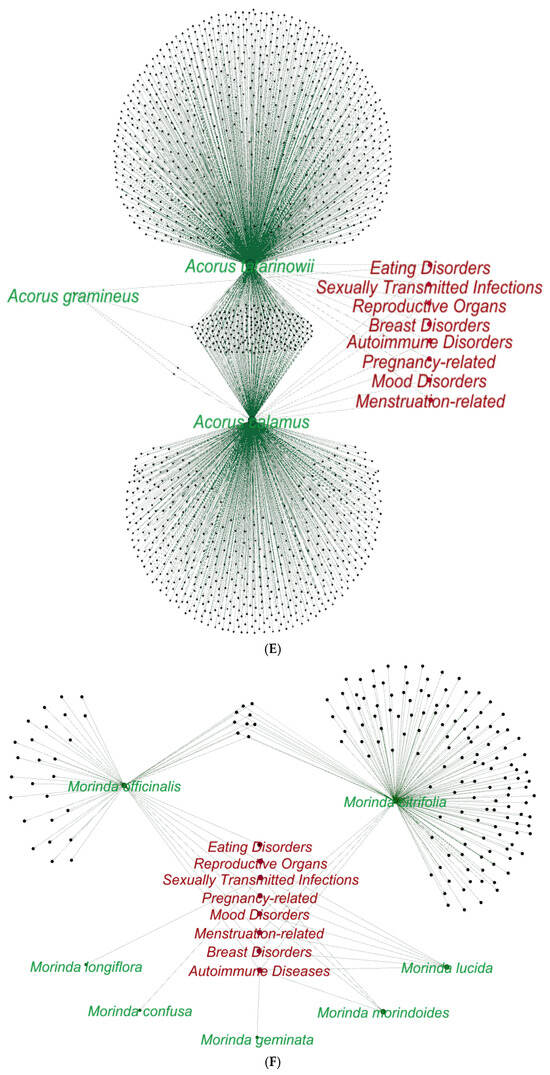
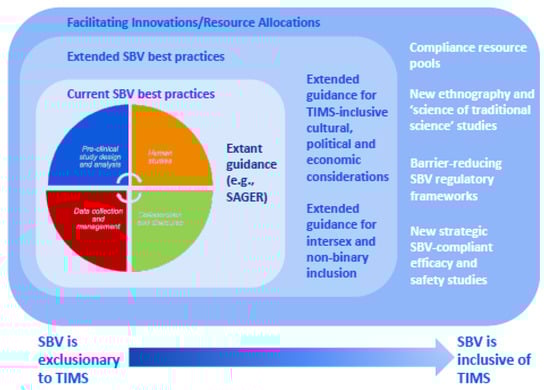
Background: Incorporating sex as a biological variable (SBV) is recognized as essential for improving the reliability, reproducibility, and generalizability of pharmacological research. This principle is codified in international policies and guidelines, yet implementation remains uneven, especially in phytomedicine. Phytomedicines are a major component of healthcare worldwide, with 65% of the global population relying on them in both regulated and traditional contexts. Globally, phytomedicines are used by males, females, intersex and non-cis gender persons, all of whom may present specific safety and efficacy considerations and warrant full inclusion in pre-clinical to clinical research pipelines. However, in contemporary settings, phytomedicine lags in SBV best practices relative to Western allopathic standards for research design. Methods: We conducted a non-systematic review and in silico data mining to quantify sex/gender representation in recent preclinical and clinical phytomedicine studies, complemented by targeted case studies of sexually dimorphic safety/efficacy. We also summarize the historical role of women and gender-diverse people as users and providers within Traditional and Integrative Medical Systems (TIMSs). Results: Across rodent and human studies, females are under-represented relative to males, and sex is rarely reported for cell lines. Intentional inclusion of intersex and other gender-diverse populations is largely absent. Case studies illustrate plausible sex-associated differences in pharmacokinetics, pharmacodynamics, and adverse event profiles. TIMSs historically address women’s health needs and include substantial participation by female practitioners; however, contemporary SBV practices remain less standardized than in Western allopathic pipelines. Conclusions: SBV integration in phytomedicine is needed to strengthen safety, efficacy, and regulatory-grade evidence. Practical barriers include legacy datasets without sex metadata, limited intersex animal models, and uneven resources across settings. We outline feasible, stepwise practices to improve SBV adoption in a manner compatible with TIMS contexts and recommend expanding current guidelines to better support diverse research environments while maintaining scientific rigor.
Full article

Figure 1
Open AccessArticle
Anticholinergic Burden in Elderly People in Nursing Homes: Cross-Sectional Assessment Using ACB Calculator and CRIDECO Anticholinergic Load Scale
by
Tânia Nascimento, Maria Ana Matos and Ezequiel Pinto
Medicines 2026, 13(2), 14; https://doi.org/10.3390/medicines13020014 - 7 Apr 2026
Abstract
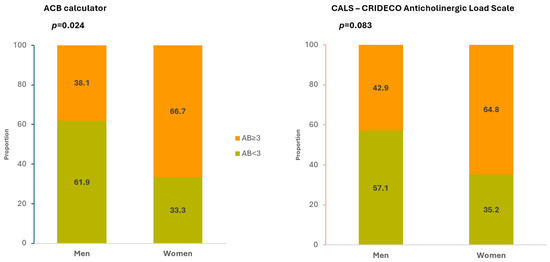
Background/Objectives: Anticholinergic burden is an important risk marker in older adults, associated with cognitive decline, falls, and increased mortality. This study aimed to assess anticholinergic burden in institutionalized elderly individuals using two tools (ACB calculator and CALS—CRIDECO Anticholinergic Load Scale), as well as
[...] Read more.
Background/Objectives: Anticholinergic burden is an important risk marker in older adults, associated with cognitive decline, falls, and increased mortality. This study aimed to assess anticholinergic burden in institutionalized elderly individuals using two tools (ACB calculator and CALS—CRIDECO Anticholinergic Load Scale), as well as to analyze its relationship with pharmacotherapeutic variables like polypharmacy. Methods: A descriptive cross-sectional study was conducted by analyzing the pharmacotherapeutic profiles of institutionalized elderly individuals (≥65 years) utilizing individualized medication preparation services from a community pharmacy in Alentejo (Portugal). Participants agreed to the study and had complete, up-to-date pharmacotherapeutic profiles. Results: The pharmacotherapeutic profiles of 75 institutionalized elderly people were analyzed; the sample comprised mostly women (72%) who had experienced excessive polypharmacy (≥10 medications) (56%) and had an average age of 85.62 ± 7.62 years. It was found that 90.7% (ACB) and 89.3% (CALS—CRIDECO) of the elderly had anticholinergic burden, with mean values of 3.60 ± 2.84 and 3.33 ± 2.51, respectively. Women exhibited higher anticholinergic burden in unadjusted analyses (p < 0.05). The burden correlated moderately with the total number of medications (p < 0.05). Conclusions: The results show high exposure to anticholinergic medications in the institutionalized elderly population, reinforcing the rationale for systematic therapeutic reviews focused on the pharmacological safety of institutionalized older adults in community pharmacies.
Full article
(This article belongs to the Special Issue Drug-Related Problems: Clinical Pharmacy and Safety of Pharmacotherapy)
►▼
Show Figures

Figure 1
Open AccessArticle
The Effect of Oxcarbazepine on the Pharmacokinetics of Single-Dose Aripiprazole in a Rat Model
by
Iulia-Maria Ciocotișan, Dana Maria Muntean and Laurian Vlase
Medicines 2026, 13(2), 13; https://doi.org/10.3390/medicines13020013 - 1 Apr 2026
Abstract
►▼
Show Figures
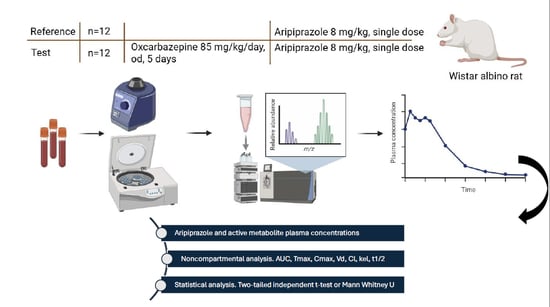
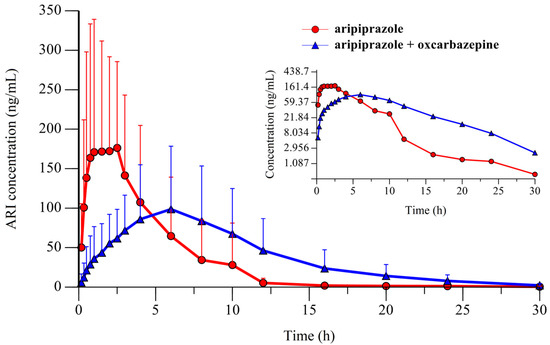
Background/Objectives: A possible pharmacokinetic interaction between a single dose of aripiprazole and multiple-dose pretreatment with oxcarbazepine was investigated in vivo in Wistar albino rats. Methods: The experiment was conducted on two groups of 12 male rats each. The control group received
[...] Read more.
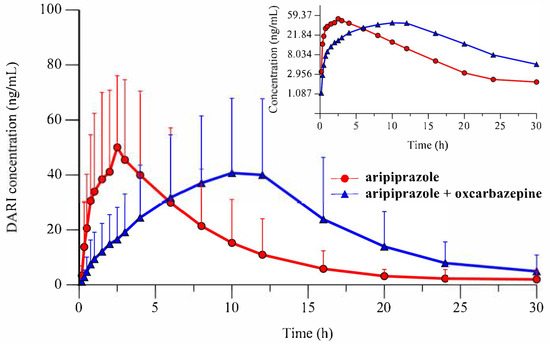
Background/Objectives: A possible pharmacokinetic interaction between a single dose of aripiprazole and multiple-dose pretreatment with oxcarbazepine was investigated in vivo in Wistar albino rats. Methods: The experiment was conducted on two groups of 12 male rats each. The control group received a single oral dose of aripiprazole (8 mg/kg), while the test group was given oral oxcarbazepine (85 mg/kg/day) for 5 days, followed by a single oral dose of aripiprazole (8 mg/kg). Blood samples were automatically drawn following the administration of aripiprazole to each rat. Noncompartmental analysis was employed to determine the pharmacokinetic parameters of aripiprazole and its active metabolite, dehydroaripiprazole. Results: After the five-day oxcarbazepine pretreatment, aripiprazole’s maximum plasma concentration decreased by 51.37%, and its mean half-life was significantly reduced by 1.51-fold. In contrast, for the metabolite, the mean total area under the concentration–time curve increased by 44.66%, and the mean apparent systemic clearance decreased by 61.84%. Conclusions: Multiple-dose pretreatment with oxcarbazepine resulted in significant changes in the pharmacokinetics of a single oral dose of aripiprazole and its active metabolite in vivo in rats. The clinical implications should be further studied in human subjects, as this interaction may reduce the efficacy of aripiprazole.
Full article

Graphical abstract
Open AccessArticle
Quantification of In Vitro Replicative Lifespan Elongation Activity of Hormones, Antioxidants, Plant Extract and Bacterial Exudate by Updated “Overlay Method”
by
Hiroshi Sakagami, Masayo Abe, Megumi Inomata, Hideki Aoyagi, Takao Tsukahara, Kenjiro Bandow, Shogo Nishino, Hiroshi Kadokura, Yuka Kato and Satoshi Yokose
Medicines 2026, 13(2), 12; https://doi.org/10.3390/medicines13020012 - 30 Mar 2026
Abstract
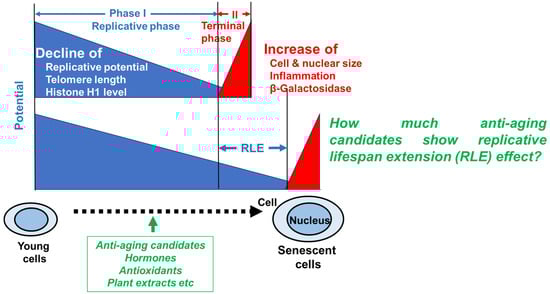
Background/Objectives: Many products that claim to have anti-aging effects have been reported, but their relative potency is not clear. In this study, the in vitro replicative lifespan extension (RLE) activity of various groups of physiologically active substances was compared by using the
[...] Read more.
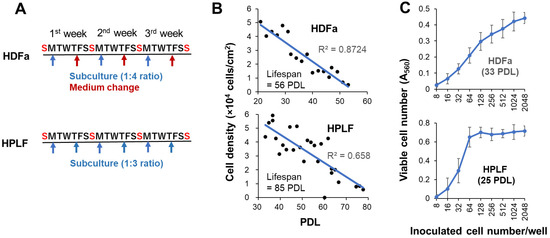
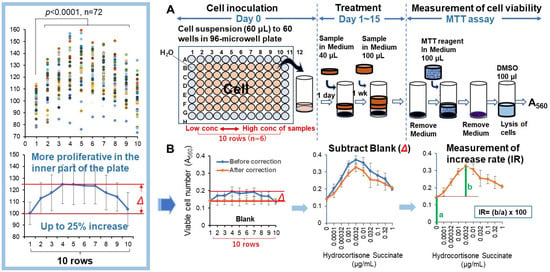
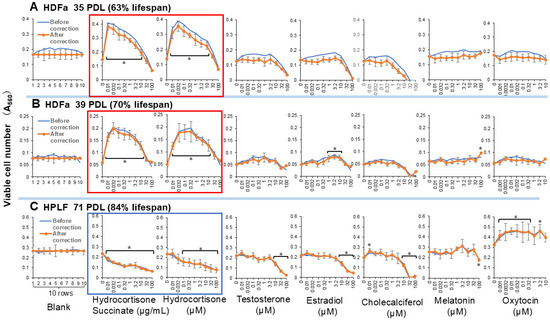
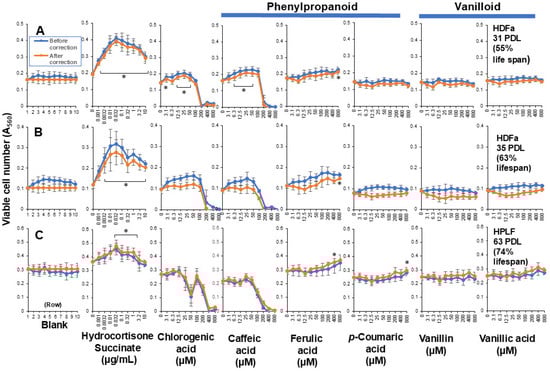
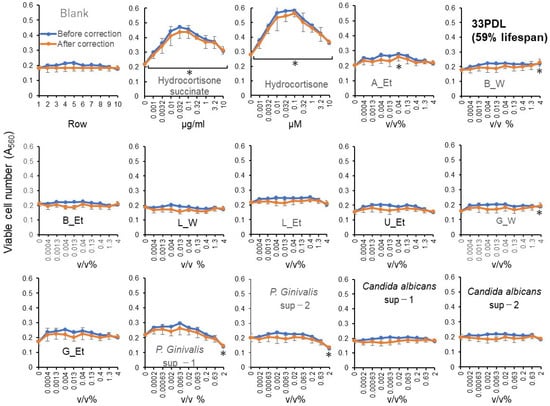
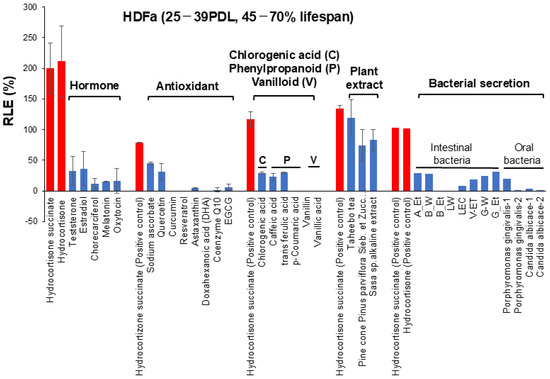
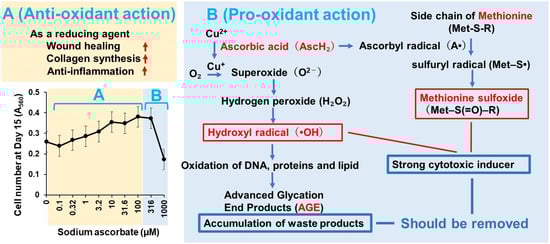
Background/Objectives: Many products that claim to have anti-aging effects have been reported, but their relative potency is not clear. In this study, the in vitro replicative lifespan extension (RLE) activity of various groups of physiologically active substances was compared by using the updated “overlay method”. Methods: Human dermal and periodontal ligament fibroblasts (HDFa, HPLF) were inoculated into the inner 60 wells of 96-well microplate, surround by sterile water to prevent the water evaporation. At Day 1 and Day 8, the cells were overlayed with wide ranges of concentrations (0.01–100 µM) of samples without medium change. Viable cell number was measured by the MTT method at Day 15 and then corrected for the variation in cell growth due to the location of inoculated cells. The RLE value was calculated as the maximum cell proliferation rate relative to the control. Results: Cell density of HDFa and HPLFs at subculture decreased with the passage number, and their growth was stopped at 56 or 85 population doubling levels (PDLs), respectively. Hydrocortisone showed the highest RLE values among six hormones, followed by three plant extracts, sodium ascorbate and quercetin. On the other hand, other antioxidants, chlorogenic acid, phenylpropanoids, vanilloids, and bacterial products showed little or no RLE effects. However, for HPLF cells, hydrocortisone did not show RLE effects while oxytocin showed slight stimulation. Conclusions: When differences in proliferation due to cell seeding position were corrected, the biphasic dose response curve of most of the compounds significantly reduced. The present study suggests the significant role of hormones for the regulation of the long-term aging process. To confirm systemic or clinical anti-aging effects, further in vitro and in vivo experiments are needed.
Full article
(This article belongs to the Topic Research in Pharmacological Therapies, 2nd Edition)
►▼
Show Figures

Figure 1
Open AccessReview
Multi-Targeted Mechanisms of Phytochemicals in Mitigating Cadmium-Induced Breast Cancer
by
Fidara F. Fidudusola, Caroline O. Odewumi, Lekan M. Latinwo, Oluwatobi A. Oguntunde, Samia S. Messeha and Karam F. A. Soliman
Medicines 2026, 13(2), 11; https://doi.org/10.3390/medicines13020011 - 24 Mar 2026
Abstract
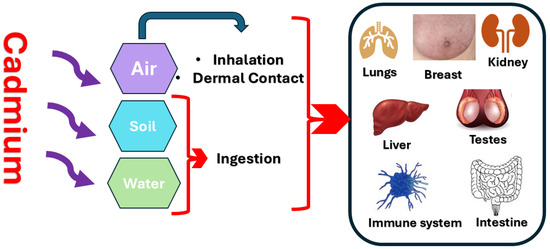
Cadmium (Cd) is an environmental toxicant originating from both natural processes and human activities. Cd has been strongly associated with multiple diseases, including breast cancer (BC). Background/Objective: Environmental Cd exposure represents a significant contributor to BC onset and progression. Cd-induced breast carcinogenesis
[...] Read more.
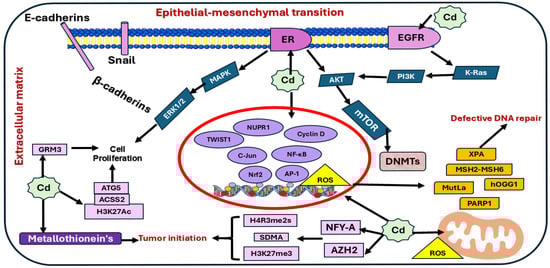
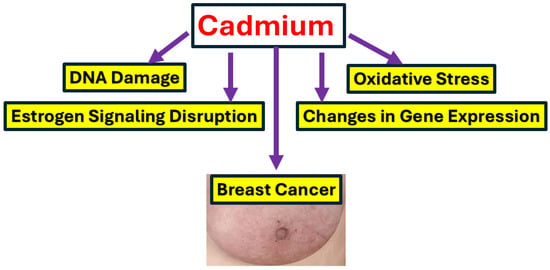
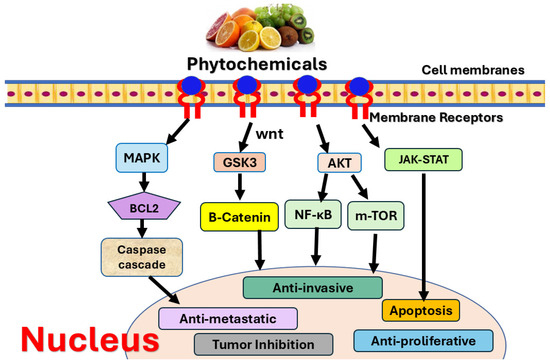
Cadmium (Cd) is an environmental toxicant originating from both natural processes and human activities. Cd has been strongly associated with multiple diseases, including breast cancer (BC). Background/Objective: Environmental Cd exposure represents a significant contributor to BC onset and progression. Cd-induced breast carcinogenesis is driven by a constellation of molecular events, including DNA damage, oxidative stress (OS), and the dysregulation of key signaling pathways. These include the ERK/JNK/p38 MAPK cascade, the PI3K/AKT/mTOR axis, NF κB activation, and Wnt signaling, all of which collectively promote tumor initiation, survival, and metastasis. This review underscores the complex interplay between Cd exposure and its effects on cancer-triggering factors. Methods: The complexity of the mechanisms Cd-induced BC, underlying Cd-induced BC makes it challenging to treat, highlighting the need for novel therapeutic strategies that complement or enhance conventional chemotherapy. Therefore, this review was developed by reviewing the literature and presenting the different aspects of the challenge associated with Cd exposure and BC therapy. Results: Phytochemicals, especially phenolics, alkaloids, carotenoids, terpenoids, and related plant-derived compounds, have emerged as promising candidates for mitigating Cd-induced BC. Their antioxidants, anti-estrogenic, and anti-inflammatory properties position them as potential chemopreventive and therapeutic agents capable of counteracting Cd’s molecular toxicity. Conclusions: The review presents current evidence linking Cd exposure to BC development and highlights the protective potential of selected phytochemicals in preventing or attenuating Cd-induced BC. Understanding these interactions reinforces the importance of phytochemical-based interventions as a strategy to reduce Cd-related cancer risk and support breast health.
Full article
(This article belongs to the Topic New Compounds Discovery and Development in Medicine — Advances in Research on Potential Therapeutic Agents and Drug Candidates, 2nd Edition)
►▼
Show Figures

Figure 1
Open AccessReview
Exploring the Pleiotropic Cardioprotective Effects of GLP-1 Receptor Agonists in Preventing Anthracycline-Induced Cardiotoxicity: A Theoretical Proposal for Future Research
by
Matthew L. Repp, Ikeotunye Royal Chinyere, Santiago Teran, Julia Bast and Lavanya Kondapalli
Medicines 2026, 13(1), 10; https://doi.org/10.3390/medicines13010010 - 17 Mar 2026
Abstract
►▼
Show Figures
Glucagon-like peptide-1 receptor agonists (GLP-1 RAs) have been shown to reduce morbidity and mortality associated with type II diabetes mellitus, and/or obesity, and/or cardiovascular disease in multiple clinical trials. Their efficacy in reversing cardiovascular disease and mitigating the risk of major adverse cardiac
[...] Read more.
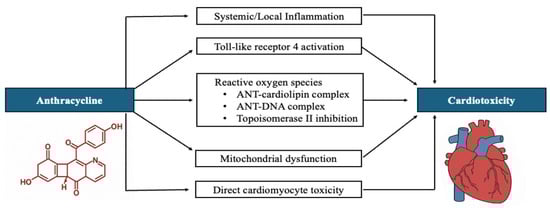
Glucagon-like peptide-1 receptor agonists (GLP-1 RAs) have been shown to reduce morbidity and mortality associated with type II diabetes mellitus, and/or obesity, and/or cardiovascular disease in multiple clinical trials. Their efficacy in reversing cardiovascular disease and mitigating the risk of major adverse cardiac and vascular events has been well studied, with outcome trials consistently demonstrating benefits such as reduced systemic inflammation, improved endothelial function, and favorable metabolic effects. These pleiotropic actions have nearly innumerable potential applications, with a progressively growing interest in using GLP-1 RAs to mitigate increased cardiovascular disease risk secondary to other off-target pharmacologic agents. Given these effects, the potential to utilize GLP-1 RAs for prophylactic cardioprotection before, during, and/or after chemotherapy regimens is of great interest. These effects are thought to be mediated in part through anti-inflammatory and antioxidant mechanisms that counter inflammation and reactive oxygen species-driven myocardial injury central to anthracycline-induced cardiotoxicity (AIC). Anthracyclines, a widely used class of chemotherapeutics for various malignancies, are frequently associated with dose-dependent and often irreversible cardiotoxicity, leading to heart failure, reduced quality of life, and adverse long-term outcomes. For the past three decades, dexrazoxane has been the sole Food and Drug Administration-approved agent for cardioprotection in this setting. However, in the current era of novel therapies with multi-system benefits—such as GLP-1 RAs—we propose a theoretical framework exploring their potential role in mitigating AIC and underscore the need for further clinical investigation in this new arena in the field of cardio-oncology.
Full article
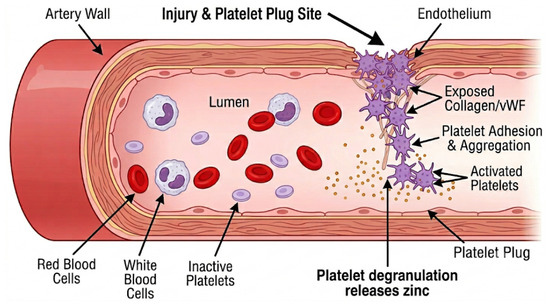
Figure 1
Highly Accessed Articles
Latest Books
E-Mail Alert
News
Topics
Topic in
Healthcare, Hospitals, JCM, Safety, Medicina, Medicines
Drug Use and Patient Safety in Primary and Secondary Care Settings
Topic Editors: Kingston Rajiah, Ashuin Kammar-GarcíaDeadline: 31 October 2026
Topic in
Biomedicines, IJMS, Medicines, Molecules, Pharmaceuticals, Sci. Pharm.
New Compounds Discovery and Development in Medicine — Advances in Research on Potential Therapeutic Agents and Drug Candidates, 2nd Edition
Topic Editors: Monika Wujec, Anna Bogucka-Kocka, Przemysław Kołodziej, Jacek BoguckiDeadline: 31 December 2026
Topic in
Compounds, Medicines, Molecules, Plants, Separations, Applied Biosciences, Life, Pharmaceuticals
Research on Natural Products of Medical Plants
Topic Editors: Cristiane Aguiar Da Costa, Graziele Freitas De BemDeadline: 5 March 2027
Topic in
Biomedicines, IJMS, Medicines, Pharmaceuticals, Sci. Pharm.
Research in Pharmacological Therapies, 2nd Edition
Topic Editors: Juan Gambini, Ángel Luis OrtegaDeadline: 30 March 2027
Conferences
Special Issues
Special Issue in
Medicines
Drug Abuse and Withdrawal Syndromes: From Addiction Pathways to Novel Interventions
Guest Editor: Stephen J. LewisDeadline: 31 December 2026
Special Issue in
Medicines
Drug-Related Problems: Clinical Pharmacy and Safety of Pharmacotherapy
Guest Editors: Mariola Drozd, Jakub PawlikowskiDeadline: 31 December 2026
Conference Reports
Medicines 2017, 4(4), 83; https://doi.org/10.3390/medicines4040083
Medicines 2017, 4(4), 76; https://doi.org/10.3390/medicines4040076