

Journal Description
Entropy
Entropy
is an international and interdisciplinary peer-reviewed open access journal of entropy and information studies, published monthly online by MDPI. The International Society for the Study of Information (IS4SI) and Spanish Society of Biomedical Engineering (SEIB) are affiliated with Entropy and their members receive a discount on the article processing charge.
- Open Access— free for readers, with article processing charges (APC) paid by authors or their institutions.
- High Visibility: indexed within Scopus, SCIE (Web of Science), Inspec, PubMed, PMC, Astrophysics Data System, and other databases.
- Journal Rank: JCR - Q2 (Physics, Multidisciplinary) / CiteScore - Q1 (Mathematical Physics)
- Rapid Publication: manuscripts are peer-reviewed and a first decision is provided to authors approximately 20.9 days after submission; acceptance to publication is undertaken in 3.4 days (median values for papers published in this journal in the first half of 2026).
- Recognition of Reviewers: reviewers who provide timely, thorough peer-review reports receive vouchers entitling them to a discount on the APC of their next publication in any MDPI journal, in appreciation of the work done.
- Testimonials: See what our editors and authors say about Entropy.
- Companion journals for Entropy include: Foundations, Thermo and Complexities.
- Journal Cluster of Atomic, Molecular, and Optical (AMO) Physics: Entropy, Photonics, Atoms, Lights, Optics, Physics and Quantum Beam Science.
Impact Factor:
2.1 (2025);
5-Year Impact Factor:
2.3 (2025)
Latest Articles
Structured Fluctuations and the Information Dynamics of Self-Maintenance in Growing Neural Cellular Automata
Entropy 2026, 28(8), 893; https://doi.org/10.3390/e28080893 (registering DOI) - 8 Aug 2026
Abstract
Growing Neural Cellular Automata (GNCA) are capable of robust self-maintenance and self-repair, yet the internal dynamical mechanisms that support these capabilities remain poorly understood. Here, we investigate the role of internal fluctuations—temporal micro-variability of hidden channel states—in a trained GNCA model, hypothesizing that
[...] Read more.
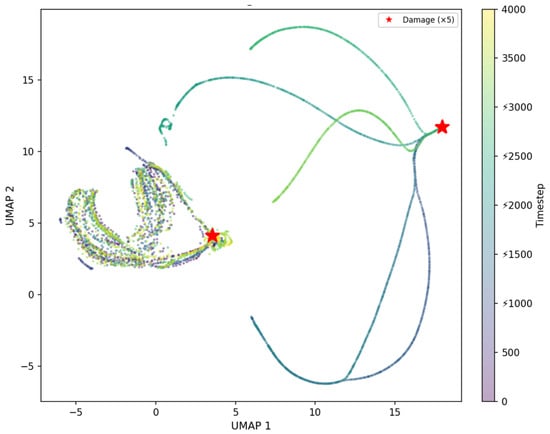
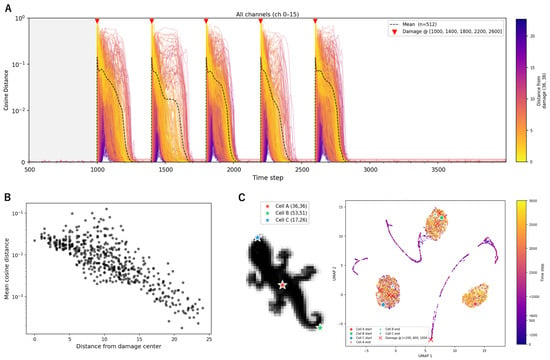
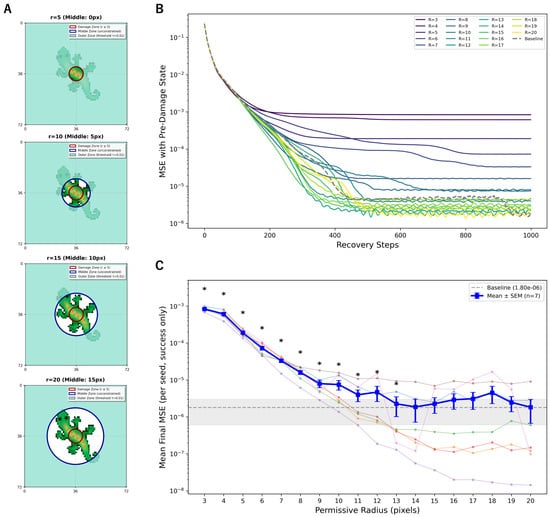
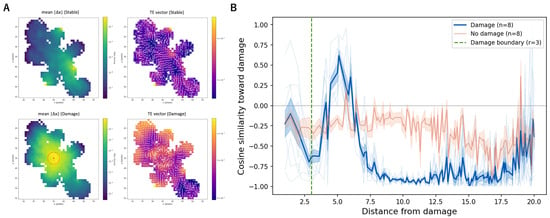
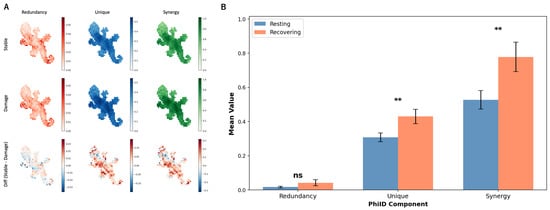
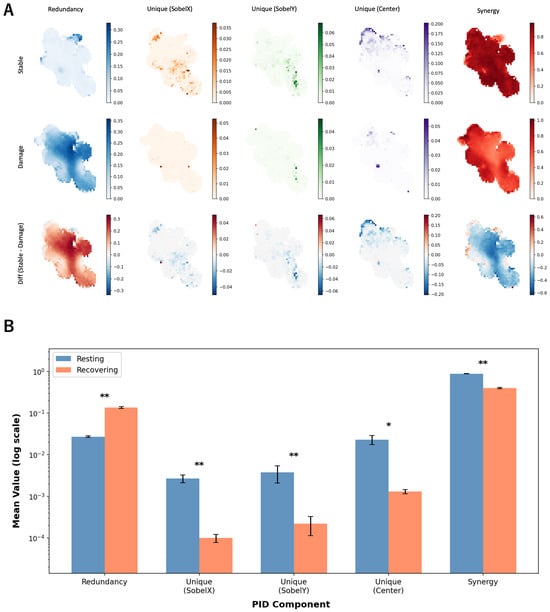
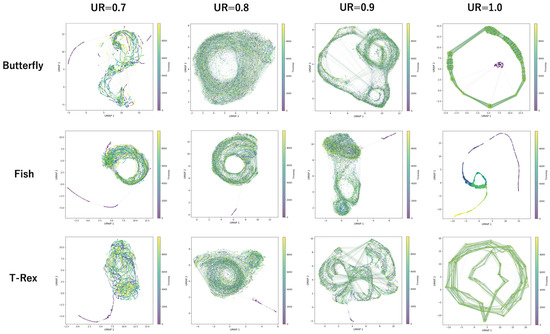
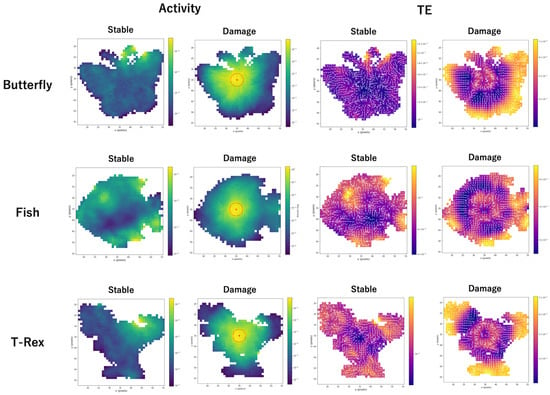
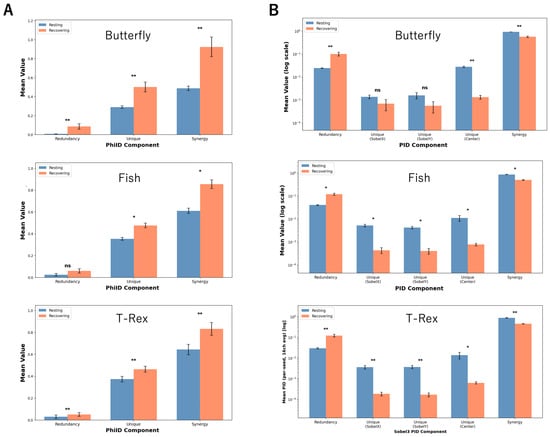
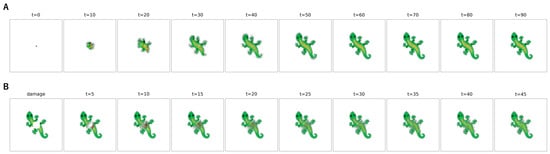
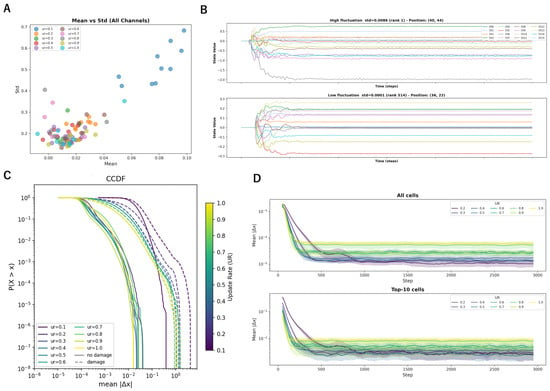
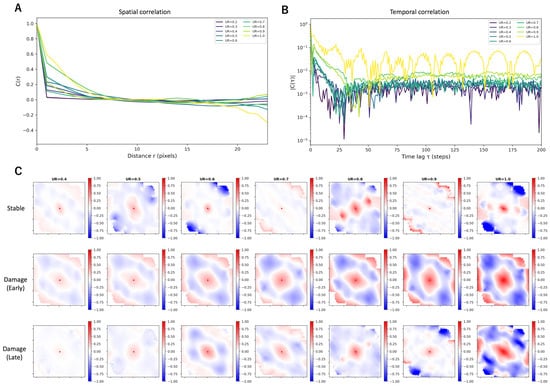
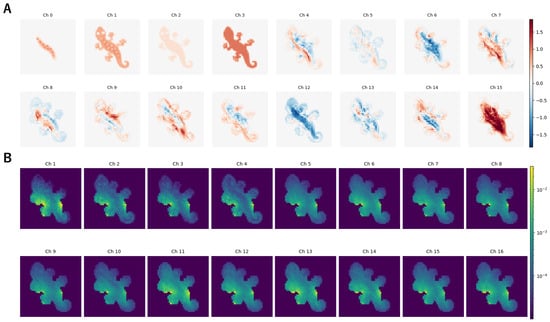
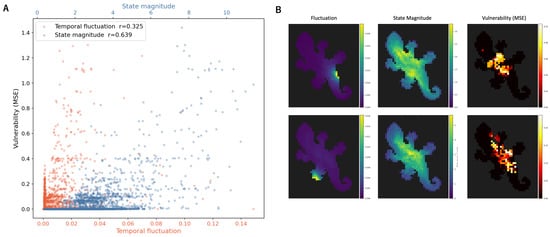
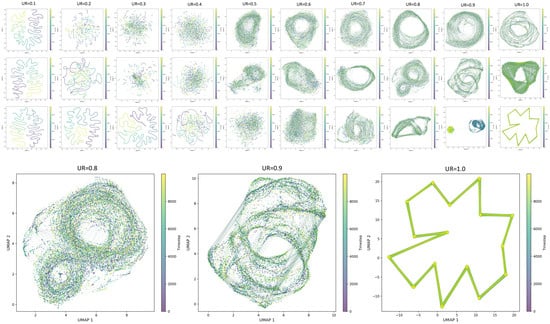
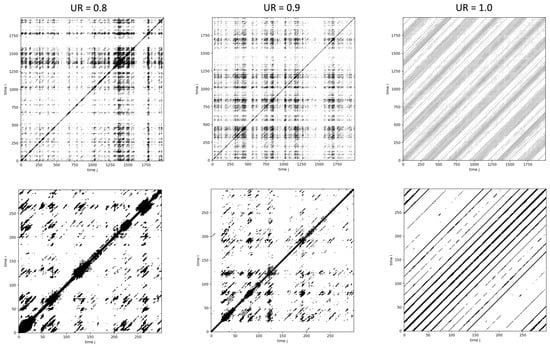
Growing Neural Cellular Automata (GNCA) are capable of robust self-maintenance and self-repair, yet the internal dynamical mechanisms that support these capabilities remain poorly understood. Here, we investigate the role of internal fluctuations—temporal micro-variability of hidden channel states—in a trained GNCA model, hypothesizing that they constitute a functional component of the dynamics rather than merely residual stochastic noise. We analyzed the trained model through dynamical-systems analysis (low-dimensional embedding and recurrence analysis of collective state trajectories) and information-theoretic analysis (transfer entropy and partial information decomposition), including its response to localized damage and to suppression of small-magnitude updates. These analyses show that internal fluctuations are spatially structured, dynamically coupled to an attracting collective state, and associated with distributed small-magnitude updates that contribute to damage recovery. Damage induces a global deviation in latent state space followed by gradual re-convergence, and suppressing distributed small-magnitude updates associated with baseline fluctuation dynamics outside a permissive radius that encompasses the majority of the cells significantly impairs recovery. Transfer entropy analysis characterizes a spatially differentiated repair response: corrective inward flow near the damage site coexists with outward perturbation propagation at greater distances. Partial information decomposition further suggests a regime shift from synergy-dominant resting computation to redundancy-increased coordination during recovery. These findings indicate that GNCA self-maintenance and self-repair emerge from high-dimensional nonlinear collective dynamics in which internal fluctuations serve as a functional component supporting information flow, coordination, and return toward an attracting recurrent state.
Full article
(This article belongs to the Section Complexity)
►
Show Figures
Open AccessReview
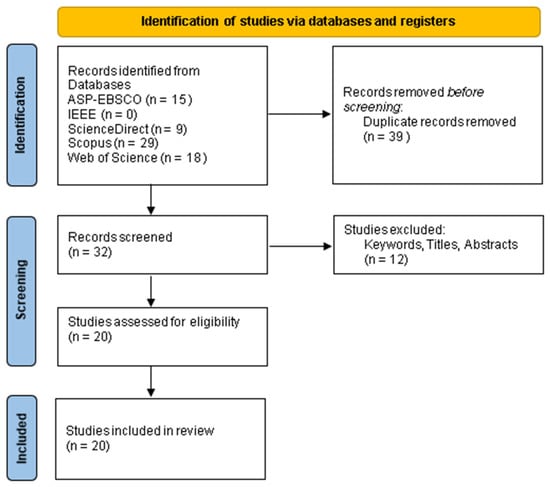
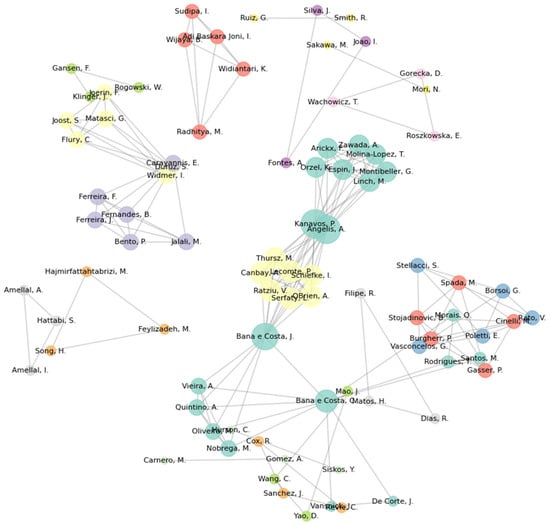
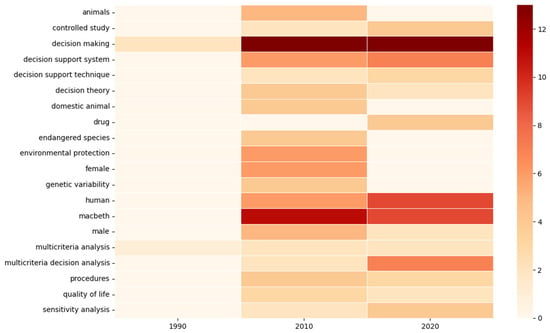
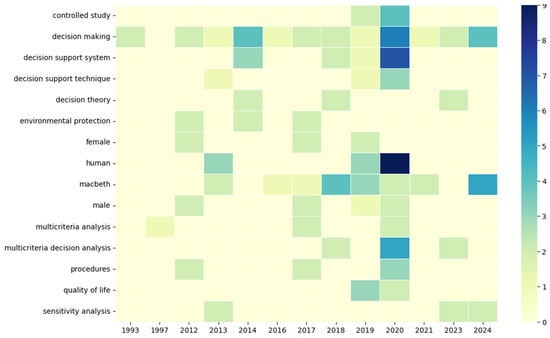
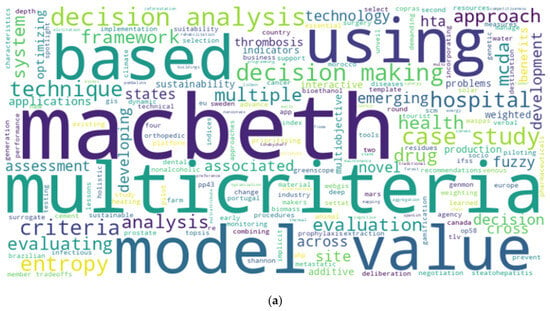
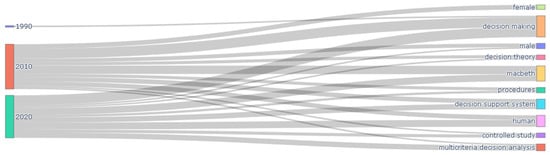
Use of Information Entropy and MACBETH Methods in the Replacement Rates of Multicriteria Methods: A Systematic Review of the Literature
by
Francine da Silva Borges and André Andrade Longaray
Entropy 2026, 28(8), 892; https://doi.org/10.3390/e28080892 (registering DOI) - 8 Aug 2026
Abstract
►▼
Show Figures
Advances in the decision-making field and the growing adoption of hybrid mathematical methods, combined with practitioners’ and managers’ interest in more efficient systems, have intensified the search for improved combinations of mathematical modeling capable of supporting robust, effective decision processes. In this context,
[...] Read more.
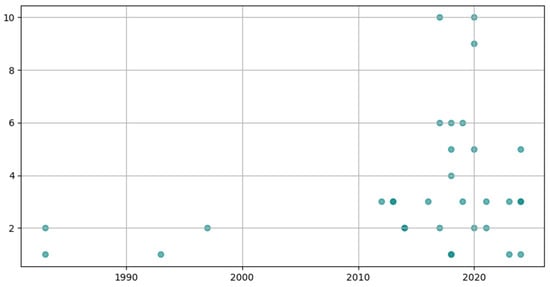
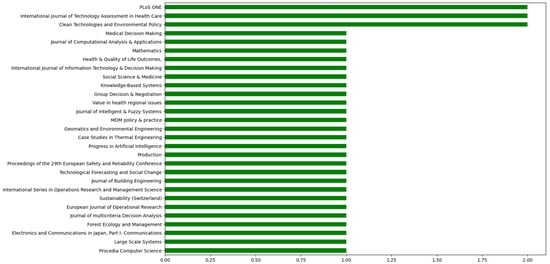
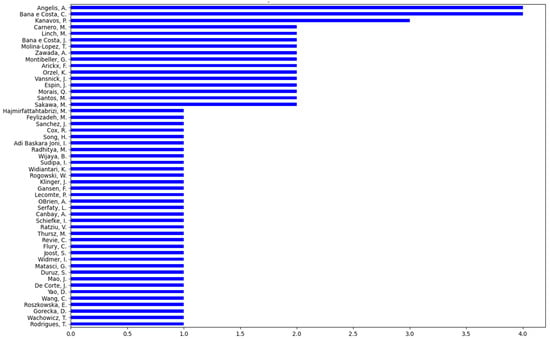
Advances in the decision-making field and the growing adoption of hybrid mathematical methods, combined with practitioners’ and managers’ interest in more efficient systems, have intensified the search for improved combinations of mathematical modeling capable of supporting robust, effective decision processes. In this context, it becomes possible to incorporate different methods for assigning substitution rates in multicriteria methods, thereby reducing uncertainty in the application of such models. The purpose of this study was to examine research that applies the MACBETH method (measuring attractiveness by a categorical-based evaluation technique) in combination with other weighting techniques, particularly the information entropy method. The literature mapping evaluated the evolution of studies on this topic, the temporal progression of research, the most productive authors, and the journals most aligned with the theme while also identifying the techniques and sectors in which they are applied. The review further highlighted benefits, limitations, and future challenges and developments in the field. The research was conducted through a systematic literature review, with analysis conducted using a bibliometric approach complemented by a meta-synthesis. The findings reveal a growing number of publications in recent years, along with the main techniques combined for assigning substitution rates. The results also highlight the sectors of application, leading journals, and emerging trends in the domain of hybrid multicriteria methods. Given the limited research on this topic, this is considered a valuable contribution.
Full article

Figure 1
Open AccessArticle
The Complementary Asymmetric-Odds Weibull Distribution: A Flexible Lifetime Model with Applications to Hazard Rate Modeling and Change-Point Analysis
by
Dawlah Alsulami
Entropy 2026, 28(8), 891; https://doi.org/10.3390/e28080891 - 7 Aug 2026
Abstract
This paper introduces the Complementary Asymmetric-Odds Weibull (CAO–W) distribution, a new three-parameter distribution that improves the accuracy of modeling lifetime data with complex behavior. The proposed distribution is based on an asymmetric transformation that combines the baseline distribution with its complement, providing more
[...] Read more.
This paper introduces the Complementary Asymmetric-Odds Weibull (CAO–W) distribution, a new three-parameter distribution that improves the accuracy of modeling lifetime data with complex behavior. The proposed distribution is based on an asymmetric transformation that combines the baseline distribution with its complement, providing more flexibility when modeling a variety of hazard patterns, such as increasing, decreasing, and bathtub-shaped. Some statistical properties of the CAO–W distribution were studied including a mathematical and graphical analysis of the hazard rate function (HRF). The model parameters were estimated using four widely used estimation approaches: maximum likelihood (ML), least squares (LS), maximum product of spacings (MPS), and the Cramér-von-Mises (CVM). The efficiency of these approaches in estimating the model parameters was investigated through simulation studies under different scenarios. Moreover, the proposed distribution was applied to four real datasets, and compared to some flexible distributions to demonstrate its ability to provide a good fit for lifetime data in survival and reliability analysis applications. Finally, a change point analysis, based on the Minimum Information Criterion (MIC), is also conducted to highlight the flexibility of the proposed model.
Full article
(This article belongs to the Section Information Theory, Probability and Statistics)
Open AccessArticle
Research on the Dynamics of Cold Atoms Under Non-Equilibrium Dissipation
by
Yifan Gao, Yanhang Chen, Shuyu Dai and Bo Cui
Entropy 2026, 28(8), 890; https://doi.org/10.3390/e28080890 - 7 Aug 2026
Abstract
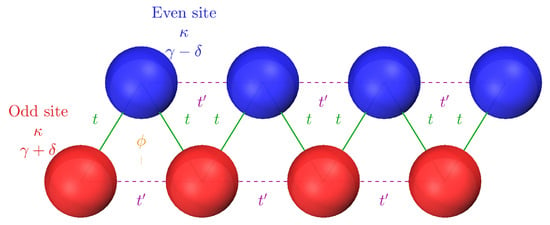
We investigate the dissipative dynamics of a one-dimensional sawtooth-shaped Bose–Hubbard model subjected to an external magnetic flux and staggered single-particle dissipation. By combining the Lindblad master equation with a mean-field decoupling and further reducing the dynamics to an effective three-site model, we derive
[...] Read more.
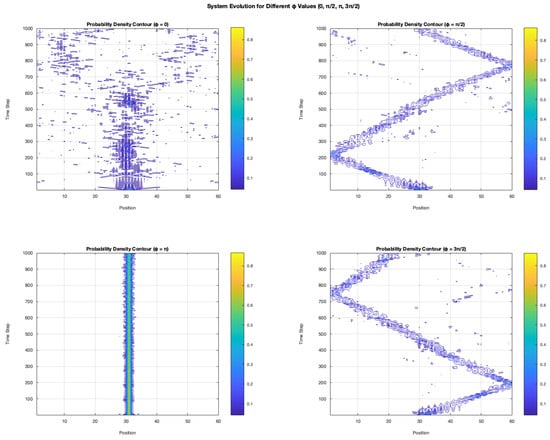
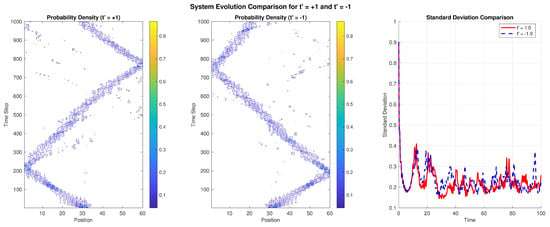
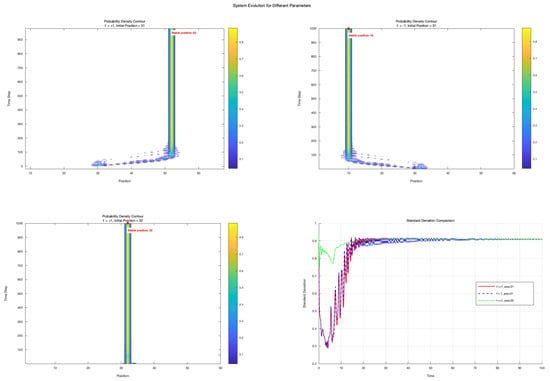
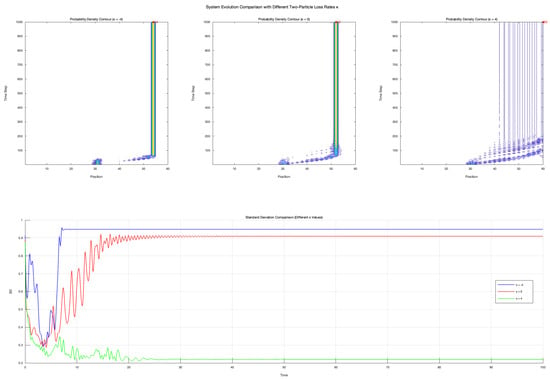
We investigate the dissipative dynamics of a one-dimensional sawtooth-shaped Bose–Hubbard model subjected to an external magnetic flux and staggered single-particle dissipation. By combining the Lindblad master equation with a mean-field decoupling and further reducing the dynamics to an effective three-site model, we derive the nonlinear evolution equations that govern the system. Our results reveal that the magnetic flux, acting through the next-nearest-neighbor hopping, determines the preferential direction of particle flow, while the imbalance in dissipation forces the steady-state population to accumulate at lattice sites with weaker loss. Furthermore, we find that two-particle dissipation accelerates the relaxation process when it becomes negative (i.e., gain), whereas positive two-particle loss suppresses localization. These findings demonstrate that directional localization and relaxation dynamics can be controlled by the sign of the next-nearest-neighbor hopping t′ and the magnetic phase, providing a tunable scheme for engineering dissipative quantum states in optical lattices.
Full article
(This article belongs to the Section Non-equilibrium Phenomena)
►▼
Show Figures

Figure 1
Open AccessArticle
ZOTMPo–INAR(1) Process: Entropy and Modeling of Epidemiological Count Time Series Data
by
Manik Awale, Shrirang Pund, Hassan S. Bakouch, Aishwarya Ghodake, Amira F. Daghestani and Souha K. Badr
Entropy 2026, 28(8), 889; https://doi.org/10.3390/e28080889 - 7 Aug 2026
Abstract
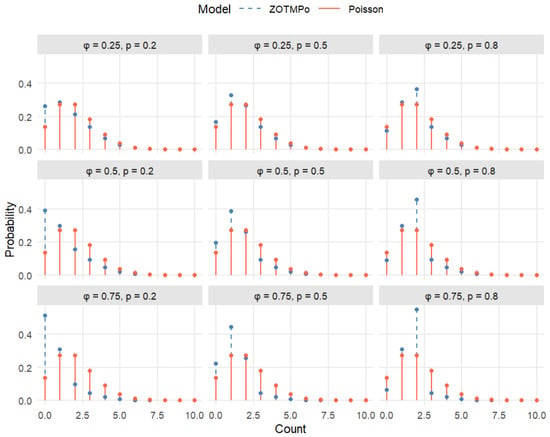
In this article, we propose a first-order integer-valued autoregressive (INAR(1)) model based on binomial thinning, in which the innovation sequence follows a zero–one–two-modified Poisson (ZOTMPo) distribution. The proposed model accommodates overdispersion and allows for inflation or deflation at low-count values, particularly at zero,
[...] Read more.
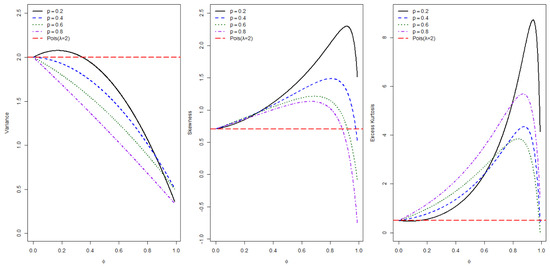
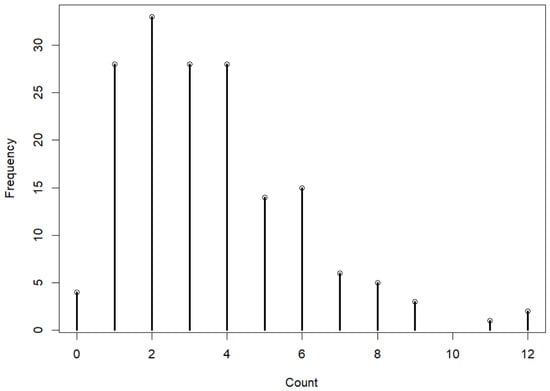
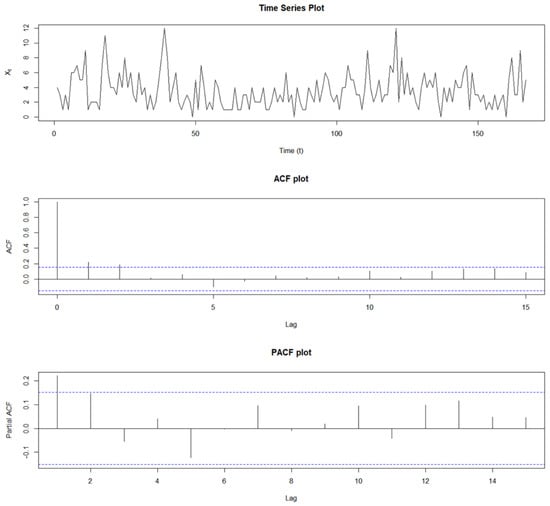
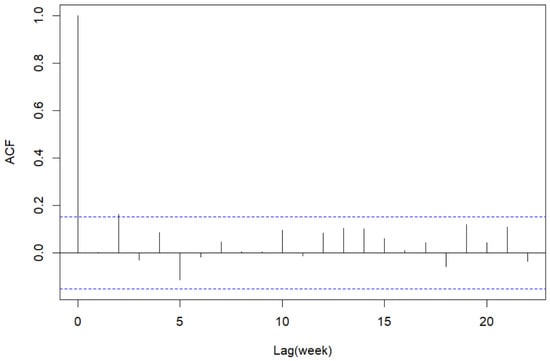
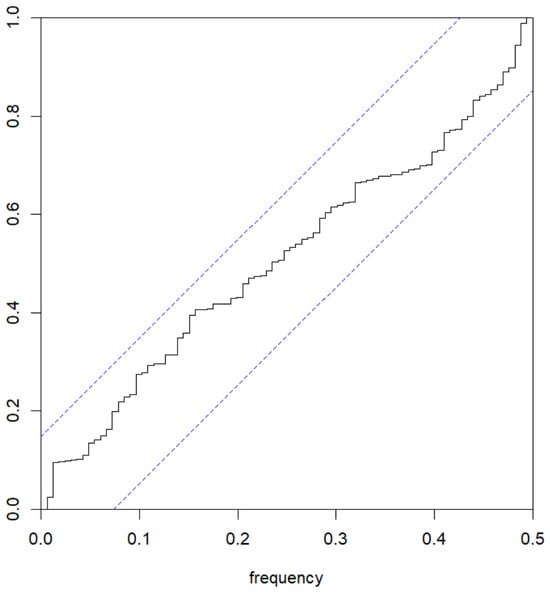
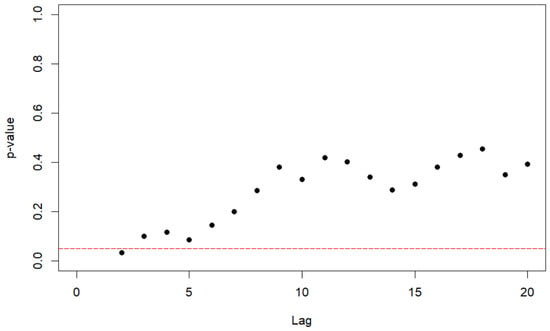
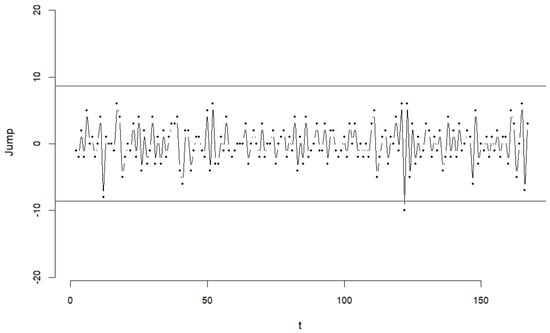
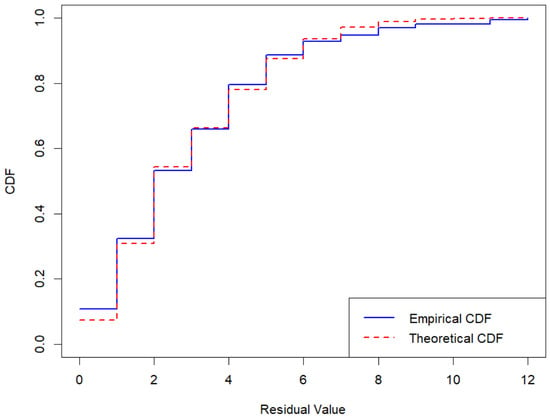
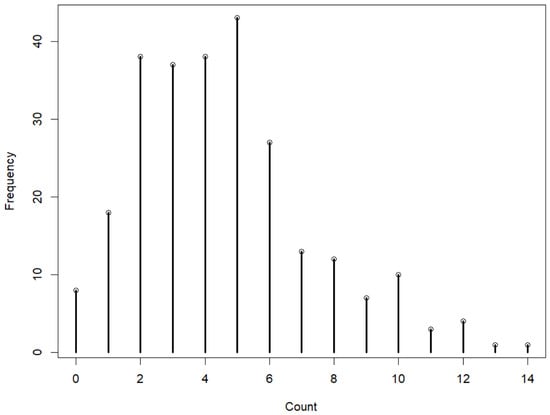
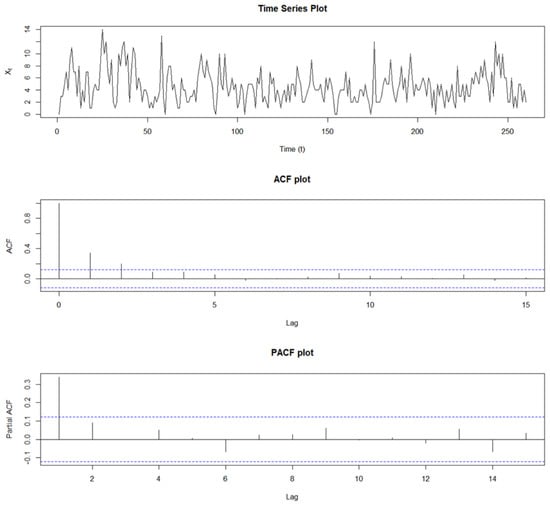
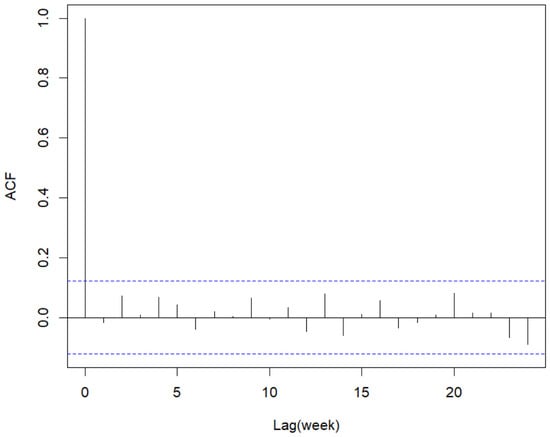
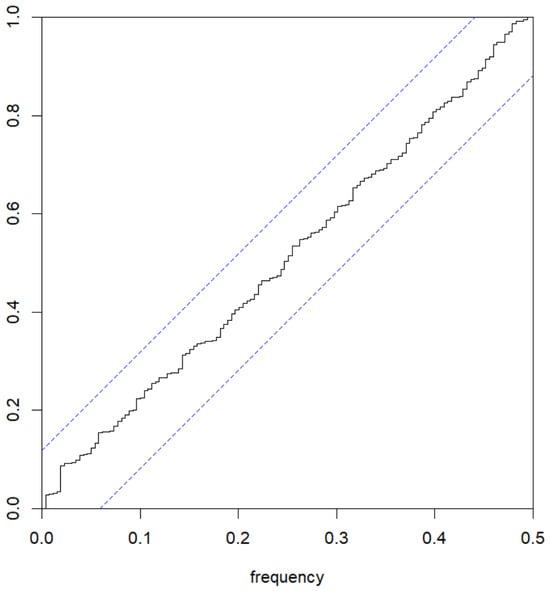
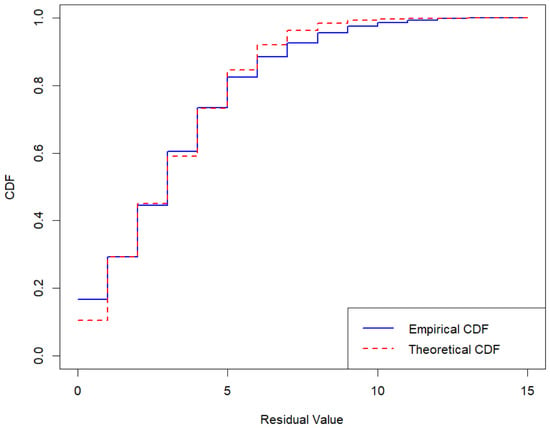
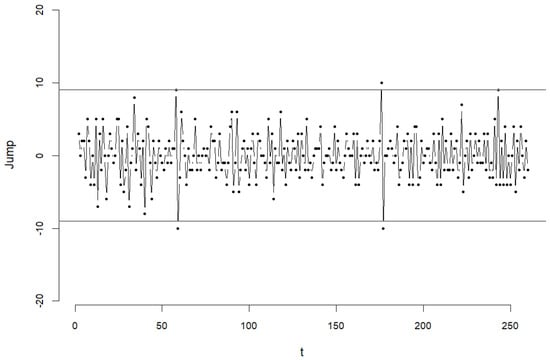
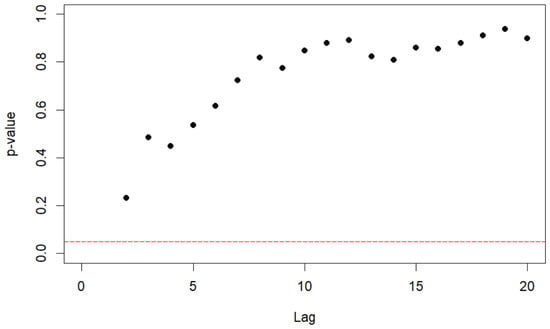
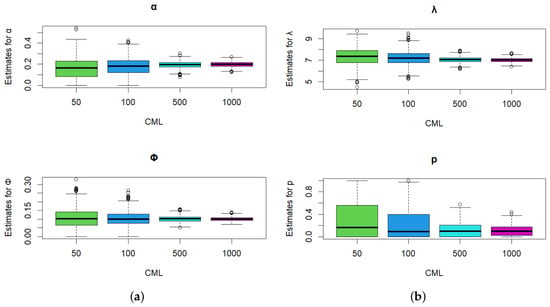
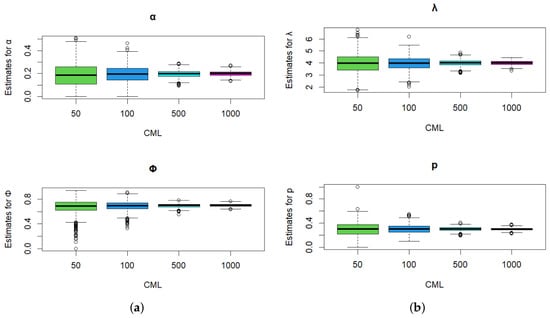
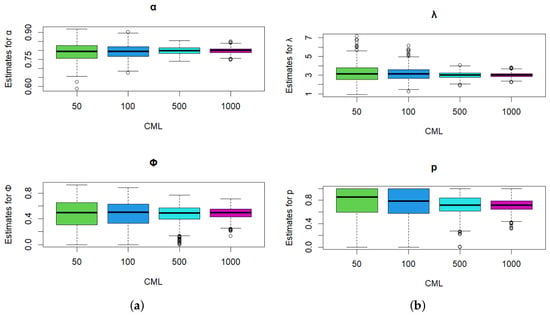
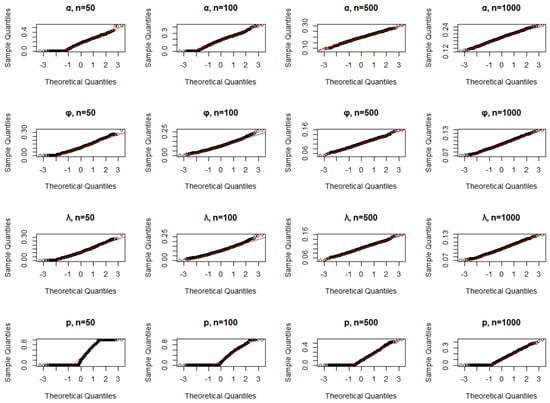
In this article, we propose a first-order integer-valued autoregressive (INAR(1)) model based on binomial thinning, in which the innovation sequence follows a zero–one–two-modified Poisson (ZOTMPo) distribution. The proposed model accommodates overdispersion and allows for inflation or deflation at low-count values, particularly at zero, one, and two, which are commonly observed in public health count time series. We derive the main probabilistic properties of the model and estimate the unknown parameters using the conditional maximum likelihood (CML) method. A Monte Carlo simulation study is conducted to evaluate the finite-sample performance of the estimators. Furthermore, we establish the information-theoretic properties of the model, specifically deriving the Shannon entropy and conditional entropy bounds to quantify the dynamical complexity and predictability of the stochastic process. The practical utility of the model is illustrated using two real-world datasets on dengue fever incidence and Escherichia coli (E. coli) enteritis. Model performance is assessed using standard information criteria and forecast accuracy measures, as well as the Euclidean distance between observed and fitted probabilities for zero, one, and two. Diagnostic checks, including analysis of residual autocorrelation, cumulative periodograms, and jump process behavior, provide further confirmation of the fitted model’s adequacy. The results indicate that the proposed ZOTMPo–INAR(1) model provides an effective framework for modeling overdispersed count time series with a modified low-count structure.
Full article
(This article belongs to the Special Issue Aspects of Social Dynamics: Models and Concepts)
►▼
Show Figures

Figure 1

Open AccessArticle
Performance Analysis and Optimization of a Venturi-Type Hydrogen–Natural Gas Mixer
by
Pinru Chen, Fengyun Li, Jun Zheng and Weiqing Xu
Entropy 2026, 28(8), 888; https://doi.org/10.3390/e28080888 - 6 Aug 2026
Abstract
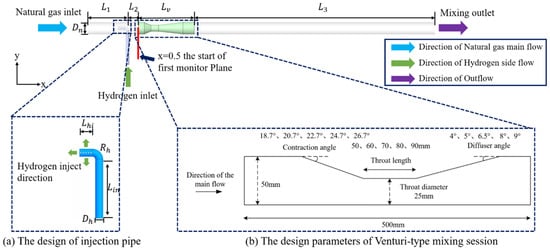
Blending hydrogen into existing natural-gas pipeline networks provides a practicable route toward future low-carbon applications. A Venturi-type mixer is a classical high-efficiency static gas-mixing device, and clarifying the effects of its structural parameters is important for efficient transport and downstream combustion stability. In
[...] Read more.
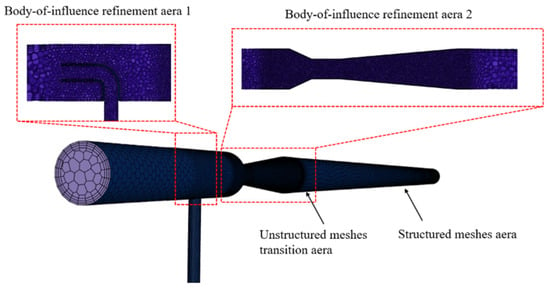
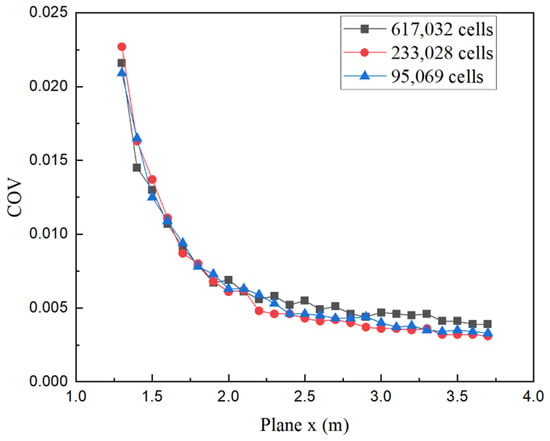
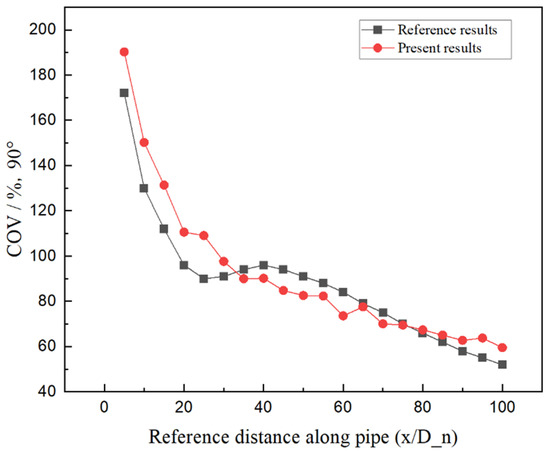
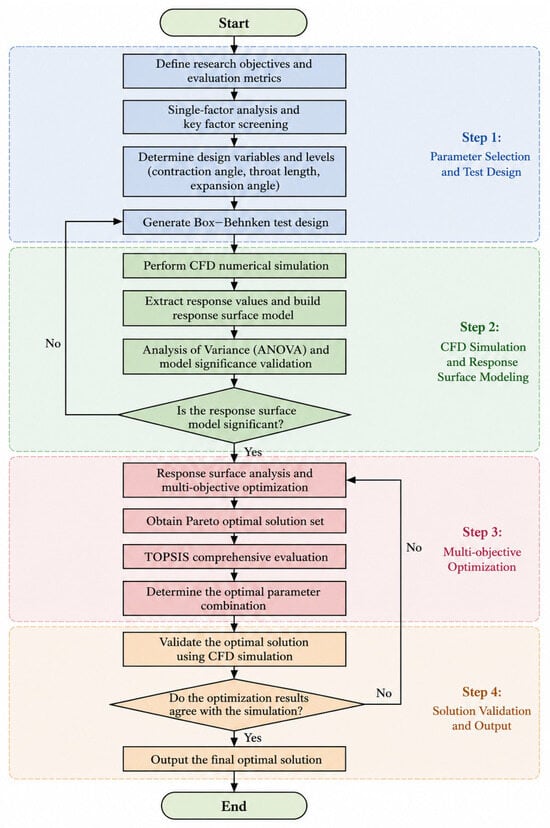
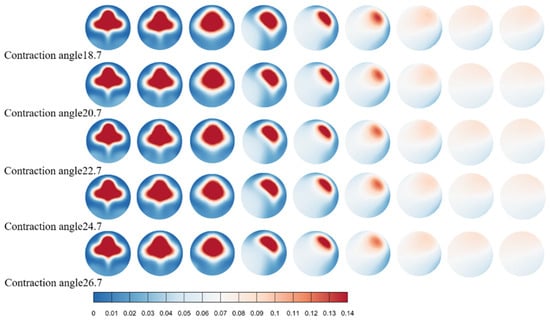
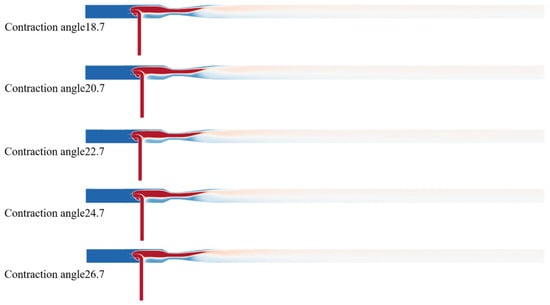
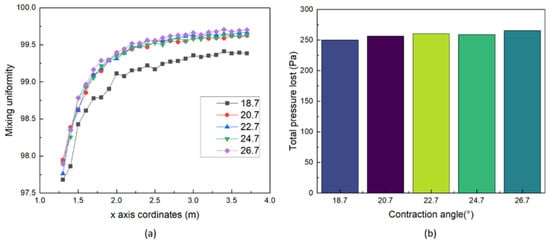
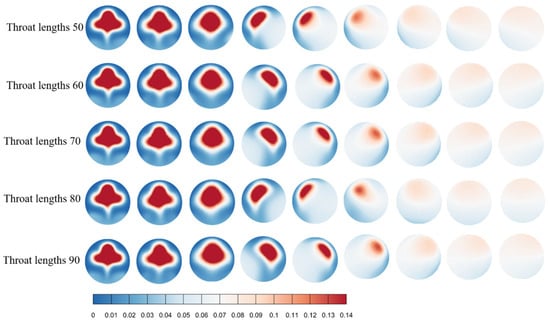
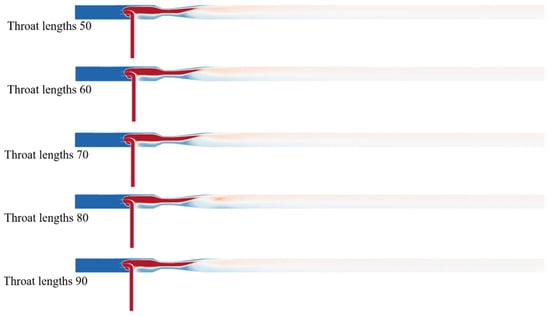
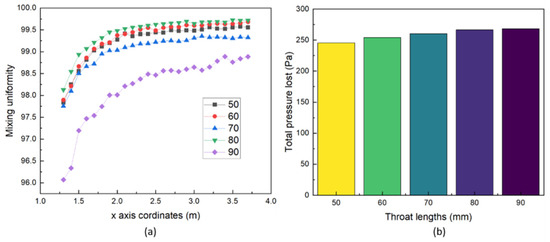
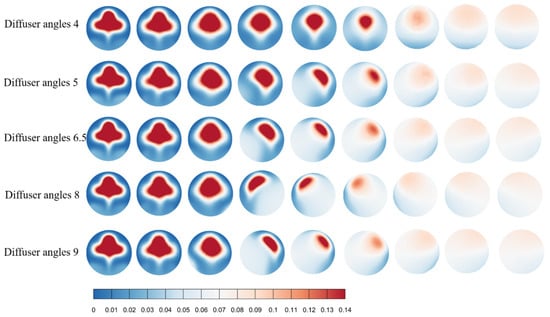
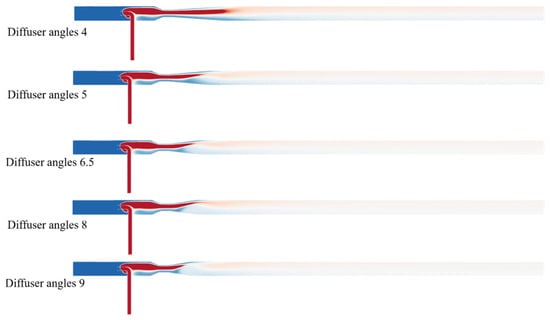
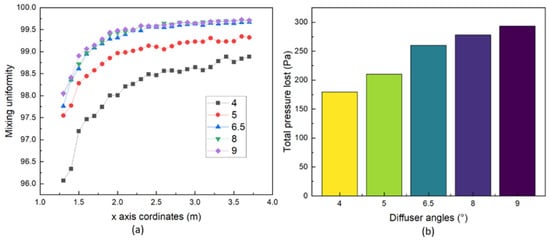
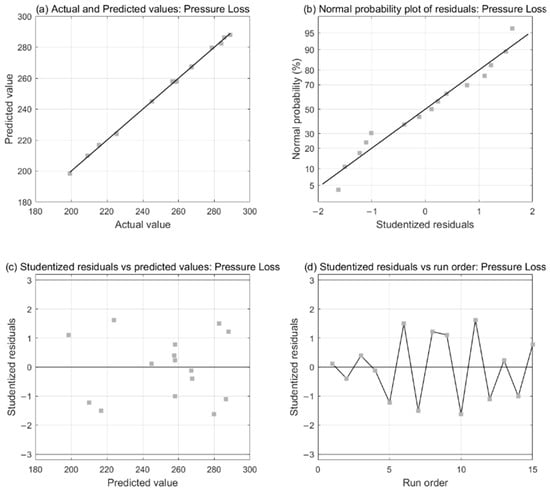
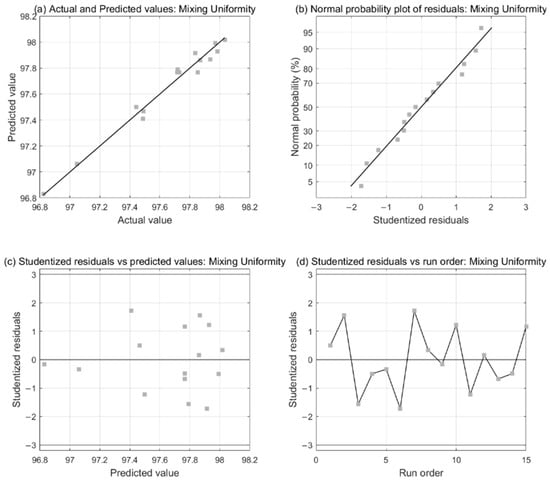
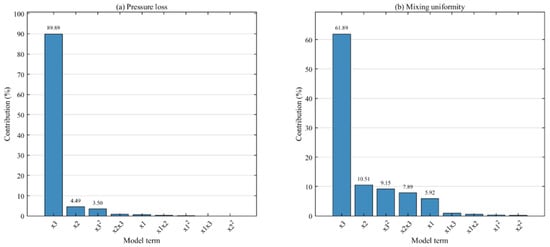
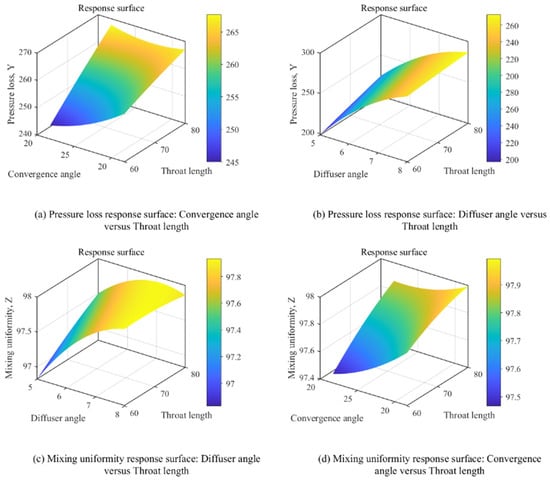
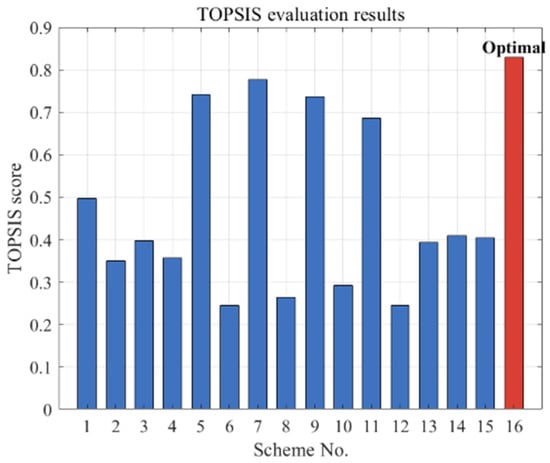
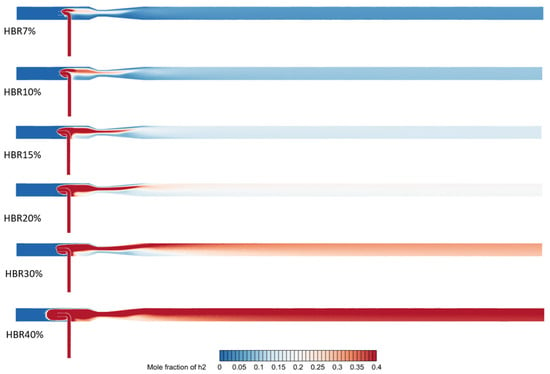
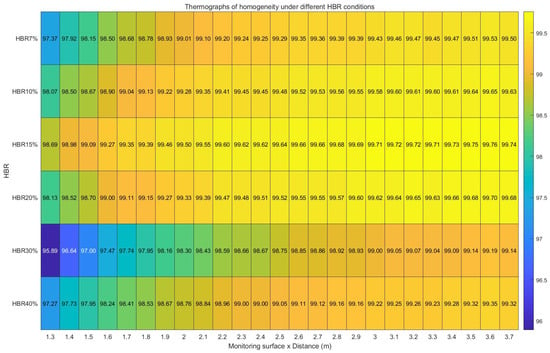
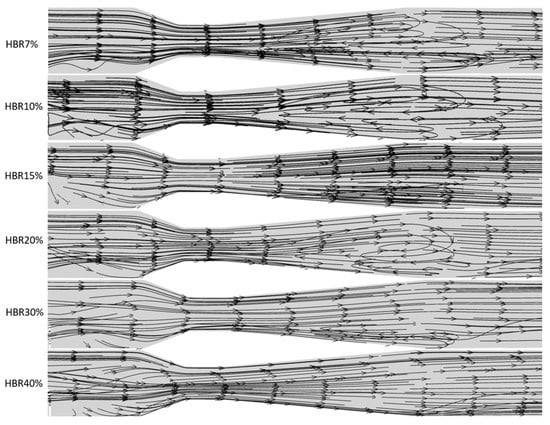
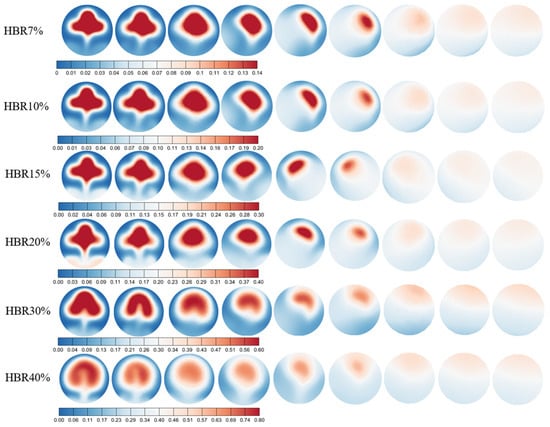
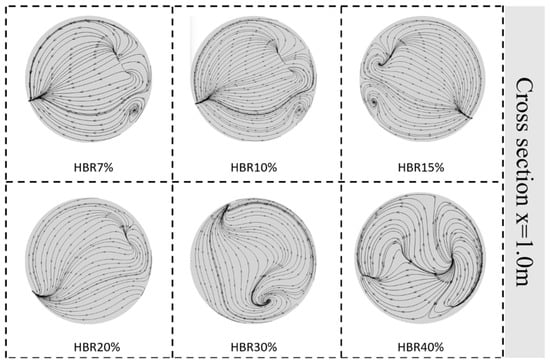
Blending hydrogen into existing natural-gas pipeline networks provides a practicable route toward future low-carbon applications. A Venturi-type mixer is a classical high-efficiency static gas-mixing device, and clarifying the effects of its structural parameters is important for efficient transport and downstream combustion stability. In this study, numerical simulations were performed in ANSYS Fluent 2024 R1. The contraction angle, throat length, and diffuser angle were selected as representative structural variables. First, the independent effects of these variables on the mixing process were examined through single-factor simulations. Then, three key levels of the three structural parameters were selected to establish a Box–Behnken experimental matrix for response-surface modeling. Based on the numerical results, entropy weighting and a genetic algorithm were used for multi-objective optimization, and the final solution was verified using the TOPSIS method. The results show that the optimized Venturi-type mixing device with optimized parameters of a contraction angle of 20.7°, a throat length of 60 mm, and a diffuser angle of 5° can reduce flow energy loss while maintaining high mixing uniformity. The diffuser angle is the dominant geometric parameter affecting both energy loss and mixing behavior. Compared with the reference central-point structure design, the overall TOPSIS score of the optimized structure increased from 0.41 to 0.82; the pressure loss decreased from 258.94 Pa to 206 Pa, corresponding to a reduction of approximately 20%; and the final-section mixing uniformity decreased only slightly, from 97.85% to 97.43%.
Full article
(This article belongs to the Section Multidisciplinary Applications)
►▼
Show Figures

Figure 1
Open AccessArticle
Transfer-Entropy- and Hawkes-Process-Driven Dynamic Measurement of Cross-Border Financial Risk Contagion in Directed, Weighted Networks
by
Lei An and Jinping Dai
Entropy 2026, 28(8), 887; https://doi.org/10.3390/e28080887 - 6 Aug 2026
Abstract
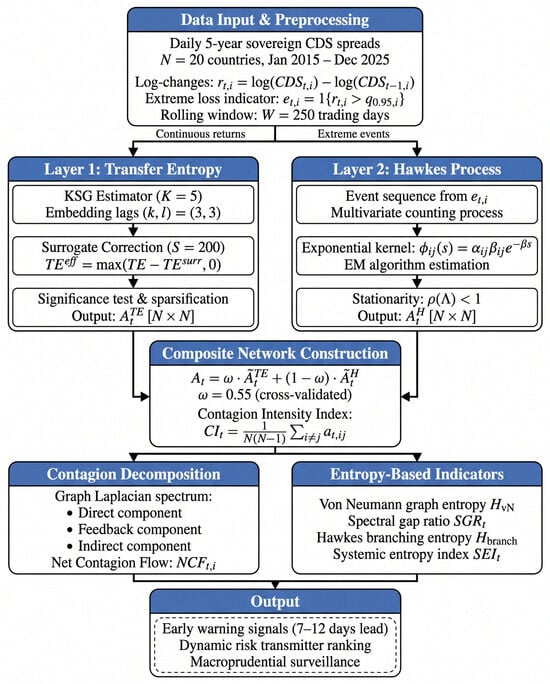
Quantifying the direction, strength and temporal clustering of cross-border financial risk contagion calls for methods that go beyond linear correlation. We suggest a two-layer framework that brings together transfer entropy and a multivariate Hawkes self-exciting point process on a time-varying, directed, weighted network.
[...] Read more.
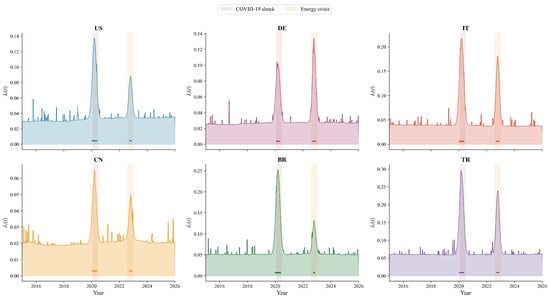
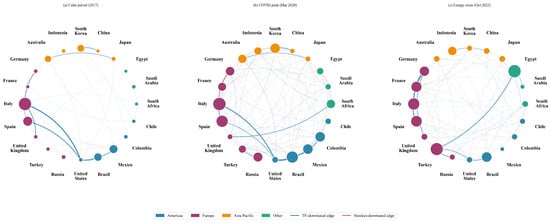
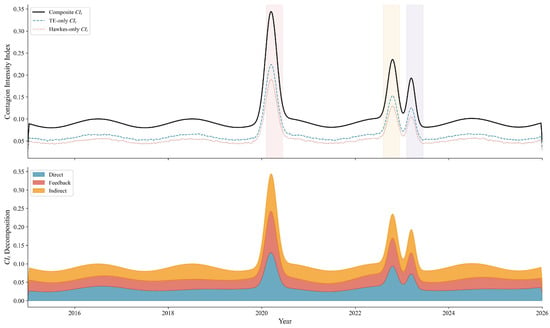
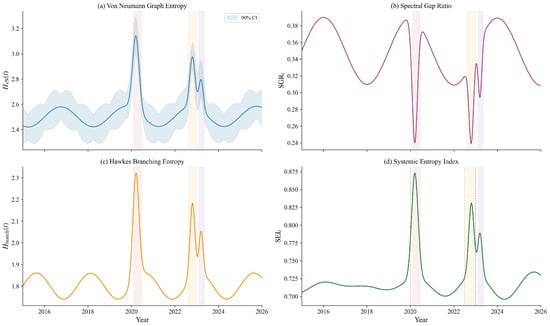
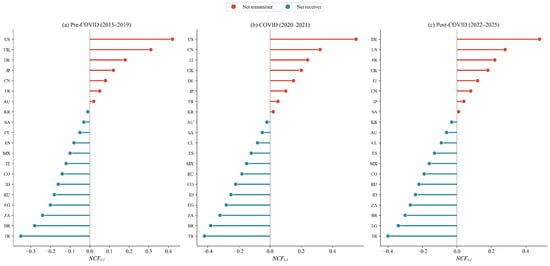
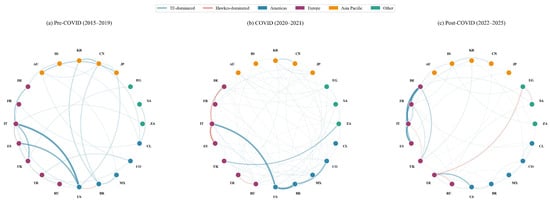
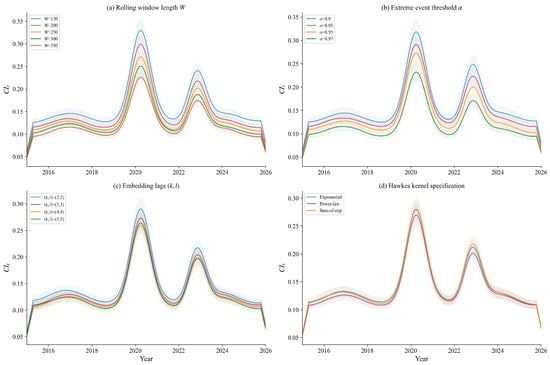
Quantifying the direction, strength and temporal clustering of cross-border financial risk contagion calls for methods that go beyond linear correlation. We suggest a two-layer framework that brings together transfer entropy and a multivariate Hawkes self-exciting point process on a time-varying, directed, weighted network. In the first layer, one-to-one transfer entropies of sovereign credit default swap spreads are estimated with a bias-corrected k nearest neighbour estimator, and this step detects nonlinear and directional information transfer between spreads. The second layer is a multivariate Hawkes process that models how extreme loss events arrive and mutually excite one another across countries, and it gives an excitation intensity matrix, encoding the way a tail event in one country raises the likelihood of an instantaneous hazard occurring in another. By merging these two layers, we obtain a composite, directed, weighted adjacency matrix in which the weights of the edges reflect both information flow and event clustering. We introduce a network-level contagion intensity index and split it into direct, indirect and feedback terms using the graph Laplacian spectrum. Von Neumann graph entropy together with the spectral gap ratio serve as entropy-based measures of the complexity and fragility of the evolving network. We validate the choice of Shannon-type entropy through a Tsallis q-sensitivity analysis, and we verify the nonlinear dependence structure of the data using BDS tests and maximal Lyapunov exponent estimates. Three empirical findings emerge from analysing 20 sovereign CDS markets from January 2015 to December 2025: (i) directional risk spillover signals derived based on transfer entropy are more timely than those derived from variance decomposition; (ii) the Hawkes excitation component amplifies measured contagion intensity by 35 to 58 percent during the COVID-19 shock and the 2022 European energy crisis relative to a transfer-entropy-only baseline; (iii) von Neumann graph entropy reaches historically extreme values 7 to 12 trading days before the peak drawdown in a Global Sovereign Bond Index. These results hold across rolling window lengths, significance thresholds, alternative entropy functionals and alternative Hawkes kernels.
Full article
(This article belongs to the Special Issue Entropy-Based Applications in Economics, Finance, and Management, 4th Edition)
►▼
Show Figures

Figure 1

Open AccessArticle
A Quantum Annealing Approach for Solving Optimal Feature Selection and Next Release Problems
by
Yuxuan Zhang, Shuchang Wang and Wei Yang
Entropy 2026, 28(8), 886; https://doi.org/10.3390/e28080886 - 6 Aug 2026
Abstract
Search-based software engineering (SBSE) tackles critical optimization problems in software engineering, including the next release problem (NRP) and feature selection problem (FSP). Traditional heuristic approaches and integer linear programming (ILP) methods work well for small- to medium-scale problems but face growing computational cost
[...] Read more.
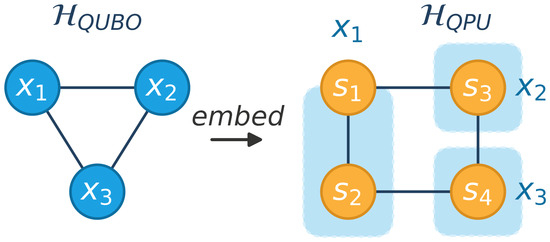
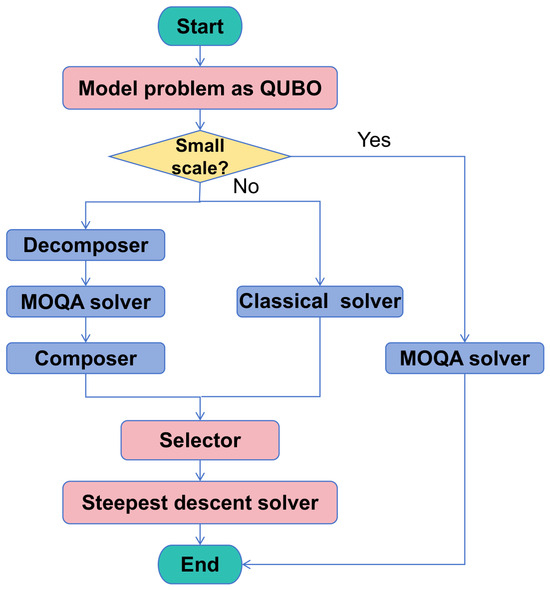
Search-based software engineering (SBSE) tackles critical optimization problems in software engineering, including the next release problem (NRP) and feature selection problem (FSP). Traditional heuristic approaches and integer linear programming (ILP) methods work well for small- to medium-scale problems but face growing computational cost as instances scale up. We investigate quantum annealing (QA) as an optimization subroutine for multi-objective SBSE problems. We propose two QA-based algorithms tailored to different problem scales. For small-scale problems, we reformulate multi-objective optimization (MOO) as single-objective optimization (SOO) using penalty-based mappings for quantum processing. For large-scale problems that exceed current hardware capacity, we employ a decomposition strategy guided by maximum energy impact (MEI) that partitions the problem into smaller sub-QUBOs, integrating QA with a steepest-descent method for local search. Applied to NRP and FSP, our approaches are benchmarked against the heuristic NSGA-II, IBEA, and MOEA/D, as well as the ILP-based -constraint method. The experimental results reveal that while our methods produce fewer non-dominated solutions than -constraint, they achieve substantial reductions in execution time. Compared to the evolutionary baselines, our methods achieve competitive solution quality with lower runtime on the instances that they can encode. The penalty-based QUBO formulation fails to reach feasible regions on constraint-dense FSP instances, limiting the current applicability of the approach. QA is a promising but still hardware-limited component for multi-objective SBSE workflows, rather than a wholesale replacement for classical solvers.
Full article
(This article belongs to the Special Issue Quantum Information and Quantum Computation)
►▼
Show Figures

Figure 1
Open AccessEditorial
Recent Advances in High-Entropy Alloys
by
Hui Xu
Entropy 2026, 28(8), 885; https://doi.org/10.3390/e28080885 - 5 Aug 2026
Abstract
Over the past two decades, high-entropy alloys (HEAs) have revolutionized the traditional alloy design paradigm dominated by a single primary base element [...]
Full article
(This article belongs to the Special Issue Recent Advances in High Entropy Alloys)
Open AccessArticle
Conditional Information-Bottleneck Graph Clustering for Structured Representation Learning in Dynamic Vehicular ISAC Networks
by
Yiyang Wu and Hongqiu Zhu
Entropy 2026, 28(8), 884; https://doi.org/10.3390/e28080884 - 5 Aug 2026
Abstract
Dynamic vehicular integrated sensing and communication (ISAC) requires representations that remain compact, decision-relevant, and structurally stable as mobility rewires interference and sensing relations. This paper presents IC-GMRO, a conditional information-bottleneck graph-clustering framework for structured representation learning in multi-agent resource optimization. At each control
[...] Read more.
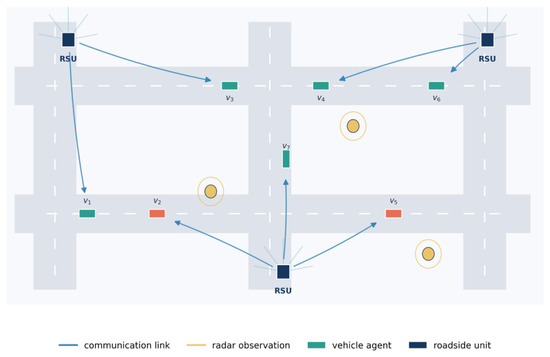
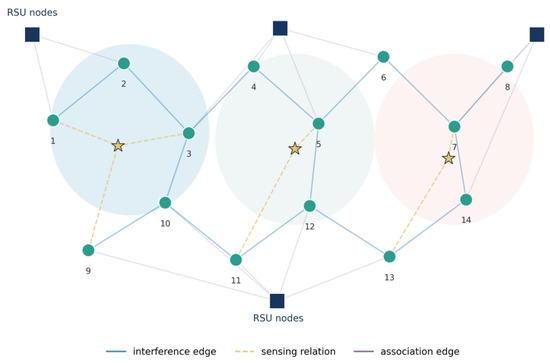
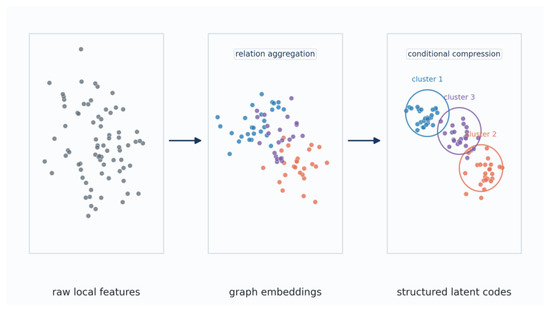
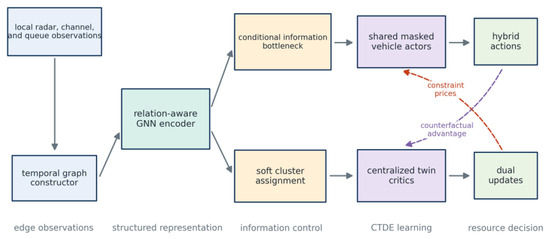
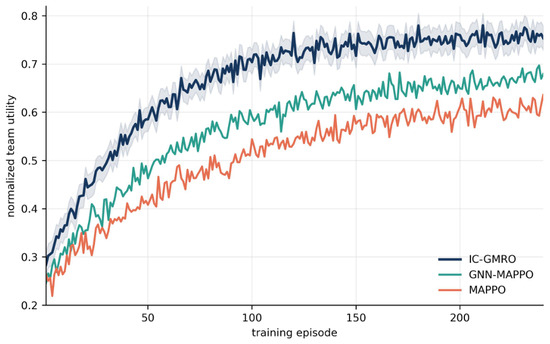
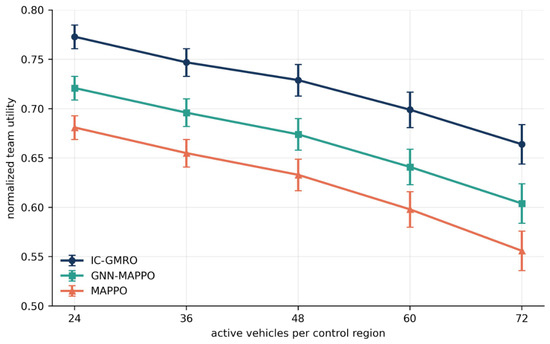
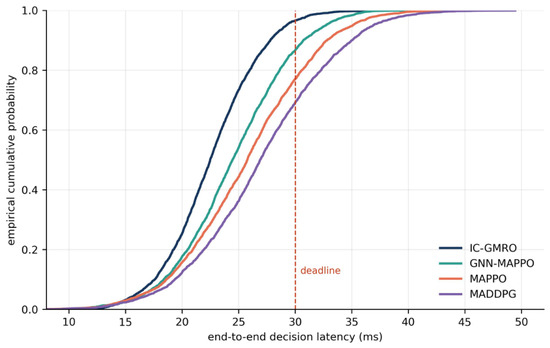
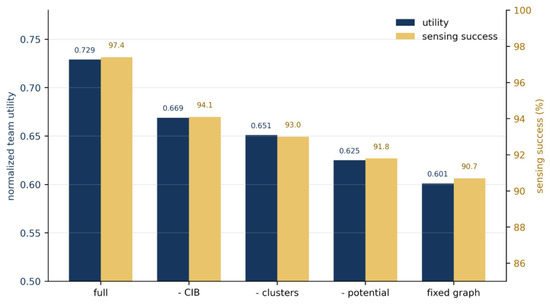
Dynamic vehicular integrated sensing and communication (ISAC) requires representations that remain compact, decision-relevant, and structurally stable as mobility rewires interference and sensing relations. This paper presents IC-GMRO, a conditional information-bottleneck graph-clustering framework for structured representation learning in multi-agent resource optimization. At each control epoch, vehicles, roadside units, targets, and typed interactions form a temporal heterogeneous graph. A context-conditioned variational bottleneck suppresses nuisance variation while retaining action-relevant information; balanced soft graph clusters then convert the latent space into reusable coordination codes. Feasibility-masked policies jointly select association, beam, resource block, transmit power, and sensing-time ratio. The analysis distinguishes representation-level information guarantees from the idealized potential and projected-dual arguments used only to motivate the practical neural updates. Controlled simulations and component ablations show improved utility, sensing success, latency robustness, and cross-density robustness relative to greedy, flat, and graph-only baselines.
Full article
(This article belongs to the Special Issue Information-Theoretic Principles for Advanced Clustering and Structured Representation Learning)
►▼
Show Figures

Figure 1
Open AccessArticle
Inverse-Probability-Weighted Wavelet Estimation of Regression Derivatives Under Missing-at-Random Responses for Stationary Ergodic Processes
by
Salim Bouzebda and Sultana Didi
Entropy 2026, 28(8), 883; https://doi.org/10.3390/e28080883 - 5 Aug 2026
Abstract
We consider the estimation of partial derivatives of multivariate regression-type functionals from incomplete observations generated by a discrete-time strictly stationary ergodic process. The response variable is subject to a missing-at-random (MAR) mechanism, whereas the covariates are fully observed. Building upon the complete-data wavelet
[...] Read more.
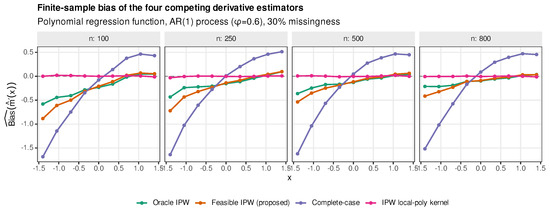
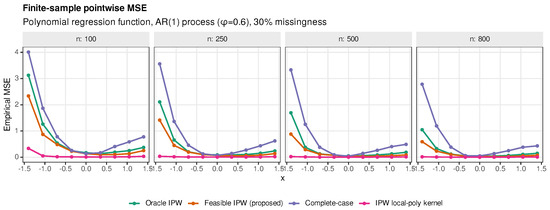
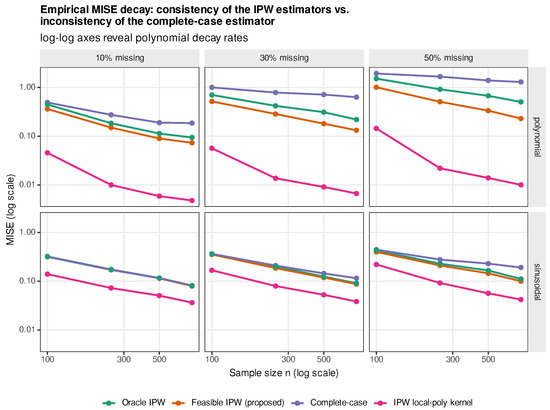
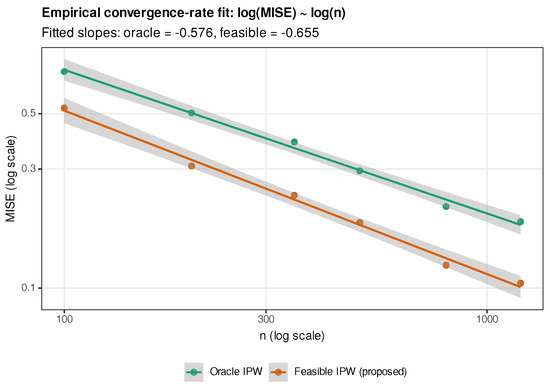
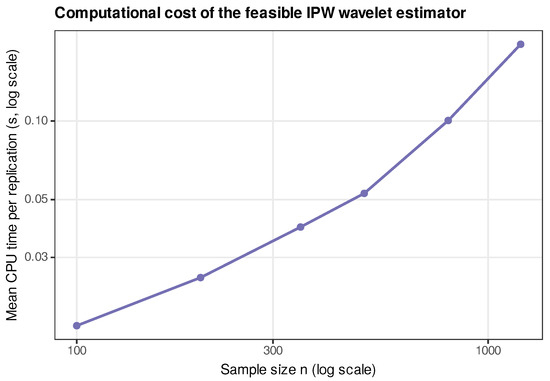
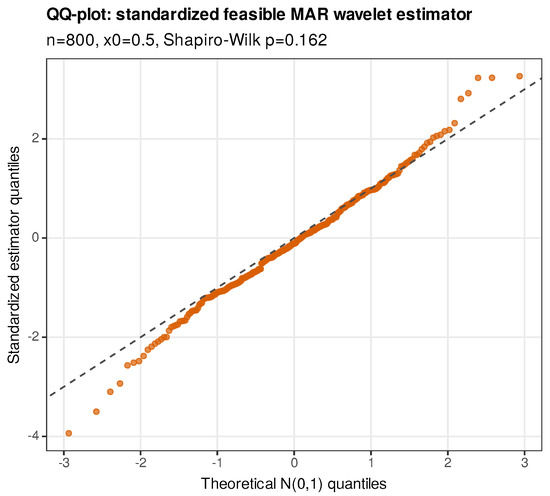
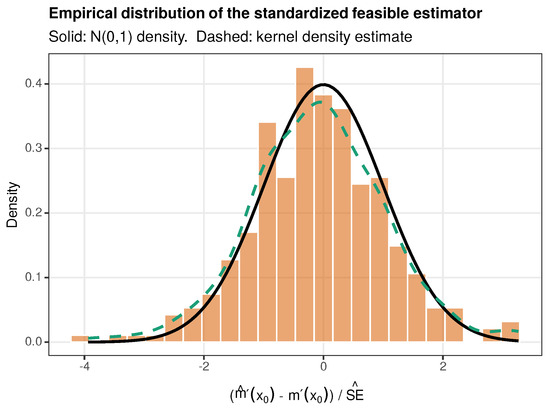
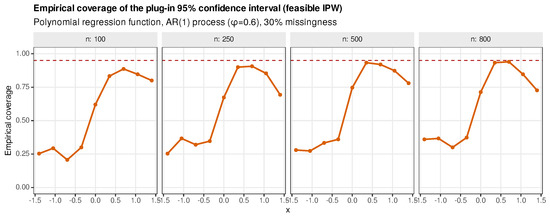
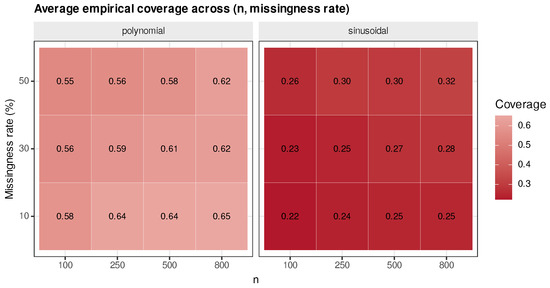
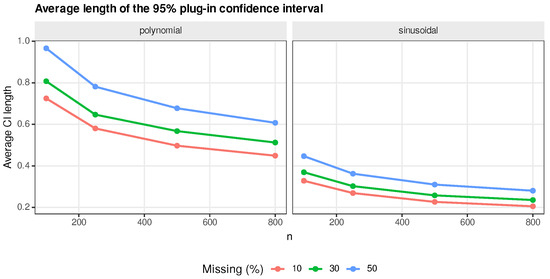
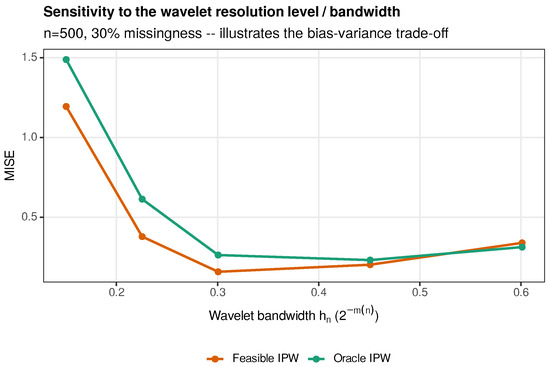
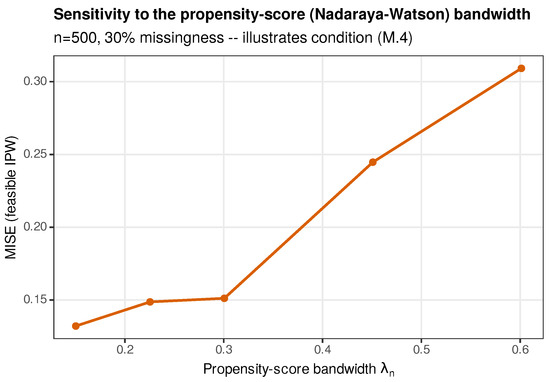
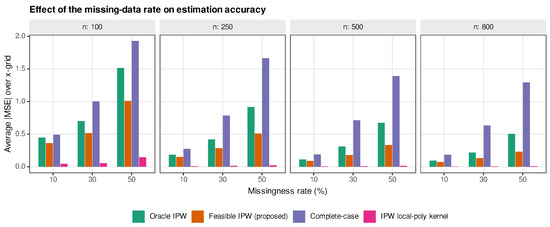
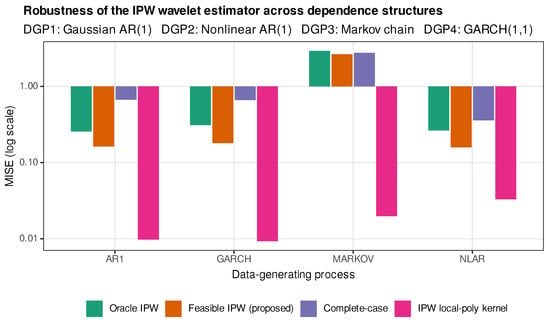
We consider the estimation of partial derivatives of multivariate regression-type functionals from incomplete observations generated by a discrete-time strictly stationary ergodic process. The response variable is subject to a missing-at-random (MAR) mechanism, whereas the covariates are fully observed. Building upon the complete-data wavelet methodology developed in Didi and Bouzebda (2025), we construct inverse-probability-weighted empirical wavelet estimators that compensate for the selection bias induced by missing responses. When the propensity score is unknown, a feasible estimator is obtained by replacing the oracle weights with a nonparametric Nadaraya–Watson estimator. The analysis is carried out under stationary ergodicity without imposing mixing assumptions. The estimation error is decomposed into three analytically distinct components: the deterministic multiresolution approximation error, the stochastic fluctuation of the oracle inverse-probability-weighted estimator, and the additional error arising from propensity score estimation. This decomposition makes it possible to isolate the respective effects of approximation, dependence, and missingness within a unified asymptotic framework. Under explicit assumptions on the multiresolution approximation, missingness mechanism, conditional density stabilization, moment conditions, and accuracy of the propensity estimator, we establish non-asymptotic integrated mean squared error bounds together with their asymptotic rates. We further prove almost-sure uniform consistency over compact subsets of the interior of the support and derive a pointwise central limit theorem for both the oracle and feasible estimators. The limiting variance explicitly reflects the information loss induced by inverse probability weighting, and for general orthogonal projection kernels is formulated under the corresponding dyadic-phase condition. The general methodology is specialized to the estimation of first- and second-order derivatives of ordinary regression functions. A finite-sample simulation study investigates the empirical behavior of the proposed estimators under stationary ergodic dependence and MAR missingness, examines the influence of both the wavelet resolution level and the propensity-score bandwidth, evaluates the finite-sample performance of the asymptotic confidence intervals, and compares the proposed procedure with oracle, complete-case, and competing nonparametric estimators. The numerical results are consistent with the theoretical analysis and illustrate the respective contributions of wavelet approximation, inverse probability weighting, and propensity score estimation to the overall estimation error. When the propensity score is identically equal to one, the proposed methodology reduces to the corresponding complete-data wavelet estimator.
Full article
(This article belongs to the Section Information Theory, Probability and Statistics)
►▼
Show Figures

Figure 1

Open AccessArticle
Finite-Resolution Information from Collision Statistics
by
Alexander J. Gates
Entropy 2026, 28(8), 882; https://doi.org/10.3390/e28080882 - 5 Aug 2026
Abstract
►▼
Show Figures
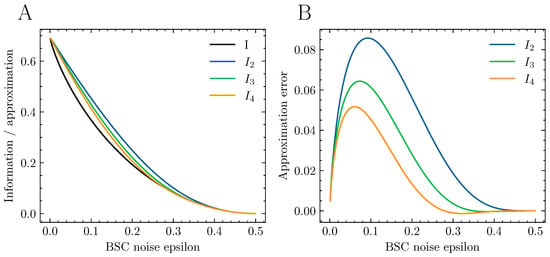
Collision statistics provide a finite-resolution view of information by measuring how often independent samples fall on the same state and form the basis of integer-order Rényi entropies. Here, we use low-order Rényi entropies to characterize finite-resolution approximations to Shannon entropy and mutual information.
[...] Read more.
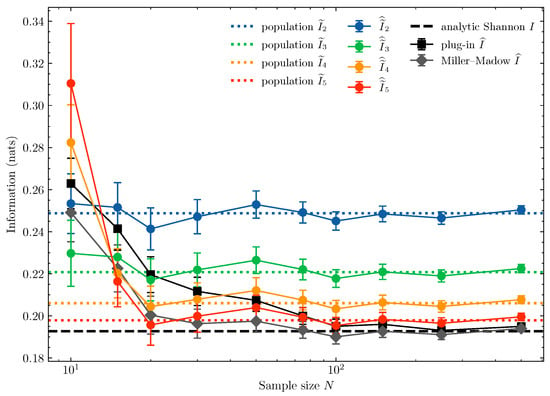
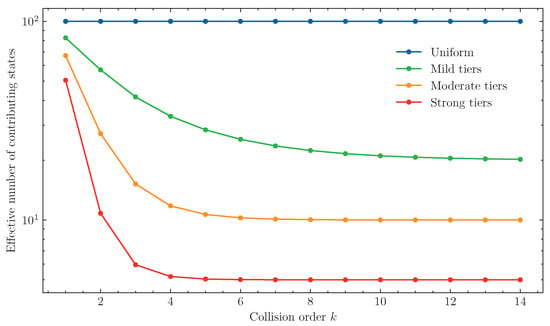
Collision statistics provide a finite-resolution view of information by measuring how often independent samples fall on the same state and form the basis of integer-order Rényi entropies. Here, we use low-order Rényi entropies to characterize finite-resolution approximations to Shannon entropy and mutual information. Specifically, we determine what population information is captured by finite collision moments, we quantify how the resulting targets differ from their Shannon counterparts, and we analyze how accurately they can be estimated from finite samples. We use the interpolation remainder to identify structural approximation error induced by extrapolating from integer-order Rényi entropies to the Shannon point. We separate this deterministic error from finite-sample estimation error: increasing sample size improves estimation of a finite-resolution target but does not eliminate its deterministic difference from Shannon entropy or mutual information. Finally, we show that finite collision moments do not generally identify Shannon entropy, and that increasing collision order shifts sensitivity toward high-probability events. Our numerical experiments illustrate the approximation–estimation trade-off and evaluate collision-based approximations alongside plug-in and Miller–Madow estimators. Together, these results provide a principled way to use low-order coincidence structure as finite-resolution information, while making explicit what finite collision moments can and cannot reveal about Shannon entropy and mutual information.
Full article

Figure 1
Open AccessArticle
Hybrid Quantile-Expectile Error Layers for Technical-Efficiency Recovery in Stochastic Frontier Analysis
by
Shengming Wang, Yunquan Song and Juan Yu
Entropy 2026, 28(8), 881; https://doi.org/10.3390/e28080881 - 5 Aug 2026
Abstract
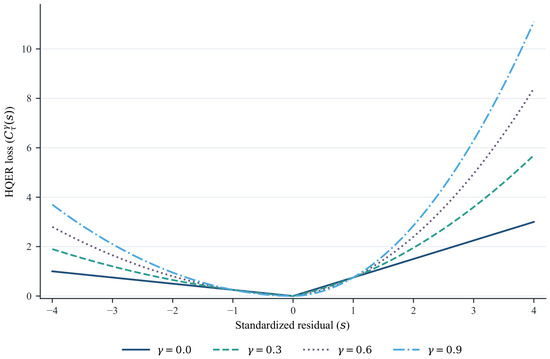
This paper develops and evaluates HQER-SFA, a likelihood-based stochastic frontier specification that embeds a hybrid quantile-expectile error layer into the bilateral noise component while preserving the standard one-sided inefficiency structure. The model nests Quantile-SFA when and extends it by normalizing
[...] Read more.
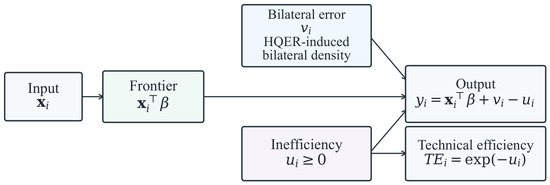
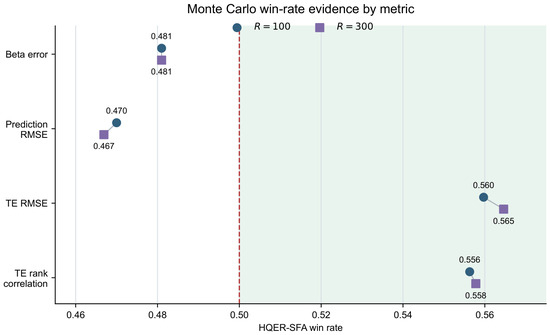
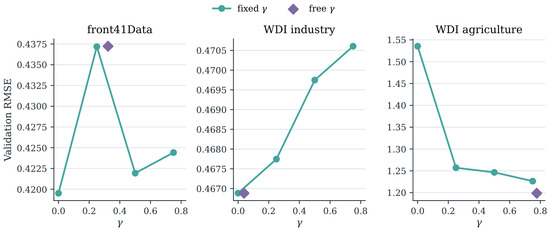
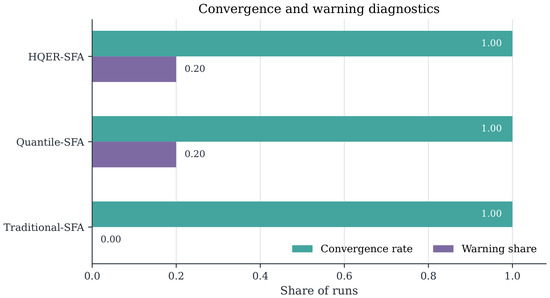
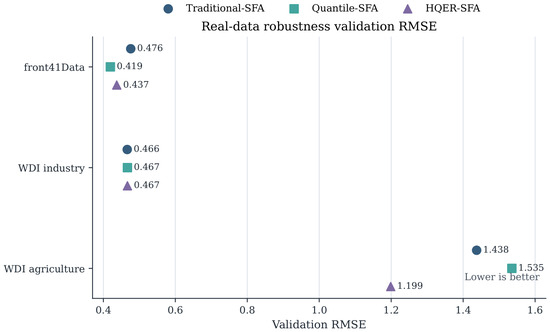
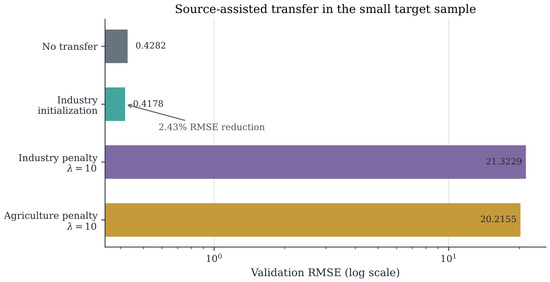
This paper develops and evaluates HQER-SFA, a likelihood-based stochastic frontier specification that embeds a hybrid quantile-expectile error layer into the bilateral noise component while preserving the standard one-sided inefficiency structure. The model nests Quantile-SFA when and extends it by normalizing the hybrid loss into a proper bilateral error density, so that likelihood inference, residual decomposition, and technical-efficiency recovery remain in a unified stochastic-frontier framework. We compare HQER-SFA with Traditional-SFA and Quantile-SFA using three processed production modules, Monte Carlo parameter-inversion experiments, an expanded robustness design, sensitivity and ablation checks, convergence diagnostics, and a source-assisted small-sample extension. The results demonstrate clear gains for technical-efficiency recovery: in the design, HQER-SFA attains win rates of 0.5646 for technical-efficiency RMSE and 0.5578 for technical-efficiency rank correlation, and the agricultural module shows the strongest real-data improvement under the flexible bilateral error layer. The source-assisted analysis further shows that same-domain initialization improves small-sample validation RMSE by about 2.43%, while excessive source-centered penalties should be controlled. Overall, HQER-SFA provides an interpretable and computationally feasible extension for technical-efficiency recovery, especially when bilateral noise is asymmetric, tail-sensitive, or heterogeneous across production modules.
Full article
(This article belongs to the Section Information Theory, Probability and Statistics)
►▼
Show Figures

Figure 1
Open AccessArticle
IdentifyingInfluential Nodes in Complex Networks Based on the Integration of Smallest-Cycle and Non-Smallest-Cycle Features
by
Fu Tan, Xiaolong Chen, Ruijie Wang, Chi Huang and Shimin Cai
Entropy 2026, 28(8), 880; https://doi.org/10.3390/e28080880 - 5 Aug 2026
Abstract
In complex network analysis, the identification of influential nodes is a fundamental issue, which is closely related to the structural robustness of the network and the dynamics of propagation processes. Current research primarily focuses on mesoscale features based on the smallest cycles or
[...] Read more.
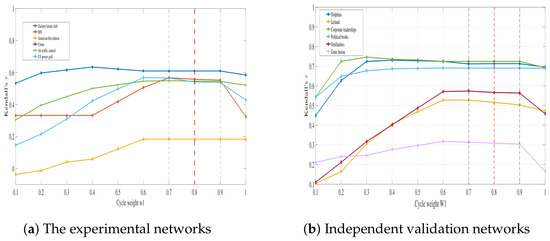
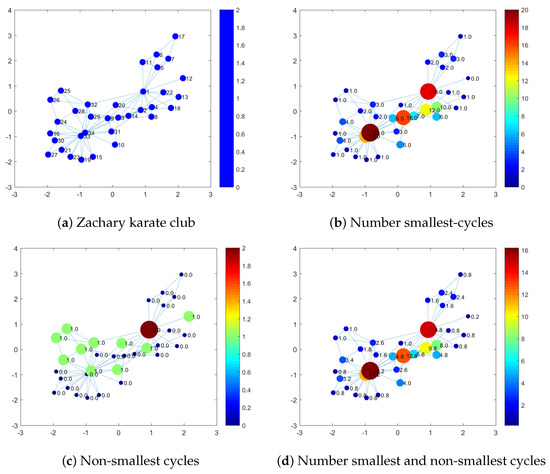
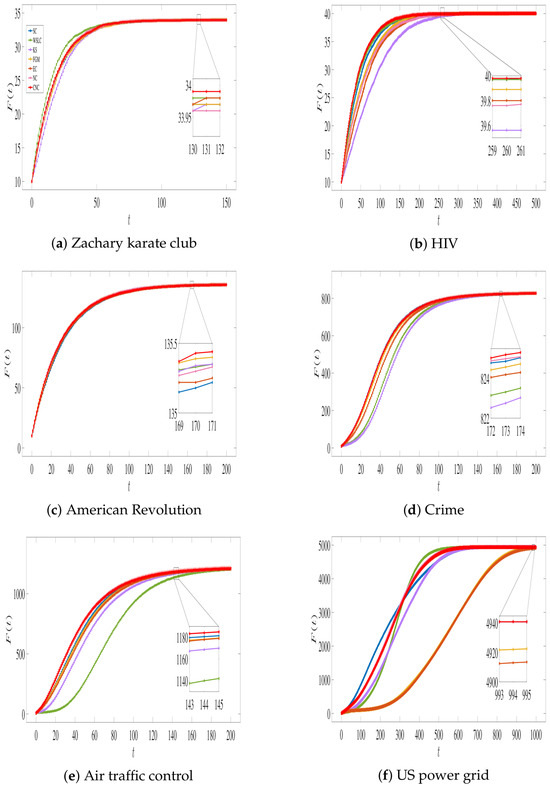
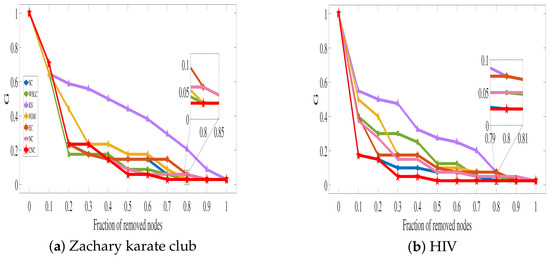
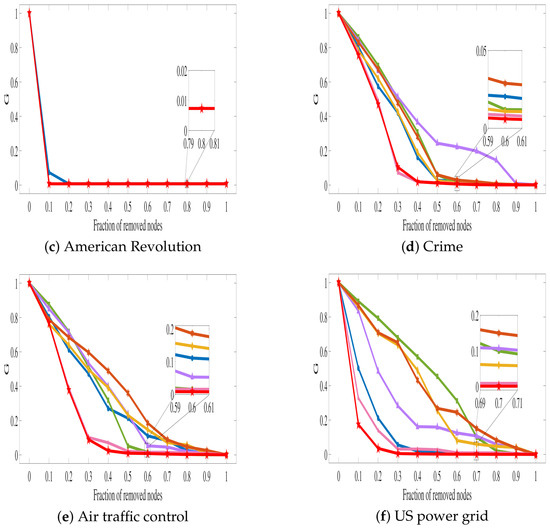
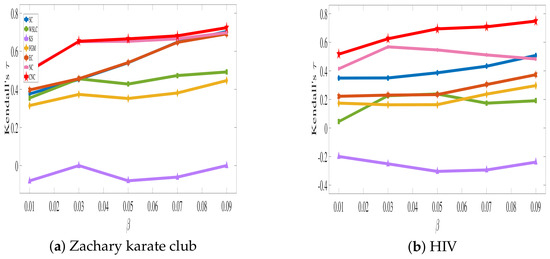
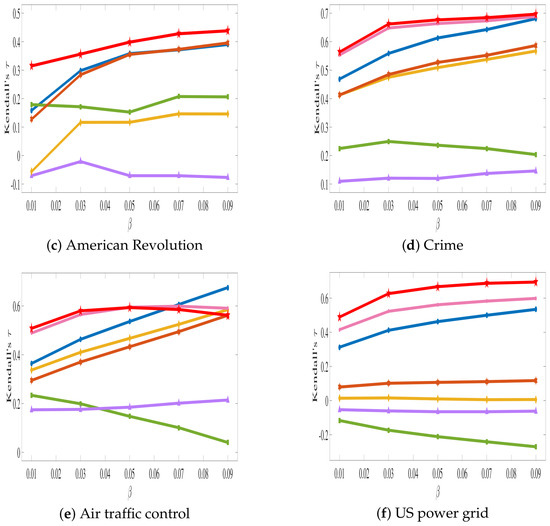
In complex network analysis, the identification of influential nodes is a fundamental issue, which is closely related to the structural robustness of the network and the dynamics of propagation processes. Current research primarily focuses on mesoscale features based on the smallest cycles or local features derived from star-shaped structures. However, the role of neighboring nodes that are connected to a given node but do not participate in its smallest cycles remains underexplored in network analysis. To address this issue, this paper proposes a hybrid centrality measure that integrates information from both smallest-cycle structures and non-smallest-cycle structures associated with each target node. The smallest-cycle structures considered in this method are identified only within the imposed local search range and do not necessarily correspond to the true smallest cycles in the full graph. Specifically, the extent of a node’s involvement in mesoscale structures is characterized by the number of the smallest cycles it participates in, while its local structural heterogeneity is represented by the number of neighboring nodes connected to it that do not belong to any smallest cycles. These two aspects are then unified into a single node importance metric through a weighted integration strategy. This paper evaluates node importance from multiple perspectives, including propagation capability analysis based on the SI model, network robustness testing through node attack simulations, and ranking accuracy assessment using Kendall correlation coefficient. The experimental results demonstrate that the proposed method achieves competitive or superior performance compared with the selected baseline methods under the experimental settings considered in this work. The findings indicate that integrating smallest-cycle and non-smallest-cycle features provides a more comprehensive characterization of a node’s role in complex networks. This study offers a novel perspective on the integration of multi-scale structural information in complex networks and presents an effective new approach for the identification of important nodes.
Full article
(This article belongs to the Special Issue Analysis of Critical Behavior in Complex Systems)
►▼
Show Figures

Figure 1

Open AccessArticle
On the Entropic Characterization of Mayonnaise Processing
by
Lijesh Koottaparambil, Roger A. Miller and Michael M. Khonsari
Entropy 2026, 28(8), 879; https://doi.org/10.3390/e28080879 - 5 Aug 2026
Abstract
Mayonnaise is a high-viscosity food emulsion whose consistency evolves during shearing due to structural rearrangement and possible emulsion destabilization. This study presents a laboratory-scale proof-of-concept for adapting an established motor current-derived accumulated entropy generation (AEG) framework as a thermodynamic descriptor for monitoring mayonnaise
[...] Read more.
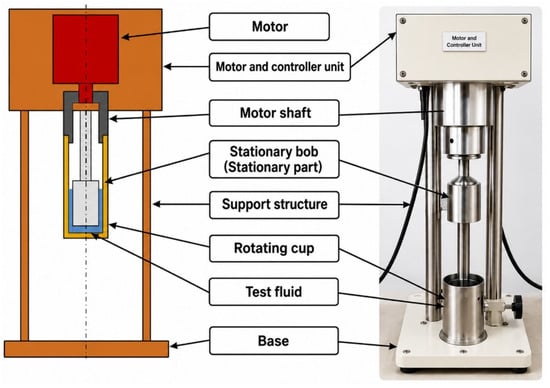
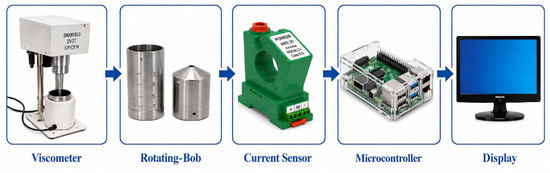
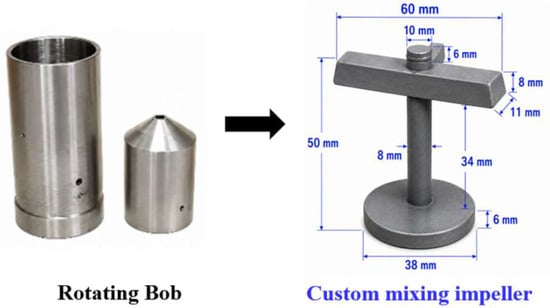
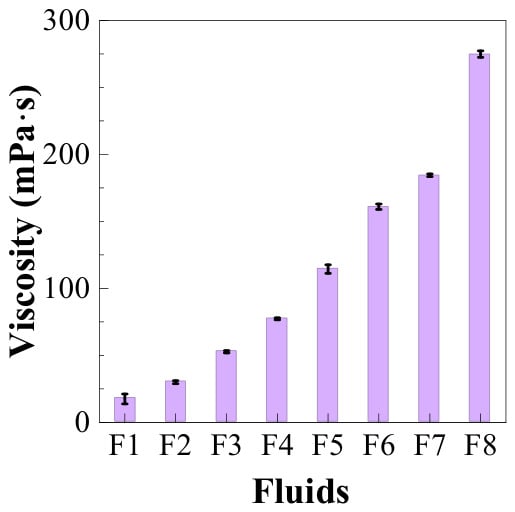
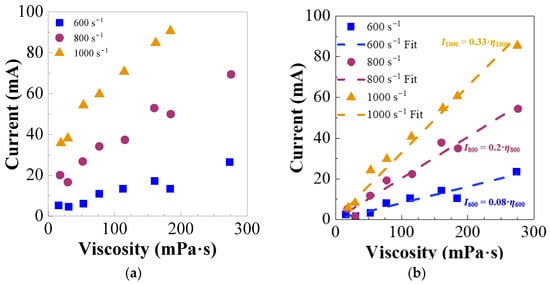
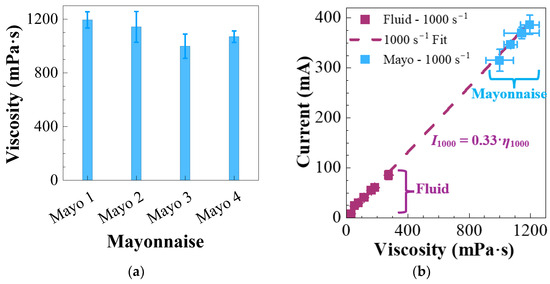
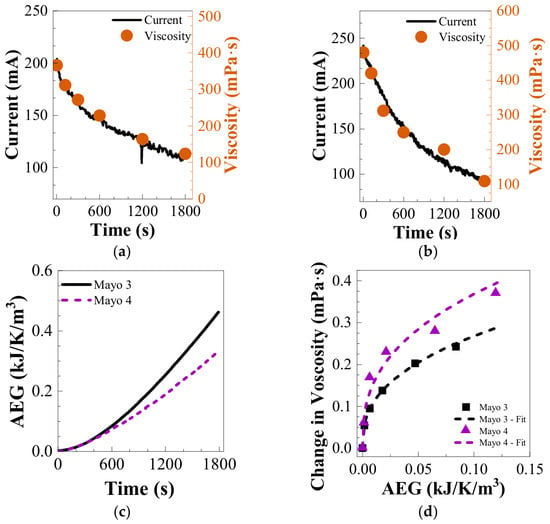
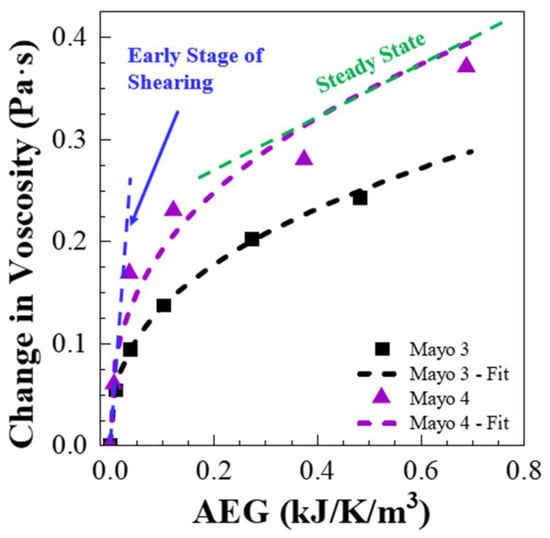
Mayonnaise is a high-viscosity food emulsion whose consistency evolves during shearing due to structural rearrangement and possible emulsion destabilization. This study presents a laboratory-scale proof-of-concept for adapting an established motor current-derived accumulated entropy generation (AEG) framework as a thermodynamic descriptor for monitoring mayonnaise structure changes. First, eight reference fluids were tested using a rotating-bob viscometer at shear rates of 600, 800, and 1000 s−1 to establish the relationship between viscosity and motor current. The corrected current response showed a strong linear correlation with viscosity. The approach was then extended to commercially available mayonnaise samples. Due to the higher viscosity and structured nature of mayonnaise, testing was performed at 1000 s−1, where stable shearing could be achieved. A modified impeller-based viscometer setup was used to continuously shear the mayonnaise and monitor the motor current in situ, while rheometer measurements were performed independently to validate the corresponding viscosity changes during shearing. The motor current decreased with shearing time, consistent with the reduction in measured viscosity. The calculated AEG increased continuously and distinguished the shear stability of different mayonnaise formulations. The viscosity degradation rates of two different mayonnaises are characterized using the degradation coefficient B introduced in the degradation–entropy generation (DEG) theorem. A higher B value indicates greater structural breakdown. These results suggest that current-derived entropic parameters (B coefficient and AEG) may serve as practical, sensor-accessible descriptors for monitoring mayonnaise consistency evolution when direct torque measurement or in-line rheology is unavailable.
Full article
(This article belongs to the Section Multidisciplinary Applications)
►▼
Show Figures

Figure 1
Open AccessArticle
Complexity of Nuclear States for 48Ca
by
L. López-Hernández, D. A. Lara Bustillos, Carlos E. Vargas and V. Velázquez
Entropy 2026, 28(8), 878; https://doi.org/10.3390/e28080878 - 4 Aug 2026
Abstract
In complex systems theory, there are different ways to describe a system in terms of information, such as emergence (Shannon entropy), self-organization, and complexity. These measures provide information about the dynamic behavior of a complex system. We study the differences in entropy and
[...] Read more.
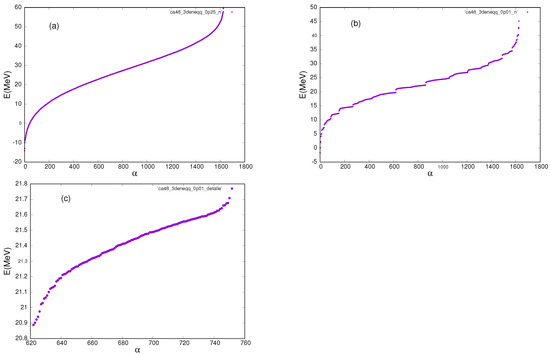
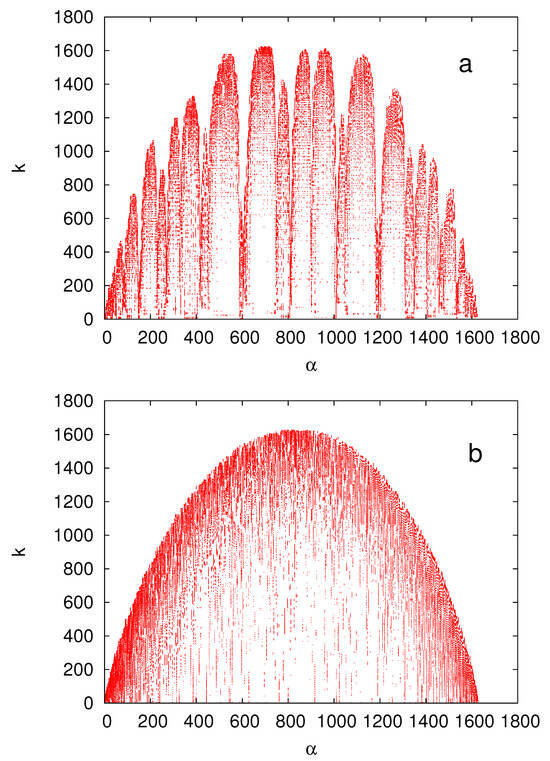
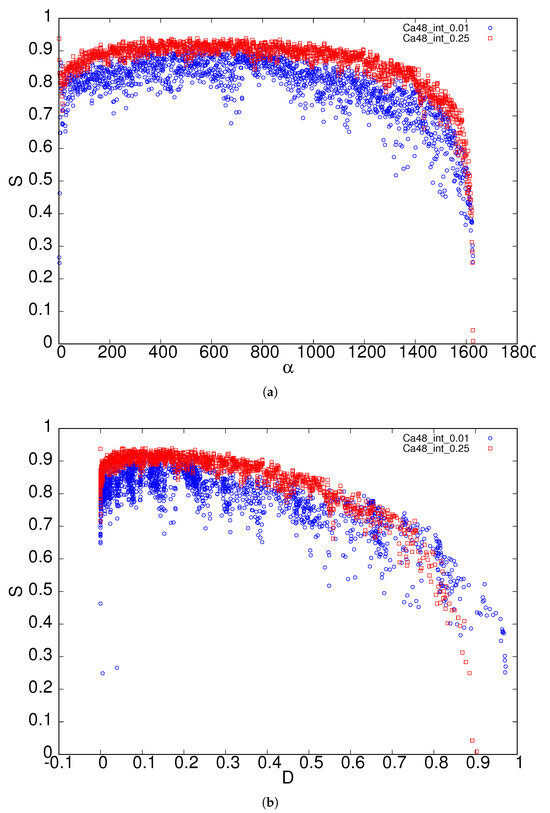
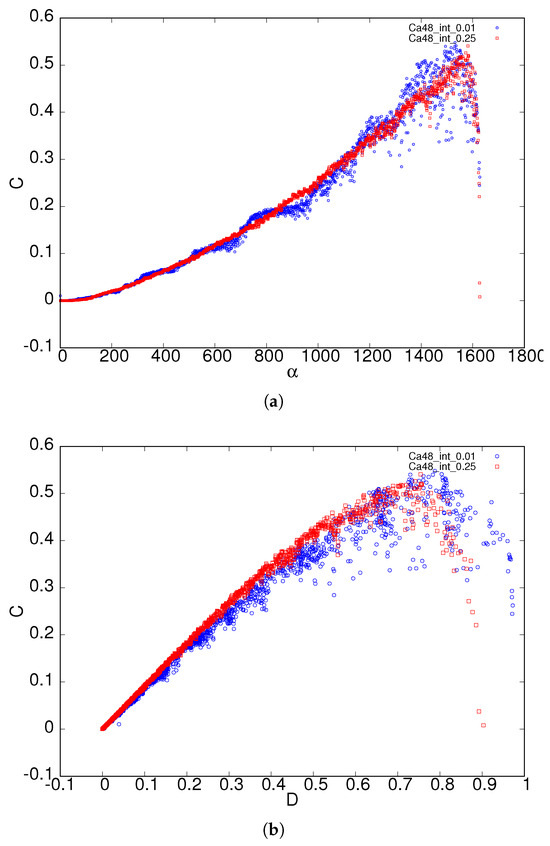
In complex systems theory, there are different ways to describe a system in terms of information, such as emergence (Shannon entropy), self-organization, and complexity. These measures provide information about the dynamic behavior of a complex system. We study the differences in entropy and complexity for many-body systems undergoing a transition from a regular to a chaotic regime. To do this, we analyze the eigenvectors of the 48Ca nucleus for different quadrupole-type two-body interactions. We obtain the eigenvectors by diagonalizing the two-body Hamiltonian for 48Ca using the ANTOINE code. We then calculate the entropy and complexity for the different quadrupole-type interactions. The differences found in information entropy and complexity are clear when comparing a regular system with a chaotic one. We find that the complexity of the regular and chaotic states of 48Ca shows differences associated with its internal interactions.
Full article
(This article belongs to the Section Quantum Information)
►▼
Show Figures

Figure 1
Open AccessArticle
Entropic and Geometric Population–Coherence Complementarity in Finite-Dimensional Quantum States
by
José J. Gil
Entropy 2026, 28(8), 877; https://doi.org/10.3390/e28080877 - 4 Aug 2026
Abstract
Finite-dimensional density matrices contain two representation-intrinsic sectors after the real part is diagonalized, namely ordered intrinsic populations and antisymmetric imaginary coherences. This article develops exact complementarity identities showing how these sectors determine purity, spectral concentration, and entropy. Populations are described by indices of
[...] Read more.
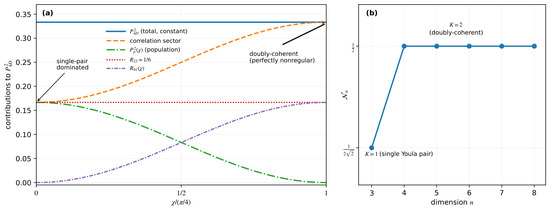
Finite-dimensional density matrices contain two representation-intrinsic sectors after the real part is diagonalized, namely ordered intrinsic populations and antisymmetric imaginary coherences. This article develops exact complementarity identities showing how these sectors determine purity, spectral concentration, and entropy. Populations are described by indices of population asymmetry, while coherences are described by the Youla spectrum of the dimensionless metaspin tensor and by correlation-asymmetry indices. In the aligned class, where Youla two-planes coincide with pairs of intrinsic axes, normalized purity splits into a population hierarchy and pairwise coherence terms weighted by products of intrinsic populations. For arbitrary orientations, the coherence term is expressed as a positive semi-definite bilinear form in population-weighted Plücker coordinates. For fixed populations and pairing, increasing any Youla value sharpens the spectrum by majorization and decreases all Rényi entropies, including the von Neumann limit. For fixed ordered populations, maximum aligned cohesion is obtained by saturating adjacent population pairs. The dimensional transition of the discriminating-component cohesion bound is then interpreted as the change from one to two simultaneously saturating metaspin pairs.
Full article
(This article belongs to the Special Issue Insight into Entropy)
►▼
Show Figures

Figure 1
Open AccessArticle
Beyond Entropy: Organization as the Preservation of Structural Identity
by
Ricardo J. Silva
Entropy 2026, 28(8), 876; https://doi.org/10.3390/e28080876 - 4 Aug 2026
Abstract
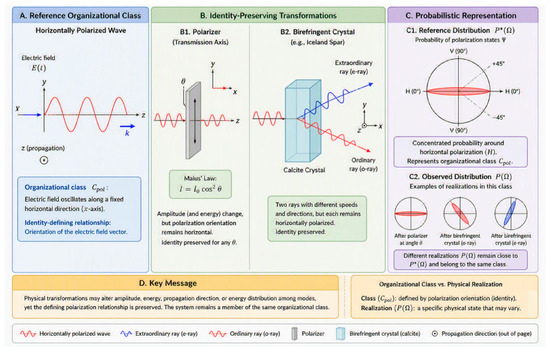
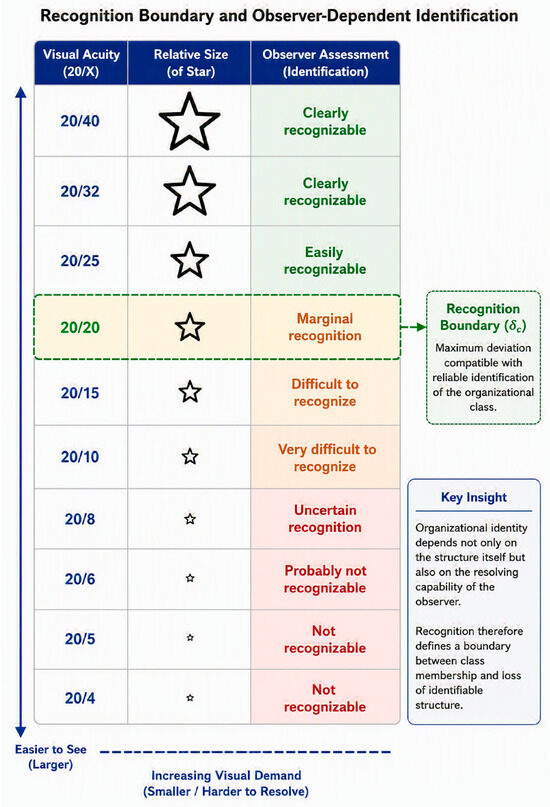
This work introduces a framework in which organization is defined as the degree to which identity-defining relationships among system states are preserved under transformation or perturbation. Existing descriptors such as energy, entropy, mutual information, and divergence measures characterize magnitude, statistical dispersion, dependency, and
[...] Read more.
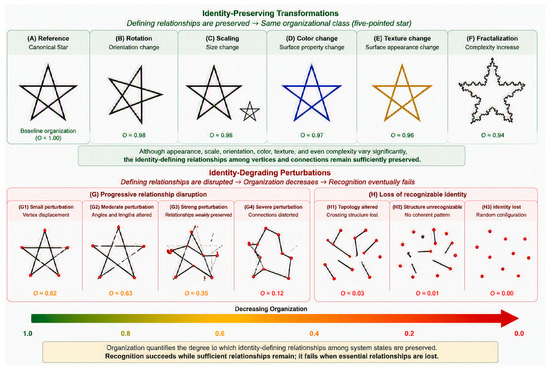
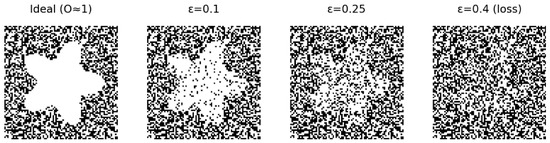
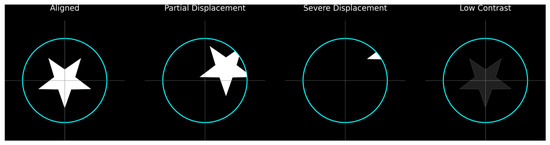
This work introduces a framework in which organization is defined as the degree to which identity-defining relationships among system states are preserved under transformation or perturbation. Existing descriptors such as energy, entropy, mutual information, and divergence measures characterize magnitude, statistical dispersion, dependency, and deviation, yet do not explicitly address the persistence of recognizable structure. To address this limitation, the concepts of organizational classes, reference organizational models, organizational deviation, and recognition boundaries are introduced within a generalized state-space representation. The proposed framework treats recognizable structures as members of organizational classes whose identities are determined by defining constraints and relationships rather than by specific physical realizations. A probabilistic implementation is developed in which organizational classes are represented by reference models and organizational preservation is estimated through measures of organizational deviation. Recognition is incorporated through observer-dependent recognition boundaries that determine whether a realization remains identifiable as a member of a given class. The framework is illustrated through geometric, perceptual, and communication-based examples, including structural degradation in a maximum-entropy background, observer-dependent recognition, channel-limited observability, and a quantitative Gaussian organizational model. These examples demonstrate that entropy and organization are complementary descriptors that may evolve independently: organizational identity may degrade while occupancy statistics remain largely unchanged. The results suggest that communication and sensing systems may be interpreted not only as processes that transport energy or information, but also as systems that preserve, transform, or degrade organizational structure. By providing a descriptor for structural identity alongside entropy and information, the proposed framework offers a foundation for studying how organized structures emerge, persist, transform, and degrade across a wide range of physical, informational, and complex systems.
Full article
(This article belongs to the Special Issue Recent Progress in Uncertainty Measures)
►▼
Show Figures

Figure 1
Open AccessArticle
The Gittins Index for a Transparent One-Armed Bandit with a Continuous Payoff Spectrum in Equilibrium States
by
Marcin Makowski, Edward W. Piotrowski and Jan L. Cieśliński
Entropy 2026, 28(8), 875; https://doi.org/10.3390/e28080875 - 4 Aug 2026
Abstract
We present an analogue of the classical Gittins index for a one-armed decision problem with a continuous spectrum of payoffs. The model assumes that the decision-maker observes independent realizations of a random variable and, at each step, decides whether to accept the current
[...] Read more.
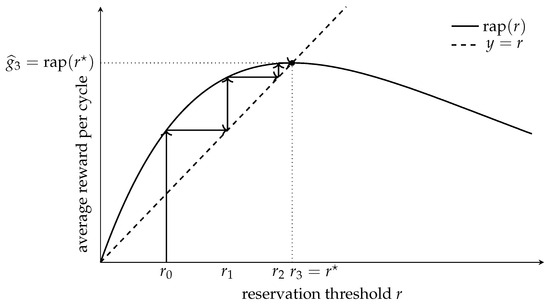
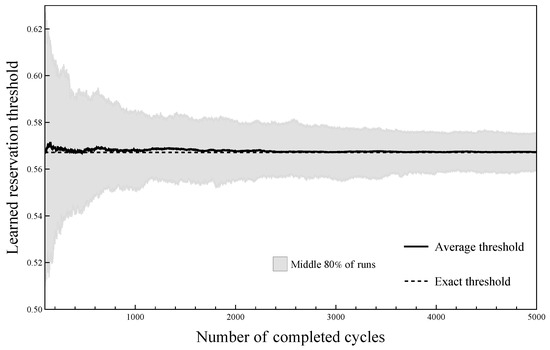
We present an analogue of the classical Gittins index for a one-armed decision problem with a continuous spectrum of payoffs. The model assumes that the decision-maker observes independent realizations of a random variable and, at each step, decides whether to accept the current opportunity or continue observing. We show that the optimal strategy takes the form of a threshold rule, while the corresponding reservation index is determined by a one-dimensional fixed-point equation with a direct decision-theoretic interpretation. The model is illustrated with an example of bookmaker betting related to horse racing and the Kelly criterion. This perspective allows the proposed index to be viewed as a threshold of informational advantage. This, in turn, points to potential applications in optimal stopping problems and decision-making under uncertainty.
Full article
(This article belongs to the Special Issue Decision Optimization in Information Theory and Game Theory, 2nd Edition)
►▼
Show Figures

Figure 1
Open AccessArticle
Undetected Error Bounds for Hybrid Integrity Protection Using Reed–Muller Codes, Algebraic Manipulation Detection, and Universal Hashing
by
Buriboev Abror Shavkatovich, Akmal Abduvaitov, Jumanov Isroil, Karshiev Husan, Shavkat Buriboyev, Abbos Abduvaytov, Aziza Akhmedova, Rustam Rakhimov, Obid Mavlonov and Heung Seok Jeon
Entropy 2026, 28(8), 874; https://doi.org/10.3390/e28080874 - 3 Aug 2026
Abstract
►▼
Show Figures
Ensuring information integrity requires not only reducing decoding errors but also reducing the probability that corrupted data are accepted as valid. This research presents a hybrid integrity protection system that incorporates seeded universal hash verification, algebraic manipulation detection (AMD), and a binary Reed–Muller
[...] Read more.
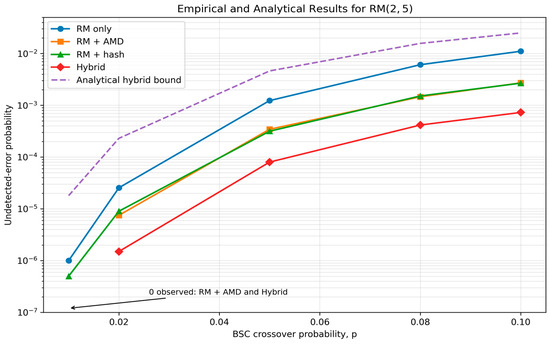
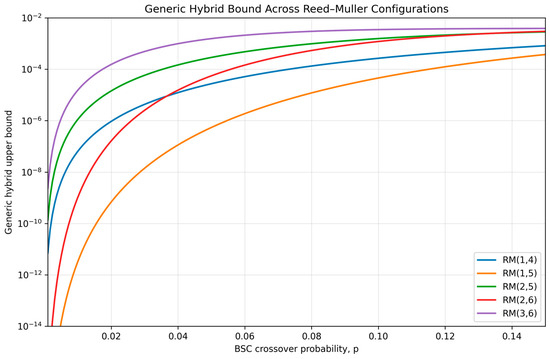
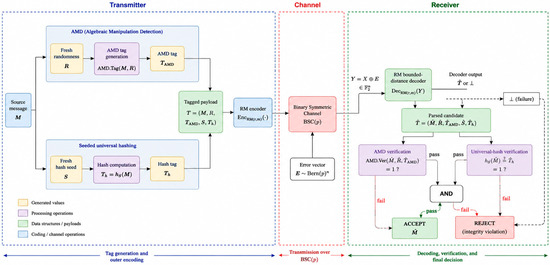
Ensuring information integrity requires not only reducing decoding errors but also reducing the probability that corrupted data are accepted as valid. This research presents a hybrid integrity protection system that incorporates seeded universal hash verification, algebraic manipulation detection (AMD), and a binary Reed–Muller outer code. Transmission over the binary symmetric channel , outer encoding using , bounded-distance decoding, an -secure AMD layer, and a seeded 2-universal hash family with -bit output define the model used in the analysis. Under explicitly stated freshness and conditional-independence assumptions, the system-level undetected error probability is upper-bounded by the residual decoder-miscorrection probability multiplied by the AMD acceptance bound and the seeded universal hash collision bound. A conservative alternative is also provided for settings in which the required conditional independence cannot be guaranteed. In this context, an explicit upper bound for the undetected error probability is derived. The outcome makes clear the different functions of outer coding and post-decoding verification and results in a direct dependency on the parameters r, m, p, and l. Finite-length Monte Carlo validation for a concrete instantiation based on RM(2, 5) complements the theoretical study and verifies that the hybrid construction offers a lower empirical undetected error probability compared to the comparable outer-only, AMD-only, and hash-only variations. The study does not propose new coding or verification primitives. Its contribution is a finite-length layered acceptance model and a Reed–Muller-specific undetected error analysis that incorporates the code weight distribution and bounded-distance decoding regions. The resulting spectrum-based bound distinguishes decoder miscorrection from the broader event of exceeding the guaranteed correction radius and is evaluated together with post-decoding verification and redundancy overhead. The model’s formal manipulation detection and collision guarantees are provided by AMD and universal hash layers, while Reed–Muller code parameters and their standard distance formulas are conventional.
Full article

Figure 1
Journal Menu
► ▼ Journal Menu-
- Entropy Home
- Aims & Scope
- Editorial Board
- Reviewer Board
- Topical Advisory Panel
- Video Exhibition
- Instructions for Authors
- Special Issues
- Topics
- Sections & Collections
- Article Processing Charge
- Indexing & Archiving
- Editor’s Choice Articles
- Most Cited & Viewed
- Journal Statistics
- Journal History
- Journal Awards
- Society Collaborations
- Conferences
- Editorial Office
Journal Browser
► ▼ Journal Browser-
arrow_forward_ios
Forthcoming issue
arrow_forward_ios Current issue - Vol. 28 (2026)
- Vol. 27 (2025)
- Vol. 26 (2024)
- Vol. 25 (2023)
- Vol. 24 (2022)
- Vol. 23 (2021)
- Vol. 22 (2020)
- Vol. 21 (2019)
- Vol. 20 (2018)
- Vol. 19 (2017)
- Vol. 18 (2016)
- Vol. 17 (2015)
- Vol. 16 (2014)
- Vol. 15 (2013)
- Vol. 14 (2012)
- Vol. 13 (2011)
- Vol. 12 (2010)
- Vol. 11 (2009)
- Vol. 10 (2008)
- Vol. 9 (2007)
- Vol. 8 (2006)
- Vol. 7 (2005)
- Vol. 6 (2004)
- Vol. 5 (2003)
- Vol. 4 (2002)
- Vol. 3 (2001)
- Vol. 2 (2000)
- Vol. 1 (1999)
Highly Accessed Articles
Latest Books
E-Mail Alert
News
Topics
Topic in
Applied Sciences, Computers, Energies, Entropy, Mathematics
Numerical Methods and Computer Simulations in Energy Analysis, 3rd Edition
Topic Editors: Marcin Kamiński, Mateus MendesDeadline: 31 August 2026
Topic in
AI, Applied Sciences, Computers, Electronics, Entropy, Future Internet, Information, IoT, Sensors, Telecom
Advances in Sixth Generation and Beyond (6G&B)
Topic Editors: Luis Javier García Villalba, Ana Lucila Sandoval OrozcoDeadline: 31 October 2026
Topic in
Entropy, IJMS, International Journal of Topology, MAKE, Mathematics, Quantum Reports, Symmetry
Topological, Quantum, and Molecular Information Approaches to Computation and Intelligence
Topic Editors: Michel Planat, Edward A. RietmanDeadline: 31 December 2026
Topic in
Entropy, Quantum Reports, Symmetry, Universe, Physics
Quantum Systems and Their Applications
Topic Editors: Chao Zheng, Jim FreericksDeadline: 28 February 2027
Conferences
Special Issues
Special Issue in
Entropy
Dynamics in Biological and Social Networks, Second Edition
Guest Editor: Luiz Alves MonteiroDeadline: 10 August 2026
Special Issue in
Entropy
Insight into Entropy
Guest Editors: Philip Broadbridge, Tony C. ScottDeadline: 15 August 2026
Special Issue in
Entropy
Information Theory and Entropy Methods in Security Information Processing and Its Applications
Guest Editor: Carlos Travieso-GonzálezDeadline: 15 August 2026
Special Issue in
Entropy
Uncertainty-Aware Feature Learning and Anomaly Detection for Unlabeled Complex Data
Guest Editors: Zhong Yuan, Binbin Sang, Keyu LiuDeadline: 17 August 2026
Topical Collections
Topical Collection in
Entropy
Advances in Applied Statistical Mechanics
Collection Editor: Antonio M. Scarfone
Topical Collection in
Entropy
Disorder and Biological Physics
Collection Editors: Hong Qian, Felix Ritort, Lamberto Rondoni
Topical Collection in
Entropy
Entropy in Image Analysis
Collection Editor: Amelia Carolina Sparavigna