In Vitro Antioxidant Effects of Aloe barbadensis Miller Extracts and the Potential Role of These Extracts as Antidiabetic and Antilipidemic Agents on Streptozotocin-Induced Type 2 Diabetic Model Rats

Abstract
:1. Introduction
2. Results
2.1. Aloe vera Extracts Properties

| Type of Aloe vera Extract | Total Phenolic Compounds (Mean ± SD) (mggallic acid/kg) | Flavonoids (Mean ± SD) (mgcatechein/kg) | DPPH (Mean ± SD) (RSA %) | FRAP (Man ± SD) (µM Fe(II)/kg) |
|---|---|---|---|---|
| Gel-C | 8.69 ± 1.18 b | 7.43 ± 0.03 c | 11.93 ± 0.58 b | 59.12 ± 0.18 b |
| Gel-Et | 11.38 ± 0.94 b | 5.43 ± 0.38 b | 6.56 ± 0.32 c | 26.51 ± 1.15 c |
| Skin-Et | 62.37 ± 1.34 a | 20.83 ± 0.77 a | 85.01 ± 0.52 a | 185.98 ± 0.41 a |
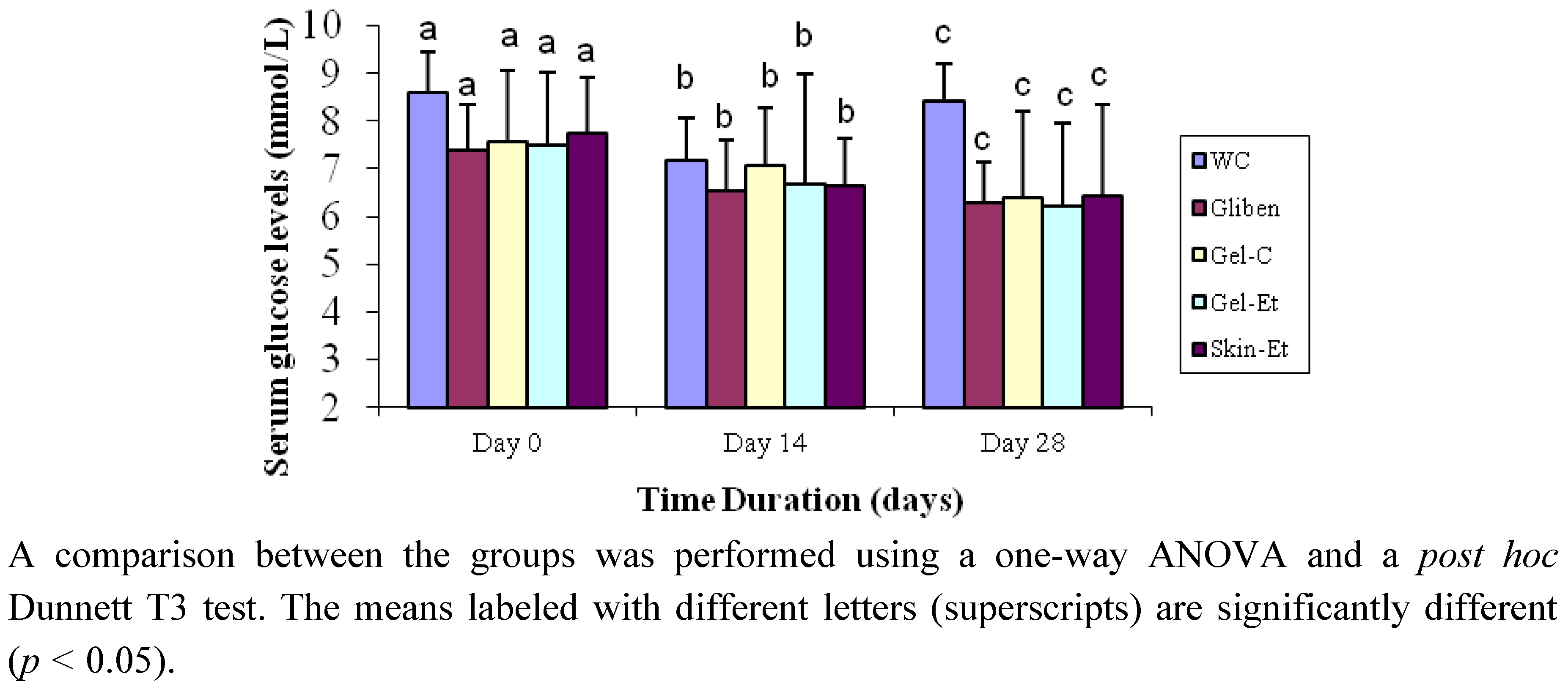
2.2. Effects of Different Treatments on the Fasting Serum Glucose Levels of Type 2 Diabetic Rats
2.3. Effects of Different Treatments on the Serum Insulin Levels and Glycogen Contents of Type 2 Diabetic Rats
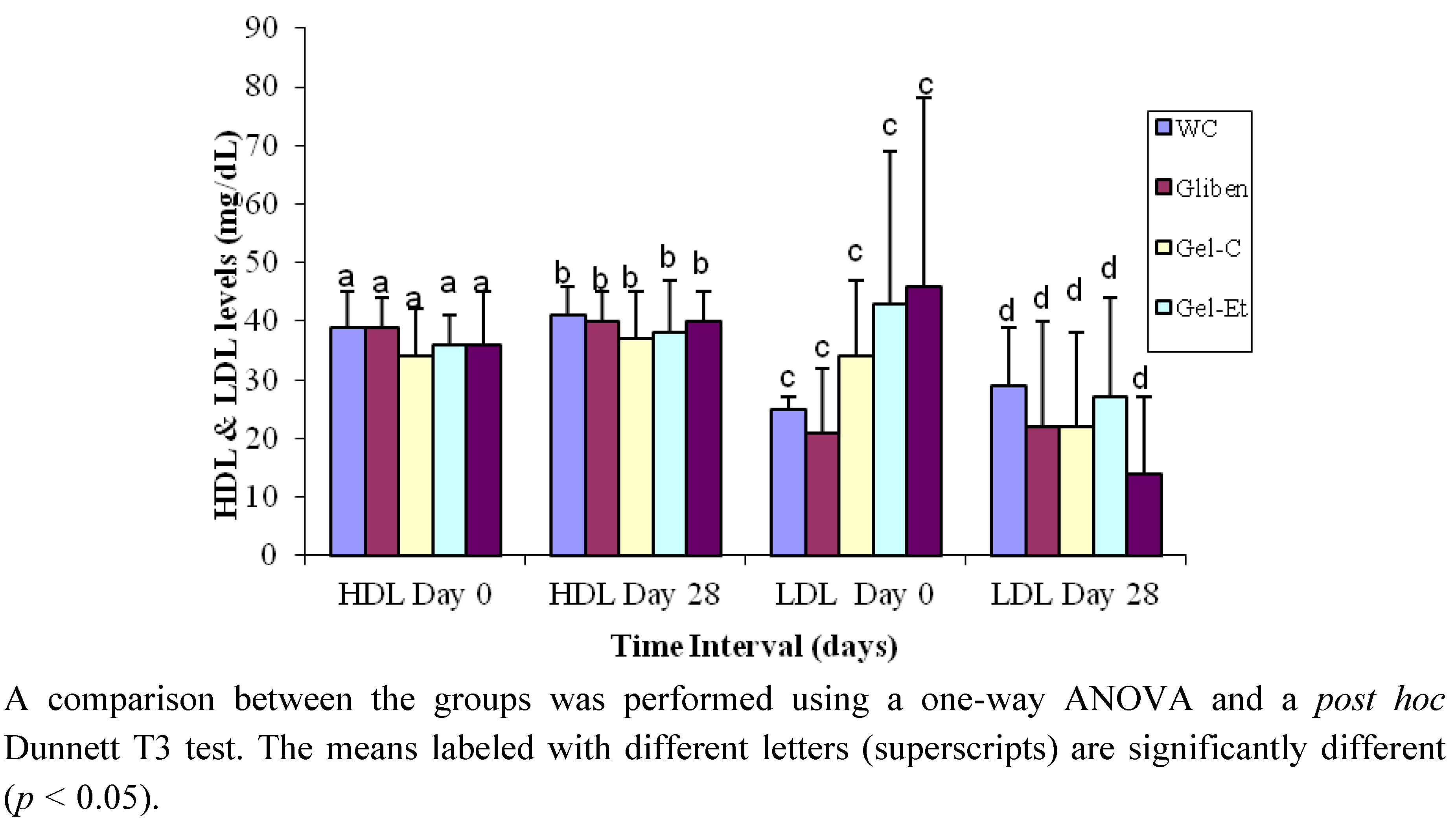
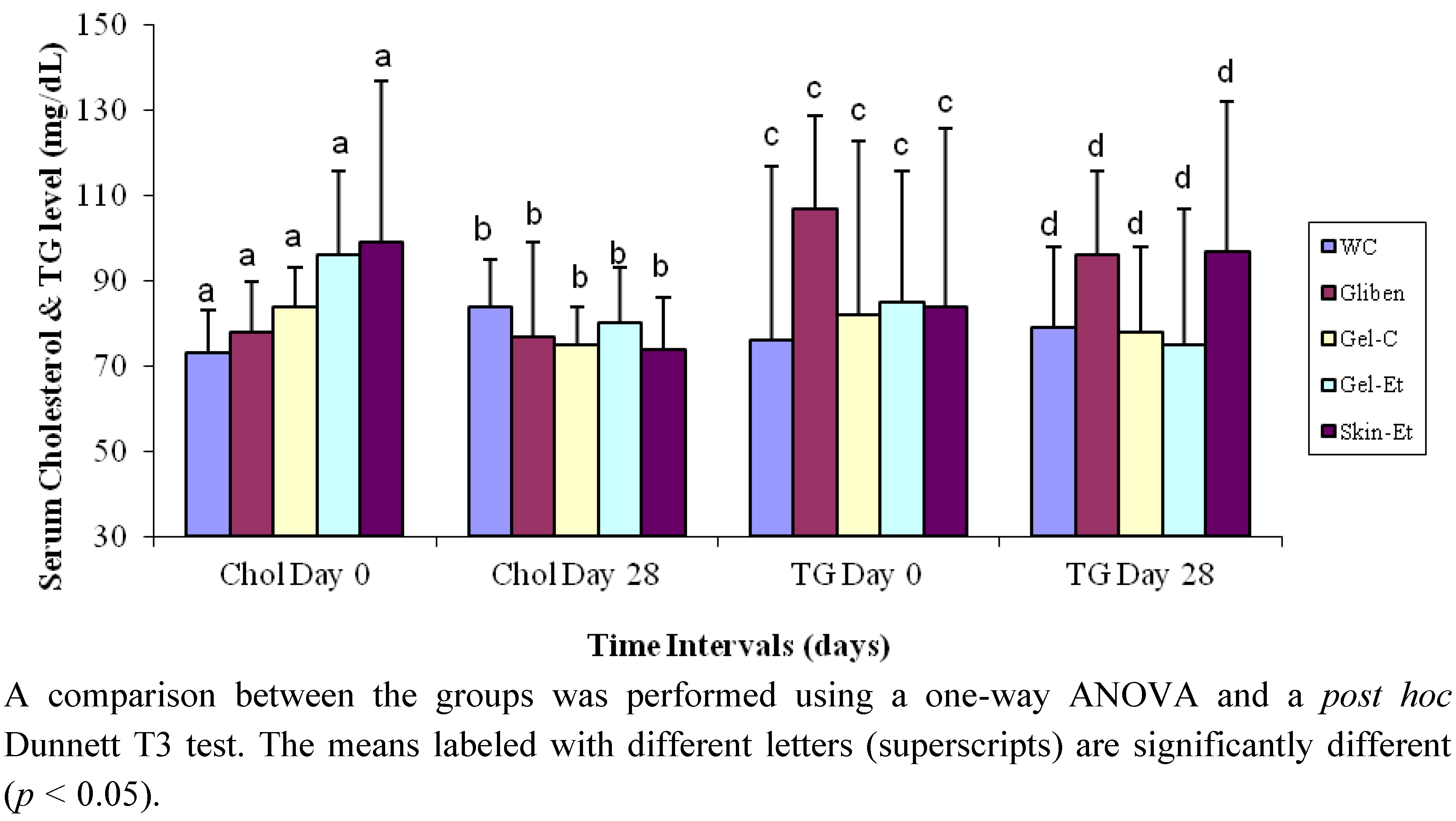
2.4. Effects of Different Treatments on the Serum Lipid Profile and the HDL and LDL Levels of Type 2 Diabetic Model Rats

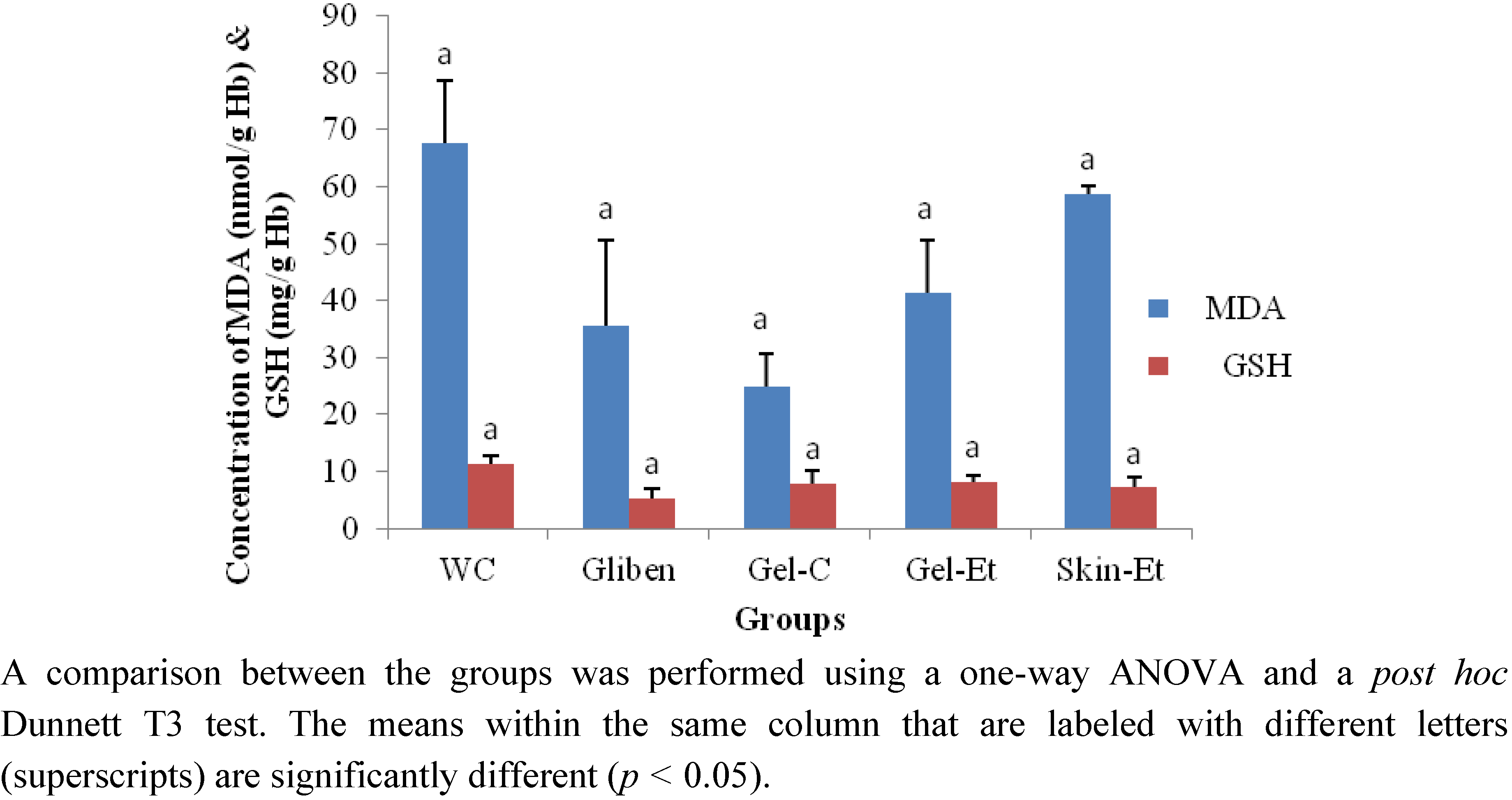
2.5. Effects of Different Treatments on the MDA and GSH Levels of Erythrocytes from Type 2 Diabetes Model Rats
2.6. Correlation
| Polyphenols | Flavonoids | DPPH | FRAP | GSH | MDA | |
|---|---|---|---|---|---|---|
| Polyphenols | 1 | 0.982 * | 0.986 * | 0.962 * | 0.716 * | 0.944 * |
| Flavonoids | 0.982 * | 1 | 0.997 * | 0.995 * | 0.629 | 0.920 * |
| DPPH | 0.986 * | 0 .997 * | 1 | 0.991 * | 0.663 | 0.991 * |
| FRAP | 0.962 * | 0.995 * | 0 .991 * | 1 | 0.610 | 0.900 * |
| GSH | 0.716 * | 0.629 | 0 .663 | 0.610 | 1 | 0.621 |
| MDA | 0 .944 * | 0.920 * | 0 .939 * | 0.900 * | 0.621 | 1 |
3. Discussion
4. Experimental
4.1. Plant Material and Sample Preparation
4.2. Chemicals and Reagents
4.3. Animals and Study Design
4.4. Determination of Total Phenolic Compounds
4.5. Determination of Total Flavonoids
4.6. DPPH Free Radical-Scavenging Activity
4.7. FRAP Assay
4.8. Estimation of Serum Glucose
4.9. Estimation of Serum Insulin
4.10. Measurement of Glycogen from Rat Liver
4.11. Estimation of Total Serum Cholesterol
4.12. Estimation of Serum Triglyceride (TG)
4.13. Estimation of MDA and GSH Levels
4.13.1. Preparation of Erythrocyte Hemolysate
4.13.2. Estimation of Hemoglobin
4.13.3. Estimation of Erythrocyte MDA Levels
4.13.4. Estimation of the Reduced Glutathione (GSH) Levels in Erythrocytes
4.14. Statistical Analysis
5. Conclusions
Acknowledgments
References
- Wild, H.; Roglic, G.; Green, A.; Sicree, R.; King, H. Global prevalence of diabetes, estimates for the year 2000 and projections for 2030. Diabetes Care 2004, 27, 1047–1053. [Google Scholar] [CrossRef]
- Lenhard, J.M.; Gottschalk, W.K. Preclinical developments in type 2 diabetes. Adv. Drug Deliv. Rev. 2002, 54, 1199–1212. [Google Scholar] [CrossRef]
- Bailey, C.J.; Day, C. Traditional plant medicines as treatment for diabetes. Diabetes Care 1989, 12, 553–564. [Google Scholar]
- Habeeb, F.; Shakir, E.; Bradbury, F.; Cameron, P.; Taravati, M.R.; Drummond, A.J.; Gray, A.I.; Ferro, V.A. Screening methods used to determine the anti-microbial properties of Aloe vera inner gel. Methods 2007, 42, 315–320. [Google Scholar] [CrossRef]
- Hamman, J.H. Composition and applications of Aloe vera leaf gel. Molecules 2008, 13, 1599–1616. [Google Scholar] [CrossRef]
- Vogler, B.; Ernst, E. Aloe vera: A systematic review of its clinical effectiveness. Br. J. Gen. Pract. 1999, 49, 823–828. [Google Scholar]
- Choonhakarn, C.; Busaracome, P.; Sripanidkulchai, B.; Sarakarn, P. A prospective, randomized clinical trial comparing topical Aloe vera with 0.1% triamcinolone acetonide in mild to moderate plaque psoriasis. J. Eur. Acad. Dermatol. Venereol 2010, 24, 168–172. [Google Scholar] [CrossRef]
- Grindlay, D.; Reynolds, T. The Aloe vera phenomenon: A review of the propertiesand modern uses of the leaf parenchyma gel. J. Ethnopharmacol. 1986, 16, 117–151. [Google Scholar] [CrossRef]
- Chithra, P.; Sajithlal, G.B.; Chandrakasan, G. Influence of Aloe vera on collagen characteristics in healing dermal wounds in rats. Mol. Cell. Biochem. 1998, 181, 71–76. [Google Scholar] [CrossRef]
- Rajendran, A.; Narayanan, V.; Gnanavel, I. Study on the evaluation of therapeutic efficacy of Aloe vera sap in diabetes and treating wounds and inflammation in animals. J. Appl. Sci. Res. 2007, 3, 1434–1436. [Google Scholar]
- Heggers, J.; Kucukcelebi, A. Beneficial effect of Aloe on wound healing in an excisional wound model. J. Altern. Complement. Med. 1996, 2, 271–277. [Google Scholar] [CrossRef]
- Hart, L.; Nibbering, P.H.; Barselaar, M.T.V.D. Effects of low molecular constituents from Aloe vera gel on oxidative metabolism and cytotoxic and bactericidal activities of human neutrophils. Int. J. Immunopharmacol. 1990, 12, 427–434. [Google Scholar] [CrossRef]
- Lee, C.K.; Han, S.S.; Mo, Y.K.; Kim, R.S.; Chung, M.H.; Park, Y.I.; Lee, S.K.; Kim, Y.S. Prevention of ultraviolet radiation-induced suppression of accessory cell function of langerhans cells by Aloe vera gel components. Immunopharmacology 1999, 37, 153–162. [Google Scholar]
- Sabeh, F.; Wright, T.; Norton, S.J. Purification and characterization of glutathione peroxidase and isozymes of superoxide dismutase from Aloe vera plant. Enzyme Protein 1993, 47, 92–98. [Google Scholar]
- Giugliano, D.; Ceriello, A.; Paolisso, G. Oxidative stress and diabetic vascular complications. Diabetes Care 1996, 19, 257–267. [Google Scholar]
- Rajasekaran, S.; Sivagnanam, K.; Subramanian, S. Antioxidant effect of Aloe vera gel extract in streptozotocin-induced diabetes in rats. Pharmacol. Rep. 2005, 57, 90–96. [Google Scholar]
- Ajabnoor, M.A. Effect of aloes on blood glucose levels in normal and alloxan diabetic mice. J. Ethnopharmacol. 1990, 28, 215–220. [Google Scholar] [CrossRef]
- Asbun, J.; Villarreal, F.J. The pathogenesis of myocardial fibrosis in the setting of diabetic cardiomyopathy. J. Am. Coll. Cardiol. 2006, 47, 693–700. [Google Scholar] [CrossRef]
- Poitout, V.; Robertson, R.P. Minireview: Secondary beta-cell failure in type 2 diabetes—A convergence of glucotoxicity and lipotoxicity. Endocrinology 2002, 143, 339–342. [Google Scholar] [CrossRef]
- Rajasekaran, S.; Ravi, K.; Sivagnanam, K.; Subramanian, S. Beneficial effects of Aloe vera leaf gel extract on lipid profile status in rats with streptozotocin diabetes. Clin. Exp. Pharmacol. Physiol. 2006, 33, 232–237. [Google Scholar] [CrossRef]
- Ross, R.; Glomset, J.A. The pathogenesis of atherosclerosis. N. Engl. J. Med. 1976, 295, 369–377. [Google Scholar] [CrossRef]
- Kim, K.; Kim, H.; Kwon, J.; Lee, S.; Kong, H.; Im, S.A.; Lee, Y.H.; Lee, Y.R.; Oh, S.T.; Jo, T.H. Study on the hypoglycemic and hypolipidemic effects of processed Aloe vera gel in a mouse model of niddm. Phytomedicine 2009, 16, 856–863. [Google Scholar]
- Tanaka, M.; Misawa, E.; Ito, Y.; Habara, N.; Nomaguchi, K.; Yamada, M.; Toida, T.; Hayasawa, H.; Takase, M.; Inagaki, M.; et al. Identification of five phytosterols from Aloe vera gel as anti-diabetic compounds. Biol. Pharm. Bull. 2006, 29, 1418–1422. [Google Scholar]
- Abuelgasim, A.I.; Osman, M.K.M.; Elmahdi, B. Study on the effects of Aloe vera (elsabar) ethanolic extract on blood glucose level in wister albino rats. J. Appl. Sci. Res. 2008, 43, 1841–1845. [Google Scholar]
- Beppu, H.; Shimpo, K.; Chihara, T.; Kaneko, T.; Tamai, I.; Yamaji, S.; Ozaki, S.; Kuzuya, H.; Sonoda, S. Study of antidiabetic activity of dietary administration of Aloe arborescens Miller components on multiple low-dose streptozotocin-induced diabetes in mice: Investigation on hypoglycemic action and systemic absorption dynamics of Aloe components. J. Ethnopharmacol. 2006, 103, 468–477. [Google Scholar] [CrossRef]
- Botes, L.; Westhuizen, F.H.V.; Loots, D.T. Phytochemical contents and antioxidant capacities of two Aloe greatheadii var. Davyana extracts. Molecules 2008, 13, 2169–2180. [Google Scholar] [CrossRef]
- Hu, Y.; Xu, J.; Hu, Q. Evaluation of antioxidant potential of Aloe vera (Aloe barbadensis Miller) extracts. J. Agric. Food Chem. 2003, 51, 7788–7791. [Google Scholar] [CrossRef]
- Miladi, S.; Damak, M. In vitro antioxidant activities of Aloe vera leaf skin extracts. Journal de la Société Chimique de Tunisie 2008, 10, 101–109. [Google Scholar]
- Sultana, B.; Anwar, F.; Ashraf, M. Effect of extraction solvent/technique on the antioxidant activity of selected medicinal plant extracts. Molecules 2009, 14, 2167–2180. [Google Scholar] [CrossRef]
- Agarwal, P.O. Prevention of atheromatous heart disease. Angiology 1985, 36, 485–492. [Google Scholar]
- Beppu, H.T.; Koike, K.; Shimpo, T.; Chihara, M.; Hoshino, C.I.; Kuzuya, H. Radical-scavenging effects of Aoe arborescens Miller on prevention of pancreatic islet β-cell destruction in rats. J. Ethnopharmacol. 2003, 89, 37–45. [Google Scholar]
- Reynolds, T.; Dweck, A.C. Aloe vera leaf gel: A review update. J. Ethnopharmacol. 1999, 68, 3–37. [Google Scholar] [CrossRef]
- Cao, H.; Hininger-Favier, I.; Kelly, M.A.; Benaraba, R.; Dawson, H.D.; Coves, S.; Roussel, A.M.; Anderson, R.A. Green tea polyphenol extract regulates the expression of genes involved in glucose uptake and insulin signalling in rats fed a high fructose diet. J. Agric. Food Chem. 2007, 55, 6372–6378. [Google Scholar]
- Johnston, K.; Sharp, P.; Clifford, M.; Morgan, L. Dietary polyphenols decrease glucose uptake by human intestinal caco-2 cells. FEBS Lett. 2005, 579, 1653–1657. [Google Scholar]
- Beretta, G.; Granata, P.; Ferrero, M.; Orioli, M.; Facino, R.M. Standardization of antioxidant properties of honey by a combination of spectrophotometric/fluorimetric assays and chemometrics. Anal. Chim. Acta 2005, 533, 185–191. [Google Scholar] [CrossRef]
- Saritha, V.; Anilakumar, K.R.; Khanum, F. Antioxidant and antibacterial activity of Aloe vera gel extracts. Int. J. Pharm. Biol. Arch. 2010, 1, 376–384. [Google Scholar]
- Rajasekaran, S.; Sivagnanam, K.; Ravi, K.; Subramanian, S. Hypoglycemic effect of Aloe vera gel on streptozotocin-induced diabetes in experimental rats. J. Med. Food 2004, 7, 61–66. [Google Scholar] [CrossRef]
- Noor, A.; Gunasekaran, S.; Manickam, A.; Vijayalakshmi, M. Antidiabetic activity of Aloe vera and histology of organs in streptozotocin induced diabetic rats. Curr. Sci. 2008, 94, 1070–1076. [Google Scholar]
- Akinmoladun, A.C.; Akinloye, O. Prevention of the onset of hyperglycaemia by extracts of Aloe barbadensis in rabbits treated with alloxan. Afr. J. Biotechnol. 2007, 6, 1028–1230. [Google Scholar]
- Mohamed, A.; Abdel-Aziz, A.; El-Sherbiny, E.; Mors, R. Anti-diabetic effect of Aloe vera juice and evaluation of thyroid function in female diabetic rats. Biosci. Res. 2009, 6, 28–34. [Google Scholar]
- Yki-Jarvinen, H.; Mott, D.; Young, A.A.; Stone, K.; Bogardus, C. Regulation of glycogen synthase and phosphorylase activities by glucose and insulin in human skeletal muscle. J. Clin. Invest. 1987, 80, 95–100. [Google Scholar] [CrossRef]
- Groop, L.; Otheo-Melander, M. New insights into impaired muscle glycogen synthesis. PLoS Med. 2008, 5, e25. [Google Scholar] [CrossRef]
- Gadi, R.; Samehe, F.F. Dyslipideia in type 2 diabetes mellitus. Curr. Diab. Rep. 2007, 7, 228–234. [Google Scholar]
- Group, U.K.P.D.S. Tight blood pressure control and risk of macrovascular and microvascular complications in type 2 diabetes: Ukpds 38. Br. Med. J. 1998, 317, 703–713. [Google Scholar] [CrossRef]
- Burk, R.F. Glutathione dependent protection by rats liver microsomal protein against lipid peroxidation. Biochim. Biophys. Acta 1983, 75, 21–28. [Google Scholar] [CrossRef]
- Kaplowitz, N.; Ookhtems, M.; Ty, A. The regulation of hepatic glutathione. Annu. Rev. Pharmacol. Toxicol. 1995, 25, 715–744. [Google Scholar]
- Baynes, J.W. Role of Oxidative Stress in Development of Complications in Diabetes. Diabetes 1991, 40, 405–412. [Google Scholar]
- Miyaka, Y.; Yamamoto, K.; Tsujiihara, N.; Osawa, T. Protective effects of lemon flavonoids on oxidative stress in diabetes rats. Lipids 1998, 33, 689–697. [Google Scholar] [CrossRef]
- Bonner-Weir, S.; Trend, D.F.; Honey, R.N.; Weir, G.C. Responses of neonatal rat islets to streptozotocin: Limited β-cell regeneration and hyperglycemia. Diabetes 1981, 30, 64–69. [Google Scholar]
- Ali, L.; Azad Khan, A.K.; Mamun, M.I.R.; Mosihuzzaman, M.; Nahar, N.; Nur-E-Alam, M.; Rokeya, B. Studies on hypoglycemic effects fruit pulp, seed and whole plant of momordica charantia on normal and diabetic model rats. Planta Med. 1993, 59, 408–412. [Google Scholar] [CrossRef]
- Singleton, V.L.; Orthofer, R.; Lamuela-Raventos, R.M. Analysis of total phenols and other oxidation substrates and antioxidant by means of Folin-ciocalteu reagent. Meth. Enzymol. 1999, 299, 152–178. [Google Scholar] [CrossRef]
- Zhishen, J.; Mengcheng, T.; Jianming, W. The determination of flavonoid contents in mulberry and their scavenging effects on superoxide radicals. Food Chem. 1999, 64, 555–559. [Google Scholar]
- Ferreira, I.C.F.R.; Aires, E.; Barreira, J.C.M.; Estevinho, L.M. Antioxidant activity of portuguese honey samples: Different contributions of the entire honey and phenolic extract. Food Chem. 2009, 114, 1438–1443. [Google Scholar]
- Hatano, T.; Kagawa, H.; Yashura, T.; Okuda, T. Two new flavonoids and other constituents in licorice root: Their relative astringency and radical scavenging effects. Chem. Pharm. Bull. (Tokyo) 1988, 36, 2090–2097. [Google Scholar] [CrossRef]
- Benzie, I.F.F.; Strain, J.J. The ferric reducing ability of plasma (FRAP) as a measure of “antioxidant power”: The FRAP assay. Anal. Biochem. 1996, 239, 70–76. [Google Scholar] [CrossRef]
- Trinder, P. Glucose GOD-PAP method enzymatic colorimetric method. Ann. Clin. Biochem. 1969, 6, 24–27. [Google Scholar]
- Kratzsch, J.; Ackermann, W.; Leliacker, H.; Berch, W.; Keller, E. A sensitive sandwich enzyme immunoassay for measurement of insulin on microtitre plates. Exp. Clin. Endocrinol. 1990, 95, 229–236. [Google Scholar] [CrossRef]
- Vries, J.V. Two methods for the determination of glycogen in liver. Biochem. J. 1954, 57, 410–416. [Google Scholar]
- Allain, C.C.; Poon, L.; Chan, S.G.; Richmond, W.; Fu, P. Enzymatic determination of total serum cholesterol. Clin. Chem. 1974, 20, 470–475. [Google Scholar]
- Fossati, P.; Prencipe, L. Serum triglyceride determined colourimatrically with an enzyme that produce hydrogen peroxide. Clin. Chem. 1982, 28, 2077–2080. [Google Scholar]
- Nagy, G.; Kim, J.H.; Pang, Z.P.; Matti, U.; Rettig, J.; Sudhof, T.C.; Sorensen, J.B. Different effects on fast exocytosis induced by synaptotagmin 1 and 2 isoforms and abundance but not by phosphorylation. J. Neurosci. 2006, 26, 632–643. [Google Scholar]
- Van Kampen, E.J.; Zijlstra, W.G. Standardization of hemoglobinometry. II. The hemoglobincyanide method. Clin. Chim. Acta 1961, 6, 538–544. [Google Scholar] [CrossRef]
- Srour, M.A.; Bilto, Y.Y.; Juma, M.; Irhimeh, M.R. Exposure of human erythrocytes to oxygen radicalscauses loss of deformability, increased osmotic fragility lipid peroxidation and protein degradation. Clin. Haemorheol. Microcirc. 2000, 23, 13–21. [Google Scholar]
- Ellman, G.L. Determination of sulfhydryl group. Arch. Biochem. Biophys. 1959, 82, 70–74. [Google Scholar] [CrossRef]
- Sample Availability: Samples of Aloe vera are available from the authors.
© 2012 by the authors; licensee MDPI, Basel, Switzerland. This article is an open-access article distributed under the terms and conditions of the Creative Commons Attribution license (http://creativecommons.org/licenses/by/3.0/).
Share and Cite
Moniruzzaman, M.; Rokeya, B.; Ahmed, S.; Bhowmik, A.; Khalil, M.I.; Gan, S.H. In Vitro Antioxidant Effects of Aloe barbadensis Miller Extracts and the Potential Role of These Extracts as Antidiabetic and Antilipidemic Agents on Streptozotocin-Induced Type 2 Diabetic Model Rats. Molecules 2012, 17, 12851-12867. https://doi.org/10.3390/molecules171112851
Moniruzzaman M, Rokeya B, Ahmed S, Bhowmik A, Khalil MI, Gan SH. In Vitro Antioxidant Effects of Aloe barbadensis Miller Extracts and the Potential Role of These Extracts as Antidiabetic and Antilipidemic Agents on Streptozotocin-Induced Type 2 Diabetic Model Rats. Molecules. 2012; 17(11):12851-12867. https://doi.org/10.3390/molecules171112851
Chicago/Turabian StyleMoniruzzaman, Mohammed, Begum Rokeya, Sohel Ahmed, Amrita Bhowmik, Md. Ibrahim Khalil, and Siew Hua Gan. 2012. "In Vitro Antioxidant Effects of Aloe barbadensis Miller Extracts and the Potential Role of These Extracts as Antidiabetic and Antilipidemic Agents on Streptozotocin-Induced Type 2 Diabetic Model Rats" Molecules 17, no. 11: 12851-12867. https://doi.org/10.3390/molecules171112851