14 pages, 1056 KB  
Review
Innovations in Peripheral Nerve Regeneration
by Ting Chak Lam and Yiu Yan Leung
Bioengineering 2024, 11(5), 444; https://doi.org/10.3390/bioengineering11050444 - 30 Apr 2024
Cited by 19 | Viewed by 13759
Abstract
The field of peripheral nerve regeneration is a dynamic and rapidly evolving area of research that continues to captivate the attention of neuroscientists worldwide. The quest for effective treatments and therapies to enhance the healing of peripheral nerves has gained significant momentum in [...] Read more.
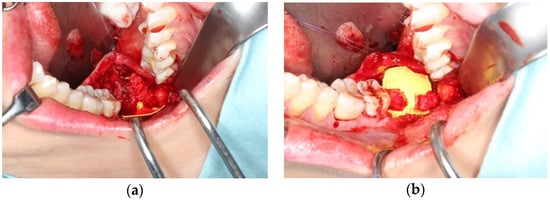
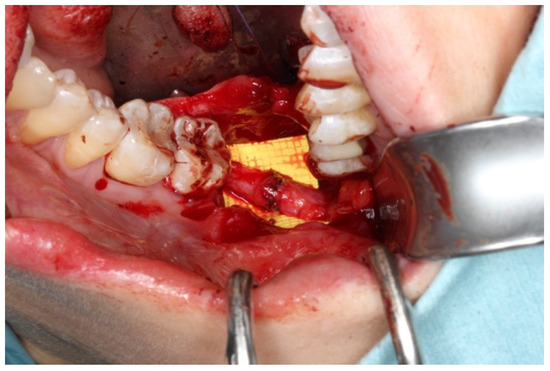
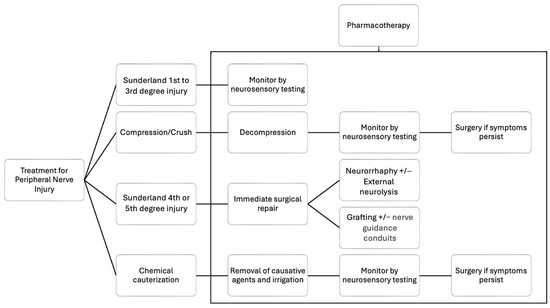
The field of peripheral nerve regeneration is a dynamic and rapidly evolving area of research that continues to captivate the attention of neuroscientists worldwide. The quest for effective treatments and therapies to enhance the healing of peripheral nerves has gained significant momentum in recent years, as evidenced by the substantial increase in publications dedicated to this field. This surge in interest reflects the growing recognition of the importance of peripheral nerve recovery and the urgent need to develop innovative strategies to address nerve injuries. In this context, this article aims to contribute to the existing knowledge by providing a comprehensive review that encompasses both biomaterial and clinical perspectives. By exploring the utilization of nerve guidance conduits and pharmacotherapy, this article seeks to shed light on the remarkable advancements made in the field of peripheral nerve regeneration. Nerve guidance conduits, which act as artificial channels to guide regenerating nerves, have shown promising results in facilitating nerve regrowth and functional recovery. Additionally, pharmacotherapy approaches have emerged as potential avenues for promoting nerve regeneration, with various therapeutic agents being investigated for their neuroprotective and regenerative properties. The pursuit of advancing the field of peripheral nerve regeneration necessitates persistent investment in research and development. Continued exploration of innovative treatments, coupled with a deeper understanding of the intricate processes involved in nerve regeneration, holds the promise of unlocking the complete potential of these groundbreaking interventions. By fostering collaboration among scientists, clinicians, and industry partners, we can accelerate progress in this field, bringing us closer to the realization of transformative therapies that restore function and quality of life for individuals affected by peripheral nerve injuries. Full article
(This article belongs to the Special Issue Innovations in Nerve Regeneration)
Show Figures

Figure 1
18 pages, 1528 KB  
Article
Deep Learning-Based Detection of Glottis Segmentation Failures
by Armin A. Dadras and Philipp Aichinger
Bioengineering 2024, 11(5), 443; https://doi.org/10.3390/bioengineering11050443 - 30 Apr 2024
Cited by 4 | Viewed by 2332
Abstract
Medical image segmentation is crucial for clinical applications, but challenges persist due to noise and variability. In particular, accurate glottis segmentation from high-speed videos is vital for voice research and diagnostics. Manual searching for failed segmentations is labor-intensive, prompting interest in automated methods. [...] Read more.
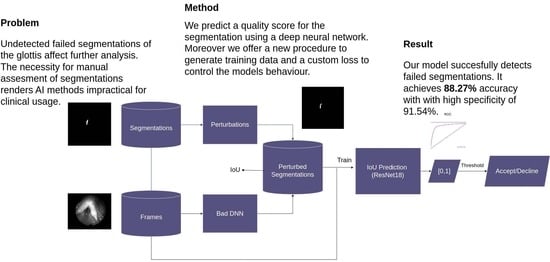
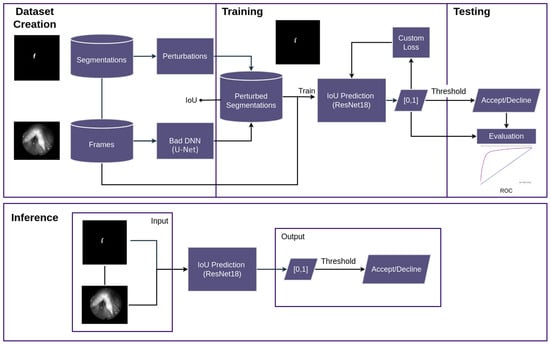
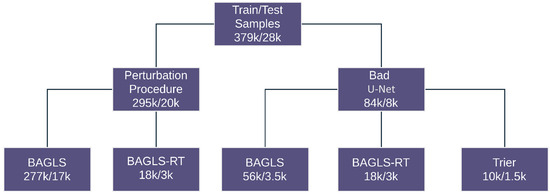
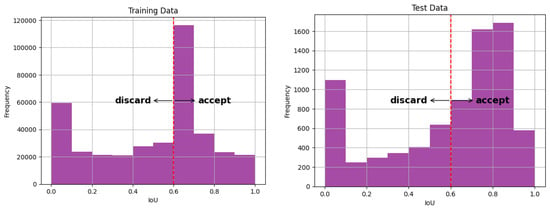
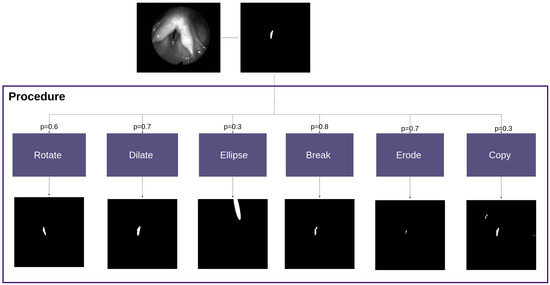
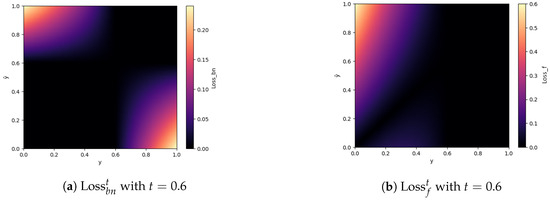
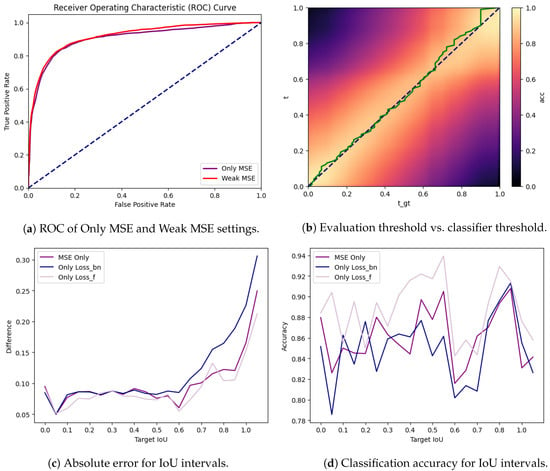
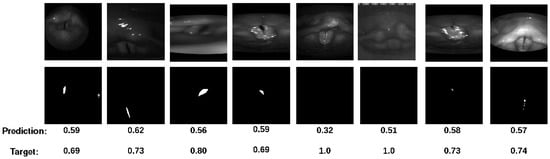
Medical image segmentation is crucial for clinical applications, but challenges persist due to noise and variability. In particular, accurate glottis segmentation from high-speed videos is vital for voice research and diagnostics. Manual searching for failed segmentations is labor-intensive, prompting interest in automated methods. This paper proposes the first deep learning approach for detecting faulty glottis segmentations. For this purpose, faulty segmentations are generated by applying both a poorly performing neural network and perturbation procedures to three public datasets. Heavy data augmentations are added to the input until the neural network’s performance decreases to the desired mean intersection over union (IoU). Likewise, the perturbation procedure involves a series of image transformations to the original ground truth segmentations in a randomized manner. These data are then used to train a ResNet18 neural network with custom loss functions to predict the IoU scores of faulty segmentations. This value is then thresholded with a fixed IoU of 0.6 for classification, thereby achieving 88.27% classification accuracy with 91.54% specificity. Experimental results demonstrate the effectiveness of the presented approach. Contributions include: (i) a knowledge-driven perturbation procedure, (ii) a deep learning framework for scoring and detecting faulty glottis segmentations, and (iii) an evaluation of custom loss functions. Full article
(This article belongs to the Special Issue Models and Analysis of Vocal Emissions for Biomedical Applications)
Show Figures

Graphical abstract

17 pages, 7426 KB  
Article
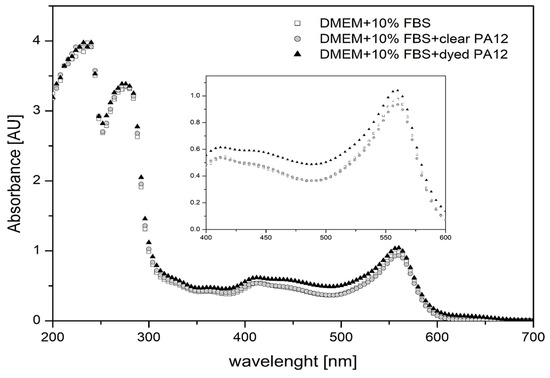
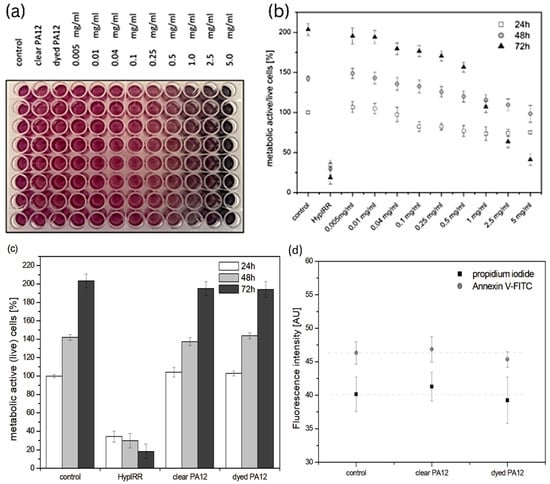
PA12 Surface Treatment and Its Effect on Compatibility with Nutritional Culture Medium to Maintain Cell Vitality and Proliferation
by Norbert Ferencik, Maria Danko, Zuzana Nadova, Petra Kolembusova and William Steingartner
Bioengineering 2024, 11(5), 442; https://doi.org/10.3390/bioengineering11050442 - 30 Apr 2024
Cited by 5 | Viewed by 3371
Abstract
This research investigates the suitability of printed polyamide 12 (PA12) and its dyed version to support cells in bioengineering applications. For this purpose, human gingival fibroblasts (hGF06) were cultured on PA-12 scaffolds that were 3D-printed by Multi Jet Fusion (MJF). The study examined [...] Read more.
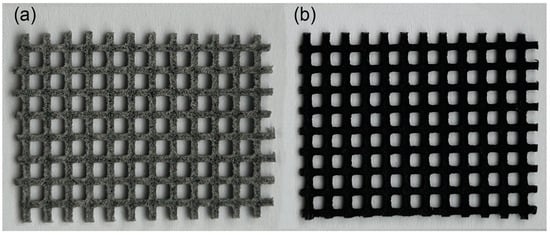
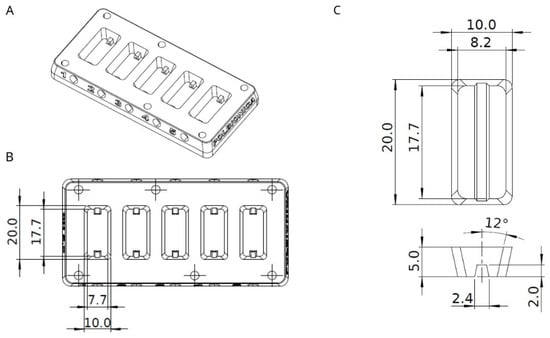
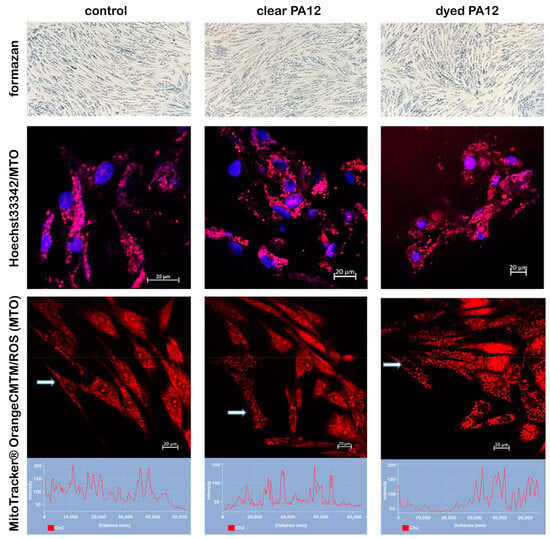
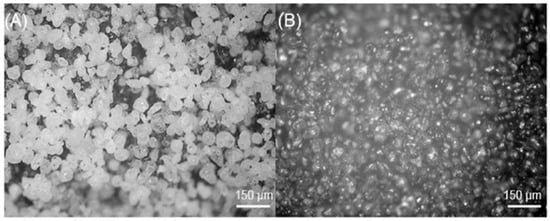
This research investigates the suitability of printed polyamide 12 (PA12) and its dyed version to support cells in bioengineering applications. For this purpose, human gingival fibroblasts (hGF06) were cultured on PA-12 scaffolds that were 3D-printed by Multi Jet Fusion (MJF). The study examined the direct cultivation of cells on MJF-printed cell culture scaffolds and the effect of leachate of PA-12 printed by MJF on the cultured cells. The article presents research on the surface treatment of PA12 material used in 3D printing and the effect of automatic staining on cell vitality and proliferation in vitro. The study presents a unique device designed exclusively for staining prints made of the biocompatible material PA12 and demonstrates the compatibility of 3D-printed polyamide 12 parts stained in the novel device with a nutrient culture medium and cells. This novel PA12 surface treatment for biomedical purposes does not affect the compatibility with the culture medium, which is essential for cell viability and proliferation. Fluorescence microscopy revealed that mitochondrial fitness and cell survival were not affected by prolonged incubation with clear or dyed PA12 3D-printed parts. Full article
Show Figures

Figure 1
30 pages, 10517 KB  
Article
Ultra-High Contrast MRI: Using Divided Subtracted Inversion Recovery (dSIR) and Divided Echo Subtraction (dES) Sequences to Study the Brain and Musculoskeletal System
by Daniel Cornfeld, Paul Condron, Gil Newburn, Josh McGeown, Miriam Scadeng, Mark Bydder, Mark Griffin, Geoffrey Handsfield, Meeghage Randika Perera, Tracy Melzer, Samantha Holdsworth, Eryn Kwon and Graeme Bydder
Bioengineering 2024, 11(5), 441; https://doi.org/10.3390/bioengineering11050441 - 29 Apr 2024
Cited by 10 | Viewed by 3162
Abstract
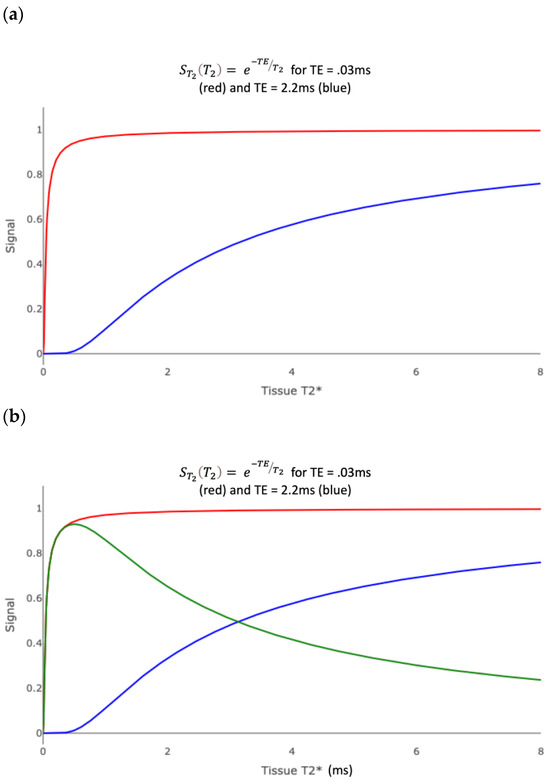
Divided and subtracted MRI is a novel imaging processing technique, where the difference of two images is divided by their sum. When the sequence parameters are chosen properly, this results in images with a high T1 or T2 weighting over a [...] Read more.
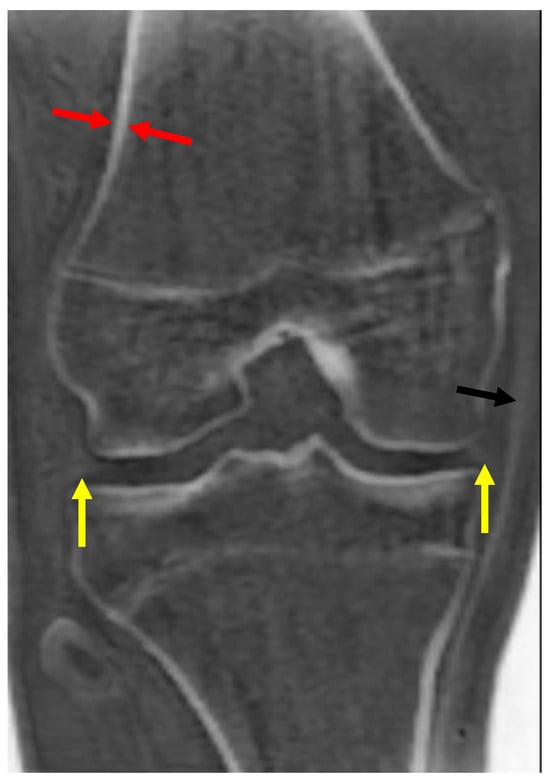
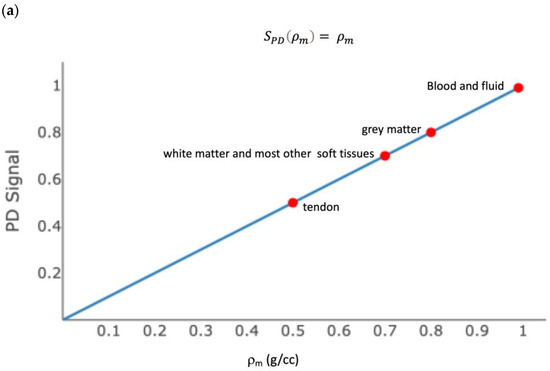
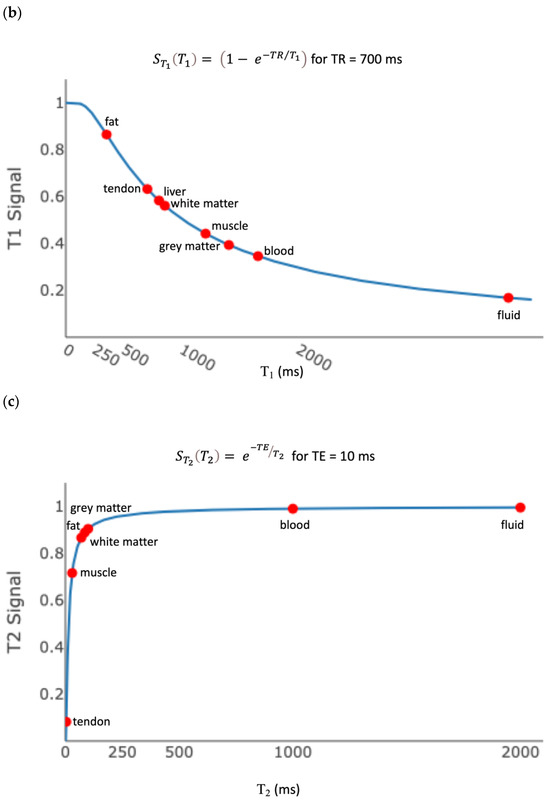
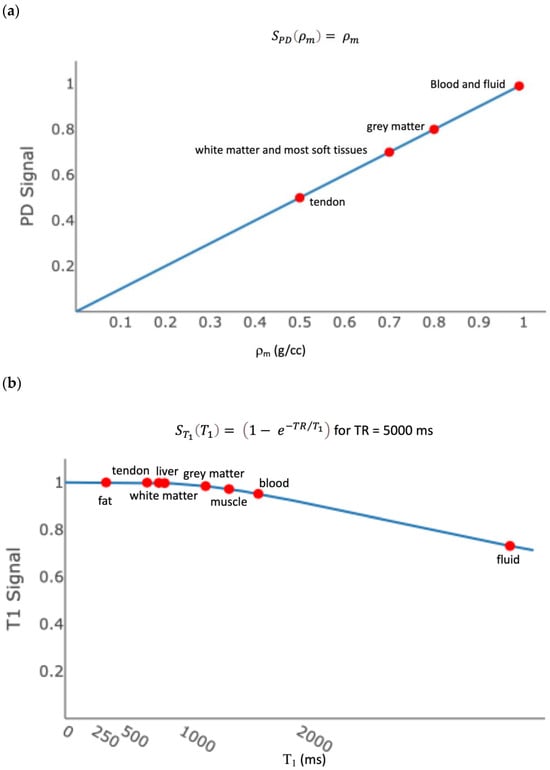
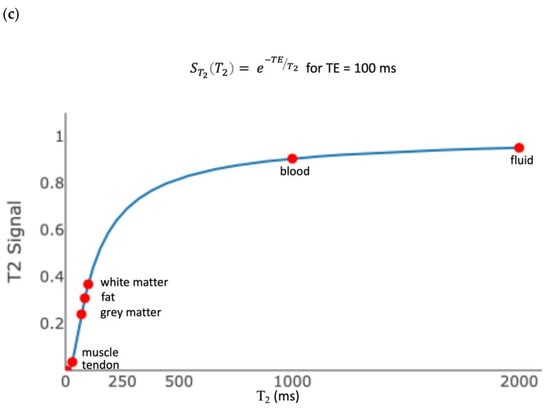
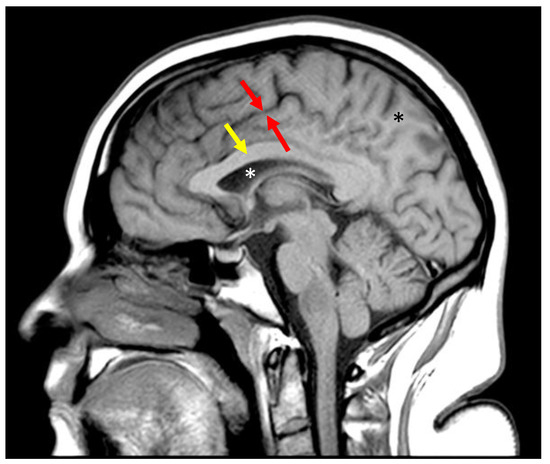
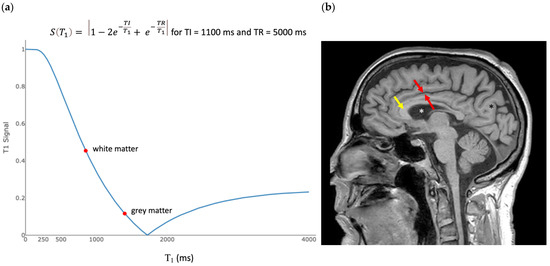
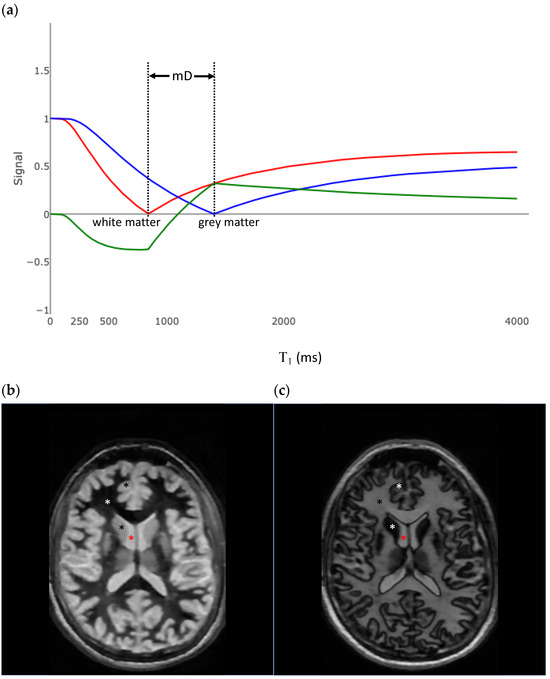
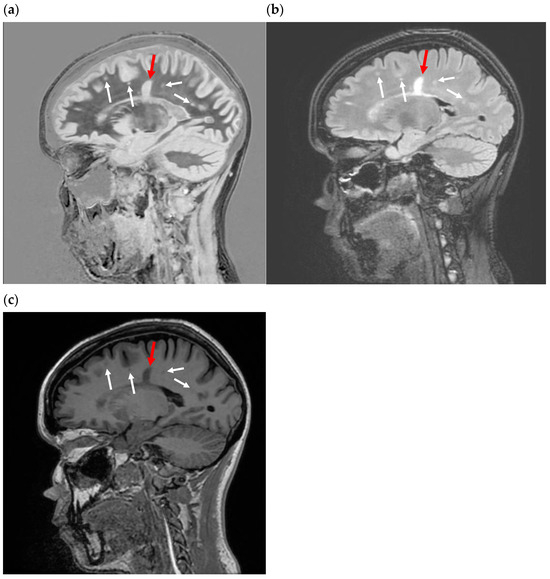
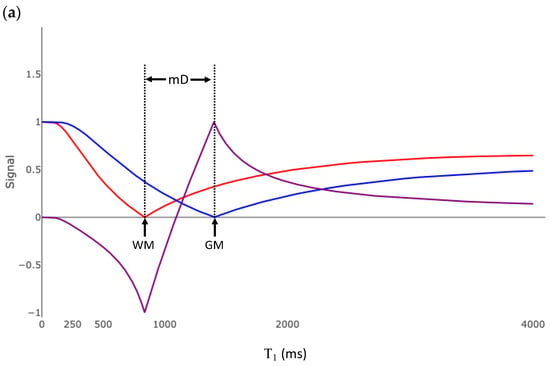
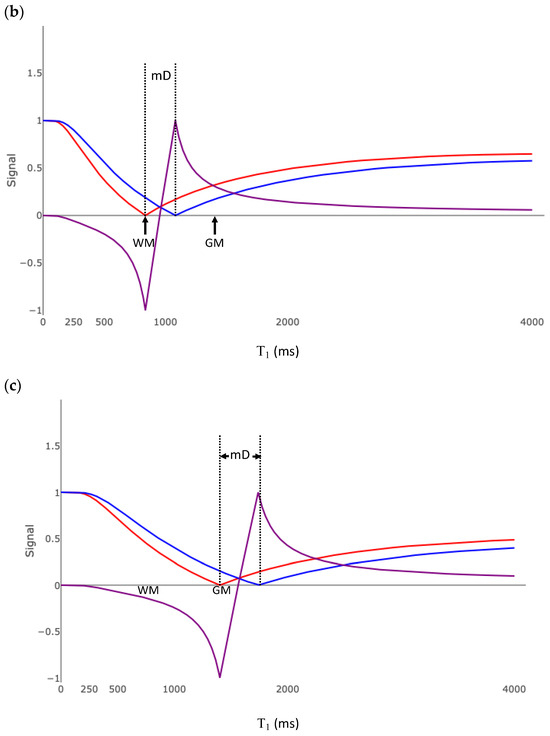
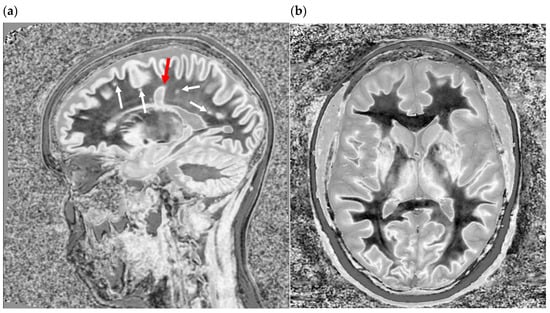
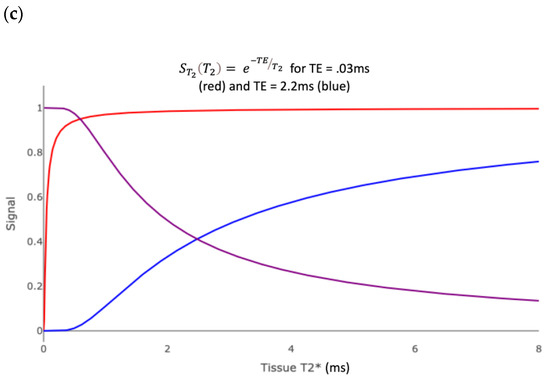
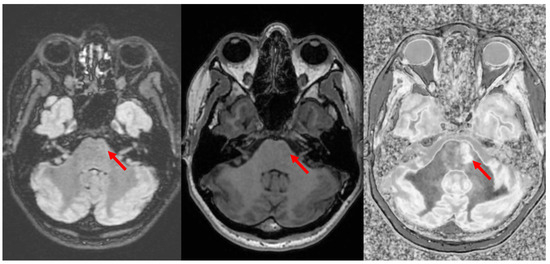
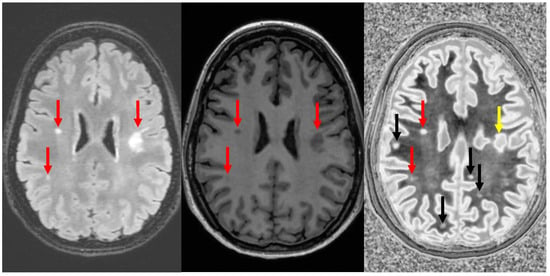
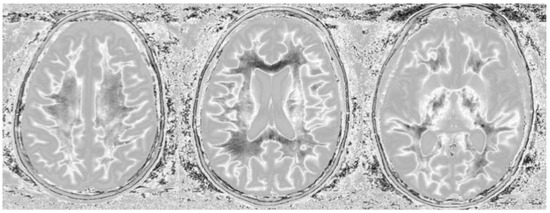
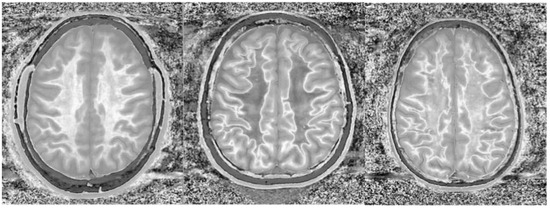
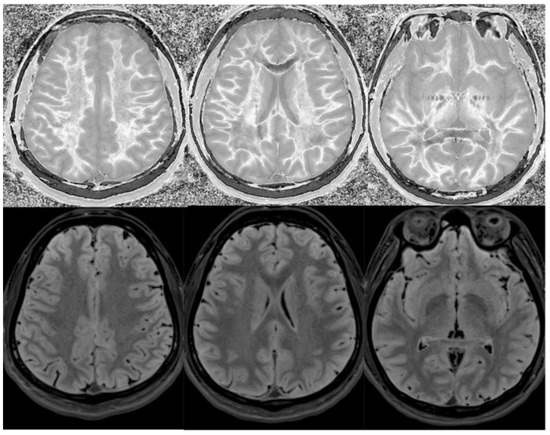
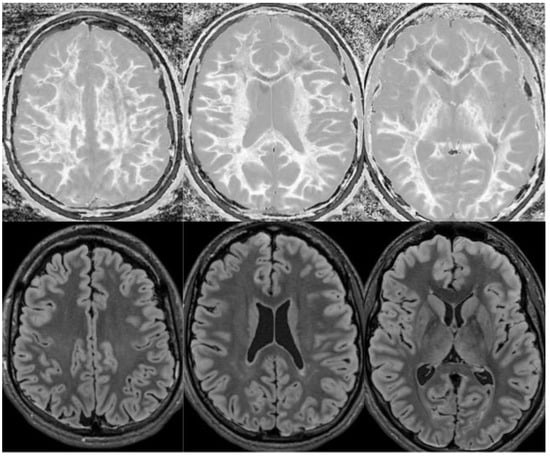
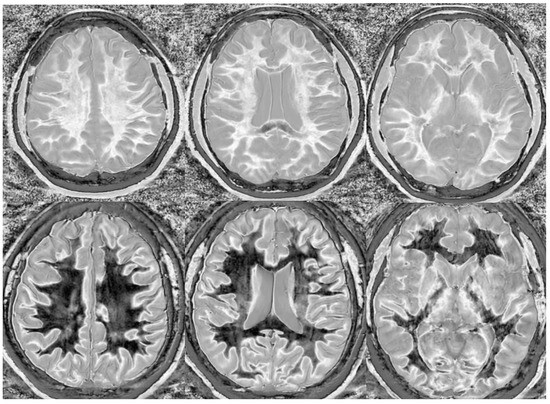
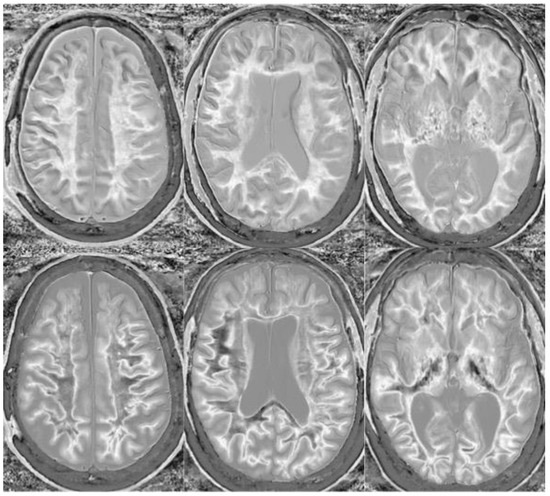
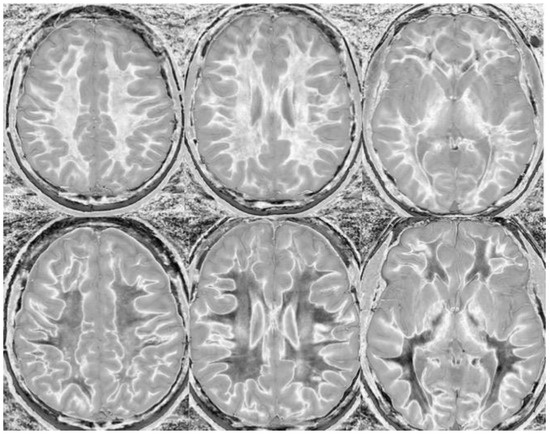
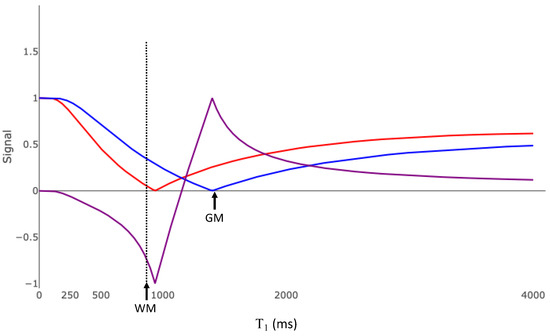
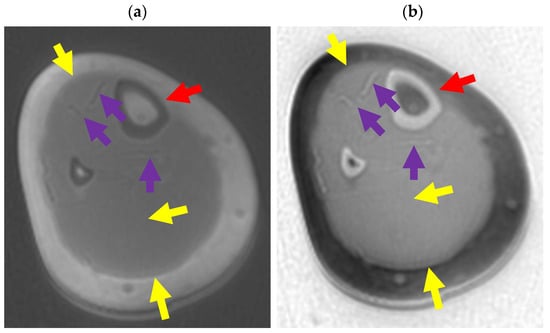
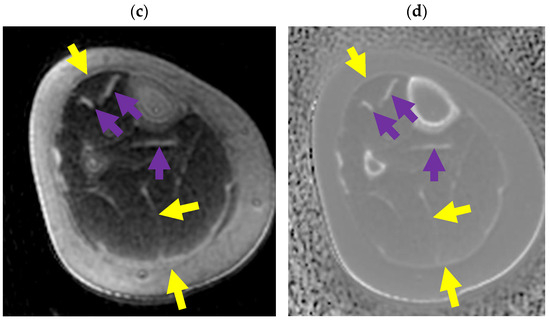
Divided and subtracted MRI is a novel imaging processing technique, where the difference of two images is divided by their sum. When the sequence parameters are chosen properly, this results in images with a high T1 or T2 weighting over a small range of tissues with specific T1 and T2 values. In the T1 domain, we describe the implementation of the divided Subtracted Inversion Recovery Sequence (dSIR), which is used to image very small changes in T1 from normal in white matter. dSIR has shown widespread changes in otherwise normal-appearing white matter in patients suffering from mild traumatic brain injury (mTBI), substance abuse, and ischemic leukoencephalopathy. It can also be targeted to measure small changes in T1 from normal in other tissues. In the T2 domain, we describe the divided echo subtraction (dES) sequence that is used to image musculoskeletal tissues with a very short T2*. These tissues include fascia, tendons, and aponeuroses. In this manuscript, we explain how this contrast is generated, review how these techniques are used in our research, and discuss the current challenges and limitations of this technique. Full article
(This article belongs to the Special Issue Novel MRI Techniques and Biomedical Image Processing)
Show Figures

Figure 1
17 pages, 1849 KB  
Article
Unveiling the Unpredictable in Parkinson’s Disease: Sensor-Based Monitoring of Dyskinesias and Freezing of Gait in Daily Life
by Alessandro Zampogna, Luigi Borzì, Domiziana Rinaldi, Carlo Alberto Artusi, Gabriele Imbalzano, Martina Patera, Leonardo Lopiano, Francesco Pontieri, Gabriella Olmo and Antonio Suppa
Bioengineering 2024, 11(5), 440; https://doi.org/10.3390/bioengineering11050440 - 29 Apr 2024
Cited by 17 | Viewed by 3856
Abstract
Background: Dyskinesias and freezing of gait are episodic disorders in Parkinson’s disease, characterized by a fluctuating and unpredictable nature. This cross-sectional study aims to objectively monitor Parkinsonian patients experiencing dyskinesias and/or freezing of gait during activities of daily living and assess possible changes [...] Read more.
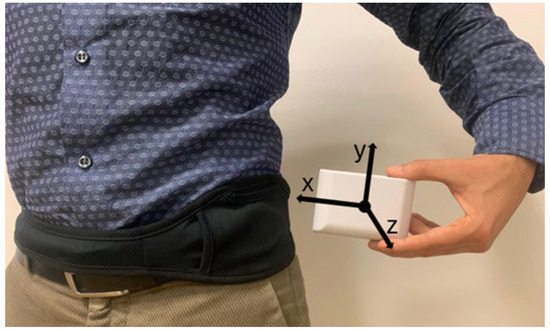
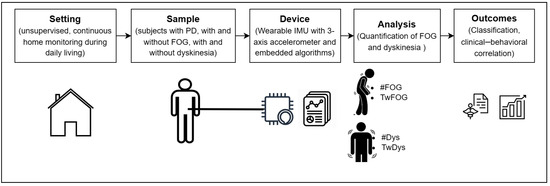
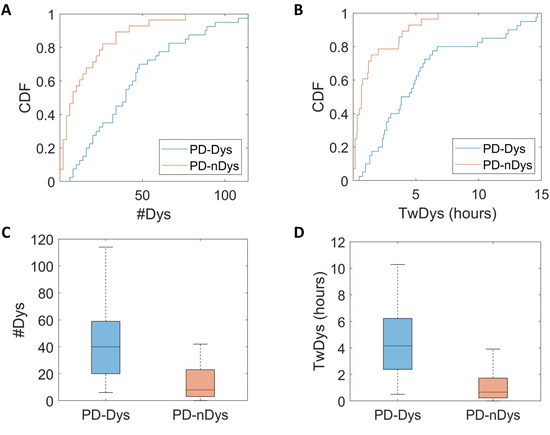
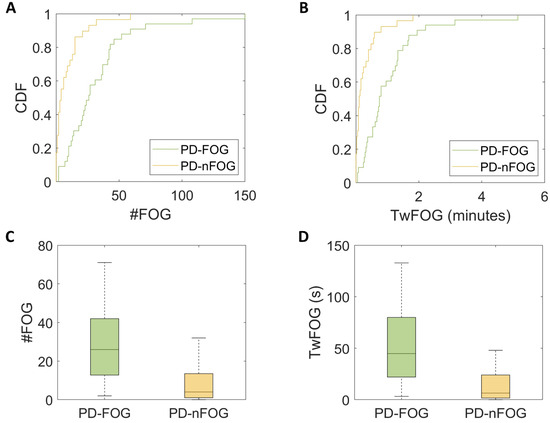
Background: Dyskinesias and freezing of gait are episodic disorders in Parkinson’s disease, characterized by a fluctuating and unpredictable nature. This cross-sectional study aims to objectively monitor Parkinsonian patients experiencing dyskinesias and/or freezing of gait during activities of daily living and assess possible changes in spatiotemporal gait parameters. Methods: Seventy-one patients with Parkinson’s disease (40 with dyskinesias and 33 with freezing of gait) were continuously monitored at home for a minimum of 5 days using a single wearable sensor. Dedicated machine-learning algorithms were used to categorize patients based on the occurrence of dyskinesias and freezing of gait. Additionally, specific spatiotemporal gait parameters were compared among patients with and without dyskinesias and/or freezing of gait. Results: The wearable sensor algorithms accurately classified patients with and without dyskinesias as well as those with and without freezing of gait based on the recorded dyskinesias and freezing of gait episodes. Standard spatiotemporal gait parameters did not differ significantly between patients with and without dyskinesias or freezing of gait. Both the time spent with dyskinesias and the number of freezing of gait episodes positively correlated with the disease severity and medication dosage. Conclusions: A single inertial wearable sensor shows promise in monitoring complex, episodic movement patterns, such as dyskinesias and freezing of gait, during daily activities. This approach may help implement targeted therapeutic and preventive strategies for Parkinson’s disease. Full article
(This article belongs to the Special Issue Intelligent Health Management, Nursing and Rehabilitation Technology)
Show Figures

Figure 1
19 pages, 6982 KB  
Article
Bioprinting of Perfusable, Biocompatible Vessel-like Channels with dECM-Based Bioinks and Living Cells
by Marta Klak, Michał Rachalewski, Anna Filip, Tomasz Dobrzański, Andrzej Berman and Michał Wszoła
Bioengineering 2024, 11(5), 439; https://doi.org/10.3390/bioengineering11050439 - 29 Apr 2024
Cited by 4 | Viewed by 3605
Abstract
There is a growing interest in the production of bioinks that on the one hand, are biocompatible and, on the other hand, have mechanical properties that allow for the production of stable constructs that can survive for a long time after transplantation. While [...] Read more.
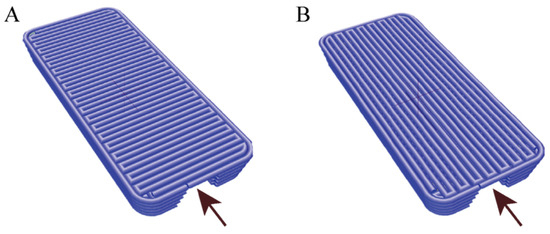
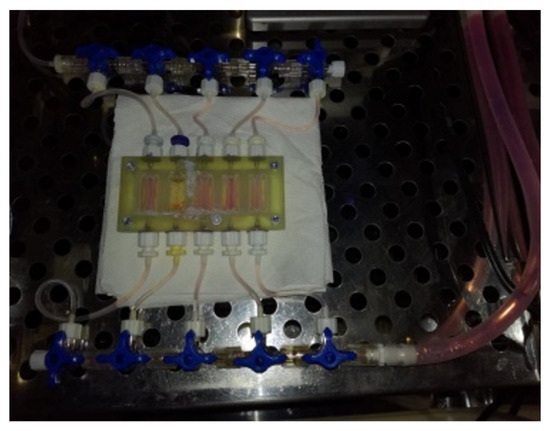
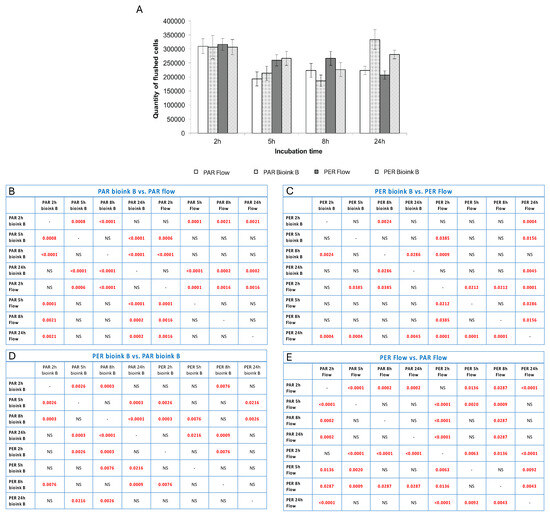
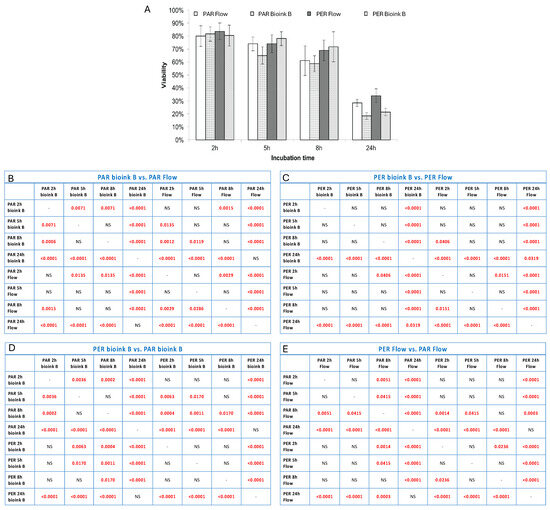
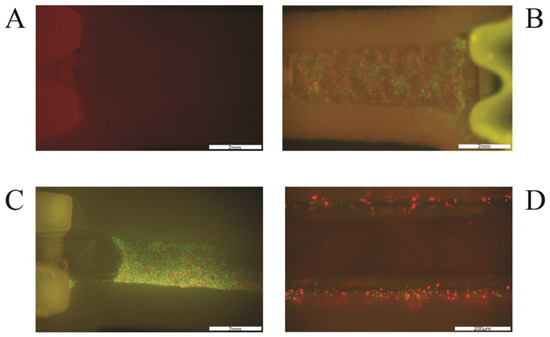
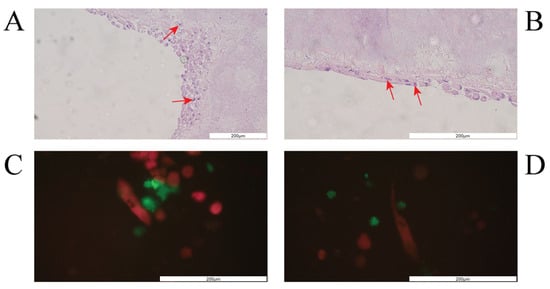
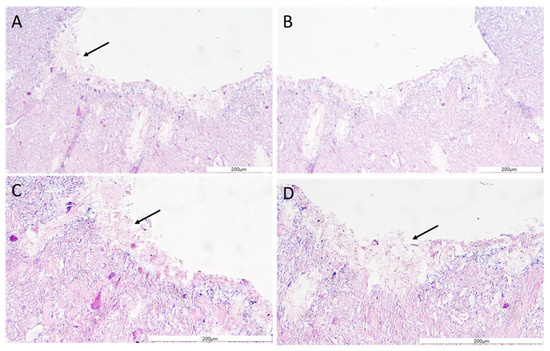
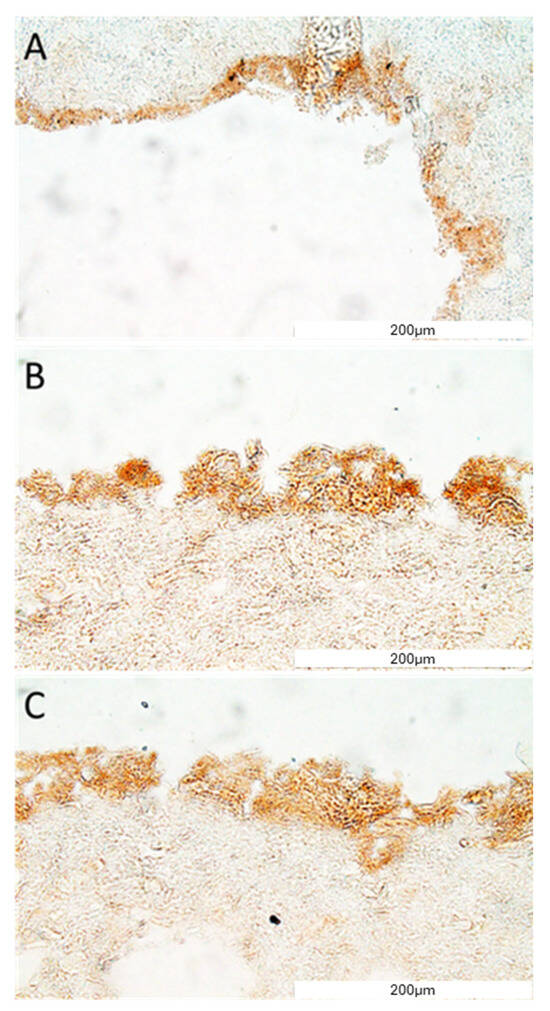
There is a growing interest in the production of bioinks that on the one hand, are biocompatible and, on the other hand, have mechanical properties that allow for the production of stable constructs that can survive for a long time after transplantation. While the selection of the right material is crucial for bioprinting, there is another equally important issue that is currently being extensively researched—the incorporation of the vascular system into the fabricated scaffolds. Therefore, in the following manuscript, we present the results of research on bioink with unique physico-chemical and biological properties. In this article, two methods of seeding cells were tested using bioink B and seeding after bioprinting the whole model. After 2, 5, 8, or 24 h of incubation, the flow medium was used in the tested systems. At the end of the experimental trial, for each time variant, the canals were stored in formaldehyde, and immunohistochemical staining was performed to examine the presence of cells on the canal walls and roof. Cells adhered to both ways of fiber arrangement; however, a parallel bioprint with the 5 h incubation and the intermediate plating of cells resulted in better adhesion efficiency. For this test variant, the percentage of cells that adhered was at least 20% higher than in the other analyzed variants. In addition, it was for this variant that the lowest percentage of viable cells was found that were washed out of the tested model. Importantly, hematoxylin and eosin staining showed that after 8 days of culture, the cells were evenly distributed throughout the canal roof. Our study clearly shows that neovascularization-promoting cells effectively adhere to ECM-based pancreatic bioink. Summarizing the presented results, it was demonstrated that the proposed bioink compositions can be used for bioprinting bionic organs with a vascular system formed by endothelial cells and fibroblasts. Full article
(This article belongs to the Special Issue 3D Bioprinting Advanced Vascularized Tissues and Organs)
Show Figures

Figure 1
12 pages, 4583 KB  
Article
Mendelian Randomization Reveals: Triglycerides and Sensorineural Hearing Loss
by Shun Ding, Yixuan Liu, Tingting Duan, Peng Fang, Qiling Tong, Huawei Li and Huiqian Yu
Bioengineering 2024, 11(5), 438; https://doi.org/10.3390/bioengineering11050438 - 29 Apr 2024
Cited by 5 | Viewed by 2963
Abstract
Background: Sensorineural hearing loss (SNHL) is a multifactorial disorder with potential links to various physiological systems, including the cardiovascular system via blood lipid levels such as triglycerides (TG). This study investigates the causal relationship between TG levels and SNHL using Mendelian randomization (MR), [...] Read more.
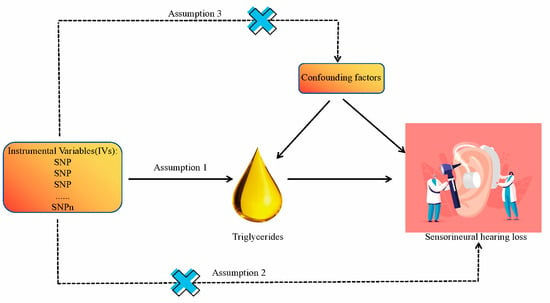
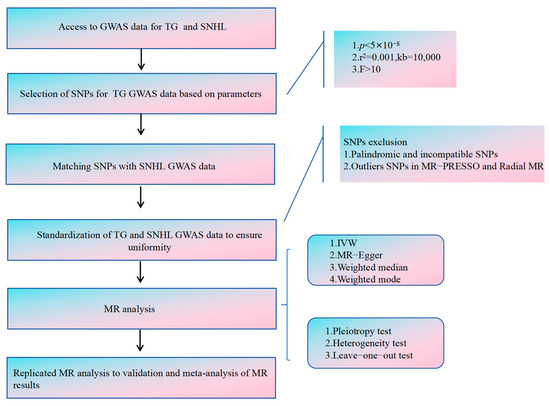
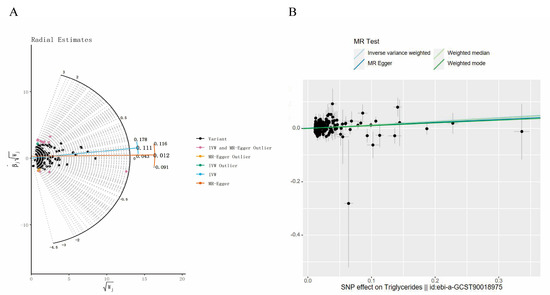
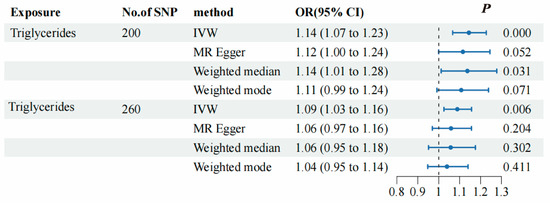
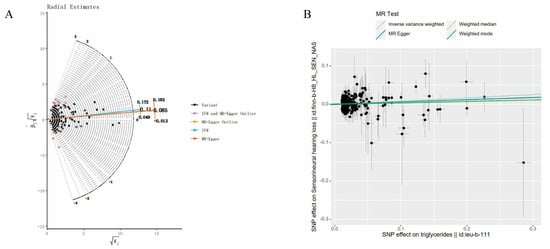
Background: Sensorineural hearing loss (SNHL) is a multifactorial disorder with potential links to various physiological systems, including the cardiovascular system via blood lipid levels such as triglycerides (TG). This study investigates the causal relationship between TG levels and SNHL using Mendelian randomization (MR), which offers a method to reduce confounding and reverse causality by using genetic variants as instrumental variables. Methods: Utilizing publicly available genome-wide association study (GWAS) data, we performed a two-sample MR analysis. The initial analysis unveiled a causal relationship between TG (GWAS ID: ebi-a-GCST90018975) and SNHL (GWAS ID: finn b-H8_HL_SEN-NAS). Subsequent analysis validated this through MR with a larger sample size for TG (GWAS ID: ieu-b-111) and SNHL. To conduct the MR analysis, we utilized several methods including inverse-variance weighted (IVW), MR Egger, weighted median, and weighted mode. We also employed Cochrane’s Q test to identify any heterogeneity in the MR results. To detect horizontal pleiotropy, we conducted the MR-Egger intercept test and MR pleiotropy residual sum and outliers (MR-PRESSO) test. We performed a leave-one-out analysis to assess the sensitivity of this association. Finally, a meta-analysis of the MR results was undertaken. Results: Our study found a significant positive correlation between TG and SNHL, with OR values of 1.14 (95% CI: 1.07–1.23, p < 0.001) in the IVW analysis and 1.09 (95% CI: 1.03–1.16, p < 0.006) in the replicate analysis. We also found no evidence of horizontal pleiotropy or heterogeneity between the genetic variants (p > 0.05), and a leave-one-out test confirmed the stability and robustness of this association. The meta-analysis combining the initial and replicate analyses showed a significant causal effect with OR values of 1.11 (95% CI: 1.06–1.16, p = 0.01). Conclusion: These findings indicate TG as a risk factor for SNHL, suggesting potential pathways for prevention and intervention in populations at risk. This conclusion underscores the importance of managing TG levels as a strategy to mitigate the risk of developing SNHL. Full article
(This article belongs to the Section Biomedical Engineering and Biomaterials)
Show Figures

Figure 1
12 pages, 3293 KB  
Article
Repair of Rat Calvarial Critical-Sized Defects Using Heparin-Conjugated Fibrin Hydrogel Containing BMP-2 and Adipose-Derived Pericytes
by Gulshakhar Kudaibergen, Sholpan Mukhlis, Ainur Mukhambetova, Assel Issabekova, Aliya Sekenova, Madina Sarsenova, Abay Temirzhan, Murat Baidarbekov, Baurzhan Umbayev and Vyacheslav Ogay
Bioengineering 2024, 11(5), 437; https://doi.org/10.3390/bioengineering11050437 - 29 Apr 2024
Cited by 8 | Viewed by 3034
Abstract
The repair of critical-sized calvarial defects is a challenging problem for orthopedic surgery. One of the promising strategies of bone bioengineering to enhance the efficacy of large bone defect regeneration is the combined delivery of stem cells with osteoinductive factors within polymer carriers. [...] Read more.
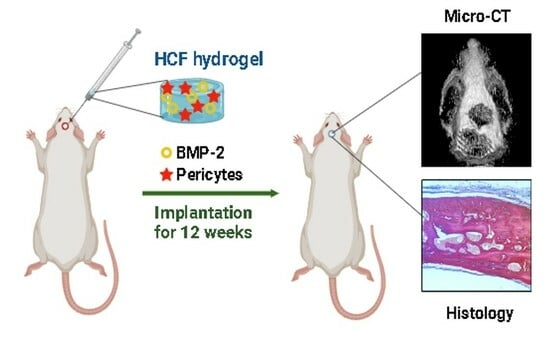
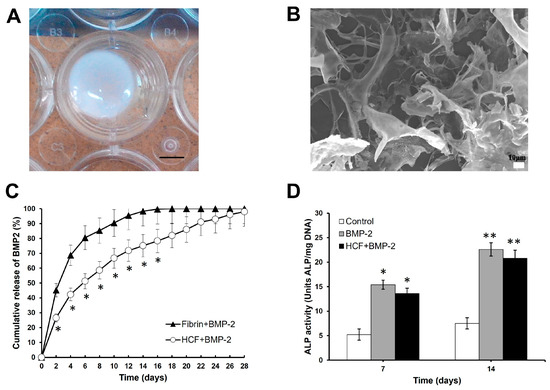
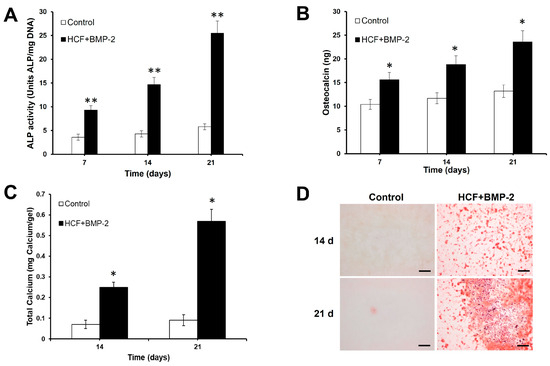
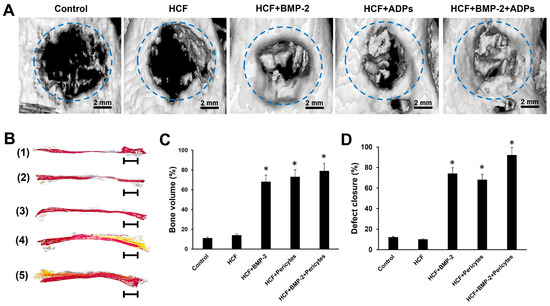
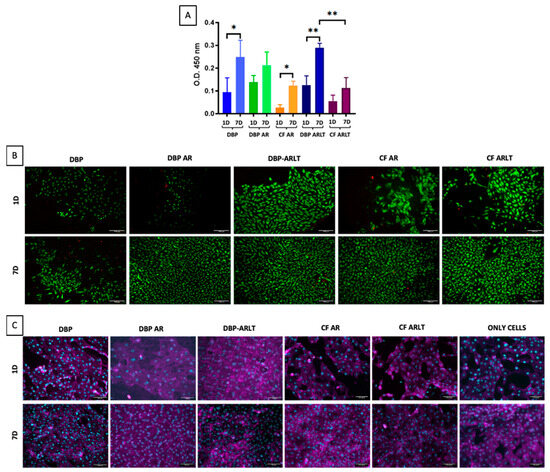
The repair of critical-sized calvarial defects is a challenging problem for orthopedic surgery. One of the promising strategies of bone bioengineering to enhance the efficacy of large bone defect regeneration is the combined delivery of stem cells with osteoinductive factors within polymer carriers. The purpose of the research was to study the regenerative effects of heparin-conjugated fibrin (HCF) hydrogel containing bone morphogenetic protein 2 (BMP-2) and adipose-derived pericytes (ADPs) in a rat critical-sized calvarial defect model. In vitro analysis revealed that the HCF hydrogel was able to control the BMP-2 release and induce alkaline phosphatase (ALP) activity in neonatal rat osteoblasts. In addition, it was found that eluted BMP-2 significantly induced the osteogenic differentiation of ADPs. It was characterized by the increased ALP activity, osteocalcin expression and calcium deposits in ADPs. In vivo studies have shown that both HCF hydrogel with BMP-2 and HCF hydrogel with pericytes are able to significantly increase the regeneration of critical-sized calvarial defects in comparison with the control group. Nevertheless, the greatest regenerative effect was found after the co-delivery of ADPs and BMP-2 into a critical-sized calvarial defect. Thus, our findings suggest that the combined delivery of ADPs and BMP-2 in HCF hydrogel holds promise to be applied as an alternative biopolymer for the critical-sized bone defect restoration. Full article
(This article belongs to the Special Issue Bone Tissue Engineering and Translational Research)
Show Figures

Graphical abstract

16 pages, 4293 KB  
Article
Hybrid Materials for Vascular Applications: A Preliminary In Vitro Assessment
by Martina Todesco, Martina Casarin, Deborah Sandrin, Laura Astolfi, Filippo Romanato, Germana Giuggioli, Fabio Conte, Gino Gerosa, Chiara Giulia Fontanella and Andrea Bagno
Bioengineering 2024, 11(5), 436; https://doi.org/10.3390/bioengineering11050436 - 28 Apr 2024
Cited by 3 | Viewed by 2895
Abstract
The production of biomedical devices able to appropriately interact with the biological environment is still a great challenge. Synthetic materials are often employed, but they fail to replicate the biological and functional properties of native tissues, leading to a variety of adverse effects. [...] Read more.
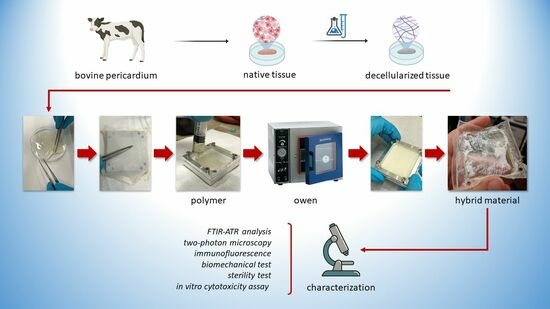
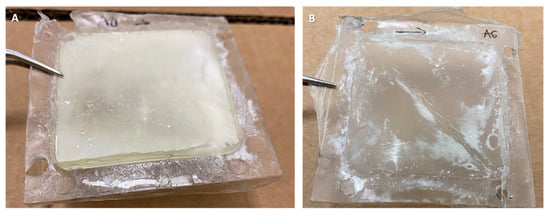
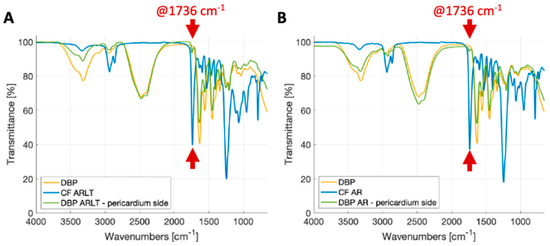
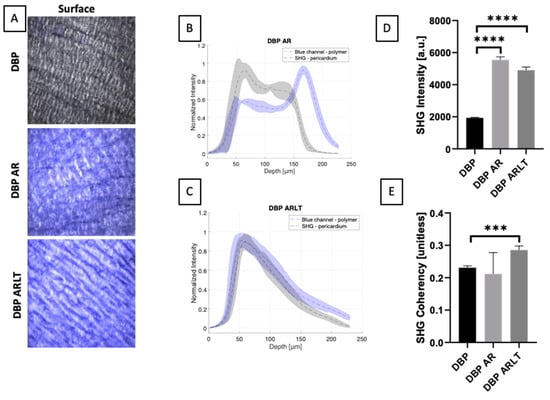
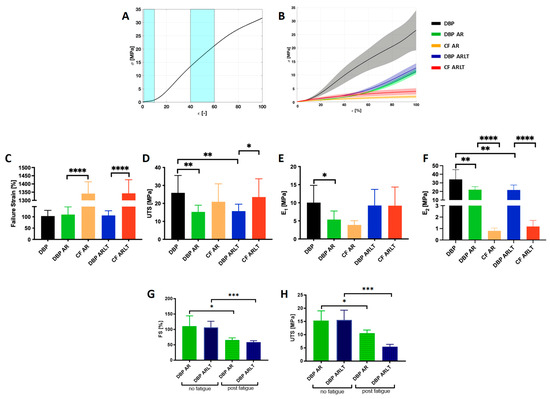
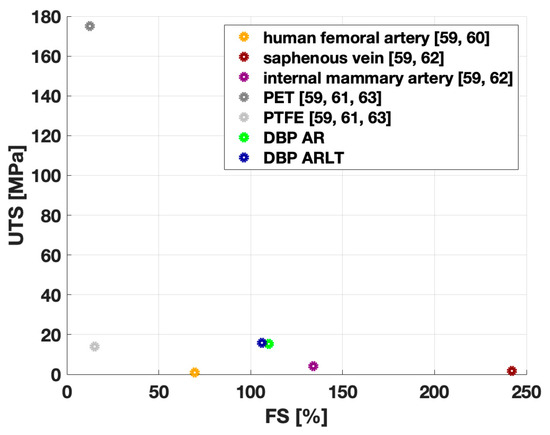
The production of biomedical devices able to appropriately interact with the biological environment is still a great challenge. Synthetic materials are often employed, but they fail to replicate the biological and functional properties of native tissues, leading to a variety of adverse effects. Several commercial products are based on chemically treated xenogeneic tissues: their principal drawback is due to weak mechanical stability and low durability. Recently, decellularization has been proposed to bypass the drawbacks of both synthetic and biological materials. Acellular materials can integrate with host tissues avoiding/mitigating any foreign body response, but they often lack sufficient patency and impermeability. The present paper investigates an innovative approach to the realization of hybrid materials that combine decellularized bovine pericardium with polycarbonate urethanes. These hybrid materials benefit from the superior biocompatibility of the biological tissue and the mechanical properties of the synthetic polymers. They were assessed from physicochemical, structural, mechanical, and biological points of view; their ability to promote cell growth was also investigated. The decellularized pericardium and the polymer appeared to well adhere to each other, and the two sides were distinguishable. The maximum elongation of hybrid materials was mainly affected by the pericardium, which allows for lower elongation than the polymer; this latter, in turn, influenced the maximum strength achieved. The results confirmed the promising features of hybrid materials for the production of vascular grafts able to be repopulated by circulating cells, thus, improving blood compatibility. Full article
Show Figures

Graphical abstract

15 pages, 4038 KB  
Article
Evaluation of Skin Wound Healing with Biosheets Containing Somatic Stem Cells in a Dog Model: A Pilot Study
by Noritaka Maeta, Ryosuke Iwai, Hiroshi Takemitsu, Natsuki Akashi, Masahiro Miyabe, Marina Funayama-Iwai and Yasuhide Nakayama
Bioengineering 2024, 11(5), 435; https://doi.org/10.3390/bioengineering11050435 - 28 Apr 2024
Cited by 4 | Viewed by 2785
Abstract
The administration of mesenchymal stem cells (MSCs) has a positive effect on wound healing; however, the lack of adequate MSC engraftment at the wound site is a major limiting factor in current MSC-based therapies. In this study, a biosheet prepared using in-body tissue [...] Read more.
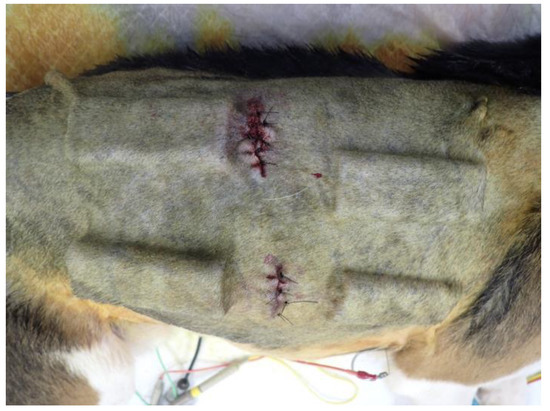
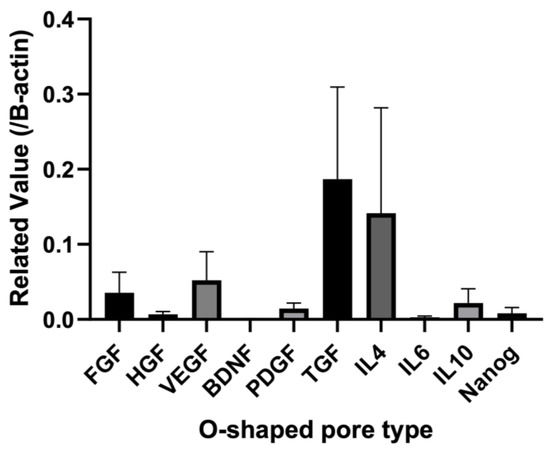
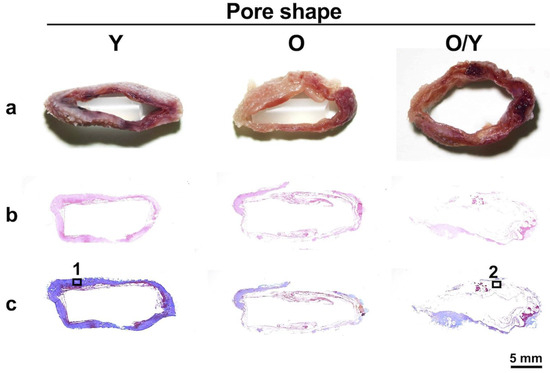
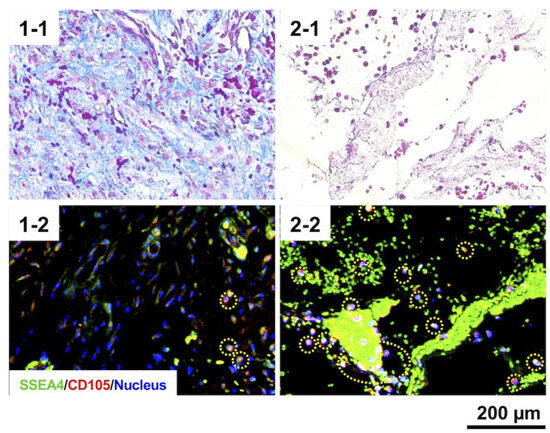
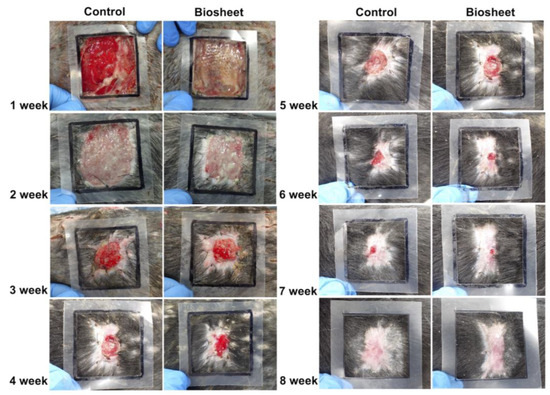
The administration of mesenchymal stem cells (MSCs) has a positive effect on wound healing; however, the lack of adequate MSC engraftment at the wound site is a major limiting factor in current MSC-based therapies. In this study, a biosheet prepared using in-body tissue architecture (iBTA) was used as a material to address these problems. This study aimed to assess and evaluate whether biosheets containing somatic stem cells would affect the wound healing process in dogs. Biosheets were prepared by subcutaneously embedding molds in beagles. These were then evaluated grossly and histologically, and the mRNA expression of inflammatory cytokines, interleukins, and Nanog was examined in some biosheets. Skin defects were created on the skin of the beagles to which the biosheets were applied. The wound healing processes of the biosheet and control (no biosheet application) groups were compared for 8 weeks. Nanog mRNA was expressed in the biosheets, and SSEA4/CD105 positive cells were observed histologically. Although the wound contraction rates differed significantly in the first week, the biosheet group tended to heal faster than the control group. This study revealed that biosheets containing somatic stem cells may have a positive effect on wound healing. Full article
(This article belongs to the Section Regenerative Engineering)
Show Figures

Figure 1
20 pages, 5357 KB  
Article
Synergizing Deep Learning-Enabled Preprocessing and Human–AI Integration for Efficient Automatic Ground Truth Generation
by Christopher Collazo, Ian Vargas, Brendon Cara, Carla J. Weinheimer, Ryan P. Grabau, Dmitry Goldgof, Lawrence Hall, Samuel A. Wickline and Hua Pan
Bioengineering 2024, 11(5), 434; https://doi.org/10.3390/bioengineering11050434 - 28 Apr 2024
Cited by 3 | Viewed by 2310
Abstract
The progress of incorporating deep learning in the field of medical image interpretation has been greatly hindered due to the tremendous cost and time associated with generating ground truth for supervised machine learning, alongside concerns about the inconsistent quality of images acquired. Active [...] Read more.
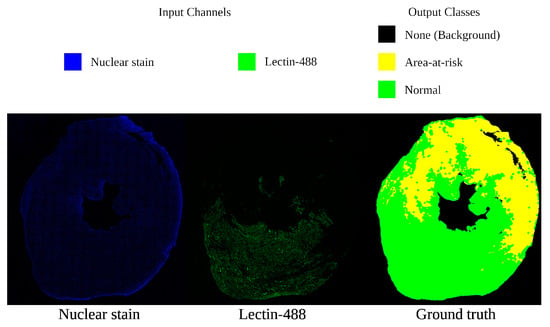
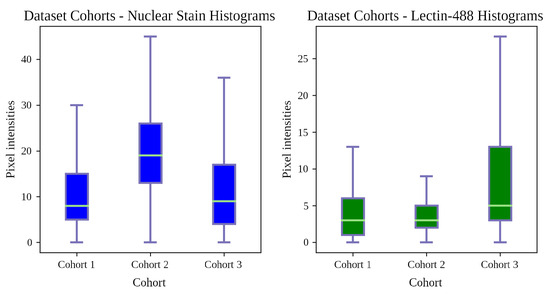
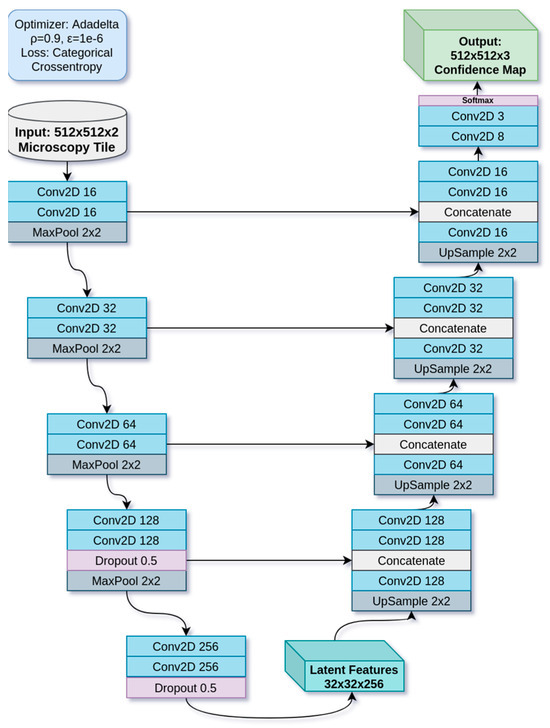
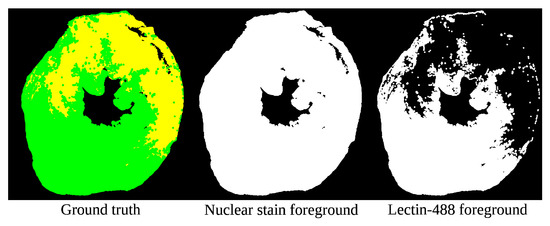
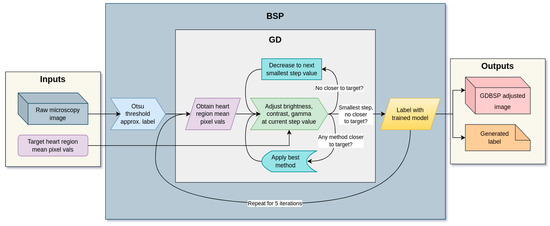
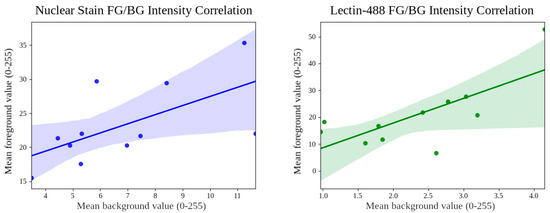
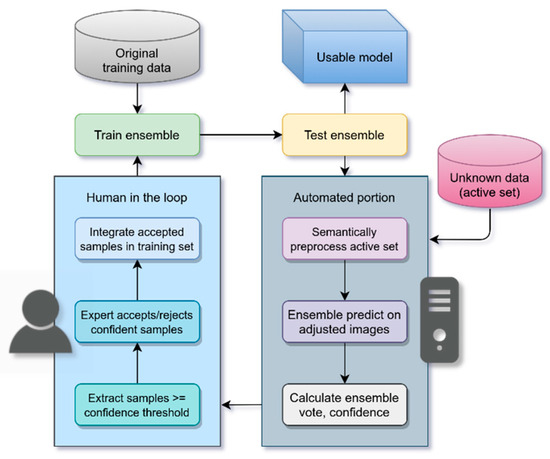
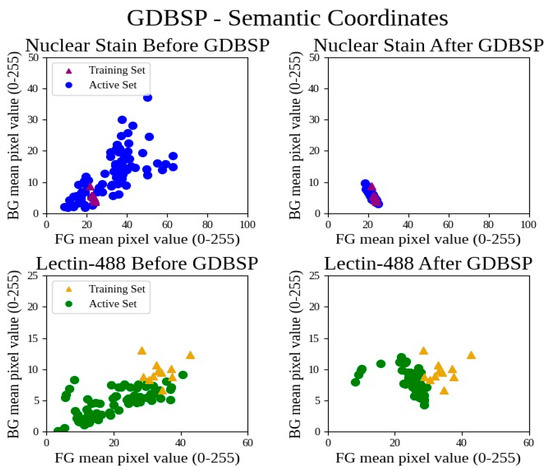
The progress of incorporating deep learning in the field of medical image interpretation has been greatly hindered due to the tremendous cost and time associated with generating ground truth for supervised machine learning, alongside concerns about the inconsistent quality of images acquired. Active learning offers a potential solution to these problems of expanding dataset ground truth by algorithmically choosing the most informative samples for ground truth labeling. Still, this effort incurs the costs of human labeling, which needs minimization. Furthermore, automatic labeling approaches employing active learning often exhibit overfitting tendencies while selecting samples closely aligned with the training set distribution and excluding out-of-distribution samples, which could potentially improve the model’s effectiveness. We propose that the majority of out-of-distribution instances can be attributed to inconsistent cross images. Since the FDA approved the first whole-slide image system for medical diagnosis in 2017, whole-slide images have provided enriched critical information to advance the field of automated histopathology. Here, we exemplify the benefits of a novel deep learning strategy that utilizes high-resolution whole-slide microscopic images. We quantitatively assess and visually highlight the inconsistencies within the whole-slide image dataset employed in this study. Accordingly, we introduce a deep learning-based preprocessing algorithm designed to normalize unknown samples to the training set distribution, effectively mitigating the overfitting issue. Consequently, our approach significantly increases the amount of automatic region-of-interest ground truth labeling on high-resolution whole-slide images using active deep learning. We accept 92% of the automatic labels generated for our unlabeled data cohort, expanding the labeled dataset by 845%. Additionally, we demonstrate expert time savings of 96% relative to manual expert ground-truth labeling. Full article
(This article belongs to the Special Issue Machine Learning Technology in Biomedical Engineering—2nd Edition)
Show Figures

Figure 1
14 pages, 2074 KB  
Article
Impact of Polyethylene-Glycol-Induced Water Potential on Methane Yield and Microbial Consortium Dynamics in the Anaerobic Degradation of Glucose
by Jin Yeo and Yong-Woo Jeon
Bioengineering 2024, 11(5), 433; https://doi.org/10.3390/bioengineering11050433 - 27 Apr 2024
Viewed by 2037
Abstract
This study investigated the relationship between water potential (Ψ) and the cation-induced inhibition of methane production in anaerobic digesters. The Ψ around methanogens was manipulated using polyethylene glycol (PEG) in a batch anaerobic reactor, ranging from −0.92 to −5.10 MPa. The ultimate methane [...] Read more.
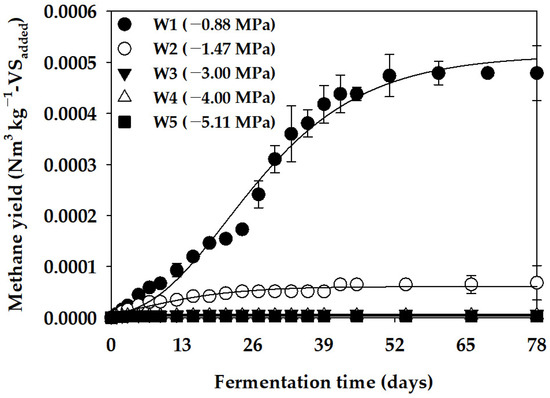
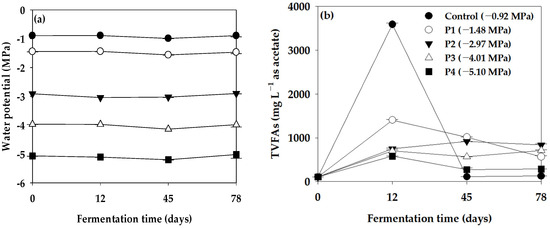
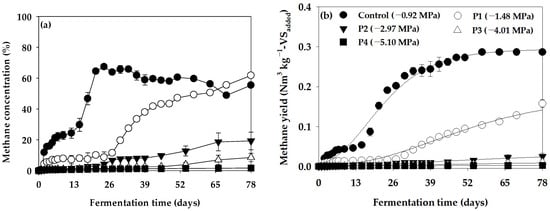
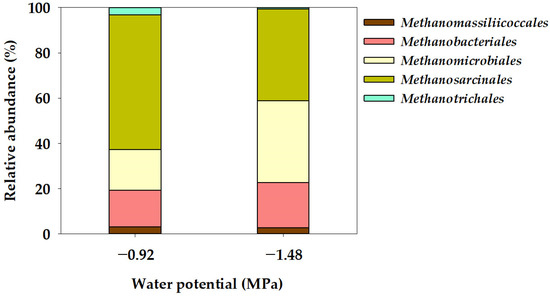
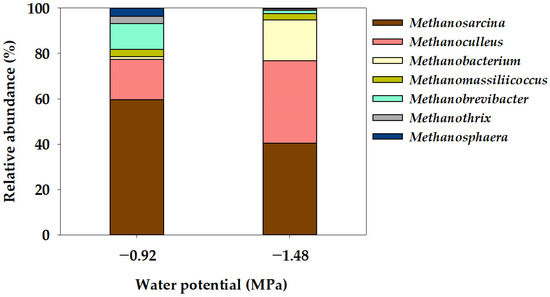
This study investigated the relationship between water potential (Ψ) and the cation-induced inhibition of methane production in anaerobic digesters. The Ψ around methanogens was manipulated using polyethylene glycol (PEG) in a batch anaerobic reactor, ranging from −0.92 to −5.10 MPa. The ultimate methane potential (Bu) decreased significantly from 0.293 to 0.002 Nm3 kg−1-VSadded as Ψ decreased. When Ψ lowered from −0.92 MPa to −1.48 MPa, the community distribution of acetoclastic Methanosarcina decreased from 59.62% to 40.44%, while those of hydrogenotrophic Methanoculleus and Methanobacterium increased from 17.70% and 1.30% to 36.30% and 18.07%, respectively. These results mirrored changes observed in methanogenic communities affected by cation inhibition with KCl. Our findings strongly indicate that the inhibitory effect of cations on methane production may stem more from the water stress induced by cations than from their direct toxic effects. This study highlights the importance of considering Ψ dynamics in understanding cation-mediated inhibition in anaerobic digesters, providing insights into optimizing microbial processes for enhanced methane production from organic substrates. Full article
(This article belongs to the Section Biochemical Engineering)
Show Figures

Figure 1
12 pages, 1880 KB  
Review
Recent Advances of MSCs in Renal IRI: From Injury to Renal Fibrosis
by Xinhao Niu, Xiaoqing Xu, Cuidi Xu, Yin Celeste Cheuk and Ruiming Rong
Bioengineering 2024, 11(5), 432; https://doi.org/10.3390/bioengineering11050432 - 27 Apr 2024
Cited by 6 | Viewed by 2743
Abstract
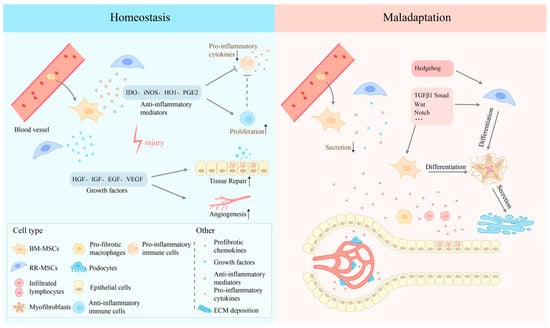
Renal fibrosis is a pathological endpoint of maladaptation after ischemia-reperfusion injury (IRI), and despite many attempts, no good treatment has been achieved so far. At the core of renal fibrosis is the differentiation of various types of cells into myofibroblasts. MSCs were once [...] Read more.
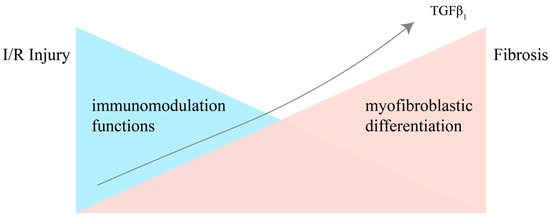
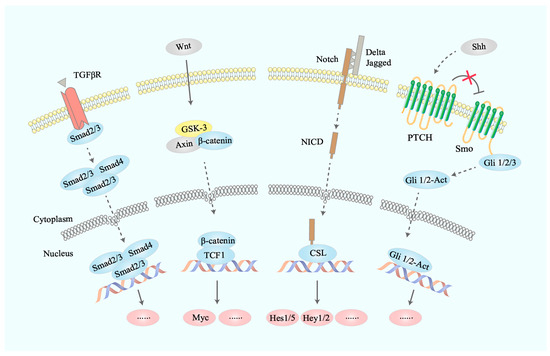
Renal fibrosis is a pathological endpoint of maladaptation after ischemia-reperfusion injury (IRI), and despite many attempts, no good treatment has been achieved so far. At the core of renal fibrosis is the differentiation of various types of cells into myofibroblasts. MSCs were once thought to play a protective role after renal IRI. However, growing evidence suggests that MSCs have a two-sided nature. In spite of their protective role, in maladaptive situations, MSCs start to differentiate towards myofibroblasts, increasing the myofibroblast pool and promoting renal fibrosis. Following renal IRI, it has been observed that Bone Marrow-Derived Mesenchymal Stem Cells (BM-MSCs) and Renal Resident Mesenchymal Stem Cells (RR-MSCs) play important roles. This review presents evidence supporting their involvement, discusses their potential mechanisms of action, and suggests several new targets for future research. Full article
Show Figures

Figure 1
14 pages, 293 KB  
Review
Artificial Intelligence in Adult and Pediatric Dentistry: A Narrative Review
by Seyed Mohammadrasoul Naeimi, Shayan Darvish, Bahareh Nazemi Salman and Ionut Luchian
Bioengineering 2024, 11(5), 431; https://doi.org/10.3390/bioengineering11050431 - 27 Apr 2024
Cited by 29 | Viewed by 7471
Abstract
Artificial intelligence (AI) has been recently introduced into clinical dentistry, and it has assisted professionals in analyzing medical data with unprecedented speed and an accuracy level comparable to humans. With the help of AI, meaningful information can be extracted from dental databases, especially [...] Read more.
Artificial intelligence (AI) has been recently introduced into clinical dentistry, and it has assisted professionals in analyzing medical data with unprecedented speed and an accuracy level comparable to humans. With the help of AI, meaningful information can be extracted from dental databases, especially dental radiographs, to devise machine learning (a subset of AI) models. This study focuses on models that can diagnose and assist with clinical conditions such as oral cancers, early childhood caries, deciduous teeth numbering, periodontal bone loss, cysts, peri-implantitis, osteoporosis, locating minor apical foramen, orthodontic landmark identification, temporomandibular joint disorders, and more. The aim of the authors was to outline by means of a review the state-of-the-art applications of AI technologies in several dental subfields and to discuss the efficacy of machine learning algorithms, especially convolutional neural networks (CNNs), among different types of patients, such as pediatric cases, that were neglected by previous reviews. They performed an electronic search in PubMed, Google Scholar, Scopus, and Medline to locate relevant articles. They concluded that even though clinicians encounter challenges in implementing AI technologies, such as data management, limited processing capabilities, and biased outcomes, they have observed positive results, such as decreased diagnosis costs and time, as well as early cancer detection. Thus, further research and development should be considered to address the existing complications. Full article
(This article belongs to the Special Issue Artificial Intelligence in Healthcare)
30 pages, 4043 KB  
Review
Advancements and Challenges in Non-Invasive Sensor Technologies for Swallowing Assessment: A Review
by Yuwen Wu, Kai Guo, Yuyi Chu, Zhisen Wang, Hongbo Yang and Juzhong Zhang
Bioengineering 2024, 11(5), 430; https://doi.org/10.3390/bioengineering11050430 - 27 Apr 2024
Cited by 9 | Viewed by 6711
Abstract
Dysphagia is a pervasive health issue that impacts diverse demographic groups worldwide, particularly the elderly, stroke survivors, and those suffering from neurological disorders. This condition poses substantial health risks, including malnutrition, respiratory complications, and increased mortality. Additionally, it exacerbates economic burdens by extending [...] Read more.
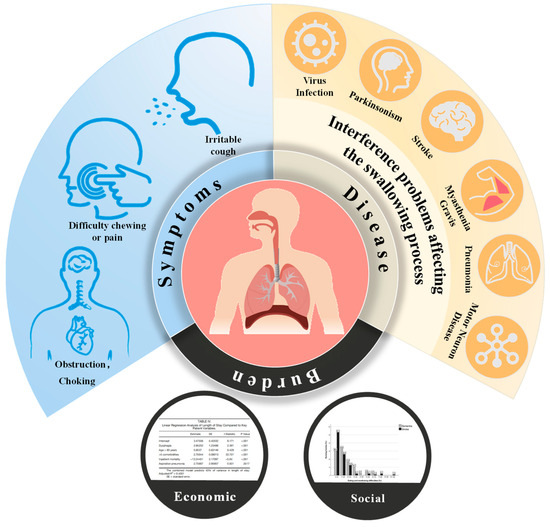
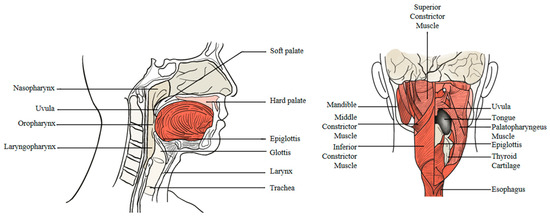
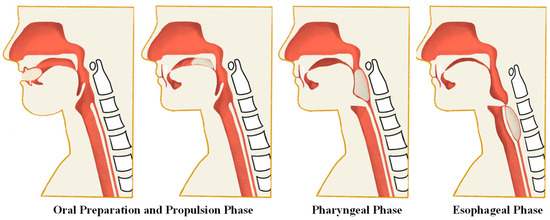
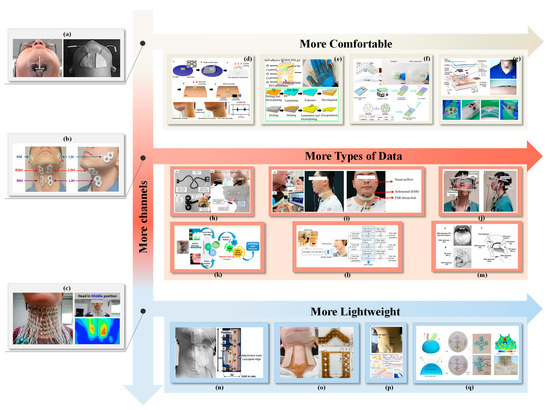
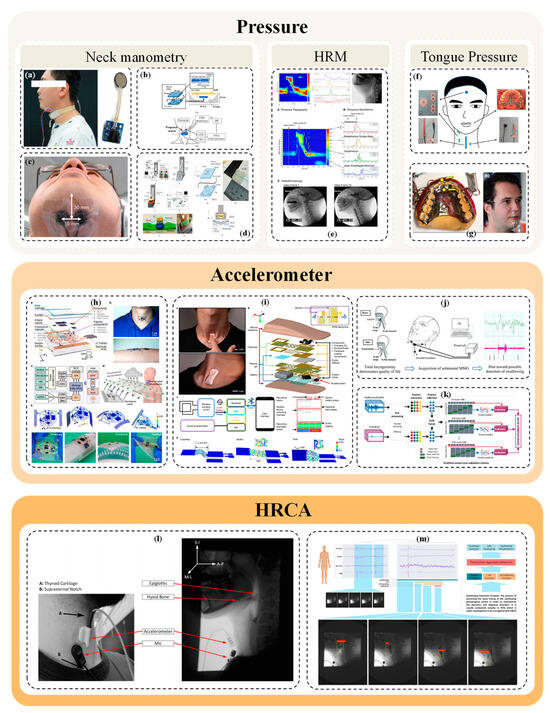
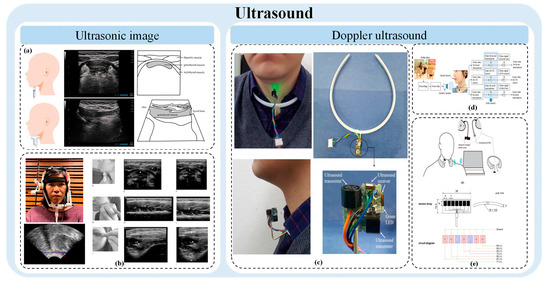
Dysphagia is a pervasive health issue that impacts diverse demographic groups worldwide, particularly the elderly, stroke survivors, and those suffering from neurological disorders. This condition poses substantial health risks, including malnutrition, respiratory complications, and increased mortality. Additionally, it exacerbates economic burdens by extending hospital stays and escalating healthcare costs. Given that this disorder is frequently underestimated in vulnerable populations, there is an urgent need for enhanced diagnostic and therapeutic strategies. Traditional diagnostic tools such as the videofluoroscopic swallowing study (VFSS) and flexible endoscopic evaluation of swallowing (FEES) require interpretation by clinical experts and may lead to complications. In contrast, non-invasive sensors offer a more comfortable and convenient approach for assessing swallowing function. This review systematically examines recent advancements in non-invasive swallowing function detection devices, focusing on the validation of the device designs and their implementation in clinical practice. Moreover, this review discusses the swallowing process and the associated biomechanics, providing a theoretical foundation for the technologies discussed. It is hoped that this comprehensive overview will facilitate a paradigm shift in swallowing assessments, steering the development of technologies towards more accessible and accurate diagnostic tools, thereby improving patient care and treatment outcomes. Full article
(This article belongs to the Special Issue Intelligent Health Management, Nursing and Rehabilitation Technology)
Show Figures

Figure 1