15 pages, 1662 KB  
Article
Synthesis and Characterization of Dendronized Gold Nanoparticles Bearing Charged Peripheral Groups with Antimicrobial Potential
by Gabriel Perli, Diego L. Bertuzzi, Dênio E. P. Souto, Miguel D. Ramos, Carolyne B. Braga, Samile B. Aguiar and Catia Ornelas
Nanomaterials 2022, 12(15), 2610; https://doi.org/10.3390/nano12152610 - 29 Jul 2022
Cited by 3 | Viewed by 3543
Abstract
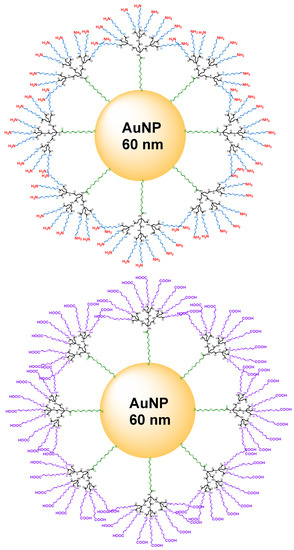
Dendronized gold nanoparticles (AuNPs) were synthesized bearing charged peripheral groups. Two novel AB3-type dendrons were synthesized with a thiol group at the focal point followed by their attachment to AuNPs. Dendrons were designed to have nine charged peripheral groups (carboxyl or [...] Read more.
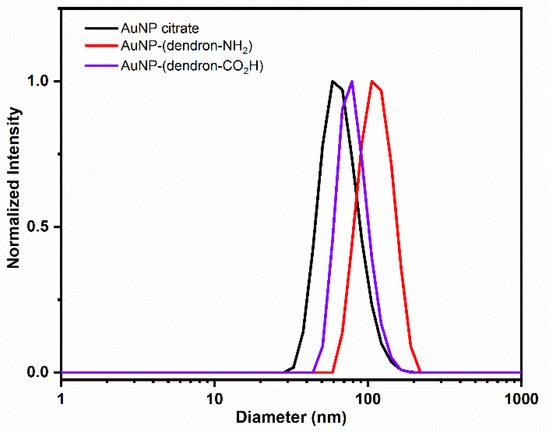
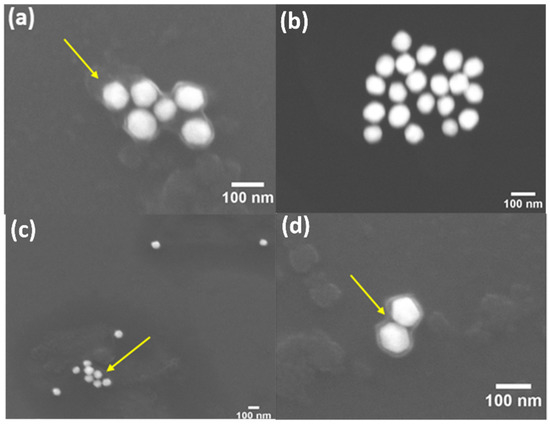
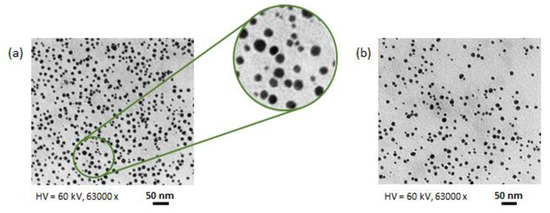
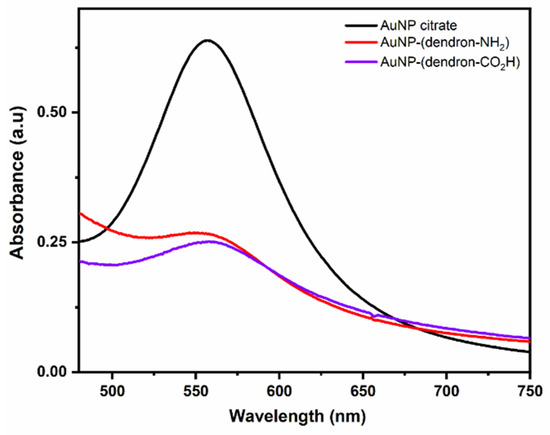
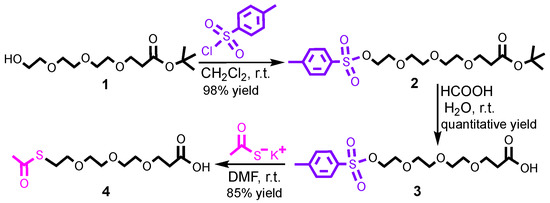
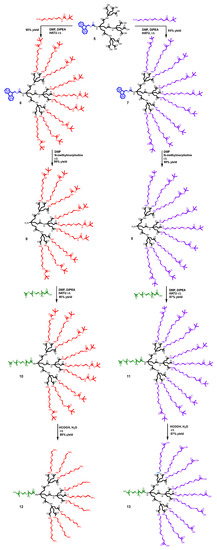
Dendronized gold nanoparticles (AuNPs) were synthesized bearing charged peripheral groups. Two novel AB3-type dendrons were synthesized with a thiol group at the focal point followed by their attachment to AuNPs. Dendrons were designed to have nine charged peripheral groups (carboxyl or amine), glycol solubilizing, units and one thiol moiety at the focal point. Both dendrons and all intermediates were synthesized in high yields and characterized by nuclear magnetic resonance spectroscopy (NMR) and mass spectrometry (MS). The amine- and carboxyl-terminated dendrons were used to functionalize gold nanoparticles (AuNPs) previously stabilized with citrate. The nanoparticles’ diameters and their colloidal stability were investigated using dynamic light scattering (DLS). The size and morphology of the dendronized AuNPs were evaluated by scanning electron microscopy (SEM), which revealed individual particles with no aggregation after replacement of citrate by the dendrons, in agreement with the DLS data. The absorption spectroscopy reveals a prominent plasmonic band at 560 nm for all AuNPs. The zeta potential further confirmed the expected charged structures of the dendronized AuNPs. Considering all the physical–chemical properties of the charged dendronized AuNPs developed in this work, these AuNPs might be used as a weapon against multi-drug resistant bacterial infections. Full article
(This article belongs to the Special Issue Functional Nanomaterials for Theranostic Applications)
Show Figures

Figure 1
26 pages, 3338 KB  
Article
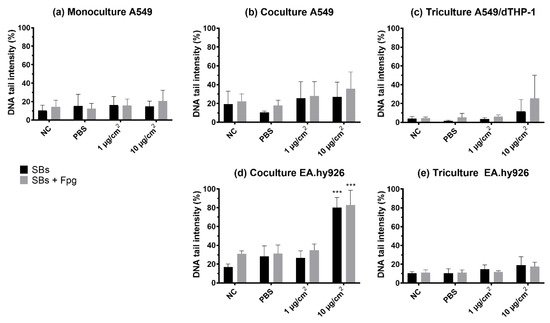
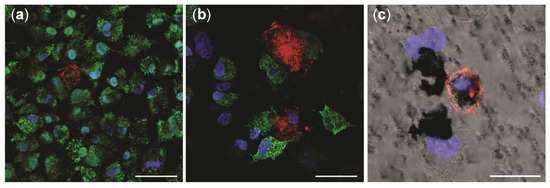
Advanced Respiratory Models for Hazard Assessment of Nanomaterials—Performance of Mono-, Co- and Tricultures
by Laura Maria Azzurra Camassa, Elisabeth Elje, Espen Mariussen, Eleonora Marta Longhin, Maria Dusinska, Shan Zienolddiny-Narui and Elise Rundén-Pran
Nanomaterials 2022, 12(15), 2609; https://doi.org/10.3390/nano12152609 - 29 Jul 2022
Cited by 22 | Viewed by 4321
Abstract
Advanced in vitro models are needed to support next-generation risk assessment (NGRA), moving from hazard assessment based mainly on animal studies to the application of new alternative methods (NAMs). Advanced models must be tested for hazard assessment of nanomaterials (NMs). The aim of [...] Read more.
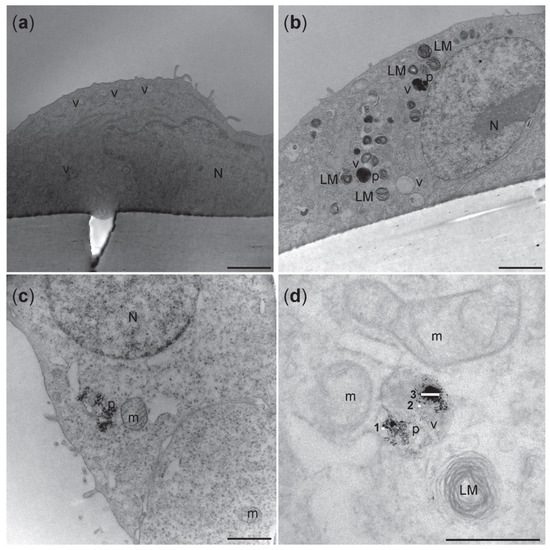
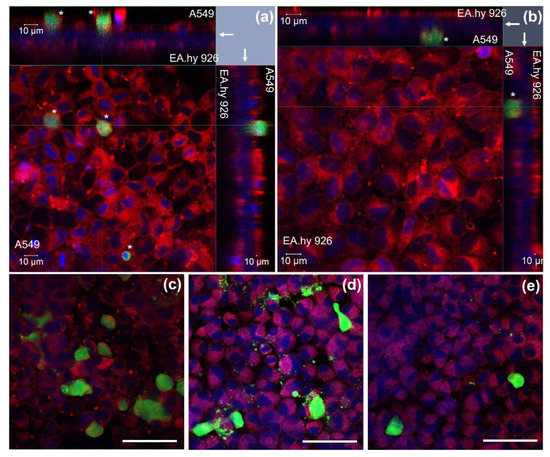
Advanced in vitro models are needed to support next-generation risk assessment (NGRA), moving from hazard assessment based mainly on animal studies to the application of new alternative methods (NAMs). Advanced models must be tested for hazard assessment of nanomaterials (NMs). The aim of this study was to perform an interlaboratory trial across two laboratories to test the robustness of and optimize a 3D lung model of human epithelial A549 cells cultivated at the air–liquid interface (ALI). Potential change in sensitivity in hazard identification when adding complexity, going from monocultures to co- and tricultures, was tested by including human endothelial cells EA.hy926 and differentiated monocytes dTHP-1. All models were exposed to NM-300K in an aerosol exposure system (VITROCELL® cloud-chamber). Cyto- and genotoxicity were measured by AlamarBlue and comet assay. Cellular uptake was investigated with transmission electron microscopy. The models were characterized by confocal microscopy and barrier function tested. We demonstrated that this advanced lung model is applicable for hazard assessment of NMs. The results point to a change in sensitivity of the model by adding complexity and to the importance of detailed protocols for robustness and reproducibility of advanced in vitro models. Full article
(This article belongs to the Special Issue Nanoparticle Analysis, Toxicity and Environmental Impact)
Show Figures

Figure 1
31 pages, 3936 KB  
Review
On the Morphology of Nanostructured TiO2 for Energy Applications: The Shape of the Ubiquitous Nanomaterial
by Serena Gagliardi, Flaminia Rondino, Claudia Paoletti and Mauro Falconieri
Nanomaterials 2022, 12(15), 2608; https://doi.org/10.3390/nano12152608 - 29 Jul 2022
Cited by 17 | Viewed by 4001
Abstract
Nanostructured titania is one of the most commonly encountered constituents of nanotechnology devices for use in energy-related applications, due to its intrinsic functional properties as a semiconductor and to other favorable characteristics such as ease of production, low toxicity and chemical stability, among [...] Read more.
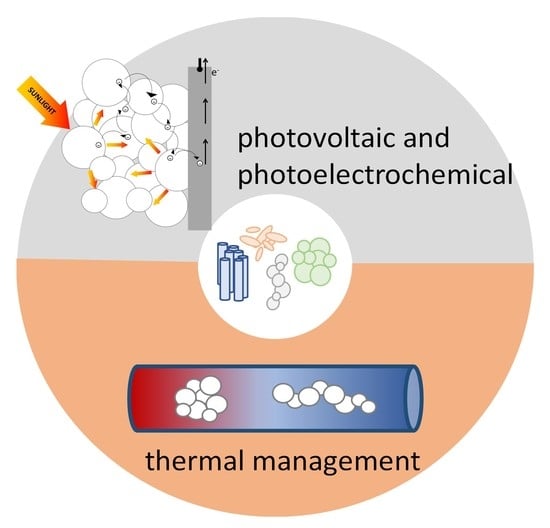
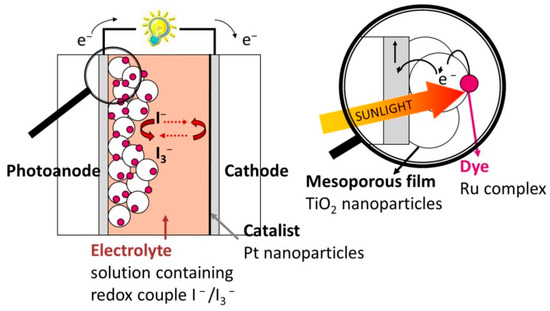
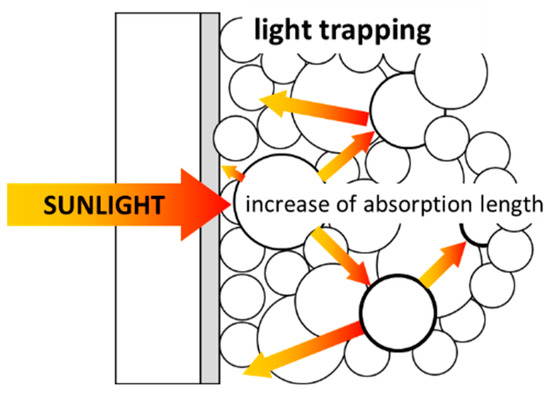
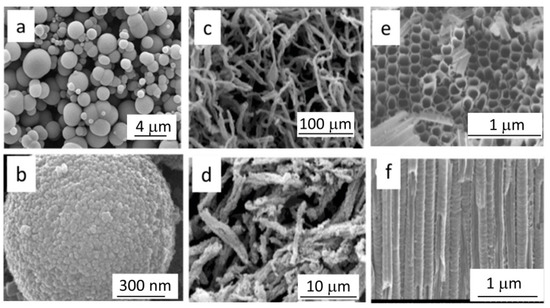
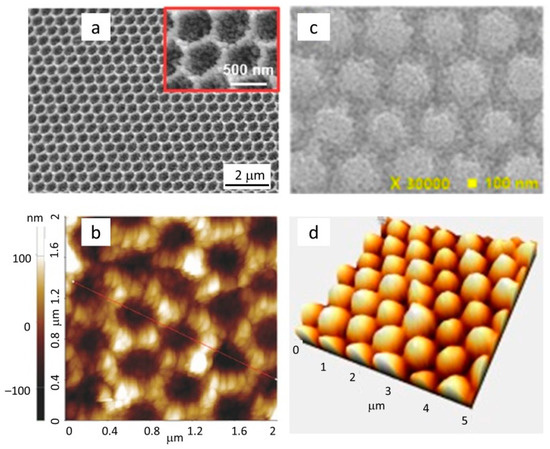
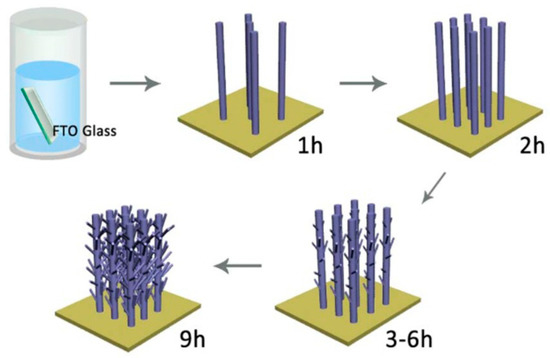
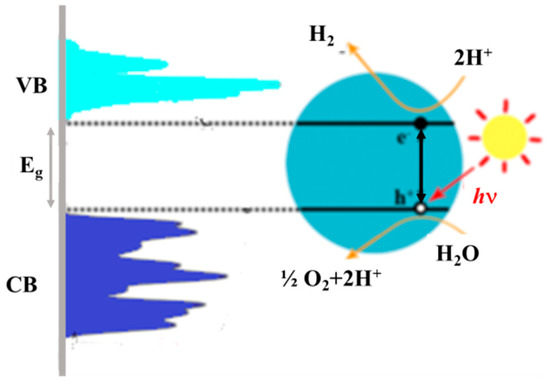
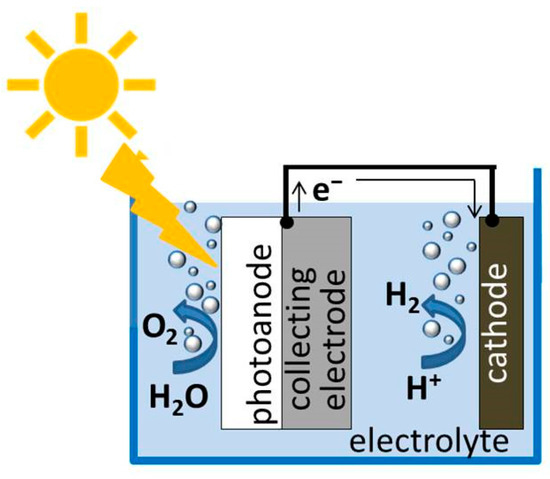
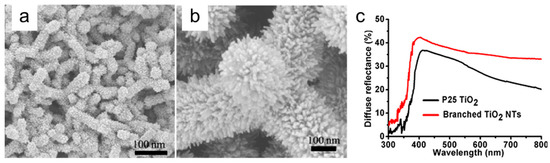
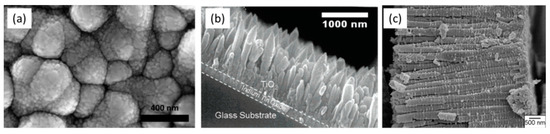
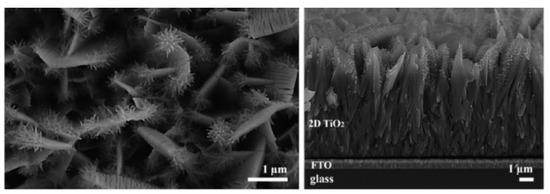
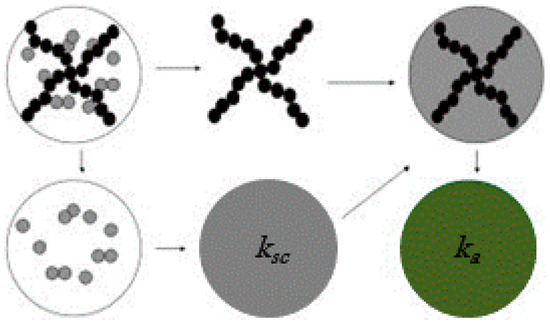
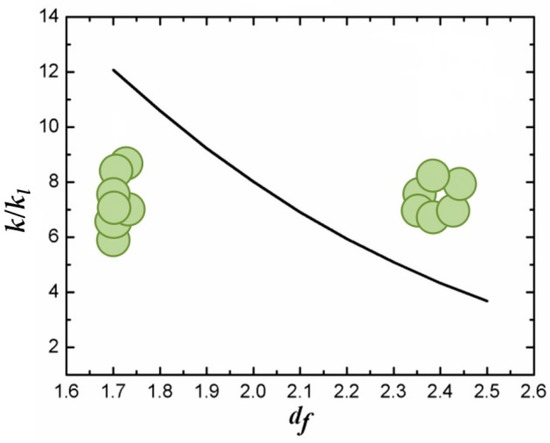
Nanostructured titania is one of the most commonly encountered constituents of nanotechnology devices for use in energy-related applications, due to its intrinsic functional properties as a semiconductor and to other favorable characteristics such as ease of production, low toxicity and chemical stability, among others. Notwithstanding this diffusion, the quest for improved understanding of the physical and chemical mechanisms governing the material properties and thus its performance in devices is still active, as testified by the large number of dedicated papers that continue to be published. In this framework, we consider and analyze here the effects of the material morphology and structure in determining the energy transport phenomena as cross-cutting properties in some of the most important nanophase titania applications in the energy field, namely photovoltaic conversion, hydrogen generation by photoelectrochemical water splitting and thermal management by nanofluids. For these applications, charge transport, light transport (or propagation) and thermal transport are limiting factors for the attainable performances, whose dependence on the material structural properties is reviewed here on its own. This work aims to fill the gap existing among the many studies dealing with the separate applications in the hope of stimulating novel cross-fertilization approaches in this research field. Full article
Show Figures

Graphical abstract

9 pages, 1978 KB  
Article
An LSPR Sensor Integrated with VCSEL and Microfluidic Chip
by Fang Cao, Xupeng Zhao, Xiaoqing Lv, Liangchen Hu, Wenhui Jiang, Feng Yang, Li Chi, Pengying Chang, Chen Xu and Yiyang Xie
Nanomaterials 2022, 12(15), 2607; https://doi.org/10.3390/nano12152607 - 29 Jul 2022
Cited by 5 | Viewed by 3821
Abstract
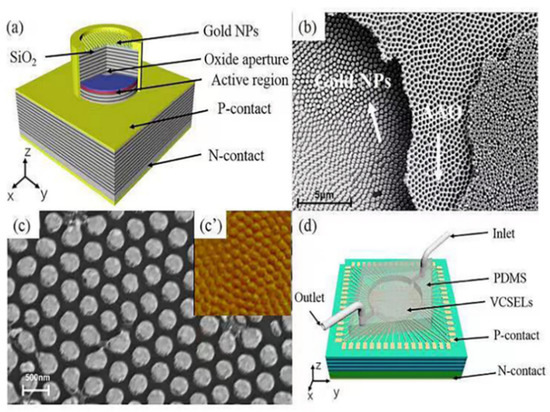
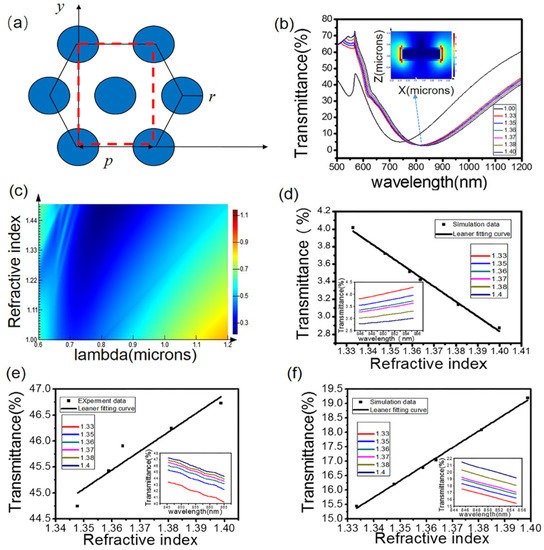
The work introduces a localized surface plasmon resonance (LSPR) sensor chip integrated with vertical-cavity surface-emitting lasers (VCSELs). Using VCSEL as the light source, the hexagonal gold nanoparticle array was integrated with anodic aluminum oxide (AAO) as the mask on the light-emitting end face. [...] Read more.
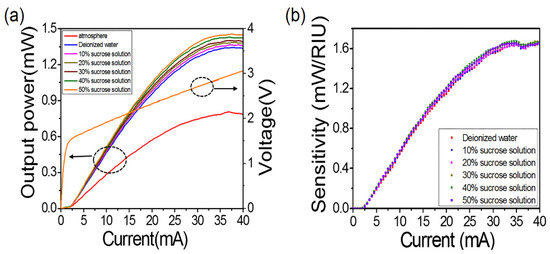
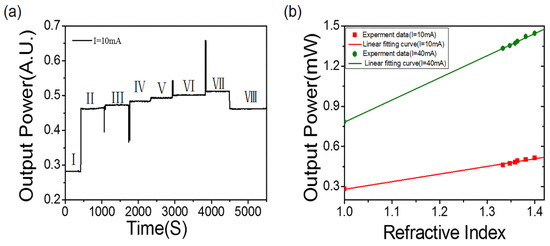
The work introduces a localized surface plasmon resonance (LSPR) sensor chip integrated with vertical-cavity surface-emitting lasers (VCSELs). Using VCSEL as the light source, the hexagonal gold nanoparticle array was integrated with anodic aluminum oxide (AAO) as the mask on the light-emitting end face. The sensitivity sensing test of the refractive index solution was realized, combined with microfluidic technology. At the same time, the finite-difference time- domain (FDTD) algorithm was applied to model and simulate the gold nanostructures. The experimental results showed that the output power of the sensor was related to the refractive index of the sucrose solution. The maximum sensitivity of the sensor was 1.65 × 10⁶ nW/RIU, which gives it great application potential in the field of biomolecular detection. Full article
(This article belongs to the Topic Advanced Nanomaterials for Sensing Applications)
Show Figures

Figure 1
18 pages, 3822 KB  
Article
Inhibiting Metastasis and Improving Chemosensitivity via Chitosan-Coated Selenium Nanoparticles for Brain Cancer Therapy
by Paweena Dana, Nuttaporn Pimpha, Angkana Chaipuang, Nutthanit Thumrongsiri, Prattana Tanyapanyachon, Anukul Taweechaipaisankul, Walailuk Chonniyom, Natsorn Watcharadulyarat, Sith Sathornsumetee and Nattika Saengkrit
Nanomaterials 2022, 12(15), 2606; https://doi.org/10.3390/nano12152606 - 29 Jul 2022
Cited by 26 | Viewed by 4256
Abstract
Selenium nanoparticles (SeNPs) were synthesized to overcome the limitations of selenium, such as its narrow safe range and low water solubility. SeNPs reduce the toxicity and improve the bioavailability of selenium. Chitosan-coated SeNPs (Cs-SeNPs) were developed to further stabilize SeNPs and to test [...] Read more.
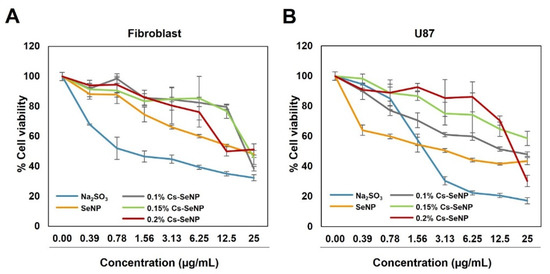
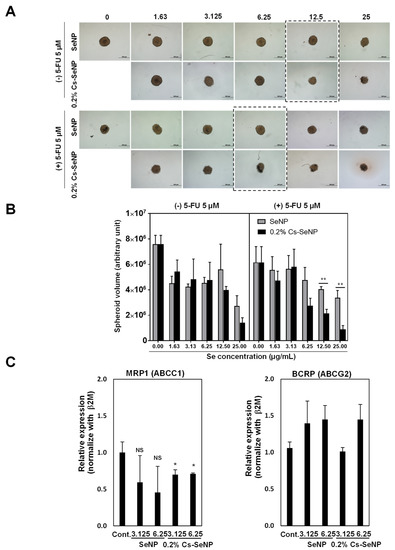
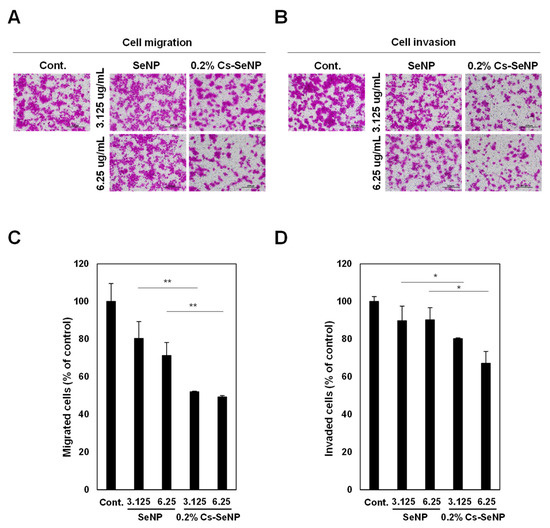
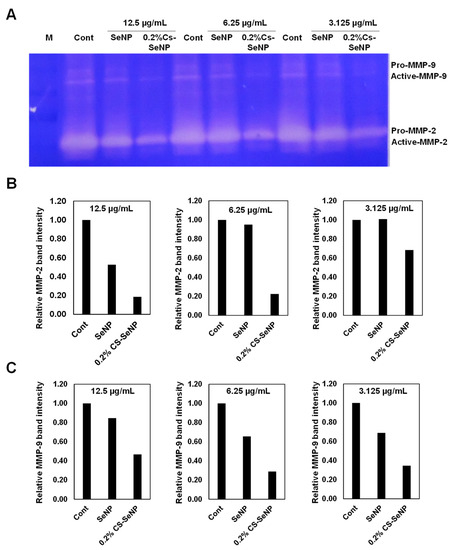
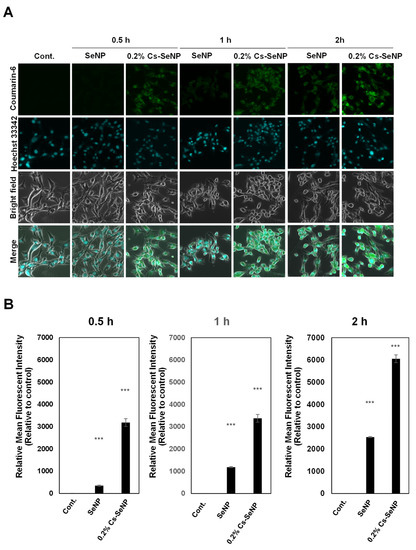
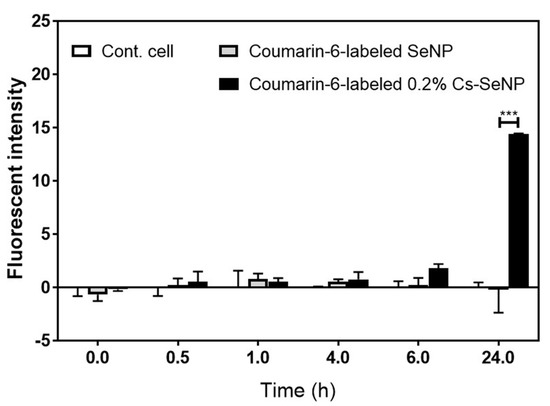
Selenium nanoparticles (SeNPs) were synthesized to overcome the limitations of selenium, such as its narrow safe range and low water solubility. SeNPs reduce the toxicity and improve the bioavailability of selenium. Chitosan-coated SeNPs (Cs-SeNPs) were developed to further stabilize SeNPs and to test their effects against glioma cells. The effects of Cs-SeNPs on cell growth were evaluated in monolayer and 3D-tumor spheroid culture. Cell migration and cell invasion were determined using a trans-well assay. The effect of Cs-SeNPs on chemotherapeutic drug 5-fluorouracil (5-FU) sensitivity of glioma cells was determined in tumor spheroids. An in vitro blood–brain barrier (BBB) model was established to test the permeability of Cs-SeNPs. SeNPs and Cs-SeNPs can reduce the cell viability of glioma cells in a dose-dependent manner. Compared with SeNPs, Cs-SeNPs more strongly inhibited 3D-tumor spheroid growth. Cs-SeNPs exhibited stronger effects in inhibiting cell migration and cell invasion than SeNPs. Improved 5-FU sensitivity was observed in Cs-SeNP-treated cells. Cellular uptake in glioma cells indicated a higher uptake rate of coumarin-6-labeled Cs-SeNPs than SeNPs. The capability of coumarin-6 associated Cs-SeNPs to pass through the BBB was confirmed. Taken together, Cs-SeNPs provide exceptional performance and are a potential alternative therapeutic strategy for future glioma treatment. Full article
(This article belongs to the Special Issue Cancer Treatment via Nanotherapy)
Show Figures

Figure 1
20 pages, 5533 KB  
Article
Tracking Bacterial Nanocellulose in Animal Tissues by Fluorescence Microscopy
by Renato Mota, Ana Cristina Rodrigues, Ricardo Silva-Carvalho, Lígia Costa, Daniela Martins, Paula Sampaio, Fernando Dourado and Miguel Gama
Nanomaterials 2022, 12(15), 2605; https://doi.org/10.3390/nano12152605 - 28 Jul 2022
Cited by 11 | Viewed by 3620
Abstract
The potential of nanomaterials in food technology is nowadays well-established. However, their commercial use requires a careful risk assessment, in particular concerning the fate of nanomaterials in the human body. Bacterial nanocellulose (BNC), a nanofibrillar polysaccharide, has been used as a food product [...] Read more.
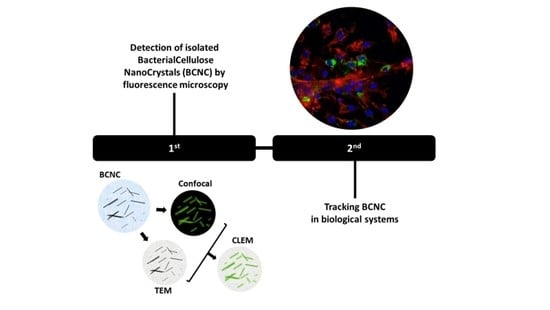
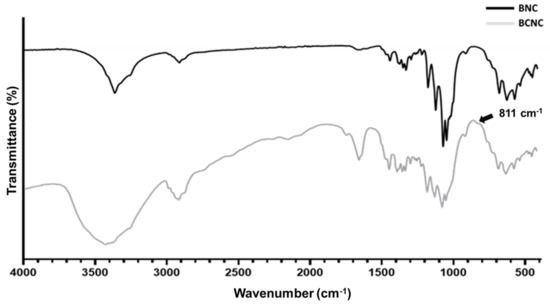
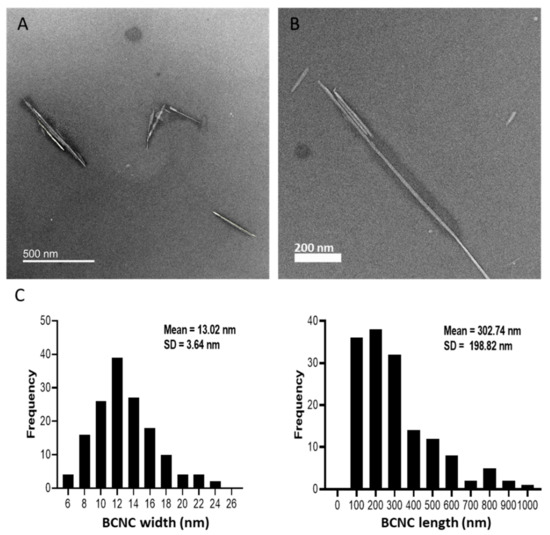
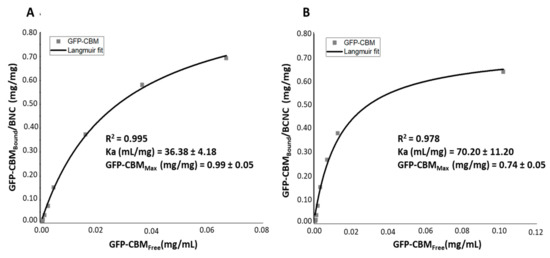
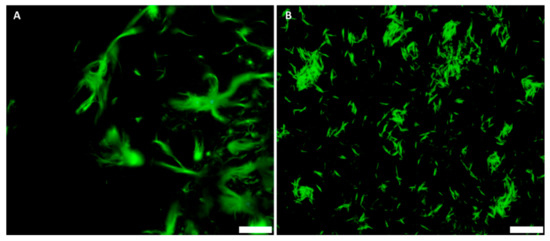
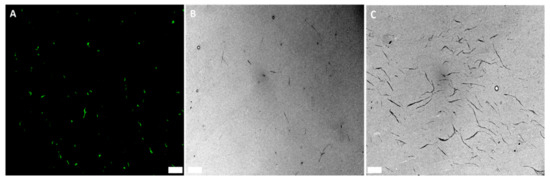
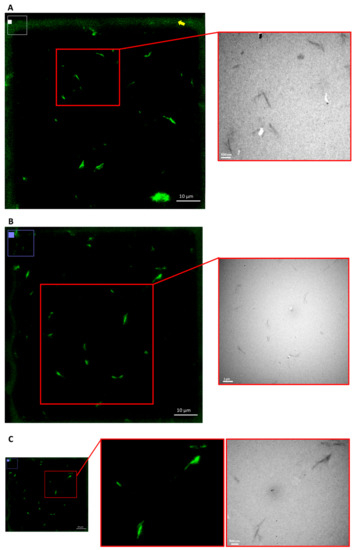
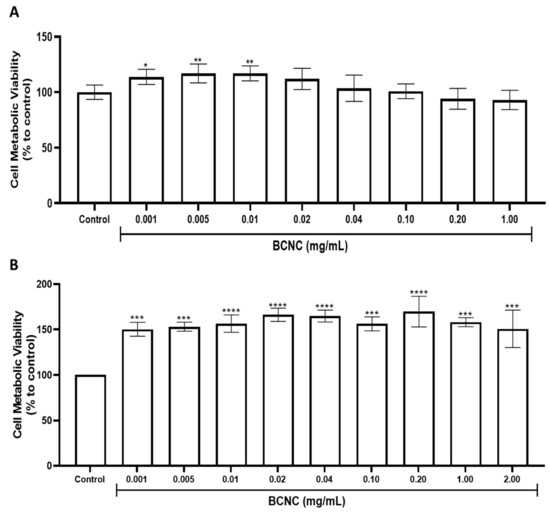
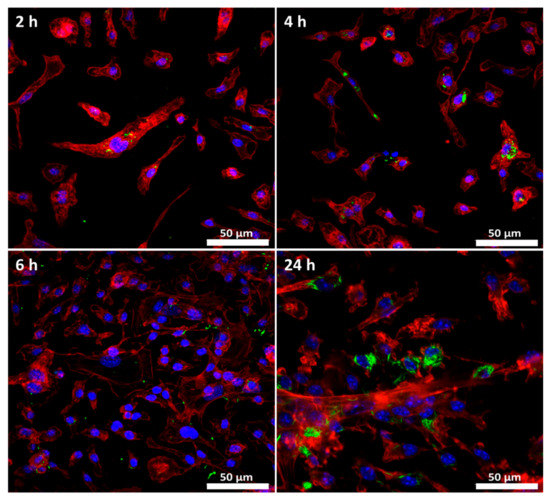
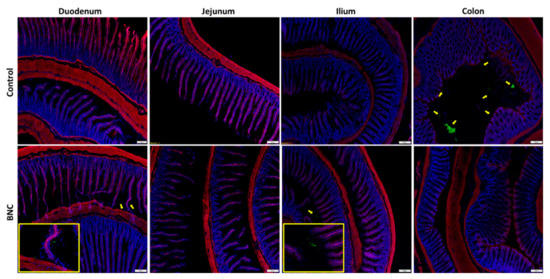
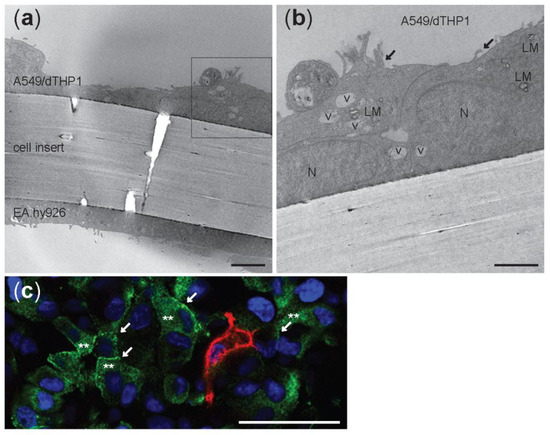
The potential of nanomaterials in food technology is nowadays well-established. However, their commercial use requires a careful risk assessment, in particular concerning the fate of nanomaterials in the human body. Bacterial nanocellulose (BNC), a nanofibrillar polysaccharide, has been used as a food product for many years in Asia. However, given its nano-character, several toxicological studies must be performed, according to the European Food Safety Agency’s guidance. Those should especially answer the question of whether nanoparticulate cellulose is absorbed in the gastrointestinal tract. This raises the need to develop a screening technique capable of detecting isolated nanosized particles in biological tissues. Herein, the potential of a cellulose-binding module fused to a green fluorescent protein (GFP–CBM) to detect single bacterial cellulose nanocrystals (BCNC) obtained by acid hydrolysis was assessed. Adsorption studies were performed to characterize the interaction of GFP–CBM with BNC and BCNC. Correlative electron light microscopy was used to demonstrate that isolated BCNC may be detected by fluorescence microscopy. The uptake of BCNC by macrophages was also assessed. Finally, an exploratory 21-day repeated-dose study was performed, wherein Wistar rats were fed daily with BNC. The presence of BNC or BCNC throughout the GIT was observed only in the intestinal lumen, suggesting that cellulose particles were not absorbed. While a more comprehensive toxicological study is necessary, these results strengthen the idea that BNC can be considered a safe food additive. Full article
(This article belongs to the Special Issue Synthesis, Applications and Biological Impact of Nanocellulose)
Show Figures

Graphical abstract

15 pages, 3016 KB  
Article
Tailoring of Optical Properties of Methacrylate Resins Enriched by HPHT Microdiamond Particles
by Ewelina Kowalewska, Mateusz Ficek, Krzysztof Formela, Artur Zieliński, Srinivasu Kunuku, Miroslaw Sawczak and Robert Bogdanowicz
Nanomaterials 2022, 12(15), 2604; https://doi.org/10.3390/nano12152604 - 28 Jul 2022
Cited by 5 | Viewed by 2748
Abstract
Diamond particles have great potential to enhance the mechanical, optical, and thermal properties of diamond–polymer composites. However, the improved properties of diamond–polymer composites depend on the size, dispersibility, and concentration of diamond particles. In the present study, diamond–polymer composites were prepared by adding [...] Read more.
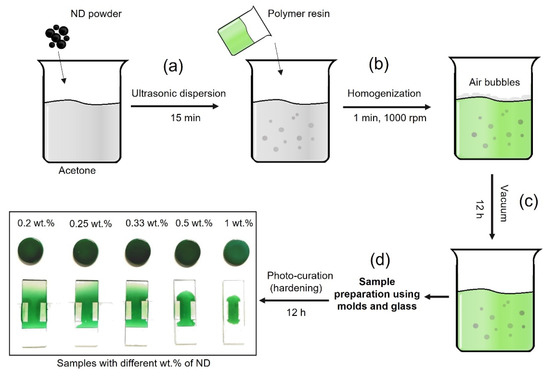
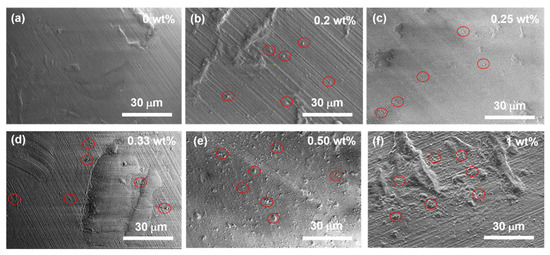
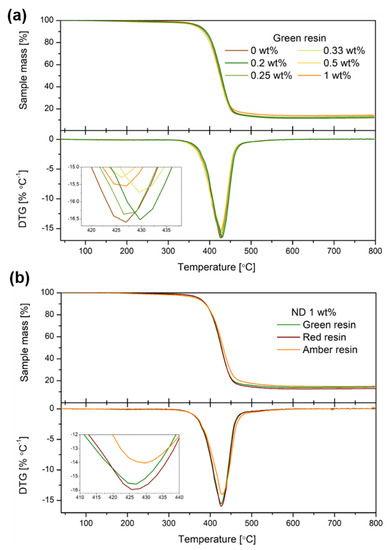
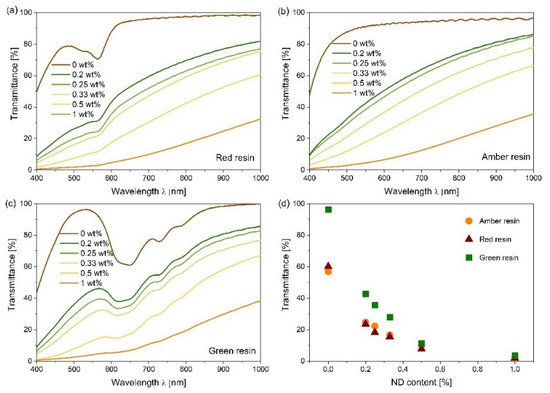
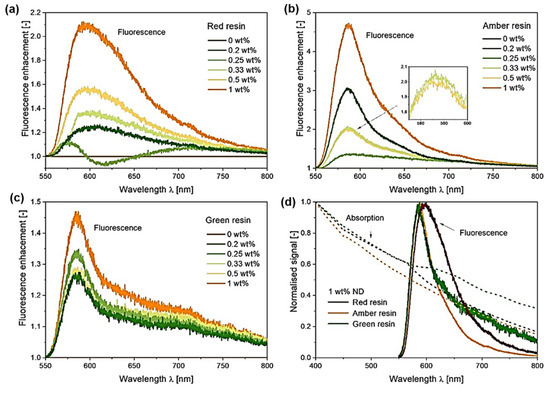
Diamond particles have great potential to enhance the mechanical, optical, and thermal properties of diamond–polymer composites. However, the improved properties of diamond–polymer composites depend on the size, dispersibility, and concentration of diamond particles. In the present study, diamond–polymer composites were prepared by adding the microdiamond particles (MDPs) with different concentrations (0.2–1 wt.%) into polymers (acrylate resins) and then subjected to a photocuring process. The surface morphology and topography of the MDPs–polymer composites demonstrated a uniform high-density distribution of MDPs for one wt.% MPDs. Thermogravimetric analysis was employed to investigate the thermal stability of the MDPs–polymer composites. The addition of MDPs has significantly influenced the polymers’ thermal degradation. Absorption and emission spectra of thin layers were recorded through UV/Vis spectrophotometry and spectrofluorimetry. The obtained results revealed a significant increase in the fluorescence intensity of MDPs–polymer composites (at 1 wt.% of MDPs, a 1.5×, 2×, and 5× increase in fluorescence was observed for MDPs–green, MDPs–amber daylight, and MDPs–red resin, respectively) compared with the reference polymer resins. The obtained results of this work show the new pathways in producing effective and active 3D-printed optical elements. Full article
(This article belongs to the Special Issue Synthesis, Properties and Applications of Polymeric Nanomaterials)
Show Figures

Figure 1
14 pages, 1981 KB  
Article
Superhydrophilic Nanotextured Surfaces for Dental Implants: Influence of Early Saliva Contamination and Wet Storage
by Marcel F. Kunrath, André Correia, Eduardo R. Teixeira, Roberto Hubler and Christer Dahlin
Nanomaterials 2022, 12(15), 2603; https://doi.org/10.3390/nano12152603 - 28 Jul 2022
Cited by 12 | Viewed by 3026
Abstract
Hydrophilic and nanotextured surfaces for dental implants have been reported as relevant properties for early osseointegration. However, these surface characteristics are quite sensitive to oral interactions. Therefore, this pilot study aimed to investigate the superficial alterations caused on hydrophilic nanotubular surfaces after early [...] Read more.
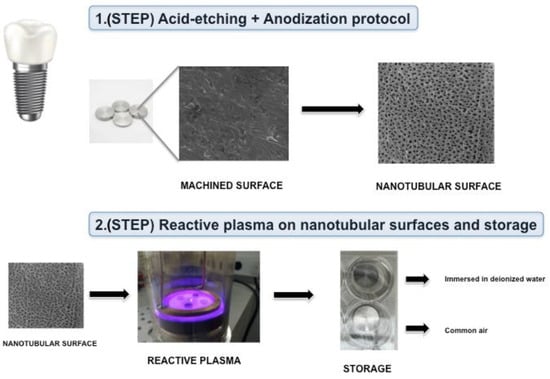
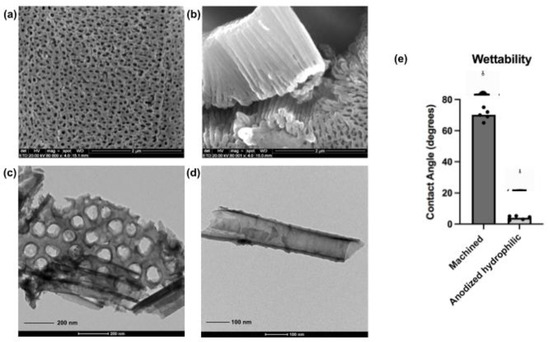
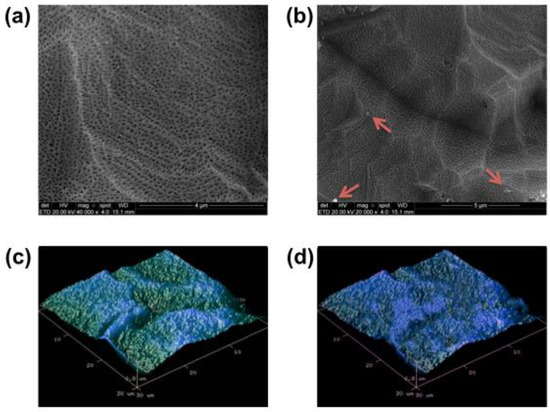
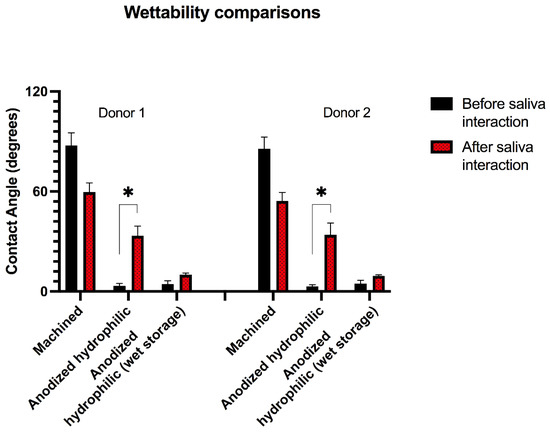
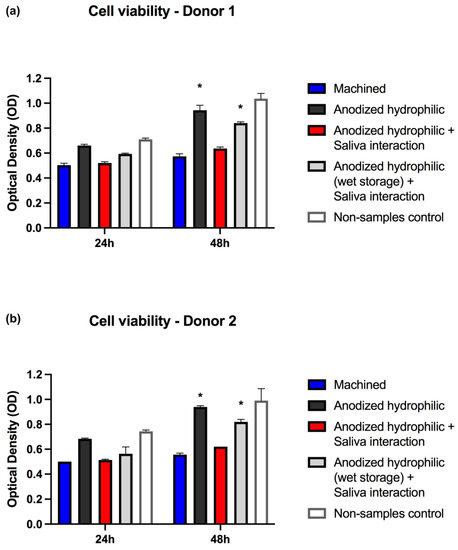
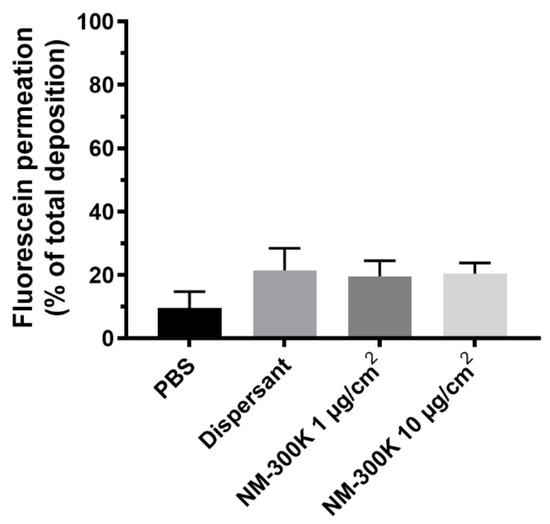
Hydrophilic and nanotextured surfaces for dental implants have been reported as relevant properties for early osseointegration. However, these surface characteristics are quite sensitive to oral interactions. Therefore, this pilot study aimed to investigate the superficial alterations caused on hydrophilic nanotubular surfaces after early human saliva interaction. Titanium disks were treated using an anodization protocol followed by reactive plasma application in order to achieve nanotopography and hydrophilicity, additionally; surfaces were stored in normal atmospheric oxygen or wet conditioning. Following, samples were interacted with saliva for 10 min and analyzed regarding physical–chemical properties and cellular viability. Saliva interaction did not show any significant influence on morphological characteristics, roughness measurements and chemical composition; however, hydrophilicity was statistically altered compromising this feature when the samples were stored in common air. Cellular viability tested with pre-osteoblasts cell line (MC3T3-E1) reduced significantly at 48 h on the samples without wet storage after saliva contamination. The applied wet-storage methodology appears to be effective in maintaining properties such as hydrophilicity during saliva interaction. In conclusion, saliva contamination might impair important properties of hydrophilic nanotubular surfaces when not stored in wet conditions, suggesting the need of saliva-controlled sites for oral application of hydrophilic surfaces and/or the use of modified-package methods associated with their wet storage. Full article
(This article belongs to the Special Issue Nanomaterials in Oral Science)
Show Figures

Figure 1
10 pages, 3578 KB  
Article
Ultra-Thin, Short-Focus, and High-Aperture Metalens for Generating and Detecting Laser Optical Vortices
by Anton Nalimov and Victor Kotlyar
Nanomaterials 2022, 12(15), 2602; https://doi.org/10.3390/nano12152602 - 28 Jul 2022
Cited by 11 | Viewed by 2820
Abstract
A combined high-aperture metalens in a thin silicon nitride film that consists of two tilted sectored metalenses is considered. Each sector of the metalens consists of a set of binary subwavelength gratings. The diameter of the metalens is 14 μm. Using a time-domain [...] Read more.
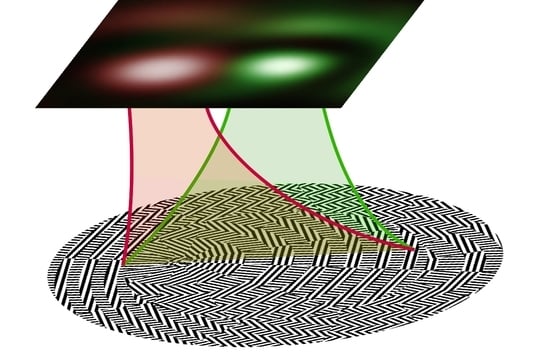
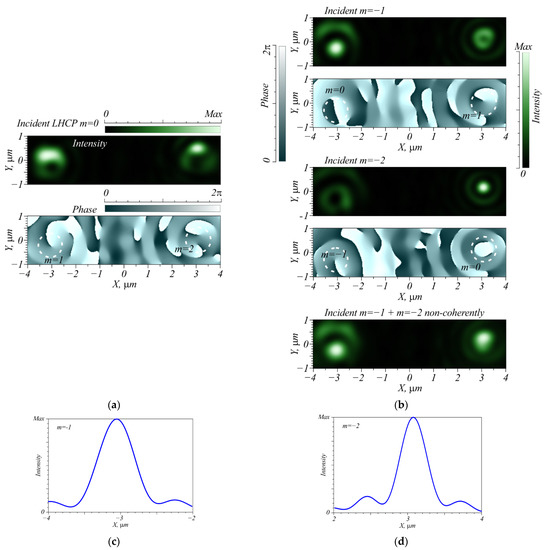
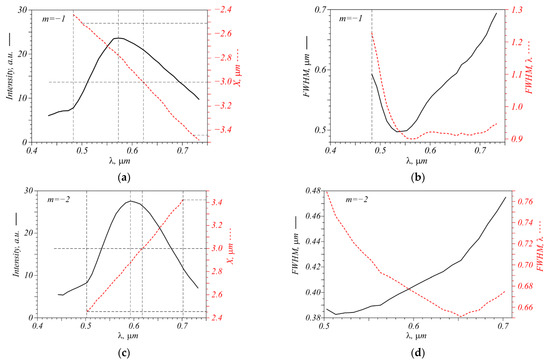
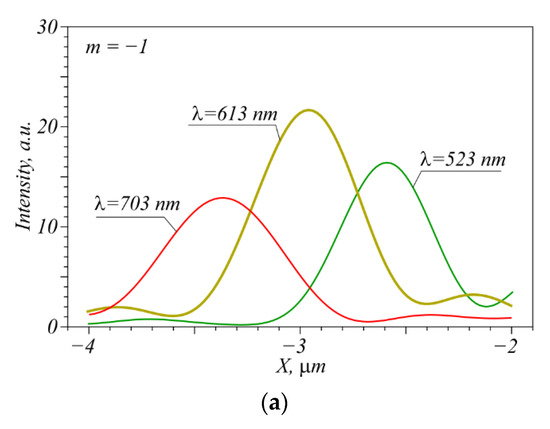
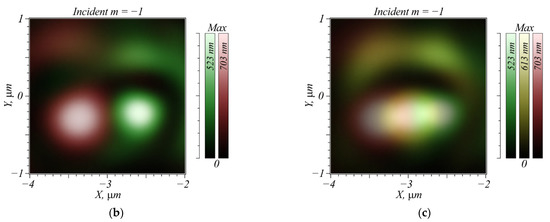
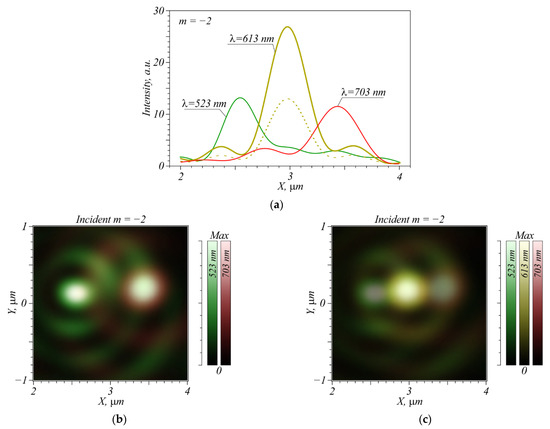
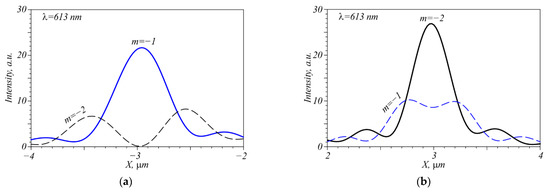
A combined high-aperture metalens in a thin silicon nitride film that consists of two tilted sectored metalenses is considered. Each sector of the metalens consists of a set of binary subwavelength gratings. The diameter of the metalens is 14 μm. Using a time-domain finite difference method, we show that the metalens can simultaneously detect optical vortices with two topological charges −1 and −2, almost over the entire spectrum of visible wavelengths. The metalens can distinguish several wavelengths that are focused at different points in the focal plane due to a 1-nm change in wavelength resulting in a focal spot shift of about 4 nm. When the metalens is illuminated by a Gaussian beam with left-handed circular polarization, two optical vortices with topological charges 1 and 2 are simultaneously formed 6-μm apart at the focal distance of 6 μm. Full article
(This article belongs to the Special Issue Metasurfaces for Photonic Devices: Theory and Applications)
Show Figures

Graphical abstract

11 pages, 2400 KB  
Article
Easy Diameter Tuning of Silicon Nanowires with Low-Cost SnO2-Catalyzed Growth for Lithium-Ion Batteries
by Caroline Keller, Yassine Djezzar, Jingxian Wang, Saravanan Karuppiah, Gérard Lapertot, Cédric Haon and Pascale Chenevier
Nanomaterials 2022, 12(15), 2601; https://doi.org/10.3390/nano12152601 - 28 Jul 2022
Cited by 6 | Viewed by 2576
Abstract
Silicon nanowires are appealing structures to enhance the capacity of anodes in lithium-ion batteries. However, to attain industrial relevance, their synthesis requires a reduced cost. An important part of the cost is devoted to the silicon growth catalyst, usually gold. Here, we replace [...] Read more.
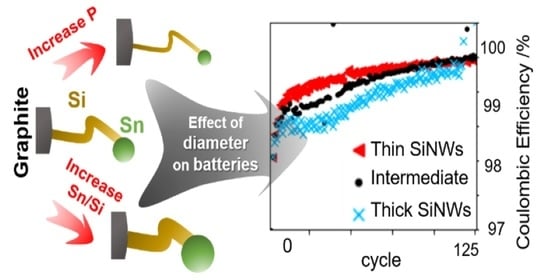
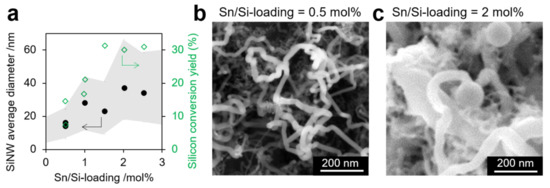
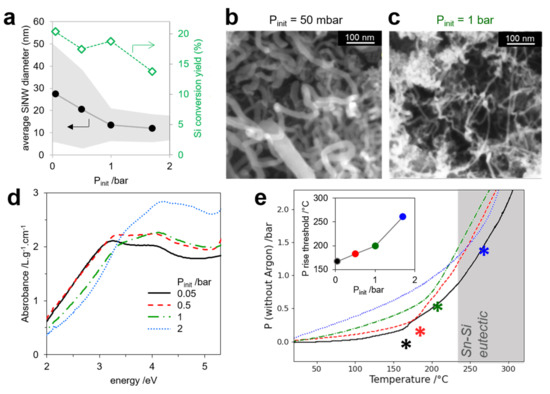
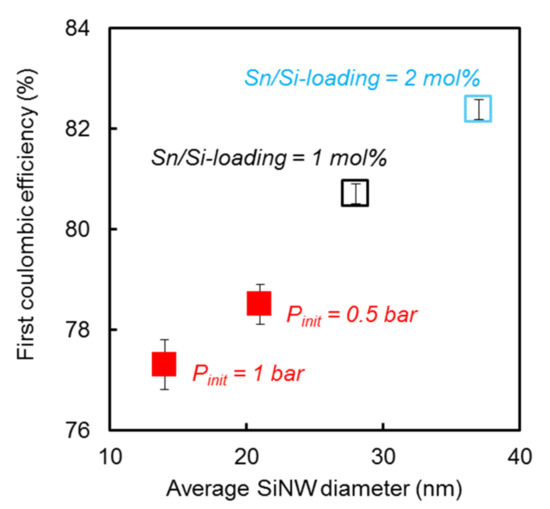
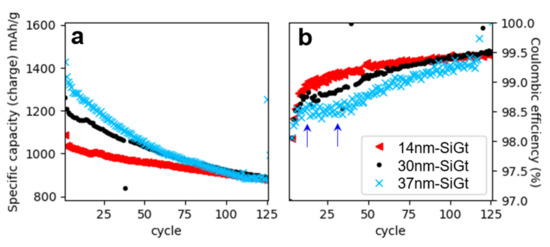
Silicon nanowires are appealing structures to enhance the capacity of anodes in lithium-ion batteries. However, to attain industrial relevance, their synthesis requires a reduced cost. An important part of the cost is devoted to the silicon growth catalyst, usually gold. Here, we replace gold with tin, introduced as low-cost tin oxide nanoparticles, to produce a graphite–silicon nanowire composite as a long-standing anode active material. It is equally important to control the silicon size, as this determines the rate of decay of the anode performance. In this work, we demonstrate how to control the silicon nanowire diameter from 10 to 40 nm by optimizing growth parameters such as the tin loading and the atmosphere in the growth reactor. The best composites, with a rich content of Si close to 30% wt., show a remarkably high initial Coulombic efficiency of 82% for SiNWs 37 nm in diameter. Full article
(This article belongs to the Special Issue Nanomaterials for Catalysis and Energy Storage)
Show Figures

Graphical abstract

28 pages, 6261 KB  
Review
Control of the Drying Patterns for Complex Colloidal Solutions and Their Applications
by Saebom Lee, Tiara A. M., Gyoujin Cho and Jinkee Lee
Nanomaterials 2022, 12(15), 2600; https://doi.org/10.3390/nano12152600 - 28 Jul 2022
Cited by 33 | Viewed by 8796
Abstract
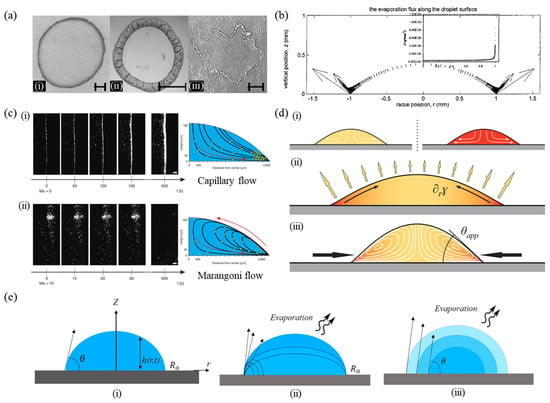
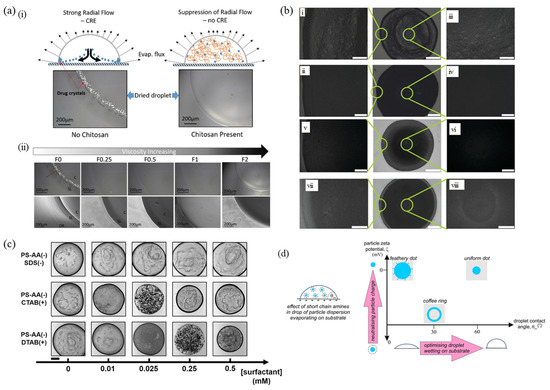
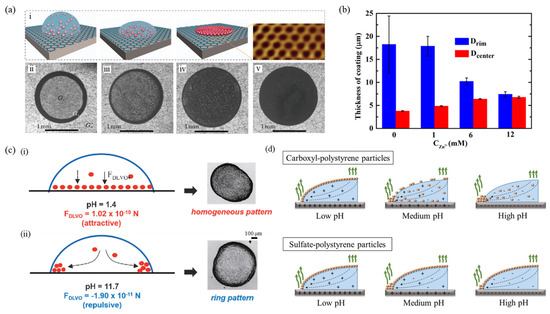
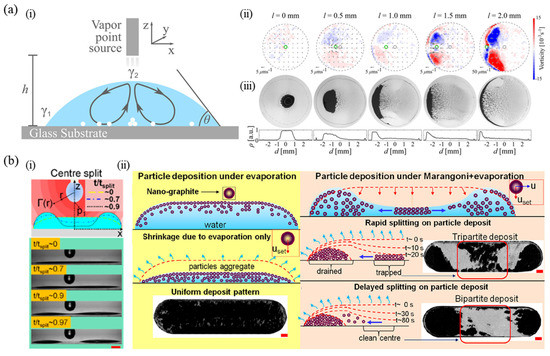
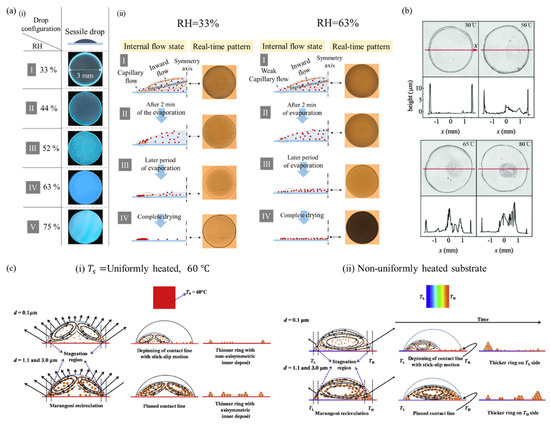
The uneven deposition at the edges of an evaporating droplet, termed the coffee-ring effect, has been extensively studied during the past few decades to better understand the underlying cause, namely the flow dynamics, and the subsequent patterns formed after drying. The non-uniform evaporation [...] Read more.
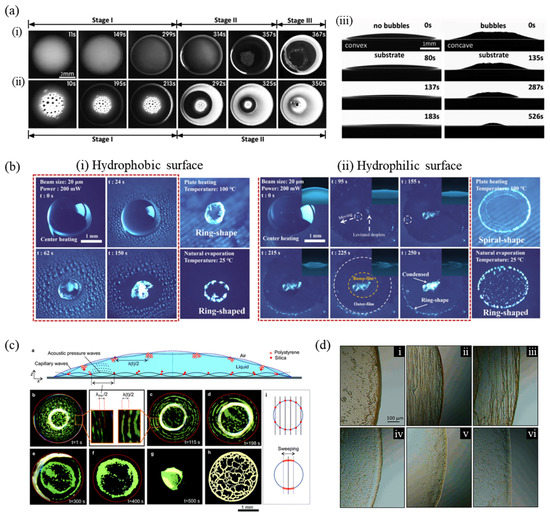
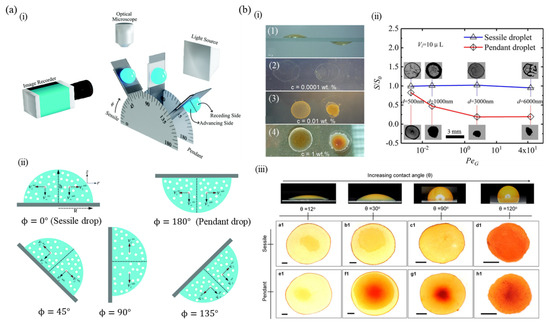
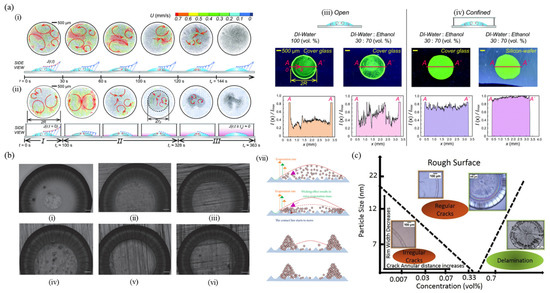
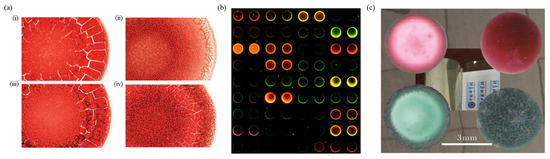
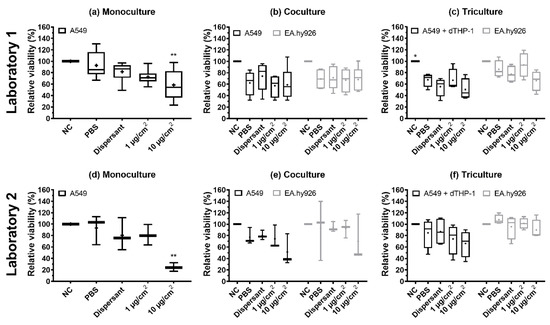
The uneven deposition at the edges of an evaporating droplet, termed the coffee-ring effect, has been extensively studied during the past few decades to better understand the underlying cause, namely the flow dynamics, and the subsequent patterns formed after drying. The non-uniform evaporation rate across the colloidal droplet hampers the formation of a uniform and homogeneous film in printed electronics, rechargeable batteries, etc., and often causes device failures. This review aims to highlight the diverse range of techniques used to alleviate the coffee-ring effect, from classic methods such as adding chemical additives, applying external sources, and manipulating geometrical configurations to recently developed advancements, specifically using bubbles, humidity, confined systems, etc., which do not involve modification of surface, particle or liquid properties. Each of these methodologies mitigates the edge deposition via multi-body interactions, for example, particle–liquid, particle-particle, particle–solid interfaces and particle–flow interactions. The mechanisms behind each of these approaches help to find methods to inhibit the non-uniform film formation, and the corresponding applications have been discussed together with a critical comparison in detail. This review could pave the way for developing inks and processes to apply in functional coatings and printed electronic devices with improved efficiency and device yield. Full article
(This article belongs to the Special Issue Nanomaterials for Printed Electronics and Bioelectronics)
Show Figures

Figure 1
8 pages, 1334 KB  
Article
Stimulated Emission up to 2.75 µm from HgCdTe/CdHgTe QW Structure at Room Temperature
by Vladimir V. Utochkin, Konstantin E. Kudryavtsev, Alexander A. Dubinov, Mikhail A. Fadeev, Vladimir V. Rumyantsev, Anna A. Razova, Egor V. Andronov, Vladimir Ya. Aleshkin, Vladimir I. Gavrilenko, Nikolay N. Mikhailov, Sergey A. Dvoretsky, Frederic Teppe and Sergey V. Morozov
Nanomaterials 2022, 12(15), 2599; https://doi.org/10.3390/nano12152599 - 28 Jul 2022
Cited by 5 | Viewed by 2718
Abstract
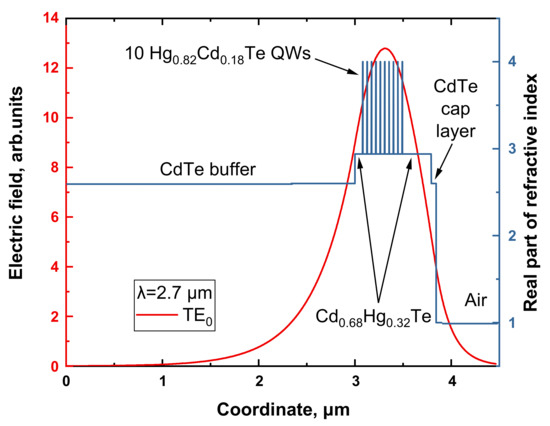
Heterostructures with thin Hg(Cd)Te/CdHgTe quantum wells (QWs) are attractive for the development of mid-infrared interband lasers. Of particular interest are room-temperature operating emitters for the short-wavelength infrared range (SWIR, typically defined as 1.7–3 μm). In this work, we report on the observation of [...] Read more.
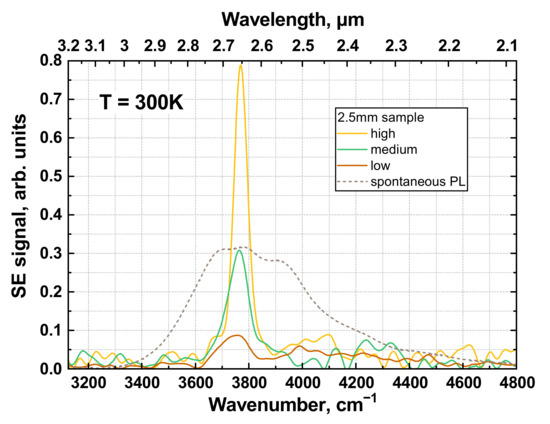
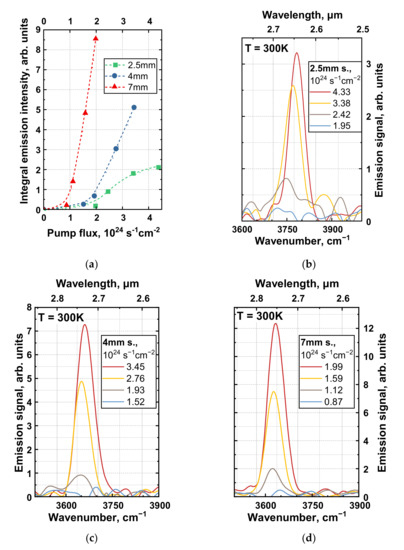
Heterostructures with thin Hg(Cd)Te/CdHgTe quantum wells (QWs) are attractive for the development of mid-infrared interband lasers. Of particular interest are room-temperature operating emitters for the short-wavelength infrared range (SWIR, typically defined as 1.7–3 μm). In this work, we report on the observation of stimulated emission (SE) in the 2.65–2.75 µm wavelength range at room temperature in an optically pumped HgCdTe QW laser heterostructure. We study a series of three samples with lengths ranging from 2.5 to 7 mm and discuss the effects related to the non-uniformity of the excitation beam profile. SE threshold intensity and the magnitude of pump-induced carrier heating are found to be effectively dependent on the chip size, which should be accounted for in possible designs of HgCdTe-based optical converters. We also pay attention to the problem of active medium engineering in order to push the SE wavelength towards the 3–5 µm atmospheric window and to lower the SE threshold. Full article
(This article belongs to the Special Issue Semiconductor Hetero-Nanostructures for Opto-Electronics Applications)
Show Figures

Figure 1
18 pages, 11226 KB  
Article
Hyperelastic Microcantilever AFM: Efficient Detection Mechanism Based on Principal Parametric Resonance
by Amin Alibakhshi, Sasan Rahmanian, Shahriar Dastjerdi, Mohammad Malikan, Behrouz Karami, Bekir Akgöz and Ömer Civalek
Nanomaterials 2022, 12(15), 2598; https://doi.org/10.3390/nano12152598 - 28 Jul 2022
Cited by 7 | Viewed by 3038
Abstract
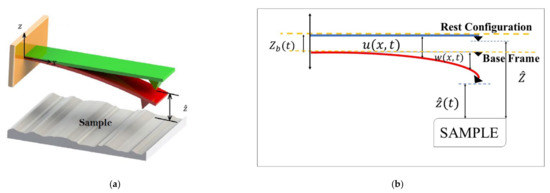
The impetus of writing this paper is to propose an efficient detection mechanism to scan the surface profile of a micro-sample using cantilever-based atomic force microscopy (AFM), operating in non-contact mode. In order to implement this scheme, the principal parametric resonance characteristics of [...] Read more.
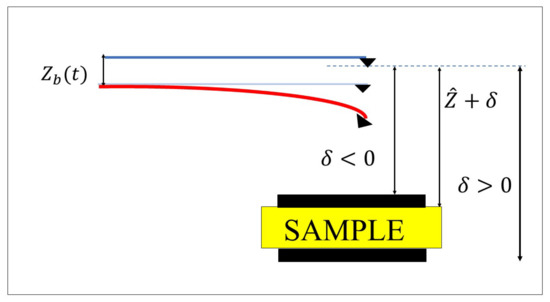
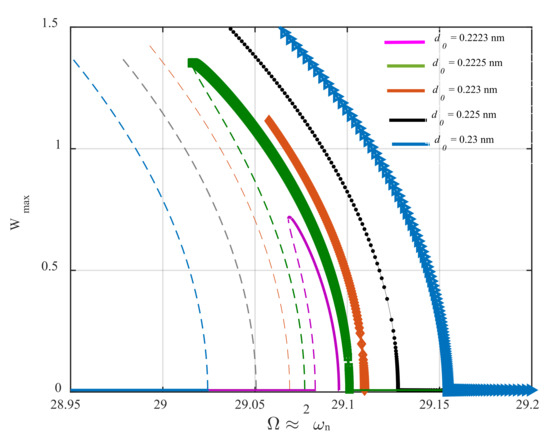
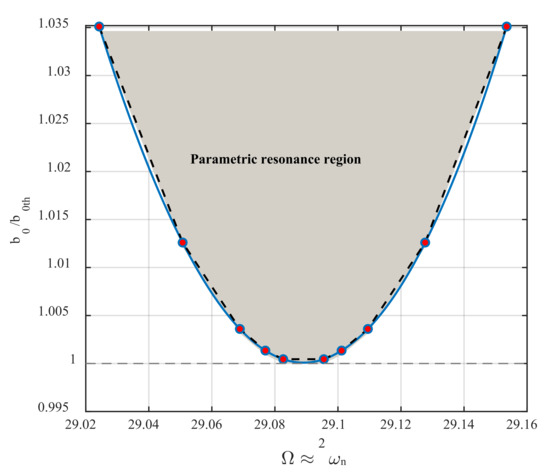
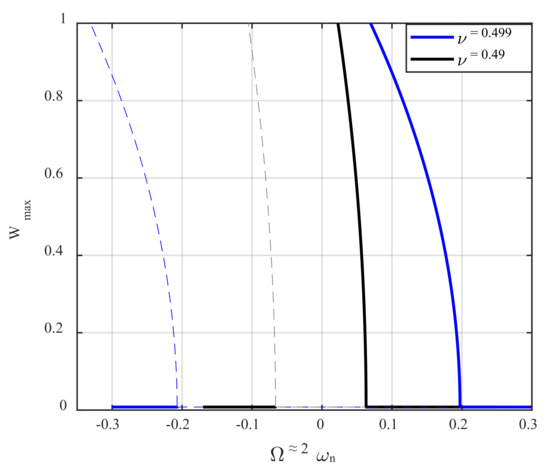
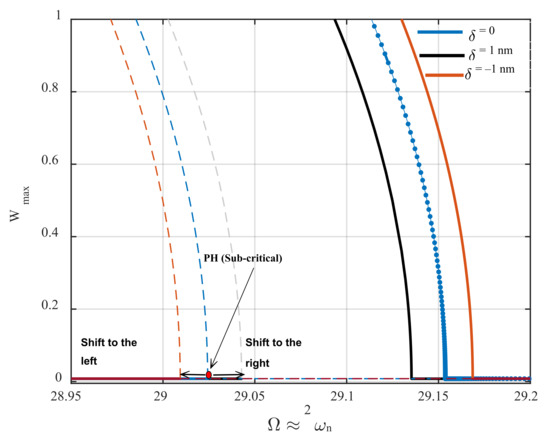
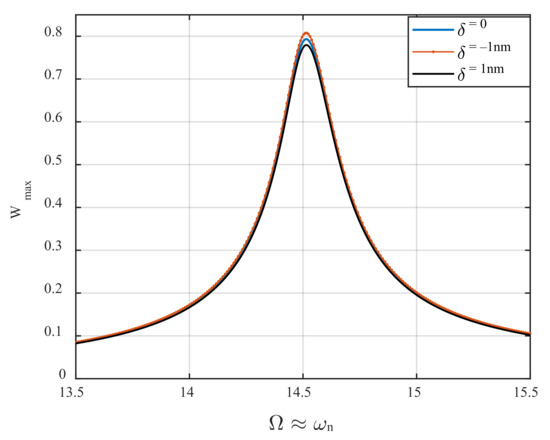
The impetus of writing this paper is to propose an efficient detection mechanism to scan the surface profile of a micro-sample using cantilever-based atomic force microscopy (AFM), operating in non-contact mode. In order to implement this scheme, the principal parametric resonance characteristics of the resonator are employed, benefiting from the bifurcation-based sensing mechanism. It is assumed that the microcantilever is made from a hyperelastic material, providing large deformation under small excitation amplitude. A nonlinear strain energy function is proposed to capture the elastic energy stored in the flexible component of the device. The tip–sample interaction is modeled based on the van der Waals non-contact force. The nonlinear equation governing the AFM’s dynamics is established using the extended Hamilton’s principle, obeying the Euler–Bernoulli beam theory. As a result, the vibration behavior of the system is introduced by a nonlinear equation having a time-dependent boundary condition. To capture the steady-state numerical response of the system, a developed Galerkin method is utilized to discretize the partial differential equation to a set of nonlinear ordinary differential equations (ODE) that are solved by the combination of shooting and arc-length continuation method. The output reveals that while the resonator is set to be operating near twice the fundamental natural frequency, the response amplitude undergoes a significant drop to the trivial stable branch as the sample’s profile experiences depression in the order of the picometer. According to the performed sensitivity analysis, the proposed working principle based on principal parametric resonance is recommended to design AFMs with ultra-high detection resolution for surface profile scanning. Full article
(This article belongs to the Special Issue Mechanics of Micro- and Nano-Size Materials and Structures)
Show Figures

Figure 1
14 pages, 3489 KB  
Article
Green Synthesis of Silver Nanoparticles Using Spent Coffee Ground Extracts: Process Modelling and Optimization
by Antonio Zuorro, Annalaura Iannone, Selenia Miglietta and Roberto Lavecchia
Nanomaterials 2022, 12(15), 2597; https://doi.org/10.3390/nano12152597 - 28 Jul 2022
Cited by 14 | Viewed by 4231
Abstract
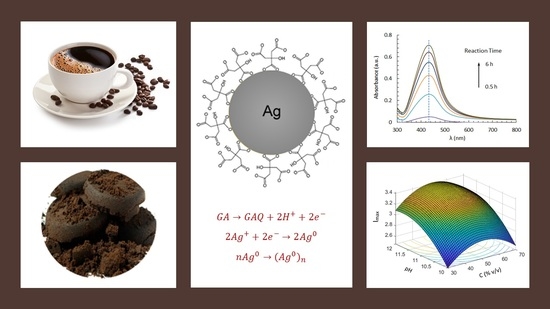
Large amounts of spent coffee grounds (SCGs) are produced annually worldwide. SCGs contain high levels of phenolics and other bioactive compounds that make them a potential source of reducing and stabilizing agents for the synthesis of metal nanoparticles. This study investigates the use [...] Read more.
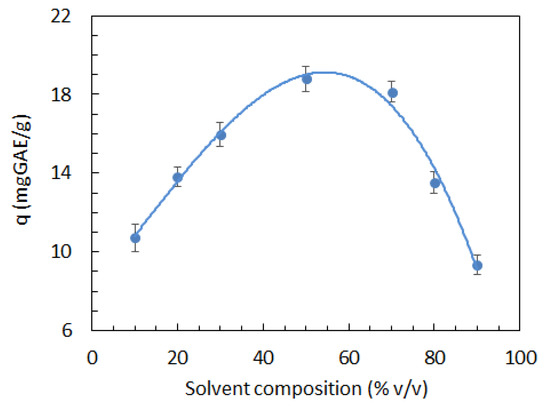
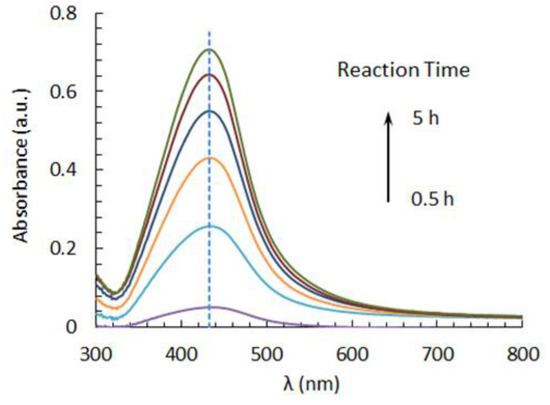
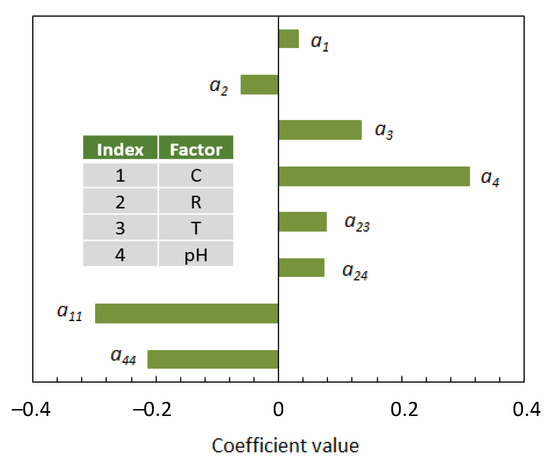
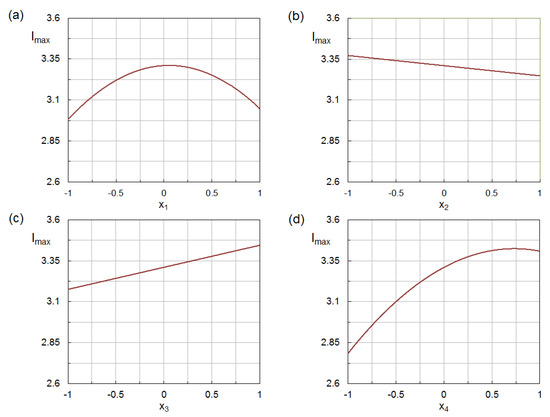
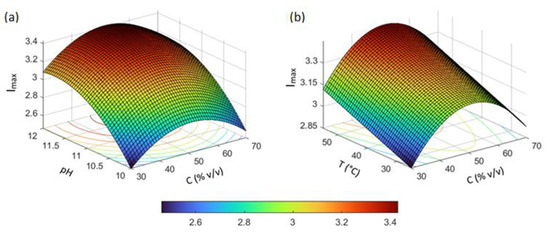
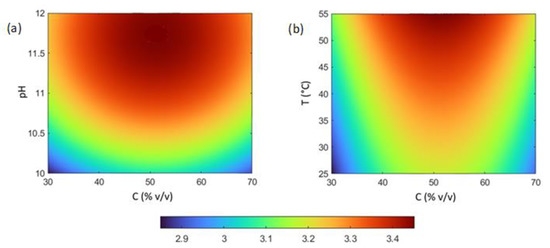
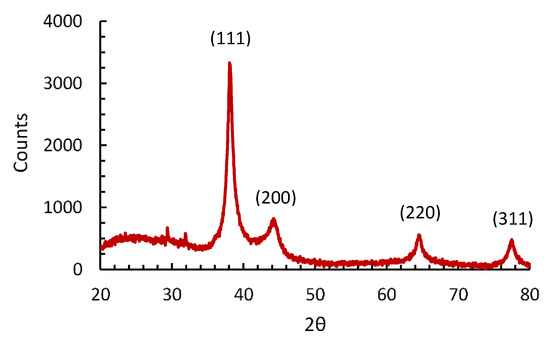
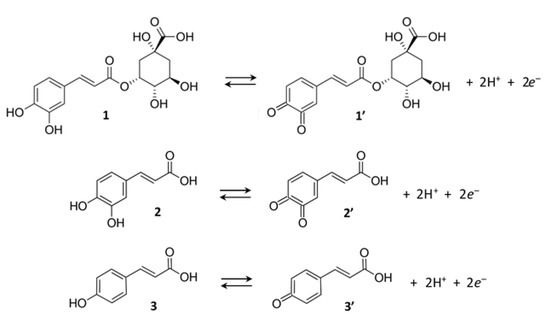
Large amounts of spent coffee grounds (SCGs) are produced annually worldwide. SCGs contain high levels of phenolics and other bioactive compounds that make them a potential source of reducing and stabilizing agents for the synthesis of metal nanoparticles. This study investigates the use of SCG extracts as a green strategy to produce silver nanoparticles (AgNPs). SCG extracts were obtained using aqueous ethanol as the solvent and then contacted with a silver nitrate solution under the selected conditions. A central composite design coupled with response surface methodology was used to evaluate the effects of solvent composition (C = 30–70% v/v), silver-to-phenolic ratio (R = 3–7 mol/mol), temperature (T = 25–55 °C) and pH (10–12) on the production of AgNPs. Characterization of AgNPs by DLS, TEM and XRD techniques showed that they were highly crystalline with a narrow size distribution. Under optimal reaction conditions, AgNPs with an average size of about 10 nm and a zeta potential of −30.5 to −20.7 mV were obtained. Overall, the results of this study indicate that SCGs are a promising material for the green synthesis of small-sized and stable AgNPs. Full article
Show Figures

Graphical abstract

12 pages, 3434 KB  
Article
Biocompatible Casein Electrolyte-Based Electric-Double-Layer for Artificial Synaptic Transistors
by Hwi-Su Kim, Hamin Park and Won-Ju Cho
Nanomaterials 2022, 12(15), 2596; https://doi.org/10.3390/nano12152596 - 28 Jul 2022
Cited by 24 | Viewed by 3589
Abstract
In this study, we proposed a synaptic transistor using an emerging biocompatible organic material, namely, the casein electrolyte as an electric-double-layer (EDL) in the transistor. The frequency-dependent capacitance of the indium-tin-oxide (ITO)/casein electrolyte-based EDL/ITO capacitor was assessed. As a result, the casein electrolyte [...] Read more.
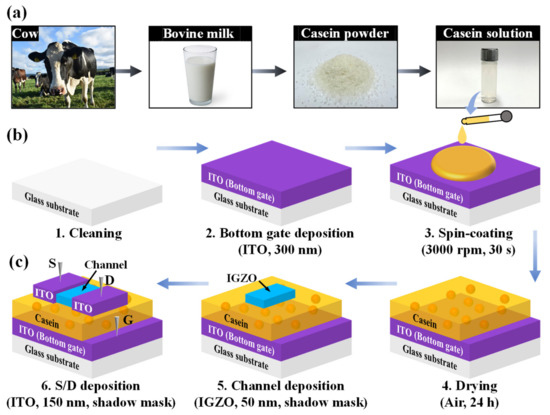
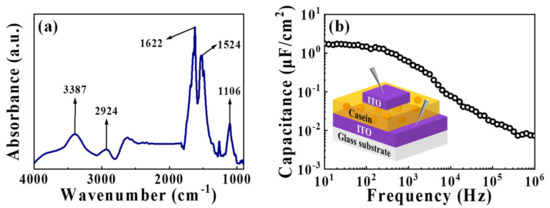
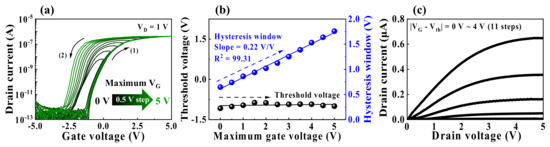
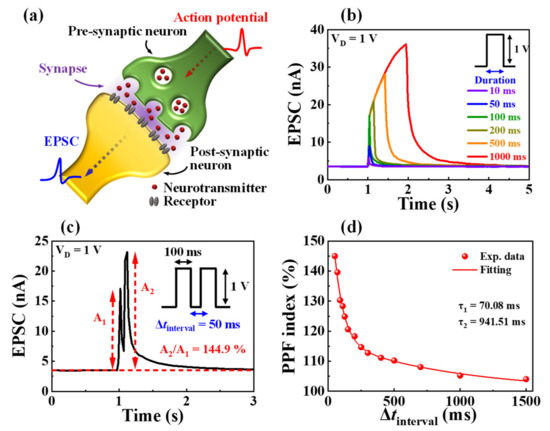
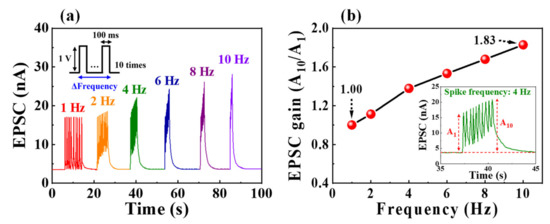
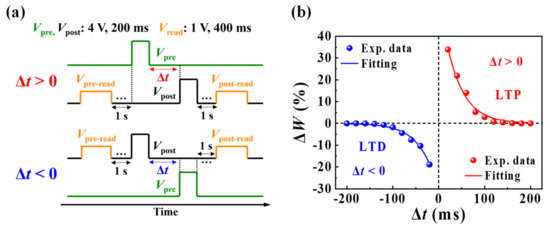
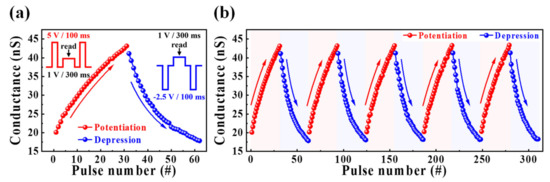
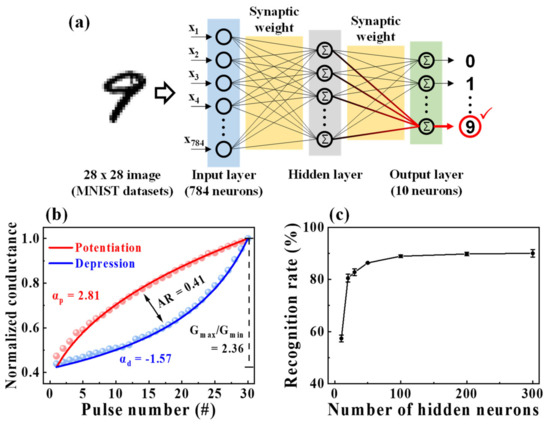
In this study, we proposed a synaptic transistor using an emerging biocompatible organic material, namely, the casein electrolyte as an electric-double-layer (EDL) in the transistor. The frequency-dependent capacitance of the indium-tin-oxide (ITO)/casein electrolyte-based EDL/ITO capacitor was assessed. As a result, the casein electrolyte was identified to exhibit a large capacitance of ~1.74 μF/cm2 at 10 Hz and operate as an EDL owing to the internal proton charge. Subsequently, the implementation of synaptic functions was verified by fabricating the synaptic transistors using biocompatible casein electrolyte-based EDL. The excitatory post-synaptic current, paired-pulse facilitation, and signal-filtering functions of the transistors demonstrated significant synaptic behavior. Additionally, the spike-timing-dependent plasticity was emulated by applying the pre- and post-synaptic spikes to the gate and drain, respectively. Furthermore, the potentiation and depression characteristics modulating the synaptic weight operated stably in repeated cycle tests. Finally, the learning simulation was conducted using the Modified National Institute of Standards and Technology datasets to verify the neuromorphic computing capability; the results indicate a high recognition rate of 90%. Therefore, our results indicate that the casein electrolyte is a promising new EDL material that implements artificial synapses for building environmental and biologically friendly neuromorphic systems. Full article
(This article belongs to the Special Issue Intelligent Nanomaterials and Nanosystems)
Show Figures

Figure 1