19 pages, 7932 KB  
Article
Electrochemical/Peroxymonosulfate/NrGO-MnFe2O4 for Advanced Treatment of Landfill Leachate Nanofiltration Concentrate
by Jiaqi Wang, Zhengguang He, Yuzhong Wang and Manjing Lu
Water 2021, 13(4), 413; https://doi.org/10.3390/w13040413 - 4 Feb 2021
Cited by 17 | Viewed by 3546
Abstract
A simple one-pot method was used to successfully embed manganese ferrite (MnFe2O4) nanoparticles on the nitrogen-doped reduced graphene oxide matrix (NrGO), which was used to activate peroxymonosulfate to treat the landfill leachate nanofiltration concentration (LLNC) with electrochemical enhancement. NrGO-MnFe [...] Read more.
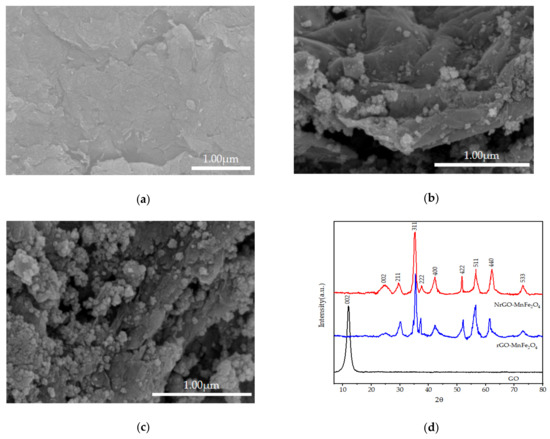
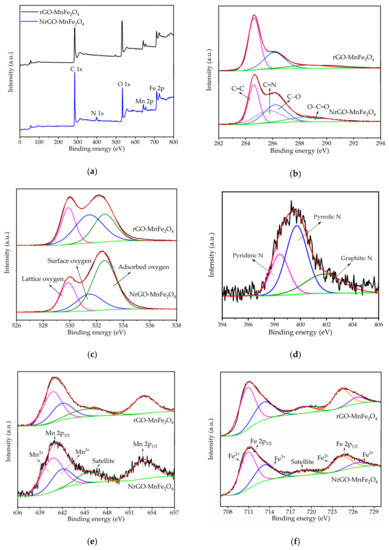
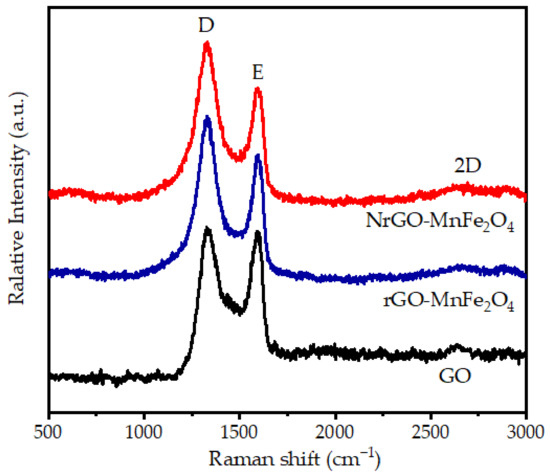
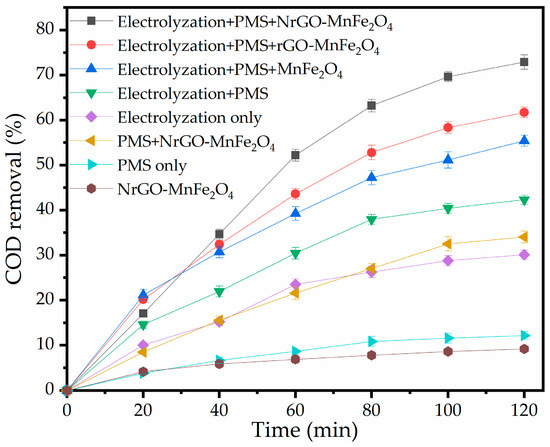
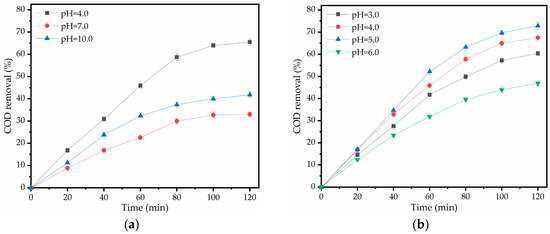
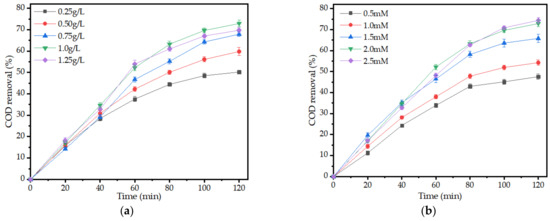
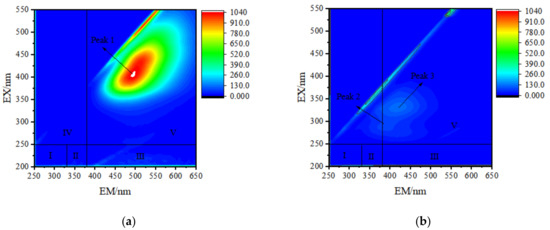
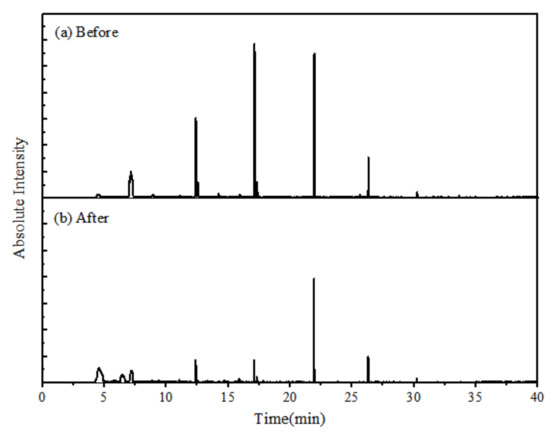
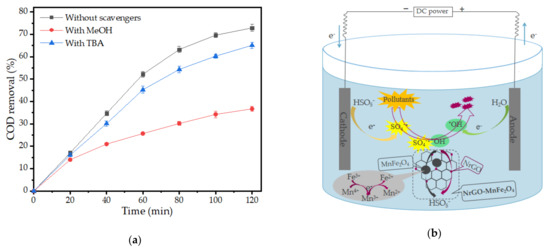
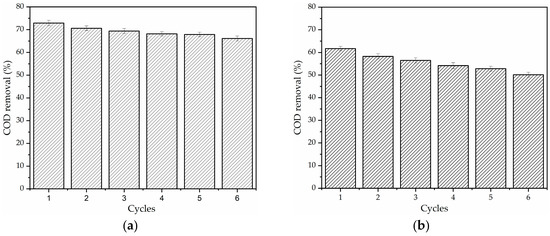
A simple one-pot method was used to successfully embed manganese ferrite (MnFe2O4) nanoparticles on the nitrogen-doped reduced graphene oxide matrix (NrGO), which was used to activate peroxymonosulfate to treat the landfill leachate nanofiltration concentration (LLNC) with electrochemical enhancement. NrGO-MnFe2O4 and rGO-MnFe2O4 were characterized by various means. This indicates that nitrogen-doped could induce more graphene oxide (GO) spall and reduction to produce more active centers, and was favorable for uniformly loading MnFe2O4 particles. The comparison between electrochemical/peroxymonosulfate/NrGO-MnFe2O4 (EC/PMS/NrGO-MnFe2O4) system and different catalytic systems shows that electrochemical reaction, NrGO and MnFe2O4 can produce synergies, and the chemical oxygen demand (COD) removal rate of LLNC can reach 72.89% under the optimal conditions. The three-dimensional (3D-EEM) fluorescence spectrum shows that the system has a strong treatment effect on the macromolecules with intense fluorescence emission in LLNC, such as humic acid, and degrades into substances with weak or no fluorescence characteristics. Gas chromatography-mass spectrometry (GC-MS) indicates that the complex structure of refractory organic compounds can be simplified, while the simple small molecular organic compounds can be directly mineralized. The mechanism of catalytic degradation of the system was preliminarily discussed by the free radical quenching experiment. Therefore, the EC/PMS/NrGO-MnFe2O4 system has significant application potential in the treatment of refractory wastewater. Full article
(This article belongs to the Section Wastewater Treatment and Reuse)
Show Figures

Figure 1
18 pages, 6363 KB  
Article
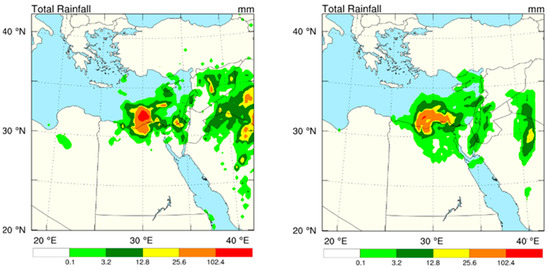
Climate Change Adaptations for Food Security in Vulnerable Areas of the Egyptian Nile—For Tackling the Overlooked Nexus Hazards of Hydrological Extremes and Waste Pollutions
by Otto Chen, Ahmed Abdelhalim, Ying Liu, Miguel Rico-Ramirez and Dawei Han
Water 2021, 13(4), 412; https://doi.org/10.3390/w13040412 - 4 Feb 2021
Cited by 5 | Viewed by 5948
Abstract
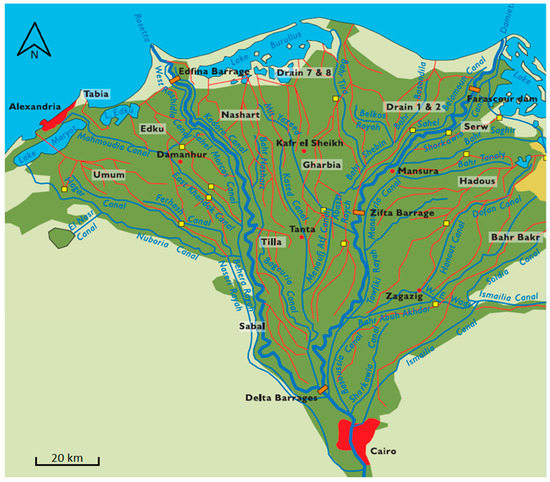
The Nile Delta has been suffering from complex environmental hazards caused by climate change and human-induced evolvements, which have led to adverse impacts on national food security. An unfavourable nexus between solid waste management issues and extreme hydrological events is examined mainly through [...] Read more.
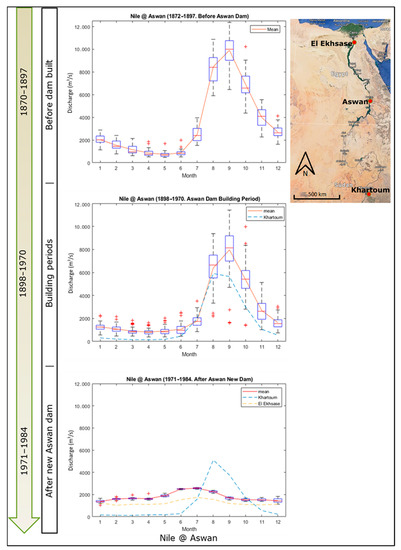
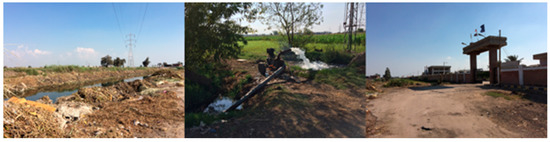
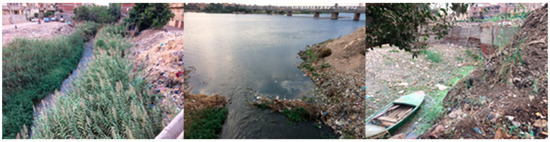
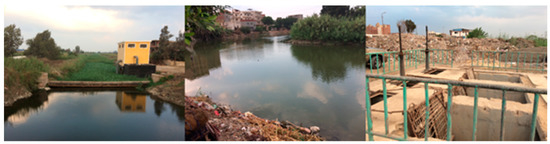
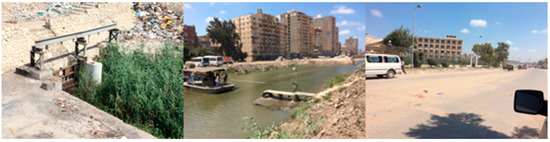
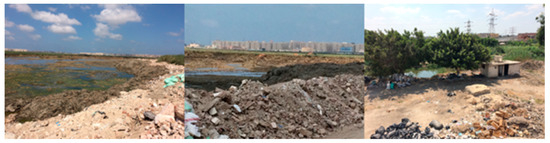
The Nile Delta has been suffering from complex environmental hazards caused by climate change and human-induced evolvements, which have led to adverse impacts on national food security. An unfavourable nexus between solid waste management issues and extreme hydrological events is examined mainly through extensive field investigation and literature research, which is an emerging issue affecting food safety and security whilst still being overlooked so far. The findings not only reveal the significance of the emerging issue but also support our proposed recommendations in the policy/legislation and technology sphere. This interdisciplinary research employs a holistic lens that covers diverse perspectives, including systemic problems, wastewater treatment, and environmental neuroscience, to explore the relationship between food, climate change, water management, and waste pollution, and to achieve novel discoveries for the practical adaptations of Egypt’s challenges. Full article
(This article belongs to the Section Hydrology)
Show Figures

Figure 1
16 pages, 30409 KB  
Article
Effects of Malachite Green on the Microbiomes of Milkfish Culture Ponds
by Chu-Wen Yang, Yi-Tang Chang, Chi-Yen Hsieh and Bea-Ven Chang
Water 2021, 13(4), 411; https://doi.org/10.3390/w13040411 - 4 Feb 2021
Cited by 9 | Viewed by 5326
Abstract
Intensive fish farming through aquaculture is vulnerable to infectious diseases that can increase fish mortality and damage the productivity of aquaculture farms. To prevent infectious diseases, malachite green (MG) has been applied as a veterinary drug for various microbial infections in aquaculture settings [...] Read more.
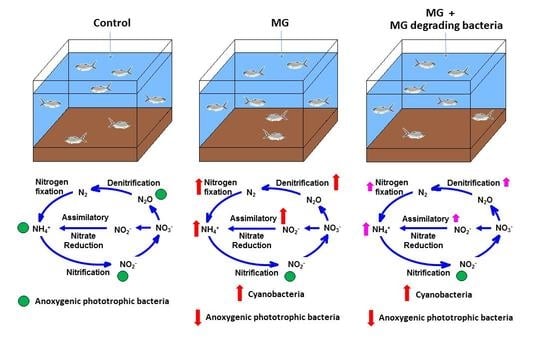
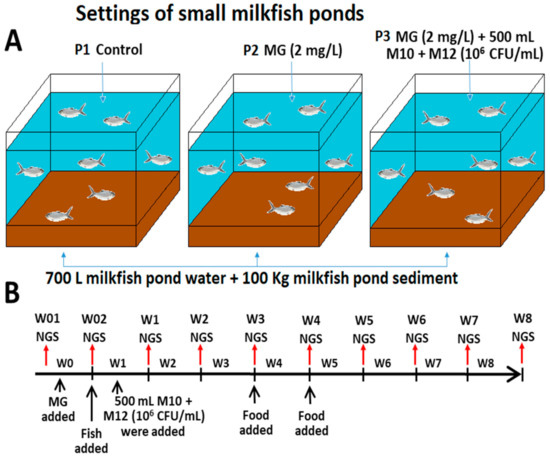
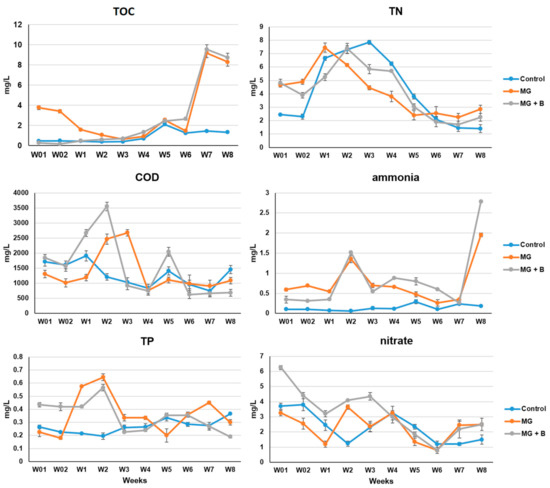
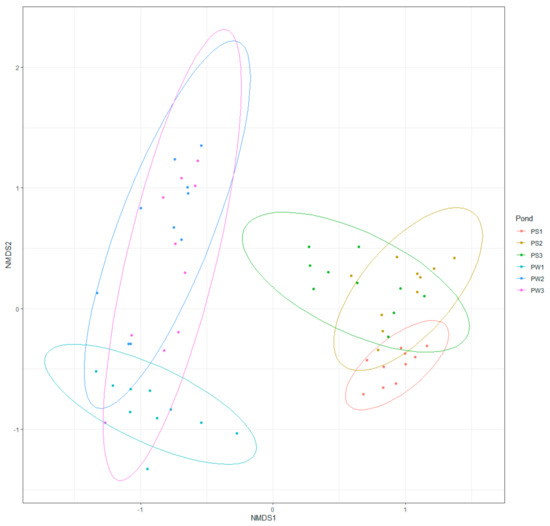
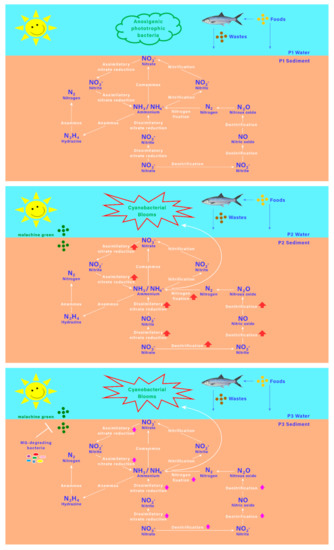
Intensive fish farming through aquaculture is vulnerable to infectious diseases that can increase fish mortality and damage the productivity of aquaculture farms. To prevent infectious diseases, malachite green (MG) has been applied as a veterinary drug for various microbial infections in aquaculture settings worldwide. However, little is known regarding the consequences of MG and MG-degrading bacteria (MGDB) on microbial communities in milkfish culture ponds (MCPs). In this study, small MCPs were used as a model system to determine the effects of MG on the microbial communities in MCPs. The addition of MG led to cyanobacterial blooms in the small MCP. The addition of MGDB could not completely reverse the effects of MG on microbial communities. Cyanobacterial blooms were not prevented. Microbial communities analyzed by next generation sequencing revealed that cyanobacterial blooms may be due to increase of nitrogen cycle (including nitrogen fixation, nitrate reduction and anammox) associated microbial communities, which raised the levels of ammonium in the water of the small MCP. The communities of anoxygenic phototrophic bacteria (beneficial for aquaculture and aquatic ecosystems) decreased after the addition of MG. The results of this investigation provide valuable insights into the effects of MG in aquaculture and the difficulties of bioremediation for aquatic environments polluted by MG. Full article
(This article belongs to the Section Water, Agriculture and Aquaculture)
Show Figures

Graphical abstract

24 pages, 6434 KB  
Article
Impact of Land Use Change on Non-Point Source Pollution in a Semi-Arid Catchment under Rapid Urbanisation in Bolivia
by Benjamin Gossweiler, Ingrid Wesström, Ingmar Messing, Mauricio Villazón and Abraham Joel
Water 2021, 13(4), 410; https://doi.org/10.3390/w13040410 - 4 Feb 2021
Cited by 25 | Viewed by 5305
Abstract
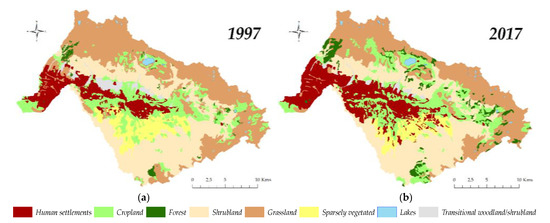
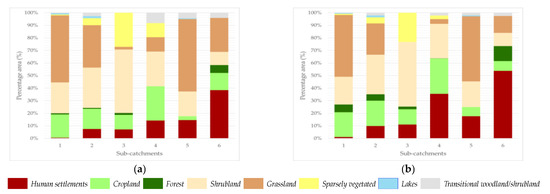
Changes in pollution pressure exerted on the Rocha River in Bolivia from diffuse sources were assessed using potential non-point pollution indexes (PNPI) for 1997 and 2017. PNPI is a simple, low-effort, time- and resource-saving method suitable for data-scarce regions, as it works at [...] Read more.
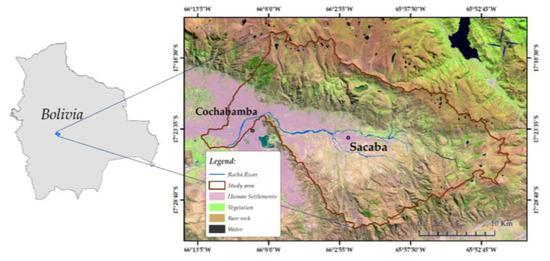
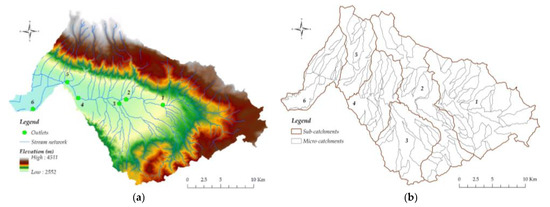
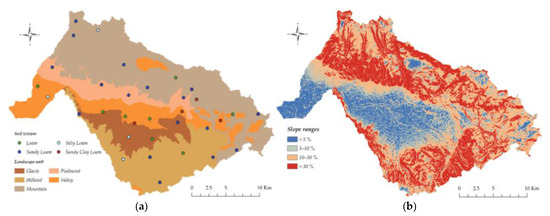
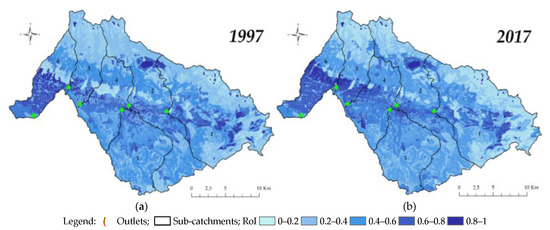
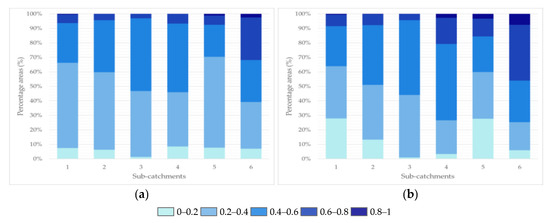
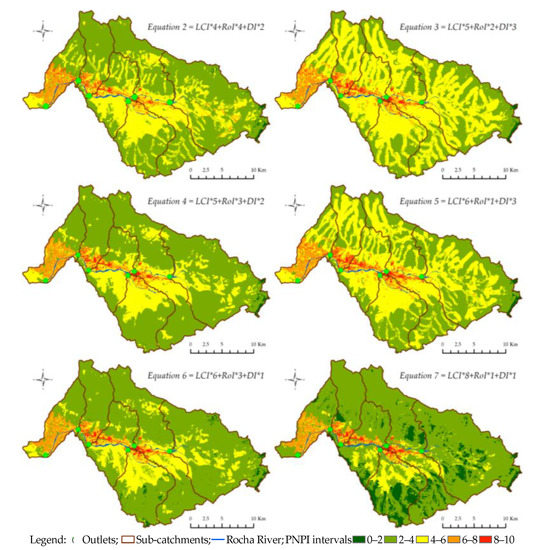
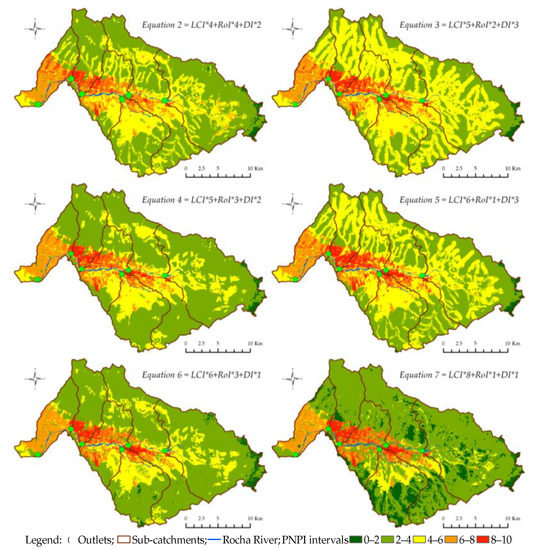
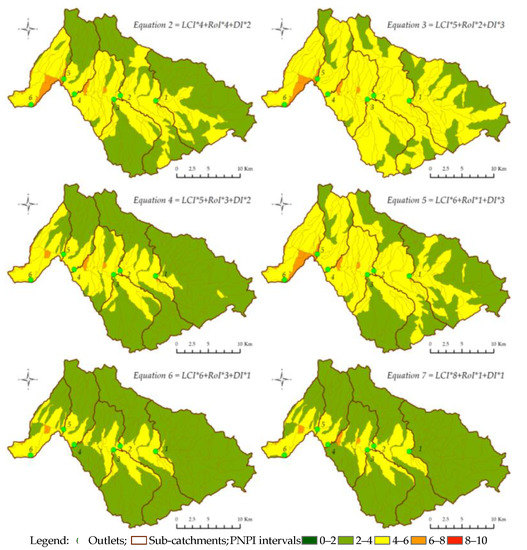
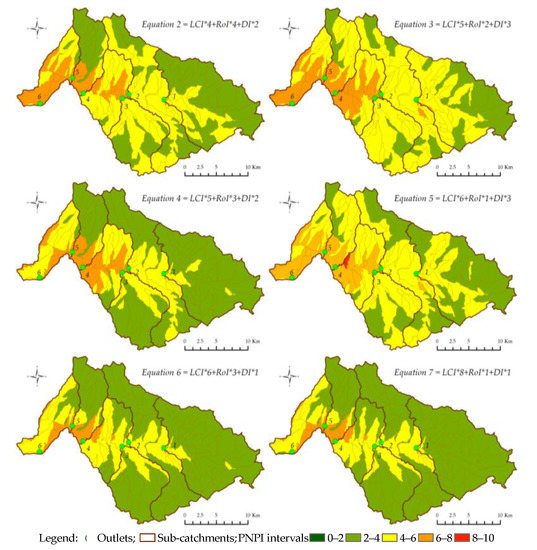
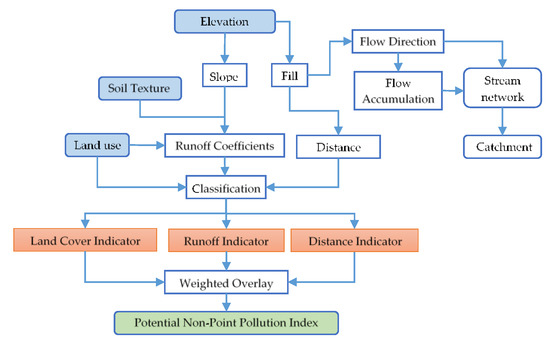
Changes in pollution pressure exerted on the Rocha River in Bolivia from diffuse sources were assessed using potential non-point pollution indexes (PNPI) for 1997 and 2017. PNPI is a simple, low-effort, time- and resource-saving method suitable for data-scarce regions, as it works at catchment level with commonly available geographical data. Land use type (obtained by Landsat imagery classification), runoff (determined by runoff coefficient characterisation) and distance to river network (calculated at perpendicular distance) were each transformed into corresponding indicators to determine their relative importance in generating pollution. Weighted sum, a multi-criteria analysis tool in the GIS environment, was used to combine indicators with weighting values. Different weighting values were assigned to each of the indicators resulting in a set of six equations. The results showed that higher PNPI values corresponded to human settlements with high population density, higher runoff values and shorter distance to river network, while lower PNPI values corresponded to semi-natural land use type, lower runoff coefficient and longer distances to river. PNPI values were positively correlated with measured nitrate and phosphate concentrations at six sub-catchment outlets. The correlation was statistical significant for phosphate in 2017. Maps were produced to identify priority source areas that are more likely to generate pollution, which is important information for future management. Full article
(This article belongs to the Special Issue Impact of Land-Use Changes on Surface Hydrology and Water Quality)
Show Figures

Figure 1
12 pages, 2816 KB  
Article
A Batch Experiment of Cesium Uptake Using Illitic Clays with Different Degrees of Crystallinity
by Jeonghwan Hwang, Sungwook Choung, Woosik Shin, Weon Shik Han and Chul-Min Chon
Water 2021, 13(4), 409; https://doi.org/10.3390/w13040409 - 4 Feb 2021
Cited by 13 | Viewed by 4032
Abstract
Radiocesium released by the severe nuclear accident and nuclear weapon test is a hazardous material. Illitic clays play a key role in the spatial distribution of radiocesium in groundwater environments due to selective uptake sites at the illite mineral, such as frayed edge [...] Read more.
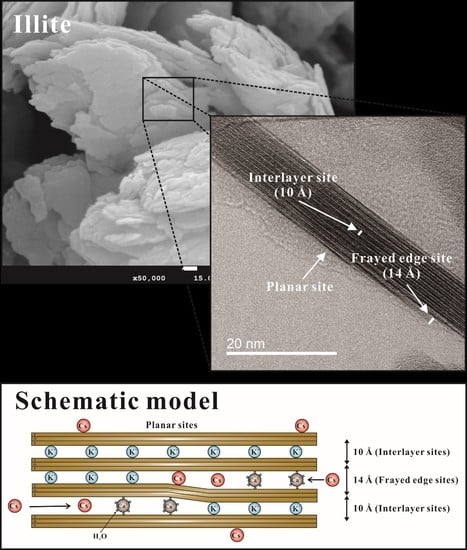
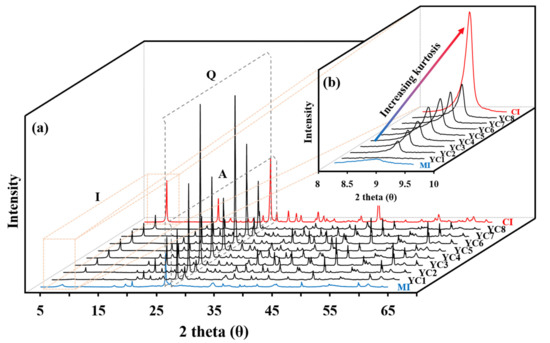
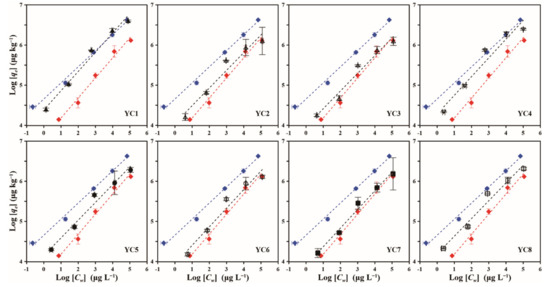
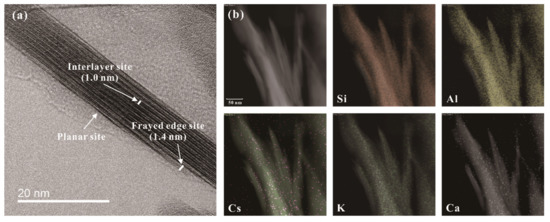
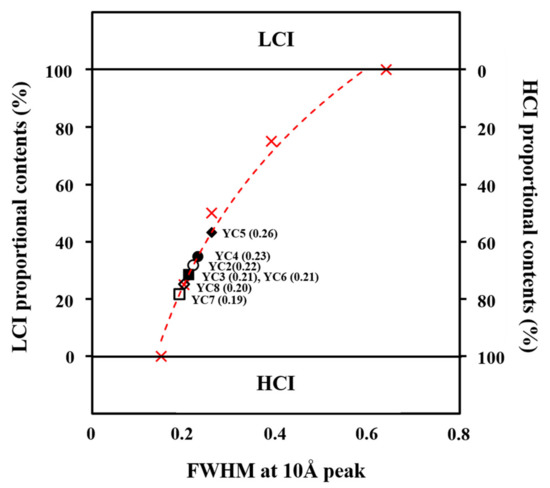
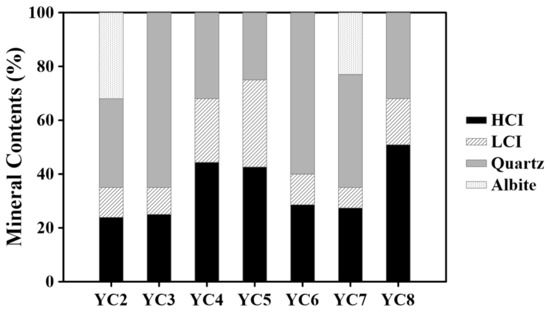
Radiocesium released by the severe nuclear accident and nuclear weapon test is a hazardous material. Illitic clays play a key role in the spatial distribution of radiocesium in groundwater environments due to selective uptake sites at the illite mineral, such as frayed edge sites. However, the cesium uptake capabilities of illitic clays are diverse, which could be associated with the illite crystallinity. This study was performed to determine the cesium uptake of illitic clays and evaluate the crystallinity effects on cesium uptake using statistical approaches. A total of 10 illitic clays showed various crystallinity, which was parameterized by the full width at half maximum (FWHM) at 10 Å XRD peak ranging from 0.15 to 0.64. The uptake behavior of illitic clays was well fitted with the Freundlich model (i.e., r2 > 0.946). The uptake efficiency of illitic clays increased with the decrease in dissolved cesium concentrations. The cesium uptake was significantly correlated with the FWHM and cation exchange capacity, suggesting that the uptake becomes higher with decreasing crystallinity through expansion of the edge site and/or formation of ion-exchangeable sites. Full article
(This article belongs to the Section Hydrology)
Show Figures

Graphical abstract

18 pages, 9176 KB  
Article
Determination of Paleocurrent Directions Based on Well Logging Technology Aiming at the Lower Third Member of the Shahejie Formation in the Chezhen Depression and Its Implications
by Yangjun Gao, Furong Li, Shilong Shi and Ye Chen
Water 2021, 13(4), 408; https://doi.org/10.3390/w13040408 - 4 Feb 2021
Cited by 3 | Viewed by 3577
Abstract
The Bohai Bay basin, mainly formed in the Cenozoic, is an important storehouse of groundwater in the North China Plain. The sedimentary deposits transported by paleocurrents often provided favorable conditions for the enrichment of modern liquid reservoirs. However, due to limited seismic and [...] Read more.
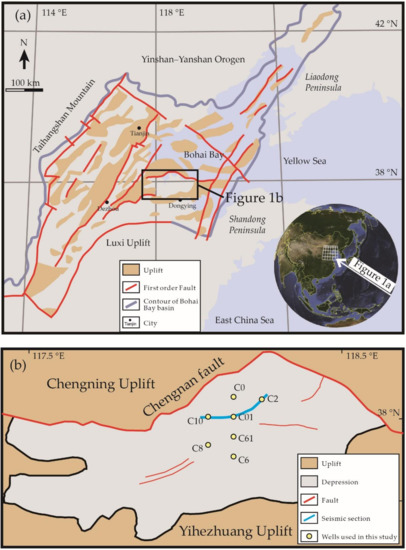
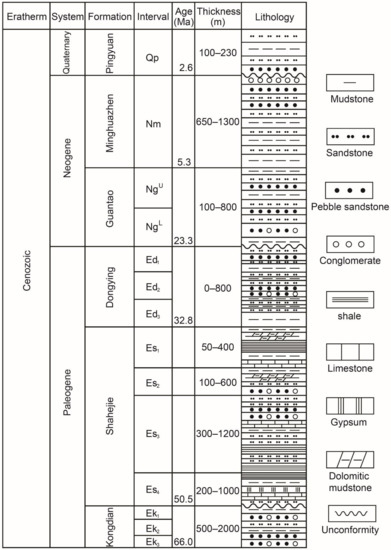
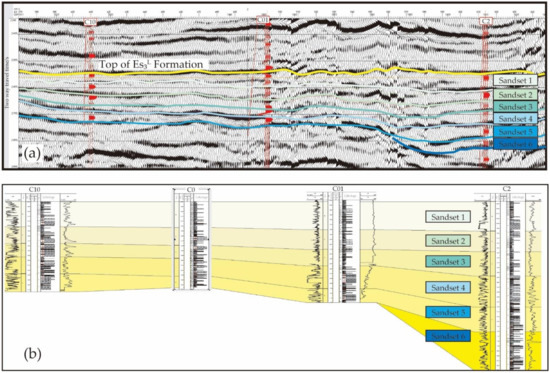
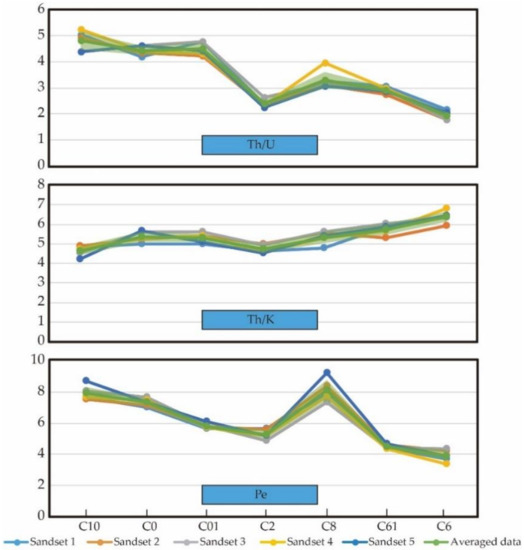
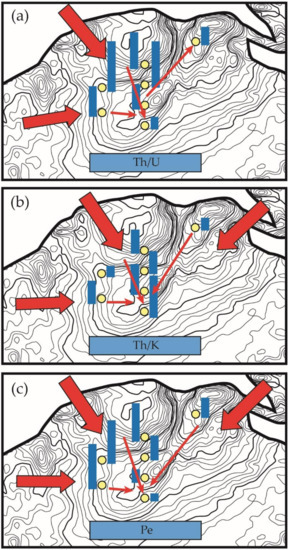
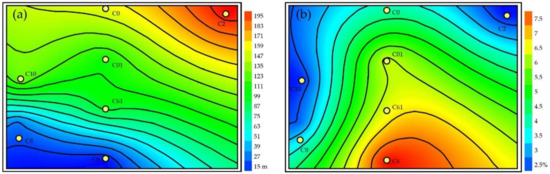
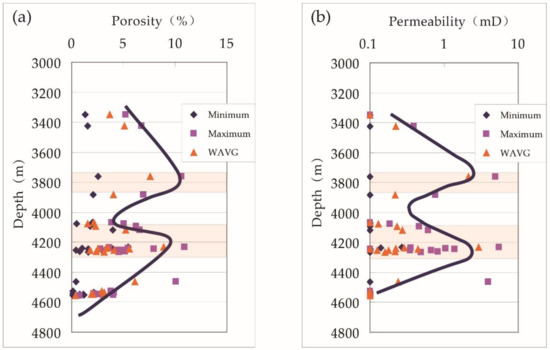
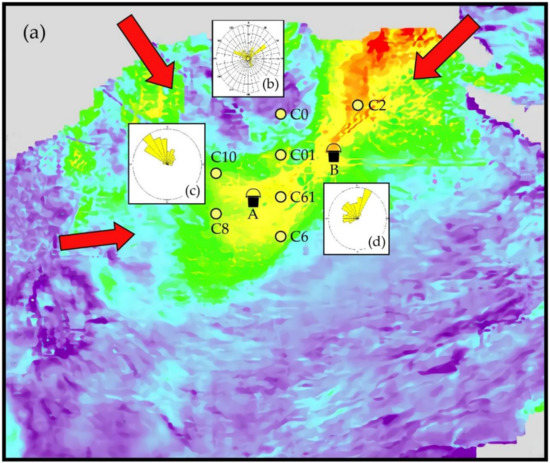
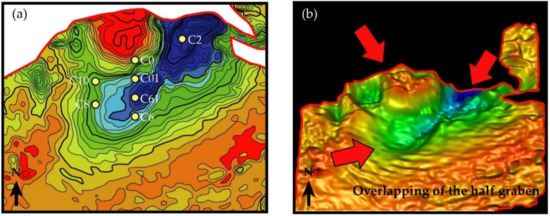
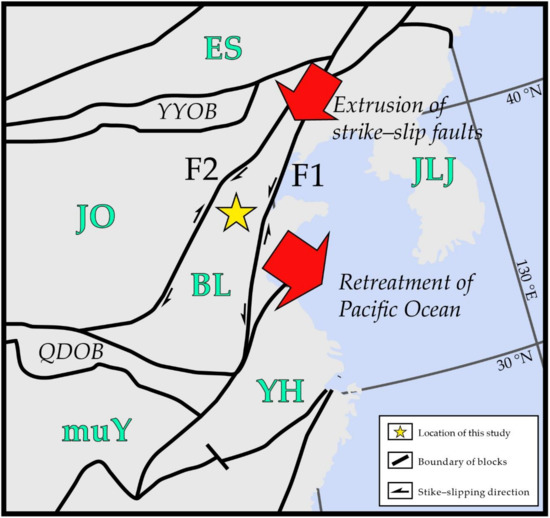
The Bohai Bay basin, mainly formed in the Cenozoic, is an important storehouse of groundwater in the North China Plain. The sedimentary deposits transported by paleocurrents often provided favorable conditions for the enrichment of modern liquid reservoirs. However, due to limited seismic and well logging data, studies focused on the macroscopic directions of paleocurrents are scarce. In this study, we obtained a series of well logging data for the sedimentary layers of Es3L Formation in the Chezhen depression. The results indicate the sources of paleocurrents from the northeast, northwest, and west to a center of subsidence in the northern Chezhen depression at that time. Based on the well testing data, the physical properties of the layers from Es3L Formation in this region were generally poor, but two abnormal overpressure zones were found at 3700–3800 m and 4100–4300 m deep intervals, suggesting potential high-quality underground liquid reservoirs. By combining with other geological evidence, we suggest that the Pacific Plate was retreating and changing its direction from NE–SE to W–E and the Bohai–Luxi block was suffering an extrusion from NE induced by the Lan–Liao and Tan–Lu strike-slip faults in the early Paleogene. Full article
(This article belongs to the Section Hydraulics and Hydrodynamics)
Show Figures

Figure 1
11 pages, 1548 KB  
Review
Role of Biochar in Improving Sandy Soil Water Retention and Resilience to Drought
by Ling Li, Yong-Jiang Zhang, Abigayl Novak, Yingchao Yang and Jinwu Wang
Water 2021, 13(4), 407; https://doi.org/10.3390/w13040407 - 4 Feb 2021
Cited by 142 | Viewed by 20171
Abstract
In recent years, plants in sandy soils have been impacted by increased climate variability due to weak water holding and temperature buffering capacities of the parent material. The projected impact spreads all over the world, including New England, USA. Many regions of the [...] Read more.
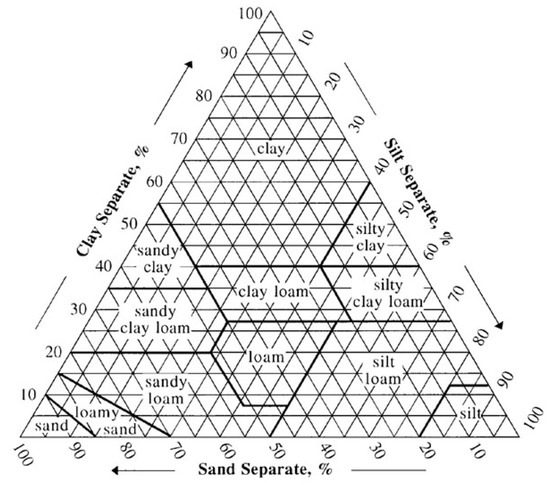
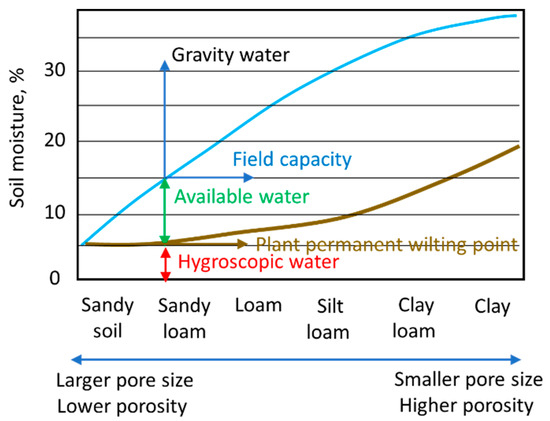
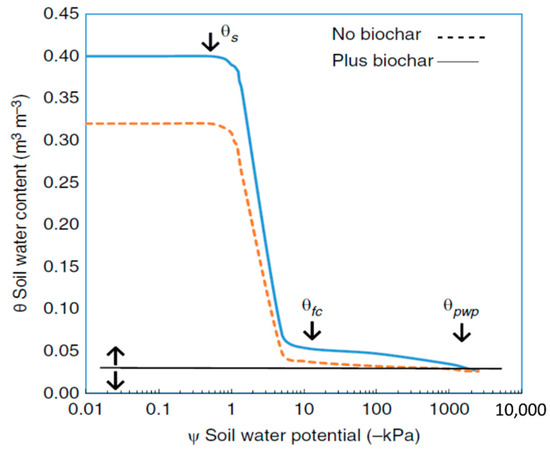
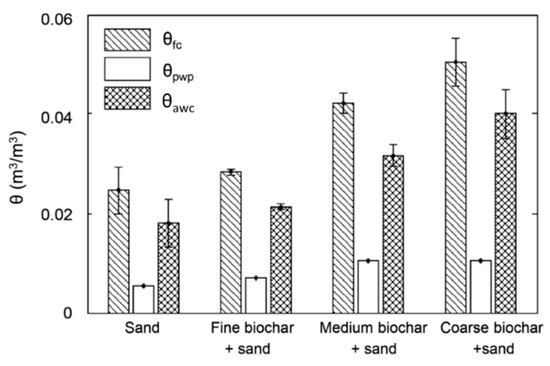
In recent years, plants in sandy soils have been impacted by increased climate variability due to weak water holding and temperature buffering capacities of the parent material. The projected impact spreads all over the world, including New England, USA. Many regions of the world may experience an increase in frequency and severity of drought, which can be attributed to an increased variability in precipitation and enhanced water loss due to warming. The overall benefits of biochar in environmental management have been extensively investigated. This review aims to discuss the water holding capacity of biochar from the points of view of fluid mechanics and propose several prioritized future research topics. To understand the impacts of biochar on sandy soils in-depth, sandy soil properties (surface area, pore size, water properties, and characteristics) and how biochar could improve the soil quality as well as plant growth, development, and yield are reviewed. Incorporating biochar into sandy soils could result in a net increase in the surface area, a stronger hydrophobicity at a lower temperature, and an increase in the micropores to maximize gap spaces. The capability of biochar in reducing fertilizer drainage through increasing water retention can improve crop productivity and reduce the nutrient leaching rate in agricultural practices. To advance research in biochar products and address the impacts of increasing climate variability, future research may focus on the role of biochar in enhancing soil water retention, plant water use efficiency, crop resistance to drought, and crop productivity. Full article
Show Figures

Figure 1
28 pages, 776 KB  
Review
The Seagrass Holobiont: What We Know and What We Still Need to Disclose for Its Possible Use as an Ecological Indicator
by Chiara Conte, Alice Rotini, Loredana Manfra, Marco Maria D’Andrea, Gidon Winters and Luciana Migliore
Water 2021, 13(4), 406; https://doi.org/10.3390/w13040406 - 4 Feb 2021
Cited by 51 | Viewed by 10279
Abstract
Microbes and seagrass establish symbiotic relationships constituting a functional unit called the holobiont that reacts as a whole to environmental changes. Recent studies have shown that the seagrass microbial associated community varies according to host species, environmental conditions and the host’s health status, [...] Read more.
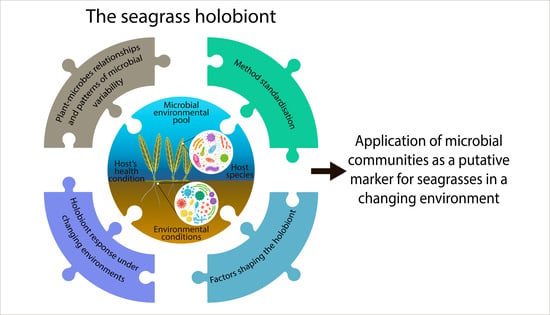
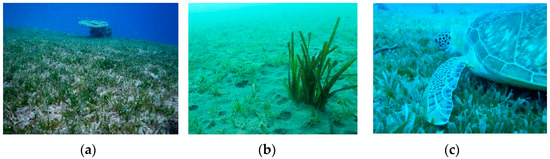
Microbes and seagrass establish symbiotic relationships constituting a functional unit called the holobiont that reacts as a whole to environmental changes. Recent studies have shown that the seagrass microbial associated community varies according to host species, environmental conditions and the host’s health status, suggesting that the microbial communities respond rapidly to environmental disturbances and changes. These changes, dynamics of which are still far from being clear, could represent a sensitive monitoring tool and ecological indicator to detect early stages of seagrass stress. In this review, the state of art on seagrass holobiont is discussed in this perspective, with the aim of disentangling the influence of different factors in shaping it. As an example, we expand on the widely studied Halophila stipulacea’s associated microbial community, highlighting the changing and the constant components of the associated microbes, in different environmental conditions. These studies represent a pivotal contribution to understanding the holobiont’s dynamics and variability pattern, and to the potential development of ecological/ecotoxicological indices. The influences of the host’s physiological and environmental status in changing the seagrass holobiont, alongside the bioinformatic tools for data analysis, are key topics that need to be deepened, in order to use the seagrass-microbial interactions as a source of ecological information. Full article
(This article belongs to the Special Issue Aquatic Ecotoxicity Assessment)
Show Figures

Graphical abstract

19 pages, 20428 KB  
Article
An Operational High-Performance Forecasting System for City-Scale Pluvial Flash Floods in the Southwestern Plain Areas of Taiwan
by Tzu-Yin Chang, Hongey Chen, Huei-Shuin Fu, Wei-Bo Chen, Yi-Chiang Yu, Wen-Ray Su and Lee-Yaw Lin
Water 2021, 13(4), 405; https://doi.org/10.3390/w13040405 - 4 Feb 2021
Cited by 22 | Viewed by 5508
Abstract
A pluvial flash flood is rapid flooding induced by intense rainfall associated with a severe weather system, such as thunderstorms or typhoons. Additionally, topography, ground cover, and soil conditions also account for the occurrence of pluvial flash floods. Pluvial flash floods are among [...] Read more.
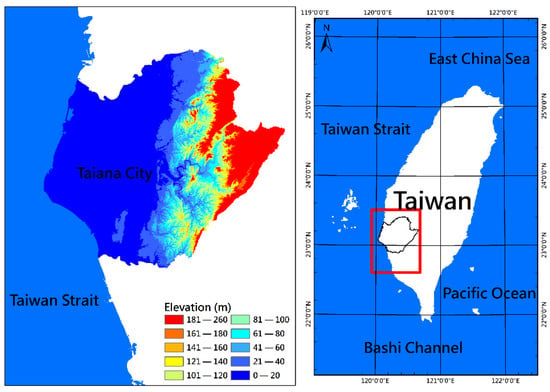
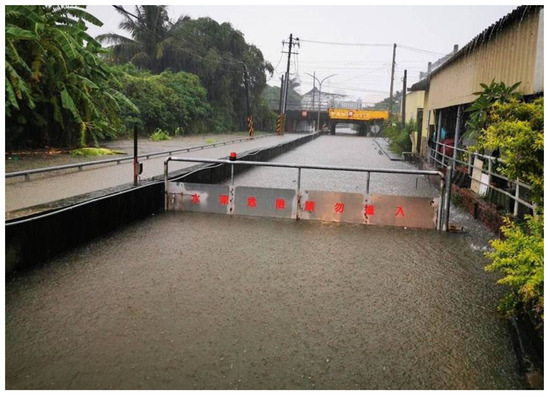
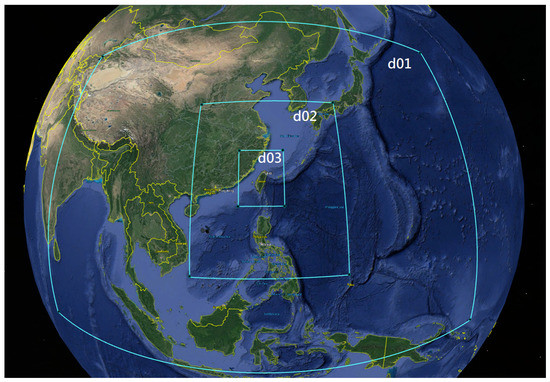
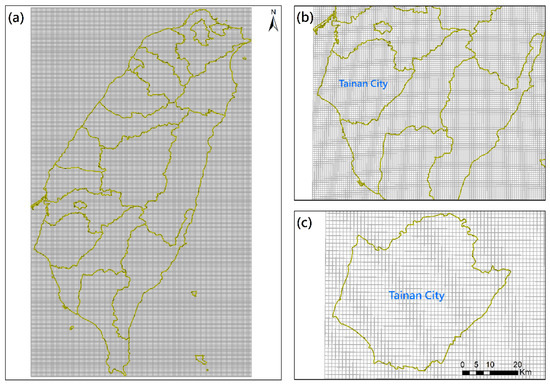
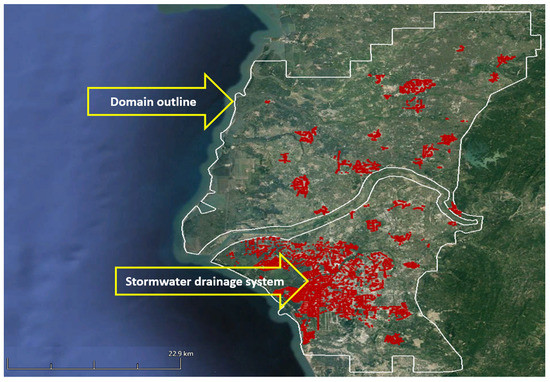
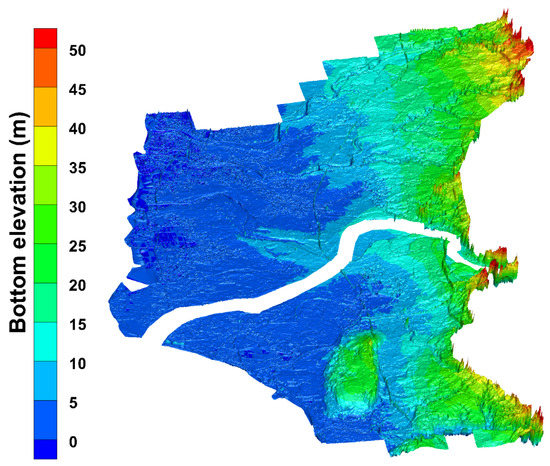
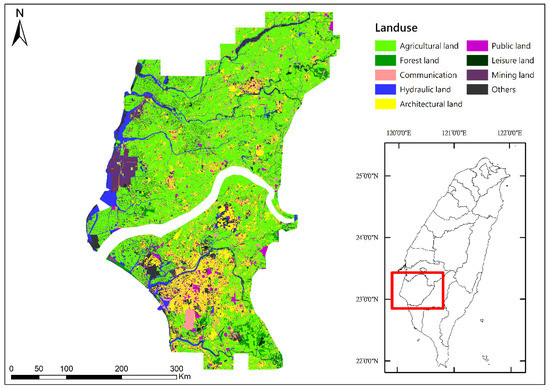
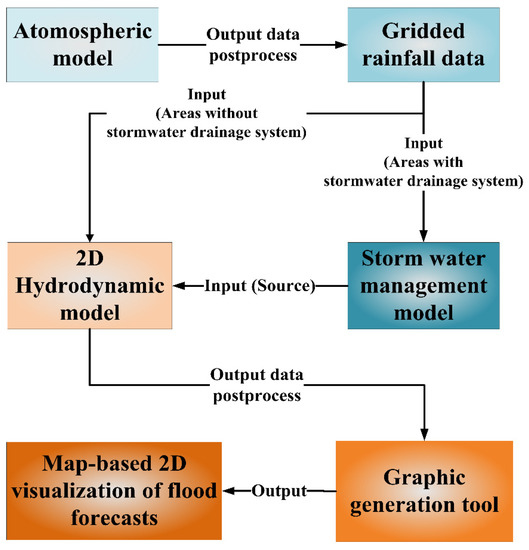
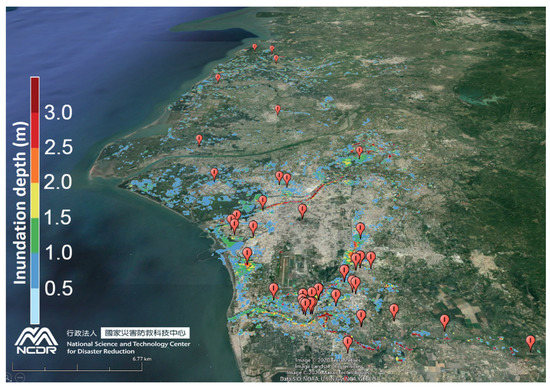
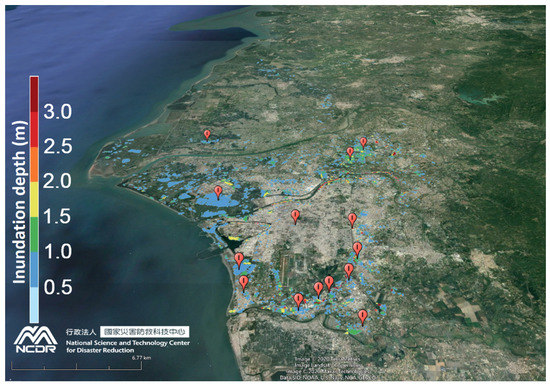
A pluvial flash flood is rapid flooding induced by intense rainfall associated with a severe weather system, such as thunderstorms or typhoons. Additionally, topography, ground cover, and soil conditions also account for the occurrence of pluvial flash floods. Pluvial flash floods are among the most devastating natural disasters that occur in Taiwan, and these floods always /occur within a few minutes or hours of excessive rainfall. Pluvial flash floods usually threaten large plain areas with high population densities; therefore, there is a great need to implement an operational high-performance forecasting system for pluvial flash flood mitigation and evacuation decisions. This study developed a high-performance two-dimensional hydrodynamic model based on the finite-element method and unstructured grids. The operational high-performance forecasting system is composed of the Weather Research and Forecasting (WRF) model, the Storm Water Management Model (SWMM), a two-dimensional hydrodynamic model, and a map-oriented visualization tool. The forecasting system employs digital elevation data with a 1-m resolution to simulate city-scale pluvial flash floods. The extent of flooding during historical inundation events derived from the forecasting system agrees well with the surveyed data for plain areas in southwestern Taiwan. The entire process of the operational high-performance forecasting system prediction of pluvial flash floods in the subsequent 24 h is accomplished within 8–10 min, and forecasts are updated every six hours. Full article
Show Figures

Figure 1
13 pages, 7789 KB  
Article
The Spatiotemporal Patterns and Interrelationships of Snow Cover and Climate Change in Tianshan Mountains
by Tong Heng, Xinlin He, Lili Yang, Jiawen Yu, Yulin Yang and Miaoling Li
Water 2021, 13(4), 404; https://doi.org/10.3390/w13040404 - 4 Feb 2021
Cited by 5 | Viewed by 3325
Abstract
To reveal the spatiotemporal patterns of the asymmetry in the Tianshan mountains’ climatic warming, in this study, we analyzed climate and MODIS snow cover data (2001–2019). The change trends of asymmetrical warming, snow depth (SD), snow coverage percentage (SCP), snow cover days (SCD) [...] Read more.
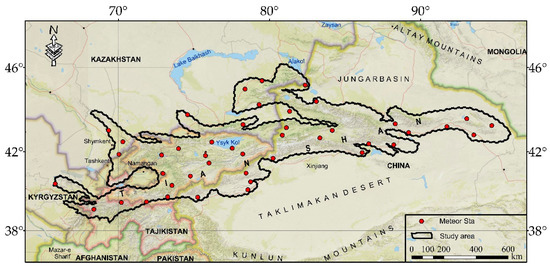
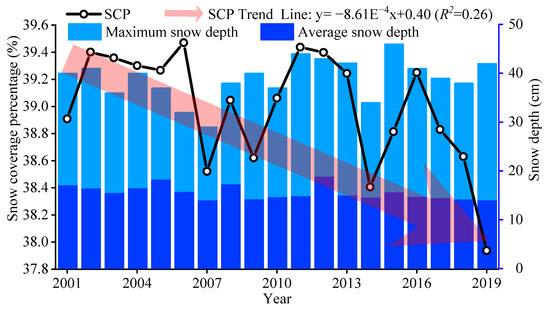
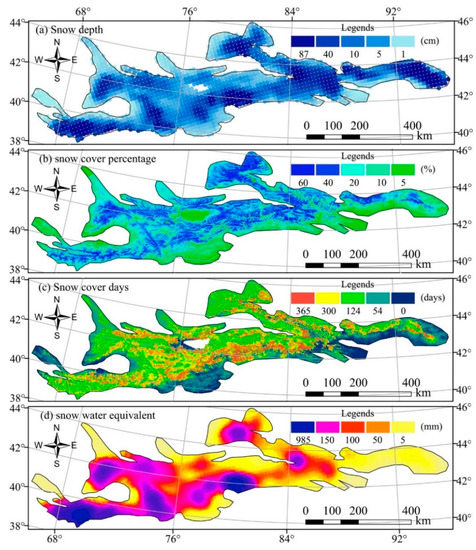
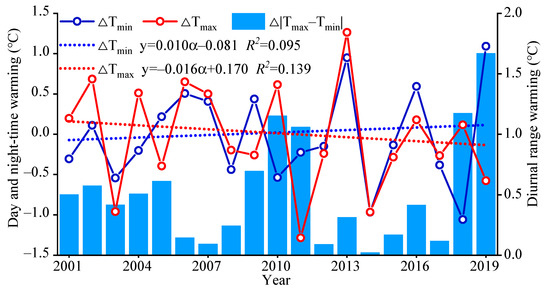
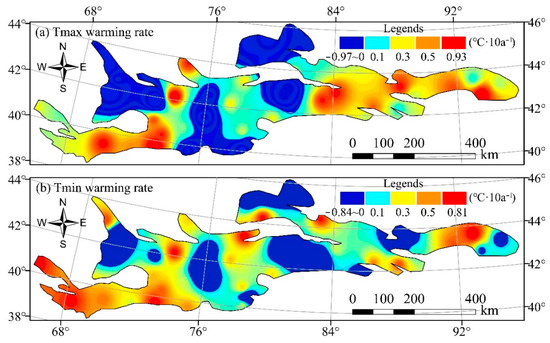
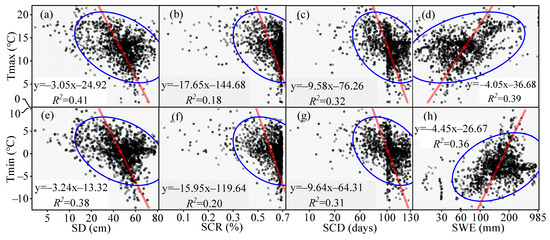
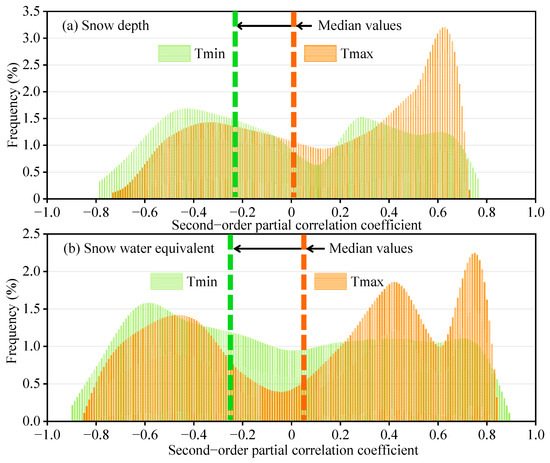
To reveal the spatiotemporal patterns of the asymmetry in the Tianshan mountains’ climatic warming, in this study, we analyzed climate and MODIS snow cover data (2001–2019). The change trends of asymmetrical warming, snow depth (SD), snow coverage percentage (SCP), snow cover days (SCD) and snow water equivalent (SWE) in the Tianshan mountains were quantitatively determined, and the influence of asymmetrical warming on the snow cover activity of the Tianshan mountains were discussed. The results showed that the nighttime warming rate (0.10 °C per decade) was greater than the daytime, and that the asymmetrical warming trend may accelerate in the future. The SCP of Tianshan mountain has reduced by 0.9%. This means that for each 0.1 °C increase in temperature, the area of snow cover will reduce by 5.9 km2. About 60% of the region’s daytime warming was positively related to SD and SWE, and about 48% of the region’s nighttime warming was negatively related to SD and SWE. Temperature increases were concentrated mainly in the Pamir Plateau southwest of Tianshan at high altitudes and in the Turpan and Hami basins in the east. In the future, the western and eastern mountainous areas of the Tianshan will continue to show a warming trend, while the central mountainous areas of the Tianshan mountains will mainly show a cooling trend. Full article
(This article belongs to the Special Issue Managing Climate Risks to Water Security)
Show Figures

Figure 1
18 pages, 2698 KB  
Article
A Stochastic Procedure for Temporal Disaggregation of Daily Rainfall Data in SuDS Design
by Matteo Pampaloni, Alvaro Sordo-Ward, Paola Bianucci, Ivan Gabriel-Martin, Enrica Caporali and Luis Garrote
Water 2021, 13(4), 403; https://doi.org/10.3390/w13040403 - 4 Feb 2021
Cited by 5 | Viewed by 5007
Abstract
Hydrological design of Sustainable urban Drainage Systems (SuDS) is commonly achieved by estimating rainfall volumetric percentiles from daily rainfall series. Nevertheless, urban watersheds demand rainfall data at sub-hourly time step. Temporal disaggregation of daily rainfall records using stochastic methodologies can be applied to [...] Read more.
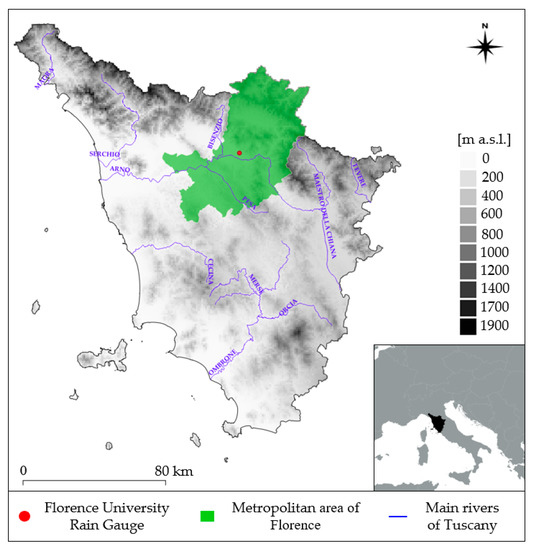
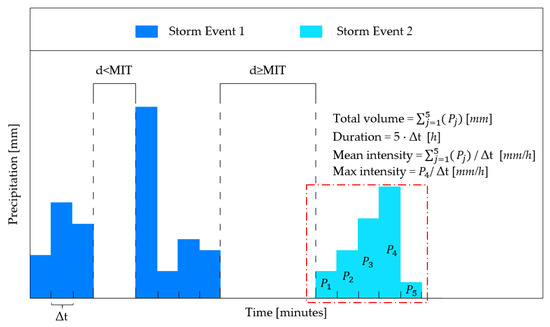
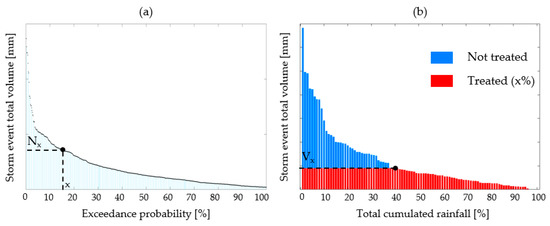
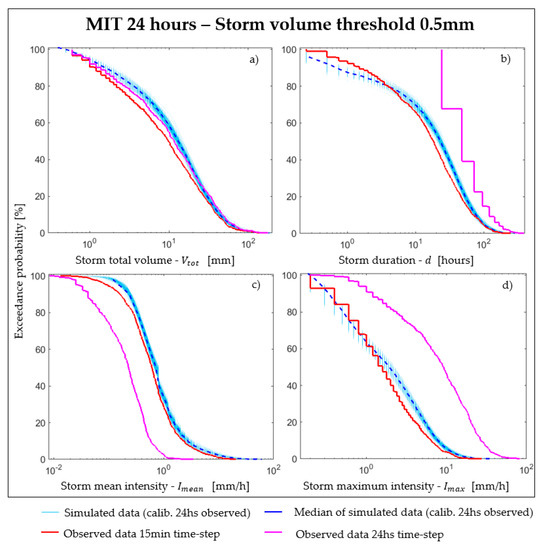
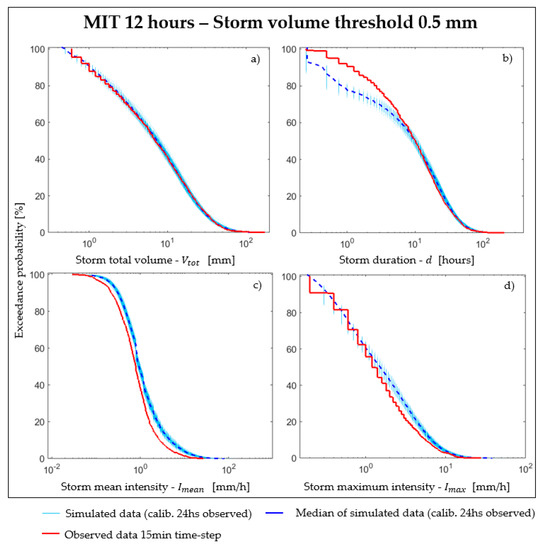
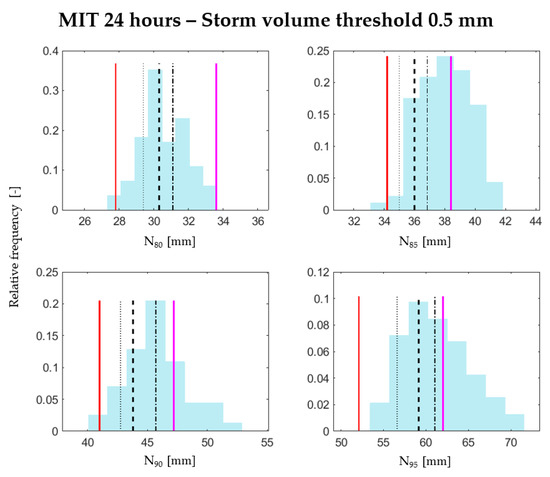
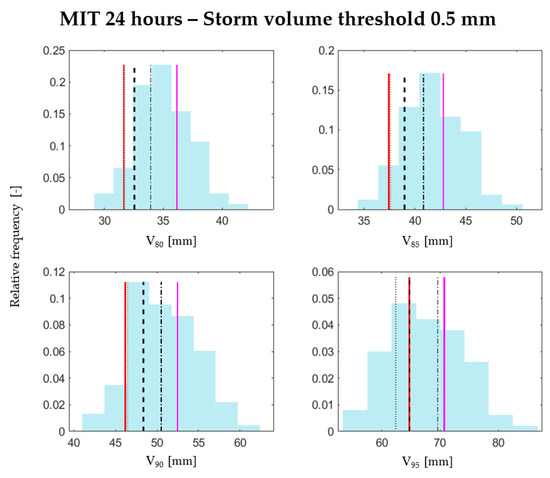
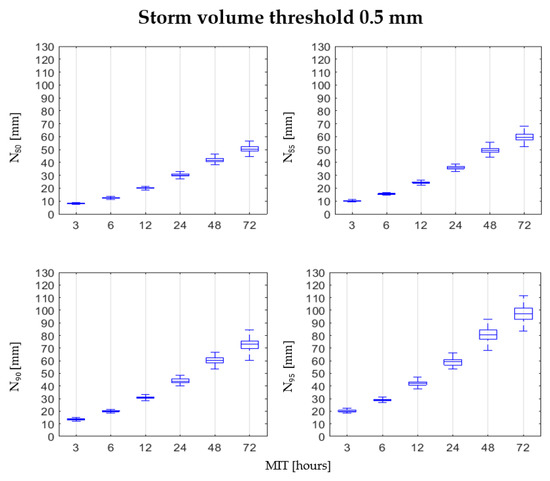
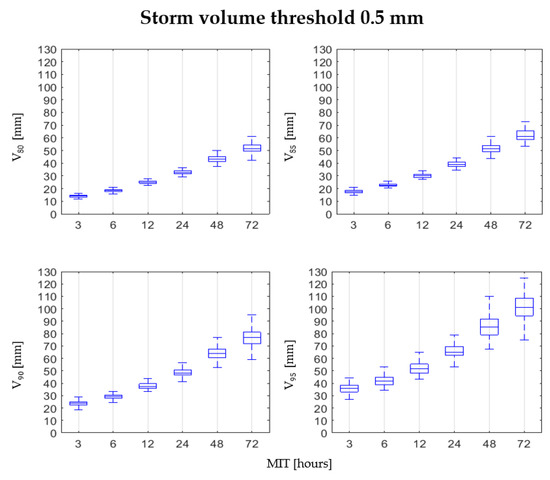
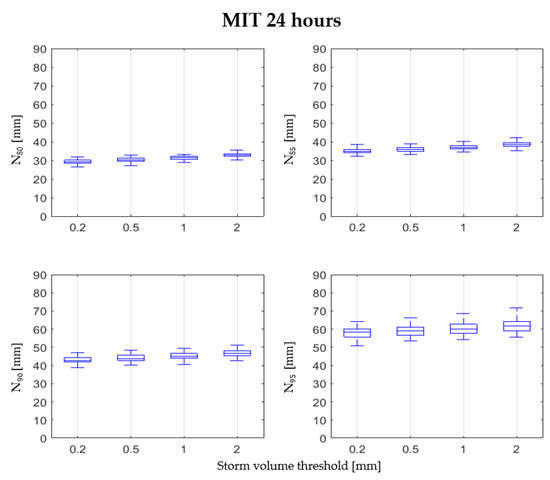
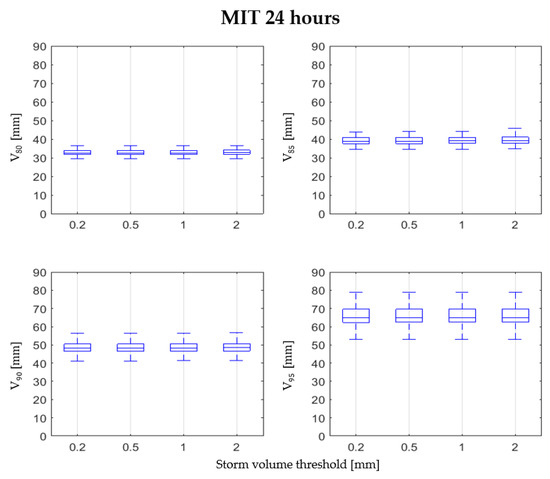
Hydrological design of Sustainable urban Drainage Systems (SuDS) is commonly achieved by estimating rainfall volumetric percentiles from daily rainfall series. Nevertheless, urban watersheds demand rainfall data at sub-hourly time step. Temporal disaggregation of daily rainfall records using stochastic methodologies can be applied to improve SuDS design parameters. This paper is aimed to analyze the ability of the synthetic rainfall generation process to reproduce the main characteristics of the observed rainfall and the estimation of the hydrologic parameters often used for SuDS design and by using the generally available daily rainfall data. Other specifics objectives are to analyze the effect of Minimum Inter-event Time (MIT) and storm volume threshold on rainfall volumetric percentiles commonly used in SuDS design. The reliability of the stochastic spatial-temporal model RainSim V.3 to reproduce observed key characteristics of rainfall pattern and volumetric percentiles, was also investigated. Observed and simulated continuous rainfall series with sub-hourly time-step were used to calculate four key characteristics of rainfall and two types of rainfall volumetric percentiles. To separate independent rainstorm events, MIT values of 3, 6, 12, 24, 48 and 72 h and storm volume thresholds of 0.2, 0.5, 1 and 2 mm were considered. Results show that the proposed methodology improves the estimation of the key characteristics of the rainfall events as well as the hydrologic parameters for SuDS design, compared with values directly deduced from the observed rainfall series with daily time-step. Moreover, MITs rainfall volumetric percentiles of total number of rainfall events are very sensitive to MIT and threshold values, while percentiles of total volume of accumulated rainfall series are sensitive only to MIT values. Full article
(This article belongs to the Special Issue Planning and Management of Hydraulic Infrastructure)
Show Figures

Figure 1
2 pages, 183 KB  
Correction
Correction: Wasielewski, S., et al. Evaluation of Different Clinoptilolite Zeolites as Adsorbent for Ammonium Removal from Highly Concentrated Synthetic Wastewater. Water 2018, 10, 584
by Stephan Wasielewski, Eduard Rott, Ralf Minke and Heidrun Steinmetz
Water 2021, 13(4), 402; https://doi.org/10.3390/w13040402 - 4 Feb 2021
Viewed by 1942
Abstract
Error in Table [...] Full article
(This article belongs to the Section Wastewater Treatment and Reuse)
2 pages, 151 KB  
Editorial
Water Quality Indices: Current and Future Trends in Evaluating Contamination of Groundwater Resources
by Dimitrios E. Alexakis
Water 2021, 13(4), 401; https://doi.org/10.3390/w13040401 - 4 Feb 2021
Cited by 8 | Viewed by 3402
Abstract
Groundwater and surface water contamination is related to the presence of chemical substances, which strongly influence the water suitability for human consumption as well as for industrial and agricultural uses [...] Full article
19 pages, 16953 KB  
Article
An Automated Approach to Groundwater Quality Monitoring—Geospatial Mapping Based on Combined Application of Gaussian Process Regression and Bayesian Information Criterion
by Dmitrii Shadrin, Artyom Nikitin, Polina Tregubova, Vera Terekhova, Raghavendra Jana, Sergey Matveev and Maria Pukalchik
Water 2021, 13(4), 400; https://doi.org/10.3390/w13040400 - 4 Feb 2021
Cited by 29 | Viewed by 5262
Abstract
Sustainable management of the environment is based on the preservation of natural resources, first of all, freshwater—both surface and groundwater—from exhaustion and contamination. Thus, development of adequate monitoring solutions, including fast and adaptive modelling approaches, are of high importance. Recent progress in machine [...] Read more.
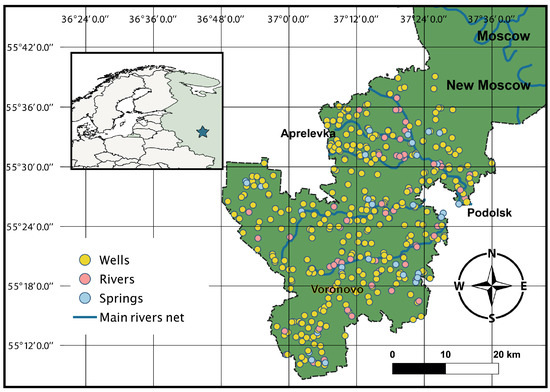
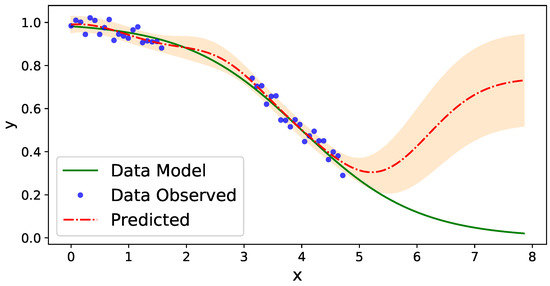
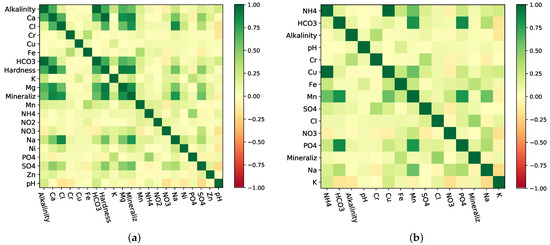
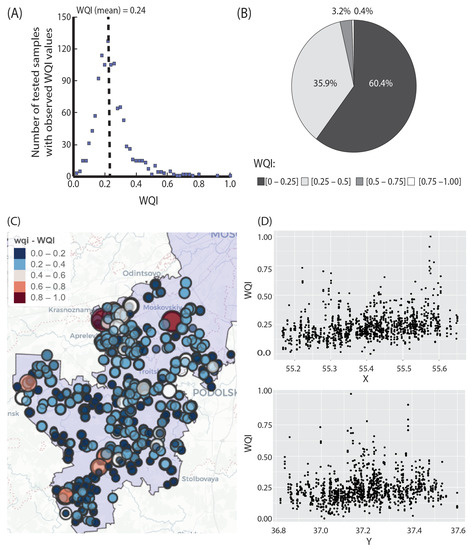
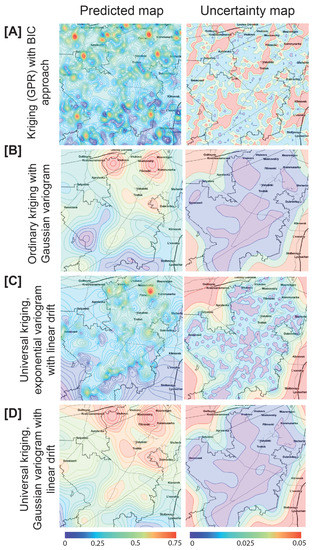
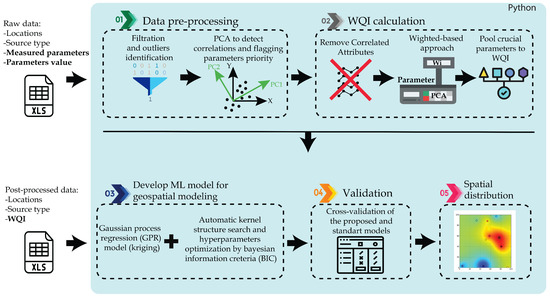
Sustainable management of the environment is based on the preservation of natural resources, first of all, freshwater—both surface and groundwater—from exhaustion and contamination. Thus, development of adequate monitoring solutions, including fast and adaptive modelling approaches, are of high importance. Recent progress in machine learning techniques provide an opportunity to improve the prediction accuracy of the spatial distribution of properties of natural objects and to automate all stages of this process to exclude uncertainties caused by handcrafting. We propose a technique to construct the weighted Water Quality Index (WQI) and the spatial prediction map of the WQI in tested area. In particular, WQI is calculated using dimensionality reduction technique (Principal Component Analysis), and spatial map of WQI is constructed using Gaussian Process Regression with automatic kernel structure selection using Bayesian Information Criterion (BIC). We validate our approach on a new dataset for groundwater quality in the New Moscow region, where groundwater is mostly used for drinking purposes. According to estimated WQI values, groundwater quality across the study region is relatively high, with few points, less than 0.5% of all observations, severely contaminated. Estimated WQIs then were used to construct spatial distribution models, GPR-BIC approach was compared with ordinary Kriging (OK), Universal Kriging (UK) with exponential, Gaussian, polynomial and periodic kernels. Quality of models was assessed using cross-validation scheme, according to which BIC-GPR approach showed better performance on average with 15% higher R2 score comparing to other Kriging models. We show that the proposed geospatial interpolation is a potentially powerful and adaptable tool for predicting the spatial distribution of properties of natural resources. Full article
(This article belongs to the Section Water Quality and Contamination)
Show Figures

Figure 1
22 pages, 14731 KB  
Article
Clustering Simultaneous Occurrences of the Extreme Floods in the Neckar Catchment
by Ehsan Modiri and András Bárdossy
Water 2021, 13(4), 399; https://doi.org/10.3390/w13040399 - 4 Feb 2021
Cited by 6 | Viewed by 5428
Abstract
Flood protection is crucial for making socioeconomic policies due to the high losses of extreme floods. So far, the synchronous occurrences of flood events have not been deeply investigated. In this paper, multivariate analysis was implemented to reveal the interconnection between these floods [...] Read more.
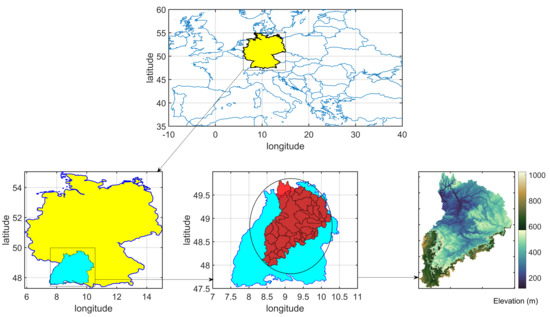
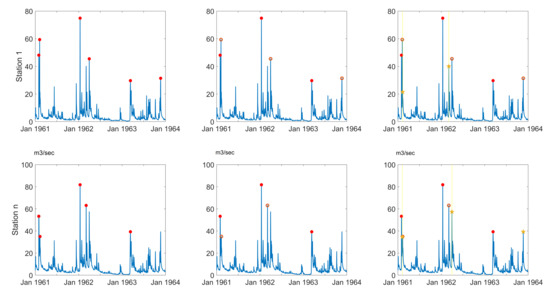
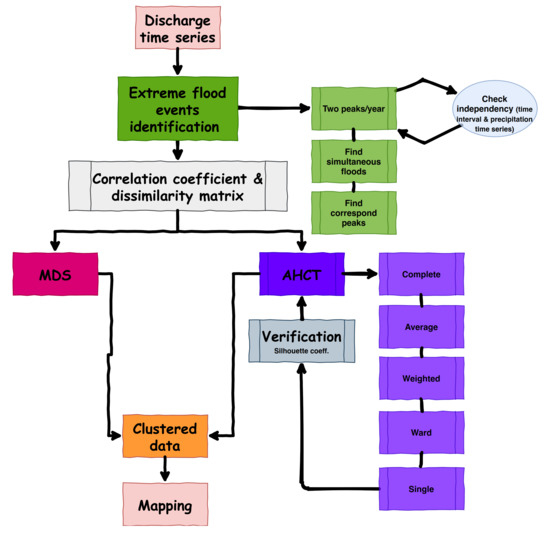
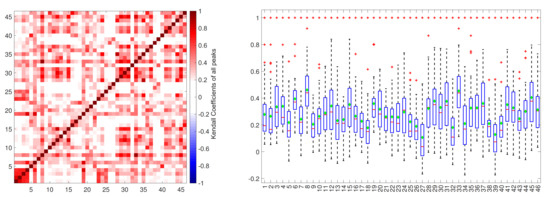
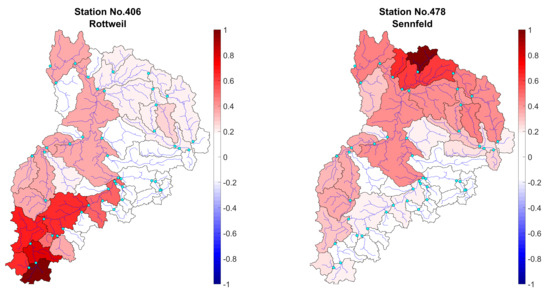
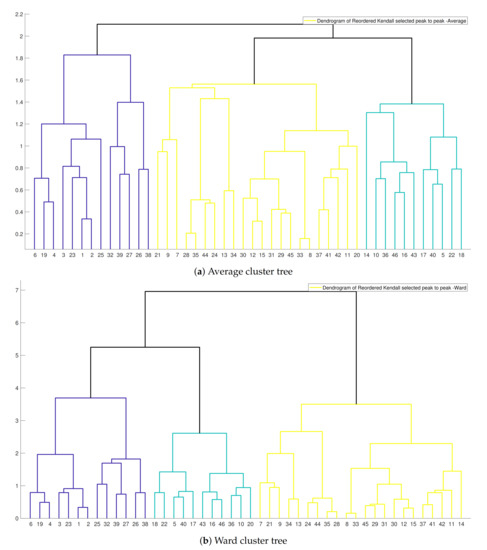
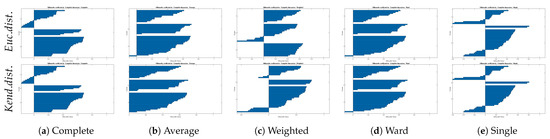
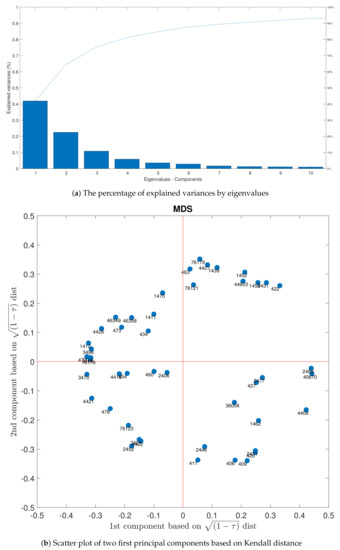
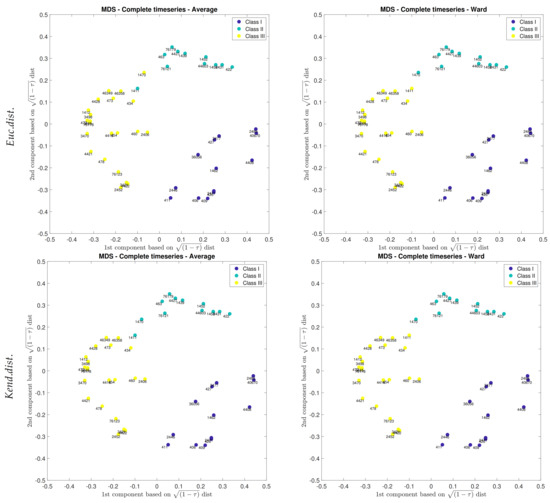
Flood protection is crucial for making socioeconomic policies due to the high losses of extreme floods. So far, the synchronous occurrences of flood events have not been deeply investigated. In this paper, multivariate analysis was implemented to reveal the interconnection between these floods in spatiotemporal resolution. The discharge measurements of 46 gauges with a continuous daily time series for 55 years were taken over the Neckar catchment. Initially, the simultaneous floods were identified. The Kendall correlation between the pair sets of peaks was determined to scrutinize the similarities between the simultaneous events. Agglomerative hierarchical clustering tree (AHCT) and multidimensional scaling (MDS) were employed, and obtained clusters were compared and evaluated with the Silhouette verification method. AHCT shows that the Average and Ward algorithms are appropriate to detect reasonable clusters. The Neckar catchment has been divided into three major clusters: the first cluster mainly covers the western part and is bounded by the Black Forest and Swabian Alps. The second cluster is mostly located in the eastern part of the upper Neckar. The third cluster contains the remaining lowland areas of the Neckar basin. The results illustrate that the clusters act relatively as a function of topography, geology, and anthropogenic alterations of the catchment. Full article
Show Figures

Figure 1