32 pages, 5079 KB  
Review
Emerging Food Packaging Applications of Cellulose Nanocomposites: A Review
by Jingwen Li, Feifan Zhang, Yaqi Zhong, Yadong Zhao, Pingping Gao, Fang Tian, Xianhui Zhang, Rusen Zhou and Patrick J. Cullen
Polymers 2022, 14(19), 4025; https://doi.org/10.3390/polym14194025 - 26 Sep 2022
Cited by 85 | Viewed by 11219
Abstract
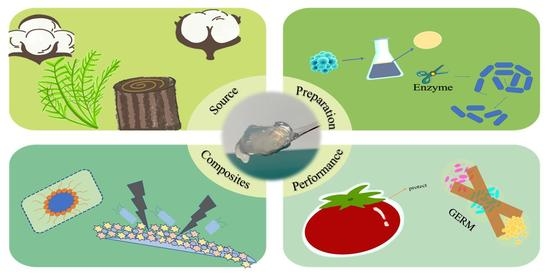
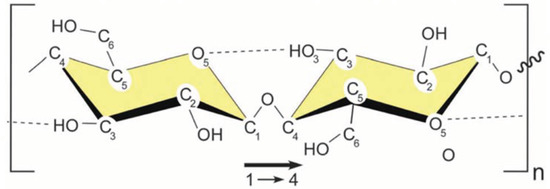
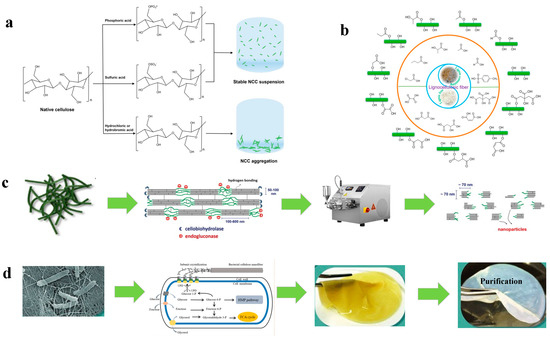
Cellulose is the most abundant biopolymer on Earth, which is synthesized by plants, bacteria, and animals, with source-dependent properties. Cellulose containing β-1,4-linked D-glucoses further assembles into hierarchical structures in microfibrils, which can be processed to nanocellulose with length or width in the nanoscale [...] Read more.
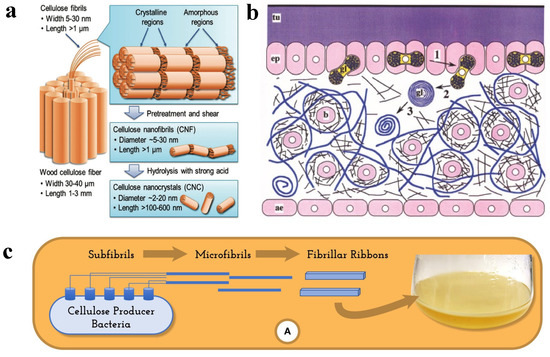
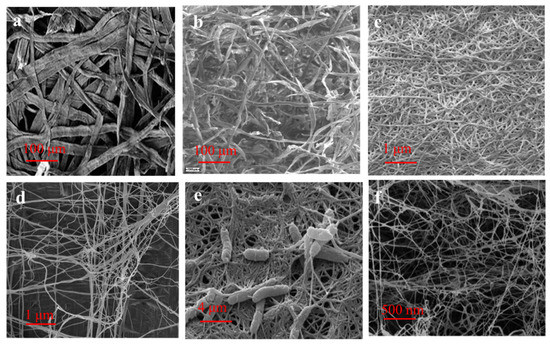
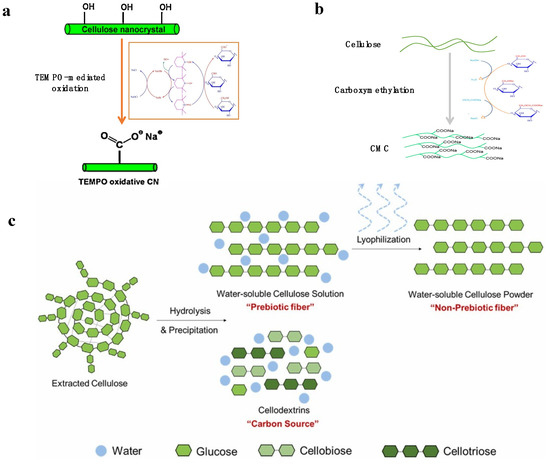
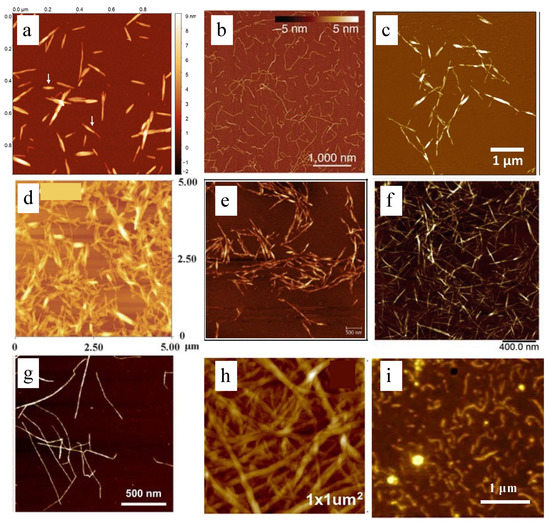
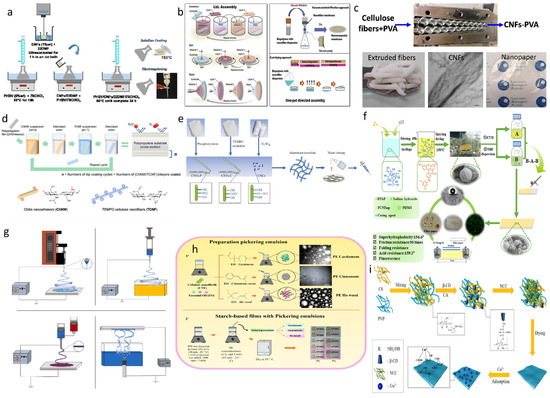
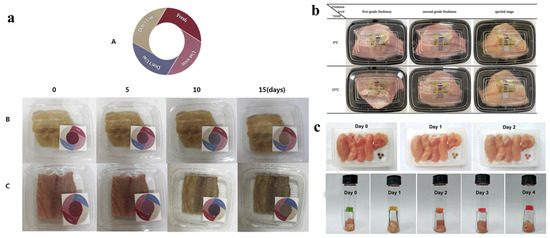
Cellulose is the most abundant biopolymer on Earth, which is synthesized by plants, bacteria, and animals, with source-dependent properties. Cellulose containing β-1,4-linked D-glucoses further assembles into hierarchical structures in microfibrils, which can be processed to nanocellulose with length or width in the nanoscale after a variety of pretreatments including enzymatic hydrolysis, TEMPO-oxidation, and carboxymethylation. Nanocellulose can be mainly categorized into cellulose nanocrystal (CNC) produced by acid hydrolysis, cellulose nanofibrils (CNF) prepared by refining, homogenization, microfluidization, sonification, ball milling, and the aqueous counter collision (ACC) method, and bacterial cellulose (BC) biosynthesized by the Acetobacter species. Due to nontoxicity, good biodegradability and biocompatibility, high aspect ratio, low thermal expansion coefficient, excellent mechanical strength, and unique optical properties, nanocellulose is utilized to develop various cellulose nanocomposites through solution casting, Layer-by-Layer (LBL) assembly, extrusion, coating, gel-forming, spray drying, electrostatic spinning, adsorption, nanoemulsion, and other techniques, and has been widely used as food packaging material with excellent barrier and mechanical properties, antibacterial activity, and stimuli-responsive performance to improve the food quality and shelf life. Under the driving force of the increasing green food packaging market, nanocellulose production has gradually developed from lab-scale to pilot- or even industrial-scale, mainly in Europe, Africa, and Asia, though developing cost-effective preparation techniques and precisely tuning the physicochemical properties are key to the commercialization. We expect this review to summarise the recent literature in the nanocellulose-based food packaging field and provide the readers with the state-of-the-art of this research area. Full article
(This article belongs to the Section Polymer Physics and Theory)
Show Figures

Graphical abstract
21 pages, 9604 KB  
Article
Comparative Study on the Behavior of Reinforced Concrete Beam Retrofitted with CFRP Strengthening Techniques
by Aditya Kumar Tiwary, Sandeep Singh, Raman Kumar, Kamal Sharma, Jasgurpreet Singh Chohan, Shubham Sharma, Jujhar Singh, Jatinder Kumar and Ahmed Farouk Deifalla
Polymers 2022, 14(19), 4024; https://doi.org/10.3390/polym14194024 - 26 Sep 2022
Cited by 36 | Viewed by 5391
Abstract
Lateral reinforcement has a significant impact on the strength and ductility of concrete. Extra confinement is provided in this project by carbon fiber reinforced polymer (CFRP) sheets wrapped around the outside of reinforced concrete (RC) beams. To determine the failure criteria and maximum [...] Read more.
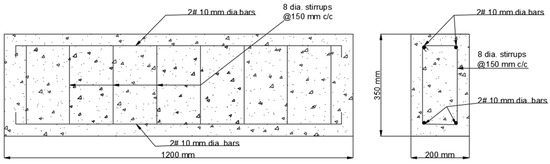
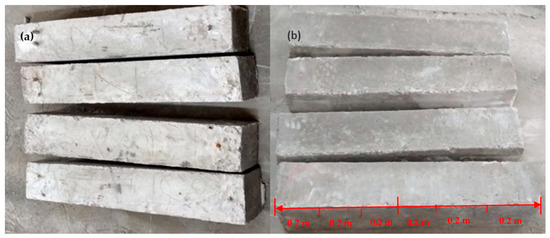
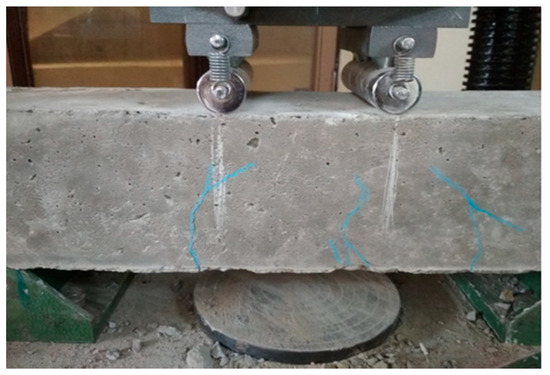
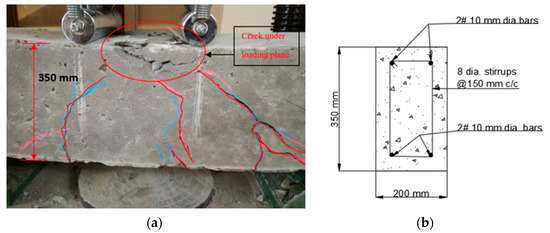
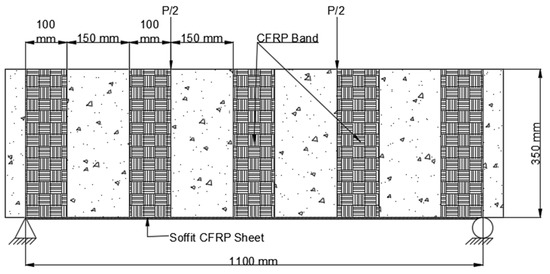
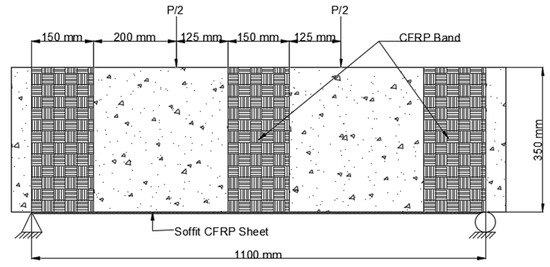
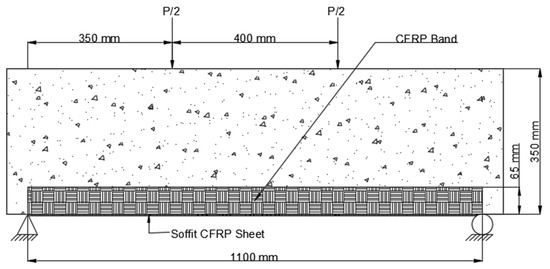
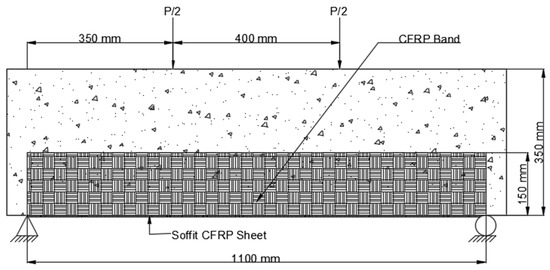
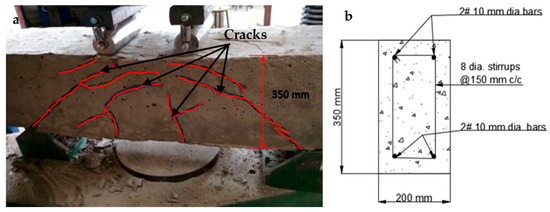
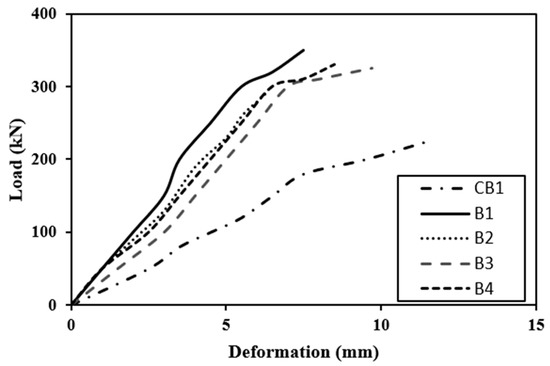
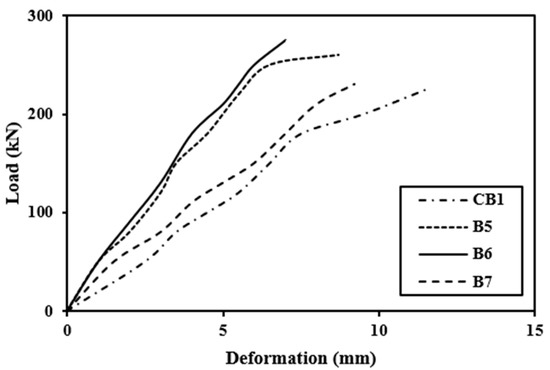
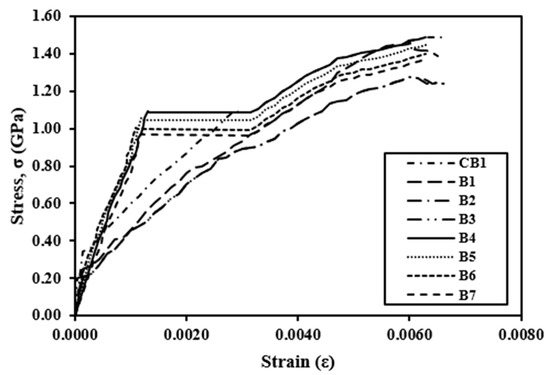
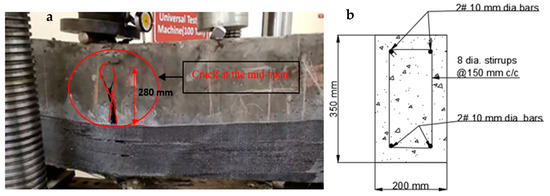
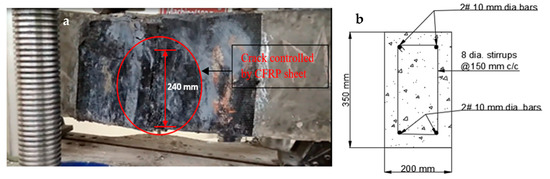
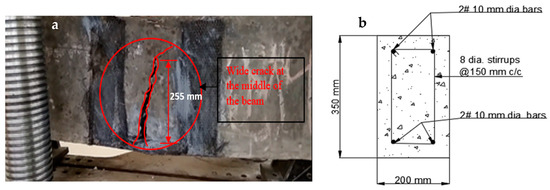
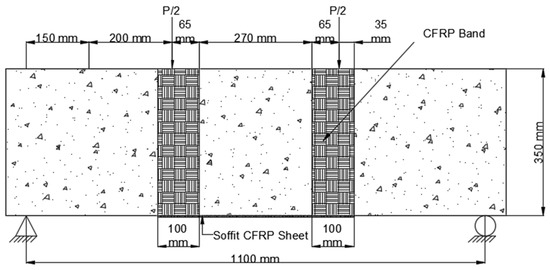
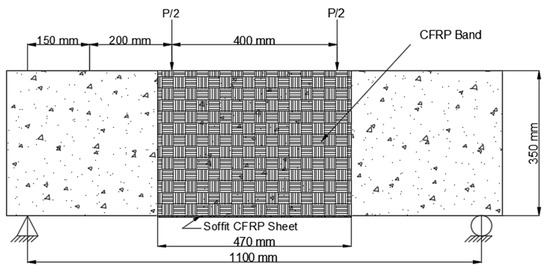
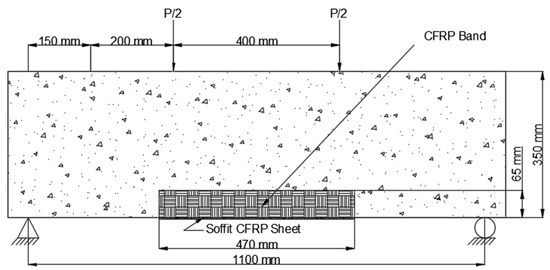
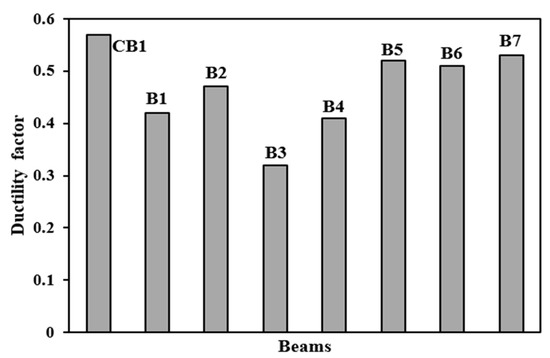
Lateral reinforcement has a significant impact on the strength and ductility of concrete. Extra confinement is provided in this project by carbon fiber reinforced polymer (CFRP) sheets wrapped around the outside of reinforced concrete (RC) beams. To determine the failure criteria and maximum load-carrying capacity of beams, numerous specimens were cast and tested in a flexural testing machine. This paper presents the results of an experimental investigation of functionally damaged reinforced concrete beams repaired in flexure with CFRP sheets. The most essential variable in this study is the CFRP sheet scheme, and seven different strengthening schemes (B1 to B7) were explored in the experimental program. In conclusion, the findings of the study showed that flexural retrofitting of reinforced concrete beams with CFRP sheets is functionally effective, with restored strength and stiffness values roughly equivalent to or greater than those of the control beam (CB1). The efficiency of the flexural retrofitting mechanism appears to vary depending on the layout of the CFRP sheet. Steel rupture and concrete crushing were shown to be the most common failure modes in the investigation, causing CFRP sheets to break in retrofitted beams. Full article
(This article belongs to the Special Issue Advances in Polymer-Reinforced and Fibre-Reinforced Concrete)
Show Figures

Figure 1

19 pages, 6404 KB  
Article
A Novel ZnO Nanoparticles Enhanced Surfactant Based Viscoelastic Fluid Systems for Fracturing under High Temperature and High Shear Rate Conditions: Synthesis, Rheometric Analysis, and Fluid Model Derivation
by Mahesh Chandra Patel, Mohammed Abdalla Ayoub, Anas Mohammed Hassan and Mazlin Bt Idress
Polymers 2022, 14(19), 4023; https://doi.org/10.3390/polym14194023 - 26 Sep 2022
Cited by 23 | Viewed by 3414
Abstract
Surfactant-based viscoelastic (SBVE) fluids are innovative nonpolymeric non-newtonian fluid compositions that have recently gained much attention from the oil industry. SBVE can replace traditional polymeric fracturing fluid composition by mitigating problems arising during and after hydraulic fracturing operations are performed. In this study, [...] Read more.
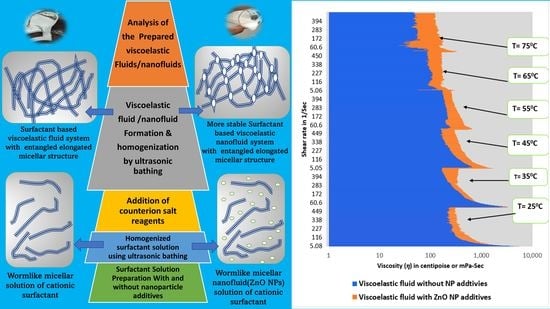
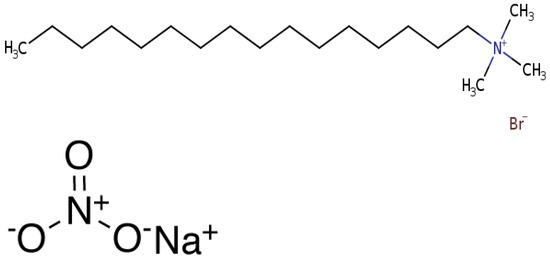
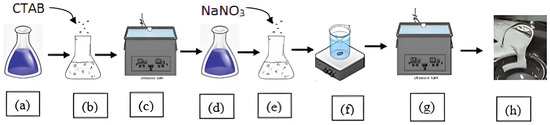
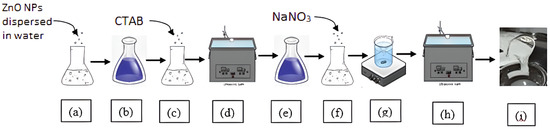
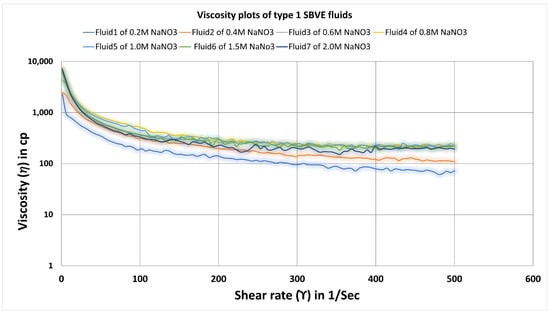
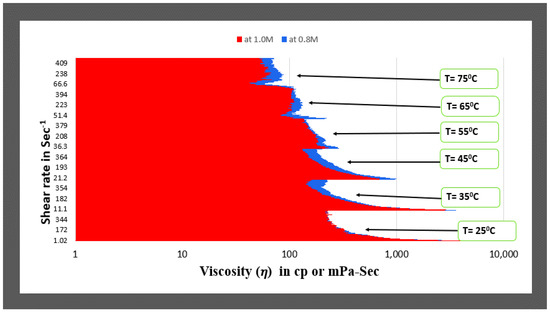
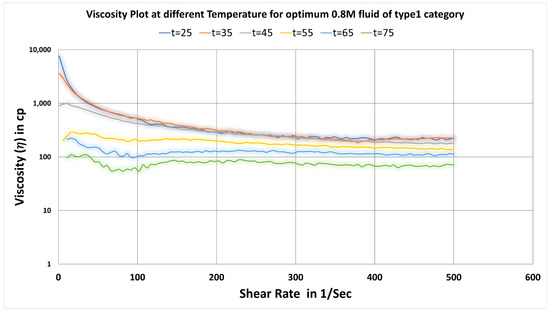
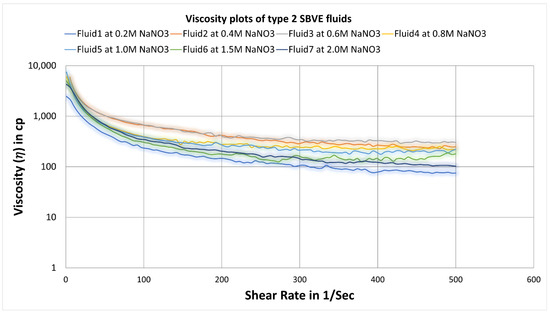
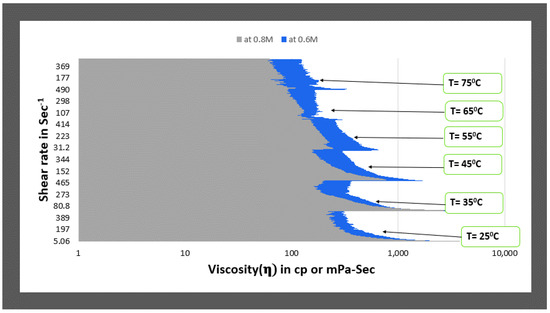
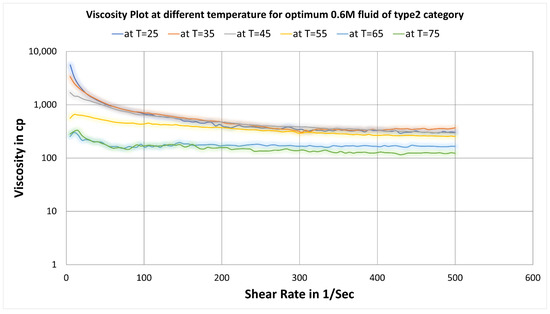
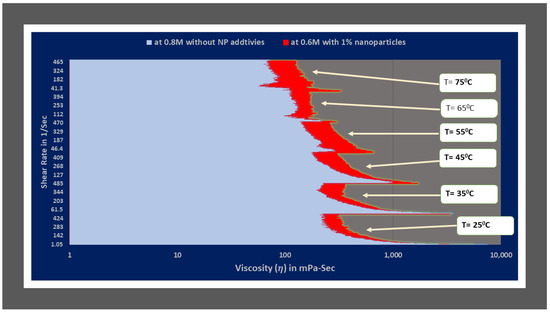
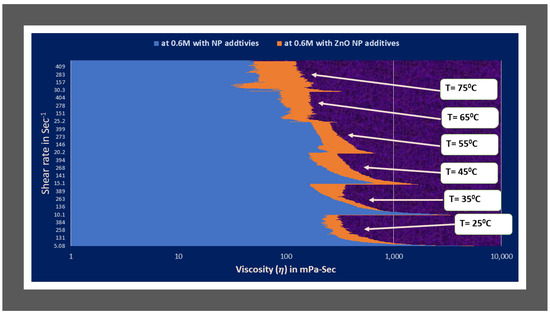
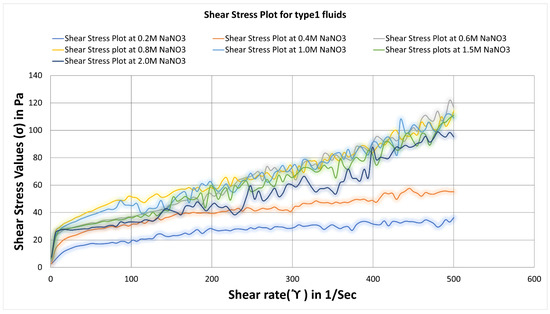
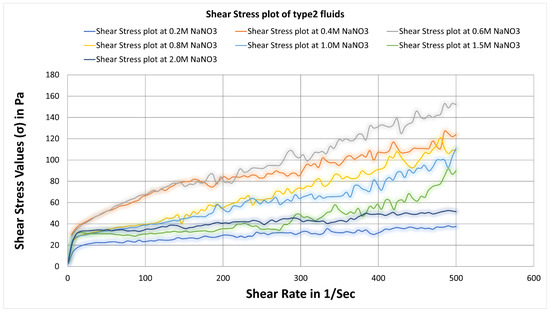
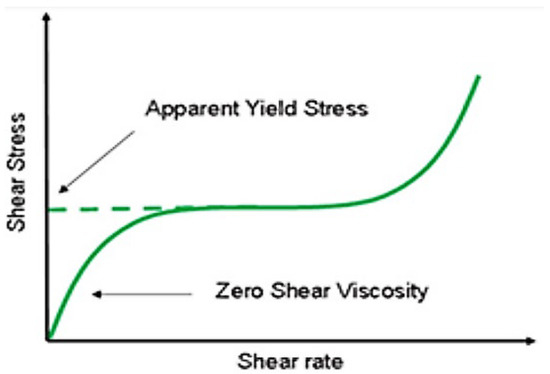
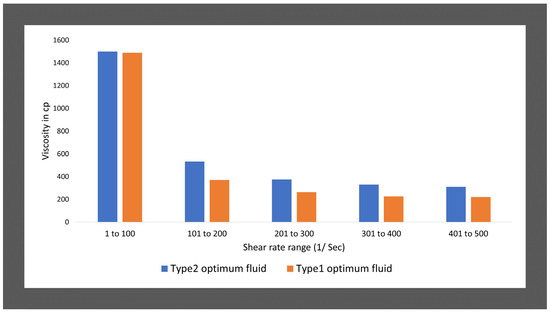
Surfactant-based viscoelastic (SBVE) fluids are innovative nonpolymeric non-newtonian fluid compositions that have recently gained much attention from the oil industry. SBVE can replace traditional polymeric fracturing fluid composition by mitigating problems arising during and after hydraulic fracturing operations are performed. In this study, SBVE fluid systems which are entangled with worm-like micellar solutions of cationic surfactant: cetrimonium bromide or CTAB and counterion inorganic sodium nitrate salt are synthesized. The salt reagent concentration is optimized by comparing the rheological characteristics of different concentration fluids at 25 °C. The study aims to mitigate the primary issue concerning these SBVE fluids: significant drop in viscosity at high temperature and high shear rate (HTHS) conditions. Hence, the authors synthesized a modified viscoelastic fluid system using ZnO nanoparticle (NPs) additives with a hypothesis of getting fluids with improved rheology. The rheology of optimum fluids of both categories: with (0.6 M NaNO3 concentration fluid) and without (0.8 M NaNO3 concentration fluid) ZnO NPs additives were compared for a range of shear rates from 1 to 500 Sec−1 at different temperatures from 25 °C to 75 °C to visualize modifications in viscosity values after the addition of NPs additives. The rheology in terms of viscosity was higher for the fluid with 1% dispersed ZnO NPs additives at all temperatures for the entire range of shear rate values. Additionally, rheological correlation function models were derived for the synthesized fluids using statistical analysis methods. Subsequently, Herschel–Bulkley models were developed for optimum fluids depending on rheological correlation models. In the last section of the study, the pressure-drop estimation method is described using given group equations for laminar flow in a pipe depending on Herschel–Bulkley-model parameters have been identified for optimum fluids are consistency, flow index and yield stress values. Full article
Show Figures

Graphical abstract
18 pages, 9338 KB  
Article
Polylactide/Carbon Black Segregated Composites for 3D Printing of Conductive Products
by Olha Masiuchok, Maksym Iurzhenko, Roman Kolisnyk, Yevgen Mamunya, Marcin Godzierz, Valeriy Demchenko, Dmytro Yermolenko and Andriy Shadrin
Polymers 2022, 14(19), 4022; https://doi.org/10.3390/polym14194022 - 26 Sep 2022
Cited by 31 | Viewed by 4331
Abstract
One of the most important directions in the development of additive manufacturing or three-dimensional (3D) printing technologies is the creation of functional materials, which allow not only prototyping but also the manufacturing of products with functional properties. In this paper, poly-lactide acid (PLA) [...] Read more.
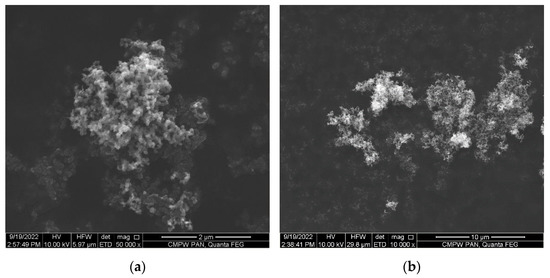
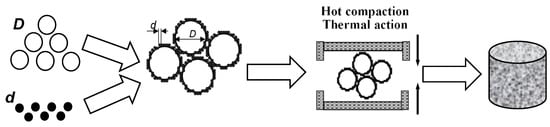
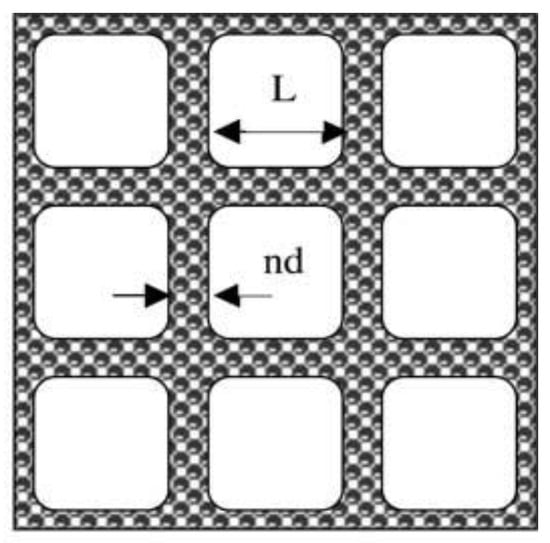
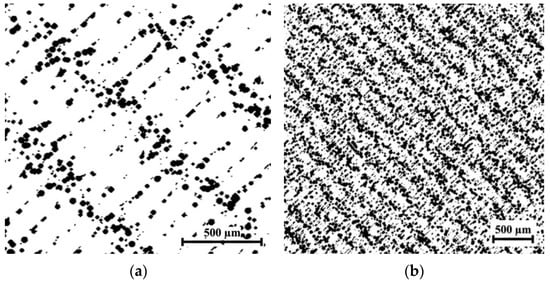
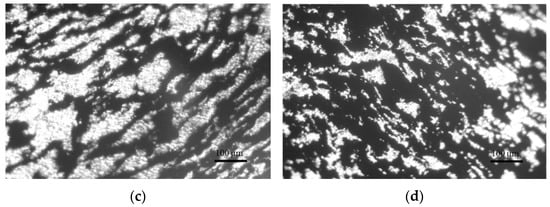
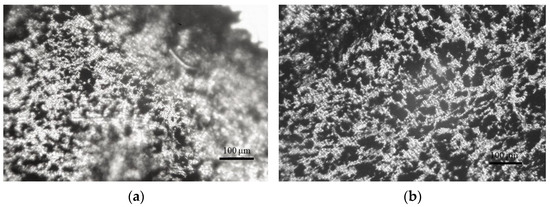
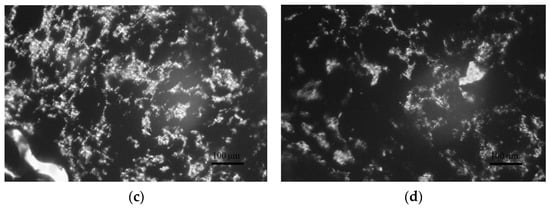
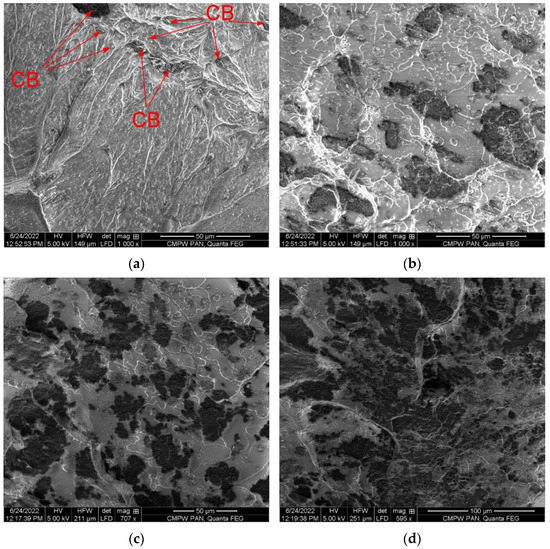
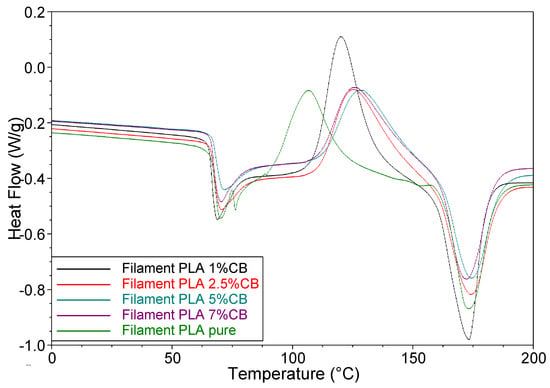
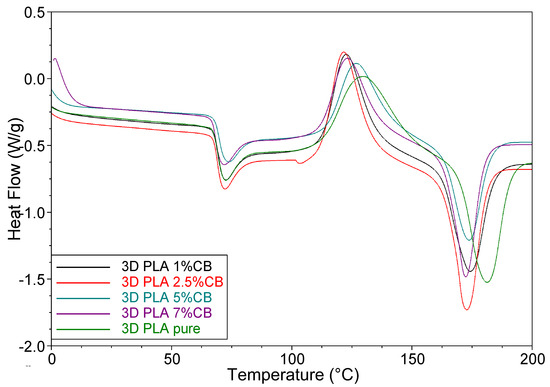
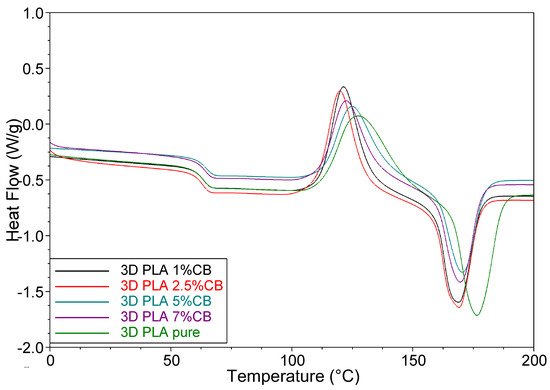
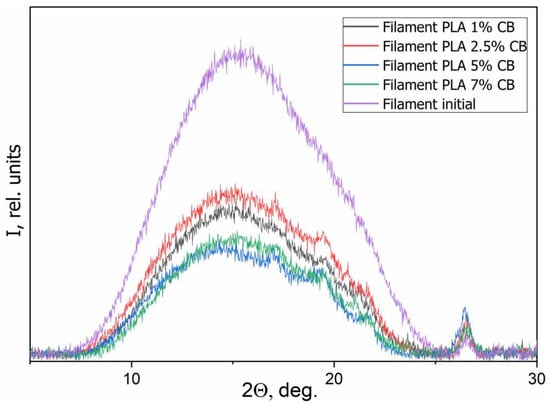
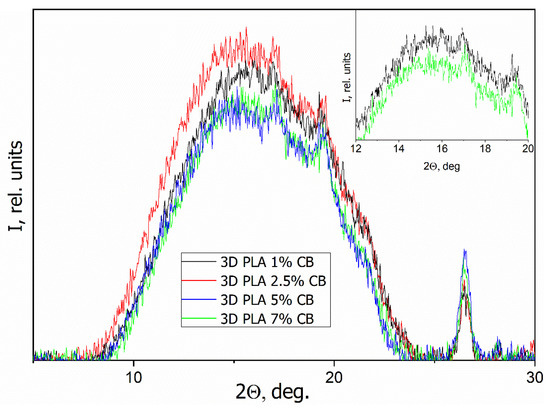
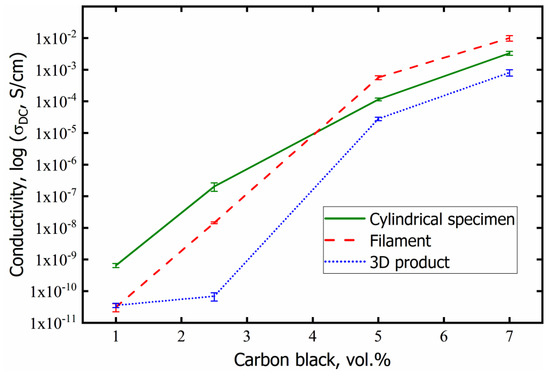
One of the most important directions in the development of additive manufacturing or three-dimensional (3D) printing technologies is the creation of functional materials, which allow not only prototyping but also the manufacturing of products with functional properties. In this paper, poly-lactide acid (PLA) /carbon black (CB) composites with segregated (ordered) structure have been created. Computer simulation based on the Mamunya geometrical model showed that the CB content within φ = 2.5–5 vol.% in the polylactide matrix leads to the formation of a continuous electrically conductive phase with an increase of electrical conductivity σdc above the percolation threshold. The simulation results were experimentally confirmed by optical microscopy and studies of the electrical conductivity of the composites. It was found that increasing CB content from φ = 1 vol.% to φ = 7 vol.% in the composites causes insignificant (due to the segregated structure) phase changes in the polylactide matrix and improves the thermal properties of composites. Electrically conductive filaments for Fused Deposition 3D Printing (FDM) were developed from PLA/CB composites and then 3D printed. A correlation between the electrical conductivity σdc and the CB content φ for base composites, filaments produced from them, and final 3D samples, has been found. Conductivity varies within σdc = 3.1·10−11 − 10·10−3 S/cm for the filaments and σdc = 3.6·10−11 − 8.1·10−4 S/cm for the final 3D-products. Full article
Show Figures

Figure 1

12 pages, 3636 KB  
Article
Evaluation of Poly-3-Hydroxybutyrate (P3HB) Scaffolds Used for Epidermal Cells Growth as Potential Biomatrix
by Sandra García-Cerna, Uriel Sánchez-Pacheco, Angélica Meneses-Acosta, José Rojas-García, Bernardo Campillo-Illanes, Daniel Segura-González and Carlos Peña-Malacara
Polymers 2022, 14(19), 4021; https://doi.org/10.3390/polym14194021 - 26 Sep 2022
Cited by 12 | Viewed by 3179
Abstract
Advances in tissue engineering have made possible the construction of organs and tissues with the use of biomaterials and cells. Three important elements are considered: a specific cell culture, an adequate environment, and a scaffold. The present study aimed to develop P3HB scaffolds [...] Read more.
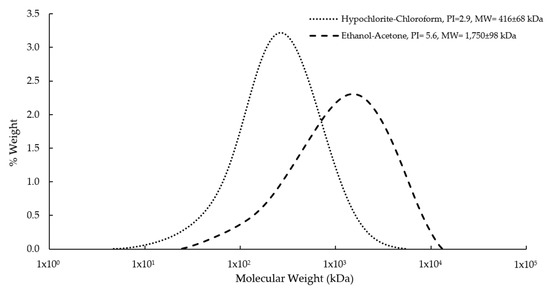
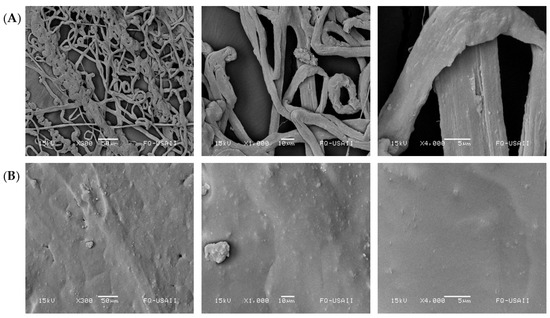
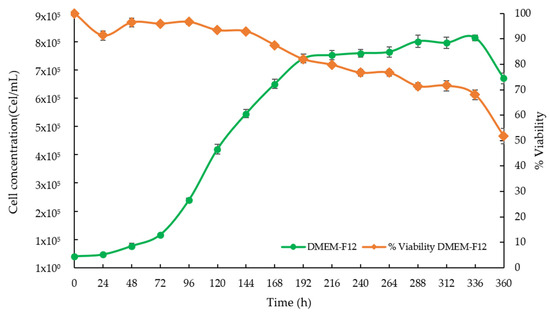
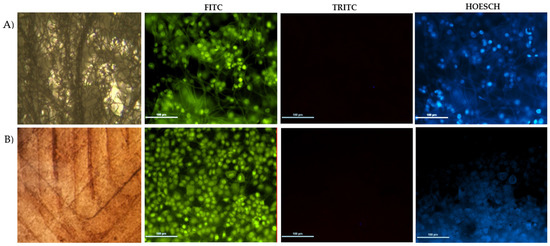
Advances in tissue engineering have made possible the construction of organs and tissues with the use of biomaterials and cells. Three important elements are considered: a specific cell culture, an adequate environment, and a scaffold. The present study aimed to develop P3HB scaffolds by 3D printing and evaluate their biocompatibility with HaCaT epidermal cells, as a potential model that allows the formation of functional tissue. By using a method of extraction and purification with ethanol and acetone, a biopolymer having suitable properties for use as a tissue support was obtained. This polymer exhibited a higher molecular weight (1500 kDa) and lower contact angle (less than 90°) compared to the material obtained using the conventional method. The biocompatibility analysis reveals that the scaffold obtained using the ethanol–acetone method and produced by 3D printing without pores was not cytotoxic, did not self-degrade, and allowed high homogenous cell proliferation of HaCaT cells. In summary, it is possible to conclude that the P3HB scaffold obtained by 3D printing and a simplified extraction method is a suitable support for the homogeneous development of HaCaT keratinocyte cell lineage, which would allow the evaluation of this material to be used as a biomatrix for tissue engineering. Full article
(This article belongs to the Special Issue Polymeric Materials for Environmental and Biomedical Application)
Show Figures

Figure 1

11 pages, 1170 KB  
Article
Effect of Curing Modes on the Mechanical Properties of Commercial Dental Resin-Based Composites: Comparison between Different LEDs and Microwave Units
by Alef Vermudt, Milton Carlos Kuga, João Felipe Besegato, Eliane Cristina Gulin de Oliveira, Thaís Piragine Leandrin, Marcus Vinicius Reis Só, João Carlos Silos Moraes and Jefferson Ricardo Pereira
Polymers 2022, 14(19), 4020; https://doi.org/10.3390/polym14194020 - 26 Sep 2022
Cited by 5 | Viewed by 3017
Abstract
Resin-based composites (RBCs) have transformed restorative dentistry and its procedures. However, the characteristics of RBCs have been modified over the years to enhance the physical and chemical properties of the materials. This context raises the need for studies that evaluate whether the properties [...] Read more.
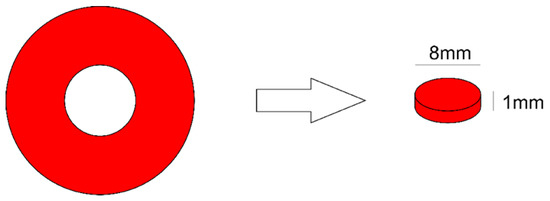
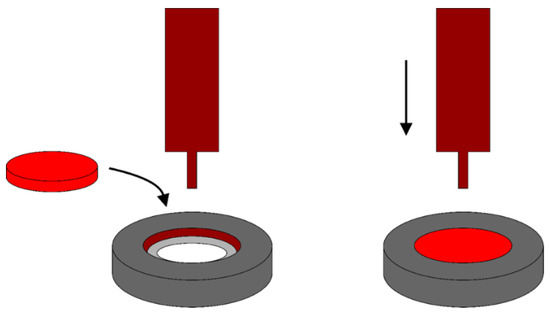
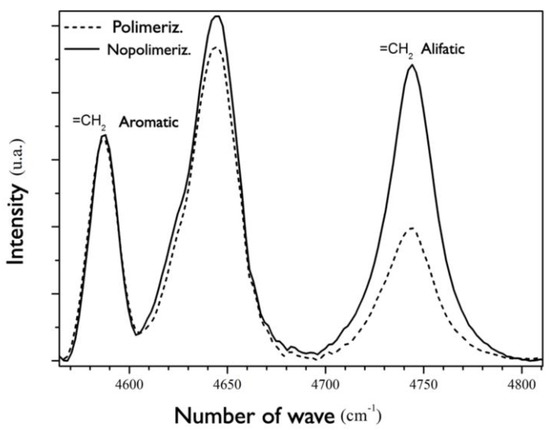
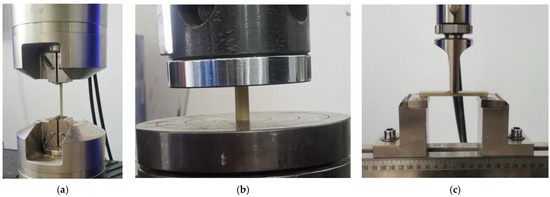
Resin-based composites (RBCs) have transformed restorative dentistry and its procedures. However, the characteristics of RBCs have been modified over the years to enhance the physical and chemical properties of the materials. This context raises the need for studies that evaluate whether the properties of the RBCs that are commercially available are clinically adequate with different curing modes. This study aimed to evaluate the mechanical behavior of commercial RBCs after undergoing different curing modes. Twenty-three RBCs of different classes were evaluated. For curing the specimens, a microwave (BMS45, Brastemp) (for 3 min at 450 W) and three LED units were used: an Emitter A Fit (Schuster (second generation)) (light-curing for 15 s with an irradiance of 1250 mW/cm2), VALO (Ultradent (third generation)) (light-curing for 15 s with an irradiance of 1100 mW/cm2), and Emitter Now Duo (Schuster (second generation)) (light-curing for 15 s with an irradiance of 1100 mW/cm2). A total of 670 RBC specimens of 8 mm in diameter and 1 mm in depth were obtained. Afterward, a biaxial flexure strength test was performed until the failure of the specimens, using a universal testing machine set at a speed of 0.5 mm/min. The same specimens were subjected to infrared spectroscopy for evaluating the degree of conversion. Tukey’s test was used for multiple comparisons at a significance level of 5%. The light-curing mode did not affect the flexure strength of the RBCs (p > 0.05), but the type and shade of RBCs did so (p < 0.05). In conclusion, the type of RBC directly interferes with the mechanical behavior of the material. However, the curing modes within the same RBC did not change the mechanical properties. Full article
Show Figures

Figure 1

13 pages, 3266 KB  
Article
A Metal Ion and Thermal-Responsive Bilayer Hydrogel Actuator Achieved by the Asymmetric Osmotic Flow of Water between Two Layers under Stimuli
by Wanting Dai, Xiaoyan Zhou and Huilong Guo
Polymers 2022, 14(19), 4019; https://doi.org/10.3390/polym14194019 - 26 Sep 2022
Cited by 6 | Viewed by 3088
Abstract
Shape-morphing hydrogels have drawn great attention due to their wide applications as soft actuators, while asymmetric responsive shape-morphing behavior upon encountering external stimuli is fundamental for the development of hydrogel actuators. Therefore, in this work, bilayer hydrogels were prepared and the shrinkage ratios [...] Read more.
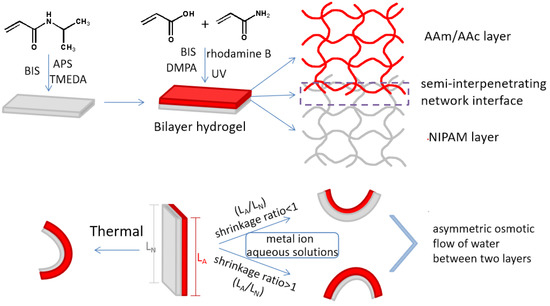
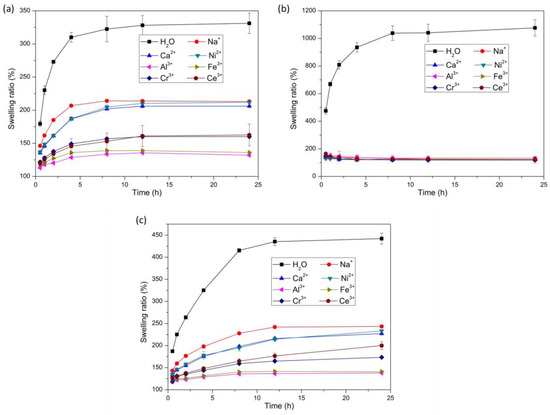
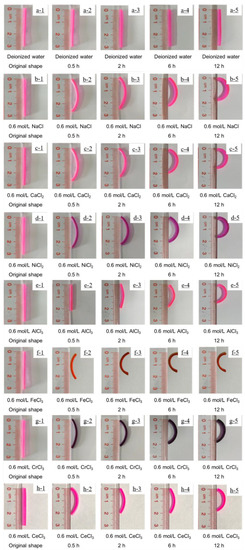
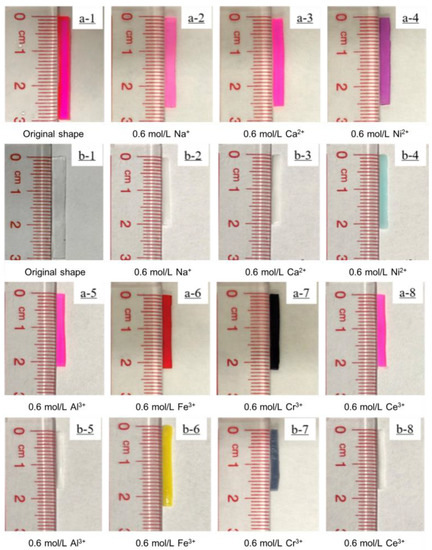
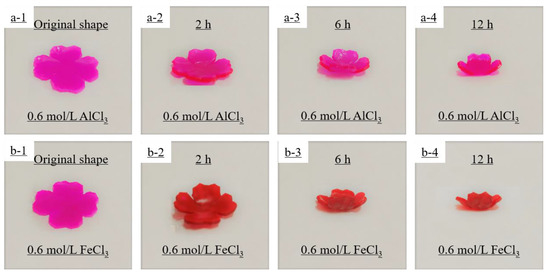
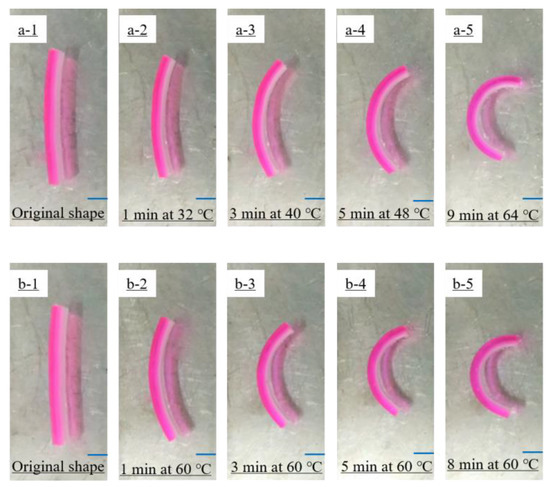
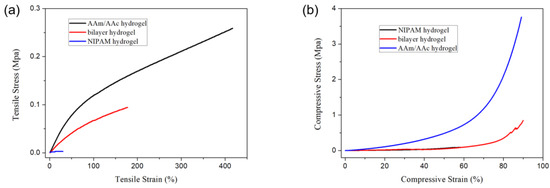
Shape-morphing hydrogels have drawn great attention due to their wide applications as soft actuators, while asymmetric responsive shape-morphing behavior upon encountering external stimuli is fundamental for the development of hydrogel actuators. Therefore, in this work, bilayer hydrogels were prepared and the shrinkage ratios (LA/LN) of the AAm/AAc layer to the NIPAM layer immersed in different metal ion solutions, leading to bending in different directions, were investigated. The difference in the shrinkage ratio was attributed to the synergistic effect of the osmolarity difference between the inside and outside of the hydrogels and the interaction difference between the ion and hydrogel polymer chains. Additionally, under thermal stimuli, the hydrogel actuator would bend toward the NIPAM layer due to the shrinkage of the hydrogel networks caused by the hydrophilic–hydrophobic phase transition of NIPAM blocks above the LCST. This indicates that metal ion and thermal-responsive shape-morphing hydrogel actuators with good mechanical properties could be used as metal ion or temperature-controllable switches or other smart devices. Full article
(This article belongs to the Special Issue Functional Polymer Materials: Design, Synthesis and Application)
Show Figures

Figure 1

9 pages, 1122 KB  
Communication
Agglomerate Growth of Xanthan Gum Powder during Fluidized-Bed Agglomeration Process
by Donghyeon Lee and Byoungseung Yoo
Polymers 2022, 14(19), 4018; https://doi.org/10.3390/polym14194018 - 26 Sep 2022
Cited by 8 | Viewed by 3979
Abstract
Xanthan gum (XG) powder was agglomerated via a fluidized-bed agglomeration process using water and maltodextrin (MD) binder solution, after which the products were examined. The agglomerated XG samples were collected every 10 min during agglomeration (50 min) to characterize particle growth behavior. Here, [...] Read more.
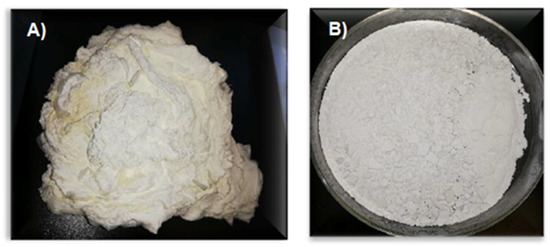
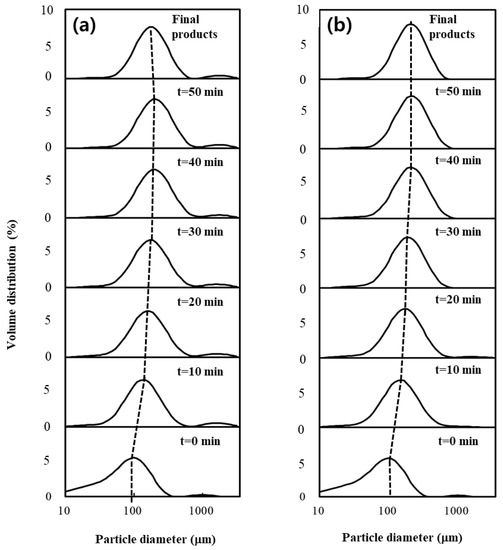
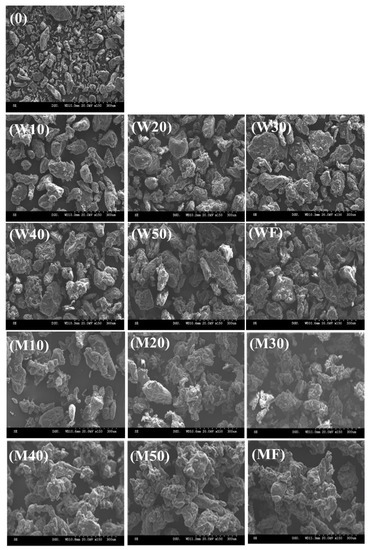
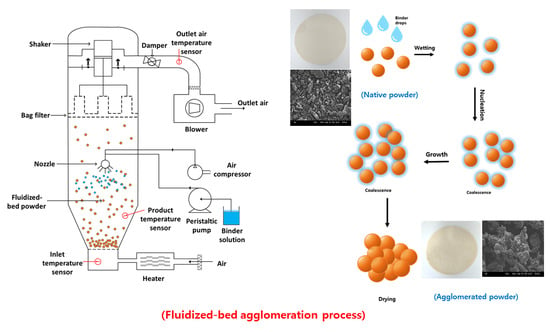
Xanthan gum (XG) powder was agglomerated via a fluidized-bed agglomeration process using water and maltodextrin (MD) binder solution, after which the products were examined. The agglomerated XG samples were collected every 10 min during agglomeration (50 min) to characterize particle growth behavior. Here, we investigated the particle size distribution, morphological characteristics, and rheological properties of agglomerates obtained at different agglomeration times. The particle size gradually increased with agglomeration time from 0 to 50 min. The porous agglomerates showed rapid growth after 40 min. The particle size of the final products tended to decrease in the dry phase for 10 min due to particle attribution during drying. Using MD as a binder solution instead of water resulted in larger XG particles. The dynamic moduli (G′ and G″) of the final product with water binder were higher than those of the native powder, whereas those of the final product with MD binder solution were lower. The G′ values of the agglomerates with MD increased gradually with agglomeration time. Native XG powders exhibited small and dense particles with a smooth surface, whereas the XG agglomerates had large and porous particles with rough surfaces and became more irregular and rougher as the agglomeration progressed. Full article
(This article belongs to the Special Issue Polysaccharides in Food Industry)
Show Figures

Graphical abstract
15 pages, 3126 KB  
Article
Corneal Stroma Regeneration with Collagen-Based Hydrogel as an Artificial Stroma Equivalent: A Comprehensive In Vivo Study
by Egor Olegovich Osidak, Andrey Yurevich Andreev, Sergey Eduardovich Avetisov, Grigory Victorovich Voronin, Zoya Vasilievna Surnina, Anna Vladimirovna Zhuravleva, Timofei Evgenievich Grigoriev, Sergey Vladimirovich Krasheninnikov, Kirill Konstantinovich Sukhinich, Oleg Vadimovich Zayratyants and Sergey Petrovich Domogatsky
Polymers 2022, 14(19), 4017; https://doi.org/10.3390/polym14194017 - 26 Sep 2022
Cited by 11 | Viewed by 4564
Abstract
Restoring the anatomical and functional characteristics of the cornea using various biomaterials is especially relevant in the context of a global shortage of donor tissue. Such biomaterials must be biocompatible, strong, and transparent. Here, we report a Viscoll collagen membrane with mechanical and [...] Read more.
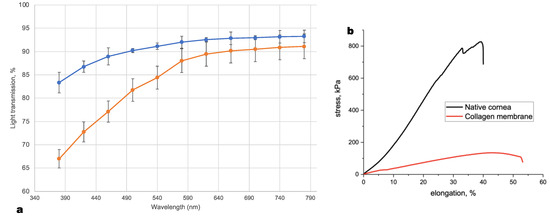
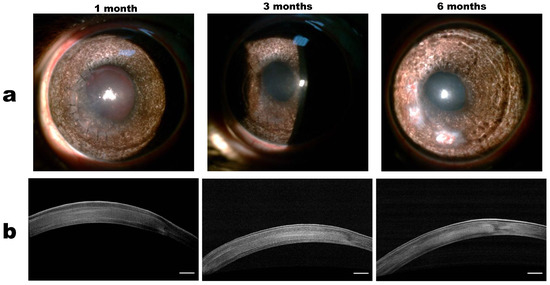
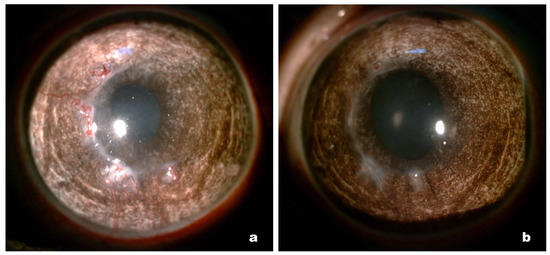
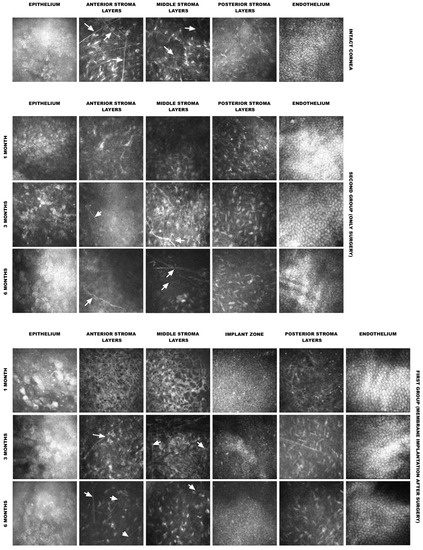
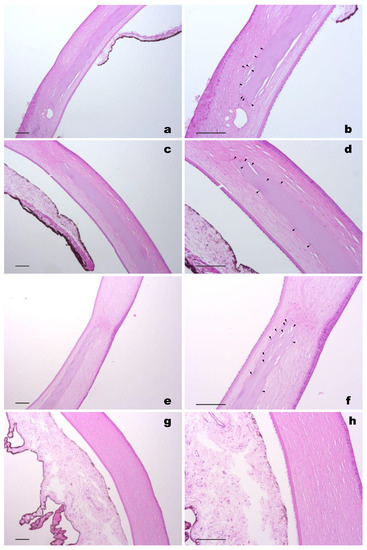
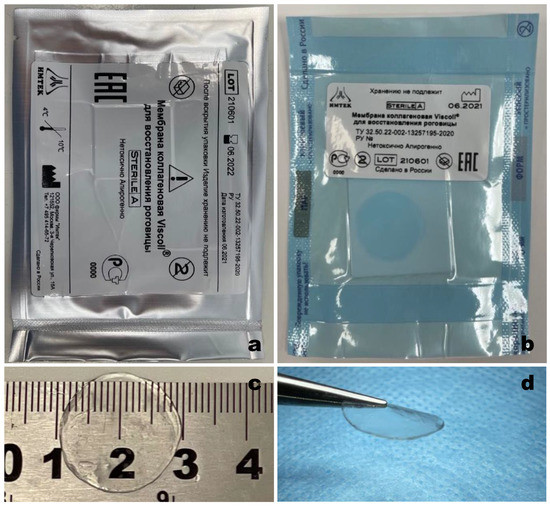
Restoring the anatomical and functional characteristics of the cornea using various biomaterials is especially relevant in the context of a global shortage of donor tissue. Such biomaterials must be biocompatible, strong, and transparent. Here, we report a Viscoll collagen membrane with mechanical and optical properties suitable for replacing damaged stromal tissue. After removing a portion of the stroma, a Viscoll collagen membrane was implanted into the corneas of rabbits. After 6 months, the active migration of host cells into Viscoll collagen membranes was noted, with the preservation of corneal transparency in all experimental animals. Effective integration of the Viscoll collagen membrane with corneal tissue promoted nerve regeneration in vivo, as confirmed by in vivo confocal microscopy. We also demonstrated the safety and efficacy of the Viscoll collagen membrane for corneal stroma regeneration. Thus, in combination with the proposed packaging format that provides long-term storage of up to 10 months, this material has great potential for replacing and regenerating damaged stromal tissues. Full article
Show Figures

Figure 1

16 pages, 6439 KB  
Article
Novel Functional Glass–Ceramic Coatings on Titanium Substrates from Glass Powders and Reactive Silicone Binders
by Hamada Elsayed, Rachele Bertolini, Lisa Biasetto, Paulina Ożóg, Jozef Kraxner, Dušan Galusek and Enrico Bernardo
Polymers 2022, 14(19), 4016; https://doi.org/10.3390/polym14194016 - 26 Sep 2022
Cited by 3 | Viewed by 3342
Abstract
‘Silica-defective glasses’, combined with a silicone binder, have been already shown as a promising solution for the manufacturing of glass–ceramics with complex geometries. A fundamental advantage is the fact that, after holding glass powders together from room temperature up to the firing temperature, [...] Read more.
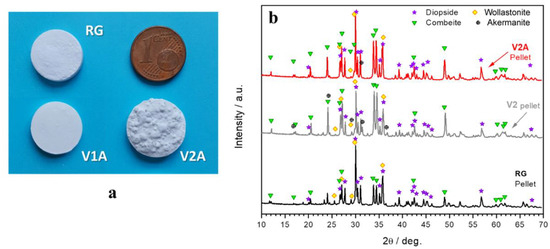
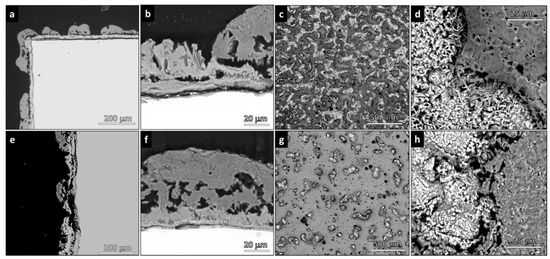
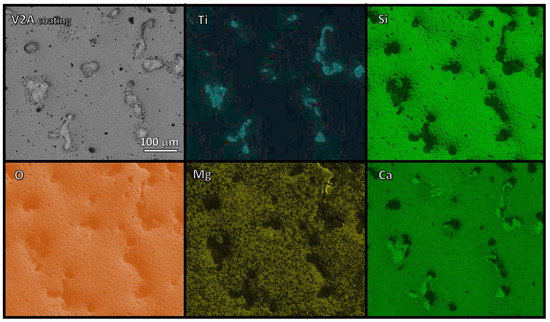
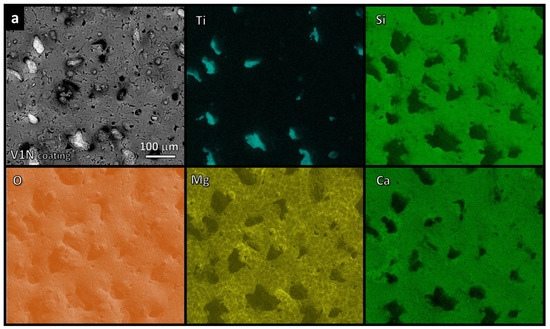
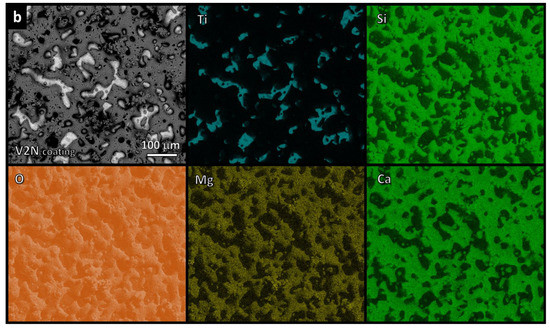
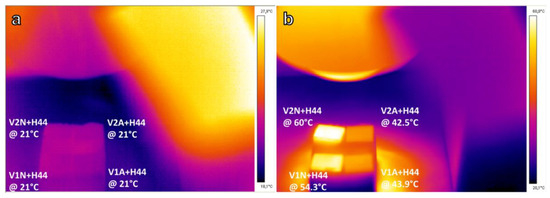
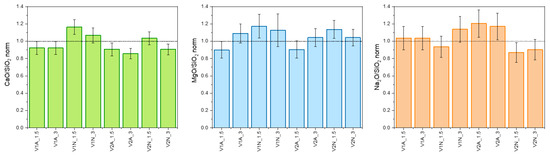
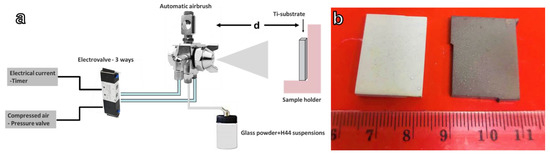
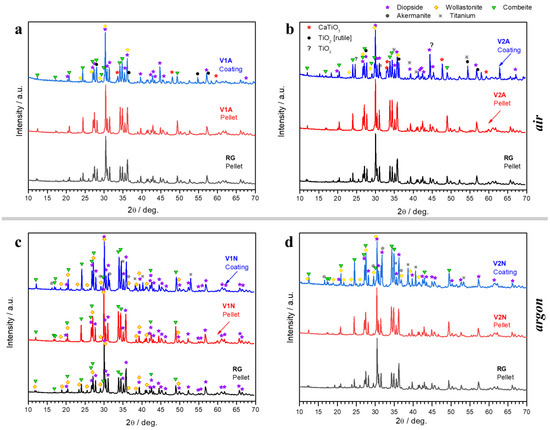
‘Silica-defective glasses’, combined with a silicone binder, have been already shown as a promising solution for the manufacturing of glass–ceramics with complex geometries. A fundamental advantage is the fact that, after holding glass powders together from room temperature up to the firing temperature, the binder does not completely disappear. More precisely, it converts into silica when heat-treated in air. A specified ‘target’ glass–ceramic formulation results from the interaction between glass powders and the binder-derived silica. The present paper is dedicated to the extension of the approach to the coating of titanium substrates (to be used for dental and orthopedic applications), with a bioactive wollastonite–diopside glass–ceramic layer, by the simple airbrushing of suspensions of glass powders in alcoholic silicone solutions. The interaction between glass and silica from the decomposition of the binder led to crack-free glass–ceramic coatings, upon firing in air; in argon, the glass/silicone mixtures yielded novel composite coatings, embedding pyrolytic carbon. The latter phase enabled the absorption of infrared radiation from the coating, which is useful for disinfection purposes. Full article
Show Figures

Figure 1

19 pages, 12925 KB  
Article
Experimental Research on Bonded Anchorage of Carbon Fiber Reinforced Polymer Prestressed Strands
by Liqiang Jia, Bo Wang and T. Tafsirojjaman
Polymers 2022, 14(19), 4015; https://doi.org/10.3390/polym14194015 - 25 Sep 2022
Cited by 13 | Viewed by 3473
Abstract
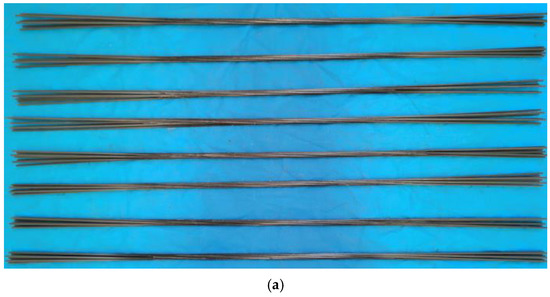
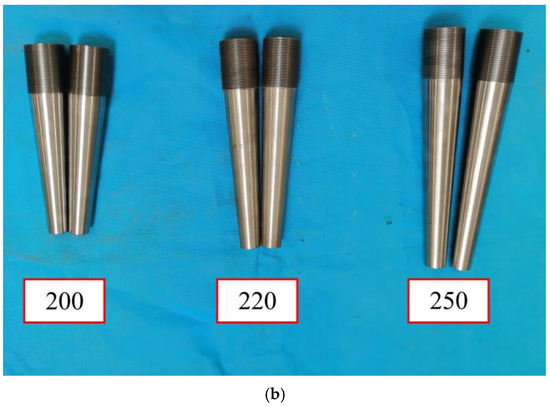
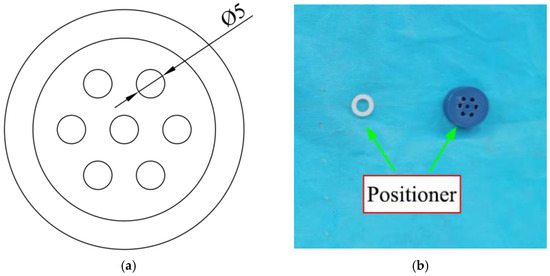
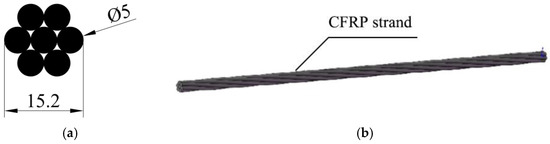
Aiming at the problems of a large number of corrosion and fatigue damage of the current prestressed steel strands, this paper adopts carbon fiber-reinforced composite (CFRP) strand with better corrosion resistance and fatigue resistance and uses it in concrete structures. The bond anchorage [...] Read more.
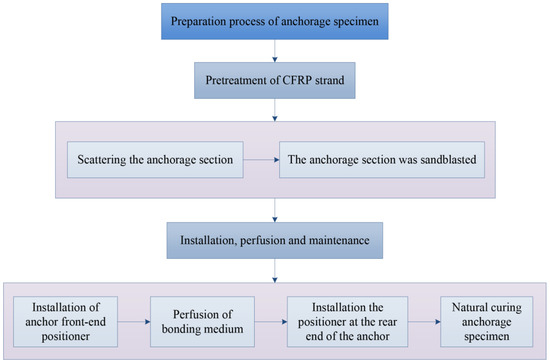
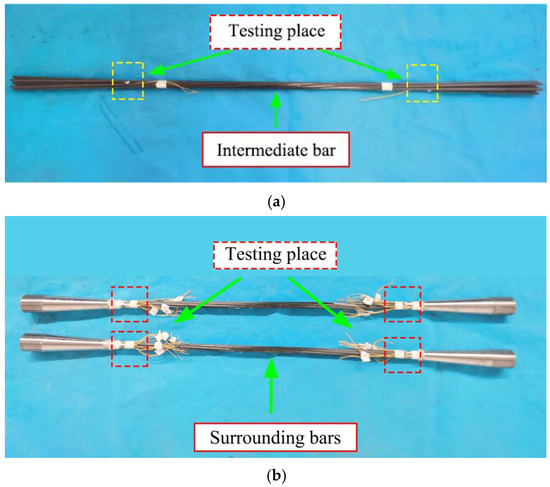
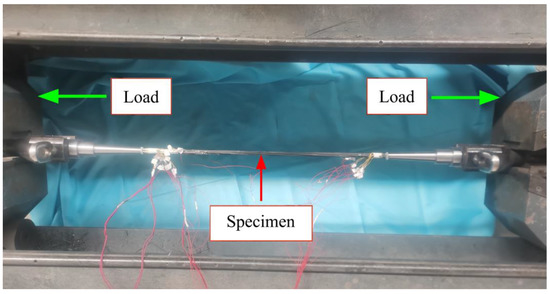
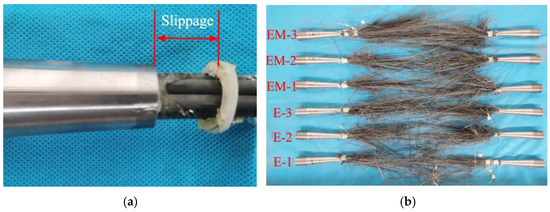
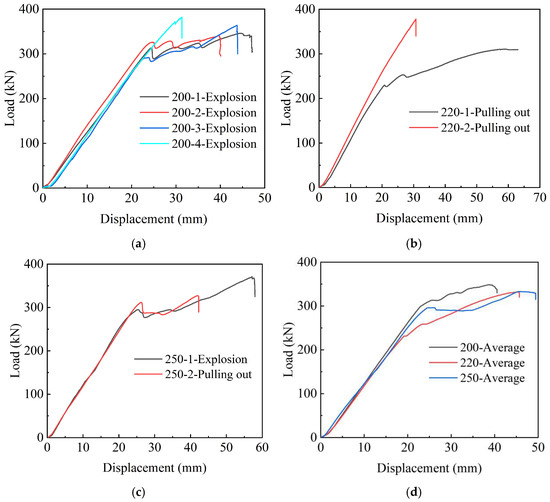
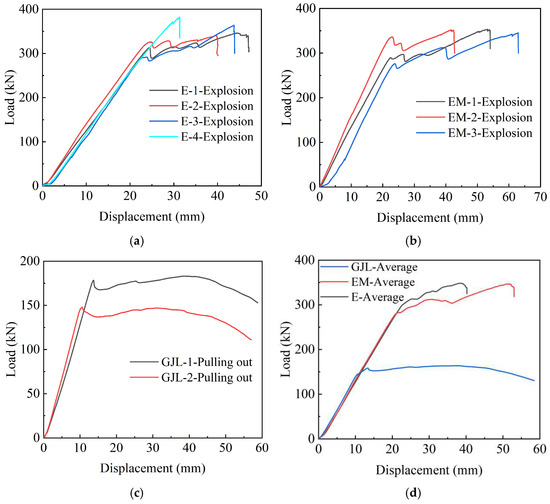
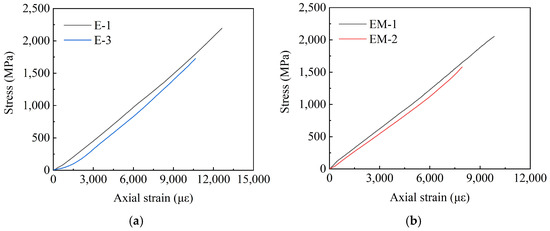
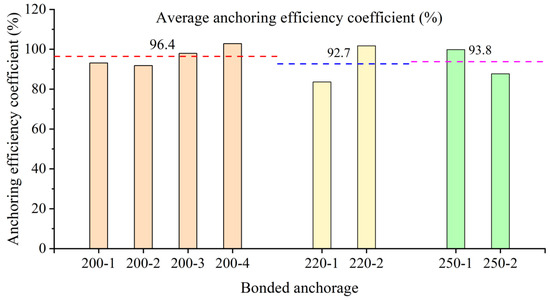
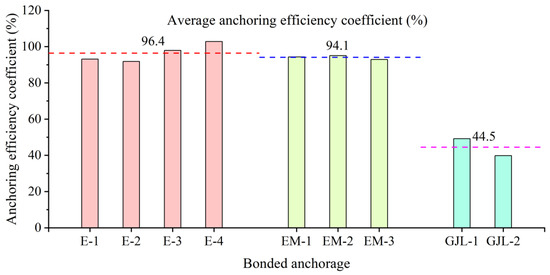
Aiming at the problems of a large number of corrosion and fatigue damage of the current prestressed steel strands, this paper adopts carbon fiber-reinforced composite (CFRP) strand with better corrosion resistance and fatigue resistance and uses it in concrete structures. The bond anchorage is usually used to anchor CFRP tension members, which bonds the CFRP through the binding medium. Through experimental research on the CFRP strand bond anchorage, the inner taper of the CFRP prestressed strand cone was anchored and the influence of different anchor lengths and bonding media on the anchorage performance was determined. The test results demonstrate that the taper of the conical anchorage described in this paper is a key factor affecting its anchorage performance and increasing the inner taper within a certain range is beneficial to improving the anchorage performance of the conical anchorage. The bonded anchorage of the CFRP prestressed strand with a 200 mm anchor is the most reliable and efficient, as the taper of the 200 mm anchor is the largest. The average anchoring efficiency coefficient of the 200 mm anchor was 96.4%, which is 3.7% and 2.6% higher than the average anchoring efficiency coefficient of 220 mm and 250 mm anchors, respectively. The anchoring efficiency of the anchor is also high (94.1%) when the epoxy resin mortar is used as the bonding medium. Moreover, after an appropriate amount of quartz sand is added to the epoxy resin, the overall comprehensive performance of the anchor can be improved to a certain extent and the stress of the CFRP strand can be improved. The coupling between ultra-high-performance concrete dry mix (UHPC-GJL) and CFRP strand materials is not suitable for UHPC-GJL being used, as its binding medium as the average anchoring efficiency coefficient is only 44.5% when UHPC-GJL is used as the anchor bonding medium. Full article
(This article belongs to the Special Issue Fiber-Reinforced Polymer Composites in Construction Materials)
Show Figures

Figure 1

14 pages, 3369 KB  
Article
Bio-Based Healable 2K PU Textile Coating for Durable Applications
by David De Smet and Myriam Vanneste
Polymers 2022, 14(19), 4014; https://doi.org/10.3390/polym14194014 - 25 Sep 2022
Cited by 3 | Viewed by 3379
Abstract
A biobased healable 2K polyurethane (PU) coating incorporating a Schiff base was synthesized and applied as a thin coating on textiles. The Schiff base, made out of cystine and vanillin, contained reversible imine and disulfide bonds and was used as a chain extender [...] Read more.
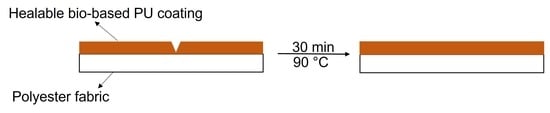
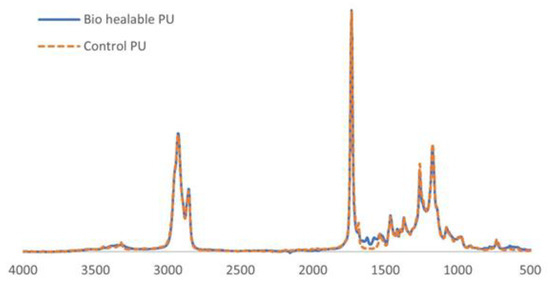
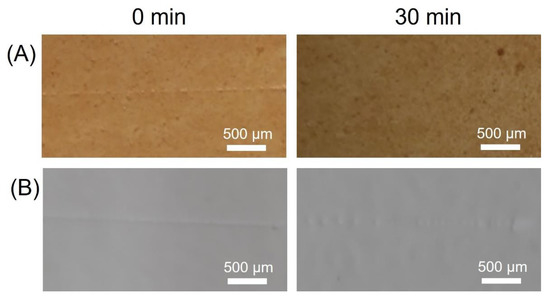
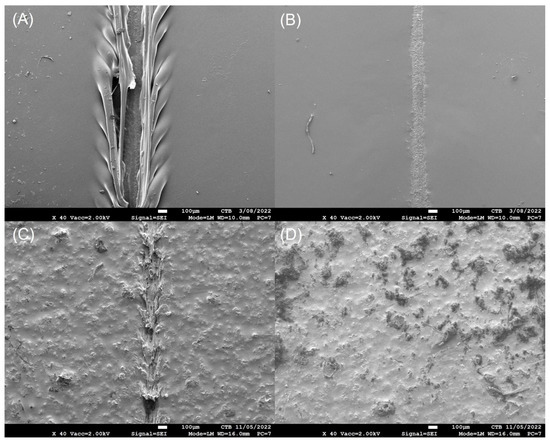
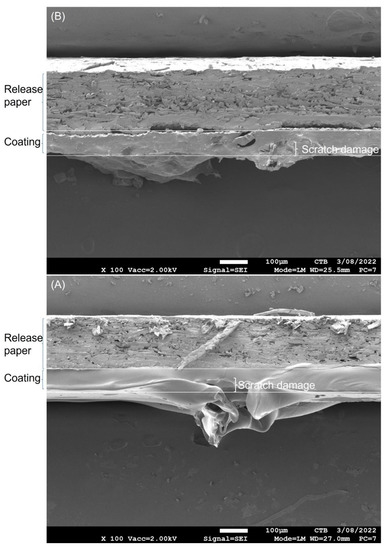
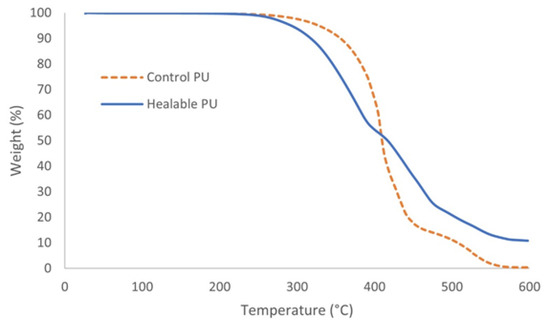
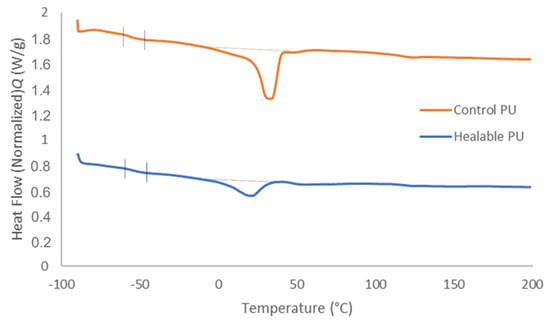
A biobased healable 2K polyurethane (PU) coating incorporating a Schiff base was synthesized and applied as a thin coating on textiles. The Schiff base, made out of cystine and vanillin, contained reversible imine and disulfide bonds and was used as a chain extender in PU synthesis. The FT-IR analysis indicated the successful incorporation of the Schiff base in the PU backbone. Compared with control PU coatings, the healable bio-based PU coating with the Schiff base showed very good healing properties using heat as external stimuli: a healing recovery of 75% was obtained after applying a 2 N scratch and complete recovery of the resistance to hydrostatic pressure. SEM analysis revealed complete closure of the scratch after healing for 30 min at 90 °C. The healing properties are attributed to the synergy of the dual-dynamic metatheses of the imine and disulfide bonds. Full article
(This article belongs to the Special Issue High Performance Textiles II)
Show Figures

Graphical abstract
22 pages, 4311 KB  
Article
Ultrasonic Film Rehydration Synthesis of Mixed Polylactide Micelles for Enzyme-Resistant Drug Delivery Nanovehicles
by Darya A. Stepanova, Vladislava A. Pigareva, Anna K. Berkovich, Anastasia V. Bolshakova, Vasiliy V. Spiridonov, Irina D. Grozdova and Andrey V. Sybachin
Polymers 2022, 14(19), 4013; https://doi.org/10.3390/polym14194013 - 25 Sep 2022
Cited by 6 | Viewed by 2845
Abstract
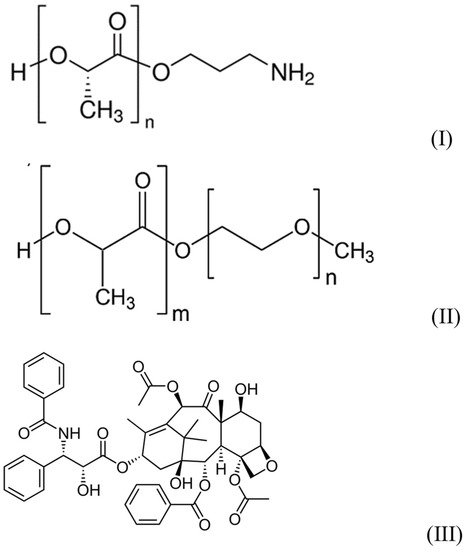
A facile technique for the preparation of mixed polylactide micelles from amorphous poly-D,L-lactide-block-polyethyleneglycol and crystalline amino-terminated poly-L-lactide is described. In comparison to the classical routine solvent substitution method, the ultrasonication assisted formation of polymer micelles allows shortening of the preparation time from several [...] Read more.
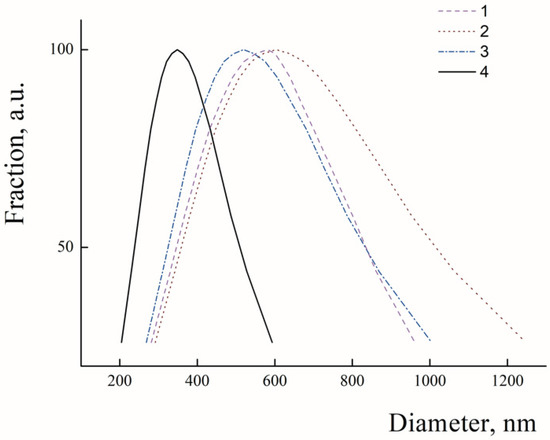
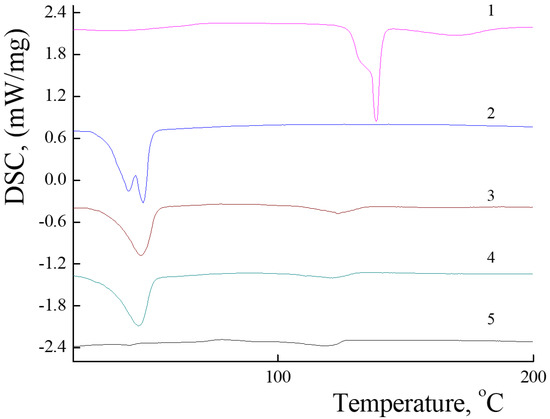
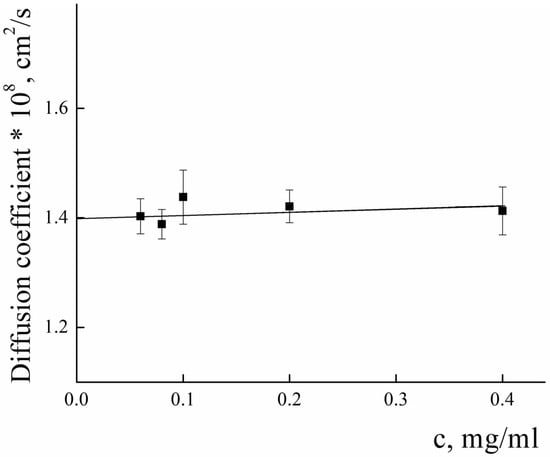
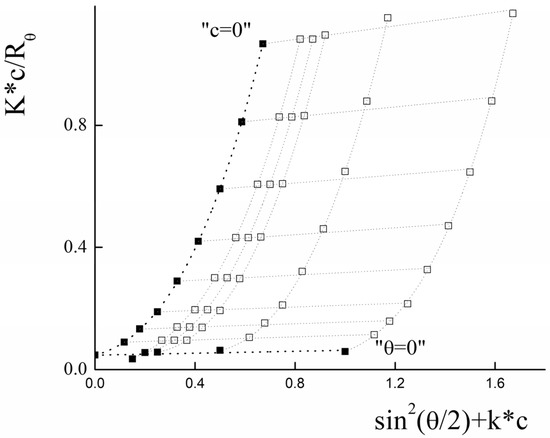
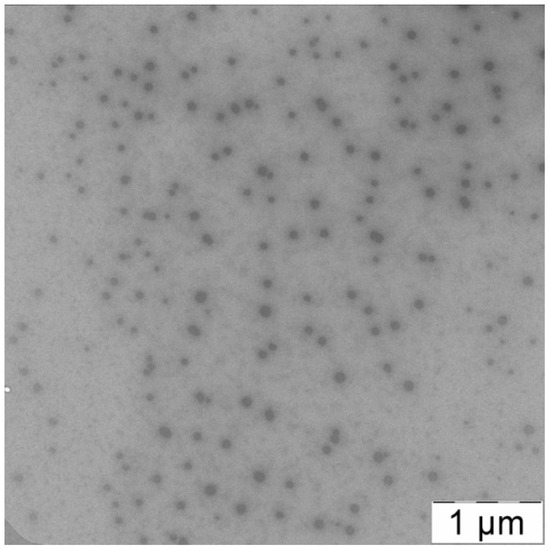
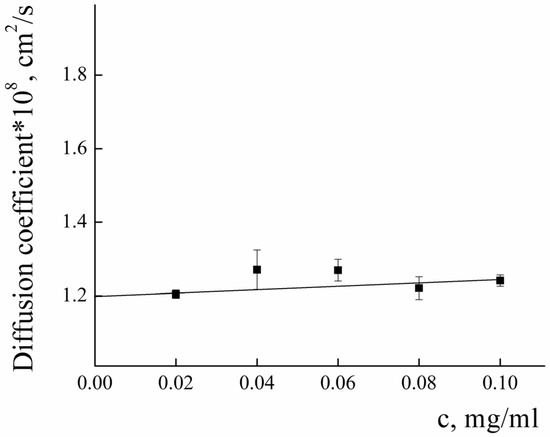
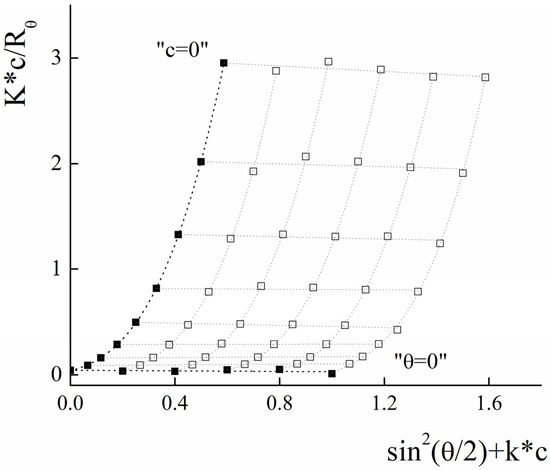
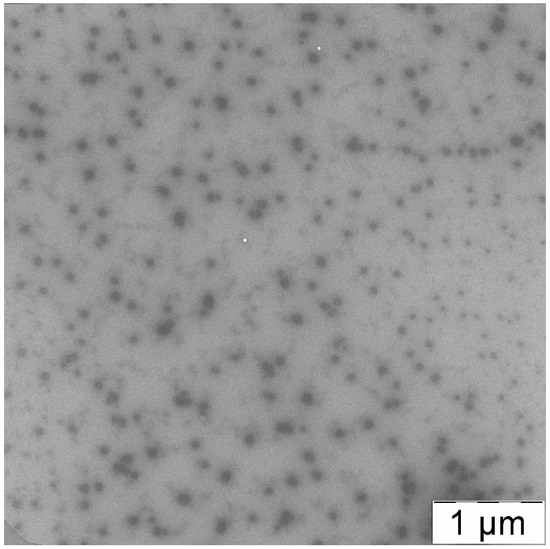
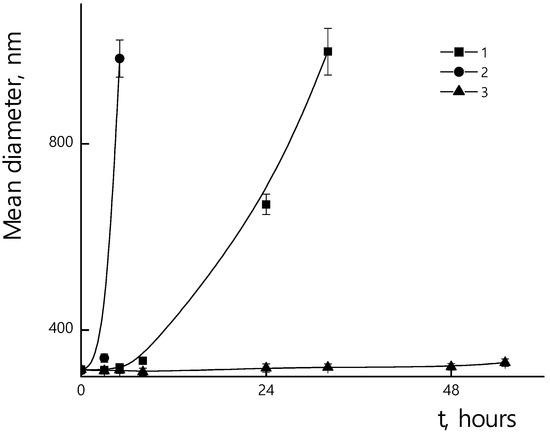
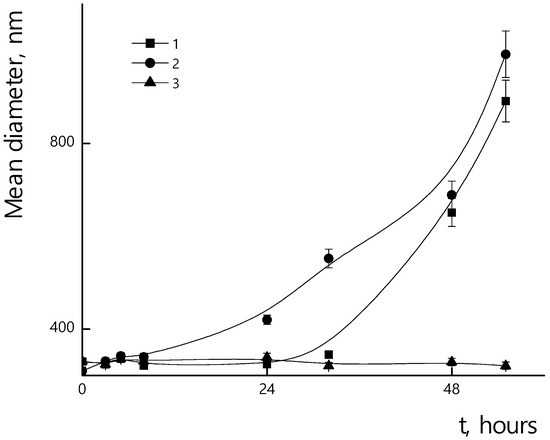
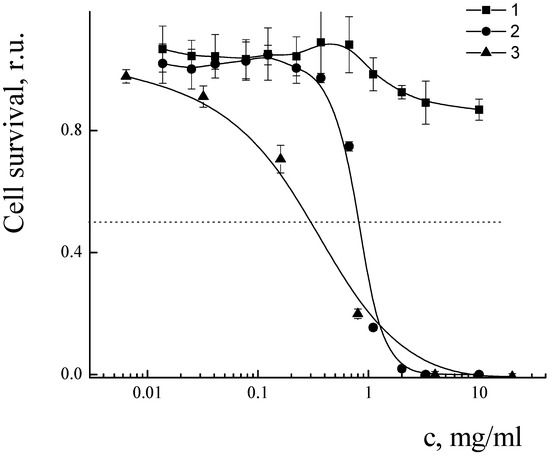
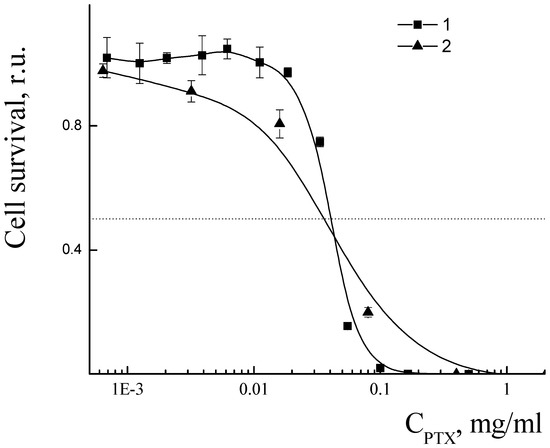
A facile technique for the preparation of mixed polylactide micelles from amorphous poly-D,L-lactide-block-polyethyleneglycol and crystalline amino-terminated poly-L-lactide is described. In comparison to the classical routine solvent substitution method, the ultrasonication assisted formation of polymer micelles allows shortening of the preparation time from several days to 15–20 min. The structure and morphology of mixed micelles were analyzed with the assistance of electron microscopy, dynamic and static light scattering and differential scanning calorimetery. The resulting polymer micelles have a hydrodynamic radius of about 150 nm and a narrow size distribution. The average molecular weight of micelles was found to be 2.1 × 10⁷ and the aggregation number was calculated to be 6000. The obtained biocompatible particles were shown to possess low cytotoxicity, high colloid stability and high stability towards enzymatic hydrolysis. The possible application of mixed polylactide micelles as drug delivery vehicles was studied for the antitumor hydrophobic drug paclitaxel. The lethal concentration (LC50) of paclitaxel encapsulated in polylactide micelles was found to be 42 ± 4 µg/mL—a value equal to the LC50 of paclitaxel in the commercial drug Paclitaxel-Teva. Full article
(This article belongs to the Special Issue Properties and Characterization of Polymers in Nanomaterials)
Show Figures

Figure 1

11 pages, 5871 KB  
Article
Polylactic Acid–Glass Fiber Composites: Structural, Thermal, and Electrical Properties
by Teodoro Klaser, Luka Balen, Željko Skoko, Luka Pavić and Ana Šantić
Polymers 2022, 14(19), 4012; https://doi.org/10.3390/polym14194012 - 25 Sep 2022
Cited by 14 | Viewed by 4194
Abstract
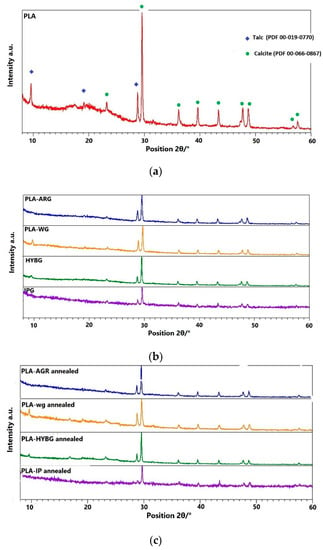
The aim of this study is to investigate the influence of different glass fibers made of commercial silicate, borosilicate, and laboratory-made iron–phosphate compositions, on the preparation of polylactic acid (PLA) composites and their structural and physical properties. The thermal, structural, and electrical properties [...] Read more.
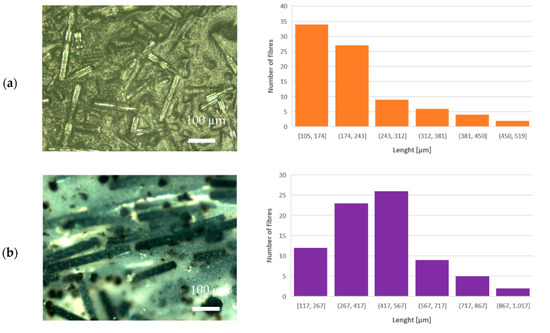
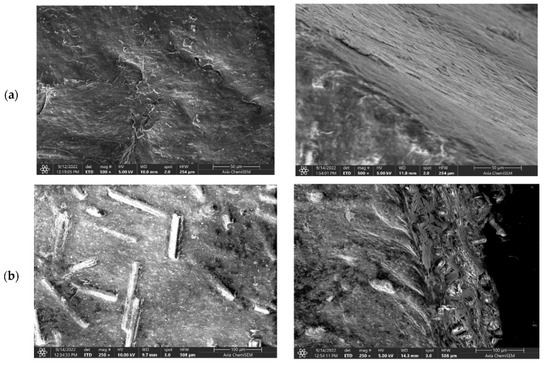
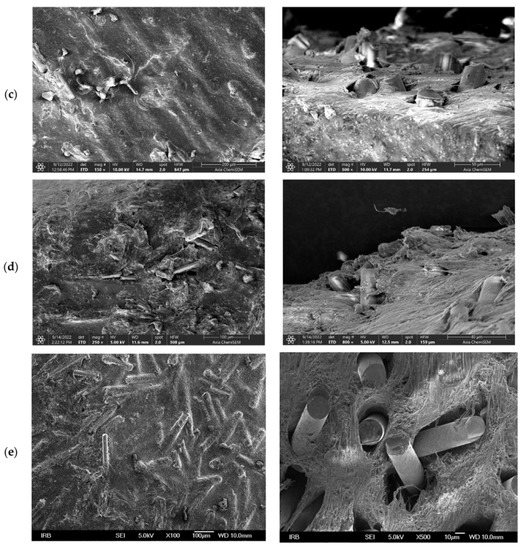
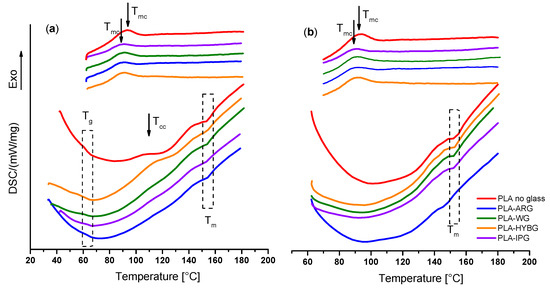
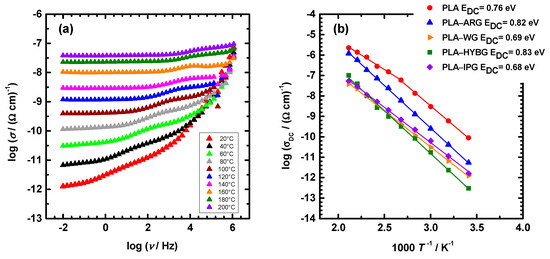
The aim of this study is to investigate the influence of different glass fibers made of commercial silicate, borosilicate, and laboratory-made iron–phosphate compositions, on the preparation of polylactic acid (PLA) composites and their structural and physical properties. The thermal, structural, and electrical properties of prepared PLA–glass fiber composites were studied using differential scanning calorimetry, X-ray diffraction, microscopy, and impedance spectroscopy. The structural as well as morphological, thermal, and electrical properties of all PLA–glass composites were found to be very similar and independent of the composition and aspect ratio of glass fibers. All types of glass fibers improve mechanical properties, increase thermal stability, and decrease the electrical conductivity of PLA, thereby producing mechanical strong electrically insulating composite material with potential in various applications. Full article
Show Figures

Figure 1

17 pages, 6135 KB  
Article
Preparation, Characterization, and Bio Evaluation of Fatty N- Hexadecanyl Chitosan Derivatives for Biomedical Applications
by Hanaa Mansour, Samia El-Sigeny, Sarah Shoman, Marwa M. Abu-Serie and Tamer M. Tamer
Polymers 2022, 14(19), 4011; https://doi.org/10.3390/polym14194011 - 25 Sep 2022
Cited by 14 | Viewed by 2282
Abstract
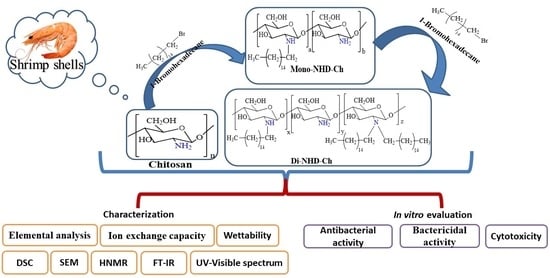
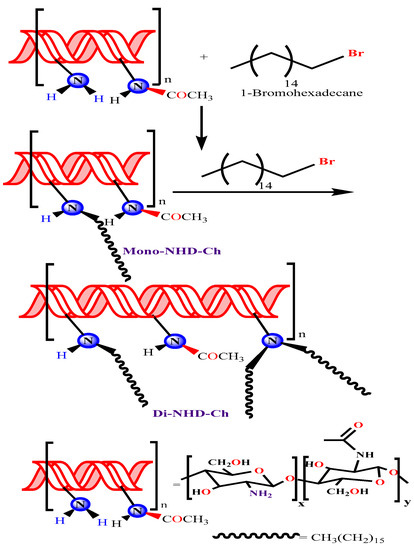
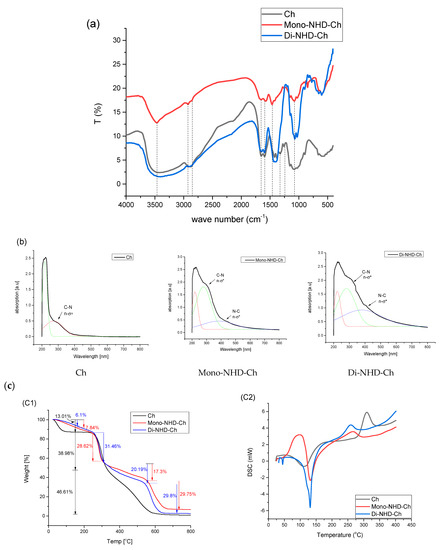
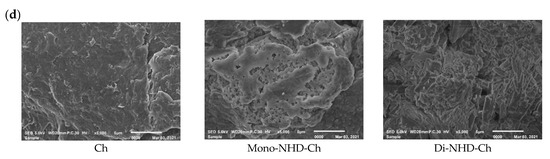
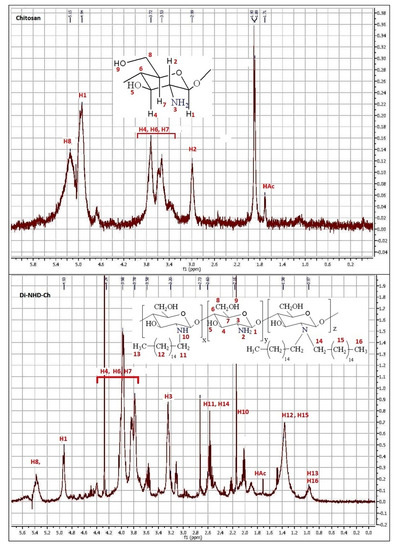
The objective of this study was to improve the antibacterial activities of chitosan via N-alkyl substitution using 1-bromohexadecane. Mono and di substitution (Mono-NHD-Ch and Di-NHD-Ch) were prepared and characterized using FT-IR, HNMR, TGA, DSC, and SEM. Elemental analysis shows an increase in the [...] Read more.
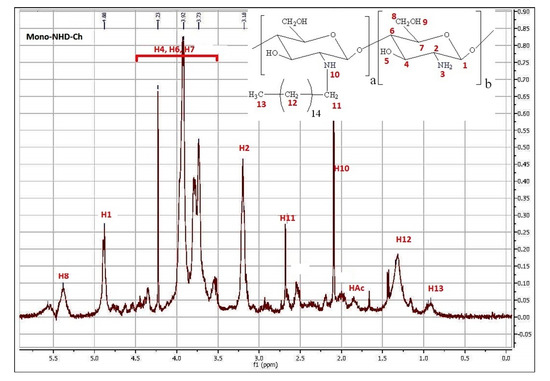
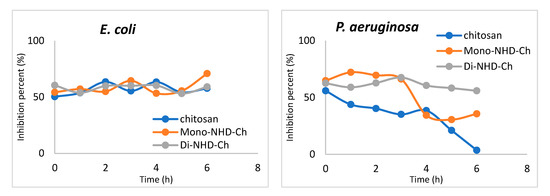
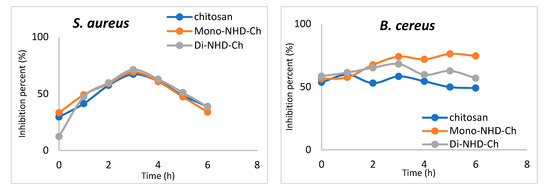
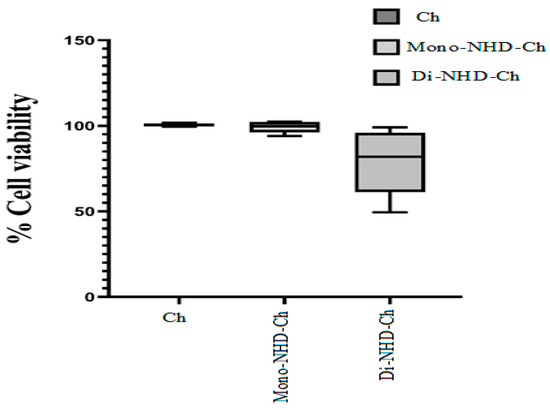
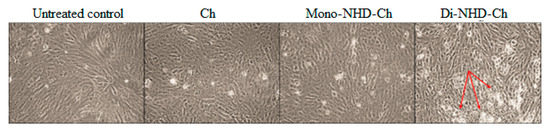
The objective of this study was to improve the antibacterial activities of chitosan via N-alkyl substitution using 1-bromohexadecane. Mono and di substitution (Mono-NHD-Ch and Di-NHD-Ch) were prepared and characterized using FT-IR, HNMR, TGA, DSC, and SEM. Elemental analysis shows an increase in the C/N ratio from 5.45 for chitosan to 8.63 for Mono-NHD-Ch and 10.46 for Di-NHD-Ch. The antibacterial properties were evaluated against Escherichia coli, Pseudomonas aeruginosa, Staphylococcus aureus, and Bacillus cereus. In the examined microorganisms, the antibacterial properties of the novel alkyl derivatives increased substantially higher than chitosan. The minimum inhibitory concentration (MIC) of Mono-NHD-Ch and Di-NHD-Ch was perceived at 50 μg/mL against tested microorganisms, except for B. cereus. The MTT test was used to determine the cytotoxicity of the produced materials, which proved their safety to fibroblast cells. The findings suggest that the new N-Alkyl chitosan derivatives might be used as antibacterial alternatives to pure chitosan in wound infection treatments. Full article
(This article belongs to the Special Issue Functional Polymeric Biomaterial)
Show Figures

Graphical abstract