14 pages, 4226 KB  
Article
An Efficient Composite Modifier Prepared for Enhancing the Crystallization and Flame-Retardancy of Poly(m-xylylene adipamide)
by Zhifeng Zhao, Yueyang Tan, Shangzhen Guo and Xiuyuan Ni
Polymers 2022, 14(17), 3626; https://doi.org/10.3390/polym14173626 - 1 Sep 2022
Cited by 4 | Viewed by 3701
Abstract
Poly(m-xylylene adipamide) (MXD6) has good gas barrier properties and high mechanical strength. However, in nature, this resin has a low rate of crystallization. In order to overcome this obstacle in its applications, this study prepares a new, efficient modifier for MXD6 by combining [...] Read more.
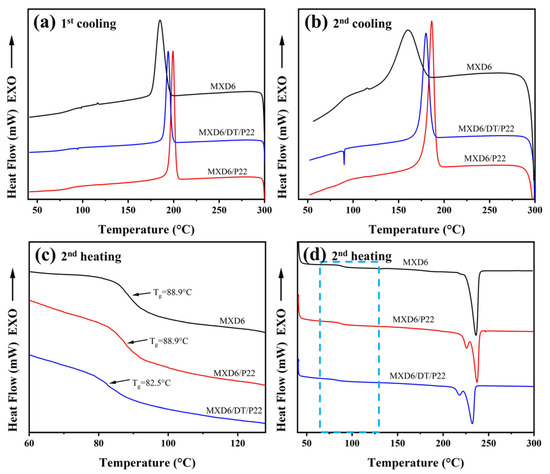
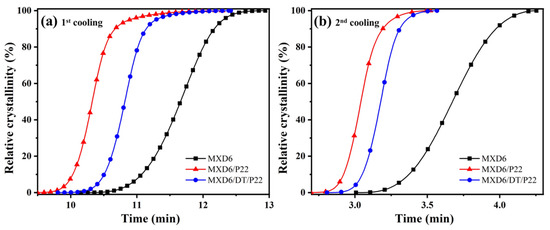
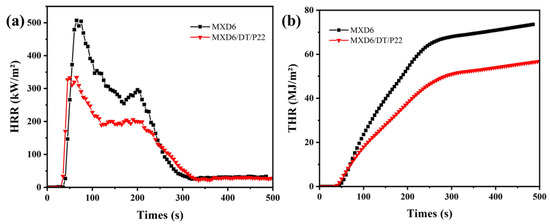
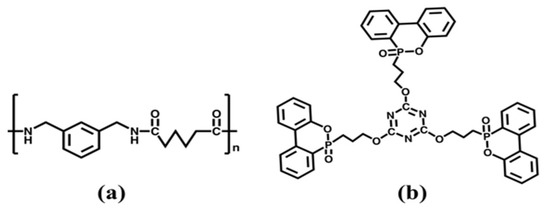
Poly(m-xylylene adipamide) (MXD6) has good gas barrier properties and high mechanical strength. However, in nature, this resin has a low rate of crystallization. In order to overcome this obstacle in its applications, this study prepares a new, efficient modifier for MXD6 by combining the synthesized DOPO derivative (DT) and P22. It is found that the use of the binary modifier exhibits obvious effects on the crystallization of MXD6. When 11.0 wt.% DT is added together with 0.1 wt.% P22 (DT/P22), the crystallization temperature of MXD6 shifts to a higher temperature of 19.7 °C, and the crystallinity degree of MXD6 is significantly increased by 60%. Meanwhile, this modifier exhibits obviously intumescent flame-retardancy on MXD6 by increasing the limited oxygen index (LOI) from 26.4% to 33.4%. The results of the cone calorimeter test (CCT) reveal that the peak heat release rate (PHRR), total heat release (THR) and average effective heat release (av-EHC) are obviously suppressed due to the use of this modifier. Moreover, the influences of this modifier on the crystal structures, mechanical and rheological properties of MXD6 are analyzed in detail. This study can provide an efficient modifier for MXD6. Full article
(This article belongs to the Section Polymer Composites and Nanocomposites)
Show Figures

Figure 1
14 pages, 4391 KB  
Article
Finding a Benign Plasticizer to Enhance the Microbial Degradation of Polyhydroxybutyrate (PHB) Evaluated by PHB Degrader Microbulbifer sp. SOL66
by Jang Yeon Cho, Su Hyun Kim, Hee Ju Jung, Do Hyun Cho, Byung Chan Kim, Shashi Kant Bhatia, Jungoh Ahn, Jong-Min Jeon, Jeong-Jun Yoon, Jongbok Lee and Yung-Hun Yang
Polymers 2022, 14(17), 3625; https://doi.org/10.3390/polym14173625 - 1 Sep 2022
Cited by 29 | Viewed by 3765
Abstract
As a biodegradable plastic, polyhydroxybutyrate (PHB) has relatively poor mechanical properties, preventing its wider use. Various plasticizers have been studied to improve the mechanical properties of PHB; however, due to the slow degradation speed in the soil environment and lack of evaluation methods, [...] Read more.
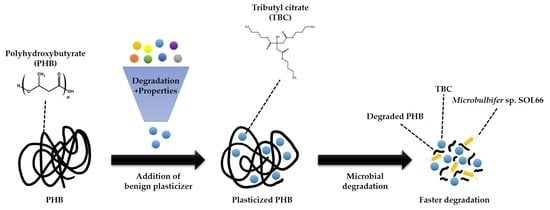
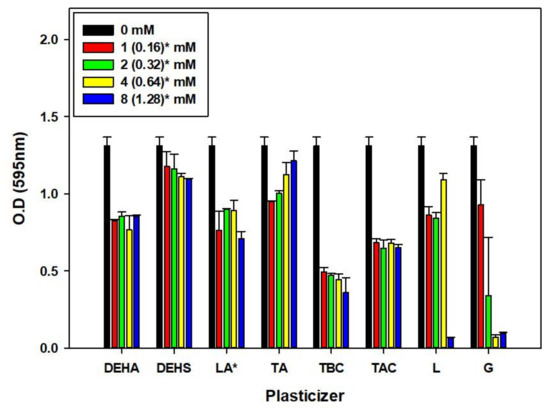
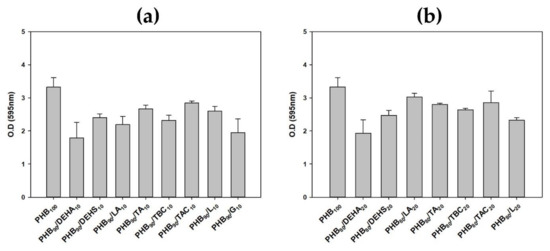
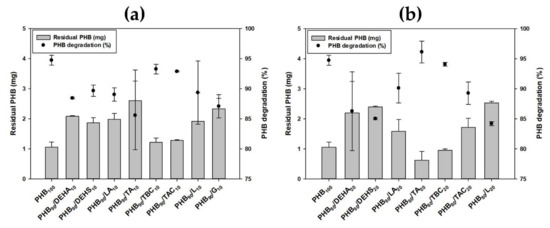
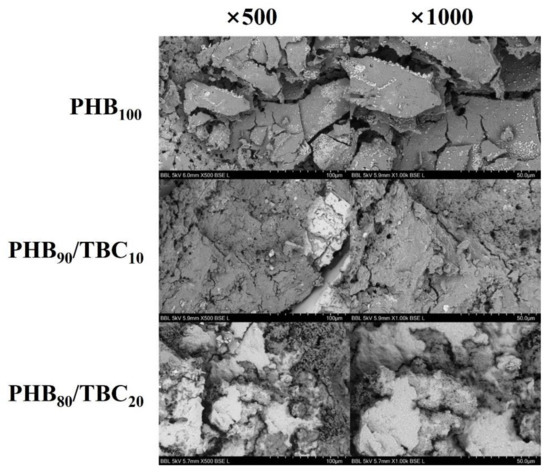
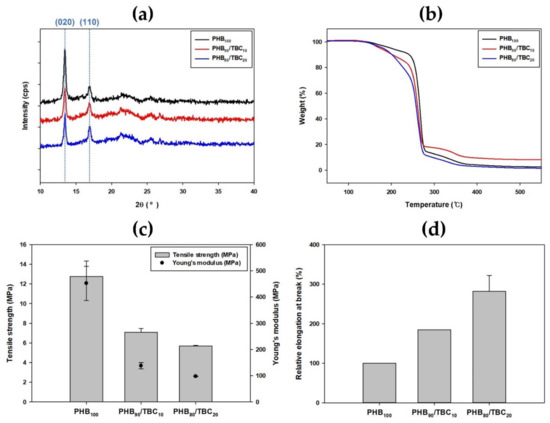
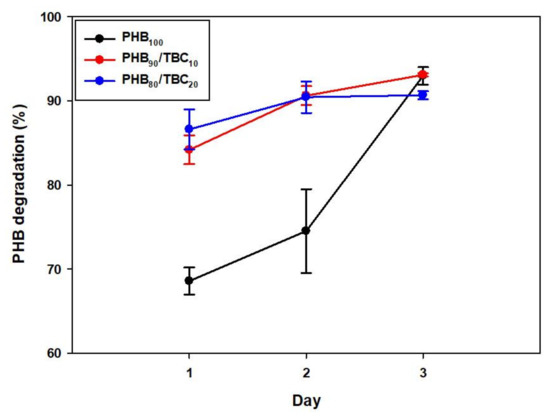
As a biodegradable plastic, polyhydroxybutyrate (PHB) has relatively poor mechanical properties, preventing its wider use. Various plasticizers have been studied to improve the mechanical properties of PHB; however, due to the slow degradation speed in the soil environment and lack of evaluation methods, studies on the degradation of PHB with plasticizers are rarely reported. In this study, by applying Microbulbifer sp. SOL66, which is able to degrade PHB very quickly, a benign plasticizer was evaluated with good properties and good degradability, not inhibiting microbial activities. Eight different plasticizers were applied with PHB and Microbulbifer sp. SOL66, PHB film containing 10% and 20% tributyl citrate showed significant biodegradability of PHB. It was confirmed that tributyl citrate could increase the speed of PHB degradation by Microbulbifer sp. SOL66 by 88% at 1 day, although the degree of degradation was similar after 3 days with and without tributyl citrate. By the analysis of microbial degradation, physical, chemical, and mechanical properties, tributyl citrate was shown not only to improve physical, chemical, and mechanical properties but also the speed of microbial degradation. Full article
Show Figures

Graphical abstract

16 pages, 3659 KB  
Article
Poloxamer-Based Hydrogel as Drug Delivery System: How Polymeric Excipients Influence the Chemical-Physical Properties
by Elisa Brambilla, Silvia Locarno, Salvatore Gallo, Francesco Orsini, Carolina Pini, Marco Farronato, Douglas Vieira Thomaz, Cristina Lenardi, Marco Piazzoni and Gianluca Tartaglia
Polymers 2022, 14(17), 3624; https://doi.org/10.3390/polym14173624 - 1 Sep 2022
Cited by 55 | Viewed by 12648
Abstract
Thermogelling amphiphilic block copolymers have been widely investigated in the development of pharmaceutical drug carriers. In particular, thermosensitive gels based on poloxamer 407 (P407) have great potential for periodontal disease treatment, thanks to their ability to be liquid at room temperature and become [...] Read more.
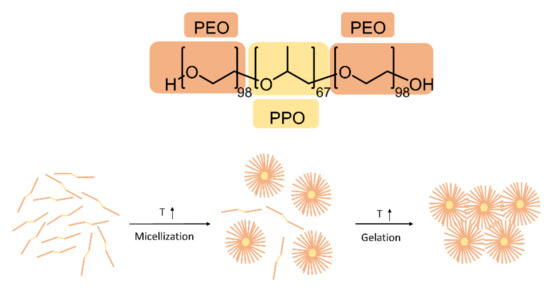
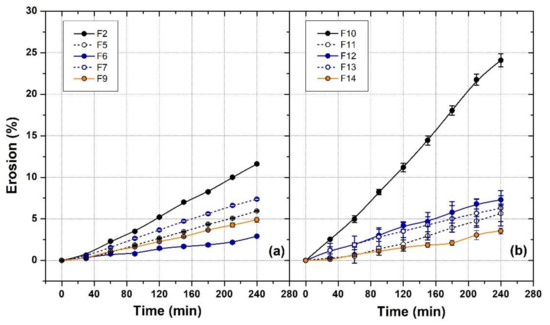
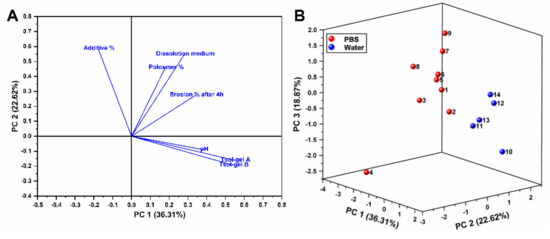
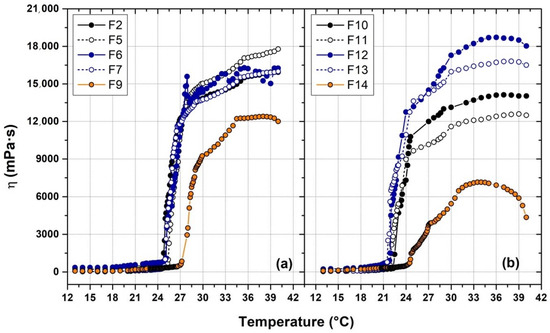
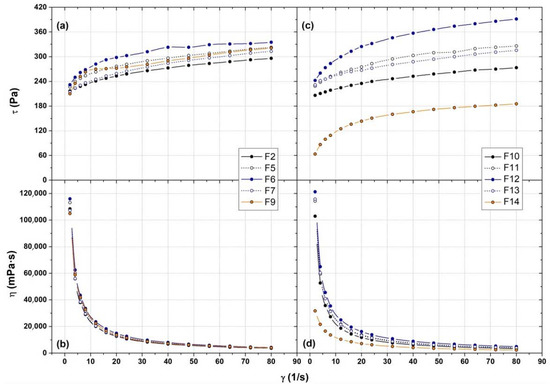
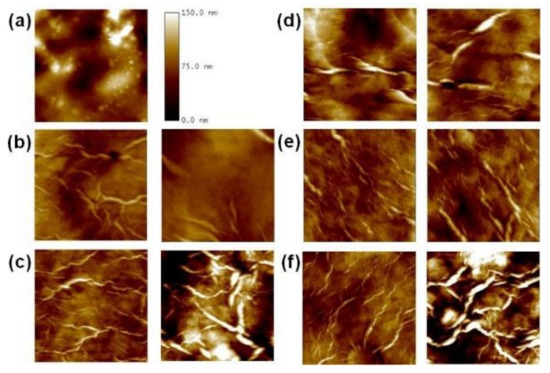
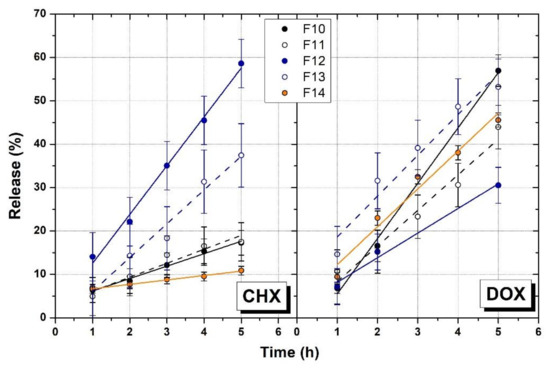
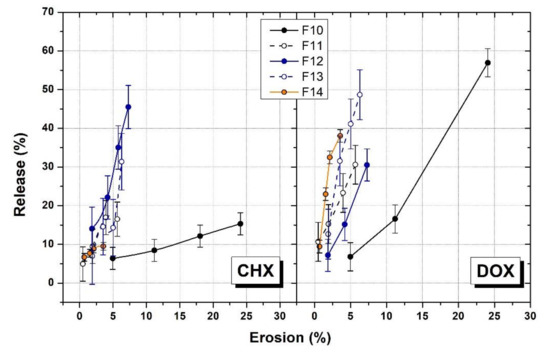
Thermogelling amphiphilic block copolymers have been widely investigated in the development of pharmaceutical drug carriers. In particular, thermosensitive gels based on poloxamer 407 (P407) have great potential for periodontal disease treatment, thanks to their ability to be liquid at room temperature and become viscous gels at body temperature. However, some problems, related to short in situ residence time, reduce their feasible clinical use. Thus, in order to improve the effective applicability of these materials, we studied how P407 thermogels are affected by the pH and by the inclusion of different hydrophilic polymers, used as excipients for increasing the gel stiffness. For this scope, a complete chemical-physical characterization of the synthesized gels is provided, in terms of determination of sol-gel transition temperature, viscosity and erosion degree. The data are correlated according to a statistical multivariate approach based on Principal Component Analysis and their mucoadhesion properties are also tested by Tapping mode-Atomic Force Microscopy (TM-AFM) imaging. Finally, we studied how the different P407 formulations are able to influence the release pathway of two antibacterial drugs (i.e., chlorhexidine digluconate and doxycycline hyclate) largely used in oral diseases. Full article
(This article belongs to the Special Issue Biomedical Applications of Intelligent Hydrogel)
Show Figures

Figure 1
11 pages, 4534 KB  
Article
Evaluation of the Rheological Properties of Virgin and Aged Asphalt Blends
by Tao Liu, Weidang Duan, Jialin Zhang, Qiuping Li, Jian Xu, Jie Wang, Yongchun Qin and Rong Chang
Polymers 2022, 14(17), 3623; https://doi.org/10.3390/polym14173623 - 1 Sep 2022
Cited by 4 | Viewed by 1796
Abstract
To evaluate the effects of the source and admixture of aged asphalt on the rheological properties of reclaimed asphalt binders, the relative viscosity (Δη), relative rutting factor (ΔG*/sinδ), and relative fatigue factor (ΔG*sinδ) were selected as evaluation indicators based on the [...] Read more.
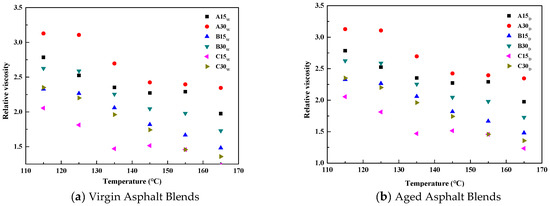
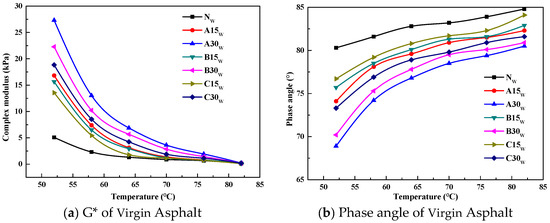
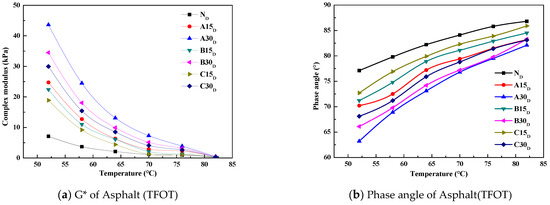
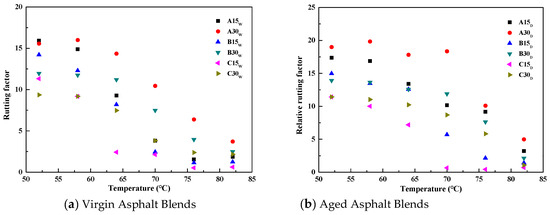
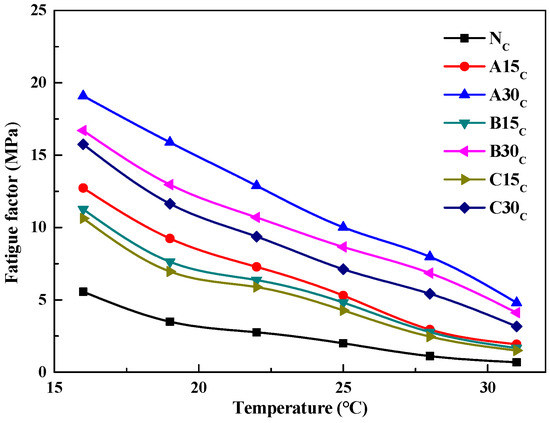
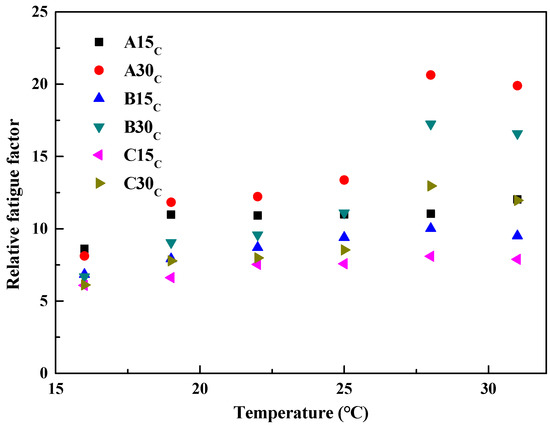
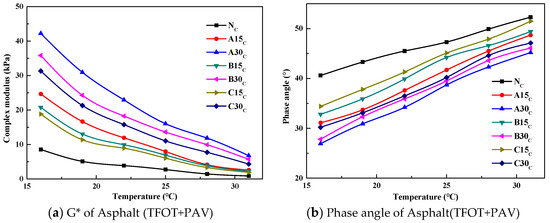
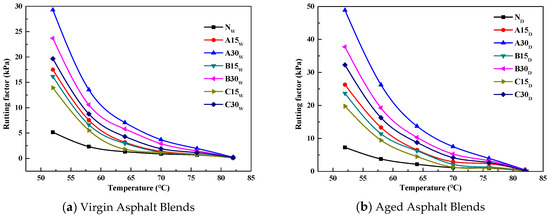
To evaluate the effects of the source and admixture of aged asphalt on the rheological properties of reclaimed asphalt binders, the relative viscosity (Δη), relative rutting factor (ΔG*/sinδ), and relative fatigue factor (ΔG*sinδ) were selected as evaluation indicators based on the Strategic Highway Research Program (SHRP) tests to characterize the rheological properties of a reclaimed asphalt binder under medium- and high-temperature conditions. The results of the study showed that the viscosity, rutting factor, and fatigue factor of the reclaimed asphalt binder increased with the addition of aged asphalt; however, the effect of the source and admixture of aged asphalt could not be assessed. The relative viscosity, relative rutting factor, and relative fatigue factor are sensitive to the source, admixture, temperature, and aging conditions, which shows the superiority of these indicators. Moreover, the relative viscosity and relative rutting factor decreased linearly with increasing temperature under high-temperature conditions, while the relative fatigue factor increased linearly with increasing temperature under medium-temperature conditions. In addition, the linear trends of the three indicators were independent of the source and admixture of aged asphalt. These results indicate that the evaluation method used in this study can be used to assess the effects of virgin asphalt and aged asphalt on the rheological properties of reclaimed asphalt binders, and has the potential for application. The viscosity of recycled asphalt increases, and the rutting factor and fatigue factor both increase. The high-temperature stability of reclaimed asphalt is improved, and the fatigue crack resistance is weakened. Full article
(This article belongs to the Special Issue Application of Polymer Materials in Pavement Design)
Show Figures

Figure 1

13 pages, 4076 KB  
Article
Bio-Based pH Indicator Films for Intelligent Food Packaging Applications
by Iulia Păușescu, Diana-Maria Dreavă, Ioan Bîtcan, Raluca Argetoianu, Diana Dăescu and Mihai Medeleanu
Polymers 2022, 14(17), 3622; https://doi.org/10.3390/polym14173622 - 1 Sep 2022
Cited by 21 | Viewed by 9445
Abstract
The widespread concerns about the environmental problems caused by conventional plastic food packaging and food waste led to a growing effort to develop active and intelligent systems produced from renewable biodegradable polymers for food packaging applications. Among intelligent systems, the most widely used [...] Read more.
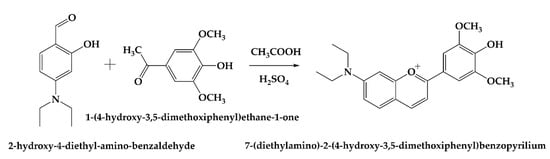
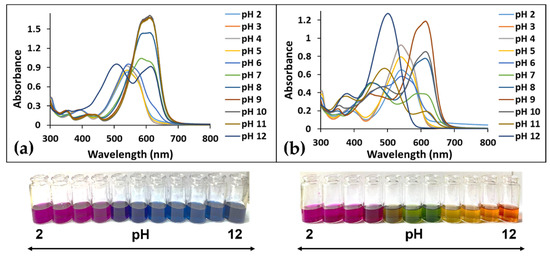
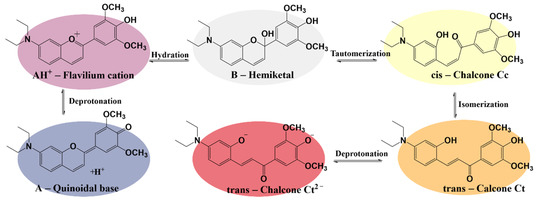
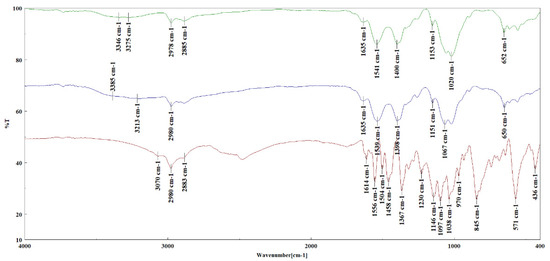
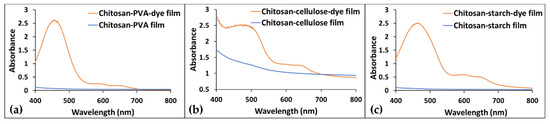
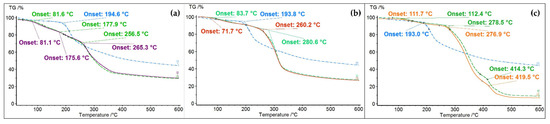
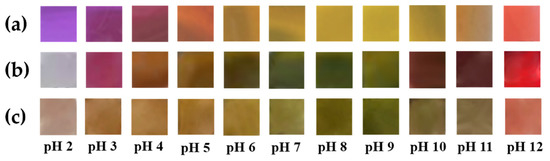
The widespread concerns about the environmental problems caused by conventional plastic food packaging and food waste led to a growing effort to develop active and intelligent systems produced from renewable biodegradable polymers for food packaging applications. Among intelligent systems, the most widely used are pH indicators, which are generally based on a pH-sensitive dye incorporated into a solid support. The objective of this study was to develop new intelligent systems based on renewable biodegradable polymers and a new bio-inspired pH-sensitive dye. The structure of the dye was elucidated through FT-IR and 1D and 2D NMR spectroscopic analyses. UV-VIS measurements of the dye solutions at various pH values proved their halochromic properties. Their toxicity was evaluated through theoretical calculations, and no toxicity risks were found. The new anthocyanidin was used for the development of biodegradable intelligent systems based on chitosan blends. The obtained polymeric films were characterized through UV-VIS and FT-IR spectroscopy. Their thermal properties were assessed through a thermogravimetric analysis, which showed a better stability of chitosan–PVA–dye and chitosan–starch–dye films compared to those of chitosan–cellulose–dye films and the dye itself. The films’ sensitivity to pH variations was evaluated through immersion in buffer solutions with pH values ranging from 2 to 12, and visible color changes were observed. Full article
(This article belongs to the Special Issue Biodegradable Polymer Composites: Fabrication and Applications)
Show Figures

Figure 1

27 pages, 8671 KB  
Article
Design and Engineering of Natural Cellulose Fiber-Based Biomaterials with Eucalyptus Essential Oil Retention to Replace Non-Biodegradable Delivery Systems
by Flávia P. Morais and Joana M. R. Curto
Polymers 2022, 14(17), 3621; https://doi.org/10.3390/polym14173621 - 1 Sep 2022
Cited by 6 | Viewed by 3806
Abstract
This work aims at the design and engineering of sustainable biomaterials based on natural fibers to replace non-renewable fiber sources in the development of non-woven delivery systems. Cellulose fibers were used as the main support to produce multi-structured materials with the incorporation of [...] Read more.
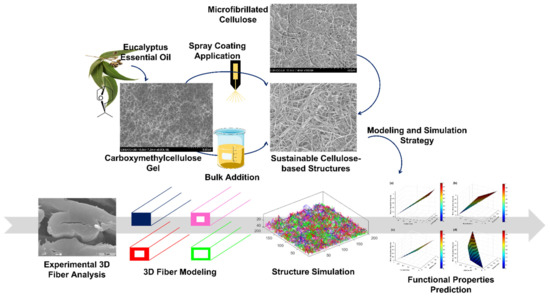
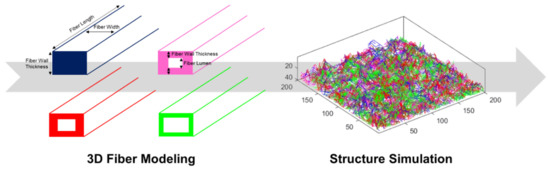
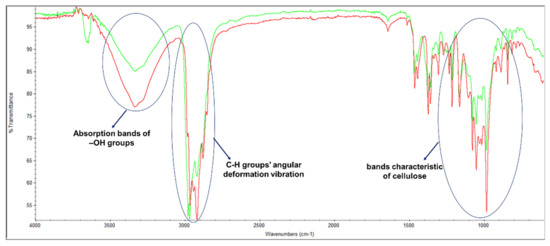
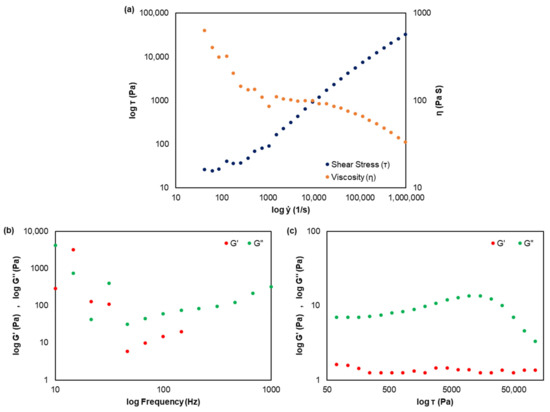
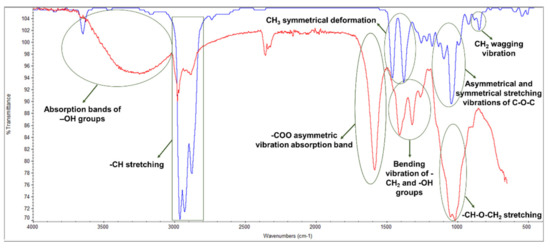
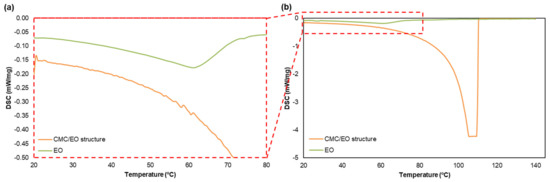
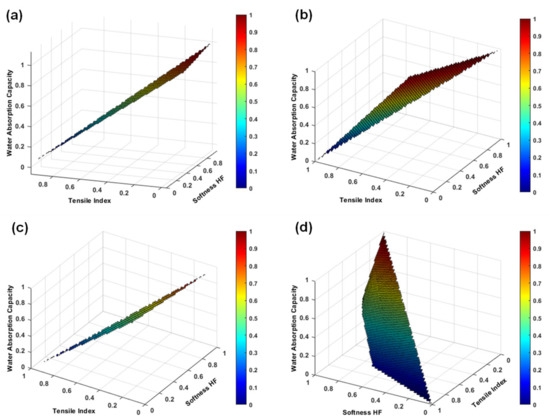
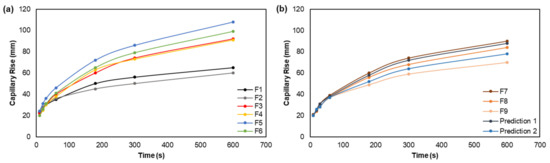
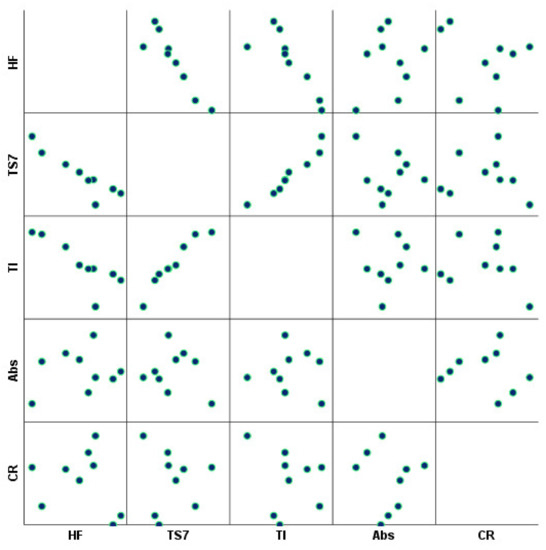
This work aims at the design and engineering of sustainable biomaterials based on natural fibers to replace non-renewable fiber sources in the development of non-woven delivery systems. Cellulose fibers were used as the main support to produce multi-structured materials with the incorporation of microfibrillated cellulose (MFC) as an additive. A 3D carboxymethylcellulose matrix retaining a natural bioactive product, eucalyptus essential oil, (CMC/EO), with controlled release functionalities, was also applied to these materials using bulk and spray coating methodologies. Additionally, using a 3D modeling and simulation strategy, different interest scenarios were predicted to design new formulations with improved functional properties. Overall, the results showed that MFC provided up to 5% improved strength (+48%) at the expense of reduced softness (−10%) and absorbency (−13%) and presented a good potential to be used as an additive to maximize natural eucalyptus fibers content in formulations. The addition of CMC/EO into formulations’ bulk revealed better strength properties (21–28%), while its surface coating improved absorption (23–25%). This indicated that both application methods can be used in structures proposed for different sustainable applications or a more localized therapy, respectively. This optimization methodology consists of a competitive benefit to produce high-quality functionalized biomaterials for added-value applications. Full article
(This article belongs to the Special Issue Polymers and Drug Delivery)
Show Figures

Figure 1

35 pages, 20566 KB  
Article
Lifecycle Assessment for Recycling Processes of Monolayer and Multilayer Films: A Comparison
by Gerald Koinig, Elias Grath, Chiara Barretta, Karl Friedrich, Daniel Vollprecht and Gernot Oreski
Polymers 2022, 14(17), 3620; https://doi.org/10.3390/polym14173620 - 1 Sep 2022
Cited by 15 | Viewed by 4798
Abstract
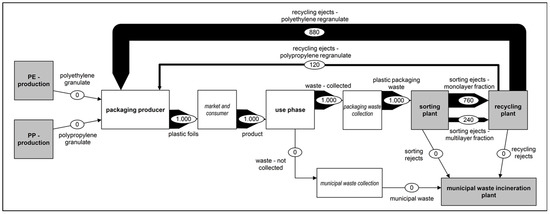
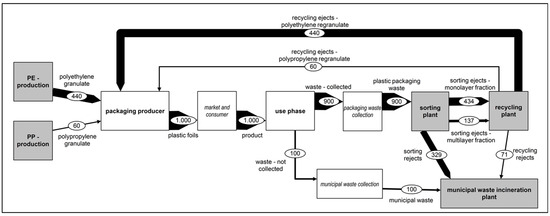
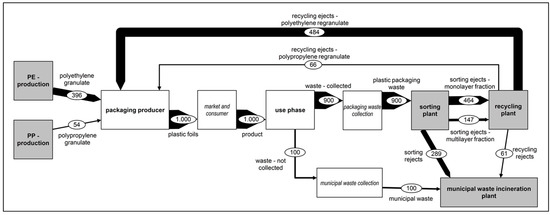
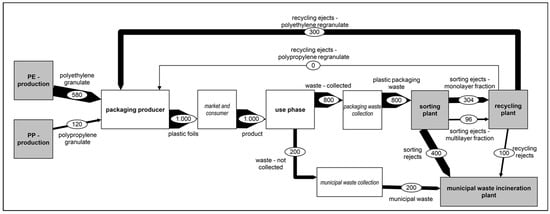
This work covers a lifecycle assessment of monolayer and multilayer films to quantify the environmental impacts of changing the management of plastic film waste. This lifecycle assessment offers the possibility of quantifying the environmental impacts of processes along the lifecycle of monolayer and [...] Read more.
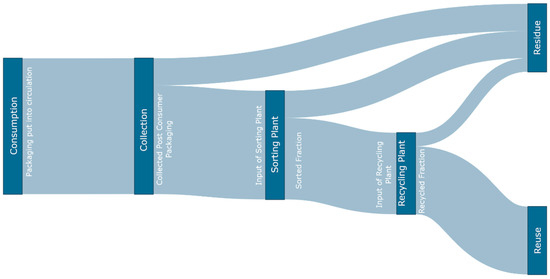
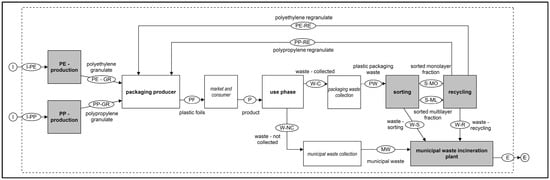
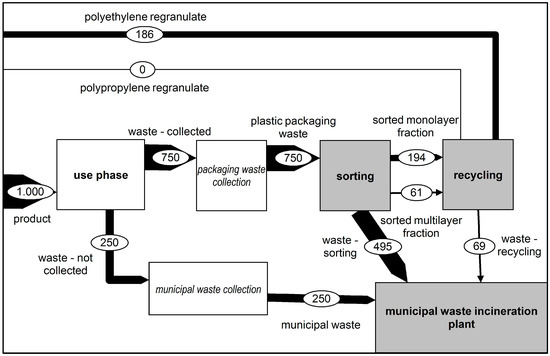
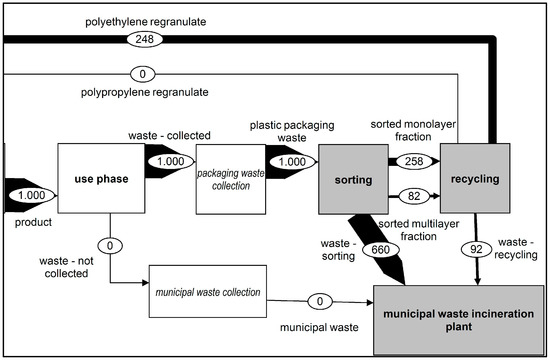
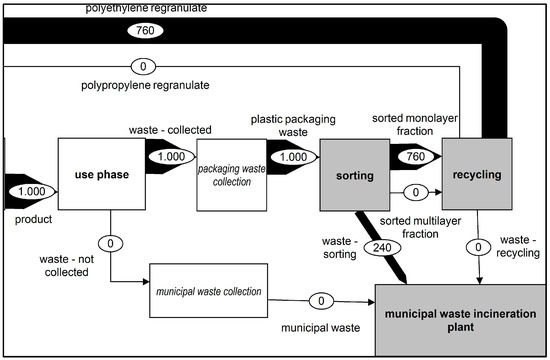
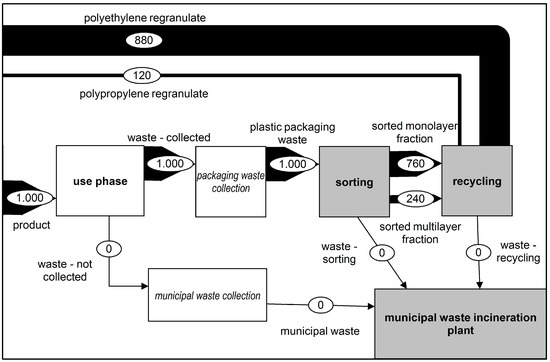
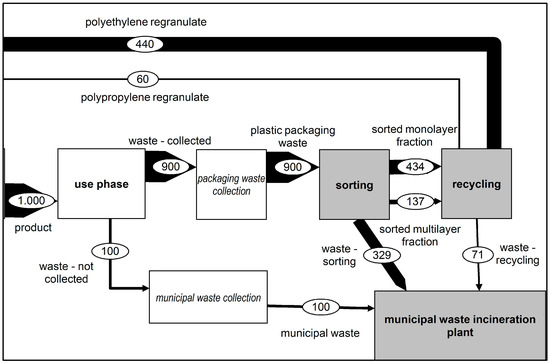
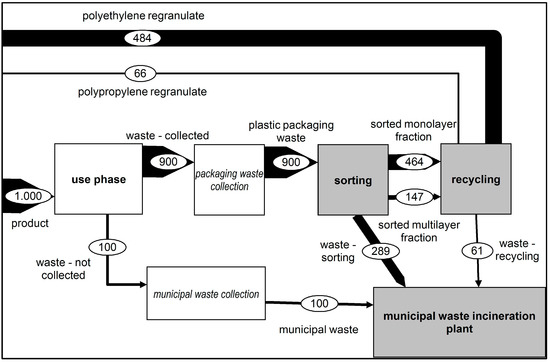
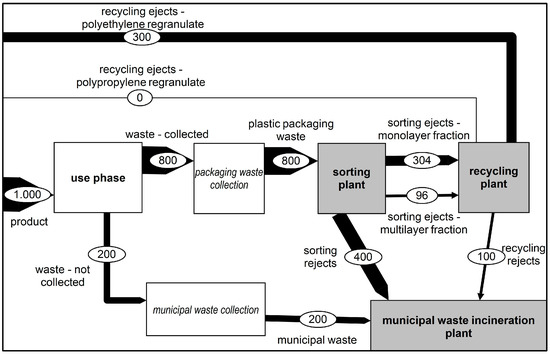
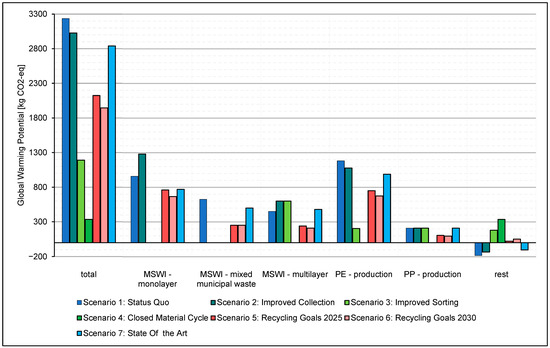
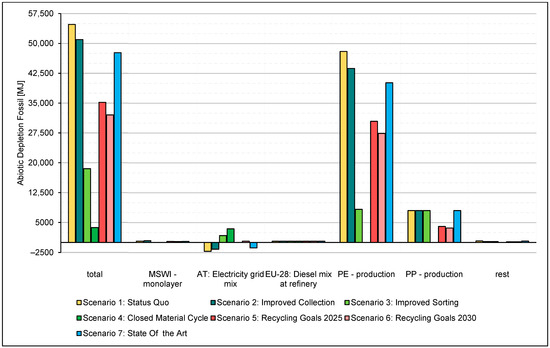
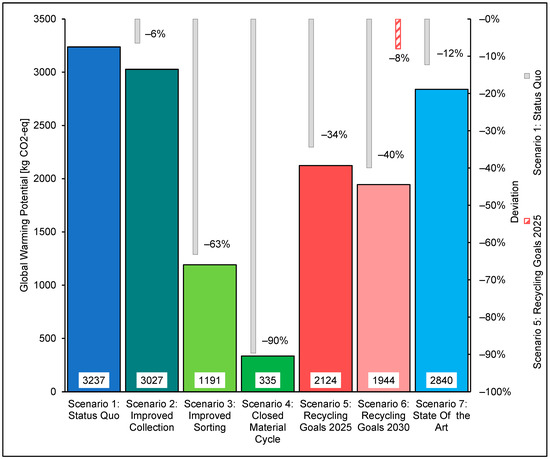
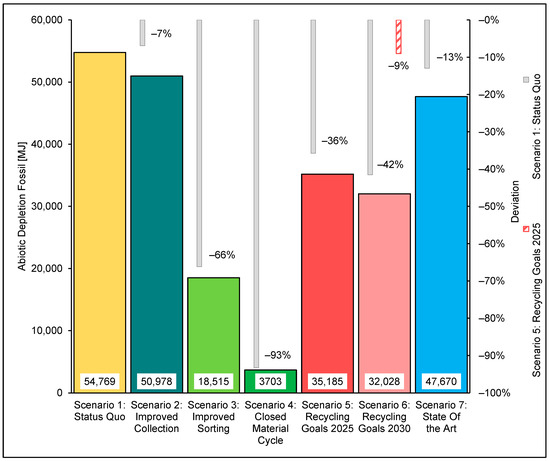
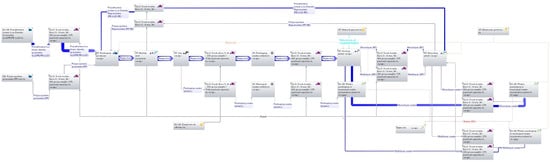
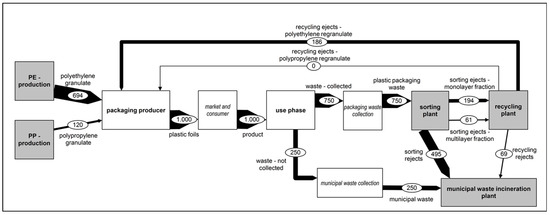
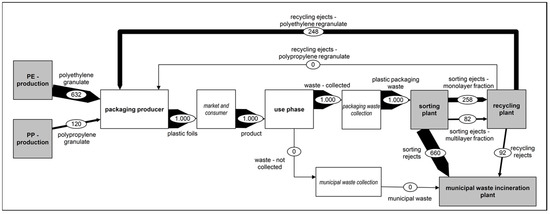
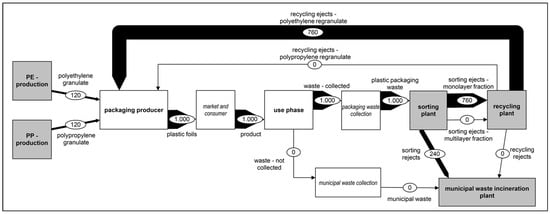
This work covers a lifecycle assessment of monolayer and multilayer films to quantify the environmental impacts of changing the management of plastic film waste. This lifecycle assessment offers the possibility of quantifying the environmental impacts of processes along the lifecycle of monolayer and multilayer films and mapping deviating impacts due to changed process parameters. Based on the status quo, the changes in global warming potential and abiotic fossil resource depletion were calculated in different scenarios. The changes included collecting, sorting, and recycling mono- and multilayer films. The “Functional Unit” under consideration comprised 1000 kg of plastic film waste, generated as post-consumer waste in Austria and captured in the lightweight packaging collection system. The results showed the reduction of environmental impacts over product lifecycles by improving waste management and creating a circular economy. Recycling all plastic film reduced global warming potential by 90% and abiotic fossil resource consumption by 93%. The necessary optimisation steps to meet the politically required recycling rates by 2025 and 2030 could be estimated, and the caused environmental impacts are presented. This work shows the need for increased collection, recycling, and significant improvement in the sorting of films to minimise global warming potential and resource consumption. Full article
(This article belongs to the Special Issue Advances in Sustainable Plastics and Polymer Composites)
Show Figures

Figure 1
15 pages, 2965 KB  
Article
Prediction of Fracture Toughness of Pultruded Composites Based on Supervised Machine Learning
by Radmir Karamov, Iskander Akhatov and Ivan V. Sergeichev
Polymers 2022, 14(17), 3619; https://doi.org/10.3390/polym14173619 - 1 Sep 2022
Cited by 35 | Viewed by 3690
Abstract
Prediction of mechanical properties is an essential part of material design. State-of-the-art simulation-based prediction requires data on microstructure and inter-component interactions of material. However, due to high costs and time limitations, such parameters, which are especially required for the simulation of advanced properties, [...] Read more.
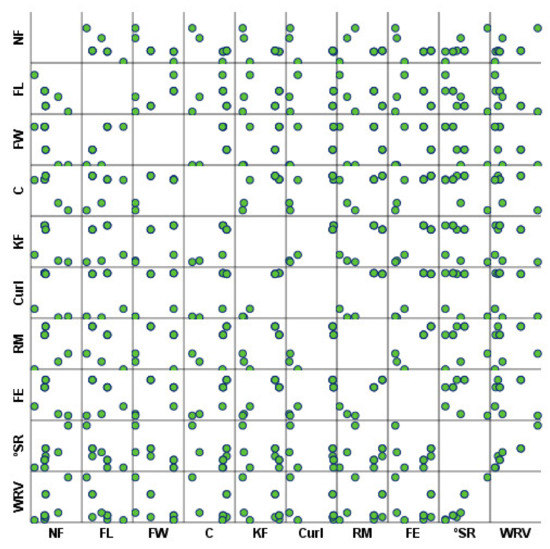
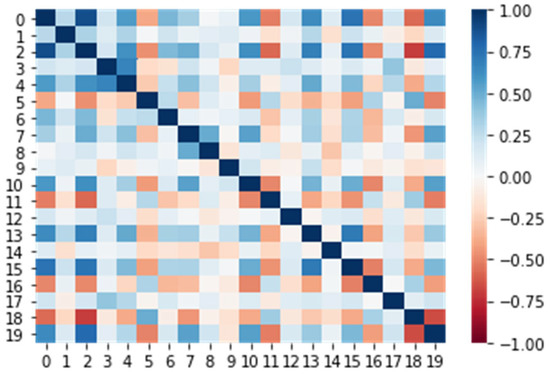
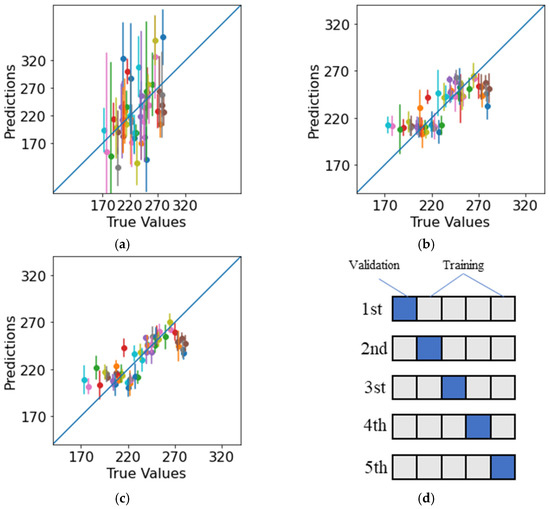
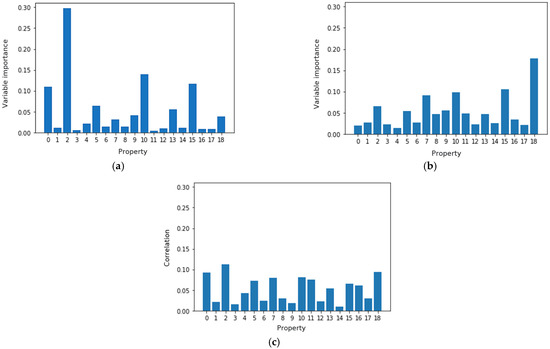
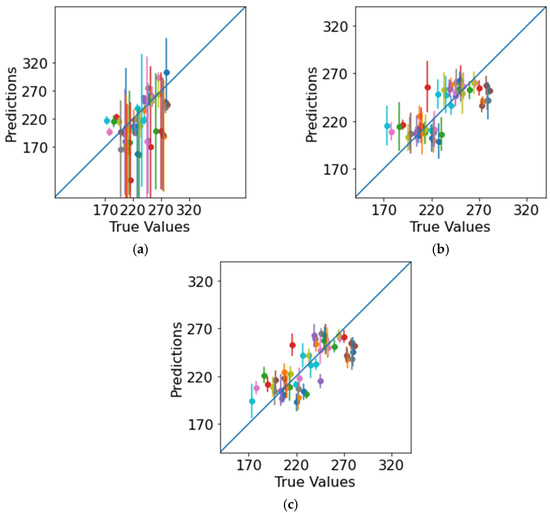
Prediction of mechanical properties is an essential part of material design. State-of-the-art simulation-based prediction requires data on microstructure and inter-component interactions of material. However, due to high costs and time limitations, such parameters, which are especially required for the simulation of advanced properties, are not always available. This paper proposes a data-driven approach to predicting the labor-consuming fracture toughness based on a series of standard, easy-to-measure mechanical characteristics. Three supervised machine-learning (ML) models (artificial neural networks, a random forest algorithm, and gradient boosting) were designed and tested for the prediction of mechanical properties of pultruded composites. A considerable dataset of mechanical properties was acquired as results of standard tensile, compression, flexure, in-plane shear, and Charpy tests and utilized as the input to predict the fracture toughness. Furthermore, this study investigated the correlations between the obtained mechanical characteristics. Analysis of ML performance showed that fracture toughness had the highest correlations with longitudinal bending and transverse tension and a strong correlation with the longitudinal compression modulus and tensile strength. The gradient boosting decision tree-based algorithms demonstrated the best prediction performance for fracture toughness, with an MSE less than 10% of the average value, providing a prediction within the range of experimental error. The ML algorithms showed potential in terms of determining which macro-level parameters can be used to predict micro-level material characteristics and how. The results provide inspiration for future pultruded composite material design and can enhance the numerical simulations of material. Full article
(This article belongs to the Topic Computational Materials Science for Polymers)
Show Figures

Figure 1
12 pages, 4458 KB  
Article
Study on the Mechanical and Toughness Behavior of Epoxy Nano-Composites with Zero-Dimensional and Two-Dimensional Nano-Fillers
by Xiaodong Li, Qi Wang, Xu Cui, Xinwen Feng, Fei Teng, Mingyao Xu, Weiguo Su and Jun He
Polymers 2022, 14(17), 3618; https://doi.org/10.3390/polym14173618 - 1 Sep 2022
Cited by 31 | Viewed by 3728
Abstract
The mechanical properties of epoxy resin can be enhanced by adding nanofillers into its matrix. This study researches and compares the impacts of adding nanofillers with different dimensions, including two-dimensional boron nitride and zero-dimensional silica, on the mechanical and toughness properties of epoxy [...] Read more.
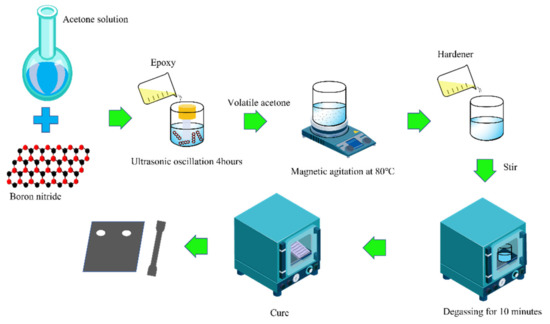
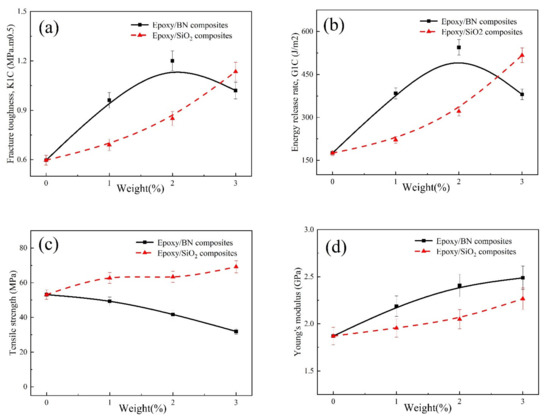
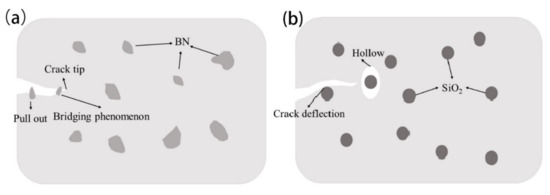
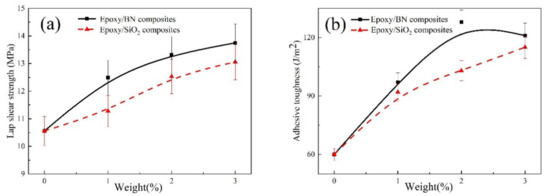
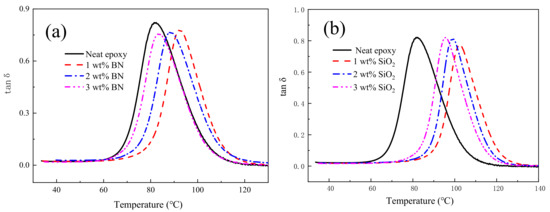
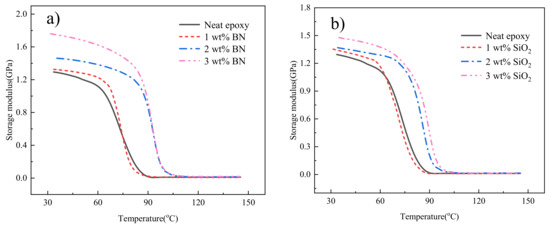
The mechanical properties of epoxy resin can be enhanced by adding nanofillers into its matrix. This study researches and compares the impacts of adding nanofillers with different dimensions, including two-dimensional boron nitride and zero-dimensional silica, on the mechanical and toughness properties of epoxy resin. At low fractions (0–2.0 wt%), 2DBN/epoxy composites have a higher Young’s modulus, fracture toughness and critical strain energy release rate compared to SiO2/epoxy composites. However, the workability deteriorated drastically for BN/epoxy composites above a specific nanofiller concentration (2.0–3.0 wt%). BN prevents crack growth by drawing and bridging. SiO2 enhances performance by deflecting the crack direction and forming voids. Additionally, the dimension and content of nanofiller also influence glass transition temperature and storage modulus significantly. Full article
(This article belongs to the Special Issue Epoxy Resin and Epoxy Resin Based Polymer Materials)
Show Figures

Figure 1
9 pages, 6420 KB  
Communication
Highly Sensitive Temperature Sensor Based on Cascaded Polymer-Infiltrated Fiber Mach–Zehnder Interferometers Operating near the Dispersion Turning Point
by Jia He, Fengchan Zhang, Xizhen Xu, Bin Du, Jiafeng Wu, Zhuoda Li, Zhiyong Bai, Jinchuan Guo, Yiping Wang and Jun He
Polymers 2022, 14(17), 3617; https://doi.org/10.3390/polym14173617 - 1 Sep 2022
Cited by 5 | Viewed by 2453
Abstract
High-accuracy temperature measurement plays a vital role in biomedical, oceanographic, and photovoltaic industries. Here, a highly sensitive temperature sensor is proposed and demonstrated based on cascaded polymer-infiltrated Mach–Zehnder interferometers (MZIs), operating near the dispersion turning point. The MZI was constructed by splicing a [...] Read more.
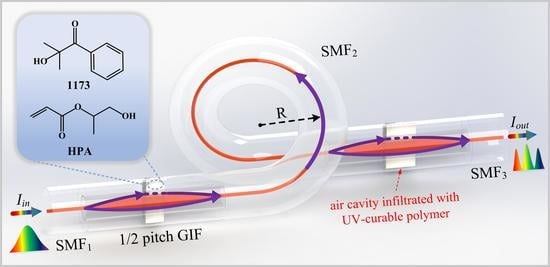
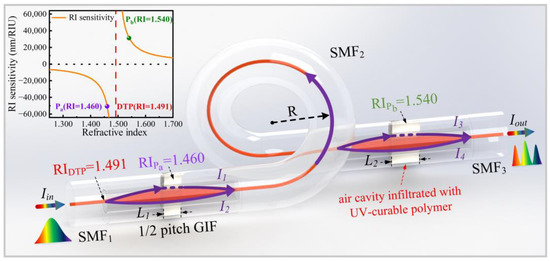
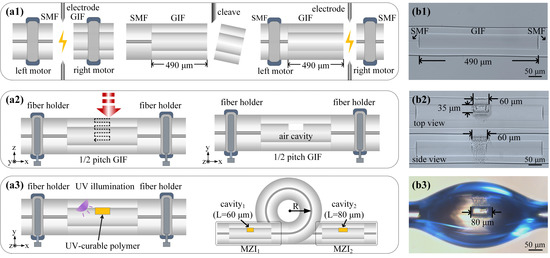
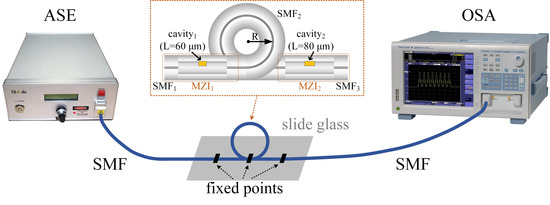
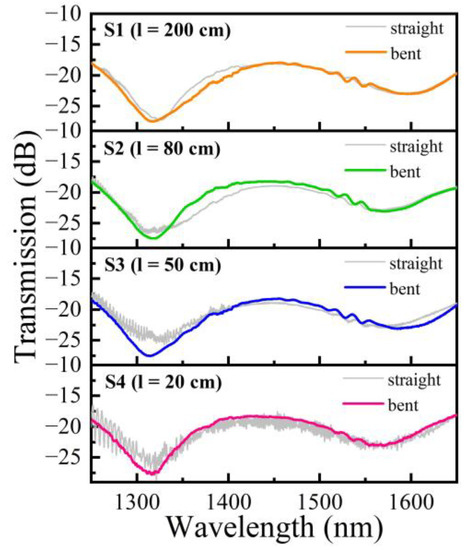
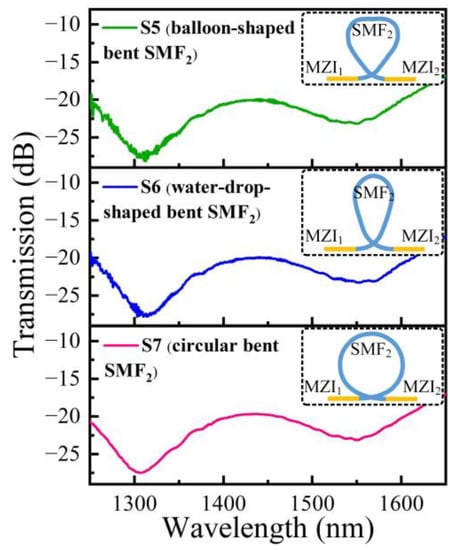
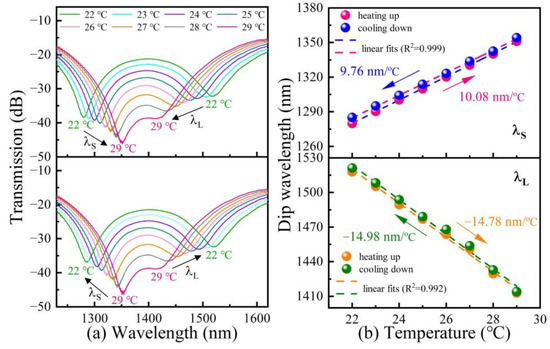
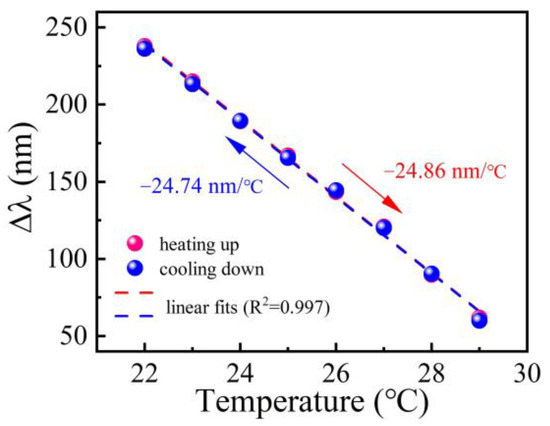
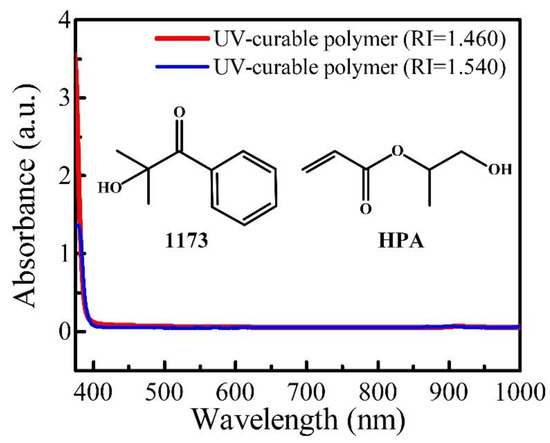
High-accuracy temperature measurement plays a vital role in biomedical, oceanographic, and photovoltaic industries. Here, a highly sensitive temperature sensor is proposed and demonstrated based on cascaded polymer-infiltrated Mach–Zehnder interferometers (MZIs), operating near the dispersion turning point. The MZI was constructed by splicing a half-pitch graded index fiber (GIF) and two sections of single-mode fiber and creating an inner air cavity based on femtosecond laser micromachining. The UV-curable polymer-infiltrated air cavity functioned as one of the interference arms of MZI, and the residual GIF core functioned as the other. Two MZIs with different cavity lengths and infiltrated with the UV-curable polymers, having the refractive indexes on the different sides of the turning point, were created. Moreover, the effects of the length and the bending way of transmission SMF between the first and the second MZI were studied. As a result, the cascaded MZI temperature sensor exhibits a greatly enhanced temperature sensitivity of −24.86 nm/°C based on wavelength differential detection. The aforementioned result makes it promising for high-accuracy temperature measurements in biomedical, oceanographic, and photovoltaic applications. Full article
Show Figures

Graphical abstract

12 pages, 1403 KB  
Article
Preparation of Methylcellulose Film-Based CO2 Indicator for Monitoring the Ripeness Quality of Mango Fruit cv. Nam Dok Mai Si Thong
by Duangjai Noiwan, Panuwat Suppakul and Pornchai Rachtanapun
Polymers 2022, 14(17), 3616; https://doi.org/10.3390/polym14173616 - 1 Sep 2022
Cited by 10 | Viewed by 4001
Abstract
Day-to-day advancements in food science and technology have increased. Indicators, especially biopolymer-incorporated organic dye indicators, are useful for monitoring the ripeness quality of agricultural fruit products. In this investigation, methylcellulose films—containing pH dye-based indicators that change color depending on the carbon dioxide (CO [...] Read more.
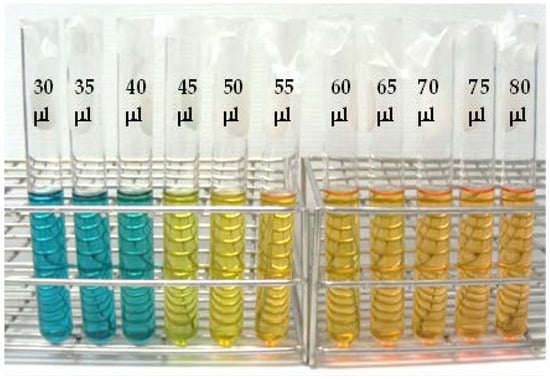
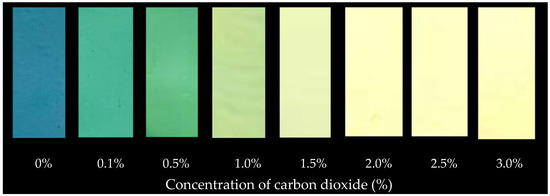
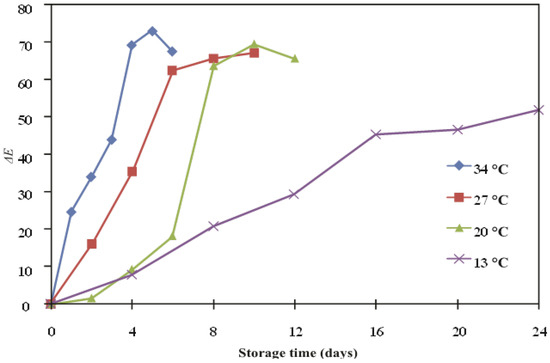
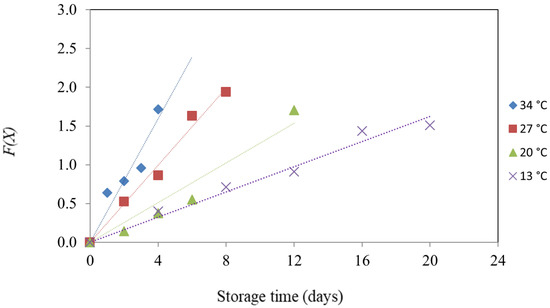
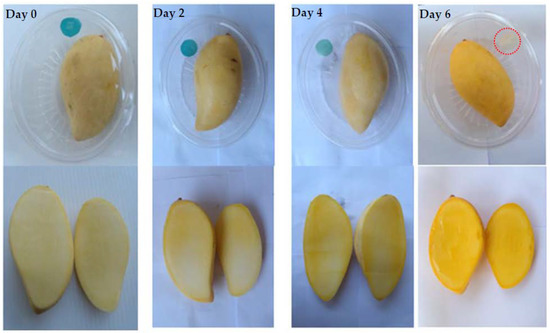
Day-to-day advancements in food science and technology have increased. Indicators, especially biopolymer-incorporated organic dye indicators, are useful for monitoring the ripeness quality of agricultural fruit products. In this investigation, methylcellulose films—containing pH dye-based indicators that change color depending on the carbon dioxide (CO2) levels—were prepared. The level of CO2 on the inside of the packaging container indicated the ripeness of the fruit. Changes in the CO2 level, caused by the ripeness metabolite during storage, altered the pH. The methylcellulose-based film contained pH-sensitive dyes (bromothymol blue and methyl red), which responded (through visible color change) to CO2 levels produced by ripeness metabolites formed during respiration. The indicator solution and indicator label were monitored for their response to CO2. In addition, a kinetic approach was used to correlate the response of the indicator label to the changes in mango ripeness. Color changes (the total color difference of a mixed pH dye-based indicator), correlated well with the CO2 levels in mango fruit. In the ‘Nam Dok Mai Si Thong’ mango fruit model, the indicator response correlated with respiration patterns in real-time monitoring of ripeness at various constant temperatures. Based on the storage test, the indicator labels exhibited color changes from blue, through light bright green, to yellow, when exposed to CO2 during storage time, confirming the minimal, half-ripe, and fully-ripe levels of mango fruit, respectively. The firmness and titratable acidity (TA) of the fruit decreased from 44.54 to 2.01 N, and 2.84 to 0.21%, respectively, whereas the soluble solid contents (SSC) increased from 10.70 to 18.26% when the fruit ripened. Overall, we believe that the application of prepared methylcellulose-based CO2 indicator film can be helpful in monitoring the ripeness stage, or quality of, mango and other fruits, with the naked eye, in the food packaging system. Full article
Show Figures

Figure 1
15 pages, 4841 KB  
Article
Application of Group Method of Data Handling on the Ultimate Conditions’ Prediction of FRP-Confined Concrete Cylinders
by Chubing Deng, Ruiliang Zhang and Xinhua Xue
Polymers 2022, 14(17), 3615; https://doi.org/10.3390/polym14173615 - 1 Sep 2022
Cited by 10 | Viewed by 1957
Abstract
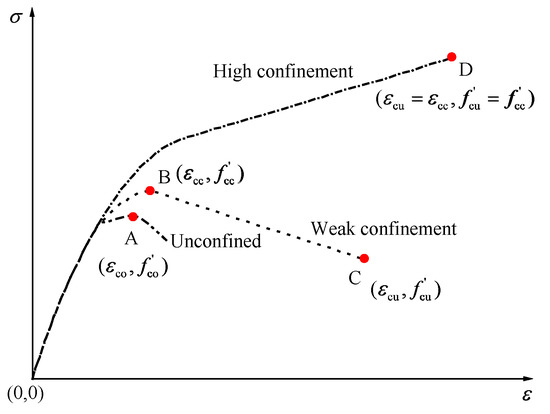
Fiber-reinforced polymer (FRP) is widely used in the field of structural engineering, for example, as a confining material for concrete. The ultimate conditions (i.e., compressive strength and ultimate axial strain) are key factors that need to be considered in the practical applications of [...] Read more.
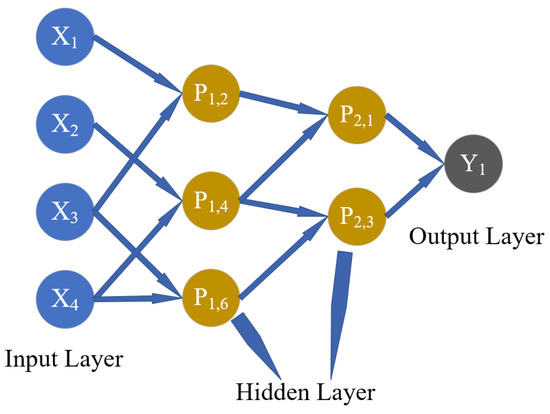
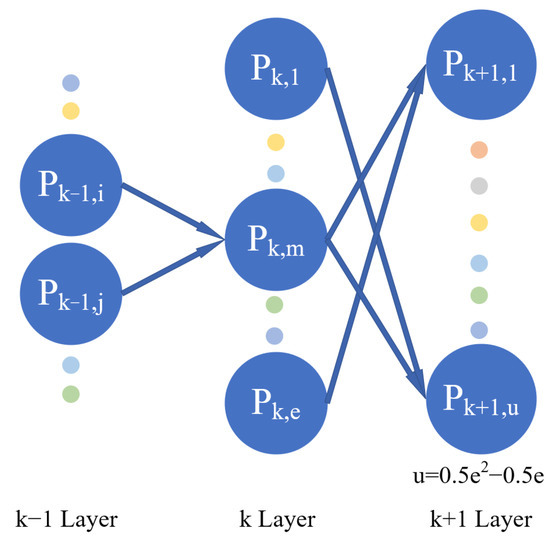
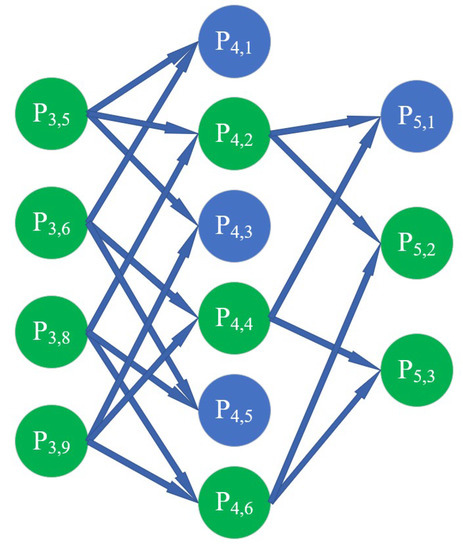
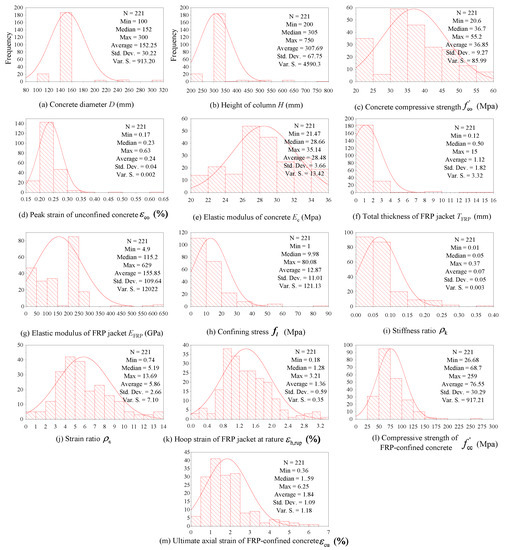
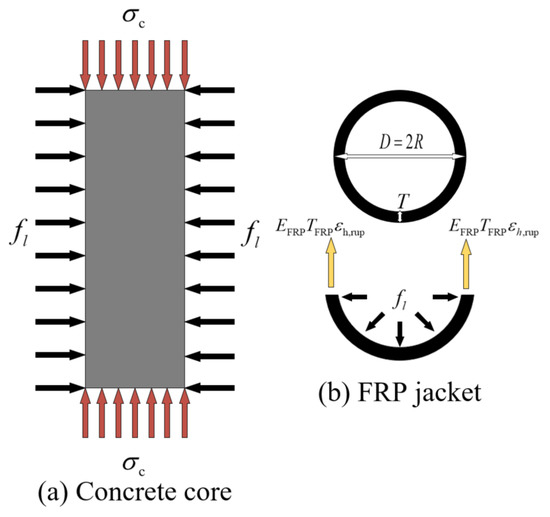
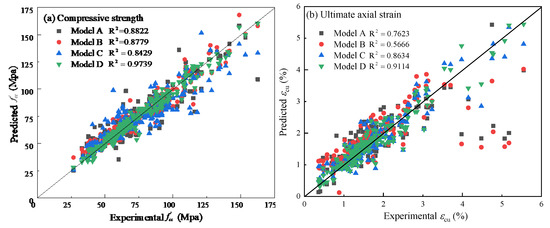
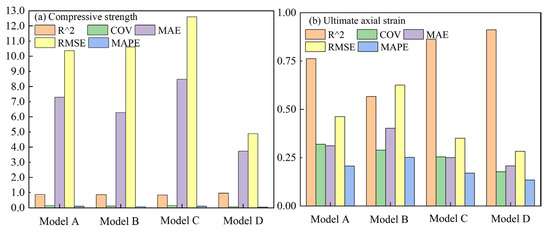
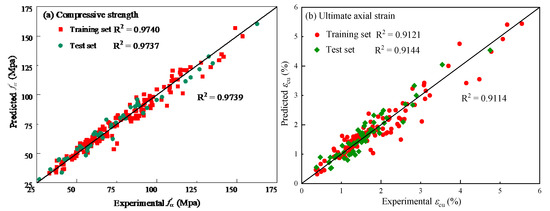
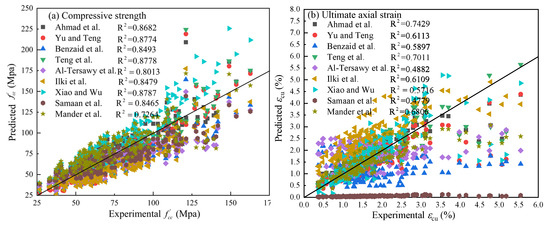
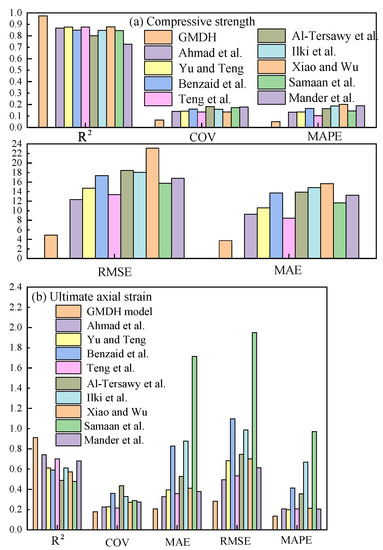
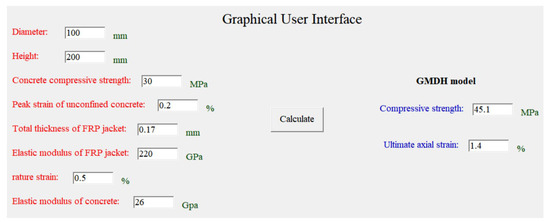
Fiber-reinforced polymer (FRP) is widely used in the field of structural engineering, for example, as a confining material for concrete. The ultimate conditions (i.e., compressive strength and ultimate axial strain) are key factors that need to be considered in the practical applications of FRP-confined concrete cylinders. However, the prediction accuracy of existing confinement models is low and cannot provide an effective reference for practical applications. In this paper, a database containing experimental data of 221 FRP-confined normal concrete cylinder specimens was collected from the available literature, and eleven parameters such as the confining stress, stiffness ratio and strain ratio were selected as the input parameters. Then, a promising machine learning algorithm, i.e., group method of data handling (GMDH), was applied to establish a confinement model. The GMDH model was compared with nine existing models, and the prediction results of these models were evaluated by five comprehensive indicators. The results indicated that the GMDH model had higher prediction accuracy and better stability than existing confinement models, with determination coefficients of 0.97 (compressive strength) and 0.91 (ultimate axial strain). Finally, a convenient graphical user interface (GUI) was developed, which can provide a quick and efficient reference for engineering design and is freely available. Full article
(This article belongs to the Section Polymer Fibers)
Show Figures

Figure 1
19 pages, 3348 KB  
Article
Micronized Recycle Rubber Particles Modified Multifunctional Polymer Composites: Application to Ultrasonic Materials Engineering
by Vicente Genovés, María Dolores Fariñas, Roberto Pérez-Aparicio, Leticia Saiz-Rodríguez, Juan López Valentín and Tomás Gómez Álvarez-Arenas
Polymers 2022, 14(17), 3614; https://doi.org/10.3390/polym14173614 - 1 Sep 2022
Cited by 6 | Viewed by 3617
Abstract
There is a growing interest in multifunctional composites and in the identification of novel applications for recycled materials. In this work, the design and fabrication of multiple particle-loaded polymer composites, including micronized rubber from end-of-life tires, is studied. The integration of these composites [...] Read more.
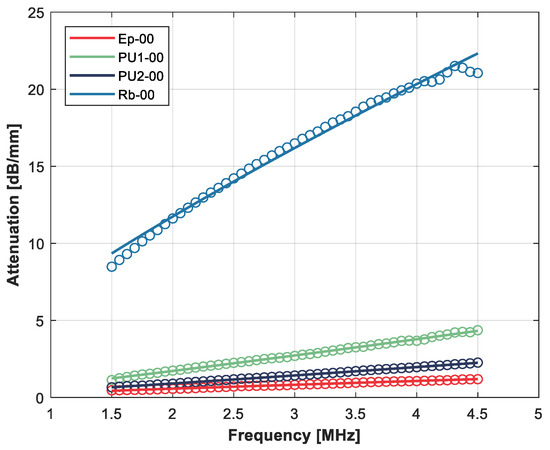
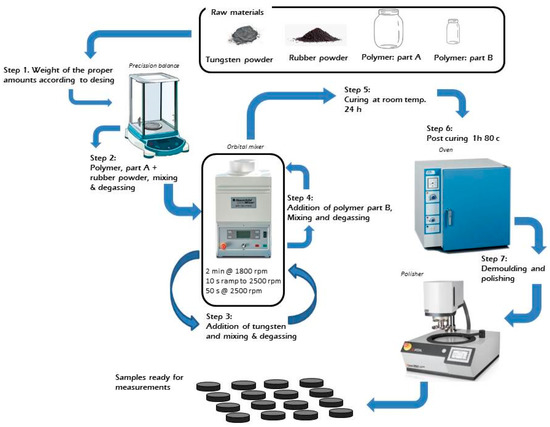
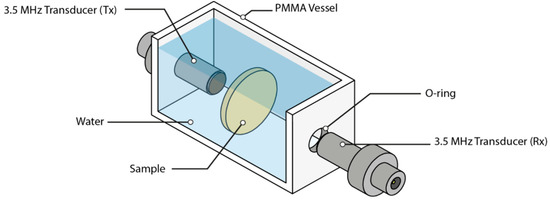
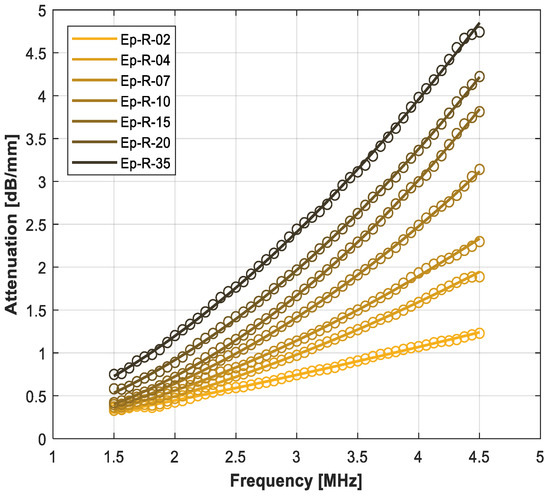
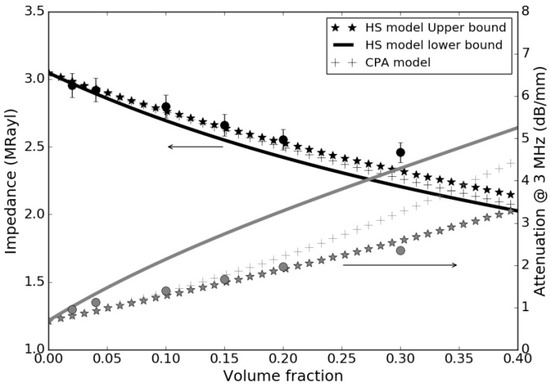
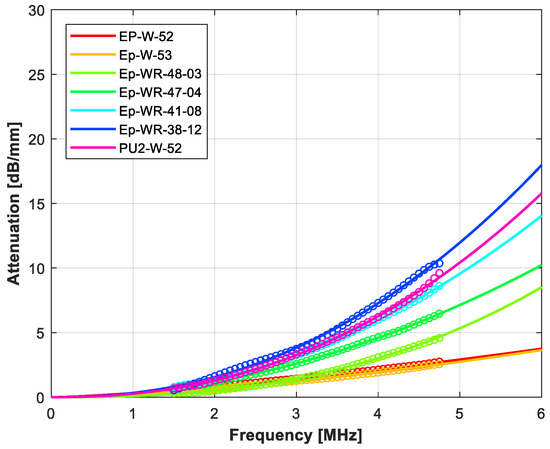
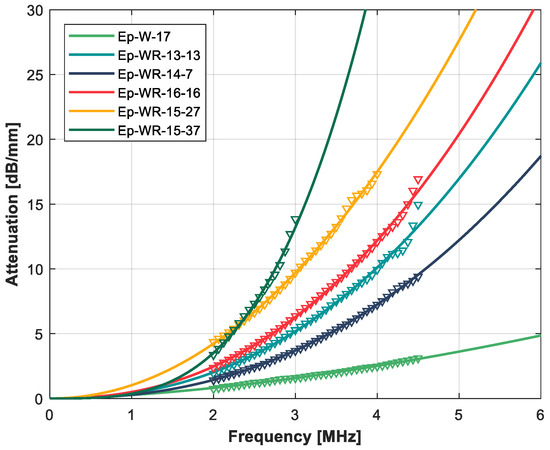
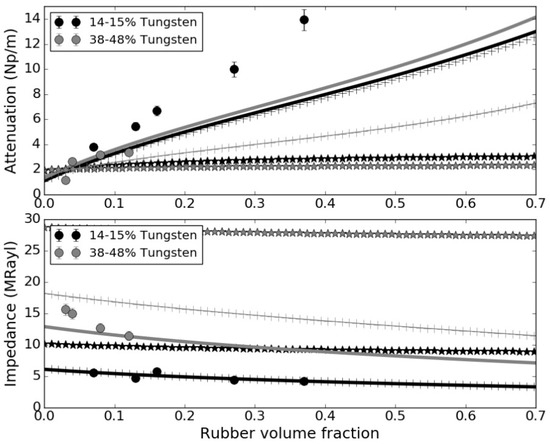
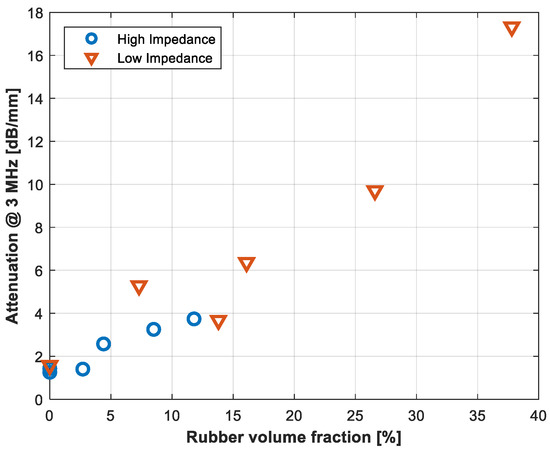
There is a growing interest in multifunctional composites and in the identification of novel applications for recycled materials. In this work, the design and fabrication of multiple particle-loaded polymer composites, including micronized rubber from end-of-life tires, is studied. The integration of these composites as part of ultrasonic transducers can further expand the functionality of the piezoelectric material in the transducer in terms of sensitivity, bandwidth, ringing and axial resolution and help to facilitate the fabrication and use of phantoms for echography. The adopted approach is a multiphase and multiscale one, based on a polymeric matrix with a load of recycled rubber and tungsten powders. A fabrication procedure, compatible with transducer manufacturing, is proposed and successfully used. We also proposed a modelling approach to calculate the complex elastic modulus, the ultrasonic damping and to evaluate the relative influence of particle scattering. It is concluded that it is possible to obtain materials with acoustic impedance in the range 2.35–15.6 MRayl, ultrasound velocity in the range 790–2570 m/s, attenuation at 3 MHz, from 0.96 up to 27 dB/mm with a variation of the attenuation with the frequency following a power law with exponent in the range 1.2–3.2. These ranges of values permit us to obtain most of the material properties demanded in ultrasonic engineering. Full article
Show Figures

Figure 1
30 pages, 7013 KB  
Review
Highlighting the Importance of Characterization Techniques Employed in Adsorption Using Metal–Organic Frameworks for Water Treatment
by Thabiso C. Maponya, Katlego Makgopa, Thabang R Somo and Kwena D. Modibane
Polymers 2022, 14(17), 3613; https://doi.org/10.3390/polym14173613 - 1 Sep 2022
Cited by 19 | Viewed by 4405
Abstract
The accumulation of toxic heavy metal ions continues to be a global concern due to their adverse effects on the health of human beings and animals. Adsorption technology has always been a preferred method for the removal of these pollutants from wastewater due [...] Read more.
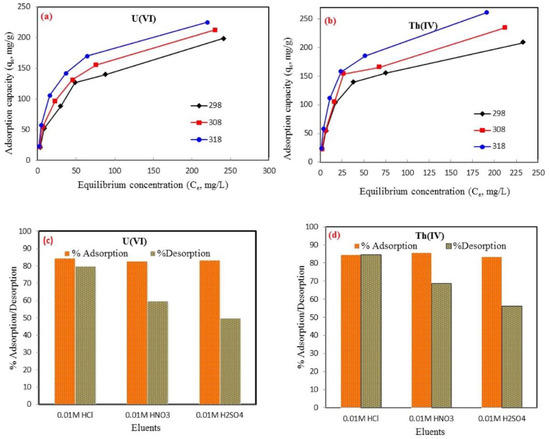
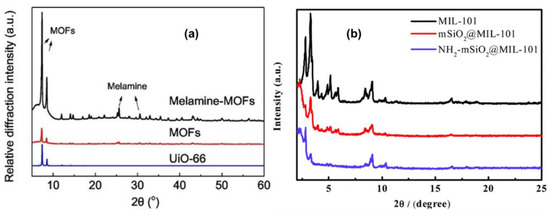
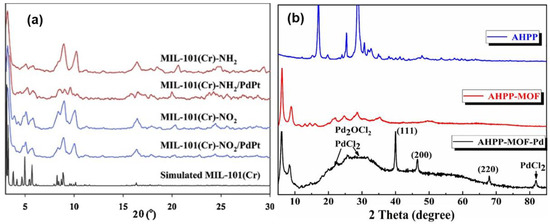
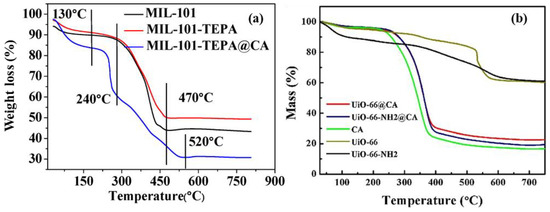
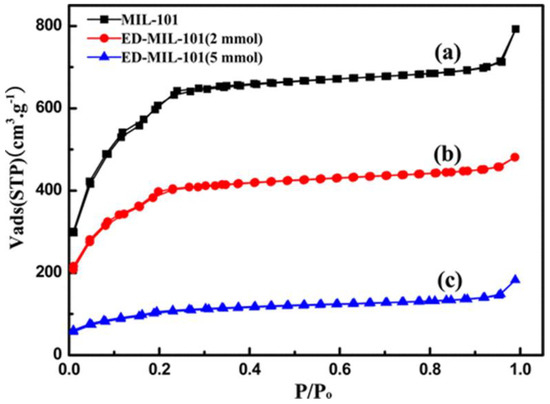
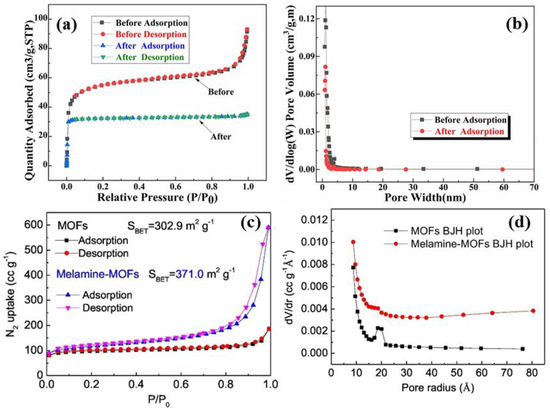
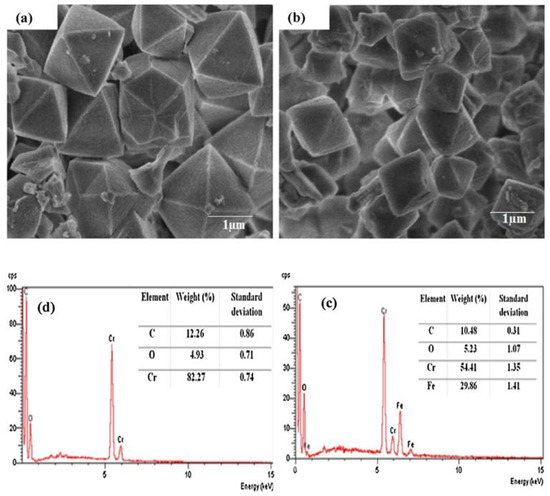
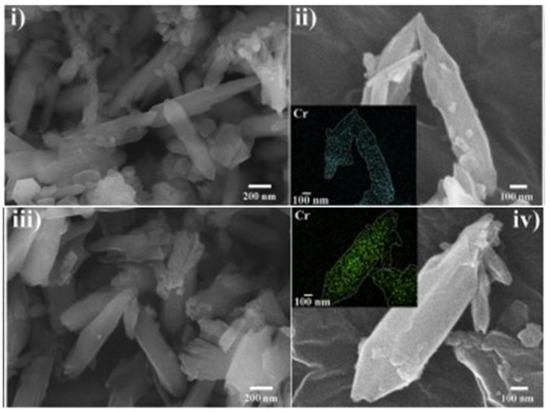
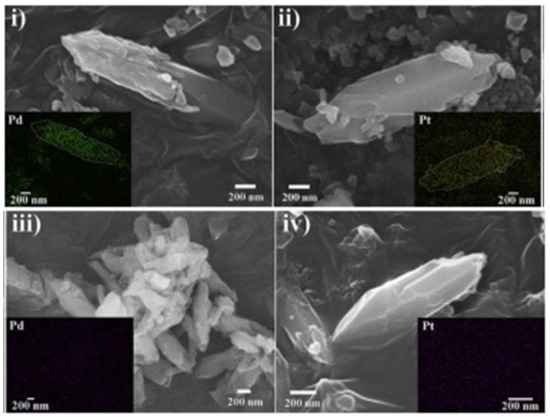
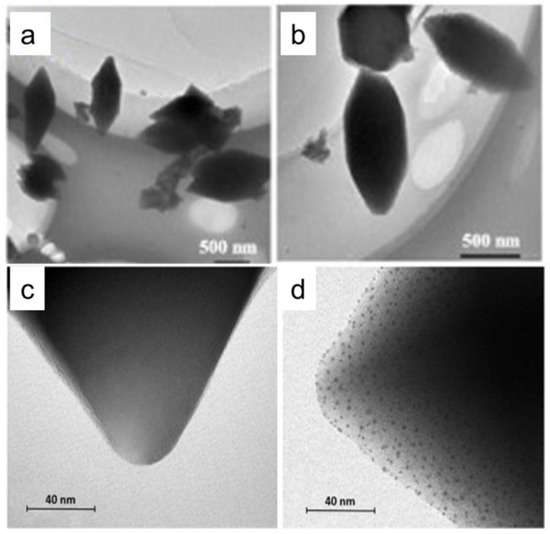
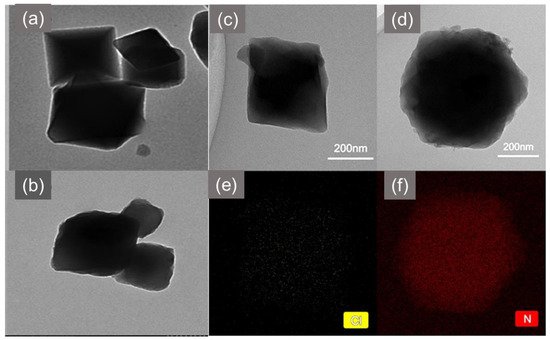
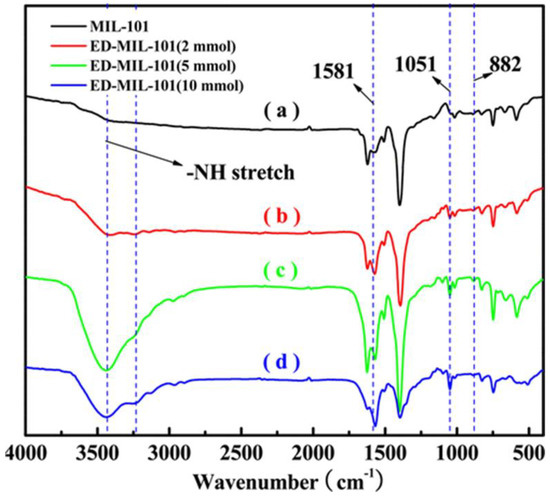
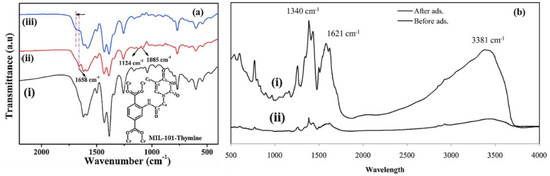
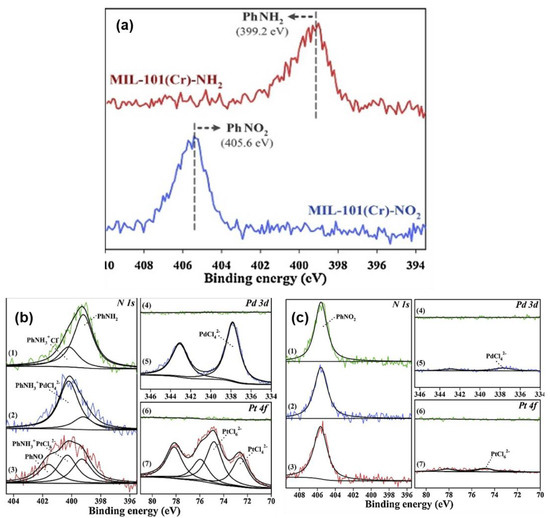
The accumulation of toxic heavy metal ions continues to be a global concern due to their adverse effects on the health of human beings and animals. Adsorption technology has always been a preferred method for the removal of these pollutants from wastewater due to its cost-effectiveness and simplicity. Hence, the development of highly efficient adsorbents as a result of the advent of novel materials with interesting structural properties remains to be the ultimate objective to improve the adsorption efficiencies of this method. As such, advanced materials such as metal–organic frameworks (MOFs) that are highly porous crystalline materials have been explored as potential adsorbents for capturing metal ions. However, due to their diverse structures and tuneable surface functionalities, there is a need to find efficient characterization techniques to study their atomic arrangements for a better understanding of their adsorption capabilities on heavy metal ions. Moreover, the existence of various species of heavy metal ions and their ability to form complexes have triggered the need to qualitatively and quantitatively determine their concentrations in the environment. Hence, it is crucial to employ techniques that can provide insight into the structural arrangements in MOF composites as well as their possible interactions with heavy metal ions, to achieve high removal efficiency and adsorption capacities. Thus, this work provides an extensive review and discussion of various techniques such as X-ray diffraction, Brunauer–Emmett–Teller theory, scanning electron microscopy and transmission electron microscopy coupled with energy dispersive spectroscopy, and X-ray photoelectron spectroscopy employed for the characterization of MOF composites before and after their interaction with toxic metal ions. The review further looks into the analytical methods (i.e., inductively coupled plasma mass spectroscopy, ultraviolet-visible spectroscopy, and atomic absorption spectroscopy) used for the quantification of heavy metal ions present in wastewater treatment. Full article
(This article belongs to the Special Issue Functional Polymeric Adsorbents)
Show Figures

Figure 1
10 pages, 1230 KB  
Article
Synthesis, Characterization and Catalytic Property Studies for Isoprene Polymerization of Iron Complexes Bearing Unionized Pyridine-Oxime Ligands
by Mengmeng Zhao, Ying Ma, Xianhui Zhang, Liang Wang, Guangqian Zhu and Qinggang Wang
Polymers 2022, 14(17), 3612; https://doi.org/10.3390/polym14173612 - 1 Sep 2022
Cited by 14 | Viewed by 2692
Abstract
Iron complexes of the types [Fe(HL)2Cl2] (Fe1: HL1 = pyridine-2-aldoxime; Fe2: HL2 = 6-methylpyridine-2-aldoxime; Fe3: HL3 = phenyl-2-pyridylketoxime; Fe4: HL4 = picolinaldehyde O-methyl oxime) were prepared and characterized by elemental [...] Read more.
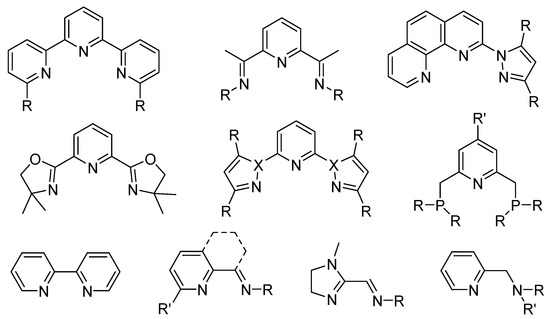
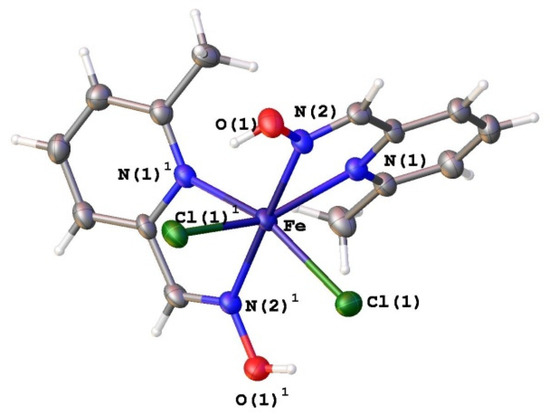
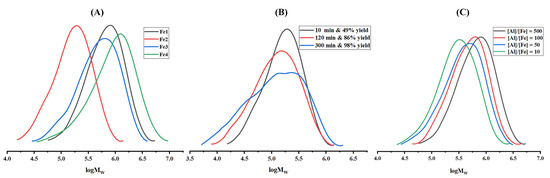
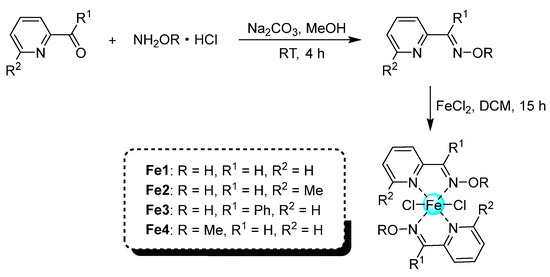
Iron complexes of the types [Fe(HL)2Cl2] (Fe1: HL1 = pyridine-2-aldoxime; Fe2: HL2 = 6-methylpyridine-2-aldoxime; Fe3: HL3 = phenyl-2-pyridylketoxime; Fe4: HL4 = picolinaldehyde O-methyl oxime) were prepared and characterized by elemental analysis and IR spectroscopy. The crystal structure of Fe2, determined by single-crystal X-ray diffraction, featured a distorted octahedral coordination of the iron center binding with two ligands of HL2. The X-ray structure and infrared spectral data indicated that pyridine-oxime ligands act as unionized bidentate ligand by coordinating with Npyridine and Noxime. The catalytic performance for isoprene polymerization, catalyzed by these pyridine-oxime-ligated iron complexes, was examined. For a binary catalytic system combined with MAO, complexes Fe1, Fe3 and Fe4 were found to be highly active (up to 6.5 × 10⁶ g/mol·h) in cis-1,4-alt-3,4 enchained polymerization, with average molecular weights in the range of 60–653 kg/mol and narrow PDI values of 1.7–3.5, even with very low amounts of MAO (Al/Fe = 5). Upon activation with [Ph3C][B(C6F5)4]/AlR3 for the ternary catalytic system, theses complexes showed extremely high activities, as well about 98% yield after 2 min, to afford cis-1,4-alt-3,4-polyisoprene with a molecular weight of 140–420 kg/mol. Full article
(This article belongs to the Section Polymer Analysis and Characterization)
Show Figures

Figure 1