14 pages, 3210 KB  
Article
Preventive Potential of Resveratrol in Carcinogen-Induced Rat Thyroid Tumorigenesis
by Xu Zheng, Bin Jia, Xue Song, Qing-You Kong, Mo-Li Wu, Ze-Wen Qiu, Hong Li and Jia Liu
Nutrients 2018, 10(3), 279; https://doi.org/10.3390/nu10030279 - 28 Feb 2018
Cited by 28 | Viewed by 5276
Abstract
Thyroid cancer (TC) is the most common endocrine malignancy without reliable preventive agent. Resveratrol possesses in vitro anti-TC activities; while its effect(s) on thyroid tumorigenesis remains unknown. This study aims to address this issue using DEN/MNU/DHPN-induced rat carcinogenesis model. 50 male Sprague-Dawley rats [...] Read more.
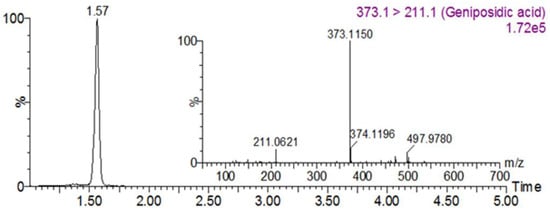
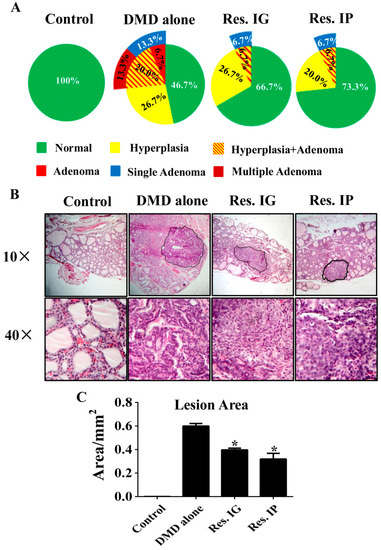
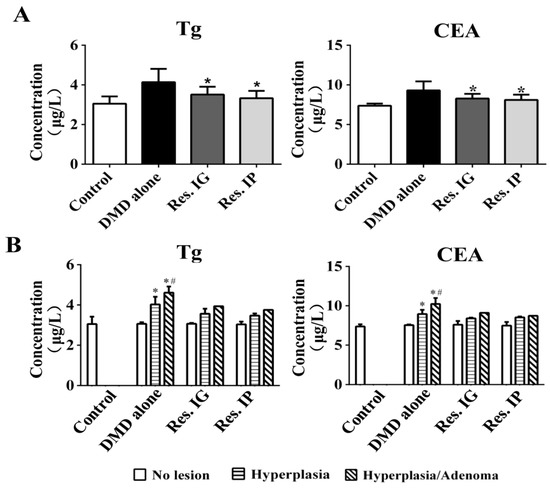
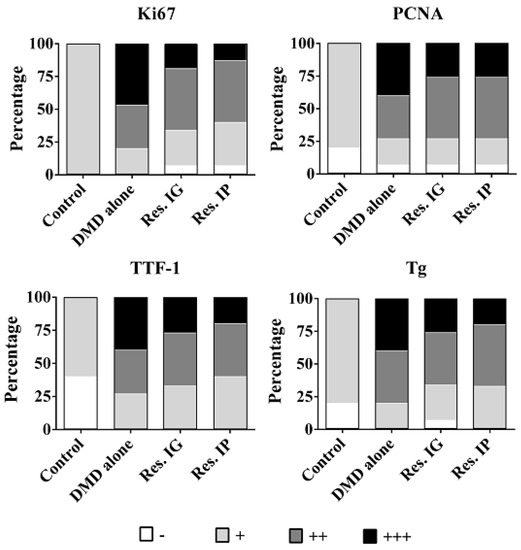
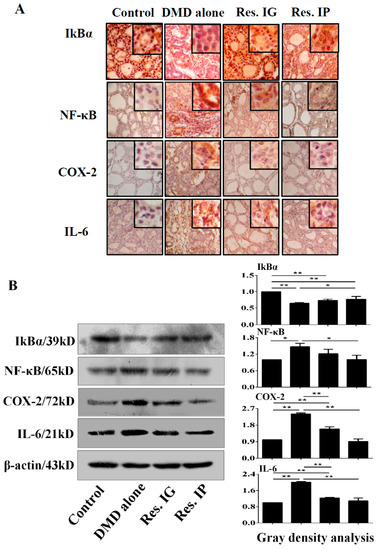
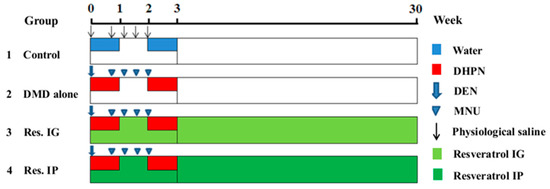
Thyroid cancer (TC) is the most common endocrine malignancy without reliable preventive agent. Resveratrol possesses in vitro anti-TC activities; while its effect(s) on thyroid tumorigenesis remains unknown. This study aims to address this issue using DEN/MNU/DHPN-induced rat carcinogenesis model. 50 male Sprague-Dawley rats were separated into four groups as Group-1 (5 rats); normally fed; Group-2 (15 rats); DEN/MNU/DHPN treatment only; Group-3 (15 rats) and -4 (15 rats); DEN/MNU/DHPN treatment; followed by resveratrol intragastric (IG) injection and intraperitoneal (IP) injection; respectively; in two-day intervals for 30 weeks. The results revealed that the average resveratrol concentration in thyroid tissues was 1.278 ± 0.419 nmol/g in IG group and 1.752 ± 0.398 nmol/g in IP group. The final body weights of Group-3 and Group-4 were lighter than that (p > 0.05) of Group-1; but heavier than Group-2 (p < 0.05). TC-related lesions (hyperplasia and adenomas) were found in 53.3% of Group-2; 33.3% Group-3 and 26.7% Group-4. Lower serum carcino-embryonic antigen (CEA) and thyroglobulin (Tg) levels; down-regulated expression of IL-6 and cyclooxygenase-2 (COX-2); reduction of NF-κB/p65 nuclear translocation; and elevated IkBα expression were found in the thyroid tissues of Group-3 and Group-4 in comparison with that of Group-2. These results demonstrate that IG and IP administered resveratrol efficiently reduces the frequency and severity of DEN/MNU/DHPN-caused TC-related lesions and would be of values in thyroid tumor prevention. Full article
Show Figures

Figure 1
11 pages, 2880 KB  
Article
Selenium and Mercury Interactions in Apex Predators from the Gulf of Trieste (Northern Adriatic Sea)
by Jadran Faganeli, Ingrid Falnoga, Milena Horvat, Katja Klun, Lovrenc Lipej and Darja Mazej
Nutrients 2018, 10(3), 278; https://doi.org/10.3390/nu10030278 - 28 Feb 2018
Cited by 10 | Viewed by 5236
Abstract
Since the environmental levels of selenium (Se) can moderate the bioaccumulation and toxicity of mercury (Hg) in marine organisms, their interactions were studied in seawater, sediments, plankton and the benthic (Bull ray Pteromylaeus bovinus, Eagle ray Myliobatis aquila) and the pelagic [...] Read more.
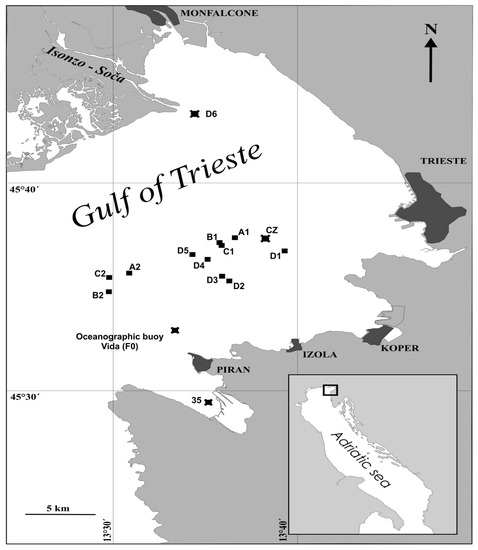
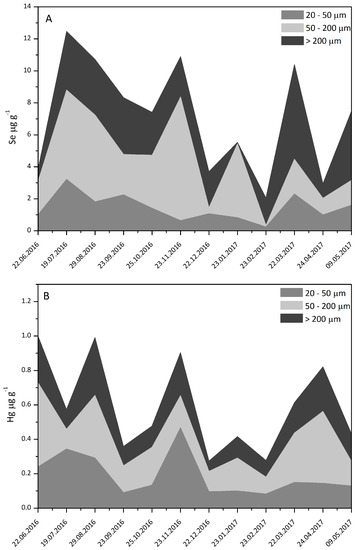
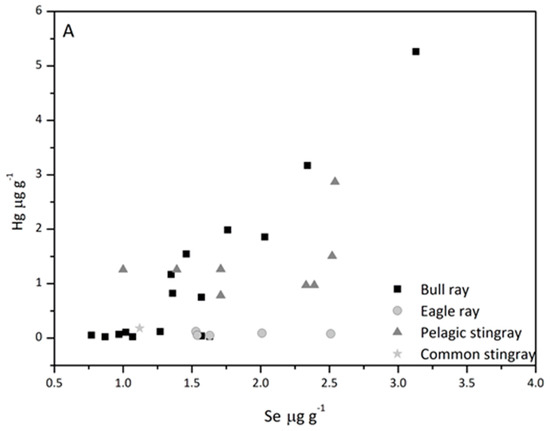
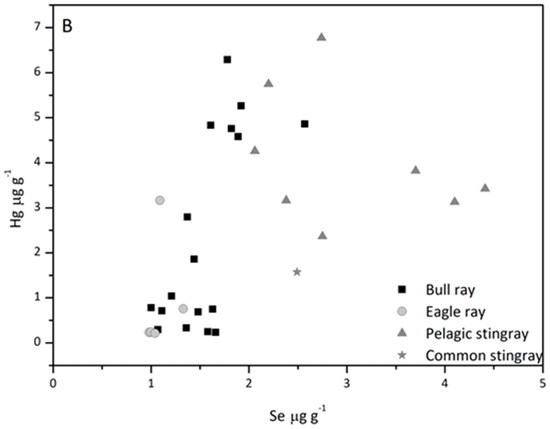
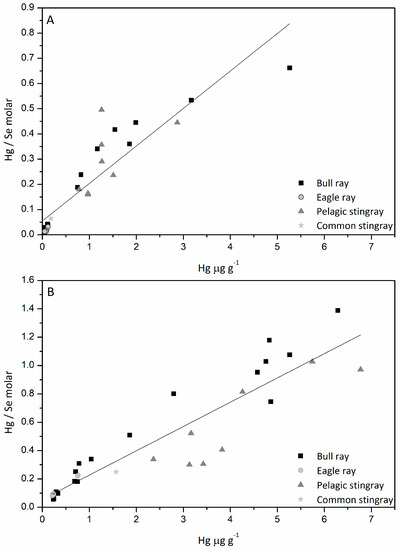
Since the environmental levels of selenium (Se) can moderate the bioaccumulation and toxicity of mercury (Hg) in marine organisms, their interactions were studied in seawater, sediments, plankton and the benthic (Bull ray Pteromylaeus bovinus, Eagle ray Myliobatis aquila) and the pelagic (Pelagic stingray Dasyiatis violacea) rays, as apex predators in the Gulf of Trieste (Northern Adriatic Sea). Male and female rays showed no difference in the Se contents in muscle tissue. Pelagic species contained higher Se levels in muscle but slightly lower levels in the livers of both genders. The Hg/Se ratios in seawater dissolved and colloidal fractions, plankton and sediment were <0.5, while those in particulate matter were <1.3. In benthic ray species, a parallel increase in Se and Hg in muscle was observed, so that an increased in Hg (MeHg) bioaccumulation results in Se coaccumulation. The Hg/Se ratios (molar) in muscle and liver of pelagic and benthic rays were <1.4 and <0.7, respectively. The low levels of Hg in muscle and liver in all the ray species corresponded to low Hg/Se ratios and increases in muscle and liver to 1 at 7 µg/g, dry weight (dw) and 5 µg/g dw, respectively, i.e., about 1.6 µg/g wet weight (ww). Full article
(This article belongs to the Special Issue Selenium and Selenoproteins in Environment, Health and Disease)
Show Figures

Figure 1
12 pages, 817 KB  
Review
Lower Vitamin D Status Is Associated with an Increased Risk of Ischemic Stroke: A Systematic Review and Meta-Analysis
by Ren Zhou, Mengying Wang, Hui Huang, Wenyong Li, Yonghua Hu and Tao Wu
Nutrients 2018, 10(3), 277; https://doi.org/10.3390/nu10030277 - 28 Feb 2018
Cited by 107 | Viewed by 8566
Abstract
In recent years, accumulating evidence has supported the hypothesis that lower vitamin D status is associated with several known risk factors of stroke. However, the relationship between vitamin D and stroke is still uncertain. To explore if there was an association between vitamin [...] Read more.
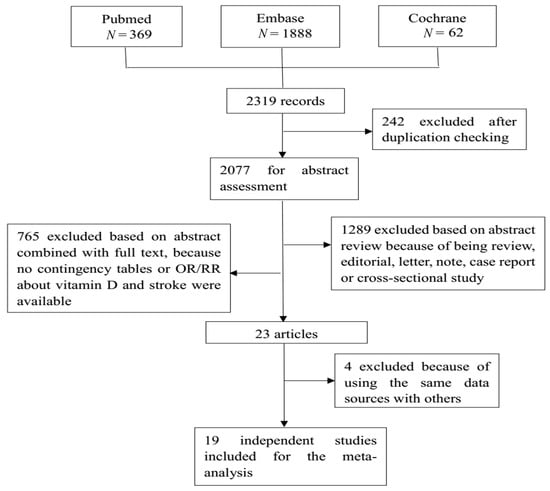
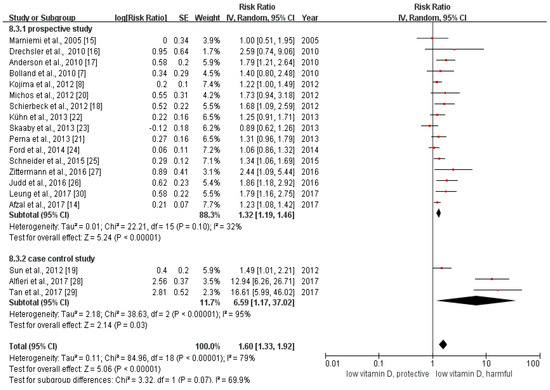
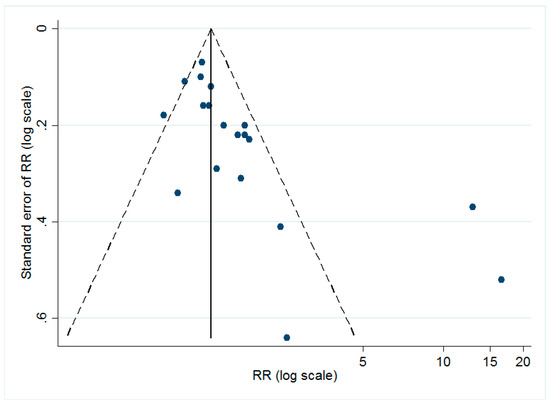
In recent years, accumulating evidence has supported the hypothesis that lower vitamin D status is associated with several known risk factors of stroke. However, the relationship between vitamin D and stroke is still uncertain. To explore if there was an association between vitamin D status and the risk of stroke, a systematic review and a meta-analysis were conducted by searching three databases: Pubmed, Embase, and the Cochrane Library. Following the application of inclusion and exclusion criteria, the relative risk estimates of all the included studies were pooled together to compare the risk of stroke between the lowest and the highest category of vitamin D. The Newcastle–Ottawa Scale (NOS) and the Cochrane Risk of Bias Tool were used to assess the risk of bias, and the publication bias was detected by using a funnel plot and Egger’s test. Nineteen studies were included and the pooled relative risk was 1.62 (95% CI: 1.34–1.96). Further analysis found that vitamin D status was associated with ischemic stroke (relative risk = 2.45, 95% CI: 1.56–3.86), but not with hemorrhagic stroke (relative risk = 2.50, 95% CI: 0.87–7.15). In conclusion, our meta-analysis supported the hypothesis that lower vitamin D status was associated with an increased risk of ischemic stroke. Further studies are required to confirm this association and to explore the association among different subtypes. Full article
Show Figures

Figure 1
14 pages, 2841 KB  
Article
Cucumis sativus Aqueous Fraction Inhibits Angiotensin II-Induced Inflammation and Oxidative Stress In Vitro
by Celeste Trejo-Moreno, Marisol Méndez-Martínez, Alejandro Zamilpa, Enrique Jiménez-Ferrer, Maria Dolores Perez-Garcia, Omar N. Medina-Campos, José Pedraza-Chaverri, María Angélica Santana, Fernando R. Esquivel-Guadarrama, Aida Castillo, Jacquelynne Cervantes-Torres, Gladis Fragoso and Gabriela Rosas-Salgado
Nutrients 2018, 10(3), 276; https://doi.org/10.3390/nu10030276 - 28 Feb 2018
Cited by 19 | Viewed by 6285
Abstract
Inflammation and oxidative stress play major roles in endothelial dysfunction, and are key factors in the progression of cardiovascular diseases. The aim of this study was to evaluate in vitro the effect of three subfractions (SFs) from the Cucumis sativus aqueous fraction to [...] Read more.
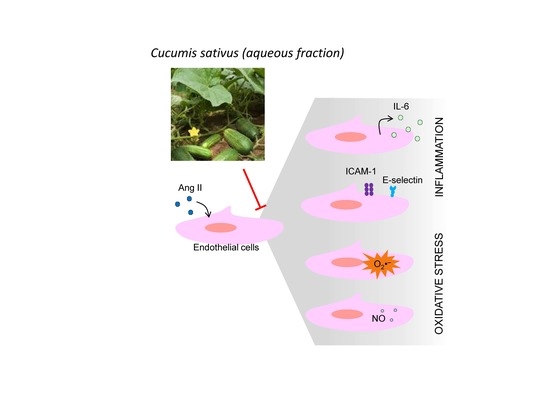
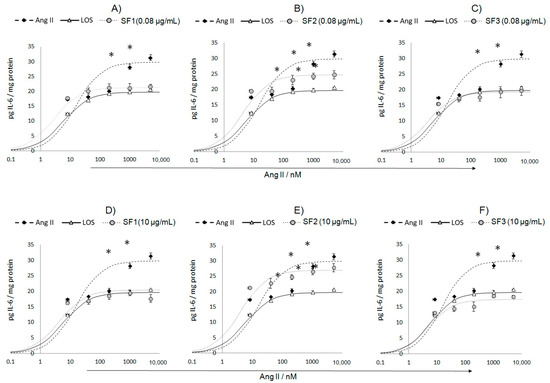
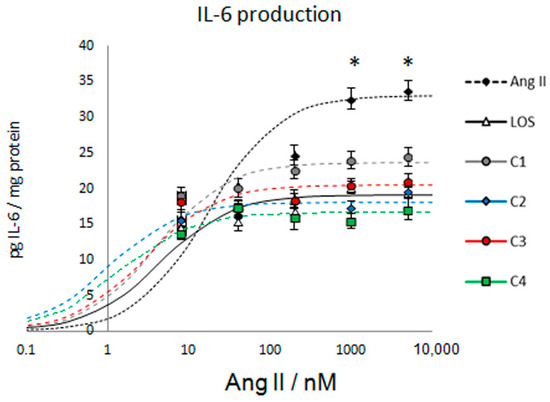
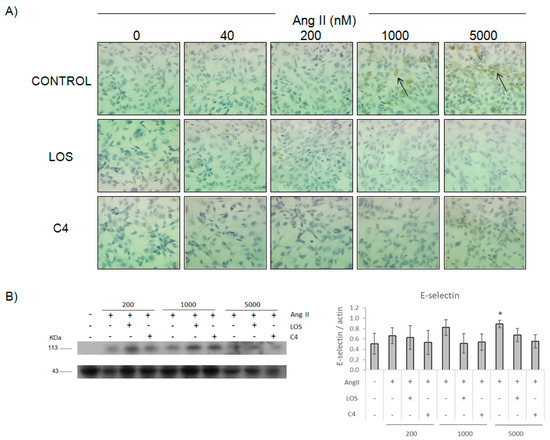
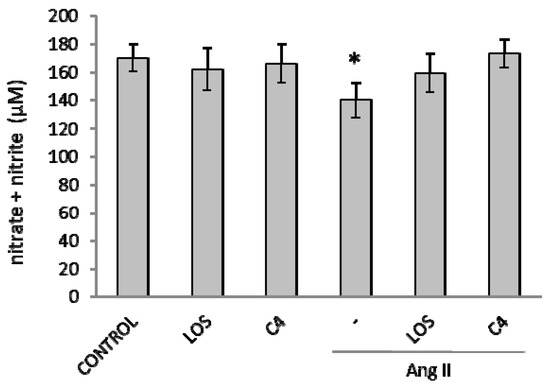
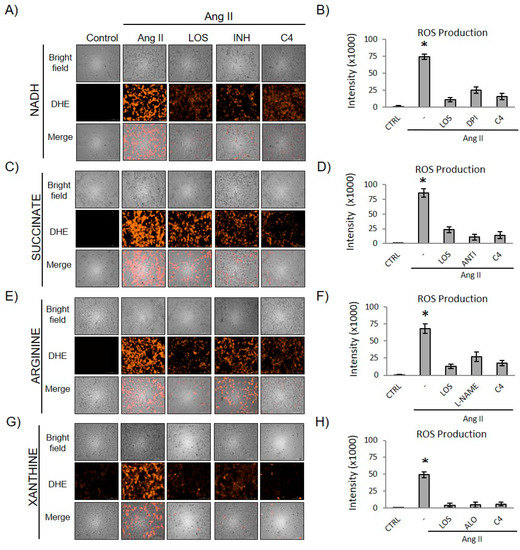
Inflammation and oxidative stress play major roles in endothelial dysfunction, and are key factors in the progression of cardiovascular diseases. The aim of this study was to evaluate in vitro the effect of three subfractions (SFs) from the Cucumis sativus aqueous fraction to reduce inflammatory factors and oxidative stress induced by angiotensin II (Ang II) in human microvascular endothelial cells-1 (HMEC-1) cells. The cells were cultured with different concentrations of Ang II and 0.08 or 10 μg/mL of SF1, SF2, or SF3, or 10 μmol of losartan as a control. IL-6 (Interleukin 6) concentration was quantified. To identify the most effective SF combinations, HMEC-1 cells were cultured as described above in the presence of four combinations of SF1 and SF3. Then, the effects of the most effective combination on the expression of adhesion molecules, the production of reactive oxygen species (ROS), and the bioavailability of nitric oxide (NO) were evaluated. Finally, a mass spectrometry analysis was performed. Both SF1 and SF3 subfractions decreased the induction of IL-6 by Ang II, and C4 (SF1 and SF3, 10 μg/mL each) was the most effective combination to inhibit the production of IL-6. Additionally, C4 prevented the expression of adhesion molecules, reduced the production of ROS, and increased the bioavailability of NO. Glycine, arginine, asparagine, lysine, and aspartic acid were the main components of both subfractions. These results demonstrate that C4 has anti-inflammatory and antioxidant effects. Full article
Show Figures

Graphical abstract

18 pages, 1241 KB  
Review
Gastrointestinal Transit Time, Glucose Homeostasis and Metabolic Health: Modulation by Dietary Fibers
by Mattea Müller, Emanuel E. Canfora and Ellen E. Blaak
Nutrients 2018, 10(3), 275; https://doi.org/10.3390/nu10030275 - 28 Feb 2018
Cited by 265 | Viewed by 42993
Abstract
Gastrointestinal transit time may be an important determinant of glucose homeostasis and metabolic health through effects on nutrient absorption and microbial composition, among other mechanisms. Modulation of gastrointestinal transit may be one of the mechanisms underlying the beneficial health effects of dietary fibers. [...] Read more.
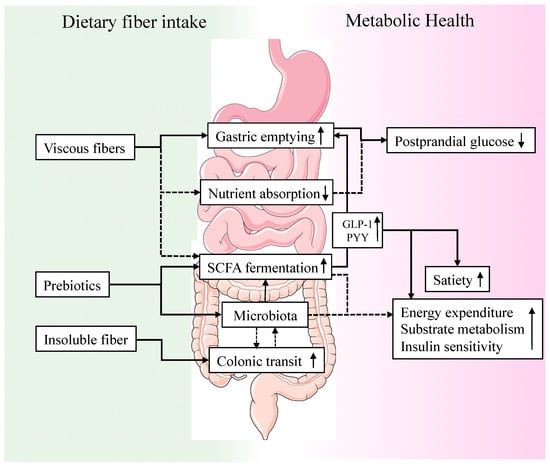
Gastrointestinal transit time may be an important determinant of glucose homeostasis and metabolic health through effects on nutrient absorption and microbial composition, among other mechanisms. Modulation of gastrointestinal transit may be one of the mechanisms underlying the beneficial health effects of dietary fibers. These effects include improved glucose homeostasis and a reduced risk of developing metabolic diseases such as obesity and type 2 diabetes mellitus. In this review, we first discuss the regulation of gastric emptying rate, small intestinal transit and colonic transit as well as their relation to glucose homeostasis and metabolic health. Subsequently, we briefly address the reported health effects of different dietary fibers and discuss to what extent the fiber-induced health benefits may be mediated through modulation of gastrointestinal transit. Full article
Show Figures

Figure 1
17 pages, 981 KB  
Review
Factors Affecting Gastrointestinal Microbiome Development in Neonates
by Clara Yieh Lin Chong, Frank H. Bloomfield and Justin M. O’Sullivan
Nutrients 2018, 10(3), 274; https://doi.org/10.3390/nu10030274 - 28 Feb 2018
Cited by 217 | Viewed by 24000
Abstract
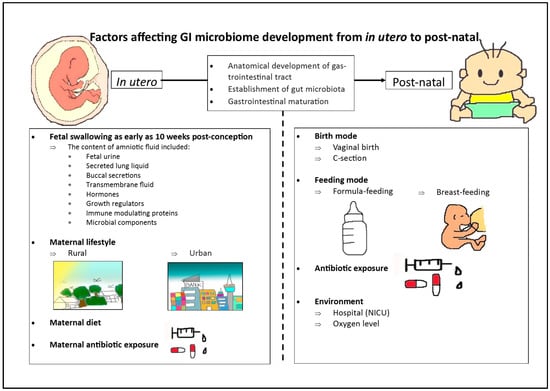
The gut microbiome is established in the newborn period and is recognised to interact with the host to influence metabolism. Different environmental factors that are encountered during this critical period may influence the gut microbial composition, potentially impacting upon later disease risk, such [...] Read more.
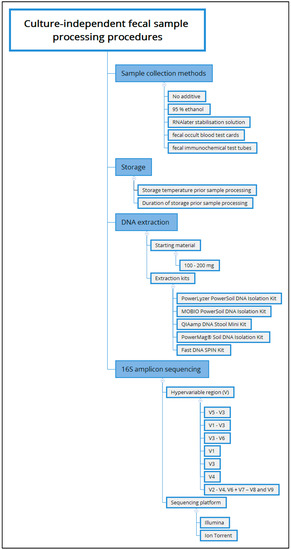
The gut microbiome is established in the newborn period and is recognised to interact with the host to influence metabolism. Different environmental factors that are encountered during this critical period may influence the gut microbial composition, potentially impacting upon later disease risk, such as asthma, metabolic disorder, and inflammatory bowel disease. The sterility dogma of the foetus in utero is challenged by studies that identified bacteria, bacterial DNA, or bacterial products in meconium, amniotic fluid, and the placenta; indicating the initiation of maternal-to-offspring microbial colonisation in utero. This narrative review aims to provide a better understanding of factors that affect the development of the gastrointestinal (GI) microbiome during prenatal, perinatal to postnatal life, and their reciprocal relationship with GI tract development in neonates. Full article
(This article belongs to the Special Issue Diet as Means for studying gut-related Inflammation)
Show Figures

Figure 1
21 pages, 1314 KB  
Article
Methyl-Donor and Cofactor Nutrient Intakes in the First 2–3 Years and Global DNA Methylation at Age 4: A Prospective Cohort Study
by Rachael M. Taylor, Roger Smith, Clare E. Collins, David Mossman, Michelle W. Wong-Brown, Eng-Cheng Chan, Tiffany-Jane Evans, John R. Attia, Tenele Smith, Trent Butler and Alexis J. Hure
Nutrients 2018, 10(3), 273; https://doi.org/10.3390/nu10030273 - 27 Feb 2018
Cited by 18 | Viewed by 12000
Abstract
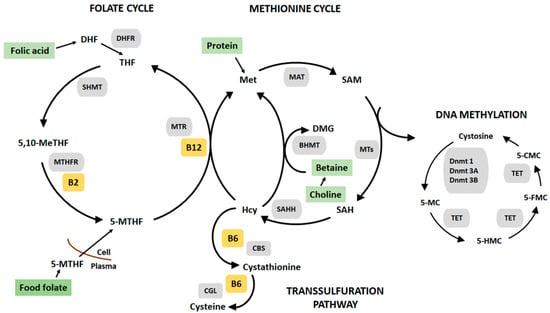
Background: During the early postnatal period, the impact of nutrition on DNA methylation has not been well studied in humans. The aim was to quantify the relationship between one-carbon metabolism nutrient intake during the first three years of life and global DNA methylation [...] Read more.
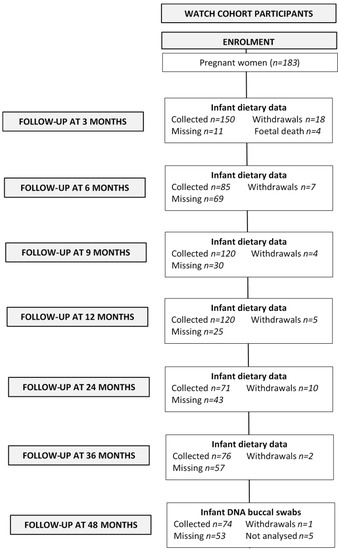
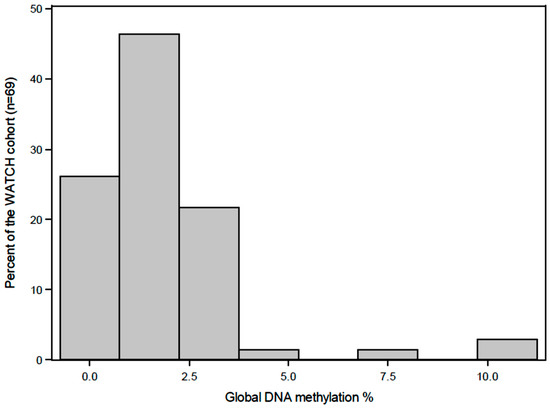
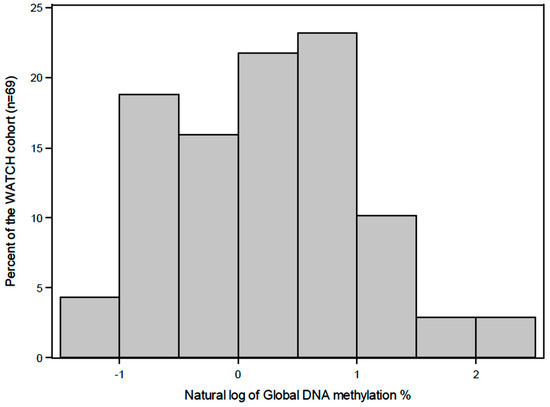
Background: During the early postnatal period, the impact of nutrition on DNA methylation has not been well studied in humans. The aim was to quantify the relationship between one-carbon metabolism nutrient intake during the first three years of life and global DNA methylation levels at four years. Design: Childhood dietary intake was assessed using infant feeding questionnaires, food frequency questionnaires, 4-day weighed food records and 24-h food records. The dietary records were used to estimate the intake of methionine, folate, vitamins B2, B6 and B12 and choline. The accumulative nutrient intake specific rank from three months to three years of age was used for analysis. Global DNA methylation (%5-methyl cytosines (%5-mC)) was measured in buccal cells at four years of age, using an enzyme-linked immunosorbent assay (ELISA) commercial kit. Linear regression models were used to quantify the statistical relationships. Results: Data were collected from 73 children recruited from the Women and their Children’s Health (WATCH) study. No association was found between one-carbon metabolism nutrient intake and global DNA methylation levels (P > 0.05). Global DNA methylation levels in males were significantly higher than in females (median %5-mC: 1.82 vs. 1.03, males and females respectively, (P < 0.05)). Conclusion: No association was found between the intake of one-carbon metabolism nutrients during the early postnatal period and global DNA methylation levels at age four years. Higher global DNA methylation levels in males warrants further investigation. Full article
Show Figures

Figure 1
8 pages, 1222 KB  
Article
Vitamin D and Calcium Addition during Denosumab Therapy over a Period of Four Years Significantly Improves Lumbar Bone Mineral Density in Japanese Osteoporosis Patients
by Takako Suzuki, Yukio Nakamura and Hiroyuki Kato
Nutrients 2018, 10(3), 272; https://doi.org/10.3390/nu10030272 - 27 Feb 2018
Cited by 13 | Viewed by 5988
Abstract
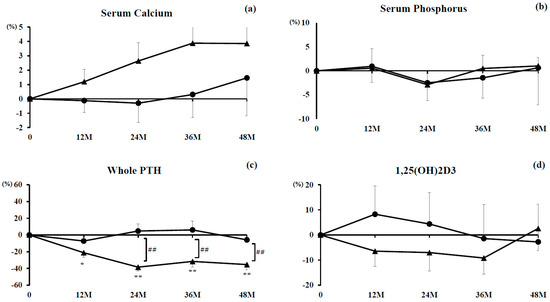
This study investigated whether or not vitamin D and calcium supplementation affected bone metabolism and bone mineral density (BMD) over a period of four years of denosumab therapy in patients with primary osteoporosis. Patients were divided into a denosumab monotherapy group (22 cases) [...] Read more.
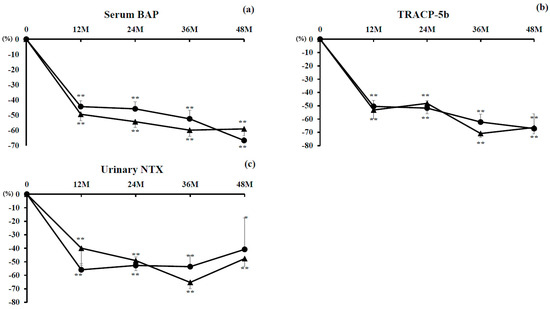
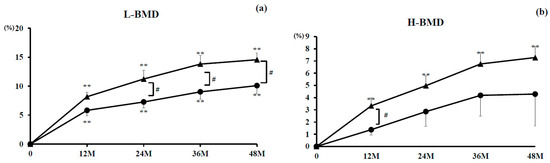
This study investigated whether or not vitamin D and calcium supplementation affected bone metabolism and bone mineral density (BMD) over a period of four years of denosumab therapy in patients with primary osteoporosis. Patients were divided into a denosumab monotherapy group (22 cases) or a denosumab plus vitamin D and calcium supplementation group (combination group, 21 cases). We measured serum bone alkaline phosphatase (BAP), tartrate-resistant acid phosphatase (TRACP)-5b, urinary N-terminal telopeptide of type-I collagen (NTX), and BMD of the lumbar 1–4 vertebrae (L-BMD) and bilateral hips (H-BMD) at baseline and at 12, 24, 36, and 48 months of treatment. There were no significant differences in patient background. Serum BAP, TRACP-5b, and urinary NTX were significantly and comparably inhibited in both groups from 12 to 48 months versus baseline values. L-BMD was significantly increased at every time point in both groups, while H-BMD was significantly increased at every time point in the combination group only. There were significant differences between the groups for L-BMD at 24, 36, and 48 months (P < 0.05) and for H-BMD at 12 months (P < 0.05). Compared with denosumab monotherapy, combination therapy of denosumab plus vitamin D and calcium significantly increased H-BMD at 12 months and L-BMD from 24 to 48 months. These findings indicate that continuous vitamin D and calcium supplementation is important, especially for 12 months to improve H-BMD and from 24 to 48 months to improve L-BMD. Full article
Show Figures

Figure 1
17 pages, 3166 KB  
Article
Effects of a Carob-Pod-Derived Sweetener on Glucose Metabolism
by Carmen Lambert, Judit Cubedo, Teresa Padró, Gemma Vilahur, Sergi López-Bernal, Milagros Rocha, Antonio Hernández-Mijares and Lina Badimon
Nutrients 2018, 10(3), 271; https://doi.org/10.3390/nu10030271 - 27 Feb 2018
Cited by 24 | Viewed by 7464
Abstract
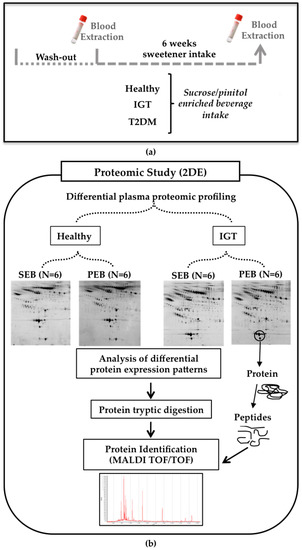
Background: Patients with type 2 diabetes mellitus (T2DM) have a higher incidence of cardiovascular (CV) events. The ingestion of high-glycemic index (GI) diets, specially sweetened beverage consumption, has been associated with the development of T2DM and CV disease. Objective: We investigated the effects [...] Read more.
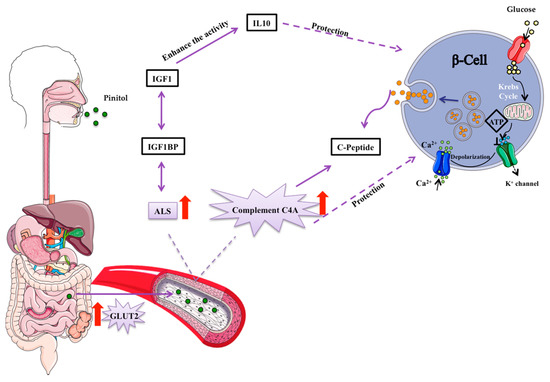
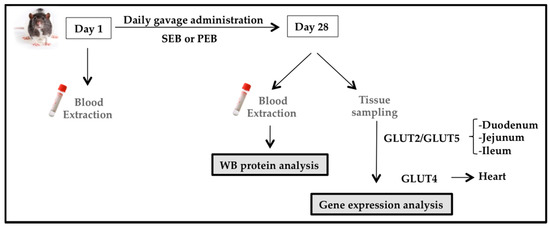
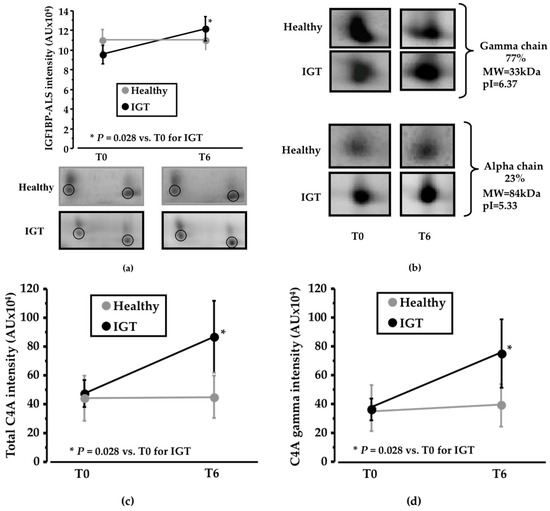
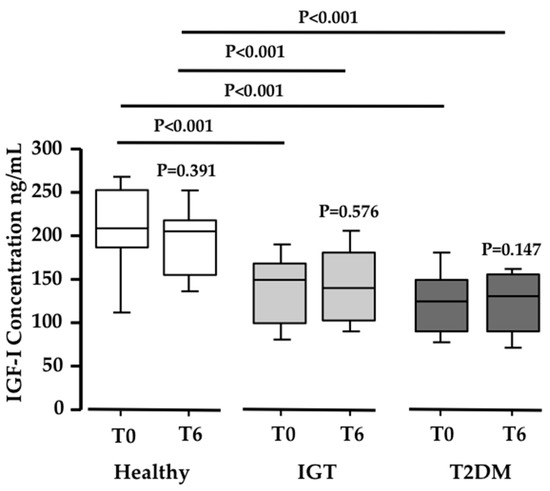
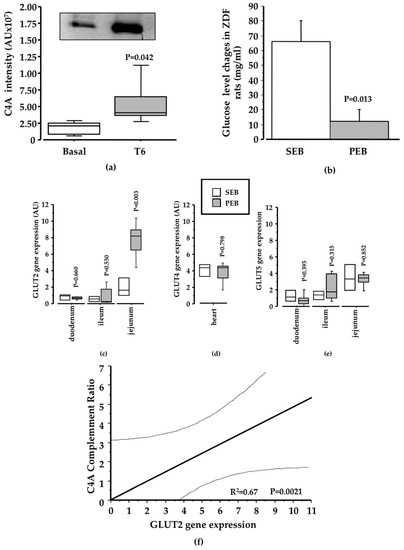
Background: Patients with type 2 diabetes mellitus (T2DM) have a higher incidence of cardiovascular (CV) events. The ingestion of high-glycemic index (GI) diets, specially sweetened beverage consumption, has been associated with the development of T2DM and CV disease. Objective: We investigated the effects of the intake of a sweetened beverage, obtained from natural carbohydrates containing pinitol (PEB) compared to a sucrose-enriched beverage (SEB) in the context of impaired glucose tolerance (IGT) and diabetes. Methods: The study was divided in three different phases: (1) a discovery phase where the plasma proteomic profile was investigated by 2-DE (two-dimensional electrophoresis) followed by mass spectrometry (matrix-assisted laser desorption/ionization time-of-flight—MALDI-TOF/TOF) in healthy and IGT volunteers; (2) a verification phase where the potential mechanisms behind the observed protein changes were investigated in the discovery cohort and in an additional group of T2DM volunteers; and (3) the results were validated in a proof-of-concept interventional study in an animal model of diabetic rats with complementary methodologies. Results: Six weeks of pinitol-enriched beverage (PEB) intake induced a significant increase in two proteins involved in the insulin secretion pathway, insulin-like growth factor acid labile subunit (IGF1BP-ALS; 1.3-fold increase; P = 0.200) and complement C4A (1.83-fold increase; P = 0.007) in IGT subjects but not in healthy volunteers. Changes in C4A were also found in the serum samples of Zucker diabetic fatty (ZDF) rats after four weeks of PEB intake compared to basal levels (P = 0.042). In addition, an increased expression of the glucose transporter-2 (GLUT2) gene was observed in the jejunum (P = 0.003) of inositol-supplemented rats when compared to sucrose supplementation. This change was correlated with the observed change in C4A (P = 0.002). Conclusions: Our results suggest that the substitution of a common sugar source, such as sucrose, by a naturally-based, pinitol-enriched beverage induces changes in the insulin secretion pathway that could help to reduce blood glucose levels by protecting β-cells and by stimulating the insulin secretion pathway. This mechanism of action could have a relevant role in the prevention of insulin resistance and diabetes progression. Full article
(This article belongs to the Special Issue Consumption of Sugar and Impact on Overweight)
Show Figures

Figure 1
15 pages, 1639 KB  
Article
The Impact of a Single Dose of a Polyphenol-Rich Seaweed Extract on Postprandial Glycaemic Control in Healthy Adults: A Randomised Cross-Over Trial
by Margaret Murray, Aimee L. Dordevic, Lisa Ryan and Maxine P. Bonham
Nutrients 2018, 10(3), 270; https://doi.org/10.3390/nu10030270 - 27 Feb 2018
Cited by 73 | Viewed by 8116
Abstract
This study investigated the impact of a polyphenol-rich seaweed extract on postprandial glycaemia in healthy adults, and, as a secondary outcome, the influence of ethnicity on these outcomes. Thirty-eight volunteers (26 non-Asian, 12 Asian) aged 19 to 56 years participated in this double-blind, [...] Read more.
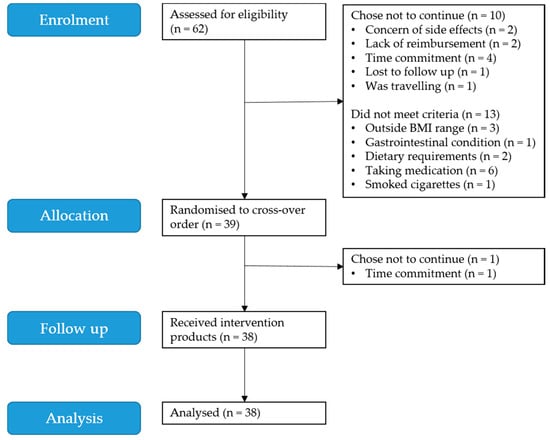
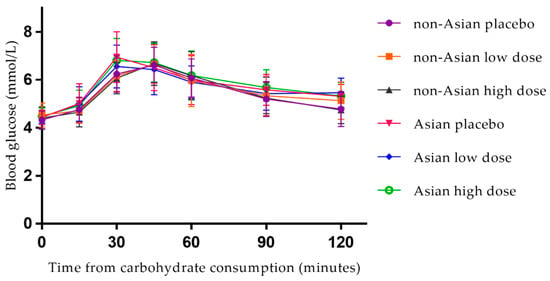
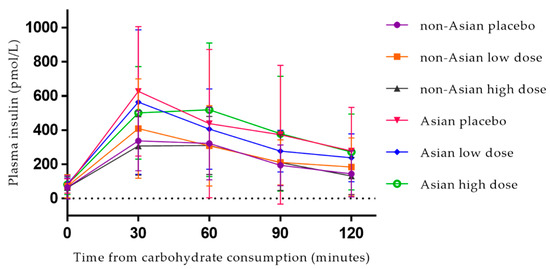
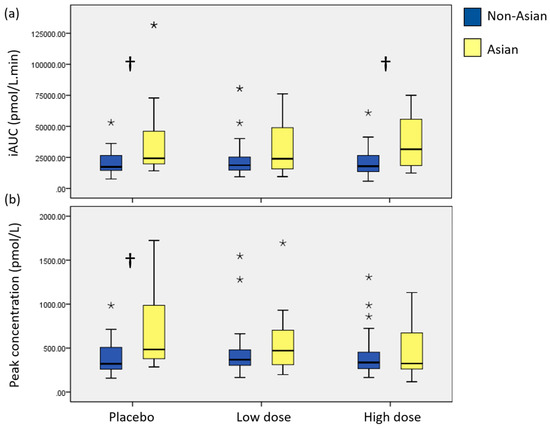
This study investigated the impact of a polyphenol-rich seaweed extract on postprandial glycaemia in healthy adults, and, as a secondary outcome, the influence of ethnicity on these outcomes. Thirty-eight volunteers (26 non-Asian, 12 Asian) aged 19 to 56 years participated in this double-blind, placebo-controlled, randomised cross-over trial. Participants each consumed a low (500 mg), and high (2000 mg) dose of the polyphenol-rich brown seaweed (Fucus vesiculosus) extract, as well as a cellulose placebo (2000 mg), 30 min prior to 50 g of available carbohydrate from white bread. Postprandial blood glucose and plasma insulin concentrations were measured over two hours (fasting, 15, 30, 45, 60, 90, and 120 min) from a finger prick blood sample. Data were analysed using a repeated measures analysis of variance. Compared with the placebo, neither dose had a lowering effect on postprandial glucose or insulin responses. However, individuals of an Asian background experienced consistently elevated plasma insulin responses, assessed using an incremental area under the curve, compared with non-Asian participants, irrespective of supplement (p = 0.016). These results suggest an increased risk of insulin resistance among Asian populations, compared with non-Asian, and that measurement of blood glucose levels alone may be insufficient to diagnose diabetes risk in this population. Full article
(This article belongs to the Special Issue Nutrition Solutions for a Changing World)
Show Figures

Figure 1
26 pages, 349 KB  
Review
Nutrition in the Very Old
by Antoneta Granic, Nuno Mendonça, Tom R. Hill, Carol Jagger, Emma J. Stevenson, John C. Mathers and Avan A. Sayer
Nutrients 2018, 10(3), 269; https://doi.org/10.3390/nu10030269 - 27 Feb 2018
Cited by 63 | Viewed by 15103
Abstract
The population of older adults aged 85 years and over (the very old) is growing rapidly in many societies because of increases in life expectancy and reduced mortality at older ages. In 2016, 27.3 million very old adults were living in the European [...] Read more.
The population of older adults aged 85 years and over (the very old) is growing rapidly in many societies because of increases in life expectancy and reduced mortality at older ages. In 2016, 27.3 million very old adults were living in the European Union, and in the UK, 2.4% of the population (1.6 million) were aged 85 and over. Very old age is associated with increased risks of malnutrition, multimorbidity, and disability. Diet (nutrition) is a modifiable risk factor for multiple age-related conditions, including sarcopenia and functional decline. Dietary characteristics and nutrient intakes of the very old have been investigated in several European studies of ageing to better understand their nutritional requirements, which may differ from those in the young-old. However, there is a major gap in regard to evidence for the role of dietary patterns, protein, vitamin D and other nutrients for the maintenance of physical and cognitive functioning in later life. The Newcastle 85+ Study, UK and the Life and Living in Advanced Age, New Zealand are unique studies involving single birth cohorts which aim to assess health trajectories in very old adults and their biological, social and environmental influences, including nutrition. In this review, we have updated the latest findings in nutritional epidemiology with results from these studies, concentrating on the diet–physical functioning relationship. Full article
(This article belongs to the Special Issue Nutrition and Ageing)
14 pages, 466 KB  
Article
MS Sunshine Study: Sun Exposure But Not Vitamin D Is Associated with Multiple Sclerosis Risk in Blacks and Hispanics
by Annette Langer-Gould, Robyn Lucas, Anny H. Xiang, Lie H. Chen, Jun Wu, Edlin Gonzalez, Samantha Haraszti, Jessica B. Smith, Hong Quach and Lisa F. Barcellos
Nutrients 2018, 10(3), 268; https://doi.org/10.3390/nu10030268 - 27 Feb 2018
Cited by 62 | Viewed by 19982
Abstract
Multiple sclerosis (MS) incidence and serum 25-hydroxyvitamin D (25OHD) levels vary by race/ethnicity. We examined the consistency of beneficial effects of 25OHD and/or sun exposure for MS risk across multiple racial/ethnic groups. We recruited incident MS cases and controls (blacks 116 cases/131 controls; [...] Read more.
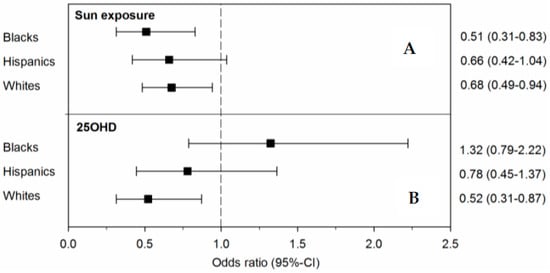
Multiple sclerosis (MS) incidence and serum 25-hydroxyvitamin D (25OHD) levels vary by race/ethnicity. We examined the consistency of beneficial effects of 25OHD and/or sun exposure for MS risk across multiple racial/ethnic groups. We recruited incident MS cases and controls (blacks 116 cases/131 controls; Hispanics 183/197; whites 247/267) from the membership of Kaiser Permanente Southern California into the MS Sunshine Study to simultaneously examine sun exposure and 25OHD, accounting for genetic ancestry and other factors. Higher lifetime ultraviolet radiation exposure (a rigorous measure of sun exposure) was associated with a lower risk of MS independent of serum 25OHD levels in blacks (adjusted OR = 0.53, 95% CI = 0.31–0.83; p = 0.007) and whites (OR = 0.68, 95% CI = 0.48–0.94; p = 0.020) with a similar magnitude of effect that did not reach statistical significance in Hispanics (OR = 0.66, 95% CI = 0.42–1.04; p = 0.071). Higher serum 25OHD levels were associated with a lower risk of MS only in whites. No association was found in Hispanics or blacks regardless of how 25OHD was modeled. Lifetime sun exposure appears to reduce the risk of MS regardless of race/ethnicity. In contrast, serum 25OHD levels are not associated with MS risk in blacks or Hispanics. Our findings challenge the biological plausibility of vitamin D deficiency as causal for MS and call into question the targeting of specific serum 25OHD levels to achieve health benefits, particularly in blacks and Hispanics. Full article
(This article belongs to the Special Issue Changing Times for Vitamin D and Health)
Show Figures

Figure 1

13 pages, 1270 KB  
Article
Low Transfer of Tacrolimus and Its Metabolites into Colostrum of Graft Recipient Mothers
by Bozena Kociszewska-Najman, Natalia Mazanowska, Bronislawa Pietrzak, Leszek Paczek, Monika Szpotanska-Sikorska, Joanna Schreiber-Zamora, Ewa Hryniewiecka, Dorota Zochowska, Emilia Samborowska, Michal Dadlez and Miroslaw Wielgos
Nutrients 2018, 10(3), 267; https://doi.org/10.3390/nu10030267 - 27 Feb 2018
Cited by 12 | Viewed by 4585
Abstract
Currently, the majority of neonates born to organ recipient mothers on chronic immunosuppressive therapy are formula fed. However, over the past few years, evidence has grown, suggesting that breastfeeding might be possible and beneficial. We designed a study assessing the transfer of tacrolimus [...] Read more.
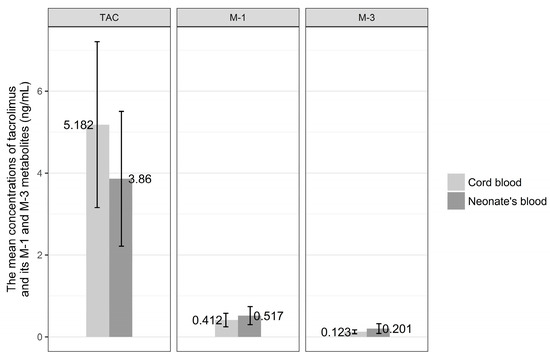
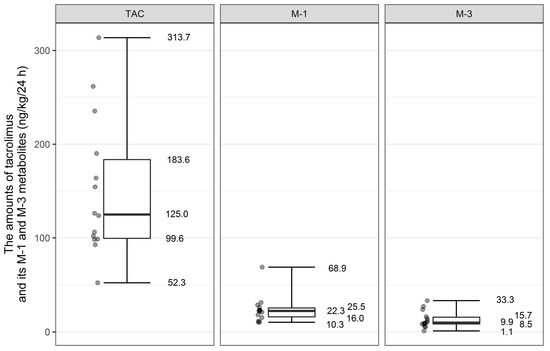
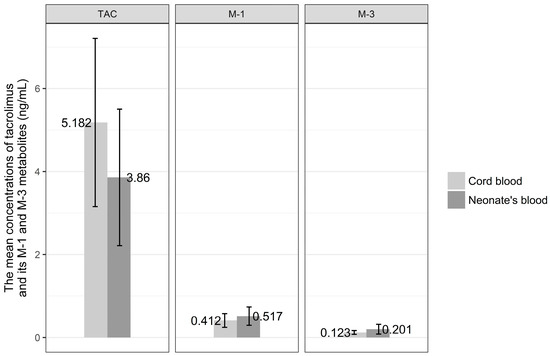
Currently, the majority of neonates born to organ recipient mothers on chronic immunosuppressive therapy are formula fed. However, over the past few years, evidence has grown, suggesting that breastfeeding might be possible and beneficial. We designed a study assessing the transfer of tacrolimus into the colostrum of posttransplant mothers. We assessed the amount of tacrolimus and its metabolites, M-1 and M-3, that would be ingested by the breastfed neonates. Concentrations of tacrolimus and its metabolites were measured in colostrum from 14 posttransplant mothers as well as in venous cord blood and venous blood of the neonates. Test material analysis was performed by liquid chromatography coupled with mass spectrometry (LC/MS). The amount of ingested formula was registered, which allowed for estimation of the amount of tacrolimus and its metabolites that would be ingested by breastfed infants. The mean amount of tacrolimus that would be ingested by the neonates in maternal milk was 151.4 ng/kg/24 h (standard deviation SD ± 74.39); metabolite M-1: 23.80 ng/kg/24 h (SD ± 14.53); and metabolite M-3: 13.25 ng/kg/24 h (SD ± 9.05). The peak level of tacrolimus and metabolite M-1 in colostrum was noted 8 h after an oral dose (3.219 ng/mL SD ± 2.22 and 0.56 ng/mL SD ± 0.60, respectively) and metabolite M-3 after 6 h (0.29 ng/mL SD ± 0.22). Low concentrations of tacrolimus and its metabolites, M-1 and M-3, in colostrum show that neonates will ingest trace amounts of the drug. Further studies are required to fully assess the safety of breastfeeding by posttransplant mothers. Full article
Show Figures

Figure 1

13 pages, 2845 KB  
Article
Impact of Genetic Variants on the Individual Potential for Body Fat Loss
by Soyeon Cha, Joon Ho Kang, Jae-Hak Lee, Jinki Kim, Heewon Kim, Yoon Jung Yang, Woong-Yang Park and Jinho Kim
Nutrients 2018, 10(3), 266; https://doi.org/10.3390/nu10030266 - 26 Feb 2018
Cited by 12 | Viewed by 8045
Abstract
The past decade has witnessed the discovery of obesity-related genetic variants and their functions through genome-wide association studies. Combinations of risk alleles can influence obesity phenotypes with different degrees of effectiveness across various individuals by interacting with environmental factors. We examined the interaction [...] Read more.
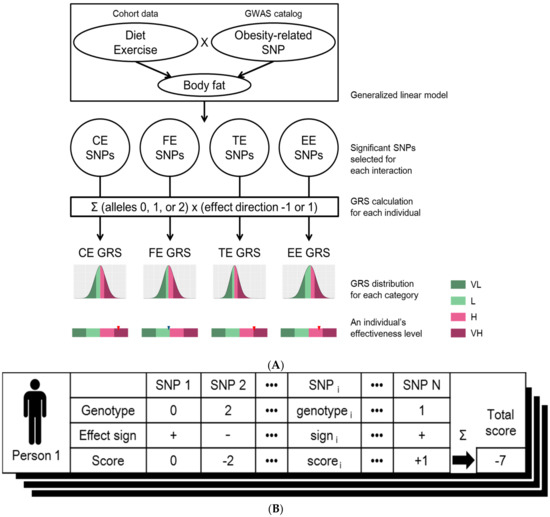
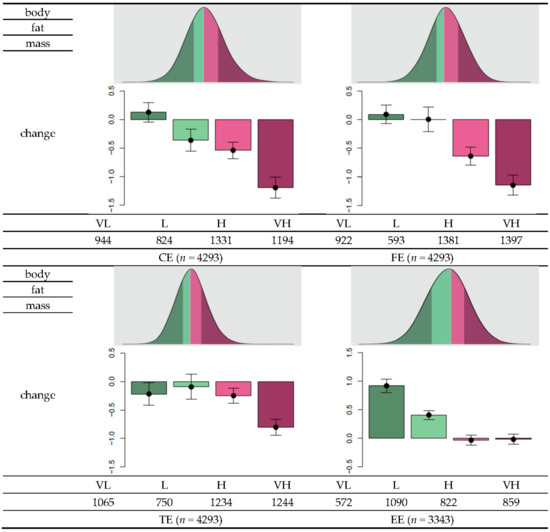
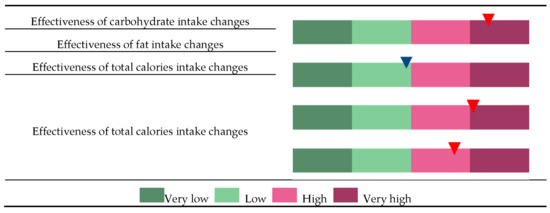
The past decade has witnessed the discovery of obesity-related genetic variants and their functions through genome-wide association studies. Combinations of risk alleles can influence obesity phenotypes with different degrees of effectiveness across various individuals by interacting with environmental factors. We examined the interaction between genetic variation and changes in dietary habits or exercise that influences body fat loss from a large Korean cohort (n = 8840). Out of 673 obesity-related SNPs, a total of 100 SNPs (37 for carbohydrate intake; 19 for fat intake; 44 for total calories intake; 25 for exercise onset) identified to have gene-environment interaction effect in generalized linear model were used to calculate genetic risk scores (GRS). Based on the GRS distribution, we divided the population into four levels, namely, “very insensitive”, “insensitive”, “sensitive”, and “very sensitive” for each of the four categories, “carbohydrate intake”, “fat intake”, “total calories intake”, and “exercise”. Overall, the mean body fat loss became larger when the sensitivity level was increased. In conclusion, genetic variants influence the effectiveness of dietary regimes for body fat loss. Based on our findings, we suggest a platform for personalized body fat management by providing the most suitable and effective nutrition or activity plan specific to an individual. Full article
Show Figures

Figure 1

13 pages, 2220 KB  
Article
Eucommia ulmoides Ameliorates Glucotoxicity by Suppressing Advanced Glycation End-Products in Diabetic Mice Kidney
by Moon Ho Do, Jinyoung Hur, Jiwon Choi, Mina Kim, Min Jung Kim, Yoonsook Kim and Sang Keun Ha
Nutrients 2018, 10(3), 265; https://doi.org/10.3390/nu10030265 - 26 Feb 2018
Cited by 54 | Viewed by 7376
Abstract
Eucommia ulmoides Oliv. (EU), also known as Du-Zhong, is a medicinal herb commonly used in Asia to treat hypertension and diabetes. Despite evidence of the protective effects of EU against diabetes, its precise effects and mechanisms of action against advanced glycation end-products (AGEs) [...] Read more.
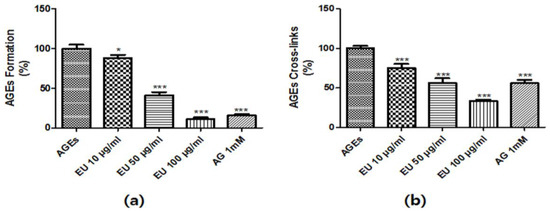
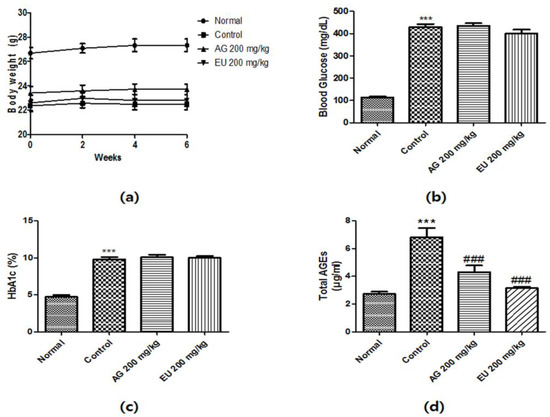
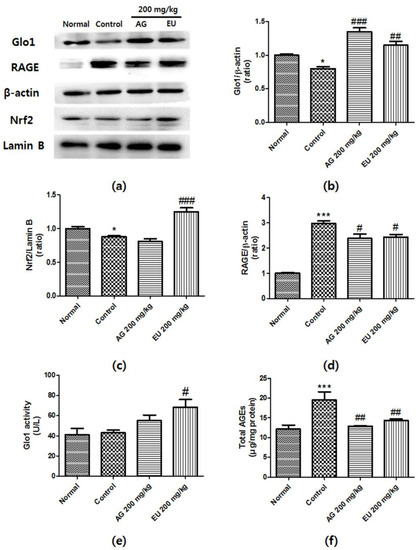
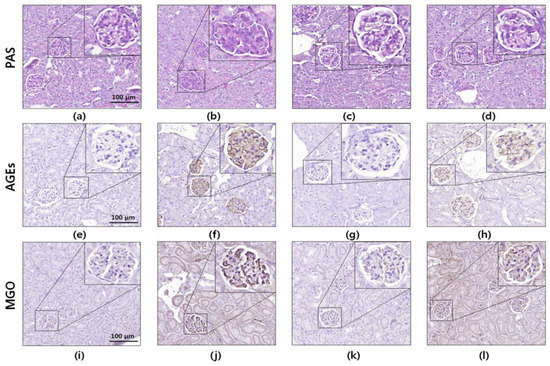
Eucommia ulmoides Oliv. (EU), also known as Du-Zhong, is a medicinal herb commonly used in Asia to treat hypertension and diabetes. Despite evidence of the protective effects of EU against diabetes, its precise effects and mechanisms of action against advanced glycation end-products (AGEs) are unclear. In this study, we evaluated the effects of EU on AGEs-induced renal disease and explored the possible underlying mechanisms using streptozotocin (STZ)-induced diabetic mice. STZ-induced diabetic mice received EU extract (200 mg/kg) orally for 6 weeks. EU treatment did not change blood glucose and glycated hemoglobin (HbA1c) levels in diabetic mice. However, the EU-treated group showed a significant increase in the protein expression and activity of glyoxalase 1 (Glo1), which detoxifies the AGE precursor, methylglyoxal (MGO). EU significantly upregulated nuclear factor erythroid 2-related factor 2 (Nrf2) expression but downregulated that of receptor for AGE (RAGE). Furthermore, histological and immunohistochemical analyses of kidney tissue showed that EU reduced periodic acid–Schiff (PAS)-positive staining, AGEs, and MGO accumulation in diabetic mice. Based on these findings, we concluded that EU ameliorated the renal damage in diabetic mice by inhibiting AGEs formation and RAGE expression and reducing oxidative stress, through the Glo1 and Nrf2 pathways. Full article
Show Figures

Figure 1