16 pages, 289 KB  
Article
The Construction of an Evaluation System of Corporate Social Responsibility to Employees: An Empirical Study in the Chinese Clothing Industry
by Yanting Jing, Wei Zhang, Yongjun Tang and Yuzi Zhang
Sustainability 2022, 14(16), 10215; https://doi.org/10.3390/su141610215 - 17 Aug 2022
Cited by 4 | Viewed by 2961
Abstract
Recently, with the intensification of employee suicides in well-known international companies such as Facebook and Pinduoduo, people are paying more and more attention to the violation of employee rights and interests. As an important embodiment of safeguarding the legitimate rights and interests of [...] Read more.
Recently, with the intensification of employee suicides in well-known international companies such as Facebook and Pinduoduo, people are paying more and more attention to the violation of employee rights and interests. As an important embodiment of safeguarding the legitimate rights and interests of employees, the corporate social responsibility to employees has become one of the focuses of academic discussions. The aim of this article is to build a corporate social responsibility evaluation system for employees for Chinese clothing companies. As a representative of labor-intensive enterprises, enterprises in the cloth industry often need to rely on the strength of their employees to create value more than ordinary enterprises. Therefore, it is of practical significance to study the corporate social responsibility of employees in the cloth industry. In addition, China is an important exporting country of clothing in the world, and its market environment is different from that of developed countries. Research with Chinese enterprises as samples may lead to different conclusions. Finally, unlike general CSR, the evaluation of employee CSR needs to consider the importance of subjective and objective factors. At this time, the use of the catastrophe progression method can more accurately evaluate the weight of each factor. The result of our research on 100 Chinese clothing companies shows that enterprises with higher rankings in clothing industry will fulfill social responsibility to employees better. The use of the catastrophe progression method to evaluate corporate social responsibility to employees can reduce errors caused by subjective steps such as assigning weights in Analytic Hierarchy Process (AHP) and improve the accuracy of evaluation. Full article
(This article belongs to the Special Issue Corporate Social Responsibility and Environmental Resource Governance)
26 pages, 1088 KB  
Essay
How Does Green Search Promote Green Innovation? The Mediating Role of Green Control
by Yahui Li, Wenli Zheng and Yunhui Zhao
Sustainability 2022, 14(16), 10210; https://doi.org/10.3390/su141610210 - 17 Aug 2022
Cited by 4 | Viewed by 3119
Abstract
The importance of a knowledge search for green innovation has been recognized, but our understanding of the influence of green search is still unclear. We used 198 Chinese manufacturing data to sort the influential mechanism of green search on green innovation based on [...] Read more.
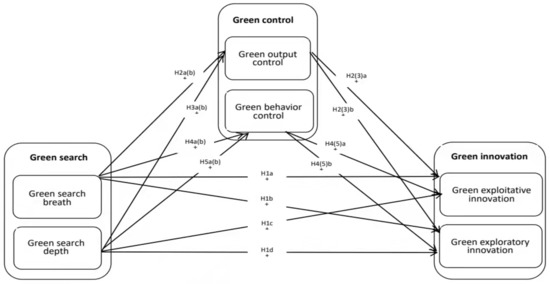
The importance of a knowledge search for green innovation has been recognized, but our understanding of the influence of green search is still unclear. We used 198 Chinese manufacturing data to sort the influential mechanism of green search on green innovation based on resource-based theory, information processing theory, and transaction cost theory. We also explored the intermediate role of green control (i.e., output and behavior control) between the two dimensions of green search (i.e., search breadth and depth) and green innovation (i.e., exploratory and exploitative innovation). The results show that the diversified green information searched from outside must be controlled through the behavior process and results in improving the quality of existing green products and developing new green products. A continuous and deep search for green knowledge can achieve the results of green innovation by setting goals and monitoring processes. When Chinese manufacturing enterprises are searching for knowledge to produce green products, they must pay attention to the supervision and control of the knowledge integration process and results to ensure the effective utilization and transformation of knowledge. Full article
(This article belongs to the Special Issue Business Models and Innovation for Sustainability Transition)
Show Figures

Figure 1

3 pages, 174 KB  
Editorial
Sustainability in International Business: Talent Management, Market Entry Strategies, Competitiveness
by Anna Visvizi
Sustainability 2022, 14(16), 10191; https://doi.org/10.3390/su141610191 - 17 Aug 2022
Cited by 5 | Viewed by 4703
Abstract
The increasing velocity of international transactions; the technology-enhanced growing interconnectedness of people, business, and societies; and, finally, the escalating density of the day-to-day business interactions are the key sources of challenges that organizations, both in public and private sectors, are facing today [...] [...] Read more.
The increasing velocity of international transactions; the technology-enhanced growing interconnectedness of people, business, and societies; and, finally, the escalating density of the day-to-day business interactions are the key sources of challenges that organizations, both in public and private sectors, are facing today [...] Full article
14 pages, 424 KB  
Article
Entrepreneurial-Specific Characteristics and Access to Finance of SMEs in Khyber Pakhtunkhwa, Pakistan
by Suhail Ahmad, Tahar Tayachi, Sahibzada Ghiasul Haq, Wangari Wang’ombe and Fawad Ahmad
Sustainability 2022, 14(16), 10189; https://doi.org/10.3390/su141610189 - 17 Aug 2022
Cited by 2 | Viewed by 4881
Abstract
Small and medium-sized enterprises (SMEs) not only support the country in financial and business aspects but also overcome unemployment by creating job opportunities. The SME sector contributes more than thirty-five percent of the country’s Gross Domestic Product (GDP). The study aims to discover [...] Read more.
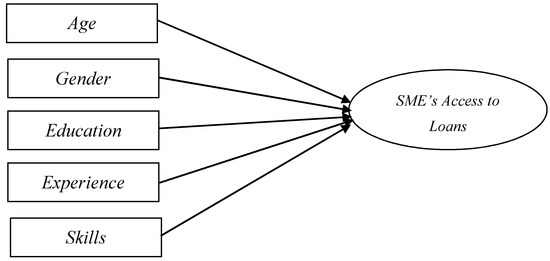
Small and medium-sized enterprises (SMEs) not only support the country in financial and business aspects but also overcome unemployment by creating job opportunities. The SME sector contributes more than thirty-five percent of the country’s Gross Domestic Product (GDP). The study aims to discover entrepreneurial-specific characteristics and their impact on accessing bank financing. The study collects primary data through questionnaires. Approximately 204 questionnaires were distributed randomly, out of which 192 were returned and analyzed through a binary logit model. Entrepreneurial personal traits play a vital role in obtaining financing from banks and other financial institutions in Pakistan. The study reveals that age and level of education are significant and play a vital role in accessing bank financing in Khyber Pakhtunkhwa (KP). Conversely, gender, experience, and SME skills that entrepreneurs have are insignificant to accessing bank financing in KP. This paper attempts to identify the entrepreneurial-specific characteristics within a large sample size of enterprises and compares the small and medium-sized ones separately in KP, Pakistan. Additionally, the study reveals how an entrepreneur’s personal traits impact the accessibility of bank financing and the need to formulate strategies and policies to strengthen these entrepreneurial-specific characteristics through training, development, and personality growth for the efficient operations of the SME sector in KP, Pakistan. The study is also significant for policymakers, stakeholders, and lenders. Full article
Show Figures

Figure 1

21 pages, 2878 KB  
Article
Buy Three to Waste One? How Real-World Purchase Data Predict Groups of Food Wasters
by Sybilla Merian, Sabrina Stöeckli, Klaus Ludwig Fuchs and Martin Natter
Sustainability 2022, 14(16), 10183; https://doi.org/10.3390/su141610183 - 16 Aug 2022
Cited by 10 | Viewed by 4578
Abstract
Approximately one-third of all food produced for human consumption is either lost or wasted. Given the central position of retailers in the supply chain, they have the potential to effectively reduce consumer food waste by implementing targeted interventions. To do so, however, they [...] Read more.
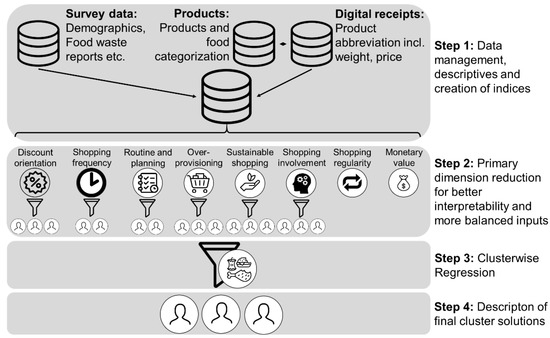
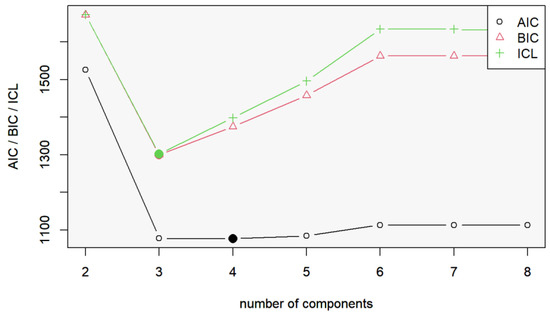
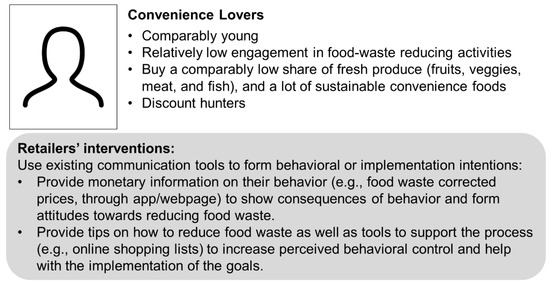
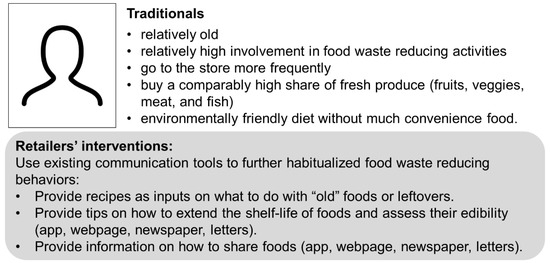
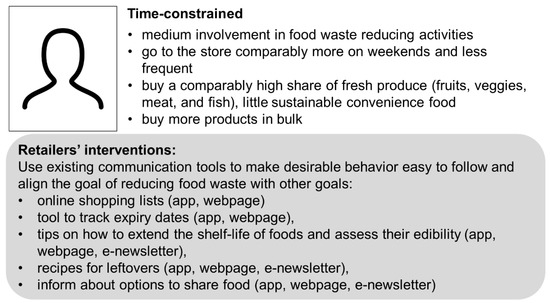
Approximately one-third of all food produced for human consumption is either lost or wasted. Given the central position of retailers in the supply chain, they have the potential to effectively reduce consumer food waste by implementing targeted interventions. To do so, however, they should target distinct consumer groups. In this research, we use a unique data set comprising the grocery shopping data of customers who use loyalty cards, complemented with food waste reports, to derive three distinct target groups: traditionals, time-constrained, and convenience lovers. Based on the general behavioral change literature, we discuss diverse target group-specific interventions that retailers can implement to reduce consumer food waste. Overall, we pave a research path to examine how retailers and marketing can effectively shift consumer behavior toward more sustainable food and shopping practices and assume responsibility within the food supply chain. Full article
(This article belongs to the Special Issue Sustainable Retailing and Marketing)
Show Figures

Figure 1

23 pages, 5393 KB  
Article
Developing an Integrated and Contextualized Planning and Design Framework for Livable Patterns of Urbanization in Chennai
by Kavya Suresh, Claudiu Forgaci and Dominic Stead
Sustainability 2022, 14(16), 10178; https://doi.org/10.3390/su141610178 - 16 Aug 2022
Cited by 2 | Viewed by 5611
Abstract
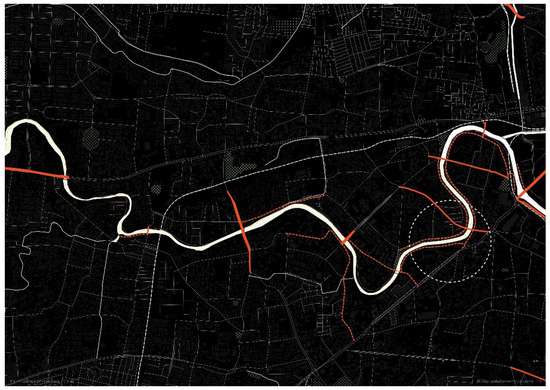
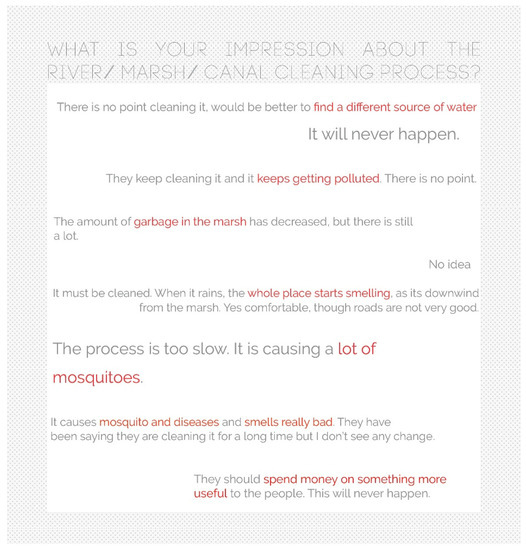
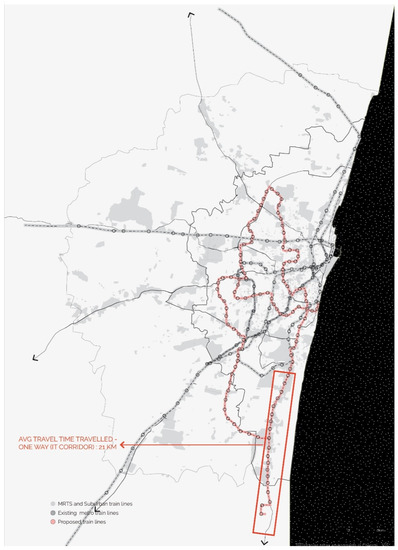
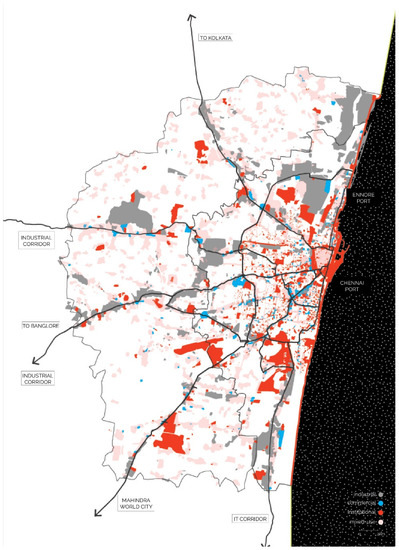
This article analyses the urban conditions of Chennai, India, and takes a critical look at its planning framework by considering four main aspects: the ecological structures, urban morphology, mobility, and livability. To do so, the article examines policy documents, urban form, public perceptions, [...] Read more.
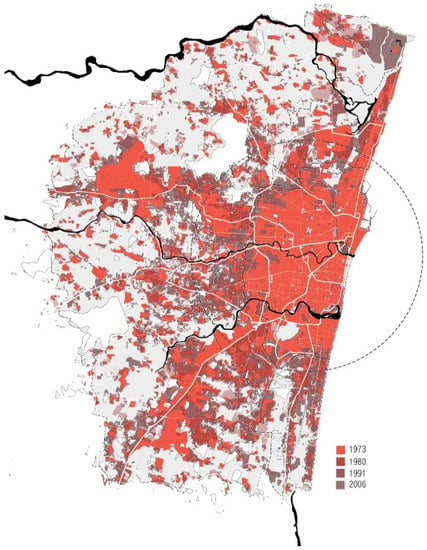
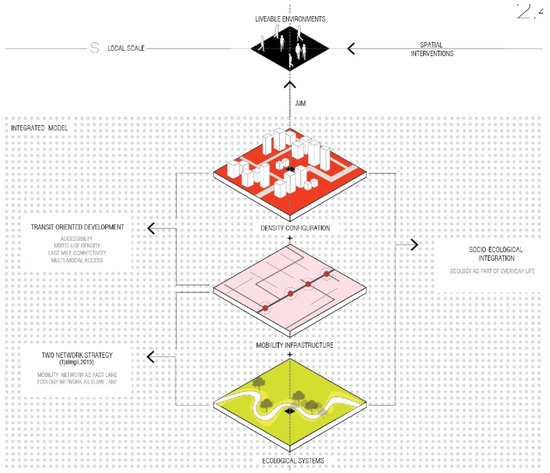
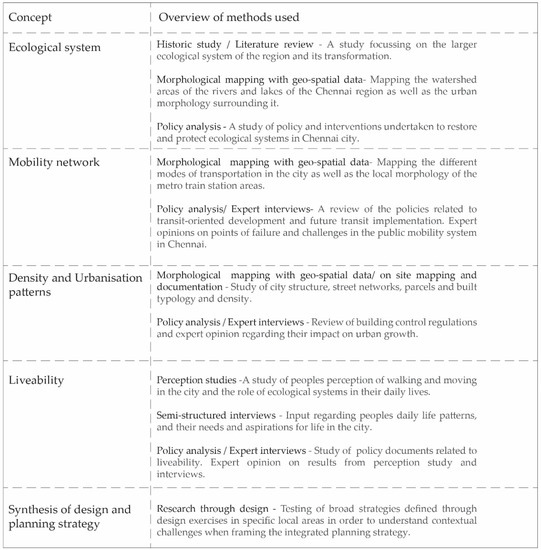
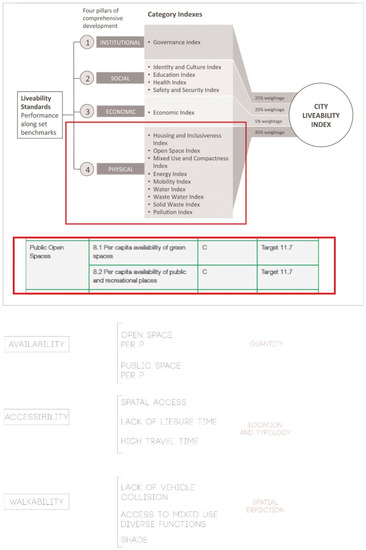
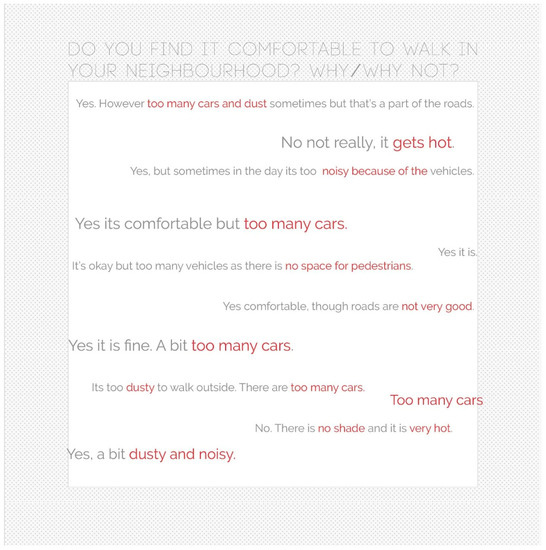
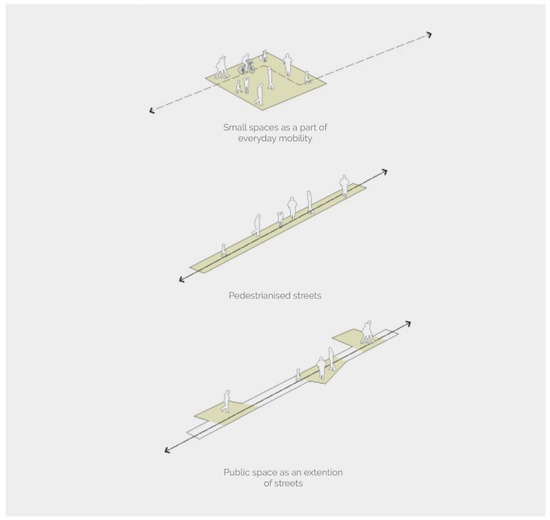
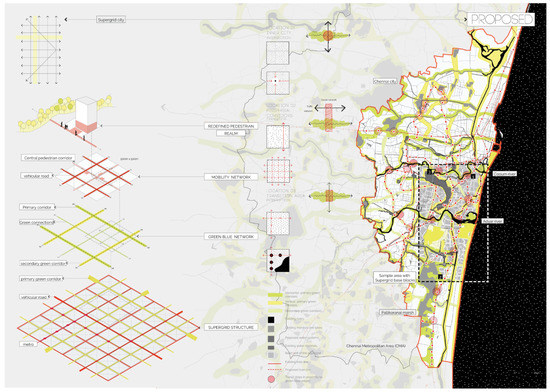
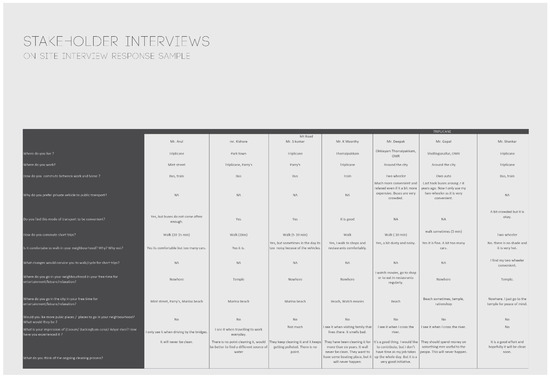
This article analyses the urban conditions of Chennai, India, and takes a critical look at its planning framework by considering four main aspects: the ecological structures, urban morphology, mobility, and livability. To do so, the article examines policy documents, urban form, public perceptions, and daily mobility patterns. Specific attention is focused on three layers of the urban fabric: water and ecology, transport infrastructure, and housing. First, the city’s river restoration is critically assessed, with a focus on integrating the social dimension into the process. Second, the metro network is analyzed, specifically understanding its usage with respect to different user groups. Third, the densification pattern in different parts of the city is analyzed. Considering the layers of water, transport infrastructure, and housing together, the article sets out an alternative integrated approach to strategic design and planning in the city towards the goal of creating a more livable public realm. The proposed integrated framework, termed “supergrids” is a city-scale strategy that enables a large reconfiguration of the existing networks in the city, integration of ecological systems into the public space network, and a restructuring of movement patterns by upscaling the vehicular network, and aligning pedestrian connections with green networks, public transit, and important functions. Full article
Show Figures

Figure 1

21 pages, 2649 KB  
Article
Green Technology Innovation, Energy Consumption Structure and Sustainable Improvement of Enterprise Performance
by Chenggang Wang
Sustainability 2022, 14(16), 10168; https://doi.org/10.3390/su141610168 - 16 Aug 2022
Cited by 24 | Viewed by 4529
Abstract
In order to promote the coordinated development of social and economic development and the natural environment, high-end equipment manufacturing (HEM) enterprises should promote the sustainable development of the green economy. In this process, HEM enterprises need to strengthen the green technology innovation ability [...] Read more.
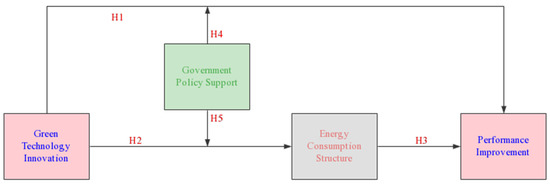
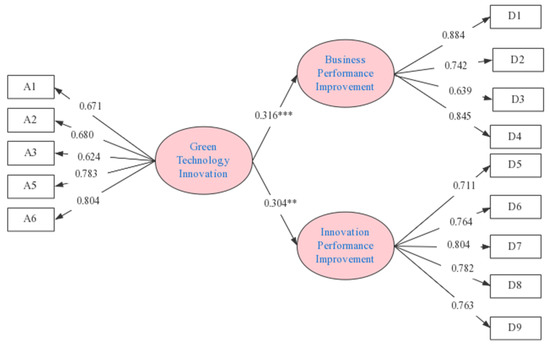
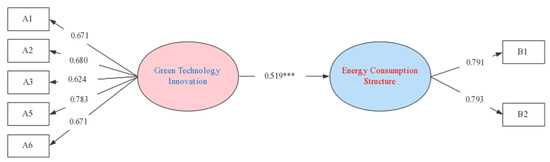
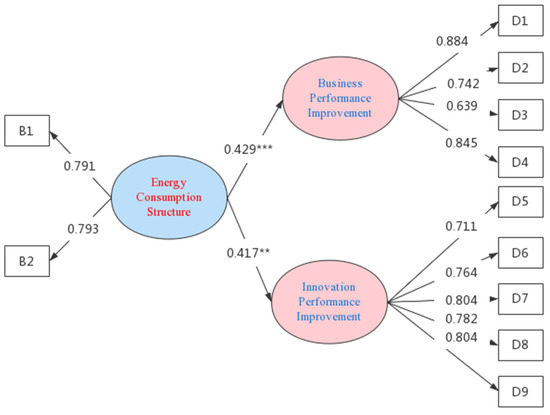
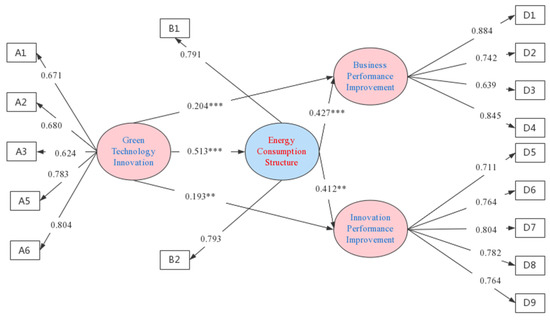
In order to promote the coordinated development of social and economic development and the natural environment, high-end equipment manufacturing (HEM) enterprises should promote the sustainable development of the green economy. In this process, HEM enterprises need to strengthen the green technology innovation ability and optimize the energy consumption structure. In this way, it will be beneficial to the sustainable improvement of HEM enterprise performance. On the basis of sorting out relevant research literature, this study uses structural equation modeling and hierarchical regression analysis to systematically study the impact of green technology innovation on the continuous improvement of HEM enterprise performance. Currently, there are many difficulties in the research of this paper, such as variable selection, index measurement, empirical testing process and so on. However, based on the success of previous academic research, this paper overcame the difficulties and completed this research. In this study, the energy consumption structure is an intermediary variable, and the government policy support is a moderator variable. A relationship model of the impact of green technology innovation on the continuous improvement of HEM enterprises’ performance is constructed. In addition, the author conducts a confirmatory analysis of the relationship between multiple variables. The conclusions of this study are as follows: (1) Green technology innovation has a significant positive impact on the performance improvement of HEM enterprises. (2) Energy consumption structure plays a partial mediating role between green technology innovation and enterprise performance improvement. (3) Government policy support regulates the relationship between green technology innovation and HEM enterprise performance improvement. That is to say that the stronger the government’s policy support for green technology innovation, the stronger the green technology innovation impetus of HEM enterprises, and the better the effect of HEM enterprise performance improvement. Full article
(This article belongs to the Section Economic and Business Aspects of Sustainability)
Show Figures

Figure 1

14 pages, 280 KB  
Article
Research on the Influence of Technological Innovation Enthusiasm on Innovation Performance from the Perspective of Nonlinearity—Empirical Evidence from Chinese Listed Firms
by Guiyu Bai, Wenjuan Wang and Xinxin Wang
Sustainability 2022, 14(16), 10154; https://doi.org/10.3390/su141610154 - 16 Aug 2022
Cited by 3 | Viewed by 2723
Abstract
Taking Chinese listed companies from 2010 to 2019 as research samples, in this paper, the authors empirically analyze the impact of technological innovation enthusiasm on innovation performance from a nonlinear perspective. The research finds that an inverted, U-shaped relationship exists between technological innovation [...] Read more.
Taking Chinese listed companies from 2010 to 2019 as research samples, in this paper, the authors empirically analyze the impact of technological innovation enthusiasm on innovation performance from a nonlinear perspective. The research finds that an inverted, U-shaped relationship exists between technological innovation enthusiasm and innovation performance, that is, to a certain extent, the improvement of the enthusiasm for technological innovation can improve the innovation performance of companies. However, when the enthusiasm for technological innovation reaches a certain degree, the innovation performance declines with the improvement of technological innovation enthusiasm. In addition, the moderating effect of CEO succession on the relationship between technological innovation enthusiasm and innovation performance is investigated from the perspective of corporate governance, and the research conclusions show that CEO succession strengthens the inverted, U-shaped relationship between technological innovation enthusiasm and innovation performance. This study further enriches the theoretical framework of technological innovation and corporate governance, and the relevant conclusions can provide certain theoretical reference for the innovation performance improvement of listed companies in China. Full article
(This article belongs to the Section Economic and Business Aspects of Sustainability)
19 pages, 874 KB  
Article
Green Customer and Supplier Integration for Competitive Advantage: The Mediation Effect of Sustainable Product Innovation
by Abdulkareem Awwad, Abdel Latef M. Anouze and Nelson Oly Ndubisi
Sustainability 2022, 14(16), 10153; https://doi.org/10.3390/su141610153 - 16 Aug 2022
Cited by 17 | Viewed by 4802
Abstract
The purpose of this study is two-fold: first is to examine the direct effect of green customer integration, green supplier integration, and new product flexibility on sustainable green product innovation (henceforth sustainable innovation), and the second is to assess the mediating role of [...] Read more.
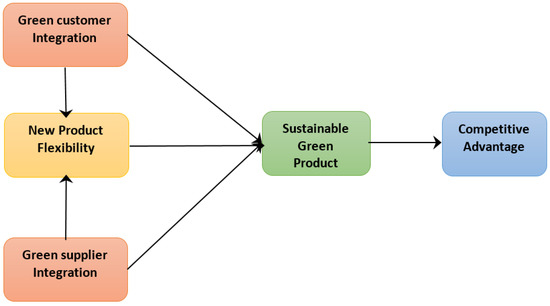
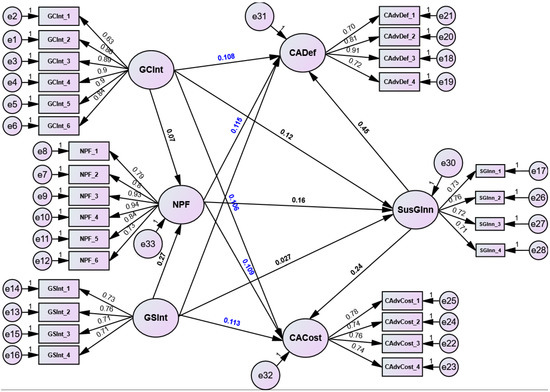
The purpose of this study is two-fold: first is to examine the direct effect of green customer integration, green supplier integration, and new product flexibility on sustainable green product innovation (henceforth sustainable innovation), and the second is to assess the mediating role of sustainable green product innovation in the relationship of the independent variables on competitive advantage of the firm. To test these relationships, a quantitative method is used, employing a cross-sectional survey targeting the senior managers of the manufacturing sector in Jordan. Out of 750 surveys administered to respondents, 378 complete responses were obtained, yielding a response rate of 50.4%. Covariance-based structural equation modelling (CBSEM) using AMOS 28 is utilized to analyse the data. The results suggest that green customer integration, green supplier integration, and new product flexibility have a significant impact on sustainable green product innovation. The results also suggest that sustainable green product innovation has a significant mediating effect on the relationship between the three predictor variables and competitive advantage. In addition, new product flexibility partially mediates the relationship between green supplier integration and sustainable green product innovation. Full article
Show Figures

Figure 1

23 pages, 1159 KB  
Article
A Hesitant Fuzzy Method for Evaluating Risky Cold Chain Suppliers Based on an Improved TODIM
by Yongzheng Zhang, Chunming Ye and Xiuli Geng
Sustainability 2022, 14(16), 10152; https://doi.org/10.3390/su141610152 - 16 Aug 2022
Cited by 8 | Viewed by 2705
Abstract
Enterprises need sustainable development in order to reduce costs and increase income. The cold chain logistics industry needs to promote sustainable supply chains more. As the beginning of the supply chain, the choice of suppliers is particularly important. Considering the risky attitude of [...] Read more.
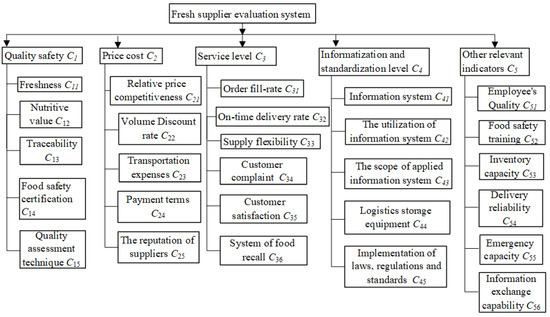
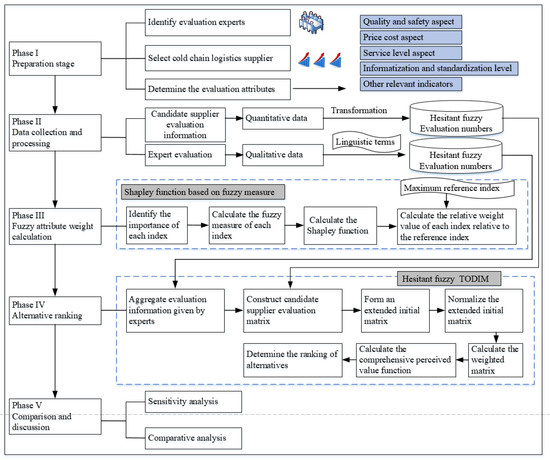
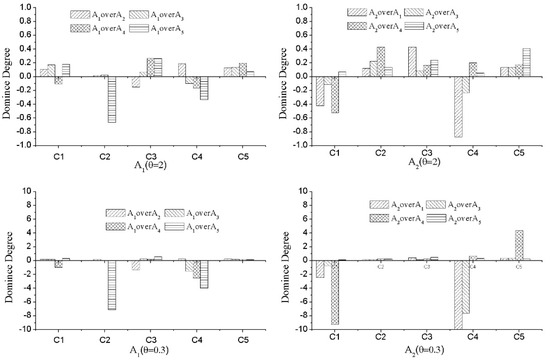
Enterprises need sustainable development in order to reduce costs and increase income. The cold chain logistics industry needs to promote sustainable supply chains more. As the beginning of the supply chain, the choice of suppliers is particularly important. Considering the risky attitude of decision-makers, an improved hesitant fuzzy TODIM approach is adopted to select suppliers. In order to calculate a more objective indicator weight, the generalized Shapley function of the hesitant fuzzy measure is adopted by analyzing the relationships among indicators. The uncertain supplier evaluation information given by decision-makers is obtained by using hesitant fuzzy information. The improved Interactive and Multi-criteria Decision-Making (TODIM) method based on hesitant fuzzy numbers is used to analyze the psychological behavior of decision-makers under different market prospects and comprehensively rank the candidate suppliers. Finally, a case study of selecting cold chain logistics suppliers is provided to verify the effectiveness and feasibility of the method in this paper. Full article
Show Figures

Figure 1

18 pages, 659 KB  
Article
Rethinking Sustainability Hotel Branding: The Pathways from Hotel Services to Brand Engagement
by Hung-Tai Tsou, Chieh-Chih Hou, Ja-Shen Chen and Minh-Chau Ngo
Sustainability 2022, 14(16), 10138; https://doi.org/10.3390/su141610138 - 16 Aug 2022
Cited by 7 | Viewed by 6864
Abstract
Brand experience has received attention from scholars and researchers, especially in experiential marketing and management. Due to the high market competition and sustainability branding trends, hotel brands need to improve and enhance their hotel services to meet customers’ expectations and retain their engagement [...] Read more.
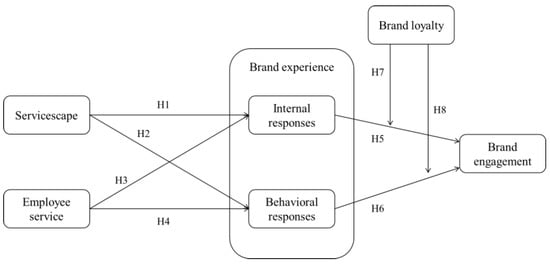
Brand experience has received attention from scholars and researchers, especially in experiential marketing and management. Due to the high market competition and sustainability branding trends, hotel brands need to improve and enhance their hotel services to meet customers’ expectations and retain their engagement and loyalty to the brand. This study explores the relationships between hotel services (servicescape and employee service), brand experience (internal and behavioral responses), brand engagement, and brand loyalty. Web-based and paper-based surveys were used to collect data from the customers who have experienced hotel services in Vietnam. A total of 390 responses were used and analyzed by AMOS. The results show that there are positive relationships between hotel services, internal responses, and brand engagement. In addition, the moderating effects of brand loyalty on the relationship between brand experience and brand engagement were found. Although prior studies have been conducted in the servicescape and employee service fields, there remains less empirical research addressing the relationships between hotel services and brand experience. In addition, the examination of brand loyalty playing a moderator in the relationship between brand experience and brand engagement has not been adequately explored, so this study contributes to the brand loyalty literature. Full article
(This article belongs to the Section Economic and Business Aspects of Sustainability)
Show Figures

Figure 1

20 pages, 1488 KB  
Article
Creating Favorable Local Context for Entrepreneurship: The Importance of Sustainable Urban Development in Florianópolis, SC, Brazil
by Gabriela Dubou, Roberto Schoproni Bichueti, Carlos Rafael Röhrig da Costa, Clandia Maffini Gomes, Jordana Marques Kneipp and Isak Kruglianskas
Sustainability 2022, 14(16), 10132; https://doi.org/10.3390/su141610132 - 16 Aug 2022
Cited by 7 | Viewed by 4107
Abstract
Entrepreneurship ecosystems are dynamic local, social, institutional, and cultural processes and actors that encourage and enhance the formation and growth of new businesses. Thus, this study aims to analyze the importance of sustainable urban development in creating favorable urban conditions in the formation [...] Read more.
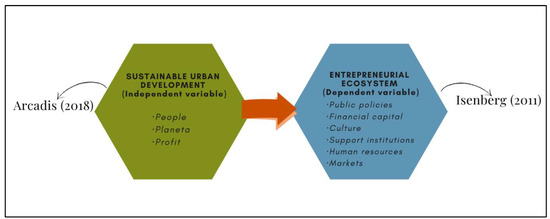
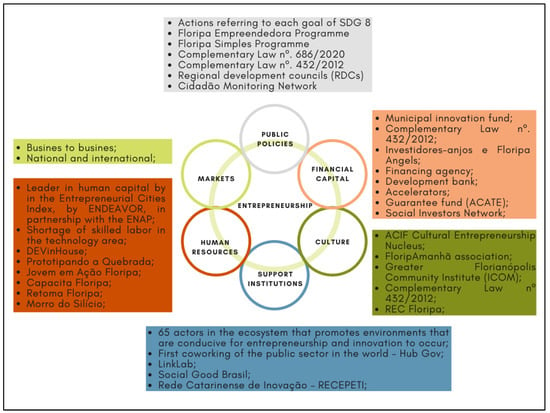
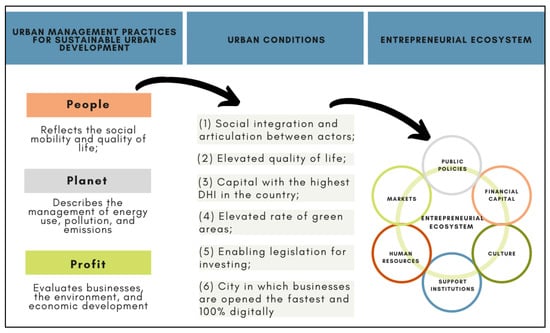
Entrepreneurship ecosystems are dynamic local, social, institutional, and cultural processes and actors that encourage and enhance the formation and growth of new businesses. Thus, this study aims to analyze the importance of sustainable urban development in creating favorable urban conditions in the formation of an entrepreneurial ecosystem. Therefore, a qualitative and exploratory study was carried out, operationalized through a case study. The case of the city of Florianópolis (Santa Catarina State, southern Brazil) was studied in depth; it was intentionally selected considering that it has stood out in terms of investments in innovation, technology, and sustainability, in addition to being a reference for quality of life and for its innovation and entrepreneurial ecosystem. It was possible to know the characteristics of the municipality and the main management practices for sustainable urban development developed in Florianópolis. Above all, among the main findings of this study, from the point of view of urban management, we found that the characteristics present in Florianópolis, as a sustainable city, can benefit the development of an entrepreneurial ecosystem. In this way, by investing in management practices for sustainable urban development, the municipality promotes business growth, new technologies, and entrepreneurship, making the territory more attractive to new investments and talent retention. It was possible to find evidence of urban conditions resulting from these practices capable of favoring the creation of an entrepreneurial ecosystem, among which, the following stand out: (1) social integration and articulation between the actors; (2) high quality of life; (3) capital with the highest human development index in the country; (4) a high rate of green areas; (5) enabling legislation for investments; (6) a city where companies open faster in Brazil and 100% digitally. Among this study’s limitations, the complexity of the analyzed phenomenon and amplitude of the context stand out. In addition, the case study method does not allow for a generalization of the results, as they are related to the case of Florianópolis. Despite this, the research presents a large amount of evidence confirming the theoretical assumption of the study, which is: Sustainable urban development creates favorable conditions for the promotion of an entrepreneurial ecosystem in the city of Florianópolis. Full article
Show Figures

Figure 1

18 pages, 964 KB  
Article
Women on the Front Line: The Growth of SMEs during Crises
by Diego A. B. Marconatto, Gaspar A. Peixoto, Emidio G. Teixeira and Adelar Fochezatto
Sustainability 2022, 14(16), 10120; https://doi.org/10.3390/su141610120 - 15 Aug 2022
Cited by 3 | Viewed by 3023
Abstract
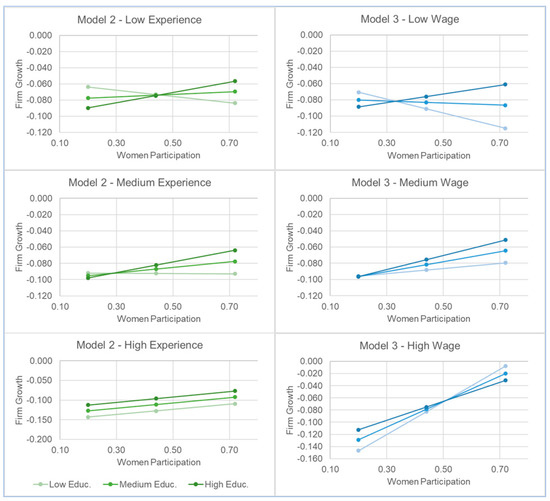
We investigate the relationship between women’s participation and the growth of 10,445 Brazilian SMEs operating in a widespread economic crisis. Our study is motivated by the disproportional unemployment scores observed among women during the COVID19 pandemic. We used stepwise regression and conditional process [...] Read more.
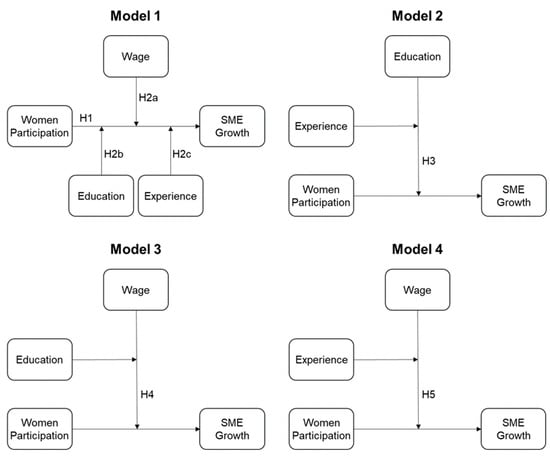
We investigate the relationship between women’s participation and the growth of 10,445 Brazilian SMEs operating in a widespread economic crisis. Our study is motivated by the disproportional unemployment scores observed among women during the COVID19 pandemic. We used stepwise regression and conditional process analysis to test all our hypotheses. We found that an increase of women employees in the total workforce of SMEs boosts their growth. This indicates that the disproportional spikes in women’s unemployment observed during recessions are not only unjust but also harmful to SMEs striving to weather crises. We also identified that these firms grow further by increasing women employees’ wages and job tenure, by preferring more women with higher levels of education and longer job tenure, or retaining more educated women who are better paid at the same time. Our findings rebuke the rationale behind the disproportional layoffs of women workers in times of crisis. They indicate that SMEs should sustain their female workforce to increase chances of weathering widespread economic crises. Our results can help alleviate the predicament experienced by women workers during economic crises, and support policies designed to reduce the persistent gender gap in businesses. Full article
Show Figures

Figure 1

17 pages, 477 KB  
Article
Business Model Innovation for Sustainable Value Creation in Construction Companies
by Igor Ceratti Treptow, Jordana Marques Kneipp, Clandia Maffini Gomes, Isak Kruglianskas, Rodrigo Reis Favarin and Carlos María Fernandez-Jardón
Sustainability 2022, 14(16), 10101; https://doi.org/10.3390/su141610101 - 15 Aug 2022
Cited by 16 | Viewed by 6218
Abstract
This paper aimed to analyze how innovations in the business model contribute to creating sustainable value in construction companies. The results revealed that analyzed companies implement practices that enhance their reputation and contribute to the environment while securing economic benefits. These practices include [...] Read more.
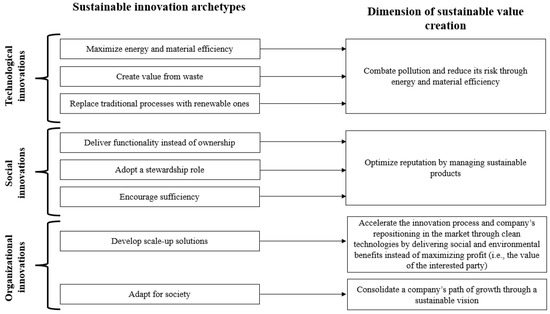
This paper aimed to analyze how innovations in the business model contribute to creating sustainable value in construction companies. The results revealed that analyzed companies implement practices that enhance their reputation and contribute to the environment while securing economic benefits. These practices include material reuse and replacing traditional processes with renewable ones (installing photovoltaic panels and rainwater harvesting). Companies also have tried to integrate with the community through sponsorships, primarily in sports and cultural events, and assistance to homes for the elderly and needy educational institutions. Companies need to implement processes that contribute to the rational use of water and waste reduction during construction projects despite the results. Furthermore, this study has the importance of identifying actions that are oriented towards generating benefits for society and the environment and analyzing them from the perspective of the creation of sustainable value from innovations in the business model. Full article
Show Figures

Figure 1

14 pages, 789 KB  
Article
Barriers to the Sustainable Implementation of Environmentally Conscious Manufacturing: A Contextual-Based Interpretive Structural Model
by Ammar Y. Alqahtani and Anas A. Makki
Sustainability 2022, 14(16), 10066; https://doi.org/10.3390/su141610066 - 14 Aug 2022
Cited by 9 | Viewed by 3575
Abstract
The traditional production system is mainly concerned with economic growth. However, with growing pollution and the rapid depletion of natural resources, there is an urgent need to adopt environmentally conscious manufacturing (ECM) to prioritize the environment alongside society and business. Therefore, it is [...] Read more.
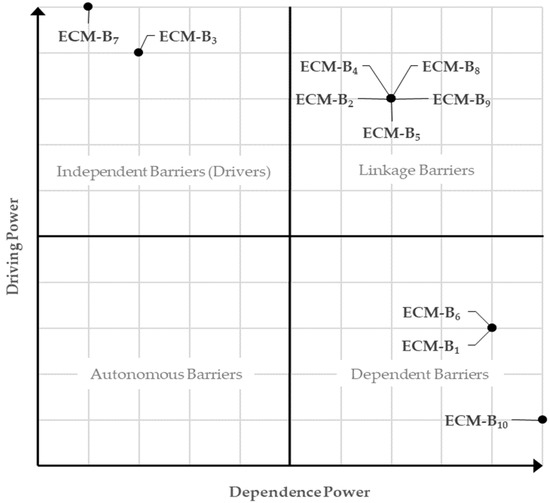
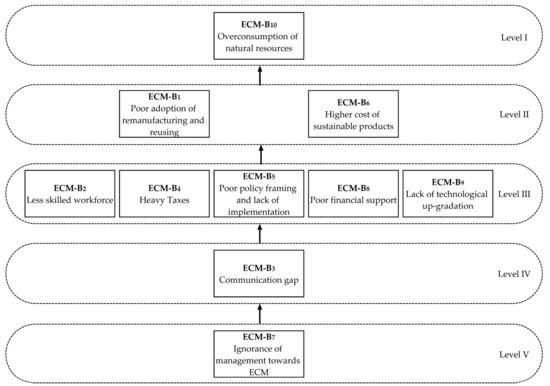
The traditional production system is mainly concerned with economic growth. However, with growing pollution and the rapid depletion of natural resources, there is an urgent need to adopt environmentally conscious manufacturing (ECM) to prioritize the environment alongside society and business. Therefore, it is crucial to identify the barriers that prevent the sustainable implementation of ECM to overcome them better. This research uses interpretive structural modeling to identify and comprehend the contextual interrelationships between barriers to ECM. The identified barriers are categorized and modeled based on their interdependence and driving powers. The findings show that management’s lack of understanding of ECM is an essential barrier that leads to a communication gap. Both lead to barriers, such as a less qualified workforce, high taxation, poor policy framing and implementation, poor financial support, and lack of technological upgrades. Thereby, this leads to the poor adoption of remanufacturing, higher costs of sustainable products, and in turn, overconsumption of natural resources. Overcoming these barriers will improve the poor acceptance of ECM, the inadequate legislative framework, and the lack of its implementation. The resulting model provides a deeper understanding of the barriers and enables the better design of coping strategies toward a more sustainable implementation of ECM to its fullest potential. Full article
(This article belongs to the Special Issue Sustainable Industrial Engineering and Operations Management)
Show Figures

Figure 1