13 pages, 1677 KB  
Article
The Elemental Characteristics and Human Health Risk of PM2.5 during Haze Episode and Non-Haze Episode in Chiang Rai Province, Thailand
by Sarima Niampradit, Wissanupong Kliengchuay, Rachaneekorn Mingkhwan, Suwalee Worakhunpiset, Nuttapohn Kiangkoo, Suntorn Sudsandee, Anuttara Hongthong, Weerayuth Siriratruengsuk, Thunyaluk Muangsuwan and Kraichat Tantrakarnapa
Int. J. Environ. Res. Public Health 2022, 19(10), 6127; https://doi.org/10.3390/ijerph19106127 - 18 May 2022
Cited by 22 | Viewed by 5639
Abstract
Fine particle matter (PM2.5) was directly related to seasonal weather, and has become the influencing factor of air quality that is harmful for human health in Chiang Rai province. The aims were determining the elemental composition in PM2.5 and human [...] Read more.
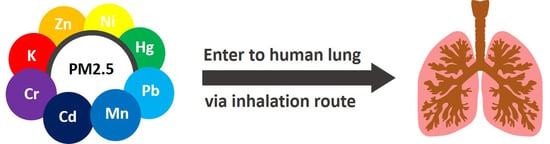
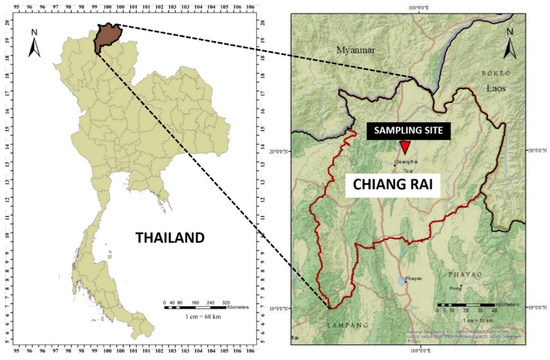
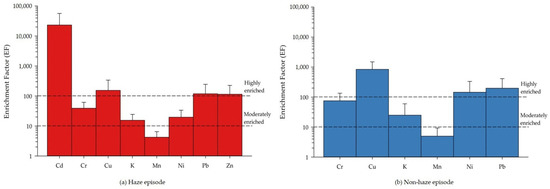
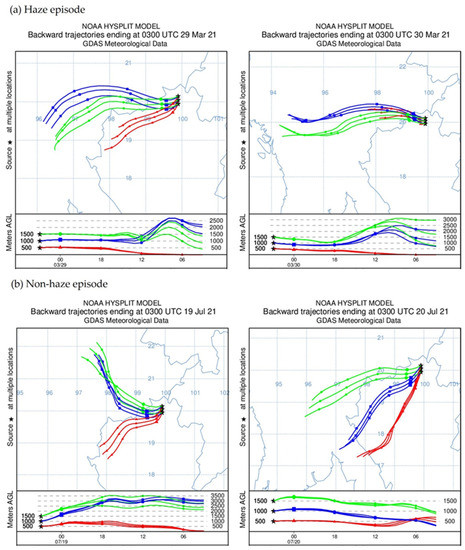
Fine particle matter (PM2.5) was directly related to seasonal weather, and has become the influencing factor of air quality that is harmful for human health in Chiang Rai province. The aims were determining the elemental composition in PM2.5 and human health risk in haze (March 2021) and non-haze episodes (July–August 2021). Nine elements in PM2.5 were measured by using an Atomic Absorption Spectrophotometer, and an enrichment factor was used to identify the emission source. The results showed that the average concentration of PM2.5 was 63.07 μg/m3 in haze episodes, and 25.00 μg/m3 in a non-haze episode. The maximum concentration was 116.7 μg/m3 in March. The majority of elements originated from anthropogenic sources. In haze episodes, PM2.5 mean concentration was approximately 4.2 times that of the WHO guidelines (15 μg/m3 24 h), and 1.3 times that of the Thai Ambient Air Quality Standard (50 μg/m3). The analysis of backward air mass trajectory showed that transboundary and local sources significantly influenced PM2.5 at the monitoring site in the sampling period. In the health risk assessment, the non-carcinogenic risk of Cd was the highest, with a Hazard Quotient (HQ) of 0.048, and the cancer risk of Cr was classified as the highest cancer risk, with the values of 1.29 × 10⁻⁵, higher than the minimum acceptable level. Full article
(This article belongs to the Special Issue Air Pollution: Occupational Exposure and Public Health)
Show Figures

Graphical abstract
20 pages, 779 KB  
Article
Key Stakeholder Priorities for the Review and Update of the Australian Guide to Diagnosis of Fetal Alcohol Spectrum Disorder: A Qualitative Descriptive Study
by Nicole Hayes, Lisa K. Akison, Sarah Goldsbury, Nicole Hewlett, Elizabeth J. Elliott, Amy Finlay-Jones, Dianne C. Shanley, Kerryn Bagley, Andi Crawford, Haydn Till, Alison Crichton, Rowena Friend, Karen M. Moritz, Raewyn Mutch, Sophie Harrington, Andrew Webster and Natasha Reid
Int. J. Environ. Res. Public Health 2022, 19(10), 5823; https://doi.org/10.3390/ijerph19105823 - 10 May 2022
Cited by 13 | Viewed by 5616
Abstract
Since the 2016 release of the Australian Guide to the Diagnosis of Fetal Alcohol Spectrum Disorder (FASD), considerable progress has been made in the identification and diagnosis of the disorder. As part of a larger process to review and update the Guide, the [...] Read more.
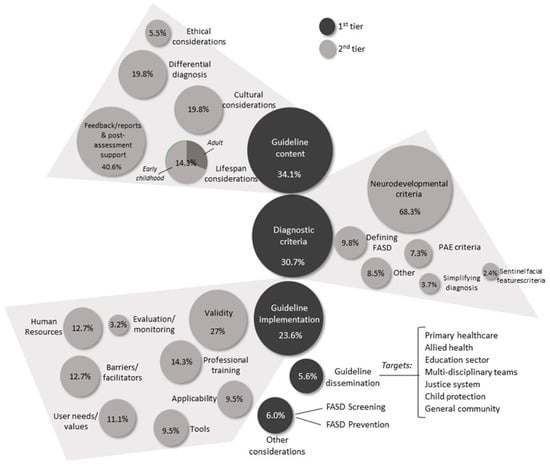
Since the 2016 release of the Australian Guide to the Diagnosis of Fetal Alcohol Spectrum Disorder (FASD), considerable progress has been made in the identification and diagnosis of the disorder. As part of a larger process to review and update the Guide, the aim of this study was to identify review priorities from a broad range of stakeholders involved in the assessment and diagnosis of FASD. Sixty-two stakeholders, including healthcare practitioners, researchers, other specialists, individuals with cultural expertise, lived experience and consumer representatives completed an online survey asking them to describe up to five priorities for the review of the Australian Guide to the Diagnosis of FASD. A total of 267 priorities were described. Content analysis of responses revealed priority areas relating to diagnostic criteria (n = 82, 30.7%), guideline content (n = 91, 34.1%), guideline dissemination (n = 15, 5.6%) and guideline implementation (n = 63, 23.6%). Other considerations included prevention and screening of FASD (n = 16, 6%). Engaging stakeholders in setting priorities will ensure the revised Australian Guide can be as relevant and meaningful as possible for the primary end-users and that it meets the needs of individuals with lived experience who will be most affected by the diagnosis. Full article
Show Figures

Figure 1

11 pages, 2082 KB  
Article
Chemical Leaching from Tire Wear Particles with Various Treadwear Ratings
by Yoonah Jeong, Seokhwan Lee and Sang-Hee Woo
Int. J. Environ. Res. Public Health 2022, 19(10), 6006; https://doi.org/10.3390/ijerph19106006 - 15 May 2022
Cited by 33 | Viewed by 5615
Abstract
Physical friction between a tire and the road surface generates tire wear particles (TWPs), which are a source of microplastics and particulate matter. This study investigated the trends of chemical leaching from TWPs depending on the treadwear rating of the tire. A road [...] Read more.
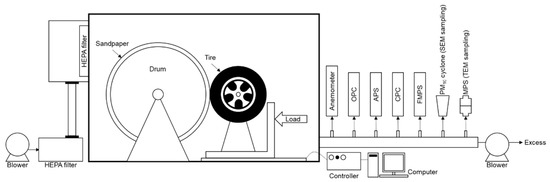
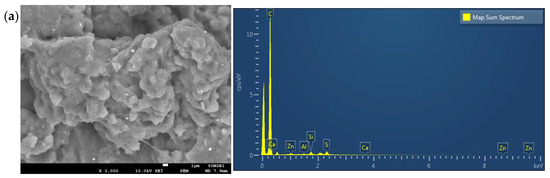
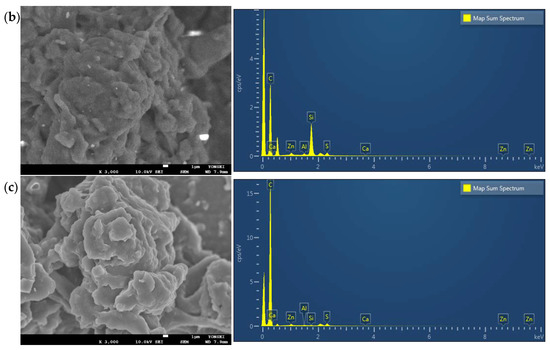
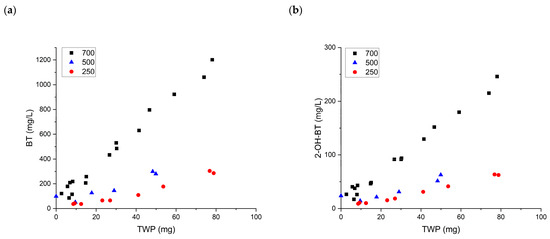
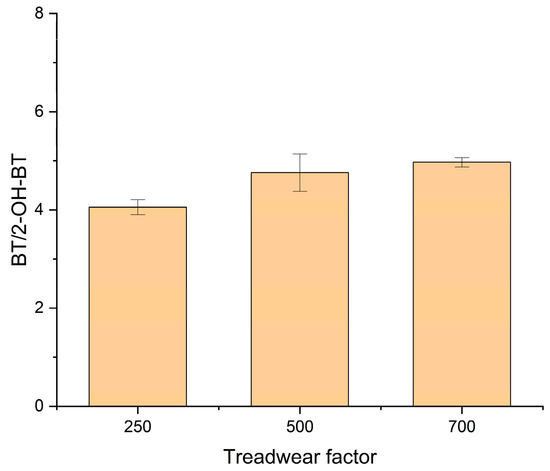
Physical friction between a tire and the road surface generates tire wear particles (TWPs), which are a source of microplastics and particulate matter. This study investigated the trends of chemical leaching from TWPs depending on the treadwear rating of the tire. A road simulator was used to produce TWPs from tires with various treadwear ratings. Liquid chromatography–tandem mass spectrometry was used to analyze the chemical leaching from TWPs, with a particular focus on benzothiazole and its derivative 2-hydroxy benzothiazole. However, chemical mapping via high-resolution tandem mass spectrometry detected another derivative: 2-mercaptobenzothiazole. The benzothiazole groups were observed to have different leaching tendencies, implying that using benzothiazole as a marker compound may lead to incorrect TWP quantitation. The results of this research also suggest that the ecotoxicological influence of TWPs can vary with the treadwear rating of a tire. Full article
(This article belongs to the Topic Emerging Contaminants in the Aquatic Environment)
Show Figures

Figure 1

12 pages, 400 KB  
Review
Resistance Training before, during, and after COVID-19 Infection: What Have We Learned So Far?
by Paulo Gentil, Claudio Andre Barbosa de Lira, Carlos Alexandre Vieira, Rodrigo Ramirez-Campillo, Amir Hossein Haghighi, Filipe Manuel Clemente and Daniel Souza
Int. J. Environ. Res. Public Health 2022, 19(10), 6323; https://doi.org/10.3390/ijerph19106323 - 23 May 2022
Cited by 6 | Viewed by 5596
Abstract
At the end of 2019, a severe acute respiratory syndrome caused by SARS-CoV-2 started a pandemic, leading to millions of deaths and many important political and social changes. Even in the absence of contamination, the mobility reduction, social distancing and closing of exercise [...] Read more.
At the end of 2019, a severe acute respiratory syndrome caused by SARS-CoV-2 started a pandemic, leading to millions of deaths and many important political and social changes. Even in the absence of contamination, the mobility reduction, social distancing and closing of exercise facilities negatively affected physical activity and conditioning, which is associated with muscle atrophy, loss of muscle strength, and reductions in functional capacity. In cases of infection, it has been shown that increased physical capacity is associated with decreased hospitalization and mortality risk. Although millions of people have died from COVID-19, most contaminated individuals survived the infection, but carried different sequelae, such as the severe loss of physical function and a reduced quality of life. Among different physical exercise models that might help to prevent and treat COVID-19-related conditions, resistance training (RT) might be particularly relevant. Among its benefits, RT can be adapted to be performed in many different situations, even with limited space and equipment, and is easily adapted to an individual’s characteristics and health status. The current narrative review aims to provide insights into how RT can be used in different scenarios to counteract the negative effects of COVID-19. By doing this, the authors expect to provide insights to help deal with the current pandemic and similar events the world may face in the future. Full article
(This article belongs to the Special Issue Resistance Training in Physical Fitness and Sports Performance)
22 pages, 786 KB  
Case Report
Sibling Separation Due to Parental Divorce: Diagnostic Aspects
by Aleksandra Lewandowska-Walter and Magdalena Błażek
Int. J. Environ. Res. Public Health 2022, 19(10), 6232; https://doi.org/10.3390/ijerph19106232 - 20 May 2022
Cited by 1 | Viewed by 5581
Abstract
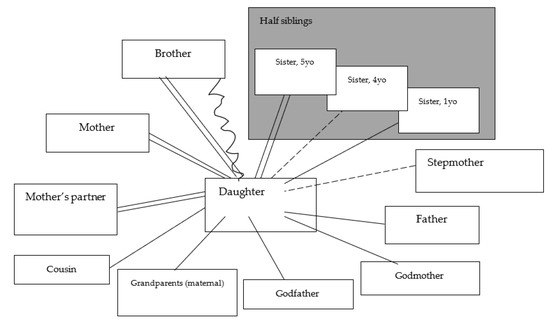
Separation of siblings is one of the most difficult diagnostic problems faced by psychologists. Such situations are happening more often in the face of the increasing number of divorces and breakdown of relationships. Therefore, a diagnostic task becomes an in-depth assessment of intra-family [...] Read more.
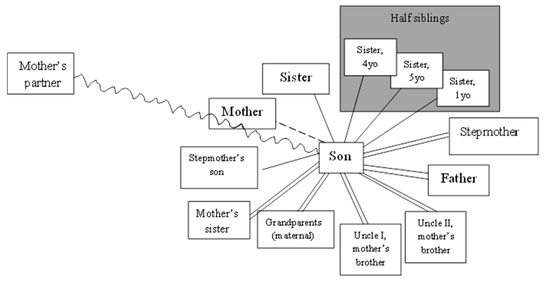
Separation of siblings is one of the most difficult diagnostic problems faced by psychologists. Such situations are happening more often in the face of the increasing number of divorces and breakdown of relationships. Therefore, a diagnostic task becomes an in-depth assessment of intra-family relationships, ties connecting family members, the preferences of individual people and predicting the long-term consequences of the proposed solutions. The article is dedicated to this problem, and the issue is addressed through the theoretical perspective and the analysis of two cases, i.e., the situation of separated siblings. In the study of children, we present a relatively new method, based on the authors’ clinical experience, which could be used to diagnose the family situation of children. The first goal was to analyze the reasons for the separation of siblings whose parents were in conflict during the separation (first case study) and after the separation (second case study), as well as to assess the functioning of the children resulting from the family breakdown, and the decision to separate them from siblings. The analysis allowed identifying the areas of sibling functioning, which should become the subject of diagnosis when working on expert opinions in divorce cases, or cases establishing contact between parents and children. The second aim of the report was to assess the effectiveness of using play as a diagnostic method in a situation that is a source of stress for the child (family breakdown) and causes tension (the diagnostic process in which this topic is discussed). Full article
Show Figures

Figure 1

14 pages, 670 KB  
Article
Physical Restraint Events in Psychiatric Hospitals in Hong Kong: A Cohort Register Study
by Maritta Välimäki, Yuen Ting Joyce Lam, Kirsi Hipp, Po Yee Ivy Cheng, Tony Ng, Glendy Ip, Paul Lee, Teris Cheung, Daniel Bressington and Tella Lantta
Int. J. Environ. Res. Public Health 2022, 19(10), 6032; https://doi.org/10.3390/ijerph19106032 - 16 May 2022
Cited by 9 | Viewed by 5570
Abstract
The need to better monitor coercion practices in psychiatric hospitals has been recognised. We aim to describe how physical restraint events occur in psychiatric hospitals and identify factors associated with physical-restraint use. A cohort register study was used. We analyzed physical restraint documents [...] Read more.
The need to better monitor coercion practices in psychiatric hospitals has been recognised. We aim to describe how physical restraint events occur in psychiatric hospitals and identify factors associated with physical-restraint use. A cohort register study was used. We analyzed physical restraint documents among 14 wards in two psychiatric hospitals in Hong Kong (1 July and 31 December 2018). In total, 1798 incidents occurred (the rate of physical restraint event 0.43). Typically, physically restrained patients were in early middle-age, of both genders, diagnosed with schizophrenia-spectrum and other psychotic disorders, and admitted voluntarily. Alternate methods for physical restraint were reported, such as an explanation of the situation to the patients, time-out or sedation. A longer period of being physically restrained was associated with being male, aged ≥40 years, having involuntary status, and neurodevelopmental-disorder diagnosis. Our findings support a call for greater action to promote the best practices in managing patient aggression and decreasing the use of physical restraint in psychiatric wards. The reasons for the use of physical restraint, especially for those patients who are admitted to a psychiatric hospital on a voluntary basis and are diagnosed with neurodevelopmental disorders, needs to be better understood and analysed. Full article
(This article belongs to the Special Issue Role of the Nursing Research in Patient Care Improvement)
Show Figures

Figure 1

14 pages, 739 KB  
Article
Anxiety and Depression in a Non-Clinical Sample of Young Polish Adults: Presence of Meaning in Life as a Mediator
by Małgorzata Szcześniak, Adam Falewicz, Klaudia Strochalska and Radosław Rybarski
Int. J. Environ. Res. Public Health 2022, 19(10), 6065; https://doi.org/10.3390/ijerph19106065 - 17 May 2022
Cited by 21 | Viewed by 5562
Abstract
Early adulthood, between 18 and 25, is viewed as a decisive period of life for the prevention and treatment of anxiety and depression. Although the topic of their mutual relationship is well-known, little has been uncovered about the mechanism underlying this connection. To [...] Read more.
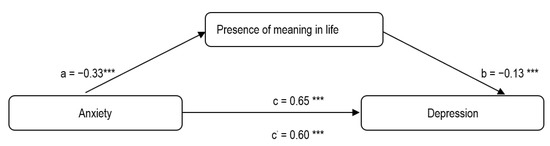
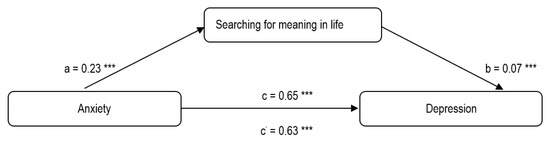
Early adulthood, between 18 and 25, is viewed as a decisive period of life for the prevention and treatment of anxiety and depression. Although the topic of their mutual relationship is well-known, little has been uncovered about the mechanism underlying this connection. To understand the indirect pathways between anxiety and depression, we chose the sense of meaning of life as a mediator because people’s beliefs that their lives are or can be purposeful may protect against depression. The sample was composed of 277 Polish young adults. A small majority of the participants were women (58.8%). The mean age was M = 22.11 (SD = 1.72). We used in the research the Direct Behavior Rating-Scale Items Scale, the Meaning in Life Questionnaire, and the Brief Screen for Depression. Correlational analysis showed that, consistent with past findings, anxiety correlated positively with depression and searching for meaning. It was also negatively associated with presence of meaning. Moreover, depression was negatively linked to presence of meaning and positively with searching for meaning. Regression-based mediation analyses (PROCESS macro 3.4) proved that the relationship between anxiety and depression was mediated by presence of meaning in life, suggesting that having a sense of meaning may be a pathway by which feelings of tension relative to adverse events protect against depression. Full article
Show Figures

Figure 1

17 pages, 2157 KB  
Article
What Competencies Does a Community Occupational Therapist Need in Neurorehabilitation? Qualitative Perspectives
by Daniela Avello-Sáez, Fabiola Helbig-Soto, Nayadet Lucero-González and María del Mar Fernández-Martínez
Int. J. Environ. Res. Public Health 2022, 19(10), 6096; https://doi.org/10.3390/ijerph19106096 - 17 May 2022
Cited by 6 | Viewed by 5540
Abstract
More than three million people in Chile suffer from neurological conditions, and many of these become permanent users of health services with a community approach. In this way, disciplinary competencies in this area are relevant. We seek to characterize the competencies for community [...] Read more.
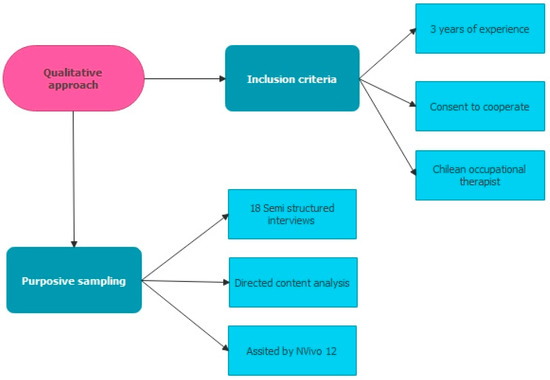
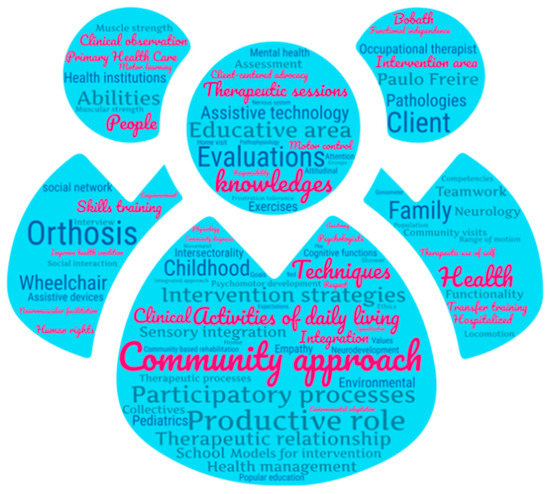
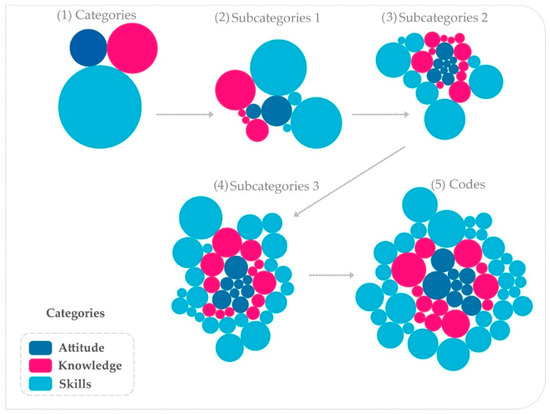
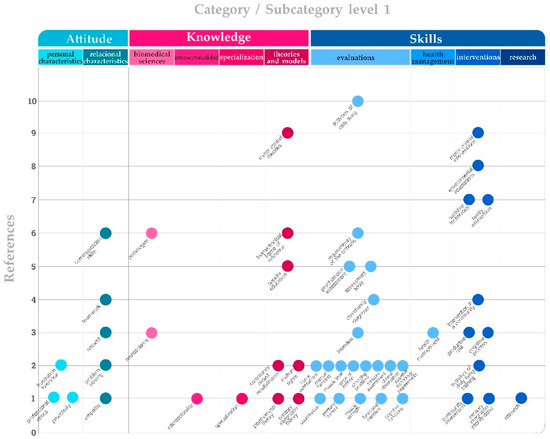
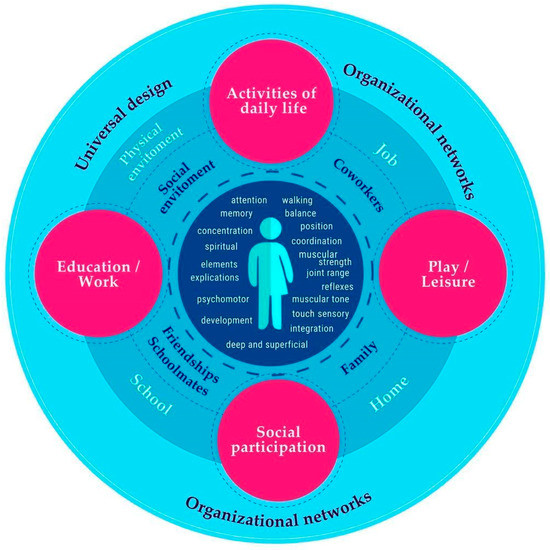
More than three million people in Chile suffer from neurological conditions, and many of these become permanent users of health services with a community approach. In this way, disciplinary competencies in this area are relevant. We seek to characterize the competencies for community occupational therapy intervention in neurorehabilitation. Using a qualitative approach, interviews were conducted with eighteen professionals and were analyzed using content analysis. The main results are associated with the competencies of knowledge associated with theoretical biomedical and community elements. Skills range from health evaluation and intervention on micro- and macrosocial levels. Attitude is also an important skill, stemming from personal and relational spheres. These findings suggest that interventions are essentially on a personal and microsocial level, focusing first on pathology and treatment, and later comprehending the interactions with a patient’s close social environment, such as family, schoolmates, and workmates and their physical environment at home, school, and the workplace. Although the final objective of community intervention is present in the discourse as being able to generate structural changes that favor well-being and social inclusion, concrete competencies are not appreciated on a macrosocial level. Full article
(This article belongs to the Special Issue Occupational Therapy: Neurorehabilitation of Children and Adults)
Show Figures

Figure 1

19 pages, 2526 KB  
Article
Effects of a 6-Month Aerobic Exercise Intervention on Mood and Amygdala Functional Plasticity in Young Untrained Subjects
by Angelika Maurer, Julian Klein, Jannik Claus, Neeraj Upadhyay, Leonie Henschel, Jason Anthony Martin, Lukas Scheef, Marcel Daamen, Theresa Schörkmaier, Rüdiger Stirnberg, Tony Stöcker, Alexander Radbruch, Ulrike I. Attenberger, Martin Reuter and Henning Boecker
Int. J. Environ. Res. Public Health 2022, 19(10), 6078; https://doi.org/10.3390/ijerph19106078 - 17 May 2022
Cited by 10 | Viewed by 5528
Abstract
Acute exercise has beneficial effects on mood and is known to induce modulations in functional connectivity (FC) within the emotional network. However, the long-term effects of exercise on affective brain circuits remain largely unknown. Here, we investigated the effects of 6 months of [...] Read more.
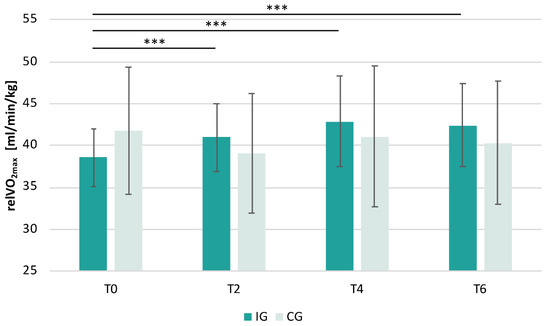
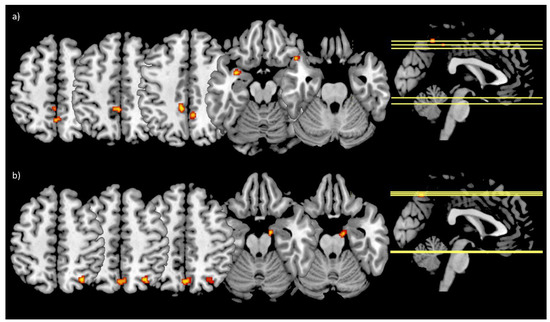
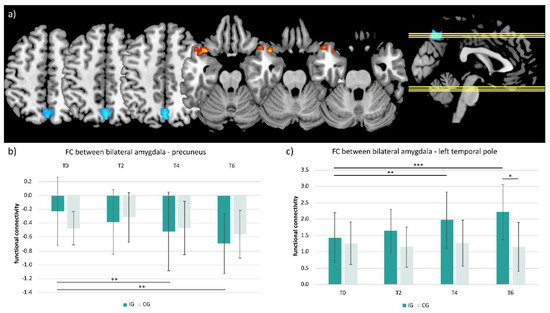
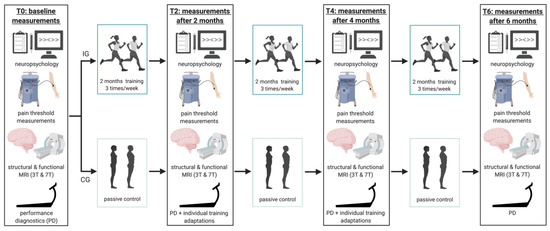
Acute exercise has beneficial effects on mood and is known to induce modulations in functional connectivity (FC) within the emotional network. However, the long-term effects of exercise on affective brain circuits remain largely unknown. Here, we investigated the effects of 6 months of regular exercise on mood, amygdala structure, and functional connectivity. This study comprised N = 18 healthy sedentary subjects assigned to an intervention group (IG; 23.9 ± 3.9 years; 3 trainings/week) and N = 10 subjects assigned to a passive control group (CG; 23.7 ± 4.2 years). At baseline and every two months, performance diagnostics, mood questionnaires, and structural and resting-state-fMRI were conducted. Amygdala-nuclei segmentation and amygdala-to-whole-brain FC analysis were performed. Linear mixed effects models and correlation analyses were conducted between FC, relVO2max, and mood scores. Data showed increases in relVO2max exclusively in the IG. Stronger anticorrelation in amygdala-precuneus FC was found, along with a stronger positive correlation in the amygdala-temporal pole FC in the IG after 4 and 6 months, while mood and amygdala volume did not reveal significant interactions. The relVO2max/amygdala-temporal pole FC correlated positively, and the amygdala-precuneus/amygdala-temporal pole FC correlated negatively. Findings suggest that exercise induced long-term modulations of the amygdala FC with the precuneus and temporal pole, shedding light on potential mechanisms by which exercise has positive influences on mood-related networks, typically altered in affective disorders. Full article
(This article belongs to the Collection Physical Activity and Adolescent Students' Health)
Show Figures

Figure 1

14 pages, 1778 KB  
Article
Alcohol and Nicotine Use among Adolescents: An Observational Study in a Sicilian Cohort of High School Students
by Emanuele Cannizzaro, Gianluca Lavanco, Valentina Castelli, Luigi Cirrincione, Danila Di Majo, Francesco Martines, Antonina Argo and Fulvio Plescia
Int. J. Environ. Res. Public Health 2022, 19(10), 6152; https://doi.org/10.3390/ijerph19106152 - 18 May 2022
Cited by 16 | Viewed by 5467
Abstract
In recent years, the mode of alcoholic intake known as binge drinking (BD) has become a common practice, especially among adolescents who, due to socio-environmental motives, tend to reach a rapid state of drunkenness. This drunkeness leads to alterations in brain areas responsible [...] Read more.
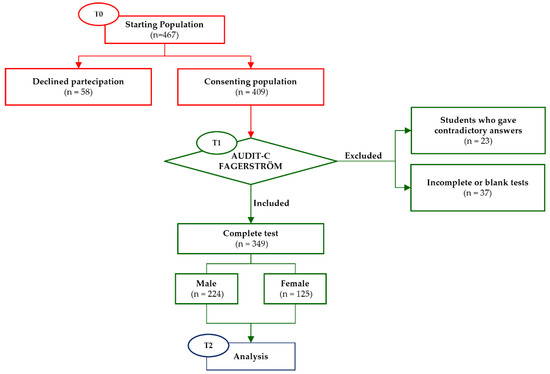
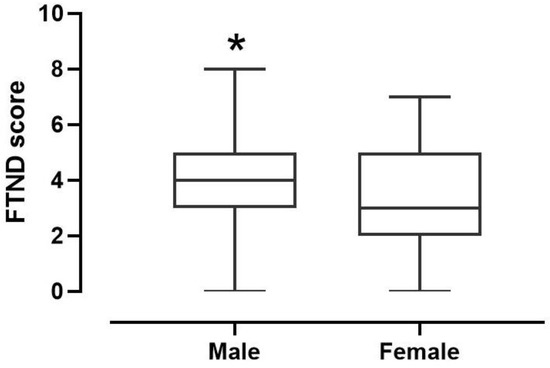
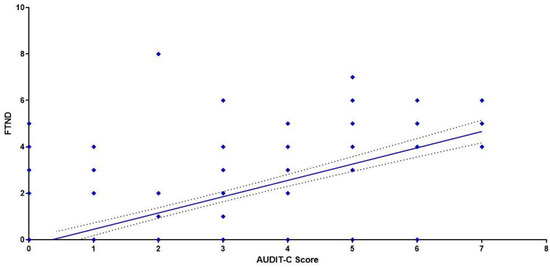
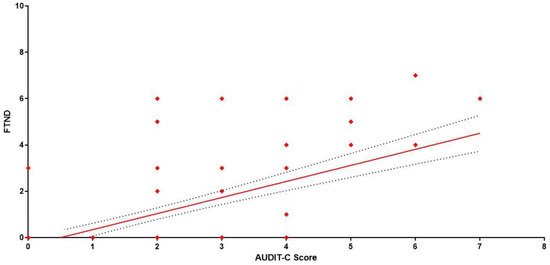
In recent years, the mode of alcoholic intake known as binge drinking (BD) has become a common practice, especially among adolescents who, due to socio-environmental motives, tend to reach a rapid state of drunkenness. This drunkeness leads to alterations in brain areas responsible for executive functions and cognitive processes, as well as to the genesis of factors that predispose to lasting addiction. Likewise, nicotine leads to a comparable degree of addiction. On this basis, the aim of this research was to evaluate, on a cohort of 349 high school students (15–17 years old) in the province of Palermo, the following: (I) the drinking model of alcoholic beverages; (II) the use of nicotine and the degree of dependence; (III) the correlation between the consumption of alcoholic beverages and the use of nicotine. We employed the AUDIT-C test and the Fagerström test, two valid and standard instruments, in order to assess alcohol and nicotine use, respectively. Statistical analysis of the data showed that male and female students consumed alcohol prominently in a BD mode (77.2%, audit score (AS) 3.497, confidence interval (CI) 3.206–3.788; 69.6%, AS 2.793, CI 2.412–3.274) and nicotine (41.5%, Fagerström score (FS) 3.882, CI 3.519–4.245; 28%, FS 3.286, CI 2.547–4.024). Furthermore, a positive correlation between alcohol consumption and nicotine use was found for male (r = 0.6798, p < 0.0001) and female (r = 0.6572, p < 0.0001) students. This study provided further insights into the use of legal substances of abuse in adolescents, evidencing the obvious need for the promotion of specific school educational programs aimed at the wellbeing of youth populations. Full article
Show Figures

Figure 1

10 pages, 1279 KB  
Article
Impact of High-Intensity Interval Training on Body Composition and Depressive Symptoms in Adults under Home Confinement
by Diego Alonso-Fernández, Rosana Fernández-Rodríguez, Yaiza Taboada-Iglesias and Águeda Gutiérrez-Sánchez
Int. J. Environ. Res. Public Health 2022, 19(10), 6145; https://doi.org/10.3390/ijerph19106145 - 18 May 2022
Cited by 14 | Viewed by 5453
Abstract
The home confinement derived from the COVID-19 pandemic has led to drastic changes in people’s habits. This situation has influenced their eating, rest, physical activity and socialization patterns, triggering changes in their mental stability. It was demonstrated that physical activity is beneficial for [...] Read more.
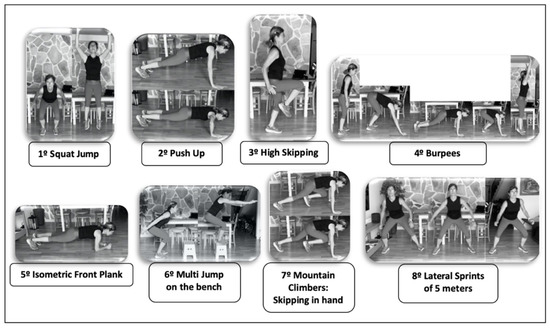
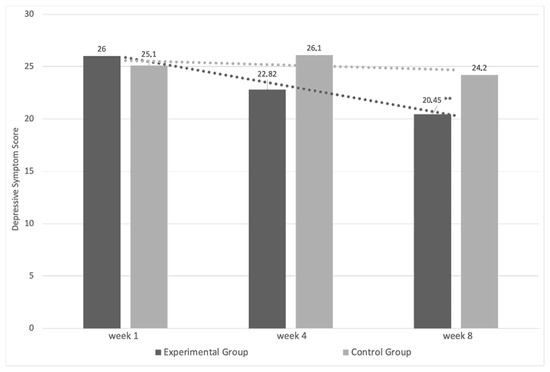
The home confinement derived from the COVID-19 pandemic has led to drastic changes in people’s habits. This situation has influenced their eating, rest, physical activity and socialization patterns, triggering changes in their mental stability. It was demonstrated that physical activity is beneficial for people’s physical and mental health. By its moderate volume and requiring little space or material, high-intensity interval training (HIIT) could prove to be a valid alternative in a situation of confinement. The aim of the present study was to observe the impact of an 8-week HIIT protocol on the body composition and the depressive symptoms of adults in strict home confinement. A total of 21 healthy adults, both male and female, (35.4 ± 5.6 years old; 70.50 ± 12.1 kg; 171 ± 10 cm) were divided into an experimental group (EG, n = 11) who carried out an 8-week Tabata protocol, based upon calisthenic exercises with their own weight in their homes, and a control group (CG, n = 10) who did not carry out any systematic physical activity over the same period. Following the intervention, the EG experienced a significant reduction in percentage (t = 3.86, d = 0.57, p < 0.05) and in kg (t = 4.62, d = 0.29, p < 0.05) of body fat mass (BFM) and body fat mass index (BFMI) (t = 4.61, d = 0.31, p < 0.05), as well as a reduction in depressive symptoms (t = 6.48, d = 1.3, p < 0.05). These results indicate that HIIT is a potential public health tool that could possibly be prescribed to the population in case of future situations of home confinement. Full article
(This article belongs to the Special Issue Community Mental Health)
Show Figures

Figure 1

13 pages, 736 KB  
Article
Employees’ Green Enterprise Motivation and Green Creative Process Engagement and Their Impact on Green Creative Performance
by Xiao Hu, Shumaila Mazhar Khan, Shijiao Huang, Jawad Abbas, Mirabela Constanta Matei and Daniel Badulescu
Int. J. Environ. Res. Public Health 2022, 19(10), 5983; https://doi.org/10.3390/ijerph19105983 - 14 May 2022
Cited by 38 | Viewed by 5449
Abstract
Based on the recent surge in environmental degradation issues mainly caused by the manufacturing industry and the inadequacy of the measures taken to respond to them, this research focuses on investigating whether employees’ motivation to protect the natural environment leads to their green [...] Read more.
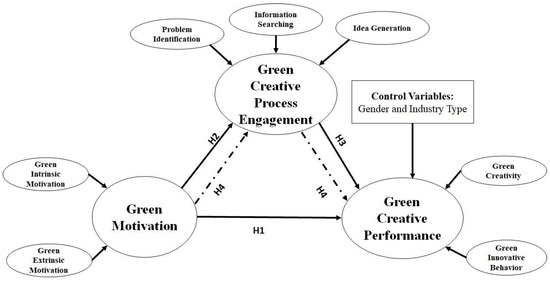
Based on the recent surge in environmental degradation issues mainly caused by the manufacturing industry and the inadequacy of the measures taken to respond to them, this research focuses on investigating whether employees’ motivation to protect the natural environment leads to their green creative performance (GCP) at work. It also examines the role of green creative process engagement (GCPE) as a mediator between green motivation (GM) and GCP. Structural equation modeling (SEM) is used to examine the hypotheses which indicated that employees’ GCP appears to be significantly influenced by their GM. Moreover, GCPE is also found to act as a mediating factor between the two. Moreover, industry type and gender are found to play significant roles in the studied variables. The current research is among the pioneer studies that focus on involving employees in the pro-environmental creative process through green motivation, leading towards GCP, an essential element for achieving the United Nations Sustainable Development Goals. The study’s findings can help companies promote GCP to solve today’s most pressing environmental issues and achieve sustainable development goals. Full article
Show Figures

Figure 1

11 pages, 461 KB  
Article
Palliative Professionals’ Views on the Importance of Religion, Belief, and Spiritual Identities toward the End of Life
by Panagiotis Pentaris and Khyati Tripathi
Int. J. Environ. Res. Public Health 2022, 19(10), 6031; https://doi.org/10.3390/ijerph19106031 - 16 May 2022
Cited by 20 | Viewed by 5376
Abstract
Abundant literature has argued the significance of religion, belief, and spirituality at the end of life. This study aims to add to this literature by exploring palliative professionals’ views in this area. By means of an in-depth interviewing method, this paper reports data [...] Read more.
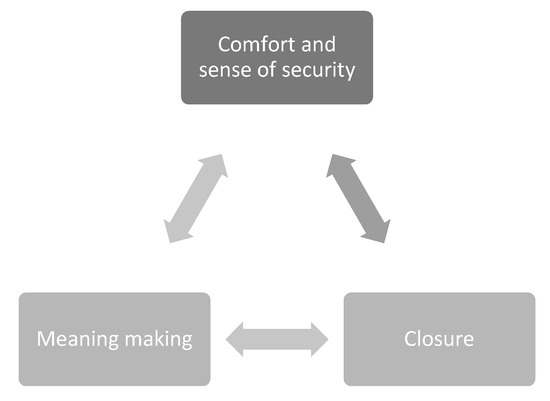
Abundant literature has argued the significance of religion, belief, and spirituality at the end of life. This study aims to add to this literature by exploring palliative professionals’ views in this area. By means of an in-depth interviewing method, this paper reports data from 15 hospice and palliative care professionals. Participants were recruited from five hospice and palliative care organisations, and the data were managed and analysed with thematic analysis and NVivo (version 11). This study found three main reasons that make religion, belief, and spirituality important for patients and their loved ones when facing imminent death: the sense of comfort and security, meaning making, and closure. These reasons are not independent from one another, but complementary. This paper offers some implications for practice and concludes with a call for further research. Full article
(This article belongs to the Special Issue Nursing and Palliative Care)
Show Figures

Figure 1

19 pages, 888 KB  
Article
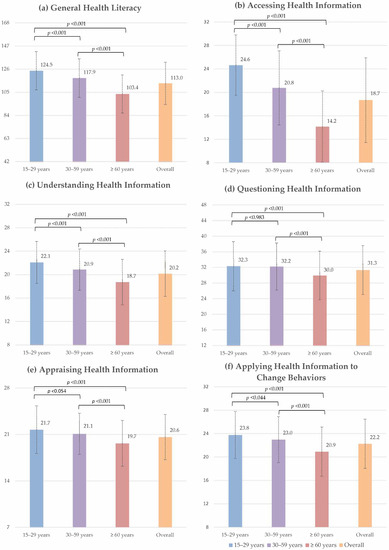
Health Information Sources Influencing Health Literacy in Different Social Contexts across Age Groups in Northern Thailand Citizens
by Nida Buawangpong, Wachiranun Sirikul, Chanya Anukhro, Mathuramat Seesen, Aroon La-up and Penprapa Siviroj
Int. J. Environ. Res. Public Health 2022, 19(10), 6051; https://doi.org/10.3390/ijerph19106051 - 16 May 2022
Cited by 33 | Viewed by 5358
Abstract
Health literacy is an essential social determinant of health and has been associated with positive health outcomes. While many sources of health information are widely available, people of different ages also have diverse social contexts and preferences for health information sources. This study [...] Read more.
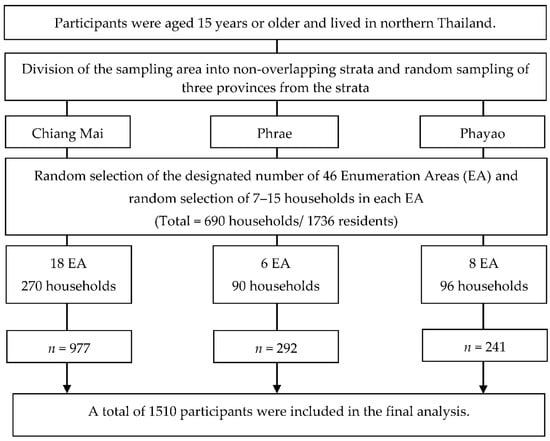
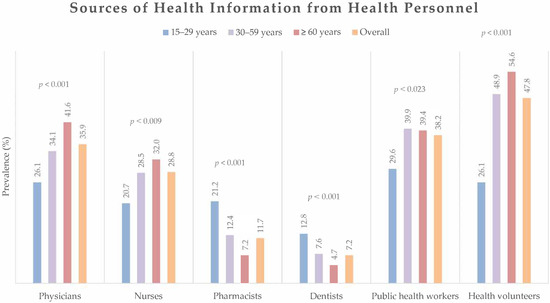
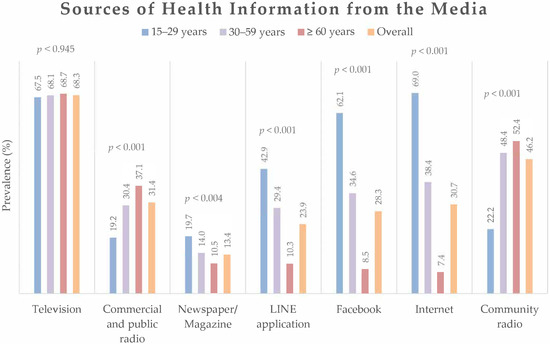
Health literacy is an essential social determinant of health and has been associated with positive health outcomes. While many sources of health information are widely available, people of different ages also have diverse social contexts and preferences for health information sources. This study aimed to identify health information sources and socio-demographics influencing health literacy in different social contexts across age groups: 15–29 years (young), 30–59 years (middle-age), and ≥60 years (elderly). We obtained secondary data from a cross-sectional study in northern Thailand from March to August 2019. Multivariate linear regression with age group subgroup analysis was used to determine factors associated with general health literacy by the Thai version of the health literacy questionnaire. Receiving health information from physicians was significantly associated with higher general health literacy in young (β 6.45, 95%CI 0.44–12.45; p = 0.035) and elderly (β 5.18, 95%CI 1.84–8.52; p = 0.002) groups, while receiving health information from health volunteers was significantly associated with a higher general health literacy in the middle-aged (β 2.89, 95%CI 0.38–5.39; p = 0.024) group. Although younger participants showed more frequent access to health information via the media than the other age groups, there were no media sources significantly linked with their general health literacy. Health information from physicians is a vital source of health information. Full article
(This article belongs to the Section Health Care Sciences & Services)
Show Figures

Figure 1

14 pages, 864 KB  
Article
The Long-Term Effects of Early Childhood Resilience Profiles on School Outcomes among Children in the Child Welfare System
by Susan Yoon, Fei Pei, Juan Lorenzo Benavides, Alexa Ploss, Jessica Logan and Sherry Hamby
Int. J. Environ. Res. Public Health 2022, 19(10), 5987; https://doi.org/10.3390/ijerph19105987 - 14 May 2022
Cited by 9 | Viewed by 5341
Abstract
This study aimed to examine the association between early childhood resilience profiles and later school outcomes (academic achievement and school involvement) among children in the U.S. child welfare system. This study compared 827 children aged 3–5 years in three latent profile groups (poor [...] Read more.
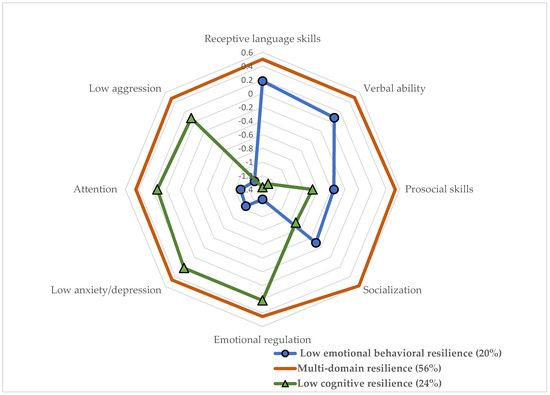
This study aimed to examine the association between early childhood resilience profiles and later school outcomes (academic achievement and school involvement) among children in the U.S. child welfare system. This study compared 827 children aged 3–5 years in three latent profile groups (poor emotional and behavioral resilience, low cognitive resilience, and multi-domain resilience) to their baseline profiles using data from the National Survey of Child and Adolescent Well-Being (NSCAW-II). At the three-year follow-up, children with low emotional and behavioral resilience profiles and children with the multi-domain resilience profile had significantly higher basic reading skills, reading comprehension, and math reasoning compared to children with low scores on the cognitive resilience profile. Furthermore, children with the multi-domain resilience profile had significantly higher levels of emotional school engagement than did those with the low emotional and behavioral resilience profile and considerably higher levels of behavioral school engagement compared to those with the low cognitive resilience profile. The findings highlight the persistent effects of early resilience into the later childhood years. Moreover, our results suggest the need for early identification of and intervention for children with low cognitive or emotional/behavioral resilience during the preschool years to promote academic success and school engagement during the school-age years. Full article
Show Figures

Figure 1