14 pages, 347 KB  
Article
Cyberbullying across the Lifespan of Education: Issues and Interventions from School to University
by Carrie-Anne Myers and Helen Cowie
Int. J. Environ. Res. Public Health 2019, 16(7), 1217; https://doi.org/10.3390/ijerph16071217 - 4 Apr 2019
Cited by 81 | Viewed by 20486
Abstract
Research on cyberbullying amongst students has tended to be conducted separately within specific education institutional contexts, schools, further education (FE) and higher education (HE), neglecting a view that takes account of the entire educational lifespan. The present article addresses this gap in the [...] Read more.
Research on cyberbullying amongst students has tended to be conducted separately within specific education institutional contexts, schools, further education (FE) and higher education (HE), neglecting a view that takes account of the entire educational lifespan. The present article addresses this gap in the literature, providing a novel take on examining its nature, social environments, legal consequences and potentially helpful interventions. To facilitate this, the article conceptualises cyberbullying in broad terms, recognising that it can take multiple forms of online and digital practice including: spreading rumours, ridiculing and/or demeaning another person, casting aspirations on the grounds of race, disability, gender, religion or sexual orientation; seeking revenge or deliberately embarrassing a person by posting intimate photos or videos about them without their consent; accessing another’s social networking profiles with malicious intent and socially excluding a person from a social network or gaming site. This article demonstrates that harm from cyberbullying is a cause for concern for students at each developmental stage and that there are continuities in its appearance that need to be challenged at each point in the educational lifespan. And inaccurately, by university, the idea that ‘nothing can be done’ still is one of the main concerns for the victims. The article concludes with five key recommendations for future research and practice across the educational lifespan. Full article
(This article belongs to the Special Issue Interventions to Reduce Bullying and Cyberbullying)
15 pages, 639 KB  
Review
Social Inequalities in Environmental Resources of Green and Blue Spaces: A Review of Evidence in the WHO European Region
by Steffen Andreas Schüle, Lisa Karla Hilz, Stefanie Dreger and Gabriele Bolte
Int. J. Environ. Res. Public Health 2019, 16(7), 1216; https://doi.org/10.3390/ijerph16071216 - 4 Apr 2019
Cited by 128 | Viewed by 11063
Abstract
Residential green and blue spaces and their potential health benefits have received increasing attention in the context of environmental health inequalities, because an unequal social distribution of these resources may contribute to inequalities in health outcomes. This systematic review synthesised evidence of environmental [...] Read more.
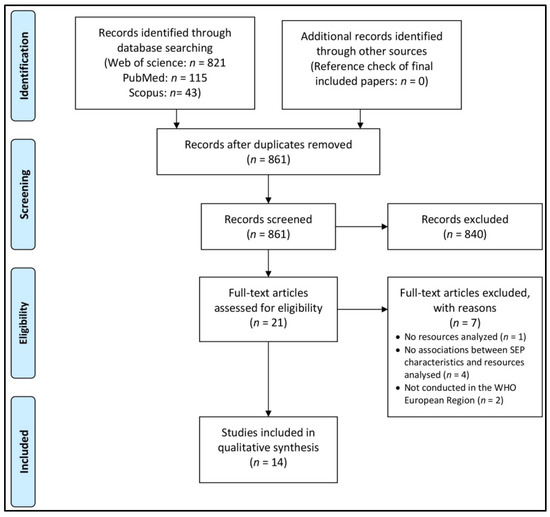
Residential green and blue spaces and their potential health benefits have received increasing attention in the context of environmental health inequalities, because an unequal social distribution of these resources may contribute to inequalities in health outcomes. This systematic review synthesised evidence of environmental inequalities, focusing on availability and accessibility measures of green and blue spaces. Studies in the World Health Organisation (WHO) European Region published between 2010 and 2017 were considered for the review. In total, 14 studies were identified, where most of them (n = 12) analysed inequalities of green spaces. The majority had an ecological study design that mostly applied deprivation indices on the small area level, whereas cross-sectional studies on the individual level mostly applied single social measures. Ecological studies consistently showed that deprived areas had lower green space availability than more affluent areas, whereas mixed associations were found for single social dimensions in cross-sectional studies on the individual level. In order to gain more insights into how various social dimensions are linked to the distribution of environmental resources within the WHO European Region, more studies are needed that apply comparable methods and study designs for analysing social inequalities in environmental resources. Full article
(This article belongs to the Special Issue Achieving Environmental Health Equity: Great Expectations)
Show Figures

Figure 1

12 pages, 319 KB  
Article
Longitudinal Change of PTSD Symptoms in Community Members after the World Trade Center Destruction
by Rebecca Rosen, Zhaoyin Zhu, Yongzhao Shao, Mengling Liu, Jia Bao, Nomi Levy-Carrick and Joan Reibman
Int. J. Environ. Res. Public Health 2019, 16(7), 1215; https://doi.org/10.3390/ijerph16071215 - 4 Apr 2019
Cited by 14 | Viewed by 3648
Abstract
The World Trade Center (WTC) Environmental Health Center (EHC) is a treatment program for community members with exposure to the 9/11 terrorist attack and its physical and emotional aftermath. Compared to the general responders program, the WTC EHC is diverse with equal gender [...] Read more.
The World Trade Center (WTC) Environmental Health Center (EHC) is a treatment program for community members with exposure to the 9/11 terrorist attack and its physical and emotional aftermath. Compared to the general responders program, the WTC EHC is diverse with equal gender distribution, representation of many races and ethnicities, and a wide range of social economic status. Patients in the WTC EHC were initially enrolled for physical symptoms, most of which were respiratory, however a large portion of the enrollees scored positive for probable posttraumatic stress disorder (PTSD). In this paper we identify patient characteristics associated with probable PTSD. We also determine the characteristics associated with the longitudinal change of PTSD symptoms, including persistence and remittance, using the widely used Posttraumatic Check List-17 (PCL) cut-off value of 44, as well as changes in PCL total score and symptom cluster scores in patients of Low and High PTSD symptom severity. Few patients with elevated scores achieved a score below 44. However, longitudinal improvement in PCL score at follow-up was identified for patients with High PTSD scores (PCL > 57.5). Changes in PCL symptom clusters differed between those with High and Low PCL scores. These data suggest improvement over time in PCL score that differs depending on the severity of the score and variable responses in the PCL symptom clusters. Full article
(This article belongs to the Special Issue Long-Term Health Effects of the 9/11 Disaster)
12 pages, 489 KB  
Article
Association between Undiagnosed Hypertension and Health Factors among Middle-Aged and Elderly Chinese Population
by Junmin Zhou and Shu Fang
Int. J. Environ. Res. Public Health 2019, 16(7), 1214; https://doi.org/10.3390/ijerph16071214 - 4 Apr 2019
Cited by 33 | Viewed by 4374
Abstract
Undiagnosed hypertension has resulted in significant health and economic burdens. This study sought to investigate the association between health factors and undiagnosed hypertension among hypertensive Chinese and to assess the urban-rural disparity. A total of 6455 diagnosed and undiagnosed hypertensive adults were included. [...] Read more.
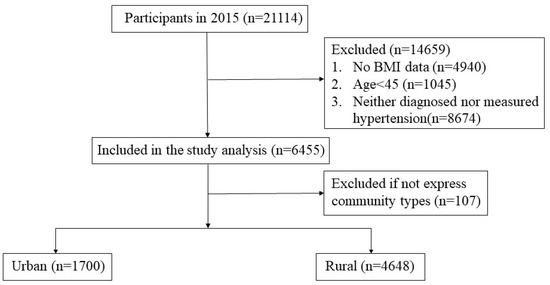
Undiagnosed hypertension has resulted in significant health and economic burdens. This study sought to investigate the association between health factors and undiagnosed hypertension among hypertensive Chinese and to assess the urban-rural disparity. A total of 6455 diagnosed and undiagnosed hypertensive adults were included. Multivariable logistic regression was conducted to examine the association between health factors and undiagnosed hypertension. The urban–rural disparity was investigated through stratified analysis. Undiagnosed hypertension was prevalent (28.8%), and rural residents were more likely to have undiagnosed hypertension compared to their urban counterparts (30.1% versus 24.7%). Physical examination, healthcare service utilization, body mass index, chronic diseases, headache, and self-rated health status were found to be significantly associated with undiagnosed hypertension. In addition, healthcare service utilization, underweight in body mass index, headache, and self-rating health status were associated with undiagnosed hypertension among the rural sample but not in the urban sample. Undiagnosed hypertension was significantly related to health factors among hypertensive Chinese. The findings provided implications for future hypertension prevention programs. The use of physical examination (e.g., blood pressure measurements) is recommended; special attention may be given to those who are underweight and self-rate their health as good and fair, as they are more likely to be neglected. Full article
(This article belongs to the Section Health Behavior, Chronic Disease and Health Promotion)
Show Figures

Figure 1

10 pages, 575 KB  
Article
Association of Ambient Air Pollution with Increased Liver Enzymes in Korean Adults
by Hyun-Jin Kim, Jin-young Min, Yong-Seok Seo and Kyoung-bok Min
Int. J. Environ. Res. Public Health 2019, 16(7), 1213; https://doi.org/10.3390/ijerph16071213 - 4 Apr 2019
Cited by 47 | Viewed by 4151
Abstract
An association between exposure to air pollution and liver enzymes in certain areas or older people has been reported in the literature; however, it cannot be generalized to the general population. We investigated the association between air pollution, liver enzyme levels, and alcohol [...] Read more.
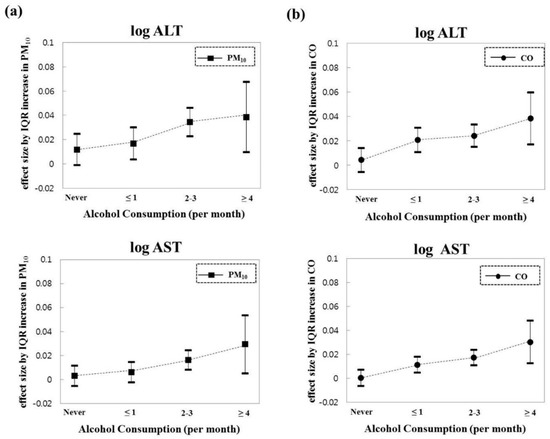
An association between exposure to air pollution and liver enzymes in certain areas or older people has been reported in the literature; however, it cannot be generalized to the general population. We investigated the association between air pollution, liver enzyme levels, and alcohol consumption using nationwide data of South Korean adults. Air pollutants included particulate matter with an aerodynamic diameter ≤10 µm (PM10), nitrogen dioxide (NO2), sulfur dioxide (SO2), and carbon monoxide (CO). Liver enzymes included alanine aminotransferase (ALT) and aspartate aminotransferase (AST). Exposure to air pollutants were significantly associated with elevation of log ALT and log AST, especially increases from 0.0073 IU/L (95% confidence interval (CI) = 0.0042, 0.0104) to 0.0251 IU/L (95% CI = 0.0132, 0.0371) per interquartile range (IQR) increase of each pollutant (all pollutants: p < 0.001). Association of the liver enzymes with PM10 (β (95% CI) = 0.0285 IU/L (0.0201, 0.0368) for log ALT; β (95% CI) = 0.0139 IU/L (0.0079, 0.0198) for log AST) and CO (β (95% CI) = 0.0247 IU/L (0.0182, 0.0311) for log ALT; β (95% CI) = 0.0164 IU/L (0.0118, 0.0210) for log AST) were only significant among drinkers. Our findings suggest that chronic exposure to PM10 and CO is a risk factor for liver enzymes increases among the general adult population who admitted to drinking alcohol. Full article
Show Figures

Figure 1

18 pages, 1759 KB  
Review
Childhood Obesity Prevention in Africa: A Systematic Review of Intervention Effectiveness and Implementation
by Sonja Klingberg, Catherine E. Draper, Lisa K. Micklesfield, Sara E. Benjamin-Neelon and Esther M. F. van Sluijs
Int. J. Environ. Res. Public Health 2019, 16(7), 1212; https://doi.org/10.3390/ijerph16071212 - 4 Apr 2019
Cited by 39 | Viewed by 10102
Abstract
Childhood obesity is of increasing concern in many parts of Africa. We conducted a systematic search and review of published literature on behavioural childhood obesity prevention interventions. A literature search identified peer-reviewed literature from seven databases, and unindexed African journals, including experimental studies [...] Read more.
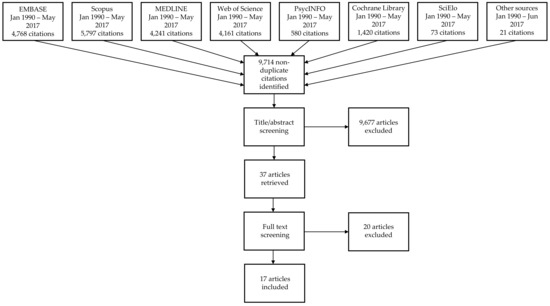
Childhood obesity is of increasing concern in many parts of Africa. We conducted a systematic search and review of published literature on behavioural childhood obesity prevention interventions. A literature search identified peer-reviewed literature from seven databases, and unindexed African journals, including experimental studies targeting children age 2–18 years in African countries, published in any language since 1990. All experimental designs were eligible; outcomes of interest were both behavioural (physical activity, dietary behaviours) and anthropometric (weight, body mass index, body composition). We also searched for process evaluations or other implementation observations. Methodological quality was assessed; evidence was synthesised narratively as a meta-analysis was not possible. Seventeen articles describing 14 interventions in three countries (South Africa, Tunisia and Uganda) were included. Effect scores indicated no overall effect on dietary behaviours, with some beneficial effects on physical activity and anthropometric outcomes. The quality of evidence was predominantly weak. We identified barriers and facilitators to successful interventions, and these were largely resource-related. Our systematic review highlights research gaps in targeting alternative settings to schools, and younger age groups, and a need for more rigorous designs for evaluating effectiveness. We also recommend process evaluations being used more widely. Full article
(This article belongs to the Section Health Behavior, Chronic Disease and Health Promotion)
Show Figures

Figure 1

18 pages, 5757 KB  
Article
Spatio-Temporal Dynamics of Maize Potential Yield and Yield Gaps in Northeast China from 1990 to 2015
by Luoman Pu, Shuwen Zhang, Jiuchun Yang, Liping Chang and Shuting Bai
Int. J. Environ. Res. Public Health 2019, 16(7), 1211; https://doi.org/10.3390/ijerph16071211 - 4 Apr 2019
Cited by 22 | Viewed by 4381
Abstract
Maize yield has undergone obvious spatial and temporal changes in recent decades in Northeast China. Understanding how maize potential yield has changed over the past few decades and how large the gaps between potential and actual maize yields are is essential for increasing [...] Read more.
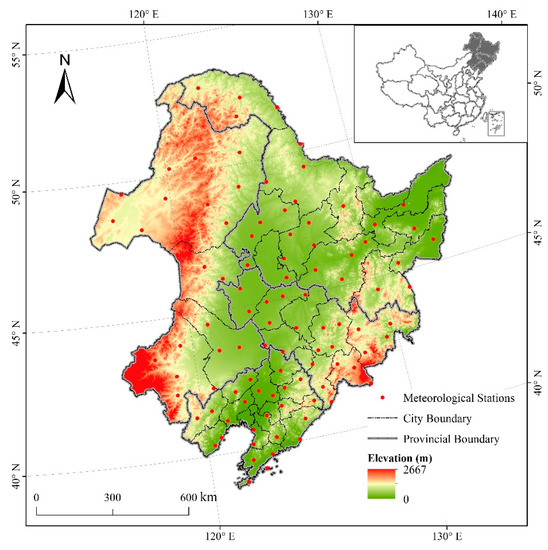
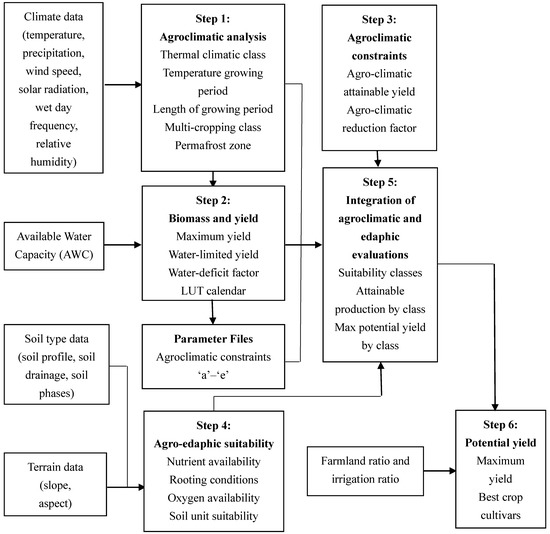
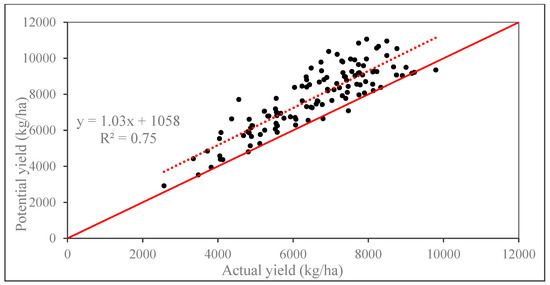
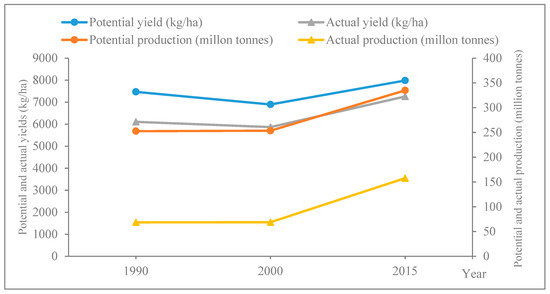
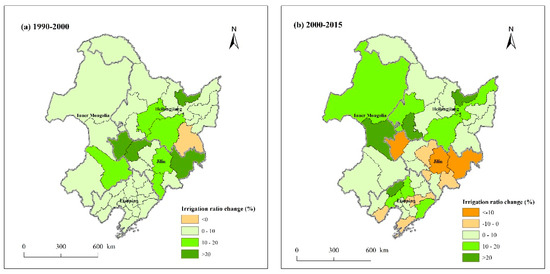
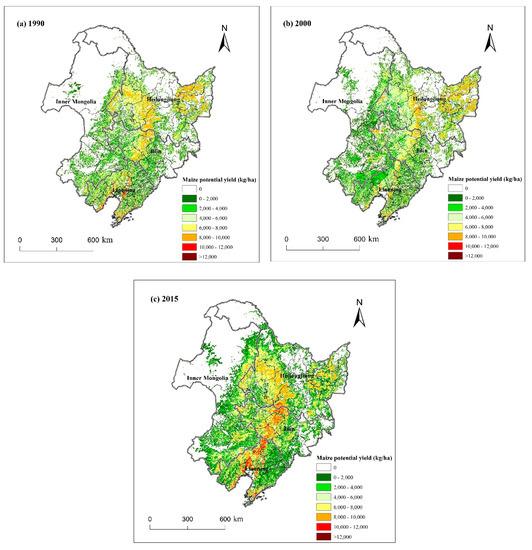
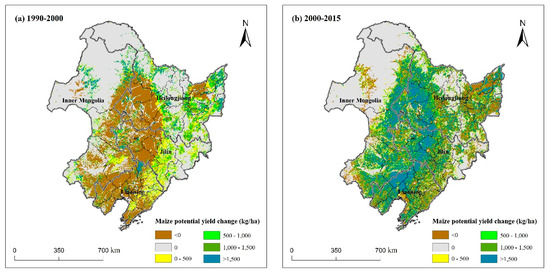
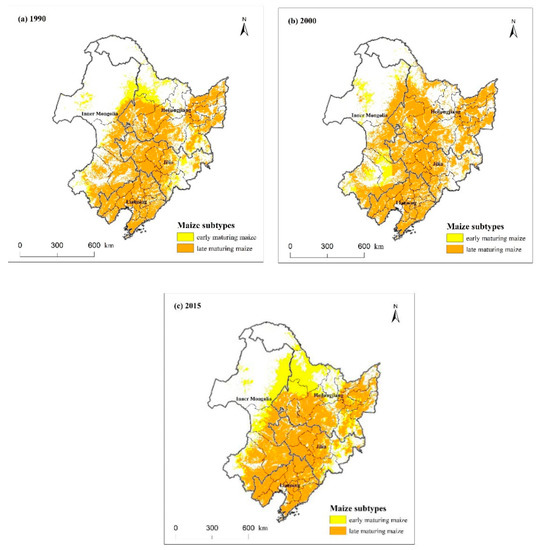
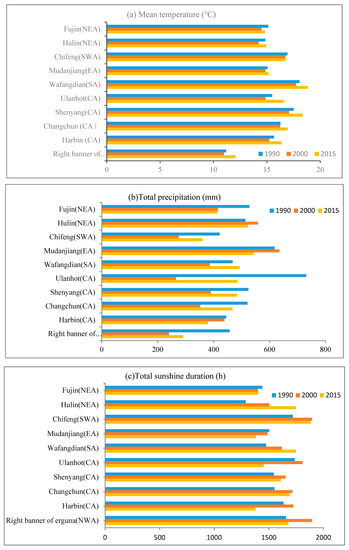
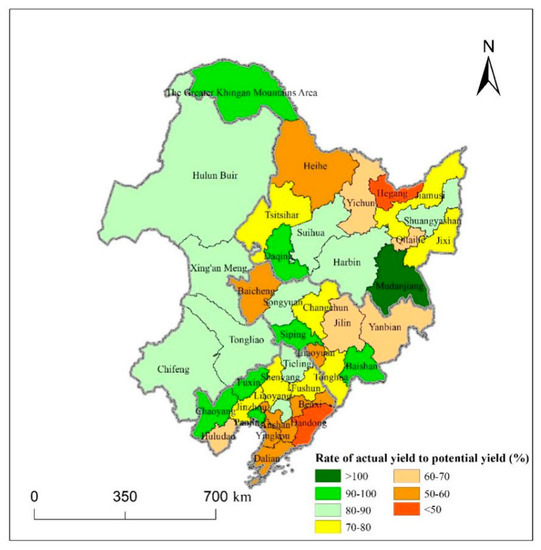
Maize yield has undergone obvious spatial and temporal changes in recent decades in Northeast China. Understanding how maize potential yield has changed over the past few decades and how large the gaps between potential and actual maize yields are is essential for increasing maize yield to meet increased food demand in Northeast China. In this study, the spatial and temporal dynamics of maize potential yield in Northeast China from 1990 to 2015 were simulated using the Global Agro-ecological Zones (GAEZ) model at the pixel level firstly. Then, the yield gaps between actual and potential yields were analyzed at city scale. The results were the following. (1) The maize potential yield decreased by about 500 kg/ha and the potential production remained at around 260 million tonnes during 1990–2000. From 2000 to 2015, the maize potential yield and production increased by approximately 1000 kg/ha and 80 million tonnes, respectively. (2) The maize potential yield decreased in most regions of Northeast China in the first decade, such as the center area (CA), south area (SA), southwest area (SWA), and small regions in northeast area (NEA), due to lower temperature and insufficient rainfall. The maize potential yield increased elsewhere. (3) The maize potential yield increased by more than 1000 kg/ha in the center area (CA) in the latter 15 years, which may be because of the climate warming and sufficient precipitation. The maize potential yield decreased elsewhere and Harbin in the center area (CA). (4) In 40 cities of Northeast China, the rates of actual yield to potential yield in 17 cities were higher than 80%. The actual yields only attained 50–80% of the potential yields in 20 cities. The gaps between actual and potential yields in Hegang and Dandong were very large, which need to be shrunk urgently. The results highlight the importance of coping with climate change actively, arranging crop structure reasonably, improving farmland use efficiency and ensuring food security in Northeast China. Full article
Show Figures

Figure 1

18 pages, 2286 KB  
Article
Exposure to Atmospheric Ultrafine Particles Induces Severe Lung Inflammatory Response and Tissue Remodeling in Mice
by Yara Saleh, Sébastien Antherieu, Romain Dusautoir, Laurent Y. Alleman, Jules Sotty, Corentin De Sousa, Anne Platel, Esperanza Perdrix, Véronique Riffault, Isabelle Fronval, Fabrice Nesslany, Ludivine Canivet, Guillaume Garçon and Jean-Marc Lo-Guidice
Int. J. Environ. Res. Public Health 2019, 16(7), 1210; https://doi.org/10.3390/ijerph16071210 - 4 Apr 2019
Cited by 33 | Viewed by 5078
Abstract
Exposure to particulate matter (PM) is leading to various respiratory health outcomes. Compared to coarse and fine particles, less is known about the effects of chronic exposure to ultrafine particles, despite their higher number and reactivity. In the present study, we performed a [...] Read more.
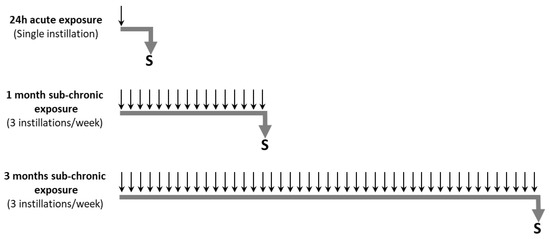
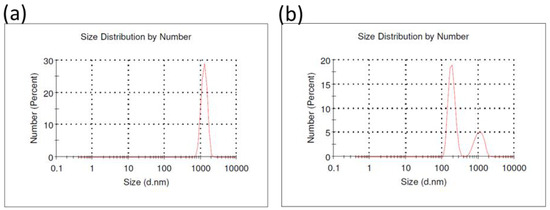
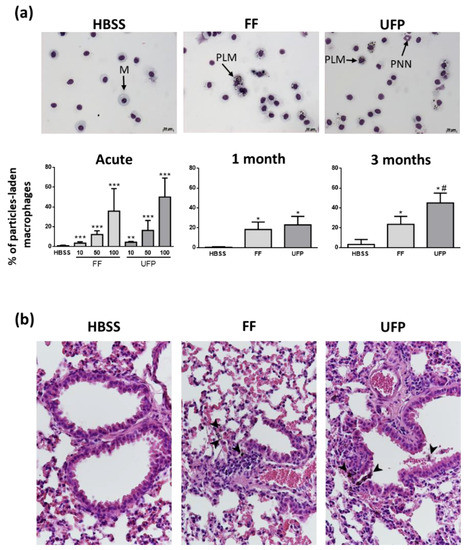
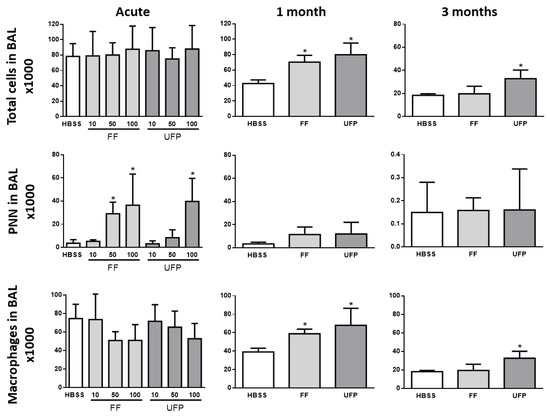
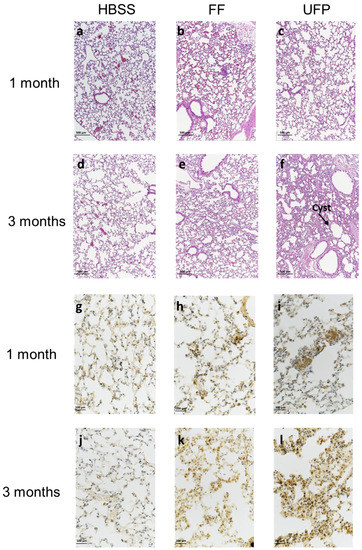
Exposure to particulate matter (PM) is leading to various respiratory health outcomes. Compared to coarse and fine particles, less is known about the effects of chronic exposure to ultrafine particles, despite their higher number and reactivity. In the present study, we performed a time-course experiment in mice to better analyze the lung impact of atmospheric ultrafine particles, with regard to the effects induced by fine particles collected on the same site. Trace element and PAH analysis demonstrated the almost similar chemical composition of both particle fractions. Mice were exposed intranasally to FF or UFP according to acute (10, 50 or 100 µg of PM) and repeated (10 µg of PM 3 times a week during 1 or 3 months) exposure protocols. More particle-laden macrophages and even greater chronic inflammation were observed in the UFP-exposed mice lungs. Histological analyses revealed that about 50% of lung tissues were damaged in mice exposed to UFP for three months versus only 35% in FF-exposed mice. These injuries were characterized by alveolar wall thickening, macrophage infiltrations, and cystic lesions. Taken together, these results strongly motivate the update of current regulations regarding ambient PM concentrations to include UFP and limit their emission. Full article
(This article belongs to the Special Issue Ultrafine Particles Exposure and Health)
Show Figures

Figure 1

11 pages, 324 KB  
Article
Psychological Distress, Family Support and Employment Status in First-Year University Students in Spain
by Jorge Arias-de la Torre, Tania Fernández-Villa, Antonio José Molina, Carmen Amezcua-Prieto, Ramona Mateos, José María Cancela, Miguel Delgado-Rodríguez, Rocío Ortíz-Moncada, Juan Alguacil, Susana Redondo, Inés Gómez-Acebo, María Morales-Suárez-Varela, Gemma Blázquez Abellán, Eladio Jiménez Mejías, Luis Félix Valero, Carlos Ayán, Laura Vilorio-Marqués, Rocío Olmedo-Requena and Vicente Martín
Int. J. Environ. Res. Public Health 2019, 16(7), 1209; https://doi.org/10.3390/ijerph16071209 - 4 Apr 2019
Cited by 38 | Viewed by 8476
Abstract
Mental disorders are consistently and closely related to psychological distress. At the start of the university period, the relationship between a student’s psychological distress, family support, and employment status is not well-known. The aims of this study were: To determine the prevalence of [...] Read more.
Mental disorders are consistently and closely related to psychological distress. At the start of the university period, the relationship between a student’s psychological distress, family support, and employment status is not well-known. The aims of this study were: To determine the prevalence of psychological distress in first-year university students and to analyze its relationship with family support and the student’s employment status. Data from 4166 first-year university students from nine universities across Spain were considered. The prevalence of psychological distress was obtained using the GHQ-12, a valid and reliable screening tool to detect poor mental health. To analyze the relationship between psychological distress, family support, and employment status, logistic regression models were fitted. Regarding the prevalence found, 46.9% of men and 54.2% of women had psychological distress. In both genders, psychological distress levels increased as family support decreased. Among women, psychological distress was associated with their employment status. The prevalence of psychological distress among first-year university students in Spain is high. In addition, family support, and employment status for women, could be factors to take into account when developing psychological distress prevention strategies at the beginning of the university period. Full article
16 pages, 551 KB  
Article
Cigarette Smoking among Economically Disadvantaged African-American Older Adults in South Los Angeles: Gender Differences
by Shervin Assari, James L. Smith, Marc A. Zimmerman and Mohsen Bazargan
Int. J. Environ. Res. Public Health 2019, 16(7), 1208; https://doi.org/10.3390/ijerph16071208 - 4 Apr 2019
Cited by 24 | Viewed by 4956
Abstract
The current study aims to explore gender differences in the risk of cigarette smoking among African-American (AA) older adults who live in economically disadvantaged urban areas of southern Los Angeles. This cross-sectional study enrolled 576 older AA adults (age range between 65 and [...] Read more.
The current study aims to explore gender differences in the risk of cigarette smoking among African-American (AA) older adults who live in economically disadvantaged urban areas of southern Los Angeles. This cross-sectional study enrolled 576 older AA adults (age range between 65 and 96 years) who were residing in Service Planning Area 6 (SPA 6), one of the most economically challenged areas in southern Los Angeles. All participants had cardiometabolic disease (CMD). Data were collected using structured face-to-face interviews. Demographic factors (age and gender), socioeconomic status (educational attainment and financial difficulty), health (number of comorbid medical conditions and depressive symptoms), and health behaviors (current alcohol drinking and current smoking) were measured. Logistic regressions were used to analyze the data without and with interaction terms between gender and current drinking, depressive symptoms, and financial difficulty. AA men reported more smoking than AA women (25.3% versus 9.3%; p < 0.05). Drinking showed a stronger association with smoking for AA men than AA women. Depressive symptoms, however, showed stronger effects on smoking for AA women than AA men. Gender did not interact with financial difficulty with regard to current smoking. As AA older men and women differ in psychological and behavioral determinants of cigarette smoking, gender-specific smoking cessation interventions for AA older adults who live in economically deprived urban areas may be more successful than interventions and programs that do not consider gender differences in determinants of smoking. Gender-tailored smoking cessation programs that address drinking for AA men and depression for AA women may help reduce the burden of smoking in AA older adults in economically disadvantaged urban areas. Given the non-random sampling, there is a need for replication of these findings in future studies. Full article
(This article belongs to the Special Issue Minority Health Issues and Health Disparities)
Show Figures

Figure 1

12 pages, 719 KB  
Article
Determining the Enablers and Barriers for the Adoption of Clean Cookstoves in the Middle Belt of Ghana—A Qualitative Study
by Francis Agbokey, Rebecca Dwommoh, Theresa Tawiah, Kenneth Ayuurebobi Ae-Ngibise, Mohammed Nuhu Mujtaba, Daniel Carrion, Martha Ali Abdulai, Samuel Afari-Asiedu, Seth Owusu-Agyei, Kwaku Poku Asante and Darby W. Jack
Int. J. Environ. Res. Public Health 2019, 16(7), 1207; https://doi.org/10.3390/ijerph16071207 - 4 Apr 2019
Cited by 35 | Viewed by 5983
Abstract
Despite its benefits and espousal in developed counties, the adoption of clean cookstoves is reportedly low in less developed countries, especially in Sub–Saharan Africa. This qualitative study aimed at exploring and documenting the enablers and barriers for adoption of clean cookstove in the [...] Read more.
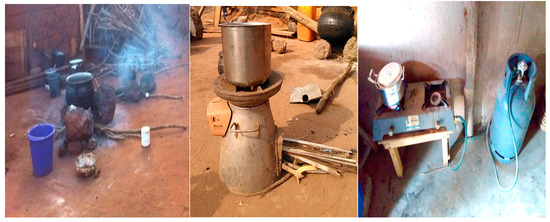
Despite its benefits and espousal in developed counties, the adoption of clean cookstoves is reportedly low in less developed countries, especially in Sub–Saharan Africa. This qualitative study aimed at exploring and documenting the enablers and barriers for adoption of clean cookstove in the middle belt of Ghana. The findings showed convenience of clean cookstove use, reduced firewood usage, less smoke emission and associated health problems resulting from indoor air pollution and time for firewood gathering and cooking, good smell and taste of food as enabling factors for clean cookstove adoption. Factors such as safety, financial constraint (cost), non-availability of spare parts on the open market to replace faulty stove accessories, stove size and household size were the potential barriers to clean cookstove adoption. These findings help us to understand the factors promoting and inhibiting the adoption of clean cook stoves, especially in rural settings. Full article
(This article belongs to the Special Issue Achieving Environmental Health Equity: Great Expectations)
Show Figures

Figure 1

13 pages, 701 KB  
Article
An Examination of the Determination of Medical Capacity under a National Health Insurance Program
by Yi-Tui Chen
Int. J. Environ. Res. Public Health 2019, 16(7), 1206; https://doi.org/10.3390/ijerph16071206 - 3 Apr 2019
Cited by 2 | Viewed by 2892
Abstract
This paper examines the capacity determination factors of medical services at a national level through the analysis of a mathematical model that maximizes social welfare, which consists of the consumption of private goods and the medical capacity provided by the society. A sensitivity [...] Read more.
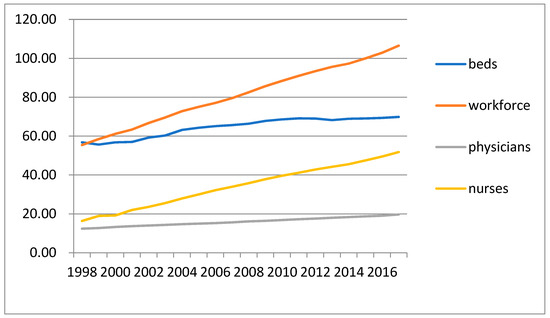
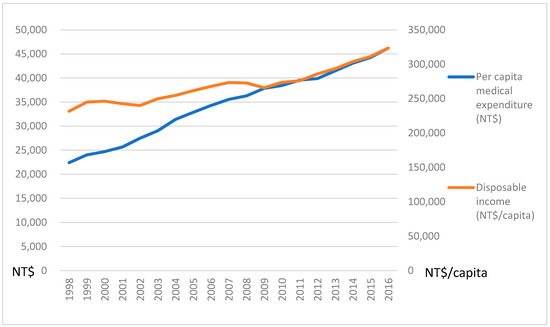
This paper examines the capacity determination factors of medical services at a national level through the analysis of a mathematical model that maximizes social welfare, which consists of the consumption of private goods and the medical capacity provided by the society. A sensitivity analysis is conducted to investigate the impact of these factors on the medical capacity provided. Furthermore, a case example based on the data provided by the government is presented to discuss the results derived from the theoretical analysis. The results of the sensitivity analysis indicate that individual disposable income, the medical expenditure for each treatment, the level of premium payments, and substitution parameters have a positive impact on medical capacity, while the medical costs and preference parameter negatively affect medical capacity. The results of the correlation analysis based on the data of the case example are consistent with the findings of the theoretical analysis. Full article
Show Figures

Figure 1

21 pages, 358 KB  
Article
Cigarette Affordability in China, 2006–2015: Findings from International Tobacco Control China Surveys
by Nigar Nargis, Rong Zheng, Steve S. Xu, Geoffrey T. Fong, Guoze Feng, Yuan Jiang, Yang Wang and Xiao Hu
Int. J. Environ. Res. Public Health 2019, 16(7), 1205; https://doi.org/10.3390/ijerph16071205 - 3 Apr 2019
Cited by 20 | Viewed by 6224
Abstract
China is world’s largest market of machine-made cigarettes. In 2015, more than 315 million or around 26.9% of the adult population in China were smokers—50.6% among men and 2.2% among women. Growing affordability of cigarettes led to increased cigarette consumption in China to [...] Read more.
China is world’s largest market of machine-made cigarettes. In 2015, more than 315 million or around 26.9% of the adult population in China were smokers—50.6% among men and 2.2% among women. Growing affordability of cigarettes led to increased cigarette consumption in China to the detriment of public health. This study investigated whether the level and growth in cigarette affordability in China was equally shared by smokers from all demographic and socio-economic statuses (SES) and across all price tiers of cigarette brands. The data came from the urban smoker sample (≥18 years) of the International Tobacco Control China Surveys conducted in five waves over 2006–2015. Cigarette affordability was measured by Relative Income Price—percentage of per capita household income needed to purchase 100 cigarette packs of the last purchased brand. Overall and group-specific trends in affordability by age, gender, SES (e.g., income, education, and employment status), and price tiers were analyzed using generalized estimating equations method. Cigarette affordability was higher among older, female, and higher-SES smokers, and for cheaper brands. It increased overall and across all groups over time. The increase was significantly larger among younger and lower-SES smokers, a trend that poses an added challenge to tobacco control and health equity. To reduce cigarette affordability and consumption among these vulnerable groups, a uniform specific excise system should be introduced in place of the existing tiered ad valorem excise. The specific excise should be periodically adjusted to inflation and per capita income growth observed among younger and lower-SES people, who can potentially experience faster income growth than the national average. The excise tax policy can also be complimented with minimum price regulations and restrictions on price promotions. Full article
(This article belongs to the Special Issue Tobacco Control: Policy Perspectives)
15 pages, 316 KB  
Article
Food Marketing in Facebook to Thai Children and Youth: An Assessment of the Efficacy of Thai Regulations
by Nongnuch Jaichuen, Vuthiphan Vongmongkol, Rapeepong Suphanchaimat, Nonglapat Sasiwatpaisit and Viroj Tangcharoensathien
Int. J. Environ. Res. Public Health 2019, 16(7), 1204; https://doi.org/10.3390/ijerph16071204 - 3 Apr 2019
Cited by 24 | Viewed by 5717
Abstract
To assess the marketing of food on Facebook in relation to Government regulations and the industry’s self-regulatory codes in Thailand, Facebook pages of 30 of the most popular food brands with young people in Thailand and consumer engagement (number of likes, shares, and [...] Read more.
To assess the marketing of food on Facebook in relation to Government regulations and the industry’s self-regulatory codes in Thailand, Facebook pages of 30 of the most popular food brands with young people in Thailand and consumer engagement (number of likes, shares, and comments) were recorded and had their marketing content transcribed during the month of December 2017. We coded the contents into 17 marketing techniques and conducted content analysis of these posts in relation to Government regulations and the industry’s self-regulatory codes. A total 752 posts were identified in one month. Retail food brand pages had the highest figures for engagement by Facebook viewers. The most common marketing techniques were the use of pictures (632 posts), followed by branding elements (569 posts) and hashtags (438 posts). Out of a total of 228 spot advert posts, all confectionery adverts and almost all (99.5%) soft drink adverts did not display the advertising license number and none of the confectionery adverts displayed the warning messages as required by law. Confectionery, retail food, and soft drink advertising violated the industry’s self-regulatory codes. The food brand Facebook pages in Thailand do not comply with Government regulations and the industry’s self-regulatory codes. The Government, civil society organizations, and academia should monitor these violations and improve enforcement. Full article
(This article belongs to the Section Health Behavior, Chronic Disease and Health Promotion)
16 pages, 903 KB  
Article
Organizational Cynicism and Its Impact on Organizational Pride in Industrial Organizations
by Omar Durrah, Monica Chaudhary and Moaz Gharib
Int. J. Environ. Res. Public Health 2019, 16(7), 1203; https://doi.org/10.3390/ijerph16071203 - 3 Apr 2019
Cited by 61 | Viewed by 10655
Abstract
Organizational cynicism has been a topic of discussion and debate among employees and top management. The purpose of this study is to find out the relationship between organizational cynicism and organizational pride. Precisely, the objectives are to identify and measure organizational cynicism among [...] Read more.
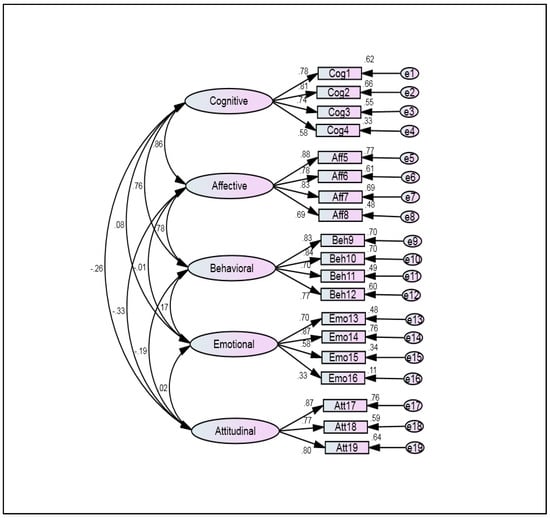
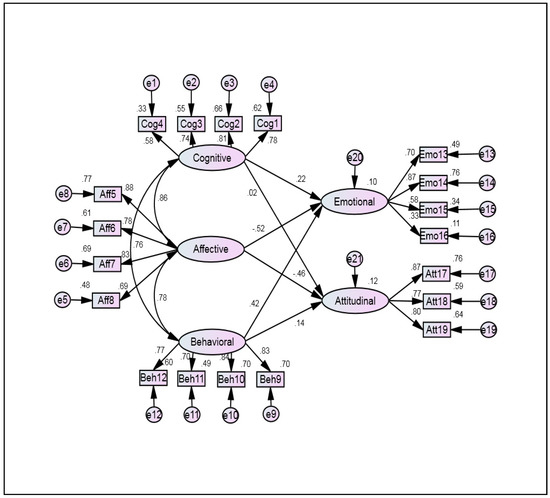
Organizational cynicism has been a topic of discussion and debate among employees and top management. The purpose of this study is to find out the relationship between organizational cynicism and organizational pride. Precisely, the objectives are to identify and measure organizational cynicism among employees in industrial organizations; to determine and measure the degree of organizational pride among employees in industrial organizations and to study the effect of organizational cynicism on the organizational pride of employees in industrial organizations. In this empirical research, the study population was employees of industrial organizations of Oman. Using a purposive sampling technique, nine industrial organizations from Oman were picked. With the help of structured questionnaire, data from 350 respondents was obtained. Structural equation modeling was used through Amos version 25.0 for data analysis. The results reveal that the two dimensions of organizational cynicism (affective cynicism and behavioral cynicism) have a significant and negative impact on emotional pride, while cognitive cynicism does not significantly effect emotional pride. The study results indicate that the one dimension of organizational cynicism (affective cynicism) has a significant impact on attitudinal pride, while the rest of the other dimensions (cognitive cynicism, behavioral cynicism) do not have a significant effect on attitudinal pride. The limitations and implications of the research are also discussed. Full article
Show Figures

Figure 1