22 pages, 4484 KB  
Article
Proteomic Fingerprint of Lung Fibrosis Progression and Response to Therapy in Bleomycin-Induced Mouse Model
by Lucrezia Principi, Erica Ferrini, Roberta Ciccimarra, Lisa Pagani, Clizia Chinello, Paolo Previtali, Andrew Smith, Gino Villetti, Matteo Zoboli, Francesca Ravanetti, Franco Fabio Stellari, Fulvio Magni and Isabella Piga
Int. J. Mol. Sci. 2023, 24(5), 4410; https://doi.org/10.3390/ijms24054410 - 23 Feb 2023
Cited by 16 | Viewed by 6431
Abstract
Idiopathic pulmonary fibrosis (IPF) is a chronic lung disease characterized by the aberrant accumulation of extracellular matrix in the lungs. nintedanib is one of the two FDA-approved drugs for IPF treatment; however, the exact pathophysiological mechanisms of fibrosis progression and response to therapy [...] Read more.
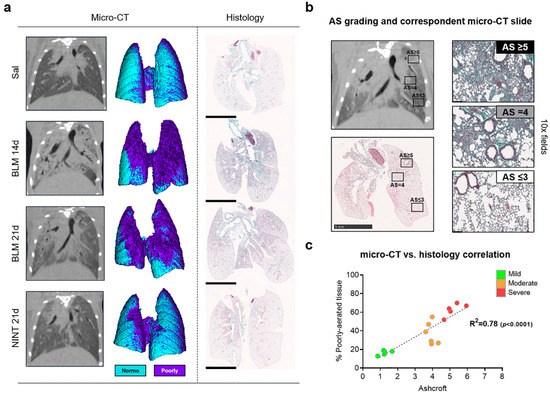
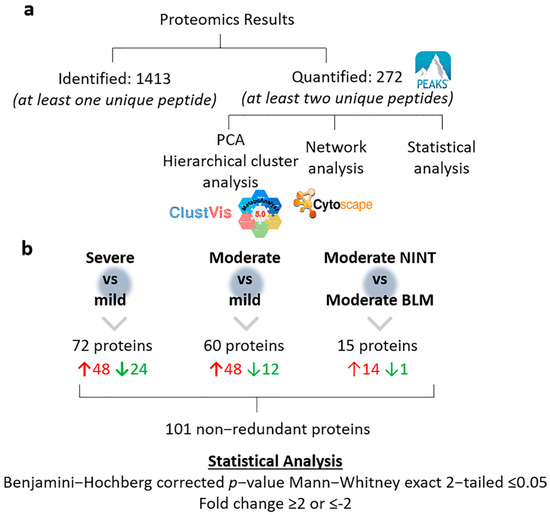
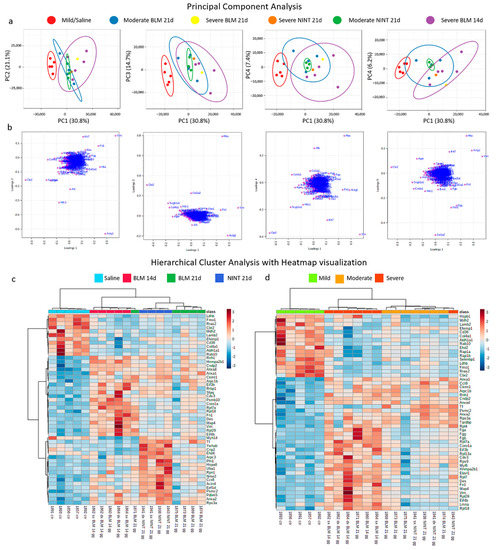
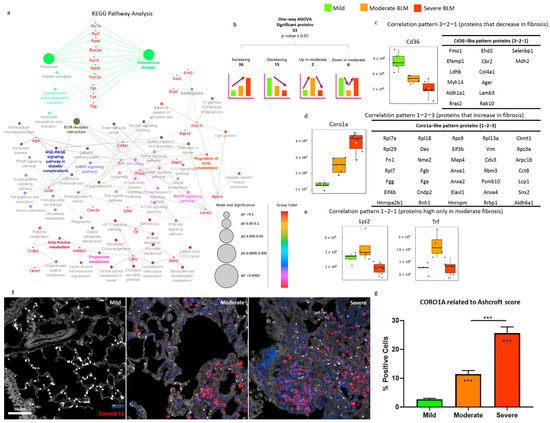
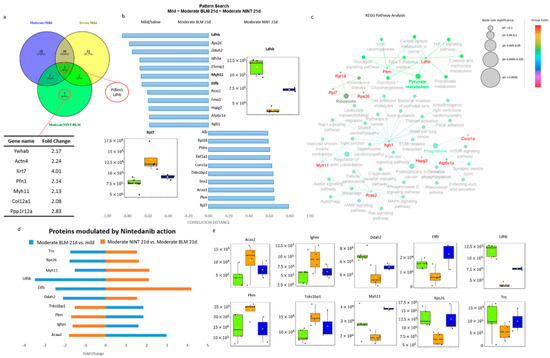
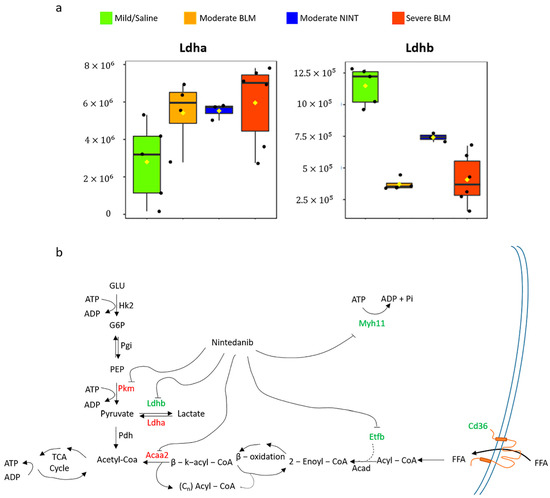
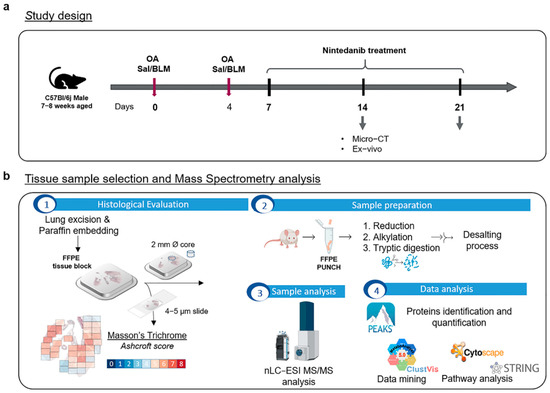
Idiopathic pulmonary fibrosis (IPF) is a chronic lung disease characterized by the aberrant accumulation of extracellular matrix in the lungs. nintedanib is one of the two FDA-approved drugs for IPF treatment; however, the exact pathophysiological mechanisms of fibrosis progression and response to therapy are still poorly understood. In this work, the molecular fingerprint of fibrosis progression and response to nintedanib treatment have been investigated by mass spectrometry-based bottom-up proteomics in paraffin-embedded lung tissues from bleomycin-induced (BLM) pulmonary fibrosis mice. Our proteomics results unveiled that (i) samples clustered depending on the tissue fibrotic grade (mild, moderate, and severe) and not on the time course after BLM treatment; (ii) the dysregulation of different pathways involved in fibrosis progression such as the complement coagulation cascades, advanced glycation end products (AGEs) and their receptors (RAGEs) signaling, the extracellular matrix-receptor interaction, the regulation of actin cytoskeleton, and ribosomes; (iii) Coronin 1A (Coro1a) as the protein with the highest correlation when evaluating the progression of fibrosis, with an increased expression from mild to severe fibrosis; and (iv) a total of 10 differentially expressed proteins (padj-value ≤ 0.05 and Fold change ≤−1.5 or ≥1.5), whose abundance varied in the base of the severity of fibrosis (mild and moderate), were modulated by the antifibrotic treatment with nintedanib, reverting their trend. Notably, nintedanib significantly restored lactate dehydrogenase B (Ldhb) expression but not lactate dehydrogenase A (Ldha). Notwithstanding the need for further investigations to validate the roles of both Coro1a and Ldhb, our findings provide an extensive proteomic characterization with a strong relationship with histomorphometric measurements. These results unveil some biological processes in pulmonary fibrosis and drug-mediated fibrosis therapy. Full article
Show Figures

Figure 1
19 pages, 3706 KB  
Article
Induction of Angiogenesis by Genetically Modified Human Umbilical Cord Blood Mononuclear Cells
by Dilara Z. Gatina, Ilnaz M. Gazizov, Margarita N. Zhuravleva, Svetlana S. Arkhipova, Maria A. Golubenko, Marina O. Gomzikova, Ekaterina E. Garanina, Rustem R. Islamov, Albert A. Rizvanov and Ilnur I. Salafutdinov
Int. J. Mol. Sci. 2023, 24(5), 4396; https://doi.org/10.3390/ijms24054396 - 23 Feb 2023
Cited by 11 | Viewed by 3395
Abstract
Stimulating the process of angiogenesis in treating ischemia-related diseases is an urgent task for modern medicine, which can be achieved through the use of different cell types. Umbilical cord blood (UCB) continues to be one of the attractive cell sources for transplantation. The [...] Read more.
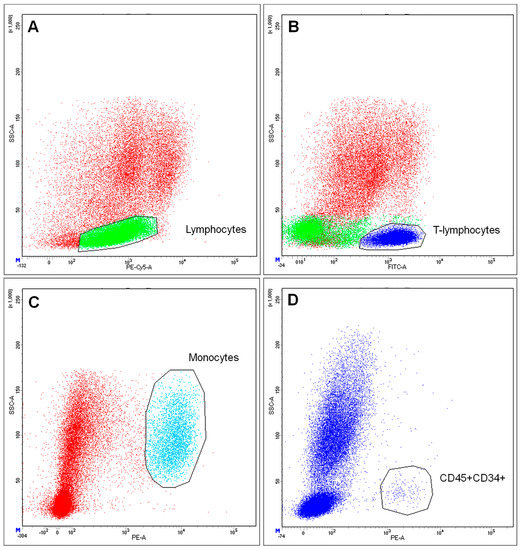
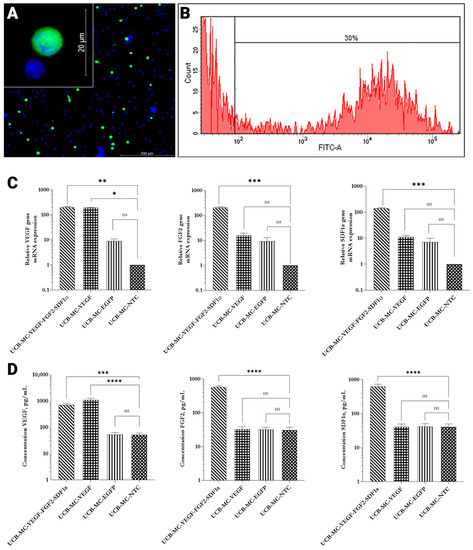
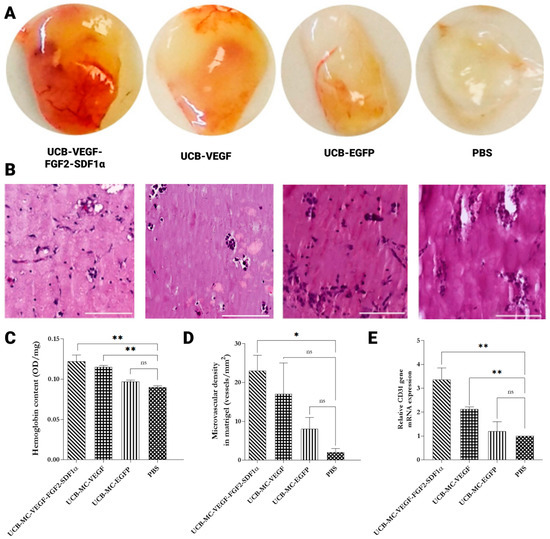
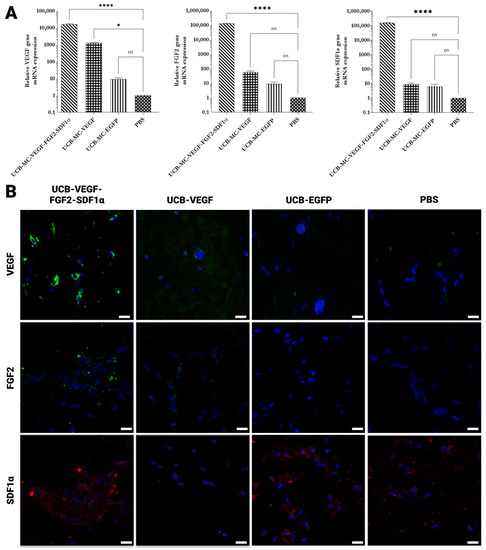
Stimulating the process of angiogenesis in treating ischemia-related diseases is an urgent task for modern medicine, which can be achieved through the use of different cell types. Umbilical cord blood (UCB) continues to be one of the attractive cell sources for transplantation. The goal of this study was to investigate the role and therapeutic potential of gene-engineered umbilical cord blood mononuclear cells (UCB-MC) as a forward-looking strategy for the activation of angiogenesis. Adenovirus constructs Ad-VEGF, Ad-FGF2, Ad-SDF1α, and Ad-EGFP were synthesized and used for cell modification. UCB-MCs were isolated from UCB and transduced with adenoviral vectors. As part of our in vitro experiments, we evaluated the efficiency of transfection, the expression of recombinant genes, and the secretome profile. Later, we applied an in vivo Matrigel plug assay to assess engineered UCB-MC’s angiogenic potential. We conclude that hUCB-MCs can be efficiently modified simultaneously with several adenoviral vectors. Modified UCB-MCs overexpress recombinant genes and proteins. Genetic modification of cells with recombinant adenoviruses does not affect the profile of secreted pro- and anti-inflammatory cytokines, chemokines, and growth factors, except for an increase in the synthesis of recombinant proteins. hUCB-MCs genetically modified with therapeutic genes induced the formation of new vessels. An increase in the expression of endothelial cells marker (CD31) was revealed, which correlated with the data of visual examination and histological analysis. The present study demonstrates that gene-engineered UCB-MC can be used to stimulate angiogenesis and possibly treat cardiovascular disease and diabetic cardiomyopathy. Full article
(This article belongs to the Special Issue Arteriogenesis, Angiogenesis and Vascular Remodeling)
Show Figures

Figure 1
14 pages, 5182 KB  
Review
The Role of Alpha-Synuclein Deposits in Parkinson’s Disease: A Focus on the Human Retina
by Mariachiara Di Pippo, Serena Fragiotta, Federico Di Staso, Luca Scuderi and Solmaz Abdolrahimzadeh
Int. J. Mol. Sci. 2023, 24(5), 4391; https://doi.org/10.3390/ijms24054391 - 23 Feb 2023
Cited by 14 | Viewed by 4039
Abstract
Parkinson’s disease (PD) is a neurodegenerative condition characterized by the progressive deterioration of dopaminergic neurons in the central and peripheral autonomous system and the intraneuronal cytoplasmic accumulation of misfolded α-synuclein. The clinical features are the classic triad of tremor, rigidity, and bradykinesia and [...] Read more.
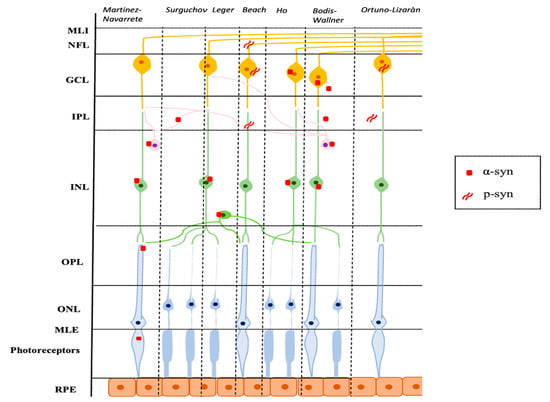
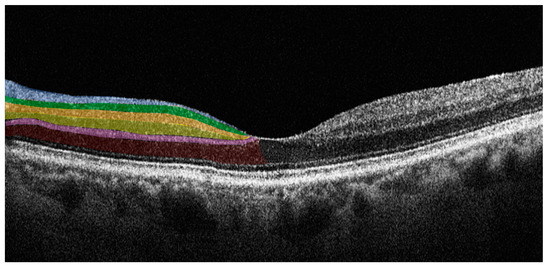
Parkinson’s disease (PD) is a neurodegenerative condition characterized by the progressive deterioration of dopaminergic neurons in the central and peripheral autonomous system and the intraneuronal cytoplasmic accumulation of misfolded α-synuclein. The clinical features are the classic triad of tremor, rigidity, and bradykinesia and a set of non-motor symptoms, including visual deficits. The latter seems to arise years before the onset of motor symptoms and reflects the course of brain disease. The retina, by virtue of its similarity to brain tissue, is an excellent site for the analysis of the known histopathological changes of PD that occur in the brain. Numerous studies conducted on animal and human models of PD have shown the presence of α-synuclein in retinal tissue. Spectral-domain optical coherence tomography (SD-OCT) could be a technique that enables the study of these retinal alterations in vivo. The objective of this review is to describe recent evidence on the accumulation of native or modified α-synuclein in the human retina of patients with PD and its effects on the retinal tissue evaluated through SD-OCT. Full article
Show Figures

Figure 1
19 pages, 494 KB  
Review
Irreversible Electroporation in Pancreatic Cancer—An Evolving Experimental and Clinical Method
by Agnieszka Gajewska-Naryniecka, Urszula Szwedowicz, Zofia Łapińska, Julia Rudno-Rudzińska, Wojciech Kielan and Julita Kulbacka
Int. J. Mol. Sci. 2023, 24(5), 4381; https://doi.org/10.3390/ijms24054381 - 23 Feb 2023
Cited by 36 | Viewed by 8233
Abstract
Pancreatic cancer has no symptoms until the disease has advanced and is aggressive cancer with early metastasis. Up to now, the only curative treatment is surgical resection, which is possible in the early stages of the disease. Irreversible electroporation treatment offers new hope [...] Read more.
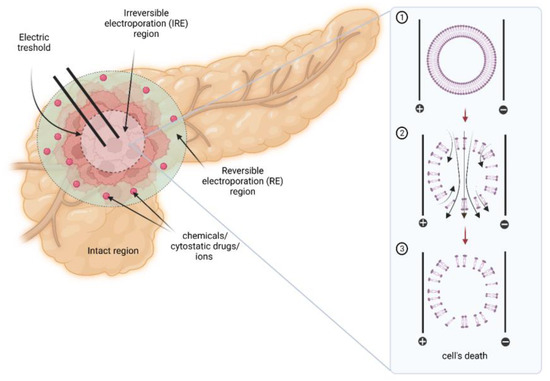
Pancreatic cancer has no symptoms until the disease has advanced and is aggressive cancer with early metastasis. Up to now, the only curative treatment is surgical resection, which is possible in the early stages of the disease. Irreversible electroporation treatment offers new hope for patients with unresectable tumors. Irreversible electroporation (IRE) is a type of ablation therapy that has been explored as a potential treatment for pancreatic cancer. Ablation therapies involve the use of energy to destroy or damage cancer cells. IRE involves using high-voltage, low-energy electrical pulses to create resealing in the cell membrane, causing the cell to die. This review summarizes experiential and clinical findings in terms of the IRE applications. As was described, IRE can be a non-pharmacological approach (electroporation) or combined with anticancer drugs or standard treatment methods. The efficacy of irreversible electroporation (IRE) in eliminating pancreatic cancer cells has been demonstrated through both in vitro and in vivo studies, and it has been shown to induce an immune response. Nevertheless, further investigation is required to assess its effectiveness in human subjects and to comprehensively understand IRE’s potential as a treatment option for pancreatic cancer. Full article
(This article belongs to the Special Issue Targeted Therapies and Molecular Methods in Cancer)
Show Figures

Figure 1
12 pages, 658 KB  
Review
Molecular Mechanisms of Hyperoxia-Induced Neonatal Intestinal Injury
by Hsiao-Chin Wang, Hsiu-Chu Chou and Chung-Ming Chen
Int. J. Mol. Sci. 2023, 24(5), 4366; https://doi.org/10.3390/ijms24054366 - 22 Feb 2023
Cited by 24 | Viewed by 3819
Abstract
Oxygen therapy is important for newborns. However, hyperoxia can cause intestinal inflammation and injury. Hyperoxia-induced oxidative stress is mediated by multiple molecular factors and leads to intestinal damage. Histological changes include ileal mucosal thickness, intestinal barrier damage, and fewer Paneth cells, goblet cells, [...] Read more.
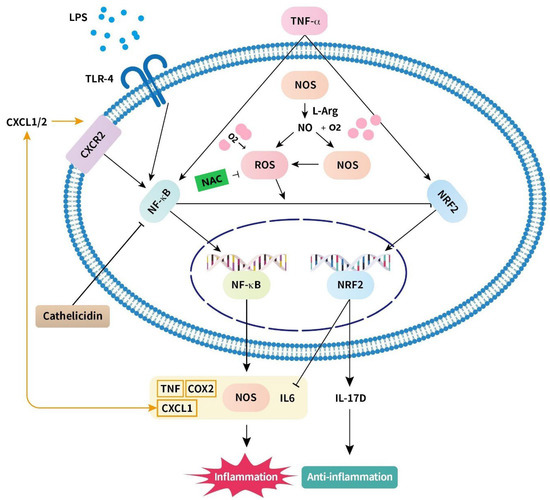
Oxygen therapy is important for newborns. However, hyperoxia can cause intestinal inflammation and injury. Hyperoxia-induced oxidative stress is mediated by multiple molecular factors and leads to intestinal damage. Histological changes include ileal mucosal thickness, intestinal barrier damage, and fewer Paneth cells, goblet cells, and villi, effects which decrease the protection from pathogens and increase the risk of necrotizing enterocolitis (NEC). It also causes vascular changes with microbiota influence. Hyperoxia-induced intestinal injuries are influenced by several molecular factors, including excessive nitric oxide, the nuclear factor-κB (NF-κB) pathway, reactive oxygen species, toll-like receptor-4, CXC motif ligand-1, and interleukin-6. Nuclear factor erythroid 2-related factor 2 (Nrf2) pathways and some antioxidant cytokines or molecules including interleukin-17D, n-acetylcysteine, arginyl-glutamine, deoxyribonucleic acid, cathelicidin, and health microbiota play a role in preventing cell apoptosis and tissue inflammation from oxidative stress. NF-κB and Nrf2 pathways are essential to maintain the balance of oxidative stress and antioxidants and prevent cell apoptosis and tissue inflammation. Intestinal inflammation can lead to intestinal damage and death of the intestinal tissue, such as in NEC. This review focuses on histologic changes and molecular pathways of hyperoxia-induced intestinal injuries to establish a framework for potential interventions. Full article
Show Figures

Figure 1
25 pages, 4351 KB  
Article
Purification of PaTx-II from the Venom of the Australian King Brown Snake and Characterization of Its Antimicrobial and Wound Healing Activities
by Ramar Perumal Samy, Stephen P. Mackessy, Alagarmalai Jeyasankar, Mano Ranjana Ponraj, Octavio Luiz Franco, Matthew A. Cooper, Matheswaran Kandasamy, Tapan Kumar Mohanta, Jebasingh Bhagavathsingh and Sakthivel Vaiyapuri
Int. J. Mol. Sci. 2023, 24(5), 4359; https://doi.org/10.3390/ijms24054359 - 22 Feb 2023
Cited by 9 | Viewed by 4057
Abstract
Infections caused by multi-drug-resistant (MDR) bacteria are a global threat to human health. As venoms are the source of biochemically diverse bioactive proteins and peptides, we investigated the antimicrobial activity and murine skin infection model-based wound healing efficacy of a 13 kDa protein. [...] Read more.
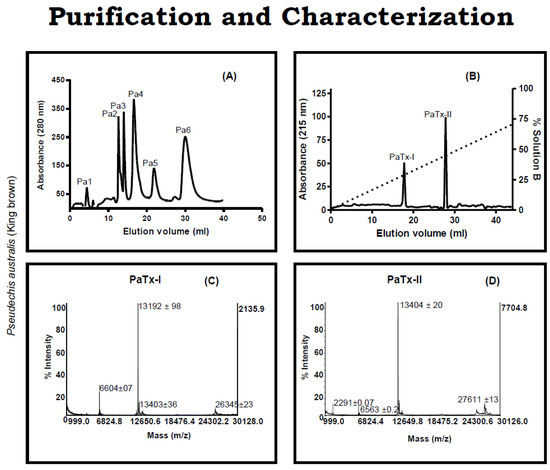
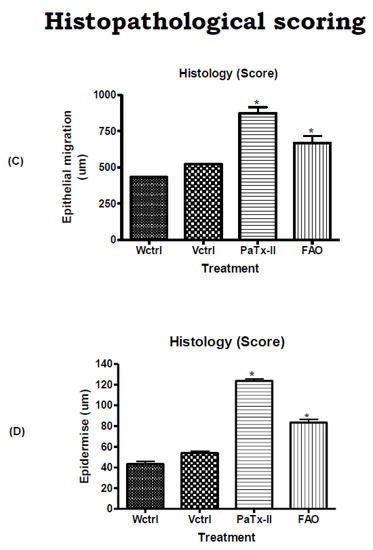
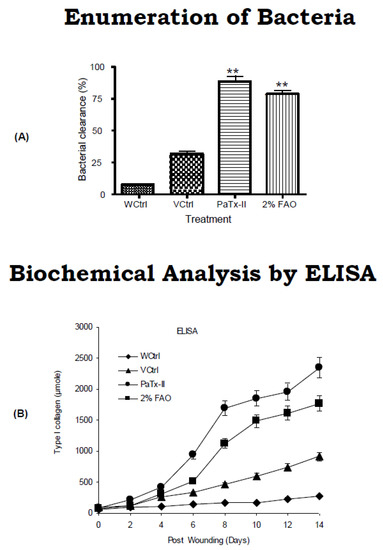
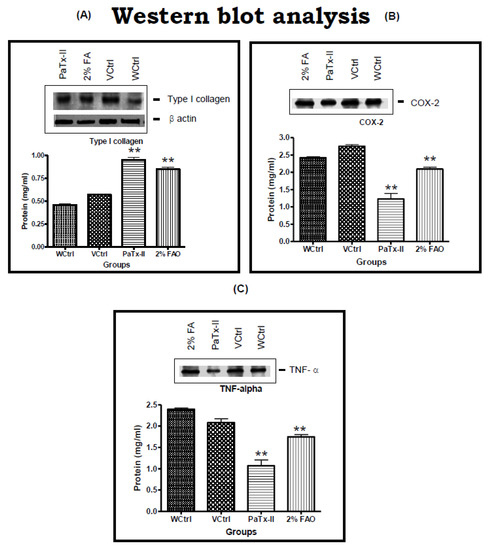
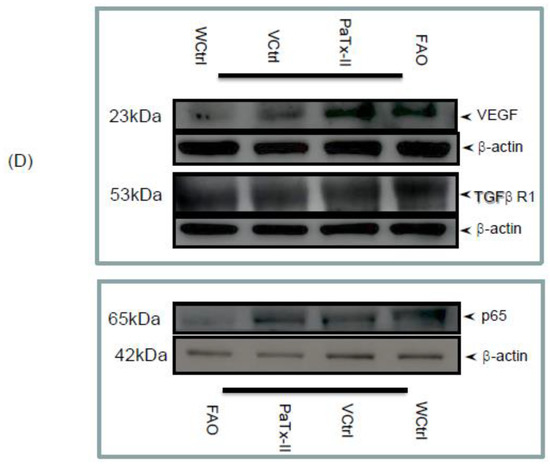
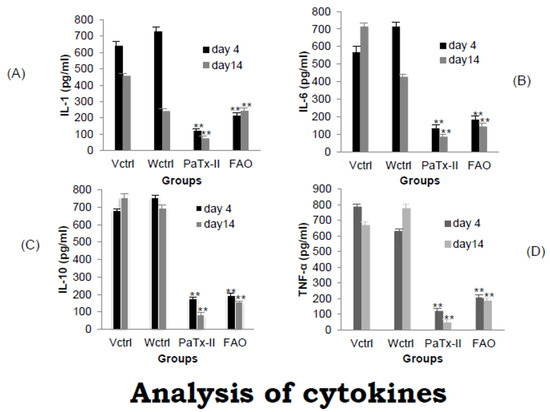
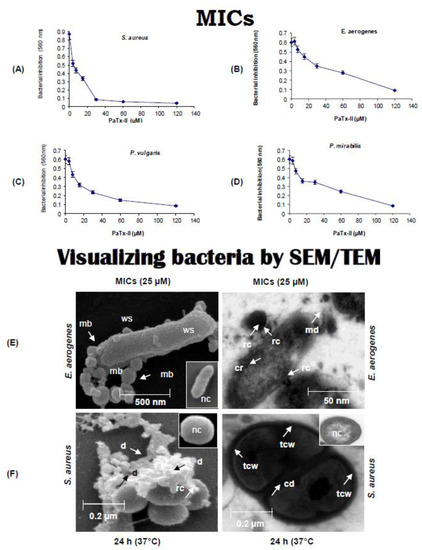
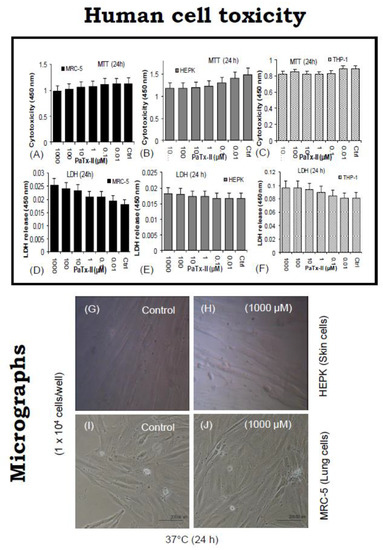
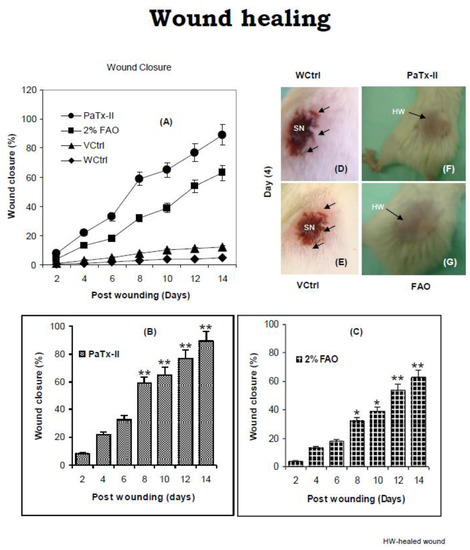
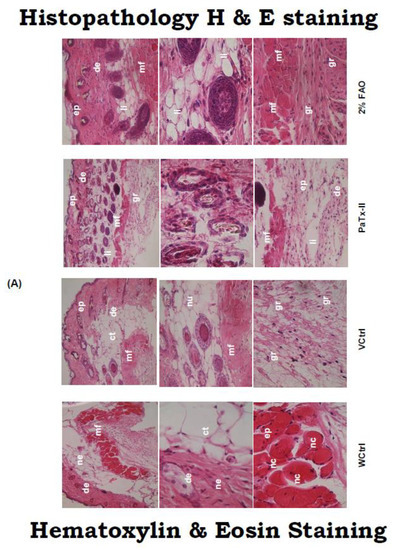
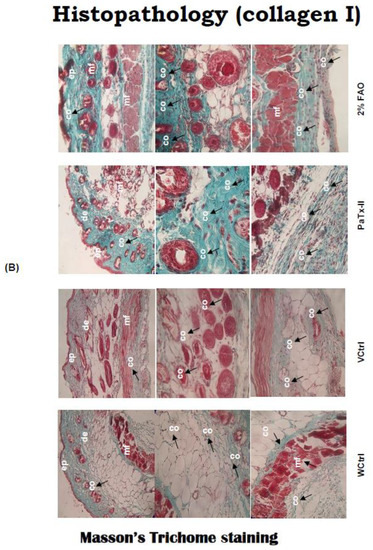
Infections caused by multi-drug-resistant (MDR) bacteria are a global threat to human health. As venoms are the source of biochemically diverse bioactive proteins and peptides, we investigated the antimicrobial activity and murine skin infection model-based wound healing efficacy of a 13 kDa protein. The active component PaTx-II was isolated from the venom of Pseudechis australis (Australian King Brown or Mulga Snake). PaTx-II inhibited the growth of Gram-positive bacteria in vitro, with moderate potency (MICs of 25 µM) observed against S. aureus, E. aerogenes, and P. vulgaris. The antibiotic activity of PaTx-II was associated with the disruption of membrane integrity, pore formation, and lysis of bacterial cells, as evidenced by scanning and transmission microscopy. However, these effects were not observed with mammalian cells, and PaTx-II exhibited minimal cytotoxicity (CC50 > 1000 µM) toward skin/lung cells. Antimicrobial efficacy was then determined using a murine model of S. aureus skin infection. Topical application of PaTx-II (0.5 mg/kg) cleared S. aureus with concomitant increased vascularization and re-epithelialization, promoting wound healing. As small proteins and peptides can possess immunomodulatory effects to enhance microbial clearance, cytokines and collagen from the wound tissue samples were analyzed by immunoblots and immunoassays. The amounts of type I collagen in PaTx-II-treated sites were elevated compared to the vehicle controls, suggesting a potential role for collagen in facilitating the maturation of the dermal matrix during wound healing. Levels of the proinflammatory cytokines interleukin-1β (IL-1β), interleukin-6 (IL-6) and tumor necrosis factor-α (TNF-α), cyclooxygenase-2 (COX-2) and interleukin-10 (IL-10), factors known to promote neovascularization, were substantially reduced by PaTx-II treatment. Further studies that characterize the contributions towards efficacy imparted by in vitro antimicrobial and immunomodulatory activity with PaTx-II are warranted. Full article
(This article belongs to the Special Issue Wound Repair and Regeneration 2022)
Show Figures

Figure 1
22 pages, 3155 KB  
Review
Outdoor Air Pollution and Childhood Respiratory Disease: The Role of Oxidative Stress
by Arianna Dondi, Claudio Carbone, Elisa Manieri, Daniele Zama, Chiara Del Bono, Ludovica Betti, Carlotta Biagi and Marcello Lanari
Int. J. Mol. Sci. 2023, 24(5), 4345; https://doi.org/10.3390/ijms24054345 - 22 Feb 2023
Cited by 78 | Viewed by 16698
Abstract
The leading mechanisms through which air pollutants exert their damaging effects are the promotion of oxidative stress, the induction of an inflammatory response, and the deregulation of the immune system by reducing its ability to limit infectious agents’ spreading. This influence starts in [...] Read more.
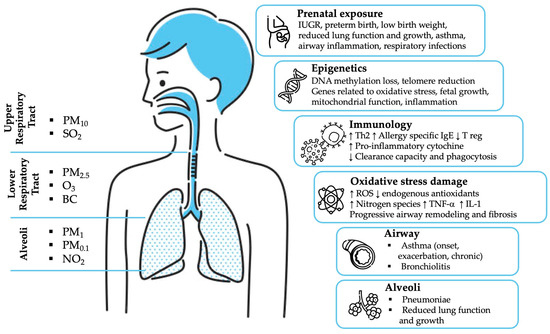
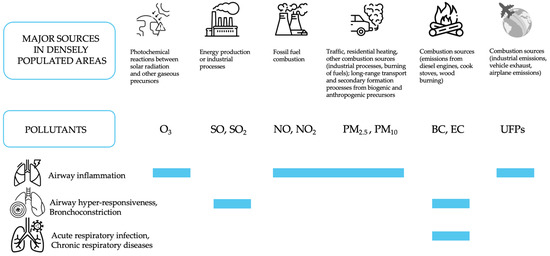
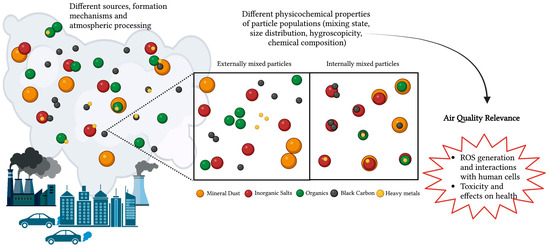
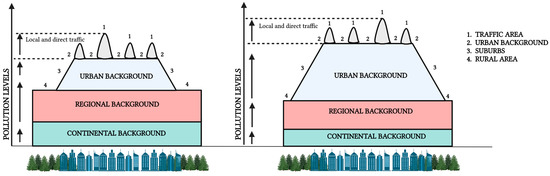
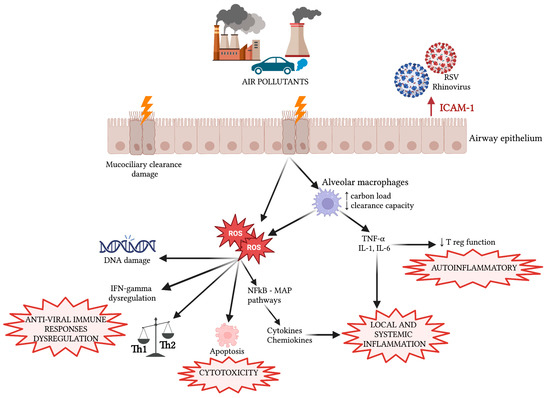
The leading mechanisms through which air pollutants exert their damaging effects are the promotion of oxidative stress, the induction of an inflammatory response, and the deregulation of the immune system by reducing its ability to limit infectious agents’ spreading. This influence starts in the prenatal age and continues during childhood, the most susceptible period of life, due to a lower efficiency of oxidative damage detoxification, a higher metabolic and breathing rate, and enhanced oxygen consumption per unit of body mass. Air pollution is involved in acute disorders like asthma exacerbations and upper and lower respiratory infections, including bronchiolitis, tuberculosis, and pneumoniae. Pollutants can also contribute to the onset of chronic asthma, and they can lead to a deficit in lung function and growth, long-term respiratory damage, and eventually chronic respiratory illness. Air pollution abatement policies, applied in the last decades, are contributing to mitigating air quality issues, but more efforts should be encouraged to improve acute childhood respiratory disease with possible positive long-term effects on lung function. This narrative review aims to summarize the most recent studies on the links between air pollution and childhood respiratory illness. Full article
Show Figures

Figure 1
13 pages, 2100 KB  
Article
COL7A1 Editing via RNA Trans-Splicing in RDEB-Derived Skin Equivalents
by Bernadette Liemberger, Johannes Bischof, Michael Ablinger, Stefan Hainzl, Eva M. Murauer, Nina Lackner, Patricia Ebner, Thomas Kocher, Alexander Nyström, Verena Wally, Elisabeth Mayr, Christina Guttmann-Gruber, Josefina Piñón Hofbauer, Johann W. Bauer and Ulrich Koller
Int. J. Mol. Sci. 2023, 24(5), 4341; https://doi.org/10.3390/ijms24054341 - 22 Feb 2023
Cited by 7 | Viewed by 4413
Abstract
Mutations in the COL7A1 gene lead to malfunction, reduction or complete absence of type VII collagen (C7) in the skin’s basement membrane zone (BMZ), impairing skin integrity. In epidermolysis bullosa (EB), more than 800 mutations in COL7A1 have been reported, leading to the [...] Read more.
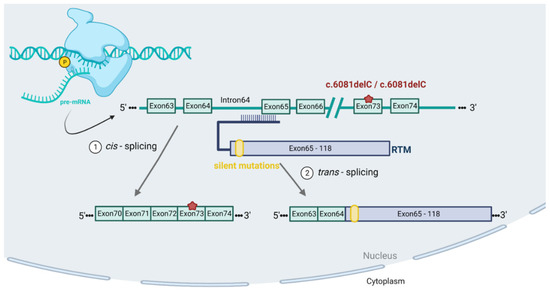
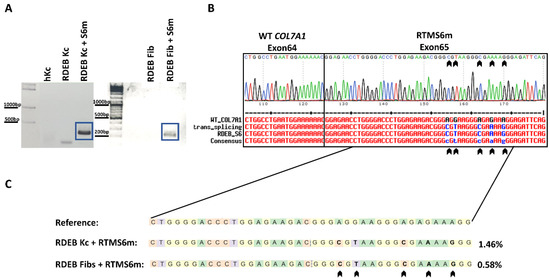
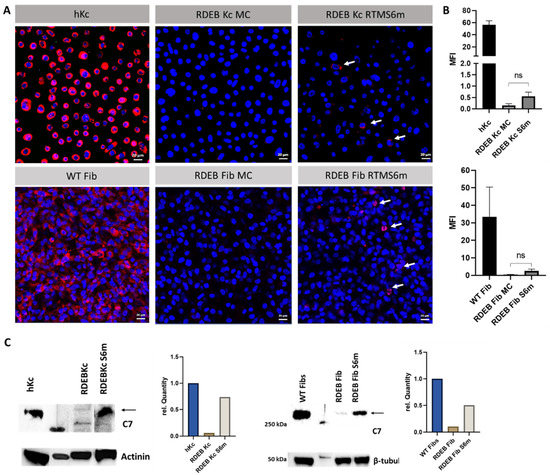
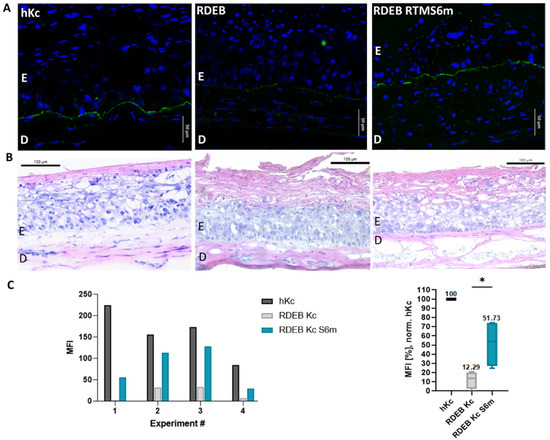
Mutations in the COL7A1 gene lead to malfunction, reduction or complete absence of type VII collagen (C7) in the skin’s basement membrane zone (BMZ), impairing skin integrity. In epidermolysis bullosa (EB), more than 800 mutations in COL7A1 have been reported, leading to the dystrophic form of EB (DEB), a severe and rare skin blistering disease associated with a high risk of developing an aggressive form of squamous cell carcinoma. Here, we leveraged a previously described 3′-RTMS6m repair molecule to develop a non-viral, non-invasive and efficient RNA therapy to correct mutations within COL7A1 via spliceosome-mediated RNA trans-splicing (SMaRT). RTM-S6m, cloned into a non-viral minicircle-GFP vector, is capable of correcting all mutations occurring between exon 65 and exon 118 of COL7A1 via SMaRT. Transfection of the RTM into recessive dystrophic EB (RDEB) keratinocytes resulted in a trans-splicing efficiency of ~1.5% in keratinocytes and ~0.6% in fibroblasts, as confirmed on mRNA level via next-generation sequencing (NGS). Full-length C7 protein expression was primarily confirmed in vitro via immunofluorescence (IF) staining and Western blot analysis of transfected cells. Additionally, we complexed 3′-RTMS6m with a DDC642 liposomal carrier to deliver the RTM topically onto RDEB skin equivalents and were subsequently able to detect an accumulation of restored C7 within the basement membrane zone (BMZ). In summary, we transiently corrected COL7A1 mutations in vitro in RDEB keratinocytes and skin equivalents derived from RDEB keratinocytes and fibroblasts using a non-viral 3′-RTMS6m repair molecule. Full article
(This article belongs to the Special Issue Molecular Research and Treatment of Skin Diseases 2.0)
Show Figures

Figure 1
17 pages, 544 KB  
Review
Neuroprotective Strategies for Ischemic Stroke—Future Perspectives
by Matteo Haupt, Stefan T. Gerner, Mathias Bähr and Thorsten R. Doeppner
Int. J. Mol. Sci. 2023, 24(5), 4334; https://doi.org/10.3390/ijms24054334 - 22 Feb 2023
Cited by 155 | Viewed by 15465
Abstract
Ischemic stroke is the main cause of death and the most common cause of acquired physical disability worldwide. Recent demographic changes increase the relevance of stroke and its sequelae. The acute treatment for stroke is restricted to causative recanalization and restoration of cerebral [...] Read more.
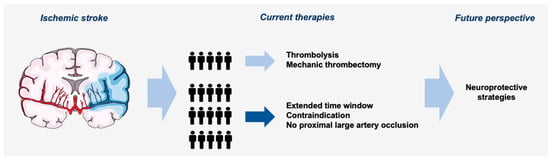
Ischemic stroke is the main cause of death and the most common cause of acquired physical disability worldwide. Recent demographic changes increase the relevance of stroke and its sequelae. The acute treatment for stroke is restricted to causative recanalization and restoration of cerebral blood flow, including both intravenous thrombolysis and mechanical thrombectomy. Still, only a limited number of patients are eligible for these time-sensitive treatments. Hence, new neuroprotective approaches are urgently needed. Neuroprotection is thus defined as an intervention resulting in the preservation, recovery, and/or regeneration of the nervous system by interfering with the ischemic-triggered stroke cascade. Despite numerous preclinical studies generating promising data for several neuroprotective agents, successful bench-to-bedside translations are still lacking. The present study provides an overview of current approaches in the research field of neuroprotective stroke treatment. Aside from “traditional” neuroprotective drugs focusing on inflammation, cell death, and excitotoxicity, stem-cell-based treatment methods are also considered. Furthermore, an overview of a prospective neuroprotective method using extracellular vesicles that are secreted from various stem cell sources, including neural stem cells and bone marrow stem cells, is also given. The review concludes with a short discussion on the microbiota–gut–brain axis that may serve as a potential target for future neuroprotective therapies. Full article
Show Figures

Figure 1
17 pages, 5154 KB  
Article
Involvement of lncRNA TUG1 in HIV-1 Tat-Induced Astrocyte Senescence
by Prakash P. Pillai, Muthukumar Kannan, Susmita Sil, Seema Singh, Annadurai Thangaraj, Ernest T. Chivero, Raghubendra Singh Dagur, Ashutosh Tripathi, Guoku Hu, Palsamy Periyasamy and Shilpa Buch
Int. J. Mol. Sci. 2023, 24(5), 4330; https://doi.org/10.3390/ijms24054330 - 22 Feb 2023
Cited by 19 | Viewed by 4243
Abstract
HIV-1 infection in the era of combined antiretroviral therapy has been associated with premature aging. Among the various features of HIV-1 associated neurocognitive disorders, astrocyte senescence has been surmised as a potential cause contributing to HIV-1-induced brain aging and neurocognitive impairments. Recently, lncRNAs [...] Read more.
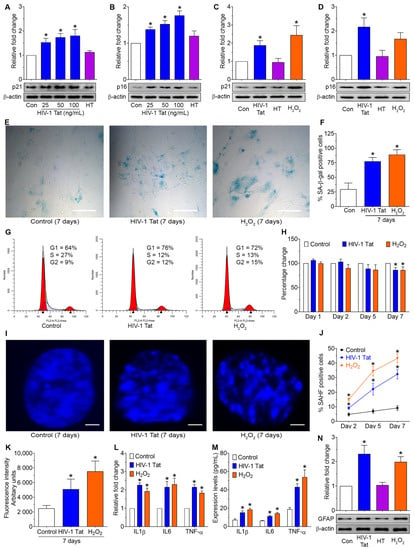
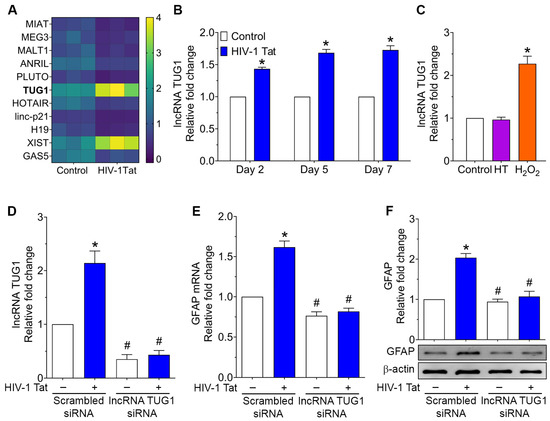
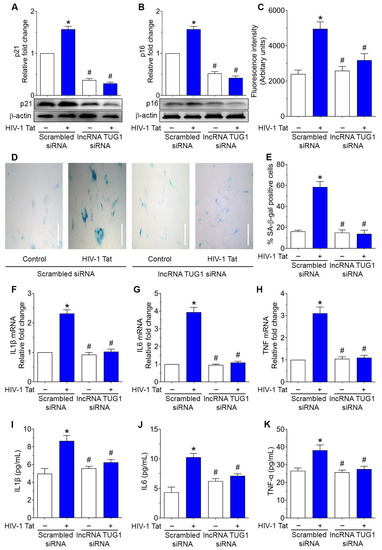
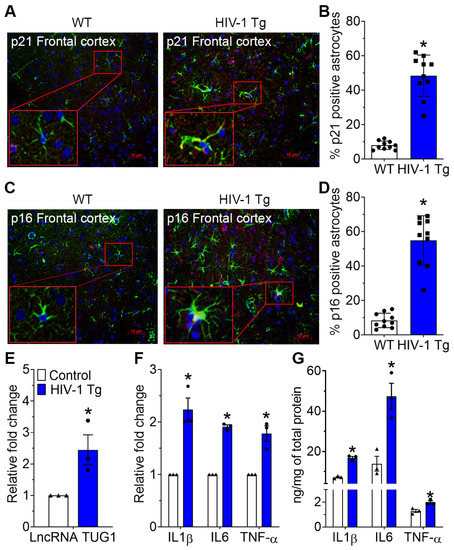
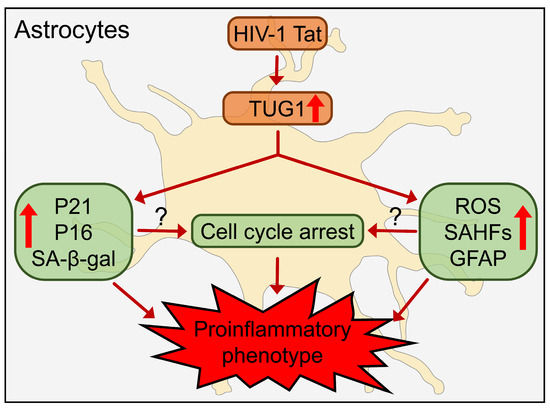
HIV-1 infection in the era of combined antiretroviral therapy has been associated with premature aging. Among the various features of HIV-1 associated neurocognitive disorders, astrocyte senescence has been surmised as a potential cause contributing to HIV-1-induced brain aging and neurocognitive impairments. Recently, lncRNAs have also been implicated to play essential roles in the onset of cellular senescence. Herein, using human primary astrocytes (HPAs), we investigated the role of lncRNA TUG1 in HIV-1 Tat-mediated onset of astrocyte senescence. We found that HPAs exposed to HIV-1 Tat resulted in significant upregulation of lncRNA TUG1 expression that was accompanied by elevated expression of p16 and p21, respectively. Additionally, HIV-1 Tat-exposed HPAs demonstrated increased expression of senescence-associated (SA) markers—SA-β-galactosidase (SA-β-gal) activity and SA-heterochromatin foci—cell-cycle arrest, and increased production of reactive oxygen species and proinflammatory cytokines. Intriguingly, gene silencing of lncRNA TUG1 in HPAs also reversed HIV-1 Tat-induced upregulation of p21, p16, SA-β gal activity, cellular activation, and proinflammatory cytokines. Furthermore, increased expression of astrocytic p16 and p21, lncRNA TUG1, and proinflammatory cytokines were observed in the prefrontal cortices of HIV-1 transgenic rats, thereby suggesting the occurrence of senescence activation in vivo. Overall, our data indicate that HIV-1 Tat-induced astrocyte senescence involves the lncRNA TUG1 and could serve as a potential therapeutic target for dampening accelerated aging associated with HIV-1/HIV-1 proteins. Full article
(This article belongs to the Special Issue Aging and Senescence 3.0)
Show Figures

Figure 1
31 pages, 963 KB  
Review
Molecular Mechanisms and Therapeutic Implications of Endothelial Dysfunction in Patients with Heart Failure
by Vasiliki Tsigkou, Evangelos Oikonomou, Artemis Anastasiou, Stamatios Lampsas, George E. Zakynthinos, Konstantinos Kalogeras, Maria Katsioupa, Maria Kapsali, Islam Kourampi, Theodoros Pesiridis, Georgios Marinos, Michael-Andrew Vavuranakis, Dimitris Tousoulis, Manolis Vavuranakis and Gerasimos Siasos
Int. J. Mol. Sci. 2023, 24(5), 4321; https://doi.org/10.3390/ijms24054321 - 21 Feb 2023
Cited by 51 | Viewed by 12424
Abstract
Heart failure is a complex medical syndrome that is attributed to a number of risk factors; nevertheless, its clinical presentation is quite similar among the different etiologies. Heart failure displays a rapidly increasing prevalence due to the aging of the population and the [...] Read more.
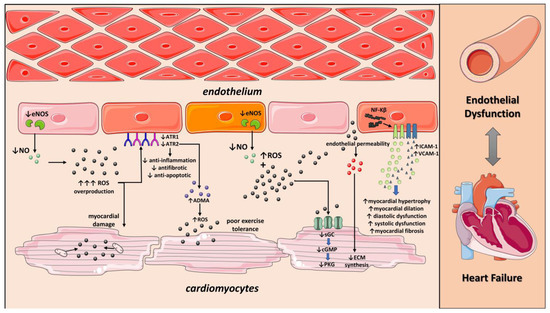
Heart failure is a complex medical syndrome that is attributed to a number of risk factors; nevertheless, its clinical presentation is quite similar among the different etiologies. Heart failure displays a rapidly increasing prevalence due to the aging of the population and the success of medical treatment and devices. The pathophysiology of heart failure comprises several mechanisms, such as activation of neurohormonal systems, oxidative stress, dysfunctional calcium handling, impaired energy utilization, mitochondrial dysfunction, and inflammation, which are also implicated in the development of endothelial dysfunction. Heart failure with reduced ejection fraction is usually the result of myocardial loss, which progressively ends in myocardial remodeling. On the other hand, heart failure with preserved ejection fraction is common in patients with comorbidities such as diabetes mellitus, obesity, and hypertension, which trigger the creation of a micro-environment of chronic, ongoing inflammation. Interestingly, endothelial dysfunction of both peripheral vessels and coronary epicardial vessels and microcirculation is a common characteristic of both categories of heart failure and has been associated with worse cardiovascular outcomes. Indeed, exercise training and several heart failure drug categories display favorable effects against endothelial dysfunction apart from their established direct myocardial benefit. Full article
Show Figures

Figure 1
16 pages, 705 KB  
Review
Pathways of Coagulopathy and Inflammatory Response in SARS-CoV-2 Infection among Type 2 Diabetic Patients
by Orsolya-Zsuzsa Akácsos-Szász, Sándor Pál, Kinga-Ilona Nyulas, Enikő Nemes-Nagy, Ana-Maria Fárr, Lóránd Dénes, Mónika Szilveszter, Erika-Gyöngyi Bán, Mariana Cornelia Tilinca and Zsuzsánna Simon-Szabó
Int. J. Mol. Sci. 2023, 24(5), 4319; https://doi.org/10.3390/ijms24054319 - 21 Feb 2023
Cited by 9 | Viewed by 3323
Abstract
Chronic inflammation and endothelium dysfunction are present in diabetic patients. COVID-19 has a high mortality rate in association with diabetes, partially due to the development of thromboembolic events in the context of coronavirus infection. The purpose of this review is to present the [...] Read more.
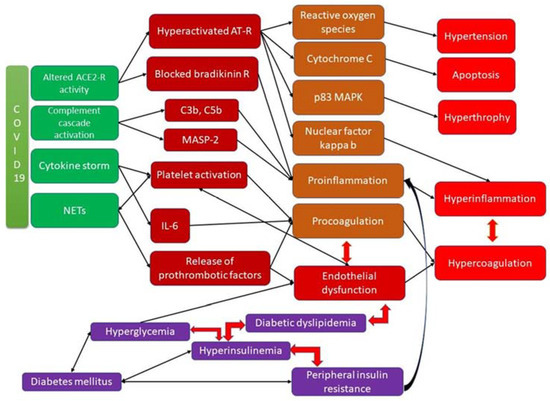
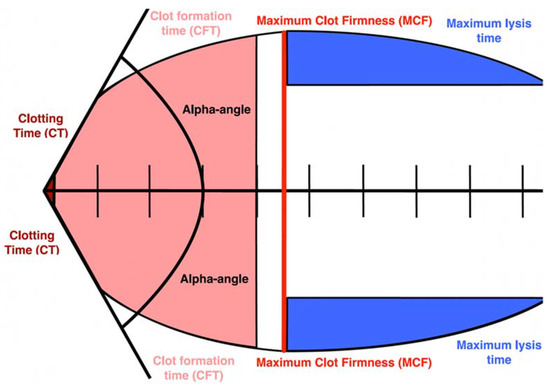
Chronic inflammation and endothelium dysfunction are present in diabetic patients. COVID-19 has a high mortality rate in association with diabetes, partially due to the development of thromboembolic events in the context of coronavirus infection. The purpose of this review is to present the most important underlying pathomechanisms in the development of COVID-19-related coagulopathy in diabetic patients. The methodology consisted of data collection and synthesis from the recent scientific literature by accessing different databases (Cochrane, PubMed, Embase). The main results are the comprehensive and detailed presentation of the very complex interrelations between different factors and pathways involved in the development of arteriopathy and thrombosis in COVID-19-infected diabetic patients. Several genetic and metabolic factors influence the course of COVID-19 within the background of diabetes mellitus. Extensive knowledge of the underlying pathomechanisms of SARS-CoV-2-related vasculopathy and coagulopathy in diabetic subjects contributes to a better understanding of the manifestations in this highly vulnerable group of patients; thus, they can benefit from a modern, more efficient approach regarding diagnostic and therapeutic management. Full article
(This article belongs to the Special Issue COVID-19 Coagulopathy: Advances on Pathophysiology and Therapies)
Show Figures

Figure 1
26 pages, 4346 KB  
Article
Lacrimal Gland Epithelial Cells Shape Immune Responses through the Modulation of Inflammasomes and Lipid Metabolism
by Vanessa Delcroix, Olivier Mauduit, Menglu Yang, Amrita Srivastava, Takeshi Umazume, Cintia S. de Paiva, Valery I. Shestopalov, Darlene A. Dartt and Helen P. Makarenkova
Int. J. Mol. Sci. 2023, 24(5), 4309; https://doi.org/10.3390/ijms24054309 - 21 Feb 2023
Cited by 22 | Viewed by 4937
Abstract
Lacrimal gland inflammation triggers dry eye disease through impaired tear secretion by the epithelium. As aberrant inflammasome activation occurs in autoimmune disorders including Sjögren’s syndrome, we analyzed the inflammasome pathway during acute and chronic inflammation and investigated its potential regulators. Bacterial infection was [...] Read more.
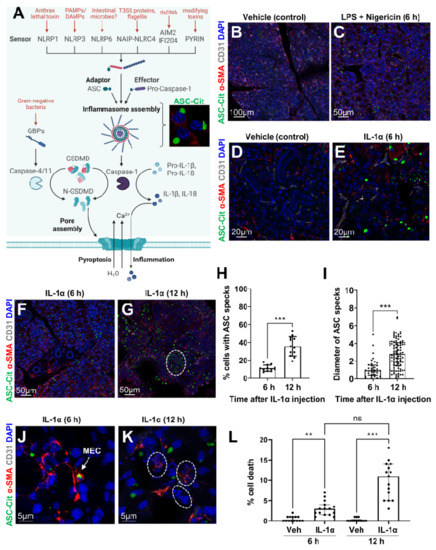
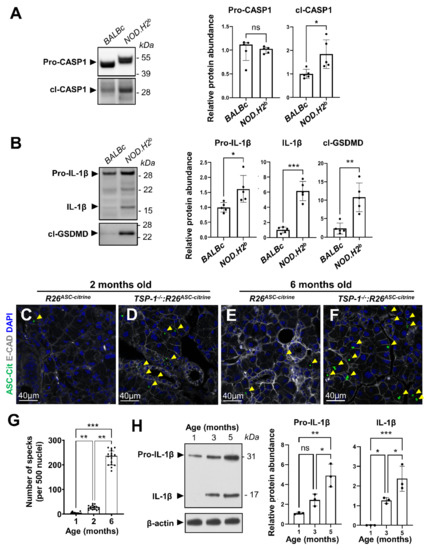
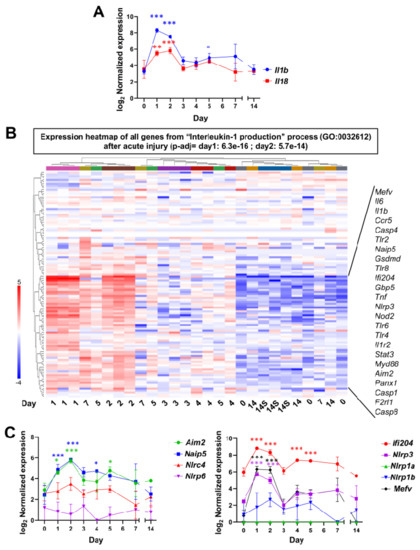
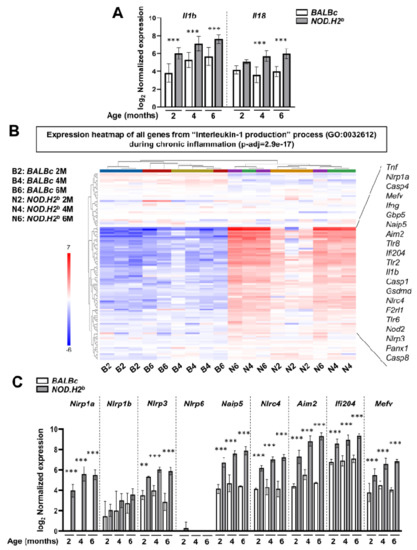
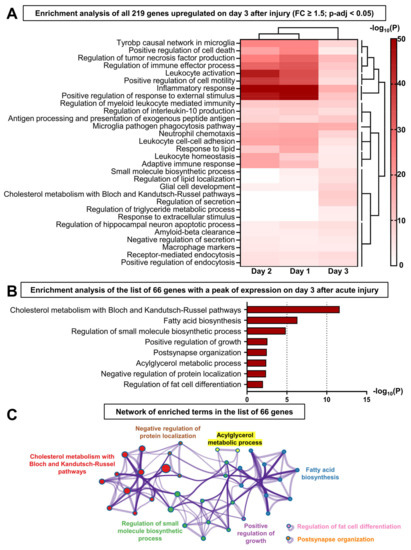
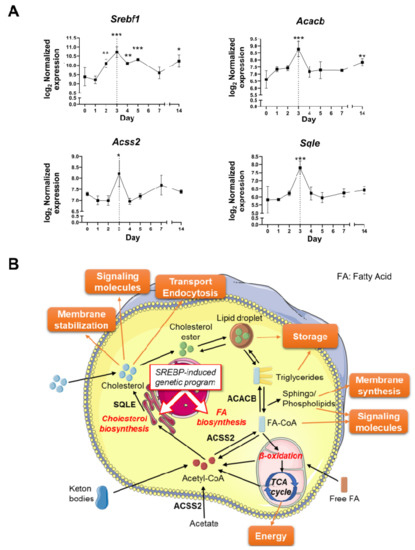
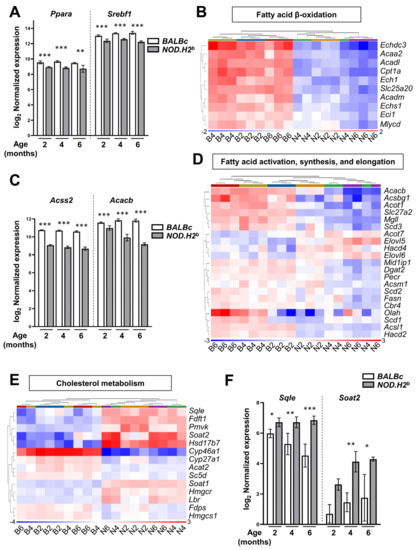
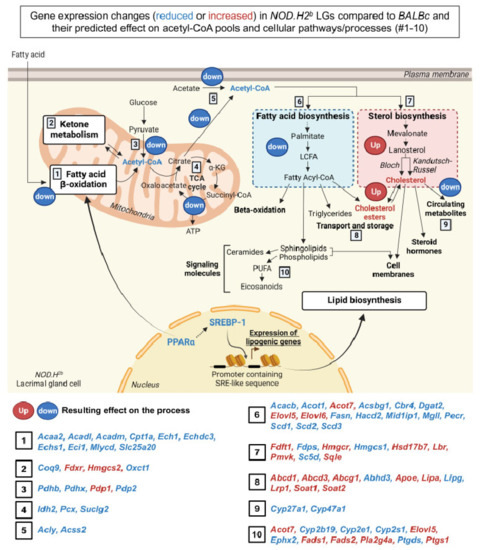
Lacrimal gland inflammation triggers dry eye disease through impaired tear secretion by the epithelium. As aberrant inflammasome activation occurs in autoimmune disorders including Sjögren’s syndrome, we analyzed the inflammasome pathway during acute and chronic inflammation and investigated its potential regulators. Bacterial infection was mimicked by the intraglandular injection of lipopolysaccharide (LPS) and nigericin, known to activate the NLRP3 inflammasome. Acute injury of the lacrimal gland was induced by interleukin (IL)-1α injection. Chronic inflammation was studied using two Sjögren’s syndrome models: diseased NOD.H2b compared to healthy BALBc mice and Thrombospondin-1-null (TSP-1-/-) compared to TSP-1WT C57BL/6J mice. Inflammasome activation was investigated by immunostaining using the R26ASC-citrine reporter mouse, by Western blotting, and by RNAseq. LPS/Nigericin, IL-1α and chronic inflammation induced inflammasomes in lacrimal gland epithelial cells. Acute and chronic inflammation of the lacrimal gland upregulated multiple inflammasome sensors, caspases 1/4, and interleukins Il1b and Il18. We also found increased IL-1β maturation in Sjögren’s syndrome models compared with healthy control lacrimal glands. Using RNA-seq data of regenerating lacrimal glands, we found that lipogenic genes were upregulated during the resolution of inflammation following acute injury. In chronically inflamed NOD.H2b lacrimal glands, an altered lipid metabolism was associated with disease progression: genes for cholesterol metabolism were upregulated, while genes involved in mitochondrial metabolism and fatty acid synthesis were downregulated, including peroxisome proliferator-activated receptor alpha (PPARα)/sterol regulatory element-binding 1 (SREBP-1)-dependent signaling. We conclude that epithelial cells can promote immune responses by forming inflammasomes, and that sustained inflammasome activation, together with an altered lipid metabolism, are key players of Sjögren’s syndrome-like pathogenesis in the NOD.H2b mouse lacrimal gland by promoting epithelial dysfunction and inflammation. Full article
(This article belongs to the Special Issue Advances in Molecular and Translational Medicine)
Show Figures

Figure 1
11 pages, 1544 KB  
Article
Genetic Background Influence on Hippocampal Synaptic Plasticity: Frequency-Dependent Variations between an Inbred and an Outbred Mice Strain
by Candice M. Roux, Pierre Lecouflet, Jean-Marie Billard, Elise Esneault, Marianne Leger, Pascale Schumann-Bard and Thomas Freret
Int. J. Mol. Sci. 2023, 24(5), 4304; https://doi.org/10.3390/ijms24054304 - 21 Feb 2023
Cited by 2 | Viewed by 2772
Abstract
For almost half a century, acute hippocampal slice preparations have been widely used to investigate anti-amnesic (or promnesic) properties of drug candidates on long-term potentiation (LTP)—a cellular substrate that supports some forms of learning and memory. The large variety of transgenic mice models [...] Read more.
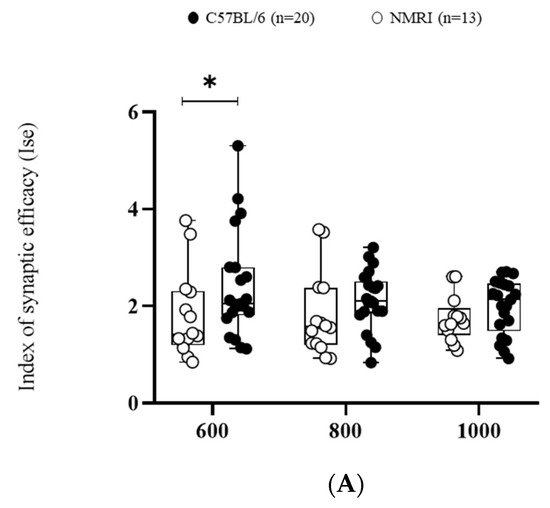
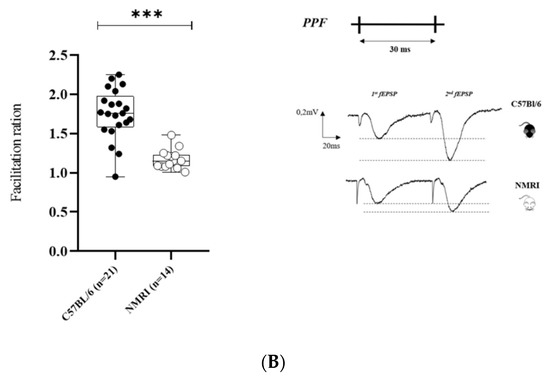
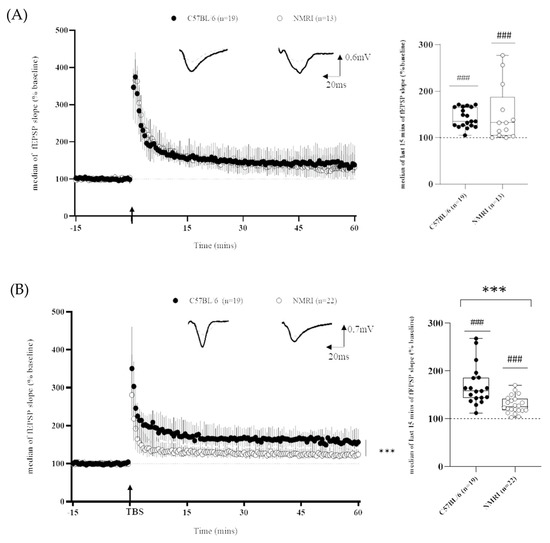
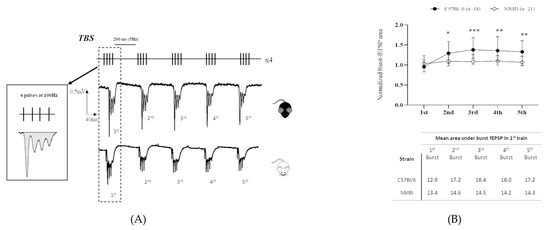
For almost half a century, acute hippocampal slice preparations have been widely used to investigate anti-amnesic (or promnesic) properties of drug candidates on long-term potentiation (LTP)—a cellular substrate that supports some forms of learning and memory. The large variety of transgenic mice models now available makes the choice of the genetic background when designing experiments crucially important. Furthermore, different behavioral phenotypes were reported between inbred and outbred strains. Notably, some differences in memory performance were emphasized. Despite this, investigations, unfortunately, did not explore electrophysiological properties. In this study, two stimulation paradigms were used to compare LTP in the hippocampal CA1 area of both inbred (C57BL/6) and outbred (NMRI) mice. High-frequency stimulation (HFS) revealed no strain difference, whereas theta-burst stimulation (TBS) resulted in significantly reduced LTP magnitude in NMRI mice. Additionally, we demonstrated that this reduced LTP magnitude (exhibited by NMRI mice) was due to lower responsiveness to theta-frequency during conditioning stimuli. In this paper, we discuss the anatomo-functional correlates that may explain such hippocampal synaptic plasticity divergence, although straightforward evidence is still lacking. Overall, our results support the prime importance of considering the animal model related to the intended electrophysiological experiments and the scientific issues to be addressed. Full article
(This article belongs to the Special Issue Synaptic Plasticity and Diseases, 2nd Edition)
Show Figures

Figure 1
16 pages, 2128 KB  
Article
Electronic Cigarette Exposure Increases the Severity of Influenza a Virus Infection via TRAIL Dysregulation in Human Precision-Cut Lung Slices
by Hina Agraval, Taylor Crue, Niccolette Schaunaman, Mari Numata, Brian J. Day and Hong Wei Chu
Int. J. Mol. Sci. 2023, 24(5), 4295; https://doi.org/10.3390/ijms24054295 - 21 Feb 2023
Cited by 10 | Viewed by 3857
Abstract
The use of electronic nicotine dispensing systems (ENDS), also known as electronic cigarettes (ECs), is common among adolescents and young adults with limited knowledge about the detrimental effects on lung health such as respiratory viral infections and underlying mechanisms. Tumor necrosis factor (TNF)-related [...] Read more.
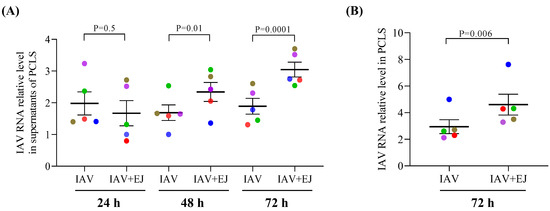
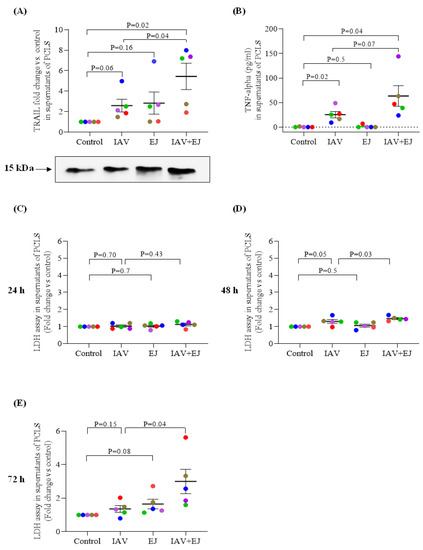
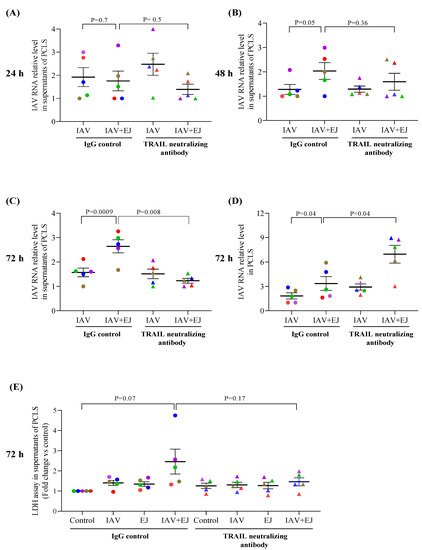
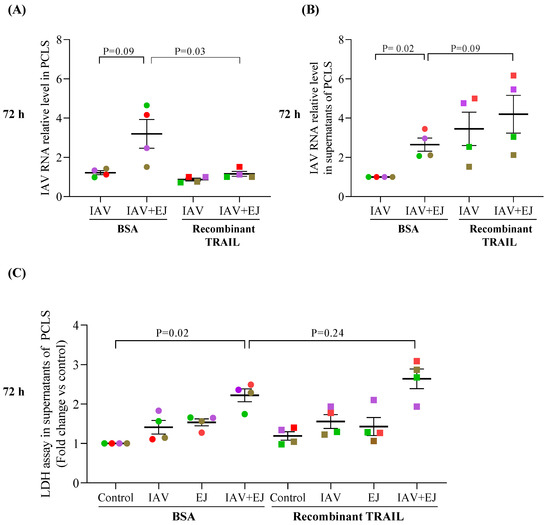
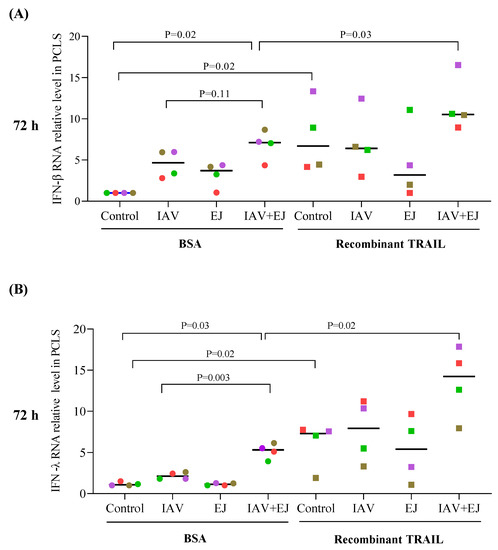
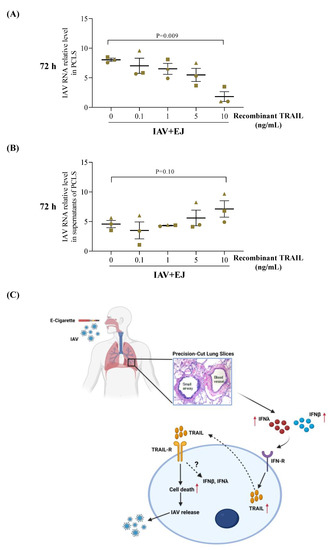
The use of electronic nicotine dispensing systems (ENDS), also known as electronic cigarettes (ECs), is common among adolescents and young adults with limited knowledge about the detrimental effects on lung health such as respiratory viral infections and underlying mechanisms. Tumor necrosis factor (TNF)-related apoptosis-inducing ligand (TRAIL), a protein of the TNF family involved in cell apoptosis, is upregulated in COPD patients and during influenza A virus (IAV) infections, but its role in viral infection during EC exposures remains unclear. This study was aimed to investigate the effect of ECs on viral infection and TRAIL release in a human lung precision-cut lung slices (PCLS) model, and the role of TRAIL in regulating IAV infection. PCLS prepared from lungs of nonsmoker healthy human donors were exposed to EC juice (E-juice) and IAV for up to 3 days during which viral load, TRAIL, lactate dehydrogenase (LDH), and TNF-α in the tissue and supernatants were determined. TRAIL neutralizing antibody and recombinant TRAIL were utilized to determine the contribution of TRAIL to viral infection during EC exposures. E-juice increased viral load, TRAIL, TNF-α release and cytotoxicity in IAV-infected PCLS. TRAIL neutralizing antibody increased tissue viral load but reduced viral release into supernatants. Conversely, recombinant TRAIL decreased tissue viral load but increased viral release into supernatants. Further, recombinant TRAIL enhanced the expression of interferon-β and interferon-λ induced by E-juice exposure in IAV-infected PCLS. Our results suggest that EC exposure in human distal lungs amplifies viral infection and TRAIL release, and that TRAIL may serve as a mechanism to regulate viral infection. Appropriate levels of TRAIL may be important to control IAV infection in EC users. Full article
Show Figures

Figure 1