10 pages, 3461 KB  
Article
Biochemical Analysis of the Role of Leucine-Rich Repeat Receptor-Like Kinases and the Carboxy-Terminus of Receptor Kinases in Regulating Kinase Activity in Arabidopsis thaliana and Brassica oleracea
by Eun-Seok Oh, Yeon Lee, Won Byoung Chae, Jana Jeevan Rameneni, Yong-Soon Park, Yong Pyo Lim and Man-Ho Oh
Molecules 2018, 23(1), 236; https://doi.org/10.3390/molecules23010236 - 22 Jan 2018
Cited by 8 | Viewed by 6596
Abstract
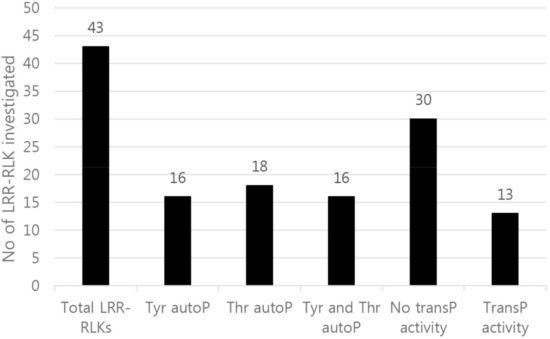
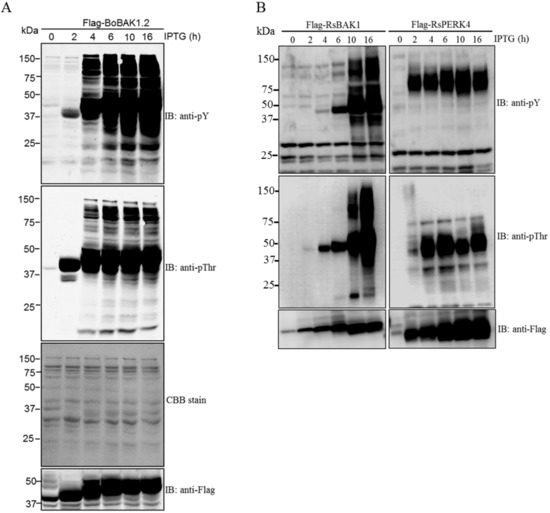
Protein post-translational modification by phosphorylation is essential for the activity and stability of proteins in higher plants and underlies their responses to diverse stimuli. There are more than 300 leucine-rich repeat receptor-like kinases (LRR-RLKs), a major group of receptor-like kinases (RLKs) that plays [...] Read more.
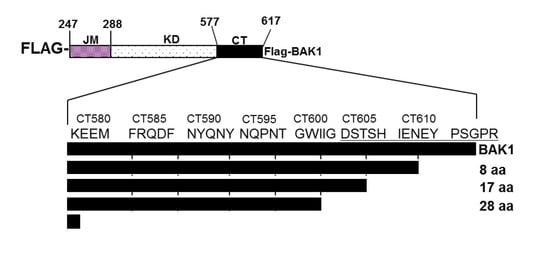
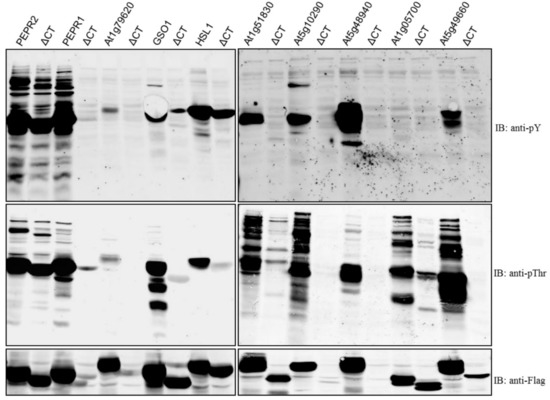
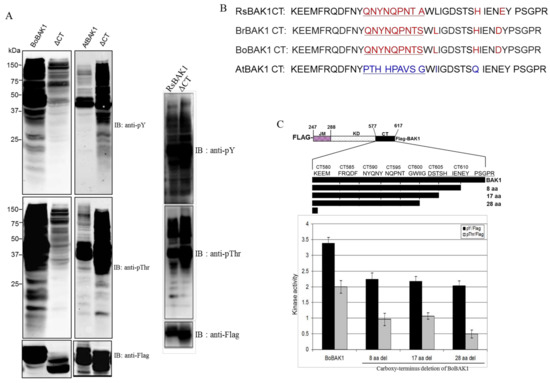
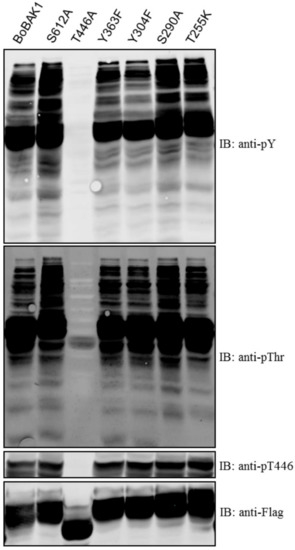
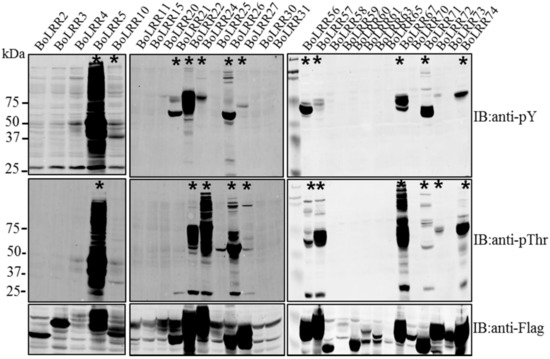
Protein post-translational modification by phosphorylation is essential for the activity and stability of proteins in higher plants and underlies their responses to diverse stimuli. There are more than 300 leucine-rich repeat receptor-like kinases (LRR-RLKs), a major group of receptor-like kinases (RLKs) that plays an important role in growth, development, and biotic stress responses in higher plants. To analyze auto- and transphosphorylation patterns and kinase activities in vitro, 43 full-length complementary DNA (cDNA) sequences were cloned from genes encoding LRR-RLKs. Autophosphorylation activity was found in the cytoplasmic domains (CDs) of 18 LRR-RLKs; 13 of these LRR-RLKs with autophosphorylation activity showed transphosphorylation in Escherichia coli. BRI1-Associated Receptor Kinase (BAK1), which is critically involved in the brassinosteroid and plant innate immunity signal transduction pathways, showed strong auto- and transphosphorylation with multi-specific kinase activity within 2 h of induction of Brassica oleraceae BAK1-CD (BoBAK1-CD) in E. coli; moreover, the carboxy-terminus of LRR-RLKs regulated phosphorylation and kinase activity in Arabidopsis thaliana and vegetative crops. Full article
(This article belongs to the Special Issue Protein Modifications and Bioconjugation)
Show Figures

Graphical abstract
14 pages, 1590 KB  
Article
A Comparative Pharmacokinetic Study by UHPLC-MS/MS of Main Active Compounds after Oral Administration of Zushima-Gancao Extract in Normal and Adjuvant-Induced Arthritis Rats
by Jinjun Shan, Wenjuan Qian, Linxiu Peng, Lianghui Chen, An Kang, Tong Xie and Liuqing Di
Molecules 2018, 23(1), 227; https://doi.org/10.3390/molecules23010227 - 22 Jan 2018
Cited by 8 | Viewed by 4866
Abstract
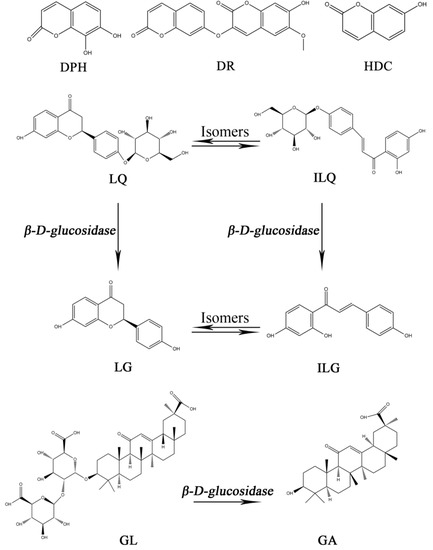
A sensitive and rapid ultra high-performance liquid-chromatography tandem mass spectrometry (UHPLC-MS/MS) method has been applied to investigate the influence of rheumatoid arthritis (RA) on the pharmacokinetics of nine analytes (daphnetin, daphnoretin, 7-hydroxycoumarin, liquiritin, isoliquiritin, liquiritigenin, isoliquiritigenin, glycyrrhizin, and glycyrrhetinic acid), which are major [...] Read more.
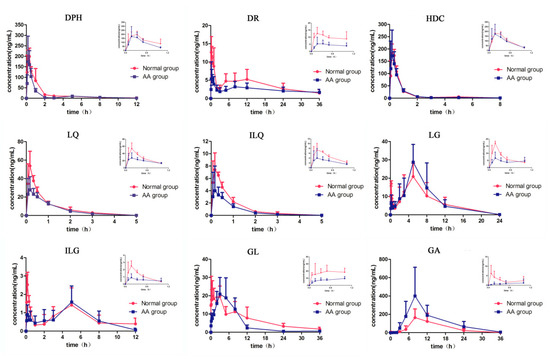
A sensitive and rapid ultra high-performance liquid-chromatography tandem mass spectrometry (UHPLC-MS/MS) method has been applied to investigate the influence of rheumatoid arthritis (RA) on the pharmacokinetics of nine analytes (daphnetin, daphnoretin, 7-hydroxycoumarin, liquiritin, isoliquiritin, liquiritigenin, isoliquiritigenin, glycyrrhizin, and glycyrrhetinic acid), which are major active components in Zushima-Gancao extract. The analytes and internal standard (IS) were separated in a Hypersil Gold C18 column and detected on a triple-stage quadrupole mass spectrometer using the validated method. All analytes exhibited good linearities (R2 > 0.98), and the lower limit of quantification (LLOQs) were sufficient for quantitative analysis. Intra- and inter-batch precision were all within 14.96% while the accuracy of nine analytes ranged from −17.99 to 14.48%, and these results were all within acceptance criteria. The extraction recoveries, matrix effects, and stabilities were all satisfactory. Main pharmacokinetic parameters of each compound were compared, and significant differences were found in parameters of daphnetin, daphnoretin, liquiritin, isoliquiritin, isoliquiritigenin, glycyrrhizin, and glycyrrhetinic acid, especially the last one, between the two groups. Therefore, adjuvant-induced arthritis has different effects on the pharmacokinetics of ingredients in Zushima-Gancao extract. The comparative pharmacokinetic study between normal and adjuvant-induced arthritis rats might provide more comprehensive information to guide the clinical usage of Zushima-Gancao extract for treating RA. Full article
Show Figures

Figure 1

13 pages, 5363 KB  
Article
Energetic Di- and Trinitromethylpyridines: Synthesis and Characterization
by Yiying Zhang, Xiaoyu Sun, Shannan Yu, Lingxiang Bao, Chenghui Sun and Siping Pang
Molecules 2018, 23(1), 2; https://doi.org/10.3390/molecules23010002 - 21 Dec 2017
Cited by 8 | Viewed by 6229
Abstract
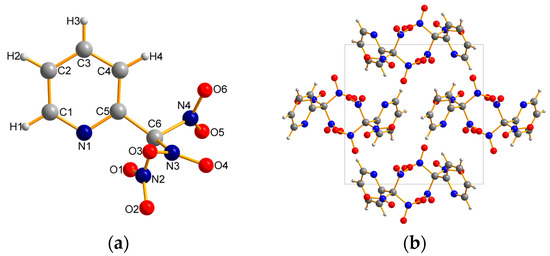
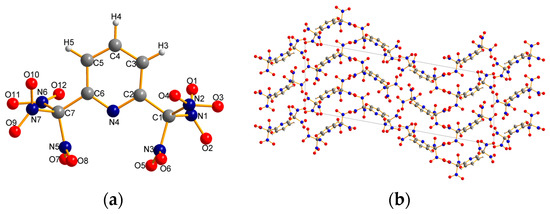
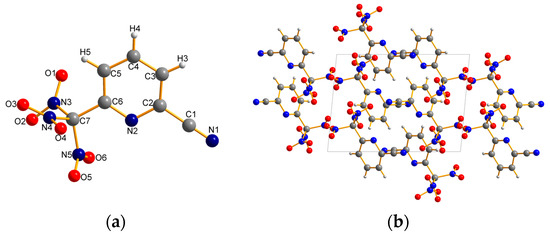
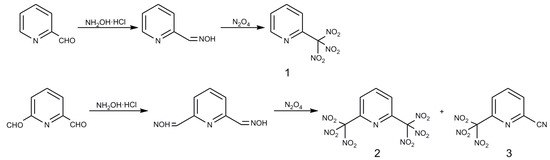
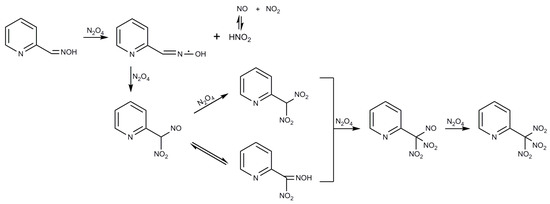
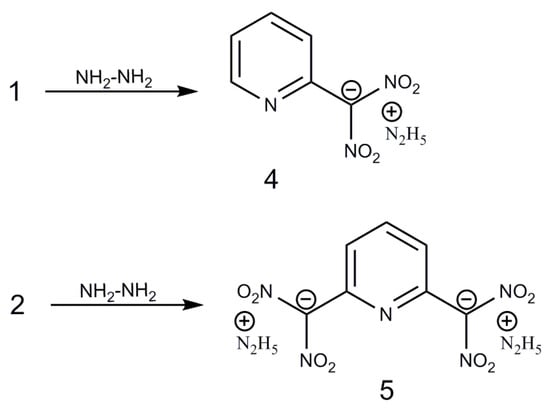
Pyridine derivatives based on the addition of trinitromethyl functional groups were synthesized by the reaction of N2O4 with the corresponding pyridinecarboxaldoximes, then they were converted into dinitromethylide hydrazinium salts. These energetic compounds were fully characterized by IR and NMR spectroscopy, [...] Read more.
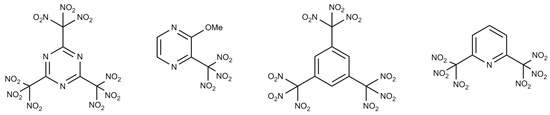
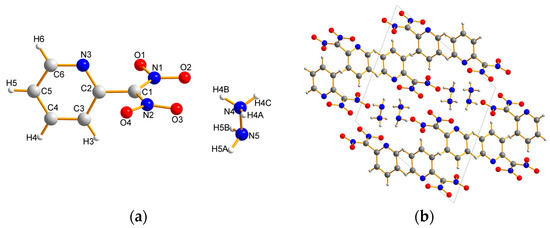
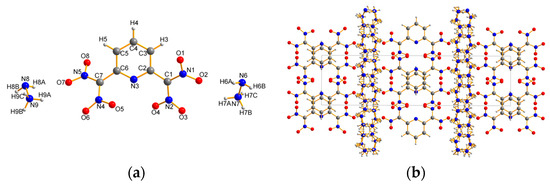
Pyridine derivatives based on the addition of trinitromethyl functional groups were synthesized by the reaction of N2O4 with the corresponding pyridinecarboxaldoximes, then they were converted into dinitromethylide hydrazinium salts. These energetic compounds were fully characterized by IR and NMR spectroscopy, elemental analysis, differential scanning calorimetry (DSC), and X-ray crystallography. These pyridine derivatives have good densities, positive enthalpies of formation, and acceptable sensitivity values. Theoretical calculations carried out using Gaussian 03 and EXPLO5 programs demonstrated good to excellent detonation velocities and pressures. Each of these compounds is superior in performance to TNT, while 2,6-bis(trinitromethyl)pyridine (D = 8700 m·s−1, P = 33.2 GPa) shows comparable detonation performance to that of RDX, but its thermal stability is too low, making it inferior to RDX. Full article
(This article belongs to the Collection Heterocyclic Compounds)
Show Figures

Figure 1

10 pages, 1988 KB  
Article
Substituent Effects in Multivalent Halogen Bonding Complexes: A Combined Theoretical and Crystallographic Study
by Antonio Bauzá, David Quiñonero and Antonio Frontera
Molecules 2018, 23(1), 18; https://doi.org/10.3390/molecules23010018 - 22 Dec 2017
Cited by 8 | Viewed by 4764
Abstract
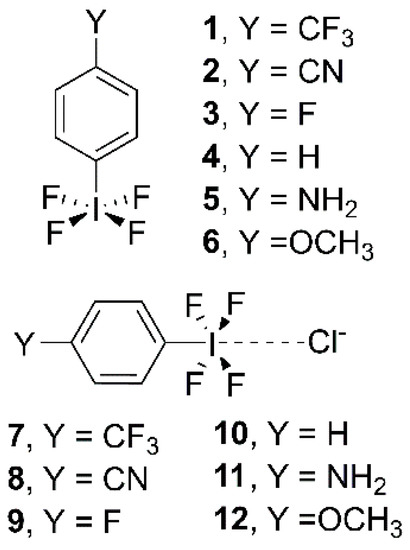
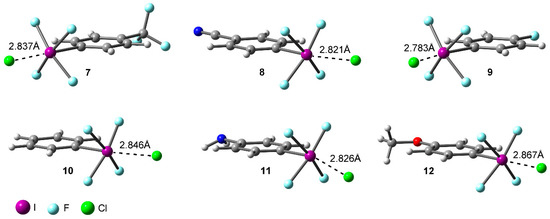
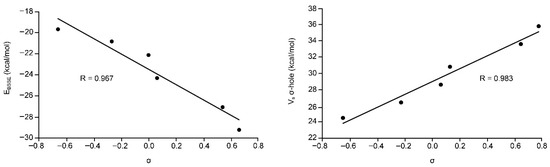
In this manuscript, we combined ab initio calculations (RI-MP2/def2-TZVPD level of theory) and a search in the CSD (Cambridge Structural Database) to analyze the influence of aromatic substitution in charge-assisted multivalent halogen bonding complexes. We used a series of benzene substituted iodine derivatives [...] Read more.
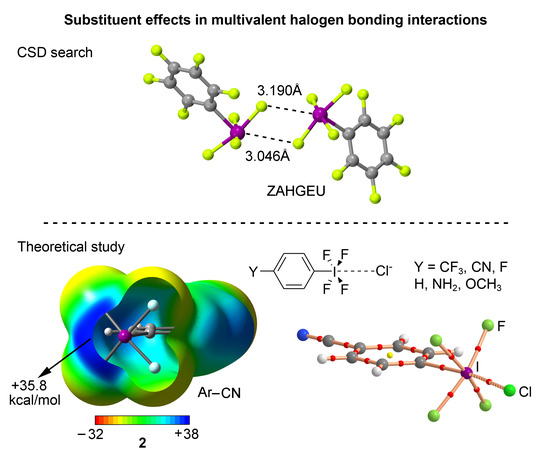
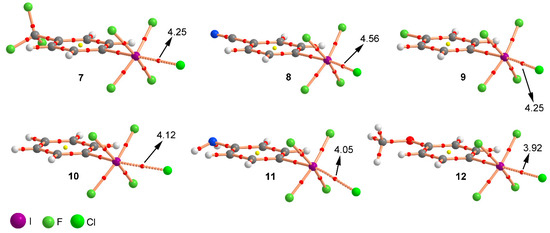
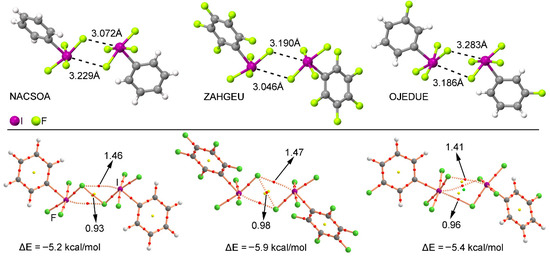
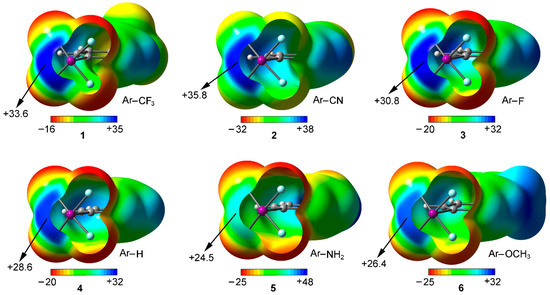
In this manuscript, we combined ab initio calculations (RI-MP2/def2-TZVPD level of theory) and a search in the CSD (Cambridge Structural Database) to analyze the influence of aromatic substitution in charge-assisted multivalent halogen bonding complexes. We used a series of benzene substituted iodine derivatives C6H4(IF4)Y (Y = H, NH2, OCH3, F, CN, and CF3) as Lewis acids and used Cl as electron rich interacting atoms. We have represented the Hammett’s plot and observed a good regression coefficient (interaction energies vs. Hammett’s σ parameter). Additionally, we demonstrated the direct correlation between the Hammett’s σ parameter and the value of molecular electrostatic potential measured at the I atom on the extension of the C–I bond. Furthermore, we have carried out AIM (atoms in molecules) and NBO (natural bonding orbital) analyses to further describe and characterize the interactions described herein. Finally, we have carried out a search in the CSD (Cambridge Structural Database) and found several X-ray structures where these interactions are present, thus giving reliability to the results derived from the calculations. Full article
(This article belongs to the Special Issue Halogen Bonds and Beyond)
Show Figures

Graphical abstract
10 pages, 1069 KB  
Article
Chiral and Molecular Recognition through Protonation between Aromatic Amino Acids and Tripeptides Probed by Collision-Activated Dissociation in the Gas Phase
by Akimasa Fujihara, Hikaru Inoue, Masanobu Sogi, Michiko Tajiri and Yoshinao Wada
Molecules 2018, 23(1), 162; https://doi.org/10.3390/molecules23010162 - 13 Jan 2018
Cited by 8 | Viewed by 4999
Abstract
Chiral and molecular recognition through protonation was investigated through the collision-activated dissociation (CAD) of protonated noncovalent complexes of aromatic amino acid enantiomers with l-alanine- and l-serine-containing tripeptides using a linear ion trap mass spectrometer. In the case of l-alanine-tripeptide (AAA), [...] Read more.
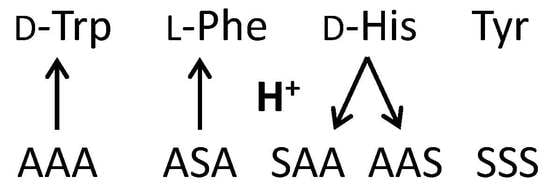
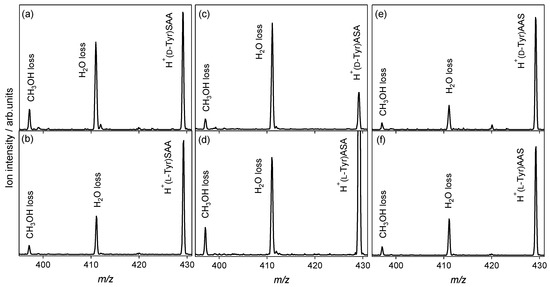
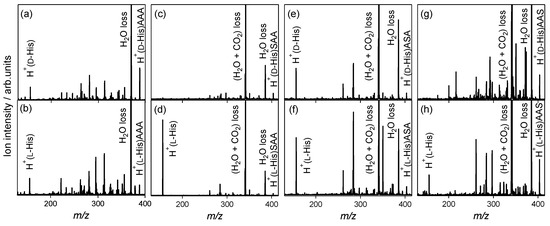
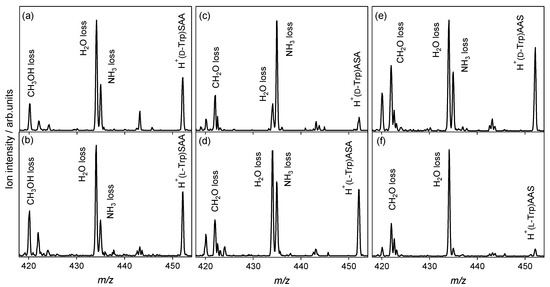
Chiral and molecular recognition through protonation was investigated through the collision-activated dissociation (CAD) of protonated noncovalent complexes of aromatic amino acid enantiomers with l-alanine- and l-serine-containing tripeptides using a linear ion trap mass spectrometer. In the case of l-alanine-tripeptide (AAA), NH3 loss was observed in the CAD of heterochiral H+(d-Trp)AAA, while H2O loss was the main dissociation pathways for l-Trp, d-Phe, and l-Phe. The protonation site of heterochiral H+(d-Trp)AAA was the amino group of d-Trp, and the NH3 loss occurred from H+(d-Trp). The H2O loss indicated that the proton was attached to the l-alanine tripeptide in the noncovalent complexes. With the substitution of a central residue of l-alanine tripeptide to l-Ser, ASA recognized l-Phe by protonation to the amino group of l-Phe in homochiral H+(l-Phe)ASA. For the protonated noncovalent complexes of His enantiomers with tripeptides (AAA, SAA, ASA, and AAS), protonated His was observed in the spectra, except for those of heterochiral H+(d-His)SAA and H+(d-His)AAS, indicating that d-His did not accept protons from the SAA and AAS in the noncovalent complexes. The amino-acid sequences of the tripeptides required for the recognition of aromatic amino acids were determined by analyses of the CAD spectra. Full article
(This article belongs to the Special Issue Recent Advances in Chiroptical Spectroscopy)
Show Figures

Graphical abstract
10 pages, 4845 KB  
Article
Small Peptides Able to Suppress Prostaglandin E2 Generation in Renal Mesangial Cells
by Sofia Vasilakaki, Oleksandr Pastukhov, Thomas Mavromoustakos, Andrea Huwiler and George Kokotos
Molecules 2018, 23(1), 158; https://doi.org/10.3390/molecules23010158 - 13 Jan 2018
Cited by 8 | Viewed by 4106
Abstract
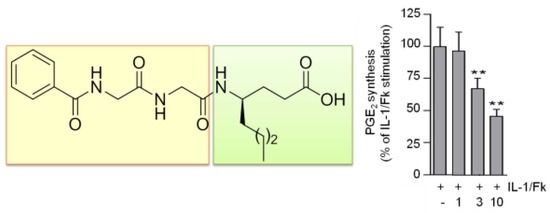
Peptide drug discovery may play a key role in the identification of novel medicinal agents. Here, we present the development of novel small peptides able to suppress the production of PGE2 in mesangial cells. The new compounds were generated by structural alterations [...] Read more.
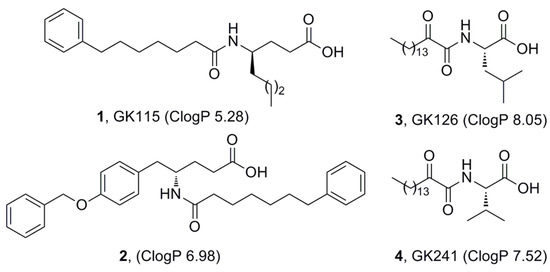
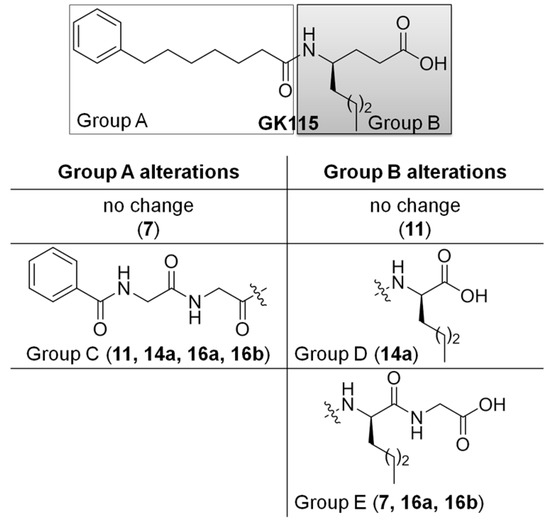
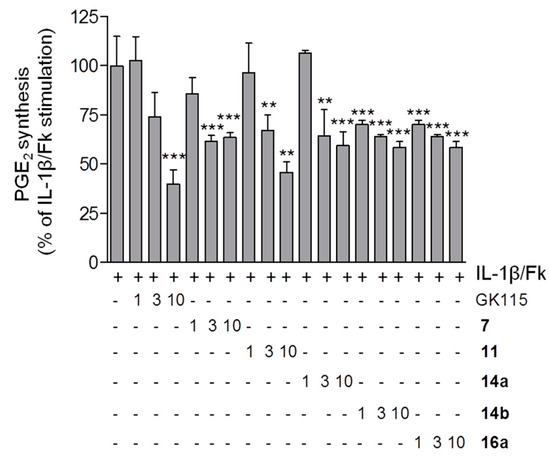
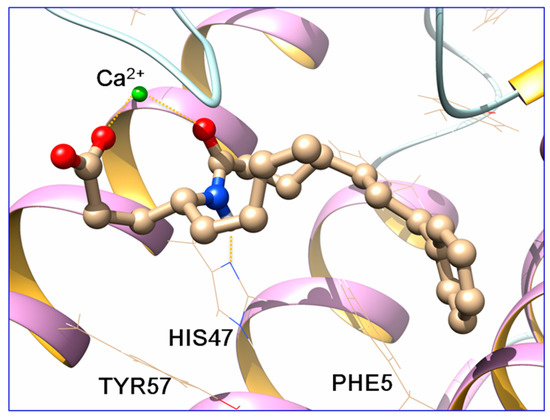
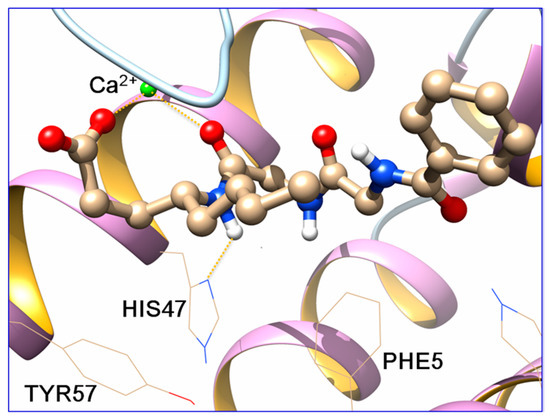
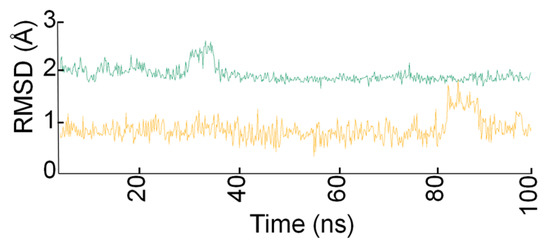
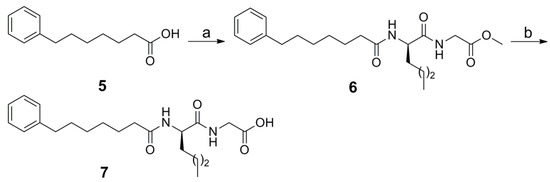
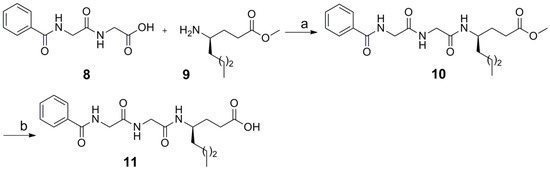
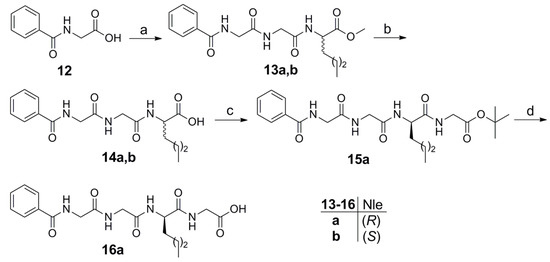
Peptide drug discovery may play a key role in the identification of novel medicinal agents. Here, we present the development of novel small peptides able to suppress the production of PGE2 in mesangial cells. The new compounds were generated by structural alterations applied on GK115, a novel inhibitor of secreted phospholipase A2, which has been previously shown to reduce PGE2 synthesis in rat renal mesangial cells. Among the synthesized compounds, the tripeptide derivative 11 exhibited a nice dose-dependent suppression of PGE2 production, similar to that observed for GK115. Full article
(This article belongs to the Special Issue Phospholipases and Lipases: Targets for Drug Development)
Show Figures

Graphical abstract
9 pages, 5005 KB  
Article
Monitoring Reaction Paths Using Vibrational Spectroscopies: The Case of the Dehydrogenation of Propane toward Propylene on Pd-Doped Cu(111) Surface
by Wei Hu and Xinrui Cao
Molecules 2018, 23(1), 126; https://doi.org/10.3390/molecules23010126 - 10 Jan 2018
Cited by 8 | Viewed by 4578
Abstract
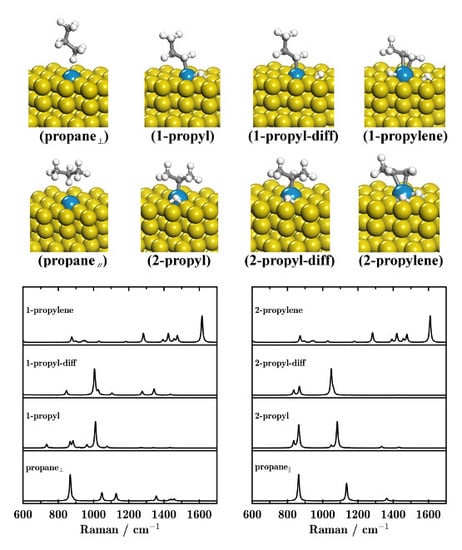
Monitoring reaction paths is not only a fundamental scientific issue but also helps us to understand and optimize the catalytic process. Infrared (IR) and Raman spectroscopies are powerful tools for detecting particular molecules or intermediate products as a result of their ability to [...] Read more.
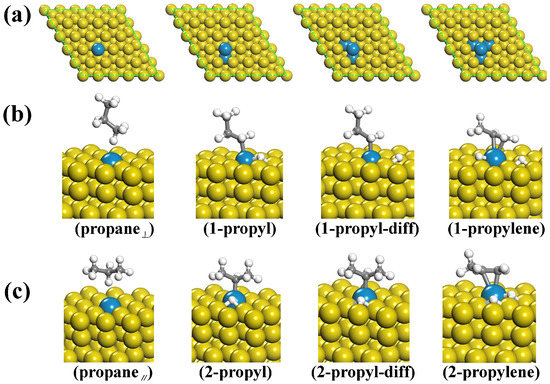
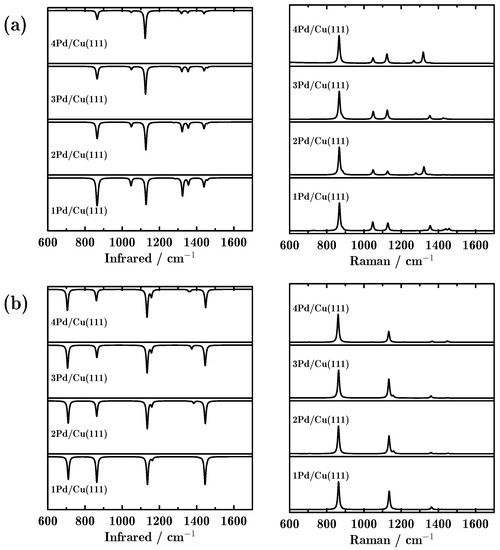
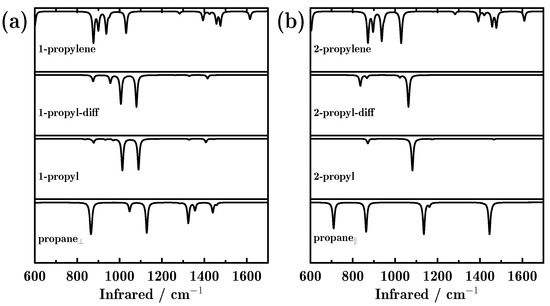
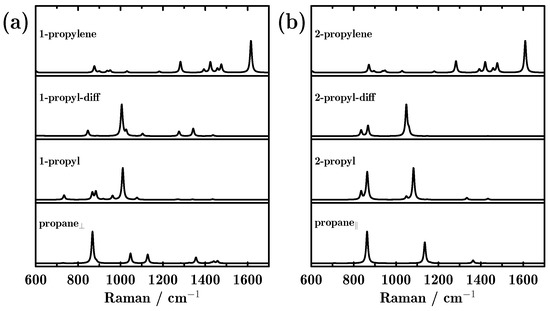
Monitoring reaction paths is not only a fundamental scientific issue but also helps us to understand and optimize the catalytic process. Infrared (IR) and Raman spectroscopies are powerful tools for detecting particular molecules or intermediate products as a result of their ability to provide the molecular “finger-print”. However, theoretical modeling for the vibrational spectra of molecular adsorbates on metallic surfaces is a long-standing challenge, because accurate descriptions of the electronic structure for both the metallic substrates and adsorbates are required. In the present work, we applied a quasi-analytical IR and Raman simulation method to monitor the dehydrogenation of propane towards propylene on a Pd-doped Cu(111) surface in real-time. Different Pd ensembles were used to construct the single-atom catalyst (SAC). We found that the number of sublayer Pd atoms could only affect the intensity of the peak rather than the peak position on the vibrational spectra. However, with the dehydrogenation reaction proceeding, both IR and Raman spectra were changed greatly, which indicates that every reaction step can be distinguished from the point of view of vibrational spectroscopies. Additionally, we found that the catalytic process, which starts from different initial states, shows different spectral profiles. The present results suggest that the vibrational spectroscopies obtained by the high-precision simulations pave the way for identifying different catalytic reaction paths. Full article
(This article belongs to the Special Issue Palladium Catalysts 2018)
Show Figures

Graphical abstract
16 pages, 1200 KB  
Article
Characterization of Two VAO-Type Flavoprotein Oxidases from Myceliophthora thermophila
by Alessandro R. Ferrari, Henriëtte J. Rozeboom, Aniek S. C. Vugts, Martijn J. Koetsier, Robert Floor and Marco W. Fraaije
Molecules 2018, 23(1), 111; https://doi.org/10.3390/molecules23010111 - 5 Jan 2018
Cited by 8 | Viewed by 5668
Abstract
The VAO flavoprotein family consists mostly of oxidoreductases harboring a covalently linked flavin cofactor. The linkage can be either monocovalent at position 8 with a histidine or tyrosine or bicovalent at position 8 with a histidine and at position 6 with a cysteine. [...] Read more.
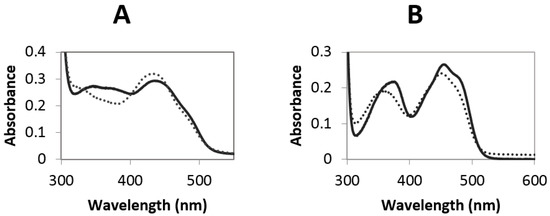
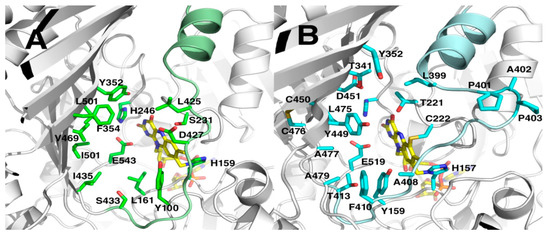
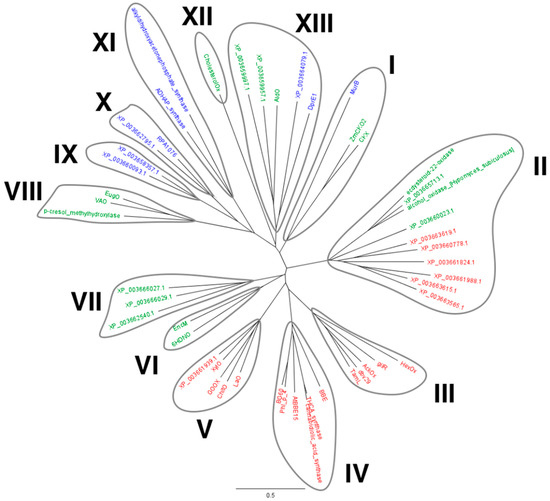
The VAO flavoprotein family consists mostly of oxidoreductases harboring a covalently linked flavin cofactor. The linkage can be either monocovalent at position 8 with a histidine or tyrosine or bicovalent at position 8 with a histidine and at position 6 with a cysteine. Bicovalently bound flavoproteins show a preference for bulkier substrates such as oligosaccharides or secondary metabolites. The genome of the thermophilic fungus Myceliophthora thermophila C1 was found to be rich in genes encoding putative covalent VAO-type flavoproteins. Enzymes from this fungus have the advantage of being rather thermostable and homologous overexpression in M. thermophila C1 is feasible. Recently we discovered a new and VAO-type carbohydrate oxidase from this fungus: xylooligosaccharide oxidase. In this study, two other putative VAO-type oxidases, protein sequence XP_003663615 (MtVAO615) and XP_003665713 (MtVAO713), were expressed in M. thermophila C1, purified and characterized. Enzyme MtVAO615 was found to contain a bicovalently bound FAD, while enzyme MtVAO713 contained a monocovalent histidyl-bound FAD. The crystal structures of both proteins were obtained which revealed atypical active site architectures. It could be experimentally verified that both proteins, when reduced, rapidly react with molecular oxygen, a hallmark of flavoprotein oxidases. A large panel of alcohols, including carbohydrates, steroids and secondary alcohols were tested as potential substrates. For enzyme MtVAO713 low oxidase activity was discovered towards ricinoleic acid. Full article
(This article belongs to the Special Issue Flavoenzymes)
Show Figures

Figure 1

29 pages, 3448 KB  
Review
Amyloid Biomarkers in Conformational Diseases at Face Value: A Systematic Review
by Maria Fernanda Avila-Vazquez, Nelly F. Altamirano-Bustamante and Myriam M. Altamirano-Bustamante
Molecules 2018, 23(1), 79; https://doi.org/10.3390/molecules23010079 - 29 Dec 2017
Cited by 7 | Viewed by 6809
Abstract
Conformational diseases represent a new aspect of proteomic medicine where diagnostic and therapeutic paradigms are evolving. In this context, the early biomarkers for target cell failure (neurons, β-cells, etc.) represent a challenge to translational medicine and play a multidimensional role as biomarkers and [...] Read more.
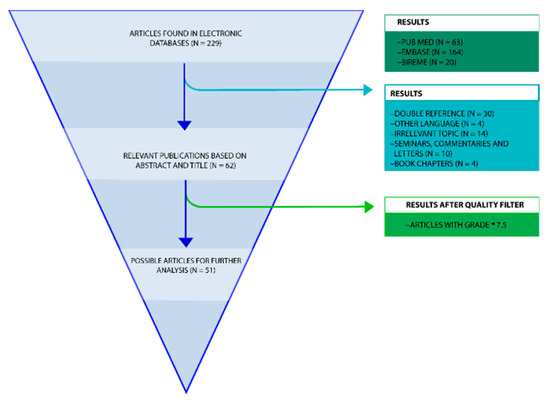
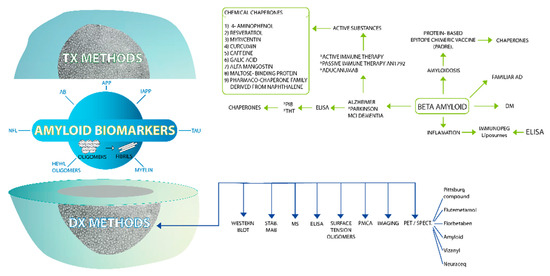
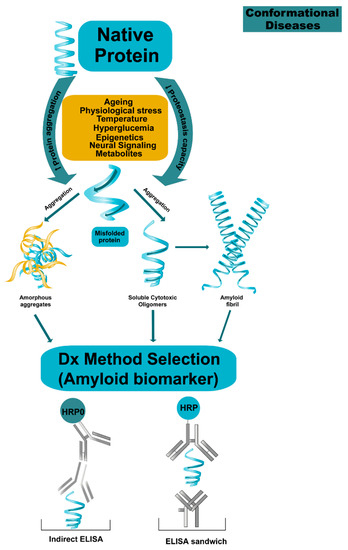
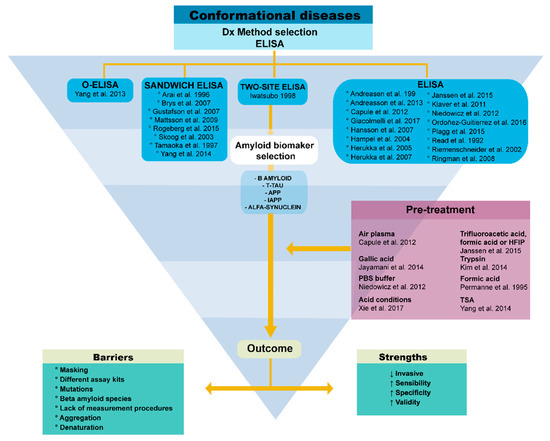
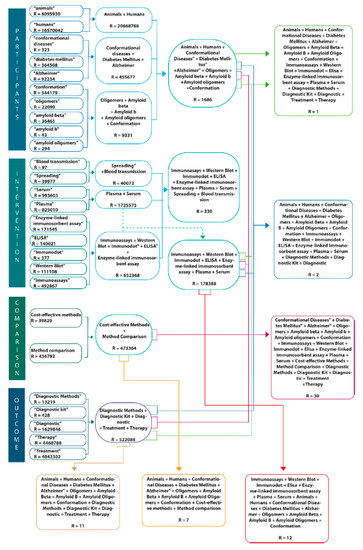
Conformational diseases represent a new aspect of proteomic medicine where diagnostic and therapeutic paradigms are evolving. In this context, the early biomarkers for target cell failure (neurons, β-cells, etc.) represent a challenge to translational medicine and play a multidimensional role as biomarkers and potential therapeutic targets. This systematic review, which follows the PICO and Prisma methods, analyses this new-fangled multidimensionality, its strengths and limitations, and presents the future possibilities it opens up. The nuclear diagnosis methods are immunoassays: ELISA, immunodot, western blot, etc., while the therapeutic approach is focused on pharmaco- and molecular chaperones. Full article
(This article belongs to the Special Issue 25th Anniversary of the Amyloid Hypothesis and Alzheimer Disease)
Show Figures

Figure 1

14 pages, 1329 KB  
Review
Hot Spots for Protein Partnerships at the Surface of Cholinesterases and Related α/β Hydrolase Fold Proteins or Domains—A Structural Perspective
by Yves Bourne and Pascale Marchot
Molecules 2018, 23(1), 35; https://doi.org/10.3390/molecules23010035 - 23 Dec 2017
Cited by 7 | Viewed by 5132
Abstract
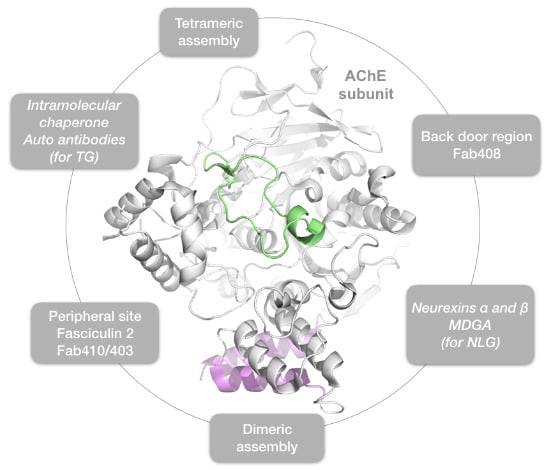
The hydrolytic enzymes acetyl- and butyryl-cholinesterase, the cell adhesion molecules neuroligins, and the hormonogenic macromolecule thyroglobulin are a few of the many members of the α/β hydrolase fold superfamily of proteins. Despite their distinctive functions, their canonical subunits, with a molecular surface area [...] Read more.
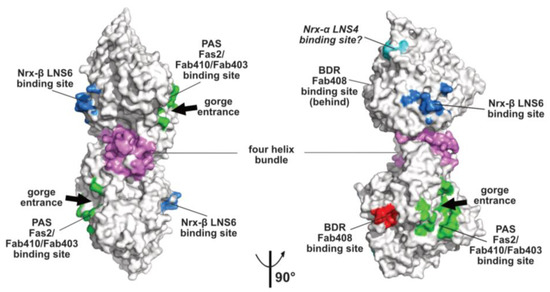
The hydrolytic enzymes acetyl- and butyryl-cholinesterase, the cell adhesion molecules neuroligins, and the hormonogenic macromolecule thyroglobulin are a few of the many members of the α/β hydrolase fold superfamily of proteins. Despite their distinctive functions, their canonical subunits, with a molecular surface area of ~20,000 Å2, they share binding patches and determinants for forming homodimers and for accommodating structural subunits or protein partners. Several of these surface regions of high functional relevance have been mapped through structural or mutational studies, while others have been proposed based on biochemical data or molecular docking studies. Here, we review these binding interfaces and emphasize their specificity versus potentially multifunctional character. Full article
Show Figures

Graphical abstract
11 pages, 2146 KB  
Article
Supported Zeolite Beta Layers via an Organic Template-Free Preparation Route
by Stephanie Reuss, Dirk Sanwald, Marion Schülein, Wilhelm Schwieger, Shaeel A. Al-Thabaiti, Mohamed Mokhtar and Sulaiman N. Basahel
Molecules 2018, 23(1), 220; https://doi.org/10.3390/molecules23010220 - 21 Jan 2018
Cited by 7 | Viewed by 5835
Abstract
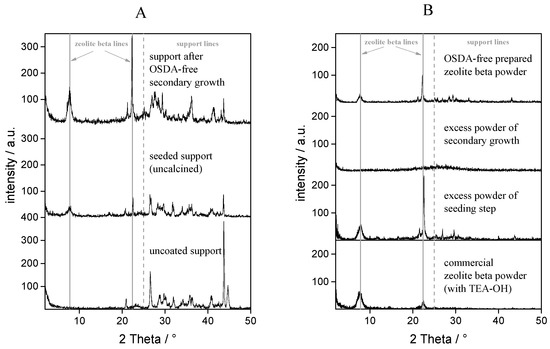
Layers of high silica zeolites, synthesized with an organic structure directing agent (OSDA) and grown onto porous support structures, frequently suffer from the thermal stress during the removal of OSDA via the calcination process. The different thermal expansion coefficients of the zeolite and [...] Read more.
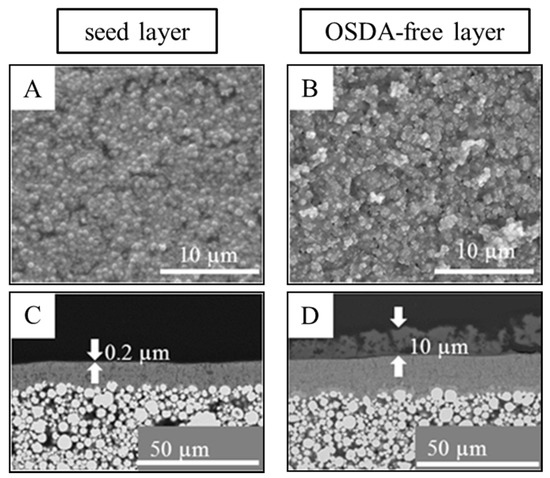
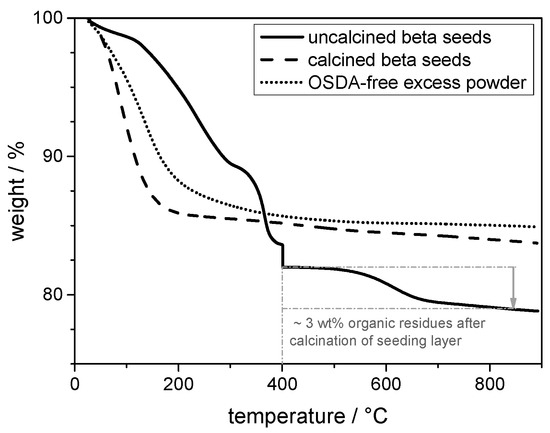
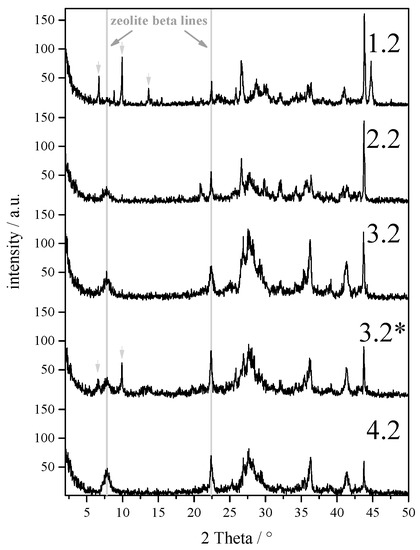
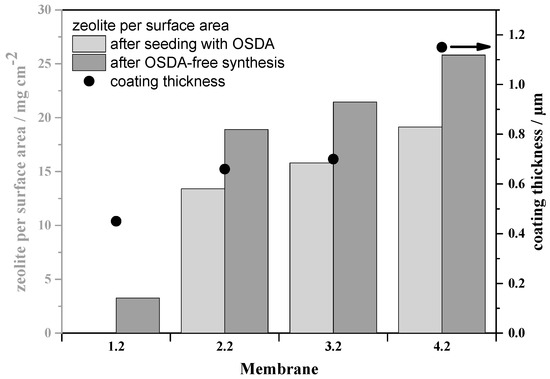
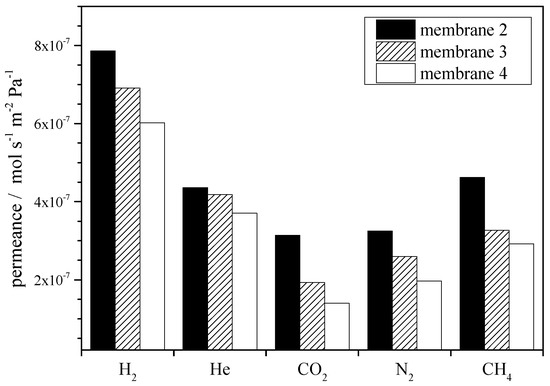
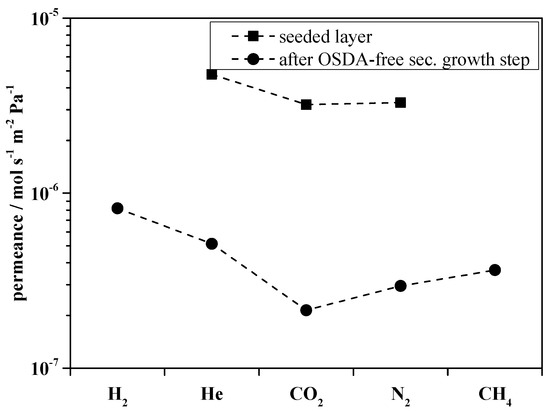
Layers of high silica zeolites, synthesized with an organic structure directing agent (OSDA) and grown onto porous support structures, frequently suffer from the thermal stress during the removal of OSDA via the calcination process. The different thermal expansion coefficients of the zeolite and the support material, especially when stainless steel is used as a support, causes enormous tension resulting in defect formation in the zeolite layer. However, the calcination is an easy procedure to decompose the OSDA in the pore system of the zeolite. Recently, methods to synthesize zeolite beta without the use of an organic structure directing agent have been described. In the present study, a seed-directed synthesis is used to prepare OSDA-free zeolite beta layers on stainless steel supports via an in situ preparation route. For the application as membrane, a porous stainless steel support has been chosen. The beta/stainless steel composites are characterized by X-ray diffraction (XRD) and scanning electron microscopy (SEM). To prove its possible application as a membrane, the beta/stainless steel composites were also tested by single gas permeances of H2, He, CO2, N2, and CH4. Full article
Show Figures

Figure 1

15 pages, 5209 KB  
Article
Functional Impact of the N-terminal Arm of Proline Dehydrogenase from Thermus thermophilus
by Mieke M. E. Huijbers, Ilona Van Alen, Jenny W. Wu, Arjan Barendregt, Albert J. R. Heck and Willem J. H. Van Berkel
Molecules 2018, 23(1), 184; https://doi.org/10.3390/molecules23010184 - 16 Jan 2018
Cited by 7 | Viewed by 6578
Abstract
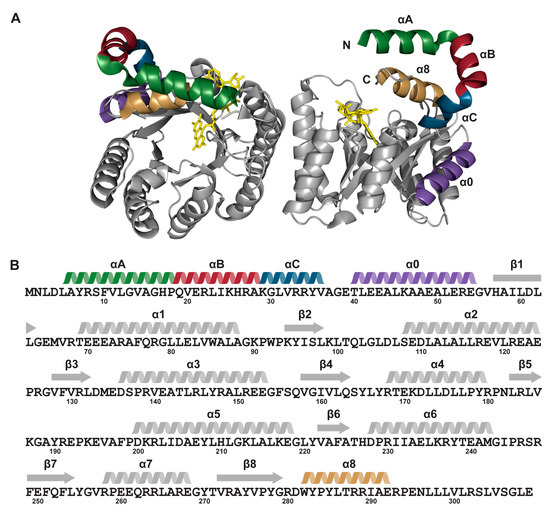
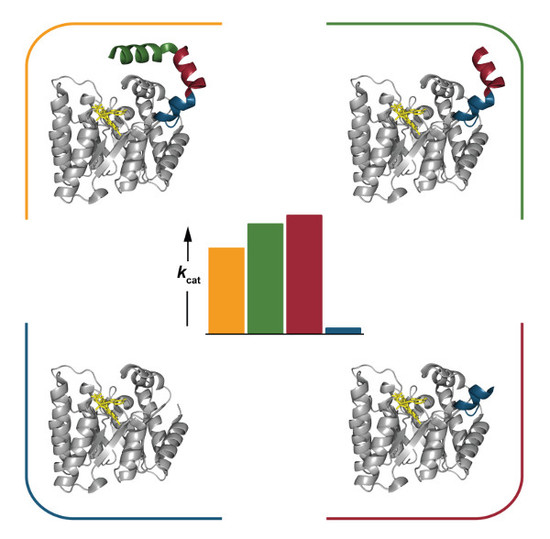
Proline dehydrogenase (ProDH) is a ubiquitous flavoenzyme that catalyzes the oxidation of proline to Δ1-pyrroline-5-carboxylate. Thermus thermophilus ProDH (TtProDH) contains in addition to its flavin-binding domain an N-terminal arm, consisting of helices αA, αB, and αC. Here, we report the [...] Read more.
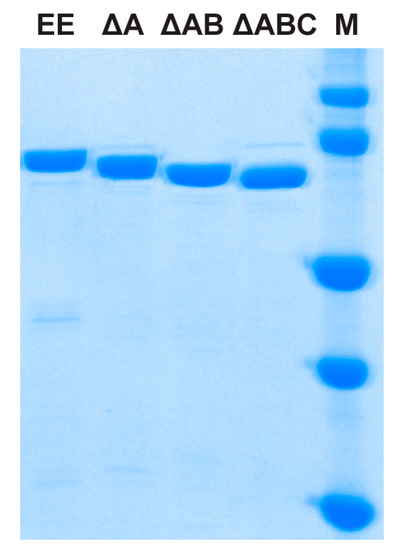
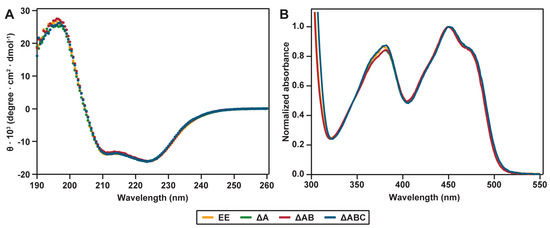
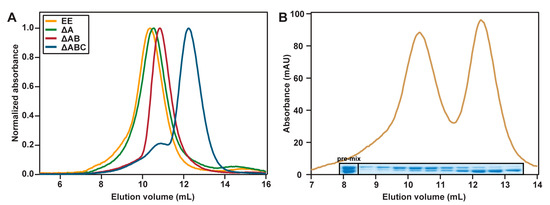
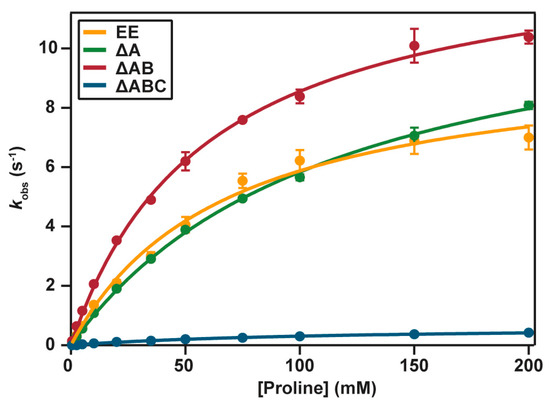
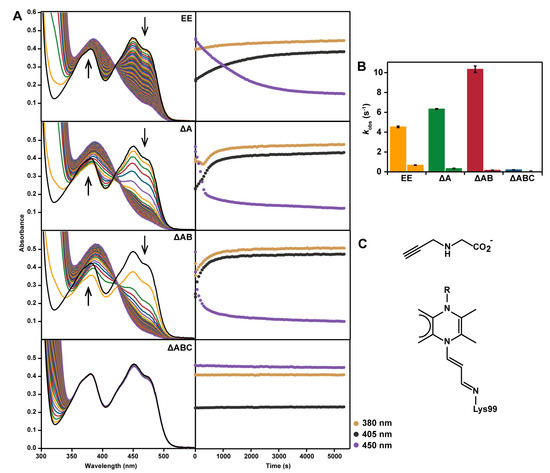
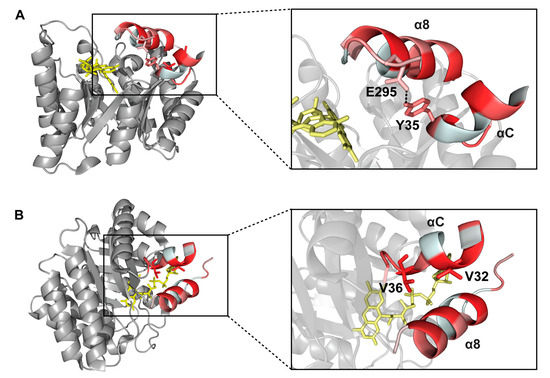
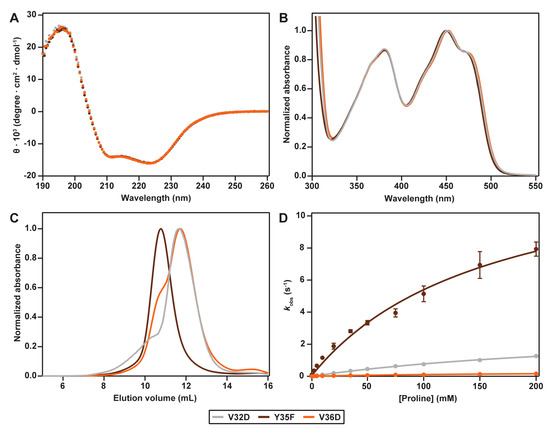
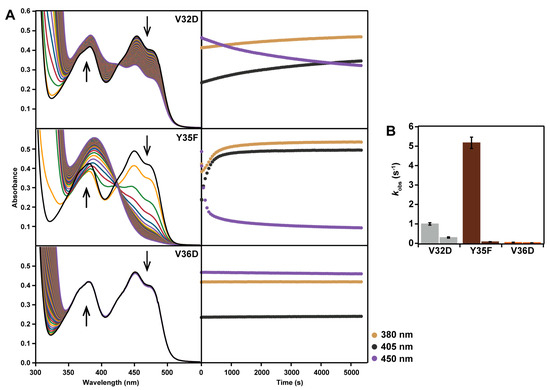
Proline dehydrogenase (ProDH) is a ubiquitous flavoenzyme that catalyzes the oxidation of proline to Δ1-pyrroline-5-carboxylate. Thermus thermophilus ProDH (TtProDH) contains in addition to its flavin-binding domain an N-terminal arm, consisting of helices αA, αB, and αC. Here, we report the biochemical properties of the helical arm truncated TtProDH variants ΔA, ΔAB, and ΔABC, produced with maltose-binding protein as solubility tag. All three truncated variants show similar spectral properties as TtProDH, indicative of a conserved flavin-binding pocket. ΔA and ΔAB are highly active tetramers that rapidly react with the suicide inhibitor N-propargylglycine. Removal of the entire N-terminal arm (ΔABC) results in barely active dimers that are incapable of forming a flavin adduct with N-propargylglycine. Characterization of V32D, Y35F, and V36D variants of ΔAB established that a hydrophobic patch between helix αC and helix α8 is critical for TtProDH catalysis and tetramer stabilization. Full article
(This article belongs to the Special Issue Flavoenzymes)
Show Figures

Graphical abstract
8 pages, 813 KB  
Communication
Tetrasubstituted Imidazolium Salts as Potent Antiparasitic Agents against African and American Trypanosomiases
by Ouldouz Ghashghaei, Nicola Kielland, Marc Revés, Martin C. Taylor, John M. Kelly, Ornella Di Pietro, Diego Muñoz-Torrero, Belén Pérez and Rodolfo Lavilla
Molecules 2018, 23(1), 177; https://doi.org/10.3390/molecules23010177 - 16 Jan 2018
Cited by 7 | Viewed by 5287
Abstract
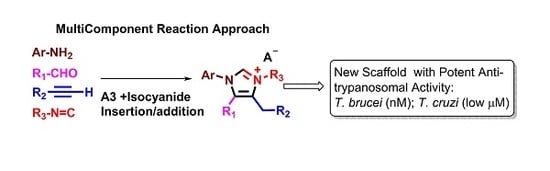
Imidazolium salts are privileged compounds in organic chemistry, and have valuable biological properties. Recent studies show that symmetric imidazolium salts with bulky moieties can display antiparasitic activity against T. cruzi. After developing a facile methodology for the synthesis of tetrasubstituted imidazolium salts [...] Read more.
Imidazolium salts are privileged compounds in organic chemistry, and have valuable biological properties. Recent studies show that symmetric imidazolium salts with bulky moieties can display antiparasitic activity against T. cruzi. After developing a facile methodology for the synthesis of tetrasubstituted imidazolium salts from propargylamines and isocyanides, we screened a small library of these adducts against the causative agents of African and American trypanosomiases. These compounds display nanomolar activity against T. brucei and low (or sub) micromolar activity against T. cruzi, with excellent selectivity indexes and favorable molecular properties, thereby emerging as promising hits for the treatment of Chagas disease and sleeping sickness. Full article
(This article belongs to the Special Issue Multicomponent Reaction-Based Synthesis of Bioactive Molecules)
Show Figures

Graphical abstract
14 pages, 1235 KB  
Article
Multinuclear NMR Measurements and DFT Calculations for Capecitabine Tautomeric Form Assignment in a Solution
by Piotr Cmoch, Piotr Krzeczyński and Andrzej Leś
Molecules 2018, 23(1), 161; https://doi.org/10.3390/molecules23010161 - 13 Jan 2018
Cited by 7 | Viewed by 5134
Abstract
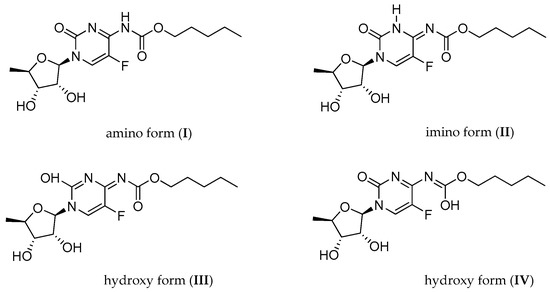
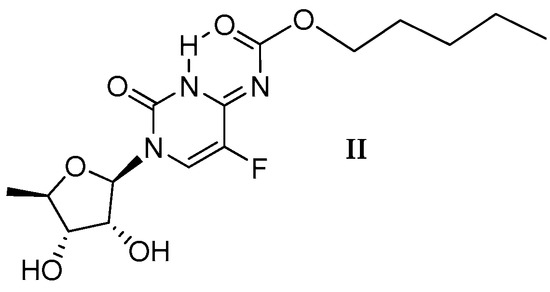
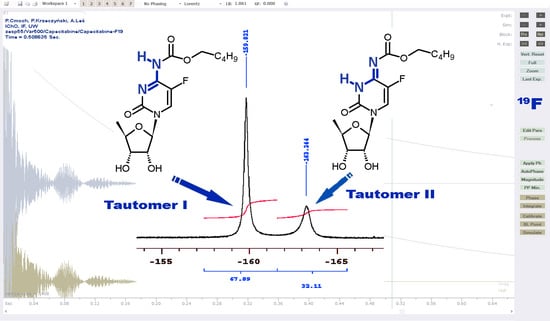
The molecular structure of capecitabine (a widely applied prodrug of 5-fluorouracil) was studied by multinuclear NMR measurements and DFT quantum mechanical calculations. One or two tautomeric forms in a solution were detected depending on the solvent used. In the organic solvents, a mixture [...] Read more.
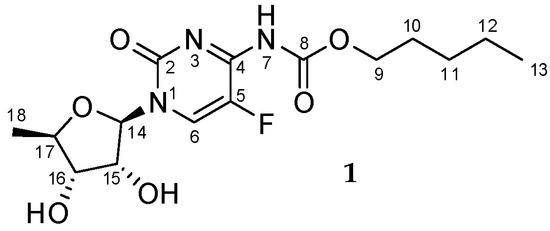
The molecular structure of capecitabine (a widely applied prodrug of 5-fluorouracil) was studied by multinuclear NMR measurements and DFT quantum mechanical calculations. One or two tautomeric forms in a solution were detected depending on the solvent used. In the organic solvents, a mixture of two forms of capecitabine was observed: carbamate and imine tautomers. In the aqueous solution, only the carbamate form was found. The methylation of capecitabine yields mainly two products in different proportions: N3-methylcapecitabine and N7-methylcapecitabine. The protonation of capecitabine in organic solvents with perchloric acid occurs at the N3 nitrogen atom. DFT calculations strongly support the results coming from the analysis of the NMR spectra. Full article
Show Figures

Graphical abstract
15 pages, 1119 KB  
Article
Characterization of Polyphenolic Content in the Aquatic Plants Ruppia cirrhosa and Ruppia maritima —A Source of Nutritional Natural Products
by Kjersti Hasle Enerstvedt, Anders Lundberg and Monica Jordheim
Molecules 2018, 23(1), 16; https://doi.org/10.3390/molecules23010016 - 22 Dec 2017
Cited by 7 | Viewed by 5039
Abstract
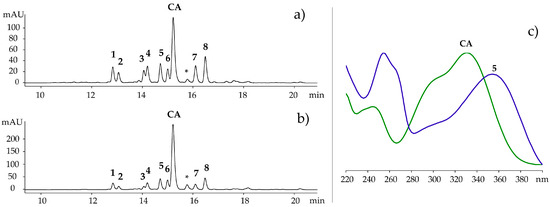
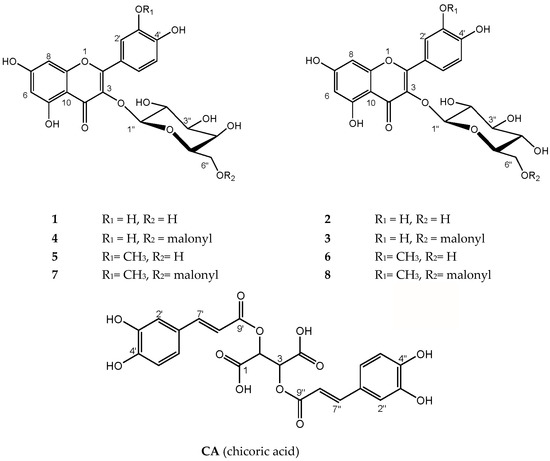
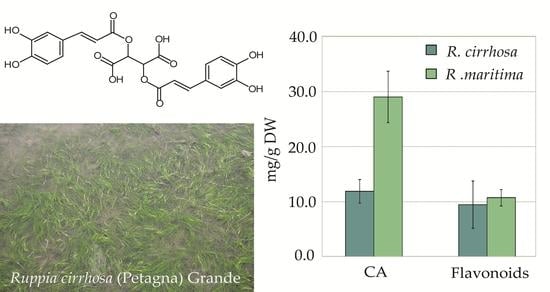
Herein, the polyphenolic content in extracts of Ruppia cirrhosa (Petagna) Grande and Ruppia maritima L.was fully characterized for the first time. High amounts of the main compound chicoric acid (CA) (≤30.2 ± 4.3 mg/g) were found in both Ruppia species. In [...] Read more.
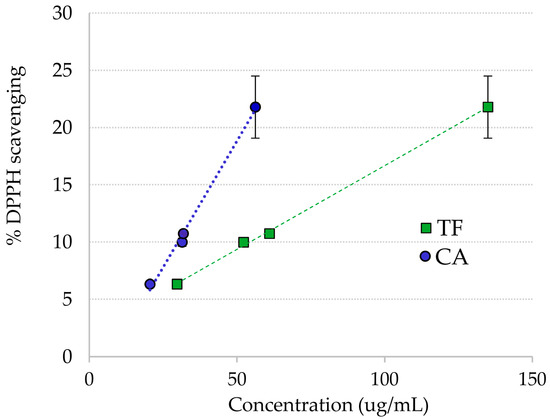
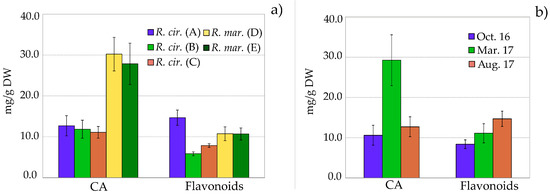
Herein, the polyphenolic content in extracts of Ruppia cirrhosa (Petagna) Grande and Ruppia maritima L.was fully characterized for the first time. High amounts of the main compound chicoric acid (CA) (≤30.2 ± 4.3 mg/g) were found in both Ruppia species. In addition, eight flavonoids, namely the 3-O-glucopyranosides and 3-O-galactopyranosides, as well as malonylated 3-O-glycosides of quercetin and isorhamnetin, were isolated and identified. The antioxidant activity of Ruppia cirrhosa extracts and isolated compounds was investigated spectrophotometrically by a 1,1-diphenyl-2-picrylhydrazyl (DPPH·) radical scavenging assay. IC50 values were 31.8–175.7 μg/mL for Ruppia cirrhosa extracts and 12.1–88.4 μg/mL for isolated flavonoids. Both individual and total phenolic and flavonoid content were quantified in crude extracts using analytical HPLC. The relative high amount of total flavonoids ranged from 5.9 to 14.7 mg/g in both species, with concentrations of individual flavonoids ranging from 0.4 to 2.9 mg/g dry weight. The content of chicoric acid was twofold more in Ruppia maritima than in Ruppia cirrhosa. Seasonal variation of the quantitative content in Ruppia cirrhosa was examined. Total flavonoid content ranged from 8.4 mg/g in October to 14.7 mg/g in August, whereas the highest concentration of chicoric acid was observed in March (29.2 mg/g). Full article
(This article belongs to the Section Natural Products Chemistry)
Show Figures

Graphical abstract