15 pages, 757 KB  
Article
Influence of Fruit Maturity at Harvest on the Intensity of Smoke Taint in Wine
by Renata Ristic, Paul K. Boss and Kerry L. Wilkinson
Molecules 2015, 20(5), 8913-8927; https://doi.org/10.3390/molecules20058913 - 18 May 2015
Cited by 33 | Viewed by 8130
Abstract
Bushfire smoke can affect the composition and sensory properties of grapes and wines, in some cases leading to wines which exhibit undesirable “smoky”, “ashy” and “medicinal” characters. This study investigated the extent to which fruit maturity (i.e., ripeness) influences the perception [...] Read more.
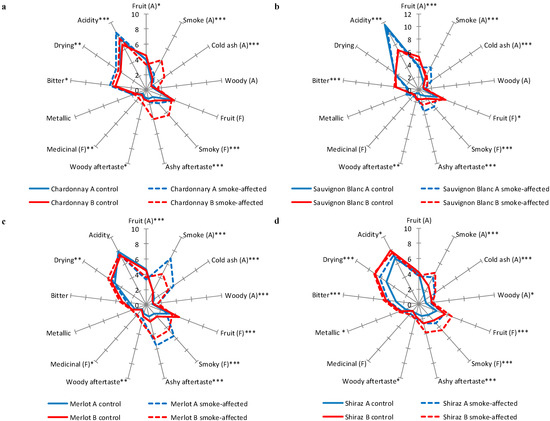
Bushfire smoke can affect the composition and sensory properties of grapes and wines, in some cases leading to wines which exhibit undesirable “smoky”, “ashy” and “medicinal” characters. This study investigated the extent to which fruit maturity (i.e., ripeness) influences the perception of smoke taint in wine. Two white grape varieties (Chardonnay and Sauvignon Blanc) and two red grape varieties (Merlot and Shiraz) were exposed to smoke under experimental conditions, at approximately seven days post-veraison. Fruit was then harvested at two levels of maturity: Harvest A, when total soluble solids were 16–20 °Brix, i.e., the berry ripeness typically required for production of sparkling or light-bodied wines; and Harvest B, when total soluble solids were 22–25 °Brix, i.e., the berry ripeness typically required for production of full-bodied wines. The intensity of smoke taint in resulting wines was found to be influenced by fruit maturity, but differed between grape varieties. Smoke-related sensory attributes were apparent in Sauvignon Blanc wine made from early-harvested fruit and in Chardonnay wine made from late-harvested fruit, only; whereas Merlot and Shiraz wines exhibited smoke taint irrespective of fruit maturity. Smoke-derived volatile phenols, and various alcohols, esters and acids, were also quantified to determine the impact of smoke exposure and fruit maturity respectively, on wine composition. Full article
(This article belongs to the Collection Wine Chemistry)
Show Figures

Figure 1
20 pages, 1612 KB  
Article
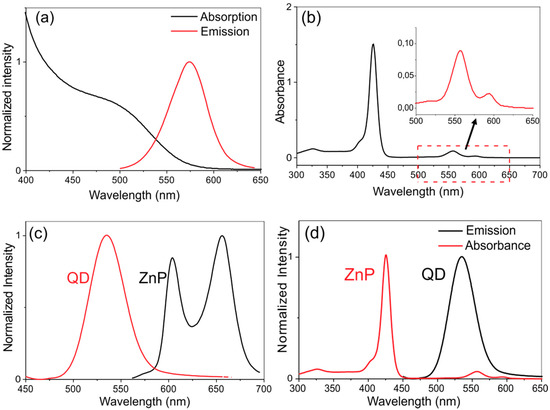
Comparative Study on the Efficiency of the Photodynamic Inactivation of Candida albicans Using CdTe Quantum Dots, Zn(II) Porphyrin and Their Conjugates as Photosensitizers
by Osnir S. Viana, Martha S. Ribeiro, Andréa C. D. Rodas, Júlio S. Rebouças, Adriana Fontes and Beate S. Santos
Molecules 2015, 20(5), 8893-8912; https://doi.org/10.3390/molecules20058893 - 18 May 2015
Cited by 38 | Viewed by 8368
Abstract
The application of fluorescent II-VI semiconductor quantum dots (QDs) as active photosensitizers in photodymanic inactivation (PDI) is still being evaluated. In the present study, we prepared 3 nm size CdTe QDs coated with mercaptosuccinic acid and conjugated them electrostatically with Zn(II) meso-tetrakis [...] Read more.
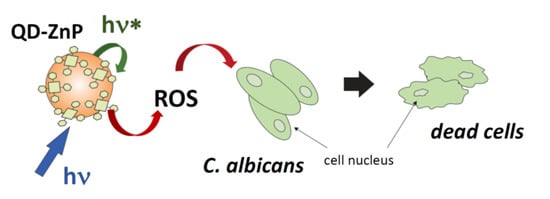
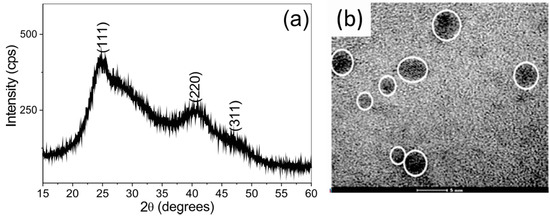
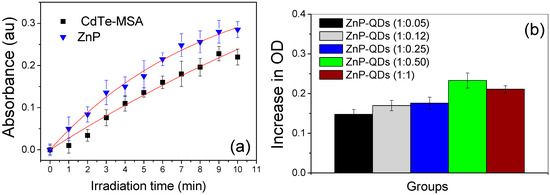
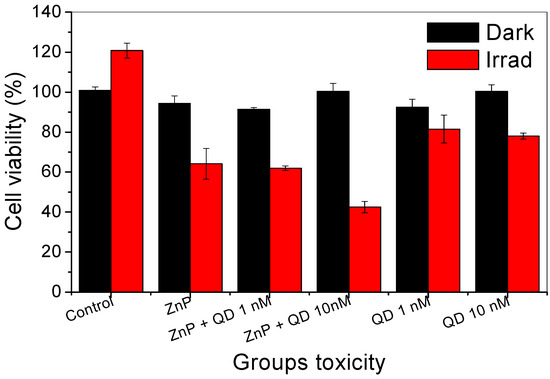
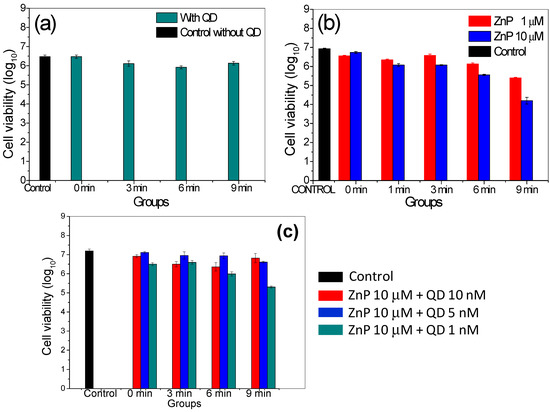
The application of fluorescent II-VI semiconductor quantum dots (QDs) as active photosensitizers in photodymanic inactivation (PDI) is still being evaluated. In the present study, we prepared 3 nm size CdTe QDs coated with mercaptosuccinic acid and conjugated them electrostatically with Zn(II) meso-tetrakis (N-ethyl-2-pyridinium-2-yl) porphyrin (ZnTE-2-PyP or ZnP), thus producing QDs-ZnP conjugates. We evaluated the capability of the systems, bare QDs and conjugates, to produce reactive oxygen species (ROS) and applied them in photodynamic inactivation in cultures of Candida albicans by irradiating the QDs and testing the hypothesis of a possible combined contribution of the PDI action. Tests of in vitro cytotoxicity and phototoxicity in fibroblasts were also performed in the presence and absence of light irradiation. The overall results showed an efficient ROS production for all tested systems and a low cytotoxicity (cell viability >90%) in the absence of radiation. Fibroblasts incubated with the QDs-ZnP and subjected to irradiation showed a higher cytotoxicity (cell viability <90%) depending on QD concentration compared to the bare groups. The PDI effects of bare CdTe QD on Candida albicans demonstrated a lower reduction of the cell viability (~1 log10) compared to bare ZnP which showed a high microbicidal activity (~3 log10) when photoactivated. The QD-ZnP conjugates also showed reduced photodynamic activity against C. albicans compared to bare ZnP and we suggest that the conjugation with QDs prevents the transmembrane cellular uptake of the ZnP molecules, reducing their photoactivity. Full article
(This article belongs to the Section Medicinal Chemistry)
Show Figures

Graphical abstract

18 pages, 1490 KB  
Article
Effect of Extrusion Cooking on Bioactive Compounds in Encapsulated Red Cactus Pear Powder
by Martha G. Ruiz-Gutiérrez, Carlos A. Amaya-Guerra, Armando Quintero-Ramos, Esther Pérez-Carrillo, Teresita De J. Ruiz-Anchondo, Juan G. Báez-González and Carmen O. Meléndez-Pizarro
Molecules 2015, 20(5), 8875-8892; https://doi.org/10.3390/molecules20058875 - 18 May 2015
Cited by 43 | Viewed by 8603
Abstract
Red cactus pear has significant antioxidant activity and potential as a colorant in food, due to the presence of betalains. However, the betalains are highly thermolabile, and their application in thermal process, as extrusion cooking, should be evaluated. The aim of this study [...] Read more.
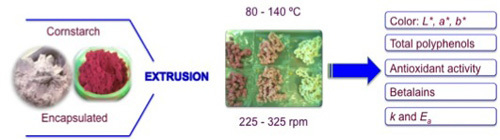
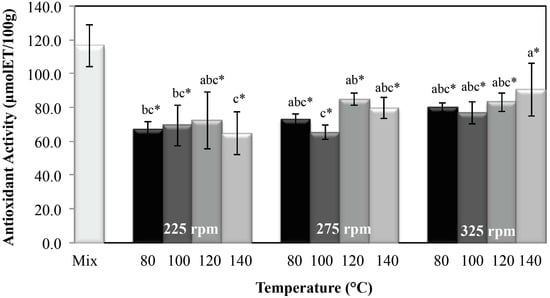
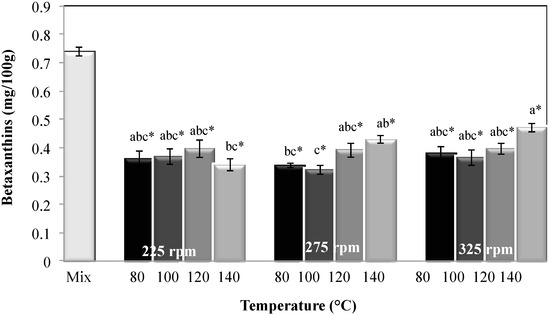
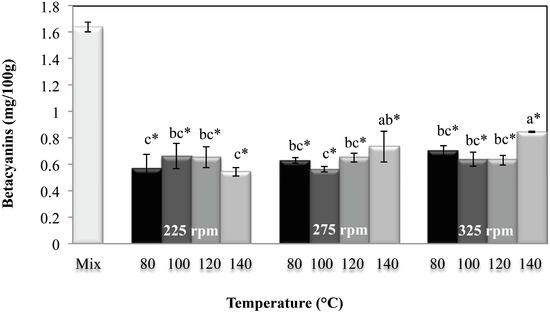
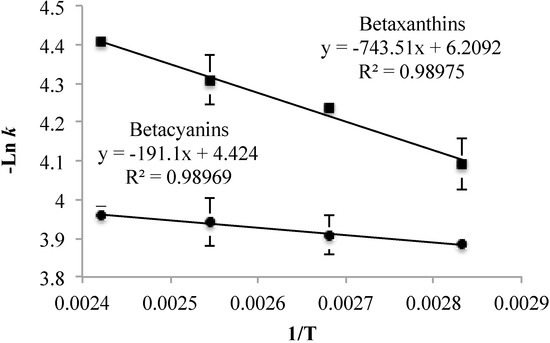
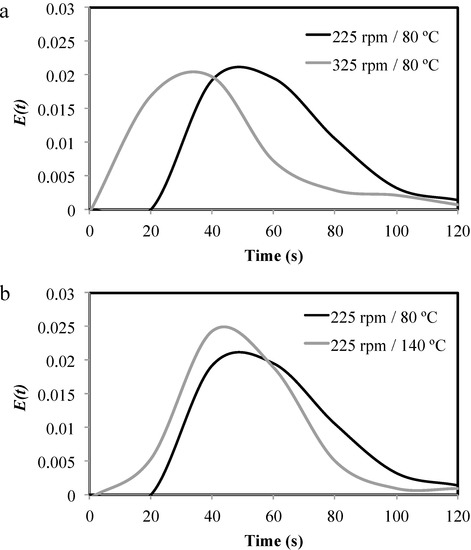
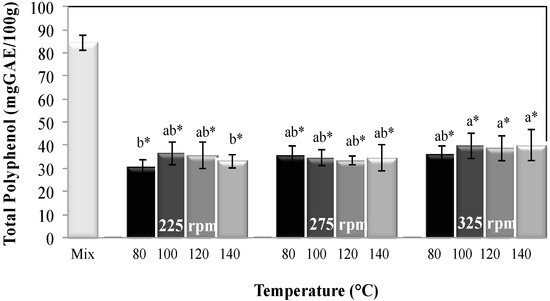
Red cactus pear has significant antioxidant activity and potential as a colorant in food, due to the presence of betalains. However, the betalains are highly thermolabile, and their application in thermal process, as extrusion cooking, should be evaluated. The aim of this study was to evaluate the effect of extrusion conditions on the chemical components of red cactus pear encapsulated powder. Cornstarch and encapsulated powder (2.5% w/w) were mixed and processed by extrusion at different barrel temperatures (80, 100, 120, 140 °C) and screw speeds (225, 275, 325 rpm) using a twin-screw extruder. Mean residence time (trm), color (L*, a*, b*), antioxidant activity, total polyphenol, betacyanin, and betaxanthin contents were determined on extrudates, and pigment degradation reaction rate constants (k) and activation energies (Ea) were calculated. Increases in barrel temperature and screw speed decreased the trm, and this was associated with better retentions of antioxidant activity, total polyphenol, betalain contents. The betacyanins k values ranged the −0.0188 to −0.0206/s and for betaxanthins ranged of −0.0122 to −0.0167/s, while Ea values were 1.5888 to 6.1815 kJ/mol, respectively. The bioactive compounds retention suggests that encapsulated powder can be used as pigments and to provide antioxidant properties to extruded products. Full article
(This article belongs to the Collection Bioactive Compounds)
Show Figures

Graphical abstract

19 pages, 1811 KB  
Review
Silver Nanoparticles as Potential Antibacterial Agents
by Gianluigi Franci, Annarita Falanga, Stefania Galdiero, Luciana Palomba, Mahendra Rai, Giancarlo Morelli and Massimiliano Galdiero
Molecules 2015, 20(5), 8856-8874; https://doi.org/10.3390/molecules20058856 - 18 May 2015
Cited by 1505 | Viewed by 53794
Abstract
Multi-drug resistance is a growing problem in the treatment of infectious diseases and the widespread use of broad-spectrum antibiotics has produced antibiotic resistance for many human bacterial pathogens. Advances in nanotechnology have opened new horizons in nanomedicine, allowing the synthesis of nanoparticles that [...] Read more.
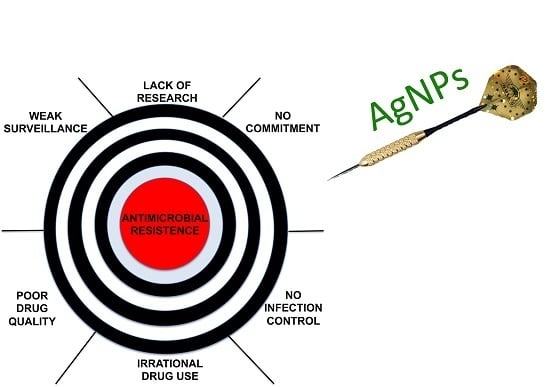
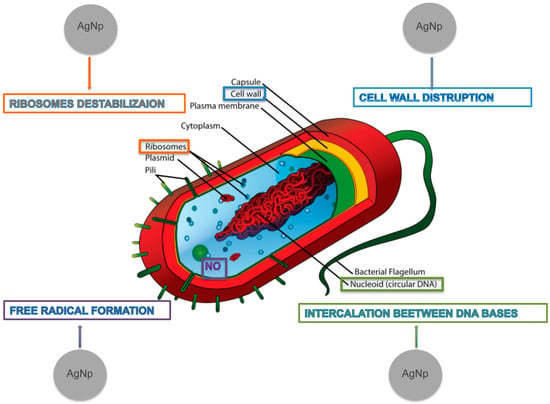
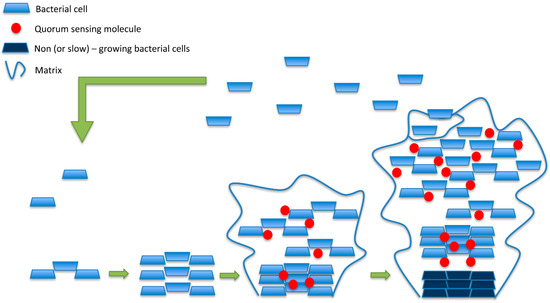
Multi-drug resistance is a growing problem in the treatment of infectious diseases and the widespread use of broad-spectrum antibiotics has produced antibiotic resistance for many human bacterial pathogens. Advances in nanotechnology have opened new horizons in nanomedicine, allowing the synthesis of nanoparticles that can be assembled into complex architectures. Novel studies and technologies are devoted to understanding the mechanisms of disease for the design of new drugs, but unfortunately infectious diseases continue to be a major health burden worldwide. Since ancient times, silver was known for its anti-bacterial effects and for centuries it has been used for prevention and control of disparate infections. Currently nanotechnology and nanomaterials are fully integrated in common applications and objects that we use every day. In addition, the silver nanoparticles are attracting much interest because of their potent antibacterial activity. Many studies have also shown an important activity of silver nanoparticles against bacterial biofilms. This review aims to summarize the emerging efforts to address current challenges and solutions in the treatment of infectious diseases, particularly the use of nanosilver antimicrobials. Full article
Show Figures

Graphical abstract

33 pages, 1326 KB  
Review
Current Understanding of Molecular Pathology and Treatment of Cardiomyopathy in Duchenne Muscular Dystrophy
by Tirsa L. E. Van Westering, Corinne A. Betts and Matthew J. A. Wood
Molecules 2015, 20(5), 8823-8855; https://doi.org/10.3390/molecules20058823 - 15 May 2015
Cited by 86 | Viewed by 19079
Abstract
Duchenne muscular dystrophy (DMD) is a genetic muscle disorder caused by mutations in the Dmd gene resulting in the loss of the protein dystrophin. Patients do not only experience skeletal muscle degeneration, but also develop severe cardiomyopathy by their second decade, one of [...] Read more.
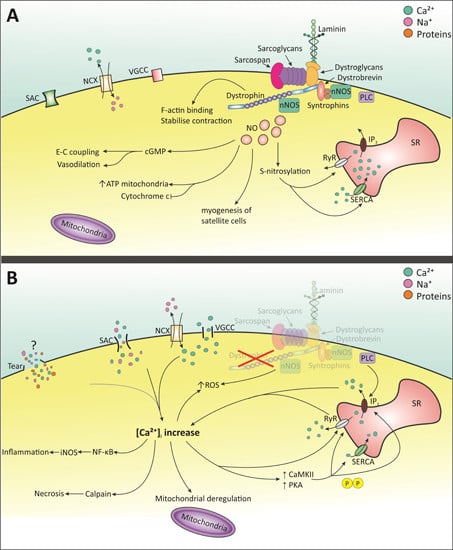
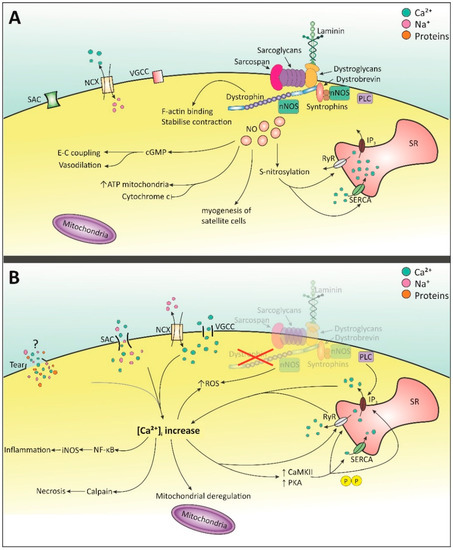
Duchenne muscular dystrophy (DMD) is a genetic muscle disorder caused by mutations in the Dmd gene resulting in the loss of the protein dystrophin. Patients do not only experience skeletal muscle degeneration, but also develop severe cardiomyopathy by their second decade, one of the main causes of death. The absence of dystrophin in the heart renders cardiomyocytes more sensitive to stretch-induced damage. Moreover, it pathologically alters intracellular calcium (Ca2+) concentration, neuronal nitric oxide synthase (nNOS) localization and mitochondrial function and leads to inflammation and necrosis, all contributing to the development of cardiomyopathy. Current therapies only treat symptoms and therefore the need for targeting the genetic defect is immense. Several preclinical therapies are undergoing development, including utrophin up-regulation, stop codon read-through therapy, viral gene therapy, cell-based therapy and exon skipping. Some of these therapies are undergoing clinical trials, but these have predominantly focused on skeletal muscle correction. However, improving skeletal muscle function without addressing cardiac aspects of the disease may aggravate cardiomyopathy and therefore it is essential that preclinical and clinical focus include improving heart function. This review consolidates what is known regarding molecular pathology of the DMD heart, specifically focusing on intracellular Ca2+, nNOS and mitochondrial dysregulation. It briefly discusses the current treatment options and then elaborates on the preclinical therapeutic approaches currently under development to restore dystrophin thereby improving pathology, with a focus on the heart. Full article
Show Figures

Graphical abstract

7 pages, 692 KB  
Article
Almond Skin Inhibits HSV-2 Replication in Peripheral Blood Mononuclear Cells by Modulating the Cytokine Network
by Adriana Arena, Carlo Bisignano, Giovanna Stassi, Angela Filocamo and Giuseppina Mandalari
Molecules 2015, 20(5), 8816-8822; https://doi.org/10.3390/molecules20058816 - 15 May 2015
Cited by 8 | Viewed by 6209
Abstract
We have investigated the effect of almond skin extracts on the production of pro-inflammatory and anti-inflammatory cytokines in human peripheral blood mononuclear cells (PBMCs). PBMCs were either infected or not by herpes simplex virus type 2 (HSV-2), with and without prior treatment with [...] Read more.
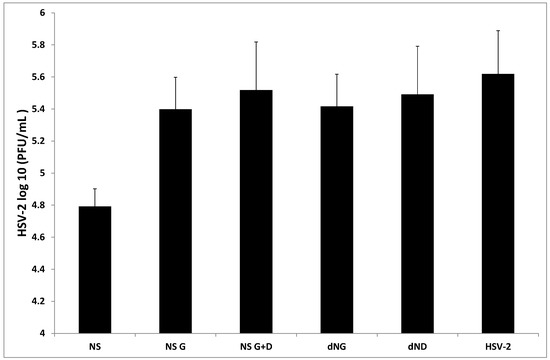
We have investigated the effect of almond skin extracts on the production of pro-inflammatory and anti-inflammatory cytokines in human peripheral blood mononuclear cells (PBMCs). PBMCs were either infected or not by herpes simplex virus type 2 (HSV-2), with and without prior treatment with almond skin extracts. Production of IL-17 induced by HSV-2 was inhibited by natural skins (NS) treatment. NS triggered PBMC in releasing IFN-α, IFN-γ and IL-4 in cellular supernatants. These results may explain the antiviral potential of almond skins. Full article
(This article belongs to the Section Medicinal Chemistry)
Show Figures

Figure 1

16 pages, 1105 KB  
Article
Design, Synthesis and Antitubercular Activity of Certain Nicotinic Acid Hydrazides
by Wagdy M. Eldehna, Mohamed Fares, Marwa M. Abdel-Aziz and Hatem A. Abdel-Aziz
Molecules 2015, 20(5), 8800-8815; https://doi.org/10.3390/molecules20058800 - 15 May 2015
Cited by 101 | Viewed by 13154
Abstract
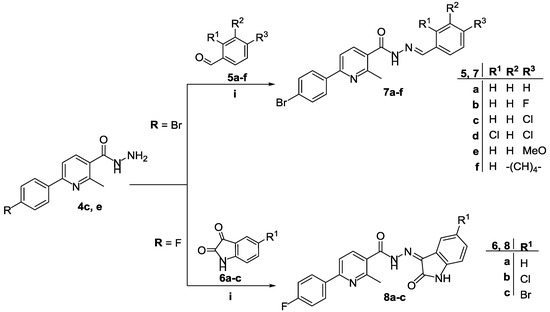
Three series of 6-aryl-2-methylnicotinohydrazides 4ai, N′-arylidene-6-(4-bromophenyl)-2-methylnicotino hydrazides 7af, and N′-(un/substituted 2-oxoindolin-3-ylidene)-6-(4-fluorophenyl)-2-methylnicotinohydrazides 8ac were synthesized and evaluated for their potential in vitro antimycobacterial activity against M. tuberculosis. The results showed that isatin hydrazides [...] Read more.
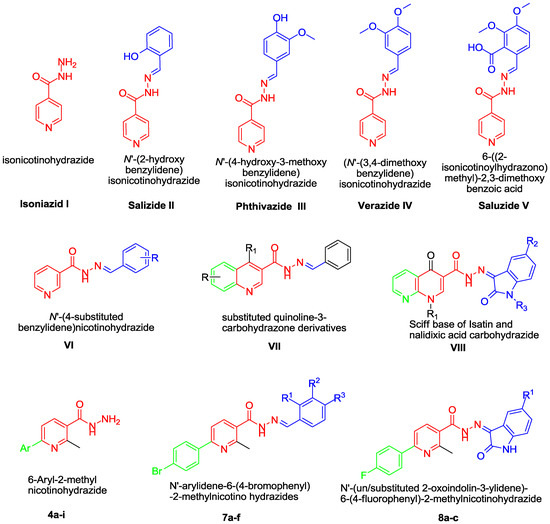
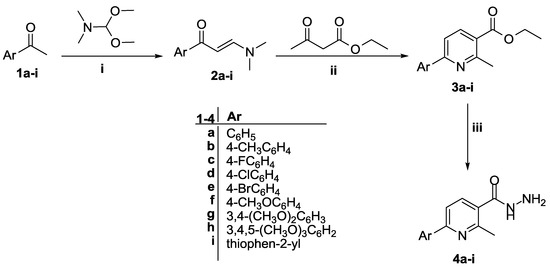
Three series of 6-aryl-2-methylnicotinohydrazides 4ai, N′-arylidene-6-(4-bromophenyl)-2-methylnicotino hydrazides 7af, and N′-(un/substituted 2-oxoindolin-3-ylidene)-6-(4-fluorophenyl)-2-methylnicotinohydrazides 8ac were synthesized and evaluated for their potential in vitro antimycobacterial activity against M. tuberculosis. The results showed that isatin hydrazides 8ac are remarkably more active than the parent hydrazide 4c. Hydrazides 8b and 8c exhibited the highest activity among all the tested compounds (MIC = 12.5 and 6.25 µg/mL, respectively). Compounds 8b and 8c were also devoid of apparent cytotoxicity to HT-29, PC-3, A549, HepG2 and MCF-7 cancer cell lines. Besides, 8b and 8c showed good drug-likeness scores of 0.62 and 0.41, respectively. Those two isatin hydrazides could offer an excellent framework for future development to obtain more potent antitubercular agents. The SAR study suggested that lipophilicity of the synthesized derivatives is a crucial element that accounts for their antimycobacterial activity. Finally, a theoretical kinetic study was established to predict the ADME of the active derivatives. Full article
(This article belongs to the Section Medicinal Chemistry)
Show Figures

Figure 1
9 pages, 303 KB  
Communication
A Structural Hierarchy Matching Approach for Molecular Similarity/Substructure Searching
by Shu-Shen Ji, Hong-Ju Dong, Xin-Xin Zhou, Ya-Min Liu, Feng-Xue Zhang, Qi Wang and Xin-An Huang
Molecules 2015, 20(5), 8791-8799; https://doi.org/10.3390/molecules20058791 - 15 May 2015
Viewed by 5717
Abstract
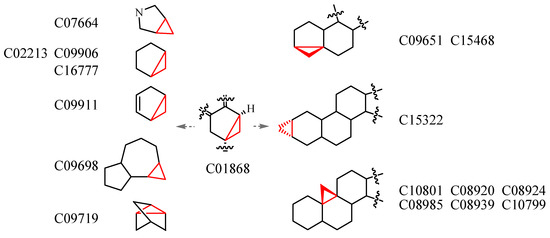
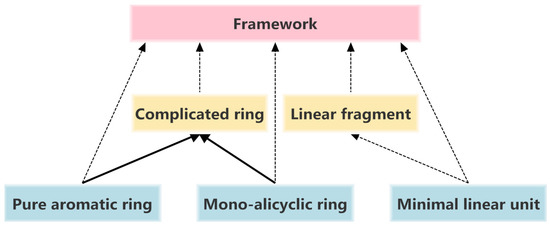
An approach for molecular similarity/substructure searching based on structural hierarchy matching is proposed. In this approach, small molecules are divided into two categories, acyclic and cyclic forms. The latter are further divided into three structural hierarchies, namely, framework, complicated-, and mono-rings. During searching, [...] Read more.
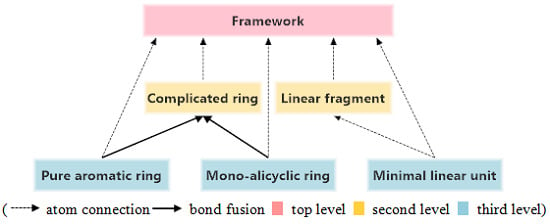
An approach for molecular similarity/substructure searching based on structural hierarchy matching is proposed. In this approach, small molecules are divided into two categories, acyclic and cyclic forms. The latter are further divided into three structural hierarchies, namely, framework, complicated-, and mono-rings. During searching, the similarity coefficients of a structural query and each retrieved molecule are calculated using the hierarchy of the query as the reference. A total of 13,911 chemicals were involved in this work, from which the minimal cyclic and acyclic substructures are extracted, and further processed into fuzzy structural fingerprints. Subsequently, the fingerprints are used as the searching indices for molecular similarity or substructure searching. The tests show that this approach can give user options to choose between one-substructure and multi-substructure searching with sorted results. Moreover, this algorithm has the potential to be developed for molecular similarity searching and substructure analysis. Full article
(This article belongs to the Section Molecular Diversity)
Show Figures

Graphical abstract

19 pages, 1402 KB  
Article
Development and Validation of a Docking-Based Virtual Screening Platform for the Identification of New Lactate Dehydrogenase Inhibitors
by Carlotta Granchi, Alice Capecchi, Gianluca Del Frate, Adriano Martinelli, Marco Macchia, Filippo Minutolo and Tiziano Tuccinardi
Molecules 2015, 20(5), 8772-8790; https://doi.org/10.3390/molecules20058772 - 15 May 2015
Cited by 26 | Viewed by 9310
Abstract
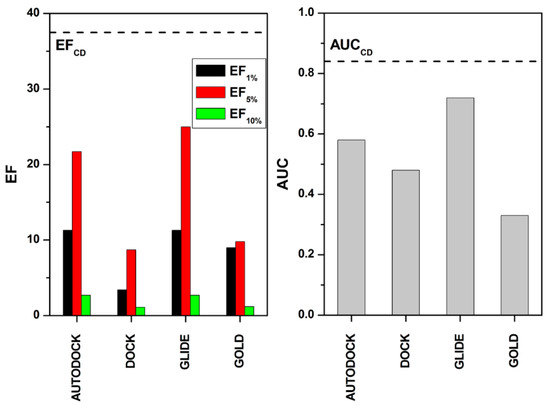
The human muscle isoform of lactate dehydrogenase (hLDH5) is one of the key enzymes of the glycolytic process. It is overexpressed in metastatic cancer cells and is linked to the vitality of tumors in hypoxic conditions. With the aim of identifying [...] Read more.
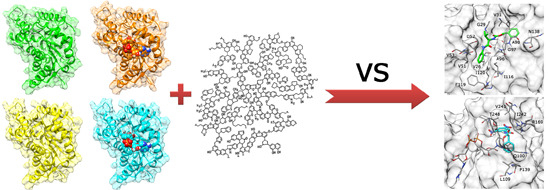
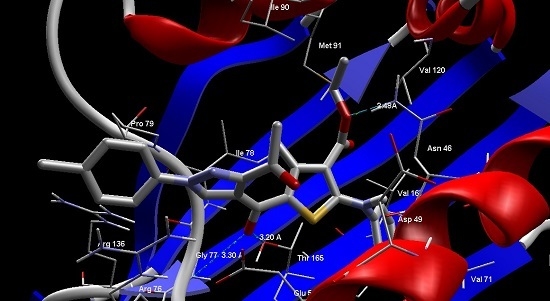
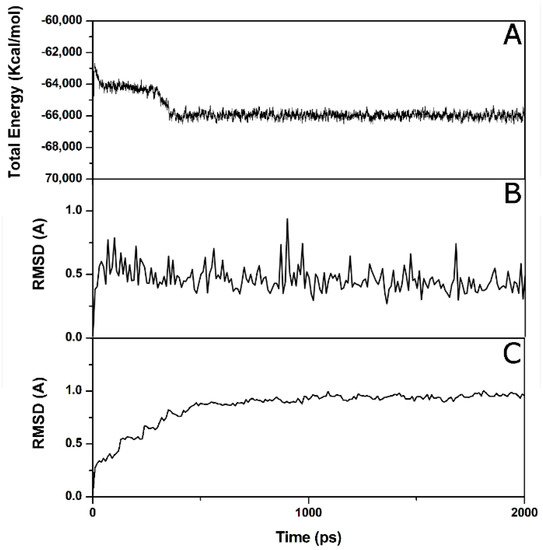
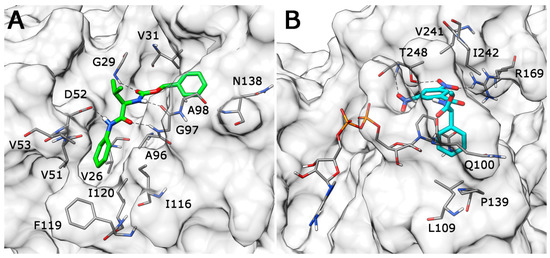
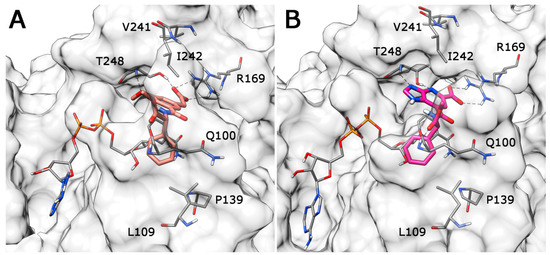
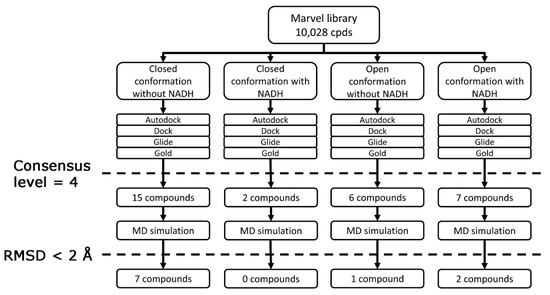
The human muscle isoform of lactate dehydrogenase (hLDH5) is one of the key enzymes of the glycolytic process. It is overexpressed in metastatic cancer cells and is linked to the vitality of tumors in hypoxic conditions. With the aim of identifying new hLDH5 inhibitors, a fully automated docking-based virtual screening platform was developed by considering different protein conformations and the consensus docking strategy. In order to verify the reliability of the reported platform, a small database of about 10,000 compounds was filtered by using this method, and the top-ranked compounds were tested for their hLDH5 inhibition activity. Enzymatic assays revealed that, among the ten selected compounds, two proved to efficiently inhibit enzyme activity with IC50 values in the micromolar range. These results demonstrate the validity of the methodologies we followed, encouraging the application of larger virtual screening studies and further refinements of the platform. Furthermore, the two active compounds herein described may be considered as interesting leads for the development of new and more efficient LDH inhibitors. Full article
(This article belongs to the Special Issue Molecular Docking in Drug Design)
Show Figures

Graphical abstract

13 pages, 2125 KB  
Article
Development and Characterization of Transcription Factor Gene-Derived Microsatellite (TFGM) Markers in Medicago truncatula and Their Transferability in Leguminous and Non-Leguminous Species
by Wenxian Liu, Xitao Jia, Zhimin Liu, Zhengshe Zhang, Yanrong Wang, Zhipeng Liu and Wengang Xie
Molecules 2015, 20(5), 8759-8771; https://doi.org/10.3390/molecules20058759 - 15 May 2015
Cited by 26 | Viewed by 5465
Abstract
Transcription factors (TFs) are critical adaptor molecules that regulate many plant processes by controlling gene expression. The recent increase in the availability of TF data has made TFs a valuable resource for genic functional microsatellite marker development. In the present study, we developed [...] Read more.
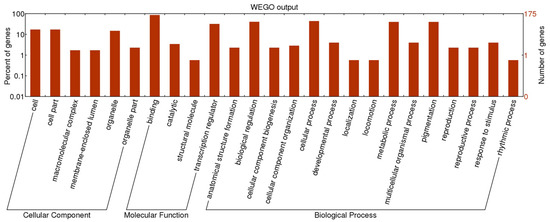
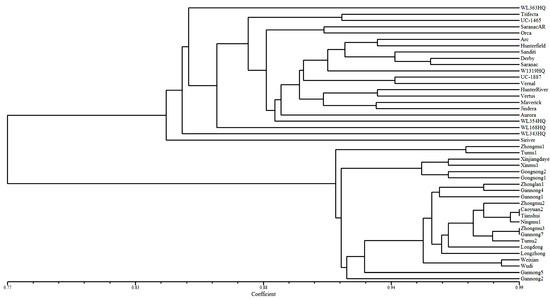
Transcription factors (TFs) are critical adaptor molecules that regulate many plant processes by controlling gene expression. The recent increase in the availability of TF data has made TFs a valuable resource for genic functional microsatellite marker development. In the present study, we developed TF gene-derived microsatellite (TFGM) markers for Medicago truncatula and assessed their cross-species transferability. A total of 203 SSRs were identified from 1467 M. truncatula TF coding sequences, 87.68% of which were trinucleotide repeats, followed by mono- (4.93%) and hexanucleotide repeats (1.48%). Further, 142 TFGM markers showed a high level of transferability to the leguminous (55.63%–85.21%) and non-leguminous (28.17%–50.00%) species. Polymorphisms of 27 TFGM markers were evaluated in 44 alfalfa accessions. The allele number per marker ranged from two to eight with an average of 4.41, and the PIC values ranged from 0.08 to 0.84 with an average of 0.60. Considering the high polymorphism, these TFGM markers developed in our study will be valuable for genetic relationship assessments, marker-assisted selection and comparative genomic studies in leguminous and non-leguminous species. Full article
(This article belongs to the Section Molecular Diversity)
Show Figures

Figure 1
17 pages, 1366 KB  
Review
Glutathione in Cellular Redox Homeostasis: Association with the Excitatory Amino Acid Carrier 1 (EAAC1)
by Koji Aoyama and Toshio Nakaki
Molecules 2015, 20(5), 8742-8758; https://doi.org/10.3390/molecules20058742 - 14 May 2015
Cited by 152 | Viewed by 16407
Abstract
Reactive oxygen species (ROS) are by-products of the cellular metabolism of oxygen consumption, produced mainly in the mitochondria. ROS are known to be highly reactive ions or free radicals containing oxygen that impair redox homeostasis and cellular functions, leading to cell death. Under [...] Read more.
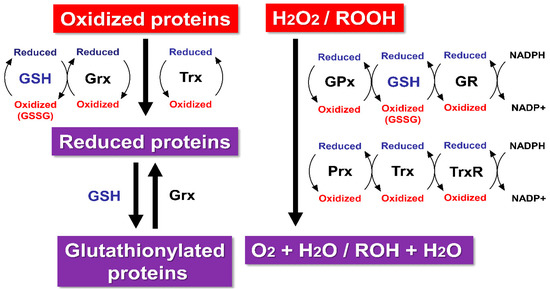
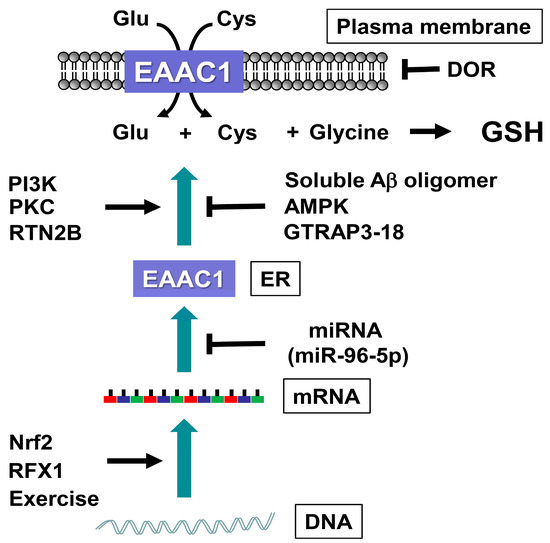
Reactive oxygen species (ROS) are by-products of the cellular metabolism of oxygen consumption, produced mainly in the mitochondria. ROS are known to be highly reactive ions or free radicals containing oxygen that impair redox homeostasis and cellular functions, leading to cell death. Under physiological conditions, a variety of antioxidant systems scavenge ROS to maintain the intracellular redox homeostasis and normal cellular functions. This review focuses on the antioxidant system’s roles in maintaining redox homeostasis. Especially, glutathione (GSH) is the most important thiol-containing molecule, as it functions as a redox buffer, antioxidant, and enzyme cofactor against oxidative stress. In the brain, dysfunction of GSH synthesis leading to GSH depletion exacerbates oxidative stress, which is linked to a pathogenesis of aging-related neurodegenerative diseases. Excitatory amino acid carrier 1 (EAAC1) plays a pivotal role in neuronal GSH synthesis. The regulatory mechanism of EAAC1 is also discussed. Full article
(This article belongs to the Special Issue Thioredoxin and Glutathione Systems)
Show Figures

Figure 1
12 pages, 976 KB  
Article
Characterization of Melanogenesis Inhibitory Constituents of Morus alba Leaves and Optimization of Extraction Conditions Using Response Surface Methodology
by Ji Yeon Jeong, Qing Liu, Seon Beom Kim, Yang Hee Jo, Eun Jin Mo, Hyo Hee Yang, Dae Hye Song, Bang Yeon Hwang and Mi Kyeong Lee
Molecules 2015, 20(5), 8730-8741; https://doi.org/10.3390/molecules20058730 - 14 May 2015
Cited by 30 | Viewed by 7471
Abstract
Melanin is a natural pigment that plays an important role in the protection of skin, however, hyperpigmentation cause by excessive levels of melatonin is associated with several problems. Therefore, melanogenesis inhibitory natural products have been developed by the cosmetic industry as skin medications. [...] Read more.
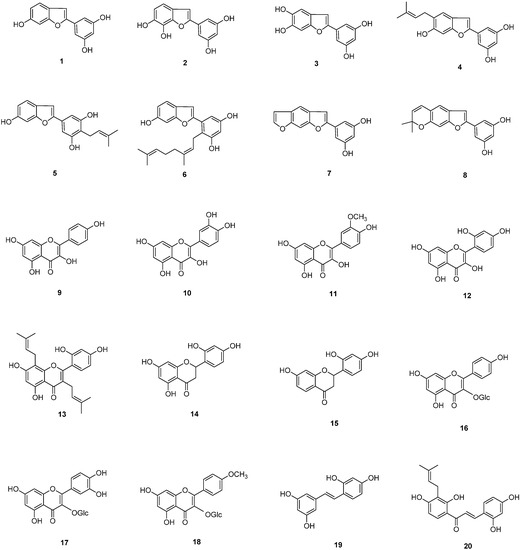
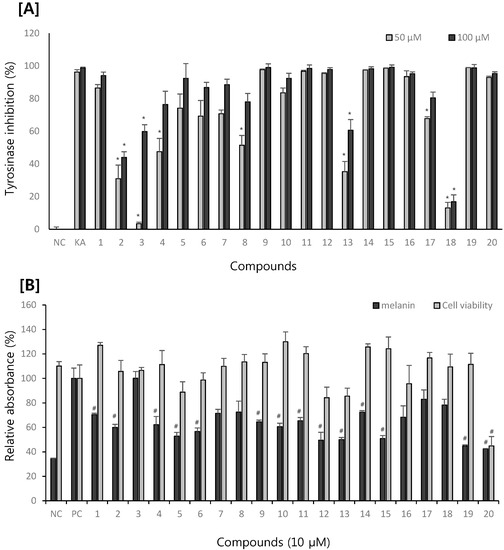
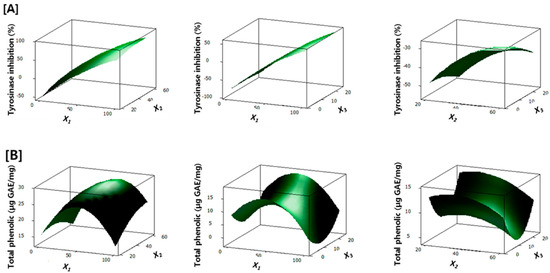
Melanin is a natural pigment that plays an important role in the protection of skin, however, hyperpigmentation cause by excessive levels of melatonin is associated with several problems. Therefore, melanogenesis inhibitory natural products have been developed by the cosmetic industry as skin medications. The leaves of Morus alba (Moraceae) have been reported to inhibit melanogenesis, therefore, characterization of the melanogenesis inhibitory constituents of M. alba leaves was attempted in this study. Twenty compounds including eight benzofurans, 10 flavonoids, one stilbenoid and one chalcone were isolated from M. alba leaves and these phenolic constituents were shown to significantly inhibit tyrosinase activity and melanin content in B6F10 melanoma cells. To maximize the melanogenesis inhibitory activity and active phenolic contents, optimized M. alba leave extraction conditions were predicted using response surface methodology as a methanol concentration of 85.2%; an extraction temperature of 53.2 °C and an extraction time of 2 h. The tyrosinase inhibition and total phenolic content under optimal conditions were found to be 74.8% inhibition and 24.8 μg GAE/mg extract, which were well-matched with the predicted values of 75.0% inhibition and 23.8 μg GAE/mg extract. These results shall provide useful information about melanogenesis inhibitory constituents and optimized extracts from M. alba leaves as cosmetic therapeutics to reduce skin hyperpigmentation. Full article
(This article belongs to the Section Natural Products Chemistry)
Show Figures

Figure 1
18 pages, 1867 KB  
Article
Synthesis, In-Vitro Antibacterial, Antifungal, and Molecular Modeling of Potent Anti-Microbial Agents with a Combined Pyrazole and Thiophene Pharmacophore
by Yahia Nasser Mabkhot, Nahed Ahmed Kaal, Seham Alterary, Salim S. Al-Showiman, Assem Barakat, Hazem A. Ghabbour and Wolfgang Frey
Molecules 2015, 20(5), 8712-8729; https://doi.org/10.3390/molecules20058712 - 14 May 2015
Cited by 33 | Viewed by 7451
Abstract
Ethyl 5-acetyl-4-methyl-2-(phenylamino)thiophene-3-carboxylate (2) and there derivatives 3ac, 4, 6ac and 9af were synthesized. The structure of compound 2 was deduced by 1H-NMR, 13C-NMR, FT-IR, MS, microanalysis, and single-crystal X-ray crystallography. The [...] Read more.
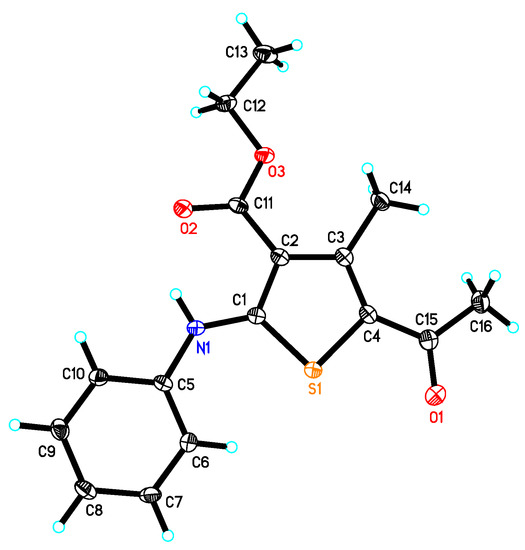
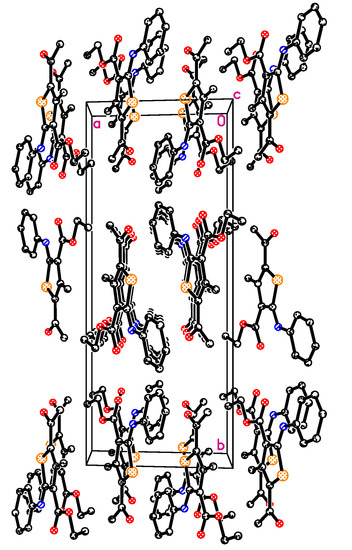
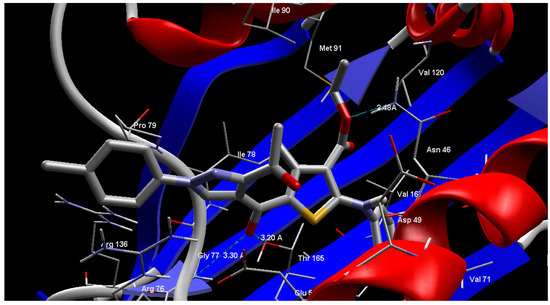
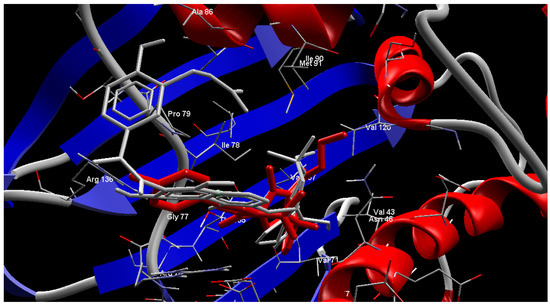
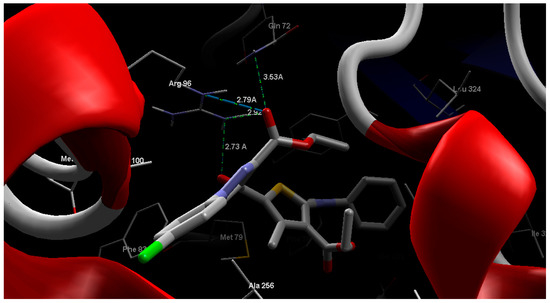
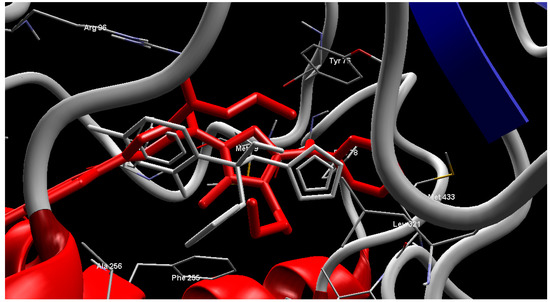
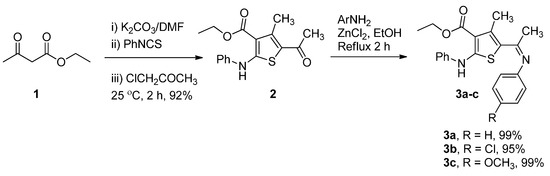
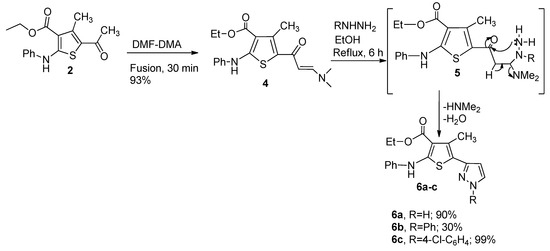
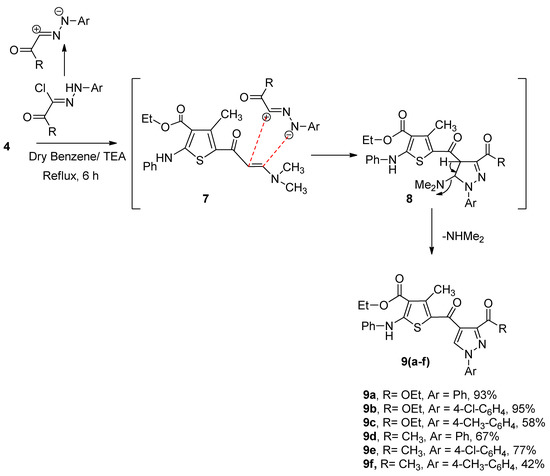
Ethyl 5-acetyl-4-methyl-2-(phenylamino)thiophene-3-carboxylate (2) and there derivatives 3ac, 4, 6ac and 9af were synthesized. The structure of compound 2 was deduced by 1H-NMR, 13C-NMR, FT-IR, MS, microanalysis, and single-crystal X-ray crystallography. The compound crystallized in the monoclinic system, with space group P21/c and cell coordinates a = 8.5752(16) Å, b = 21.046(4) Å, c = 8.2941(12) Å, β = 101.131(6)°, V = 1468.7(4) Å3, and Z = 4. Compounds 2, 3ac, 4, 5ac and 9af were subjected into in vitro antimicrobial activity tests. Compounds 3a and 3c were more potent than standard drug amphotericin B, showing MIC values of 23.8 ± 0.42 and 24.3 ± 0.68, respectively, against Aspergillus fumigatus while the standard drug MIC was 23.7 ± 0.1. Compound 3c was also more potent (MIC 24.8 ± 0.64) than the standard drug amphotericin B (MIC 19.7 ± 0.2) against Syncephalastrum racemosum. Compounds 4 and 9f also showed promising anti-microbial activity. Molecular modeling was performed for the most active compounds. Full article
(This article belongs to the Collection Heterocyclic Compounds)
Show Figures

Graphical abstract

25 pages, 1774 KB  
Article
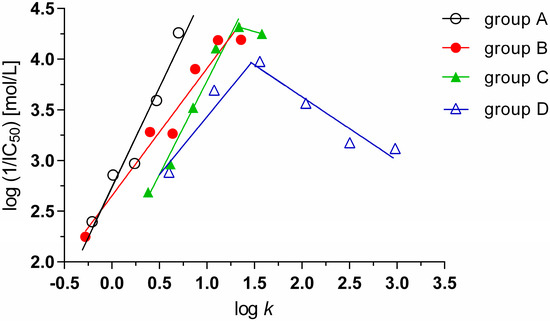
Synthesis and Biological Evaluation of N-Alkyl-3-(alkylamino)-pyrazine-2-carboxamides
by Lucia Semelkova, Klara Konecna, Pavla Paterova, Vladimir Kubicek, Jiri Kunes, Lucie Novakova, Jan Marek, Lieve Naesens, Matus Pesko, Katarina Kralova, Martin Dolezal and Jan Zitko
Molecules 2015, 20(5), 8687-8711; https://doi.org/10.3390/molecules20058687 - 14 May 2015
Cited by 15 | Viewed by 7439
Abstract
A series of N-alkyl-3-(alkylamino)pyrazine-2-carboxamides and their N-alkyl-3-chloropyrazine-2-carboxamide precursors were prepared. All compounds were characterized by analytical methods and tested for antimicrobial and antiviral activity. The antimycobacterial MIC values against Mycobacterium tuberculosis H37Rv of the most effective compounds, 3-(hexylamino)-, 3-(heptylamino)- and 3-(octylamino)- [...] Read more.
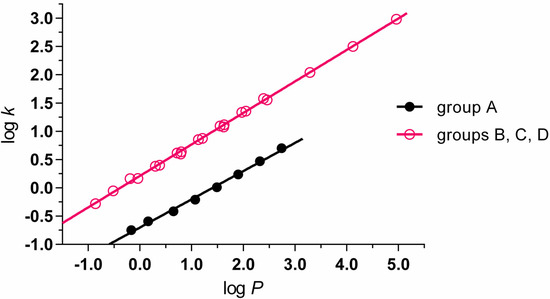
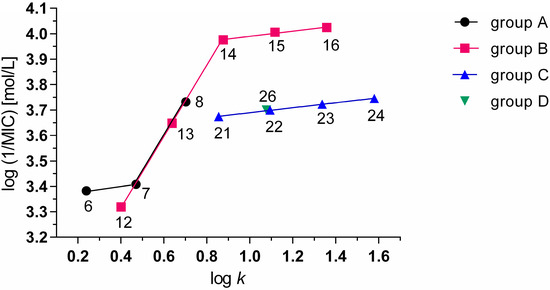
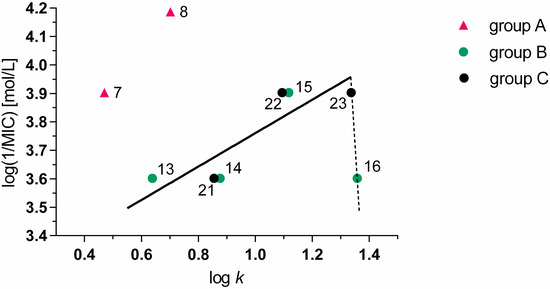
A series of N-alkyl-3-(alkylamino)pyrazine-2-carboxamides and their N-alkyl-3-chloropyrazine-2-carboxamide precursors were prepared. All compounds were characterized by analytical methods and tested for antimicrobial and antiviral activity. The antimycobacterial MIC values against Mycobacterium tuberculosis H37Rv of the most effective compounds, 3-(hexylamino)-, 3-(heptylamino)- and 3-(octylamino)-N-methyl-pyrazine-2-carboxamides 1416, was 25 μg/mL. The compounds inhibited photosystem 2 photosynthetic electron transport (PET) in spinach chloroplasts. This activity was strongly connected with the lipophilicity of the compounds. For effective PET inhibition longer alkyl chains in the 3-(alkylamino) substituent in the N-alkyl-3-(alkylamino)pyrazine-2-carboxamide molecule were more favourable than two shorter alkyl chains. Full article
(This article belongs to the Section Medicinal Chemistry)
Show Figures

Figure 1
21 pages, 774 KB  
Article
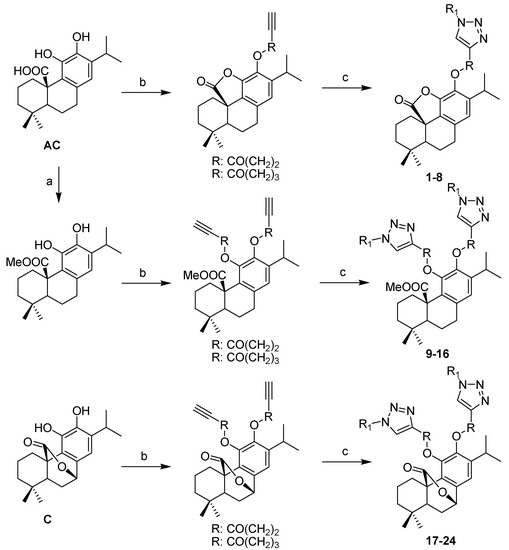
Synthesis, Antiproliferative and Antifungal Activities of 1,2,3-Triazole-Substituted Carnosic Acid and Carnosol Derivatives
by Mariano Walter Pertino, Cristina Theoduloz, Estefania Butassi, Susana Zacchino and Guillermo Schmeda-Hirschmann
Molecules 2015, 20(5), 8666-8686; https://doi.org/10.3390/molecules20058666 - 14 May 2015
Cited by 42 | Viewed by 7492
Abstract
Abietane diterpenes exhibit an array of interesting biological activities, which have generated significant interest among the pharmacological community. Starting from the abietane diterpenes carnosic acid and carnosol, twenty four new triazole derivatives were synthesized using click chemistry. The compounds differ in the length [...] Read more.
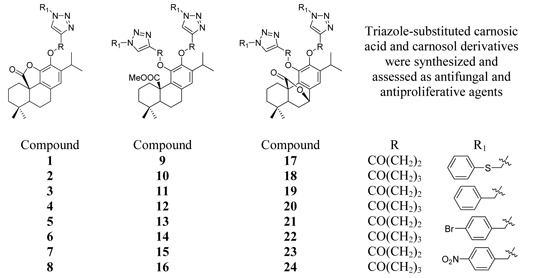
Abietane diterpenes exhibit an array of interesting biological activities, which have generated significant interest among the pharmacological community. Starting from the abietane diterpenes carnosic acid and carnosol, twenty four new triazole derivatives were synthesized using click chemistry. The compounds differ in the length of the linker and the substituent on the triazole moiety. The compounds were assessed as antiproliferative and antifungal agents. The antiproliferative activity was determined on normal lung fibroblasts (MRC-5), gastric epithelial adenocarcinoma (AGS), lung cancer (SK-MES-1) and bladder carcinoma (J82) cells while the antifungal activity was assessed against Candida albicans ATCC 10231 and Cryptococcus neoformans ATCC 32264. The carnosic acid γ-lactone derivatives 13 were the most active antiproliferative compounds of the series, with IC50 values in the range of 43.4–46.9 μM and 39.2–48.9 μM for MRC-5 and AGS cells, respectively. Regarding antifungal activity, C. neoformans was the most sensitive fungus, with nine compounds inhibiting more than 50% of its fungal growth at concentrations ≤250 µg∙mL−1. Compound 22, possessing a p-Br-benzyl substituent on the triazole ring, showed the best activity (91% growth inhibition) at 250 µg∙mL−1 In turn, six compounds inhibited 50% C. albicans growth at concentrations lower than 250 µg∙mL−1. Full article
(This article belongs to the Section Natural Products Chemistry)
Show Figures

Graphical abstract