
Journal Description
Sinusitis
Sinusitis
(Volume 3, Issue 3 - 2018 was published with Sinusitis and Asthma) is a peer-reviewed, open access journal which focuses on medical research about sinusitis, and is published semiannually online by MDPI.
- Open Access— free for readers, with article processing charges (APC) paid by authors or their institutions.
- Rapid Publication: manuscripts are peer-reviewed and a first decision is provided to authors approximately 33.3 days after submission; acceptance to publication is undertaken in 4.7 days (median values for papers published in this journal in the second half of 2025).
- Recognition of Reviewers: APC discount vouchers, optional signed peer review, and reviewer names published annually in the journal.
- Sinusitis is a companion journal of JCM.
Latest Articles
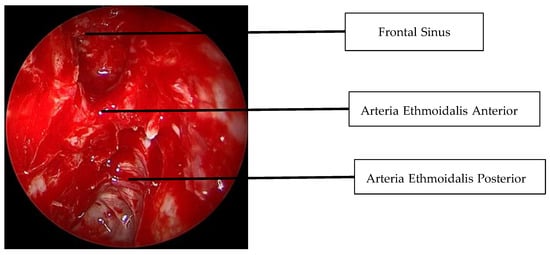
The Hand Lothrop: A Zero-Degree Endoscopic Draf III Procedure with a Kerrison Rongeur
Sinusitis 2026, 10(1), 11; https://doi.org/10.3390/sinusitis10010011 - 21 May 2026
Abstract
Powered instruments such as drills are commonly used in the endoscopic modified Lothrop procedure, also known as Draf III frontal sinusotomy. However, the use of drills may be associated with increased bone exposure, prolonged postoperative healing, synechiae and crust formation, and mechanical injury
[...] Read more.
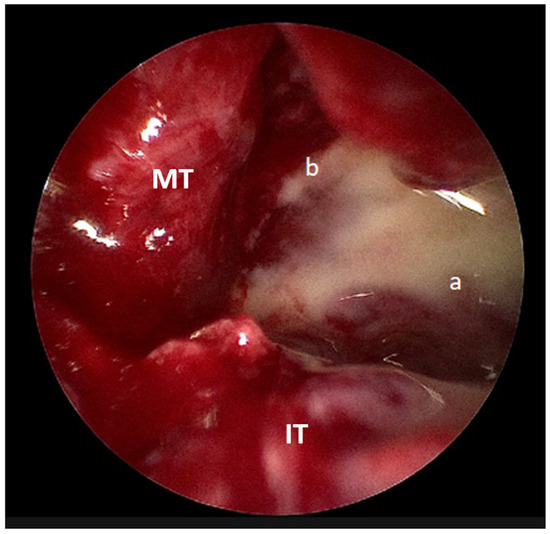
Powered instruments such as drills are commonly used in the endoscopic modified Lothrop procedure, also known as Draf III frontal sinusotomy. However, the use of drills may be associated with increased bone exposure, prolonged postoperative healing, synechiae and crust formation, and mechanical injury to the nasal vestibule. The objective of this study is to present a simple alternative method for manually performing the endoscopic modified Lothrop procedure using a Kerrison rongeur and a 0-degree endoscope. A surgical candidate for an endoscopic modified Lothrop procedure was identified, and informed consent was obtained to record surgical footage to illustrate the technique. This article describes an alternative technique for performing the endoscopic modified Lothrop procedure using manual instruments, thereby avoiding the use of powered drills and potentially allowing for maximal preservation of the frontal recess mucosa. In addition, the technique enables the procedure to be performed without the use of angled endoscopes, facilitating surgical maneuvers. A summary table outlining each step of the procedure with technical tips, as well as a surgical video illustrating the technique, are also presented. This manual Draf III frontal sinusotomy technique may complement the surgical armamentarium of the frontal sinus surgeon.
Full article
Open AccessCommentary
Vestibular Symptoms: An Underrecognized Extra-Sinonasal Dimension of Chronic Rhinosinusitis
by
Luca Galassi, Niccolò Le Donne, Beatrice Faitelli, Mattia Onesti, Francesca Piacente and Gabriele Carioti
Sinusitis 2026, 10(1), 10; https://doi.org/10.3390/sinusitis10010010 - 12 May 2026
Abstract
Chronic rhinosinusitis (CRS) is a prevalent inflammatory disease traditionally defined and assessed by sinonasal symptoms such as nasal obstruction, rhinorrhea, facial pressure, and olfactory dysfunction. However, the burden of CRS extends beyond the sinonasal compartment, including a range of systemic and functional complaints
[...] Read more.
Chronic rhinosinusitis (CRS) is a prevalent inflammatory disease traditionally defined and assessed by sinonasal symptoms such as nasal obstruction, rhinorrhea, facial pressure, and olfactory dysfunction. However, the burden of CRS extends beyond the sinonasal compartment, including a range of systemic and functional complaints that are not routinely addressed in standard rhinologic practice. Among these, vestibular symptoms, including dizziness, imbalance, and nonspecific disequilibrium, are frequently reported by patients with CRS, yet remain underrecognized and poorly integrated into current diagnostic frameworks and clinical guidelines, despite being captured as a single, psychometrically limited item within the 22-item Sinonasal Outcome Test (SNOT-22). Clinical observations and limited published data, mostly small observational studies and case reports, suggest that vestibular symptoms may fluctuate in parallel with CRS disease activity and may improve following effective medical or surgical control of sinonasal inflammation. Proposed mechanisms include Eustachian tube dysfunction, immune-mediated and neurogenic pathways, trigemino-vestibular interactions, and altered multisensory integration, although current evidence does not establish a causal relationship between CRS disease activity and measurable peripheral vestibular dysfunction. Comparative observations in allergic rhinitis and post-viral upper-airway inflammation situate CRS within a broader inflammatory upper-airway–vestibular interface. This Commentary highlights vestibular dysfunction as an underappreciated extra-sinonasal dimension of CRS with potential clinical and functional relevance. By drawing attention to this clinical blind spot, we aim to encourage more systematic symptom inquiry, interdisciplinary dialogue, and prospective research into the functional consequences of chronic upper-airway inflammation.
Full article
Open AccessReview
Air Pollution as a Driver of Recurrent Upper-Airway Infections and Comorbid Health Issues
by
Hassan Ali, Petya Marinova and Tsvetelina Velikova
Sinusitis 2026, 10(1), 9; https://doi.org/10.3390/sinusitis10010009 - 22 Apr 2026
Abstract
►▼
Show Figures
Air pollution represents a critical yet modifiable factor influencing the recurrence and progression of upper-airway infections. This review explores the molecular, immunological, and environmental mechanisms linking airborne pollutants to recurrent sinus and respiratory tract inflammation. Particular focus is placed on pollutant-induced oxidative stress,
[...] Read more.
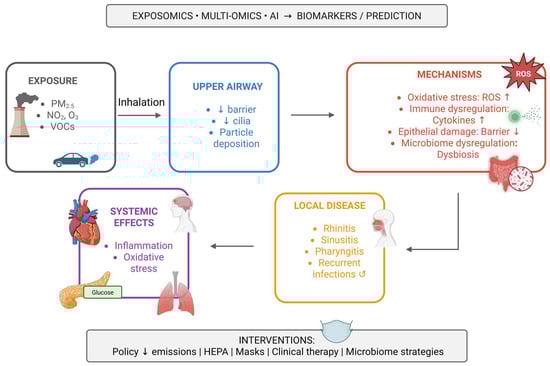
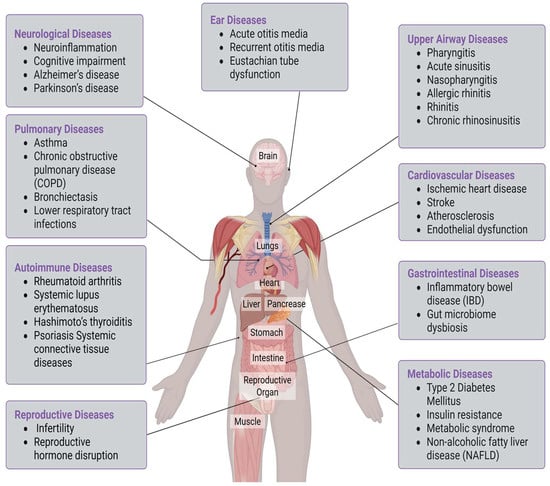
Air pollution represents a critical yet modifiable factor influencing the recurrence and progression of upper-airway infections. This review explores the molecular, immunological, and environmental mechanisms linking airborne pollutants to recurrent sinus and respiratory tract inflammation. Particular focus is placed on pollutant-induced oxidative stress, epithelial barrier disruption, alterations in the microbiome, and immune dysregulation, which collectively heighten disease susceptibility. Integrating recent advances in exposomics, multi-omics, and artificial intelligence, the discussion highlights new approaches to unravel exposure–response pathways and identify predictive biomarkers. Future directions emphasize precision exposure assessment, interventional strategies to improve air quality, and the emerging framework of “clean-air medicine” to guide prevention and policy. Overall, this synthesis underscores the urgent need for multidisciplinary collaboration across environmental science, molecular biology, and clinical research to mitigate the growing burden of pollution-related airway disease and promote sustainable respiratory health.
Full article

Figure 1
Open AccessSystematic Review
Multifactorial Analysis of Central Compartment Atopic Disease: Atopy, Comorbid Asthma and Radiological Sinus Involvement
by
Eugenio Errico, Laura Terradico, Domenica Giunta, Sveva Introini, Fabio Sovardi and Fabio Pagella
Sinusitis 2026, 10(1), 8; https://doi.org/10.3390/sinusitis10010008 - 16 Apr 2026
Abstract
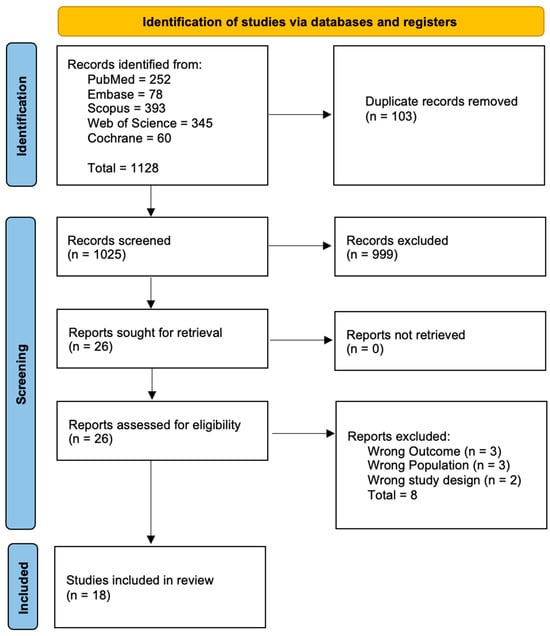
Background: Central compartment atopic disease (CCAD) is a recently developed terminology used to describe a specific phenotype of chronic rhinosinusitis (CRS). The aim of this study is to provide a thorough analysis of the clinical and radiological characteristics by assessing the prevalence
[...] Read more.
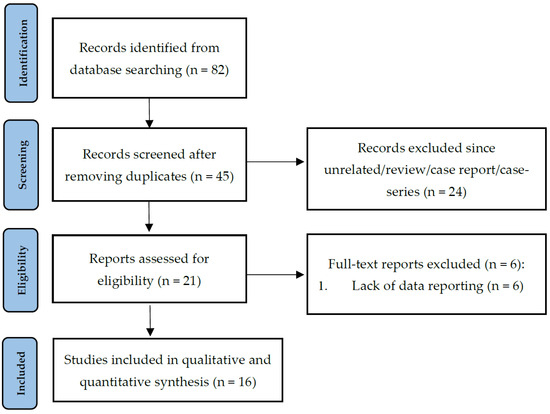
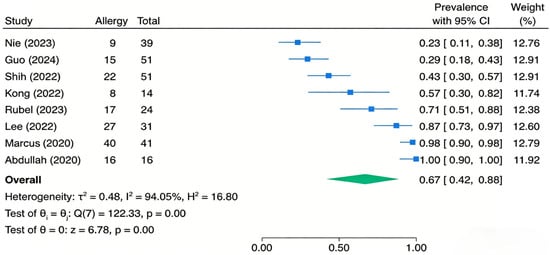
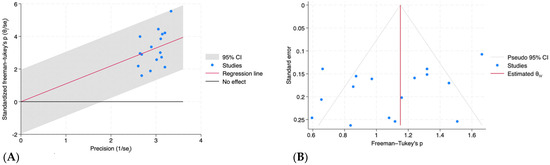
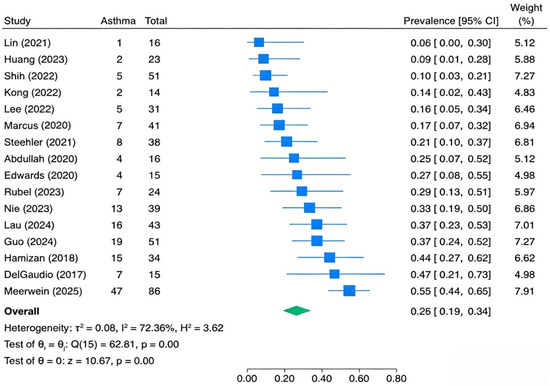
Background: Central compartment atopic disease (CCAD) is a recently developed terminology used to describe a specific phenotype of chronic rhinosinusitis (CRS). The aim of this study is to provide a thorough analysis of the clinical and radiological characteristics by assessing the prevalence of symptoms, asthma, allergy, aeroallergen sensitization and radiological sinus involvement. Methods: The authors searched for articles on PubMed, Cochrane, and Embase databases. A review of the articles was carried out following PRISMA guidelines; all articles were assessed for quality according to NICE criteria. Afterwards, the meta-analysis was performed with STATA 18SE software. Studies were also assessed for heterogeneity and risk of publication bias. Mean Lund-Mackay (LMK) score of patients with and without CCAD was compared. Results: A total of 16 studies were included, including 1254 patients with CRS; 537 of these were diagnosed with CCAD. The most prevalent symptoms were obstruction at 78% and congestion at 70%, followed by rhinorrhea at 66%, hyposmia at 54%, and facial pain at 24%. Dust mite at 71% was the most prevalent sensitization. Overall, the prevalence of asthma in patients with CCAD was 26%, prevalence of allergy was 67%. The mean difference in LMK scores was −3.38 in CCAD. Conclusions: Patients frequently present with nasal obstruction and congestion; the most common allergen sensitization is to dust mites. Findings on allergy and asthma prevalence support the “Unified Airway Disease” concept and emphasize the importance of a multidisciplinary approach to managing this phenotype. CCAD patients usually do not develop very high LMK scores; high scores may rule out this diagnosis. PROSPERO registration number: CRD420261361696.
Full article
(This article belongs to the Special Issue United Airways: Advances in the Prevention, Diagnosis, and Management of Sinusitis and Asthma)
►▼
Show Figures

Figure 1
Open AccessArticle
Role of the Lund–Mackay Score in Determining Surgical Indication in Odontogenic Chronic Rhinosinusitis
by
Krystof Zuska, Jakub Fuksa, Mikuláš Knotek, Michal Sisák and Petr Schalek
Sinusitis 2026, 10(1), 7; https://doi.org/10.3390/sinusitis10010007 - 13 Apr 2026
Abstract
►▼
Show Figures
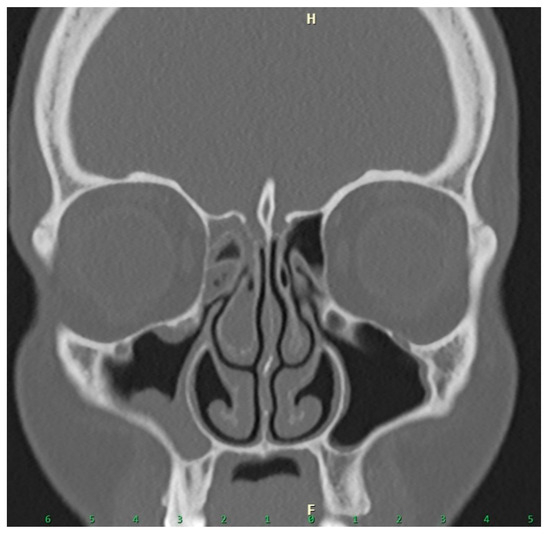
Computed tomography (CT) of the paranasal sinuses is essential in diagnosing odontogenic chronic rhinosinusitis. Treatment primarily targets the dental focus, with endoscopic sinus surgery (ESS) indicated when necessary. Assessing CT findings using the Lund–Mackay score (LMS) may guide therapeutic decisions. This study retrospectively
[...] Read more.
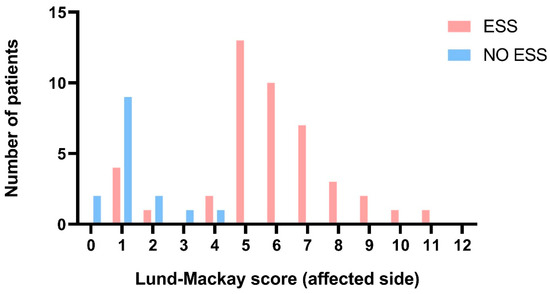
Computed tomography (CT) of the paranasal sinuses is essential in diagnosing odontogenic chronic rhinosinusitis. Treatment primarily targets the dental focus, with endoscopic sinus surgery (ESS) indicated when necessary. Assessing CT findings using the Lund–Mackay score (LMS) may guide therapeutic decisions. This study retrospectively compared LMS, dental pathology type, and reported symptoms with treatment choices in patients treated for odontogenic chronic rhinosinusitis between 2012 and 2022 at a tertiary otorhinolaryngology center. Of 2067 chronic rhinosinusitis patients, 61 had an odontogenic cause. LMS was determined in 57 patients and correlated with treatment strategy. Dental pathology subtypes and presenting symptoms were also analyzed. A control group of 25 patients with localized, non-odontogenic chronic rhinosinusitis was included. Fifteen patients not undergoing ESS had lower LMS values (median one), while 42 surgical patients had higher scores (median six). Periapical pathology (47.4%) and oroantral fistula (26.3%) were the most common causes. Nasal discharge and pain were the most frequent symptoms. Neither dental pathology type nor symptoms significantly influenced treatment decisions. The extent of CT-detected pathology, reflected by LMS, can serve as a key criterion in determining treatment for odontogenic chronic rhinosinusitis, independent of symptoms or specific dental pathology type.
Full article

Figure 1
Open AccessReview
The Confluence of Chronic Rhinosinusitis and Obstructive Sleep Apnea: A Narrative Review of Pathophysiology, Epidemiology, and Therapeutic Interventions
by
Felipe Castillo-Farias, Javier Duran, Pamela Bustos, Pilar Fernandez, Francisca Becker, Alberto Landaida, Gustavo Cañar-Parra, Jolie Crespo, Cristobal Langdon and Paula Mackers
Sinusitis 2026, 10(1), 6; https://doi.org/10.3390/sinusitis10010006 - 31 Mar 2026
Abstract
Background: Chronic rhinosinusitis (CRS) and obstructive sleep apnea (OSA) frequently coexist, sharing inflammatory and anatomical pathways consistent with the “United Airway”. This review examines the synergistic dysfunction linking these conditions. Methods: We conducted a narrative review synthesizing literature on the epidemiology, pathophysiology—including cytokine
[...] Read more.
Background: Chronic rhinosinusitis (CRS) and obstructive sleep apnea (OSA) frequently coexist, sharing inflammatory and anatomical pathways consistent with the “United Airway”. This review examines the synergistic dysfunction linking these conditions. Methods: We conducted a narrative review synthesizing literature on the epidemiology, pathophysiology—including cytokine cascades and microbiome dysbiosis—and therapeutic outcomes of surgical and medical interventions for comorbid CRS and OSA. Results: Large-scale datasets confirm CRS as an independent risk factor for OSA. Pathophysiologically, the disorders are linked by mechanical obstruction, systemic cytokine spillover (IL-6, TNF-a), and nasopharyngeal microbiome dysbiosis (e.g., S. aureus biofilms). Therapeutically, Endoscopic Sinus Surgery (ESS) significantly improves subjective sleep quality (SNOT-22) and reduces CPAP pressure requirements, although it yields only trivial reductions in the Apnea-Hypopnea Index (AHI). Biologics like Dupilumab demonstrate rapid efficacy in improving sleep domains for CRS with nasal polyps. Conclusions: CRS and OSA are inextricably linked via mechanical and inflammatory mechanisms. A holistic “United Airway” management approach—optimizing nasal patency to facilitate CPAP adherence and reduce systemic inflammatory burden—is critical for improving patient outcomes.
Full article
(This article belongs to the Special Issue Rhinosinusitis, Its Comorbidities and Complications: Evolving Insights into Mechanisms and Clinical Management)
Open AccessReview
Gut–Sinus Axis and the Role of the Microbiome in the Pathogenesis of Chronic Rhinosinusitis: A Literature Review
by
Vivekanand Ashok, Mikash Mohan, Shruthi Sasidharan, Theertha V. Mampally, Sama Sajeed and Anna Juline
Sinusitis 2026, 10(1), 5; https://doi.org/10.3390/sinusitis10010005 - 12 Mar 2026
Abstract
►▼
Show Figures
Chronic rhinosinusitis (CRS) is a persistent inflammatory disorder of the nasal and paranasal mucosa, typically attributed to local infection or anatomical obstruction. However, recent evidence suggests that CRS may also reflect systemic inflammatory dysregulation influenced by the gut microbiome, establishing a potential ‘gut–sinus
[...] Read more.
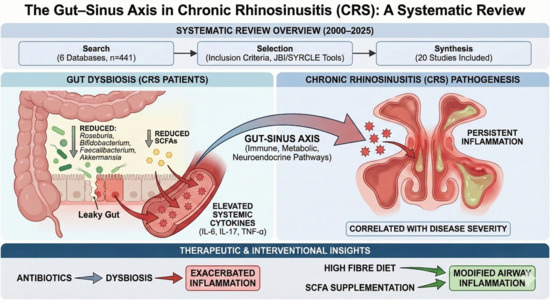
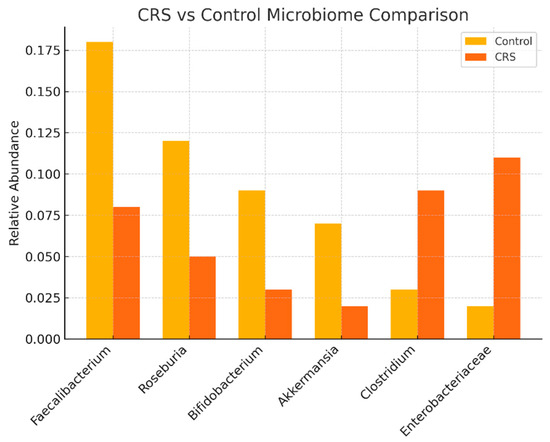
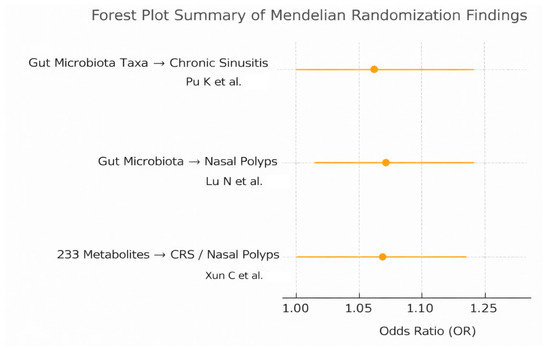
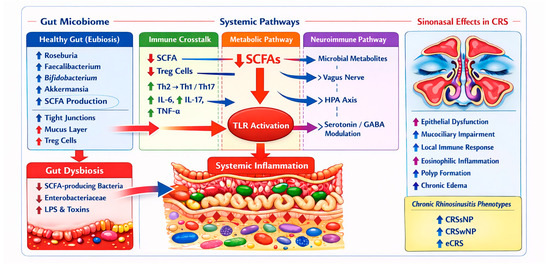
Chronic rhinosinusitis (CRS) is a persistent inflammatory disorder of the nasal and paranasal mucosa, typically attributed to local infection or anatomical obstruction. However, recent evidence suggests that CRS may also reflect systemic inflammatory dysregulation influenced by the gut microbiome, establishing a potential ‘gut–sinus axis’. This systematic review aims to synthesise current evidence linking gut microbiome alterations to the pathogenesis and clinical course of CRS and to explore emerging therapeutic strategies targeting this axis. Five databases were comprehensively searched for studies published between January 2000 and October 2025. Data were extracted and evaluated for quality using the JBI and SYRCLE tools. A total of 441 records were retrieved, of which 20 studies met the inclusion criteria. Human studies consistently showed gut dysbiosis in CRS, characterised by reductions in Roseburia, Bifidobacterium, Faecalibacterium and Akkermansia species. These microbial shifts correlated with increased levels of systemic cytokines, such as interleukin-6, interleukin-17 and tumour necrosis factor-α, and disease severity. Animal and interventional studies confirmed that high-fibre diets and short-chain fatty acid (SCFA) supplementation modified airway inflammation, whereas antibiotic-induced dysbiosis exacerbated it. Current evidence substantiates a gut–sinus axis mediated by immune, metabolic and neuroendocrine pathways. Dysbiosis-driven reductions in SCFA-producing bacteria appear central to systemic pro-inflammatory signalling implicated in CRS.
Full article

Graphical abstract
Open AccessCase Report
Fungal Sinusitis Masquerading as Trigeminal Neuralgia in an Immunocompetent Patient: A Case Report
by
Owen Tsung Wen Ho, Alex Chengyao Tham and Kok Yuen Ho
Sinusitis 2026, 10(1), 4; https://doi.org/10.3390/sinusitis10010004 - 23 Feb 2026
Abstract
►▼
Show Figures
Previous cases of trigeminal neuralgia (TN) caused by fungal sinusitis have been reported, but mainly in immunocompromised patients. We present a case of fungal sinusitis masquerading as trigeminal neuralgia in an immunocompetent patient and discuss the potential implications of these two diseases. The
[...] Read more.
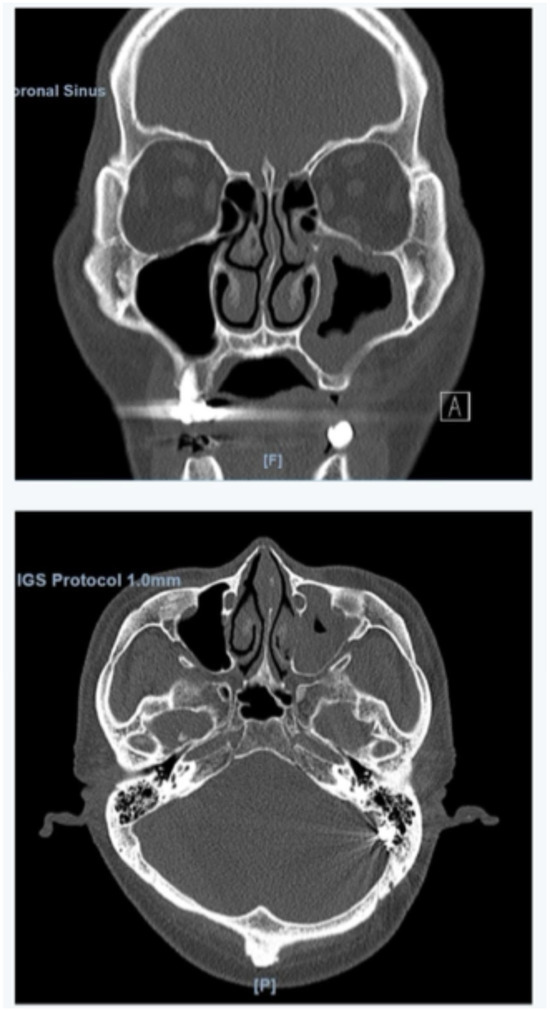
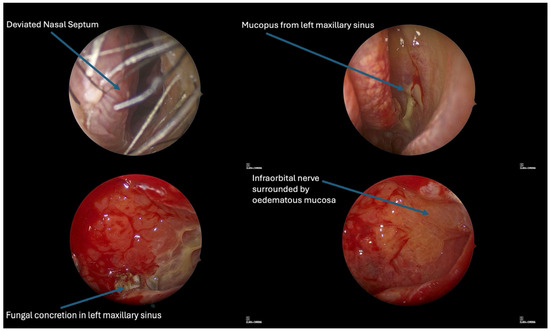
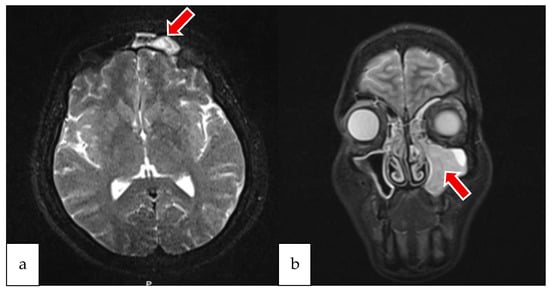
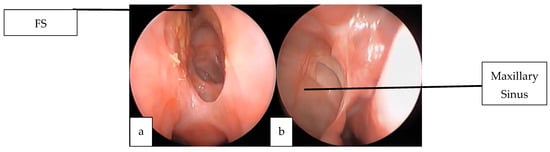
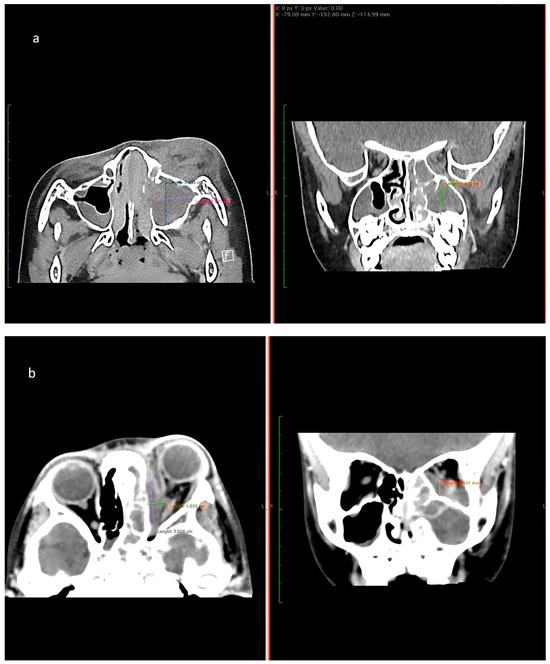
Previous cases of trigeminal neuralgia (TN) caused by fungal sinusitis have been reported, but mainly in immunocompromised patients. We present a case of fungal sinusitis masquerading as trigeminal neuralgia in an immunocompetent patient and discuss the potential implications of these two diseases. The patient is a 59-year-old male who presented with a four-year duration of left facial pain. He had been diagnosed and treated for trigeminal neuralgia by a pain specialist but was subsequently referred to ENT after a MRI of the brain showed left maxillary sinusitis. Nasoendoscopy findings and a CT scan of the paranasal sinuses were concordant with left maxillary sinusitis. The patient underwent left functional endoscopic sinus surgery and recovered uneventfully. Our study shows that even in immunocompetent patients who present with non-resolving or worsening facial pain resembling the original diagnosis of TN, clinicians should remain vigilant for the possibility of alternative underlying pathologies including fungal sinusitis.
Full article

Figure 1
Open AccessReview
Otologic and Sinonasal Manifestations of Pediatric Primary Ciliary Dyskinesia: A Scoping Review
by
Kenny Nguyen, Noah D. Bogart, Alexa N. Pearce, Lindsay E. Blake, Brendan Sweeney, Vijay A. Patel and Robert A. Saadi
Sinusitis 2026, 10(1), 3; https://doi.org/10.3390/sinusitis10010003 - 28 Jan 2026
Abstract
►▼
Show Figures
Primary ciliary dyskinesia (PCD) is a rare, genetically heterogeneous disorder of motile cilia that leads to impaired mucociliary clearance and recurrent airway infections. Children with PCD often present with ear and sinus disease resembling common pediatric conditions, yet the true burden and management
[...] Read more.
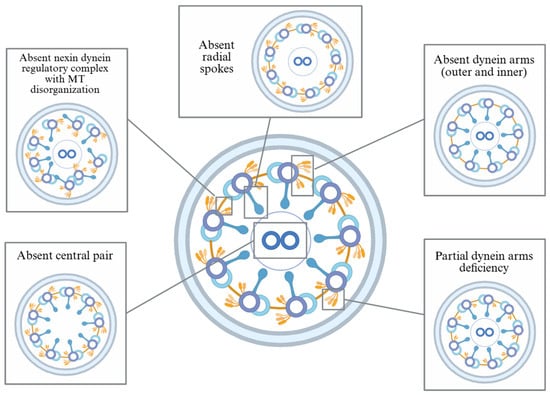
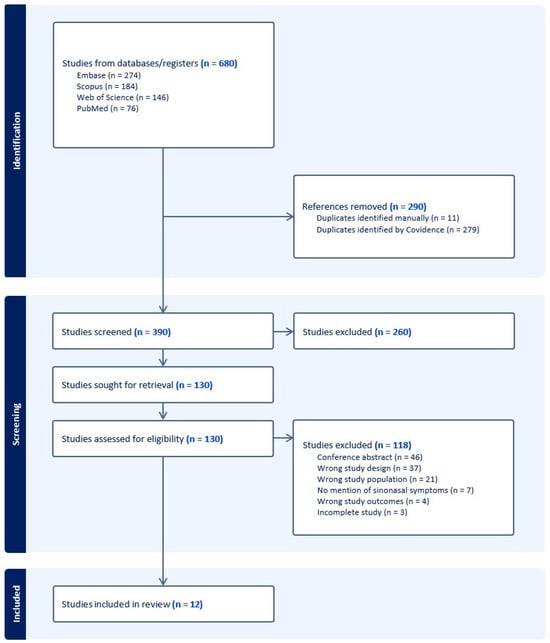
Primary ciliary dyskinesia (PCD) is a rare, genetically heterogeneous disorder of motile cilia that leads to impaired mucociliary clearance and recurrent airway infections. Children with PCD often present with ear and sinus disease resembling common pediatric conditions, yet the true burden and management remain incompletely defined. To address this gap, a systematic search for pediatric cohort studies published between 2020 and 2025 reporting otologic and sinonasal features of PCD was performed. Searches of PubMed, Embase, Scopus, and Web of Science identified 12 eligible studies, encompassing 524 children with confirmed PCD. Data extracted focused on demographics, otologic and sinonasal manifestations, vestibular findings, radiographic imaging, and interventions. Across studies, 60.3% had a history of otitis media and 39.1% had hearing loss, predominantly conductive. Tympanostomy tubes were utilized in more than half of patients, with many requiring multiple sets over time due to recurrent effusions or tube occlusion. Sinonasal disease was nearly universal, with 78.5% demonstrating chronic rhinosinusitis and most reporting nasal congestion and rhinorrhea; nasal polyps were uncommonly noted. Vestibular symptoms were also infrequently assessed but present in some patient cohorts. In conclusion, otologic and sinonasal disease are highly co-prevalent in pediatric PCD, highlighting the need for early recognition, regular surveillance, and standardized outcome reporting to guide long-term management of this complex chronic disease.
Full article

Figure 1
Open AccessArticle
Sex- and Age-Specific Risk Factors for Asthma: A Comparative Analysis of Demographic, Clinical, and Comorbidity Profiles in Men and Women
by
Daniel Lopez-Hernandez, Leticia Brito-Aranda, Karina Ayala-Lopez, Tania Castillo-Cruz, Guadalupe Vanessa Vazquez-Guzman, Maria Clara Hernandez-Almazan, Tabata Gabriela Anguiano-Velazquez, Edgar Cruz-Aviles, Luis Beltran-Lagunes, Christian David Sevilla-Mendoza and Luis Angel Herrerias Colin
Sinusitis 2026, 10(1), 2; https://doi.org/10.3390/sinusitis10010002 - 9 Jan 2026
Abstract
Asthma is a multifactorial respiratory condition affected by demographic, clinical, and lifestyle factors. Recognizing sex-related differences in risk factors may help develop personalized preventive strategies and ultimately enhance clinical outcomes. This study aims to compare the characteristics of male and female patients with
[...] Read more.
Asthma is a multifactorial respiratory condition affected by demographic, clinical, and lifestyle factors. Recognizing sex-related differences in risk factors may help develop personalized preventive strategies and ultimately enhance clinical outcomes. This study aims to compare the characteristics of male and female patients with asthma and to identify the primary risk factors linked to the condition in each group as well. A comparative analysis was conducted using regression models to evaluate the association between asthma and potential risk factors. Odds ratios (ORs) with 95% confidence intervals (CIs) were calculated to estimate the strength of associations for men and women separately. In females, obesity (OR, 1.85; 95% CI, 1.24–2.75), chronic obstructive pulmonary disease (COPD) (OR, 3.37; 95% CI, 1.77–6.43), chronic sinusitis (OR, 4.37; 95% CI, 1.02–18.64), and hypothyroidism (OR, 1.79; 95% CI, 1.09–2.94) were significantly associated with asthma. In males, COPD was the strongest predictor (OR, 4.35; 95% CI, 1.18–15.97), while other factors showed weaker or non-significant associations. Age was not a significant predictor in either sex. The findings highlight important sex differences in the risk profile for asthma. These results underscore the need for sex-specific approaches in the prevention, diagnosis, and management of asthma.
Full article
Open AccessReview
The Effects of Microplastics and Nanoplastics in the Nasal Airway and Upper Respiratory Tract
by
Maayan S. Kahan, Benjamin S. Bleier, Mansoor M. Amiji and Alan D. Workman
Sinusitis 2026, 10(1), 1; https://doi.org/10.3390/sinusitis10010001 - 22 Dec 2025
Cited by 1
Abstract
►▼
Show Figures
Environmental microplastic pollution is rising, and the recent literature reflects these conditions primarily by focusing on the effects of microplastics in the human lung and gut region. Despite the specific prevalence of airborne microplastics, the bulk of the existing literature neglects the point
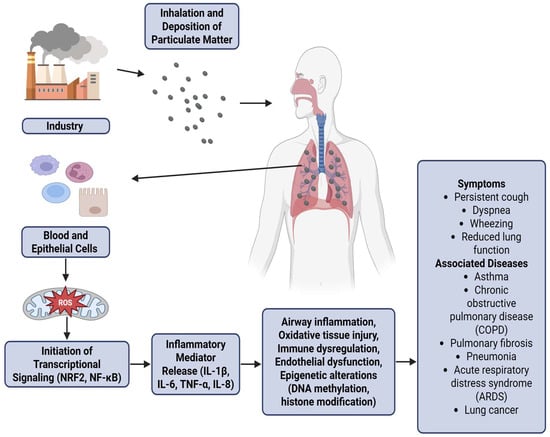
[...] Read more.
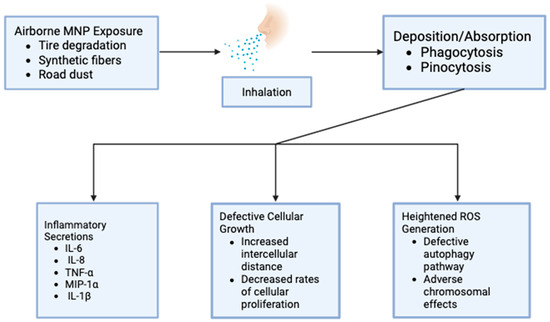
Environmental microplastic pollution is rising, and the recent literature reflects these conditions primarily by focusing on the effects of microplastics in the human lung and gut region. Despite the specific prevalence of airborne microplastics, the bulk of the existing literature neglects the point of initial contact of microplastics with the human body, namely the upper airway, specifically the nasal region. This review aims to highlight recent findings surrounding the effects of microplastics in the nose in both in vitro and clinical models. Areas of particular interest include changes in cell morphology, microplastic permeation, cytotoxicity, and inflammatory effects. Although permeation and toxicity findings vary across studies, the literature collectively indicates hazards to cellular health and potential impacts on patient quality of life.
Full article

Figure 1
Open AccessArticle
Profile of Patients with Primary and Secondary Chronic Rhinosinusitis Treated at a Specialized Outpatient Clinic in Brazil
by
Yuri de Medeiros Alcântara, Priscila Novaes Ferraiolo, Natasha Caroline Cristina de Aguiar, Fabiana Chagas da Cruz, Marise Marques, Sérgio Duarte Dortas Junior and Cláudia Maria Valete-Rosalino
Sinusitis 2025, 9(2), 24; https://doi.org/10.3390/sinusitis9020024 - 17 Dec 2025
Abstract
Objective: To describe the sociodemographic profile and prevalence of different phenotypes of patients with chronic rhinosinusitis (CRS) treated at a specialized outpatient clinic of a university hospital in Brazil. Methods: A cross-sectional retrospective study was conducted on patients treated at a
[...] Read more.
Objective: To describe the sociodemographic profile and prevalence of different phenotypes of patients with chronic rhinosinusitis (CRS) treated at a specialized outpatient clinic of a university hospital in Brazil. Methods: A cross-sectional retrospective study was conducted on patients treated at a clinic in Brazil. The following were evaluated: sex, age, age at symptom onset, primary CRS phenotype, etiology of secondary CRS, and severity of symptoms. Results: A total of 342 patients were included, of whom 45.61% were men and 8.24% had secondary CRS. The median age of all patients with CRS was 61 years. Nasal polyps were present in 86.22% of patients. The median age at symptom onset was 41 years. The prevalence of primary CRS phenotypes was chronic eosinophilic rhinosinusitis (eCRS) (75%), anti-inflammatory drug exacerbated respiratory disease, which was considered a subgroup of eCRS (19.40%), chronic non-eosinophilic rhinosinusitis (18.66%), central compartment atopic disease (4.1%), and allergic fungal rhinosinusitis (2.24%). The most prevalent diagnoses of secondary CRS were allergic bronchopulmonary aspergillosis (ABPA) (27.59%), immunodeficiencies (20.69%), and vasculitis (13.79%). Conclusions: Patients diagnosed with CRS are predominantly women over 60 years of age who began experiencing nasal symptoms in their fifth decade of life. Most patients have CRS with nasal polyps, primary CRS, and a predominant eCRS phenotype. Secondary CRS accounted for 8.4% of cases, and the most prevalent diagnoses of secondary CRS were Allergic Bronchopulmonary Aspergillosis, immunodeficiencies, and vasculitis.
Full article
Open AccessArticle
Endoscopic Management of Sinus Neoplasia: An Experience of a Dedicated Sinus Centre in Image-Guided Surgery of Inverted Papillomata
by
Gabija Klyvyte, Shyam Gokani, Lavandan Jegatheeswaran, Louis Luke, Jeremy Jonathan Wong and Carl Philpott
Sinusitis 2025, 9(2), 23; https://doi.org/10.3390/sinusitis9020023 - 6 Nov 2025
Abstract
►▼
Show Figures
Previous evidence indicates that the endoscopic approach is the gold standard treatment for sinonasal inverted papillomata (IP). Our objectives were to evaluate the rate of complications and recurrence of IP after management using image-guided endoscopic techniques. This retrospective cohort included patients who underwent
[...] Read more.
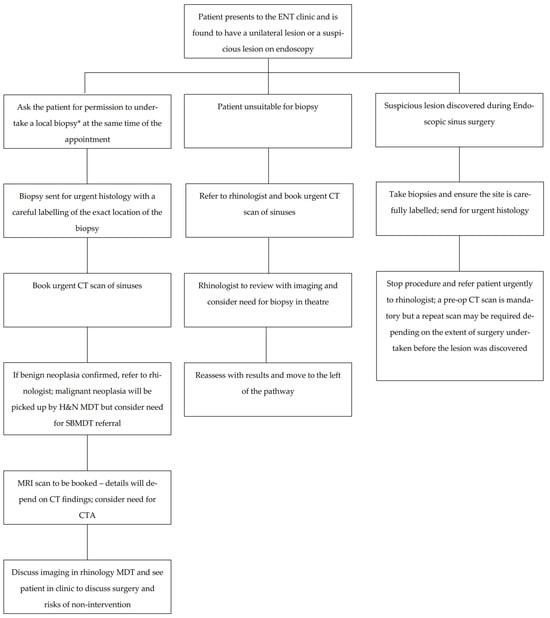
Previous evidence indicates that the endoscopic approach is the gold standard treatment for sinonasal inverted papillomata (IP). Our objectives were to evaluate the rate of complications and recurrence of IP after management using image-guided endoscopic techniques. This retrospective cohort included patients who underwent tumour resection between 2011 and 2022 in a single sinus-surgery-dedicated centre. In total, 40 patients were treated for IP using endoscopic techniques. The most common site for IP was the maxillary sinus (35%). Cases were managed endoscopically, with 30% having a medial maxillectomy and 15% managed by Draf IIb/III. The rate of complications was 5%, which included 1 case of intra-operative cerebrospinal fluid leak and 1 case with facial numbness. A total of 21 cases had a recurrence—6 (27%) out of the total of 22 primary cases and 15 (83%) out of the total of 18 secondary cases. The difference between the two groups was statistically significant c2(1) = 12.48 and p = 0.0004. The odds ratio was 13.33 (confidence interval, CI 95%: 2.82 to 63.12) with a relative risk of 3.06 (CI 95%: 1.50–6.24). This highlights that the risk and rate of recurrence are higher in secondary cases. As a possible explanation for the results could be that secondary cases were operated by a non-rhinologist ENT (Ears, Nose, and Throat) surgeon. Our results demonstrate that cases operated by a non-rhinologist at first presentation have higher recurrence rates even once a rhinologist was able to manage them. Therefore, IPs managed by a fellowship-trained rhinologist may have superior outcomes in terms of recurrence.
Full article

Figure 1
Open AccessCase Report
Pott’s Puffy Tumor: Two-Case Series and Contemporary Management Approach
by
Mert Burak Koci, Onur Belen and Gözde Orhan Kubat
Sinusitis 2025, 9(2), 22; https://doi.org/10.3390/sinusitis9020022 - 3 Nov 2025
Cited by 1
Abstract
►▼
Show Figures
Pott’s Puffy Tumor (PPT) is a rare but potentially life-threatening complication of frontal sinusitis, characterized by subperiosteal abscess formation and frontal bone osteomyelitis. Although predominantly seen in adolescents, adult cases are increasingly recognized. Early diagnosis is essential to prevent severe orbital and intracranial
[...] Read more.
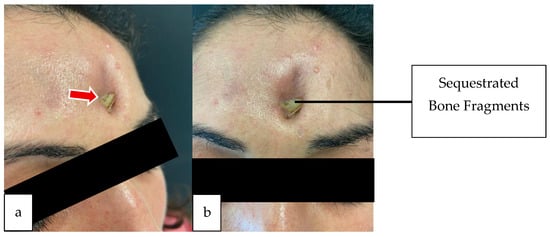
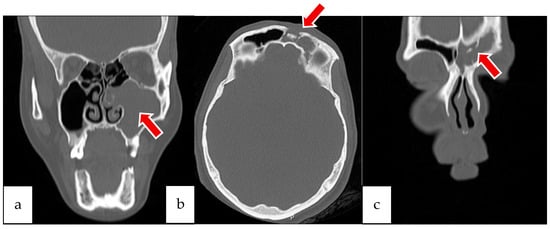
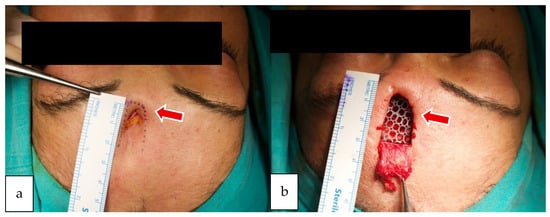
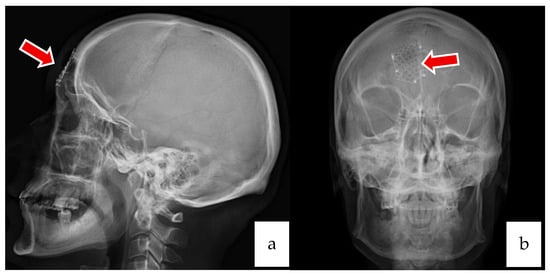
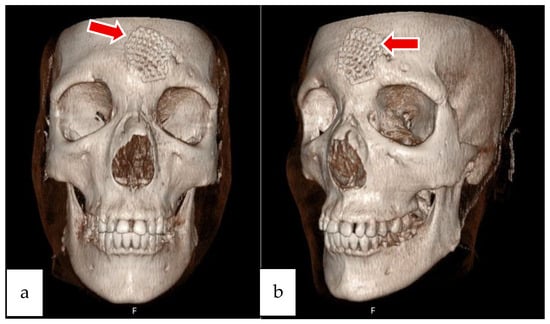
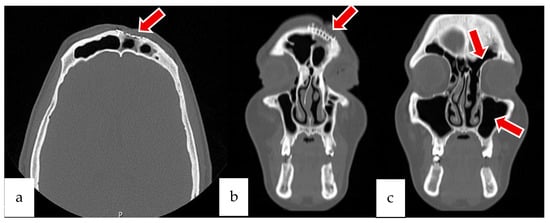
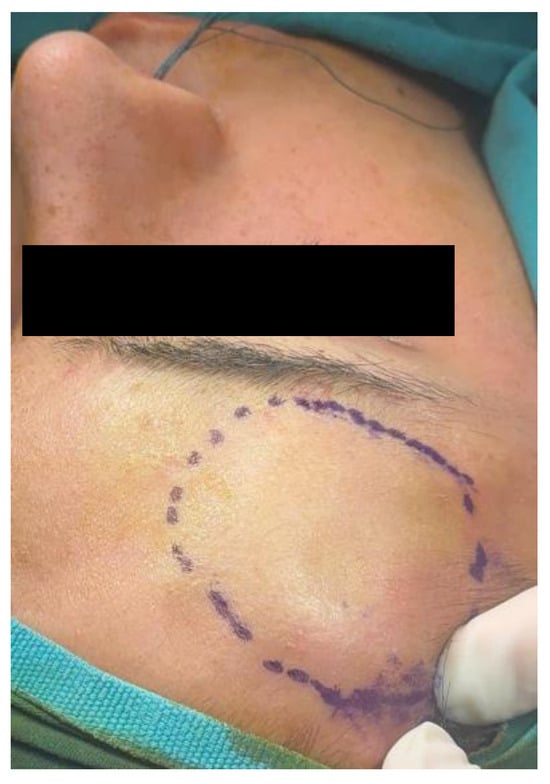
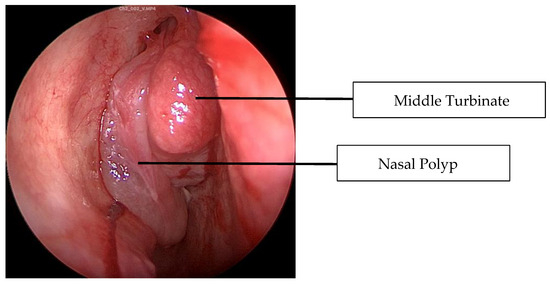
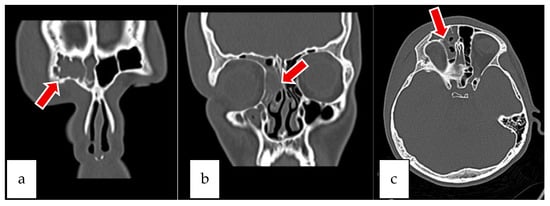
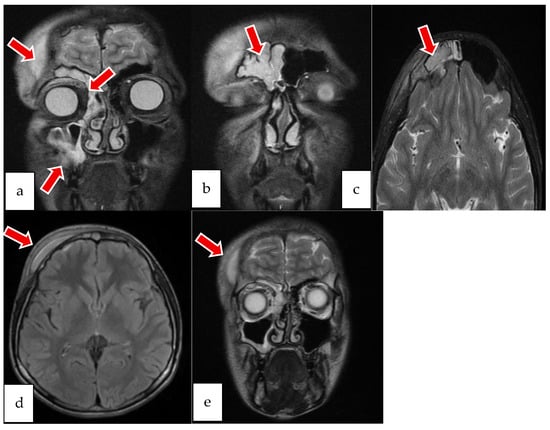
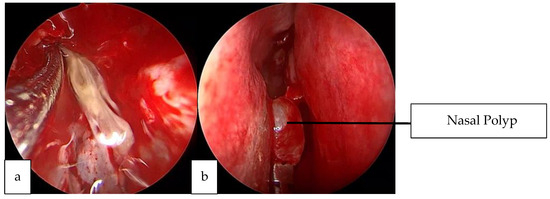
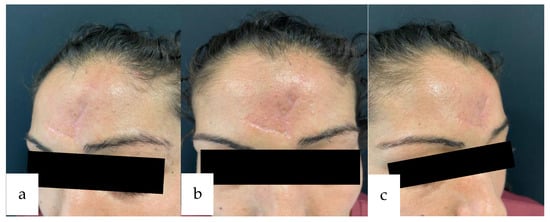
Pott’s Puffy Tumor (PPT) is a rare but potentially life-threatening complication of frontal sinusitis, characterized by subperiosteal abscess formation and frontal bone osteomyelitis. Although predominantly seen in adolescents, adult cases are increasingly recognized. Early diagnosis is essential to prevent severe orbital and intracranial sequelae. We present two patients with distinct clinical features: a 31-year-old female with chronic frontal sinusitis complicated by sequestrated bone extrusion through a cutaneous fistula, and a 16-year-old male with an acute presentation of subperiosteal abscess, nasal polyp-related obstruction of the osteomeatal complex (OMC), and orbital cellulitis. Both patients underwent combined surgical and medical management, including broad-spectrum intravenous antibiotics, functional endoscopic sinus surgery, and external drainage. In the adult, necrotic bone was excised, and the anterior frontal wall was reconstructed with titanium mesh to restore sinus anatomy and drainage, while in the adolescent, early abscess drainage and polyp removal ensured frontal recess patency and prevented osteomyelitis. Postoperative follow-up demonstrated complete resolution without recurrence. These cases highlight that PPT can occur in both acute and chronic settings of chronic rhinosinusitis with nasal polyps, emphasizing the importance of prompt imaging, multidisciplinary evaluation, and individualized surgical strategies to optimize outcomes and minimize life-threatening complications.
Full article

Figure 1
Open AccessCase Report
The Unseen Threat: Paediatric MRSA Acute Rhinosinusitis Leading to Orbital Complication
by
Farid Syamil Ramli, Anna Fariza Jumaat and Farah Dayana Zahedi
Sinusitis 2025, 9(2), 21; https://doi.org/10.3390/sinusitis9020021 - 16 Oct 2025
Abstract
►▼
Show Figures
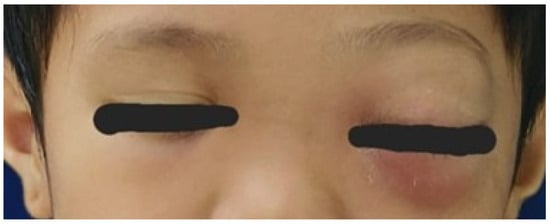
Acute rhinosinusitis in children is typically caused by viral or bacterial infections. However, methicillin-resistant Staphylococcus aureus (MRSA) is increasingly linked to recurrence and severe complications, including orbital involvement. We present a case of a 6-year-old boy with periorbital swelling, proptosis, and fever following
[...] Read more.
Acute rhinosinusitis in children is typically caused by viral or bacterial infections. However, methicillin-resistant Staphylococcus aureus (MRSA) is increasingly linked to recurrence and severe complications, including orbital involvement. We present a case of a 6-year-old boy with periorbital swelling, proptosis, and fever following upper respiratory symptoms. Imaging revealed pansinusitis with a subperiosteal orbital abscess. He was treated empirically with intravenous ceftriaxone and metronidazole, followed by endoscopic sinus surgery. Intraoperative cultures confirmed MRSA, leading to a switch to vancomycin. The patient recovered fully without complications. This case illustrates the clinical challenges posed by MRSA sinusitis and emphasises its public health implications. Integrating antimicrobial stewardship, promoting community hygiene, ensuring early diagnostics and healthcare access, and enhancing epidemiological surveillance can play a pivotal role in reducing the burden of MRSA-related complications in children.
Full article
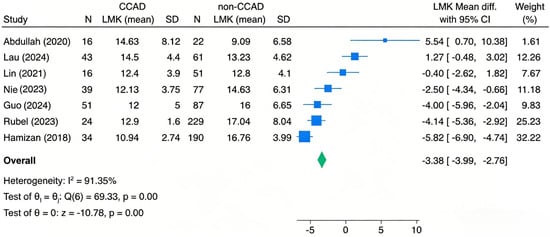
Figure 1
Open AccessCommunication
Equine Skull Fractures: A Review of 13 Cases Managed Conservatively (2018–2022)
by
Melanie Perrier, Maty Looijen and Gabriel Manso-Diaz
Sinusitis 2025, 9(2), 20; https://doi.org/10.3390/sinusitis9020020 - 15 Oct 2025
Cited by 1
Abstract
►▼
Show Figures
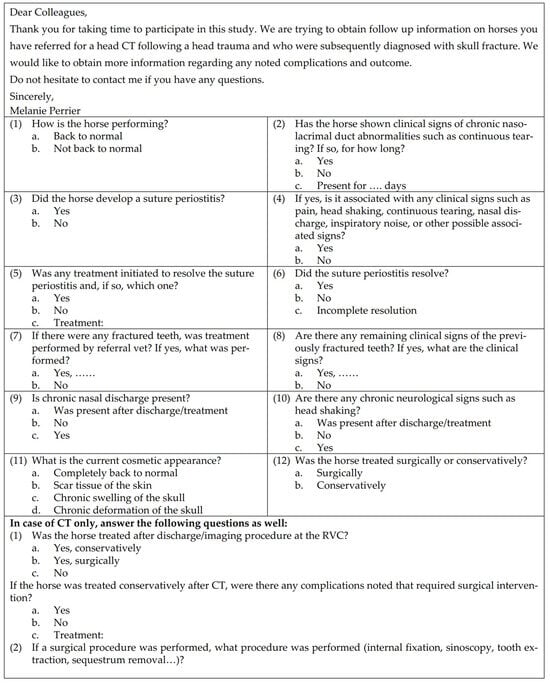
This retrospective study reviews the clinical features, computed tomography (CT) findings, complications and outcomes of horses with skull fractures involving the facial bones. Medical records from the Royal Veterinary College, Hatfield, United Kingdom, and the Universidad Complutense, Madrid, Spain, were reviewed to identify
[...] Read more.
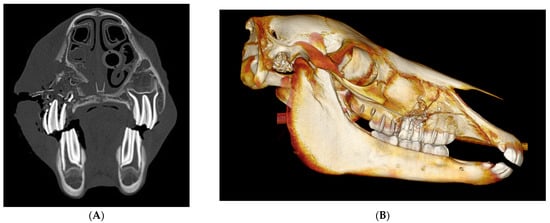
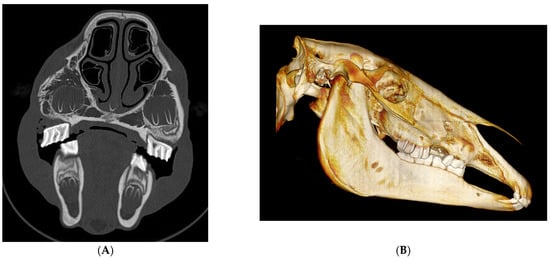
This retrospective study reviews the clinical features, computed tomography (CT) findings, complications and outcomes of horses with skull fractures involving the facial bones. Medical records from the Royal Veterinary College, Hatfield, United Kingdom, and the Universidad Complutense, Madrid, Spain, were reviewed to identify horses presented for head CT with a history of skull fracture involving the facial bones between 2018 and 2022. Thirteen horses were included. Secondary sinusitis was present in 10 of the horses with the rostral maxillary, caudal maxillary and ventral conchal sinuses being the most commonly affected. There was associated fracture of dental structures in three cases. Treatment was conservative in seven cases, while in six horses some minimal surgical intervention was undertaken and included the removal of loose bony fragments and trephination for sinoscopy in two cases, fragment removal and sinus flush through a Foley catheter in three cases and dental extraction in one case. Prognosis was reported to be good to excellent in 10 horses. Among the most common complications, cosmetic sequalae was recorded in three cases. Overall conservative management of skull fracture should be considered a viable option for cases where perfect cosmetic results are not expected and where economics may be a limitation.
Full article
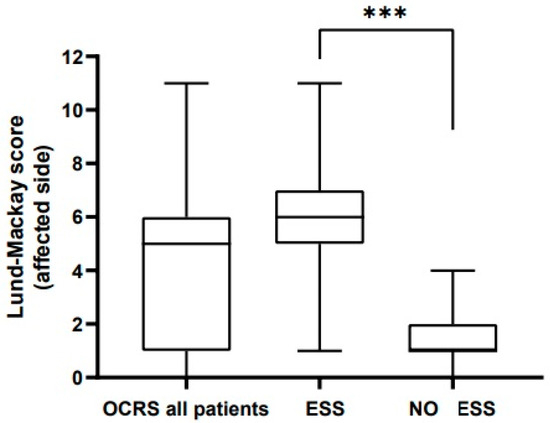
Figure 1
Open AccessReview
Clinical Significance of Endotypes of Asian Chronic Rhinosinusitis: A Review and Expert Commentary
by
Sean Bo Jie Loh, Nevin Yi Meng Chua, Lee Fang Ang, Francesco Di Pierro and Chew Lip Ng
Sinusitis 2025, 9(2), 19; https://doi.org/10.3390/sinusitis9020019 - 9 Oct 2025
Abstract
►▼
Show Figures
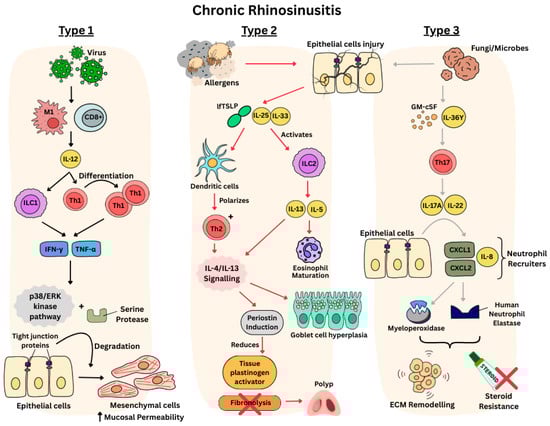
Chronic rhinosinusitis (CRS) is increasingly recognized as a heterogeneous condition characterized by distinct inflammatory endotypes. In Western populations, CRS is mostly type 2 (T2) eosinophilic. In contrast, Asian cohorts show higher rates of non-T2 endotypes, posing unique challenges and limiting the applicability of
[...] Read more.
Chronic rhinosinusitis (CRS) is increasingly recognized as a heterogeneous condition characterized by distinct inflammatory endotypes. In Western populations, CRS is mostly type 2 (T2) eosinophilic. In contrast, Asian cohorts show higher rates of non-T2 endotypes, posing unique challenges and limiting the applicability of Western treatment models. This expert commentary and scoping review explores endotype-driven care in CRS, synthesizes current research on Asian CRS cohorts, and examines existing gaps in our understanding, particularly in non-T2 CRS. Endotype-driven care improves treatment precision and minimizes therapeutic failure. However, most models remain largely Western-centric. Establishing Asia-specific criteria, accessible diagnostics, and therapies for non-T2 disease is essential.
Full article
Figure 1
Open AccessReview
Orbital Complications of Chronic Rhinosinusitis: A Contemporary Narrative Review of the Ophthalmologic Impact and Therapeutic Role of Functional Endoscopic Sinus Surgery
by
Zacharias Kalentakis, Nikolaos Garifallos, Georgia Baxevani, Kyriaki Panagiotou, Evangelos Spanos, Ioannis Vlastos and Alexandre Karkas
Sinusitis 2025, 9(2), 18; https://doi.org/10.3390/sinusitis9020018 - 24 Sep 2025
Cited by 3
Abstract
Chronic rhinosinusitis (CRS) is a prevalent inflammatory condition of the paranasal sinuses. While the burden of CRS on quality of life and respiratory health is well recognized, its potential impact on orbital structures is an area of growing clinical attention. The orbit is
[...] Read more.
Chronic rhinosinusitis (CRS) is a prevalent inflammatory condition of the paranasal sinuses. While the burden of CRS on quality of life and respiratory health is well recognized, its potential impact on orbital structures is an area of growing clinical attention. The orbit is separated from the ethmoid and frontal sinuses by only thin bony laminae. Chronic sinus disease can therefore easily extend beyond the sinuses to involve the orbit, leading to ophthalmologic complications that range from eyelid edema changes to severe, sight-threatening emergencies. Traditionally, orbital complications are more commonly associated with acute sinusitis (particularly in children), but contemporary evidence highlights that chronic rhinosinusitis and its sequelae—including mucoceles, chronic infections (bacterial or fungal), and protracted inflammation—can likewise produce significant orbital consequences. This narrative review synthesizes the current literature on the orbital complications of chronic rhinosinusitis, highlighting clinical, relevant anatomical/pathophysiological pathways, preoperative versus postoperative findings, and the therapeutic impact of FESS. Through this review, clinicians in both otolaryngology and ophthalmology can gain an updated understanding of this interdisciplinary topic, guiding prompt recognition and effective management of CRS patients with orbital involvement.
Full article
Open AccessReview
Main Findings from Retrospective Studies on the Comorbidity of Asthma and Sinusitis and Their Implications for Clinical Practice
by
Nathalia Silveira Finck and Erick Gomes Perez
Sinusitis 2025, 9(2), 17; https://doi.org/10.3390/sinusitis9020017 - 4 Sep 2025
Abstract
Asthma and chronic rhinosinusitis (CRS) are prevalent chronic inflammatory conditions of the airways that frequently occur together, contributing to increased disease burden and reduced quality of life. This study aimed to synthesize findings from retrospective research to better understand the clinical and pathophysiological
[...] Read more.
Asthma and chronic rhinosinusitis (CRS) are prevalent chronic inflammatory conditions of the airways that frequently occur together, contributing to increased disease burden and reduced quality of life. This study aimed to synthesize findings from retrospective research to better understand the clinical and pathophysiological interrelations between these two conditions. A narrative review was conducted, including studies (2002–2025) assessing prevalence, lung function, biomarkers, quality of life, and treatment outcomes in patients with confirmed asthma and/or CRS. The results revealed a high prevalence of comorbidity, particularly in patients with CRS with nasal polyps (CRSwNP), where asthma co-occurrence exceeds 50% in certain phenotypes. Shared type 2 inflammatory mechanisms, including eosinophilic infiltration, cytokine overexpression (IL-4, IL-5, and IL-13), and tissue remodeling via matrix metalloproteinases, were frequently identified. These findings support the unified airway model and highlight the systemic nature of inflammation in these patients. Biologic therapies demonstrated effectiveness in reducing exacerbations and improving clinical outcomes, especially in patients with more severe phenotypes. The inclusion of dentistry and oral health as components of the systemic inflammatory burden offers an innovative perspective and reinforces the importance of holistic, interdisciplinary care. This study underscores the need for a multidisciplinary, phenotypically guided approach to treatment. Recognizing and systematically addressing this comorbidity can improve disease control and enhance patient quality of life.
Full article
Open AccessArticle
Apical Periodontitis and Maxillary Sinus Alterations: Results of an Exploratory Cross-Sectional Tomographic In Vivo Study
by
Thaïs Coutinho, Lucio Gonçalves, Marilia Fagury Videira Marceliano-Alves, Vivian Ronquete Figueiredo, Josué da Costa Lima Junior, Rafael Vidal Peres and Fábio Vidal
Sinusitis 2025, 9(2), 16; https://doi.org/10.3390/sinusitis9020016 - 26 Aug 2025
Abstract
►▼
Show Figures
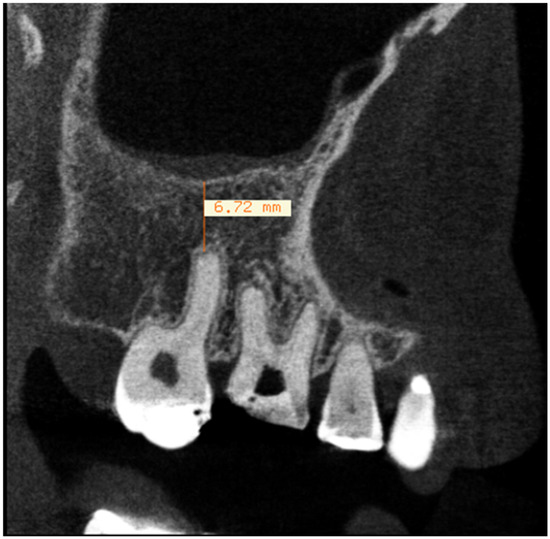
Odontogenic sinusitis is a highly prevalent yet frequently overlooked condition. Since anatomically, the roots of the upper molars and premolars may be in proximity to the maxillary sinus, apical periodontitis affecting these teeth may lead to the development of sinus membrane thickening suggestive
[...] Read more.
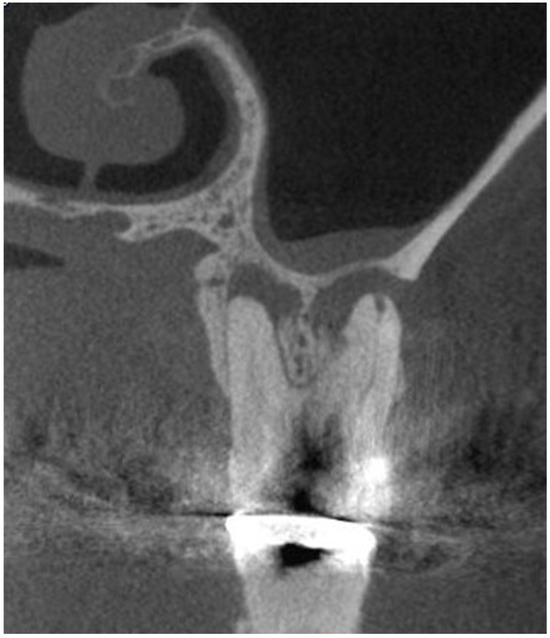
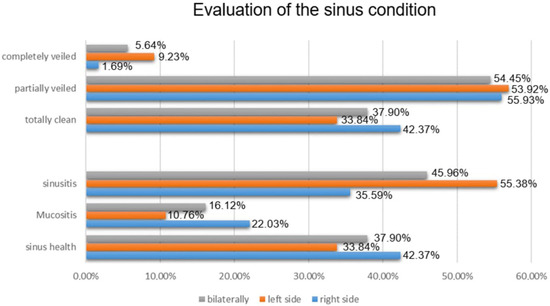
Odontogenic sinusitis is a highly prevalent yet frequently overlooked condition. Since anatomically, the roots of the upper molars and premolars may be in proximity to the maxillary sinus, apical periodontitis affecting these teeth may lead to the development of sinus membrane thickening suggestive of odontogenic sinusitis. The present cross-sectional study aimed to investigate the relationship between images suggestive of apical periodontitis and alterations in the maxillary sinus. One hundred and thirty Cone Beam Computed Tomographies (CBCTs) of the posterior maxilla were examined for the presence of apical radiolucent lesions and thickening of the sinus membrane. The relationship between the distance of the lesions from the sinus and the prevalence of sinus alterations was described and compared using a chi-squared test and logistic regression models. In the sample studied, 16.12% and 45.96% of the sinus images suggested mucositis and sinusitis, respectively. The mere presence of radiolucent apical lesions was not related to sinus alterations. However, lesions breaking through the cortical floor of the sinus were associated with a larger mucosal thickness, reaching statistical significance on the left side. Estimation of the magnitude showed that increasing the sample size would lead to a statistical difference on the right side as well. Thus, it can be concluded that, in cases where lesions suggesting apical periodontitis are closely related to the sinus floor, breaking though the cortical bone of the maxillary sinus floor, the prevalence of sinus mucosal thickening, indicating mucositis or sinusitis, is greater.
Full article
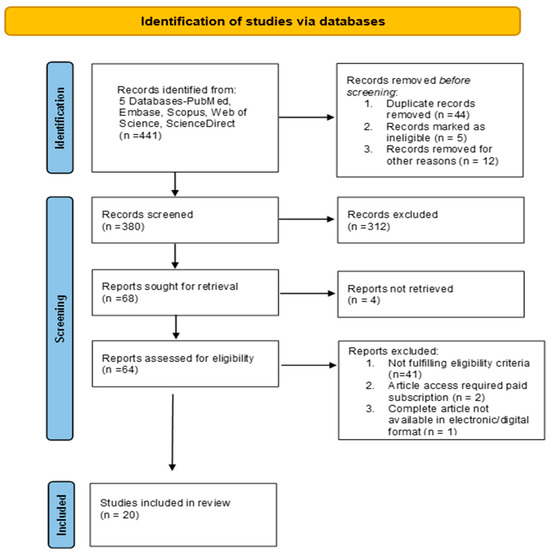
Figure 1
Highly Accessed Articles
Latest Books
E-Mail Alert
News
Topics
Special Issues
Special Issue in
Sinusitis
United Airways: Advances in the Prevention, Diagnosis, and Management of Sinusitis and Asthma
Guest Editor: Gianluca FaddaDeadline: 31 October 2026
Special Issue in
Sinusitis
Nasal Polyposis in Chronic Rhinosinusitis: Recent Advances in Diagnosis and Management
Guest Editor: Sy Duong-QuyDeadline: 31 December 2026
Special Issue in
Sinusitis
Rhinosinusitis, Its Comorbidities and Complications: Evolving Insights into Mechanisms and Clinical Management
Guest Editor: José Laerte BoechatDeadline: 31 December 2026