






-
Synergistic Effects of Lavandula angustifolia and a Bacterial Consortium on Bioremediation of a Heavy Metal-Contaminated Soil -
Tree Endotherapy: A Comprehensive Review of the Benefits and Drawbacks of Trunk Injection Treatments in Tree Care and Protection -
Current Assessment and Future Perspectives on Phytoremediation of Heavy Metals -
Floral Characteristics and Reproductive Biology in Brazilian Melon Accessions: Insights from Commercial and Exotic Varieties -
High-Blue/Low-Red Mixed Light Modulates Photoperiodic Flowering in Chrysanthemum via Photoreceptor and Sugar Pathways
Journal Description
Plants
Plants
is an international, scientific, peer-reviewed, open access journal on plant science published semimonthly online by MDPI. The Spanish Phytopathological Society (SEF), the Spanish Society of Plant Biology (SEBP), the Spanish Society of Horticultural Sciences (SECH) and the Italian Society of Phytotherapy (S.I.Fit.) are affiliated with Plants and their members receive a discount on the article processing charges.
- Open Access— free for readers, with article processing charges (APC) paid by authors or their institutions.
- High Visibility: indexed within Scopus, SCIE (Web of Science), PubMed, PMC, PubAg, AGRIS, CAPlus / SciFinder, and other databases.
- Journal Rank: JCR - Q1 (Plant Sciences) / CiteScore - Q1 (Ecology, Evolution, Behavior and Systematics)
- Rapid Publication: manuscripts are peer-reviewed and a first decision is provided to authors approximately 16.5 days after submission; acceptance to publication is undertaken in 2.6 days (median values for papers published in this journal in the second half of 2025).
- Recognition of Reviewers: reviewers who provide timely, thorough peer-review reports receive vouchers entitling them to a discount on the APC of their next publication in any MDPI journal, in appreciation of the work done.
Impact Factor:
4.1 (2024);
5-Year Impact Factor:
4.5 (2024)
Latest Articles
Deep Learning-Based Identification of Pathogenicity Genes in Phytophthora infestans Using Time-Series Transcriptomics
Plants 2026, 15(2), 178; https://doi.org/10.3390/plants15020178 (registering DOI) - 6 Jan 2026
Abstract
Potato (Solanum tuberosum L.) is the world’s fourth most important food crop, and despite China producing nearly one quarter of the global yield, its potato production is severely constrained by late blight. Identifying genes associated with pathogenicity is essential for breeding resistant
[...] Read more.
Potato (Solanum tuberosum L.) is the world’s fourth most important food crop, and despite China producing nearly one quarter of the global yield, its potato production is severely constrained by late blight. Identifying genes associated with pathogenicity is essential for breeding resistant cultivars and strengthening plant protection strategies. Traditional approaches based on differential expression and statistical modeling often fail to capture temporal dynamics or provide interpretable insights. Here, we introduce an LSTM–Transformer hybrid model designed for data-driven discovery of pathogenicity-related genes from gene expression time-series. The analysis was performed on a time-series expression dataset comprising 32,917 genes across 18 samples (three infection time points × six biological replicates per condition). In this study, we identified 200 high-confidence pathogenicity-related genes from potato infection time-series data. These genes are enriched in 15 biologically meaningful pathways, including plant immunity signaling, reactive oxygen species regulation, secondary metabolic processes, and stress-responsive transcriptional programs. Several newly uncovered candidates participate in defense hormone pathways and cell wall modification, suggesting previously unrecognized roles in late blight susceptibility and resistance. By revealing functional groups and regulatory signatures that characterize pathogenicity, this work provides valuable molecular targets for developing late blight-resistant cultivars. The framework integrates a biologically informed temporal–attention architecture, a gene time-series-specific data partitioning strategy, and an interpretable deep analysis module. A final methodological contribution is the use of a temporal attention-based analytical framework that enables reliable gene prioritization from time-series expression data.
Full article
(This article belongs to the Special Issue Applications of Bioinformatics in Plant Science)
Open AccessArticle
QTL/Segment Mapping and Candidate Gene Analysis for Oil Content Using a Wild Soybean Chromosome Segment Substitution Line Population
by
Cheng Liu, Jinxing Ren, Huiwen Wen, Changgeng Zhen, Wei Han, Xianlian Chen, Jianbo He, Fangdong Liu, Lei Sun, Guangnan Xing, Jinming Zhao, Junyi Gai and Wubin Wang
Plants 2026, 15(2), 177; https://doi.org/10.3390/plants15020177 - 6 Jan 2026
Abstract
Annual wild soybean, the ancestor of cultivated soybean, underwent a significant increase in seed oil content during domestication. To elucidate the genetic basis of this change, a chromosome segment substitution line population (177 lines) constructed with cultivated soybean NN1138-2 as recipient and wild
[...] Read more.
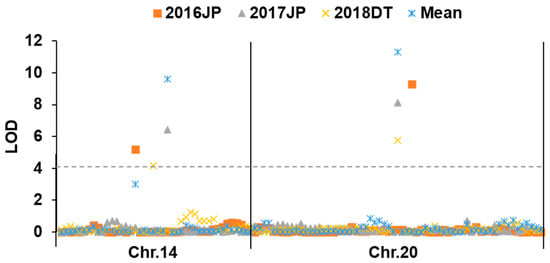
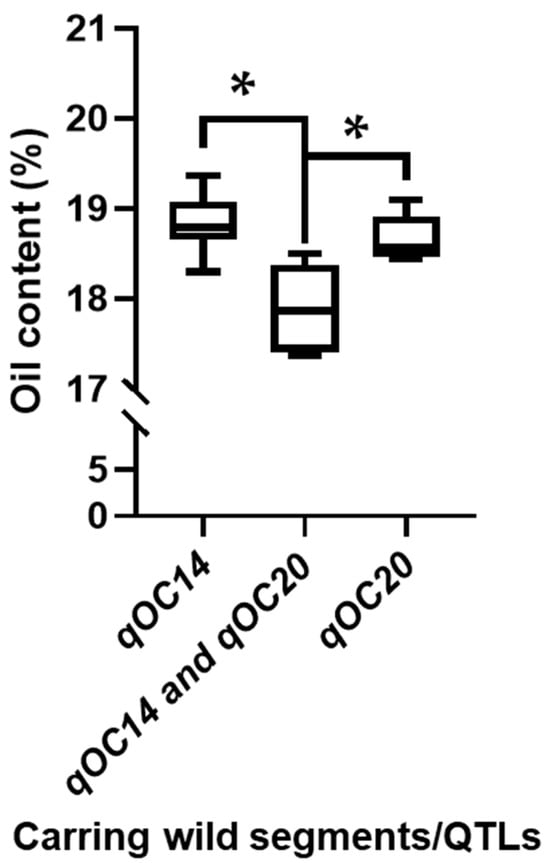
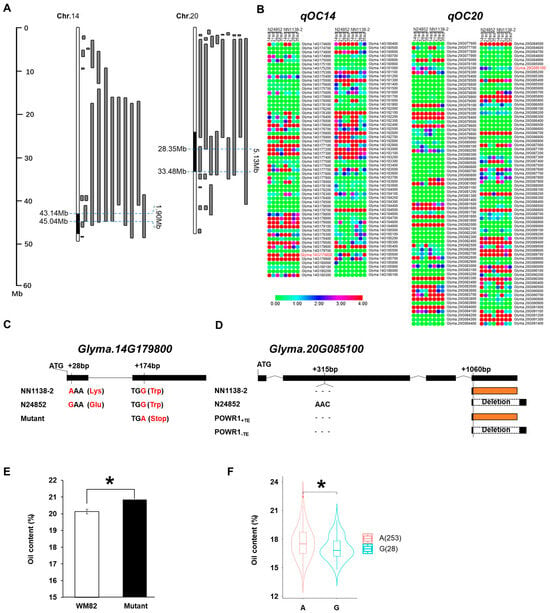
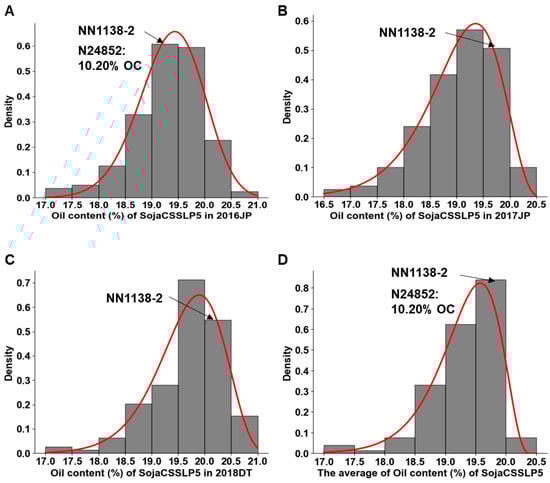
Annual wild soybean, the ancestor of cultivated soybean, underwent a significant increase in seed oil content during domestication. To elucidate the genetic basis of this change, a chromosome segment substitution line population (177 lines) constructed with cultivated soybean NN1138-2 as recipient and wild soybean N24852 as donor was used in this study. Phenotypic evaluation across three distinct environments led to the identification of two major QTL/segments, qOC14 on chromosome 14 and qOC20 on chromosome 20, which collectively explained 39.46% of the phenotypic variation, with individual contributions of 17.87% and 21.59%, respectively. Both wild alleles exhibited negative additive effects, with values of −0.35% and −0.42%, respectively, consistent with the inherently low oil content of wild soybeans. Leveraging transcriptome and genome data from the two parents, two candidate genes were predicted. Notably, Glyma.14G179800 is a novel candidate gene encoding a PHD-type zinc finger domain-containing protein, and the hap-A haplotype exhibits a positive effect on oil content. In contrast, Glyma.20G085100 is a reported POWR1 gene, known to regulate protein and oil content. Our findings not only validate the role of known gene but, more importantly, unveil a new candidate gene, offering valuable genetic resources and theoretical targets for molecular breeding of high-oil soybean.
Full article
(This article belongs to the Special Issue Advanced Cultivation Techniques and Breeding Strategies for Oilseed Crops)
►▼
Show Figures

Figure 1
Open AccessArticle
Effect of Silicon on Early Root and Shoot Phenotypes of Rice in Hydroponic and Soil Systems
by
Kabita Poudel, Amit Ghimire, Minju Kwon, Mbembo Blaise wa Mbembo and Yoonha Kim
Plants 2026, 15(2), 176; https://doi.org/10.3390/plants15020176 - 6 Jan 2026
Abstract
Silicon (Si) application is recognized for its beneficial roles in crop growth. This study examines the effects of two forms: zeolite and sodium metasilicate (SMS), on rice under hydroponic (EP I) and soil (EP II) conditions. Four treatments were used at the early
[...] Read more.
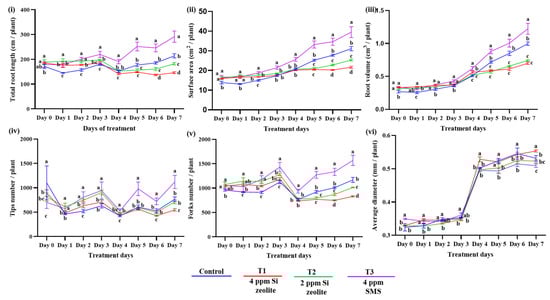
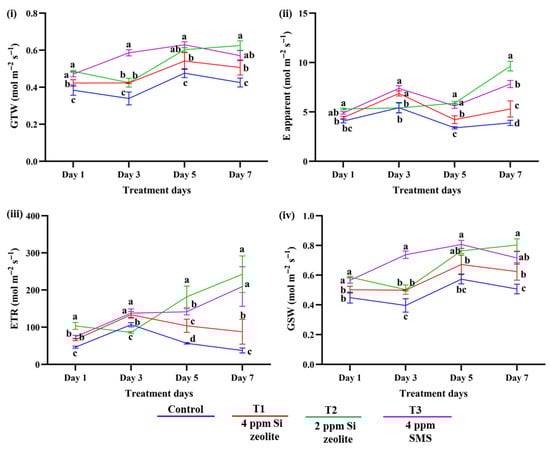
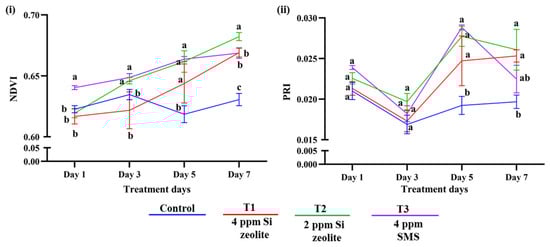
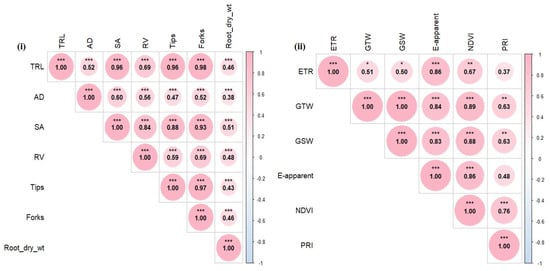
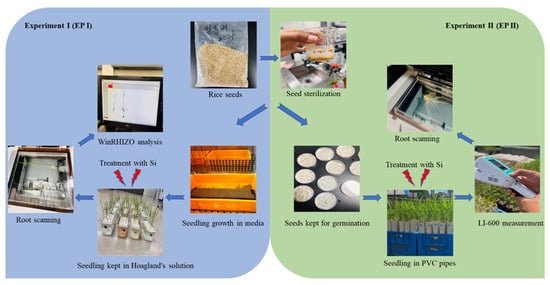
Silicon (Si) application is recognized for its beneficial roles in crop growth. This study examines the effects of two forms: zeolite and sodium metasilicate (SMS), on rice under hydroponic (EP I) and soil (EP II) conditions. Four treatments were used at the early stage of rice: 4 ppm and 2 ppm of Si from zeolite, 4 ppm of Si from SMS, and a control. In EP I, only 4 ppm of SMS significantly improved root traits: total root length (36%), surface area (34%), root volume (23%), tips (46%), and forks (34%) by day seven compared to the control. Zeolite-based Si had minimal effects, except on the average diameter. However, in EP II, all Si forms enhanced root traits: total root length (50–73%), surface area (51–58%), average diameter (32–50%), root volume (54–72%), tips (29–68%) and increased shoot and root dry weights by 19–24% and 79–106%, respectively, compared to the control. In EP II, starting from the first and fifth day of treatment, the Si applied groups showed a significant increase in photosynthetic traits and vegetative indices, respectively. On the last day of treatment, particularly for 2 ppm of Si zeolite, the electron transport rate increased by 5 times, the apparent transpiration by 3 times, total conductance and stomatal conductance by around 50%, normalized difference vegetative index by 6–8%, and photochemical reflectance index by 14–33%. These results suggest that the effectiveness of Si is highly dependent on the growth medium and the type of Si, with soil enabling better Si availability, uptake, and physiological response compared to hydroponics. The superior performance of zeolite in EP II indicates its potential as a slow-release Si source that enhances root development and photosynthetic efficiency over time. Thus, it is concluded that zeolite has more potential in soil, and soluble silicon sources should be selected in hydroponics.
Full article
(This article belongs to the Special Issue Silicon in Sustainable Agriculture: Facing Abiotic and Biotic Stress in Crops)
►▼
Show Figures

Figure 1
Open AccessArticle
Expression of the Suaeda salsa SsNLP7 Transcription Factor in Solanum lycopersicum Enhances Its Salt Tolerance
by
Cuijie Cui, Yan Chen, Xiaoyan Wu, Yi Xiong, Saisai Wang and Jianbo Zhu
Plants 2026, 15(2), 175; https://doi.org/10.3390/plants15020175 - 6 Jan 2026
Abstract
The nitrate signaling core regulator NLP7 is known to negatively regulate salt tolerance in Arabidopsis thaliana, but the function of the (SsNLP7A) gene in the halophyte Suaeda salsa remains unclear. To investigate whether SsNLP7A participates in salt stress responses, this
[...] Read more.
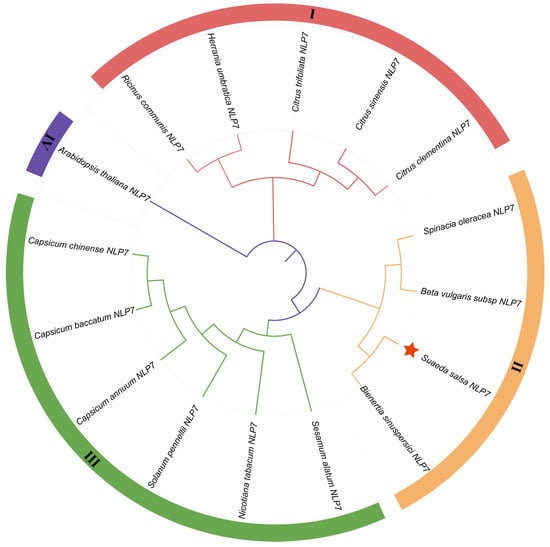
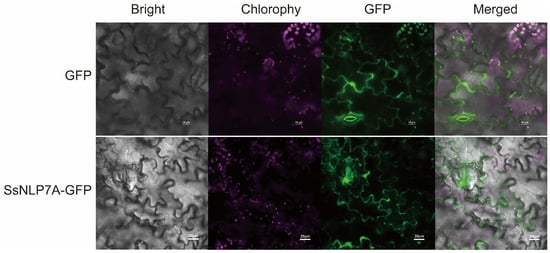
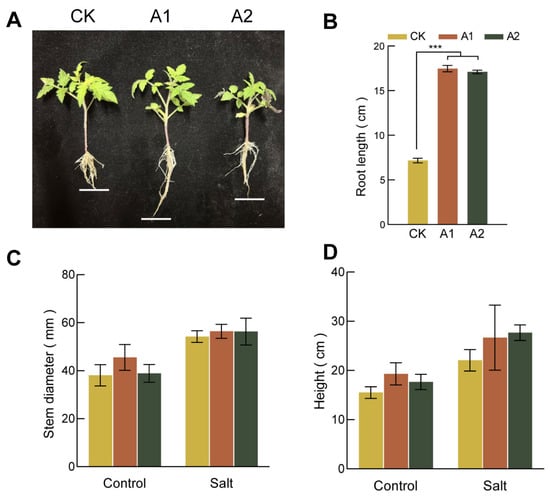
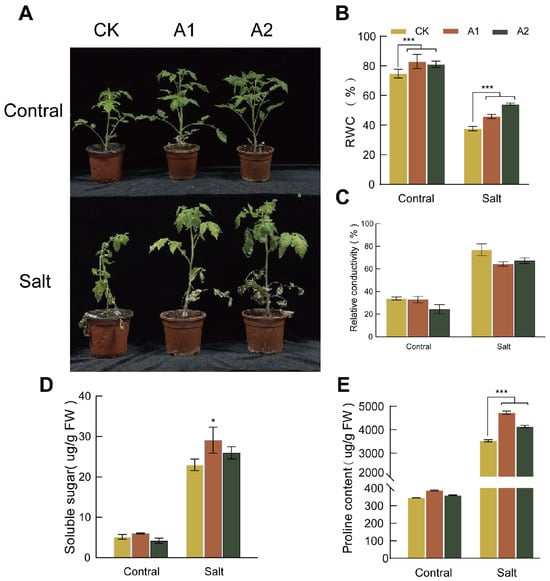
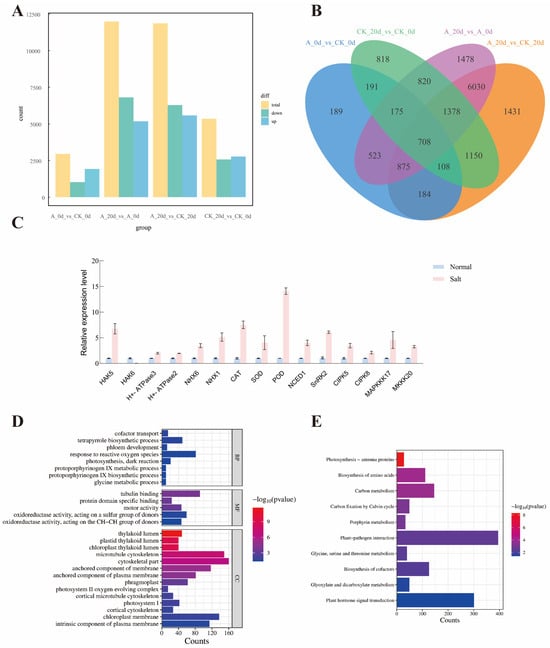
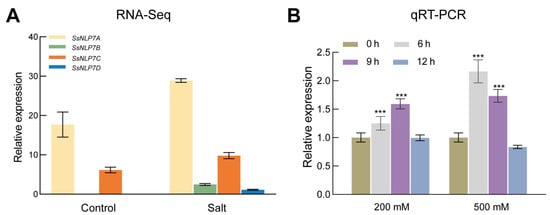
The nitrate signaling core regulator NLP7 is known to negatively regulate salt tolerance in Arabidopsis thaliana, but the function of the (SsNLP7A) gene in the halophyte Suaeda salsa remains unclear. To investigate whether SsNLP7A participates in salt stress responses, this study heterologously overexpressed the gene in tomato (Solanum lycopersicum) and systematically evaluated its function under salt stress through phenotypic, physiological, and transcriptomic analyses. The results indicate that SsNLP7A overexpression significantly promotes tomato root development and alleviates growth inhibition caused by salt stress. Under salt treatment, transgenic plants exhibited significantly higher chlorophyll content, accumulation of osmotic regulators (proline and soluble sugars), and antioxidant enzyme (POD, CAT, SOD) activity compared to wild-type plants. Transcriptome analysis further revealed that SsNLP7A enhances salt tolerance by regulating carbon metabolism, phytohormone signaling pathway, photosynthesis, and antioxidant pathways. Collectively, this study elucidates the positive regulatory role of SsNLP7A in salt stress response, providing new insights into its molecular mechanisms.
Full article
(This article belongs to the Special Issue Abiotic Stress Responses in Plants—Second Edition)
►▼
Show Figures

Figure 1
Open AccessArticle
Salt Stress Enhances Aroma Component 2-Acetyl-1-Pyrroline in Aromatic Coconut (Cocos nucifera Linn.)
by
Jinyao Yin, Dan Luo, Cuinan Shi, Hao Ding, Jing Li, Xiwei Sun, Xiaojun Shen, Xiaomei Liu, Amjad Iqbal and Yaodong Yang
Plants 2026, 15(2), 174; https://doi.org/10.3390/plants15020174 - 6 Jan 2026
Abstract
Aromatic coconut (Cocos nucifera L.) is valued in the consumer market primarily for its distinctive fragrance, which is largely attributed to the compound 2-acetyl-1-pyrroline (2AP). The accumulation of 2AP has been observed in several crops, such as rice, when exposed to salt
[...] Read more.
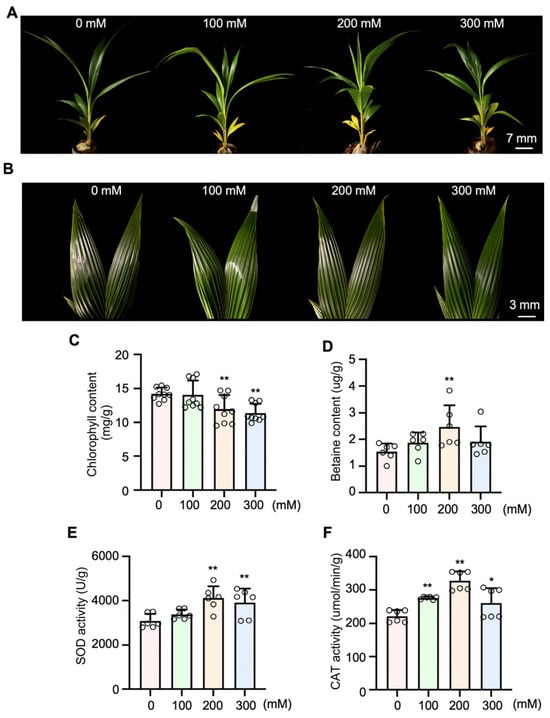
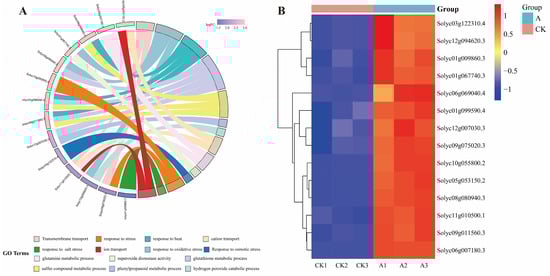
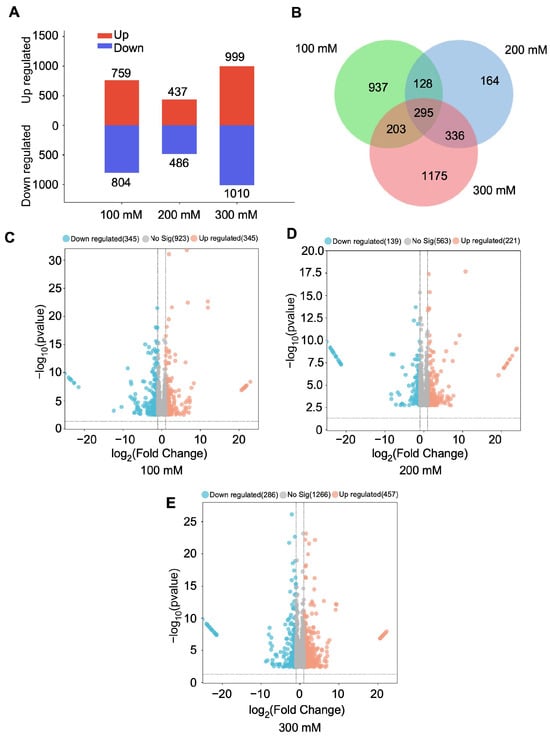
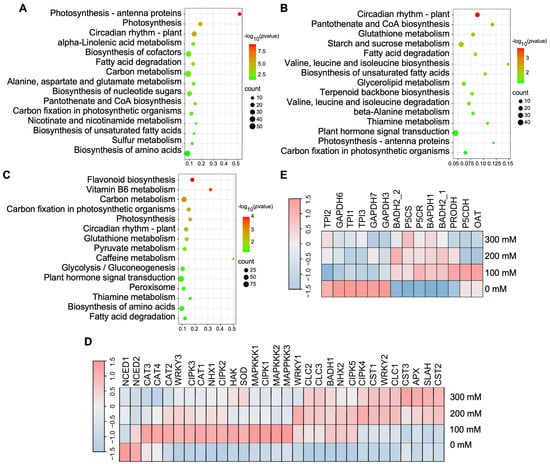
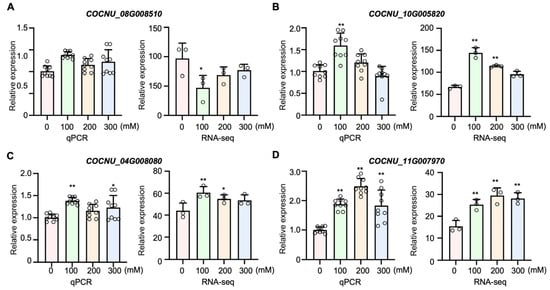
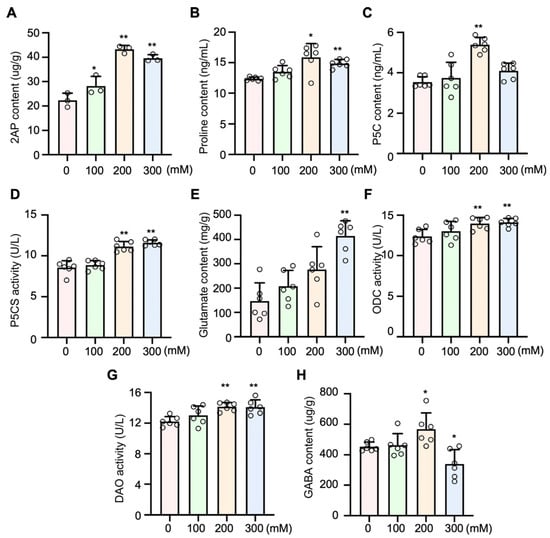
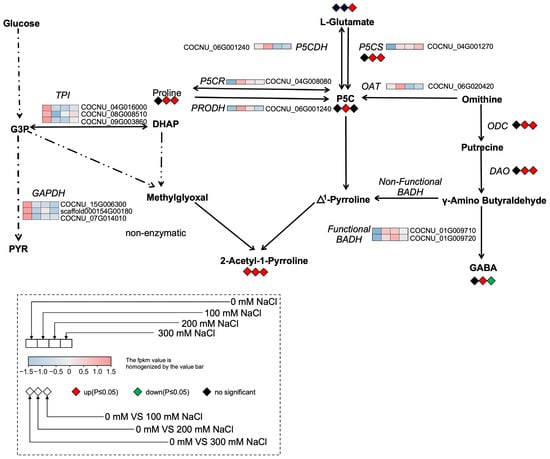
Aromatic coconut (Cocos nucifera L.) is valued in the consumer market primarily for its distinctive fragrance, which is largely attributed to the compound 2-acetyl-1-pyrroline (2AP). The accumulation of 2AP has been observed in several crops, such as rice, when exposed to salt stress. In rice, exposure to salt stress influences the activity of enzymes, alters amino acid metabolism, and modulates the expression of genes associated with 2AP formation. Nevertheless, the processes responsible for 2AP biosynthesis in aromatic coconut under salt stress conditions are still not well clarified. In this study, five-month-old aromatic coconut seedlings were subjected to four distinct levels of sodium chloride (NaCl) treatment (0, 100, 200, and 300 mM). This experiment was conducted to investigate the mechanisms involved in salt-induced responses and the biosynthesis of 2AP in aromatic coconut. Although salt stress did not produce any apparent injury in the coconut seedlings, it led to a marked decline in chlorophyll content. Meanwhile, salt stress markedly enhanced the accumulation of betaine and boosted the activities of antioxidant enzymes such as superoxide dismutase and catalase. The aromatic coconut demonstrated a moderate level of salt tolerance. Salt stress also had a significant influence on 2AP biosynthesis. Under salt stress conditions, the 2AP content increased substantially, reaching its highest level with a 93.55% rise compared to the control. Furthermore, the synthesis of 2AP in aromatic coconut under salt stress appears to be primarily regulated through the metabolic pathways of proline and glutamate. Therefore, salt stress enhances 2AP production, with 200 mM NaCl identified as the optimal concentration for its accumulation.
Full article
(This article belongs to the Special Issue Abiotic Stress Responses in Plants—Second Edition)
►▼
Show Figures

Figure 1
Open AccessArticle
Synergistic Regulatory Effects of Water–Nitrogen Coupling on Osmotic Regulation, Yield, and Forage Quality of Alfalfa
by
Yi Ling, Minhua Yin, Yanxia Kang, Guangping Qi and Yanlin Ma
Plants 2026, 15(2), 173; https://doi.org/10.3390/plants15020173 - 6 Jan 2026
Abstract
Water scarcity and poor soil fertility are major limiting factors constraining agricultural production in the arid and semi-arid regions of Northwest China. Water–nitrogen synergistic regulation is an important approach to improving crop growth and enhancing agricultural productivity. In this study, four irrigation levels—severe
[...] Read more.
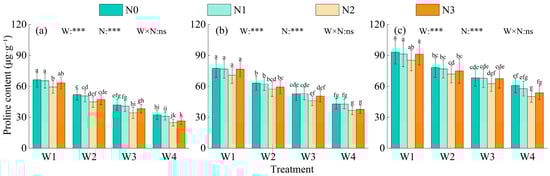
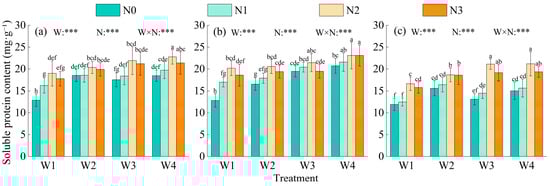
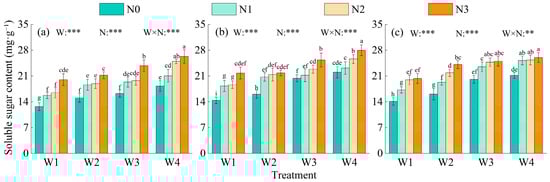
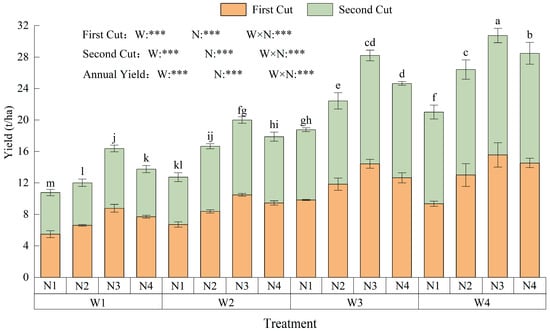
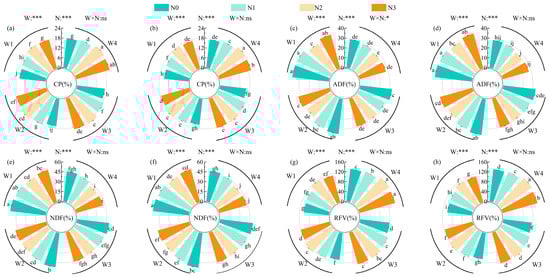
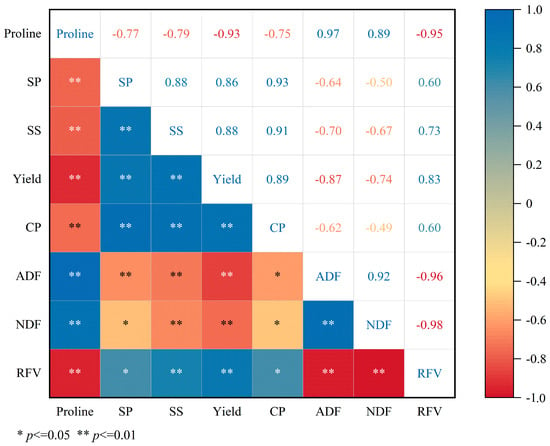
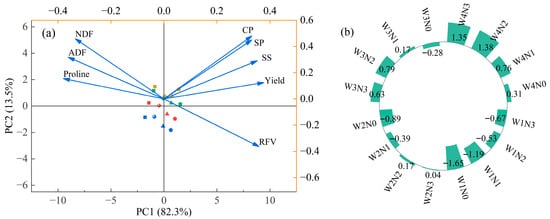
Water scarcity and poor soil fertility are major limiting factors constraining agricultural production in the arid and semi-arid regions of Northwest China. Water–nitrogen synergistic regulation is an important approach to improving crop growth and enhancing agricultural productivity. In this study, four irrigation levels—severe water deficit (W1: 45–65% θf), moderate water deficit (W2: 55–70% θf), mild water deficit (W3: 65–80% θf), and full irrigation (W4: 75–90% θf)—and four nitrogen application rates—no nitrogen (N0, 0 kg·ha−1), low nitrogen (N1, 80 kg·ha−1), medium nitrogen (N2, 160 kg·ha−1), and high nitrogen (N3, 240 kg·ha−1)—were established to systematically analyze the effects of water–nitrogen coupling on osmotic adjustment substances, yield, and forage quality of alfalfa (Medicago sativa L.) leaves. The results showed that: (1) Proline (Pro) content increased significantly with intensified water deficit, with W1 being 82.29% higher than W4 on average. Soluble protein (SP) and soluble sugar (SS) contents increased with increasing water availability, with their average values under W4 being 26.50% and 36.92% higher than those under W1, respectively. Increasing nitrogen application significantly improved the accumulation of osmotic adjustment substances, with Pro reaching the lowest value at N2, SP peaking at N2, and SS peaking at N3. (2) Yield increased significantly with higher irrigation, and increased first and then decreased with nitrogen application. Yield under W4 was 94.20% higher than under W1, and N2 increased yield by 12.45–50.65% compared with other nitrogen levels. (3) Under the W4N2 treatment, crude protein (CP) content and relative feed value (RFV) increased by 34.54% and 51.10%, respectively, compared with W1N0, while acid detergent fiber (ADF) and neutral detergent fiber (NDF) decreased by 28.74% and 24.44%, respectively. (4) Correlation analysis indicated that Pro content was significantly positively correlated with ADF and NDF but negatively correlated with yield, CP, and RFV. In contrast, SP and SS contents were significantly negatively correlated with ADF and NDF and positively correlated with yield, CP, and RFV. (5) Principal component analysis identified that the combination of full irrigation (W4: 75–90% θf) and medium nitrogen application (N2, 160 kg·ha−1) optimizes both yield and forage quality by balancing osmotic adjustment substances.
Full article
(This article belongs to the Section Crop Physiology and Crop Production)
►▼
Show Figures

Figure 1
Open AccessArticle
Augmenting pH Confers to Citrus grandis the Ability to Combat Oxidative Stress Triggered by Manganese Excess
by
Rong-Yu Rao, Fei Lu, Bin-Bin Lan, Xian Zhu, Wei-Lin Huang, Xu-Feng Chen, Ning-Wei Lai, Lin-Tong Yang, Jiuxin Guo and Li-Song Chen
Plants 2026, 15(1), 172; https://doi.org/10.3390/plants15010172 - 5 Jan 2026
Abstract
Citrus trees are mainly cultivated in acidic soils. Excessive manganese (Mn) is the second most limiting factor for crop productivity in acidic soils after aluminum toxicity. The roles of reactive oxygen species (ROS) and methylglyoxal (MG) detoxification systems in augmented pH-mediated amelioration of
[...] Read more.
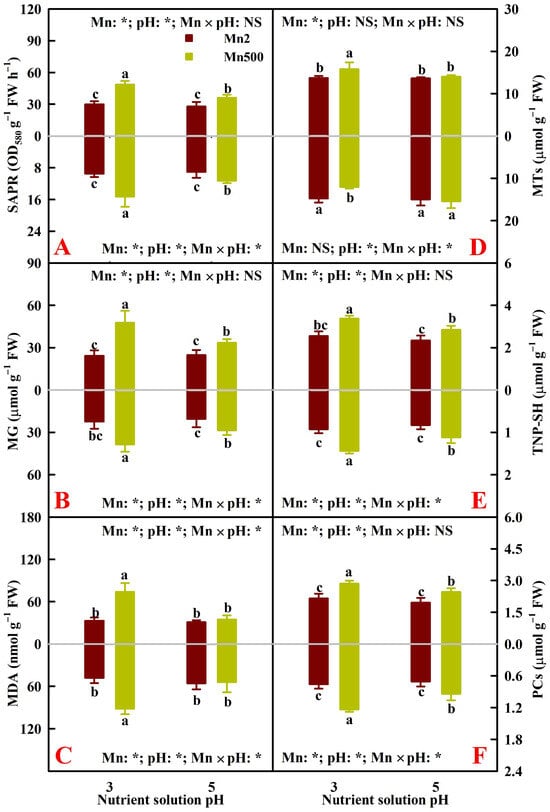
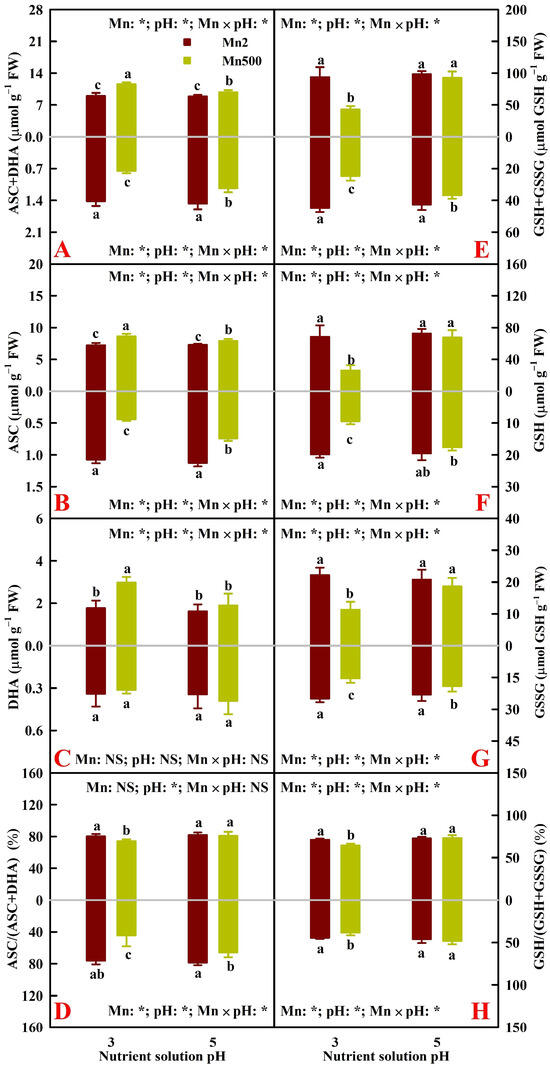
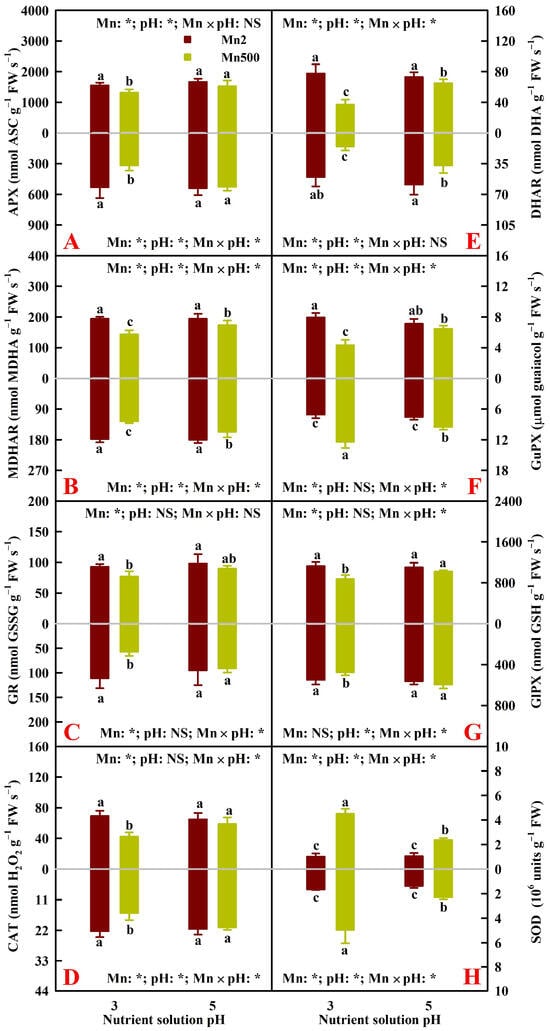
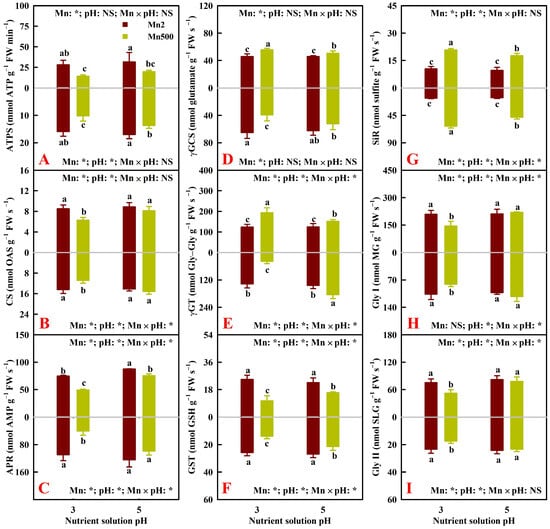
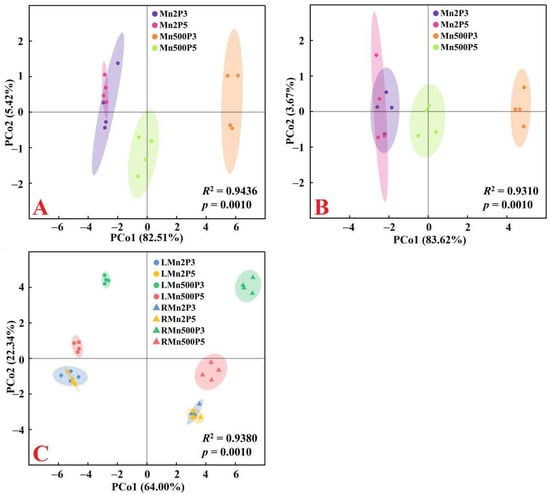
Citrus trees are mainly cultivated in acidic soils. Excessive manganese (Mn) is the second most limiting factor for crop productivity in acidic soils after aluminum toxicity. The roles of reactive oxygen species (ROS) and methylglyoxal (MG) detoxification systems in augmented pH-mediated amelioration of excessive Mn are poorly understood. ‘Sour pummelo’ (Citrus grandis (L.) Osbeck) seedlings were exposed to nutrient solution at a Mn concentration of 500 (Mn500) or 2 (Mn2) μM and a pH of 3 (P3) or 5 (P5). The increase in pH attenuated Mn500-induced increases in ROS production and MG and malondialdehyde accumulation in roots and leaves. Additionally, the increase in pH enhanced the coordinated detoxification capability of both ROS and methylglyoxal scavenging systems in these tissues under Mn500. These findings corroborated the hypothesis that augmenting pH enhances the capability of these tissues to detoxify ROS and methylglyoxal under Mn excess. Therefore, this study provided new evidence on the roles of ROS and MG detoxification systems in the augmented pH-mediated amelioration of oxidative damage in ‘Sour pummelo’ leaves and roots caused by Mn excess, as well as a basis for correcting Mn toxicity by augmenting soil pH.
Full article
(This article belongs to the Section Horticultural Science and Ornamental Plants)
►▼
Show Figures

Figure 1
Open AccessReview
Flavonoids in Plant Salt Stress Responses: Biosynthesis, Regulation, Functions, and Signaling Networks
by
Muhammad Tanveer Akhtar, Maryam Noor, Xinyi Lin, Zhaogeng Lu and Biao Jin
Plants 2026, 15(1), 171; https://doi.org/10.3390/plants15010171 - 5 Jan 2026
Abstract
Soil salinity is a major constraint on global crop production, disrupting photosynthesis, ion homeostasis, and growth. Beyond the roles of classic osmoprotectants and antioxidant enzymes, flavonoids have emerged as versatile mediators of salt stress tolerance at the interface of redox control, hormone signaling,
[...] Read more.
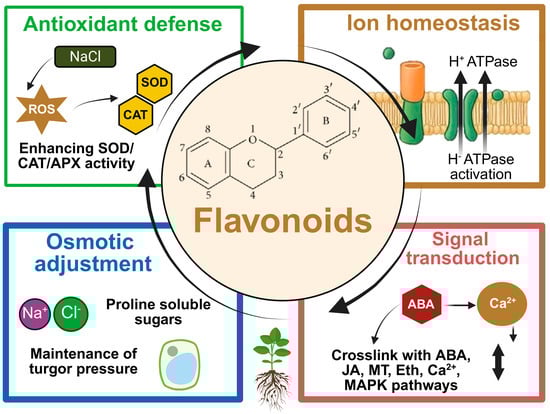
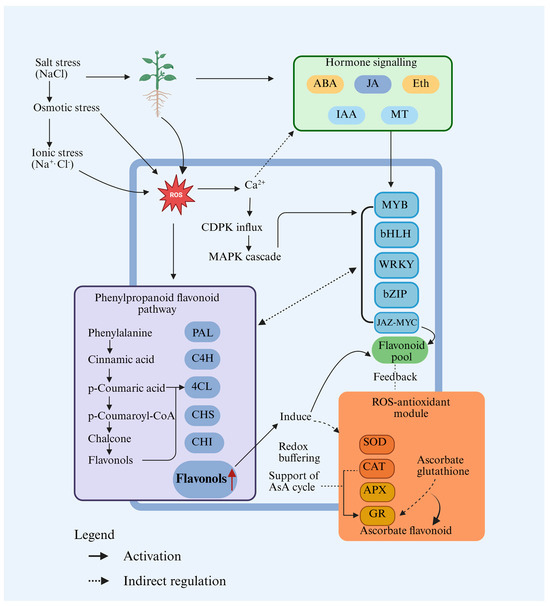
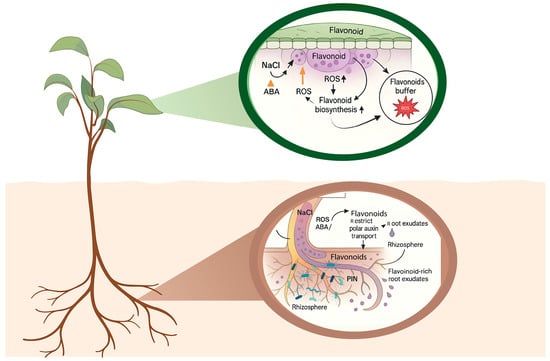
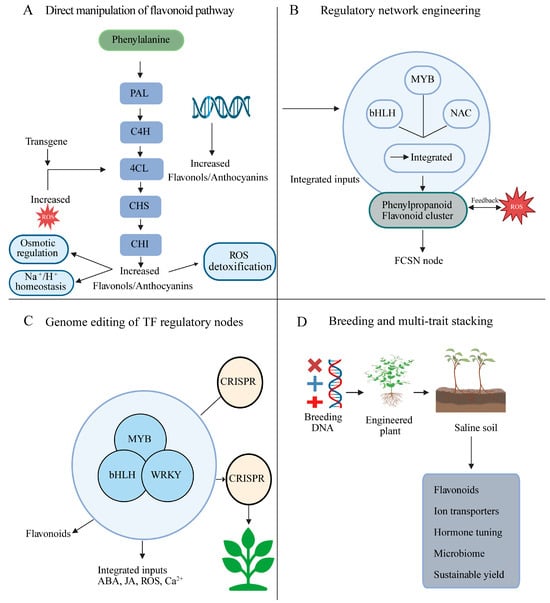
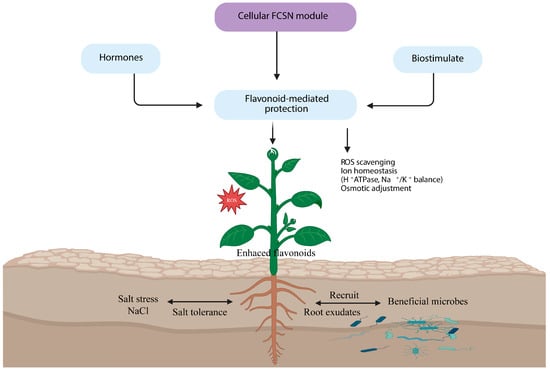
Soil salinity is a major constraint on global crop production, disrupting photosynthesis, ion homeostasis, and growth. Beyond the roles of classic osmoprotectants and antioxidant enzymes, flavonoids have emerged as versatile mediators of salt stress tolerance at the interface of redox control, hormone signaling, and developmental plasticity. This review summarizes current evidence on how salinity remodels flavonoid biosynthesis, regulation, and function from cellular to whole-plant scales. We first outline the phenylpropanoid–flavonoid pathway, with emphasis on transcriptional control by MYB, bHLH, and NAC factors and their integration with ABA, JA, and auxin signaling. We then discussed how post-synthetic modifications such as glycosylation and methylation adjust flavonoid stability, compartmentation, and activity under salt stress. Functional sections highlight roles of flavonoids in ROS scavenging, Na+/K+ homeostasis, membrane integrity, and the modulation of ABA/MAPK/Ca2+ cascades and noncoding RNA networks. Spatial aspects, including root–shoot communication and rhizosphere microbiota recruitment, are also considered. Based on this synthesis, we propose a flavonoid-centered stress network (FCSN), in which specific flavonoids function as key nodes that connect metabolic flux with hormonal crosstalk and stress signaling pathways. We argue that reconceptualizing flavonoids as central stress network regulators, rather than generic antioxidants, provides a basis for metabolic engineering, bio-stimulant design, and breeding strategies aimed at improving crop performance on saline soils.
Full article
(This article belongs to the Special Issue The Trade-Offs Between Growth and Development and Stress in Plants—2nd Edition)
►▼
Show Figures

Figure 1
Open AccessArticle
Selenium Biofortification and an Ecklonia maxima-Based Seaweed Extract Jointly Compose Curly Endive Drought Stress Tolerance in a Soilless System
by
Beppe Benedetto Consentino, Fabiana Mancuso, Lorena Vultaggio, Pietro Bellitto, Georgia Ntatsi, Claudio Cannata, Gaetano Giuseppe La Placa, Rosario Paolo Mauro, Salvatore La Bella and Leo Sabatino
Plants 2026, 15(1), 170; https://doi.org/10.3390/plants15010170 - 5 Jan 2026
Abstract
Vegetable cultivation is currently facing complex challenges related to climate change, with negative repercussions on plant performance. In this scenario, the employment of eco-friendly agronomic tools capable of boosting plant tolerance to abiotic stresses is fundamental. Among them, the use of non-microbial biostimulants,
[...] Read more.
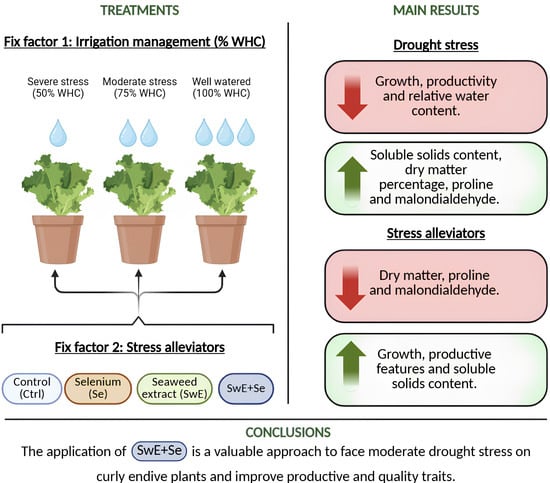
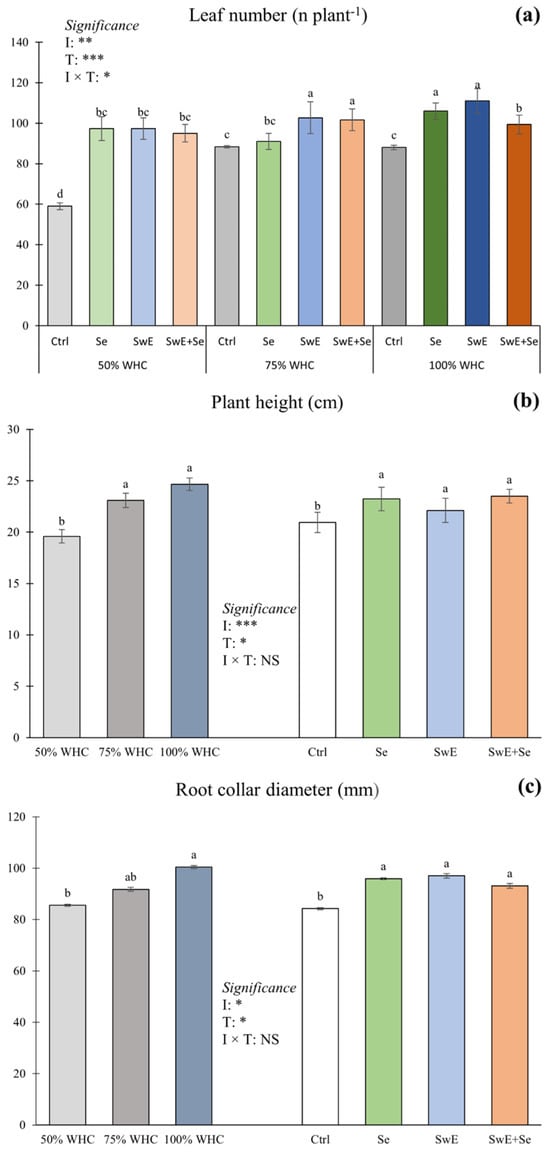
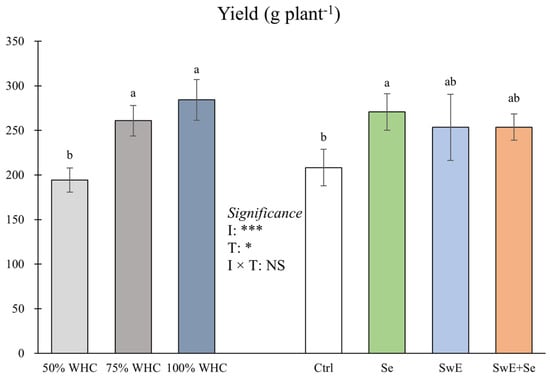
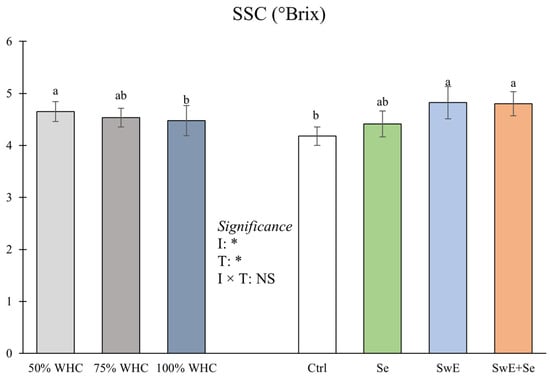
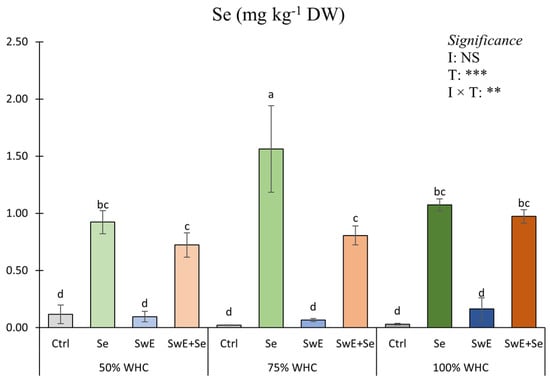
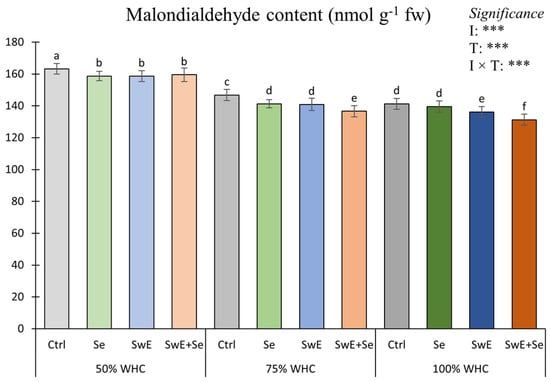
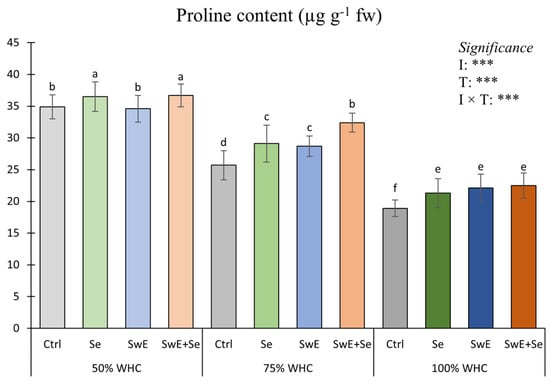
Vegetable cultivation is currently facing complex challenges related to climate change, with negative repercussions on plant performance. In this scenario, the employment of eco-friendly agronomic tools capable of boosting plant tolerance to abiotic stresses is fundamental. Among them, the use of non-microbial biostimulants, such as seaweed extracts (SwEs), and microelements, like selenium (Se), is considered an efficient approach to overcome abiotic stresses. In this experiment, the performance of chicory plants cultivated under three different irrigation levels (100%, 75% or 50% of substrate water holding capacity) and treated with SwE, Se or their combination (SwE + Se) was evaluated. The results revealed that drought stress significantly decreased growth, productivity and relative water content but increased soluble solid content, dry matter percentage, and proline and malondialdehyde concentrations. The application of Swe, Se or Swe + Se enhanced growth, productive features and soluble solid content and reduced dry matter percentage, proline and malondialdehyde compared to the control. Based on our results, Se and SwE combined application could be a valuable approach to face moderate drought stress on curly endive plants and improve productive and quality traits.
Full article
(This article belongs to the Section Plant Physiology and Metabolism)
►▼
Show Figures

Graphical abstract
Open AccessReview
MeJA-Induced Plant Disease Resistance: A Review
by
Lifeng Xiao, Yuting Li, Lingyan Cui, Jie Deng, Qiuyue Zhao, Qin Yang and Sifeng Zhao
Plants 2026, 15(1), 169; https://doi.org/10.3390/plants15010169 - 5 Jan 2026
Abstract
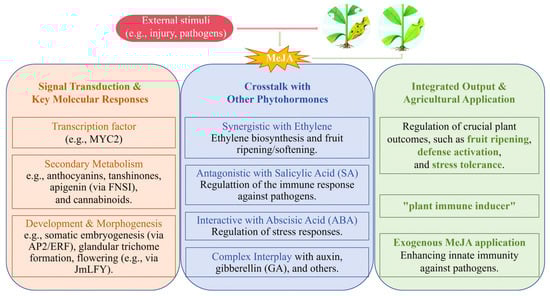
This review offers a comprehensive analysis of the extensive research on methyl jasmonate (MeJA)-induced plant disease resistance. It aims to elucidate the signal transduction pathways, interactions with other phytohormones, regulation of related gene expression, and the fundamental mechanisms contributing to plant disease resistance.
[...] Read more.
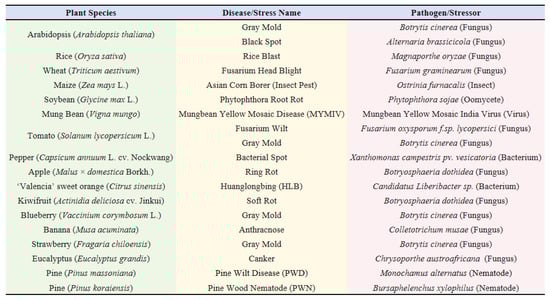
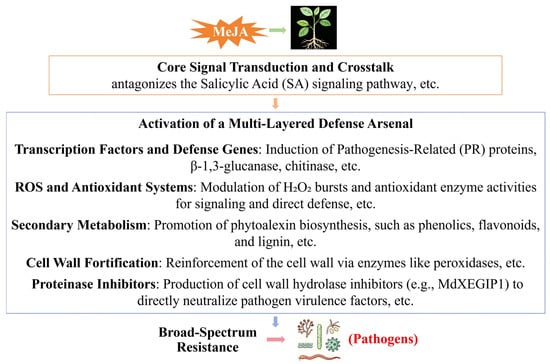
This review offers a comprehensive analysis of the extensive research on methyl jasmonate (MeJA)-induced plant disease resistance. It aims to elucidate the signal transduction pathways, interactions with other phytohormones, regulation of related gene expression, and the fundamental mechanisms contributing to plant disease resistance. The review provides a detailed examination of MeJA-induced defense responses and the sustainability of the induced resistance. Furthermore, it assesses the practical applications and current status of MeJA across various plant species and explores potential research directions in disease management. It serves as a systematic reference for a deeper understanding of MeJA-induced plant disease resistance and holds significant importance for advancing further developments in the field.
Full article
(This article belongs to the Section Plant Protection and Biotic Interactions)
►▼
Show Figures

Figure 1
Open AccessArticle
Reactive Oxygen Species Homeostasis Regulates Pistil Development and Pollination in Salix linearistipularis
by
Xueting Guan, Chaoning Zhao, Junjie Song, Jiaqi Shi, Bello Hassan Jakada, Gege Dou, Xingguo Lan and Shurong Ma
Plants 2026, 15(1), 168; https://doi.org/10.3390/plants15010168 - 5 Jan 2026
Abstract
During the development of the gametophyte in angiosperms, a series of processes occurs, including pollination, pollen recognition, adhesion, hydration, germination, pollen tube growth, and the guidance of the pollen tube toward the ovule for the delivery of sperm cells to the female gametophyte.
[...] Read more.
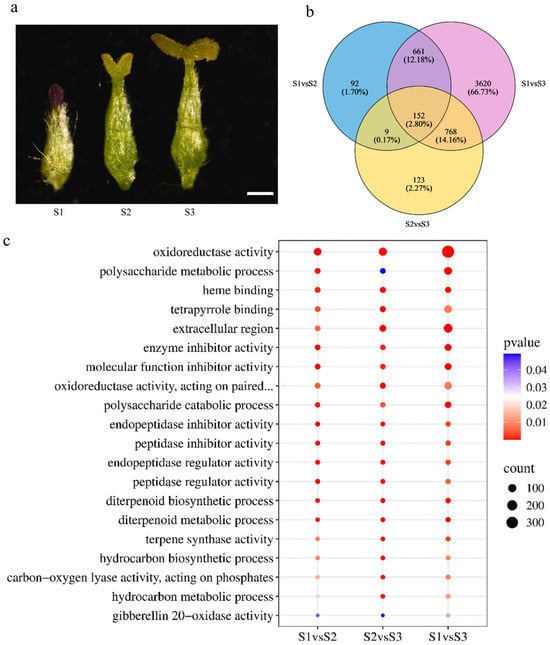
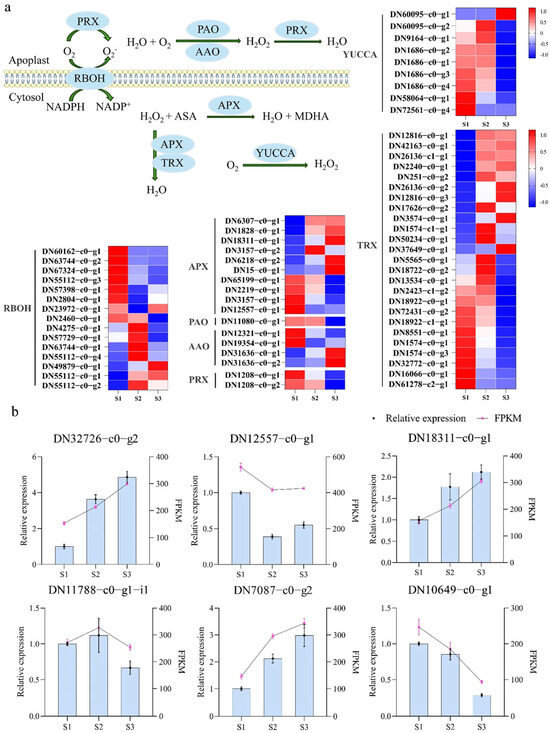
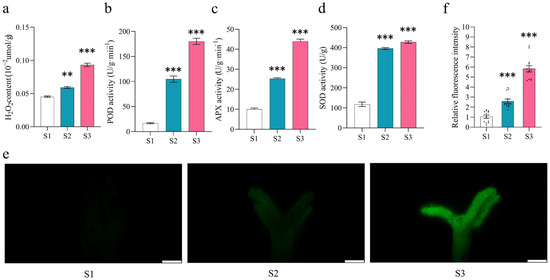
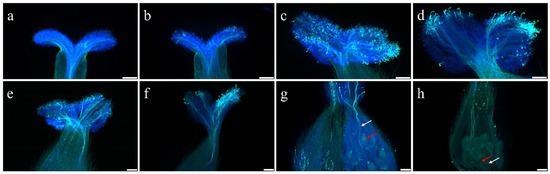
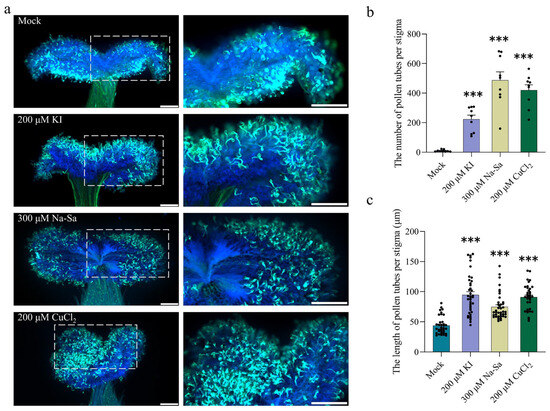
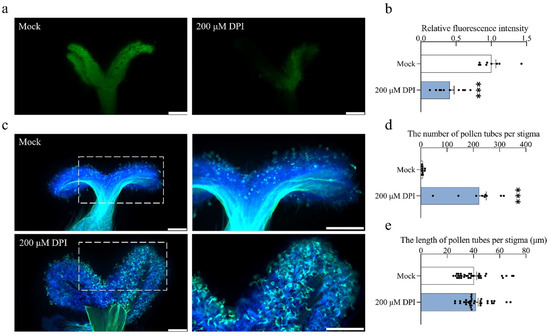
During the development of the gametophyte in angiosperms, a series of processes occurs, including pollination, pollen recognition, adhesion, hydration, germination, pollen tube growth, and the guidance of the pollen tube toward the ovule for the delivery of sperm cells to the female gametophyte. These processes require a substantial energy supply, which is provided by cellular respiration in the plant. Throughout this sequence, the generation of reactive oxygen species (ROS) is concomitantly observed. At present, the mechanisms underlying ROS production remain incompletely understood, especially in plant trees such as Salix linearistipularis. In this study, pistils of S. linearistipularis were used as experimental materials, and pistils were divided according to their development into three stages—S1, S2, and S3. Transcriptome sequencing (RNA-Seq) was performed for the three developmental stages, and the results indicated that metabolic pathways associated with oxidoreductase activity were highly significant during pistil development in S. linearistipularis. During pistil development, the levels of ROS accumulated rapidly. After pollination, with the adhesion and germination of pollen, the levels of ROS decreased significantly. Moreover, bidirectional regulation of ROS levels revealed that treatment with ROS inducers and scavengers led to increased and decreased ROS accumulation, which were accompanied by the inhibition and promotion of pollen tube number and length. These two opposite results indicate that ROS are the key factor regulating pistil development and pollen tube germination in S. linearistipularis.
Full article
(This article belongs to the Section Plant Physiology and Metabolism)
►▼
Show Figures

Figure 1
Open AccessReview
MicroRNA-Mediated Hormonal Control of Fruit Morphology
by
Kanghua Du, Da Zhang, Weiwu Lv, Guangping Chen, Lingfeng Bao, Xiaomei Li, Wanfu Mu and Zhong Dan
Plants 2026, 15(1), 167; https://doi.org/10.3390/plants15010167 - 5 Jan 2026
Abstract
Fruit morphogenesis represents a complex biological process resulting from the interactions among transcriptional regulation, hormone signaling, and environmental factors. MicroRNA (miRNAs) have been recognized recently as key genetic and epigenetic regulators in various plants, and they play critical roles in the regulation of
[...] Read more.
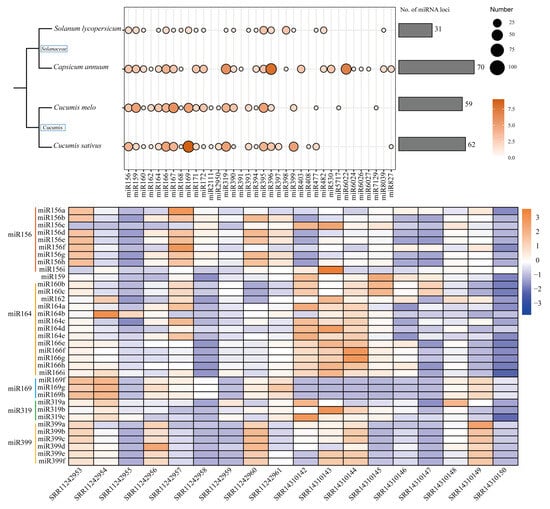
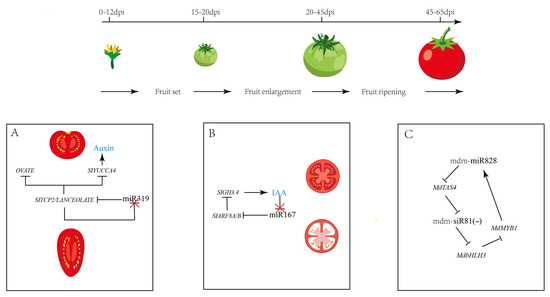
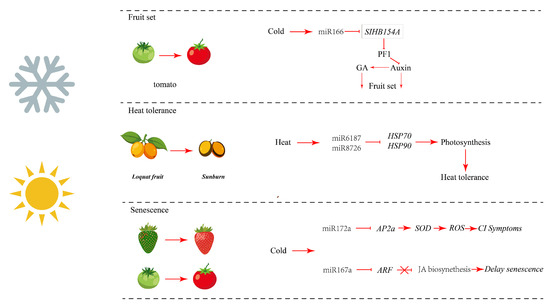
Fruit morphogenesis represents a complex biological process resulting from the interactions among transcriptional regulation, hormone signaling, and environmental factors. MicroRNA (miRNAs) have been recognized recently as key genetic and epigenetic regulators in various plants, and they play critical roles in the regulation of diverse processes in response to endogenous developmental signals and external environmental cues, respectively. Recently, miRNA-mediated regulation mechanisms have also been extensively in horticulture plants, many novel mechanisms unveiled. Compared with model plants and field crops, miRNAs exhibit greater complexity and unique regulatory characteristics in governing fruit development in horticultural crops. Integrating the latest research, this review explores the roles of conserved miRNAs across multiple horticulture crops and synthesizes their regulatory networks in conjunction with phytohormones and transcription factors in governing fruit development, morphogenesis, and stress responses. It highlights the dual role of plant miRNAs under temperature stress, coordinating temperature adaptation, and fruit developmental plasticity through hormones and transcription factor networks. This review discusses the challenges and future prospects of utilizing this complex but promising epigenetic mechanism for crop improvement to cope with climate change.
Full article
(This article belongs to the Special Issue Omics in Horticultural Crops)
►▼
Show Figures

Figure 1
Open AccessArticle
Inhibition by Nitrogen Addition of Moss-Mediated CH4 Uptake and CO2 Emission Under a Well-Drained Temperate Forest, Northeastern China
by
Xingkai Xu, Jin Yue, Weiguo Cheng, Yuhua Kong, Shuirong Tang, Dmitriy Khoroshaev and Vladimir Shanin
Plants 2026, 15(1), 166; https://doi.org/10.3390/plants15010166 - 5 Jan 2026
Abstract
Nitrogen (N) deposition poses a multi-pronged threat to the carbon (C)-regulating services of moss understories. For forest C-cycle modeling under increasing N deposition, failure to mechanistically incorporate the moss-mediated processes risks severely overestimating the C sink potential of global forests. To explore whether
[...] Read more.
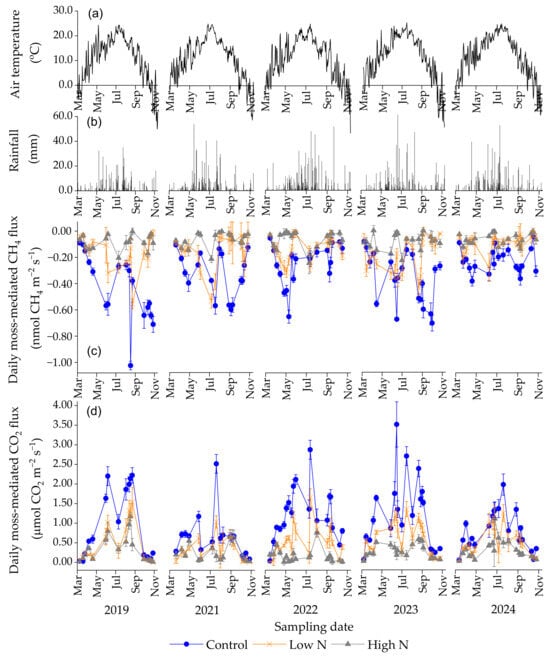
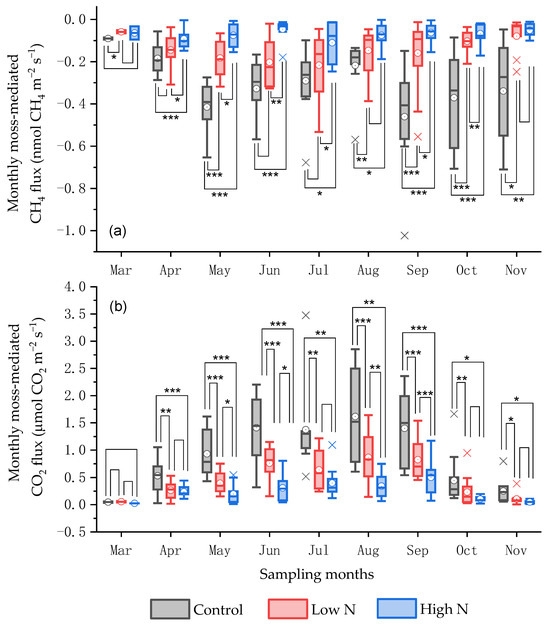
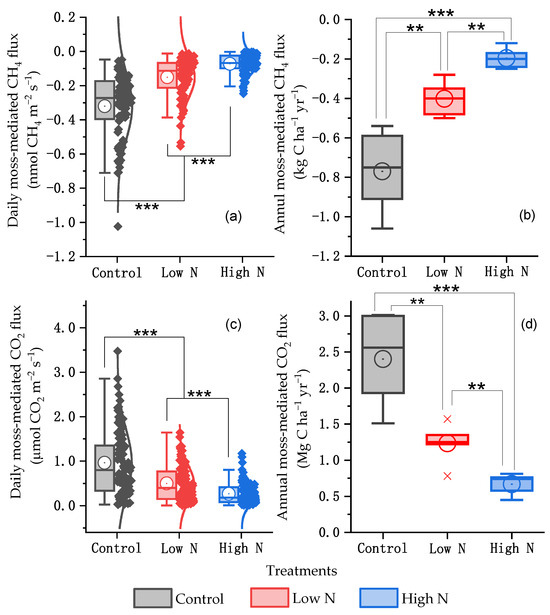
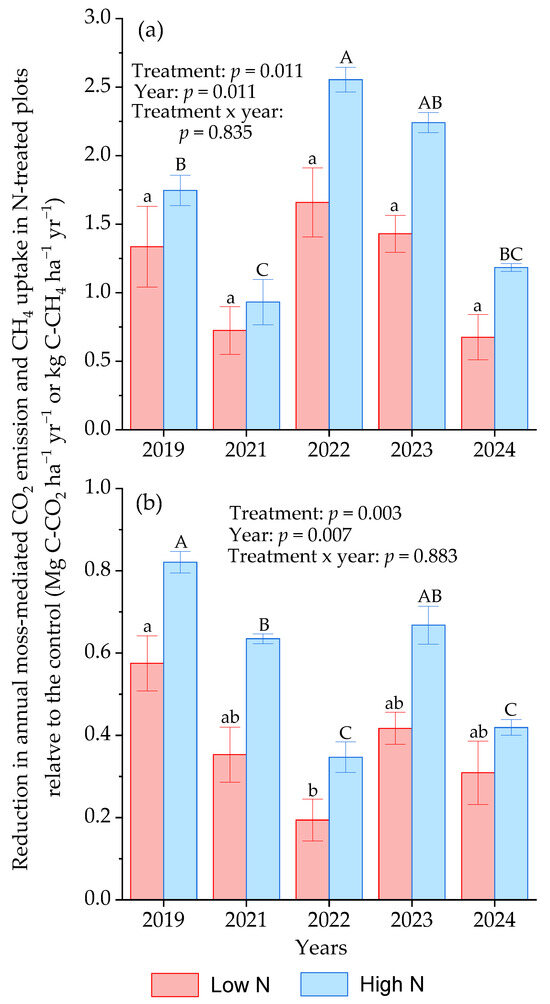
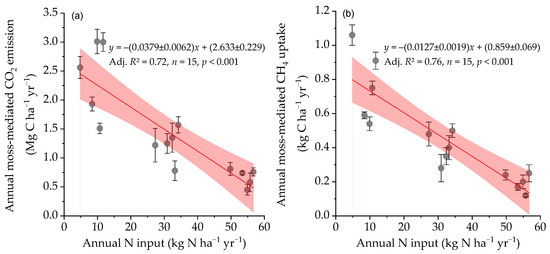
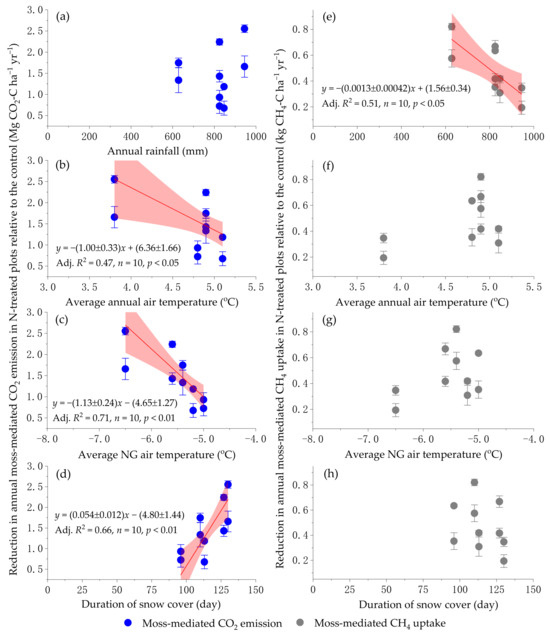
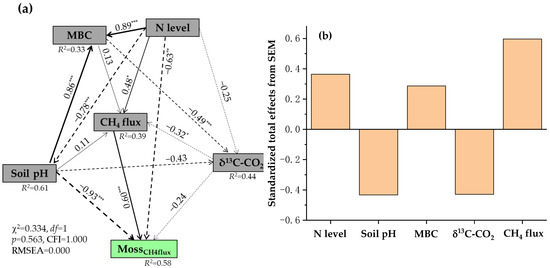
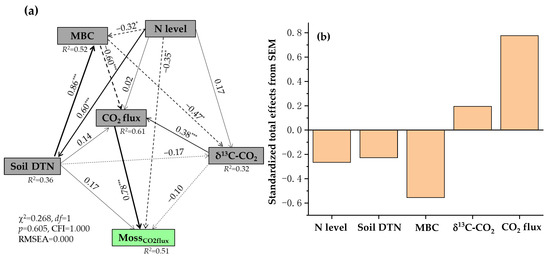
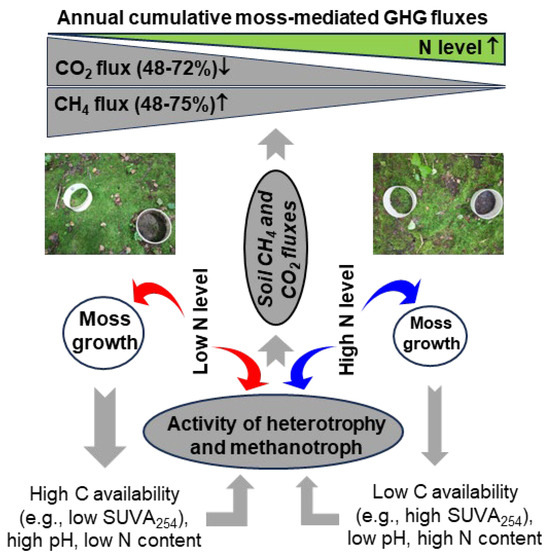
Nitrogen (N) deposition poses a multi-pronged threat to the carbon (C)-regulating services of moss understories. For forest C-cycle modeling under increasing N deposition, failure to mechanistically incorporate the moss-mediated processes risks severely overestimating the C sink potential of global forests. To explore whether and how N input affects the moss-mediated CH4 and carbon dioxide (CO2) fluxes, a five-year field measurement was performed in the N manipulation experimental plots treated with 22.5 and 45 kg N ha−1 yr−1 as ammonium chloride for nine years under a well-drained temperate forest in northeastern China. In the presence of mosses, the average annual CH4 uptake and CO2 emission in all N-treated plots ranged from 0.96 to 1.48 kg C-CH4 ha−1 yr−1 and from 4.04 to 4.41 Mg C-CO2 ha−1 yr−1, respectively, with a minimum in the high-N-treated plots, which were smaller than those in the control (1.29–1.83 kg C-CH4 ha−1 yr−1 and 4.82–6.51 Mg C-CO2 ha−1 yr−1). However, no significant differences in annual cumulative CO2 and CH4 fluxes across all treatments occurred without moss cover. Based on the differences in C fluxes with and without mosses, the average annual moss-mediated CH4 uptake and CO2 emission in the control were 0.77 kg C-CH4 ha−1 yr−1 and 2.40 Mg C-CO2 ha−1 yr−1, respectively, which were larger than those in the two N treatments. The N effects on annual moss-mediated C fluxes varied with annual meteorological conditions. Soil pH, available N and C contents, and microbial activity inferred from δ13C shifts in respired CO2 were identified as the main driving factors controlling the moss-mediated CH4 and CO2 fluxes. The results highlighted that this inhibitory effect of increasing N deposition on moss-mediated C fluxes in the context of climate change should be reasonably taken into account in model studies to accurately predict C fluxes under well-drained forest ecosystems.
Full article
(This article belongs to the Section Plant–Soil Interactions)
►▼
Show Figures

Figure 1
Open AccessArticle
Study on the Susceptibility of Some Almond (Prunus dulcis) Cultivars to the Pathogen Diaporthe amygdali
by
Pompea Gabriella Lucchese, Naïma Dlalah, Amélie Buisine, Franco Nigro, Stefania Pollastro and Henri Duval
Plants 2026, 15(1), 165; https://doi.org/10.3390/plants15010165 - 5 Jan 2026
Abstract
Diaporthe amygdali Delacr. is a phytopathogenic fungus of considerable agronomic importance, responsible for branch canker in almond (Prunus dulcis [Mill.] D.A. Webb) and peach (Prunus persica L.) trees. It represents a major phytosanitary threat to almond cultivation in Europe, particularly in
[...] Read more.
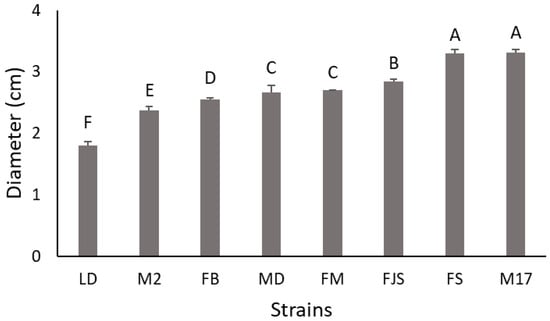
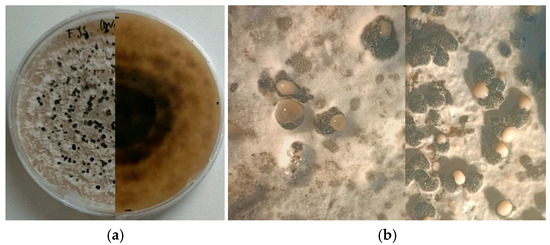
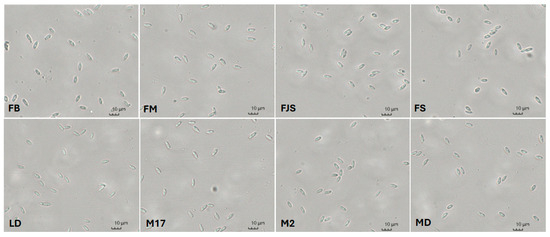
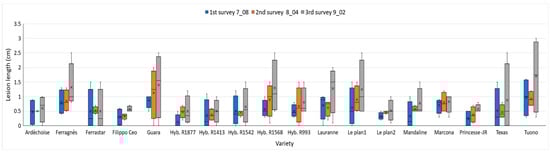
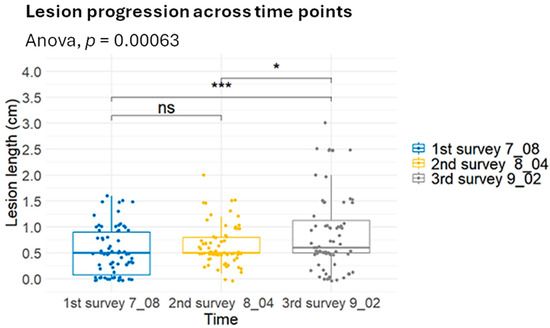
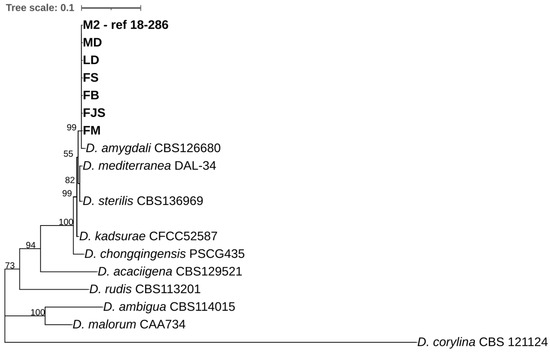
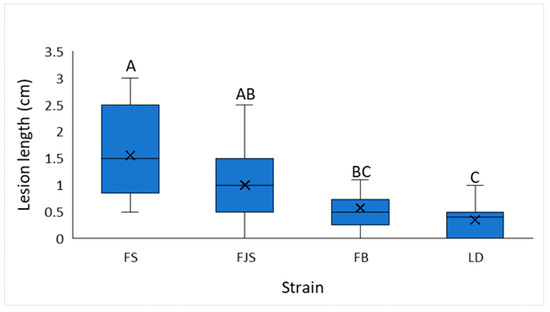
Diaporthe amygdali Delacr. is a phytopathogenic fungus of considerable agronomic importance, responsible for branch canker in almond (Prunus dulcis [Mill.] D.A. Webb) and peach (Prunus persica L.) trees. It represents a major phytosanitary threat to almond cultivation in Europe, particularly in Mediterranean regions. Almond is currently among the most rapidly expanding perennial crops, with cultivated areas increasing as a result of the introduction of new cultivars and the adoption of improved agronomic practices. The objectives of this study were to isolate and identify fungal pathogens from infected almond samples collected in France through multilocus phylogenetic analyses (ITS, tef1-α, his3, tub2, cal genes) combined with morphological characterization; evaluate the susceptibility of 18 almond genotypes, using ‘Ferragnès’ and ‘Texas’ as reference standards for susceptibility and tolerance, respectively; and compare three field inoculation methods. All isolates were identified as D. amygdali. The varietal screening identified marked differences in resistance among the tested cultivars. In particular, ‘Ferrastar’, ‘R1877’, ‘R1413’, and ‘R1542’ exhibited high levels of resistance, whereas ‘Tuono’, ‘Guara’, and ‘R1568’ showed susceptibility comparable to that of ‘Ferragnès’, which was used as the susceptible control. Among the inoculation methods evaluated, the mycelial plug technique proved to be the most consistent and reliable, outperforming both conidial suspension inoculation and the toothpick method coated with mycelium. These findings further confirm the genetic resistance of the cultivars ‘Ferrastar’ and ‘Ardèchoise’ to branch canker across different growing conditions, supporting their suitability for use in breeding and genetic improvement programs.
Full article
(This article belongs to the Special Issue Advances in Plant–Fungal Pathogen Interaction—2nd Edition)
►▼
Show Figures

Figure 1
Open AccessArticle
Multi-Omics Reveals Protected Cultivation Improves Chinese Plum (Prunus salicina L.) Quality via Light-Regulated Sugar Metabolism
by
Liangliang Cao, Xi Long, Xiaolou Zhu, Jiangong Wang, Weidong Xu, Qiang Lu, Zanyu Ruan, Jiashun Miao and Zhangliang Yao
Plants 2026, 15(1), 164; https://doi.org/10.3390/plants15010164 - 5 Jan 2026
Abstract
The Chinese plum (Prunus salicina L.), ‘Zuili’, is a geographically protected cultivar that is valued for its high polyphenol levels and distinctive flavor. Light availability strongly influences sugar accumulation and secondary metabolism in plum fruit, yet the molecular processes associated with quality
[...] Read more.
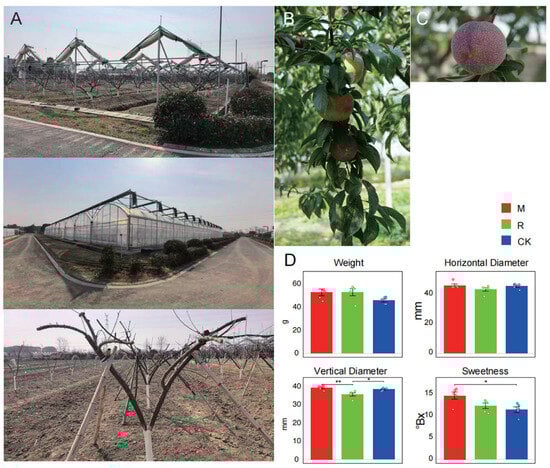
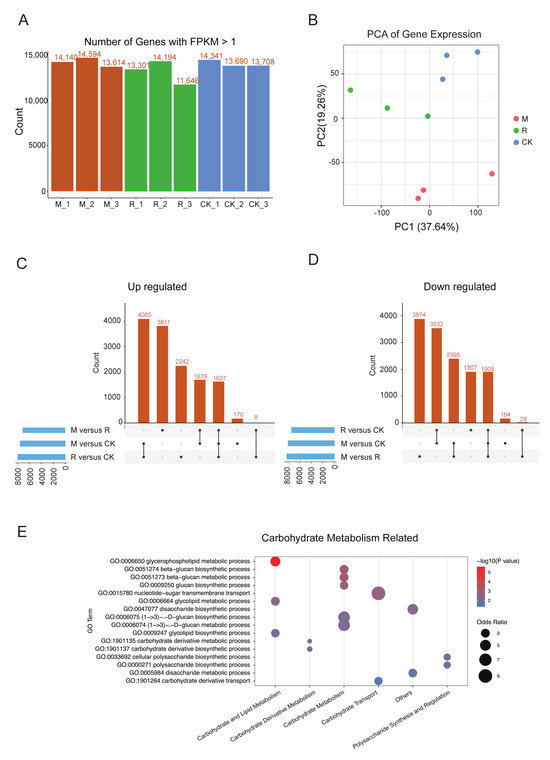
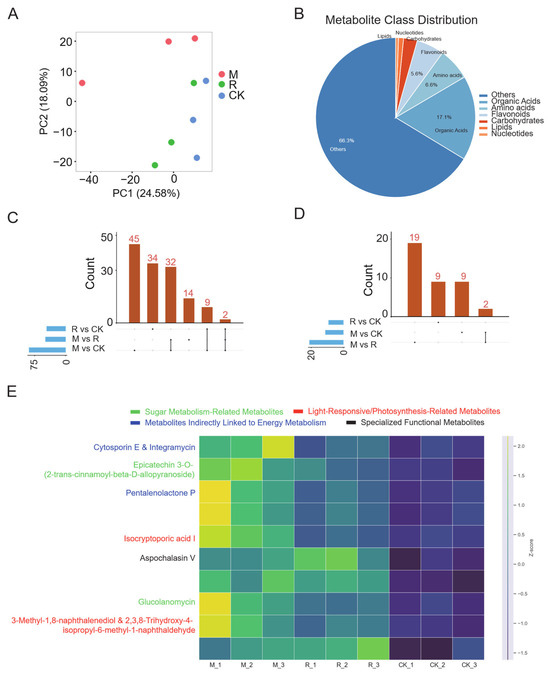
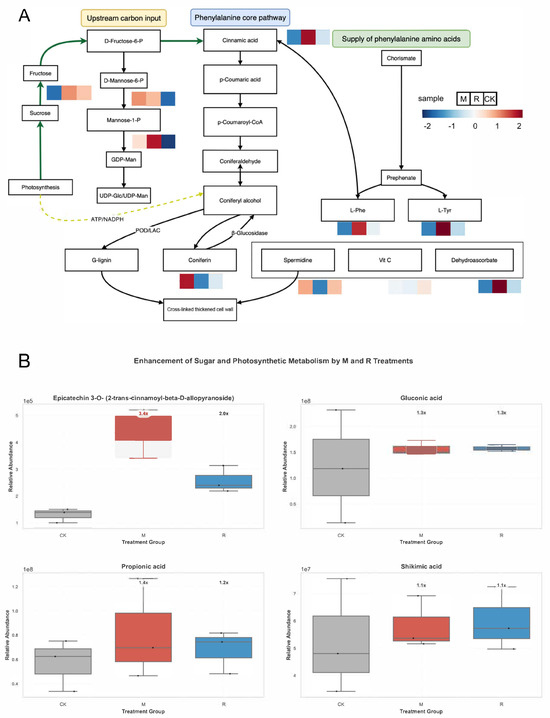
The Chinese plum (Prunus salicina L.), ‘Zuili’, is a geographically protected cultivar that is valued for its high polyphenol levels and distinctive flavor. Light availability strongly influences sugar accumulation and secondary metabolism in plum fruit, yet the molecular processes associated with quality variation under protected cultivation remain unclear. Here, we compare three cultivation systems—multi-span greenhouse (M), retractable electric rain shelter (R), and conventional open field (CK)—to evaluate their effect on fruit quality using integrated transcriptomic and metabolomic analyses. Field trials showed that M treatment increased fruit sweetness by 28.10% versus CK (14.68 vs. 11.46 °Brix, p < 0.001) without yield loss and significantly improved vertical fruit diameter. RNA-seq analysis identified 7561 and 7962 upregulated genes in the M and R treatments compared to CK, respectively, with significant functional enrichment in pathways related to sucrose metabolism, light-response, and ethylene-mediated signaling. Untargeted metabolomic signaling identified 1373 metabolites, with shading treatments increasing the abundance of several sugar-conjugated compounds (e.g., epicatechin 3-O-(2-trans-cinnamoyl)-β-D-allopyranoside). Multi-omics integration revealed coordinated changes in gene expression and metabolite abundance, suggesting that controlled light environments are associated with the concurrent modulation of sugar metabolism and phenylpropanoid-related pathways. These patterns were supported by the upregulation of GT2-family glycosyltransferase genes and the accumulation of lignin-related flavonoid precursors, such as pinobanksin and pinobanksinol. Collectively, these results highlight statistically robust associations between light-regulated cultivation practices and fruit quality traits, providing a molecular framework for optimizing protected cultivation strategies to enhance both the sensory and nutritional attributes of P. salicina fruit without compromising yield.
Full article
(This article belongs to the Special Issue Horticultural Plant Physiology and Molecular Biology—2nd Edition)
►▼
Show Figures

Figure 1
Open AccessArticle
Phylogenetic Divergence and Domestication Jointly Shape the Tomato Root Microbiome
by
Grigorios Thomaidis, Georgios Boutzikas, Athanasios Alexopoulos and Christos Zamioudis
Plants 2026, 15(1), 163; https://doi.org/10.3390/plants15010163 - 5 Jan 2026
Abstract
Domestication reduced the genetic diversity in modern crops, often resulting in reduced resilience to biotic and abiotic stress. Evidence is now accumulating that domestication also altered the structure and function of root-associated microbiomes, creating new opportunities to harness beneficial microbes for breeding and
[...] Read more.
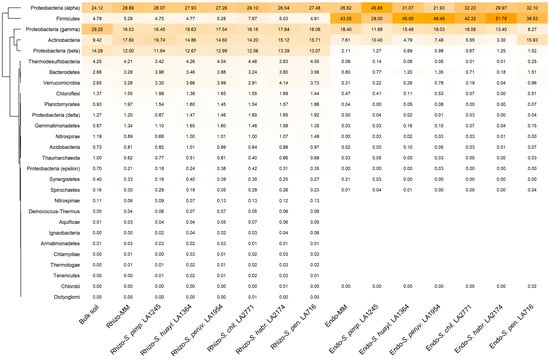
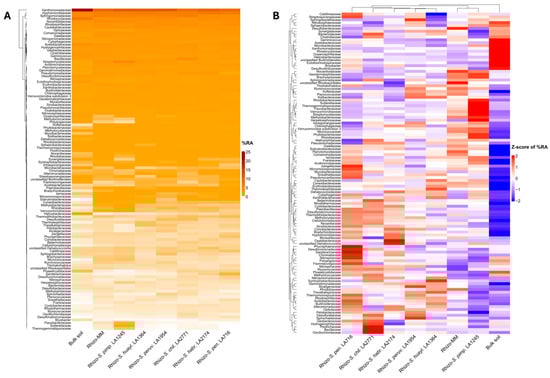
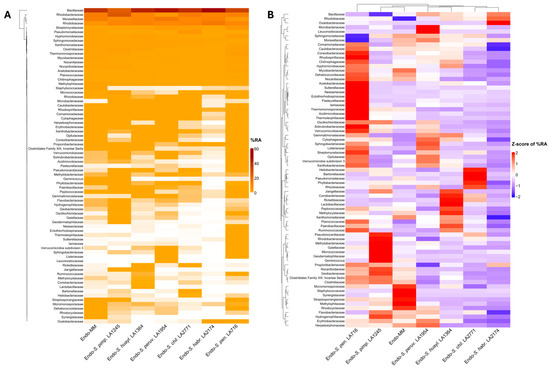
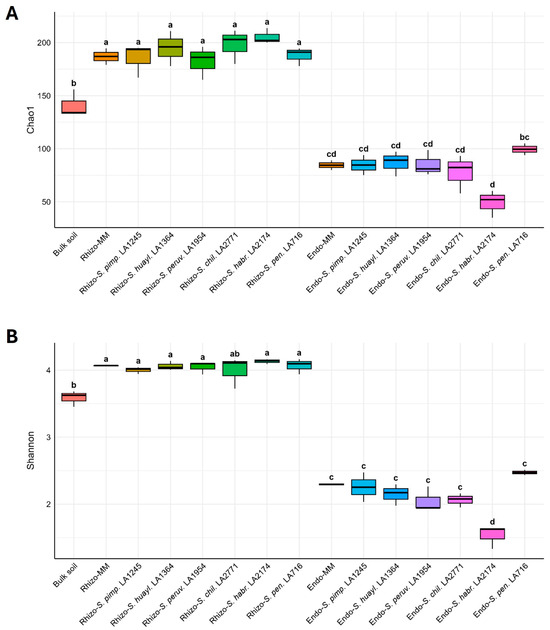
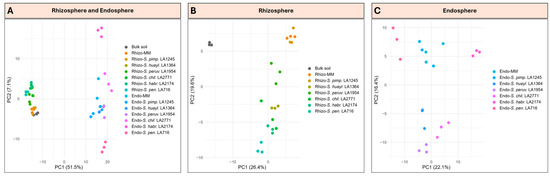
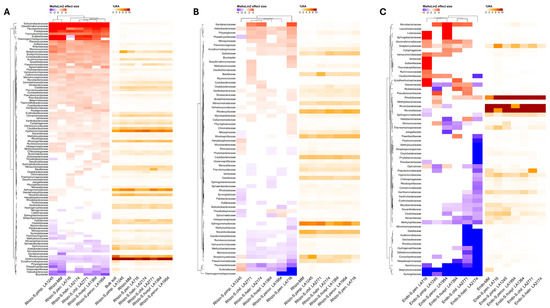
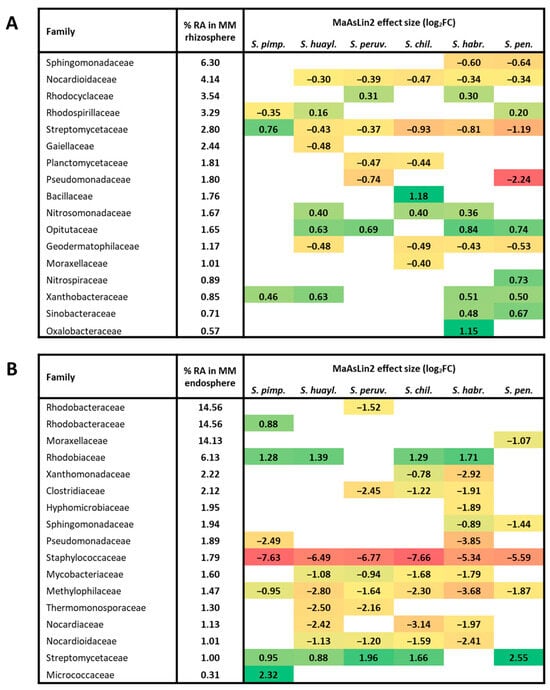
Domestication reduced the genetic diversity in modern crops, often resulting in reduced resilience to biotic and abiotic stress. Evidence is now accumulating that domestication also altered the structure and function of root-associated microbiomes, creating new opportunities to harness beneficial microbes for breeding and crop improvement. Using multi-region 16S rRNA sequencing, we compared the rhizosphere and endosphere bacterial communities of cultivated tomato (Solanum lycopersicum cv. Moneymaker) with six wild relatives (S. pimpinellifolium, S. huaylasense, S. peruvianum, S. chilense, S. habrochaites, and S. pennellii) spanning the main wild lineages within Solanum sect. Lycopersicon. Bacterial community structure in the rhizosphere was broadly conserved across all seven hosts, and diversity remained comparable among genotypes. Despite this overall stability, the rhizosphere microbiomes were ordered along a gradient consistent with host phylogeny, with Moneymaker clustering near S. pimpinellifolium, the four green-fruited Eriopersicon species forming a cohesive block, and S. pennellii occupying the most distinct position. Within this hierarchy, individual hosts showed specific recruitment preferences, including enrichment of Streptomycetaceae in S. pimpinellifolium, Bacillaceae in S. chilense, and contrasting patterns of nitrifiers among Eriopersicon species and S. pennellii. Differential abundance testing in the endosphere revealed consistent reductions in several bacterial families in wild accessions, alongside the enrichment of Streptomycetaceae and Rhodobiaceae in multiple wild species. Overall, our study suggests that domestication exerted a modest effect on tomato root microbiomes, while wild relatives retained microbial association traits that could be harnessed in microbiome-informed breeding to improve resilience in cultivated tomato.
Full article
(This article belongs to the Special Issue Root Development and Adaptations)
►▼
Show Figures

Figure 1
Open AccessArticle
Ecological Niche Differentiation and Distribution Dynamics Revealing Climate Change Responses in the Chinese Genus Dysosma
by
Rui Chen, Fangming Luo, Weihao Yao, Runmei Yang, Lang Huang, He Li and Mao Li
Plants 2026, 15(1), 162; https://doi.org/10.3390/plants15010162 - 5 Jan 2026
Abstract
The genus Dysosma, a group of perennial herbaceous plants with significant medicinal value and a relatively narrow ecological niche, is potentially at risk due to the combined pressures of habitat degradation and climate change. As their habitats continue to degrade, all species
[...] Read more.
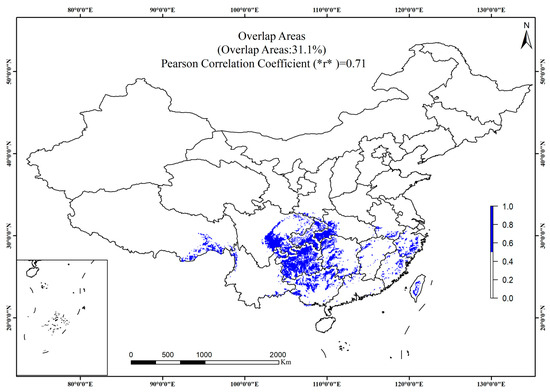
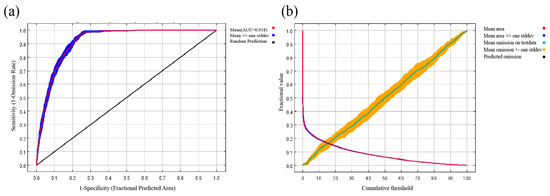
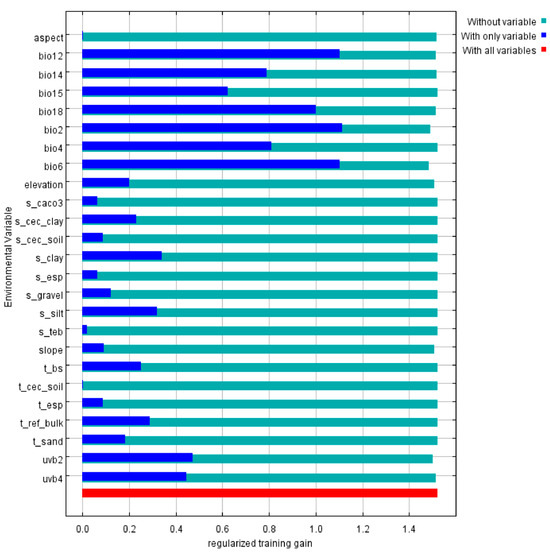
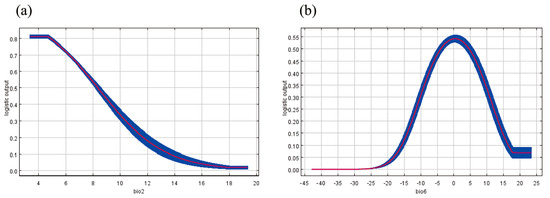
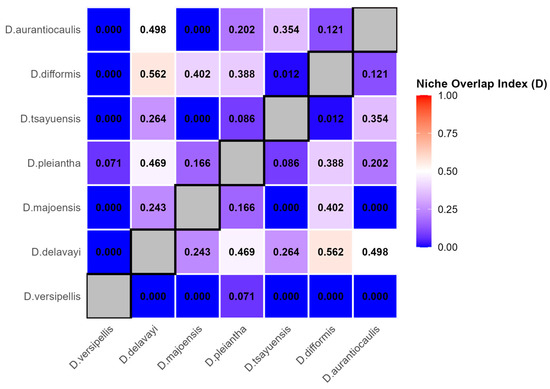
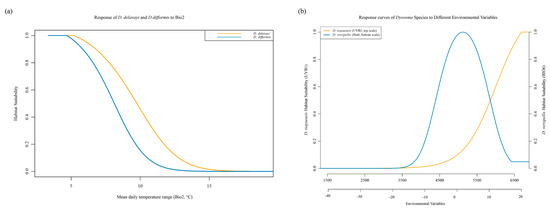
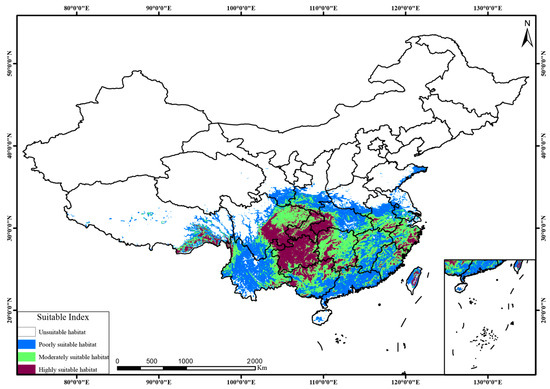
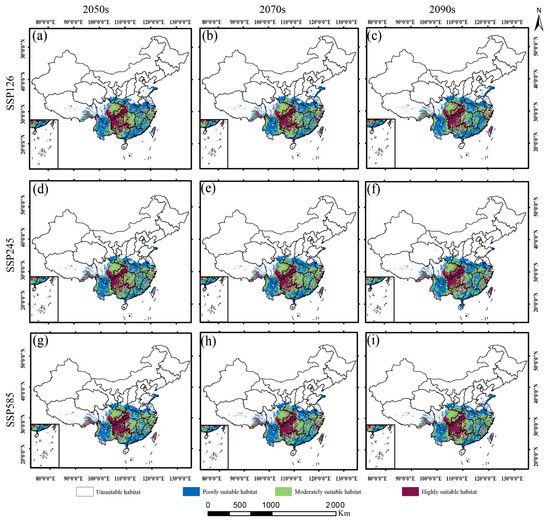
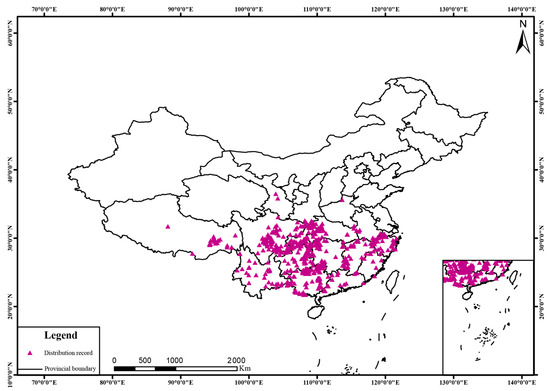
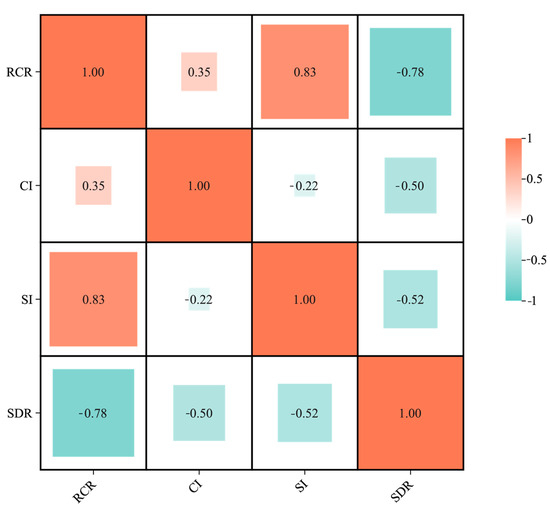
The genus Dysosma, a group of perennial herbaceous plants with significant medicinal value and a relatively narrow ecological niche, is potentially at risk due to the combined pressures of habitat degradation and climate change. As their habitats continue to degrade, all species of this genus have been included in the National Key Protected Wild Plants List (Category II). Investigating the impacts of climate change on the distribution of Dysosma resources is vital for their sustainable utilization. In this study, the potential distribution dynamics of seven Dysosma species under current and three future climate scenarios (SSP126, SSP245, SSP585) were quantified using 534 occurrence points and 25 environmental variables in a MaxEnt model, accompanied by the ecological niche overlap index (Schoener’s D), dynamic metrics (relative change rate [RCR], change intensity [CI], stability index [SI], spatial displacement rate [SDR]), and centroid migration analysis. The results indicated that (1) areas of high habitat suitability were consistently concentrated in the mountainous and hilly regions of southwestern Guizhou, Chongqing, and Hubei, with the minimum temperature of the coldest month (Bio6) and the mean diurnal temperature range (Bio2) being identified as the primary driving factors. (2) The future suitable habitat areas remained highly stable overall (SI > 97.89%), though dynamic changes varied across scenarios. Under SSP126, only slight fluctuations were observed, with an average CI of approximately 3.78% and RCR ranging from −0.46% to 1.97%. Under the SSP245 scenario, suitable habitat areas showed a continuous, slight expansion (RCR = 0.45% to 1.54%), whereas under the high-emission SSP585 scenario, a typical “mid-term expansion–late-term contraction” pattern was observed, with RCR shifting from positive (1.32%, 1.44%) to negative (−0.92%). The SI reached its lowest value of 97.89% in the late term, and the spatial displacement rate increased, signaling a reorganization of the distribution pattern. (3) High ecological niche differentiation was observed within the genus, with the highest overlap index being only 0.562, and approximately one-third of species pairs exhibiting completely non-overlapping niches. (4) Dysosma tsayuensis, a niche-specialist species, exhibited a distribution that was highly dependent on the annual mean ultraviolet-B radiation (UVB, contribution rate 52.9%), displaying an adaptation strategy markedly different from that of conservative species. (5) Centroid analysis indicated that, although the overall centroid remained stable in Guizhou, the presence of niche-specialist species under the high-emission SSP585 scenario resulted in migration paths opposite to those observed under other scenarios. The findings reveal the potential vulnerability and differential response patterns of Dysosma species under rapid climate warming, thereby providing a scientific basis for targeted conservation, in situ and ex situ conservation strategies, and population restoration.
Full article
(This article belongs to the Section Plant Ecology)
►▼
Show Figures

Figure 1
Open AccessArticle
Transcriptomics Reveals Cold Tolerance Maize Lines Involved in the Phenylpropanoid and Flavonoid Pathways
by
Shuna Zhou, Xinling Yu, Jian Tan, Haixiao Sun, Wei Yang, Liangyu Jiang, Zhenyuan Zang, Jiabin Ci and Xuejiao Ren
Plants 2026, 15(1), 161; https://doi.org/10.3390/plants15010161 - 5 Jan 2026
Abstract
Low temperature during early spring severely impairs maize germination, leading to significant yield losses. To elucidate the mechanisms underlying cold tolerance at the germination stage, we compared two cold-tolerant maize inbred lines (AM and CM) with a cold-sensitive line (BM) under control (25
[...] Read more.
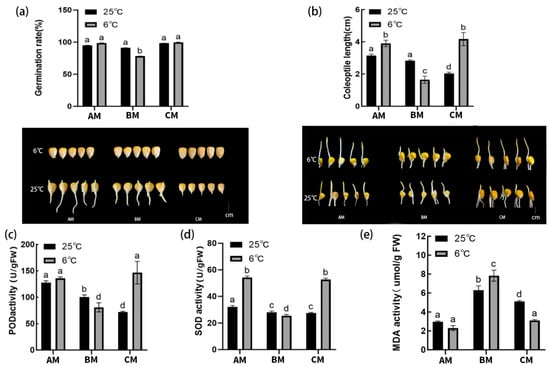
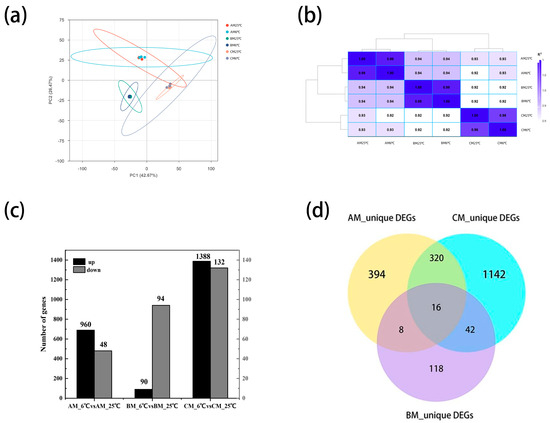
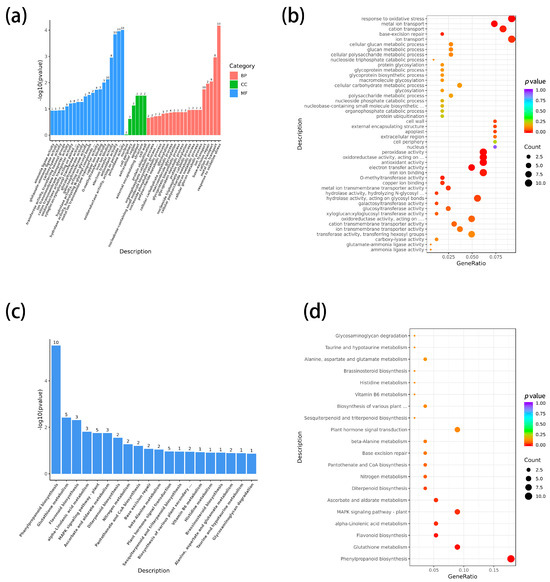
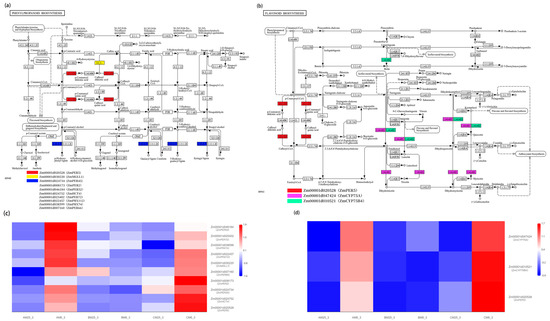
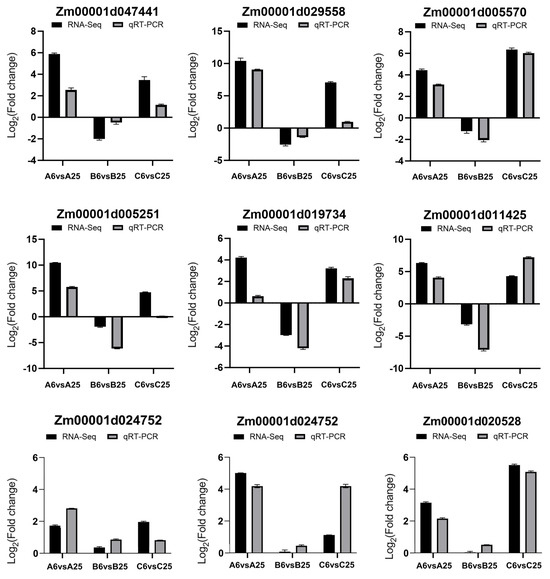
Low temperature during early spring severely impairs maize germination, leading to significant yield losses. To elucidate the mechanisms underlying cold tolerance at the germination stage, we compared two cold-tolerant maize inbred lines (AM and CM) with a cold-sensitive line (BM) under control (25 °C) and chilling (6 °C) conditions. Phenotypic observations showed that AM and CM maintained high germination rates and exhibited enhanced coleoptile elongation under cold stress, whereas BM displayed substantial growth inhibition. Cold-tolerant lines accumulated less malondialdehyde and showed markedly higher SOD and POD activities, indicating a stronger antioxidant defense. Transcriptome profiling revealed that cold tolerance is associated with a more robust transcriptional response in AM and CM, characterized by significant activation of the phenylpropanoid and flavonoid biosynthesis pathways. Among the differentially expressed genes, the class III peroxidase gene ZmPER5 was strongly upregulated in AM and CM but only weakly induced in BM, suggesting its central role in reinforcing the cell wall structure and enhancing ROS-scavenging capacity under chilling conditions. Other lignin- and flavonoid-related genes, including ZmHCT4 and ZmCYP75, also exhibited genotype-specific induction patterns consistent with cold tolerance. qRT-PCR validation confirmed the RNA-seq expression trends. These results demonstrate that maize cold tolerance during germination relies on the coordinated enhancement of antioxidant enzyme activity, activation of phenylpropanoid-derived lignin biosynthesis, and accumulation of protective flavonoids. The identified candidate genes, especially ZmPER5, provide valuable targets for improving cold tolerance in maize breeding.
Full article
(This article belongs to the Special Issue Crop Functional Genomics and Biological Breeding—2nd Edition)
►▼
Show Figures

Figure 1
Open AccessArticle
Comprehensive Investigation of GRF Transcription Factors and Associated Responses to Drought Stress in Oat (Avena sativa)
by
Shirui Xu, Xiajie Ji, Fumeng Sai, Mingchuan Ma, Zhang Liu, Lijun Zhang and Longlong Liu
Plants 2026, 15(1), 160; https://doi.org/10.3390/plants15010160 - 5 Jan 2026
Abstract
Growth-regulating factors (GRFs) are plant-specific transcription factors that play important roles in plant growth and development. However, no systematic analysis of GRF genes has been reported in oat (Avena sativa). In this study, we conducted a comprehensive characterization of the GRF
[...] Read more.
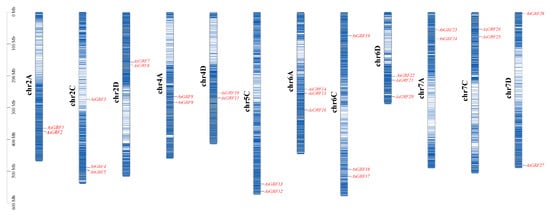
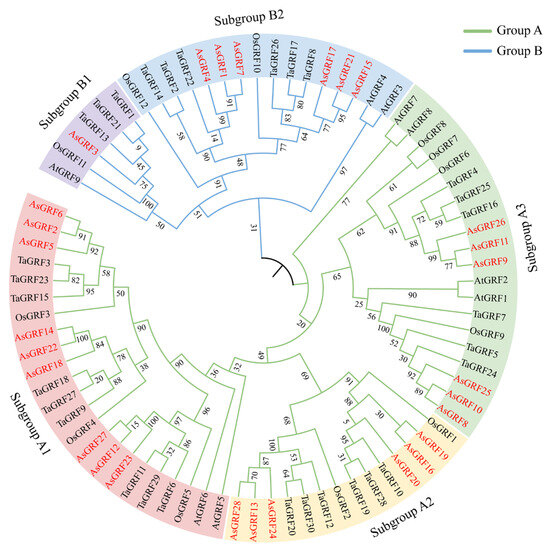
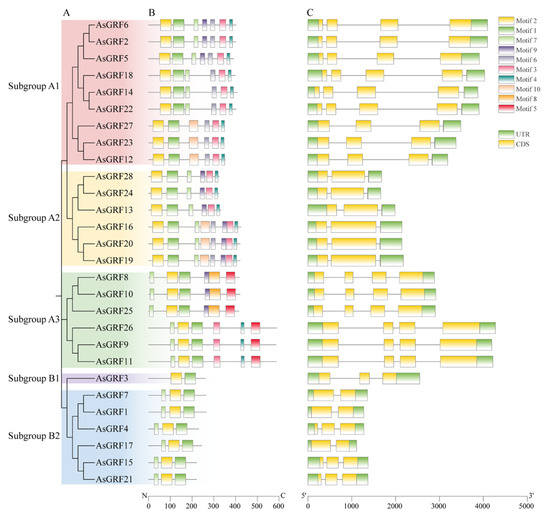
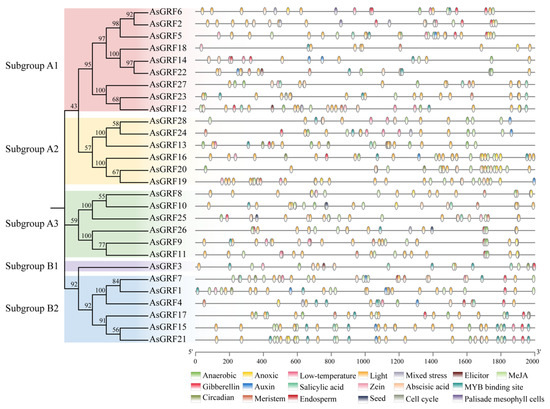
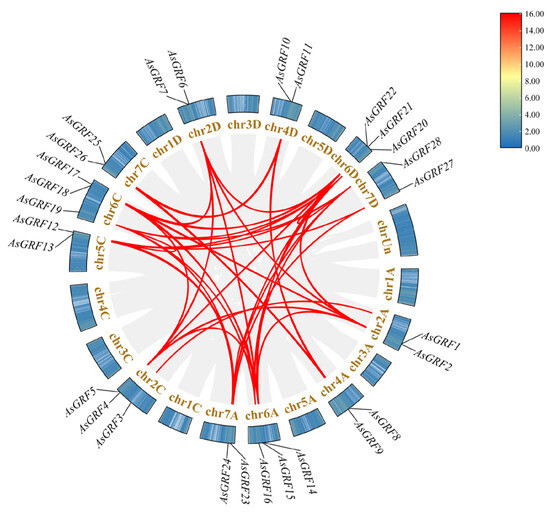
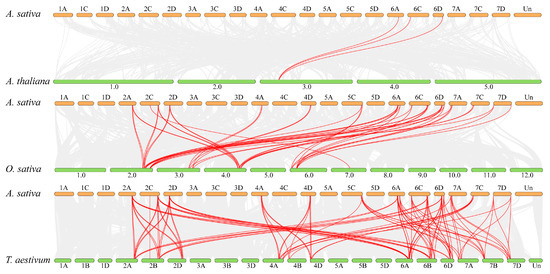
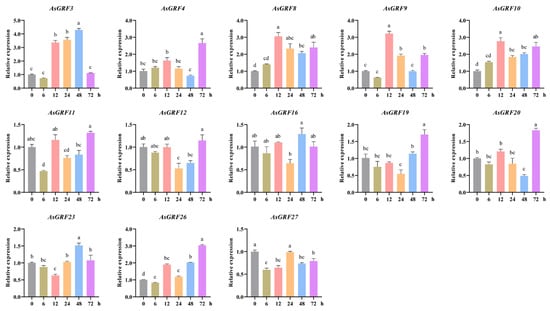
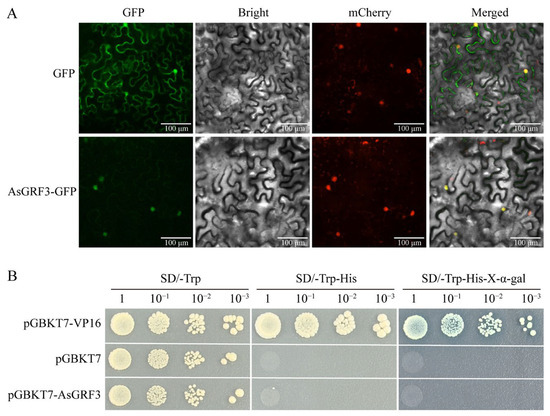
Growth-regulating factors (GRFs) are plant-specific transcription factors that play important roles in plant growth and development. However, no systematic analysis of GRF genes has been reported in oat (Avena sativa). In this study, we conducted a comprehensive characterization of the GRF gene family in oat, including their physicochemical properties, chromosomal distribution, phylogenetic relationships, gene structure, conserved domains, promoter cis-elements, duplication events, and drought-responsive expression. In total, 28 GRF genes were identified in oat. Phylogenetic analysis classified them into two main groups, which could be further subdivided into five subgroups. Gene structure and conserved motif analyses revealed that AsGRF genes are largely group-specific and relatively highly conserved within each subgroup. Segmental duplication has been the primary driver of AsGRF gene family expansion, and these genes have undergone strong purifying selection during evolution. Transcriptomic analysis identified 13 AsGRF genes expressed under drought stress. Subsequent qRT-PCR analysis revealed that six of these genes were significantly up-regulated. Notably, AsGRF3 showed the highest expression level, was localized to the nucleus, and lacked transcriptional self-activation activity. In conclusion, this study provides a comprehensive analysis of the AsGRF gene family and serves as a valuable reference for further functional characterization of these genes in drought stress responses in oat.
Full article
(This article belongs to the Section Plant Response to Abiotic Stress and Climate Change)
►▼
Show Figures

Figure 1
Open AccessArticle
Aluminum Alleviation of Iron Deficiency Chlorosis Is Conserved in Wild Rice Relative Oryza rufipogon and in Maize
by
Jover da Silva Alves, Yugo Lima-Melo, Andriele Wairich, Vic Martini Sasso, Vitor L. Nascimento, Raul Antonio Sperotto, Luciane Almeri Tabaldi, Gustavo Brunetto and Felipe Klein Ricachenevsky
Plants 2026, 15(1), 159; https://doi.org/10.3390/plants15010159 - 5 Jan 2026
Abstract
Aluminum (Al), an element that has no biological function described in plants, is commonly found in acidic soils, reducing plant growth, despite some beneficial effects reported in the literature. Iron (Fe) is an essential nutrient for plants, and Fe deficiency causes leaf interveinal
[...] Read more.
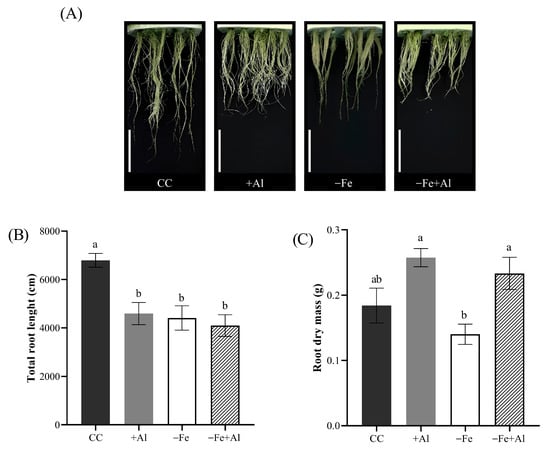
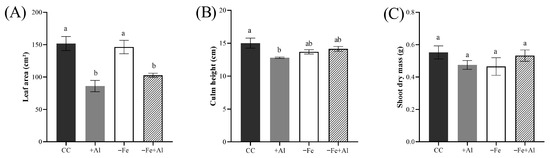
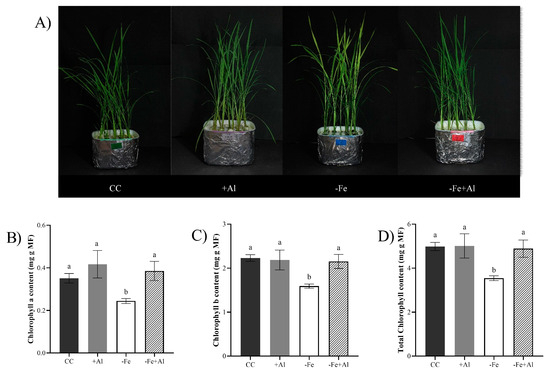
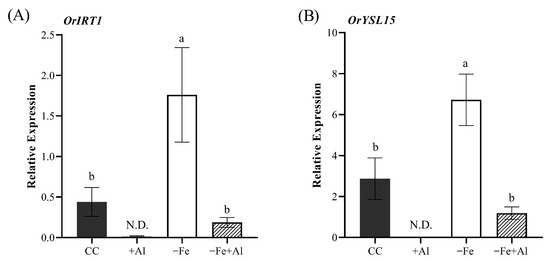
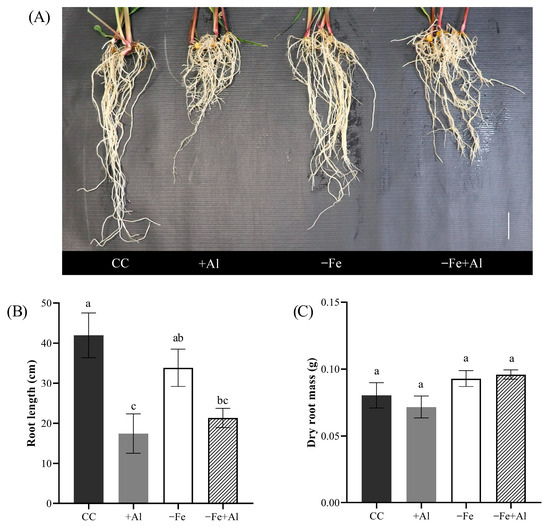
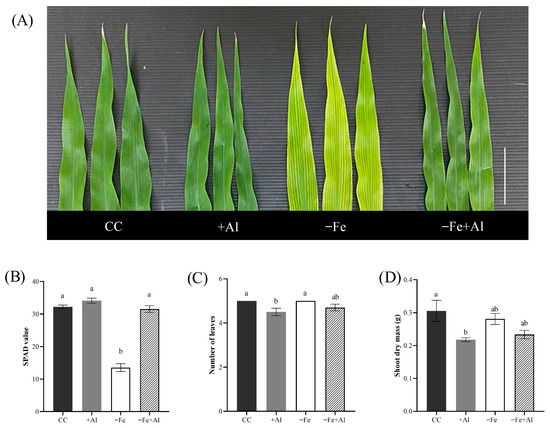
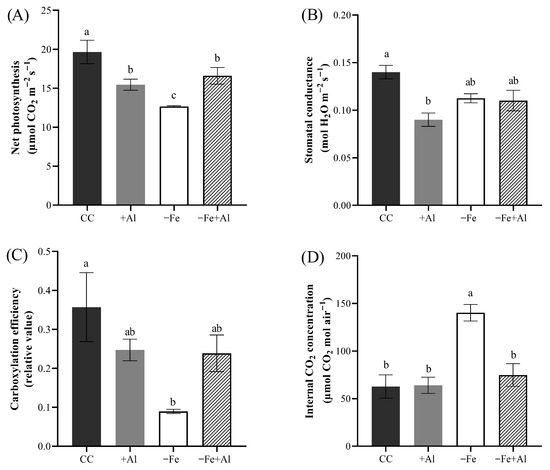
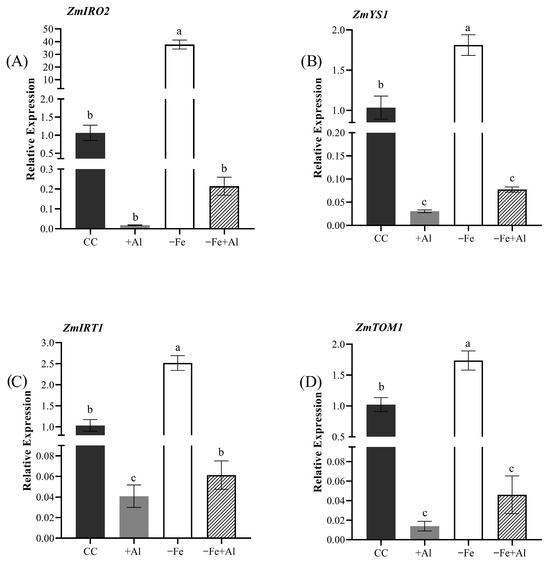
Aluminum (Al), an element that has no biological function described in plants, is commonly found in acidic soils, reducing plant growth, despite some beneficial effects reported in the literature. Iron (Fe) is an essential nutrient for plants, and Fe deficiency causes leaf interveinal chlorosis. Remarkably, rice (Oryza sativa), a C3 crop considered tolerant to Al, shows alleviation of Fe deficiency chlorosis when exposed to Al, suggesting that Al can positively impact Fe homeostasis. However, whether this effect is observed only in rice or is common to other plant species is unknown. The rice wild progenitor Oryza rufipogon is closely related to the domesticated species, sharing several traits such as a semi-aquatic habit and use of the combined strategy for Fe uptake. Maize (Zea mays), on the other hand, is a C4 plant, adapted to well-aerated soils, and uses a classic chelation-based strategy for Fe uptake. Here we used these two Poaceae representatives to determine whether Al excess could alleviate Fe deficiency chlorosis in species other than rice. Although Al caused toxicity irrespective of Fe levels, its addition essentially abolished chlorosis in Fe-deficient plants. The expression of Fe deficiency-induced marker genes was reduced to control levels in both species, suggesting that the Al alleviation effect leads to systemic signaling and down-regulation of Fe uptake mechanisms. Al alleviation partially rescued photosynthetic machinery inhibited by Fe deficiency, suggesting that leaves are maintaining photosynthetic activity when Al is present even under low Fe conditions. Taken together, our data show that the Al alleviation effect is shared by two other Poaceae species in addition to O. sativa and suggest that it might not be directly linked to domestication, changes in C3/C4 metabolism, or Al tolerance levels found in different species.
Full article
(This article belongs to the Special Issue Molecular Regulation of Plant Stress Responses)
►▼
Show Figures

Figure 1
Journal Menu
► ▼ Journal Menu-
- Plants Home
- Aims & Scope
- Editorial Board
- Reviewer Board
- Topical Advisory Panel
- Instructions for Authors
- Special Issues
- Topics
- Sections & Collections
- Article Processing Charge
- Indexing & Archiving
- Editor’s Choice Articles
- Most Cited & Viewed
- Journal Statistics
- Journal History
- Journal Awards
- Society Collaborations
- Conferences
- Editorial Office
Journal Browser
► ▼ Journal BrowserHighly Accessed Articles
Latest Books
E-Mail Alert
News
Topics
Topic in
Agriculture, Agronomy, Crops, Plants, IJMS, IJPB
Plant Responses and Tolerance to Salinity Stress, 2nd Edition
Topic Editors: Ricardo Aroca, Pablo CornejoDeadline: 15 January 2026
Topic in
Applied Microbiology, Microbiology Research, Microorganisms, IJMS, IJPB, Plants
New Challenges on Plant–Microbe Interactions
Topic Editors: Wenfeng Chen, Junjie ZhangDeadline: 31 January 2026
Topic in
Agriculture, Agronomy, Crops, Horticulturae, Microorganisms, Plants, Agrochemicals
Applications of Biotechnology in Food and Agriculture
Topic Editors: Edgar Omar Rueda-Puente, Bernardo Murillo-AmadorDeadline: 1 February 2026
Topic in
Applied Nano, Nanomaterials, Plants, Sustainability, Agriculture
Nano-Enabled Innovations in Agriculture
Topic Editors: Heyou Han, João Rodrigues, Mohamed F. Foda, Lok. R. PokhrelDeadline: 28 February 2026
Conferences
Special Issues
Special Issue in
Plants
Innovative Strategies for Managing Soilborne Pathogens and Enhancing Plant Health in Arable Crops
Guest Editors: Beatrice Berger, Nazanin Zamani-NoorDeadline: 15 January 2026
Special Issue in
Plants
Strategies for Sustainable Innovative Crop Pest Management
Guest Editor: József KissDeadline: 20 January 2026
Special Issue in
Plants
Innovations in Isolation and Characterization of Bioactive Compounds from Medicinal Plants
Guest Editors: Anca Toiu, Gabriella SavianoDeadline: 20 January 2026
Special Issue in
Plants
Exploring and Applying Genes for Plant Breeding and Crop Improvement
Guest Editor: Tae-Hwan JunDeadline: 20 January 2026
Topical Collections
Topical Collection in
Plants
Bioactive Compounds in Plants
Collection Editors: Laura Cornara, Antonella Smeriglio
Topical Collection in
Plants
Feature Papers in Plant Cell Biology
Collection Editors: Elder Antônio Sousa Paiva, Olga Zabotina, Diego F. Gomez-Casati
Topical Collection in
Plants
Feature Review Papers in Phytochemistry
Collection Editor: Mariangela Marrelli