


-
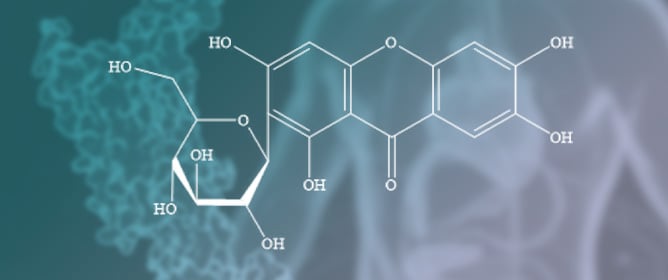
Mangiferin as a Multilevel Modulator of Metabolic Syndrome: Current Evidence and Future Perspectives -
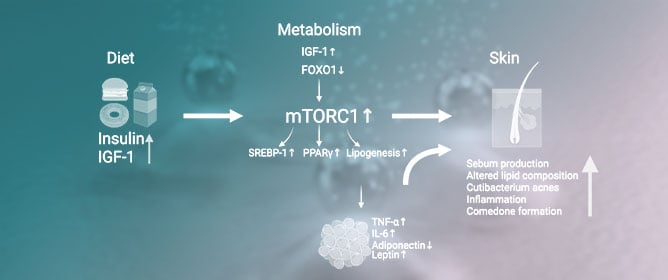
Lipid Metabolism, Body Composition, and Diet in Acne Vulgaris -
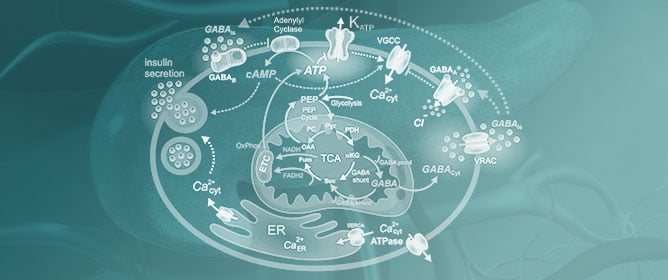
GABA Regulates Ca2+ Oscillations and Synchronization in Pancreatic Beta Cells -
Effects of Compound Probiotic Fermented Feed on In Vitro Rumen Fermentation, In Situ Degradation, Rumen Microbiota and Metabolome, and Growth Performance of Beef Cattle -
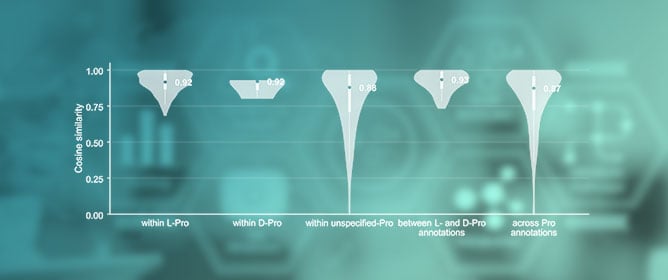
A Two-Layer Structural Key Framework for Linking Compound Identifiers and MS/MS Evidence in Spectral Database Curation
Journal Description
Metabolites
Metabolites
is an international, peer-reviewed, open access journal of metabolism and metabolomics, published monthly online by MDPI.
- Open Access— free for readers, with article processing charges (APC) paid by authors or their institutions.
- High Visibility: indexed within Scopus, SCIE (Web of Science), PubMed, PMC, Embase, CAPlus / SciFinder, and other databases.
- Journal Rank: JCR - Q2 (Biochemistry and Molecular Biology) / CiteScore - Q1 (Endocrinology, Diabetes and Metabolism)
- Rapid Publication: manuscripts are peer-reviewed and a first decision is provided to authors approximately 12.6 days after submission; acceptance to publication is undertaken in 3.7 days (median values for papers published in this journal in the first half of 2026).
- Recognition of Reviewers: reviewers who provide timely, thorough peer-review reports receive vouchers entitling them to a discount on the APC of their next publication in any MDPI journal, in appreciation of the work done.
Impact Factor:
4.5 (2025);
5-Year Impact Factor:
4.5 (2025)
Latest Articles
Determinants of Metabolic Syndrome in Virally Suppressed People Living with HIV: A Single-Center Comparative Analysis of Antiretroviral Regimens
Metabolites 2026, 16(9), 631; https://doi.org/10.3390/metabo16090631 (registering DOI) - 29 Aug 2026
Abstract
Background: Metabolic complications and weight gain have emerged as primary concerns among virologically suppressed and immunologically competent people living with HIV. Particularly integrase strand transfer inhibitors (INSTIs) and tenofovir alafenamide (TAF) are being connected with this issue. Objectives: This study aimed to evaluate
[...] Read more.
Background: Metabolic complications and weight gain have emerged as primary concerns among virologically suppressed and immunologically competent people living with HIV. Particularly integrase strand transfer inhibitors (INSTIs) and tenofovir alafenamide (TAF) are being connected with this issue. Objectives: This study aimed to evaluate the prevalence of metabolic syndrome (MetS) and its components within a highly homogeneous, virologically suppressed cohort, assessing the impact of antiretroviral therapy (ART) and HIV-unrelated factors. Methods: We conducted a single-center cross-sectional analysis of 93 HIV-positive patients receiving stable ART for >2 years, in Wrocław, Poland. To minimize confounding, individuals with HBV/HCV co-infections or significant alcohol use were excluded. Participants were stratified primarily by regimen, INSTI/TAF-based (n = 50) vs. PI/TAF-based (n = 28), and secondarily by the particular drugs taken. Clinical assessment included anthropometric parameters, lipid profiles, and glucose metabolism. Results: The prevalence of MetS was 10.8%. No statistically significant differences were observed in the incidence of MetS, insulin resistance, or dyslipidemia between the INSTI/TAF and PI/TAF groups. A marginally significant trend toward lower total cholesterol was identified in patients receiving dolutegravir/TAF compared to those on darunavir/TAF. Conclusions: In this stable Caucasian cohort with long-term viral suppression, we found no statistically significant differences in metabolic outcomes between modern INSTI- and PI-based regimens. However, due to the limited sample size and low statistical power, these findings do not prove clinical equivalence. Our results suggest that in particular tightly selected settings of well-controlled patients, traditional risk factors and lifestyle may remain the primary drivers of metabolic health, although modest drug-related effects cannot be ruled out.
Full article
(This article belongs to the Special Issue Metabolic Alterations in Chronic Viral Infections)
Open AccessArticle
Targeted Quantitative Metabolomics and Lipidomics Reveal Dysregulated Metabolic Networks and a Serum Candidate Biomarker for Atrial Fibrillation
by
Yuqing Zhang, Yunpeng Xie, Xinyu Liu, Zhen Ning, Guowang Xu, Yunlong Xia and Xinjie Zhao
Metabolites 2026, 16(9), 630; https://doi.org/10.3390/metabo16090630 (registering DOI) - 29 Aug 2026
Abstract
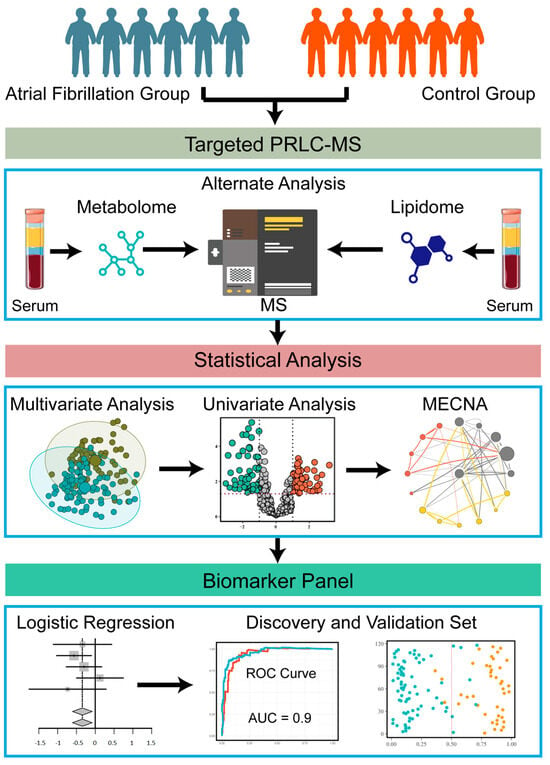
Background: Atrial fibrillation (AF) is the most prevalent clinical arrhythmia with severe cardiovascular complications, yet its metabolic molecular mechanisms remain poorly defined. Omics-based metabolic profiling provides a powerful strategy to systematically decode AF-associated metabolic disorders. Methods: In this work, high-coverage targeted liquid chromatography–tandem
[...] Read more.
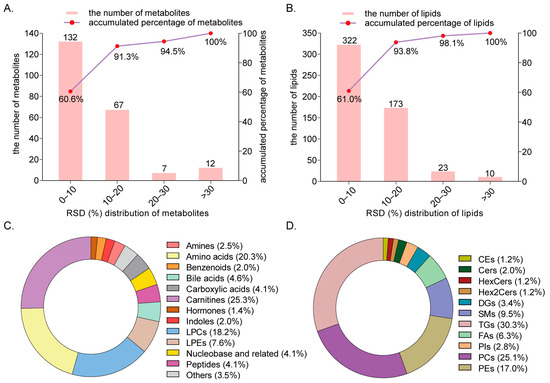
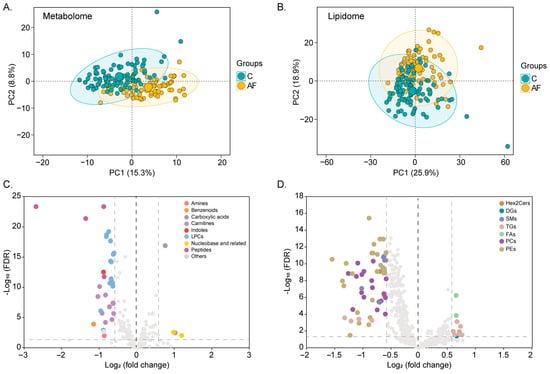
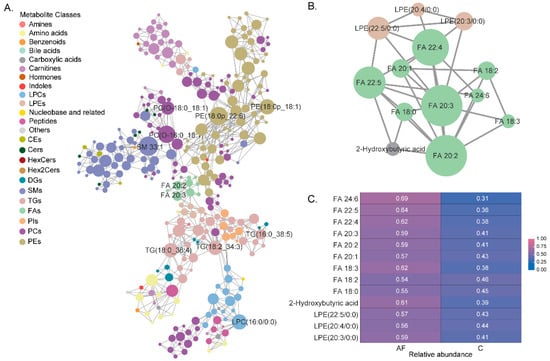
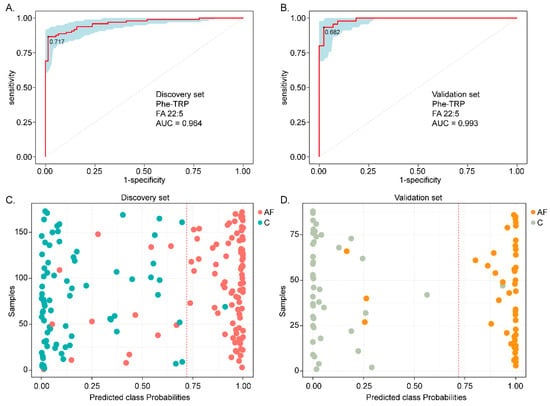
Background: Atrial fibrillation (AF) is the most prevalent clinical arrhythmia with severe cardiovascular complications, yet its metabolic molecular mechanisms remain poorly defined. Omics-based metabolic profiling provides a powerful strategy to systematically decode AF-associated metabolic disorders. Methods: In this work, high-coverage targeted liquid chromatography–tandem mass spectrometry (LC-MS/MS) metabolomics and lipidomics were applied to absolutely quantify 746 serum metabolites from AF patients and healthy controls. Results: We systematically characterized global metabolic perturbations in AF serum, including impaired fatty acid metabolism, suppressed mitochondrial β-oxidation, myocardial lipotoxic lipid accumulation, and systemic depletion of glycerophospholipids. Global multiscale embedded correlation network analysis (MECNA) further identified 11 AF-specific dysregulated metabolic modules and core hub metabolites driving metabolic remodeling. Leveraging binary logistic regression, we constructed and independently validated a two-molecule diagnostic biomarker panel to distinguish AF patients from healthy subjects. The combined biomarkers Phe-Trp and FA 22:5 achieved outstanding diagnostic performance, with area under the curve (AUC) values of 0.964 in the discovery cohort and 0.993 in the validation cohort. Conclusions: Collectively, this study adopts high-depth targeted quantitative omics to comprehensively map AF metabolic signatures, dissect disease-relevant metabolic networks, and establish a robust serum biomarker panel with great translational potential for non-invasive AF clinical diagnosis.
Full article
(This article belongs to the Special Issue Analytical Techniques Applied in Metabolomics)
►▼
Show Figures

Figure 1
Open AccessArticle
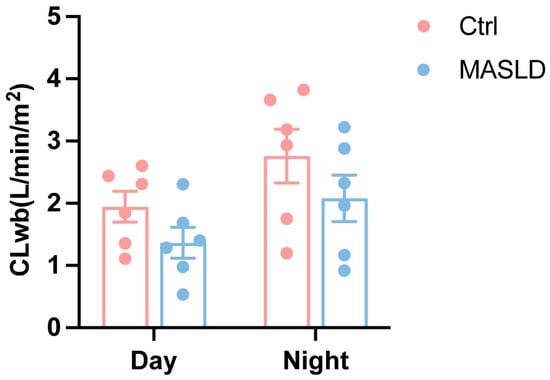
Diurnal Insulin Clearance and Circadian Metabolic Gene Signatures in MASLD: Integrative Multi-Dataset Physiological and Transcriptomic Analysis
by
Lin Guo, Yimin Yin, Yanyan Sun, Hongwen Zhou and Yingyun Gong
Metabolites 2026, 16(9), 629; https://doi.org/10.3390/metabo16090629 (registering DOI) - 29 Aug 2026
Abstract
Background/Objectives: Insulin clearance is a key determinant of circulating insulin availability, but its diurnal variation and relationship with circadian metabolic programs in metabolic dysfunction associated steatotic liver disease (MASLD) remain unclear. This study aimed to explore diurnal insulin clearance in humans and examine
[...] Read more.
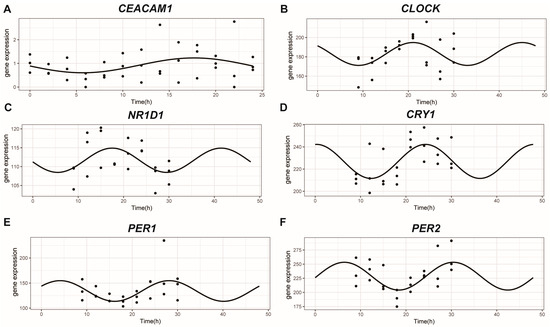
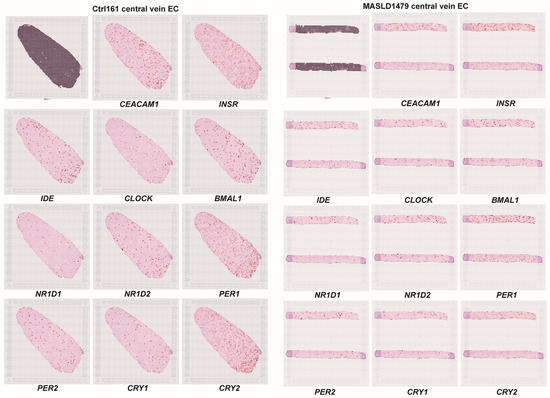
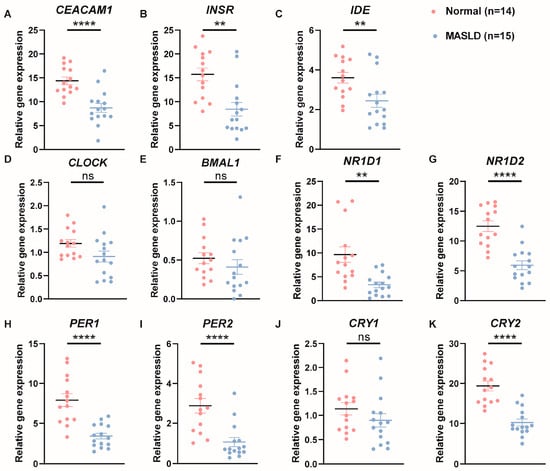
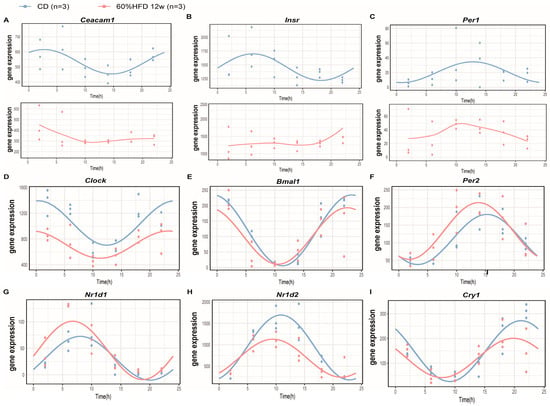
Background/Objectives: Insulin clearance is a key determinant of circulating insulin availability, but its diurnal variation and relationship with circadian metabolic programs in metabolic dysfunction associated steatotic liver disease (MASLD) remain unclear. This study aimed to explore diurnal insulin clearance in humans and examine associated metabolic gene signatures in MASLD. Methods: A single-subject pilot assessment was performed to explore daytime-nighttime differences in insulin clearance rate (ICR) surrogate index, followed by evaluation using public hyperinsulinemic-euglycemic clamp datasets from healthy individuals and patients with MASLD. Public circadian transcriptomic datasets, spatial transcriptomic data, and a time course high-fat diet (HFD)-induced mouse dataset were integrated. A predefined panel of insulin clearance-related and circadian genes, including carcinoembryonic antigen-related cell adhesion molecule 1 (CEACAM1), insulin receptor (INSR), insulin-degrading enzyme (IDE), clock circadian regulator (CLOCK), basic helix-loop-helix ARNT like 1 (BMAL1), nuclear receptor subfamily 1 group D member 1/2 (NR1D1/2), period circadian regulator 1/2 (PER1/2), and cryptochrome 1/2 (CRY1/2), was analyzed. Results: The pilot assessment showed higher nighttime than daytime ICR, and independent clamp datasets showed a similar pattern in healthy individuals. In MASLD, nighttime ICR remained relatively higher, whereas overall insulin clearance was reduced compared with controls. Human blood-based circadian transcriptomic datasets identified rhythmic expression patterns of selected genes involved in insulin clearance and circadian regulation, including CEACAM1, CLOCK, NR1D1, CRY1, PER1, and PER2. MASLD liver datasets showed reduced expression of insulin clearance-related and circadian genes, while spatial transcriptomics suggested altered lobular distribution of these signatures. In HFD mouse model, rhythmic expression of selected genes was attenuated. Conclusions: These integrative findings suggest that insulin clearance may exhibit diurnal variation and may be linked to circadian metabolic gene signatures across systemic and hepatic datasets in MASLD. Larger controlled human studies are needed to validate the temporal regulation of insulin clearance and its metabolic relevance.
Full article
(This article belongs to the Special Issue Advances in Metabolic Dysfunction-Associated Steatotic Liver Disease (MASLD))
►▼
Show Figures

Figure 1
Open AccessArticle
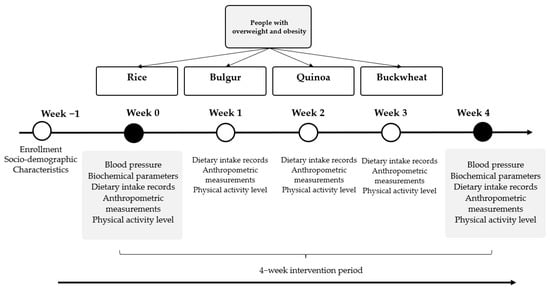
Comparative Effects of Quinoa, Buckwheat, Bulgur, and Rice on Cardiometabolic Health in Adults with Overweight or Obesity: A Randomized Controlled Study
by
Yesim Oztekin, Buket Gonen-Colak, Selin Tekin, Incilay Lay, Tomris Erbas, Selcuk Dagdelen and Zehra Buyuktuncer
Metabolites 2026, 16(9), 628; https://doi.org/10.3390/metabo16090628 (registering DOI) - 29 Aug 2026
Abstract
Background/Objectives: The study aimed to assess cardiometabolic effects of two pseudocereals, quinoa and buckwheat, comparing them to the effects of rice and bulgur in adults with overweight or obesity. Methods: This study was conducted on 148 adults with overweight and obesity,
[...] Read more.
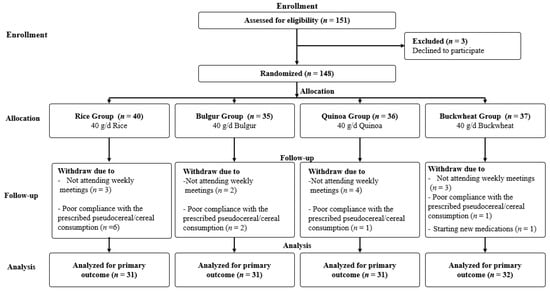
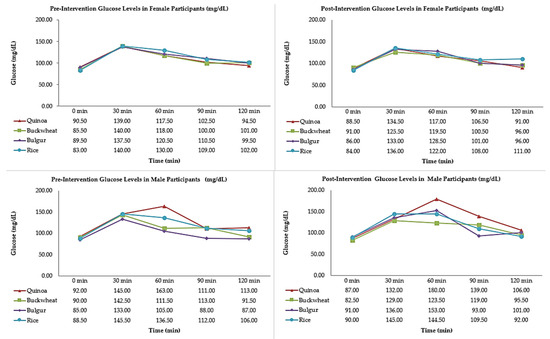
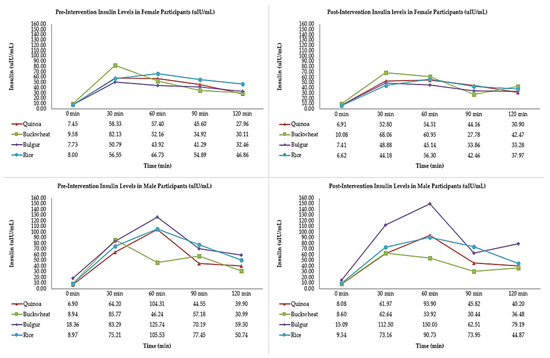
Background/Objectives: The study aimed to assess cardiometabolic effects of two pseudocereals, quinoa and buckwheat, comparing them to the effects of rice and bulgur in adults with overweight or obesity. Methods: This study was conducted on 148 adults with overweight and obesity, aged between 25 and 45 years, consuming 40 g/d quinoa, buckwheat, rice, or bulgur for 4 weeks. Anthropometrical measurements were taken, and dietary intake was assessed; blood pressure and biochemical parameters were examined. Incremental areas under the curve (iAUC) for glucose and insulin were calculated. Subgroup analyses were conducted considering sex. Results: The changes in biochemical and anthropometrical measurements did not differ significantly between groups. However, within-group analysis showed significant changes in many parameters. Among anthropometrical measurements, fat mass declined significantly within quinoa and buckwheat groups (p < 0.05). Blood pressure decreased significantly in the buckwheat group, mainly in women. Fasting glucose decreased significantly only in men in the quinoa group. An increase in iAUC glucose within the bulgur group but a significant decrease in iAUC insulin among men within the buckwheat group was recorded. Total cholesterol (Total-C) significantly decreased in men but increased in women following quinoa consumption. On the other hand, a decrease was reported in high-density lipoprotein cholesterol (HDL-C) in women following quinoa and buckwheat consumption (p < 0.05). Conclusions: Compared with the baseline, the most pronounced changes were observed in blood pressure, lipid profile, and body fat mass, suggesting a potential cardiometabolic benefit of quinoa and buckwheat. However, sex-specific cardiometabolic differences may occur following the consumption of pseudocereal or cereal. Further studies are needed for more robust results.
Full article
(This article belongs to the Special Issue Nutritional Intervention and Metabolic Health: Carbohydrates and Keto Diet)
►▼
Show Figures

Figure 1
Open AccessArticle
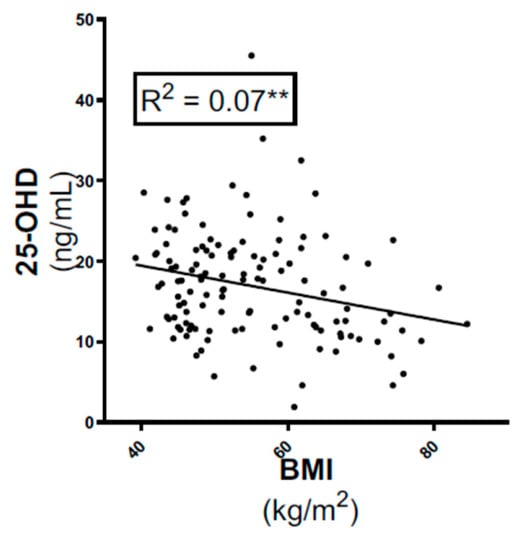
Tissue-Specific VDR Pathway Gene Expression Is Not Associated with Circulating 25OHD in Adolescents with Severe Obesity
by
Olivia Z. B. Ginnard, Maria Morales, Gabrielle Phillips, Mary L. Brandt, Sridevi Devaraj, Alexis Wood and Stephanie R. Sisley
Metabolites 2026, 16(9), 627; https://doi.org/10.3390/metabo16090627 (registering DOI) - 29 Aug 2026
Abstract
Background/Objectives: Vitamin D deficiency is highly prevalent among children with obesity, but the mechanisms underlying the effectiveness of vitamin D supplementation remain poorly understood. This study examined the expression patterns of VDR-target genes across metabolically diverse tissues and compared these molecular measures
[...] Read more.
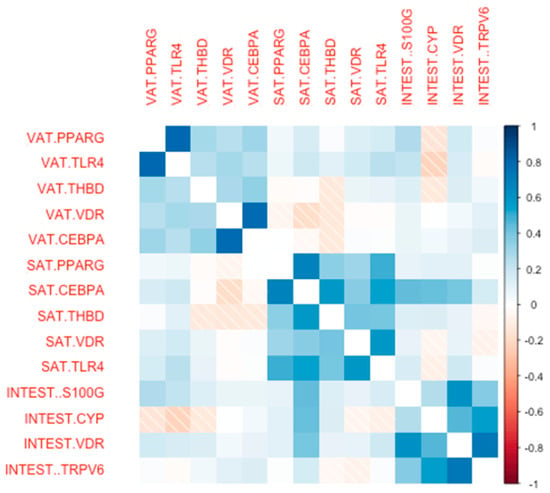
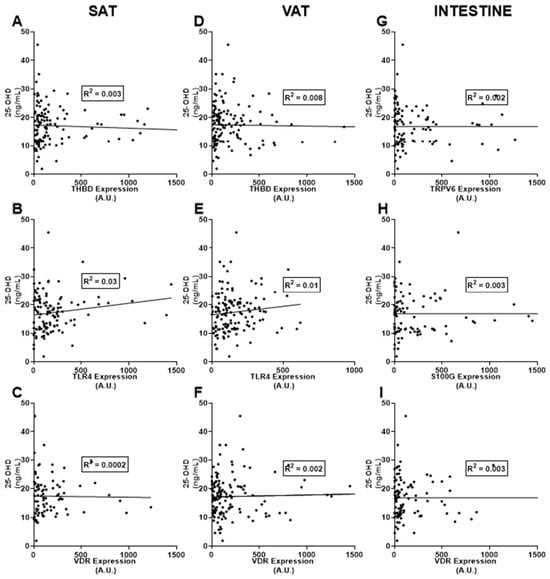
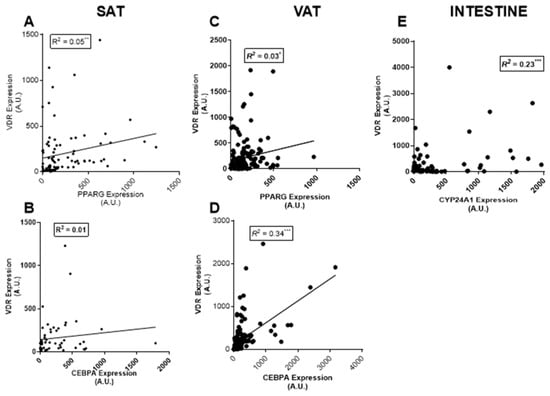
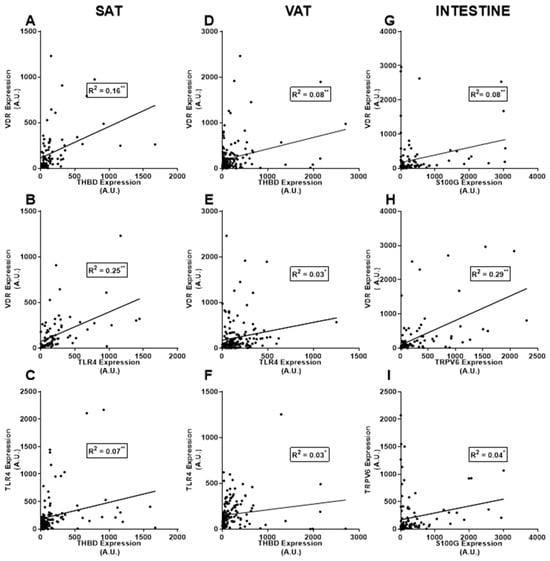
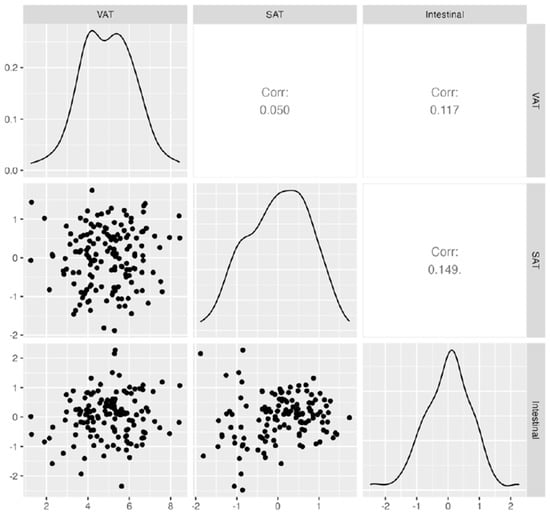
Background/Objectives: Vitamin D deficiency is highly prevalent among children with obesity, but the mechanisms underlying the effectiveness of vitamin D supplementation remain poorly understood. This study examined the expression patterns of VDR-target genes across metabolically diverse tissues and compared these molecular measures with circulating serum 25-hydroxyvitamin D (25OHD), the current clinical marker of vitamin D status. We hypothesized that VDR-pathway gene expression would correlate within metabolically relevant tissues but would not be significantly associated with circulating serum 25OHD levels. Methods: A secondary analysis was performed on blood, intestinal, and visceral and subcutaneous adipose tissue (VAT and SAT, respectively) samples obtained from adolescents with obesity. Subject data included age, gender, race/ethnicity, and BMI. The tissues were analyzed via real-time qPCR to obtain quantitative levels of VDR-target gene expression, which included TLR4, THBD, and VDR in SAT and VAT and TRPV6, S100G, and VDR in intestinal tissue. Blood samples were analyzed for serum 25OHD. Results: Gene expression of THBD, VDR, and TLR4 in SAT and VAT significantly correlated with each other. In intestinal tissue, there was significant correlation between TRPV6, S100G, and VDR. No statistically significant associations were identified between the gene expression levels and serum 25OHD levels. Conclusions: VDR-target gene expression levels correlated with each other across diverse tissues but not with serum 25OHD levels. This discrepancy suggests that circulating 25OHD concentrations may not fully reflect vitamin D action.
Full article
(This article belongs to the Special Issue Nutritional and Metabolic Regulation for One Health Across the Lifespan)
►▼
Show Figures

Figure 1
Open AccessArticle
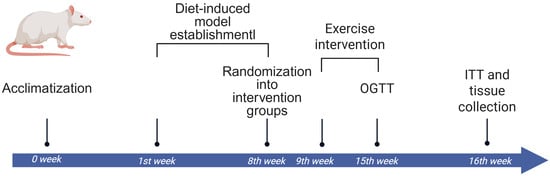
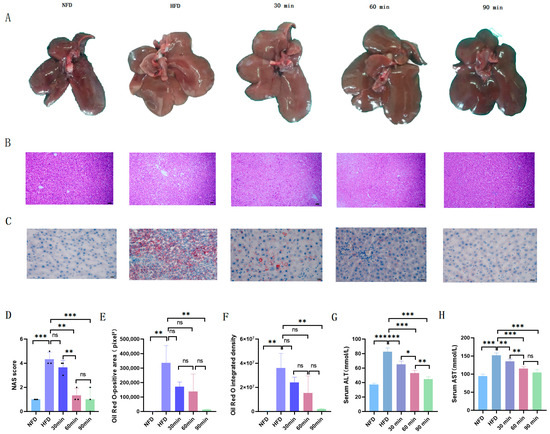
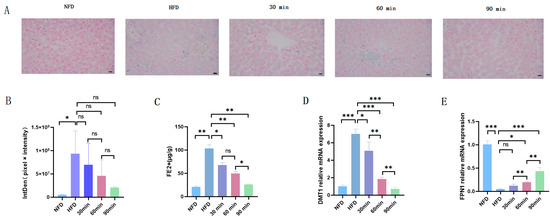
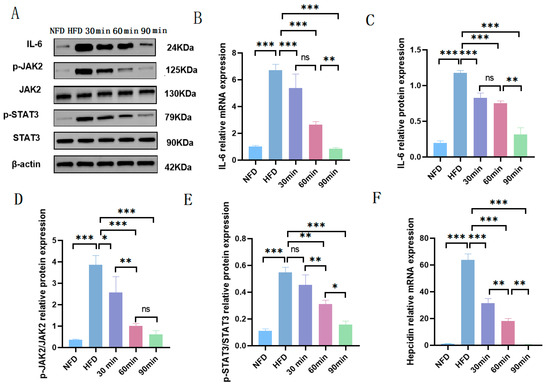
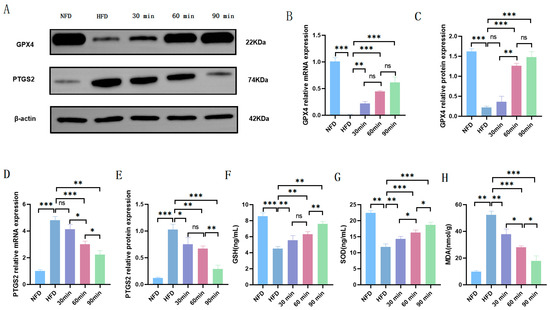
Duration-Dependent Aerobic Exercise Attenuates HFD-Induced MASLD in Association with Improved Hepatic Iron Homeostasis and Reduced Ferroptosis-Related Alterations
by
Lin Xu, Chang Li, Yufei Liu and Shijie Wang
Metabolites 2026, 16(9), 626; https://doi.org/10.3390/metabo16090626 (registering DOI) - 28 Aug 2026
Abstract
Background/Objectives: Aerobic exercise is widely recognized as an effective non-pharmacological strategy for metabolic dysfunction-associated steatotic liver disease (MASLD). However, the effects of different aerobic exercise loads on MASLD-associated hepatic iron dyshomeostasis and ferroptosis, as well as the underlying mechanisms, remain unclear. This
[...] Read more.
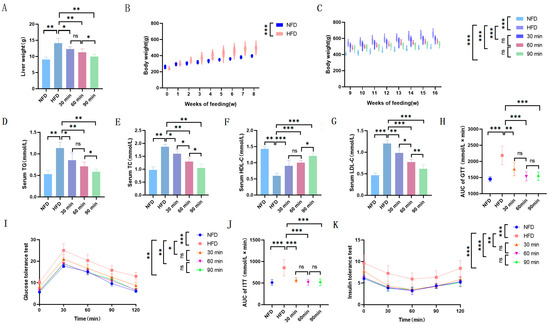
Background/Objectives: Aerobic exercise is widely recognized as an effective non-pharmacological strategy for metabolic dysfunction-associated steatotic liver disease (MASLD). However, the effects of different aerobic exercise loads on MASLD-associated hepatic iron dyshomeostasis and ferroptosis, as well as the underlying mechanisms, remain unclear. This study aimed to compare the effects of different aerobic exercise loads on HFD-induced MASLD and to explore whether exercise-induced improvements in hepatic lipid accumulation are associated with changes in iron homeostasis and ferroptosis-related markers. Methods: Forty male Sprague-Dawley rats were randomly assigned to a normal-fat diet group (NFD, n = 8) or a high-fat diet group (HFD, n = 32). After 8 weeks of HFD feeding, HFD-fed rats were further allocated to four groups: HFD control, low-load aerobic exercise (LEH), moderate-load aerobic exercise (MEH), and high-load aerobic exercise (HEH) (n = 8 per group). The exercise intervention lasted for 8 weeks. At the end of the intervention, blood and liver samples were collected to assess metabolic parameters, hepatic steatosis, iron homeostasis, oxidative stress, ferroptosis-related markers, and the IL-6/JAK2/STAT3-hepcidin pathway. Results: All three exercise regimens partially improved hepatic lipid metabolic abnormalities, iron accumulation, and oxidative stress-related liver injury in MASLD rats. These effects were accompanied by suppression of the IL-6/JAK2/STAT3-hepcidin pathway, increased hepatic FPN1 mRNA expression and decreased DMT1 mRNA expression, increased GPX4 expression, reduced PTGS2 expression, and improved antioxidant capacity. MEH and HEH generally produced larger changes than LEH, with HEH showing the most consistent overall response across the measured outcomes. Conclusions: Aerobic exercise attenuated HFD-induced MASLD in association with improved hepatic iron handling and a lower burden of ferroptosis-related molecular alterations. Because ferroptosis-specific rescue experiments and pathway inhibitors were not used, these findings are associative. Within the tested conditions, the 90-min protocol produced the most consistent response, but further dose–response studies are required before translation to humans.
Full article
(This article belongs to the Section Endocrinology and Clinical Metabolic Research)
►▼
Show Figures

Figure 1
Open AccessArticle
AgeViva Modulates Inflammatory Responses, Autophagy, and Mitochondrial Homeostasis in BV-2 Cells and C. elegans
by
Federica Armeli, Emily Schifano, Beatrice Mengoni, Arianna Montanari, Martina Menin, Laura Pompa, Maria Luisa Crudeli, Thomas Lenz, Trevor Archer, Daniela Uccelletti and Rita Businaro
Metabolites 2026, 16(9), 625; https://doi.org/10.3390/metabo16090625 (registering DOI) - 28 Aug 2026
Abstract
Background: Oxidative stress, neuroinflammation, impaired autophagy, and mitochondrial dysfunction are major contributors to ageing and neurodegenerative diseases. This study investigated whether AgeViva could counteract these processes by modulating redox balance, inflammation, autophagy, and mitochondrial function. Methods: The effects of AgeViva were
[...] Read more.
Background: Oxidative stress, neuroinflammation, impaired autophagy, and mitochondrial dysfunction are major contributors to ageing and neurodegenerative diseases. This study investigated whether AgeViva could counteract these processes by modulating redox balance, inflammation, autophagy, and mitochondrial function. Methods: The effects of AgeViva were evaluated using two complementary experimental models: lipopolysaccharide (LPS)-stimulated BV2 microglial cells and Caenorhabditis elegans (C. elegans) nematodes. In BV2 cells, the expression of inflammatory, autophagy-related, and antioxidant response genes, including NRF2, SOD, and GPX, was evaluated by RT-qPCR, while cell viability was assessed by Trypan Blue exclusion assay. In C. elegans, lifespan, healthspan parameters, ROS accumulation, mitochondrial integrity, membrane potential, and the expression of stress-response, longevity, and autophagy-related genes were analyzed following AgeViva supplementation. Results: In LPS-stimulated BV2 cells, AgeViva significantly reduced the expression of mRNA the pro-inflammatory cytokines Interleukin-1 beta (IL-1β) and Tumor Necrosis Factor alpha (TNF-α) while increasing Interleukin-10 (IL-10) levels, AgeViva also induced changes in autophagy-related transcripts, such as modulation of microtubule-associated protein 1a/1b-Light Chain (LC3) and Sequestosome 1 (p62) expression, activated antioxidant-related gene expression, increasing the expression of Superoxide Dismutase 1(SOD1) and Glutathione Peroxidase (GPX). In C. elegans, AgeViva supplementation extended lifespan and improved healthspan parameters, including locomotor activity and pharyngeal pumping. Treated nematodes showed reduced cytosolic and mitochondrial ROS accumulation, preservation of mitochondrial network integrity, and maintenance of mitochondrial-associated fluorescence, reflecting mitochondrial content and/or membrane potential during ageing. Molecular analyses revealed modulation of key pathways involved in stress resistance and longevity, including Insulin-like Growth Factor 1 (Insulin/IGF-1) signaling Dauer Formation-2 and 16 (DAF-2/DAF-16), Skinhead-1 (SKN-1/Nrf2) signaling, and autophagy-related genes, like Ligating (lgg-1), Autophagy-Related-7 (atg-7), Autophagy Related-18 (atg-18), uncoordinated-51 (unc-51), and ectopic p-granules autophagy protein 5 (epg-5). Conclusions: AgeViva promotes healthy ageing by modulating oxidative stress, inflammation, autophagy, and mitochondrial homeostasis.
Full article
(This article belongs to the Special Issue Autophagy and Antioxidant Pathways in Neurodegenerative Diseases)
Open AccessArticle
1H-NMR-Based Metabolomic Study of Tomato Cultivars, Heinz and Roma, Grown on Selected Growth Medium and Deep-Water Hydroponic Culture System
by
Sinenhlanhla Nonhle Nsele, Maropeng Vellry Raletsena, Udoka Vitus Ogugua and Pierre Adriaanse
Metabolites 2026, 16(9), 624; https://doi.org/10.3390/metabo16090624 (registering DOI) - 28 Aug 2026
Abstract
Background/Objectives: This study examined the effect of three different cultural media—coconut coir, peat moss, and deep-water culture—on the metabolomic profiles of two tomato cultivars, Heinz and Roma. Tomato fruit quality is influenced by intricate interactions between the genotype and root-zone environment; nevertheless, little
[...] Read more.
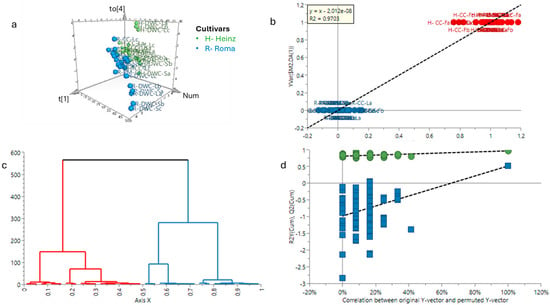
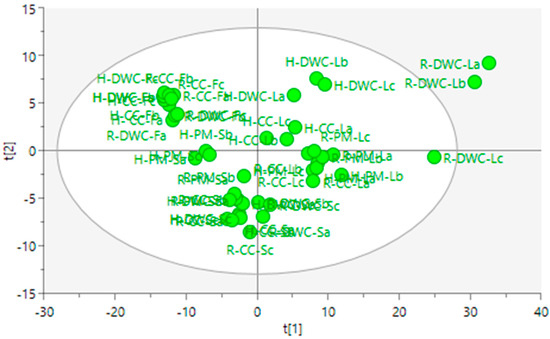
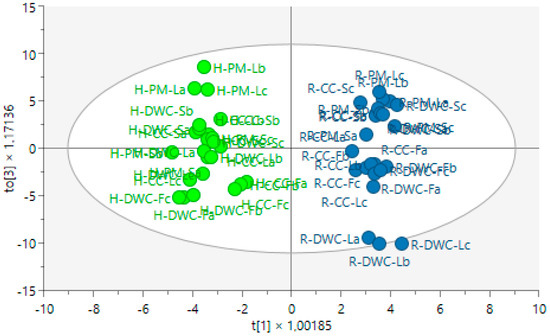
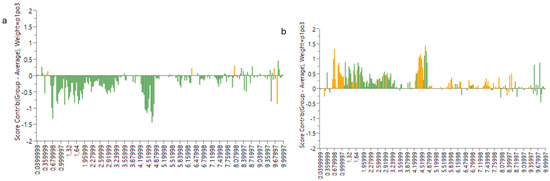
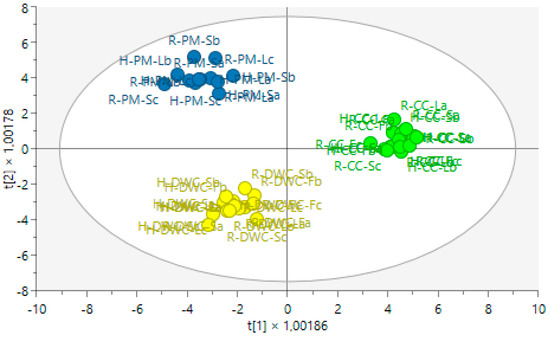
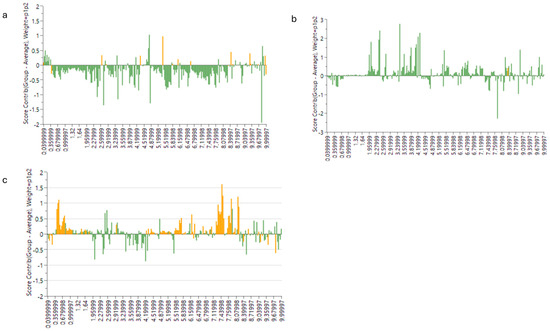
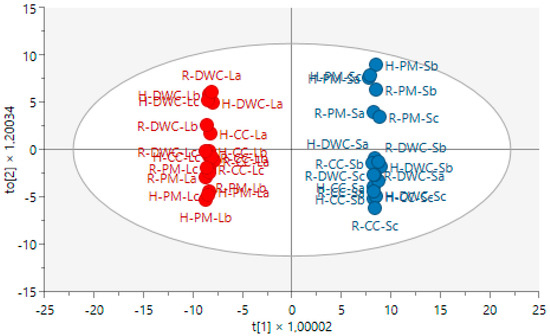
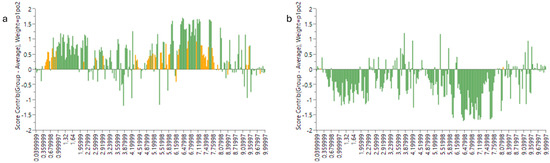
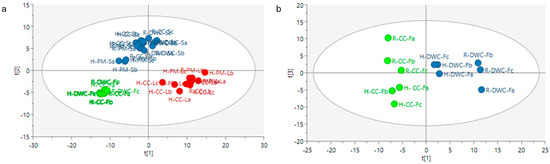
Background/Objectives: This study examined the effect of three different cultural media—coconut coir, peat moss, and deep-water culture—on the metabolomic profiles of two tomato cultivars, Heinz and Roma. Tomato fruit quality is influenced by intricate interactions between the genotype and root-zone environment; nevertheless, little is known about how substrate-based systems compare metabolically to deep-water hydroponics. Methods: Fruit samples from both cultivars grown under controlled greenhouse conditions were analyzed using proton nuclear magnetic resonance (1H-NMR) spectroscopy to identify treatment-dependent biochemical changes. Polar metabolites were extracted using a methanol–water solvent solution and examined using a 600 MHz NMR spectrometer. Spectral datasets were processed and analyzed with multivariate statistical tools such as Principal Component Analysis (PCA), Partial Least Squares Discriminant Analysis (PLS-DA), and Orthogonal Partial Least Squares Discriminant Analysis (OPLS-DA). Results: Distinct clustering patterns were observed, indicating both cultivar-specific and cultivation-system-dependent metabolic differentiation. The PCA model displayed excellent explanatory and predictive capacity, while supervised OPLS-DA improved group discrimination, demonstrating that both genotype and growing medium significantly influenced the chemical composition of the fruit. Soluble sugars (glucose, fructose, and sucrose), sugar alcohols, organic acids such as citric and malic acids, and a variety of amino acids involved in nitrogen metabolism and stress reactions were among the key distinguishing factors. Carbohydrate-related spectral areas (3.0–5.5 ppm) were highly associated with treatment separation, indicating that the cultivation system had a significant impact on carbon allocation and energy metabolism. Conclusions: Fruits grown in deep water culture have distinct metabolic fingerprints from those grown on coconut coir and peat moss, implying that root-zone oxygen availability and nutrient dynamics may influence primary and secondary metabolism.
Full article
(This article belongs to the Special Issue Metabolic Responses in Plants Under Abiotic Stress)
►▼
Show Figures

Figure 1
Open AccessArticle
Sex-Associated Effects of Thioredoxin Reductase Inhibition in Hyperoxia-Induced Lung Injury in Adult Mice
by
Katelyn Dunigan-Russell, Matthew Ryan Smith, Hua Zhong, ViLinh Tran, Dean P. Jones, Lynette K. Rogers and Trent Tipple
Metabolites 2026, 16(9), 623; https://doi.org/10.3390/metabo16090623 (registering DOI) - 28 Aug 2026
Abstract
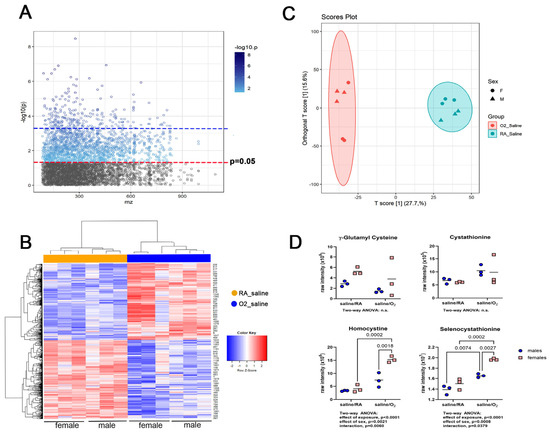
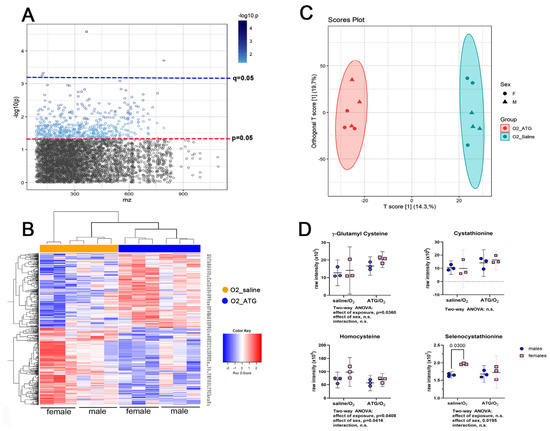
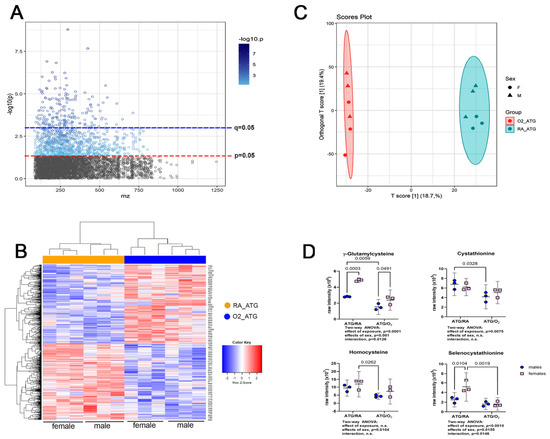
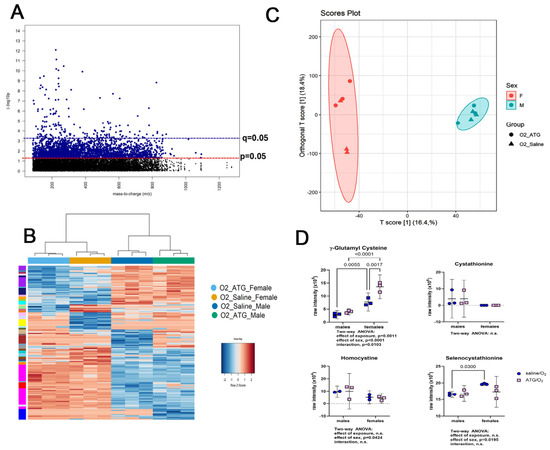
Background: Supraphysiological levels of oxygen are often used as therapy for acute respiratory distress and severe pulmonary morbidities but can cause excessive generation of reactive oxygen species resulting in oxidative and inflammatory injury. Aurothioglucose (ATG), an FDA-approved, gold-containing pharmaceutical, potently and irreversibly inhibits
[...] Read more.
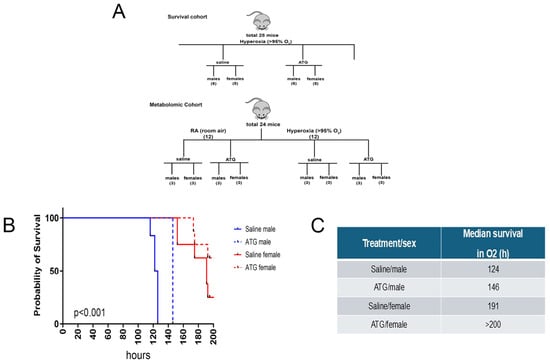
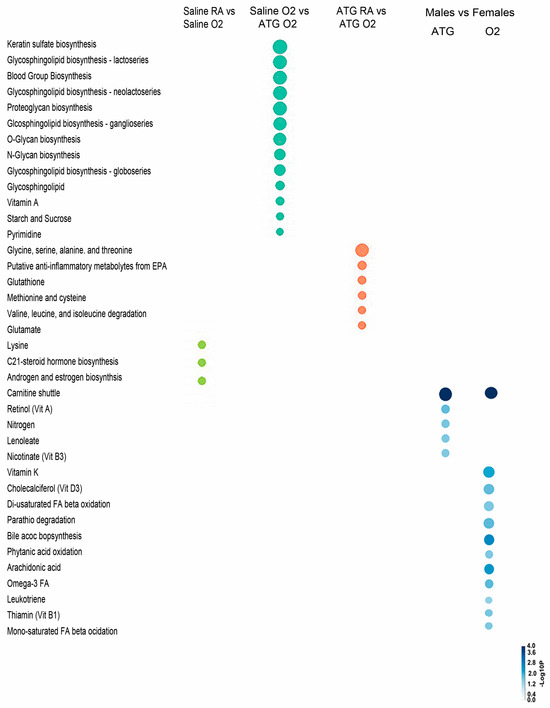
Background: Supraphysiological levels of oxygen are often used as therapy for acute respiratory distress and severe pulmonary morbidities but can cause excessive generation of reactive oxygen species resulting in oxidative and inflammatory injury. Aurothioglucose (ATG), an FDA-approved, gold-containing pharmaceutical, potently and irreversibly inhibits thioredoxin reductase 1, and ATG treatment preserves reduced glutathione levels and attenuates hyperoxic lung injury. Methods: Adult C3H mice were treated with saline or ATG and exposed to room air (RA) or >95% O2. All mice had succumbed or were euthanized at 200 h of >95% O2. In a separate cohort euthanized at 72 h, prior to the appearance of oxygen toxicity, lung tissues were collected for metabolomic analyses. Comparisons were performed between RA and >95% O2 exposure, saline and ATG treatment, and male and female. Results: In <95% O2, differences in survival between the sexes with and without ATG treatment were observed. ATG-treated females survived longer than all other hyperoxia-exposed groups. Features in the glutathione and selenoprotein pathways were significantly different. Metabolomic analysis revealed keratan sulfate (KS) biosynthesis and glycosphingolipid (GSL) biosynthesis as the primary pathways affected in the saline O2 vs. ATG O2 comparison. Carnitine shuttle was identified as the primary pathway between the sexes both with ATG and O2. Conclusions: The current data suggest that the improved survival of hyperoxia-exposed, ATG-treated, female C3H mice may be driven by alterations in glutathione synthesis, energy production, and metabolism resulting in decreased lung injury. These findings may provide direction for further research to improve outcomes after hyperoxia exposure.
Full article
(This article belongs to the Topic Animal Models of Human Disease 3.0)
►▼
Show Figures

Figure 1
Open AccessArticle
Serum Serine as a Metabolic Marker of Optic Neuropathy in Patients with Type 2 Diabetes Mellitus After Vitreoretinal Surgeries
by
Oleksii Ivashyn, Volodymyr Gryshchuk, Vita Ivashyna, Maryna Miasnykova, Heorhii Yurlov, Svitlana Stepanenko and Dmytro Zhaboiedov
Metabolites 2026, 16(9), 622; https://doi.org/10.3390/metabo16090622 - 28 Aug 2026
Abstract
Background: Optical neuropathy is a severe complication in patients with type 2 diabetes mellitus (T2DM) undergoing vitreoretinal surgeries. Early diagnostic indicators are critical to preventing irreversible vision loss. This study aimed to evaluate the alterations in blood serum amino acid profiles, with
[...] Read more.
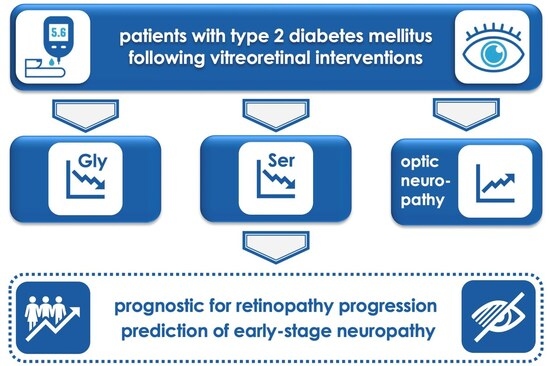
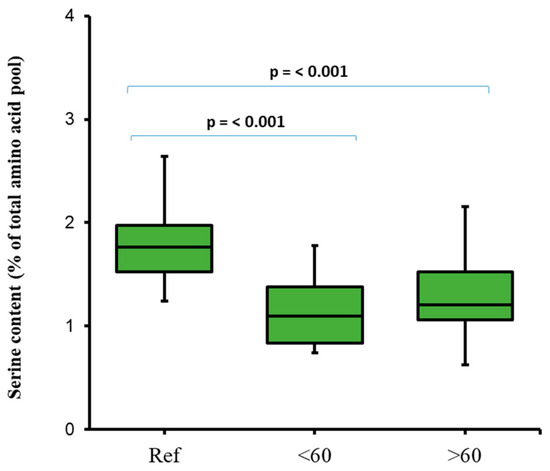
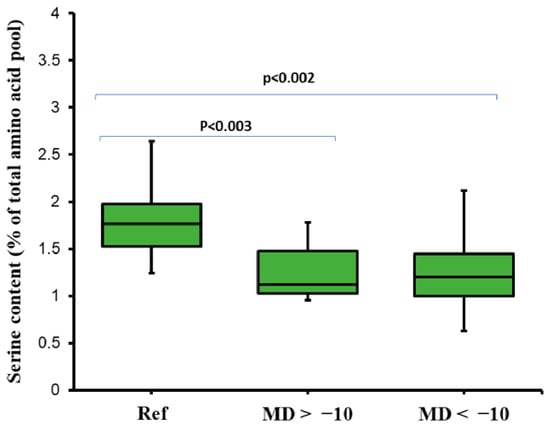
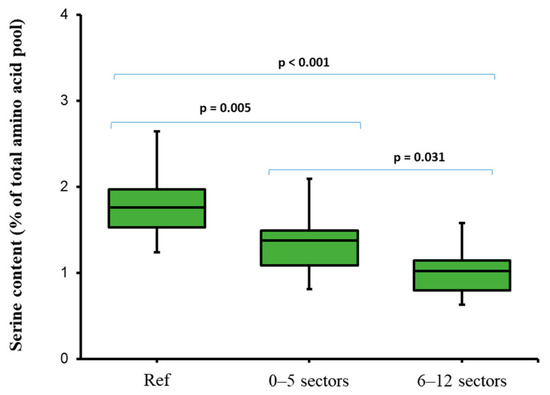
Background: Optical neuropathy is a severe complication in patients with type 2 diabetes mellitus (T2DM) undergoing vitreoretinal surgeries. Early diagnostic indicators are critical to preventing irreversible vision loss. This study aimed to evaluate the alterations in blood serum amino acid profiles, with a specific focus on serine levels, and their potential clinical association with the severity of neuroretinal impairment. Methods: The clinical cohort included 28 patients aged 32 to 77 years with T2DM following vitreoretinal interventions. Visual field functional status was assessed using Humphrey automated perimetry, with mean deviation (MD), pattern standard deviation (PSD), and visual field index (VFI). Structural changes were quantified using optical coherence tomography (OCT) to measure peripapillary retinal nerve fiber layer (RNFL) thickness. Serum amino acid profiles were determined using an ion-exchange chromatography amino acid analyzer, alongside a reference group (n = 12). Results: All patients presented with moderate-to-severe visual field impairment. A profound decline in serum serine levels was observed in diabetic patients compared to the reference group (p < 0.001). The reduction in serine content closely mirrored both the degree of retinal sensitivity loss (MD and PSD values) and the number of thinned peripapillary RNFL sectors. Notably, the compensatory synthesis of serine via glycine cleavage appeared insufficient, as evidenced by a concomitant statistical decrease in glycine content (p < 0.05). No significant differences in serine levels were found between the subgroups when stratified strictly by age or isolated severity stages. Conclusions: It was demonstrated that the decline in serum serine levels in patients with T2DM following vitreoretinal interventions is significantly associated with the severity of optic neuropathy as assessed by optical coherence tomography (OCT). Consequently, serum serine may serve as a valuable dual biomarker, acting as a prognostic indicator for retinopathy progression and a predictive marker for early-stage neuropathy development.
Full article
(This article belongs to the Section Endocrinology and Clinical Metabolic Research)
►▼
Show Figures

Graphical abstract
Open AccessArticle
γ-Valerolactone Reprograms Tomato Metabolism to Enhance Seedling Growth
by
Xin Tao, Shangbo Yan, Ranran Chen, Fangfang Ren, Hongjie Yang, Wenheng Long and Nan Gao
Metabolites 2026, 16(9), 621; https://doi.org/10.3390/metabo16090621 - 27 Aug 2026
Abstract
Background: γ-Valerolactone (GVL), a green volatile platform compound derived from lignocellulosic biomass, has recently been identified as one volatile organic compound produced by the plant growth-promoting rhizobacterium Stutzerimonas stutzeri NRCB010. Although our previous transcriptomic and phenotypic studies have verified that exogenous GVL can
[...] Read more.
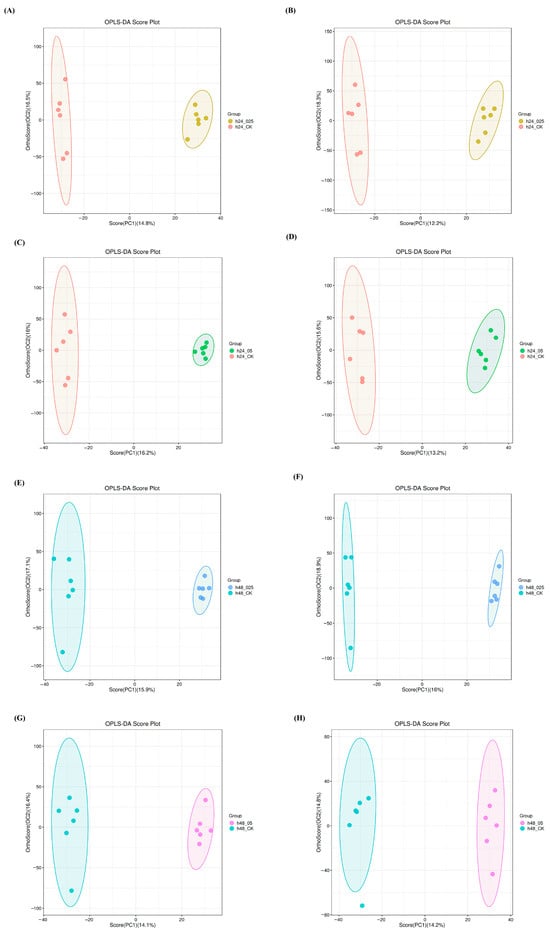
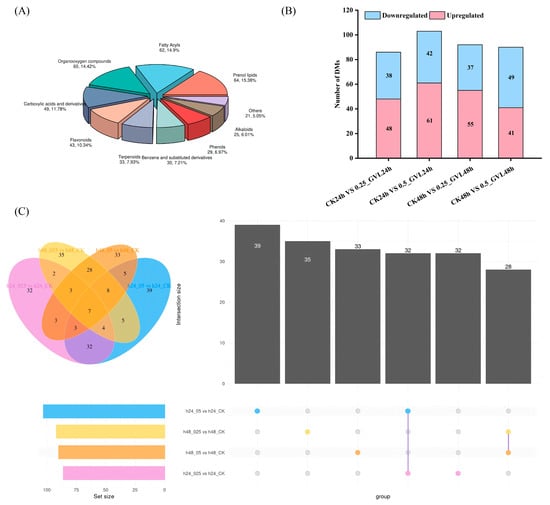
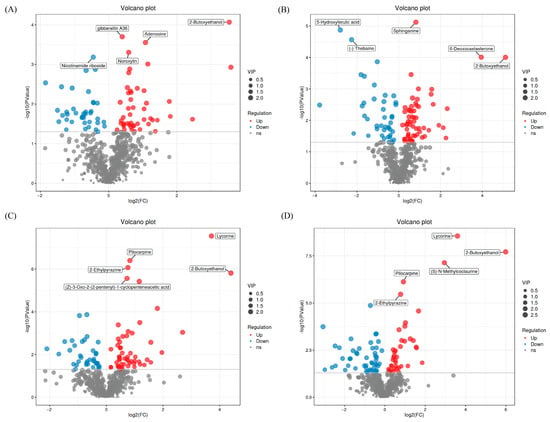
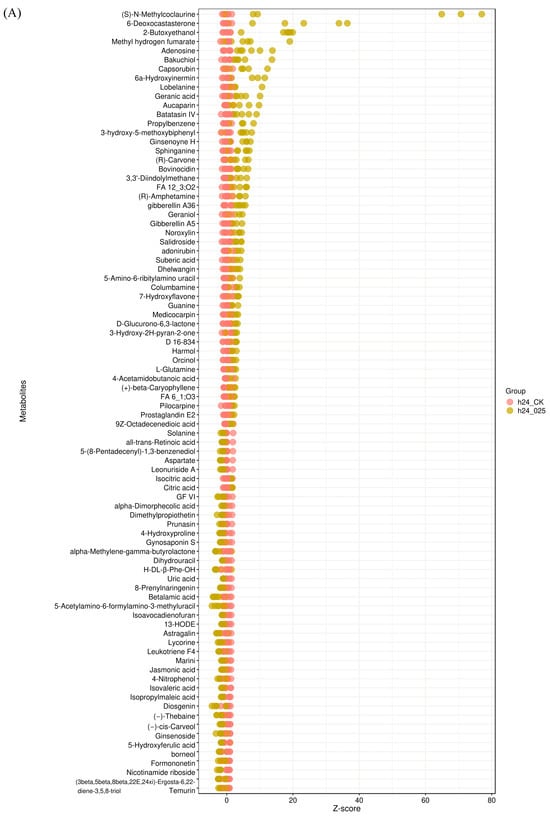
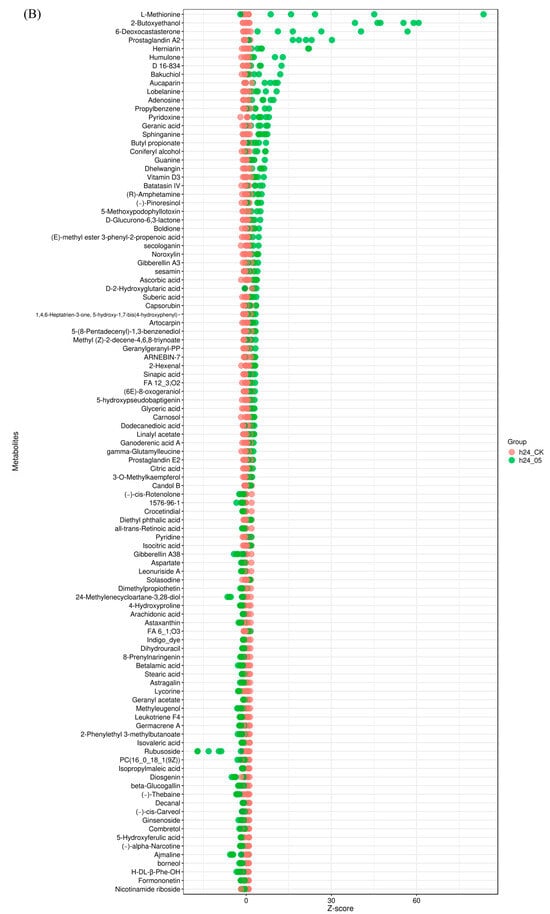
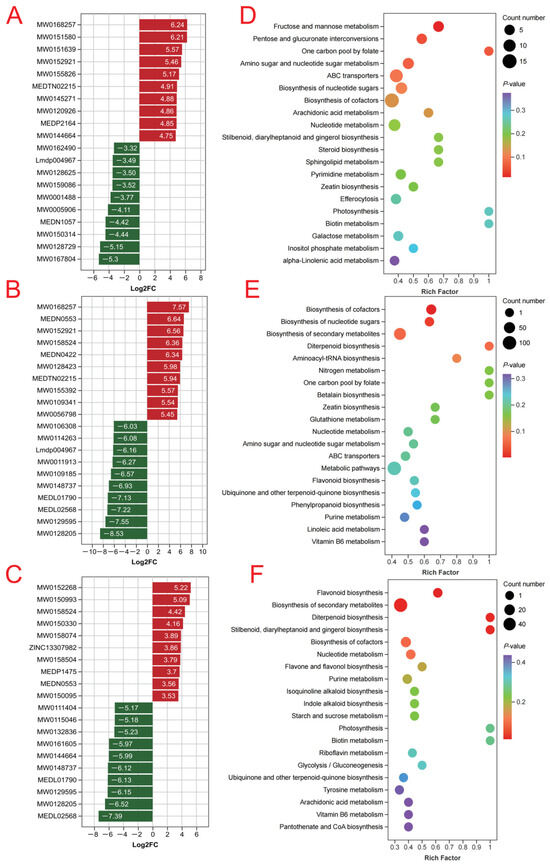
Background: γ-Valerolactone (GVL), a green volatile platform compound derived from lignocellulosic biomass, has recently been identified as one volatile organic compound produced by the plant growth-promoting rhizobacterium Stutzerimonas stutzeri NRCB010. Although our previous transcriptomic and phenotypic studies have verified that exogenous GVL can promote the growth of tomato seedlings, the global metabolic reprogramming behind this promoting effect remains unclear. Methods: Tomato seedlings were subjected to exogenous GVL treatments at three concentrations (0, 0.25, 0.5 g/L) for 24 h and 48 h separately. Combined with physiological growth measurements, ultra-high-performance liquid chromatography–tandem mass spectrometry-based widely targeted metabolomics was applied to systematically characterize GVL-mediated metabolic reprogramming. Results: GVL remarkably improved seedling height, biomass and root development, with 0.25 g/L GVL showing the strongest promoting effect. A total of 703 metabolites including lipids, flavonoids and alkaloids were identified. Principal component analysis and orthogonal partial least squares discriminant analysis revealed distinct metabolic separation between control and treated groups, verifying time and concentration dependent metabolic shifts. After 24 h, GVL activated primary pathways (the tricarboxylic acid cycle, amino acid and purine metabolism) to supply growth energy; after 48 h, central carbon and secondary biosynthetic pathways were enriched, and 0.5 g/L GVL specifically triggered defensive isoquinoline and indole alkaloid biosynthesis. Conclusions: GVL coordinately remodels primary and secondary metabolic networks to accelerate tomato seedling growth, which provides sufficient metabolomic evidence for developing GVL as a novel bio-based plant biostimulant.
Full article
(This article belongs to the Special Issue Metabolites and Plant Stress Resistance)
►▼
Show Figures

Figure 1
Open AccessArticle
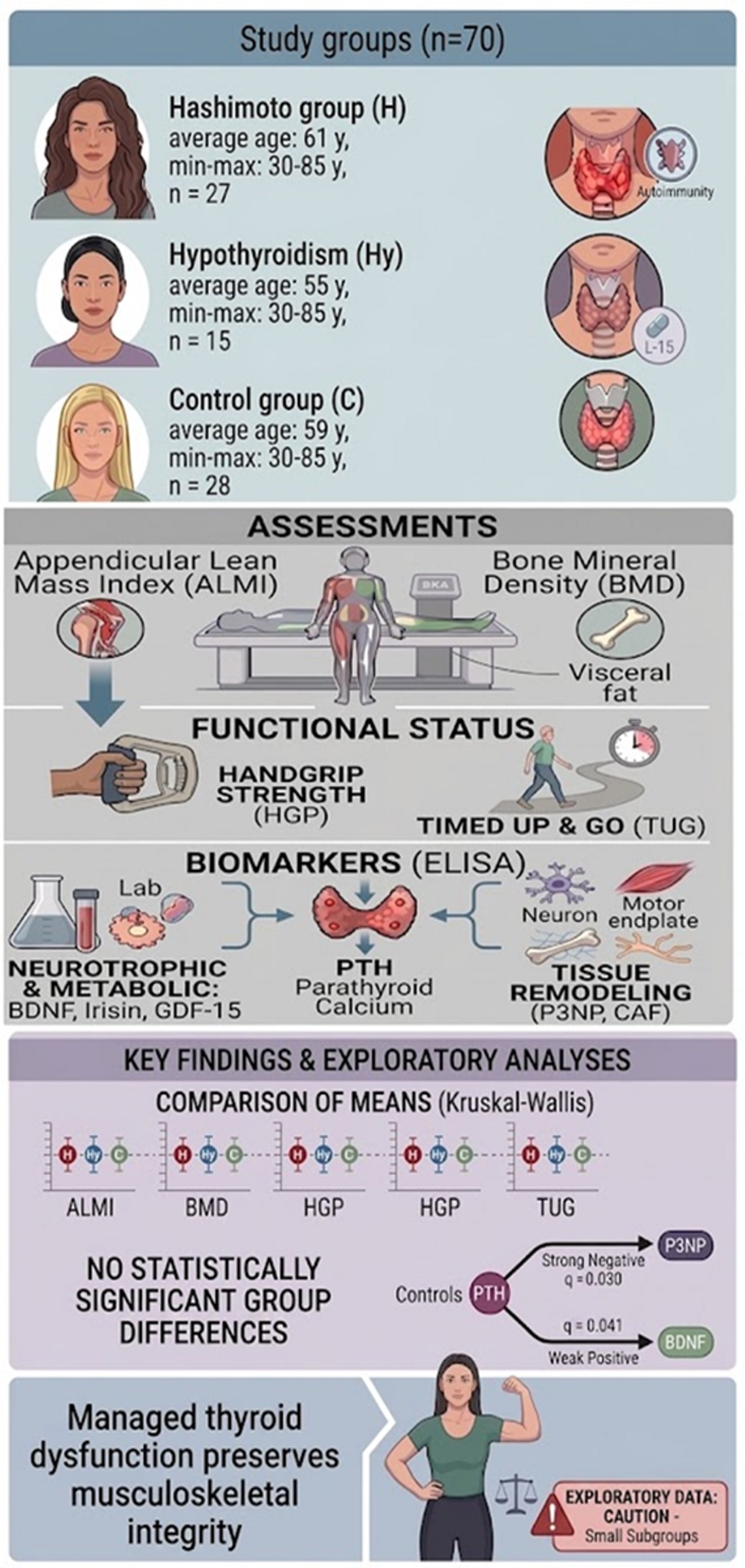
Assessment of the Musculoskeletal Axis and Body Composition Parameters in Women with Controlled Thyroid Dysfunction: A Cross-Sectional Study
by
Aleksandra Radecka, Waldemar Pluta, Michał Lubkowski and Anna Lubkowska
Metabolites 2026, 16(9), 620; https://doi.org/10.3390/metabo16090620 - 27 Aug 2026
Abstract
Background: The stability of the musculoskeletal axis is crucial for maintaining mobility in women, yet the impact of controlled thyroid dysfunction on this system remains ambiguous. Objectives: The aim of this cross-sectional study was to compare the body composition and functional performance
[...] Read more.
Background: The stability of the musculoskeletal axis is crucial for maintaining mobility in women, yet the impact of controlled thyroid dysfunction on this system remains ambiguous. Objectives: The aim of this cross-sectional study was to compare the body composition and functional performance of women with Hashimoto’s thyroiditis, women with hypothyroidism, and healthy controls in the context of the role of parathyroid hormone (PTH) as a potential comorbid factor. Methods: The study included 70 women divided into three groups: Hashimoto’s thyroiditis (n = 27), hypothyroidism (n = 15), and control (n = 28). Anthropometric parameters, including limb muscle mass (ALM) and bone mineral density (BMD), were assessed using X-ray absorptiometry (DXA). Physical performance was assessed using handgrip strength (HGP) and Timed Up and Go (TUG) tests, supplemented by ELISAs for metabolic and neurotrophic biomarkers (BDNF, irisin, GDF-15, P3NP). Results: The results showed no statistically significant differences between groups in muscle mass (ALM: p = 0.13; ALMI: p = 0.27) or bone density (BMD: p = 0.82). Functional performance outcomes were also comparable between groups (HGP: p = 0.71; TUG: p = 0.143). The levels of the analyzed biomarkers did not differ significantly by thyroid status (BDNF: p = 0.91; irisin: p = 0.85; GDF-15: p = 0.96). Furthermore, correlation analysis revealed that PTH showed a moderate, negative correlation with P3NP in the total population (r = −0.44, p = 0.003). In contrast, its association with muscle mass index (ALM) was attenuated after FDR correction. Conclusions: These preliminary results indicate no detectable deterioration in musculoskeletal and functional parameters in women with managed thyroid dysfunction. However, due to the small sample size of the hypothyroidism subgroup and low statistical power, these findings cannot establish physiological equivalence and must be interpreted with caution, as they do not confirm a direct protective effect of levothyroxine therapy against muscle mass decline.
Full article
(This article belongs to the Special Issue Exploring Metabolomic Signatures and the Metabolic Impact of Thyroid Dysfunction)
►▼
Show Figures

Graphical abstract
Open AccessArticle
Organ Identity Outweighs Geographic Origin in Shaping the Metabolome of Tetrastigma hemsleyanum
by
Mingli Ye, Yukai Ba, Zhengrui Chen, Boya Liu, Xin Li, Xiaoya Yu, Yonggang Zhao, Ban Cao, Chao Lei and Yu Liu
Metabolites 2026, 16(9), 619; https://doi.org/10.3390/metabo16090619 - 27 Aug 2026
Abstract
Background/Objectives: The whole plant of Tetrastigma hemsleyanum is used medicinally, but the tuberous root is by far the most commonly used part, and the way in which its metabolites are partitioned among organs and among geographic origins underpins both the rational choice of
[...] Read more.
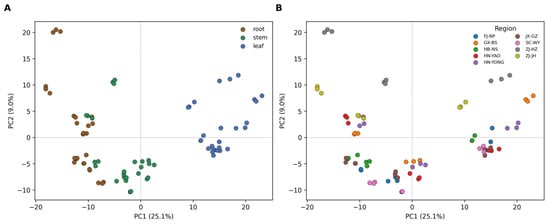
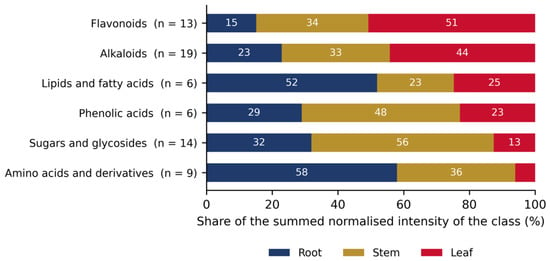
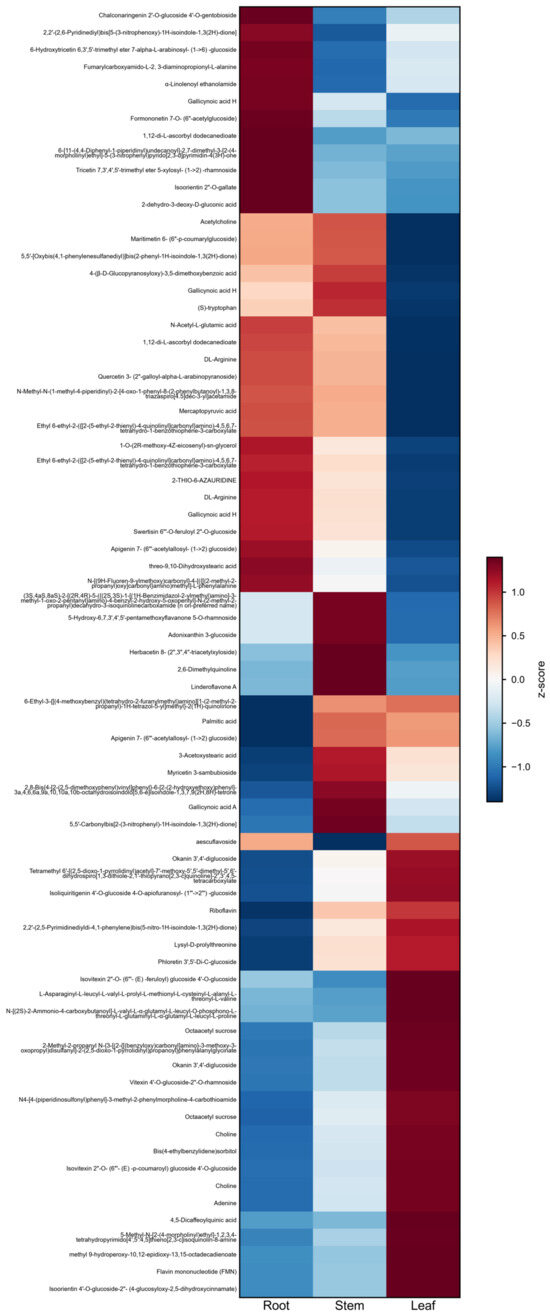
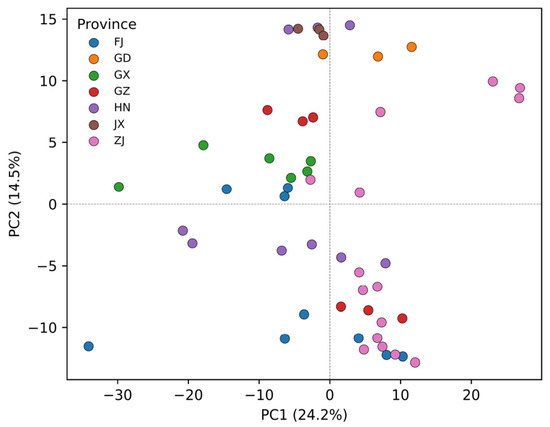
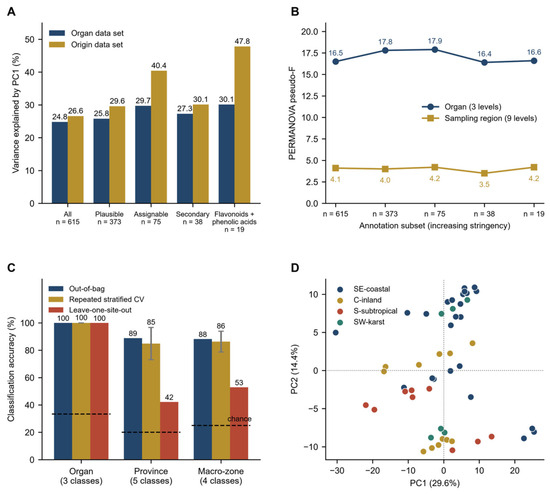
Background/Objectives: The whole plant of Tetrastigma hemsleyanum is used medicinally, but the tuberous root is by far the most commonly used part, and the way in which its metabolites are partitioned among organs and among geographic origins underpins both the rational choice of the medicinal part and the evaluation of herb quality. Methods: Here, untargeted metabolomics based on ultra-high-performance liquid chromatography coupled to high-resolution Orbitrap mass spectrometry was used to compare roots, stems and leaves collected from nine regions of southern China (81 samples) with tuberous roots collected from 17 sites in seven provinces (51 samples). Annotations were graded according to the Metabolomics Standards Initiative (MSI), curated with explicit plausibility rules, and every conclusion was re-tested across five nested annotation subsets. Results: Organ identity was the dominant source of metabolic variation: the three organs were completely separable (random forest out-of-bag accuracy 100%), the organ effect was about four times larger than that of sampling region (PERMANOVA pseudo-F 16.7 versus 4.1), and this contrast was essentially unchanged from the complete set of 615 annotations down to the most stringent subset of 19 flavonoids and phenolic acids. The organ-level pattern was chemically coherent: amino acids and lipids were relatively enriched in the tuberous root, soluble sugars and phenolic acids in the stem, and flavonoids and alkaloids in the leaf, matching the contrasting roles of a storage, a transport and a photosynthetic organ. Geographic differences among tuberous roots were, by contrast, weak and largely local: although provinces could be separated with 88.9% out-of-bag accuracy, accuracy fell to 42.2% when an entire, previously unseen collection site was held out (chance level 20%), and to 52.9% for a coarse macro-geographic zone (chance level 25%), whereas holding out an entire sampling region left organ classification unaffected (100%). Conclusions: The present data therefore document a strong, generalisable and chemically interpretable organ division of labour, but do not support the use of this metabolome for origin authentication. Because most annotations remain at MSI Level 3, individual compounds are reported as putative throughout, and all conclusions rest on multivariate and class-level evidence.
Full article
(This article belongs to the Special Issue Plant Metabolome and Metabolomics)
►▼
Show Figures

Figure 1
Open AccessArticle
Energy Substrate Utilization and Body Composition Following Exercise Preconditioning During Alternate-Day Fasting and Concurrent Exercise in Mice
by
Jungyong Lee, Taeho Kim, Deunsol Hwang, Sunghwan Kyun, Inkwon Jang, Nayeon Kim, Kiwon Lim, Hun-Young Park, Insu Kwon, Sung-Woo Kim and Jisu Kim
Metabolites 2026, 16(9), 618; https://doi.org/10.3390/metabo16090618 - 27 Aug 2026
Abstract
Background/Objectives: Alternate-day fasting (ADF) combined with exercise has been suggested as an effective lifestyle strategy for reducing fat mass while preserving lean mass. However, whether exercise preconditioning before ADF plus concurrent exercise affects subsequent body-composition and substrate-utilization responses remains unclear. This study aimed
[...] Read more.
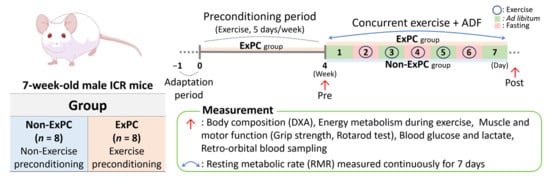
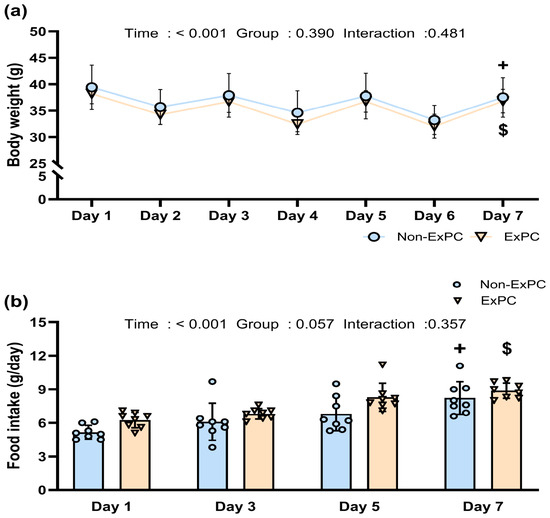
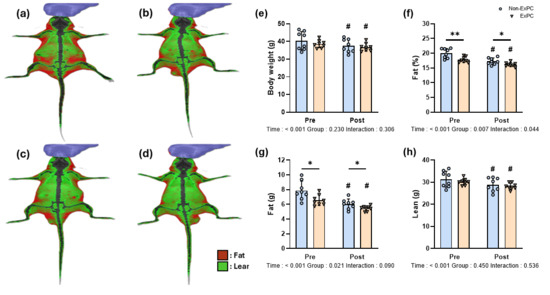
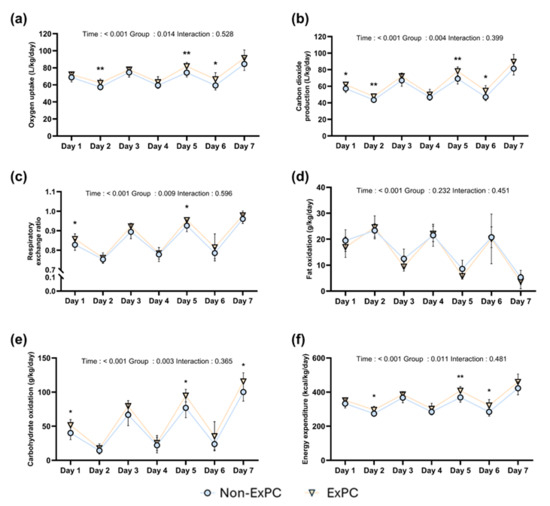
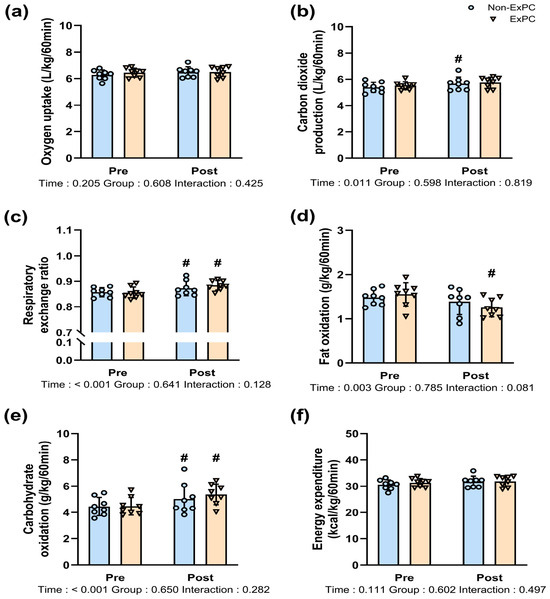
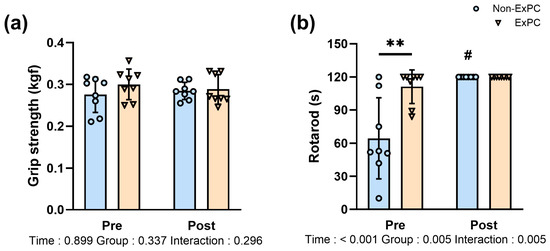
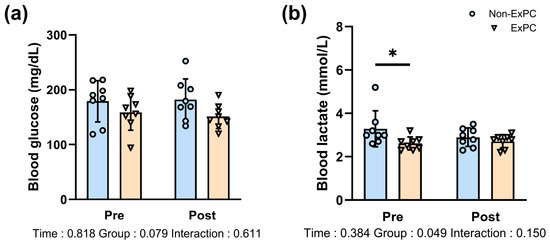
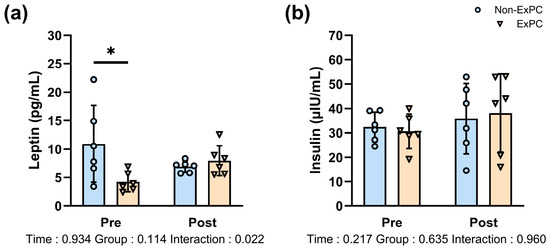
Background/Objectives: Alternate-day fasting (ADF) combined with exercise has been suggested as an effective lifestyle strategy for reducing fat mass while preserving lean mass. However, whether exercise preconditioning before ADF plus concurrent exercise affects subsequent body-composition and substrate-utilization responses remains unclear. This study aimed to evaluate the effects of exercise preconditioning during a subsequent ADF plus concurrent exercise intervention. Methods: Seven-week-old male ICR mice were assigned to the non-exercise preconditioning (Non-ExPC) or exercise preconditioning (ExPC) group (n = 8/group). After the 4-week preconditioning period, both groups underwent 7 days of ADF plus concurrent exercise. Resting energy metabolism was measured during the intervention, and body composition, exercise energy metabolism, muscle and motor function, blood biomarker concentrations, and plasma hormone levels were assessed before and after the intervention. Results: Both groups showed significant reductions in body weight, body fat percentage, and fat mass after the intervention. Lean mass decreased in both groups without between-group differences. The ExPC group maintained significantly lower body fat percentage and fat mass than the Non-ExPC group and showed significantly higher resting oxygen uptake, carbon dioxide production, respiratory exchange ratio, carbohydrate oxidation, and energy expenditure during the intervention. During exercise, the respiratory exchange ratio and carbohydrate oxidation significantly increased in both groups, whereas fat oxidation significantly decreased only in the ExPC group. Conclusions: Exercise preconditioning was associated with the maintenance of lower adiposity during short-term ADF combined with concurrent exercise, while differences in substrate utilization were observed under some conditions.
Full article
(This article belongs to the Special Issue Metabolic Adaptations to Exercise: Mechanisms, Modulators, and Health Impacts)
►▼
Show Figures

Figure 1
Open AccessArticle
A Hybrid and Comparative Machine Learning Framework for Predicting Gestational Diabetes Mellitus via a Prospective Case-Control Design: A Pilot Study Integrating Periodontal Health and Hematological Inflammatory Markers
by
İsa Temur, Mehmet Özsan, Katibe Tuğçe Temur and Andaç Batur Çolak
Metabolites 2026, 16(9), 617; https://doi.org/10.3390/metabo16090617 - 27 Aug 2026
Abstract
Background/Objectives: This pilot study aimed to develop and compare advanced machine learning models, specifically a Bayesian-regularized artificial neural network (ANN) and a transformer-enhanced physics-informed neural network (PINN), by integrating periodontal health indices and hematological inflammatory markers for the prediction of GDM. Methods
[...] Read more.
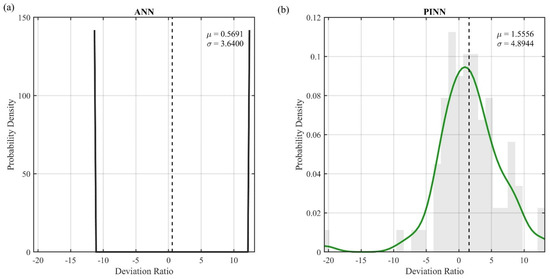
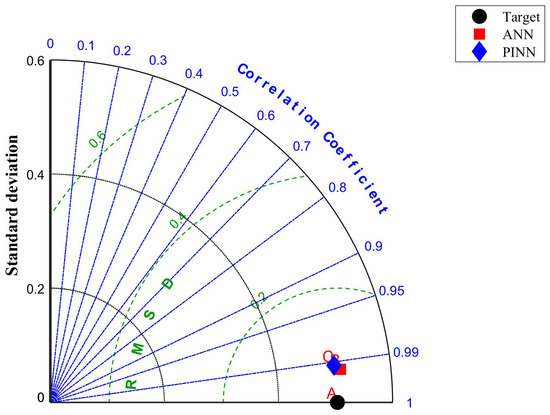
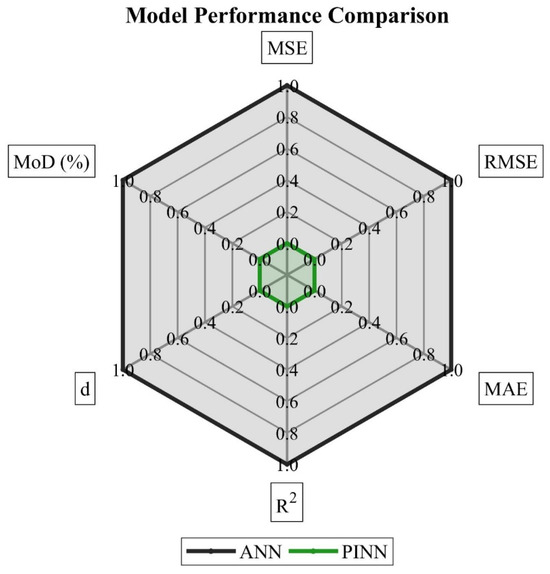
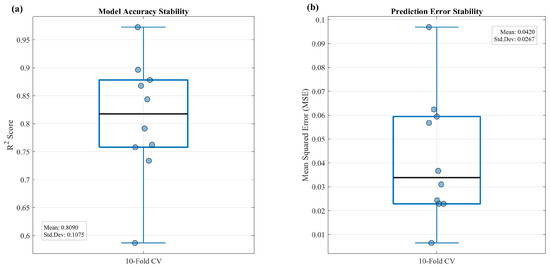
Background/Objectives: This pilot study aimed to develop and compare advanced machine learning models, specifically a Bayesian-regularized artificial neural network (ANN) and a transformer-enhanced physics-informed neural network (PINN), by integrating periodontal health indices and hematological inflammatory markers for the prediction of GDM. Methods: Utilizing a prospective case–control study design, a clinical dataset comprising 80 pregnant women (40 with GDM and 40 healthy controls) was evaluated to develop and compare advanced machine learning models. Clinical, periodontal, and complete blood count-derived inflammatory parameters were integrated into two predictive models: a Bayesian regularization-based artificial neural network (ANN) and a transformer-enhanced physics-informed neural network (PINN). Model performance was evaluated using the coefficient of determination (R2), mean squared error (MSE), root mean squared error (RMSE), mean absolute error (MAE), and residual error analyses. Results: The ANN demonstrated superior predictive performance, achieving an R2 of 0.9872 and an MSE of 3.38 × 10⁻³, compared with an R2 of 0.9833 for the PINN model. Residual analysis showed that the ANN provided greater prediction stability, with a mean deviation of 0.5691 and a standard deviation of 3.6400. The findings demonstrate that the integrated analysis of periodontal and hematological markers through advanced neural architectures, particularly the Bayesian-regularized ANN, provides a high-fidelity diagnostic signal for GDM prediction. This integrated feature set, when processed by the proposed machine learning framework, enables the identification of complex biological patterns with remarkable precision. Conclusions: The proposed machine learning framework provides an accurate, non-invasive, and clinically applicable approach for predicting GDM. Integrating routinely available periodontal and hematological data may improve early risk stratification and support personalized prenatal care. Further validation in larger and more diverse populations is warranted before clinical implementation.
Full article
(This article belongs to the Special Issue Mechanism-Aware Machine Learning in Metabolomics and Clinical Translation: Signatures, Pathways, and Patient Impact)
►▼
Show Figures

Figure 1
Open AccessArticle
Integrated Transcriptomics and Metabolomics to Reveal the Regulatory Mechanisms of Flavonoid Biosynthesis in Persicaria capitata Under Different Nitrogen Fertilization Levels
by
Jiangyong An, Shaoyan Zhang, Yuxin Wang, Fuqiang Du and Tao Zhang
Metabolites 2026, 16(9), 616; https://doi.org/10.3390/metabo16090616 - 27 Aug 2026
Abstract
Background: Persicaria capitata is a perennial herb and one of the top ten authentic Miao medicinal plants in Guizhou province, China, with flavonoids serving as its primary bioactive components. Agricultural production practices have shown that nitrogen fertilizer application can reduce flavonoid accumulation in
[...] Read more.
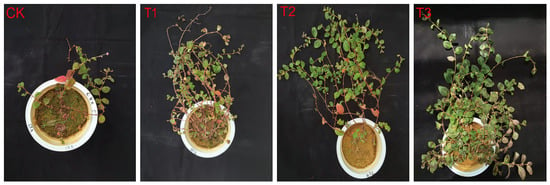
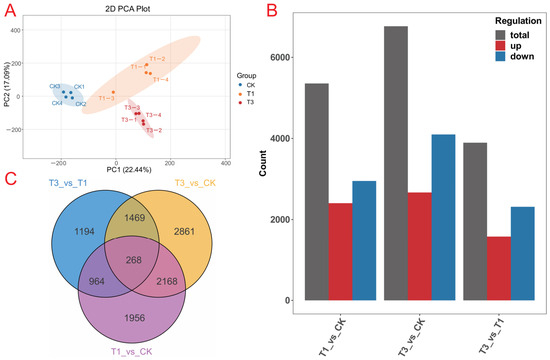
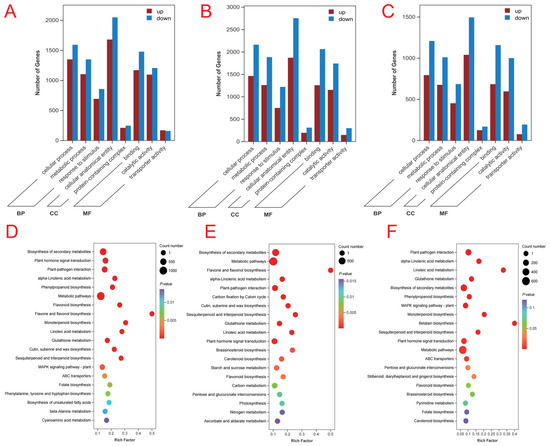
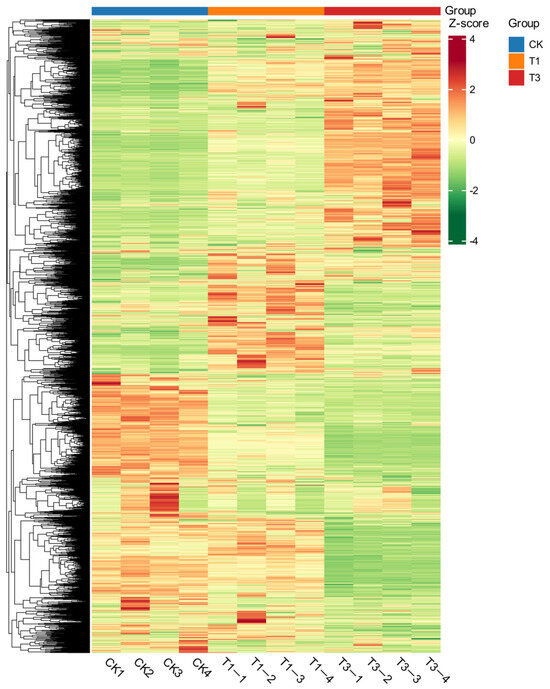
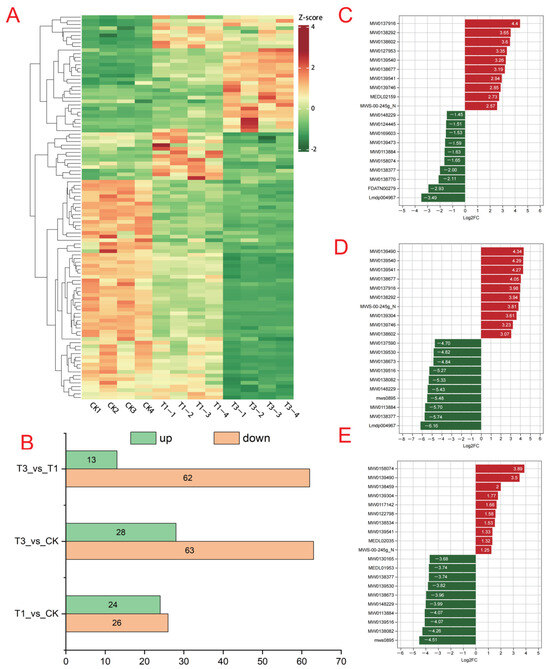
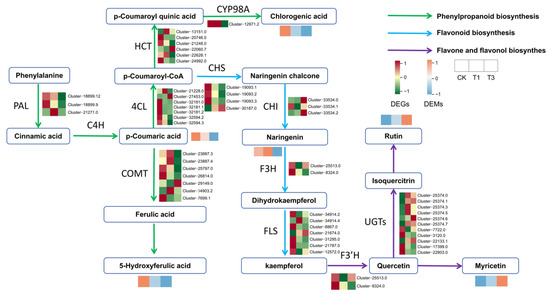
Background: Persicaria capitata is a perennial herb and one of the top ten authentic Miao medicinal plants in Guizhou province, China, with flavonoids serving as its primary bioactive components. Agricultural production practices have shown that nitrogen fertilizer application can reduce flavonoid accumulation in P. capitata, although the underlying molecular regulatory mechanism remains unclear. Methods: In this study, a pot experiment was performed to investigate the effects of different nitrogen treatments on the growth performance and yield of P. capitata. Moreover, the related changes in transcriptomic characteristics and metabolic profiles were also systematically analyzed. Results: Nitrogen fertilization significantly promoted stem elongation, branch number, and yield formation. The maximum stem length, branch number, and single-plant yield were recorded in the 0.3 g N/kg treatment group as reaching 80.74 cm, 37.30, and 123.64 g/plant, respectively. Transcriptomic screening yielded 10,880 differentially expressed genes (DEGs), and the number of downregulated DEGs was consistently higher than upregulated DEGs across all comparison groups. Metabolomic analysis identified a total of 3356 differentially accumulated metabolites, including 168 differential flavonoid metabolites. With the increase in nitrogen application rate, most flavonoid compounds, such as chlorogenic acid, 5-hydroxyferulic acid, and 4-hydroxycinnamic acid, exhibited a significantly downregulated accumulation pattern. An integrated transcriptomic and metabolomic analysis revealed that the differential flavonoid metabolites and functional genes were predominantly enriched in the phenylpropanoid biosynthesis, flavonoid biosynthesis, and flavone and flavonol metabolism pathways. The decreased expression of key structural genes, including PAL, 4CL, CHS, FLS, F3H, and F3′H, inhibited the biosynthesis and accumulation of core flavonoid components (e.g., chlorogenic acid, naringenin, and luteolin), thereby deteriorating the medicinal quality of P. capitata. Conclusions: Nitrogen supplementation increases the yield of P. capitata but inhibits flavonoid biosynthesis. Downregulated expression of key genes in flavonoid metabolism is responsible for the decreased flavonoid content. This study provides theoretical support for optimized nitrogen management to coordinate yield formation and quality improvement in planting practices for P. capitata.
Full article
(This article belongs to the Special Issue Metabolomics and Plant Defence, 2nd Edition)
►▼
Show Figures

Figure 1
Open AccessArticle
Metabolomic Characterization Reveals Organ-Specific Accumulation of Secondary Metabolites in Petiole Glands of Idesia polycarpa
by
Fangming Liu, Xingyue Xiong, Yanmei Wang, Li Dai, Zhi Li, Xiaodong Geng, Juan Wang, Yongyu Ren, Qifei Cai and Zhen Liu
Metabolites 2026, 16(9), 615; https://doi.org/10.3390/metabo16090615 - 27 Aug 2026
Abstract
Background/Objectives: Idesia polycarpa Maxim. possesses conspicuous glandular protuberances on its petioles, but the chemical composition and potential biological significance of these structures remain largely unexplored. This study aimed to characterize the metabolic profile of I. polycarpa petiole glands and to determine their organ-specific
[...] Read more.
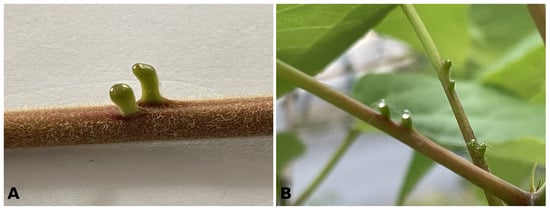
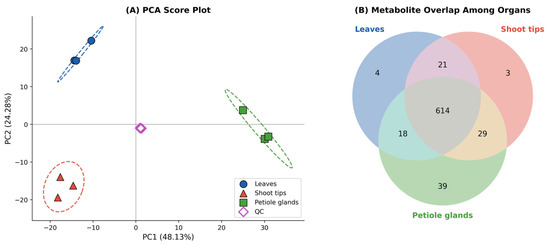
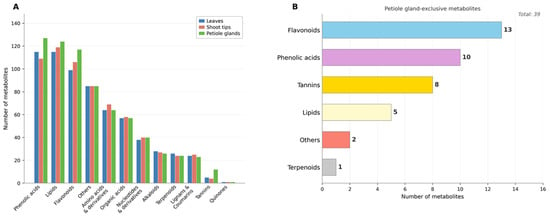
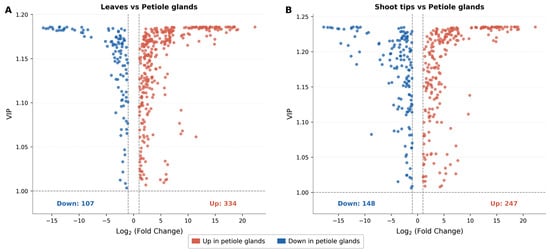
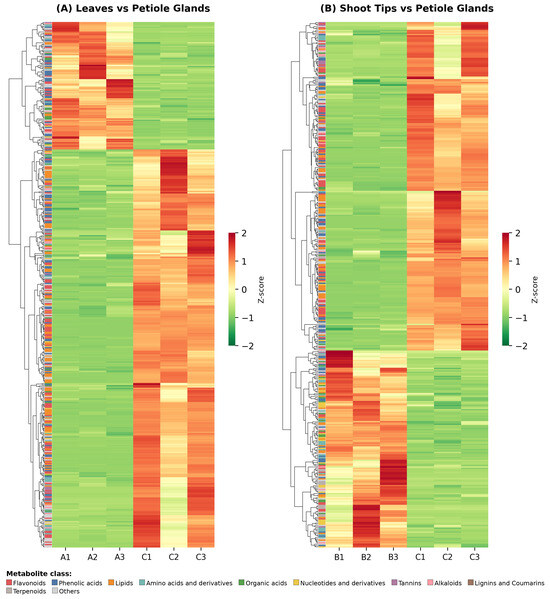
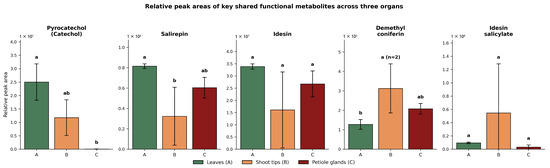
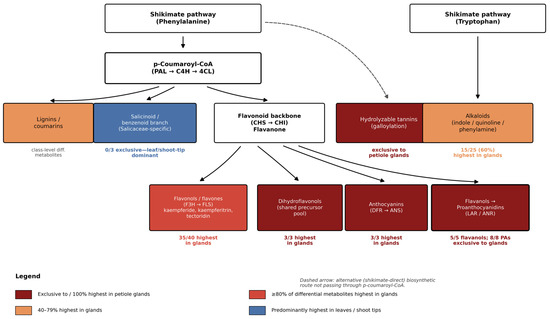
Background/Objectives: Idesia polycarpa Maxim. possesses conspicuous glandular protuberances on its petioles, but the chemical composition and potential biological significance of these structures remain largely unexplored. This study aimed to characterize the metabolic profile of I. polycarpa petiole glands and to determine their organ-specific accumulation patterns of secondary metabolites compared with leaves and shoot tips. Methods: A widely targeted metabolomics approach based on ultra-performance liquid chromatography tandem mass spectrometry (UPLC-MS/MS) was applied to analyze petiole glands, leaves, and shoot tips collected from the same I. polycarpa individuals. Multivariate statistical analyses and differential metabolite profiling were performed to compare metabolic characteristics among the three organs. Results: Petiole glands contained 700 detected metabolites, representing the highest metabolic diversity among the three examined organs, and 39 metabolites were exclusively detected in petiole glands. Principal component analysis clearly separated petiole glands from leaves and shoot tips, demonstrating their distinct metabolic profile. Compared with other organs, petiole glands showed preferential accumulation of several secondary metabolite classes, including flavonoids, tannins, alkaloids, and phenolic acids. The gland-exclusive metabolites included flavonoids such as kaempferide, kaempferitrin, and tectoridin, as well as diverse proanthocyanidins and phenolic acid derivatives. Conclusions: This study provides the first systematic metabolomic characterization of I. polycarpa petiole glands and reveals their organ-specific accumulation of secondary metabolites. The unique metabolic profile of petiole glands suggests potential ecological relevance and provides a foundation for further investigations into the biological functions of gland-associated metabolites.
Full article
(This article belongs to the Section Plant Metabolism)
►▼
Show Figures

Figure 1
Open AccessArticle
Metabolomics and Machine Learning Uncover 5′-Methylthioadenosine as a Metabolic Indicator of Mixed-Pattern Drug-Induced Liver Injury
by
Jinghui Zhang, Hongchuan Liu, Qingrong Qiu, Kongcai Zhu, Xian Ding, Rui Zhao, Ting Hu and Zhuoling An
Metabolites 2026, 16(9), 614; https://doi.org/10.3390/metabo16090614 - 27 Aug 2026
Abstract
Background/Objectives: Drug-induced liver injury (DILI) remains a leading contributor to acute liver failure, yet phenotypic classification still relies on the R-value, leaving the mixed-pattern (MD) subtype a heterogeneous category between hepatocellular (HD) and cholestatic (CD) injury. We aimed to identify a metabolic signature
[...] Read more.
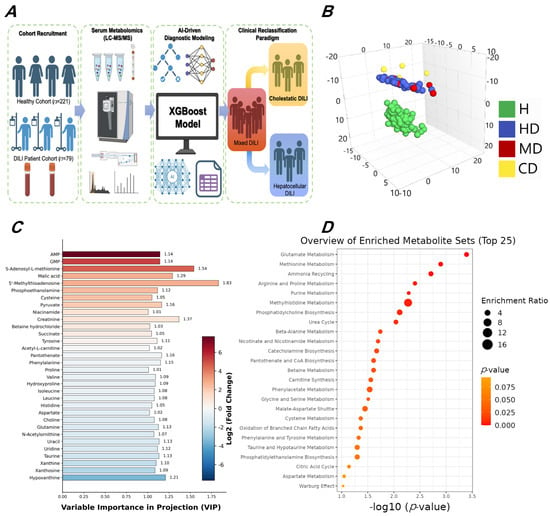
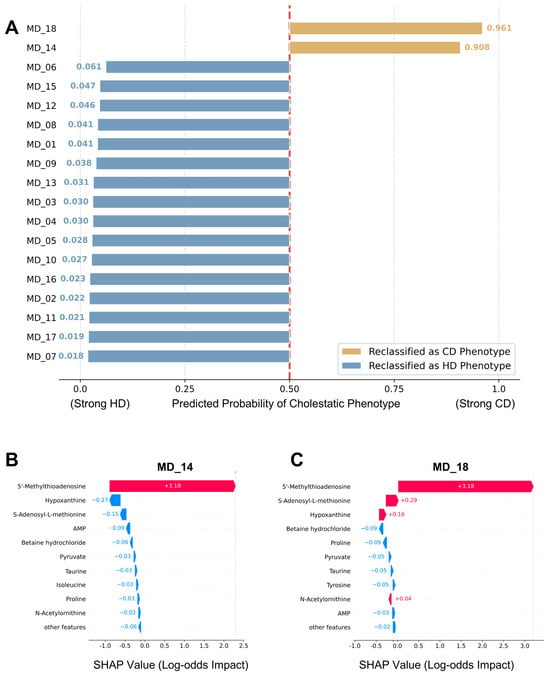
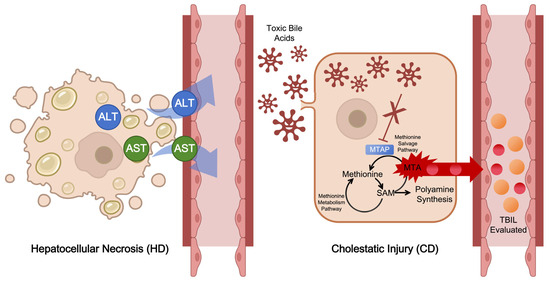
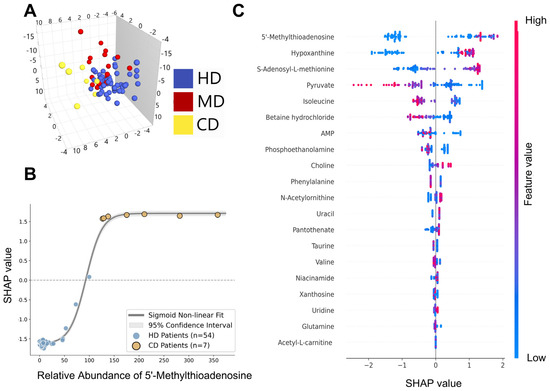
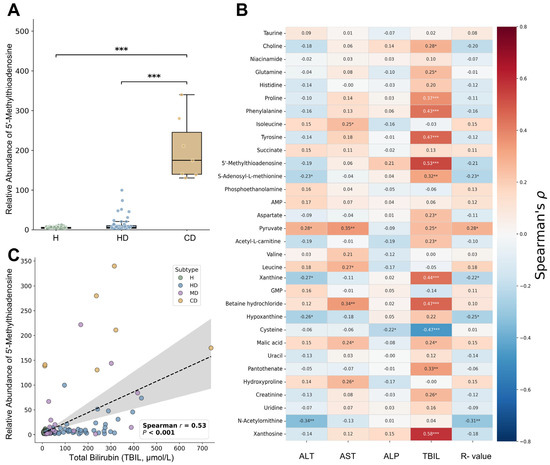
Background/Objectives: Drug-induced liver injury (DILI) remains a leading contributor to acute liver failure, yet phenotypic classification still relies on the R-value, leaving the mixed-pattern (MD) subtype a heterogeneous category between hepatocellular (HD) and cholestatic (CD) injury. We aimed to identify a metabolic signature that helps resolve this heterogeneity. Methods: Targeted LC-MS/MS metabolomics was performed on 79 patients with DILI (HD = 54, CD = 7, MD = 18) and 221 healthy controls. A 32-metabolite panel was used to train an XGBoost classifier with pre-specified, fold-invariant hyperparameters, evaluated via Leave-One-Out Cross-Validation and interpreted by TreeExplainer-based SHAP attribution. Results: SHAP identified 5′-methylthioadenosine (MTA) as the dominant contributor. A four-parameter logistic fit of its SHAP dependence curve gave an exploratory, model-derived transition point at a relative abundance of 93. Applying this value to the 18 held-out MD patients assigned 16 to a hepatocellular and 2 to a cholestatic trajectory. MTA correlated with total bilirubin (r = 0.53, p < 0.001) but not ALT (r = −0.19, p = 0.10), dissociating it from hepatocyte leakage. Conclusions: MTA emerges as an exploratory biomarker that uncovers the distinct metabolic trajectories hidden within mixed-pattern DILI. Furthermore, these findings highlight the MTA-methylthioadenosine phosphorylase (MTAP) axis as a potential mechanistic driver of cholestatic injury.
Full article
(This article belongs to the Special Issue Research on Metabolic Biomarkers in Different Diseases)
►▼
Show Figures

Figure 1
Open AccessArticle
Live-Cell Optical Redox Imaging Reveals Metabolic Heterogeneity and Context-Dependent Responses to Metabolic Perturbation in TNBC Cells
by
He N. Xu, Jack Kollmar, Allison Podsednik, Mihiar Wannousse, Alexander Shestov, Roddy S. O’Connor, Joseph A. Baur, Julia Tchou, Rong Zhou and Lin Z. Li
Metabolites 2026, 16(9), 613; https://doi.org/10.3390/metabo16090613 - 27 Aug 2026
Abstract
Background/Objectives: Triple-negative breast cancer (TNBC) exhibits substantial metabolic heterogeneity and plasticity, contributing to variable therapeutic responses. We investigated whether optical redox imaging (ORI) could characterize metabolic phenotypes, monitor responses to metabolic perturbation, and relate these responses to functional outcomes in TNBC cells. Methods:
[...] Read more.
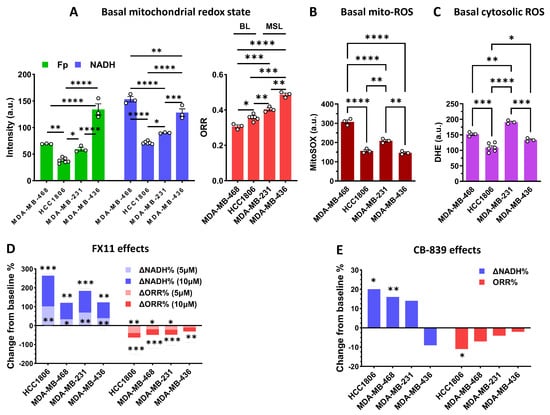
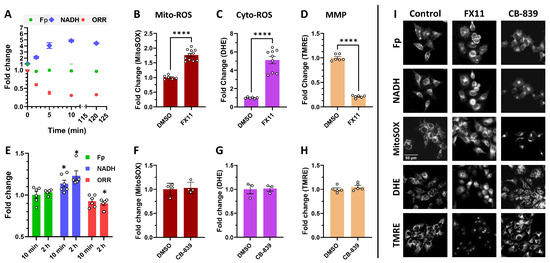
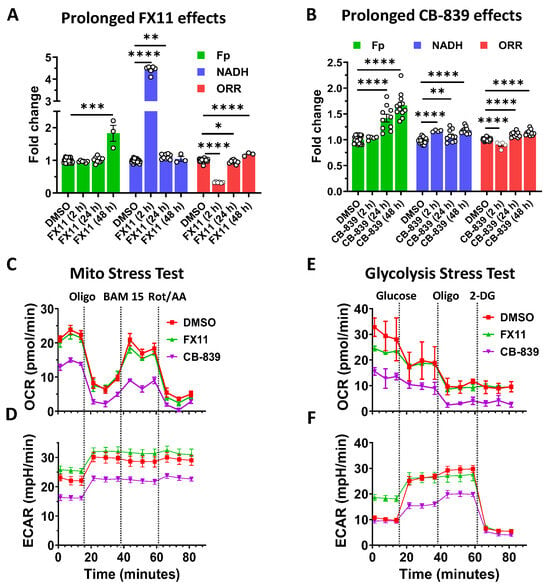
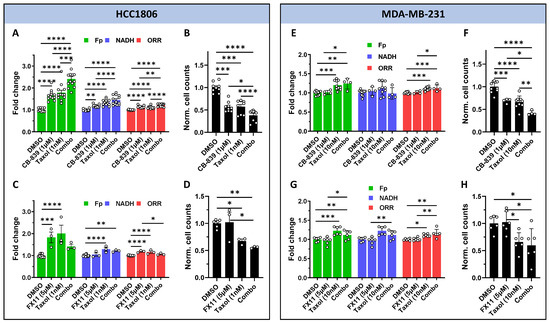
Background/Objectives: Triple-negative breast cancer (TNBC) exhibits substantial metabolic heterogeneity and plasticity, contributing to variable therapeutic responses. We investigated whether optical redox imaging (ORI) could characterize metabolic phenotypes, monitor responses to metabolic perturbation, and relate these responses to functional outcomes in TNBC cells. Methods: Four TNBC cell lines were treated with the lactate dehydrogenase A inhibitor FX11 or the glutaminase inhibitor CB-839, alone or in combination with paclitaxel. Intensity-based label-free ORI was performed and followed by imaging of fluorescent probes to assess mitochondrial membrane potential (MMP), re-active oxygen species (ROS), and cell number in the same dishes. Seahorse assays were used to evaluate mitochondrial respiration and glycolytic flux. Results: TNBC cell lines exhibited distinct basal redox phenotypes and differential responses to acute glycolytic and glutaminolytic perturbation. HCC1806 cells showed the strongest acute ORI responses to both FX11 and CB-839. Acute FX11 treatment induced a rapid reductive shift accompanied by ROS accumulation and loss of MMP, whereas CB-839 produced a more modest early reductive response without detectable ROS accumulation or MMP loss. Prolonged treatment revealed distinct temporal redox trajectories in HCC1806 cells: FX11-treated cells evolved from an acute reductive response toward a more oxidized state, while CB-839-treated cells transitioned from an early reductive shift to a sustained oxidized redox state accompanied by marked reductions in OCR and ECAR. Functionally, in two representative models (HCC1806 and MDA-MB-231), CB-839 reduced cell numbers and enhanced the anti-proliferative effect of paclitaxel, whereas FX11 had no significant effect on cell number despite inducing pronounced acute redox perturbations. Conclusions: Integrating ORI with metabolic flux assays and imaging-based functional measurements enables characterization of multiple dimensions of metabolic behavior, including basal phenotype, pathway-specific responsiveness, temporal redox responses, and treatment-associated outcomes. These findings support intensity-based wide-field ORI as a practical and accessible tool for probing metabolic heterogeneity and characterizing context-dependent metabolic responses in TNBC cells.
Full article
(This article belongs to the Special Issue Optical Assessment of Metabolism—2nd Edition)
►▼
Show Figures

Figure 1
Open AccessArticle
Integrated Metabolomic and Transcriptomic Analyses Reveal Phenylpropanoid–Associated Variation Among Three Dendrobium huoshanense Germplasm Materials
by
Peipei Wei, Binbin Du, Xingen Zhang, Guohui Li, Fang Li, Ping Zhang, Jiayi Dou, Li Zou, Junjie Yang, Yujuan Wang and Jun Dai
Metabolites 2026, 16(9), 612; https://doi.org/10.3390/metabo16090612 - 27 Aug 2026
Abstract
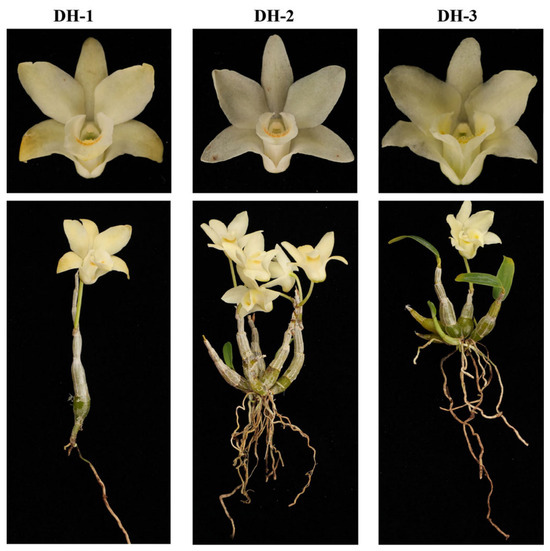
Background: Dendrobium huoshanense flowers are a potentially valuable medicinal resource, but metabolic variation among different germplasm materials remains incompletely characterized. This study aimed to characterize metabolic and transcriptional differences among three D. huoshanense germplasm materials and to explore gene–metabolite associations related to phenylpropanoid
[...] Read more.
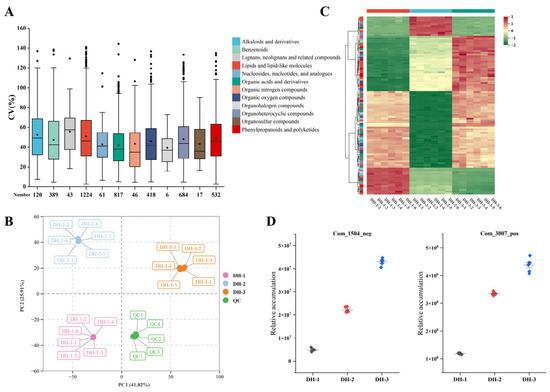
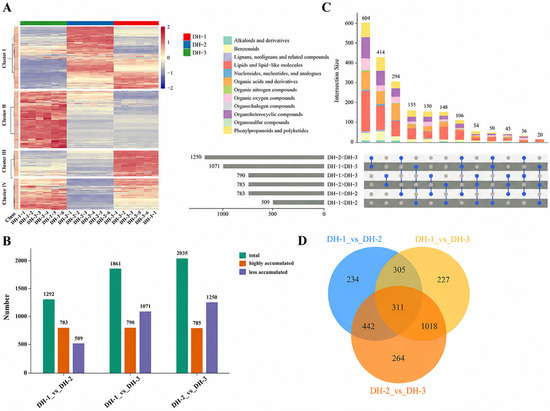
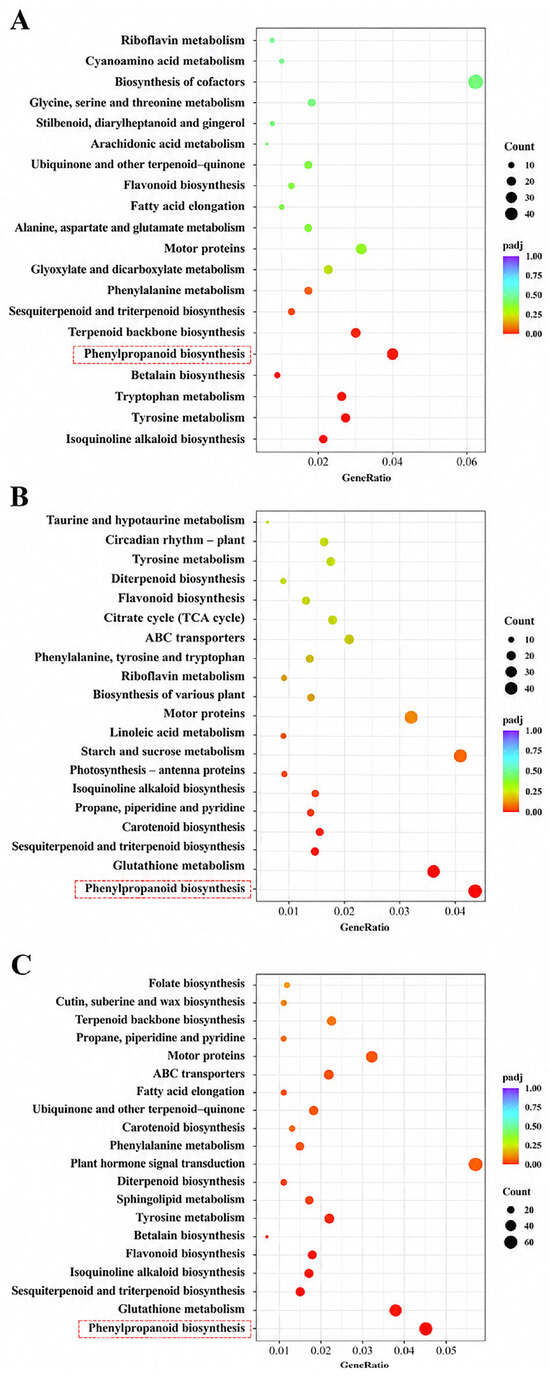
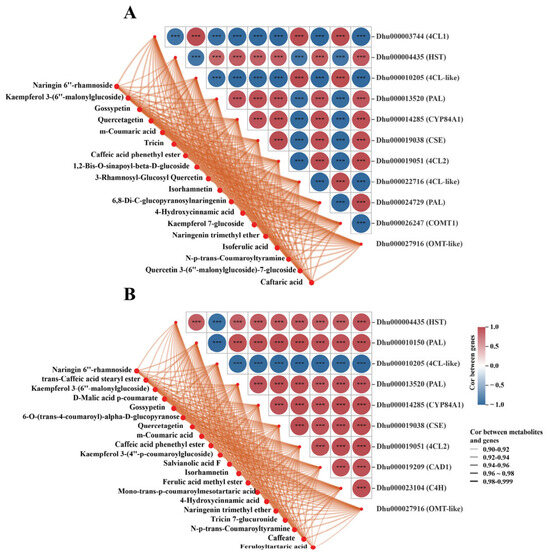
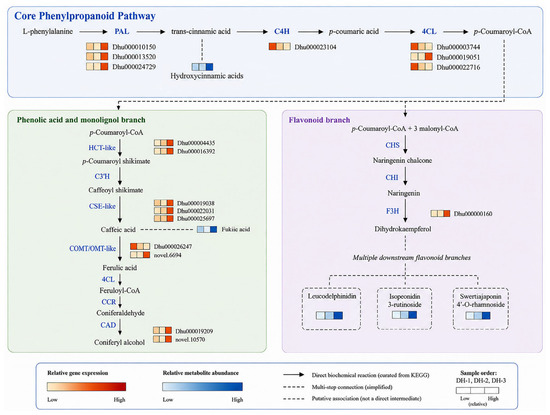
Background: Dendrobium huoshanense flowers are a potentially valuable medicinal resource, but metabolic variation among different germplasm materials remains incompletely characterized. This study aimed to characterize metabolic and transcriptional differences among three D. huoshanense germplasm materials and to explore gene–metabolite associations related to phenylpropanoid metabolism. Methods: Untargeted LC–MS metabolomics and transcriptome sequencing were used to comparatively profile flowers of three D. huoshanense germplasm materials (DH-1, DH-2, and DH-3). Results: Metabolomic profiling detected 4357 metabolic features putatively assigned to 12 chemical classes and revealed clear separation among the three materials. A total of 1292, 1861, and 2035 differentially accumulated metabolic features were identified in DH-1 vs. DH-2, DH-1 vs. DH-3, and DH-2 vs. DH-3, respectively. Transcriptome analysis identified 33,665 expressed genes, including 3365, 5244, and 5964 DEGs in the respective pairwise comparisons. Phenylpropanoid biosynthesis was recurrently enriched across all three DEG comparisons. Exploratory gene–metabolite analysis identified associations involving phenylpropanoid–related candidate genes, including PAL, C4H, 4CL/4CL–like, HCT–like, CSE–like, COMT/OMT–like, and CAD, with the DH-2 vs. DH-3 comparison showing the most extensive molecular differences. Conclusions: The three D. huoshanense germplasm materials exhibited distinct metabolic and transcriptional profiles, providing candidate genes and metabolic features for subsequent targeted validation.
Full article
(This article belongs to the Topic Metabolomics in Plants)
►▼
Show Figures

Figure 1
Journal Menu
► ▼ Journal Menu-
- Metabolites Home
- Aims & Scope
- Editorial Board
- Reviewer Board
- Topical Advisory Panel
- Early Career Editorial Board
- Instructions for Authors
- Special Issues
- Topics
- Sections & Collections
- Article Processing Charge
- Indexing & Archiving
- Editor’s Choice Articles
- Most Cited & Viewed
- Journal Statistics
- Journal History
- Journal Awards
- Conferences
- Editorial Office
Journal Browser
► ▼ Journal BrowserHighly Accessed Articles
Latest Books
E-Mail Alert
News
Topics
Topic in
Nutrients, Metabolites, Healthcare, Children, Obesities, Life
Non-Communicable Diseases Silent Killer: Metabolic and Obesity Risks of Sedentary Behaviors
Topic Editors: Kotsedi Daniel Monyeki, Machoene Derrick SekgalaDeadline: 30 September 2026
Topic in
Animals, Antioxidants, Metabolites, Pets, Veterinary Sciences
Research on Companion Animal Nutrition
Topic Editors: Baichuan Deng, Lian Li, Yun JiDeadline: 26 October 2026
Topic in
Foods, Molecules, Nutrients, Metabolites
Omics Technologies and Other Quality and Safety Methodologies in Nutrition and Health
Topic Editors: Xianjiang Li, Wen MaDeadline: 15 November 2026
Topic in
Antioxidants, Biomedicines, Biomolecules, Cells, IJMS, Metabolites, Nutrients, Sci
Muscle Aging and Sarcopenia: Mechanisms, Metabolic Regulation, and Intervention Strategies
Topic Editors: Hélio José Coelho Júnior, Mariam El Assar, Javier AnguloDeadline: 15 December 2026
Conferences
Special Issues
Special Issue in
Metabolites
Integrative Metabolomics: Pathway Dynamics, Exposure Analysis and Precision Health
Guest Editors: Soundara Viveka Thangaraj, Wei ShaDeadline: 31 August 2026
Special Issue in
Metabolites
Metabolism of Bioactives and Natural Products: 2nd Edition
Guest Editors: Kamila Misiakiewicz-Has, Barbara Wiszniewska, Sylwia RzeszotekDeadline: 31 August 2026
Special Issue in
Metabolites
Metabolomics Studies in Ruminant Models: Unraveling Nutritional Physiology and Health
Guest Editors: Jože Starič, Marko CincovicDeadline: 31 August 2026
Special Issue in
Metabolites
Advances in Murine Models for Metabolic Diseases: Insights into Diabetes, Obesity, and Cardiovascular Conditions
Guest Editor: Samuel TreviñoDeadline: 31 August 2026
Topical Collections
Topical Collection in
Metabolites
Feature Papers Related to "Environmental Metabolomics" Section
Collection Editor: David J. Beale
Topical Collection in
Metabolites
Advances in Metabolomics
Collection Editors: Leonardo Tenori, Edoardo Saccenti