


Abstract
In the past few decades, several devastating heat wave events have significantly challenged public health. As these events are projected to increase in both severity and frequency in the future, it is important to assess the relationship between heat waves and the health indicators that can be used in the early warning systems to guide the public health response. Yet there is a knowledge gap in the impact of heat waves on morbidity. In this study, a comprehensive review was conducted to assess the relationship between heat waves and different morbidity indicators, and to identify the vulnerable populations. The PubMed and ScienceDirect database were used to retrieve published literature in English from 1985 to 2014 on the relationship between heat waves and morbidity, and the following MeSH terms and keywords were used: heat wave, heat wave, morbidity, hospital admission, hospitalization, emergency call, emergency medical services, and outpatient visit. Thirty-three studies were included in the final analysis. Most studies found a short-term negative health impact of heat waves on morbidity. The elderly, children, and males were more vulnerable during heat waves, and the medical care demand increased for those with existing chronic diseases. Some social factors, such as lower socioeconomic status, can contribute to heat-susceptibility. In terms of study methods and heat wave definitions, there remain inconsistencies and uncertainties. Relevant policies and guidelines need to be developed to protect vulnerable populations. Morbidity indicators should be adopted in heat wave early warning systems in order to guide the effective implementation of public health actions.
1. Introduction
According to the Fifth Assessment Report (AR5) of the Intergovernmental Panel on Climate Change (IPCC) [1], the average global temperature from 2003 to 2012 was 0.78 °C higher than it was from 1850 to 1900. Global warming is projected to increase the frequency, intensity and duration of temperature extremes (e.g., heat waves and cold spells) under different Representative Concentration Pathway (RCP) scenarios both in the near- and in the long-term [2]. The short-term effect of heat waves, a prolonged period of excessively hot weather, on mortality has been well documented [3,4,5]. In the past few decades, several devastating heat waves have captured public health attention. For example, the 2003 France and the 1995 Chicago heat wave caused 15,000 and 700 excess deaths, respectively [6,7]. As the severity and frequency of heat waves are projected to increase [8], heat waves will pose even more challenges to our healthcare systems. Therefore, comprehensive understanding of its health impacts could provide evidence for early warning systems and adaptation to heat waves. Heat waves are not only associated with excess mortality, but also increase in morbidity. Since morbidity occurs before mortality, it might be more easily prevented by raising public awareness of heat waves and promoting early access to health care.
There has been increasing interest in the relationship between heat waves and morbidity. Various indicators have been used in this assessment, including the number of hospital admissions, outpatient department visits, emergency department (ED) visits, emergency hospital admissions (EHA), and ambulance call-outs [3,5,9]. However, the published studies have so far detected inconsistent results. These discrepancies may be associated with different regions, climates and demographic characteristics of the study sites as well as the various study designs applied. Therefore, it is necessary to review the updated studies to gain a comprehensive overview. The aims of this review are: (1) to understand the health impact of heat waves on population morbidity; (2) to assess the state of and gaps in current knowledge; (3) to comment on current research methodology; (4) to make evidence-based recommendation for public heath intervention programs; and (5) to highlight or pinpoint the direction of future research.
2. Methods
2.1. Search Strategy and Selection Criteria
The PubMed and ScienceDirect database were used to retrieve literature regarding the relationship between heat waves and morbidity. The primary search strategy followed U.S. National Library of Medicine’s Medical Subject Headings (MeSH) terms and keywords: heat wave OR heatwave AND morbidity OR hospital admission OR hospitalization OR emergency call OR emergency medical services OR outpatient department visit. We limited the search to original studies published in English between 1 January 1985 and 30 November 2014.
2.2. Eligibility Criteria
Studies that met the following eligibility criteria were included.
- It is an original study.
- Used heat wave as the main exposure of interest and included a clear definition of heat wave.
- Used morbidity as the main health outcome. When morbidity and mortality are analyzed simultaneously, only the results on morbidity are included.
- Studied the exposure-response relationship between heat waves and morbidity.
The studies that only used high daily temperature as exposure measures or did not have quantified effect estimates were excluded. Titles and abstracts were first screened, and then the remaining full articles were evaluated in detail to check whether they met the inclusion criteria. Further eligible articles were found through tracing the references of the articles generated by the primary search.
3. Results
We identified 1003 papers in the initial search; 33 studies met the inclusion criteria and were included in the final review (Figure 1). Among them, 14 examined the relationship between heat waves and emergency medical care, eight investigated the impact of heat waves on hospital admissions, five assessed the emergency medical care and hospitalizations simultaneously, and six analyzed other data sources. Those studies were conducted in various regions, including nine in Europe, seven in the United States of America, 14 in Australia, two in China, and one in Canada.
3.1. Health Indicators
The heat wave-morbidity relationship can be measured by different indicators. Most of the current literature used hospitalization and emergency medical care related indicators, the latter of which can be further divided into ambulance call-out, emergency medical service (EMS) use, emergency department (ED) visit, and emergency hospital admissions.
Figure 1.
Literature searching process.
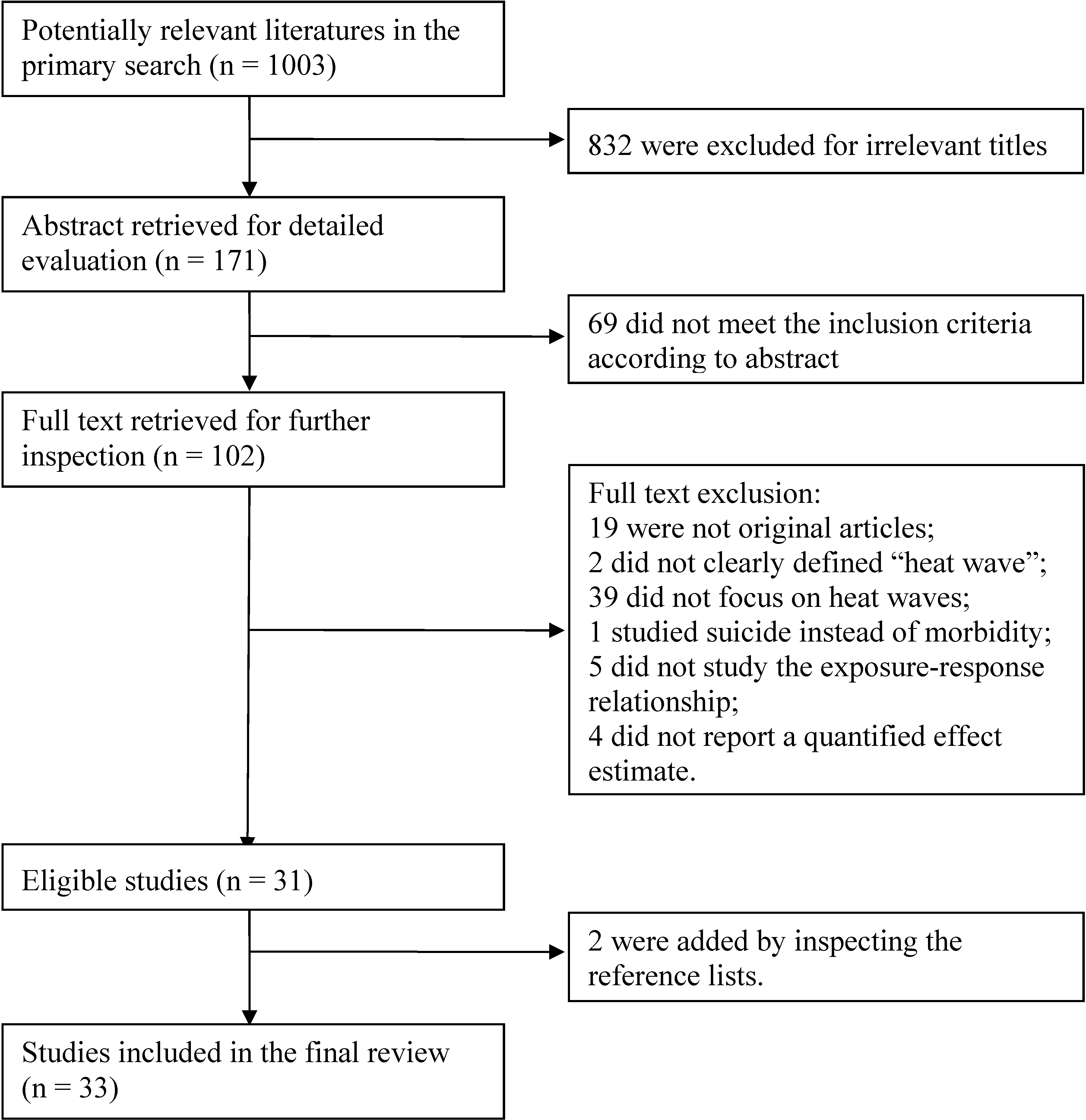
Table 1 summarized the impact of heat waves on emergency medical care. As the front line of emergency medical service, ambulance services are greatly affected by emergency events. Existing studies consistently proved an increased demand for ambulance services during heat waves. For example, Turner [10] found an excess ambulance attendance of 18.8% during heat waves in Australia. Moreover, most studies detected that emergency department (ED) visits and emergency hospital admissions (EHA) increased during heat wave periods.
Table 1.
Studies of the relationship between heat wave and emergency medical care.
Table 2 listed the papers that examined the heat waves and hospitalization association. Inconsistent results were observed. The magnitude of effect estimates varied in the studies that reported a significant adverse effect of heat waves on hospitalization. For example, the increase of all-cause hospitalizations ranged from 2% to 11% [29,30]. This discrepancy may be due to difference in health care system, demography and climatic characteristics as well as data availability. The results presented in Table 3 used data sources other than EMS or hospitalization, such as specific disease surveillance data, to identify the relationship between heat waves and certain diseases. For example, using birth defects data from New York State Congenital Malformation Registry, Van Zutphen et al. found that exposure to high temperature and heat waves in the critical period (e.g., weeks 3–8 post-conception, during organogenesis) was significantly associated with an increased occurrence of congenital cataracts [31]. As a surveillance disease in China, heat-related illness is diagnosed according to uniform criteria across all surveillance cities and registered through a national surveillance system. A sharp increase of heat-related illness was detected in Bai’ s study [32].
3.2. Vulnerable Populations
3.2.1. Age
Published studies indicated that the elderly and children were easily affected by heat waves. Studies of ED visits, ambulance calls and emergency hospitalization showed that people aged over 75 years were more susceptible to heat waves than the youth [11,13,19]. Studies of heat waves and hospital admissions showed a similar result, with the risk increasing with age [33,34]. The younger children, aged 0–4 yrs, suffered the most during the 2006 heat wave in California [26], and excess morbidity of the youth (<14 yrs) had also been observed during a 10-day heat wave in England [21]. The odds ratio (OR) of heat wave impact on EHAs reached as high as 3.6 (95% CI: 1.4–9.5) [23] for renal diseases in children (aged 0–14 yrs), which indicated that children were at a greater risk on certain health consequences.
3.2.2. Gender
The impact of heat waves on specific diseases was modified by gender. For instance, effects of heat waves on the stroke hospitalization, out-of-hospital cardiac arrest, heat-related illness, work-related injuries and diseases were significantly higher among males than among females [32,33,35]. However, these effects on renal diseases were higher among females than males [36]. This may be due to different exposures, working characteristics, and personal behaviors.
Table 2.
Studies of the relationship between heat wave and hospitalization.
Table 3.
Studies using other data sources other than EMS or hospitalization.
3.3. The Susceptible Patients
The relationship between heat waves and specific diseases has been fully explored, which shows different patterns among published studies. There is a consistent result indicating that the demand for medical care increased for people with renal diseases and heat-related illness [11,17,24,25,26,27,30,34]. For cardiovascular disease (CVD), respiratory disease (RD) and mental illnesses, the results remain inconsistent. For instance, a significant increase of 8% [29], 6% [29] and 7.3% [34] was found on hospital admissions for CVD, RD and mental diseases, respectively; and a much higher effect estimate of 16.1% increase was observed on stroke hospitalization [33]. However, other studies detected non-significant association [11,14,24,26]. Negative health effects of heat waves have also been detected for other diseases such as preterm birth [31,41], birth defect [31], electronic imbalance [26], inflammatory bowel disease and infectious gastroenteritis [37]. However, conclusion cannot be reached due to lack of sufficient evidence, and further studies are needed.
3.4. The Additional Effect of Heat Waves on Morbidity
Heat wave, an episode of sustained heat, may have an extra effect on morbidity above and beyond that of high temperatures alone because of its intensity and duration. In order to estimate the additional effect of heat wave on morbidity, the general effects of high temperature would need to be removed. Comparing the observed rate of calls to National Health Service (NHS) Direct (a nurse-led helpline in England) to the expected values after controlling for general temperature effect, Leonardi et al. found that the total symptomatic calls were moderately elevated during the two heat episodes in 2003 [21]. Turner et al. discovered that heat wave accounted for 18.8% (95% CI: 6.5%, 32.5%) additional total ambulance attendance in Brisbane, Australia [10]. Similar effects were also observed for renal and respiratory admissions in the United States [22]. However, in a study of the 1995 heat wave in Greater London, Kovats et al. observed no excess morbidity due to heat wave. Although there was a slight increase in the additional effect due to heat wave on hospital admissions using the regression model without temperature terms in the sensitivity analysis, it hardly reached statistical significance [20]. Such inconsistent results might be due to differences in medical diagnostic criteria, demographic characteristics and climatic conditions. More studies are required to elucidate the additional effect of heat waves on morbidity.
3.5. The Lag Effect of Heat Waves
Most of the studies showed that heat waves had a short lagged effect limited within seven days on morbidity. The lag pattern of heat waves varied across regions and diseases. Wang et al. showed that exposure to heat at lag 0, lag 1, and lag 0–2 (three days’ cumulative exposure) significantly increased the risk of EHAs for children’s renal diseases in Brisbane, a sub-tropical city in Australia, and the strongest heat wave effects appeared at lag 1 [23]. A similar result was obtained by this research group when examining the lagged effect of heat waves on EHAs within a scope of five days [12]. Schaffer et al. found that the greatest relative risk of heat waves on all-cause ambulance calls and ED visits was at lags of one and three days in Sydney, respectively [13]. In another study, heat wave at a two-day lag was found to be significantly associated with the risk of hospitalization for stroke (OR 1.173, 95% CI: 1.047–1.315) [33]. However, the effect of heat waves on infectious gastroenteritis had a longer lag effect, the strongest of which was observed at lag day 7 [37].
4. Discussion
Heat waves are associated with a series of health problems ranging from increased morbidity to excess death toll. Numerous studies have examined the harmful impact of heat waves on mortality with nearly consistent results [3,43]. However, the number of studies on the heat wave-morbidity relationship is relatively small and their outcomes varied across regions. Heat wave-related morbidity could be a useful indicator to inform the early warning system and adaptive measures. However, our review shows that knowledge gaps on the heat wave-morbidity association still exist.
4.1. The Impact of Heat Waves on Emergency Medical Care and Hospital Admissions
Most of the existing literature identified the negative effect of heat waves on emergency medical care. However, inconsistent results were found among studies on hospital admissions. This inconsistency might be due to various social factors that can veil the modest environmental effect. For example, the number of available beds is often limited, so most patients will be treated in the ED and then sent home. Only a small number of patients are hospitalized in each study location during heat waves, which may reduce the statistical power. Our search may be skewed towards positive results because of an inherent publication bias—the negative or statistically non-significant results may not be openly published. It might indeed be the case that the adverse effect of heat waves on hospital admission is a lot smaller than on emergency medical services use because ambulances and ED are really at the front line of medical assistance, and thus are more sensitive to acute events.
4.2. The Vulnerable Populations
The risk posed by heat waves is not of the same magnitude in different age and gender groups. The elderly, children and males are more susceptible than other subgroups. The elderly aged over 65 years old is found to be a vulnerable group in most studies, which is also in line with studies on the temperature-morbidity relationship [9]. The regulation of body temperature involves multiple organ systems, which naturally deteriorates with the aging process. This leaves the elderly more susceptible to heat [44], especially when high temperature sustains for several consecutive days, giving the body no time to regulate back to normal. Furthermore, the elderly with existing chronic diseases are at even higher risk, because physiological impairments may already weaken their ability to deal with sustained heat [45], and medications they take may contribute to further increase in this risk [36]. Besides the physical capability to deal with extreme weather events, the elderly could also face social isolation [46], which needs to be addressed for early warning and adaptation purposes. Josseran’s study showed that the elderly would require more vigilance and preventative efforts during heat waves [47], such as the establishment of an elderly contact database during heat waves. Children are more vulnerable to heat waves than adults because their regulatory systems are less developed. They have greater metabolic rates and lower cardiac output. In addition, they tend to spend more time outdoors and take no protective measures during heat waves [48]. Therefore relevant regulations need to be established for scheduled school sports activities during heat waves. The reason why men suffer more from heat waves may be partly due to the fact that they are more likely to participate in outdoor activities and therefore be exposed to heat in hot days. For example, Xiang found that male workers had more work-related injuries than females during heat waves [42]. Whether a biological mechanism lies beneath the gender gap still needs further research and investigation.
People with specific diseases are vulnerable to heat waves. Among the studies that explored those susceptible diseases, consistent evidences showed adverse health effects of heat waves on heat-related and renal diseases morbidity. Heat-related disease tend to occur during outdoor labor as a result of accumulated heat load over a longer time period with little opportunity for rest. Renal health can be compromised during extreme heat days due to dehydration and hyperthermia leading to electrolyte and water imbalance and placing extra stress on the kidneys [36]. However, the results on cardiovascular and respiratory morbidity varied from one study to another. Some studies speculated that the heat wave effect on these diseases may be partly accounted for by the air pollution effect during heat waves. Further epidemiological and pathogenetic researches are warranted to address this uncertainty.
Social factors can also affect people’s responses to heat waves. The socioeconomic status (SES) was an effect modifier between temperatures and emergency hospital admission in Wichmann’s study in Denmark [49], and those with low SES had increased morbidity and mortality during extreme heat [50]. As two important indicators of SES, Yang et al. [51] found that heat wave-associated mortality was modified by education level and occupation class. Xiang et al. [42] also reported that outdoor workers, in particular those undertaking highly intensive and physical activities were at high risk of heat-related illnesses and injuries during extremely hot weather. Moreover, according to Hansen’s study, people living in culturally and linguistically diverse (CALD) communities were also vulnerable to heat [52]. A possible explanation may be that they are not able to get the necessary information and resources and their living and housing conditions may be more disadvantaged, which could worsen their ability to cope with heat waves [53]. It is therefore important to work together with relevant government organizations, non-governmental organizations (NGOs) and service providers for appropriate and relevant health interventions.
4.3. The Heterogeneity of Existing Literature
The effect estimates of different studies cannot yet be synthesized to obtain a pooled result because of the challenges of inconsistent methodology and heat wave definition. Typically, the most common statistical approach in this field is time-series analysis with Poisson regression to obtain the relative risk. Some other studies calculated excess morbidity by directly comparing the observed numbers of events during heat waves and the expected numbers of events based on the reference period [14,17,19,22,26,29,30]. The reliability of the results can be influenced by various choices of the baseline period. Case-crossover design is another common method to explore the relationship between heat waves and morbidity by calculating the odds ratio and confidential intervals. Given the methodological heterogeneity in the current available literature, it is important to evaluate different methods in order to assess the most appropriate method in detecting heat wave impact on morbidity and to compare studies conducted in different regions of the world.
The current studies used various heat wave definitions, which were usually based on local meteorological conditions. In the studies that compared different definitions, Turner et al. found that the effects of heat waves generally increase with higher percentiles of maximum temperature used in the definition [10]; Tong et al. assessed the relationship between 10 definitions and emergency hospital admissions and found that even a small change in the heat wave definition produced an appreciable effect on the estimated health impact, with odds ratios ranging from 1.03 to 1.18 [16]. In addition to temperature, other meteorological factors, such as relative humidity, rainfall and wind velocity, are also used to form a comprehensive indicator—apparent temperature and heat index, for example [41,54]. Although heat waves are usually locally defined and have no universal definition, duration, intensity and timing are their essential characteristics, which should be considered in data analysis. According to one study, high intensity, long duration and being the first heat wave of the summer are the factors that make heat waves more harmful [55]. However, the exact combination of these three characteristics may differ across regions. Therefore, more studies are needed to identify the contributions of the duration, intensity and order of heat waves. Recently, Excess Heat Factor (EHF) has been used in the study of heat and population health, which is a new heat index based on three-day-averaged daily mean temperature that efficiently captures the heat wave severity in Australia. Such comprehensive indicators should be further evaluated on their effectiveness in detecting heat waves [56]. Even when using the same definition, different heat waves may have different impact on morbidity [25]. All of the above-mentioned problems could pose difficulties to the pooling of effect estimates from the current literature.
4.4. Usage of Morbidity Data in the Heat Wave Early Warning System
Considering the health impact of heat waves, surveillance and early warning systems are needed to enable policy-makers and stakeholders to take immediate and effective actions. Heat wave and health warning systems based on weather forecast data did not seem to capture heat wave effect very well. In a study in Detroit, Michigan found that prediction of mortality from forecast heat waves tended to underestimate heat wave effects relative to the effect of observed weather metrics [57]. Therefore, other critical input should also be considered in activating heat alerts and warnings. Even for the observed meteorological data, studies have found that different weather variables and exposure metrics performed differently in predicting the health outcomes. The most important predictors should be identified and applied in the heat wave early warning system [58,59]. Besides meteorological predictors, surveillance of health indicators, including morbidity and mortality, should also play an essential role when creating heat wave response plans. Previously, surveillance systems based on mortality data have already been developed and implemented. For example, the Heat-Health Watch system established in England, Wales and Italy since 2004 as part of the national heat wave plan is a timely mortality surveillance system [60,61], the monitoring system of all-cause mortality in Belgium (Be-MOMO) is also a sensitive measure that can generate early warning [62]. The inclusion of morbidity-based health indicators can help to optimize the early warning system. For instance, the syndromic surveillance system based on emergency departments’ morbidity rates satisfactorily detected the health impact of hot days in France [63]. Since calls to NHS Direct are sensitive to daily temperatures and extreme weather, calls for heat- and sun-stroke are now routinely monitored as part of the UK Heat-wave plan [21]. The Montreal public health surveillance system monitored health indicators such as total mortality, pre-hospital emergency transports, and calls to the health information line and hospital admissions during the 2010 heat wave to guide the decision to implement medical interventions and actions [64]. In South Australia, Telecross REDi Service was activated in 2009 as a part of the State Heat and Health Emergency Response to provide calls to vulnerable clients during extreme heat days, especially the senior population. However, there has been no systematical way of evaluating these early warning systems to examine the effectiveness of such systems in reducing morbidity and mortality due to heat waves. This is an area that should be explored in future.
4.5. Limitations and Future Considerations
Current studies have provided a general overview of the association between heat waves and morbidity, but there are still a lot of knowledge gaps that need to be filled, such as the definitions of heat waves and the methodology used to best assess heat wave effect. Specifically, the heterogeneity in heat wave definition and methodology makes it difficult to synthesize the existing research to get a quantitative result. Different methods should be assessed to evaluate their relative ability to detect the impact of heat waves on morbidity, and the various definitions of heat waves should be applied to the local health data to find the most suitable one to guide local action, as there is not a universal definition because of the diversity in local weather and social conditions. Susceptible diseases and vulnerable populations require further exploration. Current strategies and plans should be evaluated to test their effectiveness. Approaches and measures taken should be evidence-based and apply to local condition.
Furthermore, most existing heat waves and morbidity studies are from developed countries such as Europe, Australia and the USA. There are very limited studies from developing countries such as China and India. It is important to examine the effect of heat waves on morbidity in these heavily populated countries and to establish the necessary comprehensive data collection and surveillance systems required.
5. Conclusions
Although inconsistency still remains in the literature, most studies found harmful health effects due to heat waves. The direction of these effects on emergency medical care is more consistent. Policy-makers and key stakeholders should make strategies to protect vulnerable populations, especially the elderly and children, people with lower SES, the CALD community, and people with chronic diseases. Morbidity indicators should be adopted in heat wave early warning systems to guide the implementation of effective public health actions. Multi-region study and even international cooperation using identical methodological strategy and various heat wave definitions are warranted to cope with current knowledge gaps on this important health concern.
Acknowledgements
This study was supported by the National Basic Research Program of China (973 Program) (Grant No. 2012CB955504).
Author Contributions
Mengmeng Li and Qiyong Liu conceived and designed the experiments. Mengmeng Li and Shaohua Gu performed the experiments and analyzed the data. Mengmeng Li, Shaohua Gu and Jun Yang were responsible for study selection, data extraction and quality assessment. Mengmeng Li and Peng Bi drafted the manuscript, which was revised by all authors. All authors read and approved the final manuscript.
Conflicts of Interest
The authors declare no conflict of interest.
References
- IPCC. Climate Change 2013: The Physical Science Basis. Contribution of Working Group I to the Fifth Assessment Report of the Intergovernmental Panel on Climate Change; Cambridge University Press: Cambridge, UK, 2013. [Google Scholar]
- IPCC. Managing the Risks of Extreme Events and Disasters to Advance Climate Change Adaptation. A Special Report of Working Groups I and II of the Intergovernmental Panel on Climate Change; Cambridge University Press: Cambridge, UK, 2012. [Google Scholar]
- Astrom, D.O.; Forsberg, B.; Rocklov, J. Heat wave impact on morbidity and mortality in the elderly population: A review of recent studies. Maturitas 2011, 69, 99–105. [Google Scholar] [CrossRef] [PubMed]
- Martiello, M.A.; Baldasseroni, A.; Buiatti, E.; Giacchi, M.V. Health effects of heat waves. PMC 2008, 64, 735–772. [Google Scholar]
- Xu, Z.; Etzel, R.A.; Su, H.; Huang, C.; Guo, Y.; Tong, S. Impact of ambient temperature on children’s health: A systematic review. Environ. Res. 2012, 117, 120–131. [Google Scholar] [CrossRef] [PubMed]
- Fouillet, A.; Rey, G.; Laurent, F.; Pavillon, G.; Bellec, S.; Guihenneuc-Jouyaux, C.; Clavel, J.; Jougla, E.; Hemon, D. Excess mortality related to the august 2003 heat wave in france. Int. Arch. Occup. Environ. Health 2006, 80, 16–24. [Google Scholar] [CrossRef] [PubMed]
- Semenza, J.C.; Rubin, C.H.; Falter, K.H.; Selanikio, J.D.; Flanders, W.D.; Howe, H.L.; Wilhelm, J.L. Heat-related deaths during the july 1995 heat wave in chicago. N. Engl. J. Med. 1996, 335, 84–90. [Google Scholar] [CrossRef] [PubMed]
- Meehl, G.A.; Tebaldi, C. More intense, more frequent, and longer lasting heat waves in the 21st century. Science 2004, 305, 994–997. [Google Scholar] [CrossRef] [PubMed]
- Ye, X.; Wolff, R.; Yu, W.; Vaneckova, P.; Pan, X.; Tong, S. Ambient temperature and morbidity: A review of epidemiological evidence. Environ. Health Perspect. 2012, 120, 19–28. [Google Scholar] [CrossRef] [PubMed]
- Turner, L.R.; Connell, D.; Tong, S. The effect of heat waves on ambulance attendances in Brisbane, Australia. Prehosp. Disaster Med. 2013, 28, 482–487. [Google Scholar] [CrossRef] [PubMed]
- Wang, X.Y.; Barnett, A.G.; Yu, W.; FitzGerald, G.; Tippett, V.; Aitken, P.; Neville, G.; McRae, D.; Verrall, K.; Tong, S. The impact of heatwaves on mortality and emergency hospital admissions from non-external causes in Brisbane, Australia. Occup. Environ. Med. 2012, 69, 163–169. [Google Scholar] [CrossRef] [PubMed]
- Tong, S.; Wang, X.Y.; Guo, Y. Assessing the short-term effects of heatwaves on mortality and morbidity in Brisbane, australia: Comparison of case-crossover and time series analyses. PLoS One 2012. [Google Scholar] [CrossRef]
- Schaffer, A.; Muscatello, D.; Broome, R.; Corbett, S.; Smith, W. Emergency department visits, ambulance calls, and mortality associated with an exceptional heat wave in Sydney, Australia, 2011: A time-series analysis. Environ. Health 2012. [Google Scholar] [CrossRef]
- Mayner, L.; Arbon, P.; Usher, K. Emergency department patient presentations during the 2009 heatwaves in Adelaide. Collegian 2010, 17, 175–182. [Google Scholar] [CrossRef] [PubMed]
- Bustinza, R.; Lebel, G.; Gosselin, P.; Belanger, D.; Chebana, F. Health impacts of the July 2010 heat wave in Quebec, Canada. BMC Public Health 2013. [Google Scholar] [CrossRef]
- Tong, S.; Wang, X.Y.; Barnett, A.G. Assessment of heat-related health impacts in Brisbane, Australia: Comparison of different heatwave definitions. PLoS One 2010. [Google Scholar] [CrossRef]
- Bulbena, A.; Sperry, L.; Garcia Rivera, C.; Merino, A.; Mateu, G.; Torrens, M.; San Gil, J.; Cunillera, J. Impact of the summer 2003 heat wave on the activity of two psychiatric emergency departments. Actas Esp. Psiquiatria 2009, 37, 158–165. [Google Scholar]
- Cerutti, B.; Tereanu, C.; Domenighetti, G.; Cantoni, E.; Gaia, M.; Bolgiani, I.; Lazzaro, M.; Cassis, I. Temperature related mortality and ambulance service interventions during the heat waves of 2003 in Ticino (Switzerland). Soz. Praventivmed. 2006, 51, 185–193. [Google Scholar] [CrossRef] [PubMed]
- Johnson, H.; Kovats, R.S.; McGregor, G.; Stedman, J.; Gibbs, M.; Walton, H.; Cook, L.; Black, E. The impact of the 2003 heat wave on mortality and hospital admissions in England. Health Stat. Qual. 2005, 6–11. [Google Scholar]
- Kovats, R.S.; Hajat, S.; Wilkinson, P. Contrasting patterns of mortality and hospital admissions during hot weather and heat waves in greater London, UK. Occup. Environ. Med. 2004, 61, 893–898. [Google Scholar] [CrossRef] [PubMed]
- Leonardi, G.S.; Hajat, S.; Kovats, R.S.; Smith, G.E.; Cooper, D.; Gerard, E. Syndromic surveillance use to detect the early effects of heat-waves: An analysis of nhs direct data in England. Soz. Praventivmed. 2006, 51, 194–201. [Google Scholar] [CrossRef] [PubMed]
- Gronlund, C.J.; Zanobetti, A.; Schwartz, J.D.; Wellenius, G.A.; O’Neill, M.S. Heat, heat waves, and hospital admissions among the elderly in the United States, 1992–2006. Environ. Health Perspect. 2014, 122, 1187–1192. [Google Scholar] [PubMed]
- Wang, X.Y.; Barnett, A.; Guo, Y.M.; Yu, W.W.; Shen, X.M.; Tong, S.L. Increased risk of emergency hospital admissions for children with renal diseases during heatwaves in Brisbane, Australia. World J. Pediatr. 2014. [Google Scholar] [CrossRef]
- Williams, S.; Nitschke, M.; Weinstein, P.; Pisaniello, D.L.; Parton, K.A.; Bi, P. The impact of summer temperatures and heatwaves on mortality and morbidity in Perth, Australia 1994–2008. Environ. Int. 2012, 40, 33–38. [Google Scholar] [CrossRef] [PubMed]
- Nitschke, M.; Tucker, G.R.; Hansen, A.L.; Williams, S.; Zhang, Y.; Bi, P. Impact of two recent extreme heat episodes on morbidity and mortality in Adelaide, south Australia: A case-series analysis. Environ. Health 2011. [Google Scholar] [CrossRef]
- Knowlton, K.; Rotkin-Ellman, M.; King, G.; Margolis, H.G.; Smith, D.; Solomon, G.; Trent, R.; English, P. The 2006 california heat wave: Impacts on hospitalizations and emergency department visits. Environ. Health Perspect. 2009, 117, 61–67. [Google Scholar] [CrossRef] [PubMed]
- Nitschke, M.; Tucker, G.R.; Bi, P. Morbidity and mortality during heatwaves in metropolitan Adelaide. Med. J. Aust. 2007, 187, 662–665. [Google Scholar] [PubMed]
- Lindstrom, S.J.; Nagalingam, V.; Newnham, H.H. Impact of the 2009 melbourne heatwave on a major public hospital. Intern. Med. J. 2013, 43, 1246–1250. [Google Scholar] [CrossRef] [PubMed]
- Ma, W.; Xu, X.; Peng, L.; Kan, H. Impact of extreme temperature on hospital admission in Shanghai, China. Sci. Total Environ. 2011, 409, 3634–3637. [Google Scholar] [CrossRef] [PubMed]
- Semenza, J.C.; McCullough, J.E.; Flanders, W.D.; McGeehin, M.A.; Lumpkin, J.R. Excess hospital admissions during the July 1995 heat wave in chicago. Amer. J. Prev. Med. 1999, 16, 269–277. [Google Scholar] [CrossRef]
- Van Zutphen, A.R.; Lin, S.; Fletcher, B.A.; Hwang, S.A. A population-based case-control study of extreme summer temperature and birth defects. Environ. Health Perspect. 2012, 120, 1443–1449. [Google Scholar]
- Bai, L.; Ding, G.; Gu, S.; Bi, P.; Su, B.; Qin, D.; Xu, G.; Liu, Q. The effects of summer temperature and heat waves on heat-related illness in a coastal city of China, 2011–2013. Environ. Res. 2014, 132, 212–219. [Google Scholar] [CrossRef] [PubMed]
- Ha, S.; Talbott, E.O.; Kan, H.; Prins, C.A.; Xu, X. The effects of heat stress and its effect modifiers on stroke hospitalizations in allegheny county, pennsylvania. Int. Arch. Occup. Environ. Health 2014, 87, 557–565. [Google Scholar] [CrossRef] [PubMed]
- Hansen, A.; Bi, P.; Nitschke, M.; Ryan, P.; Pisaniello, D.; Tucker, G. The effect of heat waves on mental health in a temperate Australian city. Environ. Health Perspect. 2008, 116, 1369–1375. [Google Scholar] [CrossRef] [PubMed]
- Empana, J.P.; Sauval, P.; Ducimetiere, P.; Tafflet, M.; Carli, P.; Jouven, X. Increase in out-of-hospital cardiac arrest attended by the medical mobile intensive care units, but not myocardial infarction, during the 2003 heat wave in Paris, France. Crit. Care Med. 2009, 37, 3079–3084. [Google Scholar] [CrossRef] [PubMed]
- Hansen, A.L.; Bi, P.; Ryan, P.; Nitschke, M.; Pisaniello, D.; Tucker, G. The effect of heat waves on hospital admissions for renal disease in a temperate city of Australia. Int. J. Epidemiol. 2008, 37, 1359–1365. [Google Scholar] [CrossRef] [PubMed]
- Manser, C.N.; Paul, M.; Rogler, G.; Held, L.; Frei, T. Heat waves, incidence of infectious gastroenteritis, and relapse rates of inflammatory bowel disease: A retrospective controlled observational study. Amer. J. Gastroenterol. 2013, 108, 1480–1485. [Google Scholar] [CrossRef]
- Mastrangelo, G.; Fedeli, U.; Visentin, C.; Milan, G.; Fadda, E.; Spolaore, P. Pattern and determinants of hospitalization during heat waves: An ecologic study. BMC Public Health 2007. [Google Scholar] [CrossRef]
- Sheridan, S.C.; Lin, S. Assessing variability in the impacts of heat on health outcomes in New York city over time, season, and heat-wave duration. Ecohealth 2014, 11, 512–515. [Google Scholar] [CrossRef] [PubMed]
- Schifano, P.; Lallo, A.; Asta, F.; de Sario, M.; Davoli, M.; Michelozzi, P. Effect of ambient temperature and air pollutants on the risk of preterm birth, Rome 2001–2010. Environ. Int. 2013, 61, 77–87. [Google Scholar] [CrossRef] [PubMed]
- Kent, S.T.; McClure, L.A.; Zaitchik, B.F.; Smith, T.T.; Gohlke, J.M. Heat waves and health outcomes in Alabama (USA): The importance of heat wave definition. Environ. Health Perspect. 2014, 122, 151–158. [Google Scholar] [CrossRef] [PubMed]
- Xiang, J.; Bi, P.; Pisaniello, D.; Hansen, A. The impact of heatwaves on workers’ health and safety in Adelaide, south Australia. Environ. Res. 2014, 133, 90–95. [Google Scholar] [CrossRef] [PubMed]
- Martiello, M.A.; Giacchi, M.V. High temperatures and health outcomes: A review of the literature. Scand. J. Public Health 2010, 38, 826–837. [Google Scholar] [CrossRef] [PubMed]
- Blatteis, C.M. Age-dependent changes in temperature regulation—A mini review. Gerontology 2012, 58, 289–295. [Google Scholar] [CrossRef] [PubMed]
- Kenny, G.P.; Yardley, J.; Brown, C.; Sigal, R.J.; Jay, O. Heat stress in older individuals and patients with common chronic diseases. CMAJ 2010, 182, 1053–1060. [Google Scholar] [CrossRef] [PubMed]
- Nitschke, M.; Hansen, A.; Bi, P.; Pisaniello, D.; Newbury, J.; Kitson, A.; Tucker, G.; Avery, J.; Grande, E.D. Risk factors, health effects and behaviour in older people during extreme heat: A survey in south australia. Int. J. Environ. Res. Public Health 2013, 10, 6721–6733. [Google Scholar] [CrossRef] [PubMed]
- Josseran, L.; Caillere, N.; Brun-Ney, D.; Rottner, J.; Filleul, L.; Brucker, G.; Astagneau, P. Syndromic surveillance and heat wave morbidity: A pilot study based on emergency departments in France. BMC Med Inform Decis. Mak. 2009. [Google Scholar] [CrossRef]
- Xu, Z.; Sheffield, P.E.; Su, H.; Wang, X.; Bi, Y.; Tong, S. The impact of heat waves on children’s health: A systematic review. Int. J. Biometeorol. 2013. [Google Scholar] [CrossRef]
- Wichmann, J.; Andersen, Z.J.; Ketzel, M.; Ellermann, T.; Loft, S. Apparent temperature and cause-specific mortality in Copenhagen, Denmark: A case-crossover analysis. Int. J. Environ. Res. Public Health 2011, 8, 3712–3727. [Google Scholar] [PubMed]
- Kravchenko, J.; Abernethy, A.P.; Fawzy, M.; Lyerly, H.K. Minimization of heatwave morbidity and mortality. Amer. J. Prev. Med. 2013, 44, 274–282. [Google Scholar] [CrossRef]
- Yang, J.; Liu, H.Z.; Ou, C.Q.; Lin, G.Z.; Ding, Y.; Zhou, Q.; Shen, J.C.; Chen, P.Y. Impact of heat wave in 2005 on mortality in Guangzhou, China. Biomed. Environ. Sci. 2013, 26, 647–654. [Google Scholar]
- Hansen, A.; Bi, P.; Saniotis, A.; Nitschke, M.; Benson, J.; Tan, Y.; Smyth, V.; Wilson, L.; Han, G.-S. Extreme heat and climate change: Adaptation in culturally and linguistically diverse (cald) communities. National Climate Change Adaptation Research Facility: Gold Coast, Australia, 2013. [Google Scholar]
- Vandentorren, S.; Bretin, P.; Zeghnoun, A.; Mandereau-Bruno, L.; Croisier, A.; Cochet, C.; Riberon, J.; Siberan, I.; Declercq, B.; Ledrans, M. August 2003 heat wave in france: Risk factors for death of elderly people living at home. Eur. J. Public Health 2006, 16, 583–591. [Google Scholar] [CrossRef] [PubMed]
- Smith, T.T.; Zaitchik, B.F.; Gohlke, J.M. Heat waves in the united states: Definitions, patterns and trends. Clim. Change 2013, 118, 811–825. [Google Scholar] [CrossRef] [PubMed]
- Anderson, G.B.; Bell, M.L. Heat waves in the united states: Mortality risk during heat waves and effect modification by heat wave characteristics in 43 U.S. Communities. Environ. Health Perspect. 2011, 119, 210–218. [Google Scholar] [CrossRef]
- Nairn, J.R.; Fawcett, R.J. The excess heat factor: A metric for heatwave intensity and its use in classifying heatwave severity. Int. J. Environ. Res. Public Health 2014, 12, 227–253. [Google Scholar] [CrossRef] [PubMed]
- Zhang, K.; Chen, Y.H.; Schwartz, J.D.; Rood, R.B.; O’Neill, M.S. Using forecast and observed weather data to assess performance of forecast products in identifying heat waves and estimating heat wave effects on mortality. Environ. Health Perspect. 2014, 122, 912–918. [Google Scholar] [PubMed]
- Zhang, K.; Rood, R.B.; Michailidis, G.; Oswald, E.M.; Schwartz, J.D.; Zanobetti, A.; Ebi, K.L.; O’Neill, M.S. Comparing exposure metrics for classifying “dangerous heat” in heat wave and health warning systems. Environ. Int. 2012, 46, 23–29. [Google Scholar] [CrossRef] [PubMed]
- Zhang, K.; Li, Y.; Schwartz, J.D.; O'Neill, M.S. What weather variables are important in predicting heat-related mortality? A new application of statistical learning methods. Environ. Res. 2014, 132, 350–359. [Google Scholar]
- Green, H.K.; Andrews, N.J.; Bickler, G.; Pebody, R.G. Rapid estimation of excess mortality: Nowcasting during the heatwave alert in england and wales in june 2011. J. Epidemiol. Community Health 2012, 66, 866–868. [Google Scholar] [CrossRef] [PubMed]
- Michelozzi, P.; de’ Donato, F.K.; Bargagli, A.M.; D’Ippoliti, D.; De Sario, M.; Marino, C.; Schifano, P.; Cappai, G.; Leone, M.; Kirchmayer, U.; et al. Surveillance of summer mortality and preparedness to reduce the health impact of heat waves in Italy. Int. J. Environ. Res. Public Health 2010, 7, 2256–2273. [Google Scholar]
- Cox, B.; Wuillaume, F.; Van Oyen, H.; Maes, S. Monitoring of all-cause mortality in belgium (be-momo): A new and automated system for the early detection and quantification of the mortality impact of public health events. Int. J. Public Health 2010, 55, 251–259. [Google Scholar] [CrossRef] [PubMed]
- Josseran, L.; Fouillet, A.; Caillere, N.; Brun-Ney, D.; Ilef, D.; Brucker, G.; Medeiros, H.; Astagneau, P. Assessment of a syndromic surveillance system based on morbidity data: Results from the oscour network during a heat wave. PLoS One 2010. [Google Scholar] [CrossRef]
- Price, K.; Perron, S.; King, N. Implementation of the montreal heat response plan during the 2010 heat wave. Can. J. Public Health 2013, 104, 96–100. [Google Scholar]
© 2015 by the authors; licensee MDPI, Basel, Switzerland. This article is an open access article distributed under the terms and conditions of the Creative Commons Attribution license (http://creativecommons.org/licenses/by/4.0/).