
<?xml version="1.0" encoding="UTF-8"?>
<!DOCTYPE article PUBLIC "-//NLM//DTD Journal Publishing DTD v2.3 20070202//EN" "journalpublishing.dtd">
<article xmlns:mml="http://www.w3.org/1998/Math/MathML" xmlns:xlink="http://www.w3.org/1999/xlink" xml:lang="en" article-type="review-article">
  <front>
    <journal-meta>
      <journal-id journal-id-type="publisher-id">molecules</journal-id>
      <journal-title>Molecules</journal-title>
      <abbrev-journal-title abbrev-type="publisher">Molecules</abbrev-journal-title>
      <abbrev-journal-title abbrev-type="pubmed">Molecules</abbrev-journal-title>
      <issn pub-type="epub">1420-3049</issn>
      <publisher>
        <publisher-name>MDPI</publisher-name>
      </publisher>
    </journal-meta>
    <article-meta>
      <article-id pub-id-type="doi">10.3390/molecules17044400</article-id>
      <article-id pub-id-type="publisher-id">molecules-17-04400</article-id>
      <article-categories>
        <subj-group>
          <subject>Review</subject>
        </subj-group>
      </article-categories>
      <title-group>
        <article-title>Honey: A Novel Antioxidant</article-title>
      </title-group>
      
      <contrib-group>
        <contrib contrib-type="author">
          <name>
            <surname>Erejuwa</surname>
            <given-names>Omotayo O.</given-names>
          </name>
          <xref rid="c1-molecules-17-04400" ref-type="corresp">*</xref>
        </contrib>
        <contrib contrib-type="author">
          <name>
            <surname>Sulaiman</surname>
            <given-names>Siti A.</given-names>
          </name>
        </contrib>
        <contrib contrib-type="author">
          <name>
            <surname>Ab Wahab</surname>
            <given-names>Mohd S.</given-names>
          </name>
        </contrib>
      </contrib-group>
      <aff id="af1-molecules-17-04400">Department of Pharmacology, School of Medical Sciences, Universiti Sains Malaysia, 16150 Kubang Kerian, Kelantan, Malaysia; Email: <email>sbsamrah@kb.usm.my</email> (S.A.S.); <email>msuhaimi@kb.usm.my</email> (M.S.A.W.)</aff>
      <author-notes>
        <corresp id="c1-molecules-17-04400"><label>*</label> Author  to whom correspondence should be addressed; Email: <email>erejuwa@gmail.com</email>; Tel.: +609-7666-877; Fax: +609-7653-370.</corresp>
      </author-notes>
      <pub-date pub-type="epub">
        <day>12</day>
        <month>04</month>
        <year>2012</year>
      </pub-date>
      <pub-date pub-type="collection">
        <month>04</month>
        <year>2012</year>
      </pub-date>
      <volume>17</volume>
      <issue>4</issue>
      <fpage>4400</fpage>
      <lpage>4423</lpage>
      <history>
        <date date-type="received">
          <day>25</day>
          <month>02</month>
          <year>2012</year>
        </date>
        <date date-type="rev-recd">
          <day>30</day>
          <month>03</month>
          <year>2012</year>
        </date>
        <date date-type="accepted">
          <day>01</day>
          <month>04</month>
          <year>2012</year>
        </date>
      </history>
      <permissions>
        <copyright-statement>©  2012 by the authors; licensee MDPI, Basel, Switzerland.</copyright-statement>
        <copyright-year>2012</copyright-year>
        <license xmlns:xlink="http://www.w3.org/1999/xlink" license-type="open-access" xlink:href="http://creativecommons.org/licenses/by/3.0/">
          <p>This article is an open-access article distributed under the terms and conditions of the Creative Commons Attribution license (http://creativecommons.org/licenses/by/3.0/).</p>
        </license>
      </permissions>
      <abstract>
        <p>The global prevalence of chronic diseases such as diabetes mellitus, hypertension, atherosclerosis, cancer and Alzheimer's disease is on the rise. These diseases, which constitute the major causes of death globally, are associated with oxidative stress. Oxidative stress is defined as an “imbalance between oxidants and antioxidants in favor of the oxidants, potentially leading to damage”. Individuals with chronic diseases are more susceptible to oxidative stress and damage because they have elevated levels of oxidants and/or reduced antioxidants. This, therefore, necessitates supplementation with antioxidants so as to delay, prevent or remove oxidative damage. Honey is a natural substance with many medicinal effects such as antibacterial, hepatoprotective, hypoglycemic, reproductive, antihypertensive and antioxidant effects. This review presents findings that indicate honey may ameliorate oxidative stress in the gastrointestinal tract (GIT), liver, pancreas, kidney, reproductive organs and plasma/serum. Besides, the review highlights data that demonstrate the synergistic antioxidant effect of honey and antidiabetic drugs in the pancreas, kidney and serum of diabetic rats. These data suggest that honey, administered alone or in combination with conventional therapy, might be a novel antioxidant in the management of chronic diseases commonly associated with oxidative stress. In view of the fact that the majority of these data emanate from animal studies, there is an urgent need to investigate this antioxidant effect of honey in human subjects with chronic or degenerative diseases.</p>
      </abstract>
      <kwd-group>
        <kwd>honey</kwd>
        <kwd>antioxidant</kwd>
        <kwd>oxidative stress</kwd>
        <kwd>chronic diseases, kidney</kwd>
        <kwd>pancreas</kwd>
        <kwd>liver</kwd>
        <kwd>plasma</kwd>
        <kwd>testis</kwd>
      </kwd-group>
    </article-meta>
  </front>
  <body>
    <sec sec-type="intro">
      <title>1. Introduction</title>
      <p>In the last couple of decades, there has been an increase in the global prevalence of degenerative or chronic diseases such as diabetes mellitus, hypertension, cancer, Alzheimer's disease, atherosclerosis and heart disease [<xref ref-type="bibr" rid="B1-molecules-17-04400">1</xref>,<xref ref-type="bibr" rid="B2-molecules-17-04400">2</xref>]. These diseases are now the major causes of death globally [<xref ref-type="bibr" rid="B1-molecules-17-04400">1</xref>,<xref ref-type="bibr" rid="B2-molecules-17-04400">2</xref>]. Recent evidence implicates the role of oxidative stress in the pathogenesis and/or complications of these disorders [<xref ref-type="bibr" rid="B3-molecules-17-04400">3</xref>,<xref ref-type="bibr" rid="B4-molecules-17-04400">4</xref>]. Oxidative stress is defined as an “imbalance between oxidants and antioxidants in favor of the oxidants, potentially leading to damage” [<xref ref-type="bibr" rid="B5-molecules-17-04400">5</xref>]. It is caused by increased production and/or reduced removal of reactive species by the antioxidant defenses. Oxidative stress causes oxidative damage - “the biomolecular damage caused by attack of reactive species upon the constituents of living organisms” [<xref ref-type="bibr" rid="B6-molecules-17-04400">6</xref>]. Oxidative damage to cellular components impairs physiological functions. Reactive species can be reactive oxygen species (ROS) or reactive nitrogen species (RNS) [<xref ref-type="bibr" rid="B5-molecules-17-04400">5</xref>,<xref ref-type="bibr" rid="B6-molecules-17-04400">6</xref>]. Reactive oxygen species include superoxide (O<sub>2</sub><sup>•−</sup>), hydroxyl (<sup>•</sup>OH) and hydrogen peroxide (H<sub>2</sub>O<sub>2</sub>), while RNS are nitric oxide (NO), nitrogen dioxide (NO<sub>2</sub><sup>•−</sup>) and peroxynitrite (OONO<sup>−</sup>) [<xref ref-type="bibr" rid="B5-molecules-17-04400">5</xref>,<xref ref-type="bibr" rid="B6-molecules-17-04400">6</xref>]. They are produced by aerobic organisms as byproducts of metabolism such as during mitochondrial electron transport chain or as a result of accidents of chemistry such as the autoxidation of unstable biomolecules (dopamine) [<xref ref-type="bibr" rid="B5-molecules-17-04400">5</xref>,<xref ref-type="bibr" rid="B7-molecules-17-04400">7</xref>]. Reactive species may also be produced in response to inflammation during which phagocytes release ROS to kill invading bacteria [<xref ref-type="bibr" rid="B5-molecules-17-04400">5</xref>,<xref ref-type="bibr" rid="B7-molecules-17-04400">7</xref>]. The ability of cells to scavenge excess reactive species is largely dependent on the efficiency of the overall antioxidant defense system [<xref ref-type="bibr" rid="B6-molecules-17-04400">6</xref>,<xref ref-type="bibr" rid="B7-molecules-17-04400">7</xref>]. This antioxidant defense network consists of endogenous and exogenous antioxidants. The endogenous antioxidants comprise the enzymatic antioxidants such as superoxide dismutase (SOD), catalase (CAT) and glutathione peroxidase (GPx) and non-enzymatic antioxidants including glutathione (GSH), vitamins C and E as well as small molecules [<xref ref-type="bibr" rid="B6-molecules-17-04400">6</xref>]. The exogenous antioxidants comprise the micronutrients and other exogenously administered antioxidants [<xref ref-type="bibr" rid="B5-molecules-17-04400">5</xref>,<xref ref-type="bibr" rid="B6-molecules-17-04400">6</xref>]. As defined by Halliwell and Gutteridge, an antioxidant is “any substance that delays, prevents or removes oxidative damage to a target molecule” [<xref ref-type="bibr" rid="B6-molecules-17-04400">6</xref>]. Available evidence indicates that individuals with chronic or degenerative diseases are more susceptible to oxidative stress and damage because they have elevated levels of oxidants and/or reduced antioxidants [<xref ref-type="bibr" rid="B3-molecules-17-04400">3</xref>,<xref ref-type="bibr" rid="B4-molecules-17-04400">4</xref>]. Therefore, it has been posited that antioxidant supplementation in such individuals may be beneficial [<xref ref-type="bibr" rid="B8-molecules-17-04400">8</xref>,<xref ref-type="bibr" rid="B9-molecules-17-04400">9</xref>,<xref ref-type="bibr" rid="B10-molecules-17-04400">10</xref>].</p>
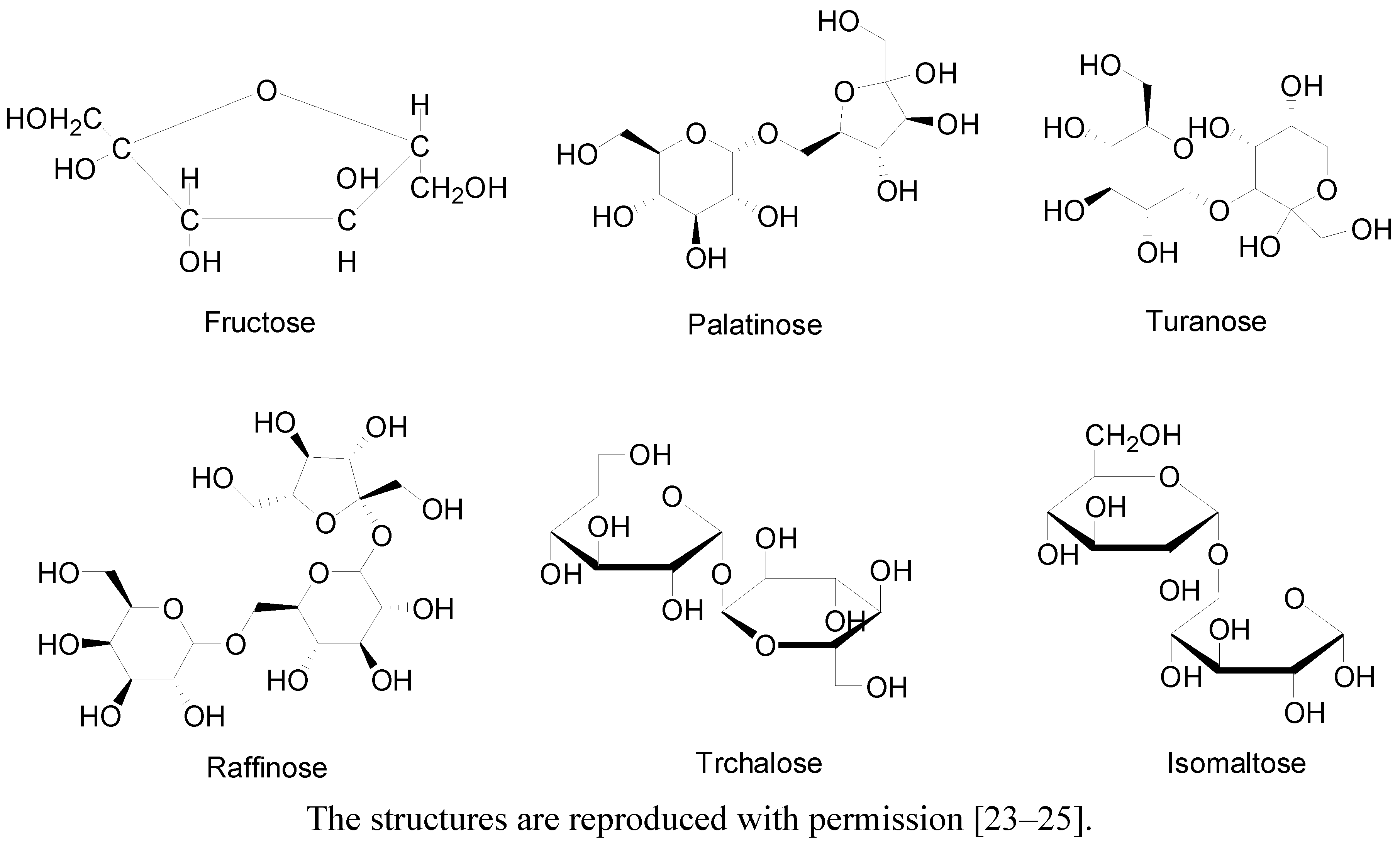
      <p>Honey, a natural product formed from nectar by honeybees, has been a subject of renewed research interest in the last few years. Evidence indicates that honey can exert several health-beneficial effects such as gastroprotective [<xref ref-type="bibr" rid="B11-molecules-17-04400">11</xref>], hepatoprotective [<xref ref-type="bibr" rid="B12-molecules-17-04400">12</xref>], reproductive [<xref ref-type="bibr" rid="B13-molecules-17-04400">13</xref>,<xref ref-type="bibr" rid="B14-molecules-17-04400">14</xref>], hypoglycemic [<xref ref-type="bibr" rid="B15-molecules-17-04400">15</xref>], antioxidant [<xref ref-type="bibr" rid="B15-molecules-17-04400">15</xref>], antihypertensive [<xref ref-type="bibr" rid="B16-molecules-17-04400">16</xref>], antibacterial [<xref ref-type="bibr" rid="B17-molecules-17-04400">17</xref>], anti-fungal [<xref ref-type="bibr" rid="B18-molecules-17-04400">18</xref>] and anti-inflammatory [<xref ref-type="bibr" rid="B19-molecules-17-04400">19</xref>] effects. It consists of primarily sugars such as monosaccharides, disaccharides, oligosaccharides and polysaccharides [<xref ref-type="bibr" rid="B20-molecules-17-04400">20</xref>,<xref ref-type="bibr" rid="B21-molecules-17-04400">21</xref>,<xref ref-type="bibr" rid="B22-molecules-17-04400">22</xref>]. It contains enzymes such as glucose oxidase, diastase, invertase, catalase and peroxidase [<xref ref-type="bibr" rid="B20-molecules-17-04400">20</xref>]. Honey also contains other bioactive constituents such as organic acids, ascorbic acid, trace elements, vitamins, amino acids, proteins and Maillard reaction products [<xref ref-type="bibr" rid="B20-molecules-17-04400">20</xref>]. This review presents a synopsis of findings that indicate honey is a novel antioxidant. The data presented suggest that honey, administered alone or in combination with conventional therapy, might be of therapeutic benefits in the management of chronic diseases commonly associated with oxidative stress. This paper, which is a comprehensive review of the current literature, highlights the (potential) beneficial effects of honey based on its ability to ameliorate oxidative stress in different tissues, organs, body fluids or compartments. These include gastroprotective, hepatoprotective, renoprotective as well as its protective effect in the pancreas, eye, testis and plasma. Considering that the bulk of these data emanate from animal studies, it is worthwhile to perform clinical studies that investigate if this antioxidant effect of honey can be extrapolated to human subjects with chronic diseases. The molecular structures of some of the biologically active constituents such as fructose and oligosaccharides which may play a role in the hypoglycemic or antidiabetic effect of honey are shown in <xref ref-type="fig" rid="molecules-17-04400-f001">Figure 1</xref> [<xref ref-type="bibr" rid="B21-molecules-17-04400">21</xref>,<xref ref-type="bibr" rid="B22-molecules-17-04400">22</xref>,<xref ref-type="bibr" rid="B23-molecules-17-04400">23</xref>,<xref ref-type="bibr" rid="B24-molecules-17-04400">24</xref>,<xref ref-type="bibr" rid="B25-molecules-17-04400">25</xref>]. </p>
      <fig id="molecules-17-04400-f001" position="anchor">
        <label>Figure 1</label>
        <caption>
          <p>Molecular structures of fructose and oligosaccharides present in honey. </p>
        </caption>
        <graphic xmlns:xlink="http://www.w3.org/1999/xlink" xlink:href="molecules-17-04400-g001.tif"/>
      </fig>
    </sec>
    <sec>
      <title>2. Honey: A Novel Antioxidant–Evidence from <italic>in Vitro</italic> Studies</title>
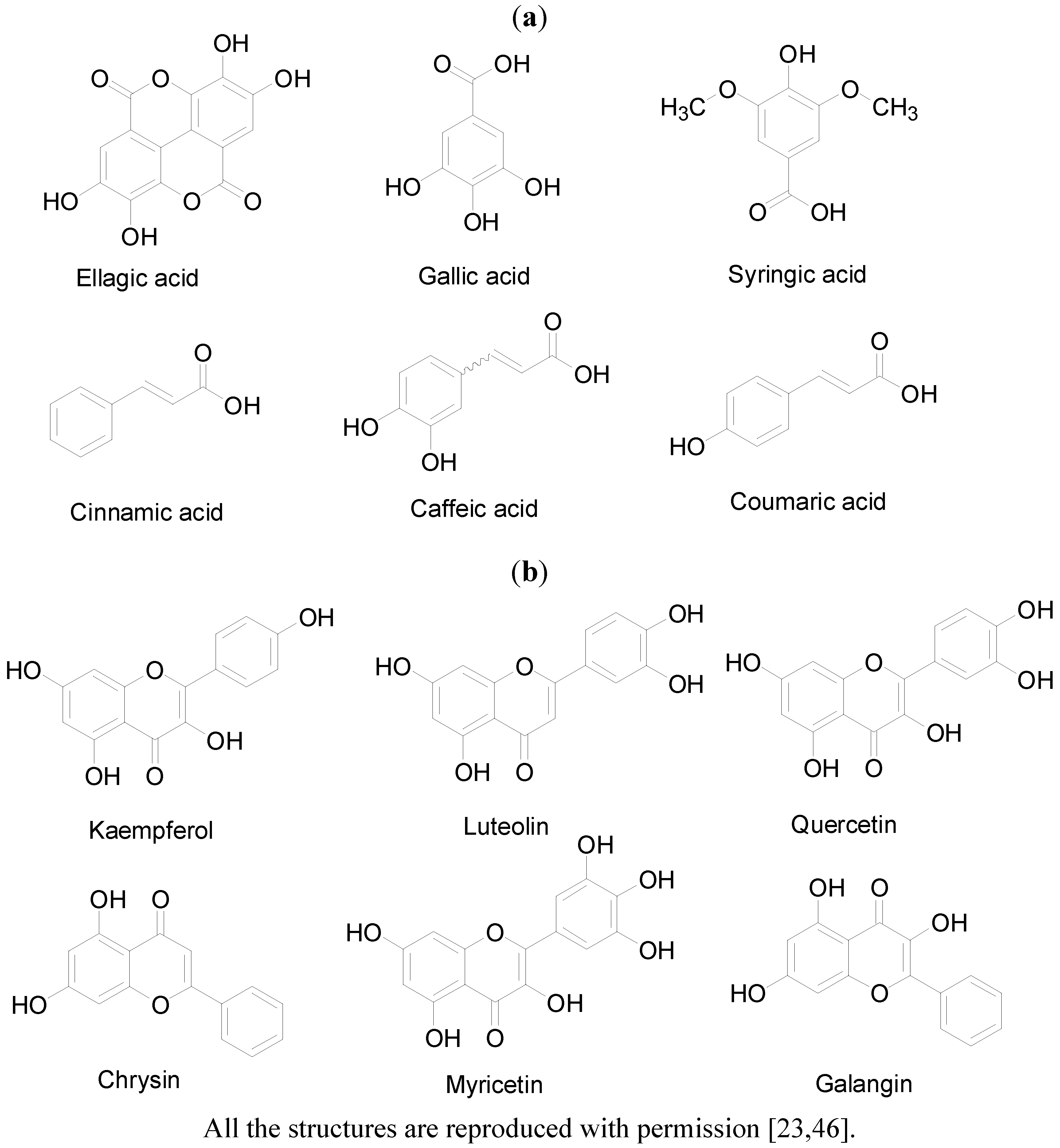
      <p>The <italic>in vitro</italic> antioxidant properties of natural or synthetic agents are measured in the form of antiradical activity using the 1,1-diphenyl-2-picrylhydrazyl (DPPH) scavenging assay, oxygen radical absorbance capacity (ORAC) assay and ferric reducing antioxidant power (FRAP) assay [<xref ref-type="bibr" rid="B26-molecules-17-04400">26</xref>,<xref ref-type="bibr" rid="B27-molecules-17-04400">27</xref>]. Using these tests, different varieties of honey from various countries and geographical regions have been shown to exhibit high antioxidant properties. Turkish red pine honey produced by <italic>Marchalina hellenica </italic>was reported to scavenge DPPH effectively, suggestive of its antiradical activities [<xref ref-type="bibr" rid="B28-molecules-17-04400">28</xref>]. Some Saudi Arabian honey samples were demonstrated to exhibit antioxidant activities [<xref ref-type="bibr" rid="B29-molecules-17-04400">29</xref>]. Similar antioxidant properties were also reported for Peruvian honey [<xref ref-type="bibr" rid="B30-molecules-17-04400">30</xref>]. Australian honey produced by the stingless bees <italic>Trigona carbonaria</italic> was reported to have high antioxidant properties [<xref ref-type="bibr" rid="B31-molecules-17-04400">31</xref>]. Malaysian tualang honey produced by the giant Asian bees <italic>Apis dorsata </italic>has been shown to exhibit good antioxidant and antiradical activities [<xref ref-type="bibr" rid="B32-molecules-17-04400">32</xref>,<xref ref-type="bibr" rid="B33-molecules-17-04400">33</xref>,<xref ref-type="bibr" rid="B34-molecules-17-04400">34</xref>]. Antioxidant activities have also been documented for American buckwheat honey [<xref ref-type="bibr" rid="B35-molecules-17-04400">35</xref>], Croatian oak honeydew honey [<xref ref-type="bibr" rid="B36-molecules-17-04400">36</xref>], Spanish honey [<xref ref-type="bibr" rid="B37-molecules-17-04400">37</xref>], Portugal honey [<xref ref-type="bibr" rid="B38-molecules-17-04400">38</xref>], Cuban honey [<xref ref-type="bibr" rid="B39-molecules-17-04400">39</xref>], Venezuelan honey [<xref ref-type="bibr" rid="B40-molecules-17-04400">40</xref>] and Ecuadorian honey [<xref ref-type="bibr" rid="B41-molecules-17-04400">41</xref>]. The antioxidant activity of honey is generally attributed to its phenolic compounds and flavonoids [<xref ref-type="bibr" rid="B33-molecules-17-04400">33</xref>,<xref ref-type="bibr" rid="B35-molecules-17-04400">35</xref>,<xref ref-type="bibr" rid="B42-molecules-17-04400">42</xref>,<xref ref-type="bibr" rid="B43-molecules-17-04400">43</xref>]. Findings from a recent study suggest that gamma irradiation may increase the antioxidant capacities and total phenolic contents in honey [<xref ref-type="bibr" rid="B27-molecules-17-04400">27</xref>]. The main phenolic and flavonoid compounds in honey include ellagic acid, gallic acid, syringic acid, benzoic acid, cinnamic acid, ferulic acids, myricetin, chlorogenic acid, caffeic acid, hesperetin, coumaric acid, isoramnetin, chrysin, quercetin, galangin, luteolin and kaempferol [<xref ref-type="bibr" rid="B19-molecules-17-04400">19</xref>,<xref ref-type="bibr" rid="B27-molecules-17-04400">27</xref>,<xref ref-type="bibr" rid="B44-molecules-17-04400">44</xref>,<xref ref-type="bibr" rid="B45-molecules-17-04400">45</xref>]. While some of these bioactive compounds such as alangin, kaempferol, quercetin, isorhamnetin and luteolin are found in most honey samples, others such as hesperetin and naringenin are found in few honey varieties [<xref ref-type="bibr" rid="B45-molecules-17-04400">45</xref>]. Among some Malaysian honey samples investigated, catechin was found to be a common flavonoid [<xref ref-type="bibr" rid="B33-molecules-17-04400">33</xref>]. By and large, the avalanche of data on the <italic>in vitro</italic> antioxidant activities of honey indicate that honey is not only an antioxidant but also a rich source of antioxidants. The molecular structures of some of the biologically active ingredients or constituents including organic acids, flavonoids and phenolic compounds in honey which may contribute to the antioxidant effect of honey are presented in <xref ref-type="fig" rid="molecules-17-04400-f002">Figure 2</xref>a and b [<xref ref-type="bibr" rid="B23-molecules-17-04400">23</xref>,<xref ref-type="bibr" rid="B46-molecules-17-04400">46</xref>].</p>
      <fig id="molecules-17-04400-f002" position="anchor">
        <label>Figure 2</label>
        <caption>
          <p>Molecular structures of some of the organic acids, flavonoids and phenolic compounds present in honey.</p>
        </caption>
        <graphic xmlns:xlink="http://www.w3.org/1999/xlink" xlink:href="molecules-17-04400-g002.tif"/>
      </fig>
    </sec>
    <sec>
      <title>3. Honey: A Novel Antioxidant–Evidence from <italic>in Vivo</italic> Studies</title>
      <p>Available data indicate that honey, like other antioxidant agents, does protect against damage or injury. This protective effect of honey is partly mediated via amelioration of oxidative stress in tissues such as GIT, liver, kidney, pancreas, eye, plasma, red blood cells and reproductive organs [<xref ref-type="bibr" rid="B11-molecules-17-04400">11</xref>,<xref ref-type="bibr" rid="B12-molecules-17-04400">12</xref>,<xref ref-type="bibr" rid="B13-molecules-17-04400">13</xref>,<xref ref-type="bibr" rid="B14-molecules-17-04400">14</xref>,<xref ref-type="bibr" rid="B15-molecules-17-04400">15</xref>,<xref ref-type="bibr" rid="B19-molecules-17-04400">19</xref>]. Therefore, the <italic>in vivo</italic> antioxidant effect of honey will be discussed in regard to its ability to ameliorate oxidative stress in various cells, tissues, organs or body fluids.</p>
      <sec>
        <title>3.1. GIT</title>
        <p>Evidence indicates that in diseased conditions such as diabetes mellitus, the GIT is susceptible to oxidative stress, which may impair the brush border membrane (BBM) fluidity [<xref ref-type="bibr" rid="B47-molecules-17-04400">47</xref>]. The intestinal uptake of substances, molecules or mineral ions is also known to be modulated or influenced by the redox state of the transporter [<xref ref-type="bibr" rid="B48-molecules-17-04400">48</xref>]. These transporters can be regulated rapidly through alteration of their trafficking or affinities in response to oxidative stress [<xref ref-type="bibr" rid="B49-molecules-17-04400">49</xref>]. The beneficial effect of GSH, an antioxidant, on these transporters has been demonstrated [<xref ref-type="bibr" rid="B49-molecules-17-04400">49</xref>]. It is suggested that such modification of redox or oxidative state might influence the bioavailability of essential macronutrients and drugs [<xref ref-type="bibr" rid="B49-molecules-17-04400">49</xref>]. Antioxidant vitamin E was reported to increase the activities of CAT and SOD and reduce lipid peroxidation and protein oxidation in small intestine of diabetic rats [<xref ref-type="bibr" rid="B50-molecules-17-04400">50</xref>]. At the moment, there is no evidence to suggest that honey exerts an antioxidant effect in the intestine. However, considering the reported antioxidant effect of honey in different cells or tissues such as pancreas, serum, kidney and liver [<xref ref-type="bibr" rid="B15-molecules-17-04400">15</xref>,<xref ref-type="bibr" rid="B20-molecules-17-04400">20</xref>,<xref ref-type="bibr" rid="B42-molecules-17-04400">42</xref>,<xref ref-type="bibr" rid="B44-molecules-17-04400">44</xref>], it is possible that honey might also ameliorate intestinal oxidative stress. Hence, it may not be a surprise that co-administration of hypoglycemic agents and honey further improves glycemic control in diabetic rats [<xref ref-type="bibr" rid="B51-molecules-17-04400">51</xref>]. This might be due to modification of intestinal redox or oxidative state which influences the bioavailability of hypoglycemic drugs [<xref ref-type="bibr" rid="B49-molecules-17-04400">49</xref>].</p>
        <p>Available evidence indicates that honey exerts gastroprotective effect in rodents administered indomethacin, ethanol, aspirin or ammonia [<xref ref-type="bibr" rid="B11-molecules-17-04400">11</xref>,<xref ref-type="bibr" rid="B52-molecules-17-04400">52</xref>,<xref ref-type="bibr" rid="B53-molecules-17-04400">53</xref>,<xref ref-type="bibr" rid="B54-molecules-17-04400">54</xref>]. Although the sugars such as fructose, glucose, sucrose and maltose present in honey may play a role in its gastroprotective effect [<xref ref-type="bibr" rid="B11-molecules-17-04400">11</xref>,<xref ref-type="bibr" rid="B53-molecules-17-04400">53</xref>], there is a possibility that the antioxidant effect of honey may also contribute to its gastroprotective effect. This assertion is based on the evidence which indicates that increased mucosal lipid peroxide and reduced GSH levels exacerbate gastric hemorrhagic ulcer in diabetic rats [<xref ref-type="bibr" rid="B55-molecules-17-04400">55</xref>]. Another study also reported increased lipid peroxidation and impaired antioxidant enzymes (increased SOD and decreased CAT activities) in gastric mucosa of rats with cold restraint stress-induced gastric ulceration [<xref ref-type="bibr" rid="B56-molecules-17-04400">56</xref>]. A similar increase in oxidative stress level was also demonstrated in patients with peptic ulceration and gastric carcinoma [<xref ref-type="bibr" rid="B56-molecules-17-04400">56</xref>]. Additional evidence in support of the role of antioxidant effect of honey in mediating its gastroprotective effect is provided by Kim [<xref ref-type="bibr" rid="B57-molecules-17-04400">57</xref>]. The author found that oxidative stress is one of the mechanisms by which <italic>Helicobacter pylori</italic> induces gastric injury [<xref ref-type="bibr" rid="B57-molecules-17-04400">57</xref>]. Interestingly, honey also inhibits the growth of <italic>Helicobacter pylori</italic>, which causes gastric and duodenal ulcers [<xref ref-type="bibr" rid="B58-molecules-17-04400">58</xref>,<xref ref-type="bibr" rid="B59-molecules-17-04400">59</xref>]. Considering the prolonged gastric ulcer healing, the prevalence of silent gastric ulcer or erosions and the highly oxidative milieu in diabetes mellitus [<xref ref-type="bibr" rid="B60-molecules-17-04400">60</xref>,<xref ref-type="bibr" rid="B61-molecules-17-04400">61</xref>,<xref ref-type="bibr" rid="B62-molecules-17-04400">62</xref>], the antioxidant-mediated gastroprotective effect of honey might be beneficial in diabetes mellitus. Honey might also be valuable in ulcerative colitis [<xref ref-type="bibr" rid="B63-molecules-17-04400">63</xref>]. In trinitrobenzosulphonic acid (TNBS)-induced ulcerative colitis model in rats, honey combined with an antibiotic (sulfasalazine) enhanced antioxidant defense system and reduced oxidative damage and colonic inflammation [<xref ref-type="bibr" rid="B63-molecules-17-04400">63</xref>]. Similarly, in rats with chemically (TNBS)-induced colitis, honey supplementation significantly reduced the colonic mucosal malondialdehyde (MDA) content [<xref ref-type="bibr" rid="B64-molecules-17-04400">64</xref>]. In a nutshell, amelioration of oxidative stress as a result of honey administration might restore impaired intestinal brush border membrane (BBM) fluidity and redox or oxidative state. This might modify or modulate the bioavailability of vital macronutrients and drugs. This antioxidant effect in the GIT might also contribute to the gastroprotective effect of honey.</p>
      </sec>
      <sec>
        <title>3.2. Livers</title>
        <p>The liver plays an important role in many metabolic processes such as glycemic control, detoxification of xenobiotics, synthesis of lipoproteins, hormones and enzymes [<xref ref-type="bibr" rid="B65-molecules-17-04400">65</xref>]. In diabetes mellitus, the liver is associated with abnormalities such as elevations in serum aspartate aminotransferase, alkaline phosphatase and alanine aminotransferase [<xref ref-type="bibr" rid="B66-molecules-17-04400">66</xref>]. Available evidence suggests that the liver is susceptible to oxidative stress and damage; and the beneficial effect of antioxidants on hepatic oxidative stress has been documented [<xref ref-type="bibr" rid="B67-molecules-17-04400">67</xref>,<xref ref-type="bibr" rid="B68-molecules-17-04400">68</xref>]. In the liver of young and middle-aged rats, honey supplementation was reported to restore activities of CAT and GPx [<xref ref-type="bibr" rid="B69-molecules-17-04400">69</xref>]. In male BALB/c mice administered trichlorfon, oral supplementation with pine honey restored the activities of hepatic GPx (significantly) and SOD and CAT (moderately) and reduced hepatic damage [<xref ref-type="bibr" rid="B45-molecules-17-04400">45</xref>]. Similar hepatoprotective effect of honey was also reported in STZ-induced diabetic rats [<xref ref-type="bibr" rid="B70-molecules-17-04400">70</xref>] and sheep administered carbon tetrachloride (CCl<sub>4</sub>) [<xref ref-type="bibr" rid="B71-molecules-17-04400">71</xref>]. In rats with obstructive jaundice, usually associated with increased hepatic ROS formation, oxidative stress and inflammation [<xref ref-type="bibr" rid="B72-molecules-17-04400">72</xref>,<xref ref-type="bibr" rid="B73-molecules-17-04400">73</xref>], honey supplementation significantly reduced the levels of MDA and increased GSH content in the liver [<xref ref-type="bibr" rid="B74-molecules-17-04400">74</xref>]. The amelioration of oxidative stress, as a result of honey administration, was accompanied by significant reductions in the size of enlarged hepatocytes and edema, restoration of bile canaliculi dilatation and reduced number of apoptotic cells [<xref ref-type="bibr" rid="B74-molecules-17-04400">74</xref>]. Similar hepatoprotective effect of honey was also reported in rats with obstruction of the common bile duct [<xref ref-type="bibr" rid="B75-molecules-17-04400">75</xref>]. In rats with N-ethylmaleimide (NEM)-induced liver injury, honey supplementation significantly restored the levels of hepatic glutathione, ameliorated the (NEM)-induced congestion and mononuclear cell infiltration in the liver [<xref ref-type="bibr" rid="B76-molecules-17-04400">76</xref>]. Supplementation with honey and ginseng was reported to protect against CCl<sub>4</sub>-induced hepatotoxicity in rats by reducing lipid peroxidation and enhancing antioxidant capacity [<xref ref-type="bibr" rid="B77-molecules-17-04400">77</xref>]. These findings, generally, suggest that amelioration of oxidative stress in the liver may contribute to the hepatoprotective effect of honey. </p>
      </sec>
      <sec>
        <title>3.3. Pancreas</title>
        <p>The pancreas plays an important role in glucose homeostasis [<xref ref-type="bibr" rid="B65-molecules-17-04400">65</xref>]. Evidence indicates that the efficiency of pancreas to secrete insulin declines in diabetes mellitus, resulting in deterioration of glycemic control [<xref ref-type="bibr" rid="B78-molecules-17-04400">78</xref>]. The role of oxidative stress is implicated in the decline of pancreatic function in diabetes mellitus [<xref ref-type="bibr" rid="B78-molecules-17-04400">78</xref>,<xref ref-type="bibr" rid="B79-molecules-17-04400">79</xref>]. The pancreatic β-cells are highly vulnerable to oxidative stress as a result of their intrinsically low expressions and activities of free radical scavenging enzymes [<xref ref-type="bibr" rid="B80-molecules-17-04400">80</xref>]. The beneficial effect of antioxidants in protecting the pancreas against oxidative stress and damage is well documented [<xref ref-type="bibr" rid="B81-molecules-17-04400">81</xref>]. We have shown that honey has a potential to protect pancreas against oxidative stress and damage. Honey supplementation significantly reduced elevated levels of MDA and restored the activities of SOD and CAT in pancreas of diabetic rats [<xref ref-type="bibr" rid="B82-molecules-17-04400">82</xref>]. We have also investigated and compared the effect of glibenclamide alone with that of glibenclamide and honey on oxidative stress in pancreas of diabetic rats [<xref ref-type="bibr" rid="B83-molecules-17-04400">83</xref>]. The data revealed that glibenclamide did not ameliorate oxidative stress in the pancreas of diabetic rats. In contrast, the pancreas of diabetic rats treated with the combination of glibenclamide and honey had increased CAT activity and restored the elevated GPx activity and levels of MDA [<xref ref-type="bibr" rid="B83-molecules-17-04400">83</xref>]. In another related study, we found that the combination of glibenclamide and metformin ameliorated oxidative stress only partially [<xref ref-type="bibr" rid="B84-molecules-17-04400">84</xref>]. This was evidenced by the attenuation of GPx activity only while no significant effect on other antioxidant enzymes and lipid peroxidation was observed in the pancreas of diabetic rats [<xref ref-type="bibr" rid="B84-molecules-17-04400">84</xref>]. In contrast, the combination of glibenclamide, metformin and honey significantly increased CAT activity while GPx activity was down-regulated. The combination with honey also considerably prevented lipid peroxidative damage [<xref ref-type="bibr" rid="B84-molecules-17-04400">84</xref>]. These data clearly suggest that the combination of hypoglycemic agents with honey markedly restores antioxidant enzymes, ameliorates oxidative stress and protects the pancreas against oxidative damage.</p>
      </sec>
      <sec>
        <title>3.4. Kidney</title>
        <p>The kidney plays an important role in the excretion and regulation of osmolytes, especially in diabetes mellitus [<xref ref-type="bibr" rid="B85-molecules-17-04400">85</xref>]. In hypertension, the kidney is an important regulator of many mechanisms involved in the regulation of blood pressure [<xref ref-type="bibr" rid="B85-molecules-17-04400">85</xref>]. Thus, any damage to this organ will exacerbate these two diseases. Available evidence indicates that the kidney is a major target of oxidative stress in both diabetes mellitus and hypertension [<xref ref-type="bibr" rid="B85-molecules-17-04400">85</xref>,<xref ref-type="bibr" rid="B86-molecules-17-04400">86</xref>].</p>
        <sec>
          <title>3.4.1. Diabetes Mellitus</title>
          <p>Without adequate treatment, diabetic patients are more likely to develop diabetic nephropathy and overt renal failure [<xref ref-type="bibr" rid="B85-molecules-17-04400">85</xref>]. In view of the evidence that implicates a role of oxidative stress in the complications of diabetes mellitus [<xref ref-type="bibr" rid="B86-molecules-17-04400">86</xref>], a number of studies have investigated the potential role of antioxidants in protecting the kidney against oxidative damage [<xref ref-type="bibr" rid="B87-molecules-17-04400">87</xref>]. Our studies have shown that honey ameliorates renal oxidative stress. Honey administration to diabetic rats significantly increased total antioxidant status (TAS), activities of glutathione S-transferase (GST), glutathione reductase (GR), CAT and GPx [<xref ref-type="bibr" rid="B15-molecules-17-04400">15</xref>]. It also restored SOD activity while it reduced the levels of lipid peroxidation. This antioxidant effect of honey was accompanied by improvements in renal morphology as evidenced by reduced mesangial matrix expansion and thickening of glomerular basement membrane in the honey-treated diabetic rats [<xref ref-type="bibr" rid="B15-molecules-17-04400">15</xref>]. The study further revealed that the antioxidant effect of the lowest dose of honey, 0.2 g/kg body weight (despite its lower hypoglycemic effect), was comparable to that of the higher doses (1.2 or 2.4 g/kg body weight) [<xref ref-type="bibr" rid="B15-molecules-17-04400">15</xref>]. This suggests that the antioxidant effect of honey is not dependent on its hypoglycemic effect. Other studies have also demonstrated the antioxidant effect of honey in kidney of rats with diabetes [<xref ref-type="bibr" rid="B88-molecules-17-04400">88</xref>] or without diabetes [<xref ref-type="bibr" rid="B89-molecules-17-04400">89</xref>]. </p>
          <p>We have also investigated and compared the effects of honey, glibenclamide, metformin, glibenclamide and metformin, as well as their combinations with honey on oxidative stress in kidney of diabetic rats [<xref ref-type="bibr" rid="B90-molecules-17-04400">90</xref>,<xref ref-type="bibr" rid="B91-molecules-17-04400">91</xref>]. Our results indicated that the activities of CAT and GR as well as TAS and reduced glutathione (GSH) in diabetic rats treated with metformin and/or glibenclamide remained similar to those of diabetic control rats [<xref ref-type="bibr" rid="B91-molecules-17-04400">91</xref>]. In contrast, metformin or glibenclamide combined with honey significantly increased the activities of CAT and GR and also TAS and GSH in the kidney of diabetic rats [<xref ref-type="bibr" rid="B91-molecules-17-04400">91</xref>]. Other authors have also shown that in rats administered CCl<sub>4</sub>, honey supplementation prevented CCl<sub>4</sub>-induced nephrotoxicity via enhanced antioxidant capacity and reduced lipid peroxidation [<xref ref-type="bibr" rid="B77-molecules-17-04400">77</xref>]. In summary, these results suggest that the combination of hypoglycemic drugs, glibenclamide and/or metformin with honey in diabetic rats ameliorates renal oxidative stress better than either agent administered alone [<xref ref-type="bibr" rid="B90-molecules-17-04400">90</xref>,<xref ref-type="bibr" rid="B91-molecules-17-04400">91</xref>]. </p>
        </sec>
        <sec>
          <title>3.4.2. Hypertension</title>
          <p>The role of oxidative stress in hypertension is a subject of much research interest. Oxidative stress is implicated in the pathogenesis of hypertension [<xref ref-type="bibr" rid="B92-molecules-17-04400">92</xref>], while some evidence also indicates that hypertension generates oxidative stress [<xref ref-type="bibr" rid="B93-molecules-17-04400">93</xref>]. These lines of evidence support a role of oxidative stress as an important determinant in the imbalance between vasoconstrictor and vasodilator mechanisms [<xref ref-type="bibr" rid="B92-molecules-17-04400">92</xref>,<xref ref-type="bibr" rid="B93-molecules-17-04400">93</xref>,<xref ref-type="bibr" rid="B94-molecules-17-04400">94</xref>]. The beneficial effects of antioxidants in ameliorating oxidative stress and suppressing or reducing elevated blood pressure in experimental and clinical studies further corroborate the role of oxidative stress in hypertension [<xref ref-type="bibr" rid="B95-molecules-17-04400">95</xref>]. In a recent study, we reported that honey supplementation in spontaneously hypertensive rats (SHR) restored the elevated antioxidant defenses (GST, TAS and CAT) in kidney of SHR [<xref ref-type="bibr" rid="B94-molecules-17-04400">94</xref>]. Honey administration also prevented the formation of MDA in the kidney of SHR [<xref ref-type="bibr" rid="B94-molecules-17-04400">94</xref>]. The amelioration of oxidative stress was accompanied by suppressed elevations in blood pressure in SHR [<xref ref-type="bibr" rid="B94-molecules-17-04400">94</xref>].</p>
          <p>The combination of diabetes mellitus and hypertension is associated with increased cardiovascular risk factors [<xref ref-type="bibr" rid="B96-molecules-17-04400">96</xref>,<xref ref-type="bibr" rid="B97-molecules-17-04400">97</xref>]. Besides other factors, evidence suggests that diabetes mellitus may exacerbate hypertension via increased oxidative stress [<xref ref-type="bibr" rid="B98-molecules-17-04400">98</xref>]. We recently investigated the effect of honey on oxidative stress in kidney of rats with both diabetes mellitus and hypertension [<xref ref-type="bibr" rid="B99-molecules-17-04400">99</xref>,<xref ref-type="bibr" rid="B100-molecules-17-04400">100</xref>]. We found that honey supplementation significantly increased intracellular GSH, GSH/GSSG (oxidized glutathione) ratio, TAS and activities of GPx and GR in kidney of diabetic SHR [<xref ref-type="bibr" rid="B99-molecules-17-04400">99</xref>,<xref ref-type="bibr" rid="B100-molecules-17-04400">100</xref>]. The study also revealed that the antioxidant effect of honey resulted in further reductions in blood pressure of diabetic SHR but not of diabetic WKY [<xref ref-type="bibr" rid="B99-molecules-17-04400">99</xref>,<xref ref-type="bibr" rid="B100-molecules-17-04400">100</xref>]. These findings reveal that similar to the antioxidant effect of honey in the diabetic kidney, honey supplementation also ameliorates oxidative stress in the kidney of hypertensive rats. This antioxidant effect of honey results in suppression of blood pressure. Honey also exerts its antioxidant effect in kidney of rats with both diabetes mellitus and hypertension. We and others reported recently that reduced or impaired Nrf2 activity or expression contributes to increased susceptibility of kidney to oxidative stress in rats with chronic renal failure [<xref ref-type="bibr" rid="B101-molecules-17-04400">101</xref>] or hypertension [<xref ref-type="bibr" rid="B94-molecules-17-04400">94</xref>,<xref ref-type="bibr" rid="B102-molecules-17-04400">102</xref>]. Data from our laboratory indicate honey may ameliorate oxidative stress via up-regulation of Nrf2 activity or expression [<xref ref-type="bibr" rid="B94-molecules-17-04400">94</xref>,<xref ref-type="bibr" rid="B102-molecules-17-04400">102</xref>]. Nrf2 is a transcription factor released from its repressor (Keap1) under oxidative or xenobiotic stress [<xref ref-type="bibr" rid="B103-molecules-17-04400">103</xref>]. It translocates from the cytoplasm to the nucleus and binds to the antioxidant response element (ARE) in the promoter region of cytoprotective genes, resulting in their transcription [<xref ref-type="bibr" rid="B103-molecules-17-04400">103</xref>]. The transcription of these genes subsequently induces free radical scavenging enzymes and other detoxifying enzymes which swiftly neutralize, detoxify and eliminate the oxidants or xenobiotics [<xref ref-type="bibr" rid="B103-molecules-17-04400">103</xref>].</p>
        </sec>
      </sec>
      <sec>
        <title>3.5. Plasma/Serum</title>
        <p>In diabetes mellitus, the levels of plasma glucose, fructosamine and glycosylated hemoglobin are used as indicators of glycemic control [<xref ref-type="bibr" rid="B104-molecules-17-04400">104</xref>]. Elevated plasma glucose generates ROS which cause oxidative stress [<xref ref-type="bibr" rid="B86-molecules-17-04400">86</xref>]. Oxidative stress is implicated in the cellular dysfunction and complications of diabetes [<xref ref-type="bibr" rid="B86-molecules-17-04400">86</xref>]. Evidence indicates that agents (such as pyridoxine, pyridoxamine and gliclazide) that scavenge or inhibit ROS formation enhance antioxidant defenses (SOD, thiols, TAS), reduce oxidative stress markers (8-isoprostanes and MDA) and protein glycosylation in diabetes [<xref ref-type="bibr" rid="B105-molecules-17-04400">105</xref>,<xref ref-type="bibr" rid="B106-molecules-17-04400">106</xref>]. In some studies, amelioration of oxidative stress using antioxidants was accompanied by reduced hyperglycemia [<xref ref-type="bibr" rid="B81-molecules-17-04400">81</xref>]. However, some studies found no such effect [<xref ref-type="bibr" rid="B67-molecules-17-04400">67</xref>]. Antioxidants have been shown to reduce the elevated levels of plasma glucose and glycosylated hemoglobin [<xref ref-type="bibr" rid="B81-molecules-17-04400">81</xref>]. In STZ-induced diabetic Sprague-Dawley rats, honey supplementation reduced hyperglycemia [<xref ref-type="bibr" rid="B15-molecules-17-04400">15</xref>,<xref ref-type="bibr" rid="B88-molecules-17-04400">88</xref>]. A similar hypoglycemic effect of honey was also reported in alloxan-induced diabetic rats [<xref ref-type="bibr" rid="B107-molecules-17-04400">107</xref>], STZ-induced diabetic Wistar-Kyoto rats [<xref ref-type="bibr" rid="B99-molecules-17-04400">99</xref>] and STZ-induced diabetic SHR [<xref ref-type="bibr" rid="B99-molecules-17-04400">99</xref>]. In those studies, similar to what was reported for other antioxidants, hypoglycemic effect of honey was accompanied by amelioration of oxidative stress [<xref ref-type="bibr" rid="B15-molecules-17-04400">15</xref>,<xref ref-type="bibr" rid="B88-molecules-17-04400">88</xref>,<xref ref-type="bibr" rid="B99-molecules-17-04400">99</xref>].</p>
        <p>Besides the hypoglycemic effect of honey, we also found in another study that honey supplementation reduced fructosamine concentrations in STZ-induced diabetic rats [<xref ref-type="bibr" rid="B51-molecules-17-04400">51</xref>]. Fructosamine is a stable compound formed from the reaction of a carbonyl group of glucose with an amino group of protein [<xref ref-type="bibr" rid="B108-molecules-17-04400">108</xref>]. It can be formed from serum proteins such as albumin to produce glycated serum protein. In a highly oxidative environment (such as in diabetes), fructosamine can form advanced glycation end products (AGEs), which is implicated in diabetic complications [<xref ref-type="bibr" rid="B108-molecules-17-04400">108</xref>]. The ability of honey to reduce fructosamine may be attributed to its antioxidant effect. Honey has been shown to increase serum antioxidant capacity [<xref ref-type="bibr" rid="B103-molecules-17-04400">103</xref>]. Compelling evidence indicates that glycation and oxidative reactions (or their products) are mutually dependent and strongly correlate [<xref ref-type="bibr" rid="B108-molecules-17-04400">108</xref>,<xref ref-type="bibr" rid="B110-molecules-17-04400">110</xref>]. A number of antioxidants such as α-lipoic acid, taurine, vitamins C and E have been shown to reduce fructosamine and glycosylated hemoglobin by inhibiting the formation of MDA, protein glycation and advanced glycation end products [<xref ref-type="bibr" rid="B108-molecules-17-04400">108</xref>,<xref ref-type="bibr" rid="B111-molecules-17-04400">111</xref>,<xref ref-type="bibr" rid="B112-molecules-17-04400">112</xref>]. Another study reported reduced glycosylated hemoglobin in non-diabetic rats after chronic (52 weeks) honey supplementation [<xref ref-type="bibr" rid="B113-molecules-17-04400">113</xref>]. A similar beneficial effect of honey was reported in patients with impaired lipid metabolism [<xref ref-type="bibr" rid="B114-molecules-17-04400">114</xref>,<xref ref-type="bibr" rid="B115-molecules-17-04400">115</xref>,<xref ref-type="bibr" rid="B116-molecules-17-04400">116</xref>]. In diabetes, the antioxidant effect of honey may also be beneficial in lipid metabolism [<xref ref-type="bibr" rid="B51-molecules-17-04400">51</xref>,<xref ref-type="bibr" rid="B113-molecules-17-04400">113</xref>,<xref ref-type="bibr" rid="B114-molecules-17-04400">114</xref>,<xref ref-type="bibr" rid="B115-molecules-17-04400">115</xref>,<xref ref-type="bibr" rid="B116-molecules-17-04400">116</xref>] (e.g., in inhibiting or preventing the oxidation of low density lipoprotein) [<xref ref-type="bibr" rid="B105-molecules-17-04400">105</xref>]. A study that investigated the protective effect of honey and Nigella grains against methylnitrosourea-induced oxidative stress and carcinogenesis indicated that <italic>Nigella sativa</italic> grains reduced the elevated levels of MDA and nitric oxide (NO) in serum and produced a protective effect of 80%. On the other hand, combination of honey and <italic>Nigella sativa</italic> abolished the increases in MDA and NO and exerted a protective effect of 100% against MNU-induced oxidative stress and carcinogenesis [<xref ref-type="bibr" rid="B117-molecules-17-04400">117</xref>]. Other studies have also demonstrated the antioxidant effect of honey in serum as evidenced by the increased plasma NO metabolites in healthy sheep [<xref ref-type="bibr" rid="B118-molecules-17-04400">118</xref>] and the increased GPx activity and NO in the serum of alloxan-induced diabetic rats [<xref ref-type="bibr" rid="B119-molecules-17-04400">119</xref>]. </p>
      </sec>
      <sec>
        <title>3.6. Reproductive Organs</title>
        <p>The exposure to cigarette smoke (CS) causes apoptosis and damage in the testis [<xref ref-type="bibr" rid="B120-molecules-17-04400">120</xref>]. Evidence implicates the role of oxidative stress in CS-induced testicular damage [<xref ref-type="bibr" rid="B121-molecules-17-04400">121</xref>]. A number of studies have demonstrated the beneficial effects of antioxidants in preventing or ameliorating testicular damage in rodents [<xref ref-type="bibr" rid="B122-molecules-17-04400">122</xref>]. A study investigated the effect of honey in the testis of rats exposed to CS [<xref ref-type="bibr" rid="B123-molecules-17-04400">123</xref>]. It was found that honey supplementation for 13 weeks markedly reduced the level of lipid peroxidation [<xref ref-type="bibr" rid="B123-molecules-17-04400">123</xref>]. Honey administration also increased the reduced TAS and restored the activities of SOD, GPx and CAT. This antioxidant effect of honey was associated with amelioration of testicular damage as evidenced by higher Leydig cell count, reduced percentage of tubules with germ cell loss, larger seminiferous tubules diameter and epithelial height [<xref ref-type="bibr" rid="B123-molecules-17-04400">123</xref>]. These data suggest that honey may protect or ameliorate CS-induced testicular damage in rats via its antioxidant effect. The authors in one of their previous studies also reported that honey supplementation in normal rats improved spermatogenesis [<xref ref-type="bibr" rid="B13-molecules-17-04400">13</xref>]. A recent study also demonstrated the beneficial effects of honey on sperm motility and morphology in rats [<xref ref-type="bibr" rid="B124-molecules-17-04400">124</xref>]. A study by Abdul-Ghani and colleagues also indicated that honey supplementation in rats caused increased epididymal sperm count and improved the activity of testicular marker enzymes for spermatogenesis, as evidenced by increased sorbitol dehydrogenase and reduced lactate dehydrogenase [<xref ref-type="bibr" rid="B125-molecules-17-04400">125</xref>]. Available data in ovariectomised female rats also suggest that honey may produce beneficial effects in female reproductive organs [<xref ref-type="bibr" rid="B14-molecules-17-04400">14</xref>]. A similar beneficial effect of honey on oxidative stress was also reported in human subjects [<xref ref-type="bibr" rid="B126-molecules-17-04400">126</xref>]. A study investigated the effects of 8-week honey supplementation on seminal plasma cytokines, oxidative stress and antioxidants in male road cyclists during intensive cycling training [<xref ref-type="bibr" rid="B126-molecules-17-04400">126</xref>]. The study found that honey supplementation significantly increased the concentrations of seminal SOD, CAT and TAS. This antioxidant effect of honey was also associated with lower elevations in the seminal IL-1beta, IL-6, IL-8, TNF-alpha, ROS and MDA levels [<xref ref-type="bibr" rid="B126-molecules-17-04400">126</xref>]. </p>
      </sec>
      <sec>
        <title>3.7. Eye</title>
        <p>Visual impairment caused by alkali burns of the corneal and conjunctival surface is considered one of the most devastating injuries to the eye [<xref ref-type="bibr" rid="B127-molecules-17-04400">127</xref>,<xref ref-type="bibr" rid="B128-molecules-17-04400">128</xref>]. These chemical burns-induced eye injuries are accompanied by increased oxidative stress [<xref ref-type="bibr" rid="B127-molecules-17-04400">127</xref>,<xref ref-type="bibr" rid="B128-molecules-17-04400">128</xref>]. The beneficial effects of antioxidants in the treatment of these eye injuries have been reported [<xref ref-type="bibr" rid="B127-molecules-17-04400">127</xref>,<xref ref-type="bibr" rid="B128-molecules-17-04400">128</xref>]. A study investigated and compared the antioxidant effects of honey and conventional treatment in alkali injury on the eyes of New Zealand White rabbits [<xref ref-type="bibr" rid="B129-molecules-17-04400">129</xref>]. The study did not find any significant difference in TAS and MDA levels in aqueous humour, vitreous humour and serum of rabbits treated with honey and conventional treatment [<xref ref-type="bibr" rid="B129-molecules-17-04400">129</xref>]. The lack of significant effect of honey on oxidative stress parameters might be a result of the short duration of the study (7 days). Other possible explanations include non-inclusion of control and small sample size. Therefore, considering the previous data on the beneficial effects of antioxidants in chemical burns-induced eye injuries in animals [<xref ref-type="bibr" rid="B127-molecules-17-04400">127</xref>,<xref ref-type="bibr" rid="B128-molecules-17-04400">128</xref>], together with the limitations of this recent study [<xref ref-type="bibr" rid="B129-molecules-17-04400">129</xref>], it is premature to conclude that honey is not beneficial in the treatment of chemical burns-induced eye injuries in animals. This is in view of the fact that honey has been shown to be beneficial in other eye diseased conditions such as in human patients with dry eye syndrome [<xref ref-type="bibr" rid="B130-molecules-17-04400">130</xref>] or endophthalmitis [<xref ref-type="bibr" rid="B131-molecules-17-04400">131</xref>]. </p>
      </sec>
      <sec>
        <title>3.8. Other Antioxidant Effects of Honey</title>
        <p>In the erythrocytes of young and middle-aged rats, honey supplementation was reported to restore activities of CAT and GPx [<xref ref-type="bibr" rid="B69-molecules-17-04400">69</xref>]. Evidence also indicates that honey has a potential to ameliorate oxidative stress in the brain and heart [<xref ref-type="bibr" rid="B39-molecules-17-04400">39</xref>]. In a cultured endothelial cell line, Beretta and colleagues used cumene hydroperoxide to generate free radicals and oxidative stress [<xref ref-type="bibr" rid="B42-molecules-17-04400">42</xref>]. The authors found that honey produced strong scavenging activity against lipophilic cumoxyl and cumoperoxyl radicals, reduced intracellular ROS generation and restored intracellular GSH [<xref ref-type="bibr" rid="B42-molecules-17-04400">42</xref>]. The authors also reported that honey considerably inhibited oxidation of cell membrane and prevented cellular damage. The study further revealed that the antioxidant effect of honey was due to its phenolic acids and flavonoids [<xref ref-type="bibr" rid="B42-molecules-17-04400">42</xref>]. The antioxidant effect of honey might also contribute to other beneficial effects of honey such as reduced weight gain and improved lipid metabolism in rats or human subjects administered honey [<xref ref-type="bibr" rid="B132-molecules-17-04400">132</xref>,<xref ref-type="bibr" rid="B133-molecules-17-04400">133</xref>,<xref ref-type="bibr" rid="B134-molecules-17-04400">134</xref>].</p>
      </sec>
      <sec>
        <title>3.9. Effects of Honey on Inflammation</title>
        <p>Oxidative stress and inflammation are frequent manifestations and play an important role in the etiology of many diseases and disorders [<xref ref-type="bibr" rid="B74-molecules-17-04400">74</xref>,<xref ref-type="bibr" rid="B76-molecules-17-04400">76</xref>,<xref ref-type="bibr" rid="B135-molecules-17-04400">135</xref>]. Evidence indicates that they are intimately interrelated as each can cause the other [<xref ref-type="bibr" rid="B74-molecules-17-04400">74</xref>,<xref ref-type="bibr" rid="B76-molecules-17-04400">76</xref>,<xref ref-type="bibr" rid="B135-molecules-17-04400">135</xref>]. In rats with inflammatory bowel disease, intra-rectal honey administration significantly reduced myeloperoxidase (MPO) activity [<xref ref-type="bibr" rid="B64-molecules-17-04400">64</xref>]. This was associated with lower levels of colonic MDA with no change in NO content [<xref ref-type="bibr" rid="B64-molecules-17-04400">64</xref>]. A recent study that investigated the effects of honey and its extracts in rat models of inflammation reported that honey and its extracts inhibited NO and prostaglandin E(2) production [<xref ref-type="bibr" rid="B136-molecules-17-04400">136</xref>]. The authors also found that honey and its extracts reduced edema and pain in inflammatory tissues. The inhibition of edema and pain was found to correlate with the inhibition of nitric oxide and prostaglandin E(2) [<xref ref-type="bibr" rid="B136-molecules-17-04400">136</xref>]. Another study investigated the effects of various doses of honey on acute and chronic inflammations in rats using carrageenan, cotton pellet and formaldehyde methods and NO production by administering N<sup>G</sup>-nitro-<sc>L</sc>-arginine methyl ester (L-NAME) and <sc>L</sc>-arginine [<xref ref-type="bibr" rid="B137-molecules-17-04400">137</xref>]. Honey supplementation was found to reduce the paw size, the granuloma weight and the arthritis in the carrageenan, the cotton pellet and formaldehyde methods, respectively [<xref ref-type="bibr" rid="B137-molecules-17-04400">137</xref>]. Additional evidence in support of the anti-inflammatory effect of honey was demonstrated by inhibition of paw oedema by <sc>L</sc>-NAME and the loss of anti-inflammatory effect of honey following the administration of <sc>L</sc>-arginine [<xref ref-type="bibr" rid="B137-molecules-17-04400">137</xref>]. These data indicate that honey can exert an anti-inflammatory effect via inhibition of NO and prostaglandin E(2) production and release [<xref ref-type="bibr" rid="B137-molecules-17-04400">137</xref>]. This antioxidant effect may contribute to its anti-inflammatory effect. <xref ref-type="table" rid="molecules-17-04400-t001">Table 1</xref> summarizes the antioxidant effect of honey in different tissues.</p>
        <table-wrap id="molecules-17-04400-t001" position="anchor">
          <object-id pub-id-type="pii">molecules-17-04400-t001_Table 1</object-id>
          <label>Table 1</label>
          <caption>
            <p>Summary of the antioxidant effects of honey in different tissues.</p>
          </caption>
          <table>
            <thead>
              <tr>
                <th rowspan="2" align="left" valign="bottom">Tissue/Study design</th>
                <th colspan="2" align="center" valign="middle">Oxidative stress status</th>
                <th rowspan="2" align="center" valign="bottom">Ref.</th>
              </tr>
              <tr style="border-top: solid thin">
                <th align="center" valign="middle">Control</th>
                <th align="center" valign="middle">Honey</th>
              </tr>
            </thead>
            <tbody>
              <tr>
                <td align="left" valign="top">
                  <bold>GIT</bold>
                </td>
                <td align="left" valign="top"> </td>
                <td align="left" valign="top"> </td>
                <td align="left" valign="top"> </td>
              </tr>
              <tr>
                <td align="left" valign="top">Rats with TNBS-induced colitis</td>
                <td align="left" valign="top">↑ MDA; ↑ MPO; ↓ SOD; ↓ CAT; ↓ GPx and ↓ GSH</td>
                <td align="left" valign="top">↓ MDA; ↓ MPO; ↑ SOD; ↑ CAT; ↑ GPx and ↑ GSH</td>
                <td align="left" valign="top"><xref ref-type="bibr" rid="B63-molecules-17-04400">63</xref>,<xref ref-type="bibr" rid="B64-molecules-17-04400">64</xref></td>
              </tr>
              <tr style="border-top: solid thin">
                <td align="left" valign="top">
                  <bold>Liver</bold>
                </td>
                <td align="left" valign="top"> </td>
                <td align="left" valign="top"> </td>
                <td align="left" valign="top"> </td>
              </tr>
              <tr>
                <td align="left" valign="top">Rats or mice with trichlorfon-, NEM- or CCl<sub>4</sub>-induced liver injury or obstructive jaundice</td>
                <td align="left" valign="top">↑ GPx; ↑ CAT; ↓ GSH; ↑ MDA and TAC</td>
                <td align="left" valign="top">↓ GPx; ↓ CAT; ↑ GSH; ↓ MDA and TAC</td>
                <td align="left" valign="top"><xref ref-type="bibr" rid="B44-molecules-17-04400">44</xref>,<xref ref-type="bibr" rid="B69-molecules-17-04400">69</xref>,<xref ref-type="bibr" rid="B74-molecules-17-04400">74</xref>,<xref ref-type="bibr" rid="B76-molecules-17-04400">76</xref>,<xref ref-type="bibr" rid="B77-molecules-17-04400">77</xref></td>
              </tr>
              <tr style="border-top: solid thin">
                <td align="left" valign="top">
                  <bold>Pancreas</bold>
                </td>
                <td align="left" valign="top"> </td>
                <td align="left" valign="top"> </td>
                <td align="left" valign="top"> </td>
              </tr>
              <tr>
                <td align="left" valign="top">Rats with STZ-induced diabetes</td>
                <td align="left" valign="top">↑ SOD; ↑ GPx; ↓ CAT and ↑ MDA</td>
                <td align="left" valign="top">↓ SOD; ↑ CAT; ↓ GPx and ↓ MDA</td>
                <td align="left" valign="top"><xref ref-type="bibr" rid="B82-molecules-17-04400">82</xref>,<xref ref-type="bibr" rid="B83-molecules-17-04400">83</xref>,<xref ref-type="bibr" rid="B84-molecules-17-04400">84</xref></td>
              </tr>
              <tr style="border-top: solid thin">
                <td align="left" valign="top">
                  <bold>Kidney</bold>
                </td>
                <td align="left" valign="top"> </td>
                <td align="left" valign="top"> </td>
                <td align="left" valign="top"> </td>
              </tr>
              <tr>
                <td align="left" valign="top">Rats with STZ-induced diabetes (diabetic SD) or with CCl<sub>4</sub>-induced nephrotoxicity</td>
                <td align="left" valign="top">↑ MDA; ↓ TAS; ↓ CAT; ↓ GPx; ↓ GST; ↓ GR; ↑ SOD and ↓ GSH</td>
                <td align="left" valign="top">↓ MDA; ↑TAS; ↑ CAT; ↑ GPx; ↑ GST; ↑ GR; ↓ SOD and ↑ GSH</td>
                <td align="left" valign="top"><xref ref-type="bibr" rid="B15-molecules-17-04400">15</xref>,<xref ref-type="bibr" rid="B77-molecules-17-04400">77</xref>,<xref ref-type="bibr" rid="B88-molecules-17-04400">88</xref>,<xref ref-type="bibr" rid="B90-molecules-17-04400">90</xref>,<xref ref-type="bibr" rid="B91-molecules-17-04400">91</xref></td>
              </tr>
              <tr>
                <td align="left" valign="top">Rats with hypertension (SHR)</td>
                <td align="left" valign="top">↑ MDA; ↑ GST; ↑ TAS and ↑ CAT</td>
                <td align="left" valign="top">↓ MDA; ↓ GST; ↓ TAS and ↓ CAT</td>
                <td align="left" valign="top"><xref ref-type="bibr" rid="B94-molecules-17-04400">94</xref>,<xref ref-type="bibr" rid="B102-molecules-17-04400">102</xref></td>
              </tr>
              <tr>
                <td align="left" valign="top">Rats with diabetes (diabetic WKY)</td>
                <td align="left" valign="top">↔ MDA; ↔ CAT; ↑ GPx; ↔ GR; ↓ TAS and ↔ GSH/GSSG</td>
                <td align="left" valign="top">↔ MDA; ↔ CAT; ↔ TAS; ↓ GPx; ↓ GR and ↑ GSH/GSSG</td>
                <td align="left" valign="top"><xref ref-type="bibr" rid="B99-molecules-17-04400">99</xref>,<xref ref-type="bibr" rid="B100-molecules-17-04400">100</xref></td>
              </tr>
              <tr>
                <td align="left" valign="top">Rats with both diabetes and hypertension (diabetic SHR)</td>
                <td align="left" valign="top">↔ MDA; ↓ CAT; ↓ GPx; ↓ GR; ↓ TAS; ↔ GSH and ↔ GSH/GSSG</td>
                <td align="left" valign="top">↔ MDA; ↔ CAT; ↑ GPx; ↑ GR; ↑ TAS; ↑ GSH and ↑ GSH/GSSG</td>
                <td align="left" valign="top"><xref ref-type="bibr" rid="B99-molecules-17-04400">99</xref>,<xref ref-type="bibr" rid="B100-molecules-17-04400">100</xref></td>
              </tr>
              <tr style="border-top: solid thin">
                <td align="left" valign="top">
                  <bold>Plasma/serum</bold>
                </td>
                <td align="left" valign="top"> </td>
                <td align="left" valign="top"> </td>
                <td align="left" valign="top"> </td>
              </tr>
              <tr>
                <td align="left" valign="top">MNU-induced oxidative stress</td>
                <td align="left" valign="top">↑ MDA and ↑ NO</td>
                <td align="left" valign="top">↓ MDA and ↑ NO</td>
                <td align="left" valign="top"><xref ref-type="bibr" rid="B117-molecules-17-04400">117</xref></td>
              </tr>
              <tr>
                <td align="left" valign="top">Alloxan- or STZ-induced diabetic rats or non-diabetic rats</td>
                <td align="left" valign="top">↓ GPx; ↓ NO and ↑ formation of glycated products (fructosamine and glycated hemoglobin)</td>
                <td align="left" valign="top">↑ GPx; ↑ NO; ↑ TAS and ↓glycated products (fructosamine and glycated hemoglobin)</td>
                <td align="left" valign="top"><xref ref-type="bibr" rid="B44-molecules-17-04400">44</xref>,<xref ref-type="bibr" rid="B51-molecules-17-04400">51</xref>,<xref ref-type="bibr" rid="B69-molecules-17-04400">69</xref>,<xref ref-type="bibr" rid="B119-molecules-17-04400">119</xref></td>
              </tr>
              <tr style="border-top: solid thin">
                <td align="left" valign="top">
                  <bold>Reproductive organs</bold>
                </td>
                <td align="left" valign="top"> </td>
                <td align="left" valign="top"> </td>
                <td align="left" valign="top"> </td>
              </tr>
              <tr>
                <td align="left" valign="top">Testis of rats exposed to cigarette smoke</td>
                <td align="left" valign="top">↑ MDA; ↓ TAS; ↓ SOD; ↓ CAT and ↑ GPx</td>
                <td align="left" valign="top">↓ MDA; ↓ GPx; ↑ TAS; ↑ SOD; ↑ CAT and ↑ GSH</td>
                <td align="left" valign="top"><xref ref-type="bibr" rid="B123-molecules-17-04400">123</xref></td>
              </tr>
              <tr>
                <td align="left" valign="top">Seminal oxidative stress in male cyclists undergoing intensive cycling training</td>
                <td align="left" valign="top">↓ TAS; ↓ SOD and ↓ CAT</td>
                <td align="left" valign="top">↓ MDA; ↓ ROS; ↑ SOD, ↑ CAT and ↑ TAS</td>
                <td align="left" valign="top"><xref ref-type="bibr" rid="B126-molecules-17-04400">126</xref></td>
              </tr>
              <tr style="border-top: solid thin">
                <td align="left" valign="top">
                  <bold>Other tissues or cells</bold>
                </td>
                <td align="left" valign="top"> </td>
                <td align="left" valign="top"> </td>
                <td align="left" valign="top"> </td>
              </tr>
              <tr>
                <td align="left" valign="top">Whole blood and erythrocytes of young (2 months) and middle-aged (9 months) rats</td>
                <td align="left" valign="top">Whole blood: ↑ DNA damage; Erythrocytes: ↓ GPx and ↑ CAT</td>
                <td align="left" valign="top">↓ DNA damage ↑ GPx and ↓ CAT</td>
                <td align="left" valign="top"><xref ref-type="bibr" rid="B44-molecules-17-04400">44</xref>,<xref ref-type="bibr" rid="B69-molecules-17-04400">69</xref></td>
              </tr>
              <tr>
                <td align="left" valign="top">In a cultured endothelial cell line </td>
                <td align="left" valign="top">↑ ROS and ↓ GSH</td>
                <td align="left" valign="top">↓ ROS and ↑ GSH</td>
                <td align="left" valign="top"><xref ref-type="bibr" rid="B42-molecules-17-04400">42</xref></td>
              </tr>
              <tr>
                <td align="left" valign="top">In inflammation</td>
                <td align="left" valign="top">↑ NO and ↑ prostaglandin E(2)</td>
                <td align="left" valign="top">↓ NO; ↓ prostaglandin E(2) and ↓ inflammation</td>
                <td align="left" valign="top"><xref ref-type="bibr" rid="B136-molecules-17-04400">136</xref>,<xref ref-type="bibr" rid="B137-molecules-17-04400">137</xref></td>
              </tr>
            </tbody>
          </table>
          <table-wrap-foot><fn><p>TNBS, trinitrobenzene sulfonic acid; MPO, myeloperoxidase; NEM, N-ethylmaleimide; TAC or TAS, total antioxidant capacity or status; 8-IP, 8-isoprostane; SOD, superoxide dismutase; CAT, catalase; GPx, glutathione peroxidase; GR, glutathione reductase; glutathione S-transferase; NO, nitric oxide; ROS, reactive oxygen species; GSH, reduced glutathione; GSSG, oxidized glutathione; MDA, malondialdehyde; ↑ = increased/enhanced; ↓ = reduced/attenuated; ↔ = no significant effect.</p></fn></table-wrap-foot>
        </table-wrap>
        
      </sec>
    </sec>
    <sec>
      <title>4. Could Honey Be a Better Antioxidant than Some of the Commonly Available Antioxidants</title>
      <p>The beneficial effects of different antioxidants, especially vitamins C and E, are well documented in various disease models in both rodents and humans [<xref ref-type="bibr" rid="B138-molecules-17-04400">138</xref>,<xref ref-type="bibr" rid="B139-molecules-17-04400">139</xref>,<xref ref-type="bibr" rid="B140-molecules-17-04400">140</xref>,<xref ref-type="bibr" rid="B141-molecules-17-04400">141</xref>,<xref ref-type="bibr" rid="B142-molecules-17-04400">142</xref>]. However, some demerits have also been reported for some of these antioxidants or vitamins [<xref ref-type="bibr" rid="B143-molecules-17-04400">143</xref>]. Although they are potent, their mechanisms of antioxidant action are a bit complex in the sense that their antioxidant action does not end with scavenging or elimination of free radicals [<xref ref-type="bibr" rid="B143-molecules-17-04400">143</xref>]. Instead, these vitamins themselves become pro-oxidants that may require antioxidants for their regeneration into the active or antioxidant form [<xref ref-type="bibr" rid="B144-molecules-17-04400">144</xref>,<xref ref-type="bibr" rid="B145-molecules-17-04400">145</xref>]. This, therefore, suggests that supplementation with such antioxidants especially at high doses may perturb the delicate physiological balance among the antioxidants [<xref ref-type="bibr" rid="B142-molecules-17-04400">142</xref>,<xref ref-type="bibr" rid="B144-molecules-17-04400">144</xref>,<xref ref-type="bibr" rid="B145-molecules-17-04400">145</xref>]. In diseases characterized by oxidative stress, such an imbalance in endogenous antioxidant defenses caused by exogenously administered or ingested antioxidants, instead of ameliorate may further exacerbate oxidative stress or may do more harm than good [<xref ref-type="bibr" rid="B142-molecules-17-04400">142</xref>,<xref ref-type="bibr" rid="B146-molecules-17-04400">146</xref>]. In some cases, these vitamins exacerbated diseases and increased mortality [<xref ref-type="bibr" rid="B147-molecules-17-04400">147</xref>]. Most of those trials used vitamins C and E as antioxidants of first choice and were characterized by undefined selection of doses. For instance, there are reports that large doses of dietary α-tocopherol supplementation interfere with or displace γ-tocopherol in the plasma and tissues [<xref ref-type="bibr" rid="B143-molecules-17-04400">143</xref>,<xref ref-type="bibr" rid="B148-molecules-17-04400">148</xref>] or may enhance formation of tumor [<xref ref-type="bibr" rid="B144-molecules-17-04400">144</xref>,<xref ref-type="bibr" rid="B149-molecules-17-04400">149</xref>]. Antioxidant (β-carotene) supplementation in smokers was also reported to exacerbate the risk of cancer [<xref ref-type="bibr" rid="B147-molecules-17-04400">147</xref>]. Although both α-tocopherol and γ-tocopherol protect against peroxynitrite-induced lipid oxidation, evidence indicates that γ-tocopherol is essential for efficient removal of peroxynitrite-derived nitrating species [<xref ref-type="bibr" rid="B145-molecules-17-04400">145</xref>,<xref ref-type="bibr" rid="B150-molecules-17-04400">150</xref>]. Some evidence also suggests that γ-tocopherol is a better inhibitor of nitrogen dioxide-mediated nitrosation than α-tocopherol [<xref ref-type="bibr" rid="B151-molecules-17-04400">151</xref>]. </p>
      <p>In a nutshell, as a result of dearth of data, it remains unclear if honey will be more effective or efficacious than vitamins C or E in ameliorating oxidative stress. However, honey administered at therapeutic doses is likely to be devoid of pro-oxidant properties often associated with vitamins C and E. Another advantage of honey over vitamins C and E is the fact that honey comprises several bioactive constituents. Many of these constituents may produce synergistic antioxidant effects. Besides, unlike vitamin C or E which requires the other for regeneration into the active form [<xref ref-type="bibr" rid="B138-molecules-17-04400">138</xref>,<xref ref-type="bibr" rid="B139-molecules-17-04400">139</xref>], this may be unnecessary with the use of honey. If any of the antioxidant constituents in honey exhibits pro-oxidant properties, there would be sufficient antioxidants for its regeneration. Available evidence suggests that honey may ameliorate oxidative stress by scavenging both free radicals such as OONO<sup>−</sup>, O<sub>2</sub><sup>•−</sup>[<xref ref-type="bibr" rid="B38-molecules-17-04400">38</xref>] and non-free radicals such as NO [<xref ref-type="bibr" rid="B64-molecules-17-04400">64</xref>]. Recently, we found that honey ameliorates oxidative stress by up-regulating Nrf2 moderately, an important intracellular transcription factor [<xref ref-type="bibr" rid="B88-molecules-17-04400">88</xref>]. Evidence also suggests that honey may reduce inflammation as evidenced by the inhibition of NO and prostaglandin E(2) production [<xref ref-type="bibr" rid="B64-molecules-17-04400">64</xref>,<xref ref-type="bibr" rid="B136-molecules-17-04400">136</xref>]. This is important because both oxidative stress and inflammation are interrelated [<xref ref-type="bibr" rid="B135-molecules-17-04400">135</xref>]. Besides, evidence implicates the role of oxidative stress and inflammation in the pathogenesis and complications of many chronic diseases such as diabetes mellitus and hypertension [<xref ref-type="bibr" rid="B152-molecules-17-04400">152</xref>]. Therefore, considering the antioxidant and anti-inflammatory effects of honey [<xref ref-type="bibr" rid="B15-molecules-17-04400">15</xref>,<xref ref-type="bibr" rid="B74-molecules-17-04400">74</xref>,<xref ref-type="bibr" rid="B82-molecules-17-04400">82</xref>,<xref ref-type="bibr" rid="B90-molecules-17-04400">90</xref>,<xref ref-type="bibr" rid="B91-molecules-17-04400">91</xref>,<xref ref-type="bibr" rid="B94-molecules-17-04400">94</xref>,<xref ref-type="bibr" rid="B99-molecules-17-04400">99</xref>,<xref ref-type="bibr" rid="B100-molecules-17-04400">100</xref>,<xref ref-type="bibr" rid="B136-molecules-17-04400">136</xref>,<xref ref-type="bibr" rid="B137-molecules-17-04400">137</xref>], the use of honey might be more beneficial or advantageous than some of the previously investigated antioxidants such as vitamins C and E.</p>
    </sec>
    <sec sec-type="conclusions">
      <title>5. Conclusions</title>
      <p>The prevalence of chronic diseases such as diabetes mellitus, hypertension, atherosclerosis and cancer in the population is increasing. This has also resulted in increased mortality resulting from these diseases. The evidence which implicates the role of oxidative stress in the pathogenesis or complications of these diseases suggests that antioxidants may be beneficial. The data from large scale clinical trials have not been impressive and a number of reasons have been posited. One is the choice of certain antioxidants over the others – primarily, the use of vitamins C and E only in most of the trials. Honey is a natural product with many health benefits. The data presented in this paper indicate that honey may or can ameliorate oxidative stress in the GIT, liver, pancreas, kidney, testis and plasma. Besides, the data also indicate that the combination of conventional therapy, e.g., antidiabetic drugs, with honey produces synergistic antioxidant effect in the pancreas, kidney and plasma of diabetic rats. Honey, administered alone or in combination with conventional therapy, might be a novel antioxidant in the management of many diseases associated with oxidative stress. There is no doubt that studies investigating the effect of honey on oxidative stress are at a relatively early stage. However, a closer look at the presented data reveals that clinical studies that investigated the antioxidant effect of honey are limited. Therefore, it will be worthwhile to investigate some of these data in clinical studies to confirm if this antioxidant effect of honey can be extrapolated to humans. Together with its anti-inflammatory effect, the use of honey (especially in combination with conventional therapy) in the management of chronic diseases associated with oxidative stress holds much promise.</p>
    </sec>

  </body>
  <back>
    <ack>
    <title>Acknowledgments</title>
      <p>The studies on the effects of Malaysian tualang honey were financially supported by Universiti Sains Malaysia.</p>
    </ack>
    <notes>
    <title>Conflict of Interest</title>
      <p>The authors declare that they have no personal or financial conflict of interest.</p>
    </notes>
    <ref-list>
      <title>References and Notes</title>
      <ref id="B1-molecules-17-04400">
        <label>1.</label>
        <citation citation-type="journal">
          <person-group person-group-type="author">
            <name>
              <surname>Doll</surname>
              <given-names>R.</given-names>
            </name>
          </person-group>
          <article-title>Chronic and degenerative disease: Major causes of morbidity and death</article-title>
          <source>Am. J. Clin. Nutr.</source>
          <year>1995</year>
          <volume>62</volume>
          <fpage>1301S</fpage>
          <lpage>1305S</lpage>
        <pub-id pub-id-type="pmid">7495224</pub-id></citation>
      </ref>
      <ref id="B2-molecules-17-04400">
        <label>2.</label>
        <citation citation-type="journal">
          <person-group person-group-type="author">
            <name>
              <surname>Albright</surname>
              <given-names>A.</given-names>
            </name>
          </person-group>
          <article-title>Biological and social exposures in youth set the stage for premature chronic diseases</article-title>
          <source>J. Am. Diet Assoc.</source>
          <year>2008</year>
          <volume>108</volume>
          <fpage>1843</fpage>
          <lpage>1845</lpage>
        <pub-id pub-id-type="doi">10.1016/j.jada.2008.09.017</pub-id><pub-id pub-id-type="pmid">18954573</pub-id></citation>
      </ref>
      <ref id="B3-molecules-17-04400">
        <label>3.</label>
        <citation citation-type="journal">
          <person-group person-group-type="author">
            <name>
              <surname>Shibata</surname>
              <given-names>N.</given-names>
            </name>
            <name>
              <surname>Kobayashi</surname>
              <given-names>M.</given-names>
            </name>
          </person-group>
          <article-title>The role for oxidative stress in neurodegenerative diseases</article-title>
          <source>Brain Nerve</source>
          <year>2008</year>
          <volume>60</volume>
          <fpage>157</fpage>
          <lpage>170</lpage>
        <pub-id pub-id-type="pmid">18306664</pub-id></citation>
      </ref>
      <ref id="B4-molecules-17-04400">
        <label>4.</label>
        <citation citation-type="journal">
          <person-group person-group-type="author">
            <name>
              <surname>Kadenbach</surname>
              <given-names>B.</given-names>
            </name>
            <name>
              <surname>Ramzan</surname>
              <given-names>R.</given-names>
            </name>
            <name>
              <surname>Vogt</surname>
              <given-names>S.</given-names>
            </name>
          </person-group>
          <article-title>Degenerative diseases, oxidative stress and cytochrome c oxidase function</article-title>
          <source>Trends Mol. Med.</source>
          <year>2009</year>
          <volume>15</volume>
          <fpage>139</fpage>
          <lpage>147</lpage>
        <pub-id pub-id-type="doi">10.1016/j.molmed.2009.02.004</pub-id><pub-id pub-id-type="pmid">19303362</pub-id></citation>
      </ref>
      <ref id="B5-molecules-17-04400">
        <label>5.</label>
        <citation citation-type="book">
          <person-group person-group-type="author">
            <name>
              <surname>Sies</surname>
              <given-names>H.</given-names>
            </name>
          </person-group>
          <article-title>Oxidative stress: Introduction</article-title>
          <source>Oxidative Stress: Oxidants and Antioxidants</source>
          <publisher-name>Academic Press</publisher-name>
          <publisher-loc>London, UK</publisher-loc>
          <year>1991</year>
        </citation>
      </ref>
      <ref id="B6-molecules-17-04400">
        <label>6.</label>
        <citation citation-type="book">
          <person-group person-group-type="author">
            <name>
              <surname>Halliwell</surname>
              <given-names>B.</given-names>
            </name>
            <name>
              <surname>Gutteridge</surname>
              <given-names>J.M.C.</given-names>
            </name>
          </person-group>
          <source>Free Radicals in Biology and Medicine</source>
          <publisher-name>Clarendon Press</publisher-name>
          <publisher-loc>Oxford, UK</publisher-loc>
          <year>2007</year>
        </citation>
      </ref>
      <ref id="B7-molecules-17-04400">
        <label>7.</label>
        <citation citation-type="journal">
          <person-group person-group-type="author">
            <name>
              <surname>Halliwell</surname>
              <given-names>B.</given-names>
            </name>
          </person-group>
          <article-title>Free radicals and antioxidants-<italic>quo vadis</italic>?</article-title>
          <source>Trends Pharmacol. Sci.</source>
          <year>2011</year>
          <volume>32</volume>
          <fpage>125</fpage>
          <lpage>130</lpage>
          <pub-id pub-id-type="doi">10.1016/j.tips.2010.12.002</pub-id>
        </citation>
      </ref>
      <ref id="B8-molecules-17-04400">
        <label>8.</label>
        <citation citation-type="journal">
          <person-group person-group-type="author">
            <name>
              <surname>Uttara</surname>
              <given-names>B.</given-names>
            </name>
            <name>
              <surname>Singh</surname>
              <given-names>A.V.</given-names>
            </name>
            <name>
              <surname>Zamboni</surname>
              <given-names>P.</given-names>
            </name>
            <name>
              <surname>Mahajan</surname>
              <given-names>R.T.</given-names>
            </name>
          </person-group>
          <article-title>Oxidative stress and neurodegenerative diseases: A review of upstream and downstream antioxidant therapeutic options</article-title>
          <source>Curr. Neuropharmacol.</source>
          <year>2009</year>
          <volume>7</volume>
          <fpage>65</fpage>
          <lpage>74</lpage>
        <pub-id pub-id-type="doi">10.2174/157015909787602823</pub-id><pub-id pub-id-type="pmid">19721819</pub-id></citation>
      </ref>
      <ref id="B9-molecules-17-04400">
        <label>9.</label>
        <citation citation-type="journal">
          <person-group person-group-type="author">
            <name>
              <surname>Ienco</surname>
              <given-names>E.C.</given-names>
            </name>
            <name>
              <surname>LoGerfo</surname>
              <given-names>A.</given-names>
            </name>
            <name>
              <surname>Carlesi</surname>
              <given-names>C.</given-names>
            </name>
            <name>
              <surname>Orsucci</surname>
              <given-names>D.</given-names>
            </name>
            <name>
              <surname>Ricci</surname>
              <given-names>G.</given-names>
            </name>
            <name>
              <surname>Mancuso</surname>
              <given-names>M.</given-names>
            </name>
            <name>
              <surname>Siciliano</surname>
              <given-names>G.</given-names>
            </name>
          </person-group>
          <article-title>Oxidative stress treatment for clinical trials in neurodegenerative diseases</article-title>
          <source>J. Alzheimers Dis.</source>
          <year>2011</year>
          <volume>24</volume>
          <fpage>111</fpage>
          <lpage>126</lpage>
        <pub-id pub-id-type="pmid">21422516</pub-id></citation>
      </ref>
      <ref id="B10-molecules-17-04400">
        <label>10.</label>
        <citation citation-type="journal">
          <person-group person-group-type="author">
            <name>
              <surname>Erejuwa</surname>
              <given-names>O.O.</given-names>
            </name>
          </person-group>
          <article-title>Management of diabetes mellitus: Could simultaneous targeting of hyperglycemia and oxidative stress be a better panacea?</article-title>
          <source>Int. J. Mol. Sci.</source>
          <year>2012</year>
          <volume>13</volume>
          <fpage>2965</fpage>
          <lpage>2972</lpage>
          <pub-id pub-id-type="doi">10.3390/ijms13032965</pub-id>
        </citation>
      </ref>
      <ref id="B11-molecules-17-04400">
        <label>11.</label>
        <citation citation-type="journal">
          <person-group person-group-type="author">
            <name>
              <surname>Gharzouli</surname>
              <given-names>K.</given-names>
            </name>
            <name>
              <surname>Amira</surname>
              <given-names>S.</given-names>
            </name>
            <name>
              <surname>Gharzouli</surname>
              <given-names>A.</given-names>
            </name>
            <name>
              <surname>Khennouf</surname>
              <given-names>S.</given-names>
            </name>
          </person-group>
          <article-title>Gastroprotective effects of honey and glucose-fructose-sucrose-maltose mixture against ethanol-, indomethacin- and acidified aspirin-induced lesions in the rat</article-title>
          <source>Exp. Toxicol. Pathol.</source>
          <year>2002</year>
          <volume>54</volume>
          <fpage>217</fpage>
          <lpage>221</lpage>
        <pub-id pub-id-type="doi">10.1078/0940-2993-00255</pub-id><pub-id pub-id-type="pmid">12484559</pub-id></citation>
      </ref>
      <ref id="B12-molecules-17-04400">
        <label>12.</label>
        <citation citation-type="journal">
          <person-group person-group-type="author">
            <name>
              <surname>Al-Waili</surname>
              <given-names>N.S.</given-names>
            </name>
            <name>
              <surname>Saloom</surname>
              <given-names>K.Y.</given-names>
            </name>
            <name>
              <surname>Al-Waili</surname>
              <given-names>T.N.</given-names>
            </name>
            <name>
              <surname>Al-Waili</surname>
              <given-names>A.N.</given-names>
            </name>
            <name>
              <surname>Akmal</surname>
              <given-names>M.</given-names>
            </name>
            <name>
              <surname>Al-Waili</surname>
              <given-names>F.S.</given-names>
            </name>
            <name>
              <surname>Al-Waili</surname>
              <given-names>H.N.</given-names>
            </name>
          </person-group>
          <article-title>Influence of various diet regimens on deterioration of hepatic function and hematological parameters following carbon tetrachloride: A potential protective role of natural honey</article-title>
          <source>Nat. Prod. Res.</source>
          <year>2006</year>
          <volume>20</volume>
          <fpage>1258</fpage>
          <lpage>1264</lpage>
        <pub-id pub-id-type="doi">10.1080/14786410600906475</pub-id><pub-id pub-id-type="pmid">17127519</pub-id></citation>
      </ref>
      <ref id="B13-molecules-17-04400">
        <label>13.</label>
        <citation citation-type="journal">
          <person-group person-group-type="author">
            <name>
              <surname>Mohamed</surname>
              <given-names>M.</given-names>
            </name>
            <name>
              <surname>Sulaiman</surname>
              <given-names>S.A.</given-names>
            </name>
            <name>
              <surname>Jaafar</surname>
              <given-names>H.</given-names>
            </name>
            <name>
              <surname>Sirajudeen</surname>
              <given-names>K.N.</given-names>
            </name>
          </person-group>
          <article-title>Effect of different doses of Malaysian honey on reproductive parameters in adult male rats</article-title>
          <source>Andrologia</source>
          <year>2011</year>
          <pub-id pub-id-type="doi">10.1111/j.1439-0272.2010.01159.x</pub-id>
        </citation>
      </ref>
      <ref id="B14-molecules-17-04400">
        <label>14.</label>
        <citation citation-type="journal">
          <person-group person-group-type="author">
            <name>
              <surname>Zaid</surname>
              <given-names>S.S.</given-names>
            </name>
            <name>
              <surname>Sulaiman</surname>
              <given-names>S.A.</given-names>
            </name>
            <name>
              <surname>Sirajudeen</surname>
              <given-names>K.N.</given-names>
            </name>
            <name>
              <surname>Othman</surname>
              <given-names>N.H.</given-names>
            </name>
          </person-group>
          <article-title>The effects of Tualang honey on female reproductive organs, tibia bone and hormonal profile in ovariectomised rats-animal model for menopause</article-title>
          <source>BMC Complement. Altern. Med.</source>
          <year>2011</year>
          <volume>10</volume>
          <fpage>82</fpage>
        </citation>
      </ref>
      <ref id="B15-molecules-17-04400">
        <label>15.</label>
        <citation citation-type="journal">
          <person-group person-group-type="author">
            <name>
              <surname>Erejuwa</surname>
              <given-names>O.O.</given-names>
            </name>
            <name>
              <surname>Gurtu</surname>
              <given-names>S.</given-names>
            </name>
            <name>
              <surname>Sulaiman</surname>
              <given-names>S.A.</given-names>
            </name>
            <name>
              <surname>Ab Wahab</surname>
              <given-names>M.S.</given-names>
            </name>
            <name>
              <surname>Sirajudeen</surname>
              <given-names>K.N.</given-names>
            </name>
            <name>
              <surname>Salleh</surname>
              <given-names>M.S.</given-names>
            </name>
          </person-group>
          <article-title>Hypoglycemic and antioxidant effects of honey supplementation in streptozotocin-induced diabetic rats</article-title>
          <source>Int. J. Vitam. Nutr. Res.</source>
          <year>2010</year>
          <volume>80</volume>
          <fpage>74</fpage>
          <lpage>82</lpage>
        <pub-id pub-id-type="doi">10.1024/0300-9831/a000008</pub-id><pub-id pub-id-type="pmid">20533247</pub-id></citation>
      </ref>
      <ref id="B16-molecules-17-04400">
        <label>16.</label>
        <citation citation-type="journal">
          <person-group person-group-type="author">
            <name>
              <surname>Al-Waili</surname>
              <given-names>N.</given-names>
            </name>
          </person-group>
          <article-title>Intrapulmonary administration of natural honey solution, hyperosmolar dextrose or hypoosmolar distill water to normal individuals and to patients with type-2 diabetes mellitus or hypertension: Their effects on blood glucose level, plasma insulin and C-peptide, blood pressure and peaked expiratory flow rate</article-title>
          <source>Eur. J. Med. Res.</source>
          <year>2003</year>
          <volume>8</volume>
          <fpage>295</fpage>
          <lpage>303</lpage>
        <pub-id pub-id-type="pmid">12911866</pub-id></citation>
      </ref>
      <ref id="B17-molecules-17-04400">
        <label>17.</label>
        <citation citation-type="journal">
          <person-group person-group-type="author">
            <name>
              <surname>Tan</surname>
              <given-names>H.T.</given-names>
            </name>
            <name>
              <surname>Rahman</surname>
              <given-names>R.A.</given-names>
            </name>
            <name>
              <surname>Gan</surname>
              <given-names>S.H.</given-names>
            </name>
            <name>
              <surname>Halim</surname>
              <given-names>A.S.</given-names>
            </name>
            <name>
              <surname>Hassan</surname>
              <given-names>S.A.</given-names>
            </name>
            <name>
              <surname>Sulaiman</surname>
              <given-names>S.A.</given-names>
            </name>
            <name>
              <surname>Kirnpal-Kaur</surname>
              <given-names>B.</given-names>
            </name>
          </person-group>
          <article-title>The antibacterial properties of Malaysian tualang honey against wound and enteric microorganisms in comparison to manuka honey</article-title>
          <source>BMC Complement. Altern. Med.</source>
          <year>2009</year>
          <volume>9</volume>
          <fpage>34</fpage>
        <pub-id pub-id-type="doi">10.1186/1472-6882-9-34</pub-id><pub-id pub-id-type="pmid">19754926</pub-id></citation>
      </ref>
      <ref id="B18-molecules-17-04400">
        <label>18.</label>
        <citation citation-type="journal">
          <person-group person-group-type="author">
            <name>
              <surname>Koc</surname>
              <given-names>A.N.</given-names>
            </name>
            <name>
              <surname>Silici</surname>
              <given-names>S.</given-names>
            </name>
            <name>
              <surname>Kasap</surname>
              <given-names>F.</given-names>
            </name>
            <name>
              <surname>Hormet-Oz</surname>
              <given-names>H.T.</given-names>
            </name>
            <name>
              <surname>Mavus-Buldu</surname>
              <given-names>H.</given-names>
            </name>
            <name>
              <surname>Ercal</surname>
              <given-names>B.D.</given-names>
            </name>
          </person-group>
          <article-title>Antifungal activity of the honeybee products against Candida spp. and Trichosporon spp.</article-title>
          <source>J. Med. Food.</source>
          <year>2011</year>
          <volume>14</volume>
          <fpage>128</fpage>
          <lpage>134</lpage>
          <pub-id pub-id-type="doi">10.1089/jmf.2009.0296</pub-id>
        </citation>
      </ref>
      <ref id="B19-molecules-17-04400">
        <label>19.</label>
        <citation citation-type="journal">
          <person-group person-group-type="author">
            <name>
              <surname>Kassim</surname>
              <given-names>M.</given-names>
            </name>
            <name>
              <surname>Achoui</surname>
              <given-names>M.</given-names>
            </name>
            <name>
              <surname>Mustafa</surname>
              <given-names>M.R.</given-names>
            </name>
            <name>
              <surname>Mohd</surname>
              <given-names>M.A.</given-names>
            </name>
            <name>
              <surname>Yusoff</surname>
              <given-names>K.M.</given-names>
            </name>
          </person-group>
          <article-title>Ellagic acid, phenolic acids and flavonoids in Malaysian honey extracts demonstrate <italic>in vitro</italic> anti-inflammatory activity</article-title>
          <source>Nutr. Res.</source>
          <year>2010</year>
          <volume>30</volume>
          <fpage>650</fpage>
          <lpage>659</lpage>
        <pub-id pub-id-type="doi">10.1016/j.nutres.2010.08.008</pub-id><pub-id pub-id-type="pmid">20934607</pub-id></citation>
      </ref>
      <ref id="B20-molecules-17-04400">
        <label>20.</label>
        <citation citation-type="journal">
          <person-group person-group-type="author">
            <name>
              <surname>Bogdanov</surname>
              <given-names>S.</given-names>
            </name>
            <name>
              <surname>Jurendic</surname>
              <given-names>T.</given-names>
            </name>
            <name>
              <surname>Sieber</surname>
              <given-names>R.</given-names>
            </name>
            <name>
              <surname>Gallmann</surname>
              <given-names>P.</given-names>
            </name>
          </person-group>
          <article-title>Honey for nutrition and health: A review</article-title>
          <source>J. Am. Coll. Nutr.</source>
          <year>2008</year>
          <volume>27</volume>
          <fpage>677</fpage>
          <lpage>689</lpage>
        <pub-id pub-id-type="pmid">19155427</pub-id></citation>
      </ref>
      <ref id="B21-molecules-17-04400">
        <label>21.</label>
        <citation citation-type="journal">
          <person-group person-group-type="author">
            <name>
              <surname>Erejuwa</surname>
              <given-names>O.O.</given-names>
            </name>
            <name>
              <surname>Sulaiman</surname>
              <given-names>S.A.</given-names>
            </name>
            <name>
              <surname>Wahab</surname>
              <given-names>M.S.</given-names>
            </name>
          </person-group>
          <article-title>Fructose might contribute to the hypoglycemic effect of honey</article-title>
          <source>Molecules</source>
          <year>2012</year>
          <volume>17</volume>
          <fpage>1900</fpage>
          <lpage>1915</lpage>
        <pub-id pub-id-type="doi">10.3390/molecules17021900</pub-id><pub-id pub-id-type="pmid">22337138</pub-id></citation>
      </ref>
      <ref id="B22-molecules-17-04400">
        <label>22.</label>
        <citation citation-type="journal">
          <person-group person-group-type="author">
            <name>
              <surname>Erejuwa</surname>
              <given-names>O.O.</given-names>
            </name>
            <name>
              <surname>Sulaiman</surname>
              <given-names>S.A.</given-names>
            </name>
            <name>
              <surname>Wahab</surname>
              <given-names>M.S.</given-names>
            </name>
          </person-group>
          <article-title>Oligosaccharides might contribute to the antidiabetic effect of honey: A review of the literature</article-title>
          <source>Molecules</source>
          <year>2012</year>
          <volume>17</volume>
          <fpage>248</fpage>
          <lpage>266</lpage>
        </citation>
      </ref>
      <ref id="B23-molecules-17-04400">
        <label>23.</label>
        <citation citation-type="web">
          <article-title>Chemblink</article-title>
          <access-date>(accessed on 11 April 2012)</access-date>
          <comment>Available online:<ext-link xmlns:xlink="http://www.w3.org/1999/xlink" xlink:href="http://www.chemblink.com" ext-link-type="uri">http://www.chemblink.com</ext-link></comment>
        </citation>
      </ref>
      <ref id="B24-molecules-17-04400">
        <label>24.</label>
        <citation citation-type="web">
          <article-title>ScienceAid</article-title>
          <access-date>(accessed on 11 April 2012)</access-date>
          <comment>Available online:<ext-link xmlns:xlink="http://www.w3.org/1999/xlink" xlink:href="http://scienceaid.co.uk/biology/-biochemistry/carbohydrates.html" ext-link-type="uri">http://scienceaid.co.uk/biology/-biochemistry/carbohydrates.html</ext-link></comment>
        </citation>
      </ref>
      <ref id="B25-molecules-17-04400">
        <label>25.</label>
        <citation citation-type="web">
          <article-title>File:Isomaltose.svg</article-title>
          <access-date>(accessed on 11 April 2012)</access-date>
          <comment>Available online:<ext-link xmlns:xlink="http://www.w3.org/1999/xlink" xlink:href="https://commons.wikimedia.org/wiki/File:Isomaltose.svg#" ext-link-type="uri">https://commons.wikimedia.org/wiki/File:Isomaltose.svg#</ext-link></comment>
        </citation>
      </ref>
      <ref id="B26-molecules-17-04400">
        <label>26.</label>
        <citation citation-type="journal">
          <person-group person-group-type="author">
            <name>
              <surname>Gheldof</surname>
              <given-names>N.</given-names>
            </name>
            <name>
              <surname>Wang</surname>
              <given-names>X.H.</given-names>
            </name>
            <name>
              <surname>Engeseth</surname>
              <given-names>N.J.</given-names>
            </name>
          </person-group>
          <article-title>Identification and quantification of antioxidant components of honeys from various floral sources</article-title>
          <source>J. Agric. Food Chem.</source>
          <year>2002</year>
          <volume>50</volume>
          <fpage>5870</fpage>
          <lpage>5877</lpage>
        <pub-id pub-id-type="doi">10.1021/jf0256135</pub-id><pub-id pub-id-type="pmid">12358452</pub-id></citation>
      </ref>
      <ref id="B27-molecules-17-04400">
        <label>27.</label>
        <citation citation-type="journal">
          <person-group person-group-type="author">
            <name>
              <surname>Hussein</surname>
              <given-names>S.Z.</given-names>
            </name>
            <name>
              <surname>Yusoff</surname>
              <given-names>K.M.</given-names>
            </name>
            <name>
              <surname>Makpol</surname>
              <given-names>S.</given-names>
            </name>
            <name>
              <surname>Yusof</surname>
              <given-names>Y.A.</given-names>
            </name>
          </person-group>
          <article-title>Antioxidant capacities and total phenolic contents increase with gamma irradiation in two types of Malaysian honey</article-title>
          <source>Molecules</source>
          <year>2011</year>
          <volume>16</volume>
          <fpage>6378</fpage>
          <lpage>6395</lpage>
        <pub-id pub-id-type="pmid">21796076</pub-id></citation>
      </ref>
      <ref id="B28-molecules-17-04400">
        <label>28.</label>
        <citation citation-type="journal">
          <person-group person-group-type="author">
            <name>
              <surname>Akbulut</surname>
              <given-names>M.</given-names>
            </name>
            <name>
              <surname>Ozcan</surname>
              <given-names>M.M.</given-names>
            </name>
            <name>
              <surname>Coklar</surname>
              <given-names>H.</given-names>
            </name>
          </person-group>
          <article-title>Evaluation of antioxidant activity, phenolic, mineral contents and some physicochemical properties of several pine honeys collected from Western Anatolia</article-title>
          <source>Int. J. Food Sci. Nutr.</source>
          <year>2009</year>
          <volume>60</volume>
          <fpage>577</fpage>
          <lpage>589</lpage>
        <pub-id pub-id-type="doi">10.3109/09637480801892486</pub-id><pub-id pub-id-type="pmid">19817637</pub-id></citation>
      </ref>
      <ref id="B29-molecules-17-04400">
        <label>29.</label>
        <citation citation-type="journal">
          <person-group person-group-type="author">
            <name>
              <surname>Al-Hindi</surname>
              <given-names>R.R.</given-names>
            </name>
            <name>
              <surname>Bin-Masalam</surname>
              <given-names>M.S.</given-names>
            </name>
            <name>
              <surname>El-Shahawi</surname>
              <given-names>M.S.</given-names>
            </name>
          </person-group>
          <article-title>Antioxidant and antibacterial characteristics of phenolic extracts of locally produced honey in Saudi Arabia</article-title>
          <source>Int. J. Food Sci. Nutr.</source>
          <year>2011</year>
          <volume>62</volume>
          <fpage>513</fpage>
          <lpage>517</lpage>
        <pub-id pub-id-type="doi">10.3109/09637486.2010.550276</pub-id><pub-id pub-id-type="pmid">21391794</pub-id></citation>
      </ref>
      <ref id="B30-molecules-17-04400">
        <label>30.</label>
        <citation citation-type="journal">
          <person-group person-group-type="author">
            <name>
              <surname>Rodríguez-Malaver</surname>
              <given-names>A.J.</given-names>
            </name>
            <name>
              <surname>Rasmussen</surname>
              <given-names>C.</given-names>
            </name>
            <name>
              <surname>Gutiérrez</surname>
              <given-names>M.G.</given-names>
            </name>
            <name>
              <surname>Gil</surname>
              <given-names>F.</given-names>
            </name>
            <name>
              <surname>Nieves</surname>
              <given-names>B.</given-names>
            </name>
            <name>
              <surname>Vit</surname>
              <given-names>P.</given-names>
            </name>
          </person-group>
          <article-title>Properties of honey from ten species of Peruvian stingless bees</article-title>
          <source>Nat. Prod. Commun.</source>
          <year>2009</year>
          <volume>4</volume>
          <fpage>1221</fpage>
          <lpage>1226</lpage>
        <pub-id pub-id-type="pmid">19831033</pub-id></citation>
      </ref>
      <ref id="B31-molecules-17-04400">
        <label>31.</label>
        <citation citation-type="journal">
          <person-group person-group-type="author">
            <name>
              <surname>Oddo</surname>
              <given-names>L.P.</given-names>
            </name>
            <name>
              <surname>Heard</surname>
              <given-names>T.A.</given-names>
            </name>
            <name>
              <surname>Rodriguez-Malaver</surname>
              <given-names>A.</given-names>
            </name>
            <name>
              <surname>Perez</surname>
              <given-names>R.A.</given-names>
            </name>
            <name>
              <surname>Fernandez-Muino</surname>
              <given-names>M.</given-names>
            </name>
            <name>
              <surname>Sancho</surname>
              <given-names>M.T.</given-names>
            </name>
            <name>
              <surname>Sesta</surname>
              <given-names>G.</given-names>
            </name>
            <name>
              <surname>Lusco</surname>
              <given-names>L.</given-names>
            </name>
            <name>
              <surname>Vit</surname>
              <given-names>P.</given-names>
            </name>
          </person-group>
          <article-title>Composition and antioxidant activity of Trigona carbonaria honey from Australia</article-title>
          <source>J. Med. Food.</source>
          <year>2008</year>
          <volume>11</volume>
          <fpage>789</fpage>
          <lpage>794</lpage>
        <pub-id pub-id-type="doi">10.1089/jmf.2007.0724</pub-id><pub-id pub-id-type="pmid">19012514</pub-id></citation>
      </ref>
      <ref id="B32-molecules-17-04400">
        <label>32.</label>
        <citation citation-type="journal">
          <person-group person-group-type="author">
            <name>
              <surname>Mohamed</surname>
              <given-names>M.</given-names>
            </name>
            <name>
              <surname>Sirajudeen</surname>
              <given-names>K.</given-names>
            </name>
            <name>
              <surname>Swamy</surname>
              <given-names>M.</given-names>
            </name>
            <name>
              <surname>Yaacob</surname>
              <given-names>N.S.</given-names>
            </name>
            <name>
              <surname>Sulaiman</surname>
              <given-names>S.A.</given-names>
            </name>
          </person-group>
          <article-title>Studies on the antioxidant properties of Tualang honey of Malaysia</article-title>
          <source>Afr. J. Tradit. Complement. Altern. Med.</source>
          <year>2009</year>
          <volume>7</volume>
          <fpage>59</fpage>
          <lpage>63</lpage>
        <pub-id pub-id-type="pmid">21304614</pub-id></citation>
      </ref>
      <ref id="B33-molecules-17-04400">
        <label>33.</label>
        <citation citation-type="journal">
          <person-group person-group-type="author">
            <name>
              <surname>Khalil</surname>
              <given-names>M.I.</given-names>
            </name>
            <name>
              <surname>Alam</surname>
              <given-names>N.</given-names>
            </name>
            <name>
              <surname>Moniruzzaman</surname>
              <given-names>M.</given-names>
            </name>
            <name>
              <surname>Sulaiman</surname>
              <given-names>S.A.</given-names>
            </name>
            <name>
              <surname>Gan</surname>
              <given-names>S.H.</given-names>
            </name>
          </person-group>
          <article-title>Phenolic acid composition and antioxidant properties of Malaysian honeys</article-title>
          <source>J. Food Sci.</source>
          <year>2011</year>
          <volume>76</volume>
          <fpage>C921</fpage>
          <lpage>C928</lpage>
        <pub-id pub-id-type="doi">10.1111/j.1750-3841.2011.02282.x</pub-id><pub-id pub-id-type="pmid">22417491</pub-id></citation>
      </ref>
      <ref id="B34-molecules-17-04400">
        <label>34.</label>
        <citation citation-type="journal">
          <person-group person-group-type="author">
            <name>
              <surname>Kishore</surname>
              <given-names>R.K.</given-names>
            </name>
            <name>
              <surname>Halim</surname>
              <given-names>A.S.</given-names>
            </name>
            <name>
              <surname>Syazana</surname>
              <given-names>M.S.</given-names>
            </name>
            <name>
              <surname>Sirajudeen</surname>
              <given-names>K.N.</given-names>
            </name>
          </person-group>
          <article-title>Tualang honey has higher phenolic content and greater radical scavenging activity compared with other honey sources</article-title>
          <source>Nutr. Res.</source>
          <year>2011</year>
          <volume>31</volume>
          <fpage>322</fpage>
          <lpage>325</lpage>
        <pub-id pub-id-type="doi">10.1016/j.nutres.2011.03.001</pub-id><pub-id pub-id-type="pmid">21530807</pub-id></citation>
      </ref>
      <ref id="B35-molecules-17-04400">
        <label>35.</label>
        <citation citation-type="journal">
          <person-group person-group-type="author">
            <name>
              <surname>van den Berg</surname>
              <given-names>A.J.</given-names>
            </name>
            <name>
              <surname>van den Worm</surname>
              <given-names>E.</given-names>
            </name>
            <name>
              <surname>van Ufford</surname>
              <given-names>H.C.</given-names>
            </name>
            <name>
              <surname>Halkes</surname>
              <given-names>S.B.</given-names>
            </name>
            <name>
              <surname>Hoekstra</surname>
              <given-names>M.J.</given-names>
            </name>
            <name>
              <surname>Beukelman</surname>
              <given-names>C.J.</given-names>
            </name>
          </person-group>
          <article-title>An <italic>in vitro</italic> examination of the antioxidant and anti-inflammatory properties of buckwheat honey</article-title>
          <source>J. Wound Care</source>
          <year>2008</year>
          <volume>17</volume>
          <fpage>172</fpage>
          <lpage>178</lpage>
        <pub-id pub-id-type="pmid">18494436</pub-id></citation>
      </ref>
      <ref id="B36-molecules-17-04400">
        <label>36.</label>
        <citation citation-type="journal">
          <person-group person-group-type="author">
            <name>
              <surname>Jerkovic</surname>
              <given-names>I.</given-names>
            </name>
            <name>
              <surname>Marijanovic</surname>
              <given-names>Z.</given-names>
            </name>
          </person-group>
          <article-title>Oak (Quercus frainetto Ten.) honeydew honey--approach to screening of volatile organic composition and antioxidant capacity (DPPH and FRAP assay)</article-title>
          <source>Molecules</source>
          <year>2010</year>
          <volume>15</volume>
          <fpage>3744</fpage>
          <lpage>3756</lpage>
          <pub-id pub-id-type="doi">10.3390/molecules15053744</pub-id>
        </citation>
      </ref>
      <ref id="B37-molecules-17-04400">
        <label>37.</label>
        <citation citation-type="journal">
          <person-group person-group-type="author">
            <name>
              <surname>Pérez</surname>
              <given-names>R.A.</given-names>
            </name>
            <name>
              <surname>Iglesias</surname>
              <given-names>M.T.</given-names>
            </name>
            <name>
              <surname>Pueyo</surname>
              <given-names>E.</given-names>
            </name>
            <name>
              <surname>Gonzalez</surname>
              <given-names>M.</given-names>
            </name>
            <name>
              <surname>de Lorenzo</surname>
              <given-names>C.</given-names>
            </name>
          </person-group>
          <article-title>Amino acid composition and antioxidant capacity of Spanish honeys</article-title>
          <source>J. Agric. Food Chem.</source>
          <year>2007</year>
          <volume>55</volume>
          <fpage>360</fpage>
          <lpage>365</lpage>
        <pub-id pub-id-type="doi">10.1021/jf062055b</pub-id><pub-id pub-id-type="pmid">17227066</pub-id></citation>
      </ref>
      <ref id="B38-molecules-17-04400">
        <label>38.</label>
        <citation citation-type="journal">
          <person-group person-group-type="author">
            <name>
              <surname>Estevinho</surname>
              <given-names>L.</given-names>
            </name>
            <name>
              <surname>Pereira</surname>
              <given-names>A.P.</given-names>
            </name>
            <name>
              <surname>Moreira</surname>
              <given-names>L.</given-names>
            </name>
            <name>
              <surname>Dias</surname>
              <given-names>L.G.</given-names>
            </name>
            <name>
              <surname>Pereira</surname>
              <given-names>E.</given-names>
            </name>
          </person-group>
          <article-title>Antioxidant and antimicrobial effects of phenolic compounds extracts of Northeast Portugal honey</article-title>
          <source>Food Chem. Toxicol.</source>
          <year>2008</year>
          <volume>46</volume>
          <fpage>3774</fpage>
          <lpage>3779</lpage>
        <pub-id pub-id-type="doi">10.1016/j.fct.2008.09.062</pub-id><pub-id pub-id-type="pmid">18940227</pub-id></citation>
      </ref>
      <ref id="B39-molecules-17-04400">
        <label>39.</label>
        <citation citation-type="journal">
          <person-group person-group-type="author">
            <name>
              <surname>Alvarez-Suarez</surname>
              <given-names>J.M.</given-names>
            </name>
            <name>
              <surname>Tulipani</surname>
              <given-names>S.</given-names>
            </name>
            <name>
              <surname>Díaz</surname>
              <given-names>D.</given-names>
            </name>
            <name>
              <surname>Estevez</surname>
              <given-names>Y.</given-names>
            </name>
            <name>
              <surname>Romandini</surname>
              <given-names>S.</given-names>
            </name>
            <name>
              <surname>Giampieri</surname>
              <given-names>F.</given-names>
            </name>
            <name>
              <surname>Damiani</surname>
              <given-names>E.</given-names>
            </name>
            <name>
              <surname>Astolfi</surname>
              <given-names>P.</given-names>
            </name>
            <name>
              <surname>Bompadre</surname>
              <given-names>S.</given-names>
            </name>
            <name>
              <surname>Battino</surname>
              <given-names>M.</given-names>
            </name>
          </person-group>
          <article-title>Antioxidant and antimicrobial capacity of several monofloral Cuban honeys and their correlation with color, polyphenol content and other chemical compounds</article-title>
          <source>Food Chem. Toxicol.</source>
          <year>2010</year>
          <volume>48</volume>
          <fpage>2490</fpage>
          <lpage>2499</lpage>
        <pub-id pub-id-type="doi">10.1016/j.fct.2010.06.021</pub-id><pub-id pub-id-type="pmid">20558231</pub-id></citation>
      </ref>
      <ref id="B40-molecules-17-04400">
        <label>40.</label>
        <citation citation-type="journal">
          <person-group person-group-type="author">
            <name>
              <surname>Vit</surname>
              <given-names>P.</given-names>
            </name>
            <name>
              <surname>Rodriguez-Malaver</surname>
              <given-names>A.</given-names>
            </name>
            <name>
              <surname>Roubik</surname>
              <given-names>W.D.</given-names>
            </name>
            <name>
              <surname>Moreno</surname>
              <given-names>E.</given-names>
            </name>
            <name>
              <surname>Souza</surname>
              <given-names>B.M.</given-names>
            </name>
            <name>
              <surname>Sancho</surname>
              <given-names>M.T.</given-names>
            </name>
            <name>
              <surname>Fernández-Muiño</surname>
              <given-names>M.</given-names>
            </name>
            <name>
              <surname>Almeida-Anacleto</surname>
              <given-names>D.</given-names>
            </name>
            <name>
              <surname>Marchini</surname>
              <given-names>L.C.</given-names>
            </name>
            <name>
              <surname>Gil</surname>
              <given-names>F.</given-names>
            </name>
            <name>
              <surname>González</surname>
              <given-names>C.</given-names>
            </name>
            <name>
              <surname>Aguilera</surname>
              <given-names>G.</given-names>
            </name>
            <name>
              <surname>Nieves</surname>
              <given-names>B.</given-names>
            </name>
          </person-group>
          <article-title>Expanded parameters to assess the quality of honey from Venezuelan bees (Apis mellifera)</article-title>
          <source>J. ApiProd. ApiMed. Sci.</source>
          <year>2009</year>
          <volume>1</volume>
          <fpage>72</fpage>
          <lpage>81</lpage>
        <pub-id pub-id-type="doi">10.3896/IBRA.4.01.3.03</pub-id></citation>
      </ref>
      <ref id="B41-molecules-17-04400">
        <label>41.</label>
        <citation citation-type="journal">
          <person-group person-group-type="author">
            <name>
              <surname>Guerrinia</surname>
              <given-names>A.</given-names>
            </name>
            <name>
              <surname>Brunib</surname>
              <given-names>R.</given-names>
            </name>
            <name>
              <surname>Maiettia</surname>
              <given-names>S.</given-names>
            </name>
            <name>
              <surname>Polic</surname>
              <given-names>F.</given-names>
            </name>
            <name>
              <surname>Rossia</surname>
              <given-names>D.</given-names>
            </name>
            <name>
              <surname>Paganettoa</surname>
              <given-names>G.</given-names>
            </name>
            <name>
              <surname>Muzzolia</surname>
              <given-names>M.</given-names>
            </name>
            <name>
              <surname>Scalvenzid</surname>
              <given-names>L.</given-names>
            </name>
            <name>
              <surname>Sacchettia</surname>
              <given-names>G.</given-names>
            </name>
          </person-group>
          <article-title>Ecuadorian stingless bee (Meliponinae) honey: A chemical and functional profile of an ancient health product</article-title>
          <source>Food Chem.</source>
          <year>2009</year>
          <volume>114</volume>
          <fpage>1413</fpage>
          <lpage>1420</lpage>
        <pub-id pub-id-type="doi">10.1016/j.foodchem.2008.11.023</pub-id></citation>
      </ref>
      <ref id="B42-molecules-17-04400">
        <label>42.</label>
        <citation citation-type="journal">
          <person-group person-group-type="author">
            <name>
              <surname>Beretta</surname>
              <given-names>G.</given-names>
            </name>
            <name>
              <surname>Orioli</surname>
              <given-names>M.</given-names>
            </name>
            <name>
              <surname>Facino</surname>
              <given-names>R.M.</given-names>
            </name>
          </person-group>
          <article-title>Antioxidant and radical scavenging activity of honey in endothelial cell cultures (EA.hy926)</article-title>
          <source>Planta Med.</source>
          <year>2007</year>
          <volume>73</volume>
          <fpage>1182</fpage>
          <lpage>1189</lpage>
          <pub-id pub-id-type="doi">10.1055/s-2007-981598</pub-id>
        </citation>
      </ref>
      <ref id="B43-molecules-17-04400">
        <label>43.</label>
        <citation citation-type="journal">
          <person-group person-group-type="author">
            <name>
              <surname>Kishore</surname>
              <given-names>R.K.</given-names>
            </name>
            <name>
              <surname>Halim</surname>
              <given-names>A.S.</given-names>
            </name>
            <name>
              <surname>Syazana</surname>
              <given-names>M.S.</given-names>
            </name>
            <name>
              <surname>Sirajudeen</surname>
              <given-names>K.N.</given-names>
            </name>
          </person-group>
          <article-title>Tualang honey has higher phenolic content and greater radical scavenging activity compared with other honey sources</article-title>
          <source>Nutr. Res.</source>
          <year>2011</year>
          <volume>31</volume>
          <fpage>322</fpage>
          <lpage>325</lpage>
        <pub-id pub-id-type="doi">10.1016/j.nutres.2011.03.001</pub-id><pub-id pub-id-type="pmid">21530807</pub-id></citation>
      </ref>
      <ref id="B44-molecules-17-04400">
        <label>44.</label>
        <citation citation-type="journal">
          <person-group person-group-type="author">
            <name>
              <surname>Eraslan</surname>
              <given-names>G.</given-names>
            </name>
            <name>
              <surname>Kanbur</surname>
              <given-names>M.</given-names>
            </name>
            <name>
              <surname>Silici</surname>
              <given-names>S.</given-names>
            </name>
            <name>
              <surname>Karabacak</surname>
              <given-names>M.</given-names>
            </name>
          </person-group>
          <article-title>Beneficial effect of pine honey on trichlorfon induced some biochemical alterations in mice</article-title>
          <source>Ecotoxicol. Environ. Saf.</source>
          <year>2010</year>
          <volume>73</volume>
          <fpage>1084</fpage>
          <lpage>1091</lpage>
        <pub-id pub-id-type="doi">10.1016/j.ecoenv.2010.02.017</pub-id><pub-id pub-id-type="pmid">20303175</pub-id></citation>
      </ref>
      <ref id="B45-molecules-17-04400">
        <label>45.</label>
        <citation citation-type="journal">
          <person-group person-group-type="author">
            <name>
              <surname>Petrus</surname>
              <given-names>K.</given-names>
            </name>
            <name>
              <surname>Schwartz</surname>
              <given-names>H.</given-names>
            </name>
            <name>
              <surname>Sontag</surname>
              <given-names>G.</given-names>
            </name>
          </person-group>
          <article-title>Analysis of flavonoids in honey by HPLC coupled with coulometric electrode array detection and electrospray ionization mass spectrometry</article-title>
          <source>Anal. Bioanal. Chem.</source>
          <year>2011</year>
          <volume>400</volume>
          <fpage>2555</fpage>
          <lpage>2563</lpage>
        <pub-id pub-id-type="doi">10.1007/s00216-010-4614-7</pub-id><pub-id pub-id-type="pmid">21229237</pub-id></citation>
      </ref>
      <ref id="B46-molecules-17-04400">
        <label>46.</label>
        <citation citation-type="web">
          <article-title>File:Syringic acid.png</article-title>
          <access-date>(accessed on 11 April 2012)</access-date>
          <comment>Available online:<ext-link xmlns:xlink="http://www.w3.org/1999/xlink" xlink:href="http://en.wikipedia.org/wiki/File:Syringic_acid.png" ext-link-type="uri">http://en.wikipedia.org/wiki/File:Syringic_acid.png</ext-link></comment>
        </citation>
      </ref>
      <ref id="B47-molecules-17-04400">
        <label>47.</label>
        <citation citation-type="journal">
          <person-group person-group-type="author">
            <name>
              <surname>Bhor</surname>
              <given-names>V.M.</given-names>
            </name>
            <name>
              <surname>Sivakami</surname>
              <given-names>S.</given-names>
            </name>
          </person-group>
          <article-title>Regional variations in intestinal brush border membrane fluidity and function during diabetes and the role of oxidative stress and non-enzymatic glycation</article-title>
          <source>Mol. Cell Biochem.</source>
          <year>2003</year>
          <volume>252</volume>
          <fpage>125</fpage>
          <lpage>132</lpage>
        <pub-id pub-id-type="doi">10.1023/A:1025599126840</pub-id><pub-id pub-id-type="pmid">14577585</pub-id></citation>
      </ref>
      <ref id="B48-molecules-17-04400">
        <label>48.</label>
        <citation citation-type="journal">
          <person-group person-group-type="author">
            <name>
              <surname>Faria</surname>
              <given-names>A.</given-names>
            </name>
            <name>
              <surname>Mateus</surname>
              <given-names>N.</given-names>
            </name>
            <name>
              <surname>de Freitas</surname>
              <given-names>V.</given-names>
            </name>
            <name>
              <surname>Calhau</surname>
              <given-names>C.</given-names>
            </name>
          </person-group>
          <article-title>Modulation of MPP+ uptake by procyanidins in Caco-2 cells: Involvement of oxidation/reduction reactions</article-title>
          <source>FEBS Lett.</source>
          <year>2006</year>
          <volume>580</volume>
          <fpage>155</fpage>
          <lpage>160</lpage>
        <pub-id pub-id-type="doi">10.1016/j.febslet.2005.11.068</pub-id><pub-id pub-id-type="pmid">16364314</pub-id></citation>
      </ref>
      <ref id="B49-molecules-17-04400">
        <label>49.</label>
        <citation citation-type="journal">
          <person-group person-group-type="author">
            <name>
              <surname>Faria</surname>
              <given-names>A.</given-names>
            </name>
            <name>
              <surname>Monteiro</surname>
              <given-names>R.</given-names>
            </name>
            <name>
              <surname>Pestana</surname>
              <given-names>D.</given-names>
            </name>
            <name>
              <surname>Freitas</surname>
              <given-names>V.</given-names>
            </name>
            <name>
              <surname>Mateus</surname>
              <given-names>N.</given-names>
            </name>
            <name>
              <surname>Azevedo</surname>
              <given-names>I.</given-names>
            </name>
            <name>
              <surname>Calhau</surname>
              <given-names>C.</given-names>
            </name>
          </person-group>
          <article-title>Intestinal oxidative state can alter nutrient and drug bioavailability</article-title>
          <source>Oxid. Med. Cell. Longev.</source>
          <year>2009</year>
          <volume>2</volume>
          <fpage>322</fpage>
          <lpage>327</lpage>
        <pub-id pub-id-type="doi">10.4161/oxim.2.5.9769</pub-id><pub-id pub-id-type="pmid">20716920</pub-id></citation>
      </ref>
      <ref id="B50-molecules-17-04400">
        <label>50.</label>
        <citation citation-type="journal">
          <person-group person-group-type="author">
            <name>
              <surname>Shirpoor</surname>
              <given-names>A.</given-names>
            </name>
            <name>
              <surname>Ansari</surname>
              <given-names>M.H.</given-names>
            </name>
            <name>
              <surname>Salami</surname>
              <given-names>S.</given-names>
            </name>
            <name>
              <surname>Pakdel</surname>
              <given-names>F.G.</given-names>
            </name>
            <name>
              <surname>Rasmi</surname>
              <given-names>Y.</given-names>
            </name>
          </person-group>
          <article-title>Effect of vitamin E on oxidative stress status in small intestine of diabetic rat</article-title>
          <source>World J. Gastroenterol.</source>
          <year>2007</year>
          <volume>13</volume>
          <fpage>4340</fpage>
          <lpage>4344</lpage>
        <pub-id pub-id-type="pmid">17708608</pub-id></citation>
      </ref>
      <ref id="B51-molecules-17-04400">
        <label>51.</label>
        <citation citation-type="journal">
          <person-group person-group-type="author">
            <name>
              <surname>Erejuwa</surname>
              <given-names>O.O.</given-names>
            </name>
            <name>
              <surname>Sulaiman</surname>
              <given-names>S.A.</given-names>
            </name>
            <name>
              <surname>Wahab</surname>
              <given-names>M.S.</given-names>
            </name>
            <name>
              <surname>Sirajudeen</surname>
              <given-names>K.N.</given-names>
            </name>
            <name>
              <surname>Salleh</surname>
              <given-names>M.S.</given-names>
            </name>
            <name>
              <surname>Gurtu</surname>
              <given-names>S.</given-names>
            </name>
          </person-group>
          <article-title>Glibenclamide or metformin combined with honey improves glycemic control in streptozotocin-induced diabetic rats</article-title>
          <source>Int. J. Biol. Sci.</source>
          <year>2011</year>
          <volume>7</volume>
          <fpage>244</fpage>
          <lpage>252</lpage>
        <pub-id pub-id-type="pmid">21448302</pub-id></citation>
      </ref>
      <ref id="B52-molecules-17-04400">
        <label>52.</label>
        <citation citation-type="journal">
          <person-group person-group-type="author">
            <name>
              <surname>Ali</surname>
              <given-names>A.T.M.M.</given-names>
            </name>
            <name>
              <surname>Al-Humayyd</surname>
              <given-names>M.S.</given-names>
            </name>
            <name>
              <surname>Madan</surname>
              <given-names>B.R.</given-names>
            </name>
          </person-group>
          <article-title>Natural honey prevents indomethacin- and ethanol-induced gastric lesions in rats</article-title>
          <source>Saudi Med. J.</source>
          <year>1990</year>
          <volume>11</volume>
          <fpage>275</fpage>
          <lpage>279</lpage>
        </citation>
      </ref>
      <ref id="B53-molecules-17-04400">
        <label>53.</label>
        <citation citation-type="journal">
          <person-group person-group-type="author">
            <name>
              <surname>Gharzouli</surname>
              <given-names>K.</given-names>
            </name>
            <name>
              <surname>Gharzouli</surname>
              <given-names>A.</given-names>
            </name>
            <name>
              <surname>Amira</surname>
              <given-names>S.</given-names>
            </name>
            <name>
              <surname>Khennouf</surname>
              <given-names>S.</given-names>
            </name>
          </person-group>
          <article-title>Protective effect of mannitol, glucose-fructose-sucrose-maltose mixtureand natural honey hyperosmolar solutions against ethanol-induced gastric mucosal damage in rats</article-title>
          <source>Exp. Toxicol. Pathol.</source>
          <year>2001</year>
          <volume>53</volume>
          <fpage>175</fpage>
          <lpage>180</lpage>
        <pub-id pub-id-type="doi">10.1078/0940-2993-00175</pub-id><pub-id pub-id-type="pmid">11484836</pub-id></citation>
      </ref>
      <ref id="B54-molecules-17-04400">
        <label>54.</label>
        <citation citation-type="journal">
          <person-group person-group-type="author">
            <name>
              <surname>Mobarok</surname>
              <given-names>A.A.T.M.</given-names>
            </name>
          </person-group>
          <article-title>Prevention of ammonia-induced gastric lesions in rats by natural honey</article-title>
          <source>J. Nut. Environ. Med.</source>
          <year>2003</year>
          <volume>13</volume>
          <fpage>239</fpage>
          <lpage>246</lpage>
        <pub-id pub-id-type="doi">10.1080/13590840310001649899</pub-id></citation>
      </ref>
      <ref id="B55-molecules-17-04400">
        <label>55.</label>
        <citation citation-type="journal">
          <person-group person-group-type="author">
            <name>
              <surname>Hung</surname>
              <given-names>C.R.</given-names>
            </name>
          </person-group>
          <article-title>Effect of lysozyme chloride on betel quid chewing aggravated gastric oxidative stress and hemorrhagic ulcer in diabetic rats</article-title>
          <source>World J. Gastroenterol.</source>
          <year>2005</year>
          <volume>11</volume>
          <fpage>5853</fpage>
          <lpage>5858</lpage>
        <pub-id pub-id-type="pmid">16270397</pub-id></citation>
      </ref>
      <ref id="B56-molecules-17-04400">
        <label>56.</label>
        <citation citation-type="journal">
          <person-group person-group-type="author">
            <name>
              <surname>Tandon</surname>
              <given-names>R.</given-names>
            </name>
            <name>
              <surname>Khanna</surname>
              <given-names>H.D.</given-names>
            </name>
            <name>
              <surname>Dorababu</surname>
              <given-names>M.</given-names>
            </name>
            <name>
              <surname>Goel</surname>
              <given-names>R.K.</given-names>
            </name>
          </person-group>
          <article-title>Oxidative stress and antioxidants status in peptic ulcer and gastric carcinoma</article-title>
          <source>Indian J. Physiol. Pharmacol.</source>
          <year>2004</year>
          <volume>48</volume>
          <fpage>115</fpage>
          <lpage>118</lpage>
        <pub-id pub-id-type="pmid">15270379</pub-id></citation>
      </ref>
      <ref id="B57-molecules-17-04400">
        <label>57.</label>
        <citation citation-type="journal">
          <person-group person-group-type="author">
            <name>
              <surname>Kim</surname>
              <given-names>H.</given-names>
            </name>
          </person-group>
          <article-title>Oxidative stress in Helicobacter pylori-induced gastric cell injury</article-title>
          <source>Inflammopharmacology</source>
          <year>2005</year>
          <volume>13</volume>
          <fpage>63</fpage>
          <lpage>74</lpage>
        <pub-id pub-id-type="doi">10.1163/156856005774423962</pub-id><pub-id pub-id-type="pmid">16259728</pub-id></citation>
      </ref>
      <ref id="B58-molecules-17-04400">
        <label>58.</label>
        <citation citation-type="journal">
          <person-group person-group-type="author">
            <name>
              <surname>Ali</surname>
              <given-names>A.T.</given-names>
            </name>
            <name>
              <surname>Chowdhury</surname>
              <given-names>M.N.</given-names>
            </name>
            <name>
              <surname>al Humayyd</surname>
              <given-names>M.S.</given-names>
            </name>
          </person-group>
          <article-title>Inhibitory effect of natural honey on Helicobacter pylori</article-title>
          <source>Trop. Gastroenterol.</source>
          <year>1991</year>
          <volume>12</volume>
          <fpage>139</fpage>
          <lpage>143</lpage>
        <pub-id pub-id-type="pmid">1841451</pub-id></citation>
      </ref>
      <ref id="B59-molecules-17-04400">
        <label>59.</label>
        <citation citation-type="journal">
          <person-group person-group-type="author">
            <name>
              <surname>Nzeako</surname>
              <given-names>B.C.</given-names>
            </name>
            <name>
              <surname>Al-Namaani</surname>
              <given-names>F.</given-names>
            </name>
          </person-group>
          <article-title>The antibacterial activity of honey on helicobacter pylori</article-title>
          <source>Sultan Qaboos Univ. Med. J.</source>
          <year>2006</year>
          <volume>6</volume>
          <fpage>71</fpage>
          <lpage>76</lpage>
        <pub-id pub-id-type="pmid">21748138</pub-id></citation>
      </ref>
      <ref id="B60-molecules-17-04400">
        <label>60.</label>
        <citation citation-type="journal">
          <person-group person-group-type="author">
            <name>
              <surname>Harsch</surname>
              <given-names>I.A.</given-names>
            </name>
            <name>
              <surname>Brzozowski</surname>
              <given-names>T.</given-names>
            </name>
            <name>
              <surname>Bazela</surname>
              <given-names>K.</given-names>
            </name>
            <name>
              <surname>Konturek</surname>
              <given-names>S.J.</given-names>
            </name>
            <name>
              <surname>Kukharsky</surname>
              <given-names>V.</given-names>
            </name>
            <name>
              <surname>Pawlik</surname>
              <given-names>T.</given-names>
            </name>
            <name>
              <surname>Pawlowski</surname>
              <given-names>E.</given-names>
            </name>
            <name>
              <surname>Hahn</surname>
              <given-names>E.G.</given-names>
            </name>
            <name>
              <surname>Konturek</surname>
              <given-names>P.C.</given-names>
            </name>
          </person-group>
          <article-title>Impaired gastric ulcer healing in diabetic rats: Role of heat shock protein, growth factors, prostaglandins and proinflammatory cytokines</article-title>
          <source>Eur. J. Pharmacol.</source>
          <year>2003</year>
          <volume>481</volume>
          <fpage>249</fpage>
          <lpage>260</lpage>
        <pub-id pub-id-type="doi">10.1016/j.ejphar.2003.09.019</pub-id><pub-id pub-id-type="pmid">14642793</pub-id></citation>
      </ref>
      <ref id="B61-molecules-17-04400">
        <label>61.</label>
        <citation citation-type="journal">
          <person-group person-group-type="author">
            <name>
              <surname>Naito</surname>
              <given-names>Y.</given-names>
            </name>
            <name>
              <surname>Takagi</surname>
              <given-names>T.</given-names>
            </name>
            <name>
              <surname>Oya-Ito</surname>
              <given-names>T.</given-names>
            </name>
            <name>
              <surname>Okada</surname>
              <given-names>H.</given-names>
            </name>
            <name>
              <surname>Suzuki</surname>
              <given-names>T.</given-names>
            </name>
            <name>
              <surname>Hirata</surname>
              <given-names>I.</given-names>
            </name>
            <name>
              <surname>Hirai</surname>
              <given-names>M.</given-names>
            </name>
            <name>
              <surname>Uchiyama</surname>
              <given-names>K.</given-names>
            </name>
            <name>
              <surname>Handa</surname>
              <given-names>O.</given-names>
            </name>
            <name>
              <surname>Uchida</surname>
              <given-names>K.</given-names>
            </name>
            <name>
              <surname>Yoshikawa</surname>
              <given-names>T.</given-names>
            </name>
          </person-group>
          <article-title>Impaired gastric ulcer healing in diabetic mice: Role of methylglyoxal</article-title>
          <source>J. Physiol. Pharmacol.</source>
          <year>2009</year>
          <volume>60</volume>
          <fpage>123</fpage>
          <lpage>130</lpage>
        <pub-id pub-id-type="pmid">20400805</pub-id></citation>
      </ref>
      <ref id="B62-molecules-17-04400">
        <label>62.</label>
        <citation citation-type="journal">
          <person-group person-group-type="author">
            <name>
              <surname>Boehme</surname>
              <given-names>M.W.</given-names>
            </name>
            <name>
              <surname>Autschbach</surname>
              <given-names>F.</given-names>
            </name>
            <name>
              <surname>Ell</surname>
              <given-names>C.</given-names>
            </name>
            <name>
              <surname>Raeth</surname>
              <given-names>U.</given-names>
            </name>
          </person-group>
          <article-title>Prevalence of silent gastric ulcer, erosions or severe acute gastritis in patients with type 2 diabetes mellitus: A cross-sectional study</article-title>
          <source>Hepatogastroenterology</source>
          <year>2007</year>
          <volume>54</volume>
          <fpage>643</fpage>
          <lpage>648</lpage>
        <pub-id pub-id-type="pmid">17523341</pub-id></citation>
      </ref>
      <ref id="B63-molecules-17-04400">
        <label>63.</label>
        <citation citation-type="journal">
          <person-group person-group-type="author">
            <name>
              <surname>Medhi</surname>
              <given-names>B.</given-names>
            </name>
            <name>
              <surname>Prakash</surname>
              <given-names>A.</given-names>
            </name>
            <name>
              <surname>Avti</surname>
              <given-names>P.K.</given-names>
            </name>
            <name>
              <surname>Saikia</surname>
              <given-names>U.N.</given-names>
            </name>
            <name>
              <surname>Pandhi</surname>
              <given-names>P.</given-names>
            </name>
            <name>
              <surname>Khanduja</surname>
              <given-names>K.L.</given-names>
            </name>
          </person-group>
          <article-title>Effect of Manuka honey and sulfasalazine in combination to promote antioxidant defense system in experimentally induced ulcerative colitis model in rats</article-title>
          <source>Indian J. Exp. Biol.</source>
          <year>2008</year>
          <volume>46</volume>
          <fpage>583</fpage>
          <lpage>590</lpage>
        <pub-id pub-id-type="pmid">18814487</pub-id></citation>
      </ref>
      <ref id="B64-molecules-17-04400">
        <label>64.</label>
        <citation citation-type="journal">
          <person-group person-group-type="author">
            <name>
              <surname>Bilsel</surname>
              <given-names>Y.</given-names>
            </name>
            <name>
              <surname>Bugra</surname>
              <given-names>D.</given-names>
            </name>
            <name>
              <surname>Yamaner</surname>
              <given-names>S.</given-names>
            </name>
            <name>
              <surname>Bulut</surname>
              <given-names>T.</given-names>
            </name>
            <name>
              <surname>Cevikbas</surname>
              <given-names>U.</given-names>
            </name>
            <name>
              <surname>Turkoglu</surname>
              <given-names>U.</given-names>
            </name>
          </person-group>
          <article-title>Could honey have a place in colitis therapy? Effects of honey, prednisolone and disulfiram on inflammation, nitric oxide and free radical formation</article-title>
          <source>Dig. Surg.</source>
          <year>2002</year>
          <volume>19</volume>
          <fpage>306</fpage>
          <lpage>311</lpage>
        <pub-id pub-id-type="doi">10.1159/000064580</pub-id><pub-id pub-id-type="pmid">12207075</pub-id></citation>
      </ref>
      <ref id="B65-molecules-17-04400">
        <label>65.</label>
        <citation citation-type="journal">
          <person-group person-group-type="author">
            <name>
              <surname>Klip</surname>
              <given-names>A.</given-names>
            </name>
            <name>
              <surname>Vranic</surname>
              <given-names>M.</given-names>
            </name>
          </person-group>
          <article-title>Muscle, liver and pancreas: Three Musketeers fighting to control glycemia</article-title>
          <source>Am. J. Physiol. Endocrinol. MeTab.</source>
          <year>2006</year>
          <volume>291</volume>
          <fpage>E1141</fpage>
          <lpage>E1143</lpage>
        <pub-id pub-id-type="doi">10.1152/classicessays.00043.2006</pub-id><pub-id pub-id-type="pmid">17082345</pub-id></citation>
      </ref>
      <ref id="B66-molecules-17-04400">
        <label>66.</label>
        <citation citation-type="journal">
          <person-group person-group-type="author">
            <name>
              <surname>Leeds</surname>
              <given-names>J.S.</given-names>
            </name>
            <name>
              <surname>Forman</surname>
              <given-names>E.M.</given-names>
            </name>
            <name>
              <surname>Morley</surname>
              <given-names>S.</given-names>
            </name>
            <name>
              <surname>Scott</surname>
              <given-names>A.R.</given-names>
            </name>
            <name>
              <surname>Tesfaye</surname>
              <given-names>S.</given-names>
            </name>
            <name>
              <surname>Sanders</surname>
              <given-names>D.S.</given-names>
            </name>
          </person-group>
          <article-title>Abnormal liver function tests in patients with Type 1 diabetes mellitus: Prevalence, clinical correlations and underlying pathologies</article-title>
          <source>Diabet. Med.</source>
          <year>2009</year>
          <volume>26</volume>
          <fpage>1235</fpage>
          <lpage>1241</lpage>
        <pub-id pub-id-type="pmid">20002475</pub-id></citation>
      </ref>
      <ref id="B67-molecules-17-04400">
        <label>67.</label>
        <citation citation-type="journal">
          <person-group person-group-type="author">
            <name>
              <surname>Dias</surname>
              <given-names>A.S.</given-names>
            </name>
            <name>
              <surname>Porawski</surname>
              <given-names>M.</given-names>
            </name>
            <name>
              <surname>Alonso</surname>
              <given-names>M.</given-names>
            </name>
            <name>
              <surname>Marroni</surname>
              <given-names>N.</given-names>
            </name>
            <name>
              <surname>Collado</surname>
              <given-names>P.S.</given-names>
            </name>
            <name>
              <surname>Gonzalez-Gallego</surname>
              <given-names>J.</given-names>
            </name>
          </person-group>
          <article-title>Quercetin decreases oxidative stress, NF-kappaB activation and iNOS overexpression in liver of streptozotocin-induced diabetic rats</article-title>
          <source>J. Nutr.</source>
          <year>2005</year>
          <volume>135</volume>
          <fpage>2299</fpage>
          <lpage>2304</lpage>
        <pub-id pub-id-type="pmid">16177186</pub-id></citation>
      </ref>
      <ref id="B68-molecules-17-04400">
        <label>68.</label>
        <citation citation-type="journal">
          <person-group person-group-type="author">
            <name>
              <surname>Gumieniczek</surname>
              <given-names>A.</given-names>
            </name>
          </person-group>
          <article-title>Oxidative stress in kidney and liver of alloxan-induced diabetic rabbits: Effect of repaglinide</article-title>
          <source>Acta Diabetol.</source>
          <year>2005</year>
          <volume>42</volume>
          <fpage>75</fpage>
          <lpage>81</lpage>
        <pub-id pub-id-type="doi">10.1007/s00592-005-0182-2</pub-id><pub-id pub-id-type="pmid">15944840</pub-id></citation>
      </ref>
      <ref id="B69-molecules-17-04400">
        <label>69.</label>
        <citation citation-type="journal">
          <person-group person-group-type="author">
            <name>
              <surname>Yao</surname>
              <given-names>L.K.</given-names>
            </name>
            <name>
              <surname>Razak</surname>
              <given-names>S.L.A.</given-names>
            </name>
            <name>
              <surname>Ismail</surname>
              <given-names>N.</given-names>
            </name>
            <name>
              <surname>Fai</surname>
              <given-names>N.C.</given-names>
            </name>
            <name>
              <surname>Asgar</surname>
              <given-names>M.H.A.M.</given-names>
            </name>
            <name>
              <surname>Sharif</surname>
              <given-names>N.M.</given-names>
            </name>
            <name>
              <surname>Aan</surname>
              <given-names>G.J.</given-names>
            </name>
            <name>
              <surname>Jubri</surname>
              <given-names>Z.</given-names>
            </name>
          </person-group>
          <article-title>Malaysian gelam honey reduces oxidative damage and modulates antioxidant enzyme activities in young and middle aged rats</article-title>
          <source>J. Med. Plants Res.</source>
          <year>2011</year>
          <volume>5</volume>
          <fpage>5618</fpage>
          <lpage>5625</lpage>
        </citation>
      </ref>
      <ref id="B70-molecules-17-04400">
        <label>70.</label>
        <citation citation-type="journal">
          <person-group person-group-type="author">
            <name>
              <surname>Erejuwa</surname>
              <given-names>O.O.</given-names>
            </name>
            <name>
              <surname>Sulaiman</surname>
              <given-names>S.A.</given-names>
            </name>
            <name>
              <surname>Wahab</surname>
              <given-names>M.S.</given-names>
            </name>
            <name>
              <surname>Salam</surname>
              <given-names>S.K.</given-names>
            </name>
            <name>
              <surname>Salleh</surname>
              <given-names>M.S.</given-names>
            </name>
            <name>
              <surname>Gurtu</surname>
              <given-names>S.</given-names>
            </name>
          </person-group>
          <article-title>Hepatoprotective effect of tualang honey supplementation in streptozotocin-induced diabetic rats</article-title>
          <source>Int. J. Appl. Res. Nat. Prod.</source>
          <year>2012</year>
          <volume>4</volume>
          <fpage>37</fpage>
          <lpage>41</lpage>
        </citation>
      </ref>
      <ref id="B71-molecules-17-04400">
        <label>71.</label>
        <citation citation-type="journal">
          <person-group person-group-type="author">
            <name>
              <surname>Al-Waili</surname>
              <given-names>N.S.</given-names>
            </name>
          </person-group>
          <article-title>Intravenous and intrapulmonary administration of honey solution to healthy sheep: Effects on blood sugar, renal and liver function tests, bone marrow function, lipid profile and carbon tetrachloride-induced liver injury</article-title>
          <source>J. Med. Food</source>
          <year>2003</year>
          <volume>6</volume>
          <fpage>231</fpage>
          <lpage>247</lpage>
        <pub-id pub-id-type="doi">10.1089/10966200360716652</pub-id><pub-id pub-id-type="pmid">14585190</pub-id></citation>
      </ref>
      <ref id="B72-molecules-17-04400">
        <label>72.</label>
        <citation citation-type="journal">
          <person-group person-group-type="author">
            <name>
              <surname>Celebi</surname>
              <given-names>F.</given-names>
            </name>
            <name>
              <surname>Yilmaz</surname>
              <given-names>I.</given-names>
            </name>
            <name>
              <surname>Aksoy</surname>
              <given-names>H.</given-names>
            </name>
            <name>
              <surname>Gumus</surname>
              <given-names>M.</given-names>
            </name>
            <name>
              <surname>Taysi</surname>
              <given-names>S.</given-names>
            </name>
            <name>
              <surname>Oren</surname>
              <given-names>D.</given-names>
            </name>
          </person-group>
          <article-title>Dehydroepiandrosterone prevents oxidative injury in obstructive jaundice in rats</article-title>
          <source>J. Int. Med. Res.</source>
          <year>2004</year>
          <volume>32</volume>
          <fpage>400</fpage>
          <lpage>405</lpage>
        <pub-id pub-id-type="pmid">15303771</pub-id></citation>
      </ref>
      <ref id="B73-molecules-17-04400">
        <label>73.</label>
        <citation citation-type="journal">
          <person-group person-group-type="author">
            <name>
              <surname>Liu</surname>
              <given-names>T.Z.</given-names>
            </name>
            <name>
              <surname>Lee</surname>
              <given-names>K.T.</given-names>
            </name>
            <name>
              <surname>Chern</surname>
              <given-names>C.L.</given-names>
            </name>
            <name>
              <surname>Cheng</surname>
              <given-names>J.T.</given-names>
            </name>
            <name>
              <surname>Stern</surname>
              <given-names>A.</given-names>
            </name>
            <name>
              <surname>Tsai</surname>
              <given-names>L.Y.</given-names>
            </name>
          </person-group>
          <article-title>Free radical-triggered hepatic injury of experimental obstructive jaundice of rats involves overproduction of proinflammatory cytokines and enhanced activation of nuclear factor kappaB</article-title>
          <source>Ann. Clin. Lab. Sci.</source>
          <year>2001</year>
          <volume>31</volume>
          <fpage>383</fpage>
          <lpage>390</lpage>
        <pub-id pub-id-type="pmid">11688850</pub-id></citation>
      </ref>
      <ref id="B74-molecules-17-04400">
        <label>74.</label>
        <citation citation-type="journal">
          <person-group person-group-type="author">
            <name>
              <surname>Kilicoglu</surname>
              <given-names>B.</given-names>
            </name>
            <name>
              <surname>Gencay</surname>
              <given-names>C.</given-names>
            </name>
            <name>
              <surname>Kismet</surname>
              <given-names>K.</given-names>
            </name>
            <name>
              <surname>Serin Kilicoglu</surname>
              <given-names>S.</given-names>
            </name>
            <name>
              <surname>Erguder</surname>
              <given-names>I.</given-names>
            </name>
            <name>
              <surname>Erel</surname>
              <given-names>S.</given-names>
            </name>
            <name>
              <surname>Sunay</surname>
              <given-names>A.E.</given-names>
            </name>
            <name>
              <surname>Erdemli</surname>
              <given-names>E.</given-names>
            </name>
            <name>
              <surname>Durak</surname>
              <given-names>I.</given-names>
            </name>
            <name>
              <surname>Akkus</surname>
              <given-names>M.A.</given-names>
            </name>
          </person-group>
          <article-title>The ultrastructural research of liver in experimental obstructive jaundice and effect of honey</article-title>
          <source>Am. J. Surg.</source>
          <year>2008</year>
          <volume>195</volume>
          <fpage>249</fpage>
          <lpage>256</lpage>
        <pub-id pub-id-type="doi">10.1016/j.amjsurg.2007.04.011</pub-id><pub-id pub-id-type="pmid">18083132</pub-id></citation>
      </ref>
      <ref id="B75-molecules-17-04400">
        <label>75.</label>
        <citation citation-type="journal">
          <person-group person-group-type="author">
            <name>
              <surname>Erguder</surname>
              <given-names>B.I.</given-names>
            </name>
            <name>
              <surname>Kilicoglu</surname>
              <given-names>S.S.</given-names>
            </name>
            <name>
              <surname>Namuslu</surname>
              <given-names>M.</given-names>
            </name>
            <name>
              <surname>Kilicoglu</surname>
              <given-names>B.</given-names>
            </name>
            <name>
              <surname>Devrim</surname>
              <given-names>E.</given-names>
            </name>
            <name>
              <surname>Kismet</surname>
              <given-names>K.</given-names>
            </name>
            <name>
              <surname>Durak</surname>
              <given-names>I.</given-names>
            </name>
          </person-group>
          <article-title>Honey prevents hepatic damage induced by obstruction of the common bile duct</article-title>
          <source>World J. Gastroenterol.</source>
          <year>2008</year>
          <volume>14</volume>
          <fpage>3729</fpage>
          <lpage>3732</lpage>
        <pub-id pub-id-type="doi">10.3748/wjg.14.3729</pub-id><pub-id pub-id-type="pmid">18595140</pub-id></citation>
      </ref>
      <ref id="B76-molecules-17-04400">
        <label>76.</label>
        <citation citation-type="journal">
          <person-group person-group-type="author">
            <name>
              <surname>Korkmaz</surname>
              <given-names>A.</given-names>
            </name>
            <name>
              <surname>Kolankaya</surname>
              <given-names>D.</given-names>
            </name>
          </person-group>
          <article-title>Anzer honey prevents N-ethylmaleimide-induced liver damage in rats</article-title>
          <source>Exp. Toxicol. Pathol.</source>
          <year>2009</year>
          <volume>61</volume>
          <fpage>333</fpage>
          <lpage>337</lpage>
        <pub-id pub-id-type="doi">10.1016/j.etp.2008.07.005</pub-id><pub-id pub-id-type="pmid">18990552</pub-id></citation>
      </ref>
      <ref id="B77-molecules-17-04400">
        <label>77.</label>
        <citation citation-type="journal">
          <person-group person-group-type="author">
            <name>
              <surname>El Denshary</surname>
              <given-names>E.S.</given-names>
            </name>
            <name>
              <surname>Al-Gahazali</surname>
              <given-names>M.A.</given-names>
            </name>
            <name>
              <surname>Mannaa</surname>
              <given-names>F.A.</given-names>
            </name>
            <name>
              <surname>Salem</surname>
              <given-names>H.A.</given-names>
            </name>
            <name>
              <surname>Hassan</surname>
              <given-names>N.S.</given-names>
            </name>
            <name>
              <surname>Abdel-Wahhab</surname>
              <given-names>M.A.</given-names>
            </name>
          </person-group>
          <article-title>Dietary honey and ginseng protect against carbon tetrachloride-induced hepatonephrotoxicity in rats</article-title>
          <source>Exp. Toxicol. Pathol.</source>
          <year>2011</year>
          <comment>[Epub ahead of print].</comment>
        </citation>
      </ref>
      <ref id="B78-molecules-17-04400">
        <label>78.</label>
        <citation citation-type="journal">
          <person-group person-group-type="author">
            <name>
              <surname>Poitout</surname>
              <given-names>V.</given-names>
            </name>
            <name>
              <surname>Robertson</surname>
              <given-names>R.P.</given-names>
            </name>
          </person-group>
          <article-title>Minireview: Secondary beta-cell failure in type 2 diabetes—A convergence of glucotoxicity and lipotoxicity</article-title>
          <source>Endocrinology</source>
          <year>2002</year>
          <volume>143</volume>
          <fpage>339</fpage>
          <lpage>342</lpage>
        <pub-id pub-id-type="doi">10.1210/en.143.2.339</pub-id><pub-id pub-id-type="pmid">11796484</pub-id></citation>
      </ref>
      <ref id="B79-molecules-17-04400">
        <label>79.</label>
        <citation citation-type="journal">
          <person-group person-group-type="author">
            <name>
              <surname>Evans</surname>
              <given-names>J.L.</given-names>
            </name>
            <name>
              <surname>Goldfine</surname>
              <given-names>I.D.</given-names>
            </name>
            <name>
              <surname>Maddux</surname>
              <given-names>B.A.</given-names>
            </name>
            <name>
              <surname>Grodsky</surname>
              <given-names>G.M.</given-names>
            </name>
          </person-group>
          <article-title>Are oxidative stress-activated signaling pathways mediators of insulin resistance and beta-cell dysfunction?</article-title>
          <source>Diabetes</source>
          <year>2003</year>
          <volume>52</volume>
          <fpage>1</fpage>
          <lpage>8</lpage>
          <pub-id pub-id-type="doi">10.2337/diabetes.52.1.1</pub-id>
        </citation>
      </ref>
      <ref id="B80-molecules-17-04400">
        <label>80.</label>
        <citation citation-type="journal">
          <person-group person-group-type="author">
            <name>
              <surname>Grankvist</surname>
              <given-names>K.</given-names>
            </name>
            <name>
              <surname>Marklund</surname>
              <given-names>S.L.</given-names>
            </name>
            <name>
              <surname>Taljedal</surname>
              <given-names>I.B.</given-names>
            </name>
          </person-group>
          <article-title>CuZn-superoxide dismutase, Mn-superoxide dismutase, catalase and glutathione peroxidase in pancreatic islets and other tissues in the mouse</article-title>
          <source>Biochem. J.</source>
          <year>1981</year>
          <volume>199</volume>
          <fpage>393</fpage>
          <lpage>398</lpage>
        <pub-id pub-id-type="pmid">7041886</pub-id></citation>
      </ref>
      <ref id="B81-molecules-17-04400">
        <label>81.</label>
        <citation citation-type="journal">
          <person-group person-group-type="author">
            <name>
              <surname>Palsamy</surname>
              <given-names>P.</given-names>
            </name>
            <name>
              <surname>Subramanian</surname>
              <given-names>S.</given-names>
            </name>
          </person-group>
          <article-title>Ameliorative potential of resveratrol on proinflammatory cytokines, hyperglycemia mediated oxidative stressand pancreatic beta-cell dysfunction in streptozotocin-nicotinamide-induced diabetic rats</article-title>
          <source>J. Cell. Physiol.</source>
          <year>2010</year>
          <volume>224</volume>
          <fpage>423</fpage>
          <lpage>432</lpage>
        <pub-id pub-id-type="doi">10.1002/jcp.22138</pub-id><pub-id pub-id-type="pmid">20333650</pub-id></citation>
      </ref>
      <ref id="B82-molecules-17-04400">
        <label>82.</label>
        <citation citation-type="journal">
          <person-group person-group-type="author">
            <name>
              <surname>Erejuwa</surname>
              <given-names>O.O.</given-names>
            </name>
            <name>
              <surname>Sulaiman</surname>
              <given-names>S.A.</given-names>
            </name>
            <name>
              <surname>Wahab</surname>
              <given-names>M.S.</given-names>
            </name>
            <name>
              <surname>Sirajudeen</surname>
              <given-names>K.N.</given-names>
            </name>
            <name>
              <surname>Salleh</surname>
              <given-names>M.S.</given-names>
            </name>
            <name>
              <surname>Gurtu</surname>
              <given-names>S.</given-names>
            </name>
          </person-group>
          <article-title>Antioxidant protection of Malaysian tualang honey in pancreas of normal and streptozotocin-induced diabetic rats</article-title>
          <source>Ann. Endocrinol. (Paris)</source>
          <year>2010</year>
          <volume>71</volume>
          <fpage>291</fpage>
          <lpage>296</lpage>
          <pub-id pub-id-type="doi">10.1016/j.ando.2010.03.003</pub-id>
        </citation>
      </ref>
      <ref id="B83-molecules-17-04400">
        <label>83.</label>
        <citation citation-type="journal">
          <person-group person-group-type="author">
            <name>
              <surname>Erejuwa</surname>
              <given-names>O.O.</given-names>
            </name>
            <name>
              <surname>Sulaiman</surname>
              <given-names>S.A.</given-names>
            </name>
            <name>
              <surname>Wahab</surname>
              <given-names>M.S.</given-names>
            </name>
            <name>
              <surname>Sirajudeen</surname>
              <given-names>K.N.</given-names>
            </name>
            <name>
              <surname>Salleh</surname>
              <given-names>M.S.</given-names>
            </name>
            <name>
              <surname>Gurtu</surname>
              <given-names>S.</given-names>
            </name>
          </person-group>
          <article-title>Effect of glibenclamide alone <italic>versus</italic> glibenclamide and honey on oxidative stress in pancreas of streptozotocin-induced diabetic rats</article-title>
          <source>Int. J. Appl. Res. Nat. Prod.</source>
          <year>2011</year>
          <volume>4</volume>
          <fpage>1</fpage>
          <lpage>10</lpage>
        </citation>
      </ref>
      <ref id="B84-molecules-17-04400">
        <label>84.</label>
        <citation citation-type="journal">
          <person-group person-group-type="author">
            <name>
              <surname>Erejuwa</surname>
              <given-names>O.O.</given-names>
            </name>
            <name>
              <surname>Sulaiman</surname>
              <given-names>S.A.</given-names>
            </name>
            <name>
              <surname>Wahab</surname>
              <given-names>M.S.</given-names>
            </name>
            <name>
              <surname>Sirajudeen</surname>
              <given-names>K.N.</given-names>
            </name>
            <name>
              <surname>Salleh</surname>
              <given-names>M.S.</given-names>
            </name>
            <name>
              <surname>Gurtu</surname>
              <given-names>S.</given-names>
            </name>
          </person-group>
          <article-title>Antioxidant protective effect of glibenclamide and metformin in combination with honey in pancreas of streptozotocin-induced diabetic rats</article-title>
          <source>Int. J. Mol. Sci.</source>
          <year>2010</year>
          <volume>11</volume>
          <fpage>2056</fpage>
          <lpage>2066</lpage>
        <pub-id pub-id-type="doi">10.3390/ijms11052056</pub-id><pub-id pub-id-type="pmid">20559501</pub-id></citation>
      </ref>
      <ref id="B85-molecules-17-04400">
        <label>85.</label>
        <citation citation-type="journal">
          <person-group person-group-type="author">
            <name>
              <surname>Thomas</surname>
              <given-names>M.C.</given-names>
            </name>
            <name>
              <surname>Groop</surname>
              <given-names>P.H.</given-names>
            </name>
          </person-group>
          <article-title>New approaches to the treatment of nephropathy in diabetes</article-title>
          <source>Expert. Opin. Investig. Drugs</source>
          <year>2011</year>
          <volume>20</volume>
          <fpage>1057</fpage>
          <lpage>1071</lpage>
        <pub-id pub-id-type="doi">10.1517/13543784.2011.591785</pub-id><pub-id pub-id-type="pmid">21745151</pub-id></citation>
      </ref>
      <ref id="B86-molecules-17-04400">
        <label>86.</label>
        <citation citation-type="journal">
          <person-group person-group-type="author">
            <name>
              <surname>Giacco</surname>
              <given-names>F.</given-names>
            </name>
            <name>
              <surname>Brownlee</surname>
              <given-names>M.</given-names>
            </name>
          </person-group>
          <article-title>Oxidative stress and diabetic complications</article-title>
          <source>Circ. Res.</source>
          <year>2011</year>
          <volume>107</volume>
          <fpage>1058</fpage>
          <lpage>1070</lpage>
        </citation>
      </ref>
      <ref id="B87-molecules-17-04400">
        <label>87.</label>
        <citation citation-type="journal">
          <person-group person-group-type="author">
            <name>
              <surname>Turan</surname>
              <given-names>B.</given-names>
            </name>
          </person-group>
          <article-title>Role of antioxidants in redox regulation of diabetic cardiovascular complications</article-title>
          <source>Curr. Pharm. Biotechnol.</source>
          <year>2011</year>
          <volume>11</volume>
          <fpage>819</fpage>
          <lpage>836</lpage>
        </citation>
      </ref>
      <ref id="B88-molecules-17-04400">
        <label>88.</label>
        <citation citation-type="journal">
          <person-group person-group-type="author">
            <name>
              <surname>Erejuwa</surname>
              <given-names>O.O.</given-names>
            </name>
            <name>
              <surname>Sulaiman</surname>
              <given-names>S.A.</given-names>
            </name>
            <name>
              <surname>Wahab</surname>
              <given-names>M.S.</given-names>
            </name>
            <name>
              <surname>Sirajudeen</surname>
              <given-names>K.N.</given-names>
            </name>
            <name>
              <surname>Salleh</surname>
              <given-names>M.S.</given-names>
            </name>
            <name>
              <surname>Gurtu</surname>
              <given-names>S.</given-names>
            </name>
          </person-group>
          <article-title>Effects of Malaysian tualang honey supplementation on glycemia, free radical scavenging enzymes and markers of oxidative stress in kidneys of normal and streptozotocin-induced diabetic rats</article-title>
          <source>Int. J. Cardiol.</source>
          <year>2009</year>
          <volume>137</volume>
          <fpage>S45</fpage>
        </citation>
      </ref>
      <ref id="B89-molecules-17-04400">
        <label>89.</label>
        <citation citation-type="journal">
          <person-group person-group-type="author">
            <name>
              <surname>Perez</surname>
              <given-names>E.</given-names>
            </name>
            <name>
              <surname>Rodriguez-Malaver</surname>
              <given-names>A.J.</given-names>
            </name>
            <name>
              <surname>Vit</surname>
              <given-names>P.</given-names>
            </name>
          </person-group>
          <article-title>Antioxidant capacity of Venezuelan honey in wistar rat homogenates</article-title>
          <source>J. Med. Food.</source>
          <year>2006</year>
          <volume>9</volume>
          <fpage>510</fpage>
          <lpage>516</lpage>
        <pub-id pub-id-type="doi">10.1089/jmf.2006.9.510</pub-id><pub-id pub-id-type="pmid">17201638</pub-id></citation>
      </ref>
      <ref id="B90-molecules-17-04400">
        <label>90.</label>
        <citation citation-type="journal">
          <person-group person-group-type="author">
            <name>
              <surname>Erejuwa</surname>
              <given-names>O.O.</given-names>
            </name>
            <name>
              <surname>Sulaiman</surname>
              <given-names>S.A.</given-names>
            </name>
            <name>
              <surname>Wahab</surname>
              <given-names>M.S.</given-names>
            </name>
            <name>
              <surname>Sirajudeen</surname>
              <given-names>K.N.</given-names>
            </name>
            <name>
              <surname>Salleh</surname>
              <given-names>M.S.</given-names>
            </name>
            <name>
              <surname>Gurtu</surname>
              <given-names>S.</given-names>
            </name>
          </person-group>
          <article-title>Effects of Malaysian tualang honey in combination with glibenclamide on blood glucose, body weight and oxidative stress in kidneys of streptozotocin-induced diabetic rats</article-title>
          <source>Free Radic. Res.</source>
          <year>2009</year>
          <volume>43</volume>
          <fpage>S49</fpage>
          <lpage>S50</lpage>
        </citation>
      </ref>
      <ref id="B91-molecules-17-04400">
        <label>91.</label>
        <citation citation-type="journal">
          <person-group person-group-type="author">
            <name>
              <surname>Erejuwa</surname>
              <given-names>O.O.</given-names>
            </name>
            <name>
              <surname>Sulaiman</surname>
              <given-names>S.A.</given-names>
            </name>
            <name>
              <surname>Wahab</surname>
              <given-names>M.S.</given-names>
            </name>
            <name>
              <surname>Sirajudeen</surname>
              <given-names>K.N.</given-names>
            </name>
            <name>
              <surname>Salleh</surname>
              <given-names>M.S.</given-names>
            </name>
            <name>
              <surname>Gurtu</surname>
              <given-names>S.</given-names>
            </name>
          </person-group>
          <article-title>Comparison of antioxidant effects of honey, glibenclamide, metforminand their combinations in the kidneys of streptozotocin-induced diabetic rats</article-title>
          <source>Int. J. Mol. Sci.</source>
          <year>2011</year>
          <volume>12</volume>
          <fpage>829</fpage>
          <lpage>843</lpage>
        <pub-id pub-id-type="doi">10.3390/ijms12010829</pub-id><pub-id pub-id-type="pmid">21340016</pub-id></citation>
      </ref>
      <ref id="B92-molecules-17-04400">
        <label>92.</label>
        <citation citation-type="journal">
          <person-group person-group-type="author">
            <name>
              <surname>Rodrigo</surname>
              <given-names>R.</given-names>
            </name>
            <name>
              <surname>Gonzalez</surname>
              <given-names>J.</given-names>
            </name>
            <name>
              <surname>Paoletto</surname>
              <given-names>F.</given-names>
            </name>
          </person-group>
          <article-title>The role of oxidative stress in the pathophysiology of hypertension</article-title>
          <source>Hypertens. Res.</source>
          <year>2011</year>
          <volume>34</volume>
          <fpage>431</fpage>
          <lpage>440</lpage>
        <pub-id pub-id-type="doi">10.1038/hr.2010.264</pub-id><pub-id pub-id-type="pmid">21228777</pub-id></citation>
      </ref>
      <ref id="B93-molecules-17-04400">
        <label>93.</label>
        <citation citation-type="journal">
          <person-group person-group-type="author">
            <name>
              <surname>Lopes de Faria</surname>
              <given-names>J.B.</given-names>
            </name>
            <name>
              <surname>Silva</surname>
              <given-names>K.C.</given-names>
            </name>
            <name>
              <surname>Lopes de Faria</surname>
              <given-names>J.M.</given-names>
            </name>
          </person-group>
          <article-title>The contribution of hypertension to diabetic nephropathy and retinopathy: The role of inflammation and oxidative stress</article-title>
          <source>Hypertens. Res.</source>
          <year>2011</year>
          <volume>34</volume>
          <fpage>413</fpage>
          <lpage>422</lpage>
        <pub-id pub-id-type="doi">10.1038/hr.2010.263</pub-id><pub-id pub-id-type="pmid">21228783</pub-id></citation>
      </ref>
      <ref id="B94-molecules-17-04400">
        <label>94.</label>
        <citation citation-type="journal">
          <person-group person-group-type="author">
            <name>
              <surname>Erejuwa</surname>
              <given-names>O.O.</given-names>
            </name>
            <name>
              <surname>Sulaiman</surname>
              <given-names>S.A.</given-names>
            </name>
            <name>
              <surname>Ab Wahab</surname>
              <given-names>M.S.</given-names>
            </name>
            <name>
              <surname>Sirajudeen</surname>
              <given-names>K.N.</given-names>
            </name>
            <name>
              <surname>Salleh</surname>
              <given-names>M.S.</given-names>
            </name>
            <name>
              <surname>Gurtu</surname>
              <given-names>S.</given-names>
            </name>
          </person-group>
          <article-title>Honey supplementation elicits antihypertensive effect in spontaneously hypertensive rats via amelioration of renal oxidative stress</article-title>
          <source>Oxid. Med. Cell. Longev.</source>
          <year>2012</year>
          <volume>2012</volume>
          <fpage>1</fpage>
          <lpage>14</lpage>
        </citation>
      </ref>
      <ref id="B95-molecules-17-04400">
        <label>95.</label>
        <citation citation-type="journal">
          <person-group person-group-type="author">
            <name>
              <surname>Houston</surname>
              <given-names>M.C.</given-names>
            </name>
          </person-group>
          <article-title>The role of cellular micronutrient analysis, nutraceuticals, vitamins, antioxidants and minerals in the prevention and treatment of hypertension and cardiovascular disease</article-title>
          <source>Ther. Adv. Cardiovasc. Dis.</source>
          <year>2011</year>
          <volume>4</volume>
          <fpage>165</fpage>
          <lpage>183</lpage>
        </citation>
      </ref>
      <ref id="B96-molecules-17-04400">
        <label>96.</label>
        <citation citation-type="journal">
          <person-group person-group-type="author">
            <name>
              <surname>Skrtic</surname>
              <given-names>S.</given-names>
            </name>
            <name>
              <surname>Niklason</surname>
              <given-names>A.</given-names>
            </name>
            <name>
              <surname>Leoo</surname>
              <given-names>T.</given-names>
            </name>
            <name>
              <surname>Hedner</surname>
              <given-names>T.</given-names>
            </name>
          </person-group>
          <article-title>Risk factor identification and assessment in hypertension and diabetes (RIAHD) study</article-title>
          <source>Blood Press.</source>
          <year>2006</year>
          <volume>15</volume>
          <fpage>367</fpage>
          <lpage>374</lpage>
        <pub-id pub-id-type="doi">10.1080/08037050601103984</pub-id><pub-id pub-id-type="pmid">17472028</pub-id></citation>
      </ref>
      <ref id="B97-molecules-17-04400">
        <label>97.</label>
        <citation citation-type="journal">
          <person-group person-group-type="author">
            <name>
              <surname>Rosenthal</surname>
              <given-names>T.</given-names>
            </name>
            <name>
              <surname>Younis</surname>
              <given-names>F.</given-names>
            </name>
            <name>
              <surname>Alter</surname>
              <given-names>A.</given-names>
            </name>
          </person-group>
          <article-title>Combating combination of hypertension and diabetes in different rat models</article-title>
          <source>Pharmaceuticals</source>
          <year>2010</year>
          <volume>3</volume>
          <fpage>916</fpage>
          <lpage>939</lpage>
        <pub-id pub-id-type="doi">10.3390/ph3040916</pub-id></citation>
      </ref>
      <ref id="B98-molecules-17-04400">
        <label>98.</label>
        <citation citation-type="journal">
          <person-group person-group-type="author">
            <name>
              <surname>Friedman</surname>
              <given-names>J.</given-names>
            </name>
            <name>
              <surname>Peleg</surname>
              <given-names>E.</given-names>
            </name>
            <name>
              <surname>Kagan</surname>
              <given-names>T.</given-names>
            </name>
            <name>
              <surname>Shnizer</surname>
              <given-names>S.</given-names>
            </name>
            <name>
              <surname>Rosenthal</surname>
              <given-names>T.</given-names>
            </name>
          </person-group>
          <article-title>Oxidative stress in hypertensive, diabetic and diabetic hypertensive rats</article-title>
          <source>Am. J. Hypertens.</source>
          <year>2003</year>
          <volume>16</volume>
          <fpage>1049</fpage>
          <lpage>1052</lpage>
        <pub-id pub-id-type="doi">10.1016/j.amjhyper.2003.07.013</pub-id><pub-id pub-id-type="pmid">14643580</pub-id></citation>
      </ref>
      <ref id="B99-molecules-17-04400">
        <label>99.</label>
        <citation citation-type="journal">
          <person-group person-group-type="author">
            <name>
              <surname>Erejuwa</surname>
              <given-names>O.O.</given-names>
            </name>
            <name>
              <surname>Sulaiman</surname>
              <given-names>S.A.</given-names>
            </name>
            <name>
              <surname>Wahab</surname>
              <given-names>M.S.</given-names>
            </name>
            <name>
              <surname>Sirajudeen</surname>
              <given-names>K.N.</given-names>
            </name>
            <name>
              <surname>Salleh</surname>
              <given-names>M.S.</given-names>
            </name>
            <name>
              <surname>Gurtu</surname>
              <given-names>S.</given-names>
            </name>
          </person-group>
          <article-title>Differential responses to blood pressure and oxidative stress in streptozotocin-induced diabetic wistar-kyoto rats and spontaneously hypertensive rats: Effects of antioxidant (honey) treatment</article-title>
          <source>Int. J. Mol. Sci.</source>
          <year>2011</year>
          <volume>12</volume>
          <fpage>1888</fpage>
          <lpage>1907</lpage>
        <pub-id pub-id-type="doi">10.3390/ijms12031888</pub-id><pub-id pub-id-type="pmid">21673929</pub-id></citation>
      </ref>
      <ref id="B100-molecules-17-04400">
        <label>100.</label>
        <citation citation-type="journal">
          <person-group person-group-type="author">
            <name>
              <surname>Erejuwa</surname>
              <given-names>O.O.</given-names>
            </name>
            <name>
              <surname>Sulaiman</surname>
              <given-names>S.A.</given-names>
            </name>
            <name>
              <surname>Wahab</surname>
              <given-names>M.S.</given-names>
            </name>
            <name>
              <surname>Sirajudeen</surname>
              <given-names>K.N.</given-names>
            </name>
            <name>
              <surname>Salleh</surname>
              <given-names>M.S.</given-names>
            </name>
            <name>
              <surname>Gurtu</surname>
              <given-names>S.</given-names>
            </name>
          </person-group>
          <article-title>Influence of rat strains and/or severity of hyperglycemia on systolic blood pressure and antioxidant enzymes in kidney of rats with hypertension and/or diabetes: Role of honey</article-title>
          <source>Int. J. Cardiol.</source>
          <year>2011</year>
          <volume>152</volume>
          <fpage>S29</fpage>
        </citation>
      </ref>
      <ref id="B101-molecules-17-04400">
        <label>101.</label>
        <citation citation-type="journal">
          <person-group person-group-type="author">
            <name>
              <surname>Kim</surname>
              <given-names>H.J.</given-names>
            </name>
            <name>
              <surname>Vaziri</surname>
              <given-names>N.D.</given-names>
            </name>
          </person-group>
          <article-title>Contribution of impaired Nrf2-Keap1 pathway to oxidative stress and inflammation in chronic renal failure</article-title>
          <source>Am. J. Physiol. Renal Physiol.</source>
          <year>2010</year>
          <volume>298</volume>
          <fpage>F662</fpage>
          <lpage>F671</lpage>
        <pub-id pub-id-type="doi">10.1152/ajprenal.00421.2009</pub-id><pub-id pub-id-type="pmid">20007347</pub-id></citation>
      </ref>
      <ref id="B102-molecules-17-04400">
        <label>102.</label>
        <citation citation-type="journal">
          <person-group person-group-type="author">
            <name>
              <surname>Erejuwa</surname>
              <given-names>O.O.</given-names>
            </name>
            <name>
              <surname>Sulaiman</surname>
              <given-names>S.A.</given-names>
            </name>
            <name>
              <surname>Wahab</surname>
              <given-names>M.S.</given-names>
            </name>
            <name>
              <surname>Sirajudeen</surname>
              <given-names>K.N.</given-names>
            </name>
            <name>
              <surname>Salleh</surname>
              <given-names>M.S.</given-names>
            </name>
            <name>
              <surname>Gurtu</surname>
              <given-names>S.</given-names>
            </name>
          </person-group>
          <article-title>Impaired Nrf2-ARE pathway contributes to increased oxidative damage in kidney of spontaneously hypertensive rats: Effect of antioxidant (honey)</article-title>
          <source>Int. J. Cardiol.</source>
          <year>2011</year>
          <volume>152</volume>
          <fpage>S45</fpage>
        </citation>
      </ref>
      <ref id="B103-molecules-17-04400">
        <label>103.</label>
        <citation citation-type="journal">
          <person-group person-group-type="author">
            <name>
              <surname>Kobayashi</surname>
              <given-names>M.</given-names>
            </name>
            <name>
              <surname>Li</surname>
              <given-names>L.</given-names>
            </name>
            <name>
              <surname>Iwamoto</surname>
              <given-names>N.</given-names>
            </name>
            <name>
              <surname>Nakajima-Takagi</surname>
              <given-names>Y.</given-names>
            </name>
            <name>
              <surname>Kaneko</surname>
              <given-names>H.</given-names>
            </name>
            <name>
              <surname>Nakayama</surname>
              <given-names>Y.</given-names>
            </name>
            <name>
              <surname>Eguchi</surname>
              <given-names>M.</given-names>
            </name>
            <name>
              <surname>Wada</surname>
              <given-names>Y.</given-names>
            </name>
            <name>
              <surname>Kumagai</surname>
              <given-names>Y.</given-names>
            </name>
            <name>
              <surname>Yamamoto</surname>
              <given-names>M.</given-names>
            </name>
          </person-group>
          <article-title>The antioxidant defense system Keap1-Nrf2 comprises a multiple sensing mechanism for responding to a wide range of chemical compounds</article-title>
          <source>Mol. Cell. Biol.</source>
          <year>2009</year>
          <volume>29</volume>
          <fpage>493</fpage>
          <lpage>502</lpage>
        <pub-id pub-id-type="doi">10.1128/MCB.01080-08</pub-id><pub-id pub-id-type="pmid">19001094</pub-id></citation>
      </ref>
      <ref id="B104-molecules-17-04400">
        <label>104.</label>
        <citation citation-type="journal">
          <person-group person-group-type="author">
            <name>
              <surname>Rohlfing</surname>
              <given-names>C.L.</given-names>
            </name>
            <name>
              <surname>Wiedmeyer</surname>
              <given-names>H.M.</given-names>
            </name>
            <name>
              <surname>Little</surname>
              <given-names>R.R.</given-names>
            </name>
            <name>
              <surname>England</surname>
              <given-names>J.D.</given-names>
            </name>
            <name>
              <surname>Tennill</surname>
              <given-names>A.</given-names>
            </name>
            <name>
              <surname>Goldstein</surname>
              <given-names>D.E.</given-names>
            </name>
          </person-group>
          <article-title>Defining the relationship between plasma glucose and HbA1<sub>C</sub>: Analysis of glucose profiles and HbA(1c) in the Diabetes Control and Complications Trial</article-title>
          <source>Diabetes Care</source>
          <year>2002</year>
          <volume>25</volume>
          <fpage>275</fpage>
          <lpage>278</lpage>
        <pub-id pub-id-type="doi">10.2337/diacare.25.2.275</pub-id><pub-id pub-id-type="pmid">11815495</pub-id></citation>
      </ref>
      <ref id="B105-molecules-17-04400">
        <label>105.</label>
        <citation citation-type="journal">
          <person-group person-group-type="author">
            <name>
              <surname>O’Brien</surname>
              <given-names>R.C.</given-names>
            </name>
            <name>
              <surname>Luo</surname>
              <given-names>M.</given-names>
            </name>
            <name>
              <surname>Balazs</surname>
              <given-names>N.</given-names>
            </name>
            <name>
              <surname>Mercuri</surname>
              <given-names>J.</given-names>
            </name>
          </person-group>
          <article-title><italic>In vitro</italic> and <italic>in vivo</italic> antioxidant properties of gliclazide</article-title>
          <source>J. Diabetes Complicat.</source>
          <year>2000</year>
          <volume>14</volume>
          <fpage>201</fpage>
          <lpage>206</lpage>
        <pub-id pub-id-type="doi">10.1016/S1056-8727(00)00084-2</pub-id><pub-id pub-id-type="pmid">11004429</pub-id></citation>
      </ref>
      <ref id="B106-molecules-17-04400">
        <label>106.</label>
        <citation citation-type="journal">
          <person-group person-group-type="author">
            <name>
              <surname>Jain</surname>
              <given-names>S.K.</given-names>
            </name>
            <name>
              <surname>Lim</surname>
              <given-names>G.</given-names>
            </name>
          </person-group>
          <article-title>Pyridoxine and pyridoxamine inhibits superoxide radicals and prevents lipid peroxidation, protein glycosylationand (Na<sup>+</sup> + K<sup>+</sup>)-ATPase activity reduction in high glucose-treated human erythrocytes</article-title>
          <source>Free Radic. Biol. Med.</source>
          <year>2001</year>
          <volume>30</volume>
          <fpage>232</fpage>
          <lpage>237</lpage>
        <pub-id pub-id-type="doi">10.1016/S0891-5849(00)00462-7</pub-id><pub-id pub-id-type="pmid">11165869</pub-id></citation>
      </ref>
      <ref id="B107-molecules-17-04400">
        <label>107.</label>
        <citation citation-type="journal">
          <person-group person-group-type="author">
            <name>
              <surname>Fasanmade</surname>
              <given-names>A.A.</given-names>
            </name>
            <name>
              <surname>Alabi</surname>
              <given-names>O.T.</given-names>
            </name>
          </person-group>
          <article-title>Differential effect of honey on selected variables in alloxan-induced and fructose-induced diabetic rats</article-title>
          <source>Afr. J. Biomed. Res.</source>
          <year>2008</year>
          <volume>11</volume>
          <fpage>191</fpage>
          <lpage>196</lpage>
        </citation>
      </ref>
      <ref id="B108-molecules-17-04400">
        <label>108.</label>
        <citation citation-type="journal">
          <person-group person-group-type="author">
            <name>
              <surname>Selvaraj</surname>
              <given-names>N.</given-names>
            </name>
            <name>
              <surname>Bobby</surname>
              <given-names>Z.</given-names>
            </name>
            <name>
              <surname>Sathiyapriya</surname>
              <given-names>V.</given-names>
            </name>
          </person-group>
          <article-title>Effect of lipid peroxides and antioxidants on glycation of hemoglobin: An <italic>in vitro</italic> study on human erythrocytes</article-title>
          <source>Clin. Chim. Acta</source>
          <year>2006</year>
          <volume>366</volume>
          <fpage>190</fpage>
          <lpage>195</lpage>
        <pub-id pub-id-type="doi">10.1016/j.cca.2005.10.002</pub-id><pub-id pub-id-type="pmid">16325165</pub-id></citation>
      </ref>
      <ref id="B109-molecules-17-04400">
        <label>109.</label>
        <citation citation-type="journal">
          <person-group person-group-type="author">
            <name>
              <surname>Gheldof</surname>
              <given-names>N.</given-names>
            </name>
            <name>
              <surname>Wang</surname>
              <given-names>X.H.</given-names>
            </name>
            <name>
              <surname>Engeseth</surname>
              <given-names>N.J.</given-names>
            </name>
          </person-group>
          <article-title>Buckwheat honey increases serum antioxidant capacity in humans</article-title>
          <source>J. Agric. Food Chem.</source>
          <year>2003</year>
          <volume>51</volume>
          <fpage>1500</fpage>
          <lpage>1505</lpage>
        <pub-id pub-id-type="doi">10.1021/jf025897t</pub-id><pub-id pub-id-type="pmid">12590505</pub-id></citation>
      </ref>
      <ref id="B110-molecules-17-04400">
        <label>110.</label>
        <citation citation-type="journal">
          <person-group person-group-type="author">
            <name>
              <surname>Balamurugan</surname>
              <given-names>R.</given-names>
            </name>
            <name>
              <surname>Bobby</surname>
              <given-names>Z.</given-names>
            </name>
            <name>
              <surname>Selvaraj</surname>
              <given-names>N.</given-names>
            </name>
            <name>
              <surname>Nalini</surname>
              <given-names>P.</given-names>
            </name>
            <name>
              <surname>Koner</surname>
              <given-names>B.C.</given-names>
            </name>
            <name>
              <surname>Sen</surname>
              <given-names>S.K.</given-names>
            </name>
          </person-group>
          <article-title>Increased protein glycation in non-diabetic pediatric nephrotic syndrome: Possible role of lipid peroxidation</article-title>
          <source>Clin. Chim. Acta</source>
          <year>2003</year>
          <volume>337</volume>
          <fpage>127</fpage>
          <lpage>132</lpage>
        <pub-id pub-id-type="doi">10.1016/j.cccn.2003.07.007</pub-id><pub-id pub-id-type="pmid">14568188</pub-id></citation>
      </ref>
      <ref id="B111-molecules-17-04400">
        <label>111.</label>
        <citation citation-type="journal">
          <person-group person-group-type="author">
            <name>
              <surname>Ceriello</surname>
              <given-names>A.</given-names>
            </name>
            <name>
              <surname>Giugliano</surname>
              <given-names>D.</given-names>
            </name>
            <name>
              <surname>Quatraro</surname>
              <given-names>A.</given-names>
            </name>
            <name>
              <surname>Donzella</surname>
              <given-names>C.</given-names>
            </name>
            <name>
              <surname>Dipalo</surname>
              <given-names>G.</given-names>
            </name>
            <name>
              <surname>Lefebvre</surname>
              <given-names>P.J.</given-names>
            </name>
          </person-group>
          <article-title>Vitamin E reduction of protein glycosylation in diabetes. New prospect for prevention of diabetic complications?</article-title>
          <source>Diabetes Care</source>
          <year>1991</year>
          <volume>14</volume>
          <fpage>68</fpage>
          <lpage>72</lpage>
        <pub-id pub-id-type="doi">10.2337/diacare.14.1.68</pub-id><pub-id pub-id-type="pmid">1991440</pub-id></citation>
      </ref>
      <ref id="B112-molecules-17-04400">
        <label>112.</label>
        <citation citation-type="journal">
          <person-group person-group-type="author">
            <name>
              <surname>Vinson</surname>
              <given-names>J.A.</given-names>
            </name>
            <name>
              <surname>Howard</surname>
              <given-names>T.B.</given-names>
            </name>
          </person-group>
          <article-title>Inhibition of protein glycation and advanced glycation end products by ascorbic acid and other vitamins and nutrients</article-title>
          <source>J. Nutr. Biochem.</source>
          <year>1996</year>
          <volume>7</volume>
          <fpage>659</fpage>
          <lpage>663</lpage>
        <pub-id pub-id-type="doi">10.1016/S0955-2863(96)00128-3</pub-id></citation>
      </ref>
      <ref id="B113-molecules-17-04400">
        <label>113.</label>
        <citation citation-type="journal">
          <person-group person-group-type="author">
            <name>
              <surname>Chepulis</surname>
              <given-names>L.</given-names>
            </name>
            <name>
              <surname>Starkey</surname>
              <given-names>N.</given-names>
            </name>
          </person-group>
          <article-title>The long-term effects of feeding honey compared with sucrose and a sugar-free diet on weight gain, lipid profiles and DEXA measurements in rats</article-title>
          <source>J. Food Sci.</source>
          <year>2008</year>
          <volume>73</volume>
          <fpage>H1</fpage>
          <lpage>H7</lpage>
        <pub-id pub-id-type="doi">10.1111/j.1750-3841.2007.00641.x</pub-id><pub-id pub-id-type="pmid">18211352</pub-id></citation>
      </ref>
      <ref id="B114-molecules-17-04400">
        <label>114.</label>
        <citation citation-type="journal">
          <person-group person-group-type="author">
            <name>
              <surname>Al-Waili</surname>
              <given-names>N.S.</given-names>
            </name>
          </person-group>
          <article-title>Natural honey lowers plasma glucose, C-reactive protein, homocysteine and blood lipids in healthy, diabetic and hyperlipidemic subjects: Comparison with dextrose and sucrose</article-title>
          <source>J. Med. Food</source>
          <year>2004</year>
          <volume>7</volume>
          <fpage>100</fpage>
          <lpage>107</lpage>
        <pub-id pub-id-type="doi">10.1089/109662004322984789</pub-id><pub-id pub-id-type="pmid">15117561</pub-id></citation>
      </ref>
      <ref id="B115-molecules-17-04400">
        <label>115.</label>
        <citation citation-type="journal">
          <person-group person-group-type="author">
            <name>
              <surname>Yaghoobi</surname>
              <given-names>N.</given-names>
            </name>
            <name>
              <surname>Al-Waili</surname>
              <given-names>N.</given-names>
            </name>
            <name>
              <surname>Ghayour-Mobarhan</surname>
              <given-names>M.</given-names>
            </name>
            <name>
              <surname>Parizadeh</surname>
              <given-names>S.M.</given-names>
            </name>
            <name>
              <surname>Abasalti</surname>
              <given-names>Z.</given-names>
            </name>
            <name>
              <surname>Yaghoobi</surname>
              <given-names>Z.</given-names>
            </name>
            <name>
              <surname>Yaghoobi</surname>
              <given-names>F.</given-names>
            </name>
            <name>
              <surname>Esmaeili</surname>
              <given-names>H.</given-names>
            </name>
            <name>
              <surname>Kazemi-Bajestani</surname>
              <given-names>S.M.</given-names>
            </name>
            <name>
              <surname>Aghasizadeh</surname>
              <given-names>R.</given-names>
            </name>
            <name>
              <surname>Saloom</surname>
              <given-names>K.Y.</given-names>
            </name>
            <name>
              <surname>Ferns</surname>
              <given-names>G.A.</given-names>
            </name>
          </person-group>
          <article-title>Natural honey and cardiovascular risk factors; effects on blood glucose, cholesterol, triacylglycerole, CRP and body weight compared with sucrose</article-title>
          <source>ScientificWorldJournal</source>
          <year>2008</year>
          <volume>8</volume>
          <fpage>463</fpage>
          <lpage>469</lpage>
          <pub-id pub-id-type="doi">10.1100/tsw.2008.64</pub-id>
        </citation>
      </ref>
      <ref id="B116-molecules-17-04400">
        <label>116.</label>
        <citation citation-type="journal">
          <person-group person-group-type="author">
            <name>
              <surname>Bahrami</surname>
              <given-names>M.</given-names>
            </name>
            <name>
              <surname>Ataie-Jafari</surname>
              <given-names>A.</given-names>
            </name>
            <name>
              <surname>Hosseini</surname>
              <given-names>S.</given-names>
            </name>
            <name>
              <surname>Foruzanfar</surname>
              <given-names>M.H.</given-names>
            </name>
            <name>
              <surname>Rahmani</surname>
              <given-names>M.</given-names>
            </name>
            <name>
              <surname>Pajouhi</surname>
              <given-names>M.</given-names>
            </name>
          </person-group>
          <article-title>Effects of natural honey consumption in diabetic patients: An 8-week randomized clinical trial</article-title>
          <source>Int. J. Food Sci. Nutr.</source>
          <year>2009</year>
          <volume>60</volume>
          <fpage>618</fpage>
          <lpage>626</lpage>
        <pub-id pub-id-type="doi">10.3109/09637480801990389</pub-id><pub-id pub-id-type="pmid">19817641</pub-id></citation>
      </ref>
      <ref id="B117-molecules-17-04400">
        <label>117.</label>
        <citation citation-type="journal">
          <person-group person-group-type="author">
            <name>
              <surname>Mabrouk</surname>
              <given-names>G.M.</given-names>
            </name>
            <name>
              <surname>Moselhy</surname>
              <given-names>S.S.</given-names>
            </name>
            <name>
              <surname>Zohny</surname>
              <given-names>S.F.</given-names>
            </name>
            <name>
              <surname>Ali</surname>
              <given-names>E.M.</given-names>
            </name>
            <name>
              <surname>Helal</surname>
              <given-names>T.E.</given-names>
            </name>
            <name>
              <surname>Amin</surname>
              <given-names>A.A.</given-names>
            </name>
            <name>
              <surname>Khalifa</surname>
              <given-names>A.A.</given-names>
            </name>
          </person-group>
          <article-title>Inhibition of methylnitrosourea (MNU)-induced oxidative stress and carcinogenesis by orally administered bee honey and Nigella grains in Sprague Dawely rats</article-title>
          <source>J. Exp. Clin. Cancer Res.</source>
          <year>2002</year>
          <volume>21</volume>
          <fpage>341</fpage>
          <lpage>346</lpage>
        <pub-id pub-id-type="pmid">12385575</pub-id></citation>
      </ref>
      <ref id="B118-molecules-17-04400">
        <label>118.</label>
        <citation citation-type="journal">
          <person-group person-group-type="author">
            <name>
              <surname>Al-Waili</surname>
              <given-names>N.S.</given-names>
            </name>
          </person-group>
          <article-title>Identification of nitric oxide metabolites in various honeys: Effects of intravenous honey on plasma and urinary nitric oxide metabolites concentrations</article-title>
          <source>J. Med. Food.</source>
          <year>2003</year>
          <volume>6</volume>
          <fpage>359</fpage>
          <lpage>364</lpage>
        <pub-id pub-id-type="doi">10.1089/109662003772519921</pub-id><pub-id pub-id-type="pmid">14977445</pub-id></citation>
      </ref>
      <ref id="B119-molecules-17-04400">
        <label>119.</label>
        <citation citation-type="journal">
          <person-group person-group-type="author">
            <name>
              <surname>Hassan</surname>
              <given-names>A.I.</given-names>
            </name>
            <name>
              <surname>Bayoumi</surname>
              <given-names>M.M.</given-names>
            </name>
          </person-group>
          <article-title>Efficiency of camel milk and honey bee in alleviation of diabetes in rats</article-title>
          <source>Nat. Sci.</source>
          <year>2010</year>
          <volume>8</volume>
          <fpage>333</fpage>
          <lpage>341</lpage>
        </citation>
      </ref>
      <ref id="B120-molecules-17-04400">
        <label>120.</label>
        <citation citation-type="journal">
          <person-group person-group-type="author">
            <name>
              <surname>Rajpurkar</surname>
              <given-names>A.</given-names>
            </name>
            <name>
              <surname>Jiang</surname>
              <given-names>Y.</given-names>
            </name>
            <name>
              <surname>Dhabuwala</surname>
              <given-names>C.B.</given-names>
            </name>
            <name>
              <surname>Dunbar</surname>
              <given-names>J.C.</given-names>
            </name>
            <name>
              <surname>Li</surname>
              <given-names>H.</given-names>
            </name>
          </person-group>
          <article-title>Cigarette smoking induces apoptosis in rat testis</article-title>
          <source>J. Environ. Pathol. Toxicol. Oncol.</source>
          <year>2002</year>
          <volume>21</volume>
          <fpage>243</fpage>
          <lpage>248</lpage>
        <pub-id pub-id-type="pmid">12435077</pub-id></citation>
      </ref>
      <ref id="B121-molecules-17-04400">
        <label>121.</label>
        <citation citation-type="journal">
          <person-group person-group-type="author">
            <name>
              <surname>Rajpurkar</surname>
              <given-names>A.</given-names>
            </name>
            <name>
              <surname>Dhabuwala</surname>
              <given-names>C.B.</given-names>
            </name>
            <name>
              <surname>Jiang</surname>
              <given-names>Y.</given-names>
            </name>
            <name>
              <surname>Li</surname>
              <given-names>H.</given-names>
            </name>
          </person-group>
          <article-title>Chronic cigarette smoking induces an oxidant/antioxidant imbalance in the testis</article-title>
          <source>J. Environ. Pathol. Toxicol. Oncol.</source>
          <year>2000</year>
          <volume>19</volume>
          <fpage>369</fpage>
          <lpage>373</lpage>
        <pub-id pub-id-type="pmid">11213019</pub-id></citation>
      </ref>
      <ref id="B122-molecules-17-04400">
        <label>122.</label>
        <citation citation-type="journal">
          <person-group person-group-type="author">
            <name>
              <surname>Agarwal</surname>
              <given-names>A.</given-names>
            </name>
            <name>
              <surname>Prabakaran</surname>
              <given-names>S.A.</given-names>
            </name>
            <name>
              <surname>Said</surname>
              <given-names>T.M.</given-names>
            </name>
          </person-group>
          <article-title>Prevention of oxidative stress injury to sperm</article-title>
          <source>J. Androl.</source>
          <year>2005</year>
          <volume>26</volume>
          <fpage>654</fpage>
          <lpage>660</lpage>
        <pub-id pub-id-type="doi">10.2164/jandrol.05016</pub-id><pub-id pub-id-type="pmid">16291955</pub-id></citation>
      </ref>
      <ref id="B123-molecules-17-04400">
        <label>123.</label>
        <citation citation-type="journal">
          <person-group person-group-type="author">
            <name>
              <surname>Mohamed</surname>
              <given-names>M.</given-names>
            </name>
            <name>
              <surname>Sulaiman</surname>
              <given-names>S.A.</given-names>
            </name>
            <name>
              <surname>Jaafar</surname>
              <given-names>H.</given-names>
            </name>
            <name>
              <surname>Sirajudeen</surname>
              <given-names>K.N.</given-names>
            </name>
          </person-group>
          <article-title>Antioxidant protective effect of honey in cigarette smoke-induced testicular damage in rats</article-title>
          <source>Int. J. Mol. Sci.</source>
          <year>2011</year>
          <volume>12</volume>
          <fpage>5508</fpage>
          <lpage>5521</lpage>
        <pub-id pub-id-type="doi">10.3390/ijms12095508</pub-id><pub-id pub-id-type="pmid">22016605</pub-id></citation>
      </ref>
      <ref id="B124-molecules-17-04400">
        <label>124.</label>
        <citation citation-type="journal">
          <person-group person-group-type="author">
            <name>
              <surname>Asiyah</surname>
              <given-names>H.A.</given-names>
            </name>
            <name>
              <surname>Syazana</surname>
              <given-names>N.S.</given-names>
            </name>
            <name>
              <surname>Hashida</surname>
              <given-names>N.H.</given-names>
            </name>
            <name>
              <surname>Durriyyah Sharifah</surname>
              <given-names>H.A.</given-names>
            </name>
            <name>
              <surname>Kamaruddin</surname>
              <given-names>M.Y.</given-names>
            </name>
          </person-group>
          <article-title>Effects of nicotine and Gelam honey on testisparameters and sperm qualities of juvenile rats</article-title>
          <source>Sci. Res. Essays</source>
          <year>2011</year>
          <volume>6</volume>
          <fpage>5471</fpage>
          <lpage>5474</lpage>
        </citation>
      </ref>
      <ref id="B125-molecules-17-04400">
        <label>125.</label>
        <citation citation-type="journal">
          <person-group person-group-type="author">
            <name>
              <surname>Abdul-Ghani</surname>
              <given-names>A.S.</given-names>
            </name>
            <name>
              <surname>Dabdoub</surname>
              <given-names>N.</given-names>
            </name>
            <name>
              <surname>Muhammad</surname>
              <given-names>R.</given-names>
            </name>
            <name>
              <surname>Abdul-Ghani</surname>
              <given-names>R.</given-names>
            </name>
            <name>
              <surname>Qazzaz</surname>
              <given-names>M.</given-names>
            </name>
          </person-group>
          <article-title>Effect of Palestinian honey on spermatogenesis in rats</article-title>
          <source>J. Med. Food</source>
          <year>2008</year>
          <volume>11</volume>
          <fpage>799</fpage>
          <lpage>802</lpage>
        <pub-id pub-id-type="doi">10.1089/jmf.2008.0085</pub-id><pub-id pub-id-type="pmid">19053876</pub-id></citation>
      </ref>
      <ref id="B126-molecules-17-04400">
        <label>126.</label>
        <citation citation-type="journal">
          <person-group person-group-type="author">
            <name>
              <surname>Tartibian</surname>
              <given-names>B.</given-names>
            </name>
            <name>
              <surname>Hajizadeh Maleki</surname>
              <given-names>B.</given-names>
            </name>
            <name>
              <surname>Abbasi</surname>
              <given-names>A.</given-names>
            </name>
          </person-group>
          <article-title>The effects of honey supplementation on seminal plasma cytokines, oxidative stress biomarkers and anti-oxidants during 8 weeks of intensive cycling training</article-title>
          <source>J. Androl.</source>
          <year>2011</year>
          <pub-id pub-id-type="doi">10.2164/jandrol.110.012815</pub-id>
        </citation>
      </ref>
      <ref id="B127-molecules-17-04400">
        <label>127.</label>
        <citation citation-type="journal">
          <person-group person-group-type="author">
            <name>
              <surname>Gakhramanov</surname>
              <given-names>F.S.</given-names>
            </name>
          </person-group>
          <article-title>Effect of natural antioxidants on antioxidant activity and lipid peroxidation in eye tissue of rabbits with chemical burns</article-title>
          <source>Bull. Exp. Biol. Med.</source>
          <year>2005</year>
          <volume>140</volume>
          <fpage>289</fpage>
          <lpage>291</lpage>
        <pub-id pub-id-type="doi">10.1007/s10517-005-0469-x</pub-id><pub-id pub-id-type="pmid">16307038</pub-id></citation>
      </ref>
      <ref id="B128-molecules-17-04400">
        <label>128.</label>
        <citation citation-type="journal">
          <person-group person-group-type="author">
            <name>
              <surname>Gakhramanov</surname>
              <given-names>F.S.</given-names>
            </name>
            <name>
              <surname>Kerimov</surname>
              <given-names>K.T.</given-names>
            </name>
            <name>
              <surname>Dzhafarov</surname>
              <given-names>A.I.</given-names>
            </name>
          </person-group>
          <article-title>Use of natural antioxidants for the correction of changes in general and local parameters of lipid peroxidation and antioxidant defense system during experimental eye burn</article-title>
          <source>Bull. Exp. Biol. Med.</source>
          <year>2006</year>
          <volume>142</volume>
          <fpage>696</fpage>
          <lpage>699</lpage>
        <pub-id pub-id-type="doi">10.1007/s10517-006-0454-z</pub-id><pub-id pub-id-type="pmid">17603673</pub-id></citation>
      </ref>
      <ref id="B129-molecules-17-04400">
        <label>129.</label>
        <citation citation-type="journal">
          <person-group person-group-type="author">
            <name>
              <surname>Bashkaran</surname>
              <given-names>K.</given-names>
            </name>
            <name>
              <surname>Zunaina</surname>
              <given-names>E.</given-names>
            </name>
            <name>
              <surname>Bakiah</surname>
              <given-names>S.</given-names>
            </name>
            <name>
              <surname>Sulaiman</surname>
              <given-names>S.A.</given-names>
            </name>
            <name>
              <surname>Sirajudeen</surname>
              <given-names>K.N.</given-names>
            </name>
            <name>
              <surname>Naik</surname>
              <given-names>V.</given-names>
            </name>
          </person-group>
          <article-title>Anti-inflammatory and antioxidant effects of Tualang honey in alkali injury on the eyes of rabbits: Experimental animal study</article-title>
          <source>BMC Complement. Altern. Med.</source>
          <year>2011</year>
          <volume>11</volume>
          <fpage>1</fpage>
          <lpage>90</lpage>
        <pub-id pub-id-type="pmid">21199573</pub-id></citation>
      </ref>
      <ref id="B130-molecules-17-04400">
        <label>130.</label>
        <citation citation-type="journal">
          <person-group person-group-type="author">
            <name>
              <surname>Jankauskiene</surname>
              <given-names>J.</given-names>
            </name>
            <name>
              <surname>Jarushaitiene</surname>
              <given-names>D.</given-names>
            </name>
            <name>
              <surname>Cheksteryte</surname>
              <given-names>V.</given-names>
            </name>
            <name>
              <surname>Rachys</surname>
              <given-names>J.</given-names>
            </name>
          </person-group>
          <article-title>Using 20% honey solution eye drops in patients with dry eye syndrome</article-title>
          <source>J. Apicult. Res.</source>
          <year>2007</year>
          <volume>46</volume>
          <fpage>232</fpage>
          <lpage>235</lpage>
        </citation>
      </ref>
      <ref id="B131-molecules-17-04400">
        <label>131.</label>
        <citation citation-type="journal">
          <person-group person-group-type="author">
            <name>
              <surname>Cernak</surname>
              <given-names>M.</given-names>
            </name>
            <name>
              <surname>Majtanova</surname>
              <given-names>N.</given-names>
            </name>
            <name>
              <surname>Cernak</surname>
              <given-names>A.</given-names>
            </name>
            <name>
              <surname>Majtan</surname>
              <given-names>J.</given-names>
            </name>
          </person-group>
          <article-title>Honey prophylaxis reduces the risk of endophthalmitis during perioperative period of eye surgery</article-title>
          <source>Phytother. Res.</source>
          <year>2011</year>
          <pub-id pub-id-type="doi">10.1002/ptr.3606</pub-id>
        </citation>
      </ref>
      <ref id="B132-molecules-17-04400">
        <label>132.</label>
        <citation citation-type="journal">
          <person-group person-group-type="author">
            <name>
              <surname>Busserolles</surname>
              <given-names>J.</given-names>
            </name>
            <name>
              <surname>Gueux</surname>
              <given-names>E.</given-names>
            </name>
            <name>
              <surname>Rock</surname>
              <given-names>E.</given-names>
            </name>
            <name>
              <surname>Mazur</surname>
              <given-names>A.</given-names>
            </name>
            <name>
              <surname>Rayssiguier</surname>
              <given-names>Y.</given-names>
            </name>
          </person-group>
          <article-title>Substituting honey for refined carbohydrates protects rats from hypertriglyceridemic and prooxidative effects of fructose</article-title>
          <source>J. Nutr.</source>
          <year>2002</year>
          <volume>132</volume>
          <fpage>3379</fpage>
          <lpage>3382</lpage>
        <pub-id pub-id-type="pmid">12421854</pub-id></citation>
      </ref>
      <ref id="B133-molecules-17-04400">
        <label>133.</label>
        <citation citation-type="journal">
          <person-group person-group-type="author">
            <name>
              <surname>Nemoseck</surname>
              <given-names>T.M.</given-names>
            </name>
            <name>
              <surname>Carmody</surname>
              <given-names>E.G.</given-names>
            </name>
            <name>
              <surname>Furchner-Evanson</surname>
              <given-names>A.</given-names>
            </name>
            <name>
              <surname>Gleason</surname>
              <given-names>M.</given-names>
            </name>
            <name>
              <surname>Li</surname>
              <given-names>A.</given-names>
            </name>
            <name>
              <surname>Potter</surname>
              <given-names>H.</given-names>
            </name>
            <name>
              <surname>Rezende</surname>
              <given-names>L.M.</given-names>
            </name>
            <name>
              <surname>Lane</surname>
              <given-names>K.J.</given-names>
            </name>
            <name>
              <surname>Kern</surname>
              <given-names>M.</given-names>
            </name>
          </person-group>
          <article-title>Honey promotes lower weight gain, adiposity and triglycerides than sucrose in rats</article-title>
          <source>Nutr. Res.</source>
          <year>2011</year>
          <volume>31</volume>
          <fpage>55</fpage>
          <lpage>60</lpage>
        <pub-id pub-id-type="doi">10.1016/j.nutres.2010.11.002</pub-id><pub-id pub-id-type="pmid">21310307</pub-id></citation>
      </ref>
      <ref id="B134-molecules-17-04400">
        <label>134.</label>
        <citation citation-type="journal">
          <person-group person-group-type="author">
            <name>
              <surname>Razquin</surname>
              <given-names>C.</given-names>
            </name>
            <name>
              <surname>Martinez</surname>
              <given-names>J.A.</given-names>
            </name>
            <name>
              <surname>Martinez-Gonzalez</surname>
              <given-names>M.A.</given-names>
            </name>
            <name>
              <surname>Mitjavila</surname>
              <given-names>M.T.</given-names>
            </name>
            <name>
              <surname>Estruch</surname>
              <given-names>R.</given-names>
            </name>
            <name>
              <surname>Marti</surname>
              <given-names>A.</given-names>
            </name>
          </person-group>
          <article-title>A 3 years follow-up of a Mediterranean diet rich in virgin olive oil is associated with high plasma antioxidant capacity and reduced body weight gain</article-title>
          <source>Eur. J. Clin. Nutr.</source>
          <year>2009</year>
          <volume>63</volume>
          <fpage>1387</fpage>
          <lpage>1393</lpage>
        <pub-id pub-id-type="doi">10.1038/ejcn.2009.106</pub-id><pub-id pub-id-type="pmid">19707219</pub-id></citation>
      </ref>
      <ref id="B135-molecules-17-04400">
        <label>135.</label>
        <citation citation-type="journal">
          <person-group person-group-type="author">
            <name>
              <surname>Peake</surname>
              <given-names>J.M.</given-names>
            </name>
            <name>
              <surname>Suzuki</surname>
              <given-names>K.</given-names>
            </name>
            <name>
              <surname>Coombes</surname>
              <given-names>J.S.</given-names>
            </name>
          </person-group>
          <article-title>The influence of antioxidant supplementation on markers of inflammation and the relationship to oxidative stress after exercise</article-title>
          <source>J. Nutr. Biochem.</source>
          <year>2007</year>
          <volume>18</volume>
          <fpage>357</fpage>
          <lpage>371</lpage>
        <pub-id pub-id-type="doi">10.1016/j.jnutbio.2006.10.005</pub-id><pub-id pub-id-type="pmid">17156994</pub-id></citation>
      </ref>
      <ref id="B136-molecules-17-04400">
        <label>136.</label>
        <citation citation-type="journal">
          <person-group person-group-type="author">
            <name>
              <surname>Kassim</surname>
              <given-names>M.</given-names>
            </name>
            <name>
              <surname>Achoui</surname>
              <given-names>M.</given-names>
            </name>
            <name>
              <surname>Mansor</surname>
              <given-names>M.</given-names>
            </name>
            <name>
              <surname>Yusoff</surname>
              <given-names>K.M.</given-names>
            </name>
          </person-group>
          <article-title>The inhibitory effects of Gelam honey and its extracts on nitric oxide and prostaglandin E(2) in inflammatory tissues</article-title>
          <source>Fitoterapia</source>
          <year>2011</year>
          <volume>81</volume>
          <fpage>1196</fpage>
          <lpage>1201</lpage>
        </citation>
      </ref>
      <ref id="B137-molecules-17-04400">
        <label>137.</label>
        <citation citation-type="journal">
          <person-group person-group-type="author">
            <name>
              <surname>Owoyele</surname>
              <given-names>B.V.</given-names>
            </name>
            <name>
              <surname>Adenekan</surname>
              <given-names>O.T.</given-names>
            </name>
            <name>
              <surname>Soladoye</surname>
              <given-names>A.O.</given-names>
            </name>
          </person-group>
          <article-title>Effects of honey on inflammation and nitric oxide production in Wistar rats</article-title>
          <source>Zhong Xi Yi Jie He Xue Bao</source>
          <year>2011</year>
          <volume>9</volume>
          <fpage>447</fpage>
          <lpage>452</lpage>
        <pub-id pub-id-type="doi">10.3736/jcim20110415</pub-id><pub-id pub-id-type="pmid">21486559</pub-id></citation>
      </ref>
      <ref id="B138-molecules-17-04400">
        <label>138.</label>
        <citation citation-type="journal">
          <person-group person-group-type="author">
            <name>
              <surname>Köhler</surname>
              <given-names>H.F.</given-names>
            </name>
            <name>
              <surname>Delucca</surname>
              <given-names>I.M.</given-names>
            </name>
            <name>
              <surname>Sbragia Neto</surname>
              <given-names>L.</given-names>
            </name>
          </person-group>
          <article-title>Enteral antioxidants in ischemia/reperfusion injuries in rats</article-title>
          <source>Rev. Col. Bras. Cir.</source>
          <year>2011</year>
          <volume>38</volume>
          <fpage>422</fpage>
          <lpage>428</lpage>
        <pub-id pub-id-type="pmid">22267141</pub-id></citation>
      </ref>
      <ref id="B139-molecules-17-04400">
        <label>139.</label>
        <citation citation-type="journal">
          <person-group person-group-type="author">
            <name>
              <surname>Rodrigo</surname>
              <given-names>R.</given-names>
            </name>
            <name>
              <surname>Prat</surname>
              <given-names>H.</given-names>
            </name>
            <name>
              <surname>Passalacqua</surname>
              <given-names>W.</given-names>
            </name>
            <name>
              <surname>Araya</surname>
              <given-names>J.</given-names>
            </name>
            <name>
              <surname>Bächler</surname>
              <given-names>J.P.</given-names>
            </name>
          </person-group>
          <article-title>Decrease in oxidative stress through supplementation of vitamins C and E is associated with a reduction in blood pressure in patients with essential hypertension</article-title>
          <source>Clin. Sci.</source>
          <year>2008</year>
          <volume>114</volume>
          <fpage>625</fpage>
          <lpage>634</lpage>
        <pub-id pub-id-type="doi">10.1042/CS20070343</pub-id><pub-id pub-id-type="pmid">17999638</pub-id></citation>
      </ref>
      <ref id="B140-molecules-17-04400">
        <label>140.</label>
        <citation citation-type="journal">
          <person-group person-group-type="author">
            <name>
              <surname>Shargorodsky</surname>
              <given-names>M.</given-names>
            </name>
            <name>
              <surname>Debby</surname>
              <given-names>O.</given-names>
            </name>
            <name>
              <surname>Matas</surname>
              <given-names>Z.</given-names>
            </name>
            <name>
              <surname>Zimlichman</surname>
              <given-names>R.</given-names>
            </name>
          </person-group>
          <article-title>Effect of long-term treatment with antioxidants (vitamin C, vitamin E, coenzyme Q10 and selenium) on arterial compliance, humoral factors and inflammatory markers in patients with multiple cardiovascular risk factors</article-title>
          <source>Nutr. Metab.</source>
          <year>2010</year>
          <volume>7</volume>
          <fpage>55</fpage>
        <pub-id pub-id-type="doi">10.1186/1743-7075-7-55</pub-id></citation>
      </ref>
      <ref id="B141-molecules-17-04400">
        <label>141.</label>
        <citation citation-type="journal">
          <person-group person-group-type="author">
            <name>
              <surname>Ma</surname>
              <given-names>J.L.</given-names>
            </name>
            <name>
              <surname>Zhang</surname>
              <given-names>L.</given-names>
            </name>
            <name>
              <surname>Brown</surname>
              <given-names>L.M.</given-names>
            </name>
            <name>
              <surname>Li</surname>
              <given-names>J.Y.</given-names>
            </name>
            <name>
              <surname>Shen</surname>
              <given-names>L.</given-names>
            </name>
            <name>
              <surname>Pan</surname>
              <given-names>K.F.</given-names>
            </name>
            <name>
              <surname>Liu</surname>
              <given-names>W.D.</given-names>
            </name>
            <name>
              <surname>Hu</surname>
              <given-names>Y.</given-names>
            </name>
            <name>
              <surname>Han</surname>
              <given-names>Z.X.</given-names>
            </name>
            <name>
              <surname>Crystal-Mansour</surname>
              <given-names>S.</given-names>
            </name>
            <name>
              <surname>Pee</surname>
              <given-names>D.</given-names>
            </name>
            <name>
              <surname>Blot</surname>
              <given-names>W.J.</given-names>
            </name>
            <name>
              <surname>Fraumeni</surname>
              <given-names>J.F.</given-names>
              <suffix>Jr.</suffix>
            </name>
            <name>
              <surname>You</surname>
              <given-names>W.C.</given-names>
            </name>
            <name>
              <surname>Gail</surname>
              <given-names>M.H.</given-names>
            </name>
          </person-group>
          <article-title>Fifteen-year effects of Helicobacter pylori, garlic and vitamin treatments on gastric cancer incidence and mortality</article-title>
          <source>J. Natl. Cancer Inst.</source>
          <year>2012</year>
          <pub-id pub-id-type="doi">10.1093/jnci/djs003</pub-id>
        </citation>
      </ref>
      <ref id="B142-molecules-17-04400">
        <label>142.</label>
        <citation citation-type="journal">
          <person-group person-group-type="author">
            <name>
              <surname>Singh</surname>
              <given-names>P.P.</given-names>
            </name>
            <name>
              <surname>Chandra</surname>
              <given-names>A.</given-names>
            </name>
            <name>
              <surname>Mahdi</surname>
              <given-names>F.</given-names>
            </name>
            <name>
              <surname>Roy</surname>
              <given-names>A.</given-names>
            </name>
            <name>
              <surname>Sharma</surname>
              <given-names>P.</given-names>
            </name>
          </person-group>
          <article-title>Reconvene and reconnect the antioxidant hypothesis in human health and disease</article-title>
          <source>Indian J. Clin. Biochem.</source>
          <year>2010</year>
          <volume>25</volume>
          <fpage>225</fpage>
          <lpage>243</lpage>
        <pub-id pub-id-type="doi">10.1007/s12291-010-0078-y</pub-id><pub-id pub-id-type="pmid">21731194</pub-id></citation>
      </ref>
      <ref id="B143-molecules-17-04400">
        <label>143.</label>
        <citation citation-type="journal">
          <person-group person-group-type="author">
            <name>
              <surname>Rietjens</surname>
              <given-names>I.M.</given-names>
            </name>
            <name>
              <surname>Boersma</surname>
              <given-names>M.G.</given-names>
            </name>
            <name>
              <surname>Haan</surname>
              <given-names>L.</given-names>
            </name>
            <name>
              <surname>Spenkelink</surname>
              <given-names>B.</given-names>
            </name>
            <name>
              <surname>Awad</surname>
              <given-names>H.M.</given-names>
            </name>
            <name>
              <surname>Cnubben</surname>
              <given-names>N.H.</given-names>
            </name>
            <name>
              <surname>van Zanden</surname>
              <given-names>J.J.</given-names>
            </name>
            <name>
              <surname>Woude</surname>
              <given-names>H.</given-names>
            </name>
            <name>
              <surname>Alink</surname>
              <given-names>G.M.</given-names>
            </name>
            <name>
              <surname>Koeman</surname>
              <given-names>J.H.</given-names>
            </name>
          </person-group>
          <article-title>The pro-oxidant chemistry of the natural antioxidants vitamin C, vitamin E, carotenoids and flavonoids</article-title>
          <source>Environ. Toxicol. Pharmacol.</source>
          <year>2002</year>
          <volume>11</volume>
          <fpage>321</fpage>
          <lpage>333</lpage>
        <pub-id pub-id-type="doi">10.1016/S1382-6689(02)00003-0</pub-id><pub-id pub-id-type="pmid">21782615</pub-id></citation>
      </ref>
      <ref id="B144-molecules-17-04400">
        <label>144.</label>
        <citation citation-type="journal">
          <person-group person-group-type="author">
            <name>
              <surname>Halliwell</surname>
              <given-names>B.</given-names>
            </name>
          </person-group>
          <article-title>Vitamin C: Antioxidant or pro-oxidant <italic> in vivo</italic>?</article-title>
          <source>Free Radic.</source>
          <year>1996</year>
          <volume>25</volume>
          <fpage>439</fpage>
          <lpage>454</lpage>
          <pub-id pub-id-type="doi">10.3109/10715769609149066</pub-id>
        </citation>
      </ref>
      <ref id="B145-molecules-17-04400">
        <label>145.</label>
        <citation citation-type="journal">
          <person-group person-group-type="author">
            <name>
              <surname>Bowry</surname>
              <given-names>V.W.</given-names>
            </name>
            <name>
              <surname>Ingold</surname>
              <given-names>K.U.</given-names>
            </name>
            <name>
              <surname>Stocker</surname>
              <given-names>R.</given-names>
            </name>
          </person-group>
          <article-title>Vitamin E in human low-density lipoprotein. When and how this antioxidant becomes a pro-oxidant</article-title>
          <source>Biochem. J.</source>
          <year>1992</year>
          <volume>288</volume>
          <issue>Pt 2</issue>
          <fpage>341</fpage>
          <lpage>344</lpage>
          
        <pub-id pub-id-type="pmid">1463440</pub-id></citation>
      </ref>
      <ref id="B146-molecules-17-04400">
        <label>146.</label>
        <citation citation-type="journal">
          <person-group person-group-type="author">
            <name>
              <surname>Pearson</surname>
              <given-names>P.</given-names>
            </name>
            <name>
              <surname>Lewis</surname>
              <given-names>S.A.</given-names>
            </name>
            <name>
              <surname>Britton</surname>
              <given-names>J.</given-names>
            </name>
            <name>
              <surname>Young</surname>
              <given-names>I.S.</given-names>
            </name>
            <name>
              <surname>Fogarty</surname>
              <given-names>A.</given-names>
            </name>
          </person-group>
          <article-title>The pro-oxidant activity of high-dose vitamin E supplements <italic>in vivo</italic></article-title>
          <source>BioDrugs</source>
          <year>2006</year>
          <volume>20</volume>
          <fpage>271</fpage>
          <lpage>273</lpage>
        <pub-id pub-id-type="pmid">17025373</pub-id></citation>
      </ref>
      <ref id="B147-molecules-17-04400">
        <label>147.</label>
        <citation citation-type="journal">
          <person-group person-group-type="author">
            <name>
              <surname>Heinonen</surname>
              <given-names>O.P.</given-names>
            </name>
            <name>
              <surname>Albanes</surname>
              <given-names>D.</given-names>
            </name>
          </person-group>
          <article-title>The effect of vitamin E and beta carotene on the incidence of lung cancer and other cancers in male smokers</article-title>
          <source>N. Engl. J. Med.</source>
          <year>1994</year>
          <volume>330</volume>
          <fpage>1029</fpage>
          <lpage>1035</lpage>
        <pub-id pub-id-type="pmid">8127329</pub-id></citation>
      </ref>
      <ref id="B148-molecules-17-04400">
        <label>148.</label>
        <citation citation-type="journal">
          <person-group person-group-type="author">
            <name>
              <surname>Handelman</surname>
              <given-names>G.J.</given-names>
            </name>
            <name>
              <surname>Machlin</surname>
              <given-names>L.J.</given-names>
            </name>
            <name>
              <surname>Fitch</surname>
              <given-names>K.</given-names>
            </name>
            <name>
              <surname>Weiter</surname>
              <given-names>J.J.</given-names>
            </name>
            <name>
              <surname>Dratz</surname>
              <given-names>E.A.</given-names>
            </name>
          </person-group>
          <article-title>Oral alpha-tocopherol supplements decrease plasma gamma-tocopherol levels in humans</article-title>
          <source>J. Nutr.</source>
          <year>1985</year>
          <volume>115</volume>
          <fpage>807</fpage>
          <lpage>813</lpage>
        <pub-id pub-id-type="pmid">3998871</pub-id></citation>
      </ref>
      <ref id="B149-molecules-17-04400">
        <label>149.</label>
        <citation citation-type="journal">
          <person-group person-group-type="author">
            <name>
              <surname>Mitchel</surname>
              <given-names>R.E.</given-names>
            </name>
            <name>
              <surname>McCann</surname>
              <given-names>R.</given-names>
            </name>
          </person-group>
          <article-title>Vitamin E is a complete tumor promoter in mouse skin</article-title>
          <source>Carcinogenesis</source>
          <year>1993</year>
          <volume>14</volume>
          <fpage>659</fpage>
          <lpage>662</lpage>
        <pub-id pub-id-type="pmid">8472330</pub-id></citation>
      </ref>
      <ref id="B150-molecules-17-04400">
        <label>150.</label>
        <citation citation-type="journal">
          <person-group person-group-type="author">
            <name>
              <surname>Christen</surname>
              <given-names>S.</given-names>
            </name>
            <name>
              <surname>Woodall</surname>
              <given-names>A.A.</given-names>
            </name>
            <name>
              <surname>Shigenaga</surname>
              <given-names>M.K.</given-names>
            </name>
            <name>
              <surname>Southwell-Keely</surname>
              <given-names>P.T.</given-names>
            </name>
            <name>
              <surname>Duncan</surname>
              <given-names>M.W.</given-names>
            </name>
            <name>
              <surname>Ames</surname>
              <given-names>B.N.</given-names>
            </name>
          </person-group>
          <article-title>Gamma-tocopherol traps mutagenic electrophiles such as NO(X) and complements alpha-tocopherol: Physiological implications</article-title>
          <source>Proc. Natl. Acad. Sci. USA</source>
          <year>1997</year>
          <volume>94</volume>
          <fpage>3217</fpage>
          <lpage>3222</lpage>
        <pub-id pub-id-type="pmid">9096373</pub-id></citation>
      </ref>
      <ref id="B151-molecules-17-04400">
        <label>151.</label>
        <citation citation-type="journal">
          <person-group person-group-type="author">
            <name>
              <surname>Cooney</surname>
              <given-names>R.V.</given-names>
            </name>
            <name>
              <surname>Franke</surname>
              <given-names>A.A.</given-names>
            </name>
            <name>
              <surname>Harwood</surname>
              <given-names>P.J.</given-names>
            </name>
            <name>
              <surname>Hatch-Pigott</surname>
              <given-names>V.</given-names>
            </name>
            <name>
              <surname>Custer</surname>
              <given-names>L.J.</given-names>
            </name>
            <name>
              <surname>Mordan</surname>
              <given-names>L.J.</given-names>
            </name>
          </person-group>
          <article-title>Gamma-tocopherol detoxification of nitrogen dioxide: Superiority to alpha-tocopherol</article-title>
          <source>Proc. Natl. Acad. Sci. USA</source>
          <year>1993</year>
          <volume>90</volume>
          <fpage>1771</fpage>
          <lpage>1775</lpage>
        <pub-id pub-id-type="pmid">8446589</pub-id></citation>
      </ref>
      <ref id="B152-molecules-17-04400">
        <label>152.</label>
        <citation citation-type="journal">
          <person-group person-group-type="author">
            <name>
              <surname>Vaziri</surname>
              <given-names>N.D.</given-names>
            </name>
          </person-group>
          <article-title>Causal link between oxidative stress, inflammation and hypertension</article-title>
          <source>Iran J. Kidney Dis.</source>
          <year>2008</year>
          <volume>2</volume>
          <fpage>1</fpage>
          <lpage>10</lpage>
        <pub-id pub-id-type="pmid">19367002</pub-id></citation>
      </ref>
    </ref-list>
  </back>
</article>