28 pages, 6902 KB  
Article
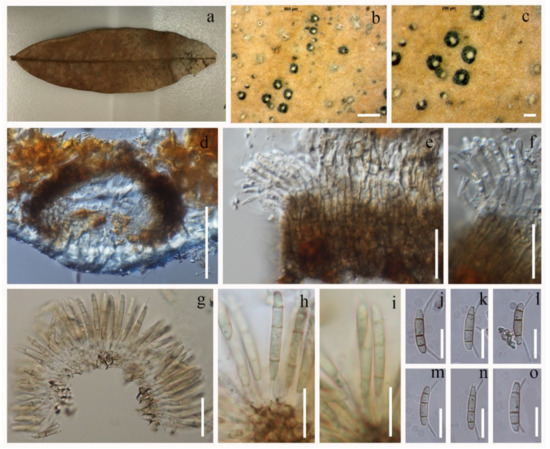
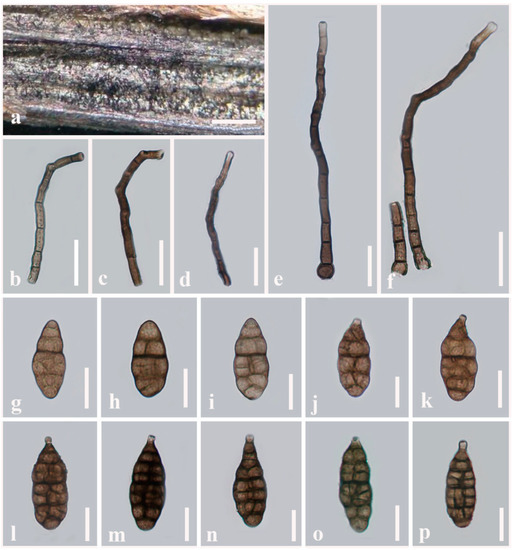
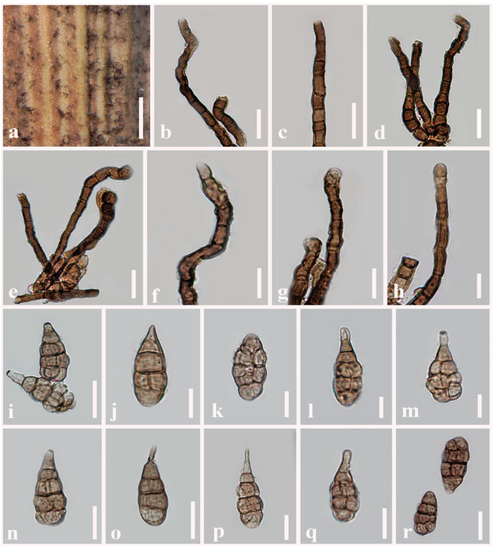
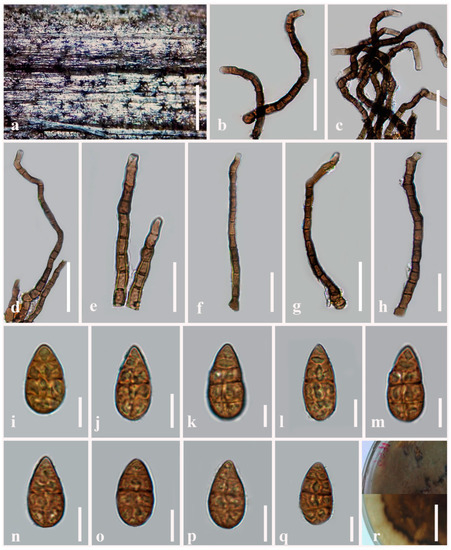
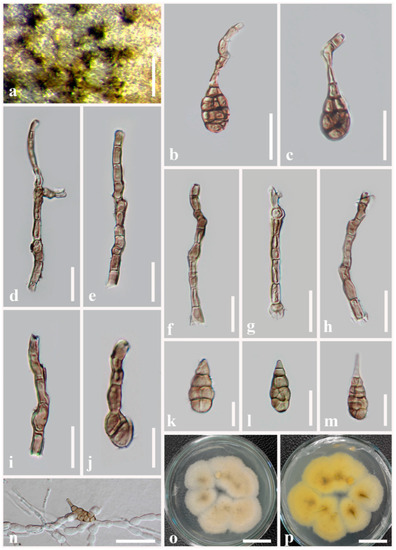
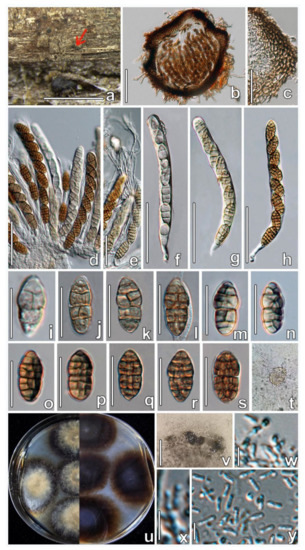
Fungal Species from Rhododendron sp.: Discosia rhododendricola sp.nov, Neopestalotiopsis rhododendricola sp.nov and Diaporthe nobilis as a New Host Record.
by Napalai Chaiwan, Rajesh Jeewon, Dhandevi Pem, Ruvishika Shehali Jayawardena, Nadeem Nazurally, Ausana Mapook, Itthayakorn Promputtha and Kevin D. Hyde
J. Fungi 2022, 8(9), 907; https://doi.org/10.3390/jof8090907 - 26 Aug 2022
Cited by 17 | Viewed by 4072
Abstract
In the present study, we report two new asexual fungal species (i.e., Discosia rhododendricola, Neopestalotiopsis rhododendricola (Sporocadaceae) and a new host for a previously described species (i.e., Diaporthe nobilis; Diaporthaceae). All species were isolated from Rhododendron spp. in [...] Read more.
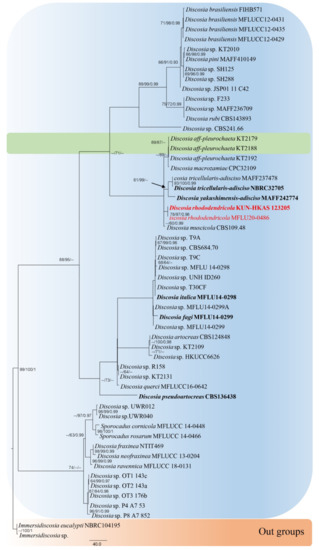
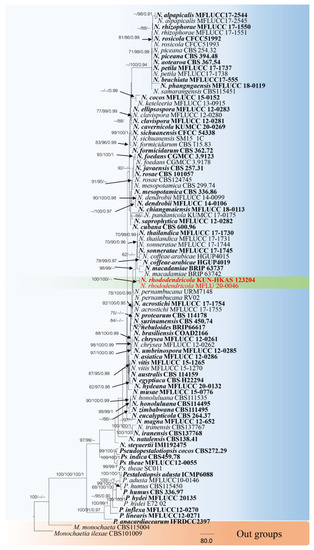
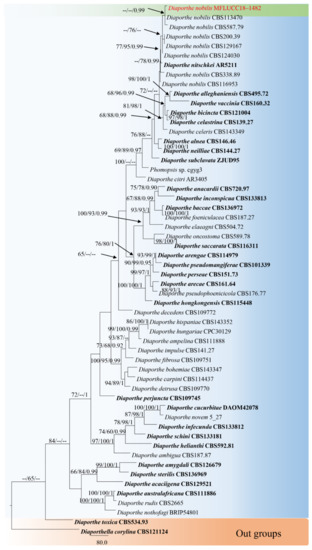
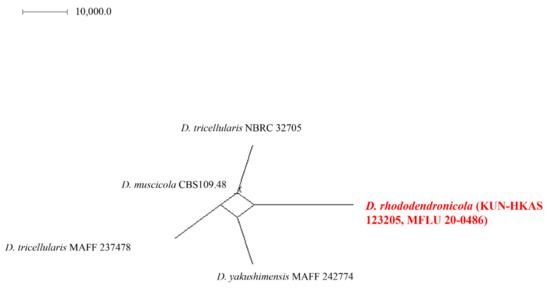
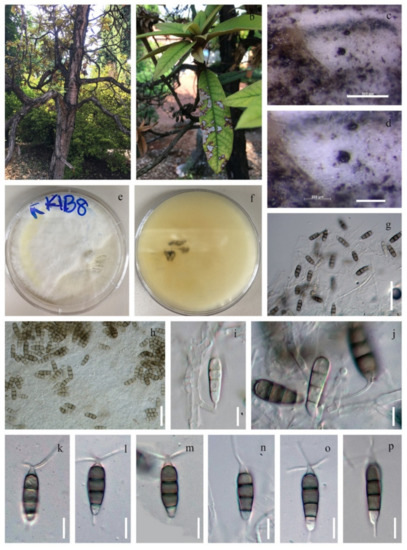
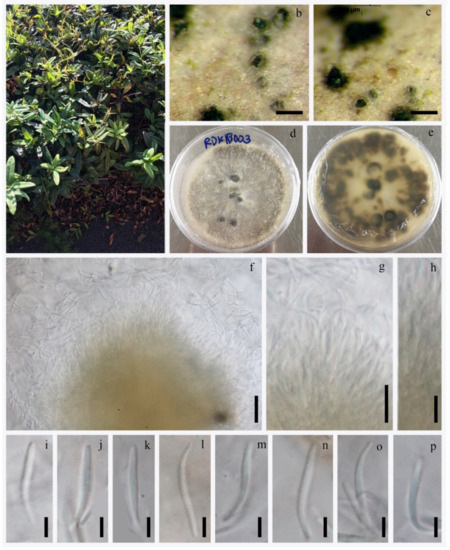
In the present study, we report two new asexual fungal species (i.e., Discosia rhododendricola, Neopestalotiopsis rhododendricola (Sporocadaceae) and a new host for a previously described species (i.e., Diaporthe nobilis; Diaporthaceae). All species were isolated from Rhododendron spp. in Kunming, Yunnan Province, China. All taxa are described based on morphology, and phylogenetic relationships were inferred using a multigenic approach (LSU, ITS, RPB2, TEF1 and TUB2). The phylogenetic analyses indicated that D. rhododendronicola sp. nov. is phylogenetically related to D. muscicola, and N. rhododendricola sp. nov is related to N. sonnaratae. Diaporthe nobilis is reported herein as a new host record from Rhododendron sp. for China, and its phylogeny is depicted based on ITS, TEF1 and TUB2 sequence data. Full article
(This article belongs to the Special Issue Ascomycota: Diversity, Taxonomy and Phylogeny)
Show Figures

Figure 1
6 pages, 262 KB  
Case Report
Fatal Lodderomyces elongisporus Fungemia in a Premature, Extremely Low-Birth-Weight Neonate
by Mohammad Asadzadeh, Noura Al-Sweih, Suhail Ahmad, Seema Khan, Wadha Alfouzan and Leena Joseph
J. Fungi 2022, 8(9), 906; https://doi.org/10.3390/jof8090906 - 26 Aug 2022
Cited by 10 | Viewed by 2198
Abstract
Many rare yeasts are emerging as pathogens, causing invasive infections in susceptible hosts that are associated with poor clinical outcome. Here, we describe the first and fatal case of Lodderomyces elongisporus fungemia in a premature, extremely low-birth-weight neonate after spontaneous vaginal delivery. The [...] Read more.
Many rare yeasts are emerging as pathogens, causing invasive infections in susceptible hosts that are associated with poor clinical outcome. Here, we describe the first and fatal case of Lodderomyces elongisporus fungemia in a premature, extremely low-birth-weight neonate after spontaneous vaginal delivery. The bloodstream isolate was identified as C. parapsilosis by the VITEK 2 yeast identification system and as L. elongisporus by PCR-sequencing of the internal transcribed spacer (ITS) region of ribosomal DNA. Antifungal susceptibility testing data for the isolate, performed by the broth microdilution-based MICRONAUT-AM assay, showed susceptibility to all nine antifungal drugs tested. Despite the initiation of treatment with liposomal amphotericin B, the patient died on the same day that the blood culture yielded yeast growth. This is the first report of L. elongisporus bloodstream infection in a neonate as the previous nine cases reported in the literature occurred in adult patients. The crude mortality rate for invasive L. elongisporus infection is 50%, as only 5 of 10 patients survived. Full article
(This article belongs to the Special Issue Novel, Emerging and Neglected Fungal Pathogens for Humans and Animals)
29 pages, 4745 KB  
Article
Diversity of Ascomycota in Jilin: Introducing Novel Woody Litter Taxa in Cucurbitariaceae
by Wenxin Su, Rong Xu, Chitrabhanu S. Bhunjun, Shangqing Tian, Yueting Dai, Yu Li and Chayanard Phukhamsakda
J. Fungi 2022, 8(9), 905; https://doi.org/10.3390/jof8090905 - 26 Aug 2022
Cited by 13 | Viewed by 3088
Abstract
Cucurbitariaceae has a high biodiversity worldwide on various hosts and is distributed in tropical and temperate regions. Woody litters collected in Changchun, Jilin Province, China, revealed a distinct collection of fungi in the family Cucurbitariaceae based on morphological and molecular data. Phylogenetic analyses [...] Read more.
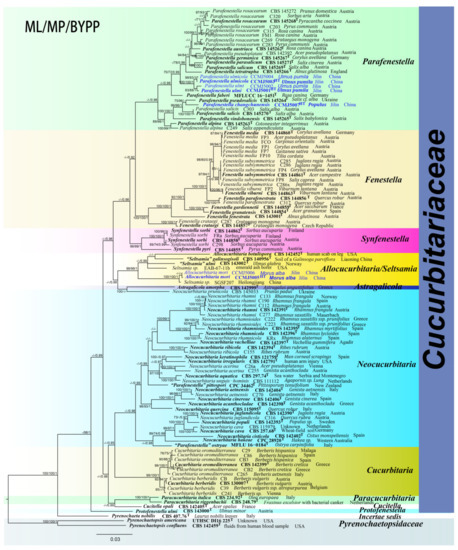
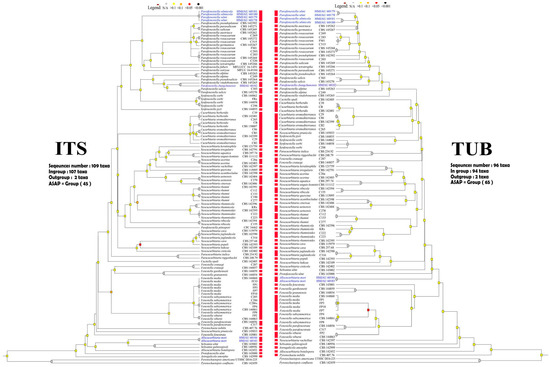
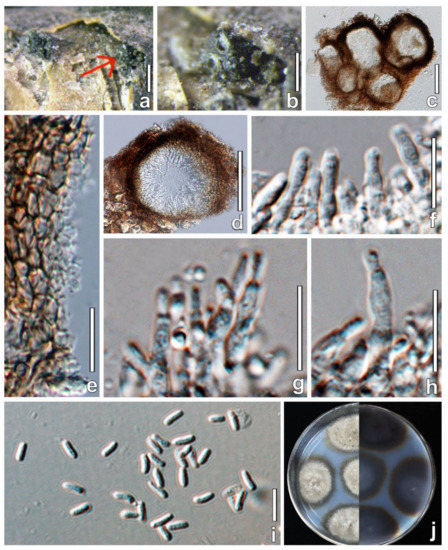
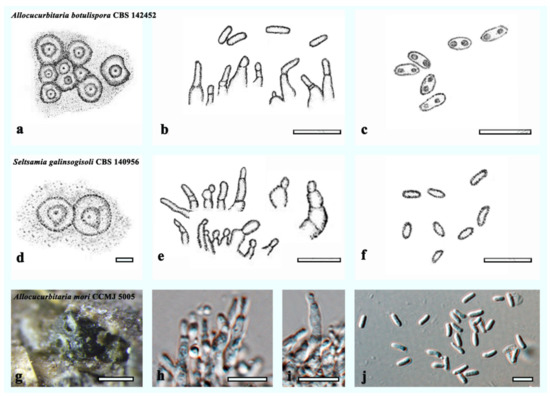
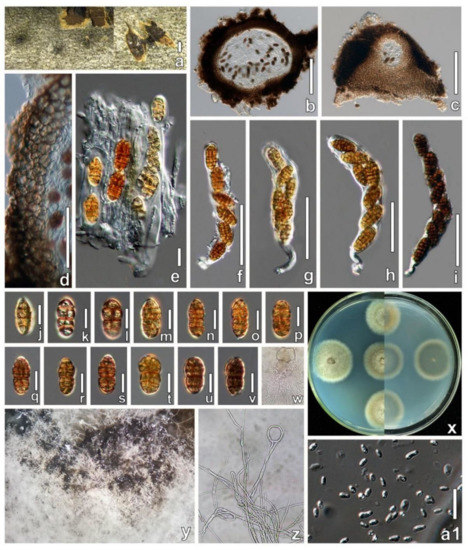
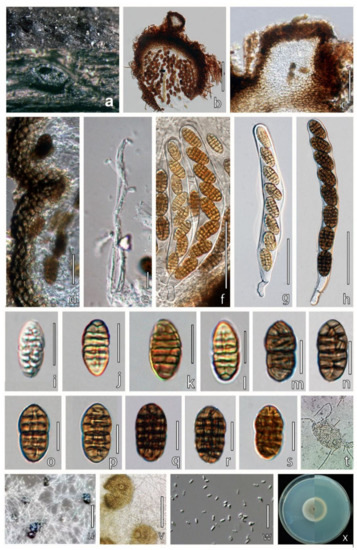
Cucurbitariaceae has a high biodiversity worldwide on various hosts and is distributed in tropical and temperate regions. Woody litters collected in Changchun, Jilin Province, China, revealed a distinct collection of fungi in the family Cucurbitariaceae based on morphological and molecular data. Phylogenetic analyses of the concatenated matrix of the internal transcribed spacer (ITS) region, the large subunit (LSU) of ribosomal DNA, the RNA polymerase II subunit (rpb2), the translation elongation factor 1-alpha (tef1-α) and β-tubulin (β-tub) genes indicated that the isolates represent Allocucurbitaria and Parafenestella species based on maximum likelihood (ML), maximum parsimony (MP) and Bayesian analysis (BPP). We report four novel species: Allocucurbitaria mori, Parafenestella changchunensis, P. ulmi and P. ulmicola. The importance of five DNA markers for species-level identification in Cucurbitariaceae was determined by Assemble Species by Automatic Partitioning (ASAP) analyses. The protein-coding gene β-tub is determined to be the best marker for species level identification in Cucurbitariaceae. Full article
(This article belongs to the Special Issue Ascomycota: Diversity, Taxonomy and Phylogeny)
Show Figures

Figure 1
10 pages, 2377 KB  
Article
Involvement of the Autophagy Protein Atg1 in Development and Virulence in Botryosphaeria dothidea
by Na Liu, Meiqi Zhu, Yihan Zhang, Zhongqiang Wang, Baohua Li and Weichao Ren
J. Fungi 2022, 8(9), 904; https://doi.org/10.3390/jof8090904 - 26 Aug 2022
Cited by 10 | Viewed by 2606
Abstract
Botryosphaeria canker and fruit rot caused by the fungus Botryosphaeria dothidea is one of the most destructive diseases of apple worldwide. Autophagy is an evolutionarily conserved self-degradation process that is important for maintaining homeostasis to ensure cellular functionality. To date, the role of [...] Read more.
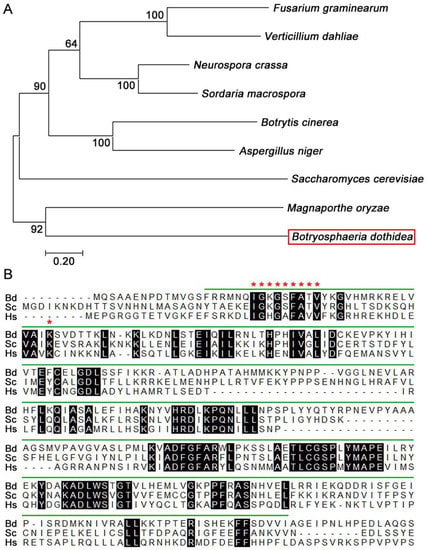
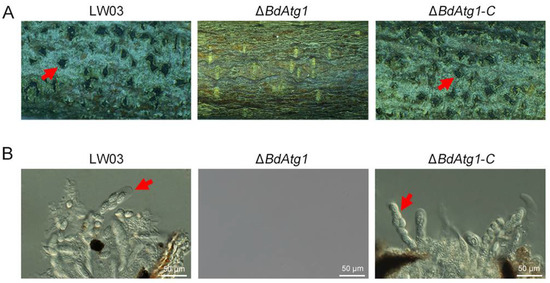
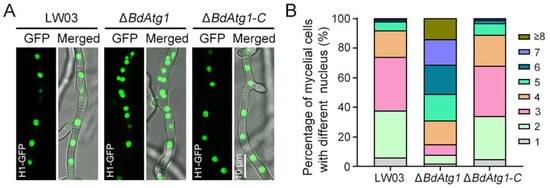
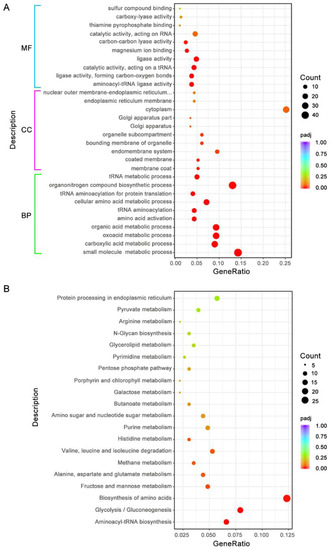
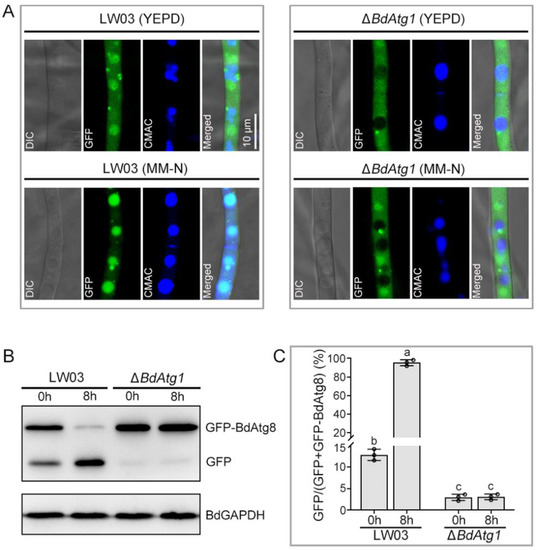
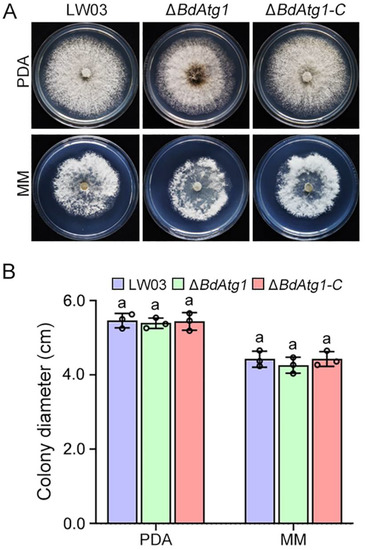
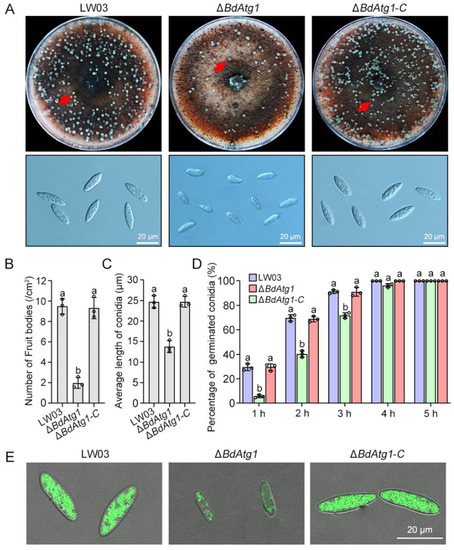
Botryosphaeria canker and fruit rot caused by the fungus Botryosphaeria dothidea is one of the most destructive diseases of apple worldwide. Autophagy is an evolutionarily conserved self-degradation process that is important for maintaining homeostasis to ensure cellular functionality. To date, the role of autophagy in B. dothidea is not well elucidated. In this study, we identified and characterized the autophagy-related protein Atg1 in B. dothidea. The BdAtg1 deletion mutant ΔBdAtg1 showed autophagy blockade and phenotypic defects in mycelial growth, conidiation, ascosporulation and virulence. In addition, ΔBdAtg1 exhibited an increased number of nuclei in the mycelial compartment. Comparative transcriptome analysis revealed that inactivation of BdAtg1 significantly influenced multiple metabolic pathways. Taken together, our results indicate that BdAtg1 plays an important role in vegetative differentiation and the pathogenicity of B. dothidea. The results of this study will provide a reference for the development of new target-based fungicides. Full article
(This article belongs to the Special Issue Autophagy in Fungi)
Show Figures

Figure 1
11 pages, 1235 KB  
Article
A Preconditioning Paradox: Contrasting Effects of Initial Phyllosphere and Early Leaf Decomposer Microfungi on Subsequent Colonization by Leaf Decomposing Non-Unit-Restricted Basidiomycetes
by Silvia Bibbo and D. Jean Lodge
J. Fungi 2022, 8(9), 903; https://doi.org/10.3390/jof8090903 - 25 Aug 2022
Viewed by 1947
Abstract
Fungal interactions during leaf decomposition can facilitate or inhibit other fungi. This experiment focused on whether preconditioning of leaf litter by microfungi that were confined to one leaf (Unit-Restricted) made leaf litter less likely to be colonized and decomposed by basidiomycetes that bind [...] Read more.
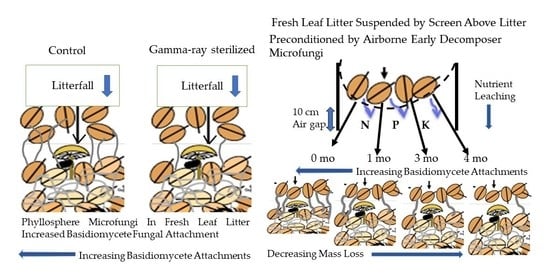
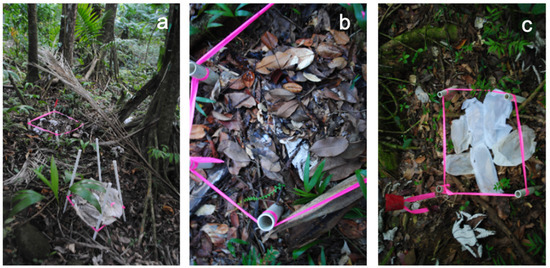
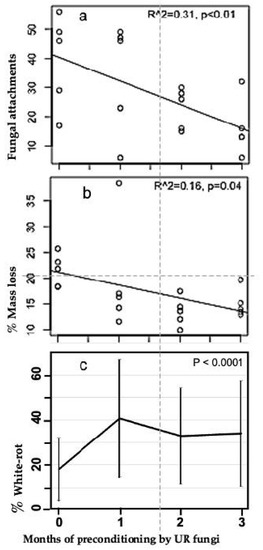
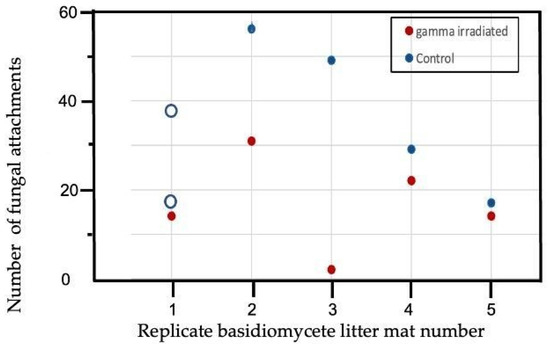
Fungal interactions during leaf decomposition can facilitate or inhibit other fungi. This experiment focused on whether preconditioning of leaf litter by microfungi that were confined to one leaf (Unit-Restricted) made leaf litter less likely to be colonized and decomposed by basidiomycetes that bind litter into mats (Non-Unit-Restricted) than non-preconditioned litter. Leaves of Manilkara bidentata in litterbags were preconditioned by incubating them for 0, 1, 2 or 3 months in flat litter/seed rain baskets 10 cm above the forest floor to avoid colonization by basidiomycete fungi. Preconditioned and non-preconditioned leaves were transferred to 5 replicate basidiomycete fungal mats of Gymnopus johnstonii for 6 weeks. Both attachment by basidiomycete fungi and percent mass loss after 6 weeks decreased significantly with increasing preconditioning time. In non-preconditioned leaves, gamma irradiation did not affect mass loss or percent white-rot despite having significantly increased numbers of basidiomycete fungal connections as compared to non-irradiated leaves. In non-preconditioned leaves, more basidiomycetes attachmented to non-irradiated than irradiated leaves suggest facilitation by phyllosphere microfungi. While basidiomycete colonization was initially facilitated by phyllosphere fungi, we inferred that degradation of resource quality led to fewer fungal attachments and less mass loss after 1–3 months of preconditioning by microfungi. The date suggest there is a 1-month time window for basidiomycete fungi to incorporate fallen leaves into their litter mats. Full article
(This article belongs to the Special Issue Fungi in Decomposition Processes)
Show Figures

Graphical abstract

17 pages, 2952 KB  
Article
Functional Roles of LaeA-like Genes in Fungal Growth, Cellulase Activity, and Secondary Metabolism in Pleurotus ostreatus
by Guang Zhang, Peng Yan, Doudou Leng, Li Shang, Chaohui Zhang, Zhongwei Wu and Zhenhe Wang
J. Fungi 2022, 8(9), 902; https://doi.org/10.3390/jof8090902 - 25 Aug 2022
Cited by 14 | Viewed by 2731
Abstract
The global regulator LaeA plays crucial roles in morphological development and secondary metabolite biosynthesis in filamentous fungi. However, the functions of LaeA in basidiomycetes are less reported. The basidiomycete Pleurotus ostreatus is a well-known fungus used both in medicine and as food that [...] Read more.
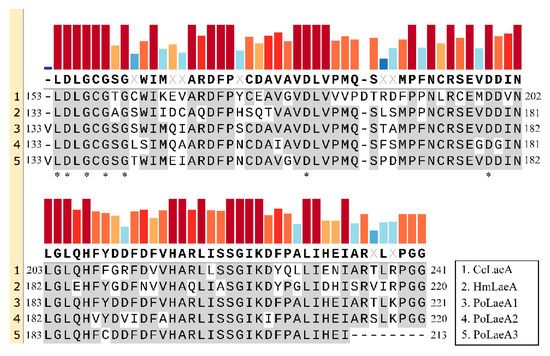
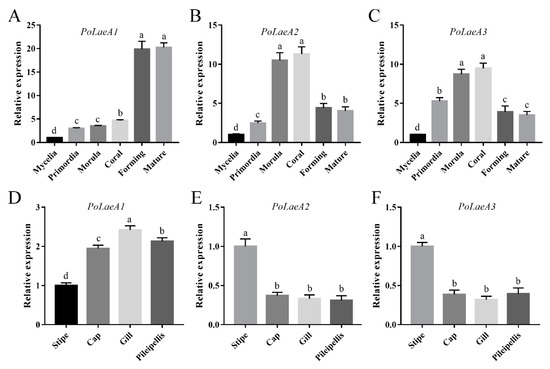
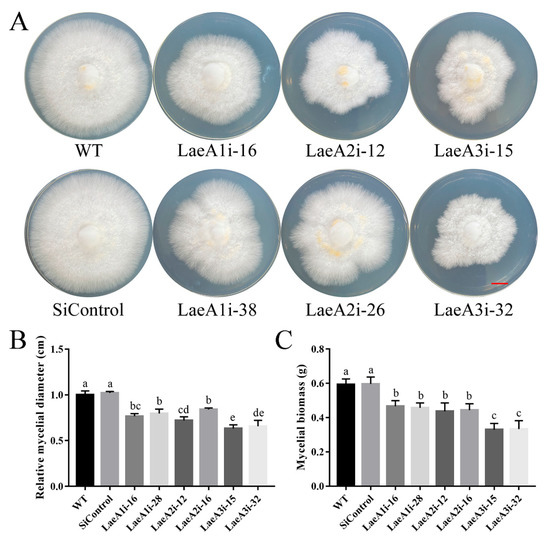
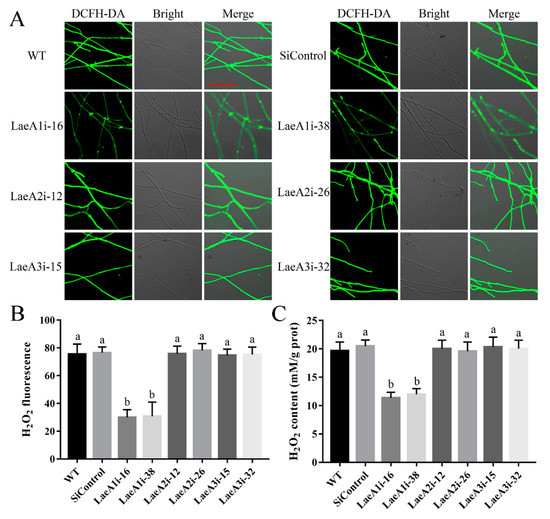
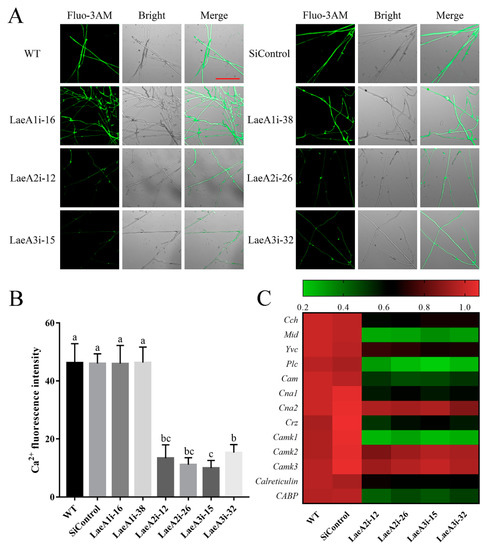
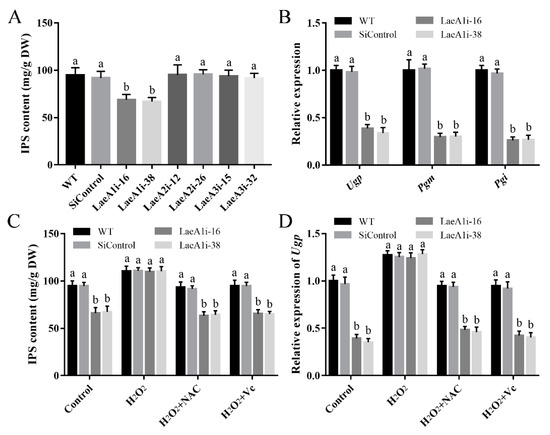
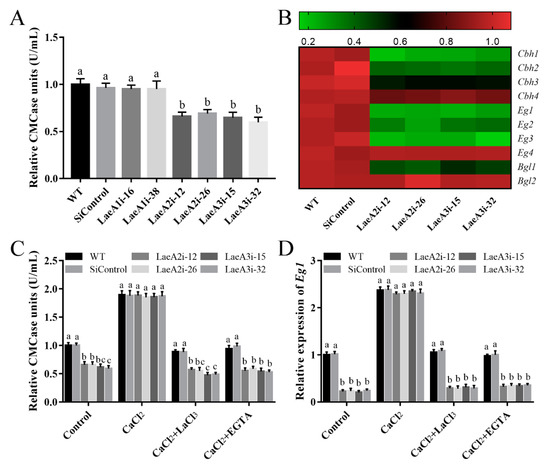
The global regulator LaeA plays crucial roles in morphological development and secondary metabolite biosynthesis in filamentous fungi. However, the functions of LaeA in basidiomycetes are less reported. The basidiomycete Pleurotus ostreatus is a well-known fungus used both in medicine and as food that produces polysaccharides and cellulolytic enzymes. In this study, we characterized three LaeA homologs (PoLaeA1, PoLaeA2, and PoLaeA3) in P. ostreatus. PoLaeA1 showed different expression patterns than PoLaeA2 and PoLaeA3 during different developmental stages. Silencing PoLaeA1 decreased the intracellular polysaccharide (IPS) content by approximately 28–30% and reduced intracellular ROS levels compared with those of the WT strain. However, silencing PoLaeA2 and PoLaeA3 decreased cellulase activity by 31–34% and 35–40%, respectively, and reduced the cytosolic Ca2+ content, compared with those of the WT strain. Further analysis showed that PoLaeA1 regulated IPS biosynthesis through intracellular ROS levels, whereas PoLaeA2 and PoLaeA3 regulated cellulase activity through intracellular Ca2+ signaling. Our results provide new insights into the regulation of polysaccharide biosynthesis and cellulase production in filamentous fungi. Full article
Show Figures

Figure 1
12 pages, 2060 KB  
Article
Lycosin-II Exhibits Antifungal Activity and Inhibits Dual-Species Biofilm by Candida albicans and Staphylococcus aureus
by Jonggwan Park, Hyeongsun Kim, Hee-Kyoung Kang, Moon-Chang Choi and Yoonkyung Park
J. Fungi 2022, 8(9), 901; https://doi.org/10.3390/jof8090901 - 24 Aug 2022
Cited by 6 | Viewed by 3042
Abstract
The increase and dissemination of antimicrobial resistance is a global public health issue. To address this, new antimicrobial agents have been developed. Antimicrobial peptides (AMPs) exhibit a wide range of antimicrobial activities against pathogens, including bacteria and fungi. Lycosin-II, isolated from the venom [...] Read more.
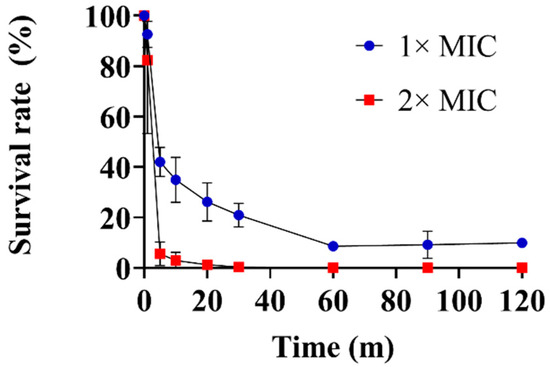
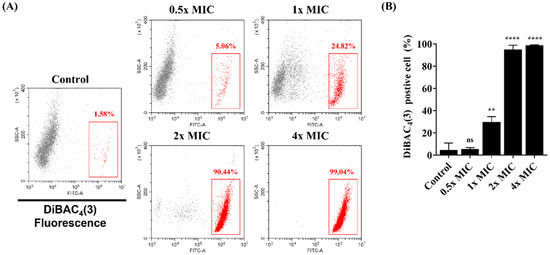
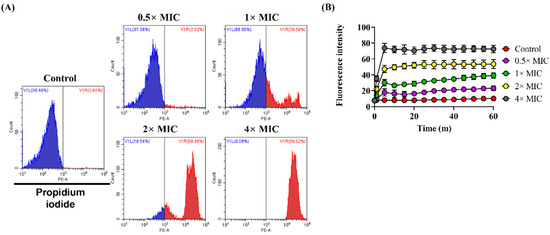
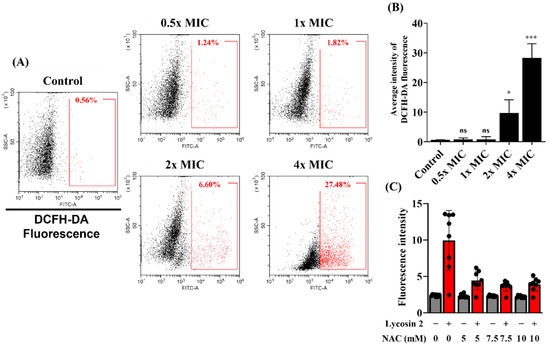
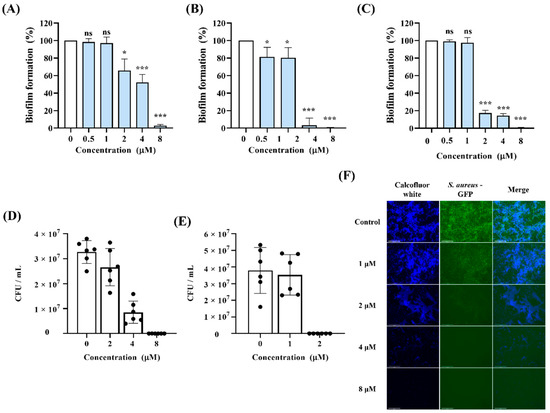
The increase and dissemination of antimicrobial resistance is a global public health issue. To address this, new antimicrobial agents have been developed. Antimicrobial peptides (AMPs) exhibit a wide range of antimicrobial activities against pathogens, including bacteria and fungi. Lycosin-II, isolated from the venom of the spider Lycosa singoriensis, has shown antibacterial activity by disrupting membranes. However, the mode of action of Lycosin-II and its antifungal activity have not been clearly described. Therefore, we confirmed that Lycosin-II showed antifungal activity against Candida albicans (C. albicans). To investigate the mode of action, membrane-related assays were performed, including an evaluation of C. albicans membrane depolarization and membrane integrity after exposure to Lycosin-II. Our results indicated that Lycosin-II damaged the C. albicans membrane. Additionally, Lycosin-II induced oxidative stress through the generation of reactive oxygen species (ROS) in C. albicans. Moreover, Lycosin-II exhibited an inhibitory effect on dual-species biofilm formation by C. albicans and Staphylococcus aureus (S. aureus), which are the most co-isolated fungi and bacteria. These results revealed that Lycosin-II can be utilized against C. albicans and dual-species strain infections. Full article
Show Figures

Figure 1
15 pages, 1830 KB  
Article
The Photodegradation of Lignin Methoxyl C Promotes Fungal Decomposition of Lignin Aromatic C Measured with 13C-CPMAS NMR
by Bei Yao, Xiaoyi Zeng, Lu Pang, Xiangshi Kong, Kai Tian, Yanli Ji, Shucun Sun and Xingjun Tian
J. Fungi 2022, 8(9), 900; https://doi.org/10.3390/jof8090900 - 24 Aug 2022
Cited by 5 | Viewed by 3117
Abstract
Solar radiation has been regarded as a driver of litter decomposition in arid and semiarid ecosystems. Photodegradation of litter organic carbon (C) depends on chemical composition and water availability. However, the chemical changes in organic C that respond to solar radiation interacting with [...] Read more.
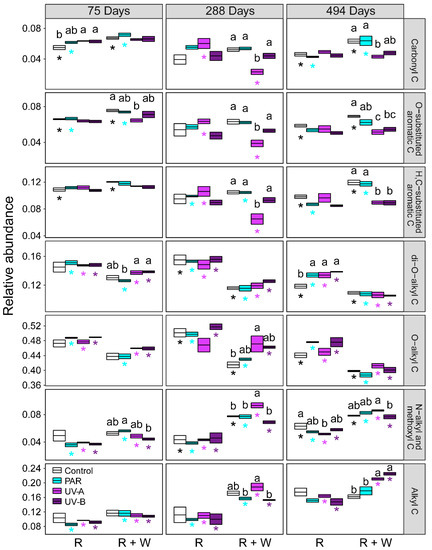
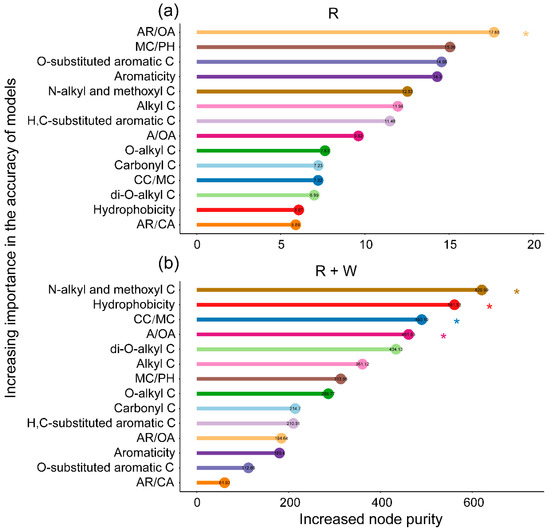
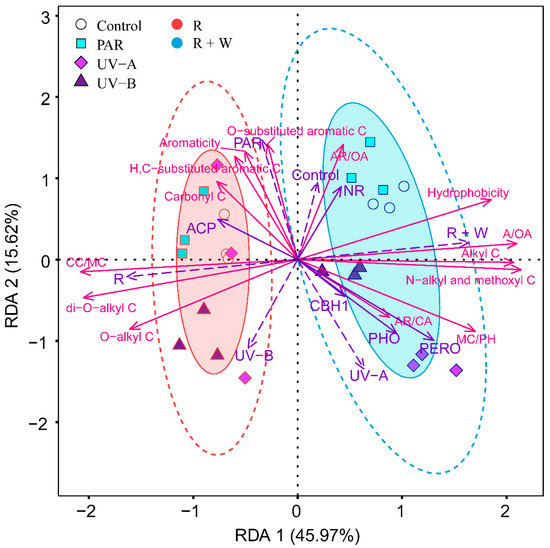
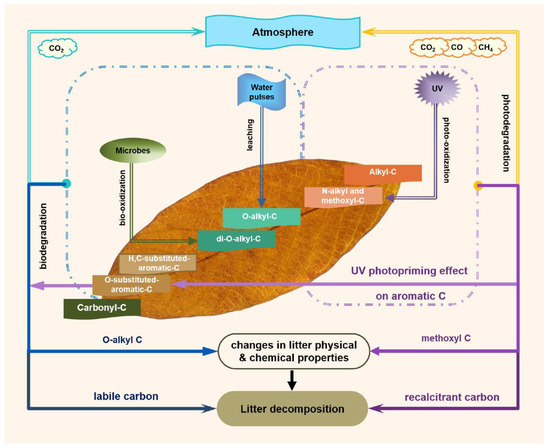
Solar radiation has been regarded as a driver of litter decomposition in arid and semiarid ecosystems. Photodegradation of litter organic carbon (C) depends on chemical composition and water availability. However, the chemical changes in organic C that respond to solar radiation interacting with water pulses remain unknown. To explain changes in the chemical components of litter organic C exposed to UV-B, UV-A, and photosynthetically active radiation (PAR) mediated by water pulses, we measured the chemistry of marcescent Lindera glauca leaf litter by solid-state 13C cross-polarization magic angle spinning (CPMAS) nuclear magnetic resonance (NMR) over 494 days of litter decomposition with a microcosm experiment. Abiotic and biotic factors regulated litter decomposition via three pathways: first, photochemical mineralization of lignin methoxyl C rather than aromatic C exposed to UV radiation; second, the biological oxidation and leaching of cellulose O-alkyl C exposed to PAR and UV radiation interacts with water pulses; and third, the photopriming effect of UV radiation on lignin aromatic C rather than cellulose O-alkyl C under the interaction between radiation and water pulses. The robust decomposition index that explained the changes in the mass loss was the ratio of aromatic C to O-alkyl C (AR/OA) under radiation, but the ratio of hydrophobic to hydrophilic C (hydrophobicity), the carbohydrate C to methoxyl C ratio (CC/MC), and the alkyl C to O-alkyl C ratio (A/OA) under radiation were mediated by water pulses. Moreover, the photopriming effect and water availability promoted the potential activities of peroxidase and phenol oxidase associated with lignin degradation secreted by fungi. Our results suggest that direct photodegradation of lignin methoxyl C increases microbial accessibility to lignin aromatic C. Photo-oxidized compounds might be an additional C pool to regulate the stability of the soil C pool derived from plant litter by degrading lignin methoxyl and aromatic C. Full article
(This article belongs to the Special Issue Fungi in Decomposition Processes)
Show Figures

Figure 1
21 pages, 16022 KB  
Article
Evidencing New Roles for the Glycosyl-Transferase Cps1 in the Phytopathogenic Fungus Botrytis cinerea
by Matthieu Blandenet, Isabelle R. Gonçalves, Christine Rascle, Jean-William Dupuy, François-Xavier Gillet, Nathalie Poussereau, Mathias Choquer and Christophe Bruel
J. Fungi 2022, 8(9), 899; https://doi.org/10.3390/jof8090899 - 24 Aug 2022
Cited by 9 | Viewed by 3640
Abstract
The fungal cell wall occupies a central place in the interaction between fungi and their environment. This study focuses on the role of the putative polysaccharide synthase Cps1 in the physiology, development and virulence of the grey mold-causing agent Botrytis cinerea. Deletion [...] Read more.
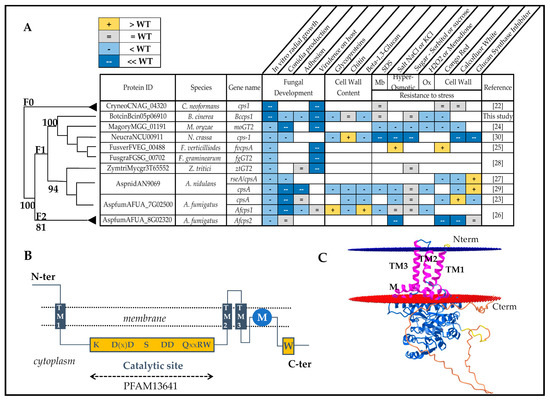
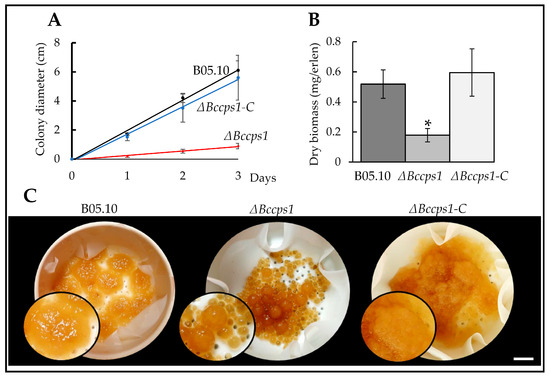
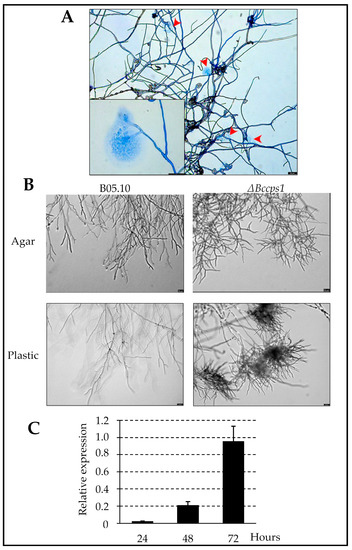
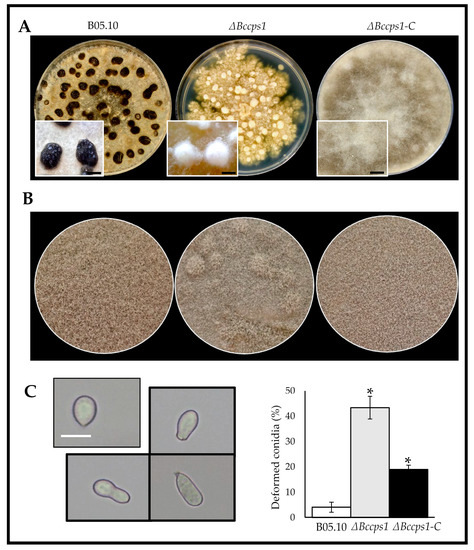
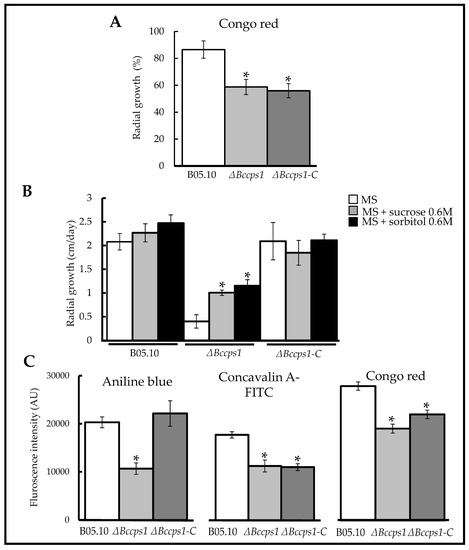
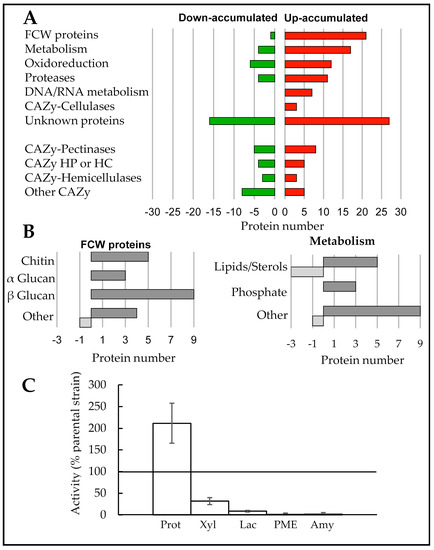
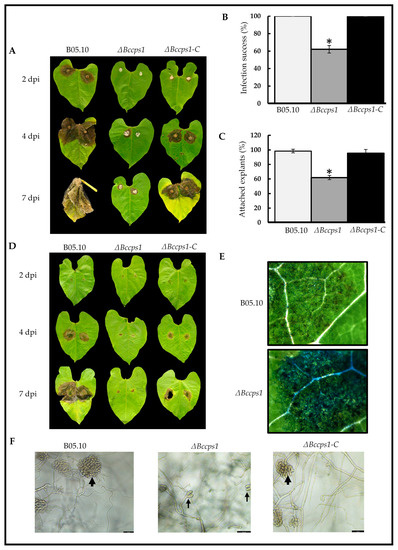
The fungal cell wall occupies a central place in the interaction between fungi and their environment. This study focuses on the role of the putative polysaccharide synthase Cps1 in the physiology, development and virulence of the grey mold-causing agent Botrytis cinerea. Deletion of the Bccps1 gene does not affect the germination of the conidia (asexual spores) or the early mycelial development, but it perturbs hyphal expansion after 24 h, revealing a two-phase hyphal development that has not been reported so far. It causes a severe reduction of mycelial growth in a solid medium and modifies hyphal aggregation into pellets in liquid cultures. It strongly impairs plant penetration, plant colonization and the formation of sclerotia (survival structures). Loss of the BcCps1 protein associates with a decrease in glucans and glycoproteins in the fungus cell wall and the up-accumulation of 132 proteins in the mutant’s exoproteome, among which are fungal cell wall enzymes. This is accompanied by an increased fragility of the mutant mycelium, an increased sensitivity to some environmental stresses and a reduced adhesion to plant surface. Taken together, the results support a significant role of Cps1 in the cell wall biology of B. cinerea. Full article
(This article belongs to the Special Issue Genomics of Fungal Plant Pathogens)
Show Figures

Figure 1
22 pages, 4212 KB  
Article
Additions to the Inventory of the Genus Alternaria Section Alternaria (Pleosporaceae, Pleosporales) in Italy
by Junfu Li, Rungtiwa Phookamsak, Hongbo Jiang, Darbhe Jayarama Bhat, Erio Camporesi, Saisamorn Lumyong, Jaturong Kumla, Sinang Hongsanan, Peter E. Mortimer, Jianchu Xu and Nakarin Suwannarach
J. Fungi 2022, 8(9), 898; https://doi.org/10.3390/jof8090898 - 24 Aug 2022
Cited by 32 | Viewed by 4595
Abstract
The genus Alternaria is comprised of well-known plant pathogens causing various important diseases in plants, as well as being common allergens in animals and humans. Species of Alternaria can be found as saprobes associated with various dead plant materials. This research aims to [...] Read more.
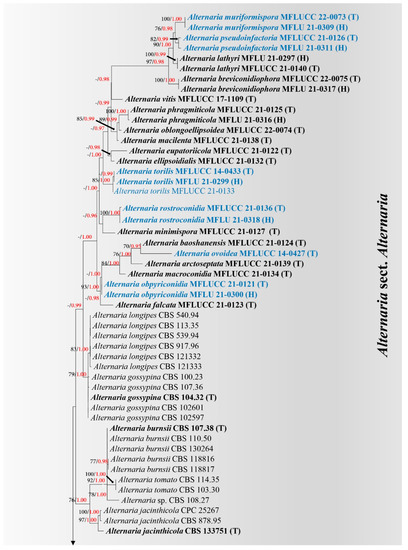
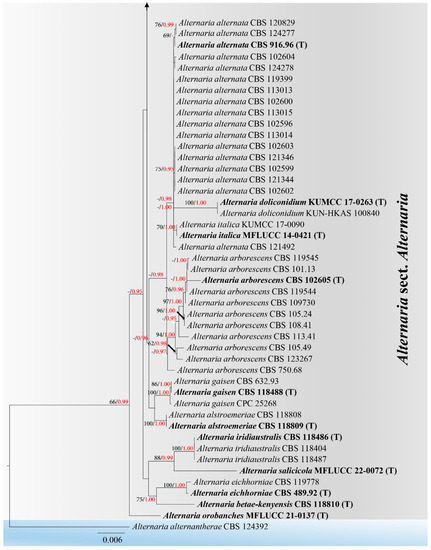
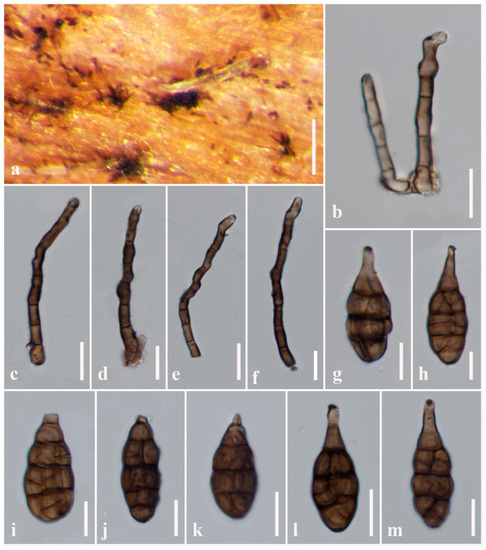
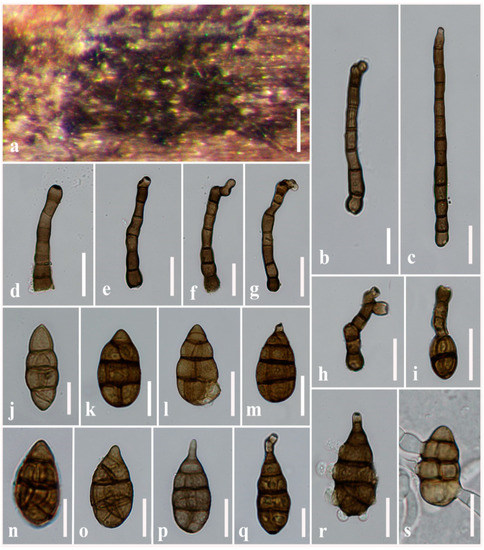
The genus Alternaria is comprised of well-known plant pathogens causing various important diseases in plants, as well as being common allergens in animals and humans. Species of Alternaria can be found as saprobes associated with various dead plant materials. This research aims to enhance the taxonomy of saprobic species in the genus Alternaria found on grasses and herbaceous plants from Italy, based on multi-locus phylogenetic analyses of a concatenated ITS, LSU, SSU, tef1-α, rpb2, gapdh and Alt-a1 DNA sequence dataset combined with morphological characteristics. Multi-locus phylogenetic analyses demonstrated six novel species belonging to the genus Alternaria sect. Alternaria as: A. muriformispora sp. nov., A. obpyriconidia sp. nov., A. ovoidea sp. nov., A. pseudoinfectoria sp. nov., A. rostroconidia sp. nov. and A. torilis sp. nov. Detailed morphological descriptions, illustrations and an updated phylogenetic relationship of taxa in the genus Alternaria sect. Alternaria are provided herein. Full article
(This article belongs to the Topic Fungal Diversity)
Show Figures

Figure 1
15 pages, 1548 KB  
Article
Diversity of Fusarium Species Isolated from Symptomatic Plants Belonging to a Wide Range of Agri-Food and Ornamental Crops in Lebanon
by Charlie Abi Saad, Mario Masiello, Wassim Habib, Elvis Gerges, Simona Marianna Sanzani, Antonio Francesco Logrieco, Antonio Moretti and Stefania Somma
J. Fungi 2022, 8(9), 897; https://doi.org/10.3390/jof8090897 - 23 Aug 2022
Cited by 6 | Viewed by 3935
Abstract
Lebanon is a small Mediterranean country with different pedoclimatic conditions that allow the growth of both temperate and tropical plants. Currently, few studies are available on the occurrence and diversity of Fusarium species on Lebanese crops. A wide population of Fusarium strains was [...] Read more.
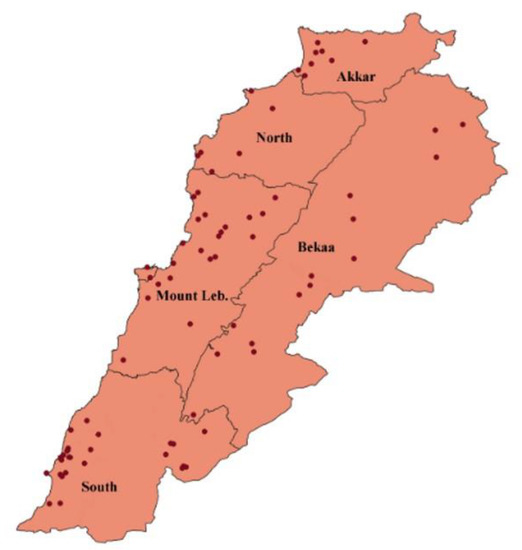
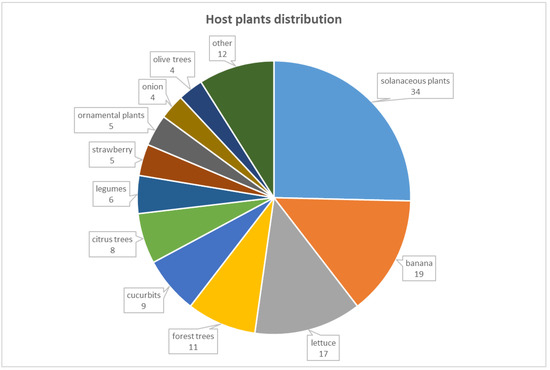
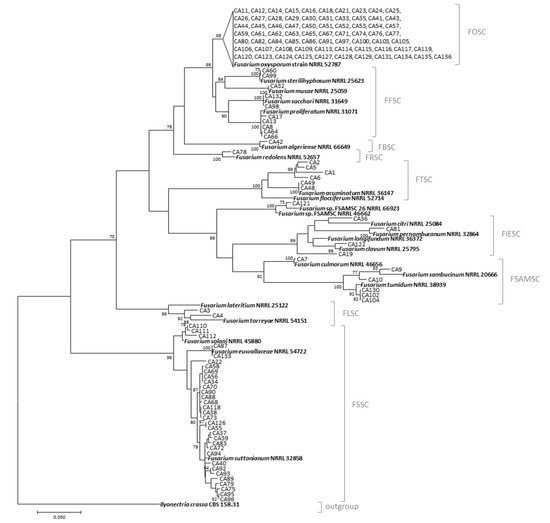
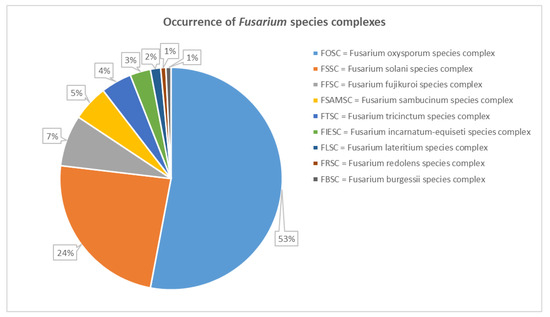
Lebanon is a small Mediterranean country with different pedoclimatic conditions that allow the growth of both temperate and tropical plants. Currently, few studies are available on the occurrence and diversity of Fusarium species on Lebanese crops. A wide population of Fusarium strains was isolated from different symptomatic plants in the last 10 years. In the present investigation, a set of 134 representative strains were molecularly identified by sequencing the translation elongation factor, used in Fusarium as a barcoding gene. Great variability was observed, since the strains were grouped into nine different Fusarium Species Complexes (SCs). Fusarium oxysporum SC and Fusarium solani SC were the most frequent (53% and 24%, respectively). Members of important mycotoxigenic SCs were also detected: F. fujikuroi SC (7%), F. sambucinum SC (5%), F. incarnatum-equiseti SC (3%), and F. tricinctum SC (4%). Two strains belonging to F. lateritium SC, a single strain belonging to F. burgessii SC, and a single strain belonging to F. redolens SC were also detected. This paper reports, for the first time, the occurrence of several Fusarium species on Lebanese host plants. The clear picture of the Fusarium species distribution provided in this study can pose a basis for both a better understanding of the potential phytopathological and toxicological risks and planning future Fusarium management strategies in Lebanon. Full article
(This article belongs to the Special Issue Plant Fungi: Impact on Agricultural Production)
Show Figures

Figure 1
16 pages, 11467 KB  
Article
Whole Genome Sequencing Shows Genetic Diversity, as Well as Clonal Complex and Gene Polymorphisms Associated with Fluconazole Non-Susceptible Isolates of Candida tropicalis
by Caitlin Keighley, Mailie Gall, Sebastiaan J. van Hal, Catriona L. Halliday, Louis Yi Ann Chai, Kean Lee Chew, Chayanika Biswas, Monica A. Slavin, Wieland Meyer, Vitali Sintchenko and Sharon C. A. Chen
J. Fungi 2022, 8(9), 896; https://doi.org/10.3390/jof8090896 - 23 Aug 2022
Cited by 17 | Viewed by 4061
Abstract
Resistance to azoles in Candida tropicalis is increasing and may be mediated by genetic characteristics. Using whole genome sequencing (WGS), we examined the genetic diversity of 82 bloodstream C. tropicalis isolates from two countries and one ATCC strain in a global context. Multilocus [...] Read more.
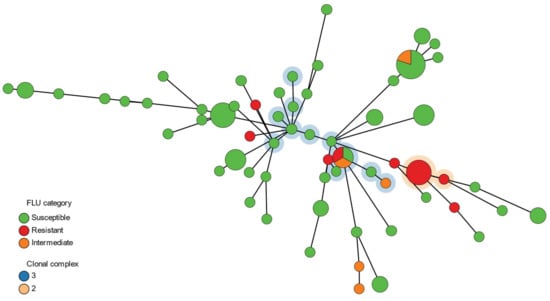
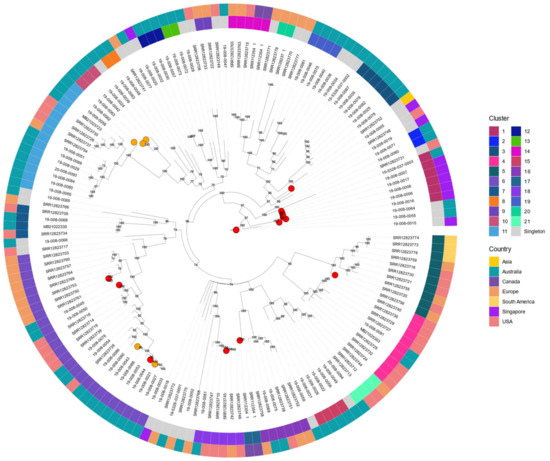
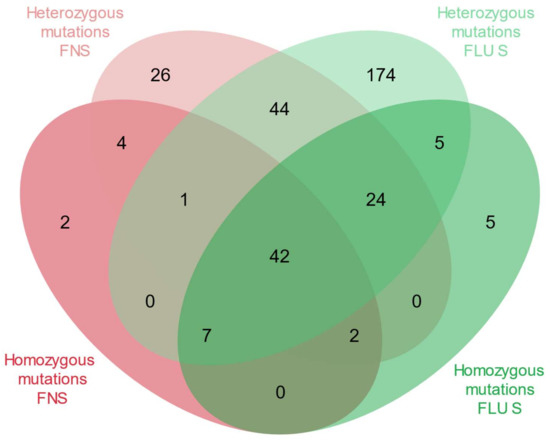
Resistance to azoles in Candida tropicalis is increasing and may be mediated by genetic characteristics. Using whole genome sequencing (WGS), we examined the genetic diversity of 82 bloodstream C. tropicalis isolates from two countries and one ATCC strain in a global context. Multilocus sequence typing (MLST) and single nucleotide polymorphism (SNP)-based phylogenies were generated. Minimum inhibitory concentrations (MIC) for antifungal agents were determined using Sensititre YeastOne YO10. Eleven (13.2%) isolates were fluconazole-resistant and 17 (20.5%) were classified as fluconazole-non susceptible (FNS). Together with four Canadian isolates, the genomes of 12 fluconazole-resistant (18 FNS) and 69 fluconazole-susceptible strains were examined for gene mutations associated with drug resistance. Fluconazole-resistant isolates contained a mean of 56 non-synonymous SNPs per isolate in contrast to 36 SNPs in fluconazole-susceptible isolates (interquartile range [IQR] 46–59 vs. 31–48 respectively; p < 0.001). Ten of 18 FNS isolates contained missense ERG11 mutations (amino acid substitutions S154F, Y132F, Y257H). Two echinocandin-non susceptible isolates had homozygous FKS1 mutations (S30P). MLST identified high genetic diversity with 61 diploid sequence types (DSTs), including 53 new DSTs. All four isolates in DST 773 were fluconazole-resistant within clonal complex 2. WGS showed high genetic variation in invasive C. tropicalis; azole resistance was distributed across different lineages but with DST 773 associated with in vitro fluconazole resistance. Full article
(This article belongs to the Special Issue New Trends in Yeast Genomics)
Show Figures

Figure 1
21 pages, 3492 KB  
Article
The Umbelopsis ramanniana Sensu Lato Consists of Five Cryptic Species
by Ya-Ning Wang, Xiao-Yong Liu and Ru-Yong Zheng
J. Fungi 2022, 8(9), 895; https://doi.org/10.3390/jof8090895 - 23 Aug 2022
Cited by 8 | Viewed by 4395
Abstract
Umbelopsis ramanniana is one of the most commonly reported species within the genus and an important oleaginous fungus. The morphology of the species varies remarkably in sporangiospores, columellae and chlamydospores. However, phylogenetic analyses based on ITS and nLSU rDNA had previously shown insufficiency [...] Read more.
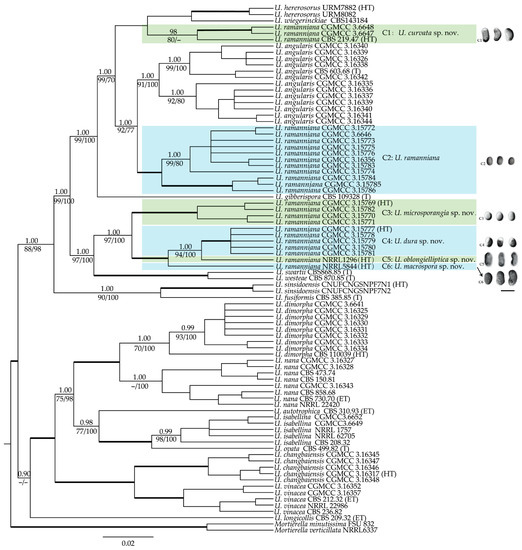
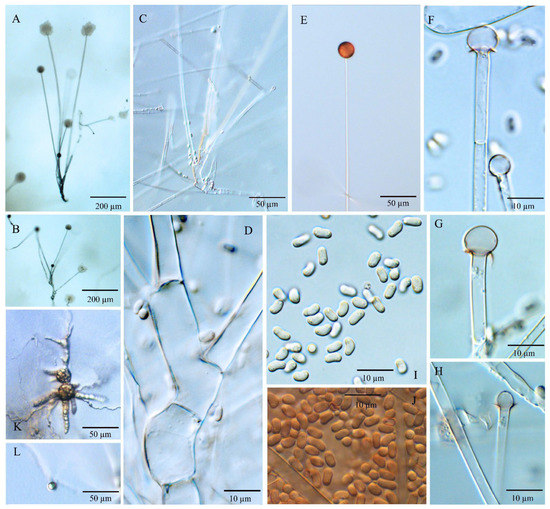
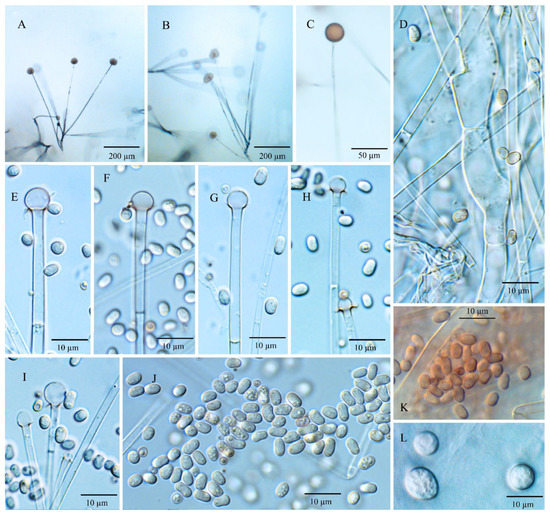
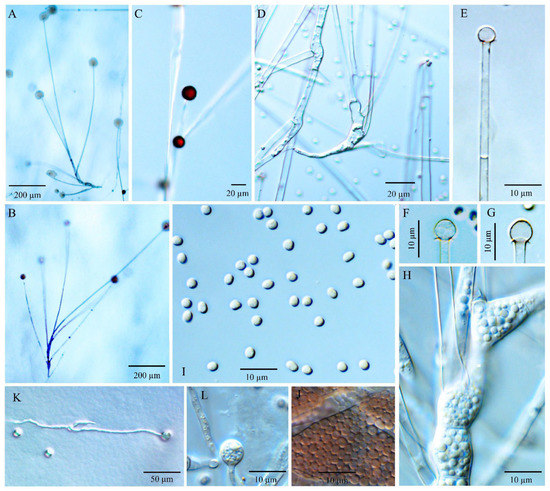
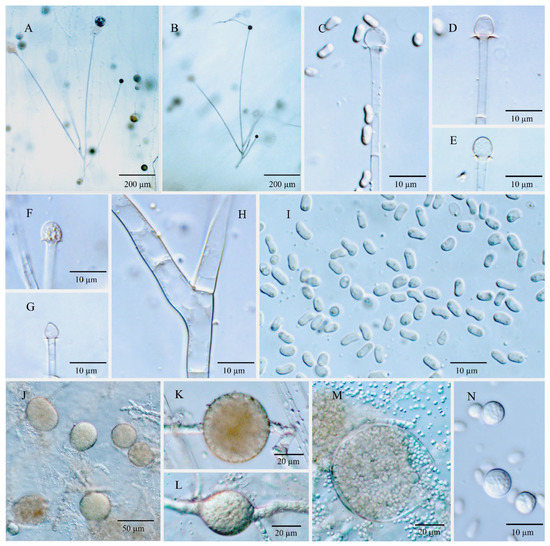
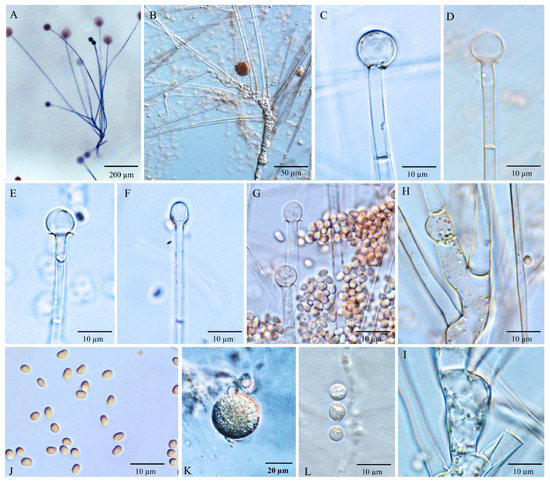
Umbelopsis ramanniana is one of the most commonly reported species within the genus and an important oleaginous fungus. The morphology of the species varies remarkably in sporangiospores, columellae and chlamydospores. However, phylogenetic analyses based on ITS and nLSU rDNA had previously shown insufficiency in achieving species level identification in the genus Umbelopsis. In this study, by applying a polyphasic approach involving multi-gene (nSSU, ITS, nLSU, act1, MCM7 and cox1) phylogeny, morphology and maximum growth temperature, U. ramanniana sensu lato was revealed as a polyphyletic group and resolved with five novel taxa, namely U. curvata, U. dura, U. macrospora, U. microsporangia and U. oblongielliptica. Additionally, a key for all currently accepted species in Umbelopsis was also updated. Full article
(This article belongs to the Topic Fungal Diversity)
Show Figures

Figure 1
16 pages, 913 KB  
Article
Challenges in Diagnosing COVID-19-Associated Pulmonary Aspergillosis in Critically Ill Patients: The Relationship between Case Definitions and Autoptic Data
by Giacomo Casalini, Andrea Giacomelli, Laura Galimberti, Riccardo Colombo, Elisabetta Ballone, Giacomo Pozza, Martina Zacheo, Miriam Galimberti, Letizia Oreni, Luca Carsana, Margherita Longo, Maria Rita Gismondo, Cristina Tonello, Manuela Nebuloni and Spinello Antinori
J. Fungi 2022, 8(9), 894; https://doi.org/10.3390/jof8090894 - 23 Aug 2022
Cited by 17 | Viewed by 2904
Abstract
Critically ill COVID-19 patients can develop invasive pulmonary aspergillosis (CAPA). Considering the weaknesses of diagnostic tests/case definitions, as well as the results from autoptic studies, there is a debate on the real burden of aspergillosis in COVID-19 patients. We performed a retrospective observational [...] Read more.
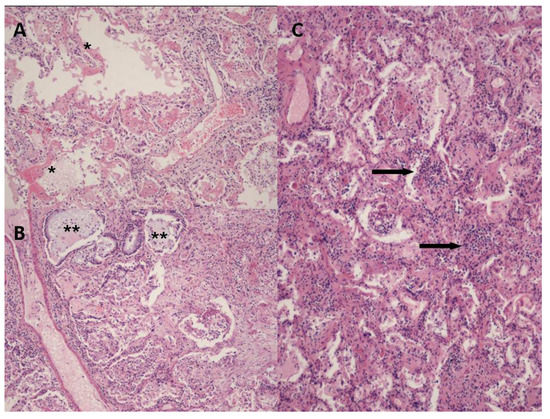
Critically ill COVID-19 patients can develop invasive pulmonary aspergillosis (CAPA). Considering the weaknesses of diagnostic tests/case definitions, as well as the results from autoptic studies, there is a debate on the real burden of aspergillosis in COVID-19 patients. We performed a retrospective observational study on mechanically ventilated critically ill COVID-19 patients in an intensive care unit (ICU). The primary objective was to determine the burden of CAPA by comparing clinical diagnosis (through case definitions/diagnostic algorithms) with autopsy results. Twenty patients out of 168 (11.9%) developed probable CAPA. Seven (35%) were females, and the median age was 66 [IQR 59–72] years. Thirteen CAPA patients (65%) died and, for six, an autopsy was performed providing a proven diagnosis in four cases. Histopathology findings suggest a focal pattern, rather than invasive and diffuse fungal disease, in the context of prominent viral pneumonia. In a cohort of mechanically ventilated patients with probable CAPA, by performing a high rate of complete autopsies, invasive aspergillosis was not always proven. It is still not clear whether aspergillosis is the major driver of mortality in patients with CAPA. Full article
(This article belongs to the Special Issue Fungal Infections in COVID-19 Patients)
Show Figures

Figure 1
11 pages, 2361 KB  
Article
Effects of Five Filamentous Fungi Used in Food Processes on In Vitro and In Vivo Gut Inflammation
by Maxime Poirier, Cindy Hugot, Madeleine Spatz, Gregory Da Costa, Alexia Lapiere, Chloé Michaudel, Camille Danne, Valérie Martin, Philippe Langella, Marie-Laure Michel, Harry Sokol, Patrick Boyaval and Mathias L. Richard
J. Fungi 2022, 8(9), 893; https://doi.org/10.3390/jof8090893 - 23 Aug 2022
Cited by 6 | Viewed by 6190
Abstract
Food processes use different microorganisms, from bacteria to fungi. Yeast strains have been extensively studied, especially Saccharomyces cerevisiae. However, to date, very little is known about the potential beneficial effects of molds on gut health as part of gut microbiota. We undertook [...] Read more.
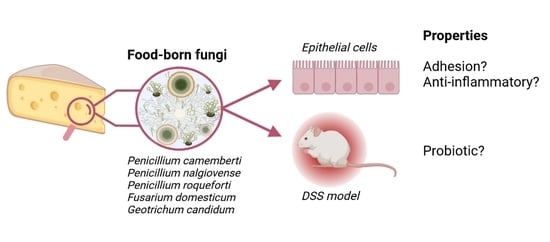
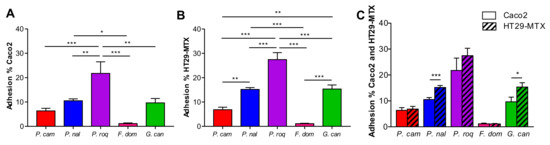
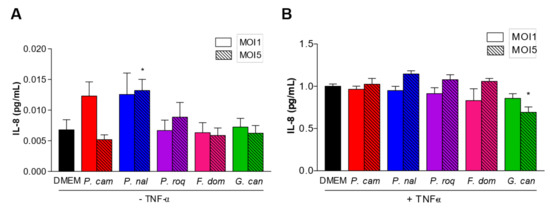
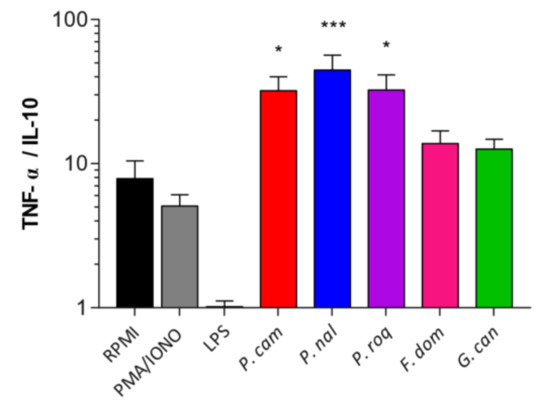
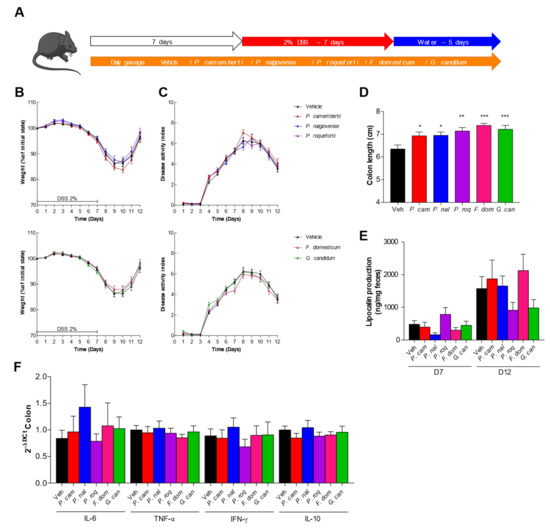
Food processes use different microorganisms, from bacteria to fungi. Yeast strains have been extensively studied, especially Saccharomyces cerevisiae. However, to date, very little is known about the potential beneficial effects of molds on gut health as part of gut microbiota. We undertook a comprehensive characterization of five mold strains, Penicillium camemberti, P. nalgiovense, P. roqueforti, Fusarium domesticum, and Geotrichum candidum used in food processes, on their ability to trigger or protect intestinal inflammation using in vitro human cell models and in vivo susceptibility to sodium dextran sulfate-induced colitis. Comparison of spore adhesion to epithelial cells showed a very wide disparity in results, with F. domesticum and P. roqueforti being the two extremes, with almost no adhesion and 20% adhesion, respectively. Interaction with human immune cells showed mild pro-inflammatory properties of all Penicillium strains and no effect of the others. However, the potential anti-inflammatory abilities detected for G. candidum in vitro were not confirmed in vivo after oral gavage to mice before and during induced colitis. According to the different series of experiments carried out in this study, the impact of the spores of these molds used in food production is limited, with no specific beneficial or harmful effect on the gut. Full article
(This article belongs to the Topic Fungal Diversity)
Show Figures

Graphical abstract