16 pages, 1346 KB  
Article
Rheological Properties of Film-Forming Dispersions of Selected Biopolymers Used for Packaging Films or Food Coating
by Monika Janowicz, Iwona Sitkiewicz, Agnieszka Ciurzyńska and Sabina Galus
Coatings 2022, 12(11), 1704; https://doi.org/10.3390/coatings12111704 - 9 Nov 2022
Cited by 10 | Viewed by 3493
Abstract
Film-forming solutions based on four types of biopolymers were prepared and their rheological properties were determined. High methylated apple pectin and sodium alginate were used at the concentrations 1%, 1.5%, and 2%, whereas soy protein isolate and pork gelatin were obtained at 4%, [...] Read more.
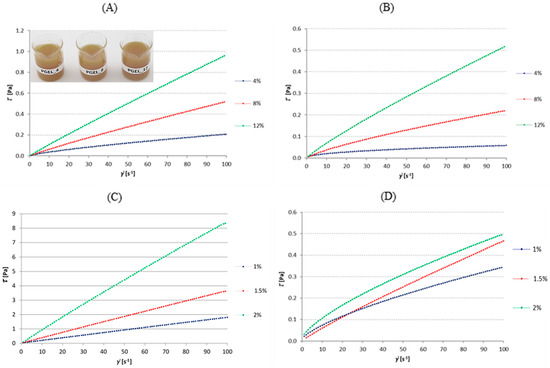
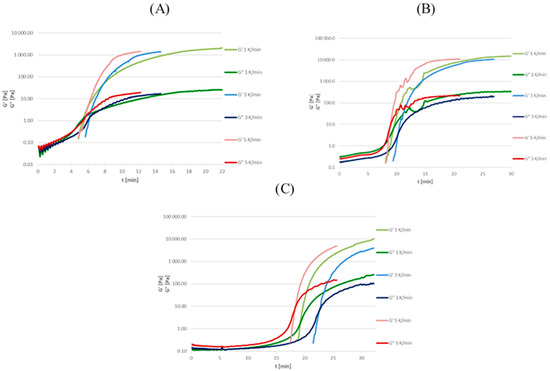
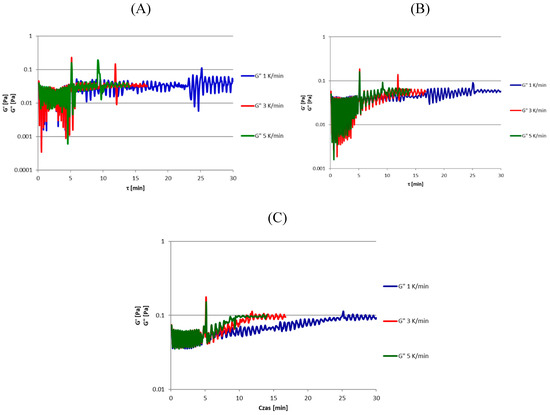
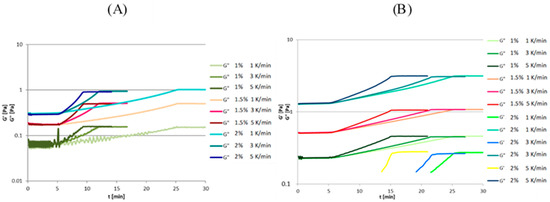
Film-forming solutions based on four types of biopolymers were prepared and their rheological properties were determined. High methylated apple pectin and sodium alginate were used at the concentrations 1%, 1.5%, and 2%, whereas soy protein isolate and pork gelatin were obtained at 4%, 8%, and 12%. The parameters determining the production of the appropriate type of packaging film or edible coating are the setting time on the substrate, regardless of its type, and the gelation temperature, which were analyzed in the study by determination of flow curves and rheological parameters of prepared dispersions. The Newtonian model was used to describe the flow curves of the gelatin and sodium alginate solutions, while the Ostwald–de Waele model was used to describe the flow curves of the soy protein isolate and high methylated apple pectin solutions. The apparent viscosity of all solutions increased with increasing biopolymer concentrations, from 0.0042 to 0.0061 Pa·s and from 0.0187 to 0.0884 Pa·s for high-methylated apple pectin and sodium alginate, respectively; whereas, for a protein-based solution the viscosity increase was from 0.024 to 0.100 Pa·s and from 0.0018 to 0.0056 Pa·s for soy and gelatin, respectively. Modulus of elasticity curves appeared only at the highest concentrations, which means that the formation of the continuous structure of film or coating occurs by different mechanisms depending on the biopolymer type and its amount dispersed in aqueous solutions. Full article
Show Figures

Figure 1
13 pages, 1599 KB  
Article
Enhancing Concrete and Mortar Properties and Durability Using Pristine Graphene Particles
by Kirthi Chetty, Michael Watson, Thomas Raine, Todd McGurgan, Paul Ladislaus, Jun Chen, Shuai Zhang, Liangxu Lin and Guangming Jiang
Coatings 2022, 12(11), 1703; https://doi.org/10.3390/coatings12111703 - 8 Nov 2022
Cited by 15 | Viewed by 5471
Abstract
The usage of industrially generated graphene was explored in this work, with an emphasis on dosage effects on durability, as well as the mechanical and microstructural properties of both concrete and mortar (0%, 0.1%, and 0.2% in concrete and 0%, 0.07%, and 0.15% [...] Read more.
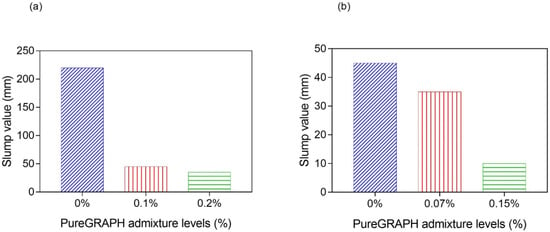
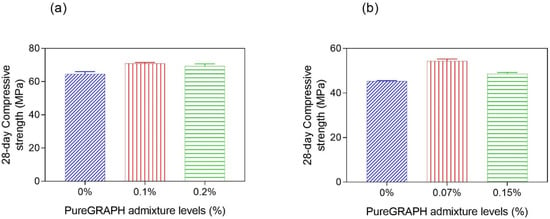
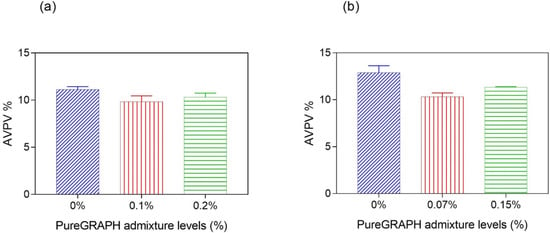
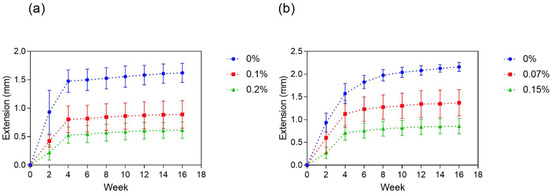
The usage of industrially generated graphene was explored in this work, with an emphasis on dosage effects on durability, as well as the mechanical and microstructural properties of both concrete and mortar (0%, 0.1%, and 0.2% in concrete and 0%, 0.07%, and 0.15% in mortar). Based on the mix design for wastewater infrastructure, the results showed that adding graphene to both concrete and mortar enhanced 28-day compressive strength by 10%–20%, with the best admixture level being 0.02%–0.1%. Graphene reduced the AVPV of mortar by 11.7%, and concrete by 19.3% at the optimal dosages, likely by reducing the number or size of pores in the paste. The 0.2% and 0.15% graphene reinforced concrete and mortar showed significant sulfate resistance, by reducing 62% and 60% of extension respectively, after exposure to a sulfate solution for 16 weeks. Full article
Show Figures

Figure 1
11 pages, 1994 KB  
Article
An Experimental Study on Strengthening Recycled Aggregates Considering Dry Mixing before Slurry Coating
by Xiaomeng Li, Liujun Fan and Shupeng Chai
Coatings 2022, 12(11), 1702; https://doi.org/10.3390/coatings12111702 - 8 Nov 2022
Cited by 3 | Viewed by 2552
Abstract
The strengthening of recycled aggregates is a critical issue, as the low strength of recycled aggregates is the main reason that limits their widespread use. The slurry coating method can strengthen the recycled aggregates by repairing the aggregate surface, but it is hard [...] Read more.
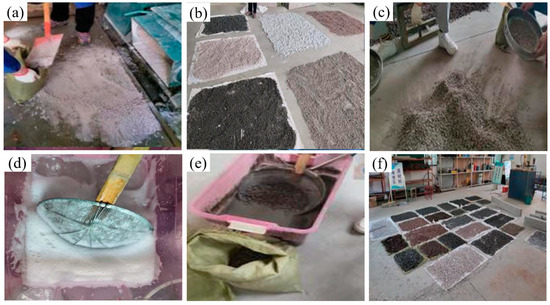
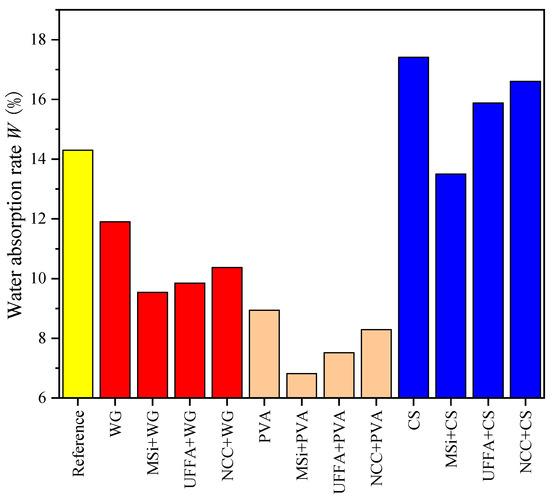
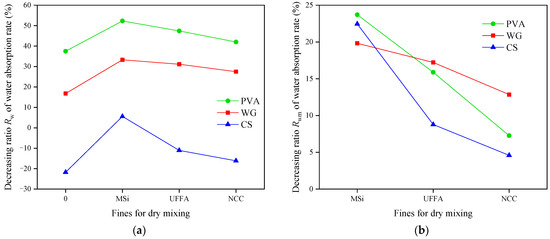
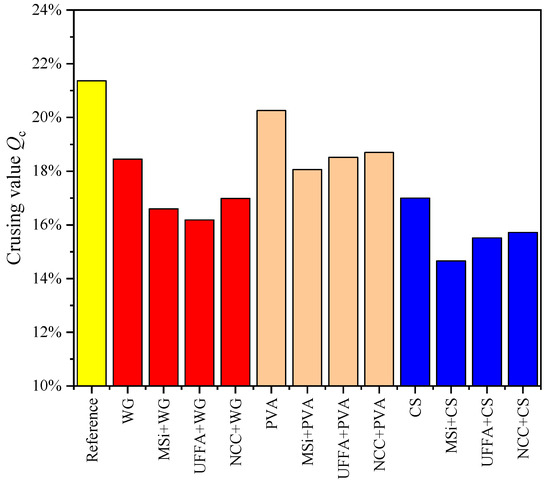
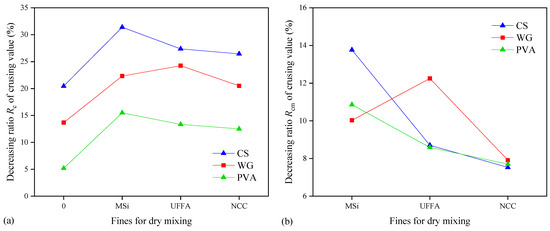
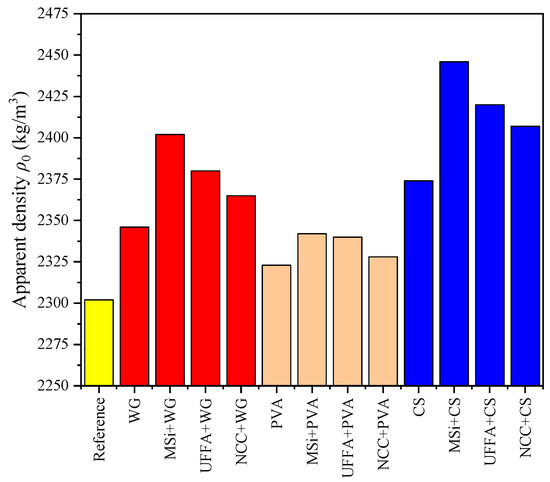
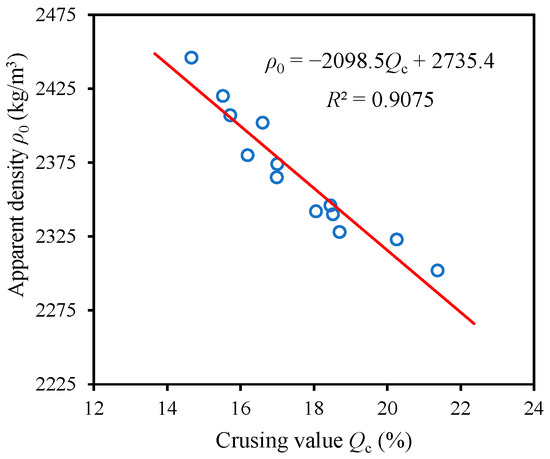
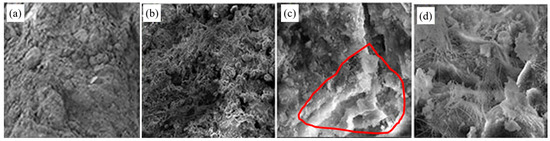
The strengthening of recycled aggregates is a critical issue, as the low strength of recycled aggregates is the main reason that limits their widespread use. The slurry coating method can strengthen the recycled aggregates by repairing the aggregate surface, but it is hard to improve the internal strength due to the existence of pores and cracks. In this study, a new methodology considering dry mixing with fines to fill and bond the internal pores and cracks before slurry coating is proposed. Twelve strengthened samples considering different combinations of dry-mixing fines and coating solutions were prepared, and the basic physical and mechanical properties were compared, including the water-absorption rate, crushing value, and apparent density with unstrengthened aggregates. The results indicate that the proposed methodology can change the water-absorption rate significantly and improve the crushing resistance and apparent density of the recycled aggregates. A high correlation between the apparent density and the crushing value was also observed. Furthermore, the strengthening mechanism of dry mixing was also investigated by scanning electron microscopy. The micromorphology of the strengthened aggregates indicates that internal pores and cracks can be filled by dry mixing fines and then bonded together after hydration. Full article
Show Figures

Figure 1
25 pages, 8496 KB  
Article
Evaluating the Corrosion Inhibition Efficiency of Pyridinium-Based Cationic Surfactants for EN3B Mild Steel in Acidic-Chloride Media
by Rabia Talat, Muhammad Adeel Asghar, Irsa Tariq, Zareen Akhter, Faroha Liaqat, Laiba Nadeem, Ali Haider and Saqib Ali
Coatings 2022, 12(11), 1701; https://doi.org/10.3390/coatings12111701 - 8 Nov 2022
Cited by 30 | Viewed by 4164
Abstract
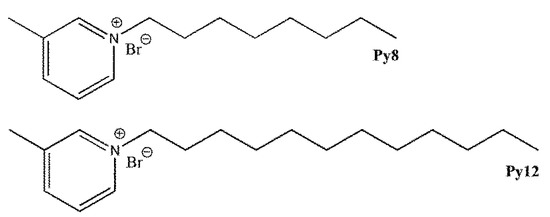
Two new effective corrosion inhibitors, namely N-(n-octyl)-3-methylpyridinium bromide (Py8) and N-(n-dodecyl)-3-methylpyridinium bromide (Py12), have been presented. The cationic pyridinium-based surfactants were analyzed for the corrosion protection of general purpose steel (EN3B) against a strong corrosive media (3.5% NaCl, pH 1.5). The results of [...] Read more.
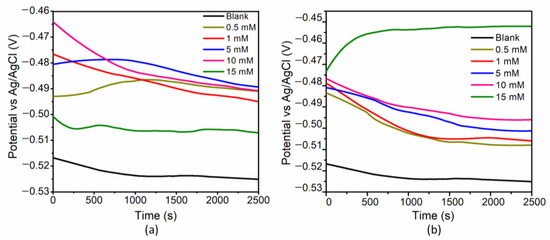
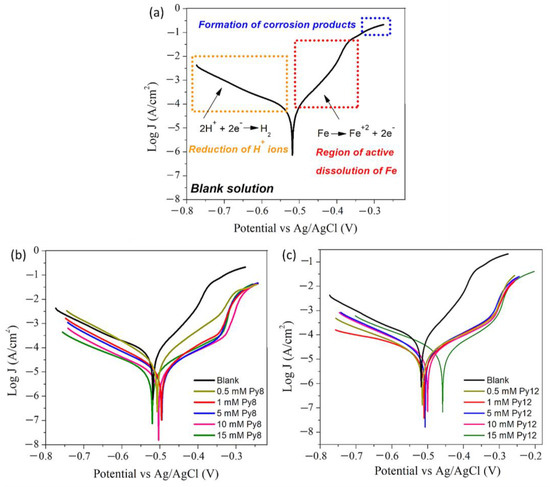
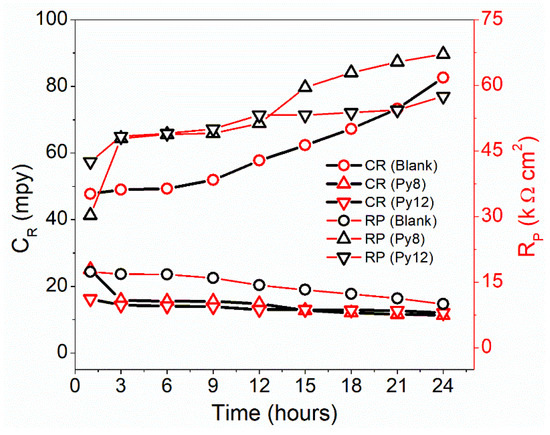
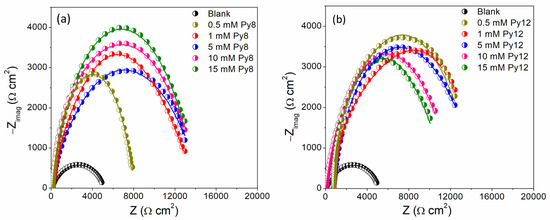
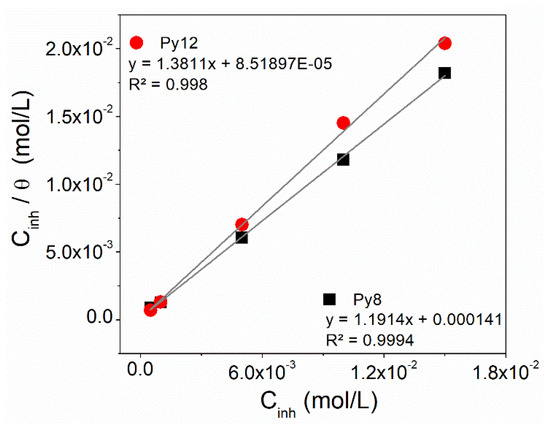
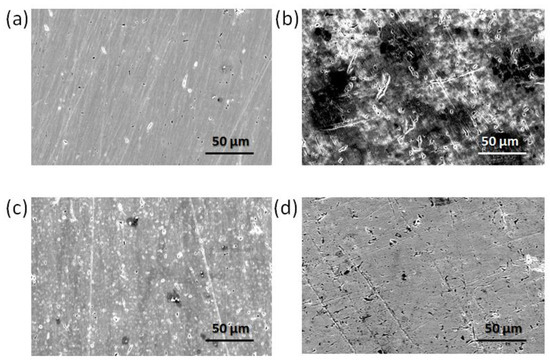
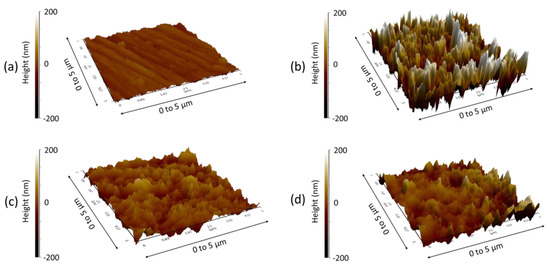
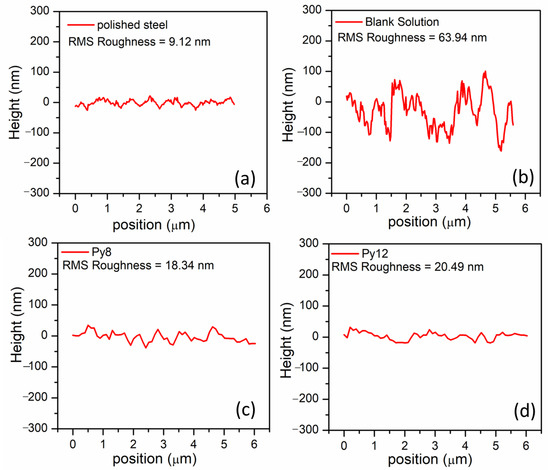
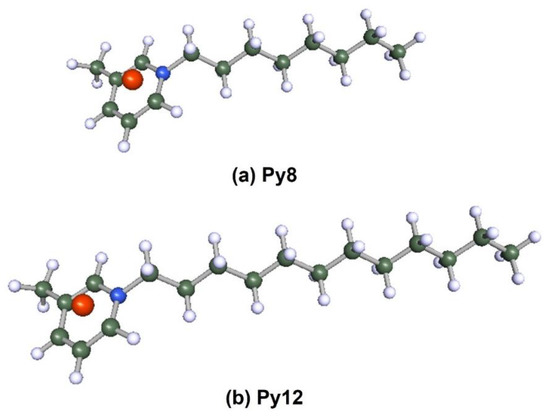
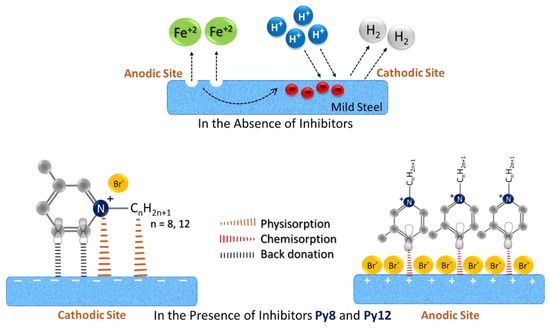
Two new effective corrosion inhibitors, namely N-(n-octyl)-3-methylpyridinium bromide (Py8) and N-(n-dodecyl)-3-methylpyridinium bromide (Py12), have been presented. The cationic pyridinium-based surfactants were analyzed for the corrosion protection of general purpose steel (EN3B) against a strong corrosive media (3.5% NaCl, pH 1.5). The results of the electrochemical measurements, i.e., Tafel polarization, linear polarization resistance (LPR) and electrochemical impedance spectroscopy (EIS) revealed a mixed-type behavior of both inhibitors, and the maximum inhibition efficiency (IE) achieved with Py8 and Py12 was 85% and 82%, respectively. The process of adsorption of synthesized inhibitors followed the Langmuir adsorption isotherm, and a higher value of Kads highlighted the existence of strong interaction between inhibitors and the EN3B mild steel surface. Furthermore, the values of Δads were calculated to be −32 kJ mol−1 for Py8 and −33 kJ mol−1 for Py12, indicating the coexistence of both physisorbed and chemisorbed molecules. The surface morphology of EN3B mild steel samples was observed by scanning electron microscopy (SEM) and atomic force microscopy (AFM), where the reduced surface roughness in the presence of Py8 and Py12 in chloride media further supported the evidence of an efficient inhibition process. Density functional theory (DFT) calculations reveal excellent correlation with the experimental results, with Py8 showing superior corrosion inhibition potential, signifying that the alkyl chain length and intramolecular charge transfer are crucial factors in deciding the inhibition performance of the synthesized cationic surfactants. Furthermore, this study proposes the mechanism for the adsorption of the surfactant-based inhibitors over the EN3B mild steel surface, which leads to the formation of an effective and protective anticorrosive film. Full article
(This article belongs to the Special Issue Anti-Corrosion Coatings: New Ideas to Make Them More Effective)
Show Figures

Graphical abstract

9 pages, 915 KB  
Article
Edible Coating Based on Carnauba Wax Nanoemulsion and Cymbopogon martinii Essential Oil on Papaya Postharvest Preservation
by Josemar Gonçalves de Oliveira Filho, Guilherme da Cruz Silva, Fernanda Campos Alencar Oldoni, Marcela Miranda, Camila Florencio, Raissa Moret Duarte de Oliveira, Mariana de Paula Gomes and Marcos David Ferreira
Coatings 2022, 12(11), 1700; https://doi.org/10.3390/coatings12111700 - 8 Nov 2022
Cited by 37 | Viewed by 5500
Abstract
Papaya is a fruit of great importance worldwide. However, significant losses during postharvest have been reported, which can be minimized by applying lipid nanoemulsions as edible coatings associated with natural antimicrobial compounds. These coatings provide a barrier to gases and water vapor, in [...] Read more.
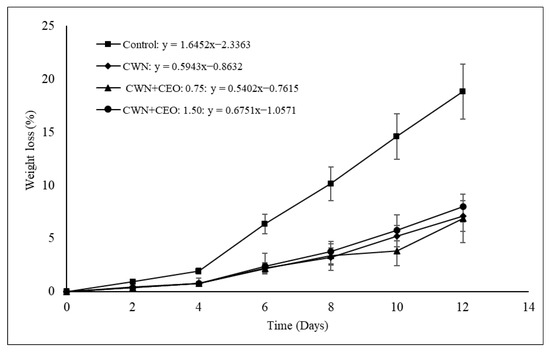
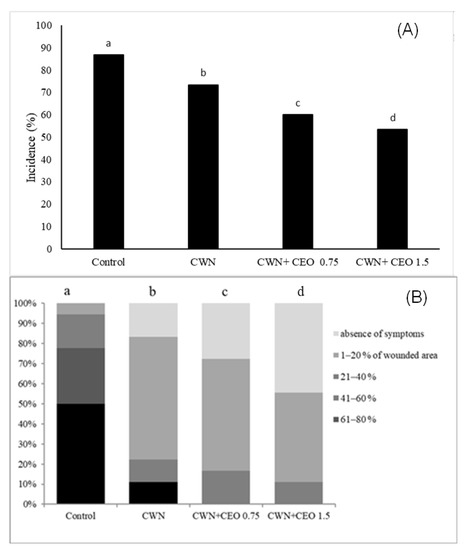
Papaya is a fruit of great importance worldwide. However, significant losses during postharvest have been reported, which can be minimized by applying lipid nanoemulsions as edible coatings associated with natural antimicrobial compounds. These coatings provide a barrier to gases and water vapor, in addition to improving mechanical properties, thereby delaying natural senescence and minimizing deterioration by phytopathogens during storage. The aim of this study was to investigate the preservation potential of papaya fruits treated with an edible coating based on an association between carnauba wax nanoemulsion (CWN) and Cymbopogon martinii essential oil (CEO). Coatings formulated with CWN and/or CEO were applied to papaya fruits, and resulted in late ripening during the 12-day storage period, without negatively affecting postharvest fruit quality parameters. The coatings reduced weight loss and maintained firmness, in addition to delaying changes in fruit color during storage. Coatings formulated with CWN + CEO were the most efficient formulations in reducing the incidence and severity of fruit rots during storage. CWN coatings incorporating CEO present additional functionalities in maintaining postharvest quality parameters of papaya fruits. Full article
Show Figures

Figure 1
20 pages, 26591 KB  
Article
Investigations on Additively Manufactured Stainless Bearings
by Timm Coors, Mohamad Yusuf Faqiri, Felix Saure, Christoph Kahra, Christoph Büdenbender, Julius Peddinghaus, Vannila Prasanthan, Florian Pape, Thomas Hassel, Sebastian Herbst, Florian Nürnberger, Hendrik Wester, Johanna Uhe, Bernd Breidenstein, Berend Denkena, Bernd-Arno Behrens, Gerhard Poll and Hans Jürgen Maier
Coatings 2022, 12(11), 1699; https://doi.org/10.3390/coatings12111699 - 8 Nov 2022
Cited by 8 | Viewed by 3437
Abstract
Additive manufacturing with multi-material design offers great possibilities for lightweight and function-integrated components. A process chain was developed in which hybrid steel–steel-components with high fatigue strength were produced. For this, a material combination of stainless powder material Rockit® (0.52 wt.% C, 0.9% [...] Read more.
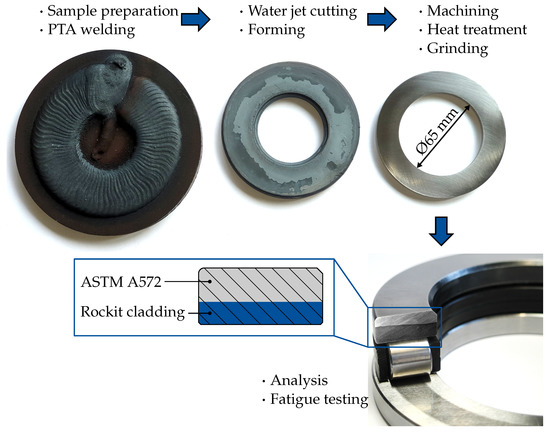
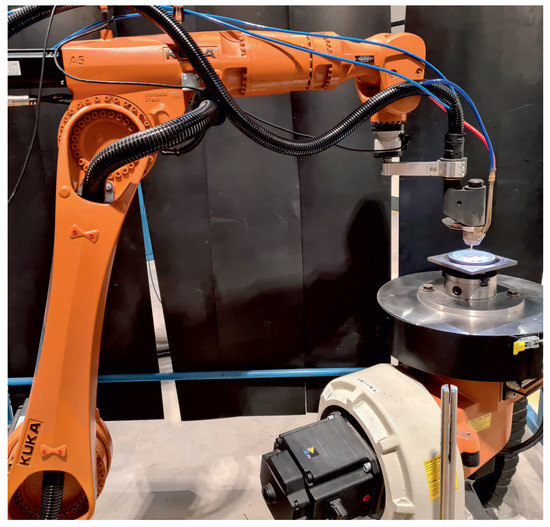
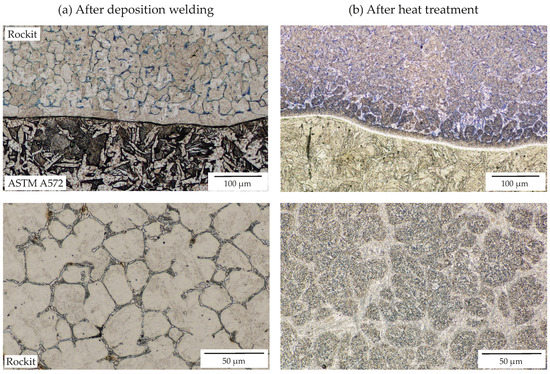
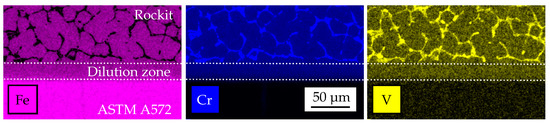
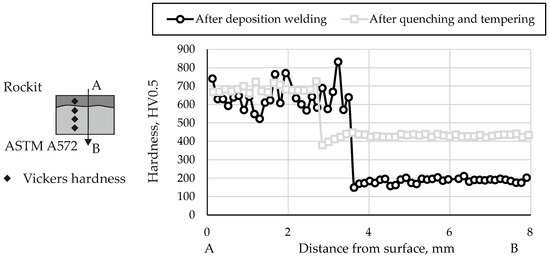
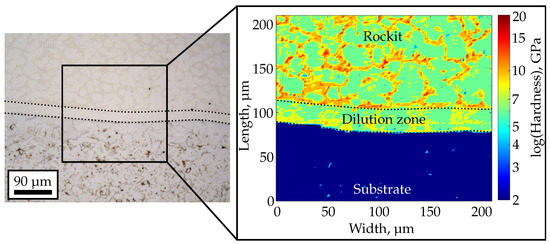
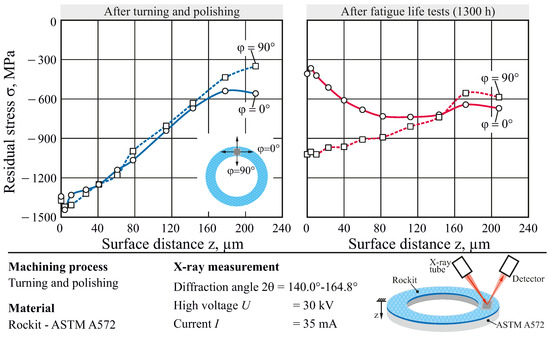
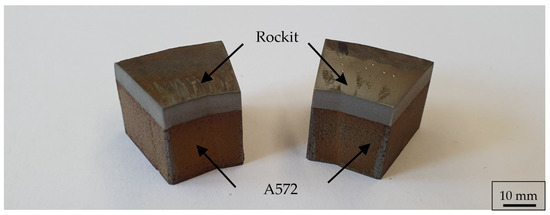
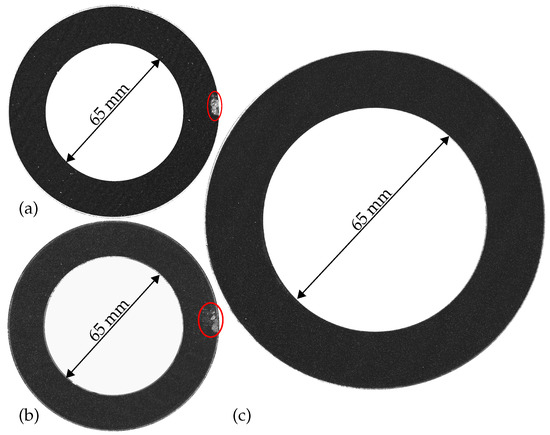
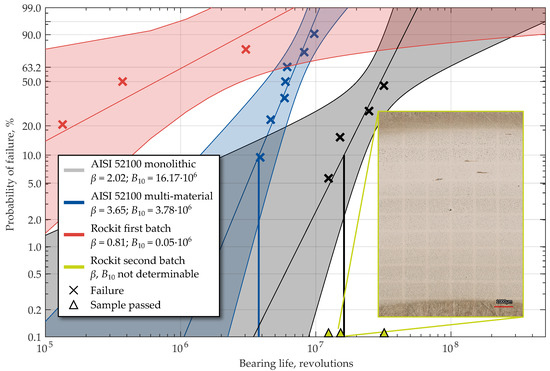
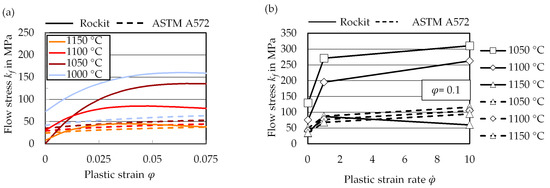
Additive manufacturing with multi-material design offers great possibilities for lightweight and function-integrated components. A process chain was developed in which hybrid steel–steel-components with high fatigue strength were produced. For this, a material combination of stainless powder material Rockit® (0.52 wt.% C, 0.9% Si, 14% Cr, 0.4% Mo, 1.8% Ni, 1.2% V, bal. Fe) cladded onto ASTM A572 mild steel by plasma arc powder deposition welding was investigated. Extensive material characterization has shown that defect-free claddings can be produced by carefully adjusting the welding process. With a tailored heat treatment strategy and machining of the semi-finished products, bearing washers for a thrust cylindrical roller bearing were produced. These washers showed a longer fatigue life than previously produced bearing washers with AISI 52100 bearing steel as cladding. It was also remarkable that the service life with the Rockit® cladding material was longer than that of conventional monolithic AISI 52100 washers. This was reached through a favourable microstructure with finely distributed vanadium and chromium carbides in a martensitic matrix as well as the presence of compressive residual stresses, which are largely retained even after testing. The potential for further enhancement of the cladding performance through Tailored Forming was investigated in compression and forging tests and was found to be limited due to low forming capacity of the material. Full article
Show Figures

Figure 1
15 pages, 9930 KB  
Article
Fabrication of Superhydrophobic Composite Membranes with Honeycomb Porous Structure for Oil/Water Separation
by Chunling Zhang, Yichen Yang, Shuai Luo, Chunzu Cheng, Shuli Wang and Bo Liu
Coatings 2022, 12(11), 1698; https://doi.org/10.3390/coatings12111698 - 8 Nov 2022
Cited by 10 | Viewed by 2903
Abstract
Due to the low separation efficiency and poor separation stability, traditional polymer filtration membranes are prone to be polluted and difficult to reuse in harsh environments. Herein, we reported a nanofibrous membrane with a honeycomb–like pore structure, which was prepared by electrospinning and [...] Read more.
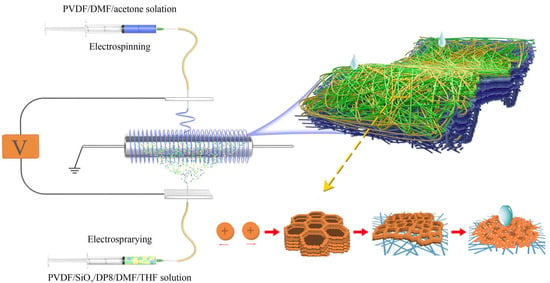
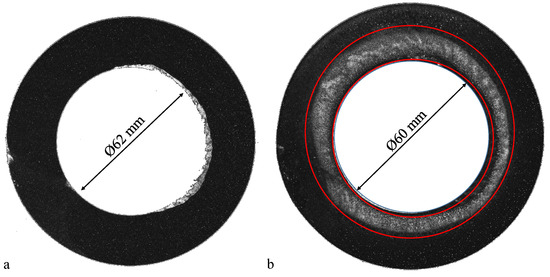
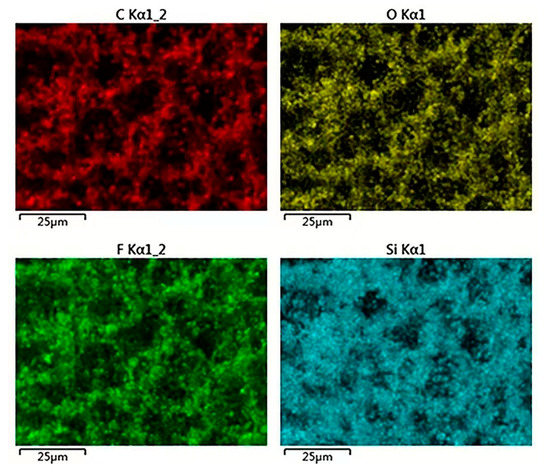
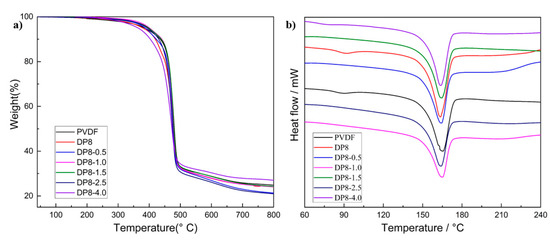
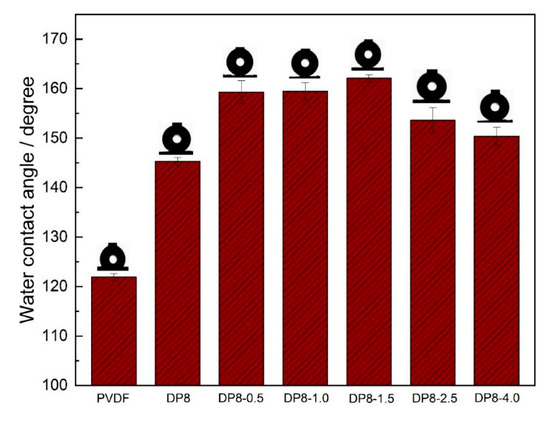
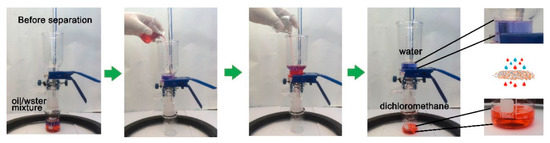
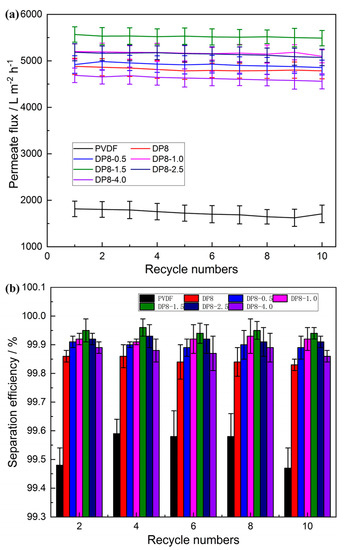
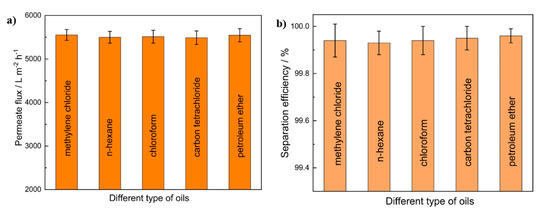
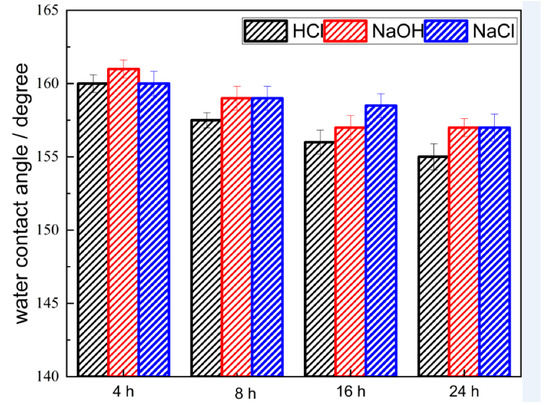
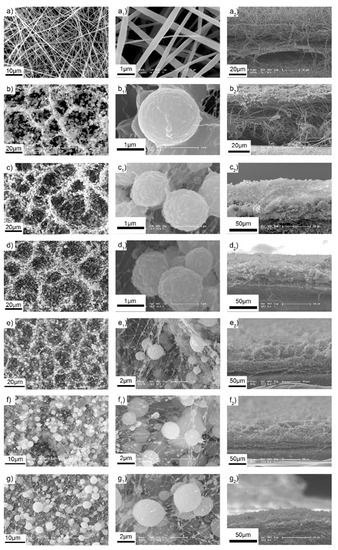
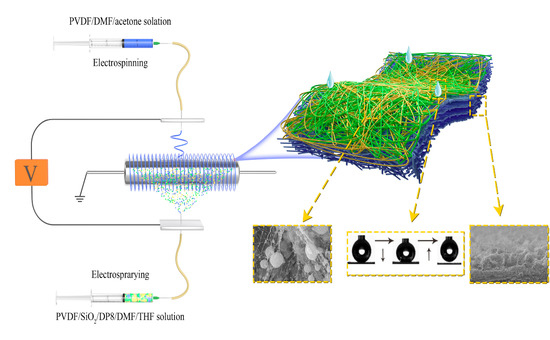
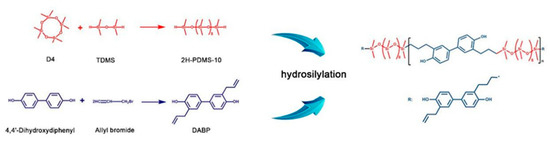
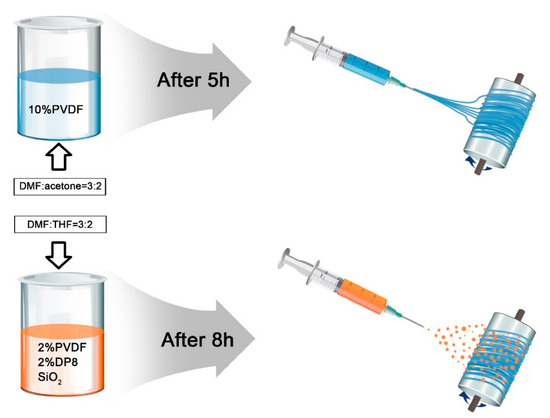
Due to the low separation efficiency and poor separation stability, traditional polymer filtration membranes are prone to be polluted and difficult to reuse in harsh environments. Herein, we reported a nanofibrous membrane with a honeycomb–like pore structure, which was prepared by electrospinning and electrospraying. During the electrospraying process, the addition of polydimethylsiloxane and fumed SiO2 formed pores by electrostatic repulsion between ions, thereby increasing the membrane flux, subsequently reducing the surface energy, and increasing the surface roughness. The results show that when the content of SiO2 reaches 1.5 wt%, an ultra–high hydrophobic angle (162.1° ± 0.7°) was reached. After 10 cycles of oil–water separation tests of the composite membrane, the oil–water separation flux and separation efficiency was still as high as 5400 L m−2 h−1 and 99.4%, and the membrane maintained excellent self–cleaning ability. Full article
(This article belongs to the Topic Advanced Self-Cleaning Surfaces)
Show Figures

Graphical abstract

16 pages, 4609 KB  
Article
Visual Inspection of the Heavy-Duty Paint Systems Used in Steel Bridges for Assessing the Level of Fire Damage
by In-Tae Kim, Ki-Hyuk Cha, Young-Soo Jeong and An-Seob Shin
Coatings 2022, 12(11), 1697; https://doi.org/10.3390/coatings12111697 - 8 Nov 2022
Cited by 1 | Viewed by 2043
Abstract
After a fire on a steel bridge, a visual inspection is necessary to rapidly determine the need for an emergency response to ensure the structural safety of the bridge and decide whether to re-open the bridge to traffic. In this study, the visual [...] Read more.
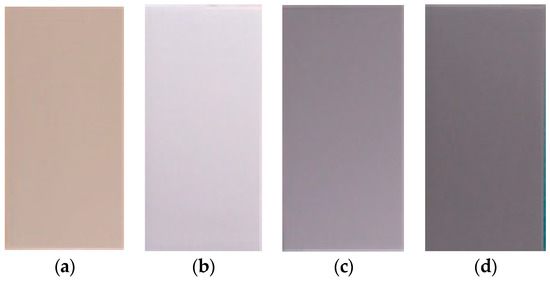
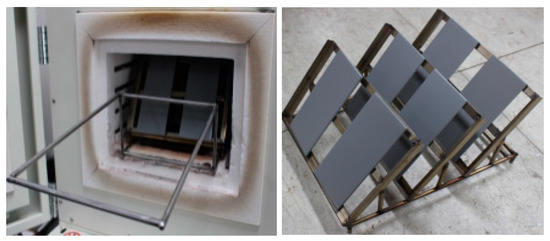
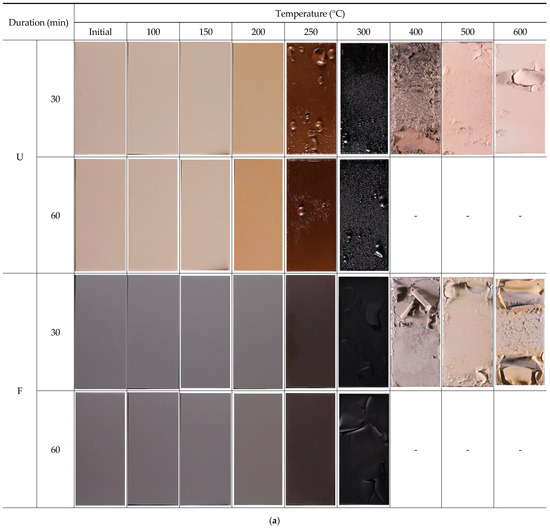
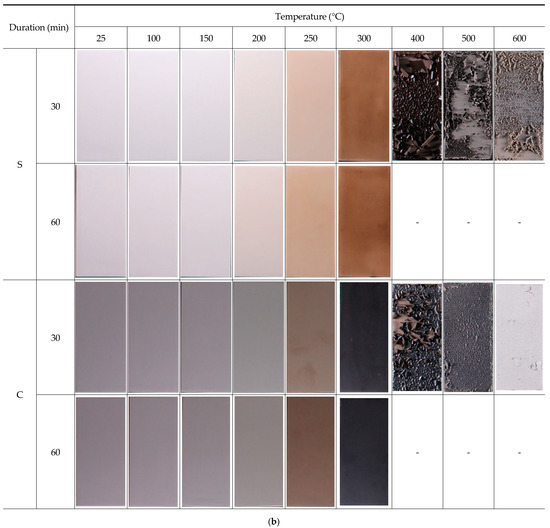
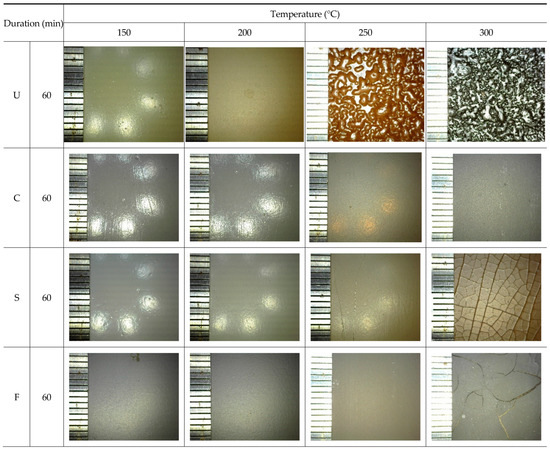
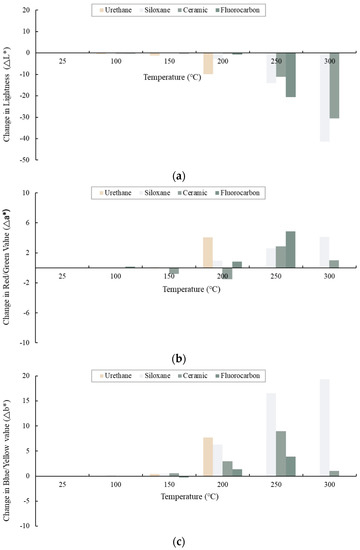
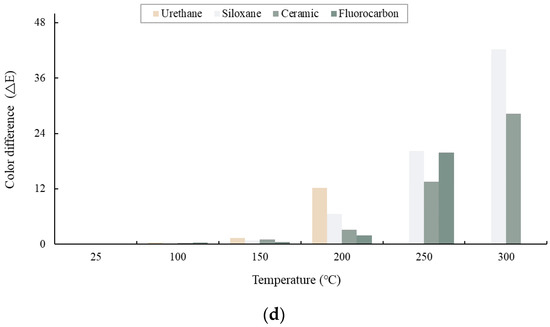
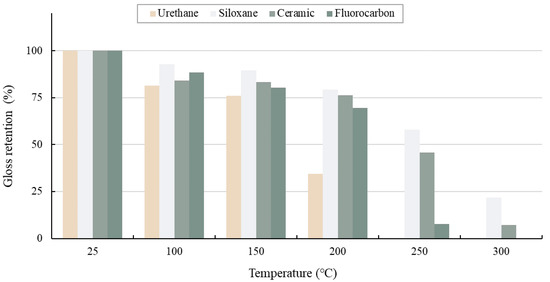
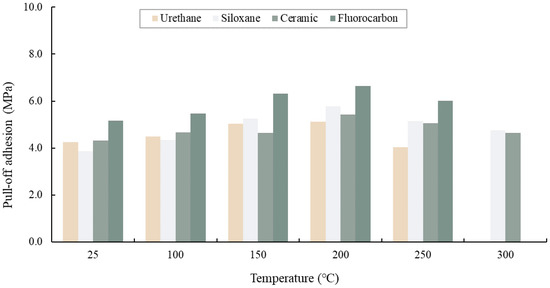
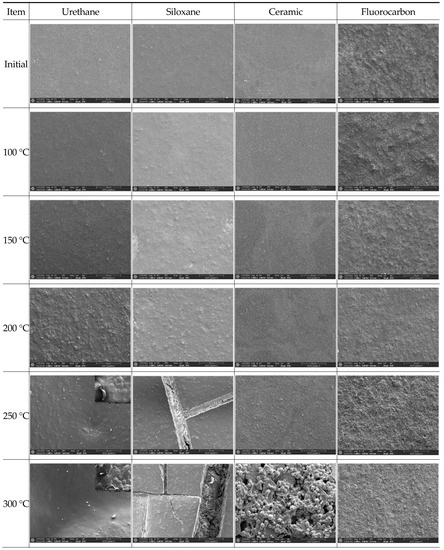
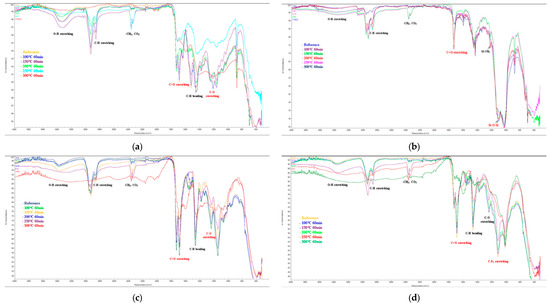
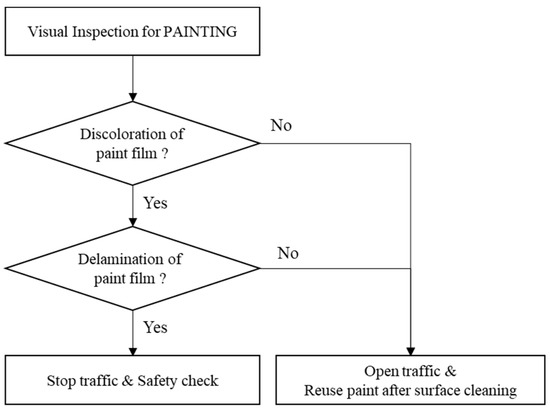
After a fire on a steel bridge, a visual inspection is necessary to rapidly determine the need for an emergency response to ensure the structural safety of the bridge and decide whether to re-open the bridge to traffic. In this study, the visual inspection methods of assessing the coated surface were reviewed, as they are crucial for the rapid estimation of the steel temperature reached during the fire, which, in turn, is required for the safety assessment of steel bridges after a fire. An electric furnace heating test was conducted on the steel specimens coated with four types of heavy-duty paint systems for steel bridges, viz., urethane, siloxane, ceramic, and fluorocarbon. The heating temperatures and durations used in the test were 100, 150, 200, 250, 300, 400, 500, and 600 °C at 30 and 60 min. Based on the heating temperature and duration, the paint-film surface conditions (discoloration, blistering, cracking, and delamination) were visually inspected for a qualitative analysis, and factors such as color difference, gloss retention, and pull-off adhesion were quantitatively analyzed. The visual inspection methods used to estimate the temperature of the paint film were reviewed. In addition, considering the reduction in the tension strength of the steel material and the coating durability performance according to the fire temperature, the determinants of the traffic stop–reopening timeline and the repair and reuse of the painting system based on the visual field inspection after a fire were suggested. Full article
Show Figures

Figure 1
15 pages, 3872 KB  
Article
Investigation of Changes in the Structural-Phase State and the Efficiency of Hardening of 30CrMnSiA Steel by the Method of Electrolytic Plasma Thermocyclic Surface Treatment
by Daryn Baizhan, Bauyrzhan Rakhadilov, Laila Zhurerova, Yuri Tyurin, Zhuldyz Sagdoldina, Meruyert Adilkanova and Rauan Kozhanova
Coatings 2022, 12(11), 1696; https://doi.org/10.3390/coatings12111696 - 7 Nov 2022
Cited by 9 | Viewed by 2137
Abstract
Electrolytic plasma thermocyclic surface hardening is an attractive solution for both chemical and heat treatment used to improve the properties of the steel surface by structural and phase transformation. Structural and phase transformations occurring during the process of electrolytic plasma thermocyclic hardening are [...] Read more.
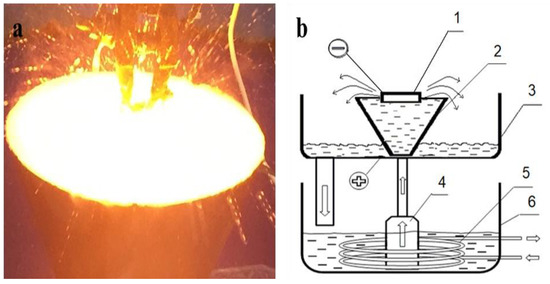
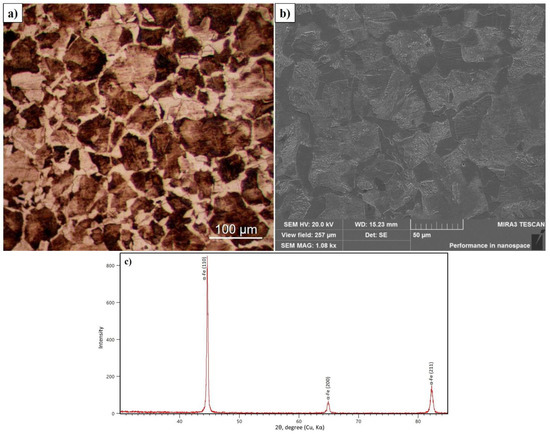
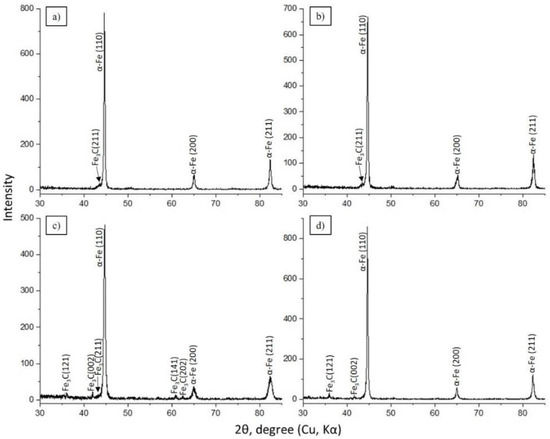
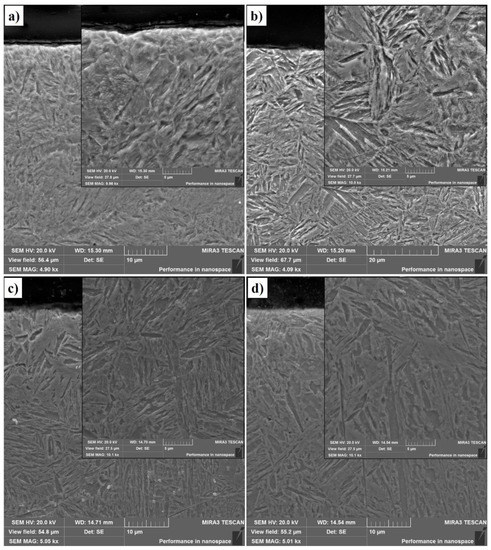
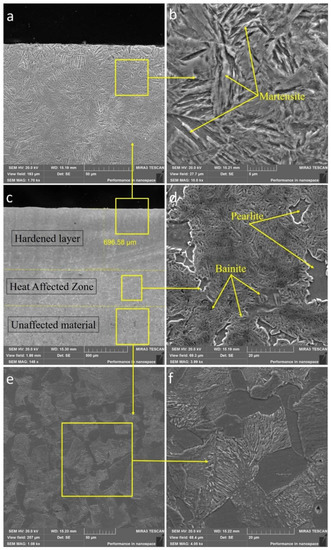
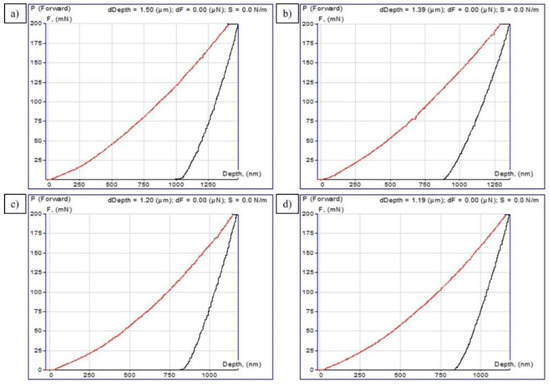
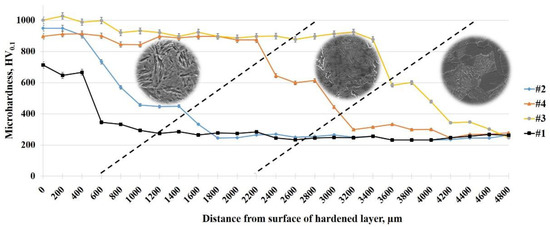
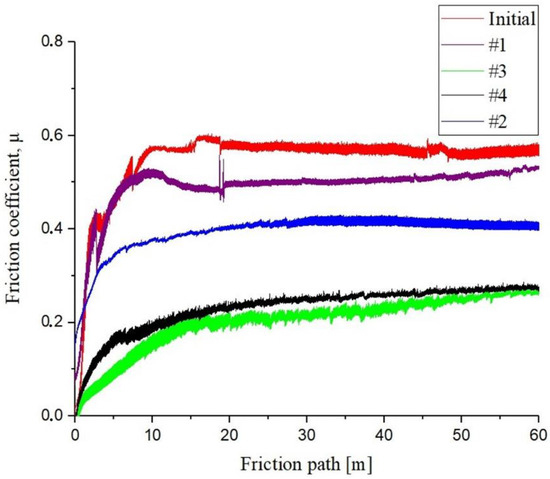
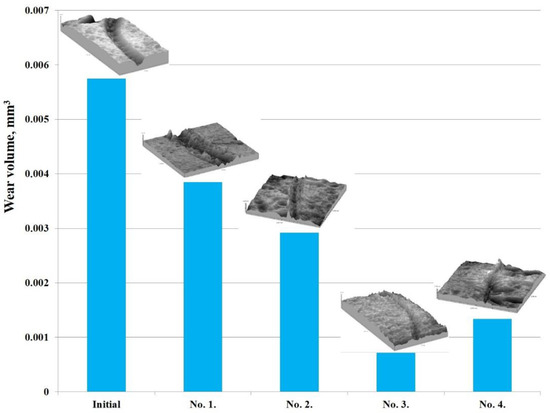
Electrolytic plasma thermocyclic surface hardening is an attractive solution for both chemical and heat treatment used to improve the properties of the steel surface by structural and phase transformation. Structural and phase transformations occurring during the process of electrolytic plasma thermocyclic hardening are performed repeatedly at varying heating–cooling temperatures, which radically improve the quality of the part and give them properties unattainable by means of one-time processing. The impact of electrolytic plasma thermocyclic hardening modes on the structure and mechanical and tribological properties of 30CrMnSiA steel is investigated. The structural and phase components were examined using optical and scanning electron microscopy, as well as X-ray phase analysis. It is established that the structure of the cross-section is characterized by the following zonality: zone 1—a near-surface hardened zone, which is composed of hardened martensite; zone 2—thermal influence; and zone 3—a matrix consisting of pearlite and ferrite. The microhardness and wear resistance of the hardened surface were evaluated by nanoindentation and “ball on disk” methods, respectively. Nanoindentation analysis demonstrated that the indentation hardening process provides a maximum increase in hardness by three times and an increase in stiffness with a decrease in the elastic modulus by 38% compared to the original steel. The results of tribological studies show that electrolytic plasma thermocyclic hardening increases the resistance of steel to friction by increasing the surface hardness and reduces the area of actual contact during friction. It is established that the microhardness of the cross-section decreases proportionally from the surface to the depth of the layer, which is associated with a decrease in the volume content of martensite. Full article
(This article belongs to the Special Issue Surface Engineering and Tribology)
Show Figures

Figure 1
19 pages, 8128 KB  
Article
Manufacture and Characterization of Geopolymer Coatings Deposited from Suspensions on Aluminium Substrates
by Jan Novotný, Martin Jaskevič, Filip Mamoń, Jakub Mareš, Roman Horký and Pavel Houška
Coatings 2022, 12(11), 1695; https://doi.org/10.3390/coatings12111695 - 7 Nov 2022
Cited by 7 | Viewed by 3169
Abstract
Geopolymers compete with a number of conventional coatings and a few of them have already been replaced. The aim of this work was the analysis of alkali-activated metakaolin-based geopolymers and their use as brush-applied coatings, which were chosen due to their simplicity and [...] Read more.
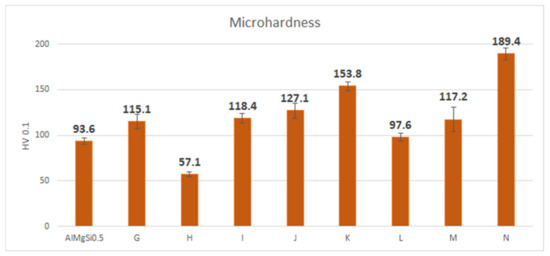
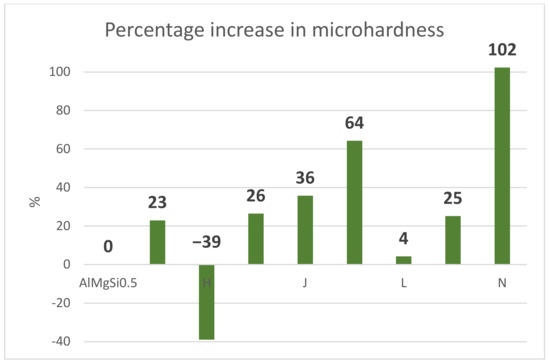
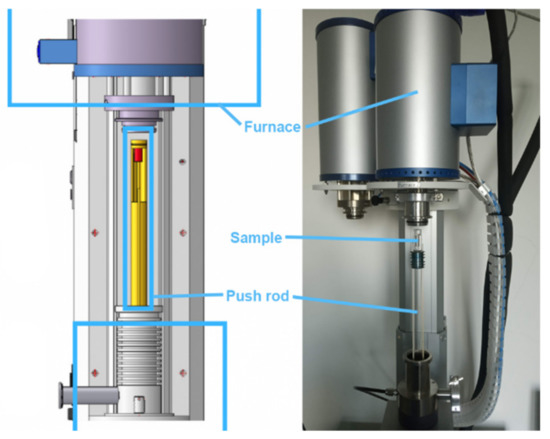
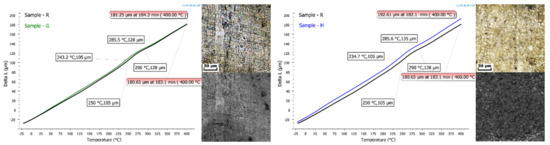
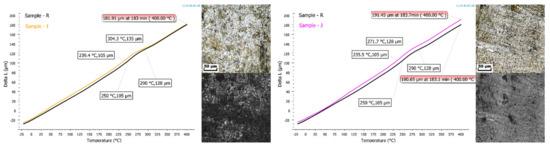
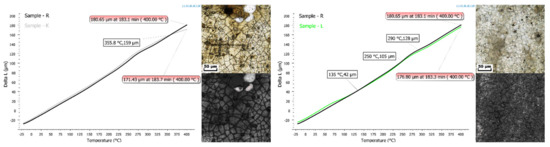
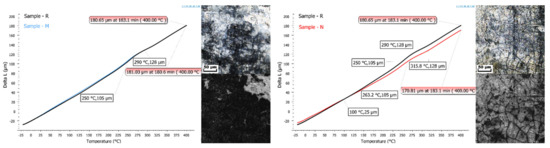
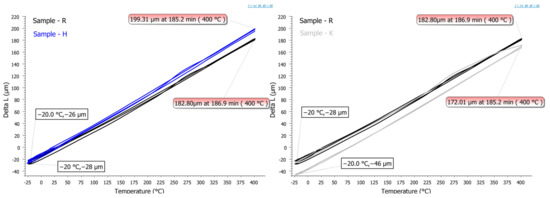
Geopolymers compete with a number of conventional coatings and a few of them have already been replaced. The aim of this work was the analysis of alkali-activated metakaolin-based geopolymers and their use as brush-applied coatings, which were chosen due to their simplicity and cost-effectiveness. Eight coatings were prepared and the AlMgSi aluminum alloy underlying the substrate was also studied. The main characterizations of the prepared coatings were the microscopy analysis, which showed that manual painting with a brush on the coatings we prepared could achieve a high-quality geopolymer layer, and that if microscopic cracks are visible on the surface, they are uniform and do not affect the resulting cohesiveness of the coating. The thicknesses of these coatings are different, ranging from 1.5 to 11 μm, with no visible anomalies. For the evaluation of the properties of the coatings, we determined the analysis of adhesion to the adjacent substrate, microhardness and thermal expansion determined using the so-called dilatometric analysis as important criteria. For these analyses, the results vary by geopolymer type and are discussed in the following chapters. Full article
(This article belongs to the Topic Corrosion and Protection of Metallic Materials)
Show Figures

Figure 1
11 pages, 4109 KB  
Article
A Four-Band Terahertz Metamaterial Sensor Based on Symmetric E-Shaped Structure
by Li Li, Hongyi Ge, Yuying Jiang, Guangming Li, Fei Wang, Ming Lv, Xiaodi Ji, Zhiyuan Jia, Zhi Li and Yuan Zhang
Coatings 2022, 12(11), 1694; https://doi.org/10.3390/coatings12111694 - 7 Nov 2022
Cited by 10 | Viewed by 2794
Abstract
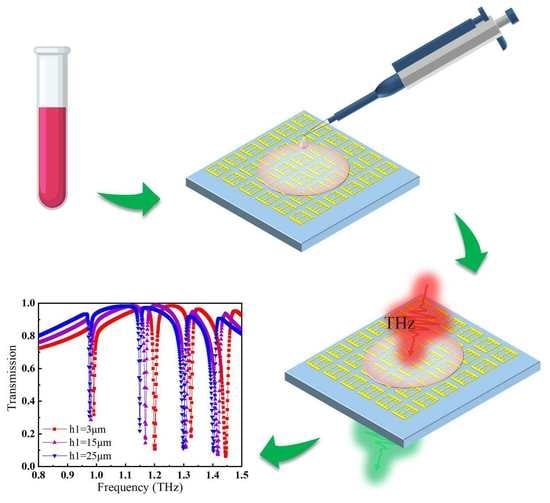
To realize the multi-frequency selectivity of the analyte, a novel four-band terahertz metamaterial sensor is proposed in this work. In particular, the sensor performance is analyzed theoretically and numerically within a terahertz frequency range (0.8–1.5 THz) via the finite element method. According to [...] Read more.
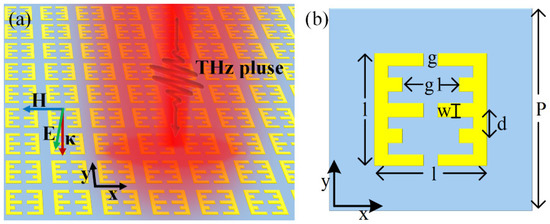
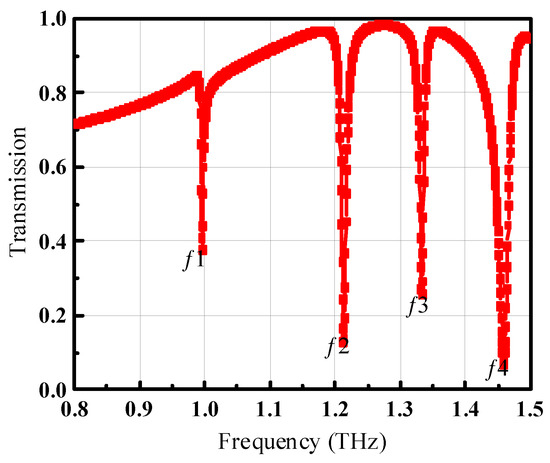
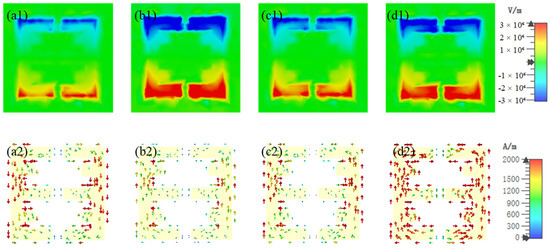
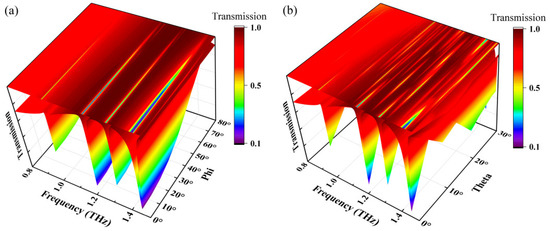
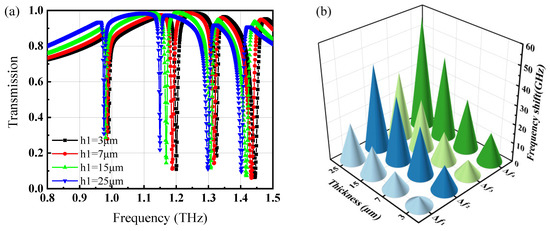
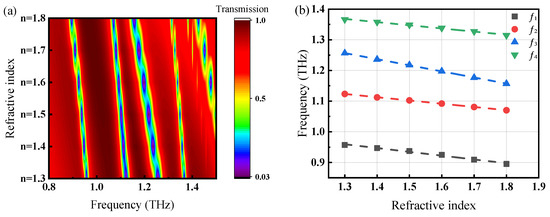
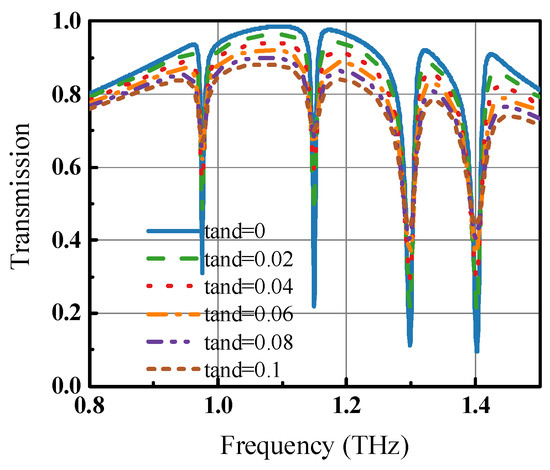
To realize the multi-frequency selectivity of the analyte, a novel four-band terahertz metamaterial sensor is proposed in this work. In particular, the sensor performance is analyzed theoretically and numerically within a terahertz frequency range (0.8–1.5 THz) via the finite element method. According to the results, higher-order Fano resonance is the main cause of the four narrow and sharp transmission valleys in the operating band region of the sensor, yielding high resolution with Q values up to 177. Moreover, this sensor is polarization-insensitive over a wide polarization angle range of 0° to 50°. In addition, the sensor achieves refractive index sensitivity of 200 GHz/RIU and offers FOM values of up to 26.7. The sensor proposed in this study exhibits a simple structure, frequency selection characteristics, low cost, and enhances the interaction between terahertz waves and substances, which is of great theoretical and practical significance for the development of terahertz functional devices such as sensors and filters. Full article
Show Figures

Graphical abstract

9 pages, 3594 KB  
Article
Properties of the YbF3 Films Prepared by Ion-Assisted Deposition
by Peng Sun, Jinlin Bai, Jiahuan He, Ming Yang, Jianzhong Su, Yiqin Ji and Huasong Liu
Coatings 2022, 12(11), 1693; https://doi.org/10.3390/coatings12111693 - 7 Nov 2022
Cited by 4 | Viewed by 2833
Abstract
The purpose of this study is to characterize the microstructure, composition, optical properties and residual stress of YbF3 films. The films were deposited by ion-assisted deposition at different ion energy. The SEM images showed that the surface of the film was uniform [...] Read more.
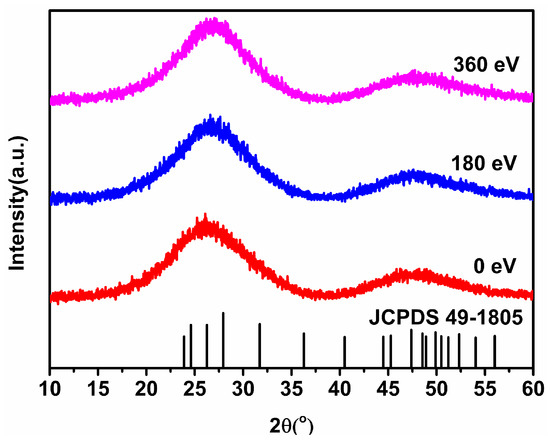
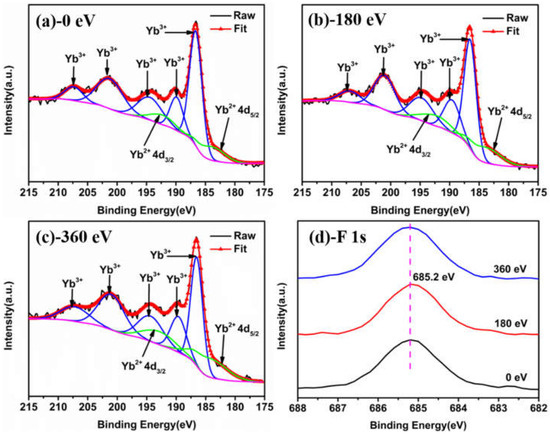
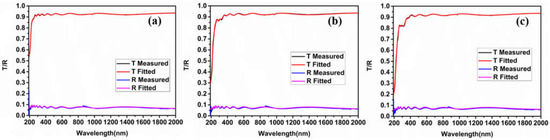
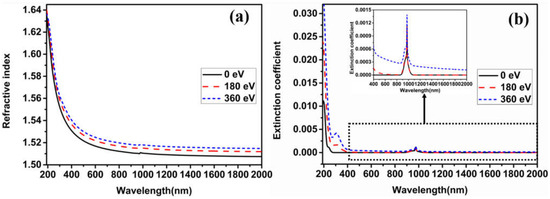
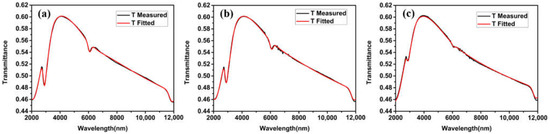
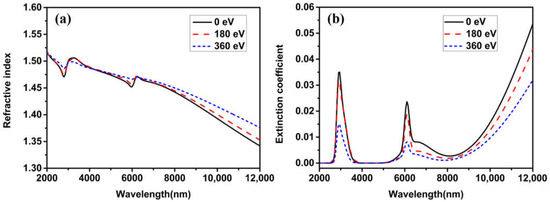
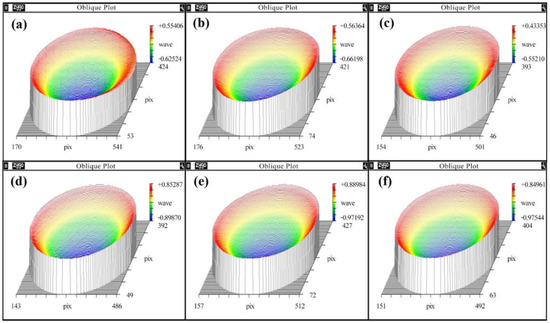
The purpose of this study is to characterize the microstructure, composition, optical properties and residual stress of YbF3 films. The films were deposited by ion-assisted deposition at different ion energy. The SEM images showed that the surface of the film was uniform and smooth. The XRD patterns showed that the YbF3 films presented an amorphous microstructure. XPS measurement revealed that the ratio of F and Yb reduced with increasing ion energy. The optical constants of the films were determined from the whole optical spectrum. The refractive index increased with the ion energy. Due to the decrease in the amount of F, non-stoichiometric films were formed, and the visible light absorption of the films increased with increasing ion energy. Higher ion energy could increase the packing density, resulting in a decrease in the moisture absorption of the film. The films exhibited tensile stress. The value of residual stress increased with increasing ion energy, since moisture adsorption had an important effect on the residual stress. Full article
(This article belongs to the Special Issue Advances in Nanostructured Thin Films and Coatings)
Show Figures

Figure 1
10 pages, 3680 KB  
Article
Performance of BaCe0.8Y0.2O3-δ Proton Electrolyte Materials for Solid Oxide Fuel Cells by Compositing the Transition Metal Oxide NiO
by Yongtao Huang, Ji Yu, Ning Tian, Jie Zheng, Yanmei Qu, Wenzhu Tan and Yinxian Luo
Coatings 2022, 12(11), 1692; https://doi.org/10.3390/coatings12111692 - 7 Nov 2022
Cited by 7 | Viewed by 2745
Abstract
Since the conduction activation energy of a proton is low, proton-conducting solid oxide fuel cells (H-SOFCs) can work at low temperatures (around 600 °C), which is conductive to maintaining the long-term stability of SOFCs. Proton conductor BaCe1-xYxO3-δ is [...] Read more.
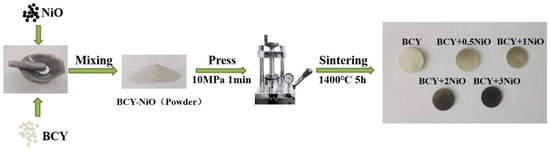
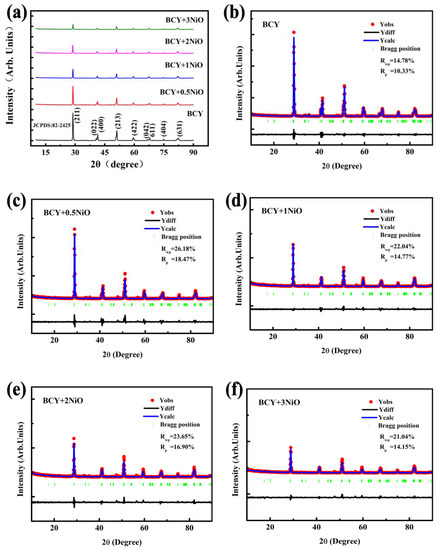
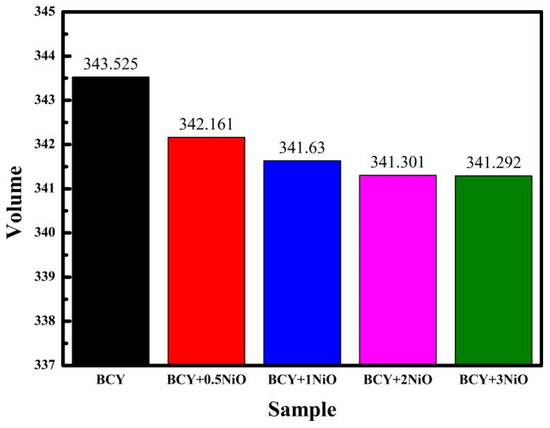
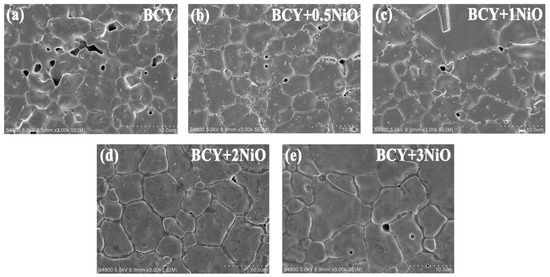
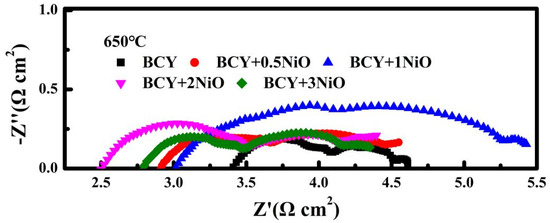
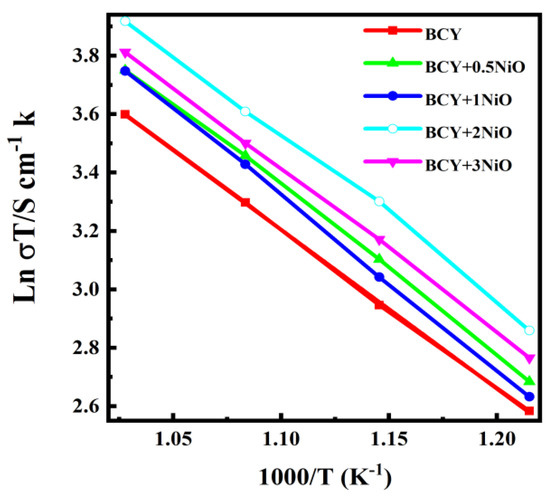
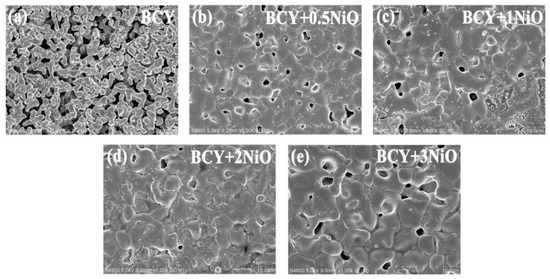
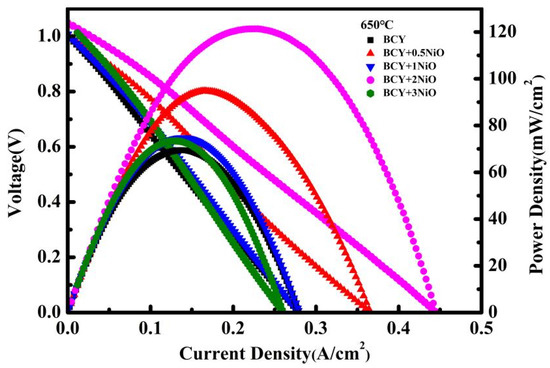
Since the conduction activation energy of a proton is low, proton-conducting solid oxide fuel cells (H-SOFCs) can work at low temperatures (around 600 °C), which is conductive to maintaining the long-term stability of SOFCs. Proton conductor BaCe1-xYxO3-δ is the most commonly used electrolyte material for H-SOFCs, which directly affects the performance of SOFCs. For the purpose of realizing the high-performance BaCe0.8Y0.2O3-δ (BCY) proton electrolyte materials for SOFC, the effect of different contents of the transition metal oxide NiO on the performance of proton electrolyte BCY was studied. Specifically, BCY-x mol% NiO (named BCY, BCY + 0.5NiO, BCY + 1NiO, BCY + 2NiO, and BCY + 3NiO, when x = 0, 0.5, 1, 2, and 3, respectively) composite electrolyte materials were prepared, and their crystal structures, morphologies, and electrochemical properties were explored. The results showed that NiO could effectively improve the density of BCY prepared at 1400 °C and enhance the proton conductivity of BCY and the performance of BCY-based SOFCs. Among them, the BCY + 2NiO electrolyte had good density and the highest proton conductivity, and the SOFC based on the BCY + 2NiO electrolyte had the best electrochemical performance, indicating that the optimal content of the NiO additive was 2 mol% in this case. The results reported in this work are conductive to the realization of high-performance proton electrolyte materials for the SOFC. Full article
Show Figures

Figure 1
11 pages, 3646 KB  
Article
Synthesis Optimization of Cadmium Carbonate Films as Potential Precursor to Produce CdSe, CdTe, and CdO Films
by J. A. Heredia-Cancino, K. J. Mendoza-Peña, H. J. Higuera-Valenzuela, M. Anahí Soto B., R. Ochoa-Landín and S. J. Castillo
Coatings 2022, 12(11), 1691; https://doi.org/10.3390/coatings12111691 - 7 Nov 2022
Cited by 5 | Viewed by 2192
Abstract
Cadmium-derived materials are highly demanded for optoelectronics applications, and the scientific community has widely worked in different ways to develop them. In this research, the optimization of CdCO3 films using a chemical bath deposition (CBD) method at different deposition times (10, 11, [...] Read more.
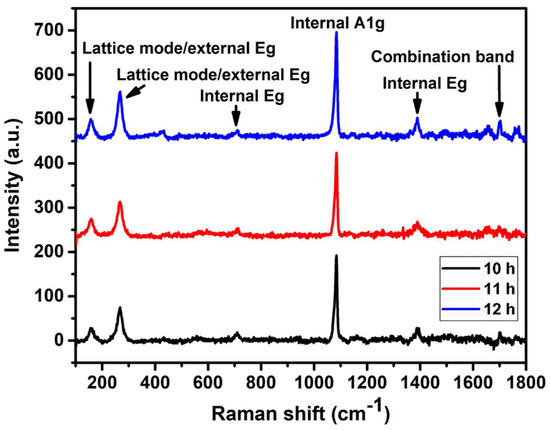
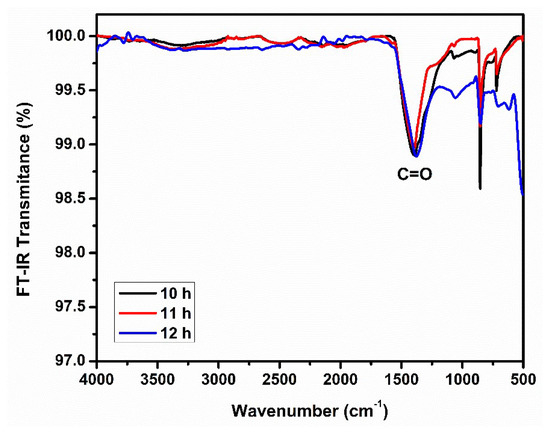
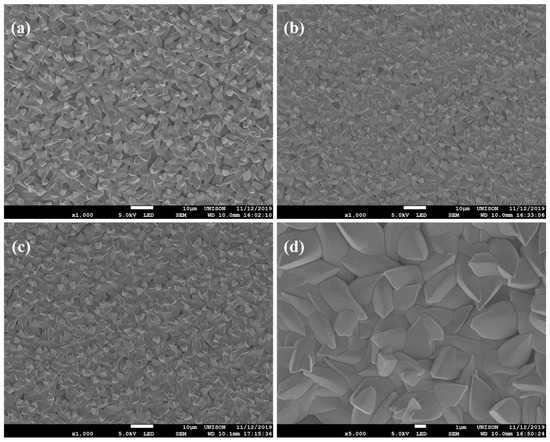
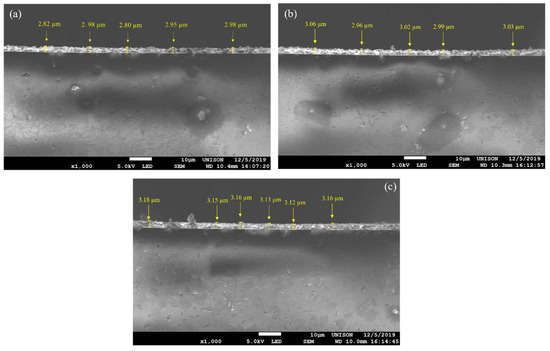
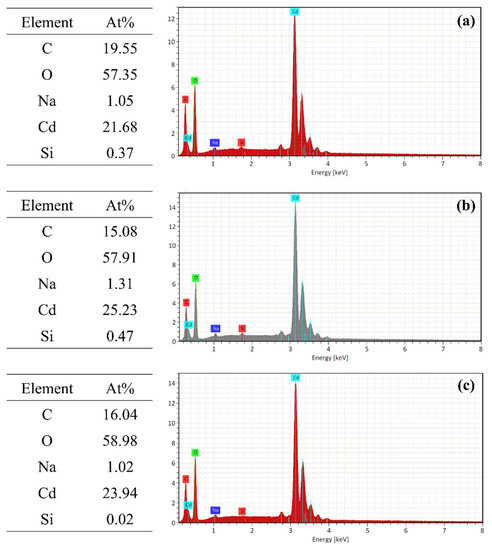
Cadmium-derived materials are highly demanded for optoelectronics applications, and the scientific community has widely worked in different ways to develop them. In this research, the optimization of CdCO3 films using a chemical bath deposition (CBD) method at different deposition times (10, 11, and 12 h) is reported. The intention to optimize CdCO3 films is in order to propose it as a precursor to produce different types of cadmium-derived semiconductors such as CdSe, CdTe, and CdO. The obtained films were characterized by X-ray diffraction (XRD), Raman spectroscopy, Fourier-transform infrared (FTIR) spectroscopy, optical absorption by diffuse reflectance, scanning electron microscopy (SEM), and energy-dispersive spectroscopy (EDS). The results provide evidence that CdCO3 films were effectively synthesized, featuring a rhombohedral crystalline structure with a preferential plane (104), and crystallite sizes were 65, 69, and 87 nm for the deposited samples at 10, 11, and 12 h, respectively. Surface morphology analysis revealed microstructures around 3–5 μm, with a deltoid shape, agglomerated and distributed randomly for all samples. The bandgap obtained was 3.78 eV for all samples. Full article
Show Figures

Figure 1
14 pages, 3433 KB  
Article
Comprehensive Safety Evaluation of Corroded Circular Steel Tubes under Compression Based on Image Processing
by Yuan Wei, Yingjie Li, Zhaoqi Wu, Jinyu Chen, Shao-Fei Jiang, Deyuan Lin and Xianbiao Xiao
Coatings 2022, 12(11), 1690; https://doi.org/10.3390/coatings12111690 - 6 Nov 2022
Viewed by 1717
Abstract
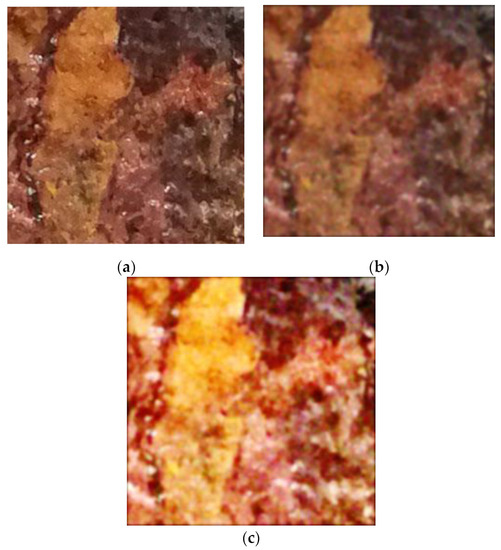
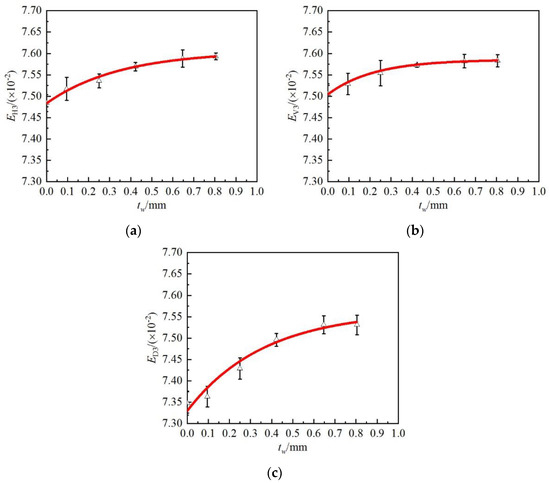
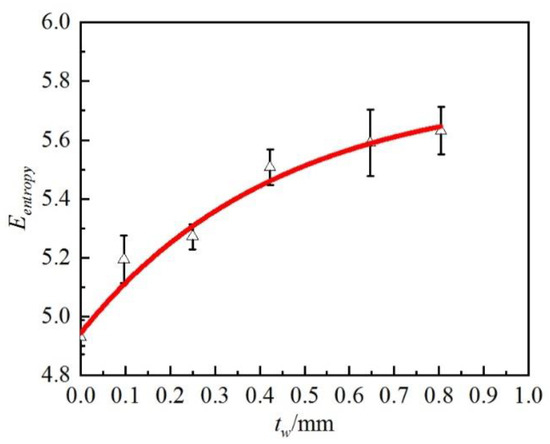
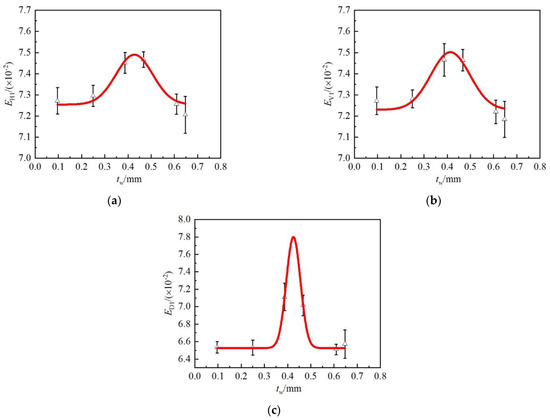
In order to achieve a comprehensive and accurate evaluation of the safety of compression members made of circular steel tubes, image processing technology is commonly utilized to extract the morphology of the steel tubes before and after rust removal. The obtained results have [...] Read more.
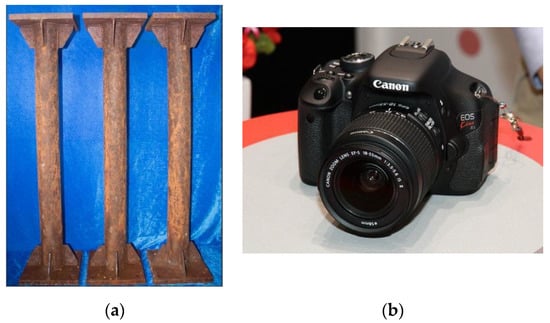
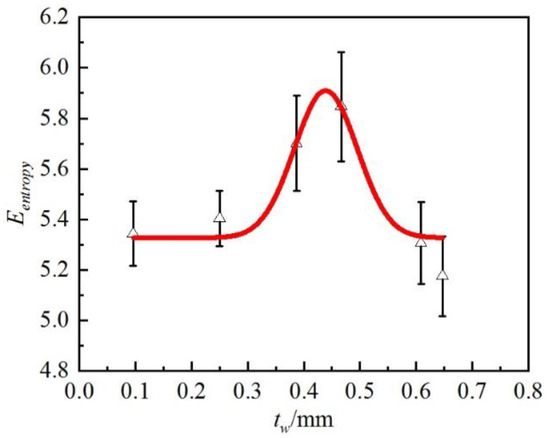
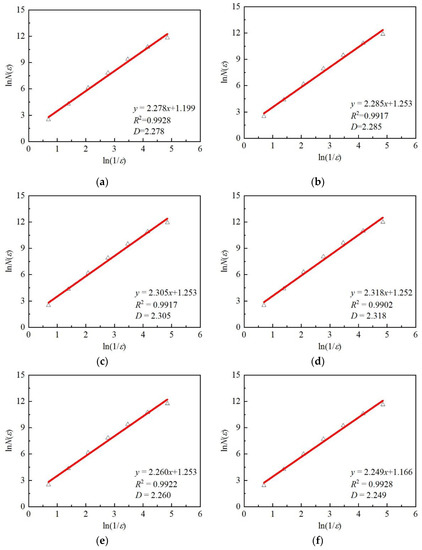
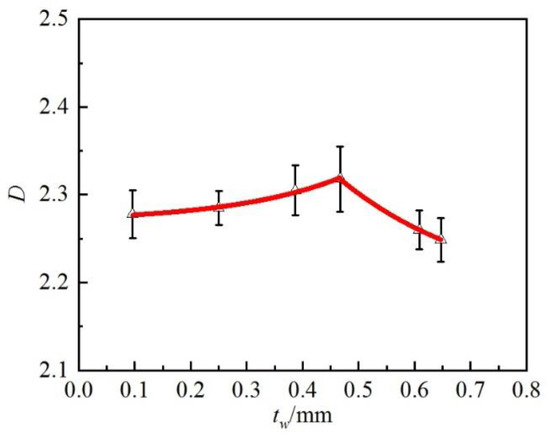
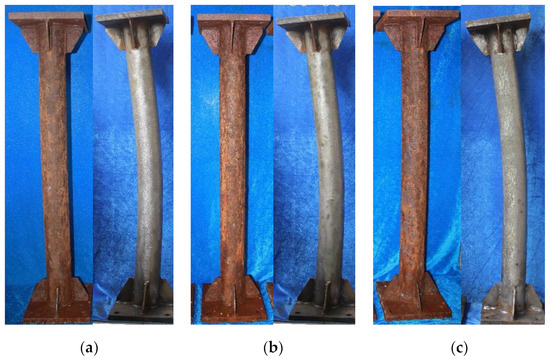
In order to achieve a comprehensive and accurate evaluation of the safety of compression members made of circular steel tubes, image processing technology is commonly utilized to extract the morphology of the steel tubes before and after rust removal. The obtained results have validated the feasibility and applicability of employing digital cameras and image processing technology to analyze the images of the steel tubes before and after rust removal and to extract useful structural mechanics features. The feature values of the apparent morphology before rust removal grow with the increase of the corrosion depth, while after rust removal, the feature values first increase and then decrease with the growth of the corrosion depth. Based on this fact, a simplified equation is proposed to quantify the relationship between the feature values of the apparent morphology before and after rust removal and the corrosion depth. In continuing, a simple, fairly accurate, and comprehensive safety evaluation methodology for corroded circular steel tubes under compression is established. Finally, an example is illustrated to check the applicability and effectiveness of the proposed approach. Full article
Show Figures

Figure 1