20 pages, 399 KB  
Review
Sucrose Preference Test as a Measure of Anhedonic Behavior in a Chronic Unpredictable Mild Stress Model of Depression: Outstanding Issues
by Dmitrii D. Markov
Brain Sci. 2022, 12(10), 1287; https://doi.org/10.3390/brainsci12101287 - 24 Sep 2022
Cited by 107 | Viewed by 13531
Abstract
Despite numerous studies on the neurobiology of depression, the etiological and pathophysiological mechanisms of this disorder remain poorly understood. A large number of animal models and tests to evaluate depressive-like behavior have been developed. Chronic unpredictable mild stress (CUMS) is the most common [...] Read more.
Despite numerous studies on the neurobiology of depression, the etiological and pathophysiological mechanisms of this disorder remain poorly understood. A large number of animal models and tests to evaluate depressive-like behavior have been developed. Chronic unpredictable mild stress (CUMS) is the most common and frequently used model of depression, and the sucrose preference test (SPT) is one of the most common tests for assessing anhedonia. However, not all laboratories can reproduce the main effects of CUMS, especially when this refers to a decrease in sucrose preference. It is also unknown how the state of anhedonia, assessed by the SPT, relates to the state of anhedonia in patients with depression. We analyzed the literature available in the PubMed database using keywords relevant to the topic of this narrative review. We hypothesize that the poor reproducibility of the CUMS model may be due to differences in sucrose consumption, which may be influenced by such factors as differences in sucrose preference concentration threshold, water and food deprivation, and differences in animals’ susceptibility to stress. We also believe that comparisons between animal and human states of anhedonia should be made with caution because there are many inconsistencies between the two, including in assessment methods. We also tried to offer some recommendations that should improve the reproducibility of the CUMS model and provide a framework for future research. Full article
(This article belongs to the Special Issue Hedonic, Motivation and Learning Mechanisms of Ingestive Behavior)
11 pages, 1264 KB  
Review
Pimavanserin and Parkinson’s Disease Psychosis: A Narrative Review
by Jamir Pitton Rissardo, Ícaro Durante, Idan Sharon and Ana Letícia Fornari Caprara
Brain Sci. 2022, 12(10), 1286; https://doi.org/10.3390/brainsci12101286 - 23 Sep 2022
Cited by 19 | Viewed by 14287
Abstract
Pimavanserin (PMV) is the first approved drug for treating hallucinations and delusions in Parkinson’s disease (PD) psychosis. Psychosis is one of the leading causes of nursing home placement in people with PD. Furthermore, hallucinations are a more frequent cause of institutionalization than motor [...] Read more.
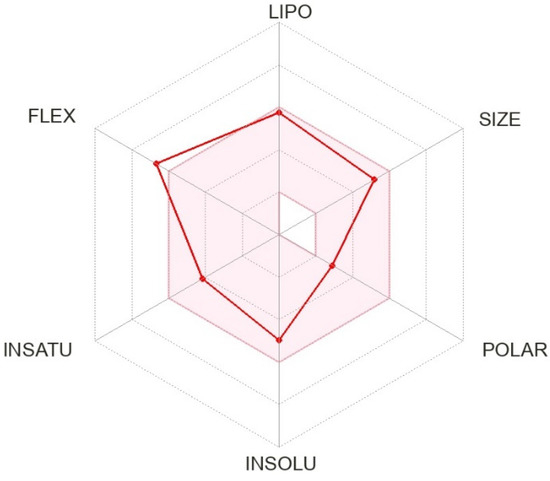
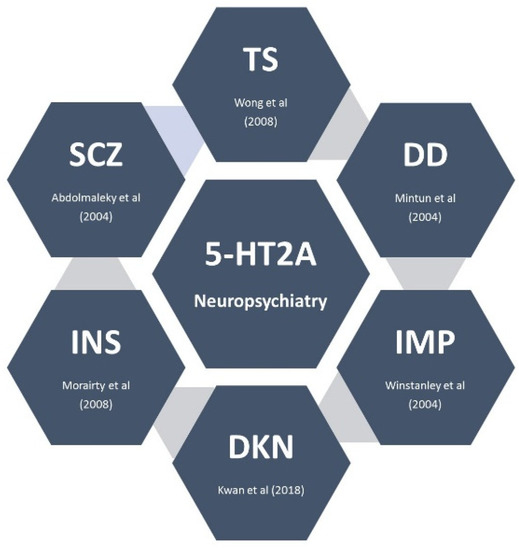
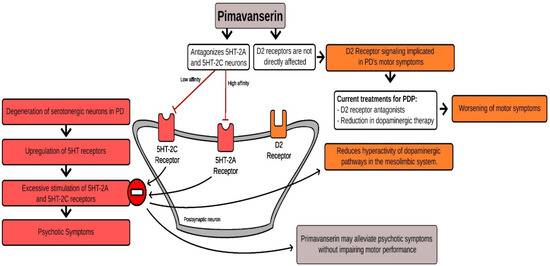
Pimavanserin (PMV) is the first approved drug for treating hallucinations and delusions in Parkinson’s disease (PD) psychosis. Psychosis is one of the leading causes of nursing home placement in people with PD. Furthermore, hallucinations are a more frequent cause of institutionalization than motor disability or dementia related to PD. The management of PD psychosis involves antipsychotic medications. Most of the drugs in this class directly block dopamine D2 receptors, leading to significantly worsening motor symptoms in patients with PD. The most commonly used medications for managing PD psychosis are quetiapine, clozapine, and PMV. This literature review aims to study pimavanserin’s history, mechanism, clinical trials, and post-marketing experience. PMV is a potent 5-HT2A receptor antagonist/inverse agonist. Moreover, this drug can interact with 5-HT2C receptors. We calculated some physicochemical descriptors and pharmacokinetic properties of PMV. Eight clinical trials of PMV and PD psychosis are registered on ClinicalTrials.gov. Only four of them have complete results already published. Meta-analytic results showed that PMV efficacy is inferior to clozapine. However, PMV has a significantly lower number of side-effects for managing psychosis in PD. Medicare database assessment revealed 35% lower mortality with PMV compared to other atypical antipsychotics. Moreover, sensitive statistical analysis demonstrated that PMV is a protective factor for the risk of falls in individuals with PD. Full article
Show Figures

Figure 1

16 pages, 3441 KB  
Article
Risk Factors of Transient Neurological Deficits and Perioperative Stroke after Revascularization in Patients with Moyamoya Disease
by Xincheng Zhang, Yiping Yang, Chao Gan, Xuejun He, Yanchao Liu, Yimin Huang, Xiaopeng Ma, Sheng Wang, Kai Shu, Ting Lei and Huaqiu Zhang
Brain Sci. 2022, 12(10), 1285; https://doi.org/10.3390/brainsci12101285 - 23 Sep 2022
Cited by 8 | Viewed by 3220
Abstract
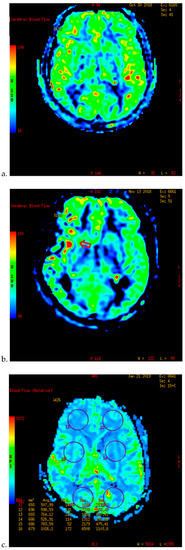
Objective: To analyze the risk factors of transient neurological deficits (TND) and perioperative stroke in patients with MMD after extracranial–intracranial revascularization. Methods: A retrospective analysis of the clinical data of 183 patients with MMD undergoing 203 EC–IC bypass operation procedures from January 2018 [...] Read more.
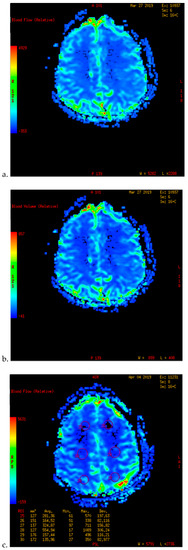
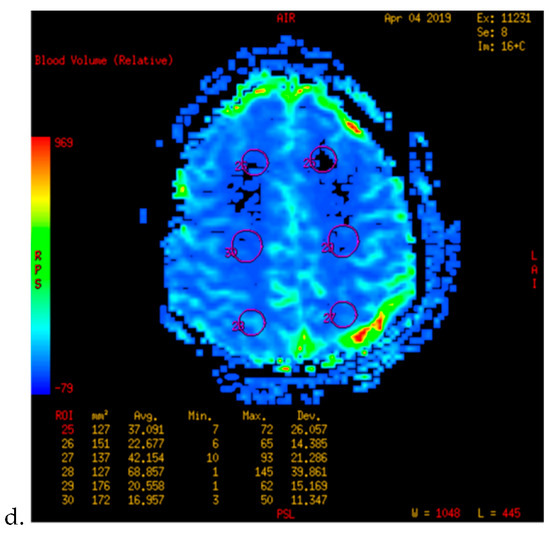
Objective: To analyze the risk factors of transient neurological deficits (TND) and perioperative stroke in patients with MMD after extracranial–intracranial revascularization. Methods: A retrospective analysis of the clinical data of 183 patients with MMD undergoing 203 EC–IC bypass operation procedures from January 2018 to August 2020. According to whether TND and stroke occurred within 14 days after operation, univariate analysis and multivariate logistic regression were used. Results: TND occurred in 26 cases (12.8%) of revascularization. The results of the univariate analysis showed that history of diabetes, multiple episodes of preoperative symptoms, lesions involving the posterior circulation, and high postoperative blood pressure are the risk factors of TND. Further multivariate logistic regression analysis showed that multiple episodes of preoperative symptoms (p = 0.016) and lesions involving the posterior circulation (p = 0.014) are the independent risk factors for TND. Perioperative stroke occurred in 12 cases (5.9%). The results of the univariate analysis showed that older age, history of hypertension, preoperative cerebral infarction as the main symptom, lesions involving the posterior circulation, and high perioperative blood pressure are the risk factors of perioperative stroke. The results of multivariate logistic regression analysis showed that preoperative cerebral infarction as the main symptom (p = 0.015) is an independent risk factor for perioperative stroke. The occurrence of perioperative complications was not related to the improvement of follow-up mRS (Modified Rankin Scale) score and long-term cerebral rehemorrhage. Conclusions: Clinically, patients with MMD have multiple episodes of preoperative symptoms, lesions involving the posterior circulation, and preoperative cerebral infarction and should be attached when undergoing revascularization. Full article
(This article belongs to the Section Neurosurgery and Neuroanatomy)
Show Figures

Figure 1

6 pages, 577 KB  
Case Report
Reversible Splenial Lesion Syndrome (RESLES) after Nitrous Oxide Abuse: A Case Report
by Yiming Tao, Jie Han, Xiangdong Jian and Yongsheng Li
Brain Sci. 2022, 12(10), 1284; https://doi.org/10.3390/brainsci12101284 - 23 Sep 2022
Cited by 3 | Viewed by 3019
Abstract
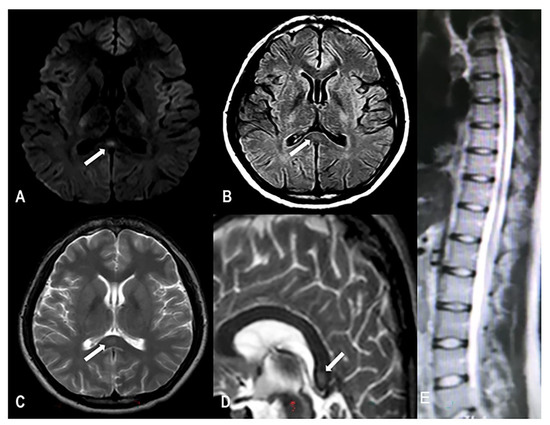
Background: Reversible splenial-lesion syndrome (RESLES) is a relatively rare and underrecognized clinical-imaging syndrome involving the splenium of the corpus callosum (SCC). RESLES can be caused by various etiologies. Case description: An 18-year-old man with no previous history of neurological or psychiatric disorders presented [...] Read more.
Background: Reversible splenial-lesion syndrome (RESLES) is a relatively rare and underrecognized clinical-imaging syndrome involving the splenium of the corpus callosum (SCC). RESLES can be caused by various etiologies. Case description: An 18-year-old man with no previous history of neurological or psychiatric disorders presented to our hospital with headache, intermittent blurred vision, and limb weakness after 150 days of recreational nitrous-oxide abuse. The patient’s serum vitamin B12 concentration was normal, and magnetic-resonance imaging (MRI) examination revealed isointensity on T1-weighted imaging (T1WI) of the corpus callosum and high signal intensity on T2WI, T2FLAIR, and diffusion-weighted MRI (DWI); thus, a diagnosis of RESLES was established. The patient received 0.5 mg of mecobalamin daily and nitrous oxide was discontinued. After 4 weeks, the patient’s symptoms disappeared and the imaging examination revealed normal findings. Conclusion: We report for the first time a case of headache, blurred vision, and hallucination caused by RESLES associated with nitrous-oxide abuse. In cases of headaches and hallucinations of unknown etiology, the possibility of RESLES caused by nitrous oxide abuse should be considered. Full article
(This article belongs to the Section Neuropharmacology and Neuropathology)
Show Figures

Figure 1

12 pages, 1189 KB  
Article
Signal Variability and Cognitive Function in Older Long-Term Survivors of Breast Cancer with Exposure to Chemotherapy: A Prospective Longitudinal Resting-State fMRI Study
by Bihong T. Chen, Zikuan Chen, Frank Deng, Sunita K. Patel, Mina S. Sedrak, James C. Root, Tim A. Ahles, Marianne Razavi, Heeyoung Kim, Can-Lan Sun and William Dale
Brain Sci. 2022, 12(10), 1283; https://doi.org/10.3390/brainsci12101283 - 23 Sep 2022
Cited by 6 | Viewed by 2910
Abstract
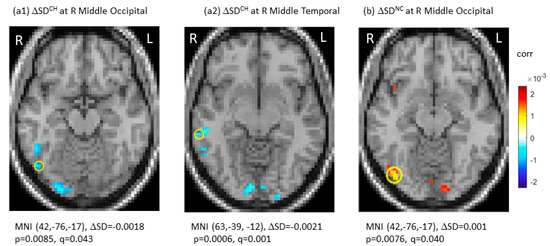
The purpose of this study was to assess the effect of chemotherapy on brain functional resting-state signal variability and cognitive function in older long-term survivors of breast cancer. This prospective longitudinal study enrolled women age ≥ 65 years of age who were breast [...] Read more.
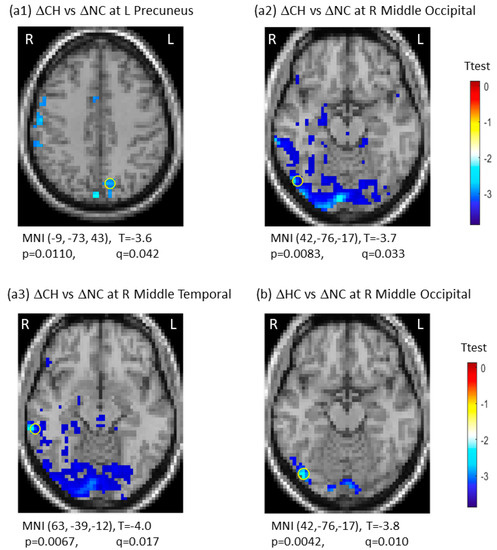
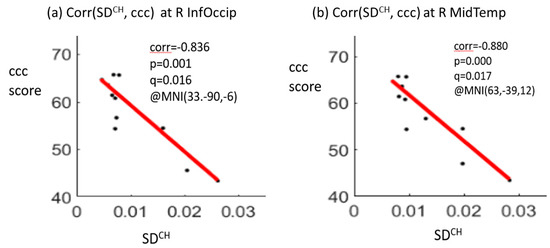
The purpose of this study was to assess the effect of chemotherapy on brain functional resting-state signal variability and cognitive function in older long-term survivors of breast cancer. This prospective longitudinal study enrolled women age ≥ 65 years of age who were breast cancer survivors after exposure to chemotherapy (CH), age-matched survivors not exposed to chemotherapy, and healthy controls. Participants completed resting-state functional brain MRI and neurocognitive testing upon enrollment (timepoint 1, TP1) and again two years later (timepoint 2, TP2). There were 20 participants in each of the three groups at TP1. The CH group showed a significant decrease in SDBOLD (blood-oxygen-level-dependent signal variability in standard deviation) in the right middle occipital gyrus (ΔSDBOLD = −0.0018, p = 0.0085, q (pFDR) = 0.043 at MNI (42, −76, 17)) and right middle temporal gyrus (ΔSDBOLD = −0.0021, p = 0.0006, q (pFDR) = 0.001 at MNI (63, −39, −12)). There were negative correlations between the crystallized composite scores and SDBOLD values at the right inferior occipital gyrus (correlation coefficient r = −0.84, p = 0.001, q (pFDR) = 0.016) and right middle temporal gyrus (r = −0.88, p = 0.000, q (pFDR) = 0.017) for the CH group at TP1. SDBOLD could be a potentially useful neuroimaging marker for older long-term survivors of breast cancer with exposure to chemotherapy. Full article
(This article belongs to the Section Neurotechnology and Neuroimaging)
Show Figures

Figure 1

27 pages, 3040 KB  
Systematic Review
Effects of Acupuncture-Related Therapies in the Rehabilitation of Patients with Post-Stroke Aphasia—A Network Meta-Analysis of Randomized Controlled Trials
by Pengpeng Liang, Yufei Li, Yanan Feng, Guoliang Yin, Suwen Chen, Xiangyi Liu and Fengxia Zhang
Brain Sci. 2022, 12(10), 1282; https://doi.org/10.3390/brainsci12101282 - 23 Sep 2022
Cited by 9 | Viewed by 4815
Abstract
Objective: The purpose of this study was to evaluate the rehabilitation effects of four common interventions (BA: body acupuncture, SA: scalp acupuncture, TA: tongue acupuncture, SLT: speech and language training) used singly or in combination with language function in patients with post-stroke aphasia [...] Read more.
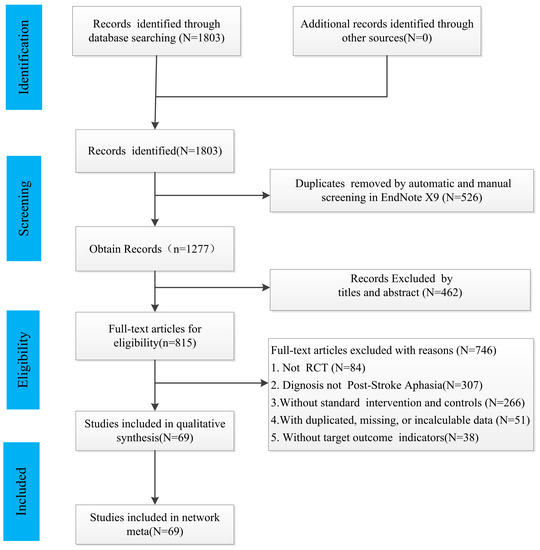
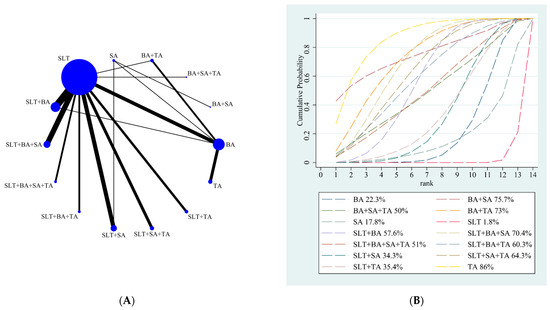
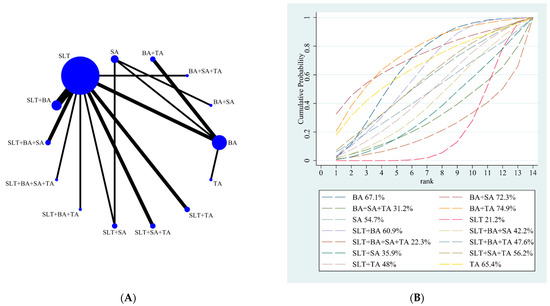
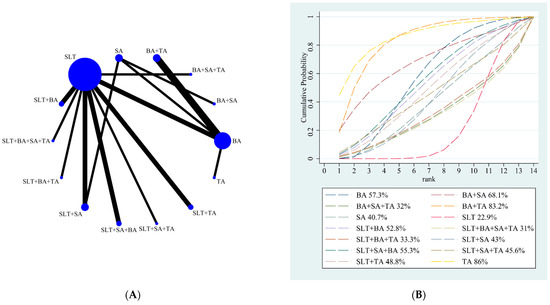
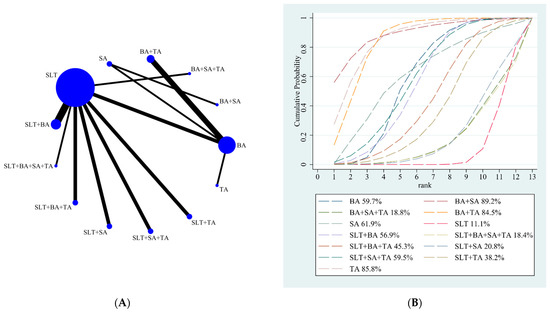
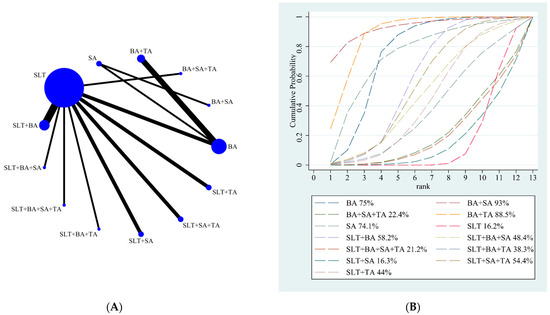
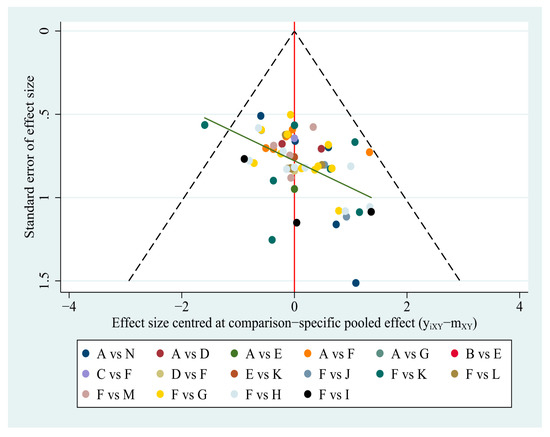
Objective: The purpose of this study was to evaluate the rehabilitation effects of four common interventions (BA: body acupuncture, SA: scalp acupuncture, TA: tongue acupuncture, SLT: speech and language training) used singly or in combination with language function in patients with post-stroke aphasia (PSA). Design: We systematically searched PubMed, EMBASE, Cochrane Library, Ovid, Web of Science, CNKI, VIP, and Wanfang from inception to 4 April 2022. Only randomized controlled trials that met the eligibility criteria were included. The risk of bias of studies included was assessed using the RoB-2 tool. The effects of different interventions for PSA patients were analyzed and ranked according to the surface under the cumulative ranking (SUCRA) analysis. Results: A total of 69 RCTs were included, including 5097 total participants. According to the results of the SUCRA curves, TA ranked highest in improving overall efficacy (SUCRA = 86%) and oral expression score (SUCRA = 86%). BA + TA ranked highest in increasing the comprehension score (SUCRA = 74.9%). BA + SA ranked highest in improving aphasia patients’ repetition (SUCRA = 89.2%) and denomination scores (SUCRA = 93%). Conclusions: Results of our network meta-analysis and SUCRA ranking showed that tongue acupuncture, body acupuncture + tongue acupuncture, and body acupuncture + scalp acupuncture seem to offer better advantages than other interventions for improving the language function in PSA patients. Moreover, it is noteworthy that our results are limited to the Chinese population, since all eligible studies are from China. Future well-designed studies with larger sample sizes and more ethnic groups are required to further verify these findings. Full article
(This article belongs to the Section Neurorehabilitation)
Show Figures

Figure 1

40 pages, 1651 KB  
Article
A Meta-Analysis of fMRI Studies of Youth Cannabis Use: Alterations in Executive Control, Social Cognition/Emotion Processing, and Reward Processing in Cannabis Using Youth
by Christopher J. Hammond, Aliyah Allick, Grace Park, Bushra Rizwan, Kwon Kim, Rachael Lebo, Julie Nanavati, Muhammad A. Parvaz and Iliyan Ivanov
Brain Sci. 2022, 12(10), 1281; https://doi.org/10.3390/brainsci12101281 - 23 Sep 2022
Cited by 10 | Viewed by 11018
Abstract
Background: Adolescent cannabis use (CU) is associated with adverse health outcomes and may be increasing in response to changing cannabis laws. Recent imaging studies have identified differences in brain activity between adult CU and controls that are more prominent in early onset [...] Read more.
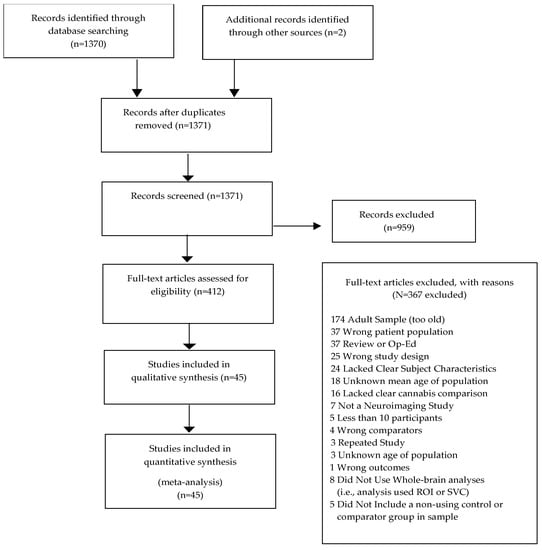
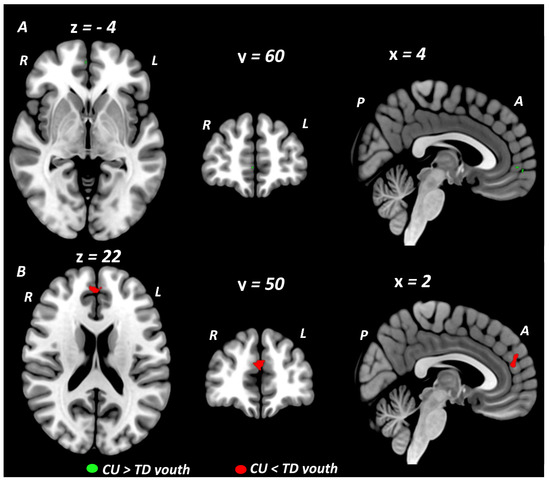
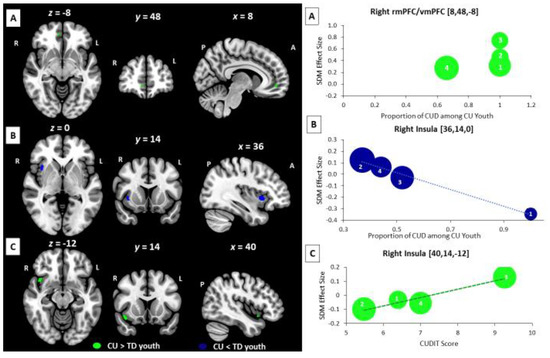
Background: Adolescent cannabis use (CU) is associated with adverse health outcomes and may be increasing in response to changing cannabis laws. Recent imaging studies have identified differences in brain activity between adult CU and controls that are more prominent in early onset users. Whether these differences are present in adolescent CU and relate to age/developmental stage, sex, or cannabis exposure is unknown. Methods: A systematic review and subsequent effect-size seed-based d mapping (SDM) meta-analysis were conducted to examine differences in blood-oxygen-level-dependent (BOLD) response during fMRI studies between CU and non-using typically developing (TD) youth. Supplemental analyses investigated differences in BOLD signal in CU and TD youth as a function of sex, psychiatric comorbidity, and the dose and severity of cannabis exposure. Results: From 1371 citations, 45 fMRI studies were identified for inclusion in the SDM meta-analysis. These studies compared BOLD response contrasts in 1216 CU and 1486 non-using TD participants. In primary meta-analyses stratified by cognitive paradigms, CU (compared to TD) youth showed greater activation in the rostral medial prefrontal cortex (rmPFC) and decreased activation in the dorsal mPFC (dmPFC) and dorsal anterior cingulate cortex (dACC) during executive control and social cognition/emotion processing, respectively. In meta-regression analyses and subgroup meta-analyses, sex, cannabis use disorder (CUD) severity, and psychiatric comorbidity were correlated with brain activation differences between CU and TD youth in mPFC and insular cortical regions. Activation differences in the caudate, thalamus, insula, dmPFC/dACC, and precentral and postcentral gyri varied as a function of the length of abstinence. Conclusions: Using an SDM meta-analytic approach, this report identified differences in neuronal response between CU and TD youth during executive control, emotion processing, and reward processing in cortical and subcortical brain regions that varied as a function of sex, CUD severity, psychiatric comorbidity, and length of abstinence. Whether aberrant brain function in CU youth is attributable to common predispositional factors, cannabis-induced neuroadaptive changes, or both warrants further investigation. Full article
Show Figures

Figure 1

13 pages, 1591 KB  
Article
High-Intensity Interval Training-Induced Hippocampal Molecular Changes Associated with Improvement in Anxiety-like Behavior but Not Cognitive Function in Rats with Type 2 Diabetes
by Amin Orumiyehei, Kayvan Khoramipour, Maryam Hossein Rezaei, Elham Madadizadeh, Manzumeh Shamsi Meymandi, Fatemeh Mohammadi, Mohsen Chamanara, Hamideh Bashiri and Katsuhiko Suzuki
Brain Sci. 2022, 12(10), 1280; https://doi.org/10.3390/brainsci12101280 - 23 Sep 2022
Cited by 34 | Viewed by 4580
Abstract
(1) Background: Exercise exerts many neuroprotective effects in diabetes-induced brain disorders. In this study, we investigated the effect of high-intensity interval training (HIIT) on brain molecular changes and cognitive and anxiety-like behaviors in rats with type 2 diabetes. (2) Methods: Twenty-eight adult male [...] Read more.
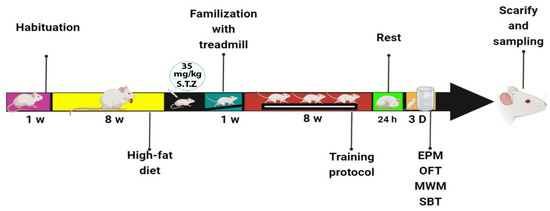
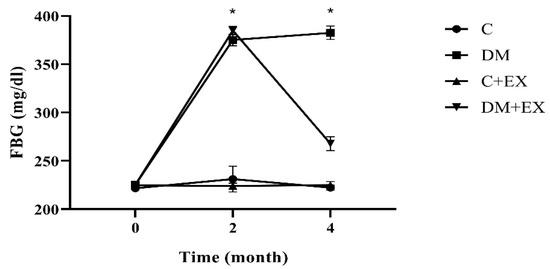
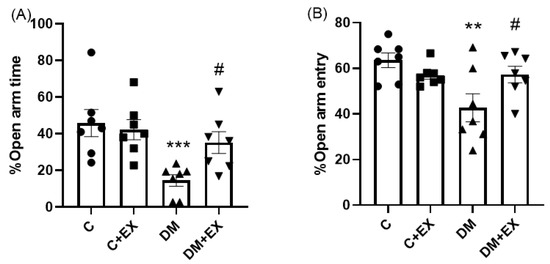
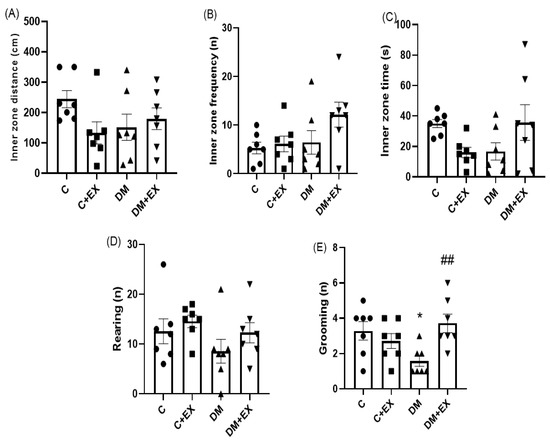
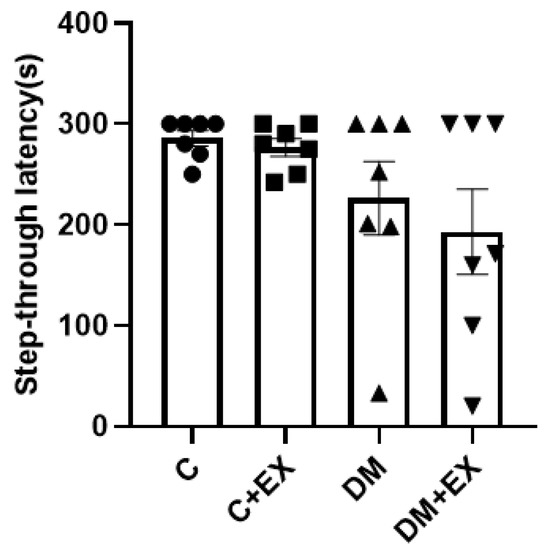
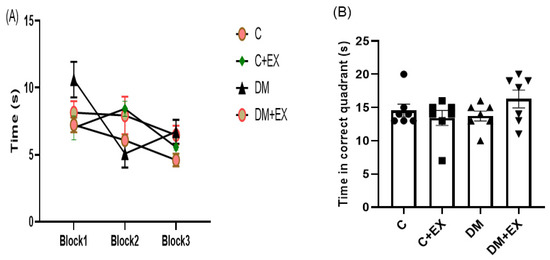
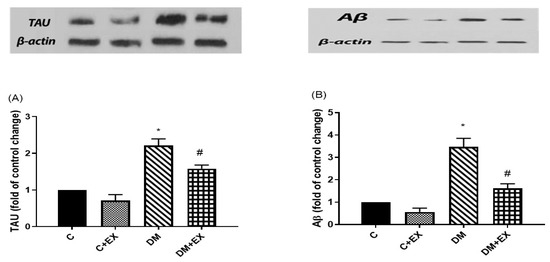
(1) Background: Exercise exerts many neuroprotective effects in diabetes-induced brain disorders. In this study, we investigated the effect of high-intensity interval training (HIIT) on brain molecular changes and cognitive and anxiety-like behaviors in rats with type 2 diabetes. (2) Methods: Twenty-eight adult male rats were divided into four groups (n = 7): control (C), exercise + control (C+EX), diabetes (DM), and diabetes + exercise (DM+EX). Diabetes was induced using a two-month high-fat diet and a single dose of streptozotocin (35 mg/kg) in the DM and DM+EX groups. After, the C+EX and DM+EX groups performed HIIT for eight weeks (five sessions per week, running at 80–100% of VMax, 4–10 intervals) on a motorized treadmill. Then, the elevated plus maze (EPM) and open field test (OFT) were performed to evaluate anxiety-like behaviors. The Morris water maze (MWM) and shuttle box were used to assess cognitive function. The hippocampal levels of beta-amyloid and tau protein were also assessed using Western blot. (3) Results: The hippocampal levels of beta-amyloid and tau protein were increased in the DM group, but HIIT restored these changes. While diabetes led to a significant decrease in open arm time percentage (%OAT) and open arm enters percentage (%OAE) in the EPM, indicating anxiety-like behavior, HIIT restored them. In the OFT, grooming was decreased in diabetic rats, which was restored by HIIT. No significant difference between groups was seen in the latency time in the shuttle box or for learning and memory in the MWM. (4) Conclusions: HIIT-induced hippocampal molecular changes were associated with anxiety-like behavior improvement but not cognitive function in rats with type 2 diabetes. Full article
(This article belongs to the Section Behavioral Neuroscience)
Show Figures

Figure 1

18 pages, 1724 KB  
Article
Short-Term Habituation of Auditory N1 in Spoken Word-Forms Is Modulated by Phonological Information
by Jinxing Yue, Peng Wang, Jiayin Li, Zhipeng Li, Xia Liang and Yifei He
Brain Sci. 2022, 12(10), 1279; https://doi.org/10.3390/brainsci12101279 - 22 Sep 2022
Cited by 3 | Viewed by 3317
Abstract
Short-term auditory habituation is typically reflected by decreased but recoverable amplitudes of the N1 component of event-related potentials to repeated stimuli. It remains less well understood whether and how N1 habituation is modulated by the human cognition. The current study aims to further [...] Read more.
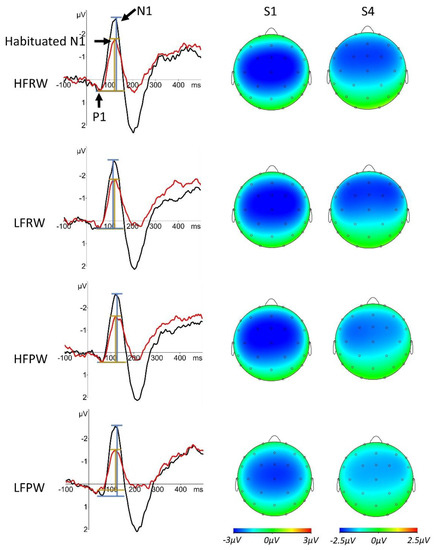
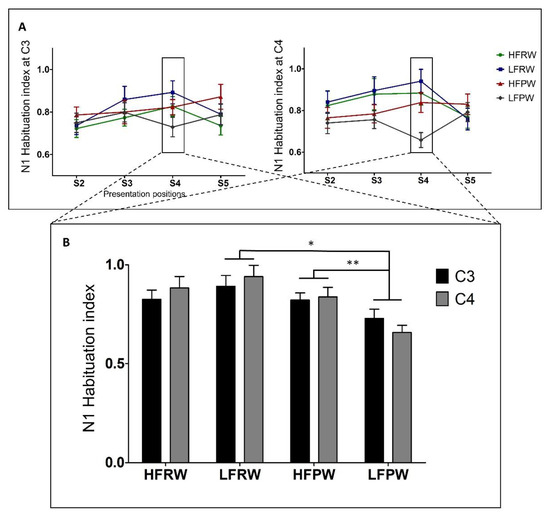
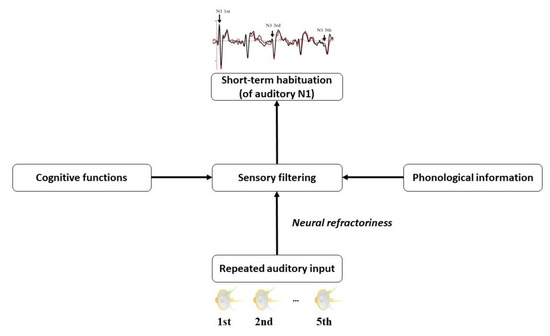
Short-term auditory habituation is typically reflected by decreased but recoverable amplitudes of the N1 component of event-related potentials to repeated stimuli. It remains less well understood whether and how N1 habituation is modulated by the human cognition. The current study aims to further test for the potential modulatory roles of phonological information carried by spoken word-forms. Two phonological variables, namely lexicality (real versus pseudoword-form) and usage frequency (high versus low frequency), are considered and combined factorially, yielding four types of monosyllabic Mandarin spoken word-forms. Each type consists of 10 items (i.e., word-forms). The stimuli were passively presented to native Mandarin speakers in trains of five (S1–S5), while their EEG was recorded. The peak amplitudes of N1 to the same type of speech stimuli were calculated for each position by averaging the trains extracted from the EEG recording. Then, the N1 habituation was quantified for the two electrodes of interest (C3 and C4) in each repetitive presentation position (S2–S5). The results showed that the N1 habituation in low-frequency pseudo word-forms was consistently greater than in low-frequency real word-forms and high-frequency pseudo word-forms, respectively, at the fourth presentation (S4). The results suggest the first evidence that different types of phonological information (i.e., lexicality and usage frequency) modulate N1 habituation, interactively. Sensory filtering is proposed as a candidate mechanism for mediating between the processing of phonological information and the short-term habituation of auditory N1. Full article
(This article belongs to the Special Issue Advances in Psycholinguistics and Cognition in Language Processing)
Show Figures

Figure 1

14 pages, 1616 KB  
Article
Brain Anatomy Alterations and Mental Health Challenges Correlate to Email Addiction Tendency
by Saeid Sadeghi, Hikaru Takeuchi, Bita Shalani, Yasuyuki Taki, Rui Nouchi, Ryoichi Yokoyama, Yuka Kotozaki, Seishu Nakagawa, Atsushi Sekiguchi, Kunio Iizuka, Sugiko Hanawa, Tsuyoshi Araki, Carlos Makoto Miyauchi, Kohei Sakaki, Takayuki Nozawa, Shigeyuki Ikeda, Susumu Yokota, Daniele Magistro, Yuko Sassa and Ryuta Kawashima
Brain Sci. 2022, 12(10), 1278; https://doi.org/10.3390/brainsci12101278 - 22 Sep 2022
Cited by 5 | Viewed by 4129
Abstract
Despite the widespread use of email, our knowledge regarding the consequences of email addiction is lacking. The purpose of this study was to develop an email addiction tendency scale to evaluate its correlation to behavior and brain structure. Following this, the validity and [...] Read more.
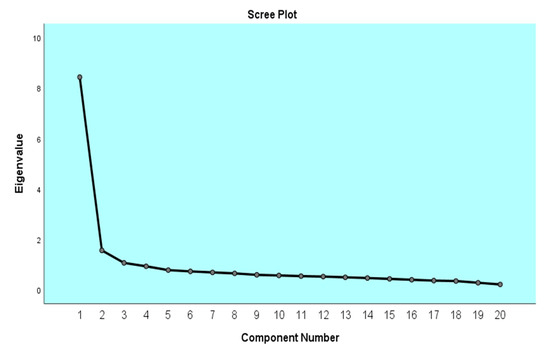
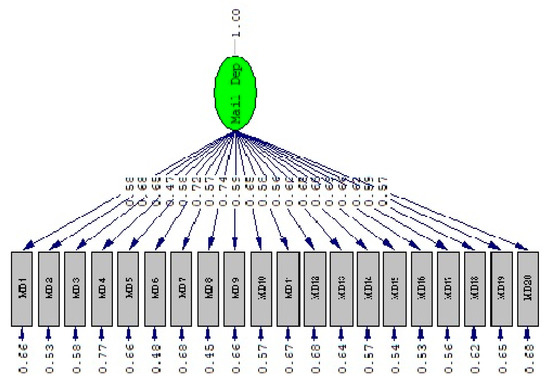
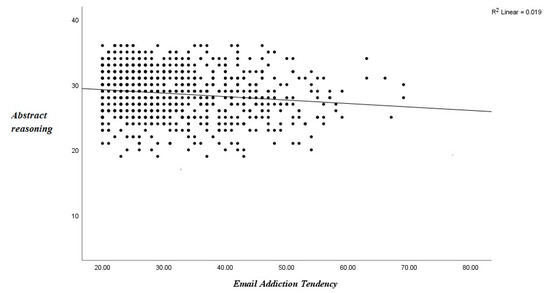
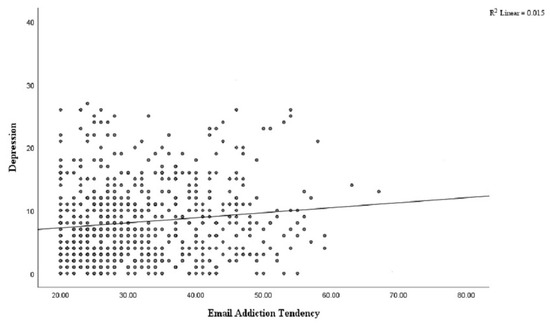
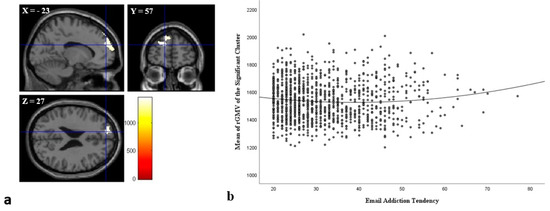
Despite the widespread use of email, our knowledge regarding the consequences of email addiction is lacking. The purpose of this study was to develop an email addiction tendency scale to evaluate its correlation to behavior and brain structure. Following this, the validity and reliability of the developed scale was investigated. We used voxel-based morphometry, correlation, and univariate regression analysis to assess the relationships between email addiction tendency scores and regional gray and white matter volumes, depression, and nonverbal reasoning abilities in a large sample of healthy young adults (n = 1152; mean age, 20.69 ± 1.84 years). The content validity ratio, content validity index, principal component analysis, and confirmatory factorial analysis all showed that the email addiction tendency scale (EATS) has high validity. Additionally, the Cronbach’s alpha internal consistency and split-half reliability coefficient showed that the EATS has high reliability. We found that email addiction tendency scores were significantly negatively correlated with nonverbal reasoning. We also observed that the email addiction tendency scores were significantly and positively correlated with depression symptom severity and gray matter volume of the left rostrolateral prefrontal cortex (RLPC) in subjects. These results indicate that email addiction tendency is associated with lower mental health outcomes and increased GMV in the left RLPC. Full article
(This article belongs to the Section Neuropsychology)
Show Figures

Figure 1

10 pages, 1238 KB  
Review
Safety of Clinical Ultrasound Neuromodulation
by Sonja Radjenovic, Gregor Dörl, Martin Gaal and Roland Beisteiner
Brain Sci. 2022, 12(10), 1277; https://doi.org/10.3390/brainsci12101277 - 22 Sep 2022
Cited by 33 | Viewed by 6449
Abstract
Transcranial ultrasound holds much potential as a safe, non-invasive modality for navigated neuromodulation, with low-intensity focused ultrasound (FUS) and transcranial pulse stimulation (TPS) representing the two main modalities. While neuroscientific and preclinical applications have received much interest, clinical applications are still relatively scarce. [...] Read more.
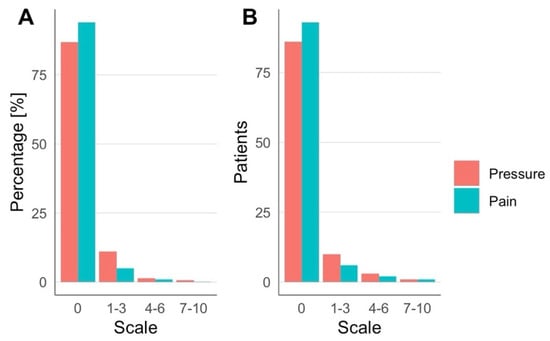
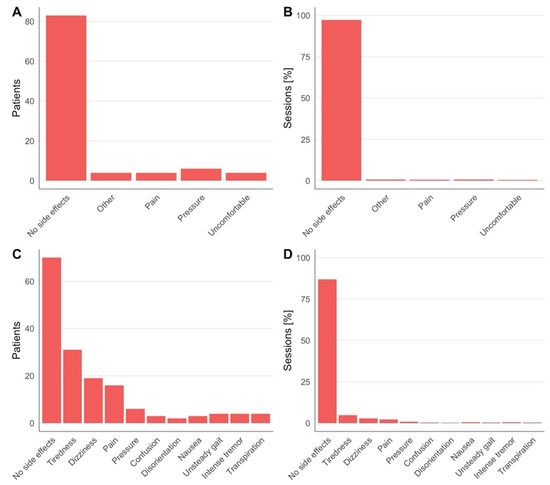
Transcranial ultrasound holds much potential as a safe, non-invasive modality for navigated neuromodulation, with low-intensity focused ultrasound (FUS) and transcranial pulse stimulation (TPS) representing the two main modalities. While neuroscientific and preclinical applications have received much interest, clinical applications are still relatively scarce. For safety considerations, the current literature is largely based on guidelines for ultrasound imaging that uses various physical parameters to describe the ultrasound pulse form and expected bioeffects. However, the safety situation for neuromodulation is inherently different. This article provides an overview of relevant ultrasound parameters with a focus on bioeffects relevant for safe clinical applications. Further, a retrospective analysis of safety data for clinical TPS applications in patients is presented. Full article
(This article belongs to the Collection Human Ultrasound Neuromodulation: State of the Art)
Show Figures

Figure 1

5 pages, 198 KB  
Editorial
Fragile X Syndrome: Recent Research Updates toward Capturing Treatments’ Improvement in Clinical Trials
by Dejan B. Budimirovic and Dragana D. Protic
Brain Sci. 2022, 12(10), 1276; https://doi.org/10.3390/brainsci12101276 - 22 Sep 2022
Cited by 2 | Viewed by 2781
Abstract
This Brain Sciences 2020 Special Issue of nine manuscripts contribute novel data on treatment updates in fragile X syndrome (FXS) [...] Full article
(This article belongs to the Special Issue Update on the Treatment of Fragile X Syndrome)
19 pages, 3120 KB  
Article
Epileptic Seizure Detection Based on Variational Mode Decomposition and Deep Forest Using EEG Signals
by Xiang Liu, Juan Wang, Junliang Shang, Jinxing Liu, Lingyun Dai and Shasha Yuan
Brain Sci. 2022, 12(10), 1275; https://doi.org/10.3390/brainsci12101275 - 22 Sep 2022
Cited by 28 | Viewed by 3845
Abstract
Electroencephalography (EEG) records the electrical activity of the brain, which is an important tool for the automatic detection of epileptic seizures. It is certainly a very heavy burden to only recognize EEG epilepsy manually, so the method of computer-assisted treatment is of great [...] Read more.
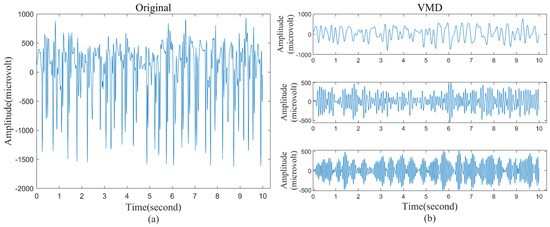
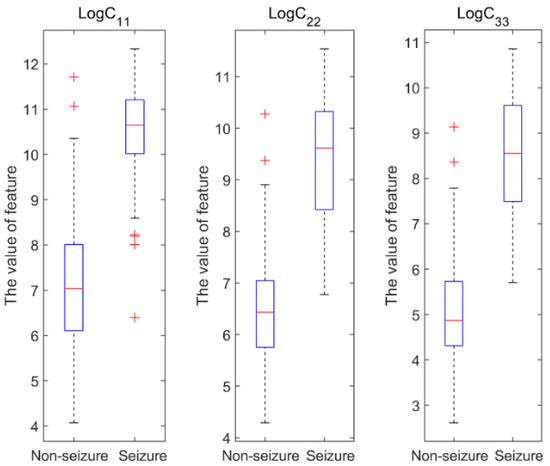
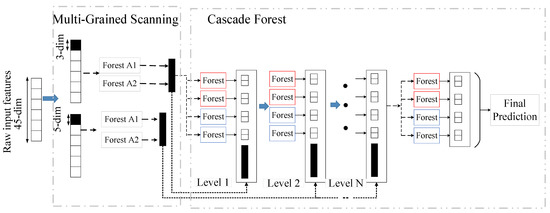
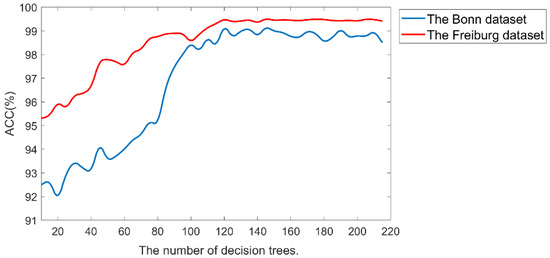
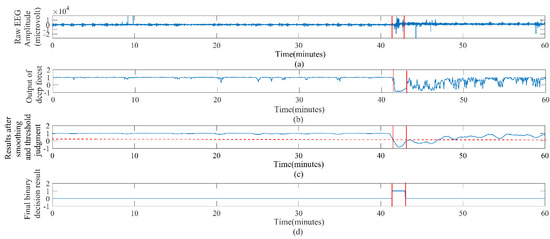
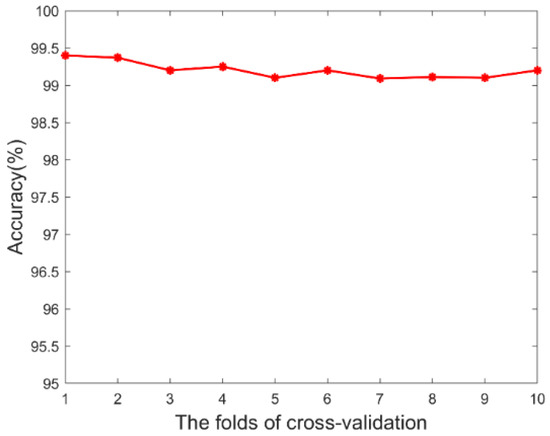
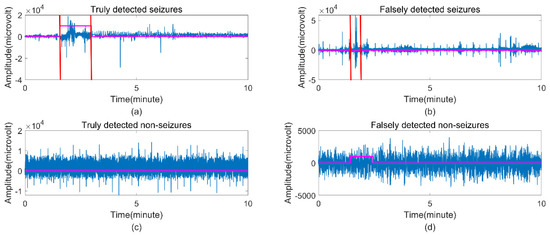
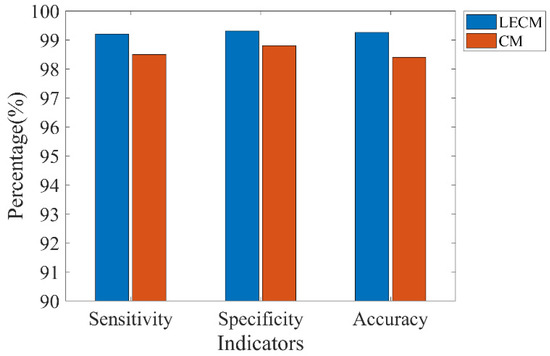
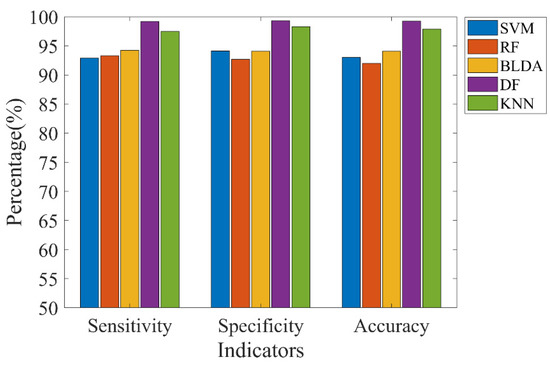
Electroencephalography (EEG) records the electrical activity of the brain, which is an important tool for the automatic detection of epileptic seizures. It is certainly a very heavy burden to only recognize EEG epilepsy manually, so the method of computer-assisted treatment is of great importance. This paper presents a seizure detection algorithm based on variational modal decomposition (VMD) and a deep forest (DF) model. Variational modal decomposition is performed on EEG recordings, and the first three variational modal functions (VMFs) are selected to construct the time–frequency distribution of the EEG signals. Then, the log−Euclidean covariance matrix (LECM) is computed to represent the EEG properties and form EEG features. The deep forest model is applied to complete the EEG signal classification, which is a non-neural network deep model with a cascade structure that performs feature learning through the forest. In addition, to improve the classification accuracy, postprocessing techniques are performed to generate the discriminant results by moving average filtering and adaptive collar expansion. The algorithm was evaluated on the Bonn EEG dataset and the Freiburg long−term EEG dataset, and the former achieved a sensitivity and specificity of 99.32% and 99.31%, respectively. The mean sensitivity and specificity of this method for the 21 patients in the Freiburg dataset were 95.2% and 98.56%, respectively, with a false detection rate of 0.36/h. These results demonstrate the superior performance advantage of our algorithm and indicate its great research potential in epilepsy detection. Full article
Show Figures

Figure 1

12 pages, 622 KB  
Article
Hemispheric Asymmetry of the Hand Motor Representations in Patients with Highly Malignant Brain Tumors: Implications for Surgery and Clinical Practice
by Elisa Cargnelutti, Giada Pauletto, Tamara Ius, Lorenzo Verriello, Marta Maieron, Miran Skrap and Barbara Tomasino
Brain Sci. 2022, 12(10), 1274; https://doi.org/10.3390/brainsci12101274 - 21 Sep 2022
Cited by 1 | Viewed by 2572
Abstract
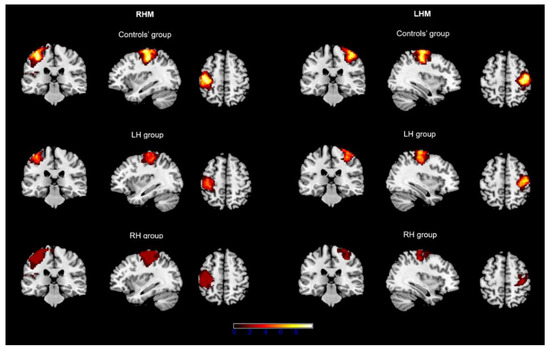
We addressed both brain pre-surgical functional and neurophysiological aspects of the hand representation in 18 right-handed patients harboring a highly malignant brain tumor in the sensorimotor (SM) cortex (10 in the left hemisphere, LH, and 8 in the right hemisphere, RH) and 10 [...] Read more.
We addressed both brain pre-surgical functional and neurophysiological aspects of the hand representation in 18 right-handed patients harboring a highly malignant brain tumor in the sensorimotor (SM) cortex (10 in the left hemisphere, LH, and 8 in the right hemisphere, RH) and 10 healthy controls, who performed an fMRI hand-clenching task with both hands alternatively. We extracted the main ROI in the SM cortex and compared ROI values and volumes between hemispheres and groups, in addition to their motor neurophysiological measures. Hemispheric asymmetry in the fMRI signal was observed for healthy controls, namely higher signal for the left-hand movements, but not for either patients’ groups. ROI values, although altered in patients vs. controls, did not differ significantly between groups. ROI volumes associated with right-hand movement were lower for both patients’ groups vs. controls, and those associated with left-hand movement were lower in the RH group vs. all groups. These results are relevant to interpret potential preoperative plasticity and make inferences about postoperative plasticity and can be integrated in the surgical planning to increase surgery success and postoperative prognosis and quality of life. Full article
(This article belongs to the Special Issue Frontiers in Neurooncology and Neurosurgery)
Show Figures

Figure 1

15 pages, 337 KB  
Review
Common Neuroanatomical Substrate of Cholinergic Pathways and Language-Related Brain Regions as an Explanatory Framework for Evaluating the Efficacy of Cholinergic Pharmacotherapy in Post-Stroke Aphasia: A Review
by Marina Katsari, Georgia Angelopoulou, Nikolaos Laskaris, Constantin Potagas and Dimitrios Kasselimis
Brain Sci. 2022, 12(10), 1273; https://doi.org/10.3390/brainsci12101273 - 21 Sep 2022
Cited by 4 | Viewed by 3693
Abstract
Despite the relative scarcity of studies focusing on pharmacotherapy in aphasia, there is evidence in the literature indicating that remediation of language disorders via pharmaceutical agents could be a promising aphasia treatment option. Among the various agents used to treat chronic aphasic deficits, [...] Read more.
Despite the relative scarcity of studies focusing on pharmacotherapy in aphasia, there is evidence in the literature indicating that remediation of language disorders via pharmaceutical agents could be a promising aphasia treatment option. Among the various agents used to treat chronic aphasic deficits, cholinergic drugs have provided meaningful results. In the current review, we focused on published reports investigating the impact of acetylcholine on language and other cognitive disturbances. It has been suggested that acetylcholine plays an important role in neuroplasticity and is related to several aspects of cognition, such as memory and attention. Moreover, cholinergic input is diffused to a wide network of cortical areas, which have been associated with language sub-processes. This could be a possible explanation for the positive reported outcomes of cholinergic drugs in aphasia recovery, and specifically in distinct language processes, such as naming and comprehension, as well as overall communication competence. However, evidence with regard to functional alterations in specific brain areas after pharmacotherapy is rather limited. Finally, despite the positive results derived from the relevant studies, cholinergic pharmacotherapy treatment in post-stroke aphasia has not been widely implemented. The present review aims to provide an overview of the existing literature in the common neuroanatomical substrate of cholinergic pathways and language related brain areas as a framework for interpreting the efficacy of cholinergic pharmacotherapy interventions in post-stroke aphasia, following an integrated approach by converging evidence from neuroanatomy, neurophysiology, and neuropsychology. Full article
(This article belongs to the Section Neurolinguistics)