16 pages, 5722 KB  
Article
Dietary Compound Chrysin Inhibits Retinal Neovascularization with Abnormal Capillaries in db/db Mice
by Min-Kyung Kang, Sin-Hye Park, Yun-Ho Kim, Eun-Jung Lee, Lucia Dwi Antika, Dong Yeon Kim, Yean-Jung Choi and Young-Hee Kang
Nutrients 2016, 8(12), 782; https://doi.org/10.3390/nu8120782 - 3 Dec 2016
Cited by 27 | Viewed by 8423
Abstract
Diabetic retinopathy (DR) develops in a significant proportion of patients with chronic diabetes, characterized by retinal macular edema and abnormal retinal vessel outgrowth leading to vision loss. Chrysin, a naturally-occurring flavonoid found in herb and honeycomb, has anti-inflammatory, antioxidant, and anti-cancer properties. This [...] Read more.
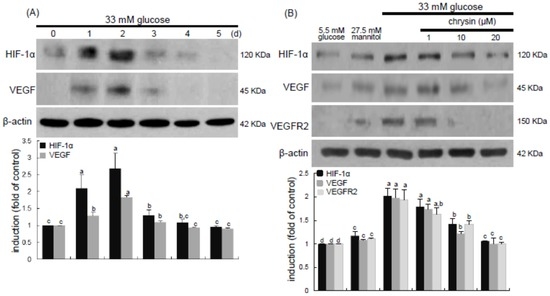
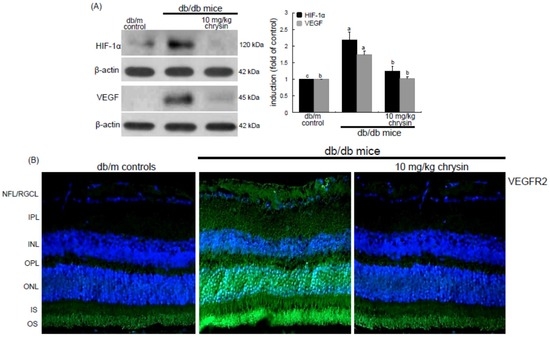
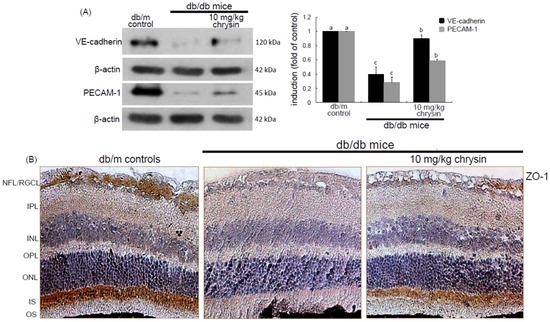
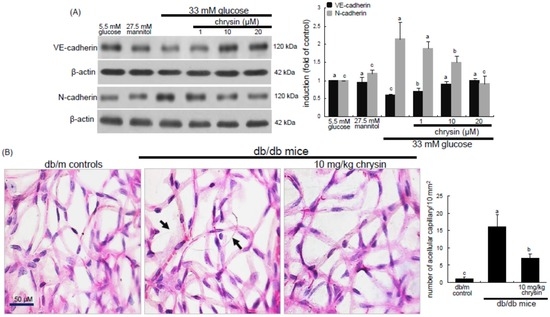
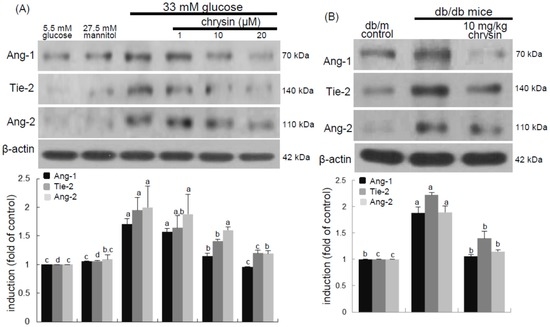
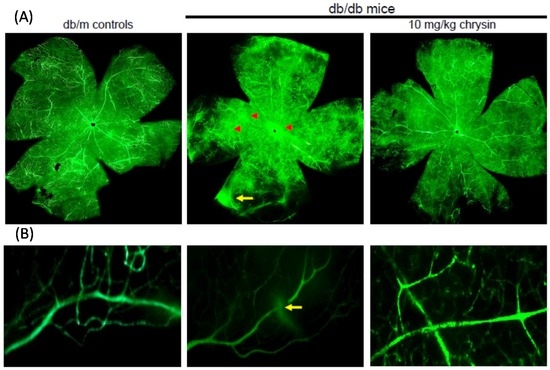
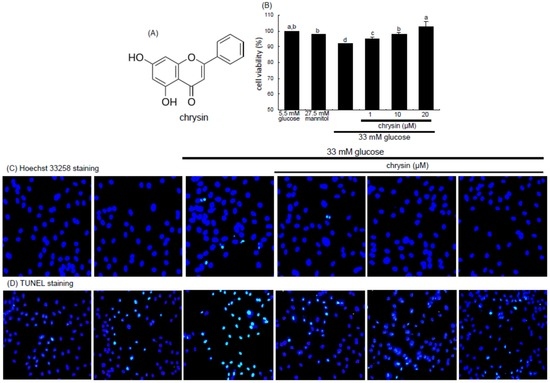
Diabetic retinopathy (DR) develops in a significant proportion of patients with chronic diabetes, characterized by retinal macular edema and abnormal retinal vessel outgrowth leading to vision loss. Chrysin, a naturally-occurring flavonoid found in herb and honeycomb, has anti-inflammatory, antioxidant, and anti-cancer properties. This study sought to determine the protective effects of chrysin on retinal neovascularization with abnormal vessels and blood-retinal barrier (BRB) breakdown in 33 mM glucose-exposed human retinal endothelial cells and in db/db mouse eyes. High glucose caused retinal endothelial apoptotic injury, which was inhibited by submicromolar chrysin. This compound diminished the enhanced induction of HIF-1α, vascular endothelial growth factor (VEGF), and VEGF receptor-2 (VEGFR2) in high glucose-exposed retinal endothelial cells. Consistently, oral administration of 10 mg/kg chrysin reduced the induction of these proteins in db/db mouse eye tissues. In addition, chrysin restored the decrement of VE-cadherin and ZO-1 junction proteins and PECAM-1 in hyperglycemia-stimulated retinal endothelial cells and diabetic mouse retina, possibly maintaining tight cell-cell interactions of endothelial cells and pericytes. Anti-apoptotic chrysin reduced the up-regulation of Ang-1, Ang-2, and Tie-2 crucial to retinal capillary occlusion and BRB permeability. Furthermore, orally treating chrysin inhibited acellular capillary formation, neovascularization, and vascular leakage observed in diabetic retinas. These observations demonstrate, for the first time, that chrysin had a capability to encumber diabetes-associated retinal neovascularization with microvascular abnormalities and BRB breakdown. Full article
Show Figures

Figure 1
12 pages, 233 KB  
Article
The Influence of Health Behaviours in Childhood on Attention Deficit and Hyperactivity Disorder in Adolescence
by Xiuyun Wu, Arto Ohinmaa and Paul J. Veugelers
Nutrients 2016, 8(12), 788; https://doi.org/10.3390/nu8120788 - 2 Dec 2016
Cited by 22 | Viewed by 8400
Abstract
Attention-deficit and hyperactivity disorder (ADHD) in children and adolescents is a global public health burden. Identification of health-related behavioral risk factors including diet quality and physical and sedentary activities for ADHD is important for prioritizing behavioral intervention strategies to improve mental health. This [...] Read more.
Attention-deficit and hyperactivity disorder (ADHD) in children and adolescents is a global public health burden. Identification of health-related behavioral risk factors including diet quality and physical and sedentary activities for ADHD is important for prioritizing behavioral intervention strategies to improve mental health. This study aimed to examine the association of diet quality, physical activity, and sedentary behaviours in childhood with ADHD throughout adolescence. We linked data from grade five students aged primarily 10 and 11 years old who participated in a population-based lifestyle survey in the Canadian province of Nova Scotia with their administrative health care data. We applied negative binomial regression methods to examine the associations between health behaviours and ADHD. Of the 4875 students, 9.7% had one or more diagnoses of ADHD between the ages of 10/11 and 18 years. The number of primary diagnoses with ADHD was statistically significantly lower among students with better diet quality, higher levels of physical activity, and those that spent less time playing computers and video games (p < 0.05). These findings suggest that health promotion programs aiming to improve children’s diets and active lifestyles may also reduce the public health burden of ADHD. Full article
(This article belongs to the Special Issue Nutrition in Mental Health)
18 pages, 2823 KB  
Article
Do Health Claims and Front-of-Pack Labels Lead to a Positivity Bias in Unhealthy Foods?
by Zenobia Talati, Simone Pettigrew, Helen Dixon, Bruce Neal, Kylie Ball and Clare Hughes
Nutrients 2016, 8(12), 787; https://doi.org/10.3390/nu8120787 - 2 Dec 2016
Cited by 82 | Viewed by 13758
Abstract
Health claims and front-of-pack labels (FoPLs) may lead consumers to hold more positive attitudes and show a greater willingness to buy food products, regardless of their actual healthiness. A potential negative consequence of this positivity bias is the increased consumption of unhealthy foods. [...] Read more.
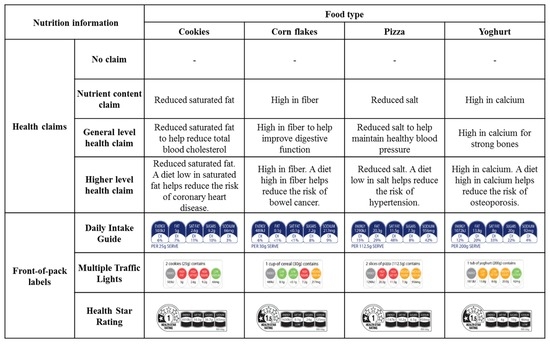
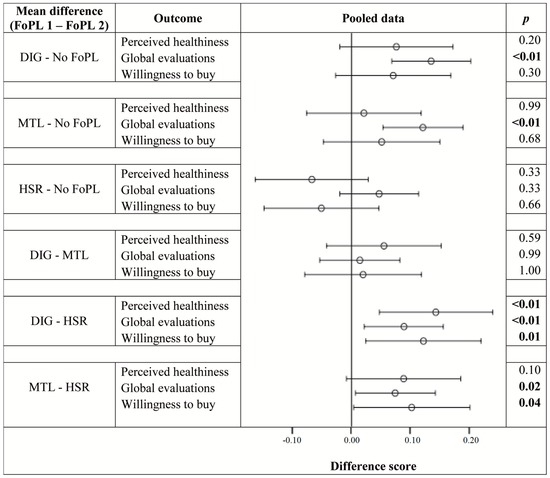
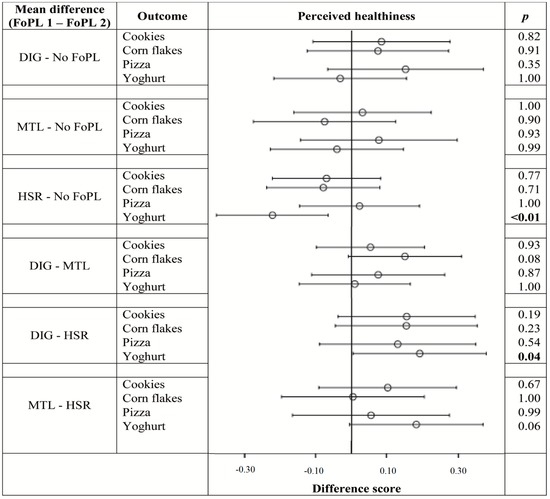
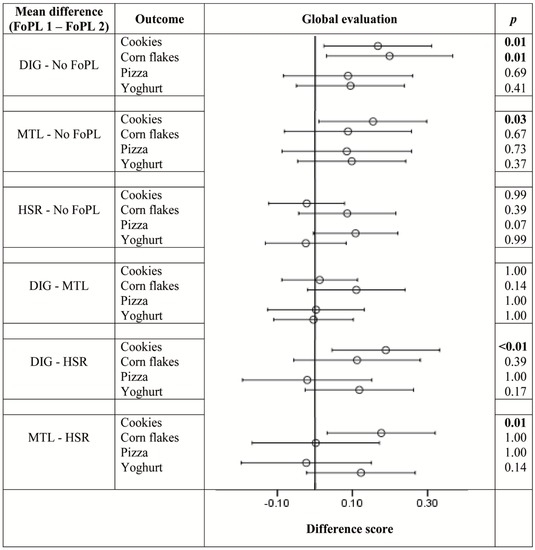
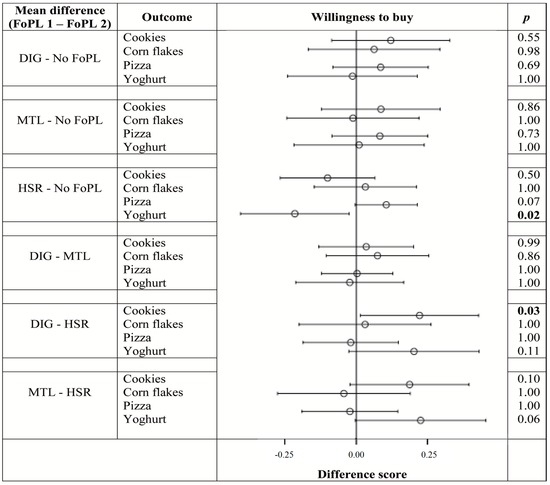
Health claims and front-of-pack labels (FoPLs) may lead consumers to hold more positive attitudes and show a greater willingness to buy food products, regardless of their actual healthiness. A potential negative consequence of this positivity bias is the increased consumption of unhealthy foods. This study investigated whether a positivity bias would occur in unhealthy variations of four products (cookies, corn flakes, pizzas and yoghurts) that featured different health claim conditions (no claim, nutrient claim, general level health claim, and higher level health claim) and FoPL conditions (no FoPL, the Daily Intake Guide (DIG), Multiple Traffic Lights (MTL), and the Health Star Rating (HSR)). Positivity bias was assessed via measures of perceived healthiness, global evaluations (incorporating taste, quality, convenience, etc.) and willingness to buy. On the whole, health claims did not produce a positivity bias, while FoPLs did, with the DIG being the most likely to elicit this bias. The HSR most frequently led to lower ratings of unhealthy foods than the DIG and MTL, suggesting that this FoPL has the lowest risk of creating an inaccurate positivity bias in unhealthy foods. Full article
Show Figures

Figure 1

2 pages, 152 KB  
Editorial
Eggs and Health Special Issue
by Maria Luz Fernandez
Nutrients 2016, 8(12), 784; https://doi.org/10.3390/nu8120784 - 2 Dec 2016
Cited by 6 | Viewed by 10845
Abstract
In 1968, the American Heart Association recommended the consumption of no more than 300 mg/day of dietary cholesterol and emphasized that no more than 3 eggs should be eaten per week, resulting in substantial reductions in egg consumption, not just by diseased populations [...] Read more.
In 1968, the American Heart Association recommended the consumption of no more than 300 mg/day of dietary cholesterol and emphasized that no more than 3 eggs should be eaten per week, resulting in substantial reductions in egg consumption, not just by diseased populations but alsobyhealthyindividuals,andmoreimportantlybypoorcommunitiesinundevelopedcountieswho were advised against consuming a highly nutritious food.[...] Full article
(This article belongs to the Special Issue Egg Consumption and Human Health)
15 pages, 5456 KB  
Article
Potential of Lactobacillus plantarum CCFM639 in Protecting against Aluminum Toxicity Mediated by Intestinal Barrier Function and Oxidative Stress
by Leilei Yu, Qixiao Zhai, Fengwei Tian, Xiaoming Liu, Gang Wang, Jianxin Zhao, Hao Zhang, Arjan Narbad and Wei Chen
Nutrients 2016, 8(12), 783; https://doi.org/10.3390/nu8120783 - 2 Dec 2016
Cited by 46 | Viewed by 10189
Abstract
Aluminum (Al) is a ubiquitous metal that can seriously harm the health of animals and humans. In our previous study, we demonstrated that Lactobacillus plantarum CCFM639 can decrease Al burden in the tissues of mice by inhibiting intestinal Al absorption. The main aim [...] Read more.
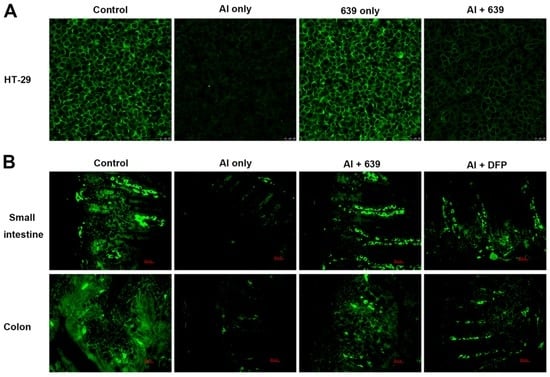
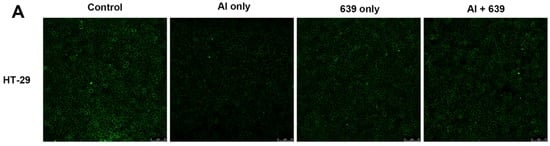
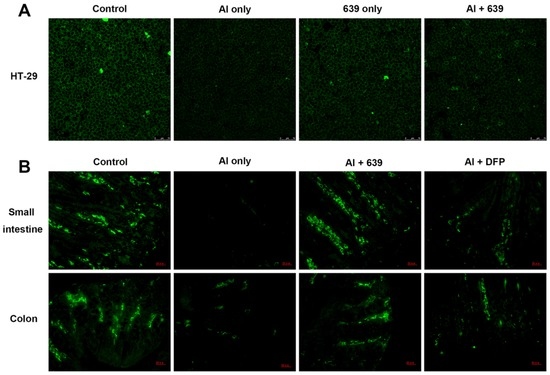
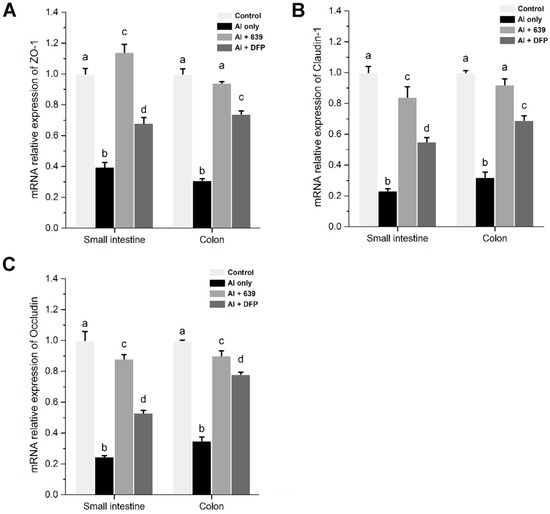
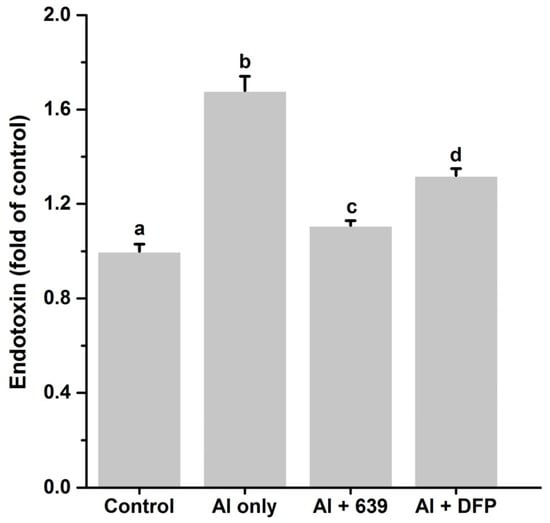
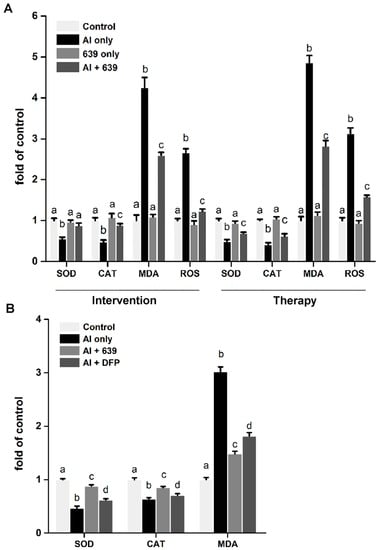
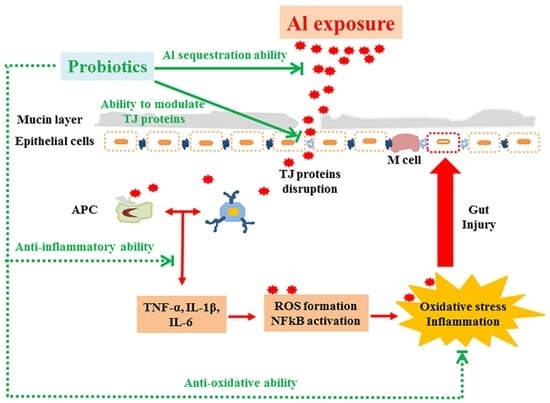
Aluminum (Al) is a ubiquitous metal that can seriously harm the health of animals and humans. In our previous study, we demonstrated that Lactobacillus plantarum CCFM639 can decrease Al burden in the tissues of mice by inhibiting intestinal Al absorption. The main aim of the present research was to investigate whether the protection by the strain is also associated with enhancement of the intestinal barrier, alleviation of oxidative stress and modulation of the inflammatory response. In an in vitro cell model, two protection modes (intervention and therapy) were examined and the results indicated that L. plantarum CCFM639 alleviated Al-induced cytotoxicity. In a mouse model, L. plantarum CCFM639 treatment was found to significantly alleviate oxidative stress in the intestinal tract, regulate the function of the intestinal mucosal immune system, restore the integrity of tight junction proteins and maintain intestinal permeability. These results suggest that in addition to Al sequestration, L. plantarum CCFM639 can also inhibit Al absorption by protecting the intestinal barrier, alleviating Al-induced oxidative stress and inflammatory response. Therefore, L. plantarum CCFM639 has the potential to be a dietary supplement ingredient that provides protection against Al-induced gut injury. Full article
(This article belongs to the Special Issue Nutrition and Diet in IBD)
Show Figures

Figure 1

9 pages, 477 KB  
Article
Ulcerative Colitis and Crohn’s Disease Are Associated with Decreased Serum Selenium Concentrations and Increased Cardiovascular Risk
by Teresa Castro Aguilar-Tablada, Miguel Navarro-Alarcón, Javier Quesada Granados, Cristina Samaniego Sánchez, José Ángel Rufián-Henares and Flor Nogueras-Lopez
Nutrients 2016, 8(12), 780; https://doi.org/10.3390/nu8120780 - 1 Dec 2016
Cited by 68 | Viewed by 9210
Abstract
The incidence of inflammatory bowel disease (IBD) and associated oxidative stress is increasing. The antioxidant mineral selenium (Se) was measured in serum samples from 106 IBD patients (53 with ulcerative colitis (UC) and 53 with Crohn’s disease (CD)) and from 30 healthy controls. [...] Read more.
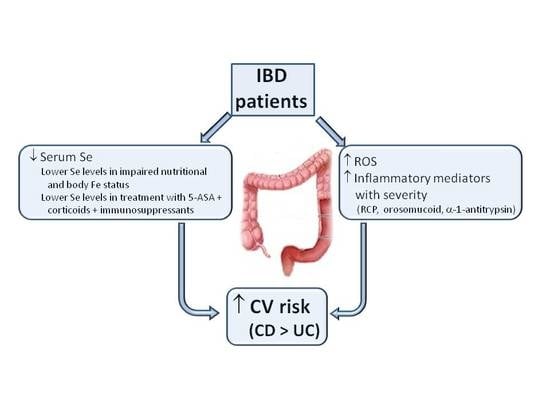
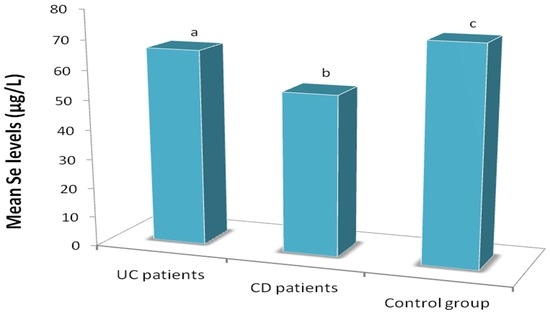
The incidence of inflammatory bowel disease (IBD) and associated oxidative stress is increasing. The antioxidant mineral selenium (Se) was measured in serum samples from 106 IBD patients (53 with ulcerative colitis (UC) and 53 with Crohn’s disease (CD)) and from 30 healthy controls. Serum Se concentrations were significantly lower in UC and CD patients than in healthy controls (p < 0.001) and significantly lower in CD patients than in UC patients (p = 0.006). Se concentrations in patients were significantly influenced by sex, body mass index (BMI), the inflammatory biomarker α-1-antitrypsin, surgery, medical treatment, the severity, extent, and form of the disease and the length of time since onset (p < 0.05). Se concentrations in IBD patients were positively and linearly correlated with nutritional (protein, albumin, prealbumin, cholinesterase and total cholesterol) and iron status-related (hemoglobin, Fe and hematocrit) parameters (p < 0.05). A greater impairment of serum Se and cardiovascular status was observed in CD than in UC patients. An adequate nutritional Se status is important in IBD patients to minimize the cardiovascular risk associated with increased inflammation biomarkers, especially in undernourished CD patients, and is also related to an improved nutritional and body iron status. Full article
(This article belongs to the Special Issue Nutrition and Diet in IBD)
Show Figures

Graphical abstract

11 pages, 235 KB  
Article
Compliance with WHO IYCF Indicators and Dietary Intake Adequacy in a Sample of Malaysian Infants Aged 6–23 Months
by Geok Lin Khor, Sue Yee Tan, Kok Leong Tan, Pauline S. Chan and Maria Sofia V. Amarra
Nutrients 2016, 8(12), 778; https://doi.org/10.3390/nu8120778 - 1 Dec 2016
Cited by 12 | Viewed by 7282
Abstract
Background: The 2010 World Health Organisation (WHO) Infant and Young Child Feeding (IYCF) indicators are useful for monitoring feeding practices. Methods: A total sample of 300 subjects aged 6 to 23 months was recruited from urban suburbs of Kuala Lumpur and Putrajaya. Compliance [...] Read more.
Background: The 2010 World Health Organisation (WHO) Infant and Young Child Feeding (IYCF) indicators are useful for monitoring feeding practices. Methods: A total sample of 300 subjects aged 6 to 23 months was recruited from urban suburbs of Kuala Lumpur and Putrajaya. Compliance with each IYCF indicator was computed according to WHO recommendations. Dietary intake based on two-day weighed food records was obtained from a sub-group (N = 119) of the total sample. The mean adequacy ratio (MAR) value was computed as an overall measure of dietary intake adequacy. Contributions of core IYCF indicators to MAR were determined by multinomial logistic regression. Results: Generally, the subjects showed high compliance for (i) timely introduction of complementary foods at 6 to 8 months (97.9%); (ii) minimum meal frequency among non-breastfed children aged 6 to 23 months (95.2%); (iii) consumption of iron-rich foods at 6 to 23 months (92.3%); and minimum dietary diversity (78.0%). While relatively high proportions achieved the recommended intake levels for protein (87.4%) and iron (71.4%), lower proportions attained the recommendations for calcium (56.3%) and energy (56.3%). The intake of micronutrients was generally poor. The minimum dietary diversity had the greatest contribution to MAR (95% CI: 3.09, 39.87) (p = 0.000) among the core IYCF indicators. Conclusion: Malaysian urban infants and toddlers showed moderate to high compliance with WHO IYCF indicators. The robustness of the analytical approach in this study in quantifying contributions of IYCF indicators to MAR should be further investigated. Full article
(This article belongs to the Special Issue Nutrients in Infancy)
10 pages, 508 KB  
Article
Vitamin B12 Status among Pregnant Women in the UK and Its Association with Obesity and Gestational Diabetes
by Nithya Sukumar, Hema Venkataraman, Sean Wilson, Ilona Goljan, Selvin Selvamoni, Vinod Patel and Ponnusamy Saravanan
Nutrients 2016, 8(12), 768; https://doi.org/10.3390/nu8120768 - 1 Dec 2016
Cited by 76 | Viewed by 10760
Abstract
Background: To evaluate vitamin B12 and folate status in pregnancy and their relationship with maternal obesity, gestational diabetes mellitus (GDM), and offspring birthweight. Methods: A retrospective case-control study of 344 women (143 GDM, 201 no-GDM) attending a district general hospital and that had [...] Read more.
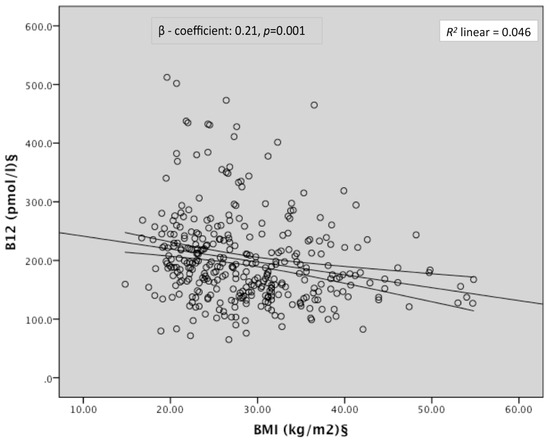
Background: To evaluate vitamin B12 and folate status in pregnancy and their relationship with maternal obesity, gestational diabetes mellitus (GDM), and offspring birthweight. Methods: A retrospective case-control study of 344 women (143 GDM, 201 no-GDM) attending a district general hospital and that had B12 and folate levels measured in the early 3rd trimester was performed. Maternal history including early pregnancy body mass index (BMI) and neonatal data (birthweight, sex, and gestational age) was recorded for all subjects. Results: 26% of the cohort had B12 levels <150 pmol/L (32% vs. 22% in the two groups respectively, p < 0.05) while 1.5% were folate deficient. After adjusting for confounders, 1st trimester BMI was negatively associated with 3rd trimester B12 levels. Women with B12 insufficiency had higher odds of obesity and GDM (aOR (95% CI) 2.40 (1.31, 4.40), p = 0.004, and 2.59 (1.35, 4.98), p = 0.004, respectively), although the latter was partly mediated by BMI. In women without GDM, the lowest quartile of B12 and highest quartile of folate had significantly higher adjusted risk of fetal macrosomia (RR 5.3 (1.26, 21.91), p = 0.02 and 4.99 (1.15, 21.62), p = 0.03 respectively). Conclusion: This is the first study from the UK to show that maternal B12 levels are associated with BMI, risk of GDM, and additionally may have an independent effect on macrosomia. Due to the increasing burden of maternal obesity and GDM, longitudinal studies with B12 measurements in early pregnancy are needed to explore this link. Full article
(This article belongs to the Special Issue B-Vitamins and One-Carbon Metabolism)
Show Figures

Figure 1

9 pages, 442 KB  
Article
Comparison of Site-Specific Bone Mineral Densities between Endurance Runners and Sprinters in Adolescent Women
by Aoi Ikedo, Aya Ishibashi, Saori Matsumiya, Aya Kaizaki, Kumiko Ebi and Satoshi Fujita
Nutrients 2016, 8(12), 781; https://doi.org/10.3390/nu8120781 - 30 Nov 2016
Cited by 17 | Viewed by 6645
Abstract
We aimed to compare site-specific bone mineral densities (BMDs) between adolescent endurance runners and sprinters and examine the relationship of fat-free mass (FFM) and nutrient intake on BMD. In this cross-sectional study, 37 adolescent female endurance runners and sprinters (16.1 ± 0.8 years) [...] Read more.
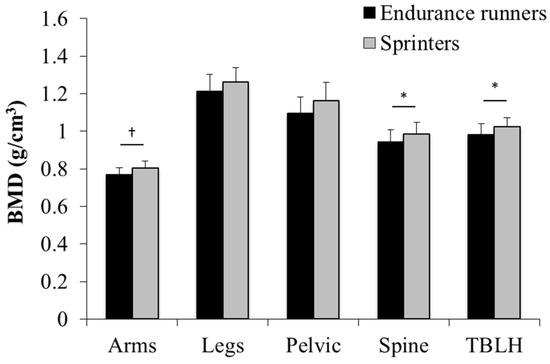
We aimed to compare site-specific bone mineral densities (BMDs) between adolescent endurance runners and sprinters and examine the relationship of fat-free mass (FFM) and nutrient intake on BMD. In this cross-sectional study, 37 adolescent female endurance runners and sprinters (16.1 ± 0.8 years) were recruited. BMD and FFM were assessed by dual-energy X-ray absorptiometry. Nutrient intake and menstrual state were evaluated by questionnaires. After adjusting for covariates, spine and total bone less head (TBLH) BMDs were significantly higher in sprinters than endurance runners (TBLH, 1.02 ± 0.05 vs. 0.98 ± 0.06 g/cm2; spine, 0.99 ± 0.06 vs. 0.94 ± 0.06 g/cm2; p < 0.05). There was no significant difference between groups in other sites. The rate of menstrual abnormality was higher in endurance runners compared with sprinters (56.3% vs. 23.8%; p < 0.05). FFM was a significant covariate for BMD on all sites except the spine (p < 0.05). Dietary intake of vitamin D was identified as a significant covariate only for pelvic BMD (p < 0.05). The BMDs of different sites among endurance runners and sprinters were strongly related to FFM. However, the association of FFM with spine BMD cannot be explained by FFM alone. Other factors, including nutrition and/or mechanical loading, may affect the spine BMD. Full article
(This article belongs to the Special Issue Nutrition, Health and Athletic Performance)
Show Figures

Figure 1

16 pages, 266 KB  
Article
The Interaction between Dietary Fiber and Fat and Risk of Colorectal Cancer in the Women’s Health Initiative
by Sandi L. Navarro, Marian L. Neuhouser, Ting-Yuan David Cheng, Lesley F. Tinker, James M. Shikany, Linda Snetselaar, Jessica A. Martinez, Ikuko Kato, Shirley A. A. Beresford, Robert S. Chapkin and Johanna W. Lampe
Nutrients 2016, 8(12), 779; https://doi.org/10.3390/nu8120779 - 30 Nov 2016
Cited by 42 | Viewed by 10894
Abstract
Combined intakes of specific dietary fiber and fat subtypes protect against colon cancer in animal models. We evaluated associations between self-reported individual and combinations of fiber (insoluble, soluble, and pectins, specifically) and fat (omega-6, omega-3, and docosahexaenoic acid (DHA) and eicosapentaenoic acid (EPA), [...] Read more.
Combined intakes of specific dietary fiber and fat subtypes protect against colon cancer in animal models. We evaluated associations between self-reported individual and combinations of fiber (insoluble, soluble, and pectins, specifically) and fat (omega-6, omega-3, and docosahexaenoic acid (DHA) and eicosapentaenoic acid (EPA), specifically) and colorectal cancer (CRC) risk in the Women’s Health Initiative prospective cohort (n = 134,017). During a mean 11.7 years (1993–2010), 1952 incident CRC cases were identified. Cox regression models computed multivariate adjusted hazard ratios to estimate the association between dietary factors and CRC risk. Assessing fiber and fat individually, there was a modest trend for lower CRC risk with increasing intakes of total and insoluble fiber (p-trend 0.09 and 0.08). An interaction (p = 0.01) was observed between soluble fiber and DHA + EPA, with protective effects of DHA + EPA with lower intakes of soluble fiber and an attenuation at higher intakes, however this association was no longer significant after correction for multiple testing. These results suggest a modest protective effect of higher fiber intake on CRC risk, but not in combination with dietary fat subtypes. Given the robust results in preclinical models and mixed results in observational studies, controlled dietary interventions with standardized intakes are needed to better understand the interaction of specific fat and fiber subtypes on colon biology and ultimately CRC susceptibility in humans. Full article
(This article belongs to the Special Issue Dietary Fibers and Human Health)
10 pages, 414 KB  
Article
Validation of Folate-Enriched Eggs as a Functional Food for Improving Folate Intake in Consumers
by Leslie Altic, Helene McNulty, Leane Hoey, Liadhan McAnena and Kristina Pentieva
Nutrients 2016, 8(12), 777; https://doi.org/10.3390/nu8120777 - 30 Nov 2016
Cited by 15 | Viewed by 7355
Abstract
Functional foods enriched with folate may be beneficial as a means of optimizing folate status in consumers. We recently developed novel eggs enriched with folate through folic acid supplementation of the hen’s feed, but their potential to influence consumer folate status is unknown [...] Read more.
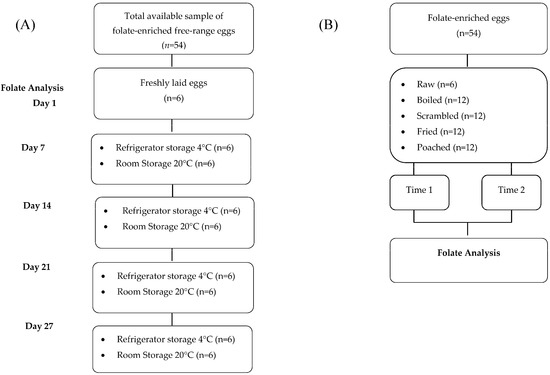
Functional foods enriched with folate may be beneficial as a means of optimizing folate status in consumers. We recently developed novel eggs enriched with folate through folic acid supplementation of the hen’s feed, but their potential to influence consumer folate status is unknown because the natural folate forms incorporated into the eggs may not necessarily be retained during storage and cooking. This study aimed to determine the stability of natural folates in folate-enriched eggs under typical conditions of storage and cooking. Total folate was determined by microbiological assay following tri-enzyme treatment in folate-enriched eggs and un-enriched (barn and free-range) on the day they were laid, after storage (up to 27 days) and after using four typical cooking methods (boiling, poaching, frying, scrambling) for different durations. On the day of laying, the folate content of enriched eggs was found to be significantly higher than that of un-enriched barn or free-range eggs (mean ± SD; 123.2 ± 12.4 vs. 41.2 ± 2.8 vs. 65.6 ± 18.5 µg/100 g; p < 0.001). Storage at refrigerator and room temperature for periods up to the Best Before date resulted in no significant losses to the folate content of folate-enriched eggs. Furthermore, folate in enriched eggs remained stable when cooked by four typical methods for periods up to the maximum cooking time (e.g., 135 ± 22.5, 133.9 ± 23.0 and 132.5 ± 35.1; p = 0.73, for raw, scrambled for 50 s and scrambled for 2 min, respectively). Thus, natural folates in folate-enriched eggs remain highly stable with little or no losses following storage and cooking. These findings are important because they demonstrate the feasibility of introducing folate-enriched eggs into the diet of consumers as functional foods with enriched folate content. Further studies will confirm their effectiveness in optimizing the biomarker folate status of consumers. Full article
(This article belongs to the Special Issue B-Vitamins and One-Carbon Metabolism)
Show Figures

Figure 1

15 pages, 609 KB  
Article
Impact of Pre-Pregnancy BMI on B Vitamin and Inflammatory Status in Early Pregnancy: An Observational Cohort Study
by Anne-Lise Bjørke-Monsen, Arve Ulvik, Roy M. Nilsen, Øivind Midttun, Christine Roth, Per Magnus, Camilla Stoltenberg, Stein Emil Vollset, Ted Reichborn-Kjennerud and Per Magne Ueland
Nutrients 2016, 8(12), 776; https://doi.org/10.3390/nu8120776 - 30 Nov 2016
Cited by 24 | Viewed by 8628
Abstract
Maternal nutrition and inflammation have been suggested as mediators in the development of various adverse pregnancy outcomes associated with maternal obesity. We have investigated the relation between pre-pregnancy BMI, B vitamin status, and inflammatory markers in a group of healthy pregnant women. Cobalamin, [...] Read more.
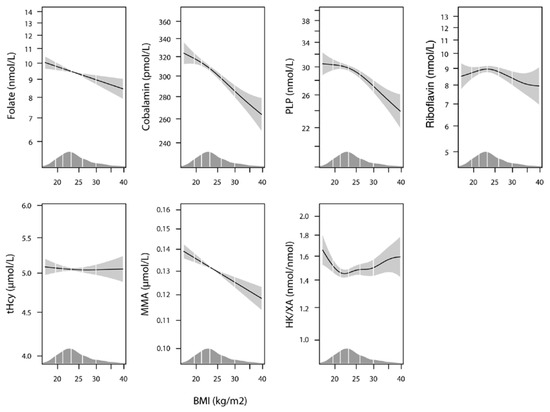
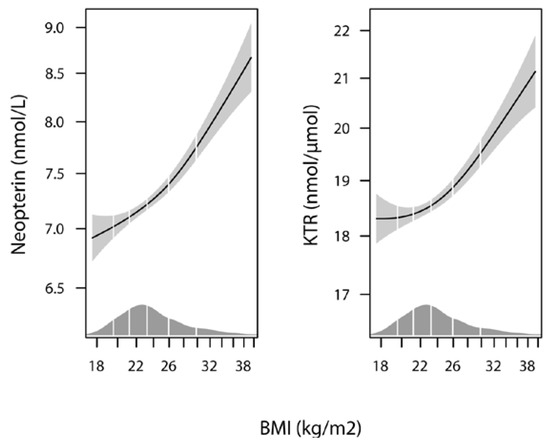
Maternal nutrition and inflammation have been suggested as mediators in the development of various adverse pregnancy outcomes associated with maternal obesity. We have investigated the relation between pre-pregnancy BMI, B vitamin status, and inflammatory markers in a group of healthy pregnant women. Cobalamin, folate, pyridoxal 5′-phosphate, and riboflavin; and the metabolic markers homocysteine, methylmalonic acid, and 3-hydroxykynurenine/xanthurenic acid ratio (HK/XA); and markers of cellular inflammation, neopterin and kynurenine/tryptophan ratio (KTR) were determined in pregnancy week 18 and related to pre-pregnancy body mass index (BMI), in 2797 women from the Norwegian Mother and Child Cohort Study (MoBa). Pre-pregnancy BMI was inversely related to folate, cobalamin, pyridoxal 5′-phosphate (PLP), and riboflavin (p < 0.001), and associated with increased neopterin and KTR levels (p < 0.001). Inflammation seemed to be an independent predictor of low vitamin B6 status, as verified by low PLP and high HK/XA ratio. A high pre-pregnancy BMI is a risk factor for low B vitamin status and increased cellular inflammation. As an optimal micronutrient status is vital for normal fetal development, the observed lower B vitamin levels may contribute to adverse pregnancy outcomes associated with maternal obesity and B vitamin status should be assessed in women with high BMI before they get pregnant. Full article
(This article belongs to the Special Issue B-Vitamins and One-Carbon Metabolism)
Show Figures

Figure 1

15 pages, 678 KB  
Article
Vitamin D and Weight Cycling: Impact on Injury, Illness, and Inflammation in Collegiate Wrestlers
by Jacqueline N. Barcal, Joi T. Thomas, Bruce W. Hollis, Kathy J. Austin, Brenda M. Alexander and D. Enette Larson-Meyer
Nutrients 2016, 8(12), 775; https://doi.org/10.3390/nu8120775 - 30 Nov 2016
Cited by 20 | Viewed by 6394
Abstract
This study explored the link between vitamin D status and frequency of skin infections, inflammation, and injury in college wrestlers during an academic year. Methods: Serum 25-hydroxyvitamin D (25(OH)D) (n = 19), plasma cytokine (TNF-α, IL-6, IL-10) (n = 18) concentrations, [...] Read more.
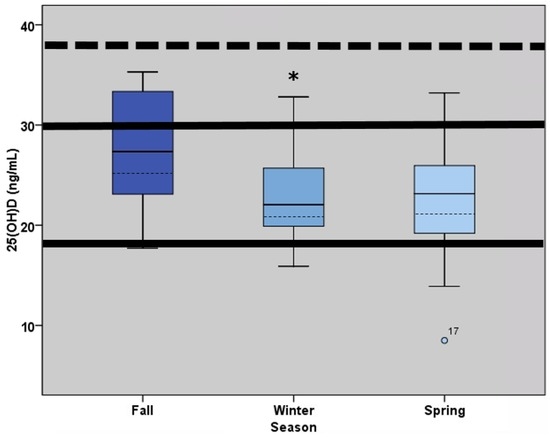
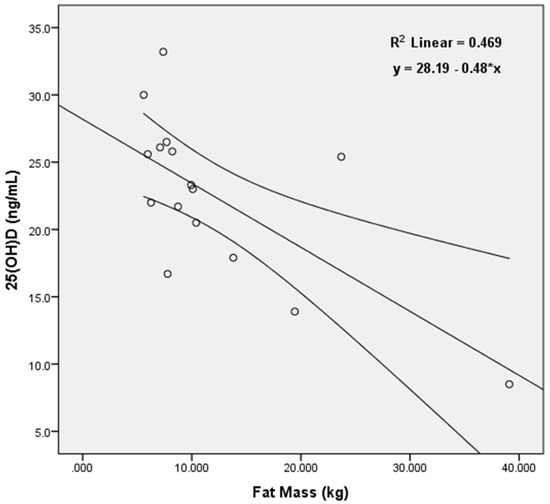
This study explored the link between vitamin D status and frequency of skin infections, inflammation, and injury in college wrestlers during an academic year. Methods: Serum 25-hydroxyvitamin D (25(OH)D) (n = 19), plasma cytokine (TNF-α, IL-6, IL-10) (n = 18) concentrations, and body weight/composition were measured and injury/illness/skin infection data were collected in fall, winter, and spring. Results: In the fall, 74% of wrestlers had vitamin D concentrations <32 ng/mL which increased to 94% in winter and spring. Wrestlers lost an average of 3.4 ± 3.9 kg (p < 0.001) during the season with corresponding decreases in fat mass and increases in lean mass (p < 0.01). An inverse association between 25(OH)D concentrations and total body mass and body fat percentage was observed at all-time points (p < 0.01). Concentrations of cytokines were highly variable among individuals and did not change across time (p > 0.05). Correlations between vitamin D status, cytokines, or frequency of illness, injury, or skin infections were not observed. Conclusions: A high prevalence of vitamin D insufficiency (<32 ng/mL) and deficiency (<20 ng/mL) was observed in wrestlers and was associated with higher adiposity. It remains unclear if higher vitamin D status would reduce injury, illness, and skin infection risk. Full article
(This article belongs to the Special Issue Nutrition, Health and Athletic Performance)
Show Figures

Figure 1

10 pages, 242 KB  
Article
Associations of Vitamin D with Inter- and Intra-Muscular Adipose Tissue and Insulin Resistance in Women with and without Polycystic Ovary Syndrome
by David Scott, Anju Joham, Helena Teede, Melanie Gibson-Helm, Cheryce Harrison, Samantha Cassar, Samantha Hutchison, Peter R. Ebeling, Nigel Stepto and Barbora De Courten
Nutrients 2016, 8(12), 774; https://doi.org/10.3390/nu8120774 - 30 Nov 2016
Cited by 13 | Viewed by 6622
Abstract
Low vitamin D and insulin resistance are common in polycystic ovary syndrome (PCOS) and associated with higher inter- and intra-muscular adipose tissue (IMAT). We investigated associations between vitamin D, IMAT and insulin resistance in a cross-sectional study of 40 women with PCOS and [...] Read more.
Low vitamin D and insulin resistance are common in polycystic ovary syndrome (PCOS) and associated with higher inter- and intra-muscular adipose tissue (IMAT). We investigated associations between vitamin D, IMAT and insulin resistance in a cross-sectional study of 40 women with PCOS and 30 women without PCOS, and pre- and post-exercise in a 12-week intervention in 16 overweight participants (10 with PCOS and six without PCOS). A non-classical body mass index (BMI) threshold was used to differentiate lean and overweight women (BMI ≥ 27 kg/m2). Measurements included plasma 25-hydroxyvitamin D (25OHD), insulin resistance (glucose infusion rate (GIR; mg/m2/min), fasting glucose and insulin, and glycated haemoglobin), visceral fat, mid-thigh IMAT (computed tomography) and total body fat (dual-energy X-ray absorptiometry). Women with both PCOS and low 25OHD levels had the lowest GIR (all p < 0.05). Higher IMAT was associated with lower 25OHD (B = −3.95; 95% CI −6.86, −1.05) and GIR (B = −21.3; 95% CI −37.16, −5.44) in women with PCOS. Overweight women with pre-exercise 25OHD ≥30 nmol/L had significant increases in GIR, and decreases in total and visceral fat (all p < 0.044), but no associations were observed when stratified by PCOS status. Women with PCOS and low 25OHD levels have increased insulin resistance which may be partly explained by higher IMAT. Higher pre-training 25OHD levels may enhance exercise-induced changes in body composition and insulin resistance in overweight women. Full article
(This article belongs to the Special Issue Vitamin D: Current Issues and New Perspectives)
22 pages, 765 KB  
Review
The Effect of Low Dose Iron and Zinc Intake on Child Micronutrient Status and Development during the First 1000 Days of Life: A Systematic Review and Meta-Analysis
by Nicolai Petry, Ibironke Olofin, Erick Boy, Moira Donahue Angel and Fabian Rohner
Nutrients 2016, 8(12), 773; https://doi.org/10.3390/nu8120773 - 30 Nov 2016
Cited by 75 | Viewed by 13831
Abstract
Adequate supply of micronutrients during the first 1000 days is essential for normal development and healthy life. We aimed to investigate if interventions administering dietary doses up to the recommended nutrient intake (RNI) of iron and zinc within the window from conception to [...] Read more.
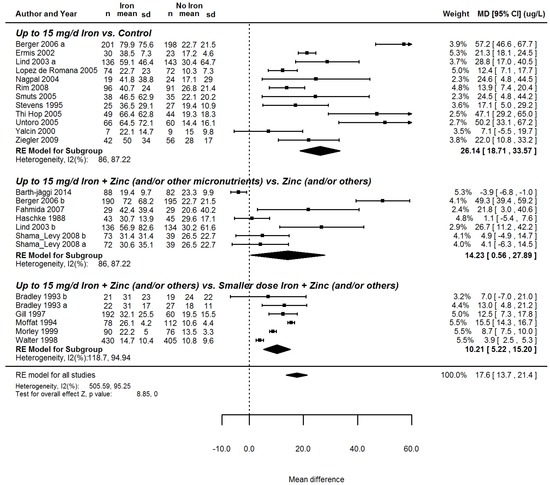
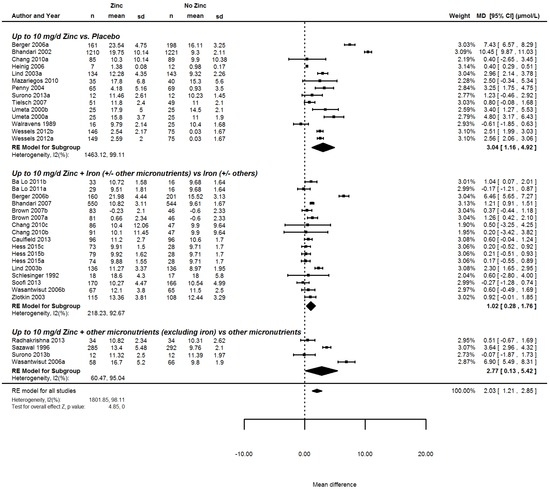
Adequate supply of micronutrients during the first 1000 days is essential for normal development and healthy life. We aimed to investigate if interventions administering dietary doses up to the recommended nutrient intake (RNI) of iron and zinc within the window from conception to age 2 years have the potential to influence nutritional status and development of children. To address this objective, a systematic review and meta-analysis of randomized and quasi-randomized fortification, biofortification, and supplementation trials in women (pregnant and lactating) and children (6–23 months) delivering iron or zinc in doses up to the recommended nutrient intake (RNI) levels was conducted. Supplying iron or zinc during pregnancy had no effects on birth outcomes. There were limited or no data on the effects of iron/zinc during pregnancy and lactation on child iron/zinc status, growth, morbidity, and psychomotor and mental development. Delivering up to 15 mg iron/day during infancy increased mean hemoglobin by 4 g/L (p < 0.001) and mean serum ferritin concentration by 17.6 µg/L (p < 0.001) and reduced the risk for anemia by 41% (p < 0.001), iron deficiency by 78% (ID; p < 0.001) and iron deficiency anemia by 80% (IDA; p < 0.001), but had no effect on growth or psychomotor development. Providing up to 10 mg of additional zinc during infancy increased plasma zinc concentration by 2.03 µmol/L (p < 0.001) and reduced the risk of zinc deficiency by 47% (p < 0.001). Further, we observed positive effects on child weight for age z-score (WAZ) (p < 0.05), weight for height z-score (WHZ) (p < 0.05), but not on height for age z-score (HAZ) or the risk for stunting, wasting, and underweight. There are no studies covering the full 1000 days window and the effects of iron and zinc delivered during pregnancy and lactation on child outcomes are ambiguous, but low dose daily iron and zinc use during 6–23 months of age has a positive effect on child iron and zinc status. Full article
(This article belongs to the Special Issue Nutrients in Infancy)
Show Figures

Figure 1