18 pages, 4072 KB  
Article
12/15-Lipoxygenase Regulation of Diabetic Cognitive Dysfunction Is Determined by Interfering with Inflammation and Cell Apoptosis
by Qi Chen, Qixue Zheng, Yang Yang, Ying Luo, Hong Wang, Huan Li, Lu Yang, Congli Hu, Jiahua Zhang, Yuke Li, Hui Xia, Zhihao Chen, Jie Ma, Xiaoyan Tian and Junqing Yang
Int. J. Mol. Sci. 2022, 23(16), 8997; https://doi.org/10.3390/ijms23168997 - 12 Aug 2022
Cited by 15 | Viewed by 3864
Abstract
This study aimed to discuss the role of 12/15-lipoxygenase (12/15-LOX) regulation involved in diabetes cognitive dysfunction. First, Mini Mental State Examination (MMSE) test was used to evaluate cognitive ability in diabetic patients and normal controls. The plasma test showed that the plasma level [...] Read more.
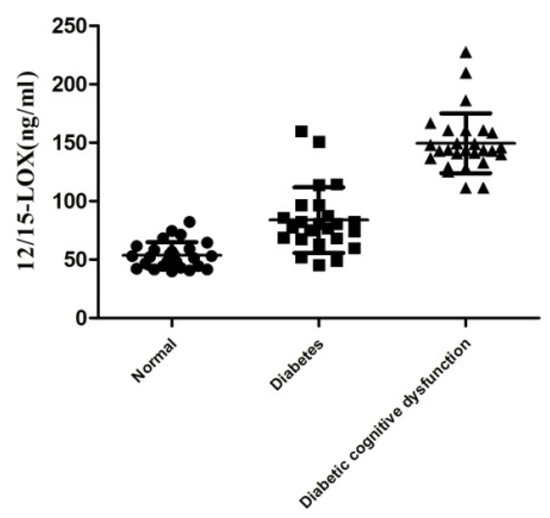
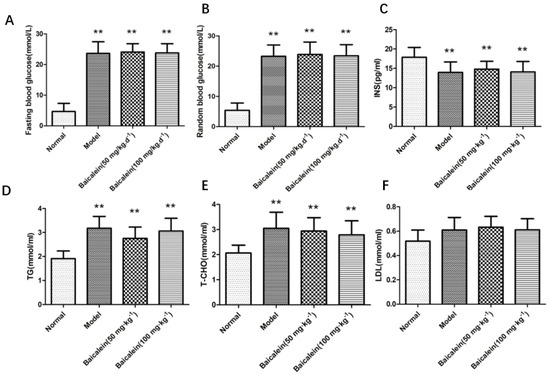
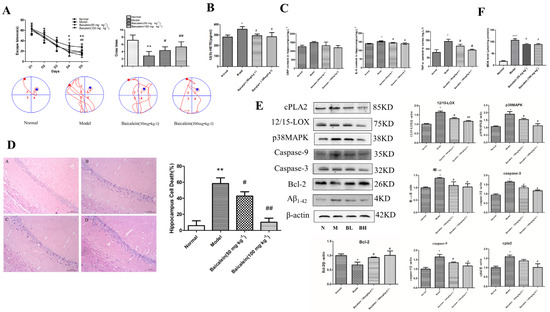
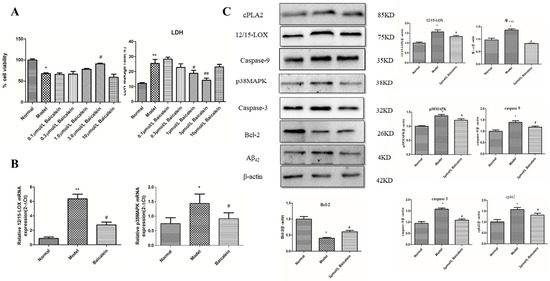
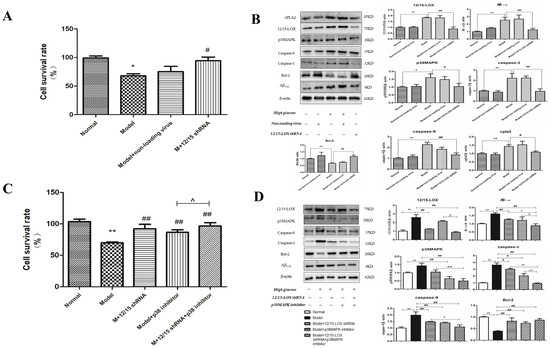
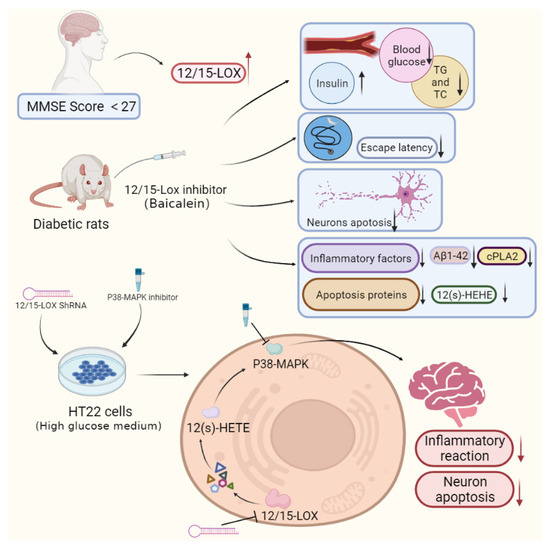
This study aimed to discuss the role of 12/15-lipoxygenase (12/15-LOX) regulation involved in diabetes cognitive dysfunction. First, Mini Mental State Examination (MMSE) test was used to evaluate cognitive ability in diabetic patients and normal controls. The plasma test showed that the plasma level of 12/15-LOX in patients with MMSE scores below 27 was significantly increased compared with that of the normal group. Second, 12/15-LOX inhibitor was administered to diabetic rats. Behavioral tests, biochemistry, enzyme-linked immunosorbent assays, and Western blotting were used in this study. We found that the levels of fasting and random blood glucose increased rapidly in diabetic rats, the levels of triglycerides and total cholesterol in the diabetic group increased, and insulin levels decreased significantly. In the Morris water maze test, the escape latency was prolonged, and the crossing times decreased in the diabetic group. Under the microscope, the apoptosis of hippocampal neurons in diabetic rats increased significantly. The levels of TNF-α, IL-6 and 12-hydroxyindoleic acid (12(S)-HETE) significantly increased, and the protein expression of 12/15-LOX, p38 MAPK, Aβ1-42, caspase-3, caspase-9 and cPLA2 increased, while that of Bcl-2 decreased. However, the use of 12/15-LOX inhibitor reversed these results. Third, 12/15-LOX shRNA and p38MAPK inhibitor were administered to HT22 cells in high-glucose medium. The results of the cell experiment were consistent with those of the animal experiment. Our results indicated that the 12/15-LOX pathway participates in diabetic brain damage by activating p38MAPK to promote inflammation and neuronal apoptosis, and intervention 12/15-LOX can improve diabetic cognitive dysfunction. Full article
(This article belongs to the Special Issue Molecular Signals and Genetic Regulations of Neurological Disorders)
Show Figures

Figure 1
14 pages, 6512 KB  
Article
Stabilization of the c-Myc Protein via the Modulation of Threonine 58 and Serine 62 Phosphorylation by the Disulfiram/Copper Complex in Oral Cancer Cells
by Gunng-Shinng Chen, Ssu-Yu Chen, Shu-Ting Liu, Cheng-Chih Hsieh, Shiao-Pieng Lee and Shih-Ming Huang
Int. J. Mol. Sci. 2022, 23(16), 9137; https://doi.org/10.3390/ijms23169137 - 15 Aug 2022
Cited by 7 | Viewed by 3854
Abstract
MYC has a short half-life that is tightly regulated through phosphorylation and proteasomal degradation. Many studies have claimed that treatment with disulfiram (DSF) with or without copper ions can cause cancer cell death in a reactive oxygen species (ROS)-dependent manner in cancer cells. [...] Read more.
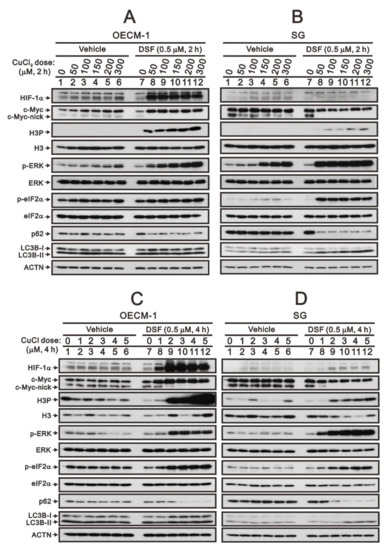
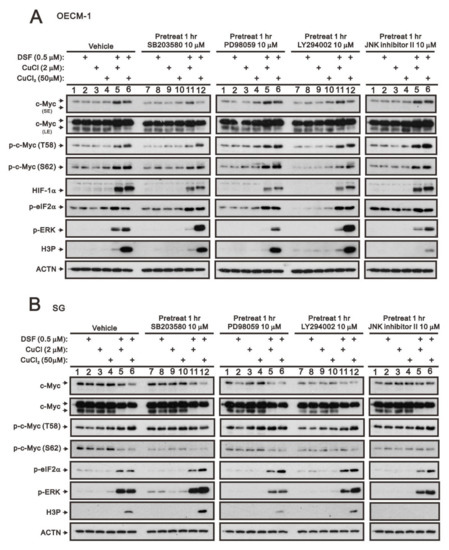
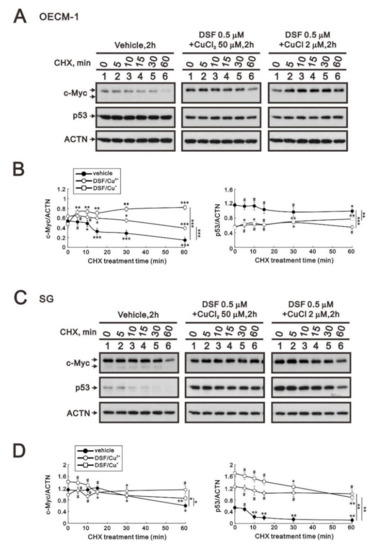
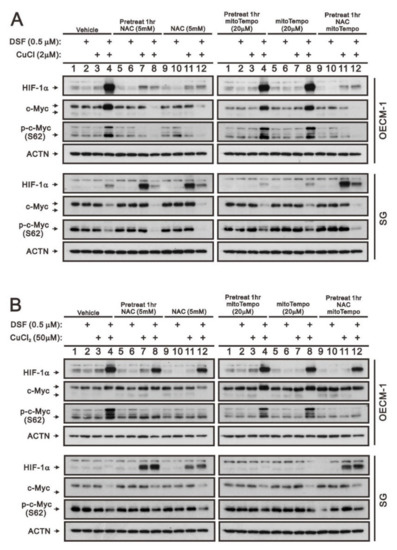
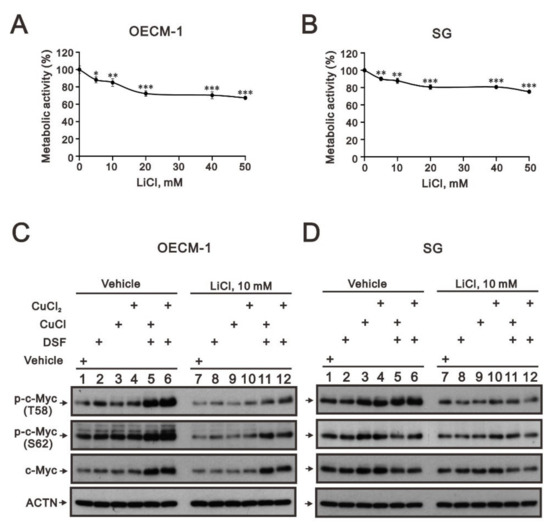
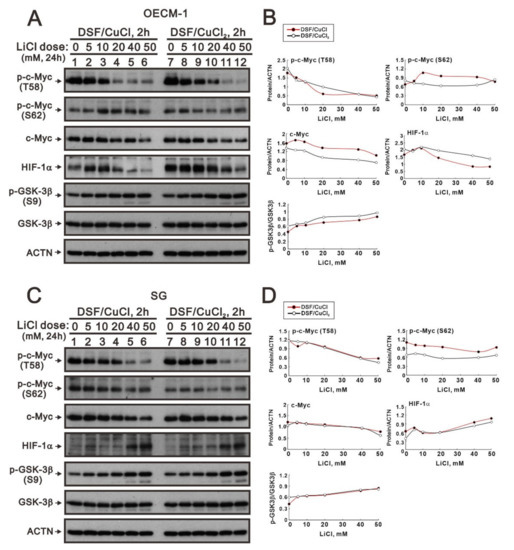
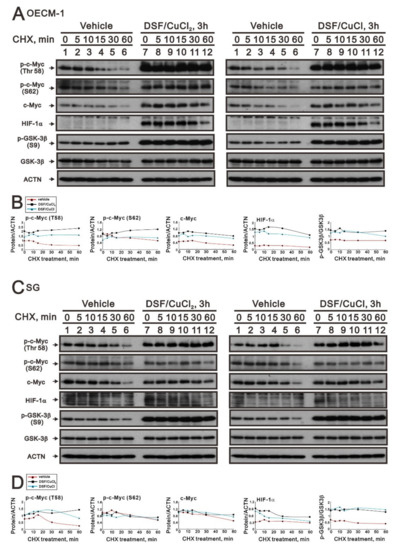
MYC has a short half-life that is tightly regulated through phosphorylation and proteasomal degradation. Many studies have claimed that treatment with disulfiram (DSF) with or without copper ions can cause cancer cell death in a reactive oxygen species (ROS)-dependent manner in cancer cells. Our previous study showed that the levels of c-Myc protein and the phosphorylation of threonine 58 (T58) and serine 62 (S62) increased in DSF-Cu-complex-treated oral epidermoid carcinoma Meng-1 (OECM-1) cells. These abovementioned patterns were suppressed by pretreatment with an ROS scavenger, N-acetyl cysteine. The overexpression of c-Myc failed to induce hypoxia-inducible factor 1α protein expression, which was stabilized by the DSF-Cu complex. In this study, we further examined the regulatory mechanism behind the induction of the c-Myc of the DSF-Cu complex in an OECM-1 cell compared with a Smulow–Glickman (SG) human normal gingival epithelial cell. Our data showed that the downregulation of c-Myc truncated nick and p62 and the induction of the ratio of H3P/H3 and p-ERK/ERK might not be involved in the increase in the amount of c-Myc via the DSF/copper complexes in OECM-1 cells. Combined with the inhibitors for various signaling pathways and cycloheximde treatment, the increase in the amount of c-Myc with the DSF/copper complexes might be mediated through the increase in the stabilities of c-Myc (T58) and c-Myc (S62) proteins in OECM-1 cells. In SG cells, only the c-Myc (T58) protein was stabilized by the DSF-Cu (I and II) complexes. Hence, our findings could provide novel regulatory insights into the phosphorylation-dependent stability of c-Myc in DSF/copper-complex-treated oral squamous cell carcinoma. Full article
Show Figures

Figure 1
14 pages, 1615 KB  
Article
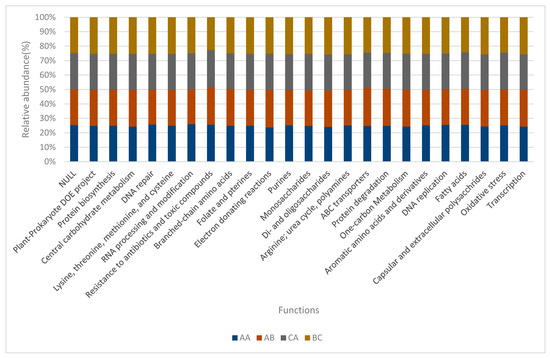
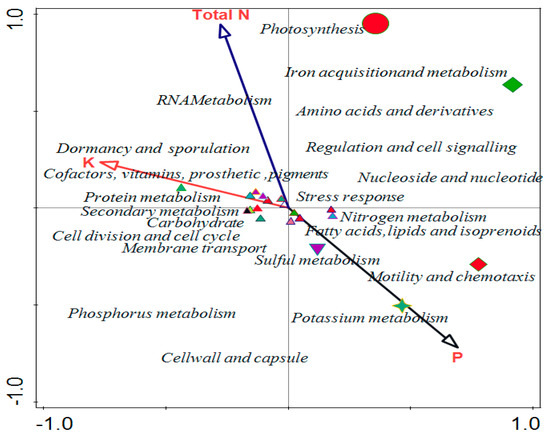
Functional Diversity of Microbial Communities in the Soybean (Glycine max L.) Rhizosphere from Free State, South Africa
by Titilope Tinu Ajiboye, Ayansina Segun Ayangbenro and Olubukola Oluranti Babalola
Int. J. Mol. Sci. 2022, 23(16), 9422; https://doi.org/10.3390/ijms23169422 - 20 Aug 2022
Cited by 16 | Viewed by 3850
Abstract
The plant microbiome is involved in enhancing nutrient acquisition, plant growth, stress tolerance, and reducing chemical inputs. The identification of microbial functional diversity offers the chance to evaluate and engineer them for various agricultural processes. Using a shotgun metagenomics technique, this study examined [...] Read more.
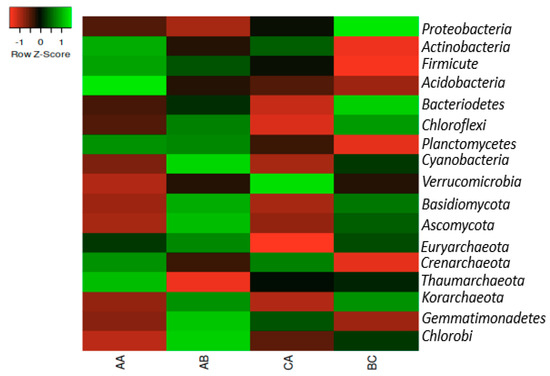
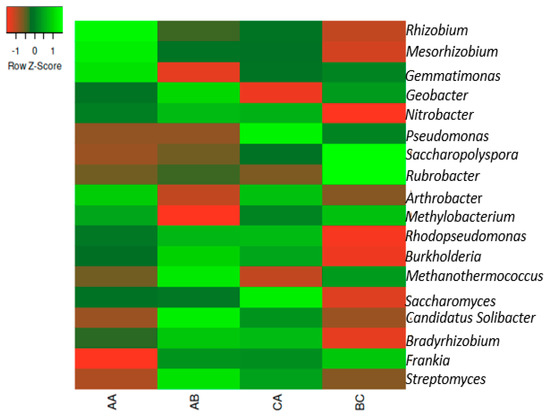
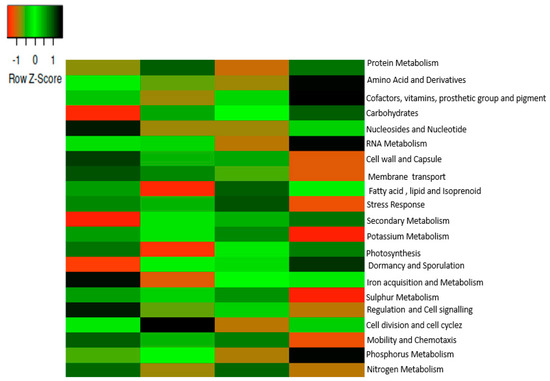
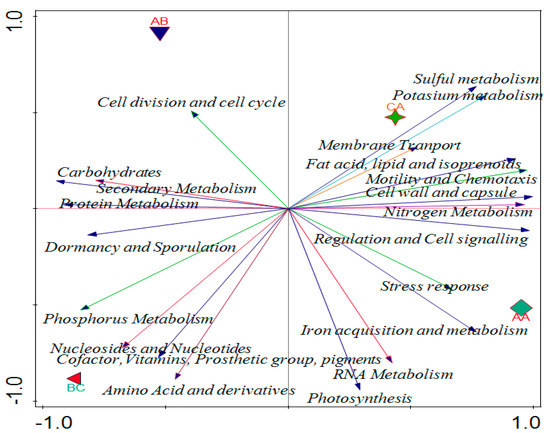
The plant microbiome is involved in enhancing nutrient acquisition, plant growth, stress tolerance, and reducing chemical inputs. The identification of microbial functional diversity offers the chance to evaluate and engineer them for various agricultural processes. Using a shotgun metagenomics technique, this study examined the functional diversity and metabolic potentials of microbial communities in the rhizosphere of soybean genotype link 678. The dominant genera are Geobacter, Nitrobacter, Burkholderia, Candidatus, Bradyrhizobium and Streptomyces. Twenty-one functional categories were present, with fourteen of the functions being dominant in all samples. The dominant functions include carbohydrates, fatty acids, lipids and isoprenoids, amino acids and derivatives, sulfur metabolism, and nitrogen metabolism. A Kruskal–Wallis test was used to test samples’ diversity differences. There was a significant difference in the alpha diversity. ANOSIM was used to analyze the similarities of the samples and there were significant differences between the samples. Phosphorus had the highest contribution of 64.3% and was more prominent among the soil properties that influence the functional diversity of the samples. Given the functional groups reported in this study, soil characteristics impact the functional role of the rhizospheric microbiome of soybean. Full article
(This article belongs to the Section Molecular Biology)
Show Figures

Figure 1
18 pages, 4605 KB  
Article
Targeted Modification of Mammalian DNA by a Novel Type V Cas12a Endonuclease from Ruminococcus bromii
by Ruslan Vasilev, Natalia Gunitseva, Regina Shebanova, Aleksei Korzhenkov, Anna Vlaskina, Marta Evteeva, Irina Polushkina, Natalia Nikitchina, Stepan Toshchakov, Piotr Kamenski, Maxim Patrushev and Ilya Mazunin
Int. J. Mol. Sci. 2022, 23(16), 9289; https://doi.org/10.3390/ijms23169289 - 18 Aug 2022
Cited by 3 | Viewed by 3843
Abstract
Type V Cas12a nucleases are DNA editors working in a wide temperature range and using expanded protospacer-adjacent motifs (PAMs). Though they are widely used, there is still a demand for discovering new ones. Here, we demonstrate a novel ortholog from Ruminococcus bromii sp. [...] Read more.
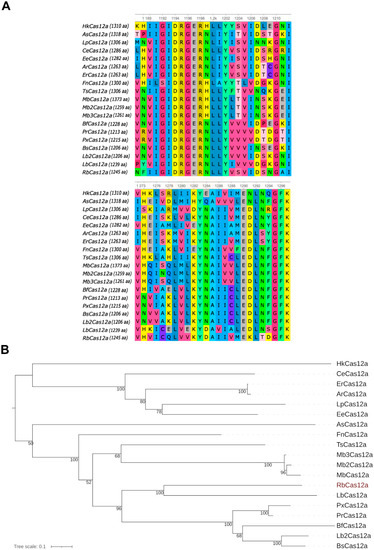
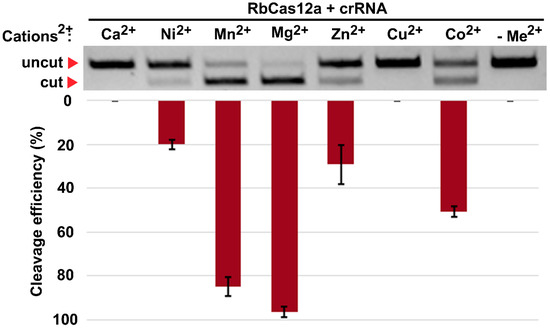
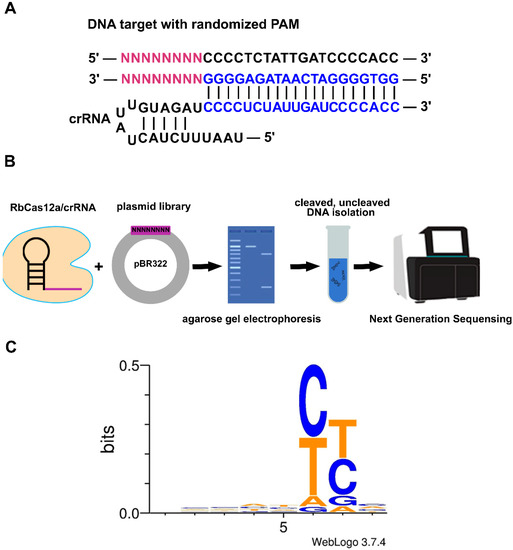
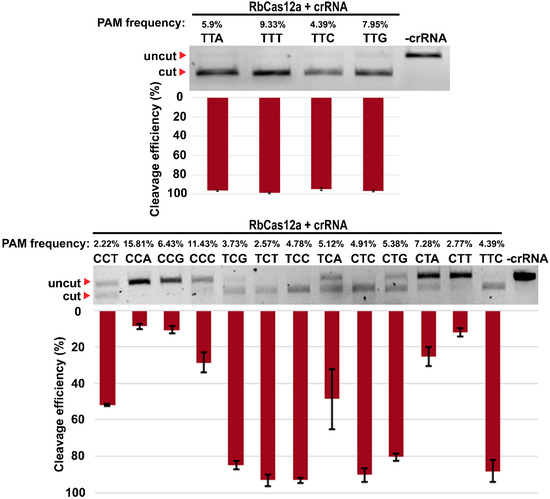
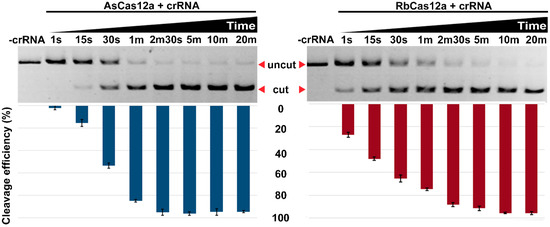
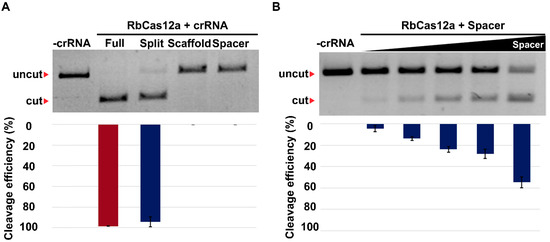
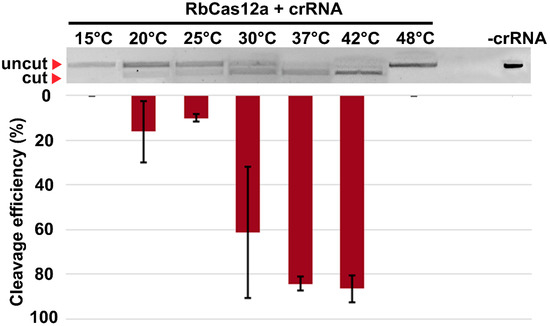
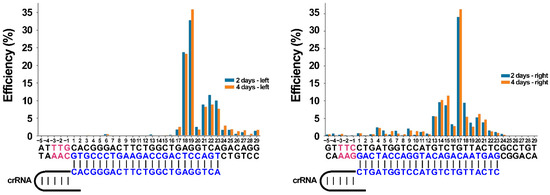
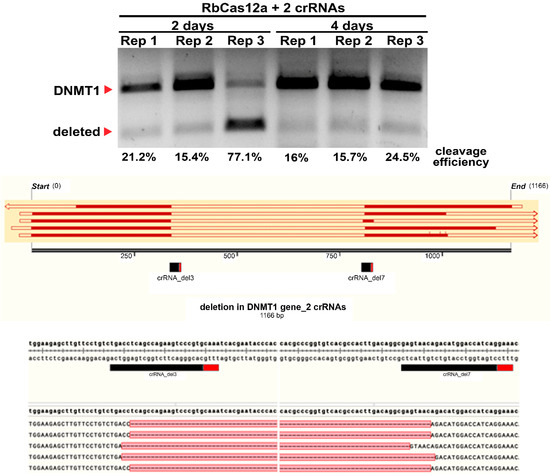
Type V Cas12a nucleases are DNA editors working in a wide temperature range and using expanded protospacer-adjacent motifs (PAMs). Though they are widely used, there is still a demand for discovering new ones. Here, we demonstrate a novel ortholog from Ruminococcus bromii sp. entitled RbCas12a, which is able to efficiently cleave target DNA templates, using the particularly high accessibility of PAM 5′-YYN and a relatively wide temperature range from 20 °C to 42 °C. In comparison to Acidaminococcus sp. (AsCas12a) nuclease, RbCas12a is capable of processing DNA more efficiently, and can be active upon being charged by spacer-only RNA at lower concentrations in vitro. We show that the human-optimized RbCas12a nuclease is also active in mammalian cells, and can be applied for efficient deletion incorporation into the human genome. Given the advantageous properties of RbCas12a, this enzyme shows potential for clinical and biotechnological applications within the field of genome editing. Full article
(This article belongs to the Section Molecular Microbiology)
Show Figures

Figure 1
28 pages, 9204 KB  
Article
Alterations of Mitochondrial Structure in Methamphetamine Toxicity
by Paola Lenzi, Francesca Biagioni, Carla L. Busceti, Gloria Lazzeri, Maico Polzella, Alessandro Frati, Michela Ferrucci and Francesco Fornai
Int. J. Mol. Sci. 2022, 23(16), 8926; https://doi.org/10.3390/ijms23168926 - 10 Aug 2022
Cited by 17 | Viewed by 3829
Abstract
Recent evidence shows that methamphetamine (METH) produces mitochondrial alterations that contribute to neurotoxicity. Nonetheless, most of these studies focus on mitochondrial activity, whereas mitochondrial morphology remains poorly investigated. In fact, morphological evidence about the fine structure of mitochondria during METH toxicity is not [...] Read more.
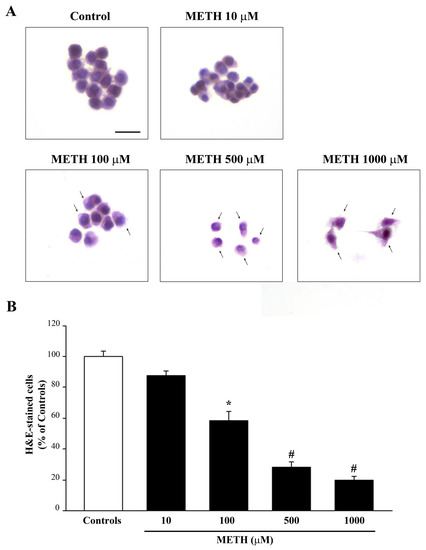
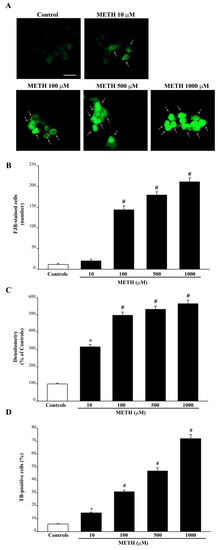
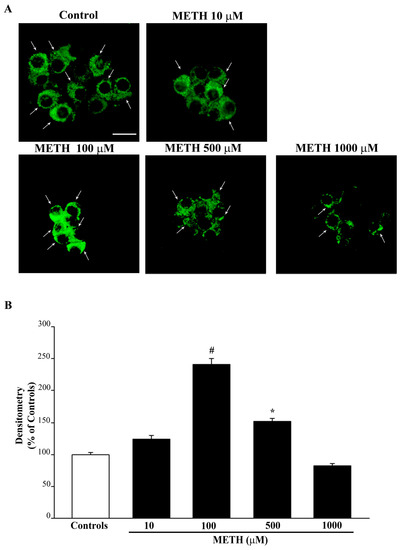
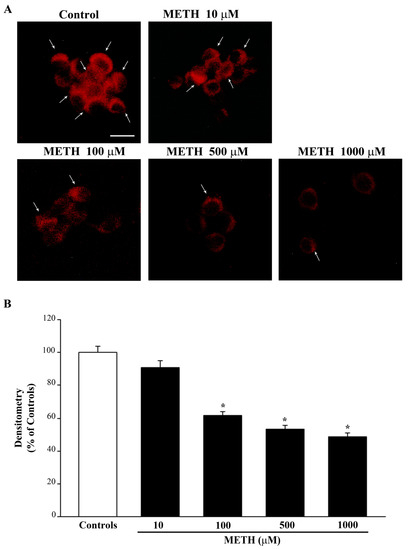
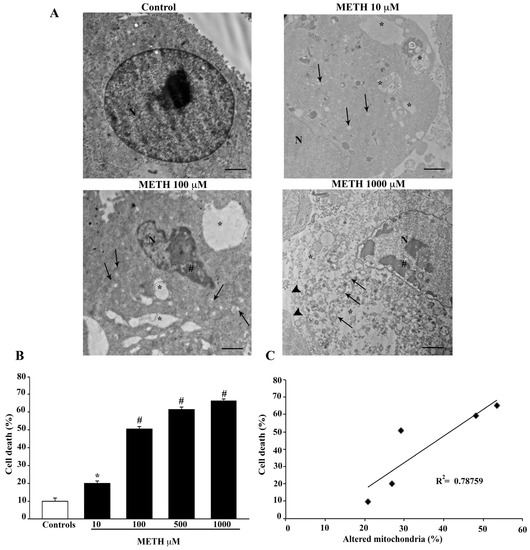
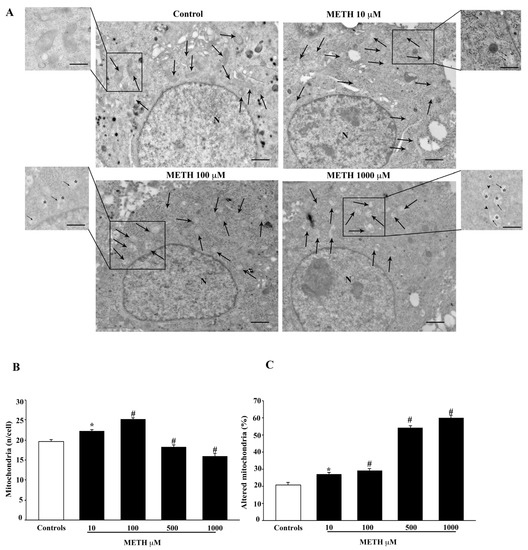
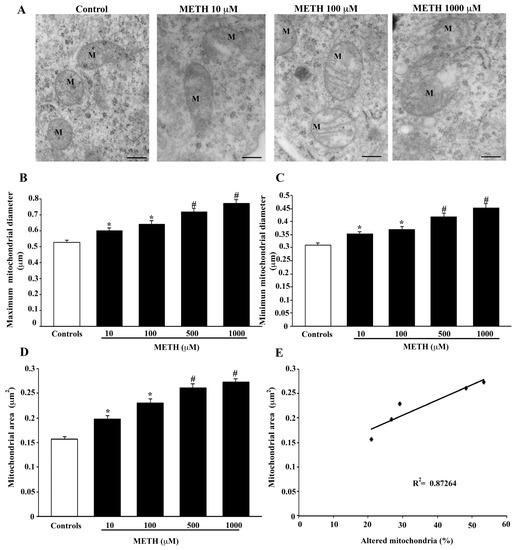
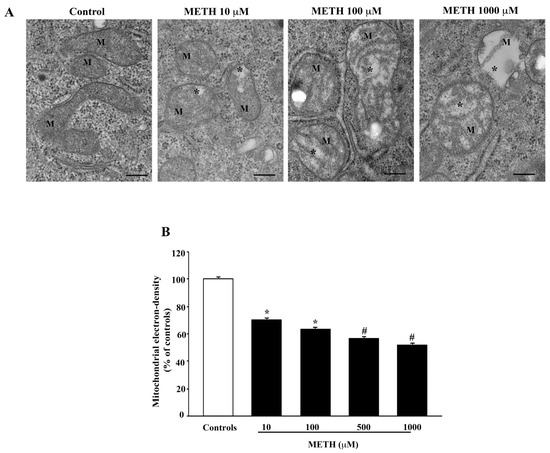
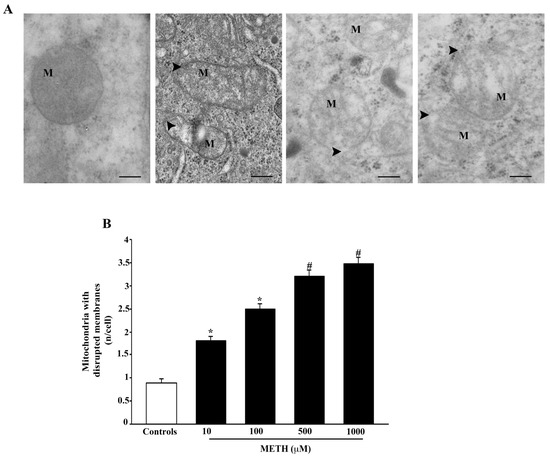
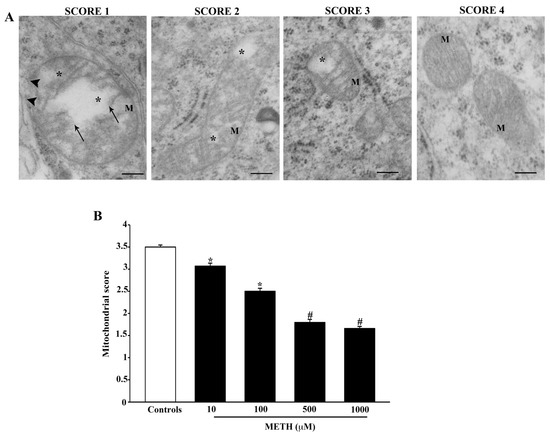
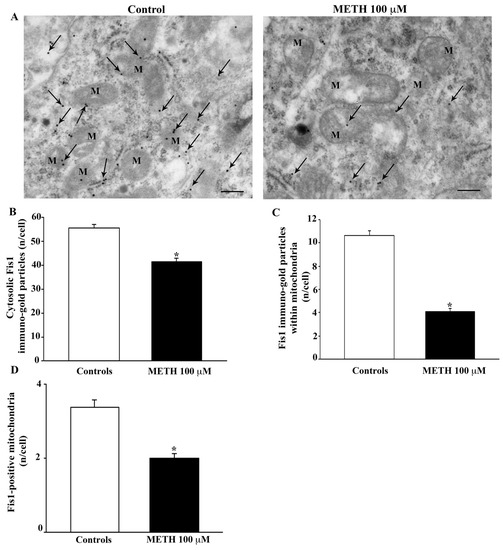
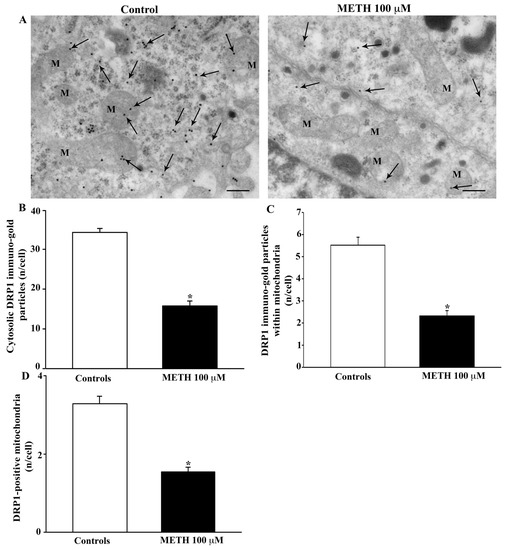
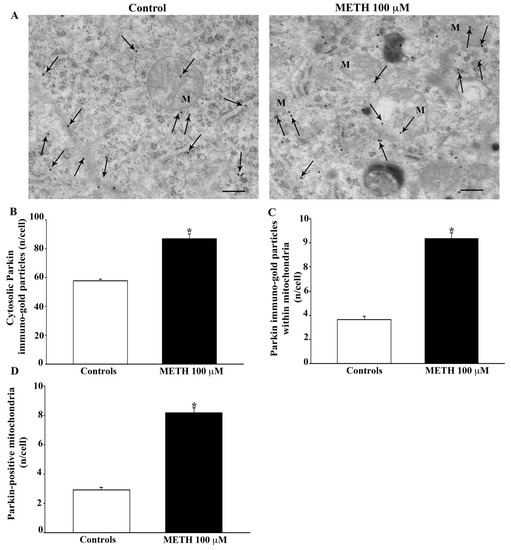
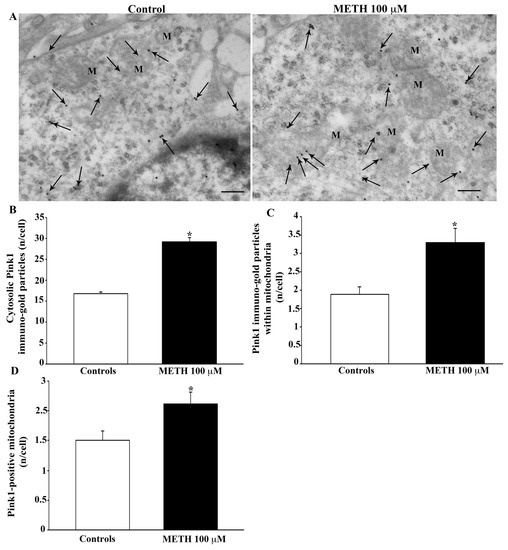
Recent evidence shows that methamphetamine (METH) produces mitochondrial alterations that contribute to neurotoxicity. Nonetheless, most of these studies focus on mitochondrial activity, whereas mitochondrial morphology remains poorly investigated. In fact, morphological evidence about the fine structure of mitochondria during METH toxicity is not available. Thus, in the present study we analyzed dose-dependent mitochondrial structural alterations during METH exposure. Light and transmission electron microscopy were used, along with ultrastructural stoichiometry of catecholamine cells following various doses of METH. In the first part of the study cell death and cell degeneration were assessed and they were correlated with mitochondrial alterations observed using light microscopy. In the second part of the study, ultrastructural evidence of specific mitochondrial alterations of crests, inner and outer membranes and matrix were quantified, along with in situ alterations of mitochondrial proteins. Neurodegeneration induced by METH correlates significantly with specific mitochondrial damage, which allows definition of a scoring system for mitochondrial integrity. In turn, mitochondrial alterations are concomitant with a decrease in fission/mitophagy protein Fis1 and DRP1 and an increase in Pink1 and Parkin in situ, at the mitochondrial level. These findings provide structural evidence that mitochondria represent both direct and indirect targets of METH-induced toxicity. Full article
(This article belongs to the Special Issue Novel Targets for Treating Methamphetamine Use Disorder)
Show Figures

Figure 1
15 pages, 3527 KB  
Article
Over-Expression of an R2R3 MYB Gene, MdMYB108L, Enhances Tolerance to Salt Stress in Transgenic Plants
by Bingyang Du, Heng Liu, Kuntian Dong, Yong Wang and Yuanhu Zhang
Int. J. Mol. Sci. 2022, 23(16), 9428; https://doi.org/10.3390/ijms23169428 - 21 Aug 2022
Cited by 27 | Viewed by 3828
Abstract
Plants are affected by various abiotic stresses during their growth and development. In plants, MYB transcription factors are involved in various physiological and biochemical processes, including biotic and abiotic stress responses. In this study, we functionally analyzed MdMYB108L. We examined the transcriptional activity [...] Read more.
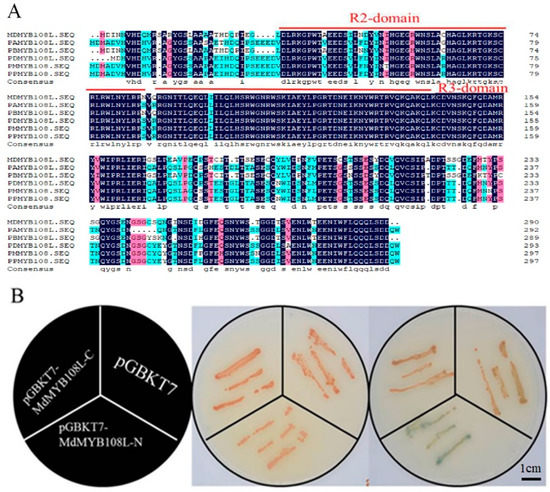
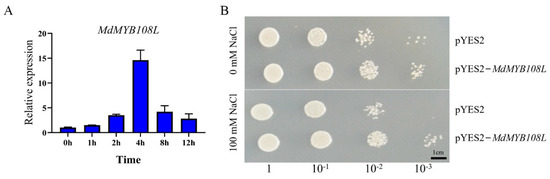
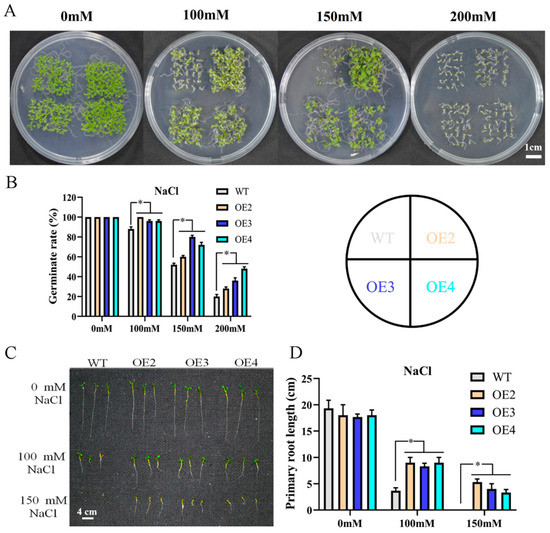
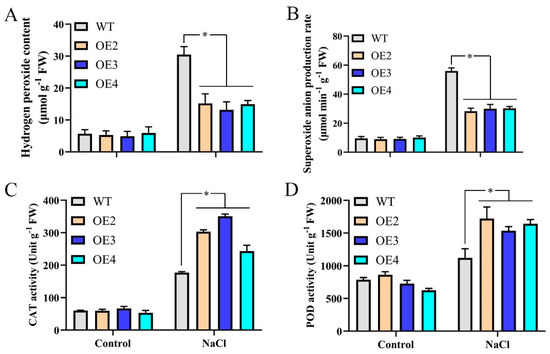
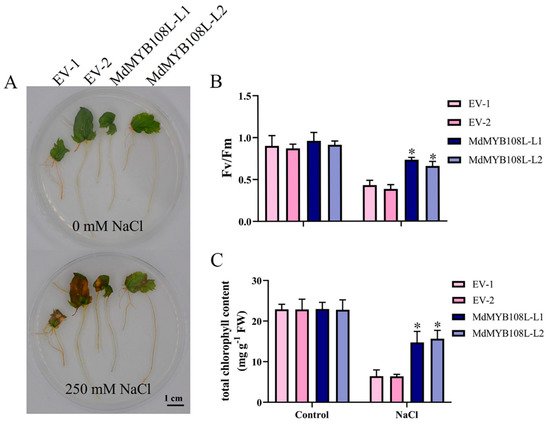
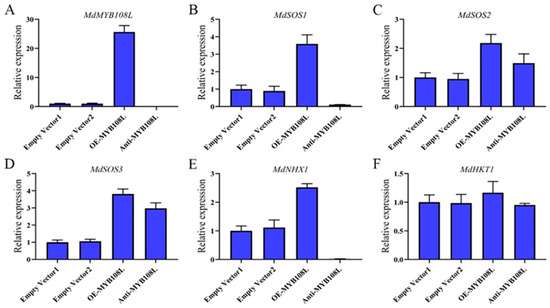
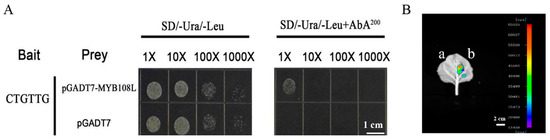
Plants are affected by various abiotic stresses during their growth and development. In plants, MYB transcription factors are involved in various physiological and biochemical processes, including biotic and abiotic stress responses. In this study, we functionally analyzed MdMYB108L. We examined the transcriptional activity of MdMYB108L under salt stress and determined that the N-terminal domain of MdMYB108L, which was significantly induced under salt stress, has transcriptional activity. MdMYB108L overexpression increased the germination rate, main root length, and the antioxidant activity of catalase and peroxidase in transgenic Arabidopsisthaliana seeds, while reducing reactive oxygen species (ROS) accumulation. MdMYB108L overexpression also increased the photosynthetic capacity of hairy root tissue (leaves) under salt stress. In addition, the MdMYB108L transcription factor bound to the MdNHX1 promoter positively regulated the transcription of the salt tolerance gene MdNHX1 in apples, improving the salt stress tolerance of transgenic plants. These findings have implications for improving the agricultural yields of apple trees under salt stress. Full article
(This article belongs to the Section Molecular Plant Sciences)
Show Figures

Figure 1
14 pages, 4583 KB  
Article
CD138 Is Expressed in Different Entities of Salivary Gland Cancer and Their Lymph Node Metastases and Therefore Represents a Potential Therapeutic Target
by Marcel Mayer, Lisa Nachtsheim, Franziska Hoffmann, Ferdinand von Eggeling, Orlando Guntinas-Lichius, Johanna Prinz, Jens Peter Klußmann, Alexander Quaas, Christoph Arolt and Philipp Wolber
Int. J. Mol. Sci. 2022, 23(16), 9037; https://doi.org/10.3390/ijms23169037 - 12 Aug 2022
Cited by 4 | Viewed by 3821
Abstract
Advanced salivary gland carcinomas (SGC) often lack therapeutic options. Agents targeting CD138 have recently shown promising results in clinical trials for multiple myeloma and a preclinical trial for triple-negative breast cancer. Immunohistochemistry for CD138 was performed for all patients who had undergone primary [...] Read more.
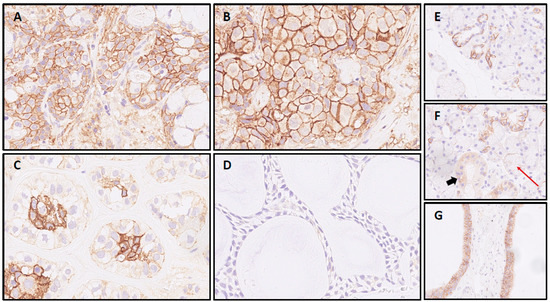
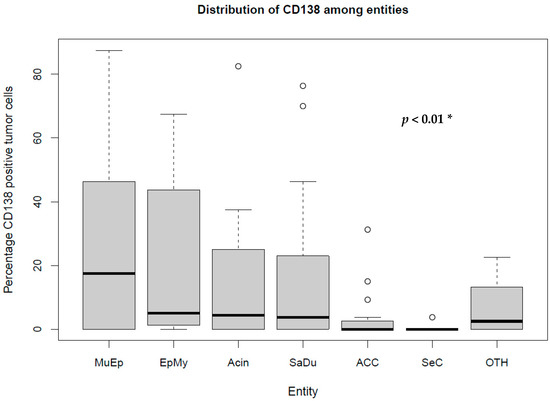
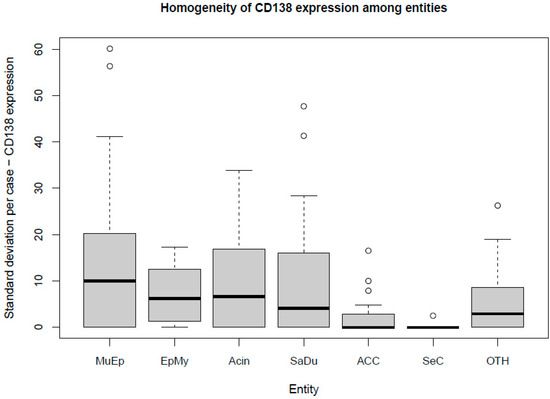
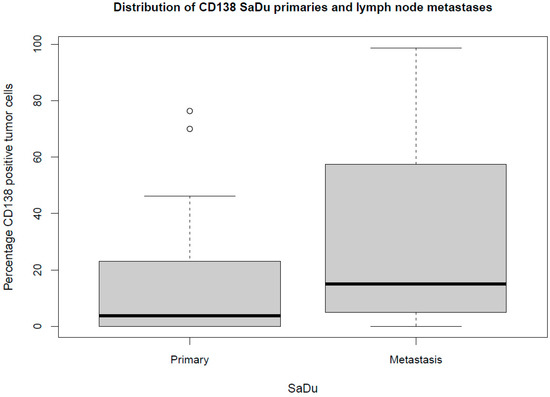
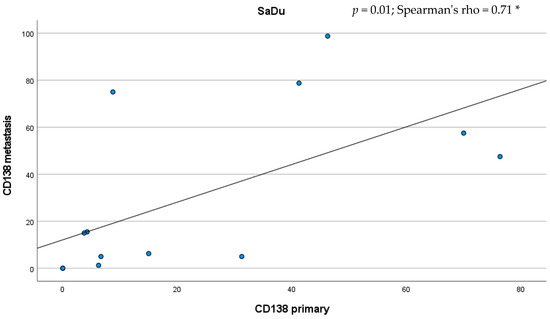
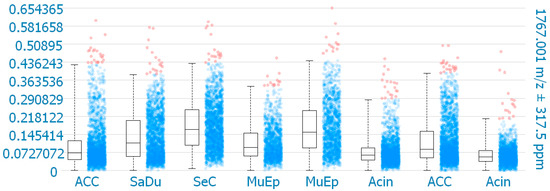
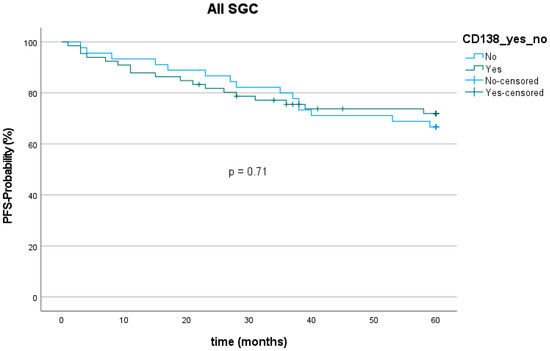
Advanced salivary gland carcinomas (SGC) often lack therapeutic options. Agents targeting CD138 have recently shown promising results in clinical trials for multiple myeloma and a preclinical trial for triple-negative breast cancer. Immunohistochemistry for CD138 was performed for all patients who had undergone primary surgery for SGC with curative intent. Findings were validated using matrix-assisted laser desorption/ionization mass spectrometry (MALDI-MS) imaging. Overall, 111 primary SGC and 13 lymph node metastases from salivary duct carcinomas (SaDu) were evaluated. CD138 expression was found in 60% of all SGC with differing expression across entities (p < 0.01). A mean of 25.2% of the tumor cells in mucoepidermoid carcinoma (MuEp) were positive, followed by epithelial-myoepithelial carcinoma (20.9%), acinic cell carcinoma (16.0%), and SaDu (15.2%). High-/intermediate-grade MuEp showed CD138 expression in a mean of 34.8% of tumor cells. For SaDu, lymph node metastases showed CD138 expression in a mean of 31.2% of tumor cells which correlated with CD138 expression in their primaries (p = 0.01; Spearman’s ρ = 0.71). MALDI-MS imaging confirmed the presence of the CD138 protein in SGC. No significant association was found between clinicopathological data, including progression-free survival (p = 0.50) and CD138 expression. CD138 is expressed in the cell membrane of different entities of SGC and SaDu lymph node metastases and therefore represents a potential target for CD138 targeting drugs. Full article
(This article belongs to the Special Issue Recent Advances in Salivary Gland and Their Function 2.0)
Show Figures

Figure 1
15 pages, 7639 KB  
Article
Properties of New Composite Materials Based on Hydroxyapatite Ceramic and Cross-Linked Gelatin for Biomedical Applications
by Michał Bartmański, Magda Rościszewska, Marcin Wekwejt, Anna Ronowska, Małgorzata Nadolska-Dawidowska and Aleksandra Mielewczyk-Gryń
Int. J. Mol. Sci. 2022, 23(16), 9083; https://doi.org/10.3390/ijms23169083 - 13 Aug 2022
Cited by 11 | Viewed by 3818
Abstract
The main aim of the research was to develop a new biocompatible and injectable composite with the potential for application as a bone-to-implant bonding material or as a bone substitute. A composite based on hydroxyapatite, gelatin, and two various types of commercially available [...] Read more.
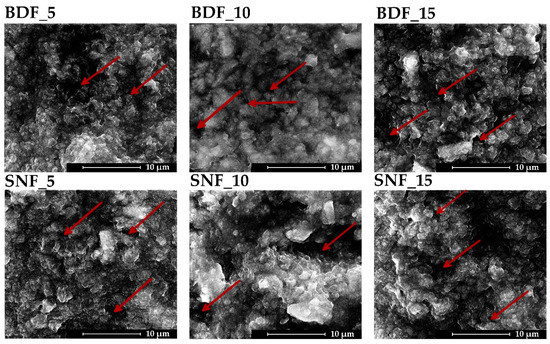
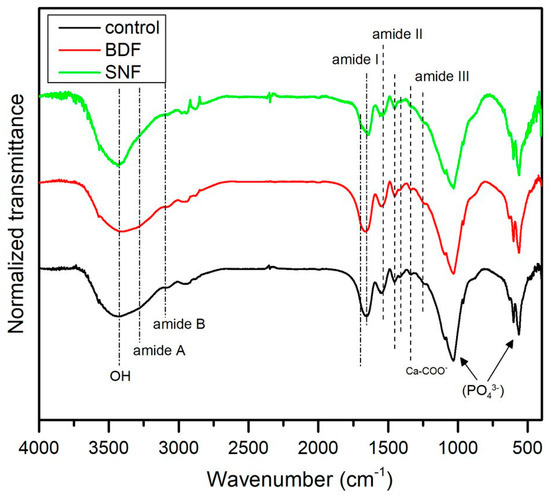
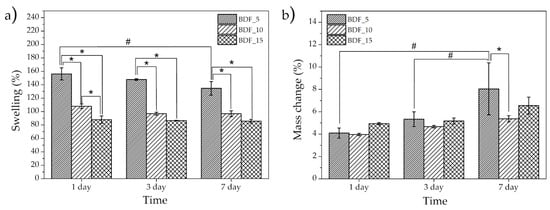
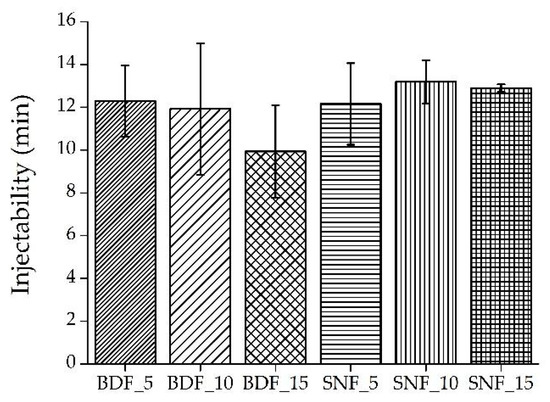
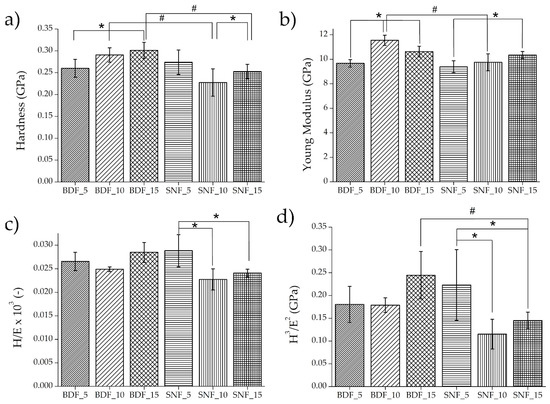
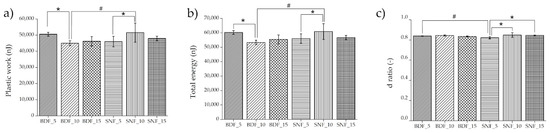
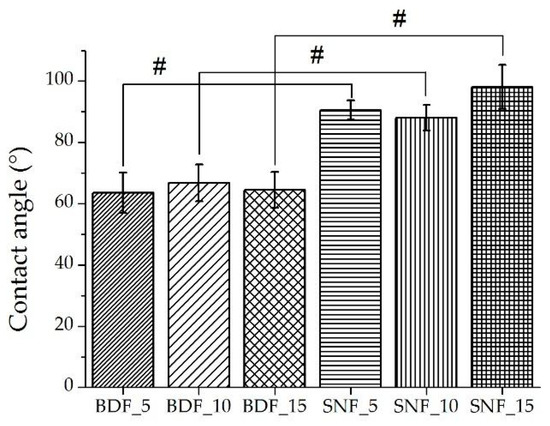
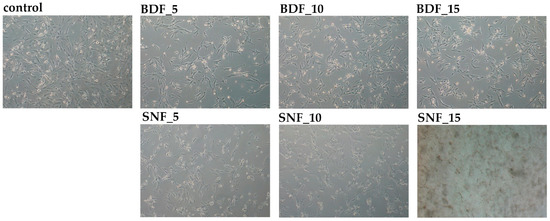
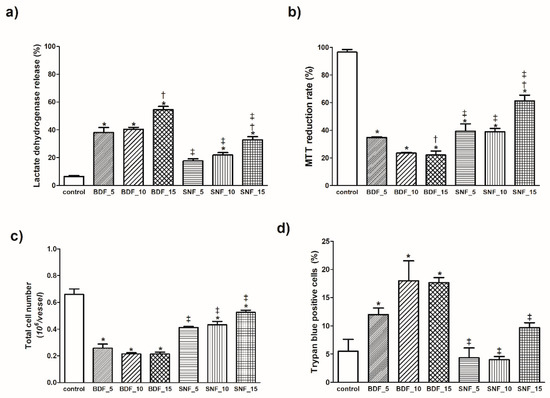
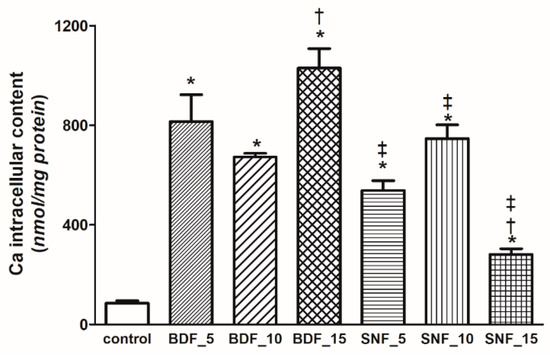
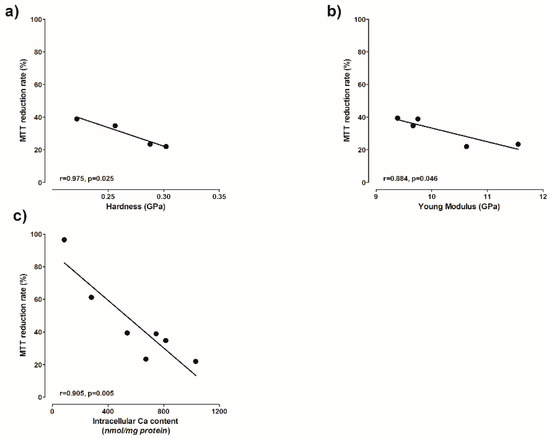
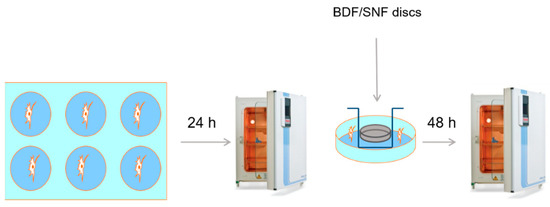
The main aim of the research was to develop a new biocompatible and injectable composite with the potential for application as a bone-to-implant bonding material or as a bone substitute. A composite based on hydroxyapatite, gelatin, and two various types of commercially available transglutaminase (TgBDF/TgSNF), as a cross-linking agent, was proposed. To evaluate the impacts of composite content and processing parameters on various properties of the material, the following research was performed: the morphology was examined by SEM microscopy, the chemical structure by FTIR spectroscopy, the degradation behavior was examined in simulated body fluid, the injectability test was performed using an automatic syringe pump, the mechanical properties using a nanoindentation technique, the surface wettability was examined by an optical tensiometer, and the cell viability was assayed by MTT and LDH. In all cases, a composite paste was successfully obtained. Injectability varied between 8 and 15 min. The type of transglutaminase did not significantly affect the surface topography or chemical composition. All samples demonstrated proper nanomechanical properties with Young’s modulus and the hardness close to the values of natural bone. BDF demonstrated better hydrophilic properties and structural stability over 7 days in comparison with SNF. In all cases, the transglutaminase did not lead to cell necrosis, but cellular proliferation was significantly inhibited, especially for the BDF agent. Full article
(This article belongs to the Special Issue Biomaterials for Bone Tissue Engineering 3.0)
Show Figures

Figure 1
23 pages, 16129 KB  
Article
A Uniquely Stable Trimeric Model of SARS-CoV-2 Spike Transmembrane Domain
by Elena T. Aliper, Nikolay A. Krylov, Dmitry E. Nolde, Anton A. Polyansky and Roman G. Efremov
Int. J. Mol. Sci. 2022, 23(16), 9221; https://doi.org/10.3390/ijms23169221 - 17 Aug 2022
Cited by 8 | Viewed by 3809
Abstract
Understanding fusion mechanisms employed by SARS-CoV-2 spike protein entails realistic transmembrane domain (TMD) models, while no reliable approaches towards predicting the 3D structure of transmembrane (TM) trimers exist. Here, we propose a comprehensive computational framework to model the spike TMD only based on [...] Read more.
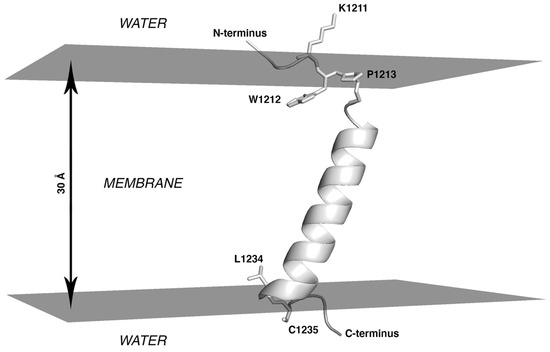
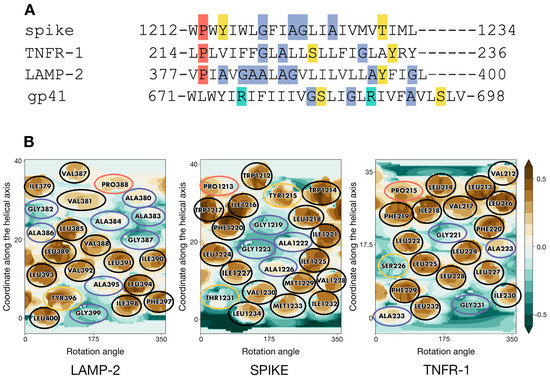
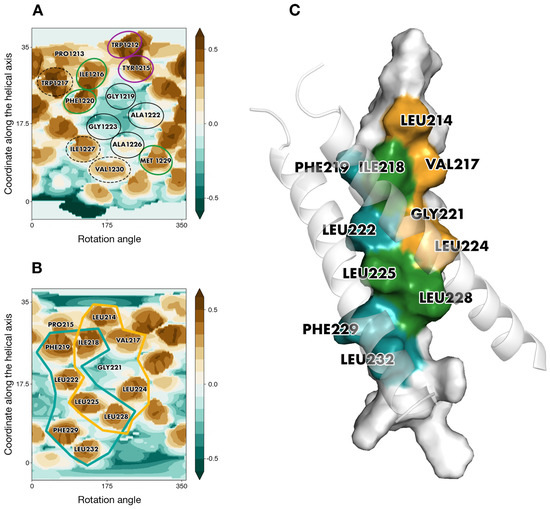
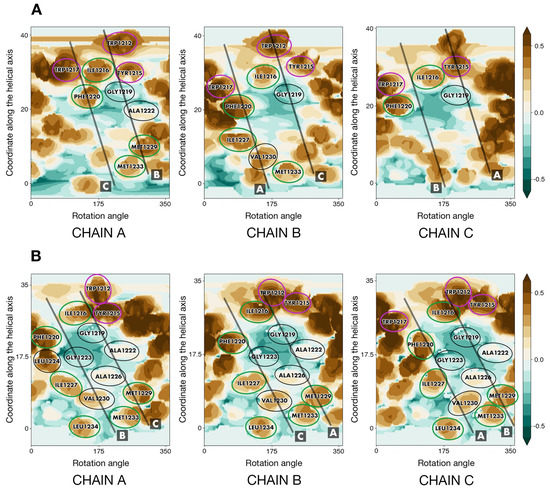
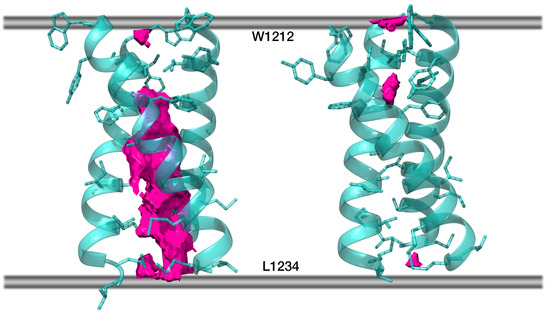
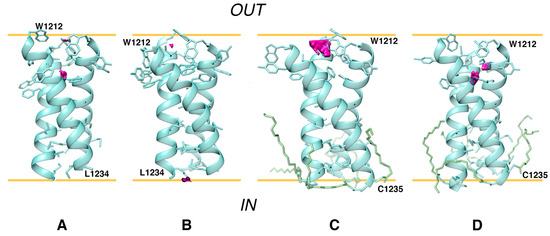
Understanding fusion mechanisms employed by SARS-CoV-2 spike protein entails realistic transmembrane domain (TMD) models, while no reliable approaches towards predicting the 3D structure of transmembrane (TM) trimers exist. Here, we propose a comprehensive computational framework to model the spike TMD only based on its primary structure. We performed amino acid sequence pattern matching and compared the molecular hydrophobicity potential (MHP) distribution on the helix surface against TM homotrimers with known 3D structures and selected an appropriate template for homology modeling. We then iteratively built a model of spike TMD, adjusting “dynamic MHP portraits” and residue variability motifs. The stability of this model, with and without palmitoyl modifications downstream of the TMD, and several alternative configurations (including a recent NMR structure), was tested in all-atom molecular dynamics simulations in a POPC bilayer mimicking the viral envelope. Our model demonstrated unique stability under the conditions applied and conforms to known basic principles of TM helix packing. The original computational framework looks promising and could potentially be employed in the construction of 3D models of TM trimers for a wide range of membrane proteins. Full article
(This article belongs to the Collection Feature Papers in Molecular Informatics)
Show Figures

Figure 1
21 pages, 2911 KB  
Article
ACBD3 Bioinformatic Analysis and Protein Expression in Breast Cancer Cells
by Jack Houghton-Gisby, Rachel Kerslake, Emmanouil Karteris, Kefah Mokbel and Amanda J. Harvey
Int. J. Mol. Sci. 2022, 23(16), 8881; https://doi.org/10.3390/ijms23168881 - 10 Aug 2022
Cited by 5 | Viewed by 3808
Abstract
ACBD3 overexpression has previously been found to correlate with worse prognosis for breast cancer patients and, as an incredibly diverse protein in both function and cellular localisation, ACBD3 may have a larger role in breast cancer than previously thought. This study further investigated [...] Read more.
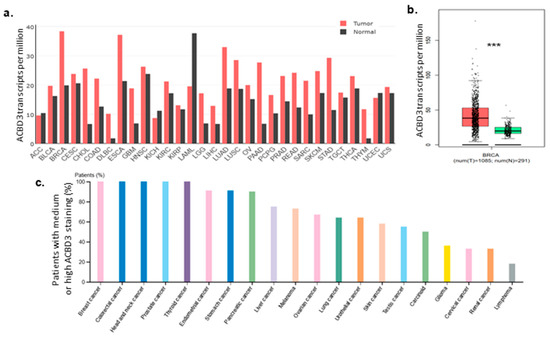
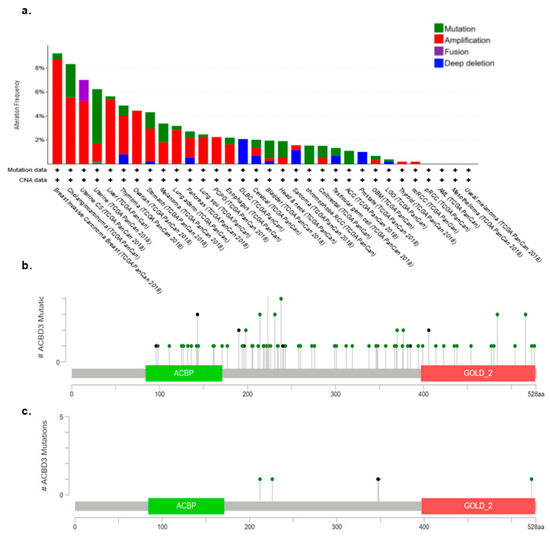
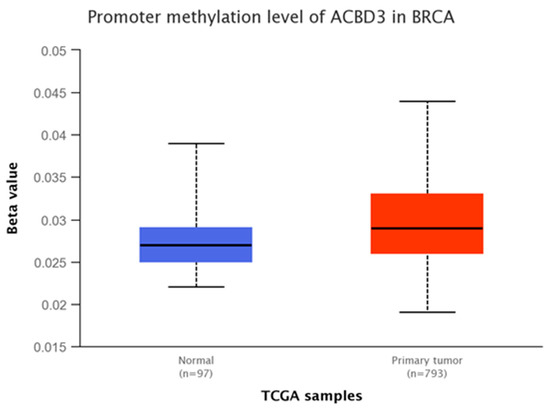
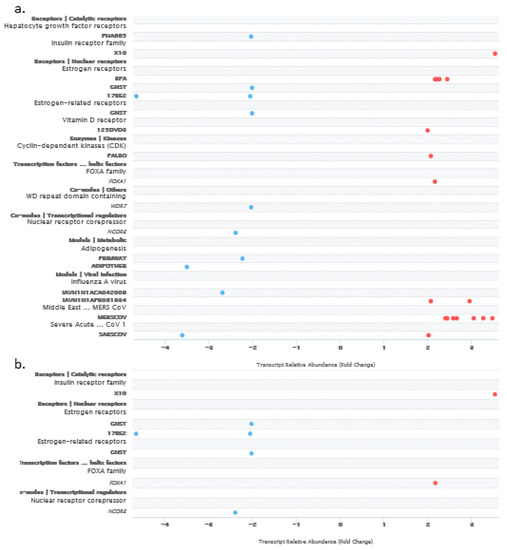
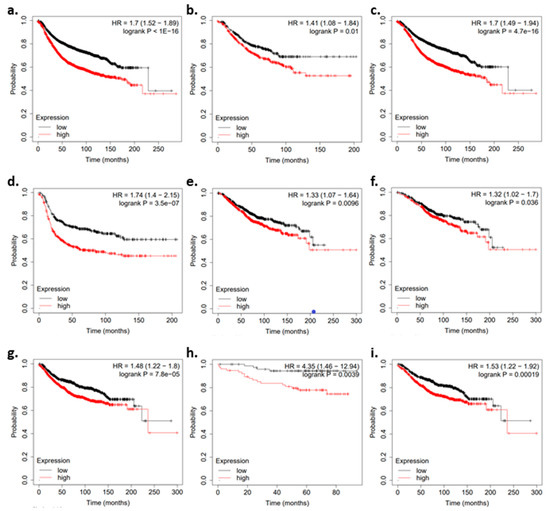
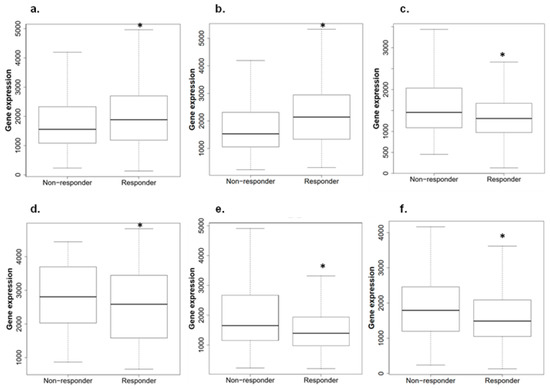
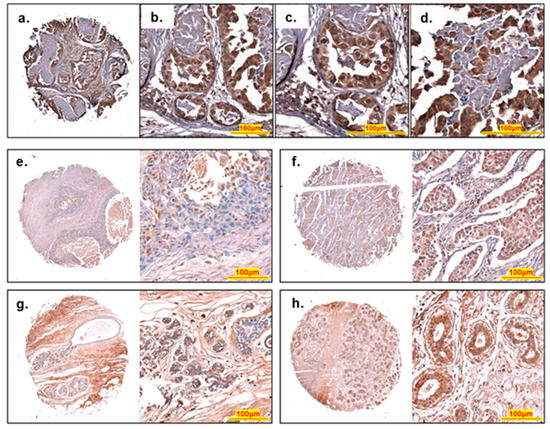
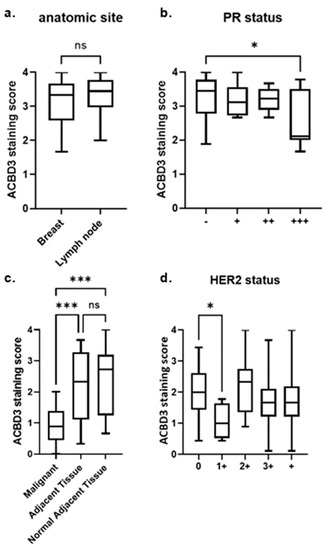
ACBD3 overexpression has previously been found to correlate with worse prognosis for breast cancer patients and, as an incredibly diverse protein in both function and cellular localisation, ACBD3 may have a larger role in breast cancer than previously thought. This study further investigated ACBD3′s role in breast cancer. Bioinformatic databases were queried to characterise ACBD3 expression and mutation in breast cancer and to investigate how overexpression affects breast cancer patient outcomes. Immunohistochemistry was carried out to examine ACBD3 location within cells and tissue structures. ACBD3 was more highly expressed in breast cancer than in any other cancer or matched normal tissue, and expression over the median level resulted in reduced relapse-free, overall, and distant metastasis-free survival for breast cancer patients as a whole, with some differences observed between subtypes. IHC analysis found that ACBD3 levels varied based on hormone receptor status, indicating that ACBD3 could be a candidate biomarker for poor patient prognosis in breast cancer and may possibly be a biomarker for ER signal reprogramming of precancerous breast tissue. Full article
Show Figures

Figure 1
20 pages, 16799 KB  
Article
Genome-Wide Expression Profiling Analysis of Kiwifruit GolS and RFS Genes and Identification of AcRFS4 Function in Raffinose Accumulation
by Jun Yang, Chengcheng Ling, Yunyan Liu, Huamin Zhang, Quaid Hussain, Shiheng Lyu, Songhu Wang and Yongsheng Liu
Int. J. Mol. Sci. 2022, 23(16), 8836; https://doi.org/10.3390/ijms23168836 - 9 Aug 2022
Cited by 18 | Viewed by 3808
Abstract
The raffinose synthetase (RFS) and galactinol synthase (GolS) are two critical enzymes for raffinose biosynthesis, which play an important role in modulating plant growth and in response to a variety of biotic or abiotic stresses. Here, we comprehensively analyzed [...] Read more.
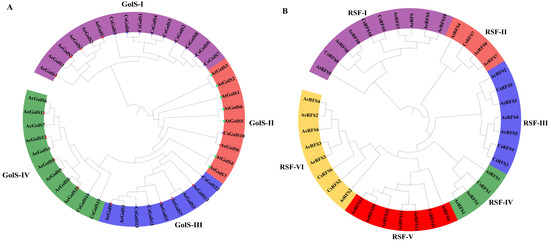
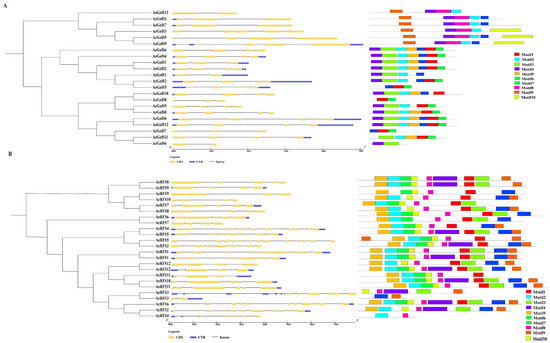
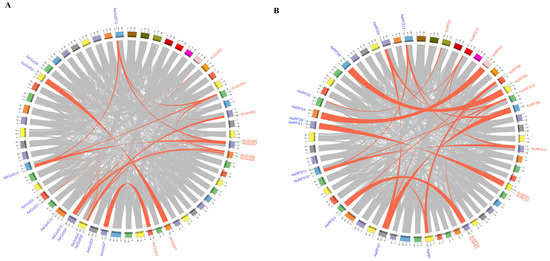
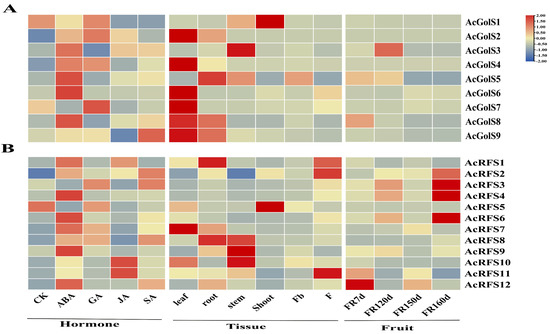
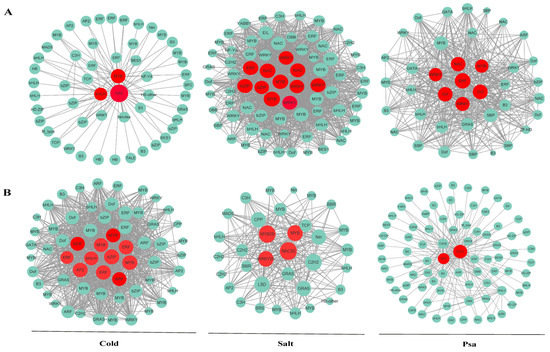
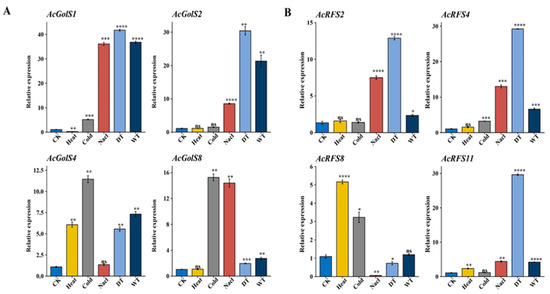
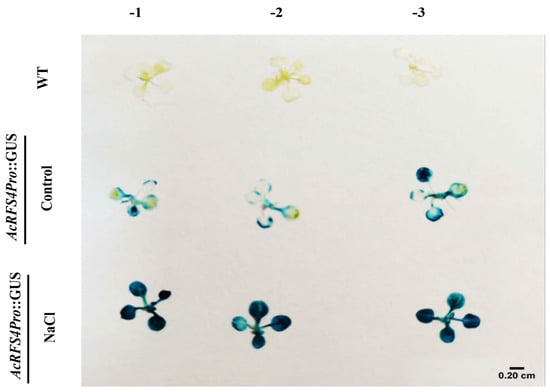
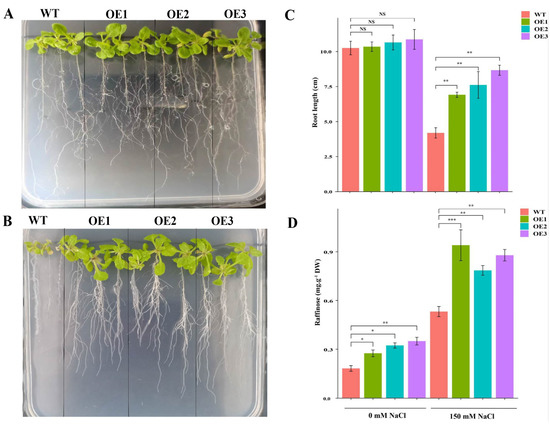
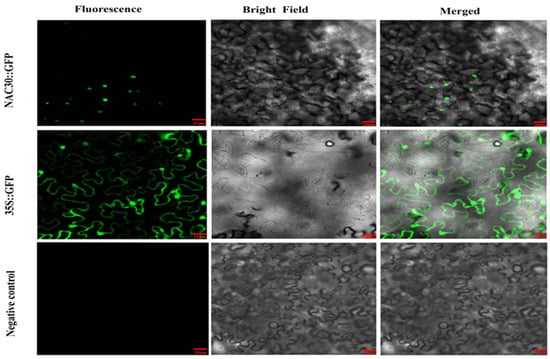
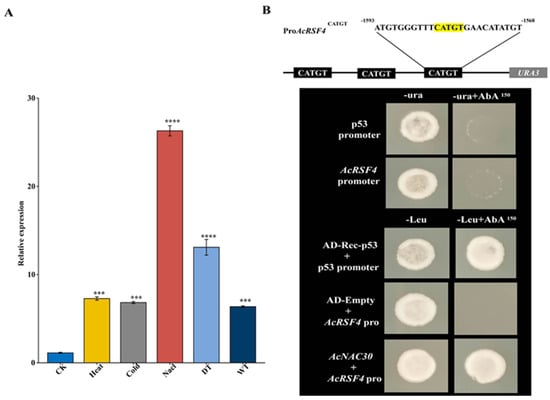
The raffinose synthetase (RFS) and galactinol synthase (GolS) are two critical enzymes for raffinose biosynthesis, which play an important role in modulating plant growth and in response to a variety of biotic or abiotic stresses. Here, we comprehensively analyzed the RFS and GolS gene families and their involvement in abiotic and biotic stresses responses at the genome-wide scale in kiwifruit. A total of 22 GolS and 24 RFS genes were identified in Actinidia chinensis and Actinidia eriantha genomes. Phylogenetic analysis showed that the GolS and RFS genes were clustered into four and six groups, respectively. Transcriptomic analysis revealed that abiotic stresses strongly induced some crucial genes members including AcGolS1/2/4/8 and AcRFS2/4/8/11 and their expression levels were further confirmed by qRT-PCR. The GUS staining of AcRFS4Pro::GUS transgenic plants revealed that the transcriptionlevel of AcRFS4 was significantly increased by salt stress. Overexpression of AcRFS4 in Arabidopsis demonstrated that this gene enhanced the raffinose accumulation and the tolerance to salt stress. The co-expression networks analysis of hub transcription factors targeting key AcRFS4 genes indicated that there was a strong correlation between AcNAC30 and AcRFS4 expression under salt stress. Furthermore, the yeast one-hybrid assays showed that AcNAC30 could bind the AcRFS4 promoter directly. These results may provide insights into the evolutionary and functional mechanisms of GolS and RFS genes in kiwifruit. Full article
(This article belongs to the Special Issue Crop Stress Biology and Molecular Breeding)
Show Figures

Figure 1
20 pages, 4387 KB  
Article
1H NMR Metabolite Monitoring during the Differentiation of Human Induced Pluripotent Stem Cells Provides New Insights into the Molecular Events That Regulate Embryonic Chondrogenesis
by Ashley Coope, Zain Ghanameh, Olivia Kingston, Carl M. Sheridan, Richard Barrett-Jolley, Marie M. Phelan and Rachel A. Oldershaw
Int. J. Mol. Sci. 2022, 23(16), 9266; https://doi.org/10.3390/ijms23169266 - 17 Aug 2022
Cited by 6 | Viewed by 3805
Abstract
The integration of cell metabolism with signalling pathways, transcription factor networks and epigenetic mediators is critical in coordinating molecular and cellular events during embryogenesis. Induced pluripotent stem cells (IPSCs) are an established model for embryogenesis, germ layer specification and cell lineage differentiation, advancing [...] Read more.
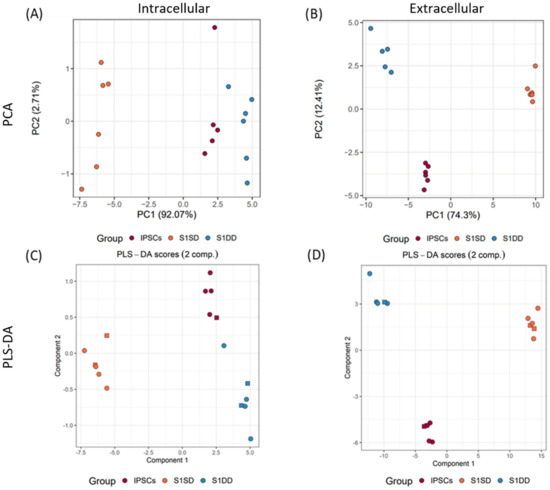
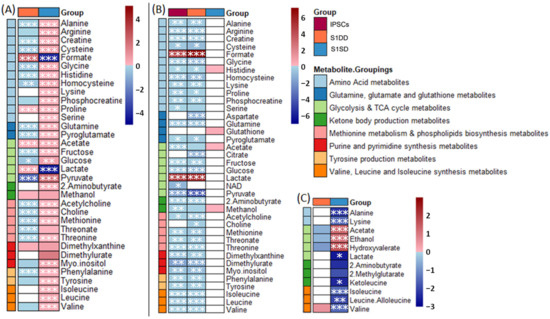
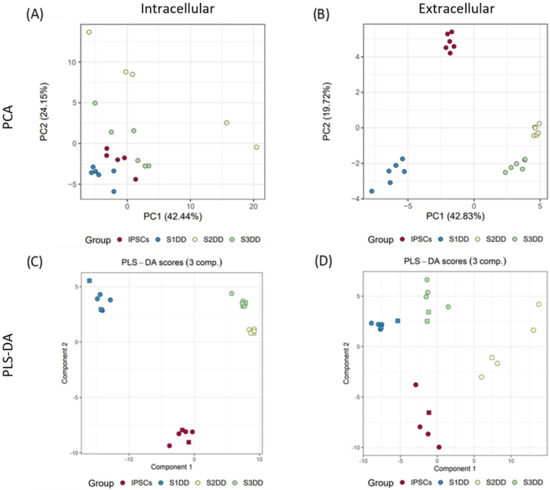
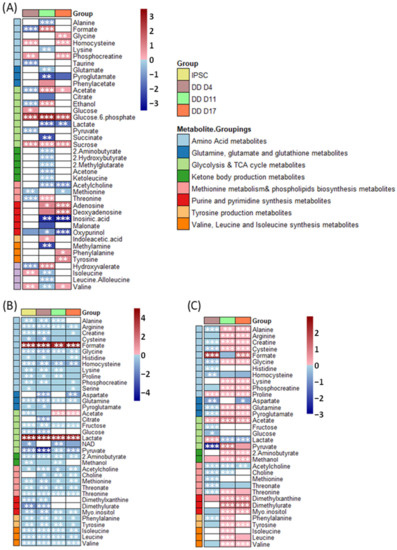
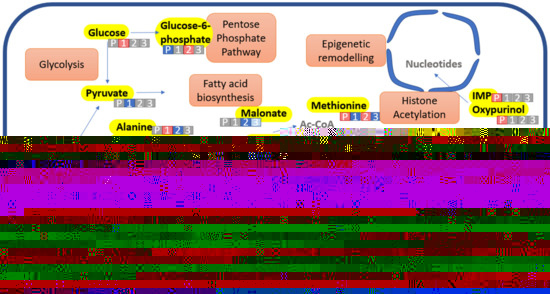
The integration of cell metabolism with signalling pathways, transcription factor networks and epigenetic mediators is critical in coordinating molecular and cellular events during embryogenesis. Induced pluripotent stem cells (IPSCs) are an established model for embryogenesis, germ layer specification and cell lineage differentiation, advancing the study of human embryonic development and the translation of innovations in drug discovery, disease modelling and cell-based therapies. The metabolic regulation of IPSC pluripotency is mediated by balancing glycolysis and oxidative phosphorylation, but there is a paucity of data regarding the influence of individual metabolite changes during cell lineage differentiation. We used 1H NMR metabolite fingerprinting and footprinting to monitor metabolite levels as IPSCs are directed in a three-stage protocol through primitive streak/mesendoderm, mesoderm and chondrogenic populations. Metabolite changes were associated with central metabolism, with aerobic glycolysis predominant in IPSC, elevated oxidative phosphorylation during differentiation and fatty acid oxidation and ketone body use in chondrogenic cells. Metabolites were also implicated in the epigenetic regulation of pluripotency, cell signalling and biosynthetic pathways. Our results show that 1H NMR metabolomics is an effective tool for monitoring metabolite changes during the differentiation of pluripotent cells with implications on optimising media and environmental parameters for the study of embryogenesis and translational applications. Full article
(This article belongs to the Special Issue Signals in Embryonic Germ Layer Specification)
Show Figures

Figure 1
19 pages, 2815 KB  
Article
Melatonin Regulates the Daily Levels of Plasma Amino Acids, Acylcarnitines, Biogenic Amines, Sphingomyelins, and Hexoses in a Xenograft Model of Triple Negative Breast Cancer
by Rubens Paula Junior, Luiz Gustavo de Almeida Chuffa, Vinicius Augusto Simão, Nathália Martins Sonehara, Roger Chammas, Russel J. Reiter and Debora Aparecida Pires de Campos Zuccari
Int. J. Mol. Sci. 2022, 23(16), 9105; https://doi.org/10.3390/ijms23169105 - 14 Aug 2022
Cited by 11 | Viewed by 3798
Abstract
Metabolic dysregulation as a reflection of specific metabolite production and its utilization is a common feature of many human neoplasms. Melatonin, an indoleamine that is highly available during darkness, has a variety of metabolic functions in solid tumors. Because plasma metabolites undergo circadian [...] Read more.
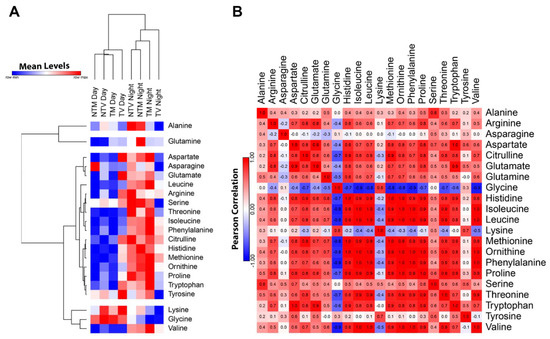
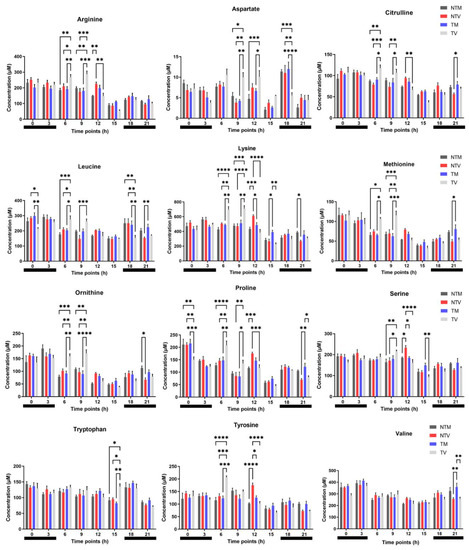
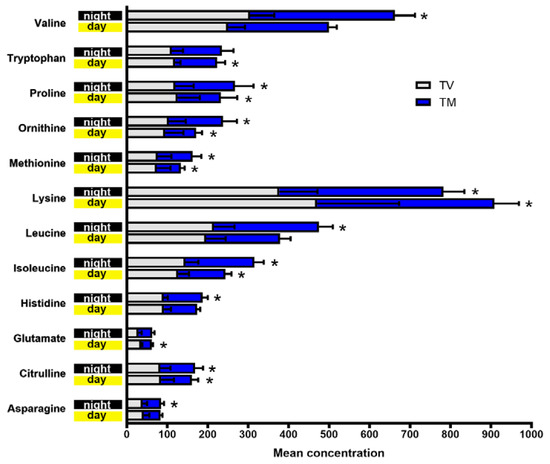
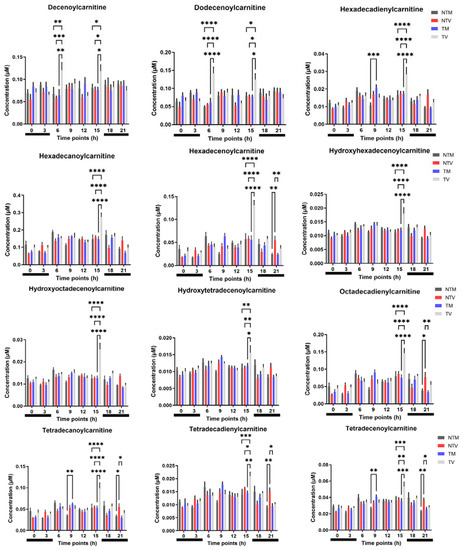
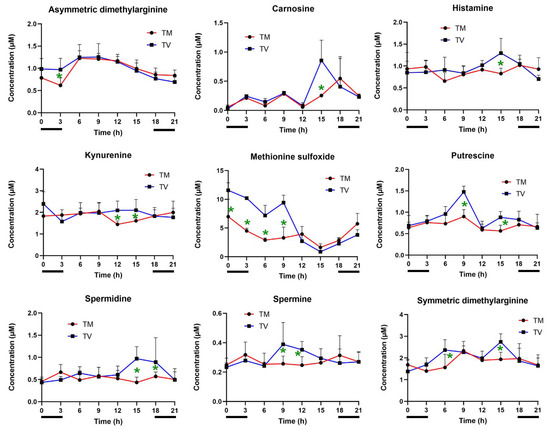
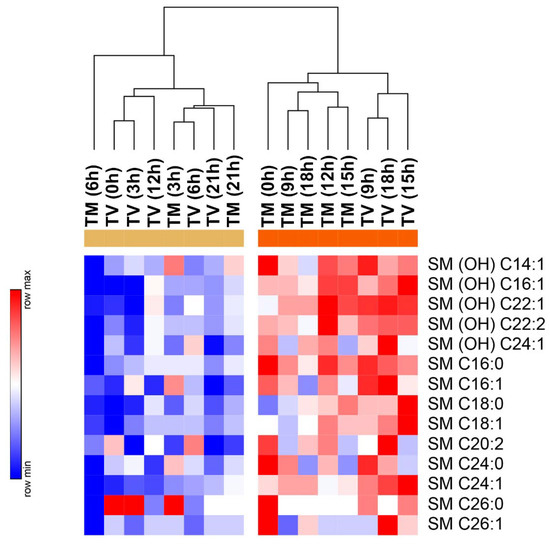
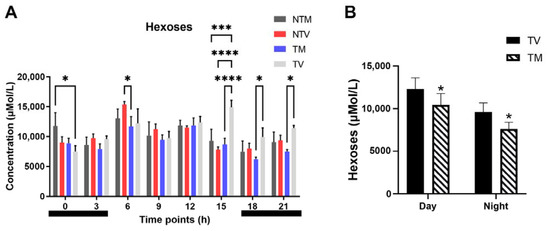
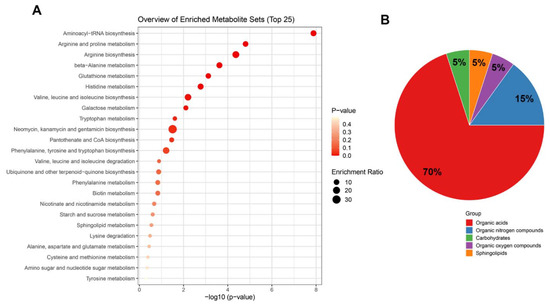
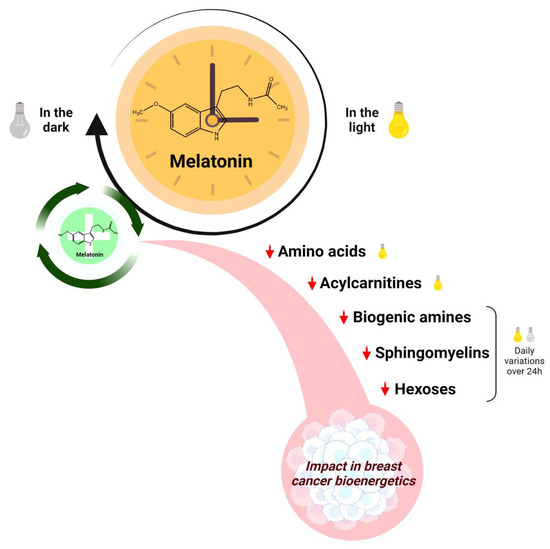
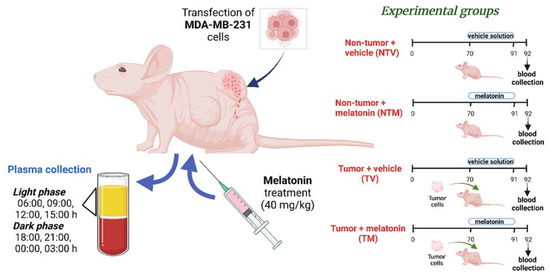
Metabolic dysregulation as a reflection of specific metabolite production and its utilization is a common feature of many human neoplasms. Melatonin, an indoleamine that is highly available during darkness, has a variety of metabolic functions in solid tumors. Because plasma metabolites undergo circadian changes, we investigated the role of melatonin on the profile of amino acids (AAs), biogenic amines, carnitines, sphingolipids, and hexoses present in the plasma of mice bearing xenograft triple negative breast cancer (MDA-MB-231 cells) over 24 h. Plasma concentrations of nine AAs were reduced by melatonin, especially during the light phase, with a profile closer to that of non-breast cancer (BC) animals. With respect to acylcarnitine levels, melatonin reduced 12 out of 24 molecules in BC-bearing animals compared to their controls, especially at 06:00 h and 15:00 h. Importantly, melatonin reduced the concentrations of asymmetric dimethylarginine, carnosine, histamine, kynurenine, methionine sulfoxide, putrescine, spermidine, spermine, and symmetric dimethylarginine, which are associated with the BC metabolite sets. Melatonin also led to reduced levels of sphingomyelins and hexoses, which showed distinct daily variations over 24 h. These results highlight the role of melatonin in controlling the levels of plasma metabolites in human BC xenografts, which may impact cancer bioenergetics, in addition to emphasizing the need for a more accurate examination of its metabolomic changes at different time points. Full article
(This article belongs to the Special Issue Advances in Molecular Studies of Solid Tumors)
Show Figures

Figure 1
15 pages, 2030 KB  
Article
The Kinesin Gene KIF26B Modulates the Severity of Post-Traumatic Heterotopic Ossification
by George A. E. Pickering, Favour Felix-Ilemhenbhio, Matthew J. Clark, Klaudia Kocsy, Jonathan Simpson, Ilaria Bellantuono, Alison Gartland, Jeremy Mark Wilkinson, Konstantinos Hatzikotoulas and Endre Kiss-Toth
Int. J. Mol. Sci. 2022, 23(16), 9203; https://doi.org/10.3390/ijms23169203 - 16 Aug 2022
Cited by 3 | Viewed by 3797
Abstract
The formation of pathological bone deposits within soft tissues, termed heterotopic ossification (HO), is common after trauma. However, the severity of HO formation varies substantially between individuals, from relatively isolated small bone islands through to extensive soft tissue replacement by bone giving rise [...] Read more.
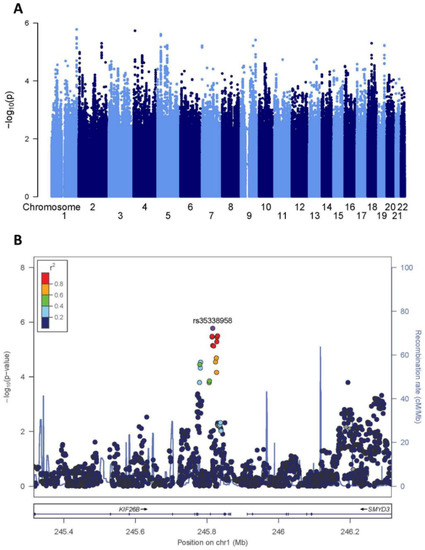
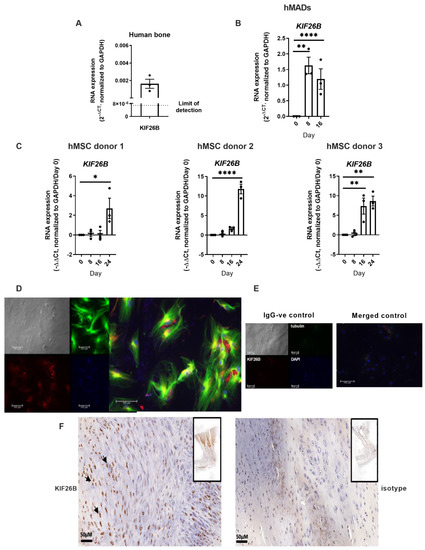
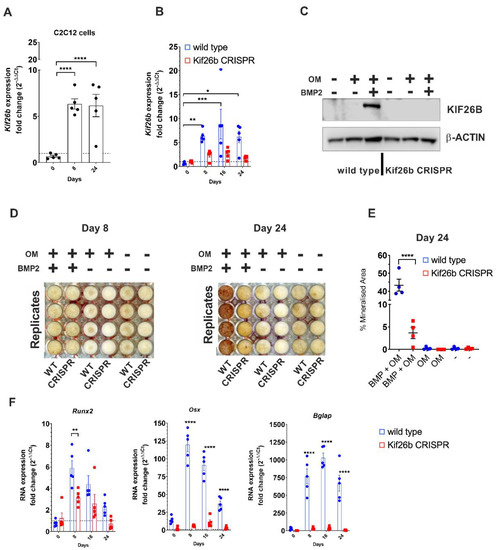
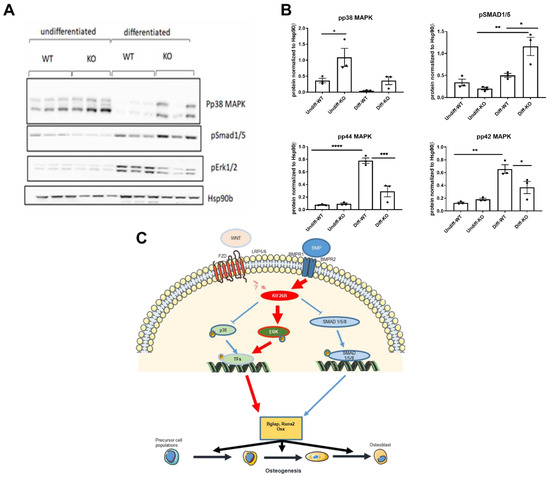
The formation of pathological bone deposits within soft tissues, termed heterotopic ossification (HO), is common after trauma. However, the severity of HO formation varies substantially between individuals, from relatively isolated small bone islands through to extensive soft tissue replacement by bone giving rise to debilitating symptoms. The aim of this study was to identify novel candidate therapeutic molecular targets for severe HO. We conducted a genome-wide scan in men and women with HO of varying severity following hip replacement for osteoarthritis. HO severity was dichotomized as mild or severe, and association analysis was performed with adjustment for age and sex. We next confirmed expression of the gene encoded by the lead signal in human bone and in primary human mesenchymal stem cells. We then examined the effect of gene knockout in a murine model of osseous trans-differentiation, and finally we explored transcription factor phosphorylation in key pathways perturbed by the gene. Ten independent signals were suggestively associated with HO severity, with KIF26B as the lead. We subsequently confirmed KIF26B expression in human bone and upregulation upon BMP2-induced osteogenic differentiation in primary human mesenchymal stem cells, and also in a rat tendo-Achilles model of post-traumatic HO. CRISPR-Cas9 mediated knockout of Kif26b inhibited BMP2-induced Runx2, Sp7/Osterix, Col1A1, Alp, and Bglap/Osteocalcin expression and mineralized nodule formation in a murine myocyte model of osteogenic trans-differentiation. Finally, KIF26B deficiency inhibited ERK MAP kinase activation during osteogenesis, whilst augmenting p38 and SMAD 1/5/8 phosphorylation. Taken together, these data suggest a role for KIF26B in modulating the severity of post-traumatic HO and provide a potential novel avenue for therapeutic translation. Full article
(This article belongs to the Special Issue Bone Development and Growth 2.0)
Show Figures

Figure 1
23 pages, 3365 KB  
Article
Neuroprotective and Regenerative Effects of Growth Hormone (GH) in the Embryonic Chicken Cerebral Pallium Exposed to Hypoxic–Ischemic (HI) Injury
by Juan David Olivares-Hernández, Martha Carranza, Jerusa Elienai Balderas-Márquez, David Epardo, Rosario Baltazar-Lara, José Ávila-Mendoza, Carlos G. Martínez-Moreno, Maricela Luna and Carlos Arámburo
Int. J. Mol. Sci. 2022, 23(16), 9054; https://doi.org/10.3390/ijms23169054 - 13 Aug 2022
Cited by 16 | Viewed by 3797
Abstract
Prenatal hypoxic–ischemic (HI) injury inflicts severe damage on the developing brain provoked by a pathophysiological response that leads to neural structural lesions, synaptic loss, and neuronal death, which may result in a high risk of permanent neurological deficits or even newborn decease. It [...] Read more.
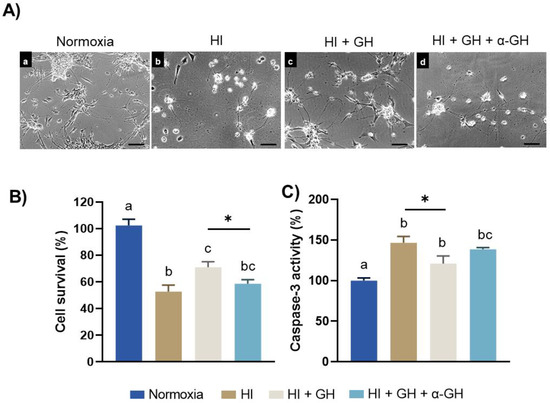
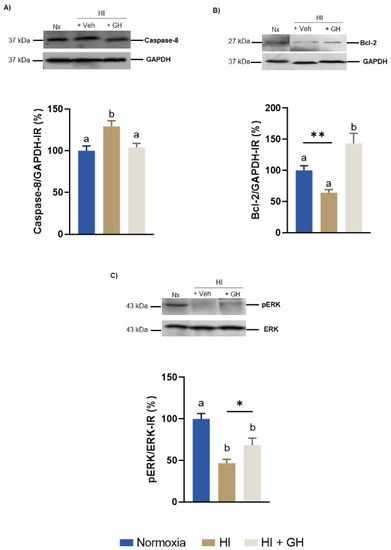
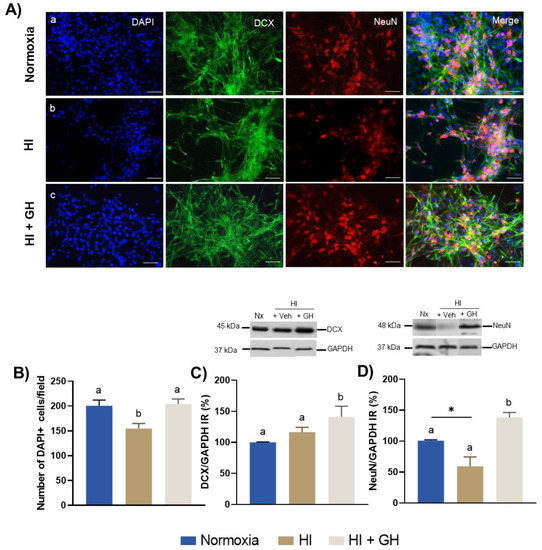
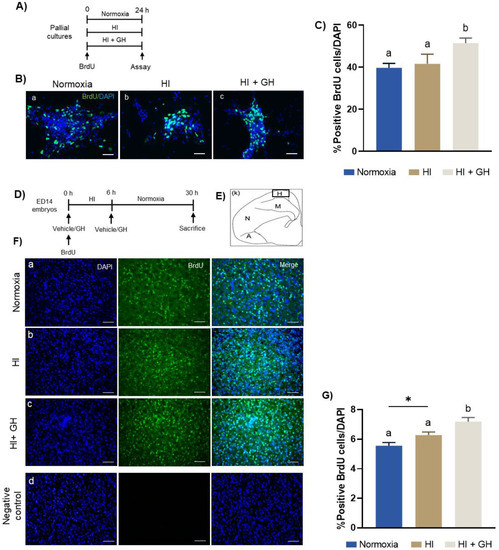
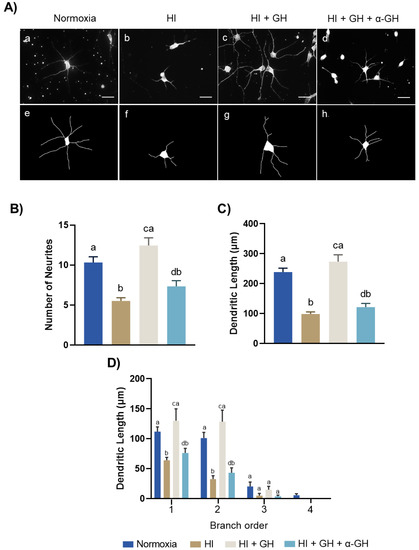
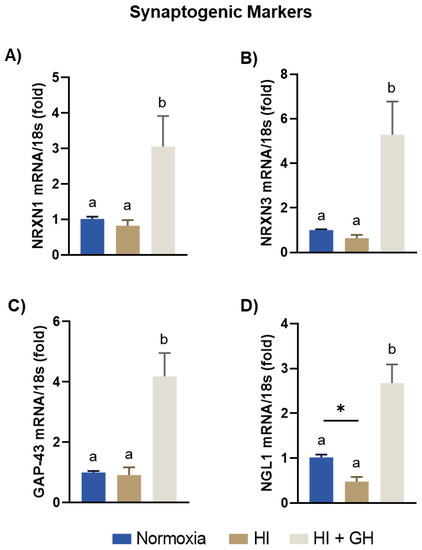
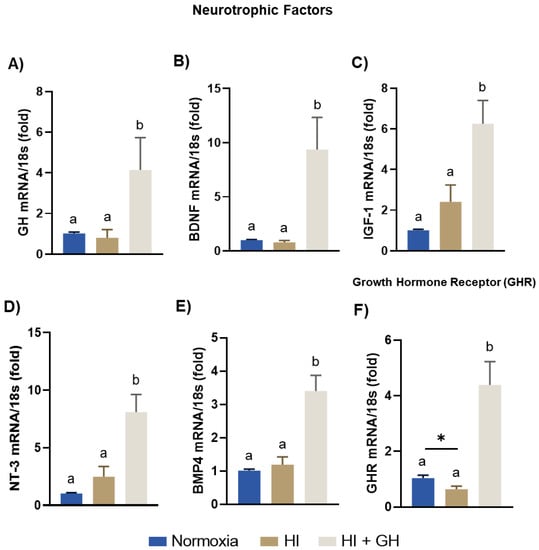
Prenatal hypoxic–ischemic (HI) injury inflicts severe damage on the developing brain provoked by a pathophysiological response that leads to neural structural lesions, synaptic loss, and neuronal death, which may result in a high risk of permanent neurological deficits or even newborn decease. It is known that growth hormone (GH) can act as a neurotrophic factor inducing neuroprotection, neurite growth, and synaptogenesis after HI injury. In this study we used the chicken embryo to develop both in vitro and in vivo models of prenatal HI injury in the cerebral pallium, which is the equivalent of brain cortex in mammals, to examine whether GH exerts neuroprotective and regenerative effects in this tissue and the putative mechanisms involved in these actions. For the in vitro experiments, pallial cell cultures obtained from chick embryos were incubated under HI conditions (<5% O2, 1 g/L glucose) for 24 h and treated with 10 nM GH, and then collected for analysis. For the in vivo experiments, chicken embryos (ED14) were injected in ovo with GH (2.25 µg), exposed to hypoxia (12% O2) for 6 h, and later the pallial tissue was obtained to perform the studies. Results show that GH exerted a clear anti-apoptotic effect and promoted cell survival and proliferation in HI-injured pallial neurons, in both in vitro and in vivo models. Neuroprotective actions of GH were associated with the activation of ERK1/2 and Bcl-2 signaling pathways. Remarkably, GH protected mature neurons that were particularly harmed by HI injury, but was also capable of stimulating neural precursors. In addition, GH stimulated restorative processes such as the number and length of neurite outgrowth and branching in HI-injured pallial neurons, and these effects were blocked by a specific GH antibody, thus indicating a direct action of GH. Furthermore, it was found that the local expression of several synaptogenic markers (NRXN1, NRXN3, GAP-43, and NLG1) and neurotrophic factors (GH, BDNF, NT-3, IGF-1, and BMP4) were increased after GH treatment during HI damage. Together, these results provide novel evidence supporting that GH exerts protective and restorative effects in brain pallium during prenatal HI injury, and these actions could be the result of a joint effect between GH and endogenous neurotrophic factors. Also, they encourage further research on the potential role of GH as a therapeutic complement in HI encephalopathy treatments. Full article
Show Figures

Figure 1