24 pages, 1952 KB  
Review
The MNK1/2-eIF4E Axis as a Potential Therapeutic Target in Melanoma
by Sathyen A. Prabhu, Omar Moussa, Wilson H. Miller, Jr. and Sonia V. del Rincón
Int. J. Mol. Sci. 2020, 21(11), 4055; https://doi.org/10.3390/ijms21114055 - 5 Jun 2020
Cited by 28 | Viewed by 7097
Abstract
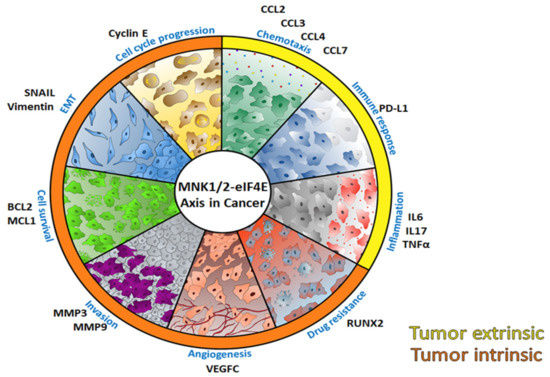
Melanoma is a type of skin cancer that originates in the pigment-producing cells of the body known as melanocytes. Most genetic aberrations in melanoma result in hyperactivation of the mitogen activated protein kinase (MAPK) and phosphoinositide 3-kinase (PI3K) pathways. We and others have [...] Read more.
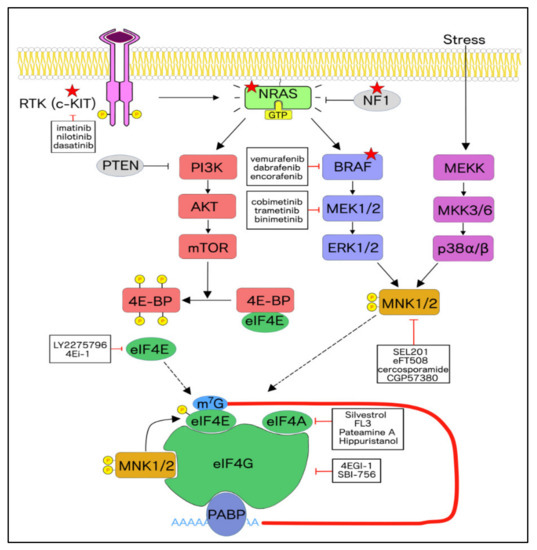
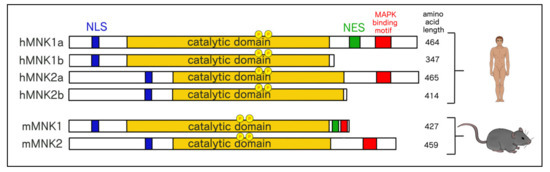
Melanoma is a type of skin cancer that originates in the pigment-producing cells of the body known as melanocytes. Most genetic aberrations in melanoma result in hyperactivation of the mitogen activated protein kinase (MAPK) and phosphoinositide 3-kinase (PI3K) pathways. We and others have shown that a specific protein synthesis pathway known as the MNK1/2-eIF4E axis is often dysregulated in cancer. The MNK1/2-eIF4E axis is a point of convergence for these signaling pathways that are commonly constitutively activated in melanoma. In this review we consider the functional implications of aberrant mRNA translation in melanoma and other malignancies. Moreover, we discuss the consequences of inhibiting the MNK1/2-eIF4E axis on the tumor and tumor-associated cells, and we provide important avenues for the utilization of this treatment modality in combination with other targeted and immune-based therapies. The past decade has seen the increased development of selective inhibitors to block the action of the MNK1/2-eIF4E pathway, which are predicted to be an effective therapy regardless of the melanoma subtype (e.g., cutaneous, acral, and mucosal). Full article
(This article belongs to the Special Issue Signaling in Melanoma)
Show Figures

Figure 1
14 pages, 3759 KB  
Article
Sodium Glucose Co-Transporter 2 Inhibitor Ameliorates Autophagic Flux Impairment on Renal Proximal Tubular Cells in Obesity Mice
by Kazuhiko Fukushima, Shinji Kitamura, Kenji Tsuji, Yizhen Sang and Jun Wada
Int. J. Mol. Sci. 2020, 21(11), 4054; https://doi.org/10.3390/ijms21114054 - 5 Jun 2020
Cited by 30 | Viewed by 4460
Abstract
Obesity is supposed to cause renal injury via autophagy deficiency. Recently, sodium glucose co-transporter 2 inhibitors (SGLT2i) were reported to protect renal injury. However, the mechanisms of SGLT2i for renal protection are unclear. Here, we investigated the effect of SGLT2i for autophagy in [...] Read more.
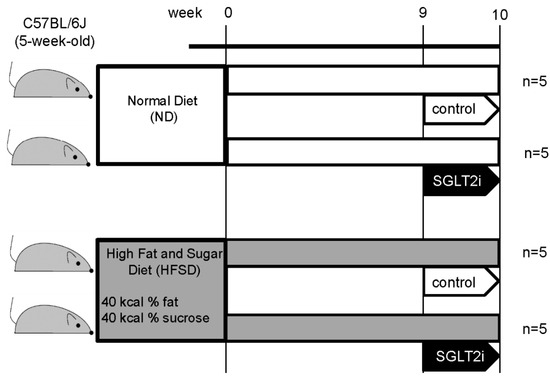
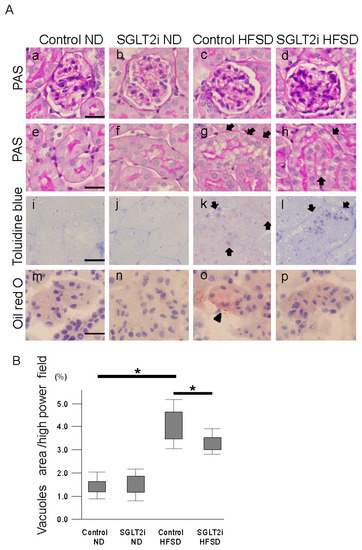
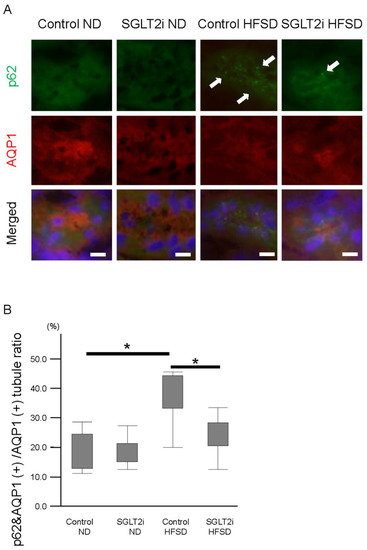
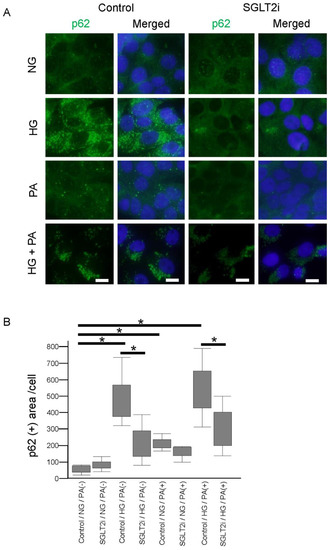
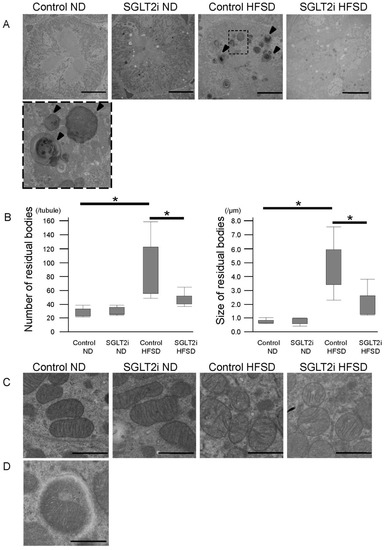
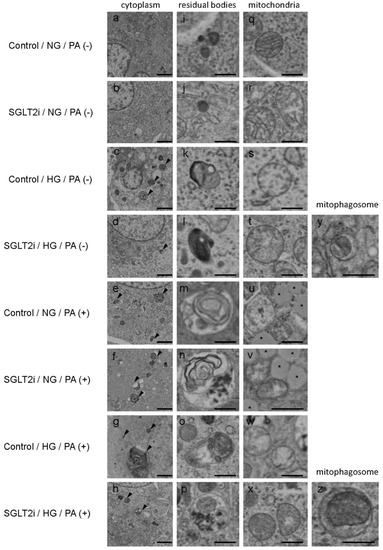
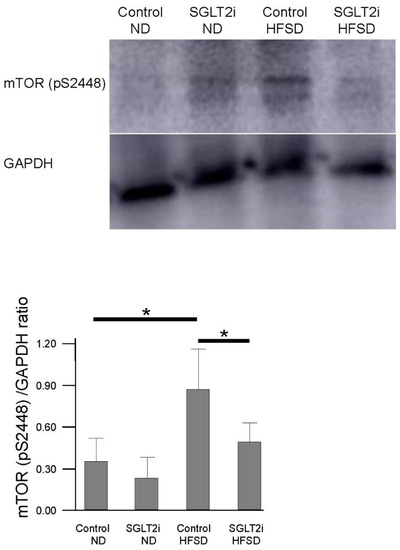
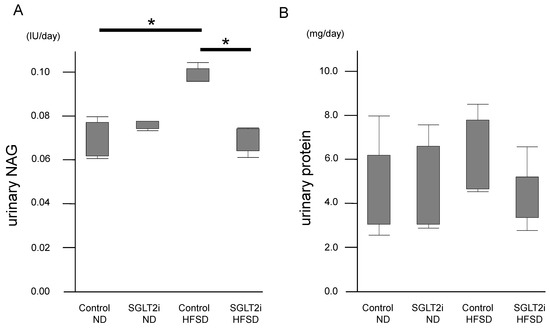
Obesity is supposed to cause renal injury via autophagy deficiency. Recently, sodium glucose co-transporter 2 inhibitors (SGLT2i) were reported to protect renal injury. However, the mechanisms of SGLT2i for renal protection are unclear. Here, we investigated the effect of SGLT2i for autophagy in renal proximal tubular cells (PTCs) on obesity mice. We fed C57BL/6J mice with a normal diet (ND) or high-fat and -sugar diet (HFSD) for nine weeks, then administered SGLT2i, empagliflozin, or control compound for one week. Each group contained N = 5. The urinary N-acetyl-beta-d-glucosaminidase level in the HFSD group significantly increased compared to ND group. The tubular damage was suppressed in the SGLT2i–HFSD group. In electron microscopic analysis, multi lamellar bodies that increased in autophagy deficiency were increased in PTCs in the HFSD group but significantly suppressed in the SGLT2i group. The autophagosomes of damaged mitochondria in PTCs in the HFSD group frequently appeared in the SGLT2i group. p62 accumulations in PTCs were significantly increased in HFSD group but significantly suppressed by SGLT2i. In addition, the mammalian target of rapamycin was activated in the HFSD group but significantly suppressed in SGLT2i group. These data suggest that SGLT2i has renal protective effects against obesity via improving autophagy flux impairment in PTCs on a HFSD. Full article
(This article belongs to the Section Molecular Endocrinology and Metabolism)
Show Figures

Figure 1
13 pages, 4557 KB  
Article
Molecular Cytogenetic Identification of Wheat-Aegilops Biuncialis 5Mb Disomic Addition Line with Tenacious and Black Glumes
by Liqiang Song, Hui Zhao, Zhi Zhang, Shuai Zhang, Jiajia Liu, Wei Zhang, Na Zhang, Jun Ji, Lihui Li and Junming Li
Int. J. Mol. Sci. 2020, 21(11), 4053; https://doi.org/10.3390/ijms21114053 - 5 Jun 2020
Cited by 17 | Viewed by 4171
Abstract
Production of wheat-alien disomic addition lines is of great value to the exploitation and utilization of elite genes originated from related species to wheat. In this study, a novel wheat-Aegilops biuncialis 5Mb disomic addition line WA317 was characterized by in situ [...] Read more.
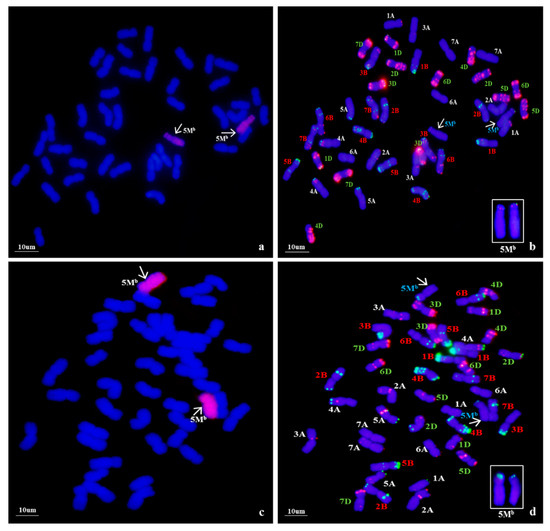
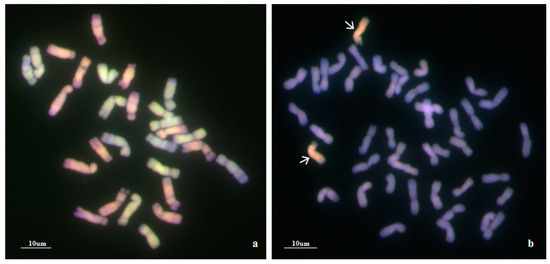
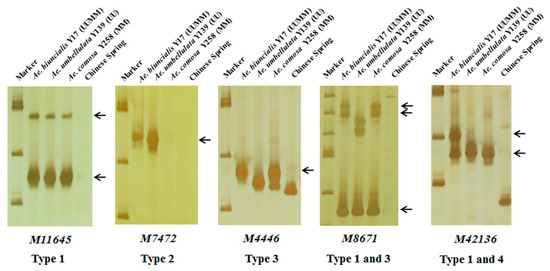
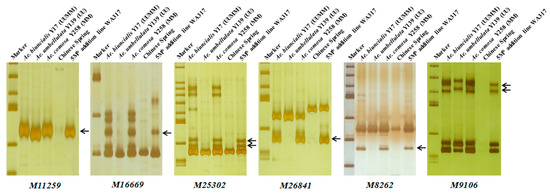
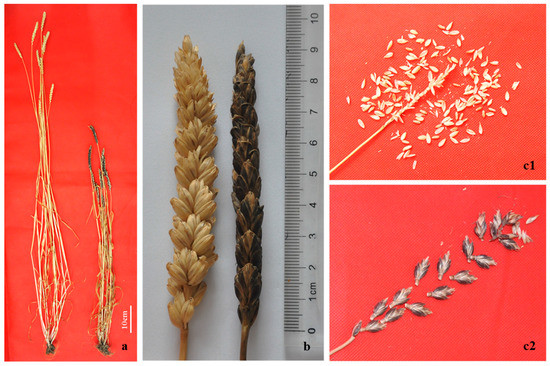
Production of wheat-alien disomic addition lines is of great value to the exploitation and utilization of elite genes originated from related species to wheat. In this study, a novel wheat-Aegilops biuncialis 5Mb disomic addition line WA317 was characterized by in situ hybridization (ISH) and specific-locus amplified fragment sequencing (SLAF-seq) markers. Compared to its parent Chinese Spring (CS), the glumes of WA317 had black color and were difficult to remove after harvesting, suggesting chromosome 5Mb carried gene(s) related to glume development and Triticeae domestication process. A total of 242 Ae. biuncialis SLAF-based markers (298 amplified patterns) were developed and further divided into four categories by Ae. biuncialis Y17, Ae. umbellulata Y139 and Ae. comosa Y258, including 172 markers amplifying the same bands of U and M genome, six and 102 markers amplifying U-specific and M-specific bands, respectively and eighteen markers amplifying specific bands in Y17. Among them, 45 markers had the specific amplifications in WA317 and were 5Mb specific markers. Taken together, line WA317 with tenacious and black glumes should serve as the foundation for understanding of the Triticeae domestication process and further exploitation of primitive alleles for wheat improvement. Ae. biuncialis SLAF-based markers can be used for studying syntenic relationships between U and M genomes as well as rapid tracking of U and M chromosomal segments in wheat background. Full article
(This article belongs to the Section Molecular Plant Sciences)
Show Figures

Figure 1
18 pages, 14018 KB  
Review
Intracellular Cl Regulation of Ciliary Beating in Ciliated Human Nasal Epithelial Cells: Frequency and Distance of Ciliary Beating Observed by High-Speed Video Microscopy
by Makoto Yasuda, Taka-aki Inui, Shigeru Hirano, Shinji Asano, Tomonori Okazaki, Toshio Inui, Yoshinori Marunaka and Takashi Nakahari
Int. J. Mol. Sci. 2020, 21(11), 4052; https://doi.org/10.3390/ijms21114052 - 5 Jun 2020
Cited by 19 | Viewed by 6836
Abstract
Small inhaled particles, which are entrapped by the mucous layer that is maintained by mucous secretion via mucin exocytosis and fluid secretion, are removed from the nasal cavity by beating cilia. The functional activities of beating cilia are assessed by their frequency and [...] Read more.
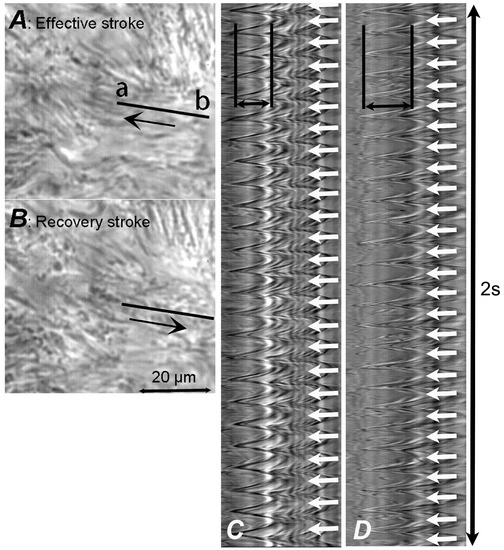
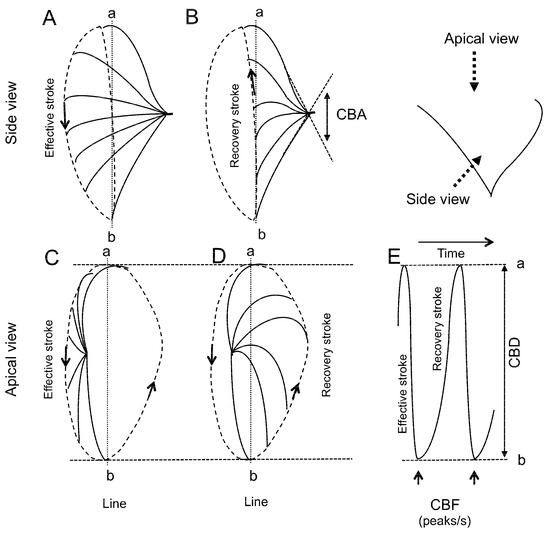
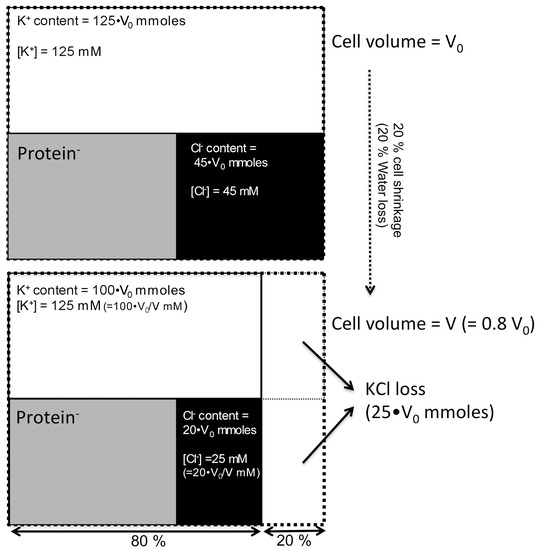
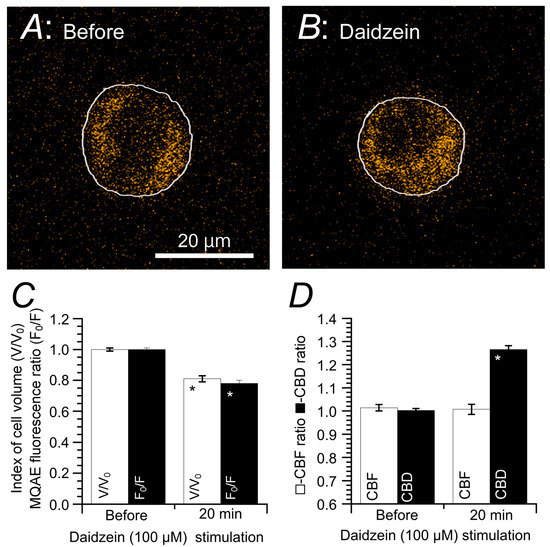
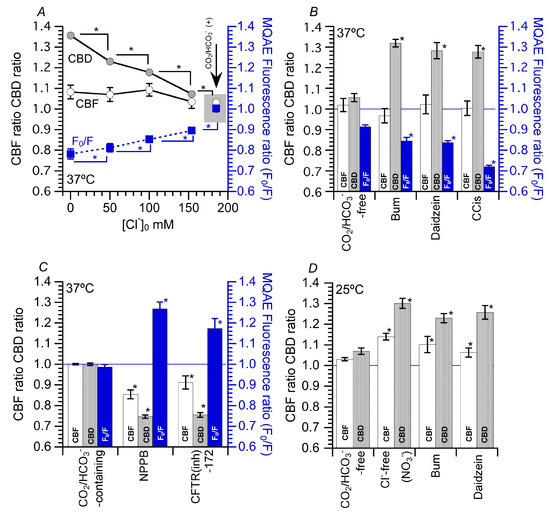
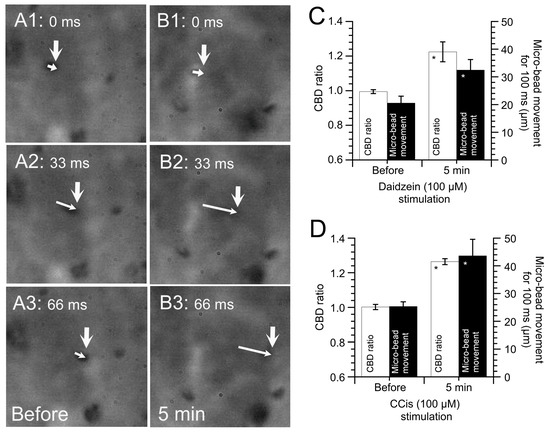
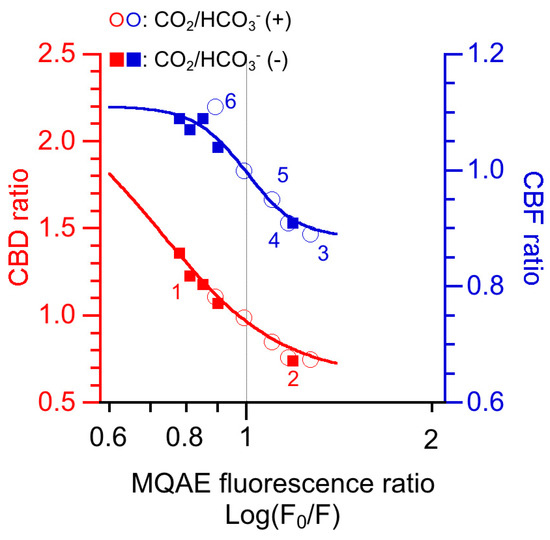
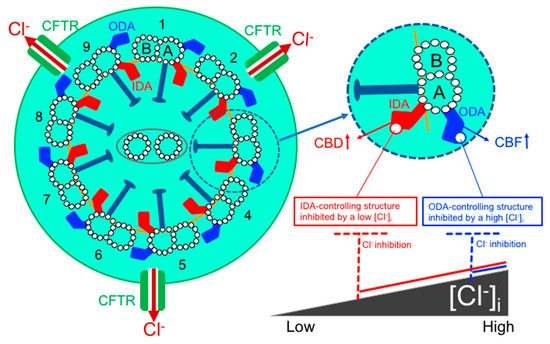
Small inhaled particles, which are entrapped by the mucous layer that is maintained by mucous secretion via mucin exocytosis and fluid secretion, are removed from the nasal cavity by beating cilia. The functional activities of beating cilia are assessed by their frequency and the amplitude. Nasal ciliary beating is controlled by intracellular ions (Ca2+, H+ and Cl), and is enhanced by a decreased concentration of intracellular Cl ([Cl]i) in ciliated human nasal epithelial cells (cHNECs) in primary culture, which increases the ciliary beat amplitude. A novel method to measure both ciliary beat frequency (CBF) and ciliary beat distance (CBD, an index of ciliary beat amplitude) in cHNECs has been developed using high-speed video microscopy, which revealed that a decrease in [Cl]i increased CBD, but not CBF, and an increase in [Cl]i decreased both CBD and CBF. Thus, [Cl]i inhibits ciliary beating in cHNECs, suggesting that axonemal structures controlling CBD and CBF may have Cl sensors and be regulated by [Cl]i. These observations indicate that the activation of Cl secretion stimulates ciliary beating (increased CBD) mediated via a decrease in [Cl]i in cHNECs. Thus, [Cl]i is critical for controlling ciliary beating in cHNECs. This review introduces the concept of Cl regulation of ciliary beating in cHNECs. Full article
(This article belongs to the Special Issue Molecular Researches on Cilia)
Show Figures

Figure 1
17 pages, 1512 KB  
Review
Genetically Modified Mesenchymal Stem Cells: The Next Generation of Stem Cell-Based Therapy for TBI
by Rami Ahmad Shahror, Chung-Che Wu, Yung-Hsiao Chiang and Kai-Yun Chen
Int. J. Mol. Sci. 2020, 21(11), 4051; https://doi.org/10.3390/ijms21114051 - 5 Jun 2020
Cited by 35 | Viewed by 7742
Abstract
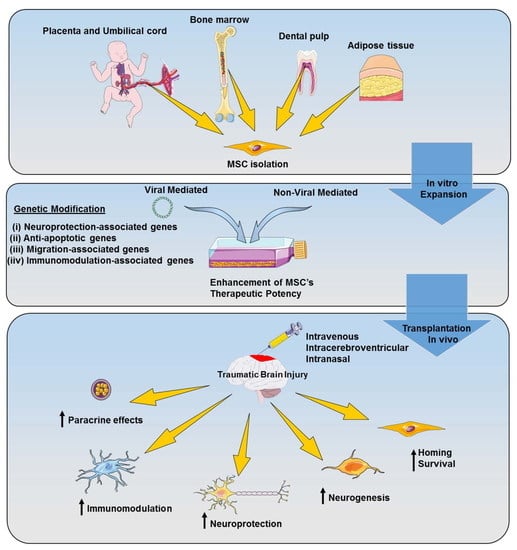
Mesenchymal stem cells (MSCs) are emerging as an attractive approach for restorative medicine in central nervous system (CNS) diseases and injuries, such as traumatic brain injury (TBI), due to their relatively easy derivation and therapeutic effect following transplantation. However, the long-term survival of [...] Read more.
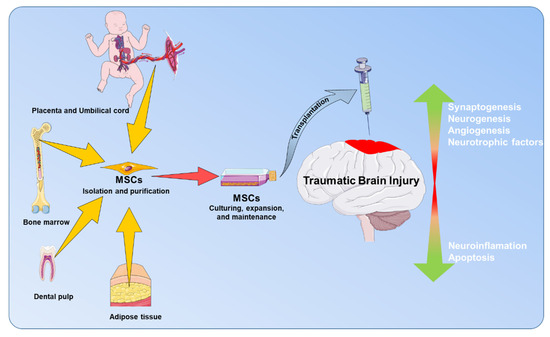
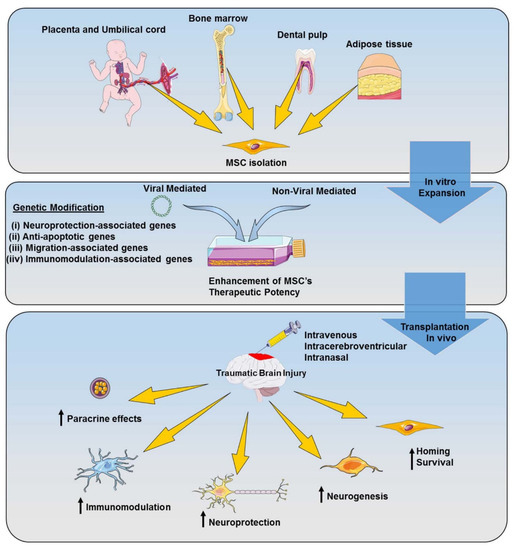
Mesenchymal stem cells (MSCs) are emerging as an attractive approach for restorative medicine in central nervous system (CNS) diseases and injuries, such as traumatic brain injury (TBI), due to their relatively easy derivation and therapeutic effect following transplantation. However, the long-term survival of the grafted cells and therapeutic efficacy need improvement. Here, we review the recent application of MSCs in TBI treatment in preclinical models. We discuss the genetic modification approaches designed to enhance the therapeutic potency of MSCs for TBI treatment by improving their survival after transplantation, enhancing their homing abilities and overexpressing neuroprotective and neuroregenerative factors. We highlight the latest preclinical studies that have used genetically modified MSCs for TBI treatment. The recent developments in MSCs’ biology and potential TBI therapeutic targets may sufficiently improve the genetic modification strategies for MSCs, potentially bringing effective MSC-based therapies for TBI treatment in humans. Full article
(This article belongs to the Special Issue Role and Application of Stem Cells in Regenerative Medicine 2.0)
Show Figures

Graphical abstract

13 pages, 2366 KB  
Article
Antiviral Activity of Compound L3 against Dengue and Zika Viruses In Vitro and In Vivo
by Fu-Kai Chuang, Ching-Len Liao, Ming-Kuan Hu, Yi-Lin Chiu, An-Rong Lee, Shih-Ming Huang, Yu-Lung Chiu, Pei-Ling Tsai, Bo-Cyuan Su, Tsung-Hsien Chang, Chang-Chi Lin, Chih-Chin Shih and Li-Chen Yen
Int. J. Mol. Sci. 2020, 21(11), 4050; https://doi.org/10.3390/ijms21114050 - 5 Jun 2020
Cited by 12 | Viewed by 4970
Abstract
Dengue virus (DENV) and Zika virus (ZIKV) are mosquito-borne flaviviruses that cause severe illness after infection. Currently, there are no specific or effective treatments against DENV and ZIKV. Previous studies have shown that tyrosine kinase activities and signal transduction are involved in flavivirus [...] Read more.
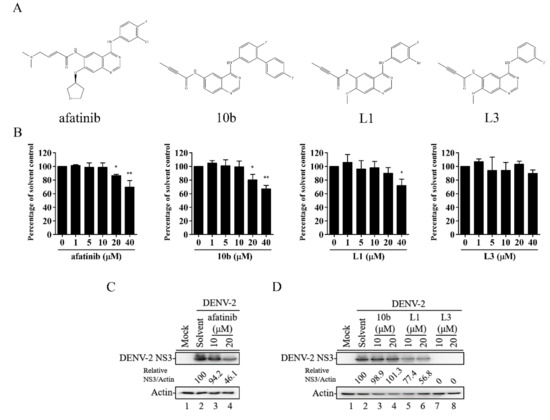
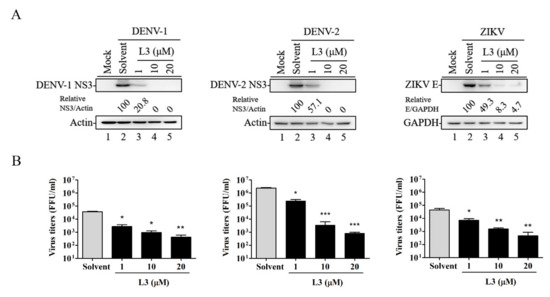
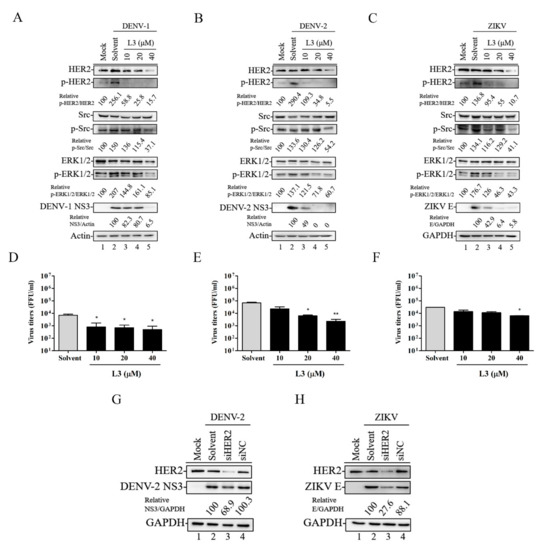
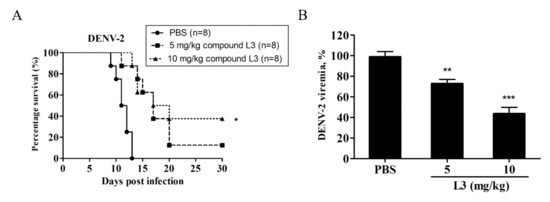
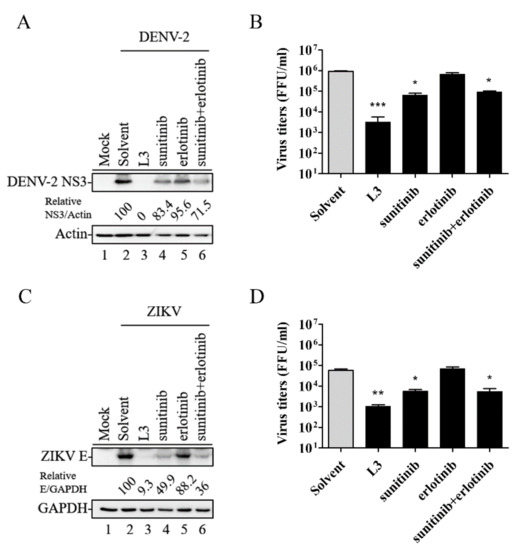
Dengue virus (DENV) and Zika virus (ZIKV) are mosquito-borne flaviviruses that cause severe illness after infection. Currently, there are no specific or effective treatments against DENV and ZIKV. Previous studies have shown that tyrosine kinase activities and signal transduction are involved in flavivirus replication, suggesting a potential therapeutic strategy for DENV and ZIKV. In this study, we found that compound L3 can significantly reduce viral protein expression and viral titers in HEK-293, MCF-7, HepG2, and Huh-7 cells and exhibits superior therapeutic efficacy against flaviviral infection compared to other tyrosine kinase inhibitors. In addition, compound L3 can decrease endogenous HER2 activation and inhibit the phosphorylation of the HER2 downstream signaling molecules Src and ERK1/2, the levels of which have been associated with viral protein expression in MCF-7 cells. Moreover, silencing HER2 diminished DENV-2 and ZIKV expression in MCF-7 cells, which suggests that HER2 activity is involved in flavivirus replication. Furthermore, in DENV-2-infected AG129 mice, treatment with compound L3 increased the survival rates and reduced the viremia levels. Overall, compound L3 demonstrates therapeutic efficacy both in vitro and in vivo and could be developed as a promising antiviral drug against emerging flaviviruses or for concurrent DENV and ZIKV outbreaks. Full article
(This article belongs to the Special Issue Molecular Research on Arboviruses Infection)
Show Figures

Figure 1
16 pages, 3151 KB  
Article
A Pre-Existing Myogenic Temporomandibular Disorder Increases Trigeminal Calcitonin Gene-Related Peptide and Enhances Nitroglycerin-Induced Hypersensitivity in Mice
by Hui Shu, Sufang Liu, Yuanyuan Tang, Brian L. Schmidt, John C. Dolan, Larry L. Bellinger, Phillip R. Kramer, Steven D. Bender and Feng Tao
Int. J. Mol. Sci. 2020, 21(11), 4049; https://doi.org/10.3390/ijms21114049 - 5 Jun 2020
Cited by 25 | Viewed by 4610
Abstract
Migraine is commonly reported among patients with temporomandibular disorders (TMDs), especially myogenic TMD. The pathophysiologic mechanisms related to the comorbidity of the two conditions remain elusive. In the present study, we combined masseter muscle tendon ligation (MMTL)-produced myogenic TMD with systemic injection of [...] Read more.
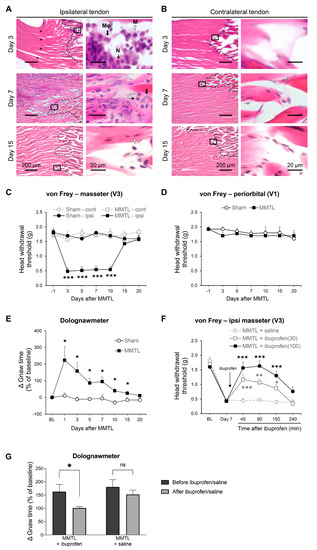
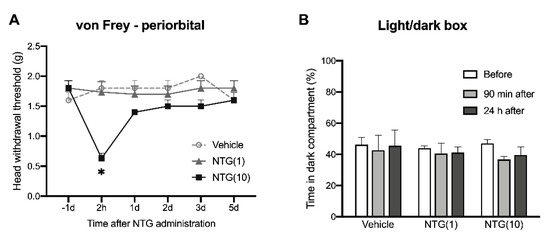
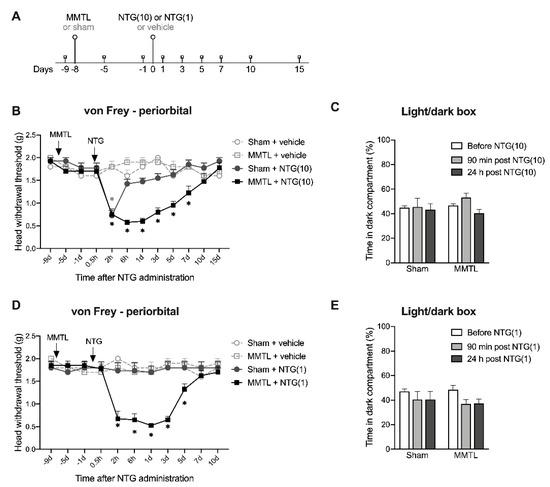
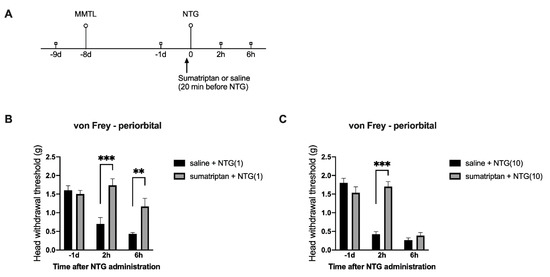
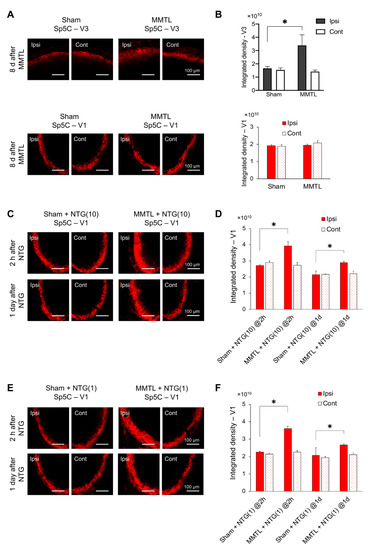
Migraine is commonly reported among patients with temporomandibular disorders (TMDs), especially myogenic TMD. The pathophysiologic mechanisms related to the comorbidity of the two conditions remain elusive. In the present study, we combined masseter muscle tendon ligation (MMTL)-produced myogenic TMD with systemic injection of nitroglycerin (NTG)-induced migraine-like hypersensitivity in mice. Facial mechanical allodynia, functional allodynia, and light-aversive behavior were evaluated. Sumatriptan, an FDA-approved medication for migraine, was used to validate migraine-like hypersensitivity. Additionally, we examined the protein level of calcitonin gene-related peptide (CGRP) in the spinal trigeminal nucleus caudalis using immunohistochemistry. We observed that mice with MMTL pretreatment have a prolonged NTG-induced migraine-like hypersensitivity, and MMTL also enabled a non-sensitizing dose of NTG to trigger migraine-like hypersensitivity. Systemic injection of sumatriptan inhibited the MMTL-enhanced migraine-like hypersensitivity. MMTL pretreatment significantly upregulated the protein level of CGRP in the spinal trigeminal nucleus caudalis after NTG injection. Our results indicate that a pre-existing myogenic TMD can upregulate NTG-induced trigeminal CGRP and enhance migraine-like hypersensitivity. Full article
(This article belongs to the Special Issue Orofacial Pain: Molecular Mechanisms, Diagnosis and Treatment)
Show Figures

Figure 1
11 pages, 2418 KB  
Article
Facile Histamine Detection by Surface-Enhanced Raman Scattering Using SiO2@Au@Ag Alloy Nanoparticles
by Kim-Hung Huynh, Xuan-Hung Pham, Eunil Hahm, Jaehyun An, Hyung-Mo Kim, Ahla Jo, Bomi Seong, Yoon-Hee Kim, Byung Sung Son, Jaehi Kim, Won-Yeop Rho and Bong-Hyun Jun
Int. J. Mol. Sci. 2020, 21(11), 4048; https://doi.org/10.3390/ijms21114048 - 5 Jun 2020
Cited by 34 | Viewed by 4954
Abstract
Histamine intoxication associated with seafood consumption represents a global health problem. The consumption of high concentrations of histamine can cause illnesses ranging from light symptoms, such as a prickling sensation, to death. In this study, gold–silver alloy-embedded silica (SiO2@Au@Ag) nanoparticles were [...] Read more.
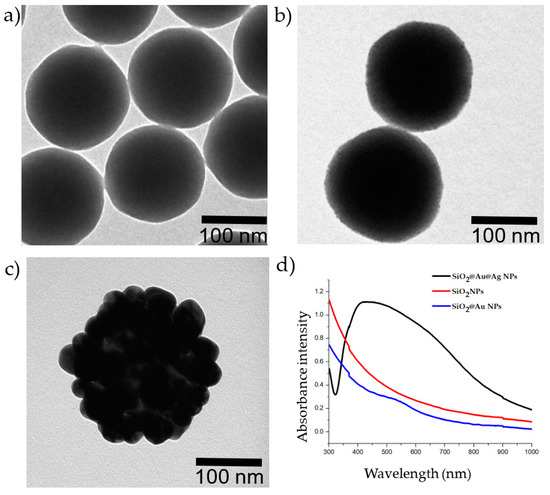
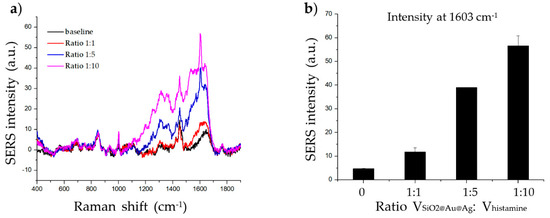
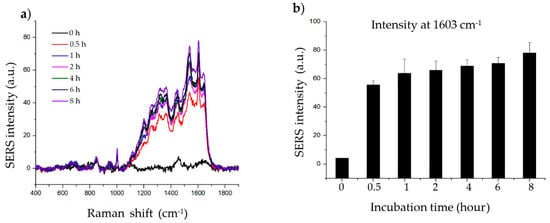
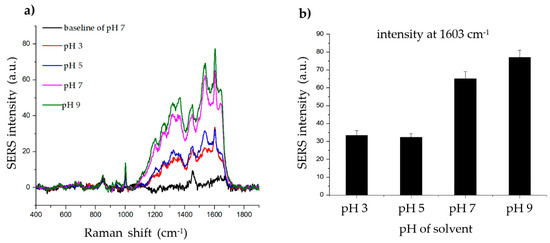
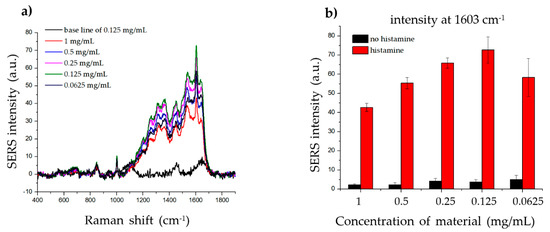
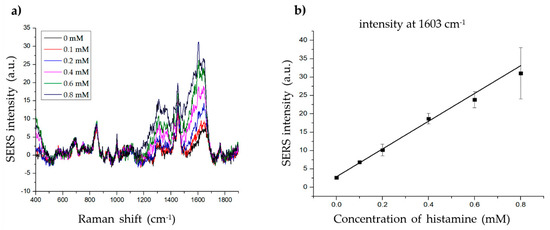
Histamine intoxication associated with seafood consumption represents a global health problem. The consumption of high concentrations of histamine can cause illnesses ranging from light symptoms, such as a prickling sensation, to death. In this study, gold–silver alloy-embedded silica (SiO2@Au@Ag) nanoparticles were created to detect histamine using surface-enhanced Raman scattering (SERS). The optimal histamine SERS signal was measured following incubation with 125 μg/mL of SiO2@Au@Ag for 2 h, with a material-to-histamine solution volume ratio of 1:5 and a phosphate-buffered saline-Tween 20 (PBS-T) solvent at pH 7. The SERS intensity of the histamine increased proportionally with the increase in histamine concentration in the range 0.1–0.8 mM, with a limit of detection of 3.698 ppm. Our findings demonstrate the applicability of SERS using nanomaterials for histamine detection. In addition, this study demonstrates that nanoalloys could have a broad application in the future. Full article
(This article belongs to the Special Issue Silver Nano/Microparticles: Modification and Applications 2.0)
Show Figures

Figure 1
16 pages, 3010 KB  
Article
The Mitochondrial Pentatricopeptide Repeat Protein PPR18 Is Required for the cis-Splicing of nad4 Intron 1 and Essential to Seed Development in Maize
by Rui Liu, Shi-Kai Cao, Aqib Sayyed, Chunhui Xu, Feng Sun, Xiaomin Wang and Bao-Cai Tan
Int. J. Mol. Sci. 2020, 21(11), 4047; https://doi.org/10.3390/ijms21114047 - 5 Jun 2020
Cited by 19 | Viewed by 4142
Abstract
Pentatricopeptide repeat (PPR) protein comprises a large family, participating in various aspects of organellar RNA metabolism in land plants. There are approximately 600 PPR proteins in maize, but the functions of many PPR proteins remain unknown. In this study, we defined the function [...] Read more.
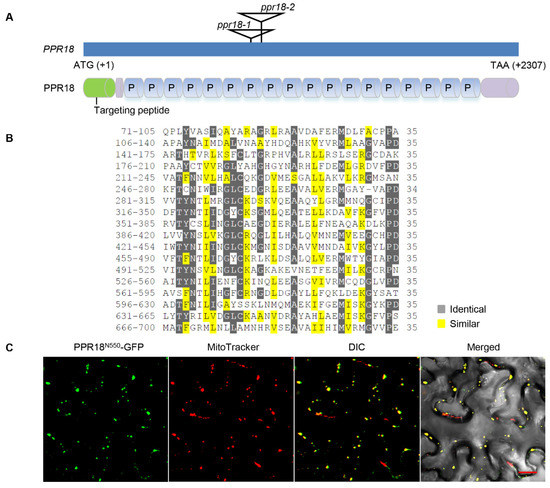
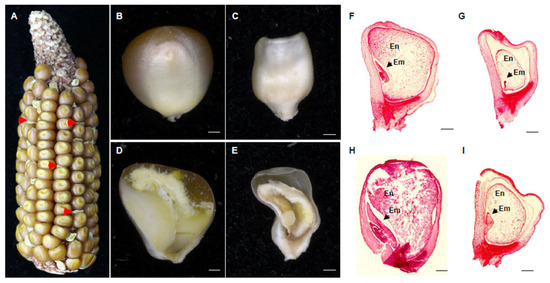
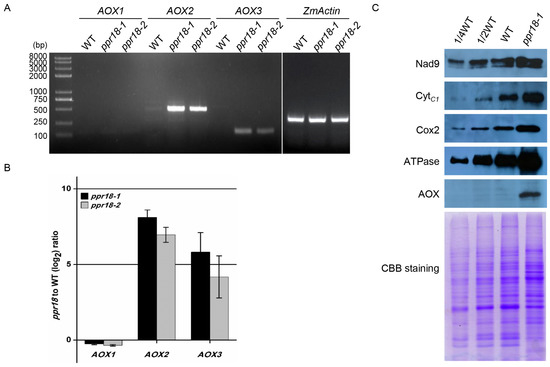
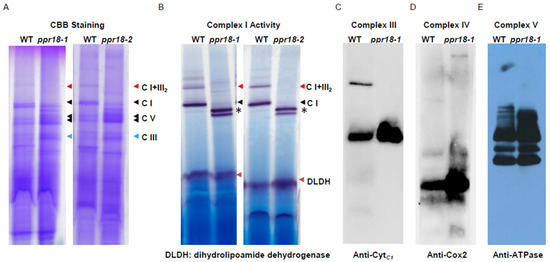
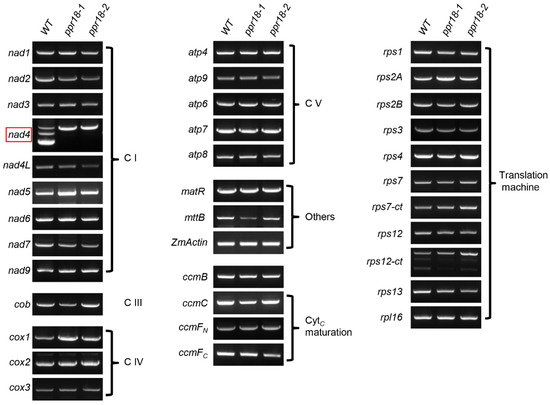
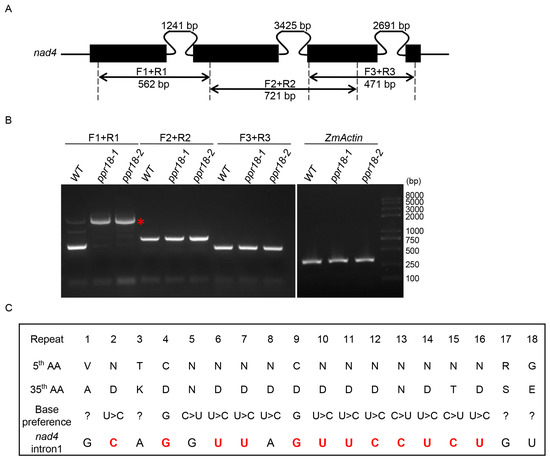
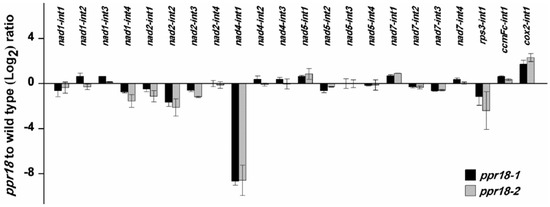
Pentatricopeptide repeat (PPR) protein comprises a large family, participating in various aspects of organellar RNA metabolism in land plants. There are approximately 600 PPR proteins in maize, but the functions of many PPR proteins remain unknown. In this study, we defined the function of PPR18 in the cis-splicing of nad4 intron 1 in mitochondria and seed development in maize. Loss function of PPR18 seriously impairs embryo and endosperm development, resulting in the empty pericarp (emp) phenotype in maize. PPR18 encodes a mitochondrion-targeted P-type PPR protein with 18 PPR motifs. Transcripts analysis indicated that the splicing of nad4 intron 1 is impaired in the ppr18 mutant, resulting in the absence of nad4 transcript, leading to severely reduced assembly and activity of mitochondrial complex I and dramatically reduced respiration rate. These results demonstrate that PPR18 is required for the cis-splicing of nad4 intron 1 in mitochondria, and critical to complex I assembly and seed development in maize. Full article
(This article belongs to the Special Issue Plant Mitochondria 2.0)
Show Figures

Figure 1
21 pages, 3589 KB  
Article
Lessons on the Sigma-1 Receptor in TNBS-Induced Rat Colitis: Modulation of the UCHL-1, IL-6 Pathway
by Nikoletta Almási, Szilvia Török, Szabolcs Dvorácskó, Csaba Tömböly, Ákos Csonka, Zoltán Baráth, Zsolt Murlasits, Zsuzsanna Valkusz, Anikó Pósa, Csaba Varga and Krisztina Kupai
Int. J. Mol. Sci. 2020, 21(11), 4046; https://doi.org/10.3390/ijms21114046 - 5 Jun 2020
Cited by 18 | Viewed by 5289
Abstract
Inflammatory Bowel Disease (IBD) is an autoimmune ailment of the gastrointestinal (GI) tract, which is characterized by enhanced activation of proinflammatory cytokines. It is suggested that the sigma-1 receptor (σ1R) confers anti-inflammatory effects. As the exact pathogenesis of IBD is still unknown and [...] Read more.
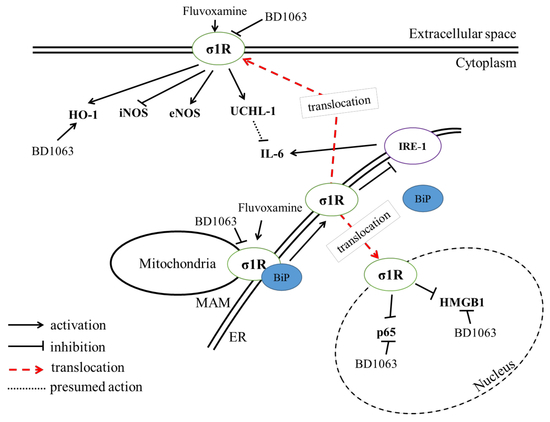
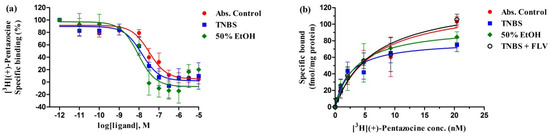
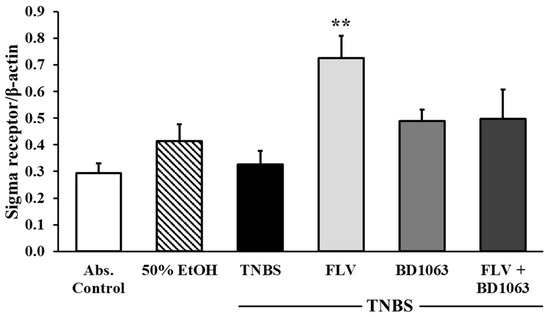
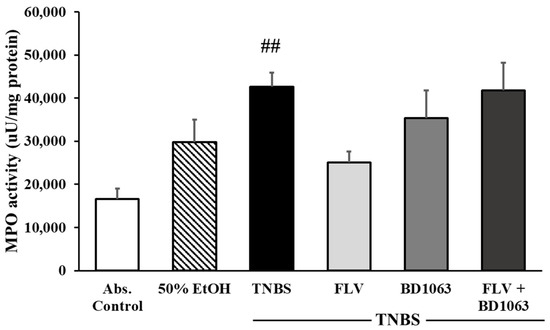
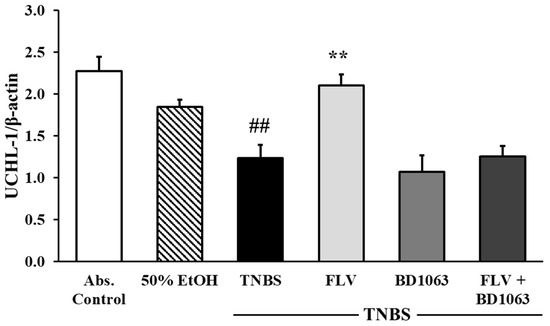
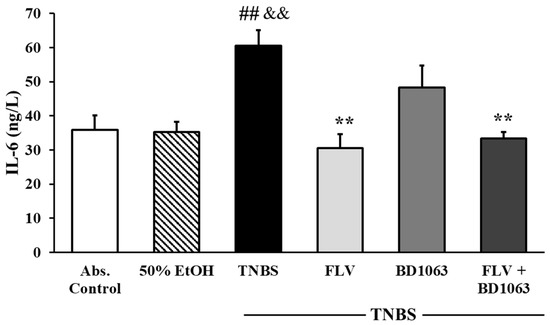
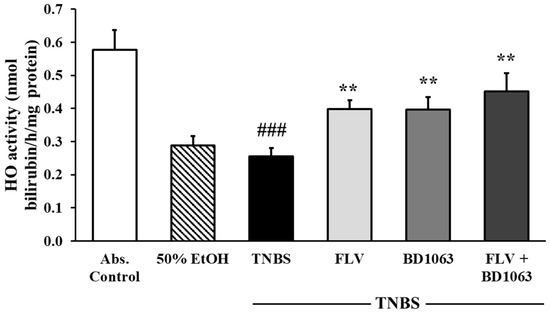
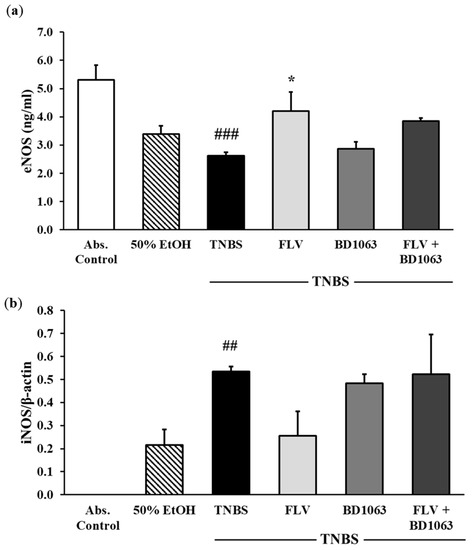
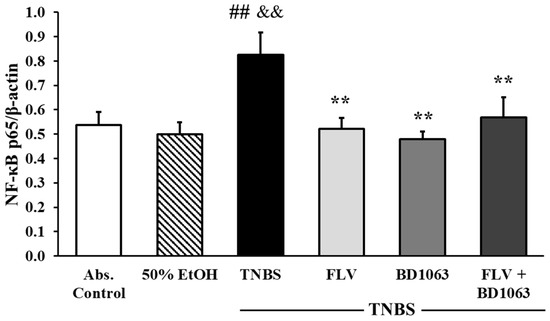
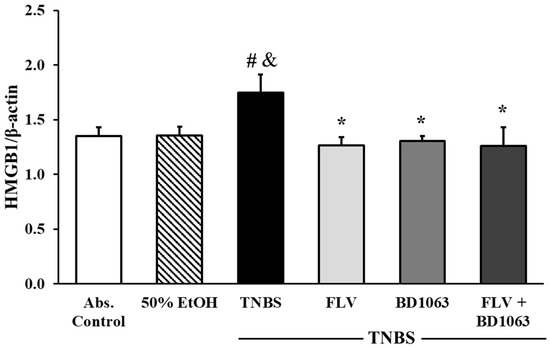
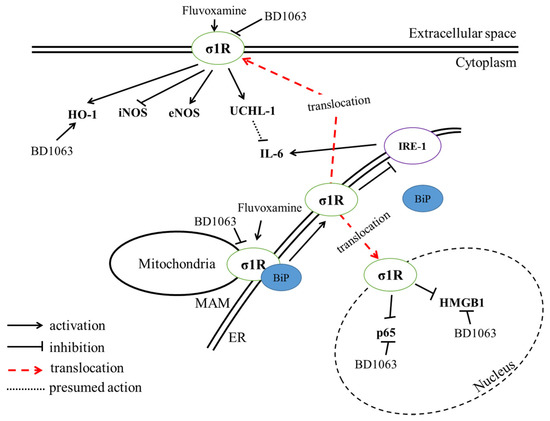
Inflammatory Bowel Disease (IBD) is an autoimmune ailment of the gastrointestinal (GI) tract, which is characterized by enhanced activation of proinflammatory cytokines. It is suggested that the sigma-1 receptor (σ1R) confers anti-inflammatory effects. As the exact pathogenesis of IBD is still unknown and treatment options are limited, we aimed to investigate the effects of σ1R in 2,4,6-trinitrobenzenesulfonic acid (TNBS)-induced experimental colitis. To this end, male Wistar–Harlan rats were used to model colitic inflammation through the administration of TNBS. To investigate the effects of σ1R, Fluvoxamine (FLV, σ1R agonist) and BD1063 (σ1R antagonist) were applied via intracolonic administration to the animals once a day for three days. Our radioligand binding studies indicated the existence of σ1Rs as [3H](+)-pentazocine binding sites, and FLV treatment increased the reduced σ1R maximum binding capacity in TNBS-induced colitis. Furthermore, FLV significantly attenuated the colonic damage, the effect of which was abolished by the administration of BD1063. Additionally, FLV potentially increased the expression of ubiquitin C-terminal hydrolase ligase-1 (UCHL-1) and the levels of endothelial nitric oxide synthase (eNOS), and decreased the levels of interleukin-6 (IL-6) and inducible NOS (iNOS) expression. In summary, our study offers evidence for the anti-inflammatory potential of FLV and σ1R in experimental colitis, and our results present a promising approach to the development of new σ1R-targeted treatment options against IBD. Full article
(This article belongs to the Special Issue Molecular Research in Inflammatory Bowel Disease 2.0)
Show Figures

Graphical abstract

20 pages, 890 KB  
Review
Gut–Brain Axis and Neurodegeneration: State-of-the-Art of Meta-Omics Sciences for Microbiota Characterization
by Bruno Tilocca, Luisa Pieroni, Alessio Soggiu, Domenico Britti, Luigi Bonizzi, Paola Roncada and Viviana Greco
Int. J. Mol. Sci. 2020, 21(11), 4045; https://doi.org/10.3390/ijms21114045 - 5 Jun 2020
Cited by 68 | Viewed by 9879
Abstract
Recent advances in the field of meta-omics sciences and related bioinformatics tools have allowed a comprehensive investigation of human-associated microbiota and its contribution to achieving and maintaining the homeostatic balance. Bioactive compounds from the microbial community harboring the human gut are involved in [...] Read more.
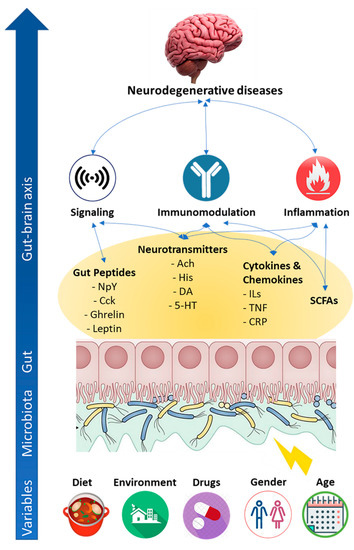
Recent advances in the field of meta-omics sciences and related bioinformatics tools have allowed a comprehensive investigation of human-associated microbiota and its contribution to achieving and maintaining the homeostatic balance. Bioactive compounds from the microbial community harboring the human gut are involved in a finely tuned network of interconnections with the host, orchestrating a wide variety of physiological processes. These includes the bi-directional crosstalk between the central nervous system, the enteric nervous system, and the gastrointestinal tract (i.e., gut–brain axis). The increasing accumulation of evidence suggest a pivotal role of the composition and activity of the gut microbiota in neurodegeneration. In the present review we aim to provide an overview of the state-of-the-art of meta-omics sciences including metagenomics for the study of microbial genomes and taxa strains, metatranscriptomics for gene expression, metaproteomics and metabolomics to identify and/or quantify microbial proteins and metabolites, respectively. The potential and limitations of each discipline were highlighted, as well as the advantages of an integrated approach (multi-omics) to predict microbial functions and molecular mechanisms related to human diseases. Particular emphasis is given to the latest results obtained with these approaches in an attempt to elucidate the link between the gut microbiota and the most common neurodegenerative diseases, such as multiple sclerosis (MS), Alzheimer’s disease (AD), Parkinson’s disease (PD), and amyotrophic lateral sclerosis (ALS). Full article
Show Figures

Figure 1
14 pages, 2932 KB  
Article
The C-Terminus Tail Regulates ERK3 Kinase Activity and Its Ability in Promoting Cancer Cell Migration and Invasion
by Lobna Elkhadragy, Hadel Alsaran and Weiwen Long
Int. J. Mol. Sci. 2020, 21(11), 4044; https://doi.org/10.3390/ijms21114044 - 5 Jun 2020
Cited by 16 | Viewed by 4093
Abstract
Extracellular signal-regulated kinase 3 (ERK3) is an atypical member of the mitogen-activated protein kinase (MAPK) family. It harbors a kinase domain in the N-terminus and a long C-terminus extension. The C-terminus extension comprises a conserved in ERK3 and ERK4 (C34) region and a [...] Read more.
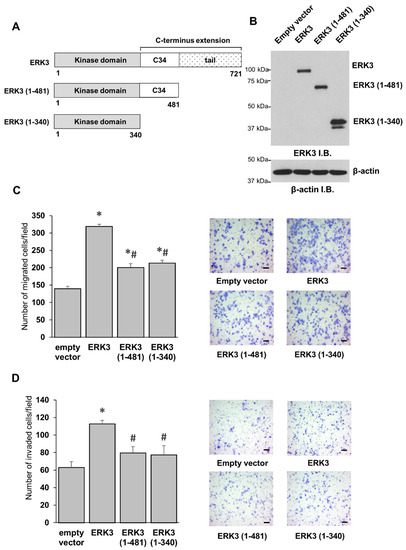
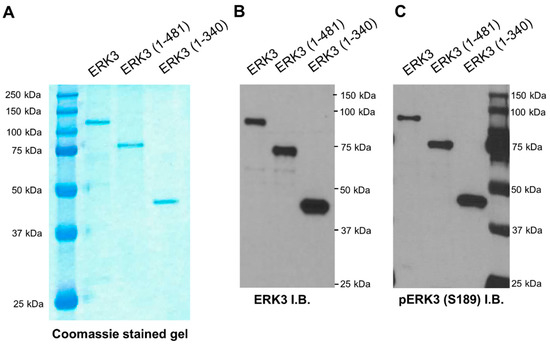
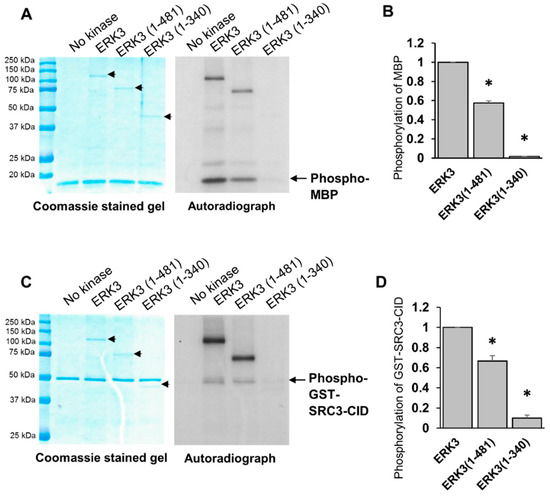
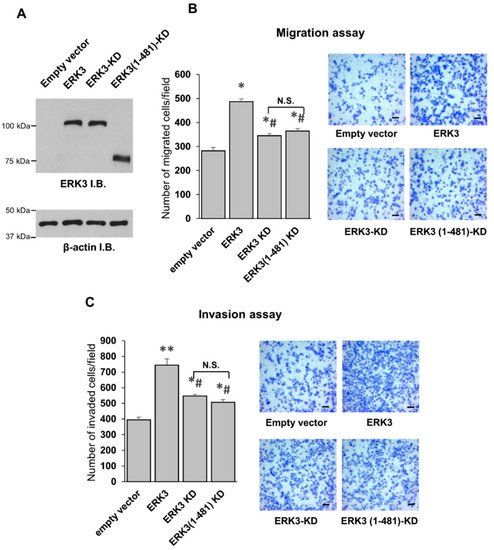
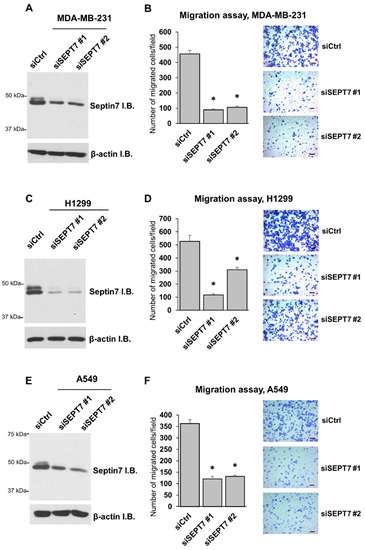
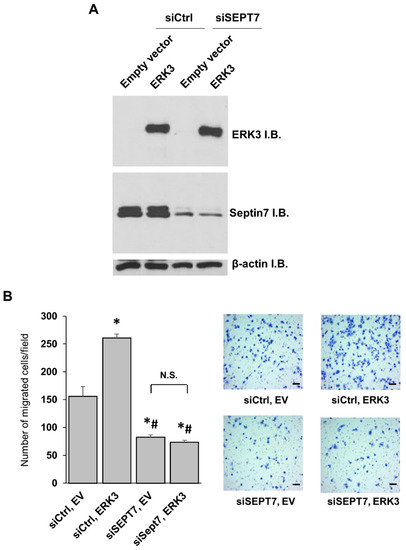
Extracellular signal-regulated kinase 3 (ERK3) is an atypical member of the mitogen-activated protein kinase (MAPK) family. It harbors a kinase domain in the N-terminus and a long C-terminus extension. The C-terminus extension comprises a conserved in ERK3 and ERK4 (C34) region and a unique C-terminus tail, which was shown to be required for the interaction of ERK3 with the cytoskeletal protein septin 7. Recent studies have elucidated the role of ERK3 signaling in promoting the motility and invasiveness of cancer cells. However, little is known about the intramolecular regulation of the enzymatic activity and cellular functions of ERK3. In this study, we investigated the role of the elongated C-terminus extension in regulating ERK3 kinase activity and its ability to promote cancer cell migration and invasion. Our study revealed that the deletion of the C-terminus tail greatly diminishes the ability of ERK3 to promote the migration and invasion of lung cancer cells. We identified two molecular mechanisms underlying this effect. Firstly, the deletion of the C-terminus tail decreases the kinase activity of ERK3 towards substrates, including the oncogenic protein steroid receptor co-activator 3 (SRC-3), an important downstream target for ERK3 signaling in cancer. Secondly, in line with the previous finding that the C-terminus tail mediates the interaction of ERK3 with septin 7, we found that the depletion of septin 7 abolished the ability of ERK3 to promote migration, indicating that septin 7 acts as a downstream effector for ERK3-induced cancer cell migration. Taken together, the findings of this study advance our understanding of the molecular regulation of ERK3 signaling by unraveling the role of the C-terminus tail in regulating ERK3 kinase activity and functions in cancer cells. These findings provide useful insights for the development of therapeutic agents targeting ERK3 signaling in cancer. Full article
(This article belongs to the Special Issue MAPK-ERK Pathway)
Show Figures

Figure 1
19 pages, 4754 KB  
Article
Anticancer and Antiangiogenic Activities of Novel α-Mangostin Glycosides in Human Hepatocellular Carcinoma Cells via Downregulation of c-Met and HIF-1α
by Sung Min Kim, Jang Mi Han, Tuoi Thi Le, Jae Kyung Sohng and Hye Jin Jung
Int. J. Mol. Sci. 2020, 21(11), 4043; https://doi.org/10.3390/ijms21114043 - 5 Jun 2020
Cited by 20 | Viewed by 4768
Abstract
Hepatocellular carcinoma (HCC) is the most common type of primary liver cancer and is a leading cause of cancer-related death worldwide. Therefore, exploring effective anticancer agents and their modes of action is essential for the prevention and treatment of HCC. Glycosylation can significantly [...] Read more.
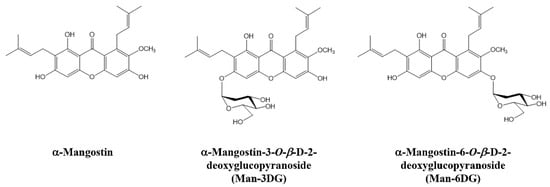
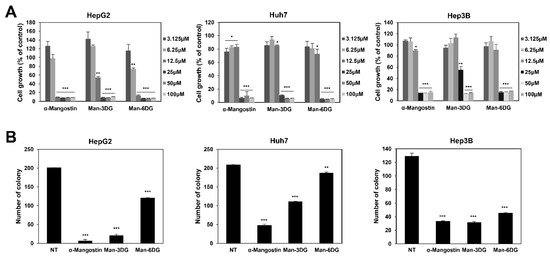
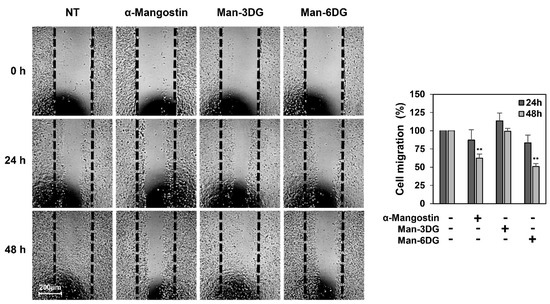
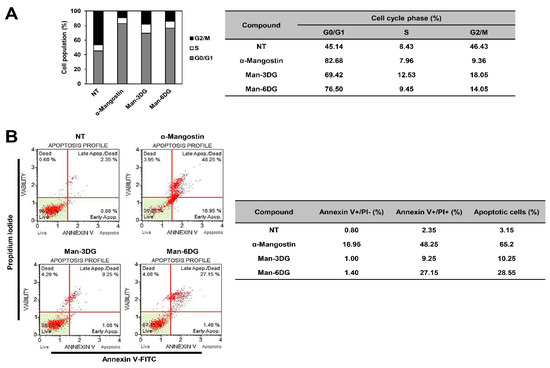
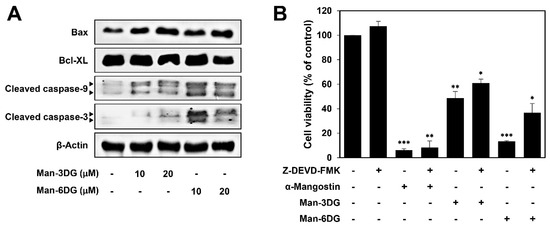
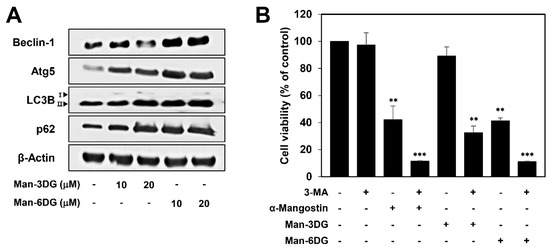
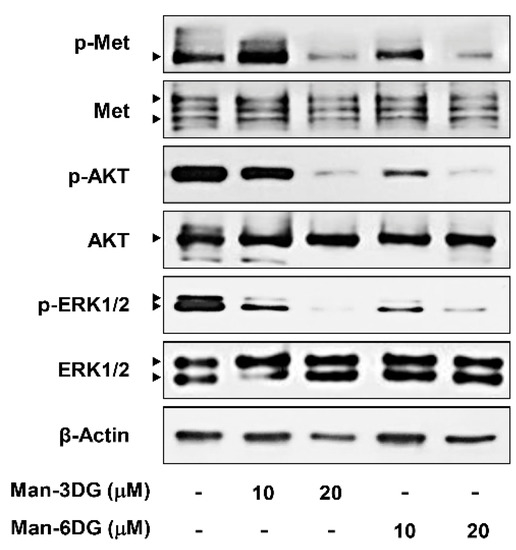
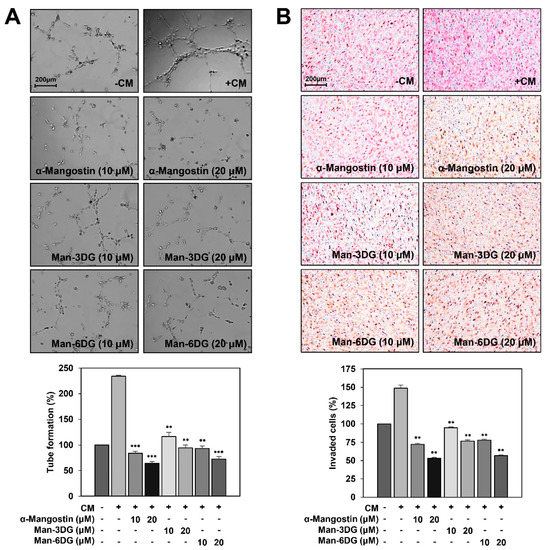
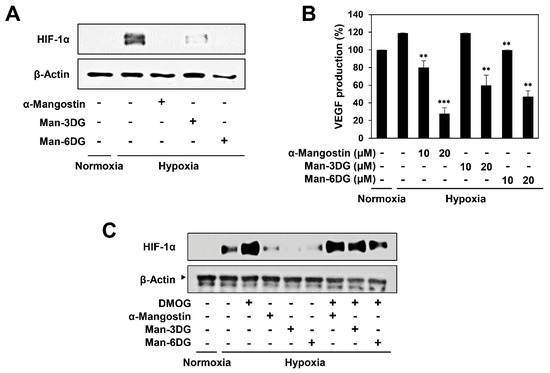
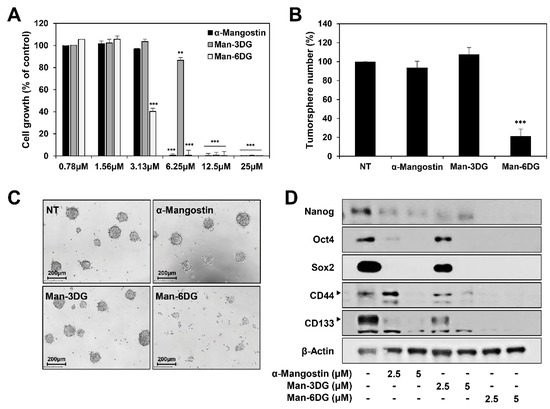
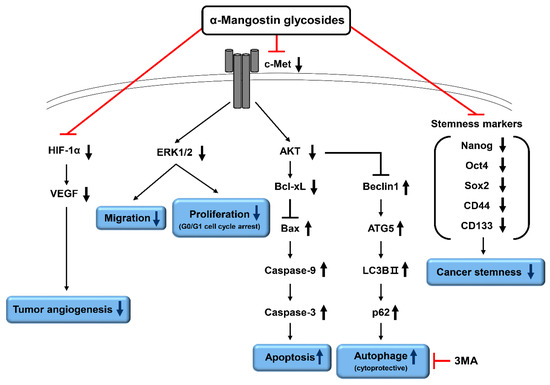
Hepatocellular carcinoma (HCC) is the most common type of primary liver cancer and is a leading cause of cancer-related death worldwide. Therefore, exploring effective anticancer agents and their modes of action is essential for the prevention and treatment of HCC. Glycosylation can significantly improve the physicochemical and biological properties of small molecules, such as high solubility, stability increase, and lower toxicity. In the present study, for the first time, we evaluated the anticancer and antiangiogenic activities of α-mangostin-3-O-β-D-2-deoxyglucopyranoside (Man-3DG) and α-mangostin 6-O-β-D-2-deoxyglucopyranoside (Man-6DG), glycosides of α-mangostin, against human HCC cells. Our results demonstrated that Man-3DG and Man-6DG significantly suppressed the growth of three different HCC cells (Hep3B, Huh7, and HepG2) as well as the migration of Hep3B cells. Furthermore, they induced cell cycle arrest in the G0/G1 phases and apoptotic cell death by regulating apoptosis-related proteins of mitochondria in Hep3B cells. Noticeably, Man-3DG and Man-6DG also caused autophagy, while co-treatment of the α-mangostin glycosides with an autophagy inhibitor 3-MA enhanced the inhibitory effect on Hep3B cell growth in comparison to single agent treatment. Moreover, Man-3DG and Man-6DG inhibited the c-Met signaling pathway that plays a critical role in the pathogenesis of HCC. Furthermore, the α-mangostin glycosides decreased Hep3B cell-induced angiogenesis in vitro through the downregulation of hypoxia-inducible factor-1α (HIF-1α) and vascular endothelial growth factor (VEGF). Notably, Man-6DG more effectively inhibited the growth, tumorsphere formation, and expression of cancer stemness regulators compared to α-mangostin and Man-3DG in 3D spheroid-cultured Hep3B cells. These findings suggest that the α-mangostin glycosides might be promising anticancer agents for HCC treatment with superior pharmacological properties than the parent molecule α-mangostin. Full article
(This article belongs to the Special Issue Bioactive Phytochemicals for Cancer Prevention and Treatment II)
Show Figures

Figure 1
17 pages, 2942 KB  
Article
Gadolinium Complexes as Contrast Agent for Cellular NMR Spectroscopy
by Nat Sakol, Ayako Egawa and Toshimichi Fujiwara
Int. J. Mol. Sci. 2020, 21(11), 4042; https://doi.org/10.3390/ijms21114042 - 5 Jun 2020
Cited by 15 | Viewed by 4453
Abstract
Aqua Gd3+ and Gd-DOTA (gadolinium-1,4,7,10-tetraazacyclododecane-1,4,7,10-tetraacete) complexes were studied as a contrast agent in cellular NMR (nuclear magnetic resonance) spectroscopy for distinguishing between intracellular and extracellular spaces. The contrast agents for this purpose should provide strong paramagnetic relaxation enhancement and localize in the [...] Read more.
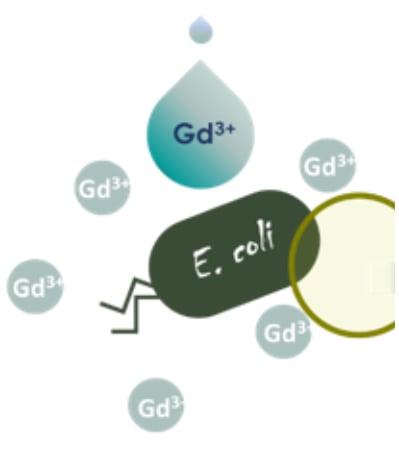
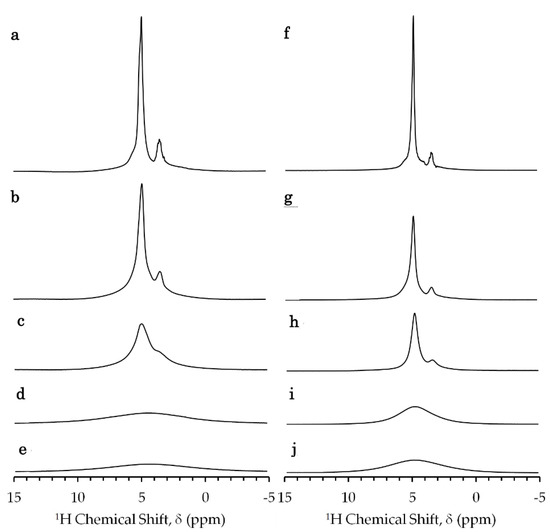
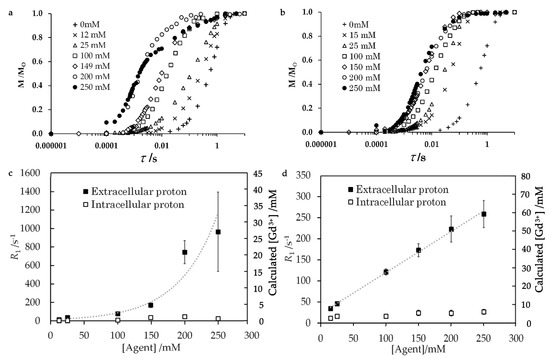
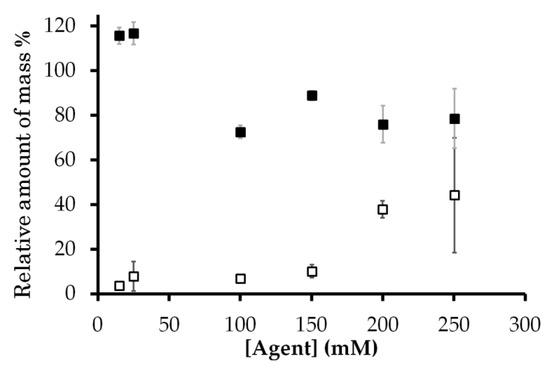
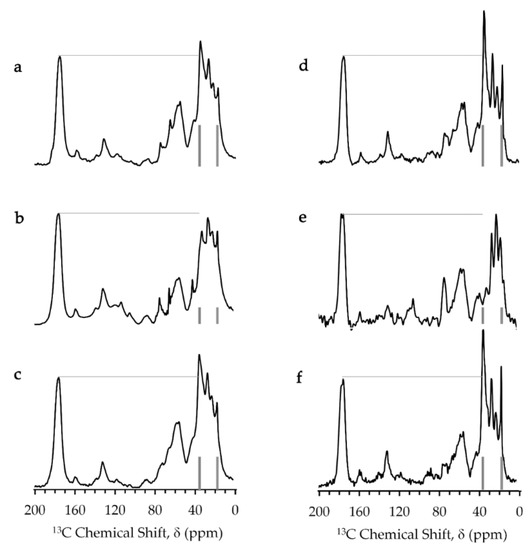
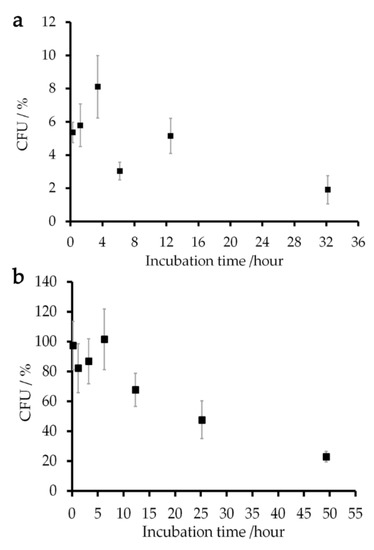
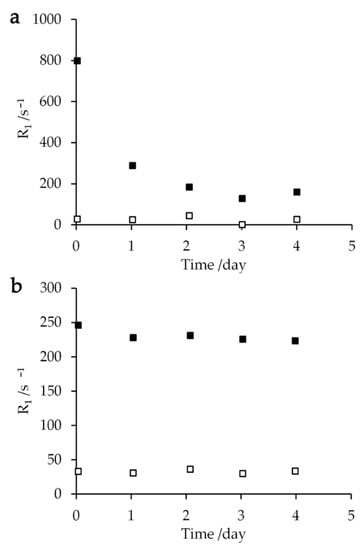
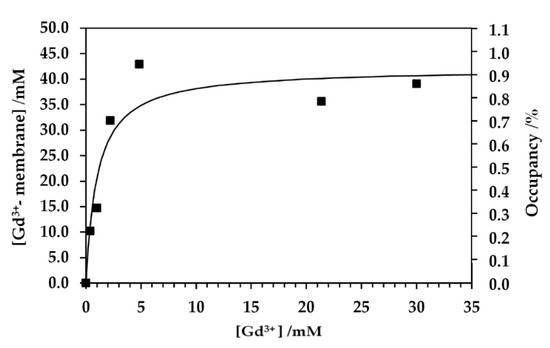
Aqua Gd3+ and Gd-DOTA (gadolinium-1,4,7,10-tetraazacyclododecane-1,4,7,10-tetraacete) complexes were studied as a contrast agent in cellular NMR (nuclear magnetic resonance) spectroscopy for distinguishing between intracellular and extracellular spaces. The contrast agents for this purpose should provide strong paramagnetic relaxation enhancement and localize in the extracellular space without disturbing biological functions. Cell membrane permeability to Gd complexes was evaluated from the concentrations of gadolinium complexes in the inside and outside of E. coli cells measured by the 1H-NMR relaxation. The site-specific binding of the complexes to E. coli cells was also analyzed by high-resolution solid-state 13C-NMR. The aqua Gd3+ complex did not enhance T1 relaxation in proportion to the amount of added Gd3+. This Gd3+ concentration dependence and the 13C-NMR indicated that its strong cytotoxicity should be due to the binding of the paramagnetic ions to cellular components especially at the lipid membranes. In contrast, Gd-DOTA stayed in the solution states and enhanced relaxation in proportion to the added amount. This agent exhibited strong T1 contrast between the intra- and extracellular spaces by a factor of ten at high concentrations under which the cells were viable over a long experimental time of days. These properties make Gd-DOTA suitable for selectively contrasting the living cellular space in NMR spectroscopy primarily owing to its weak interaction with cellular components. Full article
Show Figures

Graphical abstract

17 pages, 3436 KB  
Article
The Role of P2X7 Purinergic Receptors in the Renal Inflammation Associated with Angiotensin II-Induced Hypertension
by Rocio Bautista-Pérez, Oscar Pérez-Méndez, Agustina Cano-Martínez, Ursino Pacheco, José Santamaría, Fernando Rodríguez-Sámano, Bernardo Rodríguez-Iturbe, L. Gabriel Navar and Martha Franco
Int. J. Mol. Sci. 2020, 21(11), 4041; https://doi.org/10.3390/ijms21114041 - 5 Jun 2020
Cited by 24 | Viewed by 4348
Abstract
Purinergic receptors play a central role in the renal pathophysiology of angiotensin II-induced hypertension, since elevated ATP chronically activates P2X7 receptors in this model. The changes induced by the P2X antagonist Brilliant blue G (BBG) in glomerular hemodynamics and in tubulointerstitial inflammation resulting [...] Read more.
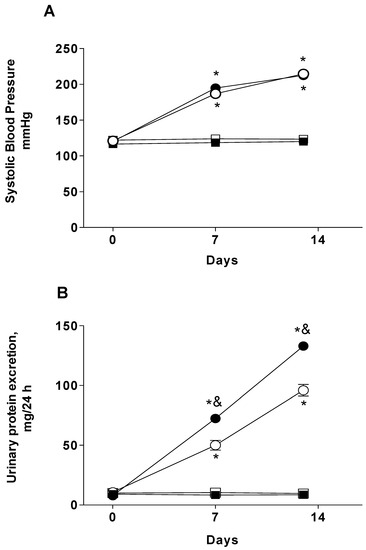
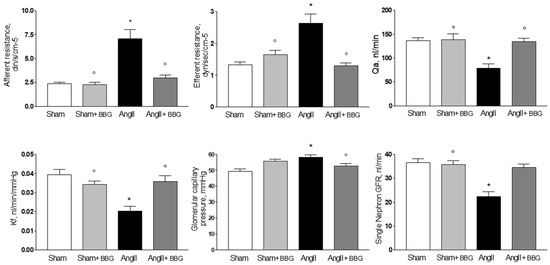
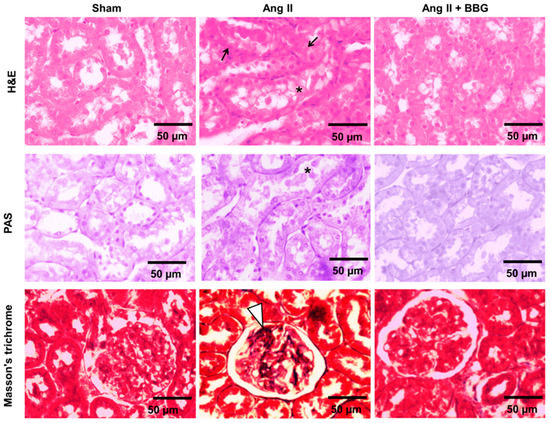
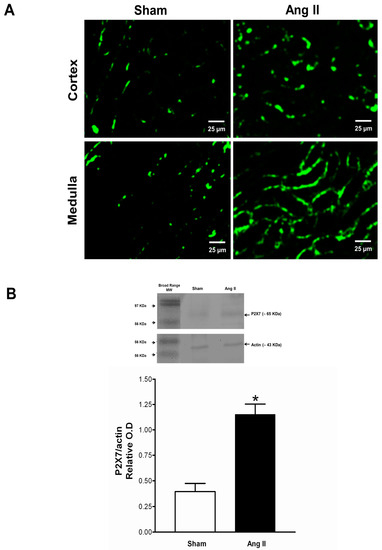
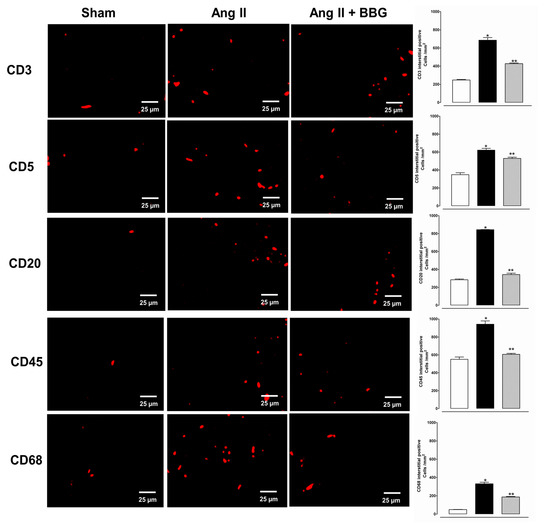
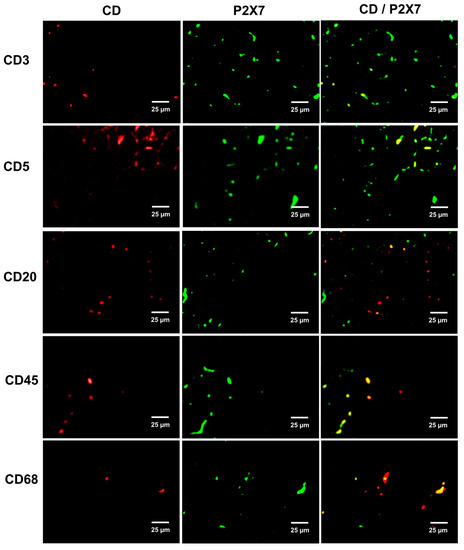
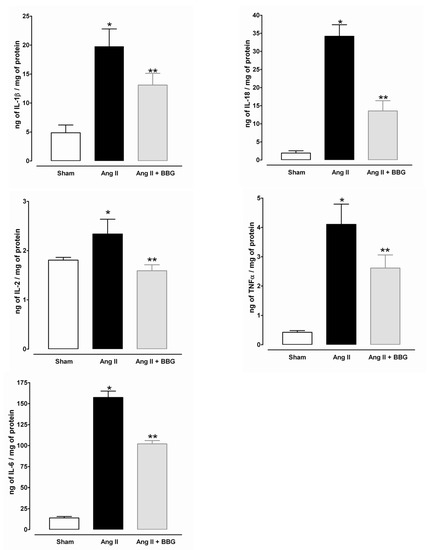
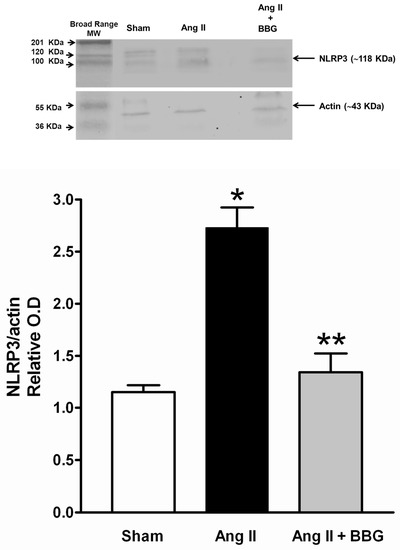
Purinergic receptors play a central role in the renal pathophysiology of angiotensin II-induced hypertension, since elevated ATP chronically activates P2X7 receptors in this model. The changes induced by the P2X antagonist Brilliant blue G (BBG) in glomerular hemodynamics and in tubulointerstitial inflammation resulting from angiotensin II infusion were studied. Rats received angiotensin II (435 ng kg−1 min−1, 2 weeks) alone or in combination with BBG (50 mg/kg/day intraperitoneally). BBG did not modify hypertension (214.5 ± 1.4 vs. 212.7 ± 0.5 mmHg), but restored to near normal values afferent (7.03 ± 1.00 to 2.97 ± 0.27 dyn.s.cm−5) and efferent (2.62 ± 0.03 to 1.29 ± 0.09 dyn.s.cm−5) arteriolar resistances, glomerular plasma flow (79.23 ± 3.15 to 134.30 ± 1.11 nL/min), ultrafiltration coefficient (0.020 ± 0.002 to 0.036 ± 0.003 nL/min/mmHg) and single nephron glomerular filtration rate (22.28 ± 2.04 to 34.46 ± 1.54 nL/min). Angiotensin II induced overexpression of P2X7 receptors in renal tubular cells and in infiltrating T and B lymphocytes and macrophages. All inflammatory cells were increased by angiotensin II infusion and reduced by 20% to 50% (p < 0.05) by BBG administration. Increased IL-2, IL-6, TNFα, IL-1β, IL-18 and overexpression of NLRP3 inflammasome were induced by angiotensin II and suppressed by BBG. These studies suggest that P2X7 receptor-mediated renal vasoconstriction, tubulointerstitial inflammation and activation of NLRP3 inflammasome are associated with angiotensin II-induced hypertension. Full article
(This article belongs to the Special Issue Purinergic P2 Receptors: Structure and Function)
Show Figures

Figure 1