16 pages, 1424 KB  
Review
The Ribonuclease A Superfamily in Humans: Canonical RNases as the Buttress of Innate Immunity
by Patrick Koczera 1,2, Lukas Martin 1, Gernot Marx 1 and Tobias Schuerholz 1,*

1 Department of Intensive Care and Intermediate Care, University Hospital Rheinisch-Westfälische Technische Hochschule (RWTH) Aachen, Aachen 52074, Germany
2 Department for Experimental Molecular Imaging, University Hospital RWTH Aachen and Helmholtz Institute for Biomedical Engineering, RWTH Aachen University, Aachen 52074, Germany
Int. J. Mol. Sci. 2016, 17(8), 1278; https://doi.org/10.3390/ijms17081278 - 5 Aug 2016
Cited by 116 | Viewed by 14563
Abstract
In humans, the ribonuclease A (RNase A) superfamily contains eight different members that have RNase activities, and all of these members are encoded on chromosome 14. The proteins are secreted by a large variety of different tissues and cells; however, a comprehensive understanding [...] Read more.
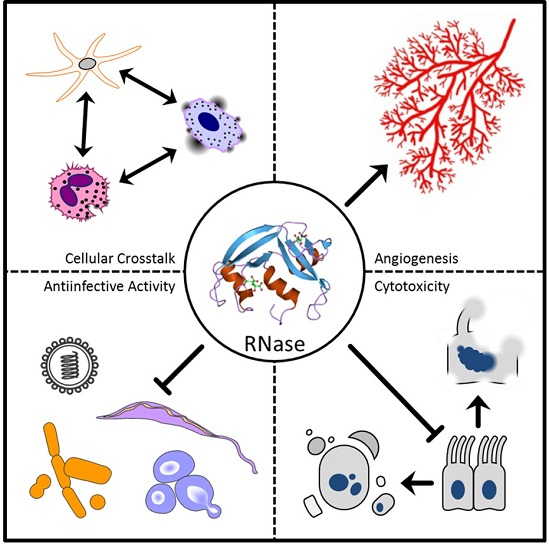
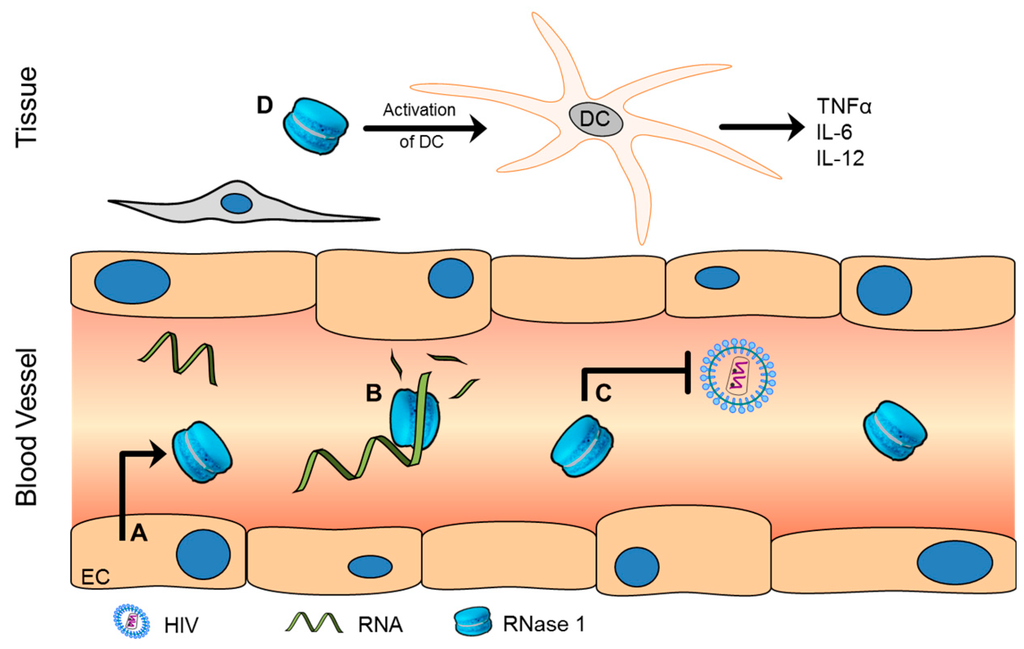
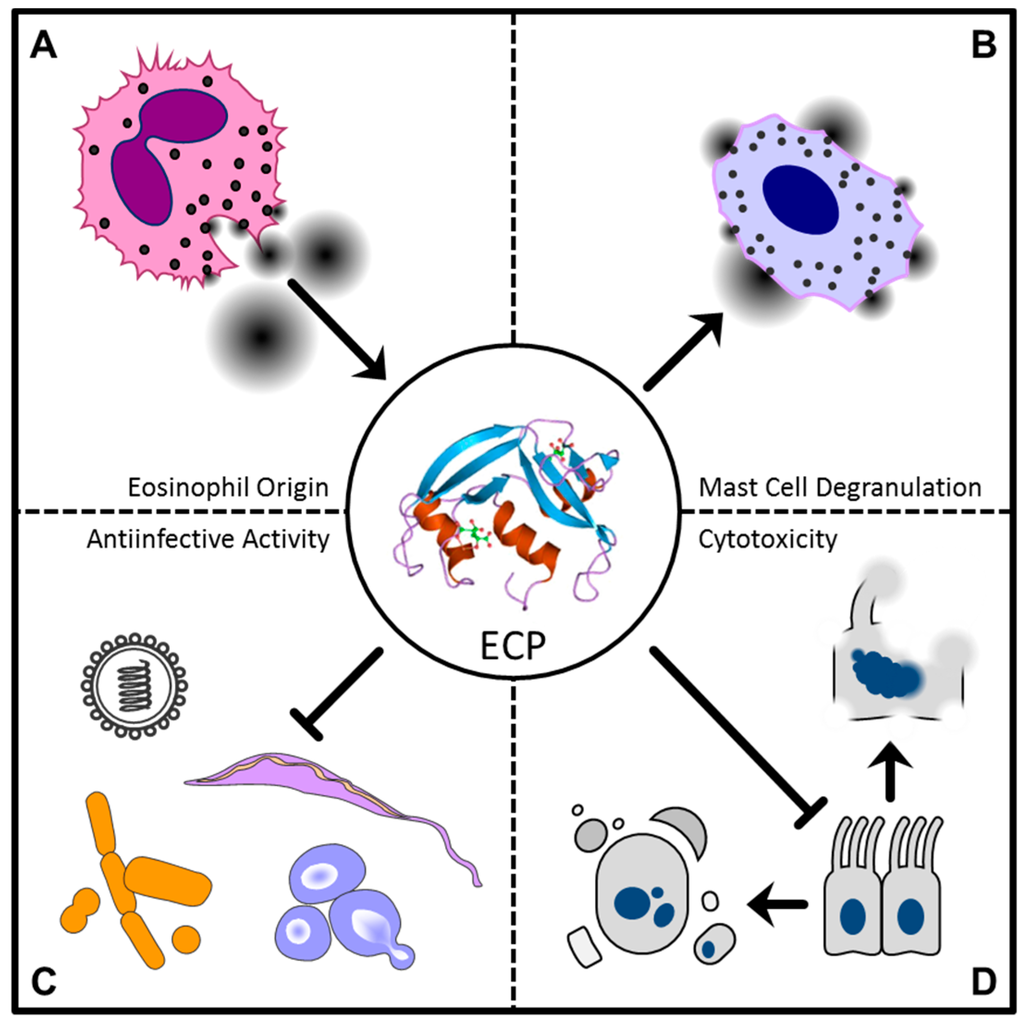
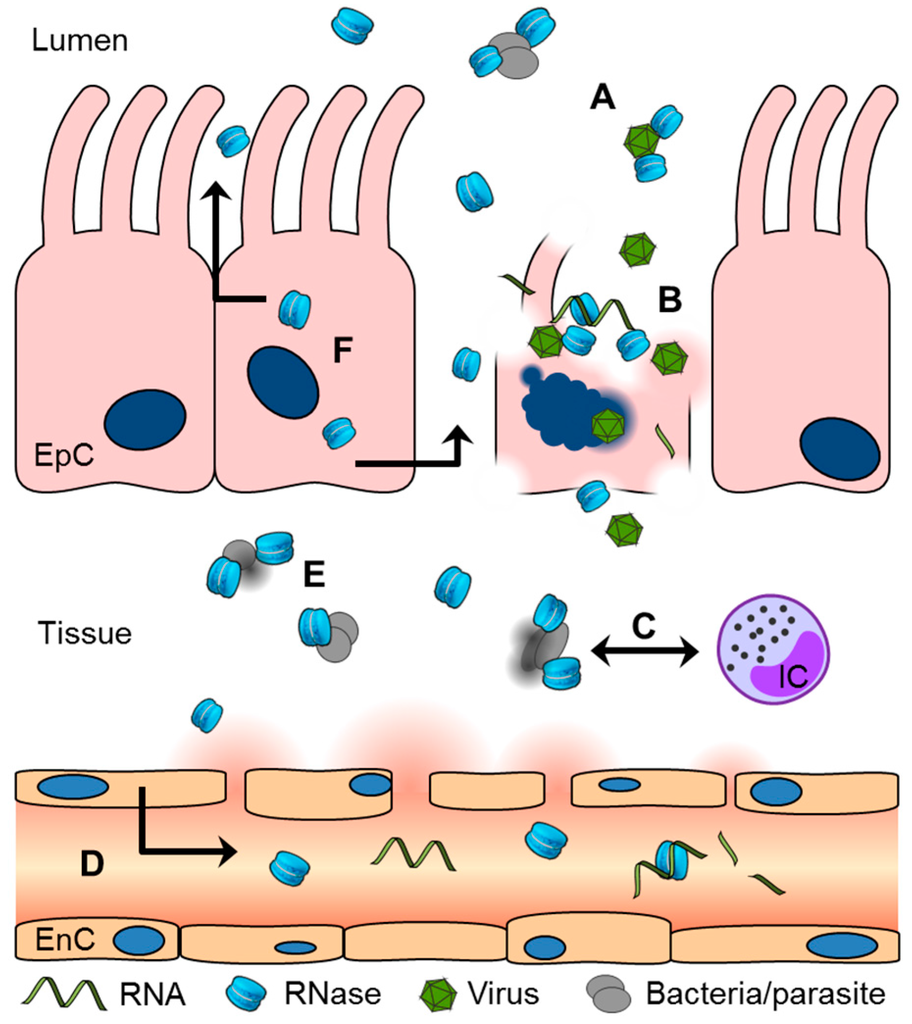
In humans, the ribonuclease A (RNase A) superfamily contains eight different members that have RNase activities, and all of these members are encoded on chromosome 14. The proteins are secreted by a large variety of different tissues and cells; however, a comprehensive understanding of these proteins’ physiological roles is lacking. Different biological effects can be attributed to each protein, including antiviral, antibacterial and antifungal activities as well as cytotoxic effects against host cells and parasites. Different immunomodulatory effects have also been demonstrated. This review summarizes the available data on the human RNase A superfamily and illustrates the significant role of the eight canonical RNases in inflammation and the host defence system against infections. Full article
(This article belongs to the Special Issue Antimicrobial RNases in Host Defense)
Show Figures

Graphical abstract
14 pages, 3778 KB  
Article
New Natural Pigment Fraction Isolated from Saw Palmetto: Potential for Adjuvant Therapy of Hepatocellular Carcinoma
by Hor-Yue Tan 1, Ning Wang 1, Masao Takahashi 2, Yigang Feng 3, Hongyun Li 3 and Yibin Feng 1,*
1 LKS Faculty of Medicine, School of Chinese Medicine, The University of Hong Kong, 10 Sassoon Road, Pokfulam, Hong Kong, China
2 Heimat Co., Ltd., Heimat Building, 1-21-3 Nihonbashi, Chuo-Ku, Tokyo 103-0027, Japan
3 Guanghua School of Stomatology, Hospital of Stomatology, Sun Yat-sen University, Guangzhou 510055, China
Int. J. Mol. Sci. 2016, 17(8), 1277; https://doi.org/10.3390/ijms17081277 - 5 Aug 2016
Cited by 3 | Viewed by 6153
Abstract
For the first time, we discovered a small proportion of aqueous fraction from Saw Palmetto apart from the fatty acid-rich fraction exhibited pharmacological activity. Therefore, this study aims to explore the anti-tumor potential of red pigmented aqueous fraction of Saw Palmetto, NYG on [...] Read more.
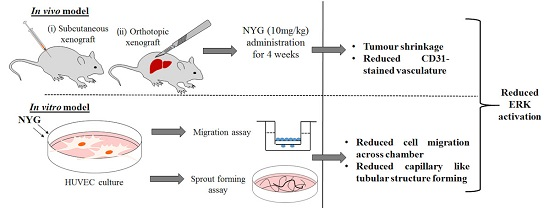
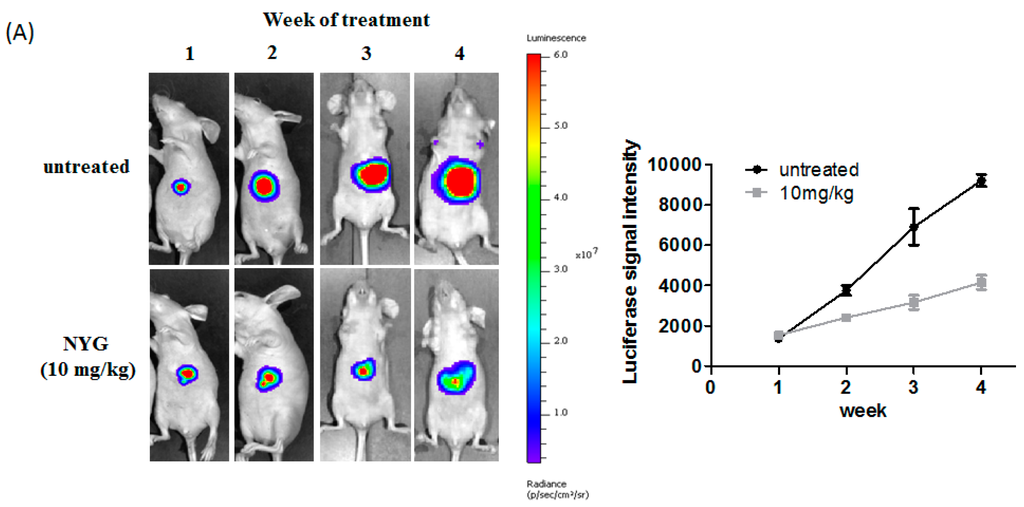
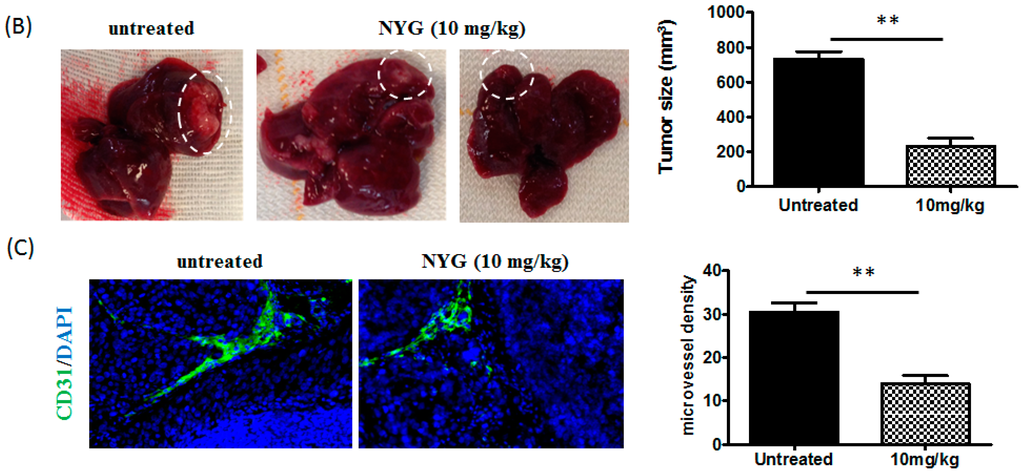
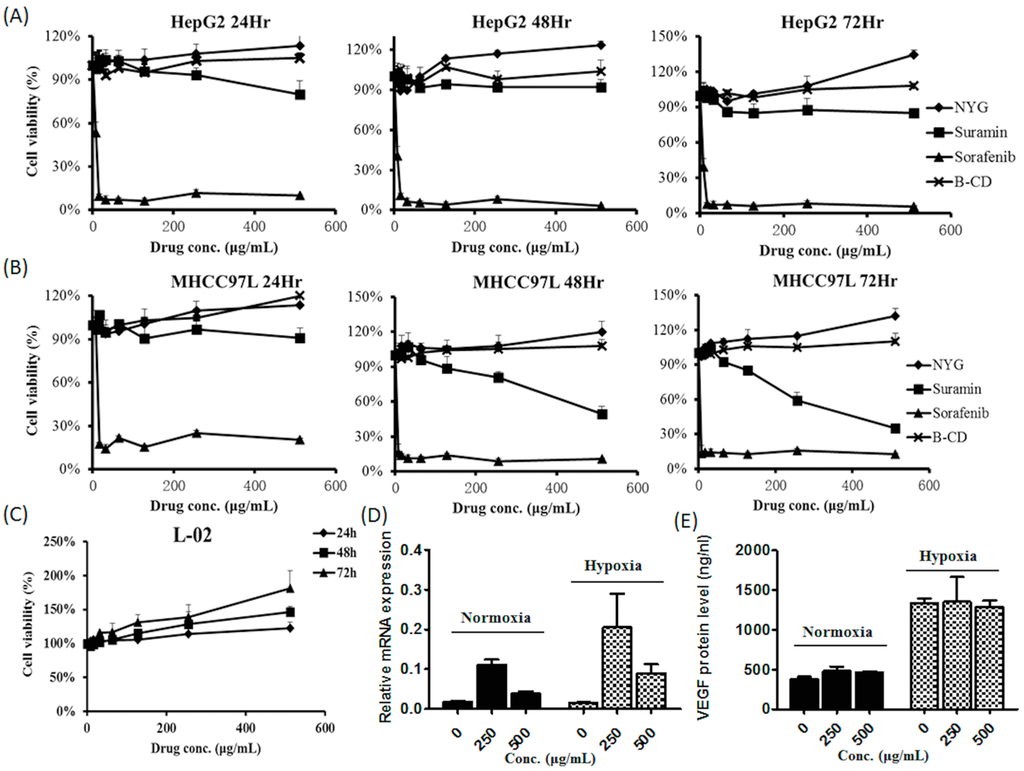
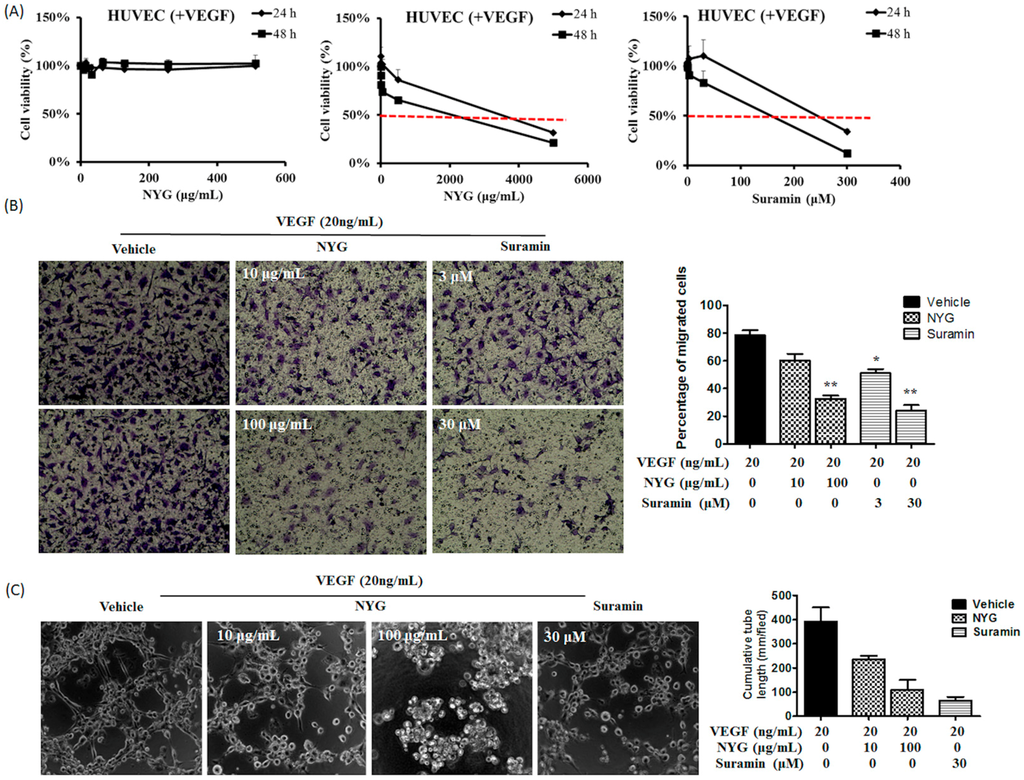
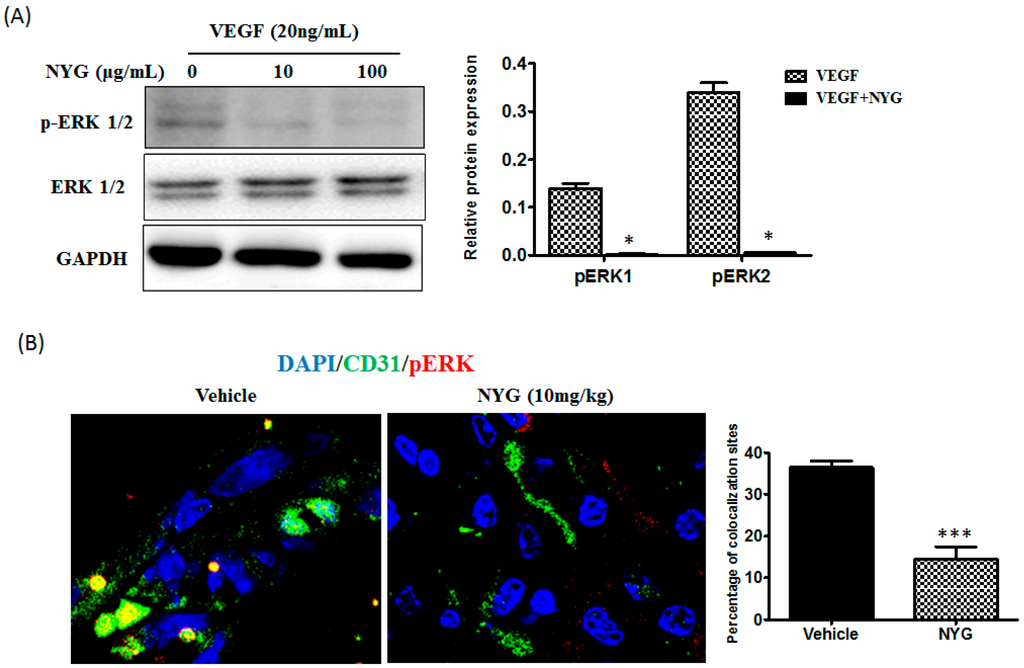
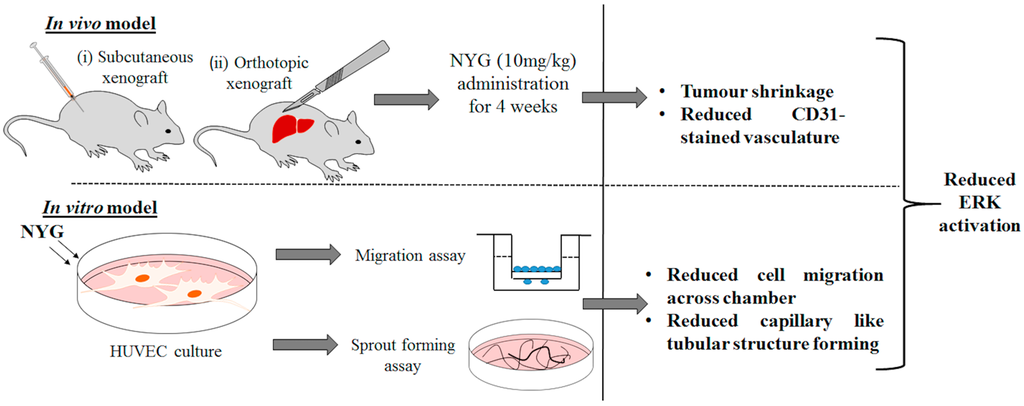
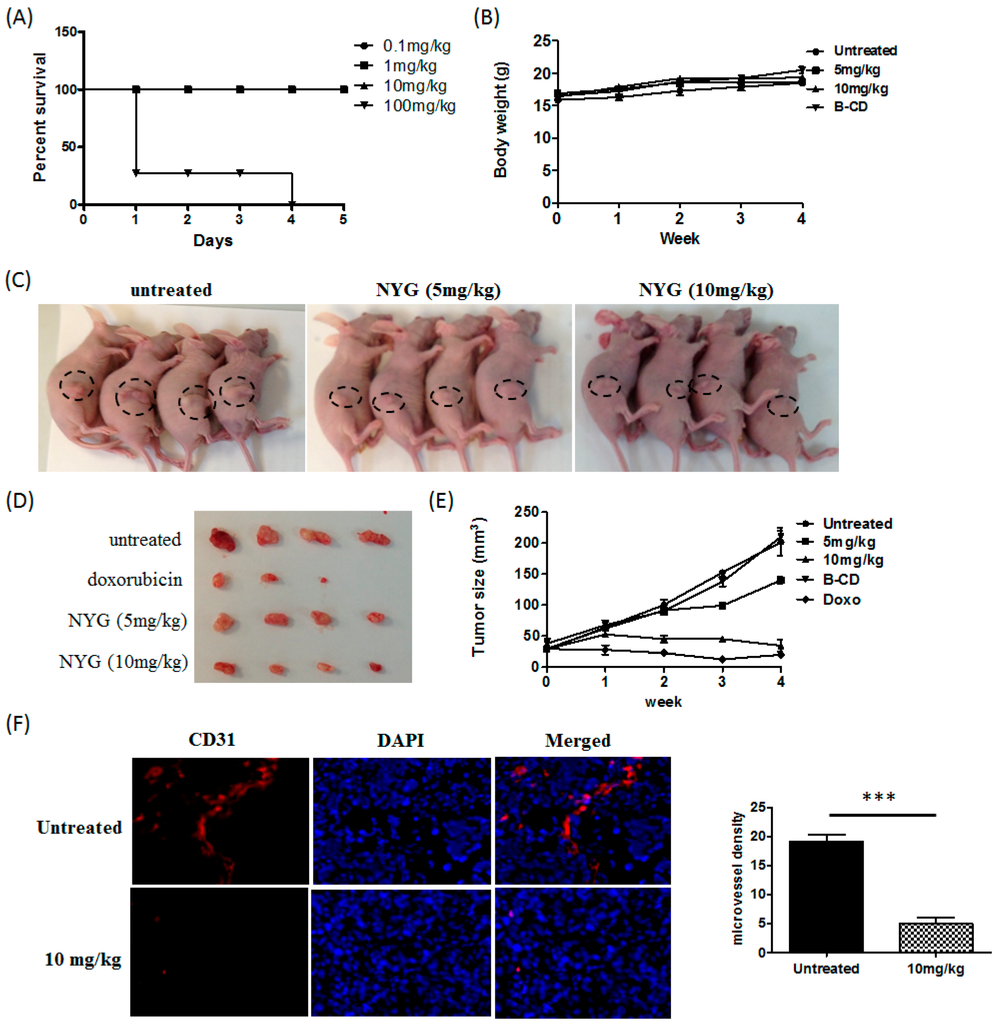
For the first time, we discovered a small proportion of aqueous fraction from Saw Palmetto apart from the fatty acid-rich fraction exhibited pharmacological activity. Therefore, this study aims to explore the anti-tumor potential of red pigmented aqueous fraction of Saw Palmetto, NYG on human hepatocellular carcinoma and its possible targets. Subcutaneous xenograft and orthotopic implantation models of HCC were used to evaluate the tumor inhibitory effect of NYG. Human hepatocellular carcinoma (HCC) cell lines and human umbilical vein endothelial cells (HUVEC) were used as in vitro model. The mRNA expression was conducted by qPCR. Protein expression was monitored by immunoblotting and immunohistochemistry. Cell migration and blood vessel formation were determined by chamber assay and tube formation assay, respectively. Significant tumor inhibition of NYG in dose-dependent manner was observed on subcutaneous xenograft and orthotopic HCC model. NYG has no direct action on cell viability or VEGF secretion of HCC cells. However, NYG reduced in vitro migration and vessel formation activities of HUVEC cells, as well as in vivo intratumoral neovascularization. NYG attenuated extracellular signal-regulated kinases (ERK) activation in endothelial cells, which may be associated with the suppression of migration and tube formation of HUVEC. NYG suppressed tumor expansion of HCC via inhibiting neovascularization, and may be potential adjuvant treatment for HCC. Full article
(This article belongs to the Special Issue Plant-Derived Pharmaceuticals by Molecular Farming 2016)
Show Figures

Graphical abstract
20 pages, 389 KB  
Review
Environmental Microbial Community Proteomics: Status, Challenges and Perspectives
by Da-Zhi Wang *, Ling-Fen Kong, Yuan-Yuan Li and Zhang-Xian Xie
State Key Laboratory of Marine Environmental Science, College of the Environment and Ecology, Xiamen University, Xiamen 361102, China
Int. J. Mol. Sci. 2016, 17(8), 1275; https://doi.org/10.3390/ijms17081275 - 5 Aug 2016
Cited by 76 | Viewed by 10313
Abstract
Microbial community proteomics, also termed metaproteomics, is an emerging field within the area of microbiology, which studies the entire protein complement recovered directly from a complex environmental microbial community at a given point in time. Although it is still in its infancy, microbial [...] Read more.
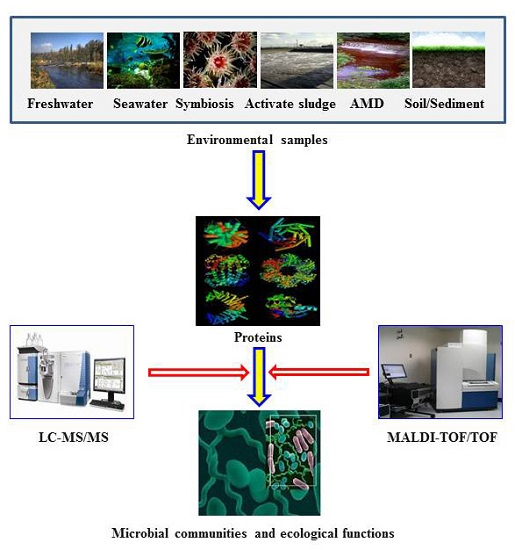
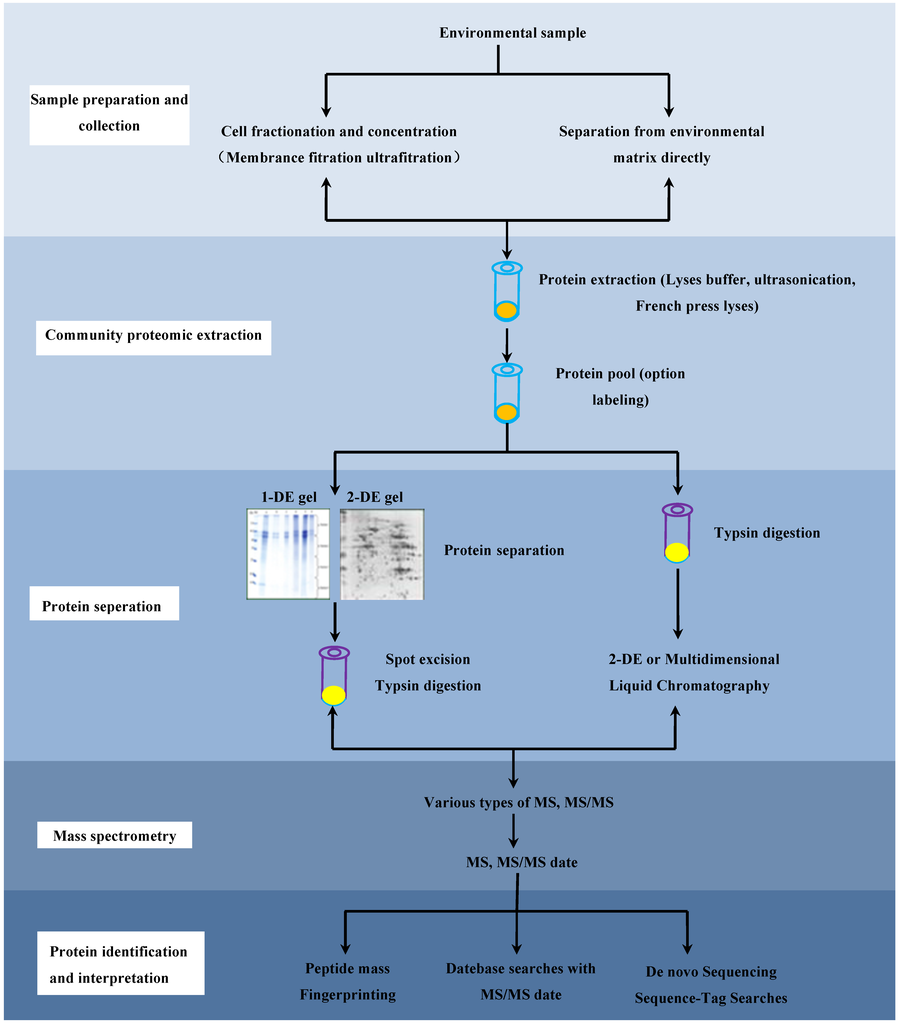
Microbial community proteomics, also termed metaproteomics, is an emerging field within the area of microbiology, which studies the entire protein complement recovered directly from a complex environmental microbial community at a given point in time. Although it is still in its infancy, microbial community proteomics has shown its powerful potential in exploring microbial diversity, metabolic potential, ecological function and microbe-environment interactions. In this paper, we review recent advances achieved in microbial community proteomics conducted in diverse environments, such as marine and freshwater, sediment and soil, activated sludge, acid mine drainage biofilms and symbiotic communities. The challenges facing microbial community proteomics are also discussed, and we believe that microbial community proteomics will greatly enhance our understanding of the microbial world and its interactions with the environment. Full article
(This article belongs to the Special Issue Advances in Proteomic Research)
Show Figures

Graphical abstract
15 pages, 3459 KB  
Article
1-(2-Hydroxy-5-methylphenyl)-3-phenyl-1,3-propanedione Induces G1 Cell Cycle Arrest and Autophagy in HeLa Cervical Cancer Cells
by Jie-Heng Tsai 1,†, Li-Sung Hsu 1,2,†, Hsiu-Chen Huang 3, Chih-Li Lin 4,5, Min-Hsiung Pan 6, Hui-Mei Hong 5,7 and Wei-Jen Chen 5,7,*
1 Institute of Biochemistry, Microbiology and Immunology, Chung Shan Medical University, Taichung 402, Taiwan
2 Clinical Laboratory, Chung Shan Medical University Hospital, Taichung 402, Taiwan
3 Department of Applied Science, National Hsinchu University of Education, Hsinchu 300, Taiwan
4 Institute of Medicine, Chung Shan Medical University, Taichung 402, Taiwan
5 Department of Medical Research, Chung Shan Medical University Hospital, Taichung 402, Taiwan
6 Institute of Food Science and Technology, National Taiwan University, Taipei 106, Taiwan
7 Department of Biomedical Sciences, Chung Shan Medical University, Taichung 402, Taiwan
These authors contributed equally to this work.
Int. J. Mol. Sci. 2016, 17(8), 1274; https://doi.org/10.3390/ijms17081274 - 5 Aug 2016
Cited by 18 | Viewed by 7192
Abstract
The natural agent, 1-(2-hydroxy-5-methylphenyl)-3-phenyl-1,3-propanedione (HMDB), has been reported to have growth inhibitory effects on several human cancer cells. However, the role of HMDB in cervical cancer remains unclear. Herein, we found that HMDB dose- and time-dependently inhibited growth of HeLa cervical cancer cells, [...] Read more.
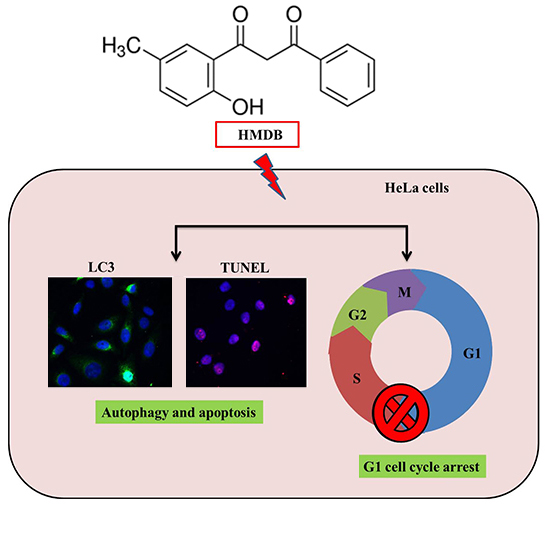
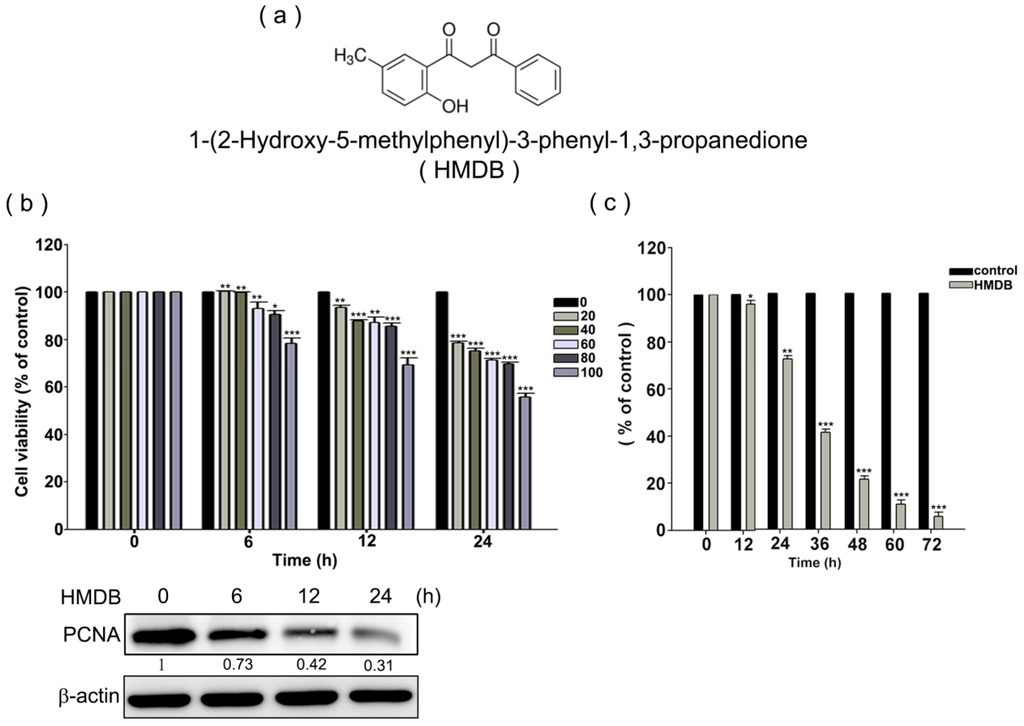
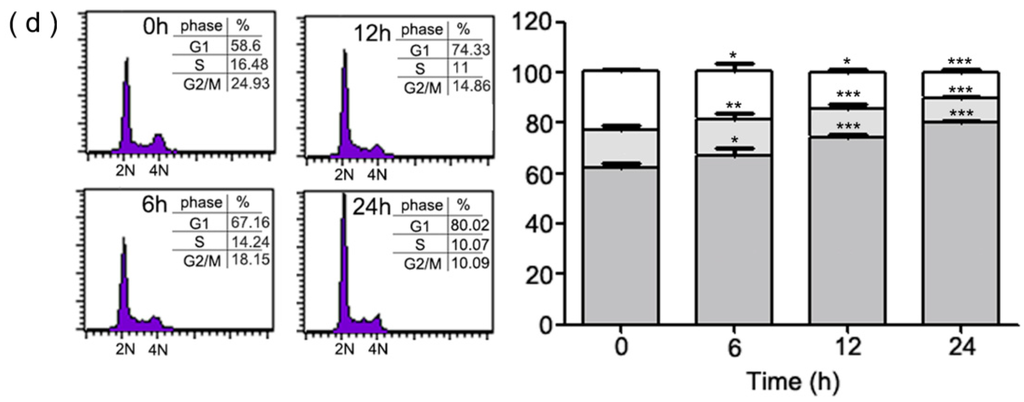
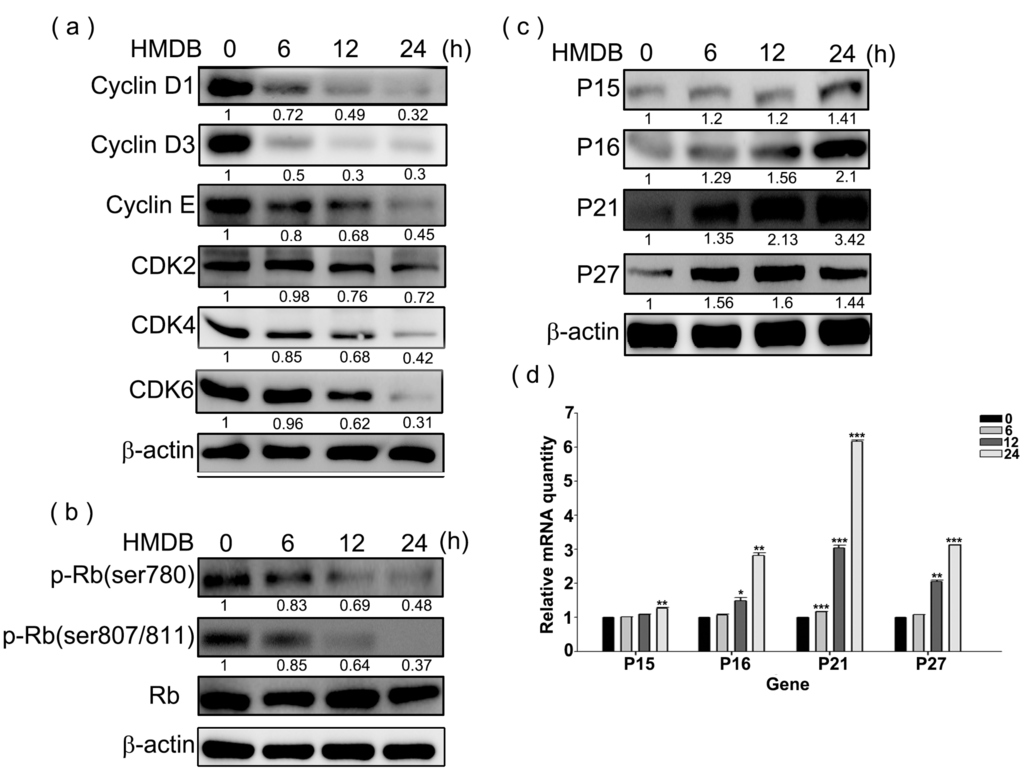
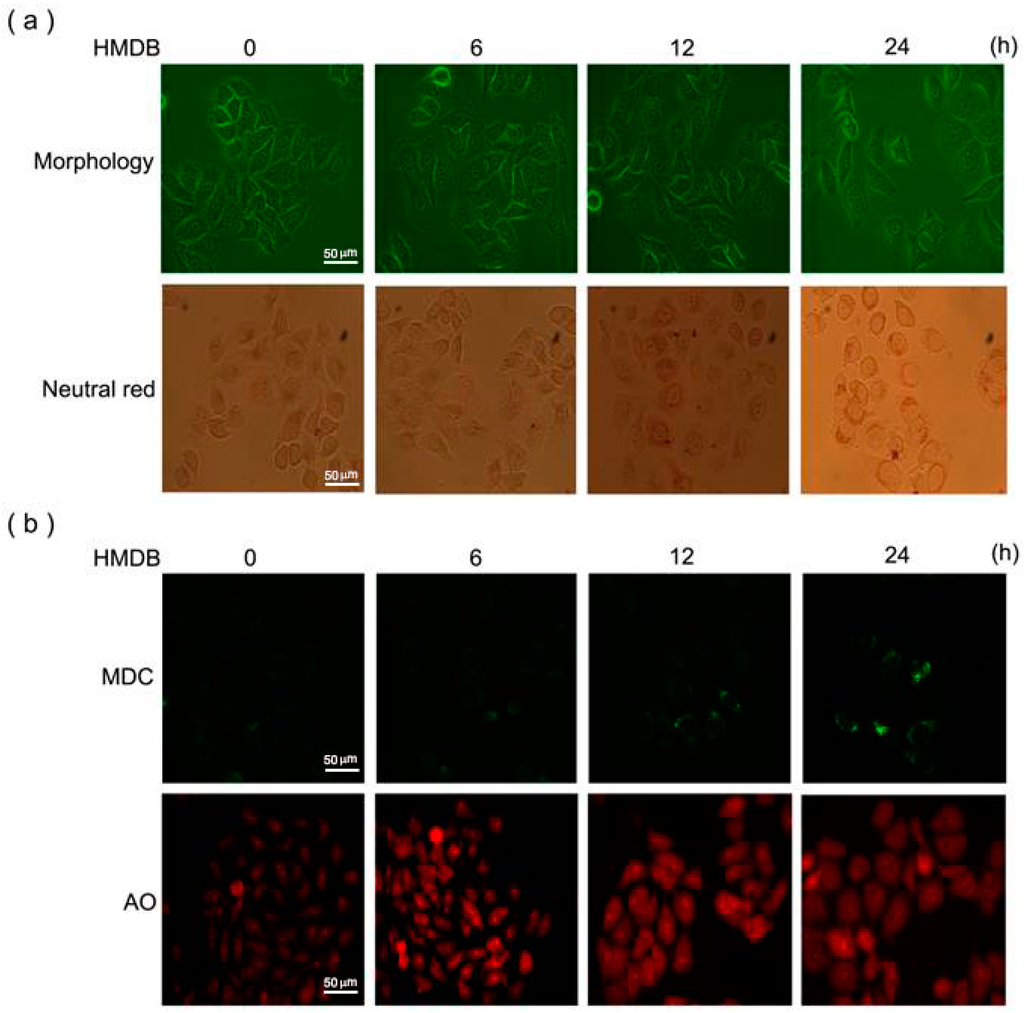
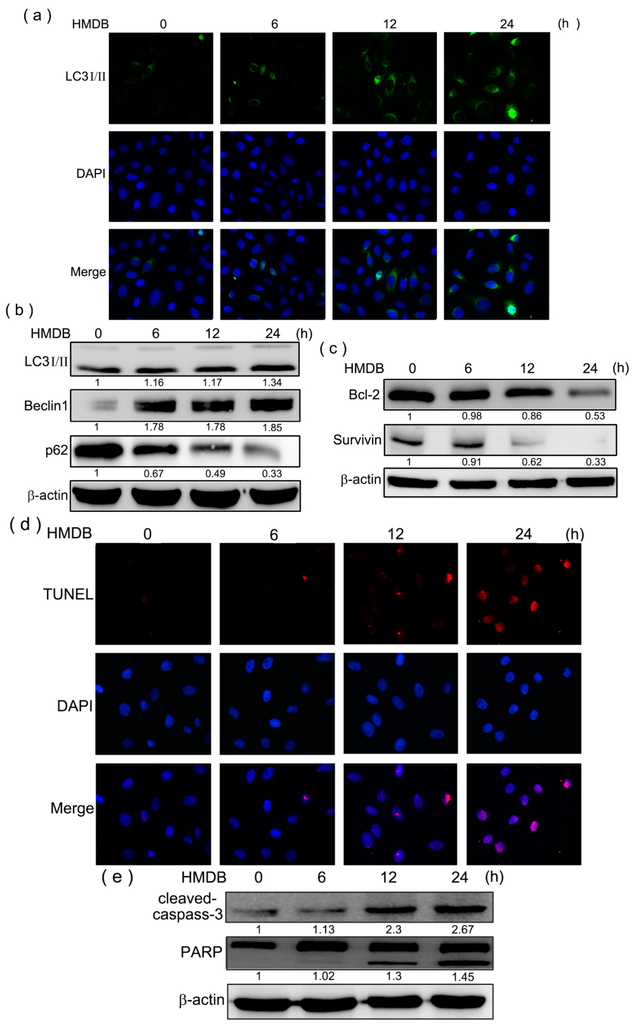
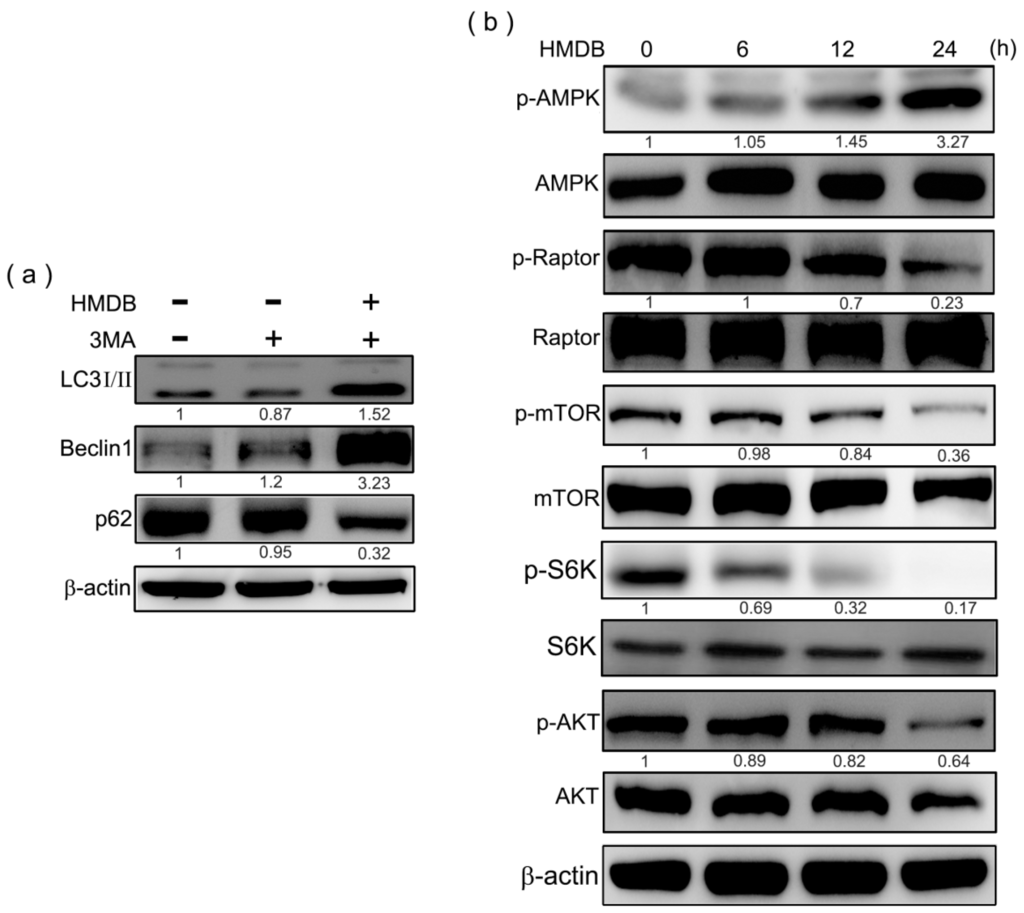
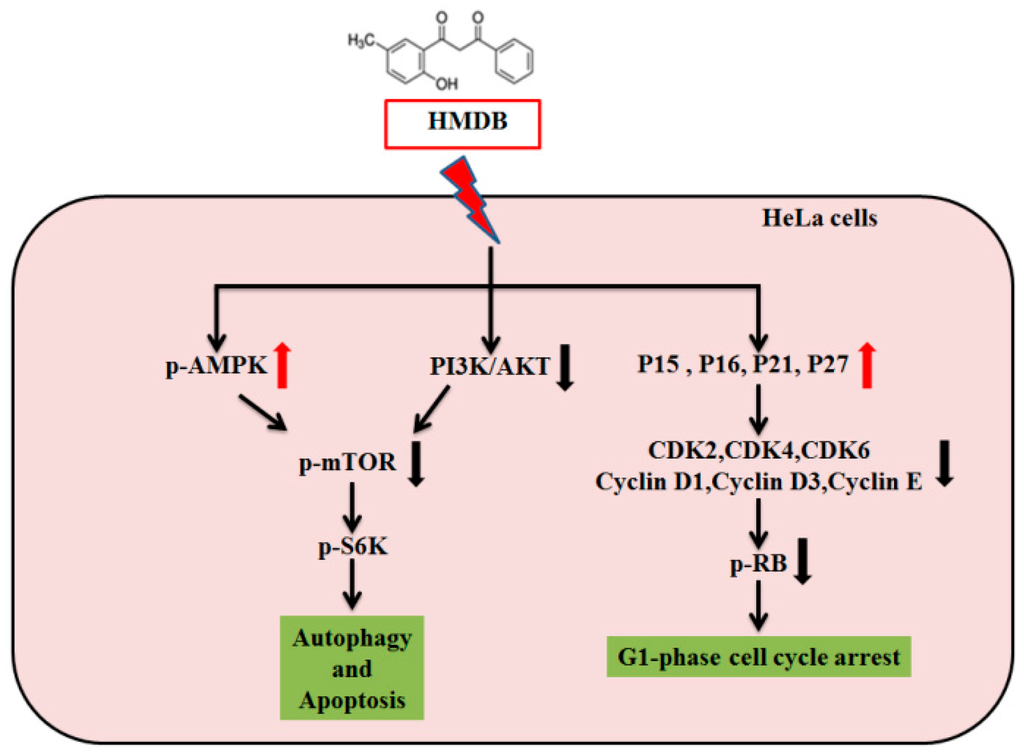
The natural agent, 1-(2-hydroxy-5-methylphenyl)-3-phenyl-1,3-propanedione (HMDB), has been reported to have growth inhibitory effects on several human cancer cells. However, the role of HMDB in cervical cancer remains unclear. Herein, we found that HMDB dose- and time-dependently inhibited growth of HeLa cervical cancer cells, accompanied with G1 cell cycle arrest. HMDB decreased protein expression of cyclins D1/D3/E and cyclin-dependent kinases (CDKs) 2/4/6 and reciprocally increased mRNA and protein levels of CDK inhibitors (p15, p16, p21, and p27), thereby leading to the accumulation of hypophosphorylated retinoblastoma (Rb) protein. HMDB also triggered the accumulation of acidic vesicles and formation of microtubule-associated protein-light chain 3 (LC3), followed by increased expression of LC3 and Beclin-1 and decreased expression of p62, suggesting that HMDB triggered autophagy in HeLa cells. Meanwhile, suppression of the expression of survivin and Bcl-2 implied that HMDB-induced autophagy is tightly linked to apoptosis. Exploring the action mechanism, HMDB induced autophagy via the modulation of AMP-activated protein kinase (AMPK) and mTOR signaling pathway rather than the class III phosphatidylinositol 3-kinase pathway. These results suggest that HMDB inhibits HeLa cell growth by eliciting a G1 arrest through modulation of G1 cell cycle regulators and by concomitantly inducing autophagy through the mediation of AMPK-mTOR and Akt-mTOR pathways, and may be a promising antitumor agent against cervical cancer. Full article
(This article belongs to the Special Issue Gynecologic Oncology: From Molecular Mechanisms to Targeted Therapies)
Show Figures

Graphical abstract
24 pages, 702 KB  
Review
Coadjuvants in the Diabetic Complications: Nutraceuticals and Drugs with Pleiotropic Effects
by Thiago Melo Costa Pereira 1,2, Fabio Silva Pimenta 1,3, Marcella Lima Porto 2, Marcelo Perim Baldo 4, Bianca Prandi Campagnaro 1, Agata Lages Gava 5,6, Silvana Santos Meyrelles 5 and Elisardo Corral Vasquez 1,5,*
1 Pharmaceutical Sciences Graduate Program, Vila Velha University (UVV), Av. Comissario Jose Dantas Melo 21, Boa Vista, 29102-920 Vila Velha, Brazil
2 Federal Institute of Education, Science and Technology (IFES), 29106-010 Vila Velha, Brazil
3 Burn Treatment Center, Children State Hospital, 29056-030 Vitoria, Brazil
4 Department of Pathophysiology, Montes Claros State University, 39401-089, Montes Claros, Brazil
5 Laboratory of Translational Physiology, Federal University of Espirito Santo (Ufes), 29047-100 Vitoria, Brazil
6 Division of Nephrology, McMaster University, Hamilton, ON L8N 4A6, Canada
Int. J. Mol. Sci. 2016, 17(8), 1273; https://doi.org/10.3390/ijms17081273 - 5 Aug 2016
Cited by 37 | Viewed by 12103
Abstract
Because diabetes mellitus (DM) is a multifactorial metabolic disease, its prevention and treatment has been a constant challenge for basic and clinical investigators focused on translating their discoveries into clinical treatment of this complex disorder. In this review, we highlight recent experimental and [...] Read more.
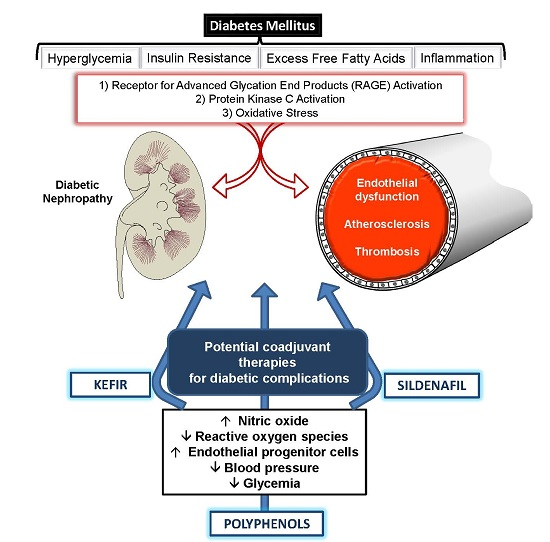
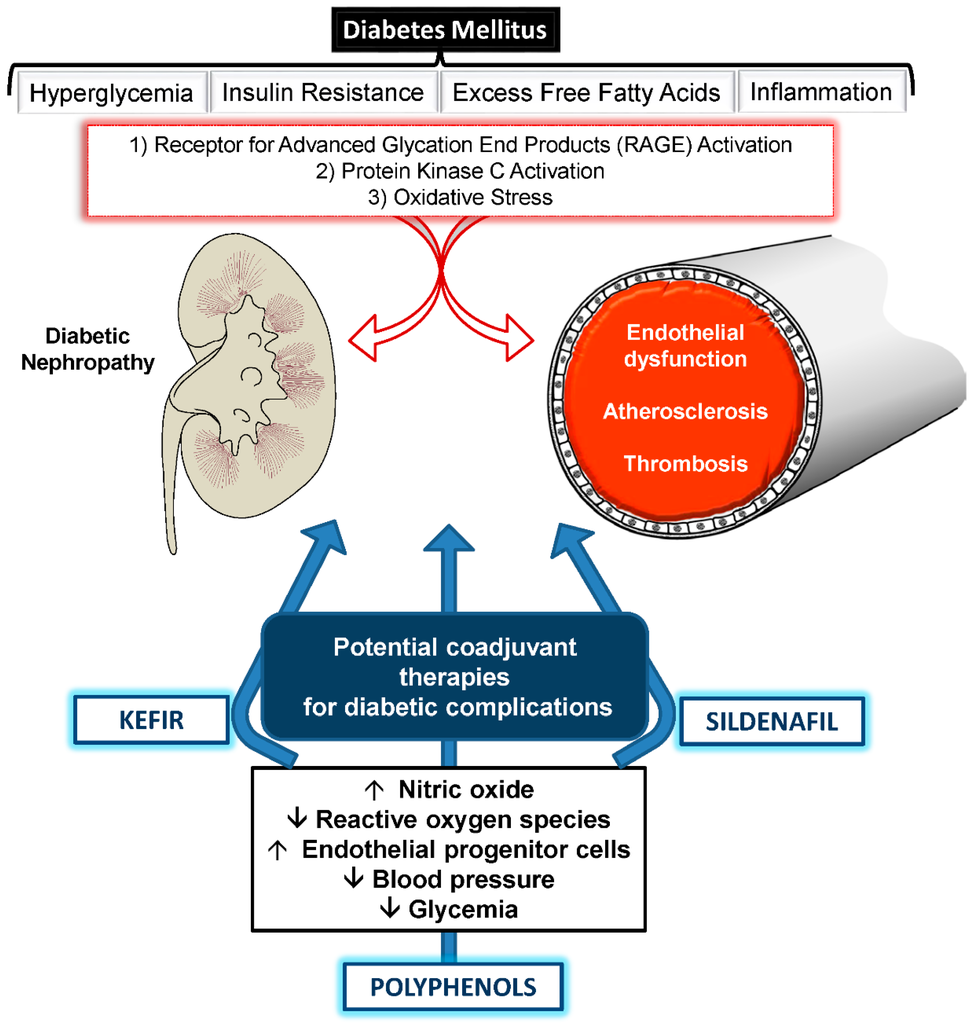
Because diabetes mellitus (DM) is a multifactorial metabolic disease, its prevention and treatment has been a constant challenge for basic and clinical investigators focused on translating their discoveries into clinical treatment of this complex disorder. In this review, we highlight recent experimental and clinical evidences of potential coadjuvants in the management of DM, such as polyphenols (quercetin, resveratrol and silymarin), cultured probiotic microorganisms and drugs acting through direct/indirect or pleiotropic effects on glycemic control in DM. Among several options, we highlight new promising therapeutic coadjuvants, including chemical scavengers, the probiotic kefir and the phosphodiesterase 5 inhibitors, which besides the reduction of hyperglycemia and ameliorate insulin resistance, they reduce oxidative stress and improve endothelial dysfunction in the systemic vascular circulation. In the near future, experimental studies are expected to clear the intracellular pathways involving coadjuvants. The design of clinical trials may also contribute to new strategies with coadjuvants against the harmful effects of diabetic complications. Full article
(This article belongs to the Special Issue Diabetic Complications: Pathophysiology, Mechanisms, and Therapies)
Show Figures

Graphical abstract
20 pages, 3176 KB  
Article
Gene Set−Based Integrative Analysis Revealing Two Distinct Functional Regulation Patterns in Four Common Subtypes of Epithelial Ovarian Cancer
by Chia-Ming Chang 1,2,3, Chi-Mu Chuang 2,3,4, Mong-Lien Wang 2,5, Yi-Ping Yang 3,4,5, Jen-Hua Chuang 2,5, Ming-Jie Yang 2,3, Ming-Shyen Yen 2,3, Shih-Hwa Chiou 1,3,5,6 and Cheng-Chang Chang 7,*
1 Institute of Oral Biology, National Yang-Ming University, Taipei 112, Taiwan
2 School of Medicine, National Yang-Ming University, Taipei 112, Taiwan
3 Department of Obstetrics and Gynecology, Taipei Veterans General Hospital, Taipei 112, Taiwan
4 Institute of Clinical Medicine, School of Medicine, National Yang−Ming University, Taipei 112, Taiwan
5 Department of Medical Research, Taipei Veterans General Hospital, Taipei 112, Taiwan
6 Department & Institute of Pharmacology, National Yang−Ming University, Taipei 112, Taiwan
7 Department of Obstetrics and Gynecology, Tri-Service General Hospital, National Defense Medical Center, Taipei 114, Taiwan
Int. J. Mol. Sci. 2016, 17(8), 1272; https://doi.org/10.3390/ijms17081272 - 5 Aug 2016
Cited by 14 | Viewed by 5597
Abstract
Clear cell (CCC), endometrioid (EC), mucinous (MC) and high-grade serous carcinoma (SC) are the four most common subtypes of epithelial ovarian carcinoma (EOC). The widely accepted dualistic model of ovarian carcinogenesis divided EOCs into type I and II categories based on the molecular [...] Read more.
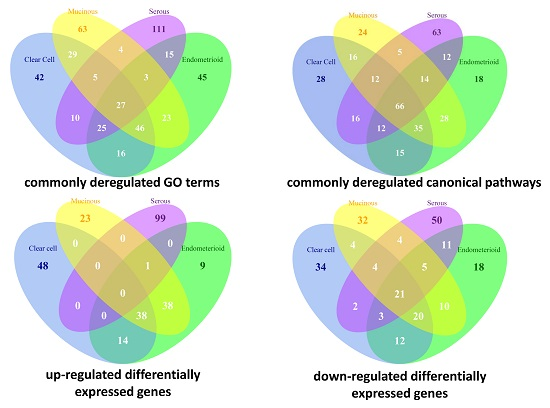
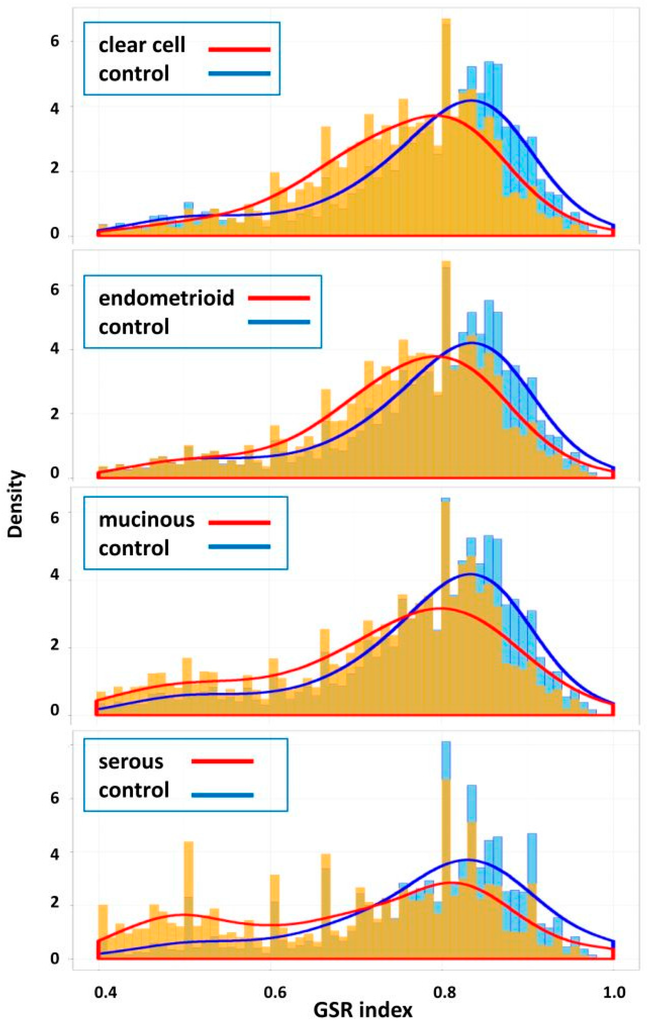
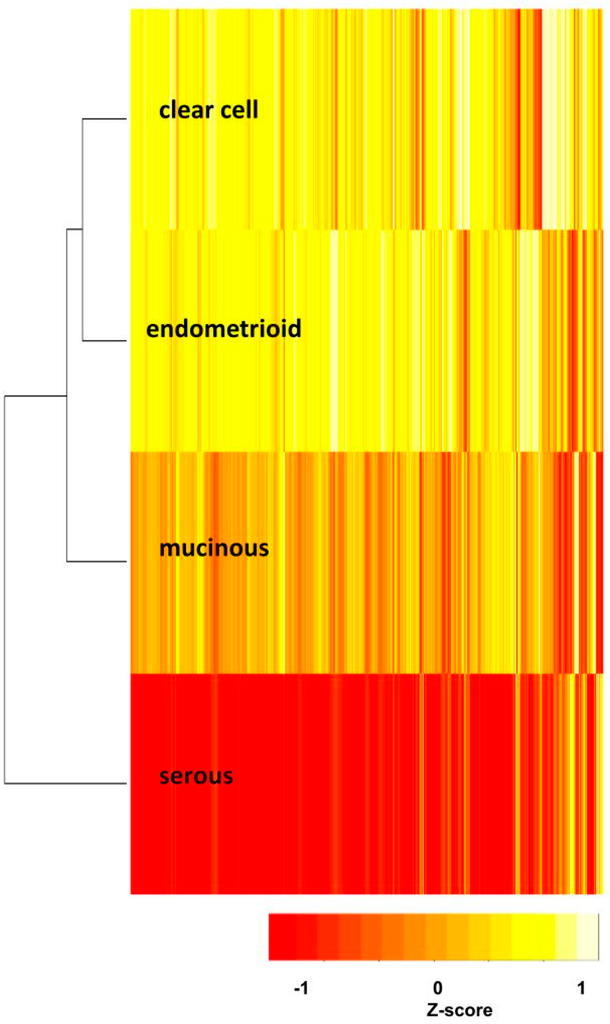
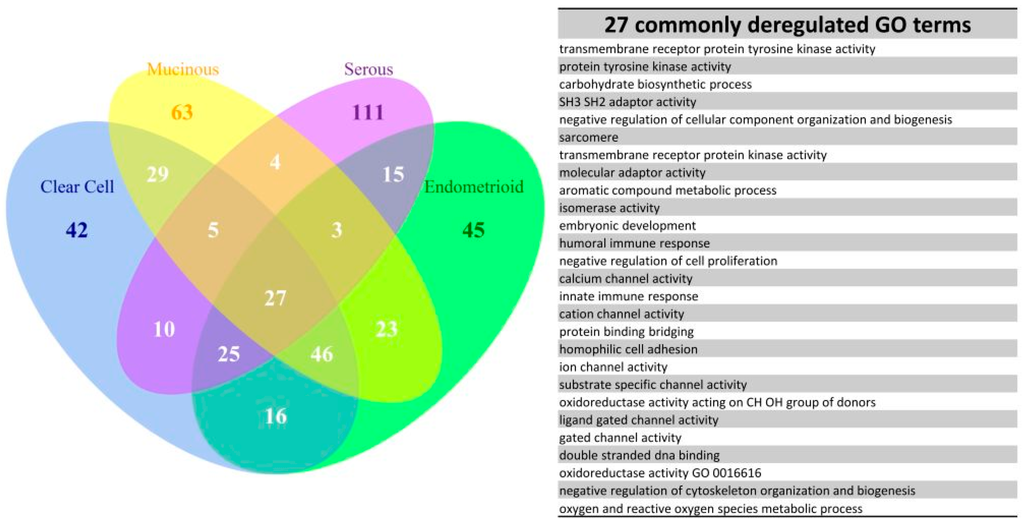
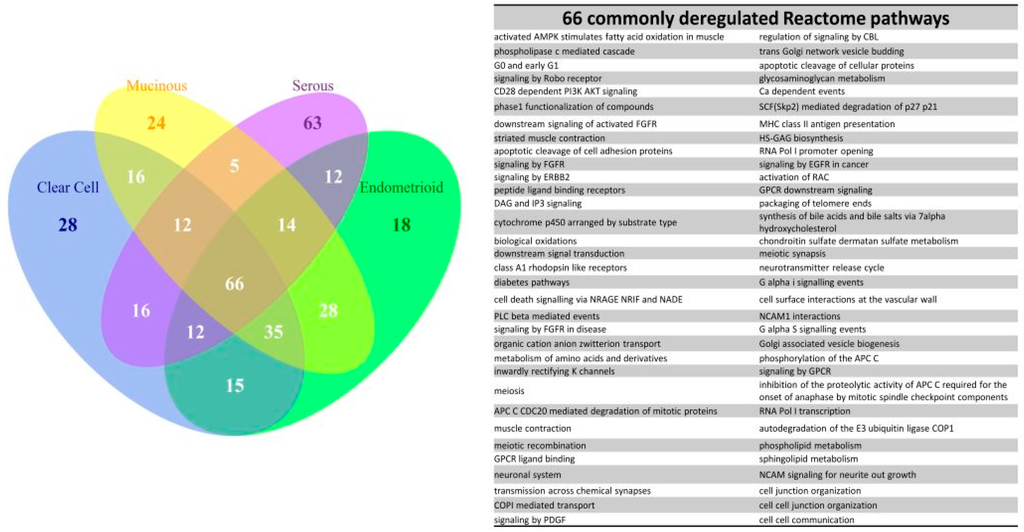
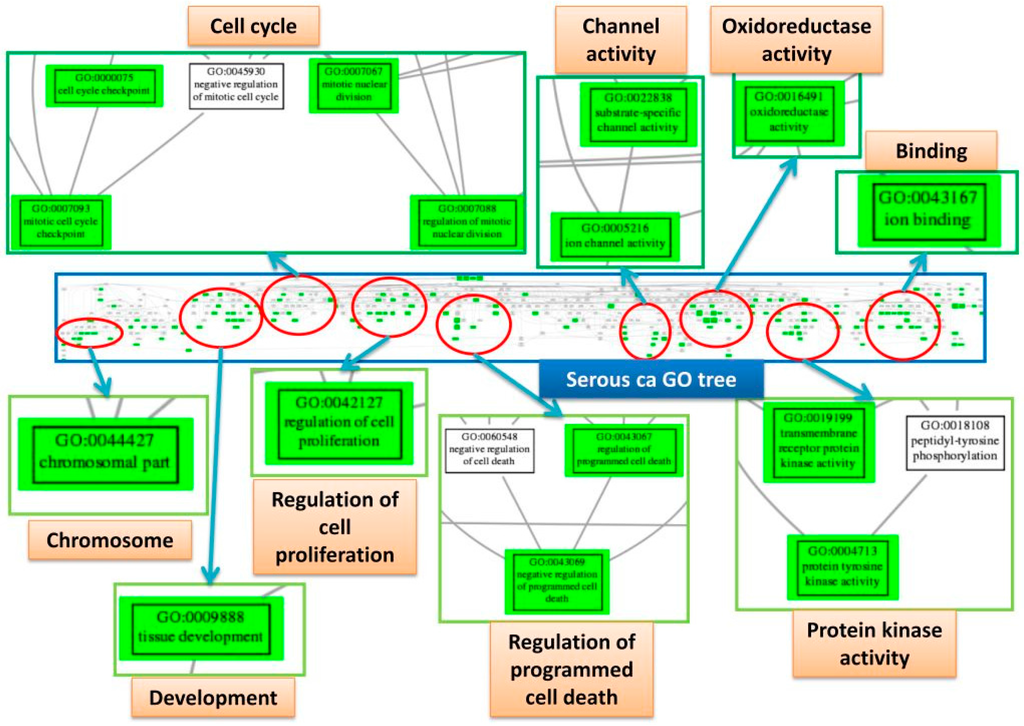
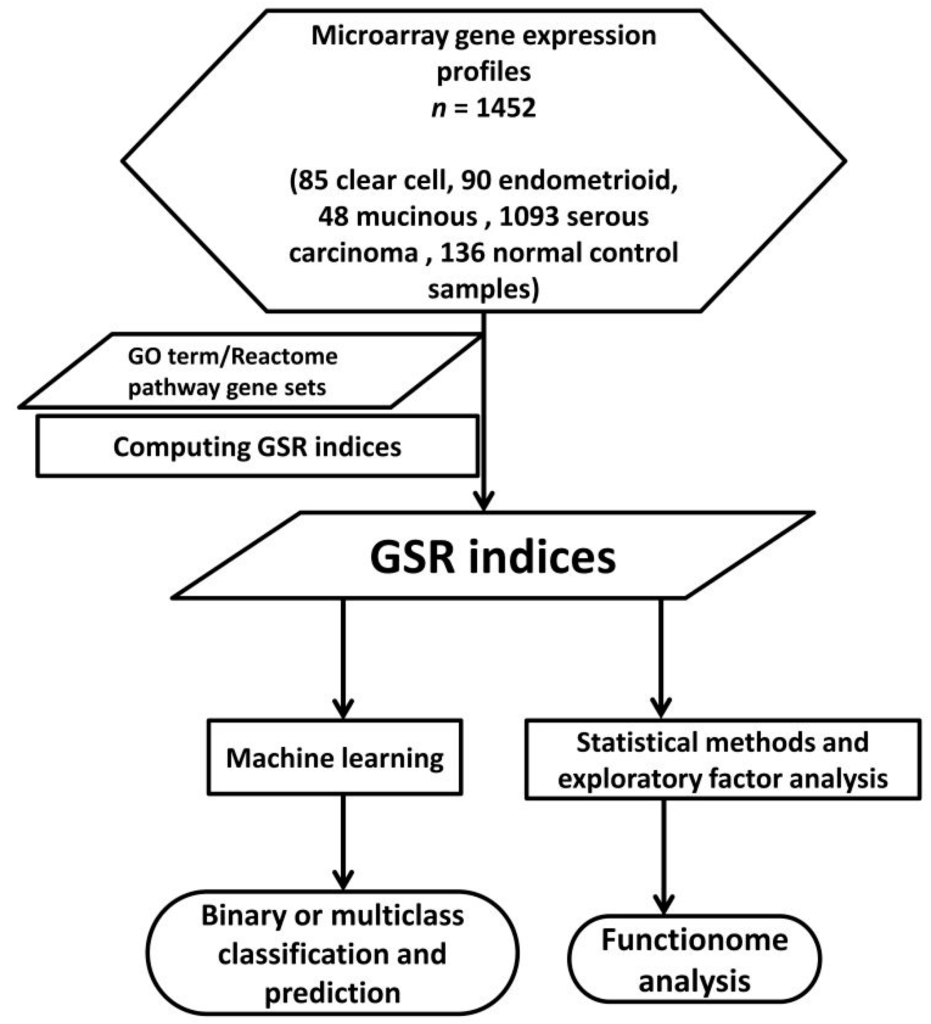
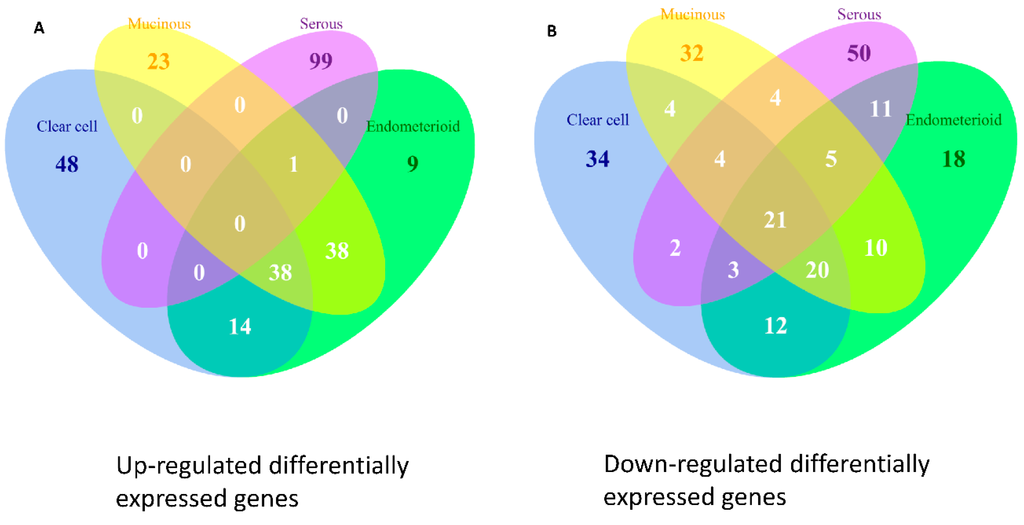
Clear cell (CCC), endometrioid (EC), mucinous (MC) and high-grade serous carcinoma (SC) are the four most common subtypes of epithelial ovarian carcinoma (EOC). The widely accepted dualistic model of ovarian carcinogenesis divided EOCs into type I and II categories based on the molecular features. However, this hypothesis has not been experimentally demonstrated. We carried out a gene set-based analysis by integrating the microarray gene expression profiles downloaded from the publicly available databases. These quantified biological functions of EOCs were defined by 1454 Gene Ontology (GO) term and 674 Reactome pathway gene sets. The pathogenesis of the four EOC subtypes was investigated by hierarchical clustering and exploratory factor analysis. The patterns of functional regulation among the four subtypes containing 1316 cases could be accurately classified by machine learning. The results revealed that the ERBB and PI3K-related pathways played important roles in the carcinogenesis of CCC, EC and MC; while deregulation of cell cycle was more predominant in SC. The study revealed that two different functional regulation patterns exist among the four EOC subtypes, which were compatible with the type I and II classifications proposed by the dualistic model of ovarian carcinogenesis. Full article
(This article belongs to the Special Issue Big Data for Oncology)
Show Figures

Graphical abstract
17 pages, 1708 KB  
Article
The FKBP5 Gene Affects Alcohol Drinking in Knockout Mice and Is Implicated in Alcohol Drinking in Humans
by Bin Qiu 1, Susan E. Luczak 2, Tamara L. Wall 3,4,5, Aaron M. Kirchhoff 6, Yuxue Xu 1, Mimy Y. Eng 5, Robert B. Stewart 7, Weinian Shou 8, Stephen L. Boehm 7, Julia A. Chester 9, Weidong Yong 1,8,* and Tiebing Liang 10,*
1 Institute of Laboratory Animal Science, Chinese Academy of Medical Sciences (CAMS), Peking Union Medical College (PUMC), Beijing 100021, China
2 Department of Psychology, University of Southern California, Los Angeles, CA 90089, USA
3 Department of Psychiatry, University of California, San Diego, CA 92037, USA
4 Psychology Service, Veterans Affairs San Diego Healthcare System, San Diego, CA 92161, USA
5 Veterans Medical Research Foundation, San Diego, CA 92161, USA
6 Immunology and Microbial Science Department, Research Technician, The Scripps Research Institute, Scripps Clinic South Driveway, La Jolla, CA 92037, USA
7 Department of Psychology, Indiana University-Purdue University Indianapolis, Indianapolis, IN 46202, USA
8 Departments of Pediatrics and Medicine, Indiana University School of Medicine, Indianapolis, IN 46202, USA
9 Department of Psychological Sciences, Purdue University, West Lafayette, IN 47907, USA
10 Department of Medicine, Indiana University School of Medicine Gatch Hall, Indianapolis, IN 46202, USA
Int. J. Mol. Sci. 2016, 17(8), 1271; https://doi.org/10.3390/ijms17081271 - 5 Aug 2016
Cited by 27 | Viewed by 11954
Abstract
FKBP5 encodes FK506-binding protein 5, a glucocorticoid receptor (GR)-binding protein implicated in various psychiatric disorders and alcohol withdrawal severity. The purpose of this study is to characterize alcohol preference and related phenotypes in Fkbp5 knockout (KO) mice and to examine the role of [...] Read more.
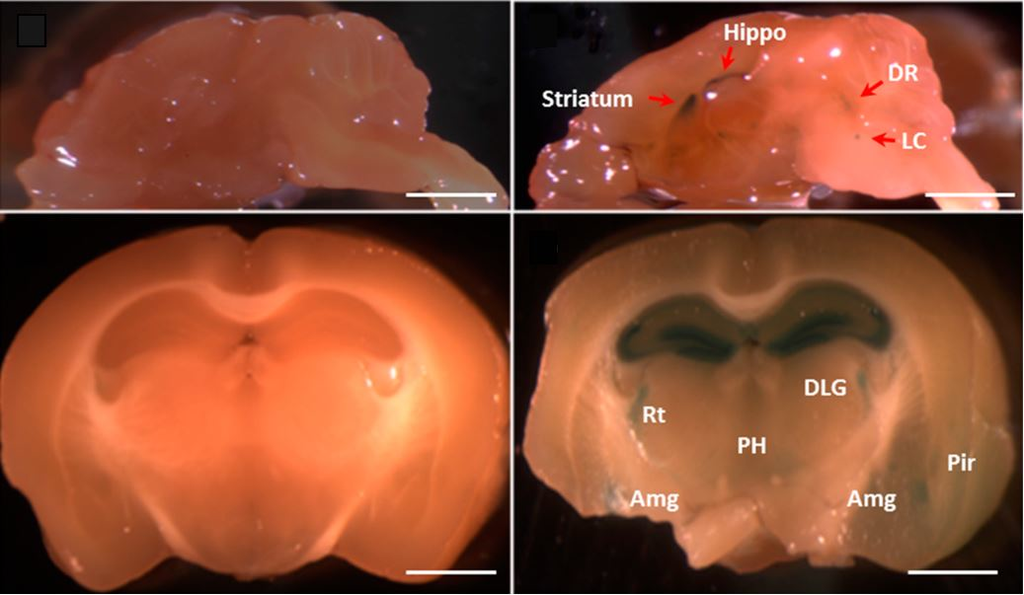
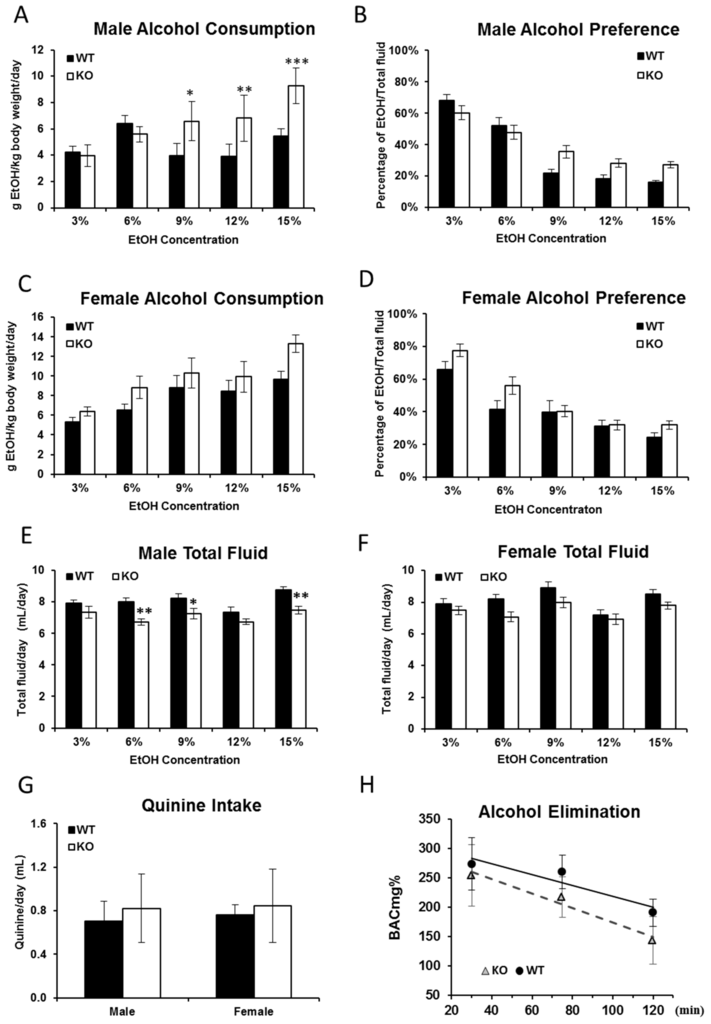
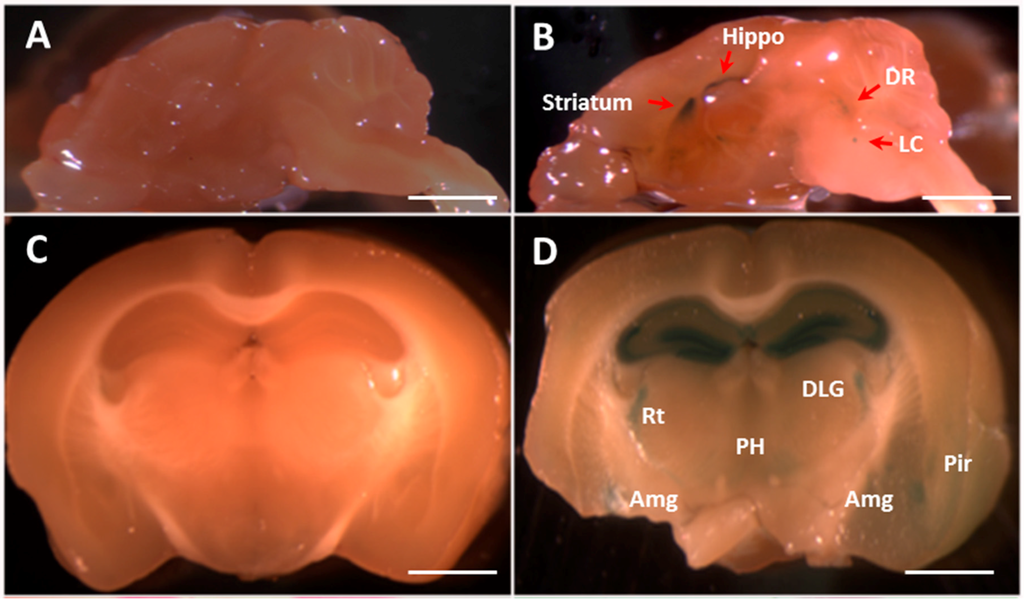
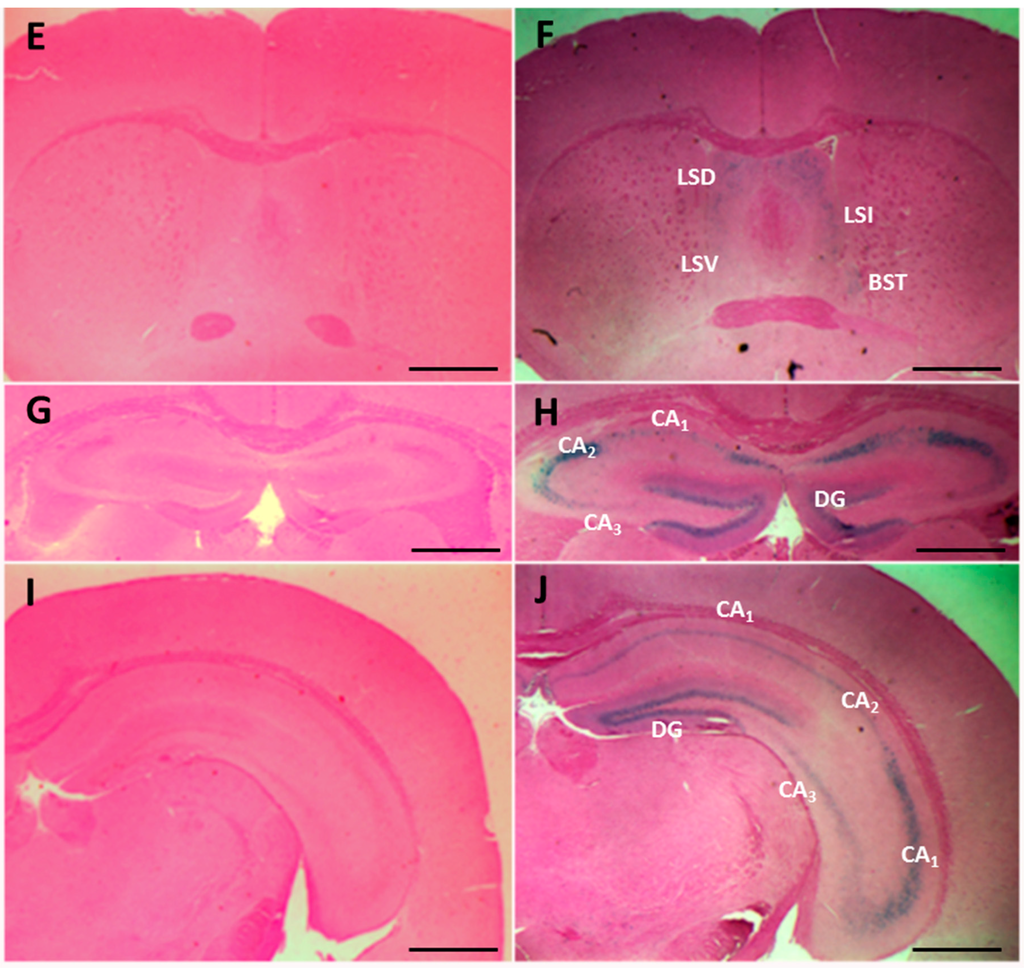
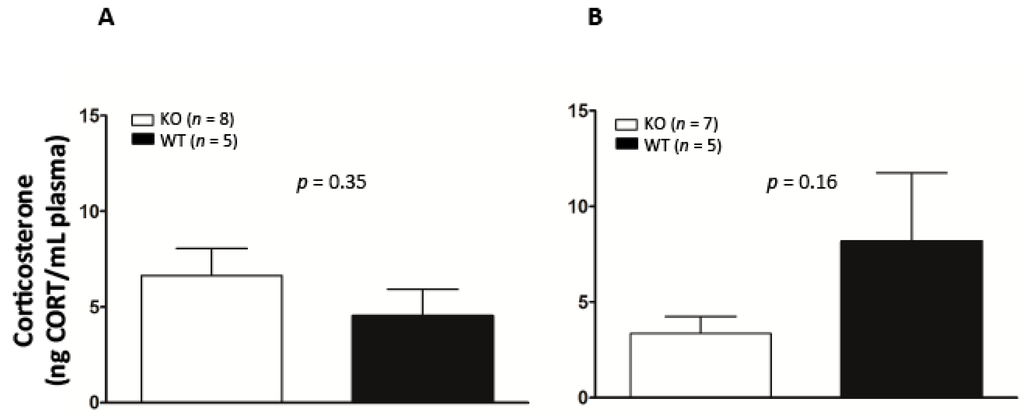
FKBP5 encodes FK506-binding protein 5, a glucocorticoid receptor (GR)-binding protein implicated in various psychiatric disorders and alcohol withdrawal severity. The purpose of this study is to characterize alcohol preference and related phenotypes in Fkbp5 knockout (KO) mice and to examine the role of FKBP5 in human alcohol consumption. The following experiments were performed to characterize Fkpb5 KO mice. (1) Fkbp5 KO and wild-type (WT) EtOH consumption was tested using a two-bottle choice paradigm; (2) The EtOH elimination rate was measured after intraperitoneal (IP) injection of 2.0 g/kg EtOH; (3) Blood alcohol concentration (BAC) was measured after 3 h limited access of alcohol; (4) Brain region expression of Fkbp5 was identified using LacZ staining; (5) Baseline corticosterone (CORT) was assessed. Additionally, two SNPs, rs1360780 (C/T) and rs3800373 (T/G), were selected to study the association of FKBP5 with alcohol consumption in humans. Participants were college students (n = 1162) from 21–26 years of age with Chinese, Korean or Caucasian ethnicity. The results, compared to WT mice, for KO mice exhibited an increase in alcohol consumption that was not due to differences in taste sensitivity or alcohol metabolism. Higher BAC was found in KO mice after 3 h of EtOH access. Fkbp5 was highly expressed in brain regions involved in the regulation of the stress response, such as the hippocampus, amygdala, dorsal raphe and locus coeruleus. Both genotypes exhibited similar basal levels of plasma corticosterone (CORT). Finally, single nucleotide polymorphisms (SNPs) in FKBP5 were found to be associated with alcohol drinking in humans. These results suggest that the association between FKBP5 and alcohol consumption is conserved in both mice and humans. Full article
(This article belongs to the Special Issue Alcoholism: Molecular Mechanisms and Treatment Strategies)
Show Figures

Graphical abstract
9 pages, 1079 KB  
Article
Challenges in Translating GWAS Results to Clinical Care
by Laura B. Scheinfeldt 1,2,3,*, Tara J. Schmidlen 3, Norman P. Gerry 3,4 and Michael F. Christman 3
1 Institute for Genomics and Evolutionary Medicine, Temple University, Philadelphia, PA 19122, USA
2 Department of Biology, Temple University, Philadelphia, PA 19122, USA
3 The Coriell Institute for Medical Research, Camden, NJ 08103, USA
4 Advanced BioMedical Laboratories, Cinnaminson, NJ 08007, USA
Int. J. Mol. Sci. 2016, 17(8), 1267; https://doi.org/10.3390/ijms17081267 - 4 Aug 2016
Cited by 11 | Viewed by 5570
Abstract
Clinical genetic testing for Mendelian disorders is standard of care in many cases; however, it is less clear to what extent and in which situations clinical genetic testing may improve preventive efforts, diagnosis and/or prognosis of complex disease. One challenge is that much [...] Read more.
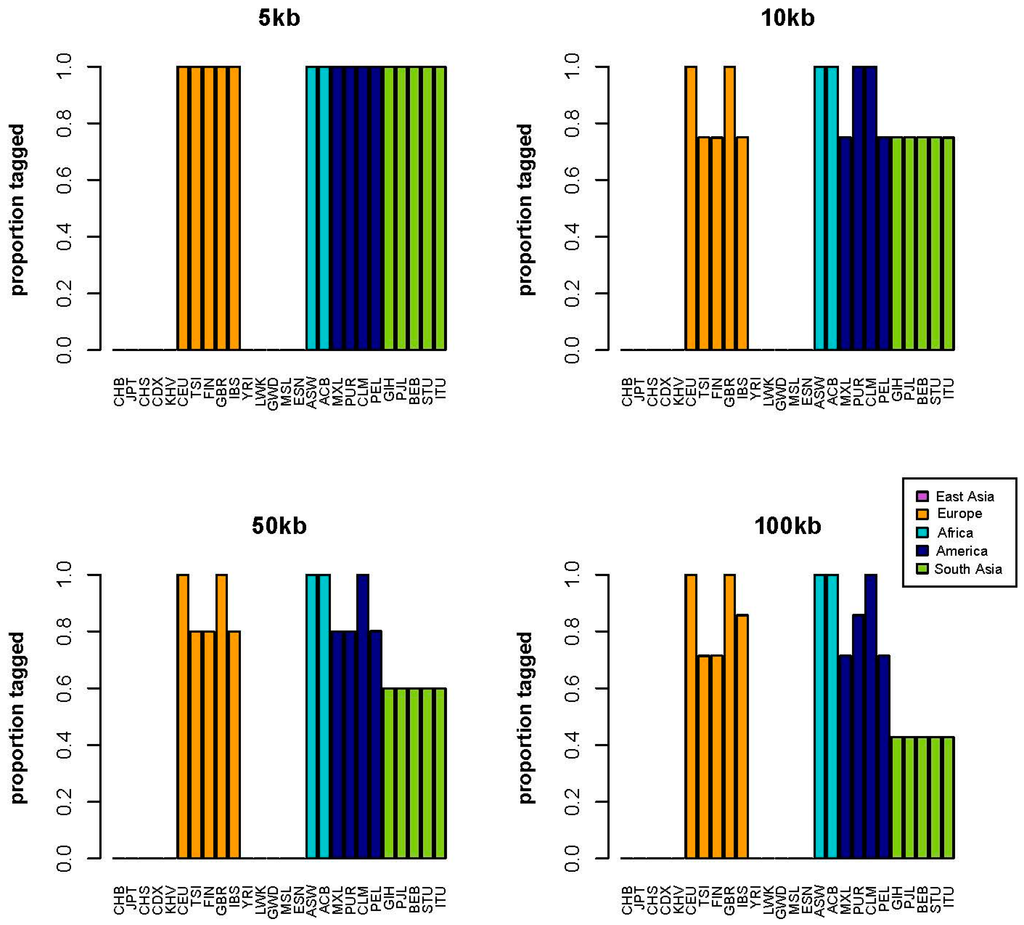
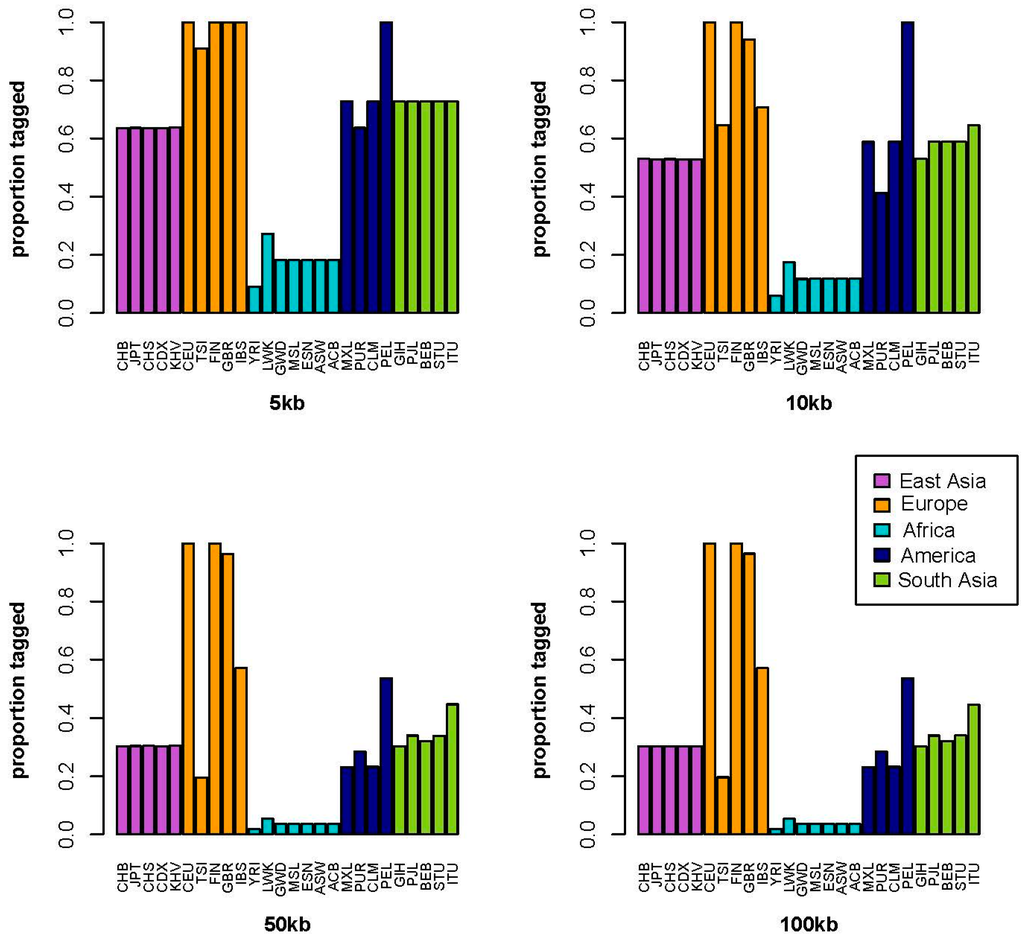
Clinical genetic testing for Mendelian disorders is standard of care in many cases; however, it is less clear to what extent and in which situations clinical genetic testing may improve preventive efforts, diagnosis and/or prognosis of complex disease. One challenge is that much of the reported research relies on tag single nucleotide polymorphisms (SNPs) to act as proxies for assumed underlying functional variants that are not yet known. Here we use coronary artery disease and melanoma as case studies to evaluate how well reported genetic risk variants tag surrounding variants across population samples in the 1000 Genomes Project Phase 3 data. We performed a simulation study where we randomly assigned a “functional” variant and evaluated how often this simulated functional variant was correctly tagged in diverse population samples. Our results indicate a relatively large error rate when generalizing increased genetic risk of complex disease across diverse population samples, even when generalizing within geographic regions. Our results further highlight the importance of including diverse populations in genome-wide association studies. Future work focused on identifying functional variants will eliminate the need for tag SNPs; however, until functional variants are known, caution should be used in the interpretation of genetic risk for complex disease using tag SNPs. Full article
(This article belongs to the Special Issue Precision Medicine—From Bench to Bedside)
Show Figures

Figure 1

10 pages, 211 KB  
Review
Circulating Tumor Cells in the Adenocarcinoma of the Esophagus
by Giulia Gallerani * and Francesco Fabbri
Biosciences Laboratory, Istituto Scientifico Romagnolo per lo Studio e la Cura dei Tumori (IRST) IRCCS, Via P. Maroncelli 40, Meldola 47014, FC, Italy
Int. J. Mol. Sci. 2016, 17(8), 1266; https://doi.org/10.3390/ijms17081266 - 4 Aug 2016
Cited by 17 | Viewed by 5366
Abstract
Circulating tumor cells (CTCs) are elements of indisputable significance as they seem to be responsible for the onset of metastasis. Despite this, research into CTCs and their clinical application have been hindered by their rarity and heterogeneity at the molecular and cellular level, [...] Read more.
Circulating tumor cells (CTCs) are elements of indisputable significance as they seem to be responsible for the onset of metastasis. Despite this, research into CTCs and their clinical application have been hindered by their rarity and heterogeneity at the molecular and cellular level, and also by a lack of technical standardization. Esophageal adenocarcinoma (EAC) is a highly aggressive cancer that is often diagnosed at an advanced stage. Its incidence has increased so much in recent years that new diagnostic, prognostic and predictive biomarkers are urgently needed. Preliminary findings suggest that CTCs could represent an effective, non-invasive, real-time assessable biomarker in all stages of EAC. This review provides an overview of EAC and CTC characteristics and reports the main research results obtained on CTCs in this setting. The need to carry out further basic and translational research in this area to confirm the clinical usefulness of CTCs and to provide oncologists with a tool to improve therapeutic strategies for EAC patients was herein highlighted. Full article
(This article belongs to the Special Issue Circulating Tumor Cells)
11 pages, 1606 KB  
Article
Droplet Digital PCR Based Androgen Receptor Variant 7 (AR-V7) Detection from Prostate Cancer Patient Blood Biopsies
by Yafeng Ma 1, Alison Luk 1, Francis P. Young 1,2, David Lynch 1,3, Wei Chua 4, Bavanthi Balakrishnar 4, Paul De Souza 1,2,3,4 and Therese M. Becker 1,2,3,*
1 Centre for Circulating Tumor Cell Diagnostics and Research, Ingham Institute for Applied Medical Research, 1 Campbell St., Liverpool, NSW 2170, Australia
2 South Western Clinical School, University of New South Wales, Goulburn St., Liverpool, NSW 2170, Australia
3 Western Sydney University Clinical School, Elizabeth St., Liverpool, NSW 2170, Australia
4 Department of Medical Oncology, Liverpool Hospital, Elizabeth St & Goulburn St., Liverpool, NSW 2170, Australia
Int. J. Mol. Sci. 2016, 17(8), 1264; https://doi.org/10.3390/ijms17081264 - 4 Aug 2016
Cited by 55 | Viewed by 12710
Abstract
Androgen receptor splice variant V7 (AR-V7) was recently identified as a valuable predictive biomarker in metastatic castrate-resistant prostate cancer. Here, we report a new, sensitive and accurate screen for AR-V7 mRNA expression directly from circulating tumor cells (CTCs): We combined EpCAM-based immunomagnetic CTC [...] Read more.
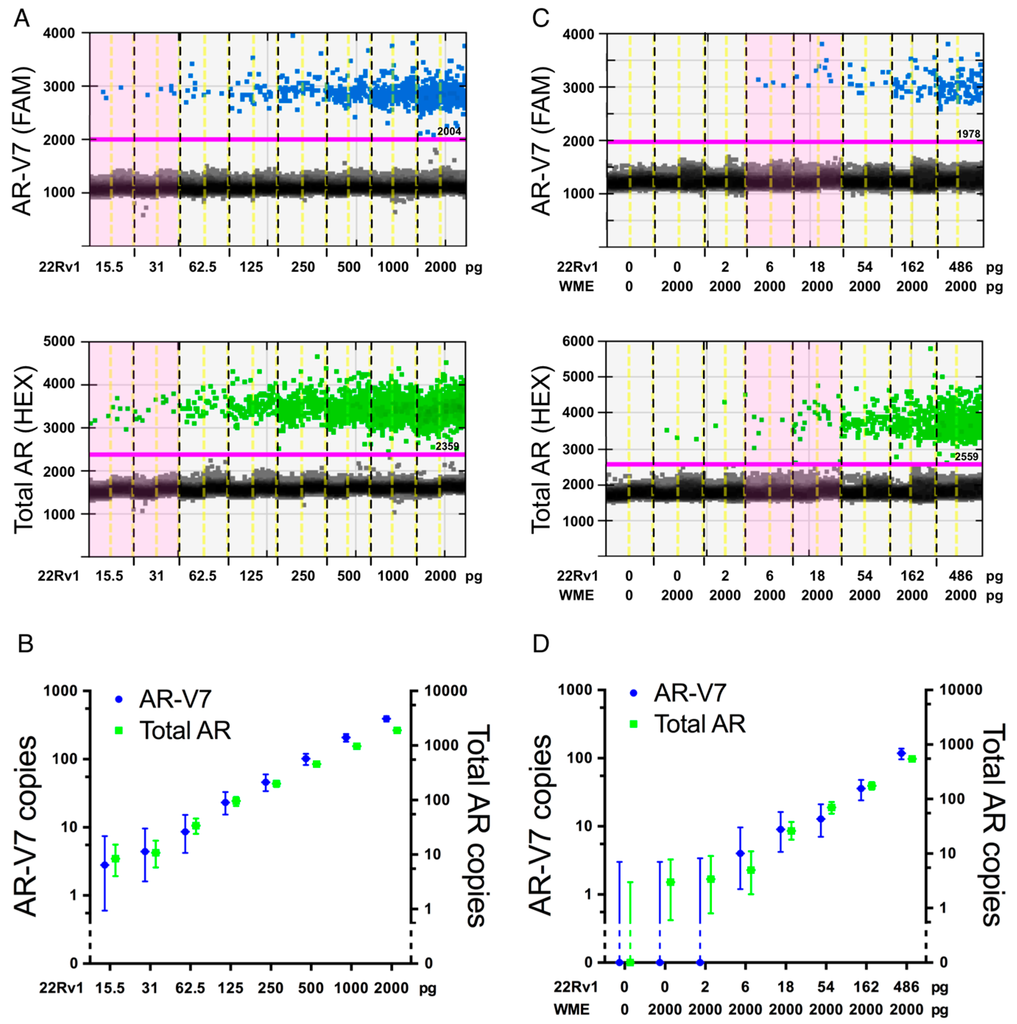
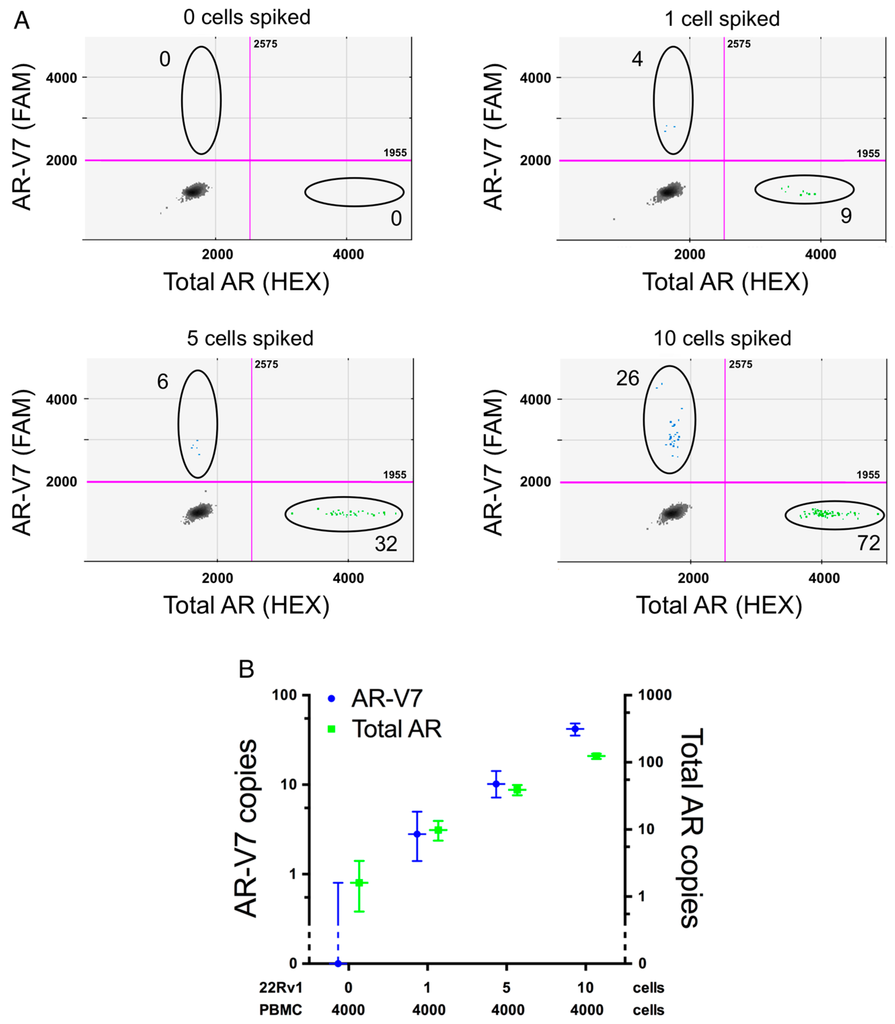
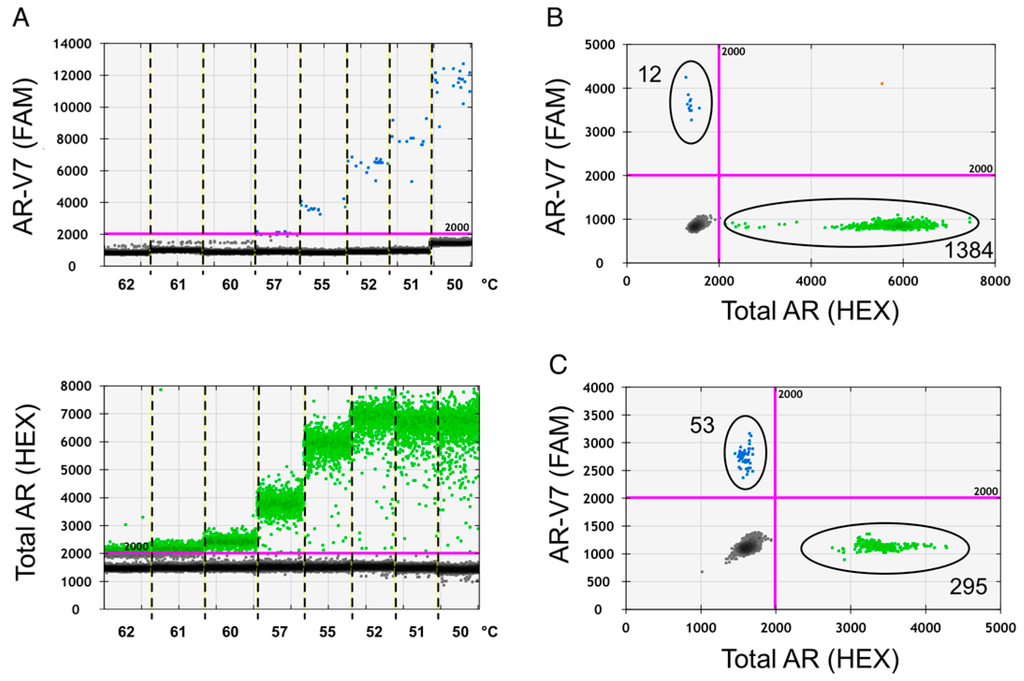
Androgen receptor splice variant V7 (AR-V7) was recently identified as a valuable predictive biomarker in metastatic castrate-resistant prostate cancer. Here, we report a new, sensitive and accurate screen for AR-V7 mRNA expression directly from circulating tumor cells (CTCs): We combined EpCAM-based immunomagnetic CTC isolation using the IsoFlux microfluidic platform with droplet digital polymerase chain reaction (ddPCR) to analyze total AR and AR-V7 expression from prostate cancer patients CTCs. We demonstrate that AR-V7 is reliably detectable in enriched CTC samples with as little as five CTCs, even considering tumor heterogeneity, and confirm detection of AR-V7 in CTC samples from advanced prostate cancer (PCa) patients with AR-V7 detection limited to castrate resistant disease status in our sample set. Sensitive molecular analyses of circulating tumor cells (CTCs) or circulating tumor nucleic acids present exciting strategies to detect biomarkers, such as AR-V7 from non-invasive blood samples, so-called blood biopsies. Full article
(This article belongs to the Special Issue Circulating Tumor Cells)
Show Figures

Figure 1

27 pages, 464 KB  
Review
Bioactivities and Health Benefits of Wild Fruits
by Ya Li 1, Jiao-Jiao Zhang 1, Dong-Ping Xu 1, Tong Zhou 1, Yue Zhou 1, Sha Li 2 and Hua-Bin Li 1,3,*
1 Guangdong Provincial Key Laboratory of Food, Nutrition and Health, School of Public Health, Sun Yat-Sen University, Guangzhou 510080, China
2 School of Chinese Medicine, The University of Hong Kong, Hong Kong, China
3 South China Sea Bioresource Exploitation and Utilization Collaborative Innovation Center, Sun Yat-Sen University, Guangzhou 510006, China
Int. J. Mol. Sci. 2016, 17(8), 1258; https://doi.org/10.3390/ijms17081258 - 4 Aug 2016
Cited by 159 | Viewed by 17384
Abstract
Wild fruits are exotic or underutilized. Wild fruits contain many bioactive compounds, such as anthocyanins and flavonoids. Many studies have shown that wild fruits possess various bioactivities and health benefits, such as free radical scavenging, antioxidant, anti-inflammatory, antimicrobial, and anticancer activity. Therefore, wild [...] Read more.
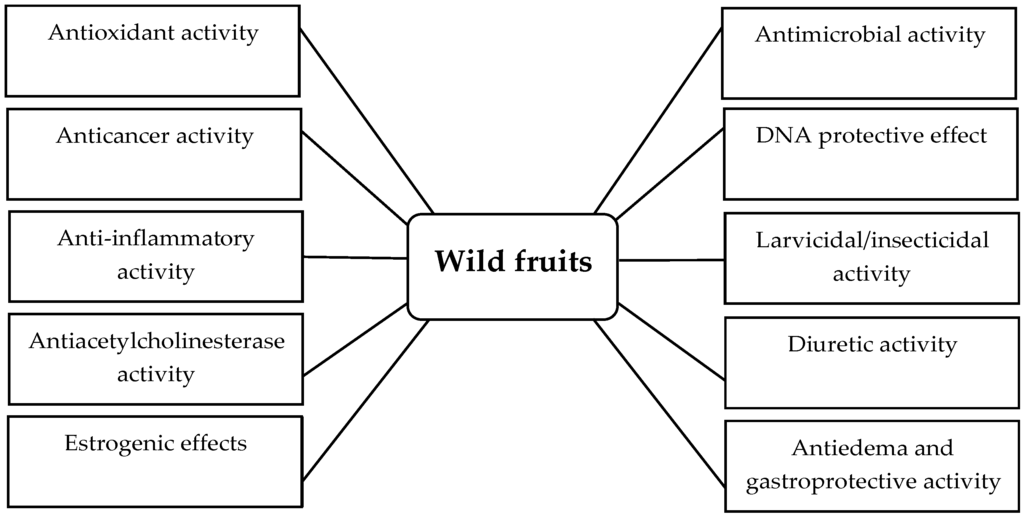
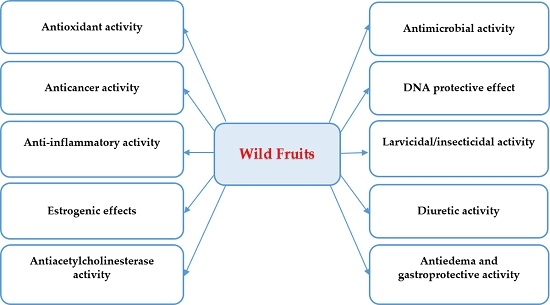
Wild fruits are exotic or underutilized. Wild fruits contain many bioactive compounds, such as anthocyanins and flavonoids. Many studies have shown that wild fruits possess various bioactivities and health benefits, such as free radical scavenging, antioxidant, anti-inflammatory, antimicrobial, and anticancer activity. Therefore, wild fruits have the potential to be developed into functional foods or pharmaceuticals to prevent and treat several chronic diseases. In the present article, we review current knowledge about the bioactivities and health benefits of wild fruits, which is valuable for the exploitation and utilization of wild fruits. Full article
Show Figures

Graphical abstract
16 pages, 1000 KB  
Review
The Role of Dietary Inflammatory Index in Cardiovascular Disease, Metabolic Syndrome and Mortality
by Miguel Ruiz-Canela 1,2,3,*, Maira Bes-Rastrollo 1,2,3 and Miguel A. Martínez-González 1,2,3
1 Department of Preventive Medicine and Public Health, University of Navarra, Pamplona 31008, Spain
2 IDISNA (Navarra Health Research Institute), Pamplona 31008, Spain
3 Centro de Investigación Biomédica en Red Fisiopatología de la Obesidad y Nutrición (CIBERobn), Instituto de Salud Carlos III, Madrid 28029, Spain
Int. J. Mol. Sci. 2016, 17(8), 1265; https://doi.org/10.3390/ijms17081265 - 3 Aug 2016
Cited by 155 | Viewed by 16684
Abstract
Inflammation is an underlying pathophysiological process in chronic diseases, such as obesity, type 2 diabetes mellitus and cardiovascular disease. In fact, a number of systematic reviews have shown the association between inflammatory biomarkers, such as CRP, IL-1β, IL-6, TNF-α, IL-4, or IL-10, and [...] Read more.
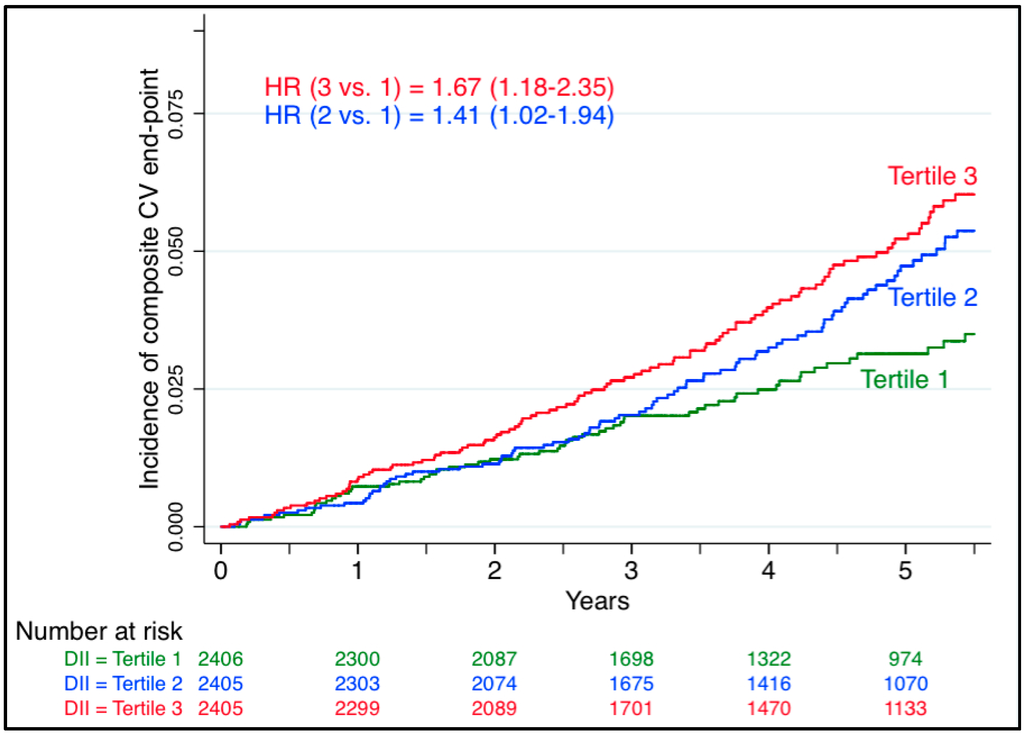
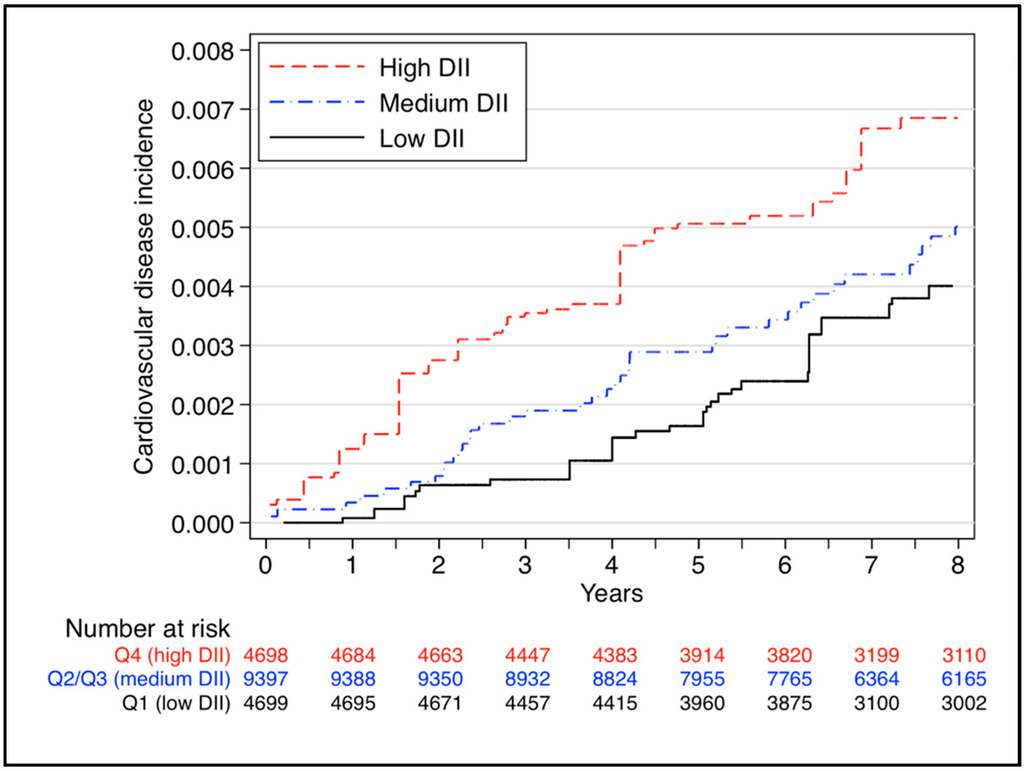
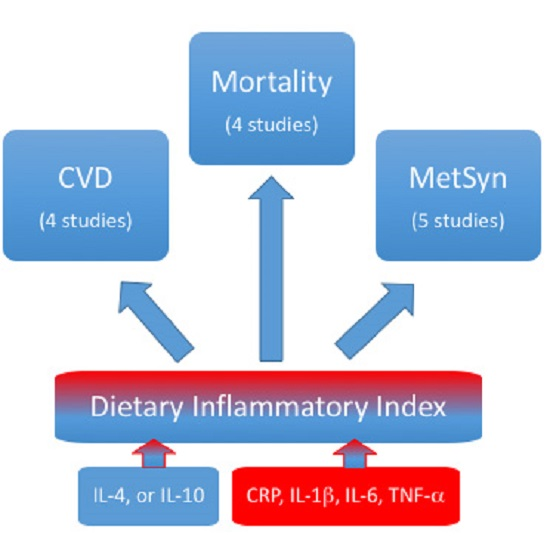
Inflammation is an underlying pathophysiological process in chronic diseases, such as obesity, type 2 diabetes mellitus and cardiovascular disease. In fact, a number of systematic reviews have shown the association between inflammatory biomarkers, such as CRP, IL-1β, IL-6, TNF-α, IL-4, or IL-10, and cardio-metabolic diseases. Diet is one of the main lifestyle-related factors which modulates the inflammatory process. Different individual foods and dietary patterns can have a beneficial health effect associated with their anti-inflammatory properties. The dietary inflammatory index (DII) was recently developed to estimate the inflammatory potential of overall diet. The aim of this review is to examine the findings of recent papers that have investigated the association between the DII, cardio-metabolic risk factors and cardiovascular disease. The relevance of the DII score in the association between inflammation and cardio-metabolic diseases is critically appraised, as well as its role in the context of healthy dietary patterns. We conclude that the DII score seems to be a useful tool to appraise the inflammatory capacity of the diet and to better understand the relationships between diet, inflammation, and cardio-metabolic diseases. Full article
(This article belongs to the Special Issue Advances in Nutritional Epidemiology)
Show Figures

Graphical abstract
16 pages, 1409 KB  
Article
Integrating Insect Life History and Food Plant Phenology: Flexible Maternal Choice Is Adaptive
by Minghui Fei 1, Jeffrey A. Harvey 1,2, Berhane T. Weldegergis 3, Tzeyi Huang 3, Kimmy Reijngoudt 3, Louise M. Vet 1,3 and Rieta Gols 3,*
1 Department of Terrestrial Ecology, Netherlands Institute of Ecology, Droevendaalsesteeg 10, 6708 PB Wageningen, The Netherlands
2 Section Animal Ecology, Department of Ecological Sciences, VU University Amsterdam, De Boelelaan 1085, 1081 HV Amsterdam, The Netherlands
3 Laboratory of Entomology, Wageningen University, Droevendaalsesteeg 1, 6708 PB Wageningen, The Netherlands
Int. J. Mol. Sci. 2016, 17(8), 1263; https://doi.org/10.3390/ijms17081263 - 3 Aug 2016
Cited by 7 | Viewed by 7328
Abstract
Experience of insect herbivores and their natural enemies in the natal habitat is considered to affect their likelihood of accepting a similar habitat or plant/host during dispersal. Growing phenology of food plants and the number of generations in the insects further determines lability [...] Read more.
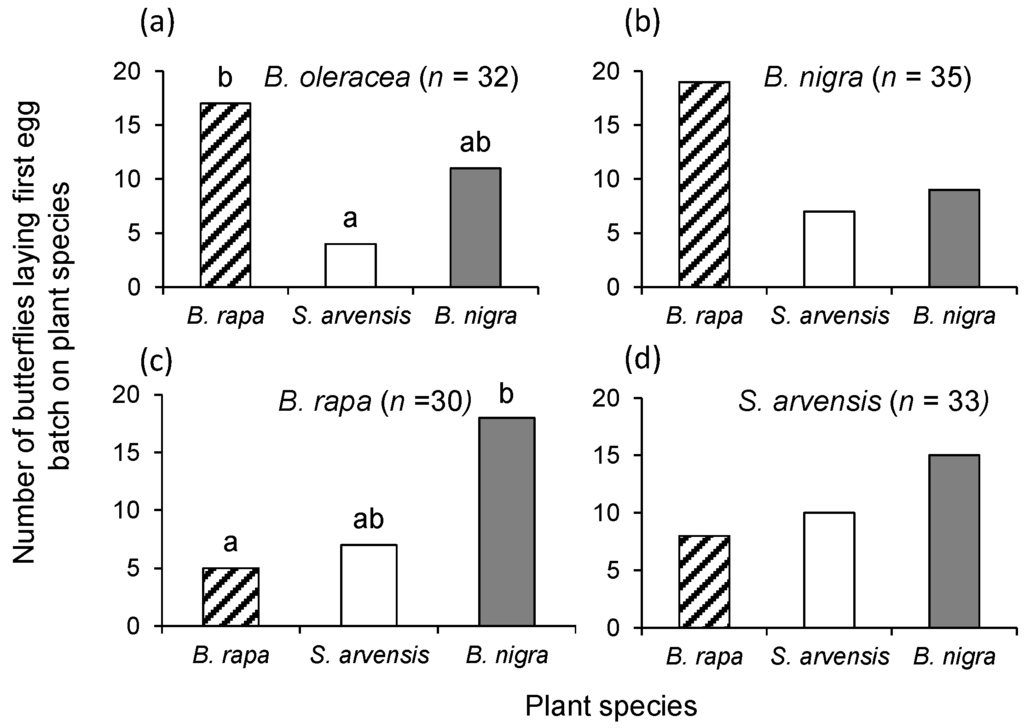
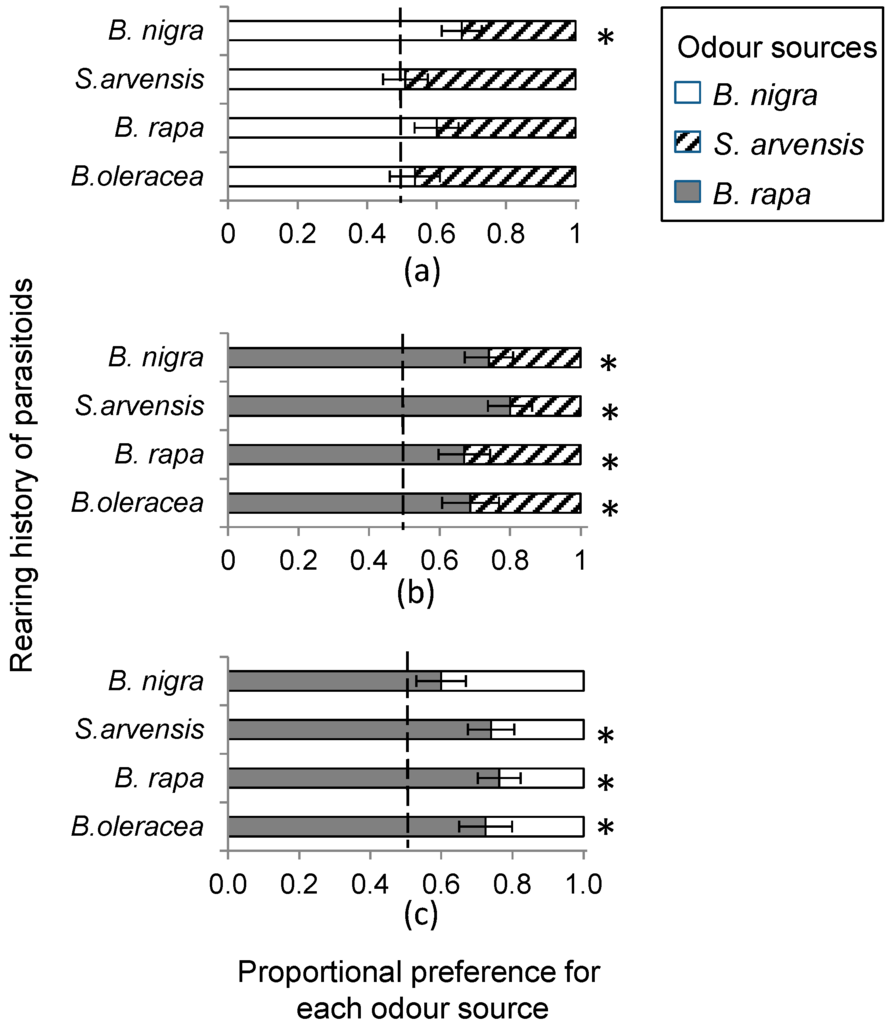
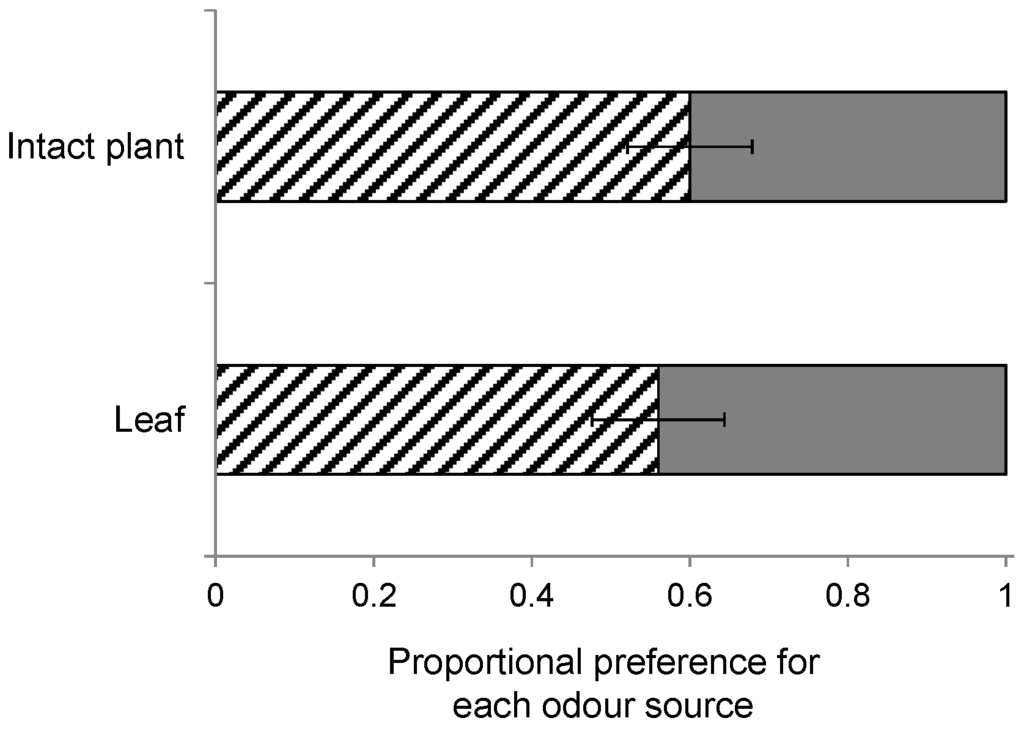
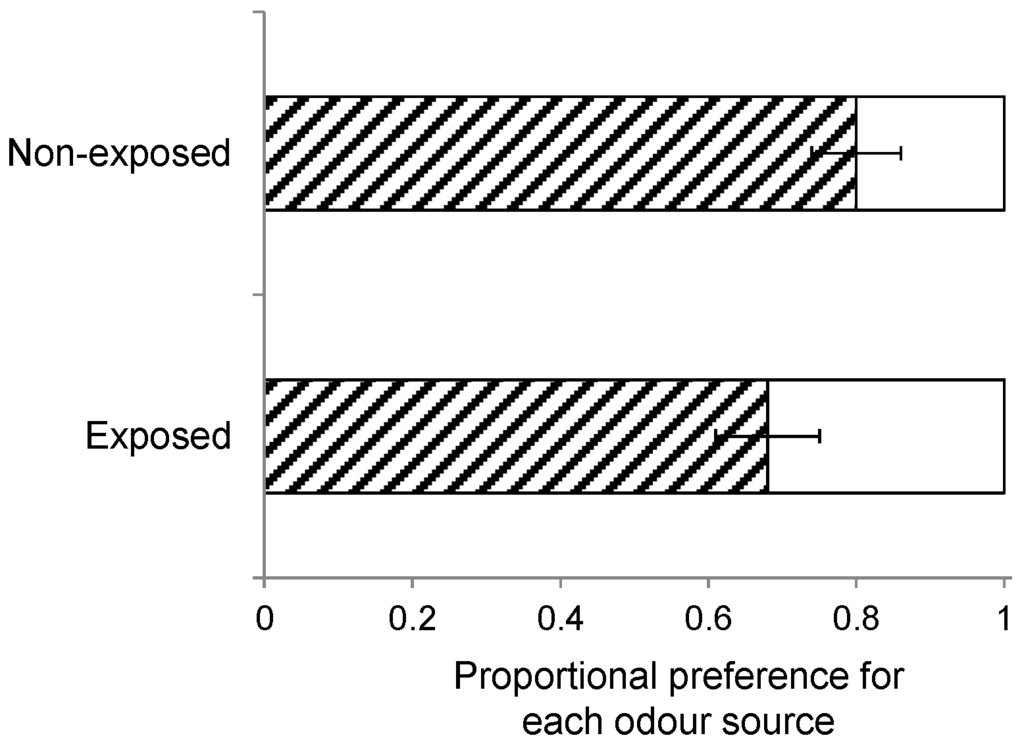
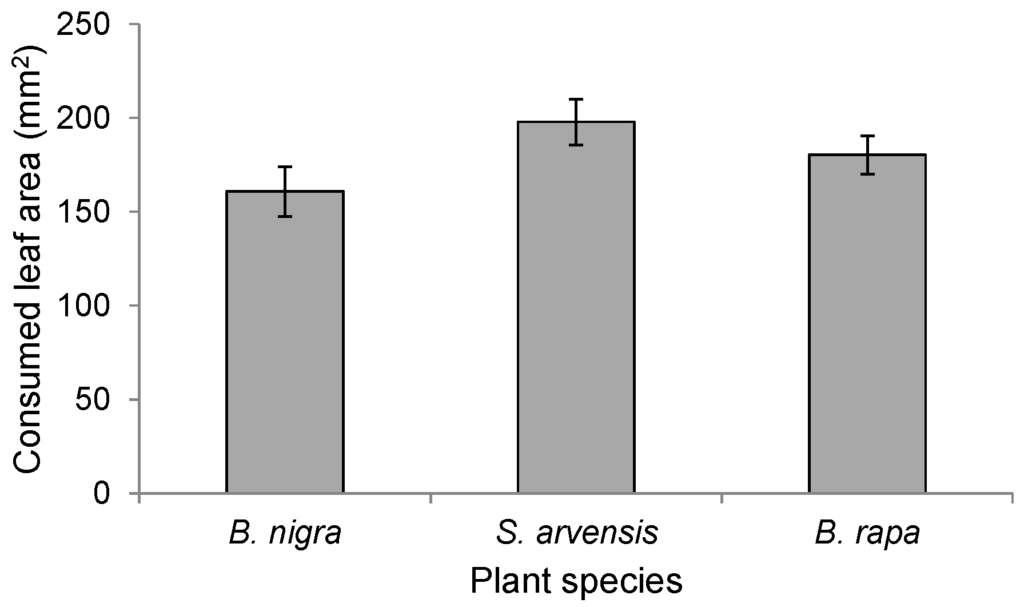
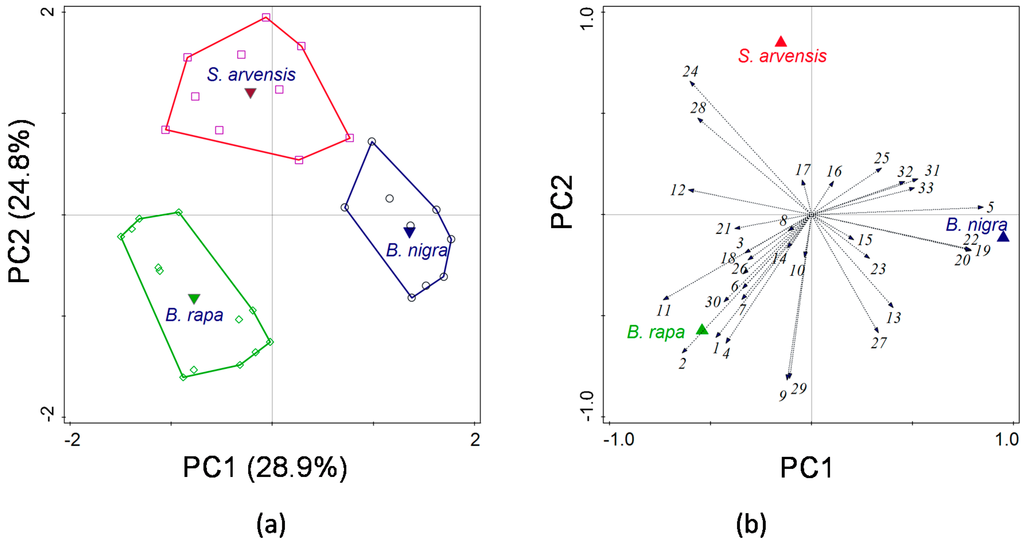
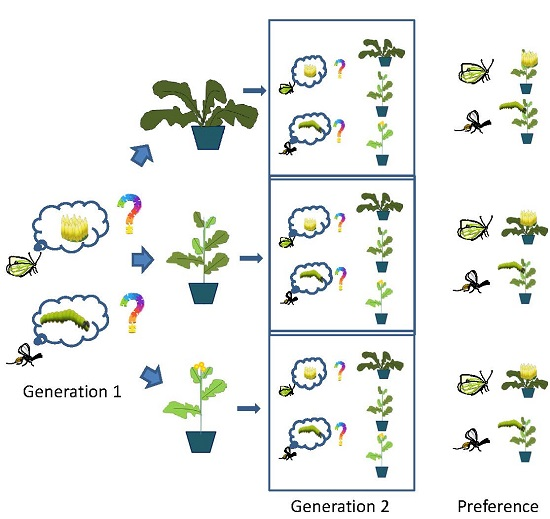
Experience of insect herbivores and their natural enemies in the natal habitat is considered to affect their likelihood of accepting a similar habitat or plant/host during dispersal. Growing phenology of food plants and the number of generations in the insects further determines lability of insect behavioural responses at eclosion. We studied the effect of rearing history on oviposition preference in a multivoltine herbivore (Pieris brassicae), and foraging behaviour in the endoparasitoid wasp (Cotesia glomerata) a specialist enemy of P. brassicae. Different generations of the insects are obligatorily associated with different plants in the Brassicaceae, e.g., Brassica rapa, Brassica nigra and Sinapis arvensis, exhibiting different seasonal phenologies in The Netherlands. Food plant preference of adults was examined when the insects had been reared on each of the three plant species for one generation. Rearing history only marginally affected oviposition preference of P. brassicae butterflies, but they never preferred the plant on which they had been reared. C. glomerata had a clear preference for host-infested B. rapa plants, irrespective of rearing history. Higher levels of the glucosinolate breakdown product 3-butenyl isothiocyanate in the headspace of B. rapa plants could explain enhanced attractiveness. Our results reveal the potential importance of flexible plant choice for female multivoltine insects in nature. Full article
(This article belongs to the Special Issue Plant-Insect Interactions)
Show Figures

Graphical abstract
14 pages, 3908 KB  
Article
Cerebral Hyperperfusion after Revascularization Inhibits Development of Cerebral Ischemic Lesions Due to Artery-to-Artery Emboli during Carotid Exposure in Endarterectomy for Patients with Preoperative Cerebral Hemodynamic Insufficiency: Revisiting the “Impaired Clearance of Emboli” Concept
by Kentaro Fujimoto 1, Yoshiyasu Matsumoto 1, Kohki Oikawa 1, Jun-ichi Nomura 1, Yasuyoshi Shimada 1, Shunrou Fujiwara 1, Kazunori Terasaki 2, Masakazu Kobayashi 1, Kenji Yoshida 1 and Kuniaki Ogasawara 1,*
1 Department of Neurosurgery, School of Medicine, Iwate Medical University, 19-1 Uchmaru, 020-8505 Morioka, Japan
2 Cyclotron Research Center, School of Medicine, Iwate Medical University, 19-1 Uchmaru, 020-8505 Morioka, Japan
Int. J. Mol. Sci. 2016, 17(8), 1261; https://doi.org/10.3390/ijms17081261 - 3 Aug 2016
Cited by 8 | Viewed by 5352
Abstract
The purpose of the present study was to determine whether cerebral hyperperfusion after revascularization inhibits development of cerebral ischemic lesions due to artery-to-artery emboli during exposure of the carotid arteries in carotid endarterectomy (CEA). In patients undergoing CEA for internal carotid artery stenosis [...] Read more.
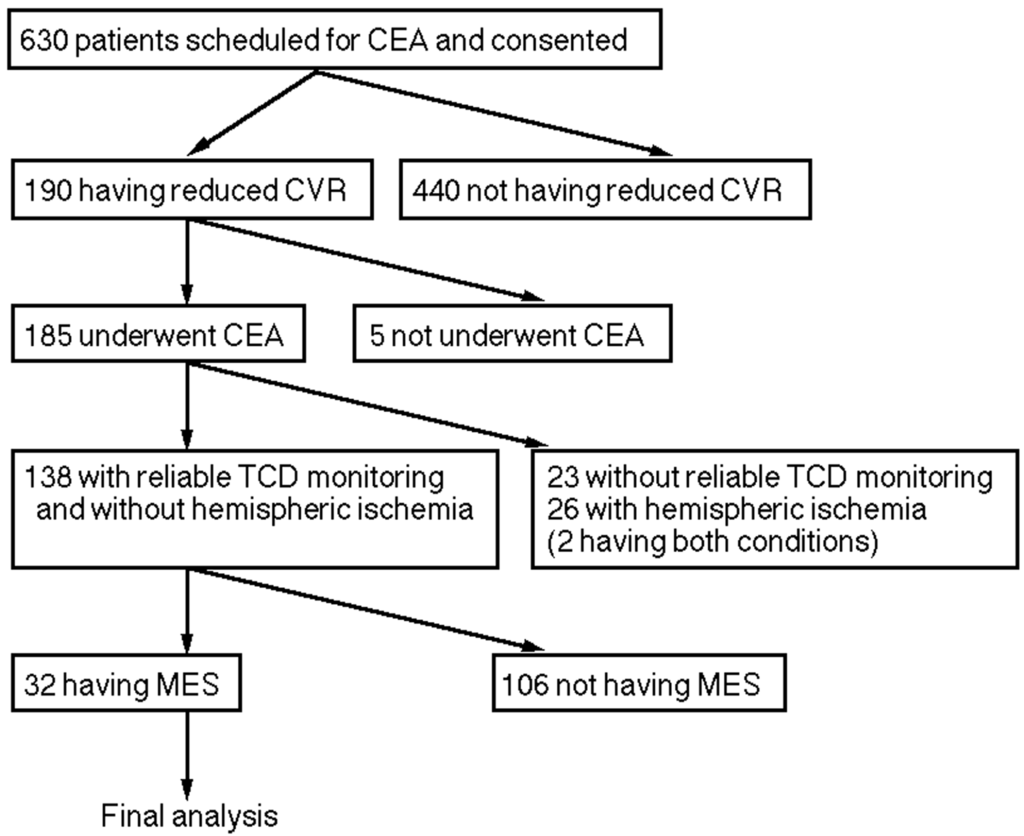
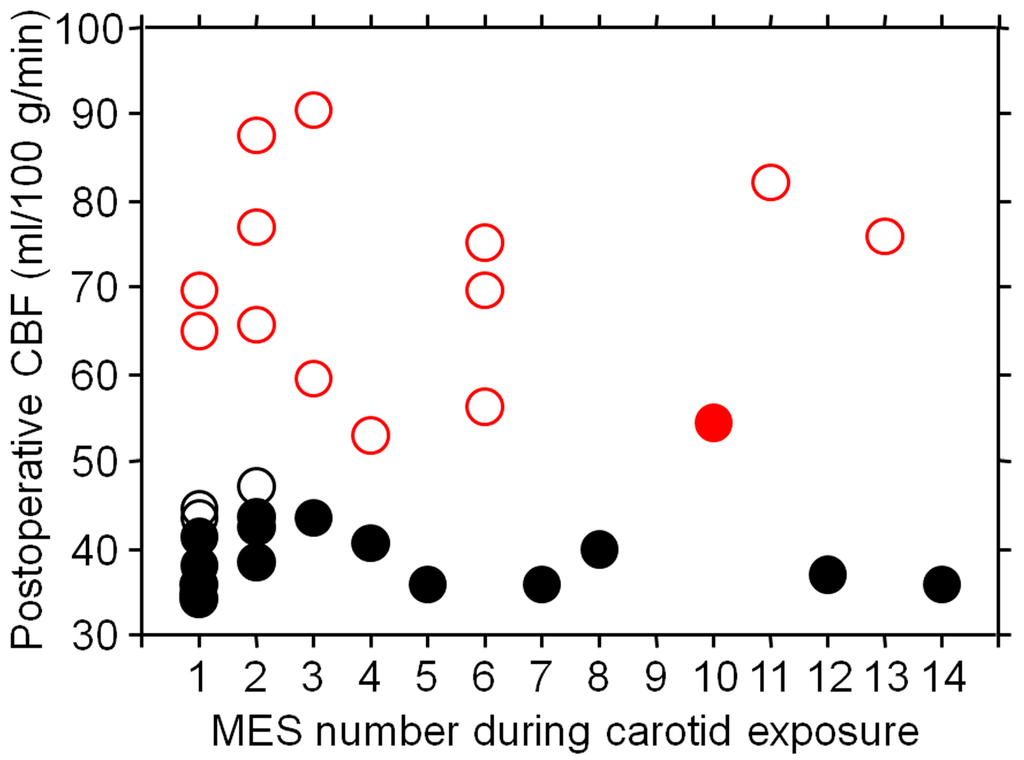
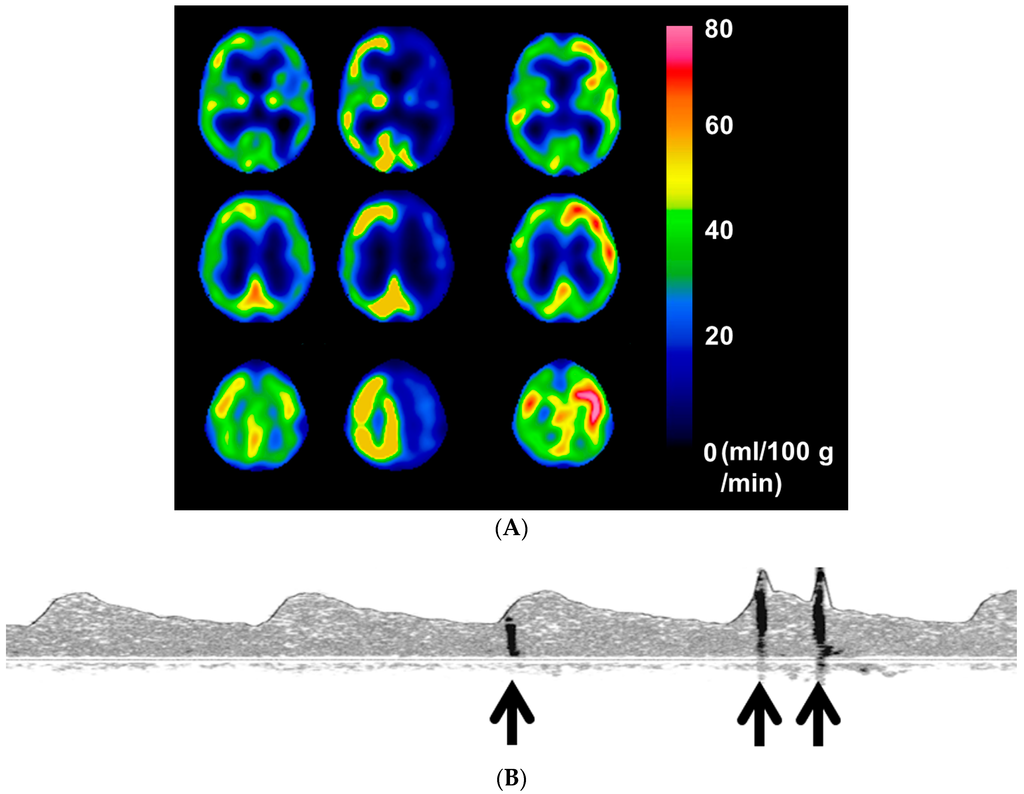
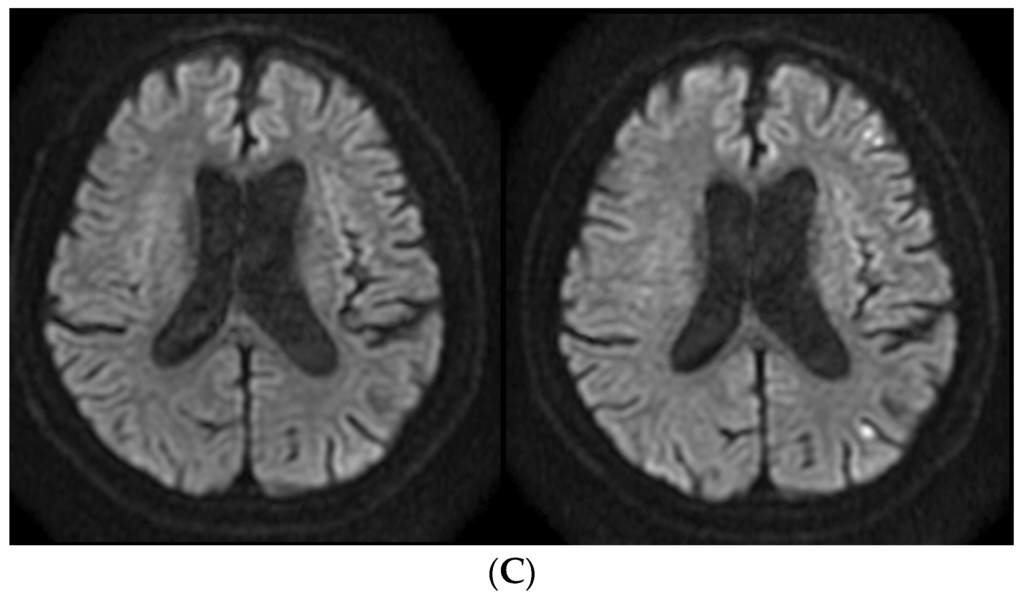
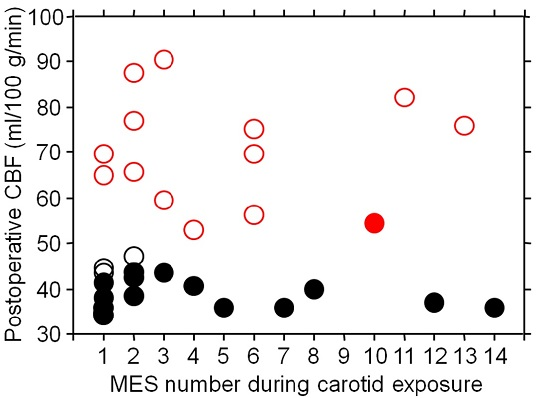
The purpose of the present study was to determine whether cerebral hyperperfusion after revascularization inhibits development of cerebral ischemic lesions due to artery-to-artery emboli during exposure of the carotid arteries in carotid endarterectomy (CEA). In patients undergoing CEA for internal carotid artery stenosis (≥70%), cerebral blood flow (CBF) was measured using single-photon emission computed tomography (SPECT) before and immediately after CEA. Microembolic signals (MES) were identified using transcranial Doppler during carotid exposure. Diffusion-weighted magnetic resonance imaging (DWI) was performed within 24 h after surgery. Of 32 patients with a combination of reduced cerebrovascular reactivity to acetazolamide on preoperative brain perfusion SPECT and MES during carotid exposure, 14 (44%) showed cerebral hyperperfusion (defined as postoperative CBF increase ≥100% compared with preoperative values), and 16 (50%) developed DWI-characterized postoperative cerebral ischemic lesions. Postoperative cerebral hyperperfusion was significantly associated with the absence of DWI-characterized postoperative cerebral ischemic lesions (95% confidence interval, 0.001–0.179; p = 0.0009). These data suggest that cerebral hyperperfusion after revascularization inhibits development of cerebral ischemic lesions due to artery-to-artery emboli during carotid exposure in CEA, supporting the “impaired clearance of emboli” concept. Blood pressure elevation following carotid declamping would be effective when embolism not accompanied by cerebral hyperperfusion occurs during CEA. Full article
(This article belongs to the Special Issue Atherosclerosis and Vascular Imaging 2016)
Show Figures

Graphical abstract
15 pages, 4503 KB  
Article
Bioinformatics and Microarray Analysis of miRNAs in Aged Female Mice Model Implied New Molecular Mechanisms for Impaired Fracture Healing
by Bing He 1,2,†, Zong-Kang Zhang 3,†, Jin Liu 1,2,†, Yi-Xin He 1, Tao Tang 4, Jie Li 3, Bao-Sheng Guo 1,2, Ai-Ping Lu 1,2,*, Bao-Ting Zhang 3,* and Ge Zhang 1,2,*
1 Institute for Advancing Translational Medicine in Bone & Joint Diseases, School of Chinese Medicine, Hong Kong Baptist University, Hong Kong, China
2 Institute of Integrated Bioinformedicine & Translational Science, HKBU Shenzhen Research Institute and Continuing Education, Shenzhen 518000, China
3 School of Chinese Medicine, Faculty of Medicine, The Chinese University of Hong Kong, Hong Kong, China
4 Department of Obstetrics and Gynaecology, Faculty of Medicine, The Chinese University of Hong Kong, Hong Kong, China
These authors contributed equally to this work.
Int. J. Mol. Sci. 2016, 17(8), 1260; https://doi.org/10.3390/ijms17081260 - 3 Aug 2016
Cited by 30 | Viewed by 9145
Abstract
Impaired fracture healing in aged females is still a challenge in clinics. MicroRNAs (miRNAs) play important roles in fracture healing. This study aims to identify the miRNAs that potentially contribute to the impaired fracture healing in aged females. Transverse femoral shaft fractures were [...] Read more.
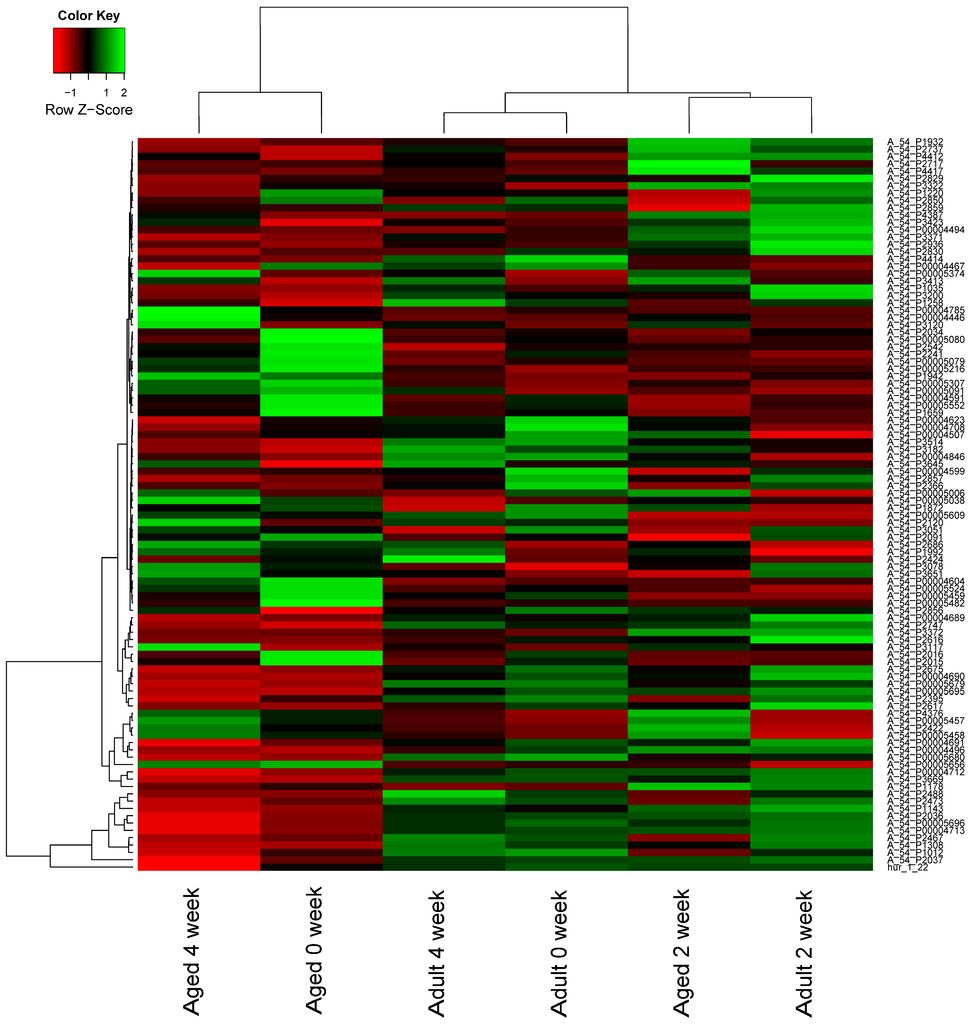
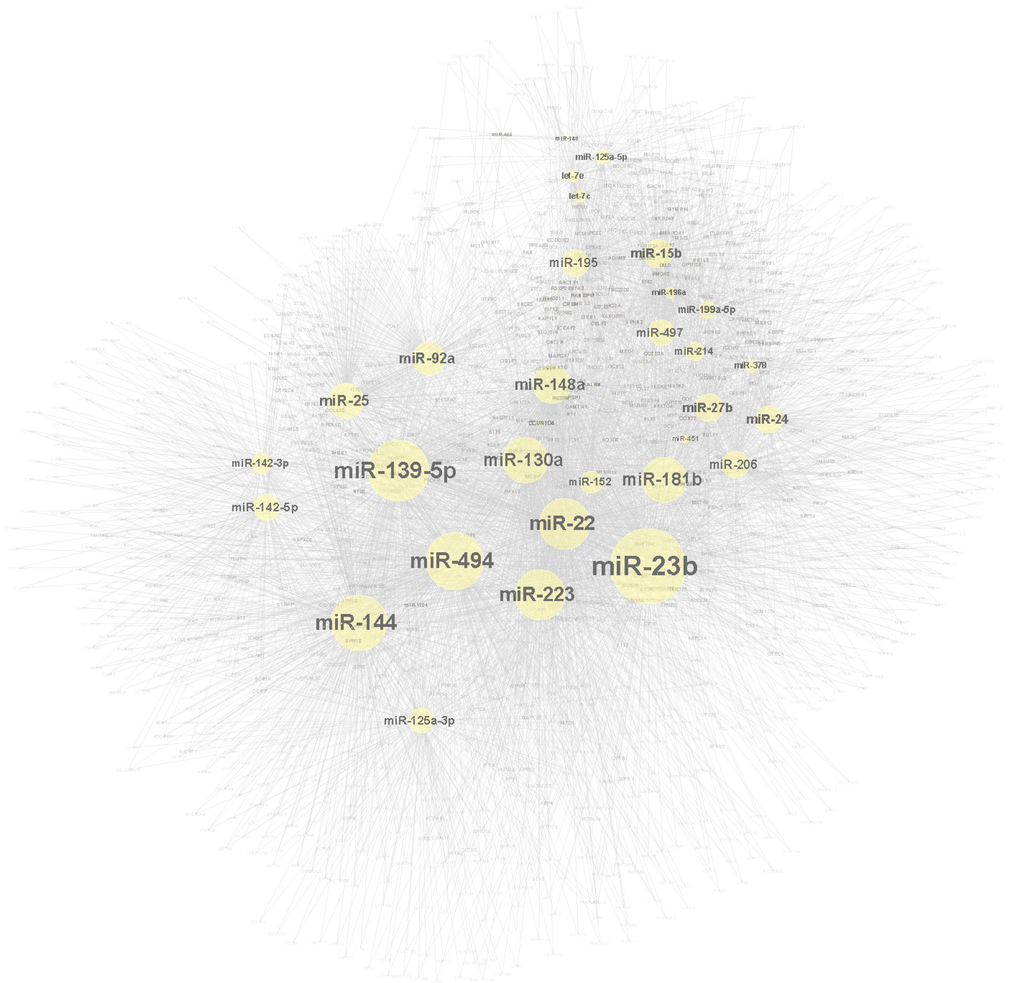
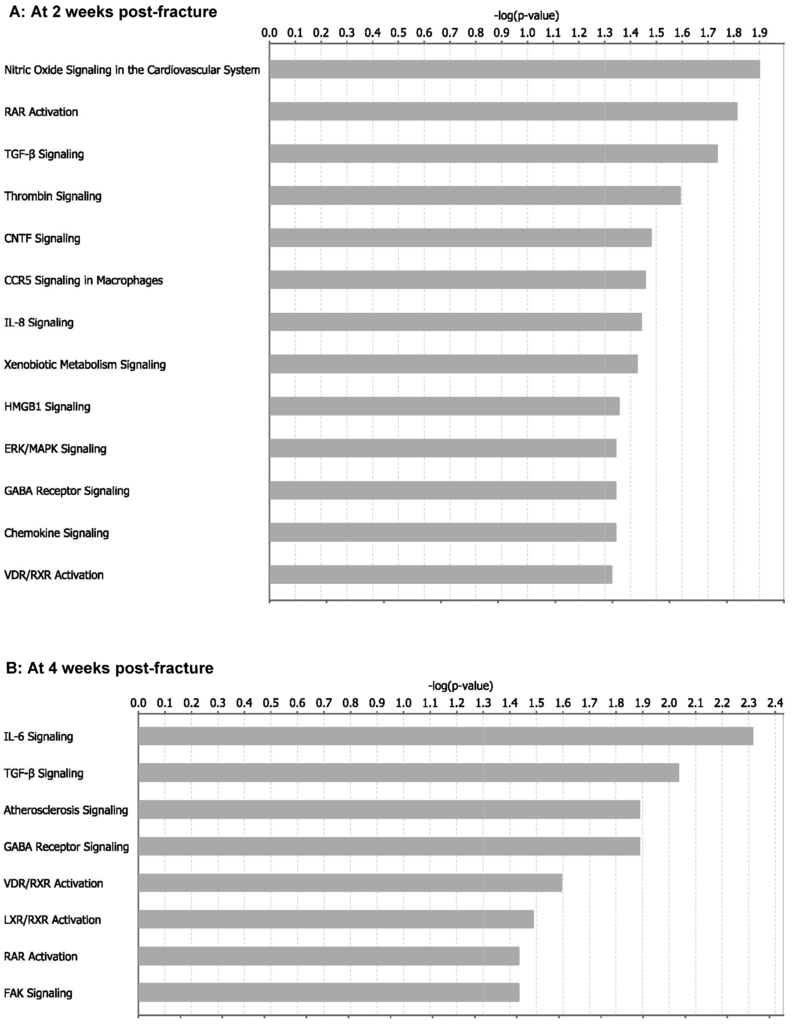
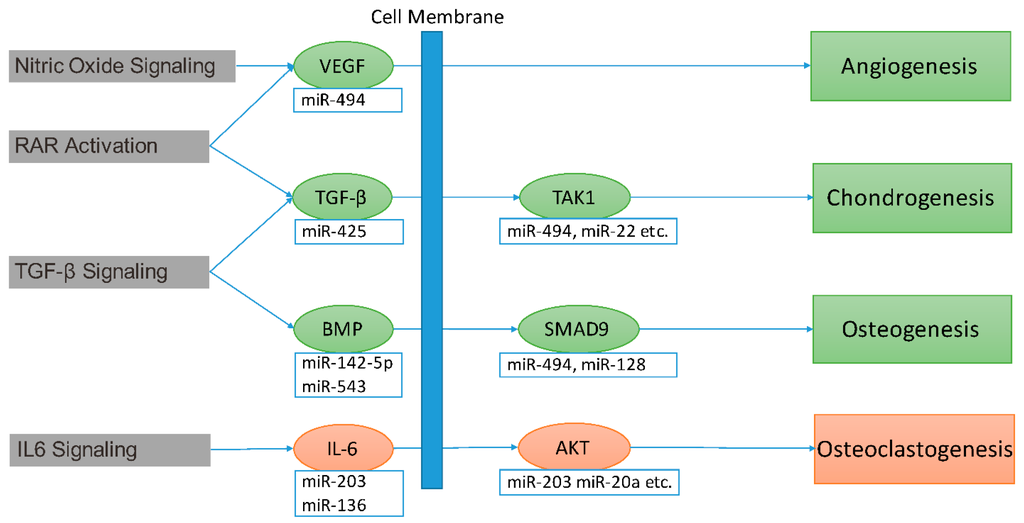
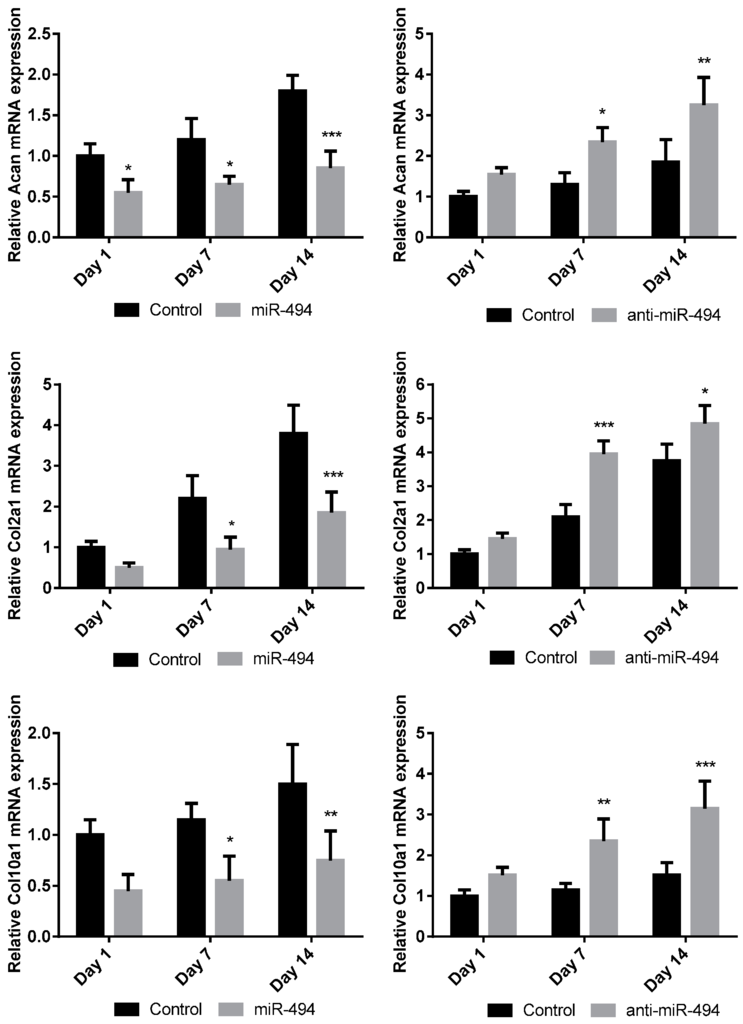
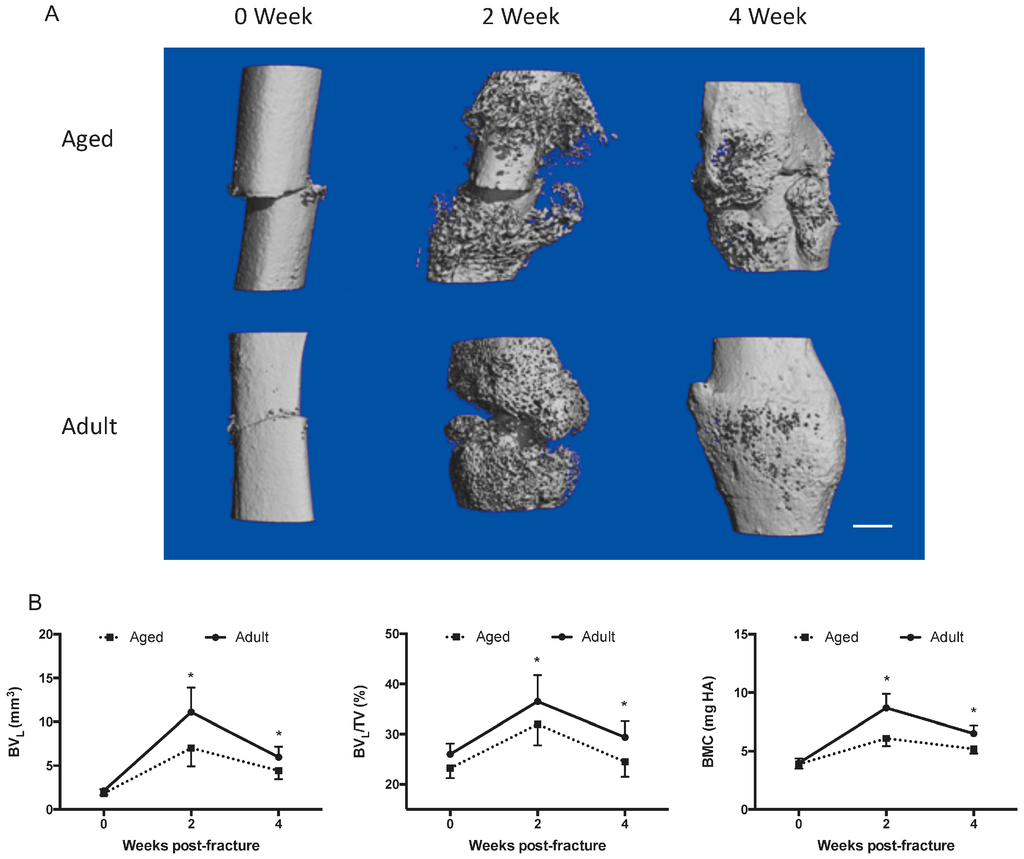
Impaired fracture healing in aged females is still a challenge in clinics. MicroRNAs (miRNAs) play important roles in fracture healing. This study aims to identify the miRNAs that potentially contribute to the impaired fracture healing in aged females. Transverse femoral shaft fractures were created in adult and aged female mice. At post-fracture 0-, 2- and 4-week, the fracture sites were scanned by micro computed tomography to confirm that the fracture healing was impaired in aged female mice and the fracture calluses were collected for miRNA microarray analysis. A total of 53 significantly differentially expressed miRNAs and 5438 miRNA-target gene interactions involved in bone fracture healing were identified. A novel scoring system was designed to analyze the miRNA contribution to impaired fracture healing (RCIFH). Using this method, 11 novel miRNAs were identified to impair fracture healing at 2- or 4-week post-fracture. Thereafter, function analysis of target genes was performed for miRNAs with high RCIFH values. The results showed that high RCIFH miRNAs in aged female mice might impair fracture healing not only by down-regulating angiogenesis-, chondrogenesis-, and osteogenesis-related pathways, but also by up-regulating osteoclastogenesis-related pathway, which implied the essential roles of these high RCIFH miRNAs in impaired fracture healing in aged females, and might promote the discovery of novel therapeutic strategies. Full article
(This article belongs to the Special Issue Translational Molecular Medicine & Molecular Drug Discovery)
Show Figures

Figure 1