15 pages, 303 KB  
Review
The Kabachnik–Fields Reaction: Mechanism and Synthetic Use
by György Keglevich and Erika Bálint
Molecules 2012, 17(11), 12821-12835; https://doi.org/10.3390/molecules171112821 - 1 Nov 2012
Cited by 284 | Viewed by 19331
Abstract
The Kabachnik–Fields (phospha-Mannich) reaction involving the condensation of primary or secondary amines, oxo compounds (aldehydes and ketones) and >P(O)H species, especially dialkyl phosphites, represents a good choice for the synthesis of α-aminophosphonates that are of significant importance due to their biological activity. In [...] Read more.
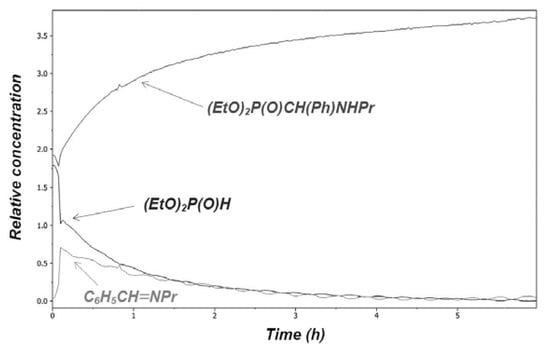
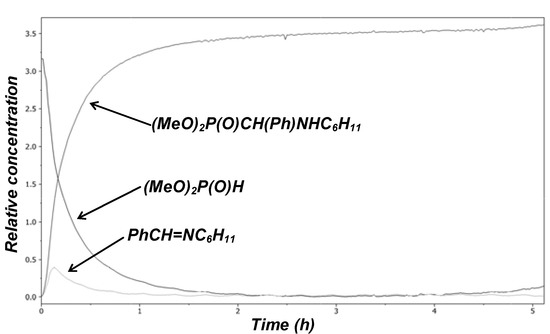
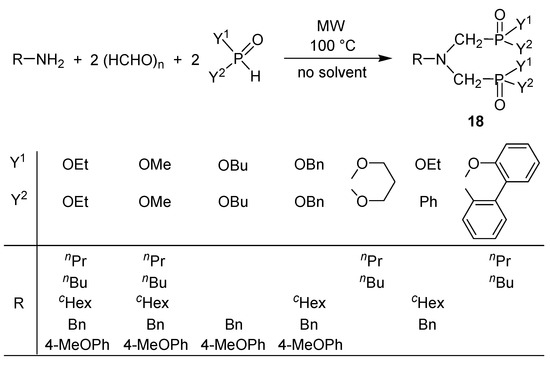
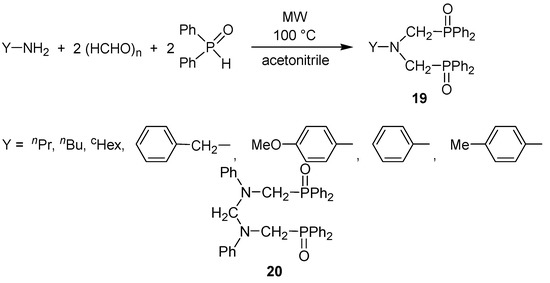
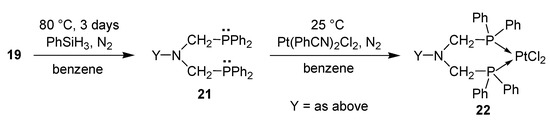
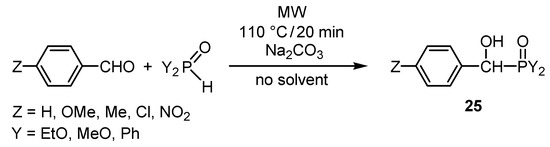
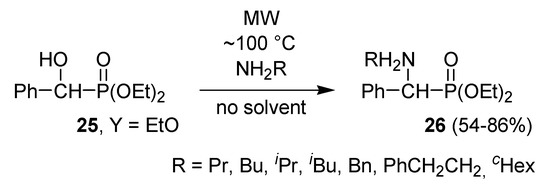
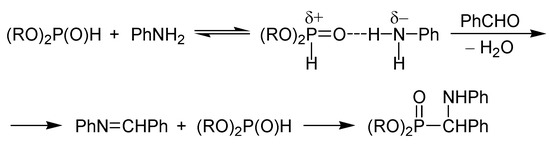
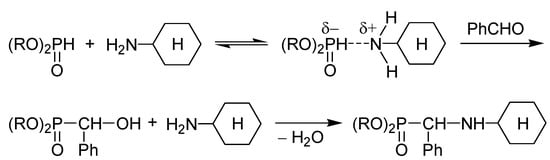
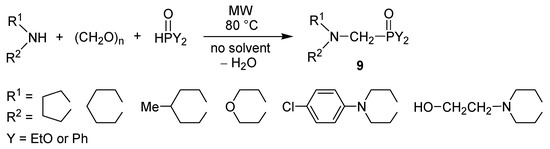
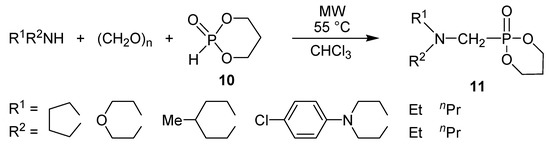
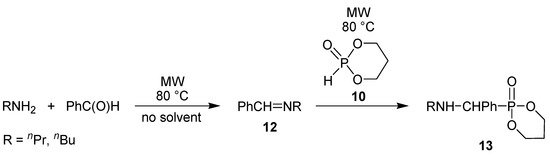
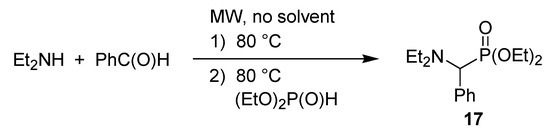
The Kabachnik–Fields (phospha-Mannich) reaction involving the condensation of primary or secondary amines, oxo compounds (aldehydes and ketones) and >P(O)H species, especially dialkyl phosphites, represents a good choice for the synthesis of α-aminophosphonates that are of significant importance due to their biological activity. In general, these three-component reactions may take place via an imine or an α-hydroxy-phosphonate intermediate. The monitoring of a few Kabachnik–Fields reactions by in situ Fourier transform IR spectroscopy has indicated the involvement of the imine intermediate that was also justified by theoretical calculations. The Kabachnik–Fields reaction was extended to >P(O)H species, comprising cyclic phosphites, acyclic and cyclic H-phosphinates, as well as secondary phosphine oxides. On the other hand, heterocyclic amines were also used to prepare new α-amino phosphonic, phosphinic and phosphine oxide derivatives. In most cases, the synthesis under solvent-free microwave (MW) conditions is the method of choice. It was proved that, in the cases studied by us, there was no need for the use of any catalyst. Moreover, it can be said that sophisticated and environmentally unfriendly catalysts suggested are completely unnecessary under MW conditions. Finally, the double Kabachnik–Fields reaction has made available bis(phosphonomethyl)amines, bis(phosphinoxidomethyl)amines and related species. The bis(phosphinoxidomethyl)amines serve as precursors for bisphosphines that furnish ring platinum complexes on reaction with dichlorodibenzonitriloplatinum. Full article
(This article belongs to the Special Issue Organophosphorus Chemistry)
Show Figures

Figure 1
9 pages, 239 KB  
Article
Antimycobacterial Assessment of Salicylanilide Benzoates including Multidrug-Resistant Tuberculosis Strains
by Martin Krátký, Jarmila Vinšová and Jiřina Stolaříková
Molecules 2012, 17(11), 12812-12820; https://doi.org/10.3390/molecules171112812 - 31 Oct 2012
Cited by 15 | Viewed by 7210
Abstract
The increasing emergence especially of drug-resistant tuberculosis has led to a strong demand for new anti-tuberculosis drugs. Eighteen salicylanilide benzoates were evaluated for their inhibition potential against Mycobacterium tuberculosis, Mycobacterium avium and two strains of Mycobacterium kansasii; minimum inhibitory concentration values [...] Read more.
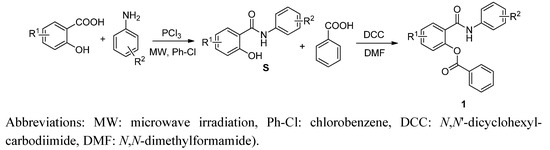
The increasing emergence especially of drug-resistant tuberculosis has led to a strong demand for new anti-tuberculosis drugs. Eighteen salicylanilide benzoates were evaluated for their inhibition potential against Mycobacterium tuberculosis, Mycobacterium avium and two strains of Mycobacterium kansasii; minimum inhibitory concentration values ranged from 0.5 to 16 μmol/L. The most active esters underwent additional biological assays. Four benzoates inhibited effectively the growth of five multidrug-resistant strains and one extensively drug-resistant strain of M. tuberculosis at low concentrations (0.25–2 μmol/L) regardless of the resistance patterns. The highest rate of multidrug-resistant mycobacteria inhibition expressed 4-chloro-2-[4-(trifluoromethyl)-phenylcarbamoyl]phenyl benzoate (0.25–1 μmol/L). Unfortunately, the most potent esters were still considerably cytotoxic, although mostly less than their parent salicylanilides. Full article
Show Figures

Figure 1
8 pages, 183 KB  
Communication
Bis-sulfonic Acid Ionic Liquids for the Conversion of Fructose to 5-Hydroxymethyl-2-furfural
by Sang Eun Sim, Sunjeong Kwon and Sangho Koo
Molecules 2012, 17(11), 12804-12811; https://doi.org/10.3390/molecules171112804 - 31 Oct 2012
Cited by 24 | Viewed by 8006
Abstract
Homogenous bis-sulfonic acid ionic liquids (1 mol equiv.) in DMSO (10 mol equiv.) at 100 °C efficiently mediated the conversion of D-fructose into 5-hydroxymethyl-2-furfural in 75% isolated yield, which was roughly a 10% increment compared to the case of the mono-sulfonic acid ionic [...] Read more.
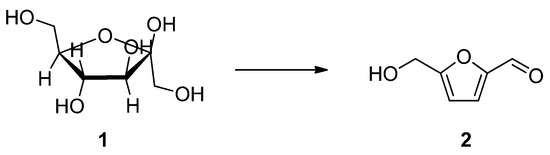
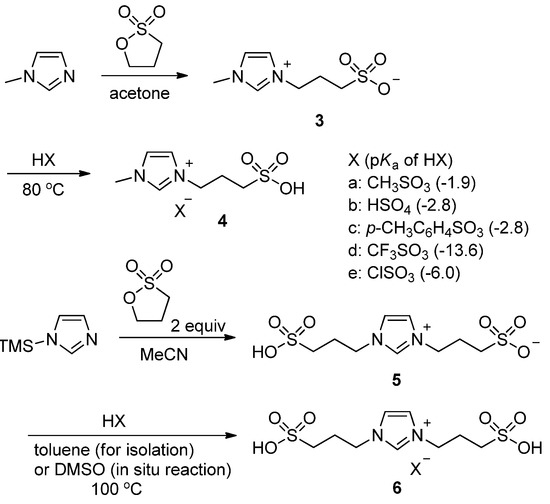
Homogenous bis-sulfonic acid ionic liquids (1 mol equiv.) in DMSO (10 mol equiv.) at 100 °C efficiently mediated the conversion of D-fructose into 5-hydroxymethyl-2-furfural in 75% isolated yield, which was roughly a 10% increment compared to the case of the mono-sulfonic acid ionic liquids. Full article
(This article belongs to the Section Molecular Diversity)
Show Figures

Figure 1
12 pages, 347 KB  
Review
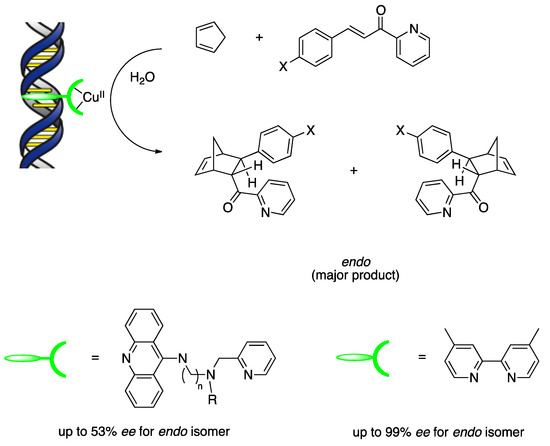
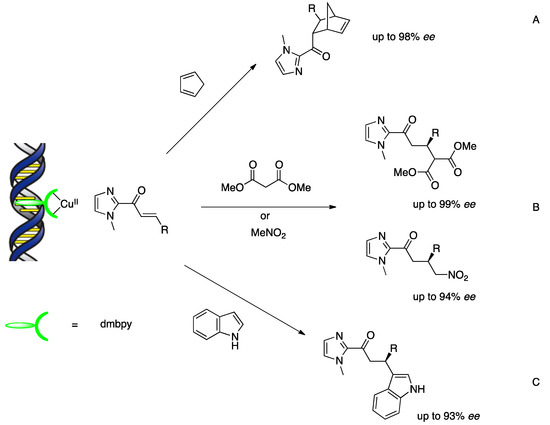
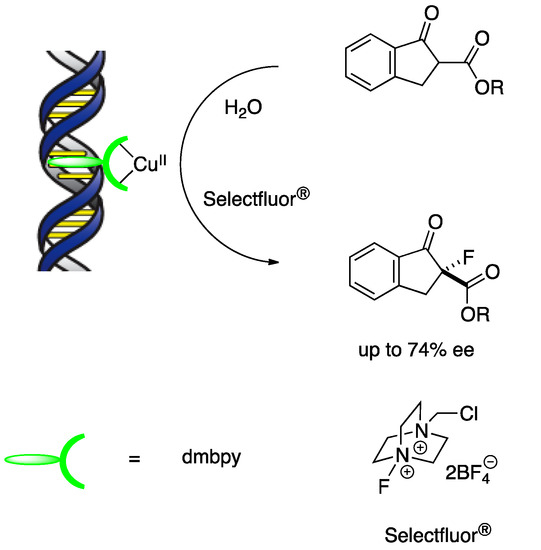
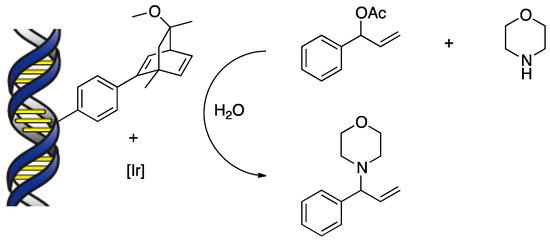
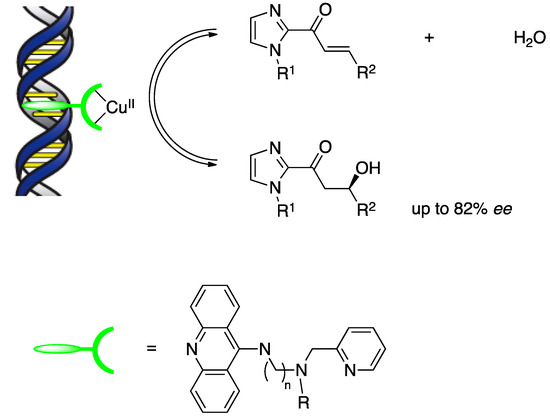
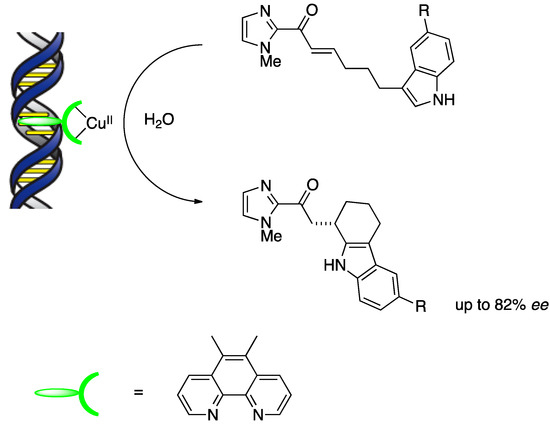
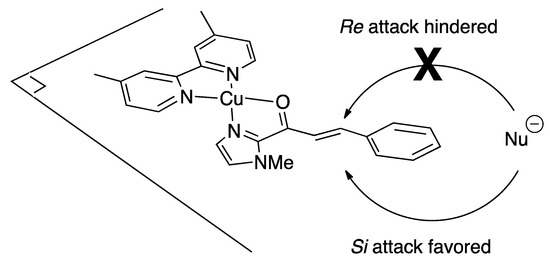
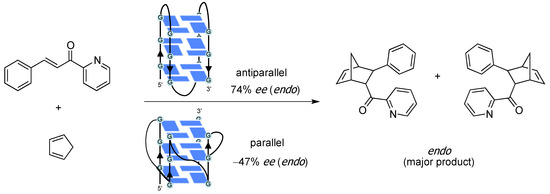
DNA as a Chiral Scaffold for Asymmetric Synthesis
by Soyoung Park and Hiroshi Sugiyama
Molecules 2012, 17(11), 12792-12803; https://doi.org/10.3390/molecules171112792 - 31 Oct 2012
Cited by 47 | Viewed by 10171
Abstract
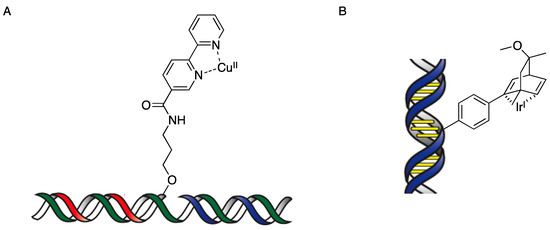
DNA as a Chiral Scaffold for Asymmetric Synthesis Full article
(This article belongs to the Special Issue DNA-Directed Chemistry)
Show Figures

Figure 1
21 pages, 289 KB  
Review
Medicinal Plants: A Source of Anti-Parasitic Secondary Metabolites
by Michael Wink
Molecules 2012, 17(11), 12771-12791; https://doi.org/10.3390/molecules171112771 - 31 Oct 2012
Cited by 305 | Viewed by 28104
Abstract
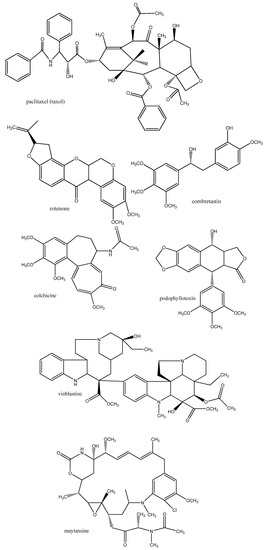
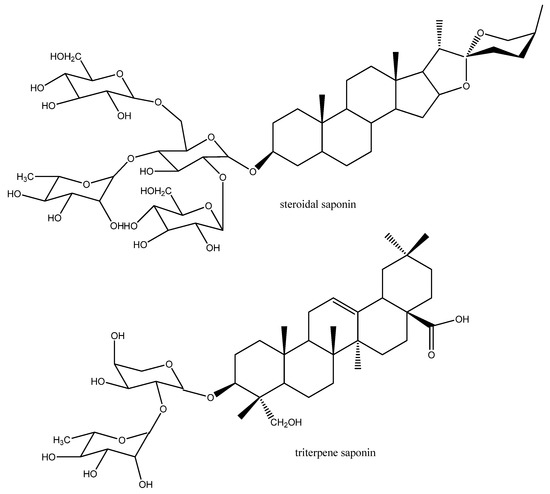
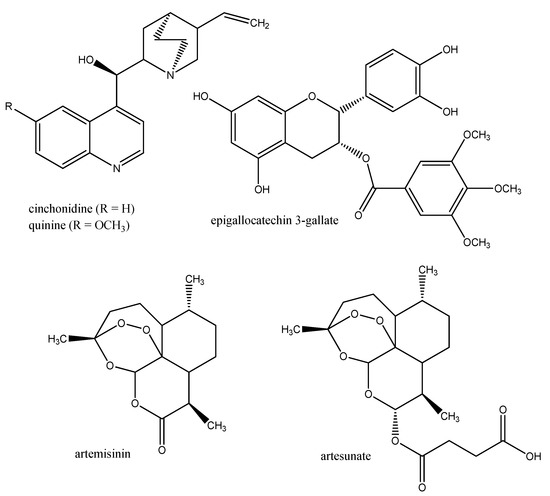
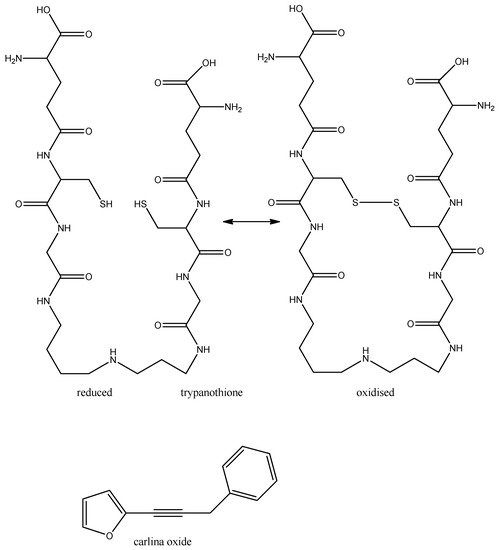
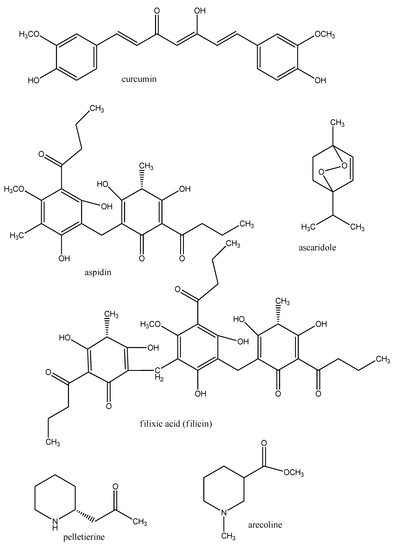
This review summarizes human infections caused by endoparasites, including protozoa, nematodes, trematodes, and cestodes, which affect more than 30% of the human population, and medicinal plants of potential use in their treatment. Because vaccinations do not work in most instances and the parasites [...] Read more.
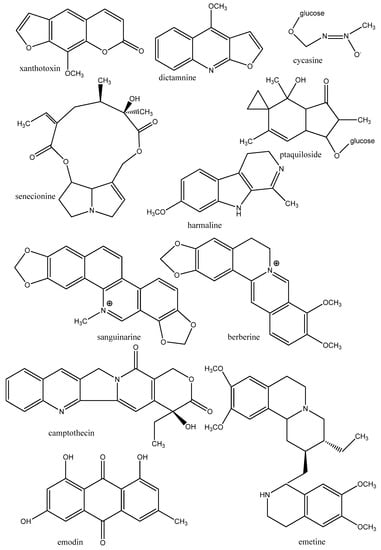
This review summarizes human infections caused by endoparasites, including protozoa, nematodes, trematodes, and cestodes, which affect more than 30% of the human population, and medicinal plants of potential use in their treatment. Because vaccinations do not work in most instances and the parasites have sometimes become resistant to the available synthetic therapeutics, it is important to search for alternative sources of anti-parasitic drugs. Plants produce a high diversity of secondary metabolites with interesting biological activities, such as cytotoxic, anti-parasitic and anti-microbial properties. These drugs often interfere with central targets in parasites, such as DNA (intercalation, alkylation), membrane integrity, microtubules and neuronal signal transduction. Plant extracts and isolated secondary metabolites which can inhibit protozoan parasites, such as Plasmodium, Trypanosoma, Leishmania, Trichomonas and intestinal worms are discussed. The identified plants and compounds offer a chance to develop new drugs against parasitic diseases. Most of them need to be tested in more detail, especially in animal models and if successful, in clinical trials. Full article
(This article belongs to the Special Issue Plant Natural Products against Human Parasites)
Show Figures

Figure 1

13 pages, 307 KB  
Article
Formation and Inhibition of Nε-(Carboxymethyl)lysine in Saccharide-Lysine Model Systems during Microwave Heating
by Lin Li, Lipeng Han, Quanyi Fu, Yuting Li, Zhili Liang, Jianyu Su and Bing Li
Molecules 2012, 17(11), 12758-12770; https://doi.org/10.3390/molecules171112758 - 31 Oct 2012
Cited by 33 | Viewed by 7572
Abstract
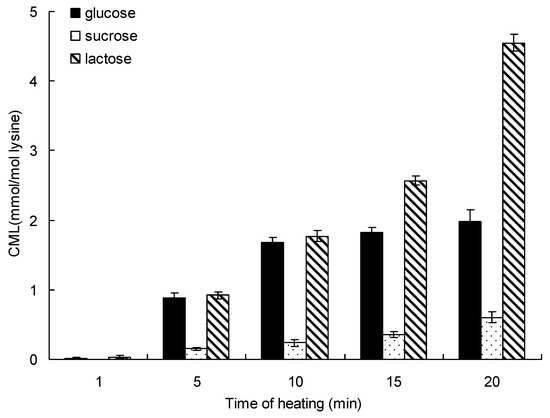
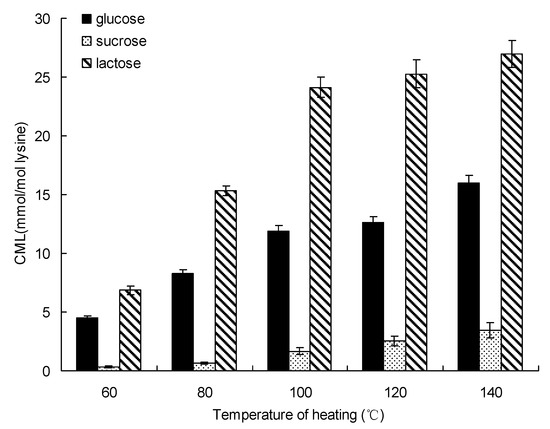
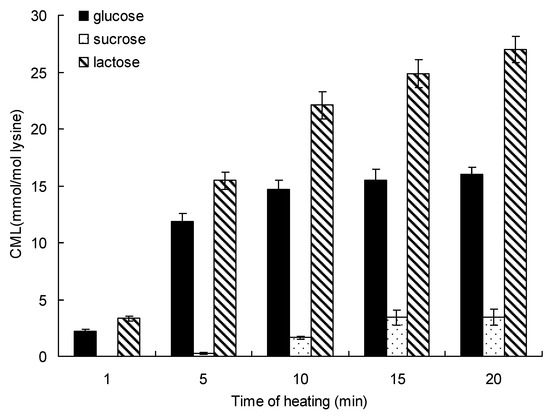
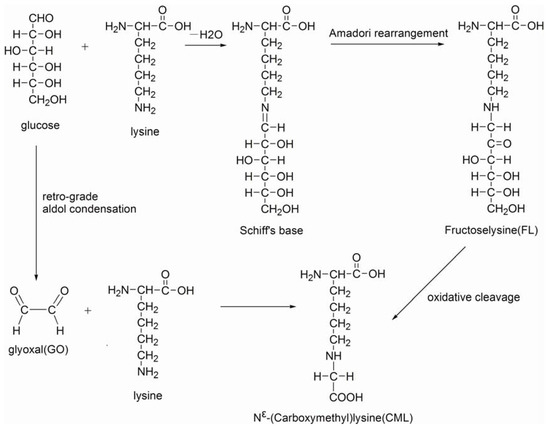
Nε-(carboxymethyl) lysine (CML) is the most abundant advanced glycation end product (AGE), and frequently selected as an AGEs marker in laboratory studies. In this paper, the formation and inhibition of Nε-(carboxymethyl)lysine in saccharide-lysine model systems during microwave heating have [...] Read more.
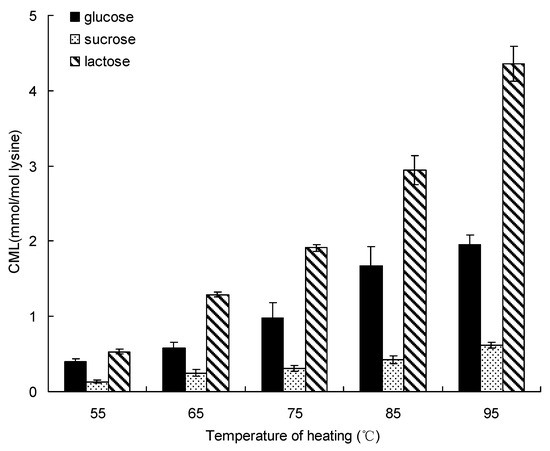
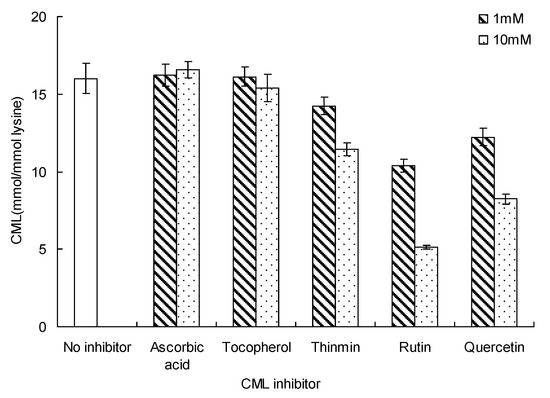
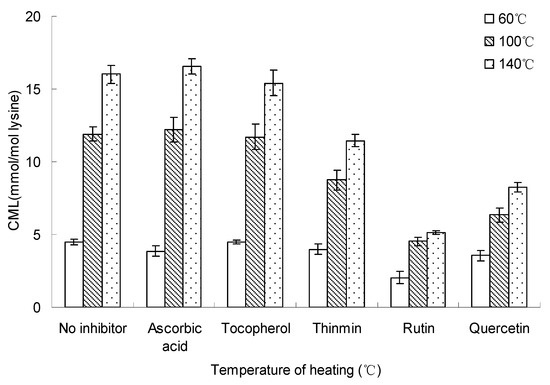
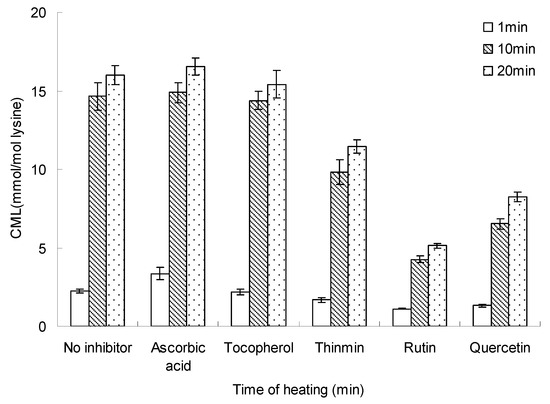
Nε-(carboxymethyl) lysine (CML) is the most abundant advanced glycation end product (AGE), and frequently selected as an AGEs marker in laboratory studies. In this paper, the formation and inhibition of Nε-(carboxymethyl)lysine in saccharide-lysine model systems during microwave heating have been studied. The microwave heating treatment significantly promoted the formation of CML during Maillard reactions, which was related to the reaction temperature, time and type of saccharide. The order of CML formation for different saccharides was lactose > glucose > sucrose. Then, the inhibition effect on CML by five inhibitors was further examined. According to the results, ascorbic acid and tocopherol did not affect inhibition of CML, in contrast, thiamin, rutin and quercetin inhibited CML formation, and the inhibitory effects were concentration dependent. Full article
Show Figures

Figure 1
12 pages, 1698 KB  
Article
Total Ginsenosides of Radix Ginseng Modulates Tricarboxylic Acid Cycle Protein Expression to Enhance Cardiac Energy Metabolism in Ischemic Rat Heart Tissues
by Jing-Rong Wang, Hua Zhou, Xiao-Qin Yi, Zhi-Hong Jiang and Liang Liu
Molecules 2012, 17(11), 12746-12757; https://doi.org/10.3390/molecules171112746 - 29 Oct 2012
Cited by 35 | Viewed by 8609
Abstract
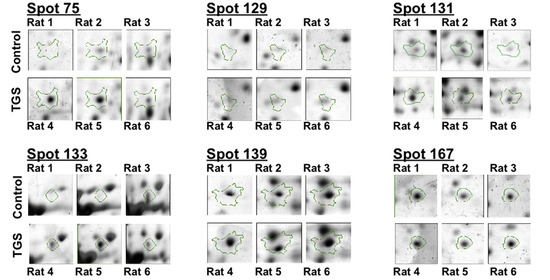
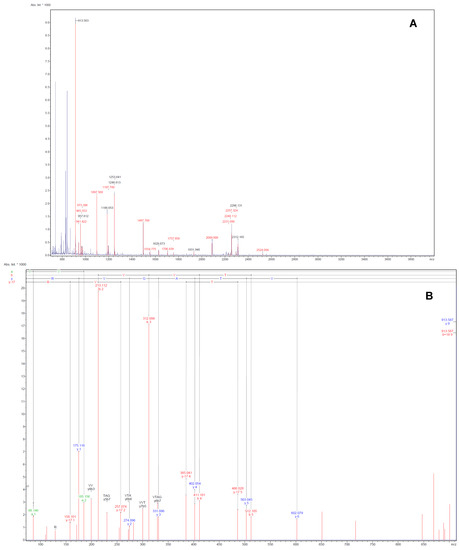
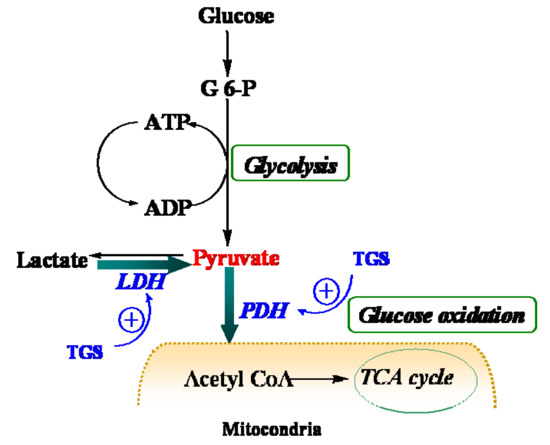
To elucidate the underlying mechanism of cardio-protective activity of the total ginsenosides (TGS) of Radix Ginseng, proteomic analysis using two-dimensional gel electrophoresis (2-DE) and MALDI-TOF-TOF-MS techniques was employed for identifying the underlying targets of TGS on improvement of the energy metabolism of isolated [...] Read more.
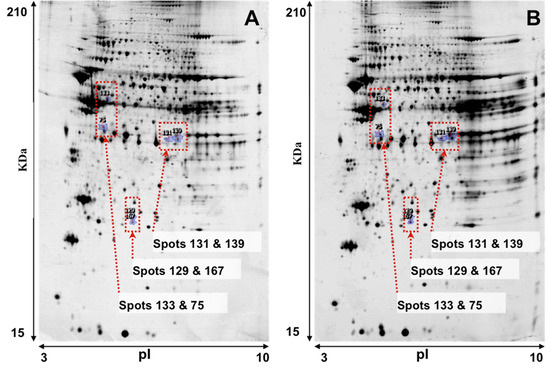
To elucidate the underlying mechanism of cardio-protective activity of the total ginsenosides (TGS) of Radix Ginseng, proteomic analysis using two-dimensional gel electrophoresis (2-DE) and MALDI-TOF-TOF-MS techniques was employed for identifying the underlying targets of TGS on improvement of the energy metabolism of isolated rat heart tissues perfused in Langendorff system under ischemia-reperfusion injury conditions. The image analysis results revealed 11 differentially expressed proteins in the TGS-treated heart tissues; these proteins, including LDHB and ODP-2, were found to be closely related to the function of tricarboxylic acid (TCA) cycle that plays pivotal roles in cardiac energy metabolism. It is thus concluded that improvement of cardiac energy metabolism via activating proteins in TCA cycle could be the major action pathway and targets of TGS activity against rat heart tissue injury. Full article
Show Figures

Figure 1
12 pages, 738 KB  
Article
Preparation, Characterization and Efficacy Evaluation of Synthetic Biocompatible Polymers Linking Natural Antioxidants
by Sonia Trombino, Roberta Cassano, Teresa Ferrarelli, Sonia Leta, Francesco Puoci and Nevio Picci
Molecules 2012, 17(11), 12734-12745; https://doi.org/10.3390/molecules171112734 - 26 Oct 2012
Cited by 7 | Viewed by 8140
Abstract
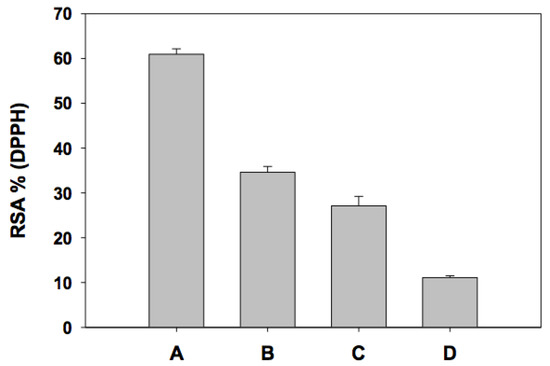
The purpose of this work was the synthesis, characterization and efficacy evaluation of new biocompatible antioxidant polymers linking trans-ferulic acid or a-lipoic acid. In particular, ferulic or lipoic acid were introduced in the preformed polymeric backbone. The new antioxidant biopolymers were [...] Read more.
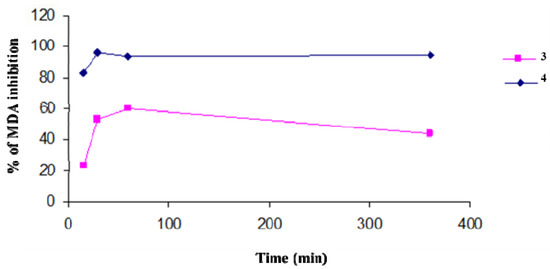
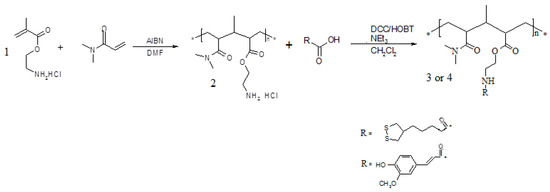
The purpose of this work was the synthesis, characterization and efficacy evaluation of new biocompatible antioxidant polymers linking trans-ferulic acid or a-lipoic acid. In particular, ferulic or lipoic acid were introduced in the preformed polymeric backbone. The new antioxidant biopolymers were characterized by Fourier transform infrared spectroscopy and gel permeation chromatography. The degree of functionalization (moles of antioxidant per gram of polymer) was determined by the Gaur-Gupta method for free amino group determination and by the Folin method for the phenolic groups. Their ability to inhibit lipid peroxidation were estimated in rat liver microsomal membranes induced in vitro by tert-BOOH (tert-butyl hydroperoxide), as a source of free radicals. The DPPH (1,1-diphenyl-2-picrylhydrazyl) radical-scavenging effect was also evaluated. The obtained systems, with different solubility, showed strong antioxidant and antiradical activities, suggesting potential use as packaging materials for foods, cosmetics, pharmaceuticals and personal care products. Moreover, the cytotoxicity of the synthesized polymers was also evaluated on Caco-2 cell cultures in order to verify their biocompatibility when exposed to an absorptive epithelial cell line. Full article
(This article belongs to the Special Issue Antioxidants 2012)
Show Figures

Figure 1
16 pages, 754 KB  
Article
17O-Dynamic NMR and DFT Investigation of Bis(acyloxy)iodoarenes
by Luca Fusaro, Francesca Mocci, Michel Luhmer and Giovanni Cerioni
Molecules 2012, 17(11), 12718-12733; https://doi.org/10.3390/molecules171112718 - 26 Oct 2012
Cited by 8 | Viewed by 9767
Abstract
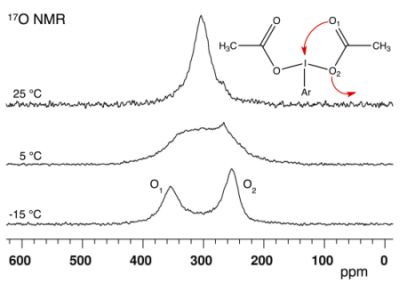
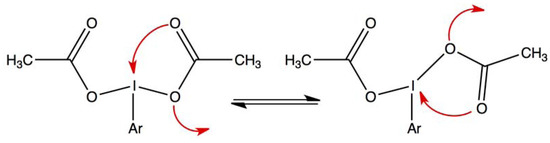
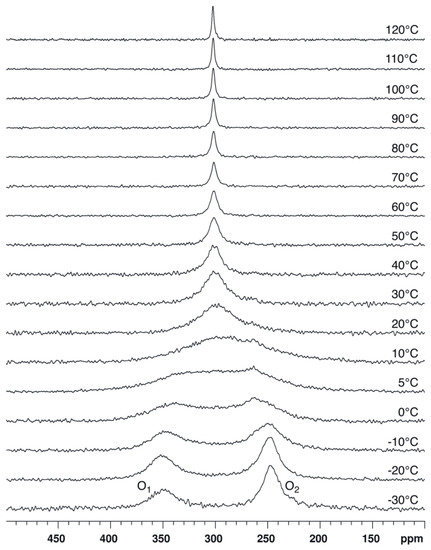
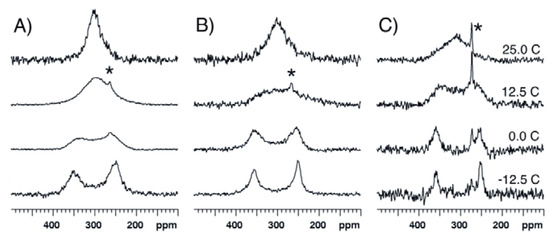
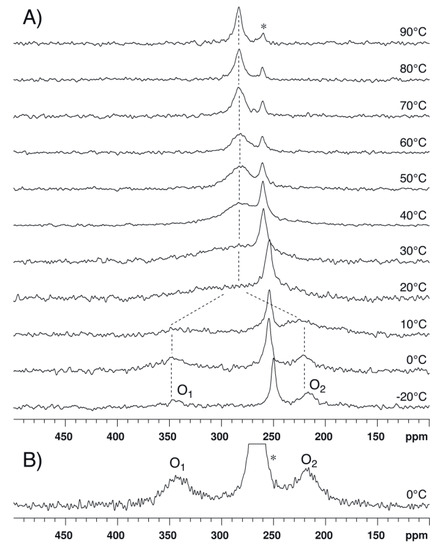
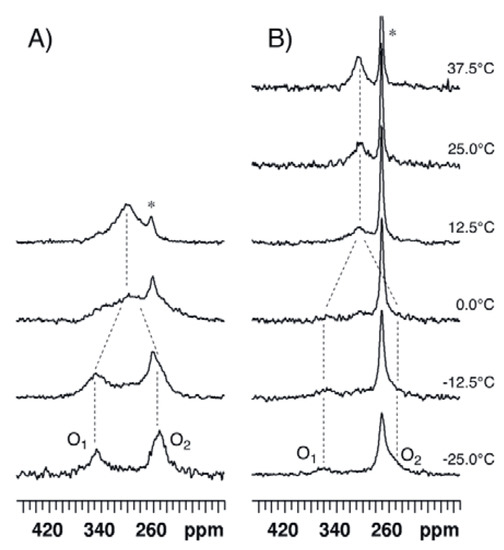
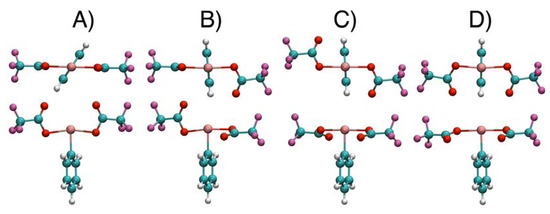
Bis(acetoxy)iodobenzene and related acyloxy derivatives of hypervalent I(III) were studied by variable temperature solution-state 17O-NMR and DFT calculations. The 17O-NMR spectra reveal a dynamic process that interchanges the oxygen atoms of the acyloxy groups. For the first time, coalescence events could [...] Read more.
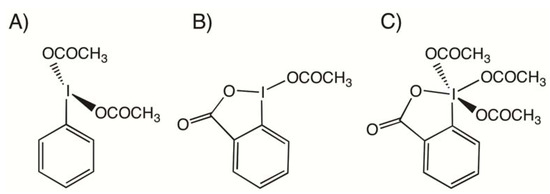
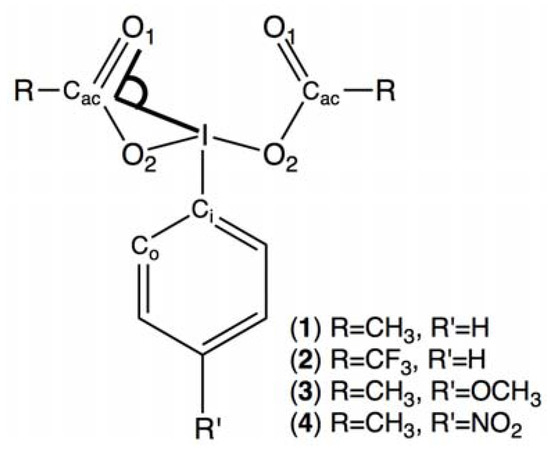
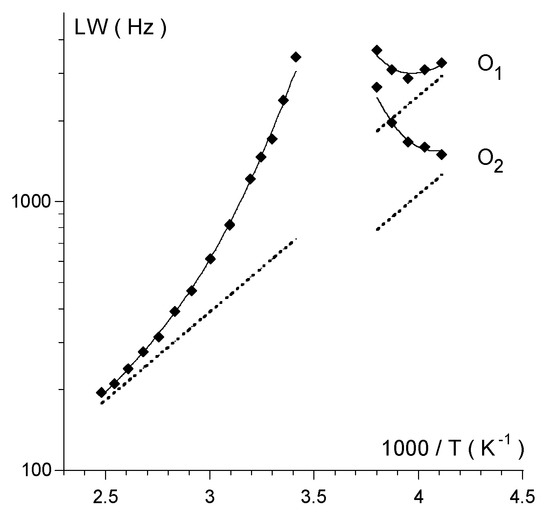
Bis(acetoxy)iodobenzene and related acyloxy derivatives of hypervalent I(III) were studied by variable temperature solution-state 17O-NMR and DFT calculations. The 17O-NMR spectra reveal a dynamic process that interchanges the oxygen atoms of the acyloxy groups. For the first time, coalescence events could be detected for such compounds, allowing the determination of activation free energy data which are found to range between 44 and 47 kJ/mol. The analysis of the 17O linewidth measured for bis(acetoxy)iodobenzene indicates that the activation entropy is negligible. DFT calculations show that the oxygen atom exchange arises as a consequence of the [1,3]-sigmatropic shift of iodine. The calculated activation barriers are in excellent agreement with the experimental results. Both the 17O-NMR and DFT studies show that the solvent and chemical alterations, such as modification of the acyl groups or para- substitution of the benzene ring, hardly affect the energetics of the dynamic process. The low I-O Wiberg bond index (0.41–0.42) indicates a possible explanation of the invariance of both the energy barrier and the 17O chemical shift with para-substitution. Full article
(This article belongs to the Special Issue Organic Iodine Chemistry 2012)
Show Figures

Graphical abstract

14 pages, 367 KB  
Article
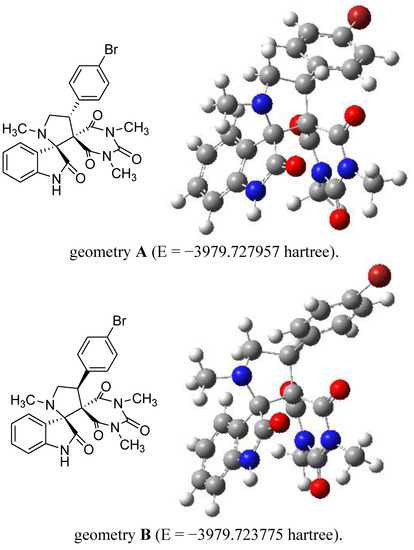
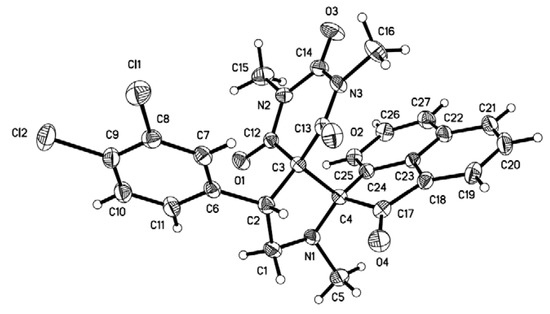
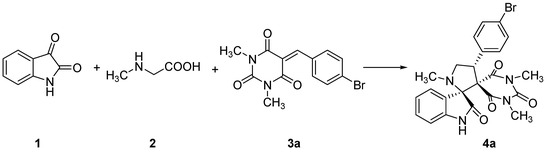
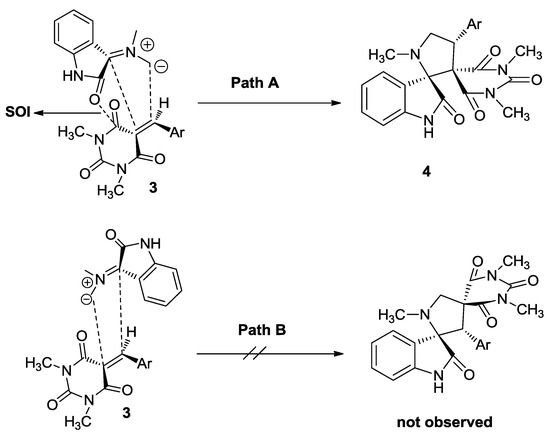
An Efficient Synthesis of Novel Dispirooxindole Derivatives via One-Pot Three-Component 1,3-Dipolar Cycloaddition Reactions
by Zhibin Huang, Qian Zhao, Gang Chen, Huiyuan Wang, Wei Lin, Lexing Xu, Hongtao Liu, Juxian Wang, Daqing Shi and Yucheng Wang
Molecules 2012, 17(11), 12704-12717; https://doi.org/10.3390/molecules171112704 - 26 Oct 2012
Cited by 25 | Viewed by 8159
Abstract
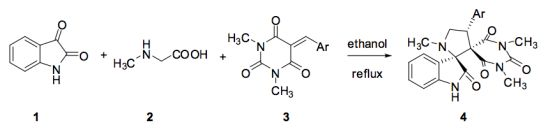
A series of novel dispirooxindoles have been synthesized through three-component 1,3-dipolar cycloaddition of azomethine ylides generated in situ by the decarboxylative condensation of isatin and an α-amino acid with the dipolarophile 5-benzylidene-1,3-dimethylpyrimidine-2,4,6-trione. This method has the advantages of mild reaction conditions, high [...] Read more.
A series of novel dispirooxindoles have been synthesized through three-component 1,3-dipolar cycloaddition of azomethine ylides generated in situ by the decarboxylative condensation of isatin and an α-amino acid with the dipolarophile 5-benzylidene-1,3-dimethylpyrimidine-2,4,6-trione. This method has the advantages of mild reaction conditions, high atom economy, excellent yields, and high regio- and stereo-selectivity. Full article
(This article belongs to the Section Organic Chemistry)
Show Figures

Graphical abstract

39 pages, 784 KB  
Review
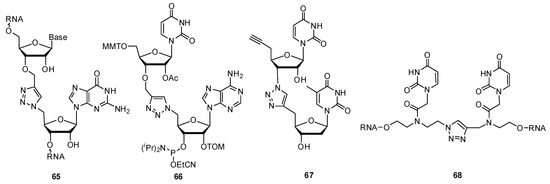
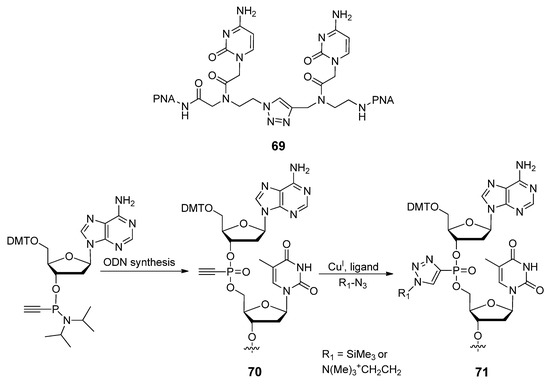
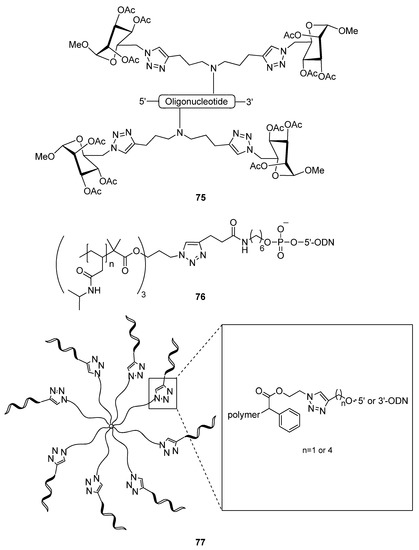
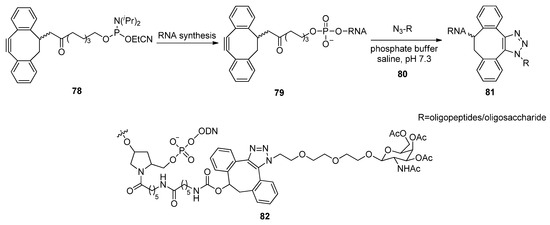
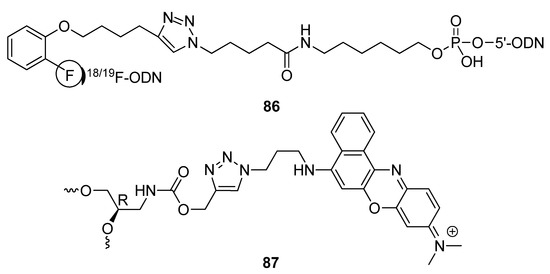
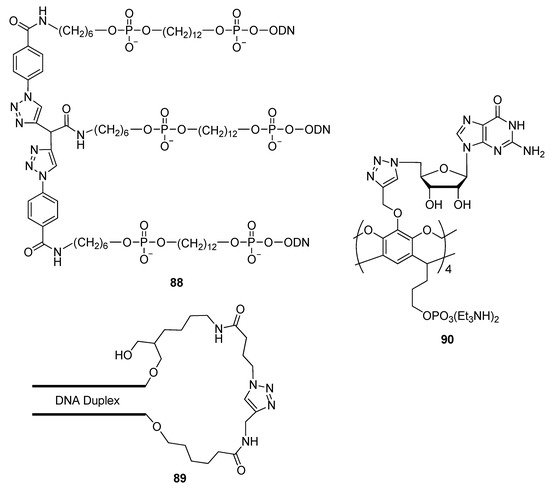
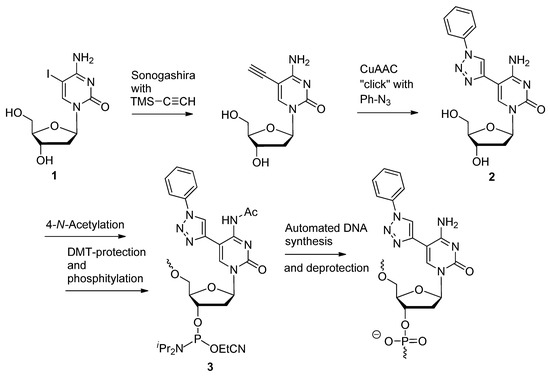
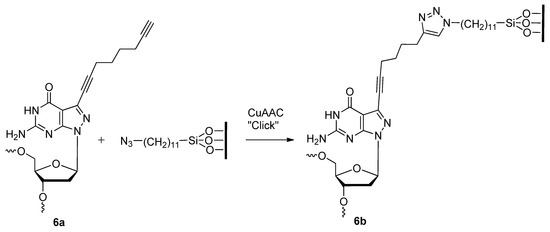
Chemical Architecture and Applications of Nucleic Acid Derivatives Containing 1,2,3-Triazole Functionalities Synthesized via Click Chemistry
by Tim Efthymiou, Wei Gong and Jean-Paul Desaulniers
Molecules 2012, 17(11), 12665-12703; https://doi.org/10.3390/molecules171112665 - 26 Oct 2012
Cited by 48 | Viewed by 16327
Abstract
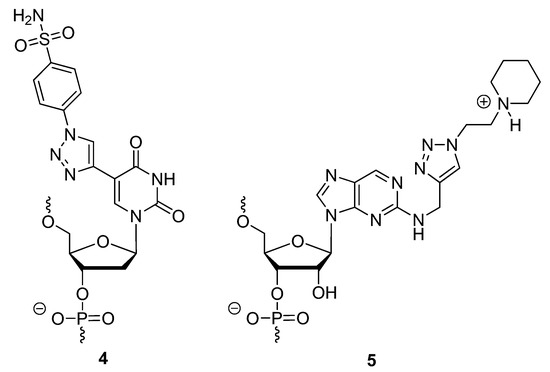
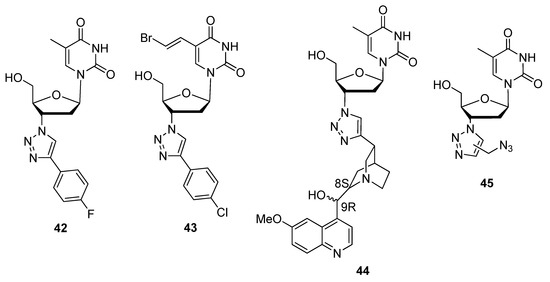
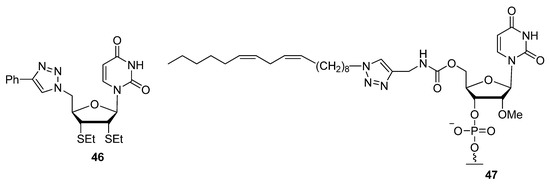
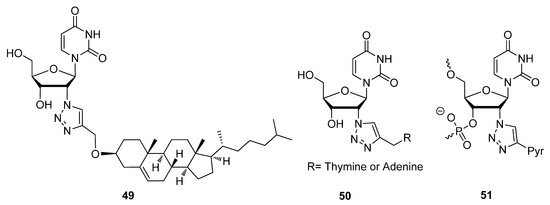
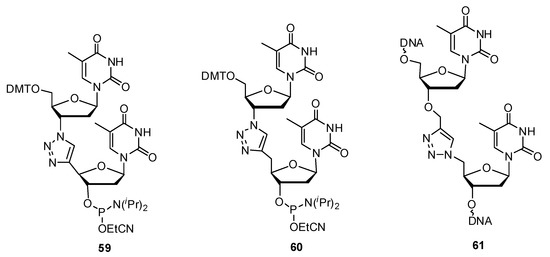
There is considerable attention directed at chemically modifying nucleic acids with robust functional groups in order to alter their properties. Since the breakthrough of copper-assisted azide-alkyne cycloadditions (CuAAC), there have been several reports describing the synthesis and properties of novel triazole-modified nucleic acid [...] Read more.
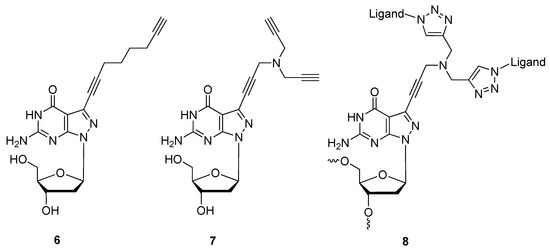
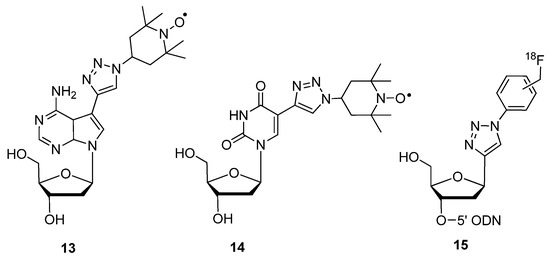
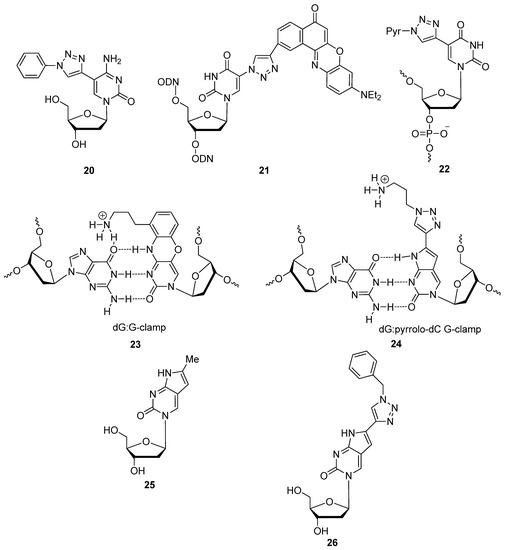
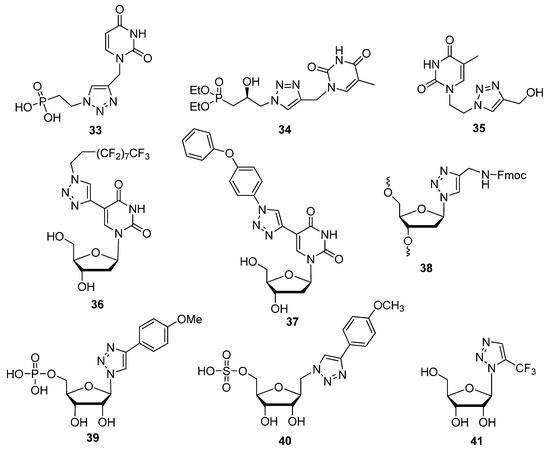
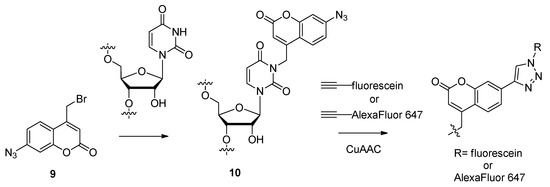
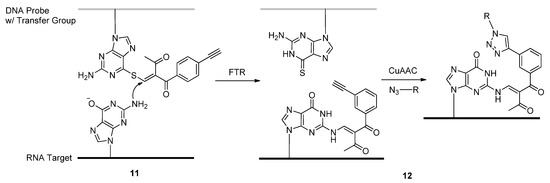
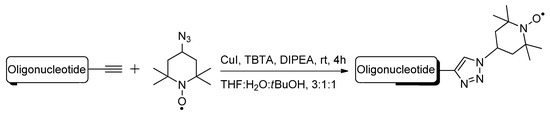
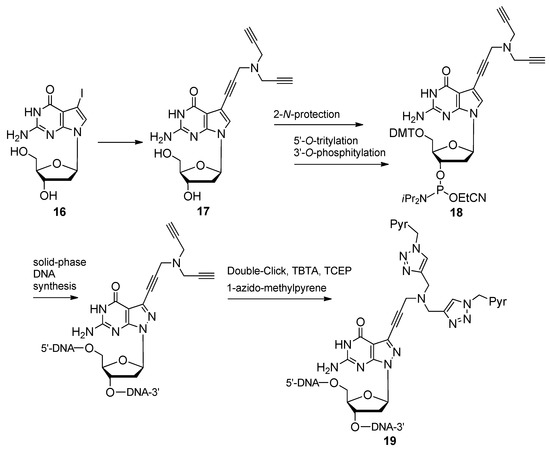
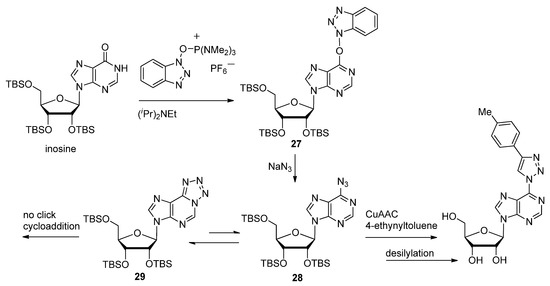
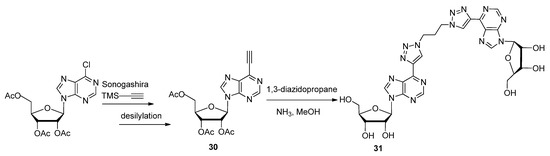
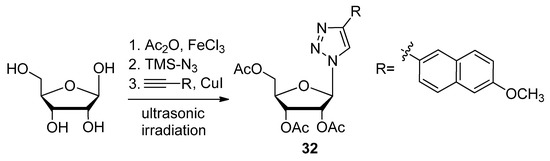
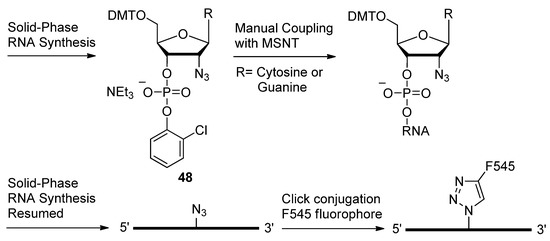
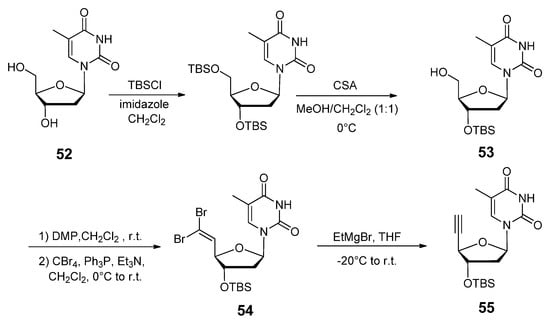
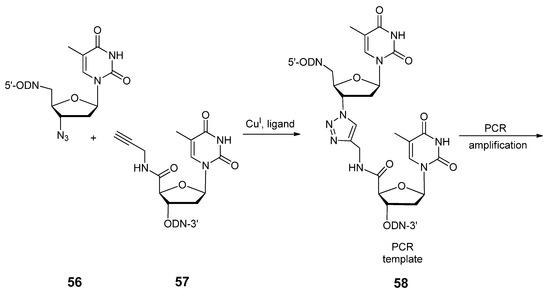
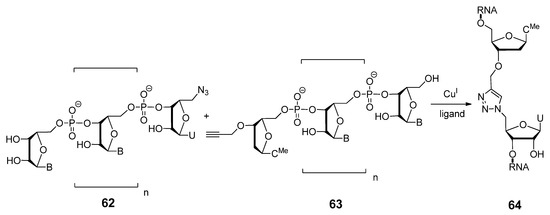
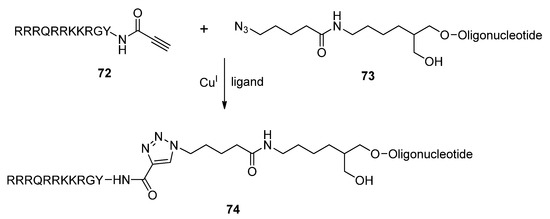
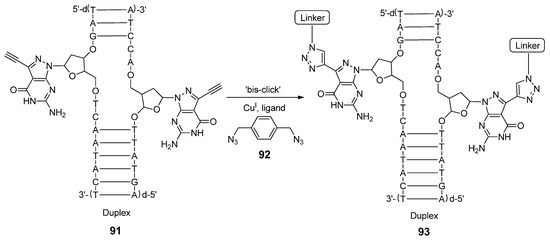
There is considerable attention directed at chemically modifying nucleic acids with robust functional groups in order to alter their properties. Since the breakthrough of copper-assisted azide-alkyne cycloadditions (CuAAC), there have been several reports describing the synthesis and properties of novel triazole-modified nucleic acid derivatives for potential downstream DNA- and RNA-based applications. This review will focus on highlighting representative novel nucleic acid molecular structures that have been synthesized via the “click” azide-alkyne cycloaddition. Many of these derivatives show compatibility for various applications that involve enzymatic transformation, nucleic acid hybridization, molecular tagging and purification, and gene silencing. The details of these applications are discussed. In conclusion, the future of nucleic acid analogues functionalized with triazoles is promising. Full article
(This article belongs to the Special Issue Nucleic Acid Analogs)
Show Figures

Figure 1
8 pages, 231 KB  
Communication
Antioxidant Interactions between Major Phenolic Compounds Found in ‘Ataulfo’ Mango Pulp: Chlorogenic, Gallic, Protocatechuic and Vanillic Acids
by Hugo Palafox-Carlos, Joana Gil-Chávez, Rogerio R. Sotelo-Mundo, Jacek Namiesnik, Shela Gorinstein and Gustavo A. González-Aguilar
Molecules 2012, 17(11), 12657-12664; https://doi.org/10.3390/molecules171112657 - 26 Oct 2012
Cited by 187 | Viewed by 12488
Abstract
Phenolic compounds are known to have antioxidant capacity; however, there is little information about molecular interactions between particular phenolics found in fruits at different developmental stages. Therefore, the total antioxidant capacity of the phenolic compounds of a fruit may not correspond to the [...] Read more.
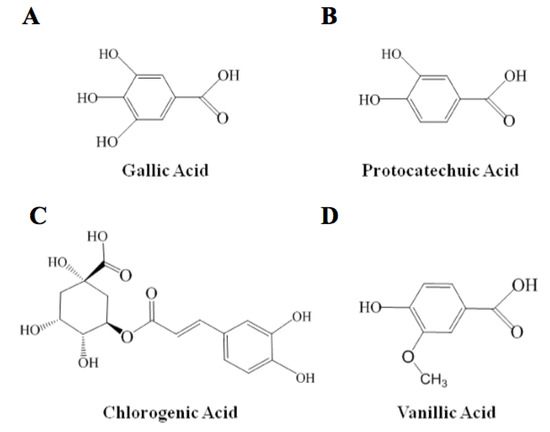
Phenolic compounds are known to have antioxidant capacity; however, there is little information about molecular interactions between particular phenolics found in fruits at different developmental stages. Therefore, the total antioxidant capacity of the phenolic compounds of a fruit may not correspond to the sum of individual antioxidant capacity given by antioxidants from that tissue. In this study, individual antioxidant capacity and the interactions of four major phenolic compounds (chlorogenic, gallic, protocatechuic and vanillic acid) found in ‘Ataulfo’ mango pulp were tested using the DPPH assay. Significant synergism was found in the majority of the all combinations, as well as the combination of the four phenolics. However, antagonism was also observed between some molecules. This work demonstrated particular interactions that may occur in a complex environment within the complex framework of a natural food. The present results may also assist in the future design of functional foods or ingredients based on their antioxidant activity and their synergistic or antagonist interactions. Full article
(This article belongs to the Section Natural Products Chemistry)
Show Figures

Figure 1
6 pages, 222 KB  
Article
Two New Glycosides from the Fruits of Morinda citrifolia L.
by Ming-Xu Hu, Hong-Cai Zhang, Yu Wang, Shu-Min Liu and Li Liu
Molecules 2012, 17(11), 12651-12656; https://doi.org/10.3390/molecules171112651 - 26 Oct 2012
Cited by 12 | Viewed by 6605
Abstract
To study the chemical constituents of the fruits of noni (Morinda citrifolia L.), and find novel compounds, an n-butanol extract of the ethanol soluble fraction was subjected to repeated silica gel and ODS column chromatography and HPLC. Two new [...] Read more.
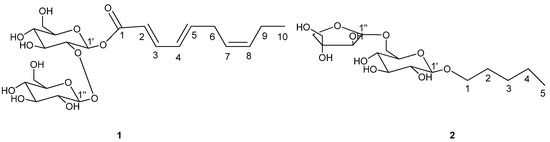
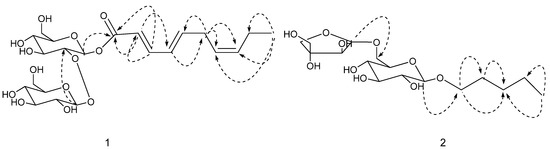
To study the chemical constituents of the fruits of noni (Morinda citrifolia L.), and find novel compounds, an n-butanol extract of the ethanol soluble fraction was subjected to repeated silica gel and ODS column chromatography and HPLC. Two new glycosides were isolated and their structures elucidated by NMR and HRFAB-MS spectrometry as (2E,4E,7Z)-deca-2,4,7-trienoate-2-O-β-D-glucopyranosyl-β-D-glucopyra-noside (1) and amyl-1-O-β-D-apio-furanosyl-1,6-O-β-D-glucopyranoside (2), respectively. Full article
(This article belongs to the Section Natural Products Chemistry)
Show Figures

Figure 1

9 pages, 184 KB  
Article
New Bioactive Alkyl Sulfates from Mediterranean Tunicates
by Concetta Imperatore, Anna Aiello, Filomena D'Aniello, Paolo Luciano, Rocco Vitalone, Rosaria Meli, Giuseppina Mattace Raso and Marialuisa Menna
Molecules 2012, 17(11), 12642-12650; https://doi.org/10.3390/molecules171112642 - 26 Oct 2012
Cited by 9 | Viewed by 6261
Abstract
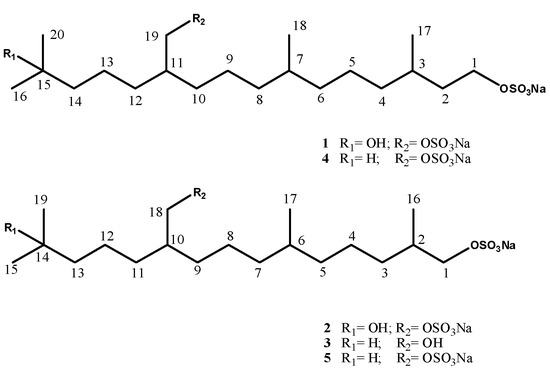
Chemical investigation of two species of marine ascidians, Aplidium elegans and Ciona edwardsii, collected in Mediterranean area, led to isolation of a series of alkyl sulfates (compounds 15) including three new molecules 13. Structures of the [...] Read more.
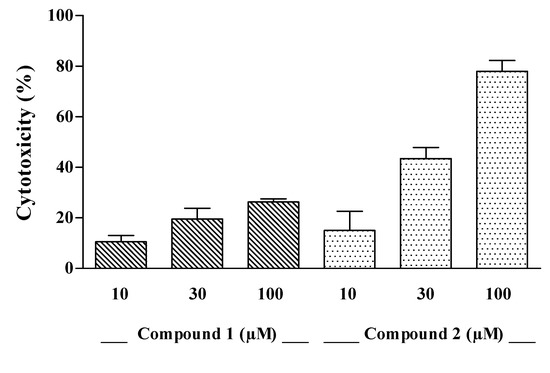
Chemical investigation of two species of marine ascidians, Aplidium elegans and Ciona edwardsii, collected in Mediterranean area, led to isolation of a series of alkyl sulfates (compounds 15) including three new molecules 13. Structures of the new metabolites have been elucidated by spectroscopic analysis. Based on previously reported cytotoxic activity of these type of molecules, compounds 13 have been tested for their effects on the growth of two cell lines, J774A.1 (BALB/c murine macrophages) and C6 (rat glioma) in vitro. Compounds 1 and 2 induced selective concentration-dependent mortality on J774A.1 cells. Full article
(This article belongs to the Section Natural Products Chemistry)
Show Figures

Figure 1
6 pages, 229 KB  
Article
Two Novel Phenolic Compounds from the Rhizomes of Cyperus rotundus L.
by Zhongliu Zhou and Wenqing Yin
Molecules 2012, 17(11), 12636-12641; https://doi.org/10.3390/molecules171112636 - 25 Oct 2012
Cited by 39 | Viewed by 7280
Abstract
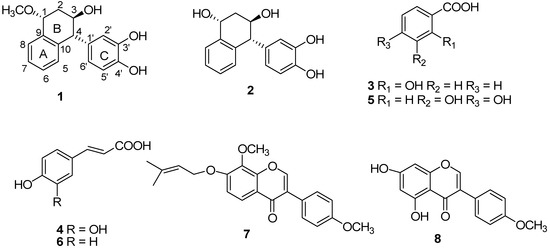
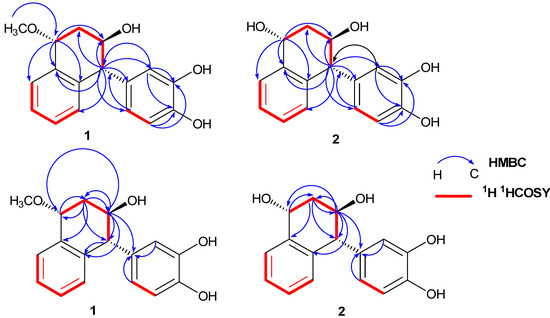
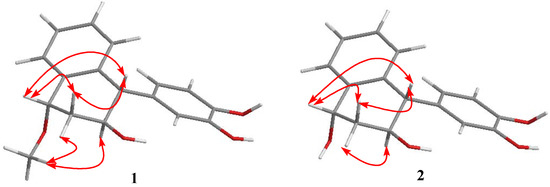
Two novel compounds, 1α-methoxy-3β-hydroxy-4α-(3′,4′-dihydroxyphenyl)-1, 2,3,4-tetrahydronaphthalin (1) and 1α,3β-dihydroxy-4α-(3′,4′-dihydroxyphenyl)-1,2,3,4-tetrahydronaphthalin (2), were isolated along with six known compounds 38 from the rhizomes of Cyperus rotundus. This [...] Read more.
Two novel compounds, 1α-methoxy-3β-hydroxy-4α-(3′,4′-dihydroxyphenyl)-1, 2,3,4-tetrahydronaphthalin (1) and 1α,3β-dihydroxy-4α-(3′,4′-dihydroxyphenyl)-1,2,3,4-tetrahydronaphthalin (2), were isolated along with six known compounds 38 from the rhizomes of Cyperus rotundus. This paper reports the isolation and full spectroscopic characterization of these new compounds by NMR, UV, IR and MS data. Full article
(This article belongs to the Section Natural Products Chemistry)
Show Figures

Figure 1