
Journal Description
Surgical Techniques Development
is an international, peer-reviewed, open access journal on the latest progressive techniques and advanced technologies in the field of surgeries, published quarterly online by MDPI (from Volume 11, Issue 1 - 2022). The Italian Association of Aesthetic Plastic Surgery (AICPE) is affiliated with Surgical Techniques Development and its members receive discounts on the article processing charges.
- Open Access— free for readers, with article processing charges (APC) paid by authors or their institutions.
- High Visibility: indexed within ESCI (Web of Science), Embase, and other databases.
- Rapid Publication: manuscripts are peer-reviewed and a first decision is provided to authors approximately 32.5 days after submission; acceptance to publication is undertaken in 6.2 days (median values for papers published in this journal in the second half of 2025).
- Recognition of Reviewers: APC discount vouchers, optional signed peer review, and reviewer names published annually in the journal.
Impact Factor:
0.3 (2024)
Latest Articles
Comparative Effectiveness of Endoscopic Coblation Adenotonsillotomy Versus Conventional Adenoidectomy in Pediatric Chronic Otitis Media with Effusion: A 12-Month Longitudinal Study
Surg. Tech. Dev. 2026, 15(2), 17; https://doi.org/10.3390/std15020017 (registering DOI) - 26 Apr 2026
Abstract
Background/Objectives: Chronic otitis media with effusion (OME) is the primary cause of conductive hearing loss in children. High recurrence rates following conventional surgery are often linked to incomplete nasopharyngeal clearance or persistent adenotonsillar biofilms. This study evaluates the long-term impact of endoscopic
[...] Read more.
Background/Objectives: Chronic otitis media with effusion (OME) is the primary cause of conductive hearing loss in children. High recurrence rates following conventional surgery are often linked to incomplete nasopharyngeal clearance or persistent adenotonsillar biofilms. This study evaluates the long-term impact of endoscopic coblation adenotonsillotomy on middle ear clearance and disease recurrence compared to conventional curettage adenoidectomy. Methods: We conducted a prospective comparative study on 142 pediatric patients with persistent OME. Participants were allocated into Group A (Endoscopic Coblation Adenotonsillotomy, n = 72) and Group B (Conventional Curettage Adenoidectomy, n = 70). Groups were homogeneous regarding age, gender, and baseline audiological parameters (p > 0.05), all presenting with moderate conductive hearing loss and Type B/C tympanograms. Primary outcomes included tympanometric normalization (Type A conversion), auditory gain (Air–Bone Gap closure), and the rate of secondary ventilation tube (VT) insertion, monitored at 1, 3, 6, and 12 months. Results: At the 1-month follow-up, Group A showed a higher normalization rate than Group B (75.0% vs. 60.0%), though this was near the threshold of statistical significance (p = 0.058). However, at 3, 6, and 12 months, the coblation group demonstrated significantly higher recovery rates (p < 0.05). By 12 months, 94.4% of Group A maintained a Type A tympanogram compared to 78.5% in Group B. Group A achieved a significantly lower mean ABG at 12 months (8.2 ± 3.1 dB vs. 12.6 ± 5.4 dB, p < 0.001), reflecting a superior auditory gain (20.2 dB vs. 15.3 dB). Furthermore, the recurrence rate was significantly lower in Group A (4.1% vs. 15.7%, p = 0.021), resulting in a substantially lower requirement for secondary VT insertion compared to the conventional group (2.7% vs. 12.8%, p = 0.018). Conclusions: Endoscopic coblation adenotonsillotomy provides significant long-term clinical advantages over conventional curettage. By ensuring precise, atraumatic clearance of the Fossa of Rosenmüller and addressing the tonsillar biofilm reservoir, this technique achieves more stable middle ear aeration and superior auditory recovery, significantly reducing the necessity for secondary surgical interventions at one year.
Full article
Open AccessArticle
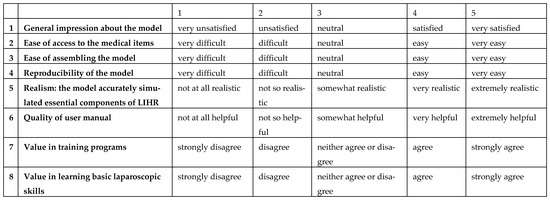
Experience in Box Simulation Program for Pediatric Laparoscopic Inguinal Hernia Repair Using Training Model Assembled with Common Hospital Items
by
Francesco Grasso, Fabio Baldanza, Chiara Cambiaso, Marco Pensabene, Maria Sergio and Maria Rita Di Pace
Surg. Tech. Dev. 2026, 15(2), 16; https://doi.org/10.3390/std15020016 - 15 Apr 2026
Abstract
►▼
Show Figures
Background/Objectives: This study aims to develop and validate a reproducible training model, built using common hospital items, for laparoscopic inguinal hernia repair with an intracorporeal suturing approach, specifically focusing on iliopubic tract redress in pediatric patients. Methods: Pediatric surgery residents and
[...] Read more.
Background/Objectives: This study aims to develop and validate a reproducible training model, built using common hospital items, for laparoscopic inguinal hernia repair with an intracorporeal suturing approach, specifically focusing on iliopubic tract redress in pediatric patients. Methods: Pediatric surgery residents and consultants were instructed on model building and engaged in training sessions. They practiced for four weeks with the handcrafted model and completed a post-simulation survey. The time taken to conclude the training task and the modified Objective Structured Assessment of Technical Skills score were compared between the initial and last sessions at the end of the training period. Additionally, the time required by consultants to perform the laparoscopic procedure in vivo, intraoperative complications, and recurrence rates were analyzed from the time they started the training. Results: A feasible model was created using a colostomy dressing support, Penrose drains, Foley catheters, feeding tubes, and surgical gloves to simulate. The sample involved a total of twelve residents and five consultants with an average age of 33 years old. All participants successfully completed the task during the session. Since the consultants started their training on the model, the operative results for laparoscopic inguinal hernia repair in the theater have improved. Conclusions: Training experience on this model led to improve laparoscopic skills such as cutting and dissection and intracorporeal tying and knotting. This study confirms that training outside clinical practice can significantly benefit laparoscopic proficiency and safety in vivo.
Full article

Figure 1
Open AccessTechnical Note
Surgical Technique for Superior Cluneal Nerve Decompression
by
Mohammad Al-Dweeri and Alvin C. Jones
Surg. Tech. Dev. 2026, 15(2), 15; https://doi.org/10.3390/std15020015 - 13 Apr 2026
Abstract
►▼
Show Figures
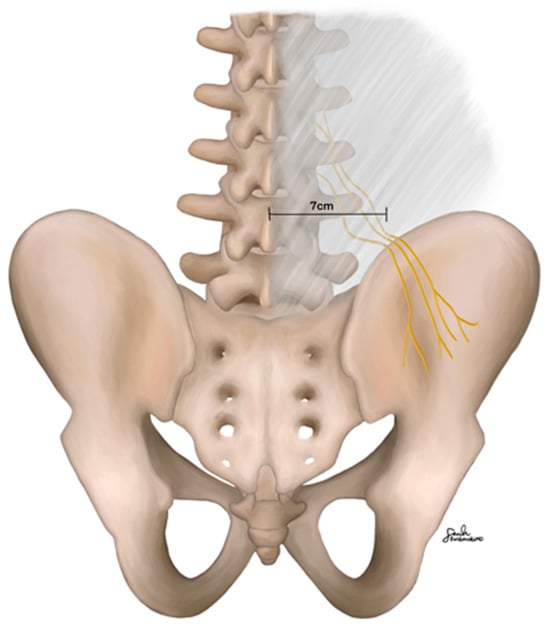
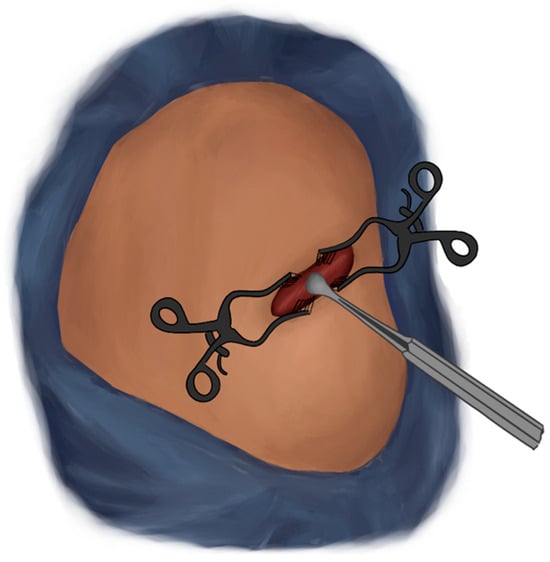
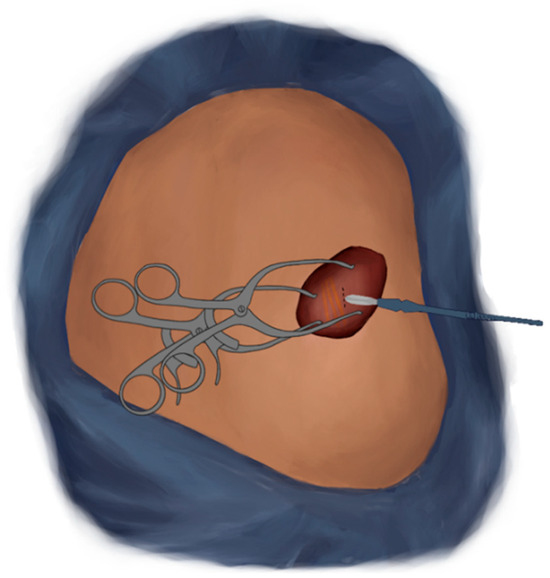
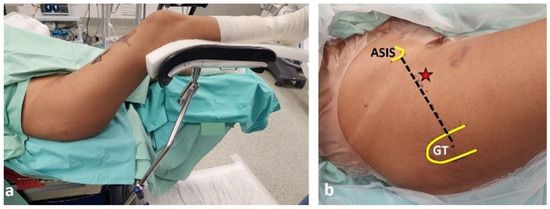
Background/Objectives: Superior cluneal nerve entrapment syndrome (SCNES) is an underrecognized cause of chronic low back pain, particularly in adolescents where published experience is limited. This article describes a reproducible open surgical technique for superior cluneal nerve (SCN) decompression. Methods: We outline indications and
[...] Read more.
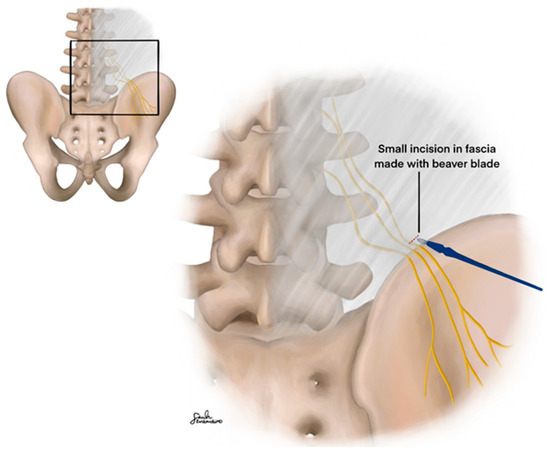
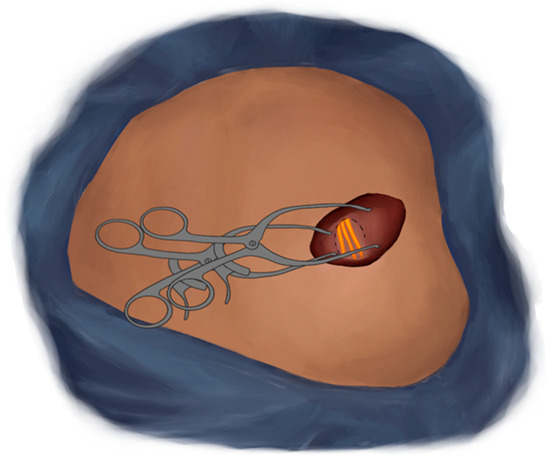
Background/Objectives: Superior cluneal nerve entrapment syndrome (SCNES) is an underrecognized cause of chronic low back pain, particularly in adolescents where published experience is limited. This article describes a reproducible open surgical technique for superior cluneal nerve (SCN) decompression. Methods: We outline indications and relative contraindications, required instrumentation, key surface landmarks, and a stepwise operative approach. The nerve is identified where SCN branches traverse the thoracolumbar fascia and fibro-osseous tunnel near the posterior iliac crest. Decompression is performed via limited fasciotomy and release of surrounding soft tissues, with attention given to identifying additional branches requiring release. Results: The technique provides consistent exposure and decompression of the SCN branches using an approximately 5 cm oblique incision centered over the expected crossing point (about 7 cm lateral to the midline and roughly 4 cm lateral to the PSIS). Pearls and pitfalls are provided to reduce peri-incisional numbness and avoid thermal injury to the nerve. Conclusions: Open SCN decompression is a focused procedure that can be considered after confirmation of SCNES by clinical criteria and response to diagnostic block. Standardizing technique and postoperative care may facilitate broader adoption and future outcome studies in pediatric populations.
Full article

Figure 1
Open AccessArticle
A Five-Year Retrospective Comparative Study of Clinical and Radiographic Outcomes in Total Knee Arthroplasty Using Biomet vs. Palacos Cement Fixation
by
Shuvalaxmi D. Haselton, Jason Michael Cholewa, Udoka Okaro and Roger H. Emerson
Surg. Tech. Dev. 2026, 15(2), 14; https://doi.org/10.3390/std15020014 - 7 Apr 2026
Abstract
►▼
Show Figures
Background: Cemented fixation remains the standard for total knee arthroplasty (TKA), with Palacos® R considered the gold standard bone cement. However, more cost-efficient alternatives, like Biomet Bone Cement® (BBC), require evaluation to confirm comparable outcomes. This retrospective 5-year study compares the
[...] Read more.
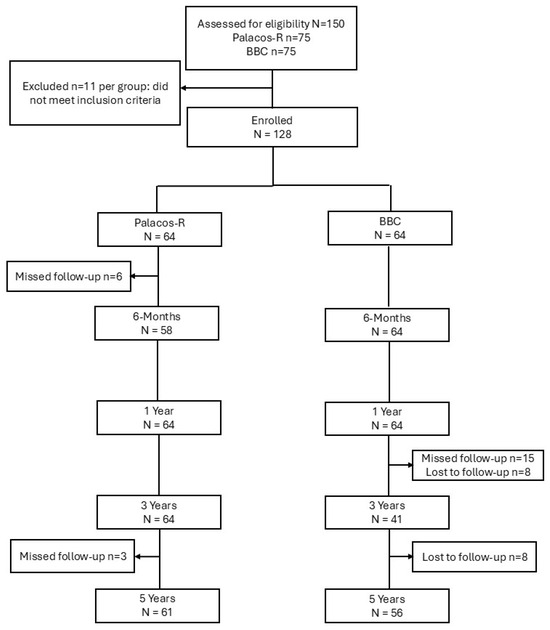
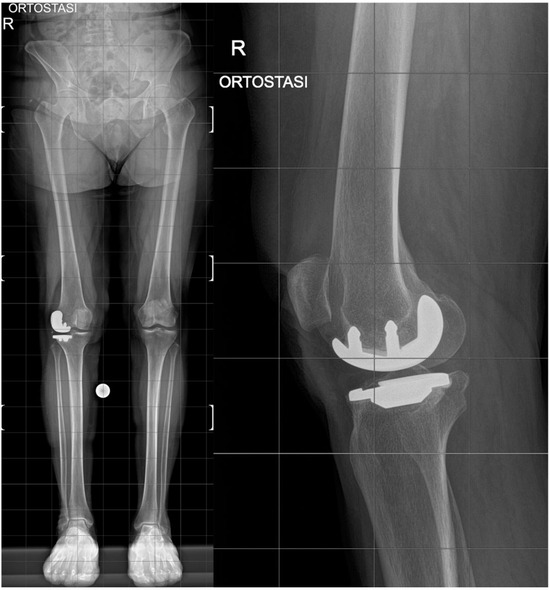
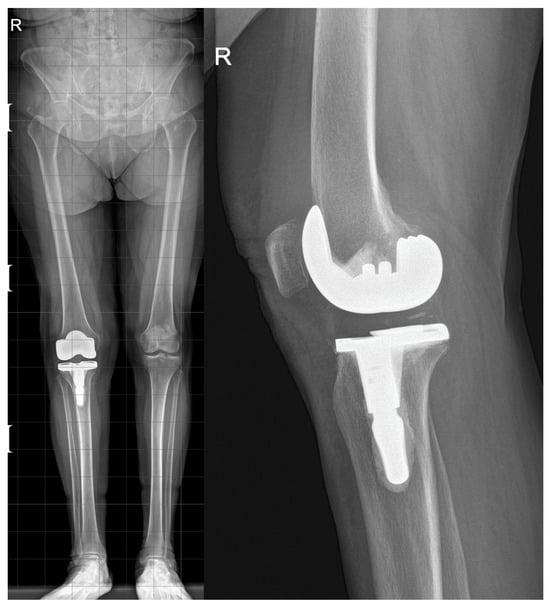
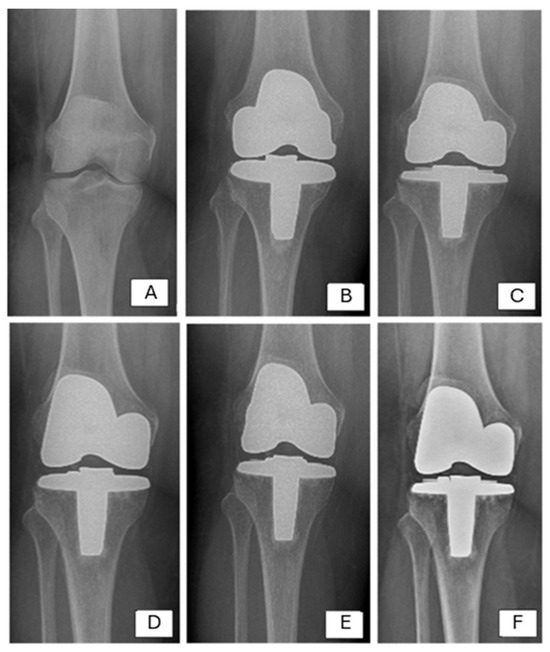
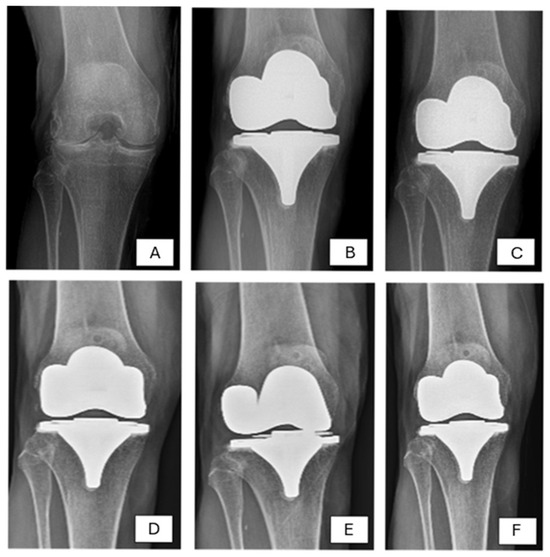
Background: Cemented fixation remains the standard for total knee arthroplasty (TKA), with Palacos® R considered the gold standard bone cement. However, more cost-efficient alternatives, like Biomet Bone Cement® (BBC), require evaluation to confirm comparable outcomes. This retrospective 5-year study compares the clinical safety, performance, and radiographic outcomes of BBC versus Palacos-R in primary TKA, highlighting BBC’s potential as a comparable, cost-effective option amid the increasing cost of outpatient surgeries. Methods: This is a single-center, retrospective study of 128 consecutive patients undergoing primary TKA, evaluated over 5 years. The first 64 patients received Palacos-R, and the subsequent 64 patients received BBC. Radiographic outcomes, including cement gaps, radiolucency, periprosthetic osteolysis, and subsidence, were assessed using the Knee Society Radiographic scheme at immediate post-operative, 6-month, 1-year, 3-year, and 5-year intervals. Clinical outcomes were measured using the Knee Society Score (KSS) and the University of California Los Angeles Activity (UCLA) score. Statistical analyses included chi-square, Fisher’s exact tests, and t-tests (p < 0.05). Results: Cement gaps were significantly higher in the Palacos-R cohort at immediate postop (p = 0.0002) and 1-year (p = 0.0003), with no significant difference at 3 and 5 years. Radiolucency was non-progressive (<2 mm) in both cohorts. KSS was significantly higher in the Palacos-R group at 6 months, 1 year, and 3 years (p < 0.001), but equivalent at 5 years (p = 0.42). UCLA scores showed no differences. No revisions were required in either cohort. Conclusions: While BBC demonstrated comparable radiographic stability and clinical outcomes to Palacos at 5 years with no revisions in either cohort, the absence of preoperative KSS and UCLA scores is a major limitation that prevents adjustment for baseline function and limits interpretation of the early postoperative KSS differences.
Full article

Figure 1
Open AccessTechnical Note
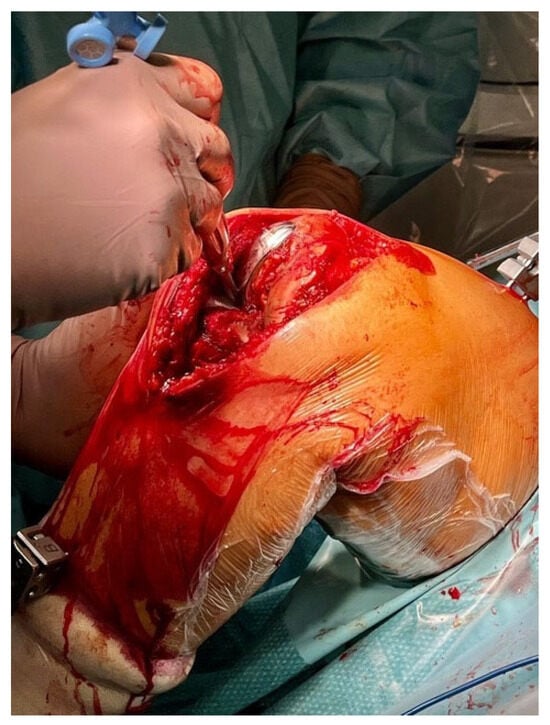
ROSA™ Imageless Robotic-Assisted Conversion from Unicompartmental to Total Knee Arthroplasty: A Novel Surgical Technique and Case Report
by
Elisabetta Giani, Ilaria Morelli, Susanna Gadda Sanzo, Andrea F. Fusaro, Alessandro Ivone, Giacomo Galanzino and Roberto E. Vanelli
Surg. Tech. Dev. 2026, 15(1), 13; https://doi.org/10.3390/std15010013 - 17 Mar 2026
Abstract
►▼
Show Figures
Background: Unicompartmental knee arthroplasty (UKA) is an effective treatment for isolated compartment knee osteoarthritis, but it is associated with a higher risk of revisions. UKA-to-TKA conversions remain surgically challenging. In particular, the restoration of correct femoral rotation is difficult, mainly because of bone
[...] Read more.
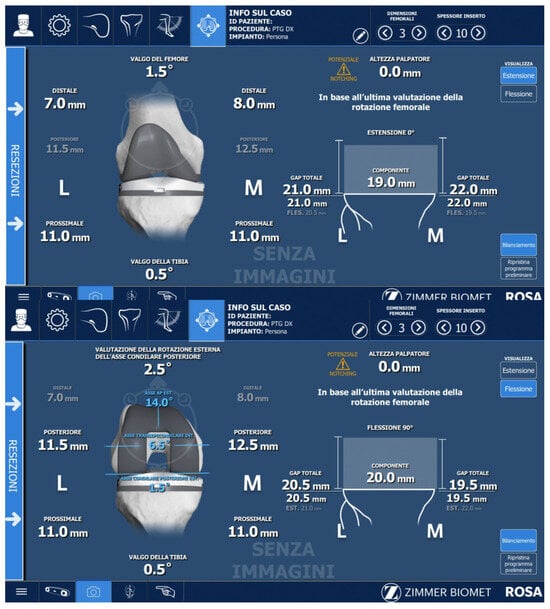
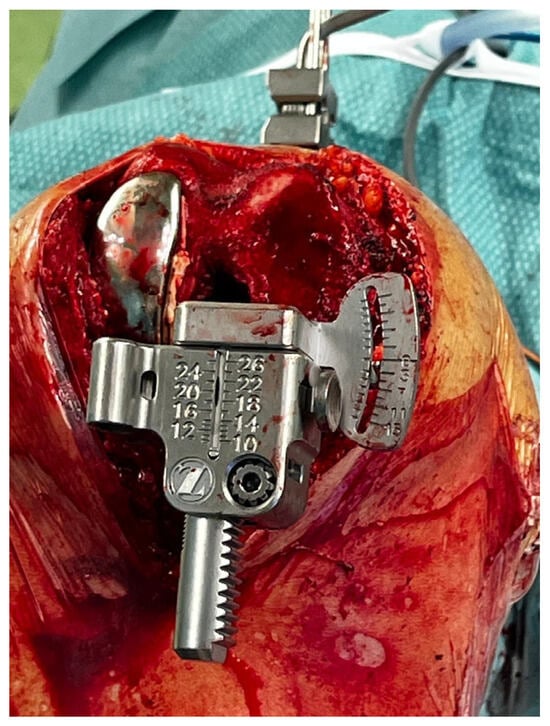
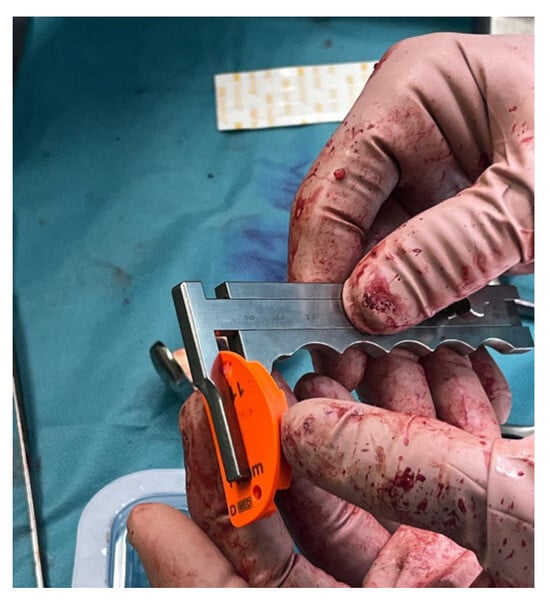
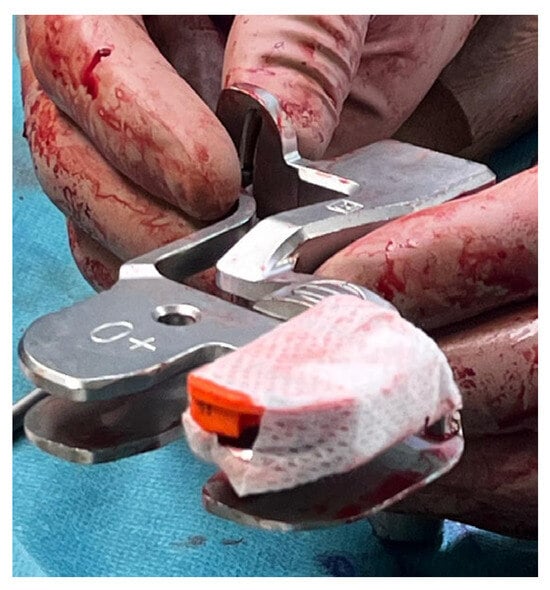
Background: Unicompartmental knee arthroplasty (UKA) is an effective treatment for isolated compartment knee osteoarthritis, but it is associated with a higher risk of revisions. UKA-to-TKA conversions remain surgically challenging. In particular, the restoration of correct femoral rotation is difficult, mainly because of bone loss and altered anatomical landmarks. We describe a novel imageless robotic-assisted technique for UKA-to-TKA conversion using the ROSA™ robotic system and report a representative clinical case. Methods: After a standard medial parapatellar approach and joint exposure, the landmarks are registered with the UKA in situ, followed by the standard workflow for a robotic-assisted primary TKA according to the “inverse functional alignment” philosophy (virtual planning, tibial cut, planning adjustment, distal femoral cut and planning adjustment). At last, the femoral component rotation is defined using the FuZion® tensioner, with the UKA femoral component being left in situ to compensate for the lateral posterior condyle bone loss. Results: A 72-year-old female patient underwent robotic-assisted lateral UKA-to-TKA conversion due to aseptic loosening of the tibial component. Accurate bone resection, restoration of alignment, and soft tissue balancing were achieved, avoiding the use of augments. Postoperative recovery was uneventful, with satisfactory clinical and functional outcomes at 3-month follow-up. Conclusions: Imageless robotic-assisted UKA-to-TKA conversion using the ROSA™ system seems a valuable aid in these complex scenarios. To our knowledge, this is the second report describing this procedure using the ROSA™ robot and the first presenting a distinct surgical technique. Further studies on larger cohorts are needed to confirm this technique efficacy and possible limitations.
Full article

Figure 1
Open AccessArticle
The Feasibility of Uniportal Video-Assisted Thoracic Surgery in Octogenarians: A Propensity-Matched Comparative Analysis
by
Fahim Kanani, Leonardo Chamovitz, Rijini Nugzar, Mohammad Mohtaseb, Anas Salhab, Mordechai Shimonov and Firas Abu Akar
Surg. Tech. Dev. 2026, 15(1), 12; https://doi.org/10.3390/std15010012 - 17 Mar 2026
Abstract
Objectives: To evaluate the short-term safety (30-day and in-hospital morbidity and mortality) and technical feasibility of uniportal video-assisted thoracic surgery (U-VATS) for anatomical lung resection in octogenarians (≥80 years) compared with younger patients (<80 years) at a single center. Methods: Ninety consecutive patients
[...] Read more.
Objectives: To evaluate the short-term safety (30-day and in-hospital morbidity and mortality) and technical feasibility of uniportal video-assisted thoracic surgery (U-VATS) for anatomical lung resection in octogenarians (≥80 years) compared with younger patients (<80 years) at a single center. Methods: Ninety consecutive patients undergoing U-VATS anatomical lung resections between January 2020 and January 2024 were retrospectively analyzed. Patients were stratified by age: 60 patients < 80 years and 30 octogenarians ≥ 80 years. Propensity score matching (nearest-neighbor, 1:2 ratio, caliper 0.2 SD) yielded a matched cohort of 60 patients (40 younger, 20 octogenarians) for comparative analysis. Results: After matching, standardized mean differences (SMD) were <0.25 for most covariates, indicating good balance. Octogenarians demonstrated lower FEV1 (75.2 ± 15.3% vs. 87.5 ± 18.2%, p = 0.012) and DLCO (68.4 ± 12.1% vs. 78.5 ± 14.3%, p = 0.009), consistent with age-related pulmonary changes. Charlson Comorbidity Index was higher (5.3 ± 1.2 vs. 3.8 ± 1.4, p = 0.001). Surgical parameters were comparable: operative time (143.80 ± 42.3 vs. 136.55 ± 38.7 min, p = 0.524), blood loss (median 80 [IQR 50–120] vs. 95 [IQR 60–130] mL, p = 0.742). Zero conversions occurred. Major complications (Clavien–Dindo ≥ 3) occurred in 10% vs. 0% (absolute risk difference 10%, 95% CI: −3.2% to 23.2%). No 30-day mortality. 90-day mortality: 5% vs. 0% (p = 0.333); one-year: 15% vs. 0% (p = 0.035). Conclusions: U-VATS is technically feasible in carefully selected octogenarians with comparable intraoperative parameters to younger patients. Postoperative recovery differed meaningfully, with higher delirium rates, longer hospitalization, and greater rehabilitation needs. One-year mortality was higher in octogenarians, reflecting competing comorbid risk rather than surgical harm. Residual imbalance in comorbidity burden and pulmonary reserve after matching limits causal inference. These hypothesis-generating findings support U-VATS in selected octogenarians when comprehensive geriatric assessment and structured delirium prevention guide perioperative management; validation in larger multicenter prospective studies is required.
Full article
Open AccessTechnical Note
Osseous Engagement of Sacropelvic Porous Fusion–Fixation Screws
by
Jason J. Haselhuhn, David W. Polly, Jr., Todd J. Pottinger, Kari Odland, Jonathan N. Sembrano, Christopher T. Martin, Kristen E. Jones and Nathan R. Hendrickson
Surg. Tech. Dev. 2026, 15(1), 11; https://doi.org/10.3390/std15010011 - 5 Mar 2026
Abstract
►▼
Show Figures
(1) Background and introduction: High-demand lumbosacral fusions are often supplemented with sacral-alar-iliac (SAI) screws. The idealized SAI trajectory was estimated to traverse 35 mm of sacrum before crossing the sacroiliac (SI) joint. However, there is debate on how much osseous purchase SAI screws
[...] Read more.
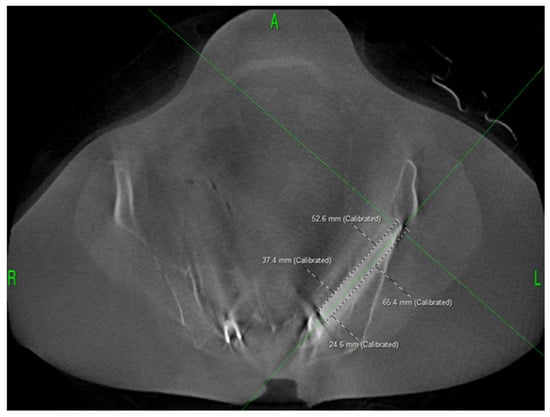
(1) Background and introduction: High-demand lumbosacral fusions are often supplemented with sacral-alar-iliac (SAI) screws. The idealized SAI trajectory was estimated to traverse 35 mm of sacrum before crossing the sacroiliac (SI) joint. However, there is debate on how much osseous purchase SAI screws achieve. The goal of this study was to determine the amount of osseous engagement achieved using a porous fusion–fixation screw (PFFS) when placed in a stacked SAI configuration. (2) Materials and methods: We retrospectively reviewed 40 consecutive patients who underwent sacropelvic fixation with stacked PFFS at our institution from 1 June 2022 to 30 June 2023, using intraoperative computed tomography (CT)-based computer navigation. A snapshot of each screw was taken and the length of purchase within the sacrum and ilium was measured on the axial image along the anterior and posterior aspect of each screw. Nineteen patients did not have adequate images available for review and were excluded. (3) Results: The overall mean anterior sacral engagement was 38.6 mm (±8.2 mm), which was found to be statistically significantly greater than the hypothesized threshold of 35 mm (p < 0.001), while posterior sacral engagement was 28.1 mm (±8.6 mm), which was not found to be statistically significantly greater than the hypothesized threshold of 35 mm (p = 1). The mean difference in sacral engagement between the anatomical location for the cephalad screws was 10.3 mm (p < 0.001) and 10.6 mm (p < 0.001) for the caudal screws. The total sacral surface area available for bone ingrowth for bilateral stacked PFFS was calculated to be 3338.3 mm2, while the total iliac surface area available for bone ingrowth was 4364.8 mm2. A mean difference in surface area availability between anatomical locations was −689.5 mm2 (p < 0.001) for the sacrum and 689.5 mm2 (p < 0.001) for the ilium. (4) Discussion and conclusions: The SAI trajectory screws in this cohort of patients achieved approximately 39 mm of sacrum engagement anteriorly and 28 mm posteriorly. This is consistent with prior estimates based on the idealized SAI pathway through the sacrum. PFFSs allow for simultaneous sacropelvic fixation and SI joint fusion, which may reduce the incidence of de novo SI joint pain in patients with long fusion constructs.
Full article

Figure 1
Open AccessArticle
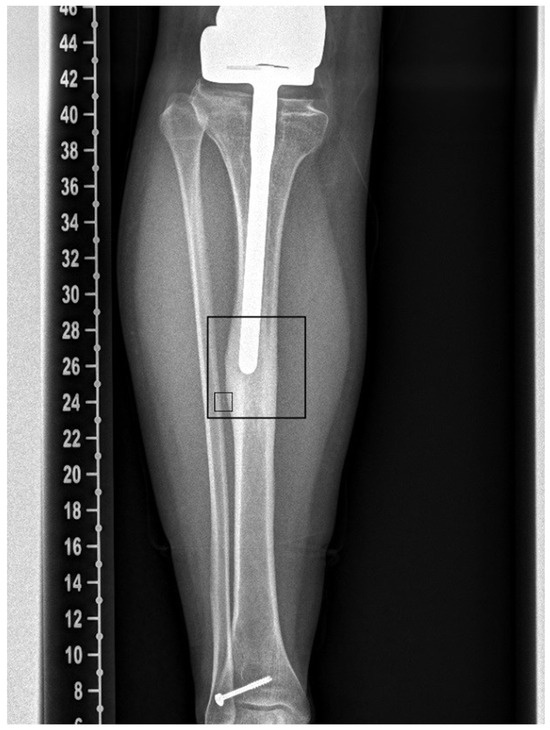
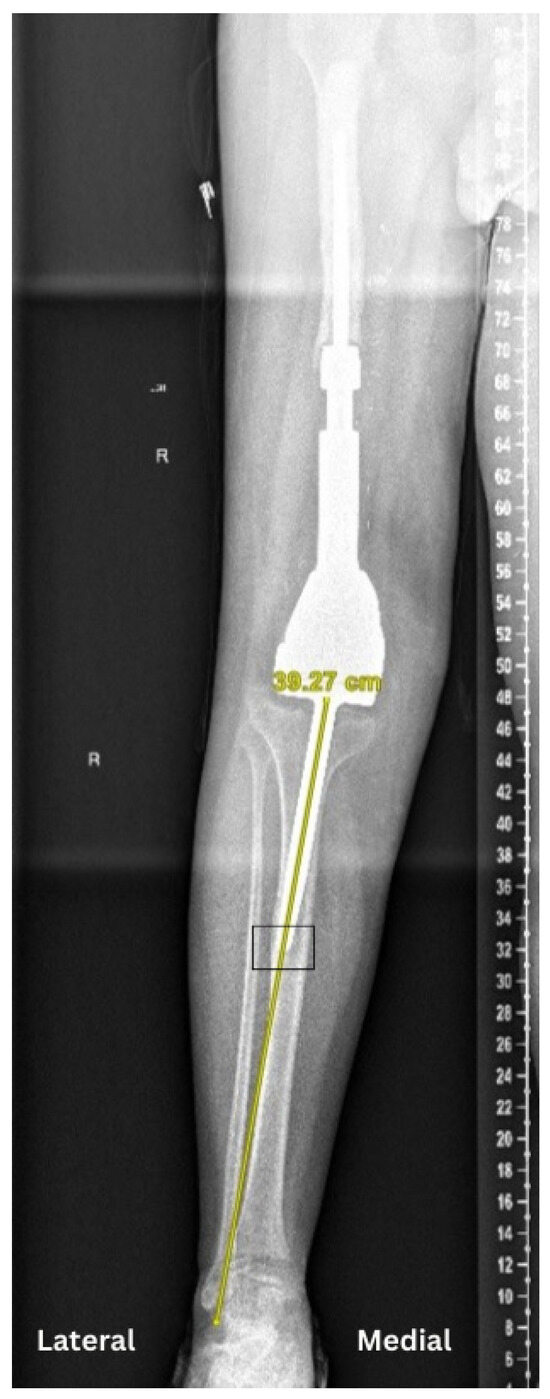
Radiographic Factors Associated with Tibial Pain After Expandable Distal Femoral Endoprosthesis in Skeletally Immature Patients: A Retrospective Cohort Study
by
Muhammad Khatib, Assil Mahamid, Dror Robinson, Hamza Murad, Eitan Lavon, Feras Qawasmi, Ali Yassin and Mustafa Yassin
Surg. Tech. Dev. 2026, 15(1), 10; https://doi.org/10.3390/std15010010 - 3 Mar 2026
Abstract
►▼
Show Figures
Background: Limb-salvage surgery using extendable distal femoral endoprostheses has become the standard reconstruction following tumor resection in skeletally immature patients, allowing continued growth and improved function. However, mechanical complications, particularly tibial pain, remain challenging and poorly understood. This study aimed to identify radiographic
[...] Read more.
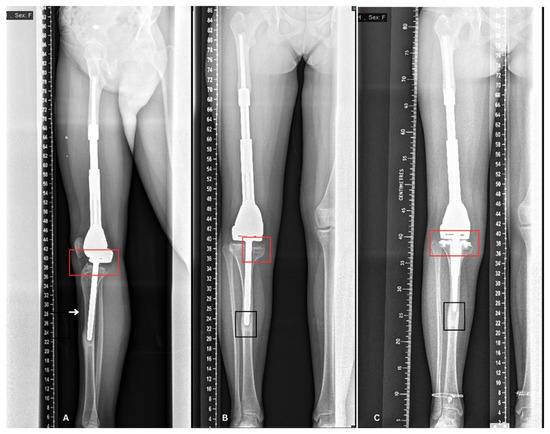
Background: Limb-salvage surgery using extendable distal femoral endoprostheses has become the standard reconstruction following tumor resection in skeletally immature patients, allowing continued growth and improved function. However, mechanical complications, particularly tibial pain, remain challenging and poorly understood. This study aimed to identify radiographic predictors of tibial pain and evaluate their potential utility in early risk detection. Methods: A retrospective cohort study was conducted of 29 skeletally immature patients (mean age 10.4 years) who underwent expandable distal femoral endoprosthetic replacement between 2008 and 2018 at a tertiary orthopedic oncology center. Standardized radiographs were analyzed at 6 months and final follow-up (mean 75 months) to assess cortical thickness, stem-to-cortex distances, stem migration, stress shielding, pedestal formation, and periosteal reaction. Associations between radiographic parameters and tibial pain were assessed using multivariable logistic regression, t-tests, and chi-square analyses. Results: Seventeen patients (58.6%) developed activity-limiting tibial pain requiring analgesics, as documented during follow-up. Mean medial and lateral cortical thickness increased from 3.0 mm and 3.4 mm to 4.1 mm and 5.1 mm, respectively. The logistic regression model demonstrated strong explanatory power (Pseudo R2 = 0.57, p = 0.004). Medial cortical thickness at last follow-up was the only significant independent predictor of tibial pain (p = 0.042), and was significantly associated with tibial pain. Patients with tibial pain exhibited greater medial cortical thickening (p < 0.001). Stem migration (φ = 0.421, p = 0.065), stress shielding (φ = 0.476, p = 0.044), pedestal formation (φ = 0.608, p = 0.004), and periosteal reaction (φ = 0.569, p = 0.008) were also associated with pain. Conclusions: Medial cortical hypertrophy emerged as a potential radiographic biomarker for tibial pain. after expandable distal femoral endoprosthesis in growing patients. The findings suggest that cortical remodeling, stress shielding, and pedestal formation collectively reflect stem micromotion and bone adaptation. Early radiographic surveillance of these parameters warrants further investigation in prospective studies to determine their clinical utility. Larger multicenter studies are warranted to validate these predictors and refine postoperative monitoring protocols.
Full article

Figure 1
Open AccessTechnical Note
Technical Note of the Endonasal Endoscopic Transethmoidal Transcribriform Approach (EETTA) to the Anterior Cranial Fossa: An Update of the Surgical Technique, Indications, and Limitations
by
Edgar G. Ordóñez-Rubiano, Antonia Cadavid-Cobo, Alejandra Ramírez-Romero, Ana S. Rincón-Díaz, Luisa F. Figueredo, Martín Pinzón, Oscar F. Zorro, Javier G. Patiño-Gómez, Diego F. Gómez-Amarillo and Fernando Hakim
Surg. Tech. Dev. 2026, 15(1), 9; https://doi.org/10.3390/std15010009 - 24 Feb 2026
Abstract
►▼
Show Figures
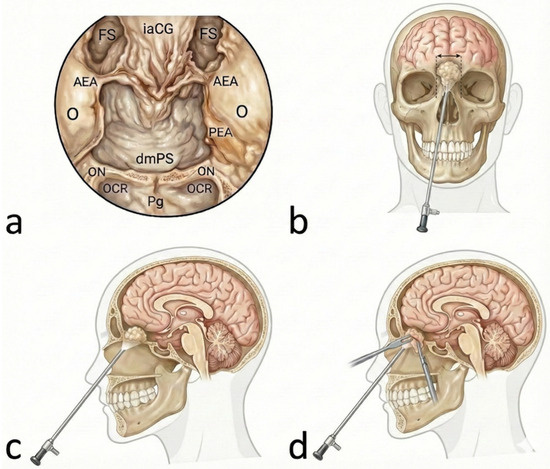
Background: In the last few decades, endoscopic endonasal approaches (EEA) have revolutionized surgical access to the sellar region and anterior cranial fossa (ACF). One technique, the endoscopic endonasal transethmoidal transcribriform approach (EETTA), offers distinct advantages over traditional open transcranial approaches, such as reduced
[...] Read more.
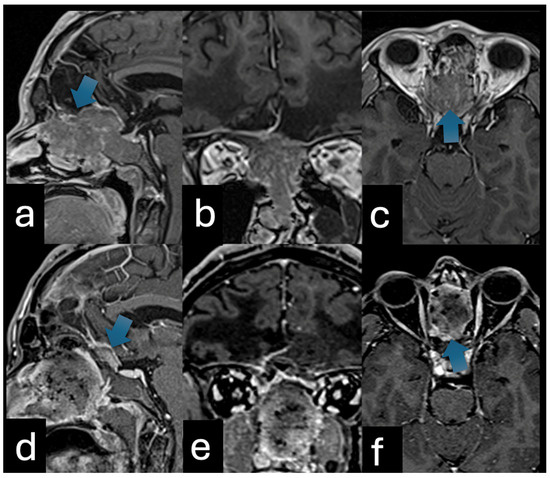
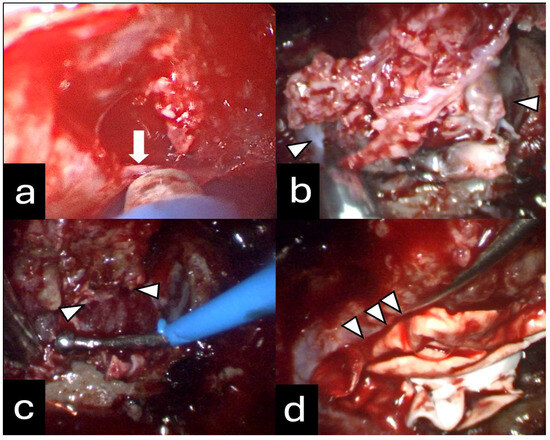
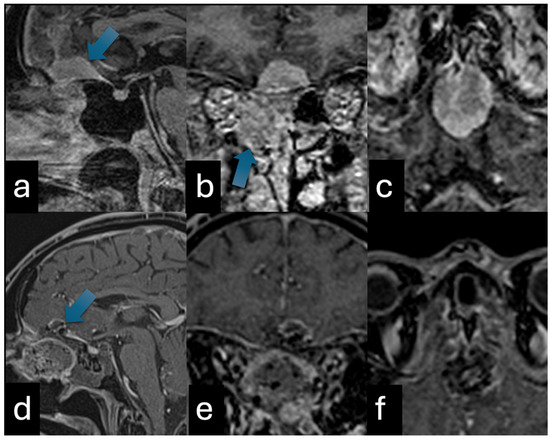
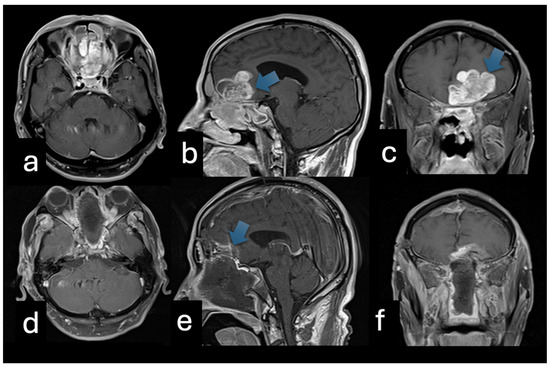
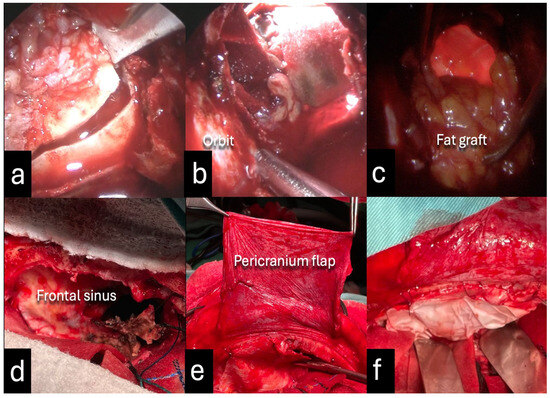
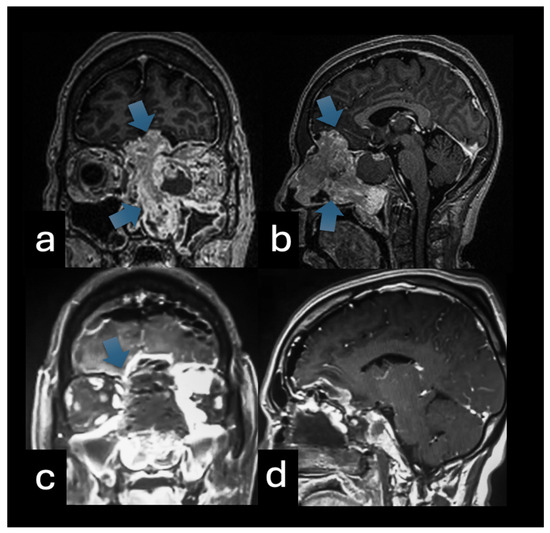
Background: In the last few decades, endoscopic endonasal approaches (EEA) have revolutionized surgical access to the sellar region and anterior cranial fossa (ACF). One technique, the endoscopic endonasal transethmoidal transcribriform approach (EETTA), offers distinct advantages over traditional open transcranial approaches, such as reduced morbidity, shorter hospital stays, faster recovery, and a reduced risk of neurological deficit due to less brain tissue manipulation. Methods: We present a comprehensive step-by-step description of the EETTA surgical technique, illustrated through four representative cases of varying pathologies treated at our institution. The anatomical boundaries—including the lamina papyracea, anterior and posterior ethmoidal arteries, and frontal sinus—and the surgical corridor are detailed alongside indications, technical nuances, limitations, and operative recommendations. Results: Four cases demonstrate the versatility of EETTA across diverse pathologies: two olfactory groove meningiomas (including one WHO grade 2 and one recurrent case with invasive skull base involvement), an esthesioneuroblastoma (ENB), and a recurrent inverted papilloma requiring combined transcranial and endoscopic resection. Near-total or gross-total resection was achieved in all cases. The indications, nuances, and limitations of this approach are discussed, along with tips for successful surgery. Conclusions: The EETTA represents an important minimally invasive option for ACF tumors extending into the nasal cavity, with midline involvement limited medially by the lamina papyracea. Success requires a thorough understanding of skull base anatomy, meticulous multilayer reconstruction techniques, and appropriate patient selection, based on the tumor location and lateral extension. While cerebrospinal fluid (CSF) leak remains the primary concern, contemporary techniques have substantially reduced this complication rate.
Full article

Figure 1
Open AccessArticle
Snap Back Versus Traditional Aspiration in Bone Marrow Harvesting: Quality Assessment and Clinical Outcomes
by
Francesco Maruccia, Leonardo Savastano, Marco Sandri, Michele Bisceglia, Franco Lucio Gorgoglione and Elisabetta Mormone
Surg. Tech. Dev. 2026, 15(1), 8; https://doi.org/10.3390/std15010008 - 14 Feb 2026
Abstract
►▼
Show Figures
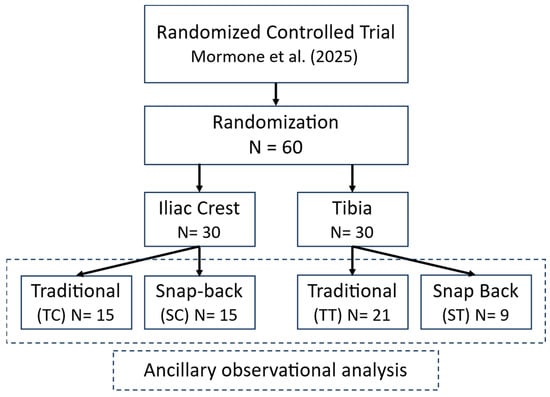
Background: The extent to which bone marrow aspiration technique affects the biological quality of bone marrow aspirate and its clinical relevance in knee osteoarthritis remains uncertain. This study compares the efficacy of the traditional aspiration method and the Snap Back technique at two
[...] Read more.
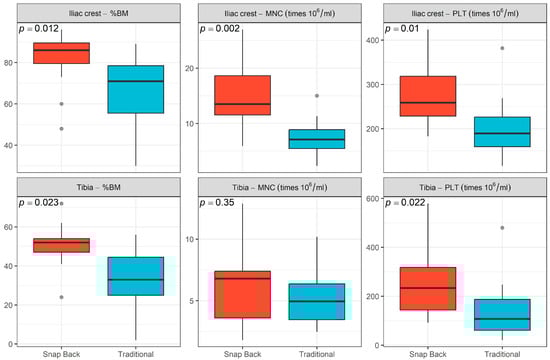
Background: The extent to which bone marrow aspiration technique affects the biological quality of bone marrow aspirate and its clinical relevance in knee osteoarthritis remains uncertain. This study compares the efficacy of the traditional aspiration method and the Snap Back technique at two anatomical harvest sites, the posterior iliac crest and the proximal tibia. Methods: This ancillary post hoc analysis was conducted within a randomized trial comparing posterior iliac crest and proximal tibia harvest sites in 60 patients with unicompartmental knee OA. Aspiration technique (traditional vs. Snap Back) was selected intraoperatively and not randomized. BMA samples were analyzed for MSCs, mononuclear cells (MNCs), platelet concentration, and marrow purity. Clinical outcomes were assessed at baseline and six months using the Visual Analog Scale and the Western Ontario and McMaster Universities Osteoarthritis Index. Results: The posterior iliac crest yielded significantly higher MSC and MNC concentrations compared to the tibia, with superior purity and PLT counts observed using the Snap Back technique. Within each anatomical site, Snap Back aspiration provided improved cellular recovery over the traditional method. However, differences in clinical outcomes between groups were modest and did not consistently reach statistical significance. Conclusions: Both harvest site and aspiration technique were associated with substantial differences in the cellular composition of BMA. The withdrawal from posterior iliac crest combined with the Snap Back technique optimizes MSC yield and marrow purity, though clinical improvements appear independent of cellular concentration in the short term. These findings suggest that standardized aspiration protocols may be relevant for the biological efficacy of orthobiologic therapies in knee OA.
Full article

Figure 1
Open AccessTechnical Note
Direct Suture Repair of Deltoid Ligament Using Barbed Suture: A Cost-Effective Surgical Technique for Ligamentous Repair in Ankle Fractures
by
Corinne Vennitti, Alyssa Althoff, Timothy Hoggard, Seth Yarboro and Micheal Hadeed
Surg. Tech. Dev. 2026, 15(1), 7; https://doi.org/10.3390/std15010007 - 10 Feb 2026
Abstract
►▼
Show Figures
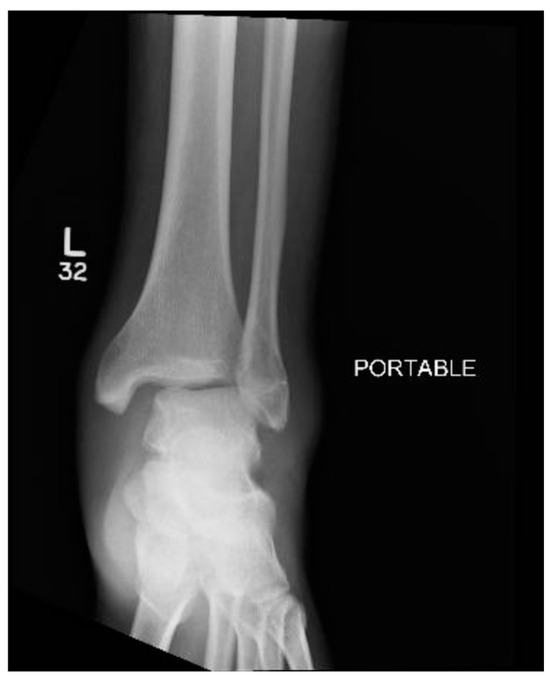
Background/Objectives: Deltoid ligament injury has been reported in up to 40% of ankle fractures, as confirmed by arthroscopy. Despite the frequency of this injury, there are multiple methods of fixation, including use of sutures, anchors and grafts, with no consensus in the field
[...] Read more.
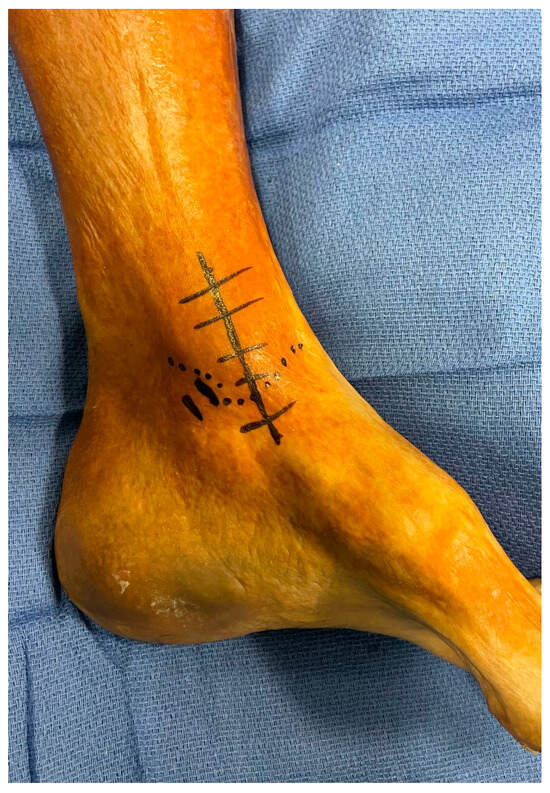
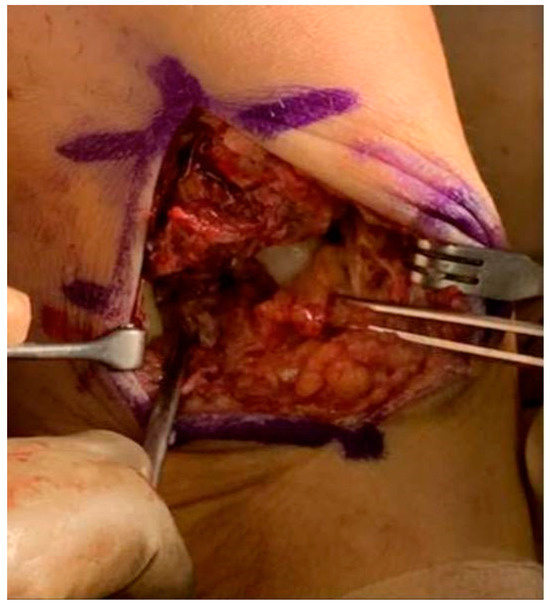
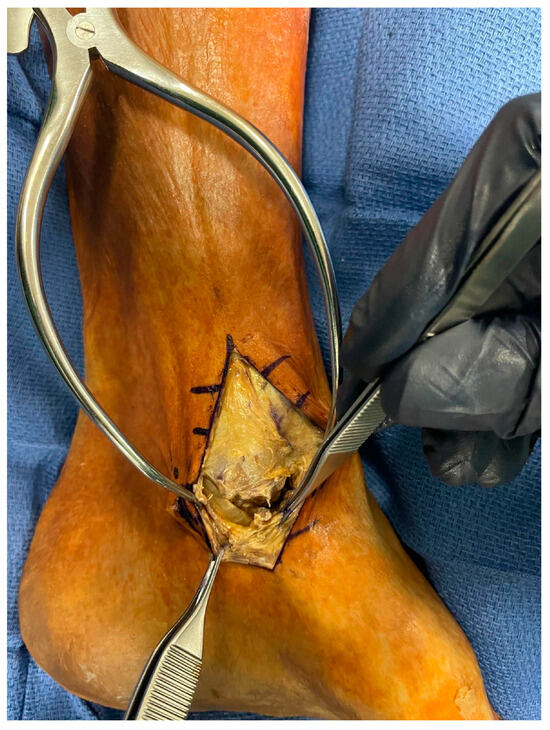
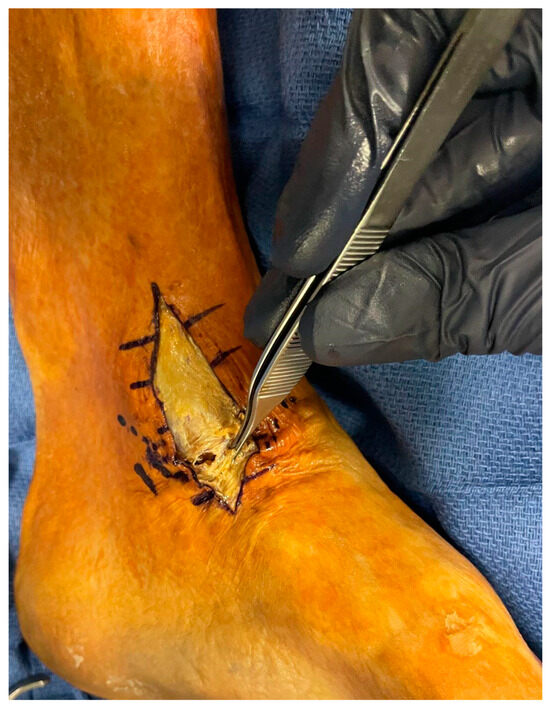
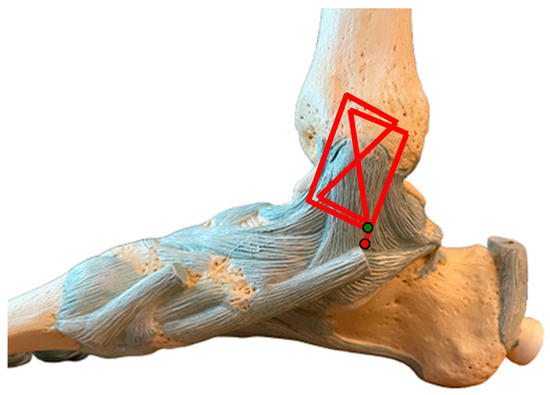
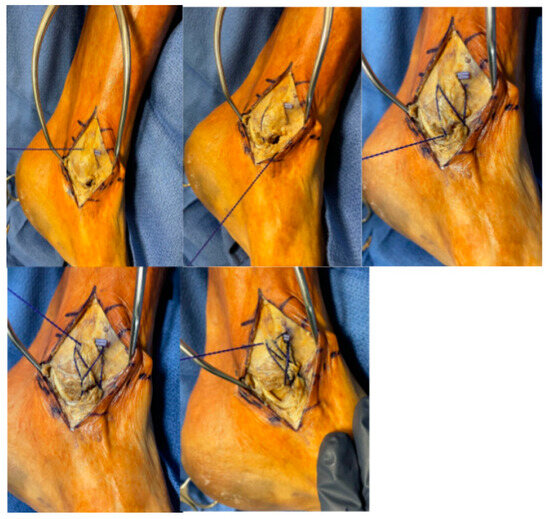
Background/Objectives: Deltoid ligament injury has been reported in up to 40% of ankle fractures, as confirmed by arthroscopy. Despite the frequency of this injury, there are multiple methods of fixation, including use of sutures, anchors and grafts, with no consensus in the field on a gold standard of operative technique for deltoid ligament injuries identified in bimalleolar equivalent ankle fractures. This manuscript aims to describe a novel surgical technique for deltoid ligament repair in the setting of bimalleolar equivalent ankle fractures. Surgical Technique: In this technique, following fixation of the fibula in bimalleolar equivalent ankle fractures, barbed polydioxanone (PDS) suture is utilized for direct repair of the deltoid ligament. This technique can be completed with the patient either prone or supine, uses standard fluoroscopy for evaluation of the competency of the deltoid ligament, and utilizes a familiar anteromedial approach to the medial malleolus. When compared to using anchors for repair of the deltoid ligament, barbed PDS suture seems to provide an equivalent and cost-effective strategy for repair. Conclusions: Repair of the deltoid ligament using suture anchors is a widely accepted method that has been demonstrated to provide successful repair. However, these anchors can be costly and rely on appropriate fixation in the bone to provide long-term fixation. This suture technique seems to offer a reliable, cost-effective technique for deltoid ligament repair.
Full article
Figure 1
Open AccessArticle
Salvage Re-Gastrectomy for Isolated Locoregional Recurrence After Curative Gastrectomy: A Propensity-Matched Comparative Analysis
by
Fahim Kanani, Adi Litmanovich, Yonatan Lessing, Nir Messer, Boaz Sagie, Guy Lahat and Lior Orbach
Surg. Tech. Dev. 2026, 15(1), 6; https://doi.org/10.3390/std15010006 - 2 Feb 2026
Abstract
►▼
Show Figures
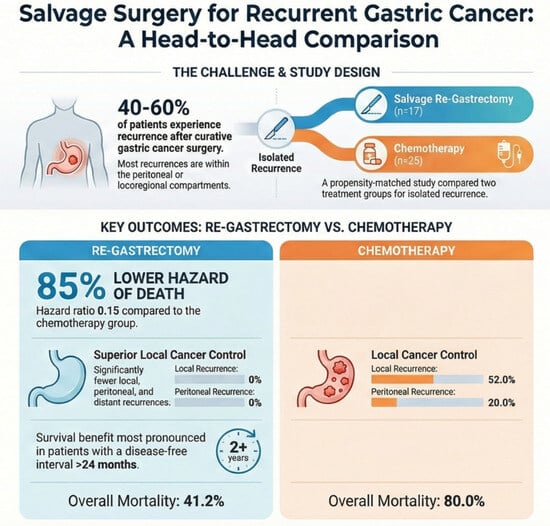
Background/Objectives: Recurrence after curative gastrectomy for gastric cancer remains common, and treatment options are limited. In selected patients with isolated locoregional relapse, salvage re-gastrectomy may provide durable disease control. This study compared outcomes of salvage re-gastrectomy and chemotherapy for isolated locoregional recurrence. Methods:
[...] Read more.
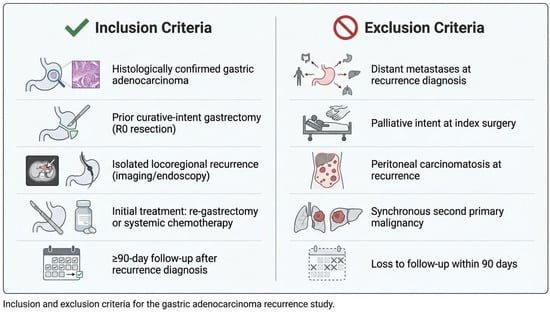
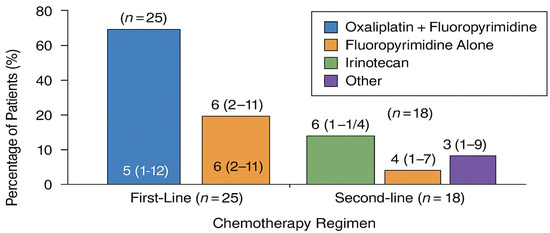
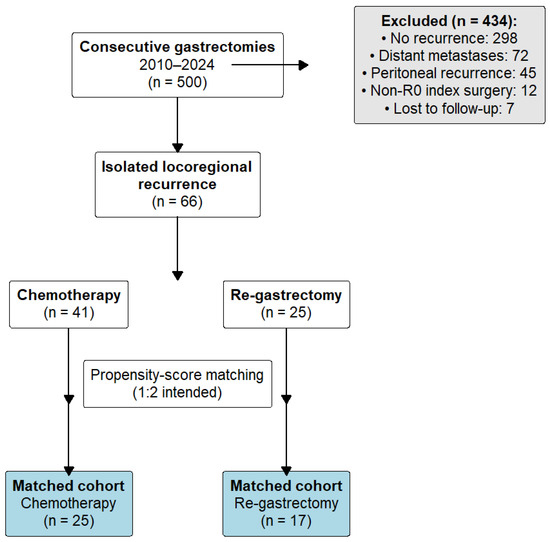
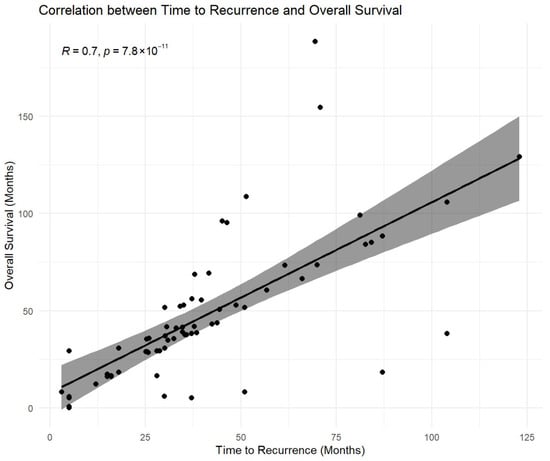
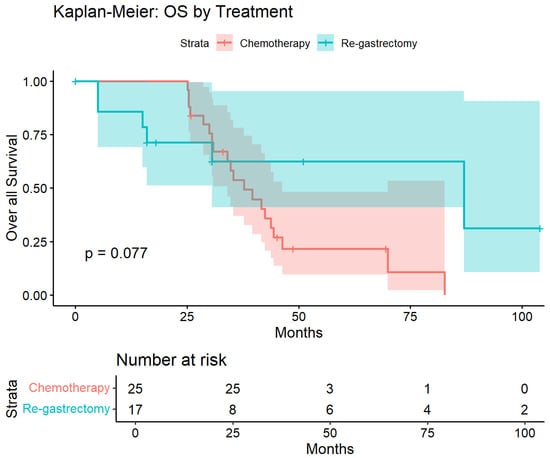
Background/Objectives: Recurrence after curative gastrectomy for gastric cancer remains common, and treatment options are limited. In selected patients with isolated locoregional relapse, salvage re-gastrectomy may provide durable disease control. This study compared outcomes of salvage re-gastrectomy and chemotherapy for isolated locoregional recurrence. Methods: We reviewed 500 consecutive gastrectomies performed between 2010 and 2024. In total, 66 patients (12.8%) developed isolated locoregional recurrence after previous R0 resection: 25 underwent salvage re-gastrectomy, and 41 received chemotherapy. Propensity-score matching (intended 1:2) was used to balance clinical and pathologic variables, yielding 42 patients (17 surgery, 25 chemotherapy). The primary endpoint was overall survival (OS) from recurrence diagnosis; secondary endpoints included perioperative outcomes and patterns of treatment failure. Results: There were no 30-, 60-, or 90-day deaths after salvage re-gastrectomy. Overall mortality was lower in the surgical group (41.2%) compared with chemotherapy (80.0%; p = 0.010). Salvage re-gastrectomy was independently associated with better OS (HR 0.15, 95% CI 0.02–0.87, and p = 0.035). A longer disease-free interval correlated strongly with survival (ρ = 0.80 and p < 0.001). Surgical patients experienced fewer local (0% vs. 52%) and peritoneal (0% vs. 20%) recurrences. Conclusions: For carefully selected patients with late, isolated locoregional recurrence, salvage re-gastrectomy is feasible and associated with longer survival and improved local control compared with chemotherapy alone. Larger prospective studies are warranted.
Full article
Graphical abstract
Open AccessCase Report
A Novel Approach to Tracheostomal and Tracheal Stenosis: Dilatation Under Jet Ventilation with Inflated Foley Catheter—Two Cases
by
Chia-Heng Chang, Sheng-Po Hao, Daniel Erick Amparado and Chung-Yu Hao
Surg. Tech. Dev. 2026, 15(1), 5; https://doi.org/10.3390/std15010005 - 27 Jan 2026
Abstract
►▼
Show Figures
Tracheostomal stenosis is a troublesome and distressing complication in laryngectomy. There are numerous techniques that describe dilatation of tracheostoma which are mostly performed under general anesthesia with the intermittent apnea technique. We report an alternative dilatation method using a Foley catheter for laryngectomee
[...] Read more.
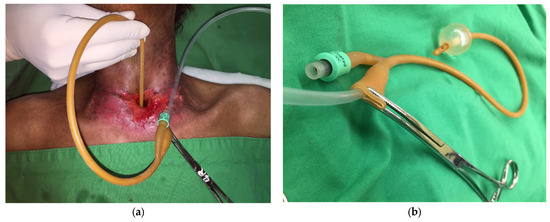
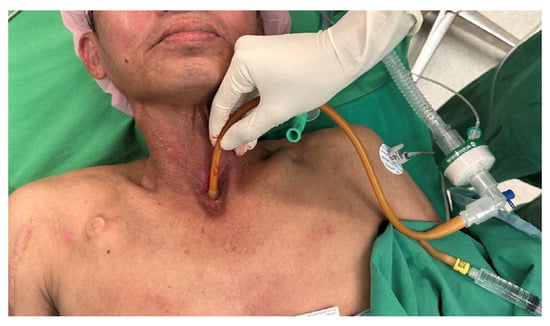
Tracheostomal stenosis is a troublesome and distressing complication in laryngectomy. There are numerous techniques that describe dilatation of tracheostoma which are mostly performed under general anesthesia with the intermittent apnea technique. We report an alternative dilatation method using a Foley catheter for laryngectomee with stomal stenosis. One case was performed under high-frequency jet ventilation and the other case was carried out with a conventional anesthesia machine. The Foley catheter is used as a conduit for ventilation and the balloon on the Foley catheter was used as a dilatator.
Full article
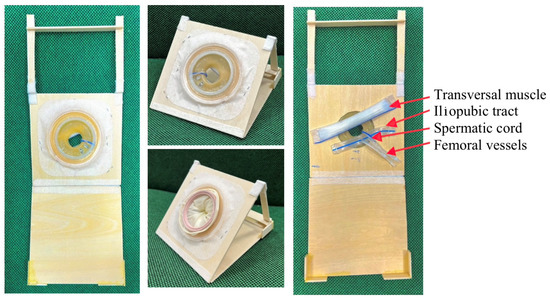
Figure 1
Open AccessArticle
Radiofrequency Ablation (RFA) with Biliary Stenting in Malignant Biliary Obstruction: Case Series from a Single-Institution
by
Tomasz Klimczak, Wojciech Ciesielski, Wiktoria Aptacy, Kinga Włudyka, Agata Grochowska, Adam Durczyński, Janusz Strzelczyk and Piotr Hogendorf
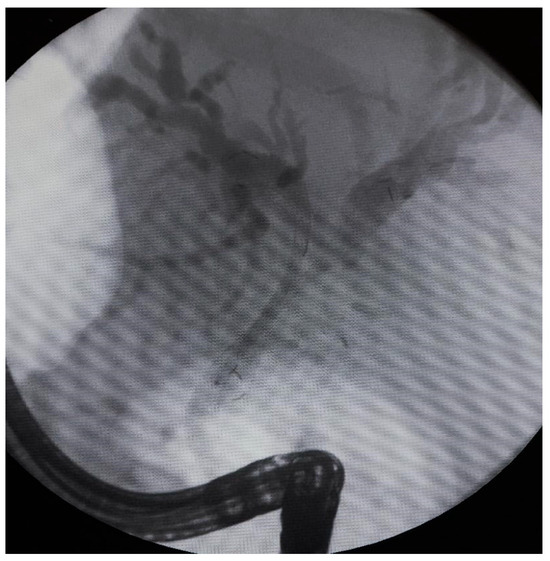
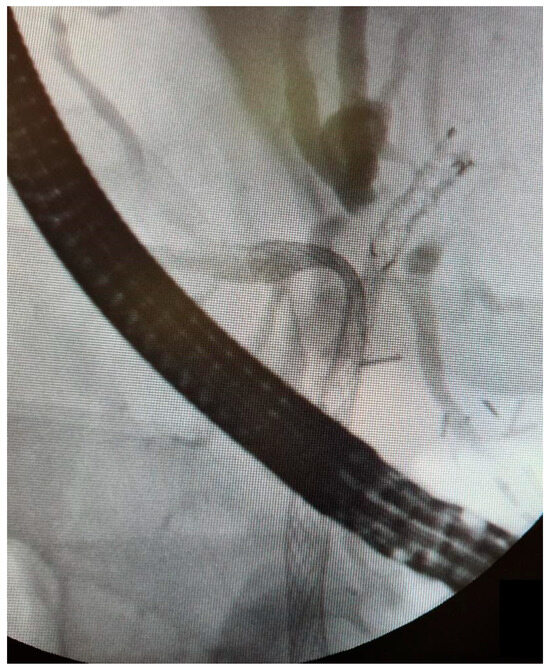
Surg. Tech. Dev. 2026, 15(1), 4; https://doi.org/10.3390/std15010004 - 8 Jan 2026
Abstract
►▼
Show Figures
Background/Objectives: Endoscopic biliary stenting is the standard palliative intervention for malignant biliary obstruction, aimed at restoring ductal patency. Radiofrequency ablation (RFA) has been introduced as an adjunct technique to improve stent durability and patient outcomes. However, the literature remains inconclusive regarding which
[...] Read more.
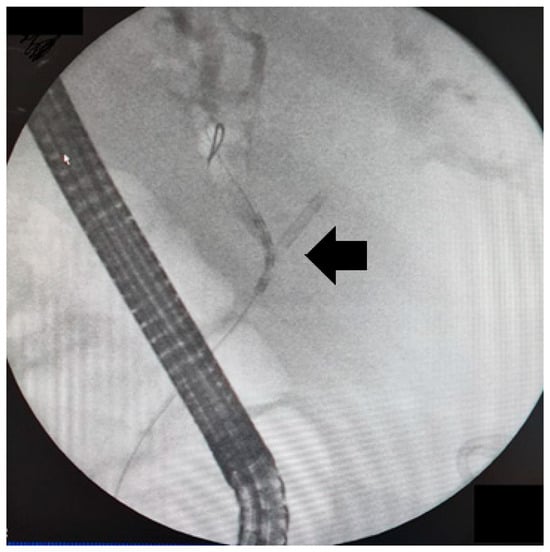
Background/Objectives: Endoscopic biliary stenting is the standard palliative intervention for malignant biliary obstruction, aimed at restoring ductal patency. Radiofrequency ablation (RFA) has been introduced as an adjunct technique to improve stent durability and patient outcomes. However, the literature remains inconclusive regarding which patients are most likely to benefit from the combination of RFA and stenting. Methods: We retrospectively described clinical outcomes of 24 patients undergoing endobiliary RFA combined with biliary stenting for malignant biliary obstruction. Post-procedural and 6-month outcomes were assessed using technical success and changes in serum bilirubin; procedure-related adverse events were extracted from available medical records. Results: Nineteen females and five males were included in the study. The most prevalent diagnoses were metastatic adenocarcinoma (n = 8) and cholangiocarcinoma (n = 6). 25% of patients did not complete the 6-month follow-up due to malignancy progression. 16 out of 18 maintained the patency of biliary stents. Repeat endoscopic intervention for suspected stent dysfunction was documented in one patient. When analyzed in an intention-to-treat manner (counting deaths before 6 months as failures), the corresponding 6-month patency/clinical success rate was 16/24 (66.7%). Conclusions: In this retrospective single-center experience, RFA combined with biliary stenting was feasible and was associated with maintained biliary drainage in a majority of patients who survived to the 6-month assessment.
Full article
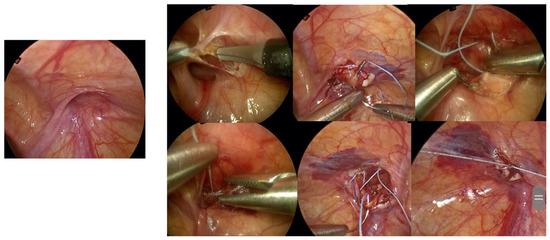
Figure 1
Open AccessReview
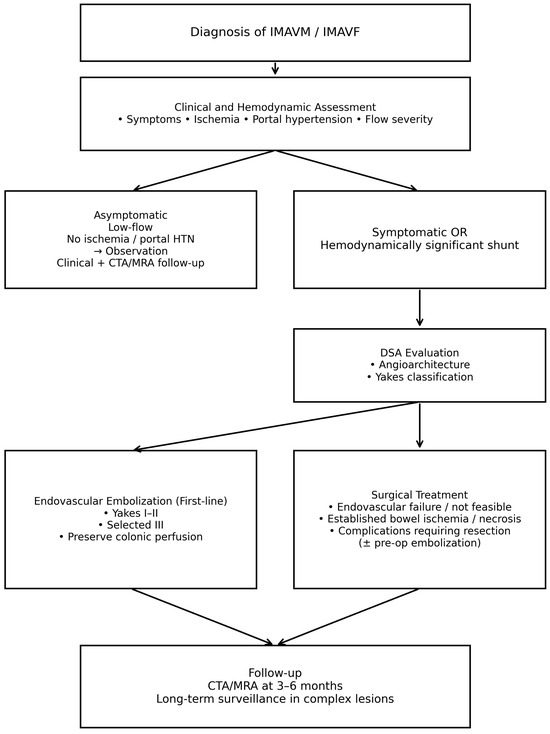
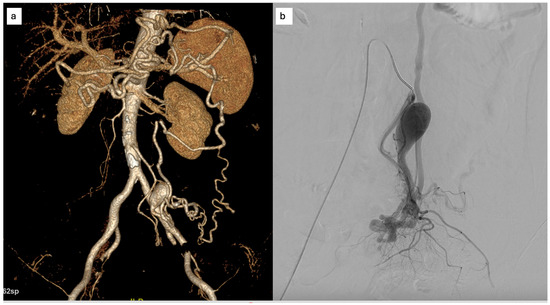
Arteriovenous Malformations and Fistulas of the Inferior Mesenteric Artery: A Comprehensive Literature Review and Clinical Experience
by
Federica Ruggiero, Pasqualino Sirignano, Michele Rossi, Edoardo Ronconi and Francesco Stillo
Surg. Tech. Dev. 2026, 15(1), 3; https://doi.org/10.3390/std15010003 - 7 Jan 2026
Abstract
►▼
Show Figures
Background: inferior mesenteric arteriovenous malformations and fistulas (IMAVMs/IMAVFs) are rare but clinically significant vascular anomalies characterized by abnormal communications between arterial and venous systems, leading to major hemodynamic disturbances. These lesions may be silent or cause disabling and difficult-to-diagnose symptoms such as colonic
[...] Read more.
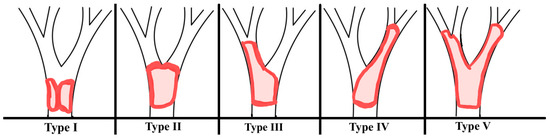
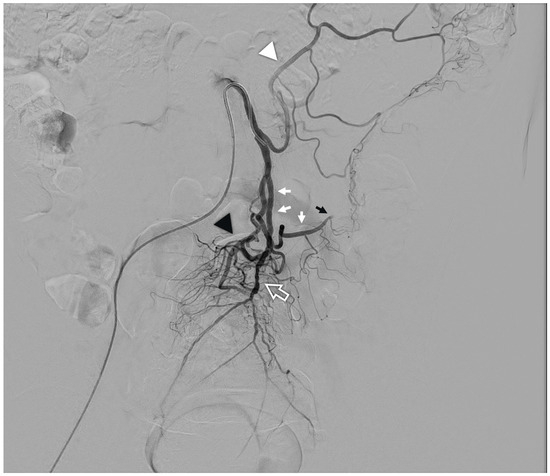
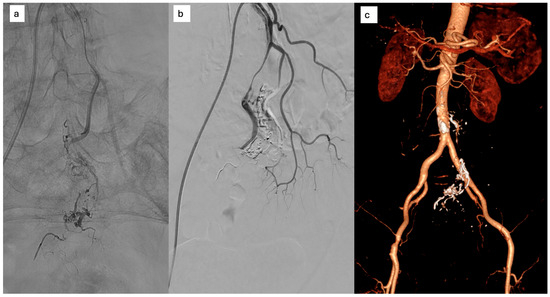
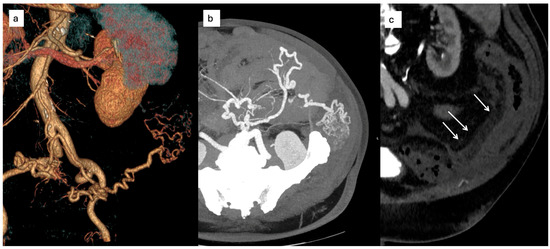
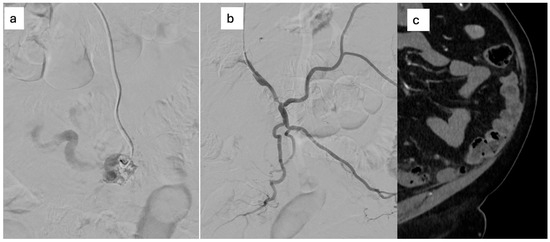
Background: inferior mesenteric arteriovenous malformations and fistulas (IMAVMs/IMAVFs) are rare but clinically significant vascular anomalies characterized by abnormal communications between arterial and venous systems, leading to major hemodynamic disturbances. These lesions may be silent or cause disabling and difficult-to-diagnose symptoms such as colonic ischemia, portal hypertension, or even high-output cardiomyopathy. Methods: this narrative review aims to summarize current evidence on the pathophysiology, clinical features, diagnostic methods, and therapeutic management of these rare pathologies, supported by two our clinical cases. Conclusions: due to their rarity, multidisciplinary management and anatomical guided therapy are required for safe and lasting outcomes in patients with IMAVMs and IMAVFs.
Full article
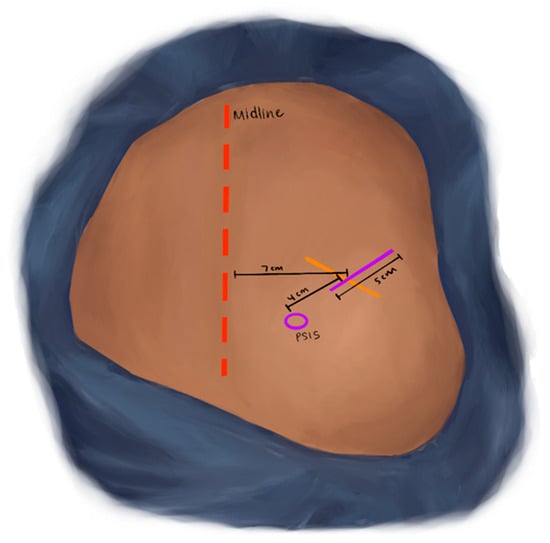
Figure 1
Open AccessArticle
Monitoring Vital Parameters Enhanced by Wireless Devices Related to Bariatric Surgery (MOVIES-Trial)
by
Jai Scheerhoorn, Max Herman Funnekotter, Friso Schonck, R. Arthur Bouwman and Simon W. Nienhuijs
Surg. Tech. Dev. 2026, 15(1), 2; https://doi.org/10.3390/std15010002 - 3 Jan 2026
Abstract
►▼
Show Figures
Background: Obesity and its accompanying complications have an influence on diurnal rhythm, potentially causing cardiometabolic disease. This study explores how weight loss due to bariatric surgery affects circadian rhythm disruptions measurable through wearable heart rate monitors. Methods: A single-center observational study was performed,
[...] Read more.
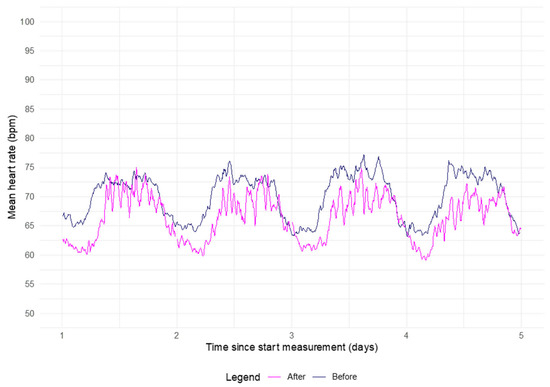
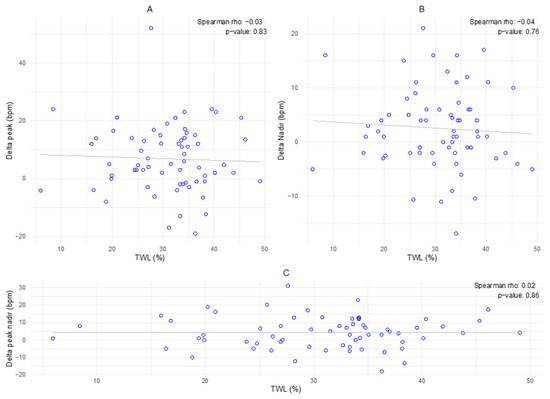
Background: Obesity and its accompanying complications have an influence on diurnal rhythm, potentially causing cardiometabolic disease. This study explores how weight loss due to bariatric surgery affects circadian rhythm disruptions measurable through wearable heart rate monitors. Methods: A single-center observational study was performed, in which patients who had undergone primary bariatric surgery 3 years ago with telemonitoring of vital parameters using a wireless accelerometer were eligible to participate. A Wilcoxon signed-rank test was conducted to evaluate the delta of, or amount of change in, circadian patterns between the baseline (before) and post-weight-loss peak, nadir, and peak–nadir heart rates. Results: In this cohort of 69 patients, 70% were female, with a median total weight loss of 31.4% towards a median BMI of 28.4 kg/m2. Analysis revealed significant changes in peak–nadir excursions post-weight loss. Peak, nadir, and peak–nadir differences showed a significant reduction in values in the post-weight-loss group. No significant correlations between other clinical endpoints and change in peak–nadir excursion were found in the multivariable regression models. Conclusions: In conclusion, this study reveals significant changes in circadian heart rate patterns before and after weight loss due to metabolic surgery. The results could add to the health benefits of bariatric surgery, as it could lower the incidence of diseases associated with changes in diurnal rhythm due to obesity. However, a clear clinical explanation is lacking, as no correlation with total weight loss nor other variables was substantiated.
Full article
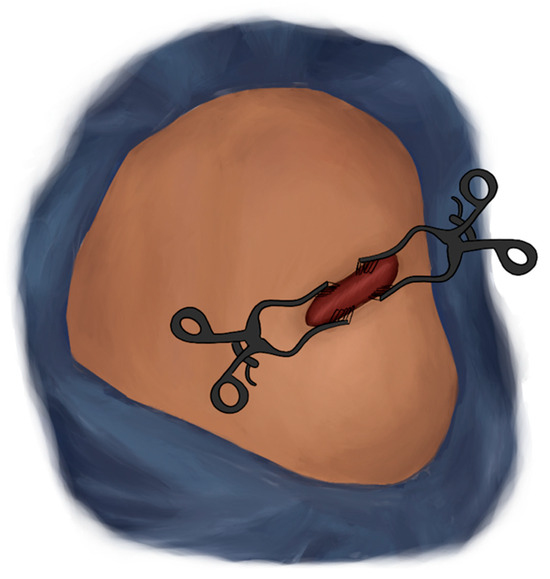
Figure 1
Open AccessCase Report
Role of Patient-Specific 3D-Printed Models for Complex Pediatric Craniocervical Junction Surgery: Case Description and Systematic Literature Review
by
David S. K. Mak, Yu Tung Lo, Mark B. W. Tan, Dinesh S. Kumar and Sharon Y. Y. Low
Surg. Tech. Dev. 2026, 15(1), 1; https://doi.org/10.3390/std15010001 - 30 Dec 2025
Abstract
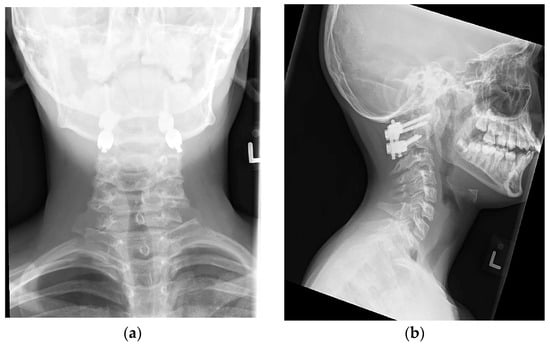
Background: Pediatric craniocervical junction (CCJ) anomalies consist of a unique subset of anatomically complex spine conditions. The aims of intervention are to achieve long-term stability, correct existing deformity, and prevent neurological compromise. However, surgery is challenging due to critical neurovascular and musculoskeletal structures
[...] Read more.
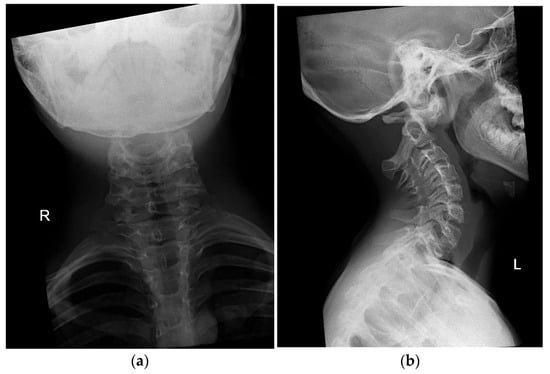
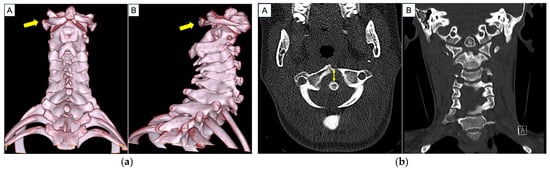
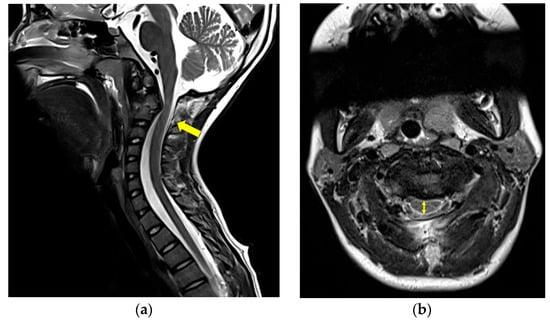
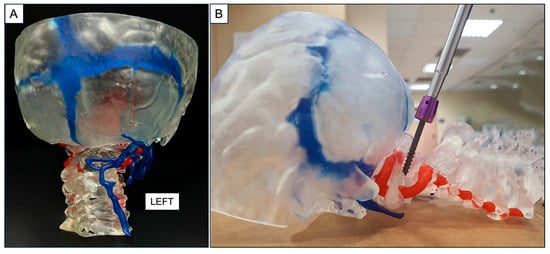
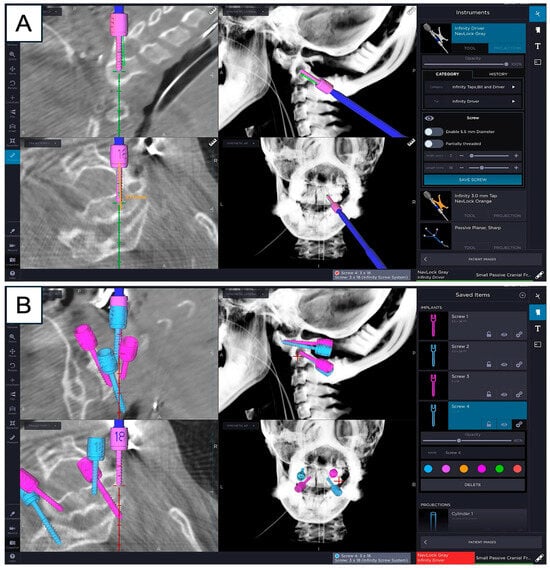
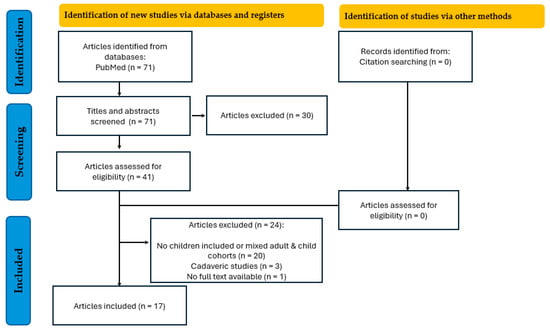
Background: Pediatric craniocervical junction (CCJ) anomalies consist of a unique subset of anatomically complex spine conditions. The aims of intervention are to achieve long-term stability, correct existing deformity, and prevent neurological compromise. However, surgery is challenging due to critical neurovascular and musculoskeletal structures in the limited operative space of a young child. Recently, the use of three-dimensional (3D) printed models has been demonstrated to be valuable neurosurgical adjuncts. We therein report the application of a 3D-printed model for a pediatric case with a complex CCJ condition. A systematic review of the related literature is concurrently performed. Case description: A 10-year-old male presented with torticollis associated with neck pain and progressive thoracic kyphosis. Neuroimaging reported an unfused os odontoideum inferior to the basion and anterior half of the C2 vertebral body and anteriorly angulated with the C1 anterior arch. Of note, there was a large vertebral vein coursing over the left C2 lamina that was predominantly draining into the CCJ venous plexus. A radiologically derived 3D model of the patient’s CCJ was printed and used for pre-operative planning, multi-disciplinary team discussion, and detailed counseling with the patient and caregivers. The patient underwent an uneventful C1–C2 posterior screw fixation and has recovered well since. Separately, we observed there is a paucity of publications specific to this topic. Conclusions: As demonstrated, a custom-made 3D model was useful for clinicians work through technical difficulties and improve the perioperative discussion process in an otherwise difficult case.
Full article
(This article belongs to the Special Issue Contemporary Surgical Strategies, Advanced Imaging, and Intelligent Technologies in Head and Neck Surgery)
►▼
Show Figures

Figure 1
Open AccessArticle
Island Pedicle Flaps as a Suitable Method of Treatment in the Defects of the Non-Weight-Bearing Part of the Heel
by
Radu Dan Necula, Bogdan-Radu Necula, Radu Vaidahazan, Claudiu Gabriel Coraiu, Adrian Burnariu and Florin Lucian Sabou
Surg. Tech. Dev. 2025, 14(4), 44; https://doi.org/10.3390/std14040044 - 16 Dec 2025
Abstract
►▼
Show Figures
Background: Covering the defects around the calcaneus is still a largely debatable subject. In the classical view, the defects at the level of the foot can be treated only by a free flap. In a modern approach, it has been observed that
[...] Read more.
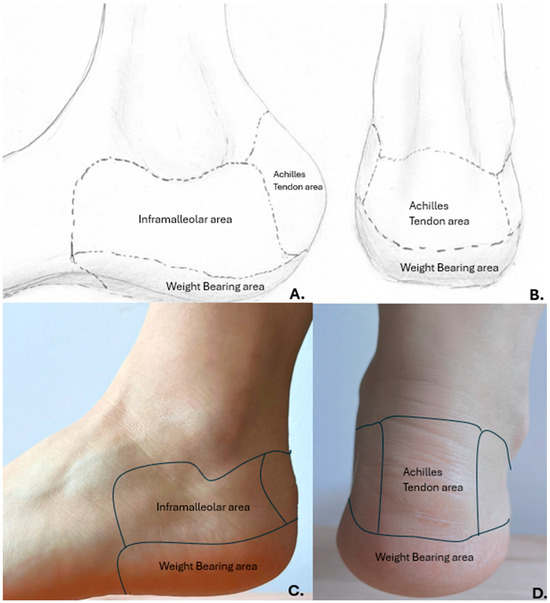
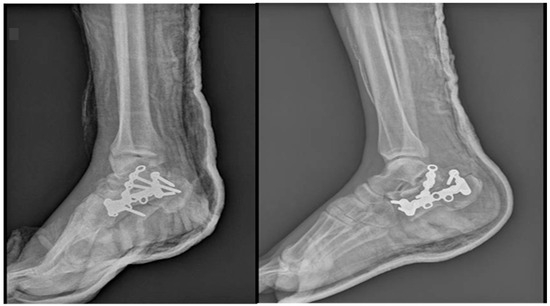
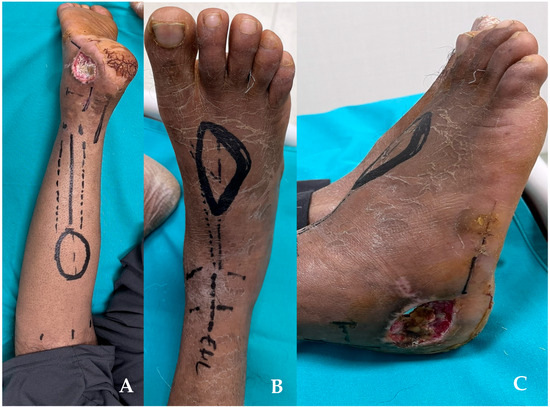
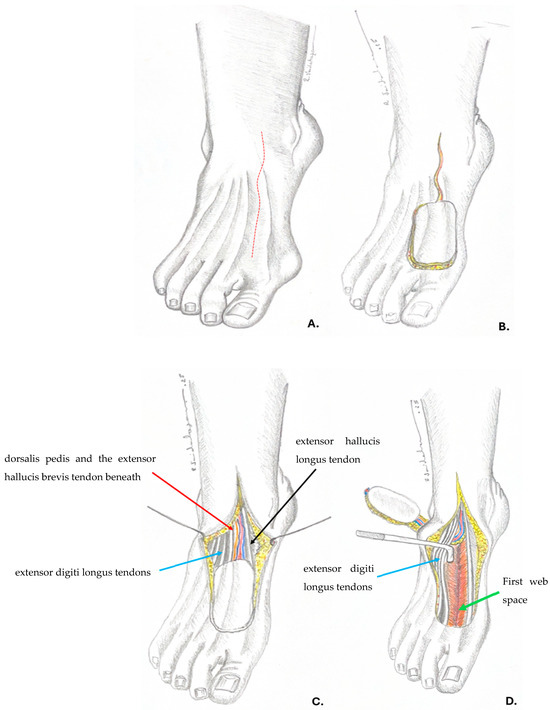
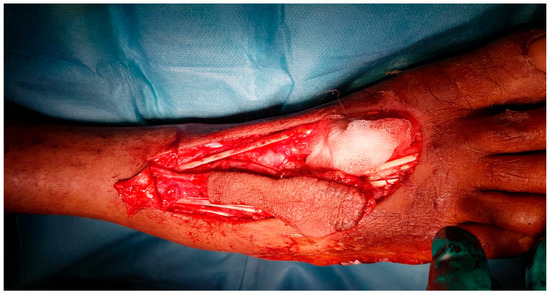
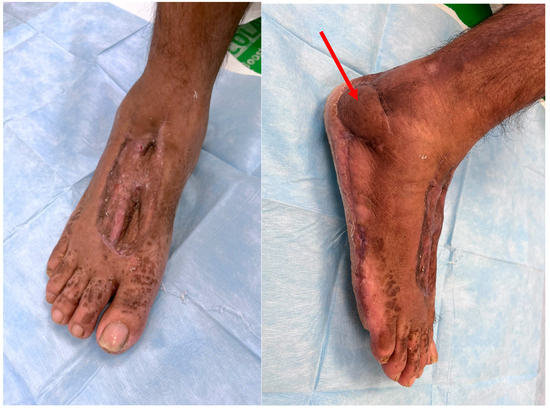
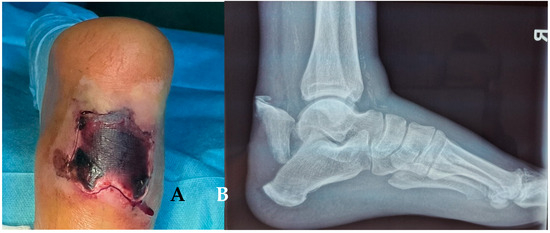
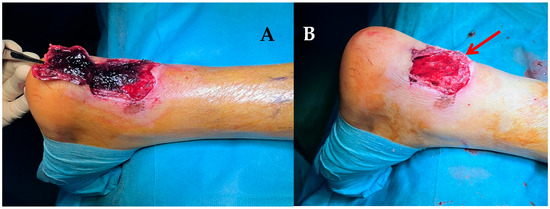
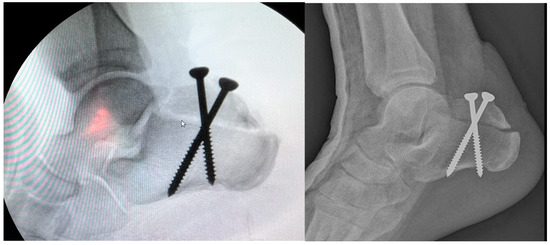
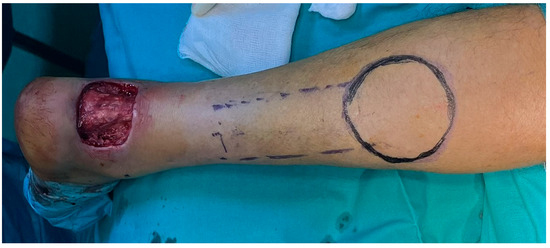
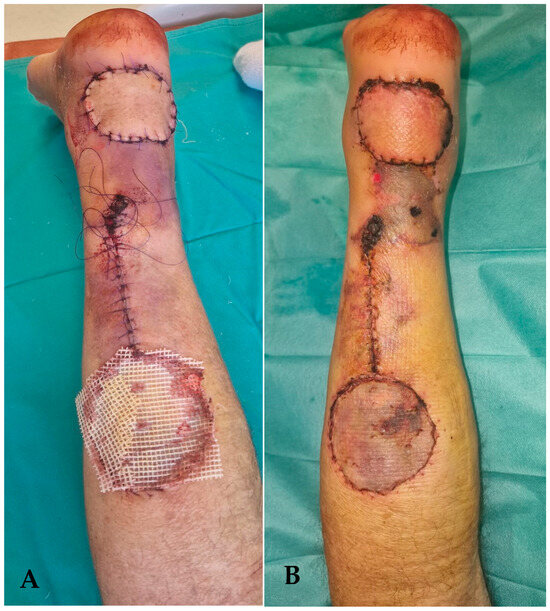
Background: Covering the defects around the calcaneus is still a largely debatable subject. In the classical view, the defects at the level of the foot can be treated only by a free flap. In a modern approach, it has been observed that for small or moderate foot defects, a local flap can be used. Methodology: In this case series, we have retrospectively selected the patients who were admitted to the orthopedic department for a calcaneal fracture and who presented soft-tissue complications during the treatment. The patients have been selected from the past five years if they have undergone reconstructive surgery with a local or regional flap. Results: By applying the inclusion and exclusion criteria, we found that out of 79 patients who have been admitted to the orthopedic department, only two patients met the criteria. Two flaps have been used to treat the defects that developed at the level of the calcaneus after traumatic injury of the foot. The reverse-flow sural flap, as a tunneled flap, had a good evolution, without vascular suffering of the flap. On the other hand, for defects at the medial level of the calcaneus, we have used the dorsalis pedis flap. The healing was fast, and the patient presented no complications at the level of the donor site. Conclusions: Both flaps presented a good evolution. We try to emphasize through this article that soft tissue defects around the non-weight-bearing area of the heel can also be treated through a non-microsurgical option. These two options can help the ortho-plastic team to manage difficult cases by avoiding a free flap or a split-thickness skin graft.
Full article
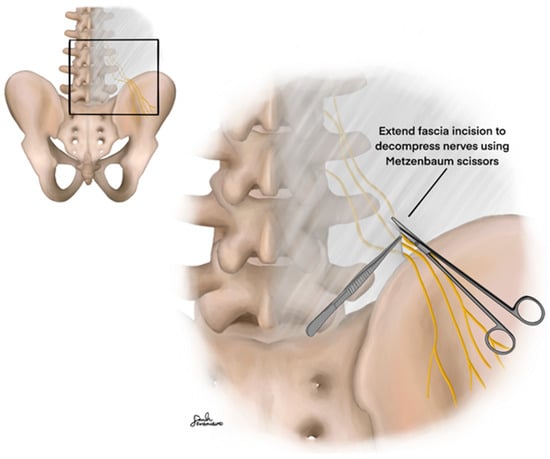
Figure 1
Open AccessArticle
Tractionless Arthroscopic Treatment of Suspected Hip Septic Arthritis in Adults: A Single-Center Retrospective Case Series with Minimum One-Year Follow-Up
by
Nadav Graif, Ran Atzmon, Aimee Steen, Shai Factor, Samuel Belmont, Michal Dekel, Ehud Rath and Eyal Amar
Surg. Tech. Dev. 2025, 14(4), 43; https://doi.org/10.3390/std14040043 - 4 Dec 2025
Abstract
►▼
Show Figures
Background: Septic arthritis of the hip (SAH) requires emergent surgical intervention. While open arthrotomy has been the traditional approach, arthroscopic treatment is emerging as an effective alternative. Tractionless techniques in adult populations remain understudied. Methods: Twenty-one patients (22 hips) met inclusion criteria. Six
[...] Read more.
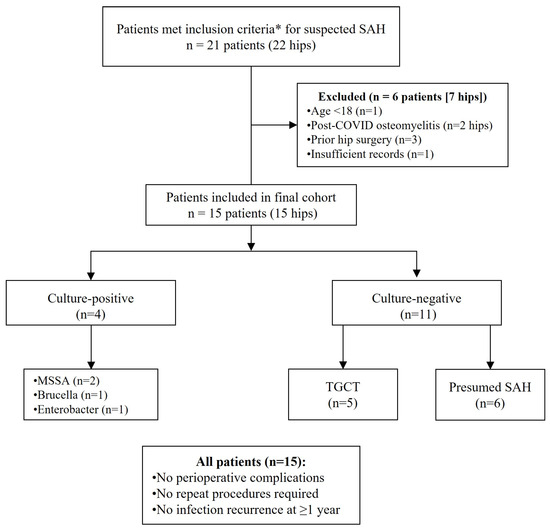
Background: Septic arthritis of the hip (SAH) requires emergent surgical intervention. While open arthrotomy has been the traditional approach, arthroscopic treatment is emerging as an effective alternative. Tractionless techniques in adult populations remain understudied. Methods: Twenty-one patients (22 hips) met inclusion criteria. Six patients (7 hips) were excluded for age < 18 years, post-COVID osteomyelitis, prior hip surgery, or insufficient records, resulting in a final cohort of 15 patients. All fifteen patients underwent tractionless arthroscopic irrigation and debridement for suspected SAH (2014–2023). Inclusion required ≥2 clinical criteria (hip pain, limited range of motion, inability to bear weight, fever > 38 °C) AND ≥ 1 laboratory criterion (leukocytosis, elevated CRP, synovial WBC > 50,000, positive culture). Primary outcomes included Visual Analog Scale pain scores, inflammatory markers, and complications. Results: Median age was 33 years (range 20–76); 60% were female. VAS scores improved from 7 (6–10) to 1 (0–3) at discharge (p < 0.001). CRP levels decreased from 115 mg/L (35–206) to <5 mg/L (<5–9) postoperatively (p < 0.001). Positive cultures were obtained in 26.7% of cases, predominantly methicillin-sensitive Staphylococcus aureus. No perioperative complications occurred. Histopathological analysis revealed tenosynovial giant cell tumor (TGCT) in 33.3% of cases, representing an important differential diagnosis. Among non-TGCT cases, the culture-positive rate was 40%. No infection recurrence was observed during a minimum one-year follow-up. Conclusions: Tractionless arthroscopic irrigation and debridement appears effective for managing suspected SAH in adults, achieving significant improvements in pain scores and inflammatory markers without perioperative complications. This technique offers potential advantages by eliminating traction-related risks while maintaining effective joint debridement. Additionally, TGCT should be considered in the differential diagnosis of suspected SAH with culture-negative inflammatory arthropathy.
Full article
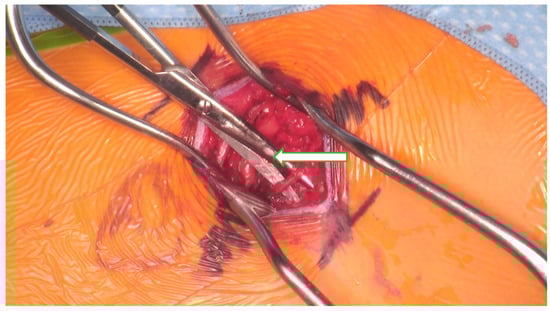
Figure 1
Open AccessArticle
Preservation Concept of Nerve Length During Limb Amputation to Enable Neural Prosthesis Integration: Experimental Validation on the Rat Sciatic Nerve Model
by
Sorin Lazarescu, Mark-Edward Pogarasteanu, Walid Bahaa-Eddin, Bianca Mihaela Boga, Marius Razvan Ristea, Larisa Diana Ancuta, Cristin Coman, Dana Galieta Minca, Robert Daniel Dobrotă and Marius Moga
Surg. Tech. Dev. 2025, 14(4), 42; https://doi.org/10.3390/std14040042 - 4 Dec 2025
Abstract
►▼
Show Figures
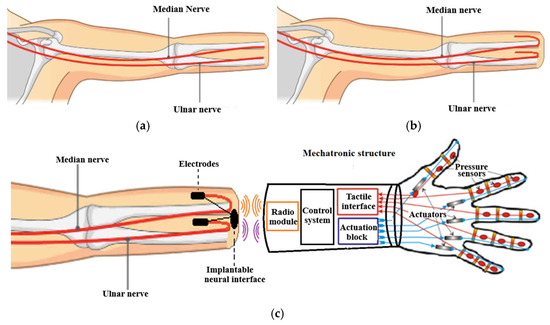
Background/Objectives: This article brings forward a novel methodology for the intra-op approach of forearm amputation stumps to facilitate their subsequent wireless connection to a neural prosthesis. A neural prosthesis offers the amputee more motor functions compared to myoelectric prostheses, but the neural
[...] Read more.
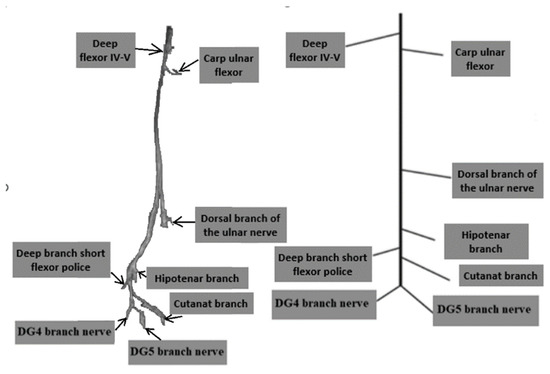
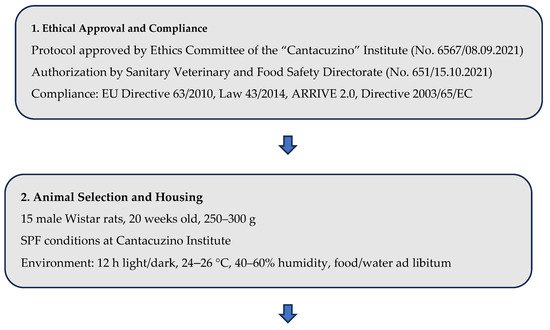
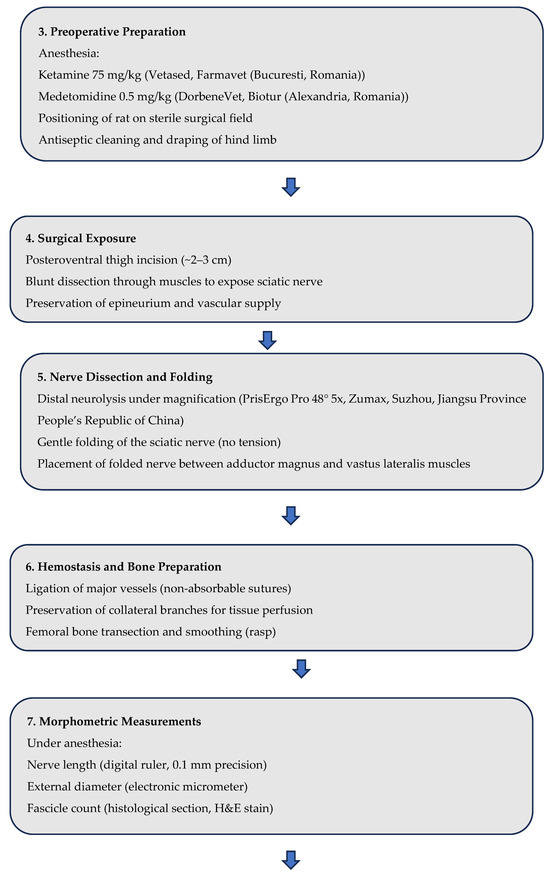
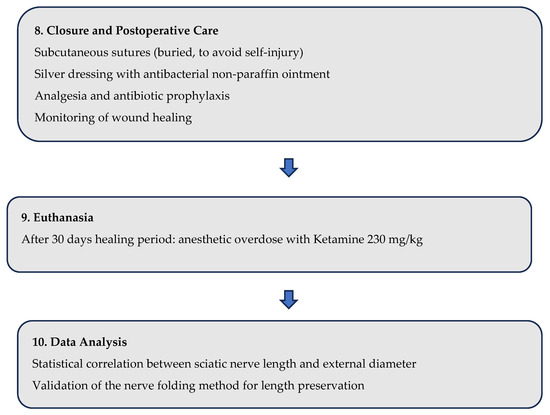
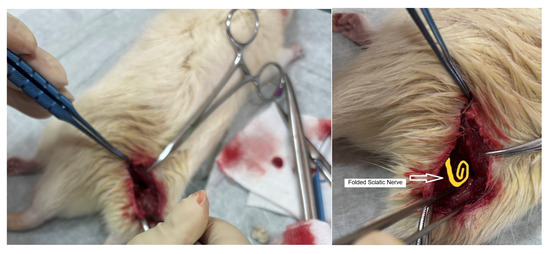
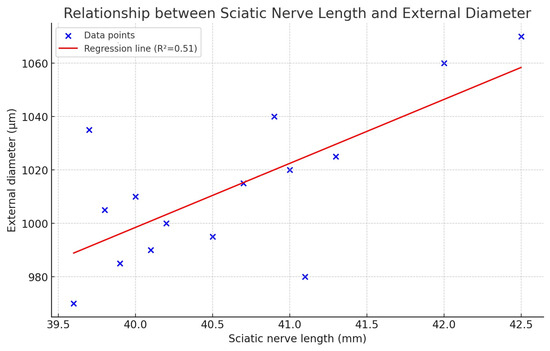
Background/Objectives: This article brings forward a novel methodology for the intra-op approach of forearm amputation stumps to facilitate their subsequent wireless connection to a neural prosthesis. A neural prosthesis offers the amputee more motor functions compared to myoelectric prostheses, but the neural prosthesis must be connected to the patient’s stump nerves. Methods: An experimental animal study was conducted on 15 Wistar rats. Under anesthesia, the sciatic nerve was carefully dissected and preserved using a folding technique to maintain maximum length without tension. Nerves were repositioned with consideration for future use with biocompatible conduits. Morphometric measurements (nerve length, external diameter, fascicle count) were performed, followed by statistical analysis of length–diameter correlations. Results: The techniques show that the length of the nerves in the amputation stump can be preserved and integrated into the muscle masses with appropriate methods and biomaterials, which ensures the transmission of motor impulses to control the movements of a prosthesis. Fibrosis and mechanical injury have a lower risk of occurring with the nerves protected in the muscle mass. Through statistical analysis we find that sciatic nerve length and diameter have a positive correlation (r = 0.71, p = 0.003), supporting anatomic plausibility for human extrapolation of results. Conclusions: The amputation technique preserves much of the nerve length and viability and is simple to perform. Neural electrode implantation can be facilitated by folding the nerve within a large muscle mass and using biomaterial conduits. Better rehabilitation of the patient may occur with the use of a prosthesis equipped with more functions and superior control.
Full article
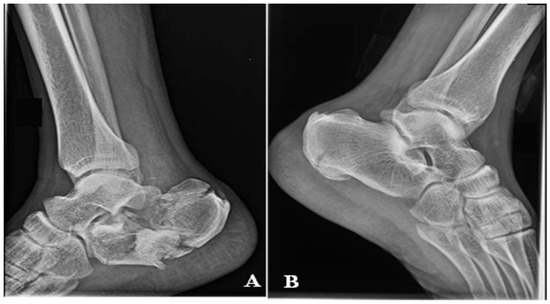
Figure 1
Highly Accessed Articles
Latest Books
E-Mail Alert
News
Topics
Special Issues
Special Issue in
Surgical Techniques Development
Endoscopic Surgery in Gastroenterology
Guest Editors: Florin Achim, Dragos Predescu, Cristian RosianuDeadline: 31 August 2026
Special Issue in
Surgical Techniques Development
Restoring Health Through Laparoscopic Bariatric Surgery
Guest Editors: Ida Francesca Gallo, Pierpaolo GallucciDeadline: 25 November 2026
Special Issue in
Surgical Techniques Development
Facial Plastic and Reconstructive Surgery: Aesthetics and Innovations
Guest Editors: Raphael Carloni, Nathalie Kerfant, Silvia GandolfiDeadline: 25 December 2026
Special Issue in
Surgical Techniques Development
Cardiothoracic Surgery: Today’s Practice, Tomorrow’s Innovations
Guest Editors: John A. Treffalls, Phillip G. Rowse, Zachary BrennanDeadline: 25 December 2026