



-
Development of Equations to Predict Percentage Empty Body and Carcass Chemical Composition Adjusted for Breed Type and Sex in Growing/Finishing Cattle -
Comparison of Univariate and Multivariate Applications of GBLUP and Artificial Neural Network for Genomic Prediction of Growth and Carcass Traits in the Brangus Heifer Population -
Effects of Replacing Soybean Meal with Cashew Nut Roasting Residue on Feed Intake, Nutrient Digestibility, Rumen Fermentation, Blood Metabolites, and Economic Efficiency in Lactating Goats -
Performance of F1 Holstein × Gyr heifers and Productivity of Marandu grass Pasture Overseeded with Winter Forage During the Dry-Wet Transition Period
Journal Description
Ruminants
Ruminants
is an international, peer-reviewed, open access journal on ruminants, including cattle, all domesticated and wild bovines, goats, sheep, giraffes, deer, gazelles, and antelopes, published quarterly online by MDPI.
- Open Access— free for readers, with article processing charges (APC) paid by authors or their institutions.
- High Visibility: indexed within ESCI (Web of Science), Scopus, EBSCO, and other databases.
- Journal Rank: JCR - Q2 (Agriculture, Dairy and Animal Science) / CiteScore - Q2 (Animal Science and Zoology)
- Rapid Publication: manuscripts are peer-reviewed and a first decision is provided to authors approximately 18.8 days after submission; acceptance to publication is undertaken in 3.9 days (median values for papers published in this journal in the first half of 2026).
- Recognition of Reviewers: Reviewers whose reports are timely and of high quality receive an APC discount voucher for a future publication in an MDPI journal. Become a reviewer.
- Ruminants is a companion journal of Animals.
- Journal Cluster of Animal Science: Animals, Arthropoda, Birds, Dairy, Insects, Journal of Zoological and Botanical Gardens, Pets, Poultry, Ruminants and Veterinary Sciences.
Impact Factor:
2.0 (2025);
5-Year Impact Factor:
2.1 (2025)
Latest Articles
Exploratory Characterization of the Rumen DNA Viral Fraction in Hu Sheep with Diet-Induced Contrasting In Vitro Methane Production
Ruminants 2026, 6(3), 79; https://doi.org/10.3390/ruminants6030079 - 11 Sep 2026
Abstract
►
Show Figures
Rumen viruses may influence methane-related fermentation indirectly by altering microbial populations that produce or consume hydrogen, formate, and methylated substrates, but evidence in sheep remains limited. The objective of this exploratory study was to determine whether the viral component recovered from bulk rumen
[...] Read more.
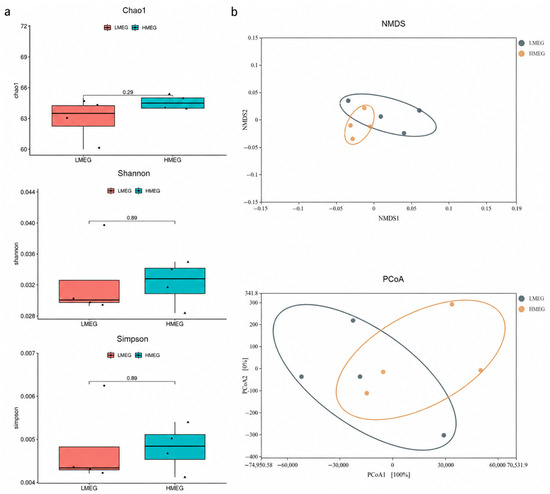
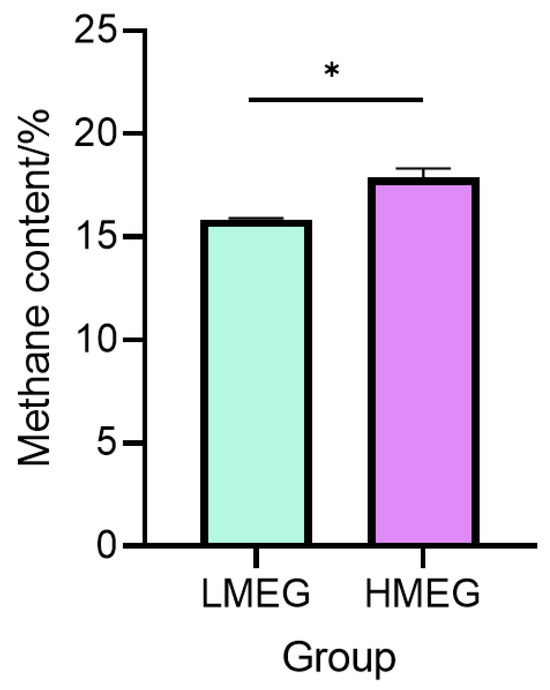
Rumen viruses may influence methane-related fermentation indirectly by altering microbial populations that produce or consume hydrogen, formate, and methylated substrates, but evidence in sheep remains limited. The objective of this exploratory study was to determine whether the viral component recovered from bulk rumen metagenomes was associated with diet-induced differences in in vitro methane production through variation in viral community structure, predicted host associations, or metabolic functions. Forty-eight Hu rams were assigned to two dietary treatments with four pen replicates per treatment; one animal per pen was sampled, yielding eight rumen-fluid samples for 12 h in vitro methane determination and metagenomic sequencing. We characterized the viral component recovered bioinformatically from bulk rumen metagenomes. Phage-derived sequences predominated in both the low-methane (LMEG; 80.72%) and high-methane (HMEG; 79.95%) groups, with Uroviricota and Caudoviricetes as the dominant lineages. Global diversity, predicted-host composition, and KEGG and UniProtKB/ViralZone profiles did not show statistically supported group separation; however, two putative genus-level labels, Pakpunavirus and Fromanvirus, were enriched in LMEG after the reported false-discovery-rate correction. More than 99% of CHERRY host assignments were bacterial, and the conservative PHP–CHERRY consensus set was dominated by Bacillota and Bacteroidota. No methanogen-associated viral contig received concordant genus-level support. HMEG showed numerical increases in mtd, cofF, and fdhA, but none remained significant after correction, and canonical methyl-coenzyme M reductase genes were not detected. These findings identify candidate diet-associated viral signals consistent with a possible indirect virus–bacteria–fermentation relationship, but they do not establish a causal role of rumen viruses in methane production or identify phages for direct methane mitigation. Further studies with larger sample sizes, direct virus–host validation, and measurements of rumen fermentation and animal performance are required before potential methane-mitigation applications can be considered.
Full article
Open AccessArticle
Metabolizable Energy Requirements for Maintenance and Efficiency of Energy Utilization in Azawak Bulls Using Indirect Calorimetry
by
Alassan Seidou Assani, Yaya Idrissou, Mirabelle Jésugnon Houngbedji, Hilaire Sanni Worogo and Ibrahim Alkoiret Traoré
Ruminants 2026, 6(3), 78; https://doi.org/10.3390/ruminants6030078 - 11 Sep 2026
Abstract
►▼
Show Figures
Accurate estimates of maintenance energy requirements are essential for precision feeding, yet breed-specific values remain scarce for Azawak cattle. This study quantified net energy for maintenance (NEm), metabolizable energy for maintenance (MEm), and the efficiency of metabolizable energy use
[...] Read more.
Accurate estimates of maintenance energy requirements are essential for precision feeding, yet breed-specific values remain scarce for Azawak cattle. This study quantified net energy for maintenance (NEm), metabolizable energy for maintenance (MEm), and the efficiency of metabolizable energy use for maintenance (km) in Azawak bulls. Nine bulls were evaluated in a replicated 3 × 3 Latin-square design and assigned to three graded metabolizable energy supply levels, designated low, intermediate, and high. The feeding levels were established by varying daily feed allowance while maintaining the same basal forage-based ration. Indirect calorimetry was performed using the GreenFeed system to quantify respiratory gas exchange, urinary nitrogen was determined, and heat production was calculated according to Brouwer’s equation. Increasing energy supply significantly (p < 0.05) enhanced oxygen consumption, carbon dioxide and methane production, urinary nitrogen excretion, and heat production. The heat production (HP) and metabolisable energy intake (MEI) relationship was analysed using a linear mixed-effects model, with bull included as a random effect to account for repeated measurements. The resulting population-level relationship was ln(HP) = −1.1246 + 0.8985 × MEI. The estimated intercept was −1.1246 ± 0.0536 (95% CI: −1.2297 to −1.0195), whereas the MEI slope was 0.8985 ± 0.0850 (95% CI: 0.7320 to 1.0651; p < 0.001). Back-transformation of the intercept yielded an NEm of 0.325 MJ/kg BW0.75/day (95% CI: 0.292–0.361), whereas MEm, estimated at the point where predicted heat production equalled metabolizable energy intake, was 0.517 MJ/kg BW0.75/day (95% CI: 0.467–0.576). The corresponding km was 0.629 (95% CI: 0.566–0.688), indicating that 62.9% of metabolizable energy supplied at maintenance was converted into net energy. These results provide the first breed-specific maintenance energy coefficients for Azawak bulls and offer a robust basis for improving ration formulation, energy-use efficiency, and feeding precision in this important indigenous cattle breed.
Full article

Figure 1

Open AccessSystematic Review
A Bibliometric Analysis of Research on Moringa oleifera in Sheep and Goat Production Systems in the Scopus and Web of Science Databases (2000–2025)
by
Gustavo Daniel Vega-Britez, Tatiane Fernandes, Bianca Bruna Nascimento Ribeiro, Ana Beatriz dos Santos, Nicolly da Silva Araujo, Rodrigo Andreo Santos, Núbia Michelle Vieira da Silva, Elenice Souza dos Reis Goes and Fernando Miranda de Vargas Junior
Ruminants 2026, 6(3), 77; https://doi.org/10.3390/ruminants6030077 - 3 Sep 2026
Abstract
►▼
Show Figures
The multifunctionality of Moringa oleifera is widely recognized; however, its application in small ruminant production remains limited. This study aimed to analyze research trends, scientific structures, and knowledge gaps related to the use of Moringa oleifera in sheep and goat production through a
[...] Read more.
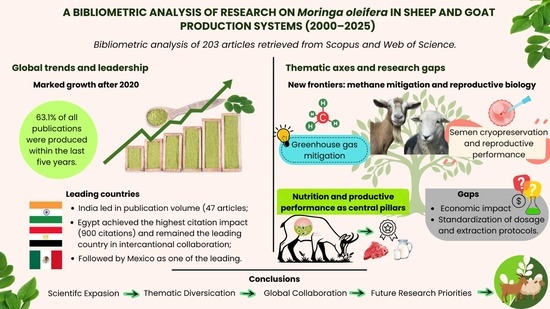
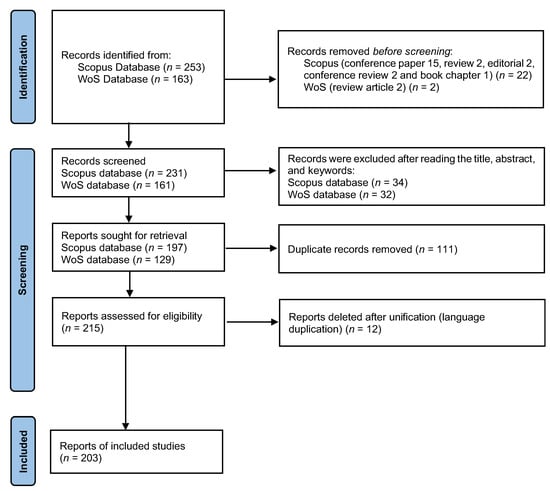
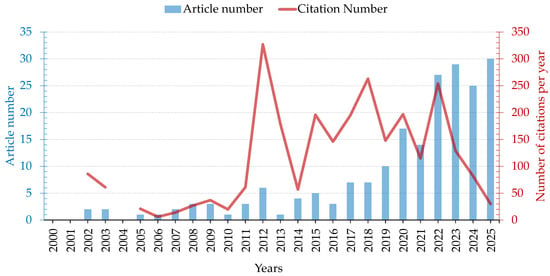
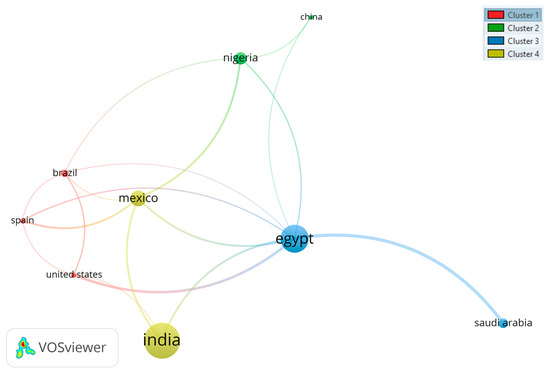
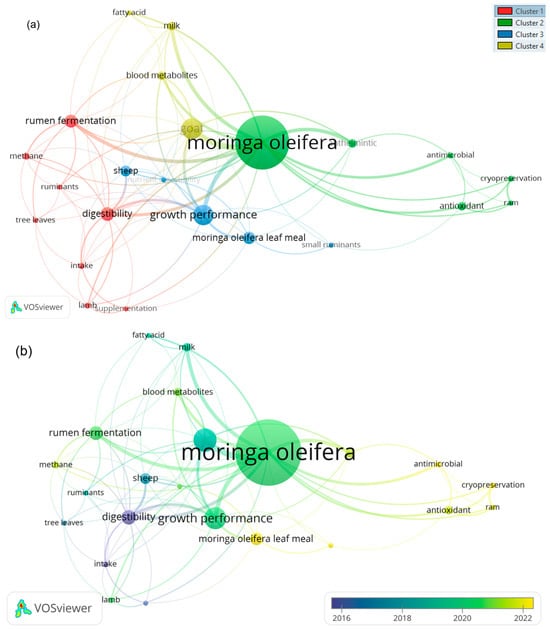
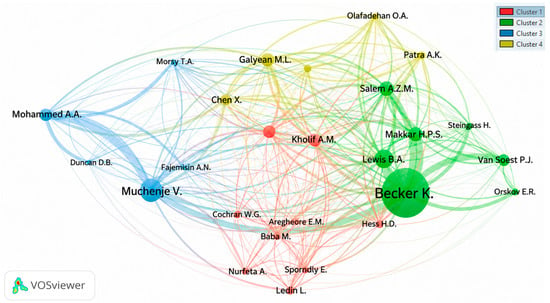
The multifunctionality of Moringa oleifera is widely recognized; however, its application in small ruminant production remains limited. This study aimed to analyze research trends, scientific structures, and knowledge gaps related to the use of Moringa oleifera in sheep and goat production through a bibliometric approach. A total of 203 articles published between 2002 and 2025 were retrieved from the Scopus and Web of Science databases and analyzed using VOSviewer (version 1.6.20). Data mining identified contributions from 41 countries, 804 authors, 241 institutional/organization affiliations and 109 journals. Publication output increased markedly after 2020, with India, Egypt, and Mexico leading scientific production. Keyword co-occurrence analysis revealed animal nutrition and productive performance as the main research themes, with recent expansion toward reproductive biology and enteric methane mitigation. A. E. Kholif and G. A. Gouda were the most cited authors. Bibliographic coupling network analysis of journals identified four thematic clusters, indicating disciplinary expansion beyond traditional animal science. Important gaps remain regarding the economic impacts of Moringa oleifera use and the standardization of preparation methods, including plant parts, extraction procedures, solvents, and dosages.
Full article

Graphical abstract
Open AccessFeature PaperArticle
The Dietary Inclusion of Magnesium Sulfate During Late Gestation Enhances Lambing Performance Without Compromising Neonatal Physiology or Behavior in Twin-Bearing Ewes
by
Mauro A. Minteguiaga, Carlos López Mazz, Sergio Fierro, Anderson Saravia and Georgget Banchero
Ruminants 2026, 6(3), 76; https://doi.org/10.3390/ruminants6030076 - 1 Sep 2026
Abstract
This study evaluated the effects of dietary magnesium sulfate (MgSO4) addition in twin-bearing ewes during late gestation on the duration of lambing, neonatal behavior, and blood biochemical variables. Fifty-one hogget and 54 adult Finnish × Polwarth ewes were allocated to four
[...] Read more.
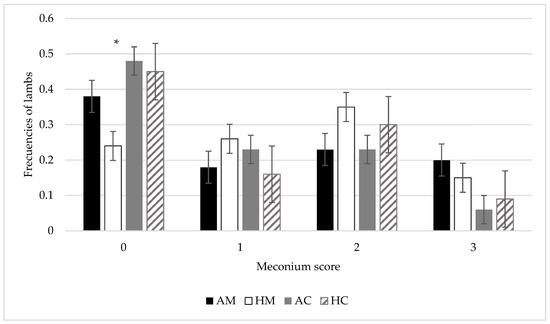
This study evaluated the effects of dietary magnesium sulfate (MgSO4) addition in twin-bearing ewes during late gestation on the duration of lambing, neonatal behavior, and blood biochemical variables. Fifty-one hogget and 54 adult Finnish × Polwarth ewes were allocated to four groups based on age category (hogget or adult) and dietary addition (MgSO4 addition or control). Ewes in dietary MgSO4 treatments received 7 g of MgSO4/ewe/day. Duration of the expulsion phase (DII), interval between lamb births (IL), and total lambing time (TL) were recorded. Meconium score (0–3), birth weight, time to stand (TS), time to first successful suck (SS), and rectal temperature at birth (T0) and at 3 h of life (T3) were measured. Blood samples were collected from lambs and analyzed for blood biochemical and acid–base variables. MgSO4 addition did not affect individual or litter birth weight (p > 0.05), but the DII was lower in the lambs from MgSO4 ewes (p < 0.05). A greater proportion of lambs born to dietary MgSO4 ewes had higher meconium scores. The treatment did not affect the acid–base variables (p > 0.05); however, the age category had an effect on BEecf, HCO3−, tCO2, lactate and glucose, and behavior variables (p < 0.05). Acidosis (pH < 7.20) occurred in lambs from control ewes. No differences were observed in T0, but lambs from control hoggets had lower T3 values (p < 0.05). In conclusion, in our conditions, dietary MgSO4 addition in twin-bearing ewes during late gestation reduced the duration of the expulsion phase without affecting neonatal behavior or the main indicators of neonatal acid–base status. Further studies are needed to elucidate the mechanisms by which MgSO4 influences the lambing process.
Full article
(This article belongs to the Special Issue Nutrients and Feed Additives in Sheep and Goats)
►▼
Show Figures

Figure 1
Open AccessSystematic Review
Global Prevalence and Heterogeneity of Fasciola Infection in Cattle: A Systematic Review and Meta-Analysis of 49 Million Animals over the Past Three Decades
by
Abel Villa-Mancera, José Manuel Robles-Robles, Jaime Olivares-Pérez, Agustín Olmedo-Juárez, Roberto González-Garduño, José Luis Ponce-Covarrubias, Nallely Rivero-Perez, Felipe Patricio, Huitziméngari Campos-García and Samuel Ortega-Vargas
Ruminants 2026, 6(3), 75; https://doi.org/10.3390/ruminants6030075 - 31 Aug 2026
Abstract
Fascioliasis, caused by Fasciola hepatica and Fasciola gigantica, is a major veterinary and zoonotic disease affecting cattle production systems worldwide. Despite extensive research, prevalence estimates vary considerably across geographic regions and study methodologies, necessitating a systematic synthesis to inform evidence-based control strategies
[...] Read more.
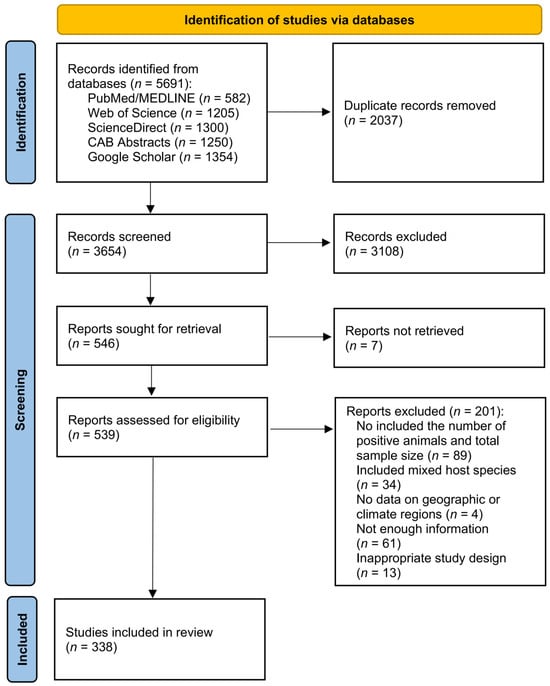
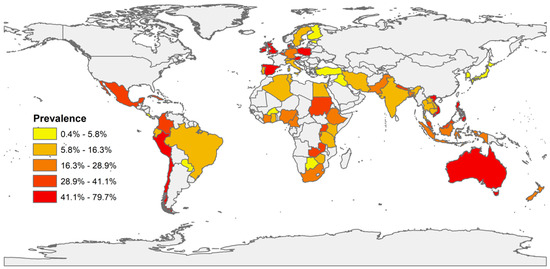
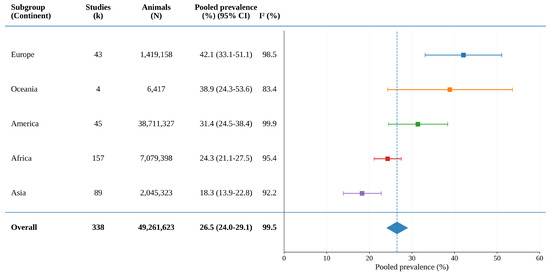
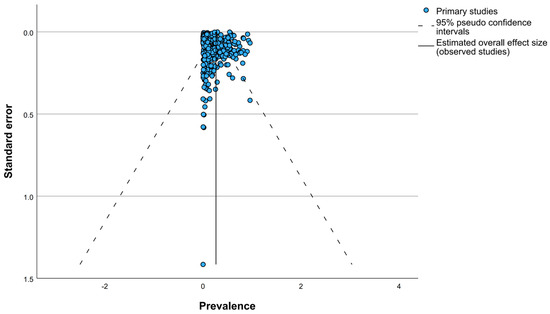
Fascioliasis, caused by Fasciola hepatica and Fasciola gigantica, is a major veterinary and zoonotic disease affecting cattle production systems worldwide. Despite extensive research, prevalence estimates vary considerably across geographic regions and study methodologies, necessitating a systematic synthesis to inform evidence-based control strategies and public health interventions. A systematic review and meta-analysis were conducted of studies reporting Fasciola prevalence in cattle from 1996 to 2024. A random-effects meta-analysis was performed on 338 studies encompassing approximately 49 million cattle samples. Subgroup analyses were performed to examine variations by continent, diagnostic method, Fasciola species, study period, sample size, and climate zone. Meta-regression identified sources of heterogeneity, and publication bias was assessed using Egger’s test. Certainty of evidence for the principal pooled outcomes was assessed using the GRADE framework. The global pooled prevalence of Fasciola infection in cattle was 26.5% (95% CI: 24.0–29.1), with very high heterogeneity (I2 = 99.5%). Significant geographic variation was observed, with Europe showing the highest prevalence (42.1%, 95% CI: 33.1–51.1), followed by Oceania (38.9%, 95% CI: 24.3–53.6), America (31.4%, 95% CI: 24.5–38.4), and Africa (24.3%, 95% CI: 21.1–27.5), and Asia showed the lowest (18.3%, 95% CI: 13.9–22.8). The diagnostic method emerged as the most important source of heterogeneity (R2 = 26.3%), with ELISA detecting a substantially higher prevalence (49.0%, 95% CI: 41.8–56.2) than post-mortem examination (19.2%, 95% CI: 16.2–22.3). F. hepatica exhibited a higher prevalence (33.1%, 95% CI: 27.9–38.2) than other species. No temporal trends were detected between the study periods. The climate zone explained 3.1% of the heterogeneity. Publication bias was not significant (Egger’s p = 0.157). Fasciolosis represents a substantial global burden in cattle populations, with its prevalence strongly influenced by diagnostic methodology and geographic location. The critical role of the choice of diagnostic method in prevalence estimation underscores the urgent need for standardized surveillance protocols. These findings have important implications for veterinary disease control programs and zoonotic disease prevention strategies in both endemic and emerging regions worldwide.
Full article
(This article belongs to the Special Issue Parasitological Diagnosis and Alternative Control in Ruminants)
►▼
Show Figures

Figure 1
Open AccessArticle
Effects of Feed Restriction and Refeeding Period on Productive Performance and Digestive Efficiency in Goats and Sheep
by
Melquizedeque Pontes Ribas Santos, Gisele Rocha dos Santos, Vanessa Soares de Oliveira, Gabriel Coelho Ramos, Lara Trindade Meneses, Juliana Albano Barreto, Alexia Luise Conceição de Vasconcelos, Evandro Pereira Neto, Manuela Silva Libânio Tosto, José Augusto Gomes Azevedo, Elzania Sales Pereira, Gleidson Giordano Pinto de Carvalho, Douglas dos Santos Pina and Stefanie Alvarenga Santos
Ruminants 2026, 6(3), 74; https://doi.org/10.3390/ruminants6030074 - 28 Aug 2026
Abstract
In semiarid regions, seasonal forage scarcity often leads to feed restriction in small ruminants. Although restriction can impair metabolism and growth performance, animals may exhibit compensatory growth during subsequent refeeding. Although compensatory growth has been extensively investigated in sheep, evidence regarding this response
[...] Read more.
In semiarid regions, seasonal forage scarcity often leads to feed restriction in small ruminants. Although restriction can impair metabolism and growth performance, animals may exhibit compensatory growth during subsequent refeeding. Although compensatory growth has been extensively investigated in sheep, evidence regarding this response in goats remains comparatively limited. This study evaluated the nutritional efficiency and productive performance of sheep and goats subjected to 15% or 30% feed restriction, followed by a refeeding period A total of 36 young growing animals were used, including 18 Santa Inês sheep (initial body weight [iBW] 17.9 ± 1.69 kg) and 18 Boer goats (iBW 18.35 ± 3.46 kg), all uncastrated males aged four months. Animals were selected to have comparable initial body weights to facilitate comparisons between species. Animals were assigned to a completely randomized design in a 3 × 2 factorial arrangement, with three feeding levels (ad libitum, 15% restriction, and 30% restriction) and two species (sheep and goats). During the restriction period (days 1–28), sheep showed higher intake of dry matter, organic matter, crude protein, ether extract, and neutral detergent fiber than goats (p < 0.05). Feed restriction did not affect growth performance; however, sheep presented greater final body weight (26.6 vs. 23.1 kg), average daily gain (157 vs. 85 g/day), and carcass yield (p < 0.01). During the refeeding period (days 29–56), previously restricted animals exhibited increased nutrient digestibility (p < 0.01), indicating compensatory adaptation. Intake remained higher in sheep, whereas ether extract digestibility was greater in goats (p < 0.01). Both species showed compensatory growth after restriction, with sheep achieving greater weight gain (4.1 kg) due to higher energy intake. These findings indicate that moderate feed restriction (up to 30% for 28 days) does not compromise long-term productivity in growing sheep and goats when followed by a refeeding period.
Full article
Open AccessReview
Molecular and Physiological Mechanisms of Steroidal Implants in Beef Cattle: A Review from the U.S. Production Perspective
by
Weston Joseph Peschel and Zachary Kidd Foster Smith
Ruminants 2026, 6(3), 73; https://doi.org/10.3390/ruminants6030073 - 27 Aug 2026
Abstract
For decades, beef cattle producers have safely used steroidal implants as a low-cost, highly effective growth technology, delivering improvements in average daily gain (10 to 30%) and feed efficiency (5 to 15%) compared with non-implanted cattle. These improvements stem from increased skeletal muscle
[...] Read more.
For decades, beef cattle producers have safely used steroidal implants as a low-cost, highly effective growth technology, delivering improvements in average daily gain (10 to 30%) and feed efficiency (5 to 15%) compared with non-implanted cattle. These improvements stem from increased skeletal muscle hypertrophy resulting from exposure to steroidal implants. This literature review investigates the history of commercially available estrogens, androgens, and progestins, as well as the release rates of steroidal implants and carrier technologies within the context of U.S. beef production. It also examines the genomic and non-genomic mechanisms of action of these growth-promoting technologies, along with the physiological responses across successive production phases from suckling to harvest, which highlight how these tools modify growth trajectories and metabolic rates in beef cattle. Presenting up-to-date implant administration strategies that align implant potency, active ingredients, and duration of effectiveness with various production stages to optimize weight gain while preserving carcass quality and marbling.
Full article
Open AccessArticle
Beef Cow Reproductive Performance Evaluation with a Fertility Functional SNP Array in Northern México and the Southwestern United States
by
David G. Riley, Marina M. Dias Barbero, James O. Sanders, Fernando Rivera Acuña and Pablo Luna Nevárez
Ruminants 2026, 6(3), 72; https://doi.org/10.3390/ruminants6030072 - 27 Aug 2026
Abstract
►▼
Show Figures
Beef cow reproductive traits are critical for system profitability and difficult to improve using selection. A custom array with 131 SNPs identified within genes related to cow puberty and fertility was evaluated in privately owned Angus (A), Charolais, Brangus, and Red Brangus cows
[...] Read more.
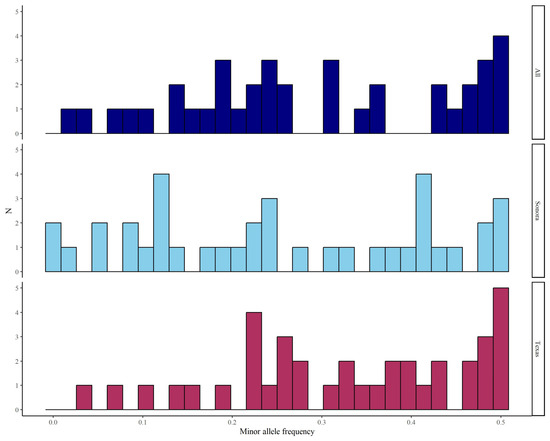
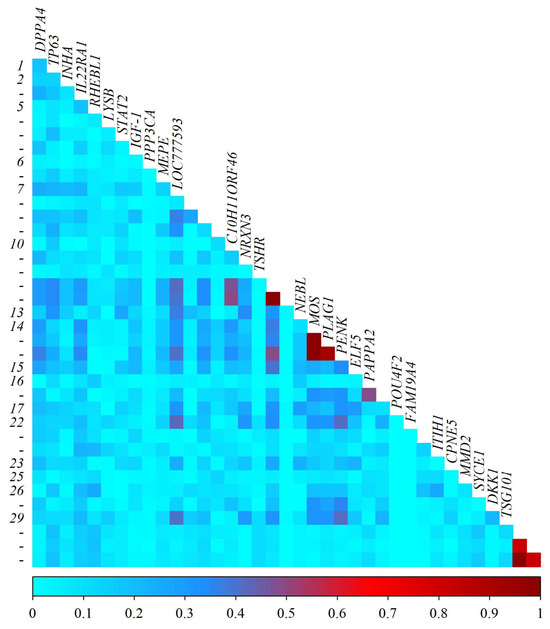
Beef cow reproductive traits are critical for system profitability and difficult to improve using selection. A custom array with 131 SNPs identified within genes related to cow puberty and fertility was evaluated in privately owned Angus (A), Charolais, Brangus, and Red Brangus cows in México (n = 828) and in A, Brahman (B), Hereford (H), Nellore (N), and crossbred (F1 and F2 B-H, F2 B-A, first- and second-generation 3/8 B 5/8 A, and 3/8 N 5/8 A) cows in a Texas research herd (n = 449). Cow traits included age at first and second calving, calving interval, and reproductive success. Calf traits were birth weight and occurrences of calving difficulty, calves with inadequate vigor at birth, and mortality. Residuals from fixed effect models were used in association analyses. The detection of associated loci was mostly within combined groups. A marker in RHEBL1 was associated (p < 0.05) with age at calving in Angus. A locus in FAM19A4 was associated (p < 0.05) with reproductive success in Brangus and inadequate calf vigor in all data combined. Markers in SYCE1 and CPNE5 were associated (p < 0.05) with reproductive success and calf mortality in Bos indicus. Functional panels may be more effective when designed for individual breeds or sub-species.
Full article

Figure 1
Open AccessArticle
Farm-Level Surveillance of Listeria spp. in Feed, Feces, and Raw Milk from Cattle, Sheep, and Goat Farms in Kosovo
by
Bardhyl Noci, Bledar Bisha, Erënesa Gorçaj, Anahita Ghorbani Tajani, Agon Thaqi, Dren Hoxha, Burim Sejdija and Afrim Hamidi
Ruminants 2026, 6(3), 71; https://doi.org/10.3390/ruminants6030071 - 22 Aug 2026
Abstract
►▼
Show Figures
Listeria spp. can persist in livestock-production environments and may be introduced through animal feed, fecal contamination, or unhygienic milk-production practices. This cross-sectional study assessed the occurrence and distribution of Listeria spp. in animal feed, fecal material, and raw milk collected from cattle, sheep,
[...] Read more.
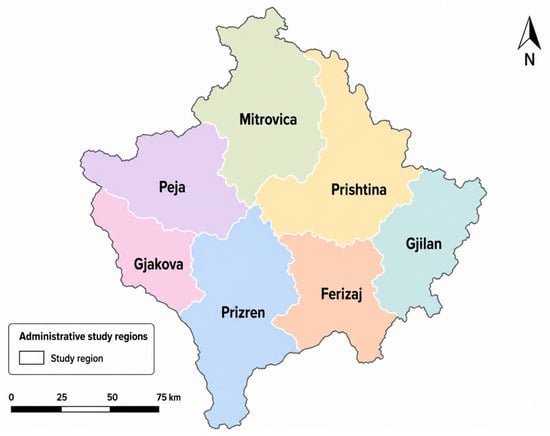
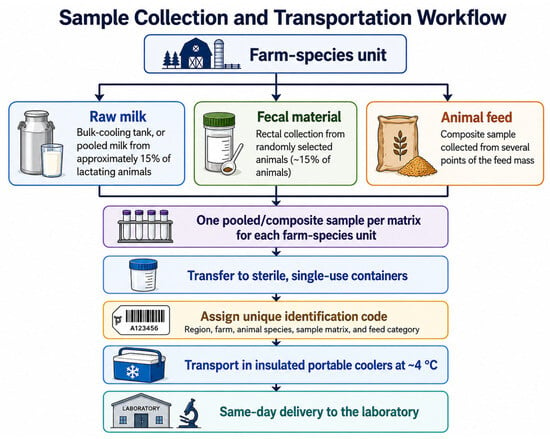
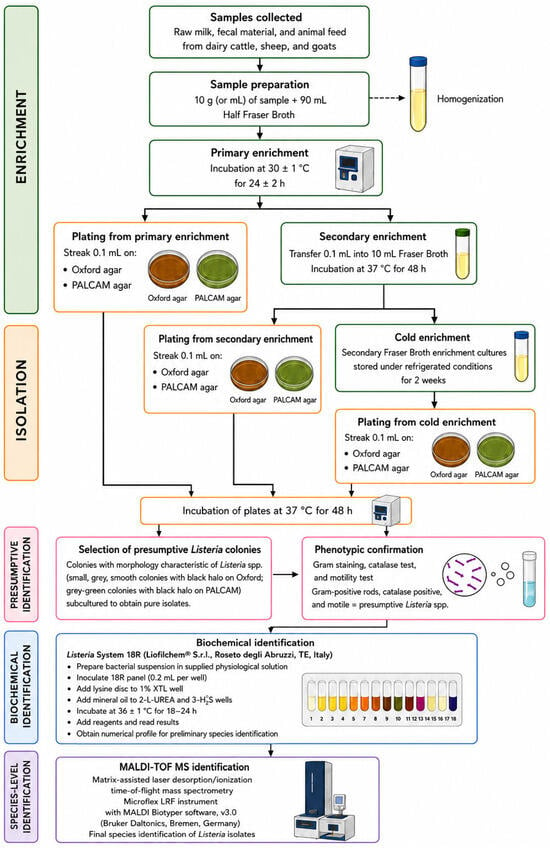
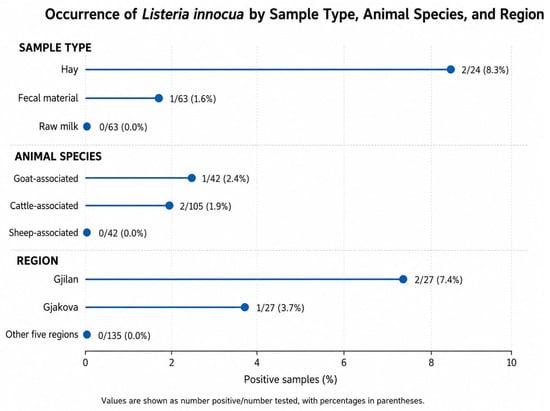
Listeria spp. can persist in livestock-production environments and may be introduced through animal feed, fecal contamination, or unhygienic milk-production practices. This cross-sectional study assessed the occurrence and distribution of Listeria spp. in animal feed, fecal material, and raw milk collected from cattle, sheep, and goat farms across the seven geographical regions of Kosovo. Between December 2021 and April 2022, 189 samples were collected from 60 distinct farms representing 63 farm-species units. One animal-feed sample, one pooled fecal sample, and one pooled raw-milk sample were obtained from each unit. The samples were analyzed according to ISO 11290-1:2017, and presumptive isolates were evaluated by phenotypic and biochemical tests and confirmed to species level using MALDI-TOF mass spectrometry. Water activity was also measured in all 63 feed samples. Listeria spp. was detected in 3/189 matrix-level samples analyzed (1.6%). This value represents a descriptive sample-level detection proportion across the three matrices rather than a conventional prevalence estimate. All isolates were identified as Listeria innocua. Two positive samples were hay samples from separate farms in the Gjilan region, representing 2/63 feed samples (3.2%) and 2/24 hay samples (8.3%). The third positive sample was a fecal sample collected from a goat farm in the Gjakova region, representing 1/63 fecal samples (1.6%). Listeria spp. was not detected in any of the raw-milk samples (0/63; 0%) under the conditions of this cross-sectional study. No farm-level co-occurrence among feed, fecal material, and raw milk was observed. These findings indicate a low number of Listeria spp. detections among the samples analyzed, with positive samples limited to two hay samples and one fecal sample. Given the small number of positive samples, no conclusions can be drawn regarding differences among feed categories, animal species, sample matrices, or geographical regions. Continued attention to feed storage, farm hygiene, and milk production practices remains important for limiting the persistence and dissemination of Listeria within ruminant-production environments.
Full article

Figure 1

Open AccessArticle
Holstein and Angus Crossbreeding on Feedlot: Impacts on Metabolism, Ruminal Fermentation, Performance, and Meat Quality
by
Gabrielly Chechi Giraldi, Natalia Turcatto, Joao Gustavo W. Wandscheer, Guilherme Luiz Deolindo, Viviane Cargnin de Lima, Roger Wagner, Sergio Abreu Machado, Jardel Zucchi, Gilberto Vilmar Kozloski, Francisco Machado, Jr., Miklos Maximiliano Bajay, Diego de Cordova Cucco and Aleksandro Schafer da Silva
Ruminants 2026, 6(3), 70; https://doi.org/10.3390/ruminants6030070 - 21 Aug 2026
Abstract
►▼
Show Figures
The use of crossbreeding between dairy and beef breeds has been adopted as a strategy to add value to male calves from dairy systems, improve productive efficiency, and reduce economic and animal welfare concerns. This study evaluated the effects of Holstein × Angus
[...] Read more.
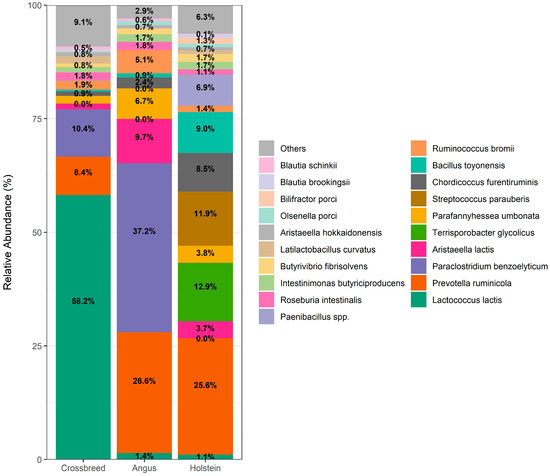
The use of crossbreeding between dairy and beef breeds has been adopted as a strategy to add value to male calves from dairy systems, improve productive efficiency, and reduce economic and animal welfare concerns. This study evaluated the effects of Holstein × Angus crossbreeding on productive performance, metabolism, ruminal fermentation, nutrient digestibility, carcass characteristics, meat quality, and fatty acid profile during the feedlot finishing phase. Twenty-four uncastrated male cattle (8 Holstein, 8 Angus, and 8 crossbreds) were confined for 130 days and fed an isoenergetic and isonitrogenous diet. No significant differences were observed among breeds for weight gain, dry matter intake, feed efficiency, or nutrient digestibility (p > 0.05). However, Angus and crossbred cattle showed higher carcass yield compared to Holstein cattle (p ≤ 0.05). Angus and crossbred animals presented higher concentrations of total volatile fatty acids, acetate, and propionate in the rumen (p ≤ 0.05). Breed differences were also observed in erythrocyte indices and serum urea concentrations (p ≤ 0.05). Meat from crossbred animals showed superior quality attributes compared to Holstein, including lower ultimate pH, higher lightness, greater water-holding capacity, and an intermediate lipid profile between the parental breeds (p ≤ 0.05). It is concluded that Holstein × Angus crossbreeding improves carcass yield, ruminal fermentation efficiency, and meat quality, without compromising productive performance, representing a viable strategy for adding value to male calves from dairy herds under tropical production conditions.
Full article

Figure 1
Open AccessArticle
Transcriptomic Analysis Reveals That Perilla frutescens Seeds Enhance Sheep Ruminal Epithelial Homeostasis
by
Xiaoyue Zhu, Yimeng Cui, Yichen Zeng and Bing Wang
Ruminants 2026, 6(3), 69; https://doi.org/10.3390/ruminants6030069 - 21 Aug 2026
Abstract
The ruminal epithelium plays a central role in nutrient absorption, epithelial barrier function, and mucosal immune defense. However, the molecular mechanisms by which dietary Perilla frutescens seeds (PFS) regulate ruminal epithelial immunity remain poorly understood. This study investigated the transcriptomic responses of the
[...] Read more.
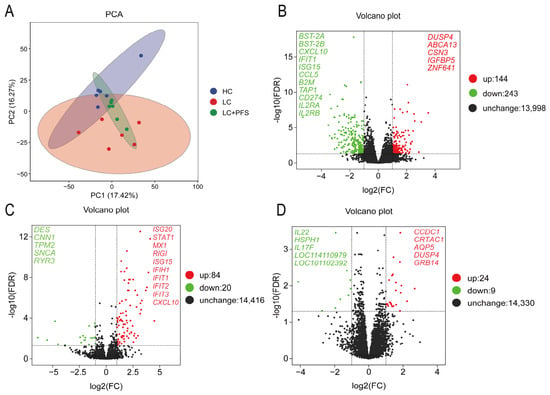
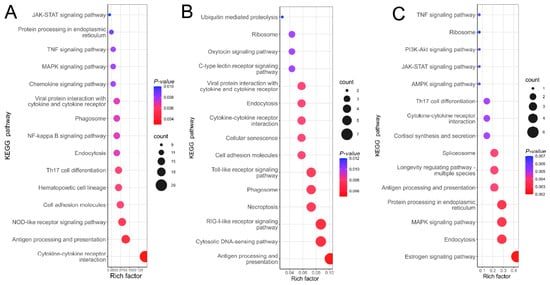
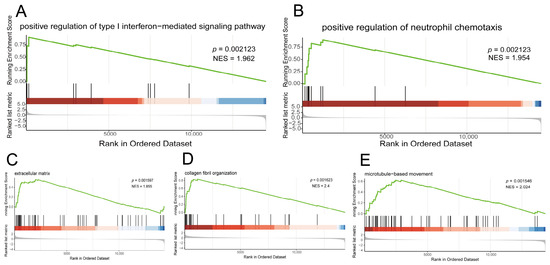
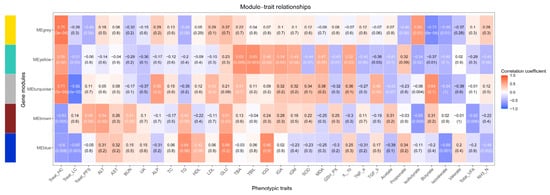
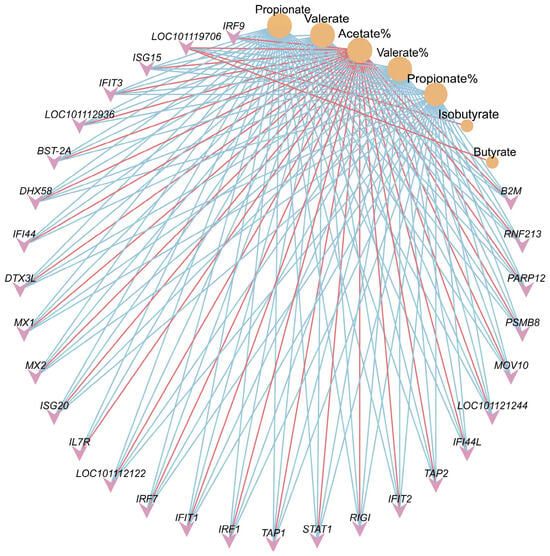
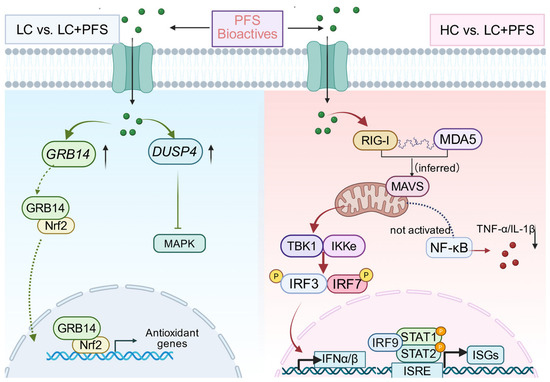
The ruminal epithelium plays a central role in nutrient absorption, epithelial barrier function, and mucosal immune defense. However, the molecular mechanisms by which dietary Perilla frutescens seeds (PFS) regulate ruminal epithelial immunity remain poorly understood. This study investigated the transcriptomic responses of the sheep ruminal papilla to dietary PFS supplementation. Forty-five male Tan sheep were assigned to three dietary treatments (n = 15 per group): a low-concentrate diet (LC), a high-concentrate diet (HC), and the LC diet supplemented with 3% PFS (LC + PFS). After an 84-day feeding trial, ruminal papilla tissues from six animals per group were randomly subjected to RNA sequencing and integrated bioinformatic analyses, covering all three pairwise comparisons (LC vs. HC, HC vs. LC + PFS, and LC vs. LC + PFS). The LC vs. LC + PFS comparison served as the direct assessment of PFS effects under the same basal diet, whereas HC vs. LC + PFS was treated as a cross-dietary comparison. LC vs. HC yielded 387 differentially expressed genes (DEGs), HC vs. LC + PFS yielded 104 DEGs, and LC vs. LC + PFS yielded 33 DEGs, with predominant enrichment in metabolic and stress-adaptive pathways (AMPK, MAPK, PI3K-Akt). The latter were mainly associated with metabolic and structural pathways. Propionate and valerate were negatively correlated with several interferon-signaling and antigen-presentation genes. Collectively, the direct LC vs. LC + PFS comparison demonstrates that PFS supplementation under physiological conditions is associated with targeted metabolic modulation. Meanwhile, the cross-dietary HC vs. LC + PFS comparison reveals that, relative to high-concentrate feeding, the PFS-supplemented low-concentrate feeding regimen is transcriptionally associated with enhanced immune surveillance capacity in a non-inflammatory manner. These findings provide transcriptomic evidence supporting the potential of PFS as a modulator of ruminal epithelial homeostasis and offer a foundation for further investigation into its application as a functional feed ingredient.
Full article
(This article belongs to the Special Issue Nutrients and Feed Additives in Sheep and Goats)
►▼
Show Figures

Figure 1
Open AccessArticle
Associations of Vulvovaginal Lacerations, Fecal Consistency, Ketosis, Body Condition, and Parity with Vaginal Discharge in Early Postpartum of Dairy Cows
by
Patrícia Lopes and João Simões
Ruminants 2026, 6(3), 68; https://doi.org/10.3390/ruminants6030068 - 13 Aug 2026
Cited by 1
Abstract
►▼
Show Figures
Several indicators are used in dairy farms to monitor health status during the puerperal period. Uterine disease complex is one of the compromised health issues during this period. This study mainly aims to evaluate the relationship between abnormal vaginal discharge scores (VDS), indicative
[...] Read more.
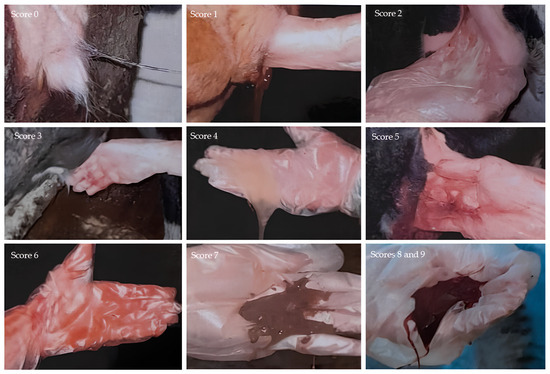
Several indicators are used in dairy farms to monitor health status during the puerperal period. Uterine disease complex is one of the compromised health issues during this period. This study mainly aims to evaluate the relationship between abnormal vaginal discharge scores (VDS), indicative of uterine health impairment (e.g., metritis), and reproductive and non-reproductive risk factors during the first three weeks postpartum of dairy cows. An ordinal logistic GLMM was used to evaluate the influence of vulvovaginal lacerations, fecal consistency, ketonuria, body condition, parity, day of reproductive evaluation and farm on normal (0–2 points; control group), moderate (3–4), and high (5–9) VDS from 2860 calvings in 14 Danish farms (2023–2025). Vulvar and vaginal lacerations (odds ratio, OR = 2.4 and 17.1, respectively; p < 0.001) and soft feces (OR = 1.7; p < 0.001), ketosis (OR = 1.8; p < 0.001), low body condition score (OR = 1.7; p < 0.01), and multiparous cows (OR = 2.1; p < 0.0001) were associated with moderate and high VDS. These results suggest that vulvovaginal lacerations, even if considered as a potential residual confounder regarding dystocia and other periparturient reproductive abnormalities, and non-reproductive factors, such as fecal consistency, should be included to assess uterine health during postpartum, regarding normal, moderate, and high VDS. A large study involving all relevant reproductive occurrences during puerperium and their impact on further fertility can provide additional information for reproductive herd health management.
Full article

Figure 1
Open AccessArticle
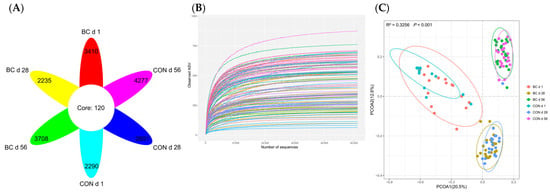
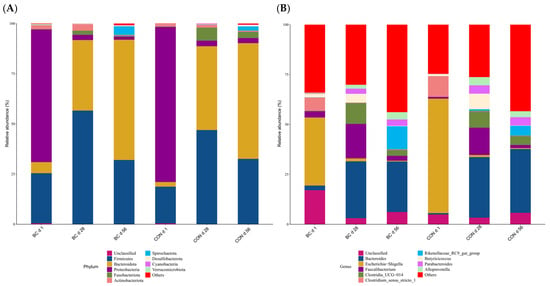
Diarrhea-Associated Changes in Fecal Microbiota Composition and Community Structure in Llama Crias
by
Julio C. Alarcón, Francisca Callañaupa, Carola T. Melo, Elias Farfan, Cathia S. Taco, Richard Estrada and Celso Zapata
Ruminants 2026, 6(3), 67; https://doi.org/10.3390/ruminants6030067 - 12 Aug 2026
Abstract
The gastrointestinal microbiota plays a key role in the health and productivity of llama crias, yet its dynamics under disease conditions remain poorly understood. This study aimed to characterize and compare the fecal microbiota of healthy and diseased llama crias. Fecal samples collected
[...] Read more.
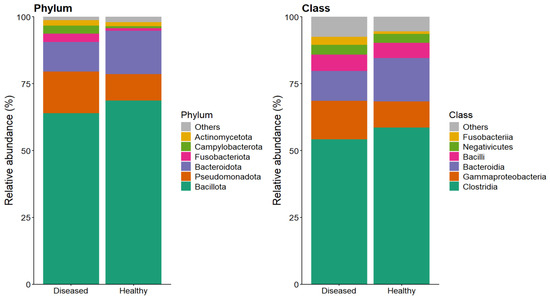
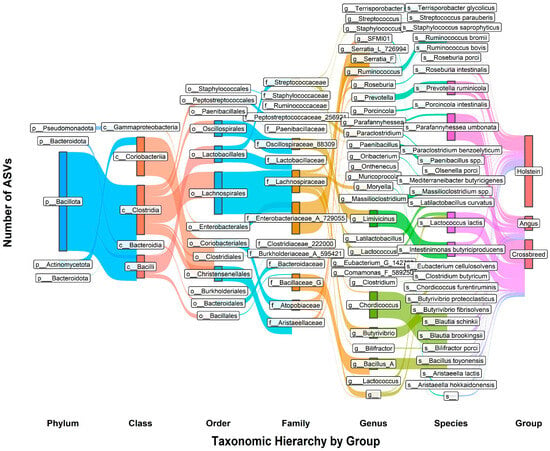
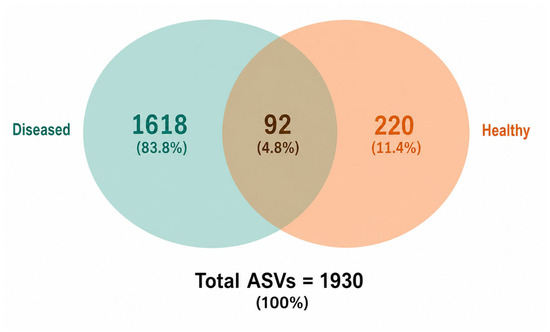
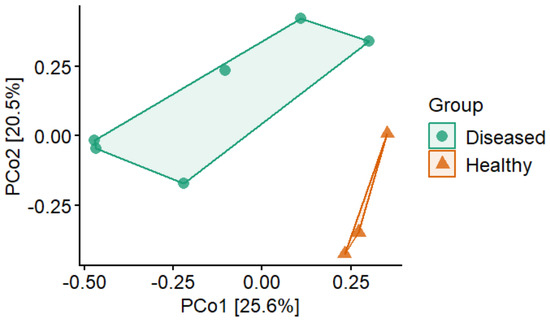
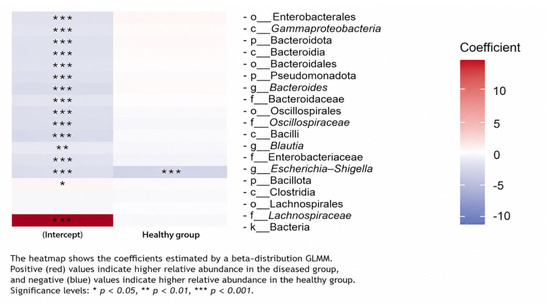
The gastrointestinal microbiota plays a key role in the health and productivity of llama crias, yet its dynamics under disease conditions remain poorly understood. This study aimed to characterize and compare the fecal microbiota of healthy and diseased llama crias. Fecal samples collected from nine llama crias (six with diarrhea and three clinically healthy controls) were analyzed using 16S rRNA gene sequencing targeting the V4 region, followed by bioinformatic processing and statistical analyses, including diversity metrics and generalized linear mixed models. Results showed that microbial communities were dominated by Bacillota and Bacteroidota in both groups; however, diseased animals exhibited increased abundance of Pseudomonadota, particularly Gammaproteobacteria and Enterobacteriaceae. Beta diversity analysis revealed significant differences in community structure between groups, with diseased samples showing higher dispersion. Additionally, a greater number of unique ASVs was observed in diseased individuals, indicating increased microbial heterogeneity. Differential abundance analysis identified distinct microbial signatures associated with health status, with opportunistic taxa enriched in diseased animals and fiber-degrading taxa more prevalent in healthy individuals. Overall, the findings demonstrate an association between diarrhea and differences in the fecal microbiota of llama crias. Because this was a cross-sectional observational study, causal relationships cannot be inferred. These results provide a foundation for future investigations into host–microbiota interactions and gastrointestinal health in South American camelids.
Full article
(This article belongs to the Topic Disease Dynamics in Modern Livestock Production Systems: Prevention and Control Strategies)
►▼
Show Figures

Figure 1
Open AccessArticle
Effects of Feed Restriction Duration on Growth Performance, Organ Weight, and Carcass Traits of Finishing Lambs Fed a Concentrate-Based Diet
by
Justin J. Delver, Federico Podversich, Ana Clara B. Menezes, Warren C. Rusche and Zachary K. F. Smith
Ruminants 2026, 6(3), 66; https://doi.org/10.3390/ruminants6030066 - 7 Aug 2026
Abstract
This study evaluated the effect of limiting feed intake to 92% of ad libitum for 28 or 56 d of a 56 d finishing period on growth performance, carcass characteristics, and visceral organ mass in wethers. Thirty Polypay wethers (initial SBW = 25.6
[...] Read more.
This study evaluated the effect of limiting feed intake to 92% of ad libitum for 28 or 56 d of a 56 d finishing period on growth performance, carcass characteristics, and visceral organ mass in wethers. Thirty Polypay wethers (initial SBW = 25.6 ± 5.27 kg; 15 pens, 2 lambs/pen) were blocked by body weight and assigned to three treatments: ad libitum intake for 56 d (CON), 92% of ad libitum intake for 28 d and then ad libitum intake for 28 d (28L), or 92% of ad libitum intake for 56 d (56L). Cumulatively, DMI decreased as restriction length increased (p < 0.001), but the final SBW, ADG, and G:F did not differ between treatments (p ≥ 0.11). Hot and cold carcass weights along with carcass muscle and bone masses were lesser in 28L than CON, but 56L did not differ (p ≤ 0.04). Carcass fat mass was greatest in CON and least in 28L (p ≤ 0.04). Relative to EBW, liver mass was greatest in 28L and least in 56L (p = 0.03). Limit feeding for 56 d maintained carcass weight while increasing leanness compared to CON, whereas a 28 d restriction period reduced carcass and muscle mass, possibly due to visceral organ recovery.
Full article
Open AccessArticle
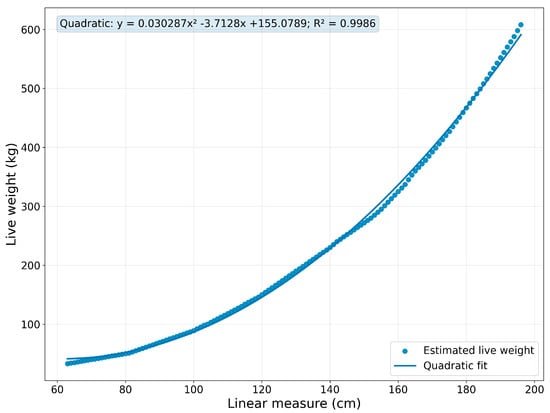
Accuracy of Thoracic Tape-Based Live-Weight Estimation in Minhota Calves: Effects of Age, Sex and Dam Parity
by
Fernando Mata, Joaquim Cerqueira, Pedro Vaz, Gustavo Paixão and José Pedro Araújo
Ruminants 2026, 6(3), 65; https://doi.org/10.3390/ruminants6030065 - 6 Aug 2026
Abstract
►▼
Show Figures
Accurate live-weight monitoring is important for calf management, but calibrated scales are not always available under farm conditions. This study evaluated the accuracy of a thoracic measuring tape for estimating live weight in Minhota calves and examined whether tape error was influenced by
[...] Read more.
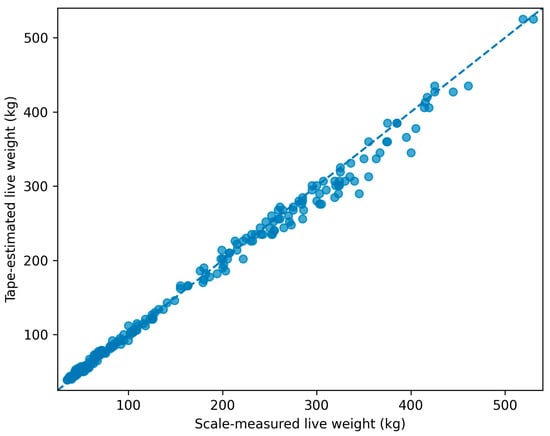
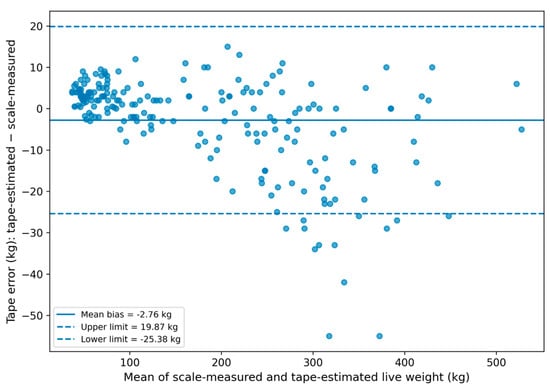
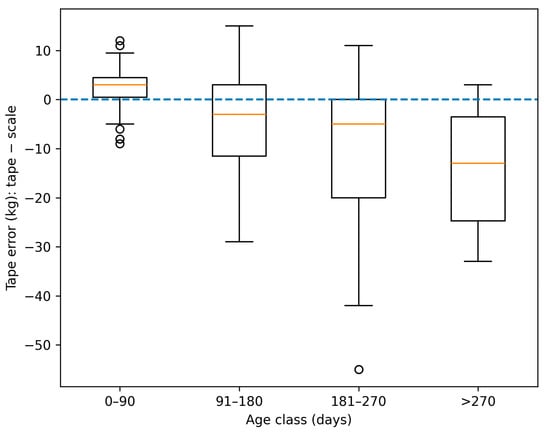
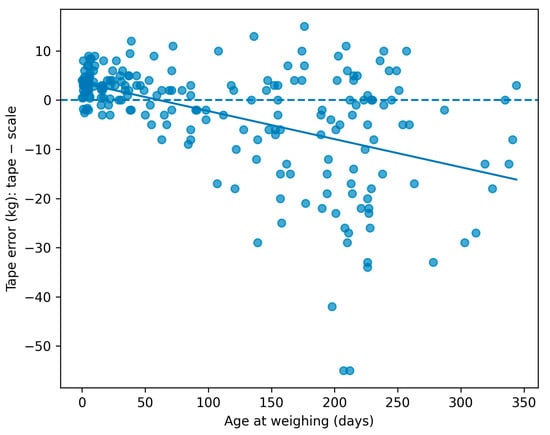
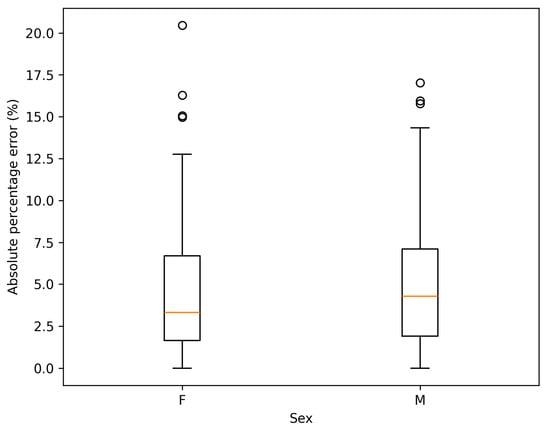
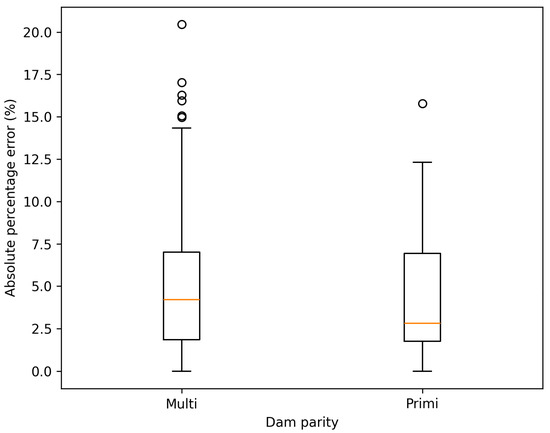
Accurate live-weight monitoring is important for calf management, but calibrated scales are not always available under farm conditions. This study evaluated the accuracy of a thoracic measuring tape for estimating live weight in Minhota calves and examined whether tape error was influenced by age, sex and dam parity. The dataset included 210 repeated weighing records from 68 biologically distinct calves. Scale-measured live weight was used as the reference value, and tape accuracy was assessed using signed error, absolute error, percentage error, absolute percentage error, correlation and Bland–Altman analysis. Repeated-measures regression models were used to account for multiple records from the same calf. Tape-estimated live weight was very strongly correlated with scale-measured live weight (r = 0.997). The tape showed a small average underestimation of live weight, with a mean signed error of −3.02 kg, mean absolute error of 7.79 kg, root mean squared error of 11.92 kg and mean absolute percentage error of 4.97%. Age was the main factor associated with tape accuracy. For every additional 100 days of age, signed error decreased by 5.74 kg, indicating increasing underestimation in older calves. Sex and dam parity had limited effects. The thoracic measuring tape is a useful practical tool for routine monitoring of Minhota calf growth, but age-related bias should be considered, especially in older and heavier calves.
Full article

Figure 1
Open AccessArticle
Growth Performance, Quality and Chemical Composition of the Longissimus Thoracis from Bovine Genetic Groups Selected for the Production of High-Quality Meat
by
Hugo Miranda Maciel Nunes, Julián Andrés Castillo Vargas, Susana Paula Almeida Alves, Rui José Branquinho Bessa, Pedro Veiga Rodrigues Paulino, Moacir Evandro Lage, Daniel Henrique Souza Tavares and Fabrícia Rocha Chaves Miotto
Ruminants 2026, 6(3), 64; https://doi.org/10.3390/ruminants6030064 - 1 Aug 2026
Abstract
The growing demand for high-quality beef has driven the selection of bovine genotypes offering superior marbling and tenderness. This study evaluated meat quality parameters in heifers from four Nellore-based genetic groups: ½ Aberdeen Angus × ½ Nellore (AN), ½ Japanese Brown × ½
[...] Read more.
The growing demand for high-quality beef has driven the selection of bovine genotypes offering superior marbling and tenderness. This study evaluated meat quality parameters in heifers from four Nellore-based genetic groups: ½ Aberdeen Angus × ½ Nellore (AN), ½ Japanese Brown × ½ Nellore (BN), ½ Japanese Brown × ¼ Aberdeen Angus × ¼ Nellore (TriBAN), and ½ Japanese Black × ¼ Aberdeen Angus × ¼ Nellore (TriJAN). Thirty-two heifers (eight/group) were finished in commercial feedlots. Samples of the longissimus thoracis muscle were analyzed for physical attributes (pH, cooking loss, shear force, marbling, water retention capacity, and colour), chemical composition, and fatty acid profile. In addition, animal performance (daily gain and final weight) was determined. A completely randomized design was used with analysis of variance followed by Tukey’s test (α = 0.05). The AN group showed the greatest final weight and daily gain (p < 0.01). There were no significant differences among genetic groups for pH, cooking loss, shear force, marbling, water-holding capacity, or colour (p > 0.05). Across all groups, the mean ultimate pH was 5.59, shear force (WBSF) averaged 41.11 N, and intramuscular fat (ether extract) content averaged 13.15 g 100 g−1, indicating desirable technological and eating-quality characteristics. Most fatty acids did not differ among treatments (p > 0.05), except for arachidonic acid (C20:4 n-6), which was present at higher concentrations (p < 0.05) in the TriBAN group than in the other genetic groups. In conclusion, despite differences in productive performance, all genotypes produced meat with consistent quality traits, including tenderness, marbling, and fatty acid profiles associated with high-quality beef.
Full article
Open AccessArticle
Low-Temperature Long-Time Pasteurization Reduces β-Carotene in Colostrum: Effects of Dietary β-Carotene Supplementation on Oxidative Stress, Fecal Microbiota, and Diarrhea in Preweaning Calves
by
Haohua Zhuang, Dengke Liu, Xinyue Zhang, Wentao Lu, Shukai Zhang, Guowei Yang, Jie Cao and Chong Ma
Ruminants 2026, 6(3), 63; https://doi.org/10.3390/ruminants6030063 - 22 Jul 2026
Abstract
►▼
Show Figures
This study comprised two related experiments. Experiment 1 evaluated the effects of low-temperature long-time pasteurization (LTLT, 63 °C for 30 min) on selected vitamins in bovine colostrum and mature milk. Experiment 2 independently evaluated the effects of dietary β-carotene supplementation on growth performance,
[...] Read more.
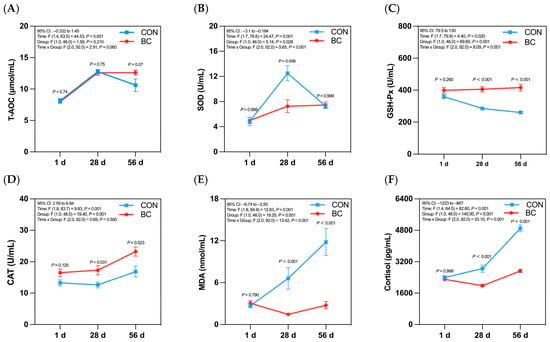
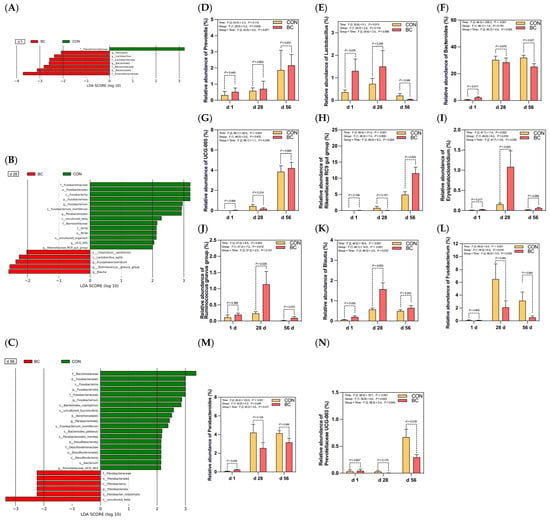
This study comprised two related experiments. Experiment 1 evaluated the effects of low-temperature long-time pasteurization (LTLT, 63 °C for 30 min) on selected vitamins in bovine colostrum and mature milk. Experiment 2 independently evaluated the effects of dietary β-carotene supplementation on growth performance, fecal scores, oxidative status, cortisol concentrations, and fecal microbiota in preweaning calves. In Experiment 1, colostrum and mature milk were collected from four primiparous and four multiparous Holstein cows before and after LTLT. Concentrations of vitamin A, β-carotene, vitamin B1, vitamin B2, vitamin B9, and vitamin B12 were determined. In Experiment 2, 128 neonatal Holstein heifer calves were randomly assigned to a control group or a β-carotene-supplemented group (100 mg/day/calf) for 56 days. Growth performance, fecal scores, serum antioxidant indicators, cortisol concentrations, and fecal microbiota were evaluated. Colostrum contained substantially higher β-carotene concentrations than mature milk, particularly in primiparous cows (p < 0.001). LTLT reduced β-carotene concentrations by 30% in colostrum(p = 0.034) and significantly decreased vitamin B1 (p < 0.001), whereas the remaining vitamins were only minimally affected. Dietary β-carotene supplementation stabilized antioxidant enzyme activities, reduced serum malondialdehyde and cortisol concentrations (p < 0.001), decreased the occurrence of severe diarrhea (p = 0.046), increased the relative abundance of Blautia, and reduced Fusobacterium and Parabacteroides. Average daily gain did not differ between treatments (p = 0.154). Under the conditions evaluated in Experiment 1, β-carotene was the vitamin most affected by LTLT in colostrum. In the separate feeding experiment, dietary β-carotene supplementation affected several antioxidant indicators, reduced cortisol concentrations and the frequency of severe diarrhea scores, and altered fecal microbial composition, but did not affect average daily gain.
Full article

Figure 1

Open AccessCommunication
Effect of X Chromosome on the Estimated Genetic Parameters for Growth Traits in Nellore Cattle
by
Najela Maia Chaves, Fabieli Loise Braga Feitosa, Louise Sarmento Martins de Oliveira, Leonardo Machestropa Arikawa, Lucia Galvão de Albuquerque, Gregorio Miguel Ferreira de Camargo and Raphael Bermal Costa
Ruminants 2026, 6(3), 62; https://doi.org/10.3390/ruminants6030062 - 21 Jul 2026
Abstract
Most studies involving genomic data in animal breeding use only the effects of autosomal chromosome markers, excluding the sex chromosomes. However, the X chromosome is the second-largest chromosome in the bovine genome, and several economically important traits are sexually dimorphic, such as those
[...] Read more.
Most studies involving genomic data in animal breeding use only the effects of autosomal chromosome markers, excluding the sex chromosomes. However, the X chromosome is the second-largest chromosome in the bovine genome, and several economically important traits are sexually dimorphic, such as those related to growth. Therefore, the objective of this study was to evaluate whether there are predictive advantages for genetic parameters when including genomic markers from the X chromosome for yearling weight (YW) and postweaning gain (PWG) in Nellore cattle. Genetic parameter estimates were obtained under three scenarios: (1) only pedigree and phenotypic information; (2) pedigree, phenotypes, and autosomal chromosome markers; and (3) pedigree, phenotypes, autosomal chromosome markers, and X chromosome markers. Analyses were carried out using Bayesian inference with BLUPF90 family software version 2025. The heritability estimates obtained and their respective standard errors were 0.41 ± 0.004 for YW and 0.21 ± 0.004 for PWG. No differences were observed among the three scenarios tested for either trait. Therefore, the inclusion of the X chromosome did not influence the estimates of genetic parameters for these growth traits in Nellore cattle. Nevertheless, further molecular and genomic studies on the bovine X chromosome are still needed to explain the genetic effects and biological functions associated with this chromosome and with different traits of economic interest, as well as to justify whether to include the X chromosome in genomic prediction analyses.
Full article
Open AccessReview
Narrative Review of Production Impacts of Pregnancy Shearing in Pasture-Based Systems
by
Rene A. Corner-Thomas, Kailun Zhang, Fernando J. Roca Fraga, Karina Neimaur, Ignacio De Barbieri and Paul R. Kenyon
Ruminants 2026, 6(3), 61; https://doi.org/10.3390/ruminants6030061 - 20 Jul 2026
Abstract
This review used a qualitive approach to help further understand the benefits of pregnancy shearing and its potential mechanisms. A recent meta-analysis showed that pregnancy shearing increased lamb birth weight when conducted between days 42 and 100 of gestation but not after day
[...] Read more.
This review used a qualitive approach to help further understand the benefits of pregnancy shearing and its potential mechanisms. A recent meta-analysis showed that pregnancy shearing increased lamb birth weight when conducted between days 42 and 100 of gestation but not after day 100; however, there was no effect on lamb weaning weight. Factors identified as potential mechanisms for the lamb birth weight response include comb type, gestation length, ewe pregnancy nutrition and feed intake, changes in ewe hormones and metabolites and altered placental development. There was, however, no single consistent parameter identified for the birth weight effect and more research is required. Shearing can potentially increase lamb survival, thermoregulatory capability and improve behaviour and ewe milk production but, again, further research is also required to confirm these. In conclusion, to maximise the chance of a birth weight response, farmers should focus on twin-bearing ewes of adequate body condition, shear with a comb that leaves a greater stubble depth and ensure ewes are offered at least pregnancy maintenance feeding levels.
Full article
Open AccessArticle
miR-31-5p Is Associated with Apoptotic and Mitochondrial Alterations in Fresh and Frozen Bull Spermatozoa
by
Michal Ďuračka, Lucia Urbanová, Silvia Farkasová, Filip Benko, Sara Ataei-Nazari and Eva Tvrdá
Ruminants 2026, 6(3), 60; https://doi.org/10.3390/ruminants6030060 - 20 Jul 2026
Abstract
This study investigated whether miR-31-5p abundance in fresh Holstein bull semen is associated with post-thaw sperm resilience. The initial cohort comprised 36 Holstein bulls, from which 16 ejaculates representing the highest- and lowest-ranking post-thaw freezers were selected for epigenetic and molecular analyses. Fresh
[...] Read more.
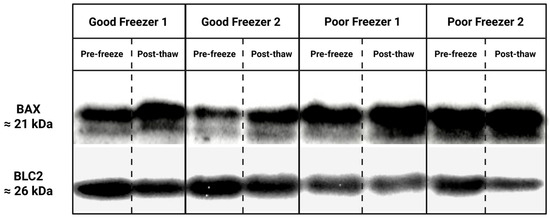
This study investigated whether miR-31-5p abundance in fresh Holstein bull semen is associated with post-thaw sperm resilience. The initial cohort comprised 36 Holstein bulls, from which 16 ejaculates representing the highest- and lowest-ranking post-thaw freezers were selected for epigenetic and molecular analyses. Fresh semen was analyzed for miR-31-5p, while BAX and BCL2 were evaluated at transcript and protein levels before and after cryopreservation. Post-thaw sperm quality was assessed using total motility, viability, JC-1 mitochondrial membrane potential, Annexin-negative spermatozoa, reactive oxygen species (ROS) and sperm DNA fragmentation. Cryopreservation significantly impaired sperm quality, increased ROS and DNA fragmentation, and shifted the molecular profile toward increased BAX and reduced BCL2. Ejaculates with superior post-thaw motility showed higher miR-31-5p levels, accompanied by better preservation of viability, mitochondrial function, non-apoptotic membrane status, lower ROS burden and DNA fragmentation after thawing. Fresh miR-31-5p was positively associated with post-thaw motility, viability, mitochondrial function, and Annexin-negative spermatozoa and negatively associated with post-thaw ROS. Our data support miR-31-5p as a potential candidate biomarker of sperm freezability in Holstein bulls.
Full article
(This article belongs to the Topic Advances in Animal Reproductive Physiology and Technologies)
►▼
Show Figures

Figure 1
Highly Accessed Articles
Latest Books
E-Mail Alert
News
1 September 2026
MDPI INSIGHTS: The CEO’s Letter #38 – 2 Million Published Articles, Outstanding Reviewers, Michele Parrinello Award, AIS 2026 & WSF-12
19 August 2026
MDPI’s Journal Cluster of Animal Science Webinar | Emerging Challenges and Priorities in Animal Welfare, 31 August 2026
Topics
Topic in
Fishes, Foods, Microplastics, Veterinary Sciences, Poultry, Animals, Ruminants
Micro- and Nanoplastics in Animals and Livestock Production
Topic Editors: Sonia Tassone, Beniamino T. Cenci-Goga, Samia Ben Said, Khalil AbidDeadline: 31 December 2026
Topic in
Animals, Microorganisms, Ruminants, Veterinary Sciences, Sci
Disease Dynamics in Modern Livestock Production Systems: Prevention and Control Strategies
Topic Editors: Ning Liu, Zheng Cao, Dong ZhouDeadline: 31 March 2027
Topic in
Agriculture, Animals, Fishes, Ruminants, Sci
AI-Driven Innovations in Animal Farming and Disease Control
Topic Editors: Wei Zhang, Mingchun GaoDeadline: 30 April 2027
Topic in
Agriculture, Animals, Poultry, Ruminants
The Environmental Footprint of Animal Production
Topic Editors: Giulia Ferronato, Vincenzo LopreiatoDeadline: 26 May 2027
Conferences
Special Issues
Special Issue in
Ruminants
Nutrients and Feed Additives in Sheep and Goats
Guest Editor: Neila Lidiany RibeiroDeadline: 30 November 2026
Special Issue in
Ruminants
Parasitological Diagnosis and Alternative Control in Ruminants
Guest Editor: Elizabeth Moreira dos Santos SchmidtDeadline: 31 December 2026
Special Issue in
Ruminants
Management of the Impact of Stress on Ruminant Reproduction
Guest Editors: Irene Valasi, Efterpi Bouroutzika, Ekaterini K. TheodosiadouDeadline: 31 January 2027
Special Issue in
Ruminants
Innovative Microbial and Bioprocessing Strategies for Sustainable Rumen Nutrition
Guest Editors: Khalil Abid, Héla YaichDeadline: 30 June 2027